Directors:
Mikhail
Kalatozov, Aki and Mika
Kaurismäki, Elia Kazan, Buster Keaton, Abdellatif
Kechiche, Lodge Kerrigan, Abbas
Kiarostami, Krzysztof Kieslowski, Kim Ki-duk, Takeshi Kitano, Satoshi Kon,
Hirokazu Kore-Eda, Grigori Kozintsev,
Stanley Kubrick, Akira Kurosawa,
Kiyoshi Kurosawa, Stanley Kwan
Kadár,
Ján
Kadár, Ján World Cinema
Began his career after WWII making
documentary shorts, then moved to
THE
SHOP ON MAIN STREET (Obchod na korze)
Kadar and Klos
deal with the horror of the Holocaust by detailing the moral plight of an
Everyman: In 1942, thanks to his brother-in-law, an official of the Nazi
occupation, a small town Slovak carpenter, Anton Brtko (Króner), is made Aryan
controller of the little shop of Mrs Lautmann (Kaminská), a deaf elderly Jewish
widow. The directors and co-writers play the story just like a provincial comedy
of the time - dialectically countered by Zdenek Liska's minatory string score - as they
trace the tragicomic relationship that develops between the widow and the
controller in the brief period before the cattle trains are mustered for the
transports. It shades darker and darker as 'Tono' finds himself getting more
and more deeply involved in the secret Jewish support sytem, only to burst into
the finale's remarkable dream sequence, where the couple wander free as lovers
under the town's sun-dappled limes.
A wrenching, tragic-comic dissection
of the effects of living under the moral and physical constraints imposed by
autocratic, fascist rule, The Shop on Main Street deftly blends
multi-dimensional characters, richly nuanced performances, flawless dramatic
structure, and intricate, bravura camerawork into a film that leave a lasting
impression on an audience, an experience that asks much of an audience, but
refuses to engage in simple sermonizing or easy sentimentality. The Shop on
Main Street, however, rejects the conventional approach to narratives set
during wartime (i.e., heroism and self-sacrifice), and instead focuses on the
morally compromised (and sometimes morally bankrupt) characters and the choices
they make to survive, and in some cases, prosper under fascist rule at the
expense of others. Not surprisingly, The Shop on Main Street won the
Academy Award for Best Foreign Film in 1965.
Set in a small Slovakian village seemingly insulated from the war, invasion,
and occupation of most of
Antonin “Tono” Brtko (Jozef Kroner, in a subtle, multi-layered performance), a
carpenter by trade, has chosen the path of least resistance to the fascist
regime: grudging acceptance and an discomforting passivity. His life, however,
isn't free of complication. His wife, Evelyna (Hana Slivkova, equally
restrained and sympathetic in her role) prefers a more active collaboration with
the regime, one with potential financial and social rewards. Her
brother-in-law, Marcus Kolkotsky (Frantisek Zvarík) is the head of the local
fascists, a walking stereotype defined by his voracious desires and hunger for
power. Tono has little affection for Kolkotsky, but accepts the need for at
least superficial deference to the more powerful man. Kolkotsky, for his part,
offers Tono a Faustian bargain, the administration of a small textile shop
operated by an elderly Jewish widow, Rozalie Lautmann (Ida Kaminska). By
official (actually Kolkotsky's) decree, Tono has been declared the “Aryan
controller” of the widow Lautmann's shop. Due either to her age (and possible
senility) or to willful blindness, Rozalie misunderstands their new, respective
roles and the diminution of her status. Instead, she is convinced Tono has been
sent to her shop as an assistant. Kadar and his co-screenwriter wring a great
deal of sympathy and pathos for Rozalie. She, in fact, seems unaware of the
war, or the fascists that have taken control of the village (and what that
might mean for the other Jews). Tono's friend (and local humanist), Imro Kuchar
(Martin Holly) suggests that Tono accept the pretense, offering him both moral
and financial incentives (the latter from an underground Jewish organization
that pays the Aryan controllers protection money). After some hesitation, Tono
willingly accepts Kuchar's proposition.
Conflict and tension for Tono appears from several different sources, from his
venal wife, from his corrupt brother-in-law, from his growing affection and
respect for the widow Lautmann, from the larger, external forces that threaten
to overwhelm his newly arrived at arrangement that, for the first time, offers
him money, status, and respect. The moral dilemma for the protagonist emerges
from a discrepancy in knowledge between character and history. Presuming even a
superficial understanding of history, the audience is likely to project the
inevitable, inescapable events that will overturn the lives of Rozalie and
Tono, and force Tono into a stark choice, between his moral integrity and
personal survival. Whatever choice he makes, he loses, the result of a zero-sum
game. That choice, the culmination of the second act, which itself turns on the
development of the amicable relationship between Tono and Rozalie, between a
deeply flawed, anxiety-ridden character, and a sweet, apparently naïve woman
(who herself is symbolic of the unsuspecting, innocent victims of fascist
regimes everywhere). The dilemma here can be both generalized (the moral
choices necessary to survive under authoritarian regimes) and particularized
(the hard choices made under the Nazi regime during World War II by those it
conquered and oppressed).
The final act in The Shop on Main Street unfolds in a single set over
the course of a day, as the event the audience has foreseen finally occur, the
deportation of the village's Jews. Tono is forced to decide between two equally
unpalatable choices. That dilemma is played out primarily as an alcohol monologue,
as Tono gradually breaks down under the stress of a decision he doesn't want to
make. Kadar unhinges the camera from its tripod, and switches to an edgy,
confrontational, handheld camera, tracking Tono through the shop like a
predator. The camera in effect becomes Tono's conscience, the closer it gets
the more effort he expends to evade it. Ultimately, however, Tono can escape
neither the camera nor himself. He has time, however, for one more, tragic
decision, a decision that leaves the audience disturbed, unsettled, yet moved
by the final image of an imaginary, idyllic moment in time, one that the
fascists can never enter.
The Shop on Main Street: Not the Six
Million but the One Criterion
essay by
Ján Kadár, September 17, 2001
The Shop on
Main Street (1965) - The Criterion Collection
Just Who
Owns the Shop? Identity and Nationality ... - Senses of Cinema Andrew James Horton, December 28, 2000
The
Shop on Main Street (1965) - #130 | Criterion Reflections David Blakeslee
The
Shop on Main Street – The Pinocchio Theory - Steven Shaviro
The
Shop on Main Street - TCM.com Paul Tatara
DVD
Verdict Erick Harper
Q Network Film Desk (James Kendrick)
digitallyOBSESSED!
DVD Reviews Mark Zimmer
Bright
Lights Film Journal [Matthew Kennedy] also reviewing CLOSELY WATCHED
TRAINS
Images (David Gurevich) also reviewing CLOSELY WATCHED TRAINS
The New York Times (Bosley Crowther)
The Shop on Main
Street - Wikipedia
ADRIFT
(Touha zvaná Anada)
The New York Times (Roger Greenspun)
The three movies of Jan Kadar that I
have seen—"The Shop on Main Street" (1966), "The Angel
Levine" (1970), and "Adrift," which opened yesterday at the
Cinema Rendezvous—though differing in story and details of situation, all share
a distinctive technical vocabulary and a pervasive, perhaps obsessive,
preoccupation with a theme.
Actually, "Adrift," which
was begun in
The Kadar theme concerns the failure
to accept life's difficult blessings, and in each of the three films it is
embodied in an anecdote having to do with a humble man who is strongly tempted
to virtue but who, out of fear or skepticism or desire, resists the temptation
and so loses the familiar gift—in each case a woman—that he learns too late has
given his life its value.
In "Adrift" the hero (Rade
Markovic) is a fisherman who rescues from the river a beautiful and utterly
mysterious girl (Paula Pritchett). His interest in her, annoyance at first,
grows until he can no longer make love to his wife (Milena Dravic) and when she
takes sick and then miraculously almost recovers he prepares her medicine in a
poisonous concentration — which he is about to give her when . . .
"Adrift" never quite ends;
it circles. Its late sequences repeat its early sequences, and its central
anecdote is told as a flashback in the course of an unreal inquisition that
turns out to be a drunken dream. Dislocations between levels of reality are
important to the movie, as its title suggests, and the deceptively simple,
rather banal story is clearly intended to support a meaning structure that is
at once demanding for its audience and, hopefully, magical in its associations.
I must say that I think the magic at
no time works, that the demands are purely gratuitous, that the simplicities of
the story are every bit as real as they are apparent, and that its banality is
only enforced by the devices — the shock cutting, the symbolic clues, the
musical mottos, including the choir of heavenly voices that seems to travel
from one Kadar movie to another—by which the director intends to impress
significance upon material from which he has been unable or unwilling to
extract meaning on its own terms.
Nevertheless, "Adrift" is
serious work by a director who knows what he wants to do and commands the
resources and the skill to do it. I continue to find Kadar a dull artist, but
in the context of his particular kind of semimystical cinema he provides at
least the example of a genuine intellectual ambition at work.
In the previous Kadar movies I have
seen, the prize neglected was played by Ida Kaminska, an actress with qualities
calculated to bring out the worst in her director. The very lovely and talented
Miss Dravic is in every way an improvement, except that stuck in bed and made
feverish, she begins to seem, in Jan Kadar's hands, a little like Ida Kaminska.
An American, Paula Pritchett, plays the girl in the river. Between the classic
angularity of her face and the magnificent nonangularity of her body she
combines the best of two erotic-fantasy worlds. But she does not, if you happen
to notice, offer much of a performance.
Kael,
Pauline – film critic
“If art isn't entertainment, what is it? Punishment?” —Pauline Kael
Required Reading: Criticism & Analysis For
Keeps: 30 Years at the Movies (Pauline Kael,
1996), thoughts by Jim Emerson from cinepad
She's sloppy, she's
arrogant, she's stubborn, she's wrongheaded, and at least half the time her
critical judgements aren't supported by the observations she herself has made! And yet, she's the most
exciting and influential film critic in
Kael, Pauline Art and Culture
"I believe that we respond most and best to
work in any art form (and to other experience as well) if we are pluralistic,
flexible, relative in our judgments, if we are eclectic," wrote Pauline
Kael, the undisputed queen of journalistic film criticism.
Born in tiny
Probably the most telling indicator of Kael's
attitude was her voice, which verged on the dead-pan. Of the classic "Das
Boot" she wrote: "If you want to experience the tedium of life in a
German submarine, this is the movie that will give it to you." Summarizing
in the flattest of terms, she left the reader to wonder: were these compliments
or criticisms?
Below apparent accolades lurked a sly sense of
humor, sometimes deeply buried, sometimes lying just beneath the surface. Of
the impossibly dashing actor, Robert Redford, she hilariously pointed out,
"He has turned almost alarmingly blond -- he's gone past platinum, he must
be plutonium; his hair is coordinated with his teeth." Perhaps Kael's
expectations of films, film criticism, and art in general are best summed up
with her own clipped statement: "It's got to be too much or it's not
enough."
Pauline Kael, Wickidly Inspirational
Movie Critic Kathleen Geier from Goodye Magazine, July – September, 2001
One
picture of Pauline Kael strikes a peculiarly jarring chord. In it, a bescarfed,
blandly-smiling Kael cuddles with a cute-faced pooch. But this cloying portrait
bore scant resemblance to Kael’s actual writings and personality, which, above
all, were lusty and combative. Kael, the celebrated film critic who died on
September 3 at age 82, was a fierce opponent of fake gentility and treacly
sentiment in all its guises.
For instance, here’s
Kael on The Sound of Music: “Wasn’t there perhaps one little Von Trapp
who didn’t want to sing his head off, or who screamed that he wouldn’t act out
little glockenspiel routines for Papa’s party guests, or who got nervous and
threw up if he had to get on a stage?” About Frank Capra’s Lost Horizon,
she wrote: “Shangri-la, the genteel Himalayan utopia of peace, health, and
eternal life, is enough to make one head to the nearest gin mill.” She even
found the New Testament “a bit sticky.”
Though at the time of
her death she was hailed as perhaps the greatest movie critic of her
generation, she did not achieve success until relatively late in life. The
youngest of five children, she was born a Polish Jew in 1919 on a farm in
She published her first
movie review in 1953 after a magazine editor heard her arguing about a movie in
a coffee shop, and asked her to contribute a review of Charlie Chaplin’s Limelight.
Kael slammed it. Soon she was writing about movies for Partisan Review, Sight
and Sound, and other publications. Her first book, I Lost It At the
Movies, was published in 1965.
What a rude breath of
fresh air she must have seemed! In her slangy, jazzy prose, Kael confronted the
puritanical authoritarianism that dominated postwar culture. With a few
exceptions like James Agee and Dwight MacDonald, American movie criticism in
mid-century consisted mainly of dreck churned out by middlebrow fatheads like
the New York Times’ Bosley Crowther. She was particularly brutal with what she
saw as the vanities of the audience. “I would like to suggest,” she wrote in
1961, “that the educated audience often uses ‘art’ films in much the same
self-indulgent way as the mass audience uses Hollywood ‘product,’ finding wish
fulfillment in the form of cheap and easy congratulation on their sensitivities
and liberalism.”
Intellectual though she
was, she disdained theoretical approaches to movies. She saw no point in having
abstract, a priori conceptions and rules for judging art, and instead advocated
an open, ad hoc aesthetic. “Art is the greatest game, the supreme
entertainment, because you discover the game as you play it,” she wrote. “We
want to see, to feel, to understand, to respond in a new way. Why should
pedants spoil the game?” She claimed she almost never saw the same movie twice.
Kael was most
influential during the years she wrote for The New Yorker (1968-1991).
If her biography is ever written (apparently, there is one in the works),
surely the comic high point will be the epic battles between Kael and her
legendary editor, William Shawn. One writer remarked that Shawn “was as
obsessed with keeping smut out of his magazine as Joe McCarthy was with getting
Communists out the government.” This set up a natural conflict between the
ultra-proper, passive-aggressive Shawn and the blunt, salty-tongued Kael.
After reading her pan of Terence Malick’s
Kael came out on top in
most of these confrontations, but she lost one major battle. She wanted to
review Deep Throat, but Shawn neatly prevented her. “He was ill and
sprung his heart troubles on me, so I gave in on that one,” she explained.
She had a keen eye for
new talent, and was an early champion of Coppola, Altman, Scorsese. Reviewing
Steven Spielberg’s first movie, she wrote: “If there is such a thing as movie
sense … Spielberg really has it. But may be so full of it that he doesn’t have
much else.” Other judgments, however, seem badly dated, such as her
pronouncement that the night of the premiere of Last Tango in Paris was
“a date that should become a landmark in movie history comparable to
In terms of both her
colloquial style and her pop-friendly sensibility, Kael was enormously
inspirational. Among her most prominent followers are critics Elvis Mitchell,
James Wolcott, David Edelstein, and Greil Marcus.
Still, Kael’s writing
drew critical fire as well as praise. She and her film-critic followers (the
“Paulettes”), were accused of orchestrating their opinions, and she was so
feared that she was frequently banned from advance screenings. The writer
Renata Adler, herself a sometime film critic for the New York Times, famously
eviscerated Kael in the pages of The New York Review of Books, judging
her 1980 collection, When the Lights Go Down, to be “piece by piece, line by
line, and without interruption, worthless.” Critic Andrew Sarris compared her
reviews to papal pronouncements of infallibility. In later years, her reviews
sometimes took on a strident, bullying tone. Her friend Roy Blount, Jr.,
remarked: “Tell Kael that you enjoyed a movie that she thought was, as she
might put it, not ... very ... good, and she will say, ‘Oh’ in a certain tone
and look at you ... as if you’d said you’d gotten a kick out of Goebbels’s
speech the other night.”
The critic Louis Menand
wrote that as the quality of movies began to deteriorate in the late 70s. Kael
began to overpraise and over-damn with hyperbolic abandon. By the time she
retired from The New Yorker in 1991, the film culture she helped to
build was fading away. Her farewell to the movies: “I suddenly couldn’t say
anything about some of the movies. They were just so terrible … the prospect of
having to sit through another Oliver Stone movie was too much.”
Pauline
Kael: I lost it at the movies - book
| ArtForum | Find ... Greil Marcus reviews
Kael’s book “I Lost It at the Movies” from Artforum
Nineteen-sixty
two was the year I found out there was more to movies than rooting for the good
guys and cowering in your seat. I saw Bergman's The Seventh Seal, Dreyer's The
Passion of Joan of Arc, and The Manchurian Candidate, probably the first
American movie that could have carried Fassbinder's title Fear Eats the Soul.
But 1962 was also the year of a filmic incident I've recalled at least as often
as I've thought of any of those classics: the night I saw The Pirates of Blood
River.
It was the last
day of school. The theater was jammed with students, most of them graduating
and most of them drunk. The air was thick with the tension oozing out of a
thousand bodies. Up on screen, evil pirates, noble Huguenots, and a lot of
piranha fish gave chase to a progressively incomprehensible story-line. The
movie was not delivering: four years of high school for a reward like this?
Suddenly, with bullets shooting off in all directions and nobody caring, a tall
kid stood up in one of the front rows, turned to face the crowd, and raised his
arms. "I NOMINATE THIS MOVIE SHIT-FUCK OF THE YEAR, 1962!" he
roared--and just like that, the release everyone had come seeking was granted.
Puhlished in
1965 by Little, Brown and currently out of print, I Lost It at the Movies was
Pauline Kael's first collection of movie criticism. She cites The Seventh Seal,
The Passion of Joan of Arc, and The Manchurian Candidate. She does not mention
The Pictures of Blood River. But her book has room for it--and for the
anti-epiphany it could produce--as it has room for anything else that might go
into the experience of seeing a movie, talking about it later, or remembering
it years and years after that. "Film criticism is exciting just because
there is no formula to apply," she wrote in 1963, in a precise, withering
demolition of Andrew Sarris' "Notes on the Auteur Theory in
1962"--"just because you must use everything you are and everything
you know." Thus Kael shares her pages with the audiences that surrounded
her as she wrote from Berkeley and San Francisco from the mid '50s on, and with
the academic and artist friends she argued with. She shares her pages with the
New York critics who handed down the word she so gleefully and damagingly
tossed back. "A lady critic" from "far-off San Francisco,"
Sarris wrote of Kael in 1968, in his The American Cinema, unable to bring
himself to mention her by name, but his sneer only barely bottled up his
outrage. Can you imagine! A woman! From San Francisco!
Paying her money
like anybody else, Kael left the theater transformed or cheated.
("Robbe-Grillet...may say that...the existence of the two characters
begins when the film begins and ends ninety-three minutes later, but, of
course, we are not born when we go in to see a movie--though we may want to die
by the time we leave.") Kael made prissy writers like Sarris uncomfortable
because she demanded more from movies, from life, than they did. It was easy to
find yourself in Kael's essays; it was harder to get out of them. As with West
Side Story:
Sex is the
great leveler, taste the great divider. I have premonitions of the beginning of
the end when a man who seems charming or at least remotely possible starts
talking about movies. When he says, "I saw a great picture a couple of
years ago--I wonder what you thought of it?" I start looking for the
nearest exit. His great picture generally turns out to be He Who Must Die or
something else that I detested--frequently a socially conscious problem picture
of the Stanley Kramer variety. Boobs on the make always try to impress with
their high level of seriousness (wise guys, with their contempt for all
seriousness).
It's
experiences like this that drive women into the arms of truckdrivers--and, as
this is America, the truckdrivers all too often come up with the same kind of
status--seeking tastes: they want to know what you thought of Black Orpheus or
Never on Sunday or something else you'd much rather forget.
Kael published
her first review in 1953; the pieces in I lost It at the Movies begin in 1954,
with an attack on the right-wing Night People and the left-wing Salt of the
Earth. Straight off, Kael sucks everything into a movie: literature, politics,
moronic comments heard leaving a theater, great wisecracks heard inside it, the
mood of the country, the whole arc of culture from the Depression into the
postwar boom. The reason I look back to Pauline Kael's book, though, does not
exactly have to do with its perspicacity, anger, or love. (Reading Kael on
Jules and Jim, it's hard not to fall in love: with the movie, its characters,
with their love for each other and their time.) I look back to Kael's book--or,
really, carry it with me, as I have since 1966, when I first read it--because
like few books of criticism before or since it pays its promise in full:
"you must use everything you are and everything you know." On page
after page Kael's writing moves as if to match that pledge, to test its limits.
The result, for a reader, isn't admiration or envy. It can be a kind of wonder:
what would it feel like to write like that--to feel that alive? A lot of people
other than myself are still trying to find out.
Pauline Kael Links & Resources
also seen here: Pauline
Kael Archives
Reviews A-Z
Pauline Kael capsule movie reviews
(2,846 reviews in all)
Pauline Kael - A
Tribute • Senses of Cinema Julie
Rigg from Senses of Cinema, November
20, 2001
Welcome to Paul
Rossen's Homepage which features a Pauline
Kael section
Pauline
Kael profile
Pauline
Kael Bio Baseline biography from
Cinemania
About Pauline
Kael profile page from
About.com
Pauline
Kael Biography
from Biographybase
Pauline Kael
from Encyclopedia Britannica
Pauline
Kael - Salon.com Pauline Kael article links
from Salon
Replying
to Listeners transcript
of Pauline Kael responding to listeners on a KPFA radio broadcast, January 1963
here a 55-minute audio
recording of Kael at a lecture in 1963 at San Fernando Valley State
College, from Tom Sutpen at if charlie parker was a
gunslinger, there’d be a whole lot of dead copycats
Are Movies Going to Pieces?
Pauline Kael from the Atlantic
Monthly, November 1964
Zeitgeist and Poltergeist; Or, Are
Movies Going to Pieces? Pauline Kael essay, December 1964
Marlon Brando: An American Hero - 66.03
Pauline Kael from the Atlantic
Monthly, March 1966
PAULINE KAEL ON “MASCULINE FEMININE”
Pauline Kael, the review that got here hired at the New Republic, November 19, 1966
Pauline Kael, Onward and
Upward with the Arts, “"BONNIE AND CLYDE",” The New Yorker, October
21, 1967, p. 147 (pdf format)
The Pearls of Pauline
article on Kael from Time
magazine, July 12, 1968
"Trash,
Art, and the Movies" Pauline Kael from
Harper’s magazine, February 1969
Pauline
Kael vs. Gimme Shelter - The
Documentary Blog
a reprint of Kael’s New Yorker
review
"Raising
Kane" lengthy Kael
essay on the making of CITIZEN KANE from the New Yorker, February 20 and February 27, 1971
"Stanley Strangelove" Pauline
Kael’s legendary rebuke of CLOCKWORK ORANGE, from the New Yorker,
January 1972
Last Tango In Paris
Pauline Kael Criterion essay, from The
New Yorker, October 27, 1972
"The
Man From Dream City" Pauline Kael remembers Cary Grant,
from the New Yorker, July 14th, 1975
One Flew Over the Cuckoo's Nest Pauline Kael excerpted from The New Yorker (1975), reprinted at the littlereview
The Stepford Wives Pauline Kael excerpted from The New Yorker (1975), reprinted in the Guardian
The
New Yorker Pauline Kael review of Superman
from The New Yorker,
The Shining Pauline
Kael review excerpts from the New Yorker,
June 9, 1980, reprinted at the Kubrick Site
"Why Are Movies So Bad? Or, The Numbers"
Kael from the New Yorker June 23,
1980, also seen again here, calling it one of the angriest rants against
business-as-usual in the film industry ever written — and one of the most
lethally accurate, this is a highlighted version of the same article from
Reel.com: "Why Are Movies So Bad? or, The Numbers"
by Pauline Kael
Kiss Kiss Bang Bang (Ouch Ouch)
Renata Adler reviews Kael’s book, When
the Lights Go Down, from Time
magazine, August 4, 1980, also at the New
York Review of Books (into only, subscription needed) seen here: Renata Adler's 7,646-word
massive attack on Kael and also in part by Jim Emerson from Scanners, February 21, 2007: Pauline and Renata Go Showboating -
scanners
THE
CONCISE PAULINE KAEL -
New York Times 5001 Nights at the Movies, a book review by Stephen Farber from the New York Times, November 14, 1982
HISS HISS
BANG BANG Neal Gabler
reviews Kael’s book State of the Art
(404 pages) from the New York Times,
"A Passage to India, Unloos'd
Dreams" Kael from the New Yorker, January 14, 1985
Final Cut: Dreams and Disaster in
the Making of “Heaven’s Gate” Kael from the New Yorker,
The New Yorker (Pauline Kael)
Kael’s review of Platoon, January 12, 1987
God’s Pickpockets Kael’s review of
Hairspray from the New Yorker,
March 7, 1988
'THE GOOD
ONES NEVER MAKE YOUR VIRTUOUS' book
review of Kael’s Hooked (510 pages),
by Robert Sklar from the New York Times,
For Pauline Kael, Retirement as Critic
Won't Be a Fade-Out Janet Maslin from the New York Times, March 13, 1991
That Wild Old Woman Richard
Corliss from Time magazine,
BOOKS OF
THE TIMES; Pauline Kael, Loving and Loathing Margo
Jefferson reviewing For
Keeps, by
Pauline Kael (1,291 pages) from the New
York Times,
The Atlantic Monthly’s review of Kael’s For Keeps:
Thirty Years at the Movies Roy Blount Jr. from the Atantic Monthly, December 1994
Finding It at the Movies Louis Menand reviewing For Keeps, by
Pauline Kael from the New York Review of
Books,
Pauletteburo? Fur flies over the Kael "kopy kats" from the Boston
Phoenix,
Screensaver:
Teacher's pet Wes Anderson talks about his pilgrimage to the home of Pauline Kael, interview by Chris Lee
from Salon,
FILM; My Private Screening With Pauline Kael
Wes Anderson from the New York
Times,
A Gift For Effrontery
Ken
Tucker’s Brilliant Careers from
Salon,
A VISIT WITH KAEL; Making Sport
David Edelstein and Wes Anderson letters to the editor from the New York Times,
In the shadow of the screen
Pauline Kael picks five favorite novels that have something to do with
the movies, from Salon,
A poem for Pauline Kael's 80th birthday
Roy Blount Jr. from Salon,
A
Glorious High
Pauline Kael on Sam Peckinpah,
from the Austin Chronicle,
Kiss Kiss Bang Bang
a classic Kael admirer letter to the editor from the New York Times,
Salon
Books | Pauline
Kael on the fun of writing
disrespectfully Kael’s speech for the
National Book Critics Circle awards, from Salon, March 16, 2000
Interview
with the heretic
Renata Adler, who also wrote for the New
Yorker and the New York Times,
offers her views of Kael, by Dennis Loy Johnson from Salon, August 21,
2000 [also see Adler’s review dated
August 4, 1980]
THE SOUND OF
MUSIC: Kael's Fate
a letter to the editor clarifying Kael’s dismissal from McCall’s magazine from the New York Times, September 3, 2000
Public Lives: Filmmakers Tremble, and Gladiators
Fall Apart Robin Finn from the New York Times,
Pauline Kael The critic: Pauline Kael, R.I.P. obituary essay by Stephanie
Zacharek from Salon, September 3, 2001
Salon.com Arts & Entertainment | Remembering
Pauline Kael Greil Marcus, Roger Ebert, Allen Barra, Michael Sragow, Charles Taylor
and others from Salon, September 3, 2001, also seen here: Remembering
Pauline Kael
Pauline
Kael, Provocative and Widely Imitated New Yorker Film Critic, Dies at 82 Lawrence Van Gelder from the New York Times, September 4, 2001
CNN.com - Pauline
Kael: 1919-2001 - September 4, 2001 Paul Tatara from CNN,
The Critic Who Made You Fall in Love With Movies
All Things Considered from
NPR, including several audio interviews, September 4, 2001
brilliantly marshalled argument
Queen of brilliantly marshalled argument, obituary by Nigel
Andrews from the Financial Times,
Kael influenced Hollywood and
moviegoers obit essay by Penelope Houston from the Guardian Unlimited, September 5, 2001
Pauline Kael, film critic, dies at
82 The
Guardian, September 4, 2011
Why do we go to the movies?
Pauline Kael essay, an extract from “Trash Art and the Movies” from
Pauline Kael's Raising Kane, from The
Guardian, September 5, 2001
She lost it at the movies
obit essay by David Thomson from Salon, September 5, 2001
Obituary:
Pauline Kael |
Independent, The (London) | Find Articles ...
Tom Vallance from the Independent,
In Memoriam : Pauline Kael Neil Young from
Jigsaw Lounge, September 5, 2001
Exit the hatchet woman
John Patterson from The Guardian,
September 6, 2001
The Best Lover a Movie Could Have obit essay by David Edelstein from
Slate,
Flipside Movie Emporium: In Memory and Appreciation of Pauline Kael The
Lights Have Gone Down, In Memory and Appreciation of Pauline Kael, by Eric
Beltman,
A Reel Loss obit essay by Joe
Morgenstern from the Wall Street Journal,
September 7, 2001
The film critics' film critic
Philip French from The Observer,
September 8, 2001
Fond Tales of a Fiery Critic
a collection of voices by Michelle O’Donnell from the New York Times,
As the Lights Go Down
obit essay by Michael Atkinson from the Village Voice,
The Lights Go Down on America's Greatest Movie Critic | Pauline ...
Owen Gleiberman from Entertainment Weekly,
"The
Movies Lose a Love And a Friend" obit essay from A.O. Scott from the New York Times, September 16, 2001
Pauline and Me: Farewell, My Lovely | The New York
Observer
Andrew Sarris from the
Newsweek (David Ansen) Transition: Dancer in the Darkness, on Pauline Kael’s
passing, September 17, 2001
Remembering Pauline Kael links to
Kael-related articles from the New
Yorker, September 17, 2001
Why Pauline
Kael Dead is Still Better than Most Critics Alive
Russell Brown from The Simon,
All Hail
Kael: A film series remembers the uncompromising New Yorker critic Pauline Kael Lisa Hom from the SF Weekly, November 21, 2001
Steven Rubio bids farewell Thank You to cultural critics Pauline Kael and Michael Rogin, by
Steven Rubio from Bad Subjects, December 19, 2001
Do Not Recycle These Items
a tribute to Kael by Margo Jefferson from the New York Times,
Prose and Cons
(an appreciation of Pauline Kael, New Yorker's film critic), Artforum articles following the death of Pauline Kael,
Jonathan Demme films
Pauline Kael excerpted reviews from the New Yorker, from Storefront Demme (2002)
The Hindu : The movie lover's companion Pradeep Sebastian from The Hindu,
Resigned to Another Blockbuster
A.O. Scott recalling Kael’s
Out
of Focus Tim Grierson reviews Afterglow: A Last
Conversation With Pauline Kael by
Francis Davis (128 pages), from
Knot magazine,
New York
Bookshelf/Nonfiction brief excerpt from Afterglow: A Last Conversation With Pauline Kael from the New York Times, October 20, 2002
Last Conversation excerpts from Kael interview in Afterglow: A Last
Conversation With Pauline Kael by
Francis Davis, from Salon
Book gives glimpse into mind of former critic Pauline Kael ...
Ryan Bornheimer reviews Afterglow
from the
When It
Was Bad It Was Better A.O. Scott
from the New York Times,
'Sontag & Kael': The Perils of Pauline and
Susan
Michael Wood’s book review of Kael & Sontag: Opposites Attract Me, by Craig Seligman, from the New York Times, May 30, 2004
reviews book review of Kael & Sontag: Opposites Attract Me, by Craig Seligman, written by Joy
Press from the Village Voice,
The gay attacks on Pauline Kael from a film
review in her new book of George Cukor’s Rich
and Famous, calling it a homosexual fantasy, from Salon,
Excerpt from Kael
& Sontag: Opposites Attract Me, by Craig Seligman (244 pages),
reprinted in Salon,
Curious Combination
essay on Kael & Sontag:
Opposites Attract Me by David Thomson from the Atlantic Monthly, July/August 2004
'It's really a crock'
Pauline Kael, an edited extract from her review of THE STEPFORD WIVES at
The New Yorker, from The Guardian, July 18, 2004
The Pearls of Pauline from Brights
Lights Film Journal Allan Vanneman,
November, 2004
The Critic (Interview with Armond White) White discusses his admiration for Kael in Filmmaker magazine, Winter 2004
Viewing the parcels of Pauline
Mark Feeney from the Boston Globe,
The Broad View: Pauline Kael, Film Criticism's Good Mommy Lisa Rosman from the Broad
View,
Sergio Leone and the Infield Fly Rule: ON PAULINE KAEL'S BIRTHDAY
Cinephobia: Kael
Stepen Rowley reviews several of Kael’s books from Cinephobia in 2006,
also seen here: Kael
Trash
and Art: Critics on/of Pauline Kael Jim Emerson from Scanners,
Pauline and Renata Go Showboating -
scanners Jim Emerson from Scanners, February 21, 2007
"Q&A: Elvis Mitchell: Part
1" Mitchell recounts meeting Kael, from
Undercover Black Man, March 5, 2007
Whatever happened to the adult
movie? John Patterson from The Guardian, July 6, 2007
Grab me, or i'll open another...
Victoria Moore from The Guardian,
September 7, 2007
CRITICISM OF CRITICISM OF CRITICISM: Pauline Kael - A & E
John Semley from the McGill
Tribune,
The end of the critic? Patrick Goldstein claims
Kael had an influence and readership that contemporary film critics do not
have, from the LA Times, April 8,
2008
In Which Wes Anderson Tries To Game
Pauline Kael - Film - This ... Wes Anderson’s essay about showing RUSHMORE
to Pauline Kael, followed by a furious back and forth series of heated
responses from David Edelstein and Anderson, from This Recording, August 18, 2008
7 most scathing Pauline Kael reviews
| TotalFilm.com September 3, 2008
Why Warren Beatty's attack on
Pauline Kael failed Peter Bradshaw from The Guardian, February 3, 2010
Why Pauline Kael never saw a
movie twice - Roger Ebert's Journal Transcript
from pages 74-77 of Afterglow, A Last Conversation with Pauline Kael
(2003), by Francis Davis, also
including a four-part video conversation in 1982 between Pauline Kael and the
Canadian film critic Brian Linehan, from The Chicago Sun-Times, October 4, 2010
Mad About Her: Pauline Kael, Loved and Loathed Manohla
Dargis and A.O. Scott from The New York
Times, October 14, 2011, also seen here:
Pauline Kael
Back Issues: Five essential Pauline
Kael reviews. Nathan Heller from The New Yorker, October 17, 2011
Pauline Kael, Film Critic,
Contrarian : The New Yorker Nathan Heller from The New Yorker, October 24, 2011
Tough Movie Love: Pauline
Kael Dan Callahan book reviews of Pauline Kael: A Life in the Dark, by Brian Kellow and The Age of Movies:
Selected Writings of Pauline Kael, by Sanford Schwartz, from L Magazine, October 25, 2011
The Iron Lady: A New
Biography of Pauline Kael Lawrence Levi from The New York Observer,
October 25, 2011
Kiss Kiss, Gang Bang: Pauline
Kael, Deep Throat and The New Yorker Lili
Anolik from The New York Observer,
October 25, 2011
Kiss Kiss Bang Bang: Deeper into
Kael Jim Emerson from Scanners, October 25, 2011
Lucking Out and Pauline Kael: A Life
in the Dark
Self-Styled Siren, October 25, 2011
The mysteries of Pauline Kael
Camille Paglia from Salon, October 26, 2011
The '70s, as Dramatic as a
Movie Janet Maslin from The New York Times, October 26, 2011
'Pauline Kael: A Life in the
Dark' Brian Kellow from The New York Times, October 26, 2011
Book recalls film critic
Pauline Kael with relish Douglass K. Daniel from The San Francisco Chronicle, October 26, 2011, also at The Winnipeg Free Press seen here: Review: Laudable Pauline Kael
biography shows roots of personal, controversial ...
Deep Throat and a run-in with
the red pen | Media Monkey The
Guardian, October 26, 2011
Roaring at the Screen With
Pauline Kael Frank Rich from The New York Times, October 27, 2011
Brian Kellow's Pauline Kael: A Life
in the Dark reviewed: How - Slate The
Carnal Critic, Dana Stevens from Slate, August 27, 2011
When Film Mattered: Pauline
Kael's The Age of Movies Chris Barsanti from The Millions, October 27, 2011
The Hollywood Reporter
Todd McCarthy interviews recent Kael biographer Brian Kellows, October
27, 2011
Pauline
Kael: Hero or hack? Matt Zoller Seitz and Andrew O’Hehir from
Salon, October 27, 2011, also at indieWIRE, October 28, 2011 seen here: Pauline Kael: A conversation
Pauline Kael Reviews: The Ones She
Got Wrong - Slate David Haglund from Slate, August 28, 2011,
also seen here: When Pauline Kael Was Wrong
Book Review Podcast: Frank
Rich Discusses the Career of Pauline Kael Frank Rich reviews two recent books on Kael,
including an audio only broadcast (25:05) from The New York Times, August 28, 2011
Easy Reader: Kellow's Pauline
Kael: A Life in the Dark Throws Radiant Light on ...
David Finkle from The Huffington
Post, October 28, 2011
Links for the Day: Debating Pauline
Kael, 50 Best Movie Villains and ... Ed Gonzalez from The House Next Door, October
28, 2011
The
Uneasy Partnership of Pauline Kael and Penelope Gilliatt Sarah Weinman from Slate, January 13, 2012
The
Perils of Being Pauline,
interview with critic Francis Davis
Why Pauline Kael never saw a
movie twice - Roger Ebert's Journal Transcript
from pages 74-77 of Afterglow, A Last Conversation with Pauline Kael
(2003), by Francis Davis, also
including a four-part video conversation in 1982 between Pauline Kael and the
Canadian film critic Brian Linehan, from The Chicago Sun-Times, October 4, 2010
She Lost It At the Movies
Kael interview by Susan Goodman from Modern
Maturity magazine, March/April 1998
Kael: the last interview
Francis Davis interview from The
Guardian, October 31, 2002
Quotations
Kael quotes from About.com
Pauline Kael on YouTube (.34)
Pauline Kael 2 (.33)
YouTube - Pauline
Kael 3
(.46)
Pauline
Kael (1919 - 2001) - Find A Grave
Memorial
Pauline
Kael - Wikipedia, the free
encyclopedia
Kahn,
Cédric
L’ENNUI B 87
Kahn
seems particularly adept at examining the middle aged male identity
crisis. An arrogant, middle-aged
intellectual (Charles Berling) begins having an affair with a sexually
compliant, but emotionally impenetrable adolescent girl (Sophie
Guillemin), which drives him nuts, as she remains aloof to
everything that has meaning to him, ignoring his very core as a man. And the more she ignores him, the more he
wants to possess her, which only makes her need him even less, eventually
leaving him in abject despair.
BFI | Sight & Sound |
L'Ennui () May 2000
The
present. Recently separated from his wife, Parisian philosophy lecturer Martin
finds himself ever more alienated from the niceties of his upper-middle-class
life. Driving through a red-light district, he witnesses an altercation between
17-year-old Cécilia and the much older Meyers. He follows the latter into a sex
bar and saves Meyers from a nasty beating. Meyers rewards him with one of his
paintings, but on visiting his studio a few days later, Martin learns the
painter has recently expired while making love with his model - Cécilia, with
whom Meyers had been involved in a highly-charged affair. Martin now begins to
meet her for regular sex.
Riddled
with self-doubt and tortured by unremitting self-analysis, Martin is intrigued,
infuriated and finally driven round the bend by Cécilia's inscrutable ability
to live only in the present. When he learns she is two-timing him with an actor
her own age (Momo), jealousy gives way to increasingly deranged behaviour.
Cécilia abandons her dying father, leaves Martin behind, and goes on holiday
with Momo. Martin picks up a prostitute in his car and promptly crashes into a
tree. Martin recovers in hospital from his injuries, hopeful about the
possibility of now taking his life forward again.
Review
In its stark scrutiny of
sex and sexuality, Cédric Kahn's compelling transposition of Alberto Moravia's
1960 novel La noia (Boredom) to a highly stylised contemporary
Paris is an extension of his critically acclaimed Bar des rails and Trop
de bonheur. Stylistically, however, where the quasi-documentary social
realism of these earlier features situates them under the 'young French cinema'
umbrella, L'Ennui has higher production values and constitutes an
assured fresh departure. The film carries visual and thematic echoes of Last
Tango in Paris (1972), First Name Carmen, and some of the work of
Catherine Breillat. The key initial encounter between Cécilia and Martin, for
instance, is reminiscent of the sexual stand-off played out between the
14-year-old Lili and Maurice in the seaside hotel room in Breillat's 36
Fillette - a film on which Kahn worked as assistant editor.
Sex in L'Ennui is
presented in a resolutely detached manner. Titillation or the threat of
slippage into the pornographic is subverted through the strong grounding of the
sex scenes in the narrative, the eruption of humour (a deadpan quip, or the
rhythmic thumping of a bed on a wooden floor), or simply sheer horror at the
sexual violence. Kahn's methodical dissection of the formation and
disintegration of an intense relationship between two pretty unappealing human
beings is almost scientific in its precision: just as the movement and
interaction of inanimate particles might be magnified through the lens of a
microscope, so Kahn charts the fallout from the chance collision of two bodies
finding themselves locked into the same deadly orbit. The sequences in which
Cécilia and Martin have sex are no more or less significant within the overall
canvas of the film than any of the other scenes that take place outside,
inside, or in cars, and where we are just as alert to the emotional investment
at stake in the spatial proximity or distance between their bodies.
The Meyers character -
hauntingly embodied by the late Robert Kramer - looms large. Martin is
increasingly plagued by the possibility that his passion for Cécilia may be no
more than a hollow rerun of that previously shared between Cécilia and Meyers.
But Meyers also represents painting, and his presence signals Kahn's careful
attention to composition and colour. The rapprochement of opposites within the
narrative - of Cécilia's inscrutable calm and emotionless voice and Martin's
edgy gestures and clipped, nervy tones - is powerfully underscored by a mise
en scène in which fluid camera movements are constantly threatened by the
unannounced cut. Similarly, Martin's frenetic hyperactivity is portrayed not
only through distorting lenses, but in startling leaps in rhythm and pace. As
his intermittent bouts of enraged obsession give way to near-madness, we find
ourselves ensnared in an increasingly hallucinatory narrative. Beautifully
crafted and superbly acted, this often darkly funny and disturbing film
deserves a wide audience.
L'ENNUI Steve
Erickson from Chronicle of a Passion
RED LIGHTS (Feux rouges) B+ 91
From
the maker of L’ENNUI, Kahn uses the Bressonian model, with nearly emotionless
actors in an otherwise naturalistic setting, using multiple images with a
wealth of detailed minutiae, with occasional rhapsodic interludes of classical
music, in this case Debussy’s “Nuages,” or “Clouds,” possibly suggesting our
lead character has his head in the clouds.
What starts out as a traffic jam out of Godard’s WEEKEND, turns into a
husband and wife (Carole Bouquet) spat as
they drive off into the countryside to pick up their kids from summer
camp. Because of the slow start, the
husband (Jean-Pierre Darrousin) has a few
drinks, and sees every wayside bar as the calling of the sirens, and before
long, he’s had plenty, most on the sly, which he has to lie about, and he then
sees his wife’s comments as an attempt to demasculate him, claiming he wants to
“live like a man” and “be free.”
Eventually, they lose one another and accidentally split up in the
night. Out of desperation, he starts
buying drinks for a guy who turns out to be an escaped convict, eventually
offering him a ride, claiming to be brothers in the night, actually calling him
a “lord” for living outside the law, respecting him for ignoring the rules of
red lights. What happens later becomes
clear only the next morning when he awakens in his car, not knowing how he got
there. His awareness of the facts
becomes apparent in a brilliant telephone sequence. Much of this film just touches around the
edges of reality, never really finding its way inside. It’s an interesting mix of what appears to be
film realism that also embraces elements of dreamlike surrealism.
Red Lights
Michael Sicinski from the Academic Hack
Kahn,
Nathaniel
MY
ARCHITECT: A SON’S JOURNEY A- 94
An
affectionate and extremely personal look at legendary 20th century
American architect Louis Kahn by his son, who never really knew much about him
while he was alive, as he was only 11 when his father died, but by making this
film, he was able to uncover the mysteries of his father’s secret private life,
fathering children by 3 different women, none knowing the other, by traveling
around the world to visit the architectural sites, speaking to those that
worked with him and knew him. Kahn was
known for his belief in the power of things ancient and durable, things that
will leave a lasting impression throughout the ages, and as an architect, he
was able to succeed several times over with works that other architects can
only envy. But as a mere mortal, he
seemed hopelessly out of his element, as his people skills, or social
understandings, left a hole in his family’s future, a hole that this film
attempts to fill. While known as a great
artist, he died nearly penniless and alone in a Penn Station bathroom, left
unidentified for days, and this film is a spiritual odyssey begun 25 years
later by his lone, illegitimate son to recover the love and power of his
missing father through an identification with the power of his art, which is
superbly shown in one of the better father and son films one could ever hope to
see. The works are visually stunning and
this film provides an equally terrific parallel narrative, the search for the
missing person that discovers an inner soul to match. Among the works shown are the Richards
Medical Towers, the Exeter Library, the Jonas Salk Institute in La Jolla,
California, the Kimbell Art Museum in Texas, and the Bangladesh capital
building, the Dhaka Capital Complex, built with hand labor over a 23-year
period, not completed until ten years after Kahn’s death.
Kalatozov,
Mikhail
MOMI
Does Desplechin Plus: Cranes
flies at BAM, J. Hoberman from the Village
Voice
Soviet director Mikhail Kalatozov
made his first movie in 1930 and was stationed in Los Angeles during World War
II as the Soviet ambassador to Hollywood, but he only became a truly
international figure when his revelatory World War II drama The Cranes Are
Flying won the top prize at the 1958 Cannes Film Festival and, something of
a cultural Sputnik, was the first post-Stalin Soviet film to circle the globe.
"One Crane does not make a summer," Time sniffed, but
Kalatozov and his brilliant cinematographer Sergei Urusevsky followed up in
1959 with the equally convulsive Letter That Was Never Sent, in which a
team of geologists battle nature in the Siberian wilderness. Both features are
screening throughout the mini-tribute, The
Emotional Camera: Mikhail Kalatozov. I Am Cuba, the almost
hallucinatory tribute to tropical revolution that flopped in 1964 but has since
become Kalatozov's best-known movie, screens twice. His last film, The Red
Tent (1969), a Soviet-Italian co-production starring Sean Connery as arctic
explorer Roald Amundsen, gets a rare screening, introduced by Elliott Stein.
Soviet filmmaker Mikhail Kalatozov made numerous films, but is best remembered for three
important dramas. The first Salt of Svanetia(1930) was a seminal work in early Soviet cinema, noted for
its beautiful cinematography, and sensitive look at life in a remote Caucasian
village. Though greatly appreciated today, authorities originally considered it
too antagonistic. The second, The Nail in the
Boot (1932) was banned for the same
reason. Kalatozov first gained international recognition for the third film the
Cranes Are Flying (1957). In 1958, it won the Golden Palm award at
Eternal Flying Cranes. Mikhail
Kalatozov
The name of illustrious
film-director Mikhail Kalatozov (1903-1973) is one of the most recognizable
brand names of Soviet cinematography. His famous film The Cranes Are Flying
(1957), one of the most popular and unfading masterpieces of cinema, is
remembered and beloved till date.
Georgian-Russian
film-director Mikhail Konstantinovich Kalatozov (true surname Kalatozishvili)
was born on
In 1928 together with
N.Gogoberidze he directed Ikh tsarstvo (Their Empire) using news-reel
materials. In 1930 Kalatozov made his debut in film-directing on his own with Sol
Svanetii (The Salt of Svanetia) that became famous all over the world.
After finishing a
post-graduate course at the Academy of Art Studies in Leningrad (1937) and a
short period of work at Tbilisi filmstudio Kalatozov was engaged as a film-director
at Lenfilm Studio where he shot two movies about pilots Muzhestvo
(Courage, 1939) and Valeri Chkalov (1941). The hero of the second film,
the legendary Soviet ace Chkalov played by Vladimir Belokurov for many years
remained not less popular among the viewers than Chapayev from the same-name
movie by brothers Georgi and Sergei Vasilyev.
From 1943 Kalatozov
worked at Mosfilm studio and represented Soviet cinema in
During the late 1940s –
early 1950s when not many movies were shot in the country, Kalatozov was
granted the State Award (1951) for his film Zagovor obrechyonnikh
(Conspiracy of the Doomed, 1950), a political pamphlet after the same-name play
by N. Virta, starring the uncomparable Russian singer Aleksandr Vertinsky.
However his true success of that period was his lyrical comedy Vernyye
druz'ya (True Friends, 1954) (Grand Prix at the Film Festival Karlovy
Vary), the characters and the style of which evidently bore signs of
anticipation of the upcoming ‘Thaw’ epoch.
A beneficial influence
of the ‘Thaw’ also marked Kalatozov’s major masterpiece, the war drama Letyat
zhuravli (The Cranes Are Flying, 1957) (Grand-Prix at the Cannes Film
Festival , 1958), innovative both in form and essence, after Viktor Rozov’s
play Vechno Zhiviye (The Eternally Alive). With all its artistic system
the film interprets the war first of all as a personal tragedy for two young
people longing for love and life. The acting of the leads Tatyana Samojlova and
Aleksey Batalov, brilliant montage and unusual mobility of the camera make this
film an art work filled with great tragic power and subtle lyrical beauty.
Inspired with the
success of this film Kalatozov extended its imagery and drama finds to his next
work, Neotpravlennoye pismo (The Letter That Was Never Sent, 1959),
where the central plot collision is the death of a group of geologers searching
for a diamond field. This film was followed by a philosophical and romantic
poem of a film entitled Ya Kuba (I Am Cuba) (1964).
His last work was the
joint Italian and Soviet production of the film Krasnaya palatka (The
Red Tent, 1969) about the salvation of the polar expedition of Umberto Nobile.
Besides reavealing the best features of the film-director’s creative
personality (his gift in conveying the pathos of man’s feet, and the
spontaneity of nature) the film starring Sean Connery, Claudia Cardinale, and
Peter Finch became one of the most successful joint productions by Soviet and
foreign cinematographers.
Mikhail Kalatozov died
in
In 2000 “Mikhail
Kalatozov Fund” was established in
Official site of Mikhail Kalatozov Fund
Mikhail
Kalatozov – Russiapedia Cinema and theater Prominent ...
biography
Sergei
Urusevsky -
Films as cinematographer:, Films as director:
exemplary
profile by Dina Iordanova
from Film Reference
The History of Cinema.
Mikhail Kalatozov: biography, filmography ... Piero Scaruffi
Mr Bongo -
Director - Mikhail Kalatozov biography
SeaGullFilms.com - Kalatozov,
Mikhail bio and filmography
Mikhail Kalatozov Film
Director :: people :: Russia-InfoCentre
biography
Mikhail Kalatozov -
Alchetron, The Free Social Encyclopedia
Mikhail Kalatozov - Movies, Bio
and Lists on MUBI
BAM : Brooklyn Academy of Music
brief
overview for a film retrospective
Imaging by Numbers, Block
Cinema, Block Museum, Northwestern ... brief
overview for a film retrospective
soviet cinema of the sixties
- at the walter reade theater overview for a film
retrospective
Georgia: Past, Present,
Future... History
of the Georgian Cinema, by Alexander Mikaberidze (Undated)
Visionary
Agitprop | Movie Review | Chicago Reader
Jonathan Rosenbaum on I Am Cuba,
December 7, 1995
Why Are the Cranes Still
Flying? 15-page essay by Maxim D.
Shrayer, The Russian Review, July
1997 (pdf)
I Am Cuba
(Mikhail Kalatozov, 1964) - Bright Lights Film Journal Gary Morris, December 1, 1998
Promethean
Aspirations in Mikhail Kalatozov's Sol ... - InVisible Culture Saving the Other/Rescuing the Self: Promethean Aspirations in Mikhail
Kalatozov’s Sol Svanetii, by Daniel Humphrey, January 1, 2003
The Cranes are Flying – Offscreen Donato Totaro, May 2003
Read the piece on Mikhail
Kalatozov in the New York Sun. The Inspiring Tale of a Flying Soviet, by Bruce Bennett, October 3,
2007
A Soviet Guide To
Cuba - The New York Sun Gary
Giddens from The NY Sun, November 20,
2007
The Nail in the Boot
| Silent Film Festival Ronald
Levaco, 2011
Closely
Watched Frames: SALT FOR SVANETIA (Mikhail Kalatozov ... Noli Manaig, September 22, 2011
Landmarks
of Early Soviet Cinema (Web Exclusive) — Cineaste ... Harlow Robinson from Cineaste, 2012
A
Sound-Era Soviet Cinema Primer | White City Cinema Michael Glover Smith, February 11, 2013
mikhail
kalatozov's retrospective return to 1920s agitprop cinema in i ... Monmental
Melodrama: Mikhail Kalatozov’s
Retrospective Return to 1920’s Agitprop Cinema in I Am Cuba, 12-page essay
by Tim Harte, March, 2013 (pdf)
The
Cranes Are Flying - Liz Hogg 7-page
essay, April 2015 (pdf)
Soviet
cinema: the legacy of Tatiana Samoilova and Mikhail Kalatozov ... Agata Pyzik from The Calvert Journal, May 15, 2014
The
polemic around Mikhail Kalatozov's A Nail in the Boot: Studies in ... Anthony Anemone, May 12, 2015
'I
Am Cuba,' directed by Mikhail Kalatozov, a masterpiece of commie ... 'I Am Cuba,' a masterpiece of commie melodrama,
by Brandon Soderberg from City Paper,
July 28, 2015
Vague
Visages Is FilmStruck: Jeremy Carr on Mikhail Kalatozov's 'I Am ... Jeremy Carr from Vague Visages, February 8, 2017
Moscow's
Cuban Propaganda Movie Was a Cinematic Masterpiece ... Darien Cavanaugh from War Is Boring, March 4, 2017
Workshop
“Cinema's Contribution to Comparative Revolutionary ... Revolutionary Workshop with Anke
Hennig und Rachel Moore at Freie Universität Berlin, April 24, 2017
Mikhail
Kalatozov 1903 – 1973 - GEORGIATOSEE
May 25, 2017
Poetics
of Cinema: Mikhail Kalatozov & Sergei · Lomography April 1, 2017, including a video (5:37)
subjective camera of Sergei Urusevsky and
Mikhail Kalatozov on Vimeo (7:39)
Mikhail Kalatozov (1903 -
1973) - Find A Grave Memorial
Mikhail Kalatozov -
Wikipedia, the free encyclopedia
SALT FOR
SVANETIA (Jim Shvante
[marili svanets])
User
reviews
from imdb Author: Kirk from Illinois, USA
This early Kalatozov documentary
about hardships in a remote village in
User
reviews
from imdb Author: Mango_of_the_RGRT from Mountains!
"Salt for Svanetia" is
fascinating.
The film is unique in history and, more specifically, in its formalistic Soviet
era. The key to understanding the originality of "Salt for Svanetia"
is, I think, in its approach. It begins as a somewhat ordinary documentary
(though with key differences, which I'll think about later) about a small
mountain community (the Ushkul) in
But something happens. "Salt for Svanetia" doesn't proceed predictably;
it doesn't proceed to ennoble the villagers and their hardy ways. It actually
begins to mock them. The film's argument becomes infused with a sense sarcasm,
with humor, and with irony. Svanetia needs salt. We see an image of a cow
bellowing, intertitled: "S-a-a-a-lt." Svanetia needs salt. There's
salt in urine. We see a herd of animals gathering around a man relieving
himself... It's both grotesque and comic.
And from here the film only pushes itself into more blunt irony and terror.
"The funeral of a rich man is a celebration." A tragedy and a funeral
kick off an incredible final 15 minutes of film. As the villagers bury one of
their dead, they exile a pregnant woman because it is a bad omen to have a
birth on the day of a funeral. We watch the woman stumble down the open dirt
road, collapse, and give birth to a child that has no chance of life. The woman
lies exhausted, her baby by her side, a goat licking the infant's soaked
skin... "There's salt in blood." All of this is intercut with the
funeral proceedings, which include the sacrificing of a horse by riding it to
death, running it until its heart bursts. It is a formalistic orgy of death.
All this because religion still rules in this secluded land.
The Ushkul are no longer hardy. They are now barbarous and brutish. And this is
why the
Aside from this twist of irony infused in the propaganda, the film further
separates itself visually. Note that this is one of the early features of
Mikhail Kalatozov. Anyone familiar with his later work will be familiar with
his formal expression, his insane and impossible shots that convey
subjectivity. When one considers that Salt "Salt for Svanetia" appears
nearly 30 years before his most famous accomplishments, it's stunning how
sophisticated his camera is here. To reconsider the opening of the film, look
at the first sequence concerning the towers and their defensive purposes for
the Ushkul people. As stones are hurled from the top of the tower to the
intruders below, the camera swings violently up and down, mimicking the motion,
adding a sense of aggression to the action. Such camera movements are present
throughout the film and are remarkable. Mixed with masterful Soviet editing
which often parallels or counter-points movements, this film is formally
marvelous.
Formally marvelous, visually gorgeous, and thematically brilliant... "Salt
for Svanetia" is an absolute must-see for any student of cinema. Before
you go out and familiarize yourself with this film, however, you oughta to
brush up on Soviet film and Soviet film theory. The uniqueness of the film
becomes much more apparent when contrasted with its peers. Thankfully, on home
video the film is packaged with "Turksib", a film that serves
extremely well in comparing and contrasting technique.
This must be seen more. It's unfortunate it is known by so few. This deserves
to be among the film canon and should be heavily promoted in critical studies.
It is one of the richest textbooks. Not forgetting to mention, if this film
received more attention it might help uncover more information about Mikhail
Kalatozov, who is appallingly neglected in film scholarship. Do any of his
other early films still exist? If they do, will they ever see the light of day?
What did Kalatozov think about film and theory? Will anything on him ever be
translated to English? Get this film out there people. Watch it and write about
it. It has every right to be known.
Landmarks
of Early Soviet Cinema (Web Exclusive) — Cineaste ... Harlow Robinson from Cineaste, 2012
The 1920s was a miraculous golden
age for Soviet cinema, both for features and documentary. The eight films
included in this meticulously curated and handsomely presented collection
convey the incredible excitement filmmakers felt at the opportunity to
participate in the construction of the world’s first socialist state. Freed
from the need to make money that drove the Hollywood industry, they could focus
on “educating” the new Soviet population. Even Vladimir Ilych Lenin, the father
of the 1917 Bolshevik Revolution and the first leader of the country that would
become the U.S.S.R., understood that cinema, an art based on technology and
machines, was the most suitable one for a country founded on the transformation
of humanity through industry and technology. Cinema was nothing less than “the
most important art,” Lenin famously declared. Experimentation was the order of
the decade. It was a brief but brilliant interlude, before Joseph Stalin came
to power and cast a puritanical and paralyzing pall over all the arts,
including cinema, in the early 1930s.
In the thick booklet of detailed critical
essays that accompanies the DVDs, curators Maxim Pozdorovkin and Ana Olenina
write that their goal is to expand understanding of the early Soviet film
industry beyond the relatively well-known work of Sergei Eisenstein and Dziga
Vertov. (So highly respected was Eisenstein by the end of the 1920s that he was
even invited to Hollywood in 1930 to work at Paramount Studios.) Pozdorovkin
and Olenina sought to chronicle the development of Soviet Montage and to
showcase “the many ways of approaching that mysterious moment between two
shots…. Though the films collected here run the gamut of genres and montage
styles, what unites them is a belief in the power of fragmentation,
recombination, and juxtaposition. They take an active, transformative approach
to the footage and display an acute awareness of the medium’s power over the
spectator. They believe in cinema’s ability to transform the spectator.”
Four feature films and four
documentaries make up the set. The directors are a who’s who of kino
luminaries: Lev Kuleshov (The Extraordinary Adventures of Mr.West in the
Land of the Bolsheviks and By the Law), Sergei Eisenstein (Old
and New), Dziga Vertov (Stride, Soviet), Esfir Shub (The Fall of
the Romanov Dynasty), Mikhail Kalatozov (Salt for Svanetia), Viktor
Turin (Turksib), and Boris Barnet (The House on Trubnaya). All
the films were originally released between 1924 and 1930. Each has a nifty new
musical score, using both previously composed and original material. Robert
Israel compiled four of them; his score to the early morning Moscow street
scenes inThe House on the Trubnaya makes ingenious use of Sergei
Prokofiev’s piano cycle, Fugitive Visions, to set the mood.
The films of Eisenstein and Kuleshov
are the best-known. In Old and New, completed in 1929 with his trusty
codirector Grigori Aleksandrov, Eisenstein (1898-1948) was responding to the
Communist Party’s appeal to artists in all media to create work that addressed
the transformation of the backward Russian countryside. The film’s production
was severely complicated by the frequent changes in official policy on economic
development in the agricultural sphere, and Eisenstein had to several times
reedit and retitle the film. The dominant theme (as in so many other Soviet
films of the late 1920s) is the triumph of the machine over outdated
traditional methods. In this case, a cream separator represents the apotheosis
of progress and a symbol of the shining future. Eisenstein considered the
playful sequence in which the cream separator springs into action, spewing
luscious cream, an experiment in “cinematic ecstasy” resembling (in Olenina’s
words) “an erotic or religious rapture.” Farmwork never looked so sexy. The
failure of the excessively “formalist” Old and New, roundly booed
by the party press at its premiere, left Eisenstein traumatized. For nearly ten
years afterwards he failed to complete another film, despite numerous false
starts both in Hollywood and in Moscow. Only with the simplistically
propagandistic Alexander Nevsky would he resurrect his career.
Like Eisenstein, Lev Kuleshov
(1899-1970) not only made films, but also wrote extensively on film theory. His
imaginative parody The Extraordinary Adventures of Mr.West in the Land of
the Bolsheviks (1924) upends negative Western preconceptions about Russians
and Bolsheviks, even as it consciously imitates the style of the American
action films he so admired. With an all-star cast that includes the manic,
leering Aleksandra Khokhlova and cameo appearances by two directors (Boris
Barnet and Vsevolod Pudovkin), Mr.West reaches its
Buster-Keaton-like climax in a memorable chase sequence. “Placing a cowboy in
fringed chaps on the snowcovered streets of Moscow and having him lasso an
unsuspecting Russian coachman,” writes Olenina, “is a strategy that bespeaks Kuleshov’s
pursuit of comic defamiliarization.” By the time he made By the Law two
years later, in 1926, Kuleshov’s style had dramatically changed, becoming less
artificial and more moody and psychological under the influence of German
expressionism. This gloomy story (adapted from a short story by Jack London) of
murderous jealousy and passion among three prospectors under extreme pressure
in the Klondike packs considerable emotional power, with another hyperkinetic
performance from Khokhlova.
Future director Boris Barnet
(1902-65) began as a Kuleshov protégé, but they parted ways after Barnet nearly
killed himself doing a stunt in the role of the cowboy inMr.West. Soon
he had a successful career as a director in his own right. Barnet’s fourth
film, The House on Trubnaya (1928), a witty social satire on life
under the limited capitalism allowed by the New Economic Policy, made him
famous abroad as well. Written by a stellar quintet that included the formalist
critic Viktor Shklovsky, The House on Trubnaya deals with one of
the favorite topics of the era: the Moscow housing shortage. As thousands of
peasants flooded into the capital, they resorted to all sorts of ruses to find
a place to live, crowding into communal apartments that provided ample material
for domestic comedy. Barnet uses an open staircase in an apartment building for
lots of up-and-down action. “Chopping wood on the staircase is not allowed!”
warns a poster, but some of the brawny barechested residents do so anyhow.
Parasha (played with physical gusto by Vera Maretskaya), the country girl who
has come to Moscow in search of her uncle, ends up as a domestic servant to a
pretentious bourgeois hairdresser. But he gets his comeuppance when she joins
the union and asserts her proletarian rights.
Barnet uses lots of entertaining
visual tricks and puzzles: stop-frame with reverse motion, reflections in
puddles and mirrors, even a car seeming to move in a full circle with small
stop-motion jumps. A scene of a workers’ march through the city streets becomes
a symphony of flags and flagpoles floating disembodied in the sky. Unlike most
Soviet films of the period, The House on Trubnaya illuminates human
feelings and foibles within an ideological framework, in a manner reminiscent
of Ernst Lubitsch. A highly original and versatile talent, Barnet later made
spy films that have been favorably compared to Hitchcock’s.
In Soviet cinema, documentary film
occupied a highly privileged position. As Maxim Pozdorovkin writes in his
accompanying essay, “Nonfiction film was recognized both as an art form and as
source material for the writing of history.” Many Soviet filmmakers blurred the
line between feature and documentary; Sergei Eisenstein’s Battleship
Potemkin and October provide only two of the best examples. In his
ground-breaking Man with a Movie Camera, Dziga Vertov (his real
name was the more prosaic David Kaufman) proved that documentary film could be
exciting and artistic. In this collection, Vertov is represented by his
informational “lecture-film” Stride, Soviet (1926), a plotless and
heavily edited assortment of scenes from the daily life and labor of Moscow.
Without the aesthetic integrity of Man With a Movie Camera, it requires
patience (and probably some political background) from the viewer, but offers
in its best moments a dynamic portrait of a “city-in-progress.”
Esfir Shub (1894-1959), one of the
few female directors in the early Soviet film industry, had a less “activist”
view of documentary than Vertov. Her masterpiece, The Fall of the
Romanov Dynasty (1927), is a “montage of historical documents” that she
found in newsreels, official film records, and home movies of the Tsar’s
family. For Shub, montage meant allowing the original footage to speak for
itself without excessive formal manipulation. Because the footage she
discovered is so emotionally revealing, exposing the amazing indifference of
the Russian aristocracy to the squalor that surrounded them during the horrific
slaughter of World War I, what emerges is a powerful documentation of “living reality,”
as fellow director Vsevolod Pudovkin described it. The pace of the editing is
slower, more deliberate, than in most other Soviet documentaries of the period,
but the analytical message condemning the evils of the old regime no less
incisive.
Vertov and Shub paved the way for
the work of two other directors who took documentary in a more artistic,
impressionistic, and even ethnographic direction: Viktor Turin and Mikhail
Kalatozov. Both explored the remote and exotic territories on the southern fringe
of the newly formed U.S.S.R., in documentaries produced outside the mainstream
Russian studios. Both also celebrate the progressive mission of the Soviet
government in bringing technological improvements to the lives of people whose
lives had been virtually untouched by modern civilization. In Turksib (1929),
made by Vostok-Kino in Alma-Ata, Kazakhstan, Turin chronicles the construction
of a new railroad linking the textile industry of southern Siberia with the
wool and cotton producing regions of Kazakhstan. His treatment of the harsh
beauty of the Kazakh steppe is breathtaking, its endless sandy expanses
sculpted by the wind into weird abstract patterns. To illustrate the need for a
reliable connection between the textile industry and its suppliers, he shows a
long caravan of camels overtaken and submerged by a violent sandstorm. Pumping
pistons and speeding locomotives provide the solution. Turin uses many of the
same techniques (visual metaphors, striking informational graphics, allegorical
montage) seen in other Soviet documentaries of the period, but with unusual
taste and restraint.
The setting for what may be the most
remarkable film in this set, Kalatozov’s Salt for Svanetia (1930), is an
isolated village high in the Caucasus Mountains of Georgia. Made by the
Georgian state studio with Kalatozov as cameraman, it bears an introductory
quotation from Lenin: “The Soviet Union is a country so big and diverse that
every kind of social and economic way of life is to be found within it.” So
Kalatozov (who was himself of Georgian origin) spends most of his time showing
the bizarre, vivid world of the Svan community, living a highly ritualized and
brutal existence to which the cinematography lends a mythological dimension.
The village’s problem is that it has no salt with which to support life for
both humans and animals. Graphic images of death and suffering abound. Only the
arrival of a Bolshevik brigade in the film’s final moments promises relief.
Several decades later, Kalatozov
would become world famous for his searing antiwar film, The Cranes Are
Flying, and for his sumptuous portrait of the Cuban Revolution,I Am
Cuba. Salt for Svanetia prefigures both of them in its unorthodox and
arresting visual imagery. Pozdorovkin calls it “the most visually liberated
film of the silent Soviet era,” with its preponderance of crazy angled shots
and exaggerated naturalism. The evocative new score by Zoran Borisavljevic,
which draws on traditional Georgian music, only heightens the emotional impact.
The quality of all the films
restored for the Landmarks of Early Soviet Film DVD box set is exemplary. All
but two of them (Turksib and The Fall of the Romanov Dynasty)
have the original Russian intertitles as well as easily read English subtitles.
The critical material in the accompanying booklet gives extensive historical
background and information on the films, but there is one odd omission: the
running time of each film is nowhere to be found. But anyone interested in
Soviet film, or the early history of documentary, will want to own this set.
Promethean
Aspirations in Mikhail Kalatozov's Sol ... - InVisible Culture
Saving the Other/Rescuing the
Self: Promethean Aspirations in Mikhail Kalatozov’s Sol Svanetii, by Daniel Humphrey, January 1, 2003
Salt
for Svanetia - The Edinburgh Film Guild (pdf)
Salt
for Svanetia - TCM.com James Steffen
Closely
Watched Frames: SALT FOR SVANETIA (Mikhail Kalatozov ... Noli Manaig, September 22, 2011
Workshop
“Cinema's Contribution to Comparative Revolutionary ... Revolutionary Workshop with Anke Hennig und Rachel Moore
at Freie Universität Berlin, April
24, 2017
Shooting
The Revolution Film Series: Salt for Svanetia / Dzim Svante ...
Jim Shvante Sol' Svanetii (Salt
for Svanetia). 1930. Directed by Mikhail ...
Knotted Fields : Part
II : SHARNA PAX
Salt
for Svanetia (Mikhail Kalatozov, 1930) - - Sergei Eisenstein
NAIL IN
THE BOOT (Lursmani cheqmashi)
Russia (53 mi)
1931
User
Reviews Author: oOgiandujaOo from United Kingdom,
October 27, 2011
I've seen many strange films over
the years, Nail in the Boot probably has them all beat. The conceits in the
story, designed with the message that only flawlessness is acceptable in the
pursuit of the Russian brand of socialist ideals, are gigantic enough that they
must surely have made Ayn Rand green with envy.
The plot considers an armoured train crewed by communist men who all come from
the same boot factory. The train is attacked by imperialist forces, and one
soldier, sent away on foot, must try and call up reinforcements.
The political aftermath is Fellinian in its grandiosity and mad pageantry,
except that I think it's all done with a poker face.
The movie is a rather late silent, which I think adds to it's ferocious zeal
and nightmare-like intensity. The cinematography is awe-inspiring, pure and
immaculate, military fetish in the style of Battleship Potemkin par excellence,
clean constructivist lines.
Quite quite ludicrous, though thoroughly brilliant, pretending you're watching
a nightmare is probably the best way to watch it.
User
Reviews from imdb Author: zetes from Saint Paul, MN, May
12, 2012
Now this Kalatazov film is pure
propaganda, and actually pretty nasty. And downright bizarre. It feels like a
fever-dream that doesn't even make much sense until it reaches its point, right
near the end. And then it's so silly that you just have to giggle at it. Still,
it's an interesting, even if sometimes vile, piece of work with, as usual with
this director, some outstanding images. The plot concerns a heavily armed train
that is blocked off by the enemy (undefined - I don't think the USSR was even
really at war with anyone at this point, were they?). While most of the men
stay inside the tank-like car that holds all sorts of secret weaponry, one
soldier is sent on a mission to deliver news of the attack to his superiors, so
they might send re-enforcement. Unfortunately, the kid steps on a nail, which
goes right through his boot and into his heel. He tries his damnedest to reach
his command, but the injury slows him down and, having failed (and the train
having been captured), he is eventually arrested and put on trial. "Not
good enough to father children!" says a banner, paraded into court by a
group of faithful Soviet children. But, objects the soldier, if his boot had
been better made and not been penetrable by the nail, he would have been successful
in his mission. Yes, that's the takeaway from this film: soldiers are
responsible for their duties, yes (the soldier accepts his guilt), but if the
workers of the Soviet Union are lazy and don't do their work properly, they are
just as neglectful of their duty and as guilty as a bad soldier. All fine and
dandy, I suppose, but, I mean, come on, it's a boot. What's the sole of it
supposed to be made of, cement? My question is this: if the soldier stepped on
a nail with his boot and it bent, wouldn't the guys at the nail factory then be
the a-holes? After all, that nail could have been holding something really
important together. In my mind, the takeaway from the film shouldn't be that
the boot factory makers are bad at their jobs, but that the nail factory
workers are really good at theirs. This film also led me to ponder what it
would have been like to be an avid moviegoer in Moscow in the late '20s, early
30s. 90% of films just seemed to be there to lecture you. If I were a shoe
factory worker and saw this film, I wouldn't be thankful for the message. I'd
be thinking, "Well, *beep* you, too, Mr. Kalatazov!" All that said,
it's still a pretty good movie. This and Salt for Svanetia can both be watched
in their entirety on Youtube (in one video). Both are under an hour (as is
Turksib, though that one wasn't on there).
The Nail in the Boot
| Silent Film Festival Ronald Levaco,
2011
The
polemic around Mikhail Kalatozov's A Nail in the Boot: Studies in ...
Anthony Anemone, May 12, 2015
TRUE
FRIENDS (Vernye druz’ya)
User reviews from imdb Author: angelique94 from United States
Story about 3 childhood friends who
found each other later in life and decided to rafting on one of the Moscovian
rivers. In their 3 week trip each one of them have a change to look within
themselves and maybe correct all the wrongs in their lives...........On of
them, the agricultural engineer find his long lost romance. The other one, the
neurosurgeon performs dangerous surgery and the third one who is a famous
architect turns from pompous blue-blood that he is into a normal person.
This is the kind of movie that makes you fell warm inside and no matter how bad
your day was if you watch this movie it'll all be better. I strongly recommend
that you watch this movie.
THE FIRST ECHELON (Pervyy echelon)
Russia (114 mi) 1955
This is the first collaboration
of Kalatozov working with cameraman Sergei Urusevsky, who is listed as a
co-cinematographer with Yuri Yekelchik, which suggests he may have filled in at
some point and captured the eye of the director, working together on only 4
films. This film is rarely mentioned, as
the other three are noted for their legendary camerawork from Urusevsky.
THE GREAT CINEMATOGRAPHER-DIRECTOR RELATIONSHIPS
Alan Bacchus from the Daily Film Dose
Anyone who knows me knows I continually praise the
underappreciated work of Mikhael Kalatozov. His man behind the camera was the
great Sergei Urusevsky. Between the two filmmakers they created a series of
films known for their innovative and proficient use of the mobile camera.
Urusevsky could move his camera virtually anywhere he wanted. Using starkly
contrasting B&W and extremely wide lenses, the world of his films were
opened up to see everything in the frame. His extremely long takes of “I am
Cuba”, “The Cranes Are Flying” and “The Letter That Wasn’t Sent” saw the camera
move up and down buildings, into swimming pools, across long stretches of road,
up staircases etc. He is a master and I can’t hype him enough.
Sergei
Urusevsky -
Films as cinematographer:, Films as director:
exemplary
profile by Dina Iordanova
from Film Reference (excerpt)
Urusevsky's interest in cinematic form found its
adequate expression only after he began working with director Mikhail
Kalatozov. Their first collaboration was the war-time romance drama Pervyi
eshelon (1955), but it was not until the triumph of Letyat zhuravli
(1957) that Urusevsky's innovative approach to film narration was recognized.
Besides receiving the top award at Cannes, the film marked a decisive turn in
Soviet war cinema: for a first time the experience of war was discussed through
the utterly personal anxieties of the protagonists. Hand-held camera shots were
used as often as technology allowed. There was even a scene where the
protagonist, Veronica, runs away in a moment of trauma, surrounded by a shaky
background of trees and buildings, reflecting her state of mind. For this
subjective shot Urusevsky is said to have asked actress Tatiana Samoilova to
hold the camera herself while running.
THE
CRANES ARE FLYING (Letyat zhuravli) A 99
1956
was the 20th Congress of the Communist Party and Soviet Premier Nikita
Khrushchev made a speech denouncing Stalin and the Stalinist purges and the
gulag labor systems, revealing information that was previously forbidden,
publicly revealing horrible new truths, which opened the door for a new
Soviet Cinema led by Mikhail Kalatozov, once Stalin's head of film
production. This film features a Red Army that is NOT victorious, in fact
they are encircled, in a retreat mode, with many people dying, including the
hero, in a film set after 06-02-41, the German invasion of Russia when Germany
introduced Operation
Barbarossa, a blitzkrieg invasion intended to bring about a
quick victory and the ultimate enslavement of the Slavs, and very nearly
succeeded, actually getting within 20 miles of Moscow in what was a Red Army
wipe out, a devastation of human losses, where throughout the war 22 to 26
million Russians died, or 15 – 20% of the entire population.
Historically, this was a moment of great trauma and suffering, a psychological
shock to the Russian people, but the Red Army held and prolonged the war 4 more
years until they were ultimately victorious.
During
the war, Stalin used the war genre in films for obvious morale boosting,
introducing female heroines who were ultra-patriotic and strong and idealistic,
suggesting that if females could be so successful and patriotic, then
Adapated
by Viktor Rozov from his own play, this film features brilliant,
breathtaking, and extremely mobile camera work from his extraordinary
cinematographer Sergei Urusevsky, using spectacular crane and tracking shots
that literally glide through the streets, always creating an exhilarating sense
of motion, featuring near hallucinogenic images of wartime, battlefields, also
With
Boris off to war, Veronica is chased by Boris’s cousin Mark (Aleksandr Shvorin), who
uses his corrupt influence to get an exemption from serving in the army,
eventually raping Veronica in a visually dizzying air raid sequence, where
Veronica is under siege from Mark at the same time Russia is under siege from
Germany, mirroring the war in her personal relationship, revealing the enemy
within. Losing one’s virginity was cause
for marriage in Soviet society, which actually boosted Mark’s chances,
particularly after not hearing from Boris after 4 years of war, so he was
presumed dead. But she hates Mark and
retains her romantic yearning for Boris, as expressed in one of the many
brilliant scenes when she actually exposes Mark cheating on her. In perhaps the sequence of the film, her mind
in utter turmoil, shot in a wintry bleakness, she runs towards a bridge with a
train following closely behind her, a moment when the viewer is wondering if
she might throw herself in front of that train in despair, but instead she
saves a 3-year old boy also named Boris who was about to be hit by a car.
Another
exceptional scene captures the death of Boris on the battlefield, who dies a
senseless death, and his thoughts spin and whirl in a beautiful montage of
trees, sky, leaves, all spinning in a kaleidoscope of his own thoughts and
dreams, including his lost love, envisioning an imaginary wedding with
Veronica. This film features the famous line, “You can dream when the war
is over.” In the final sequence, when the war is finally over and
soldiers are returning in a mass celebratory scene on the streets, where
Veronica finally learns for certain that Boris died, all are happy and excited
with the soldier's return, but Veronica is in utter despair, passing out
flowers to soldiers and strangers on the street in an extreme gesture of
generosity and selflessness revealing with poetic insight “cranes white
and gray floating in the sky.”
The
film was released in 1957 in
The Cranes Are Flying Block Cinema
Winner of the Palme d’Or at the 1958
Cannes Film Festival, The Cranes Are Flying was among the first works
produced during the Khrushchev Thaw and one of the first post-war Soviet films
screened in the West. Veronica and Boris, a young couple blissfully in love,
have their relationship and their country crushed by the onset of World War II.
Featuring Ursevsky’s beautifully composed black and white photography,
Kalatozov’s masterwork, unmarked by Stalinist propaganda, focuses on the
individuals who are flattened by larger forces — the fierce upheaval and
anguish of war.
The Cranes Are
Flying, directed by Mikhail Kalatozov | Film review Time
Out London
Kalatozov's war
movie, a product of the Khrushchev thaw, was adapted by Viktor Rozov from his own play and won the Palme
d'Or at Cannes in 1958. It remains notable for the way its story of a young
couple torn apart by war stresses human suffering and waste, rather than the
heroic struggle foisted on directors by the Stalinist dictates of 'Socialist
Realism'. There is much to admire: the vital performances, notably that of the dark-eyed
Tatyana Samojlova as the left-behind Veronika; Sergei Urusevsky's beautifully
composed b/w camerawork; the urgent crowd scenes and dynamic mise-en-scène.
But Vajnberg's too pointed and occasionally gauche and melodramatic score is
unfortunate, given the movie's overall subtlety and emotional restraint.
Sergei
Urusevsky -
Films as cinematographer:, Films as director:
exemplary
profile by Dina Iordanova
from Film Reference (excerpt)
Urusevsky's interest in cinematic form found its
adequate expression only after he began working with director Mikhail
Kalatozov. Their first collaboration was the war-time romance drama Pervyi
eshelon (1955), but it was not until the triumph of Letyat zhuravli
(1957) that Urusevsky's innovative approach to film narration was recognized.
Besides receiving the top award at Cannes, the film marked a decisive turn in
Soviet war cinema: for a first time the experience of war was discussed through
the utterly personal anxieties of the protagonists. Hand-held camera shots were
used as often as technology allowed. There was even a scene where the
protagonist, Veronica, runs away in a moment of trauma, surrounded by a shaky
background of trees and buildings, reflecting her state of mind. For this
subjective shot Urusevsky is said to have asked actress Tatiana Samoilova to
hold the camera herself while running.
The Cranes Are Flying Film Comment
No other work more powerfully symbolized the
coming of the Khrushchev “thaw” in Soviet culture than Kalatozov’s masterpiece,
winner of the Golden Palm at the 1958 Cannes Film Festival. Like many other Soviet
films, it was a tale of wartime love and loss, but here Soviet audiences saw
characters who were not model heroes but flawed, contradictory and completely
understandable human beings. Veronika (Tatyana Samojlova) and Boris (Aleksey
Batalov) are lovers looking forward to a life together. When the war breaks
out, Boris heads off to the front while Tatyana stays behind and succumbs to
Boris’ cousin Mark (Aleksandr Shvorin). The situations each character
confronts, the kinds of compromises and excuses they’re often forced to make,
is the stuff of Kalatozov’s film; buoyed by cinematographer Sergei Urushevsky’s
extraordinarily vibrant camerawork, The Cranes Are Flying achieves an
almost mythic dimension, as the story of these star-crossed lovers becomes the story
of a nation.
Time Out New York (David Fear)
A Palme d’Or
winner at Cannes, an eye-opener for Westerners wary of ramrod Soviet-cinema
propaganda, one of the first major works made during the post-Stalinist “thaw”
of the late 1950s: Mikhail Kalatozov’s tale of love during wartime has
earned its landmark status several times over. But to think of this exquisite
tragedy as a Communist-art curio would be doing yourself a great disservice. The
Cranes Are Flying is anything but a museum piece; rather, it’s the kind of
timeless, devastating melodrama that can leave the most jaded of audience
members moist-eyed.
The story
sounds like pure WWII hokum: Boris (Batalov) and his beloved “squirrel,”
Veronika (Samojlova, making the most of her Falconetti-worthy close-ups), are
hopelessly smitten with each other. Then she discovers he’s just volunteered to
fight on the Eastern Front, and fate, along with Boris’s slimy cousin
(Shvorin), conspires against any happily-ever-after ending for the couple.
Kalatozov’s masterstroke, however, was to hijack Russia’s kino-fist style and
use it to craft an emotionally expressionistic love story; the melding of
virtuoso bombast to such swooning, punch-drunk material becomes a seamless marriage
of form and content. You can see the director and cinematographer Sergei
Urusevsky trying out the wide-angle tracking shots they’d later employ for the
pro-Castro travelogue I Am Cuba (1964), but Cranes is where their
dizzy, delirious filmmaking feels truly revolutionary. When the film whips
itself into one of its many operatic froths, it scores a direct hit to the
heart that makes many of Borzage’s and Sirk’s hyperventilating romances seem
kittenish in comparison.
Chris
Dashiell at CineScene "The Cranes are Flying"
Once in a great while I stumble onto
a little-known gem, a film I have heard mention of, but had little idea of its
greatness. This picture was a major hit in
Kalatozov was one of the innovators
in the great period of Soviet silent film in the 20s - a disciple of Vertov.
This is evident from the modernist style of The Cranes Are Flying. The
picture employs an amazingly fluid and exciting technique - brilliant camera
placement and movement, crane shots, hand-held shots, superimposition, dynamic
use of sound and music - a style that weds formal beauty with deep emotion.
Although it is hard to single out just one scene, I must mention a sequence in
which a soldier who has just been shot sees, not his whole life passing before
his eyes, but everything that could have happened, should have happened, in his
future - a sequence which is executed with such perfect unity of music and
montage, with such devastating, poignant effect, that I can literally never forget
it.
This film has all the polish of an
American studio film combined with the inventiveness of the emerging new waves
in world cinema. But what makes it even more special is that, unlike most
movies in which a flamboyant style is employed, the form is in the service of a
story which is utterly romantic, and I mean that in the best sense of the word.
This film revels in the most profound joys and sorrows of the heart, the
hardest lessons of life, the deepest nostalgia for what is lost, and the
greatest bonds of feeling between people. Its power is aided immeasurably by
the performance of the beautiful Samoilova (Stanislavsky's great-niece), who is
hypnotizing in a way that I can only compare to the classic star performances
of old
The Cranes Are Flying has now joined my list of all-time favorites. I know that
it is unlikely that this movie will show up on the shelves of your average
video store. So if you do happen to spot it, I urge you to rent it right away.
You may experience, as I did, a revelation.
The Onion A.V. Club [Scott Tobias]
In
the years following WWII, Soviet cinema stalled under the bureaucratic clench
of the Stalinist government, which severely cut back on resources and favored
sunny, propagandistic entertainment, with little but the most blandly heroic
references to the war. After Stalin's death, one of the first filmmakers to
emerge was Mikhail Kalatozov, his former head of production, a virtuoso
technician who developed the "emotional camera"—his term for the
elaborate handheld takes that put his characters' feelings in purely visual
terms. A child of the silent era, Kalatozov spent some time on assignment in
Los Angeles during the war, and his late-period work culls from both influences
at once, investing the Hollywood melodrama with simple stories, spare dialogue,
and gloriously expressive images. In recent years, Kalatozov's international
breakthrough, 1957's Palme D'Or-winning The Cranes Are Flying, has been
eclipsed somewhat by the unearthing of his 1964 propaganda film I Am Cuba,
an outrageously beautiful (and beautifully outrageous) piece of pro-Castro
Communist kitsch. But a new DVD edition, though bereft of any special features
save for Chris Fujiwara's insightful liner notes, should cement Cranes'
reputation as a key post-war effort, both for its cinematic audacity and for
its frank, moving depiction of families and lovers torn apart by violence. A
movie star that never was, Kalatozov's captivating tragedienne Tatiana
Samoilova matches his intensity and bravado as a young woman whose devotion to
Alexei Batalov, her new fiancé, is tested when he volunteers to fight the
invading Germans. Dealt a second blow when her parents are killed in a bombing
raid, Samoilova moves into Batalov's family home, where she fends off the
increasingly aggressive overtures of his cousin (Alexander Shvorin), a piano
prodigy who used his talents to wiggle out of the draft. But as her letters to
the front continue to go unanswered, Samoilova finds it harder to resist
Shvorin's advances, even though she remains steadfast in her belief that
Batalov will return when the war is over. War melodramas don't get any more
elemental than The Cranes Are Flying, yet Kalatozov has a way of making
every cliché seem fresh again, if only by force of invention. Teary farewells
and reunion scenes are old genre standbys, but there's nothing quite like the
long shots of Samoilova searching for Batalov among the throngs of embracing
lovers, or navigating intrepidly through a parade of departing tanks. Kalatozov
lives for big dramatic epiphanies, and he isn't shy about going well over the
top; in one particularly striking sequence, Shvorin pounds out a thundering
concerto over the sounds of sirens and German bombs, steeling himself to
advance on Samoilova while she's at her most terrified and vulnerable. At its
best, The Cranes Are Flying could be watched with the sound off without
losing any of its impact. A pure visual storyteller, Kalatozov conveys more in
dizzying camera moves and bold swaths of light than words could express.
The
Cranes Are Flying - TCM.com Mikita Brottman and David Sterritt
The Cranes Are Flying (1957), winner of the top prize at the Cannes
Film Festival in 1958, was among several Soviet movies that reached American
art theaters in the late 1950s and early 1960s, amazing audiences with their
clear commitment to human dignity and compassion. How could the demonized enemy
of cold-war America produce thoughtful, civilized fare like My Name Is Ivan
(1962), about a twelve-year-old made into a spy, or A Summer to Remember
(1960), about a little boy’s warm relationship with his family, or Ballad of
a Soldier (1959), about a young man who’d rather visit his mother than
receive a medal for bravery?
The answer lies in the so-called Thaw that swept across the
Like their American counterparts, the newly liberated Soviet filmmakers still
had to think of audience appeal and follow censorship guidelines, so even
during the Thaw it was important to find subjects that would break new ground
without offending current sensibilities. One strategy was to focus on very
young characters who weren’t likely to be involved with sex, violence, or
scandal. Another was to deal with themes related to World War II, which had
killed an astonishingly large number of Soviet people (the most of any country)
and remained sorrowfully fresh in the nation’s memory. The Cranes Are Flying
falls into the second category, giving one of the era’s most perceptive
treatments of antiwar sentiment—a force that connected strongly with Soviets
still profoundly shaken by the trauma their society had undergone.
The main character is Veronika, played by Tatyana Samojlova, who won the
best-actress award at
In the meanwhile, Veronika has moved in with Boris’s relatives after the
destruction of her own family by German bombing. Among the people in this
crowded household is Boris’s cousin, Mark, who has a crush on her. She finally
gives in to him—it’s implied that he forces her to have sex—and then marries
him out of guilt and shame. The marriage quickly turns sour, and much later the
family realizes that Mark is immoral and Veronika didn’t betray Boris of her
own free will. The ending is bittersweet, as Veronika finally understands that
Boris is dead but that his memory and devotion, to both her and their country,
lives on.
The Cranes Are Flying takes its title from birds that swoop romantically
over a river at the beginning and end of the story, symbolizing Veronika’s
hopes and dreams. Most of the film is less sentimental than this might lead you
to expect, though, and its political perspective is especially interesting. In
place of Stalinist propaganda touting the virtues of comradeship and collective
labor, director Mikhail Kalatozov and screenwriter Viktor Rozov show the
difficulties of everyday life in a war-torn city, stressing the need for
individuals to carve out their own paths amid the challenges, temptations, and
obstacles that confront humanity in every sociopolitical system.
What’s most remarkable about The Cranes Are Flying is its brilliant
visual style, which draws on two traditions that had galvanized Soviet culture
before Socialist Realism took over: the avant-garde theater of Vsevolod
Meyerhold and other Constructivist artists, and the cinema of Sergei M.
Eisenstein and Dziga Vertov, who spearheaded the great montage movement that
found undreamed-of possibilities in the art of film editing. A scene
exemplifying both approaches is the fateful moment when Veronika finds herself
alone with Mark after everyone else has fled to an air-raid shelter. The action
is richly theatrical, with curtains billowing in from a shattered window and
light waxing and waning from one moment to the next as Veronika fends off
Mark’s advances with stylized slaps and repetitions of “Nyet” in
rhythmic cadences. All this is further heightened by Mariya Timofeyeva’s
supercharged editing, which pushes the dreamlike moment to the point of
hallucination.
Other scenes use different techniques just as creatively, as when bravura
moving-camera shots capture Veronika’s attempts to bid Boris farewell before he
leaves and to find him in an outdoor crowd at the end of the story. Credit for
such extraordinary moments goes jointly to director Kalatozov and former army
cinematographer Sergei Urusevsky, whose camera work is stunningly expressive
from start to finish. These two had worked together before and would
collaborate again in the future, most notably on the 1964 spectacle I Am
Cuba, a piece of procommunist agitprop graced with some of the most
eye-boggling camera work in film history. Wits have dubbed it “The Crane Shots
Are Flying.”
Still, the movie these artists will be most remembered for is The Cranes Are
Flying, a sensitively acted, beautifully crafted triumph that stands with
the finest works of the special time when it was made.
The
Cranes Are Flying Criterion essay by Chris Fujiwara, April 29,
2002
One
Scene: The Cranes Are Flying - From the Current - The Criterion ... Haskell Wexler (37 seconds)
The Cranes Are
Flying (1957) - The Criterion Collection
Why Are the Cranes Still
Flying? 15-page essay by Maxim D.
Shrayer, The Russian Review, July
1997 (pdf)
The
Cranes Are Flying - Liz Hogg 7-page
essay, April 2015 (pdf)
The Cranes are Flying – Offscreen Donato Totaro, May 2003
The Cranes Are
Flying | Criterion Collection | Foreign Film | Movie ... Matthew from Classic Art Films, August 6, 2015
An Inside Look at World War
II's Bloodiest Battle Michael Sontheimer interviews Russian
soldiers from Der Spiegel, November
2, 2012
Soviet
cinema: the legacy of Tatiana Samoilova and Mikhail Kalatozov ... Agata Pyzik from The Calvert Journal, May 15, 2014
DVD Times
[Michael Brooke] also seen
here: Film
@ The Digital Fix - The Cranes Are Flying
No
more war! The anti-war message of The Cranes Are Flying (1957 ... Dorota Niemitz from The Wall Street Journal
Movie
Masterworks » Blog Archive » Cranes Are Flying by Mikhail ... Mark
Film
Review: The Cranes are Flying (1957) – Adam Mohrbacher
Old
School Reviews [John Nesbit]
Apollo Movie
Guide [Scott Renshaw]
The
Cranes Are Flying Vance Aandahl from
JeremySilman
Criterion
Confessions: THE CRANES ARE FLYING - #146
Jamie S. Rich
Images -
The Cranes are Flying and Ballad of a Soldier David Ng
DVD Savant
Review: Ballad of a Soldier & The Cranes are Flying Glenn Erickson
dOc
DVD Review: The Cranes Are Flying (Letjat zhuravli) (1957) Jeff Ullmer
The
Cranes are Flying : DVD Talk Review of the DVD Video Matt Langdon
DVD
Movie Central Michael Jacobson
thirtyframesasecond: The
Cranes Are Flying (Soviet Union, 1957 ... Kevin
Wilson
Buhay/Pelicula [Eboy M.
Donato]
REVIEW:
Летят
журавли [The Cranes are Flying]
[1957] | www ... Jared Mobarak
The History of Cinema.
Mikhail Kalatozov: biography, filmography ... Piero Scaruffi
Russian
Film: Mikhail Kalatozov: The Cranes are Flying -
Летят ...
1957,
The Cranes are Flying: Set Design , Cinema | The Red List
The
Cranes Are Flying | Chicago Reader
Dave Kehr
The New York Times (Bosley Crowther) also seen here: Movie
Review - - Screen: Exchange Film:Soviet 'Cranes Are Flying ...
Tatiana
Samoilova, a Movie Star Behind the Iron Curtain, Dies at 80 ... Obituary from The New York Times, May 7, 2014
Tatiana Samoilova
obituary | Film | The Guardian
Ronald Bergan, May 12, 2014
Russian
Movie Star Tatiana Samoilova Dies: 'The Russian Audrey ... Andrea Soares from Alt Films, May 2014
Tatyana
Samoilova obituary: Star of 'The Cranes are Flying', which ... John Riley from The Independent, June 8, 2014
DVDBeaver.com - Full Graphic
Review [Gary Tooze]
The Cranes are
Flying - DVD Comparison Criterion vs. RusCiCo
The Cranes Are
Flying - Wikipedia
Letyat Zhuravli YouTube Videos
(.36 sec)
Letyat.Zhuravl (1:38)
YouTube - The Cranes are
Flying (1957) (3:04)
Letyat zhuravli (1957) 1 (4:28)
Letyat zhuravli (1957) 2 (4:34)
Letyat zhuravli (1957) 3 (5:36)
The Cranes are Flying (6:42)
The cranes are flying /
Летят
журавли (10:09)
LETTER NEVER SENT
(Neotpravlennoye pismo) B+ 90
aka:
The Unmailed Letter
A rarely screened film, this
is the third film collaboration between Kalatozov and his legendary
cinematographer Sergei Urusevsky, who was a front-line cameraman
during WWII where he obviously learned the art of camera mobility from first
hand experience literally decades before its time. Urusevsky’s brilliant work in this film is
notorious for having influenced several scenes in Francis Ford Coppola’s APOCALYPSE
NOW (1979), most likely the speed of the camera as it whizzes through the
Siberian forest remaining completely in focus capturing people running through
natural environments. Of note, on the
night the film was screened, which began at
In
the spirit of pioneer exploration, dedicated to all the Soviet people, this
film bears a similarity to Carroll Ballard’s NEVER CRY WOLF (1983), opening in
the sky high above the clouds, a group of four Russian geologists are flown
into a remote Siberian forest in search of what they believe will be an immense
diamond vein. Left on a riverbank with
all their gear and equipment tossed in a heap, the camera is the viewpoint of
the helicopter as it lifts into the sky and flies away, leaving them as tiny
specks on the ground. Tatyana Samojlova returns as Tanya,
the only female of the group, making a large impression after she comes out of
a swim with her nipples noticeably protruding.
This raises a certain amount of sexual tension as she is married to the
feeblest man in the group, the intellectually inclined radio man Sabinine
(Innokenti Smoktuvosky) who discovers Sergei (Yevgeni Urbansky), the man best
acquainted with outdoor wilderness skills, may have his eye on her as
well. The fourth man appears to be the team
leader and guide, the level-headed Andrei (Vasili Livanov). Digging a series of holes in the ground, they
may as well be digging their graves, as their search proves futile until Andrei
convinces them to stay beyond their agreed upon duration, featuring a series of
close up shots and a shirtless Sergei hoisting an ax, capturing a
Dovzhenko-like rhythm of work until ultimately they find what they’re looking
for. They patriotically raise their
glasses toasting the future pioneers of the Soviet space race, believing they
have discovered a means to fund their mission.
Despite several name actors,
their influence is diminished by the rather sappy story, instead what can’t
help capturing our attention is the physical appeal of that Urusevsky camera that never rests and some
bold, over the top Russian music by Nikolai Kryukov, whose credits go back to
the 30’s, actually helping revise musical scores in the late 40’s and 50’s for
Eisenstein’s POTEMKIN (1925) and several early Pudovkin films. The balance between the artistry is extremely
effective as they do capture a Russian flavor that we see again in Tarkovsky’s Ivan's Childhood (1962), especially the scenes of
men sloshing around the lakes and wetlands deep inside the Russian forests,
featuring unforgettable images of birch trees and a recollection of music back
home, but also that incredible train shot in Stalker (1979). The optimism of the film is immediately
upended when a huge forest fire breaks out and they need to make a desperate
escape, discovering their boat is lost and their radio can’t transmit
messages. Basically lost in what turns
into a desolate Siberian wasteland, what follows is a lesson in survival as
they are trapped inside the inferno of a burning forest that stretches for
miles in every direction, eventually costing several of them their lives,
ultimately running out of food and supplies, as their boots wear out, leaving them
defenseless against the onset of ruthlessly brutal winter conditions that
arrive in the blink of an eye, as fire suddenly turns to a river of ice. The pace of the film slows to a crawl,
resembling the monotonous pace of GERRY (2002), while also expressing the
hopelessly unforgiving conditions in the finale of Masaki Kobayashi’s THE HUMAN
CONDITION (1961), which this film may well have influenced. The poetic beauty of the primeval wilderness
belies its deadly capabilities, as humans occasionally are no match for the
elements of nature, yet this film etches some of the more indelible images,
reminders of how the earth once existed alone, immense, and untroubled by man’s
presence.
The
Letter Never Sent Block Cinema
The true story of a disastrous
expedition of geologists searching for diamond deposits in the Siberian
wilderness, The Letter Never Sent has an exceptional cast, but its stars
are eclipsed by cinematographer Sergei Urusevsky, whose camera takes flight and
soars through ice storms, forest fires, and the tundra of Siberia. It's a
dazzling, technically brilliant film from the cruelly short partnership of
Kalatozov and Urusevsky.
User
reviews
from imdb Author: Fpi
This is a totally excellent man vs.
nature drama. An outstandingly dramatic soundtrack is coupled with some of the
most powerful and unique visuals I've ever seen. If you thought Tarkovsky was a
one-shot in the Soviet Union when it came to beautiful yet haunting images,
you'll definitely think again after this movie. The characters and the story
are perhaps not too well developed, but this somehow adds to the sense of not
being totally in control, which is important here. It's nothing short of a
tragedy that this movie is totally unknown; it would probably have been a
candidate of reaching IMDb's top 50 if it were. Those looking for unknown
classics should hunt this one down at all costs.
User
reviews
from imdb Author: wheeler-benjamin from United States
Saw this at Tribeca Film Festival in
Spring 2007, and was absolutely floored. I walked out of the theater afterword
amazed at what I'd seen and thrilled that such an amazing film existed and had
been maintained by a tiny number of appreciators in such excellent quality for
so long.
The story is not the strong point of the movie. Rather, as with Terence Malick
films, the story is just a starting point for the film, which is another beast
entirely. What shines and carries the film from scene to scene is the
cinematography. I didn't know if this was happened elsewhere at the time, but I
didn't expect to see hand-held camera work in a 1959 Russian film, let alone
the kind of early spinning, impossibly-filmed shot that appears early in the
film. Later, there is a sequence that makes me long to know how they created
the opportunity to film in such conditions.
If you've read this far, you must track down this movie. My understanding is
that Francis Coppola has a California archive maintain the only copy in the
Americas, and that it's usually shown just one a year.
It sounds cool, but it isn't: a
director-cinematographer team known for deranged, insanely impossible
cinematography and shots venture out to Siberia and really set off a forest
fire and make it look like the camera is all of two feet away, and that the
actors are only this far away from certain death, and the only reaction you can
muster is "How the HELL did they do that?" But really, it isn't all
that cool: the forest fire can't possibly occupy more than 20 minutes of screen
time, and there's nothing else to really recommend to the film. The pure visual
coolness of the fire occurs nowhere else, and nothing else makes up for it.
Two superstars of Russian cinema team up here: the competent but unexciting
Smoktunovsky, here wearing an unlikely beard, and the intensely irritating
Somoilovna. They're both on a team sent to
You would be correct in assuming that this is cliche territory. For all its
spectacular scenery and terrific shots, the film merely feels like a mean-spirited
attempt at killing off all of its (admittedly annoying) characters. Stranded
without memorable dialogue, original plot mechanics, or any other story
elements, the film coasts entirely on its admittedly great cinematography.
However, as any number of films have proved (and as Amelie did recently),
rarely do superlative shots make up for a total absence of everything else. The
film throws in one damn setting after another, but they did little to raise me
out of my torpor (in fact, their absurdity threw me deeper into it). And, most
incongruously of all, there's some ostentatious propaganda thrown in: no matter
what, Smoktunovsky insists "I cannot die...I MUST deliver the map"
showing where the diamonds are so that the Soviet people can rid themselves of
"dependence on foreign diamonds." THEN he can die in peace. Absurd
and somewhat banal, and so is the film. 5 stars for cinematography, and
absolutely nothing else
User reviews from imdb Author: SONNYK_USA from NYC
Welcome to Siberia, circa 1959 (in
perfectly restored, glorious Black and White).
Although this story revolves around four 'pioneers' dropped into a vast
wilderness to search for a rumored vein of diamonds (aka 'the Diamond Pipe'),
the real star of the movie is cinematographer Sergei Urusevsky ("Soy
Cuba," "The Cranes Are Flying").
Urusevsky is master of composition, dolly shots, and hand-held photography
(when necessary). The way he frames his close-ups of the actors practically
allows the audience to see into their souls.
Of course, it helps that he's shooting a top-notch Russian cast, including
actress Tatyana Samojlova ("The Cranes Are Flying") whose character
'Tanya' is desperate to survive the troubling events that befall the group.
Tanya is also the lone female and commands the attentions of two men in the
rock-sampling group (though one is unrequited).
In addition, the visual elements are underscored aurally by composer Nikolai
Kryukov's ("The Forty-first") evocative score, although he does amp
up the music a bit too much in a couple of scenes. Not unusual for the time
period, so set your appreciation meter back to the 50's and you won't be as
bothered as I was.
The title of the film refers to not one but two letters that figure into the
plot. One is a long, personal letter that is referred to in voice-over from
time to time throughout the film, while the other is a love letter thought to
be hidden away until it accidentally comes to light.
The plot is very straightforward so I won't spoil any surprises by detailing it
here, suffice to say that the main attractions of this film are the artistic
cinematography, the strong cast, and the director's choice to foreshadow plot
elements by overlaying fiery images over his hardcharging trekkers.
If you've never seen any films by director Mikhail Kalatozov ("The Red
Tent," "Soy Cuba," "The Cranes Are Flying"), then this
one is probably as accessible as any and with a new restoration to boot,
practically a MUST-SEE.
The ending alone is worth the price of admission, so check it out festival
goers.
Like Anna Karina's Sweater: April 2007
Filmbrain
1959's The Letter That Was Never Sent is one of two restored classics
at this year's fest lensed by Russian master Sergei Urusevsky (the other being
Grigori Chukhrai's The Forty-First.)
One of four films that Urusevsky made with director Mikhail Kalatozov, it's sandwiched
between 1957's The Cranes Are Flying
and 1964's I Am Cuba.
While nowhere near as powerful as either of those films, The Letter That Was Never Sent is
an absolute must see for lovers of dramatic cinematography.
The paper-thin plot revolves around
four geologists, three men and one woman, who are sent to Siberia to search for
a diamond mine. Driven not by dreams of personal wealth but rather for make
benefit glorious nation of Russia, they drink a toast to the future funding of
the space-race, and other examples of socialist pride. Though we do get a bit
of backstory on all of the characters, and there are hints at sexual tension
between alpha-male Sergei and the married Tanya, it's little more than a
red-herring, for the bulk of the film finds the quartet fighting for survival
after they are driven deep into the Siberian wilderness by an unexpected forest
blaze. As the Siberian summer quickly turns to winter and the number of
survivors thins, we learn of not one but several letters that remain unsent, as
well as a thing or two about personal sacrifice for a greater good.
Urusevsky's cinematography lends
itself perfectly to this tale of man vs. nature, and visually there isn't a
dull moment. It's been said the film influenced both the look of Tarkovsky's Stalker and Coppola's Apocalypse Now, and there are
indeed elements here that can be found in both of those films. Urusevsky's
camera is extremely fluid – from the opening shot taken from the back of an
unseen helicopter as it rises upward, to the liberal use of hand-held shots as
the group traipses through reeds and woods – there are scant few moments of
stillness. Though not shot from a character's POV, the camera, at times, mimics
the action we witness – swinging violently around when somebody is punched, or
rapidly jerking up and down to the motion of an arm swinging a pickaxe. Though
Urusevsky employs all sorts of Dutch and low angle shots, as well a handful of
slow dissolves, they never feel overstated or overused, as they often can (and
do) in lesser films. This new print from the Moscow film archives looks
positively wonderful, and deserves to be seen on the big screen.
Long
Voyage Home: Traveling with Kalatozov Criterion essay by Michael Atkinson, March 22,
2012
Letter Never Sent: Refining Fire
Criterion essay by Dina Iordanova, March 21, 2012
Spellbinding Shots from Letter Never
Sent
Letter Never Sent (1959) -
The Criterion Collection
Sergei Urusevsky - Writer - Films as
... - Film Reference Dina Iordanova from Film Reference
The
Letter That Was Never Sent (1962) - Home Video Reviews - TCM ... Michael
Atkinson from Turner Classic Movies
CriterionCast.com [David Blakeslee]
DVD
of the Week: Letter Never Sent (1959) | Cagey Films
Kenneth George Godwin, also seen here:
DVD Review: Letter Never Sent (1959)
- Blogcritics Video
Soviet Cinema Found « Film Splatter
Kevin M. Pearson
NitrateVille.com • View topic -
Great Movies No One's Seen: The ... Mike Gebert from NitrateVille
Letter Never Sent | DVD | HomeVideo
Review | The A.V. Club Scott Tobias
DVDTalk.com - Blu-Ray [Jamie S.
Rich] Criterion Blu-Ray, also seen here: CriterionConfessions.com
DVD Savant Blu-ray Review: Letter
Never Sent Glenn Erickson, Criterion Blu-Ray
DVD Verdict - Criterion Collection
(Blu-ray) [Patrick Rogers]
The QNetwork [James Kendrick]
Criterion Blu-Ray
epinions Criterion DVD [Stephen
O.Murray] Criterion Blu-Ray
Movie Metropolis - Blu-ray
[Christopher Long] Criterion Blu-Ray
Letter Never Sent Blu-ray Review
Matt Hough, Home Theater Forum, Criterion Blu-Ray
DVDcompare.net (Blu-ray Disc)
Noor Razzak, Criterion Blu-Ray
Blu-ray.com [Dr. Svet Atanasov]
Criterion Blu-Ray
Letter Never Sent (1959/Criterion
Collection Blu-ray) Nicholas Sheffo,
Slant Magazine Blu-ray [Jaime N.
Christley]
Love is Rarer than Diamonds: 'Letter
Never Sent' | PopMatters Michael Curtis Nelson from Pop Matters
Letter
Never Sent - Neotpravlennoye pismo - Mikhail Kalatozov - 1959 ...
James Travers from Films de France
'Letter
Never Sent' a Cinematic Tour de Force - Scene-Stealers
Eric Melin
Letter Never Sent — Inside Movies
Since 1920 Joe Galm from Box Office Movies
Letter Never Sent « Walsh Words
Michael Walsh
Letter Never Sent - Daily Film Dose
Alan Bacchus
Letter Never Sent Blu Ray Review -
Film Junk Jay C.
LETTER NEVER SENT (Mikhail
Kalatozov, 1959) « Dennis Grunes Dennis Grunes
Battleship
Pretension [Scott Nye]
Letter Never Sent Criterion
Collection DVD Review: Kalatozov’s Take on Man Vs. Nature Canadian Cinephile from Cinema
Sentries
Nate's Mini Reviews: Letter Never
Sent: Mikhail Kalatozov
Letter Never Sent | Blu-Ray Reviews
| JoBlo Mathew Plale
CriterionForum.org: Letter Never
Sent Blu-ray Review photos
Mikhail Kalatozov - Neotpravlennoye
pismo aka The Letter Never Sent photos
seanax.com » Classic: Mikhail
Kalatozov's 'Letter Never Sent' Sean Axmaker
The Letter Never Sent (1959) -
Mikhail Kalatozov - RoweReviews
Criterion on the Brain: #601: Letter
Never Sent Bza
Episode
126 - Mikhail Kalatozov's Letter Never Sent - Criterion Cast
Ryan Gallagher
Letter
Never Sent - Movie info: cast, reviews, trailer on mubi.com
Mubi
DVDBeaver - Blu-ray [Gary Tooze]
Letter Never Sent (film) -
Wikipedia, the free encyclopedia
I
AM
I am Cuba Block Cinema
Funded by the Soviet Union in honor
of Castro’s victory, I Am Cuba is a breathtaking cine-poem that portrays
pre-Communist Cuba as a deliriously decadent, exploited nation in need of
revolution. One of cinema’s most astounding pieces of agitprop, this was also a
dazzling technical achievement with stunning black and white photography and
confounding tracking shots. A cult film resurrected in the 1990s, in part
because of Martin Scorsese’s endorsement, I am Cuba is a long feat of
filmmaking acrobatics. In Russian and Spanish with English subtitles.
Institute of Contemporary Arts : Film : Soy Cuba (I
Am Cuba)
A masterclass in bravura
movie-making, this dazzling, delirious epic of Communist propaganda has to be
seen on the big-screen to be fully appreciated. Made in 1964 but virtually
unknown and unseen until its initial re-release in the mid-1990s, Soy Cuba
takes the viewer on a journey from the decadent 'pools and parties' milieu of
Cuba under Batista, into the world of poverty and oppression created by US
imperialism before finally emerging into a revolutionary dawn.
Russian director Mikhail Kalatozov
(The Cranes are Flying) and cinematographer Sergei Urusevsky create staggering
sequences with the camera performing seemingly impossible feats. The politics
may be naïve but such is its power and beauty that you can't help but be
stirred by this one-of-a-kind experience.
Few new print
re-releases are as welcome as Mikhail Kalatozov’s deliriously impressive 1964 polemical
poem of a society on the cusp of transformation. The product of a distinctively
Soviet take on the island’s history and aspirations, ‘I Am Cuba’ saw Kalatozov,
fresh from Palme d’Or success for ‘The Cranes are Flying’, joined by that
film’s cinematographer Sergei Urusevsky and poet Yevgeny Yevtushenko as
co-writer. The result is a sensual four-chaptered epic of injustices exposed in
Batista’s dictatorial Cuba, elevated by suitably revolutionary camerawork, its
confidence a formal expression of faith in the island’s uprising. (Accompanying
screenings of ‘making-of’ doc ‘I Am Cuba: the Siberian Mammoth’ reveal the
invention at play.) It seems reductive to call this one of cinema’s great
‘lost’ works because this is one of the great films period, taking its place in
the canon with urgency since its re-emergence in the 1990s. It’s out on DVD in
March but for once the benign order to view it large is mandatory. Cinema’s
singular dream, so often betrayed elsewhere, is to deliver such visions as
this.
Sergei
Urusevsky -
Films as cinematographer:, Films as director: Dina Iordanova on
cinematographer Sergei Urusevsky from Film Reference (exerpt)
The film runs close to three hours and consists of
four unrelated stories, recounting the fates of ordinary Cubans involved in
situations of class confrontation that in the end lead them all into
revolution. Otherwise an ordinary propaganda feature, I Am Cuba is outstanding
for its extraordinary cinematography and design influenced by the work of Cuban
painter Jose Portocarrero. Urusevsky chose to make the film in lush black and
white, as he believed that the powerful emotional impact of contrasting shadows
was crucial in cinema. For I Am Cuba, he used special infrared stock to
achieve a fairy effect of the white island and palms on the dark background of
sea and sky. Most of the film was shot with a 9.8 lens that slightly distorts
the proportions and gives the images a dizzy, engulfing feel.
The shots in I Am Cuba are long and
elaborately composed; many consist of a single take that runs over two minutes.
In order to secure the changes in angles and the twists in the point of view
the camera had not only been hand-held most of the time, but at times had to be
handled by two operators. The nearly three-minute-long complex single-take
opening scene on the hotel roof had to be shot 17 times; it involves vertical
and horizontal movement of the camera operator, a combination of panoramic
shots and extreme close ups, as well as the coordination of more than 100
extras.
The Onion A.V. Club [Scott Tobias]
Rescued
from obscurity by Martin Scorsese and Francis Ford Coppola, Mikhail Kalatozov's
I Am Cuba is sustained ecstasy for cinephiles, a dreamlike
phantasmagoria of technique disguised as a pro-Castro propaganda film.
Kalatozov (The Cranes Are Flying), once Stalin's head of production, was
dispatched to make the film a week after the Cuban Missile Crisis, so each of
its vignettes serves to reinforce Communist ideals as an answer to capitalist
(primarily American) exploitation. There's evidence that the film was viewed as
impossibly naïve at the time—it flopped in both the Soviet Union and Cuba—and
it certainly seems that way now, but its pleasures are largely dissociated from
any thematic agenda. Photographed in a B&W monochrome so rich and luxuriant
that every image could be mounted on a gallery wall, I Am Cuba serves as
a showcase for Kalatozov's "emotional camera," his term for the
unbroken, astonishingly elaborate handheld takes that he strings into a
narrative. Working from a restored print, Milestone's fine DVD transfer is
especially useful for isolating individual shots. For example, there's the one
that starts by roving through a beauty pageant on a hotel rooftop, descends
five floors to a poolside party below, and then follows a woman into water.
(Paul Thomas Anderson admits to copping this shot for Boogie Nights.) Or
there's the one that tracks past cigar makers on an open-air balcony, only to
soar off into a gliding bird's-eye view of a martyr's funeral procession on the
streets below, as if the cameraman has somehow sprouted wings. The stories
themselves—a virtuous woman forced into prostituting herself to wealthy
Americans, an old sugarcane farmer who burns his land in defiance of the United
Fruit Company, a college student driven by leadership in the revolution—are
bluntly obvious in their intent. But I Am Cuba is still propaganda of
the first order, a beautiful and sensually overwhelming tribute to the land and
its people.
Kamera.co.uk Antonio Pasolini
Propaganda cinema never looked as
beautiful as the dazzling, poetic and delirious Soy
The film starts with an arresting
aerial shot of the island to establish the location and present a vision of
tropical exuberance. A female voice-over, rich in pathos and lament, introduces
itself as
Episodic in construction, Soy
The second segment shows the
suffering of a sugar cane farmer who loses everything when the landowner
announces he has sold his property to an international fruit company. The
graphic beauty of the sugar plant blades provides a slightly surreal tapestry
against the sunny sky dotted with sparse white clouds.
Soy
The final segment is the preachiest
one and illustrates the conversion to the cause of a family of peasants, led by
the appropriately named Mariano. Mariano is visited by a hungry rebel, who he
welcomes and feeds. But he gets upset when the armed man starts with his
revolutionary spiel. A few moments later, Mariano's house is destroyed by the
bombs dropped by an airplane and he decides to join the guerrilla in the
jungle.
With anti-American sentiment raging
across the globe, and quite often accompanied by a discourse that is not too
dissimilar from the ideological programme fostered in Soy
BFI | Sight & Sound |
I Am Cuba (1964) Paul Julian Smith
from Sight and Sound, August
1999
Four
episodes in Cuba, just before the Revolution of 1959. The first begins in a
Havana nightclub where prostitutes entertain US tourists. Afro-Cuban bargirl
'Betty' also goes by the name Maria, but her fruit-vendor boyfriend does not
know about her job. After a display of orgiastic dancing, Betty's client
insists on returning to her shack with her. In the morning he takes her
crucifix and faces off her boyfriend, only to be mobbed by hungry children in
the slums.
Pedro,
an indebted sharecropper, harvests precious sugar cane with his two children.
When the landlord arrives and announces he has sold Pedro's farm to the United
Fruit Company, Pedro sends his children off into the village and, mad with rage,
sets fire to his crops and home.
Back
in the city, after burning down a drive-in showing newsreels of the dictator
Batista, revolutionary student Enrique saves Gloria, a young woman who is being
harassed on the street by US seamen. Enrique defies party discipline and takes
aim at a brutal policeman from the top of a skyscraper, but he is unable to
pull the trigger. After his companions are shot or arrested for distributing
leaflets, Enrique leads an anti-government demonstration at the university.
Walking valiantly into the water cannon armed only with a rock, he is shot by
the same policeman and receives a hero's burial, attended by Gloria.
The
final segment returns to the country. The leader of the revolutionary students
in the previous episode, now a bearded guerrilla fighter, seeks support from a
poor peasant family. The father replies that his hands are made for sowing not
killing. But when the family are bombed out of their farm by government
aircraft, the peasant joins the rebels and bravely wins himself a rifle from
the enemy. The film ends with the guerrilla army advancing towards Havana and a
future of freedom and justice.
Review
Made in 1964, I Am
Cuba has been described as Communist kitsch. But from the first shot it is
characterised not so much by ideology as by the 'formalism' of which Soviet
director Mikhail Kalatozov (Cranes Are Flying, 1957) had been accused in
his own country since the 30s. The camera drifts slowly over palm trees
mysteriously drained of life by the high-contrast black-and-white photography.
A voiceover repeats Russian poet Yevtushenko's portentously poetic script in
both Spanish and Russian, while the soundtrack blends Cuban percussion and male
voices more suited to the 'Volga Boat Song'. Floating on a canoe in the next shot,
we are treated to a repertoire of Kalatozov's techniques which will be
obsessively repeated in the next two hours: distorting fish-eye lenses, extreme
low and high angles, and a restlessly mobile camera, constantly plunging down
into the vegetation or up over the streets and palms.
You can see what worried
the Soviet authorities who funded this co-production and sent the crew and
equipment to
It is perhaps not
surprising that, according to critic-historian Michael Chanan, such
co-productions were not much loved by audiences on the island at the time. But
one unexpected pleasure for European viewers today is the glamour of
Kalatozov's mise en scène. The film's
This means that in the second,
more-didactic half the film falls flat. Political pedagogy, however flashily
shot, remains uncinematic; and the anonymous characters (students and peasants
but curiously not workers) are too crudely schematic to embody historical
process with the dynamic 'typicality' recommended by theorists such as Georg
Lukács. But even here inexplicable moments of unmotivated lyricism irrupt: the
initially jolly US sailors ("Here come the Navy, hurrah!") seem to be
have been drafted in by Busby Berkeley while a snowstorm of revolutionary
leaflets spiral down against a darkened sky, a strangely haunting image. If the
Revolution's promise of work and freedom now rings unbearably hollow and if the
theme of prostitution is uncomfortably relevant today, then I Am Cuba remains,
Communist kitsch or not, a memorably eccentric and lyrical hymn to the
transformatory powers of cinema.
mikhail
kalatozov's retrospective return to 1920s agitprop cinema in i ...
Monmental Melodrama: Mikhail Kalatozov’s Retrospective Return to
1920’s Agitprop Cinema in I Am Cuba, 12-page essay by Tim Harte, March,
2013 (pdf)
Visionary
Agitprop | Movie Review | Chicago Reader Jonathan Rosenbaum
on I Am Cuba, December 7, 1995
I Am Cuba
(Mikhail Kalatozov, 1964) - Bright Lights Film Journal
Gary Morris, December 1, 1998
Vague
Visages Is FilmStruck: Jeremy Carr on Mikhail Kalatozov's 'I Am ...
Jeremy Carr from Vague Visages,
February 8, 2017
Moscow's
Cuban Propaganda Movie Was a Cinematic Masterpiece ...
Darien Cavanaugh from War Is
Boring, March 4, 2017
Images - I Am Cuba
- Images: A Journal of Film and Popular Culture Gary Morris, also at Bright Lights Film Journal, December 1, 1998, seen here: I Am Cuba
(Mikhail Kalatozov, 1964) - Bright Lights Film Journal
Soy Cuba - Film
(Movie) Plot and Review - Publications - Film Reference Julie
Christensen from Film Reference
Sergei
Urusevsky - Writer - Films as Cinematographer:, Films as ... Diana Iordanova from Film Reference
Movie
News and Releases - DVD Film Reviews by Turner Classic Movies
Sean Axmaker
I am Cuba
- TCM.com Andrea Passafiume
notcoming.com | I Am Cuba
Ian Johnston
I Am
Cuba (Soy Cuba) | PopMatters Jack
Patrick Rodgers
I Am Cuba
(Soy Cuba) | PopMatters Chris
Barsanti
A Soviet Guide To
Cuba - The New York Sun Gary Giddens from The NY Sun, November 20, 2007
I Am Cuba | Film
Review | Slant Magazine Ed Gonzalez
DVD Times Anthony Nield, also seen here: I Am
Cuba | Film at The Digital Fix
DVD Savant Review: I Am
Cuba: The Ultimate Edition - DVD Talk Glenn Erickson
I
Am Cuba: The Ultimate Edition : DVD Talk Review of the DVD Video Jamie S.
Rich
Mikhail Kalatozov, I Am Cuba (Soy
Cuba): Old School Reviews John Nesbit
American Cinematographer: DVD
Playback: Kenneth Sweeney
Flicks - Cinescene
Chris Dashiell
'I
Am Cuba,' directed by Mikhail Kalatozov, a masterpiece of commie ... 'I Am Cuba,' a
masterpiece of commie melodrama, by Brandon Soderberg from City Paper, July 28, 2015
Blasts from the Past -
Cinescene Howard Schumann
The IFC Blog [Michael Atkinson]
The Village Voice [Michael Atkinson]
Movie Habit: Review of I Am Cuba
(1964), **** John Adams
I Am Cuba
Anthony Holden from Channel 4 News
Mikhail Kalatozov
« Rightwing Film Geek Victor Morton, August 8, 2006
Joana Morais: Mikhail Kalatozov's
"Soy Cuba" Jamie Russell
I
Am Cuba (1964), Mikhail Kalatozov - Kino Klassika Foundation
ICA Cinematheque:
Soy Cuba | Institute of Contemporary Arts
GreenCine | product main - I Am Cuba
(1964) Tom Wiener from All Movie Guide
DVD Watch
Josh Rosenblatt from the Austin
Chronicle
read more
TV Guide
mikhail-kalatozov · plastique monkey
Famous tracking shot from I AM CUBA on YouTube
BBC -
Films - review - I Am Cuba (Soy Cuba) Jamie Russell
Richard Gott on
Mikhail Kalatozov's Soy Cuba | Film | The Guardian Richard Gott from The Guardian
Philadelphia City Paper [Sam Adams]
Austin Chronicle (Marc
Savlov)
1964
film "I Am Cuba' mixes art and propoganda - SFGate
Scott Rosenberg
Los Angeles Times (Carina
Chocano)
I Am Cuba Movie Review
& Film Summary (1995) | Roger Ebert
The New York Times (Stephen
Holden)
DVDBeaver Gary W. Tooze
Soy Cuba - Mikhail Kalatozov
(1964) - YouTube (2:37)
THE RED TENT (Krasnaya Palatka) B- 82
The English language version
seen was the cropped international version which not only loses something
without the immensity of the 'Scope imagery, especially filming a landscape as
vast as Antarctica, but also large sections spoken in Russian-only were not
subtitled. Usually these joint ventures between countries make for good
public relations, but fairly mediocre movies, of which this was no
exception. Kurosawa's DERSU UZALA (1975), a joint Russian-Japanese
venture shot in ‘Scope in Siberia, comes to mind, not usually thought of
as one of his better efforts. This one
stars Peter Finch, Sean Connery, fresh off his success with several James Bond
movies, and the always alluring Claudia Cardinale. Finch is seen in his later years as Italian
General Nobile watching a TV documentary recalling his failed exploits to be
the first to fly over the South Pole in a dirigible, a mission that failed when
it crashed in a storm, costing several of his men their lives, but they
reappear as ghosts in his room, forever haunting him about the ominous
decisions that he made, questioning his courage under fire and his leadership
skills. The entire film is shot in a
flashback, where the entire expedition plays out again inside his head. The time is 1928 and the mission was financed
under the auspices of the fascist Mussolini regime to show a perfect and
historically lasting example of Italian courage to the world. When his mission failed, initially he was
rescued alone under dubious circumstances by a showboat Swedish pilot while
others in his crew were later rescued by a Russian icebreaker, giving other
countries the headlines for heroism, while Nobile was stripped of his military
command and publicly disgraced and humiliated.
This film offers the world another chance to review his actions, where
he is summarily judged by the people, living or deceased, who participated in
the expedition.
After the crash, the opening sequence of camping on the ice,
huddling under a red painted tent awaiting their rescue, but discovering their
radio was broken in the fall recalls Star
Trek episodes where Kirk asked science officer Spock to immediately
initiate repairs to their broken communicators, where they are otherwise lost
in space. The hysteria sets in rather quickly
with this group, probably the result of the cropped editing, as there’s little
time spent developing anyone’s character.
Meanwhile, back in civilization, the commander left in charge of the
communication center refuses to act without direct instructions from Mussolini
in Rome, insisting on making it an all-Italian rescue operation, which places
their lives in further risk, something akin to the cynical delayed mining
rescue in order to attract more headlines in Billy Wilder’s ACE IN THE HOLE
(aka: THE BIG CARNIVAL, 1951). Enter Claudia Cardinale, the gorgeous girl of
one of the missing Finnish scientists, who despite news coverage that suggests
they must all be dead, insists he’s alive and enlists support from a braggart
Swedish pilot (Hardy Krüger) and North Pole explorer Roald Amundsen (Sean
Connery), who was flying in a craft designed by Nobile during his successful
North Pole flight, but gave him little credit due to his alleged Fascist
ties. This is barely touched upon in the
film and is instead given a melodramatic sweep where Cardinale challenges his
initial reluctance with male insults before the dashing Amundsen flies into the
face of a storm and disappears. The
flying Swede finds them, but can only bring back one at a time and insists the
first be General Nobile, who is discredited and made a scapegoat by Mussolini
for leaving his men behind when the weather makes it impossible to return for
them.
Nobile, however, makes radio contact with the commander of a
Russian icebreaker. This sequence was
unsubtitled, but delivers one of the best scenes in the film, where instead of
the desolation on the ice huddling inside a tent, it’s suddenly a pastoral
delight with children parading around flying a kite that acts as a radio
antenna in what resembles carefully manicured farmlands, where a young Russian
kid is perched atop his house with his amateur radio kit attempting to hear
emergency signals, and damn if he’s not the only one who discovers they’re
still alive, jumping up and down and screaming with the hysterical enthusiasm
of Dr. Frankenstein. In an equally
memorable sequence, he and a handful of others hop on their horses and race
full-speed through a miraculously beautiful birch forest with Keystone Cops-like
musical accompaniment from Ennio Morricone to announce to the world he’s found
their radio signal. This is the only
amusing sequence in the entire film.
Afterwards, I was told by a Russian viewer sitting next to me that this
lad was decorated by Stalin himself and declared a hero, where he was granted a
place on the search and rescue icebreaker for his heroic service. But when he arrives at the dock, the ship has
already left without him, leaving him heartbroken and crushed.
In
the course of events, 3 men in the 9 man survivor group decide to walk to
safety, including the Finn and also Donatas Banionis (from Tarkovsky’s SOLARIS,
filmed three years later in 1972), believing they can find help since they are
at the time hopelessly stuck without any radio contact. But soon after they leave, a temporary radio
fix leads to the hopes from the icebreaker, which immediately finds itself
frozen in the ice, suddenly dousing all hopes, creating a harrowing mood of a
near-death experience for all involved, as they’ve had to endure the harshest conditions
on earth for a month, leaving them all suffering from frost bite, nearly
starved and weakened beyond belief, where their weariness and isolation in a
state of limbo is matched by the endless horizon of nothing but frozen ice. Some don’t survive. Like a strange intimate theater piece, the
trial in Nobile’s head brings the dead back to life, where they all sit around
in the comforts of his room and judge his actions, speaking to him angrily,
putting him on trial, something he obviously did for the rest of his life on
his own, replaying this same incident over and over again in his head like a
cruel version of the Myth of Sisyphus, haunting his conscience along with his
humiliating public disgrace. In Kalatozov
films, the rugged landscape always challenges the endurance of man, where
Amundsen himself questions whether men were even meant to explore the barren
desolation of
The Red Tent Block Cinema
Kalatozov’s final film is an
Italian-Soviet co-production about an actual ill-fated 1928 expedition to the
North Pole in a dirigible, which crashed, stranding the entire crew. The story
is told years after the incident by the Italian General who led the expedition;
he sees the ghosts of those who lost their lives because of his decisions. A
meditation on hubris and leadership, The Red Tent has breathtaking
cinematography, a brilliant score by Ennio Morricone, and a wonderful turn by
Sean Connery as the Norwegian explorer Roald Amundsen.
User
reviews from imdb Author: TrevorAclea from London, England
Arctic climes didn't do Sean
Connery's initially troubled post-Bond career any favours, although his top
billing in The Red Tent is highly misleading, since his supporting role is not
much more than a cameo. Instead, forth-billed (after Claudia Cardinale and
Hardy Kruger) Peter Finch takes the lead as General Nobile, whose ill-fated
1928 airship expedition to the North Pole, intended to boost Fascist Italy's
international prestige, instead ended ingloriously with the survivors stranded
on melting ice packs for weeks while inertia, lack of initiative and the poor
chain of command resulted in buck-passing, recriminations and destroyed
reputations rather than rescue attempts. The real-life disaster was the
inspiration for Frank Capra's Dirigible (Capra and studio boss Harry Cohn were
both huge admirers of Mussolini in the early days), but this ambitious
Russian-Italian co-production is best remembered, if at all, for either its
catastrophic box-office failure or its unusual framing structure. Although
unusual may be an understatement: in a move more akin to theatre of the 60s
rather than epic cinema, it begins with the ageing Nobile, tormented by another
sleepless night, summoning up the ghosts of those involved in the disaster and
the rescue to put his command on trial.
As a dramatic device, it's too theatrical to entirely work, especially in the
clumsy opening reel, but it impinges little on the main drama once the film
gets going and ultimately pays dividends, both in the stark poetry and terrible
beauty of a scene where Connery's Roald Amundsen recounts his own death and in
the final moments which come to some kind of peace with the issues of
responsibility, human fallibility and forgiveness. But it's the survival story
that works best, with director Mickail K. Kalatozov often eschewing the
spectacle (airship and plane crashes, icebreakers and vast landscapes of ice)
with a preference for medium shots that keep the film surprisingly intimate
(unusually for such an expensive picture, it is also shot in the more confined
1.78:1 ratio rather than Scope).
I can't answer for its historical accuracy beyond Connery's philosophical
Amundsen being nothing like the ruthless egomaniac of reality that he had
become by this time (indeed, Amundsen's death in this rescue did much to
salvage his heroic reputation after the public backlash to his bitter
score-settling memoirs). However, far from having to be persuaded to join the
rescue attempts, Amundsen had immediately volunteered only for Mussolini to
specifically insist he be excluded because of his earlier public disputes with
Nobile in the aftermath of their previous expedition, leaving Amundsen to
finance his rescue attempt privately. Nor was Amundsen reluctant to return to
the Arctic: shortly before the opportunity arose, he said that he wanted to go
back and die there "in the fulfilment of a high mission, quickly, without
suffering." (The fact that he was undergoing painful radium treatment at
the time may have colored his words.) Poetic license aside, it is surprising
that the political fallout is not dealt with more overtly - it was a huge
national embarrassment that Il Duce's heroes had to be rescued by Russian
communists. Indeed, the film is almost totally apolitical, with Il Duce
mentioned only once in passing in the opening newsreel footage. However, as a
drama it's unsensationally compelling, and Ennio Morricone's score is one of
his best.
Paramount's widescreen R1 DVD transfer is pretty good but sadly lacking in any
extras.
Daily
Film Dose [Alan Bacchus]
One
of the grandest adventure/survival films is one you’ve probably never heard of
- “The Red Tent” - an oddball fusion of Italians and Soviet filmmakers with an
all-star international cast and crew. It tells the true story of a failed
Italian expedition to the North Pole via airship in 1928. The great Soviet
filmmaker Mikhail Kalatozov directs his first and last English language film
with complete authenticity. Other than the completely realistic arctic disaster
story the film is a powerful story of ambition, greed, international politics,
heroism and cowardice.
Kalatozov begins the story with
perhaps the longest pre-credit sequence in film history. Before we even get to
the snow there’s a 13 mins dream sequence from inside the head of General
Nobile (Peter Finch) who fatefully led many of his crew to their deaths during
the expedition. One by one the participants in the story appear in his subconscious
in a makeshift psychological trial. It’s a manifestation of Nobile’s inner
guilt and responsibility for the tragic events. Though it’s fascinating from a
psychological perspective, as a cinematic device it’s awkward and confusing at
the beginning and barely comes together at the end.
But it’s important to get past this first scene, because the film only gets
better and more rewarding. The claustrophobia of the surreal dream sequence is
released dramatically once Kalatozov gets outside into the open air where he
works best. Intimacy is not Kalatozov’s forte. He needs big crowds, big
machines, big scope to make his films. Italian General Nobile (Peter Finch) is
in charge of leading an expedition to the North Pole. It was an age of
nationalism and competition for international discoveries and achievements.
Amundsen and Peary had already been to the North Pole, which Nobile has
conspicuously missed out on. So Nobile’s mission serves not only to stake a
claim for his country but personal pride as well.
Kalatozov stages a wonderful farewell scene – not as grand as the farewell in
“The Cranes are Flying” but majestic nonetheless. The addition to Ennio
Morricone’s swooning score pushes Kalatozov’s epic style to even greater
heights. The airship falters from the extreme cold and crashes to the ground
miles from their target. The crash is horrific and directed with complete
realism. With the crew stranded in the frigid and unaccommodating arctic it
becomes a desperate fight for survival – finding food, shelter, salvaging the
radio all become tasks of importance.
The film cuts back and forth between the airship, the Italian basecamp where
the news of the expedition has made the incident an internationally covered
press story as well as a Russian expedition that hears their distress signal.
Not only is it a fight for survival but a race to rescue them.
The stunning visuals anchor this exciting flick. The on-location filmmaking in
the desolate tundra is impossible to fake and so, I can only imagine how grueling
the shoot must have been. The expansive helicopter shots of the endless ice and
snow isolate the characters and pit against their environment, like Lean did in
“Lawrence of Arabia”. Kalatozov’s increases the spectacle and scope when he
introduces the Russian subplot. In fact, my favourite scene is when the amateur
radio operator is tuning into the distress signal from the lost crew. The boy
sits on top of his roof with the radio while the other townsfolk watching from
below control the antenna with a kite. It’s a classic Kalatozov moment when he
frames up the entire town from the roof whose attention is drawn to the one boy
on top of the house. The image of the boy on the roof which shows how mass
communication can bring people from different cultures together for a common
goal is also an allegory to the collaboration of filmmakers from different
cultures to tell this story.
Kalatozov’s collaboration with the international talent is a fitting swan song
for the Soviet master (see also “I
am Cuba” and “The
Cranes are Flying”). For a man who plied his trade as
a virtual unknown behind the Iron Curtain, his grand emergence into the
‘Western’ world of filmmaking was also his final bow. “The Red Tent” was
Kalatozov’s final film. His died several years later. Enjoy.
The Auteurs
David Cairns
PopMatters
Leigh H. Edwards
Epinions DVD review [Stephen O.
Murray]
Fulvue Drive-in Nate Goss
Fantastic
Movie Musings and Ramblings Dave Sindelar
The Red Tent - Filmcritic.com Movie
Review Christopher Null from Film Critic
DVDBeaver.com [Gregory Meshman]
Kalev,
Kamen
EASTERN
PLAYS (Iztochni piesi)
Bulgaria Sweden
(89 mi) 2009
Eastern
Plays Mike Goodridge at
Cannes from Screendaily
An accomplished
debut feature from Bulgaria’s Kamen Kalev, Eastern Plays begins as if it
were just another slice of gritty realism from eastern Europe but evolves into
a sensitively observed portrait of a young man struggling to find himself after
years as a drug addict.
Already picked
up for sales by Memento Films International, it’s a moving, uplifting tale
which should draw attention to Kalev as a talent to watch. Virtuoso arthouse
independents might be tempted to buy it on the back of strong reviews, festival
play and awards wins.
Tragically, the
lead actor Christo Christov, a childhood friend of Kalev’s whom he cast
essentially to play himself, died in an accident a few days after shooting
ended. The film is dedicated to him; his strong performance, and his untimely
passing will only serve to fuel interest in the film.
Eastern Plays is not just a story of recovery but
delves into the unpleasant world of neo-Nazism and racist violence in Sofia.
The drama
focuses initially on Christo’s younger brother, the shaven-headed Georgi
(Torosian), who escapes his miserable home life with his domineering father
(Nalbantov) and stepmother by hanging out with a group of skinheads and
neo-Nazis in heavy metal bars.
Christo himself
is a frustrated artist, earning a pittance in a furniture-making shop and prone
to bouts of severe depression and anxiety as he tries to pull his life together
after years as a heroin addict. One night, he gets drunk at a restaurant after
ditching his needy girlfriend (Yancheva) and while stumbling home witnesses a
Turkish man, his wife and daughter being beaten by Georgi’s gang. He
successfully intervenes to stop the attack, although has his face smashed in
the process.
After visiting
Georgi to warn him off the gang, he develops a relationship with the Turkish
girl Isil (Aksoy) while she stays in Sofia by her father’s hospital bedside.
Her exuberant spirit and inquisitive mind raise his spirits but her sudden
departure back to Istanbul leaves him desolate once more.
Kalev and
Christov do a terrific job in illustrating Christov’s plight and the tormented
feelings which plague his existence. He takes refuge in his art – and a daily
visit to the clinic for methadone – but feels little sense of self or
self-esteem.
He isn’t a
pathetic character so much as a complicated one, and Kalev injects humour,
intelligence and moments of warmth into Christo that lift the characterization
beyond cliché.
The story ends
in an uplifting way and notably Georgi looks to have abandoned his involvement
with the neo-Nazis by finding a girlfriend and an interest in art. As a hint of
the corruption at play in Bulgarian society, Kalev throws in a couple of scenes
implying that the gangs spreading racial hatred against Bulgaria’s Turkish
neighbours are merely paid pawns of politicians attempting to further their
right-wing agendas.
Cannes. "Eastern Plays"
David Hudson at Cannes from The IFC Blog, May 18, 2009
Ray Bennett at Cannes from The Hollywood Reporter, May 17, 2009
Jay Weissberg at Cannes from Variety, May 17, 2009
THE
ISLAND
Bulgaria Sweden
(108 mi) 2011
The
Island: Cannes 2011 Review
Jordan Mintzer at Cannes from The
Hollywood Reporter, May 15, 2011
For his sophomore effort, Bulgarian
director Kamen Kalev returns to the Directors’ Fortnight with The
Island, a film that’s as far from his gritty debut, Eastern Plays,
as can be imagined. Part amour fou two-hander, part offbeat
psycho-spiritual thriller, its ambitions wind up far outweighing its
accomplishments, though an alluring performance from lead Thure Lindhardt
could bolster Euro arthouse play.
From the opening scene, where
tightly wound businessman Daneel (Lindhardt) has his fortune read in a crowded
Parisian café, it’s clear that Kalev is making an about face from the
realistic, street-set dramatics of his first feature. When we’re then
introduced to Daneel’s girlfriend, Sophie (actress/model Laetitia Casta), who surprises him
with a trip to Bulgaria – only to find out once they get there that the
supposedly German-born Daneel is actually a Bulgarian orphan – we know things
are going to get weirder.
In that sense, The Island
doesn’t disappoint, but making heads or tails of what happens when Daneel and
Sophie wind up crashing at a run-down monastery on a remote isle, and then
Daneel begins to lose his mind, is not something the film really encourages.
Rather, Kalev (who also wrote the screenplay) takes a detour into Lynch and
Tarkovsky territory, though his storytelling skills and aesthetic prowess are
below the level needed to sustain a narrative that creeps further and further
towards quirksville without completely justifying its choices.
There’s some promise early on, and
one would think that the island will be a place where Daneel and Sophie can
work out their various couple issues, the principal one being Sophie’s hidden
pregnancy. But things quickly fall apart when Daneel runs into a woman (Boyka
Velkova) who may or may not be his birth mother. Add to that a dead body, a
slew of Biblical references, a song by Tom Waits and a supporting role by cult
filmmaker Alejandro Jodorowksy, and you’ve got all the elements in place for
artsy head-scratcher, though wait: there are way more wackier things in store.
Much of this would be hard to
swallow if it weren’t for the intense performance of Danish actor Lindhardt (Angels
& Demons), who gives Daneel a chaotic spiritual bent that partially
anchors all the madness. Casta (Gainsbourg) has a harder time wrapping herself
around some of the English-language dialogue, and several scenes look to have
been re-dubbed. Camerawork by Julian Atanassov is sustainable while Jean-Paul Wall’s
score overreaches.
The
Island
Lisa Nesselson at Cannes from Screendaily, May 15, 2011
A
cross-cultural Parisian couple - and, by extension, the audience - get way, WAY
more than they bargained for when they take a few days holiday elsewhere in
Europe in The Island. Producer-writer-director Kamen Kalev (Eastern
Plays) sends all concerned on a multi-pronged journey, a trippy triptych
whose twists are impossible to anticipate.
Viewers who like surprises shouldn’t
read synopses or reviews and just bring an open mind and a sturdy attention
span into the theater. Eclectically cast, fearlessly ambitious and more than a
little nutty venture will no doubt divide viewers into “You’ve got to be
kidding” and “Whoah - that was cool!” camps, but this is a conversation starter
even if the conversation consists of “What was THAT?”
Sophie (Laetitia Casta) and Daneel
(Thure Lindhardt) have been a couple for four years. They’re hard-working
citizens with good jobs and their carnal connection is palpable. Some might
find it surprising that a natural beauty in Casta’s league would set up house
with a fellow who here is made to look like the love child of Willem Dafoe and
Matthew Broderick, but these two are hot for each other. It’s their verbal
communication that needs improvement.
He’s on edge and distracted, due to
his stressful corporate job. Sophie wants a vacation break. He leaves the
destination and travel arrangements up to her. When they get to the Paris
airport and Daneel learns she has booked a flight to Bulgaria, he freaks out,
categorically refusing to go but finally relenting.
When they land in Sofia, a doughy,
seriously retarded man accosts them for a cigarette, whereupon Sophie learns
that Daneel speaks Bulgarian. She thought he was German. They each have rather
momentous secrets. Hoping to salvage what was meant to be a relaxing getaway,
they take a ferry to a small island - formerly known as Bolshevik, no less -
that boasts a monastery, a café and a handful of guest rooms.
A deliciously ominous aura of unease
pervades every shot and dialogue exchange. Radiating earthy, sensual poise,
Casta’s down-to-earth persona tries to defuse the percolating menace just by
remaining herself as Daneel grows less and less familiar.
Daneel’s glimpse of middle-aged
guest Irina (Bojka Velkova), has triggered the kind of dreams and memories - or
are they delusional fantasies? - film is the perfect medium to convey. In one
such feverish interlude, Sophie gives birth to something you don’t see every
day, even in the aisles of Symbols R Us.
Fed up with her increasingly erratic
mate, Sophie returns to Paris, leaving Daneel to experience the sort of
transformation caterpillars and butterflies have been perfecting for millennia.
An incredibly strong and interesting premise seems to dissipate into terminal
eco-pretentiousness. And then things REALLY get weird.
Sophie and Daneel speak English
together although she occasionally bursts into French. Lindhardt, a Dane who
shows an impressive range as the tale plunges off the beaten narrative path,
learned his Bulgarian lines phonetically.
From the opening scene in which
Alejandro Jodorowsky gives a Tarot reading to the unpredictable multiple
endings, this careening film has the courage of its convictions. It’s a
love-it-or-hate-it affair.
Kalin,
Tom
SWOON
USA (82 mi)
1992
The story of
Leopold and Loeb – two young intellectual aesthetes, from wealthy Jewish
families, who murdered a 14-year-old boy for kicks in Chicago in 1924 – has
been filmed twice before. Rope located the roots of fascism in Nietzschean
discourse. Compulsion was a more muddled ‘true crime’ saga. Kalin’s film
is the least naturalistic and most factual. It is also the first to expand on
Clarence Darrow’s argument for the defence, that the pair’s homosexuality was a
sign of pathological deviance; ergo they were not accountable for their
actions. The film’s second half sticks to court transcripts, to diagnose a
repressive, racist, homophobic pathology on a wider social scale, endemic to
patriarchy itself. Sketched in deft, sharp strokes, this is no more than a
postscript to the earlier exploration of the lovers’ sado-masochistic
relationship: how Loeb bartered crime for sex, and how their transgressive
games escalated to the point of no return. With its sinuous monochrome finish, Swoon
is decadent and economical, subjective and detached, fascinating and appalling
– conjunctions Sacher Masoch himself might have recognised.
PopcornQ
Review B. Ruby Rich
Swoon is inspired by the story of Nathan Leopold Jr. and Richard
Loeb, two Jewish law students who, in 1942, kidnapped and murdered a young boy
to illustrate their intellectual superiority to others. Their capture and trial
led to international media coverage, and to two movie variations: Alfred
Hitchcock's Rope and Richard Fleischer's Compulsion.
But the movies neglected to mention
that Leopold and Loeb were more than just a criminal couple; they were also
partners in bed. Swoon pursues the boys' unusual relationship from
plotting to prison bars: What compelled Leopold and Loeb to kill? Did their
crime have anything to do with homosexuality? If it didn't, surely their
punishment did. Swoon is a clever, troubling fiction about history,
homophobia, ecstasy, and murder.
"Swoon is
quintessentially a film of its time. It takes on the whole enterprise of
`positive images' . . . turning the whole thing right on its head."
The Leopold and Loeb court case of
1924 was filled to the brim with scandalous revelations about “perverts” and a
Freudian defence based on the homo-psychosis of the defendants, who were two
handsome Chicago high-society princes/unremorseful gay-lover killers.
Nathan Leopold and Richard Loeb had killed a young local boy for a lark and put
his body in a drain pipe. Living louche before the murder, entertaining drag
queens around the poker table, Leopold and Loeb settled comfortably into prison
life, running the prison library and eating most meals together for around four
years, when Loeb was slashed to death in the showers by a fellow inmate.
Early media savvy superstars, Leopold and Loeb were the inspiration for the
Hitchcock movie Rope and in 1959 when the Orson Welles' Compulsion
used the tag line “Based on the famous Leopold and Loeb murder case” Leopold
successfly sued 20th Century Fox.
Released in 1971, Leopold moved to Puerto Rico, where he married and continued
his lifelong study of ornithology. Leopold was reported to have had an IQ of
200, and he spoke 28 languages fluently.
In other words, we could go on for ages about the real Leopold and Loeb,
intriguing gay figures with flair and an all-for-love court-and-prison drama to
rival Oscar Wilde. Discussions about "New Queer Cinema",
and Swoon in particular, on the other hand, run dry very quickly. The contrast
between real gay outlaws and faux, red-ribbon ones is a sharp one, and it shows
the shortcomings of late AIDS-era American gay culture in a most unforgiving
light.
The epitome of “New Queer Cinema”, Swoon is a wilted, limp film that
bypasses the glamourous velocity of its subject matter in favour of lame
film-school callisthenics. Pretentious experiments with form and style, an
incompetent approach to storytelling and a decidedly emasculated view of
homosexual killers/lovers make the movie a disappointing bore.
Despite the braggadocio of the film’s tagline (“puts the homo back into
homicide”) and its overweening attempt to be “queer”, its detachment from the
sweltering passion of its main characters, their haughty arrogance, their
lethality, renders this queer film free of any sexuality.
Like a Herb Ritts coffee-table book, there’s plenty of arty-farty glances at
highly sexual subjects, but no real sense of sex. Leopold once said that he was
jealous of the food Loeb ate and the water Loeb drank, as they became a part of
his being. All evidence suggests that he helped shove their victim’s warm
corpse into a sewer pipe because that’s what Loeb wanted him to do. There’s
absolutely no indication of this passion, this primeval love in the film. Instead,
there’s crazy camera angles, contrived dialogue, and ham acting. To show
audiences that violence and homosexuality are timeless concerns, Kalin places
remote controls and cell phones in the occasional shot. A female, black court
stenographer adds “kookiness” to the odd scene, but, as Kalin noted, such a
figure would never have appeared in a courtroom of 1924.
Why take one of the most inherently sensational stories of the century –
possibly the single most sensational story of the gay century – and then play
stupid games with it, as though the story itself is of no consequence? Putting
material like this in the background is just a lazy way of getting around
thinking up your own plot.
Hip to the nth
degree and so self-conscious it verges on the suffocating, SWOON takes its
inspiration in equal parts from 1924's sensational Leopold and Loeb case and
Harlem drag balls by way of Madonna.
Wealthy Chicago
teenagers Nathan Leopold, Jr. (Craig Chester) and Richard Loeb (Daniel
Schlachet) are smart, spoiled and bored. They're embroiled in an intense,
secret affair, whose fervor places them on a collision course with the
straightlaced mores of middle America. They're outsiders on every level:
homosexual in a family dominated culture, Jews in the Protestant midwest and
sensualists in a bourgeois America that values puritan conformity above all
else.
These two
precocious teens intellectualize their outlaw sexuality into philosophical
alienation, and begin to commit petty criminal acts--arson, vandalism--of
escalating seriousness; eventually they kill fourteen-year-old Bobby Franks.
Though they've planned a "perfect murder," the badly concealed body
is quickly found and Loeb's glasses, uncovered nearby, lead the police to them.
The two are arrested; under questioning, Loeb confesses and they're tried
amidst vicious public opprobrium. State's Attorney Crowe (Ron Vawter) helps
turn the trial into a prurient spectacle, hinting darkly about sexual sadism;
Leopold and Loeb's smirking, superior attitudes both titillate and outrage the
public and the media. Though they escape the death penalty, both go to prison,
where Loeb is murdered. As a middle-aged man, Leopold is eventually released,
marries and dies in obscurity.
The Leopold and
Loeb case contained all the elements necessary to shock America in the 20s, the
same elements that would make it into a true-crime bestseller today. The victim
was an innocent child, the suspects educated and not connected to the criminal
element. But more importantly, Leopold and Loeb lent (and lend) themselves to
treatment as outsiders: wealthy Jewish homosexuals who may look like us,
but are somehow safely, irrevocably different. That difference is at the heart
of SWOON.
The case has
inspired two movies before SWOON: Alfred Hitchcock's ROPE and Richard
Fleischer's COMPULSION. As examinations of the case both were hampered by an
inability to speak frankly about the conceptions of homosexuality that informed
both the behavior of the two young men and the public reaction to their crime.
But SWOON's writer and director, Tom Kalin, intends far more than a more
factually correct recreation of a sordid murder case; though treated at the
time as the crime of the century, by contemporary standards it's all (sadly)
tame stuff and hardly merits another once over from the atrocity standpoint.
Kalin instead weaves a dense and often beautiful net of allusions to ideas
about homosexuality--social, scientific, philosophical and aesthetic--and traps
Leopold and Loeb (or Babe and Dickie, as they call one another) within its
meshes. Informed by radical queer politics and suffused with a strangled
romanticism, SWOON is simultaneously provocative and infuriating, too intelligent
to dismiss, but too enthralled by its own cleverness to escape being precious.
Shot in crisp,
sparkling b&w, SWOON has the look of a too-cool-for-its-own-good jeans
commercial, all avant-garde angles and compositional devices at the service of
venal commerce. Kalin's sparse evocation of Chicago 70 years ago is a triumph
of invention over budget. With little more than a period car and some strangely
timeless clothing (the cloche hats reflect the appropriate period, but the
suits wouldn't look out of place on today's streets), he suggests a stiffer,
more proper America, one in which the words "sexual" and
"politics" could never have been used in the same sentence and social
rebellion had yet to acquire a marketable cachet. SWOON argues that with no
models for living their lives as gay men, Leopold and Loeb were doomed; their
sexual orientation isolated them from society, while their coddled upbringings
prevented them from forging independent identities outside the mainstream.
Craig Chester and Daniel Schlachet's performances as Leopold and Loeb are a
particular asset, suggesting the mutable form of desire, and the power it
wields in all its manifestations.
Kalin's use of
anachronism (a touch-tone phone, a walkman, a newspaper with no date), which
recalls the work of Derek Jarman (CARAVAGGIO, EDWARD II), seems designed to
suggest the continuing relevance of SWOON's preoccupations--the ways in which
sexuality determines social integration, the conflict between the public and
the private self, the transformation of thwarted lust into anti-social
behavior--but isn't used consistently enough. Its isolated manifestations just
look wrong, and break the movie's often hypnotic spell. The same is true of the
appearances by the "Venus in Furs Divas," an assortment of campily
outfitted men in drag and women who look like men in drag reciting
sado-masochistic verse. The device screams "formalism," but to what
end?
SWOON is an
intelligent, thoughtful piece of filmmaking, and its flaws do not diminish its
achievement. The Leopold and Loeb case has been popularly thought of as an
example of what can happen when bright but morally underdeveloped young men
fall under the sway of Nietzchean philosophy, and SWOON returns philosophy to
the bedroom, arguing persuasively that sexuality--in its social implications,
as well as its private manifestations--is at the root of all behavior.
eFilmCritic
Reviews Rob Gonsalves
The
Village Voice [Michael Atkinson]
Edinburgh U Film Society [Stephen Townsend]
Austin Chronicle (Steve Davis)
Roger
Ebert, Chicago Sun-Times
The New York Times (Janet Maslin)
SAVAGE
GRACE B 87
USA Spain
France (97 mi) 2007
There’s something to be said
about the English, especially growing up among the privileged upper classes,
where one’s manner and demeanor are constantly being judged, as if on public
display for rude, demeaning criticism from whomever is in a higher class just
above yours - - and God save the Queen.
There’s this feeling that the English love to chastise and reprimand,
where society’s version of giving someone a good tongue lashing is all part of
the nation’s tradition, like soccer or cricket or taking high tea. British dramas are filled with a peculiar
kind of straight forwardness, where getting to the heart of the matter using as
few words as possible is common practice.
While this is a distinctively American story about the family of Leo
Baekland, one of the original developers of plastics who made a fortune,
especially during the Depression when everyone else was losing theirs, this
brutally inelegant portrait of an elaborately artificial world resembles the
rise and fall of Barry Lyndon, told
like a British drawing room drama where class distinction is a birthright,
featuring elaborate interiors with characters all but suffocating within their
own restrictive, carefully drawn parameters.
Adapted from a novel by Natalie Robins and Steven M.L. Aronson, and
based on true events, this film has a novelistic inner narration which advances
the psychological thoughts of several of the characters who speak, as if
reading from their own personal diaries.
Set during the period 1946 to 1972 (though the adults never age), Leo’s
son George apparently didn’t live up to his father’s expectations and committed
suicide, leaving a dark cloud hanging over the next generation of his family
and the fortune to his son Brooks (Stephen
Dillane), an
educated but introverted and aloof husband who has lost all interest in the
superficialities of his social climbing wife Barbara (Julianne Moore) as well
as his only son, Tony (Eddie
Redmayne), who is gay and too close to his mother, always drawing her affection
away from the neglected husband. Brooks
despises Barbara’s need to flaunt her privileged status by organizing posh late
night dinners at the Stork Club, social gatherings where important people are
“seen,” a pompous gesture he simply has no use for.
While Moore is marvelous as
the brazenly domineering center of attention, her mood always registers as
false—witty, charming and charismatic, but
also conniving and self-centered, as despite her bravura public persona, she
really has no friends in the world and is out there hanging on a limb by
herself, spoiling her over-pampered son, as if that will bring her the love she
needs, but even that misfires. She is
described by her husband as a former actress who will always be an
actress. So what we have here is a great
dysfunctional family where wealth only aggravates their pathetic and near
pathological indifference to others, where behind the scenes they are largely
ridiculed as Barbara has no academic standing to speak of and resorts instead
to comically overwrought, inappropriate outbursts of temper as a means of
saving face. This has the makings of a
bitchy, Betty Davis or Douglas Sirk-style, down and dirty melodrama where all
hell breaks loose, but that’s not the way Kalin plays it. Instead he creates an understated,
exquisitely detailed interior mood piece shown with a surprising degree of
restraint damning the manners and habits of the filthy rich that turns into a
bizarre road movie of frustrated escapism, as they retreat to upper crest locations
around the world from New York, London, and Paris, to Cadaqués and Mallorca in Spain, each one alienating them further,
outcasts everywhere, where their barren lives resemble an enormously cavernous
universe of unending emptiness, expressed through incessant cigarette smoking,
probably more than any other film seen in the last 50 years, where their
indulgent emotional cravings are on display like a constant fix from a
narcotic, more a reflex devoid of any feeling or pleasure that after awhile
generates an artifical layer replacing the original, where what was once human
has vanished altogether and gone up in smoke.
Despite being gay, the
pressure on Tony to present himself respectively in public, namely with a
girlfriend, drives him to a relationship with the adventurously free-wheeling
Blanca (Elena
Anaya), the odd lover out in his regular relationship with a pot smoking beach
bum Jake (Unax Ugalde), yet striking enough that she eventually catches
the eye of Brooks who steals her away, leaving his wife and son. This is a truly pathetic moment, yet perhaps
the best in the film as Barbara embarrassingly confronts them both at the
airport as they attempt to flee, where she recognizes a younger and prettier
version of herself, a girl who had enough sense to follow the money from Tony
to Brooks, calling Blanca nothing more than a “cunt.” This is more than a hurtful moment; it’s a
transformative one that will manifest itself in ever deteriorating forms of
destruction as the film progresses. Tony
understands that he has inherited his father’s role of having to take care of
his drama queen mother’s needs, which is presented comically at first, and then
tragically, as Barbara resorts to being comforted by a male gay friend that she
is sleeping with, that Tony is also sleeping with, that ridiculously leads to
the three of them together, which leads to a full-blown incestial affair, a
stupefyingly desperate measure of a mother’s attempt to cure her son of
homosexuality. While the motives
throughout the film are barely recognizable, this act solidifies the extent of
their isolation pushing them into an unidentified no man’s land, a place where
nothing is as it seems, apparently a hell hole of no escape for either one of
them. The photography by Juan Miguel
Azpiroz impresses throughout while the music from Fernando Velázquez is a
beautiful undercurrent to the themes of isolation and loneliness, occasionally
quiet and reflective, especially some utterly gorgeous piano passages perfectly
matched with tender images, while at other times the swirling largesse of the
orchestra fills the void of what’s missing in this under-heated melodrama of
lost and bitterly empty souls.
D-DAY
Erica Abeel at Cannes from Filmmaker
magazine
Topping off D-day was Tom Kalin's
Savage Grace, a selection of the Director's Fortnight sidebar. It's
based on the true story of Barbara Baekeland, who married up into the
Bakelite plastics fortune. Husband Brooks seems to despise his gorgeous wife
for being “low class” (Julianne Moore, in a wardrobe keyed to her
coloring); and his son for being gay. Brooks runs off with son's theoretical
g.f., leaving Moore and son in their own hothouse. Then
Over a diet coke in the American
Pavilion (I'm not a member and had to sneak in), I got to thinking. Friday's 3
D-movies share an intangible flaw: somewhere between intention and execution,
the film loses credibility, even turns ridiculous (in fact, when
New York Magazine (David
Edelstein)
Tom Kalin’s Savage Grace recounts the (true) cautionary
tale of Barbara Daly Baekeland (Julianne Moore), a not too worldly but socially
ambitious beauty whose abandonment by her husband (Stephen Dillane), dwindling
finances, and—here’s the singular note—homophobia coalesced into one bad trip
for her son, Tony (Eddie Redmayne). Always overmothered, the unambiguously gay
young man became the repository of Barbara’s hunger for control. Why, she would
convert him to nondeviant sexuality if she had to sidle into his lap and stick
his willy into herself.
Kalin lays this out with a touch of
Madame Tussauds—the film is archly posed, with a score (by Fernando Velázquez)
that’s rich in portentous strings. (Is there a theremin in there? Probably my
imagination.) But Howard A. Rodman’s script has a lot of juice, and the rhythms
are so pregnant that the air vibrates with something,
even if you’re not sure what. Moore is virtuosic when it comes to chewing the
scenery while standing stock-still—perfect for the going-to-seed failed movie
actress Barbara. Dillane—whose Leonard Woolf was the best thing in The Hours—is infectiously uncomfortable: You
don’t entirely blame him for bolting. Redmayne is … queer, in the old sense:
physically detached, with only his bulgy eyes signaling his inner panic. In its
frigid way, Savage Grace is potent:
It makes incest a state of mind.
The
Village Voice [Jim Ridley]
A lip-smacking episode of Lifestyles
of the Rich and Depraved, designed more for train-wreck gawkery than
psychological illumination, Tom Kalin's garish melodrama applies icehouse style
to hothouse material: the 1972 murder of socialite Barbara Daly Baekeland,
former wife of the heir to the Bakelite fortune, by the grown son she'd taken
to fucking to cure his homosexuality. From the life-preserver clinging of his
culture-vulture mom (Julianne Moore) to the contempt of his aloof playboy dad
(Stephen Dillane), young Antony Baekeland was molded from birth into a sexually
confused, neurotic mama's boy (played as an adult by Eddie Redmayne, who at his
unhealthiest resembles Alan Colmes after a Queer Eye makeover). His
standing as his mother's de facto husband led inevitably to incest, violence,
and a grimly redundant self-suffocation; in Kalin and screenwriter Howard A.
Rodman's hands, his downfall becomes a glossy travelogue, with stops in Paris
(where his mom has Antony favor the guests with a reading from the Marquis de
Sade), Majorca (where he and mom wake up on either side of her polymorphous
walker, Hugh Dancy), and London (where a fateful kitchen knife awaits). This
marks Kalin's first feature in the 15 years since his queer-cinema landmark Swoon,
a grave, provocative retelling of the Leopold and Loeb case that refused to
explain the killers away as victims of mass gay panic. This, by contrast, is a
tawdry nighttime soap that marvels without insight at its characters'
despicable behavior: It squanders a major performance by Moore, who rips into
Barbara's confrontational mania, maternal perversity, and all-consuming need
with nail-clawing fury and no small amount of malicious humor—as when she tries
to quiet her increasingly agitated son/handjob recipient with a sharp
"Inside voice!"
It's a story so delicious, you
couldn't make it up. The suave heir to an industrial fortune marries a
beautiful social climber. They lead a life of privelege and ease in the summer
resorts of Europe. She is embarassingly over-ambitious for her delicate young
son. All three have casual sex with alarming alacrity. No-one is off limits.
Nothing is unexpected. And then, after an hour or two of bed-hopping, the young
son and mother indulge in the only coupling as yet untried. The fuck each
other. He kills her. He orders chinese take-out and waits for the cops.
All this is true. But so much is left out. We never learn of Barbara
Baekeland's disgust at her son's homosexuality. We never see that she seduces
him in an attempt to turn him heterosexual, rather than out of careless
boredom. We never see Tony exhibit signs of mental illness - the murder is not
foreshadowed in anything he says or does. As a result, the movie lacks momentum
or narrative drive. It just drifts across the screen - one scene of boredom and
casual sex after another. You never understand why any of the characters do
anything, much less care. Even during acts of incest or murder, the dull tedium
of their lives has infected the movie-goer to the point where we couldn't care
less. Things aren't helped by the lack of context in the production design.
Apart from one scene in the Stork Club we never see the Baekeland's as social
animals, living fast in glamourous parties or nightclubs. Maybe this was due to
a budgetary constraint? The result is that visually, this is rather a dull
film. There's also a sort of prudishness when it comes to the sex scenes. They
are hinted at but never shown - certainly this movie has none of the balls-out
bravery of Christophe Honoré's MA MERE.
All of this is a tremendous shame. I have great respect for all three lead
actors - Moore, Dillane, Redmayne - and the subject matter could have been
fascinating. But the movie had a listless, bizarrely prim feel to it. I was
utterly unimpressed.
The New York Times (A.O.
Scott)
“Savage Grace,” Tom Kalin’s long-awaited second feature (after “Swoon”),
swoons through a number of lovely, storied places on its way to a sad and
sordid end. Narrated by Tony Baekeland (played in young adulthood by Eddie
Redmayne), it begins in the post-World War II Manhattan of late-night dinners
at the Stork Club and moves on to Paris in the ’50s and then to Spain (Cadaqués
and Majorca, to be precise) in the late 1960s and London after that.
Written by Howard A. Rodman, “Savage
Grace” follows the true, appalling story of Tony and his parents, played by Stephen Dillane and Julianne Moore. Brooks Baekeland, heir to a plastics fortune (his
grandfather invented Bakelite), is frustrated by his own lack of ambition and less
than kind to his wife, Barbara. For her part, Barbara is impulsive and also
somewhat pretentious, striving to jam herself into social niches where she
won’t comfortably fit. Greeting a literary scholar who has come for lunch, she
asks: “Was Proust truly a homosexual? Qu’est-ce que tu penses?”
That line, like so many others in
Mr. Rodman’s script, is written and delivered with an arch, brittle
self-consciousness that becomes oppressive over time. While it’s likely that
the diction and phrasing of the dialogue approximates the idioms of rich
expatriates during the decades in question, the characters still seem vague,
stilted and unreal.
This is especially true of Barbara,
whose volatile personality is at the heart of the story. She is, we infer, both
victim and provocateur in her marriage, suffering from Brooks’s coldness even
as she goes out of her way to inflame his contempt. Her relations with Tony
range from neglectful to needy to downright monstrous.
But instead of a character, Ms.
Moore presents a series of poses, phrases and disjointed emotions. The
intriguingly epicene Mr. Redmayne is something of a cipher in the film, which
is fine when Tony functions as the spectator and interpreter of parental
melodrama. But by the time his own pathology comes to the foreground, his
actions are less tragic than weird and mystifying.
Mr. Kalin, perhaps oppressed by a
need to obey the chronology of the story, fails to infuse it with enough
dramatic momentum or psychological gravity. Everything and everyone in “Savage
Grace” looks utterly gorgeous — Ms. Moore even as she is coming undone, the
tastefully appointed rooms she inhabits, the period-perfect clothes she wears —
but the décor, rather than being the vehicle of high feeling in the
camp-melodrama tradition to which the film aspires, suffocates and blurs every
interesting emotion.
There is a degree of pleasure to be
found in watching a slow-moving spectacle of privileged decadence. But your
interest in the decline of the Baekelands as they wander down the path from
sarcasm and social posturing to abandonment, incest and murder never rises
above the level of prurience. Even as it tries to be suave and nonjudgmental,
“Savage Grace” has some of the breathless salaciousness of Barbara’s question
about Proust. It lays out the facts of the case with the false nonchalance of a
seasoned gossip, professing not to be shocked by anything even as it expects
you to be.
Bisexuality! Marijuana! Anal sex! A
father who sleeps with his son’s girlfriend! A son who sleeps with his mother’s
boyfriend! All of great intrinsic interest, to be sure, but “Savage Grace”
doesn’t seem quite sure of how to communicate its own fascination with such
doings, whether to convey shock, envy, pity or bemusement. Proust might have
known what to do with the Baekelands, but Mr. Kalin and Mr. Rodman don’t make
much more of them than the mess they apparently already were.
BOOKS OF THE TIMES - New York Times Savage
Grace by Natalie Robins and Steven
M. L. Aronson (492 pages), reviewed by Daniel Goleman from The New York Times, July 10, 1985
SAVAGE GRACE. By Natalie Robins and
Steven M. L. Aronson. 492 pages. William Morrow. $17.95. WHEN Tony Baekeland,
great-grandson of the man who made millions by inventing the first commercially
successful plastic, stabbed his mother to death in 1972, it was the final
chapter in a family saga with plot twists worthy of ''Dynasty'' - or perhaps
Tennessee Williams. For one, there was Tony's homosexuality; by 14 he was
seducing other boys. While Tony's sexual preferences are not so remarkable, his
mother's response was: she tried, it seems, to save Tony from his homosexuality
by seducing him. Then, when Tony finally managed to bring home a girlfriend,
his father ran off with her.
The murder sent ripples through the
ranks of a glittery crowd. Tony's mother, Barbara Baekeland, had once been
engaged to John Jacob Astor, and spent most of her time in social pursuit of
the rich, the famous and the gifted. It is this same rather glamorous circle of
friends and acquaintances who, through their own testimony, tell the tale of
the Baekeland family in ''Savage Grace,'' by Natalie Robins and Steven M. L.
Aronson.
Miss Robins and Mr. Aronson
skillfully weave together the reminiscences and documents - and the delicious
gossip - that reveals the Baekeland saga. They are fortunate in being able to
call upon an exceptional cast to tell the story, including Francine du Plessix
Gray, Alastair Reid, William Styron and, through letters and an excerpt from a
novel, James Jones. Moreover, a dazzling list of notables have walk-on roles in
the book: Robert Graves, Dylan Thomas, William Saroyan, Cecil Beaton, Salvador
Dali, Prince George of Denmark, and on and on.
There is a mythic quality to the
Baekeland story, one that echoes Greek tragedy, but with peculiarly American
twists. The fable is familiar: a flawed but brilliant figure rises from
obscurity to found a wealthy dynasty which, over successive generations,
disintegrates into oblivion.
The family fortune was made by
Tony's great-grandfather, Leo Baekeland, an immigrant Belgian chemist. Leo,
working in his laboratory in Yonkers, developed a plastic he marketed as
Bakelite. Leo Baekeland's plastic found thousands of uses, from toilet seats
and the streamlined radios of the 20's and 30's to a crucial, but still secret,
use in the first atomic bomb.
Leo's son, George Baekeland, as so
often happens to the children of great men, never lived up to his father's
inflated expectations. The same psychological legacy seems, in turn, to have
paralyzed George's son, Brooks, a brilliant student who abandoned physics for
writing as he was about to complete his Ph.D. at Columbia. Brooks, despite his
intellectual gifts, became the sort of writer who never managed to produce the
novel he supposedly labored over for decades.
The women who married this line of
Baekeland men seem all to have suffered the misery of an emotional divorce
within the shell of a marriage. The social amenities were preserved - the
formal dinners and social engagements - but the marriages themselves were at a
distance. Indeed, Brooks's father, George, preferred to live in a small house
in the company of his dogs rather than in the mansion with his wife and
children.
As for Tony, there was, in early
childhood, little to herald the angst of his later life. A charming, faunlike
lover of nature, he spent his childhood in paradisiacal settings, with
glittering chums; his beach playmate at 9, for example, was Princess Yasmin Aga
Khan, daughter of Rita Hayworth and Aly Khan, his swimming pool the Eden Roc.
Still, the psychological ennui seems
to have increased through the Baekeland generations. Tony Baekeland's family
life was chaotic, centered around his mother's intense pursuit of the social
status to be gained by befriending the famous. Tony was left by the wayside, an
afterthought. Despite some talent at art and writing, Tony was thrown out of
one posh school after the other.
By late adolescence, Tony began to
fall apart. By his 20's, the signs of his schizophrenia were blatant: his
paintings in a still life class, for example, were human figures with blood
dripping down the side. Still, his mother strove to maintain appearances,
playing the masquerade of a happy family. She would blithely show off his
grotesque artworks to dinner guests, saying, ''Aren't they marvelous!'' -
oblivious both to the fact that Tony was stonefaced and the dinner guests
aghast. More ominous was the casualness with which she shrugged off Tony's
angry outbursts and the physical attacks on her that preceded the stabbing.
By offering the reader the actual
words of those involved, ''Savage Grace'' avoids the loss of credibility
suffered by most novelized renderings of such events, notably due to the
attribution to characters of thoughts and feelings that the narrator cannot
possibly have known about. Many of the interviews have a special eloquence. For
example, of all those who bear witness to the lurid details of the Baekeland family
debacle, none is so interesting a figure as Tony's father, Brooks. He speaks
with the voice of one at once lucid, literate and sophisticated, and yet blind
to the most basic needs of the human heart.
One frustration in reading ''Savage
Grace'' is that it lacks some basic aids that would help the reader intent on
piecing together the details of its absorbing story. While the glossary of
names of those quoted identifies them in terms of their careers or social
station, their proximity to the Baekelands is not mentioned. It is difficult to
know, then, how much credence to give some of the testimony - is it mere
gossip? is it from the lips of an intimate friend? a casual acquaintance?
Another help would be a family tree, since the book covers four generations of
a sprawling familly.
But these are minor omissions in an
otherwise gripping tale. ''Savage Grace'' is a fascinating, though macabre,
exploration of the decadence of wealthy people without purpose. Read as a
clinical case history, it shows how the psychological abandonment endured by
some children of the very wealthy makes them suffer the same inner deprivations
as do children of the very poor. And as a modern-day morality tale, ''Savage
Grace'' bears eloquent witness to the emptiness of la dolce vita.
not coming to a theater near
you (Tom Huddleston)
Cinematical (Kim Voynar) from Sundance
The New York Sun (Steve
Dollar)
The House Next Door [Keith Uhlich]
(excerpt, about halfway down the article)
The
Onion A.V. Club [Scott Tobias]
EyeForFilm.co.uk
Paul Griffiths
Savage Grace Allan Hunter at Cannes from Screendaily
Prost Amerika
Mike Caccioppoli
OhmyNews [Brian Orndorf]
also seen here: FilmJerk.com Review [Brian Orndorf]
and here: DVD
Talk
Reel.com [Chris Cabin]
also seen here: Filmcritic.com
Kalin's
Saving "Grace" Wendy Mitchell on the announcement of making
the film from indieWIRE
Julianne Moore on her dark ''Savage
Grace'' | Julianne Moore ... Missy Schwatrz interview at Cannes with
Julianne Moore from Entertainment Weekly,
May 21, 2007
The ‘Savage Grace’ Of Julianne Moore
- Hamptons.com Tom Clavin from Hamptons.com, June 19, 2008
Philadelphia City Paper [Sam Adams]
from Sundance
Los Angeles Times (Mark
Olsen)
Chicago Tribune (Michael
Phillips)
Roger Ebert, Chicago Sun-Times
The New York Times (A.O.
Scott)
Kang
Yi-kwan
SA-KWA
Sa-kwa Michael
Sicinski from the Academic Hack
There's absolutely nothing wrong
with Sa-kwa. It's beautifully acted, with its two stars' naturalistic
approach serving to underplay potential melodrama. Legend-in-her-own-time Moon
So-ri is terrific in this, in control of the slightest tremors of
emotion darting across her visage. But Kim Tae-woo, who I last saw in Woman
is the Future of Man, is an exceptional foil. His strait-laced Sang-hoon
could be played for cheap comedy, but instead there's a quiet tragedy in the
way his dorkiness and one-track masculinity stays mostly the same while Moon's
Hyun-jung evolves around it. Kang has made a confident first film, but there's
a sense in which Sa-kwa plays out with a kind of inevitability. For all
the lovely moments of observation that ring true (cf. the family yoga in the
woods), there is an overarching determinism, as though life always developed in
precisely one way and all Kang or the rest of us can do is watch it unfold.
This makes Sa-kwa a bizarre proposition, raising questions of whether
movie clichés are repeated because they accurately depict How We Live, or
whether we are all making sense of our lives using tired, inadequate scripts.
Hong Sang-soo thematizes this problem, but Kang simply embodies it.
Sa-Kwa Adam Hartzell from the Korean Film
Page
A
friend of mine, in commenting how much she got out of Rules of Dating,
added the disclaimer that it's a hard film to explain to other people because,
well, the relationship you're talking about sounds so 'wrong'. There is much
'wrong' that happens in Rules of Dating, but like Hong Sangsoo's films,
I never find the 'wrong' that happens approved by the text (as I do in the
reprehensible Plastic Tree). There is a subset of films about
"romantic" couples in South Korean cinema that focuses on the
messiness of relationships that I think the majority of people experience more
often than the fairy-tale, soulmate couplings we dream about. Although I see
much positive about the heightened concern by United States filmmakers
regarding the representations of particular populations, a negative side is
that some might stray from portraying certain realities of life because some
might be concerned of indirectly promoting all the -isms that still persist.
Freed from the political situation particular to the United States, South
Korean cinema has been able to develop some fascinating and complex romantic
plots that often have you leaving the theatre not knowing what to think, having
to let your thoughts and feelings settle before you proclaim allegiance with or
defiance towards what you witnessed on screen.
These
types of messy romances serve as the base for Kang Yi-kwan's debut film Sa-Kwa.
An assistant director for Memento Mori and Three Friends, Kang
found himself with the privilege to direct Moon So-ri (Oasis, A Good
Lawyer's Wife, Bewitching Attraction) in a film about loving,
suffering, lying, and forgiving - oneself and others - that he also wrote. His
camera immediately announces the unease that feeds these messy couplings
through the feeling of improper intimacy conveyed in the at-the-shoulder shots
of Moon's character Hyun-jung. The camera is extremely intrusive on Hyun-jung,
making us feel as if we are stalking her. And this is how she feels initially
about Sang-hoon (Kim Tae-woo - Don't Look Back and, speaking of Hong
Sangsoo, Woman Is The Future Of Man), the man in her building who
relentlessly pursues her in spite of her rejections. She reconsiders Sang-hoon
after her boyfriend of many years unexpectedly calls off their relationship. We
witness Hyun-jung stutter into a marriage with Sang-hoon upon which, as hard as
we might try, we cannot justify projecting a star-crossed romance. The
highpoint of this well structured narrative is the wedding scene. Without
dialogue, but with the happy-wedding signifiers of lighting, costume and music,
the ambivalent looks of Hyun-jung and Sang-hoon temper this joyous moment with
an underlying feeling of doubt about this union. After the wedding we see their
love grow, but we also see it dissipate.
The
story is told from the point of view of Hyun-jung and we follow her as she
struggles to figure out what's best for her and the people that matter to her.
And speaking of people who matter to her, her family is absolutely wonderful in
its characterization. What could have come off as cliches - the mother
intrusive in her daughters's relationships, the father aloof to the troubles
within the family, the younger daughter always ready to pout and stomp out of
the room - instead come off as nicely nuanced and often hilarious. As much as
this family has its trouble, (and to Kang's credit, by bringing in their
economic issues this film keeps from being a completely atomistic take on these
lives), I found myself wanting to join in on the hikes and tai-chi exercises as
a cousin.
The
choice to leave the film title un-translated for non-Korean audiences allows
for Sa-Kwa to fully resonate with both its meanings, "apple"
and "apology", two words that allude to Christian theology. As
significant a religion as Christianity is in
And
since one can't be forgiven until one apologizes, there in falls the other
definition of Sa-Kwa. Apologies and forgiveness are prominent themes
throughout Sa-Kwa as they both relate to suffering, making the film a
wonderful jumping off point for the discussion of "Theodicy", the
term from the 18th century theologian Gottfried Liebniz that means "the
Justice of God" and represents theological attempts to explain 'why bad
things happen to good people'. Sa-Kwa seems to argue that suffering
comes from a direct relationship with knowledge, something represented by the
apple since the apple in the book of Genesis comes from the 'Tree of
Knowledge'. The more you know, the more you hurt. Rather than focus on the suffering
of the wider world, Sa-Kwa focuses on the suffering of the everyday of
the every woman and man. Some of the suffering of the everyday is caused by the
things we bring about, such as the lies we tell and the selfish acts we demand,
but some is also caused by decisions outside of our control. And the more we
learn about what we can and can't control, the more we learn about life, the
more possibilities to suffer emerge. But rather than taking this as a lesson to
remain ignorant and to keep information from others, Sa-Kwa demonstrates
how owning up to the responsibility knowledge affords us can lead to greater
reductions in the suffering of ourselves and others. As one of Hyun-jung's
parents (I forget which one exactly, only having access to one screening so
far) underscores, wouldn't life be "boring" if we never had to work
through suffering, if we didn't have to learn and apply what we learn?
Sa-Kwa is not so heavy-handed
in its Christian subtext as to put off non-Christians like myself. As an
Agnostic, I find the story a validation not of Christian belief but of the
resiliency of my fellow human beings. Any of us who have been banished from the
paradise of innocence in relationships after partaking of the fruits of
knowledge that adulthood provides will find something to relate to in Sa-Kwa.
The ending is appreciatively ambiguous enough that each of us can cuddle up
with an ending that works for our fallible selves right now. Then we can watch
it again at a different turn in our lives for a different teaching, a sign of
all Good Books and Good Films.
Kani,
John
NOTHING
BUT THE TRUTH C 73
South Africa France
(108 mi) 2008
Award winning South African
playwright John Kani takes his first play (2002) and moves both behind and in
front of the camera, directing and playing the lead role in the film. Unfortunately he gives a somewhat wooden
performance, standing around and reading the lines as if sitting on a stool,
attempting to enunciate as best as possible using perfect diction. As an older man, he couldn’t be less
spontaneous and more predictable, so he feels like a lecturer, as if we’re
being read and lectured to. Since this
is about history, it all but dulls the otherwise searing subject matter. Much of this feels force fed, made easy to
digest through elaborate explanations in a near one-man play, growing
ridiculously simplistic at times. The
problem is the unlikability factor, as the lead character who dominates the
screen time spends way too much time selfishly thinking of himself, and not in flashbacks
in a WILD STRAWBERRIES (1957) revelry, as if he’s painfully looking back at
himself with moments of admiration as well as regret, but his resentment is
expressed through his current outrage where he believes people have done him a
major injustice. In an intimate theater
this may work, but on film, this self-centered tone of personal squabbles pales
against the reality of the nation’s policy of forgiveness, which is nothing
less than a transcendent moment in history.
The film never gets on track and with barely a hint at soul searching,
where the characters are never fleshed out.
Unfortunately everything is wrapped in a package where the harsh edges
are smoothed clean that makes it all too palatable for the viewers, who needn’t
do any heavy lifting in this film.
He’s worked in his South
African village library since the early days before apartheid when blacks were
not allowed to enter the library, and met his wife there. He expects to be named the library director
in the next few days, a position he feels he’s earned, and at age 63, one he’s
paid his dues to qualify for. We hear
him freely express his thoughts as Sipho, the narrator and lead character,
while also seeing newsreel shots of Archbishop Desmond Tutu heading the Truth
and Reconciliation Commission hearings.
He’s received news that his younger brother Themba died while living in
London, a social activist and exile from the anti-apartheid movement, a man who
could generate energy and enthusiasm into an audience through his gift of speech. As his body is being shipped back to
This subject is further
explored when the differences between the two brothers is exacerbated by the
behavior of their children. Themba’s
body is brought back by his grown daughter Thando (Motshabi Tyelele), an
insufferably spoiled brat who carries more luggage than can fit into most
people’s homes, and who is bringing back the cremated ashes instead of the body
they were expecting. Already set in her
ways, she has little respect or interest in African ways, as she’s used to
doing exactly as she pleases. While
Mandisa (Rosie Motene) on the other hand is Sipho’s daughter, who looks after
him daily, and lives her life in accordance with the blessings of her
father. Everything comes to a head when
Sipho receives notice that he does not get the job, which sends him on a
drunken bender. When the two girls find
him in the corner of a notorious bar, the night is still young, as Sipho will
spend the night railing against the injustices of his life, including the
recollections of his brother’s atrocious behavior. When Thando thinks he’s just jealous because
his brother was a movement hero, Sipho lays out what sacrifices are needed to
be a responsible man, something his brother could never be, as he never worked
a day in his life, yet he accepted all the hero worship adulation while
continually receiving support from his family.
Sipho describes his day of reckoning, where he will demand that he be
installed as director of the library on the grounds that he is entitled to it,
threatening to burn the place down if they don’t honor his wishes, after which
he can claim amnesty by admitting his crime.
Again, his vow of revenge is his criteria for obtaining justice. In the morning when he sobers up, it’s just
another day, but it’s also the day he lays to rest his brother’s ashes and with
it the enormous resentment he has carried around with him for years.
The
8th Annual CHICAGO AFRICAN DIASPORA FILM FESTIVAL Facets Multi Media
Nothing But The Truth is a gripping investigation into the complex dynamic
between the people who remained in
Director
bio African Film Library
Bonsile John Kani is a South African
Actor actor, playwright and director. He was born in New Brighton township in
the coastal city of Port Elizabeth. He joined The Serpent Players (a group of
actors whose first performance was in the former snake pit of the zoo, hence
the name) in Port Elizabeth in 1965 and helped to create many plays that went
unpublished but were performed to a resounding reception.
These were followed by the more
famous Sizwe Banzi is Dead and The Island, co-written with Athol Fugard and
Winston Ntshona, in the early 1970s. He also received an Olivier nomination for
his role in My Children My Africa!
Kani's work has been widely
performed around the world, including New York, where he and Winston Ntshona
won a Tony Award in 1975 for Sizwe Banzi Is Dead and The Island. These two
plays were presented in repertory at the Edison Theatre for a total of 52
performances.
Nothing but the Truth (2002) was his
debut as sole playwright and was first performed in the Market Theatre in
Johannesburg. This play takes place in post-apartheid South Africa specifically
the rift between black people who stayed in South Africa to fight apartheid,
and those who left only to return when the hated regime folded. It won the 2003
Fleur du Cap Awards for best actor and best new South African play. In the same
year he was also awarded a special Obie award for his extraordinary
contribution to theatre in the USA. In 2008 Nothing but the Truth was
adapted for the big screen marking Kani’s directorial and screenwriting debut.
The film has been widely received and scooped several awards including the
coveted Silver stallion award at Pan African Film and Television awards of Ouagadougou
(Fespaco). Kani is executive trustee of the Market Theatre Foundation, founder
and director of the Market Theatre Laboratory and chairman of the National Arts
Council of SA.
Kani has also received the Avanti
Hall of Fame Award from the South African film, television and advertising
industries, an M-Net Plum award and a Clio award in New York. Other awards
include the Hiroshima Peace Culture Foundation Award for the year 2000 and the
Olive Schreiner Prize for 2005. He was voted 51st in the Top 100 Great South
Africans in 2004. In 2006 he was awarded an honorary doctorate by the
University of Cape Town.
Kapadia,
Asif
THE
WARRIOR
Great Britain France
Germany (86 mi) 2001
‘Scope
Time Out
review Geoff Andrew
NW India, ages
ago. Sent by his warlord boss to punish a village defaulting on tithes, warrior
Lafcadia (Khan) finds himself unable to slay a young girl after noticing his
son's pendant around her neck. But the tyrant won't tolerate deserters: when
Lafcadia, laying aside his sword, tries to leave for his native village in the
Himalayas, his former second-in-command, Biswas, captures and kills his son.
Devastated, he continues his journey into the wilderness, meeting various
loners as he goes, while Biswas follows in bloody pursuit. If some of the above
sounds familiar, that's because the plot of Kapadia's fine feature debut echoes
The Outlaw Josey Wales and several Mann and Boetticher Westerns;
stylistically, however, Kurosawa and Leone are reference points. In other
words, this is basically a Western transposed to India, but the brazenly mythic
tone aligns it less closely with Hollywood models than with more reflexive
storytelling traditions. With its stark narrative simplicity, its timeless
setting and cipher characters, the epic mode may not produce psychological
complexity, but it does score in terms of scale, sweep and sheer panache.
Eye for
Film (Angus Wolfe Murray) review [4/5]
As a first feature,
written and directed by Asif Kapadia, who was born in Hackney and didn't go to
India until he was 23, The Warrior is audacious. Kapadia took a crew of 250
into the deserts of Rajasthan, where you could fry an egg on a rock, and later
to the foothills of the Himalayas, where seven layers of clothing were required
to stop from freezing at night.
He used mainly untrained
actors and wrote the script with Tim Miller, his senior tutor at the Royal
College of Art in London. They shared an interest in magic realism and folk
tales. Kapadia's true passion is for Westerns and what he calls "landscape
films", short on verbal communication, rich on visual expression.
The Warrior recreates
the brutal traditions of the Rajputs, who ruled from isolated fort fiefdoms
with a ruthlessness that would have been the envy of Bosnian Serb generals. If
his subjects failed to provide the lord with his annual levy, because of
drought or poor harvest, he beheaded their representative and sent assassins to
raze their houses to the ground.
Lafcadia (Irfan Khan) is
the leader of these warriors, who has a Damascus Road moment during the
massacre of innocents and decides to pack it in and return to his village in
the mountains. Kapadia's film is the story of that journey, as the repentant
murderer is pursued by riders who have been ordered to "bring me the head
of Alfredo Lafcadia".
The influence of Sergio Leone is everywhere, from Khan's brooding performance to the detritus
of desertscape. Dialogue is kept to a minimum. The camera's eye captures a
terrible beauty. The warriors are like The Wraiths from The Lord Of The Rings and Lafcadia has the white-robed presence of a prophet.
To call this an Eastern
is too easy. It's more than that. It is a unique cinematic experience, created
by a young British/Indian filmmaker who has the courage of his perception and
an understanding that movies are a visual medium.
"I didn't want to
make a small first film," he said. "Two people in a room didn't
interest me."
They won't interest you,
either, after this.
Slant Magazine review
Ed Gonzalez
Just as Quentin
Tarantino happily plugged countless Asian imports for Miramax, Asif Kapadia's The
Warrior, the story of a brutal Rajput mercenary who goes straight and
subsequently incurs the wrath of the warlord who employed him, reaches American
shores under an equally dubious banner: "Anthony Minghella Presents."
This type of promotion is ridiculous: Not only does Minghella have absolutely
nothing to do with the film's production but his name sets up a worrying level
of expectation ("Please, not another Cold
Mountain!"). In the end,
the only thing in common between Kapadia and his film's master of ceremonies is
that the intersection of the past and present in The Warrior recalls the
epic ritual of denial that serves as the foundation for Minghella's only good
film, Truly Madly Deeply.
After his defection, Lafcadia (Irfan Khan) takes to wandering barren landscapes
and remote mountain villages, haunted by the memory of his dead son and pursued
by his former cohort Biswas (Aino Annuddin). In a young thief (Noor Mani),
Lafcadia finds a substitute for his son, and in one of the most touching
sequences in the film, finds himself playing with the boy in the same way he
did with his son before his death. Lafcadia's decision to abandon his mercenary
ways starves for a convincing justification, but Khan's expressive eyes fill in
the gaps by evoking his character's crisis as a hunger for spiritual salvation.
This makes Lafcadia's interaction with a blind woman (Damayanti Marfitia)
especially compelling: Lafcaida carries the woman in his arms to a place called
the Holy Lake, but after sensing the man's bloody past by touching his face
with her trembling hand, the woman denies him what is understood to be an act
of penance.
There's raping, pillaging, and beheading in the film, but Kapadia keeps much of
the film's violence off-screen, which does more harm than good at times: This G-grade
presentation of R-rated horror perpetuates confusion (is Biswas putting on a
show when he slices the throat of Lafcadia's son?). And while many of the
characters, namely the priggish warlord played by Anupam Shyam, are cartoonish,
and the story's delineation of right and wrong is scarcely complex (in essence,
thieving and bloodletting is justified if it benefits the disenfranchised), The
Warrior's narrative economy is impressive. I much prefer the full-throated
passion of The
Gate of the Sun, but it's to the film's
credit that it's able to say so much with very little words and even less
righteousness.
The Onion A.V. Club review Nathan Rabin
James
Bowman review also seen
here: The New York Sun (James Bowman) review
culturevulture.net,
Choices for the Cognoscenti review
Janos Gereben
PopMatters
(Cynthia Fuchs) review
VideoVista
review Jeff Young
Kamera.co.uk
review Sameer Padania
digitallyOBSESSED.com
(Nate Meyers) dvd review
DVD
Savant (Lee Broughton) dvd review
DVD Town
(Yunda Eddie Feng) dvd review
DVD Talk
(John Wallis) dvd review [3/5]
DVD
Verdict (Joel Pearce) dvd review
Talking
Pictures (UK) review Jaap Mees
eFilmCritic.com
(Dan Lybarger) review [4/5]
The
Village Voice [Uday Benegal]
filmcritic.com
(Christopher Null) review [2.5/5]
TV Guide Entertainment Network,
Movie Guide review [2.5/4]
BBC Films (Almar Haflidason) dvd
review
The Boston Phoenix review
Peter Keough
San Francisco Chronicle [Mick
LaSalle]
Los Angeles Times (Jan Stuart)
review
Chicago Sun-Times (Roger Ebert)
review [3/4]
The New York Times (Laura Kern)
review
FAR
NORTH
Great Britain France
(89 mi) 2007 ‘Scope
Time Out
London (Wally Hammond) review [2/6]
Those hoping to
avoid the cold might want to skip director Asif Kapadia’s latest ethnographically interested
mini-epic, an adaptation of an Arctic-set story by feminist Sara Maitland. The
tundra is as breathtaking as the acting is solid. Michelle Yeoh and Michelle Krusiec, decked out in Inuit chic, are
suitably fierce as the cursed and lonely hunter and adopted daughter. They are
ever canoeing or sledding together, away from their murderous fellow man, until
Sean Bean’s half-dead escapee soldier falls in
their path and divides them.
It’s strange and eerie – in a bad way. It could be the Middle Ages, except for
the radios and listening stations on the horizon. The politics are obscure too,
with marauding groups suggestive of a fascist near-future. Themes of survival,
savagery, maternalism and rivalry are unresolved. Disappointing.
Eye for
Film (Paul Griffiths) review [4/5]
In 2001 British director
Asif Kapadia's feature debut The Warrior garnered him just praise for his able story telling and for
eliciting moving performances from his cast whilst capturing stunning Indian
scenery. He followed this up last year in the States with The Return starring Sarah Michelle Gellar. It couldn't have been more different, or disappointing.
Thankfully, Far North looks and feels like the film we were hoping for last
time around.
In fact, it is. It's
just taken Kapadia more than four years to realise his vision so I guess he had
to do something to pay the bills in the meantime. He has again teamed with Tim
Miller (The Warrior co-writer) to develop a Spartan screenplay, based on a
short story by Sarah Maitland, which charms with its simple folklore
inflections and disturbs with its dark humanity.
Michelle Yeoh is Saiva,
a nomadic woman wandering the truly desolate icescapes of the Arctic tundra.
Her sole companion is the younger Anja, played by Michelle Krusiec. Together
they have forged a harsh hand-to-mouth existence, on the move with their
huskies, avoiding others, battling the cold, hunting for food. They’re close
and comfortable with each other’s mostly wordless company; Anja is resilient
and perky, Saiva a determined maternal protector.
One day a figure, a man,
played by Sean Bean, staggers over the barren horizon and finally collapses at
Saiva’s feet. His name is Loki. With much consternation Saiva takes him back to
their animal-skinned camp where his mere presence instantly and seismically
changes the women’s closed daily living. His name is deliberately apt, taken
from a god of Norse mythology known for unbalancing the nature of things.
Inevitably, tensions mount as their new relationships see brute human
psychology tentatively unfurl from within all three.
Kapadia has described
the film as a dark fairy story rather than a straight narrative. Indeed, when
the final act comes it is both chest-freezingly shocking and entirely apposite
with the three-handed Greek tragedy that he has steadily developed from the
first opening sequences. It is an unsettling, captivating conclusion.
Everyone delivers
persuasive performances, considering the environmental conditions and that they’re
working with characters that are drawn as intentionally illustrative as they
are human. If anything, Bean is the weakest and least evolved because of this
(although he’s still far better than in his execrable The Hitcher) and while Krusiec is consistently reliable Yeoh, frankly,
excels. Her portrayal of Saiva as both seasoned survivor and conflicted victim
brings the full tragic portent of her flash-backed past straight into her present
actions and wavering gaze, transfixing throughout.
Equally spellbinding is
the epic polar scenery, beautifully rendered by cinematographer Roman Osin.
Mountainous, awesome and utterly punishing, Far North is best seen on the big
screen to appreciate in full the world the characters live in - and Kapadia’s
sizeable achievement in capturing and so poignantly weaving it to his
characters’ story. It is a far more welcome return for the director.
An absorbing, disturbing
and exceptionally composed filmic fable.
BFI | Sight & Sound
| Far North (2007) Jonathan
Romney from Sight and Sound, January
2009
The
Arctic. Saiva - once a solitary outcast, supposedly cursed - is now accompanied
on her travels by Anja, a young woman she raised from a baby after Anja's
settlement was wiped out by the soldiers taking over their homeland. One day
the two women rescue Loki, a man found wandering in the tundra; he too is a
fugitive. The three continue travelling together and, despite Saiva's warnings,
Anja becomes Loki's lover. Anja tells Saiva that she is tired of the nomadic
life and is leaving to start a family with Loki. Saiva kills Anja, slices off
her face and wears it to make love to an unwitting Loki; when he realises what
is happening, he runs off into the wilderness.
Review
Asif
Kapadia's 2001 debut feature The Warrior remains one of the most
singular and adventurous enterprises in recent British cinema: a dazzling
fusion of traditional Indian imagery with martial-arts action and the stylised
starkness of the Sergio Leone Western. A follow-up has been long awaited and Far
North - premiered in Venice in 2007 - could be considered Kapadia's second
feature proper, his 2006 film The Return, a Sarah Michelle Gellar
scarer, being strictly a for-hire job.
Far
North is
nothing if not adventurous and shows the same thirst for exploration that made The
Warrior such a stirring anomaly. Just as that film was largely inspired by
its location, Far North starts out not so much from a narrative base -
although the seed was a short story by Sara Maitland - as from a landscape, its
visual palette and its expressive ambience. Here, the story serves to help
explore the setting rather than the other way round.
Shot
in the Norwegian Arctic and in the extreme northern archipelago of Svalbard,
the film bears the traces of what was by all accounts an unusually arduous
production, the shoot sometimes happening at minus 40 degrees. The landscape is
the film's true subject, as was not strictly the case in The Warrior,
where a compellingly schematic narrative and the charismatic presence of Irfan
Khan held equal claims on the attention. In Far North, however, the
geography itself results in a more contemplative, downbeat mood. Kapadia and Roman
Osin, returning as DP, are working with a greatly reduced colour palette: snow,
brown land, grey rock, occasional splashes of blood and glows of fire as
opposed to the intense blue skies and red sands of The Warrior's
location, Rajasthan. Nevertheless, Far North often provides an intensely
impressionistic experience - although, oddly, it is sometimes less striking
visually than sonically, the grumbling and cracking of ice fields and the
subsonic booms of the water beneath forming an eerie soundscape that makes
Dario Marianelli's sparse, new-agey score somewhat redundant.
Yet
the film falls short of the mythic heft it seeks in its stripped-down
narrative, about the outcast Saiva and the young woman, Anja, who accompanies
her on her travels. One of the problems is the context: we neither quite
believe in the generalised timelessness of the landscape nor in the hints of
geographic specificity. In this unidentified landscape, characters speak
English, and at one point, in the background, Russian. The two women are
presumably to be taken as Inuit, given the casting of Malaysian-born Hong Kong
star Michelle Yeoh and Asian-American Michelle Krusiec - while the provenance
of Loki, the man who comes between them, is unclear, his name suggesting
affinities with the malign Norse god.
Any
potential substance to these barebones characters is undermined by the terse
but awkward English dialogue ("How's the reindeer?"
"Tough"), with which the actors never sound comfortable. Stiff
playing, and distracting American inflections in the two women, prove such
liabilities that you wish Kapadia had gone the extra mile and eschewed dialogue
entirely, an approach that might well have yielded a tougher film (though it
would have limited its commercial prospects still further). And, while few
actors are quite as adept as Sean Bean at stumbling out of a tundra and looking
battered by the elements, it's nevertheless hard to forget that this is
Sean Bean: the connotations of solid action-role bluffness are hard to shake
off.
A
bleak and abrupt ending, aspiring to the extremity of primal myth, comes across
as an incongruous switch of register, with an unfortunate echo of Hannibal
Lecter's impromptu mask-making in The Silence of the Lambs. Far North
falls far short of the echt-Inuit resonance of Zacharias Kunuk's
geographically specific Atanarjuat (2000), yet it does often hit a note
of genuine mystery and otherworldliness. Scenes in which the women pass a
prison-like encampment, or in which we glimpse a cluster of geodesic domes,
suggest an almost science-fiction quality, as if we're really on another
planet. The film takes on its own life the more it drifts away from the
strictly human dimensions of the drama and gestures at something more
evocatively abstract - which is when it develops affinities with the more
exigent landscape-art and durational tendencies of film-makers such as Philippe
Grandrieux or Lithuania's Sarunas Bartas. For all its flaws, Far North remains
as strikingly non-conformist as its predecessor; you wonder what revelations
Kapadia might yet give us if he girds himself to venture into the more
recondite territories this film gestures towards.
Screen
International review Lee Marshall in
Venice
Critic's
Notebook [Alan Diment]
Urban
Cinefile review Andrew L. Urban
SENNA
Great Britain USA
Brazil France (106 mi)
2010 Official site
Senna
takes a shocking look at a Brazilian racing phenom ... Ken Eisner from Georgia Straight
Not many sports figures, especially
from outside the United States, cross over to represent something greater than
the sum of their skills. It usually takes charisma, talent, and a time-stamped
sort of luck, and race-car star Ayrton Senna had plenty of all three—until it
all ran out.
Before his sudden death in San
Marino at the age of 34, the Brazilian phenom grew from a go-kart sensation in
the early ’80s to become one of the world’s top drivers just as the Formula One
franchise was capturing a wider public’s imagination.
Resembling a skinnier Antonio
Banderas and philosophically articulate in both English and Portuguese, the
intense champion with the odd first name launched a long-running dramatic
narrative for speed-racer fans when he became teammate to his chief rival, the
more pragmatically political, and very French, Alain Prost. (An argument can be
made that Sacha Baron Cohen borrowed elements from both figures for his imperious
racer in Talladega Nights.)
British director Asif Kapadia and
writer Manish Pandey draw on a wealth of archival footage, sporadically
effective music (some of it is pretty ESPNish), and no on-screen talking heads
to tell Senna’s spectacular tale. His rise came during the final throes of
Brazil’s military dictatorship, when that giant nation felt stagnant and
isolated, and the bilingual film could have provided um pouco mais
context to convey why the guy (not even a football player!) became such a national
hero. There is also very little about his personal life.
Still, there’s certainly enough meat
here in the public sphere, and this exciting documentary’s final
contention—that its hero was felled by logo-branded technology, not God-baiting
hubris—has the power to shock well outside the dangerous world it depicts.
Almost every review I have read of Senna
seems to find it necessary to insist that the film is of a wide appeal; that
its audience need neither have any interest in, nor knowledge of, the subject
of the documentary: Formula One racing. To say that I lack these things would
be an understatement of staggering proportion, my attitude toward sport of any
kind skeptical and cynical at best. Sport, to me, is like religion: I
understand the concept, I appreciate that people get something out of it, but I
can’t begin to fathom quite why.
Taking its title from legendary
Brazilian driver Ayrton Senna, Senna charts his rise from go-kart racer
to three-time World Champion Formula One driver, covering in the process his
clashes with the politics of the sport, his infamous rivalry with fellow McLaren
driver Alain Prost, and the untimely end to his professional career.
An interesting aspect of Senna’s
approach is its explicit use of archival footage—save for its stylised title
sequence—accompanied by audio interviews with Senna’s immediate family as well
as officials and journalists from within the world of Formula One racing. With
no specifically shot scenes of his own, director Asif Kapadia entrusts our
attention entirely to the drama of this story, allowing it to unfold before us
as a narrative arc rather than as a retrospective consideration of a career.
This tactic works well, facilitating a tension for those among us unfamiliar
with this story and its progress. As a sports movie, Senna presents its
racing sequences like action scenes, bringing to them as much tension as is
possible. It is in the usage of on-car cameras, offering us as close an
approximation to the driver’s line of sight as can be given, that this is
primarily achieved, the realization of the immense speed at which the cars are
traveling disarmingly surprising and unexpectedly involving. Sharp turns;
sudden appearances of other cars; skids and slides: all are noticed only after
their occurrences, giving us an insight into the rapid reactions required of
these racers. It is difficult not to have one’s breath held and heart racing as
this footage unfolds. That the scenes off-track are more exciting than those
on, therefore, should tell you much about how engaging Senna’s struggle with
the oppressive internal politics of his passion are. This is more than just a
look at a racing driver, this is a look at a human being wading through the
murky swamps of bureaucracy which sully his profession, and indeed at one point
his own success. Though the film may perhaps be somewhat too unbalanced in its
perspectives, it manages to present an engaging portrait of an enthralling man,
his dedication to his passion, to his nation, and to the faith toward which his
astounding speed seems to hurtle him.
When I likened my perspective on
sport to that on religion, I did so not out of an atheistic tendency toward
casual dismissal, but out of the fact that Senna accomplishes a similar
feat with both topics. Much as the on-car camera allows one to appreciate the
dizzying transcendence of the sporting experience, the way in which Senna
speaks of his steadfast faith, and the genuineness of his belief that he is, in
his own way, becoming closer to God, conveys to us his own religious
transcendence. Senna is a wonderful film not because it is genuinely
exciting and thrilling, not because it presents a portrait of a human rather
than of a driver, but because it showed this curmudgeonly cynic just how much
things which mean nothing to him can mean to others.
Though the film may perhaps be
somewhat too unbalanced in its perspectives, it manages to present an engaging
portrait of an enthralling man.
A compelling, high-octane
hagiography of Brazil’s charismatic Ayrton Senna, triple Formula 1 World
Champion before his untimely death – in harness, as it were – during the 1994
San Marino Grand Prix.
For the visuals, director Asif
Kapadia and editors Chris King and Gregers Sall use only existing archival
footage of Senna’s life on and off the track, with occasional commentary – via
interviews conducted for the film – from his friends, family and colleagues,
plus a couple of F1 journalist. But the tone (Manish Pandey receives screenplay
credit) is near-uniformly adulatory throughout, and even if Senna does come
across as a very decent, admirable, humble individual, the idea that he rose to
the top of this most competitive and strenuous of professions through sheer niceness
stretches credulity.
Kapadia falls into the classic
sports-biopic trap (most heinously displayed in Ron Howard’s disgraceful Cinderella
Man) of demonising the impeccably noble protagonists’ foes and opponents.
And while the squeaky-clean, pinup-handsome Senna’s rivalry with his rather
more devious, rather less photogenic former team-mate Alain Prost obviously
became highly – and absorbingly – acrimonious, and while late F1 supremo
Jean-Marie Balestre evidently wasn’t the most cordial or fair-minded of individuals
(“my decision is the best decision!” seems to be his mantra), that doesn’t
excuse the way Senna presents both men in such moustache-twirlingly
villainous terms.
For all the inherent fascination in
Senna’s rise to international fame as a motor-racing driver whose skill and
personality transcended his sport, and F1’s near-simultaneous transformation
into a multi-billion-dollar enterprise with global reach, Kapadia’s approach –
with its dramatic, near wall-to-wall score – often feels excessively emotive,
as if the tale being told somehow wasn’t quite forceful enough to be be told on
its own terms (which it most certainly is).
There’s also the nagging sense that
the full story – or rather stories – are rather more complicated and nuanced
than we’re led to believe. To take one obvious example, Senna goes to
great pains to illustrate what a very big deal the driver was in, and for,
Brazil – providing welcome good news in an age of political repression and
economic hardship. But while Nelson Piquet is briefly shown, and is identified
as himself being a triple world F1 champ, the casual viewer would have no idea
that Piquet was also Brazilian, and was champion the very year before Senna’s
first title. This isn’t to diminish Senna’s achievement in any way, nor the
great affection with which he was held at home – but to imply that Senna was
the sole example of globally-recognised sporting excellence in the late 1980s
is, at best, misleading.
And surely the real tragedy here is
the severe plight of Brazil as a result of years of military dictatorship – far
eclipsing the fate of a single individual, no matter how wonderful and
inspirational he might have been. Regarding that sad fate, Kapadia and company
also spend far too much time on the Imola race – lingering on the minutiae of
events before, during and after the catastrophe.
Their technique is skilful enough to
create tension even among those who know the precise details of the outcome –
watching the crash via footage shot from the cockpit of Senna’s own car is
almost as gut-wrenchingly suspenseful as the final reel of Paul Greengrass’s United
93. But the film comes uncomfortably close to tastelessness in the way it
so very carefully, steadily and lengthily builds up to Senna’s crash – his
death a total, out-of-the-blue fluke, it would seem.
The result is undeniably powerful,
and the image of Senna’s flag-draped coffin is piercingly poignant – especially
as juxtaposed with images of the young, ambitious driver with his loving family
at the start of his career. The impression conveyed by this slick, manipulative
film, made in conjunction with the Ayrton Senna Foundation, and very much an
authorised account, is unmistakeably that of a man who was essentially too
good, too pure, too saintly – not just for the grubbily cash-dominated world of
Formula 1, but for the world, full stop.
“Senna”: Meet the Elvis of racing
drivers - Salon.com Andrew
O’Hehir
Review:
Not A Racing Fan? 'Senna' May Not Convert But Sti ... Eric McClanahan from The Playlist
Review:
Senna is riveting, emotional celebration of ... - HitFix Drew McWeeny
Senna
Review: You'll Never Watch This ... - Pajiba Dustin
Rowles
Senna
reviewed: a riveting Formula One documentary about ...
Dana Stevens from Slate
PopcornReel.com [Omar P.L. Moore]
Senna · Film Review · The A.V.
Club Alison
Willmore
Phil on Film [Philip Concannon]
Critic's Notebook [Alex Beattie]
EyeForFilm.co.uk [Jeff Robson]
The
Need for Speed, for the Love of God in Senna | Village ... Nick Pinkerton from The Village Voice
DVDTalk.com - theatrical [Jamie S. Rich]
AVForums (Blu-ray) [Steve Withers]
The Film Stage [Raffi Asdourian]
Angeliki Coconi's Unsung Films [Angeliki Coconi]
Little White Lies Magazine [Matt Bochenski]
Trespass Magazine [Sarah Ward]
Surrender to the Void [Steven Flores]
Combustible Celluloid [Jeffrey M. Anderson]
MovieMartyr.com [Jeremy Heilman]
Ozus' World Movie Reviews [Dennis Schwartz]
Michael
Moore and the Oscars get it right - Salon.com Andrew O’Hehir, January 9, 2012
The Hollywood Reporter [Todd McCarthy]
Senna
movie review -- Senna showtimes - The Boston Glob Wesley Morris from The Boston Globe
'Senna,'
a new formula for documentaries - Washington Post Ann Hornaday
Austin Chronicle [Kimberley Jones]
'Senna':
Movie review - Articles From The latimes - Los ... Kenneth Turan from The LA Times
Senna Movie Review & Film
Summary (2011) | Roger Ebert
Senna
- The New York Times
Stephen Holden from The New York
Times
AMY B+ 91
Great Britain (123 mi)
2015
The opening half of this film
is as good as anything you’ll see all year, where in the opening thirty
seconds, the instant you hear Winehouse’s voice, viewing footage at age 14 at a
birthday party for one of her friends, singing “Happy Birthday” followed by
such a wrenching version of “Moon River” of all things that you’re already on
the verge of tears, becoming a truly inspirational glimpse into what a unique
talent and personality she was, possessed with a mature and fully developed
voice while still a teenager, with vocal interests ranging from Sarah Vaughn to
Ella Fitzgerald, where her jazz stylization at such a young age made her a
singular, stand-alone artist in an sea of overproduction and mass
commercialization. Her raw talent is
immediately recognizable from the moment you listen to her, where the earliest
recordings tend to be jaw-dropping. The
early years of getting discovered, finding a manager, and recording her first
album feels like an extremely proud and joyful journey, where everyone can just
feel she’s ready to claim instant recognition.
It’s in the second half that the director undergoes his own meltdown,
however, losing sight of what was so valuable and extraordinary in the opening,
as it wasn’t more meticulous detail about her death that was needed, or sad
images of an artist’s meltdown just before she died, where it becomes,
literally, an obsession with her trajectory towards death, which feels
exploitive and unseemly, literally dragging her through the mud, especially
since that kind of graphic exposure is so unnecessary, having already been
plastered all over the tabloid press.
Why on earth would we need to see that again? Nonetheless, despite accentuating her demise
well beyond the point of discovering anything new, it’s her early career that
should generate a real interest in her work.
Believe it or not, this film will introduce an entirely new audience to
her music, where much of this is like discovering it for the very first
time. Easily the most pathetic point in
the film is having her drug addiction used as fodder for late night talk show
jokes, where the crassness of the cruel humor actually shelters people from
understanding the real tragedy of the experience, which this film does bring to
life. Dying of alcohol poisoning at the
age of 27, her early demise was expected, perhaps even inevitable, as her name
was so associated with explosive tabloid headlines that seemed to feed off of
every tragic downturn in her life that the public became numbed by the
overexposure. Even many young people
distanced themselves from her, choosing not to follow her music or career, as
if that was tainted by another death trip, forever associated with the likes of
Janis Joplin, Jimi Hendrix, Jim Morrison, Brian Jones, and Kurt Cobain, all
dying at the age of 27. Actually her
death felt very much like the death of Princess Diana, as if both were hounded
to death by the Paparazzi.
Director Asif Kapadia,
following a familiar pattern of his highly successful earlier documentary SENNA
(2010), which brought recorded footage of Formula One race car driving to life
while following the thrills and spills in the racing career of Brazilian
champion Ayrton Senna, is seen using home movies, behind the scenes videos, TV
appearances, and phone footage, along with interviews from several key people
behind the scenes in attempting to develop a more complete portrait of the
artist as a young woman, becoming quite successful at humanizing Winehouse,
whose career has otherwise been described as a train wreck. In fact, the prime achievement of the film is
to show just how brilliant an artist she was, which shows all the negative
publicity and late career Paparazzi obsession in a different light. Using archival footage from family, friends,
and record companies, the film is literally an impressionistic mosaic of her
life, rarely seeing who’s behind the voices heard throughout the film, instead
focusing on Amy herself, a tactic that allows the audience to develop their own
opinion of what they see onscreen, where through the years her hairstyle, her
body, her clothes, and even her face is literally transformed before our
eyes. Winehouse is seen as a unique soul
who never really wanted to be famous, thinking it would be awful and that she
might “go mad” if it ever happened, realizing that the music she loved was not
“on that scale” and was instead much more personal and intimate. Growing up in North London listening to jazz
singers, she developed a powerful voice while also offering raw and expressive
lyrics describing her life, which are literally windows into her soul. The film allows us to see the sheer force of
her personality, that is often girlish, silly and funny, but also
ferocious. According to Kapadia, “She’s
such a natural artist. She picks up a
guitar, goes up on the stage, sings and blows you away.” Her songs are like diary entries, as they
describe her problems with addiction, her relationships, and the choices that
she made and the people around her made as well, where she loses control over
her life at the end and literally becomes this forced public exhibit that is
pranced out in front of the public and expected to perform on command, like one
of those organ grinder monkeys. While the
intimacy of so many of the personal snapshots draw us closer into her life,
becoming a global mega-star left her vulnerable to the constant glare of
cameras, where the vulture-like, feeding frenzy treatment received at the hands
of the Paparazzi reveal appalling images that when seen today only disgust
us. Because she’s always performing in
front of a camera, the viewpoint of constantly watching her face staring back
at us suggests we in the audience are complicit in what happened to her,
showing an unhealthy appetite for misery and self-destruction, as someone is
downloading and watching in mass those YouTube videos of her horrible
performances, or buying those grotesque tabloids, so when she’s trotted out in
public like a puppet on a string, she’s only doing what we expect and demand of
her as a popular mega-artist.
One of the major pieces of
contention in the film is the poisonous atmosphere that going on the road plays
with mentally fragile or unhealthy performers, where they can keep it together
in the controlled studio environment to make a record, but when they have to
play to sold-out stadiums promoting their work for extended periods of time,
the temptation for drug and alcohol use is simply too great for some with
addiction problems to overcome, becoming their ultimate downfall, sending them
into toxic tailspins they can’t recover from, especially when those around them
keep sending them out on the road as they are relying upon that steady flow of
cash coming in. It’s heartbreaking that
people don’t think to save a life first and foremost, but in Winehouse’s case,
everyone, including the artist herself, was in a state of denial about the
seriousness of her health problems, especially since drugs played such a major
part of her life. Because the audience
is so familiar with the outcome, it plays out a bit like Gus van Sant’s
ELEPHANT (2003), a heartbreaking recreation of a Columbine
High School massacre,
where in each, the audience looks for key indicators of what might have been
done differently to create a different outcome.
Obviously what makes these films so tragically sad, bordering on horror,
is watching them play out with no one recognizing any of the signs or showing
the least bit of concern, even as so many cries for help were left along the
way. Her family, who are part of her
inner circle, has denounced the film as misleading, disassociating themselves
from it and stopped all contact with the director. While the film does show the hangers-on and
the murky and often disturbing conditions surrounding her, where those closest
to her might have actually had a hand in driving her over the edge, especially
the decisions (“My daddy thinks I’m fine”) made by her money-grubbing father,
overall there’s enough blame to go around, but the film’s real intentions are
to regain a bit of her humanity and illuminate what’s so remarkable about this
extraordinary artist. Some of the most
remarkable early footage comes from her friends, Juliette Ashby and Lauren
Gilbert, as collectively they videotaped everything they did, offering a loose,
freewheeling style that really energizes the film. At only 16, she finds a young manager in Nick
Shymansky, who’s only 19, so her early rise is more like a couple of kids
having a fun night out. Perhaps all
along, she modeled herself after and considered herself a jazz singer, yet she
was marketed and eventually treated by the Paparazzi as a pop star. The truth is jazz is a smaller marker niche,
where playing to jazz festivals and small clubs doesn’t draw the same crowds or
generate cultural interest at Grammy Awards, where the potential income is
severely diminished. The tried and true
formula for success has always been to go for the money and fame, because with
financial security comes the ability to make better choices in the long
run. When Winehouse sings a duet with
one of her idols, Tony Bennett, she’s almost embarrassed at not holding her
own, where her voice at that stage in her life is already failing. Speaking afterwards, Bennett reminds us that
no jazz artist likes to perform in front of fifty thousand people, before
offering the final sobering thoughts that we can’t help but share, “Life teaches
you how to live it…if you live long enough.”
Setting Sun - Film Comment Amy Taubin,
July/August 2015
But by far the most mesmerizing
screen presence and performance belonged to Amy Winehouse in Asif Kapadia’s
superb documentary-biography Amy. The director of Senna, Kapadia
again showed his tenacity in assembling huge amounts of footage of every
kind—home video to professional concert recordings—and editing it to show not
only a huge talent in action but also a determined, desiring, and, in this
case, massively self-destructive addictive personality. A Jewish girl from
North London who grabbed up the phrasing of Sarah Vaughn and the look of the
Supremes, remaking them into something more audacious and moving than anyone
would have thought a British twist on African-American jazz and pop could be in
the 21st century, Winehouse burned through the Aughts and died of alcohol
poisoning at age 27 in 2011. Like Senna, Amy is a ghost story,
heartbreakingly rich with life.
Amy
- Time Out Dave Calhoun
Anyone with a beating heart will be
forgiven for allowing it to break during this unflinching and thoughtful
account of the life and death of the soul singer Amy Winehouse. A
shattering and sensitive documentary, it's directed by Asif Kapadia, the
British director of 'Senna', who has once again created an immersive, layered
portrait by stitching together mostly existing footage. Much of it is shot on
phones or Camcorders, capturing chats in cars, holiday banter or, more cruelly,
intimate moments with foil and crack. As with 'Senna', Kapadia relegates
interviewees to the soundtrack. They include Winehouse's family, friends,
colleagues, doctors and bodyguard – and their voices, many concerned and
caring, help to fill this film with a love that counters the gloom.
Moving from Winehouse's first steps
in the music business in 2001 to her death in 2011 at just 27, 'Amy' gives
equal weight to her talent and tragedy. But the film refuses to offer easy
answers to explain her demise, preferring to submerge us in a perfect storm of
accelerated global celebrity, fractured family relations, destructive romances,
bulimia, depression, drug abuse and alcoholism.
With a list that long, it would be
crude to point the finger of blame in one direction, and Kapadia doesn't. But
there are villains: Winehouse's father, Mitch, comes off badly, not least when
he turns up to Winehouse's post-rehab St Lucia bolthole with a reality-TV crew.
And Winehouse's one-time husband Blake Fielder-Civil presents himself as deeply
unsympathetic to say the least – not helped by his remorseless droning as he
recalls events on the soundtrack.
But 'Amy' isn't as downbeat as it
sounds. That's because Winehouse herself was impish, smart, raw, provocative
and funny – at least before the heroin and crack robbed her of her smile and
wit. That personality shines through, especially in some of the tender early
footage shot by her first manager, Nick Shymansky, who at 19 was only three
years older than Winehouse and almost as green. And let's not forget the music:
time simply stops several times when we hear Winehouse sing: scenes of her
duetting with Tony Bennett or recording 'Back to Black' with Mark Ronson are as
moving as any of the more explicitly sad stuff.
But, once the music stops, we're
left with a long list of people unable or unwilling to cope: parents distracted
by their own problems or motives; childhood friends who felt helpless; a music
industry unfit to care; a husband with his own selfish interests at heart; and,
ultimately, Winehouse, a talented but unwell little girl who everyone thought
had a soul much older than she clearly ever did.
Amy / The Dissolve Keith Phipps
When Amy Winehouse died of alcohol
poisoning on July 23, 2011 at the age of 27, the world did not recoil in shock.
Winehouse became an international star with her 2006 album Back To Black,
but her ascent was accompanied by reports of hard living and a messy personal
life. It didn’t take long for the tabloid-feeding aspects of Winehouse’s life
to eclipse her extraordinary artistic accomplishments. A jazz singer of great
versatility, Winehouse broke into the pop market by channeling her voice and
deeply personal songwriting into a sound rooted in classic soul and girl-group
pop that nonetheless felt like exactly what the ’00s had been missing. But a
gulf soon opened up between the human directness of her art and the images of a
zombie-like Winehouse wandering London in torn clothing, sometimes bleeding,
sometimes accompanied by her on-off boyfriend (and later husband) Blake
Fielder-Civil, sometimes alone apart from a security retinue. Reports from
inside Winehouse’s Camden flat described her as living in squalor, and as her
alcoholism, drug addiction, and bulimia became public knowledge, she became an
easy punchline, the shaming, go-to example of what bad living could do to the
careless. A sense of inevitability accompanied her death. It was always going
to happen—just look at her—and then it did.
It’s much to the credit of Amy,
a new documentary about Winehouse from Senna director Asif Kapadia, that
the film restores a sense of Winehouse’s humanity. It wasn’t some caricature of
excess who died, but a woman of unique gifts, with people who cared about her
and a private life the public didn’t entirely know. Nor was her death
necessarily unavoidable. Part of what makes Amy so sad are the moments
that point to paths not taken and choices not made—often by those around
Winehouse—that might have changed the course of her life, and that could have
prevented her from joining what Kurt Cobain’s mother called “that stupid club”
when her son died at 27. Kapadia achieves this, as with all of the film’s
effects, subtly, and without offering any direct commentary. Amy weaves
together home movies, TV appearances, and paparazzi footage, bringing in new
interviews with key players but keeping them off-screen. No one here is allowed
to take over the narrative, and on more than one occasion, their accounts
conflict or stand in contrast to what archival footage shows.
Some of the most wrenching
contributions come from childhood friends, first glimpsed in footage from a
teenage birthday party in which a 14-year-old Winehouse floors everyone with a
song. It’s far from the last candid moment the film preserves.
Behind-the-scenes footage shows Winehouse nervously prepping for gigs as her
early manager Nick Schmansky jokes with her as a way to boost her confidence.
Schmansky was 19 when he met Winehouse, then 16, and such scenes play like kids
who have no idea what they’re doing getting pulled toward fame by the magnetic
force of Winehouse’s talent. They also play a bit like a horror movie, with
each early success bringing her closer to what everyone watching knows is her
inevitable fate. In time, the home movies give way to scenes captured by
photographers stalking her every move, muscling into her personal space as she
walks down the street to the accompaniment of clicks and flashes. Then these
give way to concerned news reports and footage of a disoriented Winehouse
unable to perform in front of crowds that quickly turn hostile.
As to what brought her to that
place, some of the least-convincing contributions come from Mitch Winehouse,
the father Amy trusted but who can be seen time and again making questionable
decisions that appear more motivated by material gain than his daughter’s
well-being. (Winehouse’s biggest hit, “Rehab,” immortalizes his judgment with
the line “my daddy thinks I’m fine.”) Would Winehouse’s story have turned out
differently if one of her most trusted advisors wasn’t a man who would show up
at the island retreat she went to to get away from drugs with a reality-show film
crew? Or a manager who tried to placate Winehouse’s friends with the assurance
that many high-functioning professionals use heroin so they shouldn’t worry so
much?
Yet the film isn’t about Winehouse’s
victimization, at least not entirely. For all the bad influences in her
life—and the damaged rasp of the unseen Fielder-Civil’s voice makes at least
one of those influences seem downright ghoulish—and for all the biographical
details revealing a broken home and self-destructive habits that began in
Winehouse’s early teens, the film also captures the central mystery of how her
demons related to her art. In one moment, Winehouse talks about how she lives
for music. In another, she tells a friend on the night of her triumph at the
Grammys “This is so boring without drugs.” She practically breaks down in awe
singing a duet with Tony Bennett, but spends years failing to get it together
to record material that might have allowed her to have a career like Bennett’s,
instead of leaving behind two albums, dozens of imitators, and a lot of
unanswered promise. She was, the documentary argues, a complex artist, one of
awe-inspiring talent and many frustrating contradictions, and one who deserved
better than to become just another punchline on her way to the grave. Kapadia
provides a heartbreaking reminder of what we lost when we lost her.
Sight & Sound [Jane Giles]
July 2, 2015
North London, 1998. Shaky home video
captures three 14-year-old girls sitting on the stairs. It’s someone’s birthday
and they’re messing around, getting ready, licking lollipops. The girls start
to sing ‘Happy Birthday to You’. And then, and then… that voice. The voice of
Ella Fitzgerald or Billie Holiday coming out of a skinny little white girl with
buck teeth.
It’s a killer opening; less than a
minute into the film and I’m already choking back tears. There’s no spoiler
alert needed here – surely everyone knows that the precociously talented girl
who was Amy Winehouse would be dead by 27, a member along with Janis Joplin,
Jimi Hendrix, Jim Morrison, Brian Jones and Kurt Cobain of what Cobain’s mother
called “that stupid club”. It was all over the press, and her death was deeply
affecting to millions.
As with Asif Kapadia’s
documentary Senna
(2010), Amy
is composed almost entirely of archive footage, with no talking heads or single
overarching commentary. We hear from a large cast of characters – Amy’s
parents, friends and collaborators, such as Mark Ronson, Yasiin Bey (the former
Mos Def) and Salaam Remi, plus some wise words from doctors and drug counsellor
Chip Somers – who are credited as they speak, though the director keeps his own
name off the picture until the very end.
The effect of this is to
make Amy seem not only the subject but the author of her own story; Amy utilises
a very wide range of types of film footage – archive, mobile phone, news, home
video – and she’s in almost every frame, her voice heard throughout. Ironically
it’s Amy who seems to be the one vibrantly alive; the unseen interviewees are a
chorus of ghosts in the background, particularly the barely-there whisper of
her notorious ex Blake Fielder-Civil, the man who inspired Back
to Black, the break-up album
that changed everything.
Amy was born in 1983,
and the film whizzes quickly through her childhood, probably due to a relative
scarcity of relevant footage from this time. Noting the unhappiness that came
with her parents’ separation, we see that by her early teens she was on
antidepressants, and at 15 bulimic. She was desperate to leave home because
“You can’t smoke weed all day in your mum’s house”; as soon as she earned a bit
of cash she got her own flat with a girlfriend in East Finchley. Her debut
album Frank
(2003) was well received, and her career began to take off.
It was when she moved to
Camden Town that things got messy. She hung out in The Good Mixer pub and at
the club Trash with The Libertines and The Kills, but most of all embarked on
an obsessive affair with Blake. Amy followed him into hard drug use because she
wanted to feel what he was feeling, but he eventually dumped her to go back to
his partner. The film’s centrepiece is a fascinating sequence in which Amy
records the vocal for the title track of Back to Black in 2006. She is standing
alone in what seems to be a makeshift booth; the scene is stripped of
instrumental music, and the focus is on the clarity of her heartbroken lyrics
and the pain in her voice. At the end she remarks on the sadness of the song as
if she’s listening to someone else or hearing it for the first time.
In Amy ‘the voice’ is
augmented by the word, and the visuals are often overlaid with writing. Amy’s
childish handwriting, covered in little love hearts, floats across the screen,
and the poetry of her lyrics is written out for us to read as the songs play,
resonating deeply with what we know to have been going on in her life. In
addition to onscreen credits that keep track of who’s speaking, Kapadia
continually documents place names and key dates, as Amy gets back with Blake,
marries him in 2007 and divorces a couple of years later. The events feel
uncomfortably close to home as, more or less chronologically, the film moves inexorably
towards Amy’s relatively recent death.
“You sound common,” said Jonathan
Ross in an early interview, referring to Amy’s remarkable speaking voice.
“Thanks?” she laughs, surprised, perhaps a bit offended, but taking it as a
compliment in the face of his identification and approval. Like her best mates
Jules and Lauren, the teenagers sitting on the stairs, she was a ‘gobby girl’
with a strong London accent who didn’t seem particularly to want or need the
mega-stardom that rose up around her. In 2003, she predicted that she wouldn’t
be able to handle fame: “I’d go mad,” she said. And go mad she did, amid the
full attention of the British press, a million flashbulbs exploding in her
face, her plight fodder for chat-show comedians. We see the paparazzi in a
feeding frenzy outside her home – they knock her over in the scrum, then tell
her to “cheer up”.
This is a film about ‘the voice’
augmented by the word, but it’s also about the image, and Kapadia makes
powerful use of still photography, whether pictures stolen by the paparazzi,
studio portraits, snapshots or selfies. The presence of so many little-known
images indicates the sheer number of pictures taken of Amy; we see the child
become a young woman (“Stop filming my spots!” she complains to a friend), then
an icon and increasingly a caricature of her own stylised image.
As the film documents Amy’s first
crisis of drug addiction, a potentially playful image of her sticking out her
tongue is undermined by a coating of thick grey-green mucus, and Kapadia holds
the shot for much longer than we would wish. Contemplating Amy’s madness, the
director uses a set of raw photographs that invoke portraits of Victorian
asylum inmates. Well-chosen archive footage documents the processes of
photography: a creepy film of Amy and Blake posing for the fashion photographer
Terry Richardson (since the subject of allegations of sexual assault); the
paparazzi grabbing shots of Amy in shock outside Pentonville prison after Blake
is arrested; and unwanted television cameras capturing a complex family
altercation, Amy’s father Mitch agreeing to let a couple of tourist fans take a
snap as she attempts to get away from it all on a remote beach.
By the time of the 2008 Grammys, Amy
is drug-free and on stage in London, video-linked to the ceremony in Los
Angeles as her idol Tony Bennett arrives to present the award for Best Record.
“Dad! It’s Tony Bennett,” cries a star-struck Amy, and her jaw is on the floor
when he announces her as the winner. The room explodes. But then, on what looks
like the greatest night of anyone’s life, a girlfriend recounts how Amy took
her backstage to confide that it was boring without drugs. “I don’t want to
die,” Amy said, but even when drug-free she was drinking heavily to
anaesthetise herself. Terrible live performances at the Eden Project and
Bestival prefigure a final nightmare show, when Amy sits down silently on stage
in Belgrade. The crowd’s cheers turn to boos, jeers and commands: “Just sing.”
Jules recounts that Amy sounded her
old self again when she unexpectedly rang in late July 2011 to apologise for
her bad behaviour. But the following day she was dead from alcohol poisoning,
found by her bodyguard in bed as if sleeping, her heart weakened by years of
drug abuse and bulimia. News cameras quickly gathered around the house in
Camden to capture the sight of a body bag being taken away, as young women in
the crowd outside wept, “Rest in peace Amy.” We see the people we’ve come to
recognise through this film – Amy’s friends, family and collaborators –
devastated, arriving and gathering at her funeral, where the men’s kippahs
remind us for the first time of her faith. Among other things, Judaism
prohibits tattoos, and Amy became one of the most famous tattooed ladies of all
time.
Midway, the film becomes gruelling,
and the endless chaotic flashlights and dizzying mobile-phone visuals hard to
bear. There are some shocking images in this desperately sad, judicious but
overlong film, which itself could be read as part of the problem – a symptom of
the public’s endless appetite for misery and seeing stars self-destruct. But
while walking this fine line, ultimately the film neither wallows in Amy’s fate
nor glamorises her tragedy. All of this makes Amy essential viewing, not least
for the audience of young women who will be drawn to it. If it’s distressing to
watch, imagine how it felt to be her.
Documentaries are often more suited
to television than cinema but, like Senna with its drive for speed and sound of
roaring engines, Amy is definitely one for the big screen: big eyes, big hair,
big eyeliner, big sound. On screen, the film’s title is her name in big bold
capital letters and it packs a huge emotional impact. With the rights to her
music controlled by Mitch Winehouse, Amy’s story will surely become a biopic
one day, like most of the others in ‘that stupid club’. But it’s hard to
imagine that a significantly different version will be told, because from his
multiple interviewees and the vast amount of archive, Kapadia has drawn
together a single but collective point of view: Amy was an adult, not a child.
She liked alcohol and drugs. The paparazzi are awful. And she was one of the
greats.
“Amy,”
Back from Black - The New Yorker
Anthony Lane
a
documentary film about the British singer Amy Winehouse Joanne Laurier from The World Socialist Web
Site
Cannes Review: Asif Kapadia's
Devastating, Discomfiting Amy Winehouse ... Jessice Kiang from The Playlist
Amy, the Amy Winehouse Doc, Is a
Rush of Joy and Grief ... Stephanie Zacharek from The Village Voice
Cannes Review: Asif Kapadia's Amy
Winehouse Documentary is Heartbreaking and Extraordinary
Kaleem Aftab from indieWIRE
In These
Times'
Sady
Doyle
Amy,
a documentary about Amy Winehouse, reviewed. Dana Stevens from Slate
'Amy': Review | Reviews | Screen -
Screen International Fionnuala Halligan from Screendaily
How Mr. Winehouse Exploited Amy -
The Daily Beast Richard Porton
At Cannes, a Remarkable Documentary
About Amy Winehouse's ... Jordan Hoffman From Vanity Fair
Review: The tragedy and
talent of Amy Winehouse's life unfolds in powerful doc ... Gregory Ellwood from Hit Fix
Film-Forward.com [Kent Turner]
Angeliki Coconi's Unsung Films [Theo
Alexander]
Rock n Reel [Steve Pulaski]
also seen here: INFLUX Magazine [Steve Pulaski]
Independent Ethos [Hans Morgenstern]
Cinema365 [Carlos deVillalvilla]
Spectrum Culture [Erica Peplin]
theartsdesk.com [Kieron Tyler]
Reel Insights [Hannah McHaffie]
also seen here: Hannah McHaffie [Hannah McHaffie]
EyeForFilm.co.uk [Robert Munro]
'Amy'
Movie Review | Rolling Stone
Peter Travers
Movie Review: AMY —
ChaseWhale.com
Cannes 2015: Amy – Articles | Little
White Lies Sophie Monks Kaufman
Cannes 2015 Review: AMY Beautifully
Celebrates A ... Ryland Aldrich from Twitch
Documentary
Seeks To Free Amy Winehouse From Her ... NPR
The Film Stage [Rory O'Connor]
Sound On Sight
Katie Wong
Daily | Cannes 2015 | Asif Kapadia's
AMY | Keyframe ... David Hudson at Fandor
Cannes: Director Defends
Controversial Amy Winehouse Doc Rebecca Ford interview from The Hollywood Reporter, May 15, 2015
Stephen Dalton from The Hollywood Reporter, also published in Billboard magazine seen here:
Amy Winehouse Doc Pieces
Together Singer's Troubled Life Story: Film Review
Cannes Film Review: Amy Winehouse
Documentary 'Amy' Guy Lodge from Variety
Amy review: Asif Kapadia's Amy
Winehouse film is a tragic masterpiece Peter Bradshaw from The Guardian
Amy review
Robbie Collin from The Telegraph
Kat Brown
from The Telegraph
Cannes review of Amy
Donald Clarke from The Irish Times
The Cleveland Movie Blog [Pamela
Zoslov]
Austin Chronicle [Marc Savlov]
'Amy'
Movie review by Kenneth Turan - LA Times
Amy Movie Review & Film
Summary (2015) | Roger Ebert
Susan Wloszczyna
New York Times [MANOHLA DARGIS]
ArtsBeat | Amy Winehouse Documentary
Unveiled in Cannes The New York Times
Asif Kapadia - Wikipedia, the free
encyclopedia
Kaplan,
Jonathan
WHITE
LINE FEVER
Chicago
Reader [Don Druker] (capsule review)
The blue-collar revenge
tragedy lives on in Jonathan Kaplan's surprisingly effective tale of a young
independent trucker (Jan-Michael Vincent) up against the petty graft and
entrenched hoodlumism of the industry. Strongly reminiscent of Walking Tall
(though I'd guess the genre has roots that go at least as far back as The
Big Heat), Kaplan's film breaks no new ground. But Vincent is stronger than
usual, and Kaplan is clearly in control of his pacing and editing. With Kay
Lenz, Slim Pickens, and L.Q. Jones (1975).
Qwipster's
Movie Reviews [Vince Leo]
No, this isn't a flick
about cocaine. The title refers to the condition of fatigue while driving
long distances on the highway with nothing to stare at but the repetitive lines
on the road.
Jan-Michael Vincent (Hooper,
Big Wednesday) stars as Carroll Joe Hummer, a fledgling truck driver with
an aspiration to settle down and start a family with his beloved wife, Jerri
(Kay Lenz, Breezy). On his first gig, he discovers that the job is rife with
corruption, smugglers, and racketeering, and he would rather keep his nose
clean and starve than perform illegal transactions. The slimy boss (L.Q.
Jones, The Patriot) sends out a crew of thugs to see he minds his manners, as well
as pulling all the strings he can to see the local law enforcement harasses him
at every turn.
As far as action flicks go, White Line Fever does deliver the goods,
with some excellent stunt work and gritty confrontations, and a fine set of
character actors throughout. It's another example of the disgruntled
working man's film, very similar to many others at the time, but not nearly as
bad as most. It is decidedly cynical about corporations, and the influence
they exert in order to chase down the almighty dollar, which sees them own the
police and force their will upon the good-hearted working folk just trying to
make an honest buck. However, political statements aren't really what's
on the agenda here, as White Line Fever is strictly a borderline
exploitation flick, utilizing the labor squeeze angle to concoct a revenge
scenario that would result in several scenes of fistfights and vehicular
mayhem. Not surprising, considering writer-director Kaplan cut his film-making
teeth with exploitative drive-in classics like Night Call Nurses, College
Coeds, and the blaxploitation films, The Slams and Truck Turner.
That it's an important
trucker film seems more an accident than by design, but yet it is resonant
enough to those who have seen it for it to have gained a cult following.
It doesn't always make sense, as it's not really understood why the trucking
honchos don't just kill Carroll Joe, instead of doing everything they can to
just piss him off incessantly, including the murder of several others who are
completely harmless to their interests. The plot jumps around in ways
that aren't very clear, including an ending that doesn't seem to resolve very
much in terms of the conflict resolution. Still, I suppose thinking too
hard about the plot holes doesn't really seem to be what the creators of White
Line Fever think people would be doing while watching, so if none of the
motivations are well-developed, everyone will understand what it's like to be
pissed off by greedy corporate slime. Although it has limited appeal for
those into great films, it is recommended for fans of Vincent, trucker films,
and anti-authoritarian 70s b-movies in general.
White Line Fever A Collective Drama, by Madeline Tress
from Jump Cut
White Line Fever Promise and frustration, by Leonard Leff
from Jump Cut
Roger
Ebert, Chicago Sun-Times
The New York Times (Richard Eder)
OVER
THE EDGE
USA (95 mi)
1979
Time Out
review Geoff Andrew
New Granada: a
typically neat and neighbourly new town for middle class families, offering all
mod cons. Except, that is, for the kids, left to find the usual entertainment
of drugs, drink and sex in a run-down prefab 'rec'. When this last haven is
threatened with demolition, adolescent high spirits and bad behaviour result in
nihilist rage and rebellion. Kaplan's terrific movie - nervously held back from
distribution here for five years - is one of the best movies to date about the
generation gap. Although the parents and teachers are never reduced to uncaring
stereotypes, their blind, status-oriented decisions and actions provide
adequate fuel for the justly frustrated kids, who must be the most credible
bunch of youngsters to make it onto celluloid. Script, photography and
performances (including Dillon before he decided to become a teenage Stallone)
are all top notch, while Kaplan directs with pace, imagination, and a fine ear
for dialogue and music.
Cinepassion.org
[Fernando F. Croce]
Planned suburbia, teenage wasteland:
"Tomorrow’s city... today." The scene is a freshly unwrapped Colorado
town where the transplanted kids, left to cramped recreational centers and
half-finished condos, edge toward a homegrown apocalypse. The main juvenile
(Michael Kramer) comes home swollen from a fight, his mother deals with it by
giving him five bucks ("combat pay"), in his room he nurses himself
with ham-sized earphones and Cheap Trick lyrics. Bosch’s Hell is projected on
the classroom slideshow for the walking-drugstore "lost cause" (Tom
Fergus) to trip to, the veteran rabble-rouser (Matt Dillon) leads the sessions
of moody time-wasting: swilling vodka, target practice with a filched revolver,
lounging in the Carter-era version of Rebel Without a Cause’s
dilapidated mansion. The Cars, The Ramones and Van Halen are the beats of
choice (Hendrix is "old crap"), Cadillac lots and tennis courts
pockmark the landscape but there’s still plenty of space to reflect the mass of
pubescent alienation. One wide shot of the prairie -- two couples on opposite
sides of the frame dwarfed by lead-grey clouds and slanting dawn light -- is
worthy of Malick, though Jonathan Kaplan truly comes alive in the blazing
climax, when his experience in urban guerilla (Truck Turner) comes into
play. The PTA meeting goes nowhere while adolescent insurrection brews outside
and, before Helen Lovejoy can cry "Won’t somebody please think of the
children," the parents are chained inside the school building and Lord
of the Flies is being enacted on the parking lot. Kaplan’s j’accuse
is scrawled on a tenement complex’s brick wall ("wide streets, narrow
minds"), yet the passage of time has to many morphed protest into
nostalgia. Maybe it’s the view of a generation's extinguishing anarchy, seen
from the back of a correctional bus headed into the Eighties. Cinematography by
Andrew Davis. With Harry Northup, Pamela Ludwig, Vincent Spano, Andy Romano,
Ellen Geer, Richard Jamison, and Julia Pomeroy.
filmcritic.com
(Don Willmott) review [3/5]
Now that most of America seems to
live in soulless planned communities and gated subdivisions, it’s fun to
remember that 25 or so years ago, a wave of films — think Poltergeist —
were suggesting that maybe this kind of lifestyle wasn’t conducive to happy
families and healthy communities.
It all began back in 1979 with Over the Edge, a tight teen melodrama
that takes place in the godforsaken New Granada, a rapidly expanding
subdivision on a treeless plain somewhere in the southwest (the film was shot
in Aurora, Colorado). All these years later, the movie is notable for two
things: its dead-on accurate depiction of late ‘70s teen style, and the
riveting debut performance of young Matt Dillon, who has as much on-screen
charisma at age 15 as experienced actors twice his age.
Dillon plays Richie, the local long-haired bad boy who, like, you know, feels
like grown-ups just don’t understand us kids. The leader of a motley pack of
juvies that includes a kid named Mark (Vincent Spano, also making his debut),
Richie spends his time making mischief, doing drugs, and stirring up trouble
around the subdivision, his long feathered hair flowing behind him just so.
The heavy urban planning lesson around which the movie revolves is that New
Granada’s developers have included nothing in the master plan to keep teenagers
entertained, so they have nothing to do except vandalize the place and maybe
hang out at the truly dreary rec center that’s been hurriedly built. The local
cop casts a disapproving eye, and Richie stares right back.
Into the mix comes Carl (Michael Eric Cramer), a slightly younger teen, who
starts crushing on Richie, platonically of course. Who wouldn’t be attracted to
Richie’s nihilistic attitudes, his dangerous poses, his bad boy style?
Unfortunately, drugs and guns make their way into New Granada, and with them
come trouble and ultimately tragedy. Carl finds time for his first teen romance
with the lovely Cory (Pamela Ludwig), but only when he’s hiding out from the
cops while his parents, who, like all the other parents in the movie, tend to
show no interest in their kids whatsoever, finally get frantic.
In fact, when the parents all head to the school for a big meeting to figure
out what to do about all the local delinquents, every rebel without a cause for
miles around shows up to take their revenge on the older generation. It ain’t
pretty, but it’s thrilling to watch.
If you were born around the same time as Matt Dillon, this period piece will
amaze you with its attention to detail when it comes to wardrobe,
transportation, and most of all music. The soundtrack stars Cheap Trick among
others, and it will certainly take you back. One wonders where Richie and all
of his delinquent cronies ended up by the age of 40. It’s a safe bet that once
they got of reform school they didn’t return to good old New Granada, whose
shoddily built cookie-cutter houses are probably all rotting by now. Anyone
from Aurora care to comment?
DVD
Savant (Glenn Erickson) dvd review
also seen here: Turner
Classic Movies dvd review
This
Distracted Globe [Joe Valdez]
PopMatters
(Nikki Tranter) review
CultureCartel.com
(Jody Beth Rosen) review [5/5]
DVD Talk
(Adam Tyner) dvd review [4/5]
DVD Town
(John J. Puccio) dvd review
DVD
Verdict (Dennis Prince) dvd review
filmsgraded.com
(Brian Koller) retrospective [94/100]
CHUD.com
(Bill Nolen) dvd review
Bloodtype Online [Rod Schroeder]
Roger
Ebert, Chicago Sun-Times
The New
York Times (Vincent Canby) review
Kaplan,
Nelly
A
VERY CURIOUS GIRL (La fiancée du pirate)
Nelly Kaplan, protege of
Abel Gance and creator of a number of intriguing documentary shorts, made this
feature in 1971 (also known as La fiancee du pirate and Dirty Mary);
it prompted Picasso to say, "This is insolence raised to the status of
art." Kaplan likes to make films about tormented and humiliated people who
revolt against their tormentors; in this one a Gypsy girl (Bernadette Lafont)
whose mother is killed while the indifferent townspeople do nothing turns
prostitute and eventually becomes the judge of her oppressors. A wry and wildly
imaginative study of hypocrisy. "Insolence is good for the skin," she
remarks.
Kaplan's first
feature is a cruel inversion of the Cinderella fable: the story of a 'pirate'
woman, social outcast of a backbiting, bigoted provincial village, who takes
her revenge by turning prostitute in order to seduce and blackmail her clients
and oppressors into ruin. The mockery is harsh, despite the bright colours and
playful tone: greed, malice and bigotry are satirised with merciless, atheistic
scorn, and the final blow for sexual and social revenge is struck in the
hamlet's church. Piggy eyes, once popping out of their sockets with lust, burn
with hatred, while the heroine (the marvellous Lafont) dances off down the open
road, leaving behind only a strange abstract sculpture of fridges, showers and
bric-a-brac, as though thumbing her nose at the very possibility of marriage
and homely virtue.
When her mother dies, a gypsy girl
named Marie (Bernadette La Font) — who for years has been treated as the town
slut — begins charging the boorish villagers for her sexual favors; soon she
embarks upon an even more elaborate plan of revenge…
This most unusual erotic black
comedy — the directorial debut of Nelly Kaplan
— tells the satisfying tale of a beautiful gypsy girl who manages to
single-handedly transform herself from victim to victor, leaving plenty of
sweet justice in her wake. While the grotesque opening scenes are hard to
stomach (the unenlightened townsfolk treat Marie literally like chattel), her
eventual triumph makes the rocky beginning worth sitting through. It’s rather
broad satire, but the point is well-made that hypocrisy will eventually out,
with everyone ultimately paying for his or her dirty desires. La Font is
wonderful in the lead role; she’s ferocious in her late-earned dignity, and
displays enormous satisfaction both in the transformation of her tin shack into
a cozy space, and in the power she knows she’s accumulated over her piggish
neighbors. It’s a delight to watch Marie pursue her plan with such calculated
tenacity.
A Very Curious Girl Politics
of a feminist fantasy, by Linda Greene from Jump Cut, 1975
The New York Times (Vincent Canby)
Kapoor,
Raj
AWARA
India (193 mi) 1951 US
version (168 mi)
Awara (1951) Patrick
Murtha’s Diary
I'm not an expert on Bollywood -- in
fact, I've seen scarcely any Bollywood films (well, Lagaan, which I thought was terrific like everyone else).
So I thought I'd try an early Bollywood classic, Raj Kapoor's Awara, to start to ground myself historically. Kapoor, a legend
both as an actor and a sometime director, was a young man of 25 when he made Awara, his third outing as a director. But he had been born into
Indian film-making -- his father was the handsome, commanding, and extremely
popular actor Prithviraj Kapoor. (He plays a key role in
Awara, as the judge.)
Like all Bollywood films, Awara is long by
Western standards -- 168 minutes, and the IMDB refers to an original 193 minute
version, which I suppose is possible (add a few more musical numbers, and
presto!).
The musical numbers can easily make or break a Bollywood film for an
unaccustomed viewer. There are many of
them in Awara, in a
dizzying variety of visual styles (from a relatively realistic song sequence on
a boat at night, to an elaborately fantastic dream complete with Hindu gods).
Stylistic consistency does not look like one of Kapoor's aims -- the movie also
shifts between location filming and obvious sets with no sense of incongruity.
For a sprawling film on the clock, Awara is tight in
other ways. It has but five characters who matter -- the vagabond Raj (Kapoor);
his mother; his unacknowledged father, the judge; his surrogate father, the
bandit; and his childhood sweetheart (played by Kapoor's frequent co-star
Nargis). It has only two themes that I could discern -- a notion of genetic
determinism put forward by the judge and debunked by others (the child of a
bandit is destined to become a bandit), and a sentimental conception of
childhood romance resurgent in adulthood.
Kapoor had obvious gifts as a director. Even with the noted visual
inconsistencies, his visual sense within given scenes is often very strong. The
night-dominated black and white look of the film is striking, and reminds me
more of Mexican film melodramas of the same period than of Hollywood film noir
(maybe this has something to do with the film stocks? -- a largely unexplored
element in cinematic history).
Generally I liked the opening 45 minutes of Awara, the childhood sequences, the best. These have a slightly
Dickensian flavor as destiny frowns on the boy Raj as if he were a Hindu Oliver
Twist. If I wasn't as taken with the rest of the film -- which honesty compels
me to admit that I was not, although I was
impressed by it and glad to watch it -- that has to do with my lukewarm
reaction to Kapoor as an actor and a presence.
He proved, though, to be enormously popular worldwide, so this is probably just
me.
Karasawa,
Chiemi
ELAINE
STRITCH: SHOOT ME B+ 90
USA (81 mi)
2013 Website Trailer
Every film festival reaches a
midway point where the fest needs a kick in the pants, a jolt of energy to
revive the spirits, and that’s exactly what this is, a showstopping portrait of
the indefatigable Elaine Strich, New York Broadway legend extraordinaire,
described by a friend as “a Molotov cocktail of madness, sanity and genius,”
and an actress who was named a Living Landmark by the New York Landmarks
Conservancy. Unlike many documentaries,
this one does not look back on her life and recall how it all began, though
there are a few child photos slipped in.
As the director was a script supervisor for fifteen years for directors
Martin Scorsese, Stephen Frears, Sam Mendes, Spike Jonze, and Jim Jarmusch, her
own qualified judgment prefers that the camera follow her in the present,
during the lead-up to her 87th birthday, a time when she lived in
her corner room at the Carlyle Hotel and still owned the streets of New York
(she’s subsequently moved back to her hometown of Detroit, Michigan), where the
camera allows the audience to share a few intimate moments with her. While it’s not without photos and clips from
the past, in fact an entire room is filled with her own personal framed photos
and Broadway show posters, as the hotel is planning to dedicate a rehearsal
room in her honor, where Ms. Strich will have to decide which personal momentos
will be placed on walls bearing her name.
We see her scrutizing several of them, recalling instant thoughts
associated with each one, introducing a flood of memories associated with her
early successes, in particular being introduced to Stephen Sondheim and her
role in Company (1970), which was
initially a disaster until she figured out how to play the part, which was the
beginning of a string of successes on the New York stage. The film captures raw and unbearably painful
footage of her in the recording studio being criticized for not getting the
song right, where she beats herself up about it, with an amazingly young
Sondheim in the studio thoroughly displeased, but she perseveres until she gets
it right, ELAINE STRITCH SINGS "HERE'S TO THE LADIES WHO
LUNCH" YouTube 7:10.
Perhaps equally enthralling was winning the 2002 Tony for Elaine Strich at Liberty, Elaine Stritch at Liberty - YouTube (1:50), her one-woman show, which is nothing less
than a summation of her life and career.
While it’s clear that her desert
island fantasy is having an open bar, she’s also an avowed alcoholic that went
24-years without a drink, who then decided in her eighties that who would mind
if she had one drink a day? No one,
apparently, showing us the miniature bottle of Bombay Sapphire she keeps in her
purse alongside her insulin, until she learns it interferes with her diabetes,
actually driving her unexpectedly to the hospital on occasion, where one event
is captured on film in her home where she is in a state of panic when all three
diabetes meters do not work, knowing something seriously wrong is happening,
where she is eventually taken away in an ambulance and temporarily loses the
capacity for coherent speech, perhaps the worst nightmare for a performer who
relies upon her voice. “Dying is easy,
comedy is hard” she quips. Taking time
in between rehearsals for her latest New York tour, Singin' Sondheim … One Song at a Time, the director uses a cinéma
vérité approach as we see her hard at work with her longtime musical director
and personal confidant, Rob Bowman, the pianist in her live shows who’s been
with her for thirteen years, while also walking down the streets of New York
drawing attention in her luxurious fur coat, where people stop to offer glowing
comments, where anyone who’s seen her live shows has witnessed a direct
descendent of Broadway theater since the 1940’s, making her stage debut in
1944. That’s well over half a century. Her sharp wit, an ability to bare her soul
onstage, and brassy singing style have earned her a legion of admirers that
always expect a genuine performance, where her larger than life interpretation
of the lyrics and her original flair for telling a story all leave such a
theatrical impression. With brash humor
and unapologetic honesty, she recalls working with Ethel Merman (who she
understudied) and Noel Coward, having romantic liaisons with Gig Young, Rock
Hudson and Ben Gazzara, making the mistake of choosing Rock, while rejecting
romantic overtures from Kirk Douglas and even JFK. The late James Gandolfini, who this film is
dedicated to, claimed if they were both 35, they would have had a torrid
affair, and it would have ended up badly.
Much like Diane Keaton, Stritch
wears loose fitting men’s shirts and ties, often adorned with a hat, but
differs by preferring not to wear pants, as she instead wears tights. Of interest is a typed letter she has kept
written by Woody Allen who invited her to work on his film SEPTEMBER (1987), a
variation of Chekhov’s Uncle Vanya, later
offering her another small role in SMALL TIME CROOKS (2000), where he indicates
through mutual friends that he’s aware she has a reputation of being hard to
work with, indicating his working method of not providing much in the way of
acting instructions, where he lists a set of requirements needed if she should
choose to work with him. The people on
the set of the TV show 30 Rock (2006
– present) adore her, willing to put up with any and all eccentricities because
of what she delivers in the end, claiming that makes it all worth it. According to Tina Fey, “No other actress
could hold the screen with Alec Baldwin like that. Also, she provided all of her own fur hats,
which was good.” Alec Baldwin can be
heard making an off comment remark calling her a bitch, but she gets the last
word, calling him Alec “Joan Crawford” Baldwin when he arrives late on the set,
making everyone sit around and wait for him.
While something of a force of nature onstage, capable of holding an
audience captivated all by herself, yet she’s remained totally supportive of
other actors throughout her entire career.
Directing her in the 1970 production of Company, Harold Prince suggested she was just a girl from a convent
(actually attending the Convent of the Sacred Heart in Detroit), and while “she
has the guts of a jailbird, there’s still the convent girl,” suggesting “she is
incapable of lying, and she's perfect for this show because she is as innocent
as she is acerbic,” while Stephen Sondheim suggested her success onstage was
due to her “intelligence, warmth of personality, and impeccable timing.” The film is not afraid to show the
difficulties of aging, the terrifying effects of a fading memory, where
watching her struggle with lyrics through rehearsals and again onstage is often
quite moving, relying upon her self-deprecating comic wit to hold the audience,
but her remarkable candor has always been her calling card.
User Reviews from imdb Author: tentender from France
Saw this tonight at what
may have been the world premiere showing at the Tribeca Film Festival in
Stephen Saito The
Moveable Feast
Somehow I wound up
sitting across the aisle from Elaine Stritch during the premiere of the new
documentary about her life, “Elaine Stritch: Shoot Me” and as engaged as I was
and as obvious how much of a crowdpleaser it was, I couldn’t help but notice no
one was going to enjoy this more than her. This wasn’t hubris – when a clip
from her 2001 one-woman show on Broadway, “Elaine Stritch At Liberty” began to
play where she sings “I’m Still Here,” she started slapping her thigh, unable to
resist the beat.
In the year leading up
to her 87th birthday that director Chiemi Karasawa captures in “Shoot Me,”
Stritch doesn’t miss one. Nor does the directorial debut of the veteran
producer Karasawa, which is relatively light on reflections on the past in
favor of the pleasure of being in the consummate entertainer’s company for an
hour-and-a-half. Built around the fact that Stritch is still performing, both
singing standards downstairs from her suite at the Carlyle in Manhattan and
appearing on “30 Rock,” she’s shown as a force of nature from the start,
walking around the streets of New York as if she owns the town.
Of course, she does,
having conquered Broadway long ago with a rapier wit and a passion for belting
the big numbers. Though age generally hasn’t slowed her, the onset of diabetes
has and while Stritch appears indominable onstage, Karasawa is granted full
access to witness her struggles to keep healthy, including one particularly
vicious hypoglycemic attack, and the accompanying insecurity that threatens to
sink into her ability to perform. Naturally, that makes the moments when she
does, both in the past and present, all the more triumphant.
More than a healthy
share of famous admirers are onhand to offer insights and lavish praise upon
Stritch, from Tina Fey to James Gandolfini, who imagines a torrid love affair
with her had they met when both were 35. Yet Karasawa wisely keeps their time
limited, giving the audience both more of Stritch unfiltered and the people who
are more part of her daily life, whether that’s her musical director Rob Bowman
or her pal Julie Keyes, who she befriended at AA meetings.
There’s also a real
organic quality to the way the film allows Stritch to share her history,
pulling out old photo albums and knickknacks from storage boxes to recall when
she was fired from her first big show after rejecting the romantic overtures of
its star Kirk Douglas, a truly revelatory letter from Woody Allen that invites
her to be a part of the cast of “September” that outlines his attitude towards
actors and filmmaking and memories of her husband who she lost to brain cancer
far too young.
Despite Stritch’s
occasional protests to the contrary (which results in some of the film’s most
raucously funny scenes), the tag team camerawork by Shane Sigler, Josh
Weinstein and Rod Lamborn keeps things lively and an elegance emerges from the
rough, always-on-the-go feel befitting of its subject. Still, they and the film
as a whole does best to simply get out of Stritch’s way since a 60-year-plus
career in showbiz has clearly made Stritch the best teller of her own story and
doesn’t need much to share it with an audience in a satisfying way. But just as
Stritch’s refusal to give her audience the bare minimum is a recurring theme,
“Shoot Me” does far more than that and considering that Stritch recently
announced her retirement, consider this a worthy, enduring curtain call to a
remarkable career that, unfortunately for Stritch if she’s true to her word,
won’t abate demand for an encore.
'Elaine Stritch: Shoot Me' – Tribeca Film Review |
Variety Scott Foundas, also seen here: Scott Foundas
“She’s still here … but not for much longer” is the subtext of “Elaine Stritch: Shoot Me,” a superior celebrity docu that finds
the Broadway legend on the doorstep of her 87th birthday, contemplating
retirement as well as her own mortality. Painting a surprisingly tender,
insulin-injections-and-all portrait of a star known for her brassy demeanor and
Teflon exterior, this feature directing debut for vet docu producer Chiemi Karasawa (“The Betrayal,” “Tell Them Anything
You Want”) should earn wide fest and ancillary exposure, plus limited
theatrical, where it will prove catnip to the cabaret crowd and those entranced
by the artistry of great performers.
Karasawa starts with a
montage of her subject brazenly negotiating street and sidewalk traffic on the
This much won’t come as
news to those who’ve seen Stritch perform in recent years, where, always the
consummate show woman, she and Bowman have elegantly folded her gaffes into a
production that has often seem propelled by sheer iron will. But as “Shoot Me”
proceeds, Stritch allows herself to appear far more vulnerable and emotionally
naked than she ever has in front of an audience. There are hospital stays (as
her diabetes worsens), followed by more anxiety attacks, and one truly
frightening episode — a medical emergency during a visit to the
In between, Karasawa
captures admiring testimonials from friends both inside (Tina Fey, James
Gandolfini) and outside (a fellow AA member) showbiz. And there is much
sharp-tongued reminiscing from Stritch herself, about dating JFK (she was too
good of a Catholic girl to let him have his desired way), her alcoholism, the
legends with whom she shared the stage, and her marriage to actor and
playwright John Bay (cut short after 10 years by his death from a brain tumor).
Yet it’s aging, gracefully but painfully, that turns out to be “Shoot Me’”s
unassailable constant. “I like the courage of age,” Stritch says in one scene —
and, even when she is at her weakest, her courage fills the room.
Karasawa deftly
orchestrates the sometimes hairpin tonal shifts, never veering towards the
saccharine; if she did, Stritch would probably shoot her. Late in the
film, she follows Stritch to an engagement in the performer’s native
Elaine Stritch: Shoot Me: Tribeca Review -
Hollywood Reporter David Rooney
Alec Baldwin, Tina Fey, James
Gandolfini,
NEW YORK -- An outpouring of
bittersweet media tributes followed the announcement earlier this month that
Broadway veteran Elaine Stritch was packing up her Carlyle Hotel digs of
the last decade and moving back to her home state of Michigan to retire from
show business. It was almost as if the Chrysler Building were being ripped from
its foundations and relocated to Des Moines. Chiemi Karasawa’s tender
documentary salute, Elaine Stritch: Shoot Me, marks that painful
separation with fitting poignancy.
For Stritch devotees – and you can’t
breathe in a New York theater or cabaret haunt without knocking into a clump of
them – Shoot Me makes a lovely companion piece to Elaine Stritch at
Liberty, the enhanced film record of her 2002 Tony-winning one-woman show,
which aired on HBO; and to D.A. Pennebaker’s superb 1970 documentary, Company:
Original Cast Album.
In that intimate chronicle of the
18½-hour recording session to commit Stephen Sondheim and George
Furth’s game-changing musical to vinyl, the highlight was the volatile
Stritch’s agonizing attempts to nail her signature number, “The Ladies Who
Lunch.” The nerves and angry agitation, the frustration and perfectionism that
went into her performance are no less evident in the subject of Karasawa’s film
– frazzled and irascible yet still holding herself to impossible standards even
in her late eighties and in poor health.
“I’ve got a certain amount of fame,” she says
in her first words onscreen here. “I’ve got money. I wish I could f--kin’
drive, then I’d really be a menace.” That saltiness and candor are
quintessential Stritch, but so too is the vulnerability that Karasawa captures,
as is the caustic humor. Interrupting herself mid-sentence during a cabaret
rehearsal, Stritch sharply reproaches one of the cameramen: “Don’t you think
you’re awfully close to me, Shane? This isn’t a skin commercial.”
The director assembles a smart
gallery of pundits to reflect on Stritch’s qualities – the lively mix of
combustibility, brilliance and complicated eccentricities that have made her an
extraordinary interpreter of works by writers from Edward Albee to Noel
Coward to Samuel Beckett.
Among the commentators are fellow
actors like Cherry Jones and Nathan Lane; longtime music director
Rob Bowman; James Gandolfini, a friend since they met at a Sopranos
premiere; and a handful of her directors, notably Hal Prince (Company)
and George C. Wolfe (At Liberty). John Turturro, who
directed her as Gandolfini’s mother in the 2005 film Romance &
Cigarettes, likens Stritch to a turtle without its shell. “She’s conscious
of how she comes across,” he says. “But she doesn’t hide herself.”
Also weighing in are 30 Rock
cast members Alec Baldwin and Tina Fey. Stritch won an Emmy for
her recurring guest role as Jack Donaghy’s indomitable mother, Colleen. (She
greets fellow diabetic Tracy Morgan on the set with, “Hello darling,
how’s your blood sugar?”) A sweet moment for fans will be seeing Stritch sit up
in bed at the Carlyle watching Jack and Colleen face off on TV.
The main attraction is the lady
herself, and Karasawa appears to have been granted unrestricted access. We
follow Stritch as she strolls around her Upper East Side neighborhood – long
legs sauntering and arms flapping, flaunting her distinctive sense of style.
Her trademark look is a voluminous men’s shirt worn over tights or shorts,
depending on the season, usually topped with a sleeveless vest or an outsize
fur in winter. A necktie and hat often complete the outfit. She has no use for
pants.
Duetting with the Carlyle elevator
man, Stritch is all breezy charm. But in rehearsal or onstage in one of her
cabaret acts, her insecurities surface, along with her vital need of an
audience’s love. Still, the contradictory personality is evident when she airs
her skepticism of show business: “Everybody’s just lovin’ everybody else just
too much for my money.”
While the film makes few concessions
to the uninitiated, it takes a whirlwind tour through Stritch’s life and
career. This happens more casually than comprehensively as she sorts through
photos, posters, letters and other memorabilia to be displayed in a rehearsal
room being named in her honor at the Stella Adler Studio, where she took
classes alongside Marlon Brando. She also speaks with sorrow of her late
husband, actor John Bay, who died of brain cancer in 1982.
Her years of alcoholism, dealt with
extensively in At Liberty, have been behind her through 22 years of
sobriety. But she confesses now to having one drink a day to conquer her fears,
showing the miniature bottle of Bombay Sapphire she keeps in her purse
alongside her insulin.
Stritch borrows a favorite maxim of
her late husband’s, “Everybody’s got a sack of rocks,” to discuss the
difficulties of aging, illness and a failing memory, a particular challenge for
a performer requiring perfect recall of dialogue and lyrics. Watching her
struggle to get through a song is quite moving, even when she makes a joke of
it, deftly keeping the audience on her side. But when she bites into a lyric
with a tenacious snarl or knowing wink, it’s clear why she remains such a
beloved performer.
The specter of mortality is by no
means brushed aside. During a medical crisis in the Hamptons, Stritch’s terror
seems very real indeed as she waits in a state of panic for the doctor. And at
the end of the extended hospital stay that follows, she looks a frail shadow of
the fierce performer barking out barbed lines and resilient anthems like
“Broadway Baby” or “I’m Still Here.”
What makes this film such a warm and
touching portrait is that it reveals a woman who, even at her lowest, never
loses her sense of humor. “This is a time in my life where I’m gonna behave
like an elegant human being,” promises Stritch. “Or not.”
Elaine Stritch's Long Goodbye : The New Yorker Sarah
Larson, April 2013
EyeForFilm.co.uk [Amber Wilkinson]
Tribeca Film Festival Review: Elaine Stritch: Shoot
Me Is A Deeply ... Kristy Puchko from Cinema Blend
Elaine Stritch: Shoot Me (2013) Movie Review - Film
School Rejects Caitlin Hughes
Roboapocalypse [Joshua Handler]
Interview: Sass & Laughs in “Elaine Stritch:
Shoot Me” | Filmlinc.com . Brian Brooks interviews Elaine Stritch from Film Comment, April 20, 2013, also seen
here: Brian Brooks
Kargman,
Bess
FIRST
POSITION B 84
USA (90 mi)
2011 Official
site
There’s always an untold
story behind the story of documentaries like SPELLBOUND (2002), where cameras
roll in the lead-up to picking a new national spelling bee champion, as the
audience needs some idea how the filmmakers get so lucky in choosing eventual
champions when deciding which contestants to follow more personally ahead of
time in competition documentaries. This
first time director is a former ballerina, where her perspective is invaluable
as she takes a behind-the-scenes look into the competitive world of youth
ballet at the Youth America Grand Prix, where after passing earlier qualifying
rounds in 15 different cities based on geographical regions, prizes and
scholarships are awarded in the finals to the top dancers, often a determining
factor in their prospective careers.
Kargman follows a half dozen dancers as they are relentlessly trained by
their instructors, where the impact this has on their families is immediately
apparent, as some willingly sacrifice their entire lives, others live
vicariously through their children’s exploits, hoping their children can
accomplish what they never could in their own lives, while siblings look
admiringly at all the attention these dancers obtain, as so much praise and
adulation is heaped upon those with promise at such an early age. Some of the dance sequences are ravishingly
beautiful, easily inducing the audience’s attention, but unlike Fred Wiseman’s
ballet documentaries, Hargman shows only edited versions, where the totality is
often lost on the viewer, especially during the competition performances
themselves. What might seem surprising
is that the competition performances rarely meet or exceed the quality of
practice performances, where under the studied and watchful eyes of their
coaches they are pushed to the maximum.
Likely the best example of
the manipulative stage mother is exhibited by Satoku, the overly pushy mother
of Miko and Jules, ages 11 and 9, whose every living second is lived for and
through her two kids, home schooling her kids so they have more time to
practice, where the older Miko is driven to be the best, while Jules goes
through the motions, apparently to please his mother, while their Russian coach
rolls his eyes at the regularity of his mistake-prone routines. Jules, however, is a happy and huggable kid
who surprisingly displays a healthy amount of common sense, even when those
around him are lost in the obsessive search of approaching perfection, and even
when his mother imposes a diet of broccoli and carrots every day on the entire
family, as no one needs to gain a few extra pounds. Almost defying belief is a young Romeo and Juliet couple of Aran, 11-year
old son of a Navy father that continually moves around frequently, seen
training with a cigarette smoking Frenchman who recognizes a unique talent that
likes to fly around backstage on a skateboard, and Gaya, a somewhat goofy and
always upbeat Israeli girl of the same age, whose mother choreographs her more
modernist routines. Apparently they
train at the same locations, where they met, and instantly started doing
everything together, where her excited vitality is a healthy balance to his
more low key and even aloof personality.
They become one another’s strongest supporters, which translates to
their parents as well, each pulling for the other. The director doesn’t delve behind the scenes
questioning what would happen if Aran’s family moves away.
The oldest in competition is
Rebecca, a 17-year old
Choosing a diverse
cross-section of kids aged 9 to 17, starting with a field of 5000 contestants,
where only 300 make the finals, the competition is divided from ages 9 – 11,
and 12 – 14, with prizes awarded to the top three, while older dancers
exclusively seek scholarships to continue their training, as a pair of ballet
shoes, which they go through every day, costs $80, not to mention the high cost
of hand sewn costumes, a strictly regimented diet, rented studio space, a
variety of coaches and personal trainers, some just for stretching, and often
away-from-home living quarters, with some, like Rebecca, already seeking job
offerings. One of the hidden costs of
pursuing this career is the untold number of injuries and ailments that
accumulate, the same as any other professional sport, often requiring surgeries,
where aches and pains, not to mention bleeding feet, are simply lived with as
part of their daily routine. Watching
them contend with obvious pain issues may make some in the audience wince with
discomfort. While the lead-up to the
qualifying rounds and to the finale itself is suspenseful, filled with superb
performances, where the audience may actually root for their favorites, the
finale is somewhat anti-climactic, showing little of the zest and spontaneity
seen earlier, where the dance routines themselves feel quickly cut off. There are behind-the-scenes untold stories,
such as why Jules was allowed an extra competition do-over, supposedly because
he was the youngest performer, but one suspects their conniving mother had
something to do with it, and the director herself is guilty of a certain
dramatic manipulation, where she intentionally misleads the audience at
times. But the overall enthusiasm for
dance is exquisitely expressed, where the individual portraits of the
performers are wonderfully engaging, where the dance routines and kids
themselves couldn’t be more appealing.
Time Out New York [Joshua Rothkopf]
The rigors of ballet training are
fierce: foot sores, medieval stretches, a near-complete sacrifice of a young
person’s free time. Easier, less costly ways must exist for a teen to learn of
her darkening economic prospects than entering the Youth America Grand Prix, a
top-flight international competition for dance scholarships and recognition.
But enter they do: First Position follows six hopefuls, ranging from
14-year-old Michaela—a Sierra Leone–born Philadelphia adoptee who longs to fit
her body into a rarefied form—to 17-year-old Rebecca—a self-described
“princess” who seems born to get her lithe, blond way with things. Little kids,
barely pubescent, home in on the action as well; it’s hard to limit your
rooting interest to just one tutu-clad tyke.
Still, this material could have been
assembled into a more creative and suspenseful narrative. (So you think you can
make a dance movie that isn’t a clone of Fame or the geek-adorkable
Spellbound?) Children twirl, cheekbones jutting out with drive, while trainers
and parents yell off camera, a cello-supplanted, minor-key soundtrack providing
instant ambition. Everything leads up to the big event, where little goes down
that you haven’t already guessed. Director Bess Kargman, herself a former
ballerina, deserves credit for capturing key performance moments that allow us
to come to a finer appreciation of the art form (grace isn’t just a matter of
speed or softness, but attitude). Yet she hasn’t taken the risks her subjects
do; the doc feels preprogrammed when it could have been a real-life Black Swan.
First Position | Film | Movie Review
| The A.V. Club Alison Willmore
“This is a foot stretcher,”
11-year-old Aran Bell explains to the camera crew observing the contents of his
bedroom in an early scene in First Position. “Hurts a lot,” he adds offhandedly
as he demonstrates how it works. There’s plenty of physical and emotional pain
as well as joy on screen in this highly watchable ballet documentary, which
follows six young dancers preparing for the Youth America Grand Prix, and
highlights just how difficult a path they’ve chosen. Competitions are one of
the primary ways to get noticed by the elite companies, and the film’s subjects
are vying for scholarships and jobs as well as trophies. Many are called, but
few are chosen. Fortunately, first-time filmmaker Bess Kargman has selected a
diverse array of competitors from different backgrounds who have significant
talent in common.
Aran, who comes from a military
family, has what’s clearly a promising future ahead of him in the world of
dance. Droll and grounded, he’s one of the film’s best characters, along with
14-year-old Michaela Deprince, who was adopted by a Philadelphia family from
war-torn Sierra Leone after her parents were killed. One of the few black faces
in her ballet class, Michaela’s aware that she’s struggling against prejudices
in the industry, but works determinedly even when an injury threatens her
prospects. The film also follows a 16-year-old boy who’s had to leave his
family in Columbia to train in New York, and a brother and sister who are
starting to diverge in their attachment to dance. The only dud’s the
self-proclaimed princess, a pretty, pink-wearing blonde (her nickname at school
is “Barbie”) who seems to have been included to represent a more expected angle
on ballet rather than because of her story.
First Position is very much in the
mold of Spellbound.
It doesn’t have the kick or ties to larger themes of Jeffrey Blitz’s doc, but
it does have naturally cinematic subject matter. Shot by Nick Higgins, the film
makes the most of not just the performances but also the backstage wrangling
and waiting. (Some of its loveliest images are of dancers prepping in the
darkness in the wings.) Whether baring bleeding feet, weeping over a missed
step, or leaving behind everything that’s familiar to pursue a career, the
subjects aren’t afraid of sacrifice, which makes the stakes of the final
competition heart-poundingly high, even for those who don’t give a damn about
tights and tutus.
Movie Shark Deblore [Debbie Lynn
Elias]
Every little girl (and even some
little boys) and aspiring ballerina knows what "first position" is:
arms slightly bent with hands gracefully resting across the navel area of the
torso as if floating on air. It is from this "first position" from
which all other ballet movements emerge, just as young hopeful dancers emerge
and blossom like butterflies from a cocoon. With FIRST POSITION, director Bess
Kargman takes us into the world of ballet, starting from a thematic "first
position", introducing us to young dancers at various stages of
development but all with the same hopes and dreams. Fascinating, quite lovely to
watch, educational and interesting, FIRST POSITION elegantly moves through
emotion and time, while showcasing some of the most charming and talented young
people blossoming in ballet today.
Focusing on seven young dancers -
Aran Bell, Gaya Bommer Yemini, Michaela Deprince, JJ Fogarty, Miko Fogarty,
Joan Sebastian Zamora and Rebecca Houseknecht - we meet each up close and
personal both in their day-to-day lives and in competition as each moves
through the Young America Dance Finals towards a performance at the Youth Grand
Prix. Held annually in New York City, the YGP is a platform for dancers from
across the globe, similar to sports drafts, with the prize being coveted
scholarships and job offers from the finest and most elite dance academies and
dance companies the world over.
Setting the stage with the Youth
America Grand Prix as a common thread, Kargman makes ballet and FIRST POSITION
engaging and interesting while the young people showcased make it compelling,
filling your heart. You quickly find yourself rooting for your favorites just
as you would for a professional athlete or sports team. Particularly engaging
are Aran and his little Israeli friend Gaya, as well as Michaela and Joan.
Although Miko is a bit too pretentious for my money and her mother is a terrible,
terrible stage mother, joyous to watch is her brother JJ who quits dancing,
driving his pushy mother to tears. Then there’s Rebecca who can easily be
classified as the "one bad apple." Her ego, combined with her
"princess" persona and "princess" obsession, made me want
to take a swig of Pepto-Bismol.
But when we look at Aran, Gaya, Joan
and Michaela, we see true champions filled with heart, vibrancy, appreciation;
a celebration of life. Balanced against grand wide-angle lensing of
performances, Kargman’s camera also captures small, nuanced expressions that
create compelling, poignant intimate portraits. We quickly learn that Aran has
the best poker face but when he gets out in front of the audience, he just
lights up. And the joy that Aran and Gaya have rooting for each other - not to
mention Gaya's mother! I think she was happier and more excited watching Aran
than Aran's own mom! But then there’s Michaela. She is flawless. And her
personal story just breaks your heart. Leave it a couple from the Philadelphia/Jersey
area to embody the true spirit of the "City of Brotherly Love" in
adopting Michaela and her sister Mia from Africa at a very young age.
The behind the scenes aspect of the
ballet, costume creation (very interesting is the detail provided and focus on
what Michaela's mom does with her costuming as Michaela is African), toe shoe
data ($80 a pair and they run through almost a pair a day!), coaching, and the
different criteria each judge has with what they look for. That latter aspect
is perhaps one of the most interesting pieces of information elicited in FIRST
POSITION as, unlike sports, the final score isn't the determining factor of
whether a dancer moves forward to the next round or wins a scholarship or job
offer.
And then, as with any sport, we see
the injuries. As the final competition nears, Michaela is afflicted with a
serious case of tendinitis. We also see snippets and commentary from several
other dancers (who are not of primary focus in the documentary) also sidelined
or hampered by injury. You see the pain riddle their young faces but in some
cases, that pain turns to ebullience for as we learn from Michaela, once she
starts dancing, she is transported and forgets the pain. This refreshing
outlook at not only speaks to unspoken dedication, but the heart and what
ballet means to her; what an integral part of her it is, as necessary as air.
FIRST POSITION excels with its
pacing thanks to the Kargman, who also edited the film together with Kate
Amend. There is an easy, even flow as we move around the world and through
competitions, never lingering too long on anything thanks to some finely tuned
cross-cutting. The film itself feels as if we are floating through it, much
like a ballerina floating in air. Nothing bogs down and the camera neither
feels intrusive into intensely personal moments nor distracting as each dancer
through the rigors and routines of life, dance and competition.
Truly exceptional as a complimentary
tool in post production are scattered visual effects, particularly some "double
exposure" with a visual layering of the dance movements during the finals
competition. The imagery not only heightens the emotion of the dance piece, but
the overall beauty of the dance, the costuming and the experience of watching
ballet. Exquisitely breathtaking. Visually, the color palette throughout the
film is rich, vibrant, never dull and Nick Higgins’ cinematography is as sharp
and precise as a grand battement with pirouettes yet exudes the loveliness of a
ballerina in attitude en pointe. Notable is the myriad of dance variations
throughout FIRST POSITION, not to mention accompany music - some is familiar
and will catch the ear of the audience while other pieces are not as
recognizable but are so eloquently scored and arranged in a musical tapestry so
as to expose the audience to something new and different without the audience
realizing it.
Having recently seen Wm Wenders
Oscar nominated documentary Pina based on the renowned German choreographer and
her dance company of interpretive dancers, I can say with all honestly that
FIRST POSITION can takes its bows now for its level of excellence and is truly
"first" among dance documentaries, particularly when it comes to
ballet. FIRST POSITION is how a dance documentary should be done.
A beautiful film, FIRST POSITION
will keep you on your toes.
The Atlantic
Richard Lawson
First Position, reviewed. - Slate
Magazine Dana Stevens
Paste Magazine [Emily Kirkpatrick]
1More Film Blog [Kenneth R.
Morefield]
'The Avengers' Review: Multiple
Marvels ... - The Wall Street Journal Joe Morgenstern
First Position - Filmcritic.com
Movie Review Chris Barsanti
First Position - Movie Review - 2012
- Documentaries - About.com Jennifer Merin
The MacGuffin [Allen Almachar]
The Daily Rotation [Courtney
Tidrick]
Lost in Reviews [Sarah Ksiazek]
New York Magazine
David Edelstein
Hollywood Jesus [Darrel Manson]
Reeling Reviews [Robin Clifford,
Laura Clifford]
Ballet documentary leaps off screen
- BostonHerald.com James Verniere
Review: First Position - Reviews -
Boston Phoenix Brett Michel
Austin Chronicle [Kimberley Jones]
LA Times
Kenneth Turan
First Position - Movies - The New
York Times Manohla Dargis
Kári,
Dagur
NÓI
ALBINÓI B 86
Moody,
mostly introspective look at life in Northern Iceland, as seen through the eyes
of Nói, an aloof, somewhat rebellious 17 year old who lives in a small,
desolate town nestled under giant snow-covered fjords situated along the
sea. While the landscape around them is
immense, Nói’s boredom and lackadaisical indifference is etched into every
frame of the film along with the solemn faces all around him of citizens that
must constantly endure the frozen, wintry elements. But faces are only a facade hiding the true
nature of the souls hidden inside.
Stoicism is the town’s standard state of mind, basically a brick wall
standing in the way of every adolescent, so Nói hides in a secret basement
cubbyhole and dreams of a way out. His
actual plans, of course, turn pitiful and pathetic, and the film does a good
job of blending the absurdity of his behavior with the completely conventional
world around him that has grown so used to their own particular brand of
disillusionment that they barely notice or understand him at all. While much of the film is shot in darkness,
with faded, washed out colors and tinges of blue, there’s some nice understated
music performed by the director’s band Slowblow that plays throughout,
punctuating the ever-changing moods that keep evolving just under the
surface.
Dagur
Kári:
“I
made a point of making a film that is not purely realistic but that announces a
little deformed reality, with a microcosm of the particular atmosphere.”
THE
GOOD HEART B- 80
Iceland Denmark
USA France Germany
(95 mi) 2009 ‘Scope
An Icelandic film that never
sets foot in Iceland, unfortunately, which was one of the draws to seeing a
film from Iceland, instead it takes place in a small make believe corner of New
York City, shot in English and features a mostly American cast, but transplants
that foul Icelandic atmosphere of black humor mixed with a dour mood drenched
in its own morbidity. This is the kind
of film that is so morose that it may actually be a catalyst to thoughts of
suicide, as this achingly dark atmosphere is purely Icelandic. To that extent, speaking of the mood itself,
it’s extremely authentic. However, the
story, written by the director, is something of an absurdist theater piece that
frequently jabs at the subject of death from many angles, one of which is a
goose that is appropriately named Estragon, from Beckett’s Waiting for Godot, chosen to be the culinary object of a Christmas
gourmet feast. The credits make clear
afterwards that no animals were harmed in the making of this picture, but
clearly plenty of humans were, as this film is unsparing in its unending attack
towards the primary worthlessless of the human being, seen as a soulless,
gutless creature that deserves small moments of attention, but certainly not
kindness or friendship. Brian Cox as
Jacques runs his corner bar with an iron fist, treating his customers with disdain
and open hostility, accepting no walk-ins, but only serving regulars. To this end we see few new faces except at
the hospital where Jacques is continually treated for yet another heart attack. By now nurses greet him with the cryptic
comment, “Aren’t you dead yet?” While
recovering in the hospital, his roommate is Lucas (Paul Dano), a young homeless
kid recovering from a failed suicide attempt, and in Jacques’ eyes, their
future together is sealed.
Jacques decides to bring him
home and teach him the trade, making him his own personal apprentice and
possible heir, as when he croaks, he needs someone to take over the bar. Lucas, however, meets none of Jacques’
special criteria, as he’s not hostile to the customers, has no business sense, and
is easily taken advantage of, exactly the kind of behavior Jacques despises, as
he feels it’s his special duty to run his bar like his own tiny fiefdom of the
world, where at least someplace on earth isn’t run under false pretensions. He is who he is, and if you don’t like it,
get the hell out. It helps keep the rip
raff out so he doesn’t have to concern himself with the unpredictable and
irrational behavior of the human species, as he has his own customer’s habits
down to a science. Lucas on the other
hand tends to befriend people with an uncharacteristic openness that Jacques
thinks is bad for business, as it brings out a side of people that expect
someone to be nice in return, when he’s actually much more comfortable railing
against all the things that piss him off.
This is what his customers expect, and that he can deliver on a silver
platter, made to order. This open tirade
against the human condition is amusingly absurd, especially when told to
someone so innocently young and naïve, someone without the killer instinct of
Jacques.
The balance in the universe
is altered when a young French girl, with the the hopeful name of April (Isild
Le Besco), is down on her luck and has no one and no place to stay. Of course, Lucas is the right sucker for her,
but Jacques will have none of it, insisting a bar is no place for women,
claiming they have “cafeterias and patisseries,” as it changes the entire
dynamic, which of course, it does, as all the men are immediately spilling over
themselves trying to gain her attention.
But Jacques soon discovers that when she tends bar, she’s more of a man
than any of the other men in there, but still, when she brings cut flowers,
it’s enough to wish one were dead, so he collapses in yet another one of his
continuing heart attacks. The
introduction of the girl evaporates much of the humor and originality of the
human theater, including the gallows humor that could be deadly funny. But all of a sudden she brings a seriousness
to the air which is hard to appreciate, as it just doesn’t fit with what came
before. The film never really recovers
from this choice, as it can only attempt to grow more profound, but it’s not
that kind of story. Instead it’s one
that is awash in human quirks and idiocyncracies, all the little ridiculous
things that make us human, the sacrifices we have to make to be able to live
with ourselves, but when we stare in the mirror, we barely even acknowledge
that person looking back. The film is
exquisitely detailed in exposing human flaws, but hasn’t a clue when it tries
to reassemble our lives from all the broken and shattered pieces. While this film was shot on 35 mm film, the
color is bleached out giving it a grainy video feel, which doesn’t seem to work
at all, though it may have been the director’s ploy to accentuate the color
palette of the finale which is suddenly drenched in saturated color.
The Village Voice [Melissa Anderson]
"No women," insists
rancorous NYC saloon owner Jacques (Brian Cox)
to new trainee Lucas (Paul Dano)—unwittingly
echoing a similar unspoken rule instituted by Cox's pederast to Whitman-quoting
Dano, then 16, in their first film together, 2001's L.I.E. Jacques and
Lucas meet in a hospital, where the older man is recovering from his fifth
coronary and the younger—homeless and styled like the creature behind the
Dumpster in Mulholland Drive—from a suicide attempt. With no concern for
character, plot, tone, or purpose, Icelandic writer-director Dagur Kári
(2003's Nói) is content merely to play Jacques's old-coot misanthropy
(instantly wearying) against his protégé's forbearance (which the usually talented
Dano confuses with autism), resulting in a sloppy, desultory, depressive buddy
comedy the color of beer-infused pee. The arrival of an actual female (À
Tout de Suite's Isild Le Besco, wasted in her first role in English) disrupts the
homosocial order, but not the filmmaker's bad instincts: A hit-and-run caused
by the retrieval of a pet leads to a literalization of the already maudlin
title, and Kári's smug little arthouse offering ends up covered in Nicholas Sparks goo.
Time Out New York review [3/5]
Joshua Rothkopf
It was fine fortune for
everyone when the mighty Brian Cox entered his latter-day-Brando phase,
somewhere around the time of Rushmore. Suddenly, everything he touched
turned to wintry platinum. But even Jor-El himself couldn’t avoid the
occasional mediocrity, and The Good Heart dilutes Cox’s gravitas with
quirk. He plays Jacques, the desiccated owner of a shithole Manhattan bar
hospitable only to regulars (you can tell this was scripted by a romantic
outsider, Icelander Dagur Kári). One night, raging at the calming words of a
relaxation cassette, Jacques has a stroke, while across town, a homeless young
man, Lucas (Dano, doing his stunned thing from Little Miss Sunshine),
attempts suicide, as a kitten mewls in sympathy.
How long will it be
before these two unfortunates are playing a grab-asstic game of Frisbee on the
hospital lawn? The Good Heart requires more than just that from its
audience; you might also benefit from a too-sensitive funny bone and a poor
memory of films like—well, like Rushmore. A surrogate father-son
relationship brews, with Lucas learning the ropes behind the bar while a
mysterious French blond (Le Besco) insinuates herself into his life. But let’s
not forget Jacques’s pre-existing condition! Making this all semitolerable is a
wonderful disregard for political correctness (some of Cox’s rants are vile)
and a truly lived-in bar set. Still, you can’t shake the suspicion that Kári
finds this all a lot deeper than it is; his gentle comedic sensibility (Noi
Albinoi) feels too well-trod by the Jarmuschs of yore, especially when
adapted to English.
User reviews from imdb Author: larry-411 from United States
I attended the North
American Premiere of "The Good Heart" at the 2009 Toronto
International Film Festival. Brian Cox and Paul Dano (reunited after the 2001
indie classic "L.I.E.") pull off a tour de force that left me
breathless in this character piece from Icelandic writer/director Dagur Kári.
The film opens with Lucas (Dano) barely eking out a living in a cardboard box
under a rusty highway overpass, with only a scrawny kitten as a companion.
Jacques (Cox) runs a worn old bar where he's beginning to take on its
characteristics. The two meet and a classic intergenerational arc is set up
that carries the film to the end.
The film is dominated by a triumphant performance from Cox, one of the film
world's masters. Shot primarily in one interior location, the theatrical nature
of the script lends itself to playful interaction between the two leads. The
chemistry between Cox and Dano began in 2001 with "L.I.E." and
there's still magic in that relationship, forged over time as Dano has matured
as an actor and into manhood. Interestingly, there are some references to cars
and shaving which have carried over from "L.I.E." to "The Good
Heart," intentional or not. Conflict is infused by the sudden appearance
of April (Isild Le Besco), who forces the two to take sides even as their
friendship is beginning to blossom.
Shot with mostly hand-held camera by cinematographer Rasmus Videbæk, "The
Good Heart's" grainy film stock, washed out colors, and natural lighting
without compensation for shadows give the film an honest look. A sweet
soundtrack is mostly provided by the player piano that holds a prominent place
in the bar. It's a clever and amusing device.
A long time in the making, "The Good Heart" spent five years in
production with exteriors in New York and interiors in Iceland. Cox's
introduction after the screening brought the first standing ovation of the
festival.
Movieline (Michelle Orange) review
[6/10]
A grimly modern fable with a
giveaway title, The Good Heart wears it modest narrative intentions —
along with just about everything else — on its sleeve. A regulation tale of
bittersweet uplift involving a saintly young homeless man and a villainous codger
with no apparent heirs and a nasty heart attack habit, the film aims not to
surprise but to soothe you with the pleasure of its company, its variations on
a familiar theme. Despite its capable leads and sturdy framework, in his
American debut Icelandic writer and director Dagur Kári relies too heavily on
the fleeting rewards of situation for the film to come together as an involving
story.
Lucas (Paul Dano) and Jacques (Brian
Cox) live in a New York of fairy tale-ish extremes: a hospital staff pools cash
for Lucas after his suicide attempt; he returns to his cardboard squat to find
that someone has strung his kitten up by its neck, just for kicks. Lucas has
(or had) a kitten, so we know he’s a soft touch; Jacques, by painfully glaring
contrast, is a miserable son of a bitch who runs a dive bar and is driven,
literally, into a heart-stopping rage by the voice on the self-affirmation
tapes he listens to at night. He does have a German Shepherd, though, so he
can’t be all bad, something not immediately apparent to Lucas after the two men
are wheeled into the same recovery room. More obvious to the viewer is how
things will shake down between the vagrant and the transplant patient; for the
slow learners among us, Kári has Lucas, grateful to be alive, vow to donate
first his sperm and then his every organ to the hospital that helped nurse him
back to health.
Both characters behave almost
exclusively in broad strokes, which means that a haggard, snarling Cox has most
of the fun while Dano amps up his baleful aspect, holding his hands in light
fists at his hips — ever-ready, it would seem, to throw a wholly inadequate
punch. Having decided to make Lucas the heir to his foul-mouthed fiefdom, upon
his own release from the hospital Jacques tracks him down and offers him room
and board in exchange for his apprenticeship. That deadliest variety of
misanthrope — a loquacious one — Jacques has an acid insult for everyone he
meets; Lucas’s instincts are open and generous to a fault (maybe hold onto that
sperm for now). Yet any interest that contrast might have generated is
exhausted by the time the duo leave the hospital. We’re left to watch rather
dully as Lucas, confronted time and again with Jacques’s assholery, works up to
a spluttering variation on, “What in the name of Jesus Louise Veronica Ciccone
is wrong with you?”
The scenes of Jacques’s dozen-or-so
loyal patrons riffing over their ritual drinks on their regular stools afford
the film some of its loosest and most organic moments, but Kári reverts
instinctively to the security of cliché. The music actually stops when a
non-regular makes the mistake of wandering into the bar (“We don’t do
walk-ins,” Jacques hisses); a French stewardess (Isild Le Besco) fired for
being afraid to fly happens by and becomes Lucas’s love interest without delay,
or really any flake of believability whatsoever. Kári also has the risky habit
of setting up brief scenes for the sole purpose of showcasing his screenplay’s
darlings. During Jacques’s follow-up visit to the hospital he delivers an
impressive list of similarly themed complaints, all of which set up the
punchline: “I feel like a goddamn thesaurus.” Clever, but not really useful,
especially in a film that firmly rejects back story: We never learn what landed
Lucas on the street or what turned Jacques into such a three-ring rotter,
although his passionate hatred of women is supposed to be a clue. They may seem
nice, he warns, in one of many brittle aphorisms, “but underneath they’re all
the same universal bitch.”
Visually The Good Heart’s
palette mimics the bloodless pallor of, you guessed it, someone in the most
severe stages of heart disease, and the effect further flattens two characters
trapped within their types. Cox and Dano (who were even more perversely matched
in 2001’s L.I.E.) struggle with the limited dimensions of the roles — if
not their dynamic, which is natural enough — and many scenes play more like
actor’s exercises than lived behavior. By the time the big finish comes, and
all of the important lessons have been learned and every last random detail
dropped in the first act has come home to roost, there is curiously little
satisfaction in seeing the color — literally, of course — return to Jacques’s
world.
The Onion A.V. Club review [C-]
Noel Murray
DVD Talk (Jason Bailey) review [1/5]
Theatrical release
The
Good Heart
Brent Simon from Screendaily
CompuServe (Harvey S. Karten) review
One Guy's Opinion (Frank Swietek)
review [C]
Slant Magazine [Andrew Schenker]
Mark Reviews Movies (Mark Dujsik)
review [1.5/4]
CHUD.com (Alex Riviello) review
JoBlo's
Movie Emporium ("JimmyO") review
Tracking Shots [Larry McGillicuddy]
Iceland's Dagur Kári offers up THE
GOOD HEART; Cox and Dano shine; TM does a Q&A from memory
James van Maanen from Trust Movies, April 26, 2010
Q&A: Dagur Kari «
icelandonscreen Ásgrímur Sverrisson interview with the
director from Iceland Onscreen, March 11, 2010
Paul Dano: 'I'm Just a Glutton For
Punishment' S.T. VanAirsdale interview with Paul Dano
from Movieline, April 27, 2010
The Hollywood Reporter review
Kirk Honeycutt
Entertainment Weekly review [B-]
Lisa Schwarzbaum
Variety (Todd McCarthy) review
San Francisco Chronicle (Mick
LaSalle) review [3/4]
Los Angeles Times (Betsy Sharkey)
review
Chicago Tribune (Michael Phillips)
review
Chicago Sun-Times (Roger Ebert)
review [1.5/4] I’m sorry, I love Roger, but this is one of
the least astute reviews he’s ever written
New York Times (registration req'd)
Stephen Holden
Karina,
Anna – actress
From the Yé Yé Girls website
brief bio info
Anna Karina on Flickr - Photo
Sharing!
How Anna Karina Changed My Life
Mairead Phillips from Senses of Cinema
Cinema and the Female Star
Christa Fuller from Senses of Cinema
Her
Life to Relive: Anna Karina’s Magnificent Movieness, by Michael Atkinson from the Village
Voice, August 15 – 21, 2001
Child of the Moon: November 2008
November 30, 2008 (best photo site)
Anna Karina Nathan Rabin interviews the actress May 14,
2003 from the Onion
Days of Wine and Roses
interview by Sam Adams from Philadelphia
Net Paper,
Anna
Karina - Une histoire d'amour one of many musical albums from
katerine-website.com
anna karina
(.09) from Vivre Sa Vie on YouTube
la Mirada
(.25) ) from Vivre Sa Vie
Bande
à Part - Anna Karina looks at the camera (.27)
Jean-Luc
Godard / Alphaville / Original Trailer (.56)
anna karina
(1:16)
Anna Karina
(1:22) Vivre Sa Vie
Anna Karina
(
anna karina
(
"Bande
À Part" (1:59)
Jean-Luc Godard / Bande à part (Band
of Outsiders) / Trailer (
Jean-Luc
Godard / Pierrot le fou / Trailer (
Trailer: Une femme est une femme
(Jean-Luc Godard, 1961) (
Girl In The Thunderbolt Suit (The
Completion of a Taking) (2:20)
a dedication to France Gall, Anna Karina, Kate Moss, Francoise Hardy,
Edie Sedgwick, Andy Warhol, etc
YouTube - ANNA KARINA "Roller
Girl" (
Anna
Karina rocks out - "Roller Girl" (
Anna
Karina in Bande à Part (
Serge Gainsbourg - Ne dis rien (
Bande
à Part (
the
passion of joan of arc (
Ma ligne de chance (
Jean
Luc Godard & Anna Karina @ Cleo de 5 a 7 (
'Chinese
Roulette' (trailer –
Anna Karina - Jamais je ne t'ai dit
que je t'aimerai toujour (
ANNA
- NIGHTCLUB SCENE - GAINSBOURG (
Vivre
Sa Vie - Nana's Dance (
Anna
Karina's Nerve City Disaster (
Anna
Karina - Ma ligne de chance (
Jean-Luc
Godard's Alphaville (
Anna
K vs Maccabees from Vivre Sa Vie (
Anna
Karina Practice - Crystal Castles (
The
Luminaries "You're So Cold" (
REMAKE/GODARD
#1 (
Dance
the Madison (
Bande
a Part (1964) - Dance scene (
Dancing at the cafe - Bande a Part
(AKA Band of Outsiders) (
Nightie-night
(
Les
Fiances du Pont Mac Donald (1961) (
Godard 1964
(
Alphaville
(1965) (
ANNA KARINA.."..If the World is
Becoming a Dream.... (
YouTube - Qui êtes-vous Anna Karina?
(
::
Bande à Part : Jean-Luc Godard (1964) :: (9:29)
:: Une femme est une femme (1961) :
Jean-Luc Godard... (9:55)
three
ways for Godard #2 (
Vivre sa vie (10:50)
Anna
Karina - Wikipedia, the free encyclopedia
Karlson,
Phil
THE
PHENIX CITY STORY B 87
USA (100 mi)
1955
I've always cited this movie as the best ever made in (
—Film critic and
All that's necessary for the triumph
of evil is that good men do nothing. —Edmund Burke
An industry that flourished for half a century because the
good men looked the other way, an industry run by men I went to school
with. Their father’s ran it, and their
father’s fathers before them. An industry
that made Phenix City the most vicious town in the United States. That industry was vice.
—film narrator John Patterson, (Richard Kiley)
“Fancy women, slot machines, and booze…” —Phenix City Blues, song sung by Meg
Myles
I like old friends. It gives you sort of a warm feeling just
to know they’re around. —Rhett Tanner (Edward Andrews)
An incendiary, highly provocative, and near documentary portrait
of life in Alabama during the 1950’s, zeroing in on the vice racket controlling
the border town of Phenix City, just across the river from a more upscale
Columbus, Georgia and nearby Fort Benning, where for over 100 years the crime
syndicate was openly running the gambling, liquor, and prostitution business,
manufacturing their own marked decks of cards, diluting their liquor, rigging
their own slot machines and roulette wheels, where generous bribes made the
police and prosecuting attorneys look the other way as beaten bodies or corpses
would regularly be dumped in ditches along the side of the road. Opening with a 15-minute Jack Webb-like
man-on-the-scene newsreel sequence where reporter Clete Roberts interviews
actual residents of the town of Phenix City, Alabama, the tone is so
amateurishly dry and dead serious that one gets the feel this is all a fabricated
work of fiction, something of a mock put-on, perhaps by Sam Fuller, but it’s
based on a true story which only came to light after the election night murder
of the newly elected State’s Attorney General from Phenix City, who vowed to
crack down on his city’s crime. All this
is explained ahead of time before the newsreel ends and the actual film begins,
immediately immersing the audience into the lurid subject matter with a
brilliant jump cut from a behind-the-scenes look at putting on the fix in vice
racket operations to the sensual lounge act of the scantily dressed night club
singer Meg Myles singing “Phenix City Blues” to a room filled mostly with
leering men. This is the hook that lures
them in and promises them a good time, where they can then be swindled by the
business.
When anyone complains of marked cards or getting cheated, they are
immediately beaten silly by the house goons, dumped in the gutter outside and
hauled off by the police—no questions asked.
The guy running the operations is Rhett Tanner, Edward Andrews in his
first feature film appearance before becoming a regular fixture on American
television for the next several decades, a town elder who rarely misses a
Sunday appearance at church, so ingrained in the town’s social establishment
that people greet him fondly on the street.
His muscle on the premises is John Larch as Clem Wilson, almost always
seen with a toothpick in his mouth, whose job is to get rid of unruly customers
and handle all the sordid details of the dirty operations. It’s Tanner that pays a friendly visit to
Albert Patterson, John McIntire, a paternal institution in town as the highly
respected defense attorney, who despite all the attempts to bring down the
syndicate through vigilantism or organized citizen meetings, has taken the
stubborn position not to make waves, as he’s seen it all before and nothing’s
changed in 100 years. Both Tanner and
the citizen’s groups lobby to gain his support, as he represents the moral
center. When Patterson’s son, John
Patterson, Richard Kiley the film’s narrator, returns from serving in the Army
overseas where he was prosecuting war criminals, his father wants him to join
the firm and make a home in Phenix City, which immediately draws the suspicion
of John’s young wife (Lenka Peterson), who hears nothing good comes from 14th
Street, otherwise known as Sin City—not exactly the place to raise their two
kids. Matters escalate when John
attempts to intervene in a fight between Wilson and his thugs against a citizen
group, but only ends up getting beat up himself, which places him right in the
center of things, now more than ever motivated to join in the efforts to rid
the town of its organized crime.
While Karlson is not an
especially well recognized director, and this little known film probably exists
somewhere on the fringe, it’s an extremely accurate, though fictionalized,
portrait of life in the South, where the existence of brutality is a major
factor, where historically the Klu Klux Klan was immersed in the social fabric of
the communities as well, and ironically supported Patterson in his successful
1958 run for Governor three years after the filming. This director does not shy away from showing
how difficult it is to stand up to the tyranny of men with guns who scour the
neighborhoods with impunity, getting revenge or payback whenever they want,
sending a message, leaving behind a trail of tragic consequences filled with
bitterness, heartbreak, ugliness and blunt trauma. This film takes a very direct approach in
articulating the harm from a community remaining complacent, depicting how
violence and corruption affects everyone, but it’s so hard for people to act in
a coordinated effort, as if this is in some ways capitulating to the problem,
where they’d rather be left alone, where there are still non believers who
refuse to believe it’s happening in their back yard, while others look the
other way and continue to facilitate this kind of heinous criminal
activity. Shot on location in Alabama,
where it carries the weight of authenticity, much of this is cringe-worthy in
its illustration of stark realism without resorting to the typical melodramatic
effects, though it is also sensationalized, with the tag line “ripped from the
headlines,” trying to create excitement by embellishing a menacing noirish
atmosphere with social relevance, a mix where it’s hard to find another film
that approaches the subject head-on with this kind of blistering
intensity. The irony is, because it
didn’t happen to someone who became famous, and there are no stars in the cast,
few have heard of this film or this particular chapter in our nation’s
history.
trivia
from imdb
In the film, John
Patterson (Richard Kiley) is depicted as supportive of African-American Zeke Ward (James
Edwards) and his family. In
real life, following his term as Alabama attorney general (1954-1958), he ran
for governor in 1958, ran an openly racist campaign and won. One of his
opponents, George Wallace, had run as a racial moderate and told his friends after the
election, "John Patterson out-niggered me, and I'm never gonna be
out-niggered again." Four years later, in 1962, Wallace won the
governorship of Alabama as an avowed segregationist.
Behind the bland title lies a
barnstorming semi-hysterical thriller which pulls few punches in its attempt to
chronicle the true story of an Alabama town which was founded in the early
1800s by runaway blacks and renegade whites, and by the 1950s had become a kind
of supermarket for every conceivable criminal activity, from black market
babies to elections rigged by crime syndicates. Eventually the military moved
in and laid waste most of the vice area. Karlson's film follows this
extraordinary story with newsreel-type relish, and the militaristic ending may
be the closest any American film ever got to advocating a domestic coup.
Combustible Celluloid (Jeffrey M.
Anderson) review
Phil Karlson's masterpiece The
Phenix City Story (1955), which has been too hard to find for too long.
It's great to have it available at last. It's included here with its 13-minute
"newsreel" opening, which talks a little bit about the background and
(real) history of the film. After nearly a century,
As shown in Karlson's The Brothers Rico
(1957), the director is highly skilled at balancing a great number of
characters in a fast-moving story without losing track. He quickly and firmly
establishes his characters with repeated use of their names and with one or two
little visual riffs; we understand each character's personality and position
almost immediately. The villain here is Rhett Tanner (Edward Andrews), a
pleasant, but slightly sweaty Southern gentleman who visits old friends and
greets old ladies in the street. But when we first meet him, he's trying to
figure out how to fix a turtle race to make money on it. Add to this supreme
clarity of storytelling a fast, punchy, documentary-like realism, a genuine
sense of place, and a powerful sense of urgency, and you've got Karlson's
finest hour.
Warner
Bros. Film Noir Classic Collection, Vol. 5 — Cineaste Magazine Martha
P. Nochimson, also seen here: Cineaste
(excerpt)
The
Phenix City Story,
an aggressively “ripped from the headlines” film, based on the real-life murder
of Alabama State Attorney General Albert Patterson on June 18, 1954, is even
edgier, though much less showy, than Cornered, arguably the best film in
the collection. Although the film itself is a fully fictionalized account of
Patterson’s death as a result of his struggle to clean up the corruption in
Phenix City, it is referred to by some as a semidocumentary because it is
prefaced by five interviews with actual citizens of Phenix City, who were
involved in Patterson’s life and supporters of his efforts. These are men and
women who were threatened at the time of the events leading to Patterson’s
murder, some of whom were still living in the cross hairs of criminal
intimidation when the interviews were conducted: Ed Strickland, reporter for The
Birmingham News, who covered the corruption in Phenix City over a period of
years, and investigated the murder in detail for six months; Hugh Bentley, a
Phenix City resident who actively opposed the syndicate responsible for the
death of Patterson; Hugh Britten, another citizen; Quninny Kelly, janitor of
the county court house, and part-time deputy sheriff; and Agnes Patterson,
Albert Patterson’s widow. Although the interviews are conducted by a reporter,
Clete Roberts, who goes about his work in an irritatingly practiced, often
pretentious style; the interviewees are each a study in southern culture of the
1950s, leaving the viewer with many questions about what motivated their
courage. In the case of Agnes Patterson, we are treated to an authentic clarion
call to defend democracy in America that resonates today against a culture that
seems to have lost any shred of understanding of how a democracy works. The
interviews make clear that the crime syndicate that recently tyrannized Phenix
City, Alabama, is far from effectively disbanded. Reporter Ed Strickland
foresees the real possibility of a comeback despite some hard won erosion of
their power. And indeed, although the end of the fictionalized feature film has
an upbeat tone, it clearly acknowledges that the battle is ongoing.
The
film screams “social problem film,” not film noir, as it surveys recent
events in Phenix City, which stands on the other side of a bridge over the
Chatahoochie River from Columbus, Georgia, a relatively law-abiding town. In
some ways, the situation is sensationalized to make up for the reluctance of
many moviegoers to spend Saturday night with popcorn and social problems. Both
in the prefatory documentary interviews and in the fictional narrative, Phenix
City is described as the most vicious city in the United States—somewhat hard
to believe and clearly part of the hyperbole on which both Hollywood and the
journalist community, hungry for headlines, feed. The exaggeration is
especially obvious when a mildly tawdry jazz club is presented as exhibit A for
the town’s moral turpitude. In typical hypocritical Hollywood fashion, the film
gets as much audience titillation as it can from showing the club’s
“chantoosie” heating up the clientele as she sings. But she’s really just a
so-so singer who likes running her fingers through men’s hair.
Most
of the film, however, proceeds in understated documentary style. Location
shooting conveys a sharp, undoctored picture of a small southern town of the
1950s. Edward Andrews, as the town boss Rhett Tanner, avoids the Boss Hogg
stereotype, as a cold power player with a highly evolved back- slapping, jovial
manner. Oozing with the common touch, he sweettalks all the old ladies who come
across his path and maintains superficially cordial relations with Albert
Patterson, one of the few men in town who have avoided dependence on Tanner for
their livelihood. As Patterson, John McIntire turns in a splendid performance
as the reluctant hero, who is finally goaded into action by the pileup of
injustices inflicted on the town by the Tanner machine. (Some may identify the
refusal of many citizens in Phenix City to acknowledge evidence of corruption
with Fox News-fed extreme right-wing voters today and wonder if and when an
Albert Patterson will emerge in our time to fight the data- free officials and
reporters who control current public discourse.)
Because
it is so unmelodramatically depicted, the violence inflicted on ordinary people
for the flimsiest reasons and countenanced by the bought and paid for police is
truly disturbing, smacking of the fascist tyranny of the streets in Europe so
common during World War II, from which Albert Patterson’s son has just returned.
Clearly, this resemblance is intentional. Similarly, the depiction of the few
basically unheroic citizens who rose to defend their town is quite moving.
There is even a creditable reflection of the nascent civil rights struggle of
the time in the presence of an understatedly heroic black janitor, Zeke (James
Edwards), who lays hands on a corrupt white man in a period in which black
characters were forbidden from that kind of contact onscreen. The death of
Zeke’s tiny daughter as his punishment for stepping out of line is regarded by
the protagonists with appropriate horror. (Unfortunately, the film doesn’t
accord Zeke and his wife, Helen [Helen Martin], the same respect when they are
beaten up.)
The
Phenix City Story contains
absolutely no star power, and no exciting auteurist esthetic, nor is the
murder of Albert Patterson a national legend; for those reasons this story of
local government sponsored corruption will never reach the status of a classic.
But it’s a sleeper in the history of socially-conscious American cinema, and
deserves a look.
The
Phenix City Story - TCM.com Scott McGee
"One almost can't believe what
is happening on the screen; the horror of it suffocates."
Jack Shadoian, Dreams and Dead Ends
"I've always cited this movie as the best ever made in (
Part semi-documentary, part social problem film, part film noir, Phil Karlson's
The Phenix City Story (1955) is a one-of-a-kind window into a sordid and
fascinating period in American crime history. The namesake suggests a glorious
bird arisen from the ashes of defeat, but
Yes, for a good time, all anybody had to do was take a short walk across the
bridge from
Director Phil Karlson had grown up in
The violence depicted in The Phenix City Story is not for the faint of
heart; barroom brawls and beatings of courageous citizens are bloody, bruising
and real, and we see the shocking depiction of two children being murdered by
the syndicate thugs. The Production Code Administration approved the film's
basic story in January 1955, but still objected to the "unusual amount of
violence and brutality." One of the cuts the PCA recommended was the
murder of Zeke Ward's daughter. Ward is an African-American character in the
film who lends help to the town reformers; because he is black, the syndicate
singles him out first for a horrendous reprisal--his daughter's lifeless body
being tossed out of a moving car. Although the film was finally approved by the
PCA, this and other objectionable material remained in the film.
The Phenix City Story also has a subtext that was surely recognizable by
audiences at the time; that of the Civil Rights struggle. The crime syndicate
is in many ways a symbol of the entrenched racism and prejudice that was
ingrained in Southern culture at the time. Aside from the wincing violence
against Zeke Ward's daughter, it's the callous nature of the corrupt, white
police force that says more about race than it does about the complicity of the
police; when her killing is reported, the police dispatcher says to the patrol
cars without any measure of urgency, "Somebody just threw a dead n*****
kid out on Patterson's lawn. Go out and have a look." There's one telling
line in the script when Tanner, the main character representing the mob,
justifies his syndicated business to his former friend Patterson, "Half
the trouble with the people in the world today is they just don't want to let
things stay the way they are." The Civil Rights struggle was all about
changing the way things had always been in the
The film is very much a historical document for its time, but the culture of
fear and violence that is depicted in The Phenix City Story certainly
has a film noir aspect to it, which was not accidental. The screenplay was
written by Daniel Mainwaring who also wrote the noir classic Out of the Past
(1947) and the noir-infused sci-fi thriller Invasion of the Body Snatchers
(1956), both of which were concerned with the corruption of small-town ideals
with urban iniquity. Phil Karlson and his film also influenced other depictions
of criminals and criminality. After the release of The Phenix City Story,
Karlson was hired by Desilu studios to direct The Scarface Mob, the
pilot TV movie that would launch The Untouchables TV series. It was
Karlson's gritty eye that created the dark look the TV series was known for.
A few familiar faces to look out for in the film include the actors James
Edwards and Edward Andrews. Edwards, who plays Zeke Ward, figured prominently
in Stanley Kubrick's The Killing (1956) as the parking lot attendant who
runs across hired marksman Timothy Carey. Edwards also played one of Frank
Sinatra's fellow soldiers plagued by nightmares in The Manchurian Candidate
(1962). Edward Andrews is the affable, slick crime boss Tanner. Andrews was a
character actor who appeared in countless TV shows and Disney films throughout
his long career. His penultimate film role may be the most recognizable though:
he played Molly Ringwald's solicitous grandfather in Sixteen Candles
(1984).
Daily Film Dose (Greg Klymkiw)
review
Film Noir of the Week
Steve-O, also seen here at Back Alley Noir: Phenix City Story (1955)
Big House Film (Roger Westcombe)
review
The
Films of Phil Karlson [Michael E. Grost]
Cinepassion.org
Fernando F. Croce
The Phenix City Story (Phil Karlson,
1955) Jake Cole from Not Just Movies, July 11, 2011
DVD Savant (Glenn Erickson) dvd
review Film
Noir Classic Collection, Vol. 5, also seen here: Turner Classic Movies review
DVD Verdict- Film Noir Classic
Collection, Volume 5 [Maurice Cobbs]
Film Intuition [Jen Johans]
Film Noir Classic
Collection, Vol. 5
seanax.com [Sean Axmaker]
Film Noir Classic
Collection, Vol. 5
DVDTalk.com [Jamie S. Rich]
Film Noir Classic
Collection, Vol. 5
Slant Magazine [Nick Schager]
(Page 3 of B-Noir capsule reviews)
The Spinning Image (Graeme Clark)
review
Ozus' World Movie Reviews (Dennis
Schwartz) review
Can't
Stop the Movies [Danny Reid]
Chicago Reader (Dave Kehr)
capsule review
The Phenix City Story (Phil
Karlson, 1955) great photos at Destructible Man, February
18, 2011
Phenix City_Home Phenix City
Confidential
The
New York Times (Bosley Crowther) review
also seen here: Movie
Review - - Sin in the South; 'The Phenix City Story' Has Debut at ...
DVDBeaver dvd review Gary W.
Tooze
The Phenix City
Story - Wikipedia
THE
BROTHERS RICO
USA (92 mi)
1957
Chicago Reader (Dave Kehr) capsule
review
Richard Conte tackles the mob in a
classic film noir (1957) by Phil Karlson (99 River Street, Walking
Tall). Karlson's style is hard, fast, and unadorned, which may explain why
he's never attracted the attention lavished on Robert Siodmak and the prissier
noir specialists. But the angry rhythms of Karlson's films seem just as true to
the genre's fatalistic spirit as any of Siodmak's bizarre camera angles; with
Dianne Foster and Kathryn Grant.
Combustible Celluloid (Jeffrey M.
Anderson) review
After a series of classic films
noir, the great "B" movie filmmaker Phil Karlson (Kansas City Confidential, 99 River Street) returned with the terrific
gangster picture The Brothers Rico (1957).
Richard Conte stars as the oldest
Rico brother, Eddie. He runs a legitimate cleaning business, hopes to adopt a
baby with his wife, and believes that his ties to the mob are a thing of the
past. But his middle brother Gino (Paul Picerni) turns up and explains that he
and youngest brother Johnny (James Darren) were involved in a fatal robbery and
are now on the run.
Eddie's first instinct is to turn to
the big boss, Sid Kubik (Larry Gates), but it's no longer clear who Eddie can
trust, and who he will betray.
Based on a story by Georges Simenon
(Monsieur Hire),
it's a fairly complex setup, to be sure, but Karlson lays it all out very
clearly, so that even the absent characters have a kind of presence. Conte must
carry most of the burden himself; the script requires him to be a little bit
clueless, and he can't quite pull this off. But otherwise, this is an excellent
crime picture.
Dalton Trumbo may have contributed
to the screenplay, without credit.
The
Brothers Rico - TCM.com Richard Harland Smith
The contract murders of mobsters
Charles Binaggio and Charles "Mad Dog" Gargotta on April 6, 1950, in
the First Ward Democratic Club of Kansas City, Missouri, was considered at the
time to have been a simple matter of underworld housecleaning. Having risen to
power as a regional distributor of Al Capone's bootleg beer, Binaggio had been
attempting to gain influence over the police departments in Kansas City and St.
Louis with the aim of securing a place for illegal gambling in both cities.
When Binaggio was stymied in this bid by the very Democratic governor his
ill-gotten gains had placed in office, it is theorized that Binaggio's Chicago
bosses had him rubbed out as punishment. This minor bit of syndicate downsizing
would likely have remained of only passing interest had not the Republican
party used the political ramifications of the incident to embarrass President
Harry S. Truman, a Democrat and native Missourian who once had represented the
state as a United States Senator. Not to be slandered by any GOP-backed
exposés, Truman himself called up a grand jury to look into the allegations.
Beginning in 1950, a bipartisan Senate Special Committee to Investigate
Organized Crime in Interstate Commerce spent a year touring the United States,
subpoenaing Mafia capos, their underbosses, hirelings and known associates.
When the televised hearings were concluded in 1951, the findings of the
subcommittee were published by its chairman, Democratic Senator Estes Kefauver
from Tennessee, who concluded that the country was in the grip of nothing less
than a national crime syndicate.
Hollywood was quick to cash in on the escalating public interest in organized
crime and shifted focus from the moody film noirs of the postwar era to
fact-based (or at least fact-flavored) tales of corruption in high and low
places. Warner Brothers' The Enforcer (1951), starring Humphrey Bogart,
was the first major studio release to capitalize on these compelling current
events; the producers milked the film's topicality for all its worth, to the
point of including an opening narration spoken by Estes Kefauver. The torch of
topicality was carried through the ensuing decade by The Mob (1951) with
Broderick Crawford, The Racket (1951) with Robert Mitchum and Robert
Ryan, Hoodlum Empire (1952) with Brian Donlevy, The Big Heat
(1953) with Glenn Ford, The System (1953) with Frank Lovejoy, On the
Waterfront (1954) with Marlon Brando and Lee J. Cobb, Chicago Syndicate
(1955) with Dennis O'Keefe and Paul Stewart, Slaughter on Tenth Avenue
(1957) with Richard Egan and Dan Duryea, The Garment Jungle (1957) with
Lee J. Cobb and Kerwin Mathews and Underworld USA (1961) with Cliff
Robertson. While the majority of directors tackled the subject as they would
have any studio assignment, a select few made the choice to specialize. One
filmmaker who distinguished himself from the pack during this time was Phil
Karlson. Starting in 1952, Karlson turned out an impressive handful of crime
and gangster films, beginning with Scandal Sheet (1952) and including Kansas
City Confidential (1952), 99 River Street (1953), Five Against
the House (1955), Tight Spot (1955), The Phenix City Story
(1955) and The Brothers Rico (1957).
For this adaptation of a 1952 short story by French crime writer Georges
Simenon, Karlson and director of photography Burnett Guffey (All the King's
Men [1949], From Here to Eternity [1953]) take a flat,
matter-of-fact approach to the story of one-time Mafia accountant Eddie Rico
(Richard Conte, nearly a decade out from Jules Dassin's Thieves' Highway
[1949]) whose escape into legitimacy and suburban conformity is compromised
when his hotheaded younger brothers Gino (Paul Picerni) and Johnny (James
Darren) are involved in a gangland slaying. Advised by his former capo and
mentor, Sid Kubik (Larry Gates, from Don Siegel's Invasion of the Body
Snatchers, 1956) that his siblings must be executed, Eddie must choose
between playing it safe and protecting his nest egg or opposing the villainy
that has paid for his piece of the American Dream. Until the last act of The
Brothers Rico, Karlson eschews onscreen violence for the most part to
establish the banality of modern day syndicate crime (personified by the
avuncular Kubik) and its psychological toll on the agonized Eddie, who is
unable ultimately to save his brothers from their fates. Screenwriters Lewis
Meltzer and Ben Perry (working with an uncredited assist from a blacklisted
Dalton Trumbo) swing wide of the downbeat Simenon model (in which the hero
sucks it up and accepts the received wisdom that les frères Rico had it
coming to them), sending Eddie out to settle the score with his erstwhile
godfather boss in a .38 caliber heart to heart that goes down in the
claustrophobic confines of a Little Italy candy shop.
To have heard Phil Karlson tell the story, his apprenticeship for a career in
movie crime began during Prohibition, where he worked as a lookout for a
Chicago bootlegger. Born Philip N. Karlstein in 1908, he saw his first mob
rubout before he was old enough to shave. After studying painting at the
Chicago Art Institute, Karlson conceded to his father's wish that he should be
a lawyer and enrolled in the pre-law program at Loyola Marymount University in
Los Angeles. Earning money for tuition at nearby Universal Studios, Karlson
worked his way up the studio ladder as a prop man, second assistant director
and editor before becoming a first assistant director on such prestige pictures
as Great Expectations (1934) and Mystery of Edwin Drood (1935).
He also wrote the occasional joke for Universal funnyman Lou Costello, who got
Karlson his first job as a director. For the Monogram Pictures musical comedy A
Wave, a WAC, and a Marine (1944), he was billed as Phil Karlstein. A year
later, he signed the name Phil Karlson to The Shanghai Cobra, the sixth
"Charlie Chan" film produced after Monogram took over the
long-running franchise from Twentieth Century Fox. Given the subject matter to
which Karlson would turn his hand in the 1950s, he would have been a natural
for the advent of film noir but his lot at Monogram and elsewhere was squarely
franchise fodder (the Shadow mystery Dark Alibi, the Charlie Chan whodunit
The Missing Lady [both 1946]) in addition to the occasional serious
drama, such as Black Gold (1947) with Anthony Quinn. The full color film
was Monogram's first bid for respectability after changing its name to the
tonier Allied Artists.
In 1959, Karlson directed The Scarface Mob for producer Desi Arnaz. The
two-part installment of Westinghouse Desilu Playhouse served as the
pilot for the CBS series The Untouchables (1959-1963), starring Robert
Stack as mob-busting "G" man Eliot Ness. (Although Karlson had warned
him against doing a weekly TV series, then considered the death knoll for any
film actor, Stack took the plunge, emboldened by a twenty percent profit
share.) Karlson's output slowed during the ensuing decade. He made the soap
opera-like melodrama The Young Doctors (1961) and the Elvis vehicle Kid
Galahad (1962) for United Artists and helmed two installments of Columbia's
lowbrow "Matt Helm" films - The Silencers (1966) and The
Wrecking Crew (1968) – starring Dean Martin. Closer to vintage Karlson was
the offbeat war film Hornets' Nest (1969), starring Rock Hudson as an
American paratrooper whipping a cadre of Italian war orphans into a fighting
unit and Walking Tall (1973), a fact-based tale of corruption and
redemption in Tennessee. Karlson's penultimate film was an unexpected cash cow
for Bing Crosby Productions and the distributor Cinerama, spawning two sequels,
a 1978 made-for-TV movie, a short-lived series and a 2004 remake that shed the
"sixty percent accuracy" of the original film. Phil Karlson died in
Los Angeles on December 12, 1985, at the age of 77.
The
Brothers Rico (1957) | Film Noir of the Week Guy
Savage, June 21, 2010
Jigsaw Lounge (Neil Young) review
[4/10]
Upcomingdiscs.Com [Gino Sassani]
Columbia
Pictures Film Noir Classics II
DVD Talk [Casey Burchby]
Columbia
Pictures Film Noir Classics II
DVD Verdict- Columbia Pictures Film
Noir Classics II [Clark Douglas]
Ozus' World Movie Reviews (Dennis
Schwartz) review
DVDBeaver dvd review
Gary W. Tooze
Karmann,
Sam
TRUE
ENOUGH (La Vérité ou Presque) B 87
France (95 mi)
2007 ‘Scope Official
site YouTube trailer
After a terrific split screen
opening credit sequence of black and white performance footage of an unknown
1960’s female jazz singer named Pauline Anderton that was reminiscent of George
Clooney’s similar sequences in GOOD NIGHT, AND GOOD LUCK (2005), this film
really took me by surprise, as it began as another one of those breezy,
dialogue heavy French comedies with a multitude of characters who spend their
time incessantly gossiping about sex and relationships behind one another’s
back while sleeping around with their best friend’s spouse, yet everyone thinks
they’re being so completely honest all the time. We’ve always known sleeping around is a past
time in French films, but films that show little to no regard for consequences
usually leave me cold, and this film had all the makings, but the characters
are really well-defined, even if at times unlikable, and our familiarity makes
all the difference, as ever so slight alterations from the norm by the end
actually turn this into an intelligent, thought provoking search for meaning in
a contemporary world.
Moving between Paris and Lyon,
the film actually stars Karin Viard, the depressed mother from IN MOM’S HEAD
(2007), who couldn’t be more of a polar opposite as Anne, who hosts a Lyon
television show of dubious interest, yet the frenetic behind the scenes
catastrophes that are inevitably a part of any rushed network operations leaves
her in a state of flux nearly all the time, while her calmer, low-key husband
Thomas, played by the director, is a literary professor who seems genuinely
interested in the lives of others, but despite his stability, Anne has lost
interest in him months ago. Her best
friend Caroline, Julie Delarme, is pregnant and suspects her husband is
sleeping around. Since she is married to Anne’s ex-husband, Marc (François
Cluzet, the Dustin Hoffman look-alike from TELL NO ONE), a business
entrepreneur with suspicious connections to everyone and everything, she asks
Anne to try to get to the bottom of it, not suspecting that she would actually
sleep with him. Meanwhile in Paris,
André Dussolier (the missing girl’s police inspector father from TELL NO ONE)
is Vincent, a gracefully refined author whose younger gay boyfriend is jealous
after he overhears Vincent’s plan to visit Lyon to gather research for his book
on Pauline Anderton, who happens to be played by the director’s wife Catherine
Olson in the archival footage. Upon
arrival there, Vincent joins the inner sanctum of this group of friends. Everything at this point is underscored by
free-wheeling conversations and jazzy piano trio music, offering a fast-paced,
sophisticated, yet self-centered view of modern life in France.
Anne, who is something of a
double crosser, lures Vincent to appear on her TV show under false pretenses,
which includes making a film documentary of his planned interviews with
Anderton’s family outside Lyon, exaggerating her fame while pitching the show
to her producer by name dropping jazz legends, which only exasperates Vincent,
who feels undercut and compromised.
Meanwhile, Thomas and Caroline are suddenly hitting it off as best of
friends, as he’s apparently the only person who’s taking an interest in her
pregnancy. Anne’s TV show is abruptly
cancelled, which leaves only her film project.
Once Vincent gets word of her difficulties, he rethinks pulling out from
the documentary and arrives at the last minute for his intended filmed
interviews. Anderton’s living daughter,
however, is maddeningly unrevealing, as if she’s holding onto family secrets. Purely by chance, Vincent discovers a clue
that intrigues him enough to keep him there for awhile as the rest decide to
return to Lyon in the middle of a giant rain storm which is flooding much of
the Rhone valley. What happens following
the storm is a revelation, as even the look of the film changes, reducing the
light, slowing the pace, establishing a reflective interior mood of
introspection that suddenly changes the focus of the film. It’s interesting that everything that came
before suddenly seems so insignificant, as a new perspective on the Anderton
story alters their own views about themselves, as everything evolves to the
next level where people finally matter.
The film suggests we all go through various stages in life, and no one
can predict or anticipate what it is that might take us to the next stage. Don’t go googling Pauline Anderton, as she’s
completely made up, yet the authenticity of her fictionalized life and career
feels incredibly vital and is beautifully woven into this film.
12th
Annual Festival of New French Cinema Facets Multi-Media
A gently
paced dramatic comedy with strong moments of humor and energy, this film about
love, trust and intersecting lives features a terrific ensemble of actors
playing characters who search for connection and meaning in contemporary
Variety Alissa Simon
Relationships
thrive on white lies rather than complete candor in the breezy, smoothly
performed French comedy of manners "True Enough," the third feature
from helmer/co-writer/thesp Sam Karmann. A light divertissement about the
infidelities and other betrayals that bind a group of high-powered media, academic
and business types, pic is an agile adaptation of a novel by American author
Stephen McCauley (who also penned "The Object of My Affection"). A
natural for English-language remake, pic performed respectably during its fall
2007 domestic release, and reps a pleasant albeit not particularly original
fest/niche arthouse item for export.
Fast-moving
ensembler intros three couples whose lives are gradually (and humorously)
entangled. Central protag is 40-something Anne (the always sublime Karin
Viard), a Type A producer/presenter at a Lyons TV station. She's feeling a bit
unsatisfied in her marriage to low-key lit professor Thomas (Karmann).
Anne's former
hubby, handsome, supremely arrogant real-estate exec Marc (Francois Cluzet), is
now wedded to her substantially younger colleague, Caroline (Julie Delarme).
Caroline's advanced pregnancy is giving Marc an acute case of the roving eye.
Meanwhile, in
Paris, aging gay author Vincent (twinkling Andre Dussollier) quarrels with his
jealous young lover over an upcoming lecture tour to Lyon. Vincent's research
on forgotten jazz singer Pauline Anderton (played by the helmer's chanteuse
wife, Catherine Olson, in faux archival footage and by Ginette Bellue in later
life) provides a poignant subplot that's elegantly tied to the main theme.
As the
characters mix and match, the wry, sharply observed script (by Karmann and
Jerome Beaujour) offers some zingy dialogue, delectably delivered by the
top-flight cast. When Anne arranges a lunch with Marc, ostensibly to see if
he's cheating on Caroline, he tells her, "You know me best."
"That's why I divorced you," she retorts.
However,
pic's primary point is most pithily expressed in an exchange between Anne and
Thomas. Her "There's things you don't know about me" is quickly
countered with "And it's perfect that way."
Entire
ensemble cast displays sophisticated comic timing while etching universally
recognizable character types and emotional situations. Production and costume
design also do a terrific job of establishing character and setting.
Solid
widescreen lensing strongly incorporates Lyon locations, yet keeps the focus on
the acting. Lyrics (penned by Olson) about troubled romance further underscore
the theme.
Camera
(color, widescreen), Matthieu Poirot-Delpech; editor, Philippe Bourgueil;
music, Pierre Adenot; production designer, Frederique Hurpeau; costume
designer, Brigitte Faur-Perdigou; sound (Dolby SRD, DTS), Daniel Sobrina,
Steven Ghouti; assistant director, Marc Baraduc. Reviewed at Karlovy Vary Film
Festival (competing), July 6, 2008. Running time: 95 MIN.
Karukoski,
Dome
FORBIDDEN
FRUIT (Kielletty hedelmä) B 87
This film bears some resemblance
to Carlos Reygadas’ SILENT LIGHT (2007), only instead of examining the sins of
a Mennonite community near Chihuahua in
northern Mexico, this film studies the effects of the repressive religious
doctrine in Finland’s Northern Ostrobothnia where the Apostolic Lutherans,
devout followers of Conservative Laestadianism, reminiscent of the Amish or Mennonite
in their plainness, prohibit the wearing of makeup, dancing, watching
television, alcohol, contraceptives, or premarital sex, where its use in the
outside world is supposedly the influence of Satan and leads one straight to
eternal damnation. The story itself is
slight but it’s closely observed and well acted by all involved, given a strong
visual sense from extreme facial close ups, as the members of this group have
been raised believing they are very close to God, that any straying into the
real world leads them directly into Satan’s hands. One young girl, Maria (Armanda Pilke), breaks
away from her family and gets a flat by herself in Helsinki. Her best friend Raakel (Marjut Maristo), the
devout elder sister of a family of about 10 siblings, is sent after her by the
local pastor in hopes of bringing her back home safely. But Maria, who has an older sister Eeva
(Malla Malmivaara) that has already shunned the church and been banished by her
own family, has a head on her shoulders and isn’t fooled by the fear of
damnation, and easily falls into a pattern of simple violations, such as
drinking, dancing, wearing makeup, and going out with boys, even going as far
as kissing, none of which are sins in her eyes.
Raakel, however, who sees her role as Maria’s guardian angel, lags
behind in every respect, and while she’s usually nearby witnessing Maria’s new
casual lifestyle, Raakel comes close to but never crosses the line while
continuing to visit the local church every week.
The filmmaker chooses to tread lightly in this hauntingly sensitive
portrayal and doesn’t wish to upset the actual religious community, so the
violations are usually quite minor with a great degree of soul searching
afterwards, at least on Raakel’s part.
This non-judgmental tone works in small degrees, but overall there is
little suspense built up due to the predictability of this pattern which plays
out as a coming of age film that is fairly typical of young teens, and while
the religious angle is unique, it’s quite clear neither girl really knows what
they’re doing. As Maria keeps pushing
the threshold, eventually she discovers some rather disturbing results and
loses all sense of confidence, actually freaking out a bit as she considers
what might have happened. Raakel, on the
other hand, has learned that her family’s ways are not generally accepted
around the world, and that not all people in the world are sinners. Many are kindhearted, and she befriends a
Spanish guy on his way to India who couldn’t be farther from the righteous path
she grew up believing, but in her eyes, he’s a decent man. Maria retreats back into the fold as she
reunites with her family at the giant summer service, which is a huge outdoor
revival meeting that’s meant to drum the religious fervor back into their
respective communities. While Maria
accepts her traditional role within her family, it’s clear Raakel still has
some issues, wearing make up at the dinner table in defiance of her father,
dancing to music as she clears away the dishes, which draws the stares of her
young siblings who must think she’s clear out of her mind, eventually walking
out the door to sure hell and damnation, according to her parents, but to
boldly go where no one has ever gone before from her family, as she seeks a
worldly experience that embraces more.
"Love in a million shades"
Written by Kurki / Leonard
Performed by Hanna Pakarinen
Universal Music Publishing Germany GmbH
"Young Folks"
Written by Morén / Eriksson / Yttling
Performed by Peter Bjorn And John
EMI Music Publishing Scandinavia
"Inaniel"
Written and Performed by Devendra Banhart
Chrysalis Music Ltd / Air Chrysalis Scandinavia
"Unicornio"
Written and Performed by Silvio Rodríguez
Ojala Ediciones SL Spain
"Lucky lady hot shot"
Written by Mirpour / Törnqvist / Winnberg
Performed by Armand Mirpour
Murlyn Management/Ändersson
"Katsele yössä"
Written by Pekka Streng
Performed by Emma Salokoski
Warner/Chappell Music Finland
User reviews from imdb Author: Nagi4 from a world person
This was surprise for
me. I saw it in
I had to even dig out some more information of these Apostolic Lutherans
/Conservative Laestadians and found out that the film had brought up a lot of
discussion in the Finnish media.
The film it self has a very strong visual style. Camera is very close to the
main actors, and you can really feel with them.
I thought that the actors were doing a fantastic job in every aspect and the
characters were so innocent and moving. This old fart could really relate to
them.
As for ratings. I thought it was almost a ten for me, but some of the oddities
in the script made it a nine. How ever I could live through these problems,
because the feeling in the film was so strong. Good work!
13th Annual European Union Film Festival | Gene Siskel Film Center Martin
Rubin
"A surprisingly restrained and
superlatively well-acted film that strikes an impressive negotiation in its
portrait of liberation vs. repression."--Michael Koresky, IndieWIRE
The Laestadian community, a
fundamentalist Lutheran sect that is a major force in Finnish society, provides
a fascinating backdrop for this coming-of-age story. Experience-hungry teenager
Maria (Pilke) runs off to the big city to taste all the forbidden fruits (sex,
alcohol, movies). Her devout friend Raakel (Maristo) is dispatched to bring her
back to the fold, but, as she discovers, purity isn't necessarily the strongest
armor against temptation. Director Karukoski maintains a remarkably
nonjudgmental tone, laced with dry humor and bittersweet irony. In Finnish with
English subtitles. 35mm print courtesy of the Ministry for Foreign Affairs of
Finland.
Two 18-year-olds from apostolic
Lutheran families wind up sampling "Forbidden Fruit" in Finnish
director Dome Karukoski's ("Home of the Dark Butterflies")
melodramatic coming-of-ager. Offering a superficial look at the strict
fundamentalist beliefs of his country's 110,000-strong Laestadian community, a
sect that takes the Bible literally and prohibits contraceptives, television,
alcohol, rhythmic dancing and premarital sex, pic is always watchable but
seldom entirely plausible or emotionally satisfying. A domestic theatrical
release is slated for mid-February; fests and tube constitute best bets for
export.
Sassy brunette Maria (Amanda Pilke)
leaves her repressive home in Northern Ostrobothnia to experience the pleasures
of the flesh in Helsinki. She figures she can always repent and be welcomed
back to the fold ("All your sins forgiven in the name and blood of
Christ") per Laestadian liturgy. When community elders dispatch Maria's
prissy blonde best friend Raakel (Marjut Maristo) to save her from eternal
damnation, they fail to consider Raakel's own vulnerabilities. Thesping
throughout tends toward the histrionic. Tuomo Hutri's fine widescreen camerawork
does a better job depicting the capital's worldly temptations than Aleksi
Bardy's script. Costumes and makeup sometimes feel at odds with the story.
Camera (color, widescreen), Tuomo
Hutri; editor, Harri Ylnen; music, Adam Norden; set designers, Antti Mattila,
Antti Nikkinen; costume designer, Anna Vilppunen. Reviewed at Gothenburg Film
Festival (competing), Jan. 28, 2009. Original title: Kielletty hedelma. Running
time: 102 MIN.
Northern Ostrobothnia
Wikipedia
Northern Ostrobothnia Wikimedia Commons
Laestadianism - Wikipedia, the free encyclopedia
Conservative Laestadianism - Wikipedia, the free
encyclopedia
Conservative Laestadianism at AllExperts
Laestadians to the Present - Apostolic Lutheran
Church of America ...
Laestadianism: Facts, Discussion Forum, and
Encyclopedia Article Absolute Astronomy
Kasdan,
Jake
WALK
HARD: THE DEWEY COX STORY B- 80
A simplistic, hilarious spoof
on those bigger than life biography films like Ray Charles in RAY (2004) or
Johnny Cash in WALK THE LINE (2005), which even reaches back into the Beatles
catalogue to poke fun of them sniping at one another while under the influence
of a Maharishi in India, eventually tumbling onto the ground attempting to beat
one another to a pulp. John C. Reilly
stars as a dirt poor, love starved Dewey Cox, whose brother was the musical
phenom of the family, the favored son, but he got killed in a freak accident
causing his father to forever hold a grudge against Dewey claiming the wrong
son died. The film resorts to Mad magazine comic book style
exaggerations which are so ridiculous that they’re funny, such as Reilly
picking up a guitar in the back of a drugstore where a couple of authentic
bluesmen including Honeyboy Edwards are playing and singing such authentic
sounding blues for the first time that sounds amazingly like BB King, or
playing a 14-year old teenage kid, not easy for a guy over forty surrounded by
grinning kids, introducing Buddy Holly-like rock ‘n roll at his high school,
where the girls are all mesmerized and can’t help but spontaneously scream and
dance in the aisles. When the family
priest determines rock ‘n roll is the Devil’s work, Dewey is no longer welcome
in his own home and has to hit the road with an adoring groupie tagging along
that eventually becomes his wife. When
Dewey, on the verge of being thrown out of the Sam Phillips-like music studio,
sings his own song “Walk Hard,” it hits the airwaves a mere 35 minutes after the
recording session and becomes an overnight sensation, eventually landing Dewey
a place onstage alongside the Big Bopper and a stoned-out-of-his-mind Elvis,
portrayed here by Jack White. Mixing the
legends of Charles and Cash, the film has great fun distorting their real life
stories with a fictionalized twist of this third person who seems to do the
same things they did in their lives, only fuck it up much worse.
Like Charles, his wife stayed
home and raised the children while he toured on the road and found love with
Darlene, a church girl in the band (Jenna Fischer) who finds him
irresistible. Tim Meadows (his drummer)
is featured in a sequence of hilarious set ups in roadhouse bathrooms where
each time Dewey walks in unexpectedly as illicit drug activity is taking
place. Meadows attempts to steer him
away but only heightens his interest, eventually becoming addicted to nearly
every known drug. Finding rehab and
religion in typical Johnny Cash style, as well as a steadfast love from
Darlene’s religious influence in the band, Dewey eventually fathers a bazillion
children that finally come to represent his circle of love. Some gags fail miserably, like the lame bit
where Hasidic Jews are depicted as the heads of the music industry, but his
Dylan phase and the Fab 4 Beatles casting of Jack
Black (Paul), Paul Rudd (John), Jason Schwartzman (Ringo), and Justin Long
(George) feel inspired, as do the racy lyrics from the first duet he and
Darlene sing together. One forgets how
funny John C. Reilly was as a singing cowboy act telling awful jokes
with Woody Harrelson in Altman’s PRARIE HOME COMPANION (2006). Reilly is terrific doing his own singing,
veering from the operatic Roy Orbison to the quieter, more sensitive side of
Neil Young, but this is played for gags all the way through, not offering a
whole lot in social comment, such as the overly sincere Dylanesque tribute to
midgets. If one stays through the end
credits, there is a brief glimpse of the “real” Dewey Cox.
Is Hard the first step in the
shark-jumping of Team Apatow, or is it meant to be more of a spoof than a
gag-every-twenty-seconds bawdy comedy like his Knocked Up and Superbad?
Probably the latter, judging from the crowd of boobs at my preview screening,
who were unable to grasp inside music jokes about things like "Buffalo
Springfield." John C. Reilly, not anyone's idea of a leading man
(which is part of the spoof, people), plays the titular Cox, whose career we
see via clichéd flashback displayed over several centuries. The obvious
parallels of fun-poking can be drawn to Ray and
Walk the Line, which makes the irony over droolers not getting the joke
extra rich because they probably adored those two films and their formulaic
blueprints which are mocked by Apatow and his crew.
Combustible
Celluloid [Jeffrey M. Anderson]
At some point between
all the awards and glitter and speeches, the Showbiz Biopic became a genre, one
that re-used the exact same conventions from film to film. Ray
(2004) and Walk the Line (2005), not to mention this year's La vie en rose, Control and El Cantante, are, in essence, the same movie, but decorated with different
actors and different songs. Thankfully, the one-man comedy factory Judd Apatow
and official "Frat Pack" member John C. Reilly, noticed. Together
with director Jake Kasdan, they have created a sharp parody worthy of MAD
Magazine. Walk Hard: The Dewey Cox Story runs through every tired
showbiz biopic plot point with a shiny new skewer.
In the biopic, every
major event in the artist's life is treated as an epiphany, as if he could
sense the importance of this moment of origin. Walk Hard underlines and
exaggerates these moments; it's especially daring given that, since we've never
actually heard of the country-rock singer Dewey Cox, these moments work. The
many celebrity "cameos" use the same kind of logic to hilarious
effect. The movie never misses a note; it ridicules age makeup (Reilly plays
ages 14 to 72 and every so often has to speak his current age aloud, just to
remind us) and all the typical rock history stuff. Dewey "earns" his
fame via the talent of black musicians and goes through every musical stage:
drugs, folk music, experimental music, a variety TV show, and the
"comeback." The brilliantly crafted songs fall just on one side of
seriousness. As in This Is Spinal Tap, they could actually be real, and their humor is almost accidental.
Taking a cue from Walk
the Line, duet signer Darlene (Jenna Fischer) remains Dewey's true love
throughout. But the problem with "Walk Hard" is that we don't really
care about their relationship. The parody takes precedence over any kind of
emotional truth. Ironically, though Reilly gives a sterling performance
throughout, his only way of truly connecting with the audience is through the
character he's playing and the biopic formula itself. It very nearly becomes
the thing it's ridiculing. Happily, the movie is cunning enough to step back
just enough to remain funny, and though it won't hold up to multiple viewings,
it happily stabs at a sacred cow that has needed stabbing for years.
The Onion A.V. Club [Scott Tobias]
Gag-a-second
spoofs are without question the hardest comedic subgenre to pull off, because
there's precious little holding them together beyond a raggedy collection of
referential jokes and lowbrow silliness. Even those considered masters of the
genre—Mel Brooks with Young Frankenstein and Blazing Saddles, the
Zucker-Abrahams-Zucker team with Airplane!—have suffered innumerable low
moments, and the recent spate of Scary/Date/Epic Movie
parodies are about as bad as comedy gets. Though they teamed up many times on
the beloved TV shows Freaks And Geeks and Undeclared, writer Judd
Apatow and director Jake Kasdan are a little out of their comfort zone on Walk
Hard: The Dewey Cox Story, an uneven riff on musician biopics like Ray
and Walk The Line. Apatow and Kasdan are skilled at getting the most out
of gifted ensembles, but there's a world of difference between the sweet,
character-based comedy of Apatow's The 40-Year-Old Virgin and Knocked
Up, and the vaudevillian wackiness of Walk Hard.
Fortunately,
they're blessed by having John C. Reilly, an endlessly nimble and endearing
performer, to lead the film through its rough patches. Reilly plays Dewey Cox,
a Johnny Cash/Ray Charles hybrid who found music on an Alabama farm after a
tragedy robbed him of a brother and his sense of smell. When his family gives
him the boot, Dewey runs off with his sweetheart (Kristen Wiig) and tries to
make it as a musician, all while siring the dozen or so children he'll go on to
neglect. Before long, Dewey's irrepressible genius finds the right ears—here,
the trio of Hasidic Jews who run the entertainment industry—and he rockets up
the charts in short order. But fame comes at a heavy price, as Dewey indulges
in a buffet of vices from which only a June Carter-like tour mate (Jenna
Fischer) can save him.
The filmmakers
have cleverly conceived Dewey as a musical chameleon of Bob Dylan-esque
proportions, capable of adapting his sound to suit any number of trends,
including folk, psychedelic, disco, the Beatles in their Maharishi days, and,
funniest of all, a Brian Wilson phase that incorporates every sound known to
man on a single song. And the fake hits are mostly inspired, especially
"Duet," which is loaded with entendre-filled lines like "In my
dreams, you're blowing me… some kisses." With a cast loaded with ringers
from The Office, 30 Rock, Saturday Night Live, and other
Apatow productions, Walk Hard offers a quantity of laughs that few
comedies could match, yet it's likely to leave viewers vaguely unsatisfied,
particularly when the closing minutes completely run out of steam. That's the
danger of spoofs: You're only as good as your last laugh.
The
Village Voice [Jim Ridley]
As an actor, John C. Reilly is the
opposite of Mr. Cellophane. He doesn't disappear into a role; roles disappear
onto him—the unlikely porn sidekick of Boogie Nights, the inadequately
adequate family man of The Hours, the cutup cowboy of A Prairie Home
Companion, all stamped and imprinted with the actor's doughy kisser. The
only catch is, the role has to exist first. He's a character actor in the true
sense: He'll provide the perfect coatrack, but someone's got to hand him a
coat.
As Dewey Cox, a hard-livin',
hard-lovin', hard-everythingin' singer with a Zelig-like proximity to every
major music figure of the past 50 years, Reilly cuts a hilarious and
electrifying figure—live. On a recent promo tour, playing
Sadly, Walk Hard: The Dewey Cox
Story isn't. And seeing Reilly perform the material live only points out
how fundamentally misconceived this barrage of dry-docked yacht-rock gags is at
every level—starting with its flaccid Cox. (Live by the dick joke, die by the
dick joke.) It's not that the pop biopic isn't ossified enough to get its own Epic/
Date/Scary Movie: There were moments, watching La Vie en Rose
and Ray, when you could swear it already had. You better walk the line,
Johnny Cash! Hit the road, Ray Charles! Vous ne regrettez rien, Edith
Piaf! But this burlesque of biopic clichés flounders from one setup to the next
without the engine that drives the genre: a strong central character.
Scripted by the high-powered team of
Judd Apatow and Jake Kasdan and directed by Kasdan, Walk Hard often
plays like scene-for-scene nose-thumbing at Walk the Line. Only Dewey is
less a Man in Black than a twerp in twill: a humble country boy who steps
forward at his high-school talent show to croon a mushy ballad. This being a
pop biopic, it takes all of a stanza to induce a riot, prompt cries of
"It's the Devil's music!" and unleash an epidemic of teenage lust. It
also bum-rushes Dewey down the path to stardom, leading to an affair with dewy
duet partner Darlene (Jenna Fischer, in a Reese Witherspoon parody that's one
joke shy of a one-joke part) as well as busted marriages, drug addiction,
patricide—and, at rock bottom, his own '70s variety show.
Reilly's Roy Orbison–ish tenor is
game for anything from funk to punk, and he's been given a ready-made hit
parade of clever knockoffs. Had Dewey been the mean, obscene sex machine of
Reilly's live shows, Walk Hard might've been a hoot—at least as funny as
the recent Will Ferrell comedies it resembles, down to the unnecessary attempt
to make the self-infatuated hero ultimately lovable.
But Dewey doesn't hang together as a
character. He's a blank festooned with ill-fitting traits swiped from a
season's worth of Behind the Musics, and when the movie isn't sending up
something specific—Cash's drug habit, Dylan's protest singing, Brian Wilson's
obsessive mania—Reilly has nothing to play. (Maybe this is the movie
that should've been called I'm Not There.) Gag-a-minute Airplane!-style
comedy isn't Apatow's or Kasdan's strong suit, either. Even when the skewering
of bio tropes is spot-on—as in the obligatory conquering-the-charts montage for
a single "recorded just 35 minutes ago!"—the timing is off, stifled
by Kasdan's needlessly glossy direction or Apatow's ability to flog a running
joke into whimpering exhaustion.
The biggest laughs come from players
who know how to hit their sketch-comedy marks quickly and move on: from Tim
Meadows as Dewey's drummer, whose antidrug warnings inevitably turn into a
can't-resist come-hither, to Harold Ramis as Mad magazine's idea of a
Jewish record mogul, more likely to cut foreskins than 45s. The rest of the
movie blows through opportunities like Mötley Crüe through coke money. It takes
almost a perverse determination to put Jack Black, Paul Rudd, Jason
Schwartzman, and Justin Long in a room together as the Beatles, then give them
so little to do that even Eddie Vedder's cameo as an awards-show presenter
smokes them. (The DVD extras will almost certainly be better.) Walk Hard
limps soft—but if John C. Reilly turns up anywhere onstage in your town, go. If
there's anything
“Walk Hard: The Dewey Cox
Story” - Salon.com Stephanie Zacharek
Seattle Post-Intelligencer William Arnold
Paste Magazine [Pamela Chelin]
FlickFilosopher.com [MaryAnn
Johanson]
James Berardinelli's ReelViews
OhmyNews [Brian Orndorf]
also here: FilmJerk.com (Brian Orndorf)
Film Journal International
(Frank Lovece)
eFilmCritic.com (Peter
Sobczynski)
Austin Chronicle (Toddy
Burton)
Los Angeles Times [Kenneth Turan]
Chicago Tribune (Michael
Phillips)
Roger Ebert, Chicago Sun-Times
New York Times (registration req'd)
Manohla Dargis
Kasdan,
Lawrence
Lawrence
Kasdan - Director - Films as Director:, Other Films ... Joseph Milicia from Film Reference
On the basis of relatively few films, Lawrence
Kasdan has had a prestigious career as screenwriter and director, though one
that is difficult to characterize easily. His early work is notable for toying
humorously with established genres like the action-adventure serial, film noir,
and the Western without ever going all the way into parody. That is, he was
able to convey a certain 1980s "hip" or postmodern sensibility
without insulting some viewers' nostalgia for the past or ignoring popular
desire for well-crafted storytelling. His less conventional dramas, like The
Big Chill and
Kasdan's ironic toying with older movie genres
worked splendidly in dialogue for Raiders of the Lost Ark, written under
the Lucas-Spielberg aegis, and his own hyper-sultry Body Heat. The
latter contained gentle, knowing allusions to a film noir past while sustaining
its own snappy dialogue and suspenseful narrative, and seemed to relish its
outrageously steamy setting, an erotic/violent Florida where only the most
primitive air conditioners seem to have been invented. Less successful was Silverado,
a kind of postmodern Western which shared with the later, lumbering Wyatt
Earp a lack of both a coherent tone and effective pacing. Though Silverado's
complicated structure makes sense in outline, some of the subplots do not seem
to exist in the same narrative world: for example, the struggling black family
is portrayed with heavy-handed seriousness, while the Kevin Kline/Linda Hunt
relationship is preposterously romantic. Curiously, Kasdan's more recent genre
films seem to have lost that bemused consciousness, those knowing winks. Wyatt
Earp is utterly conventional even while seemingly schizoid in its inability
to decide whether it is an oldfashioned, sweepingly grand Western, a cynical
expose of the "real" Earp, or a dry chronicle of an historically
significant life. And French Kiss is equally conventional as a romantic
farce, though far more fresh and spirited than Earp.
Kasdan's less classifiable dramas have some of the
same quirky humor as the earlier genre pieces. The Big Chill was
variously loved or hated for its sympathetic yet satirical portrayal of the ego
crises of a spectrum of 1960s activists finding themselves in the doldrums of
the early 1980s. By the standards of classical
TheAccidental Tourist, Kasdan's only effort to date in
adapting a literary text, also drew mixed reactions, but this time the debate
was over its success in bringing to the screen a highly regarded novel, and
over William Hurt's extremely subdued performance. With
Kasdan may eventually be remembered as a starmaker. Body
Heat introduced Kathleen Turner and the sultry persona she has continued to
use; it offered Mickey Rourke a memorable supporting role; and it made William
Hurt a new kind of leading man, with a distinctively 1980s manner, even when
playing a 1940s-style victim of a femme fatale or, as in The Big Chill,
an erstwhile hippie. The Big Chill boosted the careers of Glenn Close,
Kevin Kline, and Meg Tilly, as Silverado did that of Kevin Costner and The
Accidental Tourist that of Geena Davis. At the same time as promoting
individual talents, Kasdan seems particularly skilled in directing ensemble
acting, not only throughout The Big Chill and Grand Canyon, but
in the glimpses of eccentric family life in The Accidental Tourist and
the joint murder efforts in I Love You to Death—the latter, by the way,
a farcical black comedy which many viewers found insufficiently black or
comical, lacking the sly, cool wit of both earlier and later Kasdan films.
Kasdan's visual style from film to film may be more
difficult to characterize than his handling of genre and actors, though one may
note consistently fluid camera movements and a determination to give each film
a distinctive look and mood, while keeping a number of the same technical
personnel. One remembers the blues, whites, and shadows of a sweltering
Sometimes unfairly slighted as a mere spokesperson
for aging baby-boomers when he is not a mere genre artist, Kasdan may not have
established the consistently strong individual voice one seems to hear in his
early films, but he remains a formidable craftsman. Mumford has a
premise and outcome which many will consider stale—a young man unsure of his
own identity poses as a psychologist, falls in love with one patient, is
eventually exposed but only lightly punished, since he has brought so much
mental health and happiness to so many lives—but the film is so deftly achieved
that it becomes a pleasure to watch. The editing is crisp, the smalltown
Lawrence
Kasdan | Biography and Filmography | 1949 - Hollywood.com biography
Lawrence
Kasdan facts, information, pictures | Encyclopedia.com ... bio
Lawrence
Kasdan | American film producer, director and screenwriter ...
Lawrence Kasdan - Movies, Bio and
Lists on MUBI
Lawrence
Kasdan: The Cool Head of 'Body Heat' - The Washington Post Gary Arnold, August 30, 1981
HOW
HE BECAME HOLLYWOOD'S HOT WRITER - NYTimes.com November 1, 1981
PRIMER:
Lawrence Kasdan | Blog | Tavis Smiley | PBS Carla Amurao, April 3, 2012
The
Other America: Revisiting Lawrence Kasdan's Grand Canyon ... Eric Hynes from The Village Voice, April 18, 2012
6
Filmmaking Tips From Lawrence Kasdan - Film School Rejects Scott Beggs, February 6, 2013
Spitballing
Indy | The New Yorker Patrick Radden
Keefe, May 25, 2013
'Star
Wars' writer Lawrence Kasdan tells it like it is: Blockbuster movies ... Chris Eggertsen from Uproxx, May 19, 2015
Lawrence
Kasdan - Wired Adam Rogers,
November 18, 2015
Lawrence
Kasdan loves that 'Star Wars' is 'goofy — in the best way ... Josh Rottenberg from The LA Times, December 3, 2015
Star
Wars Writer Reveals Force Awakens Secrets -- Vulture Kyle Buchanan, December 14, 2015
What
The Star Wars Saga Is About, According To Lawrence Kasdan Brent McKnight from Cinema Blend, 2016
The
Iconic Career of Lawrence Kasdan | Atlanta Jewish Film Festival March 27, 2016
TSPDT - Lawrence
Kasdan They Shoot Pictures, Don’t They
Lawrence
Kasdan: The Hollywood Interview | The Hollywood Interview Alex Simon interview from Venice, September
2001, reprinted December 3, 2008
Lawrence
Kasdan Interview | L.A. Weekly
Chuck Wilson interview, April 19, 2012
Screenwriter
Lawrence Kasdan talks about Star Wars: The Force ... Daniel Dercksen interview from The Writing Studio, December 9, 2015
Interview
| Lawrence Kasdan and the Ghosts of Star Wars - CraveOnline William Bibbiani interview, December 14,
2015
BODY
HEAT
USA (113 mi)
1981
Hot and sticky,
though never less than sumptuously deodorised, this is a neon-shaded contemporary
noir romance: all lust, greed, murder, duplicity and betrayal. As
credulously myopic lawyer Ned and slinky femme fatale Matty progress from dirty
talk to dirty deeds (a disposable husband, a contestable will), there's the
pleasure of unravelling a confidently dense yarn for its own sake, alongside
the incongruous experience of finding yellowing pulp fiction classily rebound,
or hearing a '40s standard of romantic unease re-recorded with digital
precision. Whether the movie-movie cleverness becomes as stifling as the
atmosphere Kasdan casts over his sunstruck night people is all down to personal
taste, but there's no denying the narrative confidence that brings the film to
its unfashionably certain double-whammy conclusion.
The Onion A.V. Club [Nathan Rabin]
Even before
he drove up the value of the Motown back catalog and set off a nostalgia wave
with The Big Chill, writer-director Lawrence Kasdan had already
established himself as a savvy recycler of pop culture's past. Kasdan's scripts
for Raiders Of The Lost Ark and The Empire Strikes Back paid
reverent homage to adventure and science-fiction serials, respectively. More
importantly, Kasdan helped resurrect the shadowy world of film noir, and he set
off a neo-noir boom with his justly acclaimed directorial debut, 1981's Body
Heat.
Set during a
Florida heat wave so viscerally conveyed that the film stock itself seems to be
perspiring, Kasdan's loose Double Indemnity redux casts William
Hurt as a low-rent lawyer unencumbered by excesses of intelligence or
integrity. When Hurt meets unhappily married sexpot Kathleen Turner, his
already shaky sense of morality takes a dive, and before long, the
hormone-crazed lovebirds are plotting the murder of Turner's wealthy husband
(Richard Crenna). Since the hapless, overmatched Hurt might as well have
"patsy" written in permanent ink on his sweat-stained forehead, the
suspense comes from seeing how his poorly laid plan will fall apart. In Body
Heat's superior second half, the noose around Hurt's neck tightens slowly
but surely as it becomes apparent just how powerless he's been from the
beginning. Turner's sly femme fatale allows Hurt to think he's the master of
his own destiny when he's really just obliviously following her script.
With her
masculine, unabashed sexuality and a smoky voice redolent of whiskey,
cigarettes, and sin, Turner suggests Lauren Bacall reconfigured for a more
uninhibited age. Kasdan wisely cast Turner, Hurt, a scene-stealing Ted Danson
(as a dance-happy lawyer), and Mickey Rourke (as Hurt's
client-turned-accomplice) when they were all fresh and exciting. Kasdan's long
takes, meanwhile, wisely emphasize the film's uniformly fine performances and
clever, smartly structured script. Turner was nominated for a Golden Globe for
New Star Of The Year, only to lose to Butterfly's Pia Zadora, a travesty
that proves noir isn't the only place where life isn't fair. Kasdan's moody
tribute to cinema's dark past set a gold standard for neo-noirs that has
seldom been equaled.
DVD Savant
(Glenn Erickson) also seen here: Body
Heat (1981) - Home Video Reviews - TCM.com
Awareness of film noir was just
coming to a head in the late 1970s, and for his initial feature effort Lawrence
Kasdan (writer of Raiders of the Lost Ark and The Empire Strikes Back)
made a full-on attempt to bring back the entire noir style -- mood, context and
hardboiled dialogue -- in Body Heat,
arguably the first conscious Neo Noir. The Long Goodbye, Night Moves
and Taxi Driver paid nostalgic and stylistic homage to the noir world,
but Kasdan's aim was a full revival, modernized yet still focused on the old
concerns. Too often described as a quickie remake of Double Indemnity, Body Heat is more detailed in
structure and more pessimistic about human nature. The noir hero for the Reagan
years is less like the cocksure Walter Niles and more like the self-defeating
Al Roberts of Edgar Ulmer's Detour.
The movie was a big hit thata launched careers for its director and stars. Even
its supporting actors received a major career boost. Better than that, twenty
five years later Body Heat now
plays and looks better than ever, after decades of 'neo-noir' wannabes.
Synopsis: After losing a particularly embarrassing case to this friend D.A.
Peter Lowenstein (Ted Danson), lackadaisical Florida lawyer Ned Racine (William
Hurt) soothes his ego by leaping into a torrid adulterous romance with the
sultry Matty Walker (Kathleen Turner). When Matty and Ned think about the
future, all ideas lead to the same course of action -- murdering Matty's
obnoxious lawyer husband Edmund (Richard Crenna). But how can they pull it off?
Both Peter and Ned's detective friend Oscar Grace (J.A. Preston) are intimately
aware of Ned's reckless behavior where women are concerned.
Body Heat was the film to see in
the summer of 1981. Everybody caught the two page rave review in Time
Magazine. The movie is sexually daring and generates a powerful noir charge
with Richard Kline's prowling camera and John Barry's sinuous music. Lawrence Kasdan's
script is a tour-de-force of seductive scenes and anxious suspense. The visuals
strike a balance between filmic precision and precious effects (say, how about
that clown?). We knew the film would end badly for somebody, perhaps everybody,
but thanks to a clever series of plot complications, none of the twists is
predictable.
The basic structure of Body Heat
is of course similar to Double Indemnity, substituting an incompetent
attorney for a hotshot insurance salesman. Unlike Walter Neff, Ned Racine is
not a total cynic, but he is woefully incapable of recognizing when he's
overreached his abilities. Only in the later stages does Ned really turn into
Al Roberts, Edgar Ulmer's pathetic loser of a hitchhiker. Through most of the
picture Ned channels Jeff Markham of Out of the Past, a guy so hooked on
a sexual high that nothing else seems real. Matty clearly has Ned's number when
she tells him, "Well some men, once they get a whiff of it, they trail you
like a hound." Unlike Walter Neff, Ned isn't sufficiently cold-blooded to
effectively counter Matty's double-cross.
Kasdan gets away with his neo-hardboiled dialogue by making it funny, and even
letting his characters in on the joke. Ned and Matty know that they're trying
to talk tough, and that their courtship is a game ... for quite some time they
mask the seriousness of their relationship with their own erotic fantasies.
They seem to know only two modes of behavior, passion and murder.
Body Heat holds out a hope that
Ned will survive simply because his lawman friends think he's too dumb to get
away with a crime. Both Ted Danson's tap dancing D.A. (a writer's affectation
that worked better in '81) and J.A. Preston's sincerely concerned Oscar know
darn well how consistent a screw-up Ned really is; it's his best shield against
suspicion. Ned is an insecure lummox when put face-to-face against Richard
Crenna's aggressive husband; you'd think Ned should intuit that Matty needs
more of a take-charge guy. The only place Ned flexes his ... masculinity, is in
the bedroom.
Throughout all of plots and schemes Body
Heat lays on the finesse, demonstrating that the noir style is more than
mere Venetian blinds, ceiling fans and billowing curtains. The movie sells the
heat of the summer and makes us acutely aware of the actors' skin and eyes. Ray
Bradbury wasted some good poetic dialogue about high temperatures leading to
murder in the Sci-Fi film It Came from Outer Space; it just remains
talk. Kasdan makes us feel the heat through speech, visuals and the music score
too.
When not depicted as inherently evil, classic Film Noir femme fatales killed
for love and to satisfy some basic urge to destroy; they seemed to be taking
revenge on the world for relegating women to an inferior social position. Body Heat reverses Billy Wilder's
rationale for murder by motivating Matty with a desire for independence and
financial security. Interestingly for the post-Watergate world, Matty achieves
her goal but also does away with an old friend, loses what may be the love of
her life and kisses her original identity goodbye. Her terrible punishment is
to be affluent but completely anonymous.
Rarely singled out but worthy of special credit is the lively waitress Stella,
played by Jane Hallaren (Lianna). The café scenes are mainly there to dispense
exposition between Ned and his law-enforcing buddies, and Ms. Hallaren provides
the extra juice that keeps them alive.
Warners probably didn't want to stress that such a new-looking film has its
25th anniversary this year, so this Deluxe Edition of Body Heat is simply a classy special edition. The transfer looks
fine, although the earlier ordinary disc looked good too; the hook this time
around is the longform docu by Laurent Bouzereau, split into the usual three
parts. The docu pulls in just about every main player in the production, with
Hurt and Turner (both now looking much more advanced in age) remembering their
commitment to the project and going through most of the big stories in detail.
The 'summer heat' movie was filmed during one of the coldest Florida winters
ever, and skill and fortitude were required to make the actors seem to swelter,
when in actuality they're freezing. Ms. Turner describes holding ice in her
mouth before takes to keep her frosty breath from showing.
Hurt and Turner talk openly about the sex scenes, which are about as hot as can
be without complete full frontal nudity and actual copulation. It was a testy
situation and one that Hurt (a very committed actor) made sure was respected by
the crew. Body Heat didn't sink
or swim by virtue of hot gossip from the set; when the film took the country by
surprise the reaction was more of a gasped, "they can do that?"
Sexual foreplay is really on the screen, and in this case it adds a meaningful
level to the movie.
Kasdan talks about his good fortune but is also secure in the fact that he had
written a terrific script. When his producer Alan Ladd more or less ordered him
to get rid of William Hurt's moustache, Kasdan stuck by his guns and had the
actor keep it. Talk about an auspicious directorial debut...
The Greatest Films (Tim Dirks)
Film Noir
of the Week Harald the Swede
Body Heat --
An Essay by Bill Johnson 2000
The
Legacy of Film Noir Neo-Noir Films: The Legacy of
Film Noir, by Judy M. Kress, April 3, 2006
DVD Times Raphael
Pour-Hashemi
digitallyOBSESSED.com (David Krauss)
Reel.com
DVD review [Pam Grady]
Q Network Film Desk (James Kendrick)
DVD
Verdict - Deluxe Edition [Brett Cullum]
FulvueDrive-in.com
[Chuck O'Leary]
Goatdog's
Movies [Michael W. Phillips Jr.]
filmcritic.com Christopher
Null
Movie House Commentary Johnny Web
and Tuna
Body Heat
Movie Review & Film Summary (1981) | Roger Ebert
The New York Times (Janet Maslin)
THE
BIG CHILL
USA (105 mi)
1983
A funeral
reunites a group of friends from the idealistic '60s who have gone their
separate ways in the pragmatic '80s. Over the weekend they eat a lot, argue, go
jogging, try to bed one another, and reminisce endlessly to the accompaniment
of a host of '60s greats on the soundtrack. However, the script deftly avoids
the twin pitfalls of solemnity or sentimentality which threaten such a
scenario; instead it's perceptive, affectionate and often very funny.
eFilmCritic Slyder
Arguably Lawrence Kasdan’s best
film, The Big Chill has received its share of praise as well as its share of
backlash, but nevertheless it’s an important movie due to the connection with
the “baby boom” generation whom expected a future different than the one we
have. My dad, whom is part of that generation, related to the films themes of
nostalgia and angst and understood it almost immediately whereas I took a while
to eventually get it and grasp its ideals. Ideals which have obviously dated
the more time we pass on to the next decade.
Seven friends: Harold (Kevin Kline),
his wife Sarah (Glenn Close), Sam (Tom Berenger), Michael (Jeff Goldblum), Nick
(William Hurt), Karen (JoBeth Williams) and Meg (Mary Kay Place) reunite
unfortunately to mourn the loss of one of their beloved, Alex (Kevin Costner,
unseen) along with his girlfriend Chloe (Meg Tilly). After the funeral they all
spend the weekend together to try and figure out what is it that drove Alex to
its unprecedented suicide, as well as questioning their own values compared to
today’s society.
In an ever-changing world, The Big Chill is a document of its time, just like
Saturday Night Fever was to the 70’s, since it captured in that very moment how
the “baby boom” generation and their ideals had grown (until then) over the
past 20 years. To understand the angst of the characters in the film you must
understand the reasons of that time in which they lived when they were young.
The 60’s was a turbulent decade; you had the Vietnam War raging, JFK’s and
Martin Luther King’s assassinations, The Cuban invasion black and women’s
rights movements and the imminent presence of the Cold War. All of this was widely
covered and depicted by the news media all around the country and the world. In
other words, the government was constantly smeared due to all this information.
So obviously the American youth reacted against their government since they
didn’t agree on American soldiers fighting a war that wasn’t even theirs. And
due to that social impact, the youth rebellion surged up, therefore launching
several movements like the hippies and socialists amongst them. Drug use and
sex was fluent since everyone wanted to flee that painful view. Everything was
just chaos.
But then what happens? Time passes by to the point that society has changed but
you realize not all changed with it. The 80’s arrive and now the media is more
restricted when it comes to information; several social problems have been
resolved. The Cold War is still there (or was) but it doesn’t seem as
threatening as it was before. Everything is more relaxed, more synthetic, and
mysteriously calm even though several political problems arise though are carefully
masqueraded through the media. All of this generated an aura of cynicism which
predominates everywhere, even to this day. People don’t believe in anything,
not even their shadows. So all those people that believed in their own causes,
feel lonelier than ever, like if it were a dream, and ask themselves, where did
all my ideals went to? The only thing left are your friends and the love of
your friends, and the memories of that time. Many have changed, but others
still dream in that time and prefer not to wake in the real world.
This state of mind is brilliantly captured by Kasdan and his co-writer Barbara
Benedeck. The disillusion, the confusion, and of course, looking ahead into the
future. I guess it’s these types of mentalities present in the film which have
made the film dated according to some, but people fail to realize that times
change and that obviously ideals explored in such films like Wild in The
Streets and Easy Rider are just not the same ideals we explore today. We all
change, and in the end, that’s Kasdan’s point: We all change but the future
didn’t change with us.
Cinematically, the film has great production values, with Kasdan providing us a
kick-ass soundtrack of oldies, all carefully selected to fit and give an ironic
meaning in various memorable scenes of the film (notably, the funeral
procession accompanied with the Rolling Stones classic “You can’t always get
what you want” which is a symbolic metaphor of them burying their once
important ideals). It also features one of the many perfect examples of
ensemble casting, with each actor contributing to a whole perfectly. If we had
to pick the notables, I’d say Glenn Close but more notably William Hurt since
his performance in this film along with his previous one in Body Heat (which
Kasdan also wrote and directed) precluded his taking of the reins as the
leading actor of the 80’s.
In the end, if you’re one of the
younger generations who don’t care about or don’t care to know about the past
or your parent’s or grandparent’s past, this film is not for you because you’ll
never get it. If you’re an intelligent guy or gal that cares about your past
and your parents or grandparents or is capable of seeing the forest through the
trees and understands the ideals of those times, then this film is for you.
It's quite a unique experience that it’s almost a requirement to be from that
generation to fully understand it but nevertheless, it’s a testament from that
time from people who simply wished the world changed for the better but in
their own view didn’t.
The
Big Chill - TCM.com Rob Nixon
When it was first released in 1983, The
Big Chill drew decidedly mixed reactions despite its commercial success.
Some saw it as an insightful portrait of a generation lost between youthful
idealism and middle-aged disillusionment, while others found it glib and
self-conscious. True, it doesn't always hold up well with today's younger
audiences, who don't always relate to the time period and the dilemmas that are
the film's focus. But it was nonetheless a box office hit and it garnered three
Academy Award nominations - for Best Picture, Best Original Screenplay and Best
Supporting Actress (Glenn Close) - and a Writers Guild of America Award for
Best Comedy Written Directly for the Screen.
The Big Chill definitely tapped into the prevailing zeitgeist.
The story of a group of former 1960s college radicals, now following divergent
paths in life, who are reunited over the course of a weekend after the suicide
of one of their group, struck a chord with baby boomers (a theme that was also
explored in John Sayles's Return of the Secaucus 7, 1980).
Producer-director-writer Lawrence Kasdan, 34-years-old when he made the movie,
summed up the picture's theme and appeal in defining the meaning of the title:
"The Big Chill deals with members of my generation who have
discovered that not everything they wanted is possible, that not every ideal
they believed in has stayed in the forefront of their intentions. The Big
Chill is about a cooling process that takes place for every generation when
they move from the outward-directed, more idealistic concerns of their youth to
a kind of self-absorption, a self-interest which places their personal desires
above those of the society or even an ideal."
In Kasdan's self-described "comedy of values," audiences of a certain
age and background found some truths about their own past and present lives in
the film, and if the harsher realities seemed to be downplayed and glossed
over, the central concept was well developed through the strength of a witty
script by Kasdan and Barbara Benedek and the fine ensemble work of a cast of
actors who were among the most popular and accomplished working in film at the
time.
The actors took part in a month-long rehearsal process with the director in Los
Angeles and then Atlanta and the Tidalholm estate in Beaufort, SC, where it was
shot, giving each one the chance to develop a solid character while also
fostering the group dynamic needed for a story about a group of friends with a
long history and complicated relationships. One night while rehearsing at the
house used as the central location, something clicked. Kasdan recalled,
"It happened kind of spontaneously...everyone was in costume and we
decided it might be great if we all cooked a meal. That way they'd have to
split up the tasks and approximate a group of close friends putting together a
dinner. I chose to leave at that point...and for five hours they remained in
character without any authority figure, without any director to tell them if
they were behaving or reacting in the correct way according to the writer's or
director's ideas...It became a very intense experience and they all came out of
it exhausted and drained...But that happened at a crucial, crystalizing moment
and it turned eight individual actors into an ensemble."
Each of the actors had their own interpretation of what The Big Chill
was really about. Tom Berenger commented that the film "is about that
period in life when you're beginning to realize you have limitations, that you
will never accomplish certain goals and dreams?Suddenly, you know you're not a
kid anymore." For William Hurt, "the basic theme of The Big Chill
is the reconstruction of hope." Mary Kay Place offered the observation,
"When you're in college, you think you can do anything, be anything,
accomplish anything...Then suddenly you reach a point where you're settled into
what you're going to be and once you realize it, everything stops. Then the
questions begin."
The sense of the era evoked in the story is boosted by a soundtrack of about 20
songs from the characters' collective past. "The '60s were an explosion,
an incredibly varied explosion of pop music," Kasdan noted. "It's not
just background to these people. These songs mean something very real and
different to each of these characters. It's a strong, strong reference for them
-- a sense memory of that time." Meg Kasdan, the director's wife, sifted
through hundreds of tunes before narrowing it down to the ones used in the
film, popular numbers by such performers as Creedence Clearwater Revival
("Bad Moon Rising"), The Beach Boys ("Wouldn't It Be
Nice"), The Temptations ("Ain't Too Proud to Beg," "My Girl"),
Marvin Gaye ("I Heard It Through the Grapevine"), Percy Sledge
("When a Man Loves a Woman"), The Steve Miller Band
("Quicksilver Girl") and others. One song used to great ironic effect
is The Rolling Stones' "You Can't Always Get What You Want." At the
end of the wrenchingly sad funeral of their friend, one of them gets up to
perform the song, the deceased's favorite, on a church organ. The combination
of the appropriateness of the title to the suicidal friend's lost hope and the
comical effect of hearing it played that way brings a welcome smile to the
group's faces, and the Stones version swells onto the soundtrack as they leave
the church to head off to their momentous weekend reunion.
The Big Chill also benefited greatly from Kasdan's enviable reputation
in the industry at the time. He was already well-known for his scriptwriting
work on The Empire Strikes Back (1980), Continental Divide
(1981), and Raiders of the Lost Ark (1981), which was paid homage in The
Big Chill (Kevin Kline hums the adventure movie's theme music while doing battle
with a bat that flew into the house). And two years earlier, Kasdan made a big
splash with his directorial debut, the sexy neo-noir thriller Body Heat
(1981), so there was much expectation for this, his second movie.
Kevin Costner was supposed to have played a key role in the picture as the
suicidal Alex, seen in flashback scenes to the group's college days at the
University of Michigan. But Kasdan decided to cut these scenes, and all that
survives of Costner are brief close-ups of parts of his corpse being dressed
for the funeral. Kasdan made it up to the actor, however, by later giving him
important roles in the westerns Silverado (1985) and Wyatt Earp
(1994).
As noted earlier, The Big Chill generated much discussion among critics
who lived through the same era as the film's characters. Isidore Silver, in an
article for the magazine Society, wrote "the movie affirms a
sneaking suspicion I have always harbored that the sixties generation was
better at proclaiming than at achieving such values as sensitivity, mutual
caring, and emotional closeness. In short, if The Big Chill somehow
represents an important truth about that generation (and I think it does), it
demonstrates that many quondam radicals were as boring as their immediate
predecessors (my generation), and remain so in the 1980s. The movie is replete
with embarrassing examples of unfulfilled aspirations, misremembrances of the
past, and simple ennui." Pauline Kael expressed a similar opinion
believing the movie would be despised by "anyone who believes himself to
have been a revolutionary or a deeply committed radical during his student
demonstration days." On the other hand, she acknowledged the film as an
entertainment: "There are pleasures to be had from this kind of
wise-cracking contemporary movie that you can't get from anything else."
And most reviewers had nothing but praise for the film's script and acting
ensemble. Vincent Canby of The New York Times proclaimed The Big
Chill "sweet, sharp, melancholy" and wrote "the performances
represent ensemble playing of an order Hollywood films seldom have time for,
with the screenplay providing each character with at least one big scene. If
the actors were less consistent and the writing less fine the scheme would be
tiresome. In The Big Chill, it's part of the fun."
In Which We Hang Out With Our
Friends From College Where
White People Come Together With Other White People, by Alex Carnevale from
This Recording,
In 'The Big
Chill', Cynicism is the Illusion | PopMatters
W. Scott Poole
The Big Chill
- From the Current - The Criterion Collection Torene Svitil, March 11, 1991
DVD
Verdict Norman Short
DVD Times Raphael
Pour-Hashemi
Brilliant
Observations on 1776 Films [Clayton Trapp]
Nitrate
Online (capsule) Eddie Cockrell
Philadelphia
City Paper Cynthia Fuchs
Roger
Ebert, Chicago Sun-Times
The New York Times (Vincent Canby)
The Big Chill
(film) - Wikipedia
THE
ACCIDENTAL TOURIST
USA (121 mi)
1988 ‘Scope
In this subtly
modulated romantic comedy-drama, Hurt plays a travel writer, separated from his
wife (Turner) after the death of their young son, who returns to the bosom of
his home-loving family when he breaks his leg. Enter wacky dog-trainer Davis,
whose spontaneity disrupts Hurt's muffled life-style. That Davis has a sickly
son complicates things, as does Hurt's publisher's interest in his sister Rose;
and when Hurt's repentant wife tries to rekindle their marriage, he must make a
choice. The screenplay by Kasdan and Frank Gelati achieves numerous shifts of
tone within a compressed emotional range, while the ensemble cast responds
equally well to the comic and tragic elements. Hurt excels as the writer; Davis
exudes loopy charm; Turner is brilliant as the anaesthetising wife. Even those
who blew hot and cold over the slickness of Body Heat and The Big
Chill should warm to Kasdan's most emotionally complex film to date.
eFilmCritic
Reviews Politicsman
Sometimes a film is released that
changes your mind about the way in which films are made and the way they are
watched. For me, The Accidental Tourist was the film that converted me from a
“movie fan” into a “film buff.”
That is not to say that I was amazed
the first time I saw it. In fact, I rented it five times before I actually paid
close attention to its detail. Adapted from the best-selling novel by Anne
Tyler and directed by Lawrence Kasdan (The Big Chill, Grand Canyon), The
Accidental Tourist is a wonderful and heart-wrenching look at American society.
William Hurt, at his subtle best, plays Macon Leary, a travel writer who hops
from his New England home to exotic locales in search of economic deals for his
readers as well as tips to make their excursions inconvenience-free. He is a
member of the most anal retentive family ever portrayed on film. His sister
(Amy Irving) and two brothers (David Ogden Stiers and Ed Begley Jr.) live
together in the house that they grew up in. They arrange food in alphabetical
order and refuse to answer the telephone out of fear that this would disrupt
their lives of splendid isolation. Macon reports to his publicist Julian
(played by a young Bill Pullman) who gradually falls in love with his sister.
But these characters are but a sub-plot in Macon’s life. He is still an
emotionally shattered man since the death of his son. Upon returning from a
trip, his wife (Kathleen Turner) informs him of her unhappiness in the marriage
and suggests a separation. Without so much as a whimper, Macon agrees to the
new arrangement and moves back in with his siblings. When he is forced into
another travel-writing assignment, Macon must deal with his dog of which his
wife cannot take care. At the kennel, he meets the proprietor of the
establishment, Muriel (Geena Davis), a woman who is the complete opposite of
Macon. Their initial meeting yields nothing, except to showcase Macon’s
awkwardness around people and Muriel’s easy-going charm.
When Macon returns to retrieve the canine, Muriel casually asks him out. At
first he is taken aback by such forwardness but gradually her warmth and
compassion rubs off on the colorless writer. They begin a relationship (a bed
is shared) and Macon becomes a father figure to Muriel’s young son. For the
first time, Macon is coming out of his shell and re-experiences the joys of
life.
Another writing assignment takes Macon to Paris whereupon his wife surprises
him to rekindle the marriage. Macon, with chronic back pain, must decide between
the two women after Muriel follows him to Paris. I won't give away the ending,
only that it was very human and very real.
No, the plot is not that complicated but its complete believability allows it
to shine. Kasdan and Frank Galeti have done a masterful job re-working Tyler’s
novel. This film is full of understated performances that expose the nuances
and frailties of the human condition. Hurt is fantastic and the siblings,
particularly Irving, are fascinating. Geena Davis won a deserved Supporting
Actress Oscar for her performance and Anne Tyler deserves the credit for
developing such endearing characters.
This film is a tribute to the
successful screen adaptation of contemporary American literary fiction. Kudos
to all involved.
Accidental
Tourist, The (1988) - Home Video Reviews - TCM.com Paul Tatara
You never know how an important
actor's work will evolve once he develops fan expectations. Some performers
eventually leave nuance behind in favor of extended bouts of mugging. But
William Hurt has taken the opposite approach, and it's usually just as
dismaying to watch. Hurt's performances, though infused with an obvious sense
of commitment, have grown sluggish and heavy-handed over the years, as if he's
perpetually dragging around an invisible boulder. This appears to be the
residue of his turn in The Accidental Tourist (1988), a respectable
mixed-bag that's now available on Warner Bros. DVD. You've never seen an actor
work so hard at doing so little.
Hurt plays Macon Leary, a travel book author whose carefully calibrated
existence has been shattered by the murder of his young son. Macon and his
wife, Sarah (Kathleen Turner), are so depressed by their loss, they decide to
separate at the beginning of the film. The extremely blunt scene in which they
make this decision works in theory, but it's so morosely spelled out the actors
calcify before your eyes. Hurt's jaw seems locked into place with a clamp, as
if grief has inexplicably come to rest in his mandible. He carries on that way
for the better part of the picture, and his single-mindedness is often
maddening.
But this is a movie about hope returning to a man who's lost it, so along comes
Muriel Pritchett (Geena Davis), a free-spirited kennel operator. Davis won a
Best Supporting Actress Oscar® for her work here, and she's a brilliant burst
of spontaneity in a film that's in dire need of one. She deserved her award,
and she makes the movie worth watching, but Muriel is too overtly 'kooky' for
complete comfort. The same goes for Macon's outrageously anal-retentive
siblings (Amy Wright, David Ogden Stiers, and Ed Begley, Jr.), all of whom are
in dire need of professional care.
The key problem is that director Lawrence Kasdan (who co-adapted Anne Tyler's
novel) spells everything out in the broadest possible signifiers: you're either
marching through the day like a neurotic stick-in-the-mud, or you're a
life-affirming representative of Extra-Wacky. In case you don't get it, the
script is peppered with speeches that clear it up for you. The only truly
challenging aspect of this movie is its lethargic pace. The rest is commercial
cinema Esperanto.
The video transfer is first-rate, with little, if any, drop in clarity during
darker interludes, and the sound mix is clear. There's truly no complaints on
the technical end. You also get the original trailer, and there's a watchable
featurette called It's Like Life. But the real bonuses are a
scene-specific audio track courtesy of the always-delightful Davis, and a
selection of deleted scenes, some of which were re-written and incorporated
into the finished picture in different form. Many of them were deleted with
good reason, however. The one titled 'Rose slow-cooks the turkey' just about
says it all.
digitallyOBSESSED.com (Brian
Calhoun)
DVD Verdict
Bill Gibron
Nick's Flick Picks (Full Review)
Reel.com DVD review [Tim Knight]
MovieFreak.com (Howard
Schumann)
KQEK DVD Review [Mark R. Hasan]
Roger Ebert, Chicago Sun-Times
Siskel & Ebert
video
MUMFORD
USA (112 mi)
1999 ‘Scope
The Onion A.V. Club [Nathan Rabin]
A study once
revealed that while seeing a psychologist generally has positive effects on a
person's psyche, you can derive equally beneficial results by simply pouring
your heart out to the average bartender or barber. It's an interesting finding,
and it provides a fine starting point for discussing Mumford, a gentle
new comedy-drama about a phony psychiatrist (Loren Dean) who begins a practice
in the titular small town and proceeds to solve everyone's problems by making
evident the inner torments lying just beneath the surface. Detached and vaguely
superior enough to seem like an actual psychiatrist, but far too blunt to
actually be a medical professional, Dean's character resembles in many ways the
protagonist of Zero Effect, an overlooked 1997 film written and directed
by Jake Kasdan, the son of Mumford co-writer/director Lawrence Kasdan.
The protagonists in both films are effective workers confused about their
personal lives, and both are oddly passive protagonists, more likely to
function in the background than assert their own will. Zero Effect is
superior to Mumford, though, primarily because it focuses on three or
four well-defined main characters rather than spreading itself impossibly thin,
as the elder Kasdan's film often does. Mumford is strangely flat, more
amusing than funny, and more pleasant than profound, but it still has much to
recommend it. As the calm protagonist, Dean does a nice job mixing serene
self-confidence with quiet self-doubt, and with a few notable exceptions
(Martin Short and Ted Danson as heavies), the secondary cast (the enjoyably
sour Hope Davis, the always-entertaining Jason Lee as a skateboarding
billionaire) is excellent. Mumford is very much a "good
enough" movie—good enough to be worth seeing but not particularly deep—but
considering the quality of most Hollywood product, even tame films stand out.
The four-year sabbatical has been good to
Lawrence Kasdan who, after a period of apparent artistic deflation with the
creation of the disastrously bloated Wyatt Earp and the spiritlessly
formulaic romantic comedy French Kiss, has somewhat regained his
footing. He’s back with the sort of strong character work at which he’s always
excelled, breezy stuff with emotional undertows of varying strengths like The
Big Chill, Grand Canyon, and The Accidental Tourist. Mumford
is significantly lighter than all three, but it carries its own particular
weight in the romantic longing it (sometimes) so deftly conveys. The film
utilizes a skill Kasdan has always been masterful with, drawing up quirky
characters who behave in believably human ways. It’s rare to find quirked-up
characters who also aren’t precocious and over-mannered, and it requires a
certain breezy finesse that seemed to have abandoned Kasdan in his last couple
of works.
With that in mind, Loren Dean is just what the
doctor ordered. Dean’s presence has popped up mostly in the body of fringe
characters (Say Anything, Apollo 13, Enemy of the State),
but Kasdan isn’t the first director to use him in the title role of a Hollywood
film (that honor goes to Robert Benton and Billy Bathgate,
respectively). He’s just the first one to use him well. A relatively unknown
actor whose charisma is muted to say the least, Dean is a stone-faced,
emotionally concrete presence, and he treats Kasdan’s written lines perfectly
-- he throws them away. His staccato rhythms and flat inflections are the
perfect tonic for a character many more expressive actors would have turned
into ham. You see, Mumford is a single young man who practices psychology with
much success in the peacefully rural, tightly knit town of, yes, Mumford, and
he has a secret. He has a few of them, actually, but first and foremost is the
fact that he isn’t quite who he claims to be. In the movie’s pat yet truthful
conceit, Mumford has more patients than the other two town therapists combined
for a very simple reason -- he is good at listening to people. But sometimes he
doesn’t want to listen, and has no problem cutting a session short when he
happens to feel like it. Mumford is an odd bird, a loner who keeps his personal
feelings close to the vest and his professional ethics loose. As played by
Dean, he’s a figure of great fascination, in the way he draws his audience,
whether it be the one laying on his couch or the one in the theater, closer to
him by his supremely confident calm.
Kasdan, up to a point, shares that confidence,
giving Mumford the film a crisp pace and witty, amusing tone, and surrounding
Mumford with a number of lively supporting characters, most of whom are or turn
out to be his patients. They are played by uniformly accomplished talent,
including Martin Short, Alfre Woodard, Mary McDonnel, Pruitt Taylor Vince,
David Paymer, Jane Adams, Ted Danson, and newcomer Zooey Deschanel, as a
delicate teen rebel with a predilection for eating disorders and an addiction
to fashion magazines. But Kasdan’s confidence lags a bit when it comes to this
quantity, and by the end of the film he has too many character problems to
resolve (and he glibly resolves the problems of every character) and too little
nuance to pull it off. He would have been much better off focusing more
attention on two of Mumford’s relationships -- his budding friendship with
young billionaire industrialist Skip Skiperton, played with a wonderfully sweet
innocence by the usually smart-assed Jason Lee, and his budding romance with
patient Sofie Crisp, played by Hope Davis with a winning combination of
toughness and vulnerability. Neither budding relationship quite gets the
opportunity they deserve to bloom, and that’s because Kasdan almost forgets
what gives Mumford, the movie, its likeably easygoing life. It’s Mumford,
stupid. Not the town and its Hollywood homespun inhabitants, which is the type
of small-town America that exists only in movies (and lots of ‘em), but
Mumford, the character, the likes of whom has never taken center stage in a
Hollywood movie before.
“Mumford” - Salon.com
Laura Miller, September 24, 1999
AboutFilm
Dana Knowles
City Pages, Minneapolis/St.
Paul Rob Nelson
Q Network Film Desk (James
Kendrick)
James Berardinelli's ReelViews
DVD Verdict
Norman Short
filmcritic.com spends an hour with
Dr. Mumford Aileo Weinmann
The Flick Filosopher's take
MaryAnn Johanson
Austin Chronicle (Marc
Savlov)
Philadelphia City Paper review by
Sam Adams
The Boston Phoenix Peter Keough
Los Angeles Times (Kenneth
Turan)
Roger Ebert, Chicago Sun-Times
New York Times (registration req'd)
Stephen Holden
DREAMCATCHER
USA Canada
Australia (136 mi) 2003
‘Scope
Film
Comment
Robby O’Connor from Film Comment
There's a
ten-minute scene in Lawrence Kasdan's Dreamcatcher that is genuinely
terrifying - curled up in a ball, peeking through your fingers, whimpering
"if it were me, I'd just want to die already" scary. Four
thirtysomething boyhood friends (Thomas Jane, Jason Lee, Damian Lewis, and
Timothy Olyphant) meet for a weekend retreat in their isolated cabin in idyllic
Though it's obvious why Kasdan chose
this script (simply put, it's The Big Chill meets Invasion of the
Body Snatchers), it's regrettable all the same. Horror as a genre is terra
incognita for Kasdan, yet he seems to have a real talent for it. It's a shame
that the complicated story line forces him to reveal the face of the menace a
third of the way through the film, effectively draining away the suspense. From
that point on, Kasdan focuses his attention on the more familiar territory of
interpersonal relationships and Dreamcatcher wallows in the mire.
The Onion A.V. Club [Scott Tobias]
Though an
accomplished and often underrated horror writer, Stephen King has always had a
problem with excess, particularly in his books' third acts, when his hyperbolic
prose style bubbles over into something close to apocalyptic. But the word
"excess" doesn't even begin to describe the breathtaking insanity of
Lawrence Kasdan's Dreamcatcher, an instant bad-cinema classic that
attempts to stuff a career's worth of King material (among other sources) into
one unwieldy package. Based on King's 2001 novel, the story concerns four
boyhood friends ("The Body," a.k.a. Stand By Me) who have
extrasensory perception (The Dead Zone) and are predestined to join
forces in a battle royal (It) against alien creatures (The
Tommyknockers) that infect the blood like a plague (The Stand).
There's no better example of the film's crazed logic than the aliens
themselves, which have a life cycle that evokes Invasion Of The Body
Snatchers, Alien, a touch of The Ghoulies, and a gross-out
Farrelly brothers comedy. Intent on world domination, the head alien–who calls
himself "Mr. Gray," speaks in a British accent for some reason, and
looks like E.T. with elephantiasis–has the ability to transform into bloody
mist and possess certain people. His deadly minions, colorfully referred to
here as "assweasels," are borne from human hosts who are infected by
a worm virus, suffer a colossal bout of flatulence, and then birth the monsters
from their backsides. These "assweasels," in turn, produce new
viruses by laying eggs, and it only takes one worm to spread the sickness like
a plague over land and sea. The fate of humanity rests with four psychic
friends (Thomas Jane, Jason Lee, Damian Lewis, and Timothy Olyphant) who
convene in a Maine cabin for their annual weekend get-together. As the forest
comes alive with grisly activity, a covert military operation quarantines the
area, led by Morgan Freeman, an officer who has been intrepidly fighting aliens
for 25 years. (In the film's most uproarious monologue, Freeman hails the
lifestyle he's defending: "They drive Chevys, they shop at Wal-Mart, and
they never miss an episode of Friends. These are
Americans.") New to the horror game, the blood-curdling Baby Boomer movies
The Big Chill and Grand Canyon notwithstanding, Kasdan handles
the introductions with smooth craft and intrigue, but once the ludicrous story
gets set in motion, he follows King straight off the cliff. Perhaps due to the
talent of everyone involved, Dreamcatcher moves with an oddly
exhilarating awfulness that sets it apart from more run-of-the-mill horror
films, which lack the imagination and budget to be so thoroughly misconceived.
How many other films could recall Scooby-Doo, Apocalypse Now, a
disease-of-the-week movie, and Japanese animation within the space of five minutes,
and still have plenty of bad ideas to spare?
Faced with Stephen King’s 600-page potboiler,
Kasdan and co-writer William Goldman seem to have just said ‘to hell with it’
and gone for an all-out, what-the-fuck monster-mash that feels more like a King
piss-take than any kind of respectful adaptation. Bits of previous adaptations
are frantically churned together, along with generous yucky dollops of The Thing
and Tremors: in wintry Maine
(Misery) four lifelong friends remember their youth (Stand By Me),
when they received supernatural powers (The Dead Zone) from a kid they
saved from bullies - now, an alien invasion (The TommyKnockers) means
they must band together to defeat an all-powerful, evil force (It).
Some early reviewers have
misinterpreted Dreamcatcher as ‘unintentionally hilarious’ – perhaps the
portentous title and ‘serious’ aspects of the plot led them to expect a
straightforward chiller. But Kasdan and Goldman don’t make any bones about how
they’re trying to combine gross-out comedy and gross-out horror: during the
build-up to the first alien appearance, they sacrifice all tension in favour of
American Pie style toilet-humour revolving around
farts, belches and bad intestinal smells. This is because the aliens, after
incubating within human hosts, then come “blasting out the basement door” as
ET-savvy military hardass Colonel Curtis (Morgan Freeman) not-so-delicately
puts it. In fact Curtis’s jocular term for the fanged ass-exiting beasties is
‘shit-weasel’ – a title which would actually fit the movie’s scatological tone
much more closely than ‘Dreamcatcher’, a pretentious reference to a native
Indian amulet which has only oblique, symbolic significance to the plot.
Jason Lee and Timothy Olyphant – as
‘Beaver’ and Pete, two of the central quartet – get the biggest leeway to milk
the broad laughs, but after their relatively early exits survivors Thomas Jane
(as Henry) and Damian Lewis (Jonesy) have to play things relatively deadpan,
especially once the trigger-happy Dr Strangelove-ish army special forces
get involved. Jane in particular deserves special commendation for keeping a
straight face when, in a typically absurd and implausible moment, Henry uses an
old gun of John Wayne’s (!) to receive a kind of psychic telephone call (!!)
from Jonesy’s spirit – isolated in a mental ‘memory warehouse’ while his body
has been taken over by an inexplicably plummy-voiced alien entity known as ‘Mr
Gray’. While such convoluted shenanigans may sound gratingly nonsensical on the
page, it’s carried off with sufficient on-screen brio that the suspension of
normal critical faculties, along with disbelief, is surprisingly easy. The
results, while overlong and insufficiently scary, are enjoyable enough –
provided you’re up for a breezily cheesy big-budget B-movie that either will
not or cannot take itself seriously for a moment.
Dreamcatcher feels like a Stephen King adaptation. In fact, it feels
like five Stephen King adaptations. Writer-director Lawrence Kasdan
packs most of the film's source novel, which has enough material for two
miniseries, into one of the most narratively dense films in memory. There's the
Shining-style telepathic bond between the four protagonists — Pete
Moore (Timothy Olyphant),
Henry Devlin (Thomas Jane),
Joe "Beaver" Clarendon (Jason Lee),
and Gary "Jonesy" Jones (Damian Lewis)
— the childhood origins of which are shown via Stand
By Me-like flashbacks. Toss in a Tommyknockers-esque alien invasion, crazy weather a la Storm
of the Century, and the possibility of a global
plague straight out of The Stand,
and Dreamcatcher's narrative kettle is bubbling to the point of boiling
over.
To their credit, though, Kasdan and co-screenwriter William Goldman never let
the story overheat. After a somewhat clumsy introduction, the four heroes
decide to escape the daily grind by going on their annual hunting trip to a
remote Maine cabin. Instead they find themselves in a predicament straight out
of The Thing,
with body-snatching aliens infecting every mammal in the surrounding forest.
The less fortunate of these animals (read: the human ones) also harbor a
remora-like parasite, which devours the intestines of its hosts before laying
eggs that beget more of the toothy tapeworms.
Once introduced into the general population, just one of these rapidly
reproducing creatures could wipe out humanity. That's the nightmare scenario
grizzled special-ops Colonel Abraham Kurtz (Morgan Freeman)
fears most. Along with his supersecret "Blue Boy" troops, Kurtz has
quarantined a large section of Maine backwoods, herding all the locals into an
electrified holding pen. Along with Captain Owen Underhill (Tom Sizemore),
Kurtz flies a squadron of Apache attack helicopters to the crash site of a
giant bio-mechanical flying saucer — the source of the alien infestation —
which they promptly vaporize in hail of missiles.
However a few aliens slip through this onslaught, and one eventually takes
possession of Jonesy's body. However, the extraterrestrial didn't count on the
telepathic abilities of his human host's companions, and soon Devlin is helping
hunt down his former friend. Although rushed, this core story offers some
compelling drama both internally (Jonesy fighting the alien influence inside
his own mind) and externally (Devlin convincing skeptical soldiers with this
ESP).
However, the rest of Dreamcatcher is as schlocky as they come. Playing
like a Roger Corman
movie with a $100 million budget, the film relies on abundant gore and
BOO!-style scares. As in the legendary producer's B-movie classics.Humanoids
from the Deep, Piranha, and every other example of the horror genre, the story is
dependent on its heroes acting like idiots. For instance, when one character
traps a remora-alien in a toilet by unwisely sitting on the seat cover, he then
gets up to retrieve a toothpick off a gristle-caked bathroom floor. Faster than
you can say "Interplanetary Darwin Award Winner," the poor sap, who
heretofore was one of the smartest characters, is fleshed alive, a sight that
sparks as many incredulous chuckles as cries of terror.
Dreamcatcher also contains a bevy of jokes that juxtapose
gastrointestinal humor with sickening violence. A distasteful mismatch by any
standard, they're downright shocking in a script penned by the writers of Raiders
of the Lost Ark and Butch
Cassidy and the Sundance Kid.
King's source novel also has a few inconsistencies — namely, if Jonesy and his
friends are all psychic, how come they're working dead-end jobs instead of
predicting the stock market or tracking down mass murderers?
Kasdan wisely doesn't dwell on these built-in flaws. Smart enough to realize
he's helming a hybrid of popcorn-muncher and gross-out thriller, he keeps
events moving along at a steady clip. He has to, given the amount of material
he must cover in 136 minutes; scenes whip by so briskly, the players are most
times reacting instead of acting. The one exception is Lewis; his character's
alien possession leads to some engaging split-personality sequences. The native
Briton does a better American accent than most American actors, and has the
chops to carry prolonged scenes all by his lonesome, as he often did in Band
of Brothers. It's just a matter of time until this talented thespian has a
breakout film on this side of the pond. Sadly, despite all its bloody, guilty
pleasures, Dreamcatcher isn't it.
Slant
Magazine Nick Schager
Nitrate
Online [Cynthia Fuchs] also seen here: PopMatters
Fangoria Michael Gingold
Mark Reviews Movies [Mark Dujsik]
filmcritic.com
Norm Schrager
Film Freak Central Review [Walter
Chaw]
DVD Verdict
Patrick Naugle
James Berardinelli's ReelViews
The SF, Horror and Fantasy Film
Review Richard Scheib
Monsters At Play
Carl Lyon
eFilmCritic.com (Erik
Childress)
The Digital Bits Adam Jahnke
Q Network Film Desk (James
Kendrick)
eFilmCritic.com (Rob
Gonsalves)
The Sci-Fi Movie Page
James O’Ehley
CultureCartel.com (Brandon
Curtis)
The Flick Filosopher [MaryAnn
Johanson]
The Village Voice [Laura Sinagra]
CultureCartel.com (Lee Chase
IV) calling it unforgivable garbage
Austin
Chronicle [Marc Savlov]
Washington Post (Stephen Hunter)
Los Angeles Times (Kenneth Turan)
Chicago
Tribune [Michael Wilmington]
Roger
Ebert, Chicago Sun-Times
New York
Times (registration req'd) A.O. Scott
Kassell, Nicole
THE
WOODSMAN B+ 91
USA (87 mi)
2004
Real
life husband and wife team Kevin Bacon and Kyra Sedgwick are both stunning in
this probing psychological drama surrounding pedophilia, adapted from a play
using surprisingly little dialogue.
Bacon is powerfully effective as a guilt-ridden, convicted child
molester, released after 12 years in prison, yet he remains an angry, bitter
man, extremely tight-lipped about trying to come to terms with his own personal
demons, while Sedgwick is the tough-as-nails female coworker he meets at the
lumber yard. This film doesn’t shy away
from the problem, always lying just under the surface waiting to explode,
creating an edgy, quietly disturbing mood that permeates through every
scene. The film’s detached ambivalence
on such a difficult subject matter forces the audience to take a stand on what
they feel to be the true nature of this conflicted character. There’s a fairy tale thread to the story that
bears a scant resemblance to Helene Angel’s SKIN OF MAN, HEART OF BEAST, though
not nearly as original. It remains
tautly constructed, honest and atmospheric, with a musical score that includes
The Parliaments and James Brown. Just
overlook the Patty LaBelle song over the end credits, sounding to me like a
rousing national anthem, which is completely out of balance with the otherwise
understated mood.
The Woodsman Michael
Sicinski from the Academic Hack
[SPOILERS] It is certainly to this
film's credit that despite its fairly obvious badness, its chainlink
articulation of wrongheaded ideas, it manages to be somewhat compelling and
even emotionally potent at times. But I think this is just a sign of the times,
the fact that Kassell creates the character of Walter (Kevin Bacon) as not only
a human being, but a perfectly average one, a sullen woodworker almost
defiantly unextraordinary. To really succeed at its aims, The Woodsman would need to open its frame a little wider, to consider
how present-day American culture, a sort of high-tech 24-hour Roman orgy by
proxy, simultaneously sexualizes young girls and imposes the taboo against
pedophilia all the more harshly. (The purpose, one presumes, is to instill
outlaw desires that can never actually be fulfilled, all the better to
reprogram us as fear-and-consumption machines.) "I'm not a monster,"
Walter protests, and the film seems to agree, but by focusing on the individual
so resolutely (as traditional dramas always do), The Woodsman deprives Walter of his best possible arguments. What's
more, all of this interesting potential is, as I said above, encased in
ham-fisted rookie errors, like Mos Def's citation of Little Red Riding Hood,
the red-ball fantasy sequences, and, worst of all, the sports-commentary
voiceover narrating a pedophile's conquest of his young prey. And while on the
subject of "Candy," the predator Walter watches from his inner-city
window, what are we to make of the fact that Walter (molester of girls) becomes
redeemed not only by having a shockingly unproblematic adult sexual
relationship with Vicki (Kyra Sedgwick), but by beating the shit out of Candy,
a molester of boys? This, along with Walter's carnal falsification of his
hypothesis that Vicki is a "dyke," gives the vague, unsettling
impression that homophobia is the road to sexual normalcy. Also, rapper Eve
displays considerable potential as an actress, most of which is squandered
here.
BFI | Sight & Sound |
Film of the Month: The Woodsman (2004) Philip
Kemp from Sight and Sound, February
2005
The
Woodsman: saying the unsayable Jamie Bennett from Jump Cut, Winter 2006
The
Woodsman: full disclosure Julia Lesage and Chuck Kleinhans from Jump Cut, Winter 2006
Kassovitz,
Mathieu
HATE
(La Haine) A 95
Terrific performances by
three dispossessed teenagers, Cousin Hubert (Hubert Kounde), an African boxer,
Sayid (Said Taghmaoui), an Arab, and Vince (Vincent Cassel), a Jew, all living
in the projects, a world of relentless violence, unemployment, racial hatred,
in your face taunting and profanity, raw nerves always on the edge, and giant
mood swings from good-natured humor to threats to blow somebody away. This is a riveting film, somewhat in the same
vein as Spike Lee’s DO THE RIGHT THING, shot with an extremely realistic, documentary
black and white style.
The three go on an all-night
spree in the aftermath of a race riot sparked by police brutality. Vince finds a loaded gun lost by a police
officer and is a powderkeg waiting to explode.
Sayid is filled with humor, anger, and never stops talking. Hubert is afraid Vince is stupid enough to
get them all killed. They visit a
friend, Snoopy, a coke dealer with martial arts aspirations, and immediately he
and Vince start pointing guns at one another.
Hubert and Sayid are arrested outside the building while Vince gets
away. Vince always seems on the verge of
murdering someone. Hubert and Sayid are
taken to the police station for questioning, handcuffed to chairs, and tortured
by two sadistic cops who are trying to impress a rookie cop with their methods
in what is one of the most grim, yet provocative scenes in the film.
They all meet later at a
party only to be kicked out. Hubert and
Sayid are jumped by some Skinheads, but once Vince arrives with his gun, all
the Skinheads escape but one, and Vince points the barrel of the gun directly
in his face. Hubert urges him to shoot,
“The only good Skinhead is a dead Skinhead.”
Later, after giving his gun to Hubert, Vince is stopped by one of the
sadistic cops who points a gun right into his face. Turnabout is fair play. The end of the film is a choreography of
threatened gunplay, suggesting without one, not only would you get no respect
in this neighborhood, but you’d be dead.
“Did you ever hear the story about the man falling from a
skyscraper? As he was falling, he
repeatedly remarks, ‘This is not so bad.
This is not so bad. It’s the
landing that’s the hard part.’”
La Haine,
directed by Mathieu Kassovitz | Movie review - Time Out
Twenty-four
hours in the Paris projects: an Arab boy is critically wounded in hospital,
gut-shot, and a police revolver has found its way into the hands of a young
Jewish skinhead, Vinz (Cassel), who vows to even the score if his pal dies. Vinz
hangs out with Hubert (Koundé) and Saïd (Taghmaoui). They razz each other about
films, cartoons, nothing in particular, but always the gun hovers over them
like a death sentence, the black-and-white focal point for all the hatred they
meet with, and all they can give back. Kassovitz has made only one film before
(the droll race-comedy Métisse), but La Haine puts him right at
the front of the field: this is virtuoso, on-the-edge stuff, as exciting as
anything we've seen from the States in ages, and more thoroughly engaged with
the reality it describes. He combats the inertia and boredom of his frustrated
antagonists with a thrusting, jiving camera style which harries and punctuates
their rambling, often very funny dialogue. The politics of the piece are confrontational,
to say the least, but there is a maturity and depth to the characterisation
which goes beyond mere agitprop: society may be on the point of
self-combustion, but this film betrays no appetite for the explosion. A vital,
scalding piece of work.
The Onion A.V. Club [Scott Tobias]
After the
Paris suburbs erupted in violence in summer 2005, some renewed attention was
paid to Mathieu Kassovitz's bracing 1995 feature La Haine (or Hate,
as it was released here), which documented with raw verve the rupture between
the authorities and the disenfranchised, mostly immigrant youth. Though the
film won Kassovitz a Best Director prize at Cannes, it divided critics into two
camps: Those who found it a dazzling, urgent piece of new French realism, and
those who dismissed it as slick, Hollywood-influenced attitudinizing.
Kassovitz's subsequent work on hollow dreck like The Crimson Rivers and Gothika
has tarnished La Haine, much as if Martin Scorsese had followed up Mean
Streets with Mother, Jugs & Speed. La Haine contains a
few false notes, but they go hand-in-hand with the young punk energy and anger
that animates nearly every shot. Kassovitz participated in the riots that
inspired the film, and he aligns himself defiantly with an immigrant generation
that's been left out of the discussion.
Much like Do
The Right Thing in reverse, La Haine covers a day in the life after
a riot, this one sparked by the hospitalization of an Arab teenager due to
police brutality. Vincent Cassel, Hubert Koundé, and Saïd Taghmaoui play best
friends—a Jew, an African, and an Arab, respectively—who embark on a 24-hour
odyssey after Cassel finds a missing police revolver and vows revenge if the
brutality victim dies. Much of the film follows the trio as they flee from one
place to another, and after a while, it becomes clear that they don't really
belong anywhere, like street kids constantly getting shuffled off the corners.
La Haine builds to a
shocking (and deeply contrived) finale, but it's mostly composed of thrillingly
unpredictable scenes of the boys hanging out, spitting rapid-fire dialogue
loaded with pop-cultural references and chest-thumping braggadocio, and
generally getting into trouble. In another world, these kids would be like the
clique in Federico Fellini's I Vitelloni, restless and jovial, prowling
the streets for girls while pondering what the future might bring. In this one,
they don't know if their future will include tomorrow.
Hal
Hinson from The Washington Post, May 10, 1995
"Hate," the brilliant, abrasive new film
from French writer-director Mathieu Kassovitz, is all muscle and rage. From the
opening shot, it punishes us with the intensity of its explosive
black-and-white images.
Kassovitz's subject is a riot that takes place in a
drug- and crime-ridden housing project in a Paris suburb. The movie, which
earned the 28-year-old Kassovitz the best director prize at the 1995 Cannes
festival, opens on the morning after the fighting, which left one of the
projects' residents, an Arab boy named Abdel, in critical condition after a
beating from the police. For most of the day, Abdel's friends-Vinz (Vincent Cassel),
Hubert (Hubert Kounde) and Said (Said Taghmaoui)-wander around the
neighborhood, assessing the damage from the riot, and waiting for word on
whether their buddy will live or die.
If Abdel dies, Vinz pledges, then a cop must die,
too. And it's anything but an idle boast. During the scuffles the night before,
a policeman lost his gun, and it was Vinz who picked up the .44-caliber Smith
& Wesson. With his hardened features and shaved head, Vinz already looks
like a ticking time bomb. Now, with the gat in his belt, he is transformed into
a merciless and invincible avenger.
From this point on, every encounter hovers at the
boiling point. The tension that Kassovitz packs into scenes like the one in
which Vinz pulls his gun after he's forbidden to visit Abdel in the hospital is
simultaneously terrifying and exhilarating. There's a lot of Martin Scorsese's
electric expressionism in Kassovitz's style. (At one point, Vinz looks into a
mirror and snarls, "You talkin' to me?" In French, of course.) There
are traces of Spike Lee's tendency toward nervy social confrontation as well.
In France, the population in the projects is more racially and ethnically mixed
than in this country, and the filmmaker's trio of protagonists reflects that
diversity (Vinz is Jewish, Hubert is black, Said is an Arab). There's a
volatile diversity of personalities, too. Hubert, a smooth-muscled boxer with
dreams of fighting his way out of the projects, is the voice of reason. He
tries to defuse Vinz's hair-trigger anger, but if Abdel dies, no one will stop
Vinz-not Hubert, not Said, and certainly not the police.
The police, in fact, are Kassovitz's main target. He
characterizes them as the enemy-an occupying army that rules the projects with
total disregard for the humanity of the people who live there. The director's
sympathy is completely with his protagonists, and he so skillfully conveys
their frustration and disillusionment that the atmosphere feels charged,
suffocating, desperate.
The only alternative for these lost souls, it seems,
is to lash out in violence, if for no other reason than it allows them to vent
their fury. In one scene, when the crew passes a billboard that reads "The
World Is Yours," Said pulls out a can of spray paint and changes it to
"The World Is Ours." In this instance, however, the words-which refer
to Howard Hawks's 1932 gangster classic "Scarface"-are a hollow,
ironic boast. The world is anything but theirs. They have nothing, and to
anyone outside the projects, they are nothing.
Not to Kassovitz, though. His depiction of life in
the projects is gritty and sensationalistic, but it's not shallow. He does a
terrific job, not just of capturing the aggressive, macho atmosphere of the
streets, but of communicating such things as the resilience of the family
relationships and the often hilarious chatter between friends.
There is room for poetry in his approach as well.
The picture begins and ends with the recounting of an old story about a man who
leaps from the top of the Eiffel Tower. On his way down, the story goes, the
man keeps telling himself, "So far, so good . . . So far, so good."
The obvious point, as Kassovitz notes, is that it's not how you fall, but how
you land. But who is falling? In Kassovitz's mind, the answer seems to be
France itself, because of its indifference to its poor and disenfranchised.
La
Haine Read TCM's Home Video Review on this film Marty Mapes
Guns are hard to come by in France. So when three
youths from the projects outside of Paris find a gun, it's a big deal. It's
even bigger when you consider the gun was dropped by one of the cops sent into
the banlieu ("barrio") to quell a riot that started as a peaceful
demonstration against police brutality.
Fresh on DVD from the Criterion Collection, La Haine (Hate) takes place over
the course of a day. The lives of Vinz, Saïd, and Hubert (Vincent Cassel, Saïd
Taghmaoui, and Hubert Koundé), are as boring and aimless as they always are,
but gnawing at them from inside is the spark of violence.
The riots left them even angrier than they usually are. Hubert is a boxer and
his gym was burned down. Other people lost their cars. Still another friend was
seriously injured by the police, and if he dies in custody, Vinz says he'll use
the gun he found to shoot a cop in revenge.
There isn't much of a story arc to La Haine; it's more a slice of life. It's no
secret that this is a deliberate choice by director Mathieu Kassovitz. In one
scene, the three friends sit on what might have once been a playground,
listening to an even younger kid talk about what was on TV the other night.
When the kid finishes, after two minutes of screen time, the three friends ask
for the punch line, the point to his story. But there is no point to the kid's
story, and that itself is the point to Kassovitz' movie. Life in the projects
offers no opportunity and no direction for young men after high school.
The pointlessness of the lives of the characters could make for a boring movie.
Indeed, if you have no patience for character studies and slice-of-life films,
La Haine is not for you. But it has a lot going for it besides the plot. In
addition to the excellent acting and inspired cinematography, its release was a
groundbreaking moment in French film history.
To fully appreciate La Haine, you probably had to be living in France in 1995.
Cinema was personal, perhaps "safe," and very French. If you wanted
gritty, real portraits of urban life, you turned to American films by Spike Lee
and Martin Scorsese. A few people may had heard of problems in the banlieu, but
it never confronted one at the movies.
Then along comes La Haine, presented in stark (but gorgeous) black and white,
featuring gritty, real footage from the projects, with three electric young
actors, speaking in a distinctly urban dialect. (The realism was hard-earned;
Kassovitz and his three leads lived for six months in the banlieu before
filming there so that they could learn the lingo and earn the trust of those
who lived there.)
In 1995, you would have never seen anything like it before, at least not from a
French filmmaker.
Twelve years later, La Haine lives on in the French psyche. Most recently, it
seems prescient of the 2005 riots that took place outside of Paris. In truth,
there have been many problems between police and banlieu dwellers in France,
for decades. La Haine could have been made any time after about 1980 and it
still would have the same resonance today. But it was Kassovitz in 1995 who broke
that ground and brought a more American sensibility to French cinema.
Kassovitz had made one feature film before this one and has made many since
then (his latest is Gothika, 2003). He has also acted, and he may be
most recognizable to American audiences as the young man who became the ideal
match for Audrey Tautou in Amelie. He acknowledges in the DVD booklet
that because of the success of La Haine, he's been able to make a lot of films
that might never have been funded otherwise. And although he's done a lot of
work since then, he is still chiefly recognized as the director of La Haine.
It is that matter-of-fact attitude that permeates the audio commentary
Kassovitz recorded for Criterion. Ego is refreshingly absent. Kassovitz does
praise La Haine, but it doesn't come across as insincere flattery. It seems to
be both pride and resignation that this decade-old film is his masterpiece. He
doesn't sound like he has to sell the movie to the DVD audience. Kassovitz also
comes across as very intelligent and engaged in the world around him. He rarely
seems distracted by what's on screen, and he usually has something interesting,
often even current (as of spring 2007), to contribute, rather than simply
recalling who was sick during that day's shoot, or what the weather was like.
The best of the extra features on the two-DVD set, surprisingly, is the one
that has the least to do with the film itself. Featuring three sociologists, Social
Dynamite is a fascinating history of housing projects. The three talking heads
discuss not only the housing projects in France, but also Chicago and elsewhere
in the world. High-rise housing projects were a good idea at one point. They
provided affordable living in an otherwise expensive city (in Chicago and New
York it may have been in the heart of the city; in Paris it was the outskirts).
The density of the housing was supposed to be offset by parks, playgrounds,
cafes, and entertainments. But once the housing was in place, the followup
economic investment never came, and so the projects became places of isolation,
boredom, and little opportunity. Instead of communities and neighborhoods, they
became islands of exile for the poor and unwanted. These places were doomed to
a downward spiral of poverty and isolation. It doesn't take a Mathieu Kassovitz
to realize that this is a formula for resentment and hate.
But for all of the extra features on the Criterion
DVD -- there is a 16-page booklet, interviews with the cast and crew, an
introduction by Jodie Foster (she helped distribute the film in the U.S.) --
they all seem to repeat the same two themes: La Haine is a groundbreaking
portrait of life in the banlieu for the young disaffected males; and it
features technically excellent black-and-white cinematography. This Criterion
release is a great excuse to watch La Haine again.
La
haine: Kassovitz vs. Sarkozy Criterion essay by Mathieu Kassovitz and
Nicolas Sarkozy, April 16, 2007
La
haine and after: Arts, Politics, and the Banlieue Criterion essay by Ginette Vincendeau, May
08, 2012
La haine (1995) - The
Criterion Collection
“You
Talkin' To Me?” Mediating Postmodern Blackface in La Haine ... 18-page essay by David Moscowitz, March
2009 (pdf)
La Haine - Film
(Movie) Plot and Review - Publications - Film Reference Rob Edelman
920.
La haine / Hate (1995, Matthieu Kassovitz) — alsolikelife Kevin B. Lee, May 4, 2007
Kevin B. Lee -
Reviews - Reverse Shot Kevin B. Lee,
May 10, 2006
Twenty
Years of Hate: Why 'La Haine' is More Timely Than Ever ... Conor Soules from indieWIRE, February 9, 2016
Up Close and Very
Personal: Matthieu Kassovitz's Brilliant 'La Haine ... Jose Solis from Pop Matters, June 27, 2012
PopOptiq Drew Morton and Landon Palmer
La Haine (1995) |
PopMatters Bill Gibron, May 13,
2007
PopMatters
[Adam Mars-Jones] November 16, 1995
La Haine
- TCM.com Jeremy Arnold
Greg
Klymkiw [Klymkiw Film Corner]
Dazed
& Confused [Michael-Oliver Harding]
CriterionConfessions.com
[Jamie S. Rich]
DVD Times DJ Nock
dOc DVD
Review: La Haine (1995) - Digitally Obsessed Rich Rosell
The DVD
Journal | Quick Reviews: La Haine: The Criterion Collection DSH
The QNetwork Film Desk [James
Kendrick]
La Haine Blu-ray -
Blu-ray.com Svet Atanasov, Criterion
Blu-Ray
La haine (Blu-ray) : DVD
Talk Review of the Blu-ray Adam
Tyner, Criterion Blu-Ray
La Haine | Blu-ray
Review | Slant Magazine Max
Cavitch, Criterion Blu-Ray
La Haine Blu-ray
Review | High Def Digest M. Enois
Duarte, Criterion Blu-Ray
Blu-rayDefinition.com
- Blu-ray [Lawrence Devoe]
Criterion Blu-Ray
James Berardinelli's
ReelViews
CineScene.com
(Howard Schumann)
Next
Projection [Guido Pellegrini]
The
Brooklyn Rail Guy Greenberg
'La Haine' review by Mike
D'Angelo • Letterboxd
Georgia
Straight [Mark Harris]
Why
the prime minister had to see La Haine | The Independent Sheila Johnston, October 18, 1995
La
Haine 20 years on: what has changed? | Film | The Guardian Andrew Hussey, May 3, 2015
Austin Chronicle [Marjorie
Baumgarten]
San
Francisco Examiner [Barbara Shulgasser]
San
Francisco Chronicle [Edward Guthmann]
Compelling,
Bleak Look at 'Hate' - latimes
Kevin Thomas
Hate (La Haine)
Movie Review & Film Summary (1996) | Roger Ebert
Movie
Review - - FILM FESTIVAL REVIEW;Crime, Violence and ... Caryn James from The New York Times
La Haine Blu-ray
Vincent Cassel - DVD Beaver
GOTHIKA
USA (98 mi)
2003
Gothika · Film Review Gothika
· Movie Review · The A.V. Club
Nathan Rabin
The sort of Cuba Gooding Jr.-esque
vehicle that sends Oscar-winning stars reeling from the A-list down to the
B-list and beyond, Gothika horribly miscasts a dressed-down, de-glammed
Halle Berry as a stiff shrink for whom repression is next to godliness. Berry
plays a happily married professional who wakes up to find herself accused of
killing her husband/boss, Charles S. Dutton. Incarcerated in the asylum where
she used to work, Berry begins having disturbing visions which may have
something to do with the mysterious naked girl who was shivering in the middle
of the road on the dark and stormy night when Berry's trouble began. Penélope
Cruz devours scenery as a foxy fellow inmate convinced that Satan is sexually
abusing her. (Cruz's delusions are at one point referred to as "Satanic
meanderings," which would make a great name for a devil-worshipping jam
band.) And, in a neat bit of irony, Robert Downey Jr. plays Berry's
coworker-turned-jailer, a man in charge of imprisoning and drugging others.
More a movie star than an actress, Berry looks uncomfortable spouting
psychobabble, and she makes an unconvincing psychiatrist. Slumming arthouse
veteran Mathieu Kassovitz directs with the frenetic overkill of someone who
doesn't trust his own material, and with good reason: While stylistic excess
keeps Gothika mildly diverting, though suspense- and horror-free, he
can't do anything to keep the film's ending from degenerating into camp. The
unintentional laughs pile up as the film reaches its idiotic conclusion: At the
nadir, an escaped Berry phones Downey and matter-of-factly tells him, "I'm
not deluded, Pete, I'm possessed." In its stumbling, unintentional way, Gothika
is funnier than Scary Movie 3.
I knew I was in trouble from the
beginning of Gothika, when supposedly accomplished psychiatrists Miranda and
Douglas Grey (Halle Berry and Charles S. Dutton) discuss patient Chloe
(Penelope Cruz) in tremendously silly and earnest psycho-babble while caressing
each other. And it was all downhill from there.
The movie's story centres on Miranda, who wakes up after a strange encounter on
a rainy night in the very same psychiatric correctional facility where she
works, only this time she's a patient. Apparently, she's killed her husband,
though she has no recollection of the event and no possible motive for the act.
Suddenly, she finds herself on the wrong side of mental health care, with
everyone over-medicating her and no one to believe that she's not really crazy,
but rather possessed by the raging spirit of some freaky-looking dead blonde
chick.
All alone, Miranda has to figure out a way to distinguish between reality and
fantasy, crazy and sane, and get to the bottom of her own behaviour, as well as
the strange events that keep occurring around the institution. Rest assured,
she learns some very valuable lessons along the way.
Gothika is Halle's show, through and through. She dominates every scene, with
her varying hairstyles revealing how "crazy" she is at any given
moment. Robert Downey Junior phones in his performance as her doctor, hopefully
while looking around for a better project to attach himself to. Director
Kassovitz (best known for his acting work as the object of Amelie's desire)
uses the same scare over and over again, although he is at least good at not
showing us too much, but rather revealing his images in flashes and fragments.
The real culprit here is the script, with its inane dialogue, unsatisfying
outcome, awful climax and implausible denouement.
Gothika Review | CultureVulture
- CultureVulture.net Pamela Troy
Three years ago there was The Gift
and What Lies Beneath. Now there is Gothika, the
latest in a horror subgenre that features wet female ghosts popping out of the
scenery and goosing screams out of the protagonist and the audience. Invariably
the main character is a beautiful and talented woman dismissed as unstable by
the authority figures around her. Invariably Something Awful has happened,
resulting in the Wet Female Ghost bedeviling the heroine. Invariably there is a
Perfidious Male Who Knows All About It secreted somewhere in the cast. The plot
is driven by the heroine figuring out the identity of the Perfidious Male, the
nature of the Awful Something, and its connection to the Wet Female Ghost.
In this case, the main character is
Miranda Grey, a beautiful criminal psychologist who works with her husband in
the psychiatric ward at Woodward Penitentiary for Women, a place that, with its
turrets, tiles, flickering lights, and art-deco windows practically qualifies
as the film’s title character. After a weird encounter with a drenched, badly
beaten teenage girl on a lonely road, Miranda wakes up three days later to find
herself an inmate of Woodward, accused of chopping her loving husband into
Lincoln Logs.
With little memory of the past three
days beyond terrifying flashbacks of blood and mayhem, she must struggle to
piece together what really happened while contending not only with skeptical
former colleagues but the phantom of the teenage girl, who is still wet and
seems pretty angry about it. Fortunately, Miranda is not only good-looking and
(the other characters keep insisting) smart, but she’s also made out of an
especially durable form of rubber so that she loses neither her good looks nor
her mobility even after being repeatedly hurled against a concrete wall by
malevolent spiritual forces.
Halle Berry (Monster’s
Ball, X-Men) is Miranda Grey, Charles S. Dutton her doomed
husband, John Carroll Lynch (Restaurant)
her husband’s best friend, and Penelope Cruz (Woman
on Top, Blow) is a fellow inmate. Robert Downey Jr.(The
Singing Detective) plays a psychologist who goes from being Miranda’s
co-worker to her doctor and is given very little to do other than look
alternately concerned and exasperated. Director Mathieu Kassovitz (Amelie)and
screenwriter Sebastian Gutierrez both know how to make an audience jump and
scream, but they also ascribe to the mistaken notion that horror requires no
real verisimilitude beyond special effects. The logical holes in the script are
so obvious they become distracting.
There are some tense, truly
disturbing moments, as when Miranda revisits the house where she allegedly
murdered her husband, but there are no real surprises in this film. It follows
the conventions of mainstream American horror with paint-by-the-numbers
efficiency, down to the inevitable one-on-one interview between the heroine and
the about-to-be-unmasked villain. In the end, everything is as the audience
knows it will be, with order restored, justice done, and the horror defanged.
Those who like their chills diluted may enjoy it, but anyone who prefers their
horror straight up is likely to find the film a disappointment.
“Gothika” - Salon.com Stephanie Zacharek, November 21, 2003
Gothika (2003) | PopMatters Cynthia Fuchs, lso seen here: Nitrate
Online [Cynthia Fuchs]
0-5
Stars Moria - The Science Fiction, Horror and Fantasy Film Review [Richard
Scheib]
Gothika | Film Review |
Slant Magazine
Ed Gonzalez
Nuts and Volts |
Village Voice David Ng
Flipside
Movie Emporium [Sean O'Connell]
Movie
House Commentary Johnny Web
DVD
Journal Gregory P. Dorr
Film @ The
Digital Fix - Gothika Michael Mackenzie
Movie
Gazette review [Anton Bitel]
DVD
Movie Central Gordon Justesen
Film @ The
Digital Fix - Gothika Gary Couzens
DVD
Verdict Eric Profancik
Home
Theater Info DVD Review David
MacLean
DVD
Verdict - Special Edition Diane Wild
DVD
Verdict (HD DVD) [David Johnson]
Lessons
of Darkness [Nick Schager]
Cinema365
[Carlos deVillalvilla]
Ruthless
Reviews ("potentially offensive")
Plexico Gingrich
Philadelphia
City Paper [Sam Adams]
St.
Petersburg Times [Steve Persall]
Austin
Chronicle [Kimberley Jones]
Seattle
Post-Intelligencer [Sean Axmaker]
San
Francisco Chronicle [Peter Hartlaub]
Los
Angeles Times [Manohla Dargis]
Gothika Movie Review
& Film Summary (2003) | Roger Ebert
Movie
Review - - FILM REVIEW; If You See a Roadside Ghost Afire, It's ... New
York Times
Gothika - Wikipedia, the free
encyclopedia
Kastle,
Leonard
THE
HONEYMOON KILLERS B+ 91
aka:
The Lonely Hearts Killers
You’re
a little on the heavy side, but you’re not an old bag, you know. —Bunny (Doris
Roberts)
One of the true underrated
classics of American cinema, shot on a B-movie budget of about $150,000,
initially directed by none other than film novice Martin Scorsese who had the
distinction of being fired after only ten days on this picture for working too
slowly, yet he supposedly shot the two set-ups for the opening hospital scene,
a long hallway pan and a follow-up shot in the hospital room where the nurse
tartly scolds the staff for personal indiscretions, also the lakeside scene
near the end that was actually shot first, a scene where Stoler nearly drowns,
which apparently was quite legitimate.
After a brief replacement by Donald Volkman, it was writer Leonard
Kastle that assumed full-time directing duties, his one and only movie, but one
that holds up well over time. French
director François Truffaut claimed this was his favorite American picture, now
a cult classic that is rarely screened.
Everything about this picture stands out, from the opening bombastic
music, ultra dramatic staccato bass strings from the opening Allegro movement
of Mahler’s 6th “Tragic” Symphony, to the trashy premise that it’s based upon,
targeting the lonely hearts personal ads as a get rich quick scheme. While it has a similar premise to Chaplin’s
MONSIEUR VERDOUX (1947), another delicious black comedy about marrying and
murdering rich women for their money, this one is actually a love story
starring the always abrasive, overweight wonder Shirley Stoler as Martha Beck,
the predecessor to John Water’s Divine, and her “Latin from Manhattan” playboy
flirt of a boyfriend, Tony LoBianco as Ray Fernandez.
The wrenching melodrama is
fast and furious, as is some deliciously campy dialogue as the couple falls in
love through a flurry of over-heated letters, where Ray seals the deal by
dancing a sexy Rumba in front of Martha and her mother where his gyrating
backside glides past the camera, which leads Martha to sedate her mother, a
pattern she continues using throughout the film, as she’s a jealously
protective nurse who stocks up on pharmaceuticals. After ditching her mother in an Old Folk’s
Home, she goes on a crime spree with her new beau, pretending to be his sister
as he fleeces elderly spinsters as prospective brides out of their money, slyly
encouraging them to convert all their assets to cash in order to start a new
life together. But Martha’s all
consuming jealousy becomes something of a liability, as rather than sneak out
with the cash in the dead of night, as is Ray’s modus operandi, Martha is
angrily confrontational with these women when they show interest in Ray,
usually stirring up the hornet’s nest at the most inappropriate times. Initially, they simply make a getaway, but
their methods grow more unsavory over time.
Of interest, their targets are ordinary women, people we would easily
recognize at the supermarket, yet the fact that they have money to throw around
really irks Martha, creating an underlying level of hatred and contempt on top
of the manic jealousy she feels from the excessive attention these frivolous
women are paying Ray, all of which adds to an intolerable situation for an
overbearing woman who wishes to totally and exclusively possess her man. Ray is driven by greed, pure and simple, but
Martha’s actions, which lead to a kind of banality of violence, is based on
simple jealousy. She simply can’t share
her man with anyone.
Based on a real life couple
that was sent to the electric chair in San Quintin in 1951, it’s interesting
that no attempt was made to create a 50’s era look, like for instance Terrence
Malick’s BADLANDS (1973), instead it has a timeless feel because the viewers
become so intimately involved with the couple’s increasing level of antagonism
towards the rest of the human race, becoming morally detached, off in their own
universe where they are all that matters.
Unusually seedy, photographed
in a dimly lit black and white, the character’s actions are darkly disturbing,
yet mysteriously, the audience is actually pulling for them to get away with
it, so they have a perversely strange magnetic appeal.
The violence shown is never gratuitous or exploitive, but instead
reveals a near impossible level of desperation this couple reaches in order to
protect themselves, becoming crudely realistic, where one of their victims is
hit in the head with a hammer not once but twice, yet still she lingers for
over a minute in screen time instead of dying instantly like they do on TV. Despite the extended melodrama, the film can
be starkly realistic, especially in its portrayal of human motivations. Martha is one of the more provocative
characters seen in awhile at the movies, as her size literally engulfs much of
the screen, as does her shadow that adds even greater dimension, but her
emotional realm is ferocious, as she can angrily show her disgust, express
herself in a rage of discontent, or succumb to an equally outrageous moment of
melodramatic hysteria, where she feigns suicide several times in order to
attract the attention she needs. It’s
fitting that in real life it was her final request to be allowed to sit in Fernandez's lap in the
electric chair.
Jigsaw
Lounge [Neil Young] Rotterdam Film Festival
In
a reaction to Bonnie & Clyde (1967), Kastle wanted to craft a crime movie
that avoided all Hollywood glamour. His fans have included Michelangelo
Antonioni and François Truffaut.
NY : A ferociously
uncompromising trash masterpiece that's lost none of its impact nearly
four decades on, The Honeymoon Killers was famously the movie from which
Martin Scorsese was sacked shortly after production started. It's most
unlikely, however, that Scorsese - then, now, or at any stage in his career -
could have done a better job that Kastle, a shadowy figure who hasn't made
another movie since. That's not through want of trying, however, and it's a
pretty savage indictment of cinema that a practitioner as talented as this
should have been allowed to fall through the cracks. He brings a heightened
sensibility to bear on the lurid true-crime tale of Martha (Shirley Stoler) and
Ray (Tony LoBianco), who embezzled and murdered their way across American in
the early fifties. By turns hilarious and horrifying - and certain
remarkable sequences somehow manage to be both at the same time - The
Honeymoon Killers is a textbook example of how bold, original talent
(who else would have dreamt of using Mahler to score this story?) can
transcend budgetary limitations. It's also surprisingly mordant in its
portrayal of suburban, lower-middle-class America - a nightmarish zone of
repression, depression and desperation. The literally larger-than-life Stoler,
meanwhile, is astonishing in a performance that pays only the merest
lip-service to realism and seems to have had a particular influence on Divine
in her subsequent work with John Waters (who would, it's safe to say, kill to
have this particular picture on his resume.)
Cinepassion.org [Fernando F. Croce]
First and foremost, a love story.
The opening sets the combustible timbre -- a reverse tracking shot down the
hospital corridor, a brief pan and a zoom follow without pause an explosion in
one of the rooms. The rotund frump (Shirley Stoler) tentatively takes up
lonely-hearts correspondence, her beau (Tony Lo Bianco) turns out to be a
balding "Latin from Manhattan" gigolo who specializes in separating
biddies from their funds; they get married and continue bilking women, she
poses as his sister and adds murder to the proceedings. Fin-de-décennie
American suburbia is "one little jail after another with 10 feet of grass
between them," the victims comprise a scabrous travesty of blinkered
middle-class womanhood: Premature spinsters, knocked-up bachelorettes and dotty
widows, all seeking escape from solitude and getting poisoned, throttled and
shot for their trouble. Leonard Kastle seized the tabloid case of plug-ugly
criminals as a rebuke to Bonnie and Clyde’s sham lyricism, and his
vehement denunciation of "beautiful" shots -- more Frederick Wiseman
than Diane Arbus -- is bracing. A pregnant belle drugged and left to expire on
a bus, the crunch of a hammer blow to an old woman’s night-capped skull: Not
the exhilaration of violence, but its clumsiness and ludicrousness. Kastle is a
born filmmaker with an uncanny feeling for the startling close-up and the
excruciating long-take, Edgar G. Ulmer would have applauded his mise en
scène of light bulbs and cellar burials. Stoler’s fleshy fury and Lo
Bianco’s Ricky Ricardoisms provide the "ammonia and chlorine" fuel,
shabby and heightened and superbly attuned to Mahler’s vertigos. (Kastle
started in opera.) The couple's downfall is filmed under the unmistakable
influence of Baudelaire’s Madrigal Triste ("You cannot, slave and
queen/ Who love me only with terror/ In the unhealthy night’s horror/ Say to
me, your soul full of cries/ ‘I am your equal, O my King!'"), and makes
you regret that Stoler never got to play Medea. With Doris Roberts, Mary Jane
Higby, Marilyn Chris, Kip McArdle, Dortha Duckworth, and Barbara Cason. In
black and white.
filmcritic.com
[Christopher Null]
A cinematic oddity seen by few, The
Honeymoon Killers is a landmark entry into the shockumentary genre -- the
true story of an exceptionally dysfunctional couple who went a-murdering in the
1940s. Raymond Fernandez (played here by smarmy Tony Lo Bianco) was acting
alone -- killing women he met through a personals service (and absconding with
their wealth) -- and the rotund Martha Beck (Shirley Stoler) would have been
his next victim, had she not proven herself equally sociopathic as Raymond.
They started plying the killing trade together: Ray would woo the landlady and
get her to marry him, Martha would pose as a relative. Eventually they would
poison the woman and move on to the next victim. Maybe the next one would get
it with a hammer, who knows.
The Honeymoon Killers is a fairly faithful rendition of the
Fernandez-Beck affair, and rightly so: It's a story that needs little
embellishment. Writer/director Leonard Kastle was a first-timer; he would never
make another film, either. His amateurism shows: The sound is atrocious, and
the story has odd jumps in it. Kastle's cameraman saves him more than once with
inspired setups that sometimes leave the murders to the imagination, and
sometimes don't.
No matter, because Honeymoon is all about the spectacle of these freaks
as they go progressively more insane on a cross-country murdering spree. And
strangely, they're in love -- as much as it's possible to call their
relationship a loving one.
It's an equally strange choice for a Criterion release, but the company has
taken risks like this before. The impact of The Honeymoon Killers on
American cinema is unclear, though John Waters
obviously stole a page or two from the film's depiction of an overweight,
murderous banshee. A new interview with Kastle is an interesting addition to
the disc, and an illustrated essay about the real-life killers and their
convictions is equally compelling.
Turner
Classic Movies [Pablo Kjolseth]
In 1949 a grisly killing spree was
splashed across the papers. Raymond Fernandez and Martha Beck, dubbed the
"Lonely Hearts" killers because of their penchant for using personals
to lure lonely widows to their doom, were convicted of murder and sent to Sing
Sing's electric chair in 1951. Although they were only convicted on one charge,
it is widely accepted that they may have killed as many as twenty people. TV
producer Warren Steibel remembered this infamous couple and asked Leonard
Kastle, then a 39-year-old composer known for an opera on Mormons, to do some
research and write a script. Their first choice to helm the project was a
promising young director by the name of Martin Scorsese, but his personal
vision clashed with the producer's desire for a quick turnaround and he left
after only a few scenes. Scorsese was replaced with Donald Volkman who,
conversely, didn't show the necessary personal drive to finish the project, and
Kastle was thus offered the driver's seat.
Although Kastle was an amateur, he had some very strong feelings about another
popular film that was making waves around that time; Bonnie and
The film was so disturbing that when it was shown in
The
Honeymoon Killers (1970) - The Criterion Collection
The Honeymoon Killers
Criterion essay by Gary Giddins
Images Movie Journal
Gary Johnson
The Honeymoon Killers
Modern Love? by Helen DeMichiel from Jump
Cut, April 1987
The
Honeymoon Killers - TCM.com Eric Weber
DVD Verdict [Bill Gibron] -
Criterion Collection
Raging Bull Movie Reviews (Mike
Lorefice) review [3.5/4]
Hammer to Nail [Cullen Gallagher]
CultureCartel.com (Rachel Gordon)
review [4/5]
not coming to a theater near you
[Rumsey Taylor]
Reel.com DVD review [Gary Goldstein]
Q Network Film Desk [James Kendrick]
DVD Talk (Matthew Millheiser) dvd
review [3/5] [Criterion Collection]
The SF, Horror and Fantasy Film
Review Richard Scheib
The
Onion A.V. Club [Keith Phipps]
Fangoria Matthew Kiernan
Bloodtype Online [Jennie Milojevic]
User reviews from imdb Author: dbdumonteil
User reviews from imdb Author: FilmFlaneur
from London
User reviews from imdb (Page 2) Author: Coventry
from the Draconian Swamp of Unholy Souls
Alternative Film Guide [Danny Fortune]
The Honeymoon Killers - DVD Movie
Central Ed Nguyen
MediaScreen.com
[Paul Brenner]
Apollo
Movie Guide [Scott Weinberg]
The
Village Voice [Michael Atkinson]
The
Honeymoon Killers (1970) The Auteurs
The Honeymoon Killers
Kathleen C. Fennessy from Super 70’s
Cole Smithey - Capsules: The
Honeymoon Killers (Classic Film Pick)
Bright Lights Film Journal ::
American Independent Narrative ... American
Independent Narrative Cinema of the '60s, by Garry Morris, January 2000
The postmodern, multiculturalroad
movie - Road Movies Film Reference
BBC Films (Almar Haflidason) dvd
review
The New York Times (Roger Greenspun)
review February 5, 1970
"Behind the Filming of 'The
Honeymoon Killers'" William Grimes from The New York Times, October 20, 1992
Dearly Departed : The New Yorker
David Denby from The New Yorker,
April 23, 2007
The Honeymoon
Killers - Wikipedia
Shirley Stoler and 'The Honeymoon
Killers' Ray Young from Flickhead
Raymond Fernandez and Martha Beck -
Wikipedia, the free encyclopedia
Martha Beck & Raymond Fernandez,
Lonely Hearts Killers -- the ... Mark Gado from Tru TV
The
Lonely Heart Killers Denise Noe from KariSable
Serial Killers Martha Beck and
Raymond Fernandez France Farmer’s Revenge
clip
Movie clip from Turner Classic Movies
Katz, Aaron
ALL THE WORLD IS A STAGE
USA (89 mi) 2005
Film Threat
Eric Campos
What’s a little drama without a
little drama? Well, the two go hand in hand if you’re a high school theater
student. So, yeah, Chad Hartigan’s documentary is overflowing with the D word
and it makes for great entertainment.
Every year in Virginia Beach, the
theater departments from eleven different schools go head up in a one act play
competition of their own choosing, whether it be an adaptation of a well known
work or a creation all their own. We follow a few of these theater departments
as they prepare for the big competition, revealing what it’s like to deal with
the stress of theater production, while having to go through teenage high
school crap at the same time.
It’s amazing to see how focused
these kids are on their craft. They’re more focused than most adults I know.
“All the Stage is a World” goes to show that focus, determination and natural
talent knows no age.
DANCE PARTY, USA
USA (65 mi) 2006
Dance Party, USA is attuned to teenspeak frequencies but its title is some
kind of presumptuous. The opening scene begins where Kids ended, then
followed by a difficult pill: Gus (Cole Pensinger) shooting the shit with his
best bud Bill (Ryan White) about a pair of tits ("firm as fuck"), his
dick ("hard as fuck"), and a 14-year-old girl with a yogurt-like
substance that spilled out of her hoo-hah. Charming. There's no doubt that
guy-guys talk like this, but writer-director Aaron Katz is overzealous about
setting up Gus as a piece of crass Cro Magnon teen meat who could stand to get
slapped upside the head. Jessica (Anna Kavan) dutifully obliges outside a
party, cutting Gus down to size by rejecting his advances even before he's
tried anything. Humbled, the kid relates an incident from his past that has
weighed on his conscious and suddenly he becomes deep. A film of easy set ups
and resolutions, Dance Party, USA is best when observing how crisis is
metabolized. The actors are great, but they don't just nail that teenage
language of likes and whatevers that remains elusive to anyone old enough to
remember the Nixon administration, they invest in it. Kavan is good as the
patient soundboard, but it's Pensinsger who soars, exuding a pained sense of
vulnerability in scene after scene, including a grippingly sustained
confrontation with the victim of his past indiscretion. Katz follows Gus Van
Sant's footsteps from time to time but his images strike some uniquely
expressive notes. Like Gus, who forces his friend Bill to give him a hug in one
scene, he's devoted to cutting through the bullshit that clogs the passageways
between teenage experience and adulthood.
Toronto Screen Shots [James McNally]
Although released in 2006, this film
was actually shot in 2004, and so seeing it after Quiet City, I expected to
notice to be a huge leap forward in Katz’s development as a director.
Instead, I found myself enjoying the earlier film even more. Similar in structure
and even in theme, there is a pretty big difference in tone and in at least
one of the characters. I found Dance Party USA more direct and the script was
much tighter.
Set among a group of high school students
in Portland, the film shares the basic arc of Quiet City. Over the course of a
day or two, a male protagonist reaches out to a somewhat mysterious woman
and the film ends with them reaching a sweet and rather tentative connection.
In the case of Dance Party USA, our protagonist is the teenaged Lothario
Gus, first seen bragging about the sexual conquest of an underage girl to his
vacuous friend Bill. Played by Cole Pennsinger, Gus is a guy on the brink of
leaving his adolescent persona behind him. His Beavis and Butthead exchanges
with Bill are leaving him unfulfilled, and he’s looking for a more real connection
than the “hook-ups” he seems able to achieve with ease. One night at a Fourth
of July house party, he meets Jessica, sitting alone outside. She’s a friend
of his ex, and she’s aware of his reputation. But he sits down and, almost
like he’s in a confession booth, he begins to tell her about something he’s
done in the recent past, something that was very wrong. Somehow, he feels he
can trust her, and after sitting silently through his confession, she lights
two sparklers and hands him one. “Do you want to go somewhere?” she asks.
Each sees something in the other that no one else has yet seen, and each wants
to be that something more than anything else. Gus is actually finding that
being a horny teenager is getting in the way of him finding a real connection.
Jessica is more of an enigma, but played by the lovely Anna Kavan, she oozes
mystery, if not depth.
Later in the film, Gus attempts to
make things right for his earlier misdeed, but finds he’s awkward and unsure
what to do. And his later exchanges with Bill are frankly hilarious, as he
talks about wanting to pursue something creative (photography, painting)
and then asks Bill for a hug. There is a lot of dialogue in this film, compared
to Quiet City. The exciting thing is to see the drunken sincerity of teens at
a beerbash developing into the first halting attempts at full-time adult sincerity.
Pennsinger and Kavan both show their vulnerability in different ways. Gus
has to escape a persona, albeit one that has served him well for some time,
while Jessica has just seemed unimpressed with the quality of the men she’s
been around, and is opening herself up for perhaps the first time. Maybe it’s
because I’m more of a dialogue person than most, but I found these performances
stronger than the ones with fewer words in Quiet City.
If purity of intent counts for
anything, then "Dance Party USA" may be one of the best American
films of the year. Shot for what looks like almost no budget, with a young cast
of unknowns in Portland, Ore., the movie is a mere 65 minutes long and is
filled with as much open, elliptical space between its characters as the
thoughts they struggle to articulate.
Directed by Aaron Katz, a
25-year-old filmmaker based in Brooklyn, "Dance Party" trails a pair
of high school kids through the groggy mornings and beer-sodden late nights of
a Fourth of July weekend, where scruffy teenagers congregate for keg parties
and negotiate painfully tentative emotional connections — and quick, decisive
sexual hookups.
On the surface, this sounds like a
template trademarked by Gus Van Sant or Larry Clark. The lead actors, Cole
Pennsinger and Anna Kavan, have the tousled, grungy, ripening look that is the
essence of advertisements for American Apparel, a corporation that has learned
a lot about sexualizing the barely legal from the lurid efforts of Mr. Clark.
And, sure enough, the movie opens immediately with a shocking patch of
dialogue, as Mr. Pennsinger's imaginative Gus details an explicitly
gynecological misadventure with a 14-year-old girl for the benefit (and
disbelieving disgust) of his best friend Bill (Ryan White).
The thing is, since Mr. Katz is very
nearly a peer of his characters, his feel for their language and his choice in
casting actors who can so naturally embrace it gives the scene — and the rest
of the film — an almost documentary feel. This is enhanced by loosely intimate
camera work, which compensates for the movie's washy color resolution with
tight closeups and the casual exterior photography that has always been the
inventive, low-budget filmmaker's best friend — going back to Rossellini's
"Open City" and Godard's "Breathless." That air of
verisimilitude, coupled with Mr. Katz's immediate kinship with his actors, is
what separates him from the Clarks and Van Sants, who always manage to bring an
edge of something exploitative or voyeuristic to their adolescent studies, even
when it results in impressive work.
Certainly, the material here could
lend itself to that. Gus, who is lanky and confident enough to talk girls into
having sex with him, likes to make up outrageous stories about his exploits. He
revels in this, much to his buddy's eye-rolling chagrin, but it's also a mask
for a deeper longing that he hasn't figured out how to express. Ms. Kavan's
Jessica, who is more reserved and analytical than her girlfriends, a
"gamma girl" who sticks to the margins, already knows the score with
Gus — or thinks she does. The two eventually converge after a hilariously
low-key party scene, as littered with sharp nuance as half-empty plastic beer
cups, and she blatantly calls Gus on his reputation and rejects his advances.
Then he makes a startling confession, something that should send her running,
but instead arouses a kind of sympathy. Jessica takes two sparklers out of her
pocket and lights them, handing one to Gus. They sit in silence for a minute.
Then she asks him, "Do you want to go somewhere?"
The way Mr. Katz anatomizes this
moment, and the spare, simple details of what follows, is a remarkable act of
insight and restraint, refreshing in its authenticity and absolute lack of
manufactured effect. When the subject of Gus's confession actually
materializes, as he seeks to take a kind of responsibility for his actions, the
scene zeroes in on an awkward realism that amplifies the unspoken — painfully
and redemptively so. Maybe Gus isn't such a gnarly misogynist, after all. The
willingness to let these kids slouch through these ambiguities, reflected in
the ambient plunk and twang of Keegan DeWitt's soundtrack, makes "Dance
Party, USA" as poignant as it is brief.
Tribune [Neil Young] via Jigsaw
Lounge
Floatation Suite [Sheila Seacroft]
EyeForFilm.co.uk [Jennie Kermode]
The Village Voice [Jordan Harper]
DVD Times Noel Megahey, also reviewing QUIET
CITY
PopMatters [Jesse Hassenger]
also reviewing QUIET CITY
DVD Verdict [Tom Becker]
also reviewing QUIET CITY
The House Next Door (Benten Films
#2) (Vadim Rizov) also reviewing QUIET CITY
QUIET CITY
USA (78 mi) 2007
Time Out New York (Mark Holcomb)
review [3/5]
Timorous self-absorption serves as text
and template in this latest low-ordinance volley from the mumblecore crowd. An
angsty romantic (sort of) comedy (kinda), Quiet City follows a pair of
urban twentysomethings (Fisher and Lankenau, both of whom cowrote with director
Katz) who meet cute then spend the next 24 hours talking around and beyond
their mutual attraction. Aaron Katz’s
follow-up to Dance Party USA nicely if uneventfully captures the
precarious development of a connection between people prone to overanalyzed
inaction.
Quiet City is also proof positive that life’s mundanities are even
more tedious projected onto a movie screen. Still, it’d be a mistake to peg the
film as a prettified point-and-shoot DV wank; wryly evoking the tentative,
oblique longing of overeducated, romance-wary hipsters without resorting to
histrionics or even a climactic snog is no small feat, after all. Besides, for
all its lo-fi convention-thwarting, Quiet City is as meticulously hyperstylized
as a Jet Li chop-’em-up. It helps that Katz has an eye for pertinent visuals:
Painterly scene- and pace-setting landscape interludes highlight the film’s
wistful between-the-seasons vision of Brooklyn. And the couple shares a sly
offscreen exchange that conjures another pair of mixed-up kids—none other than
Samson and Delilah
The
Onion A.V. Club review Nathan Rabin
Aaron Katz's Quiet City follows
the rough template of Richard Linklater's Before Sunrise: Two strangers
meet in an exotic, romantic city. They banter, flirt, and exchange ideas, until
their relationship slowly but surely coalesces toward romance. But where
Linklater's twentysomething dreamers are excellent talkers, Katz's leads are
stumblingly inarticulate. In place of Sunrise's verbal fireworks, the
aptly named Quiet offers something more like linguistic
sparklers—modest, yes, but charming all the same.
The latest from the
"mumblecore" movement—a Dogme-meets-emo subgenre of low-budget,
improvisation-heavy films about relationships between angsty young people—the
film casts Erin Fisher as an aimless young woman who gravitates toward
shaggy-haired stranger Cris Lankenau after failing to meet up with a flaky
friend. The film charts Fisher and Lankenau's relationship as they evolve from
strangers warily feeling each other out into a tenuous friendship, and possibly
something more.
There's a claustrophobic quiet to
Fisher and Lankenau hanging out and talking, but Katz breaks it up with
painterly shots of trees, sky, and hypnotic big-city lights that make the muted
central drama seem insignificant by comparison. Quiet tells a different
kind of New York story, one devoid of flash or glitter. Fisher and Lankenau
communicate as much through body language as dialogue. Indeed, many of the
film's most resonant moments of connection are non-verbal, from the weird,
loaded intimacy of an impromptu haircut to a quietly affecting final shot. Far
too often, however, Quiet City struggles to elevate its naturalistic
take on relationships into something more profound and lasting. Katz has a good
feel for the low-key rhythms of everyday life among the slackerati. Hopefully
next time out he'll figure out a way to transform that into something approximating
art.
Eye for Film (Jennie Kermode) review
[4/5]
When Jamie (Erin Fisher) arrives in
New York City, having travelled all the way from Atlanta, only to discover that
the friend who was supposed to meet her isn't there, she doesn't know what to
do. It's the middle of the night and she doesn't know her way around. She asks
directions from a stranger. He tags along with her, and before long he's
inviting her to hang out at his place.
In most films, this would end badly.
Quiet City takes those expectations, built up by the movies in defiance of
reality, and turns them on their head. It examines the possibilities which open
up when two strangers are willing to trust each other. Over the course of 24
hours, Jamie and Charlie (Cris Lankenau) wander through the quiet spaces of the
city, visiting friends, exploring parks, living in an NYC we rarely see.
Simultaneously they are exploring the social and cognitive spaces around them,
forced by their encounter to think about where they are in their lives. Both
are in their twenties and experiencing an awkwardness between wanting to have
fun like teenagers and wanting to form stronger, more adult relationships. They
wonder what will happen when they grow up, but over the course of their time
together, though they scarcely notice it, they grow up quite a bit.
A sort of naturalistic,
unsentimental Brief Encounter, Quiet City weaves a complex landscape of ideas
and emotions out of a simple thread of story. Central to this is its
beautifully written dialogue, which seems absolutely real yet is packed with
information, character and humour. The characters are so ordinary that one
could easily imagine bumping into them in the street, yet watching them soon
becomes captivating. It's rare to see realism meet optimism like this. It's
easy to identify with these people, so it's easy to feel uplifted simply by
watching them have fun.
A gentle, thoughtful, rewarding
drama.
The
New York Sun (Martin Tsai) review
Less than a year ago, 25-year-old
filmmaker Aaron Katz made an auspicious debut with "Dance Party,
USA," an edgy Gus Van Sant-esque exploration of the tenuous emotional
connections among teenagers. The heartfelt film was an underground hit, even
landing on some 2006 top 10 lists. Now, armed with the buzz surrounding the
no-budget "mumblecore" movement — which includes young American
filmmakers such as Andrew Bujalski and Joe Swanberg, and has found a temporary
home with the IFC Center's ongoing "New Talkies" series — Mr. Katz
returns with "Quiet City," the story of how a boy and a girl meet and
proceed to yammer, just as the name of the filmmaking collective suggests.
Jamie (Erin Fisher) has just arrived
in New York City, but the friend who has agreed to put her up is nowhere to be
found. As luck — or the movies — would have it, Jamie stumbles upon a stranger
named Charlie (Cris Lankenau) at a desolate subway station. After assisting her
with directions, he lets her crash at his place — that happens all the time in
this city, right? He's a white, 20-something, unemployed,
zip-hooded-sweater-sporting slacker in desperate need of a haircut. Before
long, Jamie finds pair of safety scissors, looms over Charlie's head, and starts
snipping away. The two spend the remainder of the film drinking wine out of tin
cups, spreading mayonnaise on toast with a carving knife, fiddling with a Casio
keyboard, taking afternoon naps, bouncing a rubber ball off the pavement, and —
you guessed it — yammering.
Authenticity is Mr. Katz's biggest
selling point. Made by, about, and for 20-something, middle-class white kids,
"Quiet City" is a spot-on rendering of how that demographic interacts
with itself. Whether this is a worthwhile experience depends on one's
willingness to hang out with the protagonists. The free-spirited Jamie and the
timid Charlie are pleasant enough company, but they aren't universally
identifiable characters, and they don't come to face any confrontation or
resolution in the film. In other words, it's a one-act play. Although not
exceptionally charismatic, Ms. Fisher and Mr. Lankenau are serviceably
engaging.
Placed in a larger context,
"Quiet City," which follows Mr. Swanberg's similarly austere
"Hannah Takes the Stairs" in the IFC series, comes off as slight in
virtually every way imaginable. Lacking a climactic revelation or even much of
a discernable course, it doesn't measure up to "Dance Party, USA."
The film also pales in comparison to more probing fare such as Richard Linklater's
"Before Sunrise." It's almost as if Mr. Katz and his crew have traded
that generation's cynicism and philosophical dalliances for a new generation of
apathy and incoherence. Aside from boasting an Austrian locale, Mr. Linklater's
film at least made palpable comments on the wider contexts of culture and
gender that enveloped its characters. While Mr. Katz observantly captures the
spontaneity of middleclass kids bantering and knocking about Brooklyn, he
doesn't offer any analysis or profundity along the way.
Many in the mumblecore movement are
admitted disciples of Dogme 95 — an avant-garde filmmaking movement conceived
in the mid-1990s by the Danish directors Lars von Trier and Thomas Vinterberg —
and their characteristic digital-video photography and hand-held cameras are
obvious giveaways. But the issuance of Dogme 95 certificates has ceased for
good reason: Films that follow its sober "vows of chastity" have
become formulaic, and the movement's ringleader, Mr. von Trier, has already
moved on to other gimmicks like Automavision. "Quiet City" is
reminiscent of a Dogme film without the discipline imposed by the strict
guidelines. It has a fly-on-the-wall immediacy, but we are not privy to any
intimate disclosures that would satisfy any voyeuristic impulses. There are
fleeting moments of magic, such as the golden rim around the protagonists as
they stand against the overexposed backlit sunshine. Other times, the film
lingers over traffic lights as if they were something poetic.
Given that the film is self-distributed,
Mr. Katz's effort is certainly admirable. He and his mumble-cohorts deserve
applause for working outside of the independent system that is subsidized by
studio offshoots and populated by the likes of Sofia Coppola, Jake Kasdan, and
Jason Reitman. "Quiet City" will try to capitalize on the success of
a one-week run to expand beyond New York City, but lavish praise for the film
would be somewhat unjustifiable and a disservice to directors such as David
Gordon Green, Harmony Korine, and other visionaries of the new generation.
Reverse Shot (Jeff Reichert) review
Look Who’s Talking: The New DIY, also seen here: Quiet
City | Reverse Shot
PopMatters (Cynthia Fuchs) review
stylusmagazine.com (Andy Slabaugh)
review
Toronto Screen Shots [James McNally]
eFilmCritic.com (Jay Seaver) review
[4/5]
Ozus' World Movie Reviews (Dennis
Schwartz) review
The NYC Movie Guru [Avi Offer]
User reviews
from imdb (Page 2) Author: broomsday from Canada
DVD Times
Noel Megahey, also reviewing DANCE PARTY, USA
PopMatters [Jesse Hassenger]
also reviewing DANCE PARTY, USA
DVD Verdict [Tom Becker]
also reviewing DANCE PARTY, USA
The House Next Door (Benten Films
#2) (Vadim Rizov) also reviewing DANCE PARTY, USA
Time Out (David Jenkins) review
[4/5]
The New York Times (Stephen Holden)
review August 29, 2007
A Generation Finds Its Mumble
Dennis Lim from The New York
Times, August 19, 2007
COLD WEATHER B+ 91
Katz is a graduate of the North Carolina School of the Arts,
which sounds like the heart of David Gordon Green indie country, and judging by
this film which was shot in 17 days for several hundred thousand dollars (a
huge increase from the $2000 budgets of his two earlier films), this retains
much of the Green indie concept while adding his own fresh take on it, which
includes writing, directing, and editing his own film. Using actors he met at film school, including
Cris Lankenau as the lead,
who never acted before starring in Katz’s earlier film QUIET CITY (2007), along
with Trieste Kelly Dunn, both play a brother and sister team. Katz indicates he
wrote this script with his lead characters and locations within the city of
Portland in mind while shooting with a Digital Red One camera, but placing
large 35 mm lenses in front. The look of
the film shot by Andrew Reed is luminous, especially considering it was shot
during March and April, which is during the rainy season in
Doug (Lankenau)
is a trained forensics scientist who grew up with the novels of Sherlock Holmes
and has hopes of running his own detective agency one day, but in a bit of an
economic setback, he currently holds a job hauling large crates of ice, where
he meets his coworker Carlos (Raúl Castillo), who also deejay’s part-time,
specializing in Latin music from the 60’s.
When Doug introduces his former girl friend Rachel (Robyn Rikoon) to
Carlos, they hit it off, which makes it all the more mysterious when she
suddenly disappears without a trace. Both
Doug and Carlos put their Sherlock Holmes hats on and try to follow the clues,
which oddly enough, joined by Doug’s sister Gail (Dunn), make a formidable
team. There are some excellent shots of
the
The pace of the film never varies throughout, maintaining a
slow, steady pace, where one supposes that Sherlock Holmes never hurried. The sleuthing aspect to the story is always
fun, where they seem to be poking fun at the genre (and themselves) as much as
they can, especially in a somewhat hammy scene where Doug feels he needs to buy
a pipe, because that’s where Holmes used to do some of his best thinking. In typical offbeat fashion, it’s Carlos,
however, smoking the pipe in one of their next brainstorming sessions. One of the most gorgeous shots in the film is
a spectacular shot at Multnomah Falls just outside Portland, the tallest
waterfall in the state of Oregon and the third tallest in the nation. Also the music by Keegan DeWitt fits
perfectly with the quirky moods, adding an atmospheric voice and energy to what
we see onscreen. Don’t expect to see
madcap action sequences, because they’re not here. These are small, intimate moments shared
together that remain amusingly low key and underplayed. Mostly this is a brother and sister character
study, where despite their obvious closeness, is really something of an
eye-opener for the two of them, as they are discovering a whole different side
to each other that they didn’t know was there.
A film like this works so well because it stakes out a turf all its own
and there’s nothing else out there like it.
Tracking Shots [Larry McGillicuddy]
The day closes with one of the
best films of this year's festival. Earlier I wrote about Kentucker Audley’s
Open Five and how it fit into the mumblecore genre. Well, Aaron Katz has done
something very interesting here by taking the style of mumblecore and infusing
it with a mystery premise. The result is a startlingly original movie with a
surprising amount of depth and is an outstanding example of independent
filmmaking.
Doug (Cris Lankenau) recently
dropped out of a forensic science program at college and moved back home to
live with his sister Gail (Trieste Kelly Dunn). He gets a blue collar job where
he makes friends with Carlos (Raul Castillo) over their shared enjoyment of
Sherlock Holmes novels. When Doug’s ex-girlfriend Rachel (Robyn Rikoon) fails
to show up for a date with Carlos, they begin to get worried and start to
investigate her disappearance.
Director
Aaron Katz creates some fantastic moments precisely because of what he chooses
not to do. There is a sequence that revolves around the need to steal a
briefcase in a diner, but Katz only shows us the perspective from outside as we
see the getaway car waiting. But this is no ordinary suspense film. The mystery
is just a backdrop to explore the relationships between the four leads and the
wonderfully natural performances from the cast go a long way toward making this
work. Katz has made a wonderful film filled with low-key humor, suspenseful
moments, and complex relationships.
User reviews from imdb Author: Adam Cuttler from
Both written and
Directed by Aaron Katz (Dance Party USA, Quiet City) Cold Weather tells the
story of an underachieving forensics graduate, Doug (Cris Lankenau), who upon
moving in with his sister, Gail (Trieste Kelly Dunn), quickly finds himself
thrust into a real life who-done-it when his ex-girlfriend suddenly vanishes. Being
an admittedly big fan of Sherlock Holmes, Doug, along with his his sister and
his new bestie, Carlos (Raul Castillo), set out to play real life detectives in
a case that just might be a little over their heads.
The film is described as a thriller, which I though I was going to see. To be
honest, the film wasn't that thrilling at all, at least when compared to good
thrillers. I mean, it's no Polanski. My first impression upon leaving my seat
was actually that of disappointment. It wasn't until I was on the bus heading
home when it suddenly hit me.
The point of the movie had little to do with the thriller aspects and
everything to do with the brother and sister relationship. It's like one of
those 3-D puzzles that were popular in the mid-90's. You know, the ones where
in order to see the complete picture you had to let your eyes relax, otherwise
all you would see would be squiggly lines and repetitive shapes.
Here the squiggly lines were clearly the missing girlfriend subplot
masquerading itself as the film's main design. The full picture however, was
Aaron Katz's beautiful portrait of one sibling's bond at a particular moment in
time.
I recommend this film to anyone who likes to laugh just as much, if not more
than they liked to be thrilled, or just simply anyone who has a lot of love
their sibling
There's a scene, maybe a
third of the way through "Cold Weather," in which the drifting main character Doug (Cris Lankenau) meets
up with his ex-girlfriend Rachel (Robyn Rikoon) when she arrives in town for a
business trip. Coming in out of the rain -- the film's set in
None of these things
happen, naturally -- director Aaron Katz is a graduate of the movement
sometimes known as mumblecore, and the idea that anything so gauchely movielike
would take place, even in what is, without argument, a full-blown, fully
realized, non-mumbly movie, is inconceivable. Instead, it's here that
"Cold Weather" hops the fence to become a kind of funny, expressly
low-key detective story, as enacted by a handful of your more eager, though not
necessarily most competent, friends.
Doug has moved home to
It's Rachel who provides
a whiff of intrigue when she vanishes, after joining Doug and Gail and Carlos
for a few nights out -- she doesn't show up somewhere she was supposed to, and
Carlos, convinced something's wrong, drags Doug to her motel room, where the
lights are all on, but no one's home. Doug may have studied forensics, but his
approach to investigation, not to mention that of Carlos and, eventually, Gail,
is pure Hardy Boys mystery. They don disguises, dig through garbage, do
research in the library, run pencils over notepads to see what was last written
there, look for (and find!) coded messages. And when Doug needs help thinking,
he buys a pipe. Well, he has Gail, who owns the car, drive him to buy a pipe.
And then drive him back, when he realizes he's forgotten to buy tobacco.
"Cold
Weather"'s mystery is real, if a bit of a red herring, and its characters
aren't ridiculous -- they ring fumblingly true, not the least because of the
half-concealed delight they take in getting to play amateur sleuths. And the
film looks and feels, fittingly, as sheeny as an upper-bracket thriller, shot,
gorgeously, on the Red, soaking in the moody greys and cool lighting of its
setting, and getting fancy with depth of field -- the opening shot, of
condensation on a window that refocuses on action in the courtyard below and
beyond, is a quiet show stopper.
Gumshoe antics aside,
"Cold Weather" is really a story about Doug and Gail and the
peculiarities of siblinghood, how you can know everything there is about
another person while also having no idea about their internal landscape and how
he or she has chosen to navigate the inscrutable kingdom of adulthood. At one
point, Doug carefully asks Gail if she has any friends, noting that she never
seems to hang out with anyone else, and Gail lets slip him that she recently
got out of a six-month relationship that she never told him about because,
well, when do you discuss your dating life with your little brother? Some
things come easy, and some things you have to learn, but it seems, on the
parking lot rooftop where the film ends, that Doug and Gail might actually
manage to teach themselves to be friends.
The House Next Door [Jonathan
Pacheco]
The Spinning Image (Keith Rockmael)
review
The Village Voice [Anthony Kaufman]
Interview with Independent filmmakers Aaron Katz, Matt Porterfield, and
The Hollywood Reporter review
Sheri Linden
Variety (Peter Debruge) review
Time Out Online (Tom Huddleston)
review [4/5]
Between
the Lines of Daily Living, Connecting
the Dots That Matter
Manohla
Dargis from The New York Times,
An Indie Gumshoe in Oregon’s Gloom Dennis
Lim from The New York Times,
Multnomah Falls - Wikipedia, the
free encyclopedia
Images for multnomah falls oregon
Katz,
Leandro
THE
DAY YOU’LL LOVE ME (El día que me quieras)
Argentina (30 mi)
1997
"El Día Que Me Quieras (The Day
You'll Love Me)" is one of two movies at the Film Forum that profess to
examine the power of photographic images, in this case Freddy Alborta's 1967
picture of Ernesto "Che" Guevara's corpse surrounded by Bolivian
soldiers. The film is 30 minutes of necrophiliac devotion in which the camera
repeatedly pans over the famous picture and others taken by Alborta at the same
time. These shots are interspersed with an interview with Alborta, who comes
across as a competent professional photojournalist doing his job. He says he
was not aware in framing his picture of Andrea Mantegna's painting "The
Lamentation Over the Dead Christ" or of Rembrandt's "The Anatomy
Lesson of Professor Tulp," both of which use a similar perspective.
"El Día Que Me Quieras" is
also interspersed with pictures of Bolivian peasants carrying red banners and
parading somewhat aimlessly around the countryside. These were evidently staged
by Leandro Katz, the film's director, to suggest some affinity between the
Bolivians and Guevara. This is wrong. Guevara arrived in Bolivia after botching
his attempt to ferment communist revolution in Central Africa and leaving his
trademark pile of corpses behind. He did not realize that the peasants in the
area he infiltrated were relatively content with the military dictatorship then
in power because new roads built in their region had greatly improved their
lives. At any rate, they were semi-literate peasants who wanted nothing to do
with a hip big-city Argentine trying to persuade them to risk their lives for
some cockamamie revolution. He was a nuisance; they turned him in for the
reward.
The film says Guevara was executed
by the CIA and the Bolivian military. I have seen an interview with the CIA
agent who was allowed by the Bolivians to interrogate Guevara after his
capture. He says the CIA asked the Bolivians not to kill Guevara. This is
plausible because a live Che might have had interesting things to say, but a dead
Che is of value only to people like Katz, who play him as a martyr. Despicable.
"Looking for an Icon," the
second film, is the work of two Dutch directors, Hans Pool and Maaik Krijgsman.
It examines four well-known photographs that were winners of the "World
Press Photo of the Year" competition. These are Eddie Adams's 1969 picture
of Brig. Gen. Nguyen Ngoc Loan executing a Vietcong guerrilla, an anonymous
1973 picture thought to be the last photo of Chilean president Salvador Allende
alive, Charlie Cole's 1989 picture of a lone Chinese protester stopping a row
of tanks in Tiananmen Square, and David Turnley's picture from the 1991 Gulf
War of a young American sergeant at the moment he learns the body bag next to
him contains the body of his friend. The film includes interviews with
photojournalists, editors, and academics and has some interesting footage, but
is ideologically biased and sophomoric.
The movie notes that Addams
befriended Loan, and later tried to help him as the general's life in America
was repeatedly blighted when he was identified as the executioner in the famous
picture. The movie says Addams was a supporter of the Vietnam War and makes it
seem that, naturally, anyone so inclined would condone extrajudicial killings.
The movie does not say the Vietcong infiltrator had that morning killed a
friend and neighbor of Loan's, murdering the wife and six children with a
knife. I do not mean here to condone Loan's act, or Addams's support for him,
but withholding this information deprives the picture of some of its available
meaning. It is lying by omission.
Salvador Allende is identified by
the filmmakers as a "dead martyr" who was "assassinated."
If Che Guevara was, as I suggested in a 2005 article about him, the Inspector
Clouseau of revolution, Allende was Mr. Magoo as el presidente. Be that as it
may, he was not assassinated, but committed suicide with a rifle given to him
by Fidel Castro, which had on it a golden plate engraved, "To my good
friend Salvador from Fidel, who by different means tries to achieve the same
goals."
David Levi Strauss, a photography
critic, says in one of the film's interviews: "Images bury history.
There's a way that once an image becomes an icon and is activated, it's the
truth, whatever … whatever else people come later to say about it." That
seems unnecessarily postmodern, and I for one do not believe it.
John Hess, El Día Que Me Quieras first
published in Film Historia, Vol. IX,
No. 2, Barcelona, Spain. John Hess ©1999
EL DÍA
QUE ME QUIERAS History, Myth, and Che Guevera, by John
Hess from Jump Cut, July 2000
"The
Day You'll Love Me (El Día Que Me Quieras)" - Che Guevara and ... Slought Foundation Online, which allows
downloads
Katzman,
Lisa
TOOTIE’S
LAST SUIT B 87
USA (92 mi)
2006 Official
site
My grandma
and your grandma
Were sittin'
by the fire
My grandma
told your grandma
I'm gonna
set your flag on fire
Talkin'
'bout hey now, hey now! Hey now, hey now!
Iko, iko
unday
Jockamo
feeno ai nané
Jockamo fee
nané
—Iko
Iko: (Barbara Anne Hawkins/Rosa Lee Hawkins/Joan Marie Johnson), popularized in
New Orleans in 1954 by James Crawford’s song “Jockamo, released later in 1965
by the Dixie Cups as “Iko Iko”
An eye-opening film about certain
traditions in New Orleans that only begins to touch the surface, as there’s so
much more here that was never developed about the origins of Mardi Gras or the
powerfully compelling music, providing only a background sketch before moving
to a portrait of Big Chief Tootie Montana of the Yellow Pocahontas Tribe. Initially the film looks at the unusual
relationship between blacks and the Indians depicted in Mardi Gras marches in
New Orleans, much of it through the eyes of Tootie Montana, an 81-year old man
called Big Chief, as he has designed and handmade 52 different Mardi Gras
costumes, his first at the age of ten, each one legendary in its own right,
usually because of its consummate color and artistry. The brief introductory history reveals Mardi
Gras was originally a white-only parade, basically a collection of white male
social clubs, many of which had white separatist origins, such as the Ku Klux
Klan. Blacks in New Orleans decided to
originate their own separate Carnival, much of it based on Indian costumes and
dances, as since the early days of slavery blacks had been running away to the
safety and protection of Indians. Many
inter-married and had children, as they were perceived as free slaves while
living with Indians, and for several generations black and Indian family
histories intertwined. However during the
Indian wars in the mid 1850’s and afterwards, Indians were sent to live on
reservations in Oklahoma, so blacks re-integrated into the New Orleans
culture. This peaceful cultural mix was
honored in costume and in song, as in the black neighborhoods, marchers from
various black social clubs went from house to house displaying their colorful
attires, each chief accompanied by their tribe, singing and dancing down the
street, usually followed by legions of children who joined in.
Once the film focuses on Tootie,
who considers himself a Creole, we see that by connecting himself to his father
and his own past, he’s become something of a venerable wise man in the
community, elevated to the honorary status of a Big Chief of all Chiefs, always
shown proper custom and respect. This
didn’t happen overnight, but through decades of masking in this Carnival
ritual, where Tootie became renown by creating year after year the most
colorful and imaginative costumes. He
recalls the early days when tribal chiefs and their aggressive gang enforcement
entourage of flag boys and spy boys faced off against one another, most always
accompanied by a physically imposing, profanity laden shout off, the Mardi Gras
version of trash talking in an attempt to establish a dominant/submissive
outcome, claiming there were many fights over who was the best and the
“prettiest,” where he indicated people had to be on their “p’s and q’s,” as
this Indian stuff was a “dirty, dirty business.” He never offered specifics, but one gets the
picture of police racial intolerance just egging these rival tribal factions on
so they can bust heads and make arrests.
Tootie seems to have united the concept of a peaceful Carnival
predicated on paying respect to traditional history and custom.
The film overemphasizes a family
dispute, as Carl, one of Tootie’s sons (age 49 in the film) who spent thirty
years in jail for drug related offenses, where Tootie never once visited him in
prison, claiming he didn’t bring that kind of trouble to his parents, so he
wasn’t going to allow his son to bring that kind of trouble to him. Tootie is a firm believer that a man makes
his own choices, claiming he had to work hard and take a lot of things in his
life, but still found a way to avoid trouble.
This seems to be the theme of the film and the cultural foundation upon
which Carnival now rests, yet the filmmaker insists on provoking a running
dialogue between them where Carl remains jealously resentful against his
father, believing his father is older now, so he’s the rightful chief, also
claiming his costumes are just as “pretty.”
Tootie is aware of his son’s efforts, but insists that realistically
there’s a difference between someone who designs costumes out of their own imagination
and one who gets their ideas from pictures or designs out of a book, even an
African history book, claiming one is copying while the other has heart and
soul. Sitting in the audience, one is
inclined to agree with him, as Tootie’s costumes, while colorful and brightly
flamboyant, are always symmetrical and never outrageously out of proportion,
where one woman commented on the similarity of a male peacock strutting his
feathers, while many others feel recycled year after year and seem oversized or
undersized, as if bigger is better. Rather
than respect his father, or understand the respect that surrounds him, which is
his own family’s legacy, Carl was too quick to jump in and try to take his
place, as he always felt like he was in competition with him, as if they were
in battle. But Carl always put himself
in that position rather than politely sitting by the side of his father, where
he could have joined in the accolades.
Again, this Indian thing, it’s a dirty, dirty business.
While all of this except a brief
coda at the end shows New Orleans neighborhoods pre-Katrina, where Tootie is
honored in what amounts to a final salute, one last hurrah, though he has
retired several times before, always coming back again, but Tootie himself has
premonitions that the end is near. In
the first year without him, some of the rehearsal preliminary dances lead to
arrests, where alleged police brutality returns. Tootie himself testifies at City Hall
hearings afterwards like an African griot, recounting the black history of
Carnival and the trials and travails with police in the early years before
suffering a heart attack right there on the spot during his testimony,
surrounded by other chiefs who begin their ceremonial whoops, cries and
moans. His funeral is idyllic, like the
finale of Sirk’s IMITATION OF LIFE (1959), with white horses leading a glass
windowed carriage with a visible closed coffin inside all dressed in flowers,
with throngs of people in colorful attire, many men dressed in their Sunday
finest carrying yellow umbrellas representing all the Carnival clubs following
behind a brass marching band playing a mournful funeral dirge, creating a time
capsule portrait of New Orleans in its heyday.
What follows shortly afterwards are the ravaging aftereffects of
Katrina, laying the poorest sections to waste, where we see other Carnival
costumes after they’ve been pulled from the mud. The filmmaker showed Tootie’s 52 costumes
while he was alive, all hanging together in a row, but didn’t address this
issue after the storm, so it’s unclear what happened to them, as they should be
protected in a museum someplace, but are more than likely lost forever from the
flood, like so many other poor blacks who lost all traces to their past. Mardi Gras Indians, however, they’re a
strange and curious breed that seem to set the template for what is so
wonderfully unique about New Orleans.
Chicago
Reader Cliff Doerksen
The Mardi Gras celebration in New
Orleans began as a ceremonial assertion of white supremacy after the Civil War,
but the city's black population created a parallel festival in which
"tribes" of young males dressed up in fanciful, feathered
"Indian" costumes and brawled in the streets. This excellent
documentary tracks the 20th-century evolution (and pacification) of these
amazing rites through the storied life of Allison "Tootie" Montana,
whose astonishing costumes set the bar for over 50 years. Ornery and obsessive,
Montana is too competitive to acknowledge the talent and dedication of his son
Darryl, who aspires to inherit his mantle. Director Lisa Katzman eschews
stylistic curlicues and lets the community's history speak for itself. 92 min.
NewCity
Chicago Ray Pride
Lisa Katzman’s “Tootie’s Last Suit”
is a 2006 documentary portrait of the late Tootie Montana at the age of 81,
former Big Chief of the Yellow Pocahontas Hunters Mardi Gras Indian tribe, a
group of Native Americans who dress in wild handmade Mardi Gras costumes (a
lifelong artistic pursuit of Montana). It’s a colorful reminder of the damage
done to the richly imagined and richly lived metropolis of New Orleans. Shot
both before and after Hurricane Katrina, “Tootie’s” follows the retired
patriarch as he works to return for one last celebration, creating friction
with his equally proud son. Bold lives, inspiring beauty and a minor-key
parallel to “King Lear.” 92m.
Allison
'Tootie' Montana at the Louisiana Folklife Center (excerpt)
He creates costumes from his own ideas. He worked as
a metal lather for many years. His job required him to build frames for plaster
with metal and wire. He approaches his suit designs the same way, always making
sure his costumes are straight and balanced. He changes his costume each year,
using a variety of materials including cardboard, rhinestones, pearls, tiny
mirrors, and sequins. Describing the differences between Uptown and Downtown
costume styles, he explains that Uptown Indians generally use beaded designs
and small rhinestones with lots of ribbon and plumes. Downtown Indians like
Montana use more sequins, which his father called "fish scales."
Tootie uses beads but prefers big stones and feathers instead of plumes.
Tootie’s
Last Suit Facets Multi Media
Eighty-one-year-old Allison
"Tootie" Montana is a New Orleans icon, famed for his brilliant
handmade Mardi Gras costumes and renowned as a community leader for his onetime
role as Big Chief of the Yellow Pocahontas Indian tribe. His family life,
however, is undoubtedly more complicated. When he decides to come out of
retirement to participate in one last carnival, a long-simmering conflict with
his son (and heir apparent) Darryl erupts. As both vie for the spotlight, it
becomes evident that they are fueled less by animosity than by a deep passion
for their craft. For Tootie, the costumes are artistic creations as well as
emblems of a long-standing family history; for Darryl, they are a means of
self-expression but also a way of distinguishing his own carefully honed
suit-making skills from those of his father. At once a riveting family drama
and an insightful exploration of the history of Mardi Gras within the city's
vibrant African American community, Tootie's Last Suit is above all a
celebration of the resilient spirit of a man determined at all costs to
preserve a vital tradition. Additionally, this documentary includes footage of
New Orleans filmed both before and after the devastation of Hurricane Katrina.
(Tribeca Film Festival) Directed by Lisa Katzman, U.S.A., 2006, DVD, 92
mins.
Chicago
Tribune (Michael Phillips) review
Sporting feathers, beads and a rich
tradition of flamboyance, the Mardi Gras Indians of New Orleans symbolize the
cross-fertilization of cultures inherent in the city's personality.
"Tootie's Last Suit" takes a fond, entertaining look at a major
figure in that subculture.
For more than half a century, Allison Montana, a.k.a. Tootie, "masked" in his revered role as
Chief of Yellow Pocahontas Hunters, fashioning a splendiferous new costume each new
Mardi Gras. Filmmaker Lisa Katzman lends plenty of historical background here
regarding the city's racial divisions and the institutional prejudice that gave
rise to what one interview subject calls "two separate and unequal
carnivals."
The sociology is compelling, but Montana's more so. He retired from masking in
1997 but made a comeback a few years later. The bittersweet events of his last
act (he died in 2005), and the fraught, suspenseful story of his son, Darryl,
make "Tootie's Last Suit" an affecting experience. The film adds a
post-Katrina coda that reminds you of how fragile the life of a great city can
be, along with the lives of its citizens.
New
Orleans Living Magazine Strutting
Their Stuff, by Lisa M. Daliet, January 2009 (excerpt)
Some modern-day members, like the
late Big Chief Tootie Montana of the Yellow Pocahontas, are descendents of
black Indians and carry on the traditions of their fathers and grandfathers.
Their extravagant suits are beautifully handmade works of art containing
intricate designs of beads, sequins, rhinestones and colorful plumes. Making a
suit is time- and labor-intensive. The year leading up to Mardi Gras is spent
designing and hand stitching the next year’s suit. A big chief’s suit can cost
upward of $5,000, involve thousands of hours of workmanship and weigh in at
about 150 pounds. Not until Mardi Gras Day, when the Indian emerges from his
doorway in full regalia, is his suit seen by anyone. Traditionally a suit was
destroyed and recycled into a new suit for the next year. Today, with demand
from collectors and museums, suits are often sold or placed on display.
The months leading up to Mardi Gras
are filled with weekly meetings held in neighborhood haunts during which songs,
chants and tribe-specific signals and dances are practiced. Each tribe follows
a hierarchy, which may vary slightly according to tribe and locale (there are
Uptown and Downtown Indians), but the big chief is always king, and usually the
eldest member. Ranking is evident when the Mardi Gras Indians parade, with
members playing traditional roles. The spy boy, or the tribal scout, leads the
procession as lookout for trouble or rival gangs, signaling the big chief to
what lies ahead. Next in line is the flag boy who carries the gang’s symbol; he
is the liaison between the big chief and the spy boy. Then comes the wild man
or medicine man to keep the path clear. He often has horns on his suit or
carries a long staff. There may follow second and third chiefs and queens, and
a trail chief.
Allison ‘Tootie’ Montana Wikipedia
St. Augustine Catholic Church of New
Orleans: Allison "Tootie" Montana biography
A tribute to Allison ‘Tootie’
Montana Louisiana’s
Living Traditions
More Than
Just a Trade: Allison "Tootie" Montana (Lather)
autobiographical essay from Master
Craftsman of the Building Arts
Chief's Greatest Triumph Comes
After His Death Obituary essay by
Marcel Diallo
Mardi Gras Indian Influence on
the Music of New Orleans Thomas L. Morgan from Jazz Roots at Jass.com
MARDI GRAS INDIANS Tradition and History from the New Orleans News, also including: Super
Sunday, Masking Indian,
and Spy, Flag Boy and Big Chiefs
Mardi Gras Indians
Indians Comin': Big Chief Got A
Golden Crown, by Mark D. Lacy from Cultural Crossroads
Read About the Mardi Gras Indians A Legacy of Defiance, A Century of Honor: The Mardi
Gras Indians, radio transcript by Mark D. Lacy from Cultural
Crossroads
St. Joseph's Night in New
Orleans: Out After Dark with the Wild Indians John Sinclair from IkoIko.com
American Dreams: "Super Sunday" Carlos Salazar from American Dreams
Rick Bragg, "Another
Battle of New Orleans: Mardi Gras", New York Times, February 19,
1995 from Pulitzer
Prize winning archives
A Brief History of the Mardi Gras
Indians Willie W. Clark Jr. from the Mardi Gras Digest, November 16, 1999
BackTalk with James “Sugar Boy”
Crawford Feature and interview by Jeff Hannusch from offBEAT magazine, 2002
Chief 'Tootie ' Montana Dies of a
Heart Attack at City Council ... NOLA Indy Media, June 28, 2005
"Big Chief Kevin Goodman and
Mardi Gras Indian tribal history", Austin Chronicle
My Gang Don’t Bow Down, by
Margaret Moser, May 5, 2006
Director
interview Jennifer Merin from the Reeler, May 1, 2007
Mardi Gras Indians - Wikipedia, the
free encyclopedia
Image results for Mardi Gras Indians
Tribes
of the Mardi Gras Indian Nation
Iko
Iko - Wikipedia, the free encyclopedia
Origins of the song "Iko
Iko" - AMG website Jason Ankeny from All Music Guide
Mardi Gras Music "Iko Iko"
- The Dixie Cups
What do these lyrics from the song
"IKO IKO" mean - " Jockamo ...
Mardi Gras Music --- "Top 40
Mardi Gras Songs"
Big
Chief Tootie a tribute on My Space Video (2:09)
Big Chief Tootie Montana (R.I.P.)
Video by MARDI GRAS INDIANS ... funeral procession captured on My Space Video
(2:20)
mardi
gras indians a serious Indian confrontation featuring Flag
Boy Slim on My Space Video (1:55)
mardi
gras indians Indians on parade in 2006 (4:01)
mardi
gras indians Indians on parade (5:21)
mardi
gras indians Indians on parade (6:12)
mardi
gras indians KOCE Part 1 Faces of Culture TV program on
Mardi Gras Indians narrated by David Carradine (9:59)
mardi
gras indians KOCE Faces of Culture Part 2 (9:58)
mardi
gras indians KOCE Faces of Culture Part 3 Finale (7:25)
Iko
Iko/The Dixie Cups on YouTube
(2:03)
Dr. John playing 'IKO IKO'
(2:27)
Dr
John - Iko Iko introducing the song as a Mardi Gras Indian
“warning” (6:14)
Kaufman,
Charlie
SYNECDOCHE,
NEW YORK B+ 92
USA (124 mi)
2008 ‘Scope
Wistfully sad and melancholic
with just a touch of irreverent humor, confusing to be sure, perhaps overly
autobiographical in tone, too drenched in miserablism and self-loathing to
really like or appreciate, but highly ambitious nonetheless, even if most of
the thought and effort put into this sprawling work may be ultimately lost on
the audience. What I appreciated most
was the sensational acting throughout and the lilting musical score by Jon
Brion which casts a serious pall on the entire affair, turning this into a
ghostly, scorchingly morose version of Our
Town. Unfortunately, sometimes a
writer’s worst enemy is writing itself, becoming too cutesy, word obsessed,
obliquely clever, and even veering towards the obscure in order to remain
behind a cloud of unfathomability. Much
of this plays out like a sci-fi time traveling movie, as the actors playing certain
characters keep getting replaced by other actors, where sometimes two or even
three are onstage at the same time, similar to PRIMER (2004). Over the course of the entire film, this has
a vaguely clever feel, much like PALINDROMES (2004) or the multiple Dylan
characters in I’M NOT THERE (2007), but this musical chairs in character
development or multiple personality initially feels artificially enhanced, yet
the performances eventually take on a curious significance. There are two halves to this film, one that
takes place in the real world and one that takes place within the mind of the
director behind the scenes of making a play.
While it appears the two halves are blended together, but not really, as
the second half veers into a different territory altogether, where one ages but
otherwise loses all concept of time, a place where the director attempts to
come to grips with his own mortality.
Philip Seymour Hoffman as Caden Cotard is not so much the lead character
in this film but a medium for Kaufman to communicate his thoughts.
While much of this feels oddly
self conscious and obsessed with itself, taking on a kind of 8 ½ (1963) or All
That Jazz (1979) approach, where the world revolves around a
single man and his work, at nearly all times conflicted and at odds with each
other, where Caden’s world is shattered early on by the loss of his family that
ran out on him, where his emotional core remains forever damaged, and where we
rarely if ever encounter sex without tears.
I’ll admit to actively disliking this kind of confessional self-hatred,
where Caden’s body when stressed out seems to turn against him, leaving him
feeling like a pathetic outcast, where all he can do is apologize for being
such an unlikable wretch of a human being.
For such gorgeous women to fall for such an unendurably miserable man
who reeks of failure and self-pity in every aspect of his life feels like the
most unrealistic kind of wish fulfillment to me, something out of Keith
Gordon’s THE SINGING DETECTIVE (2003), making this all a projected fantasy
world that has pretenses of realism and inner reflection. In other words, it’s hard to take this
seriously. However it’s hard not to take
seriously the complexities and multi-dimensional performances of the actors,
all of which seem to be extensions of this single man’s thoughts and
imagination. While Caden takes great
pains at identifying himself as such an ordinary man, a heavily flawed man who
is subject to a wealth of fantasies and a wrath of medical ailments in equal
measure, when he wins a MacArthur grant for sheer inventiveness and
originality, this feels totally preposterous and is certainly at odds with the
Walter Mitty-like man we see onscreen who is wracked with guilt and self-doubt,
and who humiliates himself in such bizarre fashion. In an unusual form of storytelling,
everything Caden does couldn’t be less interesting, yet the people around him
remain fascinating, notably Samantha Morton, Tom Noonan, Emily Watson,
Catherine Keener, the almost unrecognizable Jennifer Jason Leigh, and Dianne
Wiest, all of whom are sheer marvels of invention. Using a top notch cast and a touch of
surrealism, we follow Caden along his path to glory, only the journey he takes
and the characters he encounters have an inventive visually expressive flair,
though as a cohesive whole it’s not always dramatically engaging.
Not
an easy film to digest with its cliché’d philosphical meanderings, blending the
horrific with the terrific and its obsession with not being good enough, I must
confess to not enjoying much of the morbidity in the more comic first half of
the film, while the last half is near brilliant, as it re-examines everything
that came before, much like Stanley Kwan’s film ROUGE (1988), where a ghost
from the past searches through the present with such an incredible sense of
longing for what was missing in her life.
Similarly, Caden becomes a ghost from his past searching through a
netherworld between life and death. In
dreams, it is said that all the characters in the dream actually represent the
dreamer. Here as well, Caden becomes all
of the characters on the set, all of the people in his life, a living metaphor
for all the thoughts and aspirations that people have that go unnoticed. As he attempts to make sense of it all, to
find his real and authentic self through a colossal theatrical production, a
myriad of plays within a play that are in a perpetual state of endless
rehearsals all taking place simultaneously for years on end under an enormous
Xanadu-like warehouse, where he only grows older and more tired, where others
eventually have to help him along the way.
Dianne Wiest, in particular, elevates the last 30 minutes of this film
with her phenomenal presence as a character who grows from a simple washer
woman to the thoughts and voice of Caden himself—not really thoughts so much as
his final spiritual direction, like the voice of God. Beautifully expressed by the end credits
reprise of Deanna Storey’s ultra downbeat rendition of the song “I’m Just a
Little Person,” the blending of all the characters and the musical soundtrack
into a single unified mood has a sublime similarity to the use of the Aimee
Mann song “Save Me” in MAGNOLIA (1999), which beautifully encapsulates the
sadness that permeates throughout each film.
The final moments, especially, breathe sadness, where all that has come
before slowly slips away, blending into the forgotten landscape of thoughts and
dreams that are slowly disappearing from the earth. There is a uniquely quiet and sorrowful
expression of acceptance given a desolate, apocalyptic look before one goes
peacefully into the night. The final
chapter is more like an epilogue or an elegy, as it carries with it a prayerful
tone of transcendence.
Jigsaw
Lounge [Neil Young] Bergen Film Festival 2008 report
Eagerly-awaited directorial debut
from living-legend screenwriter Kaufman is dazzlingly brilliant for its first
half, but then the gas goes flying out of the balloon and the remainder is
something of a dour slog. Wildly original tale of a crack-up theatre-director
(Philip Seymour Hoffman) - who copes with his hypochondria and painful
private-life by devising an insanely elaborate autobiographical play in an
implausibly colossal New York building - explicitly unfolds within its
protagonist's head, though without ever directly tipping the wink as such the
viewer in the usual conventional style. Indeed, Kaufman bravely rejects
convention and expectation at every turn, though even he can't avoid falling
into that all-too-predictable creative trap: debutant overreach.
The
Onion A.V. Club review Scott Tobias
Without
question the most original and distinctive screenwriter of his generation,
Charlie Kaufman offered a portal into an effete thespian's head in his
breakthrough Being John Malkovich, but it's really the recesses of
Kaufman's own conscience that have been explored in films like Adaptation
and Eternal Sunshine Of The Spotless Mind. Now that he plumbs
ever-deeper into Meta-ville with his directorial debut, Synecdoche, New York,
it would be tempting to peg Kaufman as a narcissist, receding further and
further from the world around him. But the charge doesn't stick, partly because
he's mercilessly self-deprecating, but mainly because his work is more
outward-looking than it appears, touching on themes of love, memory, desire,
and, the pleasures and limitations of the creative impulse.
For this master
of mindfuckery, Synecdoche, New York probably qualifies as a magnum
opus, since it essentially multiplies Adaptation by an exponential
factor and thus grows into a snarling, ungainly beast of self-reflexive
absurdities. It's a movie that doesn't just benefit from repeat viewings but
practically requires them, though Kaufman, for all his brilliance, fails
to make the prospect as inviting as it should be. It helps that he finds the
best possible on-screen surrogate in Philip Seymour Hoffman, who stars as a
temperamental playwright longing to graduate from community theater into a
higher artistic realm. At the same time his marriage to Catherine Keener falls
apart, Hoffman receives a MacArthur genius grant and sets about making a play
about life—not an aspect of life, but the whole enchilada. (Hence the ironic
title: A "synecdoche" is when a word for part of something is meant
to represent the whole.)
Such a project
is impossible, of course, but Hoffman keeps expanding the set from warehouse to
warehouse, adding more scenes and plotlines and doppelgangers until his play is
the equivalent of dropping a Mogwai into a swimming pool. Scenes from his
dissolved marriage and anxieties about his absent daughter are mixed up with
bits from his current romantic adventures, to the point where he and flirty
box-office attendant Samantha Morton both have doubles (Tom Noonan and Emily
Watson) that follow them around. Kaufman allows the bafflements to pile up in a
matter-of-fact way that recalls Luis Buñuel, and he comes to both endlessly
witty and surprisingly poignant conclusions about how writers use their lives
as grist for creative ventures. It can be an exhausting experience—and one that
calls into question where Kaufman could possibly go from here—but as a
brain-teaser, one that demands to be puzzled out.
The House Next Door [Matt Noller]
offering post Cannes views
It doesn’t matter how big a Kaufman
devotee you are, how many times you’ve seen Being John Malkovich or Adaptation
or Eternal Sunshine of the Spotless Mind. It doesn’t matter what you’ve read or
heard about Synecdoche, New York, his directorial debut, because nothing could
possibly prepare you for the overwhelming mindfuckery on display. It is easily
Kaufman’s most ambitious project, which means that it is easily one of the most
ambitious films I’ve ever seen. The role of the artist in society; coming to
terms with death, God and fate; and the importance of escaping from the trap of
solipsism in order to connect with others are among the most prominent themes,
but they are far from the only ones. The sheer depth and complexity of the
ideas Kaufman is out to explore here is mind-boggling.
Obviously, Synecdoche, New York is not an easy film, or a clean one. The first
twenty minutes or so are relatively straight-forward, all things considered, as
they detail the day-to-day life of a theatre director named Caden Cotard (Philip
Seymour Hoffman) and his wife Adele (Catherine Keener). When Caden’s health
begins to deteriorate in strange and grotesque ways (the possibilities of these
sicknesses being all in his head or being meant as a literalization of his fear
of death seem quite likely), Adele takes his daughter to Berlin for a week-long
trip. They never come home, and as the film becomes increasingly focused on
Caden’s mental state, things like temporal and narrative cohesion start to feel
like a distant memory.
Caden receives a MacArthur genius
grant and sets out to perform an epic theatre piece in a huge space designed as
a model of Schenectady, New York. The idea is to reproduce real life as
theatre, and as Caden’s life begins to influence his production, the lines
between reality and fiction grow increasingly blurred. It becomes difficult to
distinguish between reality and fiction, waking life and dreams. Characters
collapse in on themselves and become other characters, they quit the play and
they die, and all the while Caden stands behind the scenes as a self-absorbed
God, until he too is consumed by his own project.
In its narrative structure, Synecdoche, New York is somewhat simpler than but
similar to David Lynch’s INLAND EMPIRE. Like Lynch’s brilliant fever-dream,
Kaufman’s film seems destined for heavily mixed reviews. Many will hate it.
Those who love it will do so fully, passionately. Several days ago, I myself
was unsure of my own reaction to the film, except to say that it was the most
radical and, for lack of a better word, “essential” of all the films I saw at
the Cannes Film Festival. Neither of those descriptors is a value judgment,
however, and I now feel comfortable proclaiming it a work of messy genius and
great artistic scope. I still need to see the film again as many times as
possible, but right now, with the hustle and bustle of the festival behind me,
I think it’s some sort of masterpiece.
CANNES '08 NOTEBOOK | And Then You
Die: Charlie Kaufman's Synecdoche, New York Glenn Kenny at Cannes from indiWIRE
In terms of the political/social
engagement of competition films at the 61st Cannes Film Festival, it isn't too much of a stretch to say that Charlie Kaufman's "Synecdoche, New York" makes Arnaud Desplechin's dysfunctional
family drama "A Christmas Tale"
look like "Che," or
even "Waltz With Bashir."
Much-bruited, much-imitated screenwriter Kaufman's directorial debut features a
parade of obsessively self-examining characters that never so much as talk
politics, let alone practice any. The depths of the self-obsession of its main
character, Schenectady-based theater director Caden (Phillip Seymour Hoffman) are made vivid in one shot in which he's
half-hugging the toilet bowl and poking at his own feces, which he's convinced
have blood in them.
You kind of can't blame the fellow.
In middle age, one does, whether one likes it or not, become intimate with
quite a few of the thousand natural shocks that flesh is heir to. After
suffering a nasty assault from his bathroom sink, he bounces from physician to
physician, each of whom weighs in on his progressive putrefaction. In addition,
his artist wife Adele (Catherine Keener,
cranky again but not quite the Maxine of the Kaufman-written "Being John Malkovich") is not
making much of an attempt to disguise her growing boredom with him; his
four-year-old daughter, while a cute chatterbox, is emotionally distant, and
his new mounting of "Death of a
Salesman," while a sellout, isn't providing him with much in the
way of artistic satisfaction.
Both earnest leading lady Claire (Michelle Williams) and frisky
box-office attendant Hazel (Samantha
Morton) offer potential distractions, which Caden resists. Then Adele
buzzes off to a Berlin gallery show with daughter Olive and kinda skeevy best
friend Maria (Jennifer Jason Leigh)
in tow, buzzes off to Berlin for a gallery show. It's soon clear that she and
they are not coming back. Unexpectedly and miserably free, Caden tries to
succumb to the zaftig, frank charms of Hazel -- who lives in a house that is
literally largely on fire -- and, failing that, takes up with Claire. News
(gleaned from an art magazine) that his now-ten-year-old daughter's body is
festooned with tattoos sends him, outraged, over to Berlin, where he can't find
anyone to confront. On returning to the States, he learns he's received a
genius grant and sets about mounting the work he thinks will give his life
meaning: an ever-evolving simulacrum of his life, staged in a gigantic
warehouse where he builds a replica of Manhattan.
A whole other cast of characters
comes in to assume the roles of those we've already been following. Freakishly
tall Tom Noonan's Sam gives an earnest and spooky pitch as to why he should
play Caden height aside. Emily Watson
plays the woman who becomes the second Hazel. When not acting as their
"characters," these and other individuals form alliances that are
then folded into the theater piece, the creation of which extends for decades,
as Caden starts a new family, experiences worse heartbreak with his former one,
and can't seem to let go of anything. As in the warehouse life imitates art,
which mutates life in boundless iterations and variations, to an extent that
it's almost impossible to keep up. For Caden all this seeming madness is in the
service of one thing. He thinks, as he said, it's the search for meaning. But
it becomes clear that it's really the denial of death. Death, of course, isn't
having it.
The early festival "buzz"
on "Synecdoche" was a little dubious, as potential buyers (the film
still hasn't acquired a U.S. distributor) were reported as being less than
lukewarm on the film. Their reaction can't be blamed on the actual artistic
quality of the picture, but rather its defining atmosphere, which is thoroughly
bleak even at its most comic. (The film's opening sequence, one of its
funniest, parodies the chicness of related cultural bleakness; Caden awakes to
an NPR-ish radio program devoted to the first day of autumn; the guest is an
impossibly mannered academic who quotes Rilke, "he who has no home now
will never have a home," and generally brings everybody down.) Those who
find the characters here maddeningly solipsistic will possibly be cheered by
the intimations of apocalypse late in the film -- see what happens when you
don't pay attention to the world we're living in? -- while everyone else
engaged by the film gets a particularly (albeit weirdly) probing illustration
of the second part of the well-known adage that begins "life stinks."
The accretion of imaginative detail
throughout the film is such that one could hardly be blamed for thinking that
everything in it, from Hazel's burning house to the micro-miniature portraits
Alice paints, to Caden's accidental, covert, extended stint as Adele's
housecleaner to the marriage counselor/self-help guru (Hope Davis) who seems to follow Caden around, and so on, and so
on, is a metaphor. (The word "synecdoche" itself describes a relative
of metaphor.) But in each case the next question is, a metaphor for what?
Equally confounding is the question of just what is the reality inhabited by
the film's characters. In some scenes it very much resembles what most of us
consent to term "the real world," but then we'll have a scene in one
of Hazel's fiery domiciles, explore the cavernous interior of a warehouse
that's stupendously bigger than any airplane hangar, or see a real petal drop
off of a flower tattoo on one dying character's arm. Certain peculiarities seem
to offer correspondences to others; in one shot, two characters sit with a view
of the East River as a gigantic, insanely long dirigible passes over the water,
and one imagines such a craft would fit perfectly in the warehouse.
The world's haywireness is in place
early on, as Caden sees himself caricatured in a children's television cartoon
about...mad cow disease? Well, yes; much later in the movie, he concocts a new
title for his project, which refers directly back to the cartoon. Is this just
Kaufman being quirky, or is there a logic to it? Is pretty much the whole film
a dream of one of the characters, as another critic was making a (persuasive)
case for in the lobby of the Lumiere screening room mere minutes after the
picture ended? Shockingly despairing as Synecdoche, New York can be, it offers
such an abundance of imaginative material that it could conceivably be telling
us that arguing about stuff is its own reward, and possibly the only point of
living, as love never solves any of the characters' quandaries here.
The New York Times (Manohla Dargis)
review
To say that Charlie Kaufman’s “Synecdoche, New York” is one of the best films of the year or even one closest to
my heart is such a pathetic response to its soaring ambition that I might as
well pack it in right now. That at least would be an appropriate response to a
film about failure, about the struggle to make your mark in a world filled with
people who are more gifted, beautiful, glamorous and desirable than the rest of
us — we who are crippled by narcissistic inadequacy, yes, of course, but also
by real horror, by zits, flab and the cancer that we know (we know!) is eating
away at us and leaving us no choice but to lie down and die.
Yet since this is a review of a new
Charlie Kaufman work, perhaps I should hit rewind: “Synecdoche, New York” is
the first film directed by the writer of such unlikely Hollywood entertainments
as “Being John Malkovich,” “Adaptation” and “Eternal Sunshine of the Spotless Mind,” a romance of such delicate feeling that it’s still a shock
that it carries a studio brand. Mr. Kaufman’s kinked, playful screenplays are
usually accompanied by a flurry of “e” adjectives: eclectic, eccentric, edgy,
eggheady. (Also: quirky.) That’s true only if you consider the contemporary
American screen, with its talking Chihuahuas and adult male babies with mother
fixations. Come to think of it, the main character in “Synecdoche” has a thing
about poop and bosomy women, though happily not at the same time.
To continue, despite my agonizing
self-consciousness: “Synecdoche” is the story of a theater director, Caden
Cotard (Philip Seymour Hoffman, exhaling despair with every breath), miserably married to
a talented painter, Adele Lack (Catherine Keener). The two live in Schenectady, N.Y., with their 4-year-old,
Olive (Sadie Goldstein), who, when the story opens, is casually evacuating
radioactive-green feces. Neither Caden nor Adele is alarmed, so intensely are
they wrapped up in a depressive melancholia they seem to have nurtured longer
than their daughter. Even couples therapy (with Hope Davis,
in a dazzling brief turn) brings out the worst in them. “Can I say something
awful?,” Adele asks (as if she needed permission), before confessing that she
fantasized Caden dying. Which made her happy.
Caden lives with Adele and Olive in
a “fragile-seeming home,” which is true even if those particular words were
written by Arthur Miller, who uses them to describe Willy Loman’s home. As it
happens, Caden is directing “Death of a Salesman,” but with a twist: the actors (including Michelle Williams), are all young. The tragedy of the play, explains Caden,
will emerge from the casting: the audience will see the young actors and know
that, in time, they will end up every bit as crushed as Willy. In “Salesman,”
Miller writes that an air of the dream clings to Willy’s home, “a dream rising
out of reality.” Mr. Kaufman doesn’t directly quote these words, yet they hover
over the film nonetheless.
“Salesman” is a smash, but
everything else falls to smithereens. Adele, who smirks through the play and
asks Caden why he’s wasting himself on other people’s work, takes Olive to
Berlin for a show that will make the painter a star. Caden stays behind,
worrying the sores that have sprouted on his body and watching a pharmaceutical
commercial in which he appears to play a part. Is he delusional? Dreaming?
Before you have time to reach for Freud’s “Interpretation of Dreams,” he wins a MacArthur Award, a so-called genius grant, and
begins work on a monumental theater production. I want, he tells his therapist
with baleful sincerity, to create something “big and true and tough. You know,
finally put my real self into something.”
He succeeds in doing the first (the
big, the true, the tough); it’s the self part that proves trickier. Among many,
many other things, “Synecdoche, New York” is about authenticity, including the
search for an authentic self in an inauthentic world. For Caden, creating
something that will justify the genius award, which will quiet Adele’s mocking
criticism and his own restless doubt, becomes all-consuming. Inside a
fantastically, impossibly enormous warehouse, he begins rehearsing with dozens
and then hundreds, thousands, of actors, directing them in separate lifelike
vignettes. Ms. Williams’s Claire, the adoring young woman who earlier played
Willy Loman’s wife, joins the new cast and soon marries Caden, Adele having
abandoned that role. (“I’m famous!” Adele blurts out to Caden on the phone from
Berlin before hanging up.)
There’s more — including Samantha Morton as Hazel, Caden’s sweetest of sweethearts — so much more
that you would need to recreate the film in its entirety to get it all in,
which is precisely Caden’s own tactic. Inside the warehouse, he builds a
replica of his world line by line, actor by actor, until fiction and nonfiction
blur. Like the full-scale map in Borges’s short story “On Exactitude in
Science,” the representation takes on the dimensions of reality to the point of
replacing it. The French theorist Jean Baudrillard uses Borges’s story as a
metaphor for his notion of the simulacrum, which probably explains why Caden,
who has trouble naming things, considers titling his production “Simulacrum.” I
don’t even know what that means, sighs Hazel.
You may giggle knowingly at that
line, but the poignancy of this exchange is that Caden, who is so busy creating
one world that he forgets to live in another, doesn’t seem to really understand
what it means either. Mr. Kaufman rarely stops to explain himself, but like
that simulacrum aside, he continually hints at what he’s up to, where he’s
going and why. (Even Caden’s last name is a clue as to what ails him.) Mr.
Kaufman is serious about seriousness, but he’s also serious about being funny,
so he drops heavy weight (Kafka, Dostoyevsky)
lightly, at times comically, and keeps the jokes, wordplay and sight gags
coming amid the on- and offstage dramas, divorces, births, calamities, the fear
and the sickness and the trembling.
Despite its slippery way with time
and space and narrative and Mr. Kaufman’s controlled grasp of the medium,
“Synecdoche, New York” is as much a cry from the heart as it is an assertion of
creative consciousness. It’s extravagantly conceptual but also tethered to the
here and now, which is why, for all its flights of fancy, worlds within worlds
and agonies upon agonies, it comes down hard for living in the world with real,
breathing, embracing bodies pressed against other bodies. To be here now, alive
in the world as it is rather than as we imagine it to be, seems a terribly
simple idea, yet it’s also the only idea worth the fuss, the anxiety of
influence and all the messy rest, a lesson hard won for Caden. Life is a dream,
but only for sleepers.
Village Voice (Scott Foundas) review
indieWIRE review
Eric Hynes from Reverse Shot
Lessons of Darkness [Nick Schager]
New
York Magazine (David Edelstein) review
November 2008 - Mind Games - Los
Angeles magazine Steve Erickson
eFilmCritic.com (Erik Childress)
review [5/5]
culturevulture.net, Choices for the
Cognoscenti review Beverly Berning
Movies into Film.com (N.P. Thompson)
review
The New Yorker (Anthony Lane) review
Synecdoche, New York
Allan Hunter at Cannes from Screendaily
Film Freak Central review
Walter Chaw, also questioning the director here: exclusive interview
Movie Martyr (Jeremy Heilman) review
[3.5/4]
Eye for Film (Anton Bitel) review
[5/5]
New York Observer (Andrew Sarris)
review
UnderGroundOnline [Keith Uhlich]
PopMatters (Cynthia Fuchs) review
Twitch (Michael Guillen) review
not coming to a theater near you
review Victoria Large
eFilmCritic.com (Peter Sobczynski)
review [4/5]
DVD Talk theatrical [Jamie S. Rich]
Slant Magazine [Fernando F. Croce]
Salon (Stephanie Zacharek) review
which includes Andrew O’Hehir’s interview with Kaufman here.
ReelViews (James Berardinelli)
review [2/4]
paste
Amanda Petrusich
Dreamlogic.net [Kris
Kobayashi-Nelson and Chris Nelson]
filmcritic.com (Matt McKillop)
review [2/5]
Variety (Todd McCarthy) review
Time Out New York (Joshua Rothkopf)
review [4/6]
Time Out Online (Dave Calhoun)
review
The Globe and Mail (Liam Lacey)
capsule review [2.5/4] at Toronto
The Globe and Mail (Rick Groen)
review [2/4]
Boston Globe review [3.5/4]
Wesley Morris
Seattle Post-Intelligencer review
Travis Nichols
Los Angeles Times (Carina Chocano)
review
Chicago Tribune (Michael Phillips)
review
Chicago Sun-Times (Roger Ebert)
review [4/4]
ANOMALISA B+ 90
USA (90 m)
2015 ‘Scope co-director: Duke Johnson
The mind
is its own place, and in itself
Can make a Heaven of Hell, a Hell of Heaven.
—John Milton from Paradise Lost, 1667
A sad and even mournful film
about conformism, alienation, and the lack of individuality, leading to a
suffocatingly isolated view illustrating the anguish and heartache of human
existence, given an even more improbable look when the film is expressed
completely through animation and identical looking stop-motion puppets, where a
similar metaphorical theme of seeing the world through the eyes of puppets
originated in Kaufman’s outlandish screenplay for BEING JOHN MALKOVICH
(1999). Perhaps even more infuriating,
outside of two lead characters, Michael Stone voiced by David Thewlis, who is
in every single shot except the last, and Lisa, voiced by Jennifer Jason Leigh,
all the rest of the voices in the film, male and female, are performed by a
single actor, Tom Noonan, suggesting not only does everyone else look alike,
but they sound alike as well, as if he’s locked in a self-imposed purgatory
(like being inside the head of John Malkovich) where all other voices and faces
are indistinguishable. Additionally,
Noonan sings a hauntingly melancholic song that plays over the end credits,
“None of Them Are You,”ANOMALISA 2016 MOVIE SOUNDTRACK (05. None of ... YouTube (4:06). Adapted from an original hour-long “radio
play” written by Kaufman under the pseudonym of Francis Fregoli that was
performed before an audience only twice in Los Angeles in September, 2005, the
same year the movie is set, the film script is nearly identical to the
theatrical version, even to the use of the same three actors, expanded an
additional half-hour with choreographed visuals, seemingly simplicity itself,
yet remaining dense and surprisingly concise.
While not overtly revealed, the film introduces the audience to a rare
psychological disorder known as Fregoli
delusion, the belief that different people are in fact a
single person who continually changes appearance. While Buñuel had wicked fun with the idea of
a continually shape-shifting Satan (played by Silvia
Pinal!) following a beleaguered saint in Simon
of the Desert (Simón del Desierto) (1965), literally hounding him
into Hell, this condition suggests an inability to look beyond the detached
limitations of one’s own loneliness and perpetual self-loathing, a projection
of one’s own internal unhappiness, continually feeling disconnected and
disassociated from others around you, where you are in effect stuck inside your
own head, which is an extreme variation on Sartre’s existential No Exit.
Opening to a black screen and the continuous sound of random voices and
conversations, Michael Stone is a lonely, middle-aged man from Los Angeles on
an overnight business trip to a nondescript city of Cincinnati, a customer
service guru, father, and author who has written a successful self-help book, How May I Help You Help Them? While he plans to give a motivational speech
the next morning to a hotel convention of customer service workers, he has
mixed feelings about the drabness of his own life, which seems defined by a
monotony of sameness, as everyone he encounters looks and sounds exactly the
same, with minor discrepancies. The name
of the hotel he stays at is called The Fregoli Hotel, a subtle suggestion of
sorts, perceived as an oasis of emptiness, as he immediately hits the
ice-machine and mini-bar, pouring himself a drink while switching on the TV,
where in a moment of brilliance, an old black and white movie is playing, the
screwball comedy MY MAN GODFREY (1936), weirdly populated by puppets instead of
people, where the audience gets a whiff of what the director has in mind. Not wishing to be alone, Michael summons the
courage to call an old flame, still carrying a furious letter of rejection from
years past, and decides to meet Bella at the hotel bar. Played with the voice of a man, where the
look of the puppets may as well be androgynous, it’s not even clear that she’s
a woman, where the idea of a secret gay affair is actually much more
intriguing, but Bella remains in a hurt and vulnerable state, even after all
these years, and is offended once she realizes Michael’s intentions are to have
sex, walking out indignantly, leaving Michael in even more of a depressive
swoon. Going for a walk to a nearby toy
store, hoping to pick up something for his young son, he’s a bit surprised that
it’s an adult toy store, becoming fascinated by the unique beauty of an armless
and partially broken Japanese sex doll that has to be one of the strangest and
most mysterious inclusions in this film, as Michael is more curiously attracted
to the doll, which may be his only friend in the world, than even his wife and
son who he calls at home, where he appears stuck in a loveless relationship
with a complete disconnection to his young son.
In a moment of conflicting
ambiguity, where he may or may not have had an experience with the sex doll
(where you may not trust anything that follows, for that matter), Michael
showers afterwards, but rushes out of his room when he hears the sound of a
woman’s voice, knocking on random doors until he discovers the source, a young,
insecure woman named Lisa, where he’s literally mesmerized by the unique sound
of her voice. If truth be told, Jennifer
Jason Leigh has a terrific sounding voice, which along with her blunt honesty
is one of her strongest attributes, but here she plays an awkward but rather
ordinary woman named Lisa with a pleasantly sunny disposition, in stark
contrast with Michael. She and her
friend Emily are customer service reps for an Akron baked goods company and
have driven for hours across the state just to hear him speak at the
convention, where they are intimately familiar with his book. After inviting them for drinks, where he’s
viewed as something of a celebrity, Michael invites Lisa back to his room, much
to her surprise, claiming men are usually more interested in Emily. But there is something especially vulnerable
and self-deprecating about Lisa, as she openly acknowledges she’s not pretty,
or the least bit smart or special, so she’s caught by surprise that Michael
finds her “extraordinary.” When asked
why, he can only utter, “I don’t know yet. It’s just obvious to me that you are.” Still infatuated by the sound of her voice,
he encourages her to sing something, so she softly sings Cyndi Lauper’s “Girls
Just Want to Have Fun” ANOMALISA 2016 MOVIE SOUNDTRACK
(08 ... - YouTube (4:02) in both English and Italian, which leads to
the centerpiece of the film, an awkwardly shy and tender scene of
lovemaking. The naturalness of this
scene is easily the most ambitious aspect of the film, where the use of
inanimate objects to project the swirling feelings of love, which is perhaps
the most human of all experiences, is quite astonishing for the rush of
emotions generated onscreen, reminiscent of Claire Denis’s overtly sensuous
film about a one-night stand, FRIDAY NIGHT (Vendredi Soir) (2002). As the lone voice standing apart from the
others, Michael considers her something of an anomaly, stringing together the film
title as a play on words, both falling madly in love with each other
afterwards, where she’s perceived as a “Goddess in Heaven,” or an answer to his
prayers. A nightmarish dream sequence
sends a chill in the air, however, so by the time he gives his speech,
Michael’s internal world is at war with itself, meandering into unintelligible
asides, losing all focus, resulting in an embarrassing public spectacle where
his brain appears to be spinning out of control. The final scenes feel abrupt and couldn’t be
more tragic and heartbreaking, leading to Tom Noonan’s mournful song over the
end credits, “None of Them Are You,” ANOMALISA 2016 MOVIE SOUNDTRACK (05. None of ... YouTube (4:06), leaving
the audience with a stark glimpse of a hidden side of ourselves that we rarely
see.
Anomalisa
- Film Society of Lincoln Center
In Academy Award winner Charlie
Kaufman (Eternal Sunshine of the Spotless Mind) and stop-motion wonder
Duke Johnson’s uniquely animated film, Michael Stone (David Thewlis)—husband,
father, and respected author of How May I Help You Help Them?—is a man
crippled by his mundane life. On a business trip to Cincinnati, where he is
scheduled to speak at a convention for customer-service professionals, he
checks into the Fregoli Hotel. There, he discovers a possible escape from his
desperation in the form of an unassuming Akron-based baked-goods sales rep,
Lisa (Jennifer Jason Leigh), who may or may not be the love of his life. A
tender and darkly humorous dreamscape (also featuring a nearly ubiquitous Tom
Noonan), Anomalisa confirms Kaufman’s place among the most important of
American filmmakers, and announces Johnson as a major creative force.
TIFF
2015 | Anomalisa (Charlie Kaufman & Duke Johnson ... Boris Nelepo from Cinema Scope
Charlie
Kaufman has been sorely missed. It’s hard to believe that following his series
of screenwriting smashes in the early 2000s, and his underrated directorial
debut Synecdoche, New York (2008), he slipped under the radar for a good
seven years. His comeback feature Anomalisa has grown out of the
eponymous play he directed ten years ago, translated now into stop-motion
puppet animation through a Kickstarter campaign launched jointly with
co-director Duke Johnson. In Anomalisa, Michael Stone (voiced by David
Thewlis), author of the best-selling customer service bible How May I Help
You Help Them?, gives a lecture in Cincinnati where his ex-lover still
resides, his son demands presents over the phone, and the whole world makes the
same noises. (Quite literally so: all the characters except Michael are voiced
by the same actor, Tom Noonan.) At his hotel, Michael all of a sudden hears the
first new voice in years, which belongs to an awkward, insecure, badly scarred
girl named Lisa (Jennifer Jason Leigh), who is in town specifically to see
Michael.
That’s
about it, plot-wise. Kaufman’s lugubrious tone is instantly recognizable, and
yet the final result showcases his most linear and consistent work to date
(save for a signature nightmare scene). With its limited choice of locations,
languorous rhythm, and pervasive atmosphere of despair and defeat, Anomalisa
plays out like an improvisational piece (it’s no coincidence so much attention
is paid to sound design) or one of the songs Kaufman composed for his first
foray into directing. Australian film critic Andrey Arnold draws an apt
parallel between the film’s mood and that of “Little Person,” the end-credit
tune from Synecdoche. This small movie is glaringly ill-fitted for the
festival hubbub, so tender and soft and hand-crafted does it feel.
Film
of the Week: Anomalisa - Film Comment
Jonathan Romney, September 28,
2015
Discussions of CGI have of late
inherited a term that was first in use, I think, in the fields of robotics and
then of computer games. The term is the “uncanny valley” and it refers to a
certain point in the development of realistic artificial simulacra of human
beings. A robot, or a photorealistic CGI image of a human, may be developed to
such a degree of resemblance to a real person that a certain point is reached
at which the resemblance becomes too close, and therefore too unsettling, to be
anything other than disturbing. It’s the conjunction of resemblance and
irreducible difference that upsets us, that makes us recoil from a somehow
unacceptable relation to the genuinely human.
I’m not sure that this phenomenon
altogether accounts for what’s unsettling about Anomalisa, a film which,
in any case, doesn’t feature CGI-created humans. But there’s something
genuinely uncanny about the puppets in this extraordinary feature co-directed
by Charlie Kaufman and animator Duke Johnson, a film that manages at once
to be moving, horribly funny and deeply disturbing. It’s a film in which the
uncanny valley is revealed not as a negative but rather as a kind of sweet spot
at which the humanity within unhuman things is revealed to incredibly poignant
and philosophically rich effect. There’s a whole body of writing and whole
fields of art that attempt to account for dolls’ capacity to appear as alternative
repositories of the soul, and generally to make us worry about the nature of
our own human identity (E.T.A. Hoffmann, Freud, Hans Bellmer et al), and I
won’t go over these fundamentals here; suffice to say that Anomalisa induces
a subtle panic from the word go, and that panic only deepens.
The partly Kickstarter-funded film
is Kaufman’s long-awaited directing follow-up to his big Human Condition
statement of 2008, Synecdoche, New York. He’s made it in collaboration
with animator Duke Johnson, best known for TV titles including Moral Orel and
Mary Shelley’s Frankenhole. Anomalisa, which first started life
as a stage piece that starred the same three-person cast, presents us with a
very mundane situation. Michael Stone (voiced by David Thewlis), a middle-aged
English resident of Los Angeles and a consumer services guru, arrives in
Cincinnati to address a conference. He takes a taxi where the driver hard-sells
the virtues of the local zoo, and insists he try the local chili. Then he
checks into a bland corporate hotel, the Fregoli*, where the
porter insists on droning on about the nice weather they’re having lately. He
nervously calls the ex-girlfriend he abandoned years earlier; they meet, but
it’s a disaster. Later a fit of panic sends him knocking at another door in the
corridor, where he meets two young women, Emily and Lisa, who agree to have a
drink with him. He sleeps with Lisa, who’s shy and who makes a big impression on
him—because she’s different.
She’s literally different, because
she’s voiced by Jennifer Jason Leigh. Everyone else in the film—including the
hotel staff, the taxi driver, his ex, and Emily—speaks with exactly the same
bland droning monotone, provided by Tom Noonan. They all have the same
interchangeably blank face too—the only two characters who seem capable of
expression are Michael and Lisa. And she has a distinctive individuality—a
virginal coy innocence, and idiosyncratic character traits. She likes pressing
buttons, she plays the Jew’s harp (“I don’t like to say Jew’s harp because it’s
offensive to Jews”), and her favorite song is Cyndi Lauper’s “Girls Just Wanna
Have Fun,” which she sings first in English, slowly, then again in Italian, as
in the version by Sarah Brightman (is there such a version? We’ll take
Kaufman’s word for it). It’s a song she can relate to: “’I wanna be the one who
walks in the sun.’ That describes so perfectly who I want to be.”
You could feel that the gaucheness,
if not downright idiocy, of sweet-natured Lisa is presented with a kind of
lofty contempt—except that the film manages to persuade us that much older,
more worldly Michael isn’t entirely foolish in falling for her starry-eyed
twitterings so completely. And those twitterings are voiced perfectly by Leigh
with a little-girl lilt that becomes all the more perfectly musical, in an
abstract sense, the more thoroughly banal her discourse becomes. Michael,
meanwhile, carries in his very voice the weight of experience and disappointment—the
dour grain of his Northern English accent suggests a man who’s gone to L.A. and
found hollow success of a kind that he can only resent and regret.
The film is an essay in mundanity,
and for the first half-hour, I was wondering exactly how these events, this
affectless dialogue, would have come across in a live-action film: like a tired
remake of Up in the Air, I imagine. Later in the film, things do become
downright surreal in a way that’s instantly recognizable as Kaufman-esque—I
won’t spoil the shift of tone for you, but it does involve, first, a curious
Japanese automaton, and later, a hair-raising encounter with the hotel staff.
But the action could have remained in absolutely everyday mode and still been
deeply strange, just by virtue of its being acted out by puppets. The
settings—the hotel rooms, bar, lift, taxi, and so on—are realistic in a neatly
reduced dollhouse fashion. But the people occupy a borderline behind puppethood
and quasi-humanity. Their faces were created by 3-D printing, their skins have
a strange fabric-like fibrousness, and the eyes are somehow, for reasons I
couldn’t quite fathom, a lot more expressive and biological-seeming than the
glass eyes usually used on humanoid dolls in animation (it turns out that these
eyes were custom-made, similarly 3-D–printed, and painted with a special
glaze).
These figures are human and not
human, puppets that are illusionistic and yet that proclaim their fakeness.
Above all, they have replaceable faces: each figure has a very visible seam
across its forehead and round its jawline. This is standard in such puppets:
it’s common practice for them to have interchangeable faces to maximize the
possibilities of facial expression. But it’s the normal custom to hide these
seams, digitally or however; Kaufman and Johnson, however, draw our attention
to them. These are puppets that tell us they are puppets. They are playing
human beings that don’t realize that they are actually puppets. And at certain
points they seem to be puppets that know they are puppets. The film keeps all
these different dimensions hovering in place, the oscillation between them
generating an existential unease that’s quite momentous.
Anomalisa‘s contemplation of love, desire, delusion, and plain
bitter depression are, I suppose, timeless, but the film is also
particularly of its moment in what it has to say about the dehumanizing effects
of consumer-service culture: “Look for what is special in each individual” is a
horrifying phrase when used in the context of a lecture on increasing
productivity. The film’s attack on managerial cant, and the way that it makes
puppets of us all, is especially sobering in the wake of the recent New York
Times report on Amazon and its work culture. But Anomalisa is partly
a commentary on language and automatism in the tradition of Ionesco’s The
Bald Soprano—it’s not specifically a satire on the way we live now. Yes,
Kaufman is asking questions, and painful ones: as Michael muses at one point,
“What is it to be human? What is it to ache? What is it to be alive?” But, as
he also says: “Sometimes there’s no lesson. That’s a lesson in itself.” The
tenderness and chilling mystery of Anomalisa are their own lessons, or
non-lessons.
* Named after a condition called the Fregoli delusion.
Interview:
Charlie Kaufman and Duke Johnson | Anomalisa Nicolas Rapold interview from Film Comment, December 16, 2015
Charlie Kaufman’s return to
directing, accomplished with the help of animator Duke Johnson of Starburns
Industries, unfolded for me as a kind of running joke on movie ideas: A
customer-service guru named Michael walks into a hotel… Ten minutes pass, 20
minutes, 45… and he’s still there. That might not be especially unusual for
your average real-world hotel visit, but the Hotel Fregoli (pronunciation
recapped below by Kaufman) exists only in the mind of Kaufman, who chooses his
setting, his wretched character Michael, his absurd conceit of voicing every
other character with Tom Noonan except for David Thewlis as Michael and
Jennifer Jason Leigh as his last chance at love (or a grip on reality)—and
sticks with all of this.
That’s Anomalisa—or she’s
Anomalisa, to be precise, the smitten customer-service rep named Lisa whom our
(anti)hero meets while beating down doors in a hotel hallway. The raw,
unexpurgated story that results, an “adult movie” of sorts (in Johnson’s words)
in animated form, is some strange mating of Kaufmania (albeit sharing something
with the resolutely, acrobatically ordinary milieus and neurotic psychological
detail of David Foster Wallace, as in The Pale King) and clean yet
surreal visuals that resemble an Academy Award-animated short writ large. Anomalisa
is also off-putting at times, which has led to some divisive responses. But
I would expect nothing less from a dark comedy that poses the choice between
Michael being either desperate for love or clinically insane (or both).
Kaufman can be reserved in
interviews with a sense of dry understatement—my conversation with him circa Synecdoche,
New York years ago remains a source of chuckles for me—and he’s been
reluctant to elucidate certain aspects of Anomalisa. But FILM COMMENT made
an attempt at some questions about the film—which opens on December 30—while
grabbing a few minutes of his and Johnson’s time last week.
You’re in California now, so it’s
hopefully not the end of a brutally long day for you.
Charlie Kaufman: No, it’s not. It is 3:18 p.m.
I have one question right off the
bat, because I was a little confused when I looked at the credits and saw who
the main character, Michael, was based on. I’d thought he was a dead ringer for
the actor Victor Garber.
CK: [Laughs] Now that you mention that, I see that.
That’s so funny. He is based on Duke’s ex brother-in-law. Who happens to be
Victor Garber.
So what was the process, translating
a face into a character?
CK: We had a sculptor named Carol Koch who looked at pictures of
him and interpreted it into a clay maquette. So it’s funny that people think
that Michael is photorealistic and looks exactly like a human, but he’s not
really. His proportions are not exactly accurate, and there’s definitely some
interpretation there.
One thing that I noticed is that his
legs are maybe a little shorter proportionally than they might be.
CK: I think that’s a result of an illusion created by the fact
that his head is a little bit larger.
I am looking at the wrong end.
CK: Potato, patato.
Duke, this was originally a radio
script for a stage performance in 2005. I’m curious what about it made you
think it could work as a film.
Duke Johnson: Well, really the person who had the idea for this to be
established as a film was Dino Stamatopoulos. But Dino and I have talked over
the years about taking stop-motion into the realm of more adult stories and
adult situations—tell a real adult movie in this medium. I was a big fan of
Charlie’s work so when Dino mentioned that he had a copy of the script as something
that we could approach to Charlie about doing, I was super excited about it. I
read the script and I loved it. I didn’t exactly know how it would translate
into stop-motion, but… there was no “why not,” you know? This medium done right
could be used to tell any story.
And, Charlie, when adapting it, what
exactly did you change in the script?
CK: There weren’t really changes in dialogue—there were
additions. It was taking something that was by definition non-visual and making
it into something that was visual. There were visual jokes that were added; the
whole visual design of the film; the blocking… All of the stuff was added
afterwards because it was already dense. Dialogue—it was completely a
dialogue-driven thing. We made some changes for economic reasons, and those
were really the only changes that you hear. We couldn’t use Casablanca,
we couldn’t afford it, for the movie that Michael is watching on TV, so we had
to change it to My Man Godfrey because it was in the public domain. The
song that Lisa sings in the play is “My Heart Will Go On,” Celine Dion. We
couldn’t afford that so we got the Cyndi Lauper “Girls Just Want to Have Fun.”
And there was something else: the name of the hotel was the Millennium, which
is an actual hotel in Cincinnati. They wouldn’t allow us to use their name so
we changed the name to Fregoli.
Right—how does the hotel clerk say
it again?
CK: Fray-jo-li.
One thing I associate with your
movies is finding new ways of visualizing these feelings and these ideas about
point of view and subjectivity. So it is very interesting to me that it was a
stage production in the first place.
CK: Yeah, but as a stage play, it was the same thing. It was a
radio play, and I was trying to figure out how to use the form—which in this
case was voices. That was where the idea of one character playing all these
people [came from]—to sort of suggest someone’s inability to connect with other
people. No matter what form I write in, I am always trying to figure out how to
use that form to inspect the damage.
Having one voice almost felt like a
way of translating a prose style. You know, you read a book, and everything is
described or written in a certain style or voice, but we don’t think of the
world and that book as being uniform. But in a stylistic way it is, you know
what I mean?
CK: That’s interesting.
The sound design is a big part of
the film too. The voices were recorded in advance of the animation being
finished, right?
CK: Yeah, but that’s usually the way it’s done in animation.
Because you use the voices to coordinate the faces and structure the dialogue.
But I think the thing that we did that was unusual was that we had the actors
all together. Usually they record the actors separately and get very, very
clean takes. We recorded it as if it were a play—so the actors were interacting
with each other, there is overlapping in the dialogue, and stuff like that.
Which I think definitely adds to the tone of the finished product.
How many retakes were you doing with
the voice recording? Or were you generally kind of giving people freedom?
CK: We rehearsed for a day and then we recorded for two full
days. The dialogue is not that long… I don’t remember how we actually did it,
but we took the whole time.
DJ: We would go through a scene and we maybe give an adjustment,
a note, and go through the scene again. We kind of break it apart by scene, one
scene at a time.
CK: And some of things that I just mentioned to you before, that
ended up in the movie, were things that we had to come to on the fly. We didn’t
have My Man Godfrey set up—we kept thinking we were going to be able to
get the rights to this other thing. So while we were recording, we had to take
that out, and Tom had to do it then. I think that “Girls Just Want to
Have Fun” was also a last-minute decision. So those took a little bit more
time, because those have never been rehearsed by the actors before.
What was your association with Tom
Noonan that led you to cast him originally in the stage version and again with
this?
CK: I had seen Tom’s movie What Happened Was…
I love that one. He actually
directed that, didn’t he?
CK: He directed it, and he wrote it and he’s one of the two
people in it. And I had seen it, and I just loved that movie. I really
responded to it, and it’s not something I normally do, but I wrote to him,
because I found out that you could write to him on his website. And at this
point I wasn’t established—I was working in TV as a writer, but I didn’t have
any kid of name recognition—but I wrote him this letter telling him how much I
loved his movie, and then he wrote back to me pretty quickly, probably within
an hour and a half. A very nice letter, you know, a very decent kind of
response and respectful, and I could appreciate it. So we had a bit of a
correspondence, and I approached him. I can’t remember if I actually met with
him. I might have met with him socially, but very infrequently, because he
lives in New York and I don’t.
It’s interesting that it dates all
the way back to when you were writing for TV. Actually, I remember interviewing
you for Synecdoche, and we talked about your TV work. You were
describing some pilots that you worked on, or came up with, and that you had
some sort of Disney development deal. At one point they just wanted you to make
a movie based on the title Astronuts or something?
CK: That’s correct. It was a pilot, and I did, I wrote it. I
wrote the Astronuts and it was much better than the title, I think.
But it is interesting now that you
come full circle now to doing an animated movie.
CK: Oh, Astronuts was going to be live action! Yeah, it
was going to be like The Monkees, I think. And this is an animated
movie, but we don’t think of it as a cartoon, you know? We think of it as: we
wanted to make this movie, and this is the medium in which we made it. We feel
like this is an adult movie.
Absolutely.
CK: Which happens to be done in this form of stop-motion.
What are some dark or serious
animated films that come to mind that each of you like?
DJ: There’s a film called Mary and Max, which is a
stop-motion film that deals with more adult themes that I like.
CK: I like Mary and Max too.
DJ: There’s a lot of Eastern European stuff, Svankmajer stuff,
Quays stuff.
CK: What about Templeton? Suzie Templeton?
DJ: Suzie Templeton’s work we looked at, but for the most part
our stylistic and creative approach to the movie was more like a traditional
live-action film—with regard to lighting, camera work, and things like that.
Certainly we have referenced other animations when we were figuring out some of
the design stuff and how the puppets might function.
And just their look—everyone else
reminded me of that Kids From the Hall actor Bruce McCulloch, but I
doubt that was intentional.
DJ: How many people… That’s the one character where everybody
feels like it is somebody that they know. That’s because it is kind of generic.
CK: The face is an amalgamation of everybody that worked at
Starburns, in Photoshop. We were trying to get some generic, sort of
androgynous face that could be used for men, women, and children.
DJ: Yes, so depending on what sort of wig you put on, you can
change it a lot.
It really is an adult movie, and
it’s even adult for so-called adult dramas. It’s a tough story—where basically
the main character has to figure out whether he’s in love or he’s crazy. And on
her side, at the end, depending on how you view it, she’s kind of mistaking his
psychosis for true romance.
CK: Ummm…
I don’t know.
CK: I don’t know either. We make it a point not to explain.
Oh, I wasn’t necessarily looking for
an explanation. But it’s pretty serious stuff—the notion of essentially being
disassociated from yourself…
CK: You know, it’s interesting, because people look at the
ending and have very different responses to it. And to Lisa at the end. Some
people see it as hopeful, and some people see it, I think, as you suggested, as
not hopeful. And I like that about it. I like to keep that alive.
On her part I think it is hopeful.
But on his part, it is hard to see where he goes from there. He even seems like
he has some kind of history with his family from the way his wife reacts.
CK: Yeah, I think she… I think there have been some problems at
home.
What are each of you going to be
working on next? Or are you going to be working again together at any point?
DJ: We had talked about working together again and possibly on
another animated film, should this film do well and provide the opportunity to
do that. I think that we both enjoyed the experience of making this film and
working together.
CK: There’s nothing specific in mind, but we have talked about
that. And I personally am adapting a book to do a live-action film next. I’m
rewriting a script that I wrote for a studio, and I’m working on a novel.
Windows
on the Will by Zadie Smith | The New York Review of Books Zadie Smith, March 10, 2016
World
Socialist Web Site [Joanne Laurier]
Sight
& Sound [Graham Fuller] March
11, 2016
Review:
Anomalisa is the most shattering ... - HitFix Drew McWeeny
Anomalisa
– first look review - Little White Lies
David Ehrlich
Review:
Anomalisa Is Pure, Dark Charlie Kaufman -- Vulture David Edelstein
Anomalisa
:: Movies :: Reviews :: Paste - Paste Magazine Tim Grierson
Anomalisa
- The Atlantic David Sims
Charlie
Kaufman's 'Anomalisa' Pulls All Our Strings | Village ... Amy Nicholson The Village Voice
The
New Yorker [Richard Brody]
Anomalisa - Little White
Lies Sophie Monks Kaufman
Seongyong's
Private Place [Seongyong Cho]
Gloom
and Doom - The New Yorker Anthony
Lane, also seen here: “Anomalisa”
and “A Perfect Day”
Charlie
Kaufman's Anomalisa, reviewed. - Slate
Dana Stevens
Telluride
Review: Charlie Kaufman's Marvelously Strange 'Anomalisa ... Eric Kohn from indieWIRE
Anomalisa
· Film Review Charlie Kaufman works his heady magic, this ... Mike D’Angelo from The Onion A.V. Club
Do
we need another Charlie Kaufman film about a sad ... - The Verge Chris Plante
Film
Freak Central Review [Walter Chaw]
The
Film Stage [Rory O'Connor]
Film
Review: Anomalisa | Film Journal International Frank Lovece
Anomalisa
(2015) Movie Review - Film School Rejects
Jason Gorber
'Anomalisa':
Review | Reviews | Screen - Screen International Lee Marshall
The
House Next Door [Oleg Ivanov]
ReelViews
[James Berardinelli]
DVDizzy.com
- Blu-ray & DVD [Luke Bonanno]
DoBlu.com
Blu-ray [Matt Paprocki]
Spectrum
Culture [Dominic Griffin]
Cinema365
[Carlos deVillalvilla]
Reel
Insights [Hannah McHaffie] also seen
here: Hannah
McHaffie [Reel Insights]
The
Steve Pulaski Message Board [Steve Pulaski]
EyeForFilm.co.uk
[Amber Wilkinson]
The
Kim Newman Website (Kim Newman)
Monsters
and Critics [Ron Wilkinson]
Review: In
Anomalisa, Puppets Have Problems Too | TIME
Stephanie Zacharek
Filmaluation
[Hemanth Kissoon]
Ozus'
World Movie Reviews [Dennis Schwartz]
Anomalisa
- Being Charlie Kaufman Being
Charlie Kaufman website
Daily
| Venice, Telluride + Toronto 2015 | Charlie Kaufman + Duke ... David Hudson from Fandor
Charlie
Kaufman and Duke Johnson talk about the technical and ... Tasha Robinson interviews both directors from
The Verge, January 18, 2016
Anomalisa
- Newcity Film Ray Pride interview
from New City, January 6, 2016
'Anomalisa':
Venice Review - The Hollywood Reporter
David Rooney
Anomalisa
Review: Charlie Kaufman Goes Soul ... - Variety Peter Debruge
Anomalisa
review: a masterpiece about the human condition – with ... Peter Bradshaw from The Guardian
Anomalisa
review – uncanny stop-motion | Film | The Guardian Mark Kermode
Anomalisa,
film review: Charlie Kaufman brings new depths to ... Geoffrey Macnab from The Independent
Anomalisa
review: 'upsettingly brilliant' - The Telegraph Robbie Collin
Irish
Cinephile [Eamonn Rafferty]
Irish
Film Critic [James Land]
South
China Morning Post [James Mottram]
Toronto
Film Scene [Andrew Parker]
Westender
Vancouver [Thor Diakow]
Examiner.com
[Travis Hopson] also seen here: Punch
Drunk Critics [Travis Hopson]
Charleston
City Paper [T. Meek]
Review: 'Anomalisa' a puppet show for the miserable Adam Graham from The Detroit News
Austin
Chronicle [Kimberley Jones]
Portland
Mercury [Eric D. Snider]
Anomalisa
Kaufman - Los Angeles Times Michael
Phillips
Anomalisa
Movie Review & Film Summary (2015) | Roger Ebert Matt Zoller Seitz
Anomalisa
- Roger Ebert Glenn Kenny
Review:
'Anomalisa' Pairs Charlie Kaufman and Lonely Puppets - The ... Manohla Dargis from The New York Times
DVDBeaver
Blu-ray [Gary Tooze]
Anomalisa - Wikipedia,
the free encyclopedia
Kaufman,
Philip
Kaufman, Philip They Shoot
Pictures, Don’t They
THE
GREAT
This Western
concerning the Younger and James brothers' gang covers familiar ground,
borrowing freely from Bonnie and Clyde, McCabe and Mrs Miller,
etc. Interesting for its demonstration of how exploitative capitalism leads
simple-minded farmers' boys into outlawry, though somewhat marred by Duvall's
manic interpretation of the role of Jesse James.
User
reviews from imdb Author: CivilWarBill from United States
There are some very interesting
moments in this movie. The performance by Cliff Robertson is indeed very good,
and I think the movie raises some interesting points in its portrayal of the
James/Younger gang as a metaphor for the final death rattle of the old south
against the modernizing north. However, this movie can't seem to decide between
a comedic tone or an ironic and cynical one. I would say it succeeds in its
more serious moments, but the comedic sections are very contrived.
I went to college in
Critic
After Dark Noel Vera
I remember a friend asserting that if it wasn't for Altman's
McCabe and Mrs. Miller, Philip Kaufman would have been acclaimed for the
revisionism in his Western, The Great Northfield Minnesota Raid,
about the James Brothers and their ill-fated Minnesota bank heist attempt.
Having seen the film, I'n not sure the two can actualy be so easily
compared--Altman's film has a dreamy glow about it, while Kaufman's is grimmer,
more hard-edged; if anything, Kaufman's film seems closer to Peckinpah's The
Wild Bunch in its story of a gang of outlaws on their last legs.
But Kaufman does share Altman's tendency to dawdle over little details and
interesting side characters, like the bank manager constantly scheming to get
people to deposit in his bank; the equally eccentric bank employee who feels
morally superior to his boss; the crazed old man looking for his dead son; and
the Pinkerton detective who feels confident of being able to catch the Jameses.
Kaufman spends an inordinate amount of time on a baseball game complete with
gloveless players, sticklike bat, well-armed audience and all--inordinate if
you happen to think the game does little to advance the plot (it doesn't), but
not so if you think it advances your feel of the time and place (which it does,
beautifully and more successfully (albeit with less spectacular slapstick) than
Altman does with his football game in MASH).
The film isn't so much about the raid, ultimately, as it is a study of
contrast, between Cole Younger (Cliff Robertson, unusually subdued and good)
and Jesse James (Robert Duvall). Younger excites more sympathy with his more
poetic, forward-looking view on life, his childlike interest in machines and
his (mostly suggested) sympathy for caged convicts. Duvall's James is a thug, a
religious hypocrite, and a psychopath; I wonder if Duvall's played a more
repulsive character in his career. What's interesting is how Kaufman has both
men overreach with this raid, their past actions (one man's senseless murder,
the other's seemingly innocuous repair of a steam calliope) catching up with
them. Both their careers essentially end with this failed heist; Kaufman,
though, shows more sympathy for the less fortunate Younger--despite being
paraded around in the cage he earlier regarded with such unspoken dread,
Kaufman has him express the last word on the marvels and hilarities he has
witnessed around him.
JettisonCocoon.com [Cary Watson]
DVD Savant Review: The Great
Northfield Minnesota Raid Glenn Erickson
Cinepassion.org
Fernando F. Croce
Daily Film Dose [Alan Bacchus]
The New York Times (Vincent Canby)
INVASION
OF THE BODY SNATCHERS
Though it lacks
the awesome allegorical ambiguousness of the 1956 classic of sci-fi/political
paranoia (here paid homage in cameo appearances by Kevin McCarthy and Don Siegel), Kaufman and screenwriter WD Richter's update and San Francisco
transposition of Jack Finney's novel is a far from redundant remake. The
extraterrestrial pod people now erupt into a world where seemingly everyone is
already 'into' changing their lives or lifestyles, and into a cinematic
landscape already criss-crossed by an endless series of conspiracies, while the
movie has as much fun toying with modern thought systems (psychology, ecology)
as with elaborate variations on its predecessor. Kaufman here turns in his most
Movie Brattish film, but soft-pedals on both his special effects and knowing
in-jokiness in a way that puts De Palma to shame; even extra bit appearances by
Robert Duvall (Kaufman's Jesse James in The Great
Northfield Minnesota Raid) and Hollywood archivist Tom Luddy are given a nicely take-it-or-leave-it
dimension.
All Movie
Guide [Brian J. Dillard]
Although it relies on special
effects as much as psychological shadings to summon up its atmosphere of
paranoia and alienation, this horror remake fairly successfully updates the
Cold War subtext of the original Invasion
of the Body Snatchers to poke fun at the psychological
and spiritual excesses of the late '70s. From Leonard
Nimoy's sinisterly self-assured pop
psychologist to Veronica
Cartwright's babbling hippie chick and Jeff
Goldblum's persnickety poet, the supporting
characters all scream "me, me, me." It's up to Donald
Sutherland and the wonderful Brooke
Adams to play it straight -- a feat both
actors accomplish with typical class.
Combustible
Celluloid [Jeffrey M. Anderson]
Looking at Philip Kaufman's Invasion
of the Body Snatchers once more, I became convinced that it's not only the
best of the four films based on Jack Finney's story, but also one of the best
films of the 1970s. (It may also be the greatest film shot entirely in
New York
Times (registration req'd) Janet Maslin
THERE's a little something extra in
virtually every frame of "Invasion of the Body Snatchers," Philip
Kaufman's dazzling remake of one of the cleverest of horror classics (and has
there ever been a better title for a movie of this sort?). In a shot of
someone's office, the camera catches all of one window but just a tiny, ominous
corner of another. Two characters go for a friendly drive in a car with a
broken windshield. There are too many reflections, outstanding odd details,
rays of curiously colored light. The leaves are covered with gelatinous ooze.
Whatever the trouble is, it's everywhere.
The trouble, as any horror buff or
late-show aficionado well knows, is pod people. They have arrived "from
deep space," according to the ads for the new film (whatever that means,
it has a lovely sound). At first they're only spores, but they mean to hatch
everywhere — and every time a pod person appears, a human person vanishes. The
pod people look just like their human counterparts, but they seldom blink and
never smile. Their mission on Earth is never explained, but obviously they're
up to no good.
In Don Siegel's 1956 version, the
story was swift and scary, set forth with a nightmarish economy. But Mr.
Kaufman's film, which opens today at the Rivoli and other theaters, is after
something different. Mr. Kaufman's direction is so showy, constantly heralding
its own ingenuity, that the film operates as both a valentine and a rich,
good-hearted joke. Mr. Kaufman entices his audience with a running
what-will-he-think-up-next? technique, and each time you begin thinking he's
tried every trick in the book, he writes another new chapter.
In its keen, loving attention to
beautiful minutiae, "Invasion of the Body Snatchers" recalls Nicolas
Roeg's "Don't Look Now"; in its intimations of cool, constant peril,
it suggests Alan Pakula's "The Parallax View." (And, like "The
Parallax View," Mr. Kaufman's film climaxes on a split-level set, to
emphasize a running element of duplicity.) But Mr. Kaufman adds to this an
element of comic exaggeration: The creepiness he generates is so crazily
ubiquitous it becomes funny.
Accordingly, "Invasion of the
Body Snatchers" isn't as frightening as it might be (even though special
effects involving the pods and their hairy tendrils are brilliantly unsettling,
as is the gruesome moment when one character tries to murder his own
half-formed clone). And in the latter half of the film, when the story slows
down considerably, Mr. Kaufman's inventiveness begins to seem a bit untethered.
The screenplay, by W. D. Richter, remains bright and lively throughout, but the
plot just isn't full enough to carry a feature film.
The characters are vivid, and
uniformly well-played, and their pre-pod lives are fairly well established. But
an hour into the film, once the menace is identified, the few remaining humans
begin fleeing for their lives, and after that it's just run, run, run. It
hardly helps that they are essentially heading for a dead end, or that in this
age of ubiquitous news reports there's not a glimmer of information about
what's going on outside
There's a new character in this
version, a hip, successful psychiatrist who explains away the legitimate fears
of others with a surfeit of self-help jargon. But Leonard Nimoy isn't right for
the role; he isn't funny enough. And, besides, in a movie like this it's much
too easy to figure out which side he's on.
The problem with Mr. Nimoy's
character goes deeper than casting, though. Because Mr. Kaufman generally
shoots his extras matter-of-factly, with no clear indication of who's been taken
over and who hasn't, the feelings of contemporary urban mistrust that the film
plays upon need a focus. And Mr. Nimoy's character, like the doctors in
"Rosemary's Baby," is meant to embody the essential unreliability of
which one sometimes suspects one's fellows. If there were just one character in
"Invasion of the Body Snatchers" who successfully conveyed that kind
of menace, the entire film would take place in a more intimate arena, and cut
closer to the bone.
Playing a foursome of embattled good
guys, Donald Sutherland, Brooke Adams, Jeff Goldblum and Veronica Cartwright
are individually impressive and a very smooth ensemble, too. Miss Adams
displays animation and intelligence that were far less apparent in "Days
of Heaven." Mr. Sutherland is by turns personable and opaque, affecting in
a way that he hasn't been since "Klute." Miss Cartwright stays on
one's mind even during long intervals when she isn't on the screen. And Mr.
Goldblum, who's had similar small roles in a number of movies, at last comes into
his own. When it comes to playing nervous hot-heads with maniacal wit, he can't
be beat.
Celluloid
Heroes [Paul McElligott]
DVD Town
[James Plath] Extended Edition
The
Science Fiction, Horror and Fantasy Film Review Richard
Scheib
Invasion Of The Body Snatchers Pods Then
and Now, by Sumiko Higashi from Jump Cut
CultureCartel.com (Jeremiah Kipp)
Fangoria.com
- DVD review Don Kaye
The Onion A.V. Club [Keith Phipps]
The
Sci-Fi Movie Page James O’Ehley
eFilmCritic.com (M.P. Bartley)
The DVD
Journal [Gregory P. Dorr]
FilmFanatic.org [Sylvia Stralberg Bagley]
Nitrate
Online (capsule) Eddie Cockrell
Bloody-Disgusting Final Girl
Time
Magazine [Richard Schickel]
HorrorDVDs.com
- Special Edition [Rhett Miller]
THE
RIGHT STUFF
Slant
Magazine Nick Schager
As JFK proclaims during Philip
Kaufman's The Right Stuff, space exploration was the latest example of
an American desire for progress and innovation, another shining demonstration
of the country's desire to lead rather than follow. Yet despite this
"Upward-ho!" sentiment, the men and women of Kaufman's film (adapted
by the director from Tom Wolfe's best seller) are primarily concerned with the
thrill of the chase. In this dynamic three-hour history lesson, the larger-than-life
pursuits of timeless glory and technological advancement are inextricably
allied with the day-to-day quests for familial stability and personal
fulfillment. Such lofty goals are eagerly sought by the nation's seven
inaugural space jockeys, a motley crew of daredevils who share a
testosterone-propelled obsession with pushing themselves to their physical and
psychological limits. The seven men chosen to spearhead the program-–Alan
Shepard (Scott Glenn), John Glenn (Ed Harris), Leroy "Hot Dog" Cooper
(Dennis Quaid), Virgil "Gus" Grissom (Fred Ward), Donald Slayton
(Scott Paulin), Malcolm Carpenter (Charles Frank) and Walter Schirra (Lance
Henriksen)-–are cast as atypical heroes, guys who stumbled into a profession
that offered fame, fortune and celebrity while requiring only the piloting
skills of a well-trained monkey (chimps being the astronauts' fiercest
competition). Kaufman blends such irony with humor (most memorably a scene
involving Scott Glenn's need to relieve himself shortly before blast-off) and
poignancy (the sketchy rendering of a military wife's struggles) in his
portrayal of these cocky and somewhat foolhardy flyboys. The director's
wholehearted admiration, however, is reserved for ace test pilot Chuck Yeager
(Sam Shepard), a chiseled-in-stone hero who, because of a shortsighted
stipulation that required all prospective astronauts to possess college
degrees, never got the chance to frolic among the stars. Determined to
continually "punch a hole in the sky," Yeager was a thorny risk-taker
whose hunger for testing himself was never fully satiated, and the film's
exhilaration over the dawning space program's success is somewhat tempered by
its allegiance to this (then-unsung) pioneer. Sheppard's smiles always seem in
danger of morphing into grimaces, and his scenes with wife Glennis (a somber
Barbara Hershey) reveal the hidden undercurrents of regret, disappointment and
insecurity that fueled Yeager's—as well as many of the
astronauts'—devil-may-care antics. The titular "stuff" is shown to be
a combination of courage, determination, and recklessness, but, as Kaufman's
stirring epic reminds us, an equally important motivation for greatness is the
fear of being merely second best.
The Right Stuff - TCM.com Paul Tatara
Philip Kaufman's The Right Stuff
(1983), a sarcastic adaptation of Tom Wolfe's equally sarcastic novel about the
Mercury space program, is one of the more under-appreciated, misunderstood
films of the 1980s. This often cartoonish expose on square-jawed machismo pokes
broad fun at
If there's a real star of this sprawling piece of work, it's the title
prototype, that certain something that enables a man to stare death in the eye
while riding a roaring piece of machinery to the upper reaches of the atmosphere.
The pilots and astronauts who possess this quality never talk about it- they
just get the job done, precisely and stoically. The first part of the movie
follows the cowboyish Chuck Yeager (Sam Shepard), as he romances his wife
(Barbara Hershey) and ignores the deaths of his test pilot co-horts on the way
to becoming the first man to break the sound barrier. Yeager, however, is
deemed unsuitable for the space program(!), so he's left behind in the desert
while less-accomplished (and, the government hopes, more cooperative) pilots
are invited to train for eventual missions in space.
Just the thought of what the Mercury astronauts might do is enough to
create a media frenzy. They're treated as heroes before they ever climb into a
capsule, and they're fully aware of the irony. Kaufman mainly focuses on John
Glenn (Ed Harris), Gordon Cooper (Dennis Quaid), Gus Grissom (Fred Ward), and
Alan Shepard (Scott Glenn.) But Wolfe, much to his credit, recognized the
importance of the astronaut's wives in this story. They, after all, display a
different kind of stoicism, waiting at home for possible news that their
husbands have perished in a ball of flame. Pamela Reed, as Gordon Cooper's
quietly amused wife, Trudy, is one of the genuine standouts of this fine cast.
(Glenn's wife, Annie, is played by Mary Jo Deschanel, the real-life wife of
Kaufman's brilliant cinematographer, Caleb Deschanel.)
The narrative jumps back and forth between the astronauts training for their
flights, then soaring into space, and Yeager maintaining his dignity while far
less accomplished pilots and, at one point, a chimpanzee - are trumpeted around
the world for their daring. Still, even with the smart-alecky attitude, Kaufman
gives the astronauts their due. Glenn, in particular, is lauded for the bravery
involved in his mission. His capsule's re-entry into the atmosphere is an
electrifying highlight.
At first glance, The Right Stuff may look like just another patriotic
epic, but don't be fooled. It's a truly unique picture. Kaufman seems more
interested in examining how we perceive our heroes than he is in painting a
realistic portrait of the pilots and politicians who teamed up to send men into
space. When the movie was originally released back in 1983, most people, caught
up as they were in Ronald Reagan's candy-coated view of America, didn't know
what to make of it.
The Right Stuff went through an extensive, fairly painful gestation
period, as detailed in screenwriter William Goldman's popular book, Adventures
in the Screen Trade. Goldman, who also wrote Butch Cassidy & the
Sundance Kid (1969) and All the President's Men (1976), argued that
Yeager's story should be dumped in favor of focusing solely on the astronauts.
Kaufman strongly disagreed and ended up writing his own adaptation of the
novel. It's debatable who was right in this standoff, which Goldman termed
"a nightmare." Kaufman's story does seem rather disjointed, but
Yeager's chase of the elusive sound barrier contains some incredibly thrilling
sequences, and his courage stands as a working definition of "The Right
Stuff." What the movie loses in steam, it gains in impact through the
inclusion of his exploits.
Kaufman also played fast and loose with his casting. Shepard was better known
as an award-winning playwright - Harris, as a matter of fact, made a big splash
in 1983 in Shepard's play, True West - when he was signed on for the
pivotal role of Yeager. (You should also keep an eye open for a cameo by the
real Yeager, as a bartender who offers Shepard a shot of whiskey.) Jack Ridley,
Yeager's partner-in-crime, both in the air and on the ground, is played by
Levon Helm, the drummer for the profoundly influential rock band, The Band.
Helm and Shepard traveled in the same circles long before this movie was made.
Levon played drums behind Bob Dylan during a couple of legendary 1970s tours,
and Shepard was a part of Dylan's Rolling Thunder Review, in 1975. He, too,
played the drums.
Somewhat oddly, when you consider how playfully audacious it is, The Right
Stuff's initial notoriety hinged on Kaufman's treatment of John Glenn.
Glenn, who was then a straight-arrow senator from the state of
Movie Vault [Friday and Saturday
Night Critic]
digitallyOBSESSED.com (Jon
Danziger)
The
Onion A.V. Club [Scott Tobias]
Reel.com DVD review [Kim Morgan]
Movie Reviews UK Damian Cannon
VideoVista Christopher Geary
The Flick Filosopher (MaryAnn
Johanson)
Film Freak Central review [Bill
Chambers]
eFilmCritic.com Slyder
Roger Ebert, Chicago Sun-Times
in 1983
Roger Ebert, Chicago Sun-Times
in 2002
New York Times [Vincent Canby]
(registration req'd)
The Right Stuff
(film) - Wikipedia
THE
UNBEARABLE LIGHTNESS OF BEING
Prague, 1968:
womanising doctor Tomas (Day Lewis) and his lover Sabina (Olin) are giddy with
the social and sexual liberation of Czech communism. But when Tomas meets shy,
sensitive Teresa (Binoche), he is forced to re-think his self-protective
irresponsibility towards others, just as Prague suffers traumatic changes when
the Russian tanks arrive. Kaufman's intelligent, faithful version of Milan
Kundera's novel wisely jettisons the woolly philosophising, focusing on
characters, relationships, and the many facets of loyalty and betrayal. It's a
rich, ambitious film, repetitive and voyeuristic in its eroticism, but
exhilarating in its blend of documentary and fictional recreation to depict the
Soviet invasion. The narrative, now linear (unlike the book), is leisurely, the
camerawork evocative; the progress from cynical irony to something more
heartfelt rarely falters. Binoche and Olin avoid being reduced to symbols of
Tomas' polarised soul, and Day Lewis seems increasingly one of the most
versatile actors of his generation.
The Onion A.V. Club [Keith Phipps]
The power of
the final moments of The Unbearable Lightness Of Being, Philip Kaufman's
1988 adaptation of Milan Kundera's novel, comes from a sublime bit of editing.
Describing what happens would give too much away, but in three short scenes,
this otherwise linear film unexpectedly slips loose from time, portraying a
joyous moment, a tragic revelation, and then a long, slow scene that holds both
in the balance, letting viewers tip the scale in whichever direction their
hearts incline. It's an effect that could only happen in cinema, and it's made
all the more stunning by its appearance in a film taken from a
by-all-logic-unfilmable book.
A novel about
sex, politics, and the shifting meaning of freedom, The Unbearable Lightness
Of Being offsets its action with regular philosophical interludes, most
tied to Nietzsche's liberating/terrifying notion of eternal return. (In brief:
What if you only lived once, but you live that life over and over again into
eternity? Discuss.) But Kaufman gets at the same ideas by digging into
Kundera's story of a Czech neurosurgeon (Daniel Day-Lewis) who flits from woman
to woman, an artist (Lena Olin) and frequent lover who shares his commitment to
remaining noncommittal, and the country girl (Juliette Binoche) who challenges
the beliefs of both against the backdrop of the 1968 Prague Spring and its
subsequent Soviet crackdown.
In 1988, the
film received a lot of attention for its frank sexuality, but its sex scenes
aren't as notable for their lustiness (though it's best not to understate how
sexy they are) as for how much Kaufman and his actors say with only body
language. When Binoche shows up on Day-Lewis' doorstep, he finds her guileless
affection makes his usual Don Juan maneuvers obsolete. It's the first of many
humiliations, large and small, that he'll meet over the course of the film, the
most serious coming in the wake of the Soviet invasion. No one leaves the film
unchallenged or unchanged. Other people and the forces of history make sure of
that. And whether the outcome is tragic or blissful, it's part of what makes
any life, whether lived once or repeated endlessly, worth living at all. No one
floats forever.
Roger
Ebert, Chicago Sun-Times
In the title of Philip Kaufman's
"The Unbearable Lightness of Being," the crucial word is
"unbearable." The film tells the story of a young surgeon who
attempts to float above the mundane world of personal responsibility and
commitment to practice a sex life that has no traffic with the heart, to escape
untouched from the world of sensual pleasure while retaining his privacy and
his loneliness. By the end of the story, this freedom has become too great a
load for him to bear.
The surgeon's name is Tomas, and he lives in
Eventually they even get married. He has betrayed his own code of lightness, or
freedom.
The film tells the love story of Tomas and Tereza in the context of the events
of 1968, and there are shots that place the characters in the middle of the
riots against the Russian invaders. Tereza becomes a photographer and tries to
smuggle pictures of the uprising out of the country. Finally the two lovers
leave
Crushed by his decision, Tereza attempts her own experiment with free love, but
it does not work, because her heart is not built that way. Sabina, meanwhile,
meets a professor named Franz who falls in love with her so urgently that he
decides to leave his wife. Can she accept this love? Or is she even more
committed to "lightness of being" than Tomas, who tutored her in the
philosophy? In the middle of Sabina's indecision, Tereza appears at her door
with a camera. She has been asked to take some shots for a fashion magazine,
and needs someone to pose nude. Sabina agrees, and the two women photograph
each other in a scene so carefully choreographed that it becomes a ballet of
eroticism.
By this point in the movie, a curious thing had happened to me, as a viewer. I
had begun to appreciate some of the life rhythms of the characters. Most films
move so quickly and are so dependent on plot that they are about events, not
lives. "The Unbearable Lightness of Being" carries the feeling of
deep nostalgia, of a time no longer present, when these people did these things
and hoped for happiness, and were caught up in events beyond their control.
Kaufman achieves this effect almost without seeming to try. At first his film
seems to be almost exclusively about sex, but then we notice in countless
individual shots and camera decisions that he does not allow his camera to
become a voyeur. There is a lot of nudity in the film but no pornographic
documentary quality; the camera does not linger, or move for the best view, or
relish the spectacle of nudity. The result is some of the most poignant, almost
sad, sex scenes I have ever seen - sensuous, yes, but bittersweet.
The casting has a lot to do with this haunting quality. Daniel Day-Lewis plays
Tomas with a sort of detachment that is supposed to come from the character's
distaste for commitment. He has a lean, intellectual look, and is not a
voluptuary. For him, sex seems like a form of physical meditation, rather than
an activity with another person. Lena Olin,
as Sabina, has a lush, voluptuous body, big-breasted and tactile, but she
inhabits it so comfortably that the movie never seems to dwell on it or exploit
it. It is a fact of nature. Juliette Binoche,
as Tereza, is almost ethereal in her beauty and innocence, and her attempt to
reconcile her love with her lover's detachment is probably the heart of the
movie.
The film is based on the novel by the Czech novelist Milan Kundera, whose works
all seem to consider eroticism with a certain wistfulness, as if to say that
while his characters were making love they were sometimes distracted from the
essentially tragic nature of their existence. That is the case here. Kaufman,
whose previous films have included "The Right Stuff"
and a remake of "Invasion of the Body Snatchers," has never done
anything like this, but his experiment is a success in tone. He has made a
movie in which reality is asked to coexist with a world of pure sensuality, and
almost, for a moment, seems to agree.
The film will be noticed primarily for its eroticism. Although major films and
filmmakers considered sex with great frankness and freedom in the early and
mid-'70s, films in the last decade have been more adolescent, more plot- and
action-oriented. Catering to audiences of adolescents, who are comfortable with
sex only when it is seen in cartoon form,
The
Unbearable Lightness of Being Criterion essay by Michael Sragow, November 01, 1999
The
Unbearable Lightness of Being (1988) - The Criterion Collection
The
Criterion Contraption: #55: The Unbearable Lightness of Being Matthew Dessem
Reverse
Shot [Lauren Kaminsky]
Unbearable
Lightness of Being, The (1988) - Home Video ... - TCM.com Fred
Hunter
filmcritic.com bears the Unbearable James Brundage, also seen here: James Brundage
The Lumière Reader - DVD
Tim Wong
Celluloid Heroes [Paul McElligott]
DVD Verdict - Special Edition
[Brendan Babish]
eFilmCritic.com Slyder
Washington
Post [Rita Kempley]
The New York Times (Vincent Canby)
HENRY
& JUNE
Kaufman's
account of the triangular affair between Henry Miller (Ward), his wife June
(Thurman) and Anais Nin (Medeiros) in '30s Paris is certainly good to look at,
edited like a dream, and about an hour too long. Intelligently scripted,
particularly good on the pain in relationships, it doesn't shed much light on
the literary commerce between the writers. Bohemian society here sometimes
resembles the setting for a Gene Kelly number, and the much-vaunted
explicitness seems to have strayed in from a Zalman King production. Both
Miller and Nin choose June as their Muse, draining away at her until she flees
to preserve her sanity, but the actual disclosure that provokes the break - in
bed with Nin, she learns that Nin and Miller have been a number - seems
uncharacteristically illiberal. Neither Thurman nor Medeiros do much with their
roles, but Ward has a fine old time screwing with his hat on and hammering at
the Remington.
PopcornQ
Review Jenni Olson
Based on Anais Nin's
accounts of her stormy relationship with writer Henry Miller and his wife June,
this film would have been more appropriately titled Anais and June.
Maria de Medeiros stars
as Anais--evolving from wide-eyed innocent to wide-eyed sophisticate, her ardor
for June is the most powerful element of the film. Uma Thurman plays June as a
sultry big blonde who knows what she wants. She wants Anais. Fred Ward's Henry
is 1930s macho straight out of a gangster movie--this guy knows how to smoke a
cigarette.
As they play out their
sexual and emotional claims on one another, Anais's passion for June evolves to
become the central force of the triangle. Their seduction begins in a movie
theater as they watch the goodnight kiss scene from the 1931 German lesbian
film Maedchen In Uniform. June whispers to Anais, "You're like the teacher, and I'm
the little girl." This tension is what makes the film work. It's a very
long film, and the love scene betwen June and Anais that we wait for is ultimately
disappointing, but it's a wait of considerable pleasure.
We're all accustomed to
sitting through boring heterosexual plots, waiting for the lesbian subplots to
resurface (Candice Bergen's lesbian character in Sidney Lumet's 1966 film, The
Group, is a prime example; clocking in at over two hours' running time,
Bergen's brief appearance at the beginning--before she runs off to
Europe--baits you for the length of the film, until she returns for an equally
brief appearance in the final ten minutes). Henry and June presents
lesbianism as a resurfacing element throughout; it propels the narrative in a
very positive way; and although lesbianism is ultimately presented as a phase
that Nin passes through within the film, there's tons of incidental lesbian content
in the meantime: The clip from Maedchen In Uniform, a scene in a lesbian bar, references to June's other lesbian
lover, etc.
The film presents Nin's
lesbianism as a complex issue (though not complex enough, it's true, to resist
being interpreted as merely a convenient erotic variation to spice up a film
for straight people). The primary difference in this film's attitude toward
lesbianism (as compared to classic mainstream portrayals of lesbian desire such
as Personal Best or Lianna) is that director Philip Kaufman plays out more potential
motivations for such desire.
The film plays both
sides of the fence in its comparisons between lesbian sex and hetero fucking.
At one point, in a hot moment in bed with her husband, Anais tells him she
would like to "fuck June like a man." At another point, when she
takes her husband to a brothel to watch two prostitutes have sex, she tells one
of the women to "stop pretending you're a man." It seems doubtful
that Philip Kaufman would actually have his finger on the pulse of contemporary
lesbian sexual politics, and yet he seems to have hit a mark with this
dialogue.
A moody soundtrack,
sensuous cinematography and art direction, and a backdrop of magicians and
low-life characters vividly evoke
Philip Kaufman's "Henry & June" is
daringly, heroically sexy. Its subject is the relationship between the American
writer Henry Miller (Fred Ward) and his wife, June (Uma Thurman), and their
friend and lover, Anais Nin (Maria de Medeiros), in the Paris of the '30s. But
beyond that, the film is about sex itself, and it's bold in the sense that,
like Kaufman's previous film, "The Unbearable Lightness of Being," it
expresses its themes of liberation and the quest for identity in erotic terms,
seriously and uncompromisingly and for adults.
"Henry & June" isn't on an equal
footing with that earlier film; it doesn't have the political scope or
emotional comprehensiveness. But it is scintillating and deft and has the same
quality of searching. The filmmaker and his wife, Rose, who together wrote the
script, are engaged in a quest of their own. In defining their characters'
struggles they define their own.
Nothing, these days, could be more sublimely
anarchronistic. Watching "Henry & June," what you see is a
conception of the cinema so rare that it seems almost to have vanished from the
scene. Imagine, a movie that is sincere in its themes and its provocations,
that is strikingly personal and concerns itself unabashedly with ideas and
their expression.
To explore his subject, Kaufman creates his own
bohemian universe, from the ground up, and we enter it through the character of
Anais Nin, who as the film opens is attempting to find a publisher for her book
on D.H. Lawrence. It's 1931, and the notion of a woman speaking out frankly on
the subject of sex is a revolutionary one. In Miller, though, she sees a
co-conspirator and kindred spirit. Unlike her devoted banker husband, Hugo
(Richard E. Grant), Miller is an artist, but not of the sort she's used to.
Penniless and unpublished, he talks like a boxer, in a street-tough Brooklyn
accent. He frequents brothels and bums money openly on the streets. At their
first lunch they're served a souffle, and, looking down at it, he says, "What's
this?" and proceeds to take the whole top for himself.
Kaufman is the most Jungian of directors; he sees
everything in terms of masculine and feminine forces, of anima and animus. In
this sense, de Medeiros's Nin, with her gigantic, luminous eyes, is an ethereal
spirit, more soul than flesh, and Miller, the fountain of pure masculine
simplicity, the life force. But Nin is not all soul. Her flesh insistently
calls to her, and in the night, in bed next to her husband, she feverishly
scribbles down her wanton fantasies in her diary.
The arrival of June from New York adds another
spirit to the mix, one of androgynous, opiated hedonism. June is all overheated
emotionalism; with her heaving bosom, she is the earth mother. June wants to be
chronicled, paid homage to (both Miller and Nin wrote about her their entire
lives), but she makes a cranky, demanding muse. Reading over Miller's pages on
her for what would become "Tropic of Cancer," she erupts with wounded
fury and disappointment. "This is what I sacrificed for?" she says.
"I wanted Dostoevski!"
Although eventually Nin becomes Miller's lover, it's
June who inflames her most fervent dreams. At one point, she even goes as far
as to have her husband pretend to make love to June while he is making love to
her. The tone of these scenes is muscular, but never prurient. These people are
obsessed with sex; they write about it, live it, and see themselves as
adventurers, claiming an untamed, uncharted wilderness, and helping to reshape
literature in the process. Kaufman doesn't dodge the material. Instead, he and
his brilliant cinematographer, Philippe Rousselot, eroticize everything in the
frame. The film is gorgeously crafted; its rhythms are mellifluous and its
surfaces seductive.
Kaufman pulls enthralling performances from his main
trio of actors, just as he did in "The Unbearable Lightness." De
Medeiros's eyes are the soulful heart of "Henry & June." A
newcomer to film from the French theater, she brings a tremulous urgency to Nin's
explorations, and we sense in her the danger she feels in unburdening herself
of her bourgeois conventionality. As Miller, Ward gives a hilarious rendition
of burly American bravado, but he keeps the character's vulgarities in balance
with his artistic drives. This is a star performance with a character actor's
authenticity. It's a driving, impassioned piece of comic acting.
Thurman is the wild card; this is a nutty
performance, but a great one, I think. June is a manipulator who plays her hand
too boldly but never makes apologies, and as Thurman plays her, she's
grandiosely carnal. At times her head seems so full of sex that she's about to
topple over, and her tantrums are full-bodied. There's blood in her agonies.
You can see why these artists are obsessed with her.
In terms of narrative, the movie wobbles a bit
itself, but Kaufman has never been a tidy storyteller, and his discursions
don't intrude on the film's momentum. What interests him most are the details
of this period of artistic explosion in Paris, the circus atmosphere of dinner
parties and trysts, where lovers quarrel and drink red wine and read each
other's manuscripts. There's a marvelous section in which Kaufman's camera
follows the photographer Brassai as he makes his rounds of the bars and
nighttime haunts of the Paris demimonde. And what he captures is the thrill of
that youthful time, when artists attempted to explode their boundaries.
What you sense in him, too, is a sense of nostalgia
for that age, almost envy. He knew Nin (when he was young, she encouraged him
to make movies), and he identifies with these boho fanatics, just as he did
with the astronauts in "The Right Stuff" and the protesters during
the Prague Spring in "The Unbearable Lightness." His nostalgia also
extends to another age in filmmaking, and in both this film and his last one he
seems almost to have remade himself in the image of an old European master. It
seems nearly impossible, watching "Henry & June," that this is
the work of an American. As a result, an odd, slightly distanced tone seeps
into the movie, almost as if the director were working in a foreign language.
Only this keeps "Henry & June" from being a great movie. But in
no way does it hold it back from being a beautiful, captivating and
spectacularly uninhibited one.
Women's
Studies, University of Maryland (by McAlister)
AfterEllen.com - Lesbian and
Bi Women in Entertainment Malinda Lo
Movie House Commentary Johnny Web
and Tuna
All Movie
Guide [Brendon Hanley]
New York
Times (registration req'd) Janet Maslin
RISING
SUN
USA (125 mi)
1993
Time Out
review Geoff Andrew
Striving to
downplay the more racist elements of Michael Crichton's novel, Kaufman's PC adaptation falls
awkwardly between the conventions of the Hollywood conspiracy thriller and
something intended as more artily significant. When a good-time girl is found
dead at a party given by a Japanese conglomerate, various cops - boorish
lieutenant Keitel, liaison officer Snipes, and Connery's semi-retired expert on
all things Japanese - move in to investigate. Connery lectures at length on his
favourite subject, which wouldn't be so dull if the suspense was more adroitly
handled, but Kaufman, regrettably, gets the pacing all wrong. Blowup-style
video detection scenes provide a modicum of interest.
Washington
Post (Hal Hinson) review
In "Rising
Sun," when John Connor offers his card and the recipient blanches from the
realization that this rough, gray-bearded Scot in black Armani is
"the" John Connor, Sean Connery, who plays the notorious cop, loosens
a muscle in his left eyebrow almost exactly as he did when he first offered the
name of his character in "Dr. No" more than three decades ago.
And rightly so. In
Philip Kaufman's sexy, provocative, inscrutably subversive adaptation of
Michael Crichton's controversial bestseller, the character of John Connor
resembles nothing so much as Her Majesty's secret servant, 30 years after.
Like Bond, Connor is a
pulp superhero, but like Connery -- who Crichton has said was the model for the
character -- he has grown older, wilier and, somehow, more formidable than
ever. To play Connor, Connery draws substantially on the legend of James Bond,
which has dovetailed quite nicely with his own. There's a Zenlike economy in
Connery's acting here, a precision in the way he moves and barks out his
signature one-liners that approaches the exactness of haiku and would be absurd
if it were not for the satirical twinkle Connery gives to every syllable.
In short, Connery is
heaven, and so is the movie. Connor's universe is only slightly more realistic
than Bond's was, and has almost exactly the same glib intersection with the
prevailing political and cultural winds. In this case, the setting is Los
Angeles -- or at least that's its spot on the map. In truth, the world is its
stage, or that pop vision of the global village as a collection of
conglomerates, where economics rules and wars are fought with hidden cameras
and microphones.
The story is kicked off
when Web Smith (Wesley Snipes), the LAPD's foreign liaison officer on duty,
gets a call from Lt. Graham (a hilariously short-fused Harvey Keitel) informing
him that the dead body of a beautiful young woman (Tatiana Patitz) has just
shown up in the main conference room of the powerful Japanese-owned Nakamoto
Corp. The firm is hosting a gala party that same evening attended by a host of
notables, including a tipsy U.S. senator (Ray Wise) and a whole slew of
beautiful people. That the Japanese themselves had asked for the liaison
officer is unusual, but when Web receives a second call, ordering him to take
Connor along, the situation becomes even more mysterious.
Ostensibly, Connor is
there to smooth the ruffled feathers of the Japanese and make it possible for
Web and Graham to conduct their investigation. Unfortunately, the matter isn't
so simply resolved.
Actually, as the movie
progresses, we seem to be drawn further and further away from the murder.
Providing a backdrop for the crime is the tense negotiation between Nakamoto
and an American electronics firm called Microcon, which are about to agree on a
deal that would place delicate defense secrets in the hands of the Japanese.
From the beginning, we're aware that the woman's death -- which, according to
expert examination, was due to "accidental asphyxiation," meaning she
was choked to death while having sex -- is little more than a diversion to throw
a monkey wrench into these high-level dealings.
But who is manipulating
the events behind the manipulations and dirty tricks? "The bad guys,"
Connor tells Web. But who are they? Certainly not Nakamoto, which desperately
wants this deal to go through, and certainly not Microcon, which needs the
research money the sale would provide.
The answer is
intentionally left unclear, as is Connor's role in moving the investigation to
its ultimate resolution. "Do you believe in ghosts?" an electronics
expert on Connor's team (played by Tia Carrere) asks Web. And though she is
referring to a blurry figure that has been technologically "removed"
from a security videodisc, the question is universally relevant because nothing
-- not even what can be seen with the naked eye -- turns out to be what it
seems.
No one bears the weight
of being a legend more gracefully than Sean Connery. The actor brings all that
weight to bear in the character of this retired police captain. We don't know
why everyone snaps immediately to attention when Connor's name is mentioned.
But Connery's kingly stature as an actor makes this quaking of lackeys seem
credible.
The "we" here
includes Web, who -- like the audience -- spends most of the time trying to
figure out who this guy is and which end is up.
The action takes place,
according to the sagacious Connor, in "the war zone," the shadow
kingdom that Japanese businessmen have set up for themselves in this country --
an alternate, decadent, hidden world of betteku (a sort of privately stocked
sorority house), drugs and wheeling-dealing high life that is known only to a
privileged few. Like Eddie Sakamora (Cary-Hiroyuki Tagawa), a Japanese gangster
with whom the dead girl was having a fling and who quickly becomes the prime
suspect in her murder. Or like Yoshida-san (Mako), the head of Nakamoto, or his
officious assistant, Ishihara (Stan Egi).
Or like Connor.
Kaufman's portrayal of
the Japanese has been criticized as racist, but although they are shown to be
the ultimate hard-ballers in business, they are presented as more disciplined,
honorable and self-sacrificing than their American counterparts. And anyway, to
take Kaufman's presentation as realistic is a complete misunderstanding of the
ironic, pop universe in which it is set.
This treacherous, uncertain
yet strangely familiar terrain is the perfect setting for a thriller, and
Kaufman (working with cinematographer Michael Chapman and production designer
Dean Tavoularis) turns it into a sensuous, velvety labyrinth of deception. Even
for those who, like Connor, know the rules and procedures of the game as the
Japanese play it, the footing is slippery. But for Web, who's a good cop but
new at his post, it's baffling and, without Connor to guide him, he would fall
into the first open manhole.
Connor is the
slipperiest of modern heroes -- a real Lone Ranger type, who corrects the
injustice and moves on, barely leaving a ripple in his wake. At least with the
Lone Ranger you knew which side he was on. Connor is kind of a ghost too. And
perhaps this is why, despite its furious pace, "Rising Sun" has such
a meditative feel for a thriller -- because in truth it's more a ghost story
than a thriller.
Guy Aoki on Rising Sun
Rising Sun: Interview with activist Guy Aoki, Total Eclipse of the Sun, by Robert M. Payne from Jump Cut, March 1996
ReelViews (James Berardinelli)
review [2.5/4]
digitallyOBSESSED.com (Chris Knox)
dvd review
DVD Talk
(Jeff Field) dvd review [2/5]
DVD Town
(James Plath) dvd review [Blu-Ray Version]
DVD Talk
(Mitchell Hattaway) dvd review [1/5] [Blu-Ray Version]
Fulvue
Drive-in dvd review Nicholas Sheffo,
Blu-Ray
The
Cavalcade Of Schlock [Brian J. Wright]
Movie
House Commentary Tuna and Johnny Web
filmcritic.com
(Christopher Null) review [2.5/5]
Entertainment
Weekly review [C+] Owen Gleiberman
Variety
(Todd McCarthy) review
Washington
Post (Desson Howe) review
Austin
Chronicle (Louis Black) review [3.5/5]
Chicago
Sun-Times (Roger Ebert) review [2/4]
The New
York Times (Vincent Canby) review
QUILLS C- 69
BFI | Sight & Sound |
His Nibs Richard Falcon from Sight and
Sound, January 2001
In Quills
Geoffrey Rush plays the Marquis de Sade as a liberating but dangerous force.
Richard Falcon talks to its director Philip Kaufman about confusing sex with
pornography
"Dear reader,"
a solicitous voiceover intones at the beginning of Philip Kaufman's new movie Quills,
"I've a naughty little tale to tell." The voice belongs to Geoffrey
Rush as the Marquis de Sade, confined in Picpus prison and observing the
execution of a beautiful young libertine aristocrat. It's a voice at once
debonair, knowingly mocking and camp - as if George Sanders had stepped in for
Frankie Howerd in an episode of 70s British sitcom Up Pompeii!. It
announces that a singular conception of "the divine Marquis" is
driving the movie - neither the philosophical, even romantic hero of those
intellectuals for whom de Sade was a compulsive teller of unpalatable truths
(at the heart of Daniel Auteuil's incarnation in Benoît Jacquot's Sade)
nor the popular imagination's Hammer horror monster of unchecked base urges.
The de Sade of Quills
is a compulsive creator, at the mercy of his need to realise his obsessively
misanthropic and pornographic imagination through pyrotechnic - and at one key
point literally pyrogenic - displays of verbal exhibitionism. It is remarkable
that a relatively mainstream Fox Searchlight movie should take on the
character, and doubly so that as well as providing a showcase - and
extraordinarily entertaining - role for the talented Rush, it also constructs
him explicitly as the embodiment of the idea of catharsis. De Sade is confined
in Charenton asylum for the rest of the movie, which uses his writings there -
or at least a pastiche of them - to literalise a notion of art as necessary
escapism. And not just for de Sade but for his popular readership, represented
in the first instance by Kate Winslet's constantly under-threat Sadean heroine
Madeleine who smuggles out his work for profit and because she enjoys reading
it. Not since Milos Forman's The People Vs. Larry Flynt (1996) has a
mass-audience movie so thoroughly engaged with censorship debates from a
liberal perspective. This take on de Sade originated in the play of the same
name by American playwright Doug Wright. First performed in 1995, the work was
provoked, the author told me recently, by his "agitation" at the
threats posed to the National Endowment for the Arts (NEA) by Congress in the
early 90s.
For Wright, de Sade is
"the most extreme provocateur western culture has ever known" and
speaks to many of the censorship issues raised at that time. Initially intent
on writing about de Sade's meeting with the Pope, Wright came across an episode
in Maurice Lever's biography in which the liberal Abbé de Coulmier - a suitably
conscience-wracked Joaquin Phoenix in the movie - was forced by the arrival of
a politically appointed superior Royer-Collard (played by Michael Caine) to
confiscate de Sade's quills in an effort to stem the flow of his writing. The
narrative spine of both play and film is a game of one-upmanship. The
increasingly drastic measures taken to silence the Marquis provoke radical
methods of circumvention - at first a play he puts on with the inmates
lampooning the middle-aged Royer-Collard's acquisition of a beautiful young
wife, later the use of his own blood as ink and, when his tongue has been
ripped out, his own excrement - and also cause the stories themselves to become
more virulent and extreme.
It's a playfully potent
image of the symbiosis between the artist and the oppressor - between, say,
Robert Mapplethorpe and Senator Jesse Helms in the NEA debate - wherein the
latter almost becomes muse to the former. Although the myth of the Marquis had
also, for Wright, enshrined him as "the Hannibal Lecter of
literature", keeping the character caustic and witty allowed him to leaven
the ideological dialogue the play sets up. De Sade gave Wright the opportunity
to take the conservative notion that violence in art stands in a direct and
culpable relationship to violence in life, and the liberal imperative that art
be kept unfettered "to critique", in Wright's words, "the
man-made institutions of church and state", to their furthest dramatic
extremes. Both of these positions, for Wright, could well be true
simultaneously, and he was thus concerned to allow all sides of the debate a
fair crack of the whip - if art can "purify and ennoble", then in his
view it can also pollute. Central here is the movie's gothic twist, in which the
Marquis' recounting of the most perverse story created for him by the
playwright results in Madeleine - the character with the healthiest take on the
Marquis' works (she uses them for purgative escapism and then forgets about
them, knowing "what belongs on the page and what belongs in life") -
being murdered by the deranged inmate Bouchon. The audience should be
"whipped up into a frenzy" by the extremes presented and be left with
the challenge of reconciling them.
If the Marquis is to
provide a focus for a burlesque around perennial themes of censorship and art,
the stories he tells in the film have to encapsulate the 'dangers' of both art
and pornography. Here Wright's play and Kaufman's film have already been
criticised - like Forman's depiction of Larry Flynt - for sanitising their
subject. This seems unfair - Wright puts words into de Sade's mouth for their
dramatic function within the fiction and because de Sade's descriptions of
sexual acts are, as Wright attests, "linguistic constructs which often
describe physical impossibilities." The final incendiary story in which de
Sade describes his hero creating "virgin" wounds for his pleasure
seems in any case a suitably unrestrained Sadean conceit.
More pertinent is the
process by which Wright's award-winning play became a Hollywood star movie.
Philip Kaufman, best known for his superb adaptation of Tom Wolfe's The
Right Stuff (1983), crafts films with a more adult approach to sexuality
than is usual in Hollywood. He enjoys the reputation of someone unafraid to
translate European literary subject matter into digestible form for middlebrow
US audiences - most obviously in his Milan Kundera adaptation The Unbearable
Lightness of Being (1987) and Henry & June (1990), his account
of the relationship between Henry Miller and Anaïs Nin, which has its own place
in US film-censorship history as the first film to have been given an NC-17
rating for its sex scenes.
Kaufman's classic
liberal credentials are visible here and there in this adaptation. Wright
describes Kaufman's introduction of Bouchon as the executioner of the
aristocrat girl in the opening scene as "inspired" - it 'explains'
his later homicidal response to de Sade's recitation of his latest story, just
as de Sade himself used that censor's standby of desensitisation when he bore
witness to the damage watching 3500 beheadings during the revolutionary Terror
had wrought on his troubled psyche. But the most enjoyable elements of Quills
the movie turn not only on its successful translation of Wright's playful
juggling with the cyclical rites of censorship and resistance but on its joyful
abandonment of good taste, its mix of farce and grand guignol. A relatively
unfamiliar tone in Kaufman's work to date.
Richard Falcon: Since
'Rising Sun' in 1993 we haven't seen a major Kaufman movie. What happened?
Philip Kaufman: Every
project I tried to get going didn't go. I spent two years on The Alienist,
a book by Caleb Carr that Paramount wanted to make. I said to Sherry Lansing,
"This is about the murder of a boy prostitute, will you do a film about a
young boy whore?" She said, "Absolutely." About two years later
she turned it down. The mood in Hollywood had changed and censorship was in the
air.
You have a well-deserved
reputation for exploring questions of sexuality Hollywood shies away from. How
does 'Quills' fit with 'The Unbearable Lightness of Being' and 'Henry &
June'?
Henry Miller and Anaïs
Nin were known for extreme behaviour. But there's no more extreme writer than
the Marquis de Sade. Everybody wants to say Quills is a Marquis de Sade
movie. But another way into it might be the character of the Abbé de Coulmier.
He might well be the line through which to seek enlightenment and curative
things.
'Quills' is a more
mainstream film than Benoît Jacquot's arthouse 'Sade'. Is there a danger that
crossover films such as 'Quills' miss out on a certain audience?
I don't set out to be an
esoteric film-maker and for that reason I try to put a lot of humour in because
if people can laugh at something they can be steered towards what you're really
going for. Sexuality interests me. It interests everybody in the audience.
Looking at the audience watching the movie, you can feel the sexual charge.
Everybody is thinking about sex all the time. But in films sex is usually
treated so simply, or in such a garish way.
'Henry & June' was
the first film in the US to receive an NC-17 rating. Do you think about ratings
when you're translating a play like 'Quills' to the cinema?
I feel tricked by the
ratings system because I thought the NC-17 was going to open up the world to a
new kind of movie that would go further than before. Henry & June was
an R film and we were going to Washington with famous lawyer Alan Dershowitz to
protest but then the head of Universal said, "Why don't we be the first
film to go out with an NC-17 and test the waters?" Henry & June did
tremendously well wherever it played but suddenly theatres in Boston and Texas
wouldn't show an NC-17 and Blockbuster Video to this day won't stock NC-17s.
Now everyone's contract in Hollywood, including mine, says we must deliver an R
film. I was a little surprised we got an R rating for Quills without any
changes.
One sequence that pushes
the R rating is the threesome with two men and a girl.
With Henry & June
there were two factors that led to the NC-17: one was Anaïs Nin looking at
a print of a woman being engulfed by an octopus - maybe it was the tentacles
and orifices; the other was two women making love. But when I had two boys
making love to one girl that was OK.
One of the boldest
things in 'Quills' is laundress Madeleine's reaction to pornography - she
responds to it as entertainment, as a turn on. Before the tragedy at the end
she's almost liberated by it.
It's reading de Sade
that frees the young wife of reactionary governor Royer-Collard and her lover
to escape together. And yet you could say that Madeleine is killed by
pornography. As de Sade's latest story is passed orally through the walls, the
one passing it on to her is Bouchon, who gets off on murdering, gashing, all
that stuff. He's been jerking off since the beginning, watching her through the
wall.
He's the only one seen
responding sexually to de Sade's stories.
But he's already
predisposed, he doesn't need pornography to kill somebody, he was doing it
before the story began. Then there's the pyromaniac who when he hears the word
'fire' has an erotic, ecstatic moment and sets the place alight. That's his
word of ecstasy. It's really the combination of the two of them that kills
Madeleine, not the story.
Did the Monica Lewinsky
and Bill Clinton affair and the Starr report provide a context?
Certainly Royer-Collard
bears some distant resemblance to Ken Starr. He comes to hound de Sade, to stop
him from this torrid behaviour. What I love is that at the very end Royer-Collard
is publishing the Marquis de Sade's works for immortality just as Starr's
compilation of all that stuff is available in every bookstore, for children to
read. It made 'penis' the most important word of the late 20th century.
Geoffrey Rush gives an
amazingly courageous performance. He spends the last 15 minutes naked.
I loved Geoffrey's
physicality, his way of being so impish in his movements, so potty and
seductive. After a while he was naked on set without any thought at all, just
walking around.
Doug said he wanted to
revise the image of the Marquis de Sade to being the Hannibal Lecter of
literature. You had a lot of fun with that idea.
There's an old James
Whale film called The Old Dark House with Boris Karloff. It's one of the
funniest films I've seen but it's done within the horror genre. Somebody
terrifying is supposed to be locked up in the attic and you're waiting and
waiting and then it's just a seemingly harmless little person. That's the
expectation I wanted to build for the Marquis.
The inmates' play has a
cheerful vulgarity that might remind British viewers of the 'Carry On' films.
When push comes to
shove, in Hollywood the director holds sway. So I was forcing Doug to take out
the theatre play. It can't have been nice for him yet what happened is a
testament to how creative and witty he is. Shortly before we started shooting
he'd written a tableau - a still-life of Napoleon coming out through the open
theatre curtains. Royer-Collard is insulted because Napoleon is being mocked. And
I said, "That's not going to cut it, Doug, I want a play here." He
says, "You want a play? I thought you wanted no plays." I said,
"I don't care what I said, Doug, I'm the director, I want a play!"
Two days later he dropped a play, in verse, on my desk. I wanted some of the
lunacy of the Broadway production of Peter Weiss' Marat/Sade - a bizarre
sexual play that would expose Royer-Collard because throughout the film the
Marquis de Sade is telling stories about the people he sees around him.
De Sade's ecstatic
witnessing of a young woman's execution makes for a great opening.
We know de Sade loves
watching people being guillotined. In fact what we had right in the centre of
the basket is Marie Antoinette's head from Madame Tussaud's. In some ways the
entire story is a Sadean tale, a tale within a tale, so I felt it needed to be
sadistic in its own way. Some people complain that the back end of the movie is
too strong, too horrifying. They don't like the change of tone. They want Tom
Jones, because they can laugh all the way. But to be true to de Sade we
must use a sadistic tone.
HEMINGWAY
& GELLHORN
USA (154 mi)
2012
Hemingway & Gellhorn
Allan Hunter at Cannes from Screendaily
Martha
Gellhorn was one of the most respected war correspondents of the 20th century,
fearless in her coverage of conflict from the beaches of Normandy to the
jungles of Vietnam. She inspired countless colleagues, including the late Marie
Colvin, and her life might make a fantastic film one day.
Sadly, Hemingway & Gellhorn
is not that film and the narrow focus on her tempestuous relationship with
Ernest Hemingway results in a bloated, often risible romantic melodrama that
endlessly ricochets between cliche and campness. Director Philip Kaufman is a
long way from his 1980s glory days and whilst this is a watchable enough slab
of home viewing there is no reason for it to trouble any theatrical venues
following its Cannes premiere.
Kaufman and screenwriters Jerry
Stahl and Barbara Turner adopt a conventional flashback structure that begins
in the 1990s with Nicole Kidman convincingly aged and adopting a husky,
cigarettes-and-bourbon drawl as the elderly Gellhorn.
We are then whisked to back to 1936
and her first encounter with Hemingway (Clive Owen) in Sloppy Joe’s bar in
Florida. Cut rate Bogart and Bacall banter conveys a flirty start to their
relationship. Cue introductions to John Dos Passos (David Strathairn) and a
quick chorus of Aye Carmela and they are off to support the fight against
fascism in Spain.
The film constantly drifts from
colour into black and white to match the significant elements of archive
footage that Kaufman incorporates into the story. It is a risky move that
doesn’t work as the Zelig-like effect of placing Kidman and Owen in the
firing line or on the bombed out streets of Madrid doesn’t add to the
authenticity of the story but merely underlines just how phony it all feels.
This approach reaches something of a
nadir late in the day with Kidman’s Gellhorn arriving at Dachau.Gellhorn and
Hemingway bicker and tease, fight and make-up as they survive the
disappointments of Spain, marry and adjust to a world in which she is becoming
as celebrated as him. It could almost be a 1930s film very much in the manner
of the Clark Gable/Myrna Loy vehicle Too Hot To Handle (1938).
Despite the possibilities of the
material, the film never feels especially convincing and falls victim to the
old biopic cliches of fleeting encounters between the famous. ” Meet my
Hungarian friend Robert Capa, ” says Hemingway. ” Capa, ” says Gellhorn. ” I
like your photos”.
The HBO film portrays Hemingway as a
man who became Gellhorn’s mentor and helped her find her voice as a writer and
a war correspondent. He is unable to handle her success or her independent
spirit which eventually leads to their divorce. A modest budget is at its most
glaringly obvious with scenes supposedly set in a British hospital and wartime
London pub that have the look of cramped studio sets. Where is Terence Davies
when you really need him?
A stellar supporting cast are given
little to do with an unbilled Robert Duvall popping by for a ludicrous role as
a belligerent Russian general in Spain. Clive Owen is not the most obvious
casting choice as Papa Hemingway and seems to struggle with both the accent and
his larger than life character although with his luxuriant black moustache,
beret and cigar he might be a fun Groucho Marx.
Nicole Kidman is more convincing and
struggles valiantly with some painful dialogue (” the battlefield neither of us
could survive was the domestic one”) and Kaufman’s fondness for energetic sex
scenes. There are too many moments when Hemingway & Gellhorn is hard
to take seriously and too many performances that fail to make an impact.
Ultimately, it leaves you hoping that someone can still serve Gellhorn’s memory
with a much better film.
Hemingway & Gellhorn: Cannes
Review - The Hollywood Reporter Todd McCarthy at Cannes, May 25, 2012
How is it that Nicole Kidman
so excels when portraying real-life 20th century writers? Which is to say that,
10 years after her turn as Virginia Woolf in The Hours, she’s
outstanding as war correspondent Martha Gellhorn, who also happened to
be Ernest Hemingway’s third and most independent-minded wife, in the HBO
film Hemingway & Gellhorn.
To relate the story of the couple’s
highly charged relationship, which lasted about seven years, director Philip Kaufman’s big-canvas film must
shuttle between Key West, Fla., Spain, New York, Cuba, Finland, England and
China, among other destinations, and encompass the Spanish Civil War, the Soviet-Finnish
conflict, the Japanese occupation of China and World War II. But most of all,
it focuses upon the battles between two smart, politically driven,
strong-willed people, a dynamic brought to credible life by resourceful
filmmakers whose obvious enthusiasm for their subject matter somewhat outstrips
the project’s resources and sense of disciplined focus. Set to start its HBO
life May 28, the big-screen-worthy production received its world premiere out
of competition at the Cannes Film Festival.
Quite apart from its dramatic and
visual qualities, the first thing to be noted about this kaleidoscopic
biographical study -- whose other depicted characters include John Dos Passos, Robert Capa, Joris Ivens, Chiang
Kai-shek and Madame Chiang,
Chou En-lai, Maxwell Perkins and Orson Welles -- is the way Kidman
looks. The first image you see is of a strikingly beautiful older woman, 70ish,
smoking and cementing viewer connection with her brilliant blue eyes as she
scorns love and asserts her hunger for “what’s happening on the outside.
Action!” She does resemble Kidman but looks too authentically old to actually
be her. The question occurs: Did they get someone of the correct age -- Julie Christie, Charlotte Rampling, Vanessa Redgrave -- to play these
interview scenes?
Later, in Madrid, after she sees
Hemingway (pretty convincingly played by Clive Owen) banging out copy on his portable typewriter, not
sitting but standing up, as he habitually did, Gellhorn just then admits her
own inability to write anything at all, exposing her vulnerability to the most
famous writer in the world. Portraying youthful distress, Kidman looks 28, not
a year older or younger, which was Gellhorn’s age in 1936 when she met
Hemingway. Aging up 25 years is one thing, but convincingly dropping 15 years?
Not a hint of makeup or visual tinkering can be detected in either direction.
Kaufman, whose previous literary
screen subjects have included Henry
Miller, Anais Nin and the
Marquis de Sade, brings his two
principals together where their first encounter actually happened, at
Hemingway’s divey Key West hangout Sloppy Joe’s, in a bantering, flirtatious
scene worthy of a '30s Hollywood film. Gellhorn is with her parents, and Hem is
married, so nothing will happen then and there. But the connection has been
made, and when the heavyweight writer, now 37, decides to go to Spain, he seems
as driven by his urge to join Gellhorn there as by his desire to support the
Loyalist cause by participating in the making of Ivens’ anti-Franco documentary
film The Spanish Earth.
The first half of Hemingway &
Gellhorn, centering on the passions, turmoil and tragedy of the Spanish
Civil War, is by some distance the better portion. Setting much of the action
in the cavernous lobby of Madrid’s Hotel Florida (re-created in the main
reception hall of the old Oakland train station), Kaufman energetically directs
a great deal of human traffic in and out of the establishment, including most
of the foreign press, Russian operatives and abundant Spanish prostitutes. Hem
holds forth at the bar, challenges a Soviet general (Robert Duvall, who once played Stalin) to Russian roulette and
joins Ivens (Lars Ulrich), Dos
Passos (David Strathairn), Capa
(Santiago Cabrera) and heroic
local fighter Zarra (Rodrigo Santoro),
usually with Gellhorn in tow, out into the countryside to capture intense
battle footage intended to rally the world to the Republican cause.
Hem bides his time with Gellhorn,
all the while puffing up his feathers and never letting her far from his sight;
conveniently, they have rooms on the same floor. She is inspired by ace
Hungarian photographer Capa -- “I want to write the way you take pictures,” she
tells him -- and handles herself with such grace under pressure that Hem admits
that she’s “the bravest woman I ever saw.”
Finally, when the hotel is
bombarded, the heat of battle ignites the long-simmering passion between them
-- in a surprisingly explicit love scene, given that there’s no indication it’s
going to be that kind of movie -- debris from the ceiling cascading down upon
their naked bodies.
The erotic charge between the
central characters, the camaraderie among the politically committed, the
excitement of life being lived in peril -- all this injects the first 70
minutes with an idea of how certain sympathetic outsiders regarded the fight
for Spain. To re-create the conflict visually on a budget, Kaufman and his team
have interpolated the actors, Zelig-style, into archival footage of the
conflict. The effect is odd, almost surreal at times; it’s not exactly convincing
but, in its own way, reasonable and charming if accepted for what it is.
As to the matter of Hemingway’s
character and ideology, the script by Jerry
Stahl and Barbara Turner
downplays aspects of the writer’s real-life moral depredations, personal nastiness
and political naivete that, if portrayed in full, might have turned viewers
irreparably from him. Never a sophisticated or insightful political thinker,
Hemingway had made up his mind about who the good guys and bad guys were long
before he arrived in Spain and, once there, allowed himself to be used by the
Communists for their own purposes. The character of Zarra would seem to be
based on Dos Passos’ real-life close friend and translator Jose Robles, who, falsely accused of
being a spy, was abducted and executed by Stalin’s secret police. When
Hemingway took a blithe “these things happen in war” attitude toward the
incident and began ridiculing Dos Passos as a softie, a permanent breach set in
between the longtime friends.
The film doesn’t make much out of
all this and almost seems to endorse Hemingway’s subsequent characterization of
Dos Passos as a cowering lightweight, so flustered and ineffective at defending
himself does the then-prominent author come across in Strathairn’s performance.
Eventually, after Hemingway’s
Catholic second wife Pauline (Molly Parker) grudgingly grants him a
divorce, Hem and Gellhorn are able to marry. But despite a blissful respite at
Finca Vigia, the home Gellhorn found for them in Cuba, the surge of warfare
worldwide proves a siren call for Gellhorn. The best interlude of the film’s
second half depicts the couple’s “honeymoon” trip to China, where Hem
admiringly observes his wife’s testy interview with the imperious Madame Chiang
Kai-shek (a very good Joan Chen),
the latter’s powerful husband sitting by her side fussing with his dentures,
after which the Americans are transported blindfolded on a long boat trip to an
unknown destination for a meeting with insurgent leader Chou En-lai. The
cracklingly smart dialogue during this exchange, along with Anthony Brandon Wong’s superb turn as Mao Tse-tung’s longtime strategist and
diplomat, makes evident why the Hemingways returned to personally predict to FDR that the Communists would
eventually prevail in China.
After Gellhorn’s demonstrated
preference for war zones over domesticity has basically left the marriage at a
standstill, she delivers the perfect (and reportedly authentic) exit line when,
returning to London to visit an injured Hem in hospital and finding his latest
lady (and next wife) Mary Welsh
with him, she quips, “I guess I just came by for a divorce.” Gellhorn never saw
Hemingway again, and the film should have stopped there. Unfortunately, it
carries on, with borderline tasteless impositions of Gellhorn’s face over those
of dead victims she sees at Dachau, followed by ill-advised depictions of
Hemingway’s much-later electroshock and suicide, events far from Gellhorn’s
life.
The film is about a couple and their
tumultuous time together, but it does tilt somewhat toward Gellhorn, due in
part to Kidman but perhaps more so because this was a woman who, in a way,
out-manned Hemingway; whereas before, he was the one always leaving wife and
kids at home to chase some war or sporting interest, now he wants to stay at
home and write fiction while she craves the latest battlefront. Not interested,
as she suggests at the beginning, in sentiment, kids or a husband (she never
married again), Gellhorn feeds off of conflict, leaving Hem to stew in his own
sauce as a self-styled submarine “spy” on his fishing boat in that wartime
hotspot, the Caribbean.
With his tousled hair, mustache and
filled-out frame, Owen cuts a big, vigorous, roistering figure as Hemingway;
he’s good with the repartee that defines the central relationship from the
outset and easily becomes the center of attention wherever he goes. At times,
one wishes to see something more going on behind the eyes or to detect more
complicated feelings in him when Gellhorn resists his wishes and doesn’t go
along the way women always have before, but it’s a stand-up job in a demanding
role.
Kidman is terrific in certain scenes
and merely very good in others; there are a few too many moments of her
traipsing around Spain, blond hair flying glamorously, not knowing quite what
she’s doing there. But for the most part, she rivets one’s attention, lifting
the entire enterprise by her presence.
Entirely and effectively shot in
Northern California, doubling for much of the world, the film looks rich and
resplendent, perhaps at times even too spiffy and pristine. Geoffrey Kirkland’s production design
and Ruth Myers’ costume design
are nothing if not resourceful and evocative, with Rogier Stoffers’ cinematography enhancing all their color and
atmospheric detail.
Kaurismäki,
Aki and Mika
The younger member of
To keep costs low, Aki and Mika alternated the writing and directing chores. Aki's directorial efforts included Rikos
Ja Rangaistus (1983), a free-wheeling classical
adaptation of Crime and Punishment, and Hamlet
Goes Business (1988). One of the best-known and
best-distributed of the Aki-directed Villealfa films was Ariel (1989); this black comedy about the picaresque
misadventures of an unemployed miner was honored with a Best Foreign Film award
by the National Society of Film Critics. Its story and protagonist reflected Kaurismäki's preoccupation with down-on-their-luck loners driven to
outrageous acts by an oppressive society, a theme that was also particularly
evident in The
Match Factory Girl (1989) and I
Hired a Contract Killer (1990).
One of Kaurismäki's most internationally popular films was 1989's Leningrad
Cowboys Go America. A farcical
look at a group of Finnish musicians who proudly bear the title of "the
worst rock & roll band in the world," the film was a joyous lampoon of
the far-reaching impact of American pop culture. Its popularity inspired Kaurismäki to make a sequel, Leningrad
Cowboys Meet Moses (1994), as
well as a documentary, Total
Balalaika Show (1994). The latter documented a
Remeaining consistantly busy by alternating between duties as writer, director
and producer of numerous films in the following years, Kaurismaki would draw
perhaps the most notable international attention to date with the release of
his film The
Man Without a Past in 2002.
His patented subtle, world weary humor perhaps more effective than ever, the
refreshingly original film followed 1996's Drifting
Clouds as the second film in the
director's highly regarded "
The Kaurismäki brothers as trend-setters from the
Finnish Film Archive
Nevertheless, it is undoubtedly the Kaurismäki brothers who have
been the trend-setters and most visible representatives of the Finnish film
industry both in
The younger brother, Aki Kaurismäki, has proved himself a
stylistically and thematically coherent and systematic film-maker personality
characterized by a stripped, disciplined expression, awareness of tradition,
and rough, often black humour. His way of presenting his marginal, dispossessed
characters combines criticism of current values with a disciplined moral
pathos, for instance in his 'working class trilogy' Shadows in Paradise
(Varjoja paratiisissa, 1986), Ariel (1988) and The
Match Factory Girl (Tulitikkutehtaan tyttö, 1990). Aki
Kaurismäki started his career as a director with a version of Dostoyevsky's
Crime and Punishment (Rikos ja rangaistus, 1983), set in
Largely thanks to the Kaurismäki brothers, the international
status of Finnish cinema has improved considerably, and the overall standard
and artistic and technical quality can now compete with any country of the same
size. Finnish films have been shown widely at various events, both
retrospectives and festivals. At the Nordic Film Festival in
The Kaurismäki brothers
are known not only in
Film Reference a profile from Rob Edelman
Virtual Finland Page biography
information
Film Info The
Films of Aki Kaurismäki by Jonathan Romney
Kaurismäki, Aki They Shoot Pictures, Don’t They
Ranked 19th on The Guardian's
2004 List of the World's 40 Best Directors
View clip (1) Total Balalaika Show on YouTube
(2:57)
View clip (2) (1:37)
THE LIAR (Valehtelija)
Valehtelija
[The Liar] (1981) from the Kaurismäki website
This is the one that
started it all.
A long short film of the
fate of incurable liar Ville Alfa, memorably played by Aki. The film is loaded
with a variety of references to literature and cinema, eg. Sergei Eisenstein's Bronenosets
Potyomkin (Battleship Potemkin) and Jean-Luc Godard's Vivre sa vie (My
Life to Live).
The film has not lost a
bit of its charm and wit, even after almost two decades since its making.
User
reviews from imdb Author He-Master from Paris, Texas
Valehtelija is an enjoyable pastiche
of Breathless and other French New Wave films in which Aki Kaurismaki plays
Ville Alfa, a young man with exceptional lying skills and a way with words. He
treats people - his girlfriend and family members - badly and is extremely
selfish. I found him both funny and sad.
Thanks to the clever writing and direction, the movie is quite successful in
making
User reviews from Author Brevity from Finland
It should be said that
Aki Kaurismäki's acting is quite "distinctive" here, and so much so
that it is at times unclear as to what he is saying. The talk is swift.
The first comment states that this is pastiche of the French New Wave.
Unfortunately I still remain rather unfamiliar with said movement; I must get a
grip on myself, for if this is a mere pastiche (as it is), I must see the
origins. Of course, I should get acquainted anyway.
This is the first credit for both of the brothers. Quite the debut. The best
aspects: the dialogue and the thoughts.
Be sure to notice the late Pellonpää and a young Eija Vilpas. Not a hard task.
My verdict: how unhelpful of me.
Wildside Cinema [Phillip Escott]
THE WORTHLESS (Arvottomat)
User reviews from imdb Author mailharri from Boston, MA, United States
As the first longer film
by the Kaurismaki brothers, this film establishes the subtle, minimalistic and
yet intellectual dialogue set in the unlikely backdrop of lower middle-class
crime drama. The "Time rushes like a moose" -type of line said in a
monotone voice is the stuff that the brothers became known for, and they use
the dialogue deliciously. While the dialogue is already in place, the pace is a
lot faster than in the future films - or maybe it is because of Mika's
directing. But the basic Kaurismaki themes of lower middle-class honor,
independence and friendship are there. Due to its faster pace (Kaurismaki films
are usually criticized for being too slow), witty dialogue and certainly
unusual theme of Finnish unorganized crime (outside
Arvottomat (1982) from the
Kaurismäki website
A bunch of gangsters
claim an old debt from Manne. He is given two weeks to pay in cash or to get
hold of a certain painting. Manne's friend Ville Alfa who runs a thrift shop
asks him to check whether a freshly arrived painting by Edelfelt is genuine.
When Manne visits Ville
Alfa, the gangsters have just left with the painting. The beaten-up Ville
catches the flight to
On a nightly drive out
of Helsinki Manne is accompanied by Veera, an old friend of his who is also in
a need to escape. After leaving Veera in Tampere Manne drives along to an old
club house which is open for the final time. Manne is joined by his old friends
Harri and Juippi. Harri decides to move into
Three months later Harri
arrives in Manne's apartment in
Manne and Harri escape
to
The two men start
driving into the countryside. On a small road they suddenly get a flat tyre. A
circus owner drives by and offers to mend the tyre overnight. In the evening
the circus holds a performance is held to an audience of a motorcycle club and
some local characters. The performances are very low-key.
Suddenly a black
limousine stops by and Veera is thrown out of it. She throws curses at the
businessmen inside the rapidly escaping vehicle. Manne realizes that Veera was
the lady Harri was talking about earlier, and Harri finds out that Manne and
Veera know each other from a long time. A tension starts to build up between
the two men.
The threesome drive
along, now being chased by the police as well. In a Jyväskylä hotel, Manne and
Veera bring the night together. In the morning Manne gets furious at Harri who
had let Veera leave without waking up Manne. In a small bar somewhere down a
highway the men finally go their separate ways. Manne continues his journey
alone.
In
The following morning
the gangsters arrive at the hotel and shoot Harri to death. Manne and Veera
escape, but are again chased by the police. They decide to split and meet again
at the Gare du Nord in
Note: Mika has edited a 15 minutes shorter version
of Arvottomat for international distribution. This shorter version has
also been circulated as a videotape.
Contrary to the
information in Suomen kansallisfilmografia 9, 1981-85 (The Finnish
National Filmography, Pt.9), the song "Per Vers, runoilija" that is
heard in the film is not performed by Juice Leskinen & Coitus Int.
The song is a re-recorded version by Juice Leskinen Grand Slam. His earlier
combo Coitus Int had disbanded already in 1975. There is a difference.
CRIME AND
PUNISHMENT (Rikos ja rangaistus)
User reviews from Author Max_cinefilo89 from Italy
Normally, a filmmaker
doesn't choose to adapt a literary classic for his first feature, as it might
prove to be too hard. Aki Kaurismäki, on the other hand, did an excellent job
with his directorial debut, a modern-day version of Dostoyevskji's Crime and
Punishment.
At the beginning, we're guided through a slaughterhouse. This is where the
protagonist, Antti Rahikainen (Markku Toikka), works. This particular
environment suits the film, as it prepares us for its subsequent tone.
Rahikainen takes the rest of the day off and breaks into an apartment. Once
there, he kills an old man. Unfortunately, there's a witness: Eeva Laakso (Aino
Seppo), who however refuses to turn in the murderer, thinking he will himself
confess the crime eventually.
Of course, that doesn't happen. Police inspector Pennanen (Esko Nikkari) is
dead certain of Rahikainen's role in the story, given there's a motive and all
(the victim accidentally killed Rahikainen's fiancée by running her over with a
car). But with no evidence and no collaboration from Eeva, there are few
chances the killer will be arrested.
Kaurismäki has done a remarkable job on his first film, mostly because he nails
the mood: he shows us the murkiest sides of
An excellent human drama, and also the beginning of a brilliant career. Those
interested in Finnish cinema should give this a look.
DVD Times Noel
Megahey reviewing The Aki
Kaurismäki Collection Volume 3 (excerpt)
It’s interesting that
both Woody Allen and Aki Kaurismäki should be so drawn to Fyodor Dostoevsky’s
classic novel Crime and Punishment. Both directors are clearly
fascinated by the underlying absurdity of the novel’s view of the human
condition and find the only means of expressing it is either through comedy or
tragedy. While Allen has tried both approaches in his loose adaptations of
Dostoevsky’s novel in Crimes and Misdemeanors and, less successfully, in
Match Point, Kaurismäki – in his first feature film – already shows a
propensity for a more direct approach, while at the same time managing to
imprint an essential Finnish character on the work.
Kaurismäki’s directness
in depicting the nature of his Raskolnikov, called here Rahikainen, extends to
the workplace – a slaughterhouse where the man coldly strips dead carcasses and
bisects a bug that has found his way onto his chopping block. With a similar
lack of emotion and no apparent motive, Rahikainen (Markku Toikka) walks into
the apartment of a rich businessman and shoots him dead. His crime is witnessed
by a girl from a catering firm, Eeva (Aino Seppo), but when the police question
Rahikainen about the murder, she doesn’t give him away. As the police try to
find evidence that points to his involvement, Rahikainen plays a cat and mouse
game with the inspector (Esko Nikkari), flirting with being caught, but at the
same time not wanting to be held to account for an action he doesn’t believe
was wrong.
The motivation may have changed in Kaurismäki’s version of Crime and
Punishment, but the complexity of the psychology of the killer remains
essentially the same, since the substance of the story is ironically not about
the crime nor the punishment, but a consideration of the individual’s place in
society and notions of guilt. When he fails to accept the morality, laws and
rules that society demands he must adhere to - not so much through a sense of
moral superiority as much as through a different conditioning influenced by his
own life experiences and perhaps his working environment (the factors are
innumerable and their impact unquantifiable, which is where the fascination of
the story lies) – he thus finds himself in an intolerable and very lonely
position.
The situation is mirrored and complicated to some extent with Eeva, who also
behaves according to her own sense of duty. When combined, such forces can pose
a serious threat to the foundations that society is built upon - “If people
were sent to prison for their thoughts or words, your prisons would be full in
no time”, Rahikainen tells the police inspector. That Kaurismäki manages to
convey the full import of the story in relatively few words and with minimal
expression is remarkable, but then that is not at all uncharacteristic for this
director.
Cine Outsider [Slarek] Slarek reviewing The
Aki Kaurismäki Collection Volume
3
CALAMARI
User
reviews
from imdb Author Max_cinefilo89 from Italy
Aki Kaurismäki's career
began with the masterpiece Crime & Punishment. However, instead of making
something similar immediately afterwards, he chose to follow it with an
unconventional, black and white satire, Calamari Union.
The film begins in a bar, a pivotal place in Kaurismaki's movies. It is here we
first meet our sixteen protagonists: fifteen men (including Matti Pellonpää,
Kari Väänänen and Sakari Kuosmanen) all named Frank (apparently, the director
was too lazy to come up with different names for everyone) and a guy named
Pekka (Markku Toikka). These people represent the lowlife of
Calamari
This may not be the kind of movie people watch on a regular basis, but once
it's been seen, it doesn't escape your memory. Perfect for a
"different" cinema experience.
In which a loose 'gang' comprising 18 (or so) men, all (bar one) named
Frank, all (bar one or two) permanently wearing sunglasses (day and night,
indoor/outdoor), attempt to leave behind their unsatisfactory environment
("crowded homes, ignorance and hunger, not to mention stuffy buses with
irregular timetables"), and, motivated by the hope that the grass is
greener elsewhere ("The branch of a rotten tree must seek a healthier
trunk,") make their way across a large city (Helsinki?) towards the
maybe-mythical zone known as Eira, where "the streets are wide and the air
is smooth and fresh."
Arriving in the "extreme centre of the city," the permanently
chain-smoking eighteen quickly splits up into smaller groupings of ones, twos
and three - and then their adventures begin, most of them ending in death. But
in the mildly stylised, monochrome world of Calamari Union (a title
which, predictably in such a too-cool-for-school venture, is never explained or
even once mentioned), death need not necessarily be the end...
This is very early Kaurismaki: only his second solo-directed feature (after
1983's Dostoyevsky adaptation Crime and Punishment), and his first based
on his own original story. As indicated by the name of Kaurismaki's production
company (Villealfa), the chief influence would appear to be Godard's Alphaville:
nothing remotely resembling special effects are deployed, and only actual
downtown environments are used; Kaurismaki treats Helsinki more as a
geographical idea than as an actual quotidian city, a starting-point for a
quasi-imaginary journey into a shadowy limbo formed and informed by B-movies
and rock music.
Plot is incidental; attitude is all: deadpan, detached, world-weary, unsmiling,
'beat.' Kaurismaki's script is a collection of nifty episodes operating on
their own internal, solipsistic logic, full of repeated images, lines and
tropes. It's more impressive than involving, easier to admire than to enjoy
(though at times the picture is laugh-out-loud funny), an archly jokey
concept stretched out to something approaching feature length. By no means
essential Kaurismaki, then, but an intrigue glimpse of a distinctive talent in
precocious, quirky embryo.
Calamari Union (1985) from the
Kaurismäki website
"Calamari
Once again, the
cinematography by Timo Salminen is excellent.
Note: The cast consists mostly of Finnish rock
luminaries of the mid-eighties. "Calamari
The dialogue has been
partly compiled from various literary sources, for example allusions to Jacques
Prevert's La Grasse Matinée; Henri Michaux's Je Vous Ecris d'un Pays
Lointains; and Charles Baudelaire's Fusées (the scene where a bunch
of Franks and Pekka discuss in a bar).
The film includes a
scene where two Franks visit the Orion cinema in
The psychiatrist's den
where Frank visits was filmed in the study of the prolific FInnish film writer
and critic Peter von Bagh.
The director himself
appears in a cameo role driving a huge Cadillac hearse. He was later quoted to
say "Calamari Union was the first and last film I made either being drunk
or having a hangover."
DVD Times Noel
Megahey reviewing The Aki
Kaurismäki Collection Volume 3 (excerpt)
Largely improvised and
reportedly filmed entirely while the director was either drunk or suffering
from a hangover, with all the characters named Frank because the director
couldn’t be bothered giving them individual names - the prospect of
Kaurismäki’s second feature film being any way coherent is slim. And indeed the
haphazard nature of the making of the film does result in Calamari Union
being the director’s most random film. Fortunately, coherence doesn’t seem to
be all that important here.
Coming across like a
version of Tarkovsky’s Stalker remade by Jim Jarmusch, a couple of dozen
guys called Frank, all in sunglasses with bad 80s haircuts and serious smoking
habits, call a meeting and decide that it is time to make the perilous crossing
across Helsinki to the fabled Eira district, to experience the kind of life
that has been denied them. It’s a journey fraught with danger and distraction –
art galleries, movie houses, coffee shops, amusement arcades and women all hold
them back from ever reaching their destination.
The journey they have to make is an absurd and bizarre one. They know there is
something special out there that is missing from their lives, but are too
unadventurous, frightened or dumb to work out what it is or how to get there,
letting despair, disagreements and distractions prevent them from achieving
their goal. Hmmm... it almost sounds like a metaphor for something...
One suspects that the filmmaker is in a similar position to his characters, his
intention to complete the film threatened by his own lassitude and
indifference. It’s a condition that has affected Kaurismäki throughout his
career, but has often resulted in his films taking on a unique character – the
director’s shortcuts only making them more inventive and funny. On this
occasion the viewer – like Frank – might also feel like they are losing the
will to live, but the situation is always rescued by another piece of music or
random occurrence as one Frank comes across another in a shop, up a tree or
under the streets.
Cine Outsider [Slarek] Slarek reviewing The
Aki Kaurismäki Collection Volume
3
SHADOWS
IN PARADISE (Varjoja paratiisissa)
The first
part of a trilogy that includes Ariel and The Match Factory Girl,
Aki Kaurismaki's 1986 feature chronicles a romance between a dour garbage
hauler and a surly supermarket clerk (Kaurismaki stalwarts Matti Pellonpaa and
Kati Outinen). The "paradise" the reluctant lovers inhabit is a
low-rent, boozy
User reviews from imdb Author madsagittarian from Toronto, Canada
Before the late great film critic Jay Scott left this planet in the early
1990's, the "Globe and Mail" critic also hosted a weekly television
program, "Film International", which provided an invaluable resource
of foreign films for those in Ontario who wouldn't have access to them
otherwise. One of the crowning events of this series was the month-long
collection of Aki Kaurismaki films (and one by his brother, Mika). Then as now,
Kaurismaki
largely remains a well-kept secret among the film festival circuit. His
delightfully deadpan works seldom get picked up for distribution in
SHADOWS IN PARADISE was the first Kaurismaki film I ever saw, and of the eight
or so I have screened since, this remains one of his finest works, and a
valuable introduction to his world. It is a shame that this is still not
available on video. Like his contemporary and friend, Jim Jarmusch, Kaurismaki
makes films about anhedonic expressionless underdogs who mostly sit around and
brood. (Is it any accident that this film is similarily titled to Jarmusch's
STRANGER THAN PARADISE?) Both men take the simple set-up of Warhol filmmaking
to another level. Their films are full of unobtrusive single-take scenes (or at
least with minimal editing), moving portraits of lonely disenchanted people,
very addictive viewing because you never know what happens next. Like Jarmusch
or Chantal Akerman, Kaurismaki is a master of minimalist filmmaking.
But what separates his work from others is his expert use of offscreen imagery
(a kiss is represented by a hand holding a cigarette), the surprising
spontaneity of his miserable characters (because the garbageman finds a record
at the dump, he suddenly purchases a brand new stereo system in order to listen
to it!), and a tacked-on, deliberately absurd happy ending (which impossibly
gets his people out of the worst situations) which is meant to be his sly
comment on the Hollywood films he despises.
Like any great film auteur such as Altman, Fellini, Preston Surges, or even
Almodovar, Kaurismaki's films are peopled with unforgettable, unique faces via
his own stock company. Matti Pellonpaa is perfect as the garbage man (his
slicked-back hair, big glasses and droopy moustache make him the quintessential
oddball underdog), as is the blank-faced Kati Outinen, the recently fired
supermarket cashier who finds romance with this man. Her flat, pale visage is
like death warmed over-- her only cinematic equivalent is Falconetti in LA
PASSION DE JEANNE D'ARC.
SHADOWS IN PARADISE is the first of Kaurismaki's "loser" trilogy
(followed by ARIEL and THE MATCH FACTORY GIRL). It is a hilariously deadpan,
wonderfully dark, yet strangely sweet, and compulsive viewing experience. It is
a crime that this movie has not been picked up by a video label. However you
can, see this film!
User reviews
from imdb Author Max_cinefilo89 from Italy
After a stunning debut,
Crime and Punishment, and a bizarre, experimental second feature, Calamari
Union, Aki Kaurismäki began doing what he's best at: telling the stories of
Finnish underdogs'everyday experiences. And it all started with Shadows in
Fittingly, Pellonpää and Outinen are the leading couple of shadows in
The film's magic resides entirely in its minimalism: little dialogue, sober
settings, raw, Finnish humor, real, likable characters and no overacting, as
Kaurismäki tells his simple, universal, incredibly touching love story.
Pellonpää and Outinen's understated, affecting performances complete each
other, with valuable support from Sakari Kuosmanen as Melartin, Nikander's best
friend, who even steals from his own daughter to finance his buddy's dates. Not
that his behavior is exemplary, but it shows how much these people care for
each other, and that's where Kaurismäki succeeds: he makes us emphasize with
these characters despite their many flaws, and delivers an astounding,
memorable picture.
A true masterpiece of Finnish film-making, from the best director that country
has ever spawned.
EyeForFilm.co.uk Anton Bitel
In Goran Dukic's Wristcutters: A Love Story, limbo is imagined as a place where no one ever smiles, where
furnishings and cars all seem second-hand, where the colours are all drab and
faded. "Everything's the same here," as one character puts it,
"but it's just a little worse."
He might just as well be
describing Finland - or at least Finland as it has been portrayed by its
unofficial chronicler, the filmmaker Aki Kaurismäki, whose hilariously
bittersweet visions of Helsinki's downtrodden demi-monde have remained so
consistent over the years that you can barely hold a candle between his third
feature Shadows In Paradise, released way back in 1986, and his latest, Lights in The Dusk, made two decades later.
Both films feature a
working-class antihero down on his luck, romance, social injustice, crime, a
classic car, a nostalgic soundtrack, lots of smoking and drinking, and drolly
understated dialogue - although the same might in fact be said of many other
Kaurismäki films. Yet while they bear a striking family resemblance to each
other, they are like nothing made by anyone else (with the exception of Werner Herzog's Stroszek and the early works of Jim Jarmusch). Kaurismäki is a true original, endlessly championing his
underdog characters against whatever fate can throw at them, and always finding
it in his heart to reward them (and us) with a glimpse of hope - and love - at
the end. Comedy rarely comes so bleak, and depression is rarely so funny.
In a key scene in
Shadows In Paradise, Nikander (Matti Pellonpää) and Ilona (Kati Outinen) find
themselves barred from an upmarket restaurant by the snooty maitre d'. Nikander
is an ex-butcher now working as a garbage collector, and his one chance of
advancement in life has recently died along with his only friend and colleague.
Ilona is a saleswoman who has been forced to move from one job to the next by
the "merciless machine" of the market. At first Nikander's attraction
to Ilona may be barely requited - and their first date, spent in a grim,
smoke-filled bingo hall, may hardly be a success - but Ilona will turn to
Nikander when she finds herself in trouble with the law, and eventually their
shared sense of social exclusion and loneliness will keep them together.
Shadows In Paradise is a
stony-faced comedy of underclass solidarity, as Nikander, Ilona and Nikander's
friend Melartin (Sakari Kuosmanen) all watch out for each other when no one else
will. These three awkward, taciturn characters defy all cliché, and even if the
no-nonsense lovers end up sailing off not so much into the sunset as into the
dreary grey mists of the Baltic Sea, you will still be there with them, hoping
that they find a better future. For while this is hardly Kaurismäki's best
film, it gives the stale conventions of the rom com the dark flipside they
need, while downsizing that genre's normally bourgeois sensibilities into a
class all its own.
It is truly a love story
with a wristcutter's pain at its heart – and like its isolated protagonist,
Shadows In Paradise recycles discarded treasures from trash.
Shadows
in Paradise Acquarello from Strictly
Every morning at the break of dawn, Nikander (Matti
Pellonpää) and his co-worker (Esko Nikkari) conduct their silent ritual by
making their way through a maze of trucks parked in the depot of a waste
management company, picking up their daily itinerary, settling into their
assigned vehicle, driving to their designated industrial areas to collect the
accumulated trash from the cumbersome dumpsters, and taking an occasional break
from work by stopping at a convenient diner before resuming their collection
route. Eager to celebrate the end of the work week with a bottle of liquor
smuggled into the locker room, Nikander's colleague attempts to entice him with
a business proposition that he has been planning for years: to launch a
start-up garbage disposal service with Nikander serving as his foreman. It is
an attractive offer that seems well suited to Nikander's own curious efforts at
self-enrichment as he alternately spends his evenings studying English language
comprehension through pre-recorded instructional lessons and playing bingo at a
local gaming parlor. Preying on Nikander's conscience with a sobering
reflection on his increasingly failing health as well as his unfulfilled
promises to his devoted wife for an exotic vacation and a life of luxury -
along with a humble (and humorous) wish to die behind a desk instead of behind
the wheel of a garbage truck - his colleague convinces him to accept the
proposal, and conveys his consent by indicating that he should take a course in
order to help him prepare for his new professional role. However, tragedy
strikes before his colleague's plans can be set to motion, and Nikander soon
finds himself seemingly trapped in the same rut of his dead-end job until he
again meets a genial and attentive cashier named Ilona (Kati Outinen) taking a
smoking break - a supermarket samaritan who had once dressed his wounded arm
after a car repair injury - and immediately falls for her.
The first film in what would evolve into the Proletariat Trilogy (along with Ariel and The Match
Factory Girl), Shadows in Paradise is a
muted, understatedly atmospheric, sublimely realized, and darkly comic romantic
fable. Using alternating daytime and nighttime shots of exterior spaces and
dimly lit interiors that obscure temporal reference, Aki Kaurismäki captures
the inherent monotony - and often unproductive - perpetual routines that
symptomatically define the dead-end, inescapable plight and marginalization of
the working class: impersonal public spaces (night class study rooms, bars,
restaurants, hotels, and bingo halls) that serve as an extension to the
characters' alienated existence; recurring episodes of unrealized and aborted
plans (the colleague's business proposal, Ilona's impulsive act of revenge,
Nikander's truncated courtship) that illustrate a pattern of disappointment and
failed attempts at a better life; Ilona's history of job insecurity that
mirrors the instability of her relationship with Nikander. Kaurismäki further
implements visual incongruity through idiosyncratic, but subtly effective (and
thematically contradictory) camerawork in order to reflect the untenability of
personal fulfillment: initially, in the unexpectedly rapid zoom-out, long shot
of Nikander and Ilona's kiss, then subsequently in Nikander's extreme close-up
after Ilona leaves the apartment. It is this underlying elusiveness of
happiness that wryly punctuates the seemingly idyllic parting image of the
film: a glimpse of reconciliation and a new beginning amid the obscuring sight
of a fog-laden horizon under ominously dark clouds, drifting sluggishly, but
inalterably into the strangely familiar unknown.
Eclipse Series 12: Aki Kaurismäki’s
Proletariat Trilogy Criterion essay by Michael Koresky, September
22, 2008
Eclipse Series 12: Aki Kaurismäki’s Proletariat Trilogy.
Criterion Collection
A Journey Through The Eclipse
Series: Aki Kaurismäki’s Shadows In Paradise David Blakeslee from The Criterion Cast,
September 6, 2010
DVD Talk - Eclipse Series [Jamie S.
Rich] also seen here: Criterion Confessions
Austin Film Society [Chale Nafus]
The Criterion Collection Database
(Dan Callahan) Proletariat Trilogy
The Aki Kaurismäki Collection Volume 1
Noel Megahey from DVD Times, also reviewing ARIEL and THE MATCH FACTORY
GIRL
Cine Outsider [Slarek] Slarek
reviewing The Aki
Kaurismäki Collection Volume 1
Slant Magazine - DVD Review
Fernando F. Croce, Proletariat Trilogy
DVD Verdict-Aki Kaurismaki's
Proletariat Trilogy[Dan Mancini]
IFC.com [Michael Atkinson]
Proletariat Trilogy
The Onion A.V. Club [Scott Tobias]
Proletariat Trilogy
HAMLET
GOES BUSINESS (Hamlet liikemaailmassa)
Chicago Reader Hank Sartin
Aki
Kaurismaki places the gloomy prince in a modern Finnish corporate setting; his
Hamlet (Pirkka-Pekka Petelius) is inscrutable rather than indecisive, and just
as nasty as the murderous Claudius. Kaurismaki works in rich black and white
here, using shadowy cramped rooms lit by a single light source to great effect.
The tone is Bergman-esque (Hamlet and Laertes converse across a chessboard),
modified by Kaurismaki's trademark absurdist touches (Claudius wants to take
the family company into the rubber duck business). It may sound like an odd
mix, but this 1987 film is actually rather intoxicating, and the revised ending
is a neat twist on the original.
Hamlet liikemaailmassa [Hamlet Goes
Business] (1987) from the Kaurismäki website
The film features a live
performance of the song Rich Little Bitch by
The key question is
whether there exists a separate film clip that contains the full version of Rich
Little Bitch without the insert. If such a clip really exists, that would
explain the mystery surrounding Aki's assumed Rich Little Bitch short
promotional film (see short film
Kaurismäki's
idiosycratic reworking of Shakespeare is concerned with money rather than
melancholia. Transposed to modern Finland, it begins with the poisoning of the
head of a family firm, leaving shiftless son Hamlet with a controlling 51 per
cent interest. Learning that unprofitable mills and factories are to be sold
off to buy a world monopoly in rubber-duck manufacture, Hamlet vetoes the move
and starts a boardroom battle. Kaurismäki keeps this wacky idea afloat with
farcial plotting, deadpan humour and cryptic dialogue. The overall tone is pure
B-movie, the exaggerated emotions and Timo Salminen's glistening noir
photography recalling Warners' crime melodramas of the '40s. The characters are
ciphers, too: reduced to pawns in the board games, they have no life outside
their assigned roles. Viewed in isolation, this might have seemed merely
promising; seen in combination with Ariel and Leningrad Cowboys Go
America, it confirms Kaurismäki's unique and unpredictable talent.
User
reviews
from imdb Author Max_cinefilo89 from Italy
It's not that easy to
make a Shakespeare adaptation set in our time. There have been successful
attempts, such as Baz Luhrmann's Romeo & Juliet, but most modern-day
versions of the bard's plays are doomed to oblivion. That's not the case of
Hamlet Goes Business, Aki Kaurismäki's film noir take on the classic.
Actually, it's more of a black comedy, similarly to Calamari Union
(coincidentally, or maybe not, both films were shot in black and white),
Kaurismäki's satire on Finnish lowlife. This time, the target is the big
industry, within which Hamlet (Pirkka-Pekka Petelius, who also played one of
the Franks in Calamari Union) is raised a spoiled brat, spending his days doing
mostly nothing, bar flirt with Ofelia (Kati Outinen), whose father (Esko
Nikkari) is an important business associate of Hamlet's dad. Then suddenly the
situation changes, as the old man is found dead and his brother, Klaus (Esko
Salminen) takes over everything, including the marital duties with Hamlet's
mother (Elina Salo). Our grief-struck hero is subsequently forced into action
after discovering Klaus isn't that innocent: he poisoned his own brother. Hence
the inevitable questions: what should Hamlet do? Leave the murderer alone or
avenge his father's assassination? In short, to be or not to be?
Ironically, we never hear the protagonist say those words, or the rest of the
soliloquy, for that matter. Kaurismäki cut the entire speech because according
to him it was ridiculous, useless and distracting, a waste of time: Hamlet
would be too busy to start reflecting on life's meaning.
Apart from that (and a few tweaks at the end), Hamlet Goes Business follows
Shakespeare's text very closely, albeit with the satirical tone. In fact, the
movie's sole weakness is the fact that it gets a little too overblown and
surreal come the conclusion, with set-pieces that are funny, yes, but slightly
inappropriate in this kind of film.
That said, the film is worth a viewing, if you're open-minded enough. If not,
stick with Laurence Olivier or Kenneth Branagh: at least you'll get to hear the
famous soliloquy.
Hamlet
Goes Business Acquarello from Strictly
In the highly competitive corporate environment of
modern-day
A sardonic and irreverent contemporary adaptation of William Shakespeare's Hamlet,
Hamlet Goes Business is an idiosyncratically whimsical, yet incisive
satire on corporate greed, materialism, corruption, and vengeance. Shot in
black and white and employing high contrast lighting, the film achieves an
atmospheric noir that reflects Aki Kaurismäki's irrepressibly droll
sense of humor and penchant for understated irony. Kaurismäki incorporates
traditional, often manipulative and hackneyed stylistic devices of lush,
overarching music, directed stage lighting, expressionistic gestures, skewed camera
angles, and meticulously composed slow motion shots in order to playfully
subvert dramatic convention: Lauri's angered departure from Hamlet's office;
Hamlet's self-consciously tormented delivery of a poem to Ophelia; the
overdramatic, but anticlimactic plot device of the Murder of Gonzago
play-within-a-play episode to expose Klaus's treachery; the exquisite
choreography of Ophelia's final moments of despair. By integrating muted
emotion with exaggerated theatricality, Kaurismäki creates a delirious and incongruent
fusion of highbrow art film and pop culture kitsch - a patently iconoclastic
comedic tragedy on indecision, inertia, and alienation.
DVD Times Noel
Megahey reviewing The Aki
Kaurismäki Collection Volume 3 (excerpt)
What other director
would take on a modern adaptation of Shakespeare’s greatest play and have
Hamlet actually chomping down on a big chunk of ham in his first scene? Who
else would depict Hamlet as a scheming manipulator inheriting a multinational
corporation that intends to go into the business of manufacturing rubber ducks?
Who else could be so irreverent of the source material, yet remain relatively
faithful the underlying themes and structure, while at the same time making a
credible interpretation and updating of the material to fit his own outlook?
Well, if he can do it with Dostoevsky, Kaurismäki can certainly do it with
Shakespeare.
Hamlet (Pirkka-Pekka
Petelius) is the son of a successful businessman, but when his father dies – a
death brought about by his ambitious uncle Klaus (Esko Salminen), who is having
an affair with Hamlet’s mother Gertrud (Elina Salo) – the young man seems to
have no interest in the wealth and power he has inherited. He doesn’t really
have a head for business and spends his time instead writing poetry to Ofelia
(Kati Outinen) – the daughter of senior manager Polonious (Esko Nikkari) - and
doodling with crayons at important boardroom meetings. But Hamlet is not blind
to the business of murder or the scheming that is going on around him, and
intends to oppose and expose their activities.
Kaurismäki’s Hamlet Goes Business
might sound irreverent and comedic in comparison to other loose adaptations or
updates of Shakespeare’s famous play, but the Finnish master of deadpan
actually treats the film with a great deal of respect, demonstrating a keen
awareness of the original’s characterisation and motivations, while at the same
time reinterpreting it, shading it a couple of degrees darker than Shakespeare
intended with some inventive death scenes (even Rosencranz and Gyldenstern, as
two company stooges, meet their demises on screen).
Kaurismäki updates and makes these changes and updates to the play with
remarkable precision and subtlety, not to mention a greater sense of
credibility than Per Fly’s Inheritance (Arven), making them work without undermining the delicate balance of the
play’s complex relationships in the manner of the Chinese swordplay version, The Banquet. Yet, the film does reflect the director’s own particular outlook
and sensibility, making Hamlet Goes
Business as much a pure Aki Kaurismäki film as it is a Shakespeare
adaptation.
DVD
Outsider Slarek reviewing The Aki Kaurismäki Collection Volume 3
THRU THE
WIRE
Thru The Wire (1987) from the
Kaurismäki website
This time, a more
cinematic approach to Leningrad Cowboys with a storyline and fine visuals. The
film displays Aki's proven chestnuts in a condensed format. Recommended to
those looking for a five-minute introduction to Aki's cinematic language.
The consumption of
Coca-Cola reaches alarming levels in the ending scene.
User reviews from imdb Author Timothy
Damon (thd@cwru.edu)
from Cleveland, Ohio
To the tunes of a sax
solo, the protagonist makes a jailbreak somewhere between
Melrose (1987)
from the Kaurismäki website
A promotional film for
the Finnish rock trio
It is assumed that this
film was made during the filming of Hamlet liikemaailmassa, in which the
band is shown performing the song "Rich Little Bitch", intercut with
dialogue with Hamlet and others.
There has been some
discussion whether this film really exists, but our investigations have
confirmed without any doubt that this film has really been made. It has been
certified by the Finnish Board of Film Classification on
ARIEL
It begins like
a road movie. When the local mine is closed, Taisto (Turo Pajala) takes his redundancy pay and his
father's parting gift - a snow-white Cadillac convertible - and sets off across
Finland headed nowhere in particular. Soon relieved of his money, he drifts
into a few days work on the docks, and then into a relationship with Irmeli
(Haavisto) and her young son. In a similarly abstracted manner the film goes
through the motions of social realism, and subsequently the conventions of the
prison drama, but retains the stripped-down style and cool existentialism of
the road movie long after the Cadillac is sold and the journey is waylaid. With
restraint worthy of Bresson, Kaurismäki defuses the dramatics, but explodes our
preconceptions. Fades to black punctuate scenes of immaculate simplicity, photographed
impeccably by Timo Salminen. There is an obvious affinity, too,
with Jim Jarmusch's work; the prevailing gloom is undercut by the music, kitsch
pop and Finnish tango, and a sense of humour dry as a Buñuelian martini.
User
reviews
from imdb Author Max_cinefilo89 from Italy
In this movie, the
second chapter of the "workers" trilogy, Aki Kaurismäki cunningly
mixes social drama and hard-boiled gangster film with impressive results,
creating an opus that's both deeply touching and cruelly funny - often in the
same scene.
The film revolves around Taisto Kasurinen (Turo Pajala), who comes to
I've always liked Kaurismäki's films for how they show people who are on the
edge of desperation, and still find the strength to move on. It's the kind of
movies we don't see that often (the only other director I can think of who
tells these stories is Ken Loach). This time, he adds shades of crime comedy
(Kasurinen and Mikkonen meet some bad people and end up in some awkward
situations), with a couple of scenes that are among the darkest, and at the same
time funniest, he's ever shot ( one of the film's best sequences anticipates
Pulp Fiction by six years).
And let's not forget the ending. Without ruining anything, I can say the
beautiful conclusion contains a notorious film song - in Finnish!
Truly priceless.
EyeForFilm.co.uk Anton Bitel
Aki Kaurismäki's first
feature, Crime And Punishment (1983), updated and transplanted Dostoyevsky's
novel to present day Finland. Since then, the deadpan auteur has written,
directed and edited some 20 films, which is about a fifth of Finland's
cinematic output since the Eighties. His films, however, have always proven
more popular abroad than at home. Apart from Britain, few nations like to see
their own follies, iniquities and all-round miserabilism being paraded in
affectionately mocking entertainments, and Kaurismäki's focus is very much on
the dark absurdities of his motherland's down-and-outs, drunks and
dispossessed.
The themes of crime and
punishment recur in Kaurismäki's Ariel (1988), the second in a loose triad of
films (along with Shadows In Paradise and The Match Factory Girl) that would become collectively known as the "underdog
trilogy" or "workers' trilogy". In it, a man is unjustly
sentenced and imprisoned, only to break free and commit several real crimes -
but despite its grim subject matter, Kaurismäki is ultimately too much of a
romantic to present a vision as unremittingly bleak as, say, Robert Bresson's otherwise similar L'Argent (1983).
After the rural mine
where he works shuts down, and his father shoots himself in despair, Taisto
Kasurinen (Turo Pajala) takes off for the city in his father's white
convertible, with his life's savings in his wallet. Already beaten and robbed
before he has even arrived, Taisto is homeless, jobless and cashless when he
runs into Irmeli (Susanna Haavisto), a single mother with a range of low-end
careers to pay off her debts. Within a day of their meeting, they are talking
about being together forever - but fate will instead send Taisto to jail on a
false charge.
There he shares a cell
with Mikkonen (Kaurismäki regular Matti Pellonpää), an older repeat offender,
and with Irmeli's help the pair plot a daring escape - but there will be
further obstacles to face outside before Taisto can make a new life with Irmeli
and her young son.
When asked how he is
doing in jail, Taisto responds, "Alright - I've got a job." It is
more than he can say for the world beyond, where he always struggles to find
regular employment, and where he seems to be constantly surrounded by thieves,
con artists and stone-cold killers. A central part of Kaurismäki's worldview is
the notion that, for the down-trodden underclass, everywhere is a prison. The
only comforts here are the dignity of labour, the refuge of love, and the
warmth of nostalgia - this last embodied by a protagonist who sports a quiff,
leather jacket and shades, who drives a classic car, and who listens to blues
and rockabilly on his portable transistor radio. For, like so many Kaurismäki
heroes, Taisto is essentially a character of the Fifties who has been set
adrift in a later, colder age.
Ariel is a compelling
blend of gritty realism and escapist fantasy - a polarity perhaps best
emblematised by, on the one hand, the film noir which Taisto watches on
television, and on the other, the Finnish cover version of The Wizard of Oz's
Somewhere Over the Rainbow with which Ariel closes. The influence of both these
elements is never entirely absent - Taisto will re-enact the violent heist he
has seen Bogart performing, but he is also an innocent dreaming that he can
leave the Great Depression behind by escaping to a faraway land.
Beautifully shot by
Kaurismäki's regular DP Timo Salmonen, Ariel uses a laidback, minimalist aesthetic
(long lingering shots of silent, stony-faced characters) to conceal a
remarkably busy plot involving a roadtrip, an assault, a whirlwind romance, an
arrest, a trial, a jailbreak, a heist, a double-cross, and a rendezvous, all
compressed in less than 70 minutes. It is also, for all its gloom, very funny -
and as for the title, you will just have to wait till the end to grasp its
optimistic significance.
In
"Ariel" a Finnish movie, life is drab, pointless and depressing. It's
also very funny.
We're in
It's just another day in
the deadpan world of Aki Kaurismaki, a director who, with his brother Mika,
almost comprises
Taisto will have more
than his fair share of ordeals. He'll get slugged and robbed, stay in a
flophouse and get thrown in jail. But just as arbitrarily, romantic bells will
ring when a meter maid (Susanna Haavisto) falls head over heels for him, doffs
her cap and the ticket she was writing him, and leaps into the car.
"Will you disappear
in the morning?" she asks later, as they lie in bed.
"No," he says
flatly. "We'll be together forever."
Settled.
It's not important what
happens to them next. It's a familiar chain of events drawn from Warner Bros.
gangster flicks and love-on-the-run movies. What makes "Ariel" so
enjoyable is Kaurismaki's hypnotically comic perspective, highlighted by his
understated, ludicrous human tableaux. When Taisto sets out in the convertible,
for example, he can't figure out how to put up the top. He's obliged to tie a
scarf around his head, peasant-woman style. He drives through the cold, a sad
ballad blaring from a tape recorder on the back seat, his stubbled face
registering little except driving concentration.
Later, when he takes his
girlfriend and her little son for a picnic, they sit on a desolate strip of
rocky bank which is so narrow, Taisto is obliged to let his boots dangle into
the water.
That convertible top
problem by the way, turns out to be a comic setup. Keep an eye out for a
punchline late in the movie. And keep an ear open for another special treat:
"Somewhere Over the Rainbow" sung in Finnish. In Kaurismaki's
peculiar world, it fits perfectly.
"Ariel" is
preceeded by a Kaurismaki short called "Rock'y," in which a bulky
Russian boxer called Igor, with enormous, fake eyebrows, is transported by dog
sled to a boxing ring. There he meets an incredibly skinny American boxer and proceeds
to pound the hell out of him, as well as the referee and everyone else near the
ring. If nothing else, this surely illustrates Woody Allen's dictum about judo:
The bigger your opponent, the bigger the beating he's going to give you.
Eclipse Series 12: Aki Kaurismäki’s
Proletariat Trilogy Criterion essay by Michael Koresky, September
22, 2008
Eclipse Series 12: Aki Kaurismäki’s Proletariat Trilogy.
Criterion Collection
A Journey Through the Eclipse
Series: Aki Kaurismäki’s Ariel David Blakeslee from The Criterion Cast,
March 7, 2011
Austin Film Society [Chale Nafus]
Ariel Acquarello from Strictly
The Criterion Collection Database
(Dan Callahan) Proletariat Trilogy
The Aki Kaurismäki Collection Volume 1
Noel Megahey from DVD Times, also reviewing ARIEL and THE MATCH FACTORY
GIRL
Cine Outsider [Slarek] Slarek
reviewing The Aki
Kaurismäki Collection Volume 1
Slant Magazine - DVD Review
Fernando F. Croce, Proletariat Trilogy
DVD Verdict-Aki Kaurismaki's
Proletariat Trilogy[Dan Mancini]
IFC.com [Michael Atkinson]
Proletariat Trilogy
The Onion A.V. Club [Scott Tobias]
Proletariat Trilogy
Roger
Ebert, Chicago Sun-Times
DVDBeaver.com - DVD Review [Gary
Tooze]
Finland Sweden
(78 mi) 1989 Leningrad Cowboys Official Home Page
Unable to make
it big in frozen Finland, the Leningrad Cowboys, a talent-free pop group with a
bizarre image and an idiosyncratic sound, head for America, where - a local
promoter assures them - people will 'swallow any kind of shit'. En route to a
wedding reception gig in Mexico, they drive their newly acquired Cadillac from
one seedy venue to the next, taking in what Kaurismäki calls 'the steamy bars
and honest folk and backyards of the Hamburger Nation'. Even without his cameo
appearance as a used-car dealer, Jim Jarmusch's influence would be obvious from the
tracking shots of dingy downtown areas, the stylised dialogue, and cryptic
inter-titles. But Kaurismäki makes this engaging, comic road movie his own with
a distinctive visual style, great running gags (the band carry with them a
coffin containing their frozen bass guitarist), some memorably dreadful tunes,
and his generosity towards the characters and the ordinary people they meet.
Looked at superficially, it's a one-joke movie, but as with Jarmusch, the
textured images and oblique nuances take priority over the wacky premise and
slender storyline.
Leningrad Cowboys Go America (1989)
from the Kaurismäki website
The second song in the
film, Säkkijärven polkka, is a Finnish traditional tune that master
accordionist Vili Vesterinen (1907-1961) recorded in 1939. Vesterinen's prestissimo
recording is probably recognised by every Finn.
Kuka mitä häh, which the Leningrad Cowboys perform in a
bikers' club, was the first single by the group Sleepy Sleepers from
In 2003, Sleepy Sleepers
were reactivated in
User reviews from imdb Author Max_cinefilo89 from Italy
Has anyone ever heard of
a Finnish rock band called Leningrad Cowboys? No? Then here's a great chance of
catching up with a piece of music history. Jokes apart, this is a very clever
and funny film chronicling the Cowboys'slow, excruciating journey towards
success.
It all begins in the Siberian countryside, where the musicians are trying to
impress a potential producer. Sadly (for them), this guy states the obvious
about their work: "It's sh*t". Hence the guys'need to go somewhere
else. More precisely, the
A lot of things happen in this film, some on the brink of credibility, and to
reveal them in advance would be a serious offense on my behalf. Suffice to say
that this is one of the funniest films ever made: after four movies in which he
dealt with various sides of Finnish society, mostly poor, Aki Kaurismäki
decided to tell a different kind of story, featuring the "worst rock band
in the world" (their words, of course). The result is a wildly inventive,
often politically incorrect, always hilarious musical comedy.
Trust me: this is one odyssey worth watching.
Watching Aki
Kaurismaki's surreally deadpan comedy "Lenigrad Cowboys Go America,"
you get the feeling that the Finnish writer-director would rather die than
crack a smile. This is both a sign of cool and an expression of comic
principles. Kaurismaki's gags aren't designed to make us laugh; that would
require far too much comic energy. His movies are wildly farcical, but their
rhythms are glacial and they are suffused with a quality of weightless
melancholy. The gags float into your head, and when they register, there's no
release, no kick. They're meant to make you nod, slowly, in recognition. Or
perhaps blink.
Not that his subjects
are subdued. The featured players here -- the Leningrad Cowboys -- are a band
from somewhere in the vast nowhere of
The oddest thing about
this hair is that it isn't simply a show-biz affectation; everyone wears his
hair this way, even the dog and the tiny infant sleeping in its cradle. The
band's outfits, particularly their shoes -- which are like shiny black leather
fairy slippers that curl up at the ends into two-foot-long points -- and their
straight-arrow dark suits and ties, may be a more conscious attempt to
cultivate a "look."
The picture begins with
an audition for an agent, who tells the group's manager (Matti Pellonpaa) they
might have better luck in
The remainder of the
film is dedicated to the band's misadventures in the American South. Skipping
from town to town, playing for small change in sleazy dives, existing primarily
on a diet of beer and raw onions, the boys, who favor wraparound shades and
rarely change expression -- think of the patients in "Awakenings"
before L-dopa -- work their way through
Kaurismaki himself is
not nearly so versatile. While it's something of a feat to sustain the movie's
blank meter, you keep hoping for some variation in its low kilowattage, some
break in the affectless monotony. Kaurismaki is a droll master of the off-speed
punch line, and what's genuinely delightful is his way of tossing ideas at us
from unexpected angles. But though a great many of the jokes are funny, too
many of them hit the same spot on the target, and just as many trail off
without hitting anything at all. Also, his observations about the
The
Leningrad Cowboys, one of the most iconographic cult bands, along with The
Blues Brothers and Spinal Tap, were formed in the late eighties. The ten man
band is despite their name from
In 1989, Finnish director Aki Kaurismäki made the first of three films about
this legendary band with “Leningrad Cowboys Go America”, and with it, his to
date most popular film, starring the original line-up of the band.
The corrupt Vladimir (Matti Pellonpää) manages the band and invites the
minister of cultural affairs to the Russian tundra to listen to the band. He
thinks the band sounds like shit, so he gives him the address of his cousin in
Inspired by the technique of Jim Jarmusch, who also has a cameo as a used car
dealer, “Leningrad Cowboys go America” shows the willingness to experiment with
style and form of Kaurismäki, here using long static takes and episodic
chapters, which alter between scripted vignettes and improvised gigs using
local people as audience. This and the use of locations, the poor quarters of
Basically it is a road movie, showing the back roads of the
Like all other films by Kaurismäki, “Leningrad Cowboys go
CriterionCast.com [David Blakeslee]
Slant Magazine DVD [Bill Weber]
DVDTalk.com [Jamie S. Rich]
also seen here: CriterionConfessions.com
DVD Verdict - Aki Kaurismaki's
Leningrad Cowboys [Gordon Sullivan]
The Aki Kaurismäki Leningrad Cowboys Collection
Noel Megahey from DVD Times, also reviewing TOTAL BALALAIKA SHOW, and
LENINGRAD COWBOYS MEET MOSES
Cine Outsider [Slarek]
Slarek
reviewing The Leningrad Cowboys Collection
DVDBeaver Eclipse [Gary Tooze]
THE MATCH
FACTORY GIRL (Tulitikkutehtaan tyttö)
This final part
of Kaurismäki's 'Working Class Trilogy' (which began with Shadows in
Paradise and Ariel), has an affecting, fable-like simplicity. The
tone is set by striking, almost abstract shots of the factory where shy,
unattractive Iris (Outinen) sits checking matchbox labels on a production line.
After handing over her hard-earned wages to her selfish mother and stepfather,
Iris whiles away her spare time in a coffee bar, or waiting in vain to be asked
to dance at the local disco. Her one attempt to break out - buying a pink
dress, meeting a rich man, spending the night with him - inevitably ends in
pregnancy and humiliation. Cheques, not feelings, are the currency of emotional
exchange, left on bedside tables or sent with cursory notes saying 'Get rid of
it'. Finally pushed over the edge, Iris plots a calm, methodical revenge on
those who have poisoned her dreams. Despite the Bressonian overtones, the film
has more in common with the radical proletarian pessimism of Fassbinder.
Influences notwithstanding, Kaurismäki remains one of a kind.
User
reviews
from imdb Author Max_cinefilo89 from Italy
Most critics say one of
Aki Kaurismäki's trademarks is the way he ends his movies: the epilogue is
generally happy, but with an underlying sad feel to it. The Match Factory Girl
shows an exemplary use of that technique.
This heartbreaking tragedy features Kaurismäki's muse, Kati Outinen, in a
career-best performance: she plays Iris, a poor, lonely woman with no real
life. She has a boring job in a match factory (the opening sequence of the
film, showing how things go on there, is reminiscent of the director's debut,
Crime and Punishment), lives with her detached mother (Elina Salo) and cruel
stepfather (a revelatory turn from Esko Nikkari), and has no friends at all.
One night she decides to go out and "have fun". Things go bad right
from the start: when she picks a dress to wear, her step-dad slaps her in the
face, coldly insulting her. She gets picked up by a guy in a bar, only he
thinks she's a prostitute (there we go again) and dumps her the following
morning, completely ignoring her subsequent pleas for help when she finds out
she's pregnant. At this point, enough is enough: Iris decides it's payback time
for all the bad things that have ever happened to her.
What happens next, I can't reveal. I can only say it's in the last part of the
film that we get to understand what "sad happy ending" means. the
conclusion is positive in a way (a very ironic, cruel, painful one), but we
find ourselves overwhelmed by the tragic undertones. Even though we cheer for
Outinen's character, we realize things can't possibly go well from now on.
That's why the last chapter of the "workers" trilogy is the most
gripping: underneath its ironic facade lies a carefully crafted study of human
existence at its most extreme. They don't make many films like this anymore...
People used to say that
watching the films of French director Eric Rohmer was like watching paint dry.
If that's true (and it sometimes was), then the Finnish director Aki Kaurismaki
goes him one better: His films are like watching paint. Period.
Like sea urchin or
sweetbreads, Kaurismaki ("Ariel," "Leningrad Cowboys Go
America") is definitely an acquired taste. For some, he seems at first
perhaps a bit to severe, too ascetic. To others, his taciturn blankness looks
like, well, blankness -- a dark despairing, featureless nothing. And who can
disagree?
Once you get him,
though, you get him, and suddenly all this nothingness becomes (and don't ask
me how) hilarious. Hilarious and tragic and, in its purity and simplicity,
sometimes almost holy. In his latest film to come to this country (it was actually
completed in 1989), "The Match Factory Girl," a full 15 minutes has
unreeled before the first word is spoken. And even then the total number of
lines uttered during the entire movie wouldn't fill up two pages.
Double-spaced.
Though almost nothing seems
to happen -- in one scene we simply watch Iris order half a beer and leaf
through a magazine -- Kaurismaki fills these silences with a punishing tension.
Unlike most minimalists, he actually has something stewing underneath the skin
of his characters.
His heroine here is a
mousy blond thing named Iris (Kati Outinen, doing her impersonation of Sissy
Spacek on 'ludes) who works a mindnumbing shift at a match factory, staring
mutely at the machinery with an expression of utter desperation. At night, she eats
her potatoes with her stoical parents (Elina Salo and Esko Nikkari) in complete
silence, watches TV and goes to bed. Maybe she does some ironing.
Iris has no social life,
no friends (except maybe her brother) and no discernible personality. In
In the morning, there's
a nice, crisp bill by the bedside, but Iris is so unsophisticated that she
doesn't realize that the man (Vesa Vierikko, whose character has no name)
thinks he's spent the night with a prostitute. She believes she has a
boyfriend. And so when the man fails to call her she becomes even more
despondent than before -- perhaps even deranged.
Because Kaurismaki (who
writes, directs, produces and edits all his films) keeps his emotional cards so
close to his vest, putting even these basic plot points together requires a
certain amount of guesswork. Much is implied, almost nothing spelled out. Even
after Iris takes her revenge, the final results of her actions are left
ambiguous.
Still, there's real
violence here, real brutality and pain, even if a ripple of it never breaks the
surface of the water. With Kaurismaki, what you see is far less than what you
get. His still waters run fathoms deep.
The
Match Factory Girl Acquarello from Strictly
Amid the mechanical din of the automated assembly line is the
quiet despair of a lost soul. Her name is Iris (Kati Outinen), a dour,
impassive young woman who oversees the labeling of matchbox packages. She
performs her task with silent, methodical precision: removing duplicates,
moistening unaffixed labels, tamping down curled edges. Riding home on a public
bus, her time is spent reading vacuous romance novels. Her home life provides
little comfort to her overwhelming sense of loneliness - her mother (Elina
Salo) and stepfather (Esko Nikkar) sit transfixed in front of the television
until she calls them to dinner, where table conversation proves to be equally
nonexistent. After finishing her chores, Iris changes into her best clothes and
goes to the local dance hall. The perennial wallflower, she patiently sits as
the ladies around her are asked to dance, while she attempts to occupy her time
by sipping beverages and listening to sentimental love songs. And so the sad
ritual of Iris' alienated life progresses until one day when she impulsively
decides to spend her wages on a red dress. Punished by her parents for
squandering the rent money, Iris is ordered to return the dress, but instead,
goes to a nightclub where she catches the eye of a reticent man named Arne
(Vesa Vierikko). But as the camera captures alternating glances of Arne's
abstracted composure and Iris' enraptured euphoria, it is evident that their
union is not the great, consuming love that she longs for. When Arne's repeated
attempts at severing their relationship become too blatant to ignore, Iris'
desperation takes hold.
Aki Kaurismäki creates a
wickedly incisive and fascinating dark comedy in The Match Factory Girl. In characterizing the unremarkable
protagonist, Iris, with an inexpressive, Bressonian demeanor, Kaurismäki
reflects the sustained, dispassionate cynicism and alienation of contemporary
society. Furthermore, the pervasive silence, emotional callousness, and
physical isolation reflect the innate loneliness and dehumanization of the
soul. Inevitably, unable to find connection in her cruel life, Iris lashes out
at her oppressive environment with the same familiar detachment that has
sustained her through disillusionment, abuse, humiliation, and heartbreak, and
in the process, destroys all that is left of her dignity and humanity.
Austin Chronicle (Marjorie
Baumgarten)
Minimalism reaches new heights in Finnish director Kaurismaki's
1990 film The Match Factory Girl. With only 70 minutes running time and,
seemingly, not more than two dozen total lines of dialogue, The Match
Factory Girl spins a compelling narrative, a devastating cultural portrait
and an object lesson in the less-is-more school of storytelling. Though
Kaurismaki's shots are physically economical, his unsettling presentation makes
them memorable. A shot sometimes lingers too long, or cuts too quickly, or
foregrounds the apparently trivial -- a quirky, unpredictable rhythm and focus
that disallow viewer comfort and safe distance. This visual style, along with
his signature deadpan humor, has earned Aki Kaurismaki (who often works in
conjunction with his brother Mika) a reputation as one of the seminal European
filmmakers. His most widely distributed
Eclipse Series 12: Aki Kaurismäki’s
Proletariat Trilogy Criterion essay by Michael Koresky, September
22, 2008
Eclipse Series 12: Aki Kaurismäki’s Proletariat Trilogy.
Criterion Collection
CriterionCast.com [David Blakeslee]
Austin Film Society [Nick Nobel]
DVD Talk - Eclipse Series [Jamie S.
Rich] also seen here: Criterion Confessions
EyeForFilm.co.uk Anton Bitel
The Criterion Collection Database
(Dan Callahan) Proletariat Trilogy
The Aki Kaurismäki Collection Volume 1
Noel Megahey from DVD Times, also reviewing ARIEL and THE MATCH FACTORY
GIRL
Cine Outsider [Slarek] Slarek
reviewing The Aki
Kaurismäki Collection Volume 1
Slant Magazine - DVD Review
Fernando F. Croce, Proletariat Trilogy
DVD Verdict-Aki Kaurismaki's
Proletariat Trilogy[Dan Mancini]
IFC.com [Michael Atkinson]
Proletariat Trilogy
The Onion A.V. Club [Scott Tobias]
Proletariat Trilogy
Chicago
Sun-Times [Roger Ebert]
I HIRED A
CONTRACT KILLER
The "I" is a lonely office
clerk from France (played as a sleepwalker by Jean-Pierre Leaud) living in
Thatcherite London and downsized from his dreary job. Unable to commit suicide,
he hires a hit man to do him the final favor, then changes his mind when he
unexpectedly falls in love. Aki Kaurismaki's first feature in English has many
of his signature touches (minimalist sets and lighting, static camera, arch
dialogue, a blues-jazz sound track), which combine to transform London into
Helsinki's sister city. But the Finnish auteur's homages to Hitchcock and
Bresson (among others) are artificial and ultimately stifling. With Margi
Clarke and Joe Strummer in a cameo. 79 min.
I Hired a Contract Killer (1990) from the
Kaurismäki website
Where can I find a copy of Joe Strummer's single
"Burning Lights/Afro-Cuban Be-Pop", his single with songs from Aki's
"I Hired A Contract Killer" (1990)?
The information in the discography is about all we are able to offer. We
have never seen the actual disc and searches for it have produced no result
whatsoever. It seems that these two Joe Strummer tracks have never been
released elsewhere. The record certainly is ultra-rare and very difficult to
find by now. However, there is proof that it exists: it appears in the Finnish
National Discography and it was even reviewed in NME in 1990. We suspect that
only a very limited number was made (a couple of hundred copies perhaps), and
it is likely that the record was distributed for promotional use only.
This droll
thriller displays the same melancholy vision as Kaurismäki's brilliant Ariel.
After 15 years as a London waterworks clerk, French émigré Henri (Léaud) is
made redundant. Lonely and friendless, he hires a hit-man to put him out of his
misery; but after meeting flower-seller Margaret (Clarke) in a pub, he tries to
cancel the contract. Shot in English on barely recognisable London locations,
the film's oblique camera angles, moody colours and short, sharp scenes create
a stylised world which still has the feel of everyday life. Kaurismäki's plots
and dialogue often give the impression of having been improvised at the last
moment, but his framing and narrative concision are extremely rigorous. He also
allows lots of space for some sympathetic performances, in particular the
laconic Léaud, Colley as the hangdog assassin, Tesco and Cork as a pair of
small-time villains. Meanwhile, Timo Salminen's atmospheric images once again catch
the seedy ambience of a B movie world where talk is cheap but love is precious.
In short, it plays like an Ealing comedy on downers.
User reviews from imdb Author: Max_cinefilo89 from Italy
Over the course of seven
movies, Aki Kaurismäki explored various sides of Finnish life and culture, from
the inexorably tragic (The Match Factory Girl) to the upright hilarious (Leningrad
Cowboys Go America). For his eighth feature film, he decided to try something
new: he moved to England, ditched all of his regular actors, cast his all-time
idol (New wave star Jean-Pierre Lèaud) in the lead and came up with one of the
most brilliant and bizarre comedies of recent years. Well, not that recent, but
it's genius, I can assure you.
The story takes place in
This makes Henri even more miserable. So sad, in fact, that he eventually asks
a professional assassin (Kenneth Colley) to do the job. While waiting for his
final hour to come, he goes to a pub. And there the unexpected happens: he
meets a woman (Margi Clarke), rediscovers the joy of living and changes his
mind. Pity the killer won't...
In someone else's hands, this film could have been an absurd, grotesque,
unrealistic parody of gangster movies. Kaurismäki, however, keeps it simple and
believable, largely thanks to the controlled performances: Colley stays cold
and unaffected throughout the whole film, even when he's coughing blood, while
Léaud never abandons his everyman role, doing nothing more than occasionally
raise an eyebrow when things take unpredicted turns.
The film is almost perfect, weren't it for one factor: Margi Clarke. With all
the talented British actresses available, Kaurismäki had to pick an unknown
with no charm and a dreadful accent. This slight casting mistake prevents I
Hired a Contract Killer from being an undisputed masterwork, but like all the
other movies on Kaurismäki's CV, it's still worth your attention.
THE
BOHEMIAN LIFE (La vie de bohème)
France Italy
Sweden Finland (100 mi)
1992
British
audiences have thus far shown stoic indifference to the work of Finnish fashion
victim Kaurismäki, and this straight-faced adaptation of Henri Murger's
melodramatic novel (1851) is unlikely to quicken their pulses. A polyglot cast
(most of them long-haired Finns) enact the depressed lives of failed artists
and their consumptive muse Mimi in fractured French, spurred on by names from
the director's address-book and a dog named Baudelaire. The one-note joke palls
fast, and Kaurismäki's endless quest for emotional truth at the heart of
miserabilist clichés winds up in its usual cul-de-sac.
Austin Chronicle (Marjorie Baumgarten)
Oh, to be a starving artist in Paris
with a loving mistress, a dog named Baudelaire and good, equally broke, artist
friends. La Vie de Bohème honors this romantic notion to the hilt, while
silmultaneously mocking its illusions and pretensions. The movie can't help
itself, it's written, produced and directed by Aki Kaurismäki (Leningrad
Cowboys Go America, The Match Factory Girl), a Finnish filmmaker who makes
dysfunctional comedies that are as disturbingly bleak as they are wickedly
funny. Freely based on Henri Murger's mid-19th century novel Scènes de la
vie de Bohème (which also forms the basis of Puccini's opera La Bohème),
the movie follows the lives of three artist friends and one's tubercular
girlfriend Mimi. Shot in black-and-white with dialogue in pidgin French,
Kaurismäki sets the story in a contemporary Paris that looks little different
from that of a century ago and paunches up the characters so that these artistes
never look too starving or too young, merely bohemianly disheveled. Rodolpho
(Pellonpää) is an Albanian painter deported for lack of working papers. Marcel
(Wilms) is a writer who, in his opening scene, becomes offended by a
publisher's suggestion that he change a single thing about his 21-act play.
Schaunard (Väänänen) is a composer whose music has him plucking on piano
strings and making other weird sounds. Rodolpho's beloved is Mimi (Didi), a
woman in love with the starving artist myth until there's no more old poetry
left in the apartment to burn for winter fuel. Jean-Pierre Léaud shows up in a
hilarious turn as a novice art collector; Sam Fuller appears briefly as a
publisher who foolishly gives Marcel an advance and the keys to an office to
publish a magazine and Louis Malle surfaces as a gentleman diner. The artistes
have no concerns more immediate than finding their next meal and drink or
finding presentable jackets to wear to interviews. Immediate gratification and
loyalty to lofty aesthetic notions are the only satisfactions they seek. They
live in a world bounded by the musical backdrops of Tchaikovsky and Little
Willie John. The charm of La Vie de Bohème is that it manages to
satirize and valorize its heroes all at once.
DVD Times Noel
Megahey reviewing The Aki
Kaurismäki Collection Volume 3 (excerpt)
Filmed in France with
French dialogue – even from the Finnish members of the cast - La Vie de
Bohème (The Bohemian Life) would seem to be aiming to be a
reasonably faithful adaptation of Henry Murger’s novel, the original source of
Puccini’s famous opera La Bohème. But for the character names and their
social status as bohemian artists living hand-to-mouth however, Kaurismäki’s
modern-day version bears almost no resemblance to either the novel or the opera
in its situations or characterisation. Stripped back to its core elements
though, its view of marginalised people struggling to live their lives in the
manner they choose and find true love against the odds, is at the heart of the
piece as it is in much of Kaurismäki’s work.
Kaurismäki regular Matti
Pellonpää is the film’s Rodolfo, an illegal Albanian immigrant in Paris who is
struggling to make ends meet as a painter. Between himself, his friend Marcel
(André Wilms), a struggling writer and Schaunard (Kari Väänänen), an
impoverished musician, they manage to get the occasional commission to support
each other through the difficult periods. Rodolfo, a romantic who falls in love
easily, has met Mimi (Evelyne Didi), a girl just arrived in the city from the
provinces, who has found work in a Tobacconists. Fate, misfortune and poverty
however conspire to keep them apart.
“I love you, but life is difficult” Mimi tells Rodolfo with typical
Kaurismäkian concision and matter-of-factness at one point in the film, and
essentially that sums up the essence and commonality of La Vie de Bohème
with its source material. In the modern day world, Mimi is not dying of
consumption, Rodolfo is a painter rather than a poet (although curiously, in
the one scene barring the finale that is in any way close to the original, the
artist drags out some old poetry he has written to burn on the fire when he and
Mimi can no longer afford to heat their room), but there are other factors like
illegal immigration that place obstacles in their way.
I’m not convinced that this achieves anything great – neither illuminating the
themes of the source material nor adding anything particularly new to the
director’s oeuvre. Although the Finnish members of the cast acquit themselves
well in French, it’s less clear why the director has chosen to shoot the film
in France or how it relates to the essential Finnish character of his other works,
and it ends up coming across feeling lifeless rather than droll. Murger’s
original novel was based on the author’s own personal experiences with the
Bohemian life of Paris in the mid-1800s and rather than recount those, it would
appear that Kaurismäki perhaps examines how the themes that arise there relate
to his own life experiences. In this respect at least La Vie de Bohème
remains timeless and universal.
Nothing actualy
"happens" in an Aki Kaurismaki film. But things emerge -- deadpan,
funny things. You have to become accustomed to the movie's low blood pressure,
its subtly satiric rhythms.
The Finnish director has
an exact target in mind, the niche between bathos and true poignance. His
characters seem subdued, even hypnotized, but they're single-mindedly aware of
the grim existence around their necks. The effect is funny, but not whoopingly
campy. Their personal pain is too real and involving to push them into that
zone.
In "La Vie de
Boheme," Kaurismaki's slow-and-steady mood piece about artistic squalor in
Paris, all of these things come into signature play.
Based on the same
19th-century novel (Henri Murger's "Scenes de la Vie de Boheme) that
inspired Puccini's opera, the story is about three down-and-out losers doomed
to penury and artistic obsession. There's Albanian painter Rodolfo (Matti
Pellonpaa), playwright Marcel (Andre Wilms) and composer Schaunard (Kari
Vaananen). Their problems are exactly the same: no rent or food money and the
futile struggle to be recognized.
It doesn't help Marcel
that he refuses to reduce his 21-act play to commercial size or that the
chances of Schaunard's latest work making it (it's called "The Influence
of Blue on Art") seem remote.
The story -- by
Kaurismaki's disingenuous admission -- is intentionally awful and meandering.
But it's regularly interrupted by the mutely amusing -- or the sad. Enter, for
instance, rich gentleman Jean-Pierre Leaud (Francois Truffaut's erstwhile
leading man), who commissions a self-portrait from Rodolfo. While Leaud poses,
playwright Marcel, pretending to hang up the client's tuxedo jacket, uses it
for a job interview. He gets the job and brings the jacket back just in time
(actually, he's about 10 excruciating seconds late).
An affair between
Rodolfo and Mimi (Evelyne Didi), a quiet, constantly perturbed woman, becomes
very real, particularly when poverty (and Rodolfo's eviction by the immigration
authorities) forces them apart. She eventually returns but they have to face
her tubercular future together.
"Boheme,"
which runs until Nov. 17 at the Biograph, will be shown in tandem (from Nov. 12
to 17) with three other Kaurismaki films: "The Match Factory Girl,"
"Leningrad Cowboys Go America" and "Ariel." To see one
Kaurismaki is to see them all, but you should see them all.
DVD
Outsider Slarek reviewing The Aki Kaurismäki Collection Volume 3
TAKE
CARE OF YOUR SCARF, TATJANA (Pidä huivista kiinni, Tatjana) A 96
It’s impossible not to like
this film, one of the funniest films I’ve ever seen, maybe even the funniest, a
completely original, wacky comedy in extreme deadpan that even has the actors
laughing at themselves by the end of the film.
Simply a delight to watch, written, directed, and produced by Aki, with
fabulous black and white photography by cinematographer Timo Salminen. The film opens with Valto (Malto Vatonen)
locking his mother in the closet because they’re out of coffee. For him, there’s no greater crime. He places his newly acquired 12 Volt Electric
Coffeemaker into his black
More of a plotless character
study of sly observations, showing plenty of Finnish character, one day, we see
them lost in thought, studying smoke rings in a roadside cafe when two women
walk in, one Russian, Klaudia (Kirsi Tykkyläinen, actually an executive from
the Finnish Film Foundation), and one Estonian, Tatjana (Kati Outinen). We hear the girls decide to try to pick up
these “dumb Finns” in order to get a ride to the sea, despite the fact they
don’t speak the same language. When they
introduce themselves, these macho guys haven’t a clue how to approach the
opposite sex, totally ignoring eye contact, staring out the window in awkward
and ponderous silence, incessantly smoking cigarettes or drinking, conveying a
wealth of emotions simmering just under the surface. What ensues is a bleak, yet hilarious
adventure on how to ignore one another, yet be totally dependent on one
another’s company. Therein lies the
premise to the film, which is, according to Aki, a tribute to “a
Though barely over an hour,
this quietly melancholic film is wonderfully unconventional, a masterclass of
comic understatement, something of a freewheeling exploration of insurmountable
love, where there is a perfect shot near the end of the film of Reino and
Tatjana, having said nothing to one another throughout the entire film. They sit together on a bench, as she puts her
head on his shoulder, and instantly the music shifts from this continuous Rock
‘n’ Roll soundtrack to Tchaikovsky’s soaring, romantic strings from his 5th
Symphony. We immediately recall Reino’s
earlier romantic notions, when offering his views on travel: “I don’t get it. We have a bus full of vodka and they go
looking at ruins. We have ruins back
home.” It’s almost like driving through
the Finnish countrysides with a coffee and vodka-guzzling Penn and Teller and
two strange girls, each one incapable of understanding the other, all alienated
by language and differing cultures, add to this strange brew the common factors
of poverty and the monotonous, industrialized urban areas, which are contrasted
against vast stretches of empty, gray landscapes where “there’s nothing out
there but reindeer.”
Musical soundtrack:
"If I Had Someone to Dream of''
(Lindskog, Feichtinger) performed by The Renegades
"Sabina" (Karu,
Jauhiainen, Lasanen), performed by Veikko Tuomi
"Old Scars" (H.Konno)
performed by The Blazers
"Kun kylmä on" (trad.
Russian) performed by Viktor Vassel
"Hold Me Close" (Brown,
Gibson, Johnson, Mallett) performed by The Renegades
"Think It Over"(B.B. King)
performed by The Regals
"Bad Bad Baby" (Brown,
Gibson, Johnson, Mallett) performed by The Renegades
"Etkö uskalla mua
rakastaa" (Lindström, Saukki) performed by. Helena Siltala
"Tanssi, Anjuska" (Kemppi,
Husu) performed by Veikko Lavi and Pertti Husu
"Muista minua" (Pedro de
Punta, The Esquires) performed by The Esquires
"Symphony No.5".(Peter
Tchaikovsky)
"I've Been Unkind" (Brown,
Gibson, Johnson, Mallett) performed by The Renegades
"Girls Girls Girls"
(Leiber, Stoller) performed by The Renegades
"Mustanmeren valssi"
(Feldsman, Salonen, Berg) performed by Georg Ots
"Köyhä laulaja" (Kärki,
Kullervo, Johansson) performed by Henry Theel
A gem from the
variable Kaurismäki, this beautifully economic anti-romantic road comedy is
both hilarious and strangely touching. The slim story charts the encounter
between two morose Finns (one devoted to vodka, the other to coffee) and two
Russian women who hitch a lift on their way back to Estonia. The men suffer
much discomfiture at the proximity of two talkative members of the opposite
sex. Marvellously observed and understated, the film exudes a delicious sense
of the absurd. This is deadpan as good as it gets.
User
reviews
from imdb Author bluesdoctor from A Place is Just A Place
Two misfits go on a
journey to nowhere, accompanied by a pair of Russian women hitching a ride.
Reino (Matti Pellonpää), an alcoholic car mechanic who fancies himself a
"rocker," and Valto (Mato Valtonen), an uptight Java-addicted refugee
from a dominating mother, couldn't be more inchoate, confused, desperate, or
lame. They are Lumpen Humanity, Flaky Foont's, absolute Prisoners of the
Moment. It's impossible to separate the sorrow from the comedy. We're in a
retro-land of old cars, beat-up hotels, a perpetual tobacco haze, and every
road movie ever made, but one opposite to all cinematic convention, every film
lie. Just as there's anti-matter, this is anti-Hollywood, a mirror image
opposite.
Valto makes his car his palace, installs a portable coffee maker, has an underdash
record machine into which he slips old rockabilly 45's like CD's. He's tense,
takes a torch to the suit he always wears to iron out the creases, and only
speaks when absolutely necessary. Reino, his alter ego, is voluble, brags about
the doomed and dangerous life of a "rocker," greases his hair AND
moustache, and is completely helpless around the Estonian woman, Tatiana (Kati
Outinen), he's attracted to. For mementos' sake, waiflike Tatiana arbitrarily
snaps photos of objects around her, like the car's engine which the men are
bent over. Her companion, Klaudia (Kirsi Tykkläinen), is more stolid, tougher,
calls the men dummies to their faces in Russian. The couples' match-ups are
fitting, the failed dreamer with his spacey waif, the repressed nerd with a heavyset
shrew, proxy for his bossy mother. They offer an exercise in disconnection.
We laugh, feel sure of our superiority to these fools, but Kaurismäki forces us
to look at them, over and over, in real time, as they sit there, each in his or
her own shabby envelope of silence. Right before our eyes, Valto, the
braggadocio clown, slowly gets sadder and sadder, more and more crumpled and
broken. The lines of his face deepen, tufts of hair stick out from his head.
His reaching out to Tatiana is Chaplinesque, as innocent as the clumsy gropings
of an infant. They retreat together into a ramshackle unpainted wooden house on
the stoop of which a few children loiter like unkempt angels, a foreshadowing
of the couple's own. Valto isn't so lucky, can't break free, as is expressed in
a violent dream, which comes out of nowhere and breaks the silence with
shattering glass.
Oddly, perhaps because most unencumbered by plot, this is the warmest, most
tender of Kaurismäki's movies I've seen.
Movie Reviews UK Damian Cannon
Straight
out of
As they drive along,
Reino guzzles vodka straight from the bottle while Valto downs even more
caffeine from his in-car coffee maker. Being men of few words they are content
to observe, rather than participate in, their surroundings -- no matter how
surreal they seem. Their bubble is punctured when they are forced into giving a
lift to Tatjana (Kati Outinen) and Klavdia (Kirsi Tykkyläinen), friends who are
making their way to
The result of the days
spent travelling together is that we can see just how like little boys Valto
and Reino are. Since they don't understand how to talk to women they just
ignore them! Of course, they would both like to get to know Tatjana and Klavdia
but the sidelong glances between them show how they just can't take the risk of
embarrassing themselves in front of each other. Their passengers can see this
and even seem to have something of a soft spot for the boys, despite there
being no conversation. However, the lugubrious pair had better make a move else
they'll be returning home to Mother!
The beauty of Aki
Kaurismäki's film is that instead of being downbeat (which you might expect, given
the story), it is full of funny, deadpan moments which spring from the
characters and their environment. For example, the constant drinking gives
Valto the shakes and sends Reino to sleep -- much to the chagrin of Tatjana.
Simply watching the performances provides numerous laughs; Reino trying to hide
a bottle down his trousers, Tatjana taking snapshots of food (to show to
friends back home?) and Valto demanding more coffee from Klavdia. Together with
the subtle emotional undercurrents, the result is a movie which can show us of
the danger of not seizing the moment.
The Film Journal (Adam
Hartzell)
224: Take Care of Your Scarf,
Tatiana (1994) - THE FRAME ... Luke Richardson from The Frame Loop
aki kaurismaki // take care of your
scarf, tatjana (1994) (pidä .. Aki Kaurismäki website
Cine Outsider [Slarek] Aki Kaurismäki Collection Volume 2, also reviewing DRIFTING CLOUDS
and JUHA
DVD Times Noel
Megahey reviewing the Aki
Kaurismäki Collection Volume 2, also reviewing DRIFTING CLOUDS and JUHA
Cinemascope: Take Care of Your
Scarf, Tatiana [1994] Shubhajit Lahiri
Black & White Western: Take Care
of Your Scarf, Tatiana
Take Care of Your Scarf, Tatiana |
filmstvandlife Annie Oakley
Review: 'Take Care of Your Scarf,
Tatiana' - Variety David Stratton
TOTAL
BALALAIKA SHOW
Finland (54 mi)
1994
From
'Finlandia' through 'Volga Boatman' to 'Knockin' on Heaven's Door' and 'Those
Were the Days', this is a delightful record of a huge Helsinki concert bringing
together the Leningrad Cowboys, the band that used to pride itself on being the
worst in the world (they've improved no end) and the massed voices of the Red
Army Chorus. The combination of outrageously long quiffs and winkle-pickers, with
medals strewn across middle-aged military chests makes for a pleasing
absurdity, especially when the Cowboys start Cossack dancing to 'Kalinka' - and
it's clear that all but a few of the soldiers were having a ball too.
Highlight: a magical version of the Turtles' 'Happy Together'. One helluva
noise, and you won't stop smiling.
DVD Times Noel
Megahey from the Leningrad Cowboys Collection
Having gained official authorisation
from the Kremlin to travel outside the country, the Leningrad Cowboys,
accompanied by the massed ranks of the Alexandrov Red Army Chorus and Dance
Ensemble, perform an outdoor concert for a large enthusiastic audience in
Helsinki in June 1993. Who would have thought this obscure Russian folk band
would be so popular in Finland...?
Total Balalaika Show is a concert film of the band’s performance that night, The
Leningrad Cowboys replete with their quiffs, winkle-pickers and dressed in Red
Army uniforms, perform a bizarre eclectic selection of 13 pop classics, rock
anthems, and traditional arrangements, but not too much rock ‘n’ roll. No
doubt, it’s something of a you-had-to-be-there occasion, but it comes across
surprisingly well on film. The distinct styles of the Leningrad Cowboys and the
Red Army Chorus complement each other amazing well on songs as varied as
‘Finlandia’, ‘Happy Together’, ‘Delilah’, ‘Kalinka’, an oompah, accordion
version of ZZ Top’s ‘Give Me All Your Loving’, a rendition of ‘Sweet Home
Alabama’ to show that the band’s trip to America was not in vain, and a
riff-heavy metal version of ‘Those Were The Days’.
Completely indefinable, Total Balalaika Show transcends camp, since
there is simply no way for this unlikely combination of performers do such
material “straight”, and musically, it is actually quite strong. The performers
rise fully to the occasion in a big way, filling the stage with a huge choir,
Cossack dancers, at least four guitarists, a brass section, a balalaika section
(inevitably) and a drum kit in the shape of a tractor. Musically proficient,
this is just a big, entertaining show, a celebration of a new openness between
Russia and the West, and a fine concert film to boot.
DVD
Outsider Slarek reviews the Leningrad Cowboys Collection
Total Balalaika Show is a record of an open-air concert performed on 12th June
1993 in Helsinki by the Leningrad Cowboys and the Alexandrov Red Army Chorus
and Dance Ensemble. And don't let Kaurismäki's director credit fool you, this
is a straight up concert film in the classic style. And it's an absolute blast.
Dumping the off-tune vocals of Leningrad
Cowboys Meet Moses, the group here establish their rock 'n' roll credentials
with a string of energetically delivered cover versions of the work of artists
from Tom Jones to Bob Dylan to ZZ Top. This in itself would be engaging enough,
but they're not alone on stage, not by a long shot, and that really does change
everything. It's hard to imagine a more unlikely pairing of talents than the
sunglass-wearing, spiky quiffed and pointy shoed Leningrad Cowboys and the
uniformed Red Army singers and musicians, who holler out the choruses of Delilah
and Gimme All You Lovin' as if performing songs from the homeland to
stir the emotions of comrades on the eve of battle.
The rock numbers alternate with
traditional Russian folk anthems such as Kalinka and Oh Field, My
Field, where the Red Army Choir and their full voiced soloist are given the
stage and the Cowboys either stand by respectfully or lie down flat and tap
their overlong shoes. Several numbers are enlivened further by a bevy of
Russian dancers - with Jewellery Box it's they who are the stars - while
the boisterous Kalinka gives the Cowboys the chance to try their hand at
Cossack dancing, their efforts momentarily prompting the Russian soloist to
stumble in his singing and laugh.
The concert is at its most joyously
surreal when the soloist and the Cowboys share a song - you haven't lived until
you've watched a middle-aged Red Army officer operatically belting out the
lyrics to Happy Together alongside his unicorn-haired Finnish
companions. It's funny and entertaining and actually rather inspiring, as
nowhere will you find a more exuberant celebration of that special relationship
that has existed for so long between the two nations, reflected in the reaction
of the audience to both parties - they may have come to see the Cowboys, but
they still shout for the Red Army Choir and Dancers. The inevitable "wish
I was there" nag that dogs all such films worth their salt aside, Total
Balalaika Show is a wonderful record of a fabulous event, and more fun than
any other concert movie I can think of.
Movie
Reviews UK Damian Cannon
View clip (1) Total Balalaika Show on YouTube
(2:57)
View clip (2) (1:37)
DRIFTING
CLOUDS (Kauas pilvet karkaavat) A- 94
A film about the culture of
the unemployed. Finland has a 25%
unemployment rate and a noticeably high consumption of alcohol, so at one time
or another, almost everyone in Helsinki has been downsized, drunk, or forced to
take demeaning dead-end jobs, finding themselves always on the edge of despair
with a nagging, constant fear of losing it all.
Told in an absurdist, comedic form, with large doses of Finnish realism,
Lauri and Ilona (Kati Outinen) are our hard-working, middle class couple where
he drives a streetcar and she is the headwaiter of the Dubrovnik Restaurant in
A visit to the Employment
Office is a disaster, a rude awakening to complicated forms, long lines,
insults, and a neverending taste for ill-mannered treatment, so they tenderly
console one another in alcoholic misery.
But in time she lands a job at another restaurant, but has to empty
their bank account to pay an employment service rip-off artist to get it, only
to discover there was never any job vacancy there at all, only a scam. But through perseverance, she convinces the
owner she can actually run the place, an establishment that she describes to
Lauri as “a hole...it doesn’t even have a name,” where all they serve is beer
and snacks. But when the owner fails to
report her income, he’s investigated for tax fraud, and Lauri gets beat up
trying to collect her last check. All
seems lost, until somehow, someway, an accidental occurrence changes their
luck.
Through this anguish and
desolation, there is a minimalist form taking on an ever recurring shade of
blue balanced against the obvious love and tenderness this couple shares for
one another, each with their extremely dry wit helping them make the best of a
depressing situation, as if they’ve been doing this all their lives, living
“the Finnish reality,” which includes consuming large quantities of vodka, as
well as endless summer days and endless winter nights. The film is dedicated to Matti Pellonpää, who was originally chosen to play
the part of Lauri, but died before shooting began, revealed in a photograph
that appears in the film.
Pacific Cinematheque (link
lost):
"Life is short and miserable so
let's make the most of it." The droll, deadpan films of idiosyncratic
ironist Aki Kaurismäki have put Finnish cinema on the map over the past decade,
and made the director a perennial pick as European cinema's Next Big Thing. The
delectable Drifting Clouds is one of his finest efforts, and one of the most
overlooked films of the 1990s. Showcasing the dryly comic, marvellously
minimalist mélange of Bresson, Buñuel and Jarmusch that makes Kaurismäki one of
cinema's most gifted and off-beat humourists -- and the great generosity for
ordinary and on-the-skids folk that marks him as one of its master humanists --
the film follows the downward spiral of Ilona, a restaurant hostess, and
husband Lauri, a transit worker. When both suddenly lose their jobs, the
poker-faced pair are left scouring the mean streets of
Drifting
Clouds from the Kaurismäki website
As opposed to the
European overtones of Aki's earlier work, Kauas pilvet karkaavat has a
fascinatingly American touch, bringing to mind some of the classic
The economical shooting
style also recalls
The casting is very
good: Kati Outinen and Kari Väänänen stand out as the couple suddenly struck by
circumstances beyond their control. Elina Salo (earlier seen as the mother in
Aki's Tulitikkutehtaan tyttö) portraits the restaurant owner with grand
style. Sakari Kuosmanen surprises in handling the role of the bear-like,
benevolent doorman with great precision.
Kauas pilvet karkaavat is probably the first of Aki's films that is
conscious of it longing back to a mid-50's era. The main characters'
difficulties begin when the remainder of the fifties in the nineties disppear:
the Dubrovnik restaurant, unchanged since its opening 40 years ago, is forced
to close, the tram company loses passengers to the new underground system and
has to shut down lines. But in the ending, Työ is filled with customers
and tradition wins after all.
This consciousness
brings some entirely new problems with it. Set in today's
In Kauas pilvet
karkaavat, the unemployment of 1996, that is today's world, enters the life
of his characters, which breaks the isolation and tends to flat the characters
into curious anachronisms, whom they certainly were not intended to be. For
example the only modern appliance in the Koponens' home is a huge Trinitron TV
set that Lauri bought on hire purchase, and even that is lost when he cannot
pay the installments. Conservatism or a return to the "good old days when
everything was better" are not the points of the film, but the stubborn
refusal of anything from the last 20 years will at some points catch too much
of the viewer's attention, and almost cause a counterreaction.
In 1996, either you have
lived in the fifties and carry its remnants over to today, or you were born
after the decade but admire the style and try to recreate or collect it. Aki's
characters seem to try to grasp both at the same time, as if the director were
not sure whether he was aiming at illusion or realism. This is of course a safe
distance from rose-spectacled nostalgia, but would have needed some more
working out.
Note: Transport enthusiasts will be delighted of the
parade of the remaining 1950's tram fleet of Helsinki City Transport when Lauri
drives his tram back to the depôt at the beginning of the film; later on, an
interesting works car conversion appears as well. From a cinematic point of
view, the sequence of bulky 50's trams gliding silently towards the brightly
lit garage doors is probably one notch too much of pointless nostalgia.
The bearded man who is
the first customer of Työ is Atte Blom, founder and co-owner of several
Finnish record labels such as Love Records, Johanna, Karhu, Pyramid, Megamania,
and AMT. Most of the records in the discography have been published by him. The
spectacled man who joins him is film critic Peter von Bagh, a well-known figure
in the Finnish film scene for over 30 years. He currently owns Siboney Oy,
which controls the vast back catalogue of the collapsed Love Records label.
The film is dedicated to
the memory of Matti Pellonpää.
Movie
Reviews UK Damian Cannon
An
extremely minimalist take on the universal misery that is unemployment,
Drifting Clouds manages to discover hope even amongst the despair. Somewhere in
Ilona's husband Lauri
(Kari Väänänen) also serves the public, though in a more quotidian capacity. He
drives one of the many trams which rattle through the
In common with many of
Aki Kaurismäki's other films, Drifting Clouds is non-showy, personal and
involving. By picking on the phenomenon of unemployment, a recognisable threat
to almost everyone, Kaurismäki touches on one of the least filmed global fears.
Very few people know how they might react if, say, their livelihood was taken
away after 20 years, never to return. In the event, many go into denial, moving
on to either a break-down or another job, with some spiralling into an
alcoholic gloom. To Kaurismäki's credit, he records several of these end-points
with almost documentary directness, while always hinting at his underlying
message. This is that you should never give up, no matter how bad life seems;
instead try every avenue and remain positive in spite of any setbacks.
The cement which binds Drifting
Clouds together are the dual performances of Outinen and Väänänen. They are
old-fashioned people, passed by progress and relegated to the scrap heap
through no fault of their own. In fact it's not really anybody's fault, instead
their loss is an impersonal function of the economic climate. Throughout the
film their characters remain flat and deadpan (almost emotionless), a highly
effective and appropriate style. It's almost as if they have already talked
about everything of interest so all that's left are the little, functional
things. It's a curious but very believable state of affairs. There is, however,
evidence of a deep bond, be it love or residual affection, such that they are
committed to each other. With this link in place they can endure and survive,
in contrast to less fortunate folk. In the background there are many supporting
roles which orientate the film, such as Lauri's sister (Outi Mäenpäa) and
Melartin (Sakari Kuosmanen). All are deserving of praise.
The directorial
technique of Kaurismäki within Drifting Clouds is also of some interest,
principally for two of his quirks. Firstly, he almost always avoids capturing
an actual event, no matter how significant. Instead he concentrates upon the
effects and consequences. This significantly affects the balance of the film,
indicating that it's not important what happens, but that it's what you do
afterwards that counts. Secondly, there are very few cues to indicate that time
is passing. Even with those that do occur, it feels almost as though the clock
has been halted, which is somewhat analogous to the bubble which Ilona and
Lauri have been living in. Only at the end does the pace speed up, right
alongside the thawing of the happy couple.
Drifting Clouds is not exactly a comedy, although there are
darkly humorous moments, and not exactly a tragedy, although there are many
downbeat aspects to the screenplay. Instead it's more of an examination of life
and how to survive misfortune, unscrupulous characters and your own lack of
foresight. In this, Kaurismäki succeeds impressively.
Life on the
Edge [DRIFTING CLOUDS] | Jonathan Rosenbaum July 10, 1998
Drifting Clouds
Acquarello from Strictly Film School
DVD Times
Noel Megahey reviewing the Aki Kaurismäki Collection Volume 2, also
reviewing TAKE CARE OF YOUR SCARF, TATJANA and JUHA
Washington Post (Ann
Hornaday)
Roger Ebert, Chicago Sun-Times
JUHA
Based on a
much-filmed Finnish novel from 1911: a farmer's wife is seduced into running
away from her stolid, older husband Juha by a city slicker, who enslaves her in
a brothel. This plot is an ideal vehicle for Kaurismäki's riotous miserabilism
- dour characters in dire situations - but for once the glum Finn goes beyond
one-note comedy. He shoots it as a neo-silent movie and turns it into a
sophisticated reflection on the evolution of silent cinema, from its heavily
intertitled, melodramatic beginnings to the rarely equalled visual
expressiveness of its maturity. (The soundtrack similarly evolves from a
musical base, gradually adding sound effects and then a fragment of sync-sound
as a woman sings.) The result curiously resembles parts of Twin Peaks,
but it plays as an oblique indictment of the mediocrity of most modern cinema.
City
Pages [Michael Tortorello]
Talk about time out of
joint: This 1999 silent film by Finnish director Aki Kaurismäki (The Match
Factory Girl) takes a 1911 story by Juhani Aho, previously filmed in 1920,
1937, and 1950, and sets it...when? In one scene, the movie's lame-legged
farmer, Juha (Sakari Kuosmanen), and his younger, orphaned wife Marja (Kati
Outinen), are living out a bucolic marriage, picking cabbage by
hand--"happy as children," as the intertitle puts it. Next, a vulpine
city slicker named Shmeikka (Andre Wilms) shows up in a broken Sixties
roadster, trying to seduce Marja away to the city. For a spell she stays at the
farm, but she soon grows surly and restless--smoking, reading magazines, and
microwaving meals. Then the lecher returns, cuckolds Juha, and installs Marja
in his sister's brothel. To call any part of this endeavor an anachronism would
be to miss the point, as an early modernist fable here receives a truly quirky,
expressionist treatment. Visually compelling and wonderfully scored,
Kaurismäki's silent movie proves as unreliable as seedy Shmeikka--tricking the
viewer into an age that never was.
User
reviews
from imdb Author Max_cinefilo89 from Italy
Juha is the last silent
film of the 20th century. And a truly great one, I might add. Adapting a
Finnish literary classic (already brought to the screen three times), Scandinavian
master Aki Kaurismäki (whose movies have always had limited dialogue, mind)
tells a cruel, touching story of love, loss and revenge.
Weirdly for a Kaurismäki movie, Juha seems to open on a happy note: we witness
the everyday life of the eponymous farmer (a never better Sakari Kuosmanen) and
his wife Marja (the consistently astounding Kati Outinen). The two don't lead
the easiest of lives, but somehow they manage to survive and keep an optimistic
view on existence.
That's when Shemeikka (André Wilms, whose previous work with the director
includes Bohemian Life and Leningrad Cowboys Meet Moses) enters the game. He
comes from the big city, and is forced to spend the night at Juha's because of
a lousy car. The following morning he returns home, only this time he's got
company: he has seduced Marja, promising her a better life. Sadly, she'll come
to regret her choice as it turns out that Shemeikka actually runs a brothel.
All she can do is hope her husband will forgive her and come to the rescue.
The audacious aspect of Juha is not the fact that it's shot in black and white
(Kaurismäki does that quite often), but the fact that there's no sound at all.
Dialogue is shown through title cards, and the rest of the action is left to
the strength of the performances: Kuosmanen shows a staggering intensity as the
leading man, Outinen is at her most vulnerable playing his wife, and Wilms is
perhaps the best villain the Finnish director has ever come up with. Utterly
cold and repulsive, he really makes sure you won't like him.
Juha works thanks to its honesty and raw power: it's not a pastiche of silent
movies, but a serious, endearing tragedy, and further proof of Kaurismäki's
high rank among Scandinavian film-makers.
User reviews
from imdb Author bluesdoctor from A Place is Just A Place
Timeless love-triangle,
story of innocence corrupted, of meek farmer's wife, Marja (Kati Outinen), made
vain and restless, and lured to big city by oily villain, Shemeikka (André
Wilms), gets silent film treatment, complete with intertitles and musical
accompaniment (Anssi Tikanmaki). Melodramatic excesses of silent era are
simultaneously faithfully recreated and mocked; heavily moral tale is
simultaneously respected at face value and ironically undercut. The success or
failure of this picture rests on images and images alone. And there's the rub:
Can a film maker honestly take a step back in time?
Even though the general outlines of the story are in a sense a forgone
conclusion, even though we expect an unbroken circle of downfall and
redemption, the characters are sufficiently alive and independent, each scene
is sufficiently open-ended and full of surprise, to keep us on edge, always
wanting to find out what comes next. For instance, on first encounter, the
villain's attempts to get the pretty young wife to run away with him are
unsuccessful. Eve is not simply seduced into taking a bite of the apple;
rather, the change comes from within. Only after the tempter departs, does his
evil begin to slowly its magic work on her. For the first time she dons make-up
and dresses, lolls around the house reading fashion magazines and smoking
cigarettes, and neglects her husband and wifely duties. Unlike in films of old,
in which the hapless maiden is coerced, this heroine willingly participates in
her downfall.
And Kaurismäki is up to his usual absurdist antics, his usual tragicomic
amalgam. The villain drives up in an old Corvette bearing the logo
"Sierck" on its hood, a goofy reference to Douglas Sirk. In fixing
the car, the farmer, Juha (Sakari Kuosmanen), takes a massive three-foot wrench
to the engine, immediately yanks out the fan housing and other large parts, and
finally walks away with a handful of pistons. This is just one of many
references to Kaurismäki's other films, here to Reino's monkeying with Valto's
heap in "Take Care of Your Scarf, Tatiana." Cinematographer Timo
Salminen adds modernistic flourishes: the brothel scenes are shot in dramatic
shadow and light, from oblique angles, in the style of film noire hyperbole.
Brothel habitués assume supercilious Brechtian poses.
Somewhere between the 2nd and 3rd acts the pace falters, drags. One hungers for
sound. By this time too much attention has focused on Marja at the expense of
Juha, so that when he finally re-enters the limelight, rousing to action, it
seems almost arbitrary, an artificial plot device, insufficiently prepared for
and motivated. The ending comes swiftly, like the stroke of an axe, yet at the
end, somehow, despite all the self-consciousness shenanigans, we are moved. The
tale which has held Finns captive for decades, which has received three
previous adaptations, beginning with Mauritz Stiller's "Johan"
(1921), somehow takes us in too. Chalk it up to the glory of self-sacrifice for
love.
Juha (1999)
from the Kaurismäki website
Aki Kaurismäki has
characterized Juha as "a silent film with music". There is no spoken
dialogue, and the score plays a major role in this extraordinary drama.
Juha is an unusual
Kaurismäki film in many respects. The emotional state of the characters is
mainly expressed through Anssi Tikanmäki's musical score. It could even be
claimed that "Juha" is as much Anssi Tikanmäki's film as Aki
Kaurismäki's.
Another exceptional
aspect is that this is the first time in Aki's films, at least to our
recollection, that most of the scenes take place in a rural setting, and the
city represents the forces of evil.
Even though Juha is a
"silent film", its style does not imitate that of the silent era of
the early 20th century. Instead, it could be described as a modern film
implemented in an unusual way. Its visual narrative is contemporary and
insightful.
The casting and
cinematography are up to Aki's usual excellent standard. Sakari Kuosmanen has
captured the essence of Juhani Aho's earnest yet naive character. André Wilms
plays an excellent Shemeikka, the crooked charmer who lures away Juha's beloved
wife Marja, brilliantly played by Kati Outinen. Also the minor roles have been
casted immaculately.
The film is pleasurably
well-balanced; its style is consistent and carefully maintained throughout the
various scenes and moods.
Time will tell if Juha
will be included among Aki's memorable works, or if it will be seen as an
experiment with an unusual format.
Note: The story is based on the 1911 classic
Finnish novel "Juha" by writer Juhani Aho. This strong and passionate
triangle drama set in
Mauritz Stiller directed
the silent "Johan" in Sweden in 1921 with Urho Somersalmi, Jenny
Hasselqvist and Mathias Taube; we have no doubt that Aki is familiar with
Stiller's version. The talented young Finnish director Nyrki Tapiovaara, who
was killed in 1940 in action in the Finnish-Russian war of 1939-40, directed
his powerful "Juha" in 1937. A later Finnish adaptation was directed
in 1956 by director-producer Toivo Särkkä, the man behind Suomen
Filmiteollisuus studios and distributors. It was the first feature-length
Finnish film shot in colour and CinemaScope.
Among the cinematic
references that can be spotted in Aki's "Juha" are the writing
"Arrest this man. -- Sam Fuller" on a blackboard behind the
policeman's desk; the poster of Luis Bunuel's "Nazarin" hanging
upside down in the bar where Juha is comforted by this mates; the fictional
"Sierck" make of Shemeikka's car (an early 60's Chevrolet Corvette)
which refers to melodrama director Douglas Sirk's real surname; and record
producer Atte Blom as the vicar and film critic Peter von Bagh as Juha's father
in Juha's wedding (both had cameo roles also in Aki's Kauas pilvet karkaavat).
In Anssi Tikanmäki's
score a couple of bars of "Bird Dance", the horrendous early Eighties
dance craze hit, can be heard as a musical joke.
The New York Times (Stephen Holden)
review
Why would any director
in this day and age choose to make a full-length black-and-white silent movie,
and a drama at that? As the Finnish filmmaker Aki Kaursimaki explains in a
program note to ''Juha,'' his surprisingly gripping adaptation of a 1911 novel
by Juhani Aho, ''the easyness of explaining all by words has polluted our
storytelling to a pale shadow of original cinema.'' He goes on to disparage
mumbled dialogue and what he calls ''hootchy-cootchy'' as contributing to the
movies' loss of innocence.
But since Mr. Kaurismaki
works in a deadpan expressionistic mode, the distance between ''Juha'' and his
talking films isn't that great. That's one reason ''Juha'' is less a
revolutionary act than an impassioned exercise in self-purification.
What Mr. Kaurismaki has
done is take a a Finnish national myth that suggests a variation on the
standard story of the farmer's daughter and the traveling salesman and
construct a timeless if lurid fable that fuses the hand-wringing,
heaven-beseeching gestures of a 1920's silent melodrama with the black-tie-and-martinis
sophistication of a 1950's Douglas Sirk weepie. Filtered through his own
particular brand of reticent Nordic gloom, the movie has a style all its own. A
stirringly dramatic film score by Anssi Tikanmaki helps the ingredients jell.
''Juha'' tells of a
peasant couple whose simple life is ruined by a predatory interloper from the
city. Marja (Kati Outinen), the movie's central character, is happily married
to her partly disabled older husband, Juha (Sakari Kuosmanen). One day her
husband brings home a stranger whose sports car has run out of gas.
Slick-haired and beady-eyed, the visitor, Shemeikka (Andre Wilms) fastens his
attention on Marja, who is at once embarrassed and attracted by his lechery.
Returning to visit the
couple, Shemeikka relentlessly pursues Marja until she melts and flees with
him. After a brief idyll with her lover, Marja discovers that he has only
brought her to the city to put her to work as a prostitute in a business
operated by his sister (Elina Salo). Refusing to cooperate, she tries to escape
but passes out while boarding a train, then discovers in the hospital that
she's pregnant. Eventually Juha, wielding an ax, shows up at the nightclub
Shemeikka owns.
The movie coheres around
the intense performance of Ms. Outinen, a gaunt, hollow-eyed actress who, while
too old to pass as the farmer's daughter, projects a screen presence that
suggests Giulietta Masina as dreamed by Edvard Munch. As the story darkens, the
camera engulfs Ms. Outinen in shadows that deepen and lengthen until they
threaten to swallow her up. The dance between actress and camera yields a
bravura, haunted performance that at the very least qualifies Norma Desmond's
declaration that movie actresses don't have faces any more.
DVD Times
Noel Megahey reviewing the Aki Kaurismäki Collection Volume 2, also
reviewing TAKE CARE OF YOUR SCARF, TATJANA and DRIFTING CLOUDS
THE MAN
WITHOUT A PAST (Mies vailla menneisyyttä) A- 93
Film Comment Jonathan Romney
A sparse, bitingly dry witted comedy about soup kitchens,
rock 'n' roll, and other matters, featuring an amnesia victim, his Salvation
Army sweetheart, assorted looks at the world of the down and out, and a dog
named Hannibal.
Following
the universal praise for The Man Without a Past in
Slant
Magazine Ed Gonzalez from Slant magazine
Aki Kaurismäki wowed
User
reviews from imdb Author Max_cinefilo89 from Italy
The Man Without a Past,
the second installment in Aki Kaurismäki's "losers" trilogy (the
first being 1996's Drifting Clouds), is, to date, the only Finnish film to have
received a Best Foreign Language Film Oscar nomination, and deservedly so. It's
a wonderful, heartbreaking opus, and arguably Kaurismäki's finest movie.
At the story's center we find a nameless man (Markku Peltola), who arrives in
The Man Without a Past strikes us because, unlike other films involving
amnesia, it makes us hope M won't recover his memory: what he experiences
throughout the movie, the people he meets, that's what really matters. It's a
little bit like a road movie (they never end with the characters reaching their
destination), only this time the voyage involves the mind and the spirit. It's
a similar voyage the director asks the audience to join, as he artfully
explores human life and its chances of improvement.
Moving and reminiscent of Italian neorealism (De Sica, Rossellini, Visconti),
The Man Without a Past is a flawless reflection on how happiness is to be found
anywhere, no matter the circumstances.
User reviews
from imdb Author bluesdoctor from A Place is Just A Place
Finnish film maker Aki
Kaurismäki (b. 1957) limits himself to a stringent stylistic asceticism, has
fashioned for himself a relatively narrow idiosyncratic niche, so that all his
films bear the same signature, share recognizable common traits, namely:
unhappy characters in an unhappy world, most often on the bottom rung of the
social ladder, the working poor who are at the mercy of capricious fate;
straightforward terse narration propelled by image rather than dialogue;
backdrops of bleak industrial wasteland; a fondness for black and white; a tragicomic
black humor, offbeat and deadpan, so flat that it might be thought of as
humorless humor; and, especially, the irony of silence in a noisy world.
His heroes and heroines are, to casual inspection, opaque coarse inarticulate
beasts, who, on closer examination, however, in the space cleared for them by
silence, reveal glimpses of profound sorrow, loneliness, unquenchable yearning,
kindness, resilience, and, often, an innate sense of justice and dignity quite
apart from society's artificial notions and absurd rules. Yet society, cruel
and indifferent to the core, always dominates, sets the agenda, and in some
films (e.g., "Hamlet Goes Business" and "The Match Factory
Girl") even succeeds in defeating everyone. In Kaurismäki's scheme of
things, one's capacity for goodness is inversely proportional to one's wealth
and social status; only the poor, the downtrodden, in their offhand, accidental
fumbling way, can approximate man's natural condition, a state of grace. Buried
beneath the stoic facade of all his films, never openly admitted, is
Kaurismäki's deep affection for these unseemly and ridiculous creatures.
Social satire takes many forms, for example, the Kafkaesque bureaucracies of
"The Man Without a Past," and the fatuous venal capitalists of
"Hamlet Goes Business." The films are peppered throughout by a loopy
pop refraction of the American ideal of individual freedom as embodied in big
cars and bad rockabilly. The diluted and bruised legacy of Elvis haunts every
film. Greasers, guitar bands, and jukeboxes pop up in the unlikeliest of
places, steady fixtures in stark contradiction to their unglamorous
surroundings. Finnish songs, too, intrude, providing, like a Greek chorus,
ongoing commentary and judgement.
*THE MAN WITHOUT A PAST*
Misadventures of an amnesic man deprived of identity, an Everyman clean slate.
Basically a Christian fable. Comparisons to Jarmusch have been made, but
Bresson seems more present. The style, scrubbed of superfluity, dead-pan and
minimalist, contrived and unnatural as can be, serves to extract, isolate,
distill, and purify its subject, life's basics--good and evil, mercy and
brutality, greed and generosity, crime and punishment, humility and pride. By
depriving its hero of identity, the film examines and defines identity.
The Nowhere Man (Markku Peltola), literally reborn and risen from the dead,
found like so much driftwood by the water and taken up by the dispossessed,
finds refuge in an abandoned shipping container, bumps into the Salvation Army,
witnesses a bank robbery, floats along like Candide, subject to the pitfalls
and trials of human society.
Laced with dry wisps of black humor, the film tries for man's natural
condition. Human relationships are abstracted, reduced to essentials. Love is
simple, powerful, and mysterious. The state, landlords, banks, and the police
are seen as inimical to Christ's message, to man's natural state.
Does the film succeed? Mostly, but not completely. With such a stringent style,
with so little on the table, precision and absolute control are key. Instead,
Kaurismäki wanders slightly, drifts a bit in and out of focus, drags here and
there. And all loose ends are tied up a bit too pat in the end. One walks away
reminded of why we're here, but not without the trace of a taste of a sermon. Maybe
the devil should have had more freedom.
A middle-aged man (Markku Peltola) arrives at
Pitched somewhere in a very Finnish zone between forties film
noir, cartoon, fairytale and morality play, The Man Without A Past is a
weird kind of whimsical comedy. There’s almost always some kind of music
playing in the background – an accordion, or perhaps ome Finnish version of 50s
pop from the old jukebox the Man uses to furnish his container. Everything is just
so, mildly stylised and heightened: the slightly intense colours and
lighting, the characters’ costumes and deadpan dialogue, and the delivery of
their lines. Kaurismaki directs them as if they’re all non-professionals (which
they’re not) – everyone speaks clearly and just a little slowly, leaving a
pause at the end of each line. They stand in precise poses, strike
particular gestures that veer towards the robotic.
It should be grating - David Mamet’s disastrous State and Main shows what can happen when actors are nailed
down into a particular grid of mannered behaviour and speech. And the
melodramatic, crime-heavy plot sounds like something the Coen brothers might
take as yet another chance to show off their cleverness (even the title sounds
like The Man Who Wasn’t There, though it should
strictly speaking be The Man Without A Name rather than The Man
Without A Past.) But Kaurismaki’s approach is infinitely gentler and
more sympathetic - if there’s an American comparison to be drawn, it’s perhaps
with David Lynch, who also relies on music and interior décor to create an
alluring alternate reality for his oddbod characters.
With the obvious exception of the murderous thugs, Kaurismaki is
clearly in love with everyone on screen. As someone says, “It’s all mercy.” If
the film has a major fault, it could perhaps be accused of presenting a rather
saccharine, picturesque version of urban poverty – but Kaurismaki is more of a
Samuel Beckett than a Ken Loach, and nobody is pretending that The Man
Without A Past has anything but the most tangential connection with the
realities of Helsinki 2002.
One nagging question
remains, however: the film’s title. The Man does have a past – his loss
isn’t so much memory as identity, and his lack of a name plays a
recurring and crucial role in the plot, even landing him in a police cell when
he gets inadvertently entangled in a bank heist. The police take a dim view of
his namelessness, but are halted in their tracks by the sudden arrival of a
nondescript gent - a lawyer (Matti Wouri) hired by the Salvation Army who turns
out to possess what must be the sharpest legal brain in cinema history.
One of the challenges
for any socially committed filmmaker working in what we would euphemistically
call a "gritty" milieu is how to capture those settings in a way that
neither romanticizes them nor makes them so depressing that the average
moviegoer runs screaming to the nearest mega-budget opiate. In his latest
deadpan, minimalist comedy The Man Without a Past (Sony Pictures Classics), the revered Finnish director Aki
Kaurismäki has hit on a way to give you grim social realism and movie-ish
sentimentality in one fell swoop: He has taken some of the bleakest settings on
earth and added splotches of candy color; he has taken a minor-key story of an
amnesiac who's down and out and at the mercy of capitalism's predators and
added splotches of comic sweetness. The double vision is delightful—and
surprisingly all of a piece.
The movie opens with a
jolt of violence followed by a jolt of absurdity. It's night, and a middle-aged
man (Markku Peltola) in a leather jacket, beefy in the Robert Mitchum mode,
gets off a train in
What does Kaurismäki
mean by this absurdist first chapter? That the man is a ghost? That he has been
resurrected, Christlike—again and again? It might be the latter. But I think
it's also the director's way of telling us that he wants to have it both
ways—to show the very worst that can happen and then, impishly, to take us
somewhere a lot less tragic. In the next shot, the man is lying face down by
the harbor, where a passing tramp plucks the sturdy shoes from his feet and
replaces them with worn-out sneakers. Just when we've concluded that the milk
of human kindness has dried up at the tit, the man is discovered by a pair of
young boys, taken in by a family of impoverished squatters, and nursed back to
health in a corrugated shed with flecks of bright color. After several days, he
comments casually on his surroundings—whereupon the woman who has saved his
life says, "I didn't know you could speak." He replies, "I just
haven't had anything to say."
Yes, it's borderline
cute. These northern countries produce a lot of dry whimsy (think of
Kaurismäki's films (he
has made more than 20 of them) go down so easily that you might underestimate
their passion—and their sneaky subversiveness. M can't build on his new
relationships and put down roots: "Without a name and bank account,"
a teller explains, "no one can control the way you spend your money."
Hence, he's an enemy of the state: arrested for absurd reasons, then
sprung—equally absurdly—by a virtuoso civil-liberties lawyer.
The characters in The Man Without a Past drift around under pale, washed-out skies, but
every new scene brings an enlivening dose of rockabilly or a minute or so of
lush classical music, along with those '50s/'60s diner-ware colors, like the
square of orange on the door of M's hovel. Those incongruous shades seem meant
to reinforce the characters' flashes of mordant wit: You can picture them
daubing at the weathered surfaces with brushes dipped in model paint, using
impudence as a hedge against poverty (and its attendant despair). This
underclass fable is slight, finally, but its miserable/waggishly optimistic
worldview leaves you feeling a little more alive.
Austin Film Society [Chale Nafus]
The
Village Voice [J. Hoberman]
James
Berardinelli's ReelViews
PopMatters Jocelyn
Szczepaniak-Gillece
filmcritic.com Jeremiah
Kipp
The Onion A.V. Club [Scott Tobias]
d+kaz .
intelligent movie reviews [Daniel Kasman]
indieWIRE David Sterritt and Mikita Brottman
european-films.net
Boyd van Hoeij
eFilmCritic.com (Robert
Flaxman)
culturevulture.net, Choices
for the Cognoscenti Arthur Lazere
Kamera.co.uk Marcelle Perks
eFilmCritic.com (Greg Muskewitz)
Talking
Pictures [Howard Schumann] also seen here:
CineScene.com (Howard Schumann)
CineScene.com (Chris Dashiell)
Combustible Celluloid [Jeffrey M.
Anderson]
MovieMartyr.com Jeremy
Heilman
DVD
Verdict: The Man Without A Past Brian Burke
Strictly
Film School (NYFF02 Notes) Acquarello
The Man
Without a Past | From the Guardian | The Guardian
Peter
Bradshaw
Philadelphia City Paper [Sam Adams]
Austin Chronicle (Kimberley Jones)
San Francisco Chronicle [Edward
Guthmann]
Los Angeles Times (Kenneth Turan)
Chicago
Tribune [Michael Wilmington]
Roger
Ebert, Chicago Sun-Times
DVDBeaver.com
- Review [Gary W. Tooze]
TEN MINUTES OLDER: THE TRUMPET
Kaurismäki segment: Dogs Have No Hell
Finland + 5 countries (92 mi)
2002 Omnibus film with 7
directors
Dogs Have No Hell (2002)
from the Kaurismäki website
All Aki Kaurismäki
trademarks such as sparse dialogue, use of a familiar cast, laconic direction
style and subdued humour are present in this short film. It serves as a fine
introduction to Aki's current direction style. As such it is an interesting
counterpart to Aki's Thru The Wire short from 1987.
Dogs Have No Hell is Aki's contribution to the episode feature Ten
Minutes Older - The Trumpet; the other directors contributing to it are Wim
Wenders, Spike Lee, Chen Kaige, Victor Erice and Werner Herzog.
Ten Minutes Older is an episode film project that was announced
at the 2000 Cannes Film Festival. Ten Minutes Older - The Trumpet is
accompanied by another episode project called Ten Minutes Older - The Cello.
Plume-Noire.com
review Sandrine Marques
Film sketches, a genre that had
fallen into abeyance, is not dead! As proof, these short films from some of
cinema's greatest names. Each director delivers his own interpretation of time,
as many free figures on an imposed subject. What is striking at first glance,
is the diversity and richness of these sketches, as well as their quality. One
easily and happily finds the cinematic universe of each author who lent himself
to the exercise.
Wim Wenders
shows the bad trip of a guy who has only ten minutes to save his life... and a
few miles to drive to the nearest hospital! Under the effects of drugs, the
road unravels a procession of hallucinations, everything bathed in an unreal
ochre light. A success.
Jim Jarmusch returns with edgy icon
Chloé Sévigny for a pretty short film shot in black and white, depicting the
loneliness of a movie star. The actress has ten minutes to rest in her trailer,
have a meal and call her friend. Her privacy will be disturbed regularly by the
film crew.
Victor Erice also shoots a
remarkably controlled work in black and white. During a hot afternoon on a farm
in Spain, everyone is busy. A young mother sleeps near her baby, who is
wounded. He will be saved, while far away a much larger threat appears: the
rise of Nazism. Erice uses a smooth and inspired editing. The film leaves its
mark thanks to a happy outcome that immediately contradicts the following
sequence.
Faithful to his minimalist and
absurd universe, Aki Kaurismaki—surrounded by his fetish actors—films the
departure of a newlywed young couple for Siberia. In the end, the man gives one
last nostalgic glance towards his country.
Werner Herzog
chooses not to show a ten-minute advance in time, but rather ten thousand
years. A few years ago, a primitive ethnic group had been discovered in Brazil
and filmed. Two years later, Herzog decides to go meet them and see the results
of their contact with civilization. The consequences are terrible. Naked during
their first appearance, the indigenous people now wear American caps, jeans and
t-shirts. The community is near extinction and the younger generations live in
the city. Those who used to make fire by rubbing wood and were afraid of the
flame of a lighter, have discovered cars, television... and sex with white
women, whites that they had made a specialty of killing before. This is the
most gripping and successful film of the series. Herzog's mythical Aguirre,
and the Wrath of God inevitably comes to mind.
Chen Kaige disappoints, despite a
very poetic history. In a China under reconstruction, a man asks movers to
ensure the transport of his furniture. On their arrival, a waste ground: the
house only exists in the imagination of the insane, sad and nostalgic old man
whose fragile spirit did not resist the changes of his country. A story too
excessive in trying to provide easy emotions to the spectator.
Finally, Spike Lee delivers one of
his best productions, a documentary about the last American presidential
elections that saw the scandal of the ballot recount. Lee questions the
witnesses of this historic misfiring and shows that the elections were rigged
from beginning to end. The film ends with one of the protagonists saying
"we were fucked". There is no ambiguity! In the same way, Lee's
nervous and incisive film does not leave any doubt about the scam of which
everyone was the victim. There was seat shifting and sharp reactions in the
theater during the screening, as this film finds an echo with the recent French
elections.
Filmjourney
Doug Cummings
DVD Times
Anthony Nield
LIGHTS IN THE DUSK (Laitakaupungin
Valot) B+ 91
You
couldn't get out. All the doors were locked. —Koistinen (Janne
Hyytiäinen), describing what it was like in prison
A perfect example of Kaurismäki’s minimalist miserablism, which
is so wretchedly miserable, especially the way this director loves to pile it
on, perhaps a template for the Coens in A SERIOUS MAN (2009), that it ends up
being absurdly rich in comedy. Helsinki
never looked so bleak and depressingly gloomy as this, the final chapter of his
Helsinki Trilogy where love and hope eternal blooms among the homeless in THE
MAN WITHOUT A PAST (1992), followed by a down-on-their-luck couple in DRIFTING
CLOUDS (1996), taking a look at life on unemployment, making the best of a
depressing situation, living “the Finnish reality,” leaving this final
installment, perhaps the most painterly of the series, to be Kaurismäki’s sour
comment on the brutally harsh system the Soviets left behind, where each man
exists in a no man’s land of solitude and eternal gloom. Never have you seen a grayer city set in an
industrial wasteland where the future looks so grim, where Kaurismäki accentuates the featureless
concrete high rise structures of a former socialist state, remnants of an
Eastern European mindset, adding stoic faces, rigid authoritarian rules, and
rampant conformity, where anyone who’s different is looked upon the same as a
foreigner, with utter contempt. Inside
one of those nameless and faceless buildings lives Koistinen (Janne Hyytiäinen), a decent, good looking guy
who goes about his business as a shopping mall security guard, carrying keys
and entering security codes for each of the retail shops that he checks,
returning the keys each night when he checks out. For whatever reason, and Kaurismäki never explains, the other guards
all hang out together and go out drinking afterwards, but they shun and despise
Koistinen, who by the way he speaks may have little education. There may be little hints, like a slightly
different foreign accent that would not be perceived by an international
audience relying on subtitles, but more likely Kaurismäki simply wrote it this way. In every group, there’s always one bad apple,
but here the apple is decent, it’s the group that’s rotten.
Drenched in an atmosphere of
delicious evil and uninterrupted cigarette smoking, Ilkka Koivula plays the
most despicable character in the film, a Russian, or perhaps even worse, a Finn
acting like a Russian, which in itself is a hilarious caricature because
Kaurismäki
relishes every touch of Russian malice, where here there’s plenty to go around,
as he surrounds himself with other Russian gangsters, all wearing black shirts
under their dark suits and ties, riding in black stretch limos, smoking
relentlessly. These guys are completely
amoral, yet with all the connections they have, they pull the strings. For whatever reason, probably because he’s
friendless, isolated and alone, they target Koistinen as a chump, an easy set
up, so they send him a gorgeous girl, Mirja (Maria Järvenhelmi), a shapely
blond ice goddess who emotes nothing, asking at a café if he wants company
because he’s all alone. Koistinen
figures out in split seconds that God has answered his prayers and asks “And
now what? We're getting married?” He takes her to a rock ‘n’ roll club, where
in typical Kaurismäki
fashion the first song is played in its entirety by a band called Melrose,
where Koistinen just aimlessly stands in one spot and looks around, but Mirja
whispers in his ear “It's easy to see you've got rock ‘n’ roll in your blood,”
a viciously funny remark, and a comment on how he sees himself as opposed to
who he really is. Little does he know
what’s in store for him, as after walking the rounds with him and memorizing
the security code, they drug him, take his keys and rob a high priced jewelry
store on his route, the first of a series of Job-like setbacks that challenges
him to the very core, where he is sent to jail and humiliated from one instance
to the next, where even the building where he lived gets demolished and where
the girl expresses reservations about him talking to the police. But the Russian insists not to worry, “Koistinen will never betray you. He's as loyal as
a dog, the sentimental fool. It's my genius to understand that.”
And there you have it, Kaurismäki’s comment on the Finnish state of
mind, a society of lap dogs just waiting for hand outs that never come,
believing their troubles are just “temporary.”
Through Koistinen's Christ-like suffering, continually turning the other
cheek, the audience is continually dismayed that it’s not playing out like “in
the movies,” like the machine guns and surging violins heard when Koistinen
actually goes to the movies, where some unanticipated heroic answer arrives in
the form of a cavalry or a bigger villain than the Russian who will cut him
down to size. But it’s not that kind of
movie. Instead it’s mercilessly accurate
in terms of how helpless and lonely each individual stands against the
heartless bureaucracy and the impervious scorn of the State. Kaurismäki’s
picture of Helsinki is to expect to get kicked around a lot, where rampant
homelessness and unemployment complete the picture of the urban Trilogy. In all three films there’s a depiction of
romance, from an established marriage, to a most unorthodox attraction, to a
completely bogus affair, where Koistinen shuns his real girl friend, Aila
(Maria Heiskanen), a simple yet loyal woman who steadfastly remains at his
side, exactly like his coworkers treat him, barely noticing that she’s even
there. With ravishing shots of
construction cranes strewn about the city and a fog-like emptiness surrounding
the gloom of the harbor, cinematographer Timo Salminen shows
Seattle
Post-Intelligencer [Sean Axmaker]
"It's easy to see you've got
rock and roll in your blood," purrs a too-good-to-be-true blonde (Maria
Jarvenhelmi) to a deluded sad sack of a security guard (Janne Hyytiainen) who
has all the fire and passion of a damp sponge. The conclusion of a loose
trilogy that began with the delicate "Drifting Clouds," "Lights
in the Dusk" is Aki Kaurismaki's gloomy take on film noir, complete with a
patsy, a femme fatale, a seduction and a frame-up. Otherwise it is pure
Kaurismaki, done in the director's inimitable deadpan and surreally
dispassionate style and grim sensibility. It's not about overcoming adversity,
merely enduring society's cruelties and life's indifference (usually with the
help of liquor and cigarettes) and emerging with a spark of hope. That's a
familiar story for Kaurismaki, and this portrait of passive desperation and
moral torment is stripped to the cold, dry bone, but is otherwise a minor
variation on the theme.
Laitakaupungin valot (2006)
Aki Kaurismäki from the Kaurismäki website
Lights in
the Dusk concludes the trilogy that started with Drifting Clouds (Kauas pilvet
karkaavat, 1996) and continued with The Man Without a Past (Mies vailla
menneisyyttä, 2002). Where the trilogy´s first film was about unemployment and
the second about homelessness, the theme of Lights in the Dusk is loneliness.
Like Chaplin´s little tramp, the protagonist, a man named Koistinen, searches
the hard world for a small crack through which he could crawl in, but both his
fellow beings and the faceless apparatus of the society see it their business
to crush his modest hopes, one after another.
Criminal elements exploit his longing for love and his position as a night
watchman in a robbery they pull off, leaving Koistinen to face the
consequences. This is done with the help of the most callous woman in the
history of cinema since Joseph L. Mankiewicz´s All About Eve (1950). As a
result Koistinen loses his job, his freedom and his dreams.
Luckily for our protagonist, the author of the film has a reputation of being a
soft-hearted old man, so we can assume there is a spark of hope illuminating
the final scene.
User reviews from imdb Author: James McNally from Toronto, Canada
I saw this film at the
Toronto International Film Festival. This is the third film in Kaurismäki's
"Helsinki Trilogy" (the others are Drifting Clouds (1996) and The Man
Without a Past (2002)) While I haven't seen the first, this film shares many
thematic and formal elements with the second film, and I enjoyed it just as
much.
Koistinen is a lonely security guard who is ignored by his co-workers; that is,
when he's not being teased by them. His life is soon turned upside down by a
femme fatale, with heartbreaking results. Despite the grim-sounding plot, the
film is full of the director's trademark deadpan humour. And I'm in awe of how
he can make the film just radiate love despite the mannered acting and awkward
staging. Perhaps it has to do with the warmth of the lighting and the colour
palette, as well as the use of nostalgic music and art direction. Whatever it
is, from the first frame, you know the director loves this sad sack and wants
us to love him too.
The films of the Helsinki Trilogy all deal with people on the margins, and it's
clear that Kaurismäki's sympathies lie with the common people and not with
those whose success or power has dehumanized them. He is a true humanist, and
his "heroes" all bear their sufferings stoically; in fact, they quite
literally personify a "never-say-die" attitude, and that makes them
admirable. Their hangdog expressions may make us pity them, but it's their core
of inner strength that makes us love them.
Time Out London (Geoff Andrew)
review
The predictably
rewarding final instalment of Aki Kaurismäki’s ‘Loser Trilogy’ follows its
predecessors’ themes of unemployment (‘Drifting Clouds’) and homelessness (‘The
Man Without a Past’) with that of loneliness. Shy nightwatchman Koistinen (Janne Hyytiäinen) is virtually ostracised by his fellow
security guards and lives alone in a modest apartment… until he meets
blonde-bombshell-of-his-dreams Mirja (Maria Järvenhelmi), who seems to respond to his slightly
old-fashioned, even gentlemanly manner. Sadly, however, Koistinen’s sense of
honour is no longer the norm in a world brutishly devoted to the advancement of
social standing, political power and material wealth…
Kaurismäki’s delightfully delicate cautionary fable charts his unassuming
hero’s descent into an unforeseen nightmare of deceit and violence with a
characteristically low-key blend of humane compassion and deadpan mordant
humour. The distinctively bitter-sweet tone is deftly maintained not only by
the pleasingly laconic performances but by cinematographer Timo Salminen’s superb evocation of nocturnal
Helsinki; there’s also a beautifully judged music track that juxtaposes Puccini
with the tangos of both Carlos (‘Volver’) Gardel and Finland’s Olavi Virta. The
film may not offer the exquisite formal perfection and comic genius of ‘Take
Care of Your Scarf, Tatjana’, and churlish critics might justifiably insist
that it offers no significant advance on its two predecessors. That said, it’s
a very poignant reminder of the bleak lot of the emotional ‘have-nots’ in our
world. A dark jewel of a movie, it glows with warmth and, finally, a small but
enriching glimmer of hope.
Jigsaw
Lounge [Neil Young] - London Film Festival report
The third
in Kaurismaki's loose "
Music-cuts
are typically well-chosen: classical selections alongside rockabilly tracks (we
get a full performance from local retro-stars
All very
low-key, all very Kaurismaki: delightful enough in the early stretches, but
yielding diminishing returns as it proceeds with Koistinen-like doggedness
along its path. A small-scale tale which feels a touch padded-out, even at
seventy-odd minutes: as if Kaurismaki was fulfilling a contractual obligation
(to his own conscience) rather than properly testing and flexing his creative
muscles. Final shot is nice, however: a rare moment of warmth and optimism in a
world of sardonic, fatalistic gloom.
User reviews from imdb
Author Max_cinefilo89 from
After Drifting Clouds
(1996) and the Oscar-nominated The Man Without a Past (2002), Aki Kaurismäki
ends his "losers" trilogy with what appears to be his most cynical
film to date.
Lights in the Dusk (the Finnish title, Laitakaupungin valot, is inspired by
Chaplin's City Lights) is a quite unusual Kaurismäki movie, mostly because of
the absence of his regular acting ensemble (the exception being Kati Outinen in
a blink-and-you-miss-it cameo, reminiscent of Shadows in
Lights in the Dusk is all we could expect from Kaurismäki, but fails to reach
the levels of previous masterpieces for two reasons: first of all, the whole
thing about a guy being sent to jail for a crime he didn't commit sounds all
too familiar (Ariel, anyone?). In addition, there are moments where the
director's pessimism gets too frustrating for the audience, as he seems to have
no intention of making his antihero's situation a little more bearable.
That's why we're caught completely off guard when he finally offers redemption
and hope, all made more effective by the extremely bold decision to save it for
the very last shot. His intriguing analysis of solitude, expressed through many
beautiful symbols (the abandoned dog above all), climaxes into one stunning,
undeniably powerful image, the best ending the Finnish master has ever come up
with. For that shot alone, Kaurismäki deserves universal plaudits.
CineScene.com (Chris Knipp) review
At the center of this
film is a man named Koiskinen (Janne Hyytiainen). He is an isolated security
guard and his story is one of cruel deception and eventual, utter downfall.
Though Koiskinen's slicked-back hairstyle wouldn't seem fashionable outside of
a Forties gangster film, he's really not a bad-looking guy; he just isn't a
leading man. But Koiskinen's outcast status is a given we can't question. He
has a slightly hangdog quality. He has dreams of starting his own company, but
this seems a laughable illusion; he is scorned even by his coworkers. He has no
life. The uniform, cigarettes, the lockers, the cold nightly guard duty, a
dreary flat. These are the boundaries of his existence.
In fact what's curiously enchanting about Kaurismäki: the analytical certainty
of his downbeat riffs.
Quite inexplicably, Mirja (Maria Jarvenhelmi), a well-dressed, striking,
enigmatic woman, almost albino in her blondness, picks Koiskinen up in a bar
and begins dating him. How can he resist? Her motives, however, are none too
good. In fact they are of the worst kind. She is the agent of a nefarious
higher power. You might not think Finland had gangsters but this is Helsinki,
and the wide shots of the dark city at night are luminous and powerful,
underlined by haunting tango music -- not an arbitrary but an indigenous
choice, because after Argentina, Finland is the first capital of the tango. The
movie is drenched in romantic music -- Puccini, Manon Lescaut, Gardel's
"Volver," and Finnish tangos. There is a sweep about it, but the
sweep is ominous.
Koiskinen has no part of the city's power, except as its victim. He exists to
be exploited -- and with rigor. It's sad, because no matter how bad things get,
he goes on dreaming. But his life is a dream, and he is unaware of what's
happening to him. Out of deference, Finns don't like to look you in the eye
when they speak. Aila (Maria Heiskanen), the woman who cares about Koiskinen,
who runs a refreshment stand in a vacant lot, he has little use for.
Kaurismäki's sequences of scenes are as bold and assured as they are ironic.
This is a pessimistic, but curiously vibrant view of life. There was never a
more willing dupe than Koiskinen. This film has the squirming life of a pool
full of sharks devouring carp.
Laitakaupungin Valot, called Les lumières du faubourg or "suburban
lights" in its French release and Lights in the Dusk in
BFI | Sight & Sound
| Lights in the Dusk (2006) Ginette Vincendeau, April 2007
Aki
Kaurismaki's Lights in the Dusk - Bright Lights Film Journal Ian
Johnston, August 1, 2007
The
Onion A.V. Club review Scott Tobias
DVD
Outsider Slarek
DVD Times Noel
Megahey
Cinematical (Martha Fischer) review
The
New York Sun (James Bowman) review
Siffblog Review [Kathy Fennessy]
Slant Magazine review
Ed Gonzalez
DVD Talk (David Walker) dvd review
[2/5]
Twitch review
Opus
d+kaz. Intelligent Movie Reviews
(Daniel Kasman) review [C+]
Eye for Film (Jennie Kermode) review
[4/5]
filmcritic.com (Chris Cabin) review
[4/5]
DVD Talk (Svet Atanasov) dvd review
[4/5] [Danish Release] [Region 2]
Read Anton Bitel's DVD Review
Eye for Film
The
Village Voice [Nathan Lee]
Lights In The Dusk (Laitakaupungin
Valot) | Review | Screen Jonathan Romney in Cannes
Lights in the Dusk - Aki Kaurismäki
Mike D’Angelo (original link lost)
Lights
in the Dusk
Michael Sicinski from the Academic Hack
The Spinning Image (Graeme Clark)
review
User reviews from imdb Author: ejs-80 from Finland
Entertainment Weekly review [B]
Lisa Schwarzbaum
BBCi - Films
Jonathan Trout
Time Out New York (David Fear)
review [2/5]
Time Out Chicago (Hank Sartin)
review [3/5]
The Independent review [4/5]
Anthony Quinn
Austin Chronicle (Marjorie
Baumgarten) review [3/5]
L.A. Daily News review [2/4]
Bob Strauss
Los Angeles Times (Kevin Crust)
review
Chicago Sun-Times (Roger Ebert)
review [3.5/4]
The New York Times (Stephen Holden) review
LE HAVRE B 86
Finland France
Germany (93 mi) 2011
Hard to fathom how this was
the highest graded film coming out of Cannes this year, as this movie is not
nearly as much fun or as ingeniously clever as the last Kaurismäki film, LIGHTS IN THE DUSK (2006), an absurdly rich
comedy where Helsinki never looked so
bleak and depressingly gloomy. This offering, on the other hand, feels light
as a feather, set entirely in France, where the Kaurismäki staple of deadpan characters are actually forced to speak a
kind of phonetic French, one of the choice Romance languages instead of that
miserablist tone of the near incomprehensible Finnish tongue. This may be an inside joke of some kind, but
it typifies what’s different about this film.
André Wilms as Marcel Marx is the star of the show, sounding like a
performing act at a circus, but in reality he’s an aging street vender who
offers on-the-spot shoeshines in the port city of Le Havre, a man living day by
day whose life is a ritual of recycled routines, telling stories all day to
anyone who would listen, returning home to his loving wife (Kati Outinen) and
adoring dog Laïka, enjoying dinner with a glass or two of wine, followed by an
aperitif or two afterwards in the neighborhood bar, money permitting. What may seem like a habit is the life he
relishes, where he meets the same group of friends in the bars every day,
feeling very much like he has what Voltaire describes in Candide as the best of all possible worlds. This is perfectly expressed in the opening
sequence where a stern-faced Finn gets a quick shine before making a fast exit,
as we hear the sound of gunshots and a screeching car offscreen, but thankfully
he paid his bill before his untimely demise.
Marcel quite by accident stumbles across a large
shipping container at the harbor housing illegal immigrants, one of whom he
discovers hiding in the water, Idrissa (as in Burkina Faso African director Idrissa Ouedraogo, played
by Blondin Miguel), an African kid who lost contact with his adult relatives
who were arrested and detained in refugee centers, one appropriately named
Mahmet Saleh, another African filmmaker from Chad who has been living in France
since 1982. As fate would have it, Marcel
vows to set matters straight and agrees to hide the kid, despite a myriad of
public snitches, like Jean-Pierre Léaud keeping the neighborhood safe as the
“Denouncer,” various police spies, and even a meticulous police inspector named
Monet, Jean-Pierre
Darroussin, who is charming and personable as he hounds your every step,
performing interrogations over a glass of port in neighborhood bars. This turns into a cat and mouse shell game of
deceit and misdirection, amusing as stories go, but nothing earth shattering,
and not nearly as intriguing as the more typical Kaurismäki. Much more
interesting than the lead story are the Kaurismäki
side characters who just aren’t seen in any other films, like the barhounds who
all resemble aging hipsters and rock ‘n’ roll stalwarts, the guys that fronted
bar bands decades ago who never lost their love of hanging out in bars, where
their lives are one non-stop sentence that never ends, like a discussion on the
proper way to cook scallops, as they’re continually seen carrying on
conversations that they’ve probably been having for years.
Kaurismäki bathes the screen in artificial
lighting, where pastels and turquoise in particular seem to stand out in the
colorful clapboard houses or café’s located near the wharf, adding a touch of
whimsy to his stylization. There is a
romantic tone to it all, where the rising strings of Tchaikovsky have been
replaced by the lush sounds of Finnish composer Einojuhani Rautavaara. This is easily the most commercial Kaurismäki
film on record, all tastefully designed to elicit fun and pleasure, showing
little of the scathing commentary on Finnish society for which he is
renowned. Despite a few harrowing
moments of realism which are rightly underplayed, this is mostly a sunny
affair, featuring plenty of eclectic songs from scratchy old LP records,
including several blues greats like Bessie Smith and Blind Willie Johnson. Unforgettable moments include the reading out
loud of Kafka at the bedside of a hospital patient as an inspirational source
to get well quick and the appearance of Little Bob (aka Roberto Piazza), an
aging rock ‘n’ roller who performs an electrifying live act as the headliner of
a highly successful fundraiser to help reunite Idrissa with his mother in
London. But mostly this is a film of
tender moments that pays tribute to a lifelong love of cinema, offering a
slightly absurdist view of cops and immigration officials that recalls the age
of Chaplin when his Little Tramp was colorfully eluding them as well, where
authority figures for the past century have made easy targets for humor. Darroussin’s amusing portrayal recalls Claude Rains as Captain Louis
Renault in CASABLANCA (1942), a shamelessly corrupt official who has his nose
in everyone’s affairs, who routinely plays both sides against one another
during the war, but who’s shown in the end to have a heart of gold, the kind of
character who might show up in a Kaurismäki
film shot in France more than half a century later. Inexplicably, this film was the winner of the
1st Prize Best Film at the Chicago Film Festival, “for the
mastery of film director Aki Kaurismäki and his stylized yet very humane
depiction of illegal immigration.”
Cannes
2011. Rushes: "Le Havre", "Impardonnables"
Daniel Kasman at
I think my favorite thing in
The House Next Door [Glenn Heath
Jr.] at
I recently watched Aki
Kaurismäki's excellent "Proletariat Trilogy" in preparation for
Immigration politics are
at the forefront of
That's not to say
Iceland Chronicles [Pu the Owl]
Marcel
Marx has seen better days. He was a bohemian once, he lived in Paris and, in
his words, he was an accomplished artist. Now he has given up his ambitions, he
works as a shoeshine and lives with his wife Arletty and his dog Laika in
a decrepit neighborhood of the maritime city of Le Havre. One day, Marcel’s
routine is upset: Arletty is diagnosed with cancer and has to be hospitalized,
while the man finds himself involved with a young African refugee, Idrissa, who
is trying to reach his mother in London. A situation that would have been
overwhelming for most common people doesn’t really seem to concern good old
Marcel. With the help from the most unlikely accomplices and before the police
finds out about his little friend, Marcel has to devise an escape plan for
Idrissa.
Kaurismäki’s
As usual, Kaurismäki
cleverly conjures an incredible collection of unforgettable characters: above
all Marcel, the positive hero who, in spite of his ineptitude, has a confident
and somewhat naively optimistic outlook on life. The characters’ development in
Another recurring theme
that makes a comeback in
The film displays a
beautiful cinematography and a delightfully timeless decor. The city of
All actors deliver the
performance we would expect them to: André Wilms and Kati Outinen as Marcel and
Arletty are the classic wacky Kaurismäki-ish couple; Blondin Miguel as Idrissa
and all the secondary actors also do a good job at reinforcing the utter sense
of absurdity the films tries to convey. When Idrissa asks, “Is this
With
Kevin Jagernauth
at Cannes from the indieWIRE Playlist, May 17, 2011
The issue of illegal
immigration certainly isn’t a new one to the film world, but rarely has it been
captured with as much humanity, heart and humor as in Aki Kaurismaki’s “
The film centers on
Marcel Marx (Andre Wilms), a former Parisian bohemian—whose success was
mostly artistic he says—who has since retired to the northern coastal town of
Stopping to eat lunch
one day, Marcel spots the boy hiding waist deep in the water just off the
shore. He’s about to offer him food when the local beat cop Monet (Jean-Pierre
Darroussin) begins sniffing around. Marcel gets Monet to leave but in the
moment seems to decide to help the young kid as best he can. Fate deals a cruel
hand, as Arletty becomes gravely ill and is admitted to the hospital. As his
wife and friends tell each other, Marcel would be lost without her, but the
prognosis of her illness is hidden from him for now, and he uses the
opportunity to ferret away Idrissa in his home until he can figure out what to
do.
”...I wanted to deal
with this matter in this anyhow unrealistic film,” Kaurismaki said in a
director’s statement about the film, and he succeeds wonderfully. What unfolds
in the perfect paced and pitched 93 minute film is nothing short of a pure
delight. Tasked by his commanding officers to find the boy, Monet—in his black
trench coat and black hat, looking like he stepped out of a film noir—stalks
the streets, but battles with his own feelings on what the fate of the boy
should be. Meanwhile, Marcel goes on yes, an “unrealistic” journey to find out
how he can reunite the boy with this family leading to a blisteringly funny
encounter with immigration officials. He’s also helped by his friends who
provide food and shelter for Idrissa as the net slowly closes in.
But this is not a
thriller nor a picture with a strident message. As always, Kaurismaki’s tone is
deadpan cool, his approach mixing the absurd with the real. The faces that
populate the frame are once again drawn from a well of Fellini-esque figures
whose battered visages feel authentic. The sets are spartan, seemingly
furnished only with exactly the props that are needed for any scene, with
nothing superfluous, but at the same time, they feel as if they’ve been lived
in for years. But a massive tip of the hat must go to cinematographer Timo
Salminen who favors minimal lighting and stark contrasts in his nighttime
scenes and a naturalism during the daylight hours, creating a painterly, almost
Edward Hopper-esque palette for this fable to unfold. And Kaurismaki’s
love for American rock ‘n roll and roots music is again firmly on display, with
some fine and fun musical selections.
The laughs from the film
aren’t from punchlines per se, but attuned, unlikely moments like those
involving the purchase of pineapple (a sequence which earned applause). And the
romantic heart of the film is a big sweeping tribute to classic films but still
is deeply touching and refreshingly new. Finally, the issue at the core is
addressed not in any speeches or major scenes, but simply by a casual, briefly
observed news report about the refugee camps established in various French
towns followed by a quick camera pan over the characters watching the
television.
“
Aki
Kaurismäki: The Uncut Interview - Film Comment Peter
von Bagh interview, September/October 2011
Chance unites two people as low in
the social hierarchy as it gets: French shoeshiner Marcel Marx (André Wilms)
and African immigrant boy Idrissa (Blondin Miguel). The youngster has just
avoided the fate of his compatriots, evading arrest. He and Marcel appear to be
in a giant global trap in which humans are bought and sold—but they prevail,
with a little help from the good folk of Le Havre. It’s a fairy tale, like The
Man Without a Past, and again made in the spirit of Capra or De Sica or
other such humanists who seem to have vanished from the ranks of filmmaking.
Likewise, the French cinema’s most profound qualities, long lost, are now
improbably resurrected by a Finnish director. Le Havre is naïve and
intelligent, intimate and minimalist, with an overwhelming feel for a better
world and its possibilities. The great beauty of Aki Kaurismäki’s second
French-language film lies in its interconnection of themes: dignity,
solidarity, age, and death.
Le Havre initiates Kaurismäki’s third trilogy, which follows on from
his two “Loser” trilogies: Shadows in Paradise (86), Ariel (88),
and The Match Factory Girl (90), and the trio of visions of a Third
World Finland, consisting of Drifting Clouds (96), The Man Without a
Past (02), and Lights in the Dusk (06). These are films full of his
inimitable brand of humanism, offset by a predominant sense of humor and a
disdain for bureaucracy and establishment con men and speculators.
Kaurismäki has also made two
particular genres his own. His literary adaptations are free-form dialogues
with classic authors that possess not the slightest trace of heavy-handedness,
among them Crime and Punishment (83); Hamlet Goes Business (87),
an almost prophetic vision of a Finland facing impending financial crisis; La
Vie de Bohème (92); and Juha (99), one of the few silent films made
since the Thirties. And then there are his road movies: the Leningrad Cowboy
films, starring “the world’s worst rock ’n’ roll band”; the strange cult film Calamari
Union (85), about an odyssey from one Helsinki district to another (in
Jean-Pierre Gorin’s words, “I vitelloni, directed by Dreyer”); and the
funniest of all, Take Care of Your Scarf, Tatiana (94), which depicts a
weekend with a pair of country bumpkins who happen upon two girls from
neighboring countries, Russia and Estonia.
Drifting Clouds began as a reaction to the 10 percent unemployment rate in
Finland: “I couldn’t bear to look at myself in the mirror until I made a film
about unemployment,” Kaurismäki said at the time. Now, with Le Havre, he
takes the plight of the working class global.
What poetic logic led you to make your film in a small
French town? And why did you make it somewhere else than in Finland?
From the very beginning, the idea was for the main character to be a boat
refugee from Africa. Refugees don’t normally some to Finland. At first, I
intended to find a suitable Mediterranean seaport. I drove around the coasts of
Spain, Portugal, France, and the Bay of Biscay and came close to giving up. Le
Havre was just about the last possibility, but then it turned out to be the
most authentic.
It’s a bit like a forgotten town, a
place barely known by the French themselves. You can’t just accidentally drive
past it; you have to make up your mind to go there. Then there’s the historical
background. The town was bombed to bits by the Allies as a diversion prior to
the D-Day landings in Normandy. The Germans of course occupied Le Havre, but
many civilians died and the town was left in ruins. It was rebuilt in the
Fifties when the architect Auguste Perret designed the present-day city center
as well as every single building and banister.
The small neighborhood where the
film’s main characters live was the only one not destroyed in the bombings—and
the only one with curvy streets, everything else has been built in an
arrow-straight grid plan. But now this particular strip has also been
completely demolished. The bulldozers were waiting; we bought the area an extra
week of life. As always, the most interesting scenery is destroyed to make room
for malls. The process often is that the working people are first driven
outside the city, out of sight, and they realize they were driven to the most
beautiful place. And then they are turned out of there, too. The corresponding
American example is New Orleans—the indifference of the federal state and the
exploitation of its “the natural disaster” were shocking.
Le Havre is a completely unique
town, I have never seen anything like it. The name derives from the English
word “haven,” so the etymology is a “haven of peace.” It has a miraculous
light, a hazy whiteness and a microclimate drifting in from the Channel, that
has made painters from all over the world go there to capture that strange
light.
The earlier famous Le Havre film is Port of Shadows
[38], but of course only relatively because it is very much a studio film.
That side of it is well disguised, it doesn’t seem to be made in a studio at
all. A truly magnificent film.
Many associations to the history of French cinema come to
the surface in your film. What period it is set in?
The period that any film is set in can always be determined by the cars you
see. The fact that people smoke a lot in bars points to 2007 or earlier, but
not much earlier. If I consider its style, I guess it attempts to re-create
some kind of neorealism in the French style. Vittorio de Sica and Cesare
Zavattini are lurking in the background, and then I strive to give its
neorealism a Marcel Carné or Jacques Becker tone. The starting point—mine and the
town itself—is a complete tabula rasa. One could have made it a Melville-type
of film or something like Miracle in Milan, or anything in between. I
didn’t choose a genre, I just started to write and it turned out as an
unashamedly optimistic fairytale.
When I write, I almost completely
work in terms of my subconscious. I digest the theme of the film and what I
know of the basic story. Then I wait for three months for my subconscious to
finish its work. My writing is very unanalytical, but the final outcome is a
pretty precise script, regardless of whether it’s good or bad. The late Matti
Pellonpää used exactly the same method as an actor. I gave him the script and
he read it at once. Then he didn’t touch it for three months until just prior
to the shooting, mainly to learn the dialogue. He used his subconscious to
develop the character and to do all the work, like a lazy man would. His
subconscious did all the work that a lesser actor would’ve burdened himself
with. I consider the subconscious the most ingenious and cheapest hireling you
can have in this line of work.
The stylistic key to the film is a fairy-tale atmosphere,
almost in a confusing way.
I was uncertain to the very end whether it would work. There’s no visual
splendor, either, since it would only serve to estrange. Above all I wanted
everyone to see the people. People are at their best when everything goes
wrong. The most noble traits, and the ugliest, are always discovered in a
crisis: man’s greatness, man’s baseness. If everything disappears, traits of
solidarity and self-sacrifice emerge. Of course, in a film one is allowed to
and must exaggerate those best qualities of mankind that you do not see too
often.
You seem to have drawn the line at not showing those in
power exploiting people, except for some wretched officials.
The Chief of Police is just a voice. That’s a completely conscious choice. I
think the right way to show a faceless machine is to not give it a face.
Although, as an anecdote, the voice of the Chief of Police is one of the regulars
at the Café Moderne we see in the beginning. It is more effective to show
faceless power. You must create the atmosphere that they are there, behind the
scenes, and that’s it. Perhaps it is the effect of age, but I am not one to
turn even police officers into clichés.
There are no evil people in the film, except for the absurd
informer. More important than people is the computer error mentioned—the things
people are at the mercy of.
I had written that the container with the refugees is filthy, and that some of
the immigrants had died. I could not go through with that, and I thought I’d do
the complete opposite. Instead, I’d show them wearing their respectable Sunday
best—to hell with realism. I’d make them arrive as proud people, instead of
having them lie in the container in their own filth, as some of them
realistically would have done after two weeks’ incarceration.
One of the characters says there are
more identification papers in the Mediterranean than fish. The rule is that
many people throw their papers into the sea so they can’t be returned to the
country of their origin. We couldn’t use the names of many of the people seen
in the film in the end credits because they were real illegal immigrants. They
have no official names. I’m certain it must come across that somebody is just
being what he is, not doing anything, but just being. Perhaps this is blind
trust in cinema, but that’s how it is.
There is an insert of a TV
documentary where a refugee center allegedly doesn’t meet adequate standards,
and is then razed to the ground, with nothing to replace it. Confronted with
problems like this, Europe is plain helpless. There is no other way than to
continue this game of ping-pong: people are returned and then they come back
again, or new ones take their place. This is understandable from the system’s
point of view: if half of Africa comes to a Europe that’s already riddled with
unemployment, how could there be work for anyone? The equation is pretty
impossible.
At the moment, however, it is
clearly a question of abandonment that should be against the Charter of the
United Nations. And then in the background lies European colonialism. Why else
would Africa be in the state it is other than expressly as the result of the
vestiges of colonialism, because Europe drew up arbitrary land borders and
caused conflicts that are still present there today? It is the product of the
mindless greed when, mostly by the British, bizarre borders were drawn on the
map with rulers, in contempt of tribes and traditions. The present-day famines
or situations like Darfur are also its consequences.
How do you manage crowd scenes? You’ve claimed you’re bad at
them, but you underestimate yourself. While filming The Man Without a Past,
during a scene with dozens of amateurs, I saw how little you directed things:
the camera was turned on, there were just one or two takes, and the scene is
precise as a ballet.
I usually instruct individual people but when dealing with a crowd you just
have to somehow get them into the spirit. Crowd scenes are always
nerve-racking: you run out of time, the light’s fading, plans fall apart. You
almost have no option but to roll the camera and trust your luck. After all, I
don’t have any storyboards. The first shot leads to another, and so on. Only
when the previous shot is finished I start to plan the next. And I don’t
believe storyboards would help. You can lose something because you can’t react
to what the scene itself produces. Shots mechanically prepared in advance turn
against themselves. The film ends up feeling too well made. Just like when in
period films people wear clothes that are too clean, or feature cars that are
too shiny.
In several of your films you have had happy and unhappy
endings waiting in the wings side by side, before you made your final decision.
Was this the case with Le Havre?
No, in this one I thought I’d radically place two happy endings one after the
other. It’s seldom done, so I upped the ante: the boy’s departure and the
miraculous recovery. Either one would do as a happy ending. The ending might’ve
been happy first and then unhappy, but I decided to go full throttle with the
fairy-tale aspect. Not even medical science means anything.
One might say that there is a third happy ending, i.e., the
final shot that is almost an independent story. An Ozu shot.
It is a perfect Ozu shot, and it’s
intended to be. But it is impossible to analyze influences. The head is a big
cooking pot in which all ingredients are haphazardly mixed: everything you have
experienced, read, seen in films. Then you ladle it out with what I hope is
some kind of logic. For instance, blue-gray is my basic set design color, and
that is from Melville, and then I may add some red because a red teapot looks
good in Ozu’s films. I just use a fire extinguisher because our tea ceremony is
so underdeveloped.
The fundamental beauty of the film comes from the way the
love story of the old married couple and their fight for self-respect and
justice tie into each other. How they are one and the same. The wife lies in
the hospital, dying, the husband goes about his business. Just like how in
Vigo’s L’Atalante, the finest love scene is the one in which the main
characters are not together but dream the same dream.
L’Atalante wasn’t consciously in my mind, but you know that I consider
it to be the most beautiful film in the world. I’ve even imported it a couple
of times. It is obvious that without the love story one would’ve been forced to
toughen up the justice part, and the description of the system would’ve been
harsher. The film as a whole would have been a couple degrees crueler.
Three of your films in a row now have centered on the theme
of death. The Man Without a Past could be read as the dream of a dying
man. The same applies to the ending of Lights in the Dusk: the man is very
close to death, but hope arises in the final shot.
It had two endings, one in which the man dies, and another in which he doesn’t.
I shot them both, and I used them both. First he dies, and then he takes her
hand. But true: the theme does haunt in there; for people in their twenties and
thirties, death does not exist at all.
Your previous French film was La vie de Bohème. Is
there any continuity between these two films?
Perhaps it’s a private joke but the main character is the same Marcel Marx
whose dreams of a successful career as an author in Paris have collapsed. The
same bohemian 20 years later. He has, in a way, given up all his hopes. And now
he experiences a moral ascent in which, after many years, he starts to take
responsibility for something. He has sought the lowest possible rung in
society. He could get himself a better occupation and earn more money, but
according to his own words, he wants to be closer to the people. When he kneels
at people’s feet, that’s where he is most humble.
I came up with the idea of a
shoe-shiner rescuing an African boy after the shoe-shiners all vanished in my
Portuguese hometown a few years back. There was one left, and in order to give
him some work I had my shoes polished, and when I watched, the rest was easy. When
you’re able to place the main character somewhere, all the rest follows
automatically—or almost automatically.
I’ll now return to the human faces. The film contains quite
a gallery of characters, and one of the most difficult things to shoot: the
community of decent people. Or the image of a community unknowingly acting in a
spirit of kindness. The supporting roles played by the fine French actors
Pierre Étaix, Jean-Pierre Léaud, and Jean-Pierre Darroussin, which seem small
at first, are actually extremely emphatic. Darroussin, as a police officer, is
almost a dream image of an official who still retains an emotional life.
He has morals. His feelings are not really shown, but they certainly exist. The
limited role of the doctor played by Étaix was simply due to the fact that
while writing the script I did not know that it would even be possible to have
him in the film.
When I asked Léaud to play the main
role in I Hired a Contract Killer in 1990, I don’t think he’d been in a
leading role for years. I think it was the first film in which he did not in a
sense play himself, and this is the case here as well. His role is a small one
but hopefully reveals the background: he’s an informer straight out of the
world of Clouzot’s The Raven.
Was the role of the terminally ill wife part of the original
idea?
The idea is an old one. I am going to make a short in Tokyo for an omnibus
film. The theme and the miraculous recovery have been taken from there, and are
connected to the proprietor of a sake bar I saw in a Tokyo fish market. I added
them to the refugee theme that had also been in my mind for years. The fact
that the subject matter is very societal, and one that I don’t feel I’m very
strong at, partly explains why I ended up with this kind of semi–fairy tale.
There are two characters absolutely at the bottom of the
hierarchy. And those whose cards are most stacked against them conquer the laws
and regulations and the whole system purporting to support people, while it is
something completely else. The theme of death is consistent. That, too, is
already dead, there are only these unpretentious people left capable of
resistance.
The theme of the outskirts of the town is also close to me. The inhabitants of
the outskirts versus downtown. Or the one that almost always comes up with me
is a country boy in a big city. The godfather here, too, is Italian neorealism:
how the community rises and embraces the refugee boy’s cause. I use outrageous
French clichés—a bread shop and accordion music. I’m walking on the edge here but
so far the French have so far swallowed it hook, line, and sinker.
There is one more death in the background: the one of
cinema. You are one of the few who still hold on to 35mm film.
Real film is light, digital is electricity.
You have said that Le Havre is the beginning of a
trilogy. When you are done, you will have 20 films under your belt.
The trilogy will perhaps be completed in 10 years. It’s good to insert a hook
like that. If you talk about a trilogy, you can’t stop at two films. And if you
have already made two trilogies, you simply must do a third, otherwise it
wouldn’t be a trilogy of trilogies.
Will you continue in France?
I’ll make the next one in Spain, and the third one in Germany.
But still not in Portugal, where you live half of the year?
Although I’ve lived there for 20 years now, I still don’t know how the
Portuguese think. The most inscrutable nation I’ve ever come across.
Cannes: A delightfully odd
immigration comedy Andrew O’Hehir at Cannes from Salon,
Le Havre Jonathan Romney at
The Film Stage [Raffi Asdourian]
Toronto Screen Shots [James McNally]
Gordon and the Whale [Joshua
Brunsting]
The House Next Door [Fernando F.
Croce] at
User reviews
from imdb Author: Nicholas
Lyons (Copyright1994)
from
Le Havre — Inside Movies Since 1920
- Box Office Magazine Richard Mowe
20/20 Filmsight [David O'Connell]
Sound On Sight [Simon Howell]
at Telluride
Cannes
2011. Un Certain Regard and More Awards David Hudson at
Cannes
2011. Aki Kaurismäki's "Le Havre" David Hudson at
Le Havre: Cannes 2011 Review
Rick Honeycutt at
Leslie Felperin
at
Le Havre
Geoff Andrew from Time Out
Cannes 2011: Le
Havre/Unforgivable/L'Apollonide: The House of Tolerance – review Peter Bradshaw at
Cannes 2011: Le Havre
David Gritten at
ROAD
NORTH (Tie pohjoiseen) B 88
Finland (110 mi) 2012
d: Mika Kaurismäki Official site [Japan]
Mika is the older but less
known of the Kaurismäki brothers, both among the founders of modern Finnish
cinema. Unlike the internationally
acclaimed Dardennes and the Coens, the two Finns rarely work together, where
the better known Aki began as an assistant, screenwriter and actor in his
brother Mika’s earliest works, whose first film THE LIAR (1980) was an
overnight sensation. Mika was inspired
by Finnish film historian Peter von Bagh’s book History of Cinema, studying cinema in Munich at the Hochschule für
Film und Fernsehen before returning to make films in Finland. In the 1980’s he and his brother, along with
various colleagues and friends, co-founded the Villealfa Filmproductions, a no
frills, low-budget film studio that by the end of the decade became the third
biggest production company in Finnish film history, while Mika also co-founded
the only film festival north of the Arctic Circle, the Midnight
Sun Film Festival in
1986. By the 90’s however, Mika and Aki
started to produce their films separately through their own production
companies, with Mika living in Rio de Janeiro since 1992 mostly making
documentary films, where perhaps his most memorable is TIGERO: A FILM THAT WAS NEVER MADE (1994) with Sam
Fuller and Jim Jarmusch. This script was
written in the 80’s, where it was originally entitled Road South, traveling from the north of Italy south to Sicily, but
the project fell through when the lead actor had scheduling difficulties, so
it’s had a long gestation period. In
total, Mika has done seven road movies, culminating with this film, which is
built around a lovable star, Vesa-Matti Loiri, Finland’s most popular actor,
comedian, and singer, best known for his role portraying Uuno Turhapuro, a comedic character that
originated in early 1970’s Finnish television, continuing his portrayal in a
total of 20 movies between the years 1973 and 2004.
This darkly comic and touching
road movie follows the unlikely scenario of a ne'er-do-well, outcast father Leo
(Vesa-Matti Loiri) absent for 35 years finally paying a visit to his long-lost
son Timo (Samuli Edelmann), where there’s obviously more than just a gap of
time missing between these two polar opposites.
Timo is seen onstage playing classical piano for a Sibelius Piano
Quintet, Jean Sibelius - Piano Quintet in G
Minor, JS 159 ... - YouTu
(5:26), while Leo, who has a ticket for the performance, is drunk and asleep on
his doorstep by the time Timo arrives home, announcing he is his father while
offering him a gesture of good will, an already half-open bottle of
whiskey. While Timo is something of a
joyless workaholic concert pianist separated from his wife and daughter,
largely due to his incessant need for practice when he is home and prolonged
absences on tour away from home, Leo is more of a good-natured opportunist and
scoundrel used to taking advantage of people and situations, traveling on a Paavo Nurmi Finnish passport, where he thrives
on the moment. While Leo is a consummate
liar, often getting lost in his own fabrications, Timo reluctantly agrees to
accompany him on what he thinks will be a brief afternoon jaunt out of Helsinki
to visit a sister he never knew he had.
Instead this turns into a hilarious romp through the Finnish countryside
as they head north to the Lapland driving a stolen Pontiac convertible. While Timo is under the mistaken assumption
that his father may fill in some missing details about his past, Leo is more
interested in just having a good time, where spending time together with family
is all that matters, which interestingly enough, is a similar theme in Alexander
Payne’s Nebraska (2013), an exploration of America’s
heartland that features another grizzled character in Bruce Dern. Unlike Nebraska, which probably plays better in
America, this film probably plays better outside Finland, as it exports a kind
of broad-based Finnish humor rarely seen in the rest of the world, built upon
fabricated storytelling and constant misdirection, as Leo is forever taking
advantage of his son’s naïve gullibility.
Kaurismäki’s dark-edged humor has
at its roots the absurdity of Eastern European rule, and while never occupied
by the Soviets after World War II, Finland was forced to cede much of their
land to the Soviets, returned a decade later. This placed them in a precarious
position of being a nation caught between the East and the West, where few
exploit that humor better than the Kaurismäki’s, who in films like Lights
in the Dusk (Laitakaupungin Valot) (2006), or my absolute favorite
Kaurismäki film ever made, Take
Care of Your Scarf, Tatjana (Pidä huivista kiinni, Tatjana)
(1994), often show remnants of an Eastern European mindset, adding stoic faces,
rigid authoritarian rules, and a world filled with eternal gloom, often broken
up by a wacky delight in Elvis, early rock ‘n’ roll music, and of course,
drinking. Unlike the wordlessness or
typical deadpan in other Aki Kaurismäki films, Loiri couldn’t be more
outlandishly appealing as an oversized oaf, who despite all his character
flaws, means well. The guy is a walking
storyteller wherever he goes, where stories literally pour out of his mouth at
the most inopportune times. While Leo’s
amusing practice of Finnish custom, visiting people unannounced and just
walking right into their homes, has an endearing quality to it, as the film
provides a nice observational feel where it’s continually feeding off of this
forced intimacy of the two characters in a car, where they’re constantly at
odds with their surroundings and the people they meet. While the film is an odyssey into the
family’s past, the scene of the film is an impromptu performance at a typically
empty hotel bar where the father and son break into a superb rendition of
“Autumn Leaves,” or “Dead Leaves” with Finnish lyrics, Tapio Heinonen - Kuolleet Lehdet
( Les feuilles mortes ) - You YouTube (4:12), followed by
“Condemned to Walk,” Vesa-Matti Loiri & Samuli
Edelmann - Tuomittuna kulkemaan YouTube (3:56), where Loiri’s deep bass voice
expressing heartbreak in the land of a thousand lakes works brilliantly, even
as they pick up a couple of girls afterwards, adding a touch of romanticism to
the absurdity of their adventure. The
film is wonderfully nuanced with small and intimate moments among the many
roadside attractions that sensitively explores larger themes of family roots
and redemption, magnifying the importance of shared moments, beautifully
elevating the material with a touch of eloquence from the music of Schubert’s
Piano Sonata in G Major, D 894 (Op. 78), opening movement, Molto moderato e cantabile, Franz
Schubert.Sonata G-dur.1.Molto moderato e cantabile YouTube (16:51).
Cinema Scope [Curtis Woloschuk]
Mika Kaurismäki has often employed
novel approaches when tackling male bonding, be it leaving his leads to
improvise in Three Wise Men (2008) or tailing Sam Fuller and Jim
Jarmusch to Brazil in Tigrero: A Film That Was Never Made (1994).
Regrettably, on this occasion he’s settled for helming a standard-issue road
movie, the likes of which we’ve seen countless times before. This means that
the writer-director’s first order of business is pairing up some predictably
mismatched leads. Tightly-wound concert pianist Timo (Samuli Edelmann), returns
home to discover Leo (Vesa-Matti Loiri), the slovenly father who abandoned him
30 years earlier, passed out on his doorstop. After stealing a car and pulling
a hold-up, Leo convinces Timo (who’s unaware of Dad’s criminal inclinations) to
ride shotgun with him to Lapland, where a mysterious inheritance awaits.
Timo’s ready compliance might be
less irksome if the ensuing journey offered up more significant rewards.
Unfortunately, a rather middling standard for both drama and comedy is
established with an early call to the home of Miko’s half-sister Minna (Mari
Perankoski). Just as the reunions and reconciliations lack any sense of
tension, the attempts at humour—e.g., Minna’s amorous husband, who hits on both
Timo and Leo—prove strained. Granted, there are superior roadside attractions
that await. (For instance, an impromptu father/son performance in a hotel
lounge will understandably be cited as a highlight by the film’s champions.)
However, once you’ve attuned yourself to the odd rhythms that drive this
odyssey, arriving at its telegraphed climax proves to be a bit of a haul.
In interpreting the lexicon of
dominant cinema tropes and metaphors literally, the way to cure emotional
inertia, displacement or generalized angst is to take a road trip into the
past, tackling all the demons and signifiers that made us so neurotic in the
first place.
In Finnish dramedy Road North, this formula applies to accomplished
pianist Timo Porola (Samuli Edelmann), who is a notorious curmudgeon. Recently
divorced and on track to live life as a talented recluse, he's understandably
thrown by the arrival of his obese, uneducated, lower class father, Leo
(Vesa-Matti Loiri), who left when Timo was a toddler.
Because Leo is fat, comic shenanigans ensue, with him giving his son a bottle
of half-consumed liquor as a gift and walking around in his apartment half-naked
while a real estate agent shows it to a potential buyer. More outrageous is how
awkwardly this unkempt, tacky dynamic meshes with Timo's pristine environment
and rigid disposition, making the dramatic facial expressions and reaction to
each other's extreme "odd couple" behaviour easily interpreted by the
audience.
Once the two agree to take a road trip to discover some ill-defined
inheritance, Timo discovers more family — a half sister with a metal-loving,
closeted homosexual husband — and a little bit of zaniness in himself that he
never knew he possessed. Meanwhile, Leo confronts his past and learns to
sacrifice a bit of himself for others.
These sorts of films essentially write themselves, going the route of employing
idiosyncrasy for broad laughs while stepping back at appropriately timed
intervals to remind the audience of the humanity at the core. We all learn a
lesson about the importance of family and the on-screen characters are able to
sum up their identity with ready simplicity.
While inoffensive and occasionally amusing, there's nothing here that hasn't
been done before ad nauseum.
Road North | Reviews | Screen
David D’Arcy from Screendaily
Road North, Mika Kaurismaki’s
latest, takes the story of drunk dead-beat dad who came to dinner after decades
and transforms into a road movie. The warm sweet comedy of family
reunions and revealed secrets is as mainstream as this veteran bad-boy director
gets. Getting beyond the mainstream of Finland’s market will be its challenge.
A huge hit in Finland, thanks to
stars Vesa-Matti Loiri and Samuli Edelmann who connected with multiple
generations at the country’s box office, this mass market story will play
festivals but probably won’t get farther than a fraction of European art
houses, skipping the non-Finnish masses. Prospects in English-speaking markets
are slim, and the comedy’s gentleness will test the loyalty of Mika Kaurismaki
fans, whose tastes might tend toward something earthier. The same
wholesomeness, however, positions Road North well for television
internationally.
There’s plenty of charm – and sheer
size – to elephantine Leo (Loiri), who returns to Finland from years away at
sea. Surprising son Timo (Edelmann), a distinguished and fastidious pianist,
the Finnish Falstaff drinks, smokes and steals an American car in Helsinki so
the two can head north.
No surprise, the journey gets this
odd couple into lots of trouble. Kaurismaki directs the action like road
vaudeville, where the audience can see collisions coming, in the expectation
that the crowd will revel as the stars are the butt of every joke.
Unlike road movies that speed
through as social x-rays of whatever land they’re in, Road North explores the
territory of the family, with Timo and his half-sister venting their long
–suppressed feelings of abandonment, and causing plenty of collateral damage.
Kaurismaki doesn’t go much deeper
than familiar psychology, preferring grand guignol to subtlety, yet
Loiri, robed in one garish shirt after another, has a broad enough vocabulary
of bawdy fat-man shtick to keep the laughs alive through almost two hours –
which will be long for non-Finns.
The huge man may remind comedy fans
of naughty fathers like Jack Warden in So Fine or Alan Arkin in Little Miss
Sunshine. Loiri possesses the physical mass of Jackie Gleason or the late Chris
Farley – and like them, he’s adept at working it like a prop.
Veteran Samuli Edelmann (Wistrom in
Mission: Impossible – Ghost Protocol) looks like a cross between Bjorn Borg and
Ryan O’Neill (also in So Fine) as he plays the dutiful straight man to the
elder Loiri’s mischief. The supporting cast of Finnish performers makes Road
North something of a homecoming, but your home probably needs to be in Finland
for that family feel to make any difference.
Mika Kaurismaki stalwarts will
appreciate some trademark elements here – the American car that Leo steals, the
jangly surf guitar that accompanies the ride into the countryside, and the hijacking
of a bandstand (and a willing band) at a hotel in the woods by Leo and Timo to
get a mother and daughter at the bar into bed. Both men are also
well-known singers in Finland, so music in these moments rises above mere
silliness.
Cinematography by cinematographer
Jari Mutikainen serves the burlesque in Road North, with a flourish or two in
the serene landscape, but nothing to distract viewers from the stars in this
comic aria for two.
Antti Alanen: Film Diary: Tie
pohjoiseen / The Road North
Road
North – March 31 Canadian Friends of Finland
MIKA KAURISMÄKI Story - Long Road to
"Road ... - Reflectio Stephen Ashton interview from Reflections On,
February 3, 2013
Road North (Tie pohjoiseen): Toronto
Review - The Hollywood .. John DeFore from The Hollywood Reporter
Review: 'Road North' - Variety
Alissa Simon
TIFF Movie Review: Road North - The
Globe and Mail
The European Union Film Festival
2014 - Part 6 - Chicago Foreig John DeWitte from The Examiner
FISSURES
(Écoute le temps) B 89
This is a small but interesting style of film, early on
establishing the feel of a horror movie, where you realize you’re in the midst
of something that doesn’t feel right, where danger seems to lurk in the near
vicinity, but you don’t know where it is. There’s plenty of oddness to this
movie, including most of the secondary characters, and an unusual reliance on
sound as the vehicle to create the tension and drive this story of cracks in
reality. Émilie Dequenne, from ROSETTA,
has once again found herself feeling caged in, but here the only way out is
discovering the secrets inside what appears to be the creaky sounds of a
haunted house, or is it? All of this is
drenched in unsettling atmosphere and style.
Opening with a visual motif that repeats throughout the film, a
car is seen alone driving on a country road, passing through a forest. Initially, this ride takes place in a deluge
of rain where something strange and fascinating happens, but later it is seen
at all hours of the day and night.
We soon discover that her mother (Ludmila Mikael) was clairvoyant, a troubling aspect of
her childhood, as it seemed to prevent her from getting close to her mother,
who was something of an embarrassment to the family, as she was the victim of
horrible gossip, even labeled a witch.
But the creaks in the house reveal a strange language that only she can
hear, and she obsessively starts recording all the sounds, which surprisingly
reveal bits and pieces of her mother’s conversations at different times in her
life.
Much of the film is quiet and wordless, without a musical soundtrack,
punctuated by sounds in the room that often times run together, creating a time
dimension where the past and the present intersect, sometimes
simultaneously. Through her
investigation, she learns more about her mother than she ever knew in her
lifetime, discovering she always knew her daughter had the same gift, it was
just a matter of time before she figured it out. While some of this has the feel of Chicago’s
own Patricia Arquette in MEDIUM, but that’s only because its familiarity,
instead, much of the mood of this dark and mysterious film is spent with
Charlotte isolated and alone on the floor of her house, cutting out pieces of
paper with scissors, surrounded by wall to wall sounds playing around in her
head, with the director providing brief visual images accompanying the
sounds. Dequenne provides the right
balance of obsessional drive that nearly sends her character over the edge with
a clear thinking professional who is capable of solving this murder mystery.
An
Interview with Alante Kavaite director of the Fissures Bijan Tehrani interviews the director from Cinema
without Borders
“With a
poetic nod to early Polanski films like REPULSION, Alanté Kavaïté uses the
sublime story to transport the viewer to a mysterious place where realism and
surrealism live side by side and can be heard talking to each other.
Bijan
Tehrani: How did you get the inspiration to
make this movie?
Alante Kavaite: First, I wanted to
make a movie about a loss, because I feel it’s a theme that is not treated
enough and I realized when I was talking to other people that if you open the
door, many, many things come and everyone is waiting to talk but it is like a
forbidden theme. It was a necessity for me to do something about it. I had
experience loss in my life and I wanted in my first movie to do something very
personal. While I was thinking about the loss I told that what I missed most in
my memories of the people I had lost was their voices. I realized that I even forgot
my mother’s voice. This was a shock for me. I can really tell you that I don’t
remember her voice and that’s how the idea of the sounds from the past came
from. Then, for me it was important to visualize these sounds because sounds
are abstract, so little by little I came to this threads idea. Threads show
where the sounds are positioned in the space. They also show what Charlotte has
been through and show her evolution and also they represent her mental state.
The whole thing looks like a web because for me my film is two sides. It is a
personal quest and also a criminal story. The Threads in the movie are the web
and Charlotte is like a spider. She is learning who she is and she is learning
where she comes from and she is learning who her mother was, because this is
something that she has completely missed. By looking back she gets to know
herself and becomes stronger to face the future.
Bijan: The word about you is about
your admiration of Roman Polanski movies and that you are compared with him? Is
this true?
Alante: I was much honored when I
read that. I love Polanski movies, specially his early movies such as Knife in
the water and Repulsion.
Bijan: There are filmmakers that try
to make their movies poetic; your movie is naturally poetic. Fissures is about
crime and a person looking to find about her past and find who may have killed
her mother and all these voices come back to her and you put all this in a
visual poem.
Alante: I think that we don’t need a
lot of things to make poetry. Sometimes you can take very simple items and by
creating a certain look for them create poetry. You put two things, like a
chair and a red rose together and it turns into poetry. I needed this movie to
be very simple and very realistic because I believe we don’t need to exaggerate
facts in order to express emotions. Also as the story has this super natural
element, it gave me another reason to try to make everything very realistic so
that you could believe totally in Charlotte discoveries. If I had started from
the beginning with big sounds and scary music I’m sure that it would have
broken this phenomenon.
Bijan: One thing that I like about
your work is that you respect your audience. You let them have a part in the
movie and think about it instead of using music, etc. to tell them what they
should feel and think.
Alante: I’m happy that you say this
to me because it is the greatest compliment I have ever heard. This is what the
cinema should be. My film is not like big studio movies where everything is
explained and shown for you and you just have to sit and watch. I like when you
are part of the movie and when you can walk with your imagination. I think
people are cleverer and they have more imagination than filmmakers want us to
think.
Bijan: That’s quite true. Most of
the movies made these days have an expiration date. But movies like Fissures,
that are very simple and at the same time very deep should survive longer.
Alante: Thank you. Thank you so
much. I’ve made this movie very sincerely. I didn’t think about how much of an
audience this movie would make or how long it will last.
Bijan: Could you tell us about your
future projects?
Alante: I have two more projects.
They may complete this story. It may be a trilogy about Lost. The first one is
about a daughter that loses her mother, the second is about a mother that loses
her daughter, and the third one as bout a man that loses his friend. Three
different locations, image styles and treatments and I hope I can do this. It
seems difficult to finance this theme because when the script was traveling
back and forth, many of the distributors told us who would see this film
because it is so sad and so heavy. I really hope I can do these films. I’m not
sure actually which one will be the second. I want to be free to decide. Also,
I think that the film you choose to make chooses its treatment and its theme
induces its genre. So maybe for my second film I choose another theme. I always
will first choose a theme and then find the best way to express it.
Bijan: Thank you for your time.
Kawalerowicz, Jerzy
NIGHT TRAIN (Pociag)
Poland (99 mi)
1959
Short Take: Night Train (1959)
Mark Harris from Patrick Murtha’s Diary
I'd like to offer a quick
recommendation for the Polish noir Night Train (Jerzy Kawalerowicz,
1959), readily available on DVD from Polart. Just to sketch it out: This is one
of the great train films of all time, right up there with The Narrow Margin
and The Lady Vanishes. Image by image, it's breathtakingly cinematic,
but it's also richly human and emotional. There is a manhunt sequence at the
3/4 mark, off the train and into the darkling countryside, that is one of the
most impressive sequences in post-war cinema -- real goose-bump territory. The
ethereal jazz score, featuring vibes and a wordless female vocalist, is utterly
distinctive and adds strikingly to the film's overall effect. This is a ride
you won't forget.
It is interesting how great films announce themselves right at the start -- it
took all of thirty seconds of the credits, pairing an overhead shot of a busy
train station with the otherworldly jazz, for me to know in my gut that Night
Train was something special.
POSTSCRIPT: The reviews for this film at the IMDB are appreciative and quite good -- much better than what
I've come across in standard film references, which don't seem to especially
"get" the film.
The leading man, Leon Niemczyk, who gives a compelling performance, looked
familiar to me, and then I figured out why -- he starred in Roman Polanski's
mesmerizing debut feature, Knife in the Water, three years later. (He
was one of the busiest actors in Polish film history; he passed away in 2006.) Knife
in the Water is a film that bowled me over when I saw it as an adolescent;
I should give it another look.
User reviews from imdb Author: Prof-Hieronymos-Grost
from Ireland
A man named Jerzy (Leon Niemczyk) is
taking a Night Train along the Baltic coast, he wears dark sunglasses and by
his body language we can tell he wants to be alone and to this end, he books a
sleeping compartment all to himself, .But on entering his compartment he finds
a young blonde woman named Marta (Lucyna Winnicka) occupying it, she refuses to
leave even when the train inspector is called, but when the inspector threatens
her with the police, Jerzy says forget about it and he lets her stay,
suspicious behaviour as the very overcrowded train is awash with talk of the
local murderer who is on the run from the police, Marta also seems to have
something to hide and is being chased by a young suitor travelling in standard
classic, in a train full of different character, could the killer be on
board?Jerzy calls a truce with Marta and soon their conversation begins to open
up, a bond gradually grows between the two but is interrupted when the police hunting
for the killer, board the train in a remote area and immediately arrest Jerzy,
can he prove his innocence on the remaining journey? Jerzy Kawalerowicz perhaps
best known as the director of the superb tale of possession, Matka Joanna od
aniolów (1961) here produces a Hitchcockian type thriller set on a train with
equally successful results. Set to a jazzy score Andrzej Trzaskowski, which
adds immensely to the atmosphere while also perfectly suiting the motion of the
train, we are gradually introduced to many of the different characters on
board, a large group on a pilgrimage, the desperately flirtatious wife of a
Polish solicitor, intent on getting some attention from whoever will listen,
the young priest travelling with his elderly Monsiegnor, we even get to know
the train staff intimately. Jan Laskowski's cinematography is beautiful and
captures the claustrophobia of the overcrowded train, but yet still retains a
sense of movement in a confined space. The killer being chased at dawn across
cold open fields by all on board is a highlight, it finishes with the killer's
capture in a rundown graveyard. The films ending is quite apt and somewhat
downbeat as all the travellers return to their own lives at their destination,
after the excitement of the previous night.
User reviews from imdb Author: The_Void from Beverley Hills, England
Night Train is the first
film I've seen from highly rated Polish director Jerzy Kawalerowicz and it's a
highly impressive film too! The film takes on a Hitchcockian style, although
Kawalerowicz' directorial style is more sombre than Hitchcock's and the film
straddles the line between thriller/mystery and drama excellently. As the title
suggests, the film is set aboard a train, and the director really makes good
use of this setting as the claustrophobia of the vehicle is constantly imposed,
and other elements such as the chance of meeting strangers on a train and the
idea of a lot of different people being together in one place also come into
play. The film focuses on Jerzy; a mysterious man who boards a train on course
for the Baltic coast. It soon becomes apparent that the man has a high need for
privacy, and this is disrupted by Martha, a woman who he finds in his
compartment. At first he seems keen to get rid of her, but later reluctantly
agrees to let her stay. It later transpires that the police are on the hunt for
a man who murdered hid wife...and Jerzy finds himself under suspicion.
The film is stylishly shot and Kawalerowicz' style reminded me somewhat of the
"Nouvelle Vogue" style that was popular in France around the early
sixties. The black and white picture helps to impose a dark atmosphere on the
film and this in turn helps to build the mystery surrounding the central
character. The characters themselves are all interesting and the way that the
director feeds us more information about each one as the film progresses is
well done and helps to keep the audience interested in the film. The acting
courtesy of Leon Niemczyk and Lucyna Winnicka in the central roles is excellent
and both performers give their characters plenty of credibility. The murderer
plot often feels like something of a spare wheel to the other things going on
in the film, but I think this was intended as by not putting the full focus on
this plot, more time is given to developing the characters. The results of this
plot are stunning, however, and the sequence that finally sees the murderer
chased down is well shot and highly memorable. As the film winds down, Jerzy
Kawalerowicz gives us an interesting take on the twist ending and this helps to
separate Night Train further from the majority of other thrillers. Overall,
this is a fascinating little thriller and comes highly recommended!
Bright Lights Film Journal ::
Bright Sights: Recent DVDs Gordon Thomas, February 2007
Call it Train of Fools. In
Jerzy Kawalerowicz's masterwork, a crowded night express travels overbooked
with the despairing, the lovelorn, the lustful, a handful of priests and a
concentration camp survivor. Bound for the Baltic coast, it also carries a
wife-murderer fleeing from the police.
Among those boarding the train in
the late afternoon sunlight is a tall, good-looking, rather dapper man in
sunglasses, Jerzy (Leon Niemczyk), who sweats profusely as he tries to make
himself invisible. This of course could be our murderer.
In his desperate need for privacy,
Jerzy reminds us of the fugitive Roger Thornhill played by Cary Grant, another
tall dapper man, in North by Northwest
(1959). Like Cary, the mystery man in Night
Train ends up in a sleeping car with a mysterious blonde, but finds a
different sort of wrinkle in the sheets. The blonde, Marta, has a bit of the
sang-froid about her that might remind you of Eva Marie Sainte, except that she
can't hide the emotional bruising that's settled in around her eyes. What's her
story? And, in spite of his distractions, Jerzy is instantly attracted to her
voluptuous mystery, as she is to his. Why the sweat-soaked armpits in his Arrow
shirt? The aura of sexual intrigue brings Night Train in line with other rail journey allegories with
mysterious blondes, like von Sternberg's exquisite Shanghai Express (1932). For a while, in Night Train, the anticipation rides not on who the murderer is,
but, as the train settles in for sleep, on when Jerzy and Marta will begin
making love.
Kawalerowicz's film, though released
in 1959, has a detached, sixties cool about it. The main theme here is really
the spaces between people, the isolation of identity — existential business
that Italian masters like Antonioni took on in the following decade. The film's
metaphorical conceit, which presents us a microcosm of suffering humanity,
well, that idea goes at least as far back as Grand Hotel (1932).
Night
Train was shot in gorgeous black and
white, seemingly using mostly ambient light. The elegant framing, which has
people disappearing into and emerging from deep shadow, makes for hipster
visuals of lonely disconnect. Mostly, though, the shadows seem a bit too dark
on this DVD; perhaps the film was shot this way, but I suspect the print, or
how it was mastered for video, allows the darks too little detail. Regardless,
this film is visually magnificent and mostly well served by this disc.
The score, by Andrej Trzaskowski, is
fifties cool jazz, featuring vibes and sax. Woven within the fabric is a female
scat vocal, with a lilting, lullaby feel, which is so reminiscent of the
wordless vocal that underscored much of Polanski's Rosemary's Baby (1968) that you wonder if Kawalerowicz's
compatriot may have remembered it and ordered its near likeness for his film.
Polart's DVD comes with short
biographies of the director and its two main stars. From Kawalerowicz's
biography we learn that the director, born in 1922, made a lot of enemies among
his Polish peers when, in 1983, he signed a communist document condemning all
filmmakers aligned with the Solidarity movement.
English subtitles are available, but
only through the subtitle button on your player's remote.
PopMatters (Mark Labowski) review
stylusmagazine.com (Paolo Cabrelli)
review
Strictly Film School review
Acquarello
Ozus' World Movie Reviews (Dennis
Schwartz) review
Kawase,
Naomi
SUZAKU (Moe Nu Suzaku) A 96
An
extremely slow and quiet portrait of a remote mountain village family whose
routines and life rhythms become part of a meditative spirit of love,
hauntingly beautiful, one of the most fragile film experiences I can ever
recall.
Suzaku Tony Rayns from Time Out London
Impressionistic portrait of a dying
family in a dying mountain village in Nara Prefecture: a 'nothing happens' film
which ratherly cleverly camouflages its own lack of grip and focus by hinting
at hidden themes (incest, ghosts) and using people from the real-life village
as actors. It opens in 1971: recession is already thinning the population but
Kozo Tahara (Kunimura, the only professional actor) believes that a rail link
will bring new prosperity and eagerly helps dig the tunnel through the
mountain. Fifteen years later the railroad is a forgotten dream, the tunnel
seems haunted and the Taharas are fading fast. According to Kawase, the obscure
title refers to a local bird deity; she wants to see the Tahara family as if
through this creature's eyes. Somebody must buy this stuff, because the film
won the 1997 Caméra d'Or at Cannes.
Suzaku / Moe no Suzaku Aaron
Gerow for the Daily Yomiuri
Kawase
Naomi's rise to stardom has been nothing less than astronomical. Just a year
ago, she was known only to experimental film aficionados as a talented 8mm
filmmaker who won of a couple of prizes at the Image Forum Festival and the
Yamagata International Documentary Film Festival (where I helped program her
work).
But since May of this
year, after she was graced with the Camera D'Or for best new director at the
illustrious Cannes Film Festival for her first 35mm feature Suzaku, she
has become the darling of the media: even her marriage last week to her
producer, Sento Takenori, was reported with the bravura normally reserved for a
budding idol's nuptials.
The big treatment,
however, seems unbefitting of someone known for such small films. Her 1992 Embracing
("Ni tsutsumarete") and the 1994 Katatsumori were both highly
acclaimed personal documentaries, made by herself about the people around her:
the former a touching search for her long lost father and the latter a gentle
portrait of the grandmother who raised her.
The leap to a 35mm
commercial feature thus presented quite a challenge for Kawase. Though the
result has been justly celebrated, it shows a director still uncertain of her
field.
She does tread familiar
waters in Suzaku. The film is set in the mountains just south of her
native
This household is, like
the one Kawase herself grew up in, a little out of the ordinary. There's not
just Kozo (Kunimura Jun), his wife Yasuyo (Kamimura Yasuyo), daughter Michiru
(Ono Machiko), and mother Sachiko (Izumi Sachiko), but also Eisuke (Shibata
Kotaro), the son of Kozo's less than reputable sister. While Kozo's
frustrations over the railroad come to represent the larger social picture, it
is the innocent but impossible love Michiru holds for the brother-like Eisuke
that becomes the film's emotional center.
The approach to this
world is largely that of documentary. Like the great Japanese documentarist
Ogawa Shinsuke, Kawase and her staff lived with the residents of the community
for some time before filming and picked a cast almost entirely composed of
amateur locals (Kunimura is the only trained actor).
The result, at least at
the beginning, is a delicate slice of life so true to reality it seems that
dialogue and narrative action are unnecessary. The photography by Tamura
Masaki, Ogawa's cameraman, beautifully enhances the naturalness of the
surroundings.
The problem is when the
narrative starts in earnest, when Kozo's frustrations drive him to suicide and
Michiru's feelings for Eisuke rise into jealousy.
Kawase chooses the long
take, long shot style common to the 1980s and early 1990s, one that creates a
distance between camera and characters and refuses to melodramatize. However,
it also hampers the emotional sympathy between camera and subject that is
Kawase's hallmark. Perhaps recognizing this, Kawase tries to mitigate it by
inserting documentary sections shot more in the style she is noted for: posed
close-ups of people interacting with the camera, and shots of flowers, trees
and other elements of nature. Therein she gently draws out the spirit within
things, manifestations of the god Suzaku that watches over this region.
As a feature-length
narrative then, Suzaku is still rough at the edges. Some scenes are
overlong and drawn out, others lack crucial narrative information. The family
structure itself is hard to understand without reading the program beforehand.
Especially when Kawase
inserts an 8mm film shot by Kozo into the film, it seems clear that she is
still quite attached to that, her former format. As if dissatisfied with the
35mm results in Suzaku, she even returned to the region to shoot a true
documentary in 8mm about the same village inhabitants called The Weald
("Somaudo monogatari") which recently showed at the Yamagata Film
Festival.
Kawase Naomi has
deservedly come to public attention with a strong first feature film. But as a
filmmaker so talented in working in a smaller, more personal format, it has yet
to be seen how well her gentle gaze can translate onto the big screen of
commercial fame.
kiarostami: Moe No Suzaku (Naomi
Kawase, 1997) late chrysanthemums from Live Journal
Naomi Kawase seems consigned at the
moment to be the darling of film festivals, one of the
best-kept secrets even among those who follow arthouse
films. Contemporaries like Hirokazu Kore-eda and Shinji
Aoyama have found better luck and have crossed over to the
mainstream. Even after winning the Golden Camera at Cannes in 1997, fame
and wider audiences continue to elude this
young Japanese director. One of the problems, it seems, is that
her work is largely unavailable on DVD and other mass
media with English subtitles.
Moe No Suzaku is a very good introduction to her ouvre. It's an
instant charmer that recalls the work of old Japanese masters, a
throwback to times when family drama held sway among Japanese
moviegoers. If you relish the quiet rhythms of Yasujiro Ozu and the
lyrical imagery of Hou Hsiao-hsien, chances are you will
enjoy this film. But Kawase also complements her visual style
with very modern, eclectic touches that
are well-integrated and fairly seamless. If anything, the
results are haunting and engaging, a visual experience
that complements a humanist story.
The story takes place in an
agricultural village nestled among mountains in an unnamed locale in
Japan. A prologue introduces the central characters of the movie, an
extended family of farmers composed of the farmer Kozo, his wife
Sachiko, his daughter Michiru, his mother and his nephew Eisuke. The emotional
center of this story, however, are the two young characters, Eisuke
and Michiru, close-knit cousins who grow up together and have a
very intimate relationship.
Fifteen years on, very little has
changed for the village they inhabit.
Outsiders from the city may idealize
this village steeped in an idyllic and charming setting, but the villagers
are eagerly waiting to usher in the machinery of modern times to pump
life into its economy. Economic recession is hitting hard, and the
new railway would open the markets outside their purview for
their cash crops. Villagers gather and lament how construction of
a railway station in their town has been put on hold.
These unfulfilled opportunities
bring a pall on the villagers. One of the hardest hit is Kozo, who is so
distraught that he takes his life. His wife is forced to work at a
restaurant until she falls ill one day out of grief and
exhaustion. Something has to give, sacrifices have to
be considered, although relationships are at stake.
Moe Nu Suzaku captures not only a
family’s quiet hardships. The beautifully photographed milieu
-- panoramas of rustic life and and unspoilt nature -- provide a needed
contrast, recalling Hou Hsiao-hsien’s Dust in the Wind, where
the similarities not only encompass a pristine setting but characters who
must consider leaving their pastoral lives to improve their lot
in life. Hou’s influence can also be felt in the
overall mise-en-scene, while the posture of characters and their
faraway gaze are echoes of Ozu. Kawase also borrows thematically
from Ozu. In a book entitled Ozu, Donald Richie puts forward a
thesis on the old master's work: the dissolution of the
family is a theme that runs through most, if not all, of
Ozu's films. This seems to be the central concern of Suzaku, but
Kawase makes it more complex by introducing the
destructive determinism of socio-economic forces. Intercut
with lavish shots of the picturesque
backdrop are documentary-like shots of the
unadorned faces of the villagers, adding poignancy to
their sad fates.
Naomi Kawase's work certainly
deserves to be seen outside of festivals and arthouse theaters. My
fervent wish is to see her other films soon.
THE
A captivating, near wordless film
that uses the exact same opening shot as her earlier work SUZAKU (1997), a
still shot of the trees on a rolling hillside fluttering in the breeze. While a bit vague on the details, opening
with a quiet funeral procession weaving its way through the rural countryside,
the film follows a young nurse, Machiko Ono from SUZAKU and EUREKA, working in
a retirement home and her developing friendship with an elderly widower,
Shigeki Uda, who suffers from dementia, but still has a vivid recollection of
his deceased wife who he still mourns after 33 years. Played by a non-professional actor, who is
actually a freelance
writer and used bookstore proprietor, both use their actual names in the film,
which is set once again in the familiar mountainous district of Tawara in
western Japan, Kawase’s childhood home.
There’s playfulness to the opening segments, especially when the two
play hide and seek in the totally symmetrical, perfectly trimmed,
labyrinth-like gardens, but Shigeki erupts in anger when he notices through a
calligraphy exercise that Machiko’s name so closely resembled his wife’s. Shigeki is the weak link in this film, as his
childish, somewhat retarded behavior is noticeably peculiar. Initially his violent outbursts require
Machiko’s calming influence, as she quietly and serenely comforts him with her
silence. But as the film progresses, the
tables turn, and Shigeki becomes the dominant force in the film.
Using a slow, but constantly
moving camera, much of which appears to be hand held, as if the physically
intense Dardennes style of filming has taken hold, the story takes a
predictable turn when Machiko gets permission to take Shigeki off the grounds
on a road trip, but the car runs off the side of the road, leaving them both
stranded. Shigeki, in a journey
resembling GERRY, seems to take every possible wrong turn leading them further
and further into a dense forest, where the quiet stillness is occasionally
interrupted by the thunderous sounds of a tree falling nearby or the dangerous
rush of a flash flood, all exacerbated by their own inner fears. Through brief flashbacks, we come to
understand the agony of Machiko’s despair as she still blames herself for her
son’s death. When the two of them get soaked,
Machiko maternally cradles Shigeki’s body, offering her warmth, which leads to
a surrealistic dream image of the two of them dancing in the forest. But in this natural element, it is Shigeki
who has a calming influence over Machiko, leading to a mammoth Buddha tree and
a moment of transcendence when he finds his wife’s grave. A film that is almost entirely a reflection
on the frailty of the human condition, heightened by the degree to which we
mourn our human losses, which stands in stark contrast to the natural order of
things, which offers not the brief outburst of tears, but an infinite patience
where time is endless.
Mike D'Angelo capturing his sensitive side from ScreenGrab
A sort of therapeutic variation on Tropical
Malady, Kawase's gentle two-hander finds an elderly widower (Shigeki Uda)
and a staff member at the retirement home where he lives (Machiko Ono) taking a
trip into the forest, where they promptly get lost. The man is seeking his late
wife's grave; the woman, we gradually come to understand, still feels
responsible for the death of her young son, though we're only given stray hints
as to how the boy died. Kawase knows how to photograph vegetation, but the
substance of her film is unavoidably maudlin. Most egregious by far is a scene
in which the grieving mother relives her tragedy — not in flashback, but by
projecting what happened then onto what's happening now. Talk to a shrink,
lady.
The return of Schnabel's bad-boy routine Andrew O'Hehir from Salon (exerpt)
That was a mild
surprise, but a much bigger one arrived with the Grand Jury Prize, runner-up to
the Palme d'Or. That went to "The Mourning Forest" from Japanese
director Naomi Kawase, a film many journalists (myself included) had simply
skipped in order to attend other events.
Kawase won the Caméra
d'Or (the award for best first film) at Cannes 10 years ago, and has been
struggling to make her films in Japan ever since, with little funding or
support. Reportedly an enigmatic journey film, with a spiritual component,
"The Mourning Forest" got mixed-to-negative reviews here, but I
definitely want to see it after witnessing Kawase in person. A striking, sharp-angled
woman of 40 or so, she came off as eerily calm and almost luminously confident.
When a Japanese reporter asked her if she had anything to say to the film
industry back home (which has virtually ignored her), she said she did not.
What she hoped to convey in "The Mourning Forest" transcended
nationality, she said, and it was that "the invisible is as important as
the visible."
Screen International Lee Marshall from Screendaily
Naomi Kawase is one of those directors who use the medium of film to work
through their obssessions. In her case, these include fractured families, the
aftermath of a loved one’s death or disappearance, rural Japanese traditions,
the spiritual luminosity of the elderly and infirm.
Luckily for audiences – or at least for patient audiences – Kawase is also a
consumate, original filmmaker, with a talent for delicate emotional shading,
made all the more authentic by her near-documentary style.
The
As always, it takes a while to adapt to the director’s laconic plotting and
characterisation, and one needs a leap of faith to get through the apparently
inconsequential first third of this story about the bond that forms between an
elderly man suffering from senile dementia and the young woman who nurses him.
But the final section of the film – consisting entirely of a long walk in the
forest of the title - was one of the most impressive hours of cinema to unspool
at the 2007 edition of the festival.
Whether it will broaden Kawase’s slender base of admirers is debatable. Though The
Mourning Forest has the muscle of Dreamachine behind it (it was executive
produced by Hengemeh Panahi under the pre-merge Celluloid Dreams banner), this
is a film that requires a good deal of stamina from cine-literate viewers.
But in territories with strong arthouse sectors – like
The story revolves around a young woman, Machiko (Machiko Ono), who takes on a
job as a carer in a small-scale, state-of-the-art home for the elderly in the
mountains east of the city of
It soon becomes clear that the good-hearted but troubled Machiko has lost a son
– and that she blames herself for his death. We might interpret her move to the
home as a penitential retreat from the world, but the director’s handheld,
fly-on-the-wall charting of life in this remote, serene community is in no
hurry to push interpretations: the camera simply follows the daily routine
until the point when Machiko is given permission to take Shigeki out for an excursion.
When Machiko’s car hits a ditch, the determined, surprisingly fit Shigeki
eludes his minder and scoots off. So begins a chase, with Machiko running after
her charge and the camera following Machiko as she finally catches up with
Shigeki in a watermelon field. There is evidence of human activity – a
scarecrow, farm gates, crops – but no people, and it soon becomes clear that
this edge-of-civilisation rural emptiness is the bridge to a more purely
symbolic space in the film and the odd couple’s relationship, as they enter a
dark, primeval forest.
Machiko now agrees to be led by an increasingly energised Shigeki, because she
has realised that he is heading somewhere that has an association with his
long-dead wife. Gradually the balance of dependence between nurse and patient
tips, as night falls and a rainstorm breaks over the forest.
Apart from one misguided dream-dance sequence, Kawase embeds the film’s
symbolic structure in an uncompromisingly realistic style: the reticent camera
gives both actors and viewers space, and the two leads are completely
believable.
This is the film’s main strength: the temptations of cute-loonie schmaltz and
heavily-flagged symbolism are both avoided, and scenes are constantly teetering
between naturalism and allegory, as when Machiko holds up her mobile phone
amidst the trees like a spirit-channelling talisman.
David Vranken’s sparse sound design contrbutes to the effect, using heightened
natural sounds like birdsong and rainfall to stress the otherworldly status of
this forest odyssey, which ends on a moving note of spiritual release and
redemption.
Patrick Z McGavin from Emanuel Levy
A sad, poetic
feature about grief and loss experienced by two radically different people,
“The Mourning Forest” requires a certain patience and understanding.
This is the new narrative feature by Japanese director and multimedia artist
Naomi Kawase. Interestingly, at the fiftieth anniversary of Cannes, her movie
"Suzaku" won the Camera d’Or for best first feature. Those who
surrender to the plaintive moods are likely to find significant emotional
rewards. The movie begins slowly and somewhat distractedly and appears divided
between its beautiful and painterly images of the extraordinarily evocative
mountain settings in the district of Tawara, in western Japan, and the
interiors of a retirement home that initiate the story.
The story traverses the uncommon relationship of these two disparate people.
Shigeki (Shigeki Uda) lives in the rural retirement home. His shock of gray
streaked hair and lined face suggests an infinite sadness, a point driven home
by his frequent attention getting outbursts. His most sympathetic listener and
attendant at the home is the beautiful and serene Machiko (Machiko Ono), a
staff worker. She is unusually alert and responsive to his needs, and appears a
calming influence. She smiles quickly and easily though she harbors her own
tragic loss, the death of her child revealed in flashback.
These expository and psychological details threaten to crush the subtle rhythms
and mood of the opening twenty minutes. Every once in a while, a single shot,
movement or sequence redeems or elevates an entire work. In “The Mourning
Forest,” that happens at roughly the first third in a gorgeous and lyrically
shaped interlude of the main characters engaged in a playful game of chase and
pursuit in the densely beautiful lawn arrangement. Kawase opens the sequence
with the camera close to the actors’ bodies and then magnificently pulls the
camera back to a long telephoto shot that reveals the two human figures
arranged against the visually dazzling symmetrical garden topiary.
It is a beautiful, rapturous moment that just as important shows their easy rapport
and growing intimacy. Structurally it validates the somewhat confusing opening
shots that focused extensively on the mountain landscapes. Following his
birthday celebration, Machiko invites Shigeki on a drive through the
countryside. On an isolated stretch deeper in the forest, she loses control of
the car and it plunges into a ditch.
Unable to extricate the car from the ditch, the two are forced on foot. Shigeki
is clearly fazed by the crash, his quiet and relaxed demeanor suddenly ruptured
and the man is increasingly more spastic and uncontrollable in his movements.
He attempts to flee from Machiko and she pursues him as the two move
horizontally deeper into the knotty and twisted landscape of the forest. The
balance of the movie has a tension and conflict colored by unpredictable
movements.
Kawase restricts the tendency to sentimentalize the material. She also
thankfully eschews the repeated opportunities to turn their plight into a
larger allegory. The tone and mood changes, and it suddenly becomes an
adventure in which Shigeki’s actions are shown not as pathological or demented
though rather very precise and specific. As the two struggle over power and
control, all manner of emotional and physical transactions play out.
In the most mesmerizing sequence, he is almost killed after being nearly swept
away by a rising tide. Suffering shock and risking exposure, Shigeki finds
shelter and builds a fire. Instinctively realizing the danger of hypothermia,
she impulsively strips off her own clothes and rubs her warm, dry body against
his in an effort to raise his body temperature. The gesture is not sexual but
human that underlines their dependence on each other for their survival.
Their trek unfolds over two days and gradually the nature of their quest is not
to be found or “rescued,” though rather conduct their own search mission to
locate a highly valuable destination for Shigeki that she discovers is
connected to the wife he has been mourning for 33 years. If the physical space
the two negotiate is vast and unconquerable on many levels, the movie is not
about nature though closure and finding the way to hold on to and consecrate
lost memories or find what is beyond reach.
It leads to a powerful and revealing conclusion that synchronizes the film’s two
part, rhyming structure that acquires a tactile beauty though also a profound
sense of loss and rupture. The landscape photography of the opening or the
shots of their small, almost ant-like bodies in the garden sequence underlines
their fragility and entwined fates. Memorable in “Suzaku” and the Cannes 2000
competition title “Eureka,” Machiko is superb, her quiet strength and dignity
nicely balanced against the eruptive nature of Shigeki. Astonishingly he is a
non-professional who had no previous experience.
Visually “The Mourning Forest” is a marvel of quietly observant moments that
gather a tremendous cumulative force. Somewhat unnecessarily the director has a
closing note explaining the Japanese title, “Mogari No Mori,” a wholly
unnecessary action given she has firmly and irrevocably established the movie’s
tone and mood. It is a small movie beautifully and gently told, demonstrative
of a confident talent rather than a declaration of faith.
Aaron Gerow from The Daily
Yomiuri (link lost):
In the last decade or
so, there have been a lot of Japanese films about mourning. From Hirokazu
Koreeda's Maboroshi no Hikari to Shinji Iwai's Love Letter, from Kohei Oguri's
Nemuru Otoko and Shinji Aoyama's
Perhaps this is part of
a larger social process, as
Naomi Kawase has worked
both sides of this issue. Her films have always been about loss--from the
search for her own father in the documentary Ni Tsutsumarete (Embracing) to the
disappearance of the father in Moe no Suzaku; from the death of the older
stripper in Hotaru, to loss of the twin brother in Shara Soju.
Movies like Moe no
Suzaku have resorted to the eternal traditional landscape for supplementing the
losses brought on by modernity. Others, such as Shara Soju, explored the
vibrancy of the urban scene, and Hotaru posed rupture (the destruction of the
kiln) as an important means of getting on. At her best, Kawase has tied the
issue of loss to the absence inherent in cinema, as we are always confronted on
screen with beings that are never really there.
Her new film, Mogari no
Mori, which won the Grand Prix at this year's Cannes Film Festival, is the most
direct in its confrontation of loss and mourning. Machiko (Machiko Ono, the
star of Moe no Suzaku), begins working at a senior care center after losing her
young son in an accident, and there meets Shigeki (Shigeki Uda), a man verging
on senility who still has visions of his long dead wife, Mako (Kanako Masuda).
Machiko may see something of her son in the somewhat childish Shigeki, while he
associates her with Mako through the similarity of their names. When a Buddhist
priest tells him that the dead stop visiting the living after 33
years--precisely the span since Mako's demise--Shigeki steals away after
Machiko runs off the road while taking him for a drive. She eventually catches up
to him, and has little choice but to follow him as he wanders into the forest,
insisting on visiting his wife's "grave."
The term
"mogari" refers both to the process and the place to begin mourning,
and clearly the forest is meant to serve that function. Where opinions may
split on Mogari no Mori is whether one thinks the film succeeds in rendering
this process believable.
This is a difficult
issue because clearly Kawase feels the audience must work in order to believe.
This is a difficult film to understand narratively as there is little dialogue
and sparse background information. Abrupt transitions between scenes and
unclear inserts force the viewer to figure out what is going on, sometimes to
little avail, with the film itself getting a bit lost as it enters the forest.
In the end we don't really know, for instance, why Michiko's son died or why
Shigeki's trek can help her.
The danger is that the
film's sometimes simplistic natural symbolism tries to substitute for solid
scriptwriting or well-founded characters. Machiko and Shigeki must enter nature
and be virtually baptized by the elements of fire, earth and water before they
can come to grips with their loss. These are images common to Kawase's films,
but done with less artistry than in the past, falling too easily into visions
of a beautiful, exotic
Where Mogari no Mori
works best is when it acknowledges the limitations of its own images. The shaky
documentarylike feel, coupled with a sound mix that layers dialogue in a way
that makes it hard to pick up, emphasizes the problem of what is hard to see or
hear. Even if there is a linear progression from chaotic sound to simple music
at the end, the image always recognizes that there are things unseen out of
frame or above the leafy canopy, even as the camera attempts to crane up at the
end, as it does in many Kawase films.
That ultimately doubles
with the problem of mourning. Trying to understand the location of those who
are gone overlaps with attempting to figure out what is absent in the film if
not cinema itself. In Mogari no Mori, we experience the characters'
confrontation with loss not through empathy, but by sharing their work.
human
warmth through understanding Mark Schilling from The Japan Times
Naomi Kawase has spent
much of her career fending off labels, be it "woman director,"
"New Wave young hope" or "maker of autobiographical
documentaries" the latter a genre she did much to popularize, starting
with her student work in the late 1980s.
In her methods and
concerns she resembles other documentarians turned fiction film directors, such
as Hirokazu Koreeda and Nobuhiro Suwa, but she has also long gone her own way,
quietly, stubbornly and successfully.
In May she reached a new
career peak by winning the Cannes Grand Prix for her drama "Mogari no Mori
(The Mourning Forest)," beating out a star-studded field that included
Wong Kar Wai, Quentin Tarantino, David Fincher and the Coen brothers. Two far
more famous fellow Japanese Takeshi Kitano and Hitoshi Matsumoto had garnered
far more press attention for their new Cannes-bound films, but Matsumoto's
"Dainipponjin" left the Directors Fortnight section empty-handed,
while Kitano's "Kantoku Banzai!" was rejected for a competition slot.
As reported by some
Both films are set in
rural
"Mogari no
Mori," however, is more technically accomplished, with rich, vivid
high-definition colors and compositions that make
But no one now working
in
Uda rises to it
magnificently, in an egoless performance that is wordlessly eloquent, totally
convincing.
He is Shigeki, who lives
in the best of possible old folks homes a clean, airy, comfortable place in a
beautiful natural setting, run by a youngish woman (Machiko Watanabe) who has a
genuine affection for her charges. But he can barely speak one of his few
remaining words is the name of his wife Mako, dead now 33 years. Also, there is
something clearly bothering him something he can't express that causes problems
for the home's staff, particular newcomer Machiko (Machiko Ono, who also
appeared in "Moe no Suzaku").
Shigeki is attracted to
her, first because her name is only one syllable different from his wife's, but
more importantly because she is a sympathetic soul, who sees not only the
disease that has murdered his memory and personality, but the humanity that
still lives. Together they romp amid the tea bushes like two children, enjoying
each other's company, beyond the conventional bounds of caregiver and patient.
At the same time,
Machiko is dealing with her own loss the recent death of her child and trying
to rebuild her life. Her relationship with Shigeki contributes to this process,
but he is also a handful, pushing her roughly in a fit of pique and falling out
of a tree as she helplessly looks on. Then, one sunny day, she takes him for a
drive and everything goes wrong. The car falls into a ditch on a country road
and Shigeki wanders off when she goes for help. She manages to catch up with
him, but can't control him as he steals a watermelon from a field, smashes it
and gobbles the fruit.
Following his impromptu
meal, he strides off into the nearby hills with Machiko close behind. His
destination? "Where Mako is," he says whatever that means.
The film follows the
pair into the night and the next day through various crises and
coming-togethers, including one memorable scene in which Machiko strips to warm
a water-chilled Shigeki with her bare flesh. There is nothing sensual in this
act instead it simply, powerfully symbolizes the bond that has grown between
the two, while underlining their common humanity.
In filming this story,
Kawase rejects both the melodramatics of the usual Alzheimer's film and the
sterile abstractions of the artier minimalists. She uses few cuts and
explanations both classic minimalist strategies and she also allows her
characters a fuller range of emotions, from rage to tenderness, than the
minimalist creed permits.
Does "Mogari no
Mori" demand attention and patience? Most certainly. But it sinks in, like
a memory that takes on a greater meaning through time. It also defies the
trendy tendency to define human worth in terms of beauty, power, possessions
and other exteriors, while denying all but the functional meaning to life. Its
message: The loving soul endures, even when the mind departs. Skeptics may
laugh I'm sure Kawase won't care.
The Joy in the Bubble
Scott Foundas from the Houston Press
asahi.com : In Sight/ Cinema &
Arts: 'Mourning' runs into dramatic ... Philip Brasur from The Asahi Shimbun
HANEZU (Hanezu
no tsuki)
Japan (91 mi)
2011
Hanezu
Dave Calhoun at Cannes from Time
Out London
Past and present, life and death,
man and nature – Japanese filmmaker Naomi Kawase
(‘The Mourning Forest’) dismantles such distinctions in this poetic and not a
little perplexing modern tragedy that has one eye on the present and the other
on distant history and more spiritual realities.
You could say ‘Hanezu’ is the story of a troubled young couple – Tetsuya
(Tetsuya Akikawa) and Kayoko (Hako Oshima) – living in the Nara region of
Japan. She dies scarves, he works as an editor and they live together, but she
is also in a secret relationship with Takumi (Tohta Komizu), a wood-carver, and
may be pregnant with his baby. But the extract we hear from an eighth century
poem at the beginning of the film also connects all of them with more distant
times and universal cycles: the voiceover tells us that, just as mountains used
to fight with each other in ancient myth, in more recent times ‘men contend
over women’. An arresting open image of rocks being quarried at an
archaeological site (which also closes the film) and many intimate and wide
shots of nature and landscape remind us that Kawase isn’t as interested in
Tetsuya and Kayoko’s domestic crisis for its own sake as much as she wants to
place it in the grander, stormy movement of time.
A meeting between Takumi’s grandfather and the ghost of an old friend wearing a
soldier’s uniform, presumably from World War Two (‘we used to play together…
life hasn’t changed much’) only strengthens the dialogue between generations.
This film feels as light as a feather – so much so that it threatens to float
off on its own weightlessness. Yet the absence of any measure of hysteria or
melodrama in telling the tragic details of Tetsuya and Kayoko’s story and
Kawase’s easy, observational shooting style are always alluring. It’s easy to
go with the mystical flow of ‘Hanezu’, even if not always to understand fully
its references to Japanese history, poetry and myth
Hanezu Lee Marshall at Cannes
from Screendaily, May 18, 2011
One of
Japanese director Naomi Kawase’s more inscrutable offerings, Hanezu is a
mysterious, slow-paced cinematic poem that weaves together many of the
director’s favourite themes - the pressure of the past on the present; Japanese
myth and legend, especially as it relates to the spirit of a place; man’s
connection with nature, and nature’s produce; love’s intimate connection with
suffering and loss.
But here, although the grace and
quietude of Kawase’s style often charms and seduces, the story seems too
slight, especially in dramatic terms, to support the cultural symbolism the
director loads it with. In Shara, the effect of a young twin boy’s
disappearance on the rest of his family touched deep emotional chords; so too,
in The Mourning Forest, did the almost wordless understanding that developed
between a young carer and the elderly man in her charge.
The love triangle that forms the
basis Hanezu (based on an original story by Masako Bando) on the other
hand, is too hastily sketched in, and too obliquely portrayed, for us to feel
more than a passing interest in the characters, though Kawase’s delicate
mise-en-scene never fails to fascinate.
Micro-budgeted and
micro-distributed, Kawase’s films always tend towards the festival and
cine-club niche, and Hanezu will be no exception.
Without the emotional heft of The
Mourning Forest, and lacking a spectacular set piece like the dance
sequence that ends Shara, there is little chance of this latest offering
achieving more than the most cursory theatrical distribution. But Kawase has
her following - as much abroad as inside Japan - so the film will somehow
nuzzle its way towards its faithful micro-audience.
Set in Kawase’s home base of Nara
prefecture, whose history and legends inform most of her work, the film begins
with images of mud and stones on a conveyor belt. It’s only gradually that we
realise that these come from an archaeological dig, and not until the film
wraps that an end title informs us that the site in question is Asuka, an
imperial capital of Japan in the sixth and seventh centuries, but today a rural
backwater.
A dreamy voiceover recites lines
from the ancient Japanese poem that underpins the story - from eighth-century
collection the Manyoshu - which tells of the rivalry between Mount Kagu and
Mount Miminashi for the love of Mount Unebi (we assume that these three peaks
are among those shown shrouded in mist at various points).
Slowly we put a name and a few
scraps of story to the three main characters. Long-haired Takumi (Komizu) makes
wooden sculptures influenced by Japanese myth and religion. He’s having an
affair with Kayoko (Oshima), who lives with Tetsuya (Akikawa). She makes
coloured scarves using natural dyes; Tetsuya is a literary editor, but he seems
happier tending plants in the garden, and talks of opening a café dedicated to
the cuisine of the Nara region - one of several references in the film to
locally-sourced, organic food.
Plot points that would be major in
most other films are here dealt with so reticently that one could blink and
miss them: when Kayoko tells Takumi she’s pregnant, presumably with his child,
he mumbles something incoherent and she cycles away on her bike with a cursory
“See you!”.
Nature, for Kawase, seems more
expressive than people: streams and forests, mountains and the weight and
presence of the past (given flesh in the form of the military father who comes
back from the dead to visit his son, the chief archaeologist on the Asuka site)
infuse and in the end overshadow the three lives shown here. Shot on handheld
digital, with a wistfully melancholic string soundtrack, this is one of those
films that washes quite pleasantly over one’s head. But in the end, it feels
like an in-between project for the prolific Kawase.
Hanezu:
Cannes 2011 Review Maggie Lee
at Cannes from The Hollywood Reporter,
May 17, 2011
Cannes regular Naomi Kawase misses
the mark with her visually rhapsodic but overbearingly metaphorical film about
a threesome in rural Japan.
CANNES -- The magnificent and
dramatic presence of Nature dwarfs human protagonists wallowing in a banal
ménage a trois in Naomi Kawase’s visually rhapsodic but overbearingly
metaphorical and emotionally wan Hanezu. Again evoking her favorite motifs
of pregnancy, death, and heartbreak within the rural environs of Nara (Kawase’s
hometown and location for all her works), the Japanese director sees no need in
varying or transcending her personal blend of documentary and poetic-animist
style.
Kawase’s pedigree background as a
two-time Cannes award winner (Camera D’or and Grand Prix) plus Cannes
Competition status this time round will give her a carte blanche to festivals,
but commercially, the film won’t persuade many new converts to join its tight, Eurocentric
arthouse clan of supporters.
Kawase initiates one into the
idyllic, rustic existence of her three central figures in her characteristic
style, which is like writing a diary filled with routines and trivia. Kayo (Hako Oshima), a dye-maker co-habitates
with Tetsuo (Tetsuya Akikawa),
an editor and enthusiastic horticulturist while having an affair with Takumi (Tohta Komizu), a wood carver. One
afternoon, Kayo tells him she is pregnant. He shows no reaction. When Tetsuya
is away on business, the other two visit their respective parents. When they
return, Kayo breaks different news to her two lovers, provoking almost equally
devastating reactions.
Like all of Kawase’s fiction films,
Hanezu prostrates itself reverently before the majesty of Nature, emphasizing
how humans are inseparable from their habitat. Her visuals are as pure and
clear as spring water and more awe-inspiring than ever. Sounds of animals and
changing weather form a haunting, other-worldly chorus.
In that sense, Hanezu can
serve as a celluloid equivalent of yuppie eco-tourism and promotion reel for
Nara’s local handicrafts and produce as we feast our eyes on characters cooking
delicious organic meals, shopping at farmers’ markets, carving art from rare
cedar, trysting on a hilltop shrine or cycling around glistening paddy fields.
The problem is when Kawase tries to
elevate the threesome’s tragedy into something primeval and archetypal. She
punctuates their goings-on with incantations of ancient verses and frabjous
images of Nature accompanied by narrators intoning myths of mountains acting
like alpha males. The abrupt outcome at the end is part of a red color scheme
betokening the vibrancy and fragility of life, encapsulated by the Japanese
title which means “moon in red,” “hanezu” being an antiquated word derived from
Manyoshu, an 8th century poetry collection.
However, the relationship is so
prosaic, the characters’ inner thoughts so submerged and their reactions
(especially Tetsuo’s) so illogical that the story never rises to that level of
grandeur Kawase desires. The aforesaid abrupt scene is unsubtle and borders on
schlocky.
There’s an attempt to establish a
sense of continuity in family (and by extension human) history by referring to
experiences of unfulfilled love endured by the protagonists’ grandparents. But
it’s clumsily obvious yet incidental like an after-thought. The narrative
drifts further into shaky spiritual metaphor with unexplained apparitions of a
World War II soldier wandering forlornly, complaining to his love about “waiting”
— another theme implied, but left dangling.
In fact, the more Kawase strives for
oriental mysticism, the more everything strains under the weight of having to
symbolize something. Nowhere is this more so than random scenes of excavations,
which the epilogue suggests has something to do with the film’s location being
the cradle of the Japanese race — a pompous yet tenuous way of forcing her
small human drama into a context so epic as the birth of the nation.
CANNES REVIEW: No Snoring During
Hanezu! Though Who Could Blame You? Stephanie Zacharek at Cannes from Movieline,
May 18, 2011
Cannes 2011. Naomi Kawase's
"Hanezu" David
Hudson at Cannes from Mubi, May 20, 2011
Rob Nelson at Cannes from Variety
Cannes
2011: Pater/Hanezu – review
Peter Bradshaw at Cannes from the Guardian,
May 18, 2011
Cannes '11 Day 7: Songs in the Tree
of Life Wesley Morris at Cannes from The Boston Globe, May 17, 2011
Kaye,
Tony
AMERICAN
HISTORY X B+ 92
An intense and disturbing
film tracing the racism of two intelligent adolescent Skinhead brothers back to
their troubled family life and confused sense of identity, shown with
sympathetic detail to their painfully realistic lives, which includes some
dramatically powerful acting performances that are just blown out of the water
by the explosive presence of Edward Norton, who simply makes this his film. His stunning transformation, including a
dramatic physical change, getting more and more muscled and pumped up,
resembling other prison inmates, is so compelling to watch, though perhaps a
bit unbelievable, but probably necessary to get this film made at all, as who
could pitch a film about murder, rape, and racist Skinheads to the Hollywood
movie moguls? But making a film about a
Skinhead that transforms into a human being?
Much more likely.
First and foremost, there’s
the casting. What about choosing Avery
Brooks? No less than a Star Trek Captain
was chosen in a role that attempts to resolve the race issue on planet
Earth. Beverly D’Angelo as the Skinheads
mom? Didn’t she play the goofy June
Lockhart all-American mom in those
Now the improbable part of
all this is that they nearly pulled it off, as the acting was simply
terrific. Had the film not deteriorated
into utter mediocrity at the end, where the film wasn’t really over, it just
ended for the sake of ending, much of this film was intensely compelling. Layer upon layer of the past unravels simultaneously
with the present, some shown in superb black and white flashbacks, where the
progression of time, both forward and back, was unpredictable and
intriguing. Each brief glimpse of Edward
Norton’s performance as a Skinhead progresses with explosive intensity and
acute relevance. This is one of the
better films about gullibility and adolescence, and I was simply enthralled by
the originality of the subject matter, until it succumbed to a completely
predictable television ending.
Apparently English director and cinematographer Tony Kaye had problems
with the final version as well, as he disavowed any connection to the final
release, claiming he wasn’t allowed more time to prepare his own cut. 28-year old
BFI | Sight & Sound |
American History X (1998) Andrew O’Hehir from Sight and Sound, May 1999
This is an easy movie to
make fun of – in virtually the first scene, skinhead Danny protests when a
teacher threatens to fail Danny's essay, "Oh, come on, Sweeney! It took me
a week to read Mein Kampf! It's not fair!" Elsewhere, characters
tend to speak as if they were members of a college debating society or, in the
case of Avery Brooks' high-school principal Sweeney, as if they were narrating
a melodramatic novel. ("Cameron Alexander found in Derek his shining
prince," he tells the cops.) Almost as much time is spent exploring
Danny's older brother Derek's hate-filled past in arty, portentous
black-and-white flashbacks as in the flat Pacific light of the film's more
naturalistic present tense. And are we really expected to believe that a pack
of skinheads could come up with a creed as colourful as: "I believe in
death, destruction, chaos, filth and greed"?
Despite all that, and
despite the wrangle over director Tony Kaye's efforts to remove his name from
the finished product, American History X is a work of impressive scale
and craft and not a movie that's easy to dismiss in the end. Its structure,
storytelling method and emotional goals resemble those of grand opera. It seeks
to link a simplistic, almost mythic tragedy of brotherhood and sacrifice to a
set of powerful, non-verbal tableaux. The comic-book story of American
History X comes to seem less important than the extraordinary image-making
as Kaye's scenes gather cumulative force. The cinematographer as well as the
director here, former director of advertisements Kaye has a gift for arresting
compositions. What we remember is the sudden, kinetic explosion of Derek and
his masked goons into a supermarket where they terrorise the Latino staff; the
eerie clarity of the horrifying scene in which Derek kills a would-be car
thief; and the documentary realism of the enormous outdoor skinhead gathering
at which Derek confronts neo-Nazi leader Cameron.
If Edward Norton's
Oscar-nominated performance is the film's magnetic centre – Derek often seems
to glow with an insane inner luminescence, like a new Charles Manson – we could
do without the clumsy efforts of David McKenna's script to provide the
character with specific psychological anchors. To suggest Derek becomes a
racist because his father delivers a bigoted dinner-table speech before dashing
off to be killed, and then reforms because one black prisoner does him a
favour, is reductive to the point of inanity. At its best, American History
X reaches for a richer, more ambiguous notion of evil as an insidious force
that's almost impossible to keep at bay. But whatever Kaye and McKenna's
intentions may have been, Derek seems to be essentially the same arrogant jerk
after his release from prison as he was before. Only his ideology has changed,
and that's not enough to keep his family from tumbling over the tragic
precipice.
For my money, the finest
performance here comes from Edward Furlong as the sweet, bright and easily
manipulated Danny, a boy both eager to please his morally upright black teacher
and the moronic
Kazan,
Elia
Film Reference
Lloyd Michaels
Elia Kazan's career has spanned more than four
decades of enormous change in the American film industry. Often he has been a
catalyst for these changes. He became a director in Hollywood at a time when
studios were interested in producing the kind of serious, mature, and socially
conscious stories Kazan had been putting on the stage since his Group Theatre
days. During the late 1940s and mid-1950s, initially under the influence of
Italian neorealism and then the pressure of American television, he was a leading
force in developing the aesthetic possibilities of location shooting (Boomerang,
Panic in the Streets, On the Waterfront) and CinemaScope (East of Eden,
Wild River). At the height of his success, Kazan formed his own production
unit and moved back east to become a pioneer in the new era of independent,
"personal" filmmaking that emerged during the 1960s and contributed
to revolutionary upheavals within the old Hollywood system. As an archetypal auteur,
he progressed from working on routine assignments to developing more personal
themes, producing his own pictures, and ultimately directing his own scripts.
At his peak during a period (1950–1965) of anxiety, gimmickry, and entropy in
Hollywood, Kazan remained among the few American directors who continued to
believe in the cinema as a medium for artistic expression and who brought forth
films that consistently reflected his own creative vision.
Despite these achievements and his considerable
influence on a younger generation of New York-based filmmakers, including
Sidney Lumet, John Cassavetes, Arthur Penn, Martin Scorsese, and even Woody
Allen, Kazan's critical reputation in America has ebbed. The turning point both
for Kazan's own work and the critics' reception of it was almost certainly his
decision to become a friendly witness before the House Un-American Activities
Committee (HUAC) in 1952. While "naming names" cost Kazan the respect
of many liberal friends and colleagues (Arthur Miller most prominent among
them), it ironically ushered in the decade of his most inspired filmmaking. If
Abraham Polonsky, himself blacklisted during the 1950s, is right in claiming
that Kazan's post-HUAC movies have been "marked by bad conscience,"
perhaps he overlooks how that very quality of uncertainty may be what makes
films like On the Waterfront, East of Eden, and America America
so much more compelling than Kazan's previous studio work.
His apprenticeship in the Group Theater and his
great success as a Broadway director had a natural influence on Kazan's films,
particularly reflected in his respect for the written script, his careful
blocking of scenes, and, pre-eminently, his employment of Method Acting on the
screen. While with the Group, which he has described as "the best thing
professionally that ever happened to me," Kazan acquired from its leaders,
Harold Clurman and Lee Strasberg, a fundamentally artistic attitude toward his
work. Studying Marx led him to see art as an instrument of social change, and
from Stanislavski he learned to seek a play's "spine" and emphasize
the characters' psychological motivation. Although he developed a lyrical
quality that informs many later films, Kazan generally employs the social
realist mode he learned from the Group. Thus, he prefers location shooting over
studio sets, relatively unfamiliar actors over stars, long shots and long takes
over editing, and naturalistic forms over genre conventions. On the
Waterfront and Wild River, though radically different in style, both
reflect the Group's quest, in Kazan's words, "to get poetry out of the
common things of life." And while one may debate the ultimate ideology of Gentleman's
Agreement, Pinky, Viva Zapata! and The Visitors, one may still agree
with the premise they all share, that art should illuminate society's problems
and the possibility of their solution.
Above all else, however, it is Kazan's skill in
directing actors that has secured his place in the history of American cinema.
Twenty-one of his performers have been nominated for Academy Awards; nine have
won. He was instrumental in launching the film careers of Marlon Brando, Julie
Harris, James Dean, Carroll Baker, Warren Beatty, and Lee Remick. Moreover, he
elicited from such undervalued Hollywood players as Dorothy McGuire, James
Dunn, Eva Marie Saint, and Natalie Wood perhaps the best performances of their
careers. For all the long decline in critical appreciation, Kazan's reputation
among actors has hardly wavered. The Method, which became so identified with
Kazan's and Lee Strasberg's teaching at the Actors Studio, was once
simplistically defined by Kazan himself as "turning psychology into
behavior." An obvious example from Boomerang would be the suspect
Waldron's gesture of covering his mouth whenever he lies to the authorities.
But when Terry first chats with Edie in the park in On the Waterfront,
unconsciously putting on one of the white gloves she has dropped as he sits in
a swing, such behavior becomes not merely psychological but symbolic and
poetic. Here Method acting transcends Kazan's own mundane definition.
His films have been most consistently concerned with
the theme of power, expressed as either the restless yearning of the alienated
or the uneasy arrangements of the strong. The struggle for power is generally
manifested through wealth, sexuality, or, most often, violence. Perhaps because
every Kazan film except A Tree Grows in Brooklyn and The Last Tycoon
(excluding a one-punch knockout of the drunken protagonist) contains at least
one violent scene, some critics have complained about the director's
"horrid vulgarity" (Lindsay Anderson) and "unremitting
stridency" (Robin Wood), yet even his most "overheated" work
contains striking examples of restrained yet resonant interludes: the rooftop
scenes of Terry and his pigeons in On the Waterfront, the tentative reunion
of Bud and Deanie at the end of Splendor in the Grass, the sequence in
which Stavros tells his betrothed not to trust him in America America.
Each of these scenes could be regarded not simply as a necessary lull in the
drama, but as a privileged, lyrical moment in which the ambivalence underlying
Kazan's attitude toward his most pervasive themes seems to crystallize. Only
then can one fully realize how Terry in the rooftop scene is both confined by
the mise-en-scène (seen within the pigeon coop) and free on the roof to
be himself; how Bud and Deanie are simultaneously reconciled and estranged; how
Stavros becomes honest only when he confesses to how deeply he has been
compromised.
Elia Kazan •
Great Director • Senses of Cinema Jeremy
Carr, December 14, 2016
Elia
Kazan: Postage Paid biographical info by Michael Mills
DGA Article
Kazan speech to students at Wesleyan University, autumn 1973
World Socialist Web Site: Hollywood
Honors Kazan David Walsh, February 20, 1999, followed by Conversations with blacklisted
screenwriter Walter Bernstein ... and director Abraham Polonsky
[February 24, 1999]
Kazan, Elia
essay on Kazan by Gerald Peary, March 14, 1999
Elia
Kazan: A Director's Journey - The AV Club Scott Tobias from The Onion, March 29, 2002
“People
are waiting”: Elia Kazan and America ... - Senses of Cinema
Adrian Danks, March 18, 2012
Kazan,
Elia They Shoot
Pictures, Don’t They
501 Movie Directors: A Comprehensive Guide to the Greatest
Filmmakers
A TREE
GROWS IN
I'll take sentimental and
melodramatic old
DVD Times Anthony
Nield
CultureCartel.com (Laurie Edwards)
EyeForFilm.co.uk Darren
Amner
My Movie Reviews Gordon
VideoVista Emily Webb
The New York Times (Bosley Crowther)
THE
Tracy plays a
19th-century New Mexico cattle tycoon, obsessed with the grasslands of his
family estate, and Hepburn the strong-willed, sensitive young woman who marries
him. Kazan had only made one previous film, and the stilted melodrama reflects
the director's inexperience as he failed to get more than adequate performances
from the two leads, whom he felt intimidated by. They gave him a hard time
because they were suspicious of his 'method' training. The film also suffers
from the fact that it was shot in a studio, when it was just crying out for
authentic open spaces. MGM held it back from release for over a year.
Cinepassion.org Fernando F. Croce
In the 1880s,
Turner Classic Movies Jeremy Arnold
The New York Times (Bosley
Crowther)
BOOMERANG!
The first of Louis de
Rochemont's documentary-styled dramas (he was the producer of the newsreel
series The March of Time). Dana Andrews, the honest DA of a corrupt
Kazan's third
film, a semi-documentary thriller loaded with social conscience (it was
produced by Louis de Rochemont, the man behind The March of Time). Shot
on location in a small New England town, it follows State Attorney Andrews'
attempts to prove that a tramp (Kennedy) accused of murdering an elderly priest
may, despite the town's prejudices, be innocent. The unemphatic presentation of
details, the use of locations, and strong performances from a largely
non-professional supporting cast, lend the film authenticity and power. But as
Kazan himself later stated: 'There is a dramatic trick in it; it turns out there
is a villain, and at a certain point the author uncovers him... Actually civic
corruption is much more widespread. It is much more complex, and I know that
now'.
Don't look for Boomerang!
on store shelves or from online retailers. The Fox Film Noir disc
release was set for last summer and review copies already distributed when the
studio suddenly pulled the title from its schedule. A better part of a year has
passed, but it is still not known how long the legal knot that precipitated the
recall will hold up the official DVD release. Some retail copies of the disc
have apparently found their way into private hands anyway.
Elia Kazan called Boomerang!
his first 'real movie' and said it was flawed, but both the public and the
critics disagreed. The film has an odd double-edged agenda. On the surface it
champions our way of justice, demonstrating that American laws protect a
defendant from over-zealous prosecution even when circumstantial evidence is
against him. On the other hand, writer Richard Murphy's portrait of what
narrator Reed Hadley calls a 'typical American town' uncovers political
corruption, abuse of authority and a vicious vigilante streak. The movie is
based on a real unsolved case from the 1930s, and in the interesting style of
producer Louis de Rochemont was filmed entirely on location, a real novelty for
1947.
Then an apparently guilty suspect is pulled in from out of state. Several
witnesses, including a hostile ex-girlfriend (Cara Williams) identify ex-G.I.
and drifter John Waldron (Arthur Kennedy) as being at the scene of the crime.
Waldron carries the right kind of gun, and the police lab reports that it was
indeed the murder weapon. Chief Robinson grills Waldron until he breaks down
and signs a confession. That would seem to be that, except, as the formal
arraignment looms near,
Boomerang! begins with a voice claiming that the story is documented
fact, and then fashions a noir tale with many fictional elements. The real-life
crime was never solved, but since the Production Code required that no crime go
unpunished, the film invents a guilty party and punishes him with an Act of
God. The screenwriters choose and condemn their own 'suspect', which goes
against the spirit of justice. The State of
The script points to the disturbed
Crossman (Philip Coolidge of The Tingler) as the guilty party, but Boomerang!
prefers to focus on the balance of political power in
Beating information out of prisoners
was not uncommon in 1947 police departments. We even hear Chief Robinson decide
not to use that option in Waldron's case. He instead uses sleep-deprivation --
essentially torture -- until Waldron breaks down emotionally and signs.
Robinson knows he's doing a dirty job. He's a dedicated man following
traditional procedure. The rest of the Reform Party finds it politically
expedient to presume the man guilty and close the book. The public doesn't
care, as seen in the eyes of the witnesses happy to condemn whatever man the
police choose, and in the vigilantes that attempt to lynch Waldron on his way
to a hearing. And Boomerang! is meant to be a celebration of American
virtues!
At the center of the drama is State's
Attorney Henry Harvey. As he's played by Dana Andrews we know he'll stand up
for what's right, and he indeed resists being influenced by the City Hall
cronies who got him his job. The movie shows
The movie ends with
The problem is Madge's presumed
innocence. In the flashback to the city planning meeting near the beginning of
the film, Madge and Harris enthusiastically rally the committee to buy property
belonging to the Harris-owned Sunset Realty. They aren't sharing that
information. It's a conflict of interest, and society wife Madge is a bona-fide
crook. The Production Code is adamant that no criminal can go unpunished, to
the point of inventing a fictitious murderer. Meanwhile, the future wife of
Father Knows Best gets off Scot-free with the rest of the Reform Party Cronies
because she's 'respectable.'
I have a feeling that one reason
Elia Kazan dismissed his film as an 'exercise' was because he hadn't
communicated his subversive message as well as he would have wished. With its
political corruption, vigilantes and corner-cutting police force, Boomerang!
is a rebuttal to the other 99% of American films that wave the flag and claim
that our society has no real problems.
Elia Kazan's direction of actors is
solid. The leads are excellent, especially Andrews in his lengthy trial
monologue. This is Ed Begley's first film and he's very good, although often criticized
as playing too low-key. Around the periphery we see Robert Keith as a nervous
crony, Cara Williams as the vindictive waitress, a young Karl Malden, Barry
Kelly (The Asphalt Jungle)
and Edgar Stehli as the coroner. The elderly witness to the killing is Joe
Kazan, the real 'Uncle Joe' whose emigration from
Big House Film (Roger Westcombe)
Talking
Pictures [Howard Schumann]
The New York Times (Bosley Crowther)
DVDBeaver.com
[Gregory Meshman]
GENTLEMAN’S
AGREEMENT
Academy
Award-winning but sentimental and muddled account of a journalist (Peck) who
passes himself off as a Jew in order to research a series of articles on
anti-Semitism, only to find the masquerade entailing a backlash of grief and
pressure for his own family. Archetypal Hollywood social comment (from a novel
by Laura Z Hobson) in that it wears its heart on its sleeve rather than offers
any analysis of the problem; and the Fox studio's fondness for 'realism' looks
remarkably dated in places. Good performances, however, particularly from
Garfield and Holm.
One of the earliest
films about anti-Semitism in the
DVD Times Mike Sutton
It's become very
fashionable to look down upon films like Gentleman's Agreement in which
Based on a popular series in Cosmopolitan, the film deals with the issue of the
anti-semitism which was (and maybe still is to some extent) endemic in American
culture. Freelance journalist Schuyler Philip Green (Peck) is hired by the
popular magazine Smiths Weekly to write an in-depth story on anti-Jewish
attitudes in American life in a style which will have "the human
touch". His editor Miniffee doesn't want facts and statistics, he wants
something which will get everybody talking. Green is initially stumped and is
tempted to refuse the assignment, but meeting his editor's socially conscious
neice Kathy (McGuire) and answering questions from his son about prejudice make
him decide to take it. He decides (and while this is a familiar plotline now,
it was less so in 1948) that the only way to do the article justice is to go
undercover and pretend to be Jewish in order to see how he is treated. Needless
to say, his worst suspicions about his fellow Americans are quickly confirmed,
but he is also surprised at how some Jews - like his secretary - consider
themselves above the "kikes" who they think are dragging the
reputation of their people down. He also becomes increasingly puzzled at
Kathy's peculiar reluctance to join in with the scam and becomes convinced that
her loudly proclaimed tolerance might simply be a way of not having to actually
do anything about the prejudice she so loudly decries. Naturally, this puts a strain
on their burgeoning relationship.
This is all familiar stuff now of course, and there isn't much in the
development of the story which could be considered particularly unpredictable.
The use of the WASP as a central character is typical of this kind of film,
which is more interested in liberal self-hatred than the problems faced by the
people being discriminated against. There's a very superficial view of what
being Jewish entails - Green considers that because he has dark hair he can
pass for a Jew easily as long as he changes his second name to Greenberg - and
there's not a great deal of subtlety in the examination of anti-semitism. Most
of the intolerant people in the film are caricatures of one kind or another and
we are never asked to consider where anti-semitism came from, why a lot of very
intelligent and sophisticated people have been appallingly anti-semitic, or how
it has been perpetuated in both a social and political context so consistently
and successfully for 2000 years. Nor, presumably for censorship reasons, is
there a single reference to the Holocaust. The film seems to be taking place in
a historical vacuum and there isn't any analysis. There are many good reasons
for finding anti-semitism particularly abhorent, but somehow the anger which
you expect doesn't come through and we end up with a terribly wishy-washy
conclusion. It's very laudable to say that all prejudice is wrong - as we would
probably all agree - but the conclusion that we would all be better off if we
just loved each other seems hopelessly naive and must have done so even in
1948.
However, it's not fair to call it naive and leave it at that. Like it or not,
this was a brave and powerful film to produce and it still has some potency
when watched today. The acknowledgement that some Jews have exercised prejudice
against other Jews who they considered less worthy of status is a strong and
valid point to make. Likewise, the use of the Kathy character and her liberal
friends is fascinatingly ambivalent. On the one hand, they have responsibility
for kicking off the article in the first place but on the other they are shown
in the film to be little more than cheerleaders for liberal causes who never
get their hands remotely grubby in case life gets unpleasant for them. Again, this
is a very perceptive point since it does, at some level, result in a text which
is critical of the people who made it. The whole question of whether one should
object to small examples of racism such as jokes or comments is also addressed
head-on in a powerful scene. There is real insight demonstrated in the use of
Goldman (
It also helps that the film is made with the top-class production values of a
studio at the zenith of its success. Twentieth Century Fox under Daryl Zanuck
made a bewilderingly wide range of films and Gentleman's Agreement demonstrates the studio system at its most
confident. Fox's particular strength, the use of location filming, is showcased
here with some great
This was Elia Kazan's fourth film and it demonstrates his command of character
and setting while sometimes showing up his weaknesses as a director of story.
You can see the eye for people that made A Streetcar Named Desire and On The Waterfront so remarkable and also the problems with
developing a convincing plot which somewhat weakened Waterfront.
It's easy to see why Gentleman's
Agreement should have won three Oscars, including one for Best Film.
It's just the sort of comfortable, "serious" film which the Academy
still likes honouring nowadays. But it's undoubtably well made, makes some good
points in among the expected ones, and is still pretty entertaining. It's not
Kazan's best film, nor Peck's best performance, but as a piece of social
history it has some merit, and maybe those naive statements it makes about
brotherly love are still worth listening to even though we think ourselves too
sophisticated to believe them.
This is a film which is
more interesting as a reminder of how
CultureCartel.com (David Abrams)
Gentleman's Agreement today
is as noteworthy as a historical curiosity as it is classic cinema.
Dawn Taylor from DVD Journal
Gentleman’s Agreement may have been
an important film at one time, but it was never a good film.
Matt Bailey from Not Coming to a Theater Near You
Tame and too hopeful by
today's standards, but Kazan's message drama was important in 1947, repre...
Emanuel Levy
Goatdog's
Movies [Michael W. Phillips Jr.]
Reel.com
DVD review [Pam Grady]
Crazy for Cinema (Lisa Skrzyniarz)
The Flick Filosopher (MaryAnn Johanson)
The New York Times (Bosley Crowther)
DVDBeaver Gary W. Tooze
PINKY
Chicago Reader (Jonathan Rosenbaum)
John Ford claimed to be
sick in order to get out of directing this drama about Jeanne Crain as a
white-skinned black woman passing for white who returns to her family in the
deep south. Elia Kazan took over the production, and the results are uneven,
though fitfully interesting. Ethel Waters has a commanding presence as Crain's
mother, and Ethel Barrymore and William Lundigan also star. A companion piece
of sorts to
digitallyOBSESSED.com (David Krauss)
20th Century-Fox studio chief Darryl
F. Zanuck took immense pride in producing one socially conscious,
groundbreaking film each year—a prestigious picture that would address a
controversial topic with intelligence and emotion. In 1947, he tackled
anti-Semitism with the Oscar-winning Gentlemen's
Agreement; in 1948, he exposed the plight of the mentally ill in The Snake Pit; and in 1949, Zanuck took on the explosive subject of
racial prejudice with Pinky, a
delicately told yet searing indictment of Southern bigotry. Though times have
changed—somewhat—in the 50-odd years since Elia Kazan directed this thoughtful,
beautifully acted drama, the subject matter still possesses a quiet power. Some
wounds just never heal, and as long as there's a racial divide, be it narrow or
gaping, Pinky will strike a
chord.
Far from a sweeping, bleeding heart epic, the film uses a small canvas and
intimate focus to make a big point. Just as Rosa Parks would take a stand six
years later, changing laws and altering attitudes by a single significant act, Pinky chronicles one woman's brave,
lonely battle to keep what's rightfully hers. To do so, she must stare down an
oppressive establishment, risk losing the love of her life, and most important
of all, embrace her heritage. The latter task is especially difficult for
Patricia "Pinky" Johnson, whose very pale black skin allowed her to
slip under the racial radar and "pass" for white while attending
nursing school "up North." When Pinky arrives back in her small,
segregated, and close-minded
Pinky, though, is equally appalled—not to mention disgusted and frightened—by
the subhuman way blacks are treated in the South, and how they must endure the
demeaning slurs, jibes, taunts, and physical abuse of uppity whites. As she
struggles to assimilate into her own community and gain a measure of
self-respect, Pinky must also fight her desire to leave it all behind and
resume her secret northern life, which includes a love affair with Tom Adams
(William Lundigan), a white doctor unaware of Pinky's race. Tom, of course,
unexpectedly shows up and learns her secret, but when Miss Em (Ethel
Barrymore), an elderly white dowager whom Pinky has been reluctantly nursing at
her grandmother's insistence, bequeaths her stately home and property to Pinky,
her life takes an unexpected turn. The mysterious act ignites a legal and
racial firestorm, and forces Pinky to look deep within herself and reevaluate
her future.
Believe it or not, "passing for white" was a common, hackneyed theme
in 1949, but Pinky doesn't
sugar-coat the issue or make the heroine's romantic conflict the focus of the
film. Refreshingly, it's not whether Tom will find out Pinky is black,
but how the couple will deal with the problems inherent in forging a life
together that, in part, drives the drama. Pinky also subtly and astutely shows how prejudice cuts both ways,
as its black characters view whites with equal suspicion, hatred, and
ignorance. Neither race seems to desire a harmonious coexistence; each wants
only to be left alone.
Pinky's message would be easy to
oversell, but
Of course, Pinky's major
problem—then and now—is that a white actress plays the title role. Lena Horne
or Dorothy Dandridge would have been perfect in the part, but Zanuck (who was
only willing to ruffle feathers, not rock the world) cast white-as-snow Jeanne
Crain—and then forbid her to darken her skin. Interracial romance was such a
taboo topic at the time, Zanuck felt he had to soften the blow by depicting it
only in theory. As a result, the landmark kissing scenes between Tom and Pinky
don't seem quite as shocking and controversial as they should, because deep
down we know we're watching an all-white couple.
Though it's difficult to suspend our disbelief to the degree the film requires,
Crain eases the burden with a surprisingly sincere, unaffected portrayal.
Rarely regarded as anything but a fresh-faced ingénue, Crain—under
And that would be unfortunate. Pinky
may be dated and, at times, awkward, but it's an absorbing, affecting film. Its
vital themes still apply, and stretch beyond race to encompass all forms of
social and political prejudice.
Turner Classic Movies Donald Bogle, reprinted from his film
reference work, Blacks in American
Films & Television: An Illustrated Encyclopedia
In "The Shadow and the
Act," his now-famous essay on
Clearly, that is true of Pinky [1949], a compromised film that has moved
audiences nevertheless. The story is of a light-skinned young black woman,
Pinky, who, while studying nursing in the North (
Whether we live it or not, at every turn, there is something affecting and
engrossing about Pinky, its undercurrents and its subtext disturbing and
intriguing us far beyond our expectations. As the stoic, kind-hearted,
Christian grandmother, Ethel Waters infuses what could have been no more than
an appallingly dated stereotype with genuine warmth, integrity, and an
overriding sense of committment. For her work in Pinky, Waters was
nominated for an Oscar® as Best Supporting Actress of 1949.
Still one cannot overlook the film's basic dishonesties. Foremost was the
casting of white actress Jeanne Crain as the Negro girl. Because there are
interracial romantic sequences between Pinky and her white doctor boyfriend
(played by actor William Lundigan), the studio found it then unthinkable to use
a real black woman in the part. It was assumed audiences would be in an uproar.
Not until Dorothy Dandridge's appearance opposite white actor John Justin in
the 1957 movie Island in the Sun was the film industry
"daring" enough to have a real interracial couple on screen,
although, again, the compromises were apparent. One also cannot ignore the
basically patronizing attitude inherent in Pinky: the black girl finds
herself, not through the advice of her black grandmother but through the aid of
a white aristocrat. Finally, in Quality, the novel by Cid Ricketts
Sumner on which the film was based, after the heroine had won her court case to
keep the mansion left to her, the place was burned to the ground by the Ku Klux
Klan. This unhappy and more realistic ending was entirely scrapped by the
studio.
Within the movie industry, many feared the picture would fail commercially
because southern exhibitors would refuse to run it. That indeed did happen. In
So Pinky did break ground. Variety wrote: "The story may
leave questions unanswered and in spots be naive, but the mature treatment of a
significant theme in a manner that promises broad public acceptance and b.o.
[box office] success truly moves the American film medium a desirable notch forward
in stature and importance." As it turned out, later Variety
reported that Pinky was one the top grossing films of 1949.
Pinky - TCM.com Lorraine LoBianco
Pinky
Read TCM's Home Video Review on this film
My Movie Reviews Gordon
CultureCartel.com (Tony Pellum)
Film Freak Central Walter Chaw
The New York Times (Bosley Crowther)
PANIC IN
THE STREETS
Film Noir
of the Week Tim M.
In the dark shadows above a dingy
restaurant in the French quarter of New
Orleans a card game is being played. One of
the players is an illegal immigrant, fresh off the boat and riding a winning
streak that’s netted him a nice little stack of bills at the table. Now he says
he wants out of the game. His unlucky opponent Blackie (Jack
Palance) craves a chance to win his money
back and is not going to let him go so easily. Oddly enough the player anxious
to call it quits doesn’t want to leave the game because he’s up in winnings and
wants to walk away with a wad of cash. He is sweating profusely, looks like
hell and is complaining of being very ill. He says he’s so sick, that he has to
go home to lie down and then breaks away from the game under protest from the
other players. Palance and his crony Raymond (Zero
Mostel) and another cohort follow this man
out into the streets, across a train yard and outside a warehouse, demanding
his money (in an amazingly shot, single long-take). The card game winner starts
to defend himself from Raymond and the other Blackie henchman but his hand is
folded for good with a couple of slugs from the piece of Palance. As his money
is pocketed by Blackie, the audience may think that the movie they’re about to
watch involves a murder by some street hoods in the Big Easy. However, what is
about to unfold is a crackling, unconventional noir set in the New Orleans underworld
that touches on social and moral issues stemming from the possibility of a
global disaster which has origins beginning at the microscopic level.
More Films Watched Recently
Mark
Harris from Patrick Murtha’s Diary
Here is a film noir whose concerns
are so strikingly contemporary that I am really puzzled as to why someone
hasn't remade this. Not that there's anything wrong with the original, mind,
but the scenario is still both thought-provoking and commercial. Criminals
smuggled into New Orleans are carrying highly communicable pneumonic plague;
can the Public Health Service and the NOPD avert a crisis by finding them all
in time?
The film benefits from strong performances (Richard Widmark, Paul Douglas,
Barbara Bel Geddes), sharp location filming in New Orleans, and a crackerjack
Oscar-winning screenplay. A very literate touch which I just love is that the
plague carriers came aboard their ship at Oran in Algeria -- the plague-ridden
city of Albert Camus's great novel The Plague (which
appeared in French and English a few years earlier).
Widmark has a great moment late in the film as he tussles with officials about
the risks to the New Orleans community. He points out that within ten hours the
disease carriers could be anywhere in the US; within a day, in Africa (or, by
logical extension, anywhere):
"Then
think of that when you talk about community. We're all in a community. The same
one."
Anyone who has read The Hot Zone or similar
books will see exactly what Widmark is driving at, but it is startling for a
character in a 1950 movie to be so amazingly prescient about the nature of
future world health crises, and the way that air travel creates a "global
village."
Terrific movie.
Slant
Magazine [Eric Henderson]
Elia Kazan's 1950 film
noir, in which the noir element refers not to the darkness at the heart
of humanity (or at least the female of the species) but instead a potential
outbreak of pneumonic Black Death plague in New Orleans, Panic in the
Streets is a balancing act between race-against-time melodrama (the
incubation period for the exposed parties is roughly 48 hours and the mystery
of the murdered Patient Zero's identity isn't helping the authorities) and
proto-naturalistic Kazan flourishes (clumsy-albeit-ruthless blocking, loping,
occasionally unfinished conversations, veracious location shooting) that almost
give off the sense that his refusal to give his characters the full slate,
cinematic "real time" to solve their dilemma is an act of cruelty.
Standing in for (as well as personifying) the stylistic Molotov cocktail are
Richard Widmark and Paul Douglas as, respectively, Dr. Clinton Reed, Lieutenant
Commander of the U.S. Public Health Service, and N.O.P.D. Captain Tom Warren.
Assigned by the Mayor to work in tandem to apprehend whomever it was who shot
the infected body, the gulf between their actorly sensibilities, with Widmark
implosive resentment prefiguring Brando's method sensationalism in Kazan's next
film and Douglas's studied fury and hardboiled professionalism, is as potent as
their hunt through the coastline shanties and flophouses. (The heterogenous
chemistry between the two is more than matched on the flip side by antagonists
Zero Mostel, the quivering jester of Off Broadway, and Jack Palance, whose
matinee idol charisma practically in itself reads as shorthand for dastard-ism
under Kazan's Actors' Studio mise-en-proscenium.) Though the events of
the film threaten to bust wide open into chaos at every turn, Kazan's execution
of the narrative is as tidy and nontoxic as Reed's endless supply of hypodermic
inoculations he dispenses upon prying investigative testimonials from the
film's cast of vaguely union-minded dock grunts (imagine!), insipidly grinning
Chinese ship cooks, and crusted-over formerly glamorous street dames. As tense
and pulpy as Panic in the Streets manages to be, opening on a loopy high
note when the stumbling plague carrier narrowly misses walking directly into a
speeding train's path, it still winds up in front of Dr. Reed's homestead
outdoor porch with his vanilla family waiting for him, played by TV's Alfred
Hitchcock Presents's Barbara Bel Geddes and TV's Lassie's Tommy
Rettig.
Panic
in the Streets • Senses of Cinema Adrian
Danks, January 9, 2000
I could exercise the
techniques I'd decided I lacked. I'd make a 'silent', a film that a deaf man
could follow, make it with people, or with 'my own' actors, who looked like
people. —E.
Panic In The Streets emanates from that brief moment in
Panic In The Streets is essentially a relatively breezy film with a
superficially serious subject matter. The plot device of the importation of
plague into the
Panic In The Streets is also remarkable for the range of its
performances.
It is this kind of
subtlety, range of tones, and control of locations that make this an important
(but with little sense of its importance)
Panic In The Streets
Mike Sutton from DVD Times
DVD Times Noel
Megahey
Panic
in the Streets (1950) - Home Video Reviews - TCM.com
Paul Sherman
Panic
in the Streets (1950) | Journeys in Classic Film
Kristen Lopez
Film
Freak Central Review [Travis Mackenzie Hoover]
Celluloid
Heroes [Paul McElligott]
VideoVista Richard Bowden
digitallyOBSESSED.com (Jon Danziger)
DVD
Verdict George Hatch
filmcritic.com Christopher
Null
Film Noir: An Encyclopedic Reference To The American
Style Noel
Murray from the Onion, also reviewing
LAURA and CALL NORTHSIDE 777
Panic in
the Streets (film) - Wikipedia
A
STREETCAR NAMED DESIRE A- 93
While Marlon Brando
introduces theatrical realism with his intense, in-your-face demeanor, Vivien
Leigh, in contrast, seems rather pathetic in her exaggerated, near silent era
performance. The character of Blanche
DuBois is supposedly based on
Brando is so interesting with
his low class accent and his swagger that he’s a motivation all by himself to
take up the craft of acting, as movies had never seen anything like this
before, ravishingly good looking, completely masculine, yet also troubled,
tender, even fragile, a guy who wears his vulnerability on his sleeve. But he’s also a bully, pitifully inept at
expressing himself, yet stridently confident, so he tends to throw things
against the wall and yell at high registers to intimidate Stella, always
apologizing afterwards and burying his head in her chest. In contrast, Vivien Leigh’s character is
pretending all the time, and her fall from grace is immediate and decisive, as
without the façade of deception, she can’t fool anyone anymore, leaving her
helplessly isolated and alone. Her face
is filmed in shadows, where she always darkens the room to better make her
retreat, while taking several steaming hot baths every day. Unfortunately, Blanche has become somewhat
laughable in her fragility, a woman caught in the cobwebs of time, a bundle of
nerves where it’s as if she continues to use Southern Gothic dialogue written
by Truman Capote, the kind that bears no resemblance to real conversation, but
instead floats into the air with a kind of ancient poetic resonance. She is at her most manipulative best in a
scene with an innocent young boy who knocks on the door to ask for charitable
contributions, but ends up being the victim of a pathetic, older woman who
wants to relive her youth with a kiss, leaving the poor kid wondering what the
hell has happened. Blanche was fired
from her job as a schoolteacher for sleeping with a 17-year old student, but
her real travesty was her marriage, where her descent from reality began when
she discovered her husband having homosexual sex with another man (conveniently
left out of the film) before committing suicide. That kind of trauma never disappears, and
Blanche has been building walls to hide behind ever since. But
The film began the casting of
leads as anti-heroes, as
A
Streetcar Named Desire Blu-ray - Marlon Brando - DVDBeaver.com Time
Out London
review
The film in
which the Marlon mumble and scratch gave the Method a bad name and Tennessee Williams a yellow paper reputation as the
playwright of steamy sex. Actually pretty mild (Stanley's 'liberating' rape of
Blanche is coyly elided while we watch a hose washing away garbage with
portentous symbolism), it remains impressive largely because of Brando's
superbly detailed performance (which rather wipes the floor with Leigh's showy
but superficial bundle of mannerisms). Directing with his camera sticking as
close to the characters as if they were grouped on a stage, Kazan achieves a
sort of theatrical intensity in which the sweaty realism sometimes clashes
awkwardly with the stylisation that heightens the dialogue into a kind of
poetry. What the film lacks, in fact, is some sort of perspective - and perhaps
a dash of the dark humour that made Baby Doll both Kazan's best film and
the screen's best Williams adaptation.
The
Lumière Reader - DVD review David Levinson
THE LEGACY of
New Orleans seems doomed to rest along its faultlines: Just fifty-four years
before the levees broke, sending the city caterwauling into a watery inferno,
Marlon Brando’s Stanley Kowalski was making life a living hell for wife Stella
(Kim Hunter) and her sister Blanche (Vivien Leigh). Set alongside the stately
wail of of-the-era blues, as an expression of white-man soul-torment A Streetcar Named Desire is genuinely
hysterical, its crested plea of “Steeeeellllaaaa” shadowing guitar-slung
muddy-waters like a Zeppelin. Yet, the hot-hot-heat of emotion soaked thick
through shirt fibre should hardly come as a surprise: For Tennessee Williams,
desire has always been a stock market of human ruin, and, Norma Desmond
notwithstanding, Blanche may be one of the most desperate visions of
self-idolatry in movie memory; like a crippled spider, she spins words into
broken webs of resistance, and while merely ostentatious at first, her powdered
Southern-belle act soon takes on a masochistic fixation.
Despite their continuing clashes, though, any attempt to stake
a divide between Blanche’s psychological upset and the animal ineffability of
Stan would be futile. As it stands, they’re both very much a part of the same
whiskey-soaked continuum – the only difference lying in how they express their
suffering. In regards to Blanche, her subscription to a life of “magic” (“I
tell what oughta be truth”) stems from the trauma of inadvertantly driving her
first love to suicide, at the age of sixteen. The emblems of its aftermath are
a case’s worth of rhinestone tiaras, dubious furs, and cheap dresses, which she
flaunts shamefully, rarely emerging from the careful chiaroscuro of night.
Meanwhile, Kazan finds a natural counterpart to her pathology in the set
design: a junkshop mirage of drapes that suggest Cleopatra fallen. In
comparison, Stan’s affliction may not seem as elaborate, but there’s a
calculation to his smug reproaches that move beyond the primitivist tagline. When
he pursues Stella in the renowned staircase scene, an upstairs neighbour urges
Blanche not to “mix in this,” as if their love bore all the cosmic intensity of
a molten comet. But Kazan spends the film undoing Stan’s sanctioned
irrationality, and in the end he arrives at the final destination he fears
most, one he must share with Blanche: abandonment.
THE FILM is
presented in a new 1.33:1 fullscreen transfer that beautifully captures the
thunderclaps of black and white that chorus the players’ world. Meanwhile, Alex
North’s reinstated score floats along in Dolby Digital 1.0 Mono, a sound
channel that also miraculously manages to wrench clarity from Brando’s
piecemeal delivery. As far as extras go, the pièce de résistance is the
75-minute documentary, Elia Kazan: A Director’s Journey, which generally
elides the HUAC scandal in favour of a trophy portrait of the man. A
Streetcar on Broadway and A Streetcard in Hollywood provide an
interesting look at the discrepancies between the two productions, most notably
the omission of Jessica Tandy from the screen version. Censorship and Desire
anatomises the plugged ass of Hollywood’s censorship programme, while Alex
North and the Music of the South translates the particulars of North’s
jazz-classical fusion into terms easy enough for Brandon Flowers to understand.
Rounding off the package is the expectedly hagiographic An Actor Named
Brando, while the man’s take on a scene from Rebel Without a Cause
will burn holes through your TV screen.
A
Streetcar Named Desire - TCM.com James Steffen and Jeff Stafford
Blanche DuBois is an aging
schoolteacher who leaves her hometown under mysterious circumstances and stays
with her pregnant sister Stella in
Although The Glass Menagerie (1950) was William's first commercial
success, A Streetcar Named Desire became his signature play, full of
visceral emotion and unnerving tragic realism. It earned Williams' his first
Pulitzer Prize and the first of four New York Drama Critics Circle Awards. In
the stage version directed by Elia Kazan, Jessica Tandy played Blanche DuBois,
Kim Hunter was Stella, and Marlon Brando became the talk of Broadway for his
performance as the primal Stanley Kowalski. The major principals and the same
director were also recruited for the movie version with the exception of Tandy.
Her coveted stage role of Blanche went instead to Vivien Leigh, who had starred
in a
Needless to say, the filming of A Streetcar Named Desire (1951) was more
problematic than the stage production. Vivien Leigh clashed with Elia Kazan
over her interpretation of Blanche and also had problems connecting with her
fellow cast members who were trained in the "Stanislavsky Method." At
the time, Leigh's relationship with her husband was also starting to unravel
and her immersion into the role of Blanche only accented her current
manic-depressive state. "In many ways she was Blanche," Brando
said in his autobiography, Brando: Songs My Mother Taught Me."She
was memorably beautiful, one of the great beauties of the screen, but she was
also vulnerable, and her own life had been very much like that of
While in production, Streetcar began to encounter resistance from the
film industry's self-regulating production code office. References to the
homosexuality of Blanche's deceased husband were removed and the harsh original
ending was altered, with Stella rejecting her husband rather than remaining by
his side. Still, the film encountered controversy during its release and Warner
Brothers deleted an additional five minutes of material (it was later added
back in a 1993 restoration) which included dialogue references to Blanche's
past promiscuity and visual evidence of the lustful relationship between
Stanley and Stella.
All the trouble was worth it in the end because A Streetcar Named Desire
is now considered a landmark film in terms of the ensemble performances,
DVD Savant (Glenn Erickson) dvd
review 2-disc Special Edition
Elia Kazan was practically a magnet
for greatness in the late forties, a directing talent doing top stage work on
Broadway and enjoying special status helming movies under Darryl Zanuck at Fox.
Tennessee Williams' 1947 play A Streetcar
Named Desire turned out to be the biggest stage drama ever, winning just
about every award imaginable including a Pulitzer Prize. When
The movie practically transplanted
Broadway to Warner Bros., with only the original Blanche DuBois Jessica Tandy
left behind in favor of the bankable star Vivien Leigh, who had headlined in
her husband Laurence Olivier's altered version of the play in
Emotionally unstable schoolteacher
Blanche DuBois (Vivien Leigh) shows up at her sister Stella's in
Tennessee Williams' most famous play
is also his most successful movie adaptation;
The overheated setting proves
perfect for Williams' brand of stylized, poetic language. Even the uncouth
Blanche turns out to have more than
a few personal problems. An unhealthy attraction to young men -- specifically,
a 17 year-old student has prompted a dismissal from her teaching post. She's
also apparently led a loose life at the Hotel Flamingo that was too much for
even that establishment's weak reputation. This film version generates plenty
of perverse heat even though it obscures the reason Blanche rejected her
long-lost boyfriend, and started to lose her mind. It's famous for an early and
really savage implied rape scene, but the sexiest material is the steamy
relationship between the married Stella and Stanley. Kim Hunter's Stella is
clearly aroused by her man even when he's not there, and shows it in ways that
50s movies try to pretend didn't exist, at least among respectable people.
Streetcar ended up challenging
A
Streetcar Named Desire (1952) - Articles - TCM.com
eFilmCritic.com review [5/5]
Slyder
The Greatest Films - comprehensive analysis of
classic US film Tim Dirks
eFilmCritic.com (Matt Mulcahey)
100 films Lucas
McNelly
Top 100 Directors: #21 - Elia Kazan
Night Hawk News
DVD Verdict (Sean McGinnis) dvd
review
Special
Edition, DVD Town [John J. Puccio] 2-disc
DVD Verdict (Rob Lineberger) dvd
review [Special Edition] 2-disc
DVD MovieGuide dvd review [Special
Edition] Colin Jacobson
Eye for Film (Jennie Kermode) review
[5/5]
Urban Cinefile dvd review
Andrew L. Urban
A Film Canon [Billy Stevenson]
Combustible Celluloid (Jeffrey M.
Anderson) review
Brilliant Observations on 1173 Films
[Clayton Trapp]
DVDTalk -- TCM Greatest Classics
Coll. [Paul Mavis] TCM Greatest Classic Film Collection
DVD Verdict- TCM Greatest Classic
Films: Romantic Dramas [Christopher Kulik]
Time Out London (David Jenkins)
review [3/5]
The Independent (Anthony Quinn)
review [2/5]
Roger
Ebert, Chicago Sun-Times
The New York Times (Bosley Crowther)
Image results for streetcar named
desire photos
VIVA
ZAPATA!
Elia Kazan's 1952
apology to the radical establishment for spilling the beans at the HUAC hearings
is largely a compendium of noble liberal sentiments, the Mexican revolution
whitewashed for east-coast intellectuals. John Steinbeck wrote the screenplay,
square in the Noble Peasant tradition. Marlon Brando makes a vaguely ridiculous
Zapata, stern and spiritual. With Jean Peters, Anthony Quinn, and Joseph
Wiseman. 113 min.
Covered in an unconvincing
mess of Mexican make-up, Brando adds a touch of fire to this otherwise
frequently dull tale of the outlaw who became a revolutionary hero in the
struggle against the tyrannical President Diaz. An actorly film, of course -
what else would one expect from Kazan? - but the direction and John Steinbeck's script seem stranded in a no man's
land between straightforward adventure and a pessimistic allegory about the
corrupting nature of power.
Peter
Thompson Reviews, Showtime Australia
Marlon Brando bats out one of his
most remarkable performances as a Mexican revolutionary in Viva Zapata!
In telling the story of Emiliano Zapata, writer John Steinbeck and director
Elia Kazan took on one of the most powerful symbols in Mexican history. But
although
But apart from anything else, Viva Zapata! looks terrific.
What
Brando had just worked for
Viva Zapata! is a tremendously engaging drama with epic dimensions and a
lyrical, almost magical quality, greatly enhanced by Alex North's music. But it
turned out to be a political hot potato. Both Kazan and Steinbeck had been
close to the Communist Party in the 30s, but went on to distance themselves
from it. They liked Emiliano Zapata because he was a rebel and the film is
essentially an attack on people who would use that rebellious spirit for
political ends.
However, many of
To understand the great films that
Daily
Film Dose [Alan Bacchus]
The New York Times (Bosley Crowther)
MAN ON
THE TIGHTROPE
Chicago Reader (Jonathan Rosenbaum)
One of Elia Kazan's
weakest films--conceivably his very worst, apart from The Sea of Grass--this
1953 anticommunist adventure about a circus troupe trying to escape from
Czechoslovakia has a decent enough cast (Fredric March, Cameron Mitchell,
Adolphe Menjou, Gloria Grahame, Terry Moore, and Richard Boone), which Kazan
knows how to use effectively. But a pretty dated and uninteresting script by
Robert Sherwood ultimately defeats their best efforts.
Cold War
parable, decently acted and directed, but inevitably disappointing when
compared to Kazan's other films of the era. There's no Brando or Dean to lift
it above the ordinary - only Fredric March trying too hard to impress. The
screenplay, by Robert E Sherwood from a story by Neil Paterson,
concerns a struggling circus troupe in Communist Czechoslovakia who dream of
escape to freedom in Austria. Apparently based on fact, but with little of the
colour or energy of most big top tales.
Variety.com
[Variety Staff] Extract
of a review from 1953
Man on a
Tightrope is a taut 'chase' [based on a story, International Incident by Neil Paterson]. The chase, in this instance, is an
entire circus, a shabby enough troupe but, nonetheless, a burdensome commodity
to sneak across any Iron Curtain frontier. But Fredric March does
achieve this as he maneuvers his one-ring circus from Czechslovakia into
freedom.
Director
Elia Kazan limns his characters with proper mood and shade, as the red-tape of
the Reds becomes mountingly obstructive. He projects beaucoup romance against
the general background, including a willful daughter (Terry Moore) and a
flirtatious second wife (Gloria Grahame).
Moore
is equally volatile in her affections for Cameron Mitchell, an itinerant
deckhand whom March suspects as the spy for the Czech secret police. There is
effective suspense in Adolphe Menjou's interrogation, as an officious
propaganda ministry attache. Robert Beatty is a rival circus owner.
The
bold manner in which the circus, in full calliope style, parades right by the
auxiliary frontier guards and plans its diversion tactics for escape into the
American zone is plausibly staged by Kazan. Much of this footage was shot in
Austria and Germany. (B&W)
ON THE
WATERFRONT
Superb
performances (none more so than Brando as Terry Malloy, the ex-boxer
unwittingly entangled in corrupt union politics), a memorably colourful script
by Budd Schulberg, and a sure control of atmosphere make
this account of Brando's struggles against gangster Cobb's hold over the New
York longshoremen's union powerful stuff. It is undermined, however, by both
the religious symbolism (that turns Malloy not into a Judas but a Christ
figure) and the embarrassing special pleading on behalf of informers, deriving
presumably from the fact that Kazan and Schulberg named names during the
McCarthy witch-hunts. Politics apart, though, it's pretty electrifying.
The
Village Voice [J. Hoberman]
Re-released on the occasion of its
golden anniversary, On the Waterfront is the supreme success story of
'50s
To whom does this triumph belong?
Elia Kazan's Oscar-winning direction? Marlon Brando's career performance as the
ex-boxer, longshoreman bum Terry Malloy? The three Stanislavskians who support
him, Lee J. Cobb, Karl Malden, and Rod Steiger? Screenwriter Budd Schulberg's
pungent dialogue and didactic speechifying? Producer Sam Spiegel's willingness
to bankroll a project turned down, per Schulberg, by "every studio in
town"? Leonard Bernstein's moody clarion-call score? The polished grit of
Boris Kaufman's open-air
In karmic terms, On the
Waterfront had the enormous good fortune to open only weeks after the
nation's leading anti-Communist and reigning demagogue went down for the count
in the televised Army-McCarthy hearings. But it is thanks to Brando that this
posthumous Popular Front classic is a heart-clutcher from beginning to end. The
greatest and most influential actor of post-war
Always on the verge of unshed tears,
his face a smooth mask of tragedy, Brando's Terry is as soulfully stupid as he
is beautiful—a male Marilyn Monroe (who achieved sex deity status in 1954). No
other actor ever made more poignant use of what, pace John Steinbeck, might be
called the Lenny factor. Terry is a sort of brute yet vulnerable animal
trembling on the brink of consciousness. In class terms, he embodies what
culture critic Harold Rosenberg once called "the pathos of the
proletariat." On the Waterfront reaches its climax not with the
outrageous grandstanding of Terry's beating (a scene criticized as
"fascist" by future director Lindsay Anderson) but rather with his
breakthrough declaration: "I'm just gonna go down there and get my
rights."
On the Waterfront, which begins with Terry fingering a courageous stoolie, is
also—quite famously—the first movie that
At the same time, however, On the
Waterfront is deeply evocative of
Working from a prizewinning piece of
journalistic muckraking and the 1952 New York State Crime Commission hearings,
Schulberg, another ex-Communist who cooperated with HUAC and replaced
Another possible Terry was a real
son of
On
the Waterfront - TCM.com Roger Fristoe and Scott McGee
Ex-boxer Terry Malloy (Marlon
Brando) earns an inconsequential living working for waterfront crime boss
Johnny Friendly (Lee J. Cobb). But when he unwittingly lures a rebellious
dockworker to his death, Malloy suffers pangs of guilt. Through the love of
Edie Doyle (Eva Marie Saint), the murdered man's sister, and the support of
Father Barry (Karl Malden), a crime-fighting priest, Terry finds the moral
courage to stand up to Friendly and his goons and accept the violent
consequences of his decision.
"The finest thing ever done by an American film actor" was how
director Elia Kazan has characterized the performance of Marlon Brando in On
the Waterfront (1954), the classic tale of crime and corruption among
unionized dock workers in
Frank Sinatra, who had been Kazan's original choice to play Terry, sued
producer Sam Spiegel for breach of contract after Brando was cast instead, and
retained bitter feelings for Brando that surfaced when the two co-starred a
year later in Guys and Dolls (1955) - with Brando once again in a role
that Sinatra coveted.
On the Waterfront won eight Oscars - for Best Picture, Director (Kazan),
Actor (Brando), Supporting Actress (Saint), Screenplay (Schulberg), Black-and-White
Cinematography, Art Direction/Set Decoration and Editing. No less than three of
the film's supporting actors -Cobb, Steiger and Karl Malden, as a priest - were
nominated, but the Oscar in that category went to Edmond O'Brien for The
Barefoot Contessa. Leonard Bernstein also was nominated for the film's
score, his first.
The Greatest Films - comprehensive analysis of
classic US film Tim Dirks
The Film Journal (Daidria Curnutte)
DVD
Journal D.K. Holm
On
the Waterfront (1954) - Articles - TCM.com
James
Berardinelli's ReelViews
DVD Times James Gray
Big House Film (Roger Westcombe)
digitallyobsessed.com
DVD Review Jesse Shanks
Movie
Reviews UK Damian Cannon
Film Freak Central Walter Chaw and Bill Chambers
DVD
Verdict Barrie Maxwell
100 films Lucas
McNelly
FilmFanatic.org [Sylvia Stralberg Bagley]
The
worst best films ever made Tim Lott from The Guardian, July 24, 2009
Philadelphia
City Paper [Sam Adams]
Roger
Ebert, Chicago Sun-Times
New York
Times (registration req'd) [A.H. Weiler]
EAST OF
Notable mainly
for the electrically emotional scenes between Massey as the stiff, stern
patriarch, and Dean as the rejected 'bad' son, Kazan's adaptation of
Steinbeck's novel, about the rivalry between two teenage boys for the love of
their father, is as long-winded and bloated with biblical allegory as the
original. That said, it's a film of great performances, atmospheric
photography, and a sure sense of period and place (the California farmlands at
the time of World War I). A pity, however, about Leonard Rosenman's dreary score, which goes way over
the top in attempting to underline the intensity of the various familial
conflicts.
filmcritic.com Don
Willmott
Elia Kazan’s East of Eden packs
as powerful a punch today as it must have 50 years ago when it introduced an
exciting new star, James Dean, to a wide-eyed audience that had never seen
anything quite him before… unless they were Brando fans. This is big
moviemaking, with big themes, big performances, big CinemaScope shots, and big,
bright “WarnerColor” images. It’s the kind of movie that a million Ashton
Kutchers and a million Brett Ratners couldn’t make in a million years.
John Steinbeck’s classic story draws on the Biblical tale of Cain and Abel, the
two warring brothers from the Old Testament, and although Cain doesn’t slay
Abel in this version of the story, he comes close. Dean brings his emotive
Method style to the role of Cal Trask, the “bad” son who must compete with his
golden boy brother Aron (Richard Davalos) for the love of their cold, Bible-thumping
father Adam (Raymond Massey). Together they work a lettuce farm in central
Aron believes dear old Dad’s story that Mrs. Trask (Jo Van Fleet) died long
ago, but
Aron, on the other hand, has the good fortune to fall in love with the
beautiful Abra (Julie Harris), whose devotion to him quickly becomes ardent, to
say the least.
When Adam’s scheme to refrigerate rail cars to ship his lettuce farther east
fails (the ice melts too fast),
In one of those great movie scenes that stays with you for a lifetime, Adam
brutally rejects Cal’s gesture, saying “Son -- I'd be happy if you'd give me
something like, well, like your brother's given me, something honest and human
and good... If you want to give me a present, give me a good life. That's
something I could value.” Here is Dean’s moment to shine. Devastated by the
rejection,
The hysteria goes to an even more feverish pitch when
A quick browse around the Net reveals that when East of Eden was
released, the New York Times critic dismissed Dean as “a mass of
histrionic gingerbread” and derided the movie for leaving most of Steinbeck’s
novel out of the screenplay. And while it’s true that the performances — Dean’s
especially — are a bit much and Kazan really pushes it with the wild camera
angles — both a Ferris wheel scene and a rope swing scene are vertiginous
enough to knock you out of your seat — the movie is as exciting a drama as
you’re ever likely to see, and ultimately it’s the unforgettable Dean that
makes it so.
Six months after the film’s release, Dean was dead at 24, and a month after
that, Rebel Without a Cause,
his second great chance to let his Method shine (“You’re tearing me
aparrrrrrrrt!!!”), was released, enshrining him in the pop culture pantheon
forever.
Elia
Kazan's film interpretation of John Steinbeck's East of Eden ... Daniel Garrett from Offscreen, December 2015
East
of Eden • Senses of Cinema Terry
Ballard, February 13, 2001
East of
Eden • Senses of Cinema Michael Da
Silva, March 18, 2012
East of Eden - TCM.com Sean Axmaker
East of
Eden (1955) - Articles - TCM.com
Senses of Cinema (Terry Ballard)
digitallyOBSESSED.com (Jon Danziger)
Special
Edition, DVD Town [John J. Puccio]
Film Threat, Hollywood's
Indie Voice Brad Laidman
CultureCartel.com (John
Nesbit)
Lessons of Darkness [Nick Schager]
DVD Savant (Glenn Erickson)
The Complete James Dean Collection
DVD Verdict [Brett Cullum]
The Complete James Dean Collection
East of Eden - A resource
page about the 1955 film - Terry Ballard
The New York Times (Bosley Crowther)
East of Eden
(film) - Wikipedia
BABY DOLL
Of
course, I knew who Tennessee Williams was. He was a bad man because the nuns in
Catholic Sunday School had told us we'd go to hell if we saw that movie he
wrote, Baby Doll—the one with the
great ad campaign, with Carroll Baker in the crib sucking her thumb, that made
Cardinal Spellman have a nation-wide hissy fit. The same add I clipped out of
the Baltimore Sun countless times and pasted in my secret scrapbook. The movie
I planned to show over and over in the fantasy dirty-movie theater in my mind
that I was going to open later in life, causing a scandal in my parents’
neighborhood.
—From John Waters' introduction to
Williams' Memoirs
Based by Tennessee Williams on two of his one-act plays, this is
arguably one of Kazan's least ambitious and most successfully realised movies.
Essentially a black comedy about a bizarre and cruel romantic triangle, it
concerns the intrusion of Wallach's cunning Sicilian businessman into the
ramshackle Deep South lives of boor Malden and his immature nymphet wife Baker.
Inevitably, flirtation, seduction and jealousy are the result. Condemned by the
Legion of Decency upon release, its erotic content now seems tame indeed; but
the grotesquely caricatured performances and the evocation of the baking,
dusty, indolent homestead make for witty and compelling viewing.
Babes in Arms to Bang the
Drum Slowly Pauline Kael
Tennessee Williams' droll and engrossing carnal
comedy, set low-down in Mississippi. The infantile, flirtatious heroine
(Carroll Baker) sucks her thumb and sleeps in a crib. Her balding, middle-aged
husband (Karl Malden) has agreed not to consummate the marriage until she is
20; meanwhile her husband's enemy, a sharp Sicilian (Eli Wallach), lays expert
hands on her. (His performance is also expert.) Carroll Baker as the lazy girl
who couldn't get through long division and Malden as a grotesque simp (lust
makes him helpless) are all-out funny-it's unlikely that either of them ever
gave another performance this good or had such wonderful material again,
either. And when the mustachioed Wallach-his beady eyes shining with
lechery-makes his move on Baby Doll, pushing her in a swing until she's sweetly
dizzy, he seems a master of barnyard seduction. (This must be the only movie
ever made in which the heroine invites a man into her crib.) With Mildred
Dunnock as Baby Doll's half-crazed old aunt, the young Rip Torn as the dentist,
and Madeleine Sherwood, Lonny Chapman, and a number of residents of Benoit,
Mississippi, whom the director, Elia Kazan, employed as extras. There are some
wobbly moments toward the end, and although the film doesn't make too much of
the score by Kenyon Hopkins (the music of Williams' dialogue is all you have
needed), there's a scene inside the house that plays too slow and the music is
brought up to cover the dead spot, and then brought up again when Malden is
running around with a gun. Williams doesn't seem sure how to resolve the movie,
but it's wonderfully entertaining. When it came out, it was condemned by the
Catholic Legion of Decency, and Time said that it was "just possibly the
dirtiest American-made motion picture that has ever been legally
exhibited," with "Priapean detail that might well have embarrassed
Boccaccio." It's not quite all that, but it is a delight. The look of the
film is amazing-the black-and-white cinematography by Boris Kaufman is
unusually sunny and bright; the images seem free and natural yet stylized, like
a cartoon. Kazan does some of his finest work here-not just with the principal
actors, but also with the hired hands, and the townspeople who laugh at Malden,
and the happy gawkers at a fire. At one point-almost out of nowhere-we hear a
black woman singing "I shall not be moved" in a harsh, plain, strong
voice. Kazan's choices seem miraculously right. Art direction by Richard
Sylbert, working with Paul Sylbert. Williams' script is based on two of his
one-act plays-27 Wagons Full of Cotton and The Unsatisfactory Supper. Warners.
Film
Freak Central Review [Walter Chaw]
It makes perfect sense to me that
the 1950s, our most openly culturally-restrictive decade, was also the decade
that saw so many Tennessee Williams plays ushered to the silver screen for the
outrage and closet titillation of Ozzie and Harriet. Repression always leads to
explosion, and a film like Elia Kazan's Baby Doll--based on Williams'
first screenplay, itself drawn from two of his early one-act plays
("Twenty-Seven Wagons Full of Cotton" and "The Long Stay Cut
Short")--is a prime example of ground zero in the morality war, five years
on from Kazan's first shot across the primrose bow with his Williams adaptation
A Streetcar Named Desire. The resistance pushed back harder with Baby
Doll, some Catholic leaders going so far as to promise excommunication for
wayward eyeballs, while a giant billboard in Manhattan became a turgid
lightning rod not unlike the one erected in the Valley for Vincent Gallo's The Brown Bunny
some forty years later. In fact, the opening shot of the titular Lolita, Baby Doll
(a simply fantastic Carrol Baker), is from her husband Archie's (Karl Malden)
point-of-view through a keyhole: she in a crib, sucking her thumb. Shocking
then, shocking now; that the powers-that-be chose this image for the poster
says a little about naïveté and a lot about balls.
Although he's married to her, Archie
has promised Baby Doll's father not to pluck her flower until she turns
twenty--and with that date rapidly approaching as Baby Doll begins,
Archie's ardour comes to full flame.
Archie torches Silva's cotton gin,
see, in a convoluted attempt to buy the appropriate furniture with which to bed
poor, wily Baby Doll, leading to a sudden surge in business at Archie's own
ginning facility that forces him to leave his virgin bride to the attentions of
the enraged Sicilian over one hot, lazy, Tennessee Williams summer day. (Though
location shooting outside of
Early print defects aside, Baby
Doll's 1.33:1 fullscreen transfer to DVD is a welcome upgrade to previous
home video issues, albeit not the sterling, sparkling presentation reserved for
Warner's Tiffany line of Williams titles. (Too, Baby Doll being a
post-'scope release, this is likely an open matte transfer that inaccurately
represents the original aspect ratio.) The images just don't pop like they do
in A Streetcar Named Desire's makeover, for instance, with dirt and
lines, if not in abundance, then at least prevalent enough to merit a mention.
A/B inconsistencies clear up in time for the final showdown between Silva and
Baby Doll's virtue, which the disc renders with glorious quality. The mono
track is reproduced herein in distinct Dolby 1.0.
A 12-minute "Making of"
featurette recalls the Catholic League's vein-bulging, Bible-thumping
protestations at the time of the film's release as well as invaluable
interviews with the still-kickin' Wallach, Baker, and
Baby Doll
- TCM.com Jay S. Steinberg
Never one to shy away from
provocative material, director Elia Kazan prevailed upon his frequent stage and
screen collaborator Tennessee Williams in the early '50s to tweak a minor
one-act play entitled 27 Wagons Full of Cotton for the camera. The end
result, Baby Doll (1956), is an amusing and frequently audacious black
farce of the
The story is set in a dilapidated Southern manse owned by Archie Lee Meighan
(Karl Malden), a middle-aged blowhard living in constant anxiety over the
imminent failure of his cotton gin business. His tension isn't helped any by
his 19-year-old child bride Baby Doll (Carroll Baker), a blonde nymphet who
still sleeps in a crib bed and sucks her thumb. As part of the marriage pact
designated by her late father, Archie Lee had to set her up in the county's
(formerly) finest house, and wait until her 20th birthday before consummating
the marriage.
In the meantime, the frustrated husband has to make do with stealing peeks
through a hole in the bedroom wall. Worse still for Archie Lee, his connubial
arrangements are an open secret with the locals, who can't help but snigger
whenever the couple passes by. Archie Lee, at the least, is able to address his
economic frustrations when he clandestinely torches the state-of-the-art,
conglomerate-owned mill that has siphoned off all revenue from the locally
owned gins.
The act of arson understandably does not sit well with Silva Vacarro (Eli
Wallach), the Sicilian supervisor of the ruined plant. Not counting on the
local authorities for much aid, Silva still has to contend with the cotton that
he's obliged to process, and must cut a deal with the closest
facility--Meighan's. Hastily heading off to get his gin up to speed, Archie
makes the fatal mistake of instructing his young wife to entertain their new
business associate.
The slyly seductive Vacarro makes the most of his time teasing and tempting the
bored Baby Doll, all the while trying to ferret out the truth about Archie
Lee's whereabouts at the time of the fire. Although ultimately getting her to
sign off on a written confession, Silva also comes to sympathize with her
circumstances as well, leading to explosive consequences when Meighan finally
makes his way back home.
Baker had just completed her first screen performance in Giant (1956)
when she signed on for Baby Doll; the film was the first for her fellow
Actors Studio alumnus Wallach. Both turned in remarkable work; the sexual heat
generated during Vacarro's porch swing come-on remains palpable even to this
day. Malden, as always, is effective, vesting the blustering, emasculated clod
Archie Lee with enough humanity that the viewer can't help but feel sympathy.
Also welcome is Mildred Dunnock's dithering maiden aunt whose household presence
is barely tolerated by Archie Lee. Look fast for a young Rip Torn making his
screen debut.
Baby Doll was shot on location in
While the reviews were strong, and Oscar® nominations were given to Baker,
Dunnock, Williams, and cinematographer Boris Kaufman, Baby Doll's
receipts wound up being only middling. This is due in no small part to the
admonitions of the Legion of Decency and Cardinal Spellman of
The Greatest Films - comprehensive analysis of
classic US film Tim Dirks
Monsters
And Critics [Frankie Dees]
Siffblog
Review [Kathy Fennessy]
filmcritic.com Christopher
Null
The New York Times (Bosley Crowther)
A FACE IN
THE CROWD
When radio
producer Neal discovers the homespun philosophy and musical talents of
Griffith's Lonesome Rhodes in an Arkansas jail, she little knows that the hobo
she's about to launch on a massively successful television career is going to
turn into a monstrous national demagogue, not only cherished by his public but
listened to by politicians. In the opening scenes of Kazan and writer Budd Schulberg's satire on the dangers of television
and advertising, Griffith's virtuoso, likeably irreverent performance makes for
genuinely amusing viewing; but once he's mixing with the bigwigs, the
film-makers' political messages start flying thick and fast, and the drama soon
becomes overheated and unconvincing. Nor is it politically sophisticated: as in
late-'30s Capracorn, the ordinary 'little people' are presented as being so
gullible that what starts out as a seemingly liberal tract rapidly becomes a
smug, cynical exercise in misanthropy.
CINEFILE.info Kathleen Sachs
François Truffaut characterized Elia
Kazan’s A FACE IN THE CROWD as “a great and beautiful work whose importance
transcends the dimension of a cinema review.” Well. I’ve got my work cut out
for me. Perhaps J. Hoberman felt the same way when he chose to make a thorough
examination of the film the epilogue of his book An Army of Phantoms: American
Movies and the Making of the Cold War? More on that later. In this subtly
subversive socio-political masterpiece, Andy Griffith, best known for playing
Atticus Finch-lite on his eponymous television show, stars as Larry “Lonesome”
Rhodes, who’s given that nickname by Patricia Neal’s Marcia Jeffries after she
discovers him in her small town jail’s drunk tank and puts him on her local
radio program. Lonesome is not a particularly talented singer—rather, his
talent lies in his rudimentary, if somewhat dishonest, philosophical ramblings,
which catapult him to success as a rough-and-ready ideologue. It’s hard not to
think of Donald Trump when watching A FACE IN THE CROWD—indeed, Hoberman notes
that “[l]onesome though he may be, Rhodes can instrumentalize mass culture
because he personifies it. Before the movie ends, he is...a major threat to
American democracy.” Hoberman also analyzes the way in which Kazan and
screenwriter Budd Schulberg depict television as a medium that can be used to
unduly influence its audience, a scenario that’s playing out before our very
eyes as a reality star with no previous political experience sits as President
of the United States. “Kazan and Schulberg intuited that...media personalities
and movie stars would now nominate themselves for the leading roles,” Hoberman
writes, something that he says came to “full fruition” with Reagan, and that’s
now even yuger—and scarier—in light of Trump’s rise to power. Griffith’s
performance in his big-screen debut is as deft as it is disconcerting; even his
features appear larger-than-life as he takes on Lonesome’s mendacious
personality. Neal, in a performance that one might say is the antithesis of her
role as Dominique Francon in King Vidor’s adaptation of The Fountainhead,
serves as the so-called moral straight man, and Walter Matthau’s Mel Miller (or
Vanderbilt ‘44 as Lonesome calls him, revealing an anti-intellectual attitude
that’s all too familiar) foils her earnestness with his acerbic yet perceptive
cynicism. A FACE IN THE CROWD certainly won’t make you feel better about the
current state of things, but perhaps there’s some reassurance in knowing that the
more things change, the more they stay the same—or is there? Regardless, you
can take comfort in this “great and beautiful work” that’s both astute and
entertaining.
Why A Face in the
Crowd isn't more popular, let alone universally revered, is anybody's
guess; a good twenty years before Network, Elia Kazan and Budd
Schulberg—who'd previously teamed up for one of the masterpieces of American
cinema, On the Waterfront—tackled the dangerous manipulative power of
television in their story of a drunken hobo, "Lonesome" Rhodes,
turned celebrity. Whereas much of Network hasn't aged well, A Face in
the Crowd, which even predates the famous Nixon-Kennedy debates, feels more
relevant than ever, as its prescient commentary on television's effect on
America's culture—and, most notably, its political sphere—has proven true ten
times over in the decades since it was made.
In the first scene, Marcia (Patricia Neal), host of a smalltown radio programme
called "A Face in the Crowd", enters an
"If they ever heard the way that psycho really talks," the sound
engineer laments. The bitterly cynical A Face in the Crowd does just
that—it tries to take the plugs out of America's ears so it can hear itself,
take the mask off so it can see itself in the mirror—and its leaders and
leading figures for who they are. But, as people rarely like to confront the
truth, particularly about themselves and the nation they've begat, the film was
a flop in its own time and still struggles to overcome obscurity today. See it as
soon as you can, readership—it's a masterpiece.
A
Face in the Crowd (1957) - Home Video Reviews - TCM.com Paul Sherman
A
Face in the Crowd - TCM.com Scott McGee
A
Face in the Crowd (1957) - Articles - TCM.com
digitallyOBSESSED.com (Mark Zimmer)
filmcritic.com (David Bezanson)
Movie
Magazine International [Casey McCabe]
The Onion A.V. Club [Noel Murray] from Controversial
Classics
Philadelphia
City Paper [Sam Adams]
The New York Times (Bosley Crowther)
Maybe it's the
location shooting, maybe it's the performances, but Kazan's lyrical, liberal
account of a Tennessee Valley Authority agent (Clift) struggling to persuade an
obstinate old woman (Fleet) to abandon her home before it is flooded by a new
project, is one of his least theatrical and most affecting films. Partly that's
because the battle lines - between city and country, old and new, expediency
and commitment - are effectively blurred, making the conflict more dramatically
complex than one might expect; but Kazan's evident nostalgia for the '30s (New
Deal) setting also lends the film greater depth and scope than is usually to be
found in his work.
The
In the 1930s, a representative of the Tennessee
Valley Authority (Montgomery Clift) arrives at a small island with the task of
convincing its owner (Jo Van Fleet) to sell her property. He immediately
encounters resistance, yet finds himself falling in love with Van Fleet’s
widowed granddaughter (Lee Remick).
This powerful historical drama about the clash between
public necessity and private autonomy remains one of Elia Kazan’s finest films.
The story opens with a real-life newscast depicting the devastation wrought on
poor Tennessee farmers after the Mississippi River has once again flooded the
area, thus establishing Clift’s TVA-sponsored presence as a necessary evil —
yet it’s impossible not to side at least partially with crotchety Ella Garth
(Van Fleet), whose entire identity is wrapped up in the island her family has
owned for years. While it’s clear that Garth will somehow — eventually — be
“convinced” to move, the story of how this happens remains compelling until the
end.
Wild River is most memorable, however, for its remarkable
performances — primarily by 46-year-old Van Fleet (her make-up artist deserves
ample praise as well) and 25-year-old Lee Remick, who has never looked more
stunning or been more affecting. This was purportedly Remick’s personal
favorite of all the films she made, and it’s easy to see why: she invests her
character with a lifetime of loss and hope, turning what is clearly a
convenient “plot device” romance into a believable dimension of the story.
Other supporting actors — and Clift himself — are fine as well, but it’s Van
Fleet and Remick who really make this powerful film must-see viewing.
filmsgraded.com
[Brian Koller]
The New York Times (A.H. Weiler)
SPLENDOR
IN THE GRASS
With Beatty
(his debut) and Wood star-crossed by parental opposition to their adolescent
romance, William Inge's script is a sort of Romeo and
Juliet translated to Depression Kansas. Attacked by many as being a
hysterical account of sexual neurosis, praised by others for the acting
(especially of Wood, as the daughter who goes mad) and for its occasional
moments of great beauty, this is probably Kazan's most fought-over movie. A
complicated film that never really successfully yokes together the themes of
money-making and sexuality, it reveals both Kazan's operatic sensibility and
his inability to follow an argument rigorously through.
This is one of those movies that
makes me very glad I was born in the latter half of the 20th century. It's a
film filled with youthful dreams, painful realities and serious sexual
frustration. Wood and Beatty play high school sweethearts in 1928
Splendor
in the Grass - TCM.com Margarita Landazuri
One of the most poignant themes of
the 'Coming of Age' Film is First Love...usually bittersweet, wrapped in
soft-focus nostalgia, and accompanied by string-drenched music. But Splendor
in the Grass (1961), made at a time when both films and society were
undergoing profound changes, is darker. It deals realistically, even
shockingly, with the agony of first love, and the forces that drive lovers
apart. Bud and Deanie are high school sweethearts in 1920's
Splendor in the Grass was based on people that playwright William Inge
knew growing up in 1920's
Inge had seen a brooding young actor named Warren Beatty in a
Natalie Wood, on the other hand, was a
The two stars were so intensely involved in their roles that they were soon
living them, although Wood was married to Robert Wagner, and Beatty was living
with Joan Collins. Far from being upset, Method director Kazan encouraged the
affair. "I wasn't sorry,"
Another real-life incident during the filming now seems hauntingly prophetic.
In the film, Deanie, distraught over her breakup with Bud, throws herself into
a reservoir. Before the filming, Wood told
When Splendor in the Grass opened theatrically, it received excellent reviews;
Wood was nominated for an Academy Award, and William Inge received one for his
screenplay. Both Wood's and Beatty's performances were also highly praised. Of
Natalie Wood, Bosley Crowther wrote in the New York Times, "There
is poetry in her performance, and her eyes in the final scene bespeak the moral
significance and emotional fulfillment of this film."
Greatest Films - comprehensive analysis of classic
US films Tim Dirks
“Splendor in
the Grass” - Salon.com Charles Taylor, July 28, 2000
Splendor
in the Grass (1961) - Home Video Reviews - TCM.com Jeremy
Arnold
Splendor
in the Grass (1961) - Articles - TCM.com
The Fresh
Films Review [Fredrik Fevang]
AMERICA,
AMERICA
Kazan managed
to secure Academy Award nominations in the Best Film, Best Screenplay (which
Kazan also wrote) and Best Director categories for this biographical story of
his uncle's arduous journey to America, but lost out to Tom Jones. Antonio is
the eldest son from an ethnic Greek family in Turkey. He's sent to
Constantinople, to make his fortune but decides to strike out for America when
he's robbed of the family savings. The film works almost like a documentary:
there are no big name actors in it, the performances are naturalistic and the
script avoids cinematic cliches.
Shot by Haskell Wexler in a stark black-and-white
deliberately designed to lend the film the feel of documentary, Kazan's epic
was based on his own novel, and inspired by the journey his uncle made from a
Turkish peasant village, via Istanbul, to New York. For once in his career, the
director employed little-known actors, with a welcome loss of theatricality;
indeed, the entire movie benefits from its authenticity, geographical,
historical and emotional, and may be seen as one of the peaks of Kazan's
career. Certainly, it is one of the finest movies to deal with the plight of
those thousands of immigrants who travelled in steerage to Ellis Island at the
turn of the century.
filmsgraded.com (Brian Koller)
Born in Turkey, Elia Kazan became one of Hollywood's
best directors. He is best known for "On the Waterfront", "A
Streetcar Named Desire", and "Gentleman's Agreement", but my
favorite film of his was his first, "A Tree Grows in Brooklyn", from
1945.
"America, America" was Kazan's most
personal effort, telling the true story of his uncle's struggle to emigrate to
America at the turn of the century. It was the first screenplay that Kazan
wrote, and it is outstanding. Judging from this film, one could conclude that
Kazan was even better at writing scripts than directing films.
The Turks, then part of the Ottoman Empire,
oppressed the Armenian and Greek minorities. The Armenians, who would be
slaughtered by the hundreds of thousands in 1915, get the worst of it because
they resist. The Greeks endure their subjegation in silence.
Abdul (Lou Antonio) is an intense and serious young
man, of Greek heritage. He is the oldest son of his father, who depends on him
to improve the lives of his family. Abdul is obsessed with leaving his homeland
for the land of opportunity and wealth, America. But to reach his goal, he must
suffer hardships and compromise his character.
After he is robbed of the family's savings, he tries
to save money for the ship's passage by working as a day laborer. He is slow to
realize that money can never be saved in such a life, and must swallow his
pride and accept an arranged marriage to secure passage. Further indignities
are in store for him, as he is willing to make any sacrifice neccessary to
reach America and live up to the expectations and faith that his family has
placed in him.
"America, America" was nominated for
several important Academy Awards, including Best Director, Best Picture and
Best Screenplay. But 1963 was also the year for "Tom Jones", another
excellent film, and one that Academy voters were likely more comfortable with.
Antonio's intense performance was relatively ignored with the focus on Kazan,
although Antonio has since become one of the top directors of American
television shows.
Ozus' World Movie Reviews (Dennis Schwartz)
This impassioned family drama, cast with unknown
actors, one of the greatest ever immigrant pics, was shot by Haskell Wexler in
a stark black-and-white giving it a documentary look. Elia Kazan's ("On
The Waterfront"/"Viva Zapata!"/"Gentleman's
Agreement") directorial efforts benefit from the film's lack of
theatricality and fantastic location shots giving it an authentic feel. It's
based on his novel and tells the tale of a young Greek, Stavros Topouzoglou
(Stathis Giallelis), Kazan's real-life uncle, and his struggle in 1896 to come
to America from his oppressed homeland of Anatolia—occupied by Turkey, where
the subjects were Armenians and Greeks.
When Stavros's best friend, the Armenian ice man
Vartan, is murdered for standing up to the Turks' harsh rule, he plots to go to
America and gets a leg up on his journey by going to Constantinople in order to
join his cousin Odysseus' rug business. His parents, Isaac and Vasso, plan to
join their son later, and entrust him with the family valuables. On the way
across the mountains, the dishonest Turk, Abdul, robs the boy he previously
befriended. Later Stavros catches up with Abdul and slays him, but reaches his
cousin's home penniless and disgraced. There he joins a group of
revolutionaries and is seriously wounded during a raid. When Stavros reneges
from an arranged marriage to the homely daughter of a wealthy rug dealer, he
manages to take enough of the dowry to reach the new country by ship. There are
more adventures aboard the ship with an American-Greek married woman, Sophia
Kebabian, who endangers his passage when her rug buyer hubby catches them and
threatens to have him deported to Turkey. While hiding aboard the ship, he
meets Hohanness Gardashian, a young Armenian indentured shoeshine boys on his
way to New York, and discovers he's dying from tuberculosis. Just as Stavros'
chances for escape seem impossible, Hohanness jumps over the side of the ship
and drowns himself, and has granted Stavros permission to use his name and take
over the shoeshine job. Stavros reaches America and finds it's not wholly as
magical as he imagined but begins saving money to bring his family to join him.
His difficult journey on steerage speaks for many others (maybe a bit more
exciting!) who landed on Ellis Island at the turn of the century and made a
better life for themselves escaping the Old World's oppressions.
“People
are waiting”: Elia Kazan and America ... - Senses of Cinema
Adrian Danks, March 18, 2012
THE
ARRANGEMENT
Having been
absent from the screen since America, America (1963), Kazan returned
with this glossy account of middle-age crack-up based on his own glossy, Harold
Robbins-ish novel. Douglas plays an advertising executive who suddenly clues
into the emptiness of his existence and drives serenely under a truck - there
after driving his family up the wall as he follows his failed suicide attempt
with the kind of high jinks that had earlier served Britain's Angry Young Men
in cocking a snook at society. It all seems very forced in Kazan's case, where
it isn't simply glib and indulgent (as in Douglas' sybaritic fling with
Dunaway's liberated lady ad exec).
Is The Arrangement the first
movie made about mid-life crises?
If not the first all around, Elia
Kazan's 1969 film had to be the first one to be so frank about. Kirk Douglas
stars as Eddie Anderson, a high-paid advertising executive who has decided he
hates his life. The "arrangement" in question is how his very
existence has been set up: good job, good wife, and a little fun on the side.
Part of the deal is that if Eddie maintains this lifestyle, if he keeps his
bosses happy and the bills are paid, a blind eye will be turned to his
indiscretions. His price: forget the dreams of being a writer he had when he
was young. Besides, coming up with new ways to sell cigarettes, that's
creative, right?
At the start of the film, Eddie is
beginning his meltdown, and it comes on in such a way, it will shock and
surprise you, so I'll avoid the details here. The catalyst for his change has
already come and gone. Her name was Gwen, and she is played by Faye Dunaway,
who is so young and sexy in this movie, it's not hard to see why Eddie would
lose his mind. Gwen is no simple sexpot, however. She challenged him on his
crap, and she pushed him to change. She's the one that planted the idea in his
head that he should leave his wife and quit his job and become a person he
might actually like. He chickened out, and Gwen dropped him like a hot
potato--but not before mashing that potato in a humiliating fashion.
So, Eddie wants to correct this
error and tries to get out of his contractual prison via drastic means. Given
his liquid value, this isn't going to be an easy thing. No one wants the cash
cow to roam free, and at the first sign of trouble, the vultures--his boss, the
family psychiatrist, his lawyer (a smarmy Hume Cronyn)--begin to circle around.
They think Eddie has lost his mind, and Eddie's not too sure they're wrong. A
road trip to visit his sick father (Richard Boone) puts him on the trail of
Gwen, as well as a Freudian connect-the-dots journey as he examines where it
all went pear shaped.
The Arrangement was obviously a pet project for
But even more surprising than the
sexual frankness is
The editing is meant to unsettle and
provoke, to make the confusion Eddie is feeling real for the audience. The back
and forth of real time and mental time reminded me a lot of John
Frankenheimer's tales of '60s paranoia, specifically The Manchurian
Candidate and Seconds. I wouldn't be surprised if Kazan and editor
Stefan Arnsten looked to those films (and specifically, the cutting work of
Ferris Webster) for pointers. Wherever they got their inspiration from, the
effect in The Arrangement is tremendous. The late-'60s snappy cool was
probably already feeling retro at the time, reminding people more of Kazan's
1950s counterparts than it would Easy Rider, but I think that's probably
part of Kazan's intent. Just as casting Spartacus for the mental breakdown may
have messed with the audience's perception of the star, so does the style of
the film take apart the myth of the squeaky clean lifestyle
The Arrangement is an interesting movie from an established
The
Arrangement (1969) - TCM.com Michael Atkinson
The
Arrangement (1969) - Home Video Reviews - TCM.com David Kalat
filmcritic.com Christopher
Null
Cleveland Press (Tony Mastroianni)
Roger
Ebert, Chicago Sun-Times
New York
Times (registration req'd) Vincent Canby
THE
VISITORS
Chicago
Reader [Jonathan Rosenbaum]
On the evidence of Elia
Kazan's recent autobiography, it is this low-budget, independent feature of
1972, shot in super-16-millimeter, that comprises his true last (or at least
last personal) film, rather than The Last Tycoon, which he embarked on
mainly for the money four years later. Scripted by Kazan's son Chris and shot
in and around their Connecticut homes, the film offers some disturbing yet
relevant echoes of themes in other Kazan pictures: the "pacifist" who
finds himself driven to violence and the hatred-provoked hero who squeals on
his buddies (reflecting Kazan's naming of names to the HUAC in the early 50s).
Two
User
reviews
from imdb Author: MARIO
GAUCI (marrod@onvol.net)
from Naxxar, Malta
Untypical material for Kazan: this
curiously amateurish amalgam of ACT OF VIOLENCE (1948) and THE DESPERATE HOURS
(1955), updated for the Vietnam era, is unworthy of the director's
unquestionable talent (despite being written by his own son!) and emerges as a
pointless talking marathon - in which the dialogue is muffled most of the time
anyway, because of poor sound recording!
Patricia Joyce comes off best from the hand-picked cast, which includes James
Woods' debut role as the wimpish hero(!) and Steve Railsback as one of his two
revenge-seeking war buddies; these actors must have thought that they had it
made when they were chosen by Award-winning director Kazan (who had, after all,
virtually discovered Marlon Brando, James Dean and Warren Beatty) to feature in
his next movie but, unfortunately for them, THE VISITORS sank without trace
despite being an official entry in that year's Cannes Film Festival!
While the film could easily have turned into a nasty shocker in the vein of THE
LAST HOUSE ON THE LEFT (1972) - which might even have been preferable in the long
run - the story just meanders on towards a lame and inconclusive ending. At
least, the film's snowy setting provides a nice pictorial backdrop...
New York Magazine [Judith Crist]
Movies that make you think [Jugu
Abraham]
THE LAST
TYCOON
Another episode
in Hollywood's belated love affair with Scott Fitzgerald, this takes his
unfinished novel about the movie colony in the '30s and goes for quality at the
risk of squeezing the life out of the picture. It's often pretty ponderous
despite a Pinter script, especially the protracted central relationship between
quizzically intense, hot-shot producer De Niro and a wispy unknown (Boulting).
But De Niro proves again how well he can carry a part, and is particularly good
in scenes dealing with the day-to-day business of movie-making. For once a
starry cast pulls its weight; when all else fails they at least remain
interesting, mainly because Kazan's direction favours the actors at the expense
of anything else. Although uneven, the result is still a lot better than
Hollywood's last look at itself (Day of the Locust) and its last slice
of Fitzgerald (The Great Gatsby).
filmcritic.com Christopher
Null
The Last Tycoon, based on F. Scott Fitzgerald's unfinished final novel,
packs a pile of talent into its two hours but comes up a bit short in the end.
A shockingly lithe Robert De Niro stars as Monroe Stahr, a 1930s studio
executive based on Irving Thalberg (a prolific producer who died at the age of
37, presumably from overwork). Stahr has lost loves in the past and a crushing
chip on his shoulder in the present. He's a workhorse, but he wants something
more out of life.
One day he finds it, or so he thinks, in Kathleen Moore (Ingrid Boulting, who's
made but one other movie in her career), a girl who resembles his dead wife
exactly. Tycoon then turns away from its start as a gripping tale of
studio insider goings-on and cruel backbiting and into a love story that
dwindles away until the film has run its course.
Much like Fitzgerald's half-baked novel, Tycoon the movie tends to flit
away, coming out strong as many novels do and then dropping off as the story
starts to tank. The strength of a half-dozen Hollywood A-listers (Tony Curtis,
Robert Mitchum, Jack Nicholson, Donald Pleasence, Ray Milland, and many more)
only serve to cast light on how weak the story ultimately gets. The dialogue
gets all wistful and teary-eyed, and it isn't long before we stop caring
whether Stahr's going to find love, lose his job, keel over dead, or what.
DVD Savant review Glenn Erickson
The Last Tycoon would seem to be a trap waiting for the foolish
filmmaker. Controversial writer F. Scott Fitzgerald got barely halfway through
it before his premature death, and critics have been debating the merit of the
published result ever since, trying to gauge what its potential might have
been. 'Boy wonder' Fitzgerald's book concerned a 'boy wonder' loosely based on
MGM's Irving Thalberg, who also died at a young age.
The book is about a
changing
How does one find a
screenwriter for a book without an ending? Playwright Harold Pinter
successfully wrote several Joseph Losey pictures, none of which bothered with a
conventional ending. The movie ends up an open-ended question mark filmed with
taste and discretion by a genuine
Monroe Stahr is the autocratic but
creative studio production chief, and he hires and fires talent and orders cuts
and reshoots as if each film on the lot were a personal production. He's the
wonder boy of the head office, but both the production executives who bridle at
his edicts and the creatives that want to form unions are making inroads
against his absolute rule. Coming out of romantic isolation after the early
death of his wife, movie star Minna Davis, he's instantly charmed by a quixotic
beauty glimpsed momentarily on the lot. The distraction is taken as an uncommon
weakness by his enemies, who seize the opportunity to take his power.
I was charmed by The
Last Tycoon when it was new, and it only seems better on DVD. I think it
was the first film where Robert De Niro played a character even remotely
likeable. His Monroe Stahr is a fascinating man, an organizational genius who
exudes charm and control while ruling his studio. This is probably an
improvement on the real Irving Thalberg, who would have been loved by
The crisp opening reels
contain great sketches of studio life, with Jeanne Moreau as an impossible star
capable of great things if handled well, and Tony Curtis as a matinee idol
(kind of a slightly paunchy The Great Leslie) with sexual dysfunction issues.
Monroe Stahr fields their personal problems with endless patience. He even has
time to gently deflect the attentions of Cecelia Brady (ravishing young Theresa
Russell), an executive's daughter.
The second half of the
film decomposes as
Jack Nicholson's in for
barely three scenes as a
I'd forgotten completely
how The Last Tycoon ends, and after seeing it again over 25 years later,
that part of the movie didn't get any better. Frankly, the last couple of
scenes play like a bad foreign movie that even Joseph Losey wouldn't put his
name on. Pinter has filmic reality dissolve into some meaningful static stares
and semi-abstract visuals in search of a fade out.
But the movie's simply
too well made and Hollywood-savvy to be dismissed.
Footnotes:
1. Savant likes
to 'collect' scenes about film editors in
2. De Niro's
coy play-acting in his office fascinates and charms us as much as it does
Pleasance's stuffy author. Real Hollywood moguls were famous for staging
elaborate personal 'performances' to get their way (see the Cohn substitute
Stanley Hoff in Robert Aldrich's The
Big Knife) and Monroe's gentle pantomime
should go down as a great moment in film history, about film history. The
astute casting makes all the difference - Pleasance's performance is more
focused than most of the genre work he was churning out at the time, and for a
seasoned 'lady writer' by his side, Tycoon casts Betsy-Jones Moreland,
the Corman actress from The Last Woman on Earth. It's possible that both
her presence and that of Angelica (Anjelica) Huston were the doing of co-star
Jack Nicholson.
Movie House Commentary Johnny Web
DVD
Verdict Mark Van Hook
Spirituality
& Practice [Frederic and Mary Ann Brussat]
Peter
Thompson Reviews, Showtime Australia
The New York Times (Vincent Canby)
Keaton,
Buster
For years Chaplin was hailed as the king of silent comedy, but a
contender emerged in the 1960's when the works of Buster Keaton resurfaced to
the amazement of the film community. Regarded throughout his career as simply a
talented physical comedian, Keaton's works, to his amazement, were suddenly
being analyzed and hailed as evidence of creative genius, films that displayed
the structural accuracy and precision of an engineer and portrayed a struggle
between humanity and nature. A wealth of ideas and observations mined from
films that were intended just to make people laugh... Keaton was born in the
town of
His family was part of a vaudeville show, which Keaton joined when he was still
a child. The act broke up in 1917, allowing Keaton to go into the movie
business with Fatty Arbuckle. After several films together, Arbuckle was caught
in a scandle that ruined his career. When he was no longer able to work with
Arbuckle. Keaton went solo and made a series of magnificent two-reelers,
beginning with in 1920. Keaton went on to make feature films, beginning with The
Three Ages in 1923. The film consists of three love stories each one taking
place in a different time period; one took place during prehistoric times, the
second in Rome during the Roman Empire, and the third in the U.S. during what
was then the present. Keaton was inspired to mix three stories into one film by
D.W. Griffith's masterpiece, Intolerance. The format was also
convenient for him because if the film did not turn out good, he would be able
to cut up the film into three separate two-reelers.
Keaton was considered to be Charlie Chaplin's greatest rival as the king
of silent comedies. A recent poll in Sight & Sound showed that more
critics favored Chaplin as the better director, but there are some who consider
Keaton's work as less pretentious than Chaplin's and functioning better in
cinematic space. Though evenly matched in performing physical comedy, Keaton
was not quite the driven workaholic director Chaplin was known to be.
Occasionally Keaton neglected story details, preferring to leave the
responsibility to his co-directors while he concentrated on the comic
sequences. These sequences became more complex, but were not any less funny.
Unlike Chaplin's films, Keaton's films were not filled with sentimentality;
they were less emotional. In Keaton's films, getting the girl was not as
important while in Chaplin's films, getting the girl was (as described by one
film critic) almost the equivalent of attaining the Holy Grail. During the
final years of life, Keaton suffered from what he thought was some sort of
chronic bronchitis. Keaton was actually suffering from lung cancer. The true
nature of his condition was known to his wife and a few others but supposedly
not to himself. Buster Keaton passed away on the morning of
Buster Keaton - Director - Films as Director and Actor ... - Film Reference Gerard Mast
Buster Keaton is the only
creator-star of American silent comedies who equals Chaplin as one of the
artistic giants of the cinema. He is perhaps the only silent clown whose
reputation is far higher today than it was in the 1920s, when he made his
greatest films. Like Chaplin, Keaton came from a theatrical family and served
his apprenticeship on
stage in the family's vaudeville act. Unlike Chaplin, however, Keaton's
childhood and family life were less troubled, more serene, lacking the darkness
of Chaplin's youth that would lead to the later darkness of his films. Keaton's
films were more blithely athletic and optimistic, more committed to audacious
physical stunts and cinema tricks, far less interested in exploring moral
paradoxes and emotional resonances. Keaton's most famous comic trademark, his
"great stone face," itself reflects the commitment to a comedy of the
surface, but attached to that face was one of the most resiliently able and
acrobatic bodies in the history of cinema. Keaton's comedy was based on the
conflict between that imperviously dead-pan face, his tiny but almost
superhuman physical instrument, and the immensity of the physical universe that
surrounded them.
After an apprenticeship in the late
1910s making two-reel comedies that starred his friend Fatty Arbuckle, and
after service in France in 1918, Keaton starred in a series of his own two-reel
comedies beginning in 1920. Those films displayed Keaton's comic and visual
inventiveness: the delight in bizarrely complicated mechanical gadgets ( The
Scarecrow, The Haunted House ); the realization that the cinema itself was
an intriguing mechanical toy (his use of split-screen in The Playhouse of
1921 allows Buster to play all members of the orchestra and audience, as well
as all nine members of a minstrel troupe); the games with framing and
composition ( The Balloonatic is a comic disquisition on the surprises
one can generate merely by entering, falling out of, or suppressing information
in the frame); the breathtaking physical stunts and chases ( Daydreams, Cops
); and the underlying fatalism when his exuberant efforts produce
ultimately disastrous results ( Cops, One Week, The Boat ).
In 1923 Keaton's producer, Joseph M.
Schenck, decided to launch the comic star in a series of feature films, to
replace a previously slated series of features starring Schenck's other comic
star, the now scandal-ruined Fatty Arbuckle. Between 1923 and 1929, Keaton made
an even dozen feature films on a regular schedule of two a year—always leaving
Keaton free in the early autumn to travel east for the World Series. This
regular pattern of Keaton's work—as opposed to Chaplin's lengthy laboring and
devoted concentration on each individual project—reveals the way Keaton saw his
film work. He was not making artistic masterpieces but knocking out everyday
entertainment, like the vaudevillian playing
the two-a-day. Despite the casualness of this regular routine (which would be
echoed decades later by Woody Allen's regular one-a-year rhythm), many of those
dozen silent features are comic masterpieces, ranking alongside the best of
Chaplin's comic work.
Most of those films begin with a
parodic premise—the desire to parody some serious and familiar form of stage or
screen melodrama, such as the Civil War romance ( The General ), the
mountain feud ( Our Hospitality ), the Sherlock Holmes
detective story ( Sherlock Jr. ), the Mississippi riverboat race ( Steamboat
Bill Jr. ), or the western ( Go West ). Two of the features were
built around athletics (boxing in Battling
Butler and every sport but football in College ), and one was built
around the business of motion picture photography itself ( The Cameraman ).
The narrative lines of these films were thin but fast-paced, usually based on
the Keaton character's desire to satisfy the demands of his highly conventional
lady love. The film's narrative primarily served to allow the film to build to
its extended comic sequences, which, in Keaton's films, continue to amaze with
their cinematic ingenuity, their dazzling physical stunts, and their hypnotic visual rhythms.
Those sequences usually forced the tiny but dexterous Keaton into combat with
immense and elemental antagonists—a rockslide in Seven Chances ; an entire
ocean liner in The Navigator ; a herd of cattle in Go West ; a
waterfall in Our Hospitality. Perhaps the cleverest and most astonishing
of his elemental foes appears in Sherlock Jr. when the enemy becomes
cinema itself—or, rather, cinematic time and space. Buster, a dreaming movie
projectionist, becomes imprisoned in the film he is projecting, subject to its
inexplicable laws of montage, of shifting spaces and times, as opposed to the
expected continuity of space and time in the natural universe. Perhaps Keaton's
most satisfyingly whole film is The General , virtually an extended
chase from start to finish, as the Keaton character chases north, in pursuit of
his stolen locomotive, then races back south with it, fleeing his Union
pursuers. The film combines comic narrative, the rhythms of the chase, Keaton's
physical stunts, and his fondness for mechanical gadgets into what may be the
greatest comic epic of the cinema.
Unlike Chaplin, Keaton's stardom and
comic brilliance did not survive Hollywood's conversion to synchronized sound.
It was not simply a case of a voice's failing to suit the demands of both
physical comedy and the microphone. Keaton's personal life was in shreds, after
a bitter divorce from Natalie Talmadge. Always a heavy social drinker, Keaton's
drinking increased in direct proportion to his personal troubles. Neither a
comic spirit nor an acrobatic physical instrument could survive so much
alcoholic abuse. In addition, Keaton's contract had been sold by Joseph Schenck to
MGM (conveniently controlled by his brother, Nicholas Schenck, head of Loew's Inc., MGM's parent
company). Between 1929 and 1933, MGM assigned Keaton to a series of dreary
situation comedies—in many of them as Jimmy Durante's co-star and straight man.
For the next two decades, Keaton survived on cheap two-reel sound comedies and
occasional public appearances, until his major role in Chaplin's Limelight led
to a comeback. Keaton remarried, went on the wagon, and made stage, television,
and film appearances in featured roles. In 1965 he played the embodiment of
existential consciousness in Samuel Beckett's only film work, Film ,
followed shortly by his final screen appearance in Richard Lester's A Funny
Thing Happened on the Way to the Forum.
Buster Keaton profile page
Damfinos The Buster Keaton Website, which
includes a 5 part Keaton biography, brief reviews of books on Keaton, a
synopsis for all his films
Buster Keaton Juha’s
Buster Keaton Page, including a pageful of links
Buster Keaton -
Film Actor, Actor, Comedian - Biography.com
Buster
Keaton - Actors and Actresses - Films as Actor ... - Film Reference Donald W. McCaffrey
Buster
Keaton - Cinema and Media Studies - Oxford Bibliographies
Buster Keaton |
American actor | Britannica.com
Buster Keaton -
New World Encyclopedia
The Beauty of Buster Jim Emerson
from Cinepad
All Movie Guide - Buster
Keaton Keaton biography
Buster Keaton
Great Director profile • Senses of Cinema
Dan Callahan from Senses of
Cinema, October 4, 2002
A Keaton Gallery Vintage photos of Keaton from The Beauty of Buster
Generally
Buster Nora Charles
Interviews and articles a
collection of historic articles on Keaton from Generally Buster
throw pies with Buster
Keaton pie-throwing techniques from Generally
Buster
BUSTER KEATON biography
by Nora Charles from Classic Celluloid
THE KEATON FILM PSYCHE a Keaton
family perspective by Nora Charles from Classic
Celluloid
Buster Keaton: Comedian,
Soldier
Slapstick: The Silent Comedy
mp3 Cavalcade David B. Pearson's collection of moving
images (clips)
The Great Stone Face Cracks Up Keaton
caught laughing from a silent films related page published by David Pearson
<go> Douglas
Fairbanks Jr. on working with Buster Keaton
Classic Images: Buster Keaton Patty
Tobias debunks several Keaton myths
Silent Echoes the book by
John Bengtson, “discovering early Hollywood through the films of Buster Keaton”
When Legends Gather a vintage
photo of Buster and Donald O’Connor
Industrial
Strength Keaton - TCM.com
promotional shorts of the 20’s and 30’s and early TV appearances, by
Paul Sherman
Keaton Shorts • Senses of
Cinema Adrian Danks, April 10, 2001
A Profile
Of Buster Keaton - FilmMonthly
Chris Wood, July 16, 2001
The
Narrative-Machine: Buster Keaton's ... - Senses of Cinema The Narrative-Machine: Buster Keaton’s Cinematic Comedy, Deleuze’s
Recursion Function and the Operational Aesthetic,
by Lisa Trahair, October 28, 2004
The
Gag Reflex • Senses of Cinema
David Cairns, October
28, 2004
Fourth Kangaroo Valley
Buster Keaton Silent Film Festival October 28, 2006
The Genius of Buster Keaton Jana
Prikryl from The New York Review of
Books, June 9, 2011
The
Fall of Buster Keaton - Screening the Past
Anna Gardner book review of The
Fall of Buster Keaton, by James L. Neibaur, October 2011
The “High Sign”,
Buster Keaton • film analysis - Senses of Cinema Andrew Grossman, September 9, 2013
The General Buster
Keaton film analysis • Senses of Cinema
The General, by Rahul Amid,
March 16, 2014
Buster
Keaton's five best films | Bleader
Drew Hunt from The Chicago Reader,
February 15, 2015
Watch:
Buster Keaton's Immortal Gags, and Their Influence | IndieWire Max Winter, November 25, 2015
The
rundown on Samuel Beckett and Buster Keaton's tribute to silent ... Pamela Hutchinson, April 11, 2016
Buster
Keaton – The Art of the Gag | The Kid Should See This Tony Zhou, June 24, 2016
Silent
movie special effects were seriously creative · Great Job ... Stephanie Weber from The Onion A.V. Club, January 13, 2017
Buster
Keaton and Why Silent Comedy Still Matters | Nerdist Kyle Anderson, March 9, 2017
TSPDT - Buster Keaton They Shoot Pictures, Don’t They
The
20th Most Influential Director of All Time (2002 MovieMaker Poll)
Survey
of Filmmakers: Top 25 Directors (2005 poll by The Film Journal)
Geoff
Andrew's 5 Best Directors
ARBUCKLE
AND KEATON SHORTS, VOLUMES 1 & 2
USA (125 mi) 10 Comique/Paramount shorts from 1917 – 1920
digitallyOBSESSED! DVD Reviews Mark
Zimmer
Sadly, today Roscoe "Fatty" Arbuckle is known
primarily for the 1921 scandal in which bit player Virginia Rappe ended up
dead. Although acquitted of any wrongdoing in her death (indeed, the jury
demanded that the prosecution apologize to Arbuckle), Fatty's career as one of
the top funnymen in motion pictures was completely destroyed by the tabloids.
Taking his place was his protege and co-star, Buster Keaton. After leaving Mack
Sennett's Keystone studios, Arbuckle started to produce his own two-reel shorts
in 1917. As luck would have it, the very first one, The Butcher Boy featured
Buster Keaton in his screen debut. Of course, Keaton was hardly a newcomer to
slapstick. Though only 21, he had 18 full years of experience on the vaudeville
stage as part of The Three Keatons, where he spent many years as The Human Mop,
being tossed through scenery and off furniture from the age of three.
Collected on this DVD and its companion disc are ten of the fifteen comedies
which Arbuckle and Keaton made; of the other five, three are believed
completely lost and one exists only in a fragmentary state. The other film is
held only in the Norwegian Film Archive and apparently was unavailable for
inclusion in this set. Through these comedies, we see the development from a
lowbrow pure slapstick to a more subtle and relatively refined gag work which
also involved stellar stunt work by Keaton.
Volume One starts off with one of the best of the collaborations, The Bell Boy
(1918). Fatty and Buster are bellboys at the Elk's Head Hotel, and their
ineptitude is remarkable. Arbuckle has a very funny shaving routine where he
transforms a furry-faced customer (whom he describes as Rasputin the Mad
Monkey) consecutively into U.S. Grant, Lincoln and the Kaiser, the latter of
whom gets a pie to the face. Fatty, as is usual in these comedies, is after a
young lovely (often, as here, played by Alice Lake). In this case, it is Miss
Cutie Cuticle, the manicurist. Seeking to impress her, Fatty sets Buster and Al
St. John (Fatty's real life nephew) to perform a phony bank robbery that he can
foil and appear as the hero. Some wild stunt work follows as the phony bank
robbery coincides with the genuine article.
The Butcher Boy (1917) is Buster's debut, and he has a small but important part
as a customer who wants to buy some molasses at Fatty's store. From the
beginning, Keaton is seen in his trademark straw boater. Arbuckle displays
near-ginzu quality knife juggling that is quite impressive. This time, Fatty is
after sweet Almondine (Josephine Stern), and when she is sent off to boarding
school, Fatty follows in drag as her younger (but much huger) cousin
Saccharine. Al appears as Fatty's rival, Alum, and he too goes to the boarding
school in drag to try to win Almondine. Although some of the earlier gags are
clever, the boarding school sequence soon becomes a tiresome series of drag
jokes that go nowhere.
In Out West (1918), Buster is Bill Bullhorn, owner of the Last Chance Saloon, a
joint so tough there are chutes in the floor to dispose of the bodies. Fatty
stumbles into town and is hired as the new bartender (the prior one having just
been shot moments before). The scene soon degenerates into racial cruelty as
Fatty and the customers shoot at the feet of a black man to make him dance.
Alice Lake, as a Salvation Army worker, soon puts a stop to this. Al St. John
co-stars as a bandit determined to get Alice for himself; Fatty has a funny
sequence in which he tries to subdue Al by breaking bottles over his head, but
all without effect. A clear predecessor of Keaton's later feature Go West, this
short is a clever and dry-witted satire of the Western melodramas of the time.
Already we see Keaton's character as the Great Stone Face coming into being
here as he neither cracks a smile nor displays any other emotion.
Unfortunately, Moonshine (1918), a funny self-satire of Arbuckle's own
filmmaking style, is presented here only from a contrasty 16mm print. That's
too bad, because this appears to be one of the better shorts on the disc, with
numerous instances of breaking the fourth wall. For instance, as revenuer Fatty
meets Alice Lake, the daughter of the moonshiner, and throws her in the lake,
Alice immediately falls in love with him. When her father questions the rapidity
of this development, Fatty answers him calmly, "This is only a two-reeler.
We don't have time to set up the romance." Early on there is a nifty
photographic trick (pioneered by Keaton) to allow a veritable army of revenuers
to pile out of Fatty's car, in the ultimate clown car joke. A sharp satire of
stage melodramas, Moonshine is memorable and funny as well.
Wrapping up the package is The Hayseed (1919), another comic look at a general
store much like that in The Butcher Boy. When Roscoe goes out to deliver the
mail (stymied by an oversized letter, he tears it up into tiny pieces and
stuffs them into the mailbox), he meets up with his sweetheart, Fanny (Molly
Malone). Distracted immediately, he gets involved in a game of hide-and-seek
that has disastrous consequences. The jealous rival this time is the local
constable, played by John Coogan (father of Jackie Coogan, later star of The
Kid and Oliver
Twist). The constable lifts some cash
from an insured letter that Fatty has left unattended and buys Fanny a ring. An
excellent sequence follows where Buster, on the store roof, battles the
constable by hurling pails of water down upon him. Later that night, the store
is converted into a dance hall, and everyone takes a turn at entertainment.
When Fatty shows up the constable, Coogan accuses him of the theft. In an eerie
foreshadowing of the Rappe case, Fatty is falsely accused and abandoned by his
friends (though here it is for eating too many onions before singing a maudlin
song).
This collection is full of excellent slapstick, with a variety of clever tricks
and frankly astonishing stunts, all done practically. Unlike the Chaplin
two-reelers, which can only be taken in small doses, the Arbuckle/Keaton films
can not only be watched in quick succession (the only gag repeated is a brief
one on oiling the joints of a horse) but they also bear repeated viewing
without losing much of their humor. This set of discs now makes nearly all of
Keaton's silent work available on DVD from Kino, with the exception of the two
features that he did for MGM (The Cameraman and Spite Marriage), which are now
controlled by Warner Bros. Given Warner's reluctance to release catalog titles
may preclude us from ever getting those last two features on DVD, but this set
will help assuage that loss with several hours of brisk laughter. (For more Volume Two reviews, click here: digitallyOBSESSED! DVD Reviews)
Arbuckle/Keaton Index from Generally
Buster
The DVD Journal | Reviews : The Best Arbuckle/Keaton Collection Mark Bourne
Silent DVD: Arbuckle
and Keaton - Volumes One and Two
from DVD Talk
Images - Fatty Arbuckle and Buster Keaton
Gary Johnson from Images
Keaton's Films a brief synopsis of
all of Keaton’s short films
Part One: Review of Kino's DVD release of "The
Art of Buster Keaton" Grant Tracey from Images
Part Two: "Review of Kino's DVD release of
"The Art of Buster Keaton" Gary Johnson from Images
Review of Kino's VHS release of "Slapstick
Encyclopedia" Gary Johnson from Images
THE COOK
Flipside Movie Emporium [Eric Beltmann]
"The
evil that men do lives after them; the good is oft interred with their
bones."
--Shakespeare
Next to
explosions, silliness may be Hollywood's most valuable cash cow. One could
write a history of American movies in terms of those eager to behave like
ninnies, blockheads, yokels, weirdos, or just plain outsiders. While the
rubbery Carrey and boorish Sandler are its current practitioners, consider the
long, popular tradition of screen madness and its varieties: the slushy
Chaplin, the blithering Laurel and oafish Hardy, the sour Fields, the surreal
Groucho, the spineless Hope, the vicious Curly, Larry, and Moe, the klutzy
Lewis, the phobic Allen. Despite their tonal differences, these personas all
secured audience affection for their lunacy -- together they mirror America's
complex, strangely contradictory national funny bone. Time has been kind to
them, much kinder than to Fatty Arbuckle, a rotund Old Hollywood star who
headlines a new collection of silent comedy shorts released by Milestone Film
& Video called The Cook and Other Treasures, which fascinates
partially as a historical document but mostly because it provokes interesting
questions about the bond between screen jesters and the American public.
Few comics of
the silent era were more beloved than Roscoe "Fatty" Arbuckle, a
300-pound presence who used his pudgy, impassive face and unnatural agility to
become a household name. His size was nearly incidental -- rarely did he rely
on corpulence for bargain laughs -- except that it made his physical grace that
much more startling. He first appeared in slapstick affairs for Keystone in
1909 and eventually became the studio's most important figure, at least until
Chaplin's arrival in 1914. Three years later Arbuckle formed his own production
company, and with the help of a young Buster Keaton and Al St. John, the
Comique Film Corporation released a series of rambunctious shorts that were
tremendously profitable.
One of their
largest hits was the two-reeler The Cook (1918, 22 minutes), for which
Arbuckle directed himself as a nonchalant chef at the Bull Pup Café, carelessly
tossing flapjacks at Keaton, a bemused waiter. Service doesn't seem to be their
goal, and neither does plot: Like most silent shorts, situation takes
precedence over coherence. The gag construction, to my eyes, is merely so-so,
although audiences in 1918 surely yowled at Arbuckle's grotesque, giddy spoof
of Theda Bara's vamping in Salome, one of the year's most popular draws
-- the chef inexplicably dances with salami while secluded in the kitchen,
adorning himself with silverware rather than jewelry. The main reason to see
the picture, though, is for the chemistry between Arbuckle and Keaton, two
pioneers who match each other's athleticism and deadpan poise with beautiful
precision. Some of their exchanges suggest the kind of stone-faced ballet that
Keaton later perfected in his own solo career.
For silent
film buffs -- and I certainly count myself among their ranks -- The Cook
is less interesting as cinema than as history. Until now, most of us had only
read about how Arbuckle sublimely juggles eggs and how Keaton impersonates a
belly dancer, because The Cook, like most silent pictures, was believed
lost forever. In fact, the story behind Milestone's unexpected release is
better than the film itself. An incomplete nitrate print was found in 1998 at a
film institute in Norway, while a second discovery four years later at an
Amsterdam film museum enabled restorers to fill in the gaps, resurrecting the
movie from the dead.
Milestone
spruces up the DVD with another, equally energetic Arbuckle short titled A
Reckless Romeo (1917, 23 minutes). While The Cook concludes at an
amusement park, Romeo opens at one. Married but frisky, Arbuckle puts
the moves on a young lady, never realizing that a newsreel crew has recorded
his indiscretion -- until he attends a picture show with his wife and
mother-in-law. Since jail is preferable to his mother-in-law's wrath, the short
ends with Arbuckle flinging bricks through a storefront window and gratefully
thanking the arresting officer.
That kind of
playful family warfare served as frequent fodder for silent pictures, and helps
explain why the plump prankster clicked with everyday filmgoers. Yet that
fragile bond was soon broken: In 1921, Arbuckle helped organize a Labor Day
blowout of bootleg booze and general debauchery at a San Francisco hotel -- not
an uncommon event in those days -- and a model, Virginia Rappe, wound up dead.
Initially accused of raping the model and killing her with his weight, Arbuckle
was formally charged with manslaughter. After two juries failed to reach a
verdict, a third quickly absolved him of all blame. Nevertheless, the American
public, once so willing to forgive Fatty for his on-screen improprieties, never
forgave him for being linked to one of Hollywood's most notorious scandals. He
never acted in the movies again.
What makes
the public anoint or reject a clown? In the case of Arbuckle, I would argue
that his popularity always rested, precariously, on some degree of ambivalence,
warmth mixed with enmity. For audiences conditioned to laugh at the fat man,
surely it was natural to turn on the real fat man -- especially if they sensed
that he somehow abused the public love afforded him. Sometimes disaffection is
the flipside of devotion. I would also suggest that Arbuckle, despite his
acquittal, was the unfortunate but inevitable victim of a nation fed up with
the "foul dust" of the prosperous (to borrow a slogan from
Fitzgerald). Egged on by William Randolph Hearst, the press pounced on the
Rappe story, and tagged it a symbol for Hollywood's wanton excess. The public
desired a scapegoat, and Arbuckle became the tangible face of an intangible
Jazz Age malaise, the general resentment felt by many towards the leisure
class. A contemporary example might help explain this arbitrary phenomenon:
Think of how many Americans have grotesquely transmuted patriotism into
hostility, and, frustrated by their inability to define their uneasiness, have
displaced their rage onto, say, the Dixie Chicks -- who function as a tangible
but simplified and utterly random emblem of what some are hostile towards.
What happened
to Arbuckle later happened to Chaplin, of course, who was chased out of the
country amid rumors of Communist leanings and barred re-entry during McCarthy's
reign. More recently, Woody Allen endured trial-by-media. All three lost their
favored-celebrity status, not for failing as celebrities but for failing as
citizens, off-screen and behind doors. The Milestone disc, by preserving two of
Arbuckle's memorable efforts, encourages us to learn from such mistakes, to
separate the artist from the man. What might we have gained had Arbuckle been allowed
to continue unimpeded? Actually, that's a loaded question. While Chaplin's
merits have long since expunged all hints of notoriety, I'm not convinced
Arbuckle's talent would have endured if his legacy wasn't stained by scandal.
Is it possible that his long-term bond with audiences has been fortified by
infamy? Would modern fans be interested in this new disc if it weren't for
Virginia Rappe?
Incidentally,
the Milestone disc also includes a short comedy by one of the kindest men of
the silent era, Harold Lloyd. Number, Please? (1920, 23 minutes) is a
Hal Roach-directed farce with two extended set pieces featuring Lloyd's
impeccable gag assembly. The first involves Harold's foiled attempts to secure
a public pay phone, and the second concerns his efforts to divest himself of an
accidentally stolen purse. This perfectly paced and visually inventive
two-reeler ranks, I think, among Lloyd's best. During the '20s Lloyd was more
popular than either Chaplin or Keaton, and why his bond with audiences has gone
slack is beyond me -- although the Harold Lloyd Trust would be wise to open the
vaults and make this bespectacled master's work more readily available to the
public.
Click here! Patricia Eliot Tobias from the Keaton website
PopMatters Stephen Tropiano
Cook,
The (1918) - Home Video Reviews - TCM.com Brian Cady
Killer Movie Reviews (Andrea
Chase)
DVDBeaver Gary W. Tooze reviews The Buster Keaton
Shorts
ONE WEEK
DVD Times [Michael Brooke] also
reviewing THE HIGH SIGN and THE SAPHEAD
The two supporting
shorts have been chosen well, as they also contain Keaton debuts - the
21-minute The High Sign (1920) was the first film that credits him as
director as well as star, and the 19-minute One Week (1920) was the
first of his own films to get a theatrical release. Keaton deliberately held
his first few shorts back, because he wanted to kick-start his independent
career with an indisputable masterpiece - and the sublime One Week certainly
delivers on all cylinders, being both hilarious and heartbreakingly poignant in
a way that Keaton very much made his own.
As the title suggests, it depicts one week in the life of a newly married
couple. Given a plot of land and a build-it-yourself house, things start to go
wrong when Keaton's love rival mischievously changes the numbers on the packing
cases, resulting in a house that looks more like one of Heath Robinson's
anarchic contraptions than anything remotely resembling domestic contentment.
Worse, it transpires that Keaton built the house on the wrong patch of land,
and so he and his wife have to literally drag it on rollers across the railway
tracks... which leads to one of the most painfully funny gags in Keaton's
entire output (and I'm not about to spoil it here, though it's been ripped off
by lesser talents so many times you'll probably recognise it).
The print is a bit on the contrasty side, though there's still a fair amount of
detail, and apart from a few isolated patches it's generally in reasonable
condition: there are a few spots and scratches and some faint tramlines, but
nothing that seriously affects viewing pleasure. The music is by Gaylord Carter
and scored for what sounds like organ and pianola, but despite the limited
resources it does a very effective job of accompaniment, switching from
poignancy to pathos to suspense in time with the picture. There are four
chapter stops.
All in all, this DVD is
more for Keaton completists than general audiences or comedy fans - though I've
been generous with the overall rating because One Week is a comic
masterpiece by any standard. But beginners would be far better off with one of
the more established classics like Sherlock Jr, The Navigator or The
General, which do a far better job of showcasing Keaton's astonishing
gifts.
DVDBeaver Gary W. Tooze reviews The Buster Keaton
Shorts
THE
SAPHEAD A- 93
USA (78 mi)
1920 d: Herbert Blaché and Wendell Smith, with
William H. Crane, Carol Holloway, Edward Connelly, Irving Cummings, Beulah
Booker
Keaton
introduces the character of the spoiled, ineffectual rich boy, Bertie, who
prefers to lounge around the home eating caviar and trying to impress his girl
friend rather than work, the pampered son of “The Wolf of Wall Street,” who
shocks everyone by winning a fortune on the stock market, winning the girl of
his dreams
Buster Keaton's first feature, though charming and
lightly amusing, is something of a disappointment. Having picked up on his
talent after the Fatty Arbuckle shorts, MGM clearly had no idea what to do with
it, and settled for an old warhorse of a play (The New Henrietta by Winchell Smith and Victor Mapes) which had already
served as a vehicle for Douglas Fairbanks. Playing the dim, pampered son of The
Wolf of Wall Street, Keaton dumbfounds everyone by making an unexpected
killing on the stock market, thereby winning the girl of his dreams. The
character closely foreshadows Keaton's later persona, but is wedged in throughout
by acres of creaky, conventional plotting, which only once opens out - a
splendid scene of upheaval on the stock market floor - to allow him to do his
own acrobatic thing.
DVD Times [Michael Brooke] also reviewing ONE WEEK and THE HIGH SIGN
The Saphead (1920) wasn't Buster Keaton's first feature as
such - it was merely the first feature film that happened to star Buster
Keaton. And that's an important distinction, since Keaton's own features are
stamped with the personality of its creator at every stage as writer,director
and gagman as well as star, while The Saphead is merely a filmed play
(Bronson Howard's then-popular 'The Henrietta') that would work just as well
had any of the other stars of the period been cast (indeed, it was originally
intended as a vehicle for Douglas Fairbanks). Keaton does a reasonable job in
material that, to put it mildly, doesn't exactly stretch him - but you'd have
to be psychic to guess that this was one of the twentieth century's supreme
comic geniuses on the basis of what's on offer here!
Keaton plays Bertie Van Alstyne, the son of a wealthy Wall Street financier.
Cushioned from the perils of the outside world, he has unsurprisingly grown up
to become a truly useless human being - even his visit to a roulette den ends
in disaster when he completely fails to grasp the basic principles of the game,
and when his evil brother-in-law passes on the blame for fathering an
illegitimate child, Bertie is only too happy to accept it, despite the fact
that he's an obvious virgin.
The film creaks along at a pretty leaden pace for the first two-thirds, but
comes to life at the climax, when Bertie averts financial disaster for his
family during a visit to the Stock Exchange, though it hardly needs saying that
this is due to a series of accidents and unlikely coincidences rather than any
brilliant financial wizardry on his part. This scene at least gives some hint
of what Keaton was capable of, acting as a showcase for his formidable
acrobatic skills as he leaps and backflips across the floor from trader to
trader.
It's instructive to compare Herbert Blaché's bland, stagey direction (you can
almost see the proscenium arch over every single shot) with Keaton's in his own
films, where an amazingly fluid, mobile camera finds cinematic gold in the most
unlikely places. For the most part, the pacing of The Saphead is that of
an arthritic snail, and the lack of most of the play's original dialogue is a
painfully obvious drawback - which certainly isn't true of any of Keaton's own
films. It's certainly not without interest, though this is mostly of the
academic and historical variety - I can't imagine too many people wanting to
watch it more than once for pleasure!
Visually, it's a mixed bag. Considering that the film was thought lost for many
decades, the surviving print is for the most part in very good condition -
there are plenty of spots and scratches (unsurprisingly, given its age), but
the images are also crisp and clear and boast a satisfyingly wide dynamic
range.
The problem, though, is that they've been tinted sepia, and the tinting has had
a bizarre side-effect in that it's created an almost solarised effect that
dominates the right-hand fifth of the screen (it's particularly noticeable in
vignetted close-ups), and sometimes is even more obtrusive - one shot in
particular looks as though the legendary avant-garde photographer Man Ray had
popped across the Atlantic to do a guest stint as camera operator (and given
that there's nothing else remotely avant-garde about the film, it's safe to
assume that this wasn't intentional!).
Rather more sucessful is the music score by Robert Israel, which supplies a
discreet and sympathetic accompaniment (mostly string and piano-based) that
while never especially outstanding from a musical point of view certainly does
a very good job of underscoring the action. There are fifteen chapter stops,
very generous in view of the film's relatively brief running time.
CONVICT
13 B+ 90
The
first of Keaton’s dream films, a luckless golfer is knocked unconscious
whereupon an escaped convict steals his clothes, leading to a case of mistaken
identity
Steamboat Bill, Jr Michael
Brooke from DVD Times also reviewing STEAMBOAT BILL JR. and DAYDREAMS
The 20-minute Convict
13 (1920) is a mistaken identity farce in which Keaton knocks himself out
while playing golf, and an opportunistic criminal who's just broken out of
prison sees his prone body, strips his clothes off and replaces them with
prison garb. The police catch up with them, let the real criminal go and throw
Buster in jail. Worse, they then inform him that he's due to be hanged the
following morning...
The picture quality starts off at an alarmingly low level: the first reel is
very contrasty and lacks detail, with the top left-hand corner of the image
badly over-exposed. Significantly, Tom Dardis' biography of Keaton claims that
one of the reels was lost - and although a copy has clearly been tracked down
since then, it's clearly a case of beggars not having much of a choice. This is
certainly one of the worst prints in the whole of Kino's Keaton collection.
That said, poor quality is unlikely to be the DVD transfer's fault, since the
picture improves noticeably in the second half, suggesting that the second reel
was in much better condition - until the last couple of minutes, where the
image is so murky and blotchy that it's frankly hard to make out precisely
what's going on. The soundtrack is by Robert Israel, and consists of his usual
music-plus-effects accompaniment. There are four chapters.
DVDBeaver Gary W. Tooze reviews The Buster Keaton
Shorts
THE
SCARECROW
19-minute short that's going nowhere
for the first 10. Suddenly, Keaton delivers arguably his most remarkable scene
where he's chased by a mad dog. After failing to elude the mutt through and
around the foundation of a wrecked roofless building, Buster climbs a ladder
but the dog climbs after him and even jumps over the gap in the perimeter.
These 4 minutes must be seen to be believed. Unfortunately, Buster befriends
the dog so the final minutes also aren't that great either.
DVD Times [Michael Brooke] also
reviewing GO WEST and THE PALEFACE
Gag for gag, the
19-minute The Scarecrow (1920) is one of the funniest of all Keaton's
shorts. It starts off with Keaton and an unnamed friend living in a one-room
bungalow (little more than a shed, really) transformed into a multi-room
mansion through sheer mechanical ingenuity. Almost every object has a dual
function:(a bookshelf doubles as a cupboard, a record player doubles as a
cooker, the settee doubles as a bath (the used water being used to fill the
duck pond), and so on. Here, Keaton and his friend appear to live a life of
untrammelled rural bliss - but there's just one problem: inevitably, they're
both in love with the same girl, and their pursuit of her leads to a wildly
inventive series of accidents and run-ins with each other and her father, not
to mention his dog.
The latter scene, incidentally, illustrates Keaton's inventiveness at full
stretch: when someone bakes a cream pie, we are of course meant to think that a
traditional silent film pie fight is in the offing, though what actually
happens is that the dog scoffs it and starts foaming rabidly at the mouth,
leading to a wild chase involving Keaton that dominates the middle of the film
which includes some spectacular acrobatics. Keaton's friend, helpfully, goes to
the local chemist to buy bandages, ointments and crutches to tend his
soon-to-be-bitten partner - which come in very handy when he's run over by a
car on the way back...
And so it goes on, gag piling on gag with often breathtaking rapidity (if I
seem to have given a lot away, rest assured I've barely scratched the surface -
for one thing, I haven't even mentioned the scene that gives the film its
title), culminating in a delightful ending involving Keaton, his girlfriend, a
motorbike, a vicar and a river that manages to be both deeply silly and at the
same time immensely touching.
Considering that this is one of the oldest surviving Keaton films, the quality
of the print is superb - remarkably little damage, and a sharp transfer with
lots of detail: my only gripe (and it's a minor one) is that it's a bit on the
grey side, and lacks contrast. The music is by Robert Israel and scored for
piano and violin, and nicely accompanies both the pathos and the high-speed
chases.
The
Scarecrow - TCM.com Roger Fristoe
Roger Ebert, Chicago Sun-Times
DVDBeaver Gary W. Tooze reviews The Buster Keaton
Shorts
NEIGHBORS A 95
Buster
and father Joe recreate a portion of their highly physical vaudeville act, with
Buster flying back and forth between two neighboring buildings
Seven Chances Michael Brooke from
DVD Times, also reviewing SEVEN CHANCES and THE BALLOONATIC
One of Keaton's earliest
shorts, the 18-minute Neighbors (1920) is mostly set in the yards of two
facing tenement blocks inhabited by warring families, the constant tension
providing countless obstacles in the path of true love between Keaton and the
girl next door - and that's pretty much it in terms of plot: most of the film
is knockabout slapstick.
But as a showcase for Keaton's phenomenal acrobatic skills, Neighbors ranks
with the best of them, making full use of the potential offered by three-storey
buildings facing each other and joined by a network of clotheslines, and a
spectacular climax which sees Keaton standing on the shoulders of a friend
who's doing the same thing to another friend, who somehow manages to walk
across the yard without falling over. The film is also historically important
not only due to the casting of Joe Keaton, Buster's father, but also because it
preserves on film many of the vaudeville routines that Keaton literally grew up
with (including the legendary "human mop" sketch).
The print is perfectly watchable, albeit a little contrasty, not to mention
replete with spots, scratches and tramlines (though these never seriously
affect appreciation). But on the whole it's been very well preserved, with no
sign of any really serious damage. The mostly piano-based score is once again
by Robert Israel, and although it's pretty standard silent-film fare, it is at
least clearly synchronised to the action. There are five chapter stops.
Neighbors is the perfect silent film comedy short. A short film has
to pack a lot of things into a little amount of time and this movie delivers.
It has a rapid fire pace and some great physical comedy.
Keaton and his girlfriend live in
neighboring inner city houses. Their yard is separated by a tall wooden fence,
in which the sweet hearts send love letters through to each other. Their
parents do not like each other and have forbidden them from seeing each other.
When the parents intercept a note they sent, a fight breaks out and Keaton ends
up with his head buried in the dirt. When he finally gets out he accidentally
hits a policeman thinking it is his neighbor's father. The policeman gives
chase but loses Keaton once Keaton washes his face. The police then pursues a
black man thinking that was Keaton. Did they ever realizes how racist these
jokes were? In another scene a black woman goes all bug eyed when she thinks
Keaton is a ghost.
Buster Keaton climbs on the fence.
He uses the clothes line to slide across the property line to see his beloved.
At one point he has a man in the first floor doorway, while another man is in
the second floor window and he is on the third floor window. They each step out
and step onto each others shoulders. They then walk across the yards to his
girlfriends house, with each one going into the corresponding windows and door
of her house.
The funniest scene, to me, is when
they are finally get married and Keaton's suspenders break. He spends the
entire wedding trying to keep his pants up. He even steals the minister's belt,
only to discover that he can't use his belt and now both of them can't keep
their pants on.
Neighbors is the movie I would suggest to anyone to watch to
introduce them to Buster Keaton and silent film comedy shorts.
Roger
Ebert, Chicago Sun-Times
DVDBeaver Gary W. Tooze reviews The Buster Keaton
Shorts
THE
HAUNTED HOUSE
DVD Times [Michael Brooke] also
reviewing BATTLING
The Haunted House (1921) is mostly knockabout slapstick, though
it's inventive and amusing enough. Buster plays a bank cashier who gets
mistaken for a thief after an accident with a pot of glue and a wad of
banknotes (don't ask), and after being chased by the bank's employees and the
police winds up in an allegedly haunted house - which is actually a perfectly
normal house that's been tricked out with various mechanical contraptions (most
notably the central staircase, which can switch from steps to a smooth and
slippery ramp in seconds) and various hired hands disguised as ghosts and
skeletons, all part of a cunning plot on the part of the real bank robbers to
throw the cops off the scent. And when a local performance of 'Faust' goes
disastrously wrong, three actors are chased out of the theatre and also end up
hiding out in the house, tricked out in full Mephistophelean regalia.
Confused yet? It doesn't really matter, as all this is just an elaborate excuse
for a series of sight gags, and these come thick and fast enough to stave off
any slight regret that it ultimately consists mostly of a lot of men running
around hitting each other. Also, the stairs gag is repeated once too often for
comfort, though it would be churlish not to admit that its final appearance in
the heaven-and-hell dream sequence is truly inspired. To be honest, the haunted
house scenes are the film's weakest part, and pale by comparison with the opening
and closing scenes, though there is one eerily surreal moment where two
skeletons physically assemble a man out of various body parts, who then comes
to life and thanks them (there's no rational explanation offered for this,
which suggests that in this instance Keaton wasn't so much interested in
narrative plausibility as creating effective sight gags - somewhat unusually,
for him).
The print is very badly scratched, and the tinted night scenes suffer from a
lack of detail - but all in all it's perfectly watchable. The music is by the
ever-versatile Robert Israel, and does its job effectively enough. There are
five chapter stops.
DVDBeaver Gary W. Tooze reviews The Buster Keaton
Shorts
HARD LUCK
College
excerpt from Kino
Hard Luck, which Keaton named as his favorite short work, follows a suicidal Buster as he
makes a final effort at fitting in with society at a swank country club.
Keaton's favourite, apparently, of
his early shorts - perhaps because it's essentially plot-free, allowing Buster
to concentrate on his comic routines unimpeded by storytelling considerations.
It begins with a flurry of suicide gags in which the down and out hero tries
unsuccessfully to do himself in. Next comes a beautifully orchestrated number
involving the rolling of a cigarette and the landing of a series of
increasingly large fish. There's a leisurely passage exploring all the humorous
ways of climbing aboard a horse and, for the grand finale, a fast-paced
knockabout in which Buster vanquishes a bunch of villains who have wandered
into the picture. Rough-edged, but all the familiar virtues - inventiveness,
timing, athletic grace and an underlying melancholy - are present in a state of
vigorous germination.
Suicide is
taken too seriously in modern times to be the subject of a comedy, but in the
1920s, it was hilarious. Buster Keaton's short feature, Hard Luck,
begins with Keaton attempting suicide in various ways, failing in each.
Eventually, he journeys out in the wilderness in search of an armadillo and
runs amuck with villains.
Hard Luck was Keaton's
personal favorite of all his short comedies and was believed lost for sixty
years. It's recently been recovered and restored, but three crucial minutes
from the end remain missing -- and, alas, within those minutes is a gag Keaton
said got him more laughs than any other he ever did. Keaton leaps off a high
diving board, missing the pool, and crashes into the ground with such force it
sends him all the way to China. Ah, well, we should be thankful to be able to
see this fine short film at all.
DVD Times [Michael Brooke]
also
reviewing COLLEGE, THE ELECTRIC HOUSE, and THE BLACKSMITH
Compared with Hard
Luck (1921), though, The Electric House looks like Final Fantasy.
This is probably the worst print in the whole of Kino's ten-disc Keaton
collection - though there's a good reason for it: the film was thought lost for
sixty years, and when a copy eventually turned up, it wasn't exactly in
pristine condition (to put it mildly!), and was still missing around three
minutes.
So while the film has some lovely ideas - a suicidal Keaton throwing himself
into the path of what he thinks is an oncoming car, but the headlights turn out
to be mounted on two motorbikes which ride harmlessly past him - the extensive
print damage makes it hard to really enjoy: there are too many distractions.
Worse, the climactic gag - which Keaton once claimed got the single biggest
laugh of anything he ever did - is missing, and while Kino have helpfully
attempted to reconstruct it using surviving stills, it's not quite the same
thing.
Anyway, the plot concerns a destitute Keaton deciding to end it all, but after
a series of failed suicide attempts, he ends up drinking what he thinks is
poison but is actually bootleg alcohol. Blind drunk, he staggers into a local
sports club to hear the chairman give a speech about the need to hire an expert
sportsman to promote its various activities, volunteers for the job and is
hired - the only slight problem being that spectacularly unqualified for it.
But after a series of disasters, he ends up a hero when he inadvertently foils
the dastardly gangster Lizard Lip Luke - but there's more hard luck in store
for him when he proposes to his girlfriend on the back of this triumph…
DVDBeaver Gary W. Tooze reviews The Buster Keaton
Shorts
THE
HIGH SIGN
DVD Times [Michael Brooke] also
reviewing ONE WEEK and THE SAPHEAD
The High Sign (1920) was shelved for a year because Keaton
apparently disliked it intensely, though it's hard to see just why. True, it's
rather more ramshackle and slapsticky than the perfectly-structured One Week,
and it certainly doesn't pack anything like the same emotional punch, but it's
still a great collection of sight gags, some of which fall flat but many of
which are truly inspired.
Keaton starts off as an aimless drifter in a resort town who ends up working in
a shooting gallery - a job that, inevitably, means that he's expected to double
as a hired assassin whenever his moustachioed boss feels like getting rid of
someone the notorious Blinking Buzzards gang disapproves of. But will Keaton go
through with the deal, or will he tip the victim off and join forces to set up
an elaborate series of booby-traps to trap the Buzzards at their own game? I
can't imagine...
The print starts off in alarmingly poor condition, and retains severe scratches
and tramlining right across the image for much of its length - but it's
surprisingly easy to filter this out, and what's underneath the surface damage
is a very watchable print indeed, with a nicely varied dynamic range and at
least enough detail to pass muster. The soundtrack is standard generic oompah
silent-film fare, augmented with sound effects (particularly gunshots). There
are four chapter stops.
All in all, this DVD is more for Keaton completists than general audiences or
comedy fans - though I've been generous with the overall rating because One
Week is a comic masterpiece by any standard. But beginners would be far
better off with one of the more established classics like Sherlock Jr, The
Navigator or The General, which do a far better job of showcasing
Keaton's astonishing gifts.
The “High Sign”,
Buster Keaton • film analysis - Senses of Cinema Andrew Grossman, September 9, 2013
DVDBeaver Gary W. Tooze reviews The Buster Keaton
Shorts
THE
GOAT B+ 90
USA (23 mi)
1921 co-director: Mal St. Clair, with Virginia Fox
A
poor but undeterred Buster finally wins a policeman’s daughter in a curiously
unsettling story of jailbreaks, muggings, and attempted murder
Madcap chases
and hilarious displays of physical agility are the highlights of this frenetic
Buster Keaton short. Dumb luck sets some policemen on his trail -- after a
series of innovative escapes, he gets mistaken for a murderer with a price on
his head, which means the people that aren't chasing him are fleeing from him.
Nonstop laughter.
Three Ages Michael Brooke from
DVD Times, also reviewing THREE AGES and MY WIFE’S RELATIONS
The inexplicably-titled
23-minute short The Goat (1921) is a fun but relatively minor short,
notable for some terrific sight gags (Buster standing in line at a soup kitchen
behind two tailor's dummies; the wanted criminal Dead Shot Dan posing for a
mugshot and shifting the camera so that passerby Buster is photographed instead
of him; Buster attempting to evade his pursuers by pretending to be a statue -
but the horse he's mounted is just a preliminary clay model whose legs buckle
under the weight), but hampered by a rather slapdash, unconvincing story (with
a somewhat perfunctory romance: the girl is seemingly only introduced so that
Buster can fall in love with her in record time, be invited back home and then
be horrified by the fact that her father turns out to be his old enemy) that
lacks the purity and consistency of his best work.
The print is often scratched and occasionally damaged more severely, but this
is an altogether sharper transfer than Three Ages, with greater dynamic
range. The music is for small-scale ensemble, and sounds specially composed for
the occasion. There are four chapter stops.
DVDBeaver Gary W. Tooze reviews The Buster Keaton
Shorts
THE
PLAYHOUSE
Nursing a broken ankle in 1921,
Buster Keaton devised an astonishing, dreamlike, illusion-piled-upon-illusion
comedy that employed an array of brilliant technical effects (nine-way
exposures, elaborate business with twins and sets of mirrors) in which he
played multiple parts.
DVD
Up Close [Sandra Dozier] (excerpt)
This is a
reconstructed version of Keaton’s 1921 masterpiece, with a new score. This is
one of his most technically outstanding films, employing a little-used method
of split screen to pull off a brilliant gag: Buster as all the players in a
traditional minstrel show. Nine Busters appear on screen at one point, and it’s
hard not to be completely amazed, even by today’s standards. The joke of the
film is that he is actually just part of the crew in the Playhouse, and when he
wakes up he has to do a series of menial tasks, including posing as a monkey
when he lets the real ape go before one of the acts. However, most of the magic
and jaw-dropping amazement is due to Keaton’s performance — when you see
different versions of Buster on the same screen, it’s easy to forget that he’s
doing all the roles. His body language and interaction with the other Buster(s)
is so natural and unforced, you would swear they were different actors. The
scene in which two Busters dance in perfect synchronization together on
screen is the best moment in the film. This print has a corrected sequence
during the monkey scene, with two scenes that have been swapped in all previous
prints.
The
General Michael Brooke from DVD Times also reviews
THE GENERAL and COPS
The 23-minute The
Playhouse (1921) is very different, being set entirely in a vaudeville
theatre exactly like the ones Keaton more or less grew up in - it's comfortably
his most directly autobiographical film, though it also contains the most
complicated special effects he would attempt until Sherlock Jr a couple of
years later. As an audience member (played by Keaton) remarks to his companion
(also played by Keaton), "This Keaton fellow seems to be the whole
show", and to underline this there are six Keaton musicians (plus
conductor) in the orchestra pit and no fewer than nine singing and dancing on
stage at the same time (an amazing bit of choreography, quite apart from the
technical achievement).
All this, though, turns out to have been dreamed by a humble stage-hand, the
only real Keaton character, and the rest of the film charts the various mishaps
that befall him and the performers during a typical variety show. The
performing monkey escapes, so Keaton has to go on in its place; a man's beard
catches on fire, yet the glass cabinet marked 'Fire' contains an axe; an act
involving a woman staying underwater for implausible lengths of time goes
wrong, so Keaton first tries to empty the tank with a cup then, thinking better
of it, resorts to a sledgehammer and floods the audience out of the theatre.
There's also a romantic subplot involving identical twin sisters, just one of
whom fancies him - needless to say, it takes some time for Keaton to realise
that there are two girls, and there's a lovely routine involving mirrors that
gets him even more confused.
The print is in excellent physical condition, but suffers from being somewhat
soft and murky, though never obtrusively so. The music is once again by Robert
Israel, and is mostly piano and violin based (though it's a little jarring when
the orchestra strikes up that there's no attempt at matching the instruments
shown on screen). Chapter stops have been set at a generous six.
As regular readers of DVD Times will know, The General is also
available in a Region 2 version, reviewed elsewhere. Not having seen it myself,
I can't compare specifics such as picture quality, though the Kino version is
clearly superior in terms of content, as it throws in The Playhouse as
well as Cops. And if you're new to the work of one of the twentieth
century's greatest comic geniuses, this DVD is arguably the best place to start
- all three films are bona fide classics, and Kino have done a terrific job at
presenting them to their best advantage.
DVDBeaver Gary W. Tooze reviews The Buster Keaton
Shorts
THE
BOAT
In contrast to his full lengths
films, all the highlights come early. There's a classic scene wher Keaton's
house comes tumbling down when he drives his newly finished handmade boat out
of the garage. What makes it great is not the destruction, but the fact that
Buster doesn't react to it, instead digging through the wreckage for something
to replace the lifeboat with, a bathtub! The car winds up in the ocean, and
when Keaton finally sets sail he goes down with the ship! Keaton always got as
much as he could out of his props, which was a lot more than the others. That
said, though the premise of the problems building a boat causes him and his
family is good, the comedy begins to sag toward the end with too much rocking
and rolling over stuff. Still, it's hard to complain when you figure today
they'd just have an explosion every few minutes and none of them would be an
attempt at humor.
DVD Times [Michael Brooke] also
reviewing THE LOVE NEST and THE NAVIGATOR
The Boat (1921) is one of Keaton's best-known shorts,
and apparently his own second favourite after Cops. It revolves around
his attempts at taking to the sea with his family (wife, two kids) in his
home-made boat, the Damfino - and he refuses to give up despite all the
problems that he faces getting it into the sea in the first place: he destroys
his home getting the boat out, he sinks his car in attempting to launch it, and
when it's finally launched it stays afloat for roughly ten seconds (leading to
one of the most famous images in Keaton's output: of him standing indomitably
at the prow of his boat as the waters rise higher and higher).
Eventually, though, he gets it afloat, and the rest of the film concerns his
attempts at maintaining a normal family life in the face of everything nature
can throw at him. He tries to hang a picture on the wall, inadvertently
puncturing the hull, an attempt at a civilised domestic meal ends in disaster,
and when the boat is caught up in a violent storm, chaos ensues to the point
where even Keaton has to admit defeat and herd his family into a tiny lifeboat
and make a break for safety.
In many ways, The Boat was a dry run (if that's the right term here) for
The Navigator, the crucial difference being that the boat in the latter
is much bigger and the gags correspondingly staged on a much greater scale -
though it's fascinating seeing them being developed here in embryonic form.
Sadly, this isn't one of the better prints in Kino's collection. Though at
least three quarters of the film is perfectly watchable, the first reel is
marred by some very severe chemical damage and jump cuts that play havoc with
the original pacing. That said, the exterior night scenes are very effective,
not least because they've been tinted blue for added atmosphere. Full marks,
though, go to Gaylord Carter's multi-instrumental music score, which is one of
the more imaginative entries in this collection, drawing extensively on
familiar nautical motifs (everything from 'A Life on the Ocean Wave' to the
storm from Rossini's 'William Tell' Overture).
DVDBeaver Gary W. Tooze reviews The Buster Keaton
Shorts
THE
PALEFACE B+ 90
In the midst
of a tribal war, Buster is an absent-minded entomologist pursuing his treasured
butterfly
DVD Times [Michael Brooke] also
reviewing GO WEST and THE SCARECROW
The 20-minute The
Paleface (1921) has a more serious subtext: it's about an Indian
reservation being usurped by what the intertitles call "oil sharks"
(led by a possibly unintentional bit of rhyming slang by the name of J.C.Hunt)
who obtained the lease on the land by underhand methods. Unsurprisingly, the
Indians don't take kindly to being given 24 hours' notice to quit, so they vow
to kill the first white man who trespasses on their land. And guess who,
playing an innocent butterfly collector, is the first through the fence?
Fortunately, after an epic chase leads to a stakeout in an abandoned shack that
just happens to contain asbestos sheeting, Keaton is able to prevent himself
from being burned alive, and thanks to these apparently miraculous powers, he
is elected 'Little Chief Paleface', and becomes part of the delegation
negotiating with the oil company - but will that help or hinder their cause?
(As an interesting historical footnote, the Indian blanket that Keaton drapes
himself with has a swastika on it - though as the film predated the founding of
Germany's Nazi Party by a couple of years, it was clearly used in the sense of
it being a symbol used by ancient cultures such as American Indians and Asian
Buddhists, and contemporary audiences certainly wouldn't have read anything
else into it).
For the most part, the quality of the print is even better than that of The
Scarecrow - it's in excellent condition, this time round boasting plenty of
dynamic range: the only problem occurring near the end, where much of the
sequence on the rope bridge has been sourced from a drastically inferior, very
contrasty copy. The multi-instrumental score is once again by the indefatigable
Robert Israel, this time incorporating sound effects. Chapter stops for both
shorts have been set at a generous five.
The
Paleface (1922) Brian Cady from TCM
DVDBeaver Gary W. Tooze reviews The Buster Keaton
Shorts
COPS B+ 91
Mistaken
for an anarchist, Buster is pursued by an army of cops
The
General
from
Kino
Cops (Dir. Buster Keaton, Eddie Cline. U.S. 1922. 18
mins. B&W. Musical setting by Gaylord Carter.) is the quintessential chase
film ("The best short he ever made," according to The Complete
Films of Buster Keaton), with Buster tumbling into a series of marvelous
mishaps while fleeing hundreds of uniformed policemen.
The
General
Michael Brooke from DVD Times, also reviewing THE GENERAL and THE
PLAYHOUSE
Befitting the stature of the main feature, Kino have
sensibly decided to programme it with two of Keaton's most celebrated shorts.
The 18-minute Cops (1922) is widely regarded as his masterpiece in that
form, though I'd argue that half a dozen other shorts are at least as good.
That said, it's a perfect introduction to his work, and is crammed with
characteristic Keaton motifs.
As ever, he's an underachieving innocent whose would-be girlfriend will have
nothing to do with him unless he proves himself as a businessman. A series of
accidents leaves him in possession of a genuine businessman's wallet, and a con
man, noticing his good fortune, pretends to be homeless and so desperately in
need of money that he's prepared to sell all his furniture. Keaton buys it off
him - sublimely unaware of the fact that the furniture actually belongs to a
family who are moving house.
Similar cases of mistaken identity follow until he ends up driving a horse and
cart loaded with furniture through the middle of a police parade. An anarchist
throws a bomb that lands next to him just when he was looking for something to
light his cigarette with - he uses the bomb's fuse, and tosses the bomb away.
It explodes in the middle of a crowd of policemen - and the rest of the film
consists of a wildly inventive series of sight gags where Keaton is pursued by
every cop in the city, leading to some of the most famous images from his
entire career.
The print is generally in very good condition, bar the inevitable age-related
spots and scratches, and has a pleasingly wide dynamic range - though the
transfer is a bit on the soft side. The music is by Gaylord Carter, and is
mostly organ based - it does the job effectively enough, but for the most part
it's generic silent-film fare. There are five chapter stops.
As regular readers of DVD Times
will know, The General is also available in a Region 2 version, reviewed
elsewhere. Not having seen it myself, I can't compare specifics such as picture
quality, though the Kino version is clearly superior in terms of content, as it
throws in The Playhouse as well as Cops. And if you're new to the
work of one of the twentieth century's greatest comic geniuses, this DVD is
arguably the best place to start - all three films are bona fide classics, and
Kino have done a terrific job at presenting them to their best advantage.
Cops -
TCM.com Scott McGee
Turner Classic Movies Roger Fristoe also looks at THE BLACKSMITH
and THE BALLOONATIC
DVDBeaver Gary W. Tooze reviews The Buster Keaton
Shorts
MY
WIFE’S RELATIONS B+ 90
A
sour state of affairs in marital bliss
Three Ages Michael Brooke from
DVD Times, also reviewing THREE AGES and THE GOAT
More coherent, but still
fairly low-key, is the 25-minute My Wife's Relations (1922), in which,
due to a linguistic misunderstanding in a Polish registry office, Buster ends
up inadvertently married to an overweight Irishwoman twice his age and has to
go and live with her hellish extended family - who treat him appallingly until
they find a letter in his pocket that states he's due to inherit a fortune. But
was the letter really addressed to him?
From a historical point of view, this is most interesting for the vat of
home-brewed alcohol that the family keeps in the kitchen (which causes chaos
when Buster inadvertently adds far too much yeast, flooding the house with a
veritable tidal wave of foam) - a sobering reminder that America was still in
the early stages of Prohibition (something that the 1920s sequence in Three
Ages also alludes to).
Apart from a couple of shots in the middle that show severe damage, the print
is in the best condition of any of the ones on this DVD, and the transfer is
similarly sharp and detailed. It's accompanied by a ragtime piano score that
does an effective enough job - but it suffers from the addition of some crude
slapsticky sound effects whose synchronisation leaves a fair bit to be desired.
There are four chapter stops.
DVDBeaver Gary W. Tooze reviews The Buster Keaton
Shorts
THE
BLACKSMITH B+ 90
USA (21 mi)
1922 co-director: Mal St. Clair, with Joe Roberrts, Virginia
Fox
The
last of Keaton’s five Comique Film Company productions resembles some of the
work with Fatty Arbuckle, filled with visual gags, including Buster as a
blacksmith apprentice shoeing horses assembly-line style and working the anvil
and forge to fry his eggs
This Buster
Keaton short showcases his talent for mechanical comedy. He's an assistant to a
blacksmith, but when the blacksmith is arrested, Keaton's in charge. Customers
come in with various problems with their horses or cars, and the solution
Keaton invents for them (and the mayhem wrought upon them) is devilishly
clever, not to mention laugh-out-loud funny.
DVD Times [Michael Brooke]
also
reviewing COLLEGE, THE ELECTRIC HOUSE, and HARD LUCK
The Blacksmith sees Keaton as an apprentice to the local
blacksmith (the large moustachioed Joe Roberts, who co-stars in most of
Keaton's shorts). After a series of accidents involving a giant magnet lands
him in jail, Keaton has to run the business by himself, with predictably
disastrous results: a beautiful white horse is smeared with handprints and oil,
while a Rolls-Royce brought in for repairs ends up smashed to smithereens, and
when the real blacksmith gets back to confront a whole string of irate
customers, there's nothing to do but make a run for it - preferably without
getting one's foot caught in the points of a railway line in the path of an
oncoming train...
This is comfortably the weakest short on the DVD - it's mostly knockabout
slapstick with very few especially 'Keaton' touches - so it's ironic that it's
presented in the best print: it's mostly in excellent physical condition,
albeit with somewhat bleached-out highlights and the occasional scratches.
Three shots also have severe chemical damage - so much so in a couple of cases
that it looks like some kind of deliberate avant-garde distortion effect! The
music for both this and Hard Luck is by Robert Israel, this time on something
called the 'Fotoplayer', which sounds like a some kind of mechanical pianola
device that can also add slapstick percussion and "wheee!" sound
effects - which suit The Blacksmith well, but that's less true of Hard
Luck.
Turner Classic Movies Paul Tatara
Turner Classic Movies Roger Fristoe also looks at COPS and THE
BALLOONATIC
DVDBeaver Gary W. Tooze reviews The Buster Keaton
Shorts
FROZEN
NORTH A- 93
This
film is based on a terrific opening scene finding Buster getting off a subway
station into a vast, frozen wasteland
DVD Times [Michael Brooke] also
reviewing BATTLING
An opening title informs
us that the 17-minute The Frozen North currently only exists in a
fragmented state, and that the version on the DVD is the longest available.
This may explain some of the non sequiturs, but all in all I couldn't
work out whether this deeply strange 1922 short just isn't that funny or
whether it simply went way over my head.
It starts off well, with Keaton attempting to hold up a gambling den with the
aid of a cut-out cowboy propped up against the window, but the rest of the film
is a semi-coherent mishmash of sight gags (mostly based around snow) and
take-offs of florid 1920s melodramas. Jim Kline's invaluable The Complete
Films of Buster Keaton claims that the film is primarily a satirical parody
of the work of the then-popular cowboy star William S Hart, but that's going to
be pretty meaningless to audiences eighty years on.
The one positive thing I can say about the print on this DVD is that it hasn't
suffered any serious chemical damage, but in all other respects it's pretty
awful: riddled with dust spots, scratched to ribbons and so contrasty that you
can forget about appreciating any fine details (there are plenty of jarring
jump cuts as well, an inevitable side-effect of the film's extreme rarity). The
music is for solo piano by Alexander Rannie, and does a decent if unspectacular
job of accompanying the action. There are four chapter stops.
All in all, this is probably the least interesting of the discs in Kino's
ten-DVD Keaton collection in that it doesn't even have the saving grace of a
really classic short to compensate for the feature being second rate.
Obviously, Keaton completists will snap this up, but to be honest I'd recommend
almost any of the other Kino discs before this one.
DVDBeaver Gary W. Tooze reviews The Buster Keaton
Shorts
THE
ELECTRIC HOUSE
Buster Keaton
loved exploiting mechanical devices for comedy, and usually it works with
irrefutable success. But here, the humor is just a little too much falling down
and not enough innovation.
The premise
is intriguing. Keaton is mistaken for an electrical engineer, and someone hires
him to "electrify" his house. The employer and family leave for a few
days, and when they come back, Keaton has installed every wacky contraption
imaginable. The first half of the short derives its humor just from the proper
working of the gadgets. The second half has a real and very jealous electrical
engineer sabotaging in the house, making them all malfunction. There's a lot of
running around, much of which is funny, but the bottom line is that there
should have been more gadgets and less tomfoolery.
DVD Times [Michael Brooke]
also
reviewing COLLEGE, HARD LUCK, and THE BLACKSMITH
The Electric House (1922) is one of Keaton's funniest and most
characteristic shorts, even if it nearly resulted in disaster when he broke his
leg on the electrical staircase during filming. Due to a mix-up at a graduation
ceremony, botany student Keaton is mistaken for an honours degree holder in
electrical engineering and is hired to turn the Dean's house into a
state-of-the-art example of the latest hi-tech wizardry. And, despite his lack
of qualifications, he actually does a pretty good job, installing a moving
staircase, model-train-powered automatic meal server, automatic book selector,
motorised bath and bed, and so on.
Unfortunately, the man who should have got the job in the first place decides
to exact a hideous revenge on Keaton by sabotaging all the gadgets… on the day
the Dean decides to show them off to his friends.
Needless to say, the film then turns into slapstick chaos, but it's as expertly
devised and inventive as ever - though, sadly, somewhat let down by a very poor
print that's riddled with scratches, splices, tramlines, chemical damage and
even splices (causing unintentional jump cuts) as well as being very contrasty
to begin with. There aren't any shots where it's literally impossible to make
out what's going on - as is the case with a couple of the other shorts in
Kino's Keaton collection (see below) - but this is certainly towards the lower
end of the quality scale. The music is considerably better, being the usual Robert Israel multi-instrumental
accompaniment - and is completely unaffected by the splices.
Jiminy Critic Reviews "The Electric
House" Jon Kern
The short silent movie The Electric House may not be
Buster Keaton’s greatest film, but it certainly displays his talents to
excellent comedic effect. The film speaks of a common and ironic theme of early
cinema—the fear of encroaching modernity. (Metropolis is the most famous
example of this fear.) Playing a botanist accidentally given an electrician’s
diploma and then hired off to “electrify” a wealthy man’s home, Keaton is given
many toys to use in his incredible slapstick routines. He must face off against
a variety of mechanical conveniences gone awry after the actual electrician
sabotages the electrical work done to the house. Okay, I admit this doesn’t
sound funny when you read it. But the film is. Written descriptions of physical
comedy hardly do justice to the physical gags. They’re meant to be seen, after
all.
The biggest selling point of the film is the oft
heralded genius, Buster Keaton. In these times of hype and hyperbole, tides of
praise are met with skepticism or ignorant acceptance. In Keaton’s case, the
fanfare is justified.
One of the prominent gags in The Electric House is
an electrified staircase (an escalator basically) that occasionally flings
people through a window and into an outdoor pool. When the movie was originally
being shot in 1921, Keaton’s foot became trapped in the staircase, snapping his
ankle and flinging him to the ground, where he rolled up to his feet only to
faint immediately. After seeing the movie, you won’t believe this story. A year
later, Keaton was back, dancing on that staircase and flying trough the window
like nothing had happened.
Aside from Keaton, the film offers many amusing Rube
Goldberg type devices. There’s the self-loading and self-unloading pool table,
the swimming pool that can drain and refill itself, the train that delivers
meals to the dining room table, and the bathtub that travels straight to the
side of the bed to transport the groggy sleeper to his morning shower. Ah, what
a world that would be…
Still, Keaton’s the show. The other actors,
including the rest of the Keaton vaudevillian troupe—Buster’s father, mother,
and sister—recede from the memory. The images of the stone-faced Keaton are
what remains; staring blankly at the audience with a kitten on his head;
sliding down the stairway banister with ease; putting a pool ball in the corner
pocket with his broken cue. The most famous image from The Electric House
features Keaton’s ability to find comedy in the tragic. Despondent over the
destruction of his electrical work and his subsequent firing, he ties a rock to
himself and jumps into the pool to drown. When the caring daughter of his
former boss empties the pool, Keaton is found sleeping—his heavy rock now his
pillow. Confused to still be alive and soaking wet, we watch as he stares expressionlessly
while the water rises above his head again after his boss returns.
Keaton’s skill, however, is best explained in his
small and impeccable feats. He made incredibly difficult and intimidating gags
appear easy with his nonchalant face and simple style. At one point in this
movie, when he runs to the billiard room, he jumps on a small rug and slides
through the door, stopping at the leg of a table. This brief gag is
tremendously challenging, complex, and impressive. Just try it. (Jiminy Critic
is not responsible for any injuries or deaths that may occur in any
individual’s imitation of Buster Keaton.) Keaton completes the slide and stop
with simplicity and grace. Incredible.
Keaton will always be thought of in united breath
with Charlie Chaplin. Both prolific slapstick figures of the silent era, they
are far apart in style. Comparing the two is a task for another time, however.
Regardless of who’s better, Keaton is fantastic—a comedic figure of the highest
order. The Electric House is a pleasant introduction to his great talent.
DVDBeaver Gary W. Tooze reviews The Buster Keaton
Shorts
DAYDREAMS
Buster Keaton
asks the father of the woman he loves for her hand in marriage, but the father
wants to see Keaton make something of himself first. "I'll leave for the
city to make good. If I'm not a success, I'll come back and shoot myself,"
Buster declares, which is a perfectly acceptable arrangement as far as the
father is concerned. So Keaton heads off for the big city and tries his hand at
a number of different jobs. But his letters to his girl suggest more noble and
enterprising careers than those he's actually attempting. Her imaginings
provide the basis for the title, while his actual efforts provide the humor.
As promising
as the premise is, however, this comic short is far from Keaton's usual
standard. Part of this may simply be due to the fact that the film no longer
exists in its entirety. A restoration effort in 1995 recovered most of the
footage, substituting stills and titles to fill the viewer in on the missing
scenes. Nevertheless, what survives is only sporadically funny; many of the
gags were put to better use in some of Keaton's other work. Good stuff, just
not his usual.
Steamboat Bill, Jr Michael
Brooke from DVD Times, also reviewing STEAMBOAT BILL JR. and CONVICT 13
The 22-minute Daydreams
(1922), opens with a title explaining that some of the footage is still lost,
and that in its place they've substituted three stills and some explanatory
intertitles - though the film turns out to be coherent enough. Yet again,
Buster is wooing a would-be fiancée, but she (encouraged by her stern father)
insists that he make something of himself - so he tries his hand at a variety
of jobs, describing them to her in letters.
Unfortunately, her impressions rarely match up to reality - "I'm cleaning
up on Wall Street" actually means that he's working as a street sweeper,
while his triumphant theatrical debut, far from the title role in 'Hamlet', is
actually as a background spear-carrier. It all concludes with an epic chase
involving dozens of policemen - this film was made a few months after Cops,
and was presumably a reaction to its popularity (come to think of it, it might
even be out-takes from the earlier film!).
The original print is extremely scratched and contrasty, and badly lacking in
fine detail - the DVD transfer does its best (and, to be fair, the film is
never less than watchable), but it can only work with what it's given. The
soundtrack is again by Robert Israel - mostly organ and some sound effects.
Befitting the episodic story, there's a generous selection of six chapters.
DVDBeaver Gary W. Tooze reviews The Buster Keaton
Shorts
THE
BALLOONATIC
Seven Chances Michael Brooke from
DVD Times, also reviewing SEVEN CHANCES and THE BALLOONATIC
Keaton's penultimate
1920s short, the 22-minute The Balloonatic (1923) is yet another
romantic saga, and is a bit of a mixed bag, with a somewhat disjointed
narrative that starts with Buster visiting a funfair and inadvertently getting
carried off in a balloon, which drops him in the middle of an untamed
wilderness in which the woman he made an unsuccessful pass at in the Tunnel of
Love just happens to be camping.
The rest of the film is a battle of the sexes, with each trying to prove to the
other that they're better equipped to survive outdoors and deal with the local
wildlife, which starts out with ducks, rabbits and squirrels and ends up with
bulls and bears, not to mention a waterfall sequence that foreshadows the
rather more elaborate climax of Our Hospitality. It's worth noting that this is
just about the only one of Keaton's shorts where his female co-star is more
than a match for him in terms of resource and invention - in most of his other
films, she'd be little more than a prop.
The print is often very contrasty, and has suffered a modicum of damage - there
are plenty of spots, scratches, tramlines and even chemical blotches, though
none of this seriously affects watchability. The organ-based score is by John
Muri, and is pretty conventional silent-film atmospherics. There are six
chapter stops.
Turner Classic Movies Jeremy Arnold
Turner Classic Movies Roger Fristoe also looks at COPS and THE
BLACKSMITH
DVDBeaver Gary W. Tooze reviews The Buster Keaton
Shorts
THE
LOVE NEST B+ 90
USA (20 mi)
1923 co-director: Eddie Cline, with Joe Roberts, Virginia Fox
Love-sick Buster serves on a whaling ship under a
tyrannical captain
Feeling depressed after breaking up
with his girl friend, Keaton takes to the sea to forget his troubles. After
weeks at sea he gets picked up by a whaling ship with a cruel captain. The
captain throws anyone overboard whom falls on his bad side. He keeps a list of
names on the wall and crosses people of it after he has thrown them into the
sea to die. He is not completely cold, he does toss a wreath in after the guy.
He keeps a pile of them on deck. Keaton becomes his steward and spends a great
amount of time trying to avoid being his next victim.
This was Keaton's last short film.
It is typical Keaton. He made several movies that took place on boats, see Steamboat
Bill, Jr, The Boat and The Navigator for example. It also
uses the dream as plot twist that he used in Convict 13.
Keaton was not noted as a great
story teller. He was known as the "great stone face". He never
expressed much emotion as things happened to him. Whether it was a surly
captain or a broken heart, Keaton remained emotionally steady. Where he
excelled was in the antics and pacing of how often he could throw a gimmick at
the audience.
The Love Nest does not have much of a plot and if you have seen some of
Keaton's work before, you will find nothing unique here. This one is for Keaton
fan's only who just want to see all of his work.
DVD Times [Michael Brooke] also
reviewing THE BOAT and THE NAVIGATOR
The Love Nest (1923) was Keaton's last short for over a
decade, and it's a real curio. Continuing the nautical theme of this DVD, it's
set entirely at sea, at first in a tiny boat ironically named 'Cupid' (the
irony being that Keaton has set sail precisely because his loved one has
deserted him), and then in a rather larger whaling vessel bearing the equally
ironic name of 'The Love Nest', whose sadistic captain has the habit of
flinging his men over the side at the slightest infraction (tossing a wreath in
after them: he keeps a handy pile on deck for precisely this purpose).
But despite plenty of slapstick elements (which are mostly in the first half),
what most stands out is an overwhelming sense of melancholy - Keaton's
character seems downright suicidal much of the time (in none of the other
shorts does he come quite so close to death so many times), and what sticks in
the mind are scenes of a genuinely haunting beauty: the majesty of the whale
rising slowly to the surface; the scene at night with Buster the boat's only
remaining inhabitant; the whole film is suffused with an overwhelming sense of
desolation and despair that's quite unlike what you'd expect from a silent
comedy.
The print itself has clearly seen better days - there are a fair number of jump
cuts, and vertical streaks running down it, plus a couple of sequences that are
rather worse than that - but none of it is so bad that it seriously affects
one's appreciation, and it has some superbly effective night sequences, which
like the ones in The Boat have been tinted deep blue for maximum impact.
According to Kino, this film was thought lost for many years, and it's a
welcome rediscovery.
DVDBeaver Gary W. Tooze reviews The Buster Keaton
Shorts
THE
THREE AGES
The
Three Ages
from Kino
A brilliant historical satire teeming with inventive flourishes, Buster
Keaton's Three Ages is a silent comedy of truly epic proportions. This
clever parody of D. W. Griffith's Intolerance follows Buster's hard-luck
romantic adventures throughout world history: form the dawn of man in the Stone
Age, through the gladiatorial arenas of Ancient Rome, to the city streets of
the American Jazz Era.
By flavoring the ancient stories with bits of modern comedy (e.g. the
"spare tire" with which Buster repairs his chariot, the "home
run" that he scores against an angry caveman), Keaton not only won raucous
laughter from the audience but forged an original approach to history, humor,
and cinema that clearly foreshadowed the Mel Brooks and Monty Python films that
followed half a century later.
Keaton's first
feature - a parody, to some extent, of films like Griffith's Intolerance
- revels in the same anachronistic view of history as did his earlier short The
Frozen North: the basic story common to all three intercut episodes,
charting Buster and Beery's rivalry over their beloved Leahy, allows him to
construct a delicious series of gags spoofing the clichés of film through their
very absurdity and incongruity. In the Stone Age, Buster arrives to court Leahy
sitting astride a dinosaur, and plays golf with real clubs; in ancient Rome,
black slaves start up a crap game upon seeing a soothsayer's dice, and Buster,
forced into a chariot race (neatly guying Ben Hur) during a blizzard,
enters the arena on a sled-cum-chariot drawn by huskies. The modern-day story
is least successful, though even here his eye for sheer idiocy of many
contemporary fashions is admirably sharp. Widely underrated, the film may lack
the sheer brilliance of, say Our Hospitality and The General, but
its sense of detail and pace, its originality and invention remain undimmed.
Click here to read the article!
“Just a Shop Girl from Brixton,”
Luke McKernan from the Keaton website
In
the 1920s, many girls entered contests to win the ultimate prize -- an all-expenses-paid trip to
One who did, was contest winner
Margaret Leahy, who by a twist of fate became Buster Keaton's leading lady in
his first feature film, Three Ages, in 1923.
This new article, beautifully
written and researched by Luke McKernan, draws on many sources, including
extracts from Margaret Leahy's own diary. It answers many questions about what
it might actually be like to work with Buster Keaton and makes fascinating
reading.
Three Ages Michael Brooke from
DVD Times, also reviewing THE GOAT and MY WIFE’S RELATIONS
Three Ages (1923) was Buster Keaton's first feature
proper, after being a hired hand as the star of the atypical The Saphead
(1920) - though even Keaton admitted that it was really three shorts joined
together rather than a feature proper (this was a security measure: if it
flopped as a feature, it could be cut into three shorts and reissued).
A parody of D.W.Griffith's Intolerance (1916), Three Ages depicts
three boy-meets-girl-who-already-has-boyfriend stories set in different eras:
cross-cutting between the Stone Age, Ancient
The humour in the film generally revolves around the concept of applying
similar plot ideas to three very different eras, and making anachronistic jokes
out of them. For instance, Buster's preferred mode of transport is,
respectively, an adorably rickety stop-motion dinosaur, a horse-drawn chariot
and a 1920s motor-car (which falls apart when it hits a pothole; his rival's is
altogether more hi-tech), while his beloved's parents have attitudes
appropriate to the period (is he tough/civilised/rich enough?)
Sporting an Emo Philips pudding-bowl haircut, the slightly-built Stone Age
Keaton can't possibly compete with his rival's habit of dragging women into
caves by their hair, and he's certainly not up to winning a straight fight with
someone who makes Brian Blessed look wimpish (not to mention clean-shaven).
Caught out cheating in a duel for clubs after he embeds a rock in the head of
his weapon, Keaton wins fair and square in the end after an epic battle of
flying rocks, many of them hurled by means of a tree being used as a catapult.
Oh yes, and he also invents the game of baseball in the process (in a shot that
apparently needed a triple-figure number of takes to get right, though it was
certainly worth the wait!).
The Rome sequences show Keaton's visual and mechanical ingenuity at its best -
challenged to a chariot race in the dead of winter, he wins by replacing wheels
with skis and the horses with dogs (keeping a "spare tyre" dog under
the seat when one injures its paw), holding a cat tied to a pole as an
intriguing variation on the old carrot and stick to keep things moving, while
later on he rescues his beloved with the aid of a spear that's used as a
pole-vault and a fireman's pole respectively. There's also a handy tip in case
you're thrown in the lion's den and the lion hasn't got a thorn in his foot -
give him a manicure (of course, it helps that the lion is all too obviously a
man in a rather mangy costume: a real one might not have been so supportive).
Perhaps predictably, the 1920s sequences lack the same degree of visual
invention, though there's one glorious sequence where Keaton attempts to leap
from the top of a tall building to its neighbour, misses the edge (apparently
that bit wasn't originally planned!), plunges through three awnings that help
break his fall, hits a ladder, bounces through the window, down a fireman's
pole and onto a fire engine that just happened to be leaving - anyone who wants
to see why Jackie Chan reveres Keaton only has to watch this one scene! But ultimately,
his rival is defeated by his own dark secret rather than any especial
cleverness on the Keaton character's part, and this sequence lacks the dramatic
and mechanical invention of the other episodes.
The DVD is a rather soft transfer of a decidedly pale and grey print that
varies from acceptable to alarmingly poor (there are quite a few chemical
splotches, mostly affecting the intertitles and Roman scenes, and three or four
brief sequences show quite pronounced decay of the original image). The music
is standard silent film fare, mostly piano-based, with occasional violin and
flute, though it's pleasant enough. There are just seven chapter stops, a bit
skimpy even considering the relatively brief 63-minute running time.
Old School Reviews [John Nesbit]
also seen here: CultureCartel.com (John
Nesbit)
OUR
HOSPITALITY A 96
Brilliantly
played against the backdrop of early rail travel in the pre-Civil war South of
1831, Buster plays a debonair New Yorker who travels to Virginia to claim an
inheritance, only to find himself in the middle of the Canfield-McKay, or
Hatfield and McCoy, blood feud. Along
the way, Buster has fallen for the wrong family’s daughter and is chased
endlessly, ending with a wild chase through the mountains with a breathtaking
rescue beside a waterfall. We see the
introduction of realism mixed with comedy, including the use of his own family
– his son, Buster Jr. appears as the infant in the prologue, his father Joe is
the train’s engineer, while his wife, Natalie Talmadge, is the love interest.
A huge step forward for Keaton and a
worthy precursor to The General.
Buster begins to develop his storytelling skills here with this full length
look at 1830's
DVD Times [Michael Brooke] also
reviewing SHERLOCK JR
Buster Keaton's second
and third features were such colossal advances on the ramshackle Three Ages
that it's hard to credit that they were made by the same film-maker in the
space of just one year. Our Hospitality (1923) was the first feature
that showed his remarkable ability to build a complex, sophisticated narrative
across a running time of an hour and a quarter, and where the film was most
groundbreaking was that although it's crammed with inspired gags from beginning
to end, they all, without exception, derive from the narrative and the
situation: they're never just thrown in for the sake of a cheap laugh as they
would have been in Keaton's earlier work or that of all his contemporaries.
This may not seem particularly unusual today, but it was almost revolutionary
back in the early 1920s.
Two families, the Canfields and the McKays, have been fighting a feud for so
long that they've forgotten what it's about - if the opening sequence is
anything to go by, it's mostly prolonged through tragic accidents rather than
malice on either side, and after one fatal incident the only surviving McKays
(mother and son) leave for New York City, and the feud dies down.
When Willie McKay (Keaton) reaches the age of 21, he inherits the family home
in the
But despite ancient hatreds, the even more ancient traditions of Southern
hospitality hold sway, which means that whenever McKay is actually under the
Canfields' roof, they will do nothing to harm him - though the second he steps
outside he becomes fair game. McKay quickly cottons on to this, and resolves to
stay in the Canfields' home by any means necessary - though eventually he runs
out of excuses and has to go on the run, with gun-toting Canfields (led by the
large, moustachioed Joe Roberts, a memorable foil for Keaton in virtually all
of his shorts - but who sadly died shortly after production on this film
finished) in hot pursuit, leading up to a memorable climax (and a truly
astonishing stunt) involving a waterfall.
This was the first of Keaton's great portraits of America's past (Three Ages
doesn't really stand up to close scrutiny in that department!), and it's a remarkably
thorough reconstruction, right down to the wonderfully rickety locomotive - an
exact replica of Stephenson's 'Rocket' - that transports Keaton to his
inheritance. One of the many areas where Keaton was a true pioneer was in his
belief that the fact that a film happens to be a comedy doesn't mean that it
should skimp on other aspects: by any yardstick, Our Hospitality and The
General rank among the most beautiful films of the whole silent era, but
never self-indulgently so - the images add lustre and richness to the story
rather than providing annoying distractions.
The print has suffered a fair bit of surface damage (mostly scratches), but
it's rarely serious enough to affect enjoyment. Visually, it's adequate in
terms of detail but it's a bit soft and decidedly grey overall (the print of Sherlock
Jr is noticeably superior on every level). Oddly enough, the intertitles
appear to have been cut in from a different print that's suffered rather more
damage, which creates the illusion that the print is worse than it actually is.
Donald Hunsberger's multi-instrumental music score is charming and effective,
making inventive use of famous Southern musical themes. Chapter stops have been
set at an adequate but not overly generous ten.
Old
School Reviews [John Nesbit]
Decent
Films - faith on film [Steven D. Greydanus]
Roger
Ebert, Chicago Sun-Times
DVDBeaver.com Full Graphic Review [Acquarello]
SHERLOCK
JR. A 98
Buster
plays a nickelodeon projectionist who is framed for theft by a jealous rival
who is interested in the beautiful girl, Kathryn McGuire. The film contains a legendary and astonishing
sequence when Buster dreams of being an ace detective and actually enters the
film he is showing, becoming involved with the characters on screen. This film made Keaton a favorite with the
Surrealists.
If I had to choose one film with
which to introduce a novice to Keaton's work, this would be it. Buster plays a
movie projectionist who wants to be a detective. He falls asleep during a
screening, and in his dream he jumps into the movie. Besides daring this
brilliant little idea, perhaps the first example of a film exploiting its own
medium of fantasy, Keaton fills the picture with marvelous gags and stunts,
culminating in a driverless motorcycle ride that is a masterpiece of visual
timing. At 45 minutes, the film has the freshness of a short combined with the
greater depth of a feature, and it confirms Keaton as one of the gods of
cinema. His deadpan style and the droll reversals in his plots (incredibly, he
never repeated a major idea in his career) give him a surprising, modern
flavor.
Deep Focus [Bryant Frazer] (capsule review)
Buster Keaton’s artistic breakthrough
remains to this day absolutely the funniest film ever made. Buster plays a
movie theater projectionist who is falsely accused of stealing a gold watch
from his girlfriend’s family and banished from her home. Keaton immediately
hops on the trail of the rival suitor who framed him. Eventually, he falls
asleep while projecting a movie, and winds up stepping into the screen itself
in a dream state(in a casually brilliant sequence of tricky optical effects
that people still talk about), where he imagines himself to be the
dapper star of a film about Sherlock Jr., the world’s second greatest
detective. Unbelievable stunts (Keaton did his own, as always) and complicated
gags ensue, moving this 45-minute film along at a fever pitch. You'll likely be
floored by Keaton's pool game if nothing else (though one amazing shot is
missing from Kino Video's recent reissue). Chuck Jones, Woody Allen, Wes
Craven, Jackie Chan, and Steven Spielberg are among the filmmakers who have
paid explicit homage to Keaton’s irrestible shenanigans, and his remain perhaps
the most accessible of all silent movies.
DVD Times [Michael Brooke] also reviewing OUR HOSPITALITY
Magnificent though Our
Hospitality undoubtedly is - certainly among Keaton's three or four
greatest achievements - even it is eclipsed by Sherlock Jr (1924). In
just 45 minutes, Keaton crams in enough visual, conceptual and comic invention
to fuel a dozen full-length features, creating a film that may lack the
emotional impact and visual sweep of other masterpieces like The General,
but which undoubtedly provides the most breathless excitement, not to mention
fuel for critical analysis (it's not being at all pretentious to say that Sherlock
Jr experiments with film form in a way that would remain almost untried for
at least three more decades, the gauntlet being picked up by the likes of
Jean-Luc Godard in the late 1950s).
Keaton plays a cinema projectionist who's also obsessed with detective stories
and given to daydreams. After being accused in real life of stealing his
would-be fiancée's father's watch (in reality, he was framed by his love
rival), he dejectedly returns to his job, falls asleep at the projector, and
dreams himself walking down the cinema aisle and literally climbing into the
screen, taking part in a story whose characters bear a strong resemblance to
those in his own real life.
The first time he enters the screen leads to one of the all-time classic Keaton
set-pieces, as he discovers the principle of film editing the hard way - by
staying in the same position on the screen while the background changes around
him: in seconds he's transported from his lover's front door to a safari park
(plus lions), a rocky outcrop in the middle of crashing waves, a snowdrift, a
railway line and various other disparate locations. There's an obvious logical
flaw to this sequence - that if Keaton hadn't walked into the screen the
audience would have been watching an abstract Koyaanisqatsi-like
collection of landscapes, which seems a little unlikely - but it's so
jaw-droppingly inventive that you certainly don't worry about it while you're
watching it!
From then on, his confidence increases, and he takes on the persona of master
detective Sherlock Jr, solving a case involving jewel thieves who have
kidnapped his girlfriend. They try to place every obstacle in his path, from
booby-trapping his chair, poisoning his wine and replacing a snooker ball with
a bomb (this latter leading to yet another great set-piece, as Keaton
miraculously manages to pot every ball but the bomb, missing it by millimetres
every time), but to no effect.
And it all ends in the chase to end all chases, much of which is performed by
Keaton sitting precariously on the handlebars of a motorbike, sublimely
oblivious of the fact that its rider was knocked off some time earlier. Somehow
he manages to keep his balance, even when dodging traffic and trains,
inadvertently performing Evel Knievel stunts on collapsing bridges, receiving a
shovelful of earth in the face from every single workman as he rides past a
whole line of them or dragging an entire tug-of-war team behind him. Many of
these sequences were shot in single uninterrupted takes, making the pacing and
timing all the more incredible.
The word "genius" gets so over-used these days that it's in danger of
becoming meaningless, but Sherlock Jr is the real thing: balancing
laughs, thrills and complex narrative and conceptual convolutions with the
precision of a virtuoso juggler while showing off its star's astonishing
physical gifts (to say nothing of his emotive skills) and at the same time
pushing the technology of 1920s cinema to the absolute limit. Some of the
special effects look a bit primitive by today's standards, but that does nothing
to dilute their impact - indeed, the fact that you can see the sheer effort
that went into them in a way that you can't with, say, a CGI-generated shot,
makes them all the more impressive.
So how have Kino treated this masterpiece? Pretty well, for the most part - the
print is in excellent condition with hardly any damage (none of it remotely
obtrusive) and a gratifyingly wide dynamic range from deep, rich blacks (that
still retain plenty of detail) to brilliant whites, and it has arguably the
best score in the entire Keaton collection: the Club Foot Orchestra fully
matches the visual inventiveness with appropriate musical analogues (best
demonstrated in the scene where Keaton is caught up in the film's editing,
where the accompaniment changes in perfect time to the background switches,
from tinkly silent-film to sagebrush guitar to wah-wah trombone).
So is this a perfect DVD? Not quite - inexplicably, Kino have decided that Sherlock
Jr could get by with just three chapter stops (that's including the start
of the film, so effectively there's two). Considering that many of the other
shorts in their collection that run to less than half the length get five or
six, quite apart from the inexhaustible riches on offer here, this is pitifully
inadequate. But given the quality of the films, it's a relatively minor quibble
- and this DVD just edges ahead of The General as being my personal
favourite in Kino's entire Keaton collection.
(Incidentally, this DVD rather defeats the standard DVD Times scoring system,
which is why I've left the "extras" field blank - technically, there
aren't any, unless you count Sherlock Jr as an extra, in which case it
deserves full marks with a vengeance!)
Goatdog's
Movies [Michael W. Phillips, Jr.] also seen here: Movie Vault [Goatdog]
Buster
Keaton's five best films | Bleader
Listed as #2, Drew Hunt from The
Chicago Reader, February 15, 2015
Apollo
Movie Guide [Derek Smith]
All Movie Guide [Lucia Bozzola]
Combustible Celluloid [Jeffrey M. Anderson]
New York Times (registration req'd) 1924 review
DVDBeaver.com Full Graphic Review [Acquarello]
THE
NAVIGATOR
Setting is what set Keaton apart
from Chaplin & Lloyd. While those two built their comedy around their
persona, and could be funnier, their laughs didn't vary from film to film like
Keaton's. The silly plot has a rich couple winding up alone on a titanic sized
ship, the fact they never needed to do anything for themselves magnified
thousands of times by the immensity of stage they need to learn how to on.
Navigator features an underwater sequence that basically stands alone in
history, as with the advent of talkies the only purpose of an underwater scene
became to show someone in (or minus) their bathing suit. But since "no
one" will see this in these times of corporate promoted amnesia, they'll
never fathom what's been lost. Anyway, Keaton uses a swordfish to duel a second
swordfish, and it's just a gem. Another scene that should be famous but isn't,
amongst several, has Keaton accidentally destroying their dinner behind Kathryn
McGuire's back then tries to eat what's left with serving utensils. It might
not read great, but it took place before and is far funnier than Charlot eating
his boot. As always with Keaton's features the first half pales in comparison
to the second half (the shorts were sometimes the opposite), but once he gets
going it's frantic gags.
CINE-FILE:
Cine-List - CINE-FILE Chicago Kyle A. Westphal
In Buster Keaton's heyday, his
masterpiece THE GENERAL proved a financial disappointment and his
soon-to-be-surrealist-classic SHERLOCK, JR. yielded critical indifference and
ho-hum box office returns. But THE NAVIGATOR, Keaton's simple, narrowly
sketched but marvelously choreographed adventure-comedy, became an enormous
hit, the biggest of his career. Some aspects might give us pause today: the
black island-dwellers, whose presence drives much of the action in the second
half, are instantly and correctly assumed to be a fearsome gaggle of cannibals.
It's a bit much to argue that THE NAVIGATOR advances an ideology of racism--but
is a rote plot contrivance built upon racism any better? The best that can be
said is that THE NAVIGATOR doesn't indulge in these tropes nearly as heavily as
contemporaries like the ill-fated human sacrifice musical GOLDEN DAWN. One
wonders, too, how Keaton's precisely organized sets and delicately engineered
gags would fare today when the not-dissimilar dollhouse aesthetic of Wes
Anderson simultaneously provokes thundering adulation and exhausted chagrin. (Both
Keaton and Anderson favor fragmentary hijinks, capped off with a dispassionate,
wide-eyed view of their elaborate constructions--an establishing shot in
reverse.) The virtues of THE NAVIGATOR are very real, but tend to function in
isolation; the picture lacks the emotional coherence of STEAMBOAT BILL, JR., or
the socio-geographic specificity of OUR HOSPITALITY. Individual gags and shots
are as witty as anything that Keaton ever produced--particularly the kludgy
alterations to the vessel's enormous kitchen. The underwater scenes, which
posed substantial technical and bodily challenges to Keaton and his crew,
maintain an improbable frisson of spontaneity. And Keaton's co-star, Kathryn
McGuire, is one game comedienne in a boyish sailor costume--though one wishes
that more of the comedy grew out of her character, rather than simply acting
upon it.
DVD Times [Michael Brooke] also
reviewing THE BOAT and THE LOVE NEST
One of Buster Keaton's
biggest box-office hits, and his own personal second favourite film (after The
General), The Navigator (1924) continued the amazing run of artistic
triumphs that began with Our Hospitality and Sherlock Jr - and if
it lacks the visual beauty and dramatic complexity of the other major
masterpieces, it more than makes up for it by being arguably his single
funniest feature.
Essentially, The Navigator is a feature-length excuse for a wonderfully
inventive series of sight gags, including some of the most inspired even he
ever came up with. Keaton got the idea for the film after being given the
opportunity to hire a huge steamship, which he rechristened the Navigator - and
then proceeded to wring just about every conceivable ship-based joke out of it.
Keaton plays Rollo Treadway, one of his spoiled millionaire types, who for
various convoluted reasons ends up stranded on the boat after foreign
anarchists loosen its moorings and send it out to sea. Also on the boat is his
would-be sweetheart Betsy, the daughter of the Navigator's owner, who just
happened to be on board looking for her father (who at the time was being
kidnapped on shore).
Initially blithely unaware of each other's presence (one of the most justly
celebrated scenes in Keaton's entire output has them wandering around the boat
and managing to miss each other by split seconds every time - a small miracle
of choreography and comic timing), once they finally get together they have to
cope with survival on a ship designed for a rather larger crew than just two -
another memorable sequence is in the kitchen where they try to cook a
small-scale meal using cooking equipment intended for hundreds at a time.
Finally, when they've rigged up a whole series of gadgets designed to make
their lives easier, they adjust to life on the ocean waves… until they run
aground off an island populated by savage cannibals. The politically correct
are unlikely to be wildly enthusiastic about these scenes, but they certainly
make for a rousing climax, as Keaton's mechanical ingenuity is stretched to the
limit in terms of coming up with makeshift weapons to fend off their attackers.
Happily, Kino have done the film full justice, with a pin-sharp transfer of a
lovely, beautifully preserved print. Inevitably, there are a few age-related
spots and scratches, and unlike some of the other prints in the collection it
hasn't been tinted, but all in all this is one of the better prints in Kino's
Keaton series. Robert Israel's music, too, is very effective, based on various
nautical themes (including the well-known Blue Peter sailor's hornpipe).
There are eleven chapter stops, which is plenty for an hour-long film.
Exploded
Goat review [Joe Cormack]
Combustible
Celluloid [Jeffrey M. Anderson]
Decent
Films - faith on film [Steven D. Greydanus]
Roger
Ebert, Chicago Sun-Times
SEVEN
CHANCES A 96
On
his 27th birthday, Buster is told he will inherit $7 million dollars
if he gets married by
Seven Chances Michael Brooke from
DVD Times, also reviewing NEIGHBORS and THE BALLOONATIC
Seven Chances marked a bit of a step back for Buster Keaton
after the masterly trio of Our Hospitality, Sherlock Jr and The
Navigator. Though it's never less than hugely entertaining, it's nowhere
near as ambitious as its predecessors, though it does at least end with a
sensational climax that ranks among his best.
When Jimmie Shannon's uncle leaves him seven million dollars in his will, it
seems as though his fortune is well and truly made... until he reads the small
print: in order to quality, he has to be married by 7pm on his 27th birthday,
which just happens to be that very day.
Still, he's got a girlfriend, so this doesn't seem like an insuperable problem
- until he puts his foot in it by appearing to admit that he's only interested
in the money rather than her. She understandably storms off in a huff, leaving
him desperate to get hitched in just a few hours. His friends helpfully draw up
a list of seven likely prospects (the "seven chances" of the title)
but they all turn him down, and by 5pm he's proposed to everything in a skirt,
including a tailor's dummy, a transvestite and a Scotsman - and been rejected
by all of them.
So it comes as something of a shock when his friends' newspaper advertisement
to find a bride for him pays spectacular dividends, as the church fills up with
women in bridal outfits, though as most of them look more than a little
psychotic that's not necessarily a promising sign. Jimmie certainly doesn't
think so, and ends up fleeing for his life (it's the old Cops scenario
all over again, except this time the pursuing hordes are women in bridal gowns
rather than policemen), which entirely inadvertently led to one of the all-time
great Keaton set-pieces, though he didn't realise its potential until the first
test screening.
Mid-chase, when running down a hillside, he dislodged a small rock, which got a
totally unexpected belly laugh. Encouraged by this, Keaton and his team went
back on location and filmed him dodging a veritable avalanche of rocks and
having to utilise his formidable acrobatic skills to the full in order to avoid
them.
The climax lifts Seven Chances up from being a fairly run-of-the-mill
Keaton feature, though it's consistently amusing and inventive pretty much
throughout its relatively brief running time. Keaton himself never thought much
of it (indeed, he virtually wrote it off before coming up with the chase
scene), but it's worn better than the likes of Battling Butler - and
it's been given a huge boost by the quality of the DVD.
Things get off to an alarming start, with an opening sequence that appears to
be tinted Dayglo orange - though there's a rational explanation for this: it's
because it's a newly restored opening sequence shot in two-strip Technicolor.
The rest of the print, which is in monochrome, is quite simply superb - easily
the best print in Kino's entire Keaton collection, and arguably the best silent
film DVD I've seen to date (April 2000) in terms of picture quality.
There's remarkably little print damage (just the occasional dust spot and even
more occasional tramline), the dynamic range is for the most part gratifyingly
wide, and the sepia tinting works beautifully, adding a richly burnished tone
to the images without falling prey to the distortion that marred The Saphead.
If all the prints in Kino's Keaton collection were like this, I'd be ecstatic.
It's less impressive musically, if only because Robert Israel's score too often
falls prey to generic silent-film clichés, and there's not much evidence that
it was designed to fit this particular film. It's never obtrusively
inappropriate, but I've heard better. There are ten chapter stops.
DVD Savant Glenn Erickson
Buster
Keaton's five best films | Bleader
Listed as #4, Drew Hunt from The
Chicago Reader, February 15, 2015
GO
WEST A- 94
Leaving
the Midwest for Arizona, Buster plays a lonely cowpoke known as “Friendless,”
who removes a pebble from an injured cow, “Brown Eyes,” whereupon they become
inseparable, exploring department stores and beauty parlors, featuring Buster’s
famous cattle drive through the middle of town to save a girl’s father from
bankruptcy, but the girl will always be second fiddle to his prized cow. This film features less acrobatics and gags,
exploring the pathos in his depiction of Friendless and his friendship with a
sweet, gentle cow - - a precursor, perhaps, to Bresson’s AU HAZARD BALTHAZAR?
DVD Times [Michael Brooke] also
reviewingTHE SCARECROW and THE PALEFACE
Go West (1925) is a bit of an oddity in Buster Keaton's
output - although there are plenty of touches of authentic Keaton magic, it's a
rather more sentimental story than he normally permitted himself, and the
"romance" between his character and a cow named Brown Eyes is one of
the most touching in his entire output (though its sheer absurdity has led some
critics to argue that the film is actually a sly, subtle satire of the kind of
overtly sentimental comedies that his competitors were making). But whether
heartfelt or satirical, it's still great fun - of all the relatively minor
Keaton features, Go West is probably the most fruitful discovery.
Keaton plays a character identified only as "Friendless", which
pretty much sums him up. Sick and tired of life in the big city (where he
spends much of the time being all too literally downtrodden), he hears the call
of the West and vows to make something of himself. Hiding in a train travelling
across the US, he accidentally causes it to shed its load mid-journey, and
himself with it, ending up on a farm where he attempts to fit in with the
tough, rugged cowboys despite not bearing the faintest resemblance to them
either physically or in terms of general outlook - indeed, the only character
he finds he has anything in common with is the similarly neglected Brown Eyes
(spurned by the others after being unable to produce enough milk).
Much of the first half revolves around a hilarious series of mishaps involving
Keaton trying to cope with the day-to-day realities of a cowboy's life, from
milking the cows to rounding up the steers - but the plot proper starts when
the team has to transport the entire herd to
The picture is consistently good throughout without ever managing to be
spectacular - though it's in excellent condition, with only a few minor
scratches and the occasional over-exposed frame. Special praise is due to Eric
Beheim, whose original score is augmented by the addition of discreet,
unobtrusive sound effects at key moments. Chapter stops have been set at a
generous sixteen.
Inevitably, this DVD
will probably be overshadowed when set against some of the more famous Buster
Keaton titles - but it's well worth seeking out. All three films may be low-key
by Keaton's own ridiculously high standards, but they'd be a career peak for
most other comedians - and Go West is comfortably my personal favourite
of all the lesser-known Keaton features.
MovieMartyr.com
[Jeremy Heilman]
Roger
Ebert, Chicago Sun-Times
BATTLING
Keaton
plays Alfred Butler, a man who cannot go camping without his own personal valet
and Rolls Royce. During a visit to the
countryside, he meets a pretty country girl, Sally O’Neal, who thinks he’s a
boxer, setting up a showdown between Buster and the real boxing champion in
Cinepassion.org Fernando F. Croce
Routinely palmed off as minor
slapstick, this Buster Keaton comedy is actually a rich manifestation of what
Andrew Sarris tagged as his "raging unconscious." Less explicitly
Freudian than his later Steamboat Bill, Jr., it displays some of the
same blossoming-larvae structure -- pampered dandy Keaton gets sent to the
woods by his exasperated father, who hopes roughing it out will "make a
man" out of him. Stranded in a ridiculously bountiful wilderness with
faithful valet (Snitz Edwards) in tow, Keaton manages only to shoot a plucky
mountain girl's (Sally O'Neill) hankie full of buckshot. To impress her family,
Keaton is introduced as Battling Butler, the barnstorming prizefighter who
shares the same name, and soon finds himself in training for a showdown with
something called the Alabama Murderer. For all the athletic gags (with Buster
in the boxing ring resembling nothing so much as a goldfish flapping around the
remains of a shattered bowl), Keaton grapples inwards as much as toward the
outside world. The film's spine trails his character's spiritual growth through
physical conflict, with the kind of ambivalence toward machismo that eluded
Peckinpah in Straw Dogs -- Keaton's climaxing locker room bout with his
brawny namesake, no Chaplin dodgefest but a protracted pummeling, is a
collision with an unrecognized id. After this fascinating battle, a sublime
summation: a reverse tracking shot of the victorious Keaton, decked in a top
hat, cane, trunks and boxing gloves, strolling with his beloved down a crowded
little cinéma-vérité street. Also with Francis McDonald, Tom Wilson,
Mary O'Brien, and Walter James. In black and white.
CINE-FILE: Cine-List - CINE-FILE
Chicago Kathleen
Sachs
What influence could Buster Keaton's
BATTLING BUTLER possibly have had on Martin Scorsese's RAGING BULL? Scorsese explains:
“When I’d seen boxing matches between double features on Saturday afternoons as
a kid, it was always from the same angle, and that’s why I became so bored. The
only person who had the right attitude about boxing in the movies for me was
Buster Keaton.” Though RAGING BULL is notably exhibitive of Scorsese's
cinephilia, it’s nonetheless ironic that a silent comedy should inform such an
intense drama. But in much the same way that Scorsese and various other
directors of boxing films utilize the ring’s potential as a metaphor for the
harsh world, Keaton uses it to highlight the travails of a shiftless
aristocrat. In BATTLING BUTLER, the Great Stone Face plays Alfred Butler, a
complacent rich kid whose father sends him to the mountains on a hunting and fishing
trip so that he may learn self-sufficiency. Naturally, he takes along his
butler to arrange everything. There he meets a girl and becomes enveloped in a
lie after her family allows her to marry him thinking he’s tough-guy boxer
Alfred “Battling” Butler. He’s later caught flirting with the fighter’s wife,
and the big lug decides to let the seemingly diminutive charlatan defend the
championship for real—or so said charlatan is led to believe. BATTLING BUTLER
was a box-office success, grossing nearly three-quarters of a million dollars,
and Keaton often cited it as his favorite film. Sadly, it’s not much revered by
critics; its position in Keaton’s filmography right before THE GENERAL probably
doesn’t help much. But it’s well worth watching, if not for the laughs or its
influence on other great cinema, then at least for Keaton’s striking physique.
DVD Times [Michael Brooke] also
reviewing THE FROZEN NORTH and THE HAUNTED HOUSE
Buster Keaton made two
features in 1926: a towering masterpiece that ranks among the greatest screen
comedies ever made, and a relatively lacklustre effort that's arguably his
weakest independent feature. One of them was a huge hit - the biggest he would
enjoy that decade - while the other was a calamitous flop that would have dire
consequences for his future career.
So which film did the public turn out in droves to support? That's right - they
shunned The General and flocked to Battling Butler, probably the
most anonymous, anodyne film he made in the 1920s. There are certainly flashes
of authentic Keaton magic, but for the most part the film is relatively
uninspired, and it's somewhat unfortunate that the word 'Lightweight' keeps
popping up on screen: intended to describe a boxing category, it's also a
perfect summing-up of the film as a whole.
That said, the first third gets off to a promising start - Keaton returns to
the spoilt playboy character he played in The Saphead and The Navigator,
this time portraying one Alfred Butler, a man so pampered that when his
despairing parents force him to go on a camping trip to make a man of himself,
he takes his faithful manservant with him and makes him do all the work, not
least erecting a marquee-sized tent replete with every possible creature
comfort.
While doing his best to avoid communing with nature (the single funniest moment
in the film sees the duo walking through the woods past almost every woodland
creature yet catalogued, and complaining that "there's nothing to
shoot")
Helpfully, this pre-television era makes it very easy to maintain this
subterfuge at the start, and the girl and her family are enthralled by a radio
account of
This, sadly, is where the film goes downhill. First of all, when Keaton strips
off and enters the ring to begin training, it's blindingly obvious that he has
the body of the formidable athlete that he was in real life - a far cry from
the pampered wimp he's been portraying. Secondly, the training scenes just
aren't that funny, not least because they go on much too long. And thirdly, the
dramatic climax, while it features an impressively staged (and surprisingly
brutal) fight - I'm not going to give away plot spoilers by naming the
participants - seems somewhat perfunctory compared with the build-up: it's
certainly got the weakest ending of any of Keaton's 1920s features.
As for the DVD, the picture quality is mostly pretty good, albeit replete with
scratches, but the last reel deteriorates significantly, with rather more
obvious damage and jump cuts. The music is rather less imaginative than the majority
of the Kino scores, without much of a clear relationship to the images (I've
become so used to the discreet addition of sound effects that it was quite
jarring to see the boxing matches start with an entirely silent bell!). There
are thirteen chapter stops.
Goatdog's
Movies [Michael W. Phillips Jr.] also seen here: Movie Vault [Goatdog]
THE
GENERAL A 99
Perhaps
the last great comedy of the Silent film era, consistently ranked as a masterpiece,
based on a true incident during the Civil War, Buster tries to enlist in the
Confederate Army but is rejected as he cannot be spared from his essential
duties as a train engineer of the railroad engine, “The General.” He is further humiliated when his girl friend
thinks he is a coward. Then his engine
gets stolen by Union soldiers, who kidnap the girl as well, played by Marian
Mack, so Buster sets off in hot pursuit in one of the great chase sequences
ever. The film was shot on the narrow
gauge lines of
The
General
from
Kino
Consistently ranked
among the greatest films ever made, Buster Keaton's The General is so
brilliantly conceived and executed that it continues to inspire awe and
laughter with every viewing.
Rejected by the
Confederate army as unfit and taken for a coward by his beloved Annabelle Lee
(Marian Mack), young Johnnie Gray (Keaton) sets out to single-handedly win the
war with the help of his cherished locomotive. What follows is, without
exaggeration, probably the most cleverly choreographed comedy ever recorded on
celluloid. Johnnie wages war against hijackers, an errant cannon, and the
unpredictable hand of fate while roaring along the iron rails -- exploiting the
comic potential of Keaton's favorite filmic prop: the train.
Insisting on accuracy in
every detail, Keaton created a remarkably authentic historical epic, replete with
hundreds of costumed extras, full-scale sets, and the breathtaking plunge of an
actual locomotive from a burning bridge into a river. "Every shot has the
authenticity and the unassuming correct compostion of a Matthew Brady Civil War
photograph," wrote film historian David Robinson, "No one - not even
Griffith or Huston and certainly not Fleming (Gone With The Wind) --
caught the visual aspect of the Civil War as Keaton did."
Only superlatives
will do to describe Keaton’s hilarious Civil War dramatic comedy. Made in 1927,
at the culmination of the silent era, it sees the graceful, stone-faced genius
at his inventive best. Annabelle Lee (Marion Mack), fiancée of Western and
Atlantic railway engineer Johnnie Gray (Keaton), wrongly suspects him of
cowardice. When, in a preamble to hostilities, Union spies abduct her – along
with her rival for Johnnie’s affections, the titular locomotive – he hot-rails
it in pursuit of them both. What follows is a thrilling adventure yarn, based
essentially upon a pair of hurtling and symmetrically opposed train chases,
that is as superbly structured as it is executed.
The extraordinary budget (some $400,000) allowed Keaton unprecedented freedom –
and resulted in a series of his most spectacular large-scale set pieces. But
what makes the film so special is the way the timing, audacity and elegant
choreography of its sight gags, acrobatics, pratfalls and dramatic incidents is
matched by Buster’s directorial artistry, his acute observational skills
working alongside the physical élan and sweet subtlety of his own performance.
On another level, it’s also very satisfying as a Civil War drama (not to
mention train movie), with Keaton’s ardour for authenticity expressed in his
beautifully detailed (and expensive) period reconstruction. You have to watch
every inch of the frame in a Keaton movie; you’ll find things that will
continually delight and surprise.The cool contemporary response to the film
disappointed poor Buster, but since then its status has steadily grown and
grown and now it’s accepted as one of the greatest ever film comedies. This
revival – heading a two-month NFT Keaton retrospective – will be digitally
projected and feature Carl Davis’s fitting score.
Philadelphia
City Paper [Sam Adams]
The
General/Steamboat Bill Jr. Buster Keaton is at his sublime best in this
modestly priced twofer, enhanced by The Alloy Orchestra's bouncy original scores.
Though the Chaplin/Keaton comparison has been worked to death over the years,
it's worth noting how much more expansive a director Keaton was: Ever the
vaudevillian, Chaplin thought in set pieces, while Keaton's movies have the
forward momentum of a runaway train (or steamboat, as the case may be). For all
Chaplin's elegance, there's something just as exhilarating about Keaton's
physicality: Where Chaplin falls, Keaton plummets. The fundamentally
self-deprecating Keaton might have avoided Chaplin's grand themes, but
especially as a pair, The General and Steamboat Bill Jr.
(released in 1927 and '28) resonate just as deeply on a personal level. In The
General, Keaton unsuccessfully attempts to enlist in the Confederate Army;
unbeknownst to him, his application is rejected because it's ruled he'll be
more useful as a railroad engineer, but both he and the woman of his dreams
take it as a smear on his masculinity. In essence, the movie, which plays out
as one intermittent chase scene, is about not just getting his girl, but
getting his manhood. In Steamboat Bill Jr. , he's the effete son of a
coarse steamboat captain, who doesn't bother to hide his contempt for his
city-educated offspring. (Even more than The General, the film exploits
Keaton's small stature, topping his tiny frame with a dainty beret.) Daringly,
the movie doesn't extinguish Keaton's "feminine" weakness so much as
work through it; if it hasn't been appropriated by queer theorists, now would
be the time. In addition to providing a peerless score, the Alloy has tracked
down superb prints of both films, which frankly crush the other available DVD
versions. For any fan of silent film, or anyone who likes to laugh, it makes
the perfect last-minute holiday gift.
The
General
Michael Brooke from DVD Times, also reviewing COPS and THE PLAYHOUSE
If anyone thought that
the relatively low-key nature of Seven Chances, Go West and Battling
Butler showed a decline from the magnificent features of 1923 and 1924, The
General (1926) triumphantly proved them wrong. That said, although it's now
universally regarded not only as Buster Keaton's supreme masterpiece but one of
the greatest silent films (not to mention screen comedies) full stop, it took
an amazingly long time to achieve the recognition it deserved: not only was it
a disastrous box-office flop on its original release but it also got mostly
dreadful reviews from people who really should have known better.
From first frame to last, The General is an astounding achievement. As a
comedy, it's consistently inventive and hilarious (even by today's standards:
I've seen it in the cinema several times, and it's been greeted with constant
laughter and even applause on every occasion), but the film's virtues go far
deeper than that. Keaton's passion for authenticity, coupled with the biggest
budget he ever had to work with, meant that he could recreate the American
Civil War with astonishing accuracy (it wipes the floor with the more stagey,
studio-bound likes of Gone with the Wind). With a visual style inspired
by the contemporary photographs of Matthew Brady, and the result is one of the
most sheerly beautiful films of the whole silent era.
But, crucially, Keaton never lets this passion for authenticity slow the film
down. Running at an admirably tight 75 minutes, it moves like a rocket, never
more so during the two great locomotive chases that make up the bulk of the
running time. Keaton historian Jim Kline claims that no fewer than 70% of the shots
in the film feature a moving camera, an amazing number considering that The
General was made fifty years before the invention of the Steadicam at a time
when many other films were resolutely stagebound.
Keaton plays Johnnie Gray, a train driver who has two great passions: his
locomotive, the 'General', and Miss Annabelle Lee, though the second of these
is rather less keen on him, especially after he's turned down when he tries to
enlist as a soldier in the Confederate army (typically for bureaucrats in
Keaton films, they never bother to tell him that he was turned down because his
skills as a train driver were more important to them than his fighting prowess,
leaving both him and, crucially, Annabelle to assume that he's merely a
pathetic wimp).
So Johnnie's life trundles on uneventfully until one day his beloved 'General'
is kidnapped by Union spies - with Annabelle on board. Quickly commandeering a
similar locomotive, the 'Texas', he gives chase, trying to undo the damage on
the way while being shot at both by enemy rifles and self-inflicted cannon
fire. And when he gets behind enemy lines - there's a great night-time suspense
scene when he inadvertently finds himself under the very table where key
tactics are being plotted - he has to rescue Annabelle and the 'General' and
get back home unscathed.
Keaton's control of this material - apparently based on a true story - is
masterly throughout, whether it's the large-scale set-pieces (including what
was then the single most expensive shot in film history, where the 'Texas'
plunges to its doom after it attempts to cross a burning bridge - it's quite
obviously done for real, and indeed the wreck of the train was a popular
Georgia tourist attraction for decades afterwards!) or the smaller, more
intimate moments, such as the now iconic shot of a lovesick Keaton sitting on
the metal bar joining the wheels of his train, oblivious to the fact that it's
starting to move. True, the romance is a little perfunctory - to be honest, the
only romantic subplot that's ever convinced me in a Keaton film is the one
between him and the cow Brown Eyes in Go West - but given the riches on
offer elsewhere that's a very minor point. In all other respects, the film is
an unqualified masterpiece - it was Keaton's own personal favourite of all his
films, and no wonder.
Gratifyingly, Kino have done a very impressive job with the DVD transfer.
Although it's not quite up to the standard set by Seven Chances, the
print is generally in very good condition (a few spots, scratches and minor
blotches aside), pleasingly sharp with lots of fine detail, and with a wide
dynamic range. Even better, it's been given a slight sepia tint, which
reinforces the impression that it's been torn straight from the history books
(come to think of it, when the film was made the Civil War was more recent than
The General is to us now!), with night scenes given an equally subtle
blue shading. Some of the toning in Kino's collection has come off very badly -
The Saphead and the opening of Seven Chances being cases in point
- so I'm delighted to report no problems on that score here.
Robert Israel's music is very impressive, making witty and apposite use of
themes drawn from popular songs of the period ('John Brown's Body', 'Swanee
River' and so on), but always firmly integrating them to the demands of the
narrative - this is certainly one of the best music tracks in the whole Keaton
collection. There's also a very generous selection of nineteen chapter stops -
which rather begs the question as to why Kino have been so sparing in this
department with some of their other titles.
As regular readers of DVD Times will know, The
General is also available in a Region 2 version, reviewed elsewhere. Not
having seen it myself, I can't compare specifics such as picture quality,
though the Kino version is clearly superior in terms of content, as it throws
in The Playhouse as well as Cops. And if you're new to the work
of one of the twentieth century's greatest comic geniuses, this DVD is arguably
the best place to start - all three films are bona fide classics, and Kino have
done a terrific job at presenting them to their best advantage.
The General Buster
Keaton film analysis • Senses of Cinema
The General, by Rahul Amid,
March 16, 2014
DVD
Journal [Mark Bourne] also reviewing STEAMBOAT BILL JR.
The
General
Ranjit Sandhu's Buffalo Film Seminar program notes essay from July 27,
2001
The Greatest Films -
comprehensive analysis of classic US film Tim Dirks
All
Movie Guide [Lucia Bozzola]
MovieMartyr.com Jeremy
Heilman
Combustible Celluloid [Jeffrey M. Anderson]
Decent Films - faith on film [Steven D. Greydanus]
Buster
Keaton's five best films | Bleader
Listed as #1, Drew Hunt from The
Chicago Reader, February 15, 2015
Philadelphia City Paper [Sam Adams] also
reviewing STEAMBOAT BILL JR.
Roger
Ebert, Chicago Sun-Times
New
York Times (registration req'd) Mordaunt Hall’s 1927 review
COLLEGE
College from Kino
Buster Keaton goes back to school and stages a hilarious send-up of
university life in College. Keaton stars as Ronald, an idealistic
freshman who attends
More than he had in any other feature, Keaton stretched the boundaries of solo
physical comedy. In a series of unforgettable vignettes, stone-faced Ronald
tries his hand as a baseball player, soda jerk, waiter, coxswain, and track
star, performing each task with a steady determination but with consistently
disastrous results. These scenes are epecially amazing because in demonstrating
Ronald's athletic inadequacies, Keaton reveals a surprising degree of physical
prowess and finesse, particularly during the film's exhilarating climax.
DVD Times [Michael Brooke]
also
reviewing THE ELECTRIC HOUSE, HARD LUCK, and THE BLACKSMITH
The General may have been a masterpiece, but it wasn't
recognised as one at the time - either by critics or audiences. It was the
biggest flop of Buster Keaton's career, and dramatically restricted his options
as a result. So it's no surprise that his next feature, College, is on a
much less ambitious scale - and the result, sadly, vies with Battling Butler
for the title of his weakest independent feature.
Keaton plays Ronald, whose spectacular academic achievements aren't remotely
matched by his athletic ones - and to make matters worse he gets right up the
nose of the college jocks by delivering an address on the innate superiority of
books to sport (this isn't helped by the fact that his cheap suit has shrunk
thanks to a sudden rainstorm, making him look ridiculous).
However, he changes his mind when he realises that his girlfriend is becoming
distinctly attracted to Jeff, all-round athlete and generally superb example of
masculine virility. So Keaton takes up just about every sport going, and
manages to be spectacularly and painfully useless at all of them (and is
equally hopeless in the part-time jobs he takes on to pay for his college
tuition).
So far so familiar… but College manages to be a definite cut above Battling
Butler thanks to the spectacular climax, in which Jeff locks himself and
Keaton's girlfriend in her room - if found, she'd risk certain expulsion. After
hearing the news, Keaton races across town to get to her, in the process
displaying all the athletic skills so conspicuously missing from his earlier
efforts as he runs at four-minute-mile speed, leaps effortlessly over bushes
and hedgerows, pole-vaults into the room (the only stunt in a Keaton film ever
performed by someone else), and uses various discus and javelin-throwing
techniques on Jeff to win the day.
The picture rating is a little misleading, since at least 95% of College
has a superb image (only a notch below that of Seven Chances, the
reference disc for Kino's Keaton series) - it's in amazingly good physical
condition, with hardly any scratches, very few dust marks and the image itself
has an impressive dynamic range. What lets it down are a handful of shots of
dramatically inferior quality (very grainy and contrasty and often suffering
severe damage) that look as though they've been cut in from a longer but far
less well preserved print. Musically, this is adequate but a little bland -
John Muri's organ-only score gets a bit monotonous after a time. There are
fifteen chapter stops - not bad for a film only just over an hour long.
And it's presumably thanks to this relatively brief running time that Kino have
thrown in three shorts as opposed to the usual two - in fact, their combined
length is almost as long as the main feature!
Buster
Keaton's five best films | Bleader
Listed as #5, Drew Hunt from The
Chicago Reader, February 15, 2015
STEAMBOAT
BILL, JR. A 97
Keaton’s
last independent feature, set in the deep South, Buster plays a city-bred,
ukulele-playing college boy who returns to his burly, steamboat captain father,
who becomes embroiled in a feud with a rich competitor, the father of Buster’s
beloved, both trying maintain exclusive steamboat control over the river. There are wonderful set pieces, an
interesting look at class barriers, a terrific sequence of Buster trying on
hats, or helping his father escape from prison, even when he is floating down
the river himself, and features one of the most memorable shots in Silent film
comedy, where a spectacular cyclone causes a barn to collapse right on top of a
standing Buster, where he is saved by an open door that falls around Buster’s
ears with maybe an inch to spare.
Steamboat
Bill, Jr.
from
Kino
Flavored with
Set on the
Steamboat Bill, Jr (1928) was the last feature to be produced by
Buster Keaton's own independent production company before he made his
disastrous move to MGM, and it's a marvellous swansong, containing an all-time
classic set-piece in the form of the cyclone sequence, and a consistently
engrossing story with echoes of his earlier masterpiece Our Hospitality.
As with that film, it's about two feuding families, this time rival steamboat
operators J.J.King and Bill Canfield. King is conspicuously the most successful
of the two, having a large, uniformed staff and a real pleasure-boat of a
paddle-steamer, while Canfield's is a rickety wreck. But hope is at hand when a
telegram arrives from his son, whom he hasn't seen since he was a baby - maybe
he'll turn out to be a strapping lad with all the business skills that his firm
so badly needs?
Sadly, young Willie Canfield (Keaton) is a severe disappointment: it's hard to
say which his father finds more objectionable - the beret, the ukulele, the
moustache or the general air of effete dandyism (as reproduced on the DVD box
shown to the left). The moustache and ukulele are easy to get rid of, but the
disposal of the beret involves one of the funniest scenes in all Keaton's output,
where he and his father visit the local milliner and try on a variety of hats,
each one dramatically altering his personality, until he ends up with the
familiar Keaton boater.
Already off to a bad start, things get worse as Canfield tries to teach his son
how to run the boat - a task at which he's not only a miserable failure, but he
compounds his poor performance by falling in love with King's daughter, just
about the worst crime he could have committed in his father's eyes (and indeed
his rival's!). But when Canfield is arrested after picking a fight with King,
his son is the only hope he has of springing him out of jail...
The film's climax is one of the most celebrated sequences in all of Keaton's
films - indeed, in silent cinema in general. The story called for a natural
disaster, originally scripted as a flood but hastily changed to a cyclone after
some disastrous floods in 1927 caused great loss of life (ironically enough,
Keaton found out later that cyclones killed far more people than floods on an
annual basis!).
The cyclone roars through the town leaving a trail of devastation in its wake,
leading to a hugely inventive series of visual jokes culminating in one of the
most famous sight gags in film history - where the front of a building falls on
top of Keaton, who is saved from being crushed to death by virtue of him
standing in precisely the right place for a window opening to pass over him
(it's worth noting that only was this done for real, but the cameraman
apparently shut his eyes during the shooting as he couldn't bear to watch!).
Visually, this ranks with Our Hospitality and The General as
being among the most sheerly beautiful of Keaton's films - the
For a film that's over seventy years old, this is a remarkably good DVD
transfer - the original print was in excellent condition (very minor damage,
but nothing serious), and the digital mastering is admirably crisp and clear,
with a wide dynamic range and lots of fine detail. It's comfortably the best
small-screen version of the film I've seen, and is one of the best transfers in
the whole of Kino's series, only slightly below the standard set by Seven
Chances. The largely organ-based score is by Gaylord Carter, and does a
reasonably effective if unspectacular job. There are sixteen chapter stops.
DVD
Journal [Mark Bourne] also reviewing THE GENERAL
The Greatest Films - comprehensive analysis of
classic US film Tim Dirks
Goatdog's
Movie Reviews [Michael W. Phillips, Jr.]
eFilmCritic
Reviews Jay Seaver
Combustible
Celluloid [Jeffrey M. Anderson]
Decent
Films - faith on film [Steven D. Greydanus]
Buster
Keaton's five best films | Bleader
Listed as #3, Drew Hunt from The
Chicago Reader, February 15, 2015
Philadelphia
City Paper [Sam Adams] also reviewing THE GENERAL
Roger
Ebert, Chicago Sun-Times
THE
CAMERAMAN
USA (67 mi)
1928 co-director: Edward Sedgwick
Chicago Reader (capsule) Don Drucker
Buster Keaton's 1928 film on the
problems and principles of making movies. Directed by Edward Sedgwick, the film
follows the adventures of Keaton as he tries to become a cameraman for the
Hearst newsreel company, and it includes some of the best asides on the
techniques and psychology of shooting films ever captured in a movie. In many
ways it summarizes Keaton's career and makes a marvelous companion piece to his
other film-about-film, Sherlock Jr. 69 min.
The Cameraman Eric Henderson from Slant magazine
Despite the fact that he
broke his neck while filming a stunt for The General, Buster Keaton was
always one of the most schematic and precise artists of cinema's early years.
His control was evident both physically (witness his confidence—or perhaps
that's insanity—during the hurricane sequence that closes Steamboat Bill,
Jr., most notably the bit where the side of a house literally comes down
around him) and emotionally (the moniker "stone face" has less to do
with his alleged facial inexpressiveness and more about his naturalistically
muted response to exaggerated situations). When Keaton sacrificed that
independence and control by signing a contract with MGM, where production
schedules were tighter and less open to the sort of gag-improvisations Keaton
was used to indulging in, many observed it as the beginning of his career
decline. Which makes it all the more poignant that his first MGM feature,
1928's The Cameraman, directed not by Keaton himself, but Edward
Sedgwick (up to that point, more or less a director-for-hire), is right up
there with Sherlock, Jr. as one of Keaton's most impressively
self-reflective films and an ode to the unexpected and elusive
lightening-in-a-bottle nature of filmmaking.
One of the film's great early gags defines Cameraman's preoccupation
with lack of control. Keaton plays a street-corner tintype photographer who
falls in love with Sally, the receptionist at a newsreel production office. In
a bid for her attention, he applies for a job shooting on-the-spot news with
the only camera he can afford, a totally outmoded, hand-cranked shoebox model.
After a splurge of shooting events for "audition" footage, Keaton has
his reels screened for the office management only to discover that his lack of
experience with his ancient equipment has resulted in a mess of poetic double
exposures (a battleship appears to be loping down a busy Manhattan
thoroughfare) and kaleidoscopic, pre-Man with a Movie Camera street
bustle. (In its own low-down deportment, The Cameraman is really a
raucous, more accessible iteration of Vertov's meta-cinematic masterpiece, at
least to the extent that both thrive on postmodern self-referentiality.)
Keaton's camera repeatedly causes chaos, photographically as well as
physically, acting as an extended, pseudo-vestigial limb that frequently
shatters glass panes as readily as Keaton's own body works its way into myriad
bizarre pratfalls and situations at a local saltwater pool.
Keaton appears in front of his own camera twice in the film's duration (once in
each half). The first occurrence is during his cinematographic gestalt period,
when he consciously places himself in the role of his film's subject: a one-man
baseball team, enacting impossible feats of slugging (an infield run) and
defense (a miraculously nonchalant triple play). The second time occurs when he
jumps into the water to save Sally when a romantic rival has left her to drown
after a failed daredevil stunt. Redemption has already entered into Keaton's
life—when Keaton accidentally knocks down and supposedly kills an
organ-grinder's dancing monkey, he is pressured to buy the tiny corpse, which
seems to come back from the dead in an eerie and hysterical slow-motion shot
(the monkey removing his white shroud like a resurrected saint). And it is that
same miracle monkey that is revealed to be rolling film on Keaton's heroism
and, thereby, the artist behind the scenes who engineers a comedic resolution.
If the film's first half posits that amateurism is the jumping point for both
accidental expressionism and aimless experimentalism, then the second half
appears to argue for unregulated primitivism. Specifically, The Cameraman's
most tangible moral is that, if you want to achieve unfussy filmed drama, you'd
do best to take your lessons from an organ-grinder's monkey. As far as I'm
concerned, this is a message for the ages.
Combustible
Celluloid [Jeffrey M. Anderson]
DVD Town [John J. Puccio] also
reviewing SPITE MARRIAGE and FREE AND EASY
DVD Verdict Sandra Dozier also reviewing
SPITE MARRIAGE and FREE AND EASY
filmcritic.com Doug Hennessy also reviewing
SPITE MARRIAGE and FREE AND EASY
ALLEZ OOP
USA (21 mi)
1934 d: Charles Lamont, with Dorothy Sebastian,
Georege J. Lewis, Harry Myers, and the Flying Escalantes
User reviews from imdb Author: wmorrow59 from Tarrytown, NY
Buster Keaton undoubtedly produced
his best work during the silent era, but while his talkies are usually said to
be awful fans know that he occasionally managed to shake off his personal
difficulties and summon up a touch of the old magic in these later films.
Although it was cheaply produced at the Poverty Row studio Educational
Pictures, ALLEZ OOP! marks one of those occasions when Buster seems to be
giving it the old college try, and the results are surprisingly good.
Buster plays a jeweler named Elmer --the proprietor of Ye Olde Clocke Shoppe,
no less-- whose job brings him into contact with Paula Stevens (Dorothy
Sebastian), a lady who needs to have her wristwatch repaired. One thing leads
to another, and Elmer escorts Paula to a circus, but unfortunately she falls
for the trapeze artist. They begin dating, but the guy turns out to be a cad
and a coward whose craven behavior nearly costs Paula her life. Elmer, happily,
shows up in the nick of time . . .
This film marked a reunion between Buster and Dorothy Sebastian, his leading
lady from SPITE MARRIAGE (who was having career problems of her own,
obviously). The two of them have a nice flirtation scene together, during which
Buster keeps trying to summon up the courage to ask her out while Dorothy tries
to urge him on without being too 'forward' about it. It's a sweet scene, and
proves that Buster could handle dialog adeptly when it was properly suited to
his character. By contrast, the stunt sequence on Buster's jerry-rigged high-wire
feels a little forced, and isn't helped by the Three Stooges-style
under-cranking which almost always looks cheesy in talkies. Buster didn't need
camera tricks to be funny. But the verbal humor is nicely handled here, at any
rate, and it's also a boost that Buster proves himself a hero in the acrobatic
finale, a nice little throwback to his silent era glory days. All too often, in
his MGM features and in some of the other Educational shorts, he comes off as a
hopeless dweeb who bungles everything. It's no masterpiece, but over all this
two-reeler is pleasant and amusing. Too bad that more of Buster's talkies
couldn't have been as assured as ALLEZ OOP!
P.S. Speaking of career trouble, watch for Harry Myers sitting next to Buster
in the stands during the circus scene. That's the same Harry Myers who
co-starred with Chaplin in CITY LIGHTS in 1931, now reduced to picking up extra
work at Educational. Sheesh!
JAIL BAIT
User reviews from imdb Author: Igenlode
Wordsmith
from England
*This* is what Buster Keaton should
have been doing, in those big-budget years at MGM; not grappling with dames in
costly furs and dodgy dialogue. This is what the opening of "Spite
Marriage" might have been, if he'd been allowed to make it as a talkie --
this is how the start of "Sidewalks of New York" might have come out,
if he'd had any control over the script.
But this isn't a feature film; it's a Poverty Row short, and the date is not
1930 but 1937. We'll never know what Keaton might have produced for MGM if he
had only been consulted in the matter, and hyperbole is out of place when
dealing with the output of the all-too-grandly-named Educational Film
Corporation of America. It remains nevertheless the case that this is a
thoroughly attractive little comedy, the equal of many of his silent shorts of
the 1920s -- minus the intertitles, plus sound.
The storyline is plausible, ingenious, satisfying and yet bizarre. The
set-piece jokes are good ones, often classics to rival any of his earlier work,
as in the sequence when he does his best to get arrested, or the scene where he
enters the cell as possibly the least escape-prone prisoner in history! His
physical gifts are displayed to good advantage, with the pratfalls of the MGM
years all but forgotten in favour of gags that actually advance the plot --
"Jail Bait" is no masterpiece, deprived of any chance at beauty by
its inescapable financial constraints, but it shares almost all the ingredients
of Keaton's best work. And quite simply, it's very funny; the old magic strikes
again.
More than that -- by and large it's "right", in a way that Keaton
films had once always been right: everything fits. It's clever, it's good, and
it's authentic Buster, as effective as ever... what more can one ask?
Kechiche,
Abdellatif
BLAME IT
ON VOLTAIRE (La faute à Voltaire) A- 93
aka: Poetical Refugee
Winner of the Golden Lion for
best first feature at the Venice Film Festival, filmed in a very novelistic
style with saturated colors, which adds an unusually sensual dimension, some of
the best acting I've seen, reminiscent of say, Haneke's CODE UNKNOWN,
cross cultural references in relationships, very down to earth, unbelievably
realistic, terrific ensemble acting, especially the lead, Sami Bouajila, and
the two women, Elodie Bouchez and Aure Atika. The editing's not very taut, but the dramatic
punch throughout is powerful.
A touch too long,
perhaps, but otherwise this account of the experiences of a young North African
illegal immigrant in Paris is a very impressive first feature. Dealing with
authorities suspicious about his papers, poverty, unemployment, racism, and a
couple of tempestuous relationships - the first with a single mum wary of men,
the second with an emotionally unstable obsessive (Bouchez in mannered but
finally very affecting form) - he struggles to survive in a land that often
pays mere lip service to Voltaire's ideals. The acting is great, the gritty
social realism compelling but mercifully peppered with humour and vibrant
energy, the whole all too credible.
New York
Times (registration req'd) A.O. Scott
GAMES
OF LOVE AND CHANCE (L’Esquive)
aka:
The Evasion
Seattle
Post-Intelligencer [Sean Axmaker]
Abdellatif Kechiche's
beautifully observed tale of high-school kids in the projects outside Paris,
featuring a multiethnic cast of first-time teenage actors (who give utterly
unself-conscious performances), plays like a Cassavetes project in a fresh,
young mode. At the center of the story is Marivaux's play "A Game of Love
and Chance" and the painfully (at timed hilariously) awkward attempts of
one boy to land a role in order to cross the ethnic divide and get next to the
class beauty. The play's discussion of class and social behavior becomes a
commentary on the social dynamic of the neighborhood. Not exactly subtle but
surprisingly effective. Kechiche's tendency to ramble becomes a strength as he
settles into their rhythms. His observations of the details of the day-to-day
life and the emotional combustibility of adolescents, whose rocky romances and
friendships explode and settle within minutes, are often astounding, and his
startling climax makes their social world look quaintly innocent.
Past and present ferociously head
butt each other in Games of Love and Chance (L'Esquive), a French
drama in which an insult like "Fuck you, you fuckin' faggot
motherfucker!" reverberates with classical subtext. Congregating in the
hallways and courtyards of a
In the Marivaux comedy from which
the movie takes its English title, the identity-swapping characters discover
that they can't escape their class-determined destinies. The movie poses a
parallel predicament: Can great literature lift these banlieue
adolescents out of their dreary surroundings? The most enthusiastic taker is
If Marivaux's characters communicate
in microsurgical badinage, the verbal exchanges in Kechiche's film register
more like sledgehammers on reinforced concrete. Krimo's jealous ex accosts the
unsuspecting
Unlike American counterparts Kids
or Dangerous Minds, this highly intelligent comedy (which cleaned up at
this year's Césars) doesn't seek to shock or inspire, but merely documents teen
moodiness in all its tedious unpredictability. It also avoids making big
political statements, seldom drawing attention to the ethnicity of its cast,
who are mostly of Arab, African, and Asian descent. Echoing Marivaux's own
obsession with the subtleties of the human visage, Abdellatif Kechiche's DV
camera indulges in tight close-ups that scrutinize every facial nuance with
nonjudgmental fascination.
Games of Love and Chance is ultimately about the power of words, particularly their
ability to fail us. Krimo's stage debut collapses when his Esther Kahn–worthy
line readings inspire laughter from his peers. More ominously, a climactic act
of police brutality crushes all attempts at calm, verbal reasoning from the
young protagonists. Let down by language, these kids have every right to be
angry and profane. Life isn't winsome drama after all, but a procession of
petty and depressing moments that grow increasingly difficult to endure.
Filmbrain from Like
Anna Karina’s Sweater
The unlikely sensation at this
year's César Awards was Abdel Kechiche's L'Esquive (Games of Love and Chance), which walked away with
four major awards (including best screenplay, director, and film), beating out
audience and critical faves The
Chorus, A Very Long
Engagement, and Arnaud Desplechin's Kings and Queen. All four awards are well deserved, for L'Esquive is easily one of the
most original and vibrant films to come out of
Set in the banlieus outside
of Paris, L'Esquive (a
fencing term for dodging) offers a glimpse into the world of teenagers (most of
North African heritage) who live in these projects, though it's not a tale of
drugs, violence or the veil -- issues which have become synonymous with the banlieus.
The polar opposite of sensationalistic films like La Haine, Kechiche instead focuses on normal teenage
anxieties, though it's clear these kids are indeed affected by the world they
have grown up in -- one that is marginalized by a fair percentage of the
population.
Opening with a shout-out to The
Bronx, the film follows the trials and tribulations of a group of high-school
students who (when not shouting at each other) are preparing for a production
of Marivaux's play Le Jeu de l'amour
et du hasard. Though there isn't much in way of a plot, it does tell
of the ill-fated non-romance between Krimo, a shy, awkward boy, and the
blond-haired blue-eyed hellcat that is Lydia (César winner Sara Forestier), who
Krimo falls in love with as soon as he lays eyes on her, resplendent as she is
in her 18th century dress.
The first thing one notices about
the film is the language -- aggressive, violent, and heavily peppered with
slang -- nearly every sentence contains some variant of Putain vas y nique
ta mère, and is often punctuated with an inch'Allah. (Whoever did
the subtitles must have had a hell of a time finding English equivalents for
most of the slang.) Some have criticized Kechiche for this, claiming that the
endless barrage of threats and vulgarities is too highly exaggerated. Yet class
issues are at the heart of the film, and the inclusion of the Marivaux play
results in some interesting parallels. Le Jeu de l'amour et du hasard (Games of Love and Chance) is a
comedy of errors about masters and servants changing places, yet unlike many of
his contemporaries, Marivaux created characters from the lower class that are
as psychologically complex as those of the privileged class -- something
Kechiche feels is still lacking in many contemporary portraits of France's
minorities, where the focus is often on whether or not they have successfully
integrated into French life.
The language of the kids may be
violent, but it's presented in L'Esquive
as a genuine code of communication, and one that hides their fears and
fragilities. Completely structured around language, the film (mostly) consists
of lengthy argument scenes that hardly seem scripted at all. (The hand-held
camera and almost constant close-ups give the film a documentary feel.) Whether
discussing the play or the status of a relationship, these kids really know how
to lay into each other, and each scene is positively breathtaking in its
display of unbridled teenage aggression. Their argot naturally provides a sharp
contrast to the language of Marivaux, which proves to be too impenetrable for
Krimo, whose interest in the play was an excuse to get close to
The film's greatest strength is the
performance by Forestier -- raw, savage, and feisty,
Easily one of the best films of
2005, L'Esquive breathes
new life into the somewhat tired youth-in-the-hood genre, and Kechiche
approaches the material with a sensitivity and humanism that is too often
lacking. Though the threat of violence is ever-present (and escape from police
harassment an impossibility), he steadfastly refuses to portray the kids as
victims, and the end result is a film that is neither preachy nor didactic, but
is remarkably powerful in its simplicity.
CineScene.com (Shari L. Rosenblum)
Not
Coming to a Theater Near You [Ian Johnston]
The
Lumière Reader Brannavan Gnanalingam
d+kaz .
intelligent movie reviews [Daniel Kasman]
Floatation
Suite [Sheila Seacroft] including a few comments from the lead
actress
World
Socialist Web Site David Walsh
european-films.net Boyd van
Hoeij
eFilmCritic
Reviews Jason Whyte
Philadelphia
City Paper [Sam Adams]
New York
Times (registration req'd) A.O. Scott
THE
SECRET OF THE GRAIN (La graine et le mulet) B+ 92
Written by the director, this
is a remarkable piece of naturalistic filmmaking using a startlingly realistic
ensemble cast that very eloquently examines the interpersonal relations of one
particular extended immigrant family living in a southern seaside community in
What must be foremost on the
audience’s mind at this point is the extraordinary strength of some of these
women, whose aggressive nature is expressed not only by their personal charm
and domineering personalities, but through their relationship with food and
their demand that certain customs sharing the food be adhered to and respected,
which is their way of including everyone at the table, usually flooding them
with attention. There is a maternal
affection on display here that is undeniable, as these women are not at a loss
for words, and that goes for Rym as well, who is as strongly opinionated as
anyone else in the film and is not afraid to share her thoughts. But alongside endearing attributes, constant
bickering and resentful backstabbing spews back and forth as well, where the
other side of the family is constantly subjected to jealous and vile gossip
that becomes a prominent part of this family history. Slimane for the most part, despite fervently
appealed to by both sides, refuses to get involved in such talk and pretty much
ignores it, as he’s a proud, quiet man with an intensely private life,
alienated by society and his family. As
so much of this is shot in real time, a mysterious leap ahead comes as
something of a surprise. When Slimane
decides to fix an old, broken down ship that would otherwise be left for the
scrap heap and manage a restaurant onboard run by his family that features his
ex-wife’s couscous delicacies, Rym helps him walk through the various levels of
city bureaucracy that must grant approval beforehand. They are, of course, met with skepticism and
an armful of impossible bureaucratic demands that must be met, “This is
Unfortunately, everything
that worked so well up to this point was chucked out the window, the
intelligent script, the natural feeling for authenticity, such an appealing
unprofessional ensemble cast, the exuberant sense of character, a breakout
performance by Hafsia Herzi, cultural revelations expressed through such an
original intermixing of comedy and drama, and the director’s keen eye for
social observation. Easily one of the
strongest films of the year, a veritable French/North African version of Fatih
Akim, where there wasn’t a false note anywhere.
But if you thought that rehearsal dinner sequence from RACHEL GETTING
MARRIED (2008) was indulgent and would never end, that would be a
get-out-of-jail relief to what this film offers, which extends a good half hour
beyond a point of predictably obvious breakdown of believability. Inexplicably Slimane breaks character, the
music starts playing and never stops, Julia freaks out in a bravura moment that
never ends and just might clear the theater, and what was obviously hoped to be
one long impressive cinematic crescendo simply fizzles out early on by
stringing together a repeated cycle of repetitive images where the audience is
just waiting for it to be over, matched by the restlessly impatient dinner
customer’s blasé response to a dumfoundingly amateurish floor show, which was
initially met with ecstatic applause, but later was reduced to interminable
clapping that was bored and without a hint of expressiveness. This descent from intense fascination to
aloof disinterest can only be described as maddening, as this was a terrific
film ruined at the end by the director’s own inept choices. Argghh!!
Still, considering the level of distinct fascination in the opening
two-thirds, this remains a meticulously fascinating study of a particular
social milieu that even with its glaring flaws remains one of the better films
seen all year.
The lone disappointment for
me at the 2008
Time Out London (Sonya Barber)
Abdellatif Kechiche’s heartfelt portrayal of a small North
African port community based in Southern France tells the story of
sixty-year-old Slimane Beiji (Boufares) and his efforts to achieve a lifelong
dream of opening a fish and couscous restaurant. Suddenly finding himself
unemployed, Slimane faces-off against the beauracratic authorities, his
neighbours and the members of his own quarrelling family in the hope of being
able to convert a wrecked boat into his fantasy restaurant. Much, much more
than a conventional tale of triumph-over-adversity, director Kechiche does well
never to resort to sentimentality and manages to maintain a realistic tone
throughout. Though the complexities and intimacies of friendship and family
life are sensitively wrought, as drama, it would perhaps have benefited from some
tighter editing.
Prost Amerika
Mike Caccioppoli
“The Secret of the Grain” is a
detailed, intimate portrait of an extended family living in the southern French
seaport town of Sete. Habib Boufares is Slimane, a Tunisian immigrant who has
worked on the docks for 35 years. He finds out that his hours are being cut in
half so he decides to try a new career. He renovates an old boat and turns it
into a fish couscous restaurant, and it helps that his ex-wife makes the best
couscous in town. However he must go through much red tape as well as some
drama from his girlfriend who has resentment towards his ex-wife and children.
Director Abdellatif Kechiche has
such a personal, unique perspective that we are immediately drawn into this
family and their everyday lives. It’s as though we become part of the family,
and as with great films like “The Godfather” we actually care about each
character and by the end feel as if we’ve known them forever. And in our own
way, we have.
Time
Out London (Wally Hammond) review [4/6]
Set in the
French port of Sète, director Abdel Kechiche’s ‘Couscous’ is a rich and quietly
surprising portrait of that town’s French-Tunisian community. Basically an
ensemble piece, it pokes into the lives of the two extended families belonging
to a separated, 60-year-old immigrant shipworker, Slimane (Habib Boufares).
When unemployment hits, it is the grain and red mullet dish his estranged wife
so lovingly prepares which he hopes may prove the central selling point of a
new restaurant he plans to open on a reconditioned quayside barge.
The special quality of ‘Couscous’ doesn’t lie in its story – it’s the kind of
film where you wish for less story rather than more – but in how well it
manages to immerse us in the lives of this relatively isolated microcosm. It
provides a series of scenes that genuinely sparkle with life and spontaneity –
notably a delightful, talky family lunch presided over by Slimane’s wife, where
cinematographer Lubomir Bakchev’s mainly hand-held camera fast pans from
close-up to close-up, beautifully capturing emotions on the wing.
The performances, too, developed in extensive workshops, are superb, with
two standouts. The first is Boufares, who is particularly touching and
impressive as a prideful man coping in his own way with dislocation,
disappointment and redundancy. The other is Hafsia Herzi as his ‘adopted’
daughter, whose bolder, more street-wise manner belies an equal, if different,
second-generation immigrant’s vulnerability to the problems of cultural
assimilation.
Finally, Kechiche is very successful at placing a gnawing tension at the heart
of his film – not least the discomforting doubt over whether this reticent,
flawed but deeply sympathetic old guy will succeed – even if he proves less
adept at resolving it. The ending – to this writer’s mind – is dramatically and
artistically misjudged, but, nevertheless, it remains a remarkable and
thought-provoking work.
User comments
from imdb Author: Robert_Woodward from United Kingdom
Cous Cous is set on the coast of
In the early stages of the film we are also introduced to Slimane's large and
diverse family. The family – minus Slimane – is first brought together for a
meal of fish and couscous at the household of Souad, Slimane's former wife.
This is the first of several long and engrossing commensal scenes. The rapid,
witty dialogue and the skillful close-up camera-work filmed around and among
the diners create a remarkable intimacy between the actors and the viewer, so
that very soon we are immersed in the family's intrigues and laughing at their
bawdy humour.
However, the family is more often in disharmony. The children yearn for Slimane
and Souad to resolve their differences, but Slimane is living in a hotel
elsewhere in town. The proprietor of the hotel is his new partner and her
daughter, Rym, is a close friend. Slimane's children disapprove openly of this
situation, but at the same time they have their own problems to face up to,
especially the wayward behaviour of Hamid, one of Slimane's sons, who
frequently cheats on his fragile wife.
Slimane's despondency intensifies in the wake of his enforced semi-retirement
from the scrapyard: he regrets that his family is divided and wishes that he
had used his life to create something, to create a legacy for his children. It
is in the face of this despair and with the help of Rym, the daughter of the
hotel proprietor, that Slimane resolves to create a restaurant on a derelict
boat – a restaurant for which his ex-wife will cook and which his children will
serve in. Rather than turning the rest of the film into a modern-day fairytale,
director Abdel Kechiche remains levelheaded and keeps his camera trained on the
complex and often strained web of relationships amongst the family members of
Slimane's divided family. It is a slow and difficult struggle for Slimane to
realise his goal, but Kechiche shows little of the construction of this ship in
this long (two and a half hours) film.
In the final stages of the film Slimane is desperate to secure funding for his
project and decides to host a grand opening of the restaurant with many eminent
local personalities on the guestlist. The dramas and calamities in the
protracted finale seem somewhat at odds with the first two-thirds of the film,
which is low on drama and feels unstaged (indeed there are many
non-professional actors in the cast and probably a considerable amount of
improvisation). Nevertheless, as Slimane struggles to ensure that the dinner
reaches the diners and the grand opening morphs awkwardly into a long-drawn-out
party, the film climbs to a thrilling crescendo and a devastatingly abrupt
ending.
User comments
from imdb Author: Chris
Knipp
from Berkeley, California
Abdellatif Kechiche, who is also an
actor, stands with Turkish-German director Faith Akim as the preeminent
director dealing with diaspora experience in western Europe. He was born in
Tunisia but was brought to France at the age of six and grew up in Nice. 'La
graine et le mulet,' the title, refers to (mullet) fish couscous (grain) and
Kechiche has said he's as stubborn as the mullet. The action is in the southern
French port town of Sète. Most of the cast are non-actors.
Though marred by a jittery camera in intimate scenes, over-close closeups, and
some sequences that are allowed to run too long, 'The Secret of the Grain' is
nonetheless a triumph, an emotionally powerful, overwhelmingly rich,
epic-feeling tragi-comedy that overflows with wonderful performances, evokes a
host of masters including Jean Renoir and the Italian neorealists, and fairly
bursts off the screen with its loving and complex portraits of Magreban society
in France and the harsh world in which it struggles and survives. The main
focus for all this is food: two grand meals, one intimate and familial, the
other in a projected couscous restaurant on an old boat where friends and
family and local officials are all invited to show off cuisine and entertainment
in an effort to prove that an old man at the end of his tether can, with the
help of his family and friends, make a go of it in a new business, against all
odds. Kechiche and his cast focus not so much on any plot-line arc, though
there are dramatic turns of events right up to the end, but on the way they
work as an ensemble to make each moment come alive. In the somewhat stilted,
over-polished and over-sophisticated and often dry world of French cinema, it's
not hard to see how the rough, irresistible energy of the world Kechiche brings
to the screen here would seem a welcome tonic. And, it has to be admitted,
giving the same very gifted Arab director the run of the Césars twice can't
help but be soothing to the consciences of the left-liberal intellectuals who
tend to dominate the world of French film criticism. It doesn't hurt that
'Secret' is offered by Pathé and has the imprimatur of the prestigious producer
Claude Berri.
Kechiche's previous (and second) film 'L'Esquive' ("The Avoidance"),
retitled in English 'Games of Love and Chance' (after the 18th-century
playwright Marivaux's work which is central to the plot) which won four Césars,
including Best Director and Best Film, was about the young mixed population of
children of immigrants who live in the ghetto-like suburban Paris 'banlieue.'
This new story is a homage to the "fathers," the generation of
Kechicne's parents, who immigrated to France forty or fifty years ago.
Hence the protagonist is the sad but determined Slimane Beiji (Habib Boufares),
who as the movie begins is told by his boss at the port shipyard workshop that,
now sixty-one, he is no longer "rentable" (profitable), his work is
too slow, he doesn't keep up with the schedule on projects. Threatened with no
benefits because earlier in his 35 years at the site he was off the books and
now offered only half-time status, he quits. He lives in a room in a little
hotel run by his lover, Latifa (Hatika Karaoui), whose daughter Rhn (Hafsia
Herzi) considers Slimane her own dad and defends him against his mean sons by
his ex-wife Souad (Bouraouia Marzouk). He owes her alimony, but brings fish
instead. The sons say he ought to go back to the 'bled,' the old country; they
want to be rid of him.
Slimane's eldest son Hamid (Abdelhamid Aktouche) is married to a Russian woman.
His family evidently know about his philandering and especially his affair with
the deputy mayor's wife--the need to conceal which becomes a plot pivot-point.
While Slimane is alone in his little hotel room Souad has a big fish couscous
dinner with their offspring and their French husbands and children. This
sequence is irritating at times for its clamorous, shifting closeups and its
cacophonous talk, but at the same time the way this lively, tumultuous
gathering in close quarters has been shot is a tour-de-force of complex
naturalism. When the sons bring Slimane a dish of the fish couscous, he gets
the idea of enlisting his ex-wife to be the cook in a restaurant he might
establish in an abandoned ship. Rhm goes with him to the bank and city offices
to present the project where they're politely received, but not given the green
light. This is where the idea comes to give a grand dinner on the ship to
convince everyone Slimane and company can make a go of it. A lot of the second half
of the movie consists of this dinner.
The naturalism of the sequence may be suggested by the fact that Bouraouia
Marzouk actually did a lot of the cooking for 100 people for the dinner. The
theft of Slimane's Moubylette is a conscious homage to De Sica's 'Bicycle
Thief' ('Ladri di biciclette'). 'La graine et le mulet' is a thrilling,
amusing, moving, excruciating screen experience that takes Abdellatif Kechiche
to a new level of accomplishment, but the vagaries of his methods will continue
to create enemies as well as admirers as he goes along. As Jacques Mandelbaum
wrote in 'Le Monde,' 'The Secret of the Grain' "mixes romance and social
chronicle, melodrama and comedy, the triviality of the everyday and the
grandeur of tragedy. A simple family meal becomes a classic sequence, a table
of old immigrants becomes a Greek chorus, a belly dance a high point of erotic
vibration and dramatic tension." For all its flaws, this movie packs a
huge wallop and brings Adbellatif Kechiche to the brink of greatness.
The
Guardian (Peter Bradshaw) review
Abdellatif
Kechiche is the Tunisian-born director who cut a real dash in 2003 with his
French high-school film L'Esquive, or Games of Love and Chance. This is his new
movie, about a shipyard worker from an immigrant Arab community in the French
Mediterranean port of Sète who is laid off, and uses the settlement cash to
open a couscous restaurant. The original title is La Graine et le Mulet, or The
Grain and the Mullet, which are two ingredients of couscous. I prefer the
alternative title used for its release elsewhere: The Secret of the Grain -
more euphonious, and truer to the film's dark and elusive tone than the simple
Couscous, which rather misleadingly seems to promise an undemanding
heartwarmer.
In fact it is
a deeply involving tragicomedy, combining warmth with an unexpected level of
complexity, and delivering a fiercely unsentimental commentary on the sexual
politics of family and food. Some critics have complained that Kechiche's
scenes of family life ramble on too long, yet for me they have the easygoing,
directionless quality of real life; they radiate charm and authenticity.
Without them, the drama would mean far less.
Slimane,
played by Habib Boufares, is a 60-year-old man with a face incised by age,
disappointment and overwork; he has a typical male taciturnity, cultivated
through a lifetime of biting his tongue in the boss's presence. Slimane faces a
gradual reduction of hours at the shipyard, and, confronted with a future in
which his income and self-respect will be slowly whittled away to nothing, he
opts instead for voluntary redundancy and plans to use his payoff to open a
fish couscous restaurant on board a specially converted boat. Slowly but
surely, he mobilises a network of extended family and friends to help realise
his dream.
This is not a
foodie-feelgood movie we're talking about - yet neither is it a miserabilist
essay in futility. Slimane achieves a remarkable level of success with his
plan. But there is a fundamental faultline in the plan's foundations. For
Slimane is divorced, living on his own in a waterfront hotel, and the extended
family helping him, led by his ex-wife Souad (Bouraouïa Marzouk), are not
reconciled to the two women who are effectively Slimane's new family. These are
the hotel owner Latifa (Hatika Karaoui), with whom he is having a now wilting
affair, and her formidably driven grown-up daughter Rym - a performance of fizzing
defiance and energy from Hafsia Herzi. For her part, Latifa is silently
resentful of the fact that Slimane does not want to invest his redundancy money
in her hotel and formalise their relationship.
What becomes
slowly but surely clear is that the restaurant is not actually Slimane's
project. The vital dish itself will be cooked by Souad according to her own
delicious recipe, extolled at numberless clan lunches, and she has been
persuaded by her children to err on the side of soft-heartedness towards her
errant ex-spouse. And the restaurant's very existence is all down to the
unstoppable ambition of Rym, who reveals a supercharged, almost ruthless
entrepreneurialism. She talks to town planners, schmoozes bank managers and
superintends the conversion of a leaky old tub into a smart, floating ethnic
eatery. And she has one extra, hidden talent for showbiz crowd-pleasing that is
revealed in the movie's startling and bizarre finale, which reminded me, not
unpleasantly, of the episode "Gourmet Night" in Fawlty Towers.
Hafsia Herzi
brilliantly conveys Rym's complex, almost unreadable mix of motivations: love,
self-interest and anger. She loves Slimane like a father, and she is ecstatic
on tasting his ex-wife's couscous for the first time. The businesswoman in her
sees how it could be converted into a real opportunity for him and also for
herself, so she is enraged when she hears Slimane's son Hamid (Abdelhamid
Aktouche) try to persuade him to give everything up and return to the old
country. Rym is livid at the implied contempt both for Slimane, and for herself
and her mother - the non-family outsiders - who are depending on him to be a
husband and stepfather. So the couscous restaurant will be a covert gesture of
defiance, even revenge - but one for which she will nonetheless need the
support of Slimane's family.
The
restaurant adventure, like the institution of family itself, is thus built by
women who must then smilingly let men take the credit. Women are behind
Slimane's set-up, and it's women who save the day when things go wrong. And the
reality behind the big family lunches is not simply a gorgeous, life-affirming
joy in food and shared pleasure. Much of it is about the hard, submissive work
of women, analogous to the strain they experience elsewhere in overlooking
their menfolk's shortcomings and cruelties.
It is not
clear why Slimane got divorced; it may be that adultery with Latifa was the
cause. But if there is a womanising gene, married Hamid has inherited it. His
seedy affair with a local woman from the bureaucratic ruling class triggers the
fateful crisis at the centre of the movie, and it underpins the film's
strongest and most painful scene. Hamid's wronged Russian wife, Julia (Alice
Houri), confronts Slimane, saying that Souad, far from being a wonderful
earth-mother-in-law, is hatefully complicit in Hamid's behaviour, cosseting him
with love and couscous when she could have been reining him in.
There is a
fluent, persuasive intelligence at the heart of the movie, and a powerful and
commanding performance from Herzi as Rym, who compulsively claims possession of
her stepfather, Slimane. He is the absent, retreating paterfamilias whose
habitual silence has made him the vessel for so much complicated female
passion. Rym and Slimane's mysterious relationship is at the heart of this
captivating film.
Review:
The Secret of the Grain - Film Comment
Elisabeth Lequeret, November/December 2008
Well before the success of Games
of Love and Chance (L’Esquive, 03), which won four Césars, including
Best Film and Best Director, Abdel Kechiche had already caught the attention of
critics both for his debut, Blame It on Voltaire (00), and as a
supporting actor in a handful of films. In particular, the rage and frustration
of his performance in Nouri Bouzid’s Bezness (92), as a jobless Tunisian
driven to become a prostitute for Europeans, was unforgettable.
That anger, which was submerged
beneath the dazzling role-playing and banlieue locutions of his first
two films as director, pervades The Secret of the Grain. But it isn’t
expressed through his careworn protagonist, Slimane (Habib Boufares), who works
in a shipyard, and whose every wrinkle bespeaks the hardness of life in Sète, a
Southern coastal town ground down by unemployment.
Kechiche may subscribe to Renoir’s
“Everyone has his reasons,” but here he shoots the action with a nervous
tension that’s more evocative of Pialat. And as in Pialat, violence breaks out
at regular intervals, usually during meals, and the movie waits in anticipation
of these eruptions, which transform shots into showcases for the performances
of his actors—or rather actresses. For anger always seems reserved for women in
Kechiche’s films. The mother of Slimane’s children, Souad (Bouraouia Marzouk),
constantly proclaims her contempt for her ex-husband, who is incapable of
paying her meager alimony. And his new companion, Latifa (Hatika Karaoui),
owner of the modest quayside boarding house where he lives, finds his
foot-dragging over making their relationship official harder and harder to put
up with.
The circulation of money is rarely
shown, but it permeates every conversation. From paying a fine for illegal
fishing (threatening a son-in-law’s small business) to the cost of diapers, Secret
of the Grain portrays a working class heading to the poor house, yet still
managing to keep its head above water and, most of all, preserve family ties.
Slimane’s plan to buy a run-down boat and turn it into a restaurant specializing
in couscous fish dishes (the French title, La Graine et le mullet,
translates as “Grain and Mullet”; in England the film was released as Couscous)
is nothing if not a family enterprise. He enlists his sons as
jacks-of-all-trades, Souad as head chef, and, as manager—to the great
displeasure of his biological daughters—Latifa’s daughter Rym (Hafsia Herzi,
whose performance won her the best actress prize in Venice last year), whom he
considers his adopted child.
In France, Kechiche is often
compared to Marcel Pagnol: both undoubtedly share a rare understanding of the
degree to which daily speech, much more than language, forms the basis of
community. That said, the Pagnolian putdowns (“You’re breaking my heart.
Really, you’re breaaaaking my heaaaart…”) have little to do with how The
Secret of the Grain works this. Speech, for Kechiche, establishes a
democracy of talking and listening (one shot for the speaker, one for the
listener) that guides the camera and the editing, which would otherwise slide
into a chaos of jump cuts. And above all, speech, is performative.
Appearances can change in a flash
(there’s a marvelous scene in which Rym sheds her low-class outfit and
transforms herself into an executive businesswoman), but success or failure is
often determined by the power of speech. The act of convincing people to change
their minds is a key motif, whether it be persuading a banker to approve a loan
or scolding a toddler who refuses to use the potty.
But when words reach the limits of
their power, the body takes over. At the end of the film, Rym, with the energy
of a desperate dime-store Scheherazade, performs a belly dance for the
opening-night clientele to save the day after a kitchen catastrophe. But if
victory in Kechiche’s films always belongs to the women, in The Secret of
the Grain, it’s a bitter one. The earthy magnetism of Rym’s undulating
belly will quell the impatient grumbling of the mesmerized customers for a few
minutes at least.
Slant Magazine review
Joseph Jon Lanthier
The Onion A.V. Club (Scott Tobias)
review
[Cahiers du cinéma]
Jean-Michel Frodon
Chicago Reader (J.R. Jones) review
Village Voice (J. Hoberman) review
DVD Times
Noel Megahey
Screen International review
Lee Marshall in Venice from Screendaily
www.european-films.net (Boyd van
Hoeij) review
Plume Noire review
Fred Thom
The Age review
Philippa Hawker
hoopla.nu
Mark Lavercrombe
cinemattraction
(Sheila Cornelius) review
Eye for Film (Amber Wilkinson)
review [4/5]
CompuServe (Harvey S. Karten) review
Entertainment Weekly review [A]
Lisa Schwarzbaum
Time Out New York (David Fear)
review [5/6]
The Globe and Mail (Rick Groen)
review [3/4]
Chicago Tribune (Michael Phillips)
review
Chicago Sun-Times (Roger Ebert)
review [3.5/4]
The New York Times (A.O. Scott)
review
BLACK
VENUS (Vénus noire) C+ 79
France Belgium (164 mi) 2010
If you thought the final dinner
sequence of Kechiche’s earlier film THE SECRET OF THE GRAIN (2007) was
infuriorating and overlong, to the point of almost ruining the picture, which
previous to that was an extraordinarily intelligent and well acted piece of naturalistic
filmmaking, then this film picks up where that one left off, as Kechiche has
taken a wretchedly abusive early 19th century historical example of
European racism that is utterly appalling in the opening five minutes and
extends this exact same theme for nearly three hours, just becoming a bleaker
and more miserable, anti-humanist portrait.
From the start, the scientific introduction of what is at the time
perceived to be a newly discovered species of human being from Africa,
supposedly a direct link to the apes, along with monkeys and baboons, takes on
a peculiar interest in the civilized European society, where the continued
taunts and racist derision from whites leave an exasperatingly horrific picture
of colonialist mentality, one that uses science to justify their own racial
superiority. Watching this is as
uncomfortable as one can imagine being in a theater all year, but it is a
project of love and meticulous documentation by this director, an unforgettable
experience, a historical recreation of the life of Saartjes Baartman, an
oversized black woman from South Africa, particularly her pronounced breasts
and buttocks, who heads a carnival act of the wild and the grotesque, a kind of
King Kong exhibit of taming the wild
beasts of Africa on display in 1810 – 1815 for all to see, moving from London
to Paris.
What is particularly debasing is
the manner in which she is exploited, treating her like a freak of nature,
continually making her appear primitive and subhuman, subject to mocking laughs
and contemptuous catcalls, allowing people to touch her buttocks to prove she’s
real. Baartman, played by Cuban
nonprofessional Yahima Torrès, says very little in this film, never raising her
voice, instead offering a void of blank stares, drowning her sorrows by
drinking excessively, as this is the only way she can block out the demeaning
treatment. Her white handler Hendrick
(Andre Jacobs) supposedly captured her and brought her back from the depths of
Africa, keeping her locked in a cage, using a whip to control her, releasing
her in front of the audience while still on a chain, or so the routine goes,
all designed to sell tickets, where Baartman grows tired of the reality. Hendrick, however, is blind to her considerations,
as she’s his cash cow, continually claiming it’s in her best interests to
continue along in this manner as they’ll supposedly make a ton of money,
sending her back out there to be humiliated once again. In London, some abolitionists tried to legally
shut down the show, claiming it was exploitive, that Baartman was an unwilling
slave subjected to public mockery, where slavery had been abolished in England
just a few years earlier, but her own testimony reveals that Hendrick
discovered her as a domestic worker in South Africa, offering her a contract
for exhibitions in Europe, sharing half the proceeds, where she agreed to
perform as an actress pretending to be a native from the wilds of Africa.
This is a relentless and
punishing portrait of racist humiliation, where Hendrick sells the examination
of her body to a group of French scientists in Paris, who measure her anatomy
as if compiling statistics for a slave auction, but while undressed except for
a loincloth, she refuses to let them examine her private parts which leads to
an open rebellion on her part, an act that leads to a terrible beating and the
parting of the waves with Hendrick, who is soon replaced by Olivier Gourmet as
Réaux, the bear handler at the carnival, who continues to present the act in
the same way, but to the aristocrats of French society in Paris who find this
creature to their amusement, treating her like a sexual object they can toy and
play with. When it stops being fun and
games, however, when the theatrical veil of artificiality is removed, they
don’t like what they see, which is an utterly sad girl who’s led a deplorable
life, who hasn’t had a moment of happiness since she was born, yet she is
openly displayed half naked and exhibited as one of the wonders of the
world. When she refuses to continue to
be treated like a whipped slave, Réaux brutally throws her to the wolves as
well, where she spends the rest of her life as a dying and diseased prostitute,
moving from the elegant brothels catering to the wealthy back into the streets
where she eventually succumbs to pneumonia and venereal disease. Even after her pitiful death the exploitation
continues, as Réaux sells her body to the French scientific community who
dissect her like a frog, placing pieces of her in a jar, showing them in
scientific demonstrations to help prove European racial superiority. The intensely provocative, nightmarish
experience is overly repetitive and exhausting, undermining its own
effectiveness by becoming a dreary exposé, but it is a raw and graphic portrait
of her continual mistreatment, shown with meticulous detail, where the director
takes liberties in imagining her state of mind, as she left no evidence behind
like a diary. This near documentary film
serves as a public exhibition of egregious colonialist abuse, where racist
actions and intentions are often shrouded in the name of art, science,
civilization and culture.
MIFF 2011 Blog-a-thon: Part 13 « Cinema Autopsy Thomas
Caldwell
The story of Saartjie Baartman, an
African woman who was taken to
The House Next Door [Kenji Fujishima]
The South African-born
Saartjie (played by newcomer Yahima Torrès) is especially difficult to
pin down as Kechiche depicts the events in her life in the film. Persuaded by
her master, Hendrik Caezar (Andre Jacobs), to come to England in hopes of
fulfilling her dreams of becoming an artist, she instead ends up becoming an
object of public exploitation—and yet, when Caezar is forced to appear in court
on charges of exactly that, Saartjie instead testifies that she is indeed
performing of her own free will. Whether that's true or not, Kechiche leaves
the question open (most likely, it's a matter of being technically free but
psychologically enslaved). Instead, questions of art seem to fascinate Kechiche
the most. Is there truly something to her masters' claims that Saartjie is
indeed fulfilling her artistic ambitions through her exhibitionism, or are they
merely sweet-talking her to get her to play along? And if it's the latter, then
is there any possibility of artistry in that kind of public exhibitionism if
she truly does give all of herself to such performances?
That discomfiting
question at the heart of Black Venus possibly explains Kechiche's
bound-to-be-controversial decision to prolong some of the film's more
uncomfortable sequences of Saartjie's public degradation. Instead of mere
pornographic delectation, however (after all, we see her suffering through some
of these performances), I think Kechiche is challenging us to contemplate not
only the mysteries behind Saartjie's behavior, but the slippery nature of
public artistry. You may give of yourself completely to this kind of freak
show, as she often did, but if she's merely there to confirm the belief systems
of the period, what is such "artistry" worth, really, if it ends up
stripping her of dignity altogether?
Kechiche details this
sad, slow erasure of dignity with an impassive eye, though not without
compassion or empathy. And he has in Yahima Torrès an actress nearly as
astute in expressing delicate female emotions under enormous stress as
Renée Maria Falconetti was in Dreyer's The Passion of Joan of Arc,
another sobering chronicle of a martyr's persecution. Make no mistake though:
Kechiche doesn't allow us the comfort of drawing simple conclusions from
Saartjie's story.
Black Venus debates itself less than midway through. A performer's
handler stands accused of exploiting her, with a crowd of moral citizens
howling epithets from the galleys. The man's attorney steps forward and looks
directly into the camera, addressing both the crowd and the viewer: We go to a
performance with a different level of reality in mind from usual, he says, and
therefore watch with a dual consciousness. We both accept the reality of the
performance and know that what we watch is not real.
The moment seems to be
the film's apologia, the point at which it declares its method. We are being
shown events while understanding that what we watch is a representation of
events. The film's events surround Saartjie Baartman, a.k.a. the Venus
Hottentot, a South African woman who became a freakshow sensation in early
1800s
Yet writer-director
Abdellatif Kechiche (The Secret of the Grain) runs into trouble by applying this method to
history. The lawyer's speech seems Kechiche's own characterization of his
approach to Baartman's story, one that has also been told through multiple
books, films, and plays. Another description of Kechiche's approach can be
found in the work of French sociologist Didier Fassin, who believes that the
past exists in two dimensions, objective and subjective, with the two never
meeting. Fassin's ethnographer-historian (quoting another critic on him) is thus "shot through with the terror of
interpretation, and he is alive to all the unconscious prejudices that shape
what can be heard; yet if he does not interpret, his material becomes simply
exotica, to be placed in a cabinet of curiosities."
To tell history is to
interpret history, in other words. One could claim, perhaps rightly, that
Kechiche's absorption of this idea provides a more honest telling of Baartman's
story than any other stab has. While history books falsely claim to tell the
truth, Kechiche's film honestly declares itself a fiction. Yet one could also
claim—again, perhaps rightly—that the just-posited truth-fiction dichotomy
comes too smoothly; this viewer in particular feels uncomfortable abandoning
the existence of facts.
By choosing the facts of
an event, after all, one also chooses its meaning. A look at Black Venus's
courtroom scene shows how manipulative Kechiche's potentially liberating
subjectivity can be. The film presents those clamoring for Baartman's divorce
from her manager as a well-meaning, somewhat puritanical, somewhat hypocritical
group simultaneously concerned for Baartman's safety and well-being, titillated
by the overt sexuality of her act, and unaware of her status as a consenting
paid employee; the group's in a position roughly similar to ours. But
Kechiche's film downplays if not ignores the facts that slavery had been
abolished in England in 1806, four years before the trial took place, and that
many of those calling for the trial were abolitionists concerned that the Venus
Hottentot act's popularity would give the government incentive to reinstate
slave laws. By removing the crowd's potential political motives, Kechiche opts
to make the trial's subtext sexual subjugation rather than legal slavery, and
thus devalues the importance that slavery had not just in England, but in the
entire British Empire, at that time.
One could accuse
Kechiche of simplifying Baartman in general, a charge to which he'd likely
admit. Among the last things one could call the character is assertive, a
choice emphasized by the very fact that the woman playing her, Yahima Torres,
is a first-time actress overwhelmed by the professionals whom she often plays
opposite. In contrast to the real-life Baartman who, while acclaimed for her
backside, had an unusually small skeleton, Torres is a gigantic woman whose
size calls to mind both traditional cartoon depictions of Baartman and the most
pervasive figure of American female slave stereotypes, the Mammy. These are two
of many potential identities that we could impose upon her. The real-life
Baartman rode home with an interviewer one night and discoursed on her
parentage, heritage, and feelings of identity to him at length, while in
Kechiche's rendering of the scene Baartman sullenly and barely speaks. The
film's interviewer even asks her to lie a little for the sake of a good story.
But Kechiche and
Torres's silent Venus frustrates our desire for story. The effect of watching
her is of a blank slate onto which viewers can project motivation, the crude
filmmaking further reminding us of the unknowable nature of the real Baartman's
thoughts. By distorting history to convey the past's inaccessibility, though,
Kechiche also hazards replacing it. His incomplete, inaccurate view of Saartjie
Baartman, Christian name Sarah, stage name Venus, is one more that the viewer
must wrestle with, and find greater context for. The greatest virtue of
Kechiche's film is the extent to which it makes you aware of its flaws.
The Village Voice [Melissa Anderson] also
interviewing lead actress Yahima Torrès, September 22, 2010
'Black Venus' Review: The Freak Show Of Colonialism
(NYFF) David Ehrlich from Cinematical
Film-Forward.com Kent Turner
Lessons of Darkness [Nick Schager]
Mark Asch L Magazine
NYFF 2010. Abdellatif Kechiche's "Black
Venus" on Notebook | MUBI David Hudson from Mubi
Black Venus (Venus Noire) Review. Movie Reviews ...
- Time Out David Jenkins
The New York Film Festival - Film - Time Out New
York David Fear from Time Out New York, also seen here:
5
Critic's
Notebook - Highlights of the 48th New York Film Festival ... Manohla Dargis from The New York Times
BLUE
IS THE WARMEST COLOR (La Vie d'Adèle, Chapitres 1 et 2) B 88
France Belgium
Spain (179 mi) 2013
I
am a woman. I tell my story. — La Vie de Marianne,
Pierre de Marivaux, 1727
This
film is drawing praise for being the first gay/lesbian themed film to win the
Cannes Palme d’Or, while also in
an unprecedented move for Cannes, the prize was given not only to the film’s
director, Abdellatif Kechiche,
but also to each of
the two leading actresses, Adèle
Exarchopoulos and Léa Seydoux, which makes
the actresses the only women besides Jane Campion to have won the festival’s
top award. Now having seen the film,
this feels like a very French thing to do, as the award seems more deserved for
bravery, two women performing frequent unsimulated sex scenes together in a
film directed under the gaze of a male director, which couldn’t have been easy, considering the marathon-like
physical endurance needed as well as the variety of geometric positions
required. This same
type of gesture could equally have been made to the two leading male actors in
Alain Guiraudie’s Stranger
By the Lake (L'inconnu du lac), which features unsimulated sex between two male
actors. In each case, it’s the sex that
draws all the attention to the films, but the overriding question has to be is
there more? In Guiraudie’s case, he’s
crafted an exquisite murder mystery that explores with utter detachment the
eroticism inherent in dangerous situations.
In Kechiche’s film, it’s more an exploration about the curiosity of
first love, always projected through the prism of inexperienced youth, tracking
a young woman’s life from
15 through her 20’s, prefaced by a high school classroom discussion
about an 18th century novel, Pierre de Marivaux’s La Vie de Marianne, a book about fate
and the tragic influence of love, where Adèle is a reincarnation of Marianne, paralleling the French title of the film, which is La
Vie d'Adèle, Chapitres 1 et 2,
suggesting it’s an incomplete work, just like Marivaux’s unfinished novel. Of interest, Marivaux also wrote the play Jeu de l'amour et du hasard (1730), upon which Kechiche’s
second film, GAMES OF LOVE AND CHANCE (2003), is based, the first film to bring
him international attention.
If there is a problem with
this film it is in the undeveloped nature of the source material, Julie Maroh’s
2010 graphic novel Le Bleu est une
Couleur Chaude, which is largely a comic book romance that shows two women
in the throes of a love affair, complete with naked sketches, but never draws
out either character. Kechiche’s unflinching
realism throughout all his films is perhaps his greatest asset, as is his flair
for naturalistic dialogue, especially evident in the opening segments of THE
SECRET OF THE GRAIN (2007), where food and a close-knit Arabic family come
together in a brilliantly composed kitchen sequence expressed through rapid
fire dialogue that is both witty and humorous.
He never matches that level of intensity here, but instead initiates a
camera technique (by Sofian El Fani) that is immediately controversial, as the
subject is a developing lesbian love affair, but the style used is extreme
close ups throughout, where the camera creates the effect of male eyes leering
at these young women. The camera’s
interest is Adèle
(Exarchopoulos),
who we follow throughout the entire film, constantly focusing upon her face,
where she is an oversensitive 16-year old with an interest in literature when
we first meet her. At the urging of her
friends, she is driven into the arms of Thomas (Jérémie
Lahuerte, her real-life boyfriend), an attractive boy a year older, and they
have sex, but she quickly dumps him. At
least early on, the camera lingers in Adèle’s
school classrooms, hallways, cafeteria, and entranceway where students gather,
where the classroom discussions are typically dour, where there’s no attempt to
generate any interest or enthusiasm, and much of the discussion is quickly lost
in transit, but the interplay between the students outdoors is animated and
highly theatrical.
When Adèle
meets another schoolgirl who offers her first lesbian kiss, the girl pulls away
the next day and claims it was just a joke.
Shortly afterwards she meets the blue-haired Emma (Seydoux, who is intentionally unprettified for this
film, made to look less feminine), an older college student studying fine arts,
who initially caught her eye walking down the street with another woman, a
moment that stayed in her head. When she
goes out for a drink with a male gay friend, Adèle searches for her and wanders
a bit until she finds herself in a lesbian bar, where she’s easily the youngest
thing there, hit upon like sharks attracted to rare meat until Emma scoops her
up and rescues her, meeting the next day after school, drawing the attention of
all her friends. While they take a walk
in the nearby parks, they discuss art and existentialism, suggesting Sartre
helped define Emma’s new sense of liberation when she came out, where she’s
easily the freer and more relaxed of the two, while Adèle can’t take her eyes
off her. When her friends angrily provoke
her at school the next day for being seen with another woman, spreading ugly
rumors, she defends herself, but is already caught up in a rush of
exhilaration, seen with Emma again the next day visiting female nudes in an art
gallery, which leads to an extended lovemaking scene. While many contend this is the best scene in
the film due to the raw and graphic nature, but it contains too many abrupt
edits and lacks the natural fluidity of the rest of the film, where the moans
and groans meant to convey intensity sound more like a professional women’s
tennis match, growing more predictable after awhile. In
America, the movie has earned an NC-17 rating and been effectively banned in
Idaho, while in France, anyone older than 12 can see it, causing the biggest
opening of any French feature this year.
While the intent to unclothe
two beautiful young women is clearly meant to arouse sexual interest in the
audience, and the immediate effect is startling, but the grab-ass physical
intensity and continued slaps to the buttocks were almost certainly
instructions given by the director.
Since Cannes (where both actresses were seen kissing and mugging the
director on the awards podium), both have indicated they refuse to ever work
with this director again, complaining that Kechiche’s mode of working was
abusive, how it took 10 grueling days to shoot the longest sex scene, and that
he demanded take after take of difficult sequences, including the sex scenes,
asking Seydoux to do things that made her feel like “a prostitute,” claiming
“his manners are very tough.” During a
fight scene, he asked them to actually hit each other, and then continued to
shoot even after Exarchopoulos cut herself on a glass door. In
the New York Times, Manohla
Dargis wrote
at Cannes that “the movie feels far more about Mr. Kechiche’s desires than
anything else … [He seems] unaware or maybe just uninterested in the tough
questions about the representation of the female body that feminists have
engaged for decades … He’s as bad as the male character who prattles on about
‘mystical’ female orgasms and art without evident awareness of the barriers
female artists faced or why those barriers might help explain the kind of art,
including centuries of writhing female nudes, that was produced.” Much as critics may claim otherwise, the sex
scenes are exploitive and gratuitous, as they become the raison d’être of the
film, becoming the sole expression of their developing love, as the real
deficiency of the film is the surprisingly weak character development. In a three-hour film, you’d think that would
be the centerpiece, but it’s the sex scenes, as there’s very little we actually
learn about either one. Other than the
fight at the school and another one that ends their affair, there are very few
explosive moments of theatrical exhilaration.
Much of the film is spent attempting to establish a rhythm in ordinary
moments, following Adèle wherever she goes, and despite several tearful moments
that are certainly not pleasant to watch, we still know very little about this
woman, as she remains largely expressionless and undefined. “I have an infinite tenderness for you,” Emma
tells her as she says goodbye, leaving a gaping hole where her heart used to
be, allowing a certain amount of time to pass, for life to go on, but in the
end, there’s simply nothing like first love.
White City Cinema [Michael Smith]
Tunisian-born director Abdellatif
Kechiche is considered one of France’s greatest working filmmakers. His 2007
feature The Secret of the Grain was the only French movie to make the Cahiers
du Cinema critics’ poll of the ten best films of the 2000s. I could rattle
off at least a dozen other French titles from that decade that I prefer; so I
went to see Blue is the Warmest Color — the zeitgeist-capturing lesbian
love story that won the Palme d’Or in May just as the marriage-equality debate
in France was reaching a fever pitch — as a Kechiche skeptic, and I emerged
feeling pretty much the exact same way. Blue certainly has its moments.
Kechiche seems to have a singular talent for creating indelible moments: his
modus operandi as a director is to search for some kind of ineffable emotional
truth during the shooting of a scene, which more often than not sees him
sticking a handheld camera into the faces of his actors while apparently making
them do countless takes and occasionally yelling directions from off-screen.
The result is a series of scenes that, taken individually, have a pungent
Cassavetes-like emotional rawness, although, unfortunately, Kechiche is
incapable of stringing these moments together into anything resembling a
satisfying whole. Blue is ultimately worth seeing, especially for the
brave and highly emotive performances of Adele Exarchopolous and Lea Seydoux
(both of whom have stated they will never work for the director again); and the
film’s instantly notorious 10-minute sex scene, which is also arguably its best
scene — not just for its eroticism but because it’s the only one without an
over-reliance on close-ups. Expectations, however, should be adjusted: I’m not
saying the emperor has no clothes, just that he’s more shabbily attired than
many are giving him credit for.
PlumeNoire.com [Moland Fengkov]
It would be a mistake to only
remember Blue Is The Warmest Color for its sex scenes showing bodies closely, without taboo or shame.
Those beautiful, extended sequences – one of them lasting 7 minutes – depict
the passion between Adèle, a high school girl who likes literature and want to
be a teacher and Emma, an art student who will become a famous artist. Their
bodies are shown like pieces of art, reflecting Emma’s paintings of Adèle,
which are being exhibited in a gallery and once you remove those sensual moments,
you might wonder what’s left of Abdellatif Kéchiche’s film. Is it just a movie
about lesbians? No, rather Blue Is
The Warmest Color is a great
and poignant love story, narrated entirely from the perspective of Adèle, the
character bearing the same name as the actress Adèle Exarchopoulos,who shines
in this role. Moody, crushed by the weight of life, she is able to communicate
her misfortunes to the audience, developing empathy and turning this film into
a discreet masterwork.
Adèle is somewhat an incarnation of
French author Marivaux’s heroine Marianne, his novel La Vie de Marianne being studied during a literature class at
the beginning of the movie – the original title of the movie La Vie d’Adèle referring directly
to that novel. This book about fate and the unstoppable, tragic influence of
love provides hints about the direction Adèle’s life will take. Other writers
are quoted in the moive, most particularly Sartre, the philosopher’s trilogy Les Chemins de la liberté coming
to mind with its gallery of Parisian characters facing misfortune and the
responsibility of being free – a base for existentialism. This didactic
scenario is clearly heavy-handed but the director Abdellatif Kéchiche redeems
himself thanks to the mastery of his direction – for example this emotional
sequence where the two ex-lovers meet again in a café, Adèle’s tears
representing an unavoidable misfortune and the consequence of her choices – a
typical Sartrean existentialist setting.
Another noticeable flaw is the poor
character study, most particularly when it comes to tackling social commentary,
the filmmaker mentioning quickly that subtheme without really exploring it: one
girl’s family is somewhat snobby while the other girl’s family is lower class.
Fortunately, after a few aimless sequences like this, the film gets back to its
core, focusing on the girls’ relationship and the consequences of their
breakup. While Adèle’s lack of ambitions makes her feel isolated, which will
result in the girl succumbing to temptation, Emma is on the other hand more
grounded, following her artistic path and facing situations with aplomb.
Kéchiche’s camera stays close to the
characters whether it’s to capture emotions or making us experience their
passion. It envelops them to better reveal their souls. We share Adèle’s grief
and solitude; we remain powerless as we see her leave Emma’s art opening
knowing she can’t escape her fate.
Amy Taubin
Film Comment, July/August,
2013
Rain and sex, that’s what Cannes
2013 was made of. The rain made the red carpet squish, ruining many pairs of
$4,000 shoes. “This model is very good for the bad weather,” said a saleswoman
at a Croisette boutique, plucking from the display a Swarovski-crystal–covered
satin ankle boot with a discreetly placed price sticker of €3,600—nearly a
quarter more than the combined cost of my hotel and airfare. “I’ll think about
it,” I said with a smile as I backed out the door. The shoes would have been
the perfect bling to flash at the security guards who double as red-carpet
fashion police at the evening galas and who seem unaware that Yves Saint
Laurent became the most influential designer of the second half of the 20th
century by putting women in pants day and night.
“Who wears the pants—or doesn’t?”
could be the headline for the fracas that developed around the Palme d’Or
winner, Abdellatif Kechiche’s Blue Is the Warmest Color (aka La Vie
d’Adèle–Chapitres 1 et 2). Embraced by the international press and the jury
as well, the movie is a coming-of-age lesbian love story about the titular
Adèle (Adèle Exarchopoulos), a high-school student from a working-class family
who falls in love at first sight with Emma (Léa Seydoux), an art-school grad
student from an upper-middle-class boho family. The seductively lit but
dim-witted saga was not a minute underway when an oddly positioned camera angle
set off a warning light in my feminist brain, even as I was trying to not
remind myself that Kechiche was also the director of that voyeuristic 2010
wallow in female abjection, Black Venus. Why, I wondered, in a shot that
introduces the central character as she walks to school, is the focal point her
ass? True, it is a lovely ass, even in a nondescript skirt, and we soon see
more of it, and still more again. In a sequence in which Adèle is sleeping
naked, the camera hovers over her upended rump, lovingly examining its
gravity-defying curves and rose-gold flesh. After about 90 minutes of such
foreplay, we get to the pièce de résistance, a prolonged love scene (estimates
of its length ranged anywhere from seven minutes to 20) involving much kissing,
tonguing, fingering, scissoring, rapt eyes, hungry lips, and of course,
multiple orgasms. (I believe this is the climax of Chapter 1.) The scene was
received by the majority of critics as if it was a revelation, and by some as
if the sex was real. Seydoux put the latter misperception to rest when she
explained that she and her co-star wore prosthetic vaginas to protect their
modesty. While much pasta is scarfed down in the dinner scenes at which the
director excels, no pussy is actually eaten.
The actors deserve credit for
playing their characters with such conviction. The problem is that very little
about the way Kechiche has conceived these characters rings true. Julie Maroh,
the creator of the graphic novel from which the films was, according to the
credits, “freely adapted,” wrote in a well-reasoned (and viciously attacked)
entry on her blog that what was missing was the presence of lesbians on the set
to advise on how to handle the sex. I would go further: what is missing are
recognizable contemporary young women, regardless of their sexual preference.
More than 40 years of struggle over the representation of women seems to have
made no impression on Kechiche. (The same may be true of other directors, but
they have not deigned or dared to walk into such a minefield.) In one
stunningly obtuse scene, Adèle and Emma pay a visit to a museum where they
smile and laugh in appreciation while looking at neoclassical sculptures of
female torsos, as if they were seeing themselves. I can’t imagine a female
art-school student today looking at such a sculpture without a trace of
irony—without posing the question: through whose eyes am I looking? Who
determined that the definition of beauty in art is to be found in these male
representations of women? Of the sex scenes in Blue, Kechiche said that
he wanted them to look like classical paintings. He also said, with a similarly
stunning lack of awareness, that the film is couched in Adèle’s subjectivity.
Even Jean-Luc Godard, the most dedicated of ass men—“A woman is her ass,” he
once remarked, although I doubt he’d venture as much today—did not confuse his
POV with that of the women he captured with his lens.
Three-hour movies usually are the
terrain of Westerns, period epics or sweeping, tragic romances. They don’t tend
to be intimate character pieces, but Blue Is the Warmest Color (La
Vie D’Adèle Chapitres 1 et 2) more than justifies its length. A beautiful,
wise, erotic, devastating love story, this tale of a young lesbian couple’s
beginning, middle and possible end utilizes its running time to give us a full
sense of two individuals growing together and apart over the course of years.
It hurts like real life, yet leaves you enraptured by its power.
Blue Is the Warmest Color is a loose adaptation of a graphic novel by Julie Maroh.
The filmmaker is Abdellatif Kechiche, who a few years ago produced The
Secret of the Grain, one of the best recent foreign-language films. Blue
is even better, tracing the maturation process of Adèle (Adèle Exarchopoulos),
a high school girl who’s starting to have hormonal stirrings. But for whom? A
male classmate seems to take an interest in her, but she doesn’t feel much of a
connection. Then one day, while walking down the street, she passes a
captivating woman with blue hair. They share a look but nothing more—until
their paths cross again and Adèle learns that her name is Emma (Léa Seydoux).
In college and more worldly and sophisticated than Adèle, Emma is gay and in a
two-year relationship, which soon ends once Adèle and Emma begin a courtship.
Often incorporating a handheld,
seemingly improvisational flair, Kechiche doesn’t try to elevate the importance
of Adèle and Emma’s relationship. If the movie’s length is epic, Blue’s feel is
modest but serious, the filmmaker laying out all the important moments in a
love affair so that we feel like we really understand these two people. As its
French title suggests, the movie is told from Adèle’s perspective, and much of
the first hour is devoted to her slowly coming to terms with her attraction for
a woman, a decision that’s not easy considering some of the bigots at her
school and her possibly unsupportive parents who have no idea about her sexual
questioning. All these scenes matter so that Kechiche can firmly establish who
Adèle is—anxious, sensitive, sweet—before she enters Emma’s gravitational
orbit. Otherwise, the impact wouldn’t be so great once we witness how Adèle
changes thanks to falling in love with Emma.
The initial buzz around Blue Is
the Warmest Color concerned not its love story but, rather, its explicit
sex scenes. They do exist and are indeed explicit, but like everything else in
this film, they’re incredibly intimate, revealing and essential to the overall
tapestry that Kechiche is constructing. Perhaps not since Y Tu Mamá También
has a movie’s sex scenes been so integral to story and character development.
Charmed but also intimidated by Emma’s maturity and confidence, Adèle enters
the relationship at something of a disadvantage, but the sex scenes allow them
to gain an equal foothold, their bodies joined together in shared ecstasy.
(There’s a reason why they need to be so explicit: We have to believe fully in
these two people’s erotic connection, which is palatable, convincing and
utterly unadorned.)
To reveal too much else of Blue’s
storyline would be to rob the viewer of the gentle twists and shifts in the
characters’ dynamic. But then again, a plot description really doesn’t do
justice to the nuance of what Kechiche has achieved. In understated scene after
understated scene, the movie organically chronicles how any
relationship—straight or gay—evolves over time, skipping the usual
loss-of-passion obviousness for something much more insightful. Some initial
differences between the women are worked out over time. Others remain
obstacles, threatening to upend their commitment. But unlike a more traditional
romantic film, which runs less than two hours, Blue Is the Warmest Color
never throws us by what the characters do because we understand their actions and
recognize how a particular moment in the present is an echo of what happened
earlier in the film. Kechiche’s movie requires patience, but that patience is
rewarded by opening up a love affair to show how so much of our personal
struggles—about growing up, about trying to trust another person, about getting
over our own insecurities—are tangled up in our relationship with a partner.
Both actresses are simply
exceptional. Seydoux is better known of the two thanks to appearances in Midnight
in Paris, Inglourious Basterds and the most recent Mission:
Impossible. She’s exquisite as Emma, a passionate painter who comes from an
enlightened, culturally literate family but shows not a trace of arrogance—just
a drive to be recognized for her art. Seydoux’s costar, Exarchopoulos, is the
real revelation. Adèle may think she’s finding her soul mate in Emma, but
really she’s going through an incredibly intricate coming-of-age, one that
isn’t quite over after three hours of screen time. Their scenes together,
especially near the beginning, are small marvels of realistic, wonderful talk
that are delivered seemingly off-the-cuff, their rapport so instant and warm
that you’re sure they’re meant to be a couple.
After Blue Is the Warmest Color
ended, I still felt that way. Others may not come to the same conclusion,
though, because of what life, adulthood, career aspirations and differing
worldviews do to their bond. But what isn’t in doubt is how fortunate we are to
spend such a significant amount of time with these two. If anything, Blue Is
the Warmest Color isn’t long enough.
Critical Dialogue: Blue Is the
Warmest Color | Film Comment Max Nelson from Film Comment, October 29, 2013
Forget, if you can, the post-Cannes
hullaballoo surrounding the film’s hotly debated gender politics. Forget the
stories of Abdellatif Kechiche’s grueling working methods, the highly public
feud that’s developed between the director and his two gifted young stars, the
objections of Julie Maroh—who wrote the graphic novel on which the movie is
based—and the MPAA’s predictable choice to assign the film an NC-17 rating.
Forget, in short, all the baggage Blue Is the Warmest Color accumulated
as it rolled down the festival circuit and slowly evolved from a movie into a
cultural event. What’s left is a relationship drama of uncommon scope and
ambition, set apart by its idiosyncratic form and its frank treatment of gay
experience in its chronicle of two young women in and out of love over six
years. It’s riddled with many of the problems that tend to spring up when male
directors try to film their heroine’s inner lives, and ultimately grounded in
familiar, well-trod emotional territory.
In fact, the movie’s most unusual
feature might be purely formal: what Dennis
Lim, writing on the film from Cannes, called its “dogged, airless
conception of naturalism, predicated on distended scenes and a surplus of
close-ups.” Whole sequences single-mindedly zero in on his two heroine’s faces
while giving a dim idea of their immediate surroundings: when, for instance,
the film’s teenage heroine Adèle walks down a busy street or floats face-up in
the sea, Kechiche rarely shows us what she might be seeing. “[Adèle]
Exarchopoulos almost never departs from the camera’s scrutiny,” A.O.
Scott writes in The New York Times, praising the film for its
“ardent and sincere commitment to capturing the fullness of Adèle’s
experience—sensory, cerebral and emotional.” In Scott’s view, Kechiche’s
scrupulous attention to his heroine’s face—which he captures in emotional
states ranging from ecstatic to hysterical to reflective to resigned—is an
attempt to burrow deeper into her inner life.
For a contingent of the movie’s
objectors, Keciche’s visual strategy is either clouded or corrupt. “By keeping
so close to Adèle,” chimes in Manohla
Dargis, in the latest of several New York Times treatments of the
film, “Kechiche seemed to be trying to convey her subjective experience,
specifically with the hovering camerawork and frequent close-ups of her face.
Yet, early on, this sense of the character’s interiority dissolves when the
camera roves over her body even while she is sleeping. Is Adèle, I had wondered
[at Cannes], dreaming of her own hot body?” In her coverage of Cannes for the
July/August issue of Film Comment, Amy Taubin
likewise called Kechiche out for having said, “with a stunning lack of
awareness, that the film is couched in Adèle’s subjectivity.” She continues
(noticing, like Dargis, Kechiche’s anatomical focus): “Even Jean-Luc Godard,
the most dedicated of ass men—‘A woman is her ass,’ he once remarked, although
I doubt he’d venture as much today—did not confuse his POV with that of the
women he captured with his lens.” For these two critics, then, the chief issue
isn’t that Kechiche obsesses over his heroine’s body; it’s that he tries to
convince us that he’s doing so as a means of identifying with her. One response
might be that, if Adèle isn’t dreaming of her own body, she might at least be
dreaming of the female body in general. Reverse Shot’s Farihah Zaman,
for instance, suggests that Kechiche identifies with his heroines precisely by
taking on their sexual desires: “the film doesn’t linger on sexuality because
it pleases the gaze of the director or even the audience, but because that is
what pleases its characters.”
Dargis writes that “this isn’t a
question of ‘the male gaze,’” but simply a more general, “run-of-the mill
representational problem.” At root, the trouble might be that Kechiche stays so
firmly rooted in his own perspective that he can only think to access Adèle’s
subjective experience by filming her outer appearance “with scrutinizing closeness;”
by lingering over the contours of her body and the classical perfection of her
face. Taubin draws attention to one “stunningly obtuse scene” in which “Adèle
and Emma pay a visit to a museum where they smile and laugh in appreciation
while looking at neoclassical sculptures of female torsos, as if they were
seeing themselves. I can’t imagine,” she concludes, “a female art-school
student today looking at such a sculpture without a trace of irony—without
posing the question: through whose eyes am I looking?” The broader irony might
be that Kechiche himself, despite constantly seeming to ask that question—and,
perhaps, despite sincerely trying to—never really takes it to heart. For Dargis
and Taubin, one of Blue’s deep-set representational problems turns out
to be its director’s inability to look through any eyes other than his own.
As for the film’s already-infamous
sex scenes, they might say more about the deplorable way mainstream cinema
tends to represent sex than it says about Blue itself. It’s rare for a
dramatic film with any sort of distribution to treat sex as a prolonged,
continuous event rather than a montage of disconnected close-ups; by that
measure, the most notable fact about Blue’s scenes of uninhibited,
acrobatic coupling might be that they exist intact at all. From that point,
opinions differ. Dargis objects that these scenes “jettison the movie’s
carefully constructed realism along with bodily excesses and excretions in
favor of tasteful, decorous poses.” At Artinfo, J.
Hoberman concurs, pointing out that the primary sequence in question was
filmed in a special-effects studio with the help of prostheses. But The New
Yorker’s Richard
Brody takes serious issue with the implied charge that Kechiche sets up the
scenes “luridly or leeringly . . . When Kechiche films Adèle and Emma making
love for the first time,” Brody writes, “he does so with one of the most
jolting cuts in the recent cinema… [suggesting an] immediate continuity from
public to private life, from intellectual and emotional contact to the most
intimate physical contact.” Here the terms of the debate tend to shift—at least
partially—from subjectivity vs. objectivity to artifice vs. naturalism.
At Sight and Sound, Jonathan
Romney suggests a possible link between the two questions. “The film, he
concludes, “is constantly coming in close on Exarchopoulos’s face when Adèle is
asleep, and I don’t think I’ve seen any film catch a sleeping face in quite
such disorderly, disheveled repose. The sex scenes in Adèle will certainly
prove a benchmark for the depiction of physicality in film—but so too will
those tender, intimate close-ups of Exarchopoulos’s face, sweat, overbite and
all.” Kechiche’s film depends deeply on the link Romney is proposing here
between physicality and intimacy: we understand Adèle, it seems to say, because
we are (that is to say, the camera is) literally, spatially, tangibly close to
her. To what extent, then, can the “disorderly, disheveled” landscape of the
human face ever reflect the movements of consciousness? And what does it take
for a filmmaker to responsibly film that landscape—especially in the case of a
male director staring down his female star?
Blue Is the
Warmest Color - Reviews - Reverse Shot Farihah Zaman, October 24, 2013
Blue
is the Warmest Colour review | Sight & Sound | BFI Sophie
Mayer, December, 2013, also seen
here: Sight & Sound [Sophie Mayer]
Up
close and physical: Blue is the Warmest Colour | Cannes 2013 - BFI
Jonathan Romney from BFI Sight and
Sound, May, 2013
PopMatters
Bill Gibron
Richard Brody
The Sexual Politics of “Blue Is
the Warmest Color,” from The New
Yorker, October 25, 2013
Did a Director Push Too Far? - The
New Yorker Emily Greenhouse from The New Yorker, October 24, 2013
Anthony Lane: “Blue Is the Warmest
Color” Review : The New Anthony Lane from The New Yorker, October 28, 2013
“Blue Is the Warmest Color”: Beyond
the sex and ... - Salon.co “Blue
Is the Warmest Color”: Beyond the sex and controversy, a great love story,
by Andrew O’Hehir October 24, 2013
Sex and Passion (and its Absence) in
Blue Is the ... - Village V Stephanie Zacharek from The Village Voice
Blue
Is The Warmest Colour – Over-hyped, over-long and under-sexed
Zettel Film Reviews
"Blue
is the Warmest Color": A Study in Passion | BLOUIN ARTINFO J. Hoberman, October 23, 2013
The House Next Door [Elise
Naknikian]
Blue Is The Warmest Colour (2013)
Movie Review from Eye for Anne-Katrin Titze from Eye for Film
Cannes Review: Masterful 'Blue Is
The Warmest Color' Is The Sublime Story Of Jessica Kiang from The Playlist
"Blue is the Warmest
Color" calls the film "porn" - AfterEllen
Heather Hogan from AfterEllen, May 29, 2013
REVIEW: Is "Blue Is the Warmest
Color" a "lesbian film"? - Afte
Marcie Bianco from AfterEllen, October 25, 2013
Léa Seydoux in "Blue is the
Warmest Color" - AfterEllen.com Sarah Terez Rosenblum from AfterEllen,
November 6, 2013
'Blue Is the Warmest Color's Lesbian
Sex Scenes Are H 'Blue
Is the Warmest Color's Lesbian Sex Scenes Are Hot But Boring, by Judith Dry
from the indieWIRE, October 16, 2013
Movie Review: Blue Is the Warmest
Color -- Vulture David Edelstein from The Vulture, October 25,
2013
Blue Is the Warmest Color and
Lesbian Movie Sex -- Vulture Kera Bolonik from The Vulture, October 31,
2013
Blue Is The Warmest Color / The
Dissolve Scott Tobias from The Dissolve, October 23,
2013
'Blue Is The Warmest Color' Director
Says The Film Shouldn 'Blue Is The Warmest Color'
Director Says The Film Shouldn't Be Released & He Thought Of Replacing Léa
Seydoux, by Kevin Jagernauth from The
Playlist, September 24, 2013
Blue Is The Warmest Color director
says his film ... - The Diss Blue Is The Warmest Color director says his
film “shouldn’t be released,” from Vadim Rizov from The Dissolve, September 24,
2013
Making Blue Is The Warmest Color was
“horrible ... - The Dis Vadim Rizov from The Dissolve, September 5,
2013
Blue is the Warmest Color -
ArmchairCinema.com : Armchair Jerry Roberts
Blue Is The Warmest Colour
Jonathan Romney at Cannes from Screendaily
Ferdy on Films [Roderick Heath]
Cannes Roundtable Two
Gavin Smith and Todd McCarthy from Film
Comment, May 25, 2013, also seen here:
Film Comment
PopcornReel.com [Omar P.L. Moore]
Queertiques.com (Roger Walker-Dack)
Blue is the Warmest Color (2013) -
Reelviews Movie Review James Berardinelli
Little White Lies [Sophie Monks
Kaufman]
David Jenkins
at Cannes from Little White Lies
Eric Kohn
at Cannes from indieWIRE
Electric Sheep Magazine [Sally-Anne
Hickman] in graphic novel form
The Steve Pulaski Message Board
[Steve Pulaski]
Cannes 2013, Day Eight: Blue Is The
Warmest Color captures a relationship’s rawness and beauty Mike D’Angelo at Cannes from The Onion A.V. Club
Fabien Lemercier
at Cannes from Cineuropa
Surrender to the Void [Steven
Flores]
In Review Online [Peter Labuza]
DVDTalk.com - theatrical [Jamie S.
Rich]
Slant Magazine Blu-ray [Chris Cabin]
Blu-ray.com Region A [Dr. Svet
Atanasov]
AVForums - Blu-ray [Cas Harlow]
Movie Mezzanine [Christopher Runyon]
theartsdesk.com [Karen Krizanovich]
Phil on Film [Philip Concannon]
Smells Like Screen Spirit [Don
Simpson]
The Film Stage [Raffi Asdourian]
EyeForFilm.co.uk [Richard Mowe]
Digital Spy [Stella Papamichael]
Critical Movie Critics [Howard Schumann]
Film-Forward.com [Christopher
Bourne]
Ozus' World Movie Reviews [Dennis
Schwartz]
Angeliki Coconi's Unsung Films
[Hannah McHaffie]
Cannes: Ebullient Lesbian Romance
Blue Is the Warmest Color Is Stark Contras Stephen Garrett from The New York Observer
Blue Is The Warmest Color won't try
for a foreign ... - The Disso Vadim Rizov from The Dissolve, September 17,
2013
Film-Forward.com [Kent Turner]
Cannes Film Festival Winners
BLUE IS THE WARMEST COLOR Director
Congratulated by Tunisia Islamic Government Andre Soares from Alt Film Guide
Le
bleu d’Adèle Julie Maroh, author of source novel, May 27,
2013
Daily | Cannes 2013 | Abdellatif
Kechiche’s BLUE IS THE WARMEST COLOR David Hudson at Fandor, May 23, 2013
Daily | Cannes 2013 | BLUE IS THE
WARMEST COLOR Wins the Palme d’Or David Hudson at Fandor, May 26, 2013
Fabien Lemercier interviews Kechiche for Cineuropa,
May 23, 2013
“Blue Is the Warmest Color” author:
“I’m a feminist but it doesn’t make me an activist”
Rachel Kramer Bussel interviews author Julie Maroh from Salon, September
21, 2013
Julie Maroh on creating "Blue
is the Warmest Color" - AfterEll Trish Bendix interviews author Julie Maroh
from AfterEllen, October 22, 2013
Blue Is the Warmest Color -
AfterEllen.com Marcie Bianco interviews Adèle
Exarchopoulos from AfterEllen, October 25, 2013
Abdellatif Kechiche on the difficult
making of Blue Is ... - The Dis Scott Tobias interviews Kechiche from The
Dissolve, October 25, 2013
Abdellatif
Kechiche interview: 'Do I need to be a woman to talk about ... ‘Do I need to
be a woman to talk about love between women?’ interview by Jonathan
Romney from The Guardian, October 26,
2013
Owen Gleiberman
at Cannes from Entertainment
Weekly
Hollywood Reporter [Jordan Mintzer]
Justin Chang
at Cannes from Variety
John Hopewell
at Cannes from Variety
Guy Lodge at Cannes from Time Out London
Time Out New York [Keith Uhlich]
Cannes 2013: landmark lesbian
romance Blue is the Warmest Colour wins the Palme d'Or Catherine Shoard at Cannes from The Guardian, May 26, 2013
Blue is the Warmest Colour won at
Cannes because it jumpstarts the heart Peter Bradshaw at Cannes from The Guardian, May 26, 2013
Blue Is the Warmest Colour is too
moving to be porn Peter Bradshaw from The Guardian, May 30, 2013
'Blue Is the Warmest Color' movie
review: A vivid ... - Washingt Ann Hornaday from The Washington Post
The Cleveland Movie Blog [Bob
Ignizio]
Austin Chronicle [Kimberley Jones]
Blue Is the Warmest Color Movie
Review (2013) | Roger Eber Glenn Kenny from the Ebert site
Is Blue a Straight Color?: On
"Blue is the Warmest Color" and . Anne
Elizabeth Moore from the Ebert site
Am I Blue?: Cannes Report, May 22 |
Cannes | Roger Ebert Barbara Scharres at Cannes from the Ebert
blog
Blue Is the Warmest Color - The New
York Times A.O. Scott
Theater Will Ignore NC-17 Rating for
'Blue Is the Warmest Colo The New
York Times
In
the New York Times, Manohla
Dargis at Cannes, also seen here: Manohla Dargis
DVDBeaver Blu-ray [Gary Tooze]
La Vie de Marianne - Wikipedia, the
free encyclopedia
Keighley,
William
All-Movie
Guide Hal Erickson from All
Movie Guide, also seen here: William
Keighley
Filmography
After working his way through the
Ludlum School of Dramatic Art, William Keighley inaugurated his acting career
at the age of 23. Keighley spent the teens and twenties as a Broadway
actor/director, travelling west to
William Keighley
Michael E. Grost from Classic Film and Television
TSPDT - William
Keighley
They Shoot Pictures, Don’t They
Jean-Pierre
Melville's 64 Favourite Pre-War American Filmmakers (Cahiers du Cinema,
October 1961)
William Keighley - Wikipedia, the free encyclopedia
“G”
MEN
The film that
put Cagney on the right side of the law after pressure groups (and Hoover's
FBI) had castigated Hollywood's glorification of the gangster hero. In fact,
it's hard to distinguish Cagney's Brick Davis - a punk from the wrong side of
the tracks who becomes a lawyer, turning federal agent to take on the mob who
killed his buddy - from his earlier incarnations, since he's still violent,
trigger-happy and motivated by personal impulses rather than a sense of legal
justice. That said, however, it's a typical Warners thriller: fast, gutsy, as
simplistic and powerful as a tabloid headline.
"G" Men
Michael E. Grost from Classic Film and Television
William Keighley perhaps
helped create some of the approaches of the Hathaway semi-documentary school with his "G"
Men (1935). Please see the chart
on the semi-documentary film for an outline of the history of that sub-genre, and the
pioneering place of "G" Men within it. In "G" Men,
we see the FBI as an institution. We watch as a new agent goes through training
there. There is a documentary feel to much of the film. Both this film and
Keighley's much later The Street With No Name (1948) even feature Lloyd
Nolan in similar roles as an FBI agent. We also see some high tech approaches
used to fight crime. As in The Street With No Name, the emphasis is on
fingerprint identification as an FBI specialty. Here two sets of fingerprints
are projected on a small screen, the superimposed to show that they are
identical. The use of slide projection here by the police recalls Fritz
Lang's M (1931),
although it is a bit ambiguous in M whether the fingerprints are
actually projected as slides, or whether some other cinematic device is being
employed. Projection is both a interesting high tech crime fighting tool, and a
good cinematic storytelling device.
Both this film and The
Street With No Name feature a sequence in which the hero impresses other
men by a boxing match. Here it is part of his FBI training. In both films, the
boxing leads to bonding with another man. These scenes are quite spectacular.
The way the Cagney
character stands halfway between his mob surrounded childhood and the FBI also
anticipates the many undercover characters of the Hathaway school, although
Cagney does not actually go undercover with the mob here. Keighley's later Bullets
or Ballots (1936) will feature cop Edward G. Robinson in an undercover
role.
"G" Men is often cited as film histories as a turning
point in the history of the gangster film. Up to this point, most gangster
films had idolized the gangsters themselves. Here, however, it is the federal
agents who track the gangsters down who are the heroes. And the lead is played
by one of the screen's top former gangsters, Jimmy Cagney.
Directed by William Keighley
with a screenplay by Seton I. Miller (The Criminal Code (1931)) from a
story by future Academy Award winning producer Darryl F. Zanuck (who earned his
first Academy recognition with a Best Writing, Original Story Oscar
nomination), this above average crime drama features James Cagney as a
client-less lawyer turned ‘G’ (for government) man, an employee of the
Department of Justice's bureau of investigation (to become the F.B.I.), for the
purposes of helping to capture those responsible for killing his friend. Regis
Toomey appears briefly as agent Eddie Buchanan, ‘Brick’ Davis's (Cagney)
college friend who had tried to convince Davis to join the bureau before he was
gunned down by (as it turns out) Brad Collins (Barton MacLane). Brick is
acquainted with the culprit because he'd grown up in a rough New York
neighborhood with Collins, and some other hooligans, before crime boss ‘Mac’
McKay (William Harrigan) had taken Brick under his wing and paid for his
college education to give him opportunities he'd never had, which allows Brick
to go straight. Unwilling to become a mouthpiece for other gangsters, when
Buchanan is murdered, Brick signs up with the Dept. of Justice and is assigned
to work for Jeff McCord (Robert Armstrong), a tough taskmaster who refuses to
admit that Brick has what it takes to succeed in the bureau, and is suspicious
of the lawyer's earlier associations. Margaret Lindsay plays Jeff's sister Kay,
who catches Brick's eye and interest. Lloyd Nolan plays agent Hugh Farrell, who
helps Brick learn jujitsu and other self defense tactics. Mary Treen appears
uncredited as a secretary.
Because Brick grew up
Collins and the others, and knows (for instance) that Danny Leggett (Edward
Pawley) has a penchant for fresh daily gardenias, he's soon involved in trying
to capture Buchanan's killers. After Farrell is killed (Ward Bond appears
uncredited as one of the culprits), Brick wins over McCord, and more slowly his
sister, by helping to catch Leggett. Collins’s wife Jean Morgan (Ann Dvorak),
who Brick also used to know (they had a ‘thing’ for one another), inadvertently
spills the beans that her husband and the rest of the wanted criminals are
holed up in McKay's mid-Western lodge. This leads to a shootout during which
the whole gang, save Collins, is shot dead or captured; McKay, who'd been their
prisoner, is killed and Brick is injured. It takes a little longer to get
Collins, who catches up with Jean while he hides out at Venke’s (Harold Huber)
garage, inexplicably long. But you know Cagney's character is going to get his
man, finally earn McCord’s respect, and win the girl in the end.
The film was re-released
in 1949 with a prologue and introduction (by an actor pretending to be an
F.B.I. agent) that talks about the 25th anniversary of the bureau and the
difficulties they had fighting crime during the gangster era because initially
their agents couldn't carry guns, didn't have adequate firepower (e.g. machine
guns) relative to the hoods, and couldn't even cross state lines to chase their
quarry, having to work with local authorities in every state to apprehend them.
Sunset
Gun: Fiery Feds--'G Men' Kim Morgan from Sunset Gun
G-Men
- TCM.com Paul Tatara
'G'
Men (1935) - Home Video Reviews - TCM.com Gary Teetzel
digitallyOBSESSED.com (Jon
Danziger)
Film Freak Central Review [Travis
Mackenzie Hoover]
CineScene.com (Chris Dashiell)
Three Movie Buffs (Patrick
Nash)
DVD Savant (Glenn Erickson) from TOUGH GUYS SELECTION
DVD Town (John J. Puccio) from TOUGH GUYS SELECTION
“G Men” on TCM | Ann Dvorak:
Hollywood's Forgotten Rebel
THE
STREET WITH NO NAME
USA (91 mi)
1948
Fresh from
giggling his sadistic way through Kiss of Death, Widmark steals a march
on this follow-up to the documentary approach of House on 92nd Street
with his brilliantly quirky characterisation of a gangster in the throes of
hypochondria (terrified of germs and draughts, he draws his nasal inhaler more
often than his gun) and misogyny (in between bouts of wife-beating, he flirts
coyly with Stevens, the young FBI agent who has infiltrated his gang). Inspired
by the FBI's concern over the re-emergence of organised crime, and saddled with
a narrator boasting what a great job the Bureau is doing, the film slips
quietly into the noir genre with its shadowy camerawork, its ambiguous
relationships, and its subversive delight in the personable Widmark's city of
corruption. It was later reworked by Fuller as House of Bamboo.
KQEK DVD
Review [Mark R. Hasan]
The first version of Harry Kleiner's
suspenseful noire was filmed in 1947 by veteran director William Keighley,
better remembered as the co-director of "The Adventures of Robin Hood" (1938). As historians James Ursini and Alain Silver
explain in their highly informative commentary track, Keighley was close to
retiring by the late Forties, and his style alters the film's formal docu-drama
structure with a curious retro veneer. Much of the montages and nuances -
police wielding Tommy Guns, a blonde gangster moll, and tough guys planning the
latest caper in a dingy lounge - hark back to Keighley's 1935 crime thriller,
"G-Men," and though cited by the historians as an antiquated
approach, the old tricks still work; "Street With No Shame" is still
a caper film, but with some major genre upgrades.
Much like Fox' superlative "Call Northside 777,"
"Street" obsesses with judicial and investigative procedures, and
makes for a fascinating cultural time-capsule; here, it's an odd blend of
familiar cliches rubbing against newfangled techniques, including ballistic and
forensic advances. Years before Jimmy Stewart would glamorize the FBI's status
as the pre-eminent anti-crime force in the glossy Technicolor paean, "The
F.B.I. Story" (1959), "Street" pays tribute to the hallowed
stature of the bureau's imperial chief, via a personal teletype message from J.
Edgar Hoover.
Ursini and Silver give excellent
capsule bios for the film's cast, which includes Joseph
Pevney (later to become a ridiculously
prolific TV director), and perpetual character actors Ed Begley, and John
McIntire. The historians also place the film in its historical and genre
context, and more importantly, cite core differences between the Keighley and
Sam Fuller version of Kleiner screenplay. Fuller would magically transpose the
story to Japan in "House of Bamboo"
(1955), and accentuate the homoerotic undertones of the story's leading
adversaries in his own rewrite of the script. While it's still easy to trace
the surviving story in Fuller's reinvention, Fuller's emphasis on culture
clashes (plus more contemporary tweaks to the characters' backgrounds, and a
female love interest for the hero) make it possible to enjoy both films as
distinct caper films.
(One sequence, however, makes
"Street" even more relevant to modern film buffs, though the payoff
is not what the filmmakers intended. Like "The F.B.I. Story," the
film initially follows the training of a top recruit, and contains a
self-defense walk-through, in which Mark Stevens must fire appropriately from
his service revolver as cardboard characters flip up from behind a knoll. Each
test is followed by a direct Q&A from his supervisor, and the whole
sequence becomes rather comical if one's seen "Men In Black;" in that
film, MIB candidate Will Smith partakes in a shooting test, and describes his
reasoning in putting down a little girl cutout with the heavy chemistry books,
instead of the alien caricatures.)
Fox' transfer is uniformly
excellent, and really shows off Joe MacDonald's amazing cinematography; it's a
benchmark in noire atmosphere, and makes superb use of actual locations to give
the story just another level of verisimilitude. Like "Northside" and
"Panic in the Streets,"
the music score is also very sparse, with stock cues laboriously trumpeting the
virtues of the FBI during bureau montages, and dialogue and sound effects
taking over for the rest of the film.
Another superior entry in Fox'
latest film noire wave.
The Street With No Name
Michael E. Grost from Classic Film and Television
Film Noir
of the Week Steve-O
digitallyOBSESSED.com (Jeff Wilson)
DVD Talk
[Stuart Galbraith IV]
PopMatters Cynthia
Fuchs, also reviewing Samuel Fuller’s HOUSE OF BAMBOO
The New York Times (Bosley Crowther)
Keiller,
Patrick
ROBINSON
IN SPACE
Robinson In Space Neil Young
from Jigsaw Lounge
The best British film of
the nineties is, appropriately enough, an insanely ambitious portrait of
There are two unseen
‘characters’: ‘The Narrator’ (Paul Scofield), and his friend Robinson, an
enigmatic, hard-up intellectual hired by an unspecified ‘international
advertising agency’ to investigate ‘the problem of
Seven expeditions are
planned, in recreation of Daniel Defoe’s three-volume Tour through the Whole
Island of Great Britain (1724-6) – but, as in David Fincher’s Se7en,
the fact that the film has at least a notional (septiform) structure is
of much greater importance than that structure’s t-crossing completion. Despite
its appearance of rigorous, Greenaway-esque adherence to a precise formula,
Robinson In Space is an engagingly shaggy creation: in defiance of Defoe, our
heroes never quite make it to
‘The Narrator’ is very
well named, as he never shuts up – but since Scofield has one of the great
all-time speaking voices (check out the moment in The Crucible when he booms “Now
we will touch the bottom of this… swamp”), this is a major plus, not any
kind of minus. Expressively deadpan whether intoning profundity or absurdity
(and there’s plenty of both along the way) he gives warmth to what could easily
have been a chilly exercise in alien detachment. And when he does
occasionally fall silent – including right at the very end – the impact is
astonishing.
Keiller spins together
episodes from history, events from novels, arcane aspects of modern science (a
running joke revolves around mysterious carbon particles
‘Buckminsterfullerines’).His fascination with his nation’s past only serves to
sharpen his disgust at the iniquities of the present – there are moments of
searing polemical anger at the depradations of the Conservative government to
rank alongside anything in Ken Loach, even if the prevailing note of bemused
good humour is much closer to, say, an Alan Bennett monologue.
Among writers, W G
Sebald and Iain Sinclair are the most obvious parallels; in the cinema, Robinson
takes its place in a lineage that runs from Vertov’s Man With A Movie Camera to James Benning’s Los.
High-brow, high-flying company indeed, but Keiller’s work if anything deserves
margial precedence by being so eminently approachable – the combination of
Scofield’s voice and Keiller’s prose would probably make for outstanding radio
on their own, but we also have some remarkable images to look at, puzzle over
and absorb.
Some are conventionally
‘picturesque’ (including the raging sea at Keiller’s native
ROBINSON
IN RUINS
Great Britain (101 mi)
2010
Time Out London (Wally Hammond)
review [4/5]
The latest from film essayist and
psychogeographer Patrick Keiller
follows, after a long delay, his much-liked urban inquiries ‘London’ (1994) and
‘Robinson in Space’ (1997). It unearths a fascinating, fictional, William
Cobbett-like rural ride through Oxfordshire and Berkshire undertaken by his
unseen alter-ego, Robinson, the jailed, missing-presumed-dead esoteric
academic.
Set around Black Monday, the global share crash in January 2008 , this third
panel of Keiller’s triptych is as witty, erudite, informed, provocative and
stimulating as the first two. But what is new and intriguing is a greater sense
of ruefulness, mystery and human limitation. As we tour, say, the ruined
Hampton Gay manor house, which looks over the site of the Paddington-Birkenhead
Express 1874 rail crash, or visit Harrowdown Hill, the site of biological
weapons expert David Kelly’s suicide, Robinson’s presence feels even more like
a ghost in the landscape or a voice in the wind as his visions, investigations,
invocations, insights and commentaries are pieced together, narrated (in Vanessa Redgrave’s
strangely matter-of-fact tones), augmented and contextualised by his dead
friend’s unnamed ex-lover from fragmentary notebooks and old film cans left
behind by Robinson.
It’s a waterfall of ideas – but the (sometimes numinous) images are calmingly
still. Keiller’s canny use of Robinson as an intellectual and artistic license
to roam (not to say, sometimes, hyperbolise, pontificate and play) frees him to
essay not only a richly imaginative vision of England’s past, present and
future, but also a moving elegy to the lonely, wandering spirit of the
individual enquirer.
At the outset of Robinson in
Ruins, the third feature-length cine-essay by Patrick Keiller to feature
the director's alter-ego, the titular biophilic cinematographer, we are
informed that the still-camera images, noted as being shot on film rather than
digital, that comprise the film were found in a derelict caravan in the forests
outside London. As the film's nameless narrator (Vanessa Redgrave), one of
Robinson's co-researchers' lovers, informs us, Robinson is not only not above
squatting, but has a healthy pension for the activity. Recently released from
prison, Robinson is a loner in the digital age, a scavenger and forager of
information, and, as the narrator tells it, a relentless documenter of the
molecular basis of historical occurrences.
As the title infers, Robinson has
set out to document ruins of his country and the word "ruins" is
important here. Some time is indeed spent in the rubble of old castles and
estates which were sights of anti-capitalist uprisings long ago, but more
often, these images feature flora brushed by a heavy breeze, sheep trotting
behind an electric fence, and landscapes being mowed by agricultural equipment.
It's the narrator, who consults chiefly from a diary of notes that Robinson
scribbled down, who unleashes an incredibly dense and well-reported tide of
historical footnotes, quotes, timelines, and percentages that makes it clear
that something as miniscule as a field of rape seeds or a horse-chestnut tree
could be seen as the cause of destruction elsewhere.
Robinson's very name ties him to
explorers like Crusoe and Walden, but he is also something like JLG's
whispering leftist prankster who butted into 2 or 3 Things I Know About Her to intermittently spout rhetoric over images of freeways
and construction sites. The United Kingdom's ties to the U.S. economic meltdown
are brilliantly explained over an elongated take of a spider spinning a cobweb;
lichens growing on a roadway sign set off a rant on humanity and mortality.
Images of supermarkets, military bases, and factories figure in, as does the
Royal Bank of Scotland, meteorites, and Richard Bradshaw, and the result is as
astounding as it is overwhelming.
Robinson in Ruins's narration eliminates the pleasure of taking a forensics
kit to the image in moral and sociological manners, but it fosters a healthy
fascination with the subjectivity of the image and the film's relation to the
rampant machine of "progress." The curious, lilting tone of
Redgrave's voice cleanses the inherent cynicism of Keiller's writing and
reshapes it as an exhaustive survey of money, land, and the faults of advanced
economies. The recurring, time-marking image of Robinson's last haunt being
renovated and suburban streets littered with "For Let" signs points
toward the troubles of housing the middle and lower classes in prominent
nations, a subject Keiller investigated more thoroughly in his unreleased,
Tilda Swinton-narrated teledoc The Dilapidated Dwelling.
If there's something to complain
about in Robinson in Ruins, it most likely concerns the sheer volume of
information, often said through heavy technical and economic terminology, that
Keiller throws at us and expects us to process by the time the next image is
projected. But it would be foolish to think that this wasn't a purposeful
tactic by the director and I know of no unworthy film in which my immediate
reaction was hunger for a second viewing. For if one were to take assimilate
all the information, at times funny but more times devastating, that Robinson
is seemingly ever-aware of, you might start thinking that a derelict caravan
isn't such a bad place to live.
To
Dispel a Great Malady: Robinson in Ruins, the Future of ... - Tate Tate Papers, Spring 2012
BFI | Sight &
Sound | English pastoral: Robinson in Ruins
Mark
Fisher from Sight and Sound, November
2010
The Future of Landscape and
the Moving Image June 18, 2008
The House Next Door [Kenji
Fujishima]
Monsters and Critics [Ron Wilkinson]
Variety (Leslie Felperin) review
The Guardian (Peter Bradshaw) review
[3/5]
The Observer (Philip French) review
The Daily Telegraph review [2/5]
Tim Robey
Kelani,
Tunde
ABENI
Abeni
Michael Sicinski from the Academic Hack
Although this is the first Nigerian
video-film I've seen, even the trailers preceding Abeni on the VCD make
it clear that most Nigerian product is slapdash, hackneyed, and rather
perfervid in the way it extols the virtues of Christianity over folk
traditions. It's fairly obvious that in terms of technical sophistication,
thematic approach, and fluency in world cinema, Kelani is a cut above his
peers. (One of these days I'll purchase some random, non-Kelani video-film and
give it a spin. I'm expecting something like a cross between the Left Behind
series and the early works of Mohsen Makhmalbaf.) In addition to leaving
Christianity in the background -- firmly present, but just another aspect of
his characters' lives -- Kelani seems significant for playing around with the
mandatory trappings of genre. It's a basic love story, working the whole
star-crossed lovers / disapproving parents angle in the context of strict class
division, Nigerian / Beninois cultural tensions, and modern young people's
independence butting up against traditional filial piety. But for the first
hour, Kelani has fun with it. It's not just that he lays his derivative cards
on the table. (Just when you pick up on the trite genre mechanics, Kelani has a
minor character call Abeni "Juliet.") And it's not just that Kelani
flouts his utter indifference to the pop songs and club scenes he's apparently
obligated to include, undercutting his own established directorial competence
by reverting to video effects Kajagoogoo would've laughed at in 1983. Like the
best of Bollywood, Abeni's top-notch Nollywood finds an auteur
expressing himself through attention to space and framing, little shifts in
conventional decoupage, and the tonal friction that comes from incommensurable
acting styles. Sola Asedeko, as Abeni, comports herself with careless regality
and star-quality to burn, while her co-star Amzat Abdel Hakim, as her
middle-class suitor Akanni, blusters through each scene with a bull-headed lack
of affect. Hakim reminded me of when American football players act, assuming
that on camera as on the field, it's all about going big and looking pissed
off. (On the other hand, the two hip-hop guys just back from the States and
trying to roll all gangsta in conservative
Kelemen,
Fred
FATE (Verhängnis)
Germany (80 mi) 1994
The title is grimly apt: Fred Kelemen's is a stark,
singular, often oppressively determined cinema. Susan Sontag, among others, has
lauded the film as a rare example of modern visionary film-making, comparing
the director with the likes of Alexandr Sokurov. Fate is a vision of a mittel-European
neo-Dark Age - a life of filth, squalor and desperation, cheaply blown up from
video, giving it the same corrupted, grimy hue Thomas Vinterberg exploited for Festen's
dark night of the soul. Here, though, without any allusive or reflective
wherewithal, the stripped down, unremittingly bleak narrative - following first
a man, then his woman, through a nocturnal waste of alcoholic and sexual
violence and alienation - seems just so much tendentious angst, hollow
high-browbeating from a Pained Artist.
Kelemen portrays another fallen world in his first feature,
Fate (1994). Though hailed by Susan Sontag as one of the last gasps of
20th-century cinephilia, it's also a new species of creatively adulterated
audiovisual art, a sublime, bastardly feat that makes the Dogme films appear
visually pedestrian in comparison. Shot on Hi-8 and transferred in blotchy,
painterly hues to 16mm, Fate trails the sordid goings-on among a group
of Russian immigrants in Berlin, the displaced and dispossessed. The
transpiring crushed-soul cocktail of betrayal, rape, and murder proves worthy
of an Ed Ulmer flick. The film's semi-documentary structure mixes uneasily with
the video's dreamlike low-fi fuzziness, creating a churning sense of torpid
imbalance. (It's a fitting mood, considering that, in all of Kelemen's films,
the characters drink endlessly; his cinema could be diagnosed with alcoholic
depression.)
The end is
nigh... or is it? | Film | The Guardian Jonathan Romney, April 2, 1999
The
Decay of Cinema The New York Times, February 22, 1996
FROST
A tangible chill runs
through Fred Kelemen's Frost (1997), his magnificently miserable
existential epic. Set during a sunless Christmastime in a grubbily contemporary
Germany, the story is a distorted echo of the Nativity, bereft of redemption. A
woman, Marianne, and her young son flee her brutal, drunkard husband, trudging
east through run-down, holiday-light-speckled villages and over barren, wintry
landscapes to return to her childhood town. Along the way, the pair find
themselves exploited repeatedly by those who offer shelter or comfort. Later,
at a cheap motel marked by a sallow electric star, Marianne finds short-lived
solace.
Like the works of Béla
Tarr, his past mentor and collaborator, Kelemen's grim multihour road movie
unfolds at somnambulant speed, punctuating its long, paralyzed stretches of
gloom with sharp shocks of violence and ecstasy. His handheld camera stalks its
characters like an ethnographer of the damned. At times, the shot wanders off
into images of glacial, visionary abstraction, momentarily entranced by ice and
fog. In one extraordinary sequence, Marianne and her son huddle on a blue-gray,
windswept plain on the outskirts of a town. The camera pans a slow, full
circle, absorbing the atmosphere of their absolute solitude, until it comes
back to rest upon them, its lens now coated with a teary gauze of moisture and
dust.
The end is
nigh... or is it? | Film | The Guardian Jonathan Romney, April 2, 1999
Film:
A vision of hell on earth: the director's fight | The Independent Roger Clarke, April 7, 1999
NIGHTFALL
Kelemen is an
acquired taste. The little-seen Frost has acquired a near-mythic status
among intellectual cinephiles. But Fate, his first (student) feature was
mittel-European angst by the numbers: seedy Teutonic nihilism with an aesthetic
borrowed equally from Angelopoulos and Tarkovsky. This is more of the same.
Technically impressive, with its long, concerted travelling shots, slow reveals
and morbid fades to black, the film still smacks of a strictly academic
alienation. If someone puts a song on the radio, God knows we're going to hear
it all. Every scene is an endurance test. (Sample dialogue: 'I've just raped my
budgie.')
The director's latest
lurching urban parable, Nightfall (1999), likewise intermingles formats
with experimental aplomb. The film unspools in elegantly snaking 35mm
long-takes, interrupted by shaky, low-resolution video close-ups. Like Fate and
Frost, Nightfall drags viewers through an inky-black world of
dingy mattresses, greasy-brown wallpapers, tortured lovers, and frozen souls.
The oppressive air of all three films becomes heightened by strains of forlorn
folk and pop music. In Fate, it's the whining gypsy wheeze of a
Russian's accordion. The thin hotel walls of Frost seep half-audible
snatches of sad, doomed love songs: schlager, tango, country—even Barry
Manilow's "Mandy," made unexpectedly profound by a bitterly
melancholy scene in a seedy lounge. Ghostly Portuguese fado provides the
background for Nightfall, which takes place in an imaginary European
city cobbled together from multiple spots on the continent.
In interviews, the
38-year-old Kelemen explains that his filmmaking embraces "impurity"
as both an aesthetic and political choice. "Pureness is a myth," he
has said, "and the ideology of pureness has created much pain in the
world." His critique could be extended not merely to ideas of pure race,
belief, or nationhood, but also to arch notions of pure cinema or production
style which hamper the exploration of motion picture art. But Kelemen's films
are hardly mere exercises in anti-aesthetics. Each constitutes a palpably
coherent, unique vision built upon an alchemy of contradiction; both depressing
and uplifting, they discover a deep humanism in metaphysical emptiness.
"Tamed birds sing about freedom," says a torch singer in Nightfall,
"wild birds fly." Kelemen's untamed cinema, like a rough beast,
simultaneously roots in dismal dirt and soars to exhilarating heights.
The Village Voice [J. Hoberman]
Elsewhere in
A largely plotless, fado-scored journey through the gloomy cobblestone streets,
zombie bars, and fetid basements of a sordid harbor town populated by
German-speaking sots and Portuguese guest workers, Nightfall is
Kelemen's most polished despair-fest. An unhappy young couple, Leni and Anton,
quarrel and split separately into the rat's ass of the evening. Everyone is
looking for love, but no one finds any—although Leni does pick up a trick. With
perfect bad timing, Anton wanders by the parked car where she is engaged, and
in a frenzy of depression, carves her name on his knuckles. A sympathetic
hooker bandages his hand and even gets him to dance before she lets her wig
slip and passes out on the bar. Then it's on through an after-hours club of
sodden depravity to the bleary dawn.
Kelemen's mode is abject minimalism. There's little dialogue, though ample
background clamor. Grimly clutching the screen, his long takes give events the
sense of real time. Even when verging on self-parody, Nightfall is
rigorously committed to its particular vision. Kelemen is surely the least
compromising German director of his generation.
FALLEN
(Krišana)
Germany Latvia
(88 mi) 2005
Krišana Sight
and Sound
"An existential detective story and a moving meditation on guilt and
responsibility" —The New York Times
A film-maker who swims against the tide of most contemporary cinema,
German director Fred Kelemen's new film, Krišana (Fallen), is a
brooding monochrome noir. Set in Riga, it follows the attempts of a man to
trace the identity of a woman who has committed suicide.
Kelemen garnered much attention for his visionary 1990s trilogy. In
Fate (1994), Frost (1997) and Nightfall (1999) the profound
social uncertainties of an emergent, radically altered Europe and the stark
personal crises of its dispossessed were explored with a rigorous formal
invention and compelling emotional intensity.
Susan Sontag was an early champion of Kelemen's work, which has often
been likened to the meditative, metaphysical cinema of Aleksandr Sokurov and
Kelemen's Hungarian mentor Bela Tarr.
Introduction Sight
and Sound
With Krišana (Fallen),
Fred Kelemen has continued on a defiantly independent path, financing the
production himself and shooting, of necessity, relatively quickly and cheaply.
The result is a brooding, existential fable for an unstable new century, a
telling monochrome noir of yearning, unanchored lives.
Set in Riga, Krišana
follows the attempts of Matiss Zelcs (Egons Dombrovskis), who works at the
Latvian National Archive, to trace the identity of a woman he passed on a
bridge at night but did not speak to, a woman he then heard leap into the
river. Overcome by guilt at his failure to prevent her suicide, he becomes
consumed by the need to understand what provoked her desperate act. Acquiring
her handbag, he begins to construct a narrative around letters and photographs
(in striking homage to Antonioni's Blow Up), and steadily infiltrates
himself as an active agent into the life of the man she left behind. As Kelemen
himself comments: "The moment that somebody is dead, it's a big
attraction. As long as we are alive, we are more dead somehow than when we are
dead."
From its virtuoso opening
sequence, an extended tracking shot of remarkable atmospheric power, Kelemen
constructs a world in which identity, worth, belonging and belief are both
terribly vulnerable and very much longed for. Shooting on digital video
(transferred to film) in the decaying Baltic port, with meticulously composed
images and an intriguing soundtrack, he shapes a vision of moral ambiguity and
profound social shifts. Kelemen's haunting tale of quiet desperation, selected
as one of the top 10 favourite films of the year by Artforum critics, is
released 29 September.
roškofrenija:
Fred Kelemen - Fallen (Krisana) (2005)
Fallen (2005) directed by Fred
Kelemen • Reviews, film + cast ...
Kelly,
Gene
Kelly/Kurasawa
essay by Gerald Peary, February 2002
ON
THE TOWN
In
1948, Jules Dassin used
CineScene.com Chris Dashiell
Arthur Freed, MGM's
great musical producer, gave Donen and Kelly their first chance at directing in
this adaptation of a hit musical. It's about three sailors (Kelly, Frank
Sinatra, and Jules Munshin) on shore leave for one day in
Freed decided that most
of the songs - music by Leonard Bernstein, lyrics by Betty Comden and Adolph
Green - were too offbeat for a mass audience, so he had veteran Metro tunesmith
Roger Edens write new ones. Such were the times - exemplified by "it's a
helluva town" in the "
Most of it was shot in
the studio, but they managed to get in some excellent location shooting,
especially in "
A couple of the
On the
Town - TCM.com James Steffin
Gabey, Chip and Ozzie
have exactly 24 hours' shore leave in
On the Town (1949) is undoubtedly one of the key works in the development
of the
In fact, the two aforementioned dance numbers, along with the songs "
Sinatra, who was 34, resented having to wear hairpieces and special padding in
the buttocks to fill out the sailor outfit. After playing a sailor previously
in Anchors Aweigh (1945), also starring Gene Kelly, he is said to have
vowed never to wear such an outfit again; we should be thankful that he changed
his mind. It's Always Fair Weather (1955), a later Kelly/Donen effort,
was intended as a sequel to On the Town, but Sinatra and Munshin weren't
available for the production.
For the record, Sinatra gets to sing on five numbers in On the Town and
they include the two previously mentioned songs - "
Widescreen Glory Article On
Crazy for
Cinema Lisa Skrzyniarz
Apollo
Movie Guide [Cheryl Northcott]
DVD Talk Chris Hughes
Ozus'
World Movie Reviews [Dennis Schwartz]
The
New York Times (Bosley Crowther)
On the Town (film)
- Wikipedia
SINGIN’
IN THE RAIN
"Gotta
sing! Gotta dance!"
Singin' in the Rain Dave Kehr from the Reader
One of the shining
glories of the American musical, this 1952 feature was fabricated (by
screenwriters Betty Comden and Adolph Green) around a collection of old songs
written by producer Arthur Freed and brought to bright, brash, and exuberant
life by directors Stanley Donen and Gene Kelly. The setting is
Is there a film clip more often shown than the title number of this most
astoundingly popular musical? The rest of the movie is great too. It shouldn't
be. There never was a masterpiece created from such a mishmash of elements:
Arthur Freed's favourites among his own songs from back in the '20s and '30s,
along with a new number, 'Make 'Em Laugh', which is a straight rip-off from
Cole Porter's 'Be A Clown'; the barely blooded Debbie Reynolds pitched into the
deep end with tyrannical perfectionist Kelly; choreography very nearly
improvised because of pressures of time; and Kelly filming his greatest number
with a heavy cold. Somehow it all comes together. The 'Broadway Melody' ballet
is Kelly's least pretentious, Jean Hagen and Donald O'Connor are very funny,
and the Comden/Green script is a loving-care job. If you've never seen it and
don't, you're bonkers.
Singin' in the Rain Mike D’Angelo from Time Out New York
Nothing less than the greatest movie musical of all time, Singin'
in the Rain, like many classics, was slow to achieve its reputation. Passed
over for a Best Picture nomination (in favor of such enduring masterworks as Ivanhoe
and eventual winner The Greatest Show on Earth), it was viewed at the
time of its release as a pleasant trifle, unworthy of being mentioned in the
same reverent breath as the previous year's ambitious, Oscar-winning Gershwin
pastiche, An American in Paris. The film's breezy wit and unpretentious
joie de vivre—the very qualities that endear it to us today—made it seem
trivial, frivolous, a bantamweight. Have we learned from our mistake? Do we now
value David's nimble finesse more than Goliath's epic bloat? Check back in 50
years or so, when critics will no doubt be peppering their reviews of the
"cryogenically remastered" Toy Story with sarcastic remarks
about the artistic legacy of Mel Gibson's Braveheart.
In any case, this
glorious entertainment—digitally remastered, of course, and with its soundtrack
needlessly remixed into Dolby stereo for the first time ever—has never required
the imprimatur of critics to convulse audiences with laughter and send hearts
soaring into the stratosphere. (A little breathless, I know, but it's that kind
of movie.) Kelly's blissfully soggy soft-shoe number and O'Connor's
hyperkinetic shtickfest ("Make 'Em Laugh") tend to get the attention
when it's time to cull clips, but Singin' in the Rain's savvy skewering
of the transition from silence to sound makes it one of the few musicals on
stage or screen with a book that doesn't seem merely to be marking time between
musical set pieces. (Only 25 years had passed since The Jazz Singer, so
this was roughly the satirical equivalent of something like Undercover
Brother—a fond tweaking of the not-so-distant past.) Sure, you've seen it
on TV a dozen times or more, but trust me—seeing this movie with a packed house
is more fun than Calvin Coolidge. Put together!
Singin'
in the Rain - TCM.com Roger Fristoe
If TCM host Robert Osborne had his
way, the winner of the Oscar® as Best Supporting Actress of 1952 would have
been Jean Hagen for MGM's Singin' in the Rain (1952), not Gloria Grahame
for the same studio's The Bad and the Beautiful. In the classic musical
about the early sound days in
That Oscar® might have proven the shot in the arm
Two other female performers were luckier in building on their success in Singin'
in the Rain. The movie elevated Debbie Reynolds to full-fledged MGM stardom
after small roles in such musicals as Three Little Words (1950) and Two
Weeks With Love (1950). An inexperienced dancer when she began making Singin'
in the Rain, Reynolds had to drive herself mercilessly to keep up with
hard-driving costars Gene Kelly and Donald O'Connor. She recalled later that
after one strenuous number, she had to be carried to her dressing room because
she had burst blood vessels in her feet. Cyd Charisse lucked into her small but
star-making role in the film when O'Connor was not available for the climactic
"Broadway Melody Ballet," providing an opening for a female dance
partner for Kelly. Charisse had been hovering on the edge of stardom at MGM for
some years. The unforgettable moment, when one of those long legs shot up with
Kelly's hat balanced on her foot, turned the trick. Within a year Charisse was
starring in her first musical lead in The Band Wagon (1953), opposite
ideal partner Fred Astaire.
Ironically, in view of the fact that many feel Singin' in the Rain is
the greatest of all screen muscials, it won only one other Oscar nomination -
for Best Scoring of a Musical Picture. It lost to Alfred Newman's score for With
a Song in My Heart.
The Boston
Phoenix [Steve Vineberg]
Among the jewels that Arthur Freed’s
musicals unit turned out at MGM in the ’40s and ’50s, Singin’ in the Rain (1952)
is the Hope diamond. Set in Hollywood in the late ’20s, at the moment when the
unimaginable success of Warner Brothers’ The Jazz Singer sent the other
studios into a desperate furor of nervous activity as they closed down all
production of silents and wired their stages for sound, Betty Comden &
Adolph Green’s screenplay burlesques the movie business with as much deadly
accuracy and outrageous wit as anyone ever has. There they all are: the
hamstrung mogul without an original thought in his head; the dyspeptic director
in his beret and jodhpurs; the gushy columnist; the vain matinee idol thrown
into a tailspin when someone suggests he may not be the world’s greatest actor;
the territorial star threatened by the fresh-faced ingénue who steals her
thunder. And, of course, the narcissistic silent-movie diva who’s so dumb that
she believes her own publicity.
Jean Hagen’s Lina Lamont is hands
down the most hilarious character in any movie musical. She’s not the
protagonist, but the plot revolves around her. Forced to turn the latest
costume vehicle for her and her co-star, Don Lockwood (Gene Kelly), into a
talkie, Monumental Pictures struggles to find a way around her voice, which
sounds like a cross between a crippled foghorn and radio static. Elocution
lessons don’t make a dent in it, and she’s such a dope, she can’t even remember
to talk into the microphones the sound technicians have planted all over the
set. The resulting picture, The Dueling Cavalier, is a fiasco when it’s
previewed before an audience, in a sequence that still makes viewers sick with
laughter. At the 11th hour, Don’s old vaudeville partner, Cosmo Brown (Donald
O’Connor), comes up with the answer: he invents lip-synching, and Don’s
girlfriend, Kathy Selden (Debbie Reynolds), a rising contract player, lands the
job of providing Lina Lamont’s voice.
The credits list Kelly as
co-director, as on his other collaborations with Stanley Donen, because he
staged and shot the musical numbers, many of which are classics. Freed had won
an Oscar the year before for producing An American in Paris, which
showcased the music of George Gershwin, and in Singin’ in the Rain he
recycled a handful of tunes he and lyricist Nacio Herb Brown had penned at MGM
in the early days of the talkies. The title song had been introduced as the
finale of an all-star musical spectacle called Hollywood Revue of 1929,
but in movie lovers’ minds it’s forever associated with the image of Kelly
swinging from a lamp post, umbrella in hand, and sloshing about merrily in
several inches of rain water while proclaiming his new-found love for Debbie
Reynolds. The pas de deux for Don and Kathy, "You Were Meant for Me,"
takes place on a soundstage: it’s a tribute to the irresistible artifice movies
create to stylize romance. Donald O’Connor, one of the two most gifted comic
dancers in the history of movies (the other, Ray Bolger, also did his stint at
MGM), cheers up his downhearted pal with a peerless piece of vaudevillean brio,
"Make ’Em Laugh," that climaxes when he dances up the wall of a movie
flat and somersaults off it. O’Connor and Kelly duet on "Fit As a
Fiddle" and again on "Moses Supposes," a tongue twister set to
music. And in "Good Morning" (borrowed from the Judy Garland &
Mickey Rooney Babes in Arms), Kelly, O’Connor, and Reynolds express
their bottomless joy at solving the Dueling Cavalier problem by dancing
over an upended sofa.
If choreographic athleticism was
Kelly’s trademark, show-biz satire was Comden & Green’s. They would take on
the Broadway musical in The Band Wagon the following year, and TV bathos
in It’s Always Fair Weather, another Donen-Kelly picture, in 1955. But Singin’
in the Rain was their finest hour. It’s fitting that a new,
50th-anniversary restoration should open at the Regent mere weeks after Green’s
death. Wherever he is, I hope he can hear the audience roaring with laughter.
Alain Masson Singin'
in the Rain An Architectural Promenade, from Rouge,
originally published in Positif, 1988
The Greatest Films - comprehensive analysis of
classic US film Tim Dirks expert and thorough analysis
DVD
Journal Mark Bourne
James
Berardinelli's ReelViews
culturevulture.net, Choices for the Cognoscenti Ben Stephens
Singin'
in the Rain (1952) - Articles - TCM.com
Scott
McGee and Jeff Stafford discuss why the film is essential
Singin'
in the Rain. Bryan Curtis from Slate, September 19, 2002
The City Review [Carter B. Horsley]
The Onion A.V. Club [Nathan Rabin]
Movie
Reviews UK Damian Cannon
Film as
Art Danél Griffin
100 films Lucas
McNelly
DVD Verdict
Decent
Films Guide - Faith on film Steven D. Greydanus
VideoVista Gary Couzens
digitallyOBSESSED.com (Jeff Rosado)
The
Village Voice [Jessica Winter]
digitallyOBSESSED.com (Mark
Zimmer) Special Edition
Combustible
Celluloid [Jeffrey M. Anderson]
Edinburgh
U Film Society [Leslie Meyer and Pauline Chung]
Roger
Ebert, Chicago Sun-Times Roger Ebert in 1998
Roger
Ebert, Chicago Sun-Times Roger Ebert in 1999
The New York Times (Bosley Crowther)
IT’S
ALWAYS FAIR WEATHER
Chicago Reader
[Dave Kehr] capsule
For the last of his MGM musicals
(1955),
Donen and
Kelly's last musical together, and an exhilarating - if rather odd - follow-up
to the marvellous On the Town. Dealing with three soldier buddies who
reunite ten years after the war, only to discover that they now have nothing in
common, it features some great dance numbers (Kelly on roller-skates, the trio
dancing with dustbin-lids for shoes, Charisse and a chorus of plug-uglies in
the gym), and a strangely cynical sense of humour about their incompatibility
and about television.
The Onion A.V. Club [Noel Murray] part of a
5-DVD box set Classic
Musicals from the Dream Factory
The movie musical's greatest era
lasted from roughly 1944 to 1958, and by the end, the genre's top directors,
stars, and choreographers had figured out how to use the form to create
ethereal poetry one moment and off-the-cuff social commentary the next. The
five-disc box set Classic Musicals From The Dream Factory contains one of those
late-period masterpieces, It's Always Fair Weather, co-directed by Stanley
Donen and Gene Kelly, and starring Kelly as one of three World War II buddies
who meet up again a decade after the war, only to find they have nothing in
common. The song-score by Betty Comden and Adolph Green contains only one
really memorable number—"Baby, You Knock Me Out," sung by Cyd
Charisse with a chorus of pug-ugly boxers—but It's Always Fair Weather is an
excellent showcase for dancing, marked by innovative, impressionistic routines
that have Kelly tapping in roller skates, then with a trashcan lid attached to
one foot, then in the middle panel of a three-way split-screen. Throughout, the
movie maintains a mood of sorrowful post-war disappointment, as the men who
opened the movie dancing together spend the rest of the film dancing alone.
The bulk of the Dream Factory set is taken up by lesser musical biographies: 1946's
Till The Clouds Roll By and Ziegfeld Follies, and 1950's Three Little Words. Each has its
highlights, but none is as consistent as It's
Always Fair Weather or 1950's Summer
Stock, which stars Judy Garland as a bachelorette farmer who lets Gene
Kelly's theater troupe rehearse in her barn. Director Charles Walters keeps Summer Stock's singing and dancing
grounded in real spaces, unlike the revue-style films of the '30s and '40s,
where theater stages seemed to stretch to infinity. Here, Walters and company
make magic on small, bare stages: Kelly with just a squeaky board and a piece
of newspaper, and Kelly and Garland inside a tight circle of square-dancers. Summer Stock has its dry spots, but its
highs rival the best of the MGM golden age, especially in the show-stopping
finale "Get Happy!", where a stocky, sensual Garland single-leggedly
kicks the musical into maturity.
It's
Always Fair Weather - TCM.com Felicia Feaster
A lighter approach to the
difficulties of readjusting to normal life after war, It's Always Fair
Weather (1955) is that rarest of creatures: a cynical musical.
Stanley Donen's third pairing (along with Singin' in the Rain, 1952, and
On the Town, 1949) with co-director Gene Kelly and the writing team of
Betty Comden and Adolph Green, It's Always Fair Weather follows three
soldiers as they are released from their wartime service at a former favorite
neighborhood pub. The bosom buddies make a vow to return in 10 years to that
same pub, to renew their undying friendship. Clever use of montage and split
screen techniques follows the men on their individual courses as the years tick
by. Ted Riley (Gene Kelly), a sharp-as-a-tack big-talker moves into the lowlife
world of gamblers and bookies as a promoter of second-rate fighters. Doug
Hallerton (Dan Dailey), a talented artist, has traded in his dreams to rise in
the soulless corporate world of advertising. And aspiring chef Angie Valentine
(Michael Kidd) starts up his own
But the real meat of the film follows the misadventures of the trio after their
10-year reunion and their mutual disappointment at how far each has strayed
from their dreams and youthful integrity. Though they take an almost immediate
dislike to each other at their reunion, the three reluctantly agree to have
lunch at an uncomfortably swanky
Like other films of the fifties, anxious to distinguish themselves from the new
entertainment form stealing all the movie industry's profits, Donen's film used
a CinemaScope format to satirize the TV invasion. Donen proved to be a deft
manipulator of the rectangular CinemaScope frame, breaking up space in
innovative ways. On several occasions in the film, as in the hilarious "I
Shouldn't Have Come" musical number set to "The Blue Danube"
waltz, Donen splits the screen into a triptych, to show the different
perspectives of the three leads lamenting their misguided luncheon reunion. And
in a climactic fight at the Midnight with Madeline TV studio, where some
of Ted's outraged mobster rivals come after the promoter, Donen shows the brawl
through the windows of the control booth and the multiple perspectives of the
television monitors.
It's Always Fair Weather melds elements of homefront disillusion found
in films like The Man in the Gray Flannel Suit (1956) with the
widescreen media-satire of Will Success Spoil Rock Hunter? (1957). In
fact Weather began as an effort to capitalize upon the success of On
the Town, starring Kelly, Frank Sinatra and Jules Munshin, by picking up
where that film left off, and following the lives of the sailors after they've
settled back into the homefront. But after unsuccessful attempts to reunite
that original cast, It's Always Fair Weather was reconceived as the tale
of Army buddies coming to terms with how much their lives and personalities
had, unhappily, changed since their youth.
Alongside its more somber and satirical elements, It's Always Fair Weather
features a host of memorable musical numbers, including Kelly, Dailey and Kidd
hoofing with garbage can lids on one foot; Kelly gliding over the city streets
on roller skates in a love-drunk stupor; Dolores Gray decimating a male chorus
line via trap doors and exploding stage props; and Charisse in a sexy dance
("Baby, You Knock Me Out") with Ted's fisticuffs brethren at
Stillman's Gym.
Though it was critically admired - placed on the New York Times' yearly
top ten list (above Oklahoma!, 1955) and called "a winning
show" by Times critic Bosley Crowther - the film never really took
off with audiences, who were perhaps under-wowed by the film's blend of
cynicism and dance numbers and its far less opulent production values. The film
was riding the tail end of the musical wave, and MGM executive Dore Schary's
imposition of budgetary restraints on the faltering musical genre showed in the
film's final look.
But It's Always Fair Weather's clever spoof of television and the
advertising business, ebullient musical numbers, melancholy observations about
the transistory nature of friendships and some fiendishly clever performances,
notably Dolores Gray's, make the film a continual favorite with contemporary
audiences.
Bright Lights Film Journal Victoria Large
Crazy for Cinema (Lisa Skrzyniarz)
digitallyOBSESSED.com (David Krauss)
DVD Times Eamonn
McCusker also reviews the 5-DVD box set Classic
Musicals from the Dream Factory
DVD
Verdict [Bryan Pope] also reviews the 5-DVD box set Classic Musicals from the Dream Factory
Austin
Chronicle [Louis Black]
The New York Times (Bosley Crowther)
It's Always
Fair Weather - Wikipedia
INVITATION
TO THE DANCE
This was
Kelly's first solo directing job and the fruit of a long-cherished ambition to
make an all-dancing film. The partially successful film contains three
contrasting ballets, all of them featuring Kelly. The first, a derivative arty
European ballet, Circus, has Kelly as a love-sick Pierrot who falls to his
death from a high wire while trying to impress the girl he loves. The second
and best, Ring Around the Rosy, keeps more to the traditions of the best MGM
production numbers and is a La Ronde-type story. The third, Sinbad the Sailor,
has Kelly as a sailor dancing with cartoon characters.
Chicago
Reader Dave Kehr
Gene Kelly's 1957 film,
shot in 1952 and belatedly released, was a financially disastrous experiment
with a no-talking, no-singing dance musical, consisting of three separate,
extended numbers: "The Circus," scored by Jacques Ibert; "Ring
Around the Rosy," by Andre Previn, and a "Sinbad the Sailor"
derived from Rimsky-Korsakov and utilizing Hanna-Barbera animation. It's pretty
bad, but the problem isn't pretentiousness as much as willing
self-compromise--it's cute, sticky, blatantly condescending. Freddie Young
photographed, in metallic Technicolor; the sets are by Michael Powell's man,
Alfred Junge.
FilmFanatic.org [Sylvia Stralberg Bagley]
Gene Kelly directs three wordless
dance vignettes: in “Circus”, Pierrot (Gene Kelly) longs for a beautiful dancer
(Claire Sombert) who is already in love with an acrobat (Igor Youskevitch); in
“Ring Around the Rosy”, a bracelet passes hands from a wealthy husband (David
Paltenghi) to many others, including a prostitute (Tamara Tournanova); and in
“Sinbad the Sailor”, a sailor (Kelly) and a young genie (David Kasday) dance
with animated figures from the Far East.
This creative undertaking by Gene
Kelly — a movie told just through dance and music, with no words — was filmed
in 1952, but didn’t reach audiences until 1957, when it failed to recoup
expenses; today, it comes across as a reasonably enjoyable experiment. The
middle segment — “Ring Around the Rosy” (likely inspired by Ophuls’ La Ronde)
— is especially well-done, and moves along at a fast clip. The first vignette —
“Circus” — is the artiest, and the least interesting story-wise (though the
dancing and visuals are arresting). The final story — “Sinbad the Sailor” — is
guaranteed to appeal to those who enjoy live action-animation combos, but its
decidedly “Orientalist” bent is dated and mildly offensive. Ultimately, this
one is not for all tastes.
Invitation
to the Dance - TCM.com Lorraine LoBianco
Invitation to the Dance (1957) was Gene Kelly’s project from the first and became
one he would later regret. Kelly envisioned a film containing three separate
ballets, with pantomime and a cartoon sequence reminiscent of the one used in Anchors
Aweigh (1945). He later explained his reasoning, “When I originally set out
to do the film, one of my chief reasons was the lack of filmed dance material
available to the public, but in the space of four years that situation changed
considerably. By 1956 people were seeing quite a lot of elaborate dancing on
television variety shows, and there wasn’t as much need for the film. And I
must admit there were some things in it that didn’t come off as well as I had
hoped...I also didn’t want to appear in the film as much as I did, but this was
at MGM’s insistence. They were investing a million dollars and wanted some
protection for their money. My name was about all they could gamble on. As a
producer myself, I could see their point of view. And I tend to agree with
those who find the whole thing a bit much - each piece is enjoyable by itself,
but three in a row is probably more than most people can take.”
MGM decided to make Invitation to the Dance at Elstree
Studios in Boreham Wood, fifteen miles from
When the sets were ready they moved to
Kelly had problems with Tamara Toumanova, who had difficulty adjusting to
Kelly’s type of choreography. Kelly later said, “Tamara was a terrific dancer,
but there were certain things she was just not able to do in modern dance. It
wasn’t her fault. Her orientation was completely different. I worked as hard as
I could in the time available, and she was a marvelous sport, anxious to learn.
But it was all too new for her. I just couldn’t cut together what I’d shot and
the result was disappointing. With more time maybe, I could have got it to
work.”
After filming was complete in
As Hugh Fordin wrote “For the next three and one-half years the picture was
intermittently tampered with: cut and recut, dubbed and redubbed. In October
1954, Tommy Rall was called in to redub his taps. In 1955, Kelly and Coyne
redubbed Kelly’s taps. And there it sat until 1957. One might pose the question
why it took MGM so long to release Invitation to the Dance. Most
likely the answer can be found in a number of adverse circumstances. What was
the sales potential of the picture? As an art film it would play - at best - to
limited audiences...[large theaters seating thousands of viewers] were not
feasible for a ballet picture with Gene Kelly as the only big name on the
marquee. There was the opportunity of booking into independent chains and
theaters, but the distribution division was confronted with a lack of interest.
Another negative aspect was the rapidly declining motion-picture attendance,
which shook the industry and with it the management of MGM...It was under
[Benny] Thau’s new regime that Invitation to the Dance was taken
off the shelf and premiered at the Plaza, an art theater in
The New York Times (Bosley Crowther)
Kelly,
Grace – actress
Grace
Kelly's Wedding Life magazine
Kelly,
Richard
Richard
Kelly Cracks Open THE BOX For Mr. Beaks! -- Ain't It Cool ...
Ain’t It Cool News interview June 18, 2009
DONNIE
DARKO A 96
The initial film won
recognition for defying genres, for mixing comedy with intelligence, for
introducing science fiction and apocalyptic visions into cultural satire, for
displaying stunning originality, stretching the boundaries of storytelling with
terrific pacing, special effects, superb dialogue, the effective use of
changing film speeds, and for featuring undiscovered actors who later became
cult heroes, all enhanced by the beauty of widescreen CinemaScope. In the initial film, Jake Gyllenhaal’s lead
character reminded me of a younger version of the coming-of-age Dustin Hoffman
character in THE GRADUATE, which, oddly enough, has a strange Katherine Ross
connection. Both films expose a weird
suburban underbelly, where the young are totally underestimated and misunderstood. I loved the characterization here of teenage
adolescence through schizophrenia, something that’s only vaguely alluded to in
the film, but remains in the back of our minds as a possible rational
explanation for the unknown. Several
sequences stood out, the serene opening, the choreography of the arrival of the
kids at school, where the movements were so in synch with the music, the
entrance of the new girl to class, the wonderful ballet of the overweight,
defensive "Chinese" girl, the Duran Duran Sparkle Motion dance
number, the totally empty movie theater with only 2 kids in it who got in for a
buck apiece and then one of them falls asleep for the entire film, the sofa and
chairs out in the countryside where Donnie takes target practice and
explains the meaning of life through the universe of the Smurfs, the film
within the film, the first kiss, and Mary McDonnell, particularly at the
end. There was some truly hilarious use
of imagery and music and again, wonderful atmosphere. The film was simply a delight.
After eavesdropping in the
hallway afterwards, let me offer several trains of thought. While the original is something pretty close
to a masterpiece, the director’s cut released in 2004 adds about 20 minutes to
the film, including a change in the opening, and most noticeably, more details
were added to the time reversal sequences near the end – all in an effort, I
gather, to make the film more comprehensible to viewers. So hold onto the original versions folks, as
those will be the collector’s items, sparser, more abstract and boldly
experimental, and certainly more challenging.
While the film is still structured around a teenager’s supposed bouts
with schizophrenia, where the indistinguishable differences between
hallucinations and teenage reality collide, perhaps creating a newly formed
universe, this version expands the understanding of Grandma Death’s Time Travel
book, including the use of inner titles for various chapters, which explain how
Donnie has been chosen for his mission in a Christ-like sacrifice to save the
world. But he has to fight off his own
inner demons to do it. However, somehow,
he has been chosen to be the open portal to a new universe, similar to Ursula
LeGuin’s “The Lathe of Heaven,” where one man’s dreams change the reality of
the world around him. Especially
effective is the movie theater sequence where Donnie is actually shown an open
portal, also the choreography to the ending dream sequence to the sounds of
“Mad World.”
In the director’s cut, the
music was a little different, there were a few added scenes in the classroom
with Drew Barrymore, there was some added computer eye imagery, with reference
to a picture of an Escher eye, but the surreal look and sound of the film was
spectacular, with what seemed like a completely restored sound track. This is a perfectly synchronized film. Being able to watch Jake and Maggie
Gyllenhaal interact as brother and sister onscreen was a pure joy, add to that
Patrick Swayze, who’s never been better, “You’re the fuckin’ anti-Christ,” or
Katherine Ross, the psychiatrist who senses something is happening outside the
realm of her profession, or Drew Barrymore and Noah Wylie, both teachers who
actually give a damn, who personify hope in an otherwise blighted community,
from Barrymore’s question: “Are we
forgetting the miracle of storytelling?” which certainly could be the voice of
this writer-director, who, according to Lisa Alspector, is “boldly
free-associating as he mixes parody and satire with earnest psychodrama and
coming up with plot points no one could anticipate,” to Wylie’s sincere and
heartfelt time travel discussions with Donnie which come to a screeching halt
once the subject of religion is interjected, “I can’t talk to you anymore. I could lose my job,” or Mary McDonnell as
Donnie’s mother, who unconditionally loves her kooky son, or Kitty Farmer’s
unconscious subservience to the evils of fear ruining her vision of a happy and
optimistic, problem-free society, or the new girl in class, Jena Malone, who
doesn’t want to continually be left abandoned and alone, to poor James Duval as
Maggie’s hapless boy friend, whose name happens to be Frank, whose identity
gets confused with that of a tall, evil-looking, extra-terrestrial bunny, while
all around them the acting in this film seems equally effortless.
The dialogue is sharp,
precise, hilarious, profound, subversive, and extremely pertinent to the world
around them, where infomercials pass for truth (think political ads, or George
W. in general), where anyone different is seen as part of the problem, and
where new ideas have no place in this haven of conformism. Curiosity, seen in this light, is our
salvation, for only in the pursuit of seeking something new is there any hope
of breaking out of this psychic trap that is set for each generation, which
must come to grips with book bannings and other forms of censorship under the
guise of conformity and maintaining the status quo and being a good neighbor,
to the acceptance of demeaning and humiliating mistreatment of others, and
various other usurpations of our intelligence and freedoms. This film has no lapses or weak moments, and
while it’s centered in 1988, using music from the same period, this is a
timeless and surreal glimpse into that subculture called suburbia.
In a Q & A discussion
with the director Richard Kelly, he indicated this is “not” a film about mental
illness, claiming there was nothing wrong with Donnie’s head, as his therapist
ultimately discovered, rather, he preferred the interpretation that Donnie was
a superhero who possessed special powers, as was briefly suggested in a
conversation with Gretchen. Kelly felt
this new version, while providing more clarification, doesn’t provide
definitive answers, thinking it may raise more questions than it answers, as
ultimately, the film can be broken down into two possibilities, either sci-fi
time traveling or a belief that it’s all a dream.
from imdb (Original version –
link lost):
By the way, if you'd like to know what some of the songs
were, none of which are available on the Soundtrack except the final "Mad
World" renditions, they are as follows:
-
The song played over the slow-mo (in
the original) opening scene where Donnie returns home after waking up on the
mountain is 'The Killing Moon' by Echo and the Bunnymen.
-
The song played over the slow-mo
school montage that begins with the kids stepping off the bus and ending with
Donnie's sister performing the 'routine' outdoors is 'Head over Heels' by Tears
for Fears.
-
The song played at the party during
the love scene with Donnie and Gretchen is 'Love Will Tear Us Apart' by Joy
Division.
- The song played immediately after the love
scene, before they leave, when the room is spinning around Donnie, is 'Under
the Milky Way' by The Church.
- The song played
during the Sparkle Motion scene is 'Notorious' by Duran Duran.
- The song played
during the last scene is a Gary Jules and Michael Andrews cover of Tears for
Fears 'Mad World.'
The Chicago Reader: Lisa Alspector
Like George Romero's ambiguous
vampire Martin, writer-director Richard Kelly's otherworldly-wise Donnie may
have stumbled onto the science behind the apparently supernatural—in this case
time travel—which would explain why everyone thinks he's crazy. His sessions
with his therapist—and with a high school teacher who's not supposed to discuss
theoretical physics with students—are, like the rest of this creepy, insightful
coming-of-age story (2001), beautifully kaleidoscopic in tone. Kelly is a
supple and courageous storyteller, boldly free-associating as he mixes parody
and satire with earnest psychodrama and coming up with plot points no one could
anticipate. Donnie submits to the therapist's increasingly questionable
treatment, taking his medication even though it seems to be causing
hallucinations—or are they visions?—involving an evil-looking bunny the size of
a man. With Jake Gyllenhaal.
It's rare for
a period piece to cover an era that wasn't defined by some epochal event, and
it's even rarer for a film to bring that era to life with any kind of vividness
and specificity. Writer-director Richard Kelly was just coming into adolescence
in October 1988, the timeframe for his audacious and frighteningly assured
debut Donnie Darko, and his memories have been processed in an offbeat
and distinctly personal vision, somewhere between coming-of-age and science
fiction. Informed in equal measure by Back To The Future, E.T.,
and Blue Velvet, Kelly's portrait of late-'80s suburbia is bound in
pop-culture references, yet they're not cheap signposts, but a genuine
reflection of what it was like to grow up in that time and place. Steeped in
Reagan's America, to the point where the film's first line ("I'm voting
for Dukakis!") is a conversation-stopper at the dinner table, Donnie
Darko takes place in a squeaky-clean Virginia community that slathers its
dysfunction in conservative rhetoric and quick-fix New Age cures. Jake
Gyllenhaal is an outcast in this environment. His rebellious impulses are
quelled by medication and hypnotherapy, which only fuel his frightening
delusions, guided by a deranged nightmare version of the rabbit from Alice
In Wonderland. On the night of Oct. 2, a 747 jet engine descends from the
sky and crashes through his bedroom, an event the rabbit warns is a harbinger
of the apocalypse, which will arrive at the end of the month. In the remaining 28
days, Gyllenhaal investigates alternate universes and "wormholes" for
time travel, all the while questioning (and, in many cases, destroying) the
hypocrisies around him. Kelly fills out his world with a savagely funny
depiction of a whitewashed private high school where real educators (Drew
Barrymore and Noah Wyle) risk losing the curriculum to New Age guru Patrick
Swayze, who promotes a system in which all human emotion is reduced to love or
fear. A dense and wonderfully stylized amalgam of genres and influences, Donnie
Darko resists any clear definition, which is perhaps its most appealing
quality. Is it the flip side of Blue Velvet, a blistering satire of
Reagan-warped suburbia? Or is it an anarchic, Fight Club-style punk film
about the impulse to tear down a corrupt world in order to build a new one? Is
it mind-bending science fiction? An adolescent romance? Catcher In The Rye?
At one point in Donnie Darko, a movie screen morphs into a portal that
splits through the barriers of time and space. Even if he occasionally falls
prey to outsized ambition, Kelly sees a cinema of possibilities.
Slant:
Ed Gonzalez October 23, 2001
Writer-director Richard
Kelly's debut feature, the Lynchian Donnie Darko, is a tale of
adolescent angst ripe with enigmatic sci-fi underpinnings. Regardless of
whether Kelly's titular protagonist (Jake Gyllenhaal) is seemingly deranged or
merely on the brink of saving humanity from itself, his time-warping fantasies
become startling metaphors for confused teenage male development. This
endlessly inventive film is the virtual antithesis of happy-go-lucky '80s teen
flicks, hauntingly gauging the pulse of a nation gripped by sexual repression
and political uncertainty. Kelly's jabs at Reaganism are about as subtle as his
devilishly boldfaced "Vote Dukakis" shtick. By film's end, Kelly has
expertly transformed his comfortable '80s milieu into an apocalyptic sweat
chamber nervously situated between moral complacency and heartbreaking
could-have-been hopefulness.
"Maybe it's the story of Holden Caulfield, resurrected in 1988 by the
spirit of Phillip K. Dick," says 26-year-old Kelly of his film. The
students at Donnie's school free-float through hallways that begin to resemble
portals into an alternate universe. Make no mistake, this is Kelly's
deadpan notion of what life was like in the '80s. A school bully openly snorts
cocaine by a friend's locker in one hysterical slow-motion shot. Kelly allows
ample room for poignancy when the bronze statue of the school's mascot (here, a
curious squatting dog) keeps stoic watch over a fat girl named Cherita (Jolene
Purdy), whose swan-inspired performance at the school's talent show is rejected
in favor of a lame Stacy Q rip-off. The group is named Sparkle Motion,
spearheaded by Donnie's young sister Samantha (Daveigh Chase). They are the
embodiment of '80s cheese-pop; their performance is ghoulishly applauded while
Cherita's hopeful gaze into the future is tossed aside with polite disinterest.
A sleepwalking Donnie is lured out of his house by his alter ego (here, a
rabbit named Frank), who saves Donnie from the plane engine that crashes into
his bedroom. As a result, Donnie comes to believe Frank's prophecy that the
world will end in 28 days. Halloween's arrival and the Bush/Dukakis race
pitch-perfectly compliment the film's apocalyptic wind-down. With doomsday
nearing, Donnie becomes an upstart messiah ridding the town of self-righteous
false prophets, though he does find time to innocently woo new-girl-in-town
Gretchen (Jena Malone) with retro come-ons like "do you want to go with
me?" A New Age gym teacher who makes little emotional allowances outside
her fear/love lifeline is Donnie's main target. Her downfall is followed by and
linked to the fiery demise of a self-help guru played by Patrick Swayze, whose
motivational shenanigans Donnie hysterically shoots to the ground.
Now in a hectic search for enlightenment, Donnie begins to believe that time
travel is possible. For help, he looks to the town's 101-year-old biddy (writer
of the fictional tome The Philosophy of Time Travel), who is as eerily
frozen in time as her hopeful disciples. Taught in English class by
quasi-hippie Karen (Drew Barrymore), Graham Greene's The Destructors and
its tale of creation/destruction beautifully compliments the film's fateful
finale. References to '80s pop-culture abound: Sparkle Motion is invited to be
on Star Search '88 while Donnie and Gretchen catch Sam Raimi's Evil
Dead before Donnie does away
with the town's false prophet, whose participation in a kiddie porn ring seems
to shatter the entire town's sense of complacency. Donnie Darko is a
blazingly original evocation of better-place-than-here hopefulness, an affront
to '80s naivete that is mindful of strange events that seemingly happen for a
reason though not always for the better good.
The Village Voice: J. Hoberman October 24, 2001
Donnie Darko, the first feature by 26-year-old writer-director Richard
Kelly, is a wondrous, moodily self-involved piece of work that employs X-Files
magic realism to galvanize what might have been a routine tale of suburban
teen angst—OK, borderline schizophrenia. Part comic book, part case study, this
is certainly the most original and venturesome American indie I've seen this
year.
Kelly begins fiddling with normality from the opening scene, the
evening of the 1988 presidential debate, wherein a sitcom family—tense mom,
supercilious dad, two smirking teens, and an annoying little sister—gathers in
the dining room to partake of a delivered pizza. "I'm voting for
Dukakis," the oldest Darko sister announces, mainly to cause her father to
choke on his slice. A discussion regarding the candidates' respective economic
policies quickly degenerates into vulgar abortion jokes and the revelation that
middle child Donnie (Jake Gyllenhaal) is off his medication and receiving
messages from outer space.
Clearly we are dealing with an
advanced life form. The mysterious forces of the universe demonstrate their
power most vividly in the snoozy aftermath of the Bush-Dukakis dustup, when
Donnie is summoned from his bedroom out into the night. Waking the next morning
somewhere in the middle of the local golf course, he returns home to discover
that a plane engine has inexplicably fallen from the sky and crashed through
his bedroom ceiling. Convinced that the world will end in 28 days, Donnie
continues to experience alien visitations in the form of a monstrous toothy
rabbit named Frank.
Signs of a parallel universe abound.
An unhappy fat girl roams through Donnie's high school, an institution fronted
by a bronze statue of a squatting mastiff. His gym class impassively watches a
videotape on "fear management." A beatnik English teacher assigns her
students to read "The Destructors," Graham Greene's jaundiced story
of teenage nihilism. Smiling and mumbling to himself, socially maladroit Donnie
manages to hook up with a new girl (Jena Malone) who has the Grimm name of
Gretchen and a lurid family story to match. "You're weird," she tells
him. "That was a compliment." Meanwhile the town suffers a few
curious plagues: the school is flooded, a home burns down. Donnie's shrink ups
his meds and embarks on a regimen of hypnosis. (The first session comes to an
abrupt end when the spellbound patient begins fondling his crotch.)
With Drew Barrymore as Donnie's
English teacher, Patrick Swayze as a demonic motivational speaker, and
Katharine Ross as Donnie's therapist, the movie's casting is both showy and
inspired. Holmes Osborne is a sympathetically smooth and spineless Darko
paterfamilias; Mary McDonnell, his wife, full of false cheer, carries hilarious
intimations of early 1991 and the Gulf War, through her status as Dances With
Wolves's righteous mate, Stands With a Fist. But the movie rests on the hunched
shoulders of its spaced-out protagonist. Jake Gyllenhaal refuses to make direct
contact with the camera. At once goofy and poignant, frozen and shambolic, he
convincingly portrays Donnie's eccentric genius—riffing on the sex life of the
Smurfs, arguing with his science teacher on the nature of time travel.
Gyllenhaal's sidelong performance allows him to take spectacular delusion in
stride—he tries to kill Frank when he appears in his malleable bathroom mirror
and hallucinates ectoplasm extravagantly emanating from his father's chest.
Although the big influence on Kelly
would seem to be Paul Thomas Anderson's wildly ambitious and similarly
apocalyptic Magnolia, Donnie Darko is steeped in '80s pop
culture. The movie's metaphysics are largely derived from Back to the Future,
there's a particularly strange and funny allusion to E.T., and in one of
the most haunting scenes, Donnie and Gretchen watch Evil Dead in an
empty theater. The sub-Toni Basil routine performed by Donnie's kid sister and
her dance group, Sparkle Motion, has been as lovingly choreographed as the
soundtrack has been assembled.
Shown last January at Sundance, Donnie
Darko received a mixed response. Amy Taubin praised it in the Voice
as her favorite film of the festival. Others appeared to resent its ostentation
(big stars and special effects) or complained about its hubristic shifts in
register. No less than Donnie, the movie has its awkward moments. Kelly makes
too much of Beth Grant's uptight New Age gym teacher, and there are more than
enough sinister cloud formations racing across the sky. But the writer-director
has a surefooted sense of his own narrative, skillfully guiding the movie
through its climactic Walpurgisnacht—or, should we say, carnival of souls.
The events of September 11 have
rendered most movies inconsequential; the heartbreaking Donnie Darko, by
contrast, feels weirdly consoling. Period piece though it is, Kelly's
high-school gothic seems perfectly attuned to the present moment. This would be
a splendid debut under any circumstances; released for Halloween 2001, it has
uncanny gravitas.
BFI | Sight & Sound
| Film of the Month: Donnie Darko (2001) Leslie Felperin from Sight and Sound, October 2002
With
its uncanny atmosphere and its intricate web of secretly connected details, Donnie
Darko is a cult movie in the making
There's
a lovely moment in Donnie Darko that director Richard Kelly, whose first
feature this is, talks about at some length in the commentary on the Region 1
DVD, already released in the US. (He says a lot of interesting things in that
commentary, but more on that later.) Kelly describes it as the soul of the
movie, based on a completely inconsequential but similar moment in his own life
that he never quite forgot, when he and a woman he never met waved to each
other from passing cars. And so at his film's very end one character waves
mournfully to another from across a street. The two people don't know each
other at all at this point, and perhaps they never will because the character
that connected them in another timeline has just died. The wave is a phantom of
that other-time connection, one they feel numbly compelled to make.
Donnie
Darko is all about seemingly inconsequential but secretly connected details,
and divine forces that compel characters to actions they don't understand. As
in a well-constructed poem, images and lines resonate with each other. A
teacher (Drew Barrymore, also one of the film's executive producers) writes the
words "cellar door" on a blackboard, and then a real door plays a
crucial role later on. The injunction "wake up" echoes down the
movie's corridors. A bemused man on a golf course in the opening sequence will
prove to be a false prophet, whose lost wallet near another green will lead to
his downfall. A madwoman whispers something in the main character's ear, and
both her words and their full import will be unfolded only later: "Every
living creature on Earth dies alone."
Boiling
the plot down to a few lines, or even to the 400-word synopsis that appears
elsewhere in this issue, risks making the story's knotty skein of incident
sound either trite, ridiculous or incomprehensible. But here we go anyway. The
bulk of the movie follows a timeline in which its title character (hungrily played
by Jake Gyllenhaal), a disturbed teenager who appears to be suffering from
paranoid schizophrenia, is led by visions of Frank, a man in a fake-fur suit
and nightmare rabbit mask, to commit a series of crimes while sleepwalking in
his small town in 1988. Frank tells him the world will end in precisely 28
days, six hours, 42 minutes and 12 seconds, and in a way it does. The plotline
branches out to include Donnie's damaged girlfriend Gretchen (Jena Malone),
who's trying to escape her violent stepfather; a self-help guru (Patrick
Swayze) with a dark secret; and various other characters whose lives are
touched by Donnie in one way or another. Among other things, this is a
distorted version of It's a Wonderful Life, but with a cool-naff 1980s
soundtrack.
Overhyped
before it even got to Sundance in 2001, where critics and the industry
expressed peevish disappointment with it, the film received only a limited
release in the US last year one month after 11 September, which gave the jet
engine that falls through Donnie's roof an eerie extra significance. The film's
release in the UK is likely to be just as limited. But this very scarcity will
do wonders for its long-term prospects as a cult movie, even in an age where
DVDs and video copies prevent anything from becoming truly culty simply by
making it available. Nevertheless, I can imagine future connoisseurs of the
uncanny and the obscure rhapsodising about Donnie Darko in the same
hushed tones reserved today for Michael Tolkin's The Rapture (1991) and
Steve De Jarnatt's Miracle Mile (1988), both brilliant, spooky,
now-hard-to-find films about the final days, made roughly in the period in
which Donnie Darko is set.
What
makes this such a fine film, even an astounding one given that its director was
fresh out of film school and only 26 years old when he made it, is that despite
(or maybe because of) its multiplicity of generic touchstones and filmic
allusions, it never settles in one genre for long or steals too much from any
one film. Directly referenced works include The Evil Dead, The Last
Temptation of Christ, Harvey and Back to the Future for
starters. (Best of all, according to the DVD commentary, Donnie's sister's
Halloween costume is a replica of that worn by the mute character Vivian
Darkbloom in Stanley Kubrick's Lolita. That name is an anagram of the
original novel's author Vladimir Nabokov, the ultimate novelist puppetmaster,
who knew a thing or two about creating characters manipulated by forces they
barely comprehend.)
Yet
Donnie Darko has a texture and tang all its own, despite its remarkable
mixture of genres and expressive modes - horror, romance, science fiction, teen
flicks, and Robert Bresson meets Generation Y, to name a few. There's also a
dry realism in its evocation of suburban life, which abrades nicely against the
bouts of slow- and fast-motion photography that jiggle time and make the
ordinary shiver. Kelly, who also wrote the script, has a great ear for family
dinner-table arguments about politics, teenage debates about the sexual habits
of Smurfs, and the quotidian absurdities of small-town colloquy. Local busybody
Kitty Farmer's near-hysterical complaint to Donnie's mother, "Sometimes I
doubt your commitment to Sparkle Motion" (the name of their daughters'
dance troupe), is for some unfathomable reason my favourite line of dialogue
this year. It helps that Beth Grant, playing Mrs Farmer, is wearing a
period-perfect 'God Is Awesome' T-shirt.
Perhaps
what makes the film work best is what's not there - specifically, what Kelly
decided to leave out of the final edit. As a result, the theatrical version has
a potent mystery that springs from not having the story's mechanics explained
too much. On the DVD, Kelly's commentary and the deleted scenes reveal a more
banal allegorical intention. He explains that he saw Donnie as a kind of
spiritual superhero, an emissary from God (there's considerably more religious
imagery he cut out). In this parallel version Donnie isn't even really mad at
all - a deleted scene reveals the medication he's taking is a placebo.
It's
infinitely to the film's benefit that Kelly decided to create a more enigmatic
edit - possibly guided by the hand of God, or maybe just a wise producer or
editor. And yet this flawed other edit is another thing I love about this film.
In an age of added features on DVDs, most movies now have this extra dimension,
but it seems particularly apt to this one with its Borges-via-Philip K. Dick
array of branching possibilities. Haunting and altogether exquisite, this is
one of the few films I've sat through four times in the space of three months -
once theatrically, twice on disc and then once again with a commentary - and
been thrilled by every time. It traps you in a time loop you love and fear at
once.
Anthroid.net - The Artist X -
Autopsia Donnie Darko Independent ... an extremely detailed synopsis from Autopsia
Donnie Darko: Movie
Explanation - A Detailed Explanation Of What ...
The Tangent Universe
Extensive analysis of the film by
Lawrence Person from Locus Online
The
Donnie Darko FAQ Stainless Steel Rat
Cellar
Door: with web site guide
DonnieDarkoFilm.com
unofficial fansite
Donnie
Darko Richard Kelly unofficial website on the
Director’s Cut
Un-Characterizing
Madness The Semiotic Revolution of Donnie Darko
20-page essay by Joseph Morcos (Undated) (pdf)
Teen
Schizophrenia: Donnie Darko • Senses of Cinema
Jared Rapfogel, July 19, 2002
4Columns:
Amy Taubin March 31, 2017
Artforum: Howard
Hampton April 25, 2017,
commentingon the 4-disc Blu-Ray release
Slant:
Chuck Bowen 4-disc Blu-Ray, April
29, 2017
DVD Journal
Mark Bourne
Donnie Darko
Mike Sutton from DVD Times
10
great films about the end of the world | BFI Mike Sutton from BFI Sight and Sound, January 13, 2016
Donnie Darko
Tiffany Bradford from DVD Times
I Viddied it on the Screen-Donnie
Darko Alex Jackson
The New York Sun: Nathan Lee How
‘Donnie Darko’ Refused to Die, Jul 20, 2004
Movie Vault [Goatdog]
also seen here: Goatdog's
Movies [Michael W. Phillips, Jr.]
Revisiting
the ending of 'Donnie Darko' 16 years later | Movie News ... Kevin Lincoln from Vulture, March 31, 2017, posted by Australian SBS on May 1, 2017
A beautiful mind(fuck): Hollywood
structures of identity Jonathan Eig on movies like The Sixth Sense,
The Others, The Usual Suspects, Waking Life, A Beautiful Mind, Fight Club,
Memento, Mulholland Drive, and Donnie Darko, from Jump Cut, Summer 2003
Not Another Teen Neophyte [Vadim
Rizov]
Letterboxd:
Vadim Rizov June 10, 2013
PopMatters
Cynthia Fuchs
digitallyObsessed [Rich Rosell]
filmcritic.com dines with Donnie
Darko Annette Cardwell
Donnie Darko
Gerald Peary
Donnie Darko
Andy Bailey from IndiWIRE
Jigsaw Lounge (Neil Young) :
"David Lynch's Ice Storm" (7/10)
Nitrate Online (Gianni Truzzi)
DVD Verdict
Patrick Naugle
The UK Critic (Ian
Waldron-Mantgani)
culturevulture.net, Choices
for the Cognoscenti Gary Mairs
eFilmCritic.com (Rob
Gonsalves)
eFilmCritic.com (Collin
Souter)
Bringing
the End of the World to Life Sarah Wallace from America Repertory Theatre
Fragments from The Philosophy of
Time Travel by Roberta Sparrow from The Donnie Darko Book
James Berardinelli's ReelViews
Mark Reviews Movies [Mark Dujsik]
The Sci-Fi Movie Page
James O’Ehley
All Movie Guide [Elbert Ventura]
Ruthless Reviews - DVD review
("potentially offensive") Jonny
City Pages, Minneapolis/St.
Paul Rob Nelson
Eye for Film (Angus Wolfe
Murray)
VideoVista
Debbie Moon
The Flick Filosopher's take
MaryAnn Johanson
Film Freak Central Bill Chambers
hybridmagazine.com Eric Vanstrom
Looking Closer (Jeffrey
Overstreet) a completely enthralled Christian take
Philadelphia City Paper [Sam Adams]
not feeling the love
Letterboxd:
Mike D'Angelo makes zero sense on a narrative level
BeyondHollywood.com
Nix didn’t get it
see Dan Kois’ helpful “Cliffs
Notes” in Salon Everything you were afraid to ask about
"Donnie Darko"
Culture Wars [Emilie Bickerton]
considers both version in her review
Combustible Celluloid [Jeffrey M.
Anderson] comments on both versions
The Science Fiction, Horror and
Fantasy Film Review Richard Scheib reviews both versions, but
called it one of the most overrated films of 2001
Donnie Darko: Director's Cut
Matt Day from DVD Times, changes made in this Director's Cut of the film
can be found here
DVD Talk (Jason Bovberg) which also lists each detailed change in the
Director’s Cut
Locus Online - Director's Cut
[Lawrence Person]
DVD Times
Kevin Gilvear, Director’s Cut
Donnie Darko: The Director's Cut
DJ Nock from DVD Times
The Film Journal (Christina
Lee) Director’s Cut
PopMatters (Cynthia Fuchs) Director’s Cut
RogerEbert.com [Jim Emerson]
Director’s Cut
not coming to a theater near you
[Rumsey Taylor] Director’s Cut
Nick's Flick
Picks: Nick Davis Director’s Cut
The Director's Cut, DVD Town [John
J. Puccio]
hybridmagazine.com Leah Churner on the Director’s Cut, which
includes an interview with Richard Kelly
'Darko' takes a long, strange trip
Mike Snider from
Seattle Post-Intelligencer - 2004
Director's Cut [Sean Axmaker]
The Sci-Fi Movie Page - Director's
Cut Harrison Cheung
DVD Verdict
Joel Pearce, Director’s Cut
digitallyObsessed [Kevin Clemons]
Director’s Cut
eFilmCritic.com (Jay Seaver) Director’s Cut
Eye for Film (Rory Ford) Director’s Cut
Jay's Movie Blog - Director's Cut
The Village Voice [Dennis Lim]
Director’s Cut
16mm Shrine (potentially offensive)
Ash Karreau, Director’s Cut
Donnie Darko
Donnie Darko Plays with the Time
of Our Lives, by Andy Bailey from indieWIRE, January 21, 2001
Donnie Darko
The Strange Afterlife of an Indie
Cult Film, Adam Burnett on the Director’s Cut, from IndiWIRE, May 17, 2006
A.R.T.'s official website
American Reperatory Theater
Boston Phoenix
Rabbit food: Donnie Darko takes to
the stage, American Repertory Theater review by Iris Fanger, October 23,
2007
Boston Globe
Demon rabbits, sacrifice, and the
end of the world, American Repertory Theater review by Joel Brown from the Boston Globe,
October 26, 2007
WBUR - Morning Edition
Donnie Darko On Stage, audio review by Andrea Shea, October 31, 2007
BerkshireFineArts.com
Donnie Darko Boffo at the American Repertory Theater, live theater
review by Mark Favermann,
Bostonist
Follow Frank into Donnie Darko,
American Repertory Theater review by Victoria Welch from the Bostonish,
Boston Metro
A Shot in the Darko, American
Repertory Theater review by Nick Dussault from MetroArts, November 2, 2007
SciFi Channel
American Repertory Theater review by Michael Marano.
Tufts Daily Creepiness of 'Darko' translates well to
stage, by Hannah Ehrlich,
Boston Phoenix
Rabbit Forming, American Repertory Theater review by Carolyn Clay from
the Boston Phoenix, November 8, 2007
Patriot-Ledger
Streamlined Donnie Darko keeps its impact, by Constance Gorfinkle from
the Patriot-Ledger, March 16, 2008
NPR - All Things Considered
Cult Appeal of Darko Film Spawns Stage Version, American Repertory
Theater review by Andrea Shea from NPR,
Donnie
Darko director Richard Kelly: 'I didn't grow up seeing ... - BFI
Lou Thomas interview from BFI
Sight and Sound, December 14, 2016
Austin Chronicle [Kimberley Jones]
from 2002
Los Angeles Times (Jan
Stuart) from 2001
Washington Post [Desson Howe]
from 2001
Washington Post DVD Review [Ann
Hornaday] Director’s Cut from 2004
Sixteen
years later, 'Donnie Darko' makes an eerily prescient return ...
Justin Chang from The LA Times,
March 30, 2017
Roger Ebert, Chicago Sun-Times
from 2001
Roger Ebert, Chicago Sun-Times
Director’s Cut from 2004
Film; Brought Up on Spielberg and
Other Old Masters Amy Taubin from The New York Times in 2001
New York Times (registration req'd)
Elvis Mitchell in 2001
FILM; The Resurrection of 'Donnie
Darko' Robert Levine from The New York Times in 2004
YouTube - Donnie Darko - Mad World
Donnie Darko - Wikipedia, the free
encyclopedia
SOUTHLAND
TALES C- 69
A cockamamie, carnivalesque,
oversaturated experiment where sometimes excess means grotesque, and this
overinflated, garish, fantasy oriented fiasco on life in a futuristic Los
Angeles during the mayhem of a crooked election season, when in fact the world
may come to an end, is an adrenaline rush of the weird kind, not terribly
interesting to look at, but there’s always plenty going on. First off, there’s the multitude of trouble
with the surface level only acting, much of which resembles early Star Trek TV
episodes, where the amateurish, near ridiculous Dwayne “The Rock” Johnson gives
a typically leaden performance as an action figure with amnesia who spends a
good deal of time staring off emptily into space or with his fingers twitching,
and where everything else soon suffers with lowered expectations. Production values resemble a spoof on the CNN
set design as well as the gadgetry in James Bond flicks, giving it the look of
a low budget comedy, but nobody’s laughing.
It doesn’t even rise to the Austin
Powers level of interest, which at least took a stab at the era in which it
was set. One need only look to John
Carpenter’s subversive take on
Using Biblical passages from Revelations along with a neverending
montage of multiple TV screens showing newsreel apocryphal warnings about the
end of the world drawing near, add to this a parallel universe dimension shift
near Lake Mead, where time traveling characters end up with doubles from
differing dimensions, leaving open any questions of what world is real, where behind
the scenes pulling the levers of power are creepy, insidious, backstabbing
operators that coldly attempt to eliminate their opposition through a series of
election year dirty tricks that resemble the bungled Watergate burglary, where
Republicans hire a front Marxist group of armed-to-the-hilt rabble rousers to
stir up trouble in an attempt to take public credit for eradicating their
threat, and while all of this is going on, there are government employed
“terrorist protectors” supposedly protecting the public from terrorist attacks
blasting away from the rooftops killing mostly innocent citizens in the
crowd. If all this sounds like a sci-fi
mish mash, it is, without a single character that matters, creating an ever
declining interest in the artificially contrived futuristic universe that
simply fails to offer even a bit of fascination. While there are occasional dance numbers and
a goofy song that take us by surprise, there simply isn’t any real depth to
sustain our interest over an extended period of time, instead it rambles on
with a comic book mentality that lacks credibility. The word going in was that the film was a
mess and it’s hard to dispute that claim.
Ambitious beyond belief, the subversive element is lost in a garbled
world of incoherency accentuated by B-level stylization which simply works as a
detriment undermining the seriousness of any intended political satire. This world apparently isn’t ready for
SOUTHLAND TALES, but there’s no telling about that parallel world where it
originated. It may still feel hilarious
there.
Southland Tales
Lee Marshall in Cannes
Maybe Southland
Tales, Richard Kelly’s long-awaited follow-up to cult sleeper Donnie Darko, will work as a multimedia
project with publishing, music industry and website tie-ins; it certainly
doesn’t hang together as a film. Multi-genre film-making is always a challenge,
and this futuristic black comedy musical thriller, larded with facile
high-school literary and Biblical references, never gets the mix right. There
was emotional depth and a romantic anthem for doomed youth behind the
apocalyptic hokum of Donnie Darko;
here we just get the apocalyptic hokum, channelled through a bewildering
ensemble of zany characters who rarely engage us.
Currently without a US distribution deal, the film
has clear theatrical leverage among members of the Darko cult, but will tail off sharply once the negative word gets
out after its Cannes premiere in competition. The producers’ only consolation –
no doubt factored into the equation from the start – is the fact that the
film’s tricksy multi-chapter structure, symbolic chassis and potential for
musical and game-related extras have DVD damage-limitation written all over
them.
Reversing the trend whereby graphic novels generate
films, Southland Tales is a film that
has generated three graphic novels, consisting of the first three prequel
sections of the story, the first of which is due to be released at the end of
May. Kelly’s overloaded fantasy world also had one of the most elaborate
websites ever designed for a film, viewable at www.southlandtales.com, plus a series of subsidiary websites linked to
some of Southland’s fictional
characters and corporations.
“This is the way the world ends”, wrote TS Eliot in The Hollow Men, “not with a bang but a
whimper”. Kelly switches the last part around to make things end, unoriginally,
with a bang, and takes the modified quote as the film’s oft-repeated tag.
The bang in question is an imminent cataclysm that
threatens the inhabitants of Southland – southern California – as the 2008 July
fourth holiday approaches. In this near-future America, civil liberties have
been curtailed in the wake of the Patriot Act, and the sinister Treer
corporation (www.treer-products.com), led by evil Baron von
Wesphalen, has replaced the country’s dwindling oil supplies with an unlimited
hydro-electric energy source known as Fluid Karma. The Democratic party has
imploded, its values upheld only by rump anarcho-feminist-Marxist cells who
like to hang out in Venice Beach.
Sniper stations manned by ex-Iraq vets like Private
Abilene (a dazed and confused Justin Timberlake) are ostensibly anti-terrorist
measures, but in fact are used to keep a lid on civilian dissent as part of the
USIDent citizen-control programme (www.usident.org).
Into this simmering socio-political mosh-pit steps
amnesiac action star Boxer Santaros, aka Jericho Cane (Dwayne “The Rock”
Johnson) and two apparent twins, Roland and Ronald Taverner (both played by
Seann William Scott), one of whom is a police officer with a bad case of
amnesia... but it’s pointless trying to summarise or indeed rationalise the
plot, which is so convoluted it makes Sin
City look like a haiku.
Other major players, their characters as flat and pre-established
as role-play warriors, include Sarah Michael Gellar’s former porn star Krysta
Kapowski, aka Krysta Now (www.krysta-now.com), who has her own TV talk show in
which adult entertainers discuss current affairs. There’s also Santaros’
mother-in-law Nanna Mae-Frost (Miranda Richardson), the Iron-Lady head of
USIdent and the wife of Republican 2008 vice-presidential candidate Bobby Frost
(Holmes Osborne), who is going head to head with a man called Eliot (as in
poets Robert Frost and TS Eliot – there are plenty more of these
Wikipedia-grade cultural references, for those who like that sort of thing).
Marxism is another fund of visual and verbal nods:
“von Westphalen” was the maiden surname of Karl’s wife Jenny, and “Treer”
recalls Trier, the town where the father of communism was born.
Kelly has described Southland Tales as a “comedy”, but despite the presence of a horde
of stand-up and TV comedy stars like Cheri Oteri, Will Sasso and Janeane
Garofalo – plus Kevin Smith in a pointless cameo as military commandant General
Theory – Southland Tales is more
relentlessly quirky than laugh-out loud funny. The Rock, Scott and Gellar all
inhabit their roles gamely, with Gellar perhaps the best of the three at hitting
the fine line between farce and melodrama that the script requires. But they’re
acting in hermetically-sealed capsules, as lost as the audience when it comes
to working out a connection with the other characters or the storyline.
Costume design and art direction place us in a
medium-budget near future world that chews up and regurgitates ideas from Blade Runner, Brazil, 28 Days Later and Code 46. There is a certain panache in some of the hyper-real
photography, low-fi special effects and insets (such as a spoof ad featuring
two SUVs having sex). But there is also a good dose of derivative college
sci-fi aesthetics, especially in the Venice Beach techno-anarchist collective
scenes.
As in Donnie
Darko, music is prominent, with an epic, melancholy electronic theme by
Moby doing its best to glue the shards of Kelly’s fervid imagination together,
and additional tracks by Blur, The Pixies and others. At one point we’re also
treated to a kitsch, choreographed musical extravaganza sequence featuring
Timberlake with a gaggle of peroxide dancing girls. In fact, the best way of
taking Southland Tales is to abandon
the usual cinematic criteria, relax back into the absurdity of the exercise and
enjoy it as a cross between a live-action video game and a series of music video
clips.
film >
Southland: Richard Kelly Prepares to Re ... Mark Peranson from the Village Voice
Goodbye Southland, Goodbye
CANNES, FRANCE—"It's a big, epic, political cartoon told with
subversive humor," says a bruised but not beaten Richard Kelly. The phrase
has become a mantra for the 31-year-old Virginia-born, L.A.-based director of
2001's Donnie Darko and the new Southland Tales. In a fortnight
of flops, this terrific, sprawling satire has become a true film maudit,
and Kelly is the festival's designated punching bag.
You can't blame the guy for wanting to get his message across:
In a mad, mad, mad, mad world, narrative structure remains an important vehicle
to counterbalance the prevailing powers, the same ones that repress freedom
stateside and, in Cannes, suppress overweening ambition—especially when it
comes from a Yank.
But he slips occasionally from his talking points: "Well,
maybe it's like someone took mushrooms and read the Book of Revelation and had
this crazy pop dream," he says. In the context of Southland Tales'
Dick-Vonnegut-Pynchon cuckoo- conspiracy fiction, that man is Justin
Timberlake, playing a disfigured Iraq war vet named Pilot Abilene—which is also
the Texas city decimated by suitcase nukes.
In Kelly's film, the terrorist attack leads to a severe
constriction of civil liberties in a not-too-distant (nor unrecognizable)
Anticipating the question of re-editing, Kelly brings it up
first. "I certainly would imagine that when this movie is seen in theaters
it's going to be significantly different," he says, hinting that he'll
have to keep the basics of the story line involving the three stars (the Rock's
amnesiac action hero, Sarah Michelle Gellar's porn star–cum–TV host, and Seann
William Scott's twin brother cops), but jettison almost everything else.
"I think I have no choice in the matter because I want this
movie to be seen," he says. "But I want to make sure that we can hold
on to the complicated structure because it's very, very thought-out. We spent
years designing it, and I think upon first viewing it rushes over you and
leaves you in a daze."
He'd better not cut one of the film's music video inserts, a
phenomenal lip-synched version of the Killers' "All These Things That I've
Done" by Timberlake while tripping on "fluid karma" (a Dickian
hallucinogen that's also the source for the evil German corporation's
alternative zeppelin power . . . for real). "I hope that stays in the
movie, yeah, as I actually think that's the film's heart and soul," Kelly
says. "When I heard the Killers song I thought, wow . . . it really breaks
my heart."
"I can see how easy
it might be to be defeated by the system," he continues, "because
maybe I'm being defeated by it right now. But at least I got to make two movies
the way I wanted to."
By Mark Peranson A
Conspiracy of Dunces: Southland
Tales, Colossal Youth, a
A film in which toilets
are a primary element of art direction, Southland Tales is sprawling,
abrasive, loud, vulgar, and something to behold—in its current form, at least.
Here, the shit is the meat: to quote the film, it’s one possible vision
of what will happen when the shit hits the fan (after
To paraphrase Rivette, Southland
Tales says that
It’s also hilarious: my
personal favourite moment is in one of the many throwaway gags, a small excerpt
of Cheri Oteri’s ludicrous brand of “shout comedy” appearing on one of
innumerable television screens, though I could list dozens of other anarchic
zingers. Touches like that I’m sure will have vanished from view by the time
the film (currently without an American distributor, and being shopped around
by…Wild Bunch) shows again in another form. (It was barely finished in time,
and screened in a pretty damned great digital projection.) Surely the
drastically recut version will reappear in
Zero for Conduct: F Is for Fake Michael
Atkinson
Thanks partly to the proliferation of movie-crit
blogs, and partly to the steamrolling irrelevancy of professional film
criticism (or, one could say, the perpetuation of movie review irrelevancy, a
view in which the Agees, Farbers, Sarrises and Hobermans have been the freakish
exceptions in a century-long sludge-glacier of bad writing and cinematic
illiteracy), a film like Richard Kelly’s Southland Tales can actually
get released to theaters, in an age when a smaller number of films get screen
time than ever before, and, thanks to stunned reviewers, get seen. Every
positive review of the film chalks up points for its audacity or ambition or
hubris, which it has in gratuitous supply; if only hubris were enough. It
may seem to be nowadays, because contemporary movies are more than ever the
work of machines, not people, electronic machines as well as marketing-research
tabulators and neo-liberal economic machines that aren’t interested in
producing entertainment (or art) that audiences might enjoy, but rather in
producing consumables designed down to their pixels to squeeze every
discretionary penny possible from an overhyped populace. So Kelly’s utterly
sophomoric nonsense seems, despite the readily acknowledged failure of the film
to cohere or express a complete thought or tell a good joke, to be an event, a
refreshing auteurist blast of textual irreverence that is, at the very least, the
recognizable sound of one egomaniac’s hand desperately clapping.
But Southland Tales is a disaster, and a
damningly dull one at that. Far be it from me to condemn it on the basis of bad
taste or narrative experimentalism or flagrant risk-taking or allusionary
recklessness or failed ambition, all of which are Pynchonian things I tend to
go misty and swoony over in movies, from Freaks to I Am Cuba to Marketa
Lazarova to Chimes at Midnight to The Mother and the Whore to
Our Hitler to Once Upon a Time in America to whatever else. No,
the problem with Kelly’s film is simple: it’s incoherent, not in a broad view,
which is easy to take and sometimes easy to enjoy, but within virtually each
and every scene. Most of the "plot" is told to us via the nearly context-less
narration, affecting pretentious connections and significances to things and
incidents and characters that otherwise demonstrate none. When that doesn’t do,
Kelly throws in swatches of video-news exposition, which would be semi-fine if
the narrative supposedly being revealed didn’t seem absolutely arbitrary, as if
it were made up as it went along, by three or more writers who weren’t talking
to each other. The scenes themselves are almost universally full of dead air,
the actors standing around or sitting on couches with no apparent clue as to
what the dramatic thrust of the set-up in question is supposed to be. The ideas
Kelly is ostensibly dramatizing, or at least tossing in the air, are
high-school-graffiti stupid: "neo-Marxism," a merely talked-about rip
in "the fourth dimension!", the idea that Armageddon, or something,
will befall us if "two identical souls shake hands," etc. Honestly,
this is Ed Wood country. Some elements – the rise of porn actresses to
primetime pundits, say – await a screenplay with some comic wit; others (a
script written by an action star that predicts the future? yet another
addictive designer drug that has no apparent affective properties at all except
grogginess? a coterie of fey, evil scientists caked with makeup, bad wigs and
space-age couture?) cannot be saved. The only sequence that has a cohesive
energy to it, not surprisingly everyone’s favorite, is Justin Timberlake’s
faux-music video fantasia with a Killers song; by even old music video
standards it’s pretty uninspired, but in the middle of this shambles, it feels
shockingly, pleasurably juiced and convincing.
Needless to say, I’ve seen the released version,
some 17 minutes shorter than the "work in progress" that bored
audiences at Cannes, and for once it seems the Cannes-goers had a relevant
point to make. (Honestly, the film practically begs to be called Pynchonian,
but for an honestly Pynchonian film experience, look for the hard-to-see Cuban
film The Mists in the Palm Trees, or, hopefully coming our way soon, Guy
Maddin’s new majesterially quasi-autobiographical "docuasia" My
Winnipeg.) But the larger point is not that the accolades – all deserving,
I think – for Donnie Darko have allowed Kelly to think any gout of
uncooked ideas that pops into his skull is the work of genius, but that so many
critics, blogging, publishing and otherwise, have agreed with him, that the
landscape of movies in 2007 is so arid, so depleted of oxygen and protein and
brain candy, that Southland Tales feels like an achievement to so many.
I think perhaps getting it into multiplexes and brainwashing the cognoscenti is
the true achievement; consider seriously for a moment what reaction Kelly’s
film would’ve garnered had it instead been shoved out onto home video, and been
seen in our living rooms. The movie’d remain the same, but instead of trying to
rationalize its pitfalls, viewers would be turning it off not long into the
second hour.
Richard Kelly's Revelations: Defending
Southland Tales. By Mark ... Mark
Peranson interview from Cinema Scope, 2006
Just as this issue was going to
press, word (albeit, still unconfirmed) came that Southland Tales will in fact be distributed in North
America without the drastic cutting rumoured to be inevitable after the film’s
Cannes screening. Rather than rework both this interview and the analysis on Southland
Tales and its ridiculously controversial reception as found in the Cannes
summary, let these pieces instead stand as a monument to the general stupidity of
relying on overblown reactions from the international press corps for assessing
both the aesthetic and commercial validity of a challenging American feature
film. —MP
Cinema Scope: Though it’s almost
universally loved now, when Donnie Darko premiered at Sundance it was
attacked, right?
Richard Kelly: It’s been like
Version 2.0 here. But let me describe my intentions: I bring up It’s a Mad
Mad Mad Mad World (1963) because I got a lot of really famous people from
pop culture together on this film for no money to do something big and
political and sprawling. We wanted to comment on the whole scenario of the big
dilemmas right now. And what if a nuclear explosion went off in Texas, and you
woke up like The Rock three years later, boy, would it be a big, messy,
complicated thing, and now… how am I going to deliver a 90 minute version of
that?
Scope: Do you have to?
Kelly: I don’t know what’s going to
happen. I certainly would imagine that when this movie is seen in theatres it’s
going to be significantly different.
Scope: Is that something you want to
do, or do you think you’ll be pressured to cut it?
Kelly: I think I have no choice in
the matter because I want this movie to be seen, and I want the people who
invested in it to recoup that investment, and I want the actors who worked so
hard to get the exposure and recognition they deserve. But at the same time I
want to make sure that we can hold on to the structure of the film because it’s
very, very thought out. We spent months and months—actually years—designing the
structure and I think that upon first viewing it rushes over you and leaves you
in a daze. We always knew that going in, and the way we designed this story,
you’ll want to revisit it, and each time you revisit it the structure becomes
clearer, you discover new things. I was hoping to deliver to popular culture a
great big puzzle to digest, about the subject of life right now… there’s an
issue with civil liberties and homeland security and needing to sustain both of
these things and balance them.
Scope: This is a science
fiction film that you can imagine happening in the near future.
Kelly: Yeah, it’s all based on real
science. Ian Cobb designed the giant dirigible based on real designs. There’s a
Russian guy who’s the basis for Wallace Shawn’s Baron von Westphalen who is
competing with Lockheed Martin to develop these giant dirigibles, and the
Pentagon has a multi-billion dollar contract with him. And there are people
talking about renewable energy sources from beneath the Earth’s crust or the
ocean being a source for alternative fuel. Obviously, that sounds a lot like
science fiction and it might be. I don’t know if ethanol is going to be the
saving grace of our “inconvenient truth,” to plug another movie that’s getting
better reviews than mine. But the film is intended to put a lot of ideas out
there for the people who saw Donnie Darko, to try and bring it into the
public conversation. And I think that teenagers can hopefully leave talking
about Karl Marx, but after beginning with the laughter, vulgarity, and
subversiveness of it…
Scope: You mention vulgarity, and it
seems to me there’s a love/hate relationship going on in the film with pop
culture. And there’s something wrong with America today, and it’s not simply
political, it’s cultural. Or, rather, they’re interchangeable…
Kelly: Yeah, yeah. There’s
definitely a lot of vulgarity in pop culture and it’s getting progressively
worse and mean spirited. And you think about the internet being regulated and
controlled by large corporations, or censorship on radio and TV… there’s a lot
of mean-spiritedness going on, and with tabloid culture it seems to be getting
more vicious.
Scope: And emptiness, too. I know
you’ve cited Warhol as an influence.
Kelly: Yeah, yeah, there’s that. But I think you see a relationship between
corporations and publicists maybe in terms of manufacturing celebrity now. With
Krysta Now, that was something Sarah was passionate and interested about
exploring in the character. When she was growing up and doing All My
Children there wasn’t someone saying, “You have to have an album, a
clothing line, an energy drink,” but now you’re supposed to be a role model,
and you’re supposed to multitask.
Scope: Does the film take place in
an alternate reality, or has the world itself become a kind of alternate
reality that we couldn’t have recognized even ten years ago?
Kelly: I think this has to do with
Philip K. Dick and this alternate drug you see everyone injecting into their
necks, and the idea of the ocean being this energy source, which is also the
root of this drug, “fluid karma.” And I think the perceptions of reality and
the dimensions associated with an individual or a collective group, whatever,
Dick was always in with that alternative reality stuff. And I think the key to
the film, and this is open to interpretation, is maybe the opening is a dream
perceived by Boxer Santaros.
Scope: You mentioned Dick, but
there’s also Vonnegut, Pynchon, and Gibson in there. Even though there are a
lot of movie references, this seems to me a very literary film.
Kelly: And T.S. Eliot obviously, and
“The Road Not Taken” by Robert Frost. The film is clearly “what if”—and then
the ending of “The Hollow Men,” with the whimper being reversed by a bang. The
movie ends with an optimistic point of view in that it’s about salvation. The
whole idea of it beginning and ending with Justin Timberlake and Sean William
Scott’s characters… it’s about forgiveness, and a friend who accidentally
disfigured another one when in Iraq. And the solution to resolving something
like that is incredibly complicated. We tried to create a political cartoon to
engage people in discussion as to how to potentially solve that problem… so I
don’t know what will remain of that that will be seen in the theatres, but
hopefully something that will… make sense.
Scope: Do you see time travel as a
metaphorical idea?
Kelly: It’s the great mystery I
guess, because Dick kept going back to stuff like that. There’s no way to get
your mind around it, because if you try, you’ll never, never figure it out. It’s
like trying to rewind the clock, to before 2001. Or winding the clock forward
and thinking where we’ll be in three years, or two years from now. Will we
still be in Iraq? What will be going on with the Patriot Act? Will we have to
put our thumb on a little scanner to buy groceries, to get cash out of an ATM
machine? How secure will the Mexican border be? There’s a ton of questions
we’re trying to ask, and I’m afraid we won’t be able to ask as many of the
questions as we hoped to.
Scope: Is part of the problem that
people might be scared of asking those questions?
Kelly: I don’t know. I don’t know
why you wouldn’t want to ask them, and we’ve been trying to ask them with a
great deal of humour, and obviously fantasy. It’s a big, epic political
cartoon, and the complicated narrative is supposed to be a narrative for, holy
shit, someone just detonated a nuke in Texas, what do we do now?
Scope: It’s also classic conspiracy
theory literature, with so much stuff going on, all the double-crossings.
Kelly: Yeah, it’s the narrative
structure of that, crossed with film noir, Raymond Chandler, Kiss Me Deadly (1955),
obviously, which we quote. You can also look at something like The Big
Lebowski (1998), which is…
Scope: A great movie.
Kelly: It’s like one of my favourite
movies ever made. It’s all about a porn star going to Vegas and her angry sugar
daddy has had enough! What a great thing to make a detective movie about.
Scope: You’re not from Los Angeles,
are you?
Kelly: I’m from Richmond, Virginia,
and my mother actually grew up in Texas, in Abeline. We actually shot the
opening of the movie in my aunt’s house, and those are my friends and family in
that scene. So I was thinking to myself, my God, that’s my friends and family,
what would I do if something happened like this?
Scope: It’s like what Nora Dunn’s
character, who lost two people in the explosions, says.
Kelly: Right, she still has the
ability to think. The Nora Dunn and John Laroquette characters—who will
probably be cut out because they’re not the three lead actors—they represent
Republican idealism or extremism and liberal extremism... and maybe the meeting
of the minds that takes place at the end is a fantasy, or maybe, shit, it’s all
going down, is there a place to be found in between, or can one pull the other
over just a little bit. I don’t know. But not communicating on either end isn’t
working either. So if there’s a meeting to be had, I just hope it lands further
to the left.
Scope: Can you talk about the
music video sequences, in particular, Justin Timberlake’s fantastic lip-synch
to The Killers “All These Things That I’ve Done”?
Kelly: For the most part they are
literal, so you see people doing yoga is USIDent or the dance on the
Megazeppelin. The drug trip is the true fantasy. That Killers song—and I hope
it stays in the movie—but, I actually think that’s the heart and soul of the
film. When I heard it I thought, wow, think about that. That song breaks my
heart and I don’t even know what they were thinking or talking about when they
wrote the lyrics.
Scope: Is Southland Tales a
kind of encrypted version of your own Book of Revelations?
Kelly: Absolutely. It’s my
interpretation of what I think is going to happen. It’s like if someone took
mushrooms and read the Book of Revelations and had this crazy pop dream… that’s
the film in a nutshell. And that’s Justin Timberlake’s character, who holds it
all together.
Scope: Do you think part of
the problem with the film’s reception is that critics, especially American
ones, aren’t used to American films being ambitious?
Kelly: Maybe… and it seems as though
corporations would prefer them to be less ambitious because then they could put
them onto spreadsheets and test them with market research groups and they can
be made to be predictable to ensure profit for the shareholders. And that’s
show biz—that’s the business I got into, and you have to figure out how to work
within those parameters. For $17 million, we got a lot of production value and
marketablility. If it were released in a wide release it could easily turn a
profit.
Scope: Do you feel a kinship
to directors like David O. Russell and Paul Thomas Anderson, who are trying
something different within the business?
Kelly: Absolutely,
absolutely. To make movies is so difficult. I can see how easy it might be to
be defeated by the system, because maybe I’m being defeated by it right now.
But at least I got to make two movies the way I wanted to. I can understand the
appeal to just join the herd and do it the way “they” want you to do it. But
there’s always independent cinema, and I’m honoured Cannes put this film in
competition because there’s always been skepticism and confusion about what our
intentions were, and I hope I’ve made it clear now.
Scope: Could you have made this film
without September 11th? Or, if you did, how would it have been different?
Kelly: The original draft was
written just before September 11th and it was just about blackmail and a movie
star and a porn star and two cops, and the Hindenburg over downtown Los
Angeles, but that never had any context. It was more about just making fun of
Hollywood. But now it’s about—I hope—creating a piece of science fiction that
is about a really important problem that we’re facing now, and the problem is
very complicated, and hence the nature of the narrative. And the delivery
mechanism is subversive humour.
Scope: So September 11th changed
everything?
Kelly: Certainly it did… and you go
through all of the trouble to make a movie, and you put five years of your life
into it, and you just want it to be about something.
Reverse
Shot [Michael Koresky]
The
Pinocchio Theory » Blog Archive » Southland Tales
Steven Shaviro
The
Village Voice [J. Hoberman]
The House
Next Door [Dan Callahan]
Southland
Tales Retrospective: Why It's So Much Better Now | Collider Brian Formo, May 20, 2016
In
defence of Southland Tales – Richard Kelly's futuristic folly
Dominic
Jaeckle from Little White Lies, April 23, 2017
Southland Tales
Michael Sicinski from the Academic Hack
Cinepassion.org Fernando F. Croce
The Onion A.V. Club [Keith Phipps]
Philadelphia
City Paper [Sam Adams]
DVD Talk
theatrical [Jamie S. Rich]
Zero for
Conduct [Michael Atkinson]
eFilmCritic.com (Peter Sobczynski)
Screen International David D’Arcy identifying what scenes were cut
from the Cannes release
Film Journal International (Chris Barsanti)
not coming to a theater near
you Victoria Large
Movies into Film.com (N.P. Thompson)
OhmyNews
[Brian Orndorf] also seen here: FilmJerk.com
Review [Brian Orndorf]
New York Magazine (David Edelstein)
New York Observer (Andrew Sarris)
Austin
Chronicle [Josh Rosenblatt] which includes a link to an interview with
the director
Los
Angeles Times [Carina Chocano]
Roger
Ebert, Chicago Sun-Times
Booed at
Cannes, but Now the Real Test Dennis Lim
interviews Kelly from The New York Times
New York
Times (registration req'd) Manohla Dargis
THE BOX B 87
USA (116 mi)
2009 ‘Scope
Adapted from a Robert Matheson
short story “Button, Button” that resulted in a Twilight Zone episode originally aired in 1986, greatly expanded
here by Kelly, this is an overly grim affair with a bit too much God-like hocus
pocus and fatal determinism for my tastes, suggesting it’s all been
pre-ordained, so much so that the choices we make hardly matter at all, as we
all lose in the end. While many gripe
about the predictable style of movies coming out of Hollywood today, feeling
much like assembly line products, for what it’s worth, this director pushes the
boundaries of filmmaking, not with special effects or gimmickry, but with
challenging stories that are ambiguous enough to never fully be explained. This one drops the social satire and choice
musical references from earlier films and delves instead into an existential science
fiction apocalyptical murder mystery where a strange man arrives at the front
door with a glass enclosed wooden box with a button to push, explaining the
couple will be paid a million dollars in cash if they push the button, but they
must tell no one and a person unknown to them will be killed. Or they can choose not to push the
button. They have 24 hours to
consider. This sets into motion a kind
of Chinese puzzle box, the kind that defies all logic and confoundingly leads
to more hidden compartments. Like being
stuck in a labyrinth, human lives begin to take on the characteristics of lab
rats. James Marsden is Arthur, a NASA
engineer during the mid 70’s working on the Viking space probe to Mars, while
Cameron Diaz is his wife Norma, a high school English teacher. Up until this incident, Arthur appeared more
married to his NASA career than to Norma, but a visit from the morbidly
mysterious Frank Langella, as creepy as ever as Arlington Steward, plays on
their emotions. As they’re undergoing a
series of financial setbacks, something resembling panic sets in, afraid of
what might happen to someone, not quite believing it’s all true, yet still
hoping that maybe it is.
The whole idea that this could be
a scam of some kind certainly occurs to the scientific-minded Arthur who takes
a keen interest in the unsolved shooting death of a woman that occurred at
about the same time they made their decision to push the button. He discovers clues to the identity of the
mystery man, who himself used to work at NASA, but was a victim of a lightning
strike and died, only to mysteriously come back to life afterwards with greater
knowledge than he originally had. Now he
relentlessly pursues his button box mission, making the offer from family to
family, with predictable results unfortunately, as most people choose to push
the button, which begins a cycle of unforeseen events that leads to a parallel
world of damaged humans, as the misfortune doesn’t end with their decision, but
continues to accumulate until these families literally become zombie-like
indentured servants to the higher mental powers of Arlington Steward, whose
shady activities continue to be sponsored and secretly monitored by the
National Security Agency, yet he’s employed by a higher force, perhaps
extraterrestrial, who are conducting these tests to determine if the human race
is worth saving. So far, the statistics
don’t look good. While Kelly does an
excellent job moving around all the interchangeable parts, the human distress
level is intense, all balanced against what’s supposed to be the happy occasion
of the wedding of Norma’s sister, which is taking place at an exclusive country
club. While it’s clear something is
amiss, no one is talking about it and people remain clueless to what this family
and what the audience knows about the underlying circumstances behind this one
family’s internal chaos. We can only
imagine that this exact same scenario has played out dozens or hundreds of
times already with different families.
What gets truly muddled are the
motives behind Arlington Steward’s secret powers, his life in a strange
underground bunker, and the cabal of subservient “employees” who are working
for him, all of which Arthur has to figure out on his own and tangle with them,
mostly unprepared and ill equipped to take them on, as he’s always led into a
worst case scenario where his misfortune only escalates, even when he makes the
right decisions, where at one point it’s hard to tell the difference between
the choices of eternal damnation and eternal salvation. Neither one looked pretty. What we do learn is that the only way to pass
the test was not to push the button in the first place, as if the button is
pushed, this only leads into a continual cycle of damnation, where humans become
a race of the damned, where they no longer have the capacity to exhibit free
will. There are early references to
Jean-Paul Sartre’s play No Exit,
which was written during the German occupation of France in WWII, leaving one
in the existential quandary of feeling there was no way out of that particular
hell on earth. Similarly, the humans
offered a chance at the button box will face an ever increasing debacle of
personal choices, all leading to the same certain end where their humanity is
all but sucked out of them. It’s a
gloomy vision with a bleak outlook on the future of the species, where even
those with good intentions may inadvertently speed up their own
extinction. Not your everyday story,
but Kelly would have been better served if he had more modernized special
effects, as essential futuristic parts of this film looked as cheesy as some of
the old TV Star Trek episodes more
than forty years ago. However, in a kind
of austere Dogma-like criteria, the director specifically limits himself to the
kind of technology that was available to the era of the film. Meticulously recreating the wintry look of
the 70’s, the musical score written by Win
Butler, Régine Chassagne and Owen Pallett is chillingly downbeat.
filmcritic.com
(Chris Cabin) review [4/5]
In the suburban Virginia home of
Norma and Arthur Lewis, played by Cameron Diaz and James Marsden, the couple
and their young son are preparing for Christmas. There are gifts under the tree
and colored bulbs constantly dimming and relighting; Arthur likes to keep them
on at night to keep the spirit of Christmas alive. One afternoon, as Norma is
returning home from teaching Sartre to teenagers, a tall man in a long winter coat
appears at the doorstep with a parcel wrapped in brown paper, his face
disfigured from being struck by lightning some time ago. He introduces himself
as Arlington Steward (Frank Langella) and speaks politely when he explains that
inside the parcel there is a small wooden box with a button on top. If pushed,
two things will happen: The Lewis family will receive one million dollars in
cash, and someone they don't know will die instantly.
Little else is written about in Richard Matheson's itty-bitty morality tale
"Button, Button" but much more is made of the internal (eternal?)
conflict in Richard Kelly's excellent third feature The Box. Moving the
setting from a Manhattan apartment to the suburbs of Richmond in 1976, Kelly
has both excised much of the story's claustrophobia and added some healthy
dollops of autobiographical text -- The director grew up in Richmond and Diaz's
character suffers a horror story similar to one his mother lived through
involving a disregarded x-ray machine. But the missing toes that Diaz exhibits
in an early scene to a nosey student are one of the least odd things about
Kelly's new film.
As might have been assumed, Norma and Arthur decide to push the button, and Mr.
Steward returns with a briefcase full of crisp one-hundred-dollar bills. They
hide it in their safe and later, at an awkward rehearsal dinner, Norma gets her
detective father (the reliable Holmes Osborne, a Kelly regular) to look up
Steward's license plate. As Arthur and Norma stare down the rabbit-hole, the
perch of reality begins to unravel: an epidemic of nosebleeds, suburban
zombies, alien water, portals to other dimensions, kidnappings, the NSA and the
Viking 1 spacecraft, all given Bernard Hermann-lite shading by The Arcade
Fire's Win Butler, Régine Chassagne and Owen Pallett's chilling score.
The Viking 1 is of particular interest: Is there life on Mars? Kelly's father
helped design the camera system on the spacecraft, nearly qualifying The Box
as a self-reflexive experiment; some blissful, frightening world where
Hitchcock remakes a Guy Maddin picture. As Donnie Darko,
Kelly's superb debut, used Bush Sr.'s debates with Dukakis and the rise of
self-help as a bed for apocalyptic forecasting and a grim spin on the
director's own formative years, The Box employs the possibility of new
life elsewhere as a reflection on our fiscal-first values, the decaying freedom
movements of the '70s and, in particular, our attitude towards the future.
Indeed, while it quotes 2001 novelist Arthur C. Clarke's vague assertion
that any advancement in technology is "indistinguishable from magic,"
The Box also evokes the great conspiracy films of the 70s (The Parallax View)
and the totems of modern science fiction cinema (chiefly: Invasion of the
Body Snatchers). But as with Kelly's last film, the widely despised,
decade-defining Southland Tales,
The Box never allows you to get your hands completely around it, despite
being his most commercially viable work to date -- a fact that many critics
dismiss as an inability of craft or, absurdly, as a bid to be difficult for
difficulty's sake. Yes, The Box is crazy and convoluted, moody and
melodramatic. But above all it is, in narrative and form, a mystery. And as Mr.
Steward ominously declares near the end of the film, I like mysteries.
Slant
Magazine review [3/4] Nick Schager
After the crash-and-burn reception
of his ambitious sci-fi mishmash Southland
Tales, Richard Kelly retreats to the safe
confines of mainstream genre filmmaking with The Box—or, at least, he
does so for the first 15 minutes, at which point his latest goes spiraling off
into delirious lunacy. Based on a Richard Matheson short story that was
previously adapted as an '80s episode of The Twilight Zone, Kelly's film
concerns English schoolteacher Norma Lewis (Cameron Diaz) and her NASA-employed
husband Arthur (James Marsden), who, in 1976 Richmond, Virginia, receive a
mysterious package on their doorstep one early morning. Inside is a small
wooden box with a red button underneath a locked glass dome, as well as a note
promising a visit from Mr. Arlington Steward (an iconically creepy Frank
Langella). Later that day, Steward arrives—dressed in a dapper long coat and
hat and sporting a giant, unsettling burn scar on his left cheek and neck that
leaves tendons exposed—to offer a deal: If the button is pushed, the couple
receives a million dollars, but also, somewhere, someone they don't know will
die. (Spoilers herein.) No surprise that, after much deliberation, and despite
the fact that Norma, Arthur, and their son Walter (Sam Oz Stone) are
fundamentally decent, the button gets pushed.
From that point forward, however, The Box is anything but predictable.
In fact, the word "insane" repeatedly comes to mind, though that
insanity manifests itself slowly. Kelly spends a good deal of his story's first
half painting a sympathetic portrait of his protagonists' love for one another,
which is most fully expressed during a poignant, largely silent sequence in
which Arthur presents to Norma, who's afflicted with a painful limp thanks to
losing four toes on one foot as a teen, a rubber mold to facilitate walking.
The director indulges in a bit too much attention-grabbing period detail, such
as with the family home's garish wallpaper, yet despite the décor, talk of long
sideburns, and sights of streets lined with big American cars, The Box
is, at least initially, character-driven, a situation that engenders sympathy
even as the film tunes itself to a (figurative and literal) outer-limits
frequency. To reveal the specific post-button-pushing developments would be a
sin, as the material derives great verve from delivering audacious, unexpected
craziness. But suffice it to say that a NASA project involving Mars,
blank-faced zombies with bloody noses, and—in a deliberate attempt to evoke,
and meld this story's mythos with, Donnie
Darko—pulsating ectoplasm/water and
detailed fantasy-science manuals all factor into the space-case action.
Though his narrative's morality-play suspense and Bernard Herrmann-esque score
recall Hitchcock, Kelly seems to have selected the '70s so that he can fully channel
early-years Steven Spielberg, drenching his sci-fi saga-cum-family drama in a
soft visual haze and fuzzy whites that, especially in ominous widescreen
compositions of NASA hangers gushing unholy light and cavernous wind tunnels
carved in rubble, strive for Close Encounters grandeur. Still, Kelly's
symbiotic visions of the domestic and the intergalactic are fundamentally
idiosyncratic. And though his instincts periodically lead him toward kookiness
(Body Snatchers ritual gatherings; a 2001 cross-dimensional trip through the afterlife), he
nonetheless strikes a sure-handed balance between the outrageous and the
mundane in a way that eluded him in Southland Tales.
The Box wrestles with issues of greed, altruism, and one's vital place
in the (local, global, universal) community, this last notion addressed
directly through the ramifications of the Lewises' opening choice, and
implicitly suggested through the recurring setting of Norma's sister's wedding,
a celebration of the very interpersonal unity that Steward's deal seeks to
test. One moment, Kelly is locating the pain of social solitude in Norma's
heartfelt profession of love for the similarly crippled Steward, and the next,
he's tapping into supernatural-tinged paranoia and conspiracy theory fatalism
via Area 51-Big Brother madness. Which, in the end, makes The Box
uniquely bonkers, and the better for it.
Mark Reviews Movies [Mark Dujsik]
The lesson of "Button,
Button" is one of irony. Whether
it's infused with the concept of never truly being able to know a person like
Richard Matheson's short story or of reaping what you sow like the "Twilight
Zone" episode.
Writer/director Richard Kelly's The
Box, based on Matheson's story, is about hypnotized zombie-like
"employees," liquid-based gateway technology, lightning-borne alien
intelligence, and a government conspiracy to delay the extinction of
humanity. It also has some
existentialism tossed into the mix in the form of a few references to Sartre's
play No Exit.
That last bit seems the most
relevant in the end, as the human conflict of The Box is how the
decision to kill a stranger for the reward of a million dollars affects a
couple's individual consciences ("Hell is other people," a character
points out), but it's the idea that gets the least play from Kelly.
This is Kelly's third feature, and
it's obvious he is loaded to the brim with ideas. His strength is also his flaw, as he also
clearly has a hard time realizing when he should probably stop putting them
down on paper.
This is easily his most accessible
movie, but it's also his least involving.
Donnie Darko had the power of its emotional core to carry it through
all the time traveling, and even Southland Tales, his most unattainable
effort, had so much going on that it was at least interesting to watch.
The Box, though, is a simple conceit loaded down with
science-fiction hokum, mysterious intonations, and even a late acknowledgement
and acceptance of spirituality. The
movie is its strongest until the original story ends, and then Kelly screws
with our minds for no real thematic purposes except that he knows he can.
The first act is the real
article. Norma and Arthur Lewis (Cameron
Diaz and James Marsden) awake in the early hours of the morning to a knocking
at their door. Norma sees a strange,
black sedan drive away and finds a plain, brown-paper-wrapped box on their
porch. Inside is a wooden lockbox with a
red button encased in a glass dome and a note, saying they will be visited
later that day.
Norma and Arthur are having trouble
financially. Norma, a literature teacher
at a local school, is about to lose the tuition discount for their son (Sam Oz
Stone), and Arthur, who works on the Viking program for NASA, doesn't get the
astronaut gig for which he had hoped.
The visitor is Arlington Steward
(Frank Langella), a proper man who's missing part of his jaw and neck, who
offers the Lewises a deal: If they push the button, someone they don't know
will die, and they will receive a million bucks.
The moral dilemma is apparent; the
prize is tempting. Norma and Arthur
discuss the pros and cons, a chilling and very 1950s horror score accompanies
their quandary, and after much deliberation, just at the brink of Steward
24-hour deadline, Norma pushes the button.
Somewhere, a woman is shot and killed.
Is the woman's death their
responsibility or merely coincidence?
How will either of them live with knowledge that they may be
responsible?
These are the things that seem the
most reasonable continuation of the narrative, and for a little bit, it seems
to be going in that direction. Arthur
begins looking deeper into things, but Steward doesn't like that.
Suddenly, a bunch of bloody-nosed
zombies begin showing up in the Lewises' backyard or while Arthur's dropping
off the babysitter or while Norma is researching Steward at the library, and no
sooner than we're settling into these turns than Steward himself is holed up in
wind tunnel supported by the NSA. The
NSA boss says some cryptic things to Arthur's NASA boss about Steward's
origins, and a motel swimming pool becomes a gateway to something or other. We begin to realize Kelly is just threading
together unrelated ideas in much the same way it sounds like the NSA guy is
stringing together words when he talks to Steward about an "altruism
coefficient."
It's really shame, too, because the
first act works so well. Langella is
genuinely unnerving as Steward with his manners hiding something dark
underneath. Even the Sartre allusion
seems to play in well when Norma and Arthur sit at her sister's rehearsal
dinner, seeing a plain, brown-paper-wrapped box in the pile of raffle gifts and
imaging sinister people watching their every move.
Of course, it's not just their
imagination, and Kelly becomes far too literal with his esoteric
ponderings. Sure, The Box
ultimately makes sense because of it, but to what end?
Salon
(Stephanie Zacharek) review
FilmFracture:
What's Your Time Worth? [Russell Espinosa]
eFilmCritic.com (Peter Sobczynski)
review [5/5]
eFilmCritic.com
(Mel Valentin) review [4/5]
ReelViews
(James Berardinelli) review [2.5/4]
Screen
International (John Hazelton) review
Cinema
Autopsy (Thomas Caldwell) review [2.5/5]
Urban Cinefile (Australia) - [Louise
Keller + Andrew L. Urban]
Sci-Fi Movie Page (James O'Ehley)
review Brian Orndorf,
also seen here: FilmJerk.com
(Brian Orndorf) review [C-]
Richard
Kelly Cracks Open THE BOX For Mr. Beaks! -- Ain't It Cool ...
Ain’t It Cool News interview June 18, 2009
The
Hollywood Reporter review Kirk Honeycutt
Entertainment
Weekly review Owen Gleiberman
Variety
(Jordan Mintzer) review
Los
Angeles Times (Betsy Sharkey) review
Chicago
Tribune (Michael Phillips) review
Chicago
Sun-Times (Roger Ebert) review [3/4]
The New
York Times (Manohla Dargis) review
No
Exit - Wikipedia, the free encyclopedia
No Exit
An English translation of the entire one-act play may be read online
SparkNotes: Jean-Paul Sartre
(1905–1980): No Exit also seen through a table of contents
here: SparkNotes:
No Exit
Existential Primer: Jean-Paul Sartre
The Existential Primer
Button, Button (The Twilight Zone) -
Wikipedia, the free encyclopedia
Twilight zone S01E20 Button,button Pt 1 on
YouTube (9:49)
Twilight zone S01E20 Button,button Pt 2 (9:46)
The New Twilight Zone - Button,
Button - Legend... Pt I
The New Twilight Zone - Button,
Button ... Pt II
(9:46)
Kenan,
Gil
MONSTER
HOUSE
Monster House
Nick Schager from Slant
magazine
What's disheartening
about Monster House isn't just that it turns out to be a spasmodic,
cacophonous roller coaster ride; it's that before its tedious second half, Gil
Kenan's animated horror yarn appears poised to become the rightful heir to The
Goonies' kids-fantasy film mantle. From its opening presentation of
up-close-and-personal death, beer drinking, and pre-teens struggling with the
transition from adolescence to puberty, this CG adventure offers a mature,
distinctly '80s-flavored portrait of childhood fears, anxieties, and wonder
that never makes light of the often fanciful inventions of imaginative young
minds. Employing a more cartoony version of The
Polar Express's motion-capture
animation techniques, Kenan's directorial debut concerns DJ (Mitchel Musso), a
boy with a cracking voice and lots of supernatural trouble thanks to a deadly
run-in with the evil old man (Steve Buscemi's Nebbercracker) who lives across
the street and loves to viciously confiscate the neighborhood kids' toys.
Because DJ, his Chunk-like best friend Chowder (Sam Lerner), and prep school
romantic interest Jenny (Spencer Locke) are so distinctly drawn, and because
Kenan's vision of cookie-cutter suburbia exudes both sunny banality and
mysterious creepiness, the trio's initial Halloween Eve dealings with
Nebbercracker's possessed house—its façade anthropomorphizing into a hideous
face replete with a hallway rug tongue that lashes out to snag unsuspecting
passersby and tricycles—successfully conveys a sense of innocence being
shockingly upended by the discovery that the stuff of bedtime tales is actually
real. But once the action moves inside the house and to an extravagantly hectic
chase through the quiet town's nighttime streets, Monster House (despite
solid voice-work by, among others, Buscemi, Maggie Gyllenhaal, and Jason Lee)
transmogrifies into a lumbering spectacle of sound and fury, dispatching with
virtually all character and situational nuance in favor of superheroic exploits
and enormously involved—but largely dreary—set pieces fit for the preordained
tie-in videogame. If, however, the film is ultimately more interested in
frenzied camera swoops and punchy edits than in relating its protagonists'
social/physiological development to its revelations about the house's haunting,
it's a misstep not nearly as unsettling as the depiction of African-American
cop Lister (Nick Cannon) as a spooked, stammering, bug-eyed stereotype.
Kennedy,
Rory
LAST DAYS
IN VIETNAM C+ 78
USA (98 mi)
2014 Official
site
If
the road to hell is paved with good intentions, it is partly because that is
the road they generally start out on.
—Stephen Garrard Post, from Altruism
& Altruistic Love, 2002
Still one of the single most significant events of our
lifetime, the Vietnam War was a powder keg of turmoil and discontent opening
wounds of a divided nation where the rift may not have healed a half century
later, as the whole world seemed to change in the failed attempts to stop the
war. What separated this from the two
Great Wars was the lingering sense of ambiguity about why we were there in the
first place, and the immediacy of the images that were broadcast into American
households as the war dragged on throughout the decade of the 60’s and the
early 70’s, longer than either of the Great Wars. While battling tyranny had defined earlier
military adventures, Vietnam was fraught with underlying questions from the
outset, literally fracturing the conscience of the nation, coinciding with the US
civil rights struggle in the 1960s,
both epic struggles that brought the two races together, often in conflict,
creating a turbulent decade of protests and social unrest. The film doesn’t get into this ideological
divide, or any of the moral questions surrounding the war, but instead focuses
only upon a narrow point in history when America made its final exit from
Vietnam.
The events were precipitated
by the Paris
Peace Accords on
January 27, 1973, when Secretary of State Henry Kissinger and his Vietnamese
counterpart Lê Đức Thọ
(who refused to accept the award) were jointly awarded the Nobel Peace prize,
thought to be the end of a long and tortuous war, but the agreement was never
ratified by the Senate and Congress never passed Nixon’s $722 million dollar
request to withdraw the final 5,000 Americans and as many as 200,000 Vietnamese and their families,
remaining a bone of contention for years to come. However, relative peace was attained, where
the fighting stopped, dividing Vietnam into two nations much like Korea, as the
United States began withdrawing its troops while proclaiming “peace with
honor.” However, once the Watergate
scandal deposed President Nixon from office in late 1974, the North Vietnamese
seized the moment and sent troops streaming into South Vietnam by the spring of
1975 where they encountered little opposition.
America had no stomach for returning to war, but in Saigon, thousands of
Americans remained, not only military personnel with their extensive weaponry
and equipment, but government contractors, journalists, security and diplomatic
staff, including the American Ambassador Graham Martin, who refused to believe
that Saigon would fall. Basically, this
film documents events taking place on April 29th and 30th
of 1975 once the North Vietnamese troops began entering the streets of the
city, causing mass panic and hysteria from a forced emergency evacuation.
The youngest daughter of Robert F. Kennedy, Rory Kennedy has made a career out
of Sundance documentaries, the most recent of which was a portrait of her
mother, ETHEL (2012), where this film is expected to air on the PBS show American Experience, and unfortunately that’s exactly what this
feels like, an extremely old-fashioned approach for a modern era film, a
throwback to one of those Time-Life
History Channel specials that offers archival war footage, with conventional
(almost exclusively white) talking heads offering their own firsthand
commentary, a continuation of the old Walter Cronkite You Are There (1953 – 57) series on CBS (originating as a radio
show), where the 60’s re-runs often coincided with news coverage of the Vietnam
War, introduced with the obligatory introductory remarks, “All things are as
they were then, except you…are... there!”
The film offers no new revelations or insight, no essayed commentary,
but simply interweaves available footage of the final two days, assembling it
in some coherent chronological order, attempting to offer a historical
timeline. Because of Ambassador Martin’s
refusal to even discuss an evacuation plan, it actually began without his
input, as others showed greater foresight, realizing how lengthy a process it
would be, especially after the airport runways were shelled by the advancing
troops, where the use of helicopters and their limited cargo space was the only
remaining option in transporting people to awaiting offshore American
ships. The great unknown factor in all
this was the number of Vietnamese who were promised they would be evacuated, as
it ranged from official high level personnel to ordinary soldiers on the street
making the same promises, where eventually it became a massive transport
operation attempting to smuggle out as many lives as possible, leaving behind
multitudes of South Vietnamese and subcontractors who were forced to face persecution and incarceration by the
Communist regime, including “re-education” camps.
While an official evacuation
was eventually ordered, not until bomb blasts were landing nearby as there were
only about 24-hours left to complete the operation, where we learn it takes 8-hours
to burn a million dollars. Meanwhile various clandestine
operations were already in play, shuttling people on military trucks to an
American airbase outside Saigon, while at the same time embassy staff were
picking up key collaborators all over Saigon, in each case dropping them off
boarding ships departing for the Philippines.
With masses of people huddled on the embassy grounds, with many more
swarming outside, eventually climbing the walls to get in, a helicopter airlift
using 75 Marine helicopters evacuated people continuously for 18-hours in
nonstop rotations to offshore American carriers waiting nearby. To his credit, Ambassador Martin refused to
leave until all that could possibly be evacuated had left, leaving only when
ordered to do so by President Ford, along with the final detail of less than a
dozen Marine guards. Along with the
official American evacuation were plenty of improvised last ditch measures, as
some helicopters flown by South Vietnamese pilots were also bringing in
escaping families to the decks of the American destroyer USS Kirk, where crew
members are seen pushing the choppers overboard into the ocean to make room for
the next incoming flight, including a harrowing scene of a Chinook helicopter
too big to land on deck, so a child is dropped 30 feet out of the air into the
arms of a waiting serviceman, while the pilot heroically ditches the chopper
into the ocean, jumping out at the last minute, saving himself. That child, six-years old at the time, now an
adult, relates the story of her own survival.
Perhaps the most distinctive quality of the film is an endless sea of
distraught Vietnamese faces onscreen, where as many as a million refugees
swarmed to the American Embassy hoping to get out, most abandoned at the last
minute with desperate mothers handing over their children into the waiting arms
of soldiers, where their betrayal is the ultimate humiliation and shame of the
country that calls itself the greatest nation on earth. As opposed to the restored archival footage
provided in the television series Vietnam
in HD (2011 to present) that is largely narrated by American veterans and
the press who covered the war on the ground, offering a more personal
commentary, this film doesn’t really offer anything new, but instead condenses
the available footage, much of it shown on cheap and blurry film stock, and
simply reframes a familiar story.
Best Films of 2014, number six: Last
Days in Vietnam JR Jones from The Reader
"The burning question was, who
goes and who gets left behind," explains Stuart Herrington, one of the
U.S. diplomatic and military veterans remembering the fall of Saigon in Rory
Kennedy's engrossing documentary Last Days in Vietnam. As Herrington
points out, the endgame of America's involvement in Vietnam serves as a
microcosm for the whole agonizing history of the war, a conflict that couldn't
be won and an international commitment that couldn't be abandoned. Kennedy
begins with the Paris Peace Accords of 1973, which allowed President Nixon to
start pulling out American troops but couldn't prevent the North Vietnamese
from continuing to prosecute the war, then flashes forward to April 1975, when
the Vietcong began their final assault on South Vietnam. From that point onward
the movie becomes a countdown of days, hours, and finally minutes as U.S.
personnel are ordered to evacuate and Vietnamese loyalists—facing brainwashing,
torture, and death at the hands of the enemy—scramble to flee the country.
Last Days in Vietnam isn't going to win any prizes for stylistic innovation;
produced for the PBS series American Experience, it's a standard
collection of talking heads and archival footage. Yet the story is so filled
with personal drama that it overcomes the pedestrian filmmaking. As the
Vietcong closed in, President Ford implored Congress to pass a $722 million
relief bill to aid Vietnamese refugees, but by that time most American forces
had returned home from Vietnam and the legislature wouldn't cough up another
dime for the South Vietnamese. "Those sons of bitches," Ford
exclaimed to his press secretary, Ron Nessen, who had never heard his boss
curse anyone before. Graham Martin, the U.S. ambassador, had lost his only son
in the war and refused to acknowledge what became increasingly obvious: that
the Americans would have to cut their losses and leave the South Vietnamese to
their own devices. At first Martin comes off as proud, stubborn, and badly
divorced from reality, but by the end of the movie, as he allows himself to be
herded into one of the last helicopters, he seems more like a man unwilling to
betray the South Vietnamese.
Liberal historians may fault a
documentary that focuses on the remorse of U.S. soldiers and diplomats rather
than the horror and suffering of the Vietnamese they left behind. But Kennedy
includes numerous stories of American servicemen who bucked their own
commanders to stage black-op rescues of South Vietnamese citizens, and who
emptied their own pockets to help feed the massed refugees. "I thought it
was a lot easier to beg forgiveness than to ask permission," recalls
Richard Armitage, who organized a massive rescue of South Vietnamese naval
personnel that may have saved some 30,000 lives. The personal heroism described
in Last Days in Vietnam can hardly excuse the tragic folly of the U.S.
trying to fight a land war in southeast Asia, or the shame of walking away from
a country it had pledged to defend. But the movie serves as a cautionary
reminder that "the last man to die for a mistake," as John Kerry so
memorably phrased it, might be risking his life to save someone else.
Review: Last Days In Vietnam offers
an engrossing ... Mike D’Angelo from The Onion A.V. Club
So many documentaries about the
Vietnam War have been made over the past half-century that it’s hard to imagine
what more there could possibly be to say. The strength of Last Days In
Vietnam, directed by Rory Kennedy (Robert F. Kennedy’s youngest
daughter, whose last doc was about her mother, Ethel), is that it mostly
refrains from trying to “say” anything. Instead, the film serves strictly as an
oral history of the events of April 29–30, 1975, when the Viet Cong rolled into
Saigon and decisively ended the conflict, forcing the mass evacuation of the
few remaining Americans and as many endangered South Vietnamese families as
possible. Standard talking-head interviews are accompanied by extensive, often
stunning archival footage, so deftly assembled by Kennedy and editor Don Kleszy
that there’s barely a word spoken that doesn’t have a corresponding memorable
image. It’s not a documentary that reinvents the form or will alter anyone’s
perception of the war, but sometimes a rich, exhaustive chronicle is more than
enough.
For most people, Hubert Van Es’
photograph of South Vietnamese civilians climbing a ladder to board an Air
America chopper captures the fall of Saigon’s most iconic moment. The story of
that photograph is in Last Days, but by the time it appears, the
surrounding context makes it seem comparatively insignificant. The real chaos
went down at the U.S. Embassy (the building in Van Es’ rooftop photo, assumed
by many to be the Embassy, is not), which was crammed with several thousand
aspiring refugees, and at sea, where U.S. carriers struggled to make room for
incoming South Vietnamese helicopters. Because the Viet Cong had shelled Tan
Son Nhat Airport, airlifting people out by helicopter was the only practical
option, necessitating hundreds of jam-packed flights. The most riveting
anecdote, related by Miki Nguyen (who was 6 years old at the time), concerns a
Chinook helicopter, too big to land safely on the USS Kirk, which
hovered overhead as his mother dropped his infant sister 30 feet to be caught
by servicemen on deck. Seeing plentiful still photos and even some brief
Super-8 footage of this harrowing rescue, which concludes with the pilot
leaping from the Chinook as it crashes, makes Nguyen’s tale unforgettable.
When Last Days In Vietnam premiered
at Sundance earlier this year, a few critics took it to task for not providing
a more general overview of the war itself, as if that subject hasn’t been
thoroughly explored in umpteen other documentaries. In truth, the film
overreaches a bit at the very end, indulging U.S. military personnel who argue
that the fall of Saigon was symbolic of America’s entire involvement in Southeast
Asia. Not only is such armchair philosophizing unnecessary, but it threatens to
trivialize remarkably complex feelings and actions. For instance, simply
watching U.S. Ambassador Graham Martin evolve from villain to hero—initially
refusing to plan an evacuation, stubbornly insisting that everything will work
out, and later placing thousands of South Vietnamese citizens on helicopters
and refusing to leave the Embassy himself until finally ordered to do so by
President Ford—makes both the hubris and the heroism inherent in the United
States’ presence there abundantly clear. Last Days In Vietnam is a
clear-eyed, scrupulous account, gripping from start to finish.
The stark simplicity of Rory
Kennedy’s masterful and Oscar-worthy Last Days in Vietnam stands in
contrast to the drama of this complex and little discussed historical moment.
When modern wars end, they are normally summed up in terms of strategies and
battles, of winners and losers, how they impacted the great game of
geopolitical gamesmanship. Except in the cases of spectacular events like the
firebombing of Axis cities during World War II, the fates of civilians are
rarely discussed. The Vietnam War isn’t much different. One of the factors that
makes Kennedy’s film stand out is how it refuses to look away from one “burning
question” about the end of the war: “Who goes … and who gets left behind?”
In the film’s telling, the 1975
evacuation of Americans and their dependents from Saigon was a long-foreseen
catastrophe whose implications were ignored until it was almost too late. The
1973 Paris Peace Accords allowed President Richard Nixon the face-saving
pretense of “peace with honor” by bringing American troops home without
admitting a defeat. But the North Vietnamese never gave up on their goal of
reunification. In March 1975, the North Vietnamese Army (NVA) launched an
assault which the demoralized and poorly led South Vietnamese army (ARVN) had
little hope fighting off without American help. It became apparent that the
collapse of South Vietnam was a rapidly approaching foregone conclusion and
that something needed to be done about the 5,000 or more Americans still there.
After its breathless opening
montage, Kennedy’s film is a tick-tock narrative about the evacuation itself.
Her roster of talking heads is at first mostly American military and
intelligence types who were on the ground for it. But it’s later buttressed by
a good number of Vietnamese military and civilians hoping to be on one of the
planes, helicopters, or boats out of the country. After the executions of
suspect civilians during battles like the Tet Offensive, there was little hope
that a victorious NVA would be forgiving of those who had worked with the
Americans and the Saigon government. (Tens of thousands would be sent to
reeducation and labor camps after the fall, with untold numbers executed.)
Terror spread across the country as the ARVN collapsed. The NVA raced towards
Saigon as the American ambassador Graham Martin refused to prepare for
evacuation, hoping to forestall panic.
For most of the Americans, it was an
easy moral decision to ignore regulations to get people out. Talking about the
ad hoc plan to evacuate thousands of people on a decrepit flotilla of boats
that’s described later as being “like something out of Exodus,” Richard
Armitage — then a special forces adviser who later served as one of the cooler
heads in the George W. Bush administration — says he simply thought it was
easier to beg for forgiveness then plead for permission. After years of living
and fighting there, many Americans had close Vietnamese friends, girlfriends,
wives, and even children; in one deft edit of the chaotic Saigon street
footage, Kennedy focuses on a frightened child who clearly looks to be the
offspring of an African American soldier and a South Vietnamese woman. But the
tricky part came in the mechanics of the evacuation itself.
The final airlift began on April 29.
Some 10,000 people crowded around the city-block-sized American embassy
compound in Saigon; the only way out after the NVA had shelled the airport.
Hour after hour, 75 Marine helicopters carried people out to the American fleet
in the South China Sea. Ambassador Martin, who initially comes off as a
feckless bureaucrat, becomes something of a hero in the final hours, refusing
to leave the embassy as long as Vietnamese dependents were still there.
Meanwhile, as the NVA closed in,
ARVN helicopter pilots loaded up everyone they could fit and flew out to sea,
hoping to find a ship to land on. In one of the film’s more incredible stories,
the USS Kirk landed one ARVN Huey after another on its small landing
deck; after each craft was emptied, they pushed it off into the ocean to make
room for the next. Later, the pilot of a helicopter too big to land on the Kirk,
hung overhead long enough for everyone (including his family) to jump onto the
deck before he engineered a controlled crash in the ocean and leaped out safely
himself.
Kennedy’s seamlessly dramatic film
is packed with these small vignettes of heart-rending heroism. But, like many
films in the American Experience series — although getting a theatrical
release now, it will be broadcast on PBS in April 2015 — Last Days in
Vietnam doesn’t skimp on the darker implications of its story. Even
after talking about all they had done to save as many Vietnamese friends and
allies as they could, many of the Americans still seem ripped up by the entire
experience. They know that all their efforts couldn’t save everybody, and like
the whole war itself, that can’t help but feel like a betrayal.
Slant Magazine [Steve Macfarlane]
Next Projection [Derek Deskins]
Last Days In Vietnam / The Dissolve
Keith Phipps
Film-Forward.com [Nora Lee Mandel]
Digital Journal [Sarah Gopaul]
Last Days in Vietnam (2014) Movie
Review - Nonfics Dan Schindel
Wylie Writes [Gesilayefa Azorbo]
Archon Cinema Reviews [Nicole Gallo]
Can't Stop the Movies [Kyle Miner]
Last Days in Vietnam - The Hollywood
Reporter Justin Lowe
Sundance Film Review: 'Last Days in
Vietnam' - Variety Rob Nelson
JapanCinema.net [William Cummings]
Toronto Film Scene [David Rudin]
Examiner.com [Jana J. Monji]
also seen here: Pasadena Art Beat [Jana J. Monji]
'Last Days in Vietnam' movie review
- Washington Post Ann Hornaday
Austin Chronicle [Louis Black]
'Last Days in Vietnam' a thrilling
recount of fall of Saigon Kenneth Turan from The LA Times
Last Days in Vietnam Movie Review
(2014) | Roger Ebert Godfrey Cheshire
'Last Days in Vietnam' Looks at Fall
of Saigon - The New ... A.O. Scott from The New York Times
Last Days in Vietnam - Wikipedia,
the free encyclopedia
Kerrigan,
Lodge
CLEAN,
SHAVEN
USA (79 mi)
1993
Philadelphia City Paper (Cindy Fuchs)
Lodge Kerrigan's study of a young
man's descent into schizophrenia is sharp, fierce, and fascinating. Back in his
hometown after some absence, Peter Winter (Peter Greene in an edgy, subtle
performance) is looking for his pre-teen daughter, as hismother and ex-wife
fearfully try to keep her away from him. What's extraordinary about this film
is its intense evocation of Peter's internal life, through a subjective,
multiply layered soundtrack and jarring, fragmented visual imagery (as when
hetries to shave and cuts himself repeatedly, or when he smashes the glass out
of his car windows and replaces them with newspapers featuring shock-headlines:
the effects are weirdly elegant). Kerrigan put this first feature together over
three years(funding proved difficult); the result is a painstaking, provocative,
and often disturbing portrait of isolation and passion. This is a stunning
film, with complicated characters and difficult emotional and psychological
situations.
Kerrigan's
feature debut is an edgy, engrossing, intelligent study of schizophrenia,
formulated as an impressionistically fragmented variation of the hunter/hunted
road thriller. Right from the start, we can see that Peter Winter (Greene) is
falling apart at the seams; his reaction to a small girl bouncing a ball
against his car, coupled with reports of murder on the radio, suggest that he's
probably also homicidal. At any rate, he sets off across a bleak landscape,
visiting his far-from-welcoming mother and searching for the daughter whose
company he's been denied; meanwhile, a detective is on his trail, checking out
murder locations and contacting Winter's estranged wife for clues as to his
likely whereabouts and intentions. What lifts the film out of the rut is its
use of expressionistic sound design (there's little dialogue, let alone plot)
and occasionally disturbing images to reveal Winter's wretched, hallucinatory
perceptions of the world around him; few movie portraits of the paranoid
experience have been so detailed or, for that matter, so harrowing.
digitallyOBSESSED.com (Rich Rosell)
In the 1993 indie Clean, Shaven, Peter Winter (Peter
Greene) suffers from severely debilitating schizophrenia, and for reasons that
are never clearly stated, one minute he is cowering in the corner of his
"cell" trying to silence the noise and hum of the power lines that
seem overly amplified in his head, the next he's out on the street. And to help
project the vast depth of this mental illness, writer/director Lodge Kerrigan
opts to tell much of the story with no dialogue whatsoever, instead using a
layered cacophony of sounds and Hahn Rowe's score to force the direction of
Peter's actions and reactions to everyday things as he ostensibly searches for
his young daughter.
Kerrigan utilizes all of the expected peaks and valleys of
schizophrenia—hallucinations, delusions, catatonia—as we watch Peter try to
simply exist, knowing full well that things that he sees or does may not even
be happening. The use of invasive, disruptive sound becomes the driver for
Kerrigan to sell Peter's state of mind, and the sensory overload that occurs,
so that when a young girl startles him early on, all that is heard on the
soundtrack is the off-camera blend of screams and guttural animal noises. In
between these often unsettling scenes of Peter's attempts to readjustment to
the outside world (such as a particularly cringe-inducing shaving scene) a
subplot develops about a child killer, with a police detective (Robert Albert)
piecing together clues that begin to point to Peter.
Peter Greene (Zed in Pulp Fiction)
is wide-eyed and jittery one moment, and then consumed with avolition the next,
balancing a wave of obsessive-compulsive behaviors. It is a very effective
performance, and if I can loosely quote from The Silence of the Lambs, it really puts the lotion in the basket for Kerrigan, and
it is what holds the film together. Greene is full of subtle nuances and ticks,
and then broad bursts of self-inflicted abuse, where a search for what he
believes are hidden transmitters on his body causes him to remove an entire
fingernail in an impromptu bit of dashboard surgery.
Kerrigan's reliance the use of sound to explore the portrayal of schizophrenia
is fairly unusual and experimental, and it certainly falls in line with
Criterion's desire to represent "important" films, in as much as
something like this is far removed from your run-of-the-mill narrative. It is
highly unique in the way it presents itself—at times an endurance test—and even
with some occasional stiff-as-board line reads from a few supporting players, Clean, Shaven is an intentionally
discordant, almost eerie experience.
The
QNetwork Film Desk [James Kendrick]
filmcritic.com
Cleans up Christopher Null
James
Berardinelli's ReelViews
Digital
Retribution Mr. Intolerance
Pretentious Musings (Kevin Koehler)
eFilmCritic.com (Rob Gonsalves)
Austin Chronicle (Steve Davis)
Roger
Ebert, Chicago Sun-Times
The New York Times (Janet Maslin)
CLAIRE
DOLAN B+ 91
Writer/director
Kerrigan's first film, Clean, Shaven, won kudos for its clinical
depiction of schizophrenia, but his second is a trickier proposition all round.
Cartlidge plays the title role, one of those high-priced call girls so beloved
of movie-makers across the spectrum. Claire hustles with a grim relentlessness,
presumably to offset the emptiness she feels. The death of her mother is a
catalyst for change. Perversely, she keeps her pimp Roland (Meaney) in the dark
about it, as she begins to think about getting out of the game, and having a
child herself. Kerrigan films all this with a cold, minimalist rigour, as
detached and impersonal as the hotel rooms where Claire plies her trade.
Dialogue and emotion is pared to a pragmatic base; it's only Roland who
expresses compassion. Narrative ellipses creep in with the silence, and with
them an ambiguity that's mysterious or just frustratingly obscure, depending on
your willingness to adjust to this painstakingly alienated world view. Finally,
the film lacks propulsive threat, and its characters come too close to art
movie ciphers. Yet the last scene leaves an acrid aftertaste which isn't easily
washed away.
The
Onion A.V. Club [Scott Tobias]
With his
distinctly unsettling 1995 debut, Clean, Shaven, director Lodge Kerrigan
suggested the clamorous mind of a schizophrenic through a sound mix that
recalled David Lynch's Eraserhead in its low hums and peculiar
undercurrents. From its steely, infinitely reflective high rises to its vacant,
antiseptic interiors, Kerrigan's long-awaited follow-up, Claire Dolan,
displays the same mastery of texture, even if its chilly spaces are more
memorable than anything going on within them. In a daring and uninhibited
performance, Mike Leigh regular Katrin Cartlidge (Naked, Career Girls)
stars as a New York City prostitute who turns tricks to pay off debts owed to
an insidious Irish gangster (Colm Meaney). With her thin, scowling lips and
sharp features, Cartlidge seems unnaturally suited for the job, but she's
developed a suitably wooden temperament and her oft-repeated come-ons to
customers ("I miss having you inside of me," "I'd like to make
you happy") are hilariously terse. But a few twists of fate, including a
chance affair with Newark cabdriver Vincent D'Onofrio, motivate her to wriggle
out of Meaney's control and pursue the possibility of a more fulfilling life.
For all the meticulous detail Kerrigan invests in his audio-visual scheme, the
relationships in Claire Dolan are thinly sketched and undernourished,
though the intensity of the three leads keeps them from seeming perfunctory.
But, as with the schizophrenic in Clean, Shaven, Kerrigan's main purpose
is to immerse the viewer in a particular world, and he succeeds beautifully in Claire
Dolan. While it's no revelation to claim that prostitution isn't a
glamorous trade, his obsessive attention to detail goes further than any other
film on the subject. Were they not so fraught with the potential for violence,
the countless sexual encounters would seem oddly similar to a punch-clock job,
as clinical and repetitive as a nurse's rounds.
BFI | Sight & Sound |
Claire Dolan (1997) Ken
Hollings from Sight and Sound, May
2000
New
York, the present. Calling herself Lucy, Claire Dolan works the hotels as a
call girl but gives most of her money to Roland Cain, an old family friend to
whom she owes money and who acts as her pimp. When Claire's mother dies in a
nursing home, she doesn't inform Cain (although he is paying for the old
woman's treatment) and flees to Newark, New Jersey, shortly after the funeral.
Finding
work as a beautician, she meets Elton, a divorced cab driver, and they embark
on an affair. Cain shows up in Newark and forces Claire back to New York, where
he supplies her to his friends for free. Elton follows her and learns the truth
about her existence. He gives Claire money to help settle the debt to Cain, but
knowing she is a prostitute unsettles him. Elton agrees to her having their
baby, but the relationship collapses. Claire, now pregnant, pays off Cain and
leaves for Chicago to have the baby and start anew. Several months later, Cain
meets Elton on the street, accompanied by his new wife who is happily expecting
their first child. They talk as if they were old friends but neither mentions
Claire.
Review
Throughout this
stylishly austere follow-up to writer/director Lodge Kerrigan's 1993 debut Clean,
Shaven, the
The first time we see
call girl Claire (played with twitchy wariness by Katrin Cartlidge) she is
encased in a rectangular glass phone booth, trading fake intimacies with her
clients as she arranges her schedule. Immediately afterwards, she contemplates
her image in the interior of a mirror-lined hotel elevator on her way up to an
assignation. In the ensuing sex scene, DP Teodoro Maniaci brings echoes of the
lush erotic fantasies Helmut Newton created in the late 70s but without their
mock-heroic celebration of power and passion. The room's ceiling is
oppressively low, while the skyscrapers outside form mute voyeuristic panoramas.
Although Cartlidge
manages to signal a great deal from behind Claire's hunted exterior, everything
around her is featureless and numb. Sometimes she seems as detached from the
film as she is from her nameless succession of partners. Adept at swallowing
her fear and facing men down when the need arises, Claire remains visibly
intimidated by her pimp Cain, who seems disturbingly aware of everything
happening inside her. With the nature of her debt to him and his connection to
her family left unexplained, Cain becomes an external manifestation of Claire's
inner loathing. That both their names are near anagrams of each other indicates
some unspoken link, especially since Clean, Shaven featured a
protagonist who heard voices.
Colm Meaney's
performance lends a bluff, pinched quality to the mysterious Cain, suggesting a
man uninclined to waste his energy on violence when a little gentle persuasion
will do. "I've known Claire since she was 12 years old," he hisses at
Elton after punching him in the gut, "and I knew then what I know now,
that deep inside she's a whore. She was born a whore and she'll die a
whore." If the fumbling, unfortunate Elton has little to counter this
assertion with, it's because the film's sparse dialogue, fleeting visual clues
and Claire's displays of counterfeit emotion for strangers hardly give much
more away.
As the curious outsider,
Elton acts as a cipher for both the director and the audience, prying into
cupboards, flicking through photographs and watching from a distance. Vincent
D'Onofrio has less of a character than a series of reactions to work with. This
gives the film one voyeur too many, resulting in a loss of narrative focus
towards the end. However, it's the lean and eloquent camerawork, capturing a
blow job reflected in a television screen or the dark swirl of lights in a road
tunnel at night, from which Claire Dolan ultimately derives its taut
inner life. With a carefully sculpted soundtrack that blends a haunting,
minimalist score with the raw sounds of high-rise city life, Kerrigan's second
feature maintains an impressively restrained assault upon the senses.
filmcritic.com punts Claire Dolan
Jeremiah Kipp
Fulvue Drive-in Nicholas Sheffo
Roger
Ebert, Chicago Sun-Times
New
York Times (registration req'd) Stephen Holden
KEANE B 89
As
Facets projectionist Kirk would say, “Our tax dollars at work.” Kerrigan has certainly become adept at a
style reminiscent of so many others, the Dardenne brothers of THE SON or
ROSETTA, many Kiarostami films, and could even qualify as a Dogma film, as the
hand-held camera is parked directly behind the right shoulder of William Keane,
Damian Lewis, and never leaves him for most of the film. The film is a study of his mannerisms, his
speech, his outbursts, the places he visits, his habits, his confrontations
with others, all captured on film scene by scene as a kind of catalogue of his
life, a study of mental illness, capturing the essence of who he is. From the opening sequence where he is
frantically searching the bus terminal for his missing six-year old daughter
who has been missing nearly a week, to his on-going monologue with himself,
which is a stand-in for the film’s narration, as he mutters throughout the film
what we need to know about the storyline.
And while this is beautifully done, without an ounce of pretense, it
doesn’t create an accompanying emotional build up as well, instead it’s rather
creepy in parts, like when he breaks into the neighbor’s apartment, or when he
kidnaps the girl and contemplates running away with her. We, of course, think the worst, and never
really know how this man unraveled in the first place. We do know he’s living on Disability, which
covers the bill on his weekly room rental, his double shots of vodka, a few
bags of coke, transportation all over town, enough apparently to take care of
his basic needs. But he’s a man on the
edge of the edge, as they say, who has moments of normalcy, but then
occasionally crosses the line into mental deterioration, such as the scene in
the bar when he keeps screaming for the bartender to turn the music up, as he’s
caught up in the lyrics of the Four Tops song “I Can’t Help Myself,” which for
my money, was the best scene in the film.
It’s a sympathetic film that becomes more emotionally connected with the
introduction of his friendship with the neighbor’s young daughter, in a
terrific performance by Abigail Breslin, which feels almost as horrific as
introducing a young child onscreen to a pedophile, but she really centers or
stabilizes his world, at least for a bit, with moments of kindness and
tenderness.
Seattle
Post-Intelligencer [Sean Axmaker]
When he's calm, Keane (Damian Lewis
of "Band of Brothers") is soft spoken, considerate, sincere, a father
wounded to the soul by the abduction of his young daughter. But Keane suffers
from schizophrenia, and when he slips out of control and turns obsessive and
irrational -- leaping to impulsive conclusions, acting on delusional hunches,
diving into benders of booze and cocaine -- we're scared of him. The beauty of
Lodge Kerrigan's portrait is that we also are scared for him. Especially when
he befriends a single mom (Amy Ryan) and her 7-year-old girl, Kira (Abigail
Breslin), a fragile little thing who latches on to Keane like a long-lost
father. He reciprocates with a tender protectiveness. Kerrigan keeps the camera
uncomfortably tight on Lewis' face and the intimacy gives us a startling view
of his loss of composure mixed with terrified awareness. Affliction has rarely
been so sensitively explored.
Similarly verité and
episodic, Lodge Kerrigan’s Keane achieves the polar opposite effect with
an unfazed and engrossing portrait of a mentally unstable man (Damien Lewis of Band
of Brothers) frantically searching for his lost daughter in the bowels of
Manhattan. As with Clean, Shaven and Claire Dolan, Kerrigan’s
detailed and subjective depictions of mental illness and fringe existence never
cease to fascinate. (During the post-screening Q&A, the director offered
that he has spent more than a decade researching the subject of mental health
and also joked about befriending local junkies.) But Keane achieves more
immediacy than Clean, Shaven or even David Cronenberg’s Spider by
entirely omitting the auditory and visual hallucinations. Between psychotic
attacks, the protagonist is wholly identifiable for having to endure every
parent’s worst nightmare. The disturbing climax here is frighteningly all too
human.
Austin
Chronicle [Marjorie Baumgarten]
Lodge
Kerrigan is one of the great, though largely unheralded, filmmakers of our
time, and with Keane, his third feature, he finally shows himself to be in full
command of his uncompromising talent. Kerrigan’s movies (Clean, Shaven; Claire
Dolan) are not for the squeamish. His protagonists have been schizophrenics and
self-destructive obsessives – people at the ends of their rope or teetering on
the edge of insanity. Unstable, unpredictable, unfathomable, and because of
these qualities Kerrigan’s characters generate stories filled with tension and
suspense. Kerrigan’s films become thrillers in the purest sense: His characters
create dangerous situations that become further untethered by the
unpredictability of their actions. In his two previous films, Kerrigan helped
us to get inside of each character’s mindset, providing a visceral sense of the
madness that encompasses them. With Keane, the filmmaker makes the leap into
creating a true psychological thriller, although it should be said that the
film will still not be for all tastes. The character of Keane is the type of
person we prefer to keep at a distance, onscreen as in life. In fact, the
opening scenes show William Keane (Lewis) in full pandemonium mode, skittering
through New York’s Port Authority bus terminal showing a news clipping about
his 6-year-old daughter, who was abducted from the terminal six months earlier,
to counter attendants or anyone who’ll listen. Most respond kindly but extract
themselves from Keane’s presence as quickly as possible. We gradually learn
that Keane continuously returns to the scene of the crime. He lives on
disability in a rundown transient hotel in Jersey when he’s not sleeping like a
derelict on the street. He sometimes tries to drown his sorrow with beer,
cocaine, and anonymous sex, and he talks aloud to himself almost constantly.
His rant reveals that he’s aware that he needs to make himself look presentable
to search for his daughter, and he stops to buy the girl a new dress. We wonder
whether the child really exists, or whether he actually had anything to do with
her disappearance. How can we trust the reliability of his story? Yet if his
tale of woe is accurate, this father has every reason in the world to be out of
his mind with grief. Largely filmed with a hand-held camera by DP John Foster,
Keane is always tightly framed in the shot, with little in the foreground and
soft focus in the background. We are totally within Keane’s unstable world, and
it’s an extremely unpleasant and precarious place to dwell. After a while, a
down-on-their-luck mother and daughter (Ryan and Breslin) move into Keane’s
hotel and a friendship forms, and eventually Keane is asked to babysit the
7-year-old. Although he’s able to pull it together for a bit and appear quite
sane, we inevitably wonder what will happen in the long-term. There’s not much
more storyline to this thriller than this, yet it’s a nail-biter all the way.
Lewis (Band of Brothers) delivers a sensational performance in a movie that is
thoroughly dependent on his work. Actually, the film is more of a three-way
affair among Lewis, Kerrigan, and Foster. They sink in their hooks and don’t
let go of the viewer until the very last minute. Kerrigan has found a way to
preserve the insularity of his protagonist’s point of view while keeping the
needs of the audience in mind.
BFI | Sight & Sound
| Keane (2004) Tom Charity from Sight
and Sound, October 2006
New
York, the present. Thirtysomething Keane haunts the Port Authority bus
terminal, the site of his daughter's abduction some months previously (or so he
says). Obviously in anguish, and apparently mentally unstable, he presses his
daughter's photograph on passing commuters hoping for some sign of recognition,
then attempts to retrace the route she may have taken on the day she
disappeared. He ends up in the road, standing in the traffic, shouting his
daughter's name.
He
lives in a cheap flop-house that he pays for out of a disability cheque. He
attempts to keep himself presentable for the day he is reunited with his
daughter; sometimes he even buys her clothes. Other times he turns to cocaine
or alcohol. Always he is drawn back to the bus terminal.
Keane
notices fellow lodger Lynn and her six-year-old daughter, Kira, arguing about
money with the desk clerk in his hotel. Later he persuades Lynn to accept $100.
She says the girl's father moved away to find work and a home for them two
months previously. Lynn asks Keane to pick up Kira after school so that she can
sort things out. He does so, but Lynn does not return that night. The next
morning he takes Kira skating and bonds with the child. When Lynn returns she
says she and Kira will be leaving the next day to start their new life. Keane
picks up Kira early from school and takes her to the bus terminal, where he
re-enacts his last moments with his daughter, purchasing two bus tickets and
allowing the girl out of his sight. But he cannot go through with the plan, and
tells Kira they will go and find her mum.
Review
Do
you remember me? The man at the bus terminal needs to know. He is pale.
Agitated. Imploring. The woman behind the ticket counter turns to a colleague.
It was last September, he tells them. My little girl was abducted. They listen
politely. Apologise blankly. He plunges on, talking to himself now, pressing a
photograph on strangers, looking for an abductor in the crowd, grasping at
clues that aren't there.
It
is crucial to the experience of Keane the character, played by Damian Lewis,
and Keane the movie, directed by Lodge Kerrigan, that unlike the
commuters going about their business in New York's Port Authority building, the
viewer is not permitted to step back or look away. A handheld camera connotes
realism, and sometimes allows it. But there are degrees of reality. In Keane
the camera focuses so closely on its lead character's face you can practically
feel his stubble. It's not a vantage point from which to observe, but an act of
reckless identification, or an annihilation of personal space (whether his or
ours is a moot point) often associated with so-called street people. Granted
there may be many valid reasons for treading carefully, but not in the security
of the cinema, where imaginative trespass can be good for the soul. If
Belgium's Dardenne brothers could claim to have patented something very similar
to this brand of walking over-the-shoulder shot (and the urban industrial
ambient drone that goes with it), real-time is equally critical to their
experiential ends. Kerrigan gives the technique the jolt of repeated jump cuts
and whip pans, a spasmodic, disorientingly loopy syntax in synch with his
hero's ongoing nightmare; it is ten minutes before the director allows him (and
us) to retreat into long shot, as Keane is swallowed into the impervious black
hole of a road tunnel.
The
sense of concentration remains intense. There is barely a shot in which Keane
does not appear or is not implicated. It's only after about 30 minutes of
mounting futility and desperation, culminating in a paranoid attack on a random
stranger, that Kerrigan throws his audience a narrative bone: the pivotal
encounter with Lynn and her young daughter Kira, fellow lodgers in the
flophouse where Keane lives. Milked for suspense, this development might seem
forced (would Lynn really entrust her child to Keane's care?), but the viewer's
suspicions and doubts are entirely wrapped up in Lewis' raw, harrowing
embodiment of a character concurrently amped up (he's almost never still) and
wiped out. We know this man is every bit as lost as his daughter, and fear he
may be capable of some untold terror. He is too wounded, too hungry and alone.
Perhaps he means to use Kira as bait, or to snatch her away himself? Kerrigan
withholds so much that the question insinuates itself - did he even have a
daughter in the first place? The tension is there all right, but Lewis also
supplies the movie's saving grace: the way Keane, with Kira's mother absent for
a day, makes the girl eat up her meal before dessert, teaches her numbers,
washes her hair… Keane's gentle care proffers some hint of salvation, so that
this dark, 'difficult' film may end on a declaration of love.
It
is interesting to note that in executive producer Steven Soderbergh's alternate
cut (available as an extra on the Region 1 DVD) Lynn and Kira make an earlier
appearance, and that bruising opening salvo in the Port Authority is shifted
well into the body of the movie and sliced into shorter, more manageable
scenes. Soderbergh's structure is arguably more rational, while Kerrigan's is
both more demanding and more powerful. Intriguing as Soderbergh's cut may be, a
more revealing comparison is with Kerrigan's first film, the widely admired Clean,
Shaven (1993). Another intense study of a mentally frail man separated
from his daughter, the earlier film is predicated on the suggestion that the
'hero' is himself a child abductor, only to undercut that assumption in the
last scene. Almost unwatchable at times, Clean, Shaven is a more
extreme, expressionist exercise in paranoia, but it's also inherently schlocky
and sensationalist, a bit of a cheap trick. Granted that Peter Winter, the
protagonist in the earlier film, is much further gone than his counterpart in
the new one, it is hard not to read Keane as self-critique, a more mature,
compassionate treatment of an abiding concern for those marginalised souls and
damaged psyches in danger of slipping through the cracks.
Last
Night With Riviera [Matt Riviera]
The
Village Voice [Michael Atkinson]
Film
Freak Central Review [Bill Chambers]
d+kaz .
intelligent movie reviews [Daniel Kasman]
The
Village Voice [Dennis Lim]
The Onion A.V. Club [Scott Tobias]
KEANE Steve Erickson from Chronicle of a Passion
The
Lumière Reader Tim Wong
Movie
Vault [Aaron West] perhaps missing the point of intentional
camera destabilization, instead calling it a mess
filmcritic.com Jeremiah
Kipp
Culture
Wars [Iona Firouzabadi]
here Neil Young from Jigsaw
Lounge
Strictly
Film School Acquarello
The
Lumière Reader [b] Tim Gray
Keane Michael
Sicinski from the Academic Hack
EyeForFilm.co.uk Angus Wolfe
Murray
Qwipster's Movie Reviews [Vince Leo]
Milk
Plus: A Discussion of Film
Los Angeles Times (Kevin Thomas)
Chicago
Tribune [Michael Wilmington]
Roger
Ebert, Chicago Sun-Times
New York
Times (registration req'd) Manohla Dargis
REBECCA H. (Return to the Dogs)
USA France
(71 mi) 2010
Cannes
'10: Day Nine Mike D’Angelo at
Let me emphasize again, however,
that extraordinary doesn’t automatically mean good. Case in point: Lodge
Kerrigan’s inscrutable Rebecca H. (Return To The Dogs), playing
in Un Certain Regard, which resembles no other film I’ve ever seen in a way
that frankly made me want to claw my face off. In all honesty, I have zero idea
what Kerrigan meant to accomplish with this doodle (it runs just 75 minutes),
in which French actors Géraldine Pailhas and Pascal Greggory play characters in
an unconventional Grace Slick biopic, as well as themselves as actors starring
in an unconventional Grace Slick biopic (called Somebody to Love)
directed by Lodge Kerrigan (appearing as himself—it’s probably ideal to see Rebecca
H. at a film festival where he’ll introduce it), as well as their
no-this-time-for-real selves (maybe) starring as actors in the previous film
within the even more previous film (suck it, Charlie Kaufman!), as well as
remote camera subjects who could just as easily be either the characters or the
“actors” or the actors, since their only function is to be followed
surveillance-style along the streets of Paris for minutes at a time as if they
were in a Lodge Kerrigan movie, which of course they are, though who knows
which one. Fans of this tediously self-reflexive exercise claim that it’s
intended as auto-critique, but it seems a little premature for someone who’s
only made three moderately interesting features (Clean, Shaven; Claire
Dolan; Keane) to devote the fourth to puckish navel-gazing. In any case,
absent any trace of wit or real complexity, much less any sense of why Kerrigan
chose Grace Slick as his biographical MacGuffin, Rebecca H. will have
trouble justifying its existence on any level…though I’d still rather have seen
it in Competition than something like The Princess of Montpensier.
CANNES
REVIEW | Baffling Biopic: Lodge Kerrigan’s “Rebecca H. (Return to the Dogs)” Eric Kohn at Cannes from
indieWIRE, May 21, 2010
Lodge Kerrigan’s “Rebecca H. (Return
to the Dogs)” is both the director’s most experimental and technically simplest
work—and, perhaps not coincidentally, the worst of his career. Ostensibly the
story of Jefferson Airplane singer Grace Slick, the movie instead presents a
wandering, incoherent narrative presumably devoted to the nature of
performance. While Kerrigan certainly does take a radical approach to the
biopic that has never been done before, his decision to buck conventional
structure simply amounts to a drag.
The muse in this case is not actually
Slick but the actress portraying her, Geraldine Pailhas, not to mention
Kerrigan himself. From early scenes, Kerrigan reveals himself on camera
directing Pailhas, then piles on interviews with her discussing her intentions
with the role. In one prolonged sequence, she acts alongside Pascal Gregory in
the same scene over and over again, repeating takes and modifying the tenor of
her emotional expressions, allowing Kerrigan to establish (or perhaps destroy)
the unorthodox mood.
To be fair, the first few minutes
during which this approach emerges hint at an energizing kind of filmmaking
innovation, but Pailhas’s raw and (sometimes literally) naked presence fails to
shake an overly brooding tone that slows down the entire experience. Not even a
fully-formed idea, the project loses the ambition of its earlier scenes with a
series of prolonged long takes in which Pailhas simply wanders around. It’s a
bad sign when a movie runs an hour and fifteen minutes, and a good portion of
it merely follows an unhurried character as she walks down an empty street.
Kerrigan, whose remarkable ability
to replicate psychoses in cinematic terms reached miraculous proportions in
both “Clean, Shaven” and “Keane,” works against his strengths with this sloppy
effort. I suppose defenders could argue that it’s all a profound lark, but that
angle would require creative invention on the part of the explainer. Tricky
methods aside, “Rebecca H.” practically rejects profundity in favor of useless
ambition.
Rebecca
H. (Return To The Dogs) Jonathan Romney at Cannes from Screendaily
Less a
fiction feature proper than a cinematic objet d’art made of mirrors,
Lodge Kerrigan’s Rebecca H. (Return to the Dogs) is a film about acting,
about mental disturbance, about reality blurring with fiction, and about what
it’s like to appear in a Lodge Kerrigan film about all those topics. It is also
a homage to West Coast music icon Grace Slick, mighty-voiced singer of
quintessential hippie-era band Jefferson Airplane. Lead Geraldine Pailhas
mesmerisingly carries off multiple roles in a film that could just as easily be
called Being Geraldine Pailhas.
But, complex and challenging as it
is, the film’s somewhat rarefied musings – and consistent wrong-footing of the
viewer – don’t altogether break new ground, and even committed art-house
viewers may be alienated by Rebecca H.’s extreme self-reflexiveness.
Only very specialised niche sales beckon, but festivals will be the film’s
natural home – although its kinship with video art could find it an additional
constituency on the gallery crossover circuit.
After an enigmatic nocturnal
prologue, with kenneled dogs barking in the Paris suburbs, we meet Rebecca Herry
(Pailhas), a woman who listens too loud to Jefferson Airplane while ignoring
the protests of her aggravated neighbours. She then tells a man – later
identified as her brother Jérôme (Greggory) – that she’s given up her job and
is moving to California to become a singer. Realising she’s not taking her
medication, Jérôme cautiously puts a damper on her enthusiasm – at which point,
wild-eyed Rebecca storms out.
Suddenly, we switch to a press
conference for a yet-to-be-made Lodge Kerrigan film in which Pailhas, now seen
as herself, is to play Grace Slick. In private, however, a preoccupied Pailhas
confides to Greggory that she may not play the part, as she’s pregnant and
about to leave her partner. Then she confides to him again - as what we’ve just
been watching is the shooting of a scene from a film in which Pailhas plays
actress ‘Geraldine Pailhas’, Greggory plays ‘Pascal Greggory’ and director
Kerrigan, apparently, is just being his affable gangling self as he interacts
with his cast.
Things get more complex as Pailhas,
seemingly just being herself, gives an interview in which she talks of her
lifelong admiration for the late director Maurice Pialat – before we see
Rebecca watching that very interview on TV. It becomes increasingly difficult
to separate the film’s various layers: a long sequence, shot in
close-to-the shoulder style of the Dardenne brothers (who are namechecked
at a key point) shows a haggard-looking Rebecca striding around Paris and its
outskirts. But it it her we’re seeing, or Pailhas acting in Rebecca H.,
or Pailhas filmed preparing for the part? Finally, made up as Slick, Pailhas
recreates a filmed Airplane performance, and here the film slips into the mode
of ritualised re-enactment that has become an influential strand in
contemporary video and performance art.
There’s nothing new in French cinema
– and this is essentially a French film – in films that explore films through
complex mirror-play. But Rebecca H. reveals little not already uncovered
by Truffaut’s Day For Night, Godard’s Passion or Olivier
Assayas’s Irma Vep. The film is most impressive in the Bergmanesque
scenes between Pailhas and Greggory, especially when they play the same
dialogue repeatedly with differently nuances.
Rebecca H. is nothing if not formally bold, although the film stops
just as it seems ready to push further. Deliberately echoing the realism of his
films Keane and Clean, Shaven (both dramas about mental illness),
Kerrigan seems to be pastiching his previous work from a conceptual distance.
The result is provocative, but finally comes across as a somewhat academic
critical footnote to Kerrigan’s earlier, more fully realised films.
Lodge
Kerrigan's Hall of Mirrors Comes to Cannes Dennis Lim interview from The New York Times, May 24, 2010
Kerwin,
Brian – actor, friend
Brian Kerwin - Yahoo! Movies
biography
Starting out in the CBS daytime
drama "The Young and the Restless" as well as froth such as
"B.J. & The Bear" and its "Lobo" spin-offs, Brian
Kerwin developed into a leading man of numerous TV miniseries and a fine
supporting actor to many of Hollywood's leading ladies. In fact, one might say
Kerwin is one of the 'kings of the miniseries'. His first was the "The
Chisholms" (CBS, 1979), a Western, and since then he has appeared in
"Power" (NBC, 1980), loosely based on the life of Jimmy Hoffa, the
Civil War drama "The Blue and the Gray" (CBS, 1982), Simon Wincer's
"Bluegrass" (CBS, 1988), about the elite horse-breeding society, and
"Switched at Birth" (NBC, 1991), as one of the fathers whose children
were mistakenly swapped in a hospital nursery. He has also graced numerous
TV-movies, notably opposite Michelle Pfeiffer in the PBS' drama "Natica
Jackson" (1987), "Challenger" (NBC, 1990) as Mike Smith, pilot
of the doomed space shuttle and as a prosecutor who clashes with a rape crisis
counselor in "Sins of Silence" (CBS, 1996). Kerwin had a recurring
role as a fiance of Jackie (Laurie Metcalf) on "Roseanne" (ABC, 1990)
and headlined the short-lived CBS drama "
Kerwin's blond, well-proportioned
good looks have served him on the big screen, particularly in support of strong
leading ladies. He was Sally Field's charmingly errant husband in Martin Ritt's
"Murphy's Law" (1985), Sissy Spacek's stable but unexciting fiance in
"Hard Promises" and Michelle Pfeiffer's domineering husband in
"Love Field" (both 1992). Yet Kerwin has sought to take chances with
his "white boy" looks, often appearing in "stretching"
roles in theater as well as turns in such films as "King Kong Lives"
(1986), as a mercenary transporting a female beast, and "Torch Song Trilogy"
(1988), in which he essayed the confused, bisexual married lover of Harvey
Fierstein. After appearing as another law officer in "Gold Diggers: The
Secret of Bear Mountain" (1995), Kerwin went on to support Robin Williams
in Francis Ford Coppola's "Jack" (scheduled for release in 1996),
about a boy who begins to mature and grow at an alarming rate.
Brian
Kerwin website
Brian Kerwin: Information from
Answers.com biography
Brian
Kerwin - Filmbug biography
Brian Kerwin
brief bio from NNDB
Brian
Kerwin - IBDB: The official source for Broadway Information
Broadway Database
Brian Kerwin - One Life To Live -
Actors' Pages
Brian
Kerwin Mubi
Top Brian Kerwin movies list, best
Brian Kerwin films as actor Celebrity
Teen Beat - Brian Kerwin
August, 1980
Rebellious Brian Kerwin Ends a Dry
Spell with Murphy's Romance ... Michael Neill from People magazine,
Linda Gehringer, Marin Hinkle, Brian
Kerwin, et al. Set for Circle ... Andy Propst from Theater Mania,
Marin Hinkle, Brian Kerwin, Arye
Gross Are Classmates in West ... Kenneth Jones from Playbill,
Brian Kerwin Talks Life at 'One
Life' Pt. I interview from Soap Opera Digest,
Brian Kerwin's Life Before 'One
Life' Pt. II interview from Soap Opera Digest,
Brian Kerwin - Wikipedia, the free
encyclopedia
Keshishian,
Alek and Mark Aldo Miceli
MADONNA: TRUTH OR DARE
USA (120 mi)
1991
'This movie has
been worth five years of psychoanalysis,' Madonna has said. Indeed,
Keshishian's record of the 'Blonde Ambition' tour is memorable not so much for
the live footage (electrifying, but brief), nor for the few risqué moments
contrived to provide hype, but for its study of the loneliness of stardom and the
ties of family. Madonna's shrink would be interested to meet her father: their
love-hate relationship, combined with a Catholic upbringing, might explain the
mild SM fetish that surfaces in 'Hanky Panky' and 'Justify My Love'. There's
also the classic guilt complex over her mother's death. Madonna comes across as
warm, generous, impulsive, casting herself as mother to her dancers. She also
comes across as spoilt, bitchy, witty, incapable of sitting still. Her shrink
may agree that this is the most intriguing rockumentary since Don't Look
Back, but he won't advise her to cancel her appointments yet.
Edinburgh
U Film Society (Malcolm Maclaren) review
Filmed during the 1990 Blond
Ambition world tour, In Bed With Madonna offers us a chance to glimpse the
"behind the scenes" goings-on of one of the world's biggest (and
certainly most ostentatious) superstars.
Alex Keshishian, apparently given
unlimited access to his subject, follows Madonna from the dressing room to the
stage, bypassing, on the way, her mother's grave, and an all too friendly
relationship with an Evian bottle. Although Madonna obviously plays the
principal part, the minor roles given to Beatty and Costner are particularly memorable.
Costner, shown to humiliating effect in Madonna's dressing room, must truly
regret his cameo appearance, but it does undoubtedly provide one of the
highlights of the film.
Full of incident, the film is by
turns amusing, shocking and entertaining. Documentaries, by their very nature,
should inform, and although we will never know whether Keshishian has captured
the "real" Madonna on film, In Bed With Madonna does at least give us
the chance to see the woman in her element - she is, at heart, a performer, and
this is the most prominent characteristic which emerges from the film. Love her
or loathe her, just don't call her neat.
Washington
Post (Hal Hinson) review
In "Truth or
Dare," Alek Keshishian's documentary record of last year's "Blond
Ambition" tour, Madonna accomplishes what her career as an actress could
not -- she has finally turned herself into a movie star. She has done it by sheer
force of will; she was hungry to conquer the big screen in the same way that
Hitler was hungry for Poland, and if she couldn't make the transition in other
people's films, moving from the dim margins of pop culture glamour to her
rightful place at its halogen-bright center, she would make a movie of her own,
playing the character she best knows how to play -- herself.
Madonna, the real
Madonna, is precisely what "Truth or Dare" promises to deliver, raw,
kissing-close and uncensored. But what we get in this sometimes engrossing,
sometimes appalling, always entertaining film is something other than
"real," something that may in fact be just as revealing as the real
thing itself.
The private Madonna we
get is just as meticulously created as the other public Madonnas. It's the part
of herself that she has mythologized and now accepts -- and asks us to accept
-- as real. What we get is the mask beneath the mask. At Keshishian's
insistence (or so the story goes), Madonna allowed her every move, her every intimate
act, to be filmed, both onstage and off. And so we get to see Madonna shop,
Madonna schmooze with Sandra Bernhard, Madonna get made up, Madonna get her
throat checked ("Say 'ahhhhh . . . ' "), Madonna cavort and frolic
with her gay male dancers, Madonna pray ("Lord, please give me that little
something extra . . ."), Madonna storm and Madonna burn.
This is a cagey bit of
hagiography, because the movie doesn't always show her at her best. We see her
stomping around in a bad temper, barking out orders and reaming out her staff
for their foul-ups and incompetence; we see her slam the phone down on Warren
Beatty and taunt him onscreen about his vanity ("You can relax, Warren,
the light's good in here"); we see her play kissy-face with Kevin Costner,
who visits her backstage to tell her that her show was "neat," then,
as he walks out, rams her finger down her throat ("Anybody who says my
show is 'neat' has to GO!").
All this feels very
carefully orchestrated, though, to show us the least appealing of the many
faces of Madonna -- Madonna the Bitch. That way, the movie wins points for
telling us the ugly, unvarnished truth. And its harshness is balanced out by
the other faces -- Madonna the Perfectionist, Madonna the Boss, Madonna the
Truth-Teller. Does she makes a fool out of herself? On occasion, sure. What's
funny, though, is her failure to realize just what her worst moments are.
The predominant image
the film offers is that of Madonna as mother hen to her backup singers and
dancers and support personnel. It shows how she ministers to their wounds and
hurt feelings, smoothing their feathers and gathering them all under her
protective wing. She talks of them constantly as family, hugs them, kisses them
and invites them into her bed; she even insists on meeting their parents. Does
she really care about them? Probably, after a fashion. But what we're really
seeing here is a very carefully modulated management style. Good vibes are
necessary for a good show, and if she needs to play the nurturing Italiana Mama,
then so be it. Still, the camera picks up the shock on her chickies' faces when
Mama Ciccone suddenly turns and cracks the whip, laying down the law. And when,
in New York, her makeup girl is drugged, robbed and sodomized, she appears
indifferent, even a little amused, then uses this sour incident in the film to
illustrate what a bummer part of the tour New York was for her. Everything --
and everyone -- is grist for her star mill.
There are other hollow
moments, like the lonely-at-the-top stuff or the scene in which she responds to
a rumored protest from the Vatican with a impassioned cry for artistic freedom,
and several shameless ones, such as when Madonna pays a visit to her mother's
grave (while brother Christopher cringes behind a tree), wondering aloud what
she looks like now. "Probably just a bunch of dust." The family
material is so central to Madonna's preoccupations -- and her work -- that the
visit isn't gratuitous, though. "Truth or Dare" is part bio-pic, part
performance art, part corporate portfolio. It's also a portrait of the artist,
and what it makes clear is that with Madonna perhaps more than any other
performer in history, the singing, the dancing, the records and the videos are
all secondary. It's the life that's the work. It shows the extent to which
Madonna, as an artist, is both the painter and the canvas.
Is she an artist?
Absolutely, but one whose true medium is stardom. The magazine layouts, the
interviews, the videos, the ever-changing hairstyles and personas, all of it,
are blobs on her palette, her means of expression. And no one on the pop scene
shows such a naked avidity to express herself. Watching "Truth or
Dare," you get a sense of something unparalleled in pop, especially in the
actual concert footage. These production numbers -- which are shot in color
(the rest is in pearly black-and-white) -- are lavish pieces of musical
theater, as hugely scaled and visually rich as the dance segments in a Vincente
Minnelli musical. But cumulatively these performance pieces are personal in a
way that no Hollywood musical ever was. Their mythological landscape is all
Madonna's; they're about Mommy and Daddy, eroticism and romance, sexual
politics, sin and Catholicism. They're all about Madonna.
But what artist's work
isn't about that artist? What the star is trying to create is a more resonant,
provocative brand of pop, a kind of art pop, but at this stage of her
development she's not enough of an artist to pull it off. The music, as vital
as it is, isn't as complex and distinctive, and the voice not as expressive, as
they need to be. Instead of being transcendent, her work -- the film included
-- is merely imaginative, infectious, high-spirited, sexy, danceable, rude and
outrageous.
That's not nothing.
(Who, right now, is making transcendent pop?) Perhaps the most revealing thing
about "Truth or Dare" is how desperate to please this megastar
remains. As a performer, she's incredibly generous; she never cheats her
audience out of its money's worth. Even at this level of success, she's still
trying to justify herself, to justify not just her love but her claims to her
current hold on the public mind. Blond Ambition? Certainly, but what
"Truth or Dare" demonstrates is that the truth is much more
complicated and goes much deeper than that. Blond Hunger may be more like it.
Truth
or Dare and Paris Is Burning Truth
or “Realness,” by Jack Waters from Jump
Cut, July 1992
DVD
Times Maria Waters
Linda
Lopez McAlister (c/o inforM Women's Studies) review
eFilmCritic.com
review [4/5] Thom
DVD MovieGuide dvd review Colin Jacobson
Entertainment
Weekly review [A-] Owen Gleiberman
Washington
Post (Desson Howe) review
Chicago
Sun-Times (Roger Ebert) review [3.5/4]
The New
York Times (Janet Maslin) review
Khamdamov,
Rustam
ANNA
KARAMOZOFF
aka:
Anna Karamazova
Russia (125 mi) 1991
User reviews from imdb Author: andreygrachev from Russian Federation
I am very impressed
after seeing this authentic and historical movie. I was interested in the film
particularly as some Moscow underground icons were acting in it. You can see
Pyutor Mamonov (Zvuki Mu and real star of psychedelic new wave in Russia),
Boris Raskolnikov (very good guitar player and the founder of underground club
Tretiy Put) and Alexei Tegin (dark wave shaman) in episodes of this brilliant noir
, psychedelic surrealism. I can assure you that this film is a monument of the
early days of Russian psychedelic revolution back in 90s.It includes very
special atmosphere, great suspense, hallucinative and provocative visionary,
the mood of 20s silent films and a lot of old mansions in Moscow, filmed in
really avangard way.
www.myspace.com/neizvestnostlab
Movies With Their Own Language
Vincent Canby from The New York
Times, May 26, 1991
Khamraev,
Ali
Last Week - CINE-FILE: Cine-List
Ben Sachs
Considering how little U.S. viewers
see, much less know, of Central Asian movies, this touring retrospective of Ali
Khamraev's films constitutes a major discovery. According to scholars, Khamraev
was one of the first directors of his region to advance a distinctly personal
(as opposed to Soviet-imposed) style, which he developed across a range of
projects that includes realistic dramas, fanciful art films, and "Red
Westerns." He occupies a central place in the filmmaking history of his
region, as he was able to make full use of the Soviet film industry (which had
established studios across the 'stans during World War II and maintained for
more than thirty years afterwards) while at the same time enjoying the relative
artistic freedom brought about by the cultural thaw of the 60s and 70s. In the
words of Olaf Möller, in an essay he wrote for Film Comment in 2003,
"Khamraev has a great sense of genre, for working with the sheer essence
of story, an approach that favors movement instead of reflection... His
strength is a tangible, restless sensibility with a taste for bold directorial
strokes and, later, dense, expressive color."
Uzbek Rhapsody: The Films of Ali
Khamraev - Gene Siskel ... Marty Rubin
"If there is a giant who sits
astride the history of Uzbek cinema, it's Ali Khamraev, one of those rare
talents like Welles or Godard or Scorsese whose love for the medium is so
intense that his best films burst with criss-crossing energies and insights,
like a fireworks display."
—Kent Jones, Film Comment
From February 12 through March 3,
the Gene Siskel Film Center, in collaboration with Seagull Films, presents Uzbek
Rhapsody: The Films of Ali Khamraev, a series of eight rarely seen films
shown in 35mm prints specially imported from Russia and Central Asia for this
touring retrospective.
This series highlights the work not
only of an overlooked director but also of a rich and under-explored frontier
on the cinematic map. The cinema of the Central Asian Soviet
republics--sometimes referred to as "the 'stans"--began to emerge
from the shadow of the USSR in the 1960s, with the decline of Stalinist
orthodoxy and increased investment in regional film industries. In recent
years, following the breakup of the Soviet Union, Central Asian cinema has come
even more sharply into focus, with the growing recognition of distinct
filmmaking traditions in each of its nations, and of a group of major
filmmakers ripe for discovery in the west, including Tolomush Okeev of
Kyrgyzstan, Darezhan Omirbaev and Ardak Amirkulov of Kazakhstan, and,
preeminently, Ali Khamraev of Uzbekistan.
Born in the Uzbek capital of
Tashkent in 1937, Khamraev made his directing debut in 1964 and first attracted
critical attention with the 1966 adultery drama WHITE, WHITE STORKS. He
achieved popular success in the late 1960s and 1970s with a series of action
films set in Central Asia during the civil wars of 1920s: RED SANDS (1969), THE
EXTRAORDINARY COMMISAR (1970), THE BODYGUARD (1979), and his biggest hit, THE
SEVENTH BULLET (1972). Resembling American and spaghetti westerns, these films
deftly mix ideological issues with superb action scenes and stunning
landscapes. As critic Olaf Möller (Film Comment) notes, "Khamraev
is a born storyteller...a Genghis Khan-ian giant of genre filmmaking."
Khamraev also began expanding his
range, becoming "a director of extraordinary versatility" (Peter
Rollberg, Historical Dictionary of Russian and Soviet Cinema). MAN
FOLLOWS BIRDS (1975), perhaps his most acclaimed film, is a phantasmagoric
medieval odyssey that evokes Paradjanov and Tarkovsky (the latter both an
inspiration and a personal friend). There are strong autobiographical elements
in his period pieces TRIPTYCH (1979) and I REMEMBER YOU (1986). Khamraev also
directed musicals, documentaries, and historical epics. Recurring themes in his
films include the oppression of women (most strongly exemplified by 1971's
WITHOUT FEAR, and the conflict between traditional and progressive forces. In
the 1990s, Khamraev relocated to Italy; the offbeat sexual parable BO BA BU
(1998), his only film completed during this period, was a focus of controversy
at several international film festivals. In 2004 he returned to Russia, where
he has directed television miniseries.
Uzbek Journeys: Uzbek Rhapsody: The
Films of Ali Khamraev Uzbek Journeys
Uzbek Rhapsody: The Films of Ali
Khamraev | Seagull Films
Uzbek Rhapsody: The Films of Ali
Khamraev | The ... Pacific Cinemathque
Ali
Khamrayev - Film Forum on mubi.com April 10, 2011
Uzbek Elegy: The Films of Ali
Khamraev - ARTMargins Robert Bird from Art Margins, June 11, 2011
Tackling life head on: The films of
Uzbek-Soviet director Ali ... David Walsh and Joanne Laurier from The World
Socialist Web Site, March 28, 2015
Some Khamraev links - ZetaBoards
March 29, 2015
A
comment on the history of his film by director Ali Khamraev David Walsh and Joanne Laurier interview from
The World Socialist Web Site, March 28, 2015
Alex Khamraev - YouTube
8 films in their entirety may be seen on YouTube
WHITE,
WHITE STORKS (Belye, belye aisty)
Russia Uzbekistan
(82 mi) 1966
Last Week - CINE-FILE: Cine-List
Ben Sachs
Also playing this week is Khamraev's first feature, WHITE, WHITE STORKS
(1966, 82 min, 35mm). To cite Möller yet again, it is "a quiet drama about
an extramarital affair in a small town, a subject rarely dealt with directly in
Soviet cinema."
WHITE, WHITE STORKS |
siskelfilmcenter.org Barbara Scharres
In his first feature to receive
international acclaim, Khamraev took a painterly view of the landscape of the
steppes while establishing his trademark theme of the role of atypical and
rebellious women. Set in the rural village of White Storks, the story tackles
the taboo subject of an extramarital affair. Strong-willed Malika, married but
childless, is openly consorting with another man with whom she shares a
seemingly tender bond. Even more fascinating than the trajectory of the affair
itself is Khamraev’s detailing of intricate, tradition-bound family
relationships, and his depiction of customs including the violent, fast-paced
horseback game of Buzkashi. In Russian with English subtitles.
Uzbek Elegy: The Films of Ali
Khamraev - ARTMargins Robert Bird from Art Margins, June 11, 2011
In subsequent films, this commitment
became focused as a dominant metaphor, that of the “unveiling” of modern Uzbek
individuals. White, White Storks (Belye, Belye Aisty, 1966) shows
Khamraev (in black-and-white) drawing on Ozu and Italian Neo-Realism in search
of a distinct Central Asian style. We see a sleepy Uzbek village, where the
only person in motion appears to be the officious postman. Malika (Sairam
Isaeva/Sayram Isoyeva) is an abused wife who finds support in the quiet Kayum
(Bolot Beishenaliev). Their mutual sympathy angers her husband and shames her
father. When Kayum disappears, Malika suspects the worst, but he soon returns
to claim her. It remains to be seen whether she will accept him after his
cowardice. The point of this melodrama is never in doubt, as the film opens
with a spread of newspaper headlines, such as “Fight Survivals of the Past.”
Nor is its claim to documentary veracity at issue; a voiceover declares “We
have invented hardly a single thing in this entire story.” The credits include
among the actors the residents of a village who participated in the shoot,
which augments the sense of documentary veracity.
Tackling life head on: The films of
Uzbek-Soviet director Ali ... David Walsh and Joanne Laurier from The World
Socialist Web Site
FEARLESS
(Bez strakha)
aka: Without Fear
Russia Uzbekistan
(96 mi) 1971
WITHOUT FEAR | siskelfilmcenter.org
Barbara Scharres
Circa 1920, a young Red Army officer
with a keen enthusiasm to launch his native village into the modern age issues
a decree that women are to abandon Islamic garb and drop their veils. A
14-year-old girl takes the first step with tragic and unforeseen consequences,
and yet the officer continues to pressure his reluctant wife to lead the other
women into compliance, a move that will throw the village into revolt.
Co-written by Andrei Konchalovsy, WITHOUT FEAR sensitively portrays the dilemma
of an ancient culture in conflict with an alien bureaucracy. In Russian with
English subtitles.
Uzbek Elegy: The Films of Ali
Khamraev - ARTMargins Robert Bird from Art Margins, June 11, 2011
The liberation of Uzbek women is
also the main subject of Without Fear (Bez Strakha, 1972), set in a village
60km from Tashkent in 1927, in the midst of campaigns for the redistribution of
land and the “unveiling” of women. The Red Army commissar (Jakub Akhmedov) and
his lieutenant (Bolot Beishenaliev) face a populace of reluctant women and
openly hostile men. The only volunteer is a young girl (Dilorom Kambarova) who
is shamed and killed. The result is a massacre of the Reds, but over their
corpses the women begin ripping off their veils. This rousing finale occurs
just as cars from the Tashkent-Bukhara road race roar into view. As is clearly
and repeatedly enunciated in the film, the forces of tradition are helpless
before the pressure of history, for better or for worse.
User Reviews
from imdb Author: FilmCriticLalitRao from
FIPRESCI/Cinema of the world
Bez Strakha (Without Fear) is one of
the most important films in the history of Uzbek cinema as it tackled the
critical issue of women's liberation.It was directed by Ali Khamrayev,a veteran
filmmaker from Uzbekistan whose contemporaries included great Russian directors
like Andrei Tarkovsky and Sergei Paradzhanov.This black and white film
transports us to Soviet times in 1920s when all republics of the former Russian
state were under the harsh rule of communist party.It is during such a period
that an officer of Red Army is sent to a village in Uzbekistan to modernize the
region and its people.He is unaware of the fact that his arrival would cause
many heads to swing in disbelief as the clash between ancient and modern is
inevitable. On the one hand,one gets a chance to see simple folks from
traditional families who vehemently oppose any kind of change in their beliefs,
customs and traditions.On the other hand there is an honest Red Army officer
who would like to improve the condition of women and children. By making
"Without Fear",Uzbek director Ali Khamrayev has rendered an excellent
service to world cinema by portraying difference of ideologies.
Last Week - CINE-FILE: Cine-List
Ben Sachs
For all the harsh realism to enter
BIRDS and STORKS, the most transgressive—as well as the most edifying—film to
play this week may be WITHOUT FEAR
(1972, 96 min, 35mm), a stark history lesson that's considered one of the
greatest of Uzbek films. Jared Rapfogel wrote about it several years ago at Senses
of Cinema, in a piece worth quoting at length: "WITHOUT FEAR, which
takes place at the very beginning of the Soviet period, vividly conveys the
tragic consequences of forcing progress on a people profoundly traditional in
their cultural and religious beliefs. It is the story of the ethnic-Uzbek Red
Army officer responsible for implementing the changes ordained by his leaders,
in particular the process of encouraging the women of the village to throw off
their veils and embrace a new equality of the sexes. Khamraev and Andrei
Konchalovsky (who co-wrote the film) never simplify the complexity of the
situation: their protagonist is decent and well-meaning... but his wife, and
many of her fellow women, are just as decent and believe just as deeply in the
customs they've known all their lives... Despite his good intentions, despite
the seemingly obvious benefits of these new ideas, [the officer's] efforts end
in violence and tragedy, a result of the attempt to impose progress rather than
cultivate it."
Philadelphia City Paper [Sam Adams]
Tackling life head on: The films of
Uzbek-Soviet director Ali ... David Walsh and Joanne Laurier from The World
Socialist Web Site, March 28, 2015
Fearless
Mubi
THE SEVENTH BULLET (Sedmaya
Pulya)
Russia Uzbekistan
(79 mi) 1973
User reviews from imdb Author: drakon_ultra from Israel
Classic post Russian civil war
movie. The movie is based on the conflict between the new atheistic communist
government that ruled in Uzbekistan after the 1917 revolution in Russia and the
traditional laws of Islam that Uzbek people believing for thousand years. The
main character is communist officer Maksumov that organized an local communist
squad for fighting with anti-government Islamic elements powered by international
aid lead by England. The main anti hero is Hairulla the leader of this
elements... The movie starts when Maksumov back from an capital and finding
that all his squad abandon the post and moved for Hairula forces, Maksumov
starting to get out a plan for backing his squad to explain them that Islamic
way of life is past and the Soviet rules are much better for them...
THE SEVENTH BULLET |
siskelfilmcenter.org Marty Rubin
Sergio Leone's westerns were very
popular in the Soviet Union, where they inspired a series of "Red
Westerns" (aka "Eastern Westerns" and "Sov-Easterns")
often set during the Basmachi Revolt of the 1920s, which pitted Islamic
traditionalists against Communist reformers in Central Asia. Co-scripted by
Andrei Konchalovsky, THE SEVENTH BULLET centers on Maxumov, a Red Army officer
whose men are persuaded to switch sides by the charismatic Basmachi leader
Khairulla. In a daring move, Maxumov allows himself to be captured and brought
to Khairulla's stronghold, where he struggles to regain the hearts and minds of
his apostate soldiers. The ideological battles (presented with remarkable
ambiguity) are matched by slam-bang shootouts and chases. In Russian with
English subtitles.
Uzbek Elegy: The Films of Ali
Khamraev - ARTMargins Robert Bird from Art Margins, June 11, 2011
In the early 1970s his search for a
style brought Khamraev to embark on two parallel, but very different series of
films: Central Asian Westerns (or “Easterns,” as they are sometimes known) and
Art films. Seventh Bullet (Sed’maia Pulia, 1972) is the first of
Khamraev’s Uzbek Westerns in the Seagull retrospective, and is co-scripted by
Fridrikh Gorenshtein and Andron Konchalovskii. In the film, the warlord
Khairulla raids a Red Army stronghold and defeats a detachment of Red guards,
but their commander Maksumov (Suimenkul Chokmorov) does not give up. He then
courageously infiltrates the warlord’s fortress, betting on the loyalty of his
men. A central role is played by Khairulla’s young bride (Dilorom Kambarova),
who (like the soldiers) aids the cause of the Reds, although more out of
personal affection for Maksumov than for any overt ideological commitment.
Last Week - CINE-FILE: Cine-List
Ben Sachs
Arriving more than ten years after
his last theatrical feature was released, this belated introduction to Uzbek
auteur Ali Khamraev has been an exciting challenge, a chance to discover a
national cinema (and, for many, an entire nation) barely discussed in the
United States. While the series has been a humbling reminder of how little we
know about certain regions of the world, Khamraev's brazen style has also
provided much evidence of cinema's universal expressiveness. (Rarely have I
been so enchanted by films in which I've had no idea what was going on.)
Throughout, Khamraev's scrupulous mise-en-scene has generated a vivid portrait
of his native Uzbekistan, presenting the country as a combustive meeting ground
between East and West, tribalism and modernity, that's liable to erupt at any
time: His actors often seem to be at an emotional breaking point—and given the
spectacular, mountainous terrain where many of the films are set, they're often
quite literally on an edge. The frenzied quality of Khamraev's work (apparent
even in his character dramas) makes him especially well-suited to the action
film, and the final week of the series offers one more entry in this genre: THE
SEVENTH BULLET (1972, 84 min, 35mm), one of the most widely screened of all
Uzbek films. This is a "Red Western" about a Soviet militia leader's
violent struggle with the Uzbek rebel who's indoctrinated his men. The conflict
reaches its climax with an extended pursuit through the mountains, one of the
most celebrated passages of Khamraev's career.
Tackling life head on: The films of
Uzbek-Soviet director Ali ... David Walsh and Joanne Laurier from The World
Socialist Web Site, March 28, 2015
Seventh
Bullet Mubi
MAN
FOLLOWS BIRDS (Chelovek ukhodit za ptitsami)
Russia Uzbekistan
(87 mi) 1975
MAN FOLLOWS BIRDS |
siskelfilmcenter.org Barbara Scharres
In a film that’s been compared with
the work of Paradjanov for its colorful, mystical, and myth-based story,
Khamraev fashions a fragmented, dreamlike coming-of-age tale. Medieval
Uzbekistan is the setting for an odyssey that launches an orphaned boy into a
harsh world, where first love is brutally trumped by aristocratic privilege,
friendship is fragile and fleeting, and violent challenges lurk at every turn.
Khamraev’s triumph is in creating a fairytale world of wonder that transforms
the tawdriness of reality.
Man Follows Birds | Theater Critic's
Choice | Chicago Reader Fred Camper
Noticing a sign of spring in the
mountains and bursting with the enthusiasm of early adolescence, a boy in rural
Uzbekistan awakes his sleeping neighbors by shouting "The almonds are
blooming!" and receives a brutal beating from the men of the village. His
mother is long dead, and his severely alcoholic father soon joins her, expiring
with the d.t.'s after the boy refuses him a drink. After the neighbors loot his
home, the orphan sets out with his best friend on a Huck Finn-like odyssey
across the countryside. Ali Khamraev's delirious narrative and lush imagery
capture the boys' wide-eyed wonder: landscapes, flowers, faces, and the bandit
brutality of the tribesmen they encounter all seem larger-than-life (1975).
Also known as The Man Who Loves the Birds and Chasing the Birds. Dubbed into
Russian from Uzbek with subtitles.
Uzbek Elegy: The Films of Ali
Khamraev - ARTMargins Robert Bird from Art Margins, June 11, 2011
At the very same time that Khamraev
was exploiting the popular appeal of the Western, he was also making a clear
case for inclusion amongst the Soviet Union’s recognized auteurs, enabled by
Iurii Klimenko. Khamraev and Klimenko’s collaborations always remain
inseparable from specific models in Soviet cinema. In Man Follows Birds
(Chelovek Ukhodit Za Ptitsami, 1975), Khamraev turns to the archaism of
Tarkovskii’s Andrei Rublev (1966/1969), Paradzhanov’s Shadows of
Forgotten Ancestors (1964), and Color of Pomegranates (1968). A boy
Farukh (Dzhanik Faiziev) catches sight of a beautiful girl Gul’cha (Dilorom
Kambarova), who floats by elusively like an ethereal apparition. The film is an
extended visual study of a poem that is repeated several times in the film,
“The almond-trees have blossomed in the mountains… And the snow of my tears is
melting”, perhaps it is the story of the poem’s composition. For Kent Jones, it
differs from Paradzhanov in its “more boyishly melodramatic undertone,” but the
differences are less conspicuous than the similarities. Entire shots, lines of
dialogue, and interludes of baroque music seem lifted directly from Tarkovskii
and Paradzhanov. Ultimately, the film says more about the power of their
influence on Soviet cinema than about the characters or cultures it presents.
User Reviews
from imdb Author: maple-2 from United
States
In Chasing the Birds, Farukh
(Dzhanik Faiziyev), a young boy gets a brutal education in medieval Uzbekistan.
The boy wakes the town shouting that the almond trees are in bloom, and gets a
sound beating for rousing the towns folk from their sleep. Farukh is pursued by
Amandyra (Dilorom Kambarova) a young woman who has a crush on him, and wants to
elope with him, but when she is forced to marry after he does not come for her,
she is unwilling to leave her wealthy new husband for him. Much of the film
happens in open fields and streams, with Farukh's flashbacks to the village and
his mother who died at his birth. This is all too jumbled to follow any
chronology, or even know when the boy is dreaming, daydreaming or remembering
an actual event. The boy also lost his father to drink, and then the town folk
take all of Farukh's remaining possessions to satisfy his father's debts. After
leaving the village with only the clothes on their backs and their ingenuity,
Farukh and his childhood pal Khabib find a young orphaned girl Gultcha, who
tags along with them until she and Khabib fall in love. When Farukh is away, a
member of nobility who has taken a fancy to the girl, has his hunters invade
their camp and then he rapes her. The Bey then kills Khabib in an underwater
knife fight, before battling with Farukh. Lots of color and flashbacks &
dreams make it hard to follow this non linear mystical story of lost loves and
abuse by bandits or landlords. The acting is pastoral, even simplistic and the
subtitles are hard to read against the light background; but the visuals are
spectacular, so the 87 minutes are not a total loss.
User Reviews
from imdb Author: tonereef from Vancouver,
Canada
Khamraev apparently took on this
project the day before shooting was scheduled to begin but you'd never guess
it, because Man Follows Birds is a genuinely heartfelt meditation on the
romantic ideals of adolescence – freedom, love and friendship, art and
imagination, beauty and transience, nature and the transcendental – as well as
on class and power, social order and disorder, humanity and evil, and more, all
filtered through the eyes of a boy growing up in a small village in Khorezm
several centuries ago. Farukh is something of a budding mystic, prone to
ecstatic, sorrowful visions of his mother (who died in childbirth) and open to
the wonder and potential of life in a different, more intense way than his
feudal society can contain. And so the film becomes a road movie, as he and a
slightly older buddy set off to try and fend for themselves in a world that
wasn't made for them. It's structured as a kind of fable of recurrence: for a
long time the seasons seem to pivot around the cusp of winter and spring, and
the human drama around the poles of internal joy and imposed violence,
companionship and ultimate aloneness. Some have compared it to Andrei Rublev,
but Khamraev brings a lighter and gentler, though equally melancholy, touch to
his material: as fierce as some scenes are there's a tender lyricism to balance
the darkness, as well as a looser, less determined and perfectionist feel to
the cinematography, mise-en-scène and editing (often it's as if consciousness
itself were being pursued, on the wing). And although the narrative has its
symbolic and even ritualistic motifs, its scope isn't epic: the focus remains
Farukh and his growing moral and spiritual awareness. For that, Khamraev was
lucky to have Dzhanik Faiziyev, whose beatific face and slight frame
transparently annunciate all the hopes and often dashed dreams of youth. Hard
to imagine this timeless work being made today; that it came out of Soviet
Uzbekistan feels like some kind of small miracle.
Philadelphia City Paper [Sam Adams]
Last Week - CINE-FILE: Cine-List
Ben Sachs
TRIPTYCH (Triptikh)
Russia Uzbekistan (100 mi)
1978
Last
Week - CINE-FILE Chicago
Ben Sachs
Also playing this week is TRIPTYCH (1978, 100 min, 35mm), a
drama about the struggle of three women in the aftermath of World War II. Each
conflict is the result of traditional chauvinism as well as historical
circumstance: In one episode, for instance, a woman widowed by the war is
forbidden to build a house because Uzbeki law restricted this right to men.
Khamraev often addressed in his films the national oppression of women, and
TRIPTYCH is considered one of his most upsetting to deal with that subject. According
to Eleanor Mannikka's summary for All Movie Guide, the film caused a row
with State officials; it should remain worth seeing as a work of political
resistance.
Uzbek Elegy: The Films of Ali
Khamraev - ARTMargins Robert Bird from Art Margins, June 11, 2011
Tarkovskii’s presence becomes
increasingly oppressive in Khamraev’s next two films Triptych (Triptikh,
1979) and I Remember You (Ia tebia pomniu, 1985). After a brief
prologue, which shows the retirement of an old teacher, Triptych follows
his memories back to 1946. It focuses on a young Khalima (Dilorom Kambarova)
who has been abandoned by her husband, whom she then finds accidentally at a
building site. Two people she comes into contact with, her sons’ teacher
(Shavkat Abdusalamov) and a bureaucrat Sanibor (Gul’buston Tashbaeva), become
romantically involved with her though perhaps only in their imaginations.
Khalima ends up building herself a house in the dead of winter. Fragmentary
conversations and enigmatic framings (including generous double and triple
exposures) allow the viewer to study this situation in light of the elderly
teacher’s opening declaration, “Our life was hard but honest.” (Unsurprisingly,
Tarkovskii held Triptych in high regard.)
Uzbek Elegy: The Films of Ali
Khamraev - ARTMargins Robert Bird from Art Margins, June 11, 2011
If Triptych is an elegiac
homage to his parents’ generation, then I Remember You is much more
directly autobiographical. The protagonist Kim (Viacheslav Leonidovich
Bogachov) is sent by his dying mother, a Ukrainian woman, to Asia to find the
grave of his Uzbek father, outside the Russian town of Viaz’ma. He is shown the
site where his father(a partisan) was buried, along with several others. On the
return journey he falls in love with a beautiful musician (Gul’buston
Tashbaeva). In the meantime, his sister has visited Asia and together they
revel in memories and fantasies that distend the spaces of Samarkand into a
dream-world. The straightforward plot is given depth by means of enigmatic set
pieces, from ballet dancers who interrupt their pas-de-deux to plead “Give the
woman some medicine,” to scenes from Kim’s childhood as recorded in his memory.
The film ends with a shot of the director packing up his camera and leaving the
studio.
Despite the conspicuous borrowings
from Mirror and Stalker, from a hand held before a flame to Kim’s
mother’s monologue into the camera, I Remember You is Khamraev’s supreme
achievement. All his stylistic influences are finally transformed by the
powerful and unmistakably individual tone. For Khamraev the war is, like pre-revolutionary
tradition, an oppressive legacy. Despite his desire to liberate himself and his
generation from the heavy weight of history, it continues to exert moral claims
on him. I Remember You is also the only one of Khamraev’s films that
directly takes on the relationship between Uzbek and Russian cultural
traditions. The scene during the New Year’s party, on the train, clashes
jarringly with the dominant tone, and is a marvelous piece of improvisation. It
portrays the master artist at his peak, aware of being limited by his
historical moment, yet confident in his ability to transcend it.
Tackling life head on: The films of
Uzbek-Soviet director Ali ... David Walsh and Joanne Laurier from The World
Socialist Web Site, March 28, 2015
TRIPTYCH
| siskelfilmcenter.org Marty Rubin
THE BODYGUARD (Telokhranitel)
Russia Tadzhikistan (91 mi)
1979
Uzbek Elegy: The Films of Ali
Khamraev - ARTMargins Robert Bird from Art Margins, June 11, 2011
Seventh Bullet was followed in 1979 by The Bodyguard
(‘Telokhranitel’), in which a Red Army officer (Aleksandr Kaidanovskii) escorts
a sultan (Anatolii Solonitsyn) and his young bride (Gul’buston Tashbaeva)
across the desert. The sultan’s questionable motivation underscores the film’s
shaky politics, and any discussion of women’s liberation or other social issues
is a mere afterthought. Both Westerns feature distinctive soundtracks, cool
jazz in the case of Seventh Bullet, Eduard Artem’ev’s synthesizers in the case
of The Bodyguard, but while they veer towards self-parody, Khamraev’s
films never reach the endearing humor of Vladimir Motyl’’s White Sun of the
Desert (Beloe solntse pustyni, 1970), the classic of the genre.
The Bodyguard | The Cinematheque
Pacific Cinematheque
Ali Khamraev’s action-filled The
Bodyguard is, like his popular hit The Seventh Bullet (also
screening in this series), a superb example of the Soviet “Eastern” or Red
Western. Both films are set against the Basmachi revolt of the 1920s, when
Muslim forces in Central Asia took up arms against Soviet domination. The
Bodyguard features two performers familiar from Tarkovsky in the leads.
Anatoly Solonitsyn, Tarkovsky’s favourite actor, plays a Basmachi leader
captured by Red Army forces. Alexander Kaidanovsky, who had the tile role in
Tarkovsky’s Stalker, is the grizzled mountain trapper enlisted to escort
the prisoner and a group of others to safety. The trek takes them across
treacherous terrain, hostile forces in pursuit all the while. “This time the
primary reference point is not Sergio Leone but the classic Hollywood westerns
of Budd Boetticher and Anthony Mann ... The morally ambiguous power struggles
among the beleaguered group recall Mann’s great The Naked Spur as do the
spectacular landscapes of snowy mountain and vast desert” (Marty Rubin, Siskel
Film Center, Chicago). “Beautifully directed and filled with terrific
performances, The Bodyguard is one of Uzbek master Khamraev’s finest
films” (Film Society of Lincoln Center).
Last
Week - CINE-FILE Chicago
Ben Sachs
If the first week of this
retrospective was any indication, Ali Khamraev was a filmmaker of high emotion
and hurtling pace, a director who could generate excitement from even the most
arcane material. He was also a master of the widescreen frame, consistently
finding drama in the arid, almost lunar-looking steppes of his native
Uzbekistan. Because of his tendency to ditch exposition and plunge viewers
directly into a story, Khamraev's films aren't always readily accessible if
you're unfamiliar with the history of Central Asia. (Full disclosure: Before
writing this capsule, I knew next to nothing myself.) But this self-contained
quality may be appreciated by adventurous viewers as a hidden benefit: These
films are not "Uzbeki History 101," but impassioned works that
diffract the culture through the lens of art. See, for instance, THE BODYGUARD (1979, 91 min, 35mm), an
entry in the adventure genre referred to, alternately, as the
"Sov-Eastern" and the "Red Western." The film is set
against the backdrop of the Basmachi Revolt, the violent resistance of Muslims
and Turkic nationals against the Russian colonization of Central Asia, which
lasted from the 1910s through the early 30s. The story—less of a historical
epic than a period action film—concerns a hunter hired by the Red Army to
transport a captured Basmachi leader across the steppes while the prisoner's
comrades follow behind, seeking to reclaim him. Marty Rubin, in his summary for
the Film Center gazette, compares the film to Anthony Mann's great Western THE
NAKED SPUR, which implies that Khamraev's brilliant location work plays a
significant role here in developing suspense.
Tackling life head on: The films of
Uzbek-Soviet director Ali ... David Walsh and Joanne Laurier from The World
Socialist Web Site, March 28, 2015
THE BODYGUARD | siskelfilmcenter.org
Marty Rubin
The Bodyguard (1979 film) -
Wikipedia, the free encyclopedia
I REMEMBER YOU (Ya Tebya
Pomnyu)
Russia Uzbekistan
(92 mi) 1985
Last
Week - CINE-FILE Chicago
Ben Sachs
Rounding out this week's program is I REMEMBER YOU (1985, 92 min, 35mm),
which details a man's journey across the Soviet Union to learn where his
father, who died during World War II, is buried. This is purportedly more
sentimental than viewers expected from Khamraev's films; seeing, however, that
the supervising editor was the great, subversive Russian director Kira Muratova
(THE AESTHENIC SYNDROME, CHEKHOVIAN MOTIFS), one should expect some strange
undercurrents.
I REMEMBER YOU |
siskelfilmcenter.org Barbara Scharres
Often put in a class with Fellini’s
AMARCORD for its dreamy mosaic of visual memories, I REMEMBER YOU begins with a
dying mother’s wish that sends her son on a haunting train journey from the
steppes of Uzbekistan to the Russian hinterland in search of his father’s
grave. Just as the traveler’s home city of Samarkand is situated on the border
between East and West, Khamraev balances his film on the edge of two cultures,
evoking the soul of Russia and the crumbling beauty of what was once the Silk
Road. A poetic mix of entrancing imagery that swirls from ancient to garish pop
creates an unforgettable psychic landscape.
User reviews
from imdb Author: Michael
Neumann from
United States
A train ride across Russia becomes a
journey into the cultural memory of the nation in director Ali Khamraev's
hypnotic feature, one of the many suppressed Soviet films seen for the first
time by Western audiences in the 1980s. An ailing mother's request sends her son
on a long search for his father's distant gravesite; along the way he
encounters a cross-section of Russian society, with every episode rekindling
another near-forgotten memory of his childhood in Samarkand. The slow, sensual
movement of imagery (beautifully photographed, without being picturesque)
provides a fascinating glimpse into the human terrain within the vast country,
pushing the film as close to non-narrative territory as a mainstream art house
import can get.
Tackling life head on: The films of
Uzbek-Soviet director Ali ... David Walsh and Joanne Laurier from The World
Socialist Web Site, March 28, 2015
But Khamraev’s master work to date
is probably I Remember You,
the circumstances of whose production he explains in the comment posted today
on the WSWS.
The semi-autobiographical work deals
with an older woman in Samarkand, sick with cancer, who asks her grown-up son,
Kim, a veterinarian, to find the grave of her husband, his father, who died
during World War II. The son is reluctant, in part because his mother is so
ill, but she prevails upon him to go. On the train, he reads once again his
father’s last letter, written from the war front. His father wrote to his wife
that he could no longer look at the “burnt forest” and the “dead people … at
all that I love so much and is so disfigured now.”
The film cuts back and forth between
scenes of Kim’s trip to Moscow, to the small village in Smolensk where his
father was buried and his return train ride and scenes of his ill mother back
in Samarkand, where her sister comes to visit.
Khamraev allows himself more freedom
in this film, more expression, he loses some of his restraint. There are
moments of chaos. A Russian wedding: tables and food shaking from the dancing …
children, animals, old people … a fireplace … an accordion player … the newly
married couple dancing and kissing in the dark… Kim talks to an old man who
remembers burying his father, “the dark-complexioned” one.
After finding the grave and paying
tribute to his father, Kim takes the train home. It’s New Year’s and there’s a
lively party in the restaurant car. Various nationalities and ages take part.
Kim meets two sisters, one of whom attracts him. A woman sings sentimental
songs. A sheep somehow wanders into the festivities. The encounter with the
lovely woman on the train for some reason prompts Kim to recall his childhood.
“I’ve suddenly remembered my father’s face and smile.”
In I Remember You, Khamraev
makes use of a far more fragmented, impressionistic approach than previously,
but it is not a self-conscious or strained approach. This is how life and
memory operate. He is not breaking scenes into pieces, and shifting from
location to location, and time period to time period, for effect, but to
establish the truth about a life and about an era.
What I Remember You strongly
suggests—and as the owl of wisdom often flies at the last moment, this comes
just as the Soviet Union was on the eve of collapse—is that there was something
of value in the USSR that had nothing to do with the official [Stalinist]
version. The sacrifices, the hopes, the dreams, the accumulated human
accomplishments were real and genuine, but these were things apart from the
claims and propaganda, the official activities of the regime. These phenomena
existed on separate planes, so to speak.
A
comment on the history of his film by director Ali Khamraev David Walsh and Joanne Laurier interview from
The World Socialist Web Site, March 28, 2015
BO BA BU
Uzbekistan Italy
France (85 mi) 1998
User Reviews
from imdb Author: iwhs from Malaysia
i think its an awful movie. the
character of the woman was portrayed as a helpless, wavering person. the two
men who took her in, not only took advantage of her but treated her like a
whore and a commodity goods. they used her sexually, dumped her when they felt
she was a problem and when she was finally brought back to them, again they
tried to take advantage of her sexually. on the other hand, the story reflected
how influential and powerfully manipulative a woman can be to men. she was more
like a log rather than a tempting seductress and yet, with her skinny and quiet
and submissive personality, the men tailed her like hungry dogs. all in all, i was
uncomfortable of such story. especially when women are portrayed as nothing
more than sex slave to men.
User Reviews from imdb Author: veinzen from Antwerp,
Belgium
This fascinating film takes place
far away from the center of our so called civilized world. After a plane crash
an attractive western woman gets found by two inhabitants of the middle of
nowhere, Oezbekistan to be more precise. Unlike most hollywood films would have
it, the people over there DON'T speak English. As a result there's almost no
dialogue in the film except for some grunts and screams. Still it manages to
fascinate for one and a half hour.
In the setting of an astounding desert-like landscape the film tells the tale
of a classic ménage-a-trois in very unusual circumstances. Very nice
cinematography,some funny scenes an a respectful, non-exploiting view on a
different way of living. In my view there's even some sharp criticism towards
our society. For instance the corrupt cop who frequently visits the treesome.
In an other scene they bring the woman to the city and she gets brought back
raped and beaten up. Subtle although politically incorrect. Unconventional but
classic. Altogether a very nice film
Last Week - CINE-FILE: Cine-List
Ben Sachs
Also screening this week is BO BA BU
(1998, 82 min, 35mm), Khamraev's final theatrical work before launching his
current phase as a director of Russian miniseries. The film is, by many
accounts, a patently weird effort that recycles many of the director's ongoing
themes in the form of comic fantasy. According to All Movie Guide:
"One day, a shepherd named Bo finds a badly hurt woman [played by French
actress Arielle Domballe, a veteran of Eric Rohmer's films] in the desert. He
takes her to the sheep farm that he runs with his younger brother Bu. The
woman, whom the brothers name Ba, seems to have lost the power of speech. She
makes no effort to communicate with the brothers, who soon begin to feel
possessive and jealous about their new acquisition. The film's beautiful
landscape... implies a continuous fight for survival, particularly when all must
be done according to rituals decided a long time before."
Uzbek Elegy: The Films of Ali
Khamraev - ARTMargins Robert Bird from Art Margins, June 11, 2011
Since the fall of the Soviet Union,
Khamraev has been sporadically spotted on the international festival circuit.
His recent work was presented in the retrospective by the film Bo Ba Bu
(1998), a French-Italian co-production. Two desert herders discover a
bedraggled fashion model (Arielle Dombasle) amidst the wreckage of an airplane.
They wash her and then clothe her in rags. By means of gestures and grunts, the
elder of the two (Abdrashid Abdrakhmanov) introduces them as Bu and Bo and
suggests that she be called Ba. They show her around, take her to a dogfight,
rape her and fight over her. She in turn teaches them to use eating utensils.
She establishes a sympathetic relationship with the younger of the two, and
their sex appears to become consensual. Conflict between Bo and Bu leads to the
elder selling Ba to a whorehouse in Khiva, but soon she is back at home with
them, chained among the livestock.
As allegory, the film is as
heavy-handed as Andrei Zviagintsev’s Banishment (Izgnanie, 2007)
or Sergei Loznitskii’s My Joy (Schast’e moe, 2010), but even more
vacuous than them. However, it could be taken as an updated version of
Khamraev’s earlier analyses of gender relations in Central Asia. In one taped
interview, (on YouTube) Khamraev makes a point of criticizing Gul’shad
Omarova’s Shizo (2004) for denigrating Kazakh culture in its effort to
fulfill the “sotszakaz” of Western audiences, i.e. to be pandering to Western
stereotypes of the region. However the elimination of dialogue appears
calculated to make the film easily exportable. Given the air traffic and the
military officer who twice comes to ogle at Ba and steal the men’s livestock,
the film could be commenting on the ways in which a now dominant Western
culture is leading to the re-objectification of women as sex objects (and a new
colonization of Central Asia). Yet, none of these possible explanations is
ultimately cohesive, and all of them are liable to end up seeming like feeble
excuses for the camera’s intent examinations of Dombasle’s exposed flesh. If Bo
Ba Bu is Khamraev’s unveiling of a new, post-Soviet Uzbek modernity, it
would appear to register nothing beyond the continuing crisis of identity in
the region’s cinema.
Tackling life head on: The films of
Uzbek-Soviet director Ali ... David Walsh and Joanne Laurier from The World
Socialist Web Site, March 28, 2015
BO
BA BU | siskelfilmcenter.org Marty Rubin
Bo
Ba Bu Mubi
Khiebnikov,
Boris
ROADS TO KOKTEBEL (Koktebel) A- 93
From the opening shots, we are treated to minimal dialogue and
stark cinematography that style-wise resembles a Bela Tarr film, with a
hand-held camera that allows as to see everything that happens within the frame
of the shot, many of which are long and extended, creating a compelling natural
life rhythm inhabited by the characters of the film, who we come to know
intimately. Cast in a tragic comedic
universe, a glib father (Igor Chernevich) and his inquisitive young son,
11-year old Gleb Puskepalis, are wandering down a remote road in what seems
like the middle of nowhere having an absurdist Waiting for Godot-like
conversation when the boy asks “Are we going to walk all the way?” The father replies, “No, we’re going to take
a taxi.” “What if I don’t want to take a
taxi?” “Then we’ll take a train. And if you don’t like that, we’ll take an
airplane.” The next shot shows the two
of them sitting in the darkness of a near-empty boxcar, the door open, with the
countryside passing by. Time passes
slowly. One of the best scenes in the
film is the boy’s visit to an outhouse, which stands alone next to the railroad
tracks, the camera fixed on it with a mysterious electric sound, in a film
otherwise dominated by natural sounds, coming from somewhere, where only a
blinking railroad sign is seen nearby.
The boy waits, as if he’s never seen an outhouse before. Then the door opens, a young girl comes out,
and from a nearby tree branch, she takes her transistor radio, what we thought
was a blinking railroad sign, where the volume of the music increases, now
playing a recognizable pop song, and then wordlessly goes on her way. The clues are there all along, but designed
in such a way to create layers of mystery.
This describes much of the dark undertones that punctuate this otherwise
somber and contemplative film.
What follows is a near documentary road movie where they stop in
various poverty-stricken rural villages and encounter different people along
the way, always wondering whether they’re good or bad, helpful or harmful,
perhaps even dangerous. It’s difficult
to tell throughout the film, which is filled with small intimate moments of
interaction, where the boy becomes restless with nothing for him to do, relying
more and more on his father to get him where they’re going. Heading from Moscow, apparently after the
loss of his wife and his job, their destination is his sister in the Crimea in
the small resort town of Koktebel along the Black Sea, which has a monument to
gliders due to the heavy airlift in the region, creating an image that
mesmerizes the boy. But when they
continue to get sidetracked, the boy loses his patience and begins to explore
his own independence, which turns the film into an 11-year old’s odyssey, his
own personal journey that looks and feels something like FIVE EASY PIECES, as
it appears there will be no story resolution, just a world filled with people
and possibilities, featuring wonderful camerawork by Shandor Berkeshi, who
films much of the rolling hills in the endless countryside in a darkened tone,
revealing a dreariness and monotony to the immensity of the expanse, and also
featuring little 30-second piano pieces by Chick Corea of all people, which
works wonderfully, as it adds a unique tone, a bit more playful and colored, to
the somber moods of this father and son heading nowhere fast.
A LONG
AND HAPPY LIFE (Dolgaya schastlivaya zhizn) B 89
Russia (77 mi)
2013
Much like Russian director
Aleksei Popogrebsky’s 2010 Top Ten Films of the Year: #6 How I Ended This
Summer,
which takes place in a remote science station on the Arctic ocean, where the
ruggedness of the barren location was a silent character to the film,
Khlebnikov shot this film in the Kola Peninsula located in the far northwest of Russia, constituting the bulk of the
territory of the Murmansk Oblast, lying almost completely above the arctic circle, where the natural
beauty of the location almost takes one’s breath away. It should be pointed out that these two
filmmakers, Khlebnikov and Popogrebsky, collaborated on an earlier film, the
award winning ROADS TO KOKTEBEL (2003), another Russian film with minimal
dialogue and stark cinematography. Using
the stunning backdrop of a small village clinging to the banks of a rapidly
moving river, we are introduced to Sasha (Alexander Jatsenko), a potato farmer
who also raises chickens, who is getting the business by a couple of mafia
style businessmen who are offering to compensate him for his land, claiming a
single owner is buying up all the farmland in the region. This kind of high pressure business tactic is
not really a choice, as it’s a deal that’s being rammed down his throat. As we see him walking out the door
afterwards, he’s joined by Anya (Anna Kotova), the sexy blond secretary working
in the office that sat silently upstairs just a minute ago, where they embrace
with a kiss, both smiling at the prospects of quick cash money where they can
return to the city and buy a home together, seen later sleeping together in his
bedroom with windows overlooking the river, where the sound of the rapids is
everpresent.
When Sasha tells his farmhands
the news, that they will end this harvest season and then close up the farm
before the first snow falls, the farm workers have other ideas, as they don’t
like being pushed off their land and urge Sasha to stand up to the fat cat
bureaucrats and put up a fight, suggesting they’re willing to take up arms to
protect their livelihood. This
inspirational communal spirit catches Sasha by surprise, as he’s a city kid
that moved specifically to an agrarian community to head up a collective
farming project convinced his experimental ideas would work. Touched by the outpouring of support, he
decides to stay on his land and refuses to sign for the money, despite the
implicit threats that this will only bring him harm, even losing Anya in the
process. Initially, however, spirits are
high, as this little collective is driven by their own ideals and passions, as
they’re working the land. But one by
one, individuals pull out, as some want a share of Sasha’s compensation money,
even though he’s refused to accept a penny, or need personal loans, while
others go on hunting trips, or claim they have other job opportunities they
can’t pass up. Perhaps the most
suspicious and damning evidence is a giant fire that burns down the house next
door—certainly an ominous sign. The
spirit of camaraderie soon unravels and the farm hands are actually blaming him
for listening to them, suggesting all the signs favor the money interests, as
they always get their way. The unseen
implication is that each one has been individually threatened and coerced to
change their minds, with an underlying threat of violence lying behind every
act of persuasion.
Despite the break in the ranks,
Sasha silently goes about his business building chicken coops for chickens that
may never come, refusing to be bullied, where this recalls Gary Cooper as the
noble sheriff, a man alone standing up to a group of outlaw killers in HIGH
NOON (1952), where the entire town abandons him out of fear. Sasha is a similar likeable but doomed hero,
where the mood veers to what horrors could befall this man, where we wait for
the inevitable, as his protection has completely dried up and disappeared. It’s interesting to see this kind of
portrayal of an idealistic hero in a post-communist Russia, suggesting the old
ideals of collectivism and working in solidarity for the social good have lost
all credibility, as Russia’s current leadership hoards money and power and
rules by intimidation and fear, where everyone’s looking out for their own
self-interests. There’s an interesting
scene where Sasha is driving his car at ever increasing speeds, with the camera
fixed on his face, and as the motor grows louder his expression grows in anger
and disgust, where the audience is surely waiting for the inevitable crash that
never comes. Sasha grew up after the
collapse of the USSR and imagined he’d be part of the new era, only to discover
former friends are behind the move to drive farmers off their lands. Khlebnikov’s film suggests being a farmer is
no longer an option in Russia, that in land grabs, investors have driven all
the farmers off their lands. The film
similarly recalls the finale of Robert Altman’s MCCABE & MRS. MILLER
(1971), which expresses an anti-western fatalism atypical of the western genre,
where a reluctant protagonist and his enemies have their own “high noon”
sequence completely out of sight of the rest of the community, and unaware of
the gravity taking place in their midst.
Khlebnikov uses an ironic title about a socially committed ordinary man
who, despite his best intentions, winds up a criminal, where rather than a
utopian dream, he’s forced to live in a Hell on earth.
Berlin Film Festival 2013: Gold, A Long and Happy
Life and A Single ... Stephen Garrett from Time Out New York
Far more compelling but persistently
slight is A Long and Happy Life, Boris Khlebnikov’s 77-min
peek at a Russian farm owner struggling with a grim choice: either cave to
bullying bureaucrats who offer a one-time-only payout for a forced land grab or
loyally lead his staff of workers who tell him to reject the money and fight to
keep his fields. Really more of a cinematic short story than a richly textured
tragedy, Khlebnikov still nimbly touches on a wealth of ideas: socialist
idealism, capitalistic pragmatism, government corruption, and the ultimate
trump cards of human impulse—self-interest, cowardice, pride, and wrath.
From the country that may have created the social-realism genre
with Sergei Eisenstein’s silent masterpiece Strike, A Long And Happy Life could be seen as something of a modern day re-assessment of
working men’s status, that’s well made and tells the plight of its protagonist
with a gripping sense of realism.
Set in a small village in Northern Russia, we meet the young and
idealistic Sasha (Alexander
Yatsenko) as he’s negotiating
for the council (whom his beautiful girlfriend also works for) to pay him off
for his land so they can bring in developers and bull doze his farm. He
negotiates a strong deal but while the bank draws up the paperwork, he foolishly
breaks the news to the farmers he has working for him. With no job prospects of
their own and nowhere to go, they fill Sasha with the idealistic sense of hope
in what he wanted to achieve when he first bought the farm and they convince
him to reject their offer. Despite the council’s threats and the anger from his
girlfriend who feels betrayed by him, he remains steadfast in his decision.
Following the warm-hearted first half where the men band together to protect
and build up the farm the story takes an unexpected turn that re-contextualizes
everything that’s come before it.
Shot on hand-held camera with what seems to be mostly natural
light for its exteriors, combined with the natural rugged beauty of the
locations; the digital cinematography by Pavel
Kostomarov not only looks
beautiful but adds a nice air of realism to the film. The film is well directed
by Boris Hlebnikov and Yatsenko as Sasha makes an attractive and interesting screen
presence.
At a mere 72 minutes (of screen time), its perhaps expected that
the main flaw with the film is that it feels like its missing some of its
story, despite it being relatively well fleshed out. Perhaps the problem is
that there simply wasn’t enough story to tell and consequently the effect on
the audience is somewhat negligible.
Ultimately a bitter and sad statement on the collective integrity
of the working class in modern
Screen International [Jonathan Romney]
A spoiler
alert is hardly required to tip you off that the title is ironic. A Long
Happy Life (Dolgaya Schastlivaya Zhizn) is a short, downbeat film, a
realist fable about how tough times have become for the honest man in
contemporary Russian. With subject matter and tone suggesting a Russian rural
Ken Loach – although without his usual affirmative endings – Boris Khlebnikov’s
film gets by on its simple, direct storytelling and a likable doomed hero.
But narrative spareness and an
effective but no-frills visual style pay off fewer dividends than its dramatic
set-up promises. It’s unlikely that this film will bring Khlebnikov any of the
international laurels or art-house exposure he won with 2003’s Koktebel,
which he co-directed with Alexei Popogrebski.
The setting is a small tumbledown
village by a river, in the Murmansk region of northern Russia. Idealistic young
Sasha (Yatsenko) has come from the city to run a farm, with hopes of a thriving
country existence. But now he’s being pressured into leaving the land, with
bureaucrats from the local council urging him to sign quickly for a healthy
payoff. His plan is to move into a city flat with his girlfriend Anna (Kotova),
who works for the council. But his farm workers persuade him to stay put,
inspiring him with rousing rhetoric about supporting them and fighting the good
fight.
Up to this point, the film looks as
if it’s going to deliver a power-to-the-people message, with the farm workers
ready to take up arms to defend their livelihood. But quickly the cracks begin
to show: one by one, the farmers start deserting Sasha, hitting on him for
loans and generally showing transparent self-interest.
With Anna giving up on him, and the
hole he’s dug himself getting ever deeper, all Sasha can do is doggedly build
his chicken coops and wait for the worst to happen. When it does, with abrupt
brutality, the ending feels contrived and perfunctory, with only a bittersweet
coda – to suggest how things might have been – bringing a hint of dramatic
subtlety.
The third in a trilogy by Khlebnikov
and co-writer Alexander Rodionov, dealing with the theme of choice – after Free
Floating and Help Gone Mad - A Long Happy Life is
partly a state-of-Russia declaration, suggesting that the old Soviet ideals of
solidarity and working for a better future have lost whatever credibility they
once had. In this film’s Russia, bureaucracy, money and muscle rule and
everyone’s out for themselves – notably Sasha’s fellow farmer and apparent ally
Volodya (Korobeinikov). He proves the most devious person here (and one might
detect an implicit anti-Semitic slur in his sneered revelation that he doesn’t
celebrate Christmas).
Visually, the film is in a mode of
no-fuss wintry rural realism – with flashes of dynamic camera in the early
scene of a house fire, and the leitmotif of a rushing river suggesting that,
despite political changes, some things in Russia are eternal.
The appealing if undemonstrative
Yatsenko is cleverly cast to embody a now-devalued archetype; with his broad,
candid features, he could have been a lead actor in the Soviet social realist
dramas of yore, although the film makes it clear that his noble breed is now as
doomed as the dinosaur. A Long Happy Life isn’t without subtextual
shading, but ultimately its functional, sketchy concision works against it
having more than anecdotal power.
An honest Russian citizen: Boris Khlebnikov's
<em>A Long and ... Bernd Reinhardt from The World Socialist Web
Site
A rural gem from Russia | The Weekly Review
Boroondara Stephanie Bunbury from The Weekly Review
User Reviews from imdb Author: JvH48
from Amersfoort, The Netherlands
Hollywood Reporter [Stephen Dalton]
Russian Resurrection Film Festival | A long and
Happy Life Stephanie Bunbury from The Sunday Morning Herald
Khoo,
Eric
Contemporary
Singapore filmmaking: history, policies and Eric Khoo Tan See Kam, Michael Lee Hong Hwee and Annette Aw from Jump Cut, Summer 2003
BE WITH
ME B+ 92
This
may be the most unusual film at the Chicago Film Fest, an experimental, oddly
quiet, almost completely wordless film that seems motivated by pure love, a
transcendent essay on loneliness that takes on elements of a religious
experience, as if written or somehow inspired by the Dalai Lama. The film is inspired by a real life character
who appears as herself in the film, Theresa Chan, a 61-year old deaf and blind
woman, who may be one of the kindest creatures on the planet. Her presence in the film feels of a divine
nature. Sections of her autobiography
are seen silently in subtitles, where the viewer is reading passages of her
book to the filmmaker’s images, much of which has a documentary feel mixed with
extreme close ups.
The
film opens with characters that appear randomly isolated and lonely, which
later turns out to be three interconnected stories that all intersect by the
end. In “Finding Love,” a shy
inattentive security guard pays more attention to food and eying a young female
executive he admires than to his job, ultimately trying to find a way to
communicate his feelings for her. “So in
Love” features the happy antics of two text-messaging teenage girls, Samantha
Tan and Ezann Lee, developing into a lesbian crush until Ms. Tan drops her,
breaking off all contact, sending Ms. Lee, who can’t let go, reeling into
emotional heartbreak. “Meant to Be” is a
somewhat surrealistic story of an aging couple, where the husband is seen
feeding his wife homemade soup at the hospital.
Later, struggling with his grief, closing his storefront grocery store,
where he still has occasional visits from his now deceased wife, he is seen
alone in his kitchen where his culinary skills are on full display. His son dutifully brings his freshly cooked
meals to Ms. Chan’s house, much to her delight.
I found this film to be profoundly moving at times, featuring people
quietly aching with a need for human contact, people who would easily be
misunderstood or put down or made fun of by others. All of that contrived human artificiality
seems so far away from where this film takes us, which is a journey into the
human soul by examining the lives of total strangers, yet poetically exploring
the human heart and spirit with a delicate intimacy and rare insight.
Inspired by the
life of Theresa Chan, a deaf-blind 61-year-old whom
director Eric Khoo met at a wedding three years ago, this
portmanteau piece tracks a series of motifs (notably food and writing) through
several stories of yearning without their cohering into anything compelling.
Chan is the most striking presence, seen in both documentary and fictional
modes as she provides an unfussily inspirational model of how to get on with
things, from teaching youngsters handicrafts to cooking eggs. The other
(entirely fictional) subjects, however, are far mopier: a widowed shopkeeper
slowly shuts up for the night; two teenage girls embark on a drippy romance; a
portly security guard pines for a go-getter in his office block. It mostly ends
in tears, and the message of hope that’s meant to shine through is close to
banal. The version I saw also had the annoying habit of providing subtitles for
the various kinds of written English – on a typewriter, text messages etc –
that punctuate the film.
Eric Khoo has
matured as a filmmaker ever since his feature film debut Mee Pok Man. Be
With Me, Khoo's third feature is a near-silent film whose narrative
experimentations doesn't feel contrived as it could be, but instead, is rather
tender, sensitive and utterly beautiful. Khoo's visuals are pretty. Singapore's
urbane locales are bathed with cool, metallic colors. It's more human tenements
are rustic and painted with comfortable browns. It feels very different from
the Singapore Khoo painted in Mee Pok Man. That Singapore was ugly,
filthy and cruel. Be With Me's Singapore is a land of opportunity and
emotional depth, despite being covered by a ton of steel, glass, and financial
and technological success.
Be With Me is basically three stories intertwined by fateful
connections. The base of the three stories is real life character Theresa Chan,
a sixty one year old woman who was blinded at fourteen, and became deaf at
twelve. In the film, her autobiography is being translated by Brian (Jason
Tan), who hasn't visited his father as regularly as possible. Brian's father is
an eternally depressed person after his wife has died. It's a beautiful gesture
to the strength of a lifelong marriage that Khoo decided to materialize Brian's
dad's nostalgia with the wife physically being seen and felt by the sorrowful
father.
The two other stories revolve around tales of unrequited love. Fatty (Seet Keng
Yew), a security guard, is secretly in love with beautiful yuppie Ann (Lynn
Poh). It's a tragic romance which can never blossom because of the differences
between the two, and the fact that Fatty is not that intelligent. Fatty
struggles to write a love letter to the lovely Ann, whom he secretly stalks
every night. Finally, there is the erstwhile lesbian romance between Sam
(Samantha Tan) and Jackie (Ezann Lee). In what seems to be a result of the
tired notion of love at first sight, the two fall helplessly in love until one
gets tired and tries to find love the heterosexual way.
The film is carefully paced. While the set-up is slow, it's never boring.
Spoken words are never used, except in certain instances mostly by Theresa who
dictates English in strong and proud aural tones. Communication in Be With
Me is limited to internet chatting, cellular phone texting, or in Fatty's
case, a love letter. Khoo has a clear message as to how love has suffered in
the midst of easy communication. The lesbian romance ends in a sour note. Khoo
details how messages of resonating impact are easily deleted in the click of a
button, and how a reply has become an easy decision instead of the tactful way
of reacting to a emotional question. As opposed to Fatty's tale wherein
communication is so difficult that the possibility of love is squandered
because of illiteracy or the impossible expectations of a modern society.
The two tragic tales could've been melodramatic misfires if it weren't for the
sturdy and well-observed way Khoo connects it to Theresa Chan's portion.
Theresa and Brian's father meet in the end, with the father finally letting go
of his wife and erupting in a mournful embrace to the source of inspiration for
his emotional recovery. Theresa's blindness and deafness (which weren't there
when she was born, therefore she has an idea how it feels like to have all his
facilities working) is a powerful symbol of letting go, as connected with the
father's incapability to let go of a beautiful past, or Fatty's incapability to
let go of what could be a beautiful future, or Jackie's incapability to let go
of a beautiful present relationship with Sam.
filmcritic.com
Don Willmott
EyeForFilm.co.uk
Angus Wolfe Murray
Twitch
Todd Brown
KFC Cinema
Aaron Fowler
The Village Voice [Michael Atkinson]
Chicago Tribune [Michael Wilmington]
New York Times (registration req'd)
Stephen Holden
MY MAGIC
Singapore (75 mi)
2008
My Magic Dan Fainaru at
Cannes from Screendaily
Eric Khoo's films are an acquired
taste, and he hasn't moved much past the festival circuit since 12 Storeys
emerged internationally in 1997. Exposing My Magic to the noise and
attention of the Cannes competition doesn't particularly benefit either this
film or the festival, although needless to say Singapore is delighted to have
its first film in Competition. Hidden in one of the Cannes' more obscure
corners (a single afternoon screening on the last Friday for all accredited
guests) would seem to indicate that the programmers weren't convinced either.
Any of the parallel sections would have been a far more comfortable berth for
this slight story of a relationship between a drunken former magician who
cleans bars for a living and a 10-year-old boy.
Khoo's usual minimalism here is
pared down to a level where the direction almost appears non-existent. Neither
of his leads are professional (playing a magician called Francis, Francis Bosco
is himself a real-life magician), a conceit which probably looked better on
page than it does onscreen.
Since Khoo's name is already
familiar on the festival circuit, My Magic seems destined to do the
rounds there, but any move even into art house outside its own territory will
be a tough sell.
The first 30 minutes of the film is
spent chronicling the magician's drunkenness. We see him spending all his money
on booze, passing out in his own vomit when he comes home. His son, a brilliant
student for his age, is left to clean up after his father and yearn secretly
for his absent mother.
Francis then decides to make a
comeback, motivated by his love for the son who has lived, up to that point, in
dread of his parent. This is at the behest of a vicious gangster, who is never
satisfied with Francis's magic tricks (which the actor performs on camera). The
gangster demands – and pays for - tougher and tougher challenges each evening,
to see how much physical punishment Francis can endure before collapsing.
Khoo says part of the inspiration
for this script comes from Cormac McCarthy's post-apocalyptic novel The Road
and the special relationship between father and son there. Unlike McCarthy,
however, Khoo's world is far more schematic and his plot leaves too many issues
unsolved and too many questions open. As a director, he seems happy to take a
back seat and neither interfere with the performers or impose a definite point
of view. Physically enormous, Francis Bosco's powerful presence in front of the
camera is undeniable, but he's less successful attempting any kind of
expressive emotion. Jathishweran is more promising, but of course physically
less impressive. The plot moves forward at a leisurely pace and whatever
motivations are provided remain hazy at best.
Some of the tortures Bosco is
subjected to by the perverse gangster may well send sensitive viewers out
gasping for air, however.
TATSUMI
Singapore (96 mi)
2011
Tatsumi
Fionnuala Halligan at Cannes from Screendaily, May 18, 2011
Roughly
speaking, gekiga (dramatic pictures) is to manga (whimsical drawings) what the
graphic novel is to the comic book; Yoshihiro Tatsumi started the movement in
1957. That’s really all the knowledge the viewer needs to appreciate Eric
Khoo’s Tatsumi, an animated tribute to the 75-year-old artist. That, and
a little bit of patience as the film haltingly finds its way into its subject.
The stories will do the rest.
Khoo (Be With Me), a former
comic artist who has revered Tatsumi his whole career, presents a
tender-hearted take on the artist’s life bracketed by five of his stories,
presented on film for the first time, which are anything but. These are
blistering, dark tales of post-war occupied Japan which must have been radical
for their time and still pack a tremendous punch.
The combination of the two strands
grows more effective as Khoo’s restrained 96-minute piece plays out and while
wide play is a challenge due to the niche subject matter, Tatsumi should
perform well in specialised arthouse and on festival circuits, prospering as a
library title.
Tatsumi is wholly animated, with each story - Hell, Beloved
Monkey, Just A Man, Occupied and Good-Bye - broken up
by scenes from Tatsumi’s own autobiography (A Drifting Life) which are
voiced by the artist himself. The styles shift subtly in creative animation
director Phil Mitchell’s realisation of a cinematic manga, which is layered and
delicately colour shaded, with backgrounds sometimes fading to shadow play.
Tatsumi’s biographical segments are in full colour, while the individual
stories play on tones ranging from blue to orange and, most powerfully, the
stained sepia of Good-Bye.
What comes across most powerfully
from Tatsumi’s stories is a sense of abasement and alienation in a destroyed,
often post-apocalyptic landscape (Hell is about Hiroshima, and is
reminiscent - or the forefather of - Ari Folman’s work in Waltz With Bashir).
These are complete and nuanced pieces, each a novella of images, mostly
involving an “everyman” figure who looks similar to Tatsumi himself, with his
round face and button eyes (again, until the last). And they’re cinematic,
despite being so rooted in the manga aesthetic: according to the film’s
accompanying notes, Tatsumi gave the creative team detailed panels and framings
for his work.
In between, the artist’s own life
story could also be interpreted as an ‘everyman’ voyage of that era in Japan
until his works of fiction give the lie to that assumption, an interesting
contrast. Despite a jealous brother, this is no Crumb, however;
Tatsumi’s stories shout the loudest.
Tatsumi is episodic; a film of contrasts which takes a while to
find its rhythm. In this respect, it isn’t smoothed by the artist’s devotion to
manga legend Osamu Tezuka (Astro Boy), who encouraged the young artist
and eventually became his rival. Initial focus on the anniversary of Tezuka’s
death is confusing and could perhaps have come later, when Tatsumi’s own
chronology is more securely established.
Cannes
2011. Snapshots: Eric Khoo's "Tatsumi"
Marie-Pierre Duhamel at Cannes from Mubi, May 19, 2011
Khrzhanovsky,
Ilya
4
4 Michael Sicinski from the Academic Hack
[MAJOR SPOILERS, I GUESS . . . ] An
utterly perverse film, 4 virtually defies description. In fact, most of
the descriptions of it I've encountered tend to try to ground its strangeness
with some point of comparison in film history. This is fine as far as it goes,
and in many ways 4 seems to invite this kind of spot-the-influence game.
Part of 4's perversity is that while it certainly fits into the web of
recognizable procedures that collectively constitute the category of
"international art cinema," it simultaneously manages to seem sui
generis. Moment by moment it seems to be playing by the intuitive,
inferential rule book that cinephilia has gradually installed in each of us,
but its overall impact is that of a cinematic UFO. So, what is 4? It
begins as a meticulous demonstration of the power of the fixed-frame durational
shot. (Tati! Tsai Ming-liang! Otar Iosseliani! Roy Andersson!)
Khrzhanovsky in effect begins 4 with the best visual trick he has up his
sleeve, and I'm not about to spoil it. But after this virtuoso move, which
prepares you for a very different kind of film, Khrzhanovsky provides three
extended sequences in different parts of the city, introducing our protagonists
-- a sex worker (Mariia Vovchenko), a piano tuner (Yuri Laguta), and a
severe-looking young man (Konstanin Murzenko) who can only be described as a
dealer in antique meats, some up to nine years old. These individuals cross
paths only later (Haneke! Egoyan! Kieslowski!), in the fifth extended
scene. This passage, which takes place in a bar, purports on the surface to be
the conceptual passkey to the remainder of the film, but in actuality is a
giant, compelling, convoluted game of Bullshit. (Orson Welles! Joe
Weerasethakul!) In addition to the three drinkers pretending to have very
different jobs than they actually do, they begin to spin elaborate tales,
including one about the mystical properties of the number four. The formal
composition of this sequence sets the stage for much of the rest of the film,
since there are really only three characters in play; to count the bartender,
silent and nodding off at his post, as the nominal fourth is to beggar the
evidence, to try to bend perceptible reality to fit a schema that promises to
render it not only logical but sane. From this point forward, 4
challenges the viewer to observe quartets of objects, dogs, people, situations
(Peter Greenaway! Hollis Frampton!), even though this visual calculus
breaks down as often as it bears out. Similarly, the scenes which immediately
follow the bar sequence imply that this meeting has been a formal asterisk, a
temporary juncture before and after which the three principals are dispersed.
True enough, but the second half of the film abandons this structure, casting
its lot almost exclusively with only one of the characters. We follow her
through a dreamlike, time-looping train ride (Buñuel!), across a
mud-caked post-industrial landscape (Tarkovsky! Béla Tarr! Bruno Dumont!),
and into a considerably different situation than the one we'd expected. I won't
recount the remainder of the plot (or should I simply say
"trajectory"); I've already spoiled enough surprises. Suffice to say
Khrzhanovsky plunges us into a Russian backwater community whose existence is
depicted in a manner somewhere between the brutally anthropological (Herzog!)
and the fugue state of a waking dream (Raul Ruiz! Alain Guiraudie!).
Although the other two drinkers' stories pop up in the second half (one almost
imperceptibly), 4 seems to abandon the structure it has promised,
perhaps instead following the logic of heterosexual spectatorial / directorial
desire (cherchez la hot chick). In time even this prurient premise is
subverted, replaced by the jiggling of elderly flesh (Carlos Reygadas!).
So what's the point of it all? In a way, it seems obvious. Life in the
post-Soviet era is all about coping with an almost surreal gauntlet of shifting
assumptions and frameworks that evaporate just as soon as you've acclimated to
them (Jia Zhang-ke! But a whole lot weirder!). By the end, Khrzhanovsky
even has the peasantry making commodities out of their chewed food instead of
actually swallowing it. But these days, allegories for the failures of
capitalism in the Communist bloc are a dime a dozen. What Khrzhanovsky
accomplishes that is truly original (Nobody I can remotely think of!) is
the structural depth of the allegory. 4 is an experience of thwarted
spectatorship, a greased pole for cognition that refuses any but the most
tenuous patterns. For the cinephile, Khrzhanovsky provides the frustration of a
film that just keeps going off the rails, that just keeps threatening to be the
unequivocal film of the year and then throwing it away. Irritating, yes, but at
least we get to leave when the credits roll. Some people have to actually live
in this movie.
BFI | Sight & Sound
| 4 (2004) Ryan Gilbey from Sight and Sound, November 2005
Life Times 4, or:
Postmodernism à la Russe Julia
Vassilieva from Rouge, December 2006
DAU
Russia Ukraine
2017
The Movie Set That Ate Itself -
GQ.com Michael Idov from GQ magazine, November 2011
The Movie Set That Ate Itself
Five years ago, a relatively unknown
(and unhinged) director began one of the wildest experiments in film history.
Armed with total creative control, he invaded a Ukrainian city, marshaled a
cast of thousands and thousands, and constructed a totalitarian society in
which the cameras are always rolling and the actors never go home.
The rumors started
seeping out of Ukraine about three years ago: A young Russian film director has
holed up on the outskirts of Kharkov, a town of 1.4 million in the country's
east, making...something. A movie, sure, but not just that. If the
gossip was to be believed, this was the most expansive, complicated,
all-consuming film project ever attempted.
A steady stream of
former extras and fired PAs talked of the shoot in terms usually reserved for
survivalist camps. The director, Ilya Khrzhanovsky, was a madman who forced the
crew to dress in Stalin-era clothes, fed them Soviet food out of cans and tins,
and paid them in Soviet money. Others said the project was a cult and everyone
involved worked for free. Khrzhanovsky had taken over all of Kharkov, they
said, shutting down the airport. No, no, others insisted, the entire thing was
a prison experiment, perhaps filmed surreptitiously by hidden cameras. Film
critic Stanislav Zelvensky blogged that he expected "heads on spikes"
around the encampment.
I have ample time and
incentive to rerun these snatches of gossip in my head as my rickety Saab prop
plane makes its jittery approach to Kharkov. Another terrible minute later,
it's rolling down an overgrown airfield between rusting husks of Aeroflot
planes grounded by the empire's fall. The airport isn't much, but at least it
hasn't been taken over by the film. And while my cab driver knows all about the
shoot—the production borrowed his friend's vintage car, he brags without
prompting—he doesn't seem to be in the director's thrall or employ.
I'm about to write the
rumors off as idle blog chatter when I get to the film's compound itself and,
again, find myself ready to believe anything. The set, seen from the outside,
is an enormous wooden box jutting directly out of a three-story brick building
that houses the film's vast offices, workshops, and prop warehouses. The
wardrobe department alone takes up the entire basement. Here, a pair of twins
order me out of my clothes and into a 1950s three-piece suit complete with sock
garters, pants that go up to the navel, a fedora, two bricklike brown shoes, an
undershirt, and boxers. Black, itchy, and unspeakably ugly, the underwear is
enough to trigger Proustian recall of the worst kind in anyone who's spent any
time in the USSR. (I lived in Latvia through high school.) Seventy years of
quotidian misery held with one waistband.
The twins, Olya and
Lena, see nothing unusual about this hazing ritual for a reporter who's not
going to appear in a single shot of the film—just like they see nothing unusual
in the fact that the cameras haven't rolled for more than a month. After all,
the film, tentatively titled Dau, has been in production since 2006 and
won't wrap until 2012, if ever. But within the walls of the set, for the 300
people working on the project—including the fifty or so who live in costume, in
character—there is no difference between "on" and "off."
One of the twins
admiringly touches my head. Before coming to wardrobe, I'd stopped in hair and
makeup. My nape and temples are now shaved clean in an approximation of an old
hairstyle called a half-box. All to help me blend in on the set. Only, from
here on, I can no longer call it that. According to a glossary of forbidden
terms posted right in front of me on the wall, the set is to be referred to as
the Institute. Likewise, inside the Institute, there are no scenes, just
experiments. No shooting, only documentation. And there is certainly no
director. Instead, Ilya Khrzhanovsky, the man responsible for this madness, is
to be referred to as the Head of the Institute or simply the Boss.
Khrzhanovsky greets me
in wardrobe dressed in a black vest over a dark gray shirt, tousled 1950s hair,
and decadeless Ray-Bans with a strong prescription. He leads me down one of the
endless hallways of the Dau compound to the Institute and, en route,
spots a female extra being made up in one of the many makeup rooms.
"Tear off her
eyelashes," he says without breaking stride. "She looks like an
intellectual whore."
"Well, that was the
idea!" the makeup artist yells to his back.
"Sure," says
Khrzhanovsky, pivoting on one heel like an ice dancer. "But try to make
her look less whorish. Impossible, I know."
A few moments later we
reach a passageway between worlds: the door connecting the film's modern
production offices, where people are free to eat junk food and peck at laptops,
with the time warp of the Institute. A silent guard observes my typewritten
pass bearing the Soviet hammer and sickle and date-stamped April 28, 1952.
Another frisks Khrzhanovsky, without betraying any deference or even
recognition. After a security wand roughly passes over my back—a cell phone;
sorry, can't have that inside—I finally step through the door and onto the set.
I've heard the tales and seen some pictures. I still gasp.
Before me is an entire
city, built to scale, open to the elements, and—at 1 a.m. and with no camera in
sight—fully populated. Two guards walk the perimeter, gravel crunching under
their boots. Down the fake street, a female janitor in a vintage head scarf
sweeps a porch.
The set is roughly the
size of two football fields, surrounded by a five-story fantasia of oppressive
architecture. One edifice, a woozy take on Lenin's tomb, has an irregular
ziggurat leading up to it. A coliseum-like stadium looms over two drab
residential buildings. Atonal cello music squalls across the city, issuing from
pole-mounted loudspeakers. The sole purpose of it seems to be to make one
tense, uncomfortable, on edge.
"Are you going to
augment the city with CGI later?" I ask, just to ask something.
Khrzhanovsky jumps in
place and winces. "See, if one of the guards heard you, he would fine me a
thousand hryvnias [about $125]," he says. "Because you're my guest.
It doesn't matter that I am the boss. I get frisked like everyone else. You
can't use words that have no meaning in this world."
"Like CGI?"
"Now he would fine
me twice."
The fine system is the
Institute's latest innovation. Khrzhanovsky decreed it a few months ago, fed up
with staffers smuggling cell phones and talking about Facebook. Other finable
offenses include tardiness, which costs a whole day's pay, and failure to renew
the fake Institute pass. The program has been a hit. Not only has morale
improved, a whole new euphemistic vocabulary has sprouted up.
("Google" is now "Pravda," as in "Pravda it.")
The fine system has also fostered a robust culture of snitching. "In a
totalitarian regime, mechanisms of suppression trigger mechanisms of betrayal,"
the director explains. "I am very interested in that."
Khrzhanovsky throws open
the front door of one of the residential buildings, and here I gasp again. The
guts of the set are as elaborate as the set itself. There are hallways that
lead to apartments, and in the apartments there are kitchens, and in the
iceboxes food, fresh and perfectly edible but with 1952 expiration dates. Again
and again, Khrzhanovsky opens cupboards, drawers, closets, showing me
matchboxes, candles, loofahs, books, salami, handkerchiefs, soap bars, cotton
balls, condensed milk, pâté. He proudly flushes at least three toilets.
"The toilet pipe is custom width," he says, "because it makes a
difference in the volume and the tenor of the flushing sound." He looks
completely, utterly delighted.
- - -
Khrzhanovsky came up
with the idea of the Institute not long after preproduction on Dau began
in 2006. He wanted a space where he could elicit the needed emotions from his
cast in controlled conditions, twenty-four hours a day. The set would be a
panopticon. Microphones would hide in lighting fixtures (as they would in many
a lamp in Stalin's USSR), allowing Khrzhanovsky to shoot with multiple film
cameras from practically anywhere—through windows, skylights, and two-way
mirrors.
The Institute's
ostensible goal was to re-create '50s and '60s Moscow, home to Dau's
subject, Lev Landau. A Nobel Prize–winning physicist, Landau significantly
advanced quantum mechanics with his theories of diamagnetism, superfluidity,
and superconductivity. He also tapped epic amounts of ass. Landau's views on
sex and marriage anticipated the Summer of Love by decades. (He and his wife,
Kora, lived in an open arrangement he called a "spousal nonaggression
act.") His life, ready-made for a biopic, received a nightmarish final act
after he crashed his car near Moscow in 1962. The physicist spent two months in
a coma. The Nobel Prize ceremony was moved to his bedside.
Before reading about Landau,
Khrzhanovsky didn't know a thing about physics, but the story, with its rich
currents of sex, genius, and doom, mesmerized him. He promptly formed a
production company with the express purpose of bringing Landau's life to the
screen. Around the same time, his first feature film, a Béla Tarr–like fever
dream called 4, won a surprise victory at the Rotterdam film festival, and,
based on that success, Khrzhanovsky negotiated for total control on Dau.
His contract with the film's Russian and European producers gave him final cut,
no deadline, and the ability to fire anyone without explanation. Most of the
crew would consist of people from the art and theater worlds who had the right
"energy." The only acting professional in the cast is Radmila
Shchegoleva, who plays Landau's wife; before shooting began, she spent a full
year working at a chocolate factory and a hospital, a regimen devised by
Khrzhanovsky to beat the actress out of her. For the lead role, he had one
stipulation: It had to be played by an actual genius, regardless of the
discipline. "I needed people who would have those energy levels," he
reasons. "Geniuses to play geniuses, the powerful to play the
powerful." He ended up casting Teodor Currentzis, a lushly maned Greek
pinup of a classical conductor, even though he had a busy touring schedule and
his Russian was shaky at best. "All geniuses are foreigners,"
Khrzhanovsky tells me cryptically.
Professional extras
didn't suit Khrzhanovsky either; instead, a team of photographers roamed the
streets of three cities looking for fresh faces. Their efforts resulted in a
database of 210,000 candidates. When the cameras aren't rolling, this is all Dau's
costume and makeup departments do: process extras. Fifty a day, day in and day
out. Each one gets costumed, made up, photographed four ways,
and—Khrzhanovsky's idea—videotaped answering the questions "What does
happiness mean to you?" and "What do you live for?" It's hard to
say whether this is busywork to stay sane between bouts of actual filming or
genuine work. One by one, the director's cohorts take offense when I ask them
this. Attempting to distinguish between the film's photography and everything
else that goes on around the set, I am told, is a "philistine,"
"cynical," and finally "American" thing to do.
From the beginning,
Khrzhanovsky knew he was doing something crazy. "Taken one by one, all
these details are pure delirium," he told me on my first night, fanning
out a stack of crisp prop rubles with Lenin portraits, each note individually
numbered. "Taken together, however, they create an otherwise unachievable
depth. When you get paid in this money, and you know it has buying power and an
exchange rate, you start treating it differently when the cameras are on. When
the cleaning lady had to mop the same toilet floor every day for two years, she
will do it differently when she's doing it on-camera."
Life on the project has
a way of sucking people in. Since 2008, more than a few crew members stopped
pretending this was a temporary gig and have moved to Kharkov. Most are fresh
out of film school, but several have left behind serious careers. Some moved their
families to Kharkov. Others started new families right here. Anton, a sad-eyed,
bearded young man who minds the project's database of extras, has spent two and
a half years on the project. His wife, whom he met here, had given birth two
weeks before I arrived.
People come and go in
disorienting waves. When Khrzhanovsky likes someone—more often than not a young
woman—he offers them money and an important-sounding title at once. When
someone rubs him the wrong way, he fires them midshot. Sveta, the film's comely
"executive producer," came here two years ago to interview
Khrzhanovsky for a book on young Russian directors and stayed, divorcing her
husband soon after. When I meet her, Sveta has just returned from a ten-day
trip to Warsaw—the longest she's been away from the set since moving here.
"I had to go see my parents," Sveta says, sounding irked. "It is
sooo good to be back."
- - -
In a way, Khrzhanovsky's
life story mirrors that of his subject, with its mix of the lofty and the
louche. His father is a well-known animation director, his grandfather was a
famous painter. The young Khrzhanovsky grew up with a direct line to the best
in Russian art and culture. "I was a late child, so I mostly interacted
with my parents' friends," he says. "Those interactions shaped
me." As he openly volunteers, he lost his virginity at 13. A few short
years later, he was a dedicated club kid and one of Moscow's premier pickup
artists. The legends of his exploits still make for party-chat fodder. One
friend recalls the 16-year-old Ilya approaching strange women, on a dare or a
bet, and saying in his soft voice, "Come suck me off in the
bathroom." (It somehow sounds even worse in Russian.) And they would. Some
of them, anyway. Khrzhanovsky hit on everyone. It cost him friendships. But it
also got him laid, again and again. "His main driving force in life is
crippling, animal lust," one Moscow friend says. To his male peers,
Khrzhanovsky's sex appeal seemed incomprehensible, a cosmic joke: He was a
slight and homely Jewish boy, given to wearing terrible crushed-velvet jackets.
Round glasses dominated his round baby face; you could draw a decent likeness
of him using nothing but circles. It was obvious, though, that Khrzhanovsky
possessed an unruly magnetism.
For someone so clearly
questing after control and adulation, Dau was the best thing that could
possibly happen. Building the Institute gave Khrzhanovsky more than a film to
shoot. It made him king, with all the kingly prerogatives—like picking his
court. A typical case is Yulia, a wispy, beautiful graduate of a prestigious
directing workshop who was brought to Kharkov to interview for one of
Khrzhanovsky's seemingly limitless "assistant director" jobs. What
her duties would be remained unclear. Once at the compound, Yulia waited for
over six hours; finally the director showed up. "Hi," said Yulia,
"I've been waiting for you the whole day." "Thank you,"
answered Khrzhanovsky, "I've been waiting for you my whole life."
They had a two-hour
conversation about art, after which she was sent to the wardrobe department to
be dressed in 1952 garb. ("Make her a beauty," ordered Khrzhanovsky.)
The hairdo alone took two hours. Finally, by 1 a.m., Yulia was shown the set.
There they talked for
two hours more, until 3 a.m., this time in private. The questioning quickly
switched from art to sex. When did you lose your virginity? Can you come up to
a guy in a club and fuck him without finding out as much as his name? Are any
of your friends whores? ("I couldn't understand whether he meant
professionals or just slutty," Yulia says. "By that time, I was well
into my second sleepless night. I just wanted it all over with so I could go to
sleep.")
The director wouldn't
make an actual move—that wasn't his style—but clearly expected her to throw
herself at him. "When I got out," remembers Yulia, "everyone was
like, 'Did he ask you about sleeping with other women?' That seemed to be an
important part of his interview process." In the morning, when she saw
Khrzhanovsky, she started uncontrollably shaking with disgust. Soon after, an
assistant curtly told her to leave: "You and Ilya have very differing
outlooks on life."
People like Yulia number
in the many dozens. Some lasted a day, others a month. Some say they'd happily
work with Khrzhanovsky again, others claim something akin to PTSD. "It's
almost slavery," writes one former crew member in a blog. "But Ilya
managed to make everyone think they were part of something truly great."
"Working here," notes another, "is like being that guy who wanted
to be killed and eaten, and finding a maniac who wants to kill and eat you.
Perfect reciprocity."
- - -
A day into my stay at
the Institute, I begin to feel its pull. The repeating rituals of dressing up
and passing the checkpoint lose their absurdity and become something like a
fact of life. A reminder of the outside world arrives that morning in the
rotund shape of the GQ photographer. He is a squat bearded man named
Sergey, fizzing with cynical mirth. He's shot everyone from Putin to Castro. Right
away there's trouble. Sergey's modern camera will not be allowed inside unless
it's covered with some sort of period-appropriate cloth: leatherette, linen,
burlap. Four hours pass while a workshop fashions a black skirt for the camera.
Sergey simmers. This is his hazing stage, like my haircut. When we meet
Khrzhanovsky, I find out just how much of a panopticon the set is. Everyone I
had talked to on the first day has ratted me out to the boss. The twins
mentioned that I had qualms about the costume. Another employee reported that I
showed little interest in mood boards—one of which catalogs hundreds of Soviet
manhole covers. Khrzhanovsky, taking visible pleasure in the situation,
casually lets me know that he has been duly alerted. "You must be interested
in the same things everyone else is," he says derisively. "How much
money I have spent, and when will I be done."
There is even worse
friction between Khrzhanovsky and Sergey. Once inside, Sergey refuses to take
the rules seriously; forbidden words—"shoot," "scene,"
"lighting," "makeup"—fly out of his mouth by the dozen. I
suddenly realize that each of his anachronisms is making me cringe. Less than
twelve hours at the Institute and I've already accepted the rules of someone
else's game.
Our program for today is
a dinner at the Institute's fully functioning cafeteria and a tour of the
physics laboratories. As befits our status as guests of a totalitarian state,
Sergey and I are surrounded by minders and stoolies every step of the way. At
the cafeteria, we find an oasis of Commie opulence—period-accurate sweets,
Soviet versions of Roquefort and Swiss cheese, and a lovely counter girl named
Olya. Olya has been living here "since 1949," a pat answer everyone
gives this week; in reality, she's been on the set for four months. She works
at the cafeteria from noon to 10 p.m. and spends the rest of her time in a
communal apartment she shares with a "physicist" named Konstantin. On
what I imagine is Khrzhanovsky's signal, she invites us over later that night.
Outside for a quick Soviet cigarette, far from the director's gaze, Olya
doesn't let the facade crack for a second. "Do you want to be an
actress?" I ask. "What? No! I want to be a scientist."
At Olya's on-set
apartment, the party starts around midnight and consists of Olya, Konstantin,
Khrzhanovsky, his two female aides, Sergey, and me. For two incredibly awkward
hours, we make stilted 1952 talk. Sergey has a trove of photographer's war
stories, all wildly anachronistic ("When I was in North Korea...the north
part of Korea, I mean"). Sometimes all of us—including Khrzhanovsky—crack
up, and sometimes we don't; Olya holds the facade the best. When the vodka
bottle is empty, Olya pulls me aside and shows me her room, with a lonely
cactus and a nightgown thrown over the narrow bed just so. It's an intensely
erotic and odd moment, this tiny pet showing off her cage. She asks me to write
in her journal, and I scribble four rhyming lines in English. Pleased, she
invites me to come back and see her tomorrow. Alone. This is a setup, the
crudest and most obvious setup of all. And against all reason—there is a
microphone in the ceiling, for fuck's sake—I consider it. For a second. The
cello blares from the outside.
"Doesn't it drive
you mad? This constant music?"
"No, I like it.
Sometimes I even sleep with windows open."
Of course you do.
- - -
Clearly, Khrzhanovsky is
not the first filmmaker to go off the cinematic deep end. The Runaway Film
Shoot is, by now, a staple of cinematic lore. Without the occasional director
growing a beard and heading into the jungle, our relationship with the movies
would be poorer: We need these stories to remind us that film is art, after
all, and can drive its creator to madness. Francis Ford Coppola's Apocalypse
Now shoot lasted only 238 days—mere moments compared to Dau's.
Kubrick had Cruise and Kidman sequestered for fifteen months for Eyes Wide
Shut. Dau, by comparison, is entering its sixth year; the money well
has run dry several times. Each time, Khrzhanovsky managed to sweet-talk
another investor into adding more, ending up with a salad of money from Russia,
Ukraine, France, Germany, and Switzerland.
The director himself
told me the project is 80 percent done. He even permitted me to watch about an
hour of its raw footage, in a room under the set reachable only via a staircase
from his office. The bunker featured a digital editing bay and a caged live
dog. What I watched was a vertiginous mix of avant-garde sensibilities,
Hollywood sweep, and reality-show techniques. One sequence, a riot at a train
station, looked like Michael Bay crossed with Hieronymus Bosch—a long, tightly
choreographed journey through a massive crowd in tumultuous motion. Another
piece was a forty-minute-long improvised squabble between Landau and his wife.
The film that will someday emerge from this footage can be anything—a great
historical epic or a tedious tone poem—or nothing at all. Because Dau is
not just a runaway shoot. It's a shoot running away from itself: the first film
project in history whose director doesn't seem to want to make a movie.
"What's going to happen to the set after the shooting is over?" I
asked Khrzhanovsky once, and watched him plunge into an instant funk. "I
don't know," he said, caressing a faux-marble wall of the cafeteria.
"Right now, shooting is the only thing that justifies the enormous costs
of keeping it up. I don't know what to do later."
- - -
By my third day on the
set, the dress-up no longer feels like dress-up. I expertly tug on my
suspenders, work the cuff links into place, and head in: I have signed up for a
massage at the barbershop. This, of course, is the most seductive part of
totalitarian living: Once choice has been taken away, you quickly readjust to
be grateful for the little things on offer. Mmm, cheese! Classic prison
mentality, and I've developed it after all of forty-eight hours. Khrzhanovsky
stops me just as I'm about to dive into the tunnel separating the wardrobe from
the set. His face is deep red, with a violet tint. He is midscream.
"I don't give a
shit about GQ, I don't give a shit about America," Khrzhanovsky
yells. "He is asking people to pose. He is not observing life, he is
staging it. And I can't have that. My people are not puppets!" It seems
that Sergey has asked to shoot Olya taking a bath. That was apparently fine.
But Sergey asked her to take a bath wearing a towel as a turban. Khrzhanovsky
throws himself down onto a chair and slams his fist against a lace-covered
tabletop. Various underlings look on from the corners, a silent chorus.
"Olya," he
says emphatically, "does not bathe in a turban." Khrzhanovsky takes a
breath and switches to a polite half whisper. "We are ending our
collaboration," he informs me. "Let me finish, and then you can
riposte in any way you see fit, not that it matters, because it's my decision.
You are, after all, on my territory. In short, please leave."
And this is when it
happens. My brain turns off with a dry click. I am halfway through my answer
before I realize what I'm saying.
"I
understand," I answer calmly. "I agree completely. I am not this
man's colleague. I don't know him. I've only met him yesterday. If you feel
that you need him out of here, I have no objections. All I care about is the
article. If you have some file photos of the set we can use, then there is no
need for the photographer." Yes, I have been reduced—in all of two days—to
a sniveling Soviet stukach, a snitch. It was the suit. The boxer shorts,
they did it to me. The cafeteria food. Something.
Suddenly, Khrzhanovsky
grins. So do I. This is an extremely strange moment. We both know what
happened. He gave me a carefully crafted self-portrait of a tyrannical genius.
I gave him the satisfaction of seeing my total self-abasement. We're even.
With nothing left to
say, I put on my fedora, flash my pass to the perspiring guard, and walk out
into the April sunshine. There's an hour left before my massage appointment.
I'll just take a walk around the Institute, then. Maybe visit Olya. To my
right, a guard is reporting on another guard to a third guard. To my left, a
hunched-over janitor monotonously sweeps a patch of gravel in wide arcs,
changing nothing in its appearance, just sweeping to sweep, like he did
yesterday and will, I am reasonably sure, do tomorrow.
Kiarostami,
Abbas
Abbas
Kiarostami film retrospective from MOMA
Abbas Kiarostami is widely
celebrated as one of the world's leading contemporary filmmakers. His
recognizable, personal style of filmmaking is permeated by a forward-thinking,
innovative spirit that has placed his work at the vanguard of filmmaking—all
the while carving a place for Iranian cinema in modern film history.
Kiarostami's oeuvre is distinguished as much by its ethical and philosophical
core as by its aesthetic purity and focus on the humanity of ordinary people.
His cinema is one of questions and questioning; his films are almost all
initiated as a question or a quest—one, Where Is the Friend's House?
(1987), even reflects this in its title. The characters in Kiarostami's films,
most often played by non-actors, endlessly ask questions—of each other, of
themselves, of the director. The director, in turn, embeds questions within the
films themselves—of genre; definitions; limits (documentary? fiction?); and
filmic space (what is inside/outside of cinema?). Furthermore, there is a
constant questioning of the director's own authority and of the veracity of
what appears on the screen. Kiarostami's is a cinema of journeys and discovery,
in which he frequently undercuts any narrative impulse by creating ellipses, or
disrupts the sound-image continuum in order to thwart expectations, often to
shocking or frustrating effect. This strategy complements the director's aim of
actively engaging the viewer in a way that beautifully augments the captivating
emotional effect of these masterful works.
All of Kiarostami's works have an elusive yet immensely powerful poetic
quality, one that develops as questions asked in a blunt, straightforward
manner evolve into much larger ethical and philosophical inquiries. This
characteristic is present from the early shorts and features of somewhat
didactic origins—many screened for the first time in the U.S. in this
exhibition—and in later works, wherein such lyricism subtly supports the basic
humanism that illuminates all of the director's oeuvre.
All-Movie Guide bio from Rebecca Flint
One of the most visionary figures in
international cinema, Iranian director Abbas
Kiarostami makes films that both challenge
viewers' expectations of modern filmmaking and expound a deeply humanist
philosophy. Using a deceptive simplicity to explore very complex issues,
Kiarostami stresses the importance of material over technique. Taking his
inspiration and story ideas from the people around him and the observations of
everyday life, and stressing a natural, improvisational approach from his actors,
he has said, "I think that technique for technique's sake is a big lie, as
it doesn't answer real feelings and real needs."
Born in
Kiarostami next won acclaim for Through
the Olive Trees, which was screened in competition
at the 1994 Cannes Festival. A blend of documentary and fictional drama, it was
set in a Northern Iranian town that had recently been hit by an earthquake and
was the third in the director's cycle of films, following Where
is the Friend's House and And
Life Goes On. In keeping with the style of his
previous films, Kiarostami used a straightforward approach without frills or
flourishes, encouraging an interactive reaction from his audience by leaving
the end of his story — which in part revolved around a man's pursuit of a woman
who keeps rejecting him — without resolution, and therefore open to
interpretation.
Kiarostami's next major project was more of a lighthearted affair: he produced
the script for Jafar
Panahi's The
White Balloon (1995), a children's film told from
the point of view of a young girl searching a marketplace to buy a goldfish in
time for New Year's Eve. With A
Taste of Cherry two years later, however, he was
back to a more serious meditation on life, death, and all that falls in
between. The film, with its lack of resolution or reasons for the decision of
the protagonist to attempt suicide, invited the same kind of interaction from
the audience as Through
the Olive Trees. It was embraced enthusiastically
by an international audience, co-winning the Cannes Festival's Palme d'Or.
Further acclaim greeted Kiarostami's next effort, The
Wind Will Carry Us (1999).
Another unconventional meditation on everyday life rooted in a humanist
philosophy, it won the Golden Lion at that year's Venice Film Festival.
In the following years Kiarostami scripted such efforts as Willow
and Wind (1999) and the short A
Good, Good Citizen (1999) before
returning to the director's chair with ABC
Africa (2001), a compelling documentary
concerning the AIDS crisis in Uganda. In 2002 Kiarostami pulled double duty as
the screenwriter and director of the Golden Palm nominated drama Ten. Focusing on ten conversations with women at crucial tuning
points in their lives, the film proved the perfect showcase for Kiarostami's
intimate style by discussing issues generally ignored in Iranian cinema. After
earning a story credit for the 2002 drama The
Deserted Station, Kiarostami continued his
examination of the middle class with his script for Crimson
Gold - the deliberate and elegiac story
of an overweight man struggling to find his footing in contemporary
Zeitgeist
Films | Abbas Kiarostami | Director's Biography
One of the true masters of
contemporary cinema, Iranian filmmaker Abbas Kiarostami has won not only the
admiration of audiences and critics worldwide, but also the support of
directors as distinguished as Jean-Luc Godard, Nanni Moretti (who made a short
film about opening one of Kiarostami’s films in his theater in Rome), Chris
Marker, and Akira Kurosawa, who said of Kiarostami’s “extraordinary” films:
“Words cannot describe my feelings about them and I simply advise you to see
his films... When Satyajit Ray passed on, I was very depressed. But after
seeing Kiarostami’s films, I thanked God for giving us just the right person to
take his place.”
Though Kiarostami emerged in the
West as a major filmmaker in the early ‘90s—with films like CLOSE-UP and THROUGH
THE OLIVE TREES—he had already been making films in Iran for two decades. Born
on
In 1969—the year that saw the birth
of the Iranian New Wave with Dariush Mehrjui’s seminal film The COW—Kiarostami
helped to set up a filmmaking department at the Institute for Intellectual
Development of Children and Young Adults. The department’s debut production was
Kiarostami’s own first film, the twelve-minute BREAD AND ALLEY, a charming,
neo-realist gem about a small boy’s perilous walk home from school. The
department would go on to become one of Iran’s most famous film studios,
producing not only Kiarostami’s films, but also such modern Iranian classics as
THE RUNNER and BASHU, THE LITTLE STRANGER.
Though Kiarostami’s films have been
compared at various times to those of Satyajit Ray, Vittorio de Sica, Eric
Rohmer, or Jacques Tati, they remain uniquely Kiarostamian. Effortlessly simple
and conceptually complex in equal measure; poetic, lyrical, meditative,
self-reflexive and increasingly sophisticated, they mix fiction and documentary
in unique ways, often presenting fact as fiction and fiction as fact.
(Kiarostami has said “We can never get close to the truth except through
lying.”)
In the 28 years since BREAD AND
ALLEY, Kiarostami has made more than 20 films, including fiction features,
educational shorts, feature-length documentaries, and a series of films for
television. He has also written screenplays for other directors, most notably
The WHITE BALLOON, for his former assistant Jafar Panahi.
But it was not until the late ‘80s
that his films began to be shown outside
In 1999 Kiarostami won the Special
Jury Prize for THE WIND WILL CARRY US and in 2000, at the request of the United
Nations’ International Fund for Agricultural Development, he travelled to
Kiarostami is also a noted
photographer and poet. A bilingual collection of more than 200 of his poems
“Walking with the Wind” was recently published by Harvard University Press.
Film Reference Robert Horton
At the beginning of the 1990s, even the most ardent
filmgoer could be forgiven for never having heard of Abbas Kiarostami. The
Iranian filmmaker, fifty years old in 1990, had worked for two decades for his
country's Institute for the Intellectual Development of Children and Young
Adults. Most of his films had been about children, and thanks to some European
film festivals in 1989, one of them—Where Is the Friend's House?
(1987)—had finally attracted attention outside Iran. By the end of the 1990s,
Abbas Kiarostami had been widely and passionately acclaimed as the director of
the decade. Polls in Film Comment magazine and the Village Voice
argued over whether Through the Olive Trees or Taste of Cherry—or
perhaps the late-arriving The Wind Will Carry Us—were the best film of
the preceding ten years. Jean-Luc Godard, no stranger to quotable epigrams,
declared that "Cinema starts with Griffith and ends with Kiarostami."
Even if one's enthusiasm did not go that far, Kiarostami unquestionably (along
with his protégés, and his younger, more explosive compatriot Mohsen Makhmalbaf)
pulled the cinema of Iran onto the world stage, both inducing and capitalizing
on the gradual thaw in Iran's strictly controlled popular culture. What was
revealed was the most original and vibrant national cinema of the fin de
siècle. Kiarostami's achievement rests on a complex combination of factors,
one of which is that his films can be utterly, beautifully simple. Kiarostami
is a humanist artist, with a strong commitment to stories of ordinary life.
"My technique is similar to collage," he has said. "I collect
pieces and put them together. I don't invent material. I just watch and take it
from the daily life of people around me." The films of Italian neo-realism
were an early and lasting influence, with their unvarnished plots and homely
settings. "I always think," Kiarostami told Sight and Sound
magazine, "that directors who look for stories in books are like those
Iranians who live next to a stream full of fish, but eat out of tins."
For all the sincerity of his philosophy, Kiarostami
is also a formally challenging filmmaker—and much of his "naturalism"
is carefully planned. Most of his latter-day movies include glimpses of the
filmmaking crew, as though to remind the audience of the artifice of what they
are watching; Taste of Cherry actually ends with a video sequence of the
camera crew on location, dispelling the force of the mesmerizing story we have
been watching. Film, Kiarostami has declared, is not "the manipulation of
the audience's emotions. It's not educational, it's not entertainment. The best
form of cinema is one which poses questions for the audience. So if we distance
the audience from the film and even film from itself, it helps to understand
the subject matter better."
The success of Where Is the Friend's House?
led Kiarostami out of his period of making children's films and into more
daring territory. At the moment of his international breakthrough, real life
handed him the material for five years' worth of remarkable pictures. First,
his attention was captured by a news story involving a Teheran man who was
arrested for hoodwinking a well-to-do family by pretending to be filmmaker
Mohsen Makhmalbaf. In Close-Up (1989), Kiarostami re-constructs the
events of the story, but his method is unconventional: the swindler plays
himself, and so do the family members (whose enthusiasm for movies created
their gullibility in the first place). Makhmalbaf and Kiarostami also play
themselves onscreen—according to critic Godfrey Cheshire, setting aside their
personal animosity for the purpose of the film. The fascinating result was
something beyond fiction or realism—call it a third dimension somewhere between
the two—and a signpost for the director's subsequent films.
Reality intruded again with the earthquake in
northern Iran in 1991. The rural area in which Kiarostami had shot Where Is
the Friend's House? was devastated; And Life Goes On. . . (1992) is
the story of a film director who searches the region for the young stars of
that earlier film. The boys are not found, although the real-life kids had
indeed survived the quake. What Kiarostami reveals instead is the indomitable
adaptability of the human spirit, shaken but not demolished. Two years later,
Kiarostami returned to the region to round out this unplanned trilogy, with Through
the Olive Trees (1994). It recounts a small but charming romance, set
against the filming of And Life Goes On. . . . With both films,
Kiarostami bobbles ideas like a master juggler: in one hand a playful blurring
of the fuzzy line between movies and life, in the other hand a deep feeling for
the triumph of staying human despite unthinkable hardship.
All three films in the trilogy featured a Kiarostami
trademark, the obsession with journeys, and with the image of people or cars
traversing long roads. The repetition of this image reached its culmination in Taste
of Cherry (1997), much of which takes place across an oft-traveled stretch
of road outside Teheran. A suicidal man picks up a series of strangers and
drives around with them, hoping to convince someone to return to a certain spot
the following morning and cover his dead body with dirt (a prompt burial being
part of Islamic custom). The conversations, the parched, dun-colored locale,
the constant movement, become hypnotizing.
The 1997 Cannes Film Festival agreed, naming Taste
of Cherry the co-recipient of its top award, an official benediction for
the Iranian film industry (although the film was banned from public screening
in Iran, thanks to fundamentalist criticism of the taboo subject of suicide).
Indeed, the rapturous response to Kiarostami among critics and festival
programmers has been of a kind not seen much since the heyday of the French New
Wave, but without the corresponding enthusiasm of the public at large (or at
least the segment of the public that can be expected to frequent the arthouse).
In the light of the unanimity of critical acclaim, it was intriguing to read Film
Comment's Kathleen Murphy sound a note of caution, if not exasperation,
with the sometimes "trying" repetitions and metaphysical imagery of
Kiarostami's 1999 release The Wind Will Carry Us, "raising
questions," she suggests, "of directorial self-indulgence."
Despite the demur, Kiarostami's accomplishment over
the course of the preceding dozen years was formidable. Like Hou Hsiao-hsien,
his Taiwanese counterpart, he had maintained an incredibly prolific string of
artistic successes, and had stretched the definition of what a movie is with
each new picture. And the journey continues…
With
Borrowed Eyes: An Interview with Abbas Kiarostami - Film ... David
Sterritt interview from Film Comment,
July/August 2000, also seen here, September 12, 2000: Taste
of Kiarostami • Senses of Cinema
Abbas Kiarostami deserves more
credit than any other single director for fueling the recent rise of Iranian
cinema, arguably the most dramatic film development of the past dozen years.
The excitement started when his slyly reflexive Close-Up reached the
international circuit in the early Nineties, and crested when his extraordinary
Taste of Cherry shared the Palme d'Or at Cannes in 1997. While a handful
of his Iranian colleagues have also achieved a fair share of Western
recognition—including Mohsen Makhmalbaf and Jafar Panahi, both of whom have
collaborated with him—he has remained the most highly visible figure, thanks to
films like the so-called Koker trilogy (Where Is the Friend's Home, And
Life Goes On, Through the Olive Trees) that have earned ecstatic
reviews and drawn enthusiastic art-house audiences in Europe and the United
States.
All of which explains why a touch of
Enthronement Syndrome has crept up on Kiarostami, with the worshipful attitude
of some devotees sparking a backlash from others who question whether this
emperor is wearing as impressive an outfit as his admirers claim. A surprising
amount of debate surfaced over the ending of Taste of Cherry, wherein
the film’s fascinatingly discursive story—centering on a man’s long discussions
with three strangers about his wish to end his life—is followed by a video
epilogue showing the actors and filmmakers preparing their final take in the
pleasant hillside location where the suicide scene is set. Supporters saw this
as a bold extension of Kiarostami’s self-referential complexity, detractors
labeled it a confusing cop-out that dodges narrative issues instead of
resolving them. The latter group was back in action when The Wind Will Carry
Us screened at the Toronto Film Festival last fall, complaining that its
reliance on familiar moves—driving scenes, front-seat talkathons, God’s-eye
views of Iranian countryside—prove the director is literally spinning his
wheels.
Such arguments notwithstanding, it’s
plain to anyone who has seriously engaged with Iranian film in general or
Kiarostami’s work in particular that Taste of Cherry and The Wind
Will Carry Us are full-fledged masterpieces, and that the master who created
them deserves any throne he might choose to occupy. Far from repeating a series
of trademarked gestures, The Wind Will Carry Us finds Kiarostami weaving
one of his most suggestive philosophical webs around the deceptively simple
tale of a filmmaker who barges into a rural town, hoping to record a folk
ritual that will take place after an old woman’s impending death. One of the
movie’s feet is planted firmly in the earthbound world of the village and its
inhabitants, while the other roams as freely as the protagonist’s ever-present
cell phone—which isn’t so freely, it turns out, since the phone refuses to
function unless he climbs into his Land Rover and races to the top of a distant
hill. There he chats with a ditch-digger whose face is never seen and finds a
human bone that becomes his talisman, signaling that while the wind may carry
us, the earth remains our home and our destination.
The Wind Will Carry Us takes its title and a small but crucial point of its
screenplay from a poem (reprinted on pg. 25) by the late Foroogh Farrokhzaad,
an Iranian feminist and poet of the modem Persian style. This is fitting, since
the cultivation of a deeply poetic cinema has been a driving force behind
Kiarostami’s career, as he acknowledges in the following interview. I first met
Kiarostami at Cannes three years ago, and caught up with him again at
the San Francisco International Film Festival this spring. He speaks some
English but preferred to conduct our interview in Farsi through interpreter
Nazli Monahan, listening closely to her translations and occasionally jumping
in with corrections.—D.S.
Since you’re in San Francisco to
receive the Akira Kurosawa Award for lifetime achievement, do you feel a
particular kinship with Kurosawa’s films?
No, But I think a filmmaker of a
certain mold can enjoy movies by a filmmaker of a very different mold. For
example, one of the movies I really like and enjoy is The Godfather, and
people are shocked by that.
“If you make movies like you do, how
can you enjoy a movie like that?”
But that’s the beauty of it [laughs]!
Is it still appropriate to speak of
national cinemas today, or has film become too internationalized for that kind
of labeling?
Each movie has an ID or birth
certificate of its own. A movie is about human beings, about humanity. All the
different nations in the world, despite their differences of appearance and
religion and language and way of life, still have one thing in common, and that
is what’s inside of all of us. If we X-rayed the insides of different human beings,
we wouldn’t be able to tell from those X-rays what the person’s language or
background or race is. Our blood circulates exactly the same way, our nervous
system and our eyes work the same way, we laugh and cry the same way, we feel
pain the same way. The teeth we have in our mouths—no matter what our
nationality or background is—ache exactly the same way. If we want to divide
cinema and the subjects of cinema, the way to do it is to talk about pain and
about happiness. These are common among all countries.
Often your films don’t provide us
with complete information about the characters or the story, and you’ve been
quoted as saying that one reason is because the viewer is part of the creative
process. It’s up to us to make sense of the material, and each of us will do
that differently. How does this idea—each individual coming to his or her own
understanding of a film—match with the idea that we’re all basically the same
since we share a common humanity?
It’s a difficult question. People do
have different ideas, and my wish is that all viewers should not complete the
film in their minds the same way, like crossword puzzles that all look the same
no matter who has solved them. Even if it’s “filled out” wrong, my kind of
cinema is still “correct” or true to its original value. I don’t leave the
blank spaces just so people have something to finish. I leave them blank so
people can fill them according to how they think and what they want. In my
mind, the abstraction we accept in other forms of art—painting, sculpture,
music, poetry—can also enter the cinema. I feel cinema is the seventh art, and
supposedly it should be the most complete since it combines the other arts. But
it has become just storytelling, rather than the art it should really be.
There are some filmmakers who say
what you just said and proceed to make films that don’t tell stories—that
really are abstract, with form and color and movement but without pictures
conveying a narrative. Has that approach ever interested you?
Every movie should have some kind of
story. But the important thing is how the story is told—it should be poetic,
and it should be possible to see it in different ways. I have seen movies that
didn’t attract me or make a lot of sense while I was looking at them, but there
were moments in them that opened a window for me and inspired my imagination. I
have left many films in the middle because I felt I already had an ending. I
felt quite complete and fulfilled with the movie, and if I stayed longer that
feeling would be ruined, because it would keep telling me more and forcing me
to judge who is the good guy, who is the bad guy, and what’s going to happen to
them. I prefer to finish it my own way!
Much of what you say describes how
poets work more than how novelists work. It’s interesting that your most recent
film, The Wind Will Carry Us, draws its title and some of its text from
poetry.Are you trying to move farther in that direction—toward cinema as poetry
rather than cinema as novel?
Yes. I feel the cinema that will
last longer is the poetic cinema, not the cinema that is just storytelling. In
my library at home, the books of novels and stories look brand-new because I
just read them once and put them aside; but my poetry books are falling apart
at every corner, because I have read them over and over and over! Poetry always
runs away from you—it’s very difficult to grasp it, and every time you read it,
depending on your conditions, you will have a different grasp of it. Whereas
with a novel, once you have read it, you have grasped it. Of course, this
doesn’t encompass all novels. There are stories that do have a poetic essence
to them, just as there are poems that are much like a novel. The poetry we had
to memorize at school was all that kind—dialogues between a caterpillar and a spider,
and that sort of thing. They weren’t trying to teach us poetry in the true
sense, they were trying to train us and develop us through poetry..
One of the differences between a
film and a poem is that most people assume they can see a film once or twice
and “get it.” Will there always be problems reaching audiences with a poetic
form of cinema, since people aren’t accustomed to returning to a film again and
again? Do you expect people to see a given film of yours many times, or do you
at least hope they will?
I would be too selfish if I said
everyone should see my movies more than once. To say that would mean I’m just
marketing my work! I can’t really say why I make movies this way, it’s just the
way I know how. When I’m in the process of making a movie I’m not thinking
about the finished result, and whether people have to see it once or more than
once, and what the reaction to it will be. I just make it, and then I live with
the consequences, some of which may not be as pleasant as I’d like! I know one
thing, however. Many viewers may come out of the theater not satisfied, but
they won’t be able to forget the movie. I know they’ll be talking about it
during their next dinner. I want them to be a little restless about my movies,
and keep trying to find something in them.
You’re one of a small group who—by
consistently making films according to certain principles and ideas that you
believe in—are educating your audience, teaching them how to appreciate a more
challenging kind of cinema. With each movie we understand a little better how
to engage with your work.
I believe the chance that exists for
this type of cinema today did not exist 20 years ago. Audiences are tiring of
the kinds of movies they see nowadays, and they’re wanting to see something
different. Of course, in Iran this [poetic] type of cinema is shown in only one
theater, and [in the U.S.] it’s shown in two theaters. But I’m satisfied. Most
people want simplicity, they want to get excited, cry, laugh… and we can’t
expect the same level of enthusiasm for [poetic] cinema. I’m not comparing my
works with theirs, but if you had the paintings of Kandinsky or Braque or
Picasso on auction in a park, how many people would buy them, even at $100
apiece? One must have a realistic expectation for art that is real art, as
opposed to what is entertainment. The general public won’t pay for a picture if
they can’t quite understand what’s in it and what it says.
I sometimes think of this issue in
terms of works that close off thought—like the poetry we had to learn in
school, which hands us the answers and ideas it wants us to have—as opposed to
works that open thought and serve as a place for us to start our own thinking.
I agree. The poetic film is like a
puzzle where you put the pieces together and they don’t necessarily match. You
can make whatever arrangement you yourself would like. Contrary to what the
general public is used to, it doesn’t give you a clear result at the end. And
it doesn’t give you advice!
Turning to The Wind Will Carry Us,
one theme that interests me is a striking tension, or dialogue, between that
which is physical, material, rooted in the earth, and that which is ungraspable
in physical ways. This operates on a number of levels, but to choose one, we
have communication within the village—where people speak to each other and give
things to each other—and opposed to this we have the cell phone, which is
carried on the wind, so to speak. I’m interested in your view of how the
abstract or ungraspable relates to the limitations of our physical lives—to the
fact that we are material, mortal beings. Is there a tension in your film
between what we might call the physical and the spiritual?
I haven’t really seen the movie yet.
I looked at it as a technician for a year, and I’m still too close to it in
that way, so I can’t really judge it. But one of my viewers told me it’s about
souls, about people who are gone, who don’t exist—for example, the man digging
the ditch, or the old woman who is dying. We don’t see their lives. Just as you
said, the movie does have a physical essence to it, but it also has a
nonphysical or spiritual side. We don’t see some characters, but we do feel
them. This shows there is a possibility of being without being. That’s the main
theme of the movie, I think.
Being without being? Would you
elaborate on that?
With this type of movie, we as
viewers can create thing according to our own experiences—the things we don’t
see, that aren’t visible. There are eleven people in this movie who are not
visible. At the end you know you haven’t seen them, but you feel you know who
they were and what they were about. I want to create the type of cinema that
shows by not showing. This is very different from most movies nowadays, which
are not literally pornographic but are in essence pornographic, because they
show so much that they take away any possibility of imagining things for
ourselves. My aim is to give the chance to create as much as possible in our
minds, through creativity and imagination. I want to tap the hidden information
that’s within yourself and that you probably didn’t even know existed inside
you. We have a saying in Persian, when somebody is looking at something with
real intensity: “He had two eyes and he borrowed two more.” Those two borrowed
eyes are what I want to capture—the eyes that will be borrowed by the viewer to
see what’s outside the scene he’s looking at. To see what is there and also
what is not there.
THE WIND
WILL CARRY US
by Foroogh Farrokhzaad (1935-1967)
Translated by David Martin
in my small night, what mounting
regret!
wind has a rendezvous with the trees’ leaves
in my small night, there is terror
of desolation
listen! do you hear
the wind of darkness howling?
I watch breathless
-ly and wondrously this alien happiness
I am addicted to my own hopelessness
listen! listen well!
can you hear the darkness
howling?—the dark hell
-wind scything
its way towards us?
in the night now, there is something
passing
the moon is red restless and uneasy
and on this roof—which fears
any moment
it may cave in—
clouds like crowds of mourners
await to break in rain
ruin
a moment and then after that, nothing.
behind this window, night shivers
and the earth stands still
behind this window an unknown
something fears for me and you
O you who are green from head to toe!
put your hands
like a burning
memory into my loving hands—lover’s hands!
entrust your lips—your lips
like a warm sense of being!—
entrust!—your lips to the caress of my
loving lips—lover’s lips!
the wind will carry us with it
the wind will carry us with it
Who are some other filmmakers you
feel might be working on a similar wavelength?
Hou Hsiao-hsien is one. Tarkovsky’s
works separate me completely from physical life, and are the most spiritual
films I have seen—what Fellini did in parts of his movies, bringing dream life
into film, he does as well. Thea Angelopoulos’ movies also find this type of
spirituality at certain moments. In general, I think movies and art should take
us away from daily life, should take us to another state, even though dally
life is where this flight is launched from. This is what gives us comfort and
peace. The time for Scheherazade and the King—the storytelling time—is over.
The main character of A
Taste of Cherry seems to want a total escape from the physical, the
material. A conventional director would make this into a psychological tale,
but I don’t think that’s what your movie is, because we don’t understand the
way this man thinks any better at the end than at the beginning. So this film
also seems to concern a quest to somehow get beyond the physical, even if that
means having to be very negative, and it relates again to the tension between
the material and the spiritual.
Different viewers have different
opinions about that movie. Committing suicide is forbidden in Islam, of course,
and is not even spoken of. But some religious people have liked the film
because they felt that, just as you said, it shows a quest to connect with
something more heavenly, something above physical life. The scene at the end,
where you see cherry blossoms and beautiful things, has that message—that he
has opened the door to heaven. It wasn’t a hellish thing he did, it was a
heavenly transition.
Did Taste of Cherry run into
difficulties with the censors because of its subject?
There was controversy about the
movie, but after I talked with the authorities, they accepted the fact that
this is not a movie about suicide—it’s about the choice we have in life, to end
it whenever we want. We have a door we can open at any time, but we choose to
stay, and the fact that we have this choice is, I think, God’s kindness. God is
kind because he has given us this choice. They were satisfied with that
explanation. A sentence from [a Romanian philosopher] helped me a lot: “Without
the possibility of suicide, I would have killed myself long ago.” The movie is
about the possibility of living, and how we have the choice to live. Life isn’t
forced on us. That’s the main theme of the movie.
One more question. You are known for
working not from a screenplay but from an outline of perhaps a few pages, and
for making up much of the acting and dialogue at the last minute. What’s the
advantage of working this way?
On-the-spot creation of dialogue has
been necessary because it’s the only way I could work with people who are not
professional actors, and some of the moments you see in my movies have
surprised me as well as others. I don’t give dialogue to the actors, but once
you explain the scene to them, they just start talking, beyond what I would
have imagined. It’s like a cycle, and I don’t know where it starts and ends: I
don’t know whether I’m teaching them what to say, or they’re teaching me what
to receive!
Abbas
Kiarostami Great Director profile • Senses of Cinema Mehrnaz Saeed-Vafa, May 21, 2002
The History of Cinema: Abbas Kiarostami reviews of recent films, by
Piero Scaruffi
Abbas
Kiarostami - Strictly Film School Acquarello film reviews
d+kaz
. Screening Log Aggregate: Abbas
Kiarostami Daniel Kasman reviews of
all films seen at a Kiarostami retrospective
Three
Deaths and Only One Life: Five Films by Abbas Kiarostami ...
Hamish Ford from 4:3 magazine (Undated)
Iranian
Documentary
Hamid Naficy from Jump Cut,
December 1981
Lessons
From a Master | Jonathan Rosenbaum June 14, 1996
Searchers: The new Iranian cinema Ahmad Sadri from The Iranian, September 1996
The Iranian Who Won the World's
Attention Godfrey Cheshire from The New York Times, September 28, 1997
Abbas Kiarostami
- noire photographs in Italian art
gallery, 2000
Through the
Olive Trees: Life as art...as life • Senses of Cinema Acquarello
from Senses of Cinema, September 12,
2000
Concepts of
Suicide in Kiarostami's Taste of Cherry • Senses of Cinema Constantine Santas, September 12, 2000
Taste
of Kiarostami • Senses of Cinema
David Sterrit, September 12, 2000
Abbas
Kiarostami – Program - KW Institute for Contemporary Art November 2 – January 4, 2001
ABBAS KIAROSTAMI: A
Dialogue Between the Authors (Mehrnaz ... ABBAS KIAROSTAMI: A Dialogue
Between the Authors (Mehrnaz Saeed-Vafa & Jonathan Rosenbaum) from Senses of Cinema, November 7, 2001
A
Mirror Facing a Mirror • Senses of Cinema
Jared Rapfogel, November 20, 2001
Imagining
Life: The Ending of Taste of Cherry • Senses of Cinema
Michael Price from Senses of
Cinema, November 20, 2001
Before
He Was Famous (Kiarostami's Early Shorts) | Jonathan ... Jonathan Rosenbaum, September 21, 2002
Close Up - Iranian
Cinema: Past, Present and Future Notes on Close Up - Iranian Cinema:
Past, Present and Future by Hamid Dabashi, reviewed by Acquarello at Strictly Film School, November 19, 2002
Cacti
Blossom in a Desert: Some Short Films of Abbas Kiarostami ... Jim Knox from Senses of Cinema, September 2003
Representations
of Rural Space and Place in Abbas Kiarostami's Life ... Days in the Country:
Representations of Rural Space and Place in Abbas Kiarostami's Life and Nothing
More, Through the Olive Trees and The Wind Will Carry Us, by Stephen Branford from Senses of Cinema, December 2, 2003
Five to Ten: Five
Reflections on Abbas Kiarostami's 10 • Senses of ...
Rolando Caputo from Senses of
Cinema, December 2, 2003
Abbas Kiarostami: The Earth Trembles
Adrian Martin from 16:9, February 2004
Digital
Kiarostami & The Open Screenplay - SCAN | journal of media ... Alex Munt from The Journal of Media Arts Culture, 2006, also seen here under
(pdf): Digital
Kiarostami & The Open Screenplay - CiteSeerX
The
Cinema of Abbas Kiarostami by Alberto Elena • Senses of Cinema Hamish Ford reviews the book from Senses of Cinema, February 2006
Erice-Kiarostami: The Pathways of Creation Alain
Bergala written for the catalogue of
the exhibition Erice-Kiarostami:
Correspondences, from Rouge,
February 2006
Letters
to the World: Erice-Kiarostami: Correspondences Curated by ... Article on the Erice-Kiarostami: Correspondences exhibition in
Barcelona in 2006 by Linda C. Ehrlich from Senses
of Cinema, November 5, 2006
Iranian Evolution - artnet Magazine
Ben Davis on a MOMA exhibition from Artnet
magazine, April 17, 2007
Kiarostami at MoMA, Day 1: Riding in Trains with
A... Keith Uhlich
from the House Next Door, March 5, 2007
Kiarostami at MoMA, Day 1a: Birth of Light &
Taste... Keith Uhlich
from the House Next Door, March 6, 2007
Elusive
Lucidity: Kiarostami Until 1987 Zach
Campbell, March 14, 2007
girish:
Abbas Kiarostami's Early Films March
18, 2007
The
Cinema of Abbas Kiarostami book review | The Seventh Art The Cinema Of Abbas Kiarostami by Alberto
Elena, review by Srikanth Srinivasan, April 22, 2009
Watching
Kiarostami Films at Home | Jonathan Rosenbaum November
25, 2010
Abbas
Kiarostami, In His Own Words - The New Yorker Richard Brody, March 9, 2011
An
analysis of the New Iranian Cinema through four of its key directors ... Jean-Baptiste De Vaulx from Young and Innocent, 2012
The
Use of Spatial Setting in the Cinema of Abbas Kiarostami and ... The Use of Spatial Setting in the Cinema of Abbas Kiarostami and Jafar
Panahi, by Jay Schuck in 12-page academic essay, Spring, 2013
Abbas
Kiarostami undergoes operation at Tehran hospital - Tehran ... April 3, 2016
10
Things Abbas Kiarostami Said at Syracuse | IndieWire Max O’Connell from indieWIRE, April 4, 2014
Acclaimed
Iranian Film Director Kiarostami Dies at Age 76 - The New ... Obituary by William Grimes from The New York Times, July 4, 2016
Abbas
Kiarostami obituary | Film Ronald
Bergan from The Guardian, July 4,
2016
Abbas
Kiarostami, Palme d'Or-winning Iranian film-maker, dies aged ... Andrew
Pulver and Saeed Kamali Dehghan from The
Guardian, July 4, 2016
Abbas
Kiarostami: a highly sophisticated, self-possessed master of cinematic poetry |
Peter Bradshaw The Guardian, July 4, 2016
Renowned
Iranian film director Abbas Kiarostami dies at 76 - LA Times
Libby Hill, July 4, 2016
Abbas
Kiarostami Dead: Why He Mattered For Iranian Cinema ... Robert Koehler from indieWIRE, July 4, 2016
RIP
Abbas Kiarostami: The Film World Mourns The Loss Of An Icon ... Zack Sharf from indieWIRE, July 4, 2016
A
Slice of Life: Abbas Kiarostami 1940-2016 | Balder and Dash ... Patrick Z. McGavin from The Ebert site, July 4, 2016
Abbas
Kiarostami, award-winning Iranian film director, dies - BBC News
Abbas
Kiarostami Dead at 76 - The Film Stage Nick Newman, July 4,
2016
The Iranian Master Abbas Kiarostami Turned the Cinema Into a
Mesmerizing Meditation Owen Gleiberman from Variety, July 4, 2016
Abbas
Kiarostami Dead: Prize-Winning Iranian Director Was 76 | Variety
Pat Saperstein, July 4, 2016
Acclaimed
Iranian film director Kiarostami dies at age 76 - The ...
The Washington Post, July 4,
2016
Farewell, Abbas Kiarostami
Donald Clarke from The Irish
Times, July 4, 2016
Abbas
Kiarostami, Director Of Taste Of Cherry, Dies At 76 | IndieWire Kate Erbland, July 4, 2016
Cinema
Great Abbas Kiarostami Dies at 76 | Filmmaker Magazine Scott Macaulay from Filmmaker magazine, July 4, 2016
Abbas
Kiarostami, award-winning Iranian filmmaker, dead at 76 - CNN ... James Griffith, July 4, 2016
Abbas
Kiarostami Dead: Award-Winning Filmmaker Dies at 76 ... The
Hollywood Reporter, July 4, 2016
Abbas
Kiarostami has died age 76 | Obituary | Sight & Sound | BFI Ehsan Khoshbakht, July 5, 2016
Philosophical Treatises
of a Master Illusionist: A Conversation about ...
Jonathan Rosenbaum conversation with Ehsan Khoshbakht, July 5, 2016
Abbas Kiarostami: Close up, long shot, and cut! Hamid Dabashi from Aljazeera, July 5, 2016
Postscript:
Abbas Kiarostami, 1940—2016 - The New Yorker Richard Brody from The New Yorker, July 5, 2016
Why Abbas Kiarostami's Films Meant So Much to Me, in One Long
Shot of a Tin Can Dana Stevens from Slate, July 5, 2016
Life
and storytelling: remembering Abbas Kiarostami, the Iranian film ... Ryan Gilbey from The New Statesmen, July 5, 2016
Abbas Kiarostami and the Paradox of Cinema Bilge Ebiri from The Village Voice, July 5, 2016
On filmmaker Abbas Kiarostami's fierce optimism Fariha Róisín from Fusion, July 5, 2016
RIP Abbas Kiarostami, icon of contemporary film Ignatiy Vishnevetsky from The Onion A.V. Club, July 5, 2016
Godfrey
Cheshire on Knowing Abbas Kiarostami Through His Films ... Godfrey Cheshire from The Ebert site, July 5, 2016
A
One-of-a-Kind Artist: The RogerEbert.com Staff Remembers Abbas ... various reflections from The Ebert site, July 5, 2016
The
Best Films Of Abbas Kiarostami
Christopher Bell from The
Playlist, July 5, 2016
Abbas
Kiarostami, film director – obituary - The Telegraph July 5, 2016
Abbas
Kiarostami, Iranian film director, 1940-2016 - FT.com Najmeh Bozorgmehr and Monavar Khalaj from The Financal Times, July 5, 2016
Abbas
Kiarostami: A filmmaker who offered audiences, especially ... Kaleen Aftab from The Independent, July 5, 2016
Abbas Kiarostami dead: Celebrated Iranian director dies from
cancer Heather Saul from The Independent, July 5, 2016
No words:
Abbas Kiarostami RIP - Little White Lies David Jenkins, July 5, 2016
Revered,
Innovative Director Abbas Kiarostami Dies at 76 – Flavorwire Moze Halperin, July 5, 2016
Goodbye
to Abbas Kiarostami, a Filmmaking Legend Whose Vision ... Mahsa Alimardani from Global Voices, July 5, 2016
An
appreciation: How Abbas Kiarostami's films demystified Iran for ... Tina Hassannia from The Globe and the Mail, July 5, 2016
Acclaimed
Iranian filmmaker Abbas Kiarostami dead at 76 Japan
Times, July 5, 2016
Abbas Kiarostami
(1940–2016) Artforum magazine, July 5, 2016
Acclaimed Iranian Film Director Kiarostami Dies at Age 76 Voice
of America, July 5, 2016
Abbas Kiarostami, The Man Who Put Irans Movies on the Map The
Daily Beast, July 5, 2016
Director Abbas Kiarostami Balanced Realism and Poetry, Censors
and Viewers The New York Times, July 6, 2016
How Abbas Kiarostami Had Me Thinking in Persian A.O. Scott from The New York Times, July 6, 2016
Why
you should know Abbas Kiarostami — and his 6 most ... Why you
should know Abbas Kiarostami — and his 6 most legendary films, by Todd
VanDerWerff and Aja Romano from Voxx,
July 6, 2016
Abbas Kiarostami: A life in film The
National, July 6, 2016
Moving images, moving words Baradwaj Rangan from The Hindu, July 6, 2016
A
taste of Kiarostami Shoumojit
Banerjee from The Hindu, July 7, 2016
Abbas
Kiarostami's Next Career Move Was Outside of Traditional Cinema Graham Winfrey from indieWIRE, July 7, 2016
Life
Flows In Disarray: Remembering Abbas Kiarostami Babak Rahimi from The Huffington Post, July 8, 2016
Abbas Kiarostami's Final Film: Nine Minutes That Explain His
Brilliance
Christopher Small from indieWIRE, August 20, 2016
Abbas
Kiarostami Remembered • Introduction • Senses of Cinema Daniel Fairfax, December 14, 2016
Poetry
and Subversion • Abbas Kiarostami • Senses of Cinema Shabnam Piryaei, December 14, 2016
Abbas
Kiarostami Gallery • Senses of Cinema
André Habib, December 14, 2016
Kiarostami, Abbas They Shoot Pictures, Don’t They
An interview with Abbas Kiarostami,
director of Taste of Cherry
David
Walsh interview from the World Socialist
Web Site, October 1994
BOMB
Magazine — Abbas Kiarostami by Akram Zaatari magazine interview, Winter, 1995
The Iranian: Iranian film, Abbas Kiarostami
interview Ali
Akbar Mahdi interview from The Iranian,
Taste of
Kiarostami • Senses of Cinema David
Sterritt interviews Kiarostami in Senses
of Cinema, September 12, 2000
Interview: Films without Borders: Abbas Kiarostami
Talks About ABC Africa and
Poetic Cinema
Scott Foundas from indieWIRE, May 2001
Abbas
Kiarostami: A Dialogue Between the Authors • Senses of Cinema A dialogue on Kiarostami between two authors, Jonathan Rosenbaum
and Mehrnaz Saeed-Vafa from Senses of
Cinema, November 20, 2001
Abbas Kiarostami - Film -
Worldpress.org Didier Peron
interview from Libération, September 20, 2002
Landscapes of the mind
| Film | The Guardian Stuart
Jeffries interview from the Guardian,
April 16, 2005
Abbas
Kiarostami | Film | The Guardian
Geoff Andrew interview from the Guardian,
April 28, 2005
The House Next Door: Kiarostami at MoMA, Day 2: <i>Conversing with Kiarostami interview by Keith Uhlich, March
7, 2007
A
life in cinema: Abbas Kiarostami | Film | The Guardian Interview by Maya Jaggi from The Guardian, June 12, 2009
A Dialogue about Abbas
Kiarostami's SHIRIN | Jonathan Rosenbaum A dialogue between Jonathan
Rosenbaum and Mehrnaz Saeed-Vafa from The
Chicago Reader, October
22, 2009, also seen here: Kiarostami
Returns | Movie Feature | Chicago Reader
Restoration comedy: Abbas
Kiarostami’s ‘Certified Copy’ Geoff Andrew interview from Sight and Sound, September 2010
Interview: Abbas Kiarostami
Sam Adams interview from The Onion
A.V. Club, March 17, 2011
Abbas Kiarostami: 'The world is my
workshop' Xan Brooks interview at Cannes from The Guardian, May 28, 2012
Interview:
Abbas Kiarostami, “Like Someone in Love” - Film Society of ...
Jonathan Robbins interview from October 2012 from Film Comment, February 11, 2013
Wisdom
From the Late, Great Abbas Kiarostami: 'Actors Should Be ...
Bilge Ebiri interview from The
Village Voice, February 16, 2013, also seen from The Live By Night
here: Abbas
Kiarostami on Japan, Actors, and His Use of Sound in Like Someone in Love
Ranked 6th on The Guardian's 2004 List of the World's 40 Best Directors
Abbas
Kiarostami - Wikipedia, the free encyclopedia
Cinematic
style of Abbas Kiarostami - Wikipedia, the free encyclopedia also seen here: Cinematic
style of Abbas Kiarostami - WOW.com
THE BREAD AND ALLEY (Nan va
Koutcheh)
Iran (10 mi)
1970
The Experience Judy Bloch from the Pacific
Film Archive
Bread and
Alley (Nan va koutcheh) (Abbas
Kiarostami, Iran, 1970). A hostile dog complicates a boy's journey through an
alley with a loaf of bread. (10 mins, No dialogue)
d+kaz
. Screening Log Aggregate: Abbas
Kiarostami Daniel Kasman
Kiarostami's earliest short is
nevertheless one of his best, concerning a child who needs to pass through an
alley that is guarded by a dog, and as usual for the director the simple wisdom
of the story is brought forward subtly by de-emphasizing narrative and instead
emphasizing time spent with his actors. The film is practically a study of the
child's face as it waits patiently, impatiently, tries to think of ways out of
the situation, grows bored, is scared, etc…the entire middle of the film is
content with the variety of dissatisfied expressions playing on the child’s
face as he is stuck in a situation (and, when it comes down to it, isn’t all of
Kiarostami’s cinema about people’s reactions—actors and real people, or one as
the other—to situations they are stuck in?).
Girish on Kiarostami's early shorts
Bread and
Alley (1970, 10 mins). Kiarostami’s first film. A boy is walking home in an
alley and finds his way blocked by a barking dog. After some fretting, he
throws the dog a piece of bread. The way now clear, he gingerly heads home,
followed loyally by the dog. After he disappears inside his house, a new boy
darts into the alley. The frame freezes.
Remember that great moment in Close-Up (1990), when a man kicks an
aerosol can and Kiarostami abandons the story and characters for a minute to
simply follow that clattering can down the street? The very first shot of Bread
and Alley is strikingly similar: the boy kicks a box down the street for a
good while, accompanied by some Paul Desmond-esque Latin jazz alto sax player
on the soundtrack. Music is used inventively here: it only plays when the boy
is in action; the soundtrack is silent when he is pondering,
decision-making. When the new character appeared at the end, Chabrol’s Les
Bonnes Femmes popped into my head, probably because it has a similar
ending. A modest film but emblematic, containing ideas and tropes which will
recur later.
User reviews from imdb Author: Jugu
Abraham (jugu_abraham@yahoo.co.uk)
from Trivandrum, Kerala, India
The 10 minute film begins with a boy
returning home through empty semi-urban alleys holding bread he has purchased
for the family. He is merrily kicking an empty can as boy would a football.
Suddenly a growling stray dog is in his way. The boy freezes in fear. He waits
for someone to give him company to negotiate the alley. An old partly deaf man
comes and the boy picks up the courage to follow him. But the old man enters a
door in the alley and the boy is in square one.
He decides to throw a bit of the bread to the dog and negotiate the rest of the
alley. The dog is happy and escorts the boy wagging his tail. At the door of
his home, the boy's mother slams the door on the face of the dog.
Cut to the next day. The boy is negotiating the same alley and the dog with a
bowl of milk or buttermilk. The boy has drunk some of it as he has a milk
mustache in evidence. This time the dog is angry and the bowl of milk is
dropped.
Why does the dog behave this way? The slammed door? It is for the viewer's interpretation.
This short was on show in a section on Early Iranian cinema at the on-going
International Film Festival of Kerala, India
Interestingly dogs in some Muslim countries are not considered clean and not
encouraged as pets. I wonder what the director Abbas Kiarostami's view on dogs
are.
P.S. The plot outline of the film given by IMDb is not accurate.
Before
He Was Famous (Kiarostami's Early Shorts) | Jonathan ... Jonathan Rosenbaum, September 21, 2002
RECESS (Zang-e Tafrih)
aka:
Breaktime
Iran (11 mi) 1972
The Experience Judy Bloch from the Pacific
Film Archive
Recess (Zang-e tafrih, a.k.a. Breaktime) (Abbas
Kiarostami, Iran, 1972). A dark tale in which a boy is punished for misbehaving
at school—and when freedom rings, life outside doesn't welcome his
participation either. (14 mins, No dialogue, Text in Farsi with English
electronic subtitles)
Kiarostami Until 1987
Zach Campbell from Elusive Lucidity
A particular highlight
of his earlier work, I thought, was Recess
('72; probably in my three
or four favorites from pre-1987), a very opaque and fascinating film about a
boy's flight from a few unpleasant experiences. The last couple of shots were
knockouts: very lonely and powerful.
d+kaz . Screening Log Aggregate: Abbas
Kiarostami Daniel
Kasman
Along with the next film and later The
Traveller, this movie forms a loose early trilogy of Kiarostami's bleakest
and most open ended films, this one concerning a student who is chewed out at
school for breaking a window, and then who leaves for recess and is continually
kept as an outsider (from a soccer game and even from crossing a traffic filled
street) until he walks off into the blinding light of sun glinting off the
concrete. Like the next film, this one also features very deliberate
compositions from the director, giving it a more studied, slightly distanced
and thought-out "art-house" feel.
Girish on Kiarostami's early shorts
Recess a.k.a Breaktime (1972, 14
mins). A boy is punished at school for breaking a window. At recess time, he
leaves the school with his soccer ball, and wanders through alleys, finally
ending up running by the side of the highway as cars roar by. A quietly daring
and disconcerting film, ostensibly small but hinting at several possible (and
possibly grave) ‘outer’ stories.
AK: “You may not believe it but my ideal film is my second film, Breaktime.
This film is way ahead of Taste of Cherry in terms of form, audacity,
avoidance of story-telling, and indeterminate ending. But the reaction of the
critics at the time was so incisive and bitter that it hurled me toward
recounting a story and making my next film, The Experience, which was a
love melodrama.”
Before
He Was Famous (Kiarostami's Early Shorts) | Jonathan ... Jonathan Rosenbaum, September 21, 2002
THE EXPERIENCE (Tadjrebeh)
Iran (60 mi) 1973
The Experience Judy Bloch from the Pacific
Film Archive
(Tadjrobeh). An adolescent
boy, old for his years like so many of Kiarostami's (or Iran's) working children,
juggles a job as a photographer's assistant, a first crush, and the urge to
sample adulthood's temptations (cigarettes and movies). This beautiful exercise
in storytelling virtually without words is shot with the crispness and stark
contrasts of Kiarostami's still photography. But this vista teems with
humanity—not only that of the boy, who is essentially without family (he sleeps
at the photography lab), but of the adults he encounters (and who invariably
let him down) on the urban pathways he courses. In his young actor, Kiarostami
found a face and soul made for the screen.
Kiarostami Until 1987
Zach Campbell from Elusive Lucidity
And characters in The Experience (1973)
repeat in The Wedding Suit (1976), two films with interlocking
characters and settings. The Experience is very interesting as a sort of
tactile film, b&w and subtly color-tinted, and edited in an elliptical,
forceful way. It's 60 minutes, and by some definitions could qualify as AK's
first feature, before The Traveller, which is less prickly in terms of
form and structure, but certainly one of Kiarostami's richest films in terms of
traditional character psychology and dramatic mood: for me it proves to some
detractors that the director doesn't make slow-paced repetitive landscape films
because he's simply inept at making linear plot-based ones.
Girish on Kiarostami's early shorts
The Experience (1973, 60 mins). Not at all a
melodrama, as AK too modestly suggests above, but a coming-of-age story about a
poor errand-boy (orphan?) who works in a photographer’s office, and is smitten
from afar by a well-off girl who waits for a schoolbus. He borrows a suit
without asking (like in the later film The Wedding Suit) so he can walk
past her house and impress her. He tries to get a job working in her home. An
adaptation of a story by AK’s friend and influence, the early Iranian New Wave
filmmaker Amir Naderi (The Runner).
This was one of my favorite films in the series, open-ended and elliptical.
Virtually all our time in this hour-long film is spent with the boy, who is
lonely and quite friend-less. For the first time, we notice in Kiarostami the superb
use of ambient sound. Although it's virtually without dialogue, this is not
a quiet film. There are long uneventful passages on the streets of Teheran,
accompanied by precise, vivid sounds. (The sound was dubbed, not live; AK’s
next film, The Traveller, was the first in Iran to be shot with live
sound.)
d+kaz . Screening Log Aggregate: Abbas
Kiarostami Daniel
Kasman
This was probably the weakest
fictional short I've seen in the entire series, both over composed in terms of
aesthetics and a bit too wandering and arbitrary in terms of story (about a
child working and sleeping at a photographer’s shop and pining after a higher
class girl who goes to a nice school). The emphasis on class hierarchy connects
it with The Wedding Suit, but there is very little subtlety to the work,
perhaps because unlike that film (and other Kiarostami works in general) this
one does not rely on human, social interactions and is instead a 400
Blows-style narrative of young solitude. Recess is like that to a degree as
well, but its simplicity of narrative, briefness of lengthy, and forward
movement (it is, like many of the director’s work, structured around traveling
onward) allowed the work to achieve an emotional poignancy in its loneliness
and desolation that feels over-determined in The Experience. Of course,
Kiarostami is talented, and even uncharacteristically "arty"
sequences of the film can be quite beautiful: the child squatting above his
reflection in a local well, driving a motor bike in a cramped circle in an
alley (echoing a later scene in Jia Zhangke’s Unknown Pleasures), and the child
watching two candles die down in front of him on a lonely night.
THE TRAVELER (Mossafer)
Iran (83 mi)
1974
Gassem is a
soccer-mad 12-year-old who is determined to get to Teheran to see the
international match. This was Kiarostami's first feature and his first
disquisition on the theme of persistence - whether it is admirable, and ought
to be rewarded. Cheeky-faced Gassem is an early example of all the lively,
somewhat perplexed children who figure in the director's work. It's rough and
ready technically, but Kiarostami's eye for the telling detail, unassumingly
presented, is already evident.
The Traveler Jason Sanders from Pacific Film
Archives
(Mossafer). A preteen
delinquent, charmingly unencumbered by either reality or morality, sets off on
a miniature Odyssey to see a soccer match in Kiarostami's first
full-length feature, which recalls Truffaut's The 400 Blows in youthful
tenderness and toughness. Ten years old and dreaming, the soccer fanatic Qassem
is determined to travel to Tehran to see his favorite team, and certainly won't
let a few tiny obstacles (like age, distance, money, or adults) stand in his
way. Through improvised performances in real-life situations, and a poet's feel
for the heartbreak of youth, Kiarostami views the travels, travails, and
frequent scams of this pint-sized Odysseus with nonjudgmental precision and
heartfelt compassion, setting the stage for a bittersweet ending to the film,
and a remarkable beginning to a film career.
The people in Abbas
Kiarostami's films are always on the move: the man in Taste of Cherry
searching the outskirts of Tehran for someone to aid in his suicide, for
instance, or the boy in Where Is the Friend's House? who undertakes an
odyssey to return a schoolmate's notebook. Likewise, in The Traveler,
Kiarostami's 1974 debut feature (filmed in black and white), a simple daytrip
takes on the dimensions of Homeric drama. In this case, the traveler is a
truant 10-year-old boy (Hassan Darabi) who, through a series of artful scams,
steals the money to go to Tehran for a soccer match. If The Traveler's
rough realism shows the clear influence of postwar Italian cinema (De Sica's Bicycle
Thieves in particular), it also presages the rich layering of documentary
and fiction that distinguishes Kiarostami's mature style.
d+kaz . Screening Log Aggregate: Abbas
Kiarostami Daniel
Kasman
Like Recess and The
Experience, this is a dismayingly dark work about children, and like the
others featuring a very serious appreciation of a child's depression. This one
concerns (inevitably) a young boy and his friend as he tries to round up enough
money to travel to Tehran to see a soccer match, through which the boy ends up
stealing, cheating younger students, lying, throwing away the money he needs to
travel home, skipping school, and finally sleeping through the match itself.
But Kiarostami never judges, and a dream sequence (!) makes clear that the boy
is not only plagued with guilt for the path he has taken to get to the game,
but also has a number of other anxieties and problems that reach beyond his
mother's low opinion of him and connects to Homework’s focus on
dysfunctional, irresponsible home lives presided over by semi-literate parents
who don’t understand their children. Like all of the director's shorts, this
one has as much a sense of the vivacity, invention, and freedom of a (male)
child's life as it does for his loneliness, repression, limitations, and
delinquency. It would also make a good companion piece to Panahi's Offside,
as it is somewhat of the same scenario but seen from a different gender and
age.
TWO SOLUTIONS FOR ONE PROBLEM (Dow
Rahehal Baraye yek Massaleh)
Iran (5 mi)
1975
The Traveler Jason Sanders from Pacific Film
Archives
Two
Solutions for One Problem (Do rah-e hal baray-e yek
massaleh) (Abbas Kiarostami, Iran, 1975). A droll allegory about the
importance of honest reconciliation. (5 mins, In Farsi with English electronic
subtitles, Color, 35mm)
Girish on Kiarostami's early shorts
Two
Solutions for One Problem (1975, 5 mins). Jonathan Rosenbaum nails it: “[…]
like a deadpan, Bressonian staging of one of Laurel and Hardy’s epic grudge
matches.” [Link offers a view of the
film on YouTube].
d+kaz . Screening Log Aggregate: Abbas
Kiarostami Daniel
Kasman
One of my favorites; the problem is
a damaged book returned to the owner, the first solution is a fight that breaks
out between the children when the wrong is not admitted and rectified.
Kiarostami shoots the fight with a Bresson-like essentialism with the impassive
children mechanically performing their vengeful actions, and counters this
strictness with the euphoric potential of a goofy and charming two-shot of the
children with arms around one another. The wonderful short can be found on
YouTube here.
User reviews from imdb Author: Simon
Huxtable
from London, England
Perhaps I am the only person to have
seen this film, but seek it out you must. It's a Kiarostami slapstick (I
think), which involves two schoolkids breaking each other's stuff and getting
in a fight because they didn't cooperate (the second solution is much less
entertaining because they both learn to get along). I'm not sure if it's meant
to be funny, though Kiarostami is, I guess, pretty amusing as arthouse
directors go, but it's the ritualised aspect of Iranian society that comes out,
unconsciously perhaps, in this film and it's what gives it a comic turn as one
kid tears up the other's exercise book and the other stares on impassively and
breaks the other's ruler in half. But it's all in the expressions, man! The
deadpan voiceover is pretty cool, too. Overall, as Jonathan Rosenbaum might
say, 'dude, this rocks!'.
Lessons
From a Master | Jonathan Rosenbaum
June 14, 1996
Before
He Was Famous (Kiarostami's Early Shorts) | Jonathan ... Jonathan Rosenbaum, September 21, 2002
SO CAN I (Man
ham mitounam)
Iran (4 mi) 1975
The Traveler Jason Sanders from Pacific Film
Archives
So Can I (Man ham mitounam) (Abbas Kiarostami, Iran, 1975).
Animated proof of the power of imagination and intelligence. (4 mins, In Farsi
with English electronic subtitles, Color, 16mm)
d+kaz . Screening Log Aggregate: Abbas
Kiarostami Daniel
Kasman
The weakest of the shorts I've seen
so far is another educational one for children where a child counters an
animation ("A Kangaroo can hop!) by saying "so can I" and
imitating it, until the teacher mentions a bird can fly and the movie cuts to
an airplane. How much one should read into this is a mostly pointless game,
although at first I was thinking about the limits of human physical imagination
and the possibilities of human creative imagination, but now I focus on the
kid’s attitude, countering the cloying teacher’s voice-over and lame animation
with his own obstinate belief in his own abilities (until the end!).
Lessons
From a Master | Jonathan Rosenbaum
June 14, 1996
Before
He Was Famous (Kiarostami's Early Shorts) | Jonathan ... Jonathan Rosenbaum, September 21, 2002
THE COLORS (Rangha)
Iran (15 mi)
1976
The Wedding Suit Judy Bloch from Pacific Film
Archives
Colors (Rang-ha) (Abbas Kiarostami,
Iran, 1976). A refreshing short that teaches children to identify colors. (15
mins, Color, 16mm)
d+kaz . Screening Log Aggregate: Abbas
Kiarostami Daniel
Kasman
A charming educational film for
children about colors ("What is blue? The sky is blue!") that
includes an unexpected but quite ingenious digression into a child's fantasy
about racing cars using toys instead of the real thing.
User reviews from imdb Author: (edwartell@hotmail.com) from Austin, Texas
Abbas Kiarostami, director of such
somber films as Taste Of Cherry, is the last person one would suspect of
dabbling in goofy formalist instructional movies. Nevertheless, that's what he
does here. A color is brought up - red, for example. Then various red things
are shown, starting with that which is found in nature and going from there.
And so on for various colors. Also, a boy with a pistol shoots different
colored bottles of water and the same boy is the last survivor of a car chase.
This is rather inconsequential but fun - like Seseme Street for simpleminded
adults.
User reviews from imdb Author: maryflowers from London
This is definitely worth catching if
you ever get the chance. I happened to come across it at a screening for the
Kiarostami season here in London and really made my day. It's colour
instruction for children, filmed in such a fun, uplifting way that it looks like
Kiarostami was having a whale of a time doing it. It's witty, fast-paced and,
in a subtle way, poetic, very much like most of Kiarostami's films, but in most
other ways, radically different from them. Kanun was really lucky to have
Kiarostami making films for them and Kiarostami was lucky to have been employed
by Kanun to start his career with because he obviously got a lot from this
experience of making films for and about children.
THE WEDDING SUIT (Lebassi Baraye
Arossi)
Iran (54 mi) 1976
d+kaz . Screening Log Aggregate: Abbas
Kiarostami Daniel
Kasman
A delightful short feature about a
trio of children who banter, lie, argue, and boast over a new suit being made
for a rich kid, exploring class boundaries and preoccupations through extended,
repetitious dialog sequences and a subtle emphasis on real surroundings such as
the tiered shopping complex (also reflecting the film's focus on class
hierarchy) the boys work at.
Girish on Kiarostami's early shorts
The Wedding
Suit (1976, 54
mins). I was a bit exhausted for this one, and can’t really trust my
impressions. The relative abundance of dialogue plus the suspenseful
denouement—complete with Griffithian cross-cutting—threw me for a little loop.
I’m sure it’s a good film, and I’d like to see it again sometime, but I think I
preferred the open-ended storytelling approach of The Experience. A
theme that has emerged strongly in AK by now: children living in their own
world, apart from casually indifferent adults….
User reviews from imdb Author: (edwartell@hotmail.com) from Austin, Texas
Think of it as Iranian neo-realism,
except without squalid poverty or the second act dramatic turnaround of Jafar
Panahi's The Mirror. This follows three Iranian teens, one of whom works in a
tailor's shop. A new suit is being made for a fourth, upper-class teen and his
two friends both want to borrow it. Inevitable complications arise. For 52
minutes, Kiarostami follows his subjects through work and play, constantly
shooting their mouths off and trying to avoid getting in trouble with their
guardians. This is a fascinating look at life before the revolution with a
generous dose of humor. Kiarostami has said that if his film cans could talk,
this one would say, "Why did you make me this length?" The barely
hour long running time ensures that this perfect little gem will never get the
exposure it deserves.
The Wedding Suit Judy Bloch from Pacific Film
Archives
(Lebasi bara ye aroussi). Through almost
purely visual means, Kiarostami creates an O. Henry–like story of a wedding
suit "borrowed" from the tailor's for a night, and uses it to explore
the world of working youths in the shops and streets of Tehran. To outward
appearances, the boys in question have only to wait on adults, delivering tea
from the cafe or being a tailor's assistant. But with adults out of earshot, an
active subculture thrives, a hive of youthful desire for that which is
perceived as unattainable, whether it is a girl, as in The Experience, or, in
this film, a bespoke suit made for a middle-class mama's boy but coveted by the
fast-talking street kids who give the film its life, its pathos, and its subtle
class message.
Lessons
From a Master | Jonathan Rosenbaum
June 14, 1996
THE REPORT (Gozaresh)
Iran (112 mi) 1977
The Report, directed by Abbas
Kiarostami | Film ... - Time Out
Reputedly
Kiarostami's darkest film, made after his own divorce and as the Shah's corrupt
regime was crumbling.
Cine-List
- CINE-FILE Chicago Ben Sachs
One of the
rarest films in Doc’s Abbas Kiarostami series is the early, pre-Revolution
feature REPORT, about which little has been written in English. In the 2003
book-length study of the director she wrote with Jonathan Rosenbaum, Mehrnaz
Saeed-Vafa describes it as “a stark, realistic film that reflects the bleak,
mundane life of a government employee alienated from his job, from the social
life around him, and from his wife. Mr. Firuzkhui, the main character of the
film, gets fired from his job, and following a few domestic disputes with his
wife that culminate in her suicide attempt, leaves her behind in the hospital.”
Rosenbaum describes it as Kiarostami’s “most unpleasant film as well as the
only one in which his project of ethical self-inquiry comes up short: it’s a
provocative yet unsuccessful work informed and no doubt confused by its
autobiographical elements. Specifically, its depiction of a disintegrating
marriage—made around the same time that Kiarostami’s marriage was
disintegrating and after both of his sons were born—seems to be a mainly
unconvincing effort to make this rift register as a reflection of contemporary
society.” Even if REPORT is a failure (which would make it one of very few in
Kiarostami’s filmography), the insights it may provide into the director’s life
and work make it a must-see for fans of this master filmmaker.
Mahmoud
is a tax collector accused — rightly or wrongly, we don’t know, but I suspect
rightly — of taking bribes. When he loses his job, it puts a strain on
his already troubled marriage and things start to fall apart… in a big
way. Kiarostami’s second feature-length film is an unadorned social drama
in the vein of early Kieslowski or early Tarr. There is no music on the
soundtrack, very few “showy” shots (though one of Mahmoud sitting in his car
while a flashing light illuminates a branch reflected in the windshield is
quite nice). In some ways it reminded me of Scenes from a Marriage… a film some connected to Certified Copy but the comparison
seems far more apt here. When the marital strife comes to a head, it’s an
incredibly tense and brilliantly staged scene.
It
would seem that Kiarostami is drawing an analogy to the crumbling state of
Iranian society, as apathy and corruption take root. There are many
scenes in the first half of the film whose purpose eluded me. I’m sure
they’re there for a reason, but I was unable to decode their meaning.
Discussions about minor financial matters relating to a growing societal
preoccupation with money and status, perhaps. But while most of the first
half left me puzzled and impatient, the second half caught my interest as the
domestic drama escalates. Shohreh Aghdashloo is very powerful as the wife
(she’s since gone on to a long career in the States, including an impressive
performance in the otherwise blah House
of Sand and Fog). Kurosh Afsharpanah is also good as Mahmoud, at
least in so far as he comes off like a right selfish bastard.
This
is tough for me to review/rate because I feel the first part largely went over
my head. It’s probably my fault for not reading carefully into it, or not
being educated enough about the Iranian situation at the time, but whatever the
reason, I connected more with the obvious surface drama than the political
subtext. Kiarostami fanatics may find it more worthwhile. Rating: Fair (64)
Surrender to the Void [Steven Flores]
Written and directed by Abbas Kiarostami, The Report is
the story about a Ministry of Finance civil servant being accused of taking
bribes as he’s also dealing with a crumbling marriage. Starring Shoreh Aghdashloo,
Kurosh Afsharpanah, Mehdi Montazar, Mostafa Tari, and Hasem Arkan. The
Report is a captivating drama from Abbas Kiarostami.
The film is a simple story about a civil servant working for Iran’s Ministry of
Finance as he spends a lot of his time doing work until he’s been accused of
taking bribes where he’s suspended. Adding to his problem is a crumbling
marriage as he often spend his time socializing with friends as she’s stuck at
home while their rent is overdue and couldn’t get money for car repairs.
Eventually, something has to give as the man is forced to face realities of his
world and the issues in his marriage. While there’s not much plot to the story,
Abbas Kiarostami plays into a man trying to do good but is often quite selfish
at times while lets his pride get in the way of things. Even as he creates
chaos in both his professional and personal life where the latter becomes far
more troubling when his wife threatens to leave him and taking their baby with
her.
Kiarostami’s direction is quite simple but also understated in the way he
explores the drama. While he doesn’t go for a lot of stylish camera movements
nor create scenes that is driven by dialogue. He does manage to create
something where it is about a man striving to do right though he would often
make bad decisions that would impact both his life and his job. Going for that
realistic visual style that recalls elements of cinema verite, Kiarostami
creates scenes that do play a sense of realism in the drama though there are
moments where nothing happens and drags the film a bit. Still, there is that
sense of emotional impact in the third act when it plays to a dramatic moment
that finally unveils what this man is dealing with and the actions for some of
his irresponsibility. Overall, Kiarostami creates an engaging drama that
explores a man’s pride and the trouble that he endures.
Cinematographer Ali Reza Zarrindast does nice work with the film‘s
cinematography where it plays into a very realistic look where it‘s shot on
location in Iran while using low-key lights for the some of interior and
exterior settings at night. Editor Mahtalat Mirfenderski does terrific work
with the editing as it‘s mostly straightforward with a few rhythmic cuts to
intensify the drama. Set designer Ahmad Mirshekan does wonderful work with the
look of the apartment of the man and his wife as well as the office building he
works at. Sound engineer Yousef Shahab does superb work with the sound to
capture everything on location including the intimate moments at home.
The film’s cast includes some remarkable performances from Mehdi Montazar and
Mostafa Tari as a couple of co-workers in the building and Hasem Arkan as a man
who made claims about the bribery. Kurosh Afsharpanah is excellent as Mahmad
Firuzkui as a man who gets in trouble over his work as he is dealing with the
turmoil in his life including his troubled marriage. Finally, there’s Shoreh
Aghdashloo in a brilliant performance as Mahmad’s wife as a woman who feels
constrained at home as she becomes upset over his irresponsibility as well as
some of the trouble he endures that would lead her to make some drastic
decisions.
The Report is a stellar film from Abbas Kiarostami that features a
superb performance from Shoreh Aghdashloo. While it’s a very intriguing film
that explores life before the 1979 Iranian Revolution as well as some of the
drama that a man goes through. It’s also a film that plays into Kiarostami’s
fascination with life itself as well as a man trying to overcome the
difficulties of life. In the end, The Report is a very good film from
Abbas Kiarostami.
Lessons
From a Master | Jonathan Rosenbaum
June 14, 1996
Copying the Copy by Aaron Cutler - Moving
Image Source March 10, 2011
JAHAN NAMA PALACE (Kakhe
Jahan-Nama)
Iran (30 mi)
1977
Rugs, Roads, and Palaces: Short Films by Abbas
Kiarostami Pacific Film Archives
The rarely screened 1977 short Jahan-Nama
Palace documents the complete restoration of one of the Shah's traditional
residencies. Jahan-Nama Palace (Kakh-e Jahan-Nama) (Iran, 1977,
30 mins, In Farsi with English subtitles, Beta SP, From Mrs. Manijeh Perrot).
HOW TO MAKE USE OF LEISURE
TIME: PAINTING (Az Oghate Faraghate Khod
Chegouneh Estefadeh Konim?)
Iran (7 mi)
1977
d+kaz . Screening Log Aggregate: Abbas
Kiarostami Daniel
Kasman
An instructional film about
combating laziness through learning the craft of painting (as well as being a
bit condescending to crafts-based trades and professions), but like Colors
carries an emphasis on the objects and make-up of everyday things in life.
SOLUTION No. 1 (Rahe hale yek)
Iran (11 mi)
1978
d+kaz . Screening Log Aggregate: Abbas
Kiarostami Daniel
Kasman
A beguilingly simple landscape film
of a man stranded on a highway mysteriously hanging onto a spare tire, with a
cute surprise ending.
The Wedding Suit Judy Bloch from Pacific Film
Archives
Solution No. 1 (Rah-e hal-e yek)
(Abbas Kiarostami, Iran, 1978). In Kiarostami's "road movie," a man
with a broken-down car is stranded on a desert road. (11 mins, Color, 16mm)
Kiarostami Until 1987
Zach Campbell from Elusive Lucidity
Solution No. 1 ('78) takes what appears to be a bit of a
Kiarostami signature--somebody propelling an object (ball, can) down a
street--and magnifies it into a film, as a bellbottomed man's
"solution" to getting a spare tire onto his car somewhere in the
mountains. It has a tight, spare singlemindedness that was very appealing.
User reviews from imdb Author: (edwartell@hotmail.com) from Austin, Texas
All that happens in the 11 minutes
of this film is that a man, unable to hitch a ride back to his broken-down car
with a new tire, pushes it back to his car while running. However, style
quickly supercedes content; the man runs to stirring, mock-Western music
alongside stunning scenery, giving Kiarostami the chance to show off various
shots that must have been hell to pull off. Good fun.
Girish on Kiarostami's early shorts
Solution No. 1 (1978, 11 mins). A man follows a wheel
as it rolls (and rolls) down a mountainous road. Once again, like Bread and
Alley and Close Up: a person following a moving object down the
road! In an entirely different context—the directing of actors in Taste of
Cherry—AK quoted this verse from the poet Rumi in an interview:
“You are my polo ball/Running before the stick of my command/I am always
running along after you/Though it is I who make you move.”
TOOTHACHE
(Behdashte Dandan)
aka: Dental Hygiene
Iran (26 mi)
1980
d+kaz . Screening Log Aggregate: Abbas
Kiarostami Daniel
Kasman
A didactic educational film on why
one should brush one's teeth, which becomes strange when the quasi-fictional
character suffering toothache goes to the dentist, who then takes over the film
by reciting to the camera facts about tooth decay, in the background the boy's
(real?) discomfort, moaning and pain being impossible to ignore on the
soundtrack, and sets up a dialectic between real, human suffering and scientific
governmentality. The results of the combination are unclear and may have been
somewhat unintended.
User reviews from imdb Author: (edwartell@hotmail.com) from Austin, Texas
This is one of a few Kiarostami
instructional films with a subversive sense of humor; it is, however, too
little to really qualify as a goofy short classic like, say,
"Colours." It starts off promisingly, with the narrator making an
ominous statement: "Mohammed is a good boy. He does all of his homework.
He does everything his parents ask. But there is one thing Mohammed does not do
well: HE IS LAZY ABOUT BRUSHING HIS TEETH!" It is a neat reminder that
mental hygiene was not unique to the U.S. However, the movie gets bogged down
in a dentist's long explanation about how tooth decay occurs. Overall, we get
too little out of this 25-minute dental epic.
Girish on Kiarostami's early shorts
Toothache (1979, 23 mins). A didactic
documentary about the virtues of children brushing their teeth. Much of this
film consists of a dentist droning monotonously to the camera about the proper
care of teeth but while he’s doing this, the ambient sound is a killer: a child
moaning and groaning with pain in the dentist’s chair!
There are a couple of other great touches, like an animated sequence of green,
mean, saber-toothed cootie monsters hacking away with pick-axes inside the
human mouth. (I was reminded of being similarly startled, out of the blue, by
the cellphone-text animations in Jia Zhangke’s The World.) Also, a great
shot of a blank classroom wall as a teacher takes attendance; as each name is
called, a student’s head pops into the frame from below, acknowledges the roll
call, and drops down below like a puppet’s head. One of numerous examples of
the use of repetition in AK…
ORDERLY OR DISORDERLY (Be
tartib va bedoune tartib)
Iran (17 mi)
1981
Fellow Citizen Pacific Film Archives
Orderly or
Disorderly (Be tartib va bedoun-e tartib)
(Abbas Kiarostami, Iran, 1981). Demonstrations of how to behave properly in
real-life scenarios. Whether organized or chaotic, the situations are hard to
capture on film: reality and cinema at odds. (16 mins, 16mm)
d+kaz . Screening Log Aggregate: Abbas
Kiarostami Daniel
Kasman
So far my favorite of the shorts,
Kiarostami juxtaposing "takes" of "scenes" done with order
and done with disorder, such as children calmly entering a bus vs. children
pushing and shoving to get on board, culminating in an "orderly" shot
of a traffic intersection that degenerates into "disorder" as the
populace refuses to follow traffic signals, the director exclaiming over the
soundtrack at the behavior, and later even a police officer cannot prevent the
supposed order of traffic regulation to function properly.
Girish on Kiarostami's early shorts
Orderly or
Disorderly? (1981, 16
mins). Tries to demonstrate, didactically, the contrast of order and disorder
by staging scenarios in pairs: e.g. boarding a schoolbus in single file versus
all children rushing the bus at the same time. What is hilarious is that the
filmmaker tries to control reality in order to film it but of course, reality
refuses to co-operate: the demonstration breaks down when traffic at an
intersection declines to ‘behave’ properly and provide a suitable example of
‘order’ for filming.
AK's first self-reflexive film that specifically references filmmaking. Sharp
and funny, definitely a highlight of his early work. The high-angle shots of
candy-colored cars automatically evoke Jacques Tati’s Playtime.
Apparently, the question mark of the title is frequently omitted (by mistake)
when the film is cited or screened.
User reviews from imdb Author: rasecz from United States
A school scene. Class has ended.
Students walk down the stairs in an orderly fashion. Good. Now rewind. Class
has ended. Students walk down the stairs in a disorderly fashion. Bad.
The students make their way to a central court for their classroom break. A
single water dispenser is at the center. Some students gather to drink. In
orderly fashion it takes them a minute and ten seconds to satisfy their thirst.
Rewind. In disorderly fashion it takes them three minutes and the dispenser is
trashed in the confusion.
The point? Orderly behavior is efficient.
The dualist approach is now applied to pedestrians crossing a street. Orderly
requires waiting for the green light. Disorderly means dodging cars and forcing
cars to brake.
Next, cars approach a narrow tunnel. They bunch up at the entrance in
disorderly fashion. If simple rules of orderly merging are obeyed by drivers,
the cars line up quickly to enter the tunnel.
A major street intersection. Every car is trying to cross the intersection at
the same time in all directions. Fender benders are avoided by centimeters.
Turbulent flow is inefficient. Now Kiarostami tries to set the orderly version.
A policeman is called in to put some order. But can he succeed in a city where
cars are handled by disorderly drivers? Hey, what's that? A pedestrian just
entered the frame disorderly running across the moving traffic. I guess it is
hopeless in Iran.
Lessons
From a Master | Jonathan Rosenbaum
June 14, 1996
Orderly or Disorderly Abbas
Kiarostami, 1981 - YouTube (15:11)
THE CHORUS (Hamsarayan)
Iran (17 mi)
1982
Fellow Citizen Pacific Film Archives
The Chorus (Hamsarayan) (Abbas Kiarostami, Iran, 1982). An
elderly man drifts in and out of the clamor of daily life, with help from his
hearing aid. (17 mins, 35mm)
d+kaz . Screening Log Aggregate: Abbas
Kiarostami Daniel
Kasman
A fictional feature and so far the
most overtly, if abstractly, political, about an old man who periodically
removes his hearing aid so as to avoid the nuisance of complaining craftsmen or
noisy streets, but also makes him deaf to his granddaughters who need to be let
into the house after school...when he fails to let them in the crowd of young
female schoolchildren grows and grows as they chant a rally-like mantra
"Grandpa, open the door!"
User reviews from imdb Author: postcefalu from Spain
This is one of Abbas Kiarostami's
finest short works. With the minimum of elements and every pound of sensibility
and grace he could afford, the Iranian master shot a precious and brief
manifest of some things really worth in life. You can see Víctor Erice's
"The spirit of the beehive" (1973) - shot ten year before, and surely
well known by Kiarostami -and maybe some curious Raymond Depardon's children in
between the warm frames of this tiny piece that everyone who wants to be a
director must see. The metaphor is clear and simple: we need human
"touch" to be human. Don't miss it and if you have the opportunity to
see it, please recommend it.
Girish on Kiarostami's early shorts
The
Chorus (1982, 17 mins). An old man takes off his hearing aid to shut out the
noises of the world and doesn’t hear his grand-daughters calling to him
repeatedly at his door. A gorgeous film, with glowing colors and static camera
compositions to show them off all the better. The use of color, light and
subjective sound make it a film wonderfully aware of cinema and its means.
AK: “I regard sound as being very important, more essential than pictures. A
two-dimensional flat image is all you can achieve with your camera, whatever
you may do. It’s the sound that gives depth as the third dimension to that
image. Sound, in fact, makes up for this shortcoming of pictures. Compare
architecture and painting. The former deals with space while all you have in
painting is surface.”
Kiarostami Until 1987
Zach Campbell from Elusive Lucidity
The Chorus ('82) is probably Kiarostami's most purely
beautiful early film film in terms of color, light, and texture. It's a very
simple little movie, the sort of thing that you could see winning a special
jury prize for 'Best Foreign Short Subject Piece of Appealing Low-Key Humanism.'
An elderly man wanders through his town, removing his hearing aid as he deems
convenient, such as when he arrives home and doesn't want to hear the
jackhammering outside his windows. His granddaughter wants to visit him after
school, but he can't hear the buzzer, so she gets a "chorus" of
schoolgirls together to yell for his attention. That's not what's important
here, though. What's important is the way Kiarostami films light, really
getting its play on walls and through windows, getting the clarity of bright
colors in his characters' clothing, capturing the swaths of tans and grays that
adorn the village walls.
User reviews
from imdb Author: oobleckboy from Worcester, MA USA
One of my favorites by Kiarostami.
A deaf grandfather alone in the house, turns off his hearing aid to get away
from noise. The day goes by and he has not turned on his hearing aid, so
doesn't hear his granddaughter at the door below. A crowd assembles (the chorus
of the title) to join in yelling up to the grandfather.
Sweet story. Is it a political or generational metaphor, or both?
Screenplay: Abbas Kiarostami (based on a story by Mohammad Javad Kahnamoie.)
Cinematographer: A.R. Zarindast Sound: Ahmad Asgari, Changiz Sayad. Asst. Dir:
Naser Zera'ati. Cast: Yusef Moqaddam, Ali Asgari, Teymur and children from
Rasht.
also: Why is it so hard to find foreign short films, no matter how amazing and
beautiful.
Lessons
From a Master | Jonathan Rosenbaum
June 14, 1996
FELLOW CITIZEN (Hamshahri)
Iran (52 mi)
1983
Fellow Citizen Pacific Film Archives
Hamshahri). An endless array of bossy citizens bombard a poor traffic
policeman with the exact excuses and reasons why they (but no one else) should
be allowed into a certain area in Kiarostami's satiric document of humanity's
seemingly endless capacity for lying through its teeth—that is, telling
stories. Kiarostami uses a telephoto lens to eavesdrop on the action,
fashioning out of one traffic panic an experimental, Warholian example (culled
from nearly eighteen hours of continuous footage) of verbal invention,
miniature rebellion, and the fine line between order and disorder.
d+kaz . Screening Log Aggregate: Abbas
Kiarostami Daniel
Kasman
A short documentary feature about a
single traffic cop who has to keep regular citizens out of a Tehran street due
to laws enacted to reduce traffic, and Kiarostami heightens the limitations of
the framing (almost entirely from a single angle/position) and shoots people
through car windows and other frames to highlight this film's focus on the lies
and storytelling people will concoct to try to get around strict laws. It is as
much a denunciation of seemingly arbitrary policing of questionable laws as it
is a dedication to stick-to-itiveness of the cop in the face of a continually
absurd situation.
Kiarostami Until 1987
Zach Campbell from Elusive Lucidity
At any rate, Fellow Citizen is 52 minutes of a traffic cop listening to people's
reasons/excuses for entering a certain section of downtown Tehran, which had
just recently instituted a no-cars policy. (These seem to be fairly commonplace
in many metropolises of the world--I remember first hearing about a thing a few
years ago, a successful institution in Bogotá--though I don't know if I've
heard of any firsthand in America, the Land That Hates Pedestrians. Can anyone
confirm or deny?) Though not, perhaps, likable, the film is successful in achieving
its goals, I think, which are suggested above. Another thing I found
interesting about this film, like Toothache, is that I'm not sure the extent to which it is
a nonfiction work.
User reviews
from imdb Author: rasecz from United States
On July 1983, lawmakers in Teheran
decided to close off a section of the capital to regular traffic. Only drivers
with special permits could cross the road blocks set up at various
intersections leading to the restricted zone.
Well, Iran is not Germany. Respect the law? Only if you can't get away by
pleading your right to an exemption to the traffic cops. Just this time,
please. I won't do it tomorrow.
Kiarostami set up shop at one of those intersections and filmed the interaction
of one cop with the many drivers trying to enter the restricted zone. The
results are predictable. Drivers without permits trying all kind of excuses to
get through. The presence of a hospital a block away within the zone justifies
a variety of medical excuses. The poor cop seems overwhelmed and in
exasperation lets many through in violation of the law. Recidivists are
recognized, confronted with yesterday's promise not to try again, and we are
back at square one. Go ahead my fellow citizen, break the law and have a good
day.
The problem with this film is that it goes on for too long. The excuses because
repetitive. You keep waiting for some humorous thematic variation, but nothing
fresh develops.
Girish on Kiarostami's early shorts
Fellow Citizen (1983, 52 mins). A fascinating and productively
maddening film! A camera records one car after another coming to a stop at a
traffic intersection, and the drivers pleading their case about why they need
to get through. The traffic cop listens to each appeal, and decides yes or no.
We see this happen a couple of hundred (?) times. End of film. Apparently, AK
boiled 18 hours of footage down to 1.
Like Warhol’s Screen Tests or The Chelsea Girls, the film sets up
a structure (car enters frame, driver appeals to cop, they argue, cop makes a
decision) and then generates multiple instances from that structure.
Like Warhol, the film makes you think about boredom and how we respond to it.
Personally, I chafed against the film for a good twenty minutes, then broke
down and started paying close attention (because: what else to do?) to the
occupants, the way they were dressed, how they spoke and gestured, their body
language, etc. The relentless repetition mesmerized (stupefied?) me and once
'in the zone' I could have continued watching it for a good while longer (I
think). I’m not sure I’d want to see such films all the time but some
occasional (and temporary) perceptual rewiring isn't such a bad thing....
N.B.: Above, the filmographical and biographical detail, and the interview
excerpts, have been drawn from two sources: Abbas Kiarostami by Mehrnaz
Saeed-Vafa and Jonathan Rosenbaum; and The Cinema of Abbas Kiarostami by
Alberto Elena.
Lessons
From a Master | Jonathan Rosenbaum
June 14, 1996
FIRST GRADERS (Avaliha)
Iran (85 mi)
1984
Kiarostami Until 1987
Zach Campbell from Elusive Lucidity
First-Graders ('84) has to be Kiarostami's most Wisemanian (-seeming?)
film; in fact it would make an intriguing double-bill with the American's High
School. The extent to which its scenes were staged interests me.
First-Graders Pacific Film Archives
(Avali ha). Innocence meets
regulation and play meets punishment in this documentary on unwary
first-graders reporting for their first day of school. Filming in one of
Tehran's poorest school districts, Kiarostami wisely splits the action between
two polarized battlegrounds: the playground and the principal's office. In one,
ways of socializing, communicating, and working in groups are taught or
intuited; in the other, ways of behaving and obeying are quickly enforced.
Kiarostami's unerring connection with his tiny, unruly protagonists makes for
essential, at times wrenching viewing, as we see little individuals molded into
more easily controlled shapes, whether through mundane tasks like exercise
routines, or the sharper force of a headmaster's questions and interrogations.
d+kaz . Screening Log Aggregate: Abbas
Kiarostami Daniel
Kasman
A documentary feature (for the most
part, as Kiarostami successfully blends fictional elements in the film, such as
slight story arcs underlined by shifts in camera placement) about a class of
first graders centered around disciplinary interrogations by a school
administrator. A companion piece to Fellow Citizen in the way
repetitious encounters explore the nature of the way children explain, rationalize,
and perhaps lie about disruptive situations (it is key that Kiarostami does not
show a single of the incidents discussed between the kids and the man, we only
see their understanding and navigation of the off-screen events). It is also a
companion piece to Homework in its use of strict aesthetic limits (shots
of the school yard and the single office almost entirely dominate, as well as
the mostly off-camera authoritarian figure, who is replaced by Kiarostami in
that later film)) and emphasis on discipline (in the school yard everyone
exercises in sync and kids are brought up front to be congratulated on good
behavior).
Chicago Reader (Jonathan Rosenbaum)
The only feature by
Iranian master Abbas Kiarostami I've seen that I dislike, this 1985
documentary, filmed almost exclusively at an elementary school for boys in one
of the poorest sections of Tehran, is objectionable in much the same way as
Mohsen Makhmalbaf's Salaam Cinema--as an exploitation of relatively
powerless people carried out in the name of, and with all the intimidating
power of, the cinema (and without the ironic distance toward the medium
displayed in Kiarostami's best work). Similar in some respects to Frederick
Wiseman's documentaries, it concentrates on boys brought to the principal's
office for misbehaving and other problems. But the influence of the camera on
the proceedings is never acknowledged, and in effect the film becomes a tribute
to the wisdom of the principal (and more implicitly Kiarostami), much as the
Makhmalbaf film became a tribute to the wisdom of Makhmalbaf. A first draft in
some ways of the much superior Kiarostami documentary Homework, made
five years later.
Lessons
From a Master | Jonathan Rosenbaum
June 14, 1996
WHERE IS MY FRIEND’S HOME? (Khaneye
doust kodjast?)
aka:
Where Is the Friend’s Home?
Abbas Kiarostami 1940-2016
Sohrab Sepehry’s poem Address,
where the friend = God in Sufi tradition
“Where
is the friend’s house?” asked the horseman just at dawn.
The heavens paused.
A wayfarer took the bright branch from his lips,
conferred it on the darkness of the sands,
pointed with his finger to a poplar tree and said,
“Just before that tree
there is a garden path greener than God’s dreams.
In it there is love as wide as the blue wings of true friendship.
You go on to the end of the path that takes up again
just beyond maturity,
then turn toward the flower of loneliness.
Two steps before the flower,
stop at the eternal fountain of earthly myth.
There a transparent terror will seize you,
and in the sincerity of the streaming heavens
you will hear a rustling.
High up in a pine tree,
you will see a child
who will lift a chick out of a nest of light.
Ask him,
“Where is the friend’s house?”
User
reviews from imdb Author: Jeff
Vorndam
from Alameda, CA
Everyone who's ever complained about
Kiarostami's films being dull just might have their case in point with this
early film of his. Though I've found "Close Up," "Taste of
Cherry" and "The Wind Will Carry Us" fascinating, this film
contained limited rewards, offering little of the philosophical subtext
Kiarostami is renowned for.
d+kaz . Screening Log Aggregate: Abbas
Kiarostami Daniel
Kasman
Nothing caught me off-guard more
than this "realist" director indulging in the magical night walk
through the village, with the old man's stained-glass windows casting
elaborate, beautiful shadows and colors on the walls of the town at the very
height of the child's fraught nerves, high—and soon, dashed—hopes. The beauty
of the old man’s glass is also linked to the Kiarostami finding value in old
traditionalism, which much of the film critiques.
DVDBeaver.com
- Review [Gary W. Tooze]
Before
he captured the top prize at
User reviews from imdb Author: Andres
Salama
from Buenos Aires, Argentina
I believe that the recent movies of
Iranian director Abbas Kiarostami have been hugely overrated (in the rarefied
world of art movie criticism), but this 1987 movie is a genuine gem. A
transition between his early didactic shorts and his later full blown (and
somewhat pretentious) art movies, this was one of the first Iranian movies to
receive some notice in the west, at least in the film festival circuit. It
tells a deceptively simple story: a boy has mistakenly taken home another
schoolboy's notebook. Fearing the other child will be severely punished at
school the following day if he doesn't bring to class the home assignment
completed, he decides to go to his house to return the item. The problem is he
doesn't known where he exactly lives, so a small odyssey to finds him starts.
The boys live in a fascinating mountain village, with very narrow streets, and
stone houses. That village was destroyed by an earthquake a few years later,
and reportedly the young actors playing the two main characters were killed in
it. Kiarostami tells a fictionalized story of a film director searching for the
young actors after the earthquake in his 1992's And Life Goes On. Knowing their
sad fate makes this film even more moving. And as in many Kiarostami movies,
the final scene is a knock out.
Pacific Cinematheque (link
lost):
The sublime sweetness and simplicity
of Abbas Kiarostami's films cannot be easily defined. No one who has seen Where
is the Friend's House? will ever forget it, yet merely recounting the plot
or describing the neo-realist style comes nowhere near the actual experience
(Dimitri Eipides, Toronto I.F.F.). Inspired by a poem by Iranian philosopher
Sohrab Sepehri, Where is the Friend's House? has eight-year-old Ahmad
discovering, to his dismay, that he has accidently taken home the notebook of
school chum Mohammad-Reza. Mohammad-Reza has already been threatened with
expulsion for failure to do his homework, so young Ahmad sets off to the next
village in search of his friend's house, only to encounter a labyrinthine maze
of narrow alleys, winding streets, and identical-looking dwellings -- and
unhelpful adults who obstruct his progress at every turn. Ahmads frustrated
odyssey achieves near-mythic proportions; the subtle, lyrical, neorealist
style, convincing performances from a non-professional cast, and sensitive,
enlightened portrayal of the lives of children showcase Kiarostami's great
gifts at their very finest. Winner of numerous international honours, including
a major prize at
Where Is the Friend’s Home? Judy Bloch
from the Pacific Film Archive
Kiarostami made three films—Where
Is the Friend's Home?, And Life Goes On, and Through the Olive
Trees—with denizens of the villages of Koker and Poshteh in what became
earthquake-devastated northern Iran. Working with his actors in their own
milieux, Kiarostami created layered, mercurial, funny, and only incidentally
tragic characters. Each film stands on its own, but when seen as part of a
trilogy, each succeeding film reveals the truth, which is to say the lies, of
the last, as in the embedded layers of the traditional Persian art of
storytelling.
(Khaneh-je doost kojast?). Inspired by a poem by Iranian philosopher
Sohrab Sepehri, Where Is the Friend's Home? is a beautiful picture of
the life of a child in a northern Iranian village—a child for whom an afternoon
becomes an odyssey into and beyond the mysteries of adult behavior. Young Ahmad
feels he must return an all-important notebook to his friend, Mohammad, who
will be expelled from school if he shows up one more time without his homework.
Defying his parents, Ahmad sets out to find his friend's home in the
neighboring village. Continually derailed and misguided by conflicting
directions from adults, he searches through winding alleys with
identical-seeming houses, and covers the barren territory between the two
villages over and over with Sisyphean inevitability and Keaton-like stoicism.
In his caring and his wisdom, Ahmad casually defines what humanity might be if
the wonder remained.
Abbas Kiarostami is a
director who has proven plot is of very little importance, if not completely
meaningless. More importantly, his work shows the most original films can come
from the simplest and theoretically most conventional ideas. The first in a
trilogy of films focusing on children in mountainous Northern Iran (followed by
Life, and Nothing More... and Through the Olive Trees), this lyrical work follows an
8-year-old boy as he journeys through the country trying to find his classmate
so he can give him back his notebook. The notebook is important to the
classmate because he'll get expelled if he doesn't do his homework in it one more
time, but the self-imposed journey has everything to do with the kid deciding
something is important enough to see through.
Kiarostami doesn't
include any of the scenes you'd expect. Questions aren't answered and issues
aren't really resolved; time simply goes by and eventually dictates what the
boy can and can't do. The boy doesn't learn life lessons in the traditional
sense and doesn't discover anything grand. However, he learns something about
the world, about coexisting with the landscapes and interacting with their
inhabitants even if as an outsider and a disrespected member of society he
remains somewhat alienated and isolated.
Essentially the only
thing conventional about the work, which uses non professionals and doesn't
exactly have a script, is the persistence and resilience of the boy. And even
that is shown in out of the ordinary ways that do treat him with uncommon
respect but neither judge nor aggrandize him. This is a very humanistic work
that gives you the child's perspective, but maintains enough distance that we
never feel he's larger than life, that he is the world rather than a very small
part of it. The barren landscape is ever present and there aren't many other
characters or much dialogue, yet this slow moving quasi documentary "real
time" film manages to sustain our interest throughout largely because we
are discovering the world along with the boy. It's a day in Iranian life
through the eyes of a child, showing how separated they are from the adults,
among many other things.
All of the characters
can be said to have been selected as representatives of the values of their age
group. Everyone expects something different from everyone else, making things
especially difficult for the child because he's has to maneuver within their conflicting
wishes and indifference to his needs and still accomplish his task. One thing
that makes Kiarostami exciting is he only tells you a few things about his
characters. He purposely avoids three-dimensional characters, instead forcing
the audience to identify them through a certain characteristic, at most a
dimension of their character and actively imagine the rest.
A carpenter stands for
what Kiarostami has to say about the lack of craftsmanship and jokey sales
ploys of modern mass-produced goods. He lives in the country making wooden
doors that have lasted 45 years and counting, but people who go to the city are
conned into replacing them with iron doors because they "last a
lifetime". The fact that this elderly man is the only adult who shows any
real interest in the boy and takes the time to help him may or may not be
intentional. We are not only allowed to imagine but asked to fill in the other
50%, so while I would say it's no coincidence, that may have as much to do with
that generation being the most friendly and communal in my own neighborhood.
And that is much of what makes Kiarostami great, that everyone sees a different
film because it's not one or two forced messages.
The elderly man and the
boy also show another rare virtue, Kiarostami's ability to reconcile the past
with the present. He manages to be hopeful of youth because they don't have to
get stuck in the ways of adults, but to understand that there are a lot of good
ways that shouldn't be pushed aside simply because they are long standing.
There's a certain
pleasure to life, the surroundings and the architecture that always comes
across in Kiarostami's work. It's difficult to put a finger on, but much of the
reason it resonates is there aren't any big scenes to distract the audience from
its presence. A Hollywood picture is like taking a run on a nearly shoulderless
main road with your diskman blaring, while a Kiarostami picture is like taking
a stroll on a nature trail. Perhaps the best thing about Iranian cinema is its
calming and relaxing nature. There is no less urgency, in fact there's usually
more, it's simply put across through more naturalistic means rather than an
assault on one's senses.
The Film Sufi: "Where Is the Friend's Home?" - Abbas Kiarostami (1987)
Three
Deaths and Only One Life: Five Films by Abbas Kiarostami ...
Hamish Ford from 4:3 magazine (Undated)
Where is My
Friend's House? (1987) - TCM.com
Greg Ferrara
Old School Reviews [John Nesbit] also seen here: CultureCartel.com
(John Nesbit)
Cinepassion.org [Fernando F. Croce]
Planet
Sick-Boy Jon
Popick
MovieMartyr.com Jeremy
Heilman
1987:
Where Is the Friend's House? (Abbas Kiarostami) Jeffrey
Goodman
Iranian New Wave Cinema:
Where is the friend's home? (Abbas ... Radar
Combustible Celluloid [Jeffrey M.
Anderson]
HOMEWORK (Mashghe Shab)
Kiarostami Until 1987
Zach Campbell from Elusive Lucidity
And lastly, a note on
delineations--I have used 1987 as the date to demarcate "early"
Kiarostami from "mature" Kiarostami, which is not only roughly
correlative to his switch to feature filmmaking, but also indicative to the
availability of his films in the West, or at least in the United States: the
pre-1987 films have almost no presence. But I just saw Homework tonight, and my impression is that that film is really "Kiarostami's Numéro
deux," the one where he changed a lot of gears in the middle of a
career and really reconsidered most of his assumptions about filmmaking.
Conceptually speaking, I think 1989 is maybe a more accurate date than '87 for
bifurcating the Kiarostami corpus. Perhaps in later years we'll consider--with
confidence--Ten or Five another major transition point.
James Quandt Pacific Film
Archives
(Mashq-e Shab). "Only
Kiarostami could turn a documentary about homework into a delightful,
absorbing, and stirring portrait of the 'human condition.' The style is
simplicity itself: the film consists of a series of interviews with several
little boys (and, occasionally, with their parents) about the Iranian school
system and its methods of assigning homework. Beleaguered by their rigorous
workload, the boys complain of adults' insensitivity and rigidity, or parents
who will not or cannot help them because of illiteracy or poverty. Though the
boys' woe is palpable and rending, the film closes with a moment of soaring
Kiarostamian grace: a boy reciting a poem he loves from memory as his friend
looks on. 'Homework does not follow the rules. One learns the rules but
reaches a moment when one has to throw them away and approach the whole concept
of filmmaking with one's heart and feelings' (Kiarostami)."
Award-winning
Iranian director Abbas Kiarostamis is reponsible for this gentle documentary.
Another stunning insight into life in his country.
Although it was only with the
acclaimed Through The Olive Trees that Iranian director Abbas Kiarostami
finally found an international audience, the 61-year-old has in fact been
making feature films since 1970. His deceptively simple style - presenting
drama as documentary - is to the fore in this touching story that highlights
the problems of Iran's educational system.
Kiarostami himself appears in the film as the fictional director who's
making a movie about schoolchildren and their attitudes to homework. In a
series of interviews to the camera, the interviewees at an Iranian grade school
reveal how boys will be boys, no matter how much discipline is imposed upon them.
As well as depicting a delightful cross-section of children - from the
sensitive to the brash - the film also highlights the discrepancy between haves
and have-nots. Some pupils complain that their parents can't help with homework
because they themselves are illiterate, while others complain that their elder
siblings don't care about their welfare.
The film's piecemeal nature allows for many moving moments, particularly
when a boy recites an Islamic poem to demonstrate his perfect memory as a
friend looks blankly on, or when a boy says he prefers to do homework than
watch cartoons. Despite the seemingly gentle mood of Homework, Kiarostami did
manage to upset the Iranian authorities for a scene which shows boys messing
about during group prayer - the scene with was called disrespectful, but
clearly highlights the realities of being young, even in the most oppressive of
environments.
d+kaz . Screening Log Aggregate: Abbas
Kiarostami Daniel
Kasman
A sort of follow-up to First
Grader but with a more active part for Kiarostami, this documentary is
essentially a series of interviews between the director and first graders about
why they don’t do their homework. The focus quickly gets sidetracked first to
the predominant amount of illiteracy that exists in the parents of the
children, but more importantly to the issue of punishment (always as
“beatings”, whose specific violence or euphemistic possibilities is never
elucidated) and encouragement (most kids don’t know what that means), there
being much too much of the former and far too little of the latter. As always,
one wants to liberally read subversive themes in a work such as this, and shots
of the kids chanting anti-West and anti- Iraq mantras, as well as several
children alluding to wanting to be soldiers or kill in the Iran-Iraq war does
invite connections between later remarks in the film about the education system
emphasizing close-minded, repetitious exercises that prevent the children from
thinking for themselves, with imagination. As usual (in this series so far, at
least), Kiarostami employs heavy repetition, spare mise-en-scène, and
realistic locations to find similarities between disparate individuals stuck in
the same social situation. As in Orderly or Disorderly the director is
very much a presence in the diegesis, here both aurally asking questions and
visually as in fake reverse-shots and in (also fake) reverse shots of the
camera as a stand-in for the questioner. The two final interviewees are adults
and seem somewhat unbalanced compared to the equality and breadth of variety of
the children, but also help contextualize the education system beyond the
specific individuals (in the case of the liberal parent who wants reform) as
well as hint at the mask that covers the potential violence in many of the
films (in the case of the father who seems normal but whose child is terribly,
disturbingly frightened of everything, and who suggests that the problem with
his boy can be fixed by the school and not by his parenting).
BFI | Sight & Sound |
A Little Learning Peter Matthews from Sight and Sound, June 2002
How
can a sequence of head-on interviews with small children constitute great
cinema? Abbas Kiarostami's Homework is the latest in our provocations
for the All-Time Top Ten list.
Lessons
From a Master | Jonathan Rosenbaum
June 14, 1996
911. Mashgh-e Shab / Homework (1989, Abbas
Kiarostami) Kevin B. Lee from Shooting
Down Pictures
J. Robert Parks Framing Device
Errata
Movie Podcast [Robert Davis] An audio discussion with J. Robert Parks
(duration 47:33)
page 66 Close Up: Iranian
Cinema, Past, Present, and Future, a
book by Hamid Dabashi, 2001
Variety in 1990
Deborah Young
Cinepassion.org Fernando F.
Croce
CLOSE-UP (Nemaye Nazdik) A 100
Close-up Pacific Film Archive
(Nama-ye Nazdik). A newspaper
article caught the eye of Abbas Kiarostami: an unemployed young film buff, Ali
Sabzian, had wormed his way into the home and hearts of a well-to-do family by
impersonating the well-known film director Mohsen Makhmalbaf. From this story
Kiarostami made an offbeat film about cinema, the swindle and the dream. He
enters the story cinéma vérité style, recreating events leading up to the
imposter's exposure and arrest, then following the actual court proceedings. In
droll re-enactments by obliging real-life protagonists (including Makhmalbaf
himself), and in its pathetic hero, the film at times plays like Take the Money
and Run ("Let him have his lunch!" the mother says to the arresting
gendarmes). Certainly, Ali Sabzian's accusers attribute to him a craftiness he
doesn't possess. His failing is a naivete that is shared by many: Close-up is a
very moving and surprising film about anomie and the creative responses to it.
Abbas Kiarostami’s
intricately reflexive 1990 drama tells the true story of an
unemployed Tehran movie buff who passes himself off as the internationally
acclaimed filmmaker Mohsen Makhmalbaf. Invited into the home of a credulous
couple, the impostor announces his plan to make a film starring their adult
son. The father, growing skeptical, invites a journalist to visit, who, in
turn, brings the police. After reading a report about this case, Kiarostami
filmed a reënactment with each participant (himself included) playing his own
role, and he gained permission to film the impostor’s trial. The ironic
politics of Kiarostami’s audacious method blend the intellectual
impulse of documentary observation and the emotional need for
self-dramatization—the free play of imagination and the free range of vision,
both of which, in the course of the action, are crushed from the high
stool of a courtroom’s clerical overlord. In Kiarostami’s furiously clear
view, religious dogma suppresses the eye’s observations
through the dictate of the word; his calmly unwavering images, with their
wry humor and generous sympathy, have the force of a steadfast resistance. In
Farsi.
Pacific Cinematheque (link
lost):
Rarely has the line separating truth
and fiction, documentary and drama, been explored (or erased) with such
startling originality and breathtaking innovation than in this tour de force
work by Abbas Kiarostami. Close-Up -something of an Iranian Six
Degrees of Separation - is based on actual events, and tells the
tragicomic, sympathetic story of Ali Sabzian, an unemployed young man who
insinuates himself into the life of a wealthy family for a week by passing
himself off as well-known filmmaker Mohsen Makhmalbaf (Iran's other
major contemporary director). The impersonation was ultimately exposed by a
suspicious family member, and Sabzian was arrested, charged, and tried as a
confidence man. After reading of the case in a magazine, Kiarostami gained
permission to film the court proceedings, and then afterwards managed to
convince the principals - the real-life Sabzian and his alleged victims - to
play themselves in a dramatic re-enactment of the events leading up to trial.
The director then blended the veritÊ trial footage with the dramatic
reconstructions; the result is this remarkable, ironic, one-of-kind,
house-of-mirrors film. "I think of all my films, Close-Up is the
best" (Kiarostami). "[A] masterpiece" (Jonathan Rosenbaum,
Chicago Reader). "One of the best films of the last decade: complex,
funny, moving, provocative, profoundly humane . . . an intriguing meditation on
identity, voyeurism, the desperate need for self-esteem, and the difference
between film and reality" (Cinematheque
Cine-List - CINE-FILE Chicago
Ben Sachs
Without abandoning the poetic realism at the heart of New Iranian
Cinema—or the poetics of Iranian art in general—Abbas Kiarostami fashioned with
CLOSE-UP one of the great Modernist tricks in movie history. Upon learning that
a poor man named Hossein Sabzian had been living with a middle-class family by
pretending to be the filmmaker Mohsen Makhmalbaf, Kiarostami set out to make a
film of the story with all of the major participants playing themselves. The
premise would suggest familiar ironies about life imitating art and vice-versa,
but CLOSE-UP consistently subverts even these expectations. The film begins at
the scene of Sabzian's arrest, but shoots it from the perspective of a cab
driver dropping off a journalist who's covering the event. And then this scene
is cut short by a shift in focus to that of a stray aerosol can rolling down
the street. Throughout CLOSE-UP, the most compelling aspects of character and
place are rendered odd by the camera's refusal to editorialize on them—though,
suspiciously, the surface tone remains one of cheery naturalism. Like the
central conman uninterested in money, everything has its reasons: they're
simply buried in the complexity of their presentation. This coy sensibility has
roots in the glorious descriptions of nature in classical Persian poetry, but
it's also a reflection of Kiarostami's unique faith in cinema. This filmmaker
became famous for open-ended movies that must be completed by the viewer's
imagination, and this film—which opens itself up to greater suspicion with
every turn—comes closest to providing a raison d'être for his innovations. Instead
of merely following a movie obsessive's transformation of life into cinema,
CLOSE-UP sees a wave of imagination spread out over everything it touches.
(1990, 97 min, 35mm)
Philadelphia City Paper [Sam Adams]
(excerpt)
It's been 10
years since Susan Sontag proclaimed that cinephilia was dead, an ironic
milestone for a writer whose best film writing keeps the flame burning. Sontag,
who died last December at the age of 71, made her share of wrongheaded
pronouncements: "the death of cinephilia" was doozy, and even
"Notes on "Camp,'" the 1964 essay that established her
reputation, now seems like a mass of overstatements and mischaracterizations.
(For one thing, while establishing camp as a primarily homosexual sensibility,
she neglected its potential as an offensive, not merely defensive, weapon.) But
if one were to judge Sontag simply by compiling a list of the films she
championed, the evidence would be irrefutable that she was on the side of the
angels.
In
her later years, Sontag cast her lot with the long-take cinema of Abbas
Kiarostami, Hou Hsiao-Hsien and Béla Tarr, among others, claiming the world
record for repeat viewings of Tarr's seven-and-a-half-hour Sátántángó.
(Given that her criticism was increasingly devoted to photography, the
development is not surprising.) Kiarostami's Close-Up, screening
Saturday, isn't the most ostentatiously unfiltered of his films, but it was
Sontag's favorite, and her second-favorite of the 1990s. The film is usually
cited for its indefinable mixture of documentary and fiction, using real-life
players to reenact the story of a man arrested for impersonating Kiarostami's
fellow cinema giant, Mohsen Makhmalbaf. But Sontag was also moved by the movie's
profound proletarianism; attempting to explain the devotion which spawned his
charade, the fitfully employed printer Sabzian returns again and again to
Makhmalbaf's depiction of "suffering," a condition that clearly has a
prominent place in his life. If Sabzian's climactic encounter with his
cinematic idol moved Sontag to tears, it wasn't the fracturing of the fourth
wall but the profound sense of exchange between artist and audience that did
it. (Kiarostami perversely showed his respect by faking audio difficulties that
make most of their dialogue unintelligible.)
By 1990, Abbas Kiarastomi and Mohsen
Makhmalbaf were still two or three films away from heralding Iranian Cinema as
the next great cinematic wave.
No one but Kiarostami seemed capable
of recognizing the significance of one Hossein Sabzian's affront to realism in
cinema when he took on Makhmalbaf's namesake. Call it what you will
(documentary, mockumentary, self-fulfilling prophecy), Close Up is still
the definitive film-on-film commentary. At its simplest, Kiarostami's
masterpiece tackles Sabzian's moral justification for taking on Makhmalbaf's
identity (for him, it arose from his love of the arts). Close Up's
genius, though, is not that it suggests that there's no legal and/or moral
justification for Sabzian's actions but that Sabzian's defense is impossible to
fathom unless the spectator can share the man's passion for art as cultural and
intellectual emancipator.
Mr. Farazmad, a reporter for Sorush Magazine, is driven to the home of Mr.
Ahankhah, whose family has been duped by the imposter Sabzian. Farazmad tells
his driver: "It's a strange story. Well, it seems someone has been passing
himself off as Mohsen Makmalbaf. You know him?" The driver does not and
couldn't care less—he doesn't watch films. Much like the judge who fails to
understand Kiarostami's interest in Sabzian's case, the driver manages to
shatter spectator presumptions. Despite the Iranian film's preeminent place in
the cinematic spotlight, many citizens of Iran remain ignorant of their
auteurs. Therefore, a reading of Close Up along socio-political lines is
essential considering the authenticity of Sabzian's intent to fraud a community
into becoming part of their nationalist cinema.
Farazmad doesn't know how to get to the Ahankhah home on Golzar Avenue, asking
a man on the side of the road for directions only to be offered a turkey
instead. This humorous moment, coupled with a scene where the driver rolls an
aerosol can down a slope, seems to involve the spectator in Kiarostami's
realist cinema just as the director actively question his own aesthetic
approach. Before entering the Ahankhah home, Farazmad must find a tape recorder
so he can interview the Ahankhah family. After knocking on the doors of several
homes, Farazmad manages to find the device. Less important than losing his job
is the fear of not being able to render a moment authentic in the absence of
recorded evidence. Then, a credit sequence that challenges, blurs, and
complicates any perception the spectator may have of realist cinema: Close
Up may be based on a true story but its actors are all playing themselves.
The headline reads: "Bogus Makhmalbaf Arrested." Farazmad doesn't
understand Sabzian's intentions, only that the poseur was religious and
surrendered without struggle. Sabzian asks that Kiarostami record his
suffering, to be allowed an audience to his passion (for cinema, for humanity).
Kiarostami asks permission to record Sabzian's court trial as well. The judge
agrees but not without some confusion: "There's nothing about this case
that is worth filming." Who then but a rabid film lover will ever shed a
tear for Sabzian's predicament? He was so consumed by the purity and urgency of
his country's cinema that becoming Makhmalbaf meant becoming part of an
elite group of men responsible for indoctrinating art to a people and an
impoverished people to the world.
Before shooting Sabzian's confession, Kiarostami permits and explains the use
of his close-up lens. The moment may go over the heads of judges and witnesses,
but Sabzian and Kiarostami share a common interest in cinema and its technique.
Kiarostami's close-up, in the end, should not be taken merely as a recording of
history but as a measure of truth through the intimacy and closeness of the
camera. Kiarostami recreates moments from Sabzian's deception, honoring the
man's sad but noble transformation into Makhmalbaf. Sabzian rides a local bus
just moments after having purchased the screenplay to The Cyclist;
rather than tell Miss Ahankhah where he purchased the book, he claims that he
is the author. The grip of his lie is instantaneous: Miss Ahankhah asks why a
director of his stature must use public transportation, leaving Sabzian (alias
Makhmalbaf) to explain that he is merely scouting for new material.
Sabzian is, of course, eventually caught in his lie. Forced to patiently wait
for the arrival of Mr. Farazmad and a pair of police officers, he must sit
inside the Ahankhah living room with a humbling, haunting long shot as his only
witness. Sabzian fully expects his moment of capture. Indeed, he's already
novelized it in his head. He calls it The Last Capture: the surrender of
a man whose fraud was to get a family to go to the cinema. Any other filmmaker
would have would have spun this story into something wholly absurd. Kiarostami,
instead, recognizes the naked, political humanity of a man who must pretend to
be another man in order to be seen and heard. He understands because it is his
cinema (and, therefore, the cinema of Iran) that has excited and motivated
Sabzian to action.
For Sabzian, there certainly can't be any higher form of forgiveness than
receiving comfort from the very man he tried to impersonate. Falling into the
arms of a gentle Makhmalbaf, a tearful Sabzian must once more struggle with the
poverty of his importance. Makhmalbaf asks, "Do you prefer being
Makhmalbaf or Sabzian?" Sabzian could have taken on any other name (Kiarostami,
Majidi, Panahi) but his plight remains the same. He replies, "I'm tired of
being me." As if Close Up couldn't possibly be any more
meta, Makhmalbaf's encounter with Sabzian is recorded with faulty audio
equipment. Sabzian clings to Makhmalbaf's back as they ride toward the Ahankhah
home on the director's motorbike. Their conversation cuts in and out. It
doesn't matter, though—the intimacy of their closeness is so authentic and
ravishing it almost hurts.
Close-up: Prison and Escape Criterion essay by Godfrey Cheshire, June 22,
2010
The
Shortest Way to the Truth: Kiarostami Remembered Criterion essay by Mehrnaz Saeed-Vafa, July
11, 2016
Close-up (1990)
- The Criterion Collection
A
Mirror Facing a Mirror • Senses of Cinema
Jared Rapfogel, November 20, 2001
Lessons
From a Master | Jonathan Rosenbaum
June 14, 1996
Godfrey
Cheshire on Close-Up | The House Next Door | Slant Magazine originally at NY Press, December 29, 1999
Alt
Film Guide [Dan Schneider]
AboutFilm
Jeff Vorndam
World Socialist Web Site
David Walsh
Close-Up:
Iranian New Wave's Seminal Creation | Village Voice Michael Atknson, March 24, 2010
Movieline: Michael Atkinson June 22, 2010
Ferdy on Films: Marilyn Ferdinand
Surrender
to the Void [Steven Flores]
Krell
Laboratories [Christianne Benedict]
DVD Times
Noel Megahey
Close-Up Blu-ray -
Blu-ray.com Scet Atanasov, Criterion Blu-Ray
CriterionConfessions.com Jamie S. Rich, Criterion Blu-Ray, also seen
here: DVDTalk.com
[Jamie S. Rich]
The
Onion A.V. Club [Keith Phipps]
Artforum: Patrick
Harrison March 25, 2010
Strictly Film School
Acquarello
Combustible Celluloid [Jeffrey M.
Anderson]
MovieMartyr.com
Jeremy Heilman
CineScene.com (Chris
Dashiell)
Brooklyn Magazine: Kenji Fujishima
MUBI's Notebook: Ryland Walker Knight
The L Magazine: Nicolas Rapold
Time Out New York: Keith Uhlich
Philadelphia
City Paper [Sam Adams]
New York Times (registration req'd)
Stephen Holden
Close-Up (1990
film) - Wikipedia
AND LIFE GOES ON (Zendegi va
digar hich) A 100
aka: Life and Nothing More…
The 2nd of a trilogy
concluding with THROUGH THE OLIVE TREES, following the 1987 film, WHERE IS MY
FRIEND’S HOME? Kiarostami uses
nonprofessional actors to restage real events.
Following a devastating earthquake of 1990 that killed more than 50,000
people in the Kokar region of Iran, a fictitious film director and his son try
to drive into that region looking for the two child actors from that area who
played in WHERE IS MY FRIEND’S HOME?, who he fears may have been victims from
that disaster. Roads are closed from
debris, from huge, gaping holes, and where one road is open, it is a
neverending, backed up traffic jam, a living equivalent to Godard’s
WEEKEND. What we see are huge boulders
that have buried trucks and cars, radiators are overheating, leaving cars
stranded on the sides of the road, there is no water for miles, and the picture
of the rubble is simply incredible, especially as they drive nearer to towns
where people are working painstakingly to rebuild, walking miles carrying sinks
or toilets or gasoline heaters.
The director talks to people
throughout the film, where were they when it happened, who died and who
survived, why do they believe they survived when so many others didn’t, simple
questions that reveal heart-rendering information, particularly when asked of children
against the backdrop of such devastation.
Their collective documentary stories create the human mosaic for this
film, with images of beautiful landscapes through a window of the ruins, or
sheep grazing peacefully in the fields, with haunting Arabic music providing a
profound sense of something sacred, followed by some Western classical music
which is haunting and serene.
There is a long, final shot which
captures the essence of this film. From
afar, the camera reveals the director trying to drive his car up a steep hill,
where the dirt road zigzags back and forth.
Based on the severity of the incline, he tries to get a running start up
the hill, and as a result drives right past a man carrying a kerosene heater on
his back, walking up the same, steep incline.
But the hill is too steep, and the car slips back down the hill, so far
down it goes entirely out of sight. The
man walking is able to make it up the hill.
The car comes back into view and tries once again, this time succeeding
up the hill until the road finally flattens out, continuing around a turn, this
time stopping to help the man. The
entire shot is a poetic suggestion that mankind needs to help one another, no
matter the obstacles, which is essential if we are to survive on earth. The moments of beauty in this film are
endless, the information revealed is extraordinary to behold. It should be mandatory viewing in classrooms
around the world. Human behavior is
presented here as something so simple, so elegant, so close to the divine, so
universally human and uplifting and good in the face of such horror and
inexplicable loss.
And Life Goes On Pacific Film Archive
(Zendegi Edame Darad). In the
aftermath of the 1990 earthquake in northern Iran that killed some 50,000
people, Kiarostami returned to the setting of Where Is the Friend's Home?
seeking to find out the fate of his non-professional child stars. In the
devastated landscape, expecting to find death, Kiarostami found life, and
proceeded to transform it into cinema. A filmmaker and his son go along the
destroyed road, meeting people who have lost relatives and helping those they
can; in a makeshift tent city, an aerial is raised to catch the World Cup
match. Kiarostami blocked out every apparently unplanned shot, scripted the
seemingly improvised dialogue; where reality had imposed its devastating logic,
he imposed his own creativity, and, amazingly, people were willing to go along
with his game. It took a kind of cynical courage to be that positive but
Kiarostami took his cues from his actors' commitment to their fate:
reconstructing their lives.
Pacific Cinematheque
(link lost)
Made in the aftermath of
a 1990 earthquake which killed 50,000 people in Northern Iran -- and breaking
the boundaries of documentary and drama in the utterly unique (and extreme)
Kiarostami fashion -- the extraordinary And Life Goes On appears to be a
cinema verité record of a journey Kiarostami and his son made to the devastated
village of Qouker, where they attempt to discover the fate of the two young
boys who played Ahmad and Mohammad-Reza in Kiarostami's Where is the
Friend's House? The film is only apparently a documentary, however; its
filmmaker-and-son principals are in fact played by actors; its seemingly
extemporaneous interviews and unplanned shots were all carefully scripted and
blocked out beforehand; the destruction it records was sometimes re-created for
the cameras. That said, Kiarostami's non-professional cast is made up of earthquake
survivors playing earthquake survivors, and, for all its formal daring and
intrigue, this startling, moving work offers poignant proof of the ability of
the human spirit to overcome the worst adversity. A masterpiece. . . In many
ways the most beautiful and powerful Iranian film Ive seen (Jonathan
Rosenbaum). Part fiction, part documentary, part road movie and all masterpiece
(Cinémathèque
Even when Abbas
Kiarostami's characters have a purpose, they still seem to be moving around in
search of it. The second part of his northern Iran trilogy has a film director
and his son driving around trying to navigate through the earthquake devastated
area to see if two of the main characters from the first part, Where Is the Friend's Home?, have survived. Though in a sense the filmmaker
is a stand-in for Kiarostami, Kiarostami is an observer rather than a preacher,
counterpointing the way adults and children deal with tragedy. The film is also
about showing the courage, optimism, and resilience of those who have been
dealt a difficult hand, a major theme of his documentary ABC Africa. Aside from the father and son, the actors are nonprofessionals
from the villages near the disaster, and though we don't learn that much about
any specific person the film paints a cumulative picture of coping in the
aftermath. This subject is more interesting than usual because without news
broadcasts, we meet people who only know their own tragedy or luck. Kiarostami
blends documentary and narrative filmmaking even more than normal here, using
the real villagers to recreate actual events. As usual, Kiarostami provides
beautiful distant wide angle landscape shots, in this case adding to the
positive mood of the piece by refusing to focus on the destruction even though
it's results are never hidden. The most interesting material involves the
director's son. He has an interesting discussion with a woman who just lost her
oldest child on whether god or the earthquake are responsible, and gets a child
to forget about the disaster by pursuing the soccer game that was going on at
the time. Ultimately, unless you die life goes on, and as such you must attempt
to make the best of the experience.
Life and Nothing More...
Acquarello from Strictly Film School
On a chaotic and congested highway toll interchange, an off-camera
toll clerk listens impassively to a humanitarian public service radio broadcast
from a Red Crescent spokesperson urging listeners to consider adoption of the
many children who have been left orphaned as a result of the recent devastating
earthquake in northern
The second film in the Pirandellically interwoven Earthquake Trilogy
(along with Where is the Friend's House? and Through the Olive Trees) that examines - and
redefines - the relational perspective between reality and fiction, Life and
Nothing More... is an understated, meditative, and celebratory portrait of
perseverance, human dignity, and survival. Set amidst the recovery efforts of
earthquake-torn northern Iran (note the indelible long shot of the director's
stopped car that reveals the deep crevices on the side of a hill), the film is
a metaphoric journey through the process (and procession) of life and renewal:
the baby in the forest; the villagers' continued excavation of their homes (an
allusive image of rising from the dust that also appears in a subsequent
Kiarostami film, The Wind Will Carry Us); Puya's innocent, yet
pensive and profound rationalization on the life (and spiritually) affirming
consequence of tragedy; the newly married couple (Tahereh and Hossein of Through
the Olive Trees). The abstractly sublime, lyrical, and uplifting final
sequence shows the once-rebuffed hitchhiker ironically aiding the director in
extricating his automobile from the side of a hill after stalling during a
steep ascent - a haunting and profoundly expressive image of humanity,
compassion, and community that continues to exist and persevere against the
natural desolation of an austerely beautiful, yet unforgiving and fractured
landscape.
Three
Deaths and Only One Life: Five Films by Abbas Kiarostami ...
Hamish Ford from 4:3 magazine (Undated)
Representations
of Rural Space and Place in Abbas Kiarostami's Life ... Days in the Country:
Representations of Rural Space and Place in Abbas Kiarostami's Life and Nothing
More, Through the Olive Trees and The Wind Will Carry Us, by Stephen Branford from Senses of Cinema, December 2, 2003
Iranian Sights
[LIFE AND NOTHING MORE] | Jonathan Rosenbaum October 23, 1992
MovieMartyr.com Jeremy Heilman
Old School Reviews [John Nesbit]
Ozus' World Movie Reviews [Dennis
Schwartz]
Seattle Post-Intelligencer Paula Nechak
The New York Times (Stephen
Holden)
THROUGH THE OLIVE TREES (Zire
darakhatan zeyton) A 95
The third installment of the
Iranian trilogy, a comedy about the making of the two previous films. It begins as another fictitious director is
picking out school girls to use for the earlier films, helped along the way by
his helper, the infamous Mrs. Shiva, who seems to do all the leg work for the
director. But they encounter some
difficulties when they discover one of the male actors already chosen speaks
fine to everyone else, but stutters when speaking to any girl, also, one of the
girl actresses, in real life, refuses to speak to the actor chosen to play a
scene with her. So the film reveals a
kind of documentary effort in futility, as over and over again the actors fail
to perform the simplest tasks for highly personal reasons.
Centering on the couple that
fictitiously got married in AND LIFE GOES ON, in this film, it is revealed he
is indeed proposing real life marriage, but she is refusing to speak to
him. The one surviving grandmother is
refusing him as well, because her family, before they were lost in the
earthquake, refused his proposal because he didn’t own a home. Now that no one owns a home, as all were
destroyed, he figures it’s OK to try again, so his efforts to woo this silent
girl who refuses his every move encaptures the spirit of this film.
Shot in the natural
Kiarostami style, with dogs barking, baby’s crying, birds singing, the sound of
a car engine driving, doors opening and closing, the jangling of keys, the
sounds of chickens, roosters, or children playing, and always endless, endless
background conversations going on about God knows what. Again, the message of the film is revealed in
one, stunningly beautiful, long last shot of a boy pursuing the girl “through
the olive trees” and into the fields beyond, two souls searching in the ageless
pursuit of a man pursuing a woman, sometimes in total futility. But with a youthful heart and boundless
energy, anything is possible.
Through the Olive Trees Pacific
Film Archives
(Ziré Darakhtan é Zeyton). Starting with a minimal
script or story treatment, Abbas Kiarostami uses nonprofessional actors in
their own milieux and works with their lives until their lives become cinema.
In this way, fiction comes full circle to a more profound truth. Kiarostami
made a triptych-Where Is the Friend's Home?, And Life Goes On, and Through the
Olive Trees -with denizens of villages in earthquake-devastated northern Iran,
each succeeding film revealing the truth, which is to say the lies, of the last
(as in the embedded layers of the traditional Persian art of storytelling). In
Kiarostami's art, these peasants are layered, complex, mercurial, funny, and
only incidentally tragic characters. Through the Olive Trees is about a film
crew from Tehran shooting in a village using the local inhabitants as actors.
But life goes on-bringing the show to a stop.
d+kaz . Screening Log Aggregate: Abbas
Kiarostami Daniel
Kasman
Like Life, and Nothing More,
this film takes a previous Kiarostami film as a starting point to find the life
behind the camera that becomes on camera. This film looks behind the scenes of that
film to find a haphazard romance developed literally off-camera. Kiarostami
very cleverly reveals that out of the frame of shots on Life, and Nothing
More one of his non-professional actors was pursuing an unreturned love for
another one of his non-professionals. The (fictional) director subtly tries to
encourage the couple and play match maker, but the troubles between the two,
which are as related to class issues (the man is illiterate and has no house,
and even the "film's" "crew" treats him with bossy
condescension) as they are to the earthquake that devastated the area (and
killed off most of the family both the girl and the boy), are more powerful
than the director's intervention and force the relationship play out at its own
pace. The beautiful final shot, despite the triumphant music, summarizes the
formal approach of Kiaorstami's film behind a film behind a film, that there
are always gaps, off-screen space, and silences in any documentary or fictional
film in which are all the ambiguities and potential of real life exist.
In And
Life Goes On... (1992), the 'director' of Abbas Kiarostami's earlier Where Is My
Friend's House? (played by Farhad Kheradmand) returned to the mountain
village of Koker. He wished to discover if the locals who'd acted in Where
Is My Friend's House? had survived a devastating earthquake. In this third
instalment, we see the (fictionalised) behind-the-scenes events that occurred
during the shooting of And Life Goes On... If this Chinese Boxes format
sounds confusing, fear not, for the storyline is simplicity itself; virtually
all that happens is that the director of Life... (played by Mohammad Ali Keshavarz) talks to quake survivors
about their lives, deals with non-professionals unable to remember their lines,
and witnesses the romantic complications that arise when Hossein, an extra,
decides to use his one and only scene to pursue his troubled courtship of
Tahereh, the girl he loves in real life. Get used to the long takes and what at
first appears to be an inconsequential narrative, and pretty soon the many
levels of intellectual and emotional meaning will work their magic: it's a
witty, poignant, illuminating film about the problems that affect movie-makers
faced with intractable reality, about cinema's potential as a unifying force,
and about the determination and the ability of people to survive tragedy,
poverty, injustice and the vicissitudes of love. Sheer brilliance.
Pacific Cinematheque
(link lost):
A work of "sheer
brilliance" (Geoff Andrew), recently cited as one of the top three films
of the 1990s, Kiarostami's Through the Olive Trees is a multi-layered
film-about-filmmaking which has a (fictional) movie crew travelling to
earthquake-stricken northern Iran to shoot a picture - And Life Goes On,
Kiarostami's previous feature. Hossein, a young bricklayer, is offered a small
part in the film, and is delighted to learn that Farkhonde, the woman he has
been ardently pursuing in "real" life, has been cast in the role of
his wife. Farkhonde and her family have rejected Hossein as a suitor because is
homeless and illiterate; he now seizes the opportunity to persist in his
courtship of the young woman- and the complications and tensions that ensue
quickly spill over into the "fictional" film they are attempting to
make. Kiarostami coaxes amazingly affecting performances from a mostly
non-professional cast (non-professionals actors playing non-professionals
actors), and his breathtaking mix of farce and formalism, his fascination with
blurring the lines between fact and fiction, in no way diminishes what is above
all a touching, nuanced, warmly humanistic tale of thwarted courtship, and of
rural peoples dealing heroically with natural disaster. "The delight and
deep emotional satisfactions that come from the film derive . . . from
Kiarostami's deep humour, loving humanity, and clear poetic intelligence"
(Dimitri Eipides, Toronto I.F.F.).
World
Socialist Web Site David Walsh
Whether anyone chooses to acknowledge it or not,
Iranian director Abbas Kiarostami (born in 1940) is one of the world’s most
important filmmakers, one of the very few.
When he says, "I think that technique for
technique’s sake is a big lie as it doesn’t answer real feelings and real
needs," he effectively reduces the great majority of contemporary
directors to insignificance.
Of course, good intentions are not at all the same
thing as art. But Kiarostami is not simply an intelligent or compassionate man,
he has an extraordinary film sense. "Through the Olive Trees" is
beautiful, as well as full of feeling and social insight.
The story is both simple and complex: A film crew is
in a village in northern Iran which has been destroyed by an earthquake. Much
of the population lives by the highway in makeshift housing. Apparently the
government is unwilling or unable to relieve their suffering. The name of the
film the crew is shooting is And Life Goes On... — in actuality the name
of Kiarostami’s previous film set in the same village.
In the opening scene, the director (Mohamad Ali
Keshavarz) is wading through a crowd of girls, speaking to this one and that
one. He’s looking for his leading actress. His assistant (Zarifeh Shiva) takes
down a few names. From the crowd one girl (Tahereh Ladania) begins to give him
a hard time; his last film hadn’t even been shown in the region, wasn’t it all
waste of time? She gets the part. As Kiarostami said in an interview about his
own method of choosing his performers, "my choice depends on the person’s
self-confidence. And the closeness of the person to the character."
Hossein (Hossein Rezai), a young bricklayer, is
eventually cast as the film husband of Tahereh, who he has been pursuing in
"real life" without success. Her family disapproves of him because he
is illiterate and has no house. Hossein takes advantage of the time between
shots to woo the girl. He argues that due to the earthquake now everyone is
homeless like him. He persists in his suit, in the face of her absolute
silence. As Kiarostami suggests, "In Iran resources are very scarce.
Persistence becomes a trait."
In the last sequence of the film, Hossein follows
the girl along a dirt road, through an olive grove and across a field, arguing
against her possible objections the entire time. He tells her that wealth and
literacy aren’t the only qualities, "intelligence and understanding are
important too. Old women [like the girl’s grandmother] only think about rich
men who own houses and factories."
The final shot of the film, which lasts several
minutes, is taken from the top of a hill. The camera observes the couple far
off in the distance. Due to the length of the shot and the distance of the
figures, the spectator’s own state of mind begins to waver between
consciousness and unconsciousness. One enters something of a dream world. Does
the girl finally turn and speak to Hossein? Does he run across the field out of
joy or unbearable sorrow? The questions are not important, the real point is
what happens off-screen, that life is changed "to fit our dreams."
The treatment of social difference and the weight of
longstanding traditions, the careful but unequivocal protest against the conditions
of life, the simplicity of the narrative and dialogue, the clarity of the
acting—this is the stuff of classical filmmaking. One is in the presence of an
extraordinary talent.
Through the
Olive Trees: Life as art...as life • Senses of Cinema Acquarello
from Senses of Cinema, September 12,
2000
Representations
of Rural Space and Place in Abbas Kiarostami's Life ... Days in the Country:
Representations of Rural Space and Place in Abbas Kiarostami's Life and Nothing
More, Through the Olive Trees and The Wind Will Carry Us, by Stephen Branford from Senses of Cinema, December 2, 2003
The
Film Sufi: “Through the Olive Trees” - Abbas Kiarostami (1994)
Through the Olive Trees
Acquarello from Strictly Film School
James Berardinelli's ReelViews
Old School Reviews [John Nesbit]
also seen here: CultureCartel.com (John
Nesbit)
MovieMartyr.com
Jeremy Heilman
Ozus' World Movie Reviews [Dennis
Schwartz]
James Brundage a typically pansy-assed with blinders on
American viewpoint
Movie
Review - - FILM FESTIVAL REVIEW; Blurring Truth and Fiction ...
Stephen Holden from The New York
Times
LUMIÈRE
AND COMPANY (Lumière et compagnie)
France Denmark
Spain Sweden (88 mi)
1995 Omnibus film directed by
Sarah Moon with a list of over 40 directors, restricted to a single shot of 52
seconds duration, three takes only, no artificial lighting, using an
original 1895 Lumière camera
A Lumière
centenary production (cf Les Enfants de Lumière). Forty film-makers were
invited, or challenged, to make a Lumière movie: one shot, 52 seconds long, no
direct sound, using an original 1895 camera. The result is a series of tableaux
- elaborate, banal, enigmatic - in which the favourite gambit has been to
include the past and the present in the same shot (Boorman, Yimou, Merchant
Ivory). Several look like fragments that have shaken loose from one of their
director's features (Wenders, Rivette), while the most distinctive (Greenaway,
Lynch) blithely ignore the ground rules. Even 40 of these film-lets don't add
up to a feature, so each director is quizzed on such topics as 'Is cinema
mortal?' and even 'Pourquoi filmez-vous?' And yes, in principle there's
a 1995 'train arriving at La Ciotat station' - that's Leconte, opening the
proceedings. Except the train doesn't stop there now.
Goatdog's
Movies [Michael W. Phillips, Jr.]
This was a really
interesting idea. Gather 40 of the world's best directors, hand them the
original equipment that the Lumiere Brothers used in 1896 to make the first
moving picture, and give them 52 seconds worth of film. Add some ground rules,
like you only get four takes to get it right.
What you end up with is
an incredibly diverse group of films, from Wim Wenders' contemplative look over the shoulders of two men overlooking a
washed-out city, to David Lynch's attempt to pack one of his full-length movies into 52 seconds.
I mention these two because the former was my favorite, and the latter was an
example of what not to do. The project was an attempt to push directors to look
at film in a different way, but Lynch didn't depart from his style a bit. Not
that Lynch's piece is bad. I was just hoping that he would do something
completely against type, to see what the limitations given him would do to his
creativity.
Interspersed between the
films are clips of the directors answering (or refusing to answer) questions
about their art, like "Why do you film?" and "Is film
immortal?" These are almost a distraction from the true reason for the
documentary.
As a postscript, it is
really interesting that it was only the American directors who attempted to
tell stories with their films. The European, African, and Asian directors were
content to use the films to create moods or atmospheres. What does that say
about Americans?
The Onion A.V. Club [Keith Phipps]
Lights
Out Films [Alex Mestas]
All Movie
Guide [Dan Friedman]
Mixed
Reviews [Martin Scribbs]
Nitrate Online (Carrie Gorringe)
Roger
Ebert, Chicago Sun-Times
TASTE OF CHERRY (Ta’m e guilass) A- 94
A
tale of one man’s wish to commit suicide in a society which considers it an
abomination, featuring a man driving in his car, circling around the hills
above Tehran, over and over again, like a moth encircling a light, about to be
engulfed by that light, or in this case, extinguished by the darkness. This is a weary and desperate man looking for
someone to bury him after he is dead, meeting on his way a Kurdish soldier, an
Afghani seminary student, and a Turkish natural history museum taxidermist,
each repulsed by the man’s request, the last describing a personal incident in
his own life where he was about to take his own life until he discovered the
taste of mulberries (translated here erroneously to taste of cherry, as
mulberries are not well known outside of Iran), which had nothing but a
positive influence on each person in his life that tasted them. Despite the dour mood, each of the
passengers that he picks up along the way add a life affirming quality to the
film, which is distinguished by its simplicity, a concrete feel for the
particulars of place and atmosphere, featuring remarkably natural performances
from non-actors. The lead was actually
discovered while the director was stopped in a traffic jam, seeing him in
another car stuck in traffic.
The
film never reveals whether the man commits suicide, the screen blacks out,
followed by a brief epilogue which has a different grainy video look, added
afterwards by the director, suggesting his own need to add a little
optimism. Winner of the Palme D’Or at
the
d+kaz . Screening Log Aggregate: Abbas
Kiarostami Daniel
Kasman
A most satisfying and sublime
combination of Kiarostami's move towards character arcs and conventional (i.e.
expected or almost "predictable") narrative with the openness of the
Koker trilogy, its languour and use of driving and landscape mostly ambiently
or abstractly, as well as the documentary interviews of the director's
primarily non-fiction work. The film definitely prefigures the self-criticque
to come in The Wind Will Carry Us through the subtle realization that
the protagonist, who is driving around trying to find someone who, if our
protagonist successfully commits sucide, will bury his body, or if he does not
go through with it help him out of his pit, is only interested in and
inquisitive about his passengers' lives because he is trying to take advantage
of them. Like in Kiarostami's next film, this is definitely an expression of
the filmmaker seeing a level, however subtle or unintended, of exploitation,
or, if not that, at least unexpected, unexpressed or indirect intentions in his
interviewing, and the majority of the film is this suicidal man chatting with
his passengers. The somewhat infamous DV ending is perhaps the most refreshing
element about the film, stepping back from the art-house discreetness of
projects even as partially non-fiction as this and reminding one of the last
two films of the Koker trilogy, seeing life in the film and film in life. There
is something magical in the power of this beautifully amateur and pixelated DV
to resurrect the protagonist, or suggest another level of existance, or another
orbit of guiding factors in his life.
1998
from Jonathan Rosenbaum’s Top Ten Films of 1998, from
the Reader
2. Taste of Cherry.
This is the first film by Iranian master Abbas Kiarostami to get serious
distribution in this country (locally it played at the Music Box). It may or
may not equal his Close-up, Where Is the Friend's House? (also
known as Where Is My Friend's House?), or Life and Nothing More,
but at this level of achievement, making a definitive choice seems as pointless
as choosing Ozu over Mizoguchi. Clearly the most severe, concentrated, and
rigorous of Kiarostami's major films, Taste of Cherry follows a
middle-aged man as he drives his car around the dusty outskirts of
"I believe the
present distance between the filmmaker and the audience is immense, and my kind
of filmmaking is interested in reducing that distance," Kiarostami said to
me in
Philadelphia
City Paper [Sam Adams]
Nothing is harder than making art seem
effortless. The filmmaking in Abbas Kiarostami's Taste of Cherry, which
won the Palme d'Or at Cannes last year, is so flawless, so perfectly in tune
with the director's intentions, that it would be easy to underestimate the
level of the film's achievement. Shot in long takes, with the camera often at a
considerable distance from the actors, Taste of Cherry is a work driven
by rhythm, by the delicate pulse of cuts and the slow, insistent zigzag of the
camera as it follows a car up a mountain road.
Taste of Cherry's overt subject is suicide, a topic sufficiently
taboo in Kiarostami's native Iran that the film only barely escaped state
censorship in time to make it to Cannes. But in more general terms,
Kiarostami's subject is solitude, and the importance of human connections. Our
introduction to Mr. Badii (Homayoun Ershadi) comes as he drives the streets of
a town, looking at men on the street through the windows of his car. Badii's
weary eyes and his desperate, hungry look convey the sense of a man searching
for something he isn't sure he wants to find, and as he watches the people on
the street, he seems like a voyeur, peering at a life he has forgotten how to
lead.
All we know at first is that Badii is driving,
stopping occasionally to offer men money for some unnamed task. His first choice
not surprisingly takes Badii's offer for a pickup, and threatens to smash his
face in. Eventually, a young soldier (Ali Moradi) accepts Badii's offer of a
ride to his barracks. The soldier, it turns out, is as starved for human
contact as Badii, and the two make stilted conversation. But when Badii reveals
the job he wants the soldier to do, the boy bolts, and Badii is alone again.
It is only when Badii makes his proposition to the
soldier, some 20 minutes into the movie, that we finally learn his objective.
Badii plans to kill himself that evening at sunset, and he wants someone to
bury him. He has already dug himself a grave atop a mountain overlooking the
city, and he plans to take sleeping pills, lie in the hole and wait for his
as-yet-unchosen accomplice to come the next morning, verify that he is dead and
cover his body with earth.
We never learn why Badii plans to end his own life,
because the question in Taste of Cherry is not Why kill yourself? but
Why live? Badii's next passenger, a religious scholar, offers only a handful of
platitudes to deter Badii from his grim task. But Badii's third and final
passenger, a simple old taxidermist (Abdolhossein Bagheri), begins to turn the
tide. Upset but not shocked by Badii's request, the old man tries to remind him
of the pleasures of life: "Can you really give up the taste of
cherries?"
To the film's credit, it is not the substance of the
old man's monologue that is important, but the fact of its existence. Even the
most devout sentimentalist might cringe as the old man relates how he nearly
hung himself from a mulberry tree, but came home with a basket of berries
instead. What's important is that the old man has tried to dissuade Badii,
motivated not by fear or dogma, but by empathy. Perhaps it's not enough to turn
Badii around—we never find out exactly what happens—but his resolution does
begin to crack. "When you come to bury me," he tells the old man,
"make sure you shake my shoulders good and hard. I might still be
alive!"
According to Kiarostami, most of the actors in Taste
of Cherry never met each other; each half of the conversations inside the
car was filmed separately, with the director taking the place of the other
character. Every one of the film's particulars contributes to that sense of
aloneness; rarely are two characters seen in the same shot, and much of the
film's dialogue is delivered offscreen, with the camera focused on the
listener. For minutes at a time, the camera even retreats from the characters
altogether; we hear voices talking, but see only Badii's white Range Rover
snaking its way up the mountain. It's hard to describe the film's style without
making it sound heavy-handed or off-putting, and indeed many films about
alienation do have the effect of being alienating themselves. (Antonioni's Red
Desert, to which Taste of Cherry has been compared, is a good
example of a movie that ratifies alienation by presenting characters so
unlikable and inhuman that no one would want to connect with them.) But
Kiarostami draws perfectly tuned, organic performances from his cast of
non-actors, and the seductive rhythm of his flawless editing is the film's
silent heartbeat.
Taste of
Cherry Criterion essay by Godfrey Cheshire, May 31, 1999
The
Shortest Way to the Truth: Kiarostami Remembered Criterion essay by Mehrnaz Saeed-Vafa, July 11, 2016
Taste of Cherry
(1997) - The Criterion Collection
'Driving
into the Void: Kiarostami's Taste of Cherry' | Hamish Ford ... 46-page essay by Hamish Ford (pdf)
Three
Deaths and Only One Life: Five Films by Abbas Kiarostami ...
Hamish Ford from 4:3 magazine
Concepts of
Suicide in Kiarostami's Taste of Cherry • Senses of Cinema Constantine Santas, September 12, 2000
Imagining
Life: The Ending of Taste of Cherry • Senses of Cinema
Michael Price from Senses of
Cinema, November 20, 2001
The
Film Sufi: "Taste of Cherry" - Abbas Kiarostami (1997)
Taste
of Cherry: Sisyphus and a Mulberry Tree – kafka dreams Suzbijan, October 15, 2012
Fill
in the Blanks | Movie Review | Chicago Reader
Jonathan Rosenbaum, May 28, 1998
ABBAS KIAROSTAMI: A
Dialogue Between the Authors (Mehrnaz ... ABBAS KIAROSTAMI: A Dialogue
Between the Authors (Mehrnaz Saeed-Vafa & Jonathan Rosenbaum) from Senses of Cinema, November 7, 2001
Alternative Film Guide (Dan
Schneider)
A
Taste of Cherry - PopMatters David Charpentier
Passion
for Movies: Abbas Kiarostami's "Taste of Cherry -- An Analysis Arun Kumar
The
Criterion Contraption: #45: Taste of Cherry Matthew Dessem
Kiarostami at MoMA, Day 1a: Birth of
Light & Taste... Keith Uhlich from the House Next Door
DVD Times
Gary Couzens
A Taste of Cherry
Acquarello from Strictly Film School
"Despair, hope, life" -
David Walsh reviews Taste of Cherry World Socialist Web Site
Nick's Flick Picks (Full Review)
Reel.com DVD review [Jason Sanders]
Combustible Celluloid
Jeffrey M. Anderson
Long Pauses
Darren Hughes
New York Observer (Andrew
Sarris)
New York Magazine (David
Denby)
Taste
of Cherry – Meaning of life | SP Film Journal
CultureCartel.com (John
Nesbit) joining Ebert, calling it lazy cinema that
has been overrated by too many
Curzon
on demand: Taste of Cherry | Film | The Guardian
Peter Bradshaw
Austin Chronicle [Marjorie
Baumgarten]
The Boston Phoenix Peter Keough
Taste of Cherry
Movie Review & Film Summary (1998) | Roger Ebert Roger’s
infamous 1 Star review which was prematurely printed a month or so before the
film was released
New York Times (registration req'd)
Stephen Holden
DVDBeaver.com - Full Graphic Review
[Gary W. Tooze]
THE BIRTH OF LIGHT (Tavalode Nur)
Iran (5 mi)
1997
Kiarostami
at MoMA, Day 1a: Birth of Light & Taste... Keith Uhlich from the House
Next Door
Appropriate
that the Museum of Modern Art’s near-complete film retrospective of Iranian
director Abbas Kiarostami opened with his short film Birth of Light (Tavalod-e noor) (1997). Introducing the screening,
museum curators Jytte Jensen and Klaus Biesenbach reported that the short was
originally conceived for the portmanteau film Lumière et compagnie (1995) – in which various filmmakers
exhibit one-minute movies made with a vintage Lumière brothers camera – then mysteriously removed, though
Kiarostami did still contribute to the series (in the form of a short, Dinner
for One (Sham-e yeknafare), featuring the voice of Isabelle Huppert). There are no other reports that I
can find to verify this claim, which is further complicated by the Internet
Movie Database’s current listing of Birth of Light without any creative credits, as well as by Kiarostami himself, who
was on hand at the capacity crowd screening and admitted that he had “never
seen it.” (It remains unclear whether his comment was a mistranslation, a
metaphorical abstraction, or a statement of fact.) So it is with Kiarostami’s
cinema – answers are almost never forthcoming and onscreen events are not
always what they seem.
To describe Birth of Light, for instance, as a single static shot of the
sun rising over the mountains is to miss the complications Kiarostami
interjects through the means and methods of cinematic illusion. The most
apparent question: if the color short is indeed photographed with the Lumière camera
(which is designed to hold a single 55-second reel of film), why does it run
almost five minutes? As in his video feature Five (which outwardly purports to be five single-take shots)
there are subtle, but telling cheats over the course of Birth of Light
that show Kiarostami is not simply after a real-time photographic record.
Multiple freeze-frames and jump cuts call attention to the authorial mechanisms
of movies (in particular, observe the herky-jerky movements of the clouds
overhead), while simultaneously acknowledging cinema’s indebtedness to and
influence by still photography (another beloved Kiarostami pastime: see
paragraph right for an image from his recent series Rain). The journey –
from darkness to light – is clearly delineated, but in getting there Kiarostami
plays around with the very notion of “motion” pictures and so achieves a
special, personalized sort of illumination.
THE WIND WILL CARRY US (Bad ma ra khahad bord) A 100
Iran France (118 mi)
2000
The
title is a line of poetry referenced in the film signifying memory. Since ancient times, humans have passed their
family history and knowledge by word of mouth, forming a collective village
memory. A filmmaker and his crew visit a
poor, remote village where houses are stacked atop other houses, almost like
cave dwellings, awaiting the death of an old lady who is claimed to be “as old
as Methuselah” in order to film an ancient mourning ritual. But days pass and she doesn’t die. The filmmaker’s producers become impatient,
continuously calling the director on a cell phone, where with each call he has
to hop in a jeep and high-tail it to the cemetery, which is located on top of a
hill, the highest point in town, and the only place where he can get a clear
reception. Meanwhile, all the village
people are busy working, performing the daily tasks needed to survive in this
harsh environment, while these bimbos are sitting around waiting for someone to
die, so preoccupied with their mission of death that they are oblivious to the
wonders of life itself and the beauty of nature that engulfs them. In this film, as they wait for death, every
moment becomes more and precious. This
is one of the most beautifully photographed Iranian films, gentle, humorous,
wondrous, including the signature final shot where the filmmaker throws an
ancient bone that a cemetery worker has unearthed into a beautiful, winding
stream. The camera follows it as it
slowly floats down the river, around each and every turn, and is carried away
into the infinite horizon in perfect harmony.
d+kaz . Screening Log Aggregate: Abbas
Kiarostami Daniel
Kasman
I haven't seen A Taste of Cherry
yet, so the jump from Through the Olive Trees to this is a surprising
one, as this movie feels much more "written", with its narrative
surrounding the ethical and spiritual growth of an outsider, audience-surrogate
protagonist, as well as the inclusion of highly emblematic "symbols"
(the leg bone, the flipped turtle, the milk pail, etc.). Yet, as Jonathan
Rosenbaum astutely points out in his rich review of this
film, the movie also appears to be the most self-critical of Kiarostami's work,
where for once the director surrogate is no longer the slightly ambiguous
interviewer stand-in of Through the Olive Trees and is instead a
fully-fledged protagonist whose intrusion into real lives and use of real suffering
for his documentary purposes (he is a journalist) is the focus of the entire
narrative. In a way, the film is disappointing because it does not seem
to contain that subtle, powerful lack of distinction between fiction and
reality of Kiarostami's other works, but the weaving of the self-critique into
the portrait of this particular village in this particular area is still
wondrous. This film also contains another "magical" interlude, the
titular sequence where the main character recites poetry to a young woman in an
underground cellar, which in its use of poetry, sexuality, gender, and outsider
relations, is just as ambiguous as the night walk of Where Is the Friend's
House? where the conservative older generation got a compassionate lament
and the so-far wise younger generation showed its impatience.
Seattle
Post-Intelligencer [Sean Axmaker]
Abbas Kiarostami, who won the Cannes
Film Festival Palm D'Or in 1997 for "A Taste of Cherry," has become a
kind of figurehead in the West for Iranian cinema.
Though he has yet to gain the
commercial success of "The White Balloon" (which he wrote for
director Jafar Panahi) or the recent "The Color of Paradise," his
quiet, introspective films have been critically championed favorites on the
festival circuit.
What may be most surprising in
"The Wind Will Carry Us," the latest feature of his 30-year career,
is the dry humor that permeates the picture. The wisp of a plot has something
to do with a unique funeral ceremony of a dying woman that a sardonic,
easy-going urban engineer (Behzad Dourani, the only professional actor in the
cast) has arrived to watch with a crew of two (who are heard but never seen).
The three-day trip stretches into
two weeks as the old woman begins to recover and the engineer's increasing
agitation bubbles up as he's eaten away by twin impulses: his wish for the old
woman's recovery and the mercenary hope for her speedy death so he can
accomplish his project.
Kiarostami's rigorous style has
always been sensitive to the rhythms of people and the details of day-to-day
existence, and like his best films this unfolds with a remarkable fidelity to
(or a convincing facsimile of) real time.
To Western eyes, the pace may seem
glacial, yet it's the very embrace of the time it takes to walk through the
village or scramble up a hillside "short cut" that allows Kiarostami
to explore the spaces between the words and the landscape that envelopes his
characters' lives.
Periodic cell-phone calls push the
engineer back to the hustle of big-city life. In a hilarious running gag, the
engineer has to scramble through the village and into his Land Rover, which he
drives to the highest peak in the village to receive every call.
Kiarostami punctuates every
drive-away with a cinematic flourish: a bleating herd of goats charging into
the scene, as if to reclaim the space as their own.
Kiarostami's style is not exactly
realistic. He crams it full of loaded moments (the reading of the poem
"The Wind Will Carry Us," where the film gets its name) and symbolic
objects (the human thigh bone on the engineer's dashboard), yet his layered,
deceptively complex style and his measured pace capture the poetry of everyday
life with a delicate cinematic grace.
Through his sensitivity to the
physical world, from the weatherbeaten faces of the people to an upended
turtle's righting itself and shuffling off as if nothing had happened, we feel
the unseen. The culmination of such astounding visions is a celebration of the
human spirit nothing short of sublime.
Laura
Mulvey from BFI Sight and Sound (link
lost):
Abbas Kiarostami has
said recently that he's no longer interested in filming in interiors with
artificial light. In The Wind Will Carry Us his devotion to landscape as
cinematic spectacle seems, at first glance, to have overwhelmed the story. Not
only does Kiarostami show us typically emblematic natural images, for the first
time he has his characters refer to them. In the opening sequence, the
strangers from
But The Wind Will
Carry Us is not just a formal cinematic exercise. The story has been
stripped down to the barest of elements, but while little 'happens', the film
teems with everyday life. The empty spaces between the film's sparse events are
filled with words, from poetry to local anecdotes, while the sounds of the
animals in the village build into something like a music track. This lack of
dramatic incident has its own narrative relevance, evoking the empty time
involved in waiting for a death to come. Behzad is like an undercover
anthropologist - with the endless questions he asks the villagers, he manages
to throw some light on this remote place. He also provides the film's moments
of comic relief: his struggle to find a signal for his mobile - his repeated
run for his car and desperate dash up a nearby hill - has all the makings of a
gag. In the cemetery at the hill's summit, however, the mood changes as the
film addresses the theme of death; rather than turning black here, the humour
simply falls away. Behzad's responses and expressions are central to the film
but are difficult to read. He is a sympathetic narrator-observer on to whom a
darker, more sinister side can also be projected.
In spite of its rich
soundscape, extended, elegant camera movement, and near anthropological
observation, the film is as much about what is not said and what is not shown.
In discussing the film, Kiarostami emphasises his interest in making spectators
take an active part in determining the meaning. Throughout The Wind Will
Carry Us, certain people are heard only off screen. During his scenes at
the cemetery, Behzad chats to Youssef, who is digging a hole and remains unseen
throughout. Although his voice and his views on life give certain clues as to
his character, the spectator is left to speculate about his actions and
appearance and to fill in the off-screen space with his or her imagination.
Youssef's invisibility is implicitly connected to the partial darkness that
cloaks his fiancée, Zeynab. When Behzad goes to her house to buy milk, he is
directed to a stable in a cellar. Descending into the gloomy space, his body
gradually blocks out the light, leaving the screen totally black for several
seconds. When he (and we) can see again, Zeynab is preparing to milk the cow by
the dim light of a hurricane lamp. To pass the time, Behzad chats with her,
then recites the poem 'The Wind Will Carry Us' by Forough Farrokhzad. To cite
Forough and discuss her poetry with a peasant girl is to introduce another
powerful off-screen presence. Not only is she one of Iran's leading modern
poets, but her tragic life is well known, especially her loss of her son in a
divorce case and her death in a car crash at the age of 33. Kiarostami has said
that "her generous sensual philosophy had always seemed close to that of
Omar Khayyám" whose poem in praise of the pleasures of life is quoted by a
doctor later in the film.
Although the off-screen
space and the darkness may well refer obliquely to the need for imagination and
poetry in a society dominated by censorship, the significance of women in the
film is striking. The two other strong women who cannot be seen are
Tehran-based producer Mrs Godzari, to whom Behzad speaks on the phone, and the
old lady who is dying behind closed doors, Mrs Malek. Behzad is caught, in some
sense, between them. But the role of women in the mourning ceremony raises
other questions. A young school teacher is the only person who discusses the
ceremony with Behzad, to whom he tells the story of his mother, scarred twice
by scratching her face to show superior grief. The teacher says: "You may
be interested in it. I'm not interested," as though to relegate this
brutal ritual to the darkness of a society in which a family patriarch and a
husband's boss, whose relatives his mother was mourning, can cause such
anxiety. But there is also the implication that such things should not be
filmed. To see is not necessarily to understand, and - the implication might be
- the demand for everything to be seen is simply the other side of censorship's
coin.
The Wind Will Carry Us has shifted the emphasis of A Taste of
Cherry. The twin themes of an enigma and death are there in both. But the
spectator's curiosity has been directed away from an enigmatic protagonist's
personal dilemma to wider issues of life and death present in Kiarostami's
earlier trilogy of films (Where Is My Friend's House?, And Life Goes
On... and Through the Olive Trees) based on an earthquake that
occurred in the area north of Tehran in 1991. Death as an aesthetic, as the
point of narrative drive, is still there, but as in A Taste of Cherry,
there is a coda. Behzad throws the thigh bone that Youssef had given him as a
mascot into a stream. As the water carries it along, this piece of lifeless
death acquires a new ability to move and participate in life.
The
Universe in a Cellar (THE WIND WILL CARRY US) | Jonathan ... Jonathan
Rosenbaum, December 8, 2000, also seen here:
The Chicago Reader: Jonathan Rosenbaum
Three
Deaths and Only One Life: Five Films by Abbas Kiarostami ...
Hamish Ford from 4:3 magazine (Undated)
A
Mirror Facing a Mirror • Senses of Cinema
Jared Rapfogel, November 20, 2001
"Best
of the Fest" May Never Get a Theatrical ... - Senses of Cinema George Papadopoulos from Senses of Cinema, September 12, 2000
Representations
of Rural Space and Place in Abbas Kiarostami's Life ... Days in the Country:
Representations of Rural Space and Place in Abbas Kiarostami's Life and Nothing
More, Through the Olive Trees and The Wind Will Carry Us, by Stephen Branford from Senses of Cinema, December 2, 2003
Forough Farrokhzad
Dedicated
to the woman whose poem inspired The Wind Will Carry Us, features Karim Emami’s article Recollections and Afterthoughts
Recollections
and Afterthoughts - Forugh Farrokhzad
Karim
Emami’s article Recollections and
Afterthoughts
The WInd Will
Carry Us | The Seventh Art Srikanth Srinivasan
The Wind
Will Carry Us - Archive - Reverse Shot
Michael
J. Anderson, February 18, 2004
World
Socialist Web Site David Walsh
Wander Land |
Village Voice J. Hoberman, July 25, 2000
Kiarostami's
The Wind Will Carry Us Is a Mystery of ... - Village Voice
Calum
Marsh, May 30, 2014
REVIEW:
All Hail Kiarostami! “The Wind Will Carry Us” | IndieWire Mark Peranson, July
28, 2000, also seen here: Slowly but Surely
| City Pages
Abbas
Kiarostami's The Wind Will Carry Us - BOMB Magazine Minna Proctor, Fall 2000
THE WIND WILL CARRY US Steve Erickson from Chronicle of a
Passion
The Wind Will
Carry Us Review | CultureVulture David Fear
The
Onion A.V. Club [Keith Phipps]
Slant: Jordan Cronk Blu-Ray
Combustible Celluloid [Jeffrey M.
Anderson]
The Wind Will Carry Us
Acquarello from Strictly Film School, also here: Strictly Film School: Acquarello
The
Man Who Viewed Too Much: Mike D'Angelo
Abbas
Kiarostami and The Winds of Change | The New Yorker
Richard Brody, March 7, 2011
eFilmCritic.com (Greg
Muskewitz)
Philadelphia City Paper review by
Sam Adams
Austin Chronicle (Marrit
Ingman)
The Boston Phoenix Peter Keough
New York Times (registration req'd) A.O. Scott, also seen here: FILM
REVIEW - The New York Times
DVDBeaver.com
- Graphic Review [Gary W. Tooze]
The Wind Will Carry
Us - Wikipedia
ABC
Iran Uganda
(83 mi) 2001
Leave
it to Kiarostami to examine a world disaster, in this case 1.6 million orphaned
Ugandan children who have lost one or both of their parents due to the AIDS
epidemic, and he’ll find a way to humanize the whole crisis. Horror and devastation can be intimidating,
but Kiarostami balances what’s uplifting about human nature, in this case joyful
footage, against the director’s own personal observations of what he sees,
which is a sea of children into which he immerses himself. Immediately upon arriving in
ABC Africa Judy Bloch of the Pacific Film
Archive
"Documentaries can serve many
purposes: to inform, educate, shock, and inspire. Kiarostami manages to
accomplish all of those functions at the same time that he transcends
them."—Scott Foundas, indieWire
For his first film shot outside Iran, acclaimed director Abbas Kiarostami went
to Uganda to document the some 1.6 million orphans left by AIDS. He came on the
invitation of the Uganda Women's Effort to Save the Orphans, but before you get
out your handkerchiefs, hold on: the director of And Life Goes On finds life
wherever he goes. ABC Africa shows how resilience and love are taking concrete
form to help save a generation of Ugandans. UWESO has organized urban and
village women left widowed by AIDS into cells of mutual support and creative
entrepreneurship. They are creating a culture of saving and security, and in
this context, women already raising their own children and grandchildren are
taking in other orphans as well. That is the backdrop for a film alive with
Kampala music and spontaneous dance, with Kiarostami's trademark tracking shots,
and with the children themselves, at once irreverent and eager as they take
over the camera, the crew's hearts, and finally the film: what was meant to be
an investigative visit shot on digital video became the film itself. Thus no
attempt was made to hide the luxury of the filmmakers' hotel directly across
from shelled-out housing, or the unemotional workaday grimness of an AIDS
clinic. Even there, life goes on. So, put away the handkerchief; you might be
more inspired to get out your checkbook.
ABC
Africa Richard Brody
from the New Yorker
This
deceptively simple documentary by the Iranian director Abbas Kiarostami, from
2001, begins with a document—the director’s faxed invitation to make a film
about a United Nations program to help AIDS orphans in Uganda. The result is,
in effect, a visual journal, with Kiarostami himself and his associate toting
cameras and filming each other at work on location, as if to filter the report
through an understanding of who he is and where he comes from. While deeply
moved by the plight of the children, whom he patiently films with an avuncular
tenderness, he focusses on AIDS as a sexually transmitted disease, suggesting,
in effect, that its victims made love at the risk of death, a phenomenon not
unknown, for political reasons, in his home country. A great deal of attention
is paid to billboards advertising condoms, the use of which, as a local
official explains, the Catholic Church combats—another case of religious
authority exerted in unwise opposition to nature. Yet in Kiarostami’s canny
view the political and the personal have an unintended aesthetic correlate: a
wondrous, frightening sequence of a thunderstorm in darkest night is the result
of government-planned power outages. In English and Farsi.
d+kaz . Screening Log Aggregate: Abbas
Kiarostami Daniel
Kasman
I was really looking forward to
Kiarostami's return to documentary filmmaking, but was disappointed by the
often conventional, heavy-handed, and cloying aspect of the film. That's not to
say it isn't interesting. Perhaps most intriguing, in terms of both
Kiarostami's past history and the director's new use of digital cameras, is the
move away from a documentaries structured around characters talking/looking at
the camera to one based almost entirely around spatial dimensionality, of the
handheld cameras moving around inside a space. The camera also is no longer
serving as a stand-in for the director's head/eye/mouth (as in Homework)
and is instead part of the cameraman's hand. As Kiarostami is fascinated by the
intrusion of a camera into the lives of his film's subjects, in the film's
first third this hand-camera has an almost magnetic effect on the area, drawing
and attracting children. Kiarostami repeats the technique of showing one
cameraman filming another cameraman, and then cutting into the image of the
camera-on-camera, in effect entering and leaving the subject of the documentary
to document its own creation. All interesting aspects, but the content of the
film never really captured me, although Kiarostami sometimes undercuts the
ideology of the volunteer group who hired the director (in one sequence even
cutting from the cries of a child suffering from AIDS to workers in the
hospital laughing). The best sequence(s) in the film, is, again, the
"magical" darkness scene that seems to be a characteristic of the
director's films. Here it is a long stretch of a black screen, since the power
to the hotel the filmmakers are staying at is cut off at midnight. This is also
a rare scene where the documentary crew verbally talks about their production
and their subject, and it is followed up the next day by another sequence that
is more introspective, self-reflexive, and refreshingly loose.
The
Village Voice [J. Hoberman]
ABC Africa, Abbas Kiarostami's digital-video field report, is
not unlike Chris Marker's earliest documentaries—a personal, self-reflexive
travelogue that ruminates as much on the circumstances of its making as its
ostensible subject. The first image shows a fax crawl across the screen: a UN
agency inviting the Iranian filmmaker to make a movie on Uganda's 1.6 million
AIDS orphans.
ABC Africa, which was filmed over 10 days, began as
Kiarostami's visual jottings, but it has the conceptual heft of his finished
films. The atmosphere of crisis recalls Life and Nothing More; the long
shots from moving cars, as well as the interest in children, are present in his
previous work. As in The Wind Will Carry Us, the urban intellectual
arrives in a backward village characterized by its stubborn adherence to a
shared mentality. Uganda's enlightened attitude toward AIDS prevention is
established by prominent posters encouraging the use of condoms and government
social workers who explain a strategy designed to care for the orphans. But
what may be disturbing about ABC Africa is that it doesn't seem
disturbing enough.
The emphasis in this surprisingly cheerful film is
on the resilience of the living. The kindergarten atmosphere of kids staring
into the camera, making faces, and jumping around is only somewhat mitigated by
a trip to a hospital where a dead child is packed for burial in a cardboard box
and bicycled off to oblivion. Kiarostami is most engaged by the long, seemingly
spontaneous group performances his presence occasions. There's a Gauguin-esque
aspect to these colorful spectacles. Although it's debatable whether they
represent a utopian form of social organization, the numbers are well suited to
the filmmaker's confident—at times brilliant—use of DV.
Fulfilling his mandate to make useful publicity,
Kiarostami unavoidably expressed himself. In the most impressive sequence, the
electricity goes out, and the movie continues in the dark. After five or six
minutes the landscape is dramatically illuminated by lightning—a found metaphor
that suggests the sudden flashes by which the artist learned his African
alphabet.
The Onion A.V. Club [Keith Phipps]
Old
School Reviews [John Nesbit]
Talking
Pictures [Howard Schumann]
World
Socialist Web Site Joanne Laurier
CineScene.com (Chris Dashiell)
Interview: Films without Borders: Abbas Kiarostami
Talks About ABC Africa and Poetic Cinema Scott Foundas from
indieWIRE, May 2001
Chicago
Tribune [Michael Wilmington]
New York
Times (registration req'd) A.O.
Scott
TEN (Dah) B+ 90
Seattle
Post-Intelligencer [Sean Axmaker]
Abbas Kiarostami, Iran's
most celebrated director, takes his audience on a driver's-eye view of the
urban landscape of modern Tehran. It's a familiar view of the world from the
director -- his films are full of long scenes of drivers and conversations as
the world rolls by through the windows -- but "Ten" takes some
unusual turns. A boy (Amin Maher) climbs into the car and starts arguing with
an unseen driver, his mother (Mania Akbari), who lectures her adolescent son on
the liberation that her divorce has brought her.
"Every time I step
in the car you start," he shouts. She doggedly drills a lesson in feminism
into the defiant boy and he's downright insolent with his eye-rolling carping
and bratty screams until he literally flees the conversation by bailing out of
the car. The long, unbroken take ends and we cut to the driver, an elegant
woman in red lipstick, sunglasses, a colorful blouse and a modest scarf.
Improvised from
Kiarostami's outline and performed in the streets of Tehran with a fixed
digital video camera in the dashboard recording the event, the scene has a
quality far removed from the stylized naturalism of most of the director's
conversational scenes, but in some ways is more intimate and immediate.
A succession of
passengers climb in and out of the passenger seat for the 10 rolling
conversations of the film, each methodically counted down. The dialogue ranges
from polemic to playful (the odd grilling of a giggly but defiant young
prostitute) and the conversations have odd but compelling rhythms. It all
creates a marvelous tension between the formal design and the improvisational
style.
There's no doubt that
Kiarostami is giving us a lesson in social politics, but the education lies in
the mosaic pieced together from conversations and situations. The prostitute
climbs in because she assumes only a man would be driving around Tehran at
night. A woman pours her heart out when the man leaves her and our driver is
surprisingly uncomforting. And Amin, the mouthy child who is alternately
articulate and impulsively emotional, becomes a frightening glimpse into the
next generation of men sure of the proper place of women in Iranian society.
Ten and Under the Skin of the City
Jessica Winter from the Village
Voice
Populated by characters who often go unseen,
propelled by journeys whose purpose is withheld or entirely unexplained, Abbas
Kiarostami's movies engage the viewer's imagination like no others—the Iranian
director has coined the phrase "half-made film" to describe his modus
operandi. With Ten (currently at Film Forum), shot with
nothing more than a DV camera affixed to a car's dashboard, Kiarostami strips
his methods down to their barest essentials. "For me, the concept has
changed to the 'non-made film,' " he says. "The filmmaker must make
the least intervention possible. You dare, you argue, you coach, but you don't
interfere."
Originally conceived as a dialogue
between a psychoanalyst and her patient, the new film unfolds as a series of 10
auto-bound conversations: A woman shuttles her articulate but cruel and bullying
son around, and also gives rides to a giggly prostitute, a devout elderly
woman, and a heartbroken friend. (The latter's final scene is the most
bittersweet—and literally revelatory—cinema epiphany you're likely to
experience this year.) The lengthy, pensive automobile ride is a Kiarostami
trademark, and Ten is all driving, all the time. "The car is
interesting to me because it's an in-between space," he says. "It's
only somewhat private and the conversation is only somewhat a quote-unquote
'dialogue,' because you don't talk face to face."
Kiarostami should have come face to
face with his NYC fans last year, when Ten screened in the New York Film
Festival, but
Puzzlingly, the director doesn't
consider politics part of Ten's equation, though every scene polishes a
facet of the myriad restrictions on Iranian women. "I don't think that Ten
is especially about the women's situation in
It's been a century since the violent, fast-moving
pulse-pounder The Great Train Robbery left the nickelodeon audience
agog. To their credit, motion pictures are still looking for, and sometimes
even producing, new sensations—be they gross or subtle. Abbas
Kiarostami's Ten and Gaspar Noé's Irréversible
are both art movies with aggressive "countdown" structures designed
to question the nature of film narrative. But while the former is something of
a cerebral cool breeze, the latter means to launch a frontal assault on the
viewer's cerebellum.
Like Kiarostami's first-person documentary ABC Africa, Ten
is a movie made possible by new digital video technologies. This is the Iranian
director's most form-minded experiment since his hall-of-mirrors staged doc Close-Up.
A small digicam planted on the dashboard of a moving automobile records either
the vehicle's driver or its passenger. The first of 10 numbered sequences
begins when a boy of 12 or so (Amin Maher) climbs into the car and immediately
begins browbeating the unseen motorist—who, it soon becomes apparent, is his
mother.
Their family quarrel escalates as they navigate
The sequence, which lasts around 10 minutes and feels like a
single take (it isn't), ends with the kid dismissing his mother as an idiot and
disembarking for soccer practice. Only then does Kiarostami cut to the driver
as she waits for a space and parks her car. The mother (Mania Akbari, who may
or may not be a professional actress) proves unexpectedly glamorous in
lipstick, shades, and a fashionable white chador. For the rest of the movie,
which extends over several days, this unusually independent Iranian woman
serves as our Virgil, driving through
Every ride is a conversation—although the somewhat stilted trip
with the unseen, disconcertingly snickering prostitute—is more of an interview.
(She too calls the driver an idiot, although not for the same reasons that her
son did.) These sometimes banal discussions of men and women or God and fate
take on an unexpected poetry for unfolding in the street—all manner of traffic
glimpsed outside the moving car—and yet on such an intimate scale. The only
time the camera leaves the automobile is to show the hooker getting into
another. The movie's forward velocity is so constant that there's a narrative
jolt at one point when the car stops so that the driver can turn around and
look at her passenger.
Ten is conceptually rigorous, splendidly economical, and radically
Bazinian. Despite certain intimations of allegory and several ongoing
storylines, the movie has no dramatic ending—or, rather, it ends as it begins,
with the child shouting at his mother as they journey through the midst of
life. From a perceptual point of view, the movie is extremely modern. Ten
is suffused in urban overstimulation and filled with the stuff of the
photographic unconscious: fugitive expressions, haphazard compositions, and
chance occurrences. Neither fiction nor documentary, it operates in the gap
between the two—even as it prompts a certain fascination as to just how it was
produced. (Among other things, Kiarostami features the most stridently
obnoxious performance by a pre-adolescent boy since little Andrew Giuliani
disrupted his father's first inauguration.)
Auditioning a number of non-actors, Kiarostami evidently
determined what they would talk about in a given scene, and then removed
himself when the movie was lensed—at a most generous shooting ratio of 15:1.
Thus, one of the few filmmakers since Andy Warhol to rethink the nature of
on-screen acting, Kiarostami has called Ten a movie made without a
director. In fact, the notion of "director" is redefined as the one
who plots the course and sets the vehicle in motion. Paradoxically,
Kiarostami's own absence serves to push his style to its limit. The more
minimal the movie, the more it is recognizably his.
BFI | Sight & Sound |
Drive, He Said Geoff Andrew from Sight and Sound, October 2002
10 is a road movie set entirely in the front
seat of a car. Who else but Abbas Kiarostami could have made it? Hitching a
ride, Geoff Andrew rates it as among the director's richest works
When Abbas Kiarostami's 10
premiered at this year's Cannes, its reception was surprisingly muted given
that the Iranian master's previous two features - A Taste of Cherry
(1997) and The Wind Will Carry Us (1999) - each won the top prize when
they were unveiled at Cannes and Venice respectively. 10's relatively
low profile can probably be written off in part as the fate that awaits any
'small' work in an A-list festival, while the film certainly suffered from the
proximity of its screenings and clash of its press conference with the first
public appearance of the much hyped Miramax showreel for Scorsese's Gangs of
New York. Against such competition, what hope was there for a modest movie
rumoured to be a digitally shot documentary featuring women talking about their
lives in Tehran?
Of those who bothered to see the
film, a fair proportion - including some of Kiarostami's admirers - opined that
it was simply more of the same (A Taste of Cherry, after all, was
another so-called minimalist work largely made up of conversations in a car).
But there were some, like myself, who felt they'd encountered something
extraordinary; that this was probably the most audacious, innovative, relevant
film in the entire festival. Certainly, since that first press screening in
May, hardly a day has passed when I haven't puzzled over one of 10's
many conundrums; in my head, at least, the film has grown in complexity, a
development accelerated rather than halted by further viewings. Kiarostami,
after all, is an artist who tries not to make films for consumption in the
usual passive sense but wants to encourage us to think, question, decipher, to
become active participants in the process he's set under way. All his films
demand interpretation on several levels; he refutes the idea that his work
should have a single fixed meaning. This is, then, an attempt not to impose a
definitive reading on 10 but to suggest routes into the film which might
offer a glimpse of its diverse riches.
10
consists of ten chapters or scenes, prefaced, respectively, by the numbers ten
to one (in graphics reminiscent of the countdown on film leader); each takes
place inside a car being driven around present-day Tehran. The digital camera
or cameras, mounted on the car's bonnet (or very occasionally, it would seem, on
the dashboard), are, with one brief but notable exception, trained either on
the driver's seat or the passenger seat regardless of whether anyone's sitting
there or who is speaking. There is no camera movement whatsoever.
In the first chapter (10) Amin, a
boy probably in his very early teens, climbs into the car to be driven to the
swimming pool by his mother (played by Mania Akbari); as they argue - mainly
about her divorce from his father, Amin's dislike of his new stepfather and
what he perceives as her selfish disregard for his feelings - we don't see the
woman but only hear her increasingly strident voice trying to make itself heard
over Amin's tantrums. Only after about 15 minutes, after he storms from the
car, are we finally shown Akbari, drained by the quarrel and testily trying to
park.
The next chapter (9) opens on a
prolonged shot of another woman sitting in the passenger seat, evidently alone
and unselfconsciously picking at spots on her face and fanning herself beneath
her veil; finally a cut announces the arrival of the driver, who is again
Amin's mother. The passenger is Akbari's character's sister, and as Akbari
drives her home they discuss their husbands' birthdays, Amin's moodiness with
their own mother and whether Akbari should allow him to live full time with her
ex-husband. In the next segment (8) Akbari gives a lift to an old woman who
visits the local mausoleum thrice daily and (unsuccessfully) tries to persuade
her driver to take up prayer; in chapter 7, shot at night, Akbari asks her
prostitute passenger about her life, work and attitudes to love and sex. In
both these scenes the camera remains fixed on the driver's seat: we see the old
woman only when she enters and leaves the car and the prostitute (in the
aforementioned exceptional camera angle, looking forwards through the
windscreen) only as she walks off into the street where she is approached
within seconds by two kerbcrawlers.
By now most viewers will probably
feel that the disjointed scenes are starting to take on a vague narrative
shape. In chapter 6 Akbari collects a friend from the mausoleum and they
discuss why each has recently taken up prayer: for Akbari it alleviates
occasional feelings of guilt, while her passenger hopes that prayer might help
to diminish her boyfriend's hesitancy over marriage. In episode 5 Akbari has a
slightly less heated meeting with Amin, who screams that she's taking the wrong
route to his grandmother's house and lets drop in passing that his father (with
whom he's now living) watches "sexy" programmes on television late at
night. Akbari is then seen collecting another friend to go to a restaurant; en
route the woman sobs that she's distraught at her boyfriend having left her,
while Akbari insists she should love herself more and not let her happiness
depend on one man. In chapter 3 Akbari jokes with Amin about getting his father
to remarry someone with a daughter suitable for himself, and even copes amiably
with the boy's insistence that she prioritised herself and her work over
becoming a good wife and mother. In chapter 2 Akbari again collects the friend
seen in chapter 6, who is now upset by her boyfriend's decision not to marry
her. When the woman's veil slips to reveal she has cropped her hair Akbari
encourages her to remove it altogether, and compliments her on her courage,
beauty and sensible attitude to the break-up. Finally, in a very brief chapter
1, Akbari collects Amin from his father and the boy at once demands to be taken
to his grandma's. His mother simply replies "All right" before the
image fades to black and the credits roll.
Given what may appear to be a
randomly structured narrative and the absolute plausibility of everything we
see and hear, it would be easy to assume that 10 is a
fly-on-the-windscreen documentary. But Kiarostami is a director who repeatedly
returns to that treacherous but very fertile no-man's land between fiction and
non-fiction, and 10 is merely the latest and arguably most sophisticated
in a series of forays into phenomenological and narrative ambiguity that have
included Close-Up (1994), And Life Goes On... (1992) and Through
the Olive Trees (1989). Here the driver and the passengers in the car are
'acting'; they were mostly chosen after auditions at which Kiarostami asked
ordinary people to tell him about their lives. Having selected his cast, he
entered into long discussions with them and decided what he wanted their
characters to talk about during the different journeys: sometimes that might be
left quite open, sometimes he was very specific. (It's impossible to tell which
were the most precisely planned episodes, though the contribution of the
prostitute character was carefully devised as probably was that of Amin.)
Unlike in A Taste of Cherry - where contrary to appearances the actors
were addressing Kiarostami and his camera and were never actually in the car
together - here the director was usually absent when the film was being shot.
The finished film was thus the result of extensive preparation and discussion,
and then of extensive editing (its 94 minutes were assembled from some 23 hours
of footage).
Why such methods? Partly because, as
Laura Mulvey has noted, Kiarostami has always concerned himself with exploring
"the narrow line between illusion and reality that is the defining
characteristic of cinema." But one can't help feeling there are other
things going on in 10, specifically linked to Kiarostami's conversion to
the digital camera. The 'realism' on view here is unimaginable without the new
technology: before digital any camera would have been too obtrusive,
distracting the actors and making them self-conscious. Kiarostami has spoken of
his desire to make direction itself disappear - presumably so his 'actors' can
become wholly involved in their characters (which are often developed with
reference to their own experiences, ideas and emotions) and so there's nothing
to distract the viewer from what he considers most important, namely the
individuals on (and just off) screen. This simplicity and directness make 10
both accessible and affecting: we are never waylaid by a virtuoso camera
movement, a heart-tugging underlay of music, a flourish in the editing. What
you see and hear is what you get... except that, this being Kiarostami, it
sometimes isn't.
On one level the film deals with
what can and can't be depicted or discussed within the strict codes of
cinematic conduct laid down by Iran's post-revolutionary government. 10,
after all, is primarily 'about' the lives and status of women in modern Tehran.
Though Kiarostami said at his Cannes press conference that no objections were
raised to the film when he submitted it for approval by the authorities, it's
often brazenly iconoclastic. When Amin complains that his mother wrongly
accused his father of being a drug addict, she replies that "the rotten
laws of this society give no rights to women" and that to invent stories
about addiction or beatings is often the only option for women suing for
divorce. Her conversation with the prostitute is disarmingly frank: the girl is
clearly unrepentant about her work, admits she enjoys sex and argues that what
she does is no different from what wives do - except that "You're an
idiot, I'm smart." (Kiarostami included the single brief exterior shot of
a woman streetwalking to prove how quickly one of Tehran's many kerbcrawlers
would pull over.) Akbari then tells her sobbing friend that men are fickle and
two-a-penny, bemoans that many are interested only in "a big ass, or big
tits", and decries her son and ex-husband for wanting an obedient woman
who would cook and clean rather than an independent, intelligent and creative
professional. Most subversive of all, however, is the unexpected, epiphanic and
deeply moving moment when her other friend lets her scarf drop to reveal a
close-cropped head. The Islamist code forbids women in Iranian films to be
shown without a veil, and this scene not only breaks that ruling but does so in
a context that acknowledges female sexual desire, gives voice to criticisms of
unjust divorce laws, and implies that many men (and the deeply macho boy who
serves as their representative) are hypocritical, fickle and antiquated
chauvinists.
At the same time, however,
Kiarostami is playful, even sly in his response to what can and can't be shown.
That we never see the prostitute in the passenger seat implies she's a real
streetwalker, when in fact the prostitutes auditioned were reluctant to use the
vulgar language the director wanted for the scene so he was forced to find
someone to play the part. Likewise he also barely shows us the devout old woman
- out of respect, or perhaps to hint that these two characters, who embody
traditionally polarised notions of sacred and profane femininity, are more
interesting for what they have in common than for what divides them.
Both in terms of individual characterisation
and through the structure he gives the film, Kiarostami avoids stereotyping and
oversimplification. In the first episode, for instance, Akbari sounds strident
and hectoring, but as the film proceeds we're forced to reassess not only that
impression but many subsequent ones. While her smiling rejection of the old
woman's suggestion that she should pray seems exactly what one would expect of
this relatively well-off, free-thinking divorcee, we later learn she's acted on
that advice; she may be strong, but she seeks peace of mind. That the encounter
with the prostitute is shot at night might imply the character is being singled
out as morally different, yet she is never judged and makes a strong case for
the practical wisdom of her career choice. Then the scene with the jilted woman
(chapter 4) also takes place at night, creating a visual link with the
prostitute, who, we remember, confessed in passing that she herself had once
been let down by a man. Moreover, the argument Akbari uses to comfort her weeping
friend echoes many of the sentiments voiced by the prostitute in the earlier
episode. Chapter 4 thus functions in various ways: as a portrait of a recently
jilted woman which, through its subtle allusions to the previous encounter with
the prostitute, reflects both back to the streetwalker's past and forwards to
what might befall Akbari's friend if she can't overcome her dependence on men;
as another step in Akbari's own growing self-confidence and self-awareness; as
another tale of male selfishness and unreliability; and as a scene which
explores different reactions to being abandoned, through Akbari's friend, the
prostitute, and the passenger in chapters 6 and 2 whose unveiling stands as 10's
dramatic, moral and emotional climax.
In so far as Kiarostami bothers to
create a conventional climax, that is. Unconcerned with proffering the usual
conflicts and resolutions, he ends the film on a seemingly inconclusive note,
with Akbari merely agreeing to her son's insensitive demand that he be driven
straight to his grandmother's house. It's less a closure than an admission that
life goes on, for the audience as well as for the characters; we've been
presented not with a self-contained story but with fragments from several
'stories' that throw light on each other, and we're invited to make of them
what we will. The overwhelming impression left by 10, in fact, is of an
artist trying to create a new kind of cinema - pace those in Cannes who carped
about Kiarostami treading water.
That said, the complainants could
have a point. 10's first 15 minutes find the camera trained exclusively
on a young boy - and the child protagonist, the car and the journey are all
motifs familiar from the director's earlier films. But Amin, for all his love
of cartoons and other boyish traits, is most memorably an embodiment of adult
masculine oppression in embryonic form. And the vehicle here is mainly a means
of throwing Akbari into close proximity with a variety of people and of
limiting conversations to the duration of short city journeys - journeys which
are far less visually spectacular than the mountainscapes of many of the
earlier films. The focus is on faces throughout, and the use of just two camera
angles essentially isolates the characters in the frame: we may hear their partners
in conversation, but the driver and her passengers don't touch - except, first,
when Akbari feels Amin's feverish forehead, only to have her love rejected when
he fails even to acknowledge her concern; and second, when Akbari's friend
removes her veil and we see the driver's hand enter the frame to wipe away her
tears. It's as if Kiarostami were saying that rules - social or self-imposed,
cinematic or ideological - can and should be broken when human needs and
happiness are at stake.
Is this, then, the same old
Kiarostami? No, in that he's covering new territory (none of his previous films
centred on women) and pushing his stylistic reserve to greater extremes; yes,
in that familiar themes, formal tropes (repetition, simile, reversal,
inversion, etc.), the quizzical take on reality and the unsentimental, profound
humanism remain very much in evidence. With 10 the contradictions are
more intriguing, the paradoxes go deeper. Even more than before, there's
simplicity but also sophistication; complexity but also clarity; diversity yet
coherence; and fictions, secrets and lies are an essential part of the strategy
for getting closer to truth. Then there's the remarkable decision to eliminate
'direction' itself from the equation, not only by working without a script but
by absenting himself from the 'set' and simply letting things happen; only at
the editing stage does he exert control over what's already been recorded.
In a sense this is a logical
development from earlier work where events and characters offscreen were as
important as those onscreen. Yet just like the boy the director is looking for
in And Life Goes On... or the ailing old lady in The Wind Will Carry
Us, Kiarostami in his absence remains a haunting presence throughout.
That's not merely because Akbari, with her habit of questioning her passengers
about their lives, might be seen as yet another surrogate director in
Kiarostami's work; it's also because we sense that no one else could have made 10,
and no one else would have tried.
Krzysztof Kiezlowski once told me of
his affection for what he regarded as his most personal film, Three Colours
Red: "It's a bit like one of those car commercials you see on
television: it seems so small - there's no action - and yet it's so large
inside. There are so many layers there you can find if you want to." The
same, perhaps, might be said of 10, which constitutes another crucial
advance in a career that has merged humanism, rationalism, mysticism,
modernism, postmodernism, socio-political comment, realism and poetry to unique
effect. In contrast with so many films being made today, it has nothing to do
with flashy technique, fashion, stars, big budgets, special effects,
self-aggrandisement or marketing opportunities, and everything to do with using
cinema as a tool for the cool, sympathetic contemplation - and celebration - of
the uncertainties of everyday life. It may just be that Kiarostami's quiet
minimalism, more than anything else now on our screens, points to the most
richly rewarding route cinema might take on its journey into the future.
Reinventing
the Present [10] | Jonathan Rosenbaum
Jonathan
Rosenbaum from the Chicago Reader, April
11, 2003
Five to
Ten: Five Reflections on Abbas Kiarostami's 10 • Senses of ... Rolando
Caputo from Senses of Cinema,
December 2, 2003
10 x Ten: Kiarostami’s journey, Ed
Hayes Including an interview with the director and
the film’s lead actress from Open
Democracy, April 12, 2002
“Ten” - Salon.com
ndrew O’Hehir, March 5, 2003
PopMatters
Elbert
stylusmagazine.com (Josh
Timmermann)
filmcritic.com
Jeremiah Kipp
The
Onion A.V. Club [Keith Phipps]
Slant Magazine
Ed Gonzalez
Talking Pictures [Alan Pavelin]
and Howard Schumann
also seen here: CineScene
[Howard Schumann]
culturevulture.net, Choices
for the Cognoscenti Arthur Lazere
New York Observer (Andrew
Sarris)
Combustible Celluloid [Jeffrey M.
Anderson]
The UK Critic (Ian
Waldron-Mantgani)
Ten (Abbas Kiarostami, 2002)
Eric Henderson from When Canses Were Classeled
Plume-Noire.com review
Sandrine Marques
Columbia Spectator [Paul Fileri]
MovieMartyr.com
Jeremy Heilman
Film Journal International
(Maria Garcia)
Film Freak Central review (Walter
Chaw)
EyeForFilm.co.uk
Keith Hennessey Brown, or Angus Wolfe Murray: EyeForFilm.co.uk
Planet
Sick-Boy Jon Popick
2002 New York Film Festival Notes:
Ten Acquarello from Strictly Film School
10 | Chicago
Reader Jonathan Rosenbaum (capsule)
10
Sight and Sound’s films of the
decade, February 2010
digitallyOBSESSED.com (Nate
Meyers) among the worst reviews out there, rating it
a D/D-
An artistic orphan in the big
city - Salon.com David Ng interview, July 11, 2003
BBC NEWS |
Entertainment | Iranian director's driving desire The BBC interviews the director, October 4,
2002
Barring the Gate to a Great Director
- New York Times NY
Times Op-Ed piece about barring Kiarostami from the NY Film Fest
Kaurismaki boycotts NY festival
after Kiarostami snub
Ten | From
the Guardian | The Guardian Peter
Bradshaw
Movies
Other| Nearly perfect Chris Fujiwara from The Boston Phoenix,
Ten Movie Review & Film
Summary (2003) | Roger Ebert
New York Times (registration req'd)
A.O. Scott
Los Angeles Times (Manohla
Dargis)
DVDBeaver.com - Full Graphic Review
[Nick Wrigley]
SLEEPERS – video
Iran 2003
Sleepers Michael
Sicinski from the Academic Hack
This is a very simple video
installation, showing a young, Middle Eastern-looking heterosexual couple lying
in bed, drifting in and out of sleep.
There is no narrative, and it is designed as an environmental work, with
viewers wandering in and out of the room.
On the surface, this is high-tech, warmed-over Warhol – duration with
minimal change in action. But given the
nature of this project, Kiarostami has actually produced a pretty brilliant
metacommentary on his own work. First of
all, this is far more minimal that the narrative features Kiarostami produces,
which are decried as exercises in minimalist tedium by their detractors. But perhaps more importantly, this project,
produced for Western museum-goers, gives us an extended look at precisely the
mundane events that Iranian censors force Kiarostami to elide from his
films. We see attractive but very
ordinary young people, a man and a woman, being intimate but not sexual. They are in their underwear, and we see
flashes of skin. She rolls over and
knocks over a bedside water bottle, and sets it upright again. Men and women cannot even hold hands in
Iranian cinema, so one could see Sleepers as a real-time interlude,
filling in temporal ellipses we’d otherwise not even notice.
FIVE
aka: Five
Dedicated to Ozu
aka: Five
Long Takes Dedicated to Yasujiro Ozu
Five:
5 Long Takes Dedicated to Yasujiro Ozu Michael Sicinski from the Academic Hack
The breakdown: first one so-so,
second one overly familiar, third one teasingly ambiguous, fourth one a silly
comic sop to the presumptively bored spectator, and the fifth one a flat-out
masterpiece. It's encouraging to see Kiarostami inching closer and closer to
the experimental avant-garde; I've argued before that anyone who appreciates The
Wind Will Carry Us should enjoy James Benning's films and vice versa. But
here, Kiarostami makes film-student blunders by avant-garde standards, the most
egregious being the bumper-music between segments. Five introduces
compelling problems for how festival programming, context, and reputation will
condition audience self-selection and response. In spirit, this piece belongs
in Wavelengths as much as Masters, just as Peter Hutton's film has as much
business in Masters as in Wavelengths. But what would the experimental audience
have made of it? Is Kiarostami being kept away from his harshest, most
qualified potential critics? Sidenote: the second segment, which consists of a
straight-on shot of a bridge with people walking back and forth across the
screen, reminded me of Steve Paxton's minimalist dance piece Satisfyin
Lover, except that Paxton was able to
modulate his walkers for maximum compositional effect. Sometimes "real
life" is seriously overrated. Also, unlike Hou's film, this videowork has
absolutely no discernable relation to the films of Yasujiro Ozu. It may as well
have been dedicated to Spiro Agnew.
Introduction Sight
and Sound (link lost)
Despite the lack of a story, the films that comprise Five are far
more than just pretty pictures: assembled in order, they comprise a kind of
abstract or emotional narrative arc, which moves evocatively from separation
and solitude to community, from motion to rest, near-silence to sound and song,
light to darkness and back to light again, ending on a note of rebirth and
regeneration. "An entire world is revealed to us", Kiarostami says.
"It's a work that approaches poetry, painting. It let me escape from the
obligation of narration and of the slavery of mise en scée."
Also despite appearance, the episodes of Five are not documentary
records. In reality Kiarostami actively influenced what might happen in front
of his camera in various ways (tempting dogs and ducks with food, for example),
and constructed the final segment from some 20 takes filmed over several
months; the soundtrack was also 'composed' , almost like a symphony of natural
noise, during a four-month mixing process. Five is also emphatically not
a video installation: it is digital cinema, primarily intended, like most other
films, to be watched on a big screen in a darkened room. And it uses many of
Kiarostami's usual methods - lies, repetition, long takes, darkness, ellipsis,
off-screen sound, invisible cuts, even non-professional actors of various
species - to encourage us to look again at the world, a little more patiently
and closely, and consider it afresh, or as Kiarostami rather provocatively puts
it, "to look at things that in themselves are not particularly worth
looking at."
Its choreographed action and inaction, its sublimely beautiful response
to the natural world and its demand of the audience for total surrender make Five
profoundly contemplative and serene, giving audiences the opportunity to
develop scenes further in their own heads and to embrace a different cinematic
experience.
BFI | Sight & Sound
| Five (2004) Jonathan Romney from Sight and Sound, June 2005
Five
wordless vignettes. 1. A piece of wood is tossed by waves; a piece breaks off.
2. People walk by on a seafront promenade; four old men stop to talk. 3. A
group of dogs sit on a beach; the sun grows brighter. 4. A flock of ducks cross
a beach from left to right, then back the other way. 5. Moonlight is reflected
on the surface of a pond. Frogs croak, dogs bark, a storm breaks and passes.
Cocks crow as the day breaks.
Review
Abbas
Kiarostami's in-car drama 10 (2002) was about as simple as narrative
cinema could get: two characters in each episode, filmed by a DV camera mounted
on the car dashboard. His follow-up Five, the very title suggestive of
further reduction, is an even more defiant rejection of the conventional
superfluities of cinema, jettisoning both the spoken word and - apparently -
any residue of narrative. Subtitled '5 Long Takes Dedicated to Yasujiro Ozu',
the film comprises five single shots, seemingly no more than compositions that
caught the film-maker's eye while staying in Northern Iran on the shores of the
Caspian Sea, and close in spirit to Kiarostami's still photographs and _haiku-like
poems. Although it is being commercially screened in cinemas - and was
premiered out of competition in Cannes last year - Five has less in
common with art film, even at its least narrative, than with gallery video,
another form the director has explored.
Kiarostami
has described Five as representing a process in which "the author
disappears; there is no longer a director". He had already hypothesised
his own disappearance when discussing 10, in which the performers are
effectively left on their own, and to their own devices. Much of the directing,
in other words, goes on before they get in the car, but it still goes on; all
Kiarostami means, surely, is that the director is not physically present during
the shooting. In Five, however, the director clearly is present, and
handling the DV camera himself: he is simply detaching himself in a new way,
presenting himself as an observer rather than a manipulator of the action. Yet
his claims to non-intervention arouse suspicion, for the action in Five
- such as it is - is far more manipulated than is immediately apparent. For one
thing, Kiarostami makes editorial choices about the length of each vignette,
about where and when to start each shot, and about the framing which, in at
least three episodes, is self-consciously formal.
In
the first, seemingly most happenstance segment, the handheld camera follows the
movement of a small log as waves roll it on and off a beach. Then something
occurs that must clearly qualify as a narrative moment: a small chunk falls off
the log. This fragment remains on the beach while the log is carried off to
sea, disappearing from view. Before the episode ends, the log reappears,
tantalisingly bobbing near the top of the screen, then is lost to view again.
The episode ends with a piece of the music - poignant, dramatic, unashamedly
rhetorical - with which Kiarostami punctuates his episodes.
The
log vignette could be read as a micro-parable of togetherness and separation:
by the end, we're sorry to see the original chunk of wood vanish. It could seem
absurd to read such meaning into an event so banal: yet that is precisely what
Kiarostami encourages us to do in these episodes, and that, surely, is one
definition of the poetic urge.
Thoughts on the
Number Five: Kiarostami, von Trier, and Slessor ... Michael
Farrell from Senses of Cinema,
October 28, 2004
Kiarostami at MoMA, Day 1: Riding in
Trains with A... Keith Uhlich on the media installation of
FIVE at MOMA from The House Next Door
Paste Magazine
Robert Davis
Combustible Celluloid [Jeffrey M.
Anderson]
Channel 4 Film [Saxon Bullock]
Philadelphia City Paper [Sam Adams]
10 ON TEN
Cannes film reviews | Features | Guardian Unlimited
Film
Derek Malcolm from the Guardian
Abbas
Kiarostami, the grandmaster of the Iranian cinema, likes cars. He says they
provide an intimate atmosphere that leads to truth-telling. Ten, his last film
shown at
Kiarostami stays in his
car throughout 10 on Ten and gives us a kind of masterclass concerning
the gradual development of his kind of film-making. He says he can't write
scripts with much conviction, so he gives his mostly non-professional actors a
shape to go on and tells them to flesh it out as they like. This is exciting,
and leads eventually to a better film.
But the real liberation
is the digital camera. This produces more reality than any other method,
freeing the film-maker from the aggressive act of directing and allowing him
and everyone else to escape from the many other restricting rituals of
conventional film-making.
All this is very
interesting as the master drives around outside
10 on Ten Michael Sicinski from the Academic Hack
Not many filmmakers are the most
articulate explicators of their own work. It's a very special case when an
artist is as eloquent about his / her process in words as they are in their
medium of choice. In 10
on Ten, Kiarostami cites Bresson twice,
and Bresson's wonderful book Notes on the Cinematographer proves the exception to the rule because he offers up his
method in a series of intriguing, ambiguous little Zen koans, reminders to
himself as well as prompts or challenges for the production of future works.
So, leaving aside the relative wisdom or insight of Kiarostami's
pronouncements, one of the reasons that 10 on Ten is
the dullest slog to play in actual movie theatres in a dog's age is that
Kiarostami isn't searching, isn't trying to figure out his own process. He's
simply reporting his findings from the turn to digital video, offering a smug,
predigested gloss on what he clearly considers to have been a series of
successful experiments. As he himself says, these are "lessons," and
as the packaging of the piece announces, this is a "master class." So
sit bolt-upright in that straight-back chair, button that top button, and get
set for some major-league pedantry. On top of this, add some unfortunate facts
to the mix. One, there is nothing Kiarostami has to say about cinema and
reality that hasn't been articulated with far more lucidity and writerly brio
in any number of Bazin essays or Italian Neo-Realist manifestoes by Zavattini
(another frequent quotee). Two, Kiarostami's facile triumphalism regarding the
new digital technologies sounds like party-line snippets from early-90s back
issues of Filmmaker
Magazine or some random Mike Figgis
press-conference twaddle. (Has Kiarostami been spared the indignities of
reality TV? Are there really any unselfconscious, found-object humans left
anymore, in
No stranger to self-reflection,
Abbas Kiarostami contemplates his recent digital-video work in 10 on Ten—an
88-minute, 10-part monologue that, like his 2002 Ten, is largely
confined to the interior of a moving car. Kiarostami addresses the camera as he
drives into the hills above Tehran, revisiting the location for his greatest
international hit, Taste of Cherry—and the movie on which, thanks to a
lab error, he first used DV.
Occasionally interspersing clips
from Ten and the 2001 documentary ABC Africa, Kiarostami extols
DV and praises the automobile as a location at once intimate and public. He
also ponders the essence of cinema—is it a means of storytelling or the
creation of a new reality?10 on Ten describes the latter, but even
though a one-man show, it's really an example of the former—a rehash of
Bazinian, neorealist, and new wave notions about acting, le caméra-stylo,
the use of music, and the presentation of "everyday life."
Kiarostami declares that "art
should be realistic" and that, per Bresson, one can create through subtraction.
In his last lesson, he dramatically stops the car and sarcastically tells the
aspiring filmmakers he presumes to be in the audience that if they want to be
successful, they should never forget the formula of American cinema—a force
more powerful and problematic than the American military. Turning his camera on
an ant hill, as he did in his last 35mm film, The Wind Will Carry Us,
Kiarostami presents himself as a DV David in the struggle against the global
Goliath.
Screening with the genuinely and
successfully experimental Ten (and included as an extra on the Ten
DVD), 10 on Ten was accorded a generally cool reception when it had its
premiere at Cannes last May—as opposed to the passionately mixed response
accorded Kiarostami's more provocative exercise in DV minimalism, Five—and
it's not difficult to understand why. 10 on Ten is less illuminating
than pedantic, as well as tediously self-absorbed.
Kiarostami knows that he's an
auteur—but he wonders if he's a réalisateur (directing scripts) or a metteur
en scène (staging the action) or neither. Whichever, he's not the first
artist whose explanation of why he does what he does is considerably less
compelling than the thing itself.
Kiarostami
at Work [10 on TEN] | Jonathan Rosenbaum October 29, 2004
Auto-Critique:
Abbas Kiarostami's “10 on Ten” | IndieWire Jeff Reichert with responses from Michael
Joshua Rowin and Michael Koresky from Reverse Shot, February 22, 2005
Plume Noire Sandrine Marques
The New York Times (Manohla
Dargis)
TICKETS
The Onion A.V. Club [Noel Murray]
Most
anthology films present a handful of directors doing less than their best work,
but Tickets—a three-way collaboration between Ermanno Olmi, Abbas
Kiarostami, and Ken Loach—not only contains some fine filmmaking, it works as a
unified piece. Tickets' three parts take place on the same train on the
same day. Veteran Italian neo-realist Olmi tracks a professor who's having
trouble enjoying the meal in his first-class dining car because he's
preoccupied by thoughts of his beautiful personal assistant, and by a poor
refugee family he can see just beyond the glass coach door. Kiarostami follows
Olmi with a sketch of the strange relationship between a domineering older
woman and the handsome young man who reluctantly looks after her. And Loach
brings up the rear with the most plot-driven film, about three Scottish soccer
fans who encounter Olmi's refugee family and have to make a decision about
whether they can help.
All three
films focus on how small gestures get magnified in a cramped, noisy space. If
someone loses a ticket or won't stop crying, the hassle grows exponentially.
Taken as a complete film, Tickets uses a traveler's discomfort as a
metaphor for how Europe is dealing with its immigration problem. To refugees,
their plight is the single most important thing happening. To everyone else,
they're an inconvenience, spoiling an otherwise pleasant trip.
More vital
than Tickets' theme is how each filmmaker approaches it. Loach goes
after it head-on, dropping his trio of well-meaning working-class knuckleheads
into a naturalistic film heavy on improvised dialogue and tense yelling
matches. Olmi tackles the theme more artfully, in a beautifully lit, elegantly
structured film that flashes backward and forward to show how one man's
consciousness wanders, unable to hold one thought. But Kiarostami's film is the
most remarkable, mainly for how it breaks free of the fixed-camera experiments
he's been dabbling with lately, and uses a style that could almost pass for
conventional, if not for the long, hypnotic shots of clouds and rolling
countryside reflected off multiple windows. As for Kiarostami's story, it's
about an obnoxious, overweight woman who sits where she wants and bickers with
everyone, and the wonder of the film is that she equally represents old-world
Europe and its changing face.
BFI | Sight & Sound
| Film of the Month: Tickets (2005) Roger
Clarke from Sight and Sound, December
2005
Abbas
Kiarostami, Ken Loach and Ermanno Olmi chart the emotional odyssey of six
characters over the course of a railway journey from Austria to Rome.
The
idea for Tickets originated in an informal conversation between
producers Carlo Cresto-Dina and Babak Karimi. But it wasn't until Abbas
Kiarostami met his chosen collaborators Ken Loach and Ermanno Olmi that the
film's form and narrative premise fell into place. Though it's tempting to see
Loach and Olmi's contributions as mere wings to the triptych's central piece
(indeed, one famous critic ostentatiously left the screening I attended the
minute Kiarostami's section finished), it was Olmi who came up with the conceit
of the train journey, and it's his lustrous and extraordinarily textured first
section that opens the film.
Carlo
Delle Piane, a regular in the films of Olmi's compatriot Pupi Avati, plays an
elderly pharmacist (anonymously dubbed "the professor") experiencing
travel chaos in Austria. He's been away on business but is expected back home
in Rome for the birthday party of his grandson. His scheduled flight has run
into problems, but Valéria Bruni Tedeschi's angel of an Austrian PA (she has
golden hair and appears almost to be floating) has found him a ticket for an
intercity train. He's impressed that she has booked him for two meal sittings
in the dining car so he will be assured a seat for the duration of the journey.
Yet some kind of security crisis seems to be affecting the train. In a scene
chillingly reminiscent of countless World War II-set scenarios, before the
journey begins soldiers and police patrol the station concourse as Tannoys bark
German and German Shepherd dogs nose around. The passengers look confused,
intimidated and a little frightened. There's a scent of madness in the air.
Delle
Piane's character bears precious little resemblance to that other Italian
chemist, Primo Levi. With his fashionable flat cap, neat white beard, rimless
spectacles and indignation at being asked for identity papers by a passing
policeman, there's something absurd about him. And there's a whisper of
Visconti's late movies about ageing and memory in the way he descends into
reveries about ethereal blondes. As Chopin is played in the carriage (a fellow
passenger cannot get his CD player earpiece to operate) the professor tries to
write a letter of thanks to Bruni Tedeschi's PA, which elides, via memories of
childhood experiences of music, into fantastical confessions of romantic
attraction. The more he dreams of girls playing pianos and candlelit dinners
with his angel, the more he is given to little whimsical skips and euphoric
gambols. His dainty rejection and then acceptance of an aperitif is in some
sense the 'strawberry moment' of Death in Venice. The professor
confesses in voiceover, to be "daydreaming like a teenager". Yet here
is a man facing old age who cannot even decide on the way to address his
correspondent, relentlessly writing and rewriting his opening sentence.
What's
especially noticeable about this first section is how Olmi uses sound - the
boom of station noise, overheard music and conversations, babies squalling in
corridors, the sometimes deafening rattle of the train fading in and out of
muffled private moments - to get around the restrictions of space imposed by
the train location. But try as he might, the professor can't help but be drawn
back to the reality of the carriage's night-mirrored window and the army
officer (who looks oddly like Jean-Claude Van Damme, but isn't) sitting
scowling opposite him. The soldier speaks only accented English - the new voice
of international imperialism, we must understand - but his greatest crime is
causing a mother to spill her baby's milk as she hunkers down to feed the child
in the crowded corridor between carriages. As the professor asks the waiter to
bring him some warm milk so he can take it to the mother, and the train staff
mop up the spillage, which looks so much like a puddle of blood, the moment of
final resignation comes: the sleep of old age and the old grown helpless like
babies again.
From
St. Jerome to the rampaging rhinocerine Madonna of Kiarostami's central
section, which is shot in daylight. A woman in late middle-age, with white hair
and a string of pearls, boards the train with a host of suitcases gamely
carried by a young assistant. She treats him as a lover, a toyboy, a kept man;
but it later transpires that he appears to be on some form of national service,
and that she is a widow on the way to a memorial service for her army-general
husband. Silvana De Santis plays the woman with sweaty, angry energy; nothing
will stand in her way and she will co-operate with no one she considers beneath
her. The young man, played by Filippo Trojano, has a sad expression and
beautiful eyes, which are later accentuated by the flat lighting Kiarostami
deploys when the man is talking to a young friend of his sister whom he meets
in the corridor (and of whom De Santis' character is jealous). This frontality,
this sense of painted iconography, is homage enough to Kiarostami's late friend
Pier Paolo Pasolini (Kiarostami's charcoal sketch of Pasolini hung in the
bedroom of the Rome flat of the Italian director's muse, Laura Betti, until her
death last year).
By
the conclusion of this second segment De Santis and Trojano's characters have
rowed and separated. She leaves the train alone and unaided, but not before one
of the best sequences in the film, which harks back to one of the Iranian
director's longstanding obsessions and involves an argument over mobile phones
(Kiarostami considers them a curse of modernity). The performances in this
section are generally the best in the movie, and the final bust-up between
Kiarostami's characters, shot through Venetian blinds with the reflection of
the countryside rushing past, is quite beautiful.
And
so to Ken Loach. His section does little with the space or the noise of the
environment, and concentrates squarely on character - with a touch of comedy
thrown in. His protagonists are fans of Celtic Football Club: three of them,
all young men, travelling to Rome, like Chaucerian pilgrims, for a Champions
League match. They've brought a huge bag of sandwiches from their Asda
workplace to feed themselves along the way. After one of them gives a sandwich
to a young Albanian boy they discover the lad has stolen a train ticket from
them. There is then a moral struggle as the Scots talk to the family of the boy
and have to make a quick decision about letting them keep the ticket. Is the
family genuinely in need, or are they crooks? With Loach we always know the
wisdom of the working man will shine through, and so it does. The Celtic fans
make the right call, and the fraternity of football fandom gathered at the
station in Rome helps the seemingly fare-dodging trio to evade the police. If
Loach delivers easily the least rich and imaginative section of the film, it's
a satisfyingly light conclusion to Olmi's frightening opening gambit and a
welcome return to normality.
DVD Times Noel
Megahey
DVD Savant (Glenn Erickson)
also seen here: Turner Classic Movies
Floatation Suite [Sheila Seacroft]
Eye for Film
(Anton Bitel) review [3/5]
Stylus Magazine [Sandro Matosevic]
Slant Magazine [Fernando F. Croce]
Kamera.co.uk Antonio
Pasolini
DVD Outsider Slarek
The Lumière Reader Tim Wong
DVD Talk
(David Cornelius) dvd review [4/5] also seen here: eFilmCritic.com
(David Cornelius) review [5/5]
Combustible
Celluloid (Jeffrey M. Anderson) review
Tickets British Film
catalogue
Empire
Magazine [UK] review [4/5]
Variety
(Deborah Young) review
BBCi - Films Matthew Leyland
Time Out
London review
Geoff Andrew
The Observer
(Philip French) review
The Guardian
(Peter Bradshaw) review
The
Independent (Anthony Quinn) review [3/5]
DVDBeaver.com
[Per-olaf Strandberg]
ROADS OF KIAROSTAMI – video
Iran South Korea (32 mi)
2006
Spoiler Alert
[ROADS OF KIAROSTAMI] | Jonathan Rosenbaum
Jonathan Rosenbaum from the Chicago
Reader, June 9, 2006
In
his latest short, Iranian master Abbas Kiarostami begins with his landscape
photographs and ends with apocalypse.
THE DEFINITION OF WHAT
QUALIFIES AS COMMERCIAL MOVIE FARE seems to have shrunk to works that appeal to teens and preteens.
Meanwhile the definition of experimental film—which traditionally has meant
abstract, nonnarrative, and small-format works produced in a garret—has been
expanding to address wider audiences. An ambitious DVD box set released last
year, “Unseen Cinema: Early American Avant-Garde Film 1894-1941,” includes
lavish Busby Berkeley production numbers and juvenilia by Orson Welles. And
last year’s Onion City Experimental Film and Video Festival opened with a
dazzling 35-millimeter short by Michelangelo Antonioni, Michelangelo Eye to
Eye.
This year Onion City’s
opening-night program reflects this tendency even more: it includes a video by
cult horror director Kiyoshi Kurosawa, Peter Tscherkassky’s radical reworking
of footage from The Good, the Bad, and the Ugly in 35-millimeter and
’Scope, Andy Warhol’s two 1966 “screen tests” with Bob Dylan, and best of all
Abbas Kiarostami’s half-hour Roads of Kiarostami. This video starts out
as a straightforward and unassuming introduction to a selection of his
black-and-white landscape photographs, but it turns into something poetic and
frighteningly up-to-date that speaks to a much broader constituency.
Kiarostami, who started
out in the 60s as a graphic artist, is refreshingly indifferent to his career
profile as a filmmaker, though these days he has no trouble getting any of his
various projects financed—Roads of Kiarostami was produced by a South
Korean environmental group that puts on the Green Film Festival in
Last year Kiarostami
returned to 35-millimeter to make the middle sketch in an Italian feature
called Tickets (Ermanno Olmi and Ken Loach made the other two parts),
working with an Italian actress and his usual Iranian cinematographer (it can
be ordered from Amazon’s
KIAROSTAMI'S WORK IN
PHOTOGRAPHY AND FILM belongs to existing
traditions, though he seldom acknowledges that he’s part of a community of
artists, Iranian or otherwise. Yet what’s interesting about the photographs in Roads
of Kiarostami isn’t their originality but what he does with them, and the
same thing is true of his nonnarrative videos. After seeing Five a
In Roads
Kiarostami starts by slowly zooming in and out or panning across his
photographs, making them succeed one another in overlapping dissolves, often to
the strains of Vivaldi, as if to give them motion. Then he keeps his camera
still while he films shots of cars moving through similar landscapes, speaking
in voice-over about discovering his interest in roads and paths after realizing
how many thousands of them he’d photographed. Finally he starts speaking about
roads in Persian poetry and Japanese haiku and quoting examples of the former.
What starts out as a
reverie slowly evolves into something of a narrative, with snow becoming more
prominent in successive photographs, then omnipresent in a shot filmed from the
front seat of a car we gradually discover Kiarostami is driving. Parking
opposite a friendly dog, he ventures outside with his still camera while the
video camera pans after him. The sound of crows, Japanese flute music, and a
pressed camera shutter are heard, and the video camera follows the paths he and
various dogs and birds take, their movements alternating with the pictures he’s
presumably taking of barren trees and snowscapes. Shifting between motion and
stasis, he shows a man on a horse, a scarecrow, a dog, another dog seen closer,
then even closer as it faces the still camera in the last shot.
Superimposed over this
still photo is the orange red blast of an atomic bomb and its mushroom
cloud—the first appearance of color in the film. The photo catches fire, and
the image of the dog is slowly devoured by flames. As the photo turns into
ashes, a prayer from the Shiite text Nahjulbalagha appears alongside it in
English: “Dear Lord, give us rain from tame, obedient clouds and not from dense
and fiery clouds which summon death. Amen.”
Neither Ahmadinejad nor
George Bush has been shown or mentioned, but then we aren’t being asked to
think much about whose atomic bomb is falling or which fundamentalist leader is
dropping it. We’re meant to remember the shock of that color and sound and the
look of that dog facing us.
Marrakech/Tribeca Filmmaker Exchange: The Roads of Kiarostami
Q+A on Kiarostami’s “The Roads of Kiarostami”
Rotterdam report part one - News - Film - Time Out
London Geoff Andrew
CERTIFIED
COPY (Copie conforme) B+ 92
Iran France
Italy (106 mi) 2010
The first Kiarostami feature I’ve
seen since TEN (2002), which began a decade of video experimentation with films
that were rarely screened, so this feels like a return to the film festival
circuit where surprisingly he’s now working with a few big name actors in the
form of French actress Juliette Binoche and British opera star William Shimell,
which adds, one must say, a certain amount of pretension, at least according to
the standards of Kiarostami.
Interesting, then, that pretense should be the subject of his film,
which feels like a revisit of Rossellini’s Journey
to Italy (1954)
or Sokurov’s themes in RUSSIAN ARK (2002) with its continuous examination of
European art (without the history), where Italy becomes a walk through for
pointing out various artistic works to discuss in front of the camera. But even more importantly, it uses the
narrative structure of Richard Linklater’s Before
Sunset (2004) almost exactly, creating a carbon copy of
the original film transported from Paris to the rustic, small town charm of
Tuscany, Italy while using a different pair of lead actors. This is by no means an accident, as it feels
purposefully done, all adding to the examination of what is real and what is
fake and whether it makes a whit of difference.
At any rate, this
experiment works extremely well so long as they are peppering each other with
questions, where their ongoing dialogue about art takes an engaging twist when
a coffee shop waitress mistakenly views them as a married couple, which they
then weave in and out of their conversation as they walk down narrow village
streets visiting museums or small shops discussing their respective
interpretations of art, but now also their marital disagreements which creates
moments of exasperating amusement except for Binoche’s tendency to take it so
seriously, where it feels a bit like her performance in Amos Gitai’s
DISENGAGEMENT (2007), where she has a habit these days of flirting in front of
the camera, even dressing more openly sexual, where she overacts as if she’s
playing the role of an actress displaying all of the tempestuous moods of a
woman, where she argues combatively, feels forced to constantly defend herself,
grows moody, irritable, and flies off the handle, while also breaking down
easily into tears of regret, as some failure in her life rises into the
foreground and smacks her in the face, where she’s forced to re-evaluate her
life and find a road to forgiveness, usually adding poignant moments of love
and tenderness. As the film progresses,
one has to constantly ask themselves what all of this “package” of acting is
doing in a Kiarostami movie?
Shimell opens the
film in Italy while on a promotional book tour with a few dry and academic
comments about his recent book which discusses the subject of art and its
reproductions, where the blending of real and fake is so minute that it
requires special scientific skills to tell the difference. That being the case, what difference does it
make? Surely people find enjoyment
either way. Binoche arrives late with
her young pre-teen son in tow, where he obviously can’t wait to get the hell
out of there while she’s frantically gesturing for him to keep still while she
listens for a few hard-fought-for moments, eventually leaving her number before
making a hasty exit with her son. Shimell
later visits her in her antique shop, where they end up driving into the
countryside for a broad conversation about his book before he has to return
back to his hotel for an evening train.
Binoche decides to show him a few local artworks which he shows scant
interest in, as he’s really trying to close the chapter on his book while she’s
continuously trying to revive some of the issues raised, and therein lies the
conflict that exists for the rest of the film.
Shimell politely indulges her whims and flights of fantasy while also
offering views which flatly accept forgeries right alongside masterpieces,
which is expressed as the practical thing to do, while Binoche raises questions
of permanence, immortality and original intent, almost as if art retains a
virginal innocence.
The picturesque
cinematography by Luca Bigazzi is a wonderful accompaniment as it has that
painteresque landscape imagery that is prominent in so many Kiarostami films,
while the more intimate scenes in café’s and museums move quite fluidly in and
out of darkness to light. Perhaps the
most interesting character in the entire film is that coffee shop waitress (Gianna Giachetti) who offers her enlightened views on men
and marriage, who provocatively engages Binoche in a more worldly discussion
that sounds far more personally interesting than a somewhat detached
examination of the importance and meaning of European art, and the director may
agree, as from that point on, the film utilizes changing languages with greater
variance, as both are continually explaining their views to bystanders on the
street, where this fictitious marital spat literally consumes the film, which
at first feels wonderfully inspiring, reminiscent of word games where someone
will start a sentence and then hand it to the next person who has to finish the
sentence or add another sentence, which is then handed to the next person,
which is meant to catch people off guard and test their mental reflexes. By the end, however, the freshness of the
ideas here runs out of steam and it actually starts to get annoying, as
whatever felt uniquely real about the passion of their ideas disappears and
becomes lost in contrived manipulation.
This doesn’t have the soaring magnificence of his earlier minimalist
Iranian masterpieces. Now working
primarily outside of Iran, what doesn’t work is having to take either of these
somewhat loathsome individuals seriously, while what does are the ideas that
come out of their heads.
Time Out London (David Jenkins)
review [4/5]
On the evidence of its chic
promotional poster and a trailer intercut with wistful platitudes (‘He… a
writer in search of meaning. She… an art dealer in search of originality’),
you’d swear that ‘Certified Copy’ was the result of a ludicrous clerical error
saddling Iranian maestro Abbas Kiarostami
with the script for a droll coffee-table rom-com while, elsewhere in Europe, a
baseball-capped minnow struggled to fashion an abstract visual essay on the
nature of the subjective conscious. Of course, that’s not entirely the case.
But while it’s true that Kiarostami appears to have drawn a line under a decade
of provocative visual experimentation – resulting in such poetic cinematic
workouts as ‘Five’, ‘Ten’ and ‘Shirin’ – not long into his latest it becomes
clear that this is just as challenging, ambiguous and moving as anything he’s
made before.
Like those earlier titles, the act of consuming ‘Certified Copy’ requires a
willingness to engage in a game of intellectual hide-and-seek. In the past,
Kiarostami challenged us to think about off-camera space – what is happening
outside the frame that could influence what’s on the screen. Here, he offers a
decontextualised fragment of a relationship which only begins to make sense if
we consider the details outside the story’s timeframe. Juliette Binoche
stars as a ruffled, slightly manic antique dealer, opposite English opera
baritone William Shimell
as an arrogant cultural commentator on a brief Italian stopover to deliver a
lecture on the value of copies in art. Over the course of a single afternoon,
they meet, drive into the Tuscan countryside, go for lunch, wander around a
gallery and discuss the nuances of art, love, family and possible discrepancies
in Shimell’s thesis. When a waitress naturally assumes the pair to be
romantically entangled, Kiarostami takes that cue to have his characters mutate
into what appears to be a bickering wedded couple. The game is set: is this
love or just a copy?
There’s a pleasingly self-aware quality to the dialogue in the film, as if
Kiarostami is anticipating the inevitable auteurist deconstructions of its
meticulous structure and composition. In a telling line, Shimell admits, ‘I
only wrote the book to convince myself of my own ideas,’ as if this rambling
tale is organically working itself out as it goes along. Binoche and Shimell
are superb: she expressive, impulsive and emotional; he haughty, dogmatic yet
vulnerable. If there’s a problem with the film, it’s the idea that two people would
instinctively choose to immerse themselves in unbroken role play.
It makes the ambiguities ring a little false and dampens the easy naturalism to
which the film obviously aspires. But if Kiarostami’s fingerprints are
occasionally evident on the screen, the pair’s off-kilter chemistry and the
unquestionable artistry of the filmmaking prevents this from descending into an
exercise in cold, technical pyrotechnics. And in true Kiarostami style, the
final shot is an absolute doozy.
Cannes
2010. Of Binoche, Windshields, and Space-Time: "Certified Copy"
(Abbas Kiarostami, France/Italy) Daniel Kasman at
Three beautiful things in Abbas
Kiarostami’s film, Certified Copy:
(1) The performance of Juliette
Binoche, who is uninterested in the film’s simple, confused/confusing gimmick
of having two strangers discuss ideas of originality and imitation, a plot that
leads her to try seducing the man (William Shimell) by having them both
emotionally act out a false relationship. Instead of indulging in
Kiarostami’s highly controlled “experiment” in fiction, Binoche commits to acting
her way out of the film, too nuanced and actorly for Certified Copy’s
minimal scenery and concise mise-en-scène; it is a performance
where “chewing the scenery” essentially burrows through the film's original
intentions. She in fact distracts one away from the rather boring
elaboration and exposition of the film’s central idea, and true to Kiarostami’s
documentary roots—and cinematic blood—her moving portrait is a document in and
of itself, a pleasure generously observed by the film, but indeed a pleasure
that is essentially independent of all story, character, theme, and
“direction.”
(2) Early on in the film, when
Binoche and William Shimell have just met and have yet to start faking a
relationship history, they take a car ride through a small town in
Tuscany. Kiarostami shoots the scene with the camera on the hood of
the car, framing the couple in a two shot. But the deep focus of the
camera, the light of the day, and the closeness of the buildings on either side
of the thin street make for an amazing effect: halfway through the scene (and
the shot) the reflection of the town’s buildings on the windshield gradually
reveal themselves, then nearly overwhelm and overwrite our extended view of the
actors. For a film so fastidiously dedicated to spelling out its
ideas, this natural intrusion and distraction of what’s important in what we’re
watching is an strange, welcome relief, an unusual view of the real world
outside our fictional drama, glanced only in reflection.
(3) After an opening preface, Certified
Copy has a singularly continuous sense of space and time, following Binoche
and Shimell first on their drive out of town and then, for the bulk of the
movie, on a real time walk around another small Italian village. But
somehow the factuality of following them without ellipses or interruption
through a real space over real time, the tactility or concreteness this would
normally imply, is avoided. Instead, Kiarostami conjures an
extraordinary, one-note atmosphere, an almost dreamlike treading on water
effect, as if all the streets and cafes were part and parcel of the same one
big space in which these two people exist and through which they move, repeated
again and for ever. The specificity of the Tuscan location is
undermined, and one thinks of a film like Eyes Wide Shut in the way
it tries to both film a very real place and yet hold it floating in an unreal
world. The filmmaker so simply, tightly ensures continuity of
location from shot to shot—each shot basically beginning with a view of where
the last one ended—that the film takes on a gluey sense of one long, thick
moment of time. Certified Copy has such a contained quality
to it that it surprisingly feels less like a quasi-documentary on where the
actors rove, as is normal in Kiarostami, than something strange and only
allegorically whole and real, a Borges story photographically made to honor
Aristotle’s rules of space and time.
Cannes Film Festival 2010: Day Six
Matt Noller at Cannes from The House Next Door, May 18, 2010, also
here: The House Next Door [Matt Noller]
Leave it to Abbas Kiarostami, who
himself spent most of the 2000s making imposing experimental video projects, to
have made the first genuinely great film of Cannes 2010. The Iranian director's
return to narrative filmmaking, Certified Copy is warm and funny while
still representing the most controlled artistic and intellectual statement of
the festival. Operating on some levels like a Tuscan Before Sunset,
it follows an art gallery owner (Juliette Binoche, who richly deserves the Best
Actress prize Lesley Manville will probably win) and an English writer (opera
singer William Shimell, superb in his first film role) who go on a tour of
southern Tuscany after the they meet at a local conference. He is speaking on
his recent book, Certified Copy, about the relationship between original
works of art and their copies. The book's argument is that an imitation is just
as good as the original, so long as it has the same effect on the viewer; the
history of work doesn't matter—it's all in how you look at it.
Certified Copy internalizes these notions, acting as a self-aware
commentary on art, as well as an examination of reflection, imitation, and
performance in love and life. The tour begins in a car, with the characters
chatting as beautiful reflections of Italian architecture carve out space in
the corners of the windshield. Shots of the pair from within the car recall
Kiarostami's Taste of Cherry and Ten, a
relationship he winkingly acknowledges. "We're just driving
aimlessly," Binoche observes, then expresses concern that their
conversation is distracting from the landscape, at which point Kiarostami cuts
to a shot of the countryside. Eventually the car ride ends, and Binoche takes
Shimell to a coffee shop. When Shimell steps outside to take a phone call, the
owner of the shop mistakes him for Binoche's husband, and Binoche doesn't
correct her, instead fashioning a narrative of their relationship. Shimell goes
with it, and soon the two are playacting as an unhappy married couple on their
15th anniversary.
The transition occurs suddenly and
without signal; it takes a little while into their first argument to realize
that the two are no longer speaking as themselves but as their characters. The
reason for the shift—whether a bit of magical realism, or Shimmell playing
along for the sake of an argument, or something else entirely—isn't explained
or even relevant, and to get hung up on practicalities is to miss the point.
It's possible to read their charade as an excavation of their vague personal
histories (Binoche has a son but is no longer married, if she ever was, while
Shimell's past is unclear), but what's certain is that it comes to express
their skepticism about love. It also functions as a deconstruction of idealized
Hollywood romance. The two bicker, argue about nothing, and express
disappointment with what their marriage has become; a scene set in a chateau where
young couples are getting married contrasts their youthful hope with Binoche
and Shimell's weariness. It may not be possible to maintain that perfect young
romance forever, so you have to do what you can—which means, respect,
consideration, and kindness, and not lingering on the missed opportunities,
failed plans, or broken dreams. Or, as in the subtitle to Shimell's book:
"Forget the original, and get a good copy."
Certified Copy is interested in representations and the act of looking,
and Kiarostami explores these themes with a stunning formal control.
Reflections abound. Faces are framed straight-on, often as characters look at
each other or themselves in a mirror. Characters are placed in front of windows
or doorways—frames within frames—or off to the side as events occur in planes
of action behind them. But Certified Copy is not remotely a dry
formalist exercise. For one thing, it's absolutely gorgeous, wrapping
everything in a warm, golden glow. And there's a playfulness to the film, from
the script—with its in-jokes and funny, observant dialogue—to the performances,
which are wholly lived-in and naturalistic. It's that rare marvel: a film as
pleasurable as it is sophisticated.
Certified Copy
Lee Marshall at
A captivating cinematic divertissement, Certified Copy marries post-modern reality games with
mature romantic comedy in a single breezy and thought-provoking package. This
is Kiarostami’s most commercial film to date - not only because of the presence
of a radiant Juliette Binoche or its photogenic Tuscan settings, but because it
is the first of the Iranian auteur’s metacinematic experiments to conform, at
least on one level, to Hollywood genre conventions. The pitch could well be:
“imagine a middle-aged Before Sunrise rolled up with Under the Tuscan
Sun but spiked with elements of The Game”.
A few boos after the Cannes press screening (presumably from cineastes
who feel that Kiarostami has sold out) will not discourage buyers from looking
at a title that has good audience genes. But it does indicate that Certified
Copy will need to be targeted to a slightly different crowd from the hardcore
filmbuffs who would generally turn up sight unseen for the latest Kiarostami.
This is also a smartly Euro-friendly title, with its dialogue in Italian,
French and English.
It’s the “Before Sunrise/Sunset for oldies” chords that carry us through the
first half-hour, where audiences will need to be a little patient. Before we
realise there’s something else going on, this seems to be a gentle, smart,
intellectual rom-com with Allen-esque overtones.
It opens at a book presentation in Arezzo, Tuscany, where popular
academic author James Miller - played engagingly by operatic baritone William
Shimell in his first film role - is giving a talk about his new book, Certified
Copy, which questions our ideas of what is ‘authentic’ in art, and asks why a
copy is considered to be inferior to the original (after all, Miller glosses,
we’re all born by reproduction).
Juliette Binoche’s character - she’s never given a name - is in the front row
at the lecture. Later, in a restaurant, her articulate and mischievous young
son, Julien (Moore), asks his mother why she bought six of the author’s books
for him to sign, and it transpires that she has invited Miller to meet her for
a chat the next day. When he does, she suggests a drive to Lucignano, a nearby
hilltown.
Here, in what seems to be a gentle and rather wary courtship, the two
wander and converse about issues of what is real and what is fake amidst a
gaggle of brides and bridegrooms, who have come to Lucignano to be photographed
in front of a supposedly miraculous golden tree which guarantees a long and
faithful relationship.
There’s something that has us guessing already about the relationship - a
mixture of awkwardness and knowingness in the way they relate to each other -
but its only 45 minutes in, during a deliciously fresh café scene, that we
begin to put a new interpretation on what we are watching.
Mirrors are constantly framing side views or details; the Binoche
character’s crucifix necklace turns out to be a dragonfly; a man (a cameo by
veteran screenwriter Jean-Claude Carriere) apparently having an argument with
his wife in a pretty piazza turns out, once the perspective shifts, to be
shouting at someone on his mobile phone. And in a masterful touch, the eyelines
of the couple in their reaction shots come closer and closer to the centre of
the lens until they seem almost to be staring straight at us; but not quite.
Binoche is on fine form, suggesting real emotion as the relationship
unfolds while keeping the comedy door open. And the occasional stiffness in
Shimell’s mosly suave and confident performance doesn’t jar too much; it fits
in with his character’s British academic reserve. Once we begin to reflect
properly on what we’ve just seen, rerunning certain key scenes in our head for
clues, the director’s choice of an actor and a non-actor for the main roles is
just one more layer of the film’s discourse about the difference between copy
and original, play-acting and being for real.
Independent.co.uk
[Jonathan Romney]
Set in
It isn't what you expect from
Iranian director Abbas Kiarostami, but then, he has a habit of defying
expectations: his last film, Shirin, was entirely composed of close-ups of
women's faces.
In Certified Copy, Kiarostami –
working outside
The next day, Miller ends up joining
an unnamed woman (Juliette Binoche), apparently a stranger, on a trip to a
small town called Lucignano. En route, the pair awkwardly exchange vague
theoretical chat about the question of authenticity – Jasper Johns, Coke
bottles and so forth, all with a distinct whiff of Year 1 Aesthetics about it.
Of more interest is the woman's strange flirtatious twitchiness, the way that
she seems forever tremulously hovering on the edge of intense upset – emotional
nuances apparently lost on the laconic Englishman.
Then a café owner assumes that the
pair are married, and the woman decides to play along with the mistake.
Suddenly, there's a strange shift: the pair start talking as if they really
were a couple going through the throes of a difficult marriage. Seeing the
happy newly-weds who throng Lucignano, Miller grumbles cantankerously about the
horrors that wedlock has in store for all these unknowing fools.
So, just who are this oddly matched
duo? New acquaintances acting out a charade, a bizarre and perverse courtship
dance? A gauche intellectual and a disturbed, manipulative fan? A jaded couple
involved in elaborate role play, pretending to be a couple involved in
elaborate role play? All these possibilities, and others besides, are equally
valid – and with, for the most part, a very light touch, Kiarostami gets us
hooked by a situation that could easily seem rarefied and academic.
There is, to be honest, a certain
creakiness to the film, especially in the dialogue (and especially in the
English) translated from Kiarostami's original script. But language is hardly
likely to be friction-free in a film about characters struggling to connect in
tongues not their own. More than the question of copies and originals, the
film's real subject is the eternal problem of communication, especially between
the sexes: in other words, men are from Mars, women are from Venus.
The argument may well, in the end,
boil down to something as banal as that, but there's a subtlety in the
execution that is pure Kiarostami. There isn't an ounce of excess weight in the
direction: the film is shot by Luca Bigazzi with an economic precision that
sets a very particular minimalist tone. The effect is to make this slender
vignette into something like a Henry James short story written according to Kafka dream logic.
As for as the acting, Binoche is
magnificent, but can be roundly infuriating – always mercurially shifting the
emotional gears, at times in an overtly actressy way. But then this is a
performance about performance: her nameless woman comes across as someone who's
as much a set of shifting parameters as she is a person. As for Shimell, an
operatic baritone taking on his first straight acting role, he registers very
convincingly as a dry, rather narcissistic highbrow who's out of his depth and,
by the end, amusingly out of patience. If there's no obvious chemistry between
the characters, that too makes sense within the terms of the film: if even these
two aren't sure they're a couple, why should we expect them to seem a natural
fit? The film may well infuriate you, but anyone who's ever been in a long
relationship – or watched in horror as other people acted out the complications
of theirs – will recognise some of the face-offs that are dramatised here.
Admittedly, Certified Copy comes
across a little too neatly like a handsome, high- to middle-brow bourgeois
European art film. Then again, it looks and feels entirely like Kiarostami.
It's about reality and fakery, a favourite theme; it features his trademark
in-car conversations; and the Tuscan hillsides uncannily resemble the Iranian
ones seen in his great landscape film The Wind Will Carry Us. In fact, I'm not
sure what this resembles more: an Italian film-maker doing a Kiarostami, or
Kiarostami's forgery of an Italian film-maker's copy of a Kiarostami. Either
way, it's certifiably fascinating.
Spotlight
| Certified Copy (Abbas Kiarostami, France/Italy) - Cinema ... Richard
Porton from Cinema Scope
The lukewarm critical reception
accorded Abbas Kiarostami’s Cannes Competition entry, Certified Copy,
can be attributed to several factors. Some critics appeared taken aback by
Kiarostami’s recasting of some of the themes featured in sober, melancholy
films such as Close-up (1990) and The Wind Will Carry Us (1999)
in what doubtless appeared to be a more frivolous context. Other critics, such
as Variety’s Rob Nelson, took little joy in noting that the film was
“deliberately derivative,” and dutifully provided what became the requisite
list of ostensible influences: Voyage to Italy (1954), Before Sunrise
(1995), and In the Mood for Love (2000). And some Kiarostami devotees
seemed mildly annoyed by the abandonment of his recent experimental forays for
what superficially came off as a talky, and rather conventional, romantic
comedy.
Invocations of Rossellini,
Linklater, and Wong notwithstanding, I prefer to view Certified Copy as
a languid screwball comedy—Kiarostami’s Bringing Up Baby (1938),
so to speak. As in Hawks’ film, a free-spirited woman ensnares an uptight male
intellectual. After an erudite lecture that considers the philosophical
resonance of the “reproduction”—a genre usually treated with disdain by
respectable art historians—James Miller (William Shimell) a British academic
enjoying a sojourn in Tuscany, meets cute with a woman, at first saddled with a
mischievous son, only credited as “She” (Juliette Binoche). What ensues is a
hesitant romance in which the couple end up roaming the countryside and
gradually find themselves impersonating a married couple; their union resembles
a “certified copy”—also the name of the book that James is pontificating about
at the film’s outset. A deceptively simple film, Kiarostami’s narrative sleight
of hand results in uncertainty as to whether this “marriage” is a simulation or
bogus—or, perhaps, one of the character’s private fantasies.
Kiarostami’s emphasis on “performativity”
(or simply playacting, if you prefer) recalls David Huxley’s (Cary Grant)
objection to daffy heiress Susan Vance’s (Katharine Hepburn) antics in Baby.
At his most exasperated, Huxley claims that Susan is embellishing her often
clumsy romantic stratagems with techniques borrowed from “old motion pictures.”
One striking aspect of James Miller and his nameless paramour-in-training’s
romance is its self-conscious indebtedness to (and tendency to subtly parody) a
class of films in which a couple’s initial hostility towards each other signals
eventual amorous bliss. Of course, although we’re primed to assume the film is
sauntering, however hesitantly, towards a “happy ending,” its ambivalent climax
undermines generic certainty. If, for Nelson, this reflexivity yields the
negative conclusion that “Copy seems calculated to prove that narrative
cinema has nothing more original to say,” it’s also possible to embrace
Kiarostami’s approach for its ability to harness an already reflexive tradition
(Stanley Cavell finds echoes of Shakespeare and Feydeau—whether unwitting or
not—in Baby) to an idiosyncratic aesthetic and philosophical agenda.
Philosophy and aesthetics are in
fact as much fused in the film as they are in James’ lecture, a digressive and
supremely allusive bit of mock pedantry that sets the stage for the whimsy that
follows. In his devil’s advocacy of the superiority of copies, even fakes, to
“original” artworks, he casually refers to the “transfiguration of the
commonplace”—the title of a study of the interrelationship of art and
philosophy by philosopher and art critic Arthur Danto. A vulgar précis of
Danto’s argument would include his fortuitous discovery of Andy Warhol’s Brillo
boxes in the early ‘60s—an epiphany that led him to refine the differences
between “artworks and everyday objects” and contemplate whether, at least in
some cases, artworks themselves might be deemed works of philosophy.
The pertinence of these reflections
to Kiarostami’s corpus, and the romantic shenanigans that follow, can be easily
unraveled. For one thing, the interpenetration of everyday life and art has
obviously been at the core of Kiarostami’s film practice from early in his
career; focusing on the possibility of art’s status as a “transfiguration of
the commonplace” is almost a cheerful self-tribute uttered by a surrogate
mellowed by the Tuscan sun. And the subsequent faux-romance is nothing if not a
“re-enactment” authored by the master of re-enactments. In addition to subtly
virtuosic handheld cinematography (by Luca Bigazzi), the camerawork ensures
that the boundaries between reality and fantasy are every bit as porous as the
meldings of fiction and documentary in previous Kiarostami films. By forgoing
standard shot/reverse shot permutations during some of the couple’s key
encounters, and introducing multiple points of view, a slender narrative ruse
becomes a way of destabilizing the rituals of romantic coupling.
The critical fretting at Cannes,
however, reflected a certain amount of dismay that the tone was less earnest—and
the stakes less urgent—than those featured in, say, Close-up. But
bourgeois characters can possess as much dignity as Close-up’s
impoverished protagonist and this slow-burning “romantic comedy” offers many
tangible pleasures. A misbegotten meal in a countryside trattoria results in a
tirade by James on the inanity of tasting wine before a full pour, a hollow
ritual inasmuch as the waiter never expects the wine in question to be
rejected. Another comic elucidation of the “performative” nature of daily life
comes at a moment when Jean-Claude Carrière, in a cameo, assumes that the
sullen James is married to Binoche and advises him, for the sake of the
relationship, to at least simulate affection towards his wife.
According to Mehrnaz Saeed-Vafa,
“what is not possible in real life” often “becomes possible” in Kiarostami’s
films. In Certified Copy, sexuality, and the consummation of a bogus
relationship initiated in slightly bad faith (or less judgmentally, from a
desire to play the game of love and mimic its lexicon) is as much of a mystery
to be deciphered as the interplay of mysticism and materialism in The Wind
Will Carry Us. And, however tenuous the relationship between aesthetic
theory and erotic machinations might be, it’s hard to deny that Binoche’s
efforts to make herself alluring to her unresponsive prey (in a memorable
scene, she applies lipstick in a bathroom as if going in for the kill, using
the camera as a mirror) are as “real” as they’d be in a genuine marriage.
For a director renowned for his work
with nonprofessionals, Kiarostami proves adept in tailoring his film to the
requirements of a movie star while upturning a certain number of
preconceptions. Before seeing the film, I thought there was something slightly
odd, even leering, about Marie Darrieussecq’s focus on the importance of
Binoche’s breasts in her brief commentary in the press book. Yet the film
itself reveals that, despite snide remarks overheard from certain French
critics who regarded the use of eventual Best Actress winner (and Jafar Panahi
supporter) Binoche as a cynical commercial ploy, her fully sexualized presence
in this film is a welcome respite from her icily chic persona in films such as Caché
(2005).
Shimell’s performance as the
slightly opaque James is more problematic. A British opera singer Kiarostami
directed in a version of Cosi Fan Tutti, there is something undeniably
wooden about him—although one gradually concludes that his woodenness serves
Kiarostami’s purposes. He is, in effect, something of an anti-Cary Grant.
Whereas it’s easy to bypass the surface dullness of David Huxley and distill
Grant’s charm as he embodies him, Shimell, although not bad-looking, remains
fairly charmless. This is perhaps a pivotal fact to the extent that he remains
a tabula rasa that his pseudo-wife can employ for the projection of her
fantasies.
As was the case with such disparate
films as Antonioni’s Zabriskie Point (1970), Skolimowski’s Deep End
(1970), or Hou Hsiao-hsien’s Binoche-studded The Flight of the Red Balloon
(2007), when Certified Copy reaches a wider audience, Kiarostami will
perhaps be faulted for straying out of his native terrain and seeming ill at
ease in a foreign milieu. But even if his evocation of Tuscany is arguably a
bit touristic, this late career summing-up is much more than a frivolous jeu
d’esprit. In many respects, Certified Copy is every bit as
elliptical and provocative as more transparently “experimental” films such as Five
(2003) and Shirin (2008).
Love
Streams: Abbas Kiarostami’s "Certified Copy"
Michael Sicinski from Mubi, March 10, 2011, also seen here: Certified
Copy
Certified Copy: Kiarostami and the
Real Thing : Filmwell Mike Hertenstein from Filmwell, December 12,
2011
Certified Copy and the Tension
between Fidelity and Authenticity Nicholas Olson from Filmwell, February 15,
2013
The House Next Door [Aaron Cutler]
Digital Fix
Noel Megahey
Certified Copy Kartina Richardson from
Mirror Film, April 25, 2011
Lessons of Darkness [Nick Schager]
Certified Copy (Abbas
Kiarostami 2010)
Chris Knipp from Filmleaf
Certified
Copy reviewed: This isn't your film-buff cousin's Abbas ...
Dana Stevens from Slate
The Village Voice [J. Hoberman]
Abbas
Kiarostami's “Certified Copy” - The New Yorker
Filmcritic.com
Chris Cabin
The Onion A.V. Club [Keith Phipps]
Ferdy
on Films [Marilyn Ferdinand]
Plume Noire review
Sandrine Marques
Phil on Film [Philip Concannon]
CANNES REVIEW | The Drama of
Ambiguity: Kiarostami’s “Certified Copy” Eric Kohn at
Sound On Sight
Tope Ogundare
Combustible Celluloid [Jeffrey M.
Anderson]
Cinema Autopsy [Thomas Caldwell]
Cineaste
Richard Porton reviews Cannes 2010
CriterionCast.com [Jamie S. Rich]
Screenjabber review
Anne Wallenberg
Blu-rayDefinition.com [Brandon A.
DuHamel]
REVIEW: Certified Copy Offers
Juliette Binoche in (Gasp!) Kiarostami Lite
Elvis Mitchell from Movieline
CIFF
2010: The First Seven Ben Sachs from Cine-File
Certified Copy - DVD review for
videovista monthly web-zine at ... Ian Sales from Video Vista
AtTheCinema [Julian Buckeridge]
Certified Copy: movie review -
CSMonitor.com Peter Rainer
Capital New York [Sheila O'Malley]
Certified Copy
Jamier Garwood from Talking Pictures UK
Film-Forward.com
[Michael Lee]
Monsters and Critics [Ron Wilkinson]
Critic's Notebook [Martin Tsai]
Movie Vortex [Lisa Giles-Keddie]
The NYC Movie Guru [Avi Offer]
Bina007 Movies [Caterina Benincasa]
CultureCatch.com [Brandon Judell]
Eye for Film (Jennie Kermode) review
[3/5]
AWFJ
Women On Film - “Certified Copy” - Susan Granger reviews
Filmmaker Magazine [Livia Bloom]
Box Office Magazine [Richard Mowe]
User reviews from imdb Author: iegg44 from
User reviews from imdb Author: writers_reign from
User reviews from imdb Author: jasongrimshaw from Here and There
SBS Film [Lisa Nesselson]
at Cannes, May 20, 2010
Review: Abbas Kiarostami's
'Certified Copy' Is Rich, Absorbing ... Kevin Jagernauth at
Cannes '10: Day Six Mike D’Angelo at
RopeofSilicon (Brad Brevet) review
[B] at
SBS Film [Lisa Nesselson]
at
Guy Lodge
at
Midway Through Cannes, Expectations
Busted J. Hoberman at
Cannes
2010. Abbas Kiarostami's "Certified Copy"
David Hudson at
Restoration comedy: Abbas
Kiarostami’s ‘Certified Copy’ Geoff Andrew interview from Sight and Sound, September 2010
Certified Copy | Movies | EW.com
Owen Gleiberman from Entertainment
Weekly
The Hollywood Reporter review
Deborah Young at
Xan Brooks
at
Mark Brown
Geoff Andrew
at Cannes from Time Out London,
May 18, 2010, also seen here: Certified Copy
The Guardian (Peter Bradshaw) review
[2/5]
The Daily Telegraph review [3/5]
David Gritten at
Anita Singh
Juliette Binoche sobs at news of hunger strike, at Cannes from The Telegraph, May 18, 2010
The Daily Telegraph review [4/5]
Sukhdev Sandhu,
Independent.co.uk [Anthony Quinn]
Philadelphia City Paper [Sam Adams]
San Francisco Chronicle [Mick
LaSalle]
Movie review: 'Certified Copy' - Los
Angeles Times Sheri Linden
Chicago Sun-Times [Roger Ebert]
Juliette Binoche's Tuscan Romance
Joan Dupont profiles Juliette Binoche before the Cannes screening, from The New York Times, May 17, 2010
World Events Rumble at Cannes
Manohla Dargis review at Cannes from The
New York Times, May 21, 2010
A Double Bill With Binoche and
Kiarostami Dennis Lim from The New York Times, May 21, 2010
New York Times (registration req'd)
Stephen Holden from The New York
Times, March 10, 2011
LIKE
SOMEONE IN LOVE B 84
France Japan
(109 mi) 2012
I’m
not lying to you.
—Akiko (Rin
Takanashi)
After shooting CERTIFIED COPY
(2010) in Italy, Kiarostami traveled to Japan where he’s contemplated shooting
a film there for over a decade, where directing a film in Japanese entirely
through the aide of translators may come closest to how he conceives shooting a
film in Iran today, where every phase of the project must go through layers of
bureaucratic approval prior to the shoot.
When reviewing the credit sequences, for important positions, every
Iranian name was followed by a Japanese name, suggesting that artistically,
working side by side was the real collaboration of the film. Kiarostami again writes and directs his own
film, but he collaborates with Takeshi Kitano’s longtime cinematographer going
back to BOILING POINT (1990), Katsumi Yanagijima, shot entirely in Tokyo,
unmistakably Kiarostami’s work, however, much of it resembling TASTE OF CHERRY
(1997) and TEN (2002), as a good portion of the film is listening to long
conversations taking place in cars. The
big difference is the setting in an urban metropolis that is an architectural
showcase for modernity, where it’s easy to get lost in the rapidly changing
times, once more expressed through lustrous window reflections and mistaken
identities. The opening is a lengthy
sequence inside a crowded bar, where various conversations are taking place
simultaneously to the music of American jazz, but the voice we hear remains
offscreen for a good portion of the shot until the camera pulls back and we
hear Akiko (Rin Takanashi) talking to her boyfriend on her cell phone,
continually having to explain herself, but she’s obviously getting bullied and
harrassed by an overly jealous lover who is so suspicious she’s lying that he
actually demands that she count the number of tiles in the bathroom to prove
she’s telling the truth, which of course she’s not. The bar turns out to be an escort club, where
the young attractive girls are killing time between assignments. Akiko is a young Japanese college student who
finances her studies through prostitution, where not only is she getting
badgered by her boyfriend, but even more so by her pimp (Denden) inside the
bar, who refuses to accept she has an exam the next day as an excuse, placing
her in a cab insisting she take another job assignment.
The cab ride is the poetic center
of the film, as it devastatingly reflects what Akiko is missing out on in her
life by pursuing such a career, where rather than see her grandmother who
arrives by train just to spend time with her, she’s painfully forced to listen
to each of the 7 missed calls on her phone which are near diary entires from
her heard but unseen grandmother, where Akiko asks the cab driver to circle
around and take another drive past the train station where she’s able to see
her grandmother standing outside waiting patiently for her in vain. Throughout the film there are recurring
themes of American jazz, where Ella Fitzgerald sings the title tune as Akiko
arrives to the home of her date, Like Someone in Love, de Abbas Kiarostami SarvFineArt ... - YouTube (2:04), an 84-year old retired college professor,
Tadashi Okuno, who has worked largely in telelvision. Okuno never received a screenplay, but each
day he’d receive various notes written by the director, and each day the notes
would be different. Their perceptions of
one another are worlds apart, but it’s impossible not to be enticed by the
gentle nature of the professor, who seems to have no carnal interest, but is
instead purely seeking companionship, where there is no backstory as to his
underlying motivation. Instead his
kindness is in stark contrast to what Akiko’s used to, where after a little
small talk, she quickly whips off her clothes and climbs into bed, where if he
chooses not to join her, she has no trouble sleeping the night away. The professor drives her to her exam the next
day, preferring to wait for her outside, where he sees a violently
argumentative encounter with her boyfriend Noriaki (Ryo Kase). It appears Noriaki is waiting for her
afterwards as well, where the two make embarrassing eye contact before the
younger man initiates a conversation, assuming the older man is her
grandfather. What Noriaki reveals about
himself and his views on Akiko are bluntly surprising, something the professor
attributes to “inexperience,” as his views about relationships are largely
unproven assumptions where he notably takes his partner’s feelings for
granted.
The film is a series of intimate
encounters, where the narrative is strung together through conversation, where
side characters, like the professor’s snoopy neighbor, often add a humorous
texture to the film, but the relationship between Akiko and the professor
evolves into a mysterious make-believe story of secrets and lies, becoming
something completely different than how it started, where sex turns into an
unexplored sense of romance. Much as
TASTE OF CHERRY feels like a suffocating noose is slowly being applied around
the driver’s neck, Akiko is similarly possessed by the male subjugation of
overcontrolling men, not really understanding how she arrived at that point,
but she hasn’t a clue how to stand up for herself against forces that are
stronger than she is, especially when she voluntarily places herself in harm’s
way every time she walks into the closed door room of a different man,
subjecting herself to whatever fate has in store for her. She seems to have the life force literally
choked out of her as well, where the soothing optimism of the professor who
actually sings a few bars of the Doris Day song “Que Sera Sera” from
Hitchcock’s The Man Who Knew Too Much (1956), - YouTube (1:48), “whatever will be, will be,” becomes a
benign acceptance that seems somehow inadequate for the complexity of modern
day circumstances. The Professor’s era
lived and fought through a World War, having to endure a humiliating and
exasperating defeat, yet somehow they came through it all with their dignity
intact. Today’s post-War nihilistic
youth feel hopelessly defeated before they even get started, where they believe
the forces are aligned against them, feeling extremely pessimistic about their
futures. Akiko’s stranglehold by men who
don’t have her interest at heart is a perfect example. While the professor’s helpful intentions are
sincere, perhaps unique in Akiko’s coerced and manipulated world, he’s
basically a kind-hearted man, a dinosaur or relic from a forgotten moralistic
age where now she’s forced to feel the weight of being viewed as somebody
else’s property instead of feeling the light-as-air euphoria of someone in
love.
After making Certified Copy,
which, amidst a litany of themes – most of which were established even earlier
in Abbas Kiarostami's film career – focused on the nature of copies,
translations and what's lost in that process of communication, his decision to
film his follow-up film, Like Someone in Love, with Japanese actors is
somewhat suspect
It's as though he is again making a copy of a copy, varying it enough to keep
it interesting, but saying something about his original position on
communication within a different cultural context, focusing on a slightly
different aspect.
Here, translation, interruption, conversation mediums and the nature of swaying
desire or opinion divide and connect Tokyo call girl and student Akiko (Rin
Takanashi) and her elderly professor client, Takashi (Tadashi Okuno). Initially
reluctant to take this escort gig from her ersatz pimp, Akiko's imbalanced
relationship with her hot-tempered boyfriend (Ryo Case) speaks to the nature of
power and persuasion in discussion: whoever loves the other party the most will
always give in.
Amidst Akiko's conversations with her boyfriend, her pimp and Takashi, constant
interruptions and misinterpretations arise. It's not an accident that phones
keep ringing or that a large portion of the film takes place in a car, since
the (copied) message is that of distraction and minutiae disrupting connection.
Even as the story moves slowly towards its dramatic climax, wherein the
possibility arises of Akiko's boyfriend finding out her side gig after meeting
her client, Takashi, there's a sense that the minor conversations, petty
grievances and even Takashi's inability and reluctance to correctly translate a
text for work are far more important than the actual outcome of the film.
While cleverly structured and riddled with an abundance of thematic
complexities that inspire thought, there's something colder and less observant
about Like Somebody in Love than some of his earlier works. It also
isn't offering anything overly distinct thematically, suggesting that it may
very well be a self-conscious Japanese translation of Kiarostami's existing
ideology.
PlumeNoire.com [Sandrine Marques]
Following Certified
Copy, which was taking place in
Asked by her boss to go
to visit a client around
Time seems to move at
its own pace. The taxi ride, which is supposed to last an hour, stretches
over a very suggestive period of time. Using reflections and overprints,
the remarkable opening scene in a club, seems to corroborate the feeling you
are watching a mental movie. The art of Kiarostami is expressed
brilliantly. Using drastically shot-reverse shots and combining voice and
discussions that can’t be clearly attributed to specific characters, the
opening sequence showcases a taste for mastery and experimentation .
The least we can say is
that the film always takes us in unexpected directions, whether it’s in terms
of storyline or format. An old and harmless sociology professor ends up
being Akiko’s client. More interested in having company than enjoying a
young woman’s sexual favors, the old man ties a filial relationship with
her. He will even pretend to be a grandfather when her boyfriend
arrives. But the inexorable violence is already underway.
With a staggering
precision, Like Someone in Love renews Mr. Kiarostami’s usual
approach. Whenever he explores a new territory, he grabs the chance to
adapt his work to unfamiliar environments while injecting grace in the process,
as the brutal and intimidating ending will attest. This shows how
audacious the filmmaker becomes, sequence after sequence, anticipating more
exciting films to come.
Cannes Film Festival 2012: Like Someone In Love |
The House Next ... Budd Wilkins
Continuing the international road
show he began with Certified Copy,
Iranian filmmaker Abbas Kiarostami transplants his customary techniques to the
soil of Japanese culture with unquestionable success. Kiarostami's latest plays
polyphonies on the twin themes of simulation and dissimulation. Named after an
Ella Fitzgerald torch song heard on the soundtrack, an equally appropriate
alternative title would have been It's Only Make Believe. Characters in Like
Someone In Love step into various roles as whim and necessity dictate. What
at first seems ingenuous, and even playful, grows progressively darker and more
ominous, until the shattering finale reveals exactly what the stakes have been
in this particular game. Like Someone In Love may bear some of the
superficial markings of a comedy, even a romantic comedy Kiarostami-style, but
make no mistake, by its final moments the film becomes a startling dissection
of masculine jealousy and the capacity for violence.
Kiarostami throws
viewers into the water straight away with a disorienting opening shot: We see
the interior of a bar from a table-level view, while eavesdropping on a
disembodied voice's one-sided conversation. Kiarostami's formalist compositions
play with off- and on-screen space, as well as the density of ambient sounds.
(At first, you might even take it for a POV shot, but the eyelines are all
wrong.) It only slowly becomes evident that the speaker, a young student named
Akiko (Rin Takanashi), is lying to her boyfriend, Noriaki (Ryo Kase), about
where she is and what she's doing. Because Noriaki seems to be the jealous
type, Akiko uses her friend as a beard while she prepares to go out on a
"date" with a VIP as a call girl.
Akiko's date proves to
be elderly sociology professor, Takashi (Tadashi Okuno), a forlorn, rather
pathetic figure shuffling around his book-lined apartment in a seeming daze.
Remarking her own resemblance to Takashi's dead wife, Akiko suggests she could
mistaken for his granddaughter, initiating a series of role-playing scenarios
in which the two will be taken for relatives, as well as triggering Takashi's
long-dormant paternal feelings. (The flipside of this benevolent urge is
revealed when Noriaki admits he wants to marry Akiko so that he can
"protect" her, when what he actually wants is to control her every
waking moment.) The next day, after dropping Akiko off at the campus where he
used to teach, Takashi encounters Noriaki, slipping by sin of omission into the
role of Akiko's grandfather, and questioning Noriaki about their relationship.
Even more than Certified Copy, where the relationship between Juliette Binoche and William
Shimell stood as its central mystery, Like Someone In Love delves into
the tortured, conflicted headspace of its characters without ever resorting to
psychologizing shortcuts. Like Someone In Love is a film of impeccable
craftsmanship, where every cut and every line of dialogue deepens and
complicates your understanding. Kiarostami, as is his wont, slyly parcels out
necessary information bit by bit, relying more on precision framing and
editing, rigorously delineating the spatial vectors that connect or confine characters,
than conventional dialogue-based exposition. Through these simplest and most
economical of means, Kiarostami lays bear these three individuals, their hopes
and fears, their best intentions as well as their worst instincts.
Like Someone in Love (2012) Movie Review from Eye
for Film Anne-Kitrin Titze
"I'm not lying to
you," is the first phrase, spoken in Japanese, in a crowded bar in Abbas
Kiarostami's dangerously enchanted drama. The young female voice continues to
talk, obviously lying, in an attempt to convince someone she must be on the
phone with, that she is where she is not. Kiarostami has us scan all the faces
on the screen to locate that bodiless free floating voice. Why is it so
disturbing not to see the source, when this happens all the time in movies,
with voice-overs and counter shots? Right here begins a sublime lesson in
emotional manipulation through cinematic traditions.
A grandmother's visit to
Tokyo is mentioned, enough to crack open the universe of Ozu, which indeed
stays as a point of reference, not in clumsy reverence with low static shots or
trains rolling by in the distance. The genius of Yasujiro Ozu's Tokyo Story (1953) is put aside, or rather placed in the middle of the
nightly square by the station, right next to the grandmother, who came to the
big city for the first time with her packages, from a small fishing village, we
presume, and now sits on the bench under the statue, waiting in vain to see her
granddaughter Akiko (Rin Takanashi).
This scene is the heart
of the movie, and my thoughts keep going back to the taxi with Akiko, asking
the driver to please drive around the square one more time, as in a memory
loop.
The second time Ozu
comes to mind is in the context of a neighbour, nosy and demanding, another
free floating voice that finds its body eventually and reveals more than
expected. The third is a middle-aged former student recognising his old
professor, a detail with shattering consequence.
The central figures in
Like Someone in Love, the young woman Akiko, who finances her sociology studies
by selling her body, and the retired professor (Tadashi Okuno) who is the
client she is sent to see that night, are not types, and we learn less about
them personally than about human entanglements, fears, and protective
mechanisms that concern us all, everywhere, not only in a French co-produced film,
by an Iranian director, set in Japan.
Kiarostami surprises at
every turn. Listening to phone messages, seven in a row, is mesmerising here. A
Japanese painting called Training A Parrot opens into a discussion of
resemblances and identity. What happens when a woman believes she resembles
every woman she sees? Decidedly more than a clever trick to hide and be
Everywoman for sale.
A broth with little
shrimp, a local specialty from Akiko's hometown, which the old man prepared
before the prostitute's arrival, perhaps in order to make their interaction
seem less like the business of the flesh, is rejected right away: "I can't
stand it. Grandmother made it all the time."
So much for shortcuts to
the heart.
Both of my two favorite
films of this fall so far employ Ella Fitzgerald's fantastic voice to set the
tone in pivotal scenes, when emotions are ardent and containing bewilderment is
a strain. In The Master, Paul Thomas Anderson has Fitzgerald cast a spell with Get Thee
Behind me Satan in an elegant department store. Here, the song Like Someone In
Love mingles with the noise of trucks rolling by outside in the night and asks
what a paid, naked little girl is doing in the bed of a man who could be her
grandfather, while the man, fully dressed, in the other room, lights candles
and looks at the trucks. "This city is merciless," says Akiko's
volatile fiance (Ryo Kase), who works at a garage and is the third leg in the
story's mutable triangle.
Cars are important, and
windows, and startling reflections in windows. Kiarostami gives unprecedented
room for you to think about doorbells, parking spots, microwaves, and
miraculously guides you to thinking about betrayals, deceptions, and longings,
like someone in love.
Like
Someone in Love - Cinema Scope Magazine
Richard Porton
“How is a woman like a book?” goes
the first line of a joke that Akiko (Takanashi Rin)—the heroine of Like
Someone in Love—never finishes. This sort of elliptical teasing is both
Akiko and Abbas Kiarostami’s characteristic modus operandi. Moving on to Tokyo
from the sun-drenched Tuscany of Certified Copy (2010), what is implied,
or left out, of the film’s narrative is as, or more important, than the plot
details that remain. Akiko has second thoughts about finishing the joke
because, oddly enough, she fears that Takashi (Okuno Tadashi), an ex-professor
and her elderly and decidedly needy client, will find it too salacious. The
opacity of this exchange, deflecting both overt humour and slowing down the
narrative flow, is part and parcel of what many at Cannes found infuriating
about Like Someone in Love; it’s also what proves crucial to the film’s
intrinsic appeal.
Although Certified Copy also
received a mixed reception at Cannes, its allure as a gentle incarnation of the
“mindfuck” genre imbued it with a certain cachet. In some respects, Like
Someone in Love is more challenging viewing precisely because there’s
nothing obtrusively clever or manipulative about it. Kiarostami seems, at least
at first glance, to be primarily preoccupied with transforming the
hooker-with-a-heart-of-gold genre—however subtly reformulated—into a cerebral
study of the ambience of deluded love and the entanglements that result from
mutual misunderstandings. Although Variety’s Guy Lodge termed the film
an “unofficial sequel” to Certified Copy, Like Someone in Love,
which is equally parsimonious in its narrative revelations, ultimately doesn’t
give the audience the solace of playing along with a screwball brain-twister.
It ends up as a kind of absurdist noir where good intentions are rewarded with
grim retribution; when Takashi murmurs “Que Sera, Sera” toward the end of the
film, it’s an indicator of Kiarostami’s stoic fatalism, not a Doris Day-like
optimism.
The depiction of a certain ambience
is an integral part of the film’s aesthetic. Objections to the film included
accusations that it treads water with a wafer-thin conceit or that this age-old
tale of an old man’s deluded infatuation with a young woman is both hopelessly
clichéd and irredeemably sexist. Yet leaving aside the admittedly quite creaky
narrative appurtenances, the film’s consistently playful formal strategies
generate head-scratching delight. From the outset, the film’s first scene in a
chic Tokyo bar establishes a kind of verbal ping-pong that is reinforced by
Kiarostami’s persistent deployment of shot/reverse shot editing preferences.
Although “motivations” and “backstory” are effaced in this stripped-down
odyssey of a Tokyo call girl, a kind of free-flowing erotic frisson
predominates. As Akiko conducts a gossipy chat with her pal Nagisa (Mori Reiko)
and eludes the watchful glance of Hiroshi (Denden), the bar owner and her pimp,
their conversations are subsumed by jazz standards piped in on the
establishment’s sound system. Even if all we know is that Akiko is frantically
deceiving her perpetually jealous boyfriend Noriaki (Kase Ryo), and the
specifics of her history in the sex trade remain murky, the sound mix makes the
opening sequence unremittingly immersive. Just as the title implies a kind of
performance and the importance of an “as if” scenario—i.e., what it might be
like to be “someone in love”—the fact that the diagetic background music is
much more alluring, and in fact more significant, than the perfunctory dialogue
suggests that viewers are being alerted to pay attention to conflicts that lie
beneath the surface of polite chatter.
For a film in which impersonation,
mistaken identities, and self-delusion are prominent motifs, the milieu of
prostitution offers a highly appropriate backdrop. All of the protagonists seem
bereft of basic self-knowledge and the subterfuge demanded by the hooker
demimonde provides a paradoxical means of stripping away layers of bad faith.
The events leading up to a supremely anti-climactic sex scene at Takashi’s
house is a case in point. More interested in having Akiko consume an elaborate
dinner than seducing her, the grandfatherly Takashi seems to balk when it comes
time to consummate their faux-love affair. Giving primacy to his point of view,
we see a blurry image of Akiko shedding her clothes as reflected in a mirror.
Ella Fitzgerald’s rendition of the title song, a backdrop for romance, infuses
their role-playing with a wistful quality at odds with the rather pathetic
reality of two people working at cross-purposes. Takashi, a former sociology
professor, eventually drives Akiko, the dutiful, although rather dense
sociology student (she has trouble differentiating Darwin from Durkheim; a
corollary on an intellectual level to the film’s preoccupation with blurred
identities) to her university for an examination. The resulting excursion,
replete with non-sequiturish dialogue and a cinematographic style that
emphasizes the pseudo-couple’s reflections in the car window, resembles a muted
parody of Taste of Cherry (1997); instead of metaphysical
preoccupations, their journey generates a semi-farcical web of confusion.
Like Amir Naderi’s Cut (2011),
another recent film made in Japan by an Iranian director, Kiarostami employs a
rather schlocky narrative schema as a means of exploring, and exploding,
cultural contradictions. Kiarostami has long been known for his respect, even
reverence, for Ozu’s legacy (his 2003 DV film Five was an extended Ozu
tribute) and at times Like Someone in Love resembles an Ozu film drained
of the bickering, but still loving, families, that populate his greatest work.
Some of the offscreen characters in fact resemble ghosts from an Ozu film:
Akiko’s grandmother, who the harried call girl regards as a nuisance, and
Takashi’s late wife, whose photograph has a place of pride in his book-lined
house. (Akiko is almost her doppelgänger in the form of a sex kitten.) Of
course, any of the secular transcendence promised by these nods to Ozu is
obliterated in a lengthy conversation between Takashi and Noriaki, Akiko’s
prickly fiancé. For the duration of their colloquy, since Noriaki remains
convinced that Takashi is her benevolent grandfather, not a hapless john, the
young man is unfailingly obsequious. Yet when the truth is revealed, the
residue of the traditional Japanese respect for elders is thrown out the window
and Noriaki falls pretty quickly into inchoate rage. Continuing the film’s
ironic preoccupation with windows and mirrors as bearers of misleading
information, Takashi’s nosy female neighbour—conspicuously framed in a
window—eventually succeeds in completely misconstruing his relationship with
Akiko. As Kiarostami once observed, “We can never get close to the truth except
by lying.”
For those enamoured of the more measured
epiphanies of Taste of Cherry and The Wind Will Carry Us (1999),
the brutal, unsubtle conclusion of Like Someone in Love comes as a
shock. It appeared that Kiarostami self-consciously manufactured a violent
ending that unapologetically punishes the film’s protagonists, as well its
spectators. Nevertheless, there’s something strangely invigorating about the
superficially clunky and disorienting ending’s arbitrariness. Whether the
film’s unexpected coda is viewed as a cry of despair or a capricious revenge on
ambiguous characters, there is something admirable about Kiarostami’s blatant
chutzpah. In a gushy essay in the press book that ultimately goes so far as to
compare Kiarostami’s mise en scène to Tourneur and Preminger, Pierre Rissient
detects, and celebrates, a “gnawing depravity” in Kiarostami’s recent work.
What is more refreshingly depraved than celebrating that eternal scapegoat, the
dirty old man?
Three
Deaths and Only One Life: Five Films by Abbas Kiarostami ...
Hamish Ford from 4:3 magazine (Undated)
Slant Magazine [Jesse Cataldo]
Karina Longworth at Cannes from LA
Weekly, May 21, 2012
Domenico La Porta at Cannes from Cineuropa, May 21, 2012
The Film Stage [Raffi Asdourian]
Like Someone In Love Lee
Marshall at Cannes
Like Someone in Love (2012) Movie Review | Film
School Rejects Andrew Robinson
Cannes '12, Day Five: Get out your Haneke-chiefs,
we have a Palme D'Or favorite Mike D’Angelo at Cannes from The Onion A.V. Club, May 21, 2012
Eric Kohn at Cannes from indieWIRE, May 21, 2012
TIFF 2012 MUBI Coverage Roundup on Notebook | MUBI Fernando M
Croce at Mubi, also here: #1
Sound On Sight Ty Landis
Craig Keller at Cannes offers a near Haiku point of view from
Cinemasparagus, May 21, 2012
DAILY
| Cannes 2012 | Abbas Kiarostami’s LIKE SOMEONE IN LOVE » David Hudson at Cannes from Fandor, May 21,
2012
Abbas Kiarostami: 'The world is my workshop' Xan Brooks
interview at Cannes from The Guardian,
May 28, 2012
Nice guy actor Ryo Kase plays rough in 'Like
Someone in Love' Mark Schilling interview with actor Ryo Kase
from The Japan Times, September 14,
2012
Interview: Abbas Kiarostami, “Like
Someone in Love” | Filmlinc.com ... Jonathan Robbins interview from October 2012
from Film Comment, February 11, 2013
Jordan Mintzer at Cannes from The
Hollywood Reporter, May 21, 2012, also seen here: The Hollywood Reporter [Jordan Mintzer]
Guy Lodge at Cannes from Variety
Geoff Andrew at Cannes from Time
Out London, May 21, 2012, also seen here:
Like Someone in Love Review. Movie Reviews - Film -
Time Out ...
Cannes 2012: Like Someone in Love – review | Film |
guardian.co.uk Peter Bradshaw at Cannes from The Guardian, May 21, 2012, also seen
here: Peter Bradshaw
Kidman,
Nicole – actress
View Biography Tiscali Film & TV
Kidron,
Beeban
ORANGES
ARE NOT THE ONLY FRUIT – Made for TV
Great Britain (55 mi each in three episodes) 1990
PopcornQ
review Mary Wings
Oranges is the best lesbian coming-of-age film yet. Originally
planned as a three-parter for British television, this complex story takes us
through the hazardous journey of a heroic young girl's escape from a religious
upbringing. The film opens with the mother, the young Jess, and her white dog
sitting atop a gravestone. Mum is alluding to her fall from grace while living
in Paris as a young girl, and her rebirth as a Christian. "She'd never
heard of mixed feelings," Jess tells us in voice-over. The screenplay,
adapted by Jeanette Winterson from her own novel of the same title, is droll
and endearing, frightening and funny--even while describing the perverted
pedagogy of Christian cultists. It's a strange beginning of a life. Young Jess,
ever observant and precocious, tells schoolmates that there are no toilets in
hell. Later, she trots off to assist the "Society of the Last," her
mother's odd evangelical group in a musical mission. they hold forth on the
beach, but heathens throw sand into Miss Jewbury's accordion; she loses her F
sharp. (Oranges has some of the best examples I've ever seen of older
women characters who are nuanced, nurturing, and know how to survive). Part One
ends as the looney Christians go off the deep end. The plots in Part Two not
only gel, but thicken into a horrifying climax. Now teenage Jess meets the
winsome Melanie, who works at a fish stall. They are immediately stuck on each
other and, over a fish carcass, the schoolgirl crush is off and running.
Jess is a great kisser on Saturday
night and Sunday morning finds her locking eyes with Melanie singing "He
Touched Me" at service. But the word is out among the faithful; Jess and
Melanie are damned if not doomed. In saving them from the evils of lust, the
Christians reveal themselves as true torturers. The heroic Jess triumphs over
her situation and finally gains enough distance from her past to create a future
for herself.
This landmark lesbian film is
certainly the best--if not the only--initiation story that is positive and
mature in characterization and plot, helped by the playful and quirky score of
Rachel Portman.
-- Winner of the 1990 San Francisco
International Lesbian & Gay Film Festival Audience Award for Best Feature.
The
Onion A.V. Club [Nathan Rabin]
As part
of an ongoing project to make more of the network's material available for
rental, the BBC video department has released two different long-awaited
coming-of-age dramas set in the 1970s. Oranges Are Not The Only Fruit,
based on Jeanette Winterson's acclaimed novel and sensitively directed by
Beeban Kidron, is the story of a spunky young girl who comes of age while
living with a vaguely pathetic yet frighteningly passionate fundamentalist
group. As the girl gets older, she must decide between a rebellious new
beginning as a college-bound lesbian and following in her adopted footsteps as
a crazed missionary. A brilliant pitch-black comedy, Oranges manages to
be at once creepy, sad and deliriously funny, aided immeasurably by brilliant
performances by Charlotte Coleman as the girl and Geraldine McEwan as her
abusive, mentally unbalanced and strangely charismatic adopted mother. One of
the best films ever made about both adolescence and the appeal of blind faith,
it's never less than riveting. Riveting, on the other hand, would not be
a term to describe The Buddha Of Suburbia, a disappointingly predictable
and lethargic coming-of-age story about a teenager (Naveen Andrews) who grows
up half-Indian in an integrated household that includes his philandering father
(Roshan Seth), a would-be middle-class guru, and his long-suffering wife played
by Secrets & Lies' Brenda Blethyn. Based on Hanif Kureishi's
semi-autobiographical novel, Buddha is all over the place, as Andrews'
character careens through life, encountering poorly drawn characters
representing the various social concerns of the '70s, from the birth of punk,
to group sex, to drug use, to revolutionary politics, to wacky experimental
theater groups, to, finally, fame and stardom as an actor-playwright. Along the
way, Andrews' character learns that actresses are flighty, racism is bad,
English people have a condescending attitude toward Indians, and fame and money
are not all they're cracked up to be. It's all very bland, obvious and
predictable, and one of the movie's main problems is that its lead character
comes off as good-looking but dull—never the fiery, talented artist the film
seems to want to view him as. Both Blethyn and Seth are good actors wasted in
under-written parts, and none of the other actors are really given anything to
work with. The incidental music by David Bowie is good but not nearly as
prominently featured as the predictable soundtrack of glam, punk and new-wave
golden oldies used to signify the passing of time. Unfortunately, the movie's
four hours seem to pass almost as slowly as the eight years of the
protagonist's life covered in the film.
ORANGES
ARE NOT THE ONLY FRUIT Margaret Marshment and Julia Hallam from Jump Cut, June 1994
Kieslowski,
Krzysztof
Biography Baseline’s Encyclopedia of
Film
Born: 1941, Warsaw, Poland
Educated: Lodz State Theatrical and Film
College
Probably the best known Polish Film Director of the
last two decades, Kieslowski began by making documentaries. These films
concentrated on aspects of Polish life, culture, and political conditions under
the then Communist Party. Indeed it was these conditions which helped spark the
Solidarity movement which ultimately forced the Party to relinquish power by
way of new general elections.
Starting with short black and white 16mm
documentaries, Kieslowski began to develop a style that would become
characteristic of his work. Emphasis on seemingly insignificant moments such as
feet walking, or background characters helped to bring a natural clarity to his
cinematography. The audience becomes a genuine third party, observing the
natural flow of the subjects within his field of vision imposed by the camera.
Realism was what Kieslowski concentrated on, and indeed his films, especially
the features, have a documentary feel to them.
Earlier films reflected a social commentary on
Polish martial law and the way in which ordinary people maintained their lives
inside a restrictive social environment. His award-winning 1979 feature, CAMERA
BUFF, a slyly humorous, satirical look at life in a corrupt provincial factory,
may have had personal dimensions for Kieslowski as it depicts a filmmaker who
exposes himself to both attention and criticism when he progresses from home
movies to committed social documentaries. (It featured a cameo by Zanussi
playing himself.)
Kieslowski learned firsthand that censorship may
ride on the coattails of exposure with BLIND CHANCE (1981), which considered
three possibilities for Poland's political future as it explored three
different outcomes springing from the premise of a student trying to catch a
train. BLIND CHANCE was unable to include a fourth story in which Poland throws
out the Communist Party entirely, and the remaining film, still quite
impressive, was banned for over five years before finally being released in
1987. While the outcome of one BLIND CHANCE story was a blithely apolitical
world (the student misses the train, and instead meets a sexy woman with whom
he becomes involved), Kieslowski's subsequent NO END (1984), while not
forsaking wit entirely, nonetheless refused to be glibly satirical. The film's
hero, a lawyer who represented many Poles oppressed by martial law, is dead at
the film's opening.
Like Zanussi's work, Kieslowski's films always
featured philosophical journeys into the human spirit and a concern for the
moral and ethical implications of human action. Fittingly, he confirmed his
status as a major contemporary director with DECALOGUE (1988), an ambitious series
of ten hour-long films funded by Polish TV, telling stories "based"
on the Ten Commandments. (In DECALOGUE 10, for instance, two brothers, an
accountant and a punk rocker, both covet the stamp collection they have
inherited from their father.) In the same year, Kieslowski expanded segments
five and six into two features, A SHORT FILM ABOUT KILLING and A SHORT FILM
ABOUT LOVE. Partially set, like the rest of the series, on a Warsaw housing
estate, A SHORT FILM ABOUT KILLING is a grim and powerful tale drawing formal
parallels between the act of murder and the workings of the criminal justice
system.
His first major international film,
THE DOUBLE LIFE OF VERONIQUE (1991) explored human emotion in a
very delicate often ironic way. Indeed as he put it, "...a sensitive film
for sensitive people..." "Veronique" explores the simultaneous
lives of two women, one Polish and the other French who are each other's
double, and who both feel a strange link to each other's lives.
His magnum opus and fittingly enough, his
last film project was a trilogy series entitled Three Colours: BLUE (1993), RED
(1994) and WHITE (1994). Based on the three colours of the French Revolution,
each film examines one thread of each theme. BLUE examines freedom, as
portrayed by a woman who loses her family in an automobile accident, and the
way in which she discovers a new direction to her life. WHITE looks at one
man's struggle for equality in his marriage in an aura of black humour, and
finally RED concentrates on fraternity by highlighting the development of a
relationship between a young model and an elderly man.
In March 1996 Kieslowski died due to heart
compilcations in a Warsaw hospital, but not before announcing tentative plans
for another trilogy rumoured to be based upon the concepts of HEAVEN, HELL and
PURGATORY.
smkedrnk.txt In Memoriam – Krzysztof Kieslowski, To Smoke and
Drink in L.A, by
Harvey Weinstein from Premiere magazine, June 1996
He drank too much and smoked too much, he was proud,
arrogant, entertainingly cynical - in other words, my kind of guy. He was also
one of the world's great directors.
The first time I heard of Krzysztof Kieslowski was
in 1990, when Trea Hoving, our head of acquisitions at Miramax, told me I had
to see The Decalogue, a ten-hour miniseries made for Polish TV and based on the
Ten Commandments. The thought of seeing ten hours of Polish TV and going to
London to do it seemed about as appealing as going to the dentist. But Trea was
persistent and I found myself in a screening room in London with two six-packs
of Diet Coke and one of those boring British pickle-and-cheese sandwiches. Ten
hours later, I had had my sense of cinema rearranged. I walked out of the room
both devastated and euphoric, having just run the gauntlet of every emotion. I
suppose if you wanted to summarize the theme of this man's career in two words,
theywould be human nature. Although he lived in a world permeated by politics,
Krzysztof’s films were always about the human condition.
In the spring of 1991, I saw ten minutes of footage
from The Double Life of Veronique, read the script, and bought the movie. I saw
the completed movie in Paris three months later and met Kieslowski for the
first time. The film was one of the most romantic I'd ever seen. Meeting him, I
first noticed that he wore the mask of European cool; I later learned that that
mask hid a huge reservoir of compassion. I also discovered that the man whom
those around me revered with awe as a cinematic genius, and who often appeared
stubborn and arrogant, could also be warm, honest, and down-to-earth. And while
his work was touched by the divine, the man himself was a total
pragmatist. Most important, he
introduced me to Polish vodka, which he swore was better than Russian.
But while I loved The Double Life of Veronique, I
just didn't get the ending. Later on, in Cannes, where the film premiered, none
of the highbrow critics I asked, nor the so-called intellectuals on my staff,
could explain to me what the freeze on Veronique's hand as she touches a tree
meant. So I did the unthinkable. When he came to New York for the opening night
of the New York Film Festival, I asked the master what he was trying to
say. Expecting some revelation of great
profundity, I got simplicity itself: Veronique has had a really bad day and is
going home to Daddv. Now I knew
Krzysztof was not trying to do one of those parlor-game endings that you
scratch your head at trying to figure out what the director is trying to say,
or break your hand patting yourself on the back for being so smart that you
figured it out. So I committed heresy. I asked Krzysztof to change the ending
to make his intention a little clearer to American audiences. He said he would consider it. This was
Krzysztof Kieslowski, however, and even I didn't want to press the issue too
hard.
Then, the morning after the film screened at the
festival, I got a phone call. It was Krzysztof: "Come over right away. I
want to change the ending. They don't get it." He'd quizzed some of the
guests at the party after the screening and realized that if the Fifth Avenue
crowd didn't get his ending, it certainly wasn't going to play in Peoria. We
sat in a hotel room and Krzysztof drew storyboards for me on hotel stationery
of the changes he wanted to make. We brought in the footage from Poland and,
using Krzysztof’s storvboards, made the changes. We promoted the hell out of
the film, and, despite a bad review in The New York Times and an even worse
review in the Los Angeles Times from Peter Rainer, who compared the film to a
perfume commercial, it grossed $2 million and won several critics awards and a
Golden Globe nomination for Best Foreign Film. Krzysztof had his first hit in
America.
Quentin Tarantino had seen The Double Life of Veronique
at the Cannes Film Festival when he was there with Reservoir Dogs, and he wrote
the part of the boxer's girlfriend in Pulp Fiction (eventually played by Maria
de Medeiros) for Irene Jacob, the young French actress Krzysztof had used as
his lead. Later, Quentin asked me to approach Irene about taking the role. She
was flattered, but she had already made a commitment to be in a trilogy
Krzysztof was working on. That was the first I heard about this dazzling series
of films.
Trea and I read the scripts of Krzysztofs Three
Colors trilogy about liberty, equality, and fraternity (and entitled Blue,
White, and Red, respectively) in the summer of 1993 and loved them. But Marin
Karmitz, the producer, wouldn't sell the movies at that stage because he wanted
to make sure that all his buyers shared his enthusiasm. What? I flew to Paris with Trea and Agnes
Mentre, the president of Miramax-Zoe. We screened Blue in Karmitz's tiny
screening room. The story of a woman whose husband and child are killed in a
car accident she survives, Blue stars the luminous Juliette Binoche. I’d lost
my father at an early age, and all the emotions of that loss came flooding
back. I found myself sobbing at the end of it. Business sometimes deals in the
unspoken, and I think when Karmitz saw the look on my face and the tears from
this so-called tough guy, he knew and I knew that Miramax and the trilogy were
fated.
With White, a comedy about a Polish hairdresser who
takes revenge on his French wife, we discovered Krzysztof's flair for comedy.
At every film festival and award ceremony, from Telluride to the New York Film
Festival to the Golden Globes, Krzysztof was always there with his Polish vodka
and his cigarettes, even when the event was in that smoker's hell known as L.A.
I always had to assign one person on my staff to figure out where he could
smoke, and, after three vodkas, my normal competitive nature was so dull that I
didn't care if we won or lost. Krzysztof says in Kieslowski On Kieslowski,
"I've got an increasingly strong feeling that all we really care about is
ourselves. Even when we notice other
people we're still thinking of ourselves. That's one of subjects of Red -
fraternity." when I saw Red for the first time at the Cannes Film
Festival, I was with Quentin, and after the film, he turned to me and said,
"That's the best movie of this year and it's going to win the Palme
d'or." We all presumed that Krzysztof had the Palme all locked up. So not
only were we blown away when Pulp Fiction won, we were even more blown away that
Red didn't get anything.
Later that night, I saw Krzysztof, always the
fatalist, having a rip-roaring good time at the production company MK2's boat
dancing with Irene Jacob. If I had to weigh which was more fun, winning the
Palme d'or or dancing with Irene, I think they'd be just about equal. With
Krzysztof’s death, my heart goes out Irene. The muse has lost her painter.
Ironically, Red was delivered a second blow when it
was disqualified on a technicality as the Swiss entry for the 1994 Academy
Award for Best Foreign Language Film. A similar blow
had been delivered to Blue the year before. But the membership of the Academy
stepped to the plate and nominated Red for Best Director, Best Original
Screenplay, and BestCinematography. That recognition helped make Red a
phenomenal success in the U.S. Red, which ended up being his last film, was
really loved by filmgoers and critics alike. Many reviewers who had not been
fans came on board the Kieslowski bandwagon with Red.
When I called Krzysztof on the morning the
nominations were announced to tell him the good news, he put me on hold. He was
talking to his insurance agent about his car, and before he would listen to the
good news, he had to finish the call and then tell me his car troubles. He was
a first-things-first guy. Krzysztof came to the Oscars last year even though
they were in L.A. We found the smoking area in the Shrine for him, but had a
much tougher time with the Governors Ball. He smuggled in the Polish vodka and
I joined happily in his conspiracy.
All my other filmmaker friends wanted to know what
we talked about, what he was like - did we contemplate the metaphysical nature
of human existence together? The truth was we talked about soccer or the news
of our families. He was an incredibly
down-to-earth guy. I suppose in retrospect we did talk about the metaphysical
nature of human existence. I just didn't realize we were doing it at the time.
It was small talk.
Everyone was asking him if he was really retiring,
and he kept saying yes. But I saw the crease of a smile at the edge of his
mouth. He was exhausted. He needed a rest. Publicly, he was definitely
retiring, but privately he was not so sure. Ironically, just as he left L.A.,
after the Oscars, he confided to me that he was thinking of another
trilogy. He told me: "In case I
ever decide to do something else, I have this idea about a trilogy on heaven,
hell, and purgatory, set in three different cities. I don't know yet where I'd set heaven or
purgatory, but I think I'd set hell in L.A."
Sadly, a heart attack spared L.A. from the sharp eve
of the master. Krzysztof Kieslowski lived the life he wanted to live, though
not enough of it. He was a giant of the cinema and a crusader for humanity.
I’ll miss the movies, I’ll miss the vodka, but more important, I’ll miss the
man.
vidwchdg.txt How Death Will Judge Us, Tim Lucas from Video Watchdog #30
(1995) (excerpt)
Thrust
into the American spotlight with the Miramax release of his acclaimed Trois
Coleurs ("Three Colors") trilogy -BLUE [Bleu, 1992], WHITE [Blanc,
1993] and RED [Rouge, 1994] - Polish filmmaker Krzysztof Kieslowski gained
popular Western recognition at precisely the moment he chose to announce his
retirement from the director's chair. At a press conference following the
premiere of RED at the 1994 Cannes Film Festival, a rumpled, graying Kieslowski
announced his leave; at 53, he said, he finally had earned enough money to keep
himself in cigarettes and planned to spend the foreseeable future sitting on a
little bench in front of his house, contentedly smoking.
In
an age when so many artists seem to be rebelling against the high pressures of
the marketplace by retiring early - whether by hanging up their hat or blowing
out their brains - Kieslowski's declaration has the ring of self-preservation,
but it is not writ in stone. The humble future he has painted for himself
sounds very much like an opening situation from one of his films. Anyone who has seen his movies can easily
imagine that, sooner or later, Krzysztof will observe something from his bench
that may lure him back to scriptwriting and, possibly, directing.
Moreso
than the work of any other contemporary director, Kieslowski's films are
indicative of what the fantastic cinema should be, twenty years after the
still-progressive likes of Nicolas Roeg's DON'T LOOK NOW. Though grounded in
the political realities of his native
With
Miramax Home Entertainment's recent release of RED, the Three Colors trilogy is
now complete on video, and there is no better way to plunge oneself in
Kieslowski's universe. Like any profoundly satisfying new experience, these
three films compel the viewer's appetite onward. While there may be no future Kieslowski films
to anticipate, our curiosity can be readily indulged by the rich vein of his
previous work that exists on home video.
To
reach back to NO END (1984), with its portrait of a young widow burdened by the
legacy of a gifted husband, is to enrich one's appreciation of BLUE; Jerzy
Stuhr's lead performance in CAMERA BUFF (1979) sweetens his supporting
performance in WHITE, with which the earlier film shares the peripheral element
of a failed marriage; and Irene Jacob's haunting performance in THE DOUBLE LIFE
OF VERONIQUE (1991) as a woman inexplicably saddened by the death of a
doppleganger she has never met, lends an extra resonance to her equally
indelible performance in RED, as a woman frightened by the feeling that
"something important is happening," while also accentuating the
subtle duality of the latter film's plotline.
It is a remarkably balanced body of work, each film reflecting upon
another, much as Kieslowski's decision to put his camera down is complemented
by the decision of the hero of CAMERA BUFF (the first of his films to be widely
exported) to pick one up.
Anyone wishing to know more about these films and
the full range of Kieslowski's impressive work is directed to KIESLOWSKI ON
KIESLOWSKI (Faber & Faber, $22.95 hardcover, $14.95 softcover, 268 pages),
a book of interviews conducted and edited by Danusia Stok. The first 100 pages
are devoted almost entirely to Kieslowski's early life and career as a
documentary filmmaker, increasing one's appetite to see this elusive body of
work. The chapters about the better-known feature films are fascinating for the
degree to which they reveal Kieslowski as an instinctive filmmaker, as
unconscious of why he made certain decisions as he seems unaware of their
ultimate yield. Either he's a very cagey guy, or it's true that some films are
directed as much by forces of Nature as by the individuals who sign them. A
superbly thorough piece of work, making it all the more regrettable that the
Three Colors interviews were conducted after they were filmed, but prior to
their editing - when Kieslowski wasn't really sure of what he'd captured. One hopes the book will someday be updated to
include the director's thoughts on the finished oeuvre.
film
> A Road Map of the Soul: The Complete ... Michael Atkinson from the Village
Voice
Self-conscious aesthete, existential structuralist,
one of the world's most eloquent conjoiners of metaphysical mystery and
sociopolitical critique, and a still-missed fallen soldier in the shrinking
ranks of Euro-art-film, Krzysztof Kieslowski was only a well-known global
figure for about six years before he died—from the film-fest siege of The
Decalogue beginning in 1989 to the climax of his overrated Three Colors
trilogy, Red (1994). But he was a busy cineaste from the mid '60s on, and,
eventually, an integral inheritor of not only Antonioni-Tarkovsky monumentalism
but the mantle of being
The Decalogue may well end up being KK's single enduring
work, if for its conceptual bravado as much as for its cumulative torque and
weighty ethical interrogations. But while fans of it, the rather magical The
Double Life of Veronique (1991), and Three Colors might be curious
about Kieslowski's apprentice-years short films (all of which are crystalline
and powerful, from 1966's The Office to 1980's Railway Station),
they should seek out his grittier, Soviet-bloc-era one-off features as well,
which generally ask meatier, more immediate questions. (1980's The Calm
spent five years on the censor's shelf.) Camera Buff (1979) is the
tragicomic morality tale about a complacent Communist whose 8mm habit begins to
control and destroy the very life he seeks to capture "as it is,"
while Blind Chance (1981), Kieslowski's first game of ambiguous
narrative crisscross and his only state- censored film, has Boguslaw Linda live
out three differing futures depending on whether or not he catches a train to
Warsaw. No End (1985) is a kind of study for Blue that has
grieving widow Grazyna Szapolowska seek solace in the family of an imprisoned
labor dissident, but better, and more pragmatic, is Kieslowski's first
theatrical feature, The Scar (1976), a portrait of a factory project,
the village it seeks to develop but instead decimates, and the project's
appointed builder-director (Franciszek Pieczka), a modest humanist poisoned by
the job from the inside out.
Film Reference
profile by Blažena Urgošíková
In the late 1970s, when the conflict between the
State and the citizens of Poland was imminent, a new trend emerged in
cinematography—the "cinema of moral unrest." All the films in this
trend have one common denominator: an unusually cutting critical view of the
state of the society and its morals, human relationships in the work process,
public and private life. It is more than logical that Krzysztof Kieślowski
would have belonged to this trend; he had long been concerned with the moral
problems of the society, and paid attention to them throughout his film career
with increasing urgency. The direction of his artistic course was anticipated
by his graduation film From the City of Lodz, in which he sketched the
problems of workers, and by his participation in the stormy protest meeting of
young filmmakers in Cracow in 1971, who warned against a total devaluation of
basic human values.
A broad scale of problems can be found in the
documentary films Kieślowski made between shooting feature films:
disintegration of the economic structure, criticism of executive work, and the
relationship of institutions and individuals. These documentaries are not a
mere recording of events, phenomena, or a description of people and their
behaviour, but always attempt instead to look underneath the surface. The
director often used non-traditional means. Sometimes the word dominates the
image, or he may have borrowed the stylistics of slapstick or satire, or he
interfered with the reality in front of the camera by a staged element.
Kieślowski did not emphasize the aesthetic function of the image, but
stressed its real and literal meaning.
His feature films have a similar orientation: he
concentrated on the explication of an individual's situation in the society and
politics, on the outer and inner bonds of man with the objectively existing
world, and on the search for connections between the individual and the
general. He often placed his heroes in situations where they have to make a
vital decision (in his TV films The Staff and The Calm, and in
his films for theatrical release).
The Amateur is the synthesis of his attitudes and artistic
search of the 1970s, and is also one of the most significant films of the
"cinema of moral unrest." In the story of a man who buys a camera to
follow the growth of a newborn daughter, and who gradually, thanks to this film
instrument, begins to realize his responsibility for what is happening around
him, the director placed a profound importance on the role of the artist in the
world, on his morality, courage, and active approach to life. Here
Kieślowski surpassed, to a large extent, the formulaic restrictions of the
"cinema of moral unrest" resulting from the outside-the-art essence
of this trend. These restrictions are also eliminated in his following films.
In The Accident (made in 1981, released in 1987) he extended his
exploration of man and his actions by introducing the category of the
accidental. The hero experiences the same events (Poland in 1981) three times, and
therefore is given three destinies, but each time on a different side. Two
destinies are more or less given by accident, the third one he chooses himself,
but even this choice is affected by the accidental element. The transcendental
factor appears in No End (a dead man intervenes in worldly events), but
the film is not an exploration of supernatural phenomena so much as a ruthless
revelation of the tragic period after the declaration of the state of emergency
in December 1981, and a demonstration of the professed truth that private life
cannot be lived in isolation from the public sphere.
In the 1980s Kieślowski's work culminated in a
TV cycle and two films with subjects from the Ten Commandments. A Short Film
about Killing is based on the fifth commandment (Thou shalt not kill),
while A Short Film about Love comes from the sixth. Both films and the
TV cycle are anchored in the present and express the necessity of a moral
revival, both of the individual and the society, in a world which may be
determined by accidentality, but which does not deliver us from the right and
duty of moral choice.
After the fall of communism when, as a consequence
of changes in economic conditions, the production of films experienced a sharp
fall in all of Eastern Europe, some Polish directors sought a solution to the
ensuing crisis in work for foreign studios and in co-productions. This was the
road taken by Kieślowski, and so all his films made in the 1990s were
created with the participation of French producers: The Double Life of
Véronique and the trilogy Three Colours: Blue, Three Colours: White, and
Three Colours: Red—loosely linked to the noble motto of the French
Revolution: liberty, equality, fraternity. In these films Kieślowski
followed up on his films from the 1980s, in which his heroes struggle with the
duality of reason and feelings, haphazardness and necessity, reality and
mystery. Even in these films made abroad we can also trace certain irony and
sarcasm which first appeared in his films made in the 1970s in Poland.
Kino Kieslowski - Home also seen here: Kino
Kieslowski - Home - petey.com
Krzysztof
Kieslowski facts, information, pictures | Encyclopedia.com ... biography
Krzysztof
Kieslowski | Polish director | Britannica.com biography
Krzysztof
Kieślowski - Biography | Artist | Culture.pl complete profile
A Tribute to Krzysztof
Kieslowski includes biography from Jason Ankeny from All
Movie Guide (language conversion not needed), biography also seen here: All-Movie Guide
Krzysztof Kieslowski Taken from the forthcoming Censorship: A
World Encyclopedia, edited by Derek Jones, May 2000
Krzysztof
Kieslowski • Great Director profile - Senses of Cinema Doug Cummings from Senses of Cinema, July 25, 2003
Krzysztof
Kieslowski - Film4 brief profile
Krzysztof Kieślowski -
Movies, Bio and Lists on MUBI
The Life and Films of
Krzysztof Kieslowski's Journal an online discussion group
Krzysztof
Kieslowski - Strictly Film School
Acquarello reviews of films
Krzysztof
Kieślowski | Lodz - In Your Pocket
collection of 13 documentaries
kieslowski kieslowski
kieslowski k.i.e.s.l.o.w.s.k.i complete filmography listed
under Films
The History of Cinema.
Krzysztof Kieslowski: biography, filmography ... Piero Scaruffi film comments
Krzysztof
Kieslowski was a giant of the cinema and a crusader for ... Cinephelia and Beyond (Undated)
Krzysztof
Kieślowski's Art of Film - Kinema : : A Journal for Film and ... Tadeusz Miczka from Kinema (Undated), also seen here:
Krzysztof Kieslowski's Art of
Film
Fate and
Choice in Kieślowski's Blind Chance - Kinema : : A Journal ... Yvonne Ng from Kinema (Undated)
FILM
/ Tell it like it is: Krzysztof Kieslowski | The Independent Quentin Curtis, October 2, 1993
Transcript Transcript
of the master class given by Kieslowski from Euroscreenwriters, 1994
Profile on Krzysztof
Kieślowski Kieslowski's
Many Colours, by Patrick Abrahamson from the Oxford University Student
newspaper, June 2, 1995, also seen here:
KIESLOWSKI,
Krysztof [01]
Krzysztof
Kieslowski, Maker Of Enigmatic Films, Dies at 54 - The New ... The New York Times, March 14, 1996
obituary.txt Obituary
by Michael Wilmington from the Chicago
Tribune,
Krzysztof
Kieslowski - obituary | Film | The Guardian
Derek Malcolm, originally published March 14, 1996
In Memoriam - Krzysztof
Kieslowski To Smoke and Drink - petey.com
To Smoke and Drink in L.A. by Harvey Weinstein, June 1996
imsoso.txt Michael
Wilmington reviews a documentary, Krzysztof
Kieslowski: I Am So-So, September 19, 1996
EuroScreenwriters
- Interviews with European Film Directors - Krzystof ... Kieslowski
On The Mountaintop, Ten Commandments from the late Polish director from
Euroscreenwriters, by Joseph Cunneen, August 15, 1997
lodz.txt Polish filmmakers forced to adjust to changing times, by Monika
Scislowska from the Chicago Tribune,
July 8, 1999
The
Decalogue | Krzysztof Kieslowski - Film Comment Michael Wilmington, March/April 2000
Reading
Three Colours: Blue • Senses of Cinema
Richard Rushton, November 5, 2000
BFI | Sight & Sound |
Kind Of 'Blue' Nick James from Sight and Sound, April 2002
Kinoeye | Polish film:
Krzysztof Kieslowski's documentaries
Marek Haltof from Kinoeye,
November 29, 2004
Kieslowski
special: the director today - kamera.co.uk
Edward Lamberti from Kamera,
March 16, 2006
Camera Buff •
Senses of Cinema Rahul Amid,
February 13, 2007
Blind Chance
(Przypadek) • Senses of Cinema
Darragh O’Donoghue, February 13, 2007
Three
Colours: Blue • Senses of Cinema
Lee Hill, February 13, 2007
Three
Colours: Red • Senses of Cinema
Jonathan Dawson, February 13, 2007
Krzysztof
Kieslowski's Three Colors trilogy revisited. Dan Kois from Slate, November 15, 2011, also seen here: The Most Overlooked Film in
Krzysztof Kieslowski’s Three Colors Trilogy Is Actually the Best
The
Essentials: Krzysztof Kieslowski | IndieWire Rodrigo Perez, May 13, 2013
The Decalogue 5,
Krzsysztof Kieślowski • Film ... - Senses of Cinema Michael Da Silva, September 8, 2013
Essay
On 'Three Colors: White' by Krzysztof Kieslowski | Movie ... James Blake Ewing, Movie Mezzanine, November 20, 2013
10
Essential Krzysztof Kieślowski Films You Need To Watch « Taste of ... Ian Cahoon from Taste of Cinema, June 13, 2014
Classic
Retrospective: The 10 Films of Krzysztof Kieslowski's “The ... The 10 Films of Krzysztof
Kieslowski’s “The Decalogue,” by Gareth Lloyd from Taste of Cinema,
November 7, 2014
Into
the soul of man: the cinema of Krzysztof Kieslowski - Medium Joanna Zajaczkowska from Contributoria, February 3, 2015
Criterion
Picks On Fandor: Ten Films From Krzysztof Kieślowski! Ryan Gallagher from Criterion Cast, November 17, 2015
Ten
Commandments: Lessons from Krzysztof Kieślowski on cinema ... Gautam Chintamani from First Post, March 19, 2016
Zbigniew
Preisner Discusses His Longtime Collaboration With ... Bilge Ebiri from The Village Voice, September 1, 2016
The
New Generation of Polish Documentary • Senses of Cinema Masha Shpolberg, December 14, 2016
TSPDT -
Krzysztof Kieslowski They Shoot
Pictures, Don’t They
Krzysztof
Kieslowski - interview for Three Colours Blue | Film | The ... Jonathan Romney interview from The Guardian, October 15, 1993
Krzysztof
Kieslowski interviewed for Three Colours Red | Film | The ... Simin Hattenstone interview from the Guardian, November 8, 1994
intrview.txt An
interview with Kieslowski on the making of the Three Colors Trilogy
KRZYSZTOF
KIESLOWSKI'S 11 FAVOURITE FILMS - Movies List on ... Mubi
TOP 25 QUOTES
BY KRZYSZTOF KIESLOWSKI | A-Z Quotes
Krzysztof
Kieslowski (1941 - 1996) - Find A Grave Memorial
Unofficial Krzysztof
Kieślowski Fan Site in Polish
501
Movie Directors: A Comprehensive Guide to the Greatest Filmmakers
Krzysztof
Kieślowski - Wikipedia
SHORT FILMS
Kieslowski began his career making documentary
films about workers whose dreams were shattered by reality, showing a social
conscious, developing a cinema of moral anxiety, where moral, individual
choices were forced up against the wall of authoritarian inflexibility of the
government, where all choices were impossible.
Kinoeye | Polish film:
Krzysztof Kieslowski's documentaries
Marek Haltof, an extract from his new book The Cinema of Krzysztof Kieślowski,
from Kinoeye, November 29, 2004
Krzysztof
Kieślowski - Biography | Artist | Culture.pl
complete profile, with brief
comment on all documentary films
THE TRAM (Tramwaj) C+ 77
aka: Tramway
This film has no sound, but begins with students
dancing. The camera finds the brooding
eyes of one young man who goes outside and runs after the tram, or trolley
car. He punches his own ticket and
discovers a young woman alone. He
struggles to close the trolley door, then makes funny faces for the girl. She smiles, sees her reflection in a mirror,
eventually falling asleep. The young man
gets off the trolley and goes around to the woman’s window, but the trolley
drives away, an electric light in a dark night.
He watches, then makes a mad sprint after it.
User reviews from imdb Author: max
von meyerling
from New York
One of the first, if not the first,
assignment in film school, is to make a silent film. Kieslowski has wisely
limited his film to two characters and one location - a tram in the middle of
the night- a boy- a girl- exchanged glances bespeaking of longings and
loneliness and shyness. It is a clever and simple way of satisfying the
assignment. The most interesting element is the way the boy chases the tram at
the beginning, barely making it. The girl is on the tram suggesting the
situation of the later masterpiece Blind Chance, except here, instead of the
three alternative futures, each more bleak than the other, the young and still
optimistic Kieslowski seems to give love and life a second chance to overcome
fate or human weakness. The peculiar route of the tram at the end, looping back
on itself, may be located at an end of the line turn around, but, being night,
only the illumination from the tram can be seen as if playing a very strange
game with the boy who takes up the chase after being given a second chance. It
might be unfair, but it suggests, in a third hand, third eye kind of way, the
overwhelmingly classic tram scene in Murnau's Sunrise
THE OFFICE (Urzad) B 85
Kafka, as imagined by Kieslowski, from the
User reviews from imdb: Author: max
von meyerling
from New York
This is a film Kieslowski made in
Lodz Film School. It has a modest concept:a matter-of-fact record of what
happens in a government pensions office. The disdainful clerks deliberately
brutalize the public to the point of sadistic cruelty for no more reason than
to satisfy some dark something where their humanity should be. They all work
for an agency which refuses to recognize court orders to give money to
legitimate pensioners suggesting a method to this madness. Which comes first -
does the organization corrupt its employees or does the demoralized sloth of
the employees make a corrupt organization? One interesting thing about what is
essentially a single chunk of a film is that there is no guarantee that the
sound and the image are from simultaneous shooting but maybe very
un-documentary like selected and assembled.
CONCERT OF REQUESTS (Koncert zyczen) B 87
A mini-feature, certainly reflective of the times,
as well as Kieslowski, opening with a black and white screen, Rock n Roll music
plays, fading into a group of young men and women passing around a bottle,
laughing and smoking. One young man is
played by the director, with a Buddy Holly look, wearing a white shirt and
black glasses, carrying a round ball, running to the other side of the
lake. On the other side is a young
couple with a motorcycle and a tent. The
woman combs her hair as he tries to take down the tent, both make a fuss over
one another. Back on the other side, the
party grows louder, as the group gathers around a bus, which apparently is the
source of the music. The volume swells
as the group throws empty bottles into the lake, while back on the other side,
the young couple eyes one another from each side of the motorcycle, until the
horn gets stuck. The group’s bus honks
in response, yelling at the young man with the glasses and the ball to get back
on the bus, as they’re leaving. As the
bus drives through the tall trees, the loud rock music is replaced by the
sounds of nature, including the singing of birds, followed by an image of the
empty bottles floating in the lake,
The motorcycle couple passes the bus, but
unknowingly drops the tent in the middle of the road, right where the bus
decides to stop and take a break. In the
most interesting image of the film, little children, all with grim, dour faces,
looking like something out of Lord of the Flies, cross the street where
the motorcycle couple has stopped, once they’ve realized they have lost their tent. The girl wants to go back, claiming she’s
lost her ID as well. He initially tells
her to stay there, but the dreary looks on the children, who are simply staring
at them, changes his mind, so they go back, stopping where the bus is blaring
rock music and where there is a group of drunken revelers. Asking about his lost tent only brings hearty
laughter from the group, as they point out the bus driver is lying under a tree
with a girl, both on top of the spread out tent.
The music suddenly stops. “This one?” he asks, demanding a financial finder’s
reward. The cyclist claims no cash. “What about the lady?” the bus driver
asks. The motorcycle girl stares ahead
blankly, and in a close up, she says “all right,” and gets on the bus. The boy with the glasses just stares at the
motorcyclist as he flips through the girl’s ID.
The music cranks up again as the motorcycle guy flips the tent back onto
the bus, carrying his girl back onto his bike.
The bus driver taunts him, “She’ll get wet,” but the couple drives away
without the tent or the girl’s ID. The
boy with the glasses and the ball sets the ball down in the middle of the road
and kicks it.
In a perfect Kieslowski image, the motorcycle
couple pass an old man on a bicycle who is holding a radio to his ear, the
music is blaring, as the old man is holding a cow on a rope, moving at about
one mile per hour. The couple drives on
down the road, unobstructed now, free, finally happy, driving up and over the
hills until they disappear from sight, as the screen fades to white.
User reviews from imdb Author: max
von meyerling
from New York
Now we see the world of Kieslowski
admit the existence of a world filled with selfish, uncaring swine, a world
where uncouth, culturally depraved people seek only to inflict pain and
discomfort on one another. Cheesy Polish pop music heard through a cheap, tinny
speaker rattles on in its inane way. Two groups are picnicking near a highway
in the woods. One is an amorous couple with a motorcycle, the other a bus load
of louts on an outing with the exception on one nerd. We know they're louts
because they drink non stop tossing the empties away to break into a pile of
glass shards on the road or bobbing on the surface of the nearby lake. Both
groups leave. The motorcyclists who bear a resemblance to the married couple in
Knife in the Water two generations removed) pass the bus (the tension between
them palpable) and something fall off the back of the bus. It is a much fussed
over tent (the girl refused to help the boy pack it up). The boy doesn't want
to go back, the girl insists because she left her papers with it. The girl
decides to wait beside the road and then changes her mind to go back with him.
The louts who have made a rest stop menacingly deny having the tent but offer
to exchange it for some time with the girl. The boy agrees and the girl goes
off with them, he look ambivalent. The boy searches his pocket and finds the
girl's papers. He nullifies the deal and they're off.
Some things to consider here, besides the obvious cultural depravity of the
louts, is the deep ethical and moral abyss in which the couple find themselves
in and remain unrepentantly oblivious to. The boy sells his girlfriend and it
matters not to her one way or the other. Except when it doesn't seem necessary
because the material wherewithal is present.
The other thing is that as desperately ugly as their behavior appears to be it
still can not be categorized as anti-social which was the standard of criminal
behavior in Socialist Poland. So nothing is wrong here so it must be right.
Then why is it so ugly, Kieslowski seems to be commenting.
If there is any cinematic reference in this work it tends to be Fellini, for
the road, for the music, and for the examination of spiritual emptiness.
There are certain similarities to a sponsored road safety film by Dreyer DE
NÅEDE FÆRGEN (THEY MADE THE FERRY)1948.
COTTON CITY BLUES (Z miasta Lodzi) B 89
aka: From
the City of Lodz
Poland (18
minutes) 1968
Kieslowski’s “diploma film” when he graduated from
the
Lodz is a Polish city in the heart of the
industrial district, and this film examines a woman’s cotton weaving mill,
which is just one part of a larger industrial plant. It’s impossible not to think of Russian
filmmaker Dziga Vertov when watching images of factory workers at their
machines. Seen here, the exploding
sounds of the machines dominate the mood, but when the sound stops, a young
girl gets up on the table and rather incredulously leads the other women in
exercise, stretching and bending, and then afterwards the machines are turned
back on. There is detail in the
repetition of work, the movements and constant noise of the machines, the
hardened looks, all the women wearing babushkas, then the camera pans to the
outside of this huge factory where we see square windows next to and on top of
more square windows, a light inside each square, all the same.
Men gaze out their apartment windows, more men
gather on the street, seemingly with nothing to do, seen smoking as little kids
eat and play amidst some street rubble as snappy music plays on the radio. Inside the factory, the workers are up in
arms over the radio and newspaper reports that their favorite radio station
will be taken off the radio. Worker
committees decide their plant should go on protest, and in a collection of
voices we hear that this band plays “our kind of music, it makes our life
better. When he plays, we have fun. I’m doing nothing at home. It’s the end of an old world.
The scene changes to an outdoor setting, a stage is
set up, the maestro at the podium lifts his baton and music plays. We hear the sound of mandolins to images of
empty streets now filled with music, but the street retain a bleak tone as we
see a lone coat hanging outside an apartment wall, one garden outside a 2nd
floor apartment in an otherwise dreary row of apartments, also new buildings
were being constructed, but they never finished, leaving semi-completed empty,
open walls facing the sky, vacant.
A man with a microphone honors a retiring female
worker after 20 long years at the plant.
In her honor, they are having a special ceremony in front of her
coworkers, the women telling her she can now go on long walks, read, brew
herbal tea, be her own master, and they sing her a song, while all the men
offer her a toast, thanking the Women’s League Committee, and she makes a short
speech, “I worked in the weaving mill. I
want to thank the plant for remembering me.
This is my second home.”
A young girl is the lead singer in a live band
where we hear two electric guitars, a sax and a piano, and see old workers
sitting around tables that have been set up for this occasion, emotionless,
staring silently. In a nearby park young
kids are riding bicycles, dogs are running around, young men sit idly smoking
cigarettes, kids are smiling, while all the older faces are dour and grim. A man in the audience has a 220 volt battery
and is attempting to persuade someone to take an electric shock, claiming “It
won’t hurt you.” It seems like amateur
night as various singers, young and old, get up and sing. One sings about his city that’s not on the
map, another in a suit and dark glasses sings “The silver moon sails serenely
and smiles on all of us,” urging the audience to sing along, but no one sings. The song continues about how you could travel
to the end of the world, but this would still be the best of all cities. The camera does a 360 degree pan of this
city, an ordinary, dreary looking city prominently featuring old, ugly, yet
imposing tenement buildings.
User reviews from imdb Author: max
von meyerling
from New York
This is something like a school
assignment from when Kieslowski was a film student in Lodz. It is a simple
visual celebration of the passing of old Lodz (what was left of it from the
war) as new building replace the old and new people replace the old. The old
are really resentful at being displaced. This expresses itself in the music.
The old people, long time workers at the factory, are upset because the
factories traditional mandolin band is being, well, disbanded, to be replaced
by pop music. Believe me when I tell you that the pop music, taking on all
sorts of forms from the kind of euro rock derived from misheard American and
British bands to rumba rhythms with corny lyrics. Really the old stuff was
great and now its gone. The women of the factory are being pensioned off one by
one and they're all reluctant to leave but leave they must. Of course Lodz is
something of an interesting case. A village which was chosen to be the
Manchester of the Russian empire it became known as The Promised Land because
of the availability of work in the huge textile plants and became the second
largest city in Poland. The Polish population was further shaken by the war and
virtually no one lives where either their parents or grand parents lived. The
turnover has be the one constant of this synthetically created place.
Kieslowski is unable to display his nostalgia except reflected from the hard
surface of this little gem.
Krzysztof
Kieślowski - Biography | Artist | Culture.pl
complete profile, with brief
comment on all documentary films
WORKERS 1971 – NOTHING WITHOUT US (Robotnicy 1971 -
Nic o nas bez nas)
Poland (47 mi) 1971
directors: Pawel Kedzierski,
Tadeusz Walendowski, Wojciech Wiszniewski, Tomasz Zygadlo, and Krzysztof
Kieslowski
User reviews from imdb Author: max
von meyerling
from New York
Here, in 1971, there is a
recognizable Kieslowski technique which is the use of chapters with an oblique
heading. Even though this film is about an immediate subject ground in a dense
and recognizable subject - the aftermath of the strikes in December 1970, there
is some of that dreamy and immaterial aspect of events and peoples relationship
within them. If one wasn't aware of Kieslowski's subsequent career one wouldn't
notice it taken instead by the exemplary nature of the worker's relationship to
the workplace and that workplace's position in society and societies
encompassing of the worker. It is a circle whose energy, it is suggested, runs
in both directions at the same time in order to function properly and any
interruption of the flow makes the whole breakdown, shatter and stop.
The popular notion in the US, aided and abetted by its opportunistic
politicians and their media cheering squads, is that Communism fell, somehow,
by exhortations by The Gipper ( the evil empire - tear down this wall etc.) and
by committing to a super heated arms race which broke the back of the Soviet
economy and therefore loosed the threat of military control over the eastern
block. The War in Afghanistan is no longer included in the litany of "how
we ended communism" for some reason. This hypothesis is not considered an
opinion but as a solid fact even by those who consider evolution an unproven
idea. In fact, any 'cause' for the fall of communism can only be an opinion as
it is an event whose dynamics are as unprovable as one of those 'what if...'
suppositions (What if the South won the civil war? etc.). My own idea is that
it was the Soviet invasion of Czechoslovakia in August '68 which doomed the
system because sincere progressives and working class activists, the best and
the brightest, realized how useless it was trying to work within a system which
always favored the corrupt opportunists who would always manage to run things
for their own comfort and aggrandizement, while everyone else got what was left
and meanwhile had to raise hosannas to their increasingly hated masters who
used the workers own well being as the excuse to control them.
This film also exists in two directions. The sub-title is not very subtle:
Nothing Without Us. You can't have socialism without the workers and you can't
have the workers unless you listen to them. This was made just after the
December events. There was a change of governments and the hope that things
would be put on course. There is a faux worker's interrogation in CURRICULUM
VITAE (1975), where he describes his retreat from activism because he lost all
respect for the factory secretary, but, because the man who replaced him seemed
to be a sympathetic fellow, he felt rejuvenated and once more joined in the
political process. This is analogous to what happened in Poland. Gromyka fell
and was supplanted by Gierek, and then there was hope, and then, slowly, people
realized nothing happened, nothing changed. People who knew how people felt
were not put into positions of power and responsibility. This documentary
exists as a warning to those in power of the seething and ernest idealism from
below, and they chose to ignore it with the historical results. Just as in
Czechoslovakia and throughout the east block good people realized they could no
longer work inside the system,that it was hopeless trying to influence it from
the bottom up. Out went sympathetic socialists with a feel for people like
Dubcek and in remained the leadership whose convenient interpretations of
Marxist theory reminded me of the phrase -(they) learned all the words and sang
all the notes but they never quite learned the song (she) sang.
Robotnicy 1971 - Nic o nas bez nas (1971) therefore exists as a record of the
hopes that would be dashed, for the last time, of a society built on the idea
of social justice. It is, in the truest sense, a document of a time, of people,
and an idea.
I also offer a certain corrective. In the United States there was a Firestone
Tire factory in Des Moines which was the biggest employer in the state of Iowa.
Through grossly disastrous mismanagement, Firestone failed and the factory was
forced to close and the company was eventually sold to Japan. While the
managers and high officials received their golden parachutes the workers got
nothing, except, maybe, having the loss of their jobs blamed on their union.
Kieslowski never indicts an ideology, merely the people who lack empathy and
understanding. When we see what what goes down in a specific case or in a
generalized way is something that we've all experienced. We've all worked at
places where the jerk bosses treated people badly and then, against the better
judgment of people actually on the job, ruined the business. In the US this is
par for the course but under socialism this isn't supposed to happen. But, as
we can see so very clearly in this film, it can all go wrong even when it
shouldn't. And now we know why. As they say in Hollywood (speaking of
dysfunctional businesses run by jerks and idiot bureaucrats), sometimes the
f**king you're getting isn't worth the f**king you're getting.
One word of warning- the print shown at the Lincoln Center retrospective (2006)
was atrocious. I think this may be due to the fact that soon after the film's
completion it was shelved and released later in an edited form. Presumably it
was edited using the negative making the original materials unavailable. This
means that this important document should be the subject of a full restoration-
negative materials accumulated, fine prints found and dupe negatives made of
everything not found to reconstruct the film and then, through the magic of
modern digitalization, have the image restored to original or even better
than-original condition. Then retranslated subtitles added. Its an idea.
Kinoeye | Polish film:
Krzysztof Kieslowski's documentaries
Marek Haltof from Kinoeye,
November 29, 2004
Krzysztof
Kieślowski - Biography | Artist | Culture.pl
complete profile, with brief
comment on all documentary films
BEFORE THE RALLY (Przed rajdem) C- 67
A film about hapless Polish Fiat engineers who are
clearly out of their element preparing for a Monte Carlo auto race, memorable,
in my view, though car enthusiasts may differ, only for the first glimpses of
Kieslowski in color, as each brief color segment is only about 30 seconds in
length. Even Polish mechanics can dream. Engineers discuss sports car engines over a
business table set up outside the auto shop where they work on the cars,
indicating they must try to get the special equipment needed for Fiats, engines
with a higher compression ratio, hoping the Polish Automobile Association won’t
be “indifferent.” Immediately, the engine has trouble, it’s stuck, it won’t
rotate. “Why does it smoke so
heavily?” Their words are drown out by
the sound of harpsichord music, which accompanies a road trip, where in color
we see a white Rallye car is driving through slick streets, skidding and
swirling in the snow. Back to the plant,
the engineers pull out a saw and are removing part of the dashboard. The harpsichord music returns. This time one of the engineers is driving a
red rallye car on a beautiful sunny day, smiling.
Back to work, the light relay is missing. They need a drill, but only have a saw. Various parts are missing. Over the phone, one of the engineers says
he’ll try to pick up a few things, but may not be able to do it. Later, as the race nears, he’s a little more
emphatic. “I must talk personally to the
director.” The day before the race, the
engineers are exhausted, one lays his head down for an instant, the harpsichord
music and color returns, the car is racing through a snowy countryside, past
blue and turquoise houses, with glimpses of an orange sun. Back to standard black and white, it’s the
day of the race, a young boy stares at the engineer as he gets the necessary
papers in order. The camera captures the
crowd in color, the roar is deafening, cars sit in a row on a muddy street,
announcements are made over a loudspeaker, drivers appear in their orange
driving suits, the crowd roars, the engines roar, the harpsichord music returns
as the image of an approaching car is seen, with bright headlights, slipping on
the mud roads. Fade to black.
In a written epilogue, it is revealed that Crew 48
succeeded in finishing the first stage of the race, but ended the race 250
kilometers short of the finish in the second stage.
User reviews from imdb Author: max
von meyerling
from New York
Classic fly-on-the-wall documentary
technique with the somewhat sexy world of International Rallying as the subject
which probably attracted the financing of this short. It really is an extension
of his shop floor factory observations as one desperate rally entrant has to do
all the work which includes acquiring a car, modifying it, preparing it for the
rally all the while battling a bunch of petty bureaucrats enforcing a bunch of
arbitrary laws and rules, statutory meanness which would even make someone from
Monterry blush. At one point a vital part is withheld and the entrant pleads
just to borrow the part for some hours in order for a machinist to copy it. The
car, a stock Polska, the Polish version of the venerable Fiat 124, can top out
at 106 kph, is delivered with full upholstery and a complete dashboard. The
official makes no apology- this is the car we make so make the best of it.
The car is completely outclassed in the rally (the attendance of which by the
filmmaker apparently wasn't in the budget.) The car is timed out and fails to
compete beyond the first stage. In other words, very poorly indeed. Yet the
film exists very plainly spoken. Because of all of the petty rules enforced by
petty tyrants it is impossible for Poland to compete (here seen very literally)
in the International arena.
Kinoeye | Polish film:
Krzysztof Kieslowski's documentaries
Marek Haltof from Kinoeye,
November 29, 2004
Krzysztof
Kieślowski - Biography | Artist | Culture.pl
complete profile, with brief
comment on all documentary films
I WAS A SOLDIER (Byłem
żołnierzem) A 95
Poland (16
minutes) 1971
A brilliantly lucid, poetic
film told from a most unusual perspective, blind WWII Polish war veterans whose
collective stories recount their memories, which, when woven together
form one common thread and create a Symphony of Voices.
The film opens with grim
faces, some wearing dark glasses: There was misty air, the snow lightly
falling, the covering frost was slight, the area open. Riding on horses,
dawn was misty and wet. It was cool and gloomy. There was smoke
coming out of a small house. I heard the tramp of marching
soldiers. We were ordered to remove the land mines near the river,
artillery was firing, the earth was burning, then, detonation! I see my friend
tossed away, a cry, his horse upended. I wiped away my sweat, but it was
blood. I wonder what will happen to me? Fade to white
I Ask the Doctor What Time It
Is
I hear a murmur. I hear
nothing. I feel nothing. It's noisy. I tell the nurses, give
me an injection. I don't want to live. I'm blind. Why
live? I prefer to vanish from the world. As a blind and cripple, I
feel no one would want me. I returned to my bed to pray and fell
asleep. Then I thought, if I follow my rehabilitation plan, I will
recover and see the light. After a month, there is a feint light. I
can see a bit, but it stopped, regressed, then it was over. Fade to
white.
Sometimes I Have These Dreams
I dream of things that never
happened, that never occurred in my life. In dreams I can see
everything. When I wake up, I can't see. I never dream I'm blind,
or in black and white. I always dream in color, nice pictures, orchards,
flowers blooming, birds flying, sometimes I dream I fly, as if I had wings,
airborne, I fly in the sky. But I just can't see. I wish I
could see my mother or father, my brother or sister, the family I'd like to
see. Fade to white.
Those Days I Had to Fight
I knew I was supposed to
fight, to fight for your country, people fought in our homeland, the worst was
fighting on foreign soil, as you never knew. My only thought was Poland,
just for Poland, for Poland. (There is a slight sound throughout like the
tinkling of bells, like an eerily quiet wind chime) A man must get
reconciled with your fate. Deception is the worst thing you can do, fool
yourself. I sometimes wonder what if man was always like that, born like
that? Man always struggles. You have to find a profession, a
job. That's most important. You must feel useful in some way.
It means life is not completely wasted. We had a farm. I dreamed of
being a painter. I dreamed of being a farmer. I mainly drew
landscapes - sunny. I remember places, paths, forests, lakes, I used to
walk there with my brothers, and we talked. Suddenly everything was
wrecked. That was most painful. Fade to white.
That's the Fault of the War
War is to blame. Who
else? War brings no good, destruction, cripplehood. War should be
stopped, once and for all. But who would understand that? There
should be peace. Peace for the people. Fade to white.
Furious pounding sounds of
harpsichord music closes the film.
User reviews from imdb Author: max
von meyerling
from New York
A round table of WW2 veterans
telling their war stories. The film is strangely constructed like a musical
piece. The soldiers tell stories so similar yet different in detail that they
may be likened to the Kubler-Ross steps to accepting death. All of the veterans
are blind and their stories progress in parallel, the voices used back and
forth like a musical arrangement, changing tone and rhythm as the stories shift
along their own personal stations of the cross. They awaken blind or nearly
blind, they think that they'll slowly regain their sight, in a month, they want
to die, they prey for death, they ask the doctors for it. They make the
adjustment, but now, twenty five years later, they remain bitter. Ultimately
this is a symphony in bitterness. Though their faces' inertness belies the
intensity of their bitterness, time, acting like some ultimate botox, as if to
hide that bothersome aspect from would be sympathetic observers. The bitterest
one, the artist who used to like to paint landscapes is the bitterest of all
with the most frozen face of all.
Krzysztof
Kieślowski - Biography | Artist | Culture.pl
complete profile, with brief
comment on all documentary films
THE FACTORY (Fabryka) B 86
A film about the impossibility of running a
business in
Forgers wear visors over their faces as they work
with steaming fire, forging iron metal, wearing what looks like earphones to
protect their ears from the horrible noise.
There are close ups of their serious faces, but back to business. “The last supplier delivered to us defective
merchandise. But the Industry Committee
cleared them of any blame. Now we have
no spare parts.
User reviews from imdb Author: max
von meyerling
from New York
You know, despite what you've seen
in the movies, being a political activist, no less a communist activist, isn't
all fun and games. What they are is an infinitely endless series of meetings.
Here we have a bunch of managers and workers who run this particular factory
discuss how they can improve their production and the quality of their product,
both of which have been abysmal. They discuss this in front of Kieslowski's
traditional fly-on-the-wall-documentary style camera. Each problem is traced
back to its origin which inevitably involves an incredibly wrongheaded
bureaucratic decision and subsequent directive with about as much touch with
reality as Lewis Carol. At one point one worker refuses to include items built
by another factory to inflate their quota because it would be dishonest. The
big manager points out that the quotas are deliberately set too high and that
it's expected that they would use outside products in their quota fulfillment.
Incredible. Do the pipes still need to be insulated or are they merely
inadequately lagged? It was a real, and ultimately insoluble problem of
socialism. What should be a bottom up social system becomes a top down farce.
Several positive things can be distilled from this 1. As bad as things get at
the factory everyone still has a job and is paid. (When management fails in
capitalism, the managers get golden parachutes and the workers get 32 weeks of
unemployment insurance.) 2. The factories really were self managing
enterprises. It was as if the engine was working but the gears were slipping.
3. People really are sincere and trying to make the thing work, but what an
absolute moralist might consider corruption, in socialism would be called
realism by the older comrade who merely shrugs his shoulders and acknowledges
that this is just the way things work. Or don't work. Still they're not totally
cynical. They are going to meetings in the hope of getting everything right,
only what should be a consciousness raising experience is ultimately deeply
demoralizing. Multiply this by any number of times and you'll have the answer
to why Communism fell.
Kinoeye | Polish film:
Krzysztof Kieslowski's documentaries
Marek Haltof from Kinoeye,
November 29, 2004
Krzysztof
Kieślowski - Biography | Artist | Culture.pl
complete profile, with brief
comment on all documentary films
REFRAIN (Refren) B- 82
from Webster’s
Refrain: a
phrase or verse repeated at intervals in a poem or song
The entire film is spent examining the funeral
business. “First we review the
particulars of the deceased,” harpsichord music plays as a man rides his
bicycle through a cemetery. “Particulars
listed at a Funeral Parlor...de-registering an address is standard,” a woman in
a fur hat writes down a list of important items, while employees give
instructions over the phone on how to obtain a death certificate, other
employees itemize funeral costs to customers and describe the limitations of
their services. “There is no standard
headrest. We turn the coffin on end,
whatever shavings slide down, we use that to form the headrest.”
The camera moves from black to a view out the
window of a busy street with many passersby, back to black, a framed image
which is repeated several times over the course of this film, also some
overheard conversations: “Two meters is
the standard sized coffin.” “That’s
life. Our children will bury us, and
that’s all.” These funeral clerks get
very particular about asking the exact relationship, who was related to who,
confusing the old customers who are there seeking death certificates.
“We don’t sell plots in advance.” “You used to be able to do that, didn’t
you?” “Things are worse now. Now you need a death certificate. Can you imagine if we sold plots in advance
to everyone who asked for it? There
wouldn’t be any vacant plots left in
User reviews from imdb Author: max
von meyerling
from New York
Though this film illustrates how
death has been reduced to 'The Numbers' it is implied at the end that both life
and death have been reduced to the numbers. This film is uniquely shot from the
point-of-view of the bureaucrats whose job it is to deregistrant the living to
give their survivors permission to buy things like graves, coffins etc. The
first image is of tearing out the pictures from identity books. It seems to be
some weirdly arcane quasi-religious ritual whose purpose is at once obvious and
inexplicable.
The frisson of this film is having the usual bureaucratic rigmarole, petty
rules and arbitrary specifications implemented by some not so very terrible
people, come up against people at their most vulnerable and emotional
condition. These people have just had a loved one die and they are being dealt
with by the book, by the numbers.
Background music, when its heard, is a harpsichord concerto.
Kinoeye | Polish film:
Krzysztof Kieslowski's documentaries
Marek Haltof from Kinoeye,
November 29, 2004
Krzysztof
Kieślowski - Biography | Artist | Culture.pl
complete profile, with brief
comment on all documentary films
THE PRINCIPLES OF SAFETY AND HYGIENE IN A COPPER
MINE (Podstawy BHP w kopalni miedzi)
Poland (21 mi) 1972
User reviews from imdb Author: max
von meyerling
from New York
This cheerful little advertising
film purports to be an educational feature showing how to be a good do-bee and
not a bad don't-bee while working in a mine. Remember, no smoking when
underground because of all those nasty explosive gasses you know. However the
sub text always seems to be -look how attentive to the safety of the miners the
mine management is. For Kieslowki's part he seems to be interested in the way
things are done - the nuts and bolts of just who the thing is done, in this
case the actual mining of copper. Implicitly however there is the feeling that
all of this is for show, and probably the mine, like every other state business
enterprise in Poland, and every other mine in the world, is operated with the
first priority to cost effectiveness and productivity, with actual worker's
safety well down the list, letting chance, whatever the rules might say,
dictate the actual survivability of the work. Whatever, this must have been
satisfactory to the mine's managers as they gave him another project.
Kinoeye | Polish film:
Krzysztof Kieslowski's documentaries
Marek Haltof from Kinoeye,
November 29, 2004
Krzysztof
Kieślowski - Biography | Artist | Culture.pl
complete profile, with brief
comment on all documentary films
BETWEEN WROCLAW AND ZIELONA GORA (Miedzy Wroclawiem
a Zielona Góra)
Poland (11 mi) 1972
User reviews from imdb Author: max
von meyerling
from New York
This is nothing less than an
advertising feature designed to entice people to come to Lubin, in Silesia, to
work as a Copper Mine. The most noticeable element of this film is the garish
color stock used. It is the East Bloc analogue of Kodacolor except that colors
seem to be saturated with a white creaminess. Its the difference between an
orange icicle and an orange Creamsicle®.
It seems as though Kieslowski was in the employ of a mining company and the
commercial is rather in the docu style. So there are several references to this
in later Kiesowsli films which have to be considered autobiographical elements.
First and foremost is the idea of making a Faustian bargain in order to film.
Them there is the relationship (unseen and unknown) of what control the Copper
Mine management, or one manager, had on the final film which is analogues to
the amateur filmmaker's relationship to the factory manager in CAMERA BUFF. The
color stock seems to be amateur equiptment and I suspect the camera was the
very same 16mm camera shown in CAMERA BLUFF.It also resembles the 'project'
proposed by the Warsaw TV company but in an inverted way. And later in
CURRICULUM VITAE part of the accused's story is that out of idealism he
volunteered to be a miner in Silesia but found the work so exhausting that he
quit after a year and felt that he'd deserted. And here was Kieslowski painting
pretty pictures to attract and ensnare the unwary to this strenuous and
dangerous work.
Suffice to say that even those who commissioned the film were so self
consciously pessimistic about the project that they didn't even have the name
of the town being touted in the title, but merely identified it by its (very)
general location. But hey, listen, a job's a job. Nothing to feel guilty about,
is there?
Kinoeye | Polish film:
Krzysztof Kieslowski's documentaries
Marek Haltof from Kinoeye,
November 29, 2004
Krzysztof
Kieślowski - Biography | Artist | Culture.pl
complete profile, with brief
comment on all documentary films
THE MASON (Murarz) A- 93
aka: The
Bricklayer
Kieslowski’s first film entirely in color,
reminiscent of Communist Chinese films with their brilliant use of the color
red, also the filmmaker’s first run-in with censors, as it openly questions pursuing
political Party aspirations, so it sat on the shelf for a few years before it
was allowed distribution. The film opens
with the start of a new day, where various shots of the cobblestone streets
with the sounds of birds reveal morning.
A man narrates as he’s shaving.
“I could have gone right to the top,” he says, moaning about his current
position, his place in society: “I recommend others, some are professors,
others are factory managers.” There are
images of people gathering in a city park displaying red and white Polish flags
everywhere. “I decided to get training
in the building trades.” His family, his
wife and daughter, are sitting around the breakfast table listening to peppy
radio music. “How did I join the
Party? My father was one of the old
Reds. My mother was also a Party
member. They were well known war
resisters. I was a mason, my wife a
storekeeper. We were both active in
cultural events. We even put on small
plays. I played the husband, she played
the wife.” His family is buttering their
bread. “Young people today are stuffed
with theory. In my youth, we thought we
were making a revolution. I was elected
to the District Committee and became Party Chairman. I was a fanatic. I was sure of what I was taught. I thought I would be building for future
generations. Theory is one thing. Practice is another.”
A crowd gathers to celebrate May Day, men are
wearing red ties, there are red banners and flags, while people are carrying
what appear to be paper sunflowers in red, yellow, pink, and purple, which
brightly decorates the crowd. Some men
are wearing red armbands, and these images are shown as the narration
continues. “In the early 50’s, there was
the campaign against hooliganism. If
somebody had long hair in those days, that was bad. We had to teach the youth the error of their
ways. But this led to battles between
the old and the young. We used to fight
against capitalist slogans, like Coca Cola.
They used to be the enemy, now you see their billboards everywhere, ‘Drink
Coca Cola.’ My daughter loves it. At first, I was afraid to talk in schools,
when asked by the Party to speak about history.
During the occupation, I was taught nothing. But I learned you had to speak with
authority, as if you knew what you were talking about. You had to act decisive. Authority couldn’t be undermined. I was promoted, and came to be head of the
Warsaw Youth Group. I had to fire people
in leading positions. To get respect,
you had to be ruthless. I joined the
Party to become an activist, but our work became more like pen pushers, more
office work than activism.” At the
rally, a red banner is unfurled which reads:
“
“In 1956, everything was suddenly overturned. You couldn’t help being hurt. I asked to return to the building trades
where I got my training, back to where I started. We didn’t notice the mistakes workers make at
work so much, it’s overlooked. There is
no immediate preventative action. We
sing songs about our 6-year old plant.
We used to sing a lot of songs in the old days, I’d quite forgotten
them. My daughter copies the words from
an old copy I had of the
Back to the demonstration, there is marching music
playing, red banners are unfurled, demonstrators shout slogans, followed by
images of a man’s hands holding a red brick, spreading the mortar, laying one
brick on top of another.
“His name is Jozef Maeza. He lives in
User reviews from imdb Author: rogercrittenden from Hughenden, England
'Murarz' or 'Mason' is one of
Kieslowski's short documentaries- not a profile of Jackie Mason the US comic as
the image suggests. Unfortunately it is not available on VHS as this confusion
appears to indicate. Kieslowski's documentaries are a revelation if you can get
to see them. They indicate the sources of his style in the later dramatic films
and should be studied by all aspiring filmmakers who wish to reflect some true
aspects of human existence in their films. You have only to compare the
documentaries with the Decalogue to see what I mean. Kieslowski's retirement
from films and his early death left a terrible vacuum for all lovers of serious
European cinema.
User reviews from imdb Author: max
von meyerling
from New York
A bit of color for once, all the
better to see the red flags with, not to mention the obvious aerial file
footage of Warsaw. The story concerns Jozef Malesa, the mason or bricklayer of
the title. He was once the darling of the party, the son of two old party
activists, a worker of heroic reputation, his own commitment to The Movement
unquestioned. He was chosen to be destined for great things, specially educated
and pushed forward to positions of responsibility in the Party. Eventually he
decides, because of the ethical pressures which he feels from the
obstructionism of the bureaucracy from above, he asks to return to be a simple
bricklayer. He is disturbed with the way the Party deals with people,
especially their lack of direct contact. He thinks workers know better than the
leadership many times but that's not the way power flows. He is uncomfortable
with the compromises to his idealism. He remains committed to social justice
and joins his friends for the May Day rally where his comfort and confidence in
his place in society cause him to defer to no man, certainly no rat faced men
in overcoats with red armbands. His great pleasure in life moreover is laying
brick. He finds the work satisfying and fulfilling which is why he was such an
obviously superior worker in the first place.
Krzysztof
Kieślowski - Biography | Artist | Culture.pl
complete profile, with brief
comment on all documentary films
THE UNDERGROUND PASSAGE – made for TV (Przejscie
podziemne)
aka:
Pedestrian Subway
Poland (28
mi) 1974
User reviews from imdb Author: max
von meyerling
from New York
This is the mature Kieslowski film
in embryo. We see him leave his documentary style behind and strike out for new
territory. First of all he collaborated with another writer, Ireneusz
Iredynski. And then there is the fact that he is shooting better looking
people, much better looking people
The story find two teachers from the provinces in Warsaw with a group of school
children. The younger, movie star handsome teacher says he's going out for the
night. In fact, he won't be back all night and will meet them in the train
station in the morning. The older teacher gives him a wink and a thumbs up as he
assumes, as does the audience that this will inevitably lead to a some sort of
studly situation. The teacher goes into a vast underground passageway under a
traffic circle in the center of Warsaw. After some confusion he finds the right
shop and and the window dresser inside. He enters the shop and begins talking
with the woman in a familiar and friendly manner. While the Kieslowski
documentary technique, specifically identifies all the participants and their
attributes as they are heavily involved with various bureaucracies and
bureaucrats who have to know such things up front. Names and numbers, identity
cars, marriage certificates and death certificates. Endless personal details.
Now Kieslowski is sparing with such details. The characters are never named nor
the towns they're from. They have no 'back story'. They are just what you see
and you learn things, like the precise relationship between the man and the
woman, as its revealed in the normal course of things. In this case the man and
woman are married. She's getting a divorce and he wants her back. Apparently he
kicked her out of the house calling her a slut, but, considering subsequent
Kieslowski works, very often men kick women out of their houses when the woman
is halfway through the door holding a suitcase. The effect of leaving the past
history as something of a black spot gives the view space to think, to
consider, to ponder and to analyze: The magic of the later works.
This was supposed to be a ten day shoot and on the ninth day Kieslowski realized
that what he was making was all wrong. On the last day instead he began all
over again from the beginning and gave his actors a general talking to and had
them speak their lines in their own words as if improvised and just followed
them around the shop with a hand held camera.
X-RAY (Przeswietlenie) B+ 90
A film in color, featuring the most beautiful shot
in Kieslowski’s young career. The film
opens with a stethoscope on a man’s back, the doctor listening to the lungs, which
is followed by extraordinarily gorgeous images of a beautiful country meadow in
a mist, a stream meanders past a few trees, the sound of birds are heard with a
stunning image of a lone tree with a wide trunk, which becomes a dark
silhouette in a mist with rays of bright sunlight surrounding it, literally
engulfing this tree in light, a memorable image, followed by another Symphony
of Voices where various patients discuss their state of mind.
“It was such a shock to me. It happened three years ago but I still
remember it.” “One feels life disables
us, stops us.” “I consider myself a
social animal, I easily make contacts with people, but this disease excludes
that.” “If my lungs prevent me from
working, then I must quit my profession and look for something to do, a new
trade.” “There are jobs that you do, but
not much remains from it.” “I’m a
musician by trade, fragments of music that I like the best, that’s what’s
missing.” “I’m losing my
self-confidence.” “I’ve never done
handcrafts, I started to make tapestries,”
Men are lined up in a row outside the sanitarium,
all lying in chaise lounge chairs, taking in the sun. A nurse in a white uniform with a short skirt
and pretty legs administers medicine to the patients, one by one. “At first I thought the sanitarium was
clean. Now after 3 months, I regret
every minute here.” “I think of standing
in line, shopping. Life’s made of little
things.” “I’m wasting time, I’m useless
here. I’m a totally useless
individual. I feel that way.” “If they tell me I have to stay longer, I
don’t know.” “One will find a way in
almost any situation. You can’t go to
bed neurotic, overwhelmed by burdens and a morbid state of mind.” “Sundays are worse. Maybe it’s the extra time they give you that
day, more time to see visitors with healthy lives.” “I don’t want to go to bed. I told you the reason, I can’t sleep.”
The men are sitting on park benches among trees and
birds. “I wanted to be the same as any
person, have a family, a job.” “Idleness
wears one out.” “I’m trying not to give
up. Nothing can destroy my faith in
getting healthy.” “I had no fear of
treatment. I underwent all the usual
steps and discovered, it was really bad.
When I recover, nobody’ll convince me I’m not a complete person.”
Men stand under umbrellas in the rain, all getting
on a bus. Accordions play music, more
people get on the bus. Next the bus
rounds a hill and there is a scenic panorama of the city. It is a brown city captured in brown fumes in
a brown landscape, looking like it’s smothered in smog. What are they breathing? Contrast this with the breathtakingly
beautiful opening sequence. The panorama
in brown holds completely still as factory sounds of machines at work are
heard.
User reviews from imdb Author: max
von meyerling
from New York
With X-Ray I feel Kieslowski
beginning to repeat himself. While his investigations of collective decision
making at the workplace are superficially similar, he is mining deeper and
deeper at a particular face exposing certain anomalies in Democratic
Centralism. Here he collects the stories of men in a tubercular sanitarium
which repeats, to a lesser effect, the methodology of Bylem zolnierzem (I Was a
Soldier) (1970). After everyone has told their story, and are seen in a long
shot sitting on a terrace attended by a very pretty nurse, Kieslowski delivers
the punchline- a bus descends into a nearby town whose factories fill the
valley with smoke containing who knows what health destroying toxins. Its all
as simple as one, two, three.
On the one hand Kieslowski is getting regular work with Polish television but
does he feel he has about reached the end of what he can do in documentaries?
After a point, watching say World in Action every week, it becomes numbing to
watch people getting it in the neck. Week after week after week. About all one
can do is note suffering and constantly indict the system for creating and facilitating
the mechanism for suffering but always staying on the outside of the
individual. The idea of exploring the inner life via fiction films seems to be
a call growing ever stronger in Kieslowski's ear.
Krzysztof
Kieślowski - Biography | Artist | Culture.pl
complete profile, with brief
comment on all documentary films
FIRST LOVE – made for TV
Poland (52
mi) 1974
User reviews from imdb Author: max
von meyerling
from New York
A pretty 17 year old girl is told
she's pregnant by a doctor who also says that she is not a candidate, for some
unexplained reason, for an abortion. Instead she is going to marry her
boyfriend. The boyfriend, 20, is going to get an exemption from the draft for
this. Someone say 'silver lining'?
This is an exposition of their experience which ends in the actual birth (taken
from a less revealing angle, for once, than has become de rigor for this type
of film. It is basically this couples life which is a continuous relationship
with a great variety (but the meme genre) of bureaucrats from policeman
inspecting their 'room', to school boards who essentially fail her for having
gotten pregnant in the first place, with the woman member being an absolute
bitch about it. Still there are tears in the young husbands eyes when his
daughter is born. It was said (in the notes from the recent Lincoln Center (NY)
retrospective) that Kielslowski knew he wanted to move to fiction films because
of the limitations of of the documentary while working on this picture.
Something about capturing the more intimate moments. When he did go to make
fiction films he never left reality or humanity behind. H3 didn't jump to a
type of fiction as represented in one of the Lethal Weapon films for example.
There was one where Mel Gibson and Rene Russo are in the hospital and she is in
labor on a gurney being wheeled into the delivery room and Gibson decides to
marry her and simply grabs the first clergyman in the hallway to marry them
then and there. No filling out forms, no license, no fees, no waiting. Its a
different world operating on different principals like a Bugs Bunny cartoon. It
may be the place millions of people want to go to but Kieslowski can only show
the place where millions of people actually live.
Its both sad an happy to watch these young lovers. Its sad to watch the
teenager grow into a middle age woman virtually overnight. We can see her face
visibly thicken. We see the shape of future conflicts. He mentions at dinner,
in all good humor, that he usually prefers fried food and she tells him, with a
look which bodes ill, that maybe he should go fry it himself, a remark whose
import he is totally oblivious. I would really like to see a film made of this
couple now 30 years+ on, 7UP/28Up style. The daughter is now nearly double the
age of the teen age girl at the start of the documentary. I'm very curious as
to how everything worked out between them.
Krzysztof
Kieślowski - Biography | Artist | Culture.pl
complete profile, with brief
comment on all documentary films
CURRICULUM VITAE (Zyciorys) A 100
aka: Life
Story
A startlingly frank look at a
worker who, alone, is being cross-examined by about 10 members of the Communist
Party Central Committee, fighting his expulsion from the Party. I’ve seen
glimpses of this sort of thing in the 1985 Chinese film of Huang Jianxin, BLACK
CANNON INCIDENT, but that satirizes the Party with dark humor, suggesting the
Party was willing to destroy their own company before admitting fault with
their own inept administration, where the party was presented as being so out
of touch with the workers they may as well have been from another planet,
something out of FLASH GORDON AND THE MERCILESS MING. This, however, is the real thing, unedited,
unfiltered, and even if it's a recreation of reality, not the filming of real
events, it is simply stunning that a film like this was ever allowed to be
made, much less distributed in the West. The information revealed is
positively hair-raising, not so much that it is so extreme, rather that such
ordinary people with such limited skills and abilities are standing judgment,
playing God, over another rather ordinary man who stands before them.
This IS Kafka's THE TRIAL. Can you imagine if, say, a janitor, an
electrician, an office clerk, a company secretary, a cab driver, and a
neighborhood sewer worker – this group of individuals, not some higher
authority, had the power to single out anybody at your job that they didn't
like, and their job was to publicly humiliate them, using only rumor and gossip
to accomplish their task? Multiply this by millions and can you imagine
the society? Is it any wonder that Kieslowski invented a cinema of moral
anxiety, capturing individuals with impossible choices, or that his passion to
reveal this truth may have led to the deterioration of his own health, and his
early demise? This film, more than any other I’ve seen, perfectly
captures the grim authoritarian mindset, and is in essence a documentary time
capsule for its time.
You have to overlook, in this film, that the worker
in question, Comrade Gralak, bears an uncanny resemblance to convicted
murderer Richard Speck. The opening is
right out of Roman Polanski’s REPULSION, my guess is he may have taken the
music from the same Chico Hamilton soundtrack, as it features drum rolls,
cymbals, and abrupt percussion sounds which attack the sensibility of the
subsequent juxtaposed sequence where Gralak is seen riding a bus, looking at
his reflection in the window, which is intercut with Party members flipping
through pages of documents, followed by Gralak getting off the bus. There are multitudes of people on the street
as Party members pass each other papers.
Gralak arrives and is told to have a seat in the corridor, where there
is only one tiny chair, it sits in front of the radiator, and can certainly be
viewed as the hot seat.
“Comrade Secretary (looking very much like a young
Paul LeMat), before we begin the interview, we’d like some facts in this
case.” “Comrade Gralak made his position
clear. When asked why he refused to help
in the city’s jubilation celebrations, he indicated work comes first. Hence, he’s in charge of agitation.” “From the worker’s point of view, isn’t this
viewed as suppressing criticism?”
“Within the Party’s point of view, he tends to be a troublemaker.” Gralak sits alone in his chair smoking a
cigarette, looking out the window. From
a darkened committee room, where, throughout the film, light is shown only in close
ups on speaker’s faces, they call Comrade Gralak, who enters the room through a
completely dark entrance. “Comrade, this
is your appeal hearing against expulsion from the local Party Committee.”
“I became politically active in the Army, and was
chosen Chairman of the
“In 1964, the Executive Committee voted for my
removal from my Party post. There was a
2 day strike in my section. New rules
were ordered. Management made absolutely
no attempt to explain. They ordered by
Executive decree, that’s all.” “The
files say you were away on business. As
Party Secretary for your section, you were responsible. And only your section was on strike.” “I’m just another guy on a workbench. You try to talk to them and they call the
Militia and the party higher ups. Our
section had the most difficult conditions.
We were forced to work overtime, but were paid for only 8 hours. When I was removed, I was no longer
politically active. I went back to
school. I felt low.” Question:
“Why didn’t you finish school?”
“Private reasons.”
“Didn’t you know about the letter that was sent to
us? ‘Comrade Gralak is a lazy,
indifferent worker and he has a bad influence on my daughter. Can’t anyone do anything about this?’ Did your actions benefit the Party?” “People fall in love, there are actions you
cannot control.” “But you had a wife and
child. Things were not so ideal, an
affair in 1966. Were there others?” “No.”
“Why did the workers vote for your removal? You lost contact with your workers. Tell us when you threw down your membership
card.” “After my reprimand, the
bureaucracy at work was ignoring the will of the work force.”
“Comrade Gralak, I happened to attend that
meeting. After a stormy argument, in a
hot headed gesture, you held out your membership card and said ‘Thank God
you’re not in the Party.’ That was
typical of your attitude. Why didn’t you
appeal?” “You can sense the attitude and realize you’ll lose.” “He was angry at the whole world, that’s
typical of him. He said nothing about
the concern for workers. It was a
performance typical of him, a hot head angry at those in authority. You gave up your Party work, you quit school,
you received a reprimand and in seven years you never asked for its
removal?”
“I felt indifferent.” “Why didn’t you attempt to improve your
image?” “In 1970, there were far
reaching changes in the Party organization.
This Comrade Secretary took charge.
It was OK to be active again.”
“But there was the unpleasant situation with
Comrade Sawiki?” “Comrade Sawiki was my
friend, I admired him very much, but he’d begun to drink. I caught him stealing a 20 liter drum of
alcohol. He wanted to settle outside the
courts. While they were drinking, I
caught them decanting alcohol, pouring it into the drum. We had quite a row. I was angry.
They gave me a drink. It was
poisoned.” “You were drinking on factory
grounds?” “No, just off.” “It belonged to the factory.” “I had a glass of vodka, I had to get them to
hand over the spirits. I made Sawiki
agree to return it. Then I called the
Militia. I didn’t take into account that
they poured out 2 bottles from the drum and concealed them behind the
cupboard.” “Comrade Sawiki went blind,
another man died later. This is another
example of your indecisiveness.” “Sawiki
was the only Comrade who voted against my removal from the Party. He was a close friend. I should have notified the Militia right
away.”
Question:
“In 1970, you said the atmosphere in your factory improved?” The Comrade Secretary interjects: “I work there, but my perspective is
different as Chairman of the Party.
People are afraid to complain openly?
Is this true or isn’t this true?”
“The Work Committee is like a clique and works too closely with
management.” “It’s the role of the Party
to reconcile differences, to change the workers or change the management, if
need be. You too are responsible. Why didn’t you make your positions
clear?” Another Comrade interjects: “You have no self control, only slogans. While it’s difficult to solve problems, it’s
easy to criticize. Comrade Gralak, why
were you expelled from the Party?”
“Doing volunteer work around town is well and good, but it shouldn’t be
done on working hours. It’s not our
business.” “Comrade Gralak, doing work
for a town was the way it was arranged.
This is not cliquishness. You
must have evidence to use words like that.
The factory is in the hands of a clique.
A clique runs the town, which is a place where we leave out
children. There is a link between a
factory, its workers, and the town. You
didn’t want to do voluntary work after work?
You promised nothing definite?”
“Not everyone speaks up about these matters in public. Why should I risk my family? my job?”
“Comrade Gralak, that’s not the way a Communist should think! You are part of the community. You must communicate your thoughts.” “If I’m guilty, it’s not so gross an offense
to deserve expulsion.” “Comrade Gralak,
would you return to the factory?”
“No.” “You may have a chair in
the corridor, Comrade, while we review your appeal.”
The sounds of the percussion return as Comrade
Gralak sits in his designated chair, runs his eyes, his hands over his hair,
looks out the window, and then photo documents of his family are seen onscreen,
a photo of Gralak and his wife, their wedding picture, their baby, Gralak
carrying sand in a wheelbarrow, his Army photo, then Comrade Gralak’s photo as
a child himself, wearing an Army uniform.
User reviews from imdb Author: max
von meyerling
from New York
This is such a strange and peculiar
film. I had assumed it was a documentary and as such seemed to combine two
Kieslowski strains - the meeting and the personal narrative. I kept thinking,
as the man who was testifying before a Party Committee which was going to
decide whether or not to expel him from the Party. As he tells his story, the
curriculum vitae or 'Life Story' of the title, I kept thinking this was such a
perfect Kieslowski story that he couldn't have done better if it was scripted.
As it turns out ZYCIORYS was scripted. As far as I've been able to discover,
the story the man tells was scripted, though based on actual experiences. How
precisely or what amount of fictionalizing is involved I do not know. The
committee is supposedly real, run by the factory secretary, a man of
suspiciously movie star looks. Again, according to the material available, they
really got into their task, giving an authentic grilling to the fictional
offender.
Kieslowski succeeds in that he manages to present a pre-digested analysis of
just went wrong with socialism in Poland and probably throughout the Eastern
Bloc. Genuine working class activists at the shop floor level were driven out
of the Party or merely retreated to the periphery by having to put up with the
inside political machinations of pious opportunists who always knew the way the
wind was blowing. This film comes off, once one knows the secret, as a
scientific recreation, or rather in retrospect, a post mortem, of Socialism in
Poland.
As masterful as the film is, it represents a dead end for Kieslowski. He next
fiction film, a short feature, PERSONEL (1976), also scavenged his documentary
techniques which proved inadequate for his emerging themes and deepening
analysis of human nature and the shifting shape of human destiny.
User reviews from imdb for NOTHING WITHOUT US
(1971), Author: max von meyerling from New York
Krzysztof
Kieślowski - Biography | Artist | Culture.pl
complete profile, with brief
comment on all documentary films
PERSONNEL (Personel) – made for TV
Poland (72
mi) 1976
User reviews from imdb Author: max
von meyerling
from New York
PERSONEL is an important film
because it marks the transition for Kieslowski's early career to his middle
years. Shot in 16mm color backstage and in the workshops of a theatre PERSONEL
fits neatly into the category of Kieslowski's workplace documentaries and
functions a bit like ZYCIORYS which is a fictional creation of what appears to
be a party disciplinary hearing. That was a relatively short film set almost
exclusively in one room. The protagonist of ZYCIORYS used some of his personal
experiences to construct his performance as the interrogated man.
PERSONEL concerns a young man, Romek, from a defunct theatre training school
who begins an apprenticeship in the costume department of the main Warsaw
Theatre. In fact Kieslowski, at a loose end since dropping out of school,
entered the College for Theatrical Technicians because of a connection with a
distant uncle.
Here PERSONEL resembles the workplace documentaries with the fly-on-the-wall
atmosphere heightened by shooting with a telephoto lens. He is befriended by
Sowa who shows him the ins-and-outs of the profession. A hyper tenor comes in
for a costume fitting and gives Romek a cigarette which explodes in his face
giving great amusement to the tenor and marking him as a complete a-hole. While
Romek sits there feeling like a fool with a blackened face, Sowa calls the
tenor on his stupid actions while another more obsequious worker deliberately
takes a cigarette and has it blow up in his face blackening it too.
There is a workers meeting in which various pieces of business are discussed
particularly the distance between artists and staff and the dreary conservatism
of the repertoire which more and more lacks meaning for the average person.
Romek makes a suggestion that the theatre staff organize its own cabaret to do
the things the main theatre can't or won't. The staff tickets to a performance
are given out, but, of course, there aren't enough to go around and some of the
ticket envelopes are empty. Getting to see the latest production is a lottery.
Romek gets a ticket, Sowa is shut out.
The tenor gets his revenge on Sowa when he has to model his costume before the
theatre's directors and he complains of Sowa's incompetence in making the
costume too small and constricting. To emphasize the point he turns and flexing
his back tears the seams of the costume which damages his performance. Sowa
answers back by turning and flexing his back and tearing the seams of his
clothes. One day Romek is called into the directors office and is told that the
theatre will finance his idea for a worker's cabaret of which he can be
director. There is only one thing he needs to do first: as he was a witness to
the conflict between the tenor and the now dismissed Sowa, they would like for
him to put down his recollections of the incident on paper. Romek rushes to the
defense of his friend declaring that he wasn't the offending party but he is
told he can write it up that way if he wishes but in any case to please write
what he saw. He is left alone in the directors office with a pen and blank
sheets of paper. The film ends. Kieslowski never shows the exact moment of
decision, like a film about bull fighting which never shows the coup de grace.
So this film mixes the Kieslowski tropes of the past - an actual workplace
setting, meetings, amateur actors playing themselves, with some newly
manifested ideas such as the Faustian bargain, the moral and ethical dilemma,
what Kieslowski called The Cinema of Moral Anxiety. Neophite that he is, Romek
knows enough by now that whatever he writes it will be used against his friend
and sometime protector. He will be, in essence, a collaborator if not an
informer.
Romek sees a pretty girl on a tram though he is, at first, too shy to talk to,
and, at one point runs after the tram to see her, which looks back to Tram and
forward to Blind Chance.
Kieslowski shows his great visceral love of the theatre, especially when Romek,
in the audience, experiences the magical moment of the curtain going up, the
lighting recalling a Degas painting. He has always said that he wanted to get
into the film school at Lodz merely to acquire certain skills to go into the
theatre but as he failed two entrance exams and made it in only after taking
the exam a third time I feel that might just have been a very good story he
told from time to time, like becoming a butcher if his uncle was on the board
of a butchering school instead of a theatrical school. After all, people who
love drama tend to be dramatic and tell dramatic tales.
Another Kieslowski element introduced into this film was the wise old man who
had already made all of the compromises in life and who could read and
manoeuver through the system. The theatre director was well aware that beyond
the current system, state and party structures and rules, that dealing with a
tenor was and always has been a pain in the ass. Their reputation in the opera
has always been that of scratch a tenor and you'll find a prima donna. He knows
that the tenor is probably in the wrong or at least making a mountain out of a
mole hill but the production must open on a certain day and while the theatre
can get along with one less tailor, the tenor is, unfortunately, a necessity,
so that is what needs to be done. Not opening on time wouldn't be in anybodies
interest right up to the Ministry of Culture which after all finances the
theatre and pays all their salaries. This is, unlike in later films, not stated
openly like it would be in later films, but it is something to consider.
Krzysztof
Kieślowski - Biography | Artist | Culture.pl
complete profile
THE SCAR (Blizna)
Poland (112 mi) 1976
Polish director
Kieslowski claimed this was one of his two worst films (the other being Short
Working Day) but already in this, his first feature, one can see the political
themes and ideas which would preoccupy him in his later films. In Scar, using
documentary elements, Kieslowski brings back the character of a factory
manager. He faces moral dilemmas as he is pitted against the residents of a
town where a chemical factory is being constructed.
Kieslowski's first theatrical feature is a rather dour slice of social
realism. Adapted from a journalist's report, it's set in 1970 and examines the
ramifications surrounding the construction of a huge chemical plant near a
relatively backward rural community. Pieczka's project director suffers an
ongoing crisis of conscience when the locals complain about the disruption.
Meanwhile Stuhr's sinister Party manager tries to keep the lid on negative
reporting by a roving film crew. There's understanding for points of view on
all sides, but the absence of dramatic impetus reveals the film-maker's
difficulty in adapting from the documentary work which had comprised the bulk
of his previous output. That's bespectacled Agnieszka
Holland as the factory secretary.
User
reviews
from imdb Author: Lalit
Rao (cpowerccc@yahoo.com)
from Paris, France
Scar is a brave film which takes its
time to settle nicely in viewers' minds.It starts in a highly official manner
and later develops into a family tragedy.In Scar the best thing to watch is the
manner in which all the elements of human weaknesses are portrayed.Helpless
characters not being able to come out of their shell is an accepted trait of
Kieslowski's films and it is very much evident in The Scar too as its leading player
Bednarz is trapped from all sides.He can neither free himself from family
pressures coming from his wife and daughter nor from his job under a communist
regime.It would be wrong to judge this film's characters based on their actions
but it would nevertheless not be wrong to claim that they are victims of
unfortunate circumstances as they are being trapped under a system in which
change is slow to come and consensus is really reached.For all those interested
in Polish cinema they are some very good glimpses of 2 of the most outstanding
figures of Polish cinema : a young Agnieszka Holland as an actress and Jerzy
Stuhr as a young communist party worker.
User
reviews
from imdb Author: max
von meyerling
from New York
BLIZNA (THE SCAR) Stephen Bednarz is
a successful manager who is handed a plum assignment: to construct a huge synthetic
fertilizer factory and a new town to go along with it. The magnitude of the
project is stunning. It involves not only the preparation, design and
construction of the plant but the social services of the town built for the
plant's workers.
As dedicated as Bednarz is to his work he is alienated from his family. His
wife refuses to accompany him to the town where they once lived because as the
head of a local Party committee she had to fire a teacher which caused a
scandal whose exact nature is never explained except through the coded use of a
key year in Polish history, 1956, and she has no interest in returning to the
site of her humiliation. Their daughter seems feckless and irredeemable, moving
through a succession of men, residences and jobs, and, in her fathers
estimation, abortions.
The committee of the locality had been petitioning the Central government for
years to improve the backward conditions of the area and now, at last, it was
their turn. There were dissidents to be sure. Those who bemoan the destruction
of a 200 year old forest and acres of meadows. There are those who live either
on the site or in the path of the highways that will have to built to access
the site or the town which will house the workers and they'll have to be
removed by force. All of which, somewhat reluctantly, Bednarz has to oversee.
Yet, he opines, its painful for some but the best for the most people.
A documentary filmmaker begins to film the project from the beginning and
points out, as they watch the forest being destroyed with brutal industrial
efficiency, that the next area over had large tracts of unused wasteland. But
it isn't as economically backward so the factory goes here, Bednarz replies,
mouthing the official line but not sounding quite convinced but, again,
confident of the overall sense of things.
There is one stumbling block at the beginning. The local party wants him to
accept their choice for second in command rather than Bednarz's long time
assistant. This man happens to be the very man whom his wife fired years
before. Bednarz tries to be diplomatic about rejecting the suggestion but the
Party insists. Bednarz acquiesces thus setting up another of Kieslowski's
Faustian bargains and questionable ethical choices.
The plant is built and cracks in the facade begin which include dropping solid
pollution in a five mile shadow down wind. Protest graffiti are painted on the
plant. Things break down. Quotas are not met. Bednarz talks with one of the
higher ups and voices his doubts, that in fact it had been a seriously flawed
project from the beginning. The Party official shrugs his shoulders and says
that at least their consciences are clear but Bednarz disagrees, at least his
conscience is not totally clear. He asks to be let out of the job. The Party official
refuses, reminding him of his duty.
Bednarz carries on in a deteriorating situation. Eventually the workers
organize against conditions, caught up in the wave of national discontent (1976
is another milestone year in recent Polish history) and meets the demonstrators
in front of his office by agreeing with them and joining their protest.
Of course he is removed, and despite other synopsises, he seems to be quite
content playing with his grandchild.
This is the bare outline but by this point in his career Kieslowski was
beginning to enrich his films with layers of meaning. Bednarz is established as
an earnest and sincere character by turning down a large double apartment for a
two room flat. One room is for his darkroom as he is a serious amateur photographer.
The documentary filmmaker returns some years later to do a follow up
documentary and acts as something of a Greek chorus to measure the evolution of
both the project and Bednarz but also of wider public attitudes. The filmmaker
is played by Michal Tarkowski who was the presumed sacrificial lamb in
Kieslowsi's PERSONAL (1976). Bednarz assistant is played by Jerzy Stuhr who
would star and co-write Kieslowski's AMATOR (1979) (CAMERA BUFF) where he plays
an amateur filmmaker turned documentarian. The conversation that Bednarz has
where he attempts to resign recalls a scene in his friend, and sometime boss,
Zanussi's film an excerpt of which is seen in AMATOR, a film in which Zanussi
actually appears as himself. Zanussi's protagonists are invariably engineers
and scientists.
His daughter gets pregnant again but this time will marry and have the baby.
Her fiancé turns out to be a photographer which is also satisfying for Bednerz.
When the documentarian visits Bednarz he notices one large photo on the wall
made during the liberation of Poland. The filmmaker notices a relative in the
picture and realizes that he must be the child at the center of the photo. This
trope would be developed in Kieslowski's later film where sometimes unexplained
coincidences exist, warps in the fabric of existence, where non sequitur
intersections in time and space produce non consequential crossing of paths
(the court scenes in THREE COLORS).
Bednarz is a typical middle period protagonist type- the man in the middle. He
is trying to achieve a socially useful goal while acting as ethically as
possible but torn by the needs of people below and the demands of people above.
The center, as Yeats says, cannot hold, and the only recourse is disengagement
which is the tragic ending though it doesn't appear to be in BLIZNA (THE SCAR).
Rather than feeling disgraced by being taken off the project, Bednarz he is
content, at home with his wife, and playing with his grandchild.
East
European Film Bulletin [Konstanty Kuzma]
DVD Times
Noel Megahey
not coming to a theater near
you (Leo Goldsmith)
Cinepassion.org [Fernando F. Croce]
Krzysztof
Kieślowski - Biography | Artist | Culture.pl
complete profile, with brief
comment on all documentary films
The
Onion A.V. Club [Noel Murray] reviewing the Kieslowski Collection
Philadelphia City Paper [Sam Adams]
reviewing the Kieslowski Collection
SLATE D- 50
I admit to finding this completely
incomprehensible, though I can understand the need for flailing away in utter
nonsense and total freedom after the build up of such a completely repressed
emotional environment for Comrade Gralak in the previously made extended work,
CURRICULUM VITAE, this, however, is a completely experimental film of what
appears to be outtakes, using the William S. Burroughs method of writing,
cutting up strips of words, placing them in any random order, piecing them
together as fiction, or in this case, fragments of film pieced together using a
film slate preceding every shot, which identifies which scene and which take on
a little chalk blackboard. Shot before
each scene, this slate is usually edited out, but in this film, carefully
edited in.
Making movies Take 1. Take 2. A dog licks out of a water bowl, a deer runs
free, a woman enters a room, a man laughs.
The actors repeat again and again.
A montage of people, animals, the sound of birds. Men in suits sit behind a desk, then stand at
a factory, then on a city bench, then a green field, finally they stand at a
river. There are students at a cafe,
“I’m concerned,” at a dance party, “What’s this nonsense?” There are roosters in a cage, someone yells
into a loudspeaker, “All right, everybody move.” One actor raises his glass and drinks, in
several takes, as woman looks and says “Pity you weren’t here,” which breaks
into several voices, “a lot of interest,”
“Yes, yes, yes, yes,” a phone
conversation, men enter a room, “No, no, no.
You’re fired.” “Who has set me
up?” “You know we’re not in full
control?” Someone opens the apartment
windows, “Look, what has public opinion got to do with...” “Thank you very much.”
User reviews from imdb Author: max
von meyerling
from New York
When a director films, or 'takes' a
shot, each is identified by having a 'slate' or 'clapperboard' with the
information regarding the shot written in - what shot number it is and which
take it is. The clapper is used when making a sound take, the visual
information of the clapper closing synchronized with the jump on the graphic
read out of the sound track. The sound and visuals are recorded on different
media and this is necessary to match sound and visuals or else everything would
look like a poorly synced cheapo chopsocky epic. When it comes to editing the
final film the states are all cut out of the film.
What Kieslowski has done here is a little experiment of recovering the clappers
and splicing them into a short film. They are all taken from his film The Scar
(Blizna). As such Klaps qualifies as another workplace documentary from
Kieslowski. The experiment produces a
strange result of presenting the characters from the photoplay as the actors
they are. Its sort or magic/anti-magic. The presence of the clapper renders the
actors as people in costume saying scripted things. The suspension of disbelief
is suspended.
Krzysztof
Kieślowski - Biography | Artist | Culture.pl
complete profile, with brief
comment on all documentary films
THE HOSPITAL (Szpital) B 89
Kieslowski’s take on the
Paddy Chayefsky script used in the 1971 American film, THE HOSPITAL, filmed in
black and white, using dark, absurdist humor to expose the nightmarish
conditions, von Trier’s THE KINGDOM came to mind, or perhaps even Guy
Maddin. The story is segmented by hourly
updates of layer after layer of indifference and incompetence (MR. LAZARESCU, I
presume?), opening with the emergency room treatment of accident victims. “Some Bulgarian drove into a viaduct and
overturned.” There is a flurry of
activity, the sound of sirens, then the sound of a buzz saw, which is used on a
victim’s leg. “Plug it in, OK it’s
working, no the current is off. Sit on
it,” as the wire keeps popping out of the socket. Another patient has a broken rib, the doctor
looks distressed, “Over and over again, we’ve asked for a special probe,” and
what looks like a cake frosting device is leveled at the man’s rib cage. Outside, it’s snowing. “Excuse me doctor, but is it serious, you
know, with the holidays coming up?”
Another patient carries a blunt instrument, “Who did you hit with that?”
“A colleague.”
There is a line of white
smocked employees outside a cashier’s window for their paychecks, a surgeon
holds up suture thread, claiming “any decent pharmaceutical thread would
do. This is good for boots.” Nurses gather around an elderly woman whose
sole illness is old age, but is utterly helpless. “We call Social Services, they may show up,
they may not.” In one room, they try to
fold the arms of a deceased patient over his chest, with little success, while
outside, the elevator is stuck. The
remedy appears to be kicking the door.
In another room, they are placing long bolts into a man’s knee, they
need a hammer, as they’ll only go in so far.
Another doctor, when he hears there’s a party down the corridor,
“Where’s the jellied pork?” “Do you have
any coffee?” “No, I drank yours.” They jab another bolt into the patient’s
knee, but the hammer breaks, so they use a mallet, pounding it into the
knee. “Damn, it broke, bring me another
one.” This time they use a huge iron
wrench, hammering the bolt with sounds like a blacksmith pounding out
horseshoes. The white smock and the
doctor’s hands are splattered with blood.
It’s 5 am, doctor’s are alone
in a lounge, smoking. “When you wake up
feeling tired, the prospect of seeing patients is dreadful.” Throughout the film, all the doctors are
smoking. A crowd of white coated doctors
walks through the hospital corridor, asking “How’s Ms. Stefania?” “Bloody, but unbowed.”
User reviews from imdb Author: max
von meyerling
from New York
A pure documentary made in the
classic style without commentary covering 32 hours (one shift) in an
orthopaedic wing of a busy hospital. This is another workplace documentary
where the point of view is from the workers, in this case the doctors and
nurses. The patients are barely glimpsed and only heard talking to the doctors.
Most cases are surgical in nature, especially the dire emergency cases and
there are many scenes in the operating room.
It might seem that the doctors are operating in the most primitive condition
but this is because people are unaware of what actually goes on in an operating
room. A steel rod is inserted in a thigh to straighten a broken tibia and
knocked into place with a steel mallet. In another shot a mallet breaks while
hammering something else into a patient (it looks like a cold chisel) and a
substitute is used, the flat side of some other tool obviously used for something
completely different. Recently I had a liver biopsy done and in this age of
marvelous machines which go ping and other medical miracles I was somewhat
surprised to find that the instrument for the procedure looked like a
woodworker's awl of a triangular cross section which was simply rammed into my
side and withdrawn. This is why patients are given general anesthetics rather
than locals because if they were given locals they'd loose control of their
bowels and die to see what was being done.
The doctors and nurses take this all in their stride and develop early in their
careers an attitude of having seen it all and just get on with their work. They
have a special sense of humor from the mordancy of the work. The delivery of
some liverwurst prompts one doctor to phone a colleague inviting them to the
feast. If you think this is all primitive and somehow bespeaks a certain lack
of something then you've missed the point. Medicine is more than a bunch of
fancy machines and super drugs - it's these people and Kieslowski, working in a
minor key, celebrates this.
In a very Kieslowskian coincidence, according to Annette Insdorf, though
offered the services of foreign hospitals, Kieslowski insisted on having his
heart bypass surgery in a Warsaw hospital where he died under anesthesia, the
story goes, because the staff couldn't handle an newly arrived machine from the
west.
Kinoeye | Polish film:
Krzysztof Kieslowski's documentaries
Marek Haltof from Kinoeye,
November 29, 2004
Krzysztof
Kieślowski - Biography | Artist | Culture.pl
complete profile, with brief
comment on all documentary films
I DON’T KNOW (Nie wiem) A- 94
Another portrait of a fallen victim of the
Stalinist era of Communism in
The black and white film opens to a tape recorder
playing, and while we hear an ultra-dramatic orchestration of “Fernando’s
Hideaway,” a man begins telling us the story of his life, told in the first
person. I started working in the
National Forests as a forester. We made
miserable pay, so we stopped working. We
had a kind of strike. Me and a friend
went to the Party Central Committee and we got a huge 100% raise, but I felt
they were uncomfortable with me. I saw
advertisements all over town for miners.
In 1956, VIP’s were fired by the workers. Everything changed. I joined the Party and became an
engineer. I lacked experience, so I went
to school and learned theory. For 9
years, I managed factories. Then in
1966, that was a hard year. I was
ordered by the Party to take over a corrupted leather factory called
“Reindeer.” The Party guaranteed that if I failed, I would not be held
responsible. It was a real
disaster. I was the 13th
General Manager. The main product was
gloves, using largely imported leather, we had 3 tanneries. My initial objective was to determine the
cause of losing so much money, who was responsible for buying such low quality
materials, and our investigation led us to members of the Associated Leather
Industries. There was no point in
looking for those responsible, I was told by the Party, that’s all. The tanneries were filled with old workers,
there was no theft to speak of there.
The cutters, on the other hand, 80 % were fired for theft, 50 % were
fired more than 3 times. I hired an
auditor to examine the books, he told me “I disagree with the other auditors,
but I want no problems.” The Head
Minister of the Associated Leather Industries asked me to sign the report. I thought the industry was honest, but some
foreigners opened glove boxes and found only sand instead of gloves.
I had to find new people, to continually get rid of
old people. Party members told me that I
could fire anyone I choose, regardless of their position, claiming things must
change! Reality is different. I fired one worker, he had been tried as an
enemy of the government and found guilty.
I was ordered by the Party to fire this guy, so he blamed me. I fired the head mechanic, a Party member
with some position. Reading his report,
I doubted he could write. His high
school graduation document was in the File, but it was discovered to be a fake
document. In fact, there was no proof
that he ever graduated from primary school, but the Party wouldn’t let me fire
him. I was told despite the fact he
never graduated elementary school, he had a higher education now from Technical
schools.
I investigated selling stolen merchandise under the
guise of writing a book on the subject.
80 to 90 % of the workers who used to work in our factory were fired for
theft. I tried to fire those who were
buying stolen goods, but we only tried them in a laboratory, the police were
not interested. We must catch them in
the act or they’re not interested. We
searched the workers, but it was very difficult to catch them in the act. We bought a machine which could detect stolen
merchandise, a red light would go on, but when caught, they would just run
away. In a few days, the machine was always
out of order.
The police wanted denunciation of workers. They were not interested in prevention. I did everything I could. I proposed a Militia unit in the plant –
nothing. My predecessors were all fired
based on dispositions from their drivers, like drinking vodka on non-business
trips, so I decided to never use a driver.
I got an anonymous note one day that I would be searched by the guards
on my way out of the plant, and stolen leather would be found. I immediately went to an inspection room and
found it. I took it to the Party. They tanned the leather, then reported it
missing. I closed up the tannery and
made a report. The auditor got an order
to re-open the tannery the next day. The
workers took advances for fictitious trips.
One was the Party Secretary. I
went to another Comrade Secretary who said he should be fired, so he called the
offending Secretary and provided him with an excuse. “I have to support a family.” “You have to steal?” “I can’t afford any gifts, so I took gloves,
never paid for them, just took them, then wrote them up as a business
trip.” The Party decided to blame the
manager for the theft. The people I fire
keep getting hired by the Party, so it seems hopeless. I reduced the thievery and waste from a 60
million dollar loss to a 10 million dollar profit, but the Party leaders who
promised my protection were removed.
In 1969, for saving “Reindeer,” I was awarded a
Silver Cross during a City Council ceremony.
Less than a week later, I was called to appear before the Party District
Committee, 6 days after the receipt of the medal. I was accused of many things, I was treated
very unfriendly, no one even said hello, it was like being interrogated by the
Inquisition. “These are serious charges
against you. You didn’t cooperate with
the Party. You didn’t treat the workers
right.” How about the details, I
ask. “We don’t know what you’re talking
about.” I was told a worker waited 3
hours to see me. “Who?” I asked. “You know who,” and I was immediately handed
a dismissal notice. I just grabbed my
stuff at the plant and left. I wrote to
the Party Central Committee. The plant
Secretary called me in tears, things from the office were missing, I was to
blame. My predecessors purchased a radio
and kept a radio in the office. I never
even used it, but it was missing. I sent
a letter saying where all the other items were, and said I’d be glad to pay for
the radio. Then the problems began. They wanted to justify my firing and decided
to use my letter. I was accused of
stealing public property – the radio. My
car was searched and they found two blankets in my car. I was accused of stealing the blankets too. The prosecutor started a “serious
investigation,” they searched my house twice, they unscrewed all the furniture
looking for stolen goods. After all
this, I suffered a nervous breakdown and entered a psychiatric ward. The investigators came calling on me there
several times and I was expelled from the Party as a thief. I was blamed for not coming to the hearings
to defend myself while I was sick in the hospital. Now, no one will hire me. I asked a Party Minister, he said I should
ask for an investigation of the investigation.
I’m a war Veteran, so I went to the Veteran’s Committee.
While the man is telling the story, there are
occasional brief glimpses of what I presume to be an outside look at his house
in the dark, where lights are on in the upstairs window, also the front door
light shines brightly. Everything else
is immersed in total darkness.
During the new investigation, there was no proof of
any theft, nonetheless, I received another indictment for theft. The judge wanted to know who stole the radio,
ordering me to say who stole it. I
revealed it was the Party Secretary of the District Committee. They denied everything. There were reports of workers stealing pens,
ashtrays, even curtains. I was found
innocent. The image of the darkened
house returns. The prosecutor asked for
a retrial. The retrial was
withdrawn. I called the Minister of
Employment, as I was unemployed. No one
would register me or hire me. The dark
house returns. I told the Minister the
same thing was happening to millions of people.
I was blamed for the Party leaders being
fired. Then the physical assaults began.
I loved to hunt, but I was hunted in the
forests. They were trying to kill
me. I had to stop hunting. They shot me twice and beat me up three
times, so I stopped going out. They kept
coming to my house. Then they stared
assaulting my family. I had to leave the
area – we see the image of the dark house.
I have two faculties and twenty years of
experience, but in 6 years, I couldn’t find a job. I went to dozens of plants in all of
(He lights a cigarette.) I don’t know the best way
to live one’s life, to live an intense life or sleep over it. I simply can’t say. The most important thing in life is a clear
conscious, living your life in a way you are at peace with yourself. I’ve lived a tough life...not perfect, many
hold a grudge against me. Perhaps I
wasn’t diplomatic enough in my work, I don’t know. I can’t say – the image of the darkened house
returns for the final time, followed by the jazzy sounds of “Fernando’s
Hideaway.” A man told about his life.
Krzysztof
Kieślowski - Biography | Artist | Culture.pl
complete profile, with brief
comment on all documentary films
SEVEN WOMEN OF DIFFERENT AGES (Siedem kobiet w
róznym wieku) B 85
Poland (16
minutes) 1979
A black and white portrait of different aged women
and girls in ballet class, one for each day of the week. The voice of the instructor is heard over the
imagery where the camera usually follows one particular student.
Thursday
The camera finds a nine-year old girl with hard
eyes, wearing white socks on her feet.
The instructor tells her body to close, like a flower, head up, back
straight, the flower has opened. The
girl walks, then prances around the room to the sound of Beethoven’s “Fur
Elise.” Afterwards, she goofs around
with other kids in the hallway, wearing winter coats, carrying bags.
Friday
This is an older group of girls, the instructor
screams at them, picking on one girl.
“Be more expressive girls. Dance
to the music. Are you deaf, dear? You are total numbness.” Girls in the hallway put on their ballet
slippers.
Saturday
The camera follows a beautiful young girl wearing a
sweater. There are close ups of the
serious expression on her face, as her eyes gaze across the room, never
acknowledging the camera. Then there is
a long shot of the now empty room, the girl is on the floor, another woman
holds her ankles as she tries to do the splits.
Sunday
A woman puts on her makeup before a mirror. There is a full dress rehearsal with the
stage lights glaring, followed by the actual performance, a young woman and a
young man, there are beautiful jumps, they embrace, and kiss, followed by
applause. There is orchestrated music,
more dancing, the camera moves around in its own configurations, dancing around
various body parts, the neck, their faces, outstretched fingers and arms.
Monday
The instructor tells a young dancer to take two
deep breaths. One girl alone goes
through a series of dance movements in the center of the room, while other
students, barely noticeable, stand around the walls. The girls falls, complains “I can’t,” breathing
heavily, then a young man comes and dances with her, holding her, helping
her. He lifts her, the sound of her
breathing is all the viewer hears, then the squeaking of the floorboards. The girl walks away, totally out of breath.
Tuesday
A very plain woman blows her nose in front of a
mirror, dressed in a very plain, black leotard.
She seems older and plainer than all the rest, also more
indifferent. The instructor chooses
parts for Stravinsky’s “Fairy Kiss.” I
was sure this woman wouldn’t get chosen, she just had that look. “6 dolls, a violinist, a guest, a mother, the
ice elves, and witches.” Our woman is
chosen to understudy the witches. While
others dance, she looks on, completely bored.
She is in the rear of the room, the dancers are in the front, near the
camera. There is music and movement and
dance instruction. The woman is unmoved
by it all. Later, in the hallway, she
sits alone in a chair while another dancer smokes.
Wednesday
8 or 9-year old girls in white leotards listen to instructions,
the floor squeaks, the door creaks, the instructor positions the toes of the
young dancers, repeating her instructions over and over, over the sounds of the
piano.
Krzysztof Kieślowski
- Biography | Artist | Culture.pl complete profile, with brief comment on all documentary films
OPINIONS OF A NIGHT PORTER (Z punktu widzenia
nocnego portiere) B+ 92
aka: From a
Night Porter’s Point of View
Poland (17
minutes) 1979
An award winning film from the Warsaw Documentary
Studios, an absurd portrait of a relic from the Stalinist era, revealing ever
so clearly what it’s like to live under a Communist regime, where ordinary
dolts like this one pass for intelligence in a system that obviously wreaks
havoc in too many people’s lives. This
is a portrait of one man who obviously respects authority just a little too
much, a Polish Barney Fife, who spends the entire film talking to the camera. Only excerpts could be captured, not at all
representative of the total package, but it’s everything we ever wanted to know
about this guy.
“I like cowboy films, and war films. I love fights and bullets the best...People
come and go, but the Porter is always there at the door. Let’s have a look at those bags,
ma’am...Thank you, good night...I see who’s clocked in at work and who
isn’t. If someone doesn’t clock in, I
report it to the Plant Manager and to the Party. Chaps who don’t clock in get reported and run
afoul of the Party Secretary.” There is
a pastoral image of a river, fishermen cast their lines from a little island in
the middle of the stream. “Everyone’s
fond of something. I like checking
fishing license permits to see if they’re up to date. If not, I confiscate the tackle. All of it.”
Sweet piano music plays as boats go by.
“It’ll be 30 years soon that I’ve been at this
position. Warehouse doors must be sealed
tight or we report it to the Director.
If they’re not fixed, the Party refuses bonuses to the plant managers
for 3 months.” At a Youth Club Meeting,
kids ask for fishing permits, but they have to answer questions. “Are perch under protest?” “No.”
“Very good, very good. Here’s
your license...We go out on control trips, twenty of us, even at night, we take
out dogs with us.” In a park setting,
more sweet piano music. He orders a dog
to obey his command, his hand on the dog’s head. The dog cowers in obedience, then refuses to
obey verbal commands and runs away the first chance it gets.
“Parents ask
us to check up on their kids, to see that they don’t sneak out of school into
the movies. We catch them too. We check the parks and find boys with
girls. I tell them if I catch them
again, it’s reform school. I write up a
report and confiscate their school ID cards.
When they come out after we’re done with them, they’re ideal kids. Kids must be kept in order. They have too much freedom today. I don’t like this fashion of long hair,
beards and mustaches. I hate these
savages.” He is seen teaching a young
boy how to tie a tie. “Mostly, I like
animals, I would never treat them bad,” then describes two incidents where his
daughter scalded all the fish in the aquarium, another where her pet parrot
fell into some hot soup, “had a hot bath, fell ill, and died.”
“Rules are more important than people. Without rules, people would sink into the
mire. It’s all over for them...I think
they should keep the death penalty, for kids too. Anyone found guilty of killing after the
trial should be hung publicly, so thousands can see him hang...Those that
criticize the State, I think that’s not right.
I don’t like all this criticism.
I think it should be stopped.” He
looks over a balcony where kids are running down the street playing with
sticks, banging them on pillars as they run by.
He arrives at school in his neatly pressed uniform, “Sometimes I like to
dream of getting a responsible post.”
Kids are all lined up in single file, very orderly, the teacher asks
“What do we call that well-dressed man over there?” He beams with pride, but no one answers.
User reviews from imdb Author: max
von meyerling
from New York
This is quite simply a weirdy. It
would be in anyone's opus but in Kieslowski's it's even stranger. Simply the
monologue of a Night Porter (or Night Watchman might be a better translation).
It is filmed very simply and straight forwardly and in some scenes the whirring
if the camera's motor can be heard.
The night porter is going on about his theory of life and at first its a bit
bathetic because its clear that the man is somewhat stunted and narrow in his
ambitions. I saw this on the same bill as SPOROJ and it was made around the
same time. There is a connection in the men's similar overweening modesty which
recalls such mythical characters as Gimple the Fool. They are men who describe
their own lives within strictly constricted parameters.
The narrative however takes a decidedly sinister turn as the Porter pours forth
on his social ideas. Out comes a stream of hideous opinions on subjects like
public executions, the idea that laws and enforcing them are more important
than people, that students who demonstrate deserve nothing more than the back
of the hand, etc. He disclaims any ideology but claims to be self defined and
more interested in laws than ideology. He is, in fact, a blind supporter of
State Power above all. He is seen training his dog, a guard dog, a German
shepherd (ein schutzhund) in fact. He seems to be a rather benign and patient
trainer as he puts a young dog through its paces but one still has to wonder
what he would do with the rest of us.
The strange incongruity is that to look at him one might take him to be a
proper Catholic and a conservative one at that. That he was serving a Socialist
State and an authoritarian one gives him not the slightest pause. No doubt if
it had been a conservative authoritarian government in power his opinions
wouldn't change one iota except to embolden him to aggressively to carry out
his opinions on other people.
For Kieslowski there were perhaps two reasons to make this film- 1. As a formal
experiment; to just have a monologue with no visual inflection. 2. To show a
type outside of political ideology, one who becomes one of the minions in the
'evil man's' army in a James Bond flick. This is a type who exists whatever the
government.
Krzysztof
Kieślowski - Biography | Artist | Culture.pl
complete profile, with brief
comment on all documentary films
CAMERA BUFF (Amator)
Chicago
Reader Jonathan Rosenbaum
Cowinner
of the grand prize at the 1979 Moscow film festival, this satirical feature by
Krzysztof Kieslowski describes everything that ensues when a Polish factory
clerk (coscreenwriter Jerzy Stuhr) buys an eight-millimeter camera--including
his growing obsession with his new toy, his altered relationships with his wife
and boss, and the responses of other filmmakers (including Krzysztof Zanussi in
a cameo) after he wins third prize in an amateur film competition. Suffused with
Kieslowski's dry wit and intelligence, this early feature provides an excellent
introduction to his work. In Polish with subtitles. 112 min.
Fairly impressive account of an amateur movie-maker who progresses from
home movies, via the factory film club, to documentaries of a more political
kind. But in improving his technique and his status as a film-maker, he lays
himself open to criticism and censorship from the local authorities, and so
begins the ideological battle - artistic expression vs political oppression -
of Kieslowski's satire. It's not as funny as some critics would have it, and
the basic theme is hardly original in Eastern European cinema, but the
evocation of the hero's passion for movies, and Stuhr's central performance,
manage to make it intelligent entertainment.
vidwchdg.txt
Tim Lucas excerpt from Video Watchdog #30 (excerpt)
The earliest of Kieslowski's films to be released
here on video, CAMERA BUFF (his 12th production) is an engrossing black comedy
about Filip Mosz (Jerzy Stuhr), a simple man whose life as a contented husband,
new father and factory worker is turned upside down by the gift of an 8mm
camera. At first, he intends only to
make home movies of his newborn daughter, but when his boss (Stefan Czyzewski)
requests that he use the camera to record the company's 25th anniversary
celebration - an offer he literally can't refuse - the resulting documentary
vans a prestigious award and the amateur finds himself hailed as an artist with
the ability to inform and enrich people's lives... while his own life goes
promptly down the toilet.
Kieslowski's scenario is never less than reasonable
(Filip's success begins with Third Prize at a Festival where the films are
judged so poor that no Grand Prize is awarded), and the choices he forces on
his unassertive hero are the kind that would frazzle more resourceful men. (For
example: should he surrender the chance to represent his community with his
craft, and possibly help to improve its living conditions, in order to salvage
his once-blissful marriage to a woman who demands that he choose between her
and his camera?) In addition to portraying a rainbow of wildly divergent social
attitudes to film, Kieslowski also explores the corruptive urge to falsify the
factual nature of the medium, at first on a personal level (Filip forgets to
film his baby's homecoming and pleads with his wife to restage the event) and
then following it to the extreme of bureaucratic censorship (Filip's imposing
boss, who funds his documentaries, demands cuts that would curtail the
self-expression of his work, and enforce its political correctness). Though
made as a bittersweet critique of the restrictions imposed on East European
filmmakers of the time, CAMERA BUFF can be viewed as a more universal satire
about art and conformity, the temptations of success, and the all-consuming
allure of cinema. Polish directors
Krzysztof Zanussi (THE CATAMOUNT KILLING) and Andrzej Jurga make special guest
appearances as themselves.
The onscreen title is Amator ("Amateur"),
which more effectively accentuates Filip's overlapping, and ultimately warring,
responsibilities as filmmaker and lover. The Polish dialogue is subtitled in
English, printed in easy-to-read yellow, with the character names Anglicized
(Filip is “Philip,” his wife Irka is "Irena"); the correct spellings
sometimes show up in the context of the film itself. The full-screen color
image, transferred from a 35mm positive source, is generally in excellent
condition. It has been cropped from its original 1.66:1 aspect ratio without
significant loss.
Camera
Buff • Senses of Cinema Rahul Amid, February 13, 2007
DVDTimes
Noel Megahey
James Berardinelli's ReelViews
not coming to a theater near
you (Leo Goldsmith)
CineScene.com (Chris Dashiell)
VideoVista
Thomas Cropper
Urban Cinefile CAMERA BUFF: DVD
Andrew L. Urban
Krzysztof
Kieślowski - Biography | Artist | Culture.pl
complete profile
The
Onion A.V. Club [Noel Murray] reviewing the Kieslowski Collection
Philadelphia City Paper [Sam Adams]
reviewing the Kieslowski Collection
The New York Times (Vincent
Canby)
CALM BEFORE THE STORM (Spokój) – made for TV
aka: The
Calm
Poland (70 mi)
1980
User reviews from imdb Author: max
von meyerling
from New York
With SPOKOJ, translated either as
'Calm' or 'Peace', Kieslowski swings back to the depiction of a common man, a
lowly and ordinary worker with no special talents and limited ambitions, who
never-the-less becomes a middle period 'man in the middle'.
Kieslowski collaborator Jerzy Stuhr plays a man in prison (Antek Gralak, the
same name as the central character under Party interrogation in ZYCIORYS 1975)
for a trifling offense who never the less is chastened by the experience and
vows to remake his life. It pares it down to the essentials. He's going to get
a job, a roof over his head, food in his belly and a woman and start a family.
He already has a woman picked out, a farmer's daughter who gave him a drink of
water (seen in flashback) when he was working on a labor project outside the
prison. His term up he returns to Krakow and, studiously avoiding his prison
mates, turns around and goes back to Silesia where he gets a job for a
construction outfit. He is very humbly grateful to his boss for giving him the
job despite his criminal record and he develops a certain affectionate
dependency on him. He finds a place to live in a boarding house. The landlady
takes an interest in him, taking him for some respectable clothes and sleeping
with him, but is cruelly disappointed when he proposes and is accepted by the
farmer's daughter. He becomes fully integrated with his workmates to the extent
of getting blind drunk with them.
He marries the Farmer's daughter and manages to to set up an apartment with a
TV and she gets pregnant and Antek is actually happy. All along the way there
are tiny signs that things are not all that they should be on the worksite. He
turns up one morning and no one is working because the materials haven't
arrived yet. They seem resentful of the boss and Antek tries to mediate. The
materials arrive a bit short. Later the losses mount up and the boss tries to
dock his workers to make up for the extra expenses which causes open grumbling
amongst the workers which leads to an all out stoppage- a strike. Antek tries
to mediate again by getting the boss to rescind the docking of the pay and the
boss shows him that it really won't result in anyone losing any money because
its all just shifting things from one pile to the other.
The workers hold a strike meeting scheduled for the same time the boss is
giving a party. Antek has to decide which one to go to and chooses the bosses
'party' which turns out to be a planning session of the boss and his criminal
associates who cynically plan to fire the 'grumblers' and blame the theft of
building materials on them. Antek denounces them angrily and marches out. He
goes to the workers meeting where he is marked as a traitor and beaten up.
In general, Kieslowski has denied that he was making deliberate metaphors. He
believed as long as he was making films with some truth in them, that he was
dealing with reality in an honest way, then it was up to people to make their
own metaphors. SPOKOJ can be seen as a metaphor for the specific situation in
Poland at the time, where the boss is 'the party', corrupt and inefficient, and
which blames the workers for all of its problems.
Then again I saw a documentary on the Homestead Steel Strike of 1892 and the
meeting at the boss's house could have been taken from the meeting between
Carnegie, Frick and Pinkerton. With Kieslowski events are rendered in such a way
that even though they are specific to the story they represent eternal
conflicts and human behavior so they are universally applicable. It's no wonder
that he would go on to make his masterpiece, DEKALOG (1988/9) where the
absorbing dramas were still relevant as cautionary commandments though
sometimes one wondered just which commandment was being illustrated.
It's Kieslowski's strength that decades and centuries from now, when only
university Phd's know the specific political references to 1956 or 1981, that
the stories will still ring true. People act this way, organizations act that
way, society is organized just so.
There is what seems to be the beginning of a formal mannerism noticeable in
Kieslowski's narratives, the presentation of characters with no background
given, which reaches it apogee in DEKALOG (1987/8). This devise causes the
feeling engendered in the viewer of -"Who is that guys and what's he doing
and why is he doing that." It all gets explained eventually but it causes
the viewer to either drift off and leave the film or to become a participant,
to theorize and reevaluate ones initial ideas as more information becomes
available.
In this story we see perhaps Kieslowski's most negative interpretation of
people. The protagonist has purposely circumscribed his life to the most basic
elements in an effort to achieve these limited goals and therefore to be
'happy'. He is taken to task and this would echo in Kieslowski's study of a
night watchman, Z PUNKTU WIDZENIA NOCNEGO PORTIERA (1978) and find final
fruition in his critical third story in PRZYPADEK (1987) (BLIND CHANCE). The
boss is avuncular but a total con man and crook. The workers are ill tempered
and argumentative and always on knife edge, ready to think the worst and
prepared to act violently as a mob even if it resolves nothing, a criticism to
be fully explored in KRÓTKI DZIEN PRACY (1981).
In the end Antek lies bleeding in the mud in his good suit muttering 'Sporoj'.
There is a strange kinship with Brando in ON THE WATERFRONT (1954) also about a
corrupt boss and a compromised worker caught in the middle.
TALKING HEADS (Gadajace glowy) B+ 90
A rather fast moving, black and white photo
documentary, the camera is pointed at someone, a voice asks: “What year were you born? What’s most important to you? What do you want?” It begins in the present, slowly working its
way back in time until the camera reaches its oldest subject. It begins with little children.
I want to be a car. I want to paint horses. I’d love to have a horse. I’d love to be out of school. I want to have a cute baby. I’d love to go to
The children are a little older.
I’m not prepared to make a serious decision. I’d like people to vanish from society.
Still older.
Kids are now heard playing in the background, birds are chirping.
I was raised in an orphanage, I’d like everyone’s
childhood to be beautiful. I’d like to
walk through life with a smile. I’m a
girl who can’t combine dreams with practical reality. I’d like to get out of town, know nature, and
animal. I’m a nobody, yet, in the
future, I’d like to find out what we call being a person.
1950’s dates of birth
I believe in greater freedom, in the greatest
freedom. I’m a student, I believe
students should stand up and take a stand on what they believe in, hatred and
fear are common, we should fight against them.
I am a nurse and I want to save lives.
I’m a driver, I’d like the people of
1940’s
I consider myself a realist, I’d like to provide my
family with all the essentials. I’m a
professor, I believe in free choice. I’m
a Catholic, I want a place to live. I’m
a humanist, I would like the implementation of two ideas – democracy and
tolerance. I want everything. I work, it’s essential when you have two
kids. I’d like to see more heart and
reason. I’m a sociologist and a father,
I’d like to have a clear conscious. I’m
a writer, literacy is the root of democracy.
1930’s
I’m a genuine worker, I’d like people to be more
honest, to have more justice. I’m a cab
driver, I want more personal freedom, I want to feel secure. I drink, everything’s OK. Who am I, it’s hard to say what I’d like to
do, live in the real world, not fiction.
I’d like to have a good healthy family.
I’d like a universal lack of suffering.
1920’s
I’m groping for two mysteries – religion and
nature. The Proletariats of the world
unite. I’d like common workers to unite
in good. I’d like not to lie, to have
one face. I’d like other people to show
gratitude.
1910
I’ve provided.
I’ve worked all my life.
1905
I live in memories, not all I dream was realized.
1900
I have a humanist profession and vocation, I’d like
the respect for the right of people to have a world view and dignity, to have
peace for myself and my work.
1894
I’ve been a widower for two weeks, that’s all. I want nothing.
1880
I’m a hundred, I’d like to live longer.
User reviews from imdb Author: paul2001sw-1
(paul2001sw@yahoo.co.uk)
from Saffron Walden, UK
In 1980, the late Krzysztof
Kieslowski interviewed a number of ordinary Poles (born at various times over
the preceding 100 years), asking them who they were and what they wanted from
life. The results were assembled into this short film. What strikes one today,
whether it is a sign of communist Poland at this time, or merely of
Kieslowksi's own fascination with moral questions, is how sombre and serious
most of the answers are: no-one says they want to sleep with a film star or
make a quick million. It's also noticeable how similar the answers are, despite
the great age difference of the participants. The best answer is fittingly the
last one.
Krzysztof
Kieślowski - Biography | Artist | Culture.pl
complete profile, with brief
comment on all documentary films
RAILWAY STATION (Dworzec) B+ 90
Another black and white look at modernity as it
creeps into our daily lives, stealthily, almost without detection. The film opens in a train station in
Dziennik, the television news blares out to passengers, “Production figures
give rise to optimism,” while idle workers on benches sit and smoke. “The country can boast a million college
graduates...a just allocation of homes is needed, if we look around
critically.” The camera looks around the
arrival and departure areas, baggage handlers are helping no one, everyone is
carrying their own bags. The mood
changes when suddenly the camera finds a surveillance camera peering out over
the hallways and corridors. Instantly,
the striking notes of a tympani drum sound.
“Why are so many trains cancelled?” “Because there are fewer
passengers.” This is followed by huge
throngs of passengers waiting in line to get on a train. The sound of a drum has changed to a single,
quiet piano note, struck again and again.
A man at the ticket counter barks out instructions. The tympani drum sounds as the surveillance
camera surveys the scene. People attempt
to use the storage lockers, where they are seen opening them, but no one can
close them. They try to read the small
print instructions, while a large sign looms overhead, “Not Responsible for
Luggage Left in Lockers.”
The sounds of the tympani return with the
surveillance camera watching, “Citizen Tormanowski, please report to the
office.” A passenger, from among the
multitude of passengers, asks “Why do regulations suit the railways, not the
passengers?” Images of crowds of people,
sitting, waiting, the single piano note strikes again and again. Railway workers are on the tracks, a
loudspeaker announces, “There will be a 50-minute delay. We apologize for the inconvenience.” This time, there is a close up of the
surveillance camera, revealing a smudged, dirty lens.
Women and children sit and wait, the piano note
strikes again while sleepers wait, then a bell sounds. “Train arriving on Platform 3.” There is a scurry of running passengers as a
fast train screeches to a halt, quite a commotion from the slumber just a
moment ago. “Train leaving Platform
3.” The surveillance camera watches,
then a trumpet sounds. Sweepers and
zamboni machines clean the floors.
Waiting passengers are shown an English-language film, MY FRIEND
SPOT. People peer up at the screen, the
surveillance camera peers out at them, the grainy, smudged images from what the
surveillance camera sees are shown.
There is a man in the booth watching these images intently. He is in charge of the controls. The camera watching the man in the booth
moves back slowly revealing 8 security screens, all with different images. The man in the booth sits and stares.
Kinoeye | Polish film:
Krzysztof Kieslowski's documentaries
Marek Haltof from Kinoeye,
November 29, 2004
Krzysztof
Kieślowski - Biography | Artist | Culture.pl
complete profile, with brief
comment on all documentary films
SHORT WORKING DAY (Krótki dzien pracy) – made for
TV
Poland (73 mi) 1981
User reviews from imdb Author: rasecz from United States
A short working day for sure: the
main character is unable to complete his regular hours. But what a day it is. A
local party secretary (this is still the time when Poland was behind the iron
curtain) has to face a mob of strikers protesting hefty increases in food
prices by the central government. The embattled secretary decides at first to
stick it out at the party's office instead of making the recommended hasty
escape. Most of the footage is from the point of view of the party secretary.
His thoughts and stratagems to deal with the protesters is done through
voice-over. The confrontation between mob and the party leads to a tense,
suspenseful situation.
This film reminded me of the political thrillers that were a trademark of
director Costa Gravas. The difference here is that most of the action is
limited to one location. The scenes of the mob surrounding the entrance to the
party building are well done and convincing. During those mob scenes, there are
inserts that break up the main action to explain who are and what happened
later to some of the protesters. Didactic as those may be, they end up as mere
distractions. Fortunately each is short and you are quickly back into gripping
uncertainty.
Krzysztof
Kieślowski - Biography | Artist | Culture.pl
complete profile
NO END (Bez konca) A 95
In 1984, Kieslowski completed
the feature film NO END, a remarkable cinematic response to a historical
event, the imposition of martial law in Poland on 12-13-82, a date the
Communist government arrested all the Solidarity movement leaders and declared
that trade union banned. Prior to that, Solidarity led a series of
successful strikes, some for several weeks, culminating with a Communist Party
and a Solidarity Worker Union agreement which included several political gains,
like freedom of the press, freedom of expression, freedom to form independent
trade unions, a time when Solidarity represented a real hope, actually reducing
suicides and alcohol consumption by some 30%, bridging the gaps between workers
and the intelligentsia, between city and country, establishing a strong,
ethical framework for direct participation in political decisions, a moral
unity, giving rise to representatives not of the national interest, as was the
Western model, but of a national will, which included a family and community
purpose. Solidarity was crushed by a national police force, Poles ordered
to turn against other Poles, using terror not as severe as the Hungarian or
Czech uprisings, but Communism was forever labeled as the betrayers of the
national will. They lost all credibility.
Kieslowski began his career
making documentary films about workers whose dreams were shattered by reality,
showing a social conscience, developing a cinema of moral anxiety, setting
moral individual choices against what was happening in society, where all
choices were impossible. In this film,
it begins with Antoni, a liberal attorney specializing in defending victims of
martial law who dies in a car crash and has been dead for 4 days. His
ghost is following his family and colleagues, acting as a silent, spiritual
witness, frustrated by his inability to interfere, a metaphor for the average
person who is constrained by martial law, possessing a clear conscious, but
unable to act on it. Graznya Szapolowska (seen later in A SHORT FILM
ABOUT LOVE) passionately plays his beautiful widow, who becomes involved in the
defense of a young Solidarity strike organizer, the case her husband was
working on just before he died. She
discovers some indecipherable notes, while realizing too late just how much she
loved him, as his continued presence is felt everywhere.
Of interest, she is also a
translator working on the translation of George Orwell’s 1984, which happens to be the year the film was released, but this
also represents a totally unofficial act to such a controlled society. Self-education, broadening one’s moral
responsiveness to the world, learning in the process that “we have to change
ourselves as much as we have to change our society.” The replacement attorney makes his own new
discovery in the case. When one is
defending those who are unlawfully imprisoned, those who are not criminals, yet
is forced to defend them as criminals, “Who do we really defend? And against whom, and why?” In reality, when the government offered
Solidarity workers amnesty in 1984, there were many who refused to leave the
prisons, feeling they were unlawfully imprisoned and they had to be removed by
force. This film offered the available options at the time, to emigrate,
to do what you could on your own, to join the government and its operations
- there were no options. The defeat
of Solidarity offered no hope, no end. Censorship of the moral force
lead to the death at the end, the death of life as we knew it, at least not
life that humans could decipher any more, introducing ghosts and
a communication between worlds, a spiritual world that would resurface in
later films, particularly BLUE, enhanced by an incredible use of music and a
beautifully paced cinematic rhythm.
Chicago
Reader Jonathan Rosenbaum
There's no question that Krzysztof
Kieslowski's cowriter Krzysztof Piesiewicz had a decisive impact on The
Decalogue and Three Colors, and this 1984 feature, their first
collaboration, often seems like a trial run for Blue. A young lawyer
(Jerzy Radziwilowicz, known for his work with Wajda, Godard, and Rivette) dies
in 1982, when Poland is under martial law, and his death affects not only his
widow (Grazyna Szapolowska) but the case against a young strike leader whose
defense has been taken up by the lawyer's mentor (Aleksander Bardini). Despite
an awkward and unnecessary narrative frame involving the lawyer's ghost, this
is terse, suggestive, and pungent, with juicy performances by Bardini and
Szapolowska. In Polish with subtitles. 107 min.
A film not seen
outside Poland until 1986 because of its pro-Solidarity stance. It opens with
its hero (Radziwilowicz) explaining that he is already dead; he spends his
time, unseen, patiently observing the actions of his wife, child and lawyer
colleagues, and just occasionally intervening from his spirit world. He was a
lawyer who specialised in representing victims of Poland's martial law, but now
he watches helpless as one of his clients is persuaded by his survivors to
renounce his principles in order to remain free. Interwoven in the knotty
debates on law, freedom and realpolitik, is the growing despair of his
wife, who discovers too late that she loved him more than she thought. Western
cinema has the luxury of being politically apathetic if it wishes; it is
heartening to find that a film burning with a passionate engagement with the
system can still emerge from a closed world. And one, moreover, which still has
space for tenderness, quiet, and an excursion into the realms of the spirit.
User
reviews
from imdb Author: paul2001sw-1
(paul2001sw@yahoo.co.uk)
from Saffron Walden, UK
Krystoff Kieslowski is today best
known for his last four films, made wholly or partly in France, which in some
ways is a shame, as while these movies are not without merit, they are outshone
by the massive brilliance of his earlier, Polish work. Kieslowski was, of
course, the greatest visual poet of communist architecture; and there's also
something magical about the way he communicates the most intense emotion behind
the facade of Slavic stoicism (witness, for example, in this film, the scene
where the car is taken by the police). And also there was the subtext of the
political beneath the personal, never more apparent than in 'No End', set (and,
courageously, made) in the aftermath of the impact of the Solidarity movement
on Polish society. In the face of civil unrest, the government had declared
martial law, hoping to stave off a "friendly" Russian invasion; but
system had lost confidence in itself, and had already effectively negotiated
its own demise by the time the collapse of the Berlin wall finally cast it into
oblivion. It's in this intermediate period, where normality intermingled with
fear, that 'No End' unfolds, a drama that combines moral complexity and human
sympathy in equal measure.
The first words of dialgoue in this film are "I died". Billy Wilder
had planned to start 'Sunset Boulevard' in a similar manner, but the suits
didn't like it and that film makes less sense as a result of the changes they
demanded. More recently, films like 'Truly, Madly, Deeply' and 'The Sixth
Sense' have repeated one idea explored in 'No End', that of the ongoing
relationship between the living and the dead. But whereas both of those films
are weighted down by obvious sentimentality, the opening speech in 'No End' is
simple, disturbing, painfully real and yet leads naturally into something far
more than a ghost story, a tale in which there is no right and wrong, but in
which the mixed motives of the characters only illuminate their humanity.
Kieslowski is famous for his collaboration with Zbigniew Priesner, who wrote
wonderful scores for this film (and all it's successors); but watching it, one
is also struck by how well he used silence. He also had a talent for finding
the most wonderfully expressive faces: the lawyer (Aleksander Bardini), the
wife (Grazyna Szapolowska) and the client (Artus Barcis) all went on to appear
in his 'Dekalog'. It's impossible to imagine a better actor than Bardini for
his role; while Szapolowska appears more beautiful than any Hollywood starlet
precisely because of the complete lack of glamour with which she is shot; her
portrayal of a woman holding things together in the face of an unconquerable
grief is wonderful and immensely sad.
There are so many moments of brilliance in this film, almost of all them
unflaunted; the moment where the woman's son interrupts her phone call; the
tiny flinch induced when a door closes behind her, the way that light floods a
previously darkened room; the speech of introduction uttered by the lawyer;
Kieslowski constantly finds the subtlest of ways to shed light on his subjects.
This is a ten star film, made by a master, grounded in its era but which speaks
of so much more. Now released on DVD, it has to be seen.
vidwchdg.txt Tim
Lucas from Video Watchdog #30 (excerpt)
CAMERA BUFF was followed by two other features not
as yet released on video in English-speaking countries: BLIND CHANCE
[Przypadek] and the made-for-television SHORT WORKING DAY [Krotki Dzien Pracy],
both produced in 1981. Of the two, BLIND CHANCE was pointedly fantastic in
approach, showing how a single, banal event in a Polish man's (Boguslaw Linda)
life - arriving late at a station and running to catch a train - could have
played out in three markedly different ways.
It deserves to be more widely seen - on video.
An agonized performance by Graznya Szapolowska
resides at the heart of NO END, Kieslowski's fourth film, a piercing snapshot
of Poland stifling under martial law in the 1980s. Szapolowska plays Ulla Zyro, a recently
widowed translator of Orwell whose late husband Antek (Jerzy Radziwilowicz, who
haunts the periphery of the film, which he also narrates) was one of his country's
most progressive and promising attorneys. At the time of his death, Antek was
preparing to defend a strike organizer (whose affiliation goes unnamed, though
a Solidarity poster is half-glimpsed on the wall of his wife's apartment); the
unfinished task is inherited by Labrador (Aleksander Bardini), an elderly
lawyer of the old school - and Antek's former teacher - who accepts the case as
his “swansong” when he learns that he will soon be forcibly retired. As
Labrador's client is caught between the conflicting advice of his aging
counselor and his younger associate, who respectively advise him to give up and
persist in his hunger strike, Ulla struggles to cope with the void left by
Antek on a more personal level, and with the hopelessness she feels in regard
to representing her husband's memory in a country still sorely in need of his
talent and vision
This superbly acted film (Polish title: Bez Konca)
was the first collaboration between Kieslowski and screenwriter Krzysztof
Piesiewicz (a former lawyer not unlike Antek in his political leanings), who
would co-author all of the director's subsequent works. The writing and
direction are acutely sensitive, framing its characters in a twilight zone
between negation and progress, in which the barrier between life and death (and
near-death) has become tenuous at best, and the temptation of relief from daily
stress can be all too persuasive. There are some unsettling moments in which
communications seem to pass between these two worlds; Antek's ghost is shown petting
a black dog before the character of "Labrador" is introduced, and
Ulla has numerous encounters with evidence that his spirit has not yet
abandoned her fleshly orbit. Szapolowska
is extraordinary in a candid (and sexually frank) performance that addresses
the shock of awakening from contentment, and fault can be found with none of
the supporting performances; Kieslowski, Piesiewicz and their actors commit to
film some of the most believable and sympathetic characters found in
contemporary cinema. The emotions of the piece are equally well delineated by a
rich yet understated score by Zbigniew Preisner, whose haunting music would
grace Kieslowski's subsequent work through RED.
New Yorker Video's cassette is culled from a 35mm
positive print in excellent condition, and it is presented in its original 1.66
theatrical ratio. The monaural sound is quite acceptable, and the Polish
dialogue is translated on the frame with “enhanced yellow subtitles.”
DVDTimes
Noel Megahey
James Berardinelli's ReelViews
not coming to a theater near
you (Rumsey Taylor)
Cinepassion.org
Fernando F. Croce
VideoVista Paul Higson
Krzysztof
Kieślowski - Biography | Artist | Culture.pl
complete profile
The
Onion A.V. Club [Noel Murray] reviewing the Kieslowski Collection
Philadelphia City Paper [Sam Adams]
reviewing the Kieslowski Collection
The New York Times (Vincent
Canby)
BLIND
CHANCE (Przypadek)
User
reviews
from imdb Author: Rob
W. (rob.wyatt@unistudios.com)
from Los Angeles, CA
Having read a few negative comments
on "Blind Chance", I felt compelled to express my opinion on what has
become one of my absolute favorite films. I'm surprised to find that some
Kieslowski fans, especially those who appreciate the colors trilogy, don't
understand "Blind Chance." In my opinion, "Blind Chance"
encapsulates many of the ideas and themes Kieslowski later explored in more
detail.
However, "Blind Chance" is, ultimately, a political film. Although
Kieslowski never really considered himself a political film-maker (compared to
some of his contemporaries), "Blind Chance" is very much driven by
political undercurrents and the outcome of each scenario has a decidedly
political aspect. That said, the film transcends the immediate political
situation in Poland as well and elevates "politics" to a much broader
all-encompassing level. It is really not Polish politics that concern
Kieslowski here, but the human being's capacity for taking action. Each
scenario presents a possible course of action (or non-action). Kieslowski
doesn't seem to endorse one course over the other, but makes a much broader
statement about the need to take action, to believe in something, and to fight
for something. What one is fighting for, what one believes in, ultimately isn't
as important as the fight itself.
A brilliant and highly thought-provoking film. In my opinion, one of
Kieslowski's most accomplished and densely-packed works. I hope that anyone who
didn't appreciate "Blind Chance" will give it another chance (I've
watched it at least ten times). It is not the most accessible film, but the
pay-off is worth the effort.
AboutFilm Jeff Vorndam
Krzysztof Kieslowski's world is one attuned to
coincidence and fate. It appreciates an energy that connects us to one
another–a common bond that transcends environment and circumstance. His films
also deal with the interplay of morality and freedom. Is freedom the absence of
morality, or does morality bolster freedom? In Blind Chance we are
presented with three versions, three possible outcomes, of one man's life. The
conceit is similar to Sliding Doors, but whereas the recent Gwyneth
Paltrow vehicle was content to pacify audiences with generic romantic comedy
platitudes, Kieslowski's film aims for much more interesting philosophical
ground. When it succeeds, Blind Chance is far more rewarding and even
entertaining than Sliding Doors. It's a tragic work of art–one of those
films that tell us about the human condition–but never fear, it's not too
oblique. It is accessible and watchable.
Blind Chance opens with a ten-minute series of seemingly
unconnected scenes. A body is dragged along a hospital floor, smearing a bloody
wake. A young boy says goodbye to his friend who is immigrating to Denmark. An
older lad walks with his girlfriend as someone shouts lewd encouragement from a
passing car. A young male medical student makes eye contact with his classmate
who is physically upset by an autopsy. He asks her why, and she replies that
the woman being autopsied was her elementary school teacher, whom she hated.
Lastly, the same young man answers a phone. It's the hospital. His father has
died. His last words were to tell his son that he is "under no
obligations."
The young man is Witek (Boguslaw Linda), and he is
uncertain what to make of his father's cryptic remark. Is he under no
obligation to pursue something that would please his father, like becoming a
doctor? Witek views his father's words as a grant of freedom–a chance to make
of himself what he will. He hurries off to catch a train to Warsaw, bags in
tow, to begin a new life. Here the movie splits in three.
What if, Kieslowski asks, one moment–the instant of
either catching or not catching a train–were to drastically alter the course of
life? The implication is that all of us encounter many such moments, yet are
unaware of it. Think of how you met your significant other--was it the right
place at the right time? Did you perhaps impulsively decide to go to a party
where you met, or did someone steer you to a Web site where you crossed paths?
The role of coincidence is astounding, and recognizing that can make your
choices thrilling. In Blind Chance, three separate scenarios unfold from
Witek's attempts to catch a train.
In the first scenario, Witek catches the train by
the slimmest of margins. Once aboard, he befriends a man ho is an official in
the Communist Party. As directionless as Witek is at this moment in his life,
he takes up with the man, and eventually becomes a Party activist. By chance,
he re-encounters his first love, whom he hadn't seen in years. She is
antipathetic to the Communist Party, and Witek struggles to reconcile his love
for her with his newfound respect as a member of the Party. In the second
scenario, his run-in with a policeman lands him in jail, where he hooks up with
dissidents on the other side of the Communist Party. He falls in love with the
sister of an old friend (one of the pleasures of the film is learning who the
old friend is). They are separated when his friend suspects Witek cares more
for the girl than for the cause. In the third scenario, Witek misses the train,
but sees a woman he recognizes at the station. They talk, one thing leads to
another, and they marry. Not going on to Warsaw, Witek re-enters medical school
and becomes a doctor.
Despite the three drastically different paths his
life takes, Witek is essentially the same person. His morality is consistent
and his behavior in each environment argues for respect and love for everyone.
In each scenario, things go wrong, and in each scenario Witek is presented
witha ticket to France, a symbol of escape from his duties. Duties should be
derived from our morality, Kieslowski believes. The American political and
ethical thought has de-emphasized duties and set freedom as a polar ideal. The
Western ethos does not prescribe moral obligation; it trumpets individual
freedom and isolates that freedom from duty.
Do we have the freedom to do wrong, though? Only so
far as it affects no one but ourselves, the reasoning goes. As Kieslowski
shows, actions have an infinite number of splayed consequences, and it becomes
more imperative for us to do as we should. Blind Chance is highly
structured but never feels contrived. The opening scenes all eventually relate
to the stories that unfold. They are telling moments in Witek's early life that
will resonate as he makes decisions later on. When the film reaches its
surprising conclusion, we know it was meant to be, and that we've just seen a
great film.
Blind
Chance (Przypadek) • Senses of Cinema
Darragh O’Donoghue, February 13, 2007
Fate and
Choice in Kieślowski's Blind Chance - Kinema : : A Journal ... Yvonne Ng from Kinema (Undated)
DVD Review of Blind Chance Dan Schneider from Cosmoetica
DVD Times Noel
Megahey
Blind Chance
Acquarello from Strictly Film School
Cinepassion.org Fernando F.
Croce
Urban
Cinefile (Australia) Andrew L. Urban
Krzysztof
Kieślowski - Biography | Artist | Culture.pl
complete profile
The Onion A.V. Club [Noel Murray] reviewing
the Kieslowski Collection
Philadelphia
City Paper [Sam Adams] reviewing the Kieslowski Collection
A SHORT FILM ABOUT KILLING (Krótki film o zabijaniu) A 99
An expanded full-length feature film drawn from the
shorter 5th segment (Thou Shalt Not Kill) of his epic work DEKALOG,
in which each of the ten segments illustrates one of the Ten Commandments,
considered one of the key works in contemporary cinema. This film was a winner of the Jury Prize at
the Cannes Film festival, and is considered one of the most powerful films ever
made about the death penalty, featuring brilliant camera work by Slawomir
Idziak, music extraordinaire, and that is an understatement, by Zgibniew
Preisner, who provides for Kieslowski what Peer Raben provided for Fassbinder,
the musical poetry that undescores the superb dramatic imagery.
vidwchdg.txt
Tim Lucas from Video Watchdog #30 (excerpt)
Part of the financing for DEKALOG came from an
agreement that Kieslowski would prepare theatrical, feature-length versions of
two of the episodes. Expanding the fifth episode to please himself and the
sixth to please his investors, Kieslowski delivered two alternate cuts known
respectively as A SHORT FILM ABOUT KILLING and A SHORT FILM ABOUT LOVE. These versions add approximately 30m to each
teleplay, but they are unique assemblies and are regarded by their director as
separate works.
A SHORT FILM ABOUT KILLING follows three individual
characters to their dates with destiny: Piotr (Krzysztof Globisz), a sensitive
law student who suddenly opts to become a trial lawyer on the day of his final
bar exams; Jacek (Miroslaw Baka), a sulky teenager who hates the world as much
as he worships a worn photograph of a young girl kept folded in his pocket; and
a sleazy, middle-aged taxi driver (Jan Tesasz) who ogles teenage girls and is
cruel to animals. As
Piotr celebrates passing his exams in a local
restaurant, Jacek finishes his coffee at an adjacent table, winds a rope around
his hand, and hails a taxi-strangling the driver to death on a lonely wooded
road. Then Kieslowski jumps ahead - not to Jacek's trial, at which he is
defended by Piotr, but directly to his conviction and speedy execution by
hanging (ie., strangulation at the hands of the state).
The three characters are superbly realized in script
and performance - one excited by a future rich in promise, one experimenting
with violence to rationalize the pain and guilt he feels, and another who numbs
his sense of loneliness by indulging a sadistic streak - and anticipate the
grand summation of BLUE: that without love, we are nothing. The two death
scenes are masterfully rendered and appropriately agonizing, worthy of
FRENZY-era Hitchcock, and the deliberately jaundiced, dark-around-the-edges
cinematography gives the Warsaw scenery an acid pang of golden desolation. Magnificent, with an aftertaste that's hard
to shake.
Krzysztof Kieslowski: A Short
Film About Killing Derek Malcolm from the Guardian
No European director of recent
years, not even Pedro Almodovar, has been as admired, at least by critics, as
Krzysztof Kieslowski. Yet he had to wait many years for recognition outside
I choose
Killing because of the furore it caused in some circles. In
Only myself and Henning Carlsen, the Danish director, supported it. We
nominated it for Best Film - a choice of which its opponents approved, thinking
it would have no chance of that award with the final jury. To everyone's
surprise, Kieslowski won.
The film is not easy to watch, being the story of a lumpen young man who
kills a taxi driver and is caught, brought to trial, condemned to death and
executed. Both deaths are dreadful; Kieslowski is clearly trying to tell us
that both are morally repugnant. The taxi driver is battered with a stone and
dies slowly, while the long-winded bureaucratic precision of the hanging was
apparently so horrendous to film that Kieslowski's team had to break off in the
middle.
It should be emphasised, though, that the two most violent scenes are not
lingered over. We see neither too little nor too much. They are there to shock
us, but for a good reason. What makes them powerful is the rest of the film. It
is shot by Slavomir Idziak with the aid of lowering, ochre-coloured filters
that render the young man's world like a purgatorial nightmare. Never has
The murderer has come from a bad home and his lack of education is
palpable. He is a pathetic figure who would seem set for a life of tragedy. Not
for a moment does the film let us off the hook, and the atmosphere it sustains
is one of the most menacing I've encountered.
Most considering the work of this outstanding director would probably
choose a film from his later Three Colours Trilogy, made largely in
A
Short Film About Killing Eric Henderson from Slant magazine
A Short Film About
Killing began as the
centerpiece of Krzysztof Kieslowski's landmark Dekalog miniseries (still
one of the few non-Bergman made-for-TV works that figure prominently in Sight
& Sound top tens), and this fleshed-out theatrical extension stands as one
of the central works of Kieslowski's career. Working in collaboration with the
musical scoring of Zbigniew Preisner (whose jagged, sensualist orchestral
rumblings underscore the film's sense of moral desperation) and inventive
photography by Slawomir Idziak, Kieslowski takes what, on the surface, could be
easily read as a straightforward rumination on one of God's more blunt
commandments ("Thou shalt not kill") and delivers an anguished,
two-act take on the inseparable and diseased connection between isolated
violent acts and those sanctioned by governing systems, between the murderers
that hide behind institutional anonymity and those who cannot hide their face
from the police.
Even from its first frames (showing a cat that has been strung up by its neck
by a pack of giggling children), Killing exudes a cosmic foreboding.
Kieslowski follows three seemingly unconnected people around
One particularly brilliant aspect of Killing is Kieslowski's entirely
unsentimental portrayal of both victim and perpetrator. In fact, at times it
seems the director is doubling over—coming up with ways to make both as prickly
and unlikable as possible. The taxi driver demonstrates a knack for picking out
the most desperate prospective fares and then coldly leaving them behind on the
curb. And the drifter's contempt for others is best represented in the café,
where he takes swigs off of other people's leftover bottles and then
methodically spits in his own cup of coffee, lest someone else tries to finish
his. It would be all too easy to read this stylistic choice—treating both
hunter and hunted with seemingly unabashed nihilism—as a means of setting up a
blanket condemnation of capital punishment in totally black-and-white terms,
even in the most extreme cases (say, "That which you do to even the worst
of us, you do unto us all."). And, to be sure, that wouldn't be
necessarily far off the mark, but the film's second act is where Kieslowski
makes it extremely difficult to settle on that fairly jejune take.
The film's second half sees the drifter awaiting his execution by the state.
(Kieslowski carefully elides the details of the trial, cutting directly from
Jacek's slip-up to the verdict of the trial and keeping his scenario tightly
focused on the parallel build-ups.) Myriad details from the first section are
echoed in the second half, such as when the executioner winds the noose's slack
in nearly the same manner that Jacek wrapped lengths of rope around his hand in
the café. But, in stark contrast to the first murder's wordless anticipation,
Jacek has the knowledge of his impending death, and Kieslowski uses this
crucial difference to staggering effect in the lengthy pre-execution scene when
Jacek opens up to Piotr, who it turns out defended his indefensible case.
By allowing Jacek to have the emotional baggage and connection with humanity he
didn't allow the taxi driver, it is ironically and increasingly clear that
Kieslowski isn't simply out to forge the simplistic path of critiquing the
death penalty by showing how even society's dregs don't deserve the ultimate
punishment. No, that would be letting the government off the hook too easily.
Kieslowski plays the Devil's Advocate well, and he poses an interesting
question to the Polish government represented in the film: What better can you
expect of your populace when your systematic murders are more inhuman and far
less accountable than even the most heinous of criminals' actions? He drives
this point home when he stages the state's murder of Jacek in direct counterpoint
with the film's earlier murder. Whereas the cabbie's death was characterized by
randomness, hazy motivation and slow, slipshod execution (no pun intended),
Jacek's sentence is all jogging guards, barked by-the-book commands, a priest
who can seal the condemned's forehead with the sign of the cross but is unable
or refuses to offer comfort when Piotr collapses in terror.
And even as Kieslowski strides to humanize Jacek in the penultimate scene with
Piotr, he ultimately takes a gamble of good faith on that portion of the
audience that might bristle at the notion of actually contemplating the human
worth of a seemingly unrepentant murder. Just as he tested audience sympathies
earlier in the film with the café scene, he throws caution to the wind and has Jacek
rationalize that if his sister hadn't died as a child he might not have
murdered the cabbie—there are undoubtedly those who watch the film who will
find this explanation inexcusable. Gus Van Sant's recent Elephant, which others at Slant suggest owes a great
debt to Kieslowski's film (take note of the car window decoration that shows up
in both films), ran into similar indignation for refusing to define the high
school gunmen in a clearly antagonistic manner (given Van Sant's eye for young
male beauty, consider the film's infamous gay kiss Elephant's "dead
sister" rationale). But it's exactly this sort of risky, headlong dive
into ambiguous territory, this obstinate insistence on leaving moral question88
unanswered, that turns both Elephant and A Short Film About Killing
from great documents of social advocacy into great works of art. Which do you
think lingers longer in the memory?
User
reviews
from imdb Author: Graham
Greene
from United Kingdom
This is easily one of the finest
films ever made - a searing social indictment against murder in all it's forms
and the justification of a crime on the basis of human emotion, without cloying
sentimentality or the reliance of stereotypes, which clearly demonstrates
Kieslowski's firm understanding of cinematic storytelling concerns, juxtaposed
with certain elements germane to the human-issues documentary movement that was
popular in Europe in the mid-1970's. This film would be an important step
within Kieslowski's cinematic works, in so much as it would represent the beginning
of phase-two of the filmmaker's fascinating career (as well as giving him a
much needed degree of international success that would allow him to progress on
to those other life changing works, The Double Life of Veronique and The Three
Colours Trilogy). This film can be seen as a stepping-stone to those projects,
as the director effortlessly moves away from the more rigid socio-political
aspects of his early documentaries and feature films (like Camera Buff), and
more towards a cinema free of those realist limitations or clichés, with ideas
of chance and emotion really taking precedence over the narrative to offer us
more than the usual dogmatic (European) concerns.
Though the title is simplified to the point of irony, the film has a lot of
things going on, with Kieslowski on the one hand presenting a moral and humane
message (and a visual essay on the ironies of murder and state-funded
execution), as well as the depiction of the central character who, as a product
of modern alienation is never allowed to stray into the realms of caricature,
making the performance of lead actor Miroslaw Baka one that resonates alongside
other cinematic depictions of similarly tortured outsiders from films like Taxi
Driver and Naked. Added to this, we have the world created by Kieslowski and
his technicians that is neither reality nor fantasy, but rather, some
in-between living hell, with a continually desolate atmosphere of damp
melancholy that few films can equate. Right from the opening scene, the
filmmaker paints a portrait of bleaker than bleak squalor, creating a place
where children hang cats from drainpipes for kicks, whilst wandering misfits
drop rocks from a motorway over-pass, all the while watched by soulless,
faceless vessels that peer from the windows of suffocating,
claustrophobia-inducing tower-blocks.
The central image of the peripatetic loner drifting from town to town with the
weight of the world on his shoulders is a universal one, prevalent in both
literature and cinema history, though it is important to note that Kieslowski
never allows his character to plumb the depths of melodrama in the way similar
anti-heroes might, by denying us of a first-act back-story. This makes the
character all the more enigmatic... a broken-down loser burning with inner torment
that we cannot understand, until it is too late. The real crux of the story
(and the moral centre to both the film and the character) doesn't become clear
until mid-way into the second act, in which the director allows for moments of
empathy and compassion, whilst simultaneously drawing parallels between the
ideas of murder in the name of hate and murder in the name of the law. The two
murder scenes that close act one and two respectively are, without question,
the most devastating moments of cinema that I can ever recall seeing. The
atmosphere that is created by the director and that matter-of-fact frankness in
how the action is captured (with honesty and conviction) permeates through the
nuances of the actors every expression and allows for the transformation from
mere performer, through to the fragmented reflection of a real human being.
This makes the prolonging of the violence and the character's painful
desperation all the more heartbreaking, because Kieslowski understands his
characters, and more importantly, understands his actors. The mood and feeling
of an expressionistic viewpoint is further heightened throughout by
cinematographer Slavomir Idziak's use of colour, composition and strange
approach to focus, as he employs an "optical smudge" over one half of
the screen in order to draw the audience's attention to what the filmmaker
considers integral to the story at that particular point in time.
The world of A Short Film About Killing is as murky and as troubled as the mind
of our protagonist, with a great reliance on the colours, yellow, brown and
green. This depressing pallet almost chokes us in the final scenes, when only a
few sources of urine-tinged light are allowed to break through the darkness
onto the tear-drenched face of the young killer during that amazing dialogue
between the murderer and his solicitor towards the film's unflinching climax.
However, beneath the drab locations and austere realisation of the text, A
Short Film About Killing has a strong emotional undercurrent throughout, though
for much of the film it is kept secondary to the central message so as to avoid
the kind of clichés rampant in this kind of film. As with the work of other
directors from the same social-realist background, Kieslowski doesn't offer the
viewer any easy answers - we don't get the last minute pardon, or the spoken
word narration heaping forgiveness on the world, or a crescendo of violins to
further the melodrama - this filmmaker presents us with a simple story and
allows us to come to our own conclusions.
Kieslowski, alongside Bergman, Tarkovsky and a further select few, is one of
the all time genius filmmakers, and this is his masterpiece. A shocking work
that forces the audience to ask some deep questions without the promise of easy
answers. As a result of this, it isn't enough to simply declare it one of the
greatest films of the 1980's, as this is a rare film that demonstrates the true
potential of cinema as an artistic medium... a film that everyone should
experience, at least once.
VideoVista Gary Couzens
DVDTimes
review Noel Megahey
James
Berardinelli's ReelViews
not coming to a theater near you (Rumsey Taylor)
Michael
D's Region 4 DVD Info Page Philip Sawyer
Cinepassion.org Fernando F.
Croce
Combustible Celluloid (Jeffrey M. Anderson)
Edinburgh
U Film Society [Spiros Gangas]
jonathanrosenbaum.com [Jonathan
Rosenbaum]
Krzysztof Kieślowski
- Biography | Artist | Culture.pl complete profile
The Onion A.V. Club [Noel Murray] reviewing
the Kieslowski Collection
Philadelphia
City Paper [Sam Adams] reviewing the Kieslowski Collection
shorts1.txt
Charles Eidsvik reviews both of
Kieslowski's "Short Films" from Film Quarterly
shorts2.txt
Michael Wilmington from the Chicago
Tribune
San Francisco Examiner (Gary Kamiya)
San Francisco Chronicle [Edward
Guthmann]
The New York Times (Caryn James)
DVDBeaver.com
- Full Review [Byung Joo]
A SHORT FILM ABOUT LOVE (Krótki film o milosci) A 100
This film is also an expanded full-length feature
film drawn from the shorter 6th segment (Thou Shalt Not Commit
Adultery) of his epic work DEKALOG.
Kieslowski has changed the ending from his DEKALOG segment, where, when
the girl sees him at the Post Office, he’s disinterested and says he no longer
loves her. In my view, it works much
better, as we see the woman’s reaction, which was otherwise non-existent. Here her affection is returned. The film is simply poetic perfection, camera
by Witold Adameke, music throughout by Zgibniew Preisner, which is always soft,
graceful, hauntingly beautiful, making this one of the most elegant films I’ve
ever seen, featuring an enormously sensuous performance by the woman in the
film, Grazyna Szapolowska.
Time Out Tony Rayns
Like A Short Film About Killing, this is a movie spin-off from
Kieslowski's ten-part TV series The Decalogue, each segment of which
sardonically re-examines one of the Ten Commandments. It's about a 19-year-old
postal clerk who covets the slightly older woman in the flat opposite, to the
extent that he keeps his astronomical telescope fixed on her windows and spends
his every free minute glued to its sys-piece. Without fathoming the depths of
his passion, the woman learns of his obsession and starts responding to his
surveillance - with potentially disastrous results. Well aware that Hitchcock
and Michael Powell have been down these streets before him, Kieslowski turns in
an absolutely masterly movie that yields equal parts of humour and wry
emotional truth. As an account of love in the late 20th century, it's in a league
of its own. See also Dekalog 6: 'Thou shalt not commit adultery'.
User reviews from imdb Author: JiaQiLi from Toronto, Canada
I invite viewers of this film to
compare it with the short version (Dekalog 6) and the script. All three differ
from one another. They have different endings and lead to different
interpretations.
In this film, the feature length version, Kieslowski portrays human love
poetically, authentically, and powerfully. I consider Tomek as a lover by the
form of incarnation. He takes into different forms (post worker, milkman,
voyeur) in order to show his love towards Magda. It is important to notice that
Tomek sheds his blood when Magda has sex with others. There is a scene in which
Magda spills a bottle of milk and cries. Tomek sees her from his telescope.
Only he is present for Magda. Overall, Tomek's love is both sacrificial and
redemptive.
After Tomek's hospitalization, Magda dresses more conservatively. She does not
engage in sexual affairs with any man. In this sense, Tomek's love redeems the
lustful Magda. The commandment (Thou Shalt Not Commit Adultery) functions in
the background. We normally perceive a voyeur as being adulterous. But in
Tomek's situation, he peeps into Magda not as an adulterous voyeur. He loves
Magda by peeping her as an incarnate. He expresses sacrificial, and redemptive
love in a humane and authentic manner.
User reviews from imdb Author: Gregory
Marsh (still@tempting.com)
from London, England
Unlike the other masterpiece in his
Decalogue, Killing, in 'A Short Film About Love' Kieslowski treats the subject
of love with an extraordinarily delicate, rather than a polemic, eye. As ever
he manages to express more with subtlety than most directors ever will with
expression: it is rather what is not said, what is not expressed, that leaves
an indelible mark upon us.
Olaf Lubaszenko's central performance as the boy is, rather than 'opaque' as it
has been termed, engrossing from the start. His innocence and fragility, just
like the film's, are an invitation to the intimacy we progressively acquire.
We, the film's audience, watch engrossed and exposed just as does he, and, in
another sense, does the subject of his observations. His telescope becomes a
direct motif; distance, separation, enlargement: all the things the filmmaker provides
for the viewer. Thus, at emotional, intellectual and metacinematic levels the
film explores its themes: observation and love.
While it may not come to solid conclusions (nor ought it to), the sensitivity
with which the director watches his actors is utterly compelling. The resultant
negotiation between man and women, subject and observer, viewer and filmmaker
is a relationship, a love affair. Perhaps Barthes might have sought to go
further, waiting for the end of the film, its 'death', to find psychological
and sexual consummation to such an affair, and the film may support such a
reading. Even a far less academic approach is sufficient, however, in order to
enjoy the work at it appears at face value. We do not need to analyse in order
to feel, and it is the film's emotional impact that remains when our brief
voyeurism, our visit to the cinema, ends.
vidwchdg.txt
Tim Lucas from Video Watchdog #30 (excerpt)
A SHORT FILM ABOUT LOVE may approach the word
“adultery” with Old Testament strictness - as any form of sexual activity
unsanctioned by marriage - but it takes a somewhat perverse approach to its
“love story.” Tomek (Olaf Lubaszenko), a young and naive postal clerk, lives
with his mother in a highrise apartment, where his bedroom windows allow him to
spy on the life and loves of Magda (NO END's Grasznya Szapolowska), an older
woman for whom he
fosters an infatuation. The lovestruck Tomek gains
closeness by working as Magda's milkman on Sunday mornings, and by manipulating
her mail, but his strategy backfires. After an initial angry reaction, Magda
develops an inquisitive interest in her would-be Romeo, unaware of the
dangerous impact her frank, cynical approach to sexual matters will have on his
cloistered, sensitive nature.
The film's situational similarity to Hitchcock's
REAR WINDOW is less interesting than the voyeuristic parallels that later
surface in the “Three Colors” trilogy-particularly WHITE and RED, in which the
visual evidence of sexual betrayal propels two different men into new
relationships that literally save their lives. A SHORT FILM ABOUT LOVE may seem
less potent than its companion feature - as WHITE is often accused of being
“weaker” than BLUE and RED - but neither film could not be of commensurate
impact and still be true to its mission.
Lubaszenko and Szapolowska embody their characters on a level that
transcends what we've come to know as “television acting.” A modest story, perhaps,
but potent dramatic alchemy nonetheless.
A Short Film About Love
Eric Henderson from Slant magazine
Krzysztof Kieslowski's A
Short Film About Love is a companion piece not only to the landmark 1988 Dekalog
miniseries, from which this expanded version originally came, but also the
likewise enriched and deepened A Short Film About Killing. (It's worth
noting here that even if you've already seen the segment this film is based on
in its original form, side-by-side with the other nine parts, the radically
different and far more redemptive ending makes Love worth seeing
separately.) Like all the episodes of the Dekalog, it purports to take
its inspiration from one of the Ten Commandments, but in practice the segments
only deal with a rigid moral law in the most obtuse and poetic way. Love
dealt with the sixth commandment (against fornication), but the story of Tomek,
a late-teen voyeur obsessed with Magda, a voluptuous and sexually mature woman
living in an apartment across the courtyard from him, is far less brusque than
its textual antecedent would indicate (though Kieslowski's viewpoint certainly
stresses a strain of auteurist omniscience and acumen). In fact, as Love
progresses and Magda comes to realize the depth of emotion Tomek feels for her,
it becomes increasingly clear that the film owes far less to the Bible than it
does to Rear Window, not only for its portrait of social isolation and
the resulting Peeping Tom syndrome, but also for its fascinated bemusement at
the exaggerated barriers people insist on putting up between themselves and the
objects they desire. (The crucial difference between the two filmmakers'
portraits of attempted one-way social contact is that while cracked boundaries
manifest themselves in violent rupture in Hitchcock's world, Kieslowski's
culminates in a simultaneously ecstatic and ruinous sexual release.) Given that
some theologians interpret the commandment "thou shall not commit
adultery" against the idea that women were not contemporarily treated as
romantic equals but instead as property, A Short Film About Love's
exquisite sense of auto-erotic compartmentalization takes on a greater
resonance, as Tomek's deification of Magda flips the Biblical sex roles around.
Tomek may be playing puppetmaster with telephone pranks and fake money order
notices, but it is Magda who, through the awesome power of her worldly vagina,
owns Tomek's sex drive. In practical modern terms, however, the commandment
seems to be a repudiation of hollow sex (represented by Magda's booty calls)
and an order to always strive for spiritually fulfilling relationships based on
mutuality. Kieslowski's deceptively simple film (with unfussy cinematography by
Witold Adamek and a straightforward yet stirring piano-dominated score by
Zbigniew Preisner) might have been inspired by the most straightjacket-like of
God's interactions with humankind, but it speaks with the tranquility of a
parable.
User reviews from imdb Author: Dennis
Littrell (dalittrell@yahoo.com)
from SoCal
The only criticism I would have of
this enthralling Polish language film by the great Polish-French director
Krzysztof Kieslowski is his use of the "opened window" conceit. Magda
(Grazyna Szapolowska) is a woman who lives alone in a high rise housing
development. She is sexy and cynical to the point of not believing in love. To
her it is all desire, and the fulfillment or frustration of desire. Across the
way from her lives a virginal young man by the name of Tomek (Olaf Lubaszenko)
who has been spying on her from his apartment window through a telescope.
He lives with a friend's mother (Stefania Iwinska) who looks after him as her
own son. He works in the post office and obsesses about Magda's life. He
watches her with her beaux. He even goes so far as to write a couple of phony
money order slips for her and put them in her mailbox just so she will have to
go to his window and ask about them. When she does he is able to examine her
features closely. Is his an obsession or is it love? Kieslowski's answer is
that it is love, love with the kind of depth and feeling that Magda cannot even
imagine until she experiences it. And then she is amazed and dumbfounded.
The key scene in the movie occurs when Tomek is finally able to be together
with the object of his love, in her apartment, with her telling him that
"When a woman wants a man she gets wet inside." And she invites him
to check it out, so to speak. But what happens does not lead to any kind of
fulfillment. Instead Tomek is inadvertently humiliated.
And that's the story, more or less. As usual with Kieslowski, human feelings
predominate and are stark and one might say conflicted--the conflict arising
between humankind's baser instincts and the more civilized ones of society.
What he does here is turn the stalker into the saint, in a sense, and the
object of his love into something unworthy of that love.
The question might arise: is it realistic to believe that a woman would leave
her windows open and her lights on for all to see inside while she goes about
her private life? No, it isn't. But we have to accept this device. After that
the film is fully realistic to the point of even being mundane in its depiction
of middle class city life. The characters are ordinary and even a little boring
except for Tomek's supreme obsession. It is this "jewel" in the heart
of the Polish city that lifts his life and her life above the ordinary. Even
though we know that she is too old and too world-weary for him and that he is
too hopelessly young and inexperienced for her for lasting love to ever bloom
between them, we cannot help but think how wonderful it would be if we could
all feel as he does, or be the object of such love.
Usually when this theme is worked out it is the obsessed who suffer greatly, it
is the obsessed who are to be pitied--and we do to some extent feel something
close to that for Tomek. But here it is Magda who we end up pitying the more
because of her inability to love. Compared to Tomek she is a deprived creature
who will never find true happiness--unless she learns this lesson she has
gotten from this young man whose passion for her was unlike anything she had
ever experienced before.
And this is Kieslowski's point: it is not only better to have loved and lost
than never to have loved at all. It is only through love that we can truly
identify with another human being. We see this in the scene where Madga is
looking through Tomek's telescope into her apartment window and recalling what
he had seen one day, the day that she had come home and spilled the milk and
sat at the table crying over that spilled milk (very typical of Kieslowski to
use such an obvious, but telling and entirely apt cliché) after a breakup with
one of her boyfriends. In memory she sees Tomek looking at her crying and
running her finger through the spilled milk, and she realizes the depth of his
commiseration with her and his love for her, and in her mind's eye she sees him
beside her (as he truly was psychologically) with his hand on her shoulder and
love in his heart.
We might think that at some other time she will look back on a relationship she
had had in her life and realize that the failure was due to a lack of love on her
part. Indeed she more or less reveals that to us when she tells Tomek's
"Godmother" that no, she is not the right person for Tomek. We know
that she is too cynical and would only use him temporarily for gratification,
and that would be all.
But I was left with the sense that Magda would indeed learn from her experience
and would be transformed. There is this sense of hope and the possibility of
emotional and spiritual growth that is often seen in the films of Krzysztof
Kieslowski.
DVDTimes review Noel Megahey
James Berardinelli's ReelViews
VideoVista Gary Couzens
not coming to a theater near
you (Rumsey Taylor)
A Short Film About Love
Acquarello from Strictly Film School
CineScene.com (Chris
Dashiell)
Cinepassion.org
Fernando F. Croce
Michael D's Region 4 DVD Info Page
Philip Sawyer
Ozus' World Movie Reviews [Dennis
Schwartz]
jonathanrosenbaum.com [Jonathan
Rosenbaum]
Krzysztof
Kieślowski - Biography | Artist | Culture.pl
complete profile
The
Onion A.V. Club [Noel Murray] reviewing the Kieslowski Collection
Philadelphia City Paper [Sam Adams]
reviewing the Kieslowski Collection
San Francisco Examiner [Gary Kamiya]
San Francisco Chronicle [Edward
Guthmann]
The New York Times (Stephen
Holden)
DVDBeaver.com - Full Review [Byung
Joo]
THE
DECALOGUE (Dekalog) – made for TV A 100
An especially good desert
island selection, one to have with you if you’re ever stuck alone for long
periods of time bored on a desert island with more than enough time to
contemplate one’s existence. Completed
in 1988, but not released in the USA until some 8 years later, DEKALOG is
considered one of the key works in contemporary cinema, featuring ten segments,
each representing one of the Ten Commandments, which are never shown or
referenced anywhere in the film, forcing each viewer to explore further on
their own. Two of these shorter segments have been expanded into
full-length features, A SHORT FILM ABOUT LOVE (1988) and A SHORT FILM ABOUT
KILLING (1988), the latter winning a Jury Prize at Cannes and is considered one
of the most powerful films ever made about the death penalty. Kieslowski
directed each episode, co-written by Kieslowski's longtime collaborator
Krzysztof Piesiewicz, but used 9 different cinematographers to express a
change in the way the material is observed and presented, featuring
extraordinary music written by Zgibniew Priesner, which is always soft,
graceful, hauntingly beautiful, evoking a sublime minimalist elegance,
providing for Kieslowski what Peer Raben provided for Fassbinder, the musical poetry
that underscores such superb dramatic imagery.
This is a ten part, 562 minute updated modern day morality play
that explores the timeless moral issues of human existence through ten
contemporary tales, each loosely based on one of the Ten Commandments, yet is
so deeply woven into the fabric of everyday life that the connection never
feels clear. Originally produced for
Polish television, yet initially shown out of sequence over the course of a
year, where episode #10 aired first in June 1989, followed by #1 December 1989,
with all the rest following in May and June 1990, this brilliant series of ten
separate but subtly intertwining films transcends the boundaries of film and
TV. Distinguished
by its searing realism, this is as excruciatingly personal as
filmmaking gets, featuring humans on the threshold of life altering decisions,
filled with pensive moments along with plenty of quiet and empty spaces,
featuring unbelievable acting and exceptionally spare musical scoring, making
this feel uniquely original, simply an exceptional and deeply personal viewing
experience. Made on a $100,000 budget,
shot at the same Warsaw high-rise housing complex, each episode features new
lead actors, but occasionally several may overlap into multiple episodes, including
a silent character (Artur Barcis)
seen in the opening shot who continually re-appears in nearly every segment,
often humorously, as he’s seen several times carrying a kayak on his back,
always remaining wordless, but he’s also present at significant moments, like
the invisible presence of Christ or perhaps an expression of one’s
conscience. He never figures into the
outcome or noticeably affects anyone’s decision, but simply observes humans and
bears silent witness as they live their lives, perhaps the closest we get to an
explicit presence of God.
There are recurring images and themes that appear throughout, such as
the same exterior housing complex, continually shot from different angles, both
high level and low, where we become familiar with the sidewalk entrances as
well as the neighborhood nearby, where neighbors often meet and chat or simply
pass by one another in a chilly silence.
We also become familiar with interior rooms, often lit by a lone lamp at
night, where the space feels cramped and confined, but also warm and cozy, with
elevated windows overlooking the sidewalks below, at other times feeling
threatening and inhospitable due to the insufferable behavior of the
occupants. Taxi’s or cars appear
throughout, highlighting the view of the passengers inside who may be engaging
in conversation as the streets and buildings of Warsaw pass by. Again, the range of expression differs from
casually familiar to deeply hostile, but always we seem to discover people
having discussions in enclosed spaces, such as rooms, doorways, hallways,
lecture halls, offices, taxi’s, trains, hospitals, airports, closets,
courtrooms, jail cells, or kitchens, where the feeling one gets after awhile is
how small a creature humans are when they live their lives, always confining
themselves to small interior spaces, shown to humorous effect by the final
episode where iron bars, an alarm system and a vicious attack dog cannot
protect this precious space from unwanted invasion.
DEKALOG has a connection to Christmas, much of it shot in wintry
conditions with traces of snow on the ground, but often in the dark of night,
especially the early segments, #1 and especially #3, where it may initially
feel like the blind leading the blind, especially considering the devastating
consequences of the initial episode, where elation so quickly turns to sadness,
a common theme that permeates throughout the films. Each segment has the feel of a short story
highlighting the human drama, shown with exquisite detail, where there are
sharp twists and turns in the road, usually leading to the unexpected, where
decisions have consequences, where oftentimes the people seem to be living
their lives at differing speeds, where by the time they catch up to
understanding their situation, it has quickly changed, and they always feel one
step behind, which is especially evident in #9.
Probably the most astonishing cinema happens between episodes # 4 – 6,
perhaps the most challenging and deeply profound as well, where the latter two
were made into feature films, but #4 has an exquisite elegance that speaks of
pure poetry. Often led by the
performances, the dramatic power of each segment is quickly realized, where the
viewer is pulled into a particular human dilemma where difficult choices have
to be made, where there is no right or wrong, but simply impossible choices
that have uniquely personal ramifications, much like the surreal aftermath of
Kurosawa’s RAN (1985), humans at the precipice, alone against a vast unknown.
In our fast-paced, modern age, God may be harder to find, and harder to
believe in, but through these brilliantly unique observations, this
film at least demonstrates through a superb cinematic structure where God
has been, and where, if one looks hard enough, God may still be found.
#1. I
am the Lord, thy God. Thou shalt have no other God but me.
The first 3 all seem to take place at night, or in
the dark, with a cold and chilling effect.
Listed as the saddest of them all by Ebert, though #5 and #7 are
hauntingly sad as well, this features a close father and son relationship
(Henryk Baranowski and Wojciech Klata), where the father is a renowned physics
instructor, where the favorite game the two play together is solving problems
through the use of computers, giving them a rush of excitement when they get
the right answer. However, there’s no
guarantee they’ll find the right answer, as knowledge is elusive, where there’s
no accounting for unforeseen circumstances, like stormy weather, quick wind
gusts, or changes in fate, determining factors that play into the possibility
that humans may err in accurately identifying the problem in the first
place. This is precisely what happens
with devastating results, as computers cannot take the place of God, where
despite their reputation for accuracy and consistency, they’re never guaranteed
to make the right decision. Tell that to
the astronauts who are circling the moon.
#2. Thou
shalt not take the name of the Lord thy God in vain.
This is deeply unsettling and dramatically
powerful, featuring a terrific performance from a strong-willed middle aged
woman (Krystyna Janda) who has to make a fateful decision about her pregnancy,
wondering whether to terminate the pregnancy (by another man) and stay with her
potentially terminally ill spouse, who is infertile, or have the baby and run
away with her new man in a new life. Set
in a dark and somber setting, the background of the doctor (Aleksander Bardini)
is presented simultaneously as the woman, revealing secret personal information
that may play into the decision, where the director leaves relevant information
shrouded in a mysterious ambiguity of multiple possibilities.
#3. Honor
the Sabbath Day. Taking place on Christmas Eve, the roads are snowy, used
to a chilling wintry effect, where a taxi driver (Daniel Olbrychski) is lured
away from his family by the sight of a mysterious woman (Maria Pakulnis) during
church services. A former lover, she now
asks for his help in locating her missing husband. Largely built around the theme of temptation,
the two play a cat and mouse game all night long, where the urgency of their
mission gets sidetracked by apparent unfinished business between the two of
them. The episode intermingles several different
Commandments, as the two seem to get lost in their own adult Alice in Wonderland netherworld where
perhaps different rules may apply.
#4. Honor
thy Father and thy Mother. It’s not
until #4 that the quiet intensity of internal silence begins overwhelming the
viewer, featuring a spectacular performance by the daughter (Adriana
Biedrzynska), a 20-year old theater student who is remarkably uninhibited, but
also dangerously curious as she grows intensely attracted to a letter left in
her widowed father’s drawer (Janusz Gajos) that says “To be opened in the event
of my death.” The interior world has
expansive capabilities, fragile, unpredictable, and quietly explosive, like
watching a dramatic rendition of The Glass Menagerie, eerily quiet with a
haunting power, among the best uses of music in the entire series, and
profoundly moving. Amusingly there is a
graphic Winston cigarette poster at her bedside, with another Marlboro
reference in the film (too noticeably placed not to see), also an amusing
appearance by our silent Christ-like character who comes out of the nearby
river carrying his kayak on his back.
#5. Thou shalt not kill. The most bone-chilling episode of all,
shot by Slawomir Idziak using a different tone than all the rest, sepia
colored, like old photographs, but graphically realistic, with another
blistering performance by the murderer, Jacek (Miroslaw Baka). While we watch him sulk and slink around the
edges of the city with utter banality, like some kind of gutter animal, this is
arguably the best treatise on capital punishment ever filmed. Intermixing a parallel story of a young law
student (Krzysztof Globisz) making his carefully considered argument against
capital punishment, Jacek commits a heinously brutal attack on a defenseless
cabdriver, taking several minutes of real time using a near documentary style
technique to capture the full impact of the gruesome act. Showing only brief trial accounts, exhausting
all appeals, Jacek is sentenced to death, where the final act before carrying
out his sentencing is offering him a cigarette, especially ironic as that may
have been a contributing factor in the death of the filmmaker, an unintended
comment on another murderous habit. The
second killing, the one committed by the state, is equally horrific. Interestingly a bicycle rider drives past as
the murder is being committed without ever suspecting anything—expanded later
into A SHORT FILM ABOUT KILLING.
#6. Thou
shalt not commit adultery. While
several episodes point to this Commandment, this may be the most elegantly
presented, a variation on Hitchcock’s REAR WINDOW (1954), changing the murder
clues in Hitchcock to subtle hints of love, which are equally haunting and
mysterious, often with similar disturbing consequences. The quiet, near wordless pensiveness of this
sequence is highly appealing, as are the performances of the two leads, where
young postal worker Tomek (Olaf Lubaszenko) becomes infatuated with Magda
(Grasznya Szapolowska), a free spirited and sexually promiscuous artist living
in the building directly across from his, where he sits alone in the dark and
uses a telescope to spy on her. Their
knowledge and understanding of one another goes through a total transformation,
just not at the same time, where feelings get lost and misplaced, but the honesty
and quest for needed sincerity was never more appealing than here—expanded
later into A SHORT FILM ABOUT LOVE (which, by the way, has a different ending).
#7. Thou
shalt not steal. Perhaps the most
heartbreaking, this feels like a variation on the fairly tale of Little Red Riding Hood, as it features a
young child dressed in a bright red coat who is eventually eaten by the
wolf. This little girl Ania (Katarzyna
Piwowarczyk) was unsuspectingly raised by her domineering grandmother (Anna
Polony), who informed her she was the mother, and that her real mother Majka
(Maja Barelkowska) was her older sister—all to prevent the embarrassing scandal
of Majka’s unwed, teenage pregnancy with one of her teachers who actually works
for the grandmother. Instead of going to
grandmother’s house in the woods, in this version, the child is stuck in the
woods with a wolf disguised as a grandmother.
Given an almost music box musical theme, the featured element here is
Majka feeling chained, like a prisoner, where escape is the only option, but at
what cost? The obvious question is
whether you can steal something that already belongs to you, though the most
anguishing theft is Majka’s motherhood.
#8. Thou shalt not bear false witness.
“People don’t like witnesses to their humiliation, even bricks and
mortar.” A college ethics professor
(Maria Kosciakowska) receives a visitor from the past (Teresa Marczewska), one
she offered to shelter during the war when she was just a 6-year old Jewish
child seeking protection, on the condition that she would convert to
Catholicism, which she did, but the professor and her husband rescinded their
offer, forcing the girl to go elsewhere to almost certain death. 40 years later, still haunted by the memory,
the prodigal daughter has returned to discover her lost childhood, still
curious about the circumstances surrounding that decision. Perhaps of all the episodes, this one
outlines the moral dilemmas of making difficult choices, even recounting in
class exactly the same circumstances of the pregnant women in episode #2, an
example of ethical hell. As it turns
out, all these intersecting lives live nearby, each with their own haunting
stories and challenging memories.
#9. Thou
shalt not covet thy neighbor's wife.
A husband (Piotr Machalica) is told at the outset from his own surgeon
that he has an unspecified medical condition causing impotency that will not
allow him to ever have sex again, which his wife (Ewa Blasczyk) accepts with
tenderness, but the husband is racked with guilt and self loathing, knowing he
can’t give his attractive wife what she needs, encouraging her to find a lover,
and then seeing lovers behind every phone call and piece of paper he finds,
becoming overly suspicious and paranoid, resorting to methods of peeping as in
episode #6, only without the developing love, instead lurking in the shadows
with the crashing darkness of suspicion and doubt. When he discovers she is really having an
affair, he grows suicidal and unstable.
During a planned meeting where she ends it with her lover, he’s
discovered afterwards hiding in a closet, where they vow to start trusting one
another, but they’re never trusting or being honest with each other at the same
time, always out of synch, allowing doubt and the darkness to cloud their
judgment, nearly destroying one another, all of which could likely have been
prevented had they simply trusted one another from the beginning.
#10. Thou shalt not covet thy neighbor's goods. The only comedy from the group, about a
bumbling pair of brothers, the older and more conservative Jerzy (Jerzy Stuhr)
and young rock star Artur (Zbigniew Zamachowski) who sings in the punk band
City Death, whose only skill is screwing things up and making matters worse,
yet they are clueless about their singular path to ruin, aided and abetted by
each other’s wacky ideas. In episode #8,
we saw an elderly neighbor excited about a recent purchase of rare stamps, a
series of Zeppelins from 1931. As we
discover here, the recently deceased happens to be these two screwball
brother’s father and his notorious stamp collection is renowned throughout
Poland as the finest collection throughout the nation, worth several million
dollars if kept intact, which sends shivers down the spines of these guys who
were obviously his father’s two biggest disappointments in life. Never having anything of value, the two
install iron bars on the windows and buy a vicious attack dog for protection,
believing they are invincible. Shady
stamp dealers lure them with a stamp so rare it can’t even be sold, as it’s
known to be stolen, so its whereabouts remain a secret, so rare it eluded their
father throughout his lifetime, worth a kidney if interested. “Am I supposed to give a kidney for a stamp?” This kind of black humor matches the punk
rock nihilism that opens and closes the film, ironically displaying contrary
impulses to everything that’s come before, an interesting way to rather
amusingly bring the series to a close.
Joshua Klein from 1001 MOVIES YOU MUST SEE BEFORE YOU DIE:
Polish director Krzysztof Kieslowski was that rare
filmmaker who could mix politics, comedy, religion, tragedy, and metaphysics
into his works without coming across as either pretentious or silly. But sadly,
just as the director was beginning to taste the fruits of international
success, he died unexpectedly in 1996 at the early age of 54. Without question,
he accomplished more in his short career than most directors could ever hope to
manage.
Although Kieslowski was the creator
of many masterpieces, including The
Double Life of Veronique (1991) and the Three
Colors trilogy (Blue [1993], White [1994], and Red [1994]), The Decalogue
may be his most profound, multifaceted, and perfect work. Originally filmed for
Polish television, The Decalogue is a
collection of ten hour-long short films, each ambitiously featuring a story
based loosely on the Ten Commandments and all set in the same bleak Warsaw
apartment complex.
Many of Kieslowski’s earlier works
obliquely addressed the political realities of Poland at the time, but with The Decalogue the director aims for
something grander and more universal.
The collection addresses the concept of fate, chance, and faith through
the intersection of different lives—children, parents, siblings, and
strangers—seeking to illuminate the invisible threads that tie us together but
also the feelings and beliefs that connect us to a higher power.
In one installment, a father and son
ponder the place of God in a time dominated by technology. In another a doctor
deliberates the ethics of keeping a patient on life support, when his life or
death will forever alter the complicated future of the patient’s troubled wife.
Two brothers try to honor their estranged father’s memory by caring for his
priceless stamp collection. A horrifying murder calls into question the ethics
of the death penalty. Each installment focuses on a mostly blameless domestic
situation, profound quandaries with no right or wrong way out, and Kieslowski
carefully follows the different paths his characters take.
Although each of The Decalogue’s
segments may be attached to a specific Commandment, the connection is rarely
clear or obvious. Kieslowski seems more interested in how those ancient rules
apply when considered in the not always cut-and-dried context of contemporary,
every day life. Each installment shares certain thematic similarities, even if
they possess slightly different aesthetics, As with his later Three Colors trilogy, the various
episodes of The Decalogue sometimes
also share the same actors, actors whose presence helps connect the disparate
(and without exception compelling) stories.
Working in close tandem with his
regular screenwriter Krzysztof Piesiewicz, composer Zbigniew Preisner (who
created a sedate, minimal score), and nine different cinematographers,
Kieslowski achieves that rare feat: A
seamlessly unified diverse anthology that gets closer than almost any other
film to what it means to be human. Compelling, intelligent, and poetic, The Decalogue is a true work of art that
teaches even as it entertains.
Stanley Kubrick on
Kieslowski: his Introduction to Decalogue, the foreword to Kieslowski & Piesiewicz, Decalogue: The Ten Commandments, London:
Faber & Faber, 1991, also seen here:
The Kubrick Site: SK on Kieslowski
I am always reluctant to single out
some particular feature of the work of a major filmmaker because it tends
inevitably to simplify and reduce the work. But in this book of screenplays by
Krzysztof Kieslowski and his co-author, Krzysztof Piesiewicz, it should not be
out of place to observe that they have the very rare ability to dramatize
their ideas rather than just talking about them. By making their points through
the dramatic action of the story they gain the added power of allowing the
audience to discover what's really going on rather than being told. They
do this with such dazzling skill, you never see the ideas coming and don't realize
until much later how profoundly they have reached your heart.
January 1991
The Decalogue
Jonathan Rosenbaum from the Reader,
also seen here: The Decalogue | Chicago Reader
also here: JonathanRosenbaum.com
» Blog Archive » Decalogue
Krzysztof Kieslowski's major
work (1989) consists of ten separate films, each running 50-odd minutes and set
mainly around two high-rises in Warsaw. The films are built around a
contemporary reflection on the Ten Commandments--specifically, an inquiry into
what breaking each of them in today's world might entail. Made as a miniseries
for Polish TV before Kieslowski embarked on The Double Life of Veronique
and the "Three Colors" trilogy, these concise dramas can be seen in
any order or combination; they don't depend on one another, though if you see
them in batches you'll notice that major characters in one story turn up as
extras in another. One reason Kieslowski remains controversial is that in some
ways he embodies the intellectual European filmmaking tradition of the 60s while
commenting directly on how we live today. The first film, illustrating
"Thou shalt have no other gods before me," is about trust in
computers; the often ironic and ambiguous connections between most subsequent
commandments and their matching stories tend to be less obvious. (One of the
60s traditions Kieslowski embodies is that of the puzzle film, though he takes
it on seriously rather than frivolously, as part of his ethical inquiry.) The
fourth ("Honor thy father and mother"), for instance, one of my favorites,
pivots around the revelation of feelings between a young acting student and the
architect who may or may not be her real father, and the eighth ("Thou
shalt not bear false witness") focuses on the investigation of an American
Jewish academic about why she was denied sanctuary from the Nazis when she was
a little girl. (Episodes five and six were expanded into A Short Film About
Killing and A Short Film About Love, which ends more effectively
than its shorter version.) One of Kieslowski's best ideas was to use a
different cinematographer for each film (with the exception of the third and
ninth, both shot by Piotr Sobocinski, who also shot Red), though the
script--which he spent a solid year preparing with Krzysztof Piesiewicz, his
regular collaborator--is more important here than the mise en scene, which
isn't the case in Kieslowski's later films. Each segment is shaped like a
well-constructed short story, often with a sardonic twist at the end, and
though the performances--by many of the best actors in Polish cinema--are
powerful, the direction is mainly a matter of realization rather than stylistic
filigree.
Pacific Cinematheque (link lost):
Considered by many to be
the most significant European filmmaker to emerge in last two decades, Polish
director Krzysztof Kieslowski died earlier this year at the age of 54. Active
as a director of documentaries and then features since the 1970s, Kieslowski
rocketed to international success in the early 90s with a series of four
strangely metaphysical films which became huge art-house hits: The Double
Life of Véronique (1991), and the "Tricolour Trilogy" of Blue (1993),
White (1993) and Red (1994). These works secured for Kieslowski
"a place in the pantheon of European art cinema" (Ania Witkowska),
but it was The Decalogue -- produced for Polish T.V. in 1988, and
screened to international astonishment at the Venice Film Festival in 1989 --
that first "confirmed his status a major contemporary director"
(James Monaco), and which stands as his most towering achievement.
The Decalogue is made up of ten self-contained, hour-long
episodes, each based on one of the Ten Commandments, and each centring on
fallible characters caught up in a difficult moral or ethical dilemma. Each
instalment was shot by a different cinematographer, with a largely different
cast; all are situated around the same
Although it clearly
ranks as one of the landmarks of contemporary world cinema, The Decalogue was
never released in North America, and has screened only once before in
Vancouver, during Kieslowski's visit to the Vancouver International Film
Festival in 1994. Newly-struck 35mm prints of the work have been imported from
"In the Decalogue.
. . Kieslowski goes right to the heart of the ways most of us live, feel and
think. In the process, he has given us films of such warmth and generosity of
spirit that they make most contemporary art look petty and small-minded. I'd
say that was plenty to be grateful for." -- Tony Rayns,
CINE-FILE: Cine-List -
CINE-FILE Chicago Kyle Cubr
Spoilers! — One of Poland’s
seminal directors, Krzysztof Kieslowki is perhaps best known for his THREE
COLORS TRILOGY. Several years prior, he had filmed the powerful DEKALOG, a
ten-part television miniseries, in which each episode depicts one of the
Ten Commandments. In praise of the series, Stanley Kubrick said: “I am
always reluctant to single out some particular feature of the work of a
major filmmaker because it tends inevitably to simplify and reduce the
work. But in this book of screenplays by Krzysztof Kieslowski and his co-author,
Krzysztof Piesiewicz, it should not be out of place to observe that they
have the very rare ability to dramatize their ideas rather than just
talking about them. By making their points through the dramatic action of
the story they gain the added power of allowing the audience to discover
what's really going on rather than being told. They do this with such
dazzling skill, you never see the ideas coming and don't realize until
much later how profoundly they have reached your heart.” One: I Am the
Lord Thy God concerns 10-year-old Pawel and his father. The pair
enjoys life thanks to its quantifiable qualities and their computer aids
them in these discoveries. Pawel’s Aunt is concerned for his spirituality
and implores him to open his eyes to God. Two: Thou Shalt Not Take the
Name of the Lord Thy God In Vain tells the tale of an older
doctor tasked to play God. The wife of one of his patients approaches him
to state that she is pregnant but by another man. She wants to keep the
child if her husband dies but does not want the baby if he lives. The
doctor is asked to tell her what her husband’s chances are. Three: Keep
Holy the Sabbath takes place at Christmas. Taxi driver Janusz seeks
to honor Polish tradition by spending time with his family and by going to
Church, but his former mistress asks him to help find her husband who is
missing. Janusz must choose between his faith and his desires to do good
for others. Four: Honour Thy Father and Thy Mother revolves around
a father and his young daughter, Anka. Their connection is very close
until Anka discovers a letter from her deceased mother causing her to
question the entire relationship with her father. Five: Thou Shalt Not
Kill follows an evildoer who commits a murder. When he is sentenced to
death, a newly barred lawyer is appointed to him. The lawyer struggles
with his own selfdoubt and empathy. Six: Thou Shalt Not Commit
Adultery is a mostly silent episode following a lonely nineteen-year-old
boy as he spies on his older female neighbor nightly. When he
is discovered, some role reversal occurs as her boyfriend becomes aware of
the situation. Seven: Thou Shalt Not Steal finds Majka, a college-aged
woman, abducting her younger sister who is revealed to actually be her
daughter. Majka wrestles with her inability to cope emotionally while her
family becomes frantic over the loss of two of their own. Eight: Thou
Shalt Not Bear False Witness portrays Polish-American researcher
Elzbieta attending a lecture on ethics by Zofia. Afterwards, Elzbieta
confronts Zofia and informs her that she was the little Jewish girl Zofia
refused safe haven to during World War II. Zofia reveals that there were reasons
for why she did what she did. Nine: Thou Shalt Not Covet They
Neighbor’s Wife presents Roman, who recently discovered he was
impotent, imploring his wife, Hanka to find a lover whom can satisfy her.
She resists at first before finally agreeing, only for Roman to become
extremely jealous. He swears to kill himself, unaware that she wants to
breakup with her new lover. Ten: Thy Shalt Not Covet Thy
Neighbor’s Goods follows two brothers who have inherited their
father’s valuable stamp collection. Their newfound wealth finds them in
some odd situations as they try to wrangle their financial and personal
lives under control. Kieslowski’s impressive saga shows incredible
emotional and dramatic depth with the exception of the final chapter,
which is more of a black comedy. His use of juxtaposition—as in Five,
with murder vs. capital punishment as subject—demonstrates his frequent
questioning of the establishment. Although the subject matter finds its
roots in the Bible, the series overall is not overtly religious. Instead,
Kieslowki focuses on ethics and existentialism. DEKALOG contains subtle
and sophisticated cinematography: certain episodes are filmed in full
focus while others employ shallow focus or a filter to create a
particular ambience consistent with their overall theme. The acting is
incredibly moving and profound, meshing with the series’ other elements to
create an encompassing stylistic symphony. DEKALOG is a beautiful
cinematic journey that rewards its viewers' prolonged dedication.
Roger Ebert, Chicago Sun-Times
also seen here: Chicago Sun-Times [Roger Ebert]
and here: The Decalogue :: rogerebert.com ::
Great Movies
Ten commandments, 10 films. Krzysztof Kieslowski
sat for months in his small, smoke-filled room in Warsaw writing the scripts
with a lawyer he'd met in the early 1980s, during the Solidarity trials.
Krzysztof Piesiewicz didn't know how to write, the director remembered, but he
could talk. For hours they talked about Poland in turmoil, and together they
wrote the screenplay for "No End" (1985), which told three stories of
life under martial law. The government found it unsympathetic, the opposition
found it compromised, and the Catholic church found it immoral. During the
controversy, the collaborators ran into each other in the rain, and Piesiewicz,
maybe looking for more trouble, shouted, "Someone should make a film about
the Ten Commandments."
They made 10 films, each an hour
long, for Polish television. The series ran in the late 1980s, played at Venice
and other film festivals, and gathered extraordinary praise. But the form was
ungainly for theatrical showing (do you ask audiences to sit for 10 hours, or
come for five two-hour sessions?), and "The Decalogue"
never had an ordinary U.S. theatrical run, nor was it available here on video.
Now, at last, it is being released in North America on tapes and DVD discs.
I taught a class on "The Decalogue"
a few years ago, using tapes from England, and found that we lost a lot of time
trying to match up the films and the commandments. There isn't a one-to-one
correlation; some films touch on more than one commandment, and others involve
the whole ethical system suggested by the commandments. These are not
simplistic illustrations of the rules, but stories that involve real people in
the complexities of real problems.
All the stories involve characters
who live in the same high-rise
The 10 films are not philosophical
abstractions but personal stories that involve us immediately; I hardly stirred
during some of them. After seeing the series, Stanley Kubrick
observed that Kieslowski and Piesiewicz "have the very rare ability to dramatize
their ideas rather than just talking about them." Quite so. There is
not a moment when the characters talk about specific commandments or moral
issues. Instead, they are absorbed in trying to deal with real-life ethical
challenges.
Consider the heroine of
"Decalogue Two," who wants a doctor to tell her whether her sick
husband will live or die. The doctor, a gruff and solitary being, is almost
cruelly distant with her; he resists being asked to play God. The woman
explains why she must know: She is pregnant with another man's child. Her
husband is not fertile. If he is going to live, she will have an abortion. If he
is going to die, she will have the baby.
The stuff of soap opera. But here it
becomes a moral puzzle, solved finally only through a flashback to the doctor's
own painful past--and even then the solution is indirect, since events do not
turn out as anyone anticipates. Kieslowski roots the issues in very specific
performances by the doctor and the woman (Aleksander Bardini and Krystyna
Janda), and a beautiful, subtle thing happens: The film is about their separate
moral challenges, and not about the two of them locked together by one
problem.
Or look at the moral switch in
"Decalogue Six," which is about a lonely teenage boy who uses a
telescope to spy on the sex life of a morally careless, lonely woman who lives
across the way. He decides he loves her. They see each other because he is a
clerk in the post office. He takes a morning milk route so he can see her then,
too. Almost inevitably, she finds out he is a peeping tom (and also an
anonymous phone caller, and a prankster), but we can hardly guess what she does
then.
In one of the sharp but plausible
dramatic twists that Kieslowski likes in all of his films, the woman invites
the teenager to her apartment and uses his sexual inexperience to humiliate
him. And that is still only the halfway point in their moral duel; what happens
next, to him, to her, to them, shows right and wrong shifting back and forth
between them as sinner and victim exchange roles. Their relationship shows
"situational ethics" becoming fluid and confusing.
Kieslowski deliberately avoided
everyday facts of life in
None of these films is a simple
demonstration of black and white moral issues. "Decalogue Five" is
about a murderer who seems completely amoral. To understand him is not to
forgive him. But the story also focuses on his defense attorney, a young man
trying his first case and passionately opposed to the death penalty.
"Decalogue Nine" is about a man who discovers his wife is having an
affair. He hides himself to spy on them, and eavesdrops as she breaks up
forever with her lover--and then discovers the husband in hiding. She did the
wrong thing (adultery) and the right one (ending it); his spying was a
violation of her trust--and then there is an outcome where pure chance almost
leads to a death, which was avoidable if either had been more honest.
At the end you see that the
Commandments work not like science but like art; they are instructions for how
to paint a worthy portrait with our lives.
Kieslowski and Piesiewicz wrote the
screenplays intending that each would be filmed by a different director. But
Kieslowski was unwilling to give them up, and directed all 10, each one with a
different cinematographer so that the visual styles would not become not
repetitious. The settings are much the same: gray exteriors, in winter for the
most part, small apartments, offices. The faces are where the life of the films
resides.
These are not characters involved in
the simpleminded struggles of
The
Decalogue | Krzysztof Kieslowski - Film Comment Michael
Wilmington, March/April 2000
Masterpieces are never out of date,
though sometimes they take far too long to reach us. Consider Facets’ video
release of Krzysztof Kieslowski’s The Decalogue, one of the most
wondrous cinema events of a still young 2000. Made in Poland in 1988 and
composed of ten episodes, each inspired by one of the Ten Commandments,
Kieslowski’s masterpiece is a film dauntingly ambitious, dazzlingly
well-achieved—yet scandalously little-shown. While it’s been near-legendary
since the early Nineties among serious American critics—who have seen it at
film festivals and isolated showings in a few major cities—it’s still largely
unknown even to most educated U.S. filmgoers. Partly, that’s because of its
unusual form and length (almost ten hours). But mostly it’s due to the movie’s
troubled, spotty North American distribution.
This bottleneck had nothing to do
with quality or appeal. Millions of people in Poland enjoyed The Decalogue immensely
when it was shown on TV in 1988 and 1989. Kieslowski and Krzysztof Piesiewicz
wrote the script during a period of national ferment, while Poland was in the
throes of the transformation from Communism to democracy, and you have a sense
of both of them rising to the moment, just as Andrzej Wajda had done earlier
with his Man of Marble and Man of Iron. But unlike Wajda,
Kieslowski doesn’t focus on hot centers of social change. Instead his film is a
vast fresco of private emotions and subtle interactions: an epic, but an
intimate one.
At first glance, Kieslowski’s canvas
seems small—a Warsaw high-rise apartment complex, several buildings facing each
other across a barren courtyard. Within those buildings live most of the
series’ important characters, a largely middle-class gallery of doctors and
teachers, taxi drivers and postmen. (The cast, a who’s-who of contemporary
Polish actors, includes Wajda’s charismatic signature actor Daniel Olbrychski,
sexy Grazyna Szapolowska, comic Jerzy Stuhr, Miroslaw Baka, Adrianna
Biedrzynska, Maja Baarelkowska, Maja Komorowska of The Year of the Quiet Sun
and other Krzysztof Zanussi films, and Poland’s action-superstar-to-be,
Boguslaw Linda.) Most of the characters of the separate segments of The
Decalogue know each other only by sight or not at all—and they have almost
no influence or effect on one another’s tales. They are isolated. And though
the stories move outside to the city and countryside, Kieslowski always returns
to the towering walls and monotonous windows of the highrise. There, he
implies, you can see a whole world of conflicts, betrayals, loves, redemptions,
and catastrophes.
In order, these are the episodes:
Decalogue 1 (Thou shalt have no
other gods before Me): The life of a university teacher who trusts
computers implicitly is shattered when his child falls through the ice on a
lake, which had been measured as safe.
2 (Thou shalt not take the name
of the Lord thy God in vain): An elderly doctor must decide whether to
deceive the pregnant, desperate young wife of a man whose cancer may be
incurable.
3 (Honor the Sabbath): On
Christmas Eve, the onetime mistress of a now– married taxi driver (Olbrychski)
takes him on a wild-goose chase through Warsaw.
4 (Honor thy father and mother):
An acting student who lives with her father discovers a letter from her dead
mother, which may reveal long-buried family secrets al@out her parentage.
5 (Thou shalt not kill): Best
of the segments, released in expanded form as A Short Film About Killing.
A seemingly psychopathic young drifter-killer from the provinces, his brutal
cabdriver victim, and the lawyer who will argue the capital case in court cross
paths on two days of death: the murder and the execution.
6 (Thou shalt not commit adultery):
Released in expanded form as A Short Film About Love. A shy young
postman-milkman regularly spies through his telescope on the affairs of a
promiscuous young woman (Szapalowska) across the courtyard. He falls in love;
she discovers him. When, angrily, she breaks the barrier to teach him a lesson,
a near-tragedy ensues.
7 (Thou shalt not steal): A
beautiful, melancholy young woman whose illegitimate daughter has been raised
by the woman’s mother as her own daughter, kidnaps and takes the child to her
real father (Linda), In a desperate attempt to establish true family ties.
8 (Thou shalt not bear false
witness): A famous, elderly professor of ethics encounters a young Jewish
woman she first met during World War II, when she refused to help hide the
little girl from the Nazis.
9 (Thou shalt not covet thy
neighbors wife): A once actively philandering doctor, whose sex life has
ended because of illness, becomes racked with jealousy over his wife’s affair
with a younger man.
10 (Thou shalt not covet thy
neighbors goods): Two brothers—a punk rocker and a conservative family
man—discover that their recently deceased father kept a fortune in stamps in
his flat. As swindlers gather around them, they become obsessed with their
unusual inheritance.
These episodes can be appreciated
independently. In fact, the theatrical versions of Decalogue 5 and 6 were major
critical hits in Europe, with Killing winning both a Cannes Special Jury
Prize and the European Critics’ “best film” Felix award. But fine as they are
separately, they become magnificent as a unit. A world appears. Themes recur
and develop, major characters in one tale reappear as background figures in
another. The episodes are linked by a mysterious, omnipresent figure who turns
up at crucial moments, a young blond man with searingly watchful eyes and an
Old Testament intensity. (If The Decalogue sometimes suggests Rear
Window without a Jimmy Stewart, this recurring stranger/voyeur may partly
fill Stewart’s “center of consciousness” function.) As with Altman’s Short
Cuts, the recurrences act as narrative glue, while also becoming a prime
theme. The reappearance of foreground characters in someone else’s background
repeatedly reminds us of the interconnectedness of life. We are never alone. No
one is unimportant.
The inspiration for The Decalogue
can be seen as polemic or moralistic (though not a Marxist polemic, as some
neo-conservatives may imagine they see). Why, Kieslowski and Piesiewicz
wondered, are these time-tested Commandments, moral bedrock of Western culture,
so hard to live up to? (Or, as Kieslowski says, “For 6,000 years, these rules
have been unquestionably right. And yet we break them every day.”) Alienated,
rebellious, ironic, Kieslowski uses the Commandments to throw the society and
dramatis personae into relief and constant moral criticism.
Yet The Decalogue, like all
great films, transcends its apparent intent. It’s one of those “testament”
films, like The Man Who Shot Liberty Valance or Fanny and Alexander,
in which a moviemaker summarizes his career and himself. In #s 6 and 9 (and
also in Three Colors: Red), Kieslowski so obsessively portrays his
voyeur protagonists—men obsessed with spying on loved ones or peeping on their
neighbors—that we get a hint of strong psychic links with their creator. And no
wonder: Kieslowski’s camera, from his earliest films on, has almost always been
a voyeur, continually taken us places and shown us things that were seemingly
out of bounds or dangerous. (In 1979’s Camera Buff, a factory worker
turned documentary filmmaker keeps shooting things he shouldn’t; in 1984s No
End, a lawyer dies and is able to kibitz unseen on the living.)
Kieslowski, whose greatest gift was
his ability to create an illusion of spying on reality, started out (like
Iran’s Abbas Kiarostami and Hungary’s Gyula Gazdag) as a documentarian. Born in
Warsaw in 1941, educated at the Lodz Film School, member of a loose coalition of
Polish filmmakers (including Wajda and Agnieszka Holland) called The Cinema of
Moral Unrest, he worked primarily in short documentaries for a decade. He was a
great documentarian. (Much of that early work, especially 1975’s Personnel
and 1976’s Hospital, richly deserves to be revived.) And it was as a
highly critical nonfiction moviemaker that Kieslowski forged his special style,
alternately cryptic and outspoken, in which real events assume a nightmarish
starkness and eerie clarity: a chilling vision that suggests Kafka disguised as
Frederick Wiseman, Bergman wedded to Ken Loach.
Kieslowski’s most popular films
internationally, Veronique and Three Colors, were largely made in
a language, French, that he didn’t speak, with ravishing actresses (lrene
Jacob, Juliette Binoche, the sublime Julie Delpy) in decors and cinematography
far lusher than most of his purely Polish work. Yet far from the voguish
peddler of fancy ennui that some detractors of Veronique saw, he was an
open-eyed observer preoccupied with both the surface of life and its mysterious
interior. His Polish films—none more than The Decalogue—clearly reveal
the iron of his vision.
Some vital threads weave through all
his work. Choice is fate. Pain underlies beauty. Isolation is an illusion.
Disparate are we. Sin is inescapable. Soul is flesh. Film is life. The
Decalogue, his prime act of cinematic voyeurism, draws those threads
together. In the film’s Warsaw high-rise, with its odd, interlinked populace
and free-floating angst, we see the vast mirror of a flawed society, full of
melancholy, malaise, piercing candor, and “moral unrest.” Only one of the ten
episodes, the last—with Jerzy Stuhr and Zbigniew Zamachowski becoming absurdly
enmeshed in greed and intrigue over their father’s stamp collection—is comical.
But like Three Colors: White (where both Stuhr and Zamachowski pop up
again), it’s dark comedy indeed, a satiric view of Polish society crumbling
into ashes as a new, more naked age of greed and venality approaches.
When I met Kieslowski in the early
Nineties, I was shocked at the depth of his hatred of the old Polish regime; he
told me, without apparent irony, that an entire generation of Communists would
have to die for the country to recover. So much for national spirit. The
Decalogue, which originally played to huge Polish audiences, was obviously
a much more consciously provocative and “radical” statement than we Western
viewers first imagined. Yet Kieslowski, despite that revulsion against the
“materialist” Polish past, usually denied any religious significance in his
choice of the Ten Commandments.
Perhaps this was disingenuous. Even
so, by using Moses’ tablets and laws, Kieslowski questioned the foundations of
the old Poland and the new. Why do we live? Why do we suffer? What brings us
joy? Pain? How, in the face of a world full of cruelty, can we be decent to
each other? Most modern films wouldn’t bother to ask those questions, except in
conventional terms. But Kieslowski’s sad and clear-eyed The Decalogue—one
of the great films of the century, an overwhelming psychological and spiritual
epic—faces the darkness, beauty, and chaos, the confusion, tragedy, and spirit,
of its time. Ours as well. Watching The Decalogue, we become voyeurs of
Kieslowski’s private and national hell, heaven—and purgatory.
vidwchdg.txt How Death Will Judge Us, by Tim Lucas
from Video Watchdog #30, 1995 (excerpt)
In 1988, Kieslowski and Piesiewicz
concocted DEKALOG, an ambitious Polish Television miniseries that collected 10
hour-long stories inspired by the Ten Commandments - all set in the same
high-rise apartment block in Warsaw. Their intention with the series was not to
contemporize the Old Testament edicts in a religious light, but rather to apply
them as ancient codes of conduct to contemporary situations in which their
place may or may not be readily apparent.
What follows is a brief synopsis of
each episode, to offer a hint of their approach.
1. “I am the Lord, thy God. Thou
shalt have no other God but me.” Krzysztof (Henryk Baranowski), a University
teacher, lives with his young son Pawel (Wojchiech Klata), who becomes
inquisitive about death and the soul after seeing a dog frozen to death by the
winter cold. Given the absence of his mother (who may be dead or simply away),
and the attitudes of an agnostic father who places his absolute faith in
science, Pawel's queries are deferred to his Catholic aunt (Maja Komorowska).
When the pond outside their highrise freezes, Pawel admits that he has discovered
a Christmas gift hidden in a closet - a pair of skates - and asks if he might
have them early to skate on the pond. Krzysztof uses his computer to calculate
the density of the ice, and tests the ice with his own weight before giving his
permission... and learns a bitter lesson about the laws of probability. (52m
59s)
2. “Thou shalt not take the name of
the Lord thy God in vain.” An aging doctor (NO END's Aleksandr Bardini) in the
apartment complex is approached by Dorota (Krystyna Janda), a neighboring woman
whose car ran over his dog two years earlier. She seeks information about her
husband, mortally ill in hospital, with whom she has been unable to have
children; she is secretly in the third month of pregnancy by another man, which
she will terminate should her husband's condition improve. The doctor is
hesitant to predict one way or the other, but is harassed until he swears that
recovery is impossible. And then a miracle happens... (56m 25s)
3. “Honor the Sabbath Day.” On
Christmas Eve, taxi driver Janusz (Daniel Olbrychski) is coaxed away from his
wife and family by Ewa (Maria Pakulnis), a former mistress who beseeches him to
help locate her missing husband. After an eventful evening, Janusz learns that
Ewa has used him as part of a superstitious scheme to change her luck around.
(55m 15s)
4. “Honor thy Father and thy
Mother.” Anka (Adriana Biedrzynska), a 20 year-old theater student, has a
spontaneous, uninhibited relationship with her widowed father (Janusz
Gajos). While he is away on a trip, she
discovers an envelope marked "To be opened in the event of my death"
hidden in a drawer; it contains a sealed letter to Anka written by her dead
mother. Upon her father's return, Anka tells him that she has read the letter
and learned that he is not her biological father. That night, they reassess
their feelings for one another and discuss the viability of an incestuous
relationship... (55m)
5. “Thou shalt not kill.” Jacek
(Miroslaw Baka), a sulky and malicious teenager, stalks the streets of Warsaw
in search of trouble and murders a taxi driver (Jan Tesasz). That same
afternoon, Piotr (Krzysztof Globisz), a sensitive law student, decides to
become a trial lawyer on the day of his final bar exams. Their destinies converge when Piotr is placed
in charge of Jacek's defense. This
shattering argument against capital punishment was one of two DEKALOG episodes
later expanded into theatrical features; it is letterboxed here at 1.50:1. The
expanded version, reviewed separately in this article, was titled ASHORT FILM
ABOUT KILLING. (57m 6s)
6. “Thou shalt not commit adultery.”
A young postal worker, Tomek (Olaf Lubaszenko), becomes infatuated with Magda
(Grasznya Szapolowska), an attractive artist who lives in the opposite
apartment block, after spying on her with a telescope. When she becomes aware
of his interference in her life, Magda tries to demythisize herself - and love
- in the virgin's eyes, and unintentionally drives him to attempt suicide. The
sudden lack of communication compels Magda to spy on Tomek's bedroom window...
This episode (also letterboxed at 1.50:1) was later expanded into the feature A
SHORT FILM ABOUT LOVE, reviewed later in this article. (58m I Is)
7. “Thou shalt not steal.” Majka
(Maja Barelkowska) abducts her six year-old daughter Ania (Katarzyna
Piwowarczyk), who was raised as her sister to silence the scandal of her unwed,
teenage pregnancy. She takes the child to the cottage of her surprised former
lover Wojtek (BLIND CHANCE's Boguslaw Linda), a manufacturer of teddy bears,
hoping to start over. When this doesn't work out, Majka phones her possessive
mother (Anna Polony) and agrees to return with Ania on the condition that she
publicly admits to being the child's grandmother - a condition which the woman
finds unacceptable. (54m 40s)
8. “Thou shalt not bear false
witness.” At the University of Warsaw, ethics professor Zofia (Maria
Koscialkowska) is introduced to Elzbieta (Teresa Marczewska), a New York-based
translator of her books who has come to audit her classes. It soon becomes
apparent that the two women have a personal, as well as a professional,
connection. During the War, Elzbieta was a Jewish child offered sanctuary by
Zofia and her husband, on the condition that she be christened in the Catholic
faith; though this condition was met, the couple reconsidered and withdrew
their offer of protection. The child survived and now has returned for an
explanation. (53m 55s)
9. “Thou shalt not covet thy
neighbor's wife.” Roman (Piotr Machalica), a surgeon, is notified by his own
doctor that, for unspecified reasons, he can never have sexual intercourse
again. His wife Hanka (Ewa Blasczyk) is distraught and, with Roman's implicit
blessing, initiates a secret affair with a younger man some time later. Hints
of this extramarital union begin to intrude on Roman's consciousness, and he
lurks around the empty apartment of Hanka's vacationing parents - only to have
his suspicions confirmed. (57m 43s)
10. “Thou shalt not covet thy
neighbor's goods.” In this uniquely comic episode, a reclusive stamp enthusiast
dies, leaving his priceless collection to his two sons - Artur (Zbigniew
Zamachowski), a singer with the punk band City Death, and the more conservative
Jerzy (CAMERA BUFF's Jerzy Stuhr). At first, the two brothers vote to liquidate
the collection but find it unsalable; it is renowned among other collectors,
who cannot afford the whole collection - which is worth millions - and are
unwilling to buy it piecemeal, as this would diminish the finest stamp
collection in Poland. Thus informed, the brothers become paranoid about
protecting their stamps - installing bars on the vacant apartment's windows and
a vicious dog on the premises; in time, they also become obsessed with the
collection, determined to complete it with the acquisition of the stamp that
eluded their father throughout his life: the Austrian Rose Mercury. How badly do they want it? Enough to donate
an expendable organ? "Am I supposed to give a kidney for a stamp?"
Jerzy asks. "Not just a
stamp," his brother argues, " - an Austrian Rose Mercury!" (56m
55s)
In his Introduction to Faber &
Faber's monolithic book of the DEKALOG teleplays, Stanley Kubrick commends
Kieslowski and Piesiewicz for their “very real ability to dramatize their ideas
rather than just talking about them... They do this with such dazzling skill,
you never see the ideas coming and don't realize until much later how
profoundly they have reached your heart.” Indeed, whereas most other films
yield their themes only after a complete viewing (or serial viewings), DEKALOG
is designed to be approached with its themes known at the outset, handed down
from the Commandments themselves. (Curiously, the Commandments are never
spelled out in the titles - perhaps to force viewers to become that much more
interactive with the programs.) It is the genius of the presentation to make
the viewer “fish” for the assigned commandment in each elliptical narrative;
the connection occurs most often “between the lines” of each story, focusing
the viewer's attention on a spiritual plane. The relevance of each story to
each commandment is sometimes not readily apparent, forcing a deeper, prolonged
consideration of the issues at hand. Some episodes leave the viewer feeling
resolved, clear-headed and warm, while others cling to us like a rhetorical
question - like DEKALOG 7's “Is it possible to steal something that belongs to
you?”
Kieslowski was determined to keep
anything as earthly as politics out of this spiritual omnibus, but a great deal
about the intolerable living conditions in Poland comes across between the
lines: a decrepit hospital where patient inquiries are indulged only one day
each week, the dial phones and their unreliable connections, a wretched economy
in which a stamp collection worth millions can be neither bought or sold - only
stolen by another collector with a quixotic idea of its true
value. Even the high-rise apartment
complex used as the main setting for each episode is relative. “It's the most beautiful housing estate in
Warsaw,” Kieslowski once said. “it looks
pretty awful, so you can imagine what the others are like.”
By situating all of its stories in
and around the same apartment block, DEKALOG gains an extra dimensions three -
dimensionalism - that would not have been possible otherwise. Characters
introduced in earlier episodes reappear later - the doctor from Episode 2
boards an elevator at an untimely moment in Episode 4, and the recovered
husband and wife from that story turn up again in Episode 5; later episodes
also complete our knowledge of characters met in the periphery of
earlier stories, such as the man
visiting Zofia's apartment in Episode 8 to show off his Postfahrt Graf Zeppelin
stamps “as if they were pictures of his grandchildren,” whose burial opens
Episode 10.
Kieslowski reinforces the series’
spiritual fabric with the inexplicable, recurring presence of a nameless young
man (unacknowledged in the credits), who heralds the pivotal moments within
each conflict. In Episode 1, we see him crying beside the broken ice of the
pond, as if already aware of what will happen there; in Episode 4, he walks
through the woods with a canoe as Anka tears into the envelope marked “To be
opened in the event of my death”; in Episode 5, he appears
before the taxi driver - en route to
his murder - and gestures ominously; in Episode 8, as Elsbieta reveals her true
identity to Zofia during class, the camera pans deliberately away to identify
him as one of the ethics students. This judgmental, deathlike wanderer appears
in all but two of the episodes; according to Kieslowski, the character was
filmed for Episode 7 but the scenes didn't work and were cut out, while Episode
10, being comic in nature, didn't require the intervention of such a weighty
symbol.
As characters recur in DEKALOG, so
do the emotions addressed by each new episode seem to relate in various oblique
ways to the emotions explored in preceding scenarios. The question of
terminating a pregnancy in Episode 2 is shaded by the devastation of the
child's icy death in Episode 1; in Episode 3, Ewa's need to share Christmas Eve
with Janusz, in place of her absent husband, makes us think of what the holiday
might have been for Dorota, had her husband's health fared less miraculously in
Episode 2, and so on.
While they may seem minor episodes
in the grand scheme of DEKALOG itself, Episodes 9 and 10 are particularly
interesting in light of works to come: specifically, Kieslowski's Three Colors
trilogy. In the stamp collection nightmare, Zbigniew Zamachowski and Jerzy
Stuhr play brothers - as they also do in WHITE, another comic rumination on
materialism, currency and Polish despair. The earlier episode, on the other
hand, contains embryonic forms of narrative that would later ripen into THE
DOUBLE LIFE OF VERONIQUE (one of Roman's patients is a girl who wants to sing
classical music - especially the arias of fictitious composer Van Den
Budenmayer - but cannot due to a heart condition) and RED (Roman spying on his
wife's lovemaking with another man). In fact, the ties between DEKALOG 9 and
RED are so conspicuous that composer Zbigniew Preisner included two tracks of
the “Van Den Budenmayer” aria from DEKALOG 9 on his soundtrack album of RED.
With the exception of Episodes 3 and
9, which were both photographed by RED's immensely talented Piotr Sobocinski,
the remaining eight teleplays were divided among eight different
cinematographers. As a result, DEKALOG offers an impressively diverse catalogue
of cinematographic styles. Perhaps the most effective of all is Episode 5, in
which Slawomir ldziak uses a series of green iris filters to depict Jacek's
tainted world-view, a landscape depleted of all hope and warmth, characterized
by nausea, revulsion and emptiness. Idziak took a similarly inventive approach
to the filming of Kieslowski's next theatrical feature, THE DOUBLE LIFE OF
VERONIQUE.
DEKALOG has been shown twice to date
on the BBC, but it remains largely unseen in America, though it's hard to
imagine more ideal programming for a week-long PBS schedule. The only means of
accessing this crucial work in (subtitled) English is the British PAL-format
release from Artificial Eye Video, packaged in two handsome, annotated,
book-thick volumes containing two cassettes (five episodes) each. The programs
are recorded in Hi-Fi mono, and look fine, if a little on the soft side. The
subtitles, printed at the bottom of the frame in white, are consistently
readable and sometimes amusingly Anglocentric - as in Episode 7, when the train
station cashier asks Majka if she's running away from a “bloke.”
Dan Schneider on The Decalogue
Dan Schneider DVD Review from Cosmoetica, February 6,
2007
New York Review's in depth analysis of the series
Dan Schneider expurgated version from New York Review, January 11, 2007
1 The Decalogue Films of Krzysztof
Kieslowski: The Essentially ... The
Decalogue Films of Krzysztof Kieslowski: The Essentially Christian World-View
of an Atheist, by Lloyd Baugh (pdf format)
Facets Multi-Media: The Decalogue also seen
here: THE DECALOGUE: A SYNOPSIS
Decalogue: Poland's cinema of
collision Reni Celeste, originally published in Studies
in European Cinema, (2004)
From "The Ten
Commandments" to the "Decalogue"
John M. Grondelski from the Journal of Religion and Film, April 2003
Kieslowski
on the Mountaintop - petey.com Kieslowski
On The Mountaintop, Ten Commandments from the late Polish director, by Joseph Cunneen from Commonweal, August 15, 1997, also seen here: decalog1.txt
Metaphilm ::: The Decalogue
Joseph Kickasola, July 3, 2004
The Decalogue 5,
Krzsysztof Kieślowski • Film ... - Senses of Cinema Michael Da Silva, September 8, 2013
Krzysztof Kieslowski: European
Secular Humanist Krzysztof
Kieslowski: Prophet of Secular Humanism in the New Europe, by Karl J.
Skutski, presented at the
“Rediscovering Polish Cinema Conference: History, Ideology, Politics”
University of Lodz, Lodz, Poland,
October 23, 2006 (pdf format)
The
Film Sufi
MKP
Savant Review: The Decalogue (Dekalog)
Glenn Erickson
JonathanRosenbaum.com
» Blog Archive » The Human Touch [THE ... FARGO AND THE DECALOGUE, March 29, 1996
The History of Cinema.
Krzysztof Kieslowski: biography, filmography ... Piero Scaruffi film comments
Dekalog
Review: The Best 10 Hours You Will Ever Spend At The ...
David Ehrlich from indieWIRE, August 31, 2016
City Pages, Minneapolis/St.
Paul Matthew Wilder, also seen here: Commanding Cinema
eFilmCritic.com (Collin
Souter)
The Onion
A.V. Club [Scott Tobias]
ReelViews [James Berardinelli]
'Dekalog,' A Haunting, Ruminative 10-Film Tour Through The 10
Commandments Ella Taylor from NPR
For Sinners and Cinephiles,
Kieslowski's Ten 60-Minute Films | The ... Andrew Sarris from The NY Observer, June 19, 2000
decalog2.txt Richard
Corliss from Time magazine,
The
Lumière Reader Mubarak Ali, also seen here: The
Decalogue: Kieslowski's Finest Hours | Lumiere Feature
The Decalogue (Krzysztof Kieslowski)
- Film Reviews - No Ripcord
Cinema, modernity, and religion -
Religion - married, film, show, son ... Film Reference
The Decalogue
a fairly good synopsis, source unknown from Middle Tennessee State
University, October 2003
Krzysztof Kieslowski | Senses of
Cinema Doug Cummings, July 25, 2003
DVD Times Noel
Megahey
DVD Verdict Mike Pinsky
Krzysztof
Kieślowski's 'Dekalog' Is A Masterwork Of Morality, Chance ... Andrew
Crump from The Playlist, August 30, 2016
Xiibaro Reviews: Catch Me If You
Can, The Decalogue, and ... David Perry
Decent Films - faith on film [Steven
D. Greydanus] Steven D. Greydanus from Decent Film Guide,
one of the 15 films listed in the category "Values" on the Vatican film list, also seen here: The
Decalogue (1988)
Arts
& Faith Top100 Spiritually Significant Films
Steven D. Greydanus, also seen here:
2010 Arts and Faith Top 100 (Voted
#2) and here:
The Decalogue -- A Spiritually
Significant Film
Spirituality
& Practice: Film Review: The Decalogue, directed by ... Frederic and Mary Ann Brussat
Christian Science Monitor
(David Sterritt) also seen here April 14, 2000: Director
who sought 'spiritual filmmaking' - Christian Science Monitor
About.com Home Video/DVD [Ivana Redwine]
Combustible Celluloid film review -
The Decalogue (1988), Krzysztof ... Jeffrey M. Anderson from Combustible
Celluloid
Decalogue
Alan Pavelin
Urban Legends - Page 1 - Movies -
New York - Village Voice J. Hoberman, March 21, 2000
Decalogue Acquarello from Strictly
Testament Of The Father:
Kieslowski's 'The Decalogue - Research ... Ruth Perlmutter (excerpt only)
Culturewatch - The Decalogue
Stephen Innes
Offoffoff.com, a guide to alternative New York Joshua
Tanzer
DVD Review - The Decalogue
Adam Jahnke from Digital Bits
Movie Reviews UK - Dekalog 1 Damian Cannon (Dekalog I through X)
Epinions
- 1-2 [Stephen Murray]
Epinions
- 3-4 [Stephen Murray]
Read the full review Epinions – 5-6 [Stephen Murray]
Epinions - 7-8 [Stephen Murray]
Epinions - 9-10 [Stephen Murray]
WAC | Calendar | January 2000 | The
Decalogue Walker Art Center, January 7 – 16, 2000
Movie-Report.com/Mr. Brown's Movies [Michael
Dequina]
Krzysztof Kieslowski's The Decalogue
I and II Lytrules
filmcritic.com deconstructs the Decalogue Christopher
Null
Kieslowski's Decalogue. News from
Hollywood Jesus. Hollywood Jesus
Against
Indifference: The Cinema of Krzysztof Kieslowski Pacific Film Archive, June 1 – June 27, 2006
decalogue
Film Comment screening notes
July 24 – 30, 1998
Krzysztof
Kieślowski - Biography | Artist | Culture.pl
complete profile
The
Decalogue - Film Forum on mubi.com
• View topic - Krzysztof
Kieślowski Criterion forum
Archival voices: Krzysztof
Kieslowski - Light Sensitive Interview with Kieslowski by Patrick Z.
McGavin and Zbigniew Banas at Light Sensitive, from September 1989 to November
1994
INTERVIEW WITH AGNIESZKA HOLLAND
Facets Mihlos Stehlik WBEZ radio interview about DEKALOG with Polish
filmmaker Agnieszka Holland, a friend and colleague of Kieslowski, also
transcribed here at Focus into Film, May 28, 2011: Agnieszka Holland on Kieslowski |
FOCUS ONTO FILM
Variety Reviews - The Decalogue -
DVD Reviews - Recently Reviewed ... Robert Koehler from Variety
Kieslowski's magnificent Decalogue,
by Robert Fulford Robert Fulford from The Toronto National Post, May 14, 2002
Baltimore City Paper: The Decalogue
| Movie Review Lee Gardner
Thou Shalt Not ... - Screens - The
Austin Chronicle Marrit Ingman, February 2, 2001
San Francisco Examiner [Wesley
Morris]
San Francisco Examiner [Barbara
Shulgasser]
A Mystic's Legacy In 10 Parts /
Kieslowski's 'Decalogue' explores ... Edward Guthman from The SF Chronicle
San Francisco Chronicle [Judy Stone]
The Decalogue (The Dekalog) ::
rogerebert.com :: Critical Debates Ebert lists some critical views
FILM
REVIEW; Divining the Ways of God and Man: 10 Stories Rooted in Commandments Stephen Holden from The New York Times, June 9, 2000, also seen here: New York
Times (registration req'd)
FILM
REVIEW; Chance and Fate at Play In 10 Modern Moral Tales Stephen Holden from The New York Times, July 24, 1998
VIDEO;
Kieslowski's Reasons For Living Nancy Ramsey from The New York Times, May 31, 2000
HOME
VIDEO; Decalogue Series Is Out, Finally Peter M. Nichols from The New York Times, March 31, 2000
FILM/DVD;
Obeying the Call Of Kieslowski's Commandments Stewart Klawans from The New York Times, August 10, 2003
Krzysztof Kieślowski -
Wikipedia, the free encyclopedia
The Decalogue - Wikipedia, the free
encyclopedia
THE DOUBLE LIFE OF VÉRONIQUE (La double vie de
Veronique) A 96
A drop dead gorgeous film featuring a sublime lead performance by Iréne
Jacob who is in nearly every frame of this film, a near perfect lead
introduction to the THREE COLORS TRILOGY, as it introduces many of the familiar
themes. A beautifully edited film that
never reveals too much, there is an economy of construction that may be
deceiving due to the slow pace of the film, that intelligently features Jacob
in dual roles as a woman in Poland and Paris, neither of whom ever meet, yet
they fully understand and respond to each other’s presence without ever knowing
one another. It’s a mysterious force
that exists outside human comprehension, a familiar theme introduced in NO END
(1985), extended into his next film BLUE, all of which feature simply
outstanding female performances initially by Graznya Szapolowska, here by
Jacob, and later by Juliette Binoche, perhaps the best performers Europe has to
offer. One could look at the film
through the three roles, but that would be getting ahead of ourselves. Instead let’s start with the cinematography
of Slawomir Idziak, who also contributed to DEKALOG (1989) and BLUE (1993),
among the most beautiful films on the planet, so it’s no accident that he
contributed significantly, using filters to change the look of the film into an
otherworldliness, where the characters are always struggling to find an
existing reality, but are instead forced to discover an entirely unique and
different path, one that has no precedents.
Jacob is so compelling that we’d follow her anywhere, even if we haven’t
a clue into deciphering her world ourselves.
There’s a bit of Philip Kaufman’s THE UNBEARABLE LIGHTNESS OF BEING
(1988), which also features phenomenal lead performances by Daniel Day Lewis,
Lena Olin and Juliette Binoche, where coming out of the Soviet occupation of
Czechoslovakia, the characters must discover what to do with their newly
discovered freedom, much of it expressed though sexual liberation. Poland is also coming out of a Soviet
occupation which ended in 1990, coinciding with a postmarked letter in the film
dated in 1990, the year Lech Walesa was elected President a few days before
Christmas, though the Russian troops didn’t pull out entirely until a few years
later. This film lays the spiritual
groundwork as the East is suddenly released to join the West.
There’s
an interesting absence of the color blue except in rare instances, used in a
very interesting manner, as if to suggest the drabness, yet beautifully
illuminated sepia browns of Poland suddenly transform into a more vivid color
in Paris, one where the sky represents an infinite expanse over the horizon –
another reason why this is such a perfect lead-in to the next film. Outside of demonstrations on the streets of
Poland, with a brigade of armed police standing ready to intervene and an
earlier scene with a truck carrying (or removing) a huge statue of Lenin, there
is no reference whatsoever to a political reality, as this film focuses on the
human element of having to bridge the gap between what was and what is. In doing so, these characters are unknowingly
connected, where all they have is a sense of one another. But in the film, it’s like a line of
demarcation, where one ends, the other begins.
In between, there’s the use of a play within a play, where in
This
is a film of extraordinary subtlety, of mirror reflections and fragmented
imagery, where strange coincidences or mysterious connections happen with or
without our knowledge, indecipherable events we barely have the ability to
recognize even as their impact permeates all through our lives. Much like the opening scene in Tarkovsky’s
MIRROR (1975), Kieslowski opens the film upside down, suggesting we need to
examine the way we “look” at the world around us, providing clues throughout
the film that there is something outside our human comprehension, not
necessarily a religious deity, but simply an unseen presence that has a
concrete influence in our lives. In
addition, he makes very clever use of sound, requiring the audience to “listen”
to an extended scene that is not being shown onscreen, where we hear what one
of the characters is listening to on headphones. This has a way of confusing or disorienting
our sense of perception. And later a
character has an epiphany, a belated realization (through a photograph) that
she was imminently close to her physical double without realizing it, an
emotional experience that leaves her crumpled on the side of a bed in
tears. What was lost, what was
gained? At the very least, it suggests a
vast universe of knowledge that remains outside human comprehension, yet
evolves in a mysterious co-existence with our own lives. What to make of any of this is subject to
question, but what Kieslowski is doing is probing the boundaries of art and
existence, love and death, where the attraction of a man and woman may as well
be the joining together of separate universes, each with a mysterious history,
where the precarious life we are living can be gone in an instant, all heading
towards an unknowable, unfathomable future.
The Double Life of Veronique Acquarello
from Strictly Film School
Irene Jacob is exceptionally captivating playing
the dual role of Veronika, an aspiring Polish soprano, and Veronique, a French
music teacher. The Double Life of Veronique is a highly cerebral story
of two people who feel a profound connection with someone they do not know and
have never met. We first meet Veronika in Poland: singing in a choir, meeting a
lover, auditioning. She wakes up one evening from a strange dream, gasping, and
tells her father that she believes she is not alone. She begins to suffer bouts
of breathlessness. During her debut performance, she collapses on stage. We
then meet Veronique in Paris: teaching music to young students, watching a
puppet show, visiting her father at his country estate. When Veronique begins
to receive mysterious packages from an unknown admirer, she believes that she
is deeply in love, and that the source is the answer that would fill the
inexplicable and sudden void in her life. However, as with life, illusion may be
more intriguing, but proves fleeting. What remains is a profound revelation
that leads her to an inevitable conclusion and closure.
The Double Life of Veronique is a highly provocative film that examines a
soul's search for identity and connection. Kieslowski uses a sepia overlay on
the film to create a monochromatic, almost ethereal atmosphere. The suffusive
darkness achieved by this technique is a manifestation of the mystical and dreamlike
elements of the story (note the similar effect achieved in Agnieszka Holland's Olivier, Olivier). As in Andrei
Tarkovsky's Stalker, the visual otherworldliness
of the film is a representation of the exploration of the subconscious. Note
the elements of fairy tales and vivid dreams in the film. The unfolding of the
story is elliptical and obscure, as if the protagonist is reluctantly waking
from a sweet, intangible dream. In fact, she is.
User reviews Author: Dennis
Littrell (dalittrell@yahoo.com)
from SoCal
Much of this is an adoration of
French actress Iréne Jacob by Director Krzysztof Kieslowski; in a sense it is a
homage to her, one of the most beautiful actresses of our time and one of the
most talented. If you've never seen her, this is an excellent place to begin.
She has an earnest, open quality about her that is innocent and sophisticated
at the same time so that everything a man might want in a young woman is
realized in her. Part of her power comes from Kieslowski himself who has taught
her how she should act to captivate. He has made her like a little girl fully
grown, yet uncorrupted, natural, generous, kind, without pretension,
unaffected. She is a dream, and she plays the dream so well.
The movie itself is very pretty, but somewhat unaffecting with only the
slightest touch of blue (when the puppeteer appears by the curtain, the curtain
is blue, and we know he is the one, since she is always red). The music by
Zbignew Preisner is beautiful and lifts our spirits, highlighted by the soprano
voice of Elzbieta Towarnicka. But the main point is Iréne Jacob, whom the
camera seldom leaves. We see her from every angle, in various stages of dress
and undress, and she is beautiful from head to toe. And we see her as she is
filled with the joy of herself and her talent, with the wonder of discovery and
the wonder of life, with desire, and with love.
Obviously this is not a movie for the action/adventure crowd. Everything is
subtle and refined with only a gross touch or two (and no gore, thank you) to
remind us of the world out there. Véronique accepts the little crudities of
life with a generous spirit, the flasher, the two a.m. call, her prospective
lover blowing his nose in front of her... She loves her father and old people.
She is a teacher of children. She climaxes easily and fully. To some no doubt
she is a little too good to be true. And she is, and that is Kieslowski's
point: she is a dream. And such a beautiful dream.
An actress playing the character twice in a slightly different way has occurred
in at least two other films in the nineties: there was Patricia Arquette in
David Lynch's Lost Highway (1997) and Gwyneth Paltrow in Sliding Doors (1998).
It's an appealing venture for an actress of course and when the actress is as
talented as these three are, for the audience as well.
Note that as Weronika/Véronique is in two worlds, Poland and France, so too has
always been Kieslowski himself in his real life. It is interesting how he fuses
himself with his star. This film is his way of making love to her.
Kieslowski died in 1996 not long after finishing his celebrated trilogy, Trois
Couleurs: Bleu (1993); Rouge (1994) and Bialy (White) (1994). We could use
another like him.
User reviews
Author: Charles_LePoje (lepoje@yahoo.com) from Las Vegas
A festival of subtlest emotions; a
gentle dive into innermost depths of soul's yearnings; a magical gaze into
invisible and intuitive. Glimpses of eternity; life, death, mystique, spirituality,
romance, art; darkness, light, reflections, shadows; echos, silence, music. A
slight brush of the flapping of the soul's invisible wings; a glance at the
spirit's fine and delicate contours; a peek at its mystical, miraculous and
metaphysical silhouette.
Sublime cinema!
The Double Life Of Véronique is the creative pinnacle of Kieslowski's otherwise
extraordinary rich career. This majestic film is a festive celebration of the
wizardry of unrestrained, ingenious film-making, a showcase for singular quality
of cinema as a collaborative art form. The film's steady, always radiant yet
subtle energy, is a magic flow of transcendental forces, a wide river which
makes artificial boundaries between two countries, Poland and France - between
Weronica and Véronique - irrelevant and obsolete.
Véronique opens with an exterior shot of a Polish choir girl; her gaze lifted
towards heavens, her angelic voice soaring as the spring downpour disperses the
rest of the choir girls. A living angel singing an ode to the creator, a gifted
girl celebrating the majesty of living. That's what artists are put on Earth to
do - aspire to heavens.
La Double Vie De Véronique is a reflection of Kieslowskie's deep artistic
longings, a mirror reflecting his most intimate film aspirations. The film was
made during the crucial time in his life, the time of revolutionary upheaval -
the lifting of the iron curtain; the time, also, of his moving to France from
his native Poland.
The character of Polish Weronika and her mirror image, French Véronique, are
composites of the artist's soul, the embodiment of his artistic strivings.
Supremely gifted with angelic soprano, Weronika is the artist's Polish alter
ego. Her heart condition is a poetic metaphor of the fractured soul of an
artist behind the iron curtain witnessing the collapse of the old world.
Weronika's final demise is symbolic of the passing of an era and Kieslowski's
eventual leaving his native Poland.
There has always been a dynamic duality within hearts and souls of eastern European
artists. Constrained by the rigor and dogma of the totalitarian ideology, the
artist's domestic roots and artistic inspirations were in constant conflict
with the longing for the western freedom of expression and unrestrained
creativity.
Véronique, a music teacher, is Weronika's body-double and, symbolically,
Kieslowski's French incarnation. She is introduced in an erotic scene that
surprisingly leaves the French copy of Polish Weronika saddened and
melancholic. As the film moves from Poland-set first act to modern day Paris,
we find Véronique feeling a strange sense of loss, a vague sensation that a
part of her had mysteriously disappeared.
In an early scene in Poland, Weronika takes a note of a passing truck hauling
an upright statue of Lenin. It is the time of turmoil, the time of sweeping,
historic changes taking place.
The old Poland of the Kieslowskie's young, formative years is swept away by the
course of history - forever gone. A heartfelt loss that an immigrant artist in
a foreign country feels deeper than any other human being. Véronique's heart
condition is symbolic of an uprooted artist's heartache - the pain for the
things which a person leaving his country irrevocably looses. Véronique's
search for the identity and whereabouts of her secret admirer through the maze
of urbane Paris, is a primal quest mirroring Kieslowskie's own search for
artistic identity and recognition in the new, unknown, more challenging foreign
terrain.
The original soundtrack composed by master composer Zbigniew Prieznev
compliments every aspect of the film to an extent that its haunting score
becomes an integrated narrative element and its melodies turn into magical
strings connecting the two women.
Genre-defying, as many European movies are, the films effortlessly crosses
various cinematic terrains. This is a genuine masterpiece that will forever
remain the finest achievement of the late 20th century European cinema.
On another level altogether, this majestic metaphysical thriller could be
viewed as the first cinematic acknowledgment of the validity of the string
theory of the universe.
User reviews
from imdb Author: Graham
Greene
from United Kingdom
Two countries, two women, one
link... These are the clues we are given by Kieslowski in order to piece
together Veronique's central mystery. It is, without question, a cinematic
masterpiece, one of those rare, elliptical works of cinema that on first
appearance seems to present two separate narratives unfolding in succession,
with the director linking them through coincidence, chance and uncertainty.
However, those familiar with Kieslowski and his work will know that this
particular director would never make a film of such simplicity, and there is
more information to be divulged as we wade through the murky puddles of the
character's mind(s).
The story begins in Poland, where we find the adolescent Veronika singing opera
with her school choir. After getting caught in a rainstorm she goes home and
makes love to her older boyfriend... so already we have themes of sex, music
and the passage into womanhood, three very important factors that will
resurface throughout the course of the film. Later in the story, Veronika gets
the chance to audition for a highly prestigious opera company, but dies on
stage before the audition is over. The story now moves to France where we meet
Veronique - an older, though identical incarnation of Veronika - who works as a
music teacher for an elementary school. It is at this point when most viewers
begin to become baffled by the strange adjustment of the character, but in
reality, no change has occurred. On the night of the audition, Veronika's death
is a metaphorical one, and the sense of anxiety conjured by this important
event causes her to faint away, thus losing the job.
So, when we meet the same woman some time later she has remained in France and
taken the job teaching music at the school. All other events surrounding the
'death' are symbolic and subjective of Veronika/Veronique's guilt and
embarrassment (...note the point of view shot from within the grave and its
roots in dream-logic). It is only after exploring the world as Veronique and
seeking out surrogate father figures (or indeed, lovers) that the character is
able to escape into one of her father's picturesque painting and find
forgiveness from her family... or so it seems? This is merely one
interpretation of the central events of the film, which, along with the later
Three Colours Trilogy, demonstrates Kieslowski's interest in subjective
realities layered upon various coincidental narrative view-points. From this,
it is easy to see the director's attempt to fill his story with other stories
that grow from the central narrative and either depict, or dictate, Veronique's
state of mind.
Here we have the themes of the opera, the performance of the marionettes,
various confessional monologues, as well as the more conventional ideas of
coming of age and growing sexual awareness, alongside the assorted political
ideologies at work within the subtext. It's a particularly remarkable
achievement in so much that the director takes us on a cerebral and emotional
journey through one woman's psyche without any of us being fully aware of quite
what is happening. As a result of this, the film works on multiple levels and,
although it might be something of a cliché to point out (lest we forget that a
cliché is full of truth... that's what makes it a cliché) but the film offers
viewers the chance to interpret the images in situations however they desire,
meaning that the overall film will have a different impact on everyone who
views it, marking it out as a haunting dream of a film begging to be explored.
This notion is further explored with the use of cinematography - which is
spellbinding throughout - with the director and his esteemed cameraman Slavomir
Idziak employing all manner of colour tints and strange optical filters (as
they had done previously with A Short Film About Killing and would continue on
their next project, Blue), to paint both Poland and Paris as strange, Gothic,
ethereal dreamscapes that manage to convey the character's inner-emotions, as
opposed to simply creating a mood. Of course, none of this would be possible
without the stunning and intricate performance of Irene Jacob, who, unlike most
actresses of her age, is able to exist naturally in two completely different
worlds, whilst simultaneously presenting us with two very different characters.
The fact that she is able to build such a subtle and invisible symbiosis
between the two, whilst leaving the viewer completely oblivious to any broader
sub-textual implications, is an astonishing achievement in itself. The Double
Life of Veronique remains one of the defining works of European cinema in the
90's and is easily one of the greatest and most iconic films ever created by
the late, great Kieslowski.
vidwchdg.txt
Tim Lucas from Video Watchdog #30 (excerpt)
Poised between the major works of DEKALOG and the
Three Colors trilogy, THE DOUBLE LIFE OF VERONIQUE feels no less monumental.
Though compact in length, it is one of Kieslowski's most challenging works,
containing a far richer tapestry of themes and ideas that can be gleaned at
face value. It provides a perfect introduction to the trilogy, with which it
shares images and concerns; surprisingly, it also provides a crucial postscript
to the trilogy, particularly RED, for reasons that will be discussed later.
In 1966, two identical girls are born to two
different families in France and Poland, and they grow into strikingly similar
young women. Both are tenderly aware of “not being alone in the world.” The
Polish girl, Weronika (Irene Jacob), studies piano but is discovered to have a
unique and powerful singing voice, which wins a local competition. One day,
while stumbling into a demonstration in the heart of Krakow, Weronika is
stunned by the sight of her own identical twin, taking snapshots of the scene
from a tourist bus. The incident seems to loosen her hold on life; she begins
to suffer from heart episodes and eventually, in a shocking scene, succumbs to
a heart attack during her first public performance. At the exact moment of her
death, the French girl-Veronique (also Jacob) - feels her pleasure during
sexual intercourse interrupted by an inexplicable sense of grief. Feeling that
someone or something important has disappeared from her life, she instinctively
retires from her own singing career to become a music teacher. Her senses
keenly attuned to the invisible manipulations behind the curtain of everyday
reality, she feels the presence of an unseen visitor, witnesses spectral
phenomena, and finds herself attracted to a puppeteer named Alexandre (Philippe
Volter), whose face she accidentally spies during a puppet show that might well
have been inspired by Weronika's life and death. Shortly thereafter, Veronique
begins to receive odd tributes in the mail - a shoelace, an empty cigar box, a
tape of weird sounds - unusual clues beckoning her toward a date with destiny.
Scripted once again by Kieslowski and Piesiewicz,
THE DOUBLE LIFE OF VERONIQUE is a haunting film about instinct, intuition and
the inexplicable. It can be taken literally, as the story of two soul mates
(the dead one steering the living one to a life of happiness), but it can also
be interpreted as a metaphor for the imaginary playmates of one's childhood,
the brothers and sisters of only children, who must perish before they can enter
adulthood and experience genuine, mutual love. While the second interpretation
has its uses, the former (though more fantastic) is better supported by
Kieslowski's insistently phantasmal mise en scene. As such, it belongs in the company of such
novels as Aldous Huxley's TIME MUST HAVE A STOP and Vladimir Nabokov's
TRANSPARENT THINGS - not to mention Kieslowski's own NO END - in which
characters continue to be active participants on the chessboard of life well
after their deaths. This interpretation is thoroughly supported by Kieslowski's
expert manipulations of music and color.
In her first starring role, Swiss actress Irene
Jacob (then 24, having been discovered in a small role in Louis Malle's Au
Revoir Les Enfants) summons a wealth of sparkle and soul in her two
performances. Reminiscent of a young Ingrid Bergman, but showing a maturity of
approach that Bergman herself did not evince until later in her own career,
Jacob was named Best Actress at the 1991 Cannes Film Festival.
Paramount's disc has been criticized elsewhere for
looking muddy and drained of color, but in fact, the transfer closely
approximates the artistic intentions of Kieslowski's most innovative
cinematographer, Slamowir Idziak (who later filmed BLUE). The film was
photographed using a golden yellow filter, and the resulting sepia-cum-russet
color scheme was apparently further augmented with the deliberate elimination
of the color blue from the film's spectrum. True blue appears only a few times
in the picture, in each instance reflecting a subjective feeling of love or
otherness: Weronika's sighting of Veronique (where she appears almost haloed by
the color); the blue dress of Weronika's “beautiful” aunt; Veronique's
discovery of the puppeteer's reflection in a backstage mirror; Alexandre's van;
and another subjective view of the puppeteer, as Veronique watches him covertly
through a stained glass window. The technique lends the color a magical quality
that recalls Spielberg's isolated use of red in SCHINDLER'S LIST; the otherwise
total omission of the color supports the feeling, expressed by Veronique, that
something important has disappeared from her life. (It is also tempting to
imagine that Kieslowski subtracted the color from VERONIQUE in order to revel
in it with his next film, BLUE.)
There are indeed moments when color seems to drain
out of the movie almost completely, but it could be argued that the
russet-tinted scenes (such as Veronique's meeting with Alexandre in the train
station bar) are those in which Weronika's ghost is most present. Veronica is
literally a shade of red, and shortly after Veronique receives the anonymous
phone call that initiates her romantic and elliptic adventure, a distorted
impressionistic replay of Weronika's death onstage washes across the screen, succeeded
by the same russet shade of red, which is held there for several moments.
Another scene sharing this tint is the phantasmagorical episode of Veronique
being awakened by a shimmering light in her room. She goes to the window to
investigate and sees a neighbor angling a mirror outside an adjacent window,
who soon goes back inside. Smiling,
Veronique turns... and sees the light still flitting across her walls and
floor, no longer projected from any explicable source. She reaches out to touch
the light and it zips offscreen.
Veronique turns toward the camera, reacts as if she can almost see
someone - and as we feel the moment in danger of becoming too literal,
Kieslowski cuts to the next scene.
THE DOUBLE LIFE OF VERONIQUE is the first of
Kieslowski's films to involve music on the level of an important textual (as
opposed to textural) layer, and Zbigniew Preisner's score can hardly be
overstated as a component of its spiritual makeup and overall impact. The music
being performed by Weronika at the moment of her death is described (by
Veronique, who later teaches it to her young music students) as the recently
discovered work of a forgotten 18th Century Dutch composer. (This same piece is
sung in DEKALOG 9 by another young singer with a heart condition, who
identifies it as the work of Van Den Budenmayer, a fictitious maestro who also
haunts the periphery of the Three Colors trilogy.) Weronika's aria is later
used to suggest her spectral involvement behind the scenes of Veronique's life.
In the film's last scene, she drives to her father's house and pauses outside
to touch a tree; indoors, her father is building furniture, and as the aria
builds on the soundtrack, he becomes slowly aware of her nearness - as if the
music has transmitted an intuition of her arrival from the wood of the tree to
the wood beneath his saw.
The film was shot in an aspect ratio of either 1. 75
or 1.66: 1, but was shown in most American theaters on screens pre-matted to
1.85:1; therefore, while the disc is not letterboxed, the image appears to be
more whole than those of Miramax's Three Colors laserdiscs, which were filmed
at the same gauge and overmatted to 1.85 or 1.90:1. Though recorded in stereo
surround, the rear channel activity is minor and exclusively concerned with
music and ambient sound effects. The Polish and French dialogue is strictly
center channel, with white English subtitles. The disc also features a limited
use of closed captioning, not for dialogue (the film is already subtitled), but
to distinguish speech from song and to draw attention to music and other
sounds. Regrettably, the disc is not chapter indexed.
Soul Mates: The New Yorker
Anthony Lane from the New Yorker
Do movies grow old? They may
physically fade, as the film stock decays; they may look dated, as the
trappings, or the actorly mannerisms, of a former age become more glaring; but
what of the feelings that they generate, or the gestures that they sought to
enshrine? These questions crowded in as I watched “The Double Life of
Véronique,” a film that held me in a discomforting trance when I saw it, and
resaw it, on its first appearance, in 1991. Now it is back, as part of the
Krzysztof Kieślowski season at
The film stars Irène
Jacob, first as Veronika, a student in Kraków, and then as Véronique, a music
teacher in the French city of
Fans of the director
praise his metaphysical powers, but that claim, in any filmmaker, is to be
approached with caution. The sole reason that Kieślowski, like Bergman,
has earned the right to offer us glances into the beyond is that his grip on
the here and now is so unerring; witness Veronika’s scraping of dead leaves
along the top of a wall, the splash of her shoes in a sun-flashing puddle, the
trailing end of Véronique’s scarf in a hospital corridor, and the closing shot
of her palm on the bark—the reliable roughness—of a tree. As you watch the
golden flutter of light that darts around Véronique’s room, you might
reasonably wonder if Kieślowski was schooled in metempsychosis, or
spiritual transmigration, but you could also ask whether, as a boy, he had
listened to tales of Tinkerbell. The film is filled to dazzling with the
vitreous and the translucent; the flaw running down the window of a Polish
train seems, in some mystifying way, as momentous as a rift in space-time. We
see through a glass darkly, and often confusingly, but at least we see.
So has this vision worn
well? It seems more politically suffused; fifteen years ago, I was too
dumbfounded, or too plain dumb, to realize that the very idea of the movie’s
transit between Western and Eastern Europe was a declaration of newly acquired
liberty. There is a clue in a postmark on an envelope that Véronique inspects
with a magnifying glass: “1990,” it reads, the year in which the Communist
Party of Poland was finally dissolved. The bodies of its citizens, as well as the
souls of its singers, were henceforth free to travel where they desired. Could
it be that our two, mirrored heroines were the product of a divided continent,
and that, with the melting of borders, only one of them was now required?
Then, there is Irène Jacob.
Time has not weakened my worship, but I did start to question, this time round,
how skilled an actress she actually was. The picture is unthinkable without her
presence—swaying between the jubilant and the fretful, all wide eyes and
corrugated brow. It is as if she lacked a layer of skin, and that rawness
verges on the embarrassing; she comes across not as a decided character but as
somebody to whom things happen—a perfect alabaster form, still taking blows
from the sculptor’s chisel. When Véronique sits with her young pupils, watching
a puppet show, she responds with the same ecstatic naïveté as they do. She is
frequently naked, but her face, in arousal, could be that of a saint, lost in
religious contemplation, and her bare breast is also the clothed breast that
she instinctively cups, mid-song, as if striving to hold her heart in.
Kieślowski was brilliant with children and with the elderly, who, lacking
the strength for defiance, tend to submit to the imprint of fate; could decades
of totalitarian rule have attuned him almost too well to the spectacle of human
beings being jerked around by the puppeteers of the state? Where are the robust
resisters of middle age?
Near the start of the
film, Veronika turns to her father with a plea: “What do I really want, Papa?”
To Western ears, especially those of American youth, that will sound comically
passive, yet we live with such a plethora of wants, with such high expectations
that they will be met, and with such a barrage of complaints if they are not,
that to find a director filing reports from a world of uncertainty has a
strangely tonic effect. The two leads in “The Double Life of Véronique” may
annoy us, but whatever it is they suffer from—loneliness, diminished civil
rights, an impoverishment of the will—has forced them to clutch at those scraps
of bliss which life can unexpectedly let fall. If you wish to prime yourself
for two and a half weeks at Lincoln Center, try consulting Kieślowski’s
fellow-Poles: not just film-makers but poets, too, so many of them expert in
that wry delight. All of Veronika, and Véronique, is prefigured in these lines
of Czeslaw Milosz:
O
my love, where are they, where are they going
The flash of a hand, streak of
movement, rustle of pebbles.
I ask not out of sorrow, but in wonder.
The Double Life of Véronique: Through
the Looking Glass Criterion essay
by Jonathan Romney, February 01, 2011
Kieślowski’s
Muse Criterion essay by Peter
Cowie, February 01, 2011
The Double Life of Véronique: The
Forced Choice of Freedom Criterion
essay by Slavoj ŽiŽek, February 01, 2011
The
Sonic World of Zbigniew Preisner and Krzysztof Kieślowski October 03, 2016
The
Double Life of Véronique (1991) - The Criterion Collection
DVD review of the film Dan Schneider from Cosmoetica
The
Double Life of Véronique (1991) Bryant Frazer from Deep Focus
The Double Life of Véronique Jenny Jediny from Not Coming to a Theater
Near You
The History of Cinema.
Krzysztof Kieslowski: biography, filmography ... Piero Scaruffi film comments
Krzysztof
Kieslowski's evolving reality / The Dissolve Noel Murray
Double
Life of Veronique, The Read TCM's Home Video Review on this film Michael Atkinson
DVD Times Noel
Megahey
The Onion A.V. Club [Scott Tobias]
DVD Talk - [Jamie S. Rich] also seen
here: digitallyOBSESSED.com
(Jon Danziger)
La Double Vie De Veronique John White
from 10kbullets
The QNetwork Film Desk [James
Kendrick]
Double Life of
Veronique (Criterion) | The Brooklyn Rail
The
Double Life of Veronique Blu-ray - Blu-ray.com Svet Atanasov, Criterion
Blu-Ray
THE
DOUBLE LIFE OF VERONIQUE - Criterion Confessions Jamie S. Rich, Criterion Blu-Ray
The
Double Life of Veronique: The Criterion Collection (Blu-ray) : DVD ... Thomas Spurlin from DVD Talk, Criterion
Blu-Ray
Kamera.co.uk
Antonio Pasolini
Goatdog's Movies [Michael W.
Phillips, Jr.]
CineScene.com (Chris
Dashiell)
Close-Up Film [Angus Macdonald]
Krzysztof Kieślowski
- Biography | Artist | Culture.pl complete profile
eFilmCritic.com (Greg
Muskewitz) pretty much the only bad review (D-) of the
film out there
irenechi.txt
An interview with Irene Jacob, by
Mark Caro of the Chicago Tribune,
The
Double Life of Véronique | Culture | The Guardian
Peter
Bradshaw
The Double Life of Veronique
Andrew Pulver from The Guardian,
April 18, 2012
Austin
Chronicle [Marjorie Baumgarten]
The
Double Life of Veronique Movie Review (1991) | Roger Ebert
The New York Times (Caryn James)
Movies With Their
Own Language Vincent Canby from The New York Times, May 26, 1991, also seen here: Review/Film
- Metaphysical Equation in 'The Double Life of Veronique ...
The
Double Life of Veronique Blu-ray Irene Jacob - DVD Beaver
THREE COLORS:
BLUE (Trois couleurs: Bleu) A 99
Blue Anthony Lane from
the New Yorker
After "The Double Life of Véronique," the Polish director
Krzysztof Kieslowski has come up with another lovely and perplexing film. Julie
(Juliette Binoche) loses her husband and daughter in a road accident and sees
that loss as a chance to break free. She moves to
Blue
Acquarello
from Strictly
Blue is a work of such eviscerating intensity that
it is almost impossible to describe with words. For this reason, I cannot
imagine anyone but Juliette Binoche playing the part of Julie Vignon de Courcy,
the lone survivor in a car accident that claimed the lives of her husband, a
renowned composer, and their young daughter. This is a devastating film that is
not based on contrived dialogue, but on subtle actions. Julie's grief is so
profound that she cannot cry, nor even feel. She seems cold and silent,
indifferent to her loss. Yet her body language tells us that she is in pain.
The corner of her mouth slightly quivers as she traces her daughter's casket
through a television set. Her body goes limp when she approaches the doorway of
her husband's study. Her gaze turns protective and territorial when a neighbor
touches a blue crystal mobile that once hung in her daughter's room. Unable to
live in the country estate with her painful memories, she abandons all of her
possessions to start a new life. But physical distance cannot sever her from
her past, withdrawing further into her grief, locked in enigmatic silence. Her
husband's business partner, Olivier (Benoit Regent), searches for her, offering
a means of paying tribute to her husband's legacy by collaborating on his
unfinished reunification symphony, and attempts to bring closure. Blue
is a beautifully realized, intimate, and intensely personal film on the process
of healing and catharsis.
The use of blue imagery in the film is,
paradoxically, the most elemental and most abstract of the colors in the
trilogy. Indeed, blue is the color associated with grief. However, Kieslowski
uses suffering as a means to illustrate the theme of cathartic liberation.
Julie's periodic swims in the pool (which appears blue at night), completion of
her husband's unfinished symphony (with a blue pen), and transfer of their
country estate to his mistress (who is expecting a boy) are all symbolic acts of
closure. Blue stands for liberté, or liberty,in the French flag. There
is freedom in having nothing. There is also freedom in losing everything.
vidwchdg.txt
Tim Lucas from Video Watchdog #30 (excerpt)
Like his DEKALOG, Kieslowski's Three Colors trilogy
is built on a captivatingly ambitious foundation. The three colors to which the
film titles allude are those of the French flag, and each film respectively
addresses the themes embodied by France's national motto: “Liberte! Egalite!
Fraternite!” (Liberty, Equality, Fraternity.) On a more obvious level,
each film also makes emphatic use of its eponymous color in its art direction
and in the prevailing emotions of its story. (BLUE is about death and
melancholy, WHITE is about weddings and starting over with a clean slate, and
RED deals with embarrassment, warning signs, and in a literal and apolitical
sense, communism - that is, fraternity, or the sense of community.) The stories
told by the three films unfold more or less simultaneously, and they are
ultimately tied not only together but also to Kieslowski's previous films - for
example, BLUE and RED's oblique references to the fictitious composer Van Den
Budenmayer.
BLUE chronicles the survival of Julie Vignon
(Juliette Binoche) after a car accident takes the lives of her young daughter
Anna and husband Patrice, a noted classical composer then at work on a “Song
for the Unification of Europe” - a magnum opus scheduled to be played
simultaneously by orchestras in different continental cities during a major
televised event. Unable to express her
grief, Julie is also left without a way of expressing her musical talent, which
she cannot do without confessing that the compositions attributed to her husband
were actually written (or co-written) by her - and thereby damaging his memory
as a national hero. She responds by
scrapping the charts for the unfinished opus, selling the family mansion and
moves anonymously to a squalid area of town where, despite her best efforts,
she finds herself drawn into the downbeat, dangerous lives of her neighbors.
She is traced to her new apartment by her late husband's associate Olivier
(Benoit Regent) - a former lover who locates her by following an elliptic
trail, much as Veronique finds Alexandre in THE DOUBLE LIFE OF VERONIQUE - but
she repels him. When Julie learns that Olivier has been hired to complete the
Unification Song, she tries to discourage him, but cannot challenge his
creative decisions without exposing her own authority in the matter.
Although BLUE is one of the rare films to
successfully communicate the joyful process of musical composition, it is not a
hymn to creativity; rather, it uses the stirrings of Julie's unanswered
creative impulse (shockingly, beautifully expressed through a sudden surge of
orchestral power in her consciousness) to show her need for collaboration - or
to use a more provocative word, intercourse - with others. To sharpen our
attunement to Julie's inner life, Kieslowski allows us to occupy her senses as
she indulges in a series of intimate, strangely affecting point-of-view shots -
watching the shadows cast by a coffee cup on a tablecloth as day passes into
evening, or her own curved reflection on a spoon as it rocks back and forth
inside a bottleneck. Kieslowski's oeuvre is full of such moments, not quite
epiphanic yet peculiarly familiar and hypnotic, but they have never been as
meaningful as they are here. BLUE commences with one or two such reveries -
starting with a blue foiled candy wrapper, held outside a car window,
fluttering as it fights against the wind - viewed from the perspective of
Julie's daughter Anna, on the last day of her life. In this context, Julie's
own abstract reveries establish a common mind between her and Anna - subtly
reminiscent of the psychic bond between Weronika and Veronique - just as her
completion of her late husband's work allows their relationship to continue. If
the theme of this film is unity, it is not only that of a consolidated Europe,
but also the interior unity of a family divided by death.
Binoche is spellbinding in what is virtually a
one-woman show; her performance is thoroughly convincing as it shifts from a
self-protective, business-like demeanor, to pensive distraction, to nakedly vulnerable
fear. The film is populated with several minor supporting roles, all
well-played, whose importance seems to reside wholly in the suspense of how
Binoche's character will react to them and the demands they make upon her.
Emmanulle Riva (Hiroshima mon amour) is particularly memorable in the small but
important role of Julie's Alzheimer's-afflicted mother, the only contact she
maintains during her exile from life, a cruel allowance as the disease ensures
her continued privacy.
The magnificent concluding montage, in which the
wandering camera revisits each of the film's characters in solitary glimpses,
was accompanied in theatrical prints with partial (and misplaced) English
subtitles for the aria to "Song for the Unification of Europe" (sung
by Beata Rybotycka), culled from a Latin translation of a Biblical passage. The
effect of this sequence, in its original form, was devastating; unfortunately,
the finale as presented in Touchstone's tape and disc editions is without
subtitles. The missing English translation of the original French lyrics,
itself translated from an Old Testament passage in Latin, can be found in the
booklet accompanying Virgin's compact disc of Zbigniew Preisner's glorious
soundtrack [#724383902729, 40m 47s].2 Here it is, with the lines included in
Miramax 35mm prints presented in italics:
Though I speak with the tongues of
angels,
If I have not love...
My words would resound with
but a tinkling cymbal.
And though I have the gift of
prophecy...
And understand all mysteries...
and all knowledge...
And though I have all faith
So that I could remove mountains, If I
have not love...
I am nothing.
Love is patience, full of goodness; Love
tolerates all things,
Aspires to all things.
Love never dies,
while the prophecies shall be done away,
tongues shall be silenced, knowledge
shall fade...
thus then shall linger only
faith, hope and love...
but the greatest of these...
is love.
Without these words to guide us, the concluding
images of BLUE are easily misinterpreted, seeming more bitter than bittersweet.
The final image of Julie - weeping behind a rain-freckled window - should
express that, having survived a period of great difficulty, she is on the road
to admitting her emotions once again; instead, Touchstone's tape and disc
encourage her misinterpretation as one of many souls isolated by a continuing
inability to express or receive affection. While the film deserves to be
reissued with this misleading flaw corrected, its current state should deter no
one from seeing it. BLUE is a profoundly moving film, and one of Kieslowski's
most stirring and memorable achievements.
In some ways the simplest component of the trilogy,
BLUE also rewards second viewings in ways that could not have been anticipated
when it was first released. In a minor subplot of the film, Julie discovers
that her husband had a mistress, Sandrine (Florence Pernel), a local attorney,
whom she tracks to the courthouse. As she loiters in the hall for a glimpse of
this woman, Kieslowski slyly inserts a preview of his next film: Julie pokes
her head into one of the courtrooms, and there - for a moment or two - are
Julie Delpy and Zbigniew Zamachowski's characters from WHITE, speaking dialogue
that will be heard again in that film. Juliette Binoche reciprocates with a
cameo appearance in WHITE, her famous face fleetingly visible in the back of
the courtroom as Delpy vindictively pursues the embarrassment of her husband
and the annulment of their marriage.3
The Touchstone cassette and laserdisc editions
differ in the usual obvious ways, but the penetrating quality of the color blue
itself looks and feels substantially enriched on disc, a presentation that we
found more effective in all departments than Miramax's own 35mm theatrical
prints. The French dialogue is subtitled in yellow, and the image is
letterboxed at 1. 85: 1; though it looks a little tight on the top and bottom,
the framing precisely replicates what we saw theatrically. Much improved over
the theater viewing we caught is the disc's stereo surround mix, which allows
Julie's internal orchestral surges to resonate in the viewer's own
consciousness (not to mention breastbone), and also features a sudden knock on
the door of her apartment that will have you jumping up to lock your own.
Unlike other discs which bombard the viewer with multi-directional Harrier jet
trajectories and gunfire, this is a program that uses its digital technologies
to communicate the heroine's terror in moments of relative silence, as she lies
in bed listening to the movements of a mouse in her kitchen - which she can't
bring herself to kill because she's seen its babies. You are there.
BFI | Sight & Sound |
Kind Of 'Blue' Nick James from Sight and Sound, April 2002
Alternative
Film Guide in depth review of Blue Dan Schneider of Cosmoetica
Reading
Three Colours: Blue • Senses of Cinema Richard Rushton, November 5,
2000
Three
Colours: Blue • Senses of Cinema Lee Hill, February 13, 2007
The History of Cinema.
Krzysztof Kieslowski: biography, filmography ... Piero Scaruffi film comments
Raging Bull
Vanes Naldi & Mike Lorefice
James Berardinelli's ReelViews
DVD Times
Noel Megahey
Three
Colors: Blue Rumsey Taylor from Not Coming to a Theatre
Near You
The Stream of Consciousness in the
Films of Alain Resnais (Book Website) by Haim Calev, Chapter One, Suggestion of Thought through External
Activities
DearCinema
a Biblical reading by Jugu Abraham
bleuopen.txt Analysis
of the opening of Trois Coleurs: Bleu,
By Matthew Sharpe (April 1999)
blue.txt Gareth Rees (1993), also seen here: Gareth Rees
colors.txt To
Save the World, Dave Kehr on the THREE COLORS TRILOGY from Film
Comment (Nov-Dec 1994)
[04] Krysztof
Kieslowski: Three Coloured Interview from Euroscreenwriters
Kieślowski's
Trois Couleurs
Trilogy
Pajiba's Guide to What's Good For
You, by Jeremy C. Fox
kiesdis2.txt
Antigone Sdrolia's dissertation on the THREE COLORS TRILOGY
kiesdiss.txt
Gerard Sampaio's dissertation on
the THREE COLORS TRILOGY
Kieślowski's
"Three Colours" Trilogy Paul Newall from the Galilean Library
Roger Ebert, Chicago Sun-Times
in 2003 on the THREE COLORS TRILOGY
Salon (Jonathan Kiefer) THREE COLORS TRILOGY
PopMatters
Michael S. Smith on the THREE COLORS TRILOGY
The Three Colours Trilogy
Noel Megahey from DVD Times
The
Onion A.V. Club [Scott Tobias] on the THREE COLORS TRILOGY
DVD Verdict
Mike Pinsky on the THREE COLORS TRILOGY
DVD Town (Yunda Eddie Feng) on the THREE COLORS TRILOGY
The Digital Bits Adam Jahnke on the THREE COLORS TRILOGY
Edinburgh U Film Society [Keith H.
Brown] on the THREE COLORS TRILOGY
Krzysztof
Kieślowski - Biography | Artist | Culture.pl
complete profile
Three
Colours -
Wikipedia, the free encyclopedia
Arts &
Faith Top100 Spiritually Significant Films
Austin
Chronicle [Marjorie Baumgarten]
Roger
Ebert, Chicago Sun-Times in 1994
DVDBeaver.com
- Full Graphic Review [Gary W. Tooze]
Three Colours
trilogy - Wikipedia
THREE COLORS:
WHITE (Trois couleurs: Blanc) A 97
White
Acquarello from Strictly Film School
White is a fascinating, dark comedy about obsession, revenge, and
redemption, replete with subtle irony. It is also a disturbing portrait of the
price exacted when a soul is consumed by its own destructive passions. Karol
Karol (Zbigniew Zamachowski) is a broken Polish immigrant whose beautiful
French wife, Dominique (Julie Delpy), publicly humiliates him in a French
courtroom during their divorce hearing. While panhandling on a
Kieslowski's
achronologic use of flash forwards and flashbacks illustrates the film's
underlying theme - resurrection (note the similar effect achieved in Akira
Kurosawa's Ikiru). Karol flashes back to his wedding day, with an image of
his bride in a white wedding dress, during the divorce proceeding. There is a
glimpse of Dominique in a white room... Is Karol also recounting the episode in
his mind? Time is deliberately obscured; events seem cyclical. It is a story
that begins with an end, and ends with a beginning.
Bookended as it is by
BLUE and RED, the second film in Kieslowski's liberty/equality/fraternity trilogy
is a welcome relief from the sometimes tragic sensibility of the other two
films. WHITE is about post-Communist Poland. It is about the tricks that hold
up our own quests for "equality" (is there really such a thing
outside of mathematics?). But most of all, it's a love story.
Of course, all three of
the films are love stories in a way; but BLUE is a love story that ends as the
film begins, and RED is a love story once removed. WHITE is a story about
stubborn love, a sort of codependent relationship that endures despite the best
efforts of both lovers. Zbigniew Zamachowski plays Karol Karol, the impotent
hairdresser who is abandoned in Paris by wife Julie Delpy. Unable to support
himself, the spurned lover eventually returns to his native Poland, smuggling
himself in inside a friend's suitcase. Seething with resentment, he makes a
fortune in his newly capitalist homeland, and then sets off on an elaborate
plan to revenge himself on his wife. Kieslowski makes some wry observations
about the nature of capitalism and the lust for "easy money." Karol
doesn't simply want to make himself the financial equal of his wife; he wants
to become "more equal" than she is. That being the case, it's not
enough for him simply to make a fortune. He wants to humiliate her, as well.
He manages that, but the
circumstances are an idiosyncratic delight. WHITE isn't lofty enough to avoid
an occasional detour into sober, existential territory, but the side trips add
a little weight to the story, which is at heart a marriage farce. The sublime
Zamachowski pulls his best Chaplin routine here, and it pays off charmingly.
It's no surprise that Delpy is radiant, and plays the ice queen well (my
favorite shot of Delpy is still her cameo in RED, where all three films touch
briefly). In most ways, this film is the least of the trilogy -- WHITE is so
conciliatory that it threatens to float away. But at the end, it's anchored by
a Chaplinesque moment of revelation that justifies our attention and respect,
and this film's solid place in Kieslowski's admirable trilogy.
vidwchdg.txt Tim
Lucas from Video Watchdog #30 (excerpt)
We are introduced to the vulnerable hero of this
film, Karol Karol (Zbigniew Zamachowski), on what must be the worst day of his
life: he is a penniless Pole lost in Paris, whose grasp of French is only
barely adequate to request and understand directions to the courthouse. On the
steps of that destination, his shabby suit is struck with pigeon droppings; inside,
his French wife Dominique (the luminous Julie Delpy) successfully argues for
the annulment of their marriage, by publicly disclosing his sexual impotence.
Afterwards, Karol's coldhearted ex dumps in the street a single trunk
containing little more than his hairdressing diplomas, and abandons him without
any means of returning to his homeland. In the subway station, he begs for
change by playing mournful songs with a comb and tissue paper and makes the
acquaintance of Mikolaj (DEKALOG 4's Janusz Gajos), a sympathetic fellow Pole,
who smuggles him to Warsaw inside his emptied trunk. Back in his own country,
in the family salon operated by his doting older brother Jacek (Jerzy Stuhr,
again playing Zamachowski's brother as in DEKALOG 10), Karol licks his wounds
and rebuilds his self-esteem. He then masterminds a scheme to test Dominique's
affections, by amassing a personal fortune (partly by agreeing to kill a
suicidal friend of Miolaj's, who lacks the courage to shoot himself and then
faking his own death, to see if she will attend and admit her love by weeping
at his funeral.
The second Three Colors film is often described as
the weak link in the chain, but to condemn this humble and poignant comedie
noir for not attaining the philosophical density of its related features is to
ignore its own endearing qualities, to say nothing of its boundaries as an
individual work. First of all, whereas BLUE and RED pivot on the strength of
one or two central performances, WHITE is graced with one of the finest
ensemble casts Kieslowski ever assembled; secondly, moreso than either BLUE or
RED (whose outstanding qualities invite secondary viewings), WHITE demands a
second viewing before a proper comprehension or appreciation can be reached.
The film is marked with a number of "flash forward" images (indeed,
it opens with one) to which the viewer can ascribe a context only with the
second viewing. Perhaps Kieslowski's point with this technique is, if our
comprehension does not at first succeed (as with Karol and Dominique's marriage),
we must try again.
The film slyly proposes language as the fundamental
flaw, the source of imbalance, in Karol's relationship with Dominique. In
France, Karol is severely disadvantaged by his incomplete command of the
language (at one point, Dominique tells him, “If I say I love you, you don't
understand...”), whereas his return to Warsaw - despite the misery of its means
- quickly empowers him with the drive and the savvy to become rich. In one of
the film's most poignant moments, Karol is shown studying a French instruction
record, practicing a series of tenses that conclude with the all-too-relevant
phrase “Would that I had pleased” - which establishes a direct connection
between his impotence and lack of language skills. In other words, his lack of
equality. The tape and disc are subtitled in yellow and do not confuse the
Polish and French dialogue into a single language, wisely preserving this
important thematic content.
Photographed by Edward Klosinski (Andrej Wajda's MAN
OF MARBLE), it would appear that WHITE was originally shot in a 1.66 or 1.75:1
ratio, then softmatted on American theater screens to 1.85:1. Miramax's disc
further overmats the image to approximately 1.90: 1; the compositions, while
tight (the security guard in the opening shot has neither hat nor feet),
compare fairly well with those of the theatrical screening we caught. In fact,
the crystalline clarity of the disc presentation is incomparably superior to
Miramax's theatrical prints. Likewise, the stereo surround sound feels more
responsive in an intimate home setting. The sleeve overstates Delpy's
involvement in the narrative, showing her in a low-cut dress that never appears
in the movie, and sells the film with a bewildering quote from COSMOPOLITAN,
describing this tale of impotence as an “intoxicating, erotic treat.”
User
reviews
from imdb Author: Graham
Greene
from United Kingdom
Blue was the first... It was bleak,
it was moody, and held a lot of weighty issues dealing with loss, grief and
personal liberation. Red was the final... It was rich in colour, deep with
emotion and, had a multi-layered plot that drew comparisons with Kieslowski's
earlier hit, the Double Life of Veronique. It was also his final film.
Somewhere in between those deep, thoughtful meditations on the nature of life
and love came the second film in the trilogy... White. Maybe because this film
- which for all intensive purposes is about gaining equality - is less
emotionally rigid than the two films that act as bookends - or perhaps because
the issues analysed here are less weighty - White has always been somewhat
overlooked and undervalued by the majority of fans and critics. I think this is
a bit of a shame really, because for me, the film represents something of a
pleasant change of pace for the director, allowing him to create characters
that are much more lucid and three-dimensional (away from the anguished,
metaphysical ciphers in Red and Blue), as well as offering him the chance to
use moments of comedy and kind pathos to undercut the more thoughtful or
reflective moments of drama. The characters here are wonderfully rendered, with
our central protagonist Karol Karol - the most perfect example of a
tragic-comic hero this side of the silent age - trying to find his place in the
world after a bitter divorce and an embarrassing court procedure leave him
uncertain of who he really is.
The rest of the film charts his journey from nobody, to somebody, right back to
nobody (with some devilish twists along the way), whilst also touching on
notions of power, personal equality and the all consuming power of love. The
relationship between Karol and his wife/ex-wife Dominique is one filled with
paradox and contradiction, which to me seems a lot more realistic and
believable than some critics at the time would suggest. Both characters profess
a love for one another, but then go on to do absolutely vile things to try and
subvert the power and equality between themselves. Ultimately, the film comes
down to a simple equation... would you destroy yourself and sacrifice
everything in the name of true love? Although filled with dark humour and a
number of actions and rationalisations that seem to be brimming with
bitterness, White is really an inspirational film... one that fills you with a
sense of hope and makes you believe that anything is possible.
The ending of the film, like the endings to almost all of Kieslowski's works,
is a one that transcends everything that went before and subverts every nuance
of the characters and their relationship throughout the film (making you want
to go back and experience the whole thing again. As final scenes go, the
closing moments of this film are amongst the most sublime and beautifully
melancholic depictions of enduring love and hope that I've ever seen, managing
to be both touching and emotionally moving, without relying on cloying
sentimentality.
The visualisation of the film is stunning with Kieslowski - as he had done with
Blue and Red - utilising the colour of the title to give us a film that is both
cold and neutral. His depiction of Poland in the later scenes of the film -
replete with icy lakes, towering buildings and roads caked in snow - owes more
to his defining Decalogue than the autumnal setting of Veronique, with the
locations really going against the obvious actions of the film to give us the
internal realisation of Karol and Dominique's true feelings (cold and
emotionally barren). Kieslowski has just as firm a grip on his actors, with
both Zbigniew Zamachowski (no, I can't pronounce it either!) and Julie Delpy
giving great, multi-layered performances that manage to convey the loving, internal
warmth, hidden beneath the cold, icy exteriors. Equally as impressive is Janusz
Gajos as Karol's Polish confidant Mikolaj, who here plays an important part in
much of the plot.
Although this is a film rich in visual poetry and dense in symbolism, it is by
no means a heavy film. In fact, it's the lightest and most enjoyable of the
three, with Kieslowski and his co-writer Krzysztof Piesiewicz crafting a witty
and anarchic film filled with moments of dark comedy and interesting drama. I
even think it's a better film than the gloomy, though no less critically
acclaimed Blue... but that could just be a matter of personal taste. At any
rate, White is an enjoyable, interesting and greatly rewarding film that
deserves to be seen in it's own right (as opposed to being evaluated alongside
Blue and Red)... Get the box set and enjoy all three.
Alternative
Film Guide in-depth review of White Dan Schneider from Cosmoetica
Essay
On 'Three Colors: White' by Krzysztof Kieslowski | Movie ... James Blake Ewing, Movie Mezzanine, November 20, 2013
not coming to a theater near
you (Rumsey Taylor)
The History of Cinema.
Krzysztof Kieslowski: biography, filmography ... Piero Scaruffi film comments
Krzysztof
Kieslowski's Three Colors trilogy revisited. Dan
Kois from Slate, November 15, 2011, also
seen here: The Most Overlooked Film in
Krzysztof Kieslowski’s Three Colors Trilogy Is Actually the Best
James Berardinelli's ReelViews
DVD Times
Noel Megahey
Raging Bull
Vanes Naldi and Mike Lorefice from DVD Times
Movie Reviews UK
Damian Cannon
Edinburgh U Film Society (Stephen
Cox)
white.txt
3 reviews of the film
Krzysztof
Kieślowski - Biography | Artist | Culture.pl
complete profile
Roger Ebert, Chicago Sun-Times
The New York Times (Caryn
James)
DVDBeaver.com - Full Graphic Review
[Gary W. Tooze]
Three Colours
trilogy - Wikipedia
THREE COLORS:
RED (Trois couleurs: Rouge) A 98
Red
Acquarello from Strictly Film School
Red
is an intricately constructed parable on the need for connection and the
complexity of fate. Valentine (Irene Jacob) is a model whose vacuous existence
is disrupted when chance intercedes and, one evening after a runway show, runs
over a German shepherd. She meets the dog's owner, Joseph Kern (Jean-Louis
Trintignant), a reclusive, retired judge. We later see that the seemingly
misanthropic judge has been intercepting the telephone conversations of his
neighbors, and amplifying them through his stereo. Through a series of
peripheral characters and events, we gain insight into the judge's traumatic
past, and a sense of the universality of isolation. It is not accidental that
the deepest secrets of the human soul are revealed in moments of absence and
separation. But Red is also a love story - a deep
intimacy that is cerebral and not corporal. There is an especially poignant
scene where the judge, inside the car, places the palm of his hand onto the
window, and Valentine, outside, presses her hand against the glass, to match
his. It is obvious that they are deeply in love, but are separated by invisible
barriers. This is a film of intoxicating beauty and profound revelation that
continues to unfold long after the conclusion.
The
suffusive use of red throughout the film has an overwhelming intensity
reminiscent of Ingmar Bergman's Cries and Whispers. Red is the color of love and blood - life and death.
Kieslowski uses the color to portray a contemporary liebestod. Valentine is
Joseph Kern's "breath of life". She is the catalyst that can awaken
his hollow soul, heal his callous heart, and, in the midst of tragedy, find
closure. The element of chance is a recurrent theme in Kieslowski's films (note
the near encounters in The Double Life of Veronique). Valentine methodically places a coin in a newsstand slot
machine every morning. Two lovers decide what to do for the evening by tossing
a coin. The judge tells Valentine, "Perhaps you're the woman I never
met." It is a powerful device in the master's hands - a means to explore
the need for connection - to find Joseph Conrad's proverbial secret sharer
of one's soul. The idea that chance can cause happiness as easily as it causes
pain, unite or divide, bring love or loss, is a profoundly unsettling thought.
They don't make movies like this anymore. Even the
most self-conscious of European films, destined to be widely promoted in
America with dull trailers, tasteful posters, and an art house blitz, aren't as
unapologetically indulgent as the recent films of Polish director Krzysztof
Kieslowski. His The Double Life of Veronique offers an oblique
meditation on the properties of light alongside a metaphysical study of
Veronique, a French woman who inadvertently photographs her perfect double
(Weronika) while visiting Poland. Blue casts art-house standby Juliette
Binoche (The Unbearable Lightness of Being, Damage) as a mopey
French widow, and features a rich and overwhelming orchestral score and
arresting imagery (a sugar cube touched to coffee fills the movie screen as the
white crystals turn brown) that literally bring the film to a halt time and
again. White is a neatly comic film about marriage and capitalism that
travels from France back to Poland and offers up at least one show-stopping
visual metaphor--the screen blazes white in illustration of Julie Delpy's
orgasm, reducing audiences to gasps and titters.
Kieslowski's harshest critics maintain that the
films sap the sympathies of an irredeemably gullible audience. They accuse him
of arranging for fashionable Frenchwomen to traipse through his very European
landscapes, murmuring New Age platitudes, sleeping with sensitive New Age guys,
and pouting for the camera. The director's newest film, Red, the
culmination of his Three Colors trilogy which also includes Blue and White,
they insist, is overblown claptrap, substituting notions of Fate and Destiny
for credible filmmaking. The new issue of Film Comment
(November-December 1994) juxtaposes a rich essay on the trilogy by New York
Daily News critic Dave Kehr with a tirade against it (by Phillip Lopate)
which insists that the film's supporters have been aesthetically
"bamboozled."
Kieslowski's audience is neither gullible nor easily
amused. The concluding scenes of Red, which may represent the conclusion
of the director's career, tie the three films of the trilogy together so
perfectly and unexpectedly that their themes resonate in a viewer's head for
days afterward. The films ostensibly examine the principles of liberty,
equality, and fraternity, but they do so in the service of a much broader
agenda. Kieslowski has integrated three very distinct pieces into a triptych
that folds in on itself and contemplates its own nature. In the process, his
characters determine one another's destinies, even as the director plays God.
Irene Jacob, the uncannily radiant star of Veronique,
is Valentine, a Swiss model who we see shooting an advertisement for (of all
things) chewing gum. In the film's most memorable visual trope, her face is to
be reproduced on a huge banner and draped against the side of a building in
Geneva. Accidents and mishaps drive much of the action in Kieslowski's films,
and the most important relationship here is catalyzed when Valentine, trying to
tune in a distant radio station on her car stereo, hits a dog in the street.
The dog, named Rita, is bleeding, but alive, and Valentine tries to take it
back to its home. Valentine finds Rita's owner, the retired judge Joseph Kern
(the perfectly crusty Jean-Louis Trintignant), who hardly seems to care whether
the dog lives or dies. Kern leads a solitary life, but has a radio set up so
that he can monitor the telephone conversations of his neighbors. Valentine
initially finds his aural voyeurism repugnant, but a strange bond grows between
the two characters as they relate their life stories to one another.
The film contains a great many telephone
conversations, and indeed Kieslowski investigates the ways in which we humans
communicate (or fail to communicate) with one another. It's telling that the
relationship between Valentine and Kern (they could be lovers if not for their
age difference) is the only one in which two people seem to be gaining
knowledge and support from one another (Valentine has a boyfriend, Michel, who
is in England and who she plans to visit, but throughout Red she only
communicates with him by telephone). It would be unfair to give away further
details, since much of the film is wrapped up in the intricate relationships that
color the lives of both Valentine and Kern, and an odd sort of "double
life" that Kern himself is living. The film, and the trilogy, culminate in
an act of God which hinges on the intrusion of the director himself, who
decides the final fate of his characters.
Although Kieslowski obviously finds something
fascinating in the face of Irene Jacob (which is honestly the glue holding this
film together), one is tempted to draw the conclusion that it's Trintignant's
misanthropic old judge--who conspires to manipulate his own cast of
characters--that the director feels the closest affinity with. It's a very good
sign, then, that the embittered judge finds some measure of satisfaction and
redemption at the end of Red (which, incidentally, Kieslowski claims is
his last film). Kern has a pointed conversation with Jacob at one point, asking
her why she stopped to pick up the dog and take it to a doctor. Was it to help
the dog, he wants to know, or was it to make herself feel better, less guilty?
By the end of the film, the judge will be asking himself the same question
about his own contrivance, one that is key for Kieslowski, who has said in
interviews that he has come to believe people are inherently selfish (see the
discussion of Red in Danusia Stok's excellent collection of interviews, Kieslowski
on Kieslowski, published in the U.S. by Faber & Faber). Critics have
complained that Kieslowski's films are reliant on coincidence and overblown
ideas about Destiny, but it's a moot complaint when the director is so honest
about his role as grand manipulator of his own world, weaving his presence
thematically into the work. The culmination of his masterful Three Colors
trilogy suggests there is Something Larger than Kieslowski's characters.
Whether that is the Deity or simply the Director is left for us to decide.
vidwchdg.txt Tim
Lucas from Video Watchdog #30 (excerpt)
Kieslowski and Piesiewicz's script for the trilogy's
capstone is a marvel of intricacy: Valentine (VERONIQUE's Irene Jacob), a Swiss
fashion model and student, is planning to run away from Geneva to England with
her boyfriend Michel, to liberate herself from her troubled family - her
brother has become a heroin addict after learning that he is not his father's
son (shades of DEKALOG 4) - but she is disturbed by Michel's behavior, which is
becoming possessive and stifling.4 One
night, after being photographed for a gigantic chewing gum billboard (the
product's brand name is “Hollywood”), Valentine accidentally runs over a stray
German Shepherd while attending to car radio disturbance. She takes the injured
animal to its master, a retired judge with the Kafkaesque name of Joseph Kern
(Jean-Louis Trintignant), whom she discovers is illegally using a shortwave
radio system - the cause of her radio interference - to eavesdrop on the
telephone conversations of his neighbors. A naive and conscientious young
woman, Valentine expresses her disgust, telling Kern that it isn't fair for him
to intrude upon people's privacy. “My point of view is better than a court
room,” he responds, because it has taught him that the world isn't fair, that
there is no Right or Wrong, that to judge other people for their actions is
indicative of a “lack of modesty.”
“Vanity,” the model concurs.
A complementary couple, this: Kern is detached from
the world by his involvement in its secrets, while Valentine, on the verge of
abandoning her own family, feels a righteous urge to take the world's burdens
onto her own shoulders. Impressed by her moral sincerity, Kern voluntarily
shuts off his shortwave and informs his neighbors of his past spying, prepared
to accept the consequences. Impressed by his wayward resolve, Valentine forms a
bond with the older man, in whom she confides her feeling that “something
important is happening around me... and it scares me.”
Interwoven with this narrative thread is another, in
which a young law student named Auguste (JeanPierre Lorit) prepares for his
final law exams (as Krzysztof Globisz in DEKALOG 5). In a series of vignettes, we see him drop his
law books at a street intersection (where Valentine's billboard will soon
appear), which causes one of the books to open on a page that will help him to
pass his test. He is infatuated with Karin (Frederique Feder), a young woman
who runs a telephone service for “Personal Weather Reports,” who inexplicably
betrays him with another man. Unknown to Auguste, Kern has eavesdropped on
their conversations and, having found them “not right for each other,” “arranged”
Karin's initial meeting with this other man. (Kern lives virtually next door to
Karin, as Valentine unknowingly lives next door to Auguste.) The self-confessed
spy then becomes the defendant in the first case August hears as a judge.
As heavy storm winds converge on the eve of her
departure for
A film about attentiveness, RED makes extraordinary
demands on our watchfulness - and rewards them. Moreso than its companion
features, its eponymous color is used not only with great emphasis in its art
direction, but also with applications that feel superstitious, if not
supernatural. Valentine (whose own name suggests the color, as did “Veronique”)
plays a slot machine each day at a corner shop; when we meet her, her life is
so typically happy that the (unusual) winning appearance of three cherries
portends bad luck. Elsewhere, Auguste (who lives adjacent to the heroine) is
shown missing an important call from his girlfriend by running downstairs to
the same store for a red pack of Marlboros. (in BLUE, presumably, he would have
run out of Gitanes.)
Beyond its uses of color, the film relates and
evaluates its characters in a series of moments that may be easily overlooked.
For example, when he decides to go to England, Auguste cruelly abandons his
long-suffering dog on the side of the road, and the camera attends the animal's
bewilderment long enough to make it indelible; we see Auguste drive away, brake
at the corner... and then arrive at the ferry carrying his pet, a rescue from
which the camera cuts away so quickly that it may not quite register, in the
midst of so many converging emotions, on the first viewing. In retrospect, one feels that, had Auguste
left the dog tied to the curb, he would not have deserved to meet Valentine
and, somehow, they would not have met.
Kern's demoralizing attention to the broadcasts of
his unwitting neighbors (and by the way, is Valentine herself among them, as
she is tormented by the petty and jealous telephonings of Michel?) reminds one
of John Cheever's “The Enormous Radio,” a classic short story which has
influenced a number of other films, notably Woody Allen's ANOTHER WOMAN
(1988). Whereas the hero of Cheever's
story is morally defiled by his eavesdropping, Kern is less affected than he
knows. On the surface, he revels in his desiccation, inviting Valentine to snap
his suspenders (“They make such a lovely sound”) and tipping hot water from his
teapot onto the floor, as if openly urinating on his own invitation to tea; yet
in his resolve to pass judgment on no one, Kern seems to reside outside, and
perhaps above, the petty melodramas of his neighbors. (They are not so fair in
return, six of them taking it upon themselves to cast stones through his
windows.) In his earthly yet quasi-supernatural omniscience, he reminds us of
the Old Gods sewn inside human skins in Harry Kumel's MALPERTUIS (1972), or
better yet, of Louis Feuillade's crimefighting judge Judex, grown seedy,
misanthropic and disillusioned, all but detached in his old age.
For all his years of contemplating the subject, the
matters of truth and righteousness are lost on Kern until Valentine enters his
life. The most purehearted of all Kieslowski heroines, Valentine is the
character which his trilogy (and, by extension, his entire filmography) has
been patiently awaiting: it is she alone who finally comes to the aid of the
bent, old people seen in BLUE and WHITE, who cannot stand straight enough to
deposit their glass bottles in the high openings of the public recycling bins.
Her moral stance, her quality of self-inquiry, her acute sense of
responsibility, her complete lack of vanity and pretension - these character
traits make Valentine seem an unlikely candidate for a career in modelling, but
it would seem that Kieslowski is using the milieu of haute couture to propose
her, in a more fantastic vein, as a worthy role model for society. We see this
when Kern leaves his hermitage for the first time in years; a man who has
learned to regard his fellow men at skull value (knowing only the ugly face
behind society's mask), he ventures out and, while pausing at an intersection,
sees Valentine's billboard and learns for the first time that this open-hearted
girl exists for the city at large as a kind of symbol. He smiles at the
advertisement, perhaps realizing that any society that can hold her in such
regard is not ready to be forsaken. As for Valentine, it is telling that she
never goes to see her own billboard, which would mean a false celebration of
“vanity.”
Irene Jacob and Jean-Louis Trintignant are
transfixing as Valentine and Kern, and the aching, formal chemistry between
them - they seem to meet on a symbolic plane - makes RED one of the most
gripping accounts of platonic love ever filmed. Jacob's casting, in particular,
could not be more appropriate; it was she in THE DOUBLE LIFE OF VERONIQUE who
observed an old woman burdened with heavy bags and called out a fraternal offer
of assistance.
As with its two predecessors, RED contains glimpses
of characters first met in BLUE and WHITE. As Kern awaits his day of judgment
in the courthouse, we can see an auburn-haired attorney in the distance who
might be Sandrine - the dead composer's mistress from BLUE (Florence Pernel is
not listed in the end credits). And then there is the film's finale, in which
all of the trilogy's stars are assembled together in a violent coincidence. (As
elegant as this package bow may be, one can't help questioning how Dominique
and Karol Karol could be present, because WHITE ends on a note that makes us
doubt that Dominique would be at liberty, or that Karol - having faked his own
death-would be traveling under his real name.)
Multiple viewings of RED, while increasing its
enjoyment and meaningfulness exponentially, may also bring to one's attention a
number of elliptical narrative jumps. There is Valentine's discovery of a Van
Den Budenmayer recording in Kern's house, which they do not discuss, but which
for some reason compels her to visit a listening booth in a record store and
try to buy the album, which has sold out. There are also scenes in which the
characters move, in the blink of a splice, from standing to sitting positions.
There is also the matter of Kern's trial, of which we do not learn the final
outcome. As with its unofficial companion feature, THE DOUBLE LIFE OF
VERONIQUE, Kieslowski seems to cut away from the most concrete moments of the
story at hand to emphasize his belief that the actual lines of reality are less
interesting than what dwells between them.
Miramax's laserdisc is perhaps the most successful
of their Three Colors transfers. It is letterboxed at 1.85: 1, with Piotr
Sobocinski's elaborate crane shots and color-coded mise en scene looking
superbly well-balanced and unencumbered. The stereo surround mix leaves the
dialogue mostly centered, while giving the directional treatment to Zbigniew
Preisner's momentous score, duck-and-cover thunderstorms and other acts of God.
An extended exercise in existential suspense,
ultimately more millenic than apocalyptic, RED poises its viewers near the edge
of an undisclosed precipice, sweeping them along in the magical momentum of
Preisner's bracing bolero score. The fact that such a scary and extended
premonition is allowed to culminate happily is enough to not only bring a
parting tear of relief to Kern's grizzled, stony face, but to restore even the
most cynical moviegoer's faith in cinema.
redpoem.txt
Nobel Prize winner Wislawa Szymborska's poem Love At First Sight, said to be the inspiration for RED
A
detailed exegesis of the film - "An Artistic Consideration: Kieslowski's
Judgement in 'Red'" Greggory Moore from The Film Journal
Alternative
Film Guide in depth review of Red Dan Schneider from Cosmoetica
Three
Colours: Red • Senses of Cinema
Jonathan Dawson, February 13,
2007
The History of Cinema.
Krzysztof Kieslowski: biography, filmography ... Piero Scaruffi film comments
James Berardinelli's ReelViews
not coming to a theater near
you (Rumsey Taylor)
DVD Times
Noel Megahey
Raging Bull Movie Reviews Vanes Naldi and Mike Lorefice
red.txt
several reviews of RED
Krzysztof
Kieślowski - Biography | Artist | Culture.pl
complete profile
Austin Chronicle (Jeff
McCord)
Roger Ebert, Chicago Sun-Times
Read the New York Times Review »
Janet Maslin
DVDBeaver.com - Full Graphic Review
[Gary W. Tooze]
Three Colours
trilogy - Wikipedia
Kijak, Stephen
STONES IN EXILE
Great Britain (63 mi) 2010
Duane Byrge
at Cannes from The Hollywood
Reporter, May 20, 2010
CANNES -- Torn and frayed in Keith
Richards' villa in the South of France, the Rolling Stones gutted out what now
is considered their master album, "Exile on Main Street." Fleeing
England's Tax Man (93% income tax) and blistered by a financial meltdown via
previous management, the Stones in 1971 also were saddled with topping the
success of their recent hit albums "Let It Bleed" and "Sticky
Fingers," both packed with ripping singles.
Under the astute direction of Stephen Kijak, who was a ripe 1-year-old at the
time, "Stones in Exile" vividly re-creates the professional
circumstances as well as the emotional mind-set of the band at the time. Mixing
photographs, news footage, cuts from a Nashville concert and the final mixing
in Los Angeles at a crusty Sunset Boulevard studio, as well as interviews with
such post-Stones Age fans as Sheryl Crow and Benicio Del Toro, the documentary
lays down a pulsating take on summer of '71.
When one is holed up at Keith
Richards', it admittedly is not akin to summer camp: The drugs flowed and the
women would come and go; there was an 8-year-old drug procurer, as well as
"Fat Jacques," the junkie cook. Although such a menagerie appeared
mad from the outside, there was a satanic majesty about the band's passion and
hard-mindedness. What might have been dizzying distractions for anyone else
were curdled into musical inspiration by the Stones.
A semblance of a soundstage was set up in the basement for the Stones and their
extended family, by now rimmed with such musicians as Bobby Keys and an
impressionable Mick Taylor in the Brian Jones slot. The joint would start
ripping usually around midnight and end, well, whenever Keith would pass out.
Of course, there were the relationship gyrations: That summer, Mick Jagger
would marry a pregnant Bianca in St. Tropez, and Keith was carrying on heavily
with Brian's ex, Swedish sexpot Anita Pallenberg.
The musical world thought the Stones were having a nervous breakdown; rather,
they were breaking it down, going back to their basic loves: soul, country and
R&B. As their midnight rambles jell, we see the band begin to kick in:
Keith lays down snatches of lead lines, and Mick catches bits of chaos and
spins it into hard, wistful lyric.
The album cuts bespeak their back-to-basics thrust, from the country
"Sweet Virginia" to the bluesy, soulful "Shine a Light."
Now, nearly 40 years after that summer of drugs and discontent, "Stones in
Exile" sets the gospel about what really transpired and how the Stones
turned madness into music.
Stones
in Exile
Lee Marshall at Cannes from Screendaily
Much more of a niche addition to the
Rolling Stones’ filmography than Martin Scorsese’s recent concert film Shine a
Light, Stephen Kijak’s enjoyable but hardly life-changing TV-length documentary
charts the year in 1971-72 when the Rolling Stones were forced to go into tax
exile, first in the South of France and then in L.A., and the legendary album
that resulted from this working, drinking and drug-taking vacation: Exile on
Main Street.
Produced for the BBC, and airing on
the broadcaster’s main terrestrial BBC1 channel on Sunday 23 May, Stones in
Exile is a less cinematic product than the director’s previous music biopic,
Scott Walker, 30th Century Man. It’s also one with a parallel marketing agenda
which goes some way to explaining the involvement of band members Jagger,
Richard and Watts on the production side. A remastered version of Exile on Main
Street, with ten extra outtake tracks, has just been released by Universal
Music. Excerpts from the documentary form part of the “Super Deluxe Box Set”
version of the reissue – retailing in the UK for a cool £99.99. All this means
that theatrical action is low down on the priorities of the film’s producers,
and Stones in Exile is unlikely to score any; its presence in the Cannes
Quinzaine is down to the South of France connection – and of course Mick
Jagger’s promise to show up.
The decadent goings on at Villa
Nellcote, the palatial residence that Keith Richards and Anita Pallenberg
rented in Villefranche-sur-Mer from the spiring of 1971, have been recounted
more than once – most recently by music writer Robert Greenfield in his 2006
book Exile on Main Street: A Season in Hell with The Rolling Stones. What
Stones in Exile adds to the picture is the music. Tasty footage of recording
sessions, some of it shot by Jagger himself on Super 8, is intercut with black
and white pictures taken by French photographer Dominique Tarle – who went to
Villa Nellcote for an afternoon and ended up staying six months.
The band members recount their
memories of the chaotic sessions, which took place in the basement of Richard’s
villa due to the lack of a suitable recording studio in the area. There were
eight Stones for this album – the core group was supplemented by session
musicians like saxophonist Bobby Keys, whose drawling Texan anecdotes provide
some of the film’s most amusing moments. There’s also testimony from some of
those who were just there for the ride, or the drugs, or the money. Actor Jake
Weber, whose dad supplied Richards and others with drugs, remembers being the
household’s official joint-roller; he was seven at the time. Talking heads
interviews with fans of the album including Martin Scorsese and musician Jack
White bookend the film (one of White’s reasons for loving Exile on Main Street
so much is because “it really confused the journalists”).
What’s lacking is any real dramatic
structure or investigative bite. A couple of the interviewees allude to things
“getting really dark and wild” at a certain stage, but although Richards talks
openly about his drug habit, the tensions, conflicts and descent into the abyss
are disappointingly fudged – as perhaps was only to be expected given the
producer/subject overlap. We’re left with a decent ‘making of the album’
documentary that will provide an hour’s enjoyable viewing for Stones fans and
anyone fascinated by the survival of a group that kept pushing itself to the
verge of self-destruction – and then taking a step back.
Andrew O'Hehir Mick
Jagger rocks Cannes, at Cannes from Salon,
May 19, 2010
Sam Adams
The Rolling Stones' forbidden
documentary, from Film Salon, May
22, 2010
Melissa Anderson on day eight of the
63rd Cannes Film Festival ArtForum magazine, May 19, 2010
Charles Ealy
at Cannes from Austin 360, May 19, 2010
Cannes 2010. Stephen Kijak's
"Stones in Exile"
David Hudson at Cannes from The Auteurs, May 22, 2010
Cannes
Film Festival 2010: Stephen Kijak rolls with 'Stones in Exile' Kenneth Turan interviews the director from The LA Times, May 18, 2010
Rolling
Stones’ long party: documentary film tells of children Ben Hoyle interviews the
director from The London Times, May
20, 2010
He Said, She Said: How Liz Phair
Took the Rolling Stones to 'Guyville' Caryn Ganz interviews Liz Phair from Rolling Stone magazine, May 21, 2010
The
Stones and the true story of Exile on Main St Sean O’Hagan from The Observer, April 25, 2010
Keith Richards: 'I'm probably more
aligned to Lucifer and the dark ... Pierre Perrone from The Independent, May 14, 2010, also seen here: Pierre Perrone
Can rock'n'roll exist with a sober Keith Richards? Paul Moody
from The Guardian, January 26, 2010
1969: Stones, Fans Spend the Night Together Robert Hilburn from The LA Times, November 11, 1969
1975: Are the Stones Gathering Moss? Robert Hilburn from The LA Times, January 11, 1975
1978: Mellowed Stones Roll into Atlanta Robert Hilburn from The LA Times, June 14, 1978
1981: Jumping Jagger Flash: Stones Open Tour Robert Hilburn from The LA Times, September 28, 1981
1989: Still the Greatest Robert
Hilburn from The LA Times, October
20, 1989
1994: Stones Do the 'Voodoo' They Do So Well Robert Hilburn from The LA Times, October 19, 1994
1997: Age Against the Machine Robert
Hilburn from The LA Times, November
11, 1997
2005: 'Brown Sugar' overdose Robert Hilburn from The LA Times, November 7, 2005
The Stones in concert: 1972-2005 photo
gallery from The LA Times
Rolling Stones: Mick and Keith remember making
'Exile on Main St.' Randy
Lewis from The LA Times, May 13, 2010
The Rolling Stones shine a light on 'Exile on Main
St.' reissue Randy Lewis from The LA Times, May 16, 2010
Chefs
Using Marijuana Create a New Kitchen Culture Kim Severson from The New York Times, May 18, 2010
photos Cannes website
current photos of Mick Jagger
Kim Dae-seung
BUNGEE JUMPING OF THEIR OWN (Beonjijeompeureul hada)
The
Village Voice [Michael Atkinson]
Two years into the country's export
thaw, we're seeing more releases out of
Take, for example, Kim Dae-Seung's Bungee
Jumping of Their Own, a satiny melodrama of cosmic ardor in which two
hilariously beautiful college students fall in never-leave-you love and mean
it. She vanishes on the eve of his being shipped out to military duty;
hopscotching 17 years ahead, he's a married high school teacher suddenly drawn
to a young male student who may be be the lost girlfriend's reincarnation.
Surely the scenario sets a new ceiling on preposterous love stories, but Kim
never lets an ironic smile slip in—the teacher's life is devastated by
gay-obsession rumors, and the climax is a Buddhist leap of bliss.
[Movie
2001] Bungee Jumping Of Their Own 번지
점프를
하다
- Page 3 ... Tuna from Asian Cinema
Drifter, August 27, 2007
In the
1980’s, a soft-spoken college student named In-woo falls for a girl, Tae-hee,
with whom he shares his umbrella at a bus stop on a rainy day. He anxiously
returns daily, hoping to see her again, and then he spots her at school and
their relationship begins to get more intimate. We then flash forward, more
than fifteen years later, as In-woo is now a teacher and a decidedly different
person, married to a woman that is not Tae-hee.
And through the two distinctively toned halves, we get another romance story
that questions the endless potential and depth of love, and the lengths to
which we might go to preserve it. Although that might sound like your standard
movie tagline, Bungee Jumping of Their Own is a highly unorthodox Korean
romance, even more so from a Korean viewer perspective. Lee Byung-hun gives a very nice performance,
giving his character such heart and realism that it makes the viewer smile or
weep with him. Lee Eun-joo is a nice match for him, and she
plays her part out with a strong presence as well. What really makes the film
shine though, is the premise (which emerges only almost half-way through)
because it is just so unique and “out-there,” while at the same time, it’s
easily grounded enough for the viewer to empathize.
Though the beginning is a bit of the usual and blasé content that Korean
romance hounds see regularly, once the fascinating premise gets going, we’re so
easily sucked into the conflict and drama that it’ll easily stay in our heads
days after. Plus, there are plenty of pretty pictures throughout the film,
thanks to striking cinematography right off the bat. For those into this
category of Korean romance filled with more serious and occasionally
sentimental love stories, Bungee definitely demands a viewing.
Bungee Jumping of Their Own
Darcy Paquet from the Korean Film Page
Despite
being shackled with perhaps the dumbest English title in history of Korean
film, Bungee Jumping of Their Own has drawn interest both in Korea and
abroad for its unusual story and the fine performances of its actors. Its
strength at the domestic box-office came as somewhat of a surprise,
particularly given that it flirts with the issue of homosexual relationships
and the hostile reception they usually receive in Korea.
The
film opens in 1983, when university student In-woo becomes infatuated with a
woman who shares his umbrella in a rainstorm. Their developing relationship is
presented in fragments that highlight the awkwardness and humor of their
situation, and yet the underlying seriousness of their feelings end up forming
the crux of the story. After learning that In-woo must leave for his obligatory
two-year service in the military, we jump 17 years into the future to find him
as a high school teacher, married to another woman. His earlier insecurities
appear to have vanished, and he commands the respect of his students for his
passion and his willingness to stand up for their rights...
This
is the debut film by director Kim Dae-seung, who worked for many years
with Im Kwon-taek as an assistant director for such films as Sopyonje, The
Taebaek Mountains, Festival, Downfallen, and Chunhyang. Although Bungee
Jumping of Their Own does not feel in any way like an Im Kwon-taek film,
the time Kim spent as an assistant director appears to have paid off, and he is
surely a director to keep an eye on. Each of the film's three major segments
contain vivid scenes, presented in a manner that strips them of their
sentimentality. The film's opening is striking in its visuals, humor and
sadness, while the scenes shot in the present contain an unusual energy. Later
in the film the mood turns much more serious and issue-oriented, in an unusual
plot twist that I omitted on purpose from the above synopsis.
One
effect of these various moods is that it showcases the acting of Lee
Byung-heon, who since his role in Joint
Security Area has earned great respect for his talent (as opposed to his
looks, which have always attracted notice). In Bungee Jumping of Their Own
he excels, drawing laughs, respect and fear from his viewers in turn. Actress Lee
Eun-ju is also outstanding in
her smaller role, with her words and manner establishing the young couple's
relationship as the key event of their lives.
The
ultimate question for this work is whether it all holds together, as it unites
a myriad of clashing moods and themes. At times it feels uneven, like it tried
to cover too much ground, but the originality of this film will ensure that
viewers do not soon forget it
Koreanmovie.org Kunyao
On a rainy day in 1983, high school
student In-Woo (Lee Byeon Heon) finds himself sharing an umbrella with a
gorgeous schoolmate Tae-hee (Lee Eun-Joo) which he develops a crush for.
Thereafter, they developed a close relationship sharing some sweet and
meaningful moments together. Soon after, In-Woo has to report for his 2 year
enlistment to the army, on the night when he has to leave, In Woo waited
patiently for Tae-hee at the railway station but she didn’t show up. The movie
then plunges forward, 17 years into the future, In-Woo is now a respected
teacher in school, he is popular among students for the care and attention he
showed towards to them. However, soon, he would encounter events which will
change his life forever ...
Debut director Kim
Dae Seung has made a very good film that is ambitious, charming and sure to
cast a deep impression in viewers. There is a huge dose of melodramatic element
in this movie but Director Kim has handed the melodramatic aspect very well;
Bungee is touching and moving but never really burdening us with emotional
excesses so common of the melodrama. The story telling structure of Bungee is
rather complex, but director Kim has done a great job in combining the various
segments of the movie together. The movie is
Bungee
succeeds in no small means to the charismatic acting of both our male and
female leads, Lee Byeon Heon and Lee Eun Joo. Lee Eun Joo had some brilliant
performances before in film like Virgin Stripped Bared by her bachelor, she is
an immensely talented actress who could express and convey much feelings to
viewers; Bungee Is essentially about the memories of a sweet first love and she
could depict those meaningful moments she shared with In-woo. After acting in
several films without making a breakthrough, Lee Byeon Heon finally found
success in the 2000 blockbuster film ‘Joint Security Area’, this is clearly
another one of his virtuoso performance, in Bungee he clearly excelled in his
role showing much characterisation and generating much empathy from viewers as
the story unfolds.
There are plenty of thoughts one
could develop while watching the movie. It can mean different things to
different people, for me ‘Bungee Jumping of their own’ is one of the most
romantic movie I have watched, easily one of the best that Korea has produced
in recent times. 'Bungee' impresses with its crisp storytelling, real, lifelike
depiction and ultimately its originality and the care it was made.
DVDBeaver.com
- Full Review [Kin Ho]
Kim Dong-won
REPATRIATION (Songhwan) A 97
South Korea
North Korea (149 mi) 2003
Any description doesn't
really do justice to the emotional power and impact of this film, a brilliant
documentary that provides an extraordinary picture of the split in North and
South Korea, opening in 1992 with the filmmaker meeting two North Korean
political prisoners convicted of espionage in South Korea in the 1960’s, who
were brutalized and tortured in prison, but released some 30 to 40 years later,
now living in the filmmaker’s neighborhood, which arouses the suspicions and
ire of some of his neighbors. Meeting
these two led to other long-term prisoners, who affectionately become known as
the old grandpas, men who remained committed to the aims of North Korea,
despite their lengthy confinements, and committed to returning to their
homeland. The filmmaker provides his own
narration, at one point can be heard saying he grew up believing documentary
films could change the world, and follows this group for ten years, documenting
how they survive, given their second class status, as they are given menial
jobs and live in dire poverty. Many
family members refuse to see them based on the so-called disgrace they brought
to the family, which leads to agonizing moments of personal anguish and
pain. These men remain loyal to one
another, brothers, comrades, and meet periodically to share food, embolden each
other’s spirits, and sing political songs.
When we meet them on camera, these are intelligent and distinguished
men, proudly self-sufficient, considerate of others, and filled with the same
lofty ideals of their youth, which means they continue to openly criticize the
South Korean government, who they all consider a puppet of the United
States.
They were initially sent by
North Korea to attempt to encourage reunification before they were captured, to
convince others that there was but one homeland, and to help rid Korea of
outside foreign interests, namely the influence of the United States that was
engaged in international sanctions against North Korea, which continued to
divide the country politically and economically. By listening to these men describe how they
endured years of systematic torture, we learn of the government’s long-term
conversion program to torture 500 political prisoners into renouncing their communist
beliefs while in prison, dividing the prisoners into the “converted,” the 300
or so that have renounced, who were subsequently released from prison early,
and who have had to live with the shame and personal humiliation of giving in
to the conversion, the 100 “to-be-converted,” who steadfastly refused to submit
and served their entire sentences, and the 100 that died while in prison. Those that never gave in, “the unconverted,”
explained that the atrocities imposed upon them were such vile and subhuman
actions that it only angered and motivated them all the more to resist. These unforgettable subjects are unbelievably
humane, with their dignity intact, despite their poor health and the despicable
treatment they were each forced to endure.
By the turn of the century, a changing political
climate leads to a more liberal view of repatriation, a program of limited
prisoner and cultural exchange. But as
the day draws near where some may actually return to North Korea, we see a
whirlwind of obstacles that stand in their way, self-interest groups that flair
up wanting to use them for their own political ends, both governments declaring
premature victories, turning repatriation into a propaganda spectacle of anger
and street demonstrations, which is certainly contrasted against the quiet
dignity of the old grandpas, who have steadfastly endured, whose tender and
profound humanity is showcased in this film.
There’s a wonderful scene of one of these men sitting on a public bench
arguing about free speech with a fellow citizen that starts calling him names,
when he rises to the occasion and denounces the man openly and publicly,
telling him it is conservative views like his that are preventing reunification
from becoming a reality. The end of the
film spirals a bit out of control, and slows down as it attempts to cover too
much ground, following governments and protestors on both sides, as their
celebrity status creates such media coverage that it turns into a replica of
the overzealous, propagandistic fiasco of the Elián González affair, each side endlessly
pounding their respective points of view, losing the immediacy and quiet,
personal intimacy that was established earlier in the film by simply listening
to the old men, who are wonderfully complex and emotionally appealing on all
levels throughout this film. Perhaps
their finest moment as a group is captured seeing them playfully splash water
on one another in a rare, unguarded moment at a riverside, completely carefree,
ageless men behaving like children on a warm summer’s day.
Time Out Tony Rayns
Kim's landmark documentary transcends the generally strident left wing
tradition of agit-prop film-making in South Korea, refusing both the usual tone
of bravura defiance and any temptation to wallow in victimhood. It starts from
the release in spring 1992 of two political prisoners (both avowed communists,
they'd been locked up for 30 years as notional spies for North Korea), and
traces Kim's relationship with them and their circle of sympathisers over the
following twelve years. Kim's first-person narration foregrounds his own
questions and confusions: about the men's unwavering loyalty to a regime now
known to be indefensible, about his own past political naivety, about the
psychological cost of being a dissident in the martial-law South Korea of the
'70s and '80s, and about the phantom of Korean reunification. The film's
deep-rooted honesty and candour are genuinely moving.
Repatriation Darcy Paquet from the Korean Film Page
Viewers
who have watched Hong Ki-seon's The Road Taken (2003), Jang Sun-woo's Passage
to Buddha (1993), or Park Kwang-su's Chilsu and Mansu (1988) will
have seen references to
The
films mentioned above, to no surprise, are primarily concerned with the time
that the prisoners of conscience spent in jail. However Repatriation
begins as the men are released from prison, focusing on their efforts to adapt
to South Korean society and their campaign to be repatriated to
Repatriation
is anything but a dispassionate, neutrally-observed recording of events (if
it's even possible to make such a documentary). After getting over the initial
awkwardness of their encounters, Kim starts to develop a close friendship with
several of the ex-prisoners, particularly a man named Cho Chang-son who served
30 years after being captured as a spy. Although ideology sometimes leads to
friction between the two, Cho and Kim come to trust each other, each one
learning a great deal from the other's experience. As they take part in a
movement to campaign for repatriation, the police start to crack down and the
director is even arrested on charges of violating
Throughout
this and the events to follow, Kim's soft-spoken but forthright narration
serves as an anchor for all that the documentary shows us. By describing his
own feelings and his personal involvement in the events that we see, we are
given a more complete and honest portrait of the men and their lives, making
the dramatic events of the film particularly moving.
Director
Kim Dong-won is one of
Repatriation
is equally effective in portraying the experiences of some noteworthy
participants in history, and giving insight into the situation faced by
The Village Voice [Ed Park] includes an interview with the director
Philadelphia
City Paper [Sam Adams] completely flummoxed “not” to hear the American
view
Kim
Ji-woon
BFI | Sight &
Sound | Interview: Kim Jee-woon James Bell interviews the director for Sight
and Sound, February 2006
THE QUIET FAMILY (Choyonghan kajok)
South Korea (98 mi) 1998
The Quiet Family
Darcy Paquet from The Korean Film Page
You can tell right from the long,
reeling opening take of this film that it will be an interesting watch. The
camera weaves unsteadily through an old mountain lodge, starting on the second
floor and then plunging down the stairs before spinning and backtracking up to
where it started. Little moments like these add spice to a well-written
screenplay and an impressive first feature by director Kim Jee-woon.
This film documents the efforts a
family of six who open a lodge at the edge of a mountain trail. At first, no
customers come, which leaves them feeling hurt and angry, but their frustration
then turns to horror as the guests that do arrive all turn up dead in the
morning. The family's efforts to cover up the situation, and the extent to
which they become habituated to it, provides the main development in this funny
and somewhat sick dissection of human nature.
The film features a couple pretty
famous actors in Choi Min-shik (No. 3, Swiri) and Song Gang-ho (also
from No. 3 and Swiri), but personally I think that newcomer Ko
Ho-kyoung, playing the youngest daughter, turns in the most interesting
performance. While the rest of the family, as delightfully eccentric as they
may be, can be more or less figured out, the youngest daughter remains a puzzle
right up to the end of the film. Her intense, curious stare, which we see again
and again throughout the film, invites us to view the family through her eyes,
but her unpredictable moods and laughter ultimately deny us the perspective
that we need to fully understand the events at the lodge.
The Quiet
Family is the tale of an urban family who after an offer to buy a mountain
hiking lodge move to the Korean countryside with dreams of a new peaceful life.
How ever life never goes as you plan and in this very black farcical comedy by
writer and director Kim Ji-woon (Foul King, Tale of two sisters) that’s
certainly the case. The lodge attracts no guests at first and then when people
do begin to stay things take a dark twist.
The quiet
family is probably best known in the west for being the source material for
Takashi Miikes “The Happiness of the Katakuris”, and while Miike has lifted
scenes directly from this movie, the two films do differ enough even for
hardcore fans of Miikes film to want to see this, for one thing this is not a
musical which as a long time hater of the musical genre, no matter how hip or
weird it is means I enjoyed this film much more. Anyway enough of Miike, this
is Kim Ji-woon’s movie and with the recent success in the west of “A tale of
two sisters” he is now a very respected genre director in his own right.
The quiet
family is the Kang’s, a couple and there three children to teenage girls and a
son of twenty one, also living with them is the fathers brother, together they
hope to build a new life for themselves in the idyllic mountainous countryside
which is popular with hikers. After getting the Lodge spick and span the family
waits for there first guests to arrive un-fortunately the hikers seem to pass
by without stopping and the only visit they get is from an insane old woman who
rants widely about evil and spits a lot I can’t find the name of the actress
who plays her as the titles of the film are in Korean (sadly not a language I
can read), but the performance she gives is fantastic, delivering an insanely
(Pun intended) good performance. The Kang's though don’t loose hart as there is
a road due to be built near the lodge making it more accessible to tourists.
The road is delayed but the kang’s receive there first guests and thing appear
to be on the up, that is until at check out time when they turn up dead. Not
wishing to have the reputation of the struggling lodge ruined the Kang’s decide
the best course of action is to bury the unfortunate lodgers in the woods near
the house, they have however forgotten there’s a road due for construction in
that area soon.
Kim Ji-woon’s
“the Quiet family” is an excellent farcical comedy, the humour is very black,
but genuinely funny and translates well even to a western audience watching
with subtitles (The Tai Seng DVD does contain an optional dubbed language
track, if you really are bothered by subtitles). Each of the members of the
Kang family are realized well and it’s easy to get a sense of each of their
personalities, which really helps the film to hit target. Son Kang-ho who
played the lead character in Park Chan-wook’s powerful movie “Sympathy for Mr
Vengeance” is great here as the young son balancing his performance perfectly
managing to be very funny while not becoming cartoonist. Choi Min-sik who
played Oh Dae-su in “Oldboy” here plays the good hearted uncle who is
constantly referred to by his brother as an idiot. All the cast however turn in
a top notch performance that fits the tone and feel of the movie.
The soundtrack
is great and each track fits the scene it accompanies very well, nice to see
music chosen because it fits the movie and not the market for Soundtrack tie in
CD’s which seems all to popular with films produced in the west these day’s.
The Tai Seng (Region 2) DVD itself contains a featurette with the guy who put
the soundtrack together and he explains the reasons for his choices.
Farcical and
black comedy can often fall flat on it’s face (See the Coen Brothers recent
remake of “The Lady Killers”), in fact comedy in general is often very hit and
miss of course it’s partly down to an individual sense of humour to a point,
but for me the quiet family hits the spot. I think it helps that Kim Ji-woon is
not pushing to hard for laugh out loud comedy and signposted “Funny scenes”,
rather he lets the film flow at it’s own pace and allows the viewer to decide
what is funny and amusing.
Kim Ji-woon’s
“The Quiet family is one of the finest black comedies in the last decade,
cruelly funny and wickedly original
Beyond Hollywood review
James Mudge
“The Quiet Family” is the debut film
by Korean director Kim Ji-Woon, who has been attracting a considerable amount
of attention recently with his complex and multi-layered “A Tale of Two
Sisters”. The two films are similar in a number of basic ways, and both are
concerned with macabre events that befall dysfunctional families in isolated
rural areas. However, whilst “Sisters” was a tragic exploration of grief and
guilt, “The Quiet Family” is a black comedy which is by turns hilarious,
grisly, and moving.
The film shares its plot with
Takashi Miike’s “The Happiness of The Katakuris”, which is basically a musical
reworking of the same story. Of the two, “The Quiet Family” is probably the
better film as, though lacking the amusing insanity and set pieces of Miike’s
effort, it has a real emotional core, and a genuinely likable set of
well-written characters whose antics are both entertaining and affecting. By
spending as much time on the relationships between these people and on their situation as he does on
the more unpleasant aspects of the film, Ji-Woon manages to achieve the rare
success of perfectly balancing horror and comedy without having to resort to spoofing or over the top gore.
The film’s title refers to the Kang
family, who moves to a remote mountain area to run a hotel for hikers. The family is a mixed bunch, consisting of the
mother (Mun-hee Na, recently in the lame comedy “Please Teach me English”) and
father (In-hwan Park, from “One Fine Spring Day”), an uncle (Min-sik Choi, star
of the excellent “Oldboy”), a son with a criminal past (Kang-ho Song, “Sympathy
for Mr. Vengeance”), and two daughters, the elder of which is desperate for
love, and the younger (Ho-kyung Go, also in the director’s “Foul King”) who is
cynical, vaguely gothic, and provides the narration for the film.
After a long, lean period without
any guests, a lone, mysterious stranger turns up at the hotel, takes a room for
the night, and promptly commits suicide. Terrified of attracting bad publicity
to their already ailing enterprise, the older members of the family decide to
bury the corpse in the woods rather than report it to the police. Unfortunately
this sets in motion a chain of events and a rapidly increasing number of
cadavers for them to deal with as they desperately try to keep their hotel
running and to conceal the deaths from the rest of the family.
The film’s main strength is
undoubtedly its characters. Ji-Woon, who also wrote the film, made the effort
of creating a believable family, whose bickering, arguments and relationships
with each other are realistic and engrossing. Each character has distinct
personalities, secrets, desires and motives, and each goes through their own
character arc during the course of the film, generating not only viewer interest, but also
sympathy. This gives the film an excellent grounding, and as well as adding
impact to the scenes of horror, it increases both the tension and frantic
comedy as events become more surreal and the situation for the family begins to
look increasingly bleak.
Ji-Woon is not only utilizing his
characters to drive events, but also to generate atmosphere and mood,
especially through Ho-kyung Go’s deadpan narration. The ways in which the
family members instigate their own subplots and follow their own desires before
ultimately coming together is actually quite touching and inspirational. The
cast is thankfully excellent, and really brings their characters to life, with
special attention paid to the smallest details and nuances. This is quite
different from so many genre films, especially those attempting to fuse comedy
and horror, which are generally filled with characters that are little more
than stereotypes or obviously constructed walking jokes. Min-sik Choi is
particularly good as the uncle, a quiet, lovelorn and adaptable man. Also good
is Kang-ho Song, who puts in a manic performance as the sex-obsessed son suspected of foul play.
Ji-Woon’s direction is confident and
assured for a debut director, and he wisely eschews cheap shocks and forced
laughs in favor of a gradual rise in tension and in generating a somber, creepy
atmosphere. The hotel itself resembles the house in “A Tale of Two Sisters”,
with a rich tapestry of pale colors, creaking floors and strange angles all
giving it its own melancholy personality. This provides the perfect setting for
the film’s events, and its oppressive, tomb-like feel acts as an effective and
gloomy trap for the family as their situation worsens. The exteriors are
similarly well shot, with the bare trees and ominous mountains enclosing the house like a graveyard,
increasing the sense of isolation, and in a thematic sense, pushing the family
closer together against such cold, lonely surroundings.
The film moves along at a brisk
pace, and although there are only a few standout scenes, Ji-Woon keeps things
interesting through the shenanigans of the characters themselves. The story
itself is fairly predictable, especially as it is made quite clear early on
that pretty much every visitor to the hotel is marked for death in one way or
another. However, the characters themselves are unpredictable, and this keeps
the viewer interested in their reactions to events, as well as their ultimate
fates.
There are a few ‘action’ scenes for
genre fans, and things do frequently get quite bloody, especially during the
corpse disposals and a few outbreaks of violence. However, these parts of the
film, whilst unpleasant, are not gratuitous, and are quite often played for
their comical rather than visceral impact.
Overall, “The Quiet Family” is an
excellent film, an amusing and engaging black comedy that should appeal not
only to fans of Asian cinema but to viewers in general. It plays upon the
universal theme of family, and through investing time in its characters, whilst not stinting on its more
horrific elements, the end result is a film which is well worth seeking out.
DVD Times
Anthony Nield
DVD Talk (Ian Jane) dvd review [3/5]
DVD Talk (John Wallis) dvd review
[2/5]
MediaCircus (Anthony Leong) review
Digital Retribution dvd review
kfc cinema
Peter Zsurka and Martin Cleary
Hong Kong Digital (DVD Review)
John Charles
The Royal Tramps Asian movie madness
Film Threat, Hollywood's Indie Voice
review [3.5/5] Allen White
Evil Dread
Marcus Ingelmo
Korean Grindhouse
Drew P.
THE FOUL KING (Banchikwang)
South Korea (112 mi) 2000
Time Out review
Tony Rayns
Always late for work at the bank and routinely humiliated by his
tyrannical manager, Daeho (Song) is physically large, clumsy, none too smart
and deeply insecure. Thanks to a chain of accidents, he finds himself spending
his free time training to become a masked villain in the wrestling ring under
the name The Foul King; he naively expects his increasingly successful alter
ego to give his everyday life a boost, but... The best thing about Kim's
accomplished and funny movie (a huge hit in Korea) is its ability throughout to
see humour through melancholy and vice versa - sometimes within single shots.
It helps that everything from the slapstick gags to the comedy of embarrassment
is rooted in a kind of realism, and that Song gives a quite phenomenal
performance in the lead.
The Foul King
Darcy Paquet from The Korean Film Page
When you buy a ticket to a film
about WWF-style pro wrestling, you usually don't anticipate subtle
characterization or complex themes. The Foul King is billed as a comedy,
and it certainly is very funny. Nonetheless, this work is far more ambitious
than its garish red and yellow posters would have you believe.
Dong-ho
is a shy banker who takes up pro wrestling without telling his father. After
the repeated abuse leveled on him by his manic, power-obsessed bank manager, he
hopes to find in wrestling both a space free of hierarchy and a means of
escaping the manager's headlocks. In the course of his training he practices
his moves and struggles to attain the self-confidence to deal with his personal
and professional life. Eventually, however, he realizes that he must confront
his ringside identity as the masked Foul King.
Director
Kim Jee-woon scored a hit in 1998 with his debut feature The Quiet
Family, particularly among European audiences. With The Foul King,
however, he takes a big step forward, topping his previous feature and firmly
establishing himself as a director worth following. Kim wrote the screenplay to
this film, and his background in theater comes across in the fine ensemble
acting provided by his talented cast, including Chang Jin-young, Park Sang-myun, and notably Song
Kang-ho.
Amidst
the excitement over this movie, Song
Kang-ho has been transformed
into a major star. Although well-known for his supporting roles in past films
such as No. 3, The Quiet Family, and Shiri, with The
Foul King he has found his first opportunity to play a leading role. His
skill at expressing both the humor and pathos of his character will ensure that
it will not be his last. Aside from acting so well, he also performed most of
the flips, drops, and body slams without the aid of a stunt double.
The Foul King
has become a sensation in Korea, drawing high critical praise and mobs of
enthusiastic viewers. Fans from abroad are likely to become just as excited,
when and if they get the opportunity to see it.
KFC Cinema
Peter Zsurka
Dao-Ho a
banker with no self confidence gets beaten down by his boss because he has poor
performance and is sometimes late for work. He hopelessly try to sign up for
some martial art lessons but gives up before he even starts. He notices a local
wrestling gym on his way home and tries to sign up but the coach does not want
to have anything to do with him. A few days later the coach of the gym is
offered a contract for a fixed match, he needs to find a cheating wrestler and
decides to take on Dao-Ho and train him.
This was one of this years most popular movies in South Korea, it
came in 3rd below Gladiator and Mission Impossible II. This is another comedy
from Kim Ji-wun, he also directed The Quiet Family another popular comedy. This
movie might not have been as funny as Quiet Family but it certainly had a well
developed story line and some great characters. This movie is basically about
pro wrestling and how a complete loser can become somebody in the ring and
regain his self confidence. The story is easy to understand and the humour is
tasteful.
There were a couple of characters in this movie but the spotlight
was on Dao-Ho, it was his story and his alone. You saw the perfect development
from where he had no confidence what so ever to the point where he would take
on the fiercest adversary. The acting of Song Kang-ho (Dao-Ho) was really good,
he managed to portray the pitiful individual so well. The other characters are
good too but they play a more minor role in the story. We`d like to mention
that Dao-Ho`s boss was an especially evil man.
Wrestling and humour are the order of the day here, you have the
typical WWF style wrestling moves with all the tricks thrown in. You'd be
pretty surprised at some of the moves these actors pull off. Also Song Kang-Ho
did all his stunts which was quite impressive, definitely no fear on the part
of this actor. In between the wrestling there is a good deal of humour, its not
killer humour but the kind that will keep a smile on your face during the whole
movie. Most of the humour is situational and has to do with Dao-Ho`s lack on
confidence. We'd like to also mention that the big wrestling fight at the end
of the movie was really great you'll be cheering for Dao-Ho during the whole
fight.
We are sad to announce that this movie is unavailable with
subtitles in any format at the moment. We were lucky enough to have seen a
media screener of this movie and it would have been a pity if we missed it. If
you understand Korean or if you have a chance to see it at an international
movie festival then don't miss this great film. From our comments you are
pretty much guessing by now that we are recommending this movie, in our eyes
this film was simply great entertainment. Also if you are not a wrestling fan
don't worry, this is a movie that just about anyone can enjoy.
The Royal Tramps (Simon Tomlinson)
review
DVD Talk (John Wallis) dvd review
[2/5]
The New York Times (A.O. Scott)
review
THREE
(Saam gang) B+ 91
aka:
Three Extremes 2
South
Korea “Memories” d: Kim
Ji-woon Thailand “The Wheel”
d: Nonzee Nimibutr
Hong
Kong “Going Home” d: Peter
Ho-Sun Chan (128 mi) 2002 (Trailer: 300k)
This film features three
different takes on similar horror themes from 3 different cultures, each allows
elements of the supernatural, with characters obsessed with alienation,
madness, death, power, and love. The
South Korean opener is a thriller called MEMORIES where one character who lies
dead on the pavement after a fall from a high-rise building actually gets up
and attempts to reclaim her existence, not knowing, herself, just what spirit
world she lives in. There is terrific use of fast cut editing and sound; the entire
segment has the look and feel of some lost dream world, where Hell is just
around the corner, creating some squeamish screams from the audience. This feature has the most inventive shot,
sliced fingers falling from the ceiling clogging up the bathroom sink. The
second Thai segment called THE WHEEL was the weakest, but features some
glorious puppets, which just happen to have the power to curse anyone but their
original and rightful owners, but of course, who believes such superstition? The exaggerations here were comical. This would look great on Saturday afternoon
TV. But one senses some very high
quality production values, as the continued use of wide-angle lens photography
is superb, particularly Christopher Doyle in the 3rd Hong Kong segment, GOING
HOME, which is easily the most powerful, and by itself makes this film worth
recommending. The film has truly unique
and stunning images of children, who are left alone in a giant, nearly empty
high-rise complex where they imagine, each and every moment, their worrisome
fates, with another storyline that reminded me of Almodovar's TALK TO HER
(2002) screenplay, Made by the
same director of COMRADES, ALMOST A LOVE STORY (1996), a wonderful love story,
this is truly eerie and hauntingly evocative, especially the use of the exotic
tenor solo in Bizet’s THE PEARLFISHERS,
“Je crois entendre encore”— What mad hope is this? I think I can still
hear, hidden under the palm trees, her tender and sonorous voice singing like a
dove’s. O bewitching night, exquisite
rapture, O delightful memory, mad elation, sweet dream! Under the light of the stars I can almost see
her.
Three Ted Chen from The Reader
A 2002 trio of stylishly gruesome
tales from the East, the best of which is Peter Ho-sun Chan's muted and
hauntingly photographed "Going Home." A cop (Eric Tsang) moves into a
seedy Hong Kong apartment tower with his son and befriends the couple next
door, who harbor a sad and unsavory secret. As in Stanley Kubrick's The
Shining, vast empty spaces connect past and present, though Chan also draws on
the Chinese ghost story's common themes of fate ironically twisted and
redemption that leads to love eternal. "The Wheel" by Nonzee Nimibutr
of Thailand plays like an exotic variant of a Hollywood slasher, with shadow
plays and evocative gamelan music decorating a tale of cursed puppets bringing
death to a greedy and jealous clan of puppeteers. "Memories" by Kim
Jee-woon of South Korea cuts back and forth between a husband trying to recall
what he's done and a wife trying to figure out where she is. Kim borrows
liberally from Hideo Nakata's The Ring and Christopher Nolan's Memento, but his
Grand Guignol creepiness is deflated by a cop-out ending. In Korean, Thai,
Cantonese, and Mandarin with subtitles. 128 min.
Time Out
review Tony Rayns
Co-ordinated by
Peter Chan's Applause Pictures in HK, this East Asian ghost story omnibus was
produced to foster closer links between the region's film industries. Unusually
for such projects, it has no weak segment. Kim's opener goes for psycho-horror:
a man whose wife has gone missing consults a doctor about his constant
dizziness and blackouts; meanwhile his wife wakes in an eerie satellite town
that's still under construction and tries to find her way home. The pay-off is
notably gruesome. Nonzee's centrepiece is the most conventional (it's framed as
a cautionary dream), but redeemed by its elliptical storytelling and snazzy
digital effects. The ambitious leader of a temple dance troupe considers
founding a more prestigious and lucrative puppet theatre troupe, but his dream
suggests that he will ignore the malign spirits inhabiting puppets at his
peril. Peter Chan's closer is a minor classic in its own right. A single-parent
cop (Tsang) and his young son take temporary housing in a condemned block where
the only other resident is a reclusive herbalist from China (Lai). The doctor
has an incredible secret (he is poised to bring his dead wife back to life, for
the best of reasons) and kidnaps the cop to protect it. Chan's film does
involve ghosts (a phantom child, a derelict photo studio) but its elegiac love
story catches the mood of present day realities in HK surprisingly acutely. (A
'Director's Cut' of Coming Home running 61 minutes has been released on
DVD.
Three
Kyu Hyun Kim from the Korean Film Page
Despite
its current maligned status, the omnibus horror format has a long and
distinguished history behind it, from Histoires extraordinaires (1968),
where European giants Louis Malles, Roger Vadim and Federico Fellini try their
hands at adapting Edgar Allan Poe for screen, to the theatrical version of the
creepy and whimsical Japanese TV series Tales of the Unexpected (2000),
with shades-wearing Tamori deadpanning as the host-narrator from beyond. Three
adds a cosmopolitan wrinkle to the anthology format, by having its three
components directed by talented, up-and-coming filmmakers from
"Memories,"
directed by Kim Jee-woon (The Quiet Family [1997], The Foul
King [2000]) was probably a trial run for some of the ideas featured in A
Tale of Two Sisters (2003). An upper-middle class salaryman (Cheong
Bo-seok) has trouble remembering the specifics of the night when his wife left
him: he is worried that something terrible has happened to her. Meanwhile, his
wife (Kim Hye-su) finds herself stranded in an anonymous road, also unable to
recollect recent events. Kim crams a lot of cinematic techniques into this
short film, some of which provide more than a few good jolts, such as the
nightmarish prologue with its long, continuous shots and virtuoso lighting. The
most impressive achievement is the film's looks: Kim and his team, including
cinematographer Alex Hong (Il Mare [2000], The Foul King) and
production designer Jeong Gu-ho, captures the menacing atmosphere of a
hideously bleached, barren high-rise apartment complex. "Memories" is
frightening but not very original. The influence of contemporary Japanese
horror is pretty obvious: those familiar with Ring (1998: NOT the
American version released in 2002) and Audition (2000) in particular may
feel a sense of deja vu.
"Wheel"
seems to start out as a variation on one of the most oft-abused cliches of
anthology horror cinema since Dead of Night (1945), the ventriloquist's
dummy. Actually, the "dummies" here belong to a traditional theater
troupe, whose master perishes in a suspicious blaze after trying to dispose of
his favorite puppets. One of his disciples, Kru Tao, seizes this opportunity
and appropriates the puppets, despite the rumor that they are cursed. As
expected, ghostly apparitions begin to haunt his dreams: unnatural deaths soon
follow. Directed by Nimibutr Nonzee (who helmed the beautiful Nang
Nak: The Ghost Wife [1998]), "Wheel" feels awkwardly compressed
from a much longer film: the narrative takes too many twists and turns,
supporting characters develop passionate relationships in the blink of an eye,
and the climax, involving very busy cross-cutting, is more chaotic than
riveting. Stylistically, the film is a curious mixture of MTV-style rapid cut
and expressive cinematography and the old-fashioned,
now-you-see-it-now-you-don't scare tactics. In the end, I found the film's
insistence on predestination far more disturbing than its rather tame horrors.
In "Wheel," no character has a shred of a chance of escaping his or
her karmic destiny: even the narrative is cyclical, with no sense of resolution
even after all principal characters have been put through the wringer.
"Going
Home" opens with a beer-gutted, gruff cop, Wai (Eric Tsang), moving into a
decrepit apartment with his young son. Wai grows suspicious of one of his
neighbors, Yu Fai (Leon Lai), a pale, bespectacled practitioner of Chinese
medicine, utterly devoted to his wheelchair-bound wife. This chapter is not
really a horror film but a sentimental fantasy about the power of love (and
limits of the "Western" scientific worldview). Director Peter
Ho-san Chan (Comrades, Almost a Love Story [1997]) extracts
excellent performances from Lai and Tsang, uncommonly naturalistic for a
Three could have used some restraint.
Even Chan's "Going Home," which takes its time to develop the
characters, cheapens the impact of a very impressive CGI sequence by showing it
twice, as if Chan doubted that the viewers would "get" it the first
time around. Curiously, "Memories" and "Going Home" are
similar to one another in their settings (high-rise apartment complexes) and
themes (the protagonist's "memories" of their spouses): they even
feature large-headed, sad-eyed toddler girls who resemble one another! Had
Nonzee been commissioned to make an "urban horror" short set in
Although
Three will disappoint some viewers expecting over-the-top gore or a
roller-coaster ride, it is worth checking out for fans of the psychological or
"subtle" horror, and those curious about how different cultural
assumptions and visual idioms can create different flavors for basically
formulaic stories.
DVD Times
Kevin Gilvear
LoveHKFilm.com (Ross Chen) review
Eye for Film (Anton Bitel) review
[4/5]
DVD Talk (John Wallis) dvd review
[3/5]
Reel.com dvd review [3/4]
Kim Morgan
HorrorTalk
Damnation Doormat
Dread Central DVD review
Andrew Kasch
DVD Talk (Mike Long) dvd review
[2/5]
Korean Grindhouse
Drew P.
A TALE OF TWO SISTERS (Janghwa,
Hongryeon)
South Korea (115 mi)
2003
Time Out review Tony Rayns
Obviously fired up by his episode for Three, Kim plays the
psycho-horror card in earnest in this modern-dress variation on the folktale
about the wicked stepmother persecuting her husband's daughters. Sumi (Im)
comes home from hospital to resume hostilities with her stepmother Eunjoo
(Yeom, icily excellent); she leads the attack on behalf of her cowed sister
Suyeon (Moon). Dad (Kim Gap-Su) seems
oblivious to what's going on until the day Eunjoo drags the screaming Suyeon to
a bedroom closet and locks her in. But not all is as it seems; there are two Caligari-esque
twists, hard to guess, but perfectly consonant with the set-up. The atmosphere
of mounting dread is matched by just-right performances, design and camerawork.
The Boston Phoenix review
Chris Fujiwara
The two sisters in this glossy
gothic creep-out from South Korea are teenage girls who, some time after the
death of their mother, return home from an institution to find that in addition
to a neurotic stepmother, they have to contend with an assortment of real and
imagined memories, terrifying dreams, weird apparitions, and violent
persecutions. As the girls, their father, and their stepmother rotate around
one another in their rambling house, it becomes apparent that who is
terrorizing whom is open to question.
To tell this cruel and ambiguous
story, director Kim Ji-woon adopts a frigid mise-en-scène and chooses a pace
deliberate enough to allow him to revel in the different nuances of dissonance,
suspense, and surprise created by the ominous details and messy jolts the
script throws in his path. The narrative keeps threatening to bog down in
perplexities, but Kim does an adroit job of handling the multiple ambiguities
of point of view, and even at its most maddening and cute, the elaborate
interplay between hallucination and reality rewards attention. In Korean with
English subtitles. (115 minutes)
Flipside Movie Emporium (Michael
Scrutchin) review [A-]
In his horror treatise Danse Macabre, Stephen King sums up the
problem that comes with revealing the monster lurking behind the door in a
horror movie: what's behind the door is never as frightening as the door
itself. As the door slowly creaks open, the buildup is always scarier than the
payoff because what we envision behind the door is inevitably more terrifying
than what is actually behind it. With the gut-wrenching Korean chiller A Tale
of Two Sisters, that sentiment holds true in a superficial sense, but that's
okay -- because what's behind the door is more deeply haunting than anything
we'd imagined.
Upon returning home from an
unexplained stay at a mental hospital, Su-Mi (Im Soo-Jung) and her younger
sister Su-Yeon (Moon Geun-Young) cling to each other while dealing with their
cruel stepmother (a wickedly good Yeom Jeong-A) and whatever horrible things
might be hiding in the dark, shadowy hallways or in Su-Yeon's closet. Their
reserved, ineffectual father (Kim Kab-Su) isn't much help, so Su-Mi becomes the
fierce guardian of her younger sister, protecting her against their stepmother
and whatever other horrors inhabit the house. With its floral-wallpapered
interior drenched in earth tones and deep reds, the sprawling, mysterious house
creates a suffocating atmosphere of dread and unease. Su-Mi has nightmares of a
ghostly girl crawling around on the floor, Su-Yeon hears someone creeping into
her room at night, and on the ride home after a shocking dinner at the house, a
guest softly remarks, "There was a girl under the sink."
Inspired by a Korean folk tale
that's been filmed several times before, A
Tale of Two Sisters begins as a fairly straightforward mix of haunted-house
chills and domestic drama. It's heart-stoppingly scary -- the ever-building
sense of dread punctuated by several expertly orchestrated jump scares. But is
the house really haunted, or is it the girls' imaginations? And why were they
in the hospital? While the domestic drama is a bit shaky (at least the first
time around, before we know the whole story), our sympathies are always firmly
with the two sisters. But then writer-director Kim Jee-Woon pulls the rug out
from under us, leaving us dazed as we try to put together all the pieces of the
puzzle. When the door finally opens and we see what's lurking behind it, A Tale of Two Sisters reveals itself as
more than a simple horror tale: it's a beautifully crafted and quietly
heartbreaking meditation on adolescent turmoil, sisterly devotion, and painful,
haunting regret.
filmcritic.com (Zachary Hines) review
[3/5]
The true artifice of horror cinema
is in the framing. Inventive framing is that which keeps the audience on their
toes; that which can draw out the goose bumps; and that which can elicit the
stifled gasps. If you keep the boundaries of the screen space taught and the
monsters just beyond those borders, you can get away with a lot of deficiencies
in the plot and actual story. Case in point: Kim Jee-Woon's A Tale of Two
Sisters.
Kim’s disorienting angles and wide, revealing pans generate much of the fright
in this otherwise well-tread territory, which parades out some familiar Korean
horror themes: haunted children; child bonds strong enough to challenge the
finality of death; neurotic stepmothers with grim secrets behind their veils of
domesticity; dangerously excessive femininity; big, haunted homes; and
impotent, ineffectual fathers. Two teenage sisters, Im Su-Jeong (in a
dramatically commanding performance) and the meek Mun Geun-Yeoung arrive at
their father’s opulent countryside home after a stint in some kind of
psychiatric hospital. The stepmother (played with futile stoicism and unhinged
anxiety by Yeom Jeong-Ah) tries to make the girls comfortable, despite the
frequent confrontations with the petulant Im, who knows something dark is hidden
in the woman’s past, and just possibly within the house too. The truth of the
family’s relationship is far too tangled to be easily resolvable, and Kim
finally resorts to a jumbled montage to re-address the final act, which
ultimately raises more questions than it answers.
This may be a disappointment, given the fresh blocking and unusual over- and
behind-the-head shots that generate most of the movie’s frightening moments and
keep the story moving forward, seemingly toward a cogent conclusion. However,
despite the ghost of The Sixth Sense
which hangs over much of Korean horror and the expectations of epiphanic
revelations it entails, the genre is more successful when you don’t demand
explanations and allow the directors to slowly mete the guilt and fear out of
the characters. In this way, A Tale of Two Sisters succeeds in keeping
the character’s anxiety alive even to the end of the movie and through the
dénouement, which keeps the horror just a touch on our side of reality, capable
of haunting you even several days after leaving the theatre. This kind of
irresolvable tension owes much to the influence of Japanese horror.
The horror genre in Asia has traditionally been dominated by the so-called
J-horror – the Japanese horror phenomenon that sees a lot of young girls in
pajamas with dark, raggedy hair hanging in their shriveled, lethal faces. But
as Korean cinema rose to regional prominence (and domination) over the last few
years, a new, so-called K-horror has risen to challenge the Japanese authority.
At its worst, as in Phone,
it borrows heavily from the established Japanese tropes; but at its best, as in
Sorum, it finds a haunting new voice, gravelly and threatening in its
realism. But, more often than not, as in this movie, K-horror splits the
difference.
You can read a lot about the friction of this influence from the A Tale of
Two Sisters poster advertisement. The spectacular, arresting posters
(probably the best I’ve seen) promise the familiar (bloody young girls in their
jammies) but also imply the film’s secret weapon: fantastic, haunting, and
carefully controlled earth-tone imagery – devices often foregone in favor of a
swirl of blank modernity and techno-static in their J-horror counterparts. In
the poster, a domestic floral pattern creeps over the furniture, and in the
movie, this same paisley arrangement almost fully overtakes the house, providing
a falsely comforting backdrop for the grim mess that later unfolds, or
splatters, upon it. Besides highlighting the regional differences in the genre,
this is another testament to Kim’s photographic eye: in addition to his
framing, he has an innate sense for off-putting textural juxtapositions and
colors, which is perhaps more than you can say for his ability to arrange and
sequence a scary movie. But, fortunately for us, that’s not a deficiency that
makes this picture any less haunting.
The DVD includes commentary track and a second disc of extras: Deleted scenes,
documentaries, behind-the-scenes footage, and much more.
The Film Journal (Kevin Teo Kia
Choong) review
DVD Times
Kevin Gilvear
Movie-Vault.com (Mel Valentin)
review
Film Freak Central review
Walter Chaw
The
Onion A.V. Club review Noel Murray
Beyond Hollywood review
James Mudge
Classic Horror review
Kairo
American Cinematographer dvd review
Jim Hemphill
blogcritics.org
Duke De Mondo writes a 4-page review
Koreanfilm.org
Yuhn Myikuk from The Korean Film Page
Horror Talk
SuperNova
DVD Times
Barry Woodcock
Cinefantastique Online
Steve Biodrowski
Digitally Obsessed
Chuck Aliaga
KFC Cinema
Janick Neveu
Slant Magazine review
Ed Gonzalez
Fulvue Drive-in dvd review
Jamie Lockhart
not coming to a theater near you
(Rumsey Taylor) review
Like Anna Karina's Sweater
Filmbrain
Eat My Brains
Rawshark
FilmsAsia
[Soh Yun-Huei & Sinnerman]
Horror Express (Tom Foster) review
Gorezone.net
Kim Dubuisson
LoveAsianFilm.com
Martin Cleary
DVD Talk
Carl Davis
DVD Verdict (Joel Pearce) dvd review
[Unrated Edition]
Celluloid Dreams
Simon Hill
bloody-disgusting.com
Bryin Abraham
Digital Retribution dvd review
Mr. Intolerance
Where the Long Tail Ends
Matt Gamble, also seen here: Cinema Fusion [Matt Gamble]
Asian Loop
Justin Li
Korean Grindhouse
Drew P.
Cinescape review
Abbie Bernstein
A Tale of Two Sisters
MaryAnn Johanson, the FlickFilosopher
Eye for Film (Angus Wolfe Murray)
review [4/5]
Boston Globe review [3/4]
Renee Graham
Austin Chronicle (Marc Savlov)
review [4/5]
Seattle Post-Intelligencer review
Sean Axmaker
San Francisco Chronicle [Ruthe
Stein]
The New York Times (Dana Stevens)
review
DVDBeaver dvd review
Henrik Sylow
A BITTERSWEET LIFE
South Korea (120 mi)
2005 ‘Scope
KFC
Cinema Martin Cleary
Sunwoo is the very trusted right
hand man of underworld boss Kang. When Kang plans to goes away for three days
he asks Sunwoo to keep an eye on his young girlfriend whom he suspects may be
cheating on him. Sunwoo keeps an eye on the girl who begins to intrigue him,
while keeping things under control at his boss’s hotel. Sunwoo is a man who
likes to remain in control at all times – using whatever means are necessary.
One day he makes an uncharacteristically merciful decision, the result of which
changes his life completely.
It would be too easy to class A
BITTERSWEET LIFE just as yet another revenge thriller coming out of Korea, too
easy to compare it to Chan Wook-Park’s powerhouse ‘Vengeance’ trilogy. A
BITTERSWEET LIFE does have a plot in which revenge becomes the central aspect,
but the film doesn’t really fit into the same category as OLD BOY because other
than the revenge theme it is quite different. A BITTERSWEET LIFE casually
re-writes the ‘gangster needs to get payback’ plot with lashings of John Woo,
Layer Cake, Taxi Driver - and even Tarantino - but mixes it all up to give us
something quite extraordinary. To give too much of the plot away would be a
crime against the film - although it’s actually fairly simple and
straightforward without much sub-plot. This really works in the films favour as
it always feels direct, building slowly throughout up until its amazing ending.
The cast is fantastic. Lee Byung-Hung gives another memorable performance as
the straight faced Sunwoo, looking as sharp as hell in his tailor-made suits
and also performing the action scenes with an unnerving energy. Kim Young-Chul
is also very good as boss Kang, bringing one of those performances that only
older actors can really pull off – confident in his age and experience. All
other performances in the film are equally good.
Kim Jee-Woon, director of the marvellous A Tale of Two Sisters embellishes the
film at every opportunity with fancy camera work and a brilliant soundtrack.
Like A TALE OF TWO SISTERS, A BITTER SWEET LIFE has something of an eerie
almost ghost-like quality which makes sense in the films attitude towards
‘life’ and also manages to push it up into a ‘heightened’ sense of reality.
Long tracking shots and moments of silence are punctuated with violence – check
out the scene where Sunwoo should be trying to fall asleep and is casually
flicking the light on and off. Every shot in the film looks like it has been
meticulously planned and painstakingly created. The ‘cool’ suits that gangsters
wear in these films look even crisper than ever, lit as if they were in a
commercial and Jee-Woon isn’t afraid to make the most of his architecture and
colour schemes.
If you enjoyed the way in which A TALE OF TWO SISTERS subverted its genre, then
A Bittersweet Life does the same for the gangster film. Simple on the surface
but complex underneath, it’s one of those films that you will probably re-watch
fairly quickly. As much a referential piece to other films as a fresh take on
familiar material, it’s a film that is a genuine pleasure to watch throughout.
Sometimes you can’t help smiling, because you know it’s just that good.
koreanfilm.org Darcy
Paquet from the Korean Film Page
A Bittersweet Life opens with a gorgeous black and white image of a willow tree
tossing in the breeze. As color slowly starts to bleed into the frame, we hear
a voiceover by the main character Sun-woo: "On a clear spring day, a
disciple looked at some branches blowing in the wind, and asked, 'Master, is it
the branches that are moving, or the wind?' Without even looking to where his
pupil was pointing, the teacher smiled and said, 'That which moves is neither
the branches nor the wind, it is your heart and mind.'"
Sun-woo
(Lee Byung-heon) is a man whose heart and mind remain closed to wind, rain, or
disruptive emotions. For the past seven years he has served his gangster boss
with unflinching exactitude. He manages an upscale bar called La Dolce Vita
(which echoes the film's original Korean title), and he despatches people who
get in the boss's way with skill and efficiency. The boss (Kim Young-cheol)
trusts him so much that he asks Sun-woo to look after his mistress (Shin
Min-ah), and to kill her if she is being unfaithful.
A Bittersweet Life posits what might happen if, after all those years, a frozen
pysche such as Sun-woo's should suddenly start to melt. This would seem at
first to be an overly romantic notion to throw into a Korean-style noir
film, where the violence is gut-wrenching and the hero feels no qualms about
putting his gun to a man's forehead and pulling the trigger. But the emotions
that seep into Sun-woo's mind unleash a recklessness in him, that will later
transform into fury once he senses that he has been betrayed.
The
familiar stylistic traits of director Kim Jee-woon, seen before in A Tale of Two Sisters (2003), The
Foul King (2000), and The
Quiet Family (1998), can be spotted
here in abundance, and yet he has never made a movie quite like this one. It
feels nihilistic at times, and as in Old Boy -- which will surely be
compared to this film countless times -- the violence is strong and innovative
enough to become a topic of conversation. Mixed in with the cruelty is a bit of
absurd, black humor in the middle reels, but not enough to lessen the heavy
feel of the work as a whole. The end result is a visually stylish, cool film
that is both very commercial (even though it underperformed in both Korea and
Japan), and also complex enough to make it hard to pin down.
One
way to approach this film is to simply revel in the details. I love the way Lee
Byung-heon savors the last bites of his dessert before going downstairs to beat
the pulp out of some rival gangsters who have wondered onto his turf. Perhaps
in defiance of Korean critics who, after watching A Tale of Two Sisters,
accused Kim of having a foot fetish, the director introduces his striking lead
actress Shin Min-ah with a huge shot of her bare feet. I love the way Shin
Min-ah's home is decorated (production designer Ryu Seong-hee is Korea's most famous;
she also worked on Memories of Murder and Old Boy). And finally,
I love the ending, even if I can't speak about it here. If the ending of A
Tale of Two Sisters disappoints, the final shots of this film make up a
sweet, indelible set of images.
BFI | Sight &
Sound | Interview: Kim Jee-woon James Bell interviews the director for Sight
and Sound, February 2006
DVD Times
Kevin Gilvear
Asian Cinema Drifter
Tuna
stylusmagazine.com (Sky
Hirschkron)
VideoVista Richard Bowden
The Lumière Reader
Caleb Starrenburg
THE GOOD, THE BAD, THE WEIRD (Joheunnom nabbeunnom
isanghannom)
South Korea (120 mi) 2008
‘Scope
Time Out London (Tom Huddleston)
review [4/6]
It’s a sign of the bankability and confidence of Far Eastern cinema that
directors such as Kim Jee-Woon and Takashi
Miike, having excelled in homegrown genres, have begun to expand into
traditionally ‘Western’ areas: musicals, melodramas, satire.
For his third film, Kim has taken this literally, fashioning a film which
corrals all the motifs of the spaghetti western – horses, pistols, train
robberies, sweat and betrayal – and uproots them to early twentieth-century
Manchuria.
It’s a rewarding strategy. As the title suggests, the film borrows liberally
from Sergio Leone’s masterpiece, as the eponymous mismatched bandits attempt to
outwit one another – not to mention the Japanese army and the bloodthirsty
Ghost Market Gang – and gain possession of a legendary treasure map. Hardly the
most groundbreaking setup, but it’s in fusing western cliché with Eastern style
that Kim triumphs: this is a film where the cowboys wear silk-embroidered
jackets and practice kung fu, where the soundtrack spins Morricone to an
electro beat.
A certain superficiality is perhaps unavoidable: despite some nice character
touches and a striking political denouement, Kim lacks Leone’s understanding
and his sense of historical scale. But what he lacks in empathy Kim makes
up for in cinematic sophistication, in fluid, dizzying camera moves and
judicious CGI, ravishing set design and exhilarating action. This is filmmaking
as rodeo ride: bruising and ultimately pointless, but thrilling as hell while
it lasts.
Eye for Film (Anton Bitel) review [4/5]
"Pay
attention!"
These words open the
latest offering from versatile Korean director Kim Ji-woon (The Quiet Family, A Tale Of Two Sisters, A Bittersweet Life), as a hand is seen slamming down hard onto an old map. It is an
arresting beginning to a film that never releases its grip on the viewer's
attention, and rewards it with a pioneering foray into genre's wildest
frontiers – and while you might well need a map to find your way through all
the double-crossing subplots ("Any guesses what's going on here? No clue,
huh?", as one character succinctly puts it), essentially they are, like
the map itself, a MacGuffin around which are arranged some stunningly
spectacular scenes of hyperkinetic chaos. Despite its lengthy duration, this
film gallops along.
The Good, The Bad, The
Weird represents, along with Takashi Miike's Sukiyaki Western Django (2007),
Shashank Ghosh's Quick Gun Murugan (2008) and Sadik Ahmed's The Last Thakur
(2008), a new kind of genre: the "eastern", or Asian western. Where
Sergio Leone's spaghetti westerns may have borrowed a few ideas, or sometimes
even an entire plot, from the samurai films of Akira Kurosawa, this new film from Kim repays the debt in full, reimagining
Leone's finest work The Good, The Bad And The Ugly (1966) transplanted to the lawless badlands of
Japanese-occupied 1930s Manchuria, a desert landscape of ever-shifting
boundaries where everyone is out to make their fortune, and everything is for
sale. Here anything goes - and the same is true for this anarchic epic, as
unbounded and pillage-happy as its three main characters.
Three exiled Korean
adventurers, played by a dreamteam of Korea's biggest stars - vain bandit
Chang-yi (Lee Byung-hun - A Bittersweet Life), lucky train robber Tae-goo (Song
Kang-ho - Memories Of Murder, The Host),
and relentless bounty hunter Do-won (Jung Woo-sung, Musa: The Warrior) – come
into violent collision during two simultaneous assaults on the same train, and
then engage in a mad cross-country race to secure a stolen map which they hope
will lead to the fulfilment of their dreams, whether it is to get rich fast, to
exorcise the past, to wreak revenge or just to be proven the best.
In pursuit, are an international
syndicate of bandits, some double-dealing drug dealers, and the amassed forces
of the Japanese imperialist army – but no odds will prevent this trio from
having their final three-way showdown, even if they must outride and outgun
everyone else to get there.
All the stock scenes of
the oater are here: wide-open plains, train robberies, gun battles, knife
fights, opium dens, horse chases and tense Mexican stand-offs - but Jee-woon, a
past master at manipulating mood, once again delivers a film of constant tonal
surprise, with the moments of extreme sadistic violence offset (often
uncomfortably) by ramshackle comedy, and grand action set-pieces sitting
alongside calmer character drama.
There is no CGI, all the
actors do their own stunts, and it culminates in a massed dash across the
desert that shows not only where old-world martial values clash with newer
weapons technologies, but also where the western meets The Road Warrior. It's
exciting, funny, thrilling, and as entertaining as hell – and proves, if proof
be needed, that genre knows no borders.
eFilmCritic.com (David Cornelius)
review [5/5]
SCREENED AT THE 2008 FANTASTIC FEST: The title says it all.
Kim Ji-woon’s “The Good
The Bad The Weird” is a perversely comic, action-heavy riff on Sergio Leone’s
most famous western, a parody/homage/remake with a twist, or two, or four. And
like the Tarantino works that obviously inspired it, it’s both reverential of
its predecessors and madly inventive on its own. Kim and his co-writer Kim
Min-suk have managed to give us something that feels so familiar, yet also so
wonderfully new.
It’s the 1930s, smack dab in the middle of Japan’s expansion into Manchuria,
where Korean refugees, Russian nomads, and Chinese locals all tough it out.
Chang-yi (Lee Byung-hun) - the Bad - is a notorious, neurotic killer hired by a
local crime lord to swipe a legendary treasure map; Do-won (Jung Woo-sung) -
the Good - is the rugged bounty hunter looking for Chang-yi. They’re destined
to find each other on a dangerous train ride, but neither expect the Weird:
Tae-goo (Song Kang-ho), a scrappy, bumbling crook who stumbles his way through
a train robbery and makes off with the map, unaware that he’s just landed the
undesirable attention of the killer, the bounty hunter, Japanese soldiers,
Russian bandits, and gangsters on horseback.
Tae-goo and Do-won end up together, although both wouldn’t object to
double-crossing the other, and Chang-yi wouldn’t object to offing both of them.
Do they ever find the treasure? That would be telling, although it’s safe to
say the whole damn thing ends with all three in the middle of nowhere, guns
raised in a Mexican standoff, and really, how else would you want this movie to
end?
Kim, the up and coming Korean cinema superstar (“A Tale of Two Sisters,” “A
Bittersweet Life”), here writes with collaborator (rookie scribe Kim Min-suk),
and the two churn out a work of delicious madness, the sort of bold,
everything-but-the-kitchen-sink approach to storytelling that finds gears
shifting and genres colliding with wicked glee, the colorful result of two film
geeks sitting down and thinking, “If we could throw everything into one big
action movie, what would we like to see?”
As a director, Kim then reveals the knack to bring these ideas to wide-eyed
life. His skills behind the camera - handling action, comedy, thrills, drama,
the works - are matched by an anxious enthusiasm which spreads into the
audience. When “Hellboy II” opened earlier this year, I wrote of its director,
Guillermo del Toro: “Like a young Spielberg before him, del Toro gives off this
‘I get to make movies for a living, isn’t that awesome?!’ vibe that’s too often
missing on the screen.” That vibe is here, too, in spades, with Kim barreling
through his story with giddy delight. This is not a movie you just watch; it’s
one you cheer. It’s one that makes you grin the sort of big, goofy grin that
pops up whenever you’re reminded of just how much fun going to the movies can be.
The film is essentially one long string of set pieces, but what set pieces they
are. We kick off with one hell of a train robbery, take a stroll through a
massive black market village, witness shoot-outs in the unlikeliest of places,
endure a brutal showdown with the mob boss, giggle as Tae-goo helps children
escape from an opium den, and on and on and on it goes. The finale is a work of
sheer beauty, which reminds us so very much of Leone while completely earning
its own respect - we’ve laughed and thrilled and gasped with these three men,
and now here they are, imitating that familiar human triangle, and we lean
forward, not just to soak in Kim’s homage, but to get just that much closer to
the tension, the wonder, the thrill. Each chapter of this film works
beautifully, both on its own and as part of the whole, as grand scale
storytelling; the cinematic quotes and the winking set-ups are the dessert, not
the main course.
That hefty main course would have to be the brilliant, giant, jaw-dropping
jeeps-and-horses chase sequence that goes on forever, yet never wears itself -
or us - out. It’s all there, even a shout-out to the truck chase in “Raiders of
the Lost Ark” (itself an homage to “Stagecoach” - it’s a cinematic paraphrase
within a cinematic paraphrase). Kim’s camera bobs and weaves through every
frame, around every stuntman, as countless jeeps and horses and bandits and
soldiers chase each other through an endless desert. It’s about as breathless
as an action sequence can get.
Through it all, there are great performances (especially by Song, who
delivers a masterfully layered comic turn) and great ideas and greater thrills.
Kim, bursting with appreciation for the movies that influenced him, bolstered
by a talent to make movies that are all his own, makes his mark as one of the
must-watch filmmakers of this generation. “The Good The Bad The Weird” is like
every favorite movie you’ve ever loved, and like nothing you’ve ever seen
before.
DVD Times
Noel Megahey
The Good, the Bad, the Weird
Kyu Hyun Kim from the Korean Film Page
Twitch [Todd Brown]
also seen here: festival
coverage at Showcase
A Nutshell Review
Stefan S
The Spinning Image (Andrew Pragasam)
review
Cinematical [Eugene Novikov]
at Telluride
Screenjabber review
Michael Edwards
Confessions of a Film Critic [John
Maguire]
Electric Sheep Magazine
Mark Stafford
eFilmCritic.com (William Goss)
review [5/5]
exclaim! [Katarina Gligorijevic]
Quiet Earth
agent orange
They Shoot Actors, Don't They?
Jeff
The Hollywood Reporter review
Maggie Lee at Cannes
The Independent (Anthony Quinn)
review [2/5]
Kim Ki-duk
Kim
Ki-duk (김기덕) @ HanCinema :: The Korean Movie and Drama ...
After studying art in Paris, KIM
Ki-duk returned to Korea and began his career as a screenwriter and made his
directorial debut with a low-budget movie called "Crocodile" in 1996.
From the time he released his first film, he stirred up a sensational response
from critics. After every film of his was released, KIM Ki-duk was evaluated
and hailed by both critics and the audience for his hard-to-express characters,
shocking visuals, and unprecedented messages. The characters that appeared in
KIM Ki-duk's films were from the lowest trenches of society and were not
welcomed anywhere. In such extreme circumstances, KIM Ki-duk drew out the
innocence deep within the characters' hearts through a grotesque and malicious
struggle. After his works had been selected by international film festivals,
his name has grown in value and the general audience started to show some
interest. With "Bad Guy," KIM Ki-duk has drawn over 700,000
moviegoers into local theaters expanding his limited popularity one step further
to the mainstream. He continued on making internationally acclaimed films such
as "pring, Summer, Fall, Winter and Spring" which was submitted to
the Foreign Language Film section of the Academy Awards to represent Korea
cinema along with "Samaritan Girl" ("Samaria") which won
the Silver Bear Award (Best Director Award) at the 54th Berlin International
Film Festival.
allmovie ((( Kim Ki-duk > Overview ))) Tom Vick
One of the most controversial Korean
directors, Kim
Ki-duk is a self-taught filmmaker who
prides himself on his outsider status, openly setting himself apart from
contemporaries like Hong
Sang-soo and Lee
Chang-dong, who he considers too intellectual.
Kim's films have drawn vitriol for their subject matter and
praise for their technique, and he has often been compared to his predecessor Kim
Ki-young, who was also self-taught and whose
films bear a much less brutal, but equally eccentric, personal stamp. Born in a
mountainous village, Kim moved with his family to Seoul at the age of nine. During
his teenage years he dropped out of school and worked in factories, and at the
age of 20, he began a five-year stint in the marines, the toughest and most
demanding branch of the Korean military. These early experiences would inspire
the gritty milieu and dim view of human relationships that characterize his
films. A painter since childhood, Kim went to France in 1990, where he studied art and scraped
together a meager living by selling his paintings on the streets.
Kim returned to Korea in 1993 and began writing screenplays.
Despite his lack of formal education, he achieved early success in screenplay
competitions and soon moved into directing. His first two films, Crocodile (1996) and Wild
Animals (1997), were violent, angry
portrayals of alienated young people. His third film, Birdcage
Inn (1998), introduced one of his
recurring themes — prostitution — which, in Kim's profoundly disenchanted world view, seems to represent
the normal state of affairs between men and women. While that film brought more
lyrical elements to his style, it was 1999's The Isle that was his real breakthrough. Balancing pictorial beauty
with at times stomach-turning imagery, it tells the story of a mute prostitute
servicing fishermen at a lake resort. It brought him attention at international
film festivals and was his first film to be distributed in the United States.
He followed it with Real
Fiction (2000), a not entirely successful
experiment shot in 200 minutes on the streets of Seoul using ten film and two
video cameras that follows a young man trying to track down and kill everyone
who's done him wrong. Set in and around a United States army base, his 2001
feature Address
Unknown examines the troubling legacy of
the Korean War.
Kim's next film, 2001's Bad
Guy (which earned him the sobriquet
"the bad guy of Korean cinema"), was his most popular and
controversial, partly owing to the fact that its star, Jo
Jae-hyeon, who worked on five of Kim's previous films, had become a television celebrity by the
time of its release. The story of a mute thug who kidnaps an innocent college
girl and forces her into prostitution, Bad
Guy was widely reviled as misogynistic,
and is all the more troubling for the intensity of its images. Kim drew on his experiences in the marines for The
Coast Guard (2002), in which a young recruit
suffers moral anguish following an accidental shooting. His 2003 feature Spring,
Summer, Fall, Winter...And Spring
was, for many, a surprising turning point in Kim's artistic output. Set in a stunning landscape, it portrays
the lives of two Buddhist monks and the lost souls who come to them for solace.
A much more mature film than his previous efforts, it nonetheless focuses on
the essential brutality of human nature. It marks a new phase in the career of
a brash, undeniably talented filmmaker.
The Kim Ki-duk Page Director’s Page by Darcy
Paquet from the Korean Film Page
The History of Cinema. Kim
Ki-Duk: biography, filmography, reviews ... Piero Scaruffi
Director bio
bio introduction from MOMA film exhibition, April 23 –
3 Iron (Kim Ki-duk, South Korea). By Chuck Stephens Chuck Stephens from Cinema Scope
following Tony Rayns Film Comment attack on Kim Ki-duk (full review
posted with 3 Iron)
BFI | Sight & Sound
| The Isle (2000) Richard Falcon from Sight and Sound, August 2001
Korea's Bad Guy Director Gets Philosophical Purple
Tigress for TV/Film from Blogcritics magazine, June 20, 2004
A
Divine Tragedy: Kim Ki-duk Searches for Redemption in The ... Acquarello from Senses of Cinema, July 26, 2004
'I've done a lot of cruelty to animals' Steve Rose
from The Guardian, August 2, 2004
Tony Reigns Ben Slater from
HarryLimeTheme, a response to Tony Rayns Film
Comment article on Kim Ki-duk, November 2004
koreanfilm.org a discussion on the Rayns and Slater articles
from the Korean Film Page (November–December 2004)
Loveless Filmbrain from Like Anna Karina’s Sweater
joins in the debate, January 2005
Kim
Ki-Duk Tees Off - ComingSoon.net Edward Douglas feature
includes an interview with Kim from ComingSoon, April 24, 2005
Kim Ki-duk: Korean New Wave's Outsider | Columbia Spectator AJ Goldmann from the Columbia Spectator, April 28, 2005
GreenCine | article “The
Structure of Human Life": Kim Ki-duk, by Jonathan Marlow, including an interview with Kim, May 2, 2005
Kim
Ki-duk vs. Tsai Ming-liang Rebels of a Familiar God, Brian Hu analyzes the Rayns
debate from Asia Pacific Arts, May
26, 2005
TIGER'S EYE ON... KIM
KI-DUK Firecracker
magazine (July, 2005)
The
strange case of director Kim Ki-Duk: the past, the persistent ... The Korea
Society (2006)
Kim Ki-Duk's Two Trilogies Beal from
The Culturatti, August 5, 2006
Spring,
Summer, Winter, Fall... and Spring (Kim Ki-Duk, 2003) - The ... M. Leary
from The Other Journal, January 25,
2007
Lost Film Comments: The Directors Series 11: Kim Ki Duk
Eren Odabasi from Lost Film Comments, August 19, 2007
Misery
Loves Fantasy: Kim Ki-duk's Arirang (2011) - Bright Lights Film ... Jonathan
McCalmont from Bright Lights Film
Journal, July 31, 2011
Kim
Ki-duk's Aporia: The Face and Hospitality (on 3-Iron) Steve Choe
from Screening the Past, August 2012
Crocodile / Arirang
| Rhythm Circus Andy, December 2, 2012
Review: Pieta
- Film Comment Max Kyburz, May 14,
2013
Arsenal:
Kim Ki-duk Retrospective September
2013
Venice
Update: The Wordless Beauty and Brutality of Kim Ki-duk's ... The Wordless Beauty and
Brutality of Kim Ki-duk’s Moebius and Scarlett Johansson in Jonathan Glazer’s
Under the Skin, by Stephanie
Zacharek from The Village Voice, September
5, 2013
Weekly
Top Five: The best of Kim Ki-duk | Bleader Drew Hunt from Chicago Reader, August 24, 2014
Filmmaker
Retrospective: The Contemptuous Cinema of Kim Ki-duk ... Chung Hana-jun from Taste of Cinema, February 8, 2015
Kim
Ki-duk's 'Who Is God?' Will Be the Most Expensive of His Career ... Michael
Nordeine from indieWIRE, July 30, 2016
Kim Ki-duk Day – DC's -
Dennis Cooper blog June 5, 2017
Violence
is Beautiful: Kim Ki-Duk - Deccan Chronicle June 26, 2017
DVD Interviews at DVD Talk Ian Jane interviews
the director after THE ISLE (2000)
Korean
Post New Wave Film Director Series: KIM Ki-Duk
Interview by Korean movie critic
Jung Seong-Il from Screening the Past,
January 30, 2002
Interview
with Kim Ki-Duk • Senses of Cinema Volker
Hummell from Senses of Cinema,
March 13, 2002
An
earlier interview with Kim Ki-duk interview by Minnie Chi from Asia Pacific Arts, March 19, 2004
village voice > film > Talking with Korean
director Kim Ki-duk. by ... Ed Park interviews Kim for
the Village Voice, April 6, 2004
Korea's Enfant Terrible Grows Up: Kim Ki-Duk Talks About "Spring ... Ryan
Mottesheard interviews Kim from indieWIRE (2004)
harrylimetheme: July 2004 article and
interview with Kim (July, 2004)
Dialogue: Ki-duk
Kim interview by Mark Russell
from the Hollywood Reporter, May 12,
2005
Asia Pacific Arts: The reality of
Kim Ki-duk including an interview by Hyong Shin Kim,
July 21, 2005
Kim Ki-duk's
one-man production creates a stir - The Korea Herald
Park Min-young interview, May 16, 2011
Kim Ki-Duk on
Pieta | Filmmaker Magazine Brandon Harris interview from Filmmaker magazine, May 17, 2013
London Korean Links / Adrien
Gombeaud and others: Kim Ki-duk very brief comments on a book of 4 essays on
Kim
Kim
Ki-duk - Wikipedia, the free encyclopedia
CROCODILE (Ag-o)
South Korea (102 mi) 1996
koreanfilm.org discussion forums - Viewing topic
#11 - Kim Ki ... Tom G
ADDRESS UNKNOWN not violent enough for you? Disappointed that there were
only one or two shocking scenes in THE ISLE? Not enough non-consensual sex in
BAD GUY? Then Kim Ki-duk's CROCODILE might be for you. (Watching this movie I
found myself feeling grateful that my life is not like a Kim Ki-duk film...)
Somewhere on a bridge over the Han River in Seoul, a man decides to take his
own life and he throws himself into the murky water. From the shore, three
homeless figures hear the sound of the man hitting the water. One of these men strips
and enters the water, swimming quickly out to the drowning man. In a few
moments he returns, holding the dying man's wallet and a wearing an happy grin.
This is the man called Crocodile (Jo Jae-hyeon).
Back on the shore, he faces the silent accusations of his companions, an
old man called Mr Oh (Jeon Mu-song) and a 10 (?) year old boy called Aeng-bal
(Ahn Jae-hong). Perhaps their opinions are one of the reasons that Crocodile
pulls the next jumper out of the water. But there is another, more likely reason--the
person attempting suicide this time is Hyeon-jeon (Woo Yun-kyeong). She is
beautiful but chronically depressed over the breakup with her boyfriend. She
becomes the latest addition to this uneasy, mismatched 'family' and her
presence changes the dynamics of the little group.
There are two words that can be used to describe Kim Ki-duk's debut film: 'Raw'
and 'Violent'. The outbursts of violence, for the most part, center around the
title character, Crocodile. The man is aptly named. He is a predator and a
scavenger, dangerous to anyone around him. He is a bully, successfully
terrorizing those physically weaker than himself, but inevitably running up
against someone stronger and getting beaten to a pulp each time--even when he
is relying on weapons such as a pig's hoof, a cucumber, or a mannequin. He is
driven by his immediate needs. In one such instance, he forces himself on a
woman in a scene later repeated by Director Kim in BAD GUY, except Crocodile
takes the situation a step further towards attempted rape.
Hyeon-jeon, barely conscious after her near-drowning, is also victimized
by his lust. While she struggles the first time he attempts to rape her, she
gives up completely in subsequent attempts. She simply doesn't care about
anything in life anymore, though in the back of her head, she keeps a small
hope that maybe she can be reunited with her former lover. At several points in
the film, Hyeon-jeon attempts to place a call that would undoubtedly get her
out of her nightmarish situation, but she is stopped each time by Crocodile
simply saying "Don't." Her presence is confusing, to Crocodile (and
the viewer--why does she stay?)
Hyeon-jeon becomes close to Aeng-bal who views her as a mother-figure. He also
becomes her greatest protector from Crocodile, at least until she proves able
to take care of herself. His lack of physical strength requires him to rely on
cunning--and knives--which he does to great effect--ensuring at one point that
Crocodile would not be interested in harassing Hyeon-jeon for at least a week
or two. He is a believable character, acting much like a boy his age would act,
but his childish desires lead to --well, that would be telling...
The final member of this group is Mr Oh. He is the only male character in
the film not guilty of causing anyone harm or pain, but don't expect him to be
rewarded for it. This film is cruel to all its characters, especially the
innocent. However, Mr Oh is joined by Aeng-bal and Hyeon-jeon, they are a
formidable force, one that makes even the Crocodile back down.
It is difficult to talk about the story of this film. The movie has some
excellent, though unlikable, characters, but it lacks anything for them to do
except to go from one wince-inducing situation to another. But while the plot
lacks finesse, the art and cinematography are occasionally
masterful--especially the underwater scenes (which must have been shot in a
pool otherwise we wouldn't be able to see anything). There are some interesting
shots looking up at characters from under the water--perhaps an inspiration in
the recent SYMPATHY FOR MR VENGEANCE. The most beautiful scene is probably the
final shot in Crocodile's private underwater space which he is decorating to
look like a living room. The submerged sofa, the live, blue turtle, the crying
angel---all artfully arranged. However, we are only allowed to enjoy this image
for a minute before Director Kim fills this scene with pain. Although its
mostly offscreen, the knowledge of what is happening tears down the
otherworldly beauty and sends it into the realm of eerie horror.
The cast in this film gives a strong performance. Jo Jae-hyeon, Kim Ki-duk's
actor of choice, has appeared in 5 of the 8 films of Director Kim's films (and
should have had the lead in COAST GUARD). Actress Woo Yun-kyeong has appeared
in only three films in her career. CROCODILE was the second--the last was the
romantic comedy DESTINY in 1997 opposite Park Joong-hoon. Ahn Jae-hong, the
little boy, has recently returned to movies after a 6 year gap, no doubt due to
the need to finish school. He recently appeared in 2002's WET DREAMS.
Crocodile is not for everyone. It very nearly was not for me. I found that I
had to pace myself, turning it off at one point for several hours to think
about the film and to decide if I wanted to continue watching it. I do not
regret seeing it, however, and I undoubtedly will watch it again in the near
future (the impact won't be as great the second time---I think).
Crocodile /
Arirang | Rhythm Circus Andy, December 2, 2012
WILD ANIMALS (Yasaeng dongmul bohoguyeog)
South Korea (105 mi) 1997
User reviews from imdb Author: alexfnm from Athens, Greece
Kim Ki-Duk's second film is the
story of two illegal immigrants in Paris, a North-Korean former soldier and a
Definitely not equal to the director's latter efforts, but nonetheless charming
and bittersweet, the film contains clear evidence of the unique style Kim
Ki-Duk would eventually develop. Set in the streets of
BIRDCAGE INN (Paran daemun)
User reviews from imdb Author: liehtzu from Korea
One of Kim Ki-duk's earlier,
lesser-seen films, "Birdcage Inn" portrays the hard times of a young
Korean prostitute and the family that makes money off her in a Korean coastal
city. As with all Kim's films, the plot is pretty ludicrous, but this one lacks
much of the sensationalistic depravity that makes most of his films conversation
pieces. Kim's really attracted to prostitutes and the business of prostitution
- as, it seems, are many of his heroines (one character's transition at the end
of the film foreshadows a similar character's change of heart in Kim's recent "Samaria").
He also seems to have a Mizoguchian love/hate feeling towards women. His girls
may be whores but they have good hearts, and even though they may be smacked
around repeatedly they persevere.
The main girl, Jin-a, has to be the prettiest whore in all of Korea working a
seedy dive like the one depicted in "Birdcage Inn." She's down on her
luck and is the sole income provider for this impoverished family and their
little inn by the sea. The family, though, aren't really all that bad, they just
have to put the kimchee on the table and the kids through school somehow. The
high schooler son's obsessed with sad, muppet-faced Jin-a and installs a
microphone in her room so he can listen in on her frequent trysts with
customers. The father, well, aside from the time when he pretty much rapes
Jin-a, he's an otherwise great guy. The mother takes it all stoically, which is
more than can be said for the daughter, trying to get through university and
court a potential fiancé amidst all the dirty business. She can't stand that
her family resorts to such activities and she blames poor Jin-a for all of it.
Still, "Birdcage Inn" eventually becomes the female-bonding film you
figure it was intended to be from the get-go.
Like Lars von Trier, Kim tends to have his adorable lead actresses go through a
good deal of pummeling and degradation in his films, and he continues to incur
the wrath of feminists. But as I mentioned, despite its subject matter
"Birdcage Inn" is probably the tamest of Kim's films until "Spring,
Summer, Fall, Winter and Spring," and actually manages to finish on a
relatively upbeat note. At the end of "Birdcage Inn" the whore's
still a whore and everyone's still stuck in a dead-end existence, but they're
all oddly content and accepting, with a smiling, Ozu-like resolve.
Asian
Cinema Drifter Tuna from
Asian Chinese Drifter (link
lost)
An earlier
effort by Kim Ki-duk that lets you know he’s been
writing about prostitutes with kind hearts from the get-go, Birdcage Inn is
first and formost a character drama centered around the theme of lower class
society. The film is not bad at all, as the story keeps you rather interested
for the most part of the film, but in the end it ultimately feels average and
very straightforward. Also relatively tame in comparison to his other works
with just a few sex scenes, (mostly insinuated once you get the idea), and a
couple beatings here and there, Birdcage Inn works as a decent introduction to
Ki-duk’s works, but for the fan interested in visiting his older works after
being struck by his recent endeavors, they will definitely find themselves
disappointed.
Jina, a budding sketch artist, for reasons unknown to us, is forced to resort
to a job as a prostitute for an inn on the coast of
Among the film’s merits is a downer of a main character who leaves you feeling
sympathy all along the way of the plot. As a character drama, the film hits the
right points, by giving all its main characters well-fleshed out positives and
flaws and ties them into the script to neatly contribute to the plot. The film
hinges mainly on the relationships of Jina and the family, but especially the
daughter Hyemi, whom offers the most substance and relation to the theme of the
film. While all these relationships are interesting in the entertainment sense,
it’s also possible that one can simply not care the least bit because they lack
emotion or drama. The film’s linear fashion works against it, as it feels a bit
like Green Fish often and lacks a certain pull or gimmick to set it apart. All
it has to bank on are the characters which can keep you watching, but when all
is said and done the nothing seems particularly memorable as you feel you’ve
seen these elements before or handled in a better way. The ending is the sealer
as it’s one of those types that just rolls the credits after yet another minor
plot event, and leaves you wondering, “That was it?” It’s all relatively low
key, and while that is the way the story must be told, something about it
doesn’t make the impression it should.
The odd thing about Birdcage Inn is if you went down a checklist for it’s
achievements, everything fares well. The actors are all great, especially Lee
Ji-Eun in the main role, evoking the most emotion for a character in this film.
All the others fill out their characters nicely as well, and combined with the
nice pacing and easy to follow direction, there aren’t any complaints there.
The theme of low-class society is the only theme of any substance because of
the interesting element of the low-class daughter still having contempt for a
prostitute with whom she needs to share the dinner table. The film fills that
low-key (not-quite)day-in-the-life mood that worked well in Green Fish, but
something about the story in both these films was unable to strike a chord.
Perhaps if you were a fan of Green Fish or Take Care of My Cat you may enjoy
Birdcage Inn in the same respects, but ultimately, it’s still forgettable from
any way I look at it.
Birdcage
Inn Nils
Clauss from the Korean Film Page
Birdcage Inn
is the third film of Kim Ki-duk, who probably ranks as the Korean
director with the most conflicted reputation. The film was released in 1998 and
screened at the Karlovy Vary International Film Festival. Although it was Kim's
first film which managed to attract international attention, it was a major
failure at the box-office in
The
story centers on a 24-year-old woman named Jin-a, who comes to a shabby
guesthouse named Birdcage Inn to replace a prostitute who previously worked
there. (Some spoilers to follow...) A couple with two children in their late
teens run the lodge, located in a small village right in front of the ocean.
The situation of Jin-a is complicated in many ways. Not only does her pimp force
her into prostitution, but the family she lives with also gives her a hard
time. The daughter discriminates against the young girl because of her social
background, the mother only sees her as a source of capital, the silent father
rapes her and the son, last but not least, tries to lose his virginity with
her. After the daughter finds out that not only her brother, but also her
sexually frustrated boyfriend has apparently slept with Jin-a, the living
situation for the young girl becomes unbearable, and she decides to leave.
While the daughter rummages through the personal belongings in Jin-a's room,
she turns sentimental and reconsiders the girl she has been living with. It's
almost like a declaration of love, when the two finally reconcile.
Personalities
such as the daughter for instance, whose sexual motifs change markedly
throughout the film, might explain why many viewers get so upset about Kim's
films. It's not the violence per se which disturbs most viewers -- many Korean
films feature far more violence but are more accepted. In my eyes the
audience's agitation is connected to the fact that Kim creates characters with
a disposition to sell their bodies without constraint, like the characters in Birdcage
Inn. While feminists expostulate about Kim's films, the director himself
claims to "think of women being on a higher level than men" (Hummel
2002). While this short review is not meant to debate Kim's real perception of
women, but to gain access to the meaning of the director's work, it is
important to view his characters in a multi-dimensional way. Not only in Birdcage
Inn, but also in his other features, the characters are not one-sided and
cannot be categorized into "good" and "bad". The father,
for example, is first of all thought of as being a good-natured man. When he
rapes Jin-a the viewers' perception is challenged and we don't know how to view
him, while later on his positive qualities emerge once more.
Like
the main character in Bad Guy the father remains silent throughout most
of the film. Kim claims that people who do not talk, do so because of being
"deeply wounded" (Hummel 2000). Kim's characters are not violent per
se. There is an origin to this "physical expression" (Hummel 2000),
which is mostly based outside the narration of his films. In this regard Kim is
a Korean director deeply concerned about the society he lives in. Throughout
the world women are forced into unwanted sex, but in my eyes the director
refers through a leitmotif of violence between the two genders to the strong
misbalance between the sexes within Korean society. As Kim claims that Koreans
"are not free-thinkers" and that "there are social problems in
Because
of this, it is important to break out of a set mindframe when watching Kim's
films. The viewer should think about the characters' backgrounds and motives
instead of only becoming entangled with the presentation of violence. Kim
proves that every character, despite one's actions, is still a human being and
that all are the same, despite social background. As Kim says, "the social
system is governed by prejudice" (Jung 2002), just as everyone in Birdcage
Inn has a negative perception of Jin-a because of her occupation as a
prostitute. No one seems to care about gaining insight into her personality,
nor raising the question why she ended up making her body available for
sexually frustrated men.
It's
not only Kim's characters who foster this prejudice, however. Through an
interesting visual juxtaposition at the beginning of the film, Kim transfers
this notion to the general perception of his uncomprehending audience: Arriving
at the seaside village with a large painting under her arm, Jin-a stops at the
beach and props up the painting in the sand. The painting (Schwarzhaariges
Mädchen by Egon Schiele) shows a skinny, black-haired girl who leans her
salacious-looking face playfully on her left hand. Looking not only at the
girl's long black stockings and her red-tinted genitals, but also at Schiele's
oeuvre, we realize that the girl belongs to the series of prostitutes Schiele
painted during his short career. While Jin-a looks at the ocean, Kim films her
face from the front, but also juxtaposes it with Schiele's black-haired girl.
This shot is not relevant in showing the two persons' common social background,
it is merely to demonstrate how even the viewer thinks in social categories,
and blames or will blame the girl for what she is. Social division and
categorization is for most of us self-evident. On the contrary, for people like
Kim Ki-duk -- not only in Birdcage Inn but also throughout his oeuvre --
it seems to be the ongoing motivation to make films.
THE ISLE (Seom) B 86
Time Out Tony Rayns
Women! Can't live with 'em, can't live without 'em! Notorious for causing
viewers to scream, vomit and pass out at its Venice premiere, Kim's fourth
feature is a juvenile allegory of man's love/hate relationship with woman. The
mute Hee-Jin (Seo) operates a number of fishing rafts on a remote lake,
supplying provisions, fishing aids and sometimes sexual services to the men who
rent them. The suicidal Hyun-Sik (Kim), evidently on the run, rents a raft. She
seduces him, he beats her, she takes revenge, he swallows fish hooks, she saves
his life, he kicks her crotch, etc etc. At least it's all framed in striking
images, but the ideas are banal, the shock tactics are desperate (fish hooks in
the vagina) and the cruelty to animals is indefensible. In sum, obnoxious.
Slant
Magazine Ed Gonzalez
Seom (The Isle) became something of a cult item after it left
audiences at the Venice and Sundance film festivals a little on the queasy
side. Indeed, the film's infamous fishhook-down-the-throat sequence could be
the most repulsive image put to film since Pasolini fashioned feces as a lunch
snack for his Salo kids. The Isle works neither as a parable for
crippled male/female relationships nor as a study of isolation and fatal attractions.
If the material feels like second-rate Oshima or third-rate Imamura, there's a
reason: director Kim Ki-Duk is provocateur first and poet second. A
mute-prostitute-cum-boat-proprietress is the liaison between a network of
whores and the johns that live inside a series of colored fishing-shacks that
float gently atop a mist-covered bay. While The Isle is both
preposterous and thoroughly misogynistic, its vistas are incredibly beautiful
to look at (a boat breaks through the mist and the boats nearby bob up in down
as if on cue). Ki-Duk's use of the long shot is every bit as impressive as the
means by which he juxtaposes the National Geographic snapshots with vulgar
shock jolts. Though there isn't any obvious evolutionary discourse at play
here, Ki-Duk does draw a fascinating parallel between his wounded protagonists
and the fish that swims away after half its body is cut off and turned into an
impromptu sushi snack.
The
Isle
Few
films produced in
The
movie takes place in a rural fishing area, where a groundskeeper tends after a
set of floating cottages, selling her body to the visiting fishermen. Indeed,
the setting is one of the most memorable aspects of the film: misty and remote,
as well as being the perfect male fantasy. Into this environment comes an
ex-cop, on the run from the law after killing his lover. The groundskeeper, who
speaks not a word throughout the film (although she does make telephone calls
offscreen), becomes fascinated with this man, and the two embark on an intense
and hurtful relationship.
The Isle is nothing if not
sensational. From early bits which make the audience squirm, the film gradually
climaxes in some horrifying scenes of self-mutilation, which are nonetheless
played for laughs by the director. The film is shocking, and it clearly
anticipates moral outrage.
Yet
on dramatic terms the movie falls apart. The characters' actions seem driven
not by any internal motivation, but rather the director's efforts to drive his
story forward. The film strives to achieve some sort of dramatic symmetry, but
its efforts are so obvious that at times it feels like a parody of itself.
Ultimately the film is dishonest with its viewers, and so it is hard to take it
seriously.
The
film is not without some strengths. Director Kim Ki-duk has a rare
talent for color and composition; in fact, before coming to film he studied
painting in
Ultimately,
however, the film leaves the viewer with a sick stomach -- for its violence as
well as its missed potential. No doubt The Isle will provide the people
at
The
Village Voice [Michael Atkinson]
An utterly bewitching atrocity, the
notorious Korean nitro-flask The Isle makes a deceptively meditative
first impression. A gorgeously photographed, restrained parable set entirely
upon the surface of a placid, fog-layered lake, Kim Ki-Duk's independently
produced movie nevertheless comes with the kind of audience-participation
credentials you don't hear about much anymore. Horrified walkouts are one
thing; The Isle's gossip trail entails fainting spells (including
critics) and vomiting throes from here to the Venice Film Festival. You'd have
to look back to the theater-lobby barf-bag heyday of Night of the Living
Dead, Mark of the Devil, and The Exorcist for this kind of
fun. In every case, however, the ostensible trauma begins with the offscreen,
or just vaguely glimpsed, suggestion of physical violation—and that counts for The
Isle as well. It's refreshing to see that audiences are still vulnerable
enough to lose their consciousness or their lunch thanks to a film, but thanks
to what a film doesn't show? That's entertainment.
Kim's film isn't horror, but that
doesn't mean another label will fit. Psychosexual existentialism, perhaps—Kobo
Abe with sadomasophagia. The lake in question is something of a defunct Asian
particularity—a floating resort-cum-hideaway, where lovers, fishermen, and
carousers can hole up for weeks at a time upon tented rafts, their food, booze,
and hookers boated out to them by the local proprietress (the ghostly Jung
Suh). In Kim's valley of the damned, this mute, raven-haired wraith is the
scariest mystery—no clues are dropped as to who she is, why she doesn't speak,
or what has brought her to this station, where she sells herself for gang bangs
on one hand and exacts shark-like revenge upon short-changing customers on the
other. She's a fabulous, haunting creation, never hesitating to simply
disappear into the night water and then rise up through a raft's shithole to
prove a point with an ice pick.
Things only get murkier with the
appearance of a depressed man (Kim Yoo-Suk, the actor name of the decade)
determined to kill himself on the lake for undisclosed reasons. The pair of
loners share a mutual fascination, but their pas de deux escalates into a
grisly duel of masochism and comeuppance, particularly once the law arrives.
The first sequence to set off viewer-reactive sirens turns out to be a
galloping motif: The man despairingly swallows a clump of handmade fish hooks,
leaving the woman to hide him from the police under his raft and then
matter-of-factly reel him back in again. It may be the first step toward a
scalding transcendence, but it's also a fantastically pungent image,
contrasting as it does with the equally brutal scene in which a lake denizen
eats hunks of a huge, live fish sushi-style—before it escapes into the deep.
The Isle invites interpretation—the complex equation between
self-laceration and salvation is offered up again and again, in ways Clive
Barker would appreciate—and, thankfully, no single reading diminishes the
movie's patient beauty, physical force, or daring. Even without its
gauntlet-like aura, Kim's movie rocks—I saw it cold a year ago, and I don't
think I've been as entranced and appalled by an Asian film since Shinya
Tsukamoto's Iron Man.
Asian
Cinema Drifter Tuna
from Asian Cinema Drifter (link lost)
Reviewing
Kim Ki-duk’s 3 Iron has prompted my immediate revisiting of his earlier works,
with another favorite of his, The Isle. The film has a rawer, more violent and
unsettling take on a love story that clearly separates earlier Ki-duk from his
more recent tame spiritual endeavors. Still, we nonetheless end up with a
rather similar experience that makes the viewer squeamish from characters’
physical and emotional torment and leaves us affected and curious from their
outcomes.
A mute woman, Hee-jin, runs a resort along a lake in the Korean wilderness, in
which customers rent out small one room houses floating a short boat ride away
from the shore. She follows the daily routine, traveling between the houses
occasionally, selling bait, food or her body to the fishermen, when she meets
the quiet Hyun-shik, whom she soon takes a liking to.
The Isle most strongly excels in the same way as other Ki-duk films excel, with
strengths lying in the character drama. Although Ki-duk doesn't express too
much about his characters outside of the things pertaining to sex and violence,
the substance he gets through by saying so little is still remarkable. That's
not to say the film is filled with these exploitative themes, but the
characters defining moments (asides from one) often seem to revolve around
these two connected Ki-duk themes. So, whether he makes his characters mute for
foreign audiences, or as a pretentious attempt to make actions speak louder
than words, it works fine just to create a unique experience. Ki-duk uses the
lack of dialogue to his advantage here to illustrate themes pertaining to love
and relationships. The actors handle this very well, at least the three
important ones that mesh well together. Suh Jung is stand-out, in her cold,
calculating actions that sends shivers down your spine one moment and feels
romantic the next when she sits with the quiet Hyun-shik. Seo Won, whom gets a
delightful adventure later in Ki-duk's Bad Guy, compliments the two quiet
characters perfectly as a sweet, talkative prostitute for a sharp and
bittersweet contrast to our "protagonists."
Ki-duk also takes the route of Kitano’s Dolls sometimes, by illustrating
dependency and longing through love. However, he does this more symbolically,
in the interesting premise that pits Hee-jin in control of the tiny resort. She
is the only one with a boat, and however shoddy it may be, she still is in
charge of taking people to the floats, or taking them back to shore when they
want to leave. All at her convenience. When this seems to come into play with
her relationships, Ki-duk ties this scenario in very well with the themes he is
trying to illustrate.
Along with the dependency comes an extra emphasis on pain. Ki-duk can really
leave you restless with his horrible images of the uses of fishhooks to quite
effectively showcase the pain that stems from dependency. With a fine focus on
these two aspects, he crafts the characters to act accordingly and
realistically. The relationship and entire symbolism of the film creates rather
intelligent parallelisms. Some between the two main characters and the
evolution of their relationship. Some again dealing with symbols of fishing and
a wounded fish that continues swimming on. The writing simply comes very well
together in the end with a strong natural literary sense.
In addition to the writing, Ki-duk succeeds in creating a strong distinctive
atmosphere for the experience. The dreary color palette along with the usual
foggy lake weather depicts a rather pale, lifeless existence on the screen.
Characters act leisurely and subtly mundane to work with the mood even further
for a strong viewer experience. Tack on a sporadic yet powerful soundtrack and
several moments of dark humor and Ki-duk has us in the palm of his hands. Once
the viewer understands the mood, Ki-duk begins to manipulate it through
potentially disturbing plot twists and blending polar opposites in mood. One
could say how magical and warm the film is when they think about the bits of
the love story, while at the exact same time, another person could be horrified
with how disturbing it is. This combination is truly something special about
the film that can cause the viewer to think, interpret and question the reality
of the situation itself.
While The Isle can stand as a stirring introduction to Ki-duk’s work, something
about it seems very familiar, be it the characters or the themes. Characters
seem to act in similar ways with the mandatory infliction of pain to
demonstrate themes. Kim Ki-duk may be recycling some of his
elements and lessening the impact for each film he follows up with. Still, even
with the same tools, he has still managed to hit the viewer in a different way
with certain films and can easily leave a lasting impression.
BFI | Sight & Sound
| The Isle (2000) Richard Falcon from Sight and Sound, August 2001
It
Hurts: Analytical Screening Larisa & Leonid Alekseychuk from the
Korean Film Page
accompanying interview
Kim Ki-Duk and Jung Suh 2001 Sundance Interview by Pablo Kjolseth from
Movie Habit, also here: An Interview with Kim Ki-Duk and Suh
Jung on The Isle
DVD Times
Anthony Nield
The
Onion A.V. Club [Scott Tobias]
BeyondHollywood.com
James Mudge
Classic-Horror Kairo
filmcritic.com
[Jeremiah Kipp]
EyeForFilm.co.uk Jennie
Kermode
KFC
Cinema Martin Cleary
Movie
Gazette review [Anton Bitel]
Severed
Cinema Ed Fir
Lessons
of Darkness [Nick Schager]
Fulvue Drive-in Nate Goss
OFFOFFOFF film review THE ISLE (Seom) Korean movie by Kim Ki-Duk ...
Joshua Tanzer who blacked out in the lobby during the middle of the film
San Francisco Chronicle (Carla Meyer)
Roger
Ebert, Chicago Sun-Times
New York
Times (registration req'd) Stephen Holden
DVDBeaver Martin Norefors
REAL FICTION (Shilje sanghwang)
South Korea (69 mi)
2000
KFC
Cinema Louis Lantos
The story follows a street portrait
artist, who is the subject of constant abuse. With customers trashing his
sketches, people using and abusing his talents, and local thugs bullying him
for money, he has little or no reason to be happy. One day he sees a breaking
point, after a customer tears up and discards a sketch he’d made. What follows
is retribution against all the key people in his past that have caused him
grief and despair.
Controversy is no stranger to Kim
Ki-Duk, a man normally in the news more for his thoughts and views than his art
and craft. Recent events have seen him critical of his home nation, and their
apparent lack of interest in his work; his belief being that Koreans were
perhaps not sophisticated, or patient enough for the brand of low-fi,
methodical cinema he offers on some what of a periodical basis. Or maybe, if
Real Fiction is any indication, he just believes he’s misunderstood, and under
appreciated by his countrymen and women.
Now, a serial killer movie isn’t something you’d come to expect from the
reigning king of subtle cinema, but this isn’t your usual killer thriller by any
stretch, and what less could you expect from Mr. Ki-Duk? When the lead
protagonist considers the targets for his killing spree, never do we think
anything more than for him to go forth and do his bidding. But instead we’re
given an insight into every person on the hit list that makes these people more
than just victims; they become characters. This turns the dynamic of the film
around, and it ends up more like COFFEE & CIGARETTES than FRIDAY THE 13th,
made sequential by the aims of the killer. To remove the killer we’d have a
series of short, very interesting stories. This concept, in itself, is a
convention of the plot and a metaphor on the disposable nature of life; that
all these people could have their own ways and means, beyond those that the
killer tells us.
Conceptually Real Fiction is as ambitious a project as any other of the
director’s arsenal, for it is shot entirely in real time; in one constant flow,
using a variety of cameras. It also integrates footage from a Mini DV camcorder
held by a character within the movie, to make the movie that extra inch more
voyeuristic and personal. The real time aspect really adds to that voyeur
overtone, since everything seems so organic and natural. Where shooting scenes
one at a time gives everyone a chance to rest and prepare, this method of
approach keeps everyone on edge, and not a single bad link in the chain is
allowed; this really pushes the actors to bring their A-game, and the result is
a naturalistic, and honest performance across the board.
The story surrounding the main character himself seems almost autobiographical
of the director. I mean, I cannot comment on how long Kim Ki-Duk has had issues
with his home nation; I’ve not been tracking him for so long, but this film
reflects the position he finds himself in currently. An artist in the public
eye who is bullied and put down by the people he’s trying to please. Within the
film our “hero” is followed by a rather frail-looking young lady with a digital
camcorder, and not only is she the main instigator in his aggressive turn but
she documents every step of his decline. This acts as an almost direct parallel
to the nature in which only Ki-Duk’s bad side is being highlighted by the press
in Korea, and the aesthetic innocence and weakness of the girl behind the
camera works as a metaphor for the manner in which the media can do no wrong,
and how he’s made to look like a monster for fighting back.
Some how Real Fiction works both as an interesting movie, and a screw
you-vehicle. This is probably accredited to the subtlety OF the screw you’s, as
the manner in which the film works is that everything is weaved together
through both narrative and social commentary. Cleverly Ki-Duk has made his own
commentary (or his scrutiny against the media, at least) the narrative
structure of the movie. This was released in the same year as The Isle, and I
can only assume that it was eclipsed by said film. Understandably so, I mean,
The Isle is a fantastic movie, and definitely where the director found this
auteur penchant for movies based upon action and not words. However, for a
slice of more conventional cinema, Real Fiction is definitely worth a look, for
it tackles the serial killer film with a confident, independent swagger.
Asian
Cinema Drifter Tuna
from Asian Cinema Drifter (link lost)
While Kim
Ki-duk’s Real Fiction’s brevity is apparent through its seventy or so minutes
of running time, the time requirements for shooting remains the film’s greatest
and most ambitious asset. After days of planning and rehearsals, Ki-duk
stationed cameras around his scouted-out locations and proceeded to complete
shooting in a little more than a mere three hours. However determined and
remarkable a film experiment this is, it still does not discount the fact that
the final product ends up unworthy of occupying the viewer’s measly seventy
minutes. The problems did not lie in the photography styles, the mistakes the
actors made (that Ki-duk decided to keep in the film for the “real” to his
“fiction”) or anything really attributable to the rushed photography time.
Rather, Real Fiction serves to satisfy vicious critics of Ki-duk, as it appears
his most potent example of pointless revenge and violence without even an
emotional core to make it worthwhile for mere entertainment as well.
Ju Jin-mo plays the archetypical Ki-dukian
main character. A quiet, struggling artist, victim to the cruelties of the
world. He lives a pathetic life drawing in the park at the mercy of customers
who insult his mediocre portraits, until one day, a girl recording him with a
digital video camera invites him to a nearby theatrical stage to have a little
chat. At the stage is a cynical actor who goes on a short tirade to sum up his
life with a series of tragic and cruel stories about people who have wronged
him. The artist listens and is soon forced to become fully involved with the
actor’s problems until he finally takes the problems upon himself in anger, so
he can reap vengeance on these people of the actor’s past.
And so, the smartest (or at least most innovative) thing about the writing for
the film ends up being how the artist conjures up feelings of compassion, empathy
and self-resemblance to take up a complete stranger’s problems with a genuine
need to right the wrongs. However, there's always the interpretation that the
actor is just another manifestation of our main character. Either way,
ironically enough, the problem for the viewer is the complete inability to
relate to either of the characters and find an emotionally charged center to
necessitate rooting for revenge. We don’t witness any of these horrible acts,
nor do we get to know the characters well at all. This simply proves the
difficulty in getting pumped for a revenge flick if you have a weak character
foundation to begin with.
Most of the fun gets sucked out of the vengeance without strong character ties,
but even so, as a purely entertaining film, Real Fiction achieves nothing
remarkable as well. Well, almost nothing, save the pleasurable death of a
character, who meets his end with his head trapped inside a bag of snakes. The
rest of the violence is plain brutal, but not to wince-inducing point of The
Isle’s creative endeavors. I mean, at this point, I’m searching desperately for
anything in the name of entertainment. Even if it’s an elaborately planned,
needlessly stylish death. Nothing of the sort comes, and the lackluster, empty
film just continues on.
The literary merit of the film is hardly an exception, as it leads me to conclude Ki-duk has created an
exploitation film that is neither enjoyable nor shocking. Nothing much in the
name of themes here, as it’s just violence without a legitimate point. Pushover
themes like “the nature of humanity” or “retribution” are just excuses to dress
up what’s nothing more than Ki-duk’s empty experiment in film photography. It’s
almost spelled out for us when the narrative just breezes by the build-up to
the revenge by just throwing it all out on the table with the actor to list his
problems one by one for the artist to grow angrier and angrier at. Ki-duk
himself could have walked onto the set and said directly to the camera, “Feel
bad for these guys…please?” and it would have added more intensity. It’s even
rare for me to criticize senseless violence but
in Real Fiction’s case, an exception can be made. It’s simply unimpressive
content with tacked on reality-dream layers of depth to make an illusion out of
itself, pretending to contain a viable message.
Now this review has certainly been harsh on the film, and Real Fiction
definitely has its merits in the actors’ surprisingly good work (with whatever
mistakes and all might I remind you) or the style and speed of the photography.
However, most of the positives bank on the forgiveness that the film was made
in record-breaking time. Otherwise, it’s not even anything special compared to
your average film for your average viewer. If you’re interested in the quality
of a film under such circumstances, you may as well bump this review’s grade up
to the B range, but just because Ki-duk might have excuses to explain the
film’s flaws, it doesn’t make the film any better than it actually is.
DVD Times
Anthony Nield
Movie Gazette DVD review (by Anton
Bitel)
EyeForFilm.co.uk
Darren Amner
Cinetrange
Jerome
Severed Cinema
Ed Fir
Koroshiya.co.uk - Asian Movie
Reviews Uzumaki
ADDRESS UNKNOWN (Suchwiin bulmyeong) B+ 91
No one survives unscathed in this one, where
everyone living alongside a
This is a bold director who has his own way of
doing things, where human catastrophe is the norm, where shocking behavior is
typical in his visual cinematic expression, all of which serves to maximize the
emotional range of what his characters are going through, usually followed by
moments of internalized tenderness or shame, where there isn’t an ounce of
cheap manipulation or vulgarity.
Amazingly, this outlandish behavior serves a purpose, almost like a play
within a play, as the theatricality is a different way to express the frailty
of the human condition, as does Kim’s exquisite use of music, the spare and
uncredited use of Erik Satie’s “Three Gymnopedies” along with the moody,
atmospheric expanse of David Darling.
The elephant in the room is the American presence in Korea, which has
left an unending trail of damaged lives, from the women who bore American GI
children that were subsequently abandoned, now considered outcasts in Korean
society, to the mixed race children who are cruely picked on in their youth and
shunned in the adult world, forced to endure physical abuse or mistreatment and
bottom of the barrel jobs, as no one else will hire them, which in this film is
compared side by side with physical disfigurement, as an older brother playfully
shoots his sister’s eye out, leaving her socially isolated and alone, ignored
by everyone except one quiet and sensitive guy who draws portraits but is also
typically browbeaten for being too timid by his overbearing war veteran father.
Kim uses a raw and earthy realist structure in this
film, yet at the same time there’s an absurdist mentality, an overreach of
devastation, plunging us into a somewhat contrived oblivion where one must
point out that there’s not any sign of a movement to get the Americans out of
Korea. Set in 1970, sometimes considered
the first in a series of 3 films examining male identity (followed by BAD GUY
and COAST GUARD in 2002), the film focuses on three teenagers, Chung-guk
(Dong-kun Yang) an oversized, very physical presence, but emotionally damaged
due to his treatment as the mixed race (Korean/black) son of an American GI who
abandoned him long ago, leaving him angry at his mother while she’s slightly
hysterical herself, forcing her son to learn English while continuing to write
his father without fail, even though the postman returns each one of them
marked “Address Unknown.” Together they
live in an abandoned school bus near the base with the graffiti word “free”
written on the side. Chung-guk works for
a brutal dog butcher known as Dog Eyes (Jae-hyeon Jo), who collects stray
neighborhood dogs, then beats them while hanging them to death before
butchering them, selling the meat to local restaurants. The dog scenes are among the most gruesome
captured on film, even though there is an opening disclaimer that no animals
were harmed in the making of this film.
Dog Eyes thinks of Chung-guk’s mom as his girl friend and is forever
blaming and beating his employee for her bruises and unhappiness, even though
she gets into fights with nearly everyone.
Eun-ok (Min-jung Ban) plays the cute one-eyed girl who keeps her bangs
over the damaged eye, who spends plenty of time wandering around aimlessly
through empty fields and is almost always seen alone, but relieves her sexual
frustration by sticking her puppy between her legs, which seems the only
emotional release she has, as otherwise she remains in a cloud of downhearted
hopelessness, spied on by a peeping Jihum (Young-min Kim) who has a crush on
her, but is himself bullied by local thugs who speak a cheesy brand of English,
rescued on occasion by Chung-guk who understands their namecalling. Jihum is the son of a Korean war hero who has
failed to get recognized for his heroism during the war. The old man and his buddies take archery
practice together and rehash old war stories.
Into this mix, add one of the disgruntled American
soldiers on the base (Mitch
Mahlum) who sets his eye on Eun-ok and
brashly proposes the military hospital could fix her eye if she would be his
girl. Against Jihum’s objections, as
he’s afraid she’ll become another object of ridicule and scorn, another Korean
girl abandoned by an American GI like Chung-guk’s mom, she agrees to have the
surgery where before she even gets home, the soldier forces his way upon her in
the car in the middle of a vast empty field.
As she regains her sight, she puts up with him, despite his abusive and
controlling temper. Meanwhile, Jihum
takes a little target practice with his dad and brings his bow and arrows to
rescue the girl he considers his damsel in distress. Before it is finished, all hell breaks loose,
as the floodgates of insanity are unleashed over this decrepid neighborhood
where everyone is harmed in one way or another, leaving the audience
overwhelmed by the bleakness of the landscape filled with damaged souls in an
unchanging world.
One must note that Mahlum’s wooden performance is a
bit like Edward Yang’s last minute choice of British actor Nick Erickson in
MAHJONG (1996), whose limited emotional range was considered the weakest aspect
of that film. In both cases, these
prominently featured English language performances in Chinese or Korean
language films seem more like stereotypes than real people, especially in films
that rely on character development and an established sense of realism. In truth, the American soldiers in Kim’s film
feel more like caricatures, as they are oblivious to the harrowing world
surrounding them which is, after all, the focus of the film. Despite the bleak tone, there is plenty of humor
on display, most of it coming in the English language, from the near retarded,
profanity laced, macho dialogue of the Americans who are always on maneuvers,
crawling through an abandoned woods somewhere or an open field, to the inane
antics of the mispronouncing English-speaking bullies who literally have
nothing better to do, or the neverending fights Chung-guk’s mom gets into for
speaking English, where he picks her up like a ragdoll and carries her
home. Of interest, the end credits offer
grateful thanks to Tony Rayns, who would eventually turn on Kim, calling him
“the Freddie Mercury of Korean cinema” in a November/December Film Comment (2004) article entitled “Sexual Terrorism: The Strange Case of Kim Ki-duk.”
Asian
Cinema Drifter Tuna from Asian Cinema Drifter (link lost)
Surprise
surprise. Kim Ki-duk puts his characters in Address
Unknown through lots of pain. This time though, it’s enough to make the The
Isle feel like a warm, fuzzy vacation. Ki-duk’s cast of characters is a bit
wider this time around, as the focus shifts between Eu-nok, a schoolgirl blind
in one eye, Chang-guk, a mixed-blood Korean/African teen and his slightly
eccentric mother (as a result of his US soldier father abandoning them years
ago), Jihum- a quiet boy/budding artist (with a crush on Eu-nok) living with
his disabled father, and an American soldier that finds himself less than
satisfied with his current occupation. This all takes place in a small village
in the South Korean countryside that lies right next to an American military
base. A variety of secondary characters fill in the holes to make most of the
main characters’ lives a living hell. From bullies attacking Ji-hum, to
Chang-guk’s mother’s boyfriend, whose job is to kill dogs and sell their meat
(while kicking Chang-guk around), our main characters have their work cut out
for them.
Ki-duk’s main intention is to outline the horrid effects of war on the normal
citizens. On the little people who suffer psychological, emotional and physical
pain. He certainly makes his point with subtle methods (up to the first hour
mark) that establish the characters nicely, depict their problems and all
without pointing fingers. There are even some attempts at humanizing the
American soldiers (who would be the most obvious direct cause of the trouble)
with a character who takes a liking to Eu-nok. No one can best Ki-duk at painting
a picture of human disparity, as his characters are met with dire circumstances
that are out of their hands. He refrains from simply repeating his method of
piling problem after problem for his characters with no reason. Address Unknown
works in some respects because Ki-duk has a point by making the film’s
underlying message anti-war, without shoving it in our faces and instead,
letting the characters make the impressions.
However, two things go decidedly wrong as the film gets into the second hour. Both
the acting by Mitch Mahlum as the American soldier, and the utter destruction
of the film’s characters feel over-the-top, ridiculous and warps the audience
back to reality. Mahlum’s problems are easier to spot. He’s a key character to
the film’s plot and message, yet when it’s his time to step up to bat, his
wooden acting and horrible emotion make the scenes almost laughable in a movie
where that should be our last response.
The absurdity of the resolutions to all the characters is a bit more vague. On
one hand, some choices are understandable, as Ki-duk wants characters to
reassert their pride for dramatic effect and as symbols of
While the film is rather difficult to watch, Ki-duk fans should find it
effective and gritty with a message on top of it. Though there are key flaws,
wonderful acting by the rest of the cast, and a unique script that lets the
violence and pain do the talking both help salvage the film to make it feel
worthwhile in the end.
User
reviews
from imdb Author: FilmFlaneur from London
Kim Ki-duk's film has been a while
making its appearance, at least in the
Set in and around a US air force base in Korea 17 years after the end of the
Korean conflict, and mainly focusing on the travails and tribulations of the
residents of a nearby village Address Unknown was, the director says, a way to
explore and represent the dehumanising effect of war. It's also, as others have
noticed, about other things too: language, family relationships, the debasement
of tradition, and violence amongst them. There is no real central point to the
film, although arguably the relationship between the American flyer and Eun-OK
(Min-jang Ban) gives it its main drama. Korean cinema frequently has at its
heart the pain caused by the 1950s' war and the painful division of the country
into two halves thereafter, Here the psychic trauma created is symbolised by
the base, and the pain resulting is acted out in varying degrees by those who
live and work in its shadow.
In Kim's unnamed village the principal business appears to be the butchering of
dogs for food - a particularly brutal affair, though the film does claim no
animals were mistreated during the filming - by one Dog Eye (Jae-hyung Jo, also
notable in Bad Guy and The Isle). Dog Eye despises teenaged Chang-Guk (Don-kun
Yang) the son of an absent American soldier, for being of mixed descent.
Letters to his missing father, sent from his mother, are being returned
'address unknown'. For his part, Chang-Guk makes his solitary friend in Ji-Hum
(Young-min Kim, also in the same director's much more contemplative Spring,
Summer, Fall, Winter... and Spring, 2003). He's a sensitive, withdrawn artist,
bullied by his war veteran father. Meanwhile Ji-Hum has a crush on Eun-OK. With
her eye damaged by a childhood accident, she in turn has a relationship with an
unstable, drug dealing American flyer, (Mitch Malum), who promises her a corrective
operation on the promises of becoming his girl...
The bleakness of the film, one both of landscape and the heart, reminded this
viewer of the Chinese film Blind Shaft (aka: Man Jing) made the same year. But
the latter is more about the degradation wrought by political economics,
whereas the malaise at the centre of Kim's work is more pathological. It is
also more relentlessly grim and less cynical than that tale of couple of serial
killers at work in Chinese coal mines to such an extent that the viewer at
times wonders if anyone will be left alive by the end. This narrative
ruthlessness, as critics have noticed, ultimately undermines some of the impact
the film might otherwise have had.
Another flaw is the performance of the main American actor; Malum's acting has
been for some a distraction, although I found it weak, if passable. Korean
directors sometimes make unfortunate casting decisions for their English
speaking parts, one thinks of the problems which attend the otherwise excellent
J.S.A. No doubt the home audience would not care about or notice such
shortcomings, so it seems pointless to chide Kim too much over this weakness,
especially as elsewhere the cast are generally excellent.
Ultimately, what makes Address Unknown so striking is Kim's imagery and the
choice of actions by his characters, so spiritually and emotionally rootless.
Seen in this light, the writer-director's title is especially apt, both
referring literally to the official stamp on front of envelopes returning to
the mother, as well as to the anonymous village of his stories. Like Bad Guy
and The Isle, the current film also contains individuals who exist on the edge
of human relations, although here it is not just persecuted lovers. To a
certain extent all of his characters have lost their way, either represented
living rootlessly in an old army bus, being casually inhumane to animals or
each other, or simply by valuing preferment - suggested by army medals, relics
and pensions, even just good looks, over genuine human connection. And when
times are so out of joint, some striking images are the result: the death of a
major character head buried in a frozen paddy field; a man hung by dogs; the
cut-out paper eye (an especially treasureable, Dali-esquire moment) on the face
of Eun-OK, the killing of the dogs over a dirty puddle, and so on. In fact
there's a touch of surreality about the film that continues right until the
end, with the soldiers crawling in the field. Kim's achievement is in unifying
so convincingly, and without any monotony, a multi-charactered narrative that
includes such extreme concerns as disfigurement, minor bestiality, and murder.
If you fancy such a strong and austere cinematic brew, then you won't be
disappointed.
Digital
Lard Johnny Logan
Directed by the best filmmaker from
Set in 1970, the film starts out with a boy making a wooden gun out of a
discarded
As the film progresses we are also introduced to an American
soldier who is on the verge of snapping and hates his military’s presence. He
bumps into Eunok and through bribing her with the offer of the
In ADDRESS UNKNOWN all the characters mix with each other in
a cause and effect way, and all of their lives are moving through a natural
arc. Time progresses and we are not too sure by how long, even though it is
measured by Eunok’s puppy that grows older as the film advances. Chang Guk who
has a very aggressive relationship with his mother beats her up occasionally,
whilst also defending Ji Hu against the 2 local bullies. In turn Chang Guk is
also bullied by Dog Eye for 2 main reasons. One for beating his mum up and two
because he does not have the heart to kill the dog’s that Dog Eye slaughters.
It appears that this killing is done in a traditional style, by putting a noose
around the dog’s neck, pulling it up and clubbing it to death with a baseball
bat. As things become more brutal, Chang Guk approaches his fears and leaves
the rest of the film spinning out of control with a conclusion that can be
described as a gripper. All the characters are coming to the end of their arcs
and many surprises entail.
The film on one hand moves along effortlessly, with more plot
and character progression than a 3 hour epic, but it is done with such a
knowing control that it never becomes over powering. In fact, by the end of the
film you really feel like you have done more than scratch the surface. As well
as moments of tenderness the film is also filled with shocks. The rape of Eunok
is troubling, as is her relationship to her puppy and the
The one slight gripe is that the main American actor is not the greatest actor
in the world. In fact all the soldiers seem to suffer with ‘Frank from BLUE
VELVET’ syndrome. However, the strength of the story glosses over this small
crack, and although difficult to tell with a subtitled film, the Korean actors
all appear very realistic, especially in their visual expression of confusion,
anger and simplistic compassion. As we know Ki Duk is at his strongest when the
characters say very little. In 3 IRON the 2 lover protagonists don’t even speak
to each other.
The film is also
full of unspectacular but remarkable imagery. The dog noose dangling in the
water, the feet sticking out of the field, the paper eye and Eunok, the
soldiers in the field at the end, I could go on and on. To accompany all this,
the film is presented in what is listed on the box as Anamorphic Widescreen
1.85:1. It is a good copy and the film faithfully retains the intended grain
and appears rigourously naturalistic in its capturing of the people in their
environments. As the thrills happen within the story, this no thrills approach
definitely does the film more justice and is intended on the part of the
filmmaker. Anyway seeing SPRING, SUMMER, AUTUMN, WINTER…AND SPRING and 3 IRON
will know his competence in this field. I listened to it in Dolby digital 5.1
Surround Sound but it does also come in the DTS equivalent. Although it wasn’t
perfect and it had that metallic echo effect in some of the shots this didn’t
make too much difference because it is not a film like LOST HIGHWAY or a war
film where the experience of the film is carried by the use of the sound. The
experience here is being involved in these people’s quite brutal and yet
simplistic lives.
All in
all the film speaks louder than any other element. Although the copy is good
and the sound OK, as well as the extras being way too short to satisfy this
reviewers craving, the film is the showpiece. As a drama and a presentation of
ordinary life, minus the end shocks, this film is unrivalled by any other
Korean dramas I have seen. Although not as gripping as some of his other films,
as a film it is probably one of his best so far. It is not as shocking as BAD
GUY or THE ISLE, nor as beautiful as SPRING, SUMMER, AUTUMN, WINTER…AND SPRING
or 3 IRON, but it holds many surprising twists and turns, all of which are
unforeseen. When compared to the film school aesthetics of most of the current
crop of filmmakers, and I include virtually all Korean horror films and Park
Chan Wook’s films (OLD BOY and the like) this film is an object lesson for them
all. It does not have the traditional 15 endings of most Korean films and as
this filmmaker writes, directs, produces and even edits his own films, of which
he has made about 10 or so in as many years, he is the real McCoy. Don’t accept
second best, you got to see this guys films…
VideoVista Richard Bowden
BAD GUY (Nabbeun namja)
South Korea
(100 mi) 2001
More sexual terrorism from the self-styled bad-boy outsider of Korean
cinema - or is that Korean society? Mute thug Han-Ki (Kim's fave actor Cho)
violently kisses middle-class college girl Sun-Wha (Seo) in a park - because
she's trying to ignore him. Her punishment continues when he contrives to have
her press-ganged into working as a hooker in the sleaziest red-light district
the director can imagine. He watches her degradation through a two-way mirror,
sometimes intervening to rescue her from abusive clients, until (surprise!) she
falls in love with him. This neanderthal amour fou comes garnished with
Freudian symbolism (some of it intentional), plenty of absurdly hyperbolic
violence and the rough visual poetry that is Kim Ki-Duk's one
intangible asset.
Seattle
Post-Intelligencer [Sean Axmaker]
South Korean director Kim Ki-duk made an international name for himself
with the serene, compassionate and sublime "Spring, Summer, Fall, Winter
... And Spring." That lovely, meditative experience won't prepare you for
his previous film "Bad Guy," a toxic tale of obsession. Han-gi (Jo
Jae-hyeon), a silent pimp and angry thug with a nasty scar across his throat,
impulsively flirts with a giggly college girl (Seo Won) on a downtown bench.
She rejects him, he all but rapes her with a brutal kiss, and the rest of the
film chronicles his systematic degradation of her in a brothel that becomes her
prison. Obsessively watching her through a one-way mirror, he plays with her
hope like a cat toying with a mouse while fantasies of romantic love dance
behind the haunted eyes of his blank face and sweetly sad music plays over
demented moments of a damaged romance. Uncompromising, unpleasant and emotionally
brutal, this twisted love story of emotional bondage is oddly compelling. You
just may not feel good about yourself in the morning.
Bad
Guy Darcy
Paquet from the Korean Film Page
A
local pimp is walking through downtown
Bad
boy director Kim Ki-duk has been eagerly sought after by foreign film
festivals ever since his third movie Birdcage Inn in 1998. His films are
always certain to provide striking visuals and large doses of controversy, and
they have become quite popular with audiences throughout
All
this changed with Bad Guy. Several factors may have contributed to local
audiences' strong interest in the film. To begin with, it was released just as
lead actor Jo Je-hyun was winning over fans in the hit TV drama Piano.
Kim had also slowly gained a reputation as "that director who's popular
abroad", and audiences' curiosity, together with a marketing campaign
centered around the film's provocative themes, turned Bad Guy into a
strong hit.
Few
viewers are likely to leave the theater without strong feelings for or against
this film. It features memorable images and music, considerable violence,
strong acting, logic-defying plot threads, and an epilogue that seems designed
to stir up controversy. The film makes perhaps the most sense if you read it as
a clash between the lower and middle classes. Kim himself is the product of a
difficult upbringing that has left him outraged at the inequities in Korean
society.
From
a psychological perspective, the film seems a bit of a stretch, at least from
the female character's point of view. Kim says he wanted to show the
"inevitability" of the film's final outcome, but the change that our
female lead undergoes seems more of a fantasy than a response to all she has
experienced. No matter, some viewers will argue, but I still feel this film
could have been stronger if it could have got convincingly into the head of our
inexperienced young prostitute.
Bad
Guy Scott Tobias from the Onion
Just
before Kim Ki-duk, the former "bad boy" of Korean cinema, suddenly
and shockingly reformed with the gentle Zen story-cycle Spring, Summer,
Fall, Winter... And Spring and the quirky romance 3-Iron, he fired
off Bad Guy, the sort of provocation that burns the festival circuit. Bad
Guy has been released following the signs that Kim's lightened up, but how
can viewers reconcile the old Kim and the new Kim, short of suspecting some
body-snatching switcheroo? Still, looking beyond the ugly sadism, voyeurism,
and dubious sexual politics in Bad Guy—and Kim's fishhook-ingesting
breakthrough The Isle, for that matter—it's possible to see that he's
been a softie all along, fully believing that love and tenderness will
transcend humanity's darkest instincts. Take away the extreme degradation and
agony visited on Bad Guy's characters, and there's no strong ballast for
their relationship, no common ground on which to stand.
Away
from the neon pastels of Seoul's red-light district, where he lords over a gang
of pimps, Cho Je-Hyun looks distinctly out of place, a glowering lowlife who
inspires fear but not respect. When he tries to sit next to pretty college
student Seo Won on a park bench, the woman turns up her nose and retreats into
the arms of her preppie boyfriend. His pride damaged, Cho responds by
forcefully kissing her, an action that draws a beating from the soldiers
passing by and prompts Seo to spit in his face as a final humiliation. But
through a wildly improbable series of events, Cho contrives to force the
virginal woman into working off her debts in a street-side brothel. Yet as he
watches Seo through a double mirror, Cho's hatred and lust for revenge melts
into a strange sort of affection, and his sympathies transform their relationship
and put him into danger.
Somewhere
past the halfway point, Bad Guy drifts off into a mysterious and obscure
comment on fate, as Seo digs up pieces of a photograph on the beach and
reconstructs them into a possible vision of her own future. But the film works
best as a passionate tale of obsessive love, with two people brought together
under harrowing circumstances. Feminists are likely to balk at Kim's idea of
true romance: Cho and Seo may wind up on equal footing, but mainly on Cho's
terms and only through his awful intervention. And yet Kim creates such a
lurid, seductive world for them to inhabit, it's easy to get swept up by the
film's perverse spirit, and the weird sweetnesses exchanged between these
damaged souls. Kim may have matured dramatically since making Bad Guy,
but it would be a shame if he lost his edge.
Korean
Post New Wave Film Director Series: KIM Ki-Duk
Interview by Korean movie critic
Jung Seong-Il from Screening the Past,
January 30, 2002
Interview
with Kim Ki-Duk • Senses of Cinema Volker
Hummell from Senses of Cinema,
March 13, 2002
DVD Times Kevin
Gilvear
The
Village Voice [Michael Atkinson]
EyeForFilm.co.uk Jennie
Kermode
The SF, Horror and Fantasy Film Review Richard
Scheib
KFC
Cinema Martin Cleary
Reel.com
DVD review [Rudy Joggerst]
Bad Guy Patrick
from Thoughts on Stuff
Severed
Cinema Ed Fir
Goatdog's
Movies [Michael W. Phillips Jr.] claims this one was almost
entirely garbage
Austin
Chronicle [Marjorie Baumgarten]
Los
Angeles Times [Carina Chocano]
The New York Times (Ned Martel)
THE COAST GUARD (Hae anseon)
South Korea
(91 mi) 2002
Kim on politics turns out to be no less embarrassing than Kim on sex;
this clodhopping melodrama about residues from the Korean War seems likely to
end his brilliant career as a source of easy controversy on the festival
circuit. Private Kang Han-Cheol (Jang, defeated by the role's absurdities)
serves with a platoon of the coast guard, keeping ceaseless watch for North
Korean spies. Flaky from the get-go, he loses it completely after shooting a
local who was making out with his girlfriend on the beach at night. He's sent
on leave and eventually discharged but haunts the platoon like a zombie,
provoking more violence, mayhem and collective madness. (The girl, of course,
also goes crazy and becomes the platoon whore.) As a reflection of Korea's
political/militarist impasse, this is at best naive and immature; as drama, it
just doesn't play. Incidentally, Taiwan indie Huang Ming-Chuan long ago brought
off the exact film Kim was aiming for: Bodo (1993).
The
Coast Guard Kyu Hyun Kim from the Korean Film Page
The
heartthrob Jang Dong-gun made headlines for choosing the controversial director
Kim Ki-duk's (The Isle, Address Unknown, Bad Guy) newest film for
his next project. The Coast Guard generated considerable anticipation,
culminating in it being chosen as the opening picture for the 2002 Pusan International
Film Festival. Once unveiled, however, the film was met with critical responses
ranging from faint praise to outright hostility and more or less ignored by the
public. By no means a worthless film, The Coast Guard is one of the more
interesting and instructive misfires of 2002, in a sense paralleling Resurrection
of the Little Match Girl's disastrous failure to reach out to its supposed
constituency.
Jang
plays an army coast guard, identified only as Private Kang, stationed in a
remote east coast region. He appears to be obsessed with the idea of killing a
North Korean spy and collecting the reward. When Kang sees moving shadows on
his watch, (actually a local couple making love) he riddles them with machine
gun fire, killing the man. The woman, Mi-yung, (Park Ji-ah) is driven insane by
the shock, haunting the beaches, waddling into the surf, etc. Private Kang
receives a citation for conducting his duties without fail, despite the
protests from local population. However, it is only a matter of time before the
guilt and anger borne by Kang begins to create a whirlpool of insanity and
violence around him.
The Coast Guard features the elements we expect from its troubled but talented auteur:
excessive and wholly repulsive violence, emotionally scarred characters, gritty
but curiously beautiful mis en scene, and, of course, women subject to
hideous mental and physical abuse. Women in Kim's cinematic world are degraded
as objects of sexual violence (Suffice to say that in many of Kim Ki-duk's
films, the "regular" form of sexual intercourse is rape) on the one
hand, and touted, almost worshipped, as the sacred creatures who can cure these
poor men of their mental traumas, by their acts of sacrifice and motherly
embrace, on the other. This extremist view on women has quite understandably
led many feminist critics to consider his films an equivalent of a slap in the
face. I tend to sympathize with the feminists on this issue, although Kim's
obsessive tormenting of women in his films often strike me not so much offensive
as juvenile and inane. The Coast Guard inevitably defines Mi-yung's
insanity by making her a nymphomaniac and a sexual slave of the coast guard
troops. The nadir is reached when the troop members kidnap the pregnant Mi-yung
and perform an impromptu abortion on her: blood flows like a river from her
crotch, she becomes even more incurably insane, and to illustrate this Kim has
her submerge herself in a fishtank at a seafood restaurant and bite off the
head of a fish. Did Kim Ki-duk really think this type of combination of
ludicrous art-cinema gestures and wretchedly pornographic excess could possibly
have any appeal to film critics, much less ordinary viewers?
Jang
Dong-gun does not fare much better. Bug-eyed and jerking like a marionette with
cut strings throughout the movie, he will prove a disappointment to many of his
fans, although most of the fault lies with the acutely unimaginative
screenplay. Since Private Kang is so obviously unbalanced from the get-go, Jang
is hardly given any opportunity to bring depth to his role. There is no room
for developing a character or conveying inner struggles through acting here:
Kang is a complete cipher, a human slogan that may as well wear a headband that
reads "The Tragedy of a Divided Nation."
The Coast Guard deserves some recognition for striving to connect the sexual
pathologies and unrelenting psychological obsessions of his characters to the
ideological strait-jacket that the Korean peninsula is confined in. In all
fairness, had it been released in mid-'90s, along with films like Sesang
Bakuro/Out to the World (1994) and A Petal (1996), it might have
been welcomed as an expression of daring political and artistic vision. Seeing
it in post-JSA 2002, however, the film's cumulative effect on this
viewer was mainly frustration and irritation, as if you are trying to
appreciate a beautiful and moving poem, "performed" in gurgles and
shouts by a drunkard who had had too much soju. Personally speaking, I would
like to see Kim Ki-duk return to the cinema of primitivist visual poetry a la The
Isle. Why make a heavy-handed and corny political allegory when he can
stake a claim as a truly original filmmaker in other directions? Despite the
disappointment of The Coast Guard, I do look forward to Kim's next film:
I just hope against hope that he would write in at least one "normal"
female character in it.
Fulvue Drive-in Nate Goss
HorrorTalk
Alien Redrum
VideoVista
Debbie Moon
HNR - Hollywood North Report - DVD
Review [Vince D'Amato]
EyeForFilm.co.uk
John Gallagher
UpcomingDiscs.com (Aric
Mitchell)
DVDBeaver.com - Review [Martin
Norefors]
SPRING, SUMMER, FALL, WINTER...AND SPRING (Bom
yeoreum gaeul gyeoul geurigo bom) A- 94
From the director of the weird, eerily calm, sado-masochistic
sex flick, THE ISLE (1999), also featuring tiny huts floating on a serene lake,
here he has integrated supremely gorgeous imagery with equally sublime music, a
film immersed in Buddhist contemplative ritual, taking place almost entirely on
a floating monastery, a small hut on a wooden raft adorned in shrines in the
middle of a tiny Korean lake called Jusan Pond, tucked neatly into a valley
surrounded by woods and mountains on all sides.
The tranquility of this setting is breathtaking, and in at least one
helicopter shot from above, resembles the final glimpse of the earth house in
Tarkovsky’s film SOLARIS. Here an old
monk watches and educates a young child, teaching him to identify with the
other forms of life surrounding them, using a row boat to travel back and forth
to land, which is filled with undiscovered mysteries. With each change in seasons, untold years
pass, and the stoic calm of nature is challenged by the foibles of humans, who
seem small and insignificant by comparison, yet the humans do seriously
dedicate themselves to the challenge of accepting responsibility for the
inevitable imbalances they create. The
mood is one of eternal perfection, spoiled only by the small-minded behavior
and self-serving actions of man. The
pacing of this elegant, near wordless film is slow, seemingly with all the time
in the world, and despite its detached, impassionate style, each segment brings
new emotional revelations that are thematically sad and inevitable, yet
hauntingly affecting. Oh Young-soo
provides an extraordinary grace and nobility to the old monk, while the
director himself is quietly powerful in the last two episodes as the child,
grown to manhood, now assuming the rites of an adult monk. The spectacular photography is by Baek Dong-hyun,
while Bark Ji-woong wrote the perfectly matched music.
Time Out Tony Rayns
Acclaimed by credulous western critics (but not by Koreans), Kim's ninth
feature rips off ideas from several Buddhist classics, notably Im Kwon-Taek's Mandala
and Bae Yong-Kyun's Why Did Bodhi-Dharma Leave for the Orient? But it
seems that Korea's best-known autodidact understands Buddhism even less than he
understands women. Across four chapters and a brief coda, he purports to trace
the cycle of life. An elderly monk (Oh) raises an orphaned boy in a temple
which floats picturesquely on a raft in a tranquil lake. The boy wantonly kills
three animals, incurring a 'karmic' burden. In the 'Summer' and 'Autumn'
chapters the boy grows to adolescence, loses his virginity to a handy girl,
leaves for the outside world and returns as a man wanted for killing his wife.
In 'Winter' (the man now woodenly played by Kim himself), the cycle approaches
completion with a ludicrous act of expiation and the arrival of a new orphan
boy. There are flashes of authentic visual poetry, mostly involving Chinese calligraphy,
but there's no coherent meaning and the attitude to women is as screwed-up as
ever. A 'meditative' experience for the dumbed-down.
KFC
Cinema Brandon Fincher
Spring, Summer, Fall, Winter and Spring chronicles
the existence of a man and his quest for enlightenment. From growing up in a
small temple, to his first exposure to the outside world, and finally, his last
days as an elderly man; SSFW&S provides the viewer with a delicate glimpse
of the cycle of life through the gentle eyes of Buddhism.
Never would I have imagined that a film with such a
fragile demeanor would have the ability to be so incredibly riveting. When held
under a magnifying glass, it isn’t too incredibly hard to pass the premise off
as being simple and elementary. I would even be willing to go as far as to say
that the script is probably an incredibly boring read, but fortunately,
Director Kim Ki-duk managed to have the foresight to know that sometimes less
is more.
Divided into sections that encapsulate each passing
season, SSFW&S begins as its namesake does, with the arrival of spring. A
handful of carefully planned shots quickly reveal to the viewer a setting
removed from the commotion of modern life. On a body of water at the bottom of
an ancient valley lies a tiny floating temple. Presently occupying said temple
are two monks, one at the beginning of life, the other nearing its end. As the
season progresses we learn more of their peaceful existence by following the
two through simple moments in their regular routine. One particular instance
shows us a candid glimpse surrounding the young monk and a playful encounter
with childish ignorance. When his error brings about the disapproval of his
elder, the young monk is taught a valuable lesson about the importance of life
and the necessity of maintaining its balance. As the film progresses we find
that this simple beginning does well to summarize the gentle yet firm disposition
of the elder monk, as well as giving us some foundation for the future
decisions that the young monk will eventually make. As you may very well have
guessed, from here the film makes its transition from sequence to sequence;
showing us the passing of seasons in nature, as well as in the life of the two
monks. Each season starts simply enough, and as time and event move forward, a
cinematic crescendo forms, leading our young monk towards a series of morals
that form and mold him from a state of youthful naïveté to that of
enlightenment.
With all the gentle subtlety of the premise, the
true beauty of the film would not be possible without its picturesque setting.
From the lush, dense forest surrounding the pond, to the powerful and ornate
carvings of the entry gates, each minute detail committed to film is as
rewarding to look at as the film itself is to experience. All the beautiful
scenery in the world would be for not though, if it weren’t for the carefully
skilled instances of cinematography found throughout. Taking a tip from its
subject matter, each frame appears to have been arranged with Zen like
precision giving the viewer yet another pleasing image to behold.
While it would be foolish to recommend this film to
someone who lacks a taste for “artistic drama”, I could easily see this one
changing a few minds on the genre. With its clean cut parable style approach to
story telling, many aspects of the plot will surely latch onto the viewer,
resulting in as much reflection on the film as it does introspection on one’s
own life.
BFI | Sight & Sound |
Spring, Summer, Autumn, Winter and... Spring ... David Jays from Sight and Sound, June 2004
An
old monk educates a child in a one-room Buddhist monastery floating in the
middle of a lake in Korea. In spring, the boy torments a fish, a frog and a
snake by tying heavy stones to them. The old monk does the same thing to the
child, warning that he will always carry such a burden in his heart. When we
next see the boy, he is an adolescent. In summer, a girl comes to the monastery
to convalesce. She and the young monk are gradually drawn to each other and
begin a relationship. The old monk discovers them, and decides that the girl is
well enough to go home. The young monk follows her.
When
he returns in autumn, he is 30 and has murdered his unfaithful wife in a fit of
passion. He attempts suicide, but the elderly monk helps him conquer despair by
having him carve a sutra. Two policemen arrive, but are persuaded to let him
complete the task before arresting him. Alone again, the old monk commits
suicide. It is winter when the man, now middle-aged, returns. He begins
restoring the deserted monastery. A woman brings her baby; as she leaves it
behind, she falls through the ice and drowns. In spring, the man - himself now
an old monk - raises the boy as he himself was raised.
Review
Kim
Ki-Duk has made a name in Korea as an uncompromising director, frequently
taking as his protagonists criminals and prostitutes, marginal and self-harming
- as in Birdcage Inn (1998), Bad Guy (2001) and Samaritan Girl, for which he
recently won the Silver Bear at the Berlin Film Festival. Beauty jars with
brutality in his notorious film The Isle (2000), in which a fugitive and a
prostitute meet at a fishing lake. It is marked by melancholy waterscapes and
unflinchingly grim incident, in particular two gruesome attempts at suicide by
ingesting fish-hooks.
Spring,
Summer... might seem an anomaly in this oeuvre: it traces the education of a
young monk from childhood to old age, each episode illustrated by a different
season. Korean critics welcomed it as a significant departure for Kim, with its
steadily lyrical visual palette and subdued sense of renewal. But beyond its
poetic composition and references to Buddhist mysticism, it deals with the same
alienated and marginal characters struggling to attain some kind of peace.
Even
more than in The Isle, Kim distils sublime images of the natural world, aided
by his conceit of the changing seasons. Spring is succeeded by a spectacular
autumn of pink and orange leaves and the frozen beauty of the lake in winter.
But nature here, however radiant, is also unyielding and challenging with its
impacted ice and dauntingly steep hills. The childhood scenes that bookend the
film reinforce a view of humanity's essentially cruel impulses that can only be
curbed by constant vigilance. The boy's innocently destructive energies in the
first episode see him tie stones to small struggling creatures, consumed by
gap-toothed chuckles at his hampered victims. Sex too is driven by animal
energies, so that the adolescent monk can't help himself copping a feel of a
girl who is convalescing at the monastery.
In
winter, as the season attains the same blue-grey as the monk's robes, the now
middle-aged protagonist (played with coiled grace by Kim himself) takes sole
responsibility for his life. This section attracts Kim's most striking
cinematic gestures. The monk's rigorous martial exercises, bare-chested on the
ice, are arrested in freeze-frame, seen at a distance or from above in an
arresting choreography of awakening. His violent thaw is accompanied by raw
vocal music, while here too is the film's one abrupt, unanticipated death, in
which a mother abandoning her baby loses her footing and falls into an ice hole
as she scurries away.
Each
of the film's seasonal sections is announced by the monastery gates laboriously
creaking open and reinforcing the suggestion of a sanctuary for damaged souls.
However, the grimly truncated anecdotes of Kim's earlier work are balanced by a
generously nuanced sense of time passing. Incidents gather resonance between
episodes, so that the monks collect leaves in the first episode for a medicine
that we see prepared in the second. In the small monastery, poised and floating
on the lake, the painted wood, simple altar and bird-shaped wind chimes accrue
a poignant familiarity over the decades of the narrative.
Kim's
withholding, wounded characters typically stint on dialogue. They speak with
sullen reluctance, and attempts at self-expression are more likely to be
sawn-off lunges into violence or self-harm. Although the elderly monk in
Spring, Summer... delivers several stern pronouncements, his pupil assimilates
the lessons at his own anguished pace, over decades. The film's restricted
vocal expressiveness encourages startling images - a woman preserving anonymity
by winding a violet scarf around her face, the fabric stained with tears as she
prepares to abandon her baby; the old monk's patient ritual suicide, in which
he sticks small squares of cloth with the inscription "shut" over his
eyes, mouth and ears, and is consumed by fire as the lake disappears into
autumn mist. Although not as gut-wrenching or politically pugnacious as some of
his previous work, Kim's film allows a sense of moral renewal unclouded by
sentimentality and without blurring his remarkable cinematic idiom.
Spring, Summer, Fall, Winter... and Spring
Adam Hartzell from the Korean
Film Page
When
asking my opinion about Kill Bill 2, a good friend of mine was shocked
to hear I hadn't seen either yet (and still haven't). "That surprises me
since you're so into Asian film," was his response to this news. I jammed
my friend's 'logic' by clarifying that the Asian film references that fill Kill
Bill are not the Asian films I seek out. This is not a slam on Tarantino,
he's a wonderful collage artist. Nor is this a slam on those types of films,
those films emphasize what many find pleasurable about cinema - spectacle. But
Tarantino isn't referencing Tsai, Hong, Hui, or Oshima, in his Kill Bills
so it wouldn't be up high on my NetFlix list if I were to have one.
But
many Westerners share my friend's template of what constitutes an "Asian
Film", that is, some combination of martial arts, samurai, wire-fu,
gangsters, violence, and soft porn. And knowing this, it is no surprise that Kim
Ki-duk's films have been embraced by Western critics. Kim's The Isle
has solidified his place in the Westernized canon of Asian films due to an
incident at
Thus,
Kim's homage to the seasons, Spring, Summer, Fall, Winter, . . . and Spring
was readied for immediate acceptance by Western critics. Yet, these same
critics were surprised by what they saw, saying that Spring . . . was
much tamer than Kim's previous fare. But it appears the Buddhist parables --
some true to scriptures and others entirely made up -- that Kim, himself a
Christian, presented in Spring... met other requirements of Western
templates of Asian films, providing the necessary exoticism.
Taking
place within a small lake with a Buddhist temple floating in the middle, we
follow the seasons of an abandoned child under the initial tutelage of an elder
monk as the child grows up into an adolescent, to adulthood, then finally to
old age himself. Each stage and season presents particular trials for the main
character. The first trial is reminiscent of another Buddhist film, Why Has
Bodhi-Dharma Left for the East?, where the young child learns about death
through his participation in the result. But Kim adds his own images to the
Buddhist film genre with a nice scene of painstakingly carving a long sutra
into the porch of the floating temple that is later painted with a cat's tender
tail. Kim himself appears in the film as the enlightened monk, all
bare-chested, thrusting his limbs in flashshots of his martial arts skills,
leading some viewers to interpret this as exemplifying Kim's very un-Buddhist
Big Ego. However, as has been noted in the Discussion Board, Kim's presence is
a result of his challenging schedule and production methods. The actor that was
to play the role could not, so Kim stepped in at the last minute. No ego; just
practicality. (OK, maybe a little ego.)
If
I were to compare Spring. . . to Korean Buddhist films that came before
it, I would say I didn't enjoy it as much as Why Has . . . but much more
than A Little Monk. And if I were to place this within the limited
number of Kim's films I've seen, I still find The Isle to be his
masterpiece due to its disturbing take on beauty. Interestingly, although many
critics have commented on this film being less violent, the torture and
killings are all still there, just more subtle. And with the exception of a
creative instance of self-annihilation, the killings are all forced upon
animals and women. One woman in particular has her death set up as if to convey
punishment for her preceding action. Although Korean film scholar Kyung Hyun
Kim, commenting before this film was completed, argues that Kim Ki-duk's
misogyny is the result of the absence of female agency rather than an active
misogyny, this particular female death juxtaposed against a male's contemplative
-- dare I say "beautiful"? -- suicide suggests there might be more to
claims of Kim's misogyny than mere absence of female autonomy. (Like, why
doesn't Mom get to carve through her so-called "sin"?)
Still,
there are wonderful moments in this film, such as the simple pleasure of the
meditative environment Kim places us within, the floating temple, the
parable-carving. Kim even includes a sexy scene of the two lovers sneaking into
one another's embrace behind the sleeping eyes of the elder monk. Having wall-less
rooms inside the temple where one is still required to walk in and out of a
door is a wonderful touch on Kim's part, reminiscent of a stage play. Kim can
be a skilled director, having shown us fascinating floating worlds in Spring.
. . and The Isle with enough nuances in each to not be accused of
repeating himself.
Still,
I do hope Kim will not become the sole director associated with Korean cinema
in the West. There is so much cinematic seasoning available for our visual
palettes that it would be disheartening to have Kim's creative exploits into
suffering and killing dominate the Western discourse of
FilmsAsia
offering 3 different points of view
Spring, Summer, Fall, Winter… and
Spring « to taste a crash course on Buddhism and a short
history on Korean film from To Taste
"Spring, Summer, Fall,
Winter...and Spring" & 3 others by Kim Ki-duk
Henry Sheehan
Spring,
Summer, Winter, Fall... and Spring (Kim Ki-Duk, 2003) - The ... M. Leary
from The Other Journal, January 25,
2007
The History of Cinema. Kim
Ki-Duk: biography, filmography, reviews ... Piero Scaruffi
DVDTimes
Noel Megahey
DVD Times
Nat Tunbridge
The Village Voice [Michael Atkinson]
village voice > film > Talking
with Korean director Kim Ki-duk. by ... Ed Park interviews Kim for the Village Voice, April 6, 2004
New York Observer (Andrew
Sarris)
PopMatters
Jocelyn Szczepaniak-Gillece
James Berardinelli's ReelViews
The
Onion A.V. Club [Noel Murray]
culturevulture.net, Choices
for the Cognoscenti George Wu
indieWIRE Peter Brunette
Korea's Enfant Terrible Grows Up:
Kim Ki-Duk Talks About "Spring ... Ryan Mottesheard interviews Kim from indiWIRE
Looking Closer (J. Robert
Parks)
Nick's Flick Picks (Capsule Review)
Nick Davis
eFilmCritic.com (Collin
Souter)
New York Magazine (Peter
Rainer)
Image Facts: Spring, Summer, Winter,
Fall... and Spring (Kim Ki ... M. Leary from Image Facts
Lessons of Darkness [Nick Schager]
CultureCartel.com (Lucas
Stensland)
digitallyOBSESSED.com (Matt
Peterson)
Reel.com DVD review [Tim Knight]
The Lumière Reader » Film » Sex
& Zen: Spring, Summer, Fall ... David Levinson
FlickFilosopher [MaryAnn Johanson]
d+d+kaz . intelligent movie reviews
[Daniel Kasman]
Slant Magazine - DVD Review
Ed Gonzalez
Not Another Teen Neophyte [Vadim
Rizov]
filmcritic.com
Matt Langdon
Movie Vault [William Sternman]
Austin Chronicle (Marrit
Ingman)
Chicago Tribune [Michael Wilmington]
New York Times (registration req'd)
A.O. Scott
SAMARITAN GIRL (Samaria)
South Korea
(95 mi) 2004
Time Out Tony Rayns
This ludicrous melodrama contrives to sanitise, glamorise and deplore
teenage prostitution, all at the same time. Schoolgirl Jae-Young (Seo) hooks
for pocket money, apparently identifying with the legendary Indian prostitute
Vasumitra, whose clients became devout Buddhists. During a police raid, she
suicidally jumps from the third storey of a cheap motel. After her death,
disapproving classmate Yeo-Jin (Kwak) starts having sex with Jae-Young's
clients and returning their money. Many are conscience stricken and mend their
ways. But Yeo-Jin's father (Lee), a widower cop, gets the wrong end of the
stick and starts hunting down the men - eventually killing one of them in rage.
The actual paedophile sex is kept offscreen, but Kim's enraptured gaze at the
two naked girls washing each other in a public bath is as prurient as they
come. The whole film would be offensive if it made any sense. It won Kim his
first 'Best Director' prize, in Berlin.
Samaritan
Girl
Michael Sicinski from the
Academic Hack
You might expect that Breaking the Waves could only be improved with the addition of a glowering
middle-aged Korean bad-ass in a black suit who beats the shit out of people.
But in fact, this is wrong. This is obviously a transitional film of sorts for
Kim, since it looks like he's trying to meld his recent inquiries into
spirituality (cf. Spring,
Summer, Fall . . . and the upcoming 3-iron) with his earlier woman-hating-as-extreme-sport m.o. (Bad Guy and to a slightly lesser extent The Isle). Now, I shouldn't glibly dismiss those last two pictures,
since Kim was obviously struggling to find meaning in misogyny. How can
degradation and mortification of the flesh lead to some sort of transformation?
As you can see, the concerns are similar between these two modes, the primary
difference being one of emphasis. So why doesn't Samaritan Girl work? Is it because it tries to place equal emphasis on
graphic brutality and saintly sexual sacrifice, going so far as to divide the
film into three distinct movements? Or perhaps the problem is that its aims
(unlike those of, say, Bad
Guy) are too transparent. Father and
daughter are both engaged in their own quests to right wrongs, and Kim expects
that we, his audience, will share the father's middle class horror at teen
prostitution. But wait! the film seems to say, young Yeo-jin's acts of
forgiveness are more enlightened and potentially more radical than her
detective father's mere reliance on crime, punishment, and the law. So there
you go. Dimestore Nietzsche with a light Christian batter.
BeyondHollywood.com James Mudge
In addition to Chan-wook Park (”Old Boy”), South
Korea has one of the most talented directors working in cinema today in Ki-duk
Kim. Like his fellow countryman, Kim’s films are raw, emotional and
uncompromising, though they tend to focus more on the psychological rather than
the visceral, dealing with the darker aspects of human desire. Perhaps for this
reason, or perhaps because his films lean more towards the abstract and
art-house, he is not quite as well known internationally.
However, “The Isle”, “Bad Guy”, and more recently,
“Spring, Summer, Autumn, Winter..and Spring” have earned worldwide release and
praise, and word is at last spreading that Kim is a director of considerable
skill. “Samaria”, his most recent effort, was shot quickly and on a low budget,
though this never shows onscreen. It is a powerful and moving film that
provides a thought-provoking view on the controversial subject of teen
prostitution, and is well deserved of its recent win at the Berlin Film Festival.
The story follows two schoolgirls, Yeo-jin (Ji-min
Kwak) and Jae-yeong (Min-jeong Seo). In order to raise money for their trip to
Europe, Jae-yeong works as a prostitute while Yeo-jin sets up clients and
manages the money. The two have very different views on what they are doing.
Jae-yeong is happy to sleep with men for money, imagining herself as a modern
incarnation of Vasumitra, a legendary prostitute who converted men to Buddhism
through the act of sex. She seems to enjoy her work and is happy to form
relationships with the men she meets.
Yeo-jin, on the other hand, feels dirty at being
involved, jealous of the feelings Jae-yeong has for her clients, and guilty
about the fact that it is her friend who is selling herself. However, after a
tragic accident, Yeo-jin is forced to confront her feelings and to reassess her
passive role. Things get worse when her father discovers what she is doing and,
unable to accept his daughter’s actions, takes matters into his own hands.
This is obviously controversial material, and Kim,
who also wrote the script, handles it skillfully and objectively. Shying away
from the surreal touches that characterized “The Isle” or the gritty sleaze of
“Bad Guy”, he simply sets events in motion and lets the story tell itself. This
is not to suggest that his approach is cold; far from it, as in Jae-yeong,
Yeo-jin, and her father, Kim creates a set of painfully believable characters
that the viewer cares deeply about. However, it is left to us to judge their
actions, and whilst the film follows a definite narrative course, there are
many different interpretations of the psychology behind the characters and
their reactions to events.
Although the film is not particularly graphic in
terms of sex or violence, some may still find it hard going, or may be annoyed
by the fact that the director does not offer any easy answers. I have always
liked Kim’s handling of emotionally complex material, and though his work is a
little obtuse, he never cheapens it with obvious sentimentality or simple
nihilism. More than his other films, “Samaria” features realistic characters,
and I found it to be incredibly moving, with a punch that I felt for days
after.
“Samaria” is very well directed, and Kim shows his
considerable talent, adding a touch of beauty and even innocence to such a dark
story. Thankfully, he avoids using visual gimmickry or any obvious stylistics,
and keeps the film nicely grounded. There are a couple of dream sequences that
venture into the surreal, but these are well placed in the narrative and do not
intrude. Although there are a few scenes of violence later on, the film is
generally quite subdued, as Kim provokes subtly rather than by throwing in
visceral shocks. This may put off some viewers, as may the film’s somewhat
deliberate pace, being at heart more of a character study than anything.
The acting is excellent, especially by first-timers
Ji-min Kwak and Min-jeong Seo. Both are absolutely believable in their roles,
expertly bringing the characters to life through their nuances and changing
feelings. Had known actresses been cast in these roles it would have diluted
the film’s realism, whilst the fresh-faced charm of these unknowns really helps
the viewer take the story to heart. Eol Lee is also excellent as Yeo-jin’s
father, giving an anguished portrayal of a man whose heart has been torn apart.
“Samaria” is an excellent film, one of the most
challenging and moving I have seen for some time. For fans of the director, or
those who are willing to invest in demanding cinema that asks as many question
of its viewers as it does its characters, this is a harrowing film that should
not be missed.
Samaritan Girl
Adam Hartzell from the Korean
Film Page
In
tag-lining his Silver Berlin Bear award-winning film Samaritan Girl with
the biblical reference, "He who is without sin, throw the first
stone," director Kim Ki-duk has allowed himself cover from critics.
Such a tagline deflects any negative criticism before the critic has even
criticized. It argues that only the critic who is without criticism themselves
should throw damning words at Kim's film, otherwise, the critic should remain
silent. And who among us is without "sin", hypocrites that we all
are? Such underscores the marketing acumen, if not directorial skill, of Kim, a
man who has quickly risen, justified or not, to become one of the most
recognizable Korean directors throughout the world through his relentless work
ethic that enables him to complete projects with a profitable - at least
through overseas sales - efficiency that would make the members of many
corporate board rooms around the world nod in approval.
Although
I have found most of Kim's work ineffectual, leaving his violent vision in the
theater where it belongs, Samaritan Girl is an exception. Although it
presents many of Kim's faults as a director, such as moments of poorly guided
acting and awkward forcing of style, it also presents Kim's vision at its
strongest since The Isle. Kim's films were mostly the downside of my
devoting my writing to South Korean cinema. Samaritan Girl hasn't
brought a brightside, but at least a side that provokes interesting thoughts
beyond the theater.
The
film is set up as a triptych. It begins following two schoolgirls, Jae-young
(Seo Min-jeong - Jenny, Juno and again in Kim's The Bow) and
Yeo-jin (Kwak Ji-min - Wishing Stairs, Red Eye). Jae-young
prostitutes her body with older men in a belief that she is following in the
practices of a fabled Buddhist prostitute from
But
he doesn't confront her at all with violence beyond vengeance as we've come to
expect from Kim's oeuvre, not even in the third section of the film. He merely
seeks out the johns to confront them for their immoral liaisons with his
under-age daughter. And it is this aspect of Kim's film that is so compelling.
I sat during this entire film wondering when the misogyny would arise and was
astounded to find none. Sure, you could argue that his portrayal of each
schoolgirl prostitute is a male fantasy, but to do so you'd have to deny how
the reality of illegal prostitution intrudes at precise moments when the
audience might be getting too comfortable with that interpretation. The only
other claim of misogyny is trumped by the fact that it is a dream sequence that
demonstrates a character's masochistic tendency, a masochism that Kim's
narrative will not allow.
Kim
gives me enough of what I want from cinema, something to provoke thoughts upon
layers of other thoughts, that I will secede and give him major props here.
Although it'll take time to realize if those layers build a stable structure or
a shaky foundation, I have recently found myself wandering many productive
critical avenues. What might Kim be saying about masochism that I've been
missing in all the sadism? And, are we supposed to see the father as a Jesus
figure? He enters his daughter's room just after we notice a portrait of a
blue-eyed interpretation of Jesus. He seeks stigmata-esque wounds by hovering
his hand over the hot stove. And, well, he indeed does throw the first stone.
But there are equally plausible moments when this father/christ figure
demonstrates that he is not without sin, such as the moment where we gaze with
him along the body of his sleeping daughter. One of the more compelling aspects
of the film that conveys the possible sinfulness of daddy is the score. The
musician client Jae-young wishes to see in the hospital is called upon by
Yeo-jin while working on a space-age sounding composition. And it is a similar
sounding non-diegetic score that follows the father during some of his
stalking, alluding to the fact that this father might know more about the evil
ways of men than simply from observing.
Whether
or not all of this combines into a greater whole for me still remains to be
seen. Of all the ink and pixels spent on Kim, someone on the discussion board
said it best when they wrote how Kim is equally overrated and underrated. (I
searched and searched and searched but could not find which member wrote this
so I'm sorry I can't cite you.) I would add to this that your reception of Kim
can also be affected by which film you came in on. And if you came in watching Samaritan
Girl, I can understand why you might be intrigued by his work. And like
Yeo-jin's father to his daughter, I won't judge you for that.
A
Divine Tragedy: Kim Ki-duk Searches for Redemption in The ... Acquarello from Senses of Cinema, July 26, 2004
DVD Times Noel
Megahey
KFC
Cinema Dejan
Ognjanovic
Reel.com
DVD review [Rudy Joggerst]
Shuqi.org
- Asian Cinema Uffe Stegmann
Esoteric Rabbit Films Matthew Clayfield (Friday, July 30, 2004)
FIPRESCI - Documents - Berlinale Talent Press 2004
- Tue
Andrei Gorzo
Qwipster's Movie Reviews [Vince Leo]
VideoVista Steven Hampton
Monsters
At Play John Kostka
EyeForFilm.co.uk Keith
Hennessey Brown
Thoughts
on Stuff Patrick
Koroshiya.co.uk
- Asian Movie Reviews Haggles
DVDBeaver.com
- Review [Henrik Sylow]
3-IRON (Bin-jip) A- 93
aka: EMPTY
HOUSES
“It’s hard to tell if the world we
live in is reality or a dream.”
This
quote comes at the end of the film as it fades to black, but was not needed, as
it was completely understood. This is a
completely unique film language, similar perhaps to Taiwanese director Tsai
Ming-liang, as most of the film is wordless, yet we are lured into the serene,
silent beauty of this hauntingly eerie universe, conceived frame by frame with
images that are simple, yet breathtaking, much of it like a trance,
cinematography by Seong-back Jang. In a
love story as tender as Takeshi Kitano’s 1991 film A SCENE AT THE SEA, a young
man (Jae Hee) never speaks throughout the film, no reason is ever given why,
whether an affliction or if it’s by choice.
He places flyers on doors, returning later to see if they remain on the
door, then uses locksmith tools to break into empty houses, listens to the answering
machine, and once he’s secure that the residents are away, he makes himself
comfortable by doing the household chores, washing and cleaning, fixing needed
repairs, leaving the house in better shape than when he arrived, but he also
has a habit of taking pictures of himself in front of family portraits and of
lessening the weight of scales.
At
one residence, on the answering machine, he hears the angry screams of a
low-life husband yelling orders at his wife.
The back yard has golf clubs, balls, and a net with a bulls-eye for
driving practice. Throughout the film we
hear the sound of a golf swing and the slam of the ball in the net. The apartment is filled with photographs of a
beautiful model. In the corner, we see
that woman (Lee Seung-yeon) with bruises on her face watching him. When she shows herself, he silently leaves,
gets on his motorbike and drives away, but stops and returns, and witnesses the
woman being brutalized by her returning husband. He pulls out the golf clubs and drives several
balls into the man’s stomach, completely immobilizing him, then revs the engine
on his motorbike until the woman comes with him. Together, they repeat the same behavior of
placing the flyers on the doors, entering various homes and making themselves comfortable. He places a music CD in each residence which
turns out to be the original music of Slvian, sounding Arabic, very sensual and
hypnotic, like music from the Arabian Nights. While exhibiting incredible longing and
tenderness toward one another, they never utter a word. But in this way, they gain each other’s
trust. With much of the shooting
indoors, some in luxurious apartments that are exquisitely decorated, each shot
is perfectly framed, revealing Kim’s artistic background as a painter. The pacing of the film is slow, but deliberate,
allowing the viewers to develop a relationship with these characters as
well.
While
practicing his golf swing, a ball that was tethered on a string flies loose and
hits the windshield of a car, injuring one of the passengers inside. If it’s possible, our silent man grows even
more silent, obviously repentant. At the
next home, they discover an old man lying on the floor dead. He disposes of the body like a work of art,
burying him nearby. Eventually, the family comes to check on their sick father
and finds the couple, who offer no resistance.
The police have one hell of a time trying to surmise information from
silent, recalcitrant witnesses, always jumping to the wrong conclusion. Nonetheless, he is brutalized by the police
during interrogation. The wife silently
returns to the angry husband, while the man is incarcerated, becoming more and
more like a ghost while in prison, getting beatings from the guard for
continually hiding from him within the confines of his tiny cell. Once released, the apartments where he once
visited feel the presence of someone there, as pictures on the wall are
altered, but they never see him. Even
the angry husband charges out of his bedroom with a golf club as a weapon in his
hand, but he finds no one. His wife, on
the other hand, sees his shadow and smiles knowingly, becoming much happier the
next morning as she sees his presence, completely undetected by her
husband. Like the scales, he becomes
lighter and lighter until he is entirely in spirit form. While the screenplay must have been filled
with empty spaces, with only the barest thread of a narrative, the story is
told in a series of images perfectly etched in our imaginations by the time we
leave the theater, one of the most tender love affairs we’re ever likely to
encounter onscreen – most impressive.
Time Out London subtly picking up on the theme of fellow
writer Tony Rayns
The ambitious,
provocative film-maker Kim Ki-Duk has somehow found himself the
best-loved face of the vibrant new South Korean cinema. But he still divides
the critics: the best thing since sliced deok or the emperor with no clothes?
Purveyor of gratuitous violence (‘Bad Guy’) and misogyny (‘The Isle’) or
idiosyncratic translator of Buddhist truths for a de-spiritualised Western
audience (‘Spring, Summer…’)? One thing is certain, and that’s his ability to
imbue his films with a striking visual quality, a tradition successfully
continued by his latest cinematographer, Jang Seong-Back, in this often
amusingly off-beat metaphysical love story, not least in Jang’s series of
finely shot interiors of the string of Seoul apartments and houses through
which our hero journeys.The story follows a taciturn drifter Tae-Suk (the
attractive Jae Hee) as he motorbikes around town placing
pizza ads on doorhandles, later taking temporary occupancy of the houses where
they are left. Kim casts the early parts of the movie as a mystery, letting us
watch this cool-looking but silent young man’s every move, trying to figure out
what he’s about. (He turns out to be a Zen kind of guy, cleaning up and serving
himself exquisite, ritualised dinners.) After he teams up with abused wife
Sun-Hwa (Lee Seung-Yeon) – having dispatched her husband with balls clubbed by
the man’s own three-iron – the movie segues into thriller territory mixed with
philosophical parable. Kim attempts to convey ideas about identity, belonging
and social change through this premise, as Taiwanese director Tsai Ming-Liang
did so movingly in ‘Vive L’Amour’, and partly succeeds before holes in his own
screenplay fatally threaten our suspension of disbelief, marooning the
characters and denying the thriller element any credibility in the process.
Whether you buy the film’s final leapfrog into a further metaphysical dimension
is up to you, but it sure undermines the movie’s earlier guilty voyeuristic
pleasures.
Asian Cinema Drifter Tuna (link lost)
A last second addition to favorite films of 2004, 3-Iron is crafted in a
seemingly flawless fashion with a vague resemblance to Last Life in the
Universe and Tsai Ming-Liang’s films, but with an added layer of ingenuity in
plot structure. Kim Ki-duk follows
up Samaritan Girl with a mature film that tones down his themes of violence and
passion, and in effect, reaches higher levels of emotional attachment. That one
absolutely beautiful shot, (you know which one) and the cleverness behind it,
in a way, represents the writing behind the film. Ki-duk adds this rare touch
with plot elements that seem so simple stand-alone, but wind up subtly
intelligent when pieced together perfectly.
Tae-suk is a motorcycle driving, flyer-attaching drifter that breaks into
vacationing people’s homes while living his life out in silence. He moves
often, only treats himself to the necessities (food, shelter, cleaning) and
makes up for it by spending his time doing house chores for the houses he
breaks in to. One day, he enters a house that he believes to be empty, when he
discovers a quiet and torn woman with a timid personality that is the result of
her husband’s abuse.
Before delving into the deeper bits of 3-Iron, it’s necessary to attempt to
explain how Ki-duk captures the audience’s attention in plot and character
while maintaining a stirring degree of minimalism. At first glance, Tae-suk
appears to resemble the characters of Christopher Nolan’s Following, who are
generally unlikable people that break in to apartments for weak, flimsy
reasons. When we see Tae-suk making the moral trade-off by fixing up the
houses, we take one step closer to understanding his character. That archetypal
21st century adult without an identity, forced to rely on living life through
others. Even that description only covers a fraction of the depth of this
character. A character that refuses to talk or even reveal hints to his
background other than his college education and apparent skill at golf. Ki-duk
manages to grab our attention and sympathy through mere visuals and actions.
Without any dialogue holding him back, Ki-duk has the complete freedom to
suggest anything about the character through the most insignificant actions,
such as laborious scrubbing to clean his hosts’ clothing, or Tae-suk’s taking
pictures of himself alongside admirable household objects. When other
characters come into play, the method Ki-duk uses to play with these carefully
placed elements arouse feelings of familiarity and attachment. The act of
scrubbing clothing goes as far as revealing key character development, and
signifies the intricacies of Ki-duk’s writing. When he is able to get his point
across with extended periods of silence (save the ambient noises), Ki-duk shows
the mastery of a true stage director. It resembles Tsai Ming-Liang’s minimal
dialogue in Goodbye Dragon Inn, but with the added incentive of never letting
go of the audience. Ki-duk’s lack of dialogue isn't as alienating as Tsai’s
because he portrays these themes of loneliness and identity with plenty of
character movement in the frame.With characters that completely capture our
heart, elements that fall into place perfectly and a plot that gracefully plays
out with our interests in mind, 3-Iron can feel flawless at times.
As 3-Iron forms these character bonds, or embeds certain symbols into our
minds, an almost dream-like mood emerges that contains the peaceful
satisfaction and magic of Last Life in the Universe. The blur of reality and
dream is surely a cliché theme alone, but when Ki-duk neatly ties it in with a
keen fable-esque style that clearly recommends audience interpretation, we
forget all about the cliché. The film should have rubbed you in the right way
already to enamor you in the character drama. The two key performances, from
the male lead and the abused wife provide a vital pull to film. The delicate
ways in which they look at each other, lean on each other or comfort each other
have this effect of a fairy tale with an ending we can’t quite predict.
As gorgeous shot composition and editing work hand in hand to deliver this
fulfilling experience, there is a personal realization that there was little to
be found wrong with the film. Trifling contrivances and personal taste can be
the only factors preventing a perfect viewing experience. When Ki-duk
consistently uses still, empty shots, he squeezes the most he can out of his
minimalism. 3-Iron is simply the product of steady improvement as a director.
While it may contain some trite elements left over from Spring, Summer, Fall,
Winter…and Spring, or its visuals might not be as glorious, Ki-duk shows his
key was through three-dimensional characters with an air of intrigue about
them. By making these human characters, Ki-duk quite possibly might have led me to love
this film more than it rightly deserves; and in the process has crafted a
truer, Real Fiction.
3-Iron
Adam Hartzell from the Korean
Film Page
Since
his debut in 1996, Kim Ki-duk has released at least one film a year,
(with 1999 being the exception), and often releasing two. With The Bow
ready to drop Spring 2005, it appears Kim will keep up this pace. Although not
even close to the output of Korean directors from back in the day, (Im
Kwon-taek averaged 5 films a year in his first 10 years), considering the
above-average production quality of his films, this high output is impressive.
Yet although I give Kim props for his obvious work ethic and efficiency, this
same speed intrudes upon the narrative of his most recent effort, 3-Iron,
lessening the impact this film could have otherwise had on me.
Despite
what Tony Rayns has claimed in the November/December 2004 issue of Film
Comment, Kim does not "shamelessly plagiarize" one of my favorite
films, Tsai Ming-liang's Vive l'amour. Yes, our male protagonist (Jae
Hee) places flyers on house doors throughout town, for a restaurant rather than
a crematorium, and he does take secret, temporary ownership of a residence. But
really, that's it. Everyone gets naked in bathrooms at some point in their
lives. If anything, Tsai's love of film that is an ironic take on a love of
life is merely a tiny starting off point for Kim. Here our protagonist breaks
into homes by picking locks, breaking into several homes, not just one. While
in the homes, our male protagonist uses the facilities to shower, wash his
clothes, eat, sleep, and violate the intimacies of the household. As if meant as
payment to the owners, our protagonist also fixes random items in the house and
mists their plants, allowing his presence to be spectrally felt by the
legitimate proprietors when they return. While in one of these homes, he
stumbles upon an abused wife (Lee Seung-yeon - Piano Man) who chooses to
float with our male protagonist as our female protagonist within the film.
Characteristically for Kim, and like Tsai and a whole bunch of other directors,
both protagonists are ghostly silent through most of the film, which has the
side commercial benefit of making the film easily mobile across international
borders.
In
Jung Seong-il's interview of Kim for Screening The Past, Kim, in
reference to his film Bad Guy, commented on his preference for
"...filming my characters with straight angles as though they were posing
for a portrait." Such a preference is vividly on display in 3-Iron,
since our male protagonist takes meta-pictures, a picture of him in front of a
picture of the official residents of each home, while invading these homes. Kim
the artist emerges through these wonderful images. The shot of all shots is a
shot of shots where a character is treated to Kim's perpetual cycle of
violence. Just look at the wonderful, house-of-mirrors colonnade underneath the
bridge as the pummeling begins and continues. The perspective recalls the
meshed architecture earlier in the film that allows for the perpetrator to aim
squarely. 3-Iron continues Kim's tradition of violent images tinged with
disturbing beauty, here the beauty provided by cinematographer Jang Seong-bak.
But
3-Iron leaves me unsatisfied for two reasons. One reason for the limp
impact is the acting, which is occasionally not executed well. The female
protagonist's husband and the prison guard come off forced and awkward. Lee
Seung-yeon's and Jae Hee's performances falter at times. Still, when Jae later
practically reverse-anthropomorphizes, those eyes rolled back like a gecko,
those preying-mantis-y arm movements, Hee's physicality is strikingly
well-performed.
These
moments of faulty execution might be better explained by the main reason for my
dissatisfaction that I mentioned before - the pace. If anything underscores how
3-Iron is not Vive l'amour, it is Kim's quicker rhythm. Kim cuts
quickly from one item to the next. The invasions of the homes are a collage of
images rather than a meditative watching of events. I don't require Kim to be
Tsai, so such directorial choice is fine. However, this quicker editing seems
to be inconsistent with Kim's themes. One of the cultural specifics Kim is
working with here is that of the ghost beliefs held by a significant number of
Koreans. Although not a literal believer myself, I am a metaphorical believer
in "ghosts." That is, ghosts as stand-ins for hidden and denied histories
that constantly invade our Presents. Part of what Kim's unconventional ghost
tale appears to address is how the disenfranchised struggle like ghosts in
order to maneuver around the powerful so that their lives are still fulfilling
and, ironically, still human. Kim also had me thinking of those within our
homes whom we ignore, the people who built the shelter, who made the stuff we
bring in to claim as our own, people whose presence we refuse to acknowledge
yet still can't help but feel resonating around us. Each of these themes would
have been more effectively explored with long takes that would have allowed
this 'Other' energy to seep in more fully, more lastingly. Instead, as if tired
of waiting for a cycle of four seasons, I feel as if Kim rushed to get through
this film so he could bow to his next project.
Otherwise,
those who appreciate Kim Ki-duk's films will find much to mull around here.
Violence lurks throughout, surprisingly erupting or clearly signaling upcoming
destruction. Besides the violence/love dichotomy, Kim further develops thoughts
on home/wandering. One can even see an interesting shot at Corporatist
powers-that-be in the use of golf as a weapon. Still, I agree with Rayns' point
underneath his condescension -- a condescension to which I can be just as
vulnerable in my own private voice; however, I have learned to try to rein this
in for my public written voice so as not to risk making unsupportable claims --
that Kim's critique of bourgeois hypocrisies are presented through a similarly
hypocritical "outlaw sensibility." Although Kim's 3-Iron
desires to imprint a strange sense of presence within absence, I still have yet
to turn around and find Kim's spectacle dancing in my personal
space.
3-IRON Steve
Erickson addressing the Tony Rayns criticism from Chronicle of a Passion
Last year, Kim Ki-duk’s Buddhist
allegory “Spring, Summer, Fall, Winter… and Spring” became the most popular
South Korean film ever released in the
Its success has pissed off quite a
few people, particularly among Asian cinema’s gatekeepers. British critic and
film festival programmer Tony Rayns laid the gauntlet down in the
November/December 2004 issue of Film Comment, calling Kim “the overrated poster
boy.” While making many valid criticisms of Kim’s work, especially its sexism,
Rayns coyly alluded to Kim’s sex life and pointed out that his films haven’t
been commercially successful in Korea––as though that were a genuine strike
against them––all in a nastily snide tone.
The entire article is permeated with
the attitude that Rayns is the only man who can save Western audiences from
being duped by this fraudulent impostor. Despite being a Caucasian Englishman,
he’s apparently the arbiter of Asian authenticity. His piece triggered much
discussion on blogs and on-line message boards, most of it more gentlemanly and
nuanced than the article itself, and responses in other magazines as well.
Critics of “3-Iron” have accused it
of ripping off Taiwanese director Tsai Ming-liang’s 1995 “Vive L’Amour.” The
two films share a propensity for silence, a character who breaks into
apartments and a few moments of physical comedy. However, the influence of Wong
Kar-wai’s “Chung King Express” is felt at least as strongly, particularly in
the notion of a “burglar” cleaning an apartment rather than stealing from it.
The central couple in “3-Iron”is a pair of mute outcast lovers who would have
fit snugly into Takeshi Kitano’s “Dolls.”
Ultimately, Tsai’s sensibility is
far from Kim’s. The characters of “Vive L’Amour” live under a severe emotional
repression lifted only in its final scene, while those of “3-Iron,” even if
they rarely speak, are much more capable of expressing their feelings, often
through violence. I can’t imagine Tsai including any scenes of two lovers
tenderly kissing to piano music.
Homeless, Tae-suk (Jae Hee) spends
his days looking for empty houses to live in for a day or two. He puts up
flyers in the doors, venturing into places where they haven’t been removed. He
never steals anything. In one house, he watches and finally meets Sun-hwa (Lee
Seung-yeon), a victim of violence at her husband’s hands. After a period of
initial wariness, the two fall in love. When Sun-hwa’s husband tries to rape
her, Tae-suk grabs a 3-iron golf club and pelts him with balls. He runs away
with Sun-hwa, continuing his nomadic lifestyle but trying to provide for her.
Kim Ki-duk is clearly fascinated by
violence against women. In “Bad Guy,” made in 2001 but released in the
In Kim’s world, men are brutish
predators and women the victimized prey, sometimes willingly. Golf is a symbol
of male aggression. Even Tae-suk injures a woman, albeit inadvertently. He and
Sun-hwa are both abused waifs. At one point, they even sport matching bruises.
Their relationship has a real give-and-take, with Tae-suk taking on most of the
chores. He suffers a great many blows, while Sun-hwa knocks the glasses off her
husband’s face. The startling ending, which preserves Kim’s politically
incorrect reputation, is unlikely to please feminists, but as sexual politics
go, “3-Iron” is a vast improvement over his previous films, even the
comparatively gentle “Spring, Summer, Fall, Winter… and Spring.”
Kim is working with characters whose
precursors can be found as far back as silent cinema. The young Lillian Gish
could have played Sun-hwa. Much like Kitano’s “Dolls” and “Hana-bi,” his film’s
apparent austerity offsets its underlying sentimentality. Beneath the surface,
“3-Iron” is a melodrama, but it’s also filed with an uncanny sense of
domesticity’s weirdness. That’s its most strikingly original quality. The cinematography
is tinted a slightly unnatural green.
Of course, Kim’s too perverse to
imagines bliss without some major caveats or to come up with easy solutions for
his characters’ predicaments. Still, “3-Iron” suggests that he might be a
romantic at heart, even if “Bad Guy” made his notion of love seem ridiculous
and oppressive. If Kim is guilty of bad faith, it’s not because he borrows all
his ideas from “Vive L’Amour.”
“3-Iron” is a well-crafted but
somewhat generic Asian art film, full of commonly used tropes like framing
characters in a doorway. Kim is talented enough to pull it off. In fact, its
look is quite striking. However, it feels custom-designed for film festivals.
In fact, there’s a cozy familiarity to it, more akin to a
Does the nastiness of “Bad Guy” and
“The Isle” or the exoticism and Buddhist chic of “Spring, Summer, Fall,
Winter... and Spring” represent the real Kim Ki-duk? His filmography is too
large to draw easy conclusions, and most of it has never been shown in the
3 Iron (Kim Ki-duk, South Korea). By Chuck Stephens 3
Iron (Kim Ki-duk,
"The Freddie
Mercury of Korean cinema."
That’s how Tony Rayns
rather mischievously—if altogether pointedly—described controversial South
Korean filmmaker Kim Ki-duk, at the conclusion of a rather scathing profile of
the director I’d commissioned for a special Korea-focused subsection of the November/December
issue of Film Comment last year. The article, entitled “Sexual
Terrorism: The Strange Case of Kim Ki-duk,” wasn’t the first opportunity the
critic/programmer had enjoyed to call this sham cineaste’s bluff in print. In
Korea, where his writing is regularly published in the glossy film magazine Cine
2.0, and his high-profile advisorial capacity at a variety of film
festivals has made him something of a celebrity iconoclast, the outspoken
Rayns’ corrosive disdain for Kim’s films has long been well-known. (Somewhat
less well-known is that Rayns and Kim nevertheless remain on cordial personal
terms.) Nor, I felt reasonably confident at the time, was this attack on Kim’s
egregious self-indulgences and profoundly nasty gender politics likely to be Rayns’
last.
Despite the growing reputation Kim has been enjoying internationally during the
last few years, and more in keeping with the tepid appeal most of his films
continue to have at the Korean box office—two topics which Rayns addresses at
length in his writings on Kim—it’s certainly gratifying to learn that there
remains as large an appetite for destruction among the director’s detractors as
the one that fuels the gusto for macho narcissism, virgin/whore misogyny, and
fine-art-as-French-postcard posturing that riddle his films. In a world where
certain viewers find the rape-is-so-romantic impulses behind a film like Bad
Guy (2001)—or behind a hateful teenaged fantasy like 3 Iron (known,
appropriately, in Korean as Bin-jip: “empty house”), where criminality
seems liberating as long as, once the end-credits start rolling, it hasn’t
disrupted the status quo—irresistibly appealing, it’s more than a little
comforting to be reminded that there are two or three others who certainly
don’t.
Exactly what Rayns may have intended by his concluding line’s comparison of the
Korean cineaste with Queen’s flamboyant frontman remains as specific in origin
as it is elusive in after-effect. Obviously, it was the insipidly bombastic
epigraph with which 3 Iron finally fades to black—something about it
being sometimes hard to separate fantasy from reality—that had prompted Rayns’
analogy. But whatever additional attributes, affectations, and enlargements one
wishes to extrapolate from such a comparison remain fertilely unfixed—in
retrospect, Rayns was right to resist qualifying, quantifying, or elucidating
his analogy. That one’s mind might drift toward the conditions of sexual
contradiction, sub-operatic ego-inflation, and underdog anthems steroidally
production-enhanced as jackboot thunder-rock that mark the works of both of
those merchants of mass seduction is all just fine. But such a reading has
little to do with the specificity of what Rayns wrote, nor do most of the
muddled outrage and spittle-flecked defenses of the director that Rayns’
article continues to inspire online. Those convinced that Rayns’ lambaste of
Kim’s films stems from some resentment over Kim succeeding without Rayns’
imprimatur should be reminded that he programmed Kim’s first film, Crocodile,
at the Vancouver International Film Festival in 1996, long before
programmers elsewhere had begun to take notice. And those foolish enough to
claim that Rayns uses the article as a forum to “critique Kim’s physique” when
in fact he’s calling attention to the director’s own self-regard—or is
expressing envy rather than amusement at Spike Lee’s endorsement of 3 Iron
as “Strong, man! Strong!”—are simply in need of remedial reading drills.
And yet it’s the part of Rayns’ article that one might have thought so irreducibly
obvious —that 3 Iron borrows shamelessly, though altogether leadenly,
from Tsai Ming-liang’s Vive l’amour (1994)—that seems to have stuck most
tenaciously in the Internet’s greasy craw. From its basic set-up to its final
conclusion, 3 Iron clings desperately to his unacknowledged source—even
if, like a monkey who’s stolen a monkey wrench, Kim can think of little more to
do with his boodle than bang it desperately on the ground. But no matter how
thoroughly he bangs it about during the burglary, the contours of the looted
movie inside his rucksack remain recognizable all the same. Of course, the tone
of the two films is wildly dissimilar: no one would think Tsai capable
of making as preposterous a point about art-and-violence and crass class
warfare as 3 Iron’s hilariously clueless opening image, with golf balls
smacking into the netting of a driving cage, just beyond which looms a plaster
of Paris reproduction of a renaissance sculpture serving double duty as a lawn
ornament.
Vive l’amour concerns a trio of disenfranchised characters who cross
paths in an empty apartment, where at least two of the three have come in
search of love; it’s a film filled with libidinal possibilities and moments of
joyful liberation, even if those moments finally prove but tentatively so.
Formally audacious, frequently quite funny, and always delicately controlled,
it’s a film about, among other things, the ways homosexual desire in late
20th-century
Unpleasant when it isn’t
repellently brutal, 3 Iron closes with the woman back in her abusive
husband’s arms, and though the lingering shadow of the boy seems to separate
them slightly, it’s the most insulting of pseudo-progressive conclusions. With
the man’s prize possession (his trophy-wife) returned to him, the kid’s
lawlessness contained, and liberation rendered phantom, all we’re left with is
the sense that Kim is stupid enough to actually believe he’s convinced us that
the events we’ve just been watching — and by metaphysical extension, a thousand
nights of video-rental escapism just like 3 Iron—could somehow serve to
ameliorate anyone’s actual pain.
My initial hope in asking Rayns to rework his already familiar-in-Korea thesis
was to sound a cautionary note at precisely the moment Kim stood on the verge
of greatly expanding his American profile. Well aware that the welter of
hardcore festival bloggers and region-free DVD-shoppers who’d been wowed by The
Isle (2000) were the last minds we’d be likely to change, I found myself
even more worried by the possible effect a typically overwrought, if
thematically anomalous, Buddhist tchotchke like Spring, Summer, Fall,
Winter…Spring (2003) might have on Kim’s career. The umpteenth incarnation
of exportable Asian cinema was the last thing anyone needed, with Kim cast as a
more scabrous variation on Zhang Yimou. But critics everywhere were taking the
bait, with only the perceptive Scott Foundas, in a double-edged piece of film
criticism as hilarious as any published anywhere last year, sounding a cautious
note in the LA Weekly. “A contemplation of the human experience,”
Foundas wrote of the director’s “dimestore Buddhism”, “[Kim’s film is] suffused
with lushly exotic vistas and accessible life lessons [and] unfolds at a
deliberate pace, with a soundtrack occupied less by dialogue than by the sounds
of water flowing and crickets chirping. And if you listen carefully enough, you
might just hear the sound of one hand clapping.”
Much the way a Zen master might heuristically apply his wooden staff to the
back of a dozing adept’s unenlightened head, Foundas so smartly smacked the
film’s koan-encrusted surface that he split it wide open, exposing the mouldy
kernel of cliché within. To whom might that single clapping hand have belonged,
if not the fearlessly fecund Mr. Kim? Not surprisingly though, the film went on
to find the other hand that was out there waiting: an audience and a critical
establishment as impatient with imponderables as they were keen to shatter
uncomfortable silence with unquestioning applause. Mr. Mercury would have
recognized the drill: “I know you all know this one. Now let me hear you put
your hands together!”
As it happens—and all too delightfully so—3 Iron reminds us that Kim
Ki-duk likes those old songs as much as anyone, and my despair over his
ascendance seems, temporarily at least, somewhat premature. Rayns was right, of
course, though I’d known that from the get-go. But it was Kim Ki-duk who surprised
me by staying so doggedly the same. And in that sense, and that sense alone,
the dull throb of familiarity expressed in every frame of 3 Iron, along
with every blustery blog-buddy eager to rush to its defense, proves such a
golden oldie that I can’t help but clap along.
The History of Cinema. Kim
Ki-Duk: biography, filmography, reviews ... Piero Scaruffi
DVD Times Anthony Nield
The Onion
A.V. Club [Scott Tobias]
BeyondHollywood.com James Mudge
d+kaz .
intelligent movie reviews [Daniel Kasman]
Tony Reigns Ben Slater from
HarryLimeTheme, a response to Tony Rayns Film
Comment article on Kim Ki-duk, November 2004
koreanfilm.org a discussion on the Rayns and Slater articles
from the Korean Film Page (November–December 2004)
Loveless Filmbrain from Like Anna Karina’s Sweater
joins in the debate,
Kim Ki-duk: Korean New Wave's Outsider | Columbia Spectator AJ Goldmann from the Columbia Spectator, April 28, 2005
GreenCine | article “The
Structure of Human Life": Kim Ki-duk, by Jonathan Marlow, including an interview with Kim, May 2, 2005
Kim
Ki-duk vs. Tsai Ming-liang Rebels of a Familiar God, Brian Hu analyzes the Rayns
debate from Asia Pacific Arts, May 26, 2005
Kim Ki-duk: Korean New Wave's Outsider | Columbia Spectator AJ Goldmann from the Columbia Spectator, April 28, 2005
Reverse Shot [Tom J. Carlisle]
incorporating the Tony Rayns theme, Take 1
read James Crawford's take on 3-iron
Take 2 from Reverse Shot
Back to the future, or the
vanguard meets the rearguard Bert Cardullo from Jump Cut, Spring 2007
James Berardinelli's ReelViews
PopMatters
Cynthia Fuchs
Film Freak Central Review [Walter
Chaw]
KFC Cinema
Dejan Ognjanovic
Kamera.co.uk Antonio Pasolini
Movie Vault [Avril Carruthers]
filmcritic.com
Jules Brenner
Long Pauses
Darren Hughes
Twitch
Todd
eFilmCritic.com (Mel
Valentin)
3-Iron
Michael Den Boer from 10kbullets
Being There Magazine [Michael Allen]
Exclaim! [Travis Mackenzie Hoover]
Austin Chronicle [Marrit Ingman]
Los Angeles Times (Kevin
Thomas)
Chicago Tribune [Michael Wilmington]
New York Times (registration req'd)
A.O. Scott
DVDBeaver.com [Andrew Porterfield]
THE
BOW (Hwal)
The
Bow (Hwal) Lee
Marshall for Screendaily
South Korean festival favourite Kim Ki-duk has two
modes: the island film (The Isle; Spring, Summer, Autumn, Winter… And
Spring), and the urban film (Bad Guy; Samaria; 3-Iron).
It looked for a while as if his city tales were a progression from the
fishhooks and Buddhist isolation of his earlier island stories, as both Samaria
and 3-Iron premiered at European film fests in 2004.
But with The Bow,
which opened Un Certain Regard at
But after the new
dramatic ground that Kim broke with his powerful 3-Iron, finding these
old familiar buttons pressed so insistently in his latest feels like treading
water.
Which is not to say that
this story of an old man and his promised child bride lacks grace or charm. Kim
is a master of the minimalist cinematic narrative, and on one level The Bow
traces a satisfying and evocative arc, from contentment through discord to
resolution. But it also has something a little too pat about it.
Like the westernised,
orchestrated versions of Kang Eun-il’s traditional Korean fiddle music that
provide the soundtrack, The Bow is a little too dressed for export, and
winks a little too coyly at Kim’s cineaste fanbase outside of Korea – at one
point literally so, when his heroine puts two fishhooks in her mouth, in a
rather gratuitous reference to the two most infamous scenes from The Isle.
3-Iron
enjoyed small but resilient runs in most of the territories where it has been
released, though it failed to match the performance of Spring, Summer,
Autumn, Winter… And Spring; one suspects, though, that The Bow may
struggle to find buyers in the range of territories covered by those two
titles.
As in The Isle, The
Bow takes place in a fishermen’s retreat – though in this case it’s not a
series of floating huts on a lake but a rusting, gaily painted steamer bobbing
in some unspecified location off the Korean coast. The unnamed captain of this
engine-less ship is a leather-tanned 60-year-old man (Jeon Sung-hwan); he lives
with a 16-year-old girl (Han Yeo-reum, last seen in Samaria) who he
found when she was six… and who, since then, has always lived on the boat. He
plans to marry her when she’s 17, and in order to hasten the date, cheats by
crossing weeks at a time off the calendar.
The fishermen are drawn
to the docile, attractive girl; but the old man keeps them at bay by firing
warning arrows from the bridge whenever they take liberties. The arrival of a
sensitive young college student (Seo Ji-seok), and the crush the mute young
girl develops for him, hastens the final crisis.
The film’s rich symbolic
texture – which may be partly lost on Western audiences – centres on the bow
itself, which is a weapon, but also a musical instrument and divination tool
(the old man tells fortunes by getting his young assistant to go on the swing
that dangles over the side of the ship, then shooting arrows past her at a
Buddha painted on the hull – not the most conventional method, but extremely
picturesque).
Kim’s interest in the
ritual trappings of Korean culture come through here and in the traditional
wedding clothes that are hoarded and finally worn in one of the final scenes;
but there are some Freudian symbolic fusillades as well (menstrual blood on
white linen, the arrow as phallus, and so on), plus a couple of plot-less
bridging scenes showing the young girl alone on the boat that act as little
more than pretty fillers.
Though The Bow is
ravishingly shot, playing up the contrast between the worn and faded textures
and colours of this floating scrapheap and the young girl’s body as it flowers
into womanhood, this is not enough to give the film the depth or resonance of
Kim’s best work. And the use of oniric symbolism rather than dramatic logic to
wrap the story feels like a bit of cop-out.
But the director has to
be admired for his brisk production rate – with two major festival entries last
year, it wouldn’t be a surprise if the next one were done and dusted in time
for Venice.
Asian
Cinema Drifter Tuna
(link lost)
Kim Ki-duk’s latest offering is another festival film, void of
commercialism and filled with deep thought, metaphor and ambiguity. With
"The Bow", Kim continues familiar themes in familiar ways, sticking
with his indie film sensibilities and keen priority of character exploration
despite his rapidly increasing international popularity. Sado-masochism aside,
the film at first recalls The Isle, as it takes place in one single
maritime set, here an old boat in the middle of the ocean. Its only two
occupants are a sixty-year old man and the sixteen year old girl he found ten
years ago, and raised solely on the boat. They survive by bringing in fishermen
from town (though we never leave the boat) that come to relax, drink and make
sexual advances on the girl. Usually at least until the old man scares the wits
out of them with his bow and arrows.
The fishermen usually assume the two are related, however, the man actually has
plans to marry the girl when she turns 17. These plans, along with the girl’s
love for the man are soon jeopardized though, when she falls for a teenager who
arrives one day and feels she needs to see the world beyond the boat.
With a running time just short of ninety minutes, "The Bow" still
drags. There is plenty to appreciate, from the perfect acting behind the man
and the girl who never speak during the entire film, to the symbols at work.
There’s the underlying Buddhist mysticism to enhance the film with a magical
realism (not surrealism, mind you). And the humanistic themes of morality, trust
and relationships that keep us thinking over the course of the film. But it’s
just lost its appeal to some degree. Our constant exposure to mute characters
in most of Kim’s films lessens the impact. The themes in his love triangle do
not have as striking an effect either. Newcomers may be fascinated by some of
the same old Kim techniques, but many fans are looking for something affecting
again.
However, "The Bow" isn’t completely rehashed work. Kim makes it his
most musically dependent film ever, as the old man’s bow doubles as a stringed
instrument when a drum is added to it. This folk-y violinesque music works well
for the mood with the strong visuals of gorgeous ocean scenes. Kim also layers
the relationship in this film with new questions and feelings for the audience.
The ambiguity in this relationship is still fascinating when we must wonder if
the girl is there of her own will. Or if we feel we should sympathize with the
old man. Is he her savior and protector? Or are his intentions purely perverted?
Kim knows exactly what we are thinking, and adds nuances to the plot in this
way to twist our emotions. The plot’s action drags because Kim focuses on this
aspect of his craft.
Still, the film personally had little effect. There are occasional character
flaws, and though our two main characters provoke many questions and appear
complex, certain events appear to make them overwhelmingly simple. The film can
leave a Kim Ki-duk fan with mixed reactions. We want to like the film because
it is uniquely Kim. And we’re glad he’s retaining certain characteristics,
while slowly making progress like he does with each subsequent film. But when
"The Bow" ends, part of me wants to laugh and the other part is still
waiting to be impressed. Neither emotion fully emerges and there’s just a
bittersweet feeling left. The film is still worth a look because everything
works to some degree. It just never feels as special as it tries to be.
The
Bow Darcy
Paquet from the Korean Film Page
I
should admit before starting this review that I've always had a hard time
connecting on an emotional level with the films of Kim Ki-duk. People
don't judge movies purely by objective criteria; they are also drawn to particular
works because it says something to them personally. For me, the only films by
Kim that have been able to do that are Spring, Summer, Fall, Winter and
Spring (2003) and Samaritan Girl (2004).
The Bow, I'm sad to say, was an
even tougher slog for me than usual, and a critical consensus seems to have
emerged that it is not up to the level of Kim's other recent work. Manohla
Dargis of the New York Times went so far as to call it "risibly
bad", which is about as nasty a term as I can think of. So what went wrong
with The Bow, anyway?
The
story centers around a man in his sixties who has been raising a young girl
since childhood on a ship that floats unanchored off
The
film opens in striking fashion with a shot of the weapon that inspired the
film's title. When fitted with an additional piece, the bow becomes a stringed
instrument. Sadly, however, the instrument doesn't fit into the film's plot
beyond providing for occasional mood music. The bow is utilized more often as a
means of fending off lecherous fisherman from the young girl, who braves the
dead of winter in a flimsy dress, and who (like all the women in Kim's films)
is pretty gorgeous. Soon, however, a sensitive male college student shows up on
board, and the old man discovers he's going to need more than a bow if he wants
to keep the delectable young thing for himself.
One
of Kim's most common approaches to storytelling is to set up an isolated or
marginalized world (usually a physical space, but sometimes a way of life like
in 3-Iron) that operates by its own elaborate set of rules and customs.
Examples include the red-light district in Bad Guy, the lake in The
Isle, the motel in Birdcage Inn, or the floating temple in Spring,
Summer, etc... Part of the pleasure in watching his films comes in
exploring and coming to understand these worlds and how they operate. For
example, in The Bow we are shown how the girl and the old man defend
themselves in a series of repeated scenes. First we are shown the man's skill
with the bow, then we see how the girl's spatial knowledge of the boat and
archery skills can serve as a second layer of defense. These scenes don't
really add much depth to the human characters, but they characterize the
"society" of the boat itself.
One
of the problems with The Bow is that the basic setup is quite simple,
compared to his previous films. The world of the floating temple in Spring,
Summer... is just as artificially constructed as the boat in The Bow,
but it contains more material, and gives us plenty to think about. The set of
attitudes and customs which Kim presents in the film may not be
"genuine" Buddhism, but they are worthy of notice in themselves.
In
The Bow, however, once the ground rules are established, Kim has little
left to fall back upon. The protagonists remain rather one-dimensional, and so
the characters' psychology cannot properly sustain the narrative. Also, outside
of the girl (Han Yeo-reum, having changed her screen name since appearing in Samaritan
Girl) and the old man (Jeon Seong-hwan from Ogu), the acting is
horrendous. Working with actors does not seem to be Kim's forte. He can give
inherently talented actors space so that they excel (like Suh Jung in The
Isle, Jo Jae-hyun in Bad Guy, or Kwak Ji-min and Lee Eol in Samaritan
Girl), but he is unable to elevate the work of a less gifted cast such as
we have here.
This
is compounded by the fact that the two main characters do not speak to each
other. It's true that one of Kim's strengths is to be able to tell stories using
very little dialogue. The lack of dialogue between the leads in The Isle
and 3-Iron worked well because these couples could communicate with each
other emotionally, and the absence of words only accentuated their strange
bond. However, in The Bow the old man and the girl spend much of the
film growing emotionally more detached. Since they don't talk, the only way
left for them to communicate is to trade angry stares, which they do, over and
over and over again. In this way, the lack of dialogue comes across feeling
more like a gimmick than an integral part of the film.
Despite
all these weaknesses, the film probably could have been saved with decent
music. However the score is sappy, not particularly melodic, and repetitive
enough to make this 90-minute film a very frustrating experience. After three
straight "hits", I think Kim has to file this in the "miss"
category.
BeyondHollywood.com
James Mudge
The
Onion A.V. Club [Scott Tobias]
Filmcritic.com
Don Willmott
VideoVista Paul Higson
Strictly Film School
Acquarello
Reel.com DVD review [Rudy Joggerst]
Asian Cult Cinema Magazine [Thomas
Weisser & Archie Cole]
TIME
(Shi gan) B 87
South Korea Japan
(97 mi) 2006
A film with a highly
artificialized style, with women dressed like mannequins with their hair and
make up looking like something seen in fashion magazines, where the
overdramatic hysteria becomes immediately evident. Stylistically, the comedic choreography and
art design resembles the bold color schemes of Almodóvar, while there are similarities to
Hong Sang-soo, particularly his scenes of drunken excess, insults and
arguments, or ridiculous fights that usually lead to bouts of depression,
self-loathing and meaningless sex, and there is an undeniable similarity in
thought process to Michel Gondry’s ETERNAL SUNSHINE OF THE THOUGHTLESS MIND, as
characters voluntarily choose to undergo radical changes in their appearance,
selecting plastic surgery, not as a means to enhance their looks, as these
people look near perfect to begin with, but to change their identity, offering
them a unique opportunity to remain anonymous from a previous lover. Apparently there is an out of control trend
in South Korea for people in their twenties to opt for plastic surgery to alter
their appearance, a remarkably regressive response to Westernized concepts of
beauty, and a practice that is playing havoc with Asian identity.
Seh-hee (Park Ji-Yeon) and
Ji-woo (Ha Jung-woo) have a horrible fight in a coffee shop where she flies off
in a jealous rage after Ji-woo looks at and politely speaks to another woman,
and then prolongs the trauma well beyond accepted limits, literally turning
into a ridiculously offensive creature before his eyes, creating an agonizingly
embarrassing situation for Ji-woo. Later
in bed, she hides her head under the covers and apologizes, not for the hideous
scene she created, but for having the same boring face, a confession of
self-loathing she repeats so often Ji-woo only grows more irritable and loses
interest in lovemaking. Only after she
pleads with him to keep thinking of the other woman in the coffee shop do they
make love, and when he does, she gets even more upset. The next day she disappears from his life
without a trace. She visits a plastic
surgeon who promises a different look in 6 months.
Ji-woo is a photographer, and
his apartment is filled with photographs of the two of them in various poses at
a local Sculpture Park, which features sculptures of sexually explicit images
set on the shores of a sea, needing to take a ferry to get there. Each of them wander the park from time to
time in search of the other. The coffee
shop is also familiar territory to search for their missing partner. After 6-months, Seh-hee reappears as See-hee
(Seong Hyeon-ah), a terrible waitress at the coffee shop who conceals her real
identity and becomes remarkably personal with Ji-woo, a regular customer. This reincarnation of her former self seduces
Ji-woo, who’s still in love with his missing girl friend, but finds a
surprising ease with falling in love with See-hee. But when he’s goaded into having to choose
between them, the new and improved See-hee is thunderstruck that he prefers her
original identity, an anguishing decision that turns into slapstick when they
meet at the coffee shop and Seh-hee wears a giant smiling mask of her former
self on her face, which recalls a surreal eye placed over a blind eye in Kim’s
earlier work ADDRESS UNKNOWN (2001).
Just like before, they get into a huge screaming argument in the shop
which only leads to another disaster. To
make matters worse, Ji-woo decides he’ll alter his appearance as well, which
turns this into a comedy of errors, as rather than accept themselves or one another,
or simply move on with their lives if they can’t get along with one another,
they only grow more and more alienated from the true person they were to begin
with. Recognized by the 2006
Woe are the fools who
define themselves by physical appearance. So cautions Korean provocateur Kim
Ki-duk's Time, an ironic stance given the superficiality of much of the
Korean director's work. For his latest, Kim tackles his homeland's fanatical
obsession with plastic surgery—an epic craze that's driven nearly half of all
young women to get a nip or tuck—via the existential horror story of Seh-hee
(Ji-yun Park), an insecure, jealous nutjob who reacts to boyfriend Ji-woo's
(Jung-woo Ha) diminishing sexual/romantic interest in her by retooling her
face, silently stalking her beau, and then reappearing six months after her
surgery to try to court Ji-Woo with her new visage. Though its title explicitly
refers to Seh-hee's desire to return to an earlier, happier point in her and
Ji-woo's relationship, Time is also concerned with the correlation
between image and identity, a link that Ki-duk weakly attempts to address via
myriad mirror shots and lyrically off-kilter scenes set at a beachside abstract
Sculpture Park featuring works of entwined nude bodies and sexualized conch
shells (vaginas being one of many recurring motifs). There's a gothic chill to
the film's raw depiction of going under the knife, as well as to the Vertigo-ish
early going, during which Ji-woo begins to fall for the clearly bonkers Seh-hee
version 2.0. Yet there's a persistent, frustrating glibness to his depiction of
vanity, distrust, and possessiveness that undermines any serious examination of
the thematic issues at hand. Kim marries point-of-view shots straight out of Halloween
with multiple histrionic coffee shop arguments between Seh-hee and Ji-Woo, the
result being an awkward blend of terror and levity that nonetheless isn't quite
as detrimental as the third act, in which a protracted twist mires the film in
red herrings and didacticism. Kim's adeptness at crafting a haunting mood of
longing and fanaticism is evocatively confirmed by a bookending scene that
captures the circular inertia of his protagonists'—and, as implied by a
subsequent closing crowd shot, all of Korea's—mania for aesthetic beauty. But
his hysterical melodrama and half-hearted suspense ultimately seem like cheap
creative crutches designed to help the director avoid any incisive
psychological study.
Time Darcy
Paquet from the Korean Film Page
Kim Ki-duk's
13th film Time opens with video footage of a women undergoing plastic
surgery. The images are predictably gruesome, displaying the violence that lies
behind a re-shaped face. We might expect such an opening to lead on to a story
about society's obsession with beauty, peopled by narcissistic heroes eager to
do whatever it takes to be pretty, but in fact this is a work with less
predictable trajectories. Kim Ki-duk has been known to occasionally drive home
an obvious point -- The Coast Guard perhaps being the best example --
but in Time his film remains balanced enough to undermine easy
conclusions.
Hot
young actor Ha Jeong-woo (The Unforgiven) plays Jiwoo, a man who is
basically content in his long-term relationship with his girlfriend Sehie, but
who feels somewhat restless. Sehie (played by Park Ji-yeon) senses this
restlessness on his part, and notices when his eyes shift towards other women.
This unease starts to eat away at her, and soon she erupts in storms of
jealousy. One day, she decides to disappear from his life, and she finds
herself at a plastic surgery clinic. "I'm not sure I can make you more
beautiful," says the surgeon. "I don't need to be more
beautiful," she says. "Just make me unrecognizable."
Meanwhile,
Jiwoo is shocked at her disappearance, and months pass without a word from her.
He eventually starts to approach other women, but something or someone seems to
be following him, preventing him from getting close to anyone. Then one day, a
woman appears (played by Sung Hyun-ah of Woman is the Future of Man) who
attracts him immediately, and who at the same time feels oddly familiar. She
says her name is "Saehie."
Time is unusual in Kim's
filmography in that its heroes are not marginalized characters who exist on the
outskirts of society. Jiwoo and Sehie/Saehie lead middle class lives, pursue
art as a hobby and (quite rare for Kim's films) don't get tangled up with the
police. Nonetheless, the force of their emotions lead to frequent public
outbursts, and they are often the object of onlookers' stares -- in this sense,
perhaps, they are outsiders.
For
the viewer as well, the emotions of the characters -- and that of the film
itself -- are sometimes expressed in such extreme ways that we, too, feel
alienated, or simply turned off. At the film's press screening in
You
might say that Kim simply lost control of the film. Yet he has been doing this
for so long and with such consistency that perhaps we should just accept this
as an aspect of his filmic style. In the lesser works among his filmography,
even a leap of faith on the part of the viewer isn't enough to hold everything together.
Nonetheless Time, despite its sometimes cringe-inducing deficiencies,
exhibits a weird sort of attraction. When Sehie sends Jiwoo a letter saying
that she will return, and then appears with a photo of her old face strapped
around her head as a mask, it looks absolutely ridiculous. And yet it's oddly
compelling in some ways, too.
I
can say for Time that it is well-acted and always engaging, if awkward
and uneven at times. I also found it refreshing to watch a film from Kim that
was neither outrageously misogynist nor out to make a deep philosophical point.
The ending doesn't quite work, but strangely I find myself left with good
memories of watching this film. Am I going soft on Kim Ki-duk, or was I just in
a good mood that day?
BeyondHollywood.com James Mudge
“Time” is the thirteenth
effort from Korean auteur Kim Ki-duk, a director who has won multiple awards at
international film festivals, yet whose work has largely been ignored in his
home country. His films are usually controversial affairs, and “Time” continues
this tradition, though not so much for its content as for the fact that Kim
initially refused to have it released in Korean cinemas, eventually giving in
after an online petition was signed by over 10,000 of his fans.
After the film finally
emerged, it received a less than rapturous response in Korea, prompting him to
embark on a number of public rants against domestic film critics and fans, and
though he later apologised, his comments will certainly only have served to
further cement his outcast status. All of this is rather a shame, as “Time” is
actually a very good film, and one which sees Kim moving away from the
religious surrealism of his last effort “The Bow” and back to the more grounded
themes of identity and sexual politics which he dealt with previously in the
likes of “The Isle” and “Bad Guy”, arguably among his stronger works.
Like other recent Korean
films such as the teen horror “Cinderella”, “Time” is concerned with the issue of plastic
surgery, though unsurprisingly Kim tackles the subject in a decidedly leftfield
manner. The plot revolves around Se Hee (Sung Hyun Ah) and Ji Woo (Ha Jung Woo,
“The Unforgiven”) a young couple who are gradually being torn apart by
suspicion and paranoia. Upset at her increasingly violent jealousy and worried
that Ji Woo will get bored with her, Se Hee makes the bizarre decision to
disappear for several months, during which she undergoes plastic surgery to
completely alter her face. Having done this, she attempts to work her way back
into Ji Woo’s life, hoping both to begin a new romance and to find out whether
he really loved her or not. Needless to say, tragedy ensues.
Although “Time” may
sound every bit a typical Kim film, it is actually far less acerbic and cynical
than the subject matter might suggest, and sees the director edging ever so
slightly towards more conventional territory, at least by his standards.
Certainly, the film has a fairly traditional structure, and though not exactly
a comedy, it at least has a sly, playful sense of humour, something which has
been entirely absent from Kim’s previous works.
Of course, “Time” is
still quite far from being a mainstream drama, being ambiguous and quite
obviously more concerned with symbolism and themes rather than emotion and
character. This approach is largely successful, and it still allows Kim to ask
a number of searching questions about human relationships, and to explore his
usual concerns of love as manipulation and possession in a somewhat mature
fashion. Indeed, “Time” is wholly free of the kind of shock tactics he has been
accused of employing in the past, and although an outwardly simplistic film, it
works quite subtly on a number of levels.
The only downside to
this is the fact that although Kim moves away from the abstract, he never
really fleshes his characters out enough for the film to work on an emotional
level. This is perhaps not so much of a problem for fans of his work, as he
certainly succeeds in his usual aim of engaging the mind, and the film is
fascinating throughout, though it does at times make for cold and distant
viewing. The character of Ji Woo in particular is a little thinly written, and
although his constant bewilderment at the strange behaviour of Se Hee is
understandable, the viewer never really learns much about him beyond this and
his tendency to justify minor sexual indiscretions by saying ‘we’re all human’
repeatedly. Se Hee has a little more depth, though her motivations for her
drastic actions remain largely up to the viewer’s interpretation right up until
the inevitably surreal ending.
Kim’s direction is
immaculate as always, and the film shows a clever sense of symmetry, both in
terms of narrative and visuals. Apart from the use of some odd and possibly
symbolic sculptures, he largely keeps things grounded, and though the
proceedings have a controlled, minimalist air, “Time” comes across as a slice
of modern human drama rather than an allegory or fable.
As such, “Time” is
probably Kim’s most accessible offering to date, although whether it marks a
new direction for his work remains to be seen. Perhaps not quite as biting or
cryptic as his other films, “Time” is by no means less challenging or indeed
entertaining, and actually benefits from Kim’s newfound sense of restraint,
cementing his position as one of the most interesting film makers in the world
today.
Korea Society Film Journal [Samuel
Jamier]
The History of Cinema. Kim
Ki-Duk: biography, filmography, reviews ... Piero Scaruffi
Kim Ki-duk's Latest Unsavory,
Evocative Scenario Mike D’Angelo from the Village Voice
Cinepinion [Henry Stewart]
also seen here: Film School Rejects (H.
Stewart)
James Berardinelli's ReelViews
The
Onion A.V. Club [Noel Murray]
Strictly Film School
Acquarello
Time
Michael Sicinski from the Academic Hack
Cinema-Repose
M. Douglas
Cinemattraction.com
[Robert Levin]
Filmcritic.com
Don Willmott
Twitch
Todd
Driven to madness and
self-mutilation by love Andrew O’Hehir from Salon
Cinematical [Martha Fischer]
Martha Fisher in Cinematical
d+kaz [Daniel Kasman]
rates it a D+ calling it pretentious and an uninspired amount of
cinematic plagiarism
New York Times (registration req'd)
Matt Zoller Seitz
BREATH (Soom) C 72
South Korea (84 mi) 2007
Apparently the Kim Ki-duk controversy is still brewing, as one of the
scathing accusations made by film critic Tony Rayns in the November/December
2004 issue of Film Comment is that Kim “shamelessly plagiarizes,”
calling Kim’s 3-IRON (2004) a rip-off of Tsai Ming-liang’s VIVE L’AMOUR
(1994). Now nearly four years after the
film opened in Korea and at Cannes, and three years after it premiered at the
U.S. Palm Springs and Portland film
festivals, this movie is finally getting a release in Chicago, and the film
also has the Tsai Ming-liang imprint (for Christ’s sake, the message here is
that Tsai Ming-liang’s films are starkly original), namely THE HOLE (1998) or
again in THE WAYWARD CLOUD (2005), where Tsai inexplicably makes a quick exit
from the monotonous, dreary reality depicted onscreen with a jolt of color and
musical extravaganza, breaking out into the nostalgia-tinged artifice of song,
which is a complete shock to the system.
Also doing a riff on one of his own themes, namely the changing seasons,
Kim mixes the two together in what initially feels like a satire on Korean cheerfulness,
where that ever present artificial smile is ingrained into the culture. But he goes nowhere with this idea, so by the
end of the film it really does feel like he simply stole the idea. This film is structured around a loveless and
near wordless marriage (only the husband speaks), set inside a spaciously
modernized apartment that probably didn’t come cheap, where artistically
inclined Yeon (Park Ji-a) creates sculpture objects while her boring,
completely unimaginative yet overbearing husband, Ha Jung-woo, barks out orders
and commands that she simply ignores.
His authority is passively undermined by her mute response. Instead, she’s fascinated by the TV news
reports about a convict on death row that has attempted suicide twice by
jabbing a sharp object into his throat, but has recovered each time,
effectively extending his date of execution.
The husband callously turns off the TV and tells her to find something
better to do.
Yeon finds herself inexplicably grabbing a taxi cab heading for the
prison asking to visit the condemned killer Jin Jang, none other than Chang
Chen, or 14-year old Xiao Si’r from Edward Yang’s autobiographical A BRIGHTER
SUMMER DAY (1991), now seen some twenty years later sitting on death row, also
playing a mute character due to the throat injury (evidently the Taiwanese
actor speaks no Korean). While she has
no business whatsoever getting in, after an initial rejection, the warden,
played by the director sitting in an enclosed booth with cameras following her
every move, mysteriously allows the visit, including every known violation of
prison security, where she speaks plainly and openly to this prisoner,
recounting a personal story of her youth, returning home to her husband
afterwards who is stunned and perplexed, thinking all along that his wife never
left the house. But she gets a taste for
it, buying herself a bright yellow spring dress and hops back in a cab for the
prison, this time plastering the walls with a colorful décor, adding flowers
and turning the room into a spring paradise, placing a boom box on the table
and sings some karaoke style ode to spring, which couldn’t be more
preposterous, as she has a terrible voice.
After another frank discussion where she reveals some more deeply
personal thoughts, she leaves a picture of herself as a little girl for the
prisoner, which of course the other prisoners fight over once he’s back in his
cell, which he shares with 3 others, none of them ever uttering a single
word.
At some point, the artifice of the musical number joins the script as
well, becoming blatantly absurd with only rare moments of humor. You’d think the film was heading somewhere,
as the song’s artificial cheerfulness does seem to be a statement about the
nation’s identity, as this is how Koreans continually express themselves, this
is the face they show even during troublesome times, and both Yeon and the
condemned man actually share a life of drudgery, yet both remain mute on the
subject. There’s no evidence however
that this is what Kim had in mind, as Yeon develops a blasé attitude about her
family and casually returns for summer karaoke, where the summer beach décor is
especially outrageous, especially when the prisoner puts on the giant-sized
plastic dark glasses, but by now the storyline is following an all too
predictable pattern, as she returns for fall, and yes even winter – no
surprise. What gets ridiculous is the
empty-headed idea that somehow this kind of bone-headed therapy is actually helpful
to Yeon’s marriage. In other words, the
director starts taking this outlandish idea seriously. Well all one can say is thud, as there goes
all interest and plausibility, as all that’s left is watching the director lose
his grip over his own material. What
makes Tsai Ming-liang’s material work so well is his complete lack of
pretentiousness, even in scenes that are plastered in highly decorative
artifice or absurd humor, as there’s an authenticity underneath that simply
doesn’t allow pretense. His films
express genuine human concerns, where the drama can take any number of
directions, but there’s a universality that’s unmistakable. Not so here, as Kim’s storyline plods on,
growing predictably repetitive and ever more pretentious, losing every ounce of
credibility earned by the originality of that first musical sequence. What was initially amusing and clever,
perhaps still holding up the second time, but repeated four times, as if a
marriage can be saved by the spin cycle, couldn’t be more ludicrous. Chang Chen and Park Ji-a are both excellent,
and their unusual performances are to be admired, but there isn’t an ounce of
believability here, as the director simply became enamored with his own idea
and undermines it, leaving behind a movie that’s pretty to look at, but not
much use to anyone.
Chicago
Reader J.R. Jones
South Korean director Kim Ki-duk (3-Iron)
delivers another study of damaged souls struggling, and inevitably failing, to
connect. Trapped in a dead marriage, an aspiring sculptor (Park Ji-a) sees a
newscast about the suicide attempt of a death-row prisoner (Chen Chang) and,
claiming to be the man's ex-girlfriend, begins showing up at the prison to
visit him. He too is trapped, in a bare cell with three other condemned men,
and their lives are so void that when he returns from his initial visit with a
strand of the woman's hair, one of his cellmates tries to steal it. Oddly, this
2007 drama references Kim's masterpiece Spring, Summer, Fall, Winter . . .
and Spring (2003): just as that movie transpired in seasonal chapters, the
young woman in this one employs a seasonal theme for each of her visits,
decorating the room with wallpaper of spring blooms of fall foliage. Her
increasingly intimate encounters with the doomed man are closely monitored by a
correctional worker on CCTV, the clear irony being that he isn't much farther
removed from the lovers than they are from each other. In Korean with
subtitles.
Jigsaw
Lounge [Neil Young] Edinburgh Film Festival report
The latest from the tireless Kim - at least one film a year, every year,
since the decade began - is in a similar mode to, but isn't really in the same
league as, his 2004 standout 3-Iron. This time he's
exploring an intriguing intersection of amour fou and performance-art,
as a desperate housewife becomes infatuated with a death-row prisoner. Although
her creativity had previously found outlet via sculpture, the
housewife now devotes herself to planning and staging colourful
musical-numbers in the visiting-room - with the connivance of the jail's unseen
boss, who observes the 'action' via surveillance camera.
Though realistic and downbeat in execution, the picture's script is
fundamentally fable-like in its details and in the episodic repetitiveness of
its development. This is another mildly-metaphysical romance probing the painful,
ineffable mysteries of the human heart - and while the results ultimately fall
a little short of Kim's lofty ambitions, there's more than enough originality
and emotion here to sustain our interest over the brief-ish running time.
BREATH
Facets Multi Media
While waiting on death row, Jang Jin
(Chen Chang), tries to commit suicide in the most bizarre way, using a
sharpened toothbrush handle as his main tool. Trapped in a stagnant marriage,
with her daughter as the only link to her boring husband, young female sculptor
Yeon (Ji-a Park), learns of the prisoner's fate on television and decides to
pay him a visit, claiming to be his ex-girlfriend. A peculiar connection begins
to grow between Jang Jin, who has become unable to speak, and Yeon, who becomes
obsessed with brightening his cell with wallpaper and trinkets represented in
vivid colors.
Set in
As Kim Ki-duk has stated, Breath is "referring indirectly to a
difficult relationship with Korean society. I concentrated on individuals. What
interested me was to show how human beings utterly fail to communicate."
Screengrab Mike D’Angelo
You
know, it's hard enough for those of us who admire the much-derided (among the
cognoscenti) Korean filmmaker Kim Ki-duk without
Breath
Michael Sicinski from The Academic Hack
[BIG-ASS WHOPPING MEGA-SPOILERS, BUT
REALLY, DON'T SEE THIS FILM ANYWAY] Breath is a strangely engaging film,
considering the fact that it is undeniably lousy. Kim, whose certainly doing
his dwindling fan club no favors by cranking out films like this, either seems
to be settling into autopilot mode, or has become so convinced of the validity
of his own auteurial preoccupations that he can simply plonk them down like
slabs of prefab concrete, graceless and insight-free. Does he actually believe
that his mute protagonists are mysterious any longer, and not merely risible?
Doesn't Kim realize that in order to avoid self-parody, he has to create a
delicate balance between pure gesture and physicality on the one hand, and
something resembling actual human life on the other? And that it's not a good
idea to keep those realms absolutely separate, for no apparent reason? Granted,
Kim's previous film, Time, was a high-decibel gabfest of nearly Hong
Sang-soo proportions (some have hinted it might've even been intended as a Hong
parody), and the extra verbiage didn't make for a more sophisticated project.
But there are actually points of connection between the two films. For one, Time's
preposterously ugly sculpture garden finds its analog in Yeon (mono-monikered
actress Zia) and her prison house performance art pieces. At first, I enjoyed
these breakout moments in Breath, because for the first time in eons, it
seemed as though Kim was infusing actual humor and irony in his work. But as
the film progresses, it becomes clear that these four-seasons romantic respites
the otherwise-mute woman offers death row convict Jang Jin are intended to be moments
of heightened emotion. (Chang Chen plays the convict, mute throughout -- all in
all, Hou Hsiao-hsien did a better job of addressing linguistic difference in Three
Times. This will be the last time I ever compare Kim Ki-duk with Hou
Hsiao-hsien, although I will say that apparently Thierry Fremaux made the same
comparison in assembling the 2007 Cannes Competition line-up, and found Hou
wanting. Unfathomable.)
There's a lot that Breath
leaves unexplained, but unlike a successful art film, we don't come away caring
about these "ambiguities," or even frustrated by these lapses in
narrative closure. Why, for instance, does the prison warden allow Yeon to
break every rule of prison protocol, with her elaborate props and close contact
with the felon? The film makes a point of showing him overrule his
subordinates, and in fact he's watching the entire drama unfold on CCTV. We see
his face only as reflected in the monitor, and in fact the warden is Kim
himself. Was Yeon somehow connected to Jang Jin's victims, or the warden
himself? Is this simply a sly self-reflexive joke on Kim's role as
warden-director? Who gives a shit? By the time Breath has achieved its
thematic culmination -- and yes, there is a single point to which the whole
film is leading -- you realize that the exercise is more than pointless. It's
downright offensive. You see, Yeon's husband (Ha Jeong-woo), we learn about
midway through, had an affair. Yeon has selected Jang Jin as her revenge-fuck
after seeing him on TV, but in the end, she has been setting the inmate up for
his own demise. In the end, Yeon returns to her husband and daughter. See? In
order to heal her broken family, Yeon had to displace her rage onto someone so
much worse than her husband that he could, basically, die in his stead. (And he
was going to die anyway.) The prisoner becomes a tool for social repair, not
unlike if he had been subject to experimental vaccines. Kim, clearly, feels
fine with this moral. The film communicates the return of appropriate bourgeois
harmony. While I was trying not to vomit, I thought back to Nagisa Oshima's
masterpiece Death By Hanging, a film that not only speaks out against
the cruel absurdity of capital punishment, but analyzes the way that societies
mark out criminal deviance so as to normalize their own bureaucratic cruelty.
(This will be the last time I ever compare Kim Ki-duk with Nagisa Oshima.) In Death
By Hanging, a murderer agrees to die in order to implicitly indict the
state that killed him. In Breath, Jang Jin lets love in and is tricked
into dying (after three suicide attempts are thwarted -- you will not master
your own destiny) so that a nine-year-old doesn't have to face the pain of
divorce. Kim's work has always had a mean streak, but it seemed like he at
least had enough of a taste for the bizarre as to avoid simplistic right-wing
moralism. I guess I was wrong.
A Nutshell Review
Stefan S.
Breath (KOREA 2007)
Kozo from LovehkFilm, also seen here:
Love
HK Film
Eye for Film : Breath Movie Review
(2007) Chris
Breath
Patrick Z. McGavin
Breath (Soom) | Review | Screen
Dan Fainaru from Screendaily
Twitch
Eight Rooks
Den of Geek [Daniel
Montesinos-Donaghy]
Breath
Ikamuzu Asian reviews
Kim Ki Duk | ShenYuePop
review from Cannes
Moviexclusive
John Li
Taipei Times
Ho Yi
Chicago
Sun-Times Bill Stamets
Chicago
Tribune Derek Elley from Variety
Kim Ki-Duk - Soom / Breath (2007)
photos from AvaxHome
ARIRANG
South Korea (100 mi) 2011
Of popes and poissons and Kim Ki-duk
Barbara Scharres at Cannes from Ebert’s blog, May 13, 2011
I was anticipating that
"Arirang" by Korean Kim Ki-duk would involve a significant amount of
violence. Eccentric director of films including "Dream,"
"3-Iron," and "Bad Guy," he is prone to create characters
with an amoral some-live-some-die approach to life. The credits in the press
kit for this new film seemed a little strange: written and directed by Kim
Ki-duk; starring Kim Ki-duk; produced by Kim Ki-duk; cinematography by Kim
Ki-duk, and on and on.
At the screening, festival director
Thierry Fremaux introduced Kim onstage. [Lest you think I'm being familiar, the
last name comes first in Korea, as in much of Asia, so Kim is his last name.]
My French is limited to about 50 words, so when I caught the phrase
"poisson de Pusan" (fish of Pusan), for a silly moment I wondered if
Fremaux was making a punning joke in French. (Try it to the tune of La Plume de
Ma Tante.) James Quandt, senior programmer at Cinematheque Ontario in Toronto,
who was sitting next to me, assured me that he was actually referring to a
seafood restaurant in which he'd eaten with Kim while attending the Pusan Film
Festival.
Kim's remarks were translated into
English. He said, "I was asleep but Cannes woke me up," a statement
that only made complete sense after seeing the film. "Arirang" is a
feature-length self-portrait that evolves into a confessional ritual and an
exorcism of the filmmaker's equivalent of writer's block.
The camera records Kim's daily life
living in a tent inside a primitive cottage on a mountainside overlooking a
town. He collects water, bathes from a plastic container, chops wood, eats,
drinks heavily, and performs the basic functions with only the most basic means
at his disposal. When he trains the camera on himself in earnest, it is to act
as judge, jury, and accused through the intercutting of video images.
Kim's career came to a halt in 2008,
when during the production of "Dream," an actress nearly died
accidentally in a scene in which her character was being hanged. Shocked and
badly shaken, the director relates that he suddenly lost his nerve and the will
to work. In one of his tearful close-ups he confesses, "I had thought of
death as a mystical dream, a door to pass through. After 'Dream,' I realized
that death could be a crime cutting short someone's expectations."
"Arirang" is film that
will likely have specialized appeal to those who are familiar with Kim's work,
but it is gripping stuff. His terror, self-accusation, and remorse provide and
intimate look at a soul turned inside out. The invitation to Cannes brings Kim
out of his self-imposed exile, so in a very real way provided the wake-up call
he noted in his introduction.
CANNES REVIEW | In “Arirang,” Kim
Ki-duk Turns the Camera on Himself Eric Kohn at Cannes from indieWIRE, May 14,
2011
South Korean director Kim Ki-duk has
made 15 features in the same number of years. For his sixteenth, “Arirang,” he
turns the camera on himself to examine that timeline. A first-person therapy
session of sorts, Kim’s upfront treatise on his life’s unusual trajectory is
alternatively beautiful, frustrating and extraordinarily astute.
Three years have passed since Kim
shot his last feature, “Dream.” Recording in his cabin during January of this
year, Kim faces his camera and asks, “Why can’t you make films now?” He lives a
simple life, surrounded by nature, with only a camcorder and his fidgety cat to
keep him company. He also keeps hearing a strange knock at the door, possibly
Kim’s metaphor for a lingering need to address latent concerns. “I want to
confess myself as a director and a human being,” he says.
Initially, as Kim delves into
anecdotes from his career, “Arirang” plays like a prolonged bonus DVD that
could accompany one of his narrative features. He discusses the screenplay he
wrote for an unrealized war epic that nearly starred Willem Dafoe, and recalls
how his former assistant director Jang Hun eventually directed Kim’s screenplay
for “Rough Cut.” Over time, however, Kim transitions from specific memories to
solely professing abstract yearnings. He recalls the near-death of an actress
during the shooting of “Dream,” an incident that led him to consider his
mortality and accept the inevitability of death.
Viewed in extreme close-up for most
of running time, Kim provides his own soundtrack by routinely singing the
Korean folk song “Arirang”—sometimes in a soft melodic key, other times belting
it out as a mournful wail. Eventually, the tune leads him to tears, but Kim
acknowledges his frailty by cutting to a shot in which he watches the weepy
footage with a sober expression. “Why’s this fool crying?” he asks.
Almost exclusively shot in a single
room, “Arirang” uses virtually no resources to venture deep into the recesses
of Kim’s mind. Like Jonas Mekas by way of Werner Herzog, Kim’s powerfully
individualistic work eventually turns into a darkly surreal meditation on the
creative process. Naturally, Kim is the best interviewer he can ask for. He
questions his success, noting that he receives national medals whenever he wins
awards abroad, ostensibly because he makes South Korea look good. “Makes me
wonder if they actually saw my films,” he says.
After establishing “Arirang” as an
extended monologue, Kim toys with expectations, building on the diary film
structure with several clever deviations. He records his shadow asking
questions, then responds to them while watching the footage on a monitor.
Later, as his depression reaches a breaking point, he indulges in a nightmarish
fantasy involving murder-suicide—introducing classic tension under the most
improbable conditions.
There are a few moments where Kim
overindulges in his legacy, especially when he unloads montages of posters for
his films and portraits of himself on set. But the filmmaker has essentially
made this project critic-proof by claiming ambivalence toward its flaws. “I want
to make a film,” he says. “I don’t care if it’s boring.” And he has hardly done
that. In “Arirang,” Kim says that he views his movies as “a way of
communication,” although it’s unlikely that any of his earlier works achieve
that aim more specifically than this extraordinarily intimate achievement.
HOW WILL
IT PLAY? Too experimental for much of a
release in the U.S., “Arirang” should play well at festivals that have embraced
Kim’s films before and will surely be sought out by his fans.
Arirang
Dan Fainaru at Cannes from Screendaily
This, without any doubt, is the
ultimate “film d’auteur” ever made. Kim Ki-duk’s one-man astounding
performance- there is nothing in this film he doesn’t do and there is no one
else except him - is a thought-provoking tour de force, the far out experiment
of a filmmaker in crisis, asking himself crucial questions about himself, his
profession and his past achievements, in a manner that will most likely put off
general film audiences but should reach every film school and festivals in the
world, its topics to be discussed by anyone who would like to dedicate his or
her life to making or even watching movies.
Doing it justice in a short review
is almost impossible, not because Kim Ki-duk is providing revolutionary
insights into his line of work, but because he raises numerous issues that are
too often ignored as irrelevant or pedantic by professionals who should know
better. Since 2008, when one of his actresses almost lost her life in the
course of shooting Dream, an incident for which he blames his own negligence,
Kim Ki-duk stopped making films, retreated in the company of a cat to a lonely
house on the hill, on the outskirts of an unspecified city.
There, in complete solitude, he
started mulling over his entire existence, the films he made, the themes he had
chosen for them, about his own life but also about life and death in general,
about violence, friendship, loyalty, treason, about his ethical choice in films
but outside them as well.
With no one to talk to, he acquired
a Canon digital camera, started shooting not only his daily activities but also
turning it on himself, with one Kim Ki-duk is asking questions, like “why did
you drop everything and chose this hermit’s life” and then has the other Kim
Ki-duk answering in a long, painful soliloquy, detailing all his doubts, fears,
disappointments, personal and professional, and the adding a third Kim Ki-duk,
who follows the conversation between the two others on a monitor, with a sort
of doubtful look on his face.
One might even add yet another
participant in this one man conversation, Kim Ki-duk’s shadow, whose questions
prompt the filmmaker to dig even further on his introspective journey. The
film’s title is the name of the song he renders in a hoarse cry, as if wrenched
out of his own soul into the camera, poetically expressing his profound
disarray, his feeling that life is a series of hills you climb and then
descend, a never ending cycle which governs our entire existence.
Unsurprisingly, the film ends with
Kim Ki-duk departing from everything that represented his previous work before
embarking on a new film career, since filmmaking is definitely the one thing he
wants to do. He is actually revisiting his past and symbolically emptying his
revolver into it, after which he watches that most representative philosophical
cycle of his career, Spring, Summer, Autumn, Winter… and Spring on his TV
monitor.
Even in such rudimentary conditions,
one can’t ignore Kim Ki-duk’s gift for colour compositions, whether he shoots
his pots and pans or his working tools, and just in case anyone forgets, the
posters of his films keep fresh the memory of his past work while the early
paintings he did in the South of France are very much in evidence at the end of
the film.
Whether everything Kim Ki-duk says
in this film is a spontaneous, sincere reflection of a troubled conscience or a
carefully thought out script, one will probably never know. However, there is
no doubt that the questions are perfectly valid and need to be addressed by
anyone who considers himself a conscientious artist. As for the new direction
of his career, better wait for his next film.
Misery
Loves Fantasy: Kim Ki-duk's Arirang (2011) - Bright Lights Film ... Jonathan
McCalmont from Bright Lights Film
Journal, July 31, 2011
Cannes Film Festival 2011: Day Three
– Miss Bala, Habemus Papam, and Arirang Glenn Heath Jr. at Cannes from The House Next
Door, May 13, 2011
Cannes
'11, day three: Dizzying highs and staggering lows from the Festival's sidebars
Mike D’Angelo at Cannes from The Onion A.V. Club, May 14, 2011
Cannes 2011. Un Certain Regard
and More Awards David
Hudson at Cannes from Mubi, May 21, 2011
Cannes 2011. Kim Ki-duk's
"Arirang" David
Hudson at Cannes from Mubi, May 14, 2011
Leslie Felperin
at Cannes from Variety
PIETA D+ 64
South Korea (104 mi) 2012
Senselessly appalling and repugnant throughout, this pathetically dreary
film features overly brutal, utterly despicable human behavior from start to
finish, yet it stupefying won the
What apparently captured the attention of the festival was the
completely uncompromising aspect of the film, where at least on the surface,
the film presents an artificially exaggerated view of a descent into a
mercilessly brutal world that only exists in the world of movies, displaying a
sadistically crude human quality that has come to be known as torture porn,
where the audience is treated to endlessly repetitive sequences of sad and
pathetic humans at the bottom of the food chain who are subjected to ruthless
cruelty, where Lee Kang-do (Lee Jung-jin) is a collector for underworld loan
sharks, and if the money is not there he savagely breaks bones, feeding arms
and limbs into industrial machines, or cracking them himself, turning his
victims into cripples in order to collect the insurance money needed to repay
their debt, subjecting each individual to excruciating pain and a lifetime of
dependency on others. This is shown in
such a dispassionate manner, including all the desperate pleading followed by
endless screams, that one quickly grows disgusted with having to sit through
this nonsense. The picture of Lee
Kang-do is a pathetic wretch of a man, someone with no scruples whatsoever,
that trolls the bottom of this Hellish existence by terrorizing weak and
thoroughly moronic creatures who would idiotically stoop to borrow money from
such an inhumane brute that prowls the neighborhood inflicting nothing but
pain. Out of nowhere, an older woman,
Cho Min-soo, arrives at his door claiming to be his long-lost mother,
apologizing profusely for abandoning him in childhood. At first he finds it ridiculous and throws
her out, calling her an “Evil bitch!”
But when she persists, he treats her with the same callous disregard he
shows everybody else, viciously raping her on the spot. Despite her prolonged agonizing moans of
despair, she doesn’t leave him.
Somehow this new mother in his life becomes an Angel of Forgiveness,
pathetically sobbing her apologies, absolving him of all crimes, cleaning his
house, buying him food, and regularly cooking for him. Her presence suddenly alters his mindset,
where he worries about her and begins to depend upon her kindness. But she is more of an Avenging Angel, a kind
of Satan in disguise complete with her own agenda, which sets him in an
existential turmoil. Due to the
relentless monotony of neverending brutality, the film bears a similarity to
Mel Gibson’s dreadful THE PASSION OF THE CHRIST (2004), as both are mindless
and nauseating films that are little more than sadistic displays of human
torture. The problem here is the
exaggerated tone, where every emotion is so over the top, where characters yell
and scream at one another all the time, constantly bickering, calling each
other names, making threats, carrying out their threats, screaming in pain,
where the film is one long, continuously procrastinated revenge saga, ugly,
grotesque, and mercilessly brutal. Lee
Kang-do comes to personify the lowest form of human existence, evil
incarnate. Some have suggested he’s
supposed to represent the ruthlessness of capitalism, a heartless economic
system that doesn’t care who it destroys, that hears no sympathetic pleas, but
simply bulldozes and lays waste to people’s lives in a momentary frenzy of
violent, catastrophic destruction, and then moves on to the next person. Others find meaning in the title, where the Pietà is a masterpiece of Renaissance
sculpture by Michelangelo, a subject in Christian art depicting an
all-forgiving Virgin Mary cradling the dead body of Jesus, the first of a
number of Michelangelo sculptures with the same theme. Anyone who’s seen Kim’s SPRING, SUMMER, FALL,
WINTER…AND SPRING (2003), where the director himself plays the part of a monk, knows his familiarity with Buddhism and
reincarnation, where this overly simplistic parable of evil incarnate seems to
suggest that even the lowliest, most despised and hateful creatures on earth
have redeeming qualities, where their lives can earn redemption, if not in this
life, then the next, much of it underscored by the Kyrie eliason (Lord, have
mercy) section of a Catholic mass. The quietly poetic qualities expressed in
the final few moments of the film offer a peaceful visual transcendence,
completely at odds with the gruesome violence that comes before, where death
chants in a state of perpetual darkness bring the film to a close.
PIETÀ Facets Multi Media
Winner of
the Golden Lion at the Venice Film Festival, Pietà is the acclaimed film
from the celebrated and controversial Korean director Kim Ki-Duk (Bad Guy;
Spring, Summer, Fall, Winter... And Spring; 3-Iron). In this
intense and disturbing story, menacing anti-hero Lee Kang-do (Lee Jung-jin) is
a loan shark living an isolated and lonely existence who uses brutality to
threaten and collect paybacks from desperate borrowers for his moneylender
boss. He proficiently and mercilessly collects the debts without regard to the
pain he causes his countless victims.
One day, a mysterious woman (Cho Min-soo) appears, claiming to be his long-lost
mother. After coldly rejecting her at first, he gradually accepts her in his
life, quits his cruel job and seek a decent life. However, he soon discovers a
dark secret stemming from his past and realizes it may be too late to escape
the horrific consequences already set in motion from his previous life.
Kim Ki-Duk is a fearless filmmaker who is never afraid to challenge convention
and notions of good taste.
Time
Out Hong Kong [Edmund Lee]
Following his detours into
semi-autobiographical documentary (the Un Certain Regard-winning Arirang)
and one-man movie production (the minimalist Amen, where he’s
responsible for every aspect, from writing, directing and cinematography to
editing and producing) in 2011, Kim Ki-duk returns to more familiar form –
complete with the Korean auteur’s usual penchant for human perversity and
religious allegory – with Pieta, which was awarded the Golden Lion at
last year’s Venice Film Festival. Its win over The Master might be
partly due to a technicality in the competition rules which prohibited the Paul
Thomas Anderson film from winning more than two major awards, although nobody
can deny that Pieta is a beast in its own right.
Drawing on the titular subject in
Christian art (which constitutes portraits of Mary holding the body of Christ)
– though not quite in the way you expected it – this brutal morality tale
centres around the 30-year-old Gang-do (Lee Jung-jin), a sadistic debt
collector who routinely cripples his unpaid clients in an industrial slum for
their insurance claims, and Mi-seon (Cho Min-soo), an enigmatic middle-aged
woman who appears one day, claiming to be the long-lost mother who abandoned
him at birth. Suffice to say that nothing about the duo’s growing relationship
is as it seems – even if their bonding process does involve various sorts of
physical and sexual assaults. (Way to test if someone’s your mother, son.)
As Gang-do grows close to the woman
and develops compassion for a fellow human being for, you sense, the first time
in a long while, he becomes alert to risks of potential revenge by his former
victims. While its early sections may feel like a gallery of slightly unhinged
characters inhabiting an insulated, almost simplistically abstract world of poverty
and suffering, Pieta, with its revelatory third act, eventually morphs
into a decidedly more complex tale of vengeance and redemption in which the
majority of its onscreen characters – including those with the briefest of
scenes, such as the debtors and their immediate families – come to flirt with
the moral dilemmas that confront seemingly everyone. The irony enveloping these
aggrieved characters is so deadly it’s at times almost comical.
Vengeance is a theme especially
prevalent in South Korean cinema. In the hands of celebrated auteur Kim Ki-duk
(3-Iron, Spring, Summer, Fall, Winter…and Spring), the impulse of
a victim to revisit an equal, or greater, measure of pain upon the perceived
source of his or her anguish is rendered as a deeply personal consideration of
where to assign blame in a cycle of violence.
Kim Ki-duk employs an intimate and austere shooting style congruent with his
unembellished search for causalities in an emotionally isolated man's violent
callousness.
An unsympathetic debt collector for a loan shark, Lee Kang-do has no qualms
about maiming the destitute workers trying to eke out a living amid the squalor
of a tightly packed factory district if they're tardy with a payment. You can
get a lot of money in an insurance settlement by losing a hand, but for men
skilled only in manual labour, it's also a death sentence to potential future
earnings.
Once crippled, many of Le Kang-do's clients take that sentence literally and,
unable to bear the shame of feeling useless, commit suicide. One day, a woman
shows up, claiming to be the unrepentant thug's estranged mother, begging
forgiveness for abandoning him as an infant. After being initially dismissive
and irritated, he grows contemptuous and more than a little desperate,
demanding increasingly debasing acts of the woman as proof that she really is
his mother.
Satisfied by her resolve, Lee Kang-do warms to the woman and they gradually forge
an affectionate, but disturbing familial bond. The squeamish will be put-off by
the casually depicted brutality and frank sexuality that dances from darkly
funny to horrifying with disturbing grace, but any discomfort is in the greater
service of a nuanced look at self-responsibility, the vital nature of nurture
and the fierce dedication of a maternal love.
Cleverly plotted and rich with unflinching emotional devastation, the equally
elegant and distressing Pieta is one of the year's best.
JapanCinema.net S.N.
The name Pieta is a reference to a
sculpture by Michelangelo in the late 15th century. The sculpture depicts Mary
holding the lifeless body of Jesus after his crucifixion. Now I am not sure to
what extent one could say the characters in this film resemble the Holy Virgin
and Christ, but the main theme is definitely relevant. This is a film about
complicated relationships between mothers and sons and truly a study of the notion
of motherhood itself. This film marks legendary director Ki-Duk Kim’s true
comeback after a short hiatus and two smaller productions. Pieta was a big
success at the Venice film festival, being granted the prestigious Golden Lion,
as well as being acclaimed at other festivals such as the IFFR.
Gang-Do is an enforcer for a loan
shark, his job is to visit clients and if they refuse to cough up payment he
will break their legs or something similar in order to collect on insurance
money as payback. This is his life, he shows no remorse and does his job
without a hitch. The only bit of humanity he shows is his loneliness which is
expressed through some apparent sexual frustration. As we know, Ki-Duk Kim does
not shy away from showing characters at their worst, and this is no exception.
One day, Mi-Son comes along, an attractive older woman, who starts to stalk
him. After a few encounters she tells him she is his mother, the mother that
abandoned him as a little boy, and that she has come to apologize and make up
to him.
Gang-Do does not believe a word of
it at first, or perhaps does not want to believe, but as the woman keeps
insisting and disrupting his daily routine, he is forced to consider the truth
in her words. She observes him doing horrid things to other people but does not
even attempt to stop him, for it is probably her fault that he turned out like
this. Her determination slowly starts breaking down his outer wall and this
leads to some remarkable scenes and an unpredictable and intense final act of the
film. Pieta leans heavily on the amazing acting performances by both Jeong-Jin
Lee and Min-soo-Jo. I would like to say the film is as much a visual delight as
it should be, and it occasionally is, but I could not help but notice some
stylistic anomalies and apparent faults that seemed unintentional. With Kim
being as experienced as he is, a few strange cuts and zooms truly struck me as
odd, as if production might have been slightly rushed, but aside from that the
color schemes accentuate the grimy urban underground environment beautifully.
In addition the minimalistic use of music is a powerful feat.
For those familiar with Kim’s full
filmography this film will definitely feel more akin to his earlier films such
as ‘Crocodile’, ‘Bad Guy’, and even ‘The Isle’, than his
later works. This is a dark and gloomy movie with dark and gloomy characters.
It might be quite a shocker to those who are only familiar with his more
reserved masterpieces ‘Bin-Jip’ and ‘Spring, Summer, Fall, Winter… and Spring’.
There are some scenes in here that really are difficult to watch, in my case a
couple of dozen people even left the screening during one specific scene. It’s
a ruthless film that does not shy away from violence and cruelty, but this is
far from the focus of the film, it all functions in this elegiac tale of
redemption and repentance.
Review: Pieta
- Film Comment Max Kyburz, May 14,
2013
Kim Ki-duk is a director infatuated,
if not obsessed, with the dynamics of human relationships under extreme
circumstances. Their boundaries, dimensions, progressions, and compromises (or
lack thereof) compose the many fragmented wholes in his work. 3-Iron (04)
contrasts the prison of abusive married life with the weightless, open
possibilities of two lovers joined by a common muteness. The Bow (05)
concerns a 60-year-old male and a mute teenage girl juggling their multiple
connections: as kidnapper/kidnapped, mentor/mentee, and sexual partners. Kim's
stories and settings are told with a crisp, serene steadiness; his latest, Pieta,
invokes a style as gritty and unstable as the story lying within—all in the
name of the Lord.
Though the title and poster (a
re-imagining of Michelangelo's statue of the same name) tease at a religious
allegory, Pieta is far from your average scripture. With no room for
hackneyed preaching or politics, the film's convoluted faith system is wrapped
in a coarse, verité-style street drama, in which the modern city is a
contemporary Golgotha, and sacrifice and persecution render ancient times and
the present day indistinguishable. Characters find redemption through
punishment, and seek truth through manipulation and mutilation.
Kim prefers his characters to speak
more through deed than word; Pieta is led forth by Kang-do (Lee
Jung-jin), a loan shark. He is the scourge of debtors (“the bastard was born
evil,” one victim claims), humiliating industrial workers in front of their
wives and mothers. His daily routine—cripple the debtors, kill livestock, eat
livestock, masturbate, repeat—reveals no family life to speak of. It's almost
as though by breaking the spirits of the workers' families, Kang-do is cruelly
redirecting his own pain over lost kin against others.
That is, until a mysterious woman
named Mi-sun (Jo Min-su) shows up claiming to be his mother. Following Kang-do
home, she barges into his house to clean up the place, then falls to her knees,
begging mercy from a man with none to give. As in Kim's previous films, a
corrosive spiritual journey involving the pair commences. Mi-sun begins as a
verbal punching bag for Kang-do, and becomes his sexual partner, companion,
caretaker, mother, manipulator, and enemy, in rapid succession. Similarly,
Kang-do transforms from ruthless mangler to man-child to vigilante in the same
span of time.
As their relationship develops and
Kang-do grows weary of his duty of stripping money from the impoverished, the
film questions the importance of money and the finality of death, not unlike
many religious allegories. But the film is less a parable than a harrowing
character study, harshly examining two broken souls blossoming, only to be made
lame once again. The ecumenical belief is that in death, the soul exits the
body, but Kang-do has already forfeited his. A sense of emptiness pervades
Lee's embodiment of a man who's simply given up. Mi-sun meanwhile is presented
in a way meant to confound the audience. Is she to be trusted? Are we meant to
look past her sweetness? The ultimate, perverse revelation of her true identity
comes as little surprise, but it shows the extent of Kim's interest in the
lengths to which people will go to please others and redeem themselves.
Pieta succeeds in repulsing and
enlightening viewers simultaneously, even if its views on self-sacrifice and
redemption are cynical. Kim depicts violence and sexuality with frankness; they
are physical manifestations of fear and desperation rather than an opportunity
for exploitation. Like Scorsese's explorations of Catholic guilt, Pieta
evenly juxtaposes these manifestations with the eternal struggle of
the spiritual experience. Kim Ki-duk takes enormous (though not Mel
Gibson–sized) risks in applying such ferocity to sacred themes, as he asserts
that the path to righteousness is beset with land mines.
The History of Cinema. Kim
Ki-Duk: biography, filmography, reviews ... Piero Scaruffi
BeyondHollywood.com [James Mudge]
'Pieta': Suffering Toward ...
Redemption? - NPR Keith Phipps
Paste Magazine [Curtis Woloschuk]
Indiewire
Eric Kohn
Seongyong's Private Place [Seongyong
Cho]
Review: Kim Ki-Duk's Golden
Lion-Winning 'Pieta' Is A ... - Indiewire Oliver Lyttelton from The Playlist, May 16,
2013
Kim Ki-Duk's 'Pieta' Wins Golden
Lion At Venice, 'The Master' Wins ... Oliver Lyttelton from The Playlist, September
8, 2012
Review: Mother doesnt know best in
proudly nasty Golden ... - HitFix Guy Lodge
Cargo: Michael Sicinski September 17, 2012
Pieta | Reviews | Screen
Dan Fainaru
new hope: im ki duk
Alternate Contradictions, April 26, 2007
Kim
Ki-duk's Aporia - Screening the Past
The Face and Hospitality (on 3-Iron), by Steve Choe, August
2012
The
Kim Ki-duk Page - Koreanfilm.org
The Film Stage (Nathan Bartlebaugh)
TIFF 2012 Review: Kim Ki-duk's PIETA
Has A Savage Grace | Twitch Todd Brown
Pieta Movie Review TIFF | Film
School Rejects Andrew Robinson
Pieta Tells of Redemption and
Rebirth and Mother ... - Village Voice Nick Schager
Pieta: Venice Review - The Hollywood
Reporter Deborah Young
Variety Leslie Felperin
Austin Chronicle [Marjorie
Baumgarten]
Dallas Film Now [Peter Martin]
Review: 'Pieta's' - Los Angeles
Times Robert Abele
Venice Film Festival: 'Pieta' and
'The Master' Come Up Winners ... The New
York Times, September 8, 2012
Protests of 1968 - Wikipedia, the
free encyclopedia
Kim Ki-Young
Infernal Machines Infernal
Machines: The Films of Kim Ki-Young, Richard Peña from Film Comment,
"Kim
Ki-young is a true artist, a filmmaker who boldly makes films in his own voice,
rough as it may be, in a country in which everybody else is busy imitating
films from abroad.” —Byeon In-sik, Films
Monthly (1978)
If one were to poll the newest generation of Korean filmmakers—artists such as
Park Chan-wook, Bong Joon-ho, Hong Sang-soo among others—as to which earlier
Korean filmmakers have had an impact or influence on their own work, the name
most frequently mentioned would be Kim Ki-young. A born maverick, Kim’s work
encompassed the range of Korean cinema: The Housemaid (1960) became the
biggest box-office success in Korean film history, while later works such as Carnivore
(1984) and The Woman of Fire ’82 (1982) established the look of the
low-budget, independent films of their era. Even when making literary
adaptations, Kim (who frequently wrote or re-wrote his scripts) would almost
completely transform the source material, leaving at best a theme or a setting
as the link to the original.
Born into a family of artists in
Although Western audiences might find a certain “B-movie” quality to Kim’s
work, for most of his career he worked on well-funded projects with many of
Film archive to hold Kim Ki-young
retrospective - The Korea Herald Song Woong-ki from The Korean Herald, July 25, 2010
THE HOUSEMAID (Hanyo) B 88
By now, this film has found its place as a cult
phenomenom, made by a cult B movie film director, thought of in some circles as
a master for his accent on hysteria and delirium, a metaphor for the rapidly
changing urban industrialization, with the accompanying collapse of traditional
values. For some, Kim Ki-Young’s writing
may recall flashes of Ed Wood, in how simple-minded and totally implausible
this story is, how far removed from reality.
But then, perhaps that’s the point.
Sometimes the hyper-exaggerated techniques get the most laughs and are
what provide the most memorable entertainment.
This story revolves around a mild mannered, middle
class family who unsuspectingly hires a deranged housemaid with a fatal
attraction for the husband, wreaking havoc with some rat poison, featuring
highly exaggerated music to accentuate the action, nearly all of which takes
place in the family home. So this is
something out of a horror chamber drama, high marks for sustained tension and
humor in this otherwise low-grade look.
The Housemaid, directed by Kim Ki-Young | Film review - Time
Out
An extraordinary film anywhere, not least in
Korea, this heightened melodrama is often cited as the uneven maverick Kim Ki-Young's masterpiece. It's a
deliberately overblown, if deadpan and Hitchcockian tale of a music teacher's
demise through the twin agencies of his wife's greed (she wants a two-storey
house) and his maidservant's supposed sexual predatoriness (she comes on like
Kathleen Byron in Black Narcissus). Kim's is a bleak, Nietzschean view
of human motivation, and the whole, with its jazz-score, location shooting,
hot-house Sirkian drama and Clouseau-like horror suspense makes for a notably
delirious experience.
A
Short History of Korean Film Darcy Paquet from the Korean Film Page (excerpt)
Without
question,
The Boston Phoenix Chris Fujiwara
Eight years after his retrospective at the Pusan
International Film Festival stunned cinephiles, Korean director Kim Ki-young
finally reaches Boston. The Housemaid (1960), a popular work from the
early phase of Kim’s career (which lasted till 1995), tells the cautionary tale
of a circumspect music teacher and bourgeois family head who finds he can’t
keep his hands off the new maid. Accumulating images of isolation and
entrapment with much visual flair, the film is a model melodrama reminiscent of
Douglas Sirk, John M. Stahl, and Mexican-period Luis Buñuel.
Like those directors, Kim uses melodrama for social
critique. In the later stages of the film, the selfish and destructive maid
becomes understandable as the sympathetic victim of class oppression, whereas
the frail wife, hitherto a symbol of goodness, becomes more monstrous than any
of the other characters as she takes charge of disposing of the problem created
by her husband’s infidelity. Kim’s version of melodrama is rarely far from
horror, especially in the last section, but as lurid as it gets, The
Housemaid is never anything but the logical working-out of a terrifying
design. In Korean with English subtitles. (black and white/107 minutes)
koreanfilm.org Darcy Paquet from the Korean Film page
A
consensus pick as one of the top three Korean films of all time, Kim
Ki-young's masterpiece The Housemaid occupies a place all its own
within Golden Age Korean cinema. A domestic thriller that builds in intensity
right up until its startling resolution, the film doubles as a manic
tour-de-force and a cutting satire of the aspirations and values of modern
society.
Based
on a contemporary news story, the film focuses on a traditional four-member
family which has just moved into a two-story home. The husband Dong-shik
teaches music to women factory workers, while his wife spends her days at home
at the sewing machine, trying to earn enough money to cover the family bills.
One day she breaks down from overwork, and Dong-shik asks one of his students
to find him a housemaid. However, the maid they hire acts in strange and
unpredictable ways, spying on Dong-shik and catching rats with her bare hands.
Soon an incident occurs which motivates her to plot a dreadful revenge, and the
Confucian order of the household comes crashing down at the hands of the
surreptitious housemaid.
Asian
cinema, and melodrama in particular, tends to portray the family as the most
basic building block of society. Kim's somewhat twisted cinematic vision
focuses on how the supposedly stable family unit comes apart under pressure.
The two-story home in which Kim sets his film acts as a symbol for Korea's
modernizing middle class, yet behind the placid surface we see darker, more
primitive elements penetrating into the family's space: construction workers
intruding on their daily lives, rats running amok, and the housemaid herself,
wreaking havoc with envy and sexual forthrightness.
With
inspired editing and a restless camera (not to mention that famous bottle of
rat poison), Kim gradually heightens the sense of tension and claustrophobia,
creating scenes of startling intensity. The performance he draws out of young
actress Lee Eun-shim as the housemaid (on the left in the photo) is unlike
anything else shot in
Though
it debuted in 1960 as a box-office hit, The Housemaid was never given
proper recognition until a retrospective of Kim Ki-young's work in 1997 at the
Pusan International Film Festival. Since then, the film has gradually made its
way to retrospective screenings around the world, drawing forth surprised and
passionate responses from audiences wherever it goes. One hopes that with time,
it will escape from the still overlooked confines of 1960s Korean cinema to
become recognized as a world classic.
The
Housemaid (1960) - Articles - TCM.com
Nathaniel Thompson
It speaks to the fragility of our
motion picture heritage that a film still widely regarded as one of Korea's
best teetered on the brink of extinction until a few years ago. A cousin of
sorts to the psychologically shocking chamber dramas that were becoming Claude
Chabrol's stock in trade around the same time, 1960's The Housemaid is the most
famous work by filmmaker Kim Ki-young, who had made the switch from
documentaries and propaganda newsreels to narrative features a mere five years
earlier and was still drawing on his wife's financially lucrative dental
practice as a large source of funds.
Made during a narrow two-year window in Korean history in which censorship was
relaxed almost to the point of nonexistence, this film jolted audiences with
its harrowing, incredibly lurid depiction of a household torn apart when a
couple (a music teacher and seamstress) bring in a new housemaid whose
pathology has deadly, permanent consequences beyond anything they could have
imagined. Underpinning this is a caustic critique of the treatment of women
with issues like pregnancy and the responsibility for children torn apart like
wet tissue paper in front of the audience's eyes.
Even with a tacked-on epilogue designed to appeal to mainstream sensibilities
(echoing the enforced cinematic addition to The
Bad Seed, 1956), the film is still an intense experience for many viewers
as it uses the conventions of melodrama and gothic storytelling to fashion a
cinematic carnival ride straight into hell. Of course, the government soon
cracked down on filmmakers again with particularly tight guidelines in the '70s
still leaving room for occasional future masterpieces like Kim's Fire Woman (1970), often referred to as
a companion feature to this film and in some senses a remake.
As with most of his contemporaries, Kim was largely forgotten even in his
native country for well over a decade. However, a renaissance emerged in the
'90s as South Korean filmmakers like Park Chan-wook and Bong Joon-ho began
discovering and championing his work just as they were also redefining the
country's national cinematic identity. As the provocative Kyung Hyun Kim noted
in his essay for Criterion about the film, "these young filmmakers,
inspired by global cinema culture and drawn more to urban decay than provincial
or traditional values, had discovered Kim's movies at local thrift stores, used
video shops, and second-run theaters, and no Korean filmmaker of a previous era
appealed to them more. They found his vision uniquely grotesque, irrepressible,
and rebellious."
However, showing The Housemaid to a wider audience proved to be no easy task
since two reels had been considered lost forever. Fortunately in 1997 the
crucial missing reels were discovered, albeit in lesser quality with burned-in
English subtitles, and the film made a splashy resurgence at the Busan
International Film Festival. Sadly the director and his wife would perish in a
house fire one year later, just as his reputation was finally gaining
international recognition which still increases to this day.
A subsequent restoration of The Housemaid with the problematic, hand-drawn
subtitles finally eliminated was eventually accomplished by the Korean Film
Archive with the support of the World Cinema Project, and it premiered at
Cannes in 2008 to another warm reception. An English-subtitled Korean DVD
followed soon after (along with an additional subtitled set of four more Kim
films), but an American release wasn't to come until 2013 when Criterion (who
had been streaming the film for some time) included it as part of the lavish Martin Scorsese's World Cinema Project.
In the interim, a stylish though very differently focused remake by Sang-soo Im
was released in South Korea, complete with more overt sexuality and a
particularly lurid fiery climax. Even decades later, there's still nothing on
earth quite like Kim's original film which still mercifully survives in all its
sardonic, dangerous glory.
The Housemaid: Crossing Borders Criterion essay by Kim Kyung-hyun, December
17, 2013
World
Cinema Project: Recalled to Life Criterion essay by Kent Jones, December 09,
2013
Bong
Joon-ho on The Housemaid Video interview, December 17, 2013 (1:28)
The Housemaid (1960) - The Criterion Collection
Not Just
Movies: The Housemaid (1960) Jake
Cole
Filmbrain from Like
Anna Karina’s Sweater
'The
Housemaid' (Kim Ki-young): An Overrated Film That Doesn't Live ... Christopher
William Koenig from Pop Optiq, November 10, 2015
The
Housemaid (1960) Movie Review | BeyondHollywood.com James Mudge
Kim
Ki-young's “The Housemaid” ( 하녀
) – 2008 Pusan International
... Christopher Bourne
The
Housemaid | The Asian Cinema Blog Muhamed Sultan
Kim
Ki-young: The Housemaid – The Mookse and the Gripes
Trevor Barrett
THE
HOUSEMAID (Kim Ki-young, 1960) | Dennis Grunes
Hangul Celluloid: The
Housemaid (1960 South Korea) Review Paul Quinn
World
Cinema Review: Kim Ki-young | 하녀
Hanyeo (The Housemaid) Douglas Messerli
'The
Housemaid' – The 1960 Korean classic on FilmStruck - Stream ... Sean Axmaker from Stream On Demand
The
Housemaid (1960) Mark Harris from The Blackboard, July 7,
2011
http://mubi.com/films/the-housemaid/watch the film may be seen for free at Mubi
The
Housemaid (1960 film) - Wikipedia
Kim So Yong
Two Films by So Yong Kim - Harvard Film Archive
So Yong Kim (b. 1971) is one of the most authentic
and wholly original young filmmakers working in American independent cinema
today. Kim has made two extraordinary autobiographically inspired features, In
Between Days (2007) and Treeless Mountain (2008), that each
distinctly channel her own experience of displacement (she was transplanted as
a twelve-year old from Pusan to Los Angeles) to vividly render the intensities
of youth. Avoiding predictable coming-of-age formulas, Kim's films instead
adopt the distinct perspectives unique to children and adolescents, their
potent way of seeing and intuitively relating to the surrounding world. Working
predominantly with non-professional actors and minimal scripts, Kim creates
remarkably nuanced character studies that balance verité intensity with a
richness of poetic detail. Like the young girls who star within them, Kim´s
film are shaped by an intimate and remarkably non-judgmental mode of
observation that measures the weight of even the smallest gestures, capturing
the subtlest shifts of emotion that define a relationship.
A graduate of the School of the Art Institute of
Chicago, where she studied painting, performance and video art, Kim has also
worked as a producer on various films directed by her husband, frequent
co-editor and creative partner, Bradley Rust Grey. The Harvard Film Archive is
pleased to welcome So Yong Kim for a discussion of her two films and
extraordinarily promising career.
I also like this woman. We met a couple months ago for an interview that
just came out in Paper Mag's "Beautiful
People" issue. At the time, So was working 14-15 hour days, editing a
rough cut of her latest feature, and still managed to take the time to talk. I
was asking her about her instinct for benevolence, and she explained her
capacity to give as possibly more a function of Asian mother-inspired
efficiency. We're talking about a person who produced a feature film over the
course of two years for 40 or 50 grand. In Iceland. All-inclusive. On some
level, she should really be running for office:
"Maybe (it was) the way my grandma raised us. She just knew how to stretch
a bowl of rice to feed, like, 20 people. Also, my mother was very, very frugal
when we were growing up. And in art school, you learn how to make things out of
nothing. I went to the post office; they have those overnight packages. If you
flip it inside out, it’s made out of this special material, it’s half cloth. I
collected those for six months so I could use it for the performance piece I
was doing because I didn’t have money to buy fabric. It made perfect sense to
me: it’s free, our tax money pays for that stuff. There are ways to stretch
things if you have little."
Beautiful People 2008: So Yong Kim -
PAPERMAG Claudine Ko from Papermag, April 3, 2008
Filmmaker Magazine | Summer 2006: 25 NEW FACES OF
INDEPENDENT FILM ... S.T.
VanAirsdale from Filmmaker magazine,
Summer 2006
IN BETWEEN DAYS B+ 91
In the
winter, in the winter,
snow flowers fall, snow flowers fall,
I go to see you, I go to find you,
only for you.
For your affection, for my love,
I find love, I find it gone,
covered in tears, covered in tears,
only for you.
—Aimie (Jiseon Kim), song sung in the karaoke bar,
"Jolin Eru Koma," music written and performed by Runk, lyrics for
karaoke written by Jiseon Kim
Shot entirely in Toronto during
the winter where one can hear the crunch of the snow throughout the entire
picture, this is another film shot in the minimalist, near documentary style
adhered to by the Dardenne Brothers where the camera focuses its attention on a
single character, Aimee (Jiseon Kim, a brilliant discovery), and pretty much
follows her throughout the entire picture.
While this is a Korean film, the director grew up in East Los Angeles
and was schooled at the School of the Art Institute in Chicago. One of the major themes of the film is
displacement, as Aimee and her mother are separated from her father in Korea
and now reside somewhere in North America where she remains isolated from most
of the students, perhaps due to language as she speaks little English, but more
likely due to the air of arrogant cliquishness that follows the crowd. Instead she spends her time in her cramped
quarters with her mother who’s barely ever there, most likely from extended
work hours. writing personal love notes to her distant father, each one
suggesting a passage of time with an extraordinary urban landscape image that
reminded me of Chantal Akerman, particularly as they seemed to be grainy barely
lit photos taken near twilight.
The film shows a surprising
degree of intimacy, especially the continuous stream of close up shots, adding
a constant element of naturalism and personal warmth, even as Aimee appears
bored and detached so much of the time, spending her time doodling in her
notebooks instead of doing her homework, but her eyes constantly dart towards
the new boy in her life, Tran (Taegu Andy Kang), who is almost always seen with
a woolen cap pulled over his head. Bucking the English-speaking crowd, these
two speak Korean, where their comfort with each other belies their hidden
sexual attraction, which is almost entirely expressed through facial
expressions and subtle glances. The two
spend nearly all their time together having little or next to nothing to say,
both appearing bored, but we grow used to seeing Aimee walk through the snow
wearing her colorful pink and black, striped backpack. There’s little communication between Aimee
and her mother, her friends, or any neighbors, so outside of her all-consuming
interest in Tran, her life is pretty empty.
Tran is just as deferential, hiding his intentions, always rationalizing
his emotions, never committing, claiming she is just a good friend, but one day
is caught with his hand on her breast as she awakens, quickly giving it a
slap. Her sexual prudishness, however,
and apparent disinterest suggests they may be high schoolers, maturity wise,
but more likely these are college age kids.
In class, however, she has zero attention span. When she eyes a hundred dollar bracelet in a
store window, she actually drops out of school and obtains a fee refund to pay
for it, offering it casually one day to Tran as a gift, “I saw this and thought it would look cool on you,” as
if this kind of thing is easy come, easy go.
She teases him with remarks about kissing her last boy friend, but then
just as quickly denies it. Like a
waiting time bomb, the audience grows curious when her mother will discover
she’s dropped out of school, basically deceiving her every morning when they
follow the exact same ritual.
One of the more intriguing
aspects of this film is the effortless way the director keeps information to a
minimum, as we never learn of earlier circumstances indicating why the family
separated, or where the mother goes to work, or anything about her prospective
new boyfriend, or even details about Aimee or Tran’s previous
relationships. So without even
explaining how much time is passing, this is a film about making the right
choices, and how rarely that actually happens, perfectly expressed by a
sequence where Tran goes to a party without Aimee, where she claims
disinterest, but in his absence suddenly grows very interested, calling him
after performing a wondrous version of a nameless love song in a karaoke bar,
calling him several times again before there appears to be a mood shift between
them. Life shown here appears to be one
continuous effort to undermine one’s own actions by refusing to be forthcoming
with those we love. Aimee’s thoughts to
her dad, who we never hear from, are the only regularly occurring outpouring of
emotions. By keeping things bottled up
inside, people go through life without ever really knowing anyone else, or ever
taking a chance, as they continually keep themselves at arm’s length. The film’s final sequence is reminiscent of a
Buñuelian sequence at the end of films like VIRIDIANA (1961) or SIMON OF THE
DESERT (1965), where Aimee’s efforts are suddenly contorted all out of
proportion, and while her actions suggest a major breakthrough, the
expressionless look on her face however suggests otherwise, as if all her hopes
and dreams of love have suddenly disappeared down a black hole, soon replaced
by endless soul-searching about the kind of person she really is.
The Cure “In
Between Days”
Yesterday I got so old
I felt like I could die
Yesterday I got so old
It made me want to cry
Go on go on
Just walk away
Your choice is made
Go on go on
And disappear
Go on go on
Away from here
And I know I was wrong
When I said it was true
That it couldn’t be me and be her
Inbetween without you
Without you
Yesterday I got so scared
I shivered like a child
Yesterday away from you
It froze me deep inside
Come back come back
Don’t walk away
Come back come back
Come back today
Come back come back
Why can’t you see
Come back come back
Come back to me
And I know I was wrong
When I said it was true
That it couldn’t be me and be her
Inbetween without you
Without you
In Between Days Joshua Katzman from The Reader
So Yong Kim's stark
debut feature centers on a young Korean woman who has immigrated to Toronto
with her mother and who depends almost entirely on a Korean man her age for
companionship. Kim keeps dialogue to a minimum and provides the barest of story
arcs, using a handheld camera to probe subtle shifts of emotion in her
nonprofessional actors. Shot during the winter, this 2006 video includes
several scenes of the main character trudging through the snow near her
nondescript housing project, stoically enduring both the bitter cold and a
gnawing sense of isolation. In English and subtitled Korean. 83 min.
In Between Days | Movie Review |
Entertainment Weekly Lisa Schwarzbaum
A quiet specimen of personal
storytelling at its most exciting, this beautiful feature debut from So Yong
Kim gets into the head of Aimie (Jiseon Kim), a young Korean woman in a
snow-clogged, unnamed North American city. Really into her head — the camera
pushes in close as a whisper in the ear as Aimie makes her way precariously
through teen-girl romantic confusion heightened by cultural dislocation and the
loneliness such distance from the familiar brings. With In Between Days, the filmmaker captures feminine melancholy with
rare precision. Find this movie. A
Gene Siskel Film Center Barbara Scharres
“Sensitive,
thrillingly self-assured first feature. . . one of the standouts of the 2006
Sundance Film Festival.”--A.O. Scott, The New York Times
“Brilliant
debut. . . a quiet specimen of personal storytelling at its most
exciting.”--Lisa Schwarzbaum, Entertainment Weekly
An uncommon
intimacy of storytelling technique brings the private world of teenaged loner
Aimie (Jiseon Kim), a recent Korean immigrant to a wintry North American city,
to the screen with an aching clarity that will resonate with anyone who has
felt the pangs of an adolescent crush, the first rush of sexual longing, or the
rejection of not-quite friends. Between is the operative word as Aimie
negotiates the snowy urban landscape, the coldness of her newly dating mother,
the silence of her absent father, and the sporadic, self-serving attentions of
her best friend and would-be love object Tran, a sly lounge lizard-in-training.
Director So Yong Kim is a graduate of the School of the Art Institute of
Chicago. Winner of awards at the Berlin and Sundance film festivals. In Korean
and English with English subtitles. Beta SP video.
User comments from imdb Author: liehtzu from Korea
Despite the Korean name
attached to the director's credit it's a Canadian production shot in wintry
Toronto, directed by a woman who spent most of her life in Los Angeles.
Restless, unhappy Aimee is a Korean immigrant who spends her days loafing with
only friend and fellow Korean immigrant Tran, who she's too shy to tell she's
in love with. Her mother is overworked and distant, she's out of place in
Canadian culture, and spends her time drawing in her notebook during her
English class at school until she finally gets too bored and quits. Most of the
film is shot in Korean, and it isn't until about two-thirds of the way through
that Aimee demonstrates that she can actually speak English. The lack of
eventfulness in the film is punctuated by static shots of the Toronto skyline
and and Aimee voicing the feelings she represses in imaginary conversations
with her departed father, who lives back in Korea. Though Tran probably feels
the same way for Aimee as she does about him, she waits too long to tell him -
and by then he's drifted towards a flashier, squeaky-voiced Asian-Canadian
girl.
"In Between Days" is a fine debut film about loneliness and
displacement that gracefully manages to avoid falling into art film cliché.
It's an incredibly rare thing to see this degree of assuredness and faith in
silent moments, brief glances, and meaning underlying seemingly insignificant
conversation from an American filmmaker. The film relies on simplicity and
quiet strength when so many American "indie" films wallow in their
own pretentious, desperate attempts to make saying nothing at all sound
profound.
The most intriguingly circumscribed romance of the year, In Between
Days locates two Korean teens at a precarious point in their relationship.
Director So Yong Kim deliberately shuns cultural specificity, keeping her
camera tight around Aimie (Jiseon Kim), a recent immigrant from Korea, in order
to stress the sense of suffocating remove that might affect a lonely young
person living within the walls of a foreign city's Koreatown. The director's
experiment in non-description can be frustrating (where are we? United States?
Canada?), but it is also very poetic and humane (totally Dardennian), getting
as it does to the core of the pain that comes with cultural assimilation. In
Between Days is also an oddly gripping show of sexual one-upmanship, and
something of a fuck-you to reprocessed cheese like When Harry Met Sally
that passes for an authentic depiction of the way genders relate to one another.
Aimie is fond of her friend Tran (Taegu Andy Kang), whom she tattoos as a favor
to him but also as a desperate means of marking her territory, and though the
boy doesn't seem to return her feelings, that doesn't stop him from asking her
for a handjob or waiting for her to go to sleep so he can feel her up. Aimie
and Tran's relationship seems defined entirely by the games they play with each
other: she quits an English course in order to buy him a bracelet, which he
accepts in spite of the baggage attached to the gesture; he woos a pretty,
completely Americanized Korean girl, Michelle (Gina Kim), in order to give
Aimie the hint she just won't get; and Aimie asks him to beg her to stay with
him when his parents throw him out of the house. Implicit in their
combativeness is a sense that Aimie's attraction to Tran has something to do
with circumstance, and that he may be denying his feelings for her out of some
misguided sense of cool. Over and over again, the film brings to mind the
exactingness with which Abdellatif Kechiche's L'Esquive understood the commonality of teenage
experience but also the sense of remoteness felt by young people of color who
are just trying to fit in with everyone else.
In
Between Days
Michael Sicinski from the
Academic Hack
[SOME SPOILERS] A fractured
narrative comprised of slight, interstitial moments (hence the title), Kim's In
Between Days succeeds where so many others have failed, creating a
genuinely poetic form of storytelling. This is because she and screenwriter
Bradley Rust Gray seem to understand that poetry shapes its events by marking
out the negative space around them, the fleeting impressions they leave behind.
This is essentially the story of an unrequited crush. Jiseon Kim plays Aimie, a
young Korean-Canadian student living in
The
Village Voice [Nathan Lee]
In Between Days is instantly compelling. Dwarfed inside a fur-rimmed parka,
a young girl trumps through snow with a rubbery crunch, her silhouette framed
by a wintry cityscape gone soft in twilight. The image freezes on a tableau of
the skyline, and a timorous voice begins to murmur: "Now, I'm going to
school here," reads the subtitled Korean. "I've made lots of friends,
Dad. My friends are white, black, Chinese, and Japanese too. Isn't that
amazing? And Mom's working hard too. So don't worry about us."
"Here" is the unnamed
North American metropolis where Aimie (Jiseon Kim), an introspective teenager,
has recently emigrated from Korea, and there's plenty of reason to worry. Her
mother (Bokja Kim), a conscientious if not especially warm woman, does indeed
work hard, but only at two things: fixating on her daughter's education, and
searching to replace the patriarch who left them. As for Aimie's friends, she
appears to have exactly one, a handsome and listless boy named Tran (Taegu Andy
Kang).
Interspersed throughout the narrative,
Aimie's video postcards to her absent father communicate an existence shaped by
tender vacancies and bittersweet prevarications. Written and directed by So
Yong Kim, a multimedia artist making her remarkable feature debut, In
Between Days is the story of Aimie's faltering relationship to Tran, and of
the melancholy stasis of a life neither here nor there, arrested in a state of
threshold uncertainty. In other words, an intensely specific film about the
universal yearnings of adolescence, here rendered doubly resonant through a
fluent synthesis with the immigrant experience.
"Yesterday away from you, it
froze me deep inside," sings Robert Smith on the song giving In Between
Days its title. Kim understands "you" as everything remote from
her young protagonist—home, family, culture, confidence, romantic love, sexual
maturity. At the heart of her story, the jittery affair between Aimie and Tran,
she studies the distances between people and the efforts they make to bridge
them; the relationship advances and recedes with pitch-perfect sensitivity to
the dodges, slights, and clumsy mixed messages of courtship.
Discovered behind the counter of a
Korean café in New Jersey, Jiseon Kim gives one of those impossibly authentic
non-professional performances that come out of nowhere. Her director cites the
Dardenne brothers as a major influence, and has followed the example of their
handheld, shallow-space hyperrealism, latching onto her lead with empathetic
tenacity. Kim's plump round face couches a quicksilver expressiveness, making
an endlessly interesting subject for the other Kim's camera. Wondrously
harmonized, they share more than a name.
'In Between Days' - OhmyNews International Howard Schumann
While many Hollywood movies portray
adolescents as either bumbling fools or self assured heroes, So Yong Kim's
remarkable first feature, "In
Between Days" allows us to see that
adolescence can be a strange, disorienting place, filled with loneliness and
melancholy. Winner of a special jury prize at Sundance, "In Between
Days" is an honest and affecting coming-of-age story about a Korean
immigrant girl caught in limbo between the passing of childhood and the onset
of maturity. Though not autobiographical, "In Between Days" is a
personal film for 40-year-old director So
Yong Kim who grew up as a Korean immigrant
in East Los Angeles.
Reminiscent of the minimalist cinema of the Dardenne Brothers and Hou
Hsiao-hsien, Kim's hand-held camera and long silences create a startling sense
of immediacy. The film opens with recent immigrant Aimie (Jiseon
Kim), in her parka trudging through the
snow in an unnamed North American city. Having moved from Korea with her single
mom (Bokja Kim), Aimie attends English classes but is not fully engaged in the
process. Torn between dependence on and resentment of her mother and her dreams
of reuniting with her father to whom she writes or imagines poetic letters,
Aimie's problems are compounded by feelings of cultural dislocation and her
inability to express emotion. Her only refuge is Tran (Taegu
Andy Kang), a sweet but lethargic Korean boy
who, though more assimilated than Aimie, is just as protective of his feelings.
Though Aimie tries to win him over
by quitting one of her classes to be able to buy him a chain bracelet, he seems
to regard her only as a friend. Much of their time is taken up with the daily
banality of waiting for the bus, visits to the video arcade, eating at local
fast food restaurants, and being bored. Aimie apparently wants to have a more
committed relationship but suggesting a hand job or covertly feeling her breast
when she is asleep is about as far as he is willing to go to bring himself to
the relationship. Things become strained when Tran flirts with Michelle (Gina
Kim), a more Westernized girl and Aimie is seen talking and smoking with a
friend Steve at a party. Both Aimie and Tran are uncertain of their feelings
and resort to playing mind games and even petty theft that leave the
relationship hanging and Kim singing a forlorn song in a karaoke bar -
"For your affection, for my love, I find love, I find it gone, covered in
tears, covered in tears, only for you."
"In Between Days," named for a hit song by the Cure, was shot in
Toronto during the winter giving the film a feeling of forbidding but often
exquisite coldness. Kim, whose expressive face acutely reflects her feelings of
alienation, was discovered by the director working in a New Jersey cafe while
Kang was spotted at a Toronto nightclub. In spite of the fact that neither has
acted before, their mostly improvised dialogue is very real and they have
excellent chemistry together. Though the film's slow pace may discourage some
who do not like to work at watching a movie, "In Between Days" is a
thoughtful and intimate drama that reflects the authenticity of Kim's personal
experience. It has made me eagerly anticipate her new film "Treeless
Mountain," also based on impressions from her childhood, due to open this
month.
Twitch (Michael Guillen) which includes a Q & A with the director,
also seen here: The Evening Class: 2006 TIFF—In
Between Days
The
Onion A.V. Club [Noel Murray]
FIPRESCI - International Federation
of Film Critics Gabriele Barrera
stylusmagazine.com (Bill
Weber)
The Lumière Reader
Mubarak Ali
Film Journal International
(David Noh)
Film-Forward.com
Zachary Jones
Eye for Film (Keith Hennessey
Brown)
SF360: SF International Asian
American Film Festival's revelatory ... Johnnie Ray Huston
New York Times (registration req'd)
A.O. Scott
TREELESS MOUNTAIN
South Korea USA (89 mi)
2008 Treeless Mountain official site
The Village Voice [Melissa Anderson]
No director working today captures
girlhood better than So Yong Kim. Her debut film, 2006's dreamy, melancholic In
Between Days, focuses on teenager Aimie, a recent Korean immigrant living
with her mother in Toronto, who falls deeply in love with her best friend.
Kim's second feature, Treeless Mountain, which plays at New
Directors/New Films before opening at Film Forum on April 22, is simply one of
the best films about childhood ever made: Set in Seoul and Hunghae, Korea, Treeless
Mountain follows two sisters—six-year-old Jin (Hee-Yeon Kim) and
four-year-old Bin (Song-Hee Kim)—struggling to make sense of the world after
their mother leaves them in the care of an alcoholic aunt and, later, with
their maternal grandparents in the country.
Though both of Kim's features are
rooted in personal memories, the writer-director, who was born in Pusan and
immigrated to the U.S. when she was 12, is careful to note that
autobiographical elements were merely a starting point: "When I made In
Between Days, I really wanted to tell this girl's story; it had this sense
of urgency," the Brooklyn-based Kim, 40, says. "For Treeless
Mountain, I really wanted to go into this relationship between the two
sisters and [portray] how there's a maturity that comes to Jin."
While writing the script for Treeless
Mountain, which began as a short story for a creative-writing class in
2003, Kim remembers thinking, "It wasn't going to be doable because it's
dealing with kids. And there was a huge chance of it becoming sentimental and
melodramatic." Seeing other films about childhood—like Jacques Doillon's Ponette,
Hirokazu Kore-eda's Nobody Knows, and Yasujiro Ozu's I Was Born But .
. . —helped assuage some of those concerns. Trying to ensure that her film
didn't become maudlin, Kim avoided over-the-top screaming: "I also wanted
to avoid frontal crying, because I felt it's somehow not dignified for Jin and
Bin."
To elicit such remarkable
performances from her extremely young, nonprofessional cast, Kim set up certain
scenarios for the girls and fed them lines: "I knew what lines I had to
get them to say for certain scenes; after I got that line, I just let them do
what they felt like," the director explains. "Children are so
perceptive, and they're so sensitive. They can figure things out even when
they're not spelled out for them."
Kathie Smith: So Yong Kim's TREELESS MOUNTAIN
Separated from my viewing of Watchmen by only
a few hours, Treeless Mountain is the complete antithesis of the
blockbuster mentality that fuels such things as Watchmen. So Yong Kim's
second feature film emits self-assurance without losing the simplicity that
made her first feature, In Between Days, so unique. Kim seems to have
built a clarity into her pared-down portrait of two young sisters in South
Korea forced to deal with their world being turned inside out.
Using events from her own life as a launching pad, Kim tells the story the
story of Jin and Bin (age 6 and 4, respectively.) Privy to their perspective of
the world, we the viewers analytically understand what the girls are only able
to emotionally absorb: the strain on the face of their mother, the absence of
their father, or the private talk with someone out in the hallway. By the time
Jin comes home from school to find her mom packing to go visit their "big
aunt," the confused look on Jin's face is already tearing a hole in our
heart. Their mom leaves them with their aunt, promising to return soon. The aunt
is not in much better circumstances than their mom, with little incentive to
care for the girls beyond the most basic of needs and discipline. Needless to
say, the mother doesn't come back and the aunt can't sustain as guardian,
forcing the girls to move in with their grandparents.
The fact that the camera stays focused on Jin and Bin throughout the film
shapes our sympathies instead of manufacturing them. When their aunt is talking
we channel a reaction through Jin's face, and tugging at the heart-strings is
just the beginning. Despite the events, there is something universal in this
story of childhood. I think we all have just the briefest memories of moments
of understanding from our youth that we recognize on Jin's face. It may be
innocence lost, but in the context of the film, it is also hope regained
through acceptance. By not asking the girls to act, per se, Kim gets some of
the most natural performances from these young girls, allowing their ticks and
individuality to shine.
Gaining more out of less is only half the story. The subtle brilliance of Treeless
Mountain is in the details. The minutia is what draws you in to an
atmosphere that feels genuine: the slow deterioration of the girls clothes and
appearance, the pile of liquor bottles outside their aunt's home, and the slow
change of scenery from urban to rural.
The influence of Hirokazu Kore-eda's Nobody Knows is instantly
recognizable, but I also found myself thinking about the young actors in Nagisa
Oshima's Boy. This may be a random association on my part, but I found a
similar richness in the characters of 'boy' and Jin. Kim obviously has an
autobiographical bent, first taking on her adolescence in In Between Days
and then receding into her childhood for Treeless Mountain. Kim herself
was born in South Korea and moved to the US when she was 12. In a
post-screening Q & A she re-emphasized as much, saying that she has only
her own experiences to work with and she is unable to fabricate anything beyond
that. But Treeless Mountain already has hints of moving outside of
simple autobiography.
Treeless
Mountain Review, Toronto 2008 Karina Longworth from Spoutblog
In a director’s statement circulated by her film’s
publicist, writer/director So Yong Kim says Treeless Mountain, which is “inspired by events
from my early childhood in Pusan, Korea,” doubles as “a letter to my mother.”
This makes the film even more of a heartbreaker––if that’s even a possibility.
An autobiographical feature about two tiny girls sent to live with distant
relatives by their caring but insolvent mother, Treeless Mountain is a
sparse but incredibly moving film about love turning to longing turning to
resentment, and if I as a total outsider could barely hold back tears whilst
watching it, I can only imagine the strength required to pull such a story from
one’s own life and throw it up on a screen.
Jin (Hee Yeon Kim) is a preternaturally mature six
year-old who maternally protects her even younger sister Bin (Song Hee) when
the two go to live with their alcoholic aunt. The aunt is a cold woman, and
something of a shyster. Clearly neither naturally capable nor interested in
raising the girls properly, instead of sending them to school she gives the
barely post-verbal Bin a bucket and orders her to a neighbor’s house to “beg
for salt.” Big Aunt, as they call her, often passes out before cooking dinner,
and the girls are left to fend for themselves. In a sad sign of how far they’ve
drifted from relative normalcy, Bin and Jin are almost always seen in the
middle section of the film wearing the same couple of articles of clothing––a
princess play dress for Bin, remnants of her old school uniform for
Jin––everything markedly more stained and dingy from scene to scene.
Hands down, the thing that makes Mountain a
Toronto must-see is the performances, which are all the more impressive
considering the fact that the film’s two young stars are non-actors–––Hee Yeon
Kim was found in an elementary school in Seoul City, while five year-old Song
Hee was auditioned along with her fellow housemates at a Korean orphange. Hee
Yeon Kim’s performance as Jin is absolutely mind-blowing: trudging along with a
sadness in her eyes that could only be described as world weary, she’s like a
little adult trapped in the body of a girl barely old enough to go to school.
And so she must be. Adults vary rarely let children
of this age in on what’s really happening, or why, and so it goes here: So Yong
Kim’s camera spends the majority of the film trained in extreme close-up on
Jin’s face, so that we can watch the little girl watching the adults and
reacting silently to the world around her, and come to our own interpretations
at the speed at which the child figures things out. Jin thus becomes not only
Bin’s protector when their mother is gone and their aunt is too boozed-up to
care, but she also becomes a kind of interpreter, translating what she’s come
to realize are the harsh realities of their fate in such a way that the younger
sister will have enough information to function, but won’t have to do as Jin
has done, and process complications that she’s not ready to understand. So
little actually happens in Mountain (and I don’t at all mean that
pejoratively) that it would seem a shame to illuminate this more and thereby
give away a plot point, but watch for a narrative thread involving a piggy
bank. Within this single narrative strand, there’s not an actor in the world
who couldn’t learn something about naturalism by watching hope gradually decay
into dismay across Jin’s face.
Twitch
(Kurt Halfyard) review at Toronto, also
seen here: Row Three
[Kurt Halfyard]
For lovers of
both the whimsical freeform and bittersweet intimate films of Studio Ghibli (My
Neighbor Tortoro and Grave of the Fireflies for instance), there
will be a lot to love in So Yong Kim‘s semi-autobiographical childhood
film Treeless Mountain. It makes a finely articulated plea for the
rejuvenating aspects of simple living over urban malaise; but more importantly,
it is a showcase for the fragile dignity of children.
The film
opens with bright young girl, Bin, who is about 6 years old. She excels
in her studies, cleans up against her friends playing Pogs in the schoolyard,
and picks up her younger sister, Jin, from the babysitter on the way
home. Yet her mom has some serious financial and marital problems (hubby
is gone, and probably beat her on the way out there door). It has come to
the point where she resents her children for simply being a burden. An
eviction from their soulless tenement building seals the deal and the two young
girls are sent across town (an even poorer neighborhood) to live with their
absentee fathers’ older sister until mom can patch up her affairs. Dubbed
Big Auntie, perhaps not for her size, but rather her gargantuan drinking habit,
the new ‘caregiver’ is more interested in buying sujo than feeding her
charges. Their mom has given the girls a piggy bank with the promise that
if they are good, Auntie will give them coins, when the little plastic bank is
full, mom will return. Anyone familiar with Hirokazu Kore-eda‘s Nobody
Knows (a film this one will inevitably be compared to, however in tone and
intent is quite different) has a good sense of picking up the probability of this
coming to fruition by simply watching how mom boards the bus out of town,
unawares of her own children’s goodbye calls. The girls discover and
explore the sounding shanty town where Big Auntie lives, make a few friends,
stack a lot of soju bottles in the back yard, and learn how to grill and eat
grasshoppers (on a stick) when it becomes obvious that Big Auntie isn’t going
to feed them or give them coins.
Shot in
extreme close-up to visualize the perspective (or lack thereof) of the young
girls, the film is very slow moving in its story telling. The director
eschews any musical soundtrack whatsoever (there is not even anyone playing
music within the film) to emphasize the quiet desperation of the adults and to
underscore the feeling of ‘unwanted’ that the two girls experience. They
make due in the manner of having one of those unsupervised endless
summers. Yet the film is quite optimistic (in that magical realist way)
that children have the capacity for bottomless love simply from not knowing any
better. As child perspective stories go, things are far more in the
territory of Jim Sheridan‘s wistfully melancholic In America
(echoed with the Cinderella dress-up costume that Jin wears, even as it gets
more tattered along the films trajectory) than Terry Gilliam‘s vile Tideland.
When the children are offloaded (again) onto their grandparents farm, there is
a sense that they have both grown up a fair bit, but also are allowed (despite
given a harvesting workload) to be children again. Treeless Mountain
flirts with falling into the trap of presenting the children (both child actors
are note perfect) precocious or sappy, but never does. It simply observes
without judging or forcing a reaction. If Terrence Malick were to
ever make a film about children, it might look a little like this.
There is some
subtle subtext on the encroachment of urbanization and the ills that come along
(note the films title even), but mainly it is a tale of the growth and rhythms
of the human spirit. When parents and their children have watched My
Neighbor Tortoro together for the hundredth time, this Korean-American
co-production may be the obvious next step.
TIFF08: Moving beyond mere
observation Daniel Kasman from The Auteurs
Treeless Mountain (Kim So Yong, USA/South Korea) sets forth
confidently with a incredible lead performance by young actress Kim Hee-yeon
and an actor-based aesthetic of long-lens and short focus covering so tightly
each crucial nuance of the actors that the visuals on the sidelines hint at
abstract impressionism. The story and drama is quite similar to Kore-eda
Hirokazu's Nobody Knows of a few years ago, with a mistreated and
essentially forgotten group of children—in this case Hee-yeon and her younger
sister played by Kim Song-hee—as they put up with the strain of everyday life
and routine after their mother leaves them in the care of their aunt to go try
and patch things up with their father. But there is something else too; although
the girls obviously hope mightily to see their mother again (she tells them
their aunt will give them a coin every time they do as she says, and as soon as
their piggybank is full she’ll return home), there is a beautiful, intangible
layer of hope and desire in the eldest sister, one that her young, maturing
mind isn’t quite strong enough to grasp or define beyond an intangible
yearning.
The triumph here is that, where Kore-eda's film
played the same note, the same story again and again for its long run-time, Kim
So Yong's second film (her follow-up to her debut, In Between Days)
finds both freshness and solace in literally keeping the focus tight on the
children. It is structured by ellipses between day-to-day events—the ingenuity
of barbecuing and selling grasshoppers to neighborhood children so that the
sisters can fill their being a highlight—and kept strong by the two girl
actresses. They evince both a worn-down kind of non-professional approach,
doing things with the plodding weariness of melancholy acquiescence found in
unhappy children, as well as—Hee-yeon Kim especially—bringing an exceedingly
sophisticated and adult awareness to their looks, gestures, and interiority.
This is where Kim’s film pushes itself: it is dedicated not just to the behavioral
and sentimental documentation of the sister’s sad situation, but also finds
something—a consciousness—in the characters that exceeds their limited
surroundings, an emotion that is as strong as it is abstract and lurking at the
edges of the frame. Treeless Mountains visuals function the exact same
way, starting with observation but in their dedication to the actors and their
characters, finding in the tight focus flat, dynamic, sketchy swathes of color
that the lower-class neighborhoods take the form of before the film’s camera
and cutting. They layer the mood set by the performances: of a sadness but a
stalwart attitude, and one slowly, gradually reaching towards a more tangible
happiness some other place, some other time.
Screen International review
Howard Feinstein at Toronto
Kim wrote and directed this highly personal film
deploying mainly a hand-held camera, close-ups of female faces, and
interspersed inserts of static natural settings—a style she also used in the
2006 In Between Days. The earlier movie focused on one immigrant Korean
teen in North America, but Treeless Mountain, shot entirely in South
Korea, is about two sisters, six-year-old Jin (Hee Yeon Kim) and five-year-old
Bin (Song Hee Kim).
The director tracks their multiple abandonments from nasty urban Seoul to a
provincial village and finally to the bucolic paradise of an old-fashioned
farm. As in In Between Days, the pacing is slow, yet pitch perfect for
the tale that unfolds. It is not for every viewer, and while the technique
occasionally feels mannered, the payoff makes it worthwhile.
The film begins in a tiny, seedy apartment in Seoul. The girls’ mother (Lee)
decides to search for their missing father, so carts them off to a tiny town
and the home of a relative, selfish alcoholic Big Aunt (Mi Hyang Kim).
Frequently unfed, Jin and Bin become resourceful, grilling grasshoppers and
selling them for food money. Mom has left them a piggy bank, with the understanding
that when it becomes full, she will return. She does not keep her word, instead
dispatching a letter informing them she is incapable of taking care of them
anymore.
Not wanting to get saddled with her nieces and, even moreso, the cost of bringing
them up, Big Aunt dumps them at their grandparents’ farm. Their grandfather
feels imposed upon, but their grandmother, a principled peasant, displays a
warmth they have never known. The rural environment is much more human than the
city, the filmmaker seems to say. The journey becomes a passage to maturation
for Jin, who has had to bear the responsibility not only for herself but also
for Bin.
The filmmaker works wonders with the child actors, who appear relaxed and
natural in front of a camera that is nearly on top of them. She kept the crew
small, and fed the girls their dialog before each take. Anne Misawa does an
excellent job as d.p., and frequent use of unglamorous backdrops such as old
brick and stucco walls provide rich but realistic texture as background for the
siblings’ adventures in survival.
Slant Magazine review
Nick Schager
Rarely has a child's POV been as evocatively
emulated as it is in So Yong Kim's Treeless Mountain, a work of
tremendous poise and poignancy that assumes and articulates the perspective and
emotional tenor of its two juvenile protagonists. Kim's film is reportedly
semi-autobiographical, which goes some way toward explaining the South Korean
director's striking ability to tap into the anxiousness and frightening
disorientation that engulfs pint-sized sisters Jin (Hee Yeon Kim) and Bin (Song
Hee Kim) after their mother dumps them in the care of a cold, selfish relative.
Yet personal familiarity with certain aspects of their story can only account
for a share of this sophomore effort's grace and power, as considerable credit
must also go to Kim's formally assured, tender aesthetic, which touchingly
suggests the way her characters see, feel, and think about a world in which
they are—for all their amazing intelligence, humor, compassion, and
courage—helpless charges of adults whose thoughts and behavior are inscrutable
to young eyes.
In Seoul, seven-year-old Jin is removed from school by her mother and, along
with little sister Bin whom she helps care for (and whose preferred outfit is a
blue princess gown), is shuffled off to live with Big Aunt (Mi Hyang Kim). The
motive for this change is that the girls' mom, already barely capable of
providing for her offspring, is determined to locate the good-for-nothing
husband who, for unspecified reasons, left the family. As evidenced by their
last dinner together, during which her attempt to show her mother a 100%
homework grade is barely acknowledged, Jin is a kid conditioned to loneliness,
though her mother's abandonment cuts extra deep thanks not only to its
suddenness but, also, the subsequent discovery that Big Aunt is a worthless
drunk and two-bit swindler who deems her new responsibilities an unwelcome burden.
Out of school and often left to their own devices, and tightly clinging to
their mom's promise that she'll return once they've successfully filled a
plastic red piggy bank with coins, the girls bide their time catching,
grilling, and selling grasshoppers to hungry schoolchildren, an entrepreneurial
endeavor fit for a plucky fairy tale.
Treeless Mountain, however, is far from fantasy, as Kim's prime concern
is credibly inhabiting her protagonists' headspace. A litany of close-ups
strike a balance between empathy and objectivity, refusing to exaggerate the
feelings gripping their hearts or unduly sentimentalize their plight. Kim
achieves a simultaneous detachment and warmth in these compositions, her
honest, nonjudgmental depiction of their actions and reactions creating a
potent degree of sensitivity, as well as insight. An early shot of Jin at
school, quietly and intently listening to her teacher's lesson, affords an
affectingly artless view of active thinking and learning, while Kim's
representation of adults—who are seen in stark close-ups featuring
intimidatingly mature expressions, or often as dominating torsos looming over
their grade-school counterparts—eloquently captures children's dwarfed vantage
point on life. Whether teary-eyed over their mother's absence, shamefully
silent about a bedwetting incident, or happily skewering insects for food, Jin
and Bin prove fully realized, distinctively un-precocious tykes whose
rollercoaster experiences are treated without embellishment, and with great regard
for their legitimacy and value.
Both nonprofessionals, stars Hee and Song's ignorance of typical kid-actor
tricks and gimmicks results in guileless performances whose naturalism further
enhances the proceedings' sequences of joy and foreboding. Panoramic interludes
of gorgeous sky and land initially come across as excessively expressionistic.
Their progression from day to night and from cloudy to clear, however,
eventually operates in harmony with opening statements about learning to tell
time, as well as Jin and Bin's extended, up-and-down odyssey, which leads them
from Big Aunt to their grandparents' farm, a destination that, accompanied by
more expansive cinematographic framing, completes their transition from urban
to rural and from flux to stability.
Clear-sighted and unpretentious, Treeless Mountain begins as a
portentous what-if scenario along the lines of Hirokazu Kore-eda's arresting Nobody Knows. Yet the film so persuasively
affixes itself to its protagonists' outlook—in a first-person peek into a piggy
bank, or a glance at an elderly woman working—that, as Jin and Bin finally find
a home for themselves, it gradually develops into a sanguine snapshot of the
resiliency of youth, the tenacity of hope, and the reciprocal nature of kindness,
all encapsulated by the closing sight of two young girls merrily singing and
skipping through the tall grass.
Daily Plastic - Festival Report [J. Robert Parks]
It’s the last day of the
Toronto Film Festival, and a bit of regret darkens my morning. I’ve skipped a
few films the last few days, both because of poor reviews as well as a lack of
energy. But as I walk to lunch, I can’t help but think of movies not seen,
opportunities not taken. Who knows? Maybe one of those would’ve been my
favorite of the fest? Ah well. Sometimes 40 films don’t feel like enough.
Fortunately, there are three more before I head back home, and two are
exceptionally enjoyable.
Some friends have
described Treeless Mountain as a “children-in-peril” movie, which I find
a bit strange. Yes, it’s a movie about two young girls, aged six and four. And,
yes, they’re in a somewhat uncomfortable situation, as their mother has left
them with an aunt to go find their father. But the girls are never in any
danger. The aunt may be harsh at times, but she’s not a wicked stepmother
figure, and most of the other adults in their lives are kind and comforting.
Instead, the movie’s
focus is on how siblings interact, particularly in the way older ones, even as
young as six, look after the younger ones and how the younger ones both depend
on the older ones and live in their shadow. In this, director and writer So
Yong Kim has captured incredibly naturalistic performances from her young
charges. Much of the film is shot in tight close ups on their faces, and the
tremendous emotion they convey is reminiscent of Victoire Thivisol’s amazing
debut in Ponette. The movie is also funny in numerous places, as the
girls try to take care of themselves, believing that if they can save enough
money their mom will return.
Treeless Mountain’s script is also subtle, as it becomes a
commentary on the differences between the cities, towns, and farms of Korea —
how relationships change depending on the environment. The striking
establishing shots take on greater power as our protagonists return to the
land, so to speak, though construction equipment and the forces of
modernization it represents are never far away.
Jeremy Heilman has remarked that “Kim is undoubtedly a skilled director, but
she’s someone who seems more content to observe than state.” But what he sees
as a flaw strikes me as a spectacular asset. Rather than telling us what to
notice, Kim lets us make the connections ourselves. By intently watching these
sisters, we’re reminded of our own sibling relationships. At multiple points in
Treeless Mountain, I was taken back to childhood memories I hadn’t
explored in years. And the film ends with an appropriately gorgeous long shot.
Movie Martyr (Jeremy Heilman) review [3/4]
Ten from the Berlinale: days 1-3,
from top to bottom Kevin Lee at Berlin from The Auteurs
SiouxWIRE: So Yong Kim's TREELESS
MOUNTAIN
TREELESS MOUNTAIN: Interview with
director So Yong Kim | SpoutBlog Interview by Kevin Lee from Spoutblog, April
13, 2009
Variety
(Robert Koehler) review
King, Shaka
NEWLYWEEDS C+ 78
USA (87 mi) 2012
A black stoner comedy that attempts to get into the mindset of stoner
culture, especially as exhibited by an attractive young black couple in love,
Lyle (Amari Cheatom) and Nina (Trae Harris), who spend their waking hours
smoking large doses of ganja weed, often philosophizing in each other’s arms,
dreaming of one day going to the Galapagos, where they display a warm affection
with each other. Lyle literally smokes
it all day long as well, as it steadies his nerves, going into an anxiety
ridden crisis whenever he’s without it.
As a result, he continually hides and hoards a secret stash that he
keeps in reserve. Accidentally
discovered by Nina at some point, he’s forced to admit this is “their” secret
reserve which they can share. At least
initially, however, their lives together are the picture of bliss, as they
appear well suited for each other and couldn’t be happier.
While living in an unpretentious Bedford-Stuyvesant apartment, both have
jobs, but they spend whatever they earn to buy more drugs, keeping them on the
societal fringe, as this couple lives paycheck to paycheck. Lyle has a horrific job repossessing rented
furniture, working with a constantly criticizing white partner Jackie (Tone
Tank), where the two of them have to figure out ways to out-connive people from
their possessions, often resorting to underhanded and sleazy methods that often
contrast absurd situational humor with the dire economic circumstances in the
lives they’re dealing with. Much of it
plays out like street theater, resorting to various disguises to outsmart their
customers. When they realize at one
point they made a mistake, that they took the wrong guy’s furniture, Jackie is
cool with it and refuses to return it, claiming it’s just a job, and they got
what they came for, while Lyle feels a moral obligation to do things right, but
instead gets sucked into the moral void of street survival.
Nina works as a tour guide at the Brooklyn Children’s Museum, where
she’s continually upbeat, providing a smiling face to the arriving kids, where
she exhibits an inviting mood of playfulness.
She catches the eye of Chico (Colman Domingo), the dapperly dressed
black museum curator who offers to share his stash of Mongolian hash, but
insists it needs to be taken with weed, ingratiatingly inviting himself to her
apartment where they blissfully smoke the last of what’s left in the baggie, so
there’s nothing left when Lyle returns home from work. Frantic after a particularly dreadful day,
made even worse by the loss of his remaining stash, with his girl laughing her
head off with some strangely condescending, overly literate guy in a suit, his
frazzled nerves can’t take it. Forcing
Chico out the door in a mindless rage, his mind is focused only upon scoring
more drugs. Without it, their lives
spill out of control, both in different directions, in a nightmarish blur of
things only getting worse. Jackie
convinces Lyle to come to a drinking party where he’s the only black guy,
taking some other powerhouse drug that leaves him waking up under a bench on
the subway train, unable to recall how he got there.
Laughter grows tragic, however, as before the day is done, both Lyle and
Nina will have made misfortunate choices that land each of them in jail, and
while Lyle imagines a hilarious blaxploitation fantasy, Nina’s parents bail her
out and bring her back home, protecting her with a kind of tough love
grounding. Lyle, of course, is at a
loss, but Nina’s parents get a restraining order to keep him away from their
daughter, sending mixed messages about moral consequences. In fact, the film begins as an intriguing
character study, exploring a segment of society rarely seen in the movies,
where the characters are humorously and imaginatively drawn, arousing interest
in this lower fringe netherworld. But
when the director decides there must be a consequence for taking drugs, all the
naturalness of the picture suddenly becomes heavy handed, ultimately altering
the enjoyment and effectiveness of the picture, becoming the imposed adult
moral voice. In the end, through the
smoke and mirrors, it’s as if we needed to be taught a lesson, where the
preachiness aspect literally derails the picture, taking all the life and joy
out of it. This is a gentle comedy with
likeable people and unique insights, but in the end drowns in stereotypes.
Chicago Reader Ben Sachs
Like Keith
Miller's Welcome to Pine Hill and Adam Leon's Gimme the Loot
(both 2012), Shaka King's low-budget debut feature is slim on plot but rich in
attitude and on-the-ground detail of New York neighborhood life. The
protagonists are a young, unmarried couple in Bedford-Stuyvesant whose lives
revolve around getting stoned; predictably, they end up making mistakes that
cause them to rethink their lifestyle. This is no indictment of drug
culture—King is too modest in his scope and too affectionate toward the various
doper supporting characters—but instead a colorful story of two people undone
by it.
NEWLYWEEDS Facets Multi Media
Lyle
(Amari Cheatom) and Nina (Trae Harris) are in love—with each other and with
getting high, but not necessarily in that order. Wafting through aimless days
in New York smoking weed whenever possible, Lyle makes his living repossessing
rented furniture from the destitute before heading home to be with Nina, who
works as a tour guide for the Brooklyn Children's Museum. Though caught in a
loop of self-medication, Nina yearns for more. Dispassionately whiling away
their days at their jobs and spending evenings in an amorous haze, the
wake-and-bake lovebirds must reevaluate their relationship and their lifestyle
after a series of rambling and episodic errors, marked by jealousy and poor
judgment.
Director Shaka King's feature debut provokes a thoughtful meditation on the
habits that hinder modern relationships, navigating through the perilous and
comedic with a natural ease and restraint. This bittersweet tale of chemical
dependency is part coming-of-age romance, part hallucinatory adventure as the
convincing performances and chemistry of the main characters invites all
viewers in to share in the turmoil of this troubled relationship. Craftily
luring the stoner-comedy into a meaningful examination how this couple deals
with life and love, King confronts a community that refuses to grow up and asks
the audience what it really means to be an adult, once the smoke clears.
Salon.com Andrew O’Hehir
In the wake of Ryan Coogler’s “Fruitvale Station”
and “Lee Daniels’ The Butler”
and Alexandre Moors’ “Blue Caprice”
and Andrew Dosumnu’s “Mother of George,”
the hype about 2013 as the year of Black Cinema
– and independent-minded, free-spirited and wide-ranging black cinema, at that
– isn’t hype anymore. And that brings us to writer-director Shaka King’s
Brooklyn-made labor of love “Newlyweeds,” which is – wait, what was I saying? And where am I? Oh,
that’s right: weed. I’m not saying that lots of people who went to see this
indie comedy breakthrough over the weekend in New York and L.A., where it’s
already playing, showed up stoned. And I’m not saying they didn’t. I’m saying
that King has fearlessly forged into unexplored territory — that being the
African-American stoner comedy, with an adult audience in view – and the
results are profoundly hilarious, occasionally heartbreaking, often brilliant
and entirely devoid of political piety.
“Newlyweeds” has a tremendous cast
overall, including small parts for the ace character actors Isiah Whitlock Jr.
(as a jailhouse predator in a purple suit, lamenting the “cracker” propensity
for smoking weed mixed with tobacco), Anthony Chisholm (as a steel-spined
middle-class dad) and Hassan Johnson (as a straight-shooting, good-hearted drug
dealer named Two for Three). Colman Domingo, who had small parts in both “Lincoln”
and “The Butler,” nearly steals the whole movie in a supporting role as a
pretentious, fashion-plate museum curator with a jet-set demeanor and a stash
of Mongolian hashish. (His character puts me in mind of that Chris Rock line
about the African-American arts community of Brooklyn: “I never knew black
people could be snotty.”) But it’s hard to overpraise the central couple in
“Newlyweeds,” especially the wonderful Amari Cheatom as Lyle, the laconic repo
man, committed pothead and utopian dreamer at the heart of King’s tale. Cheatom
was seen briefly early in “Django Unchained,”
but this is his first major big-screen performance and it won’t be the last.
Lyle sometimes imagines himself
(when excessively burnt) as half of a badass, mid-‘70s crime-fighting
salt-and-pepper duo, but he might have more in common with Stan Laurel than
with John Shaft. He spends his days driving around Brooklyn with tattooed
hothead Jackie (Tone Tank, also very funny) repossessing poor people’s
rent-to-own furniture – truth be told, sometimes the wrong people’s
furniture, because he’s so baked. Nights he spends smoking more of Two for
Three’s powerful ganja with the beautiful Nina (Trae Harris), a bit more of a
middle-class striver type who has traveled around the world and leads
educational workshops for groups of healthy-looking multicultural children. Or
at least she does until that unfortunate episode at the Brooklyn Children’s
Museum involving an entire tray of brownies.
Lyle and Nina both wind up spending
nights in jail, in separate incidents, and one could say that while King never
explicitly makes the point that pot laws are enforced selectively on racial
grounds, that subtext is always present. Lyle also gets punched in the nose by
an irate rent-to-own customer, befuddled and terrorized by an old lady,
disrespected by a teenage drug dealer (who assumes he’s a cop), sexually
harassed in jail and out-wrestled by Nina’s dad. Then there’s the episode,
after Jackie lures Lyle back into drinking, when he wakes up under a bench on a
moving subway train, with his keys inside a plastic bag attached to his ankle and
his arms pinioned inside a pink, child-size parka. I hate it when that happens.
Cheatom plays all of this with a stone-faced, almost tragic resignation
reminiscent of Buster Keaton. It gets funnier and funnier, and then rather
suddenly it isn’t funny anymore. I literally laughed until I cried, and then I
was crying.
Let’s be clear about the fact that
King is not making some kind of anti-pot manifesto. Lyle and Nina are deep and
habitual users of marijuana, to a degree that empties out their loving relationship,
drains their financial resources and dries up their interest in other
activities. But it’s not like they kill anybody or stick up liquor stores, and
they probably don’t do any harm to themselves that can’t be undone with enough
time. It’s clear in the film that Lyle really starts sliding downhill once he’s
back on the bottle. This is a sophisticated comedy made for grown-ups, but King
doesn’t have a policy prescription when it comes to weed any more than the
Harold and Kumar movies do: Smoking pot is really fun, and people who do it too
much can do some stupid things. But within that banal observation lies an
entire world of observation, a smoky, jazzy, biting and heartfelt comedy about
two young people, one love affair, American life, African-American life,
Brooklyn and – oh, yeah – weed.
Slant
Magazine [Kalvin Henely]
Review: Touching & Funny Pot
Comedy 'Newlyweeds' Has A Big Heart Gabe Toro from the Playlist
Paste
Magazine Jeremy
Mathews
Review: Newlyweeds is a stoners riff
on the romantic ... - HitFix Drew McWeeny
Newlyweeds / The Dissolve
Andrew Lapin
Film-Forward.com Ben Bliumis
Film
Threat - Newlyweeds Don R. Lewis
Newlyweeds · The A.V. Club
Ignatiy Vishnevetsky
Village Voice Nick Schager
Sundance Movie Review: NEWLYWEEDS |
Badass Digest Meredith Borders
Newlyweeds: Sundance Review - The
Hollywood Reporter Justin Lowe
Los Angeles Times
Robert Abele
RogerEbert.com Matt Zoller Seitz
'Newlyweeds,' the First Feature
Directed by Shaka King - NYTimes ... Stephen Holden from The New York Times
Kinoshita, Keisuke
Strictly
Film School Acquarello from Strictly Film School
TWENTY-FOUR EYES
Japan (154 mi) 1954 USA (116 mi)
1. Review by Wong Lung Hsiang
It was with high
expectations when I watched this 1954 antiwar classic, especially having seen
the rather disappointing 1987 remake, Children of the Island. The
Japanese title of the film remained the same for both films, and it literally
means “twenty-four eyes.”
The story starts off
around 1928, on an idyllic rural Japanese island, and centers around a newly
recruited progressive school teacher, Miss Oichi. Initially the children's
parents and her colleagues are concerned about her unconventional style, both
in wearing Western clothes, addressing students by the nicknames rather than
their surnames, and teaching traditional folk songs inside of the proscribed
anthems. However, the students warm to her, and they play mischievous games and
tricks on her. Unfortunately one of these pranks causes her to break a leg. The
students decide to pay her a visit while she is recuperating at home. They do
not realize how far they have to travel, and they lose their way, and start to
cry. To their relief they meet up with the teacher near her home.
The story builds in
emotional intensity as we follow the fate of the teacher and her students over
the course of the next couple of decades. There is the looming militarism as
World War II approaches, and the students, now in their adolescence, are
recruited into the army, as is her husband. Gradually she loses both the boys
as well as her own husband. As the war progresses, the island descends into
further depression and poverty.
There is a haunting
scene which takes place many years later, in which the teacher visits her sick
student at her humble, bleak cabin. In the 1987 remake, it takes place on a
stormy day, and both of them exchange information about the tragic fates of the
classmates.
However, in the original
version, this corresponding scene takes place on a sunny day, where some
children are marching outside the cabin, accompanied by a patriotic tune.
Through their exchange, we learn that some girls are actually living a better
life, while the boys have yet to be enlisted. They will in the next scene, and
only two of them survive the war, one of whom becomes blind. As a potential
tear jerking scene, it remains exceptionally calm, until the later part when
the sick student talks about her own ill fate, and to enhance the atmosphere,
we hear the sounds of insects getting progressively louder. The camera then shows
a close-up of the group photo of the teacher and the 12 students when they were
in grade one, and scans each face. Instead of a direct antiwar protest, as in
the remade version, this scene emphasizes the illusion of these children's
early dreams.
Director Kinoshita, is known for his excellent choice of locations and
beautifully photographed scenery (in the only other film of his that I have
seen, Big Joys Small Sorrows [1986], he brings us around to over 20
lighthouses all over Japan). In Twenty-Four Eyes, he demonstrates his
strength of compositions in several scenes, such as the one featuring the 12
young students with their teacher. He seamlessly blends the breathtaking albeit
degraded photo into the little island in Seto Inland Sea.
Two and a half hours, and I did not feel time passing by, such was the
intensity of the film. I generally consider myself quite immune to crying while
watching movies. But this film is one of those rare exceptions, where I welcome
being manipulated by the film-maker. It is a film that everyone must watch.
2. Review by Sinnerman
Touted by many critics
as the most tear jerking Japanese films of all time. Keisuke Kinoshita took his
time to unveil the pathos buried within this exceptional work. Modern films
almost never do that anymore.
It begins in happier
times, and Twenty-Four Eyes was framed in mid to long-distance shots.
One thus finds it hard to feel for any one individual. But this stylistic
decision was purposeful, for it helped to first establish the idyllic tranquil of
the movie's place and time; a small coastal town still untouched by the ravages
of what's to come. In this universe, the folks led simple lives. Most of them
were not yet calibrated by the country's rising tide of industrialized
modernity. Most were not/ would not be ready to cope with its impending social
upheavals.
Let's start with some chirpier ramblings first. This village was a place where
excitement would rise on the sighting of bicycle riding women (the teacher,
played by the luminous Hideko Hirayama), where even such slightest of stirs
would rip through the grapevine. This is a very close knit community.
With broad simple strokes, Kinoshita also managed to paint a collective mood of
contented joys and youthful idealism between the teacher and her first twelve
students. Via episodic presentation of their communal activities, from
light-hearted classroom chats, to jovial sing-a-long field trips, the bonds
that bound these souls would help set in motion the melodramatic wheels of this
unstoppably tear-jerking film.
By the film's halfway mark, Twenty-Four Eyes kicked up its dramatic
gear. With an increasingly corresponded framing of closer proximity shots,
illuminated faces were put onto the characters we once viewed from a distance.
But the happy smiles were slowly wiped from these faces. There were changes in
the country's indoctrinated campaign for militarism. There was incremental
stifling of free thought, in a land bent on instilling fears and subservience.
There were sickness and deaths amongst friends and families (some by the
ravages of war, some not). Children were put up for adoption and families were
literally uprooted by poverty. Students were giving up their studies for all
sorts of reasons; family obligation, blindsided patriotism or just plain
helplessness. Free spirited idealists (e.g., the teacher), would be pounded
into submission by events beyond their control. Young girls who sacrificed
their happiness for the love of their families were crushingly, not loved in
return. Young boys were shipped off to war, full of misguided allegiance to
country and glory, bearing false hopes of returning victorious.
How ironic then, that a
generation of boys would die, never to become grown men, that girls would
blossom into womanhood, only to discover their aspirations shackled by a
patriarchal society. Those were all signs of the times.
By the closing chapters of this unbelievably melodramatic film, all the devices
that could be used to wring tears out of its audience, had been exhausted. It’s indeed a marvel how Kinoshita accomplished it
all with such wild abandon. In fact, for those people who are easily put off by
dated melodramas, you'd best be warned; people cried a lot in this sweeping
weepie.
Twenty-Four Eyes is a great film in my eyes, despite no water
flooding them. I have absolutely no qualms about why it was named the most tear
jerking Japanese film of all time. For unapologetically, this film placed the
hearts of the Japanese people firmly in its mind. Made and released in the
early 50's, less than a decade after the trauma of World War II, Twenty-Four
Eyes must have seared the still raw psychological wounds of its intended
audience. Its subject matter and thematic content spoke to them; from children
of the lost generation to the parents who had lost these children. From people
who were once ravaged by poverty, sickness, war and loss, to people still
imprisoned by these compounded disenchantments.
Viewed as a social document, Twenty-Four Eyes might thus have served as
a balm to those still haunted by that recent past. With grateful tears, the
audiences shared in the collective journey of this good-hearted movie.
Assimilating with their own personal experiences, this cathartic tale might
have helped in mending the hearts of millions. It might have gently coerced a
kindred population of broken lives into finding their respective closures. When
a film accomplish such a feat, it becomes more than a movie. It becomes a pure
and humanistic work of art.
DVD Outsider
Slarek
Twenty-Four Eyes •
Senses of Cinema Freda Freiberg, October 28, 2004
Twenty-Four Eyes
Acquarello from Strictly Film School
Stage6: The Masters of Cinema Series
Trailers
DVDBeaver.com - Graphic Review [Nick
Wrigley]
Kirby, Lynn Marie
CCA Faculty Member Lynn Marie
Kirby Featured in Program at the ...
from
MOMA
As part of its
ongoing MediaScope programming, the Museum of Modern Art in New York will
present "An Evening with Lynn Marie Kirby" on January 30 at 8 p.m.
The program includes several of her works, including C to C: Several
Centuries After the Double Slit Experiment (1995); Study in Choreography
for Camera Remote (2001); and pieces from the Latent Light Excavation
series (2004–5). Lynn Marie Kirby is a professor at CCA and teaches in the
Media Arts, MFA in Fine Arts, and First Year programs.
Kirby has
created a body of work that includes film, video, performance, installation,
and sound art. A past Guggenheim Fellow, she has shown regionally at SFMOMA,
the Pacific Film Archive, and the Cinematheque, as well as nationally at the
Museum of Modern Art and the Whitney Museum in New York and L.A.C.E. in Los
Angeles. She has also exhibited internationally at the Centre Pompidou in
Paris, as well as different art venues in Berlin, Istanbul, London, and
Sarajevo. In 2002, the Film Arts Foundation and the San Francisco Cinematheque
presented Discreet and Continuous Boundary Crossings: The Multi Media Art of
Lynn Marie Kirby, a mid-career retrospective.
Kirby
inventively draws upon vernacular imagery from domestic life and the American
landscape, transforming the material in the process. She also explores the
unique properties of the mechanical and the digital. Her work bridges the
cinema and conceptual art worlds by putting tools to unanticipated uses,
whether editing by remote control, reframing production gear as subject, or turning
the editing console into an instrument for live performance. Kirby's multimedia
practice establishes the "frame" as a delimited space of
improvisation and openness-for artist and viewer alike-in works of astonishing
beauty and vibrancy.
Dedicated to
experimentation with cinematic form and content, MOMA's MediaScope program
presents emerging and recognized artists who discuss their work with the
audience. The program explores filmmaking and videomaking, as well as web-based
installation and digital art practices.
the dailies rag: <i>Lynn Marie Kirby</i>, by Jared Caldwell
Lynn Kirby, an avant-garde
filmmaker, uses a wide array of film technology and philosophy when making her
films. Kirby's films range in content from the feminine to the spiritual,
political, and social. Kirby also uses a diverse toolset for creating her
works. She originally began her work in film, but quickly switched to the video
format when “editing for video” systems were developed. Later known for her
work with digital video in the 90's, much of her work has been shown in a
number of different forms, including the triptych. Kirby's body of work as a
whole is diverse, with different messages and meanings conveyed in different
settings and using different techniques of capture and editing.
When we were screening the “Time
Dilations” series, the images she captures are not as pixel perfect as what can
be achieved on newer consumer digital camcorder; rather, the images tend to
become blurred and amalgamated together when there is a lot of motion, creating
this “rare balance between austerity and playfulness” that Michael Sicinski of Cinema
Scope mentions in his article “Incremental Framebusting: The Paragon
Example of Lynn Marie Kirby”. When editing her work, Lynn relies on the manual
controls of her digital editing deck to control the speed and direction of the
film, as well as the sparadic crashes of her ancient editing computer to create
some of her cuts. Lynn works within the limitations of her tools in order to
create a “'way of looking at time and space both simultaneously and pulled
apart'”.
A later work captured in a similar
vein to “Time Dilations” is Kirby's “Twilight's Last Gleaming”. This latter
work, which was originally presented on three separate screens in a triptych,
uses Kirby's method of fast-forwarding and rewinding, computer “crash cuts”, as
well as digital still frames created out of the colors of other images. What
separates “Twilight's Last Gleaming” from her other digital video works is
Kirby's use of music to shape the visual aesthetics of the film. The music
Kirby chooses, not surprisingly, is the Jimmy Hendrix version of the film
title. Kirby say that she “wants you to see the music of Jimmy Hendrix”. The
images that collide across the triptych have a rhythm and a pulse that drive
the work forward.
In Kirby's “Latent Light
Excavations” series, Kirby uses film in unconventional ways. Instead of a
camera, Kirby exposes the film on or near certain locations. An example of this
film exposure technique is used in her film Golden Gate Bridge Exposure:
Poised for Parabolas. Kirby chose to film the Golden Gate Bridge because of
the number of people who have committed suicide by jumping off the bridge.
These films attempt to capture what she calls “vibrations” from the surrounding
area. The areas she chooses typically have a “social” or a “socio-spiritual”
aspect to them. In essence, Kirby is trying to capture the “spirit” of these
locations within these “Latent Light Excavations”.
Unafraid of venturing off in new
directions with new and unconventional technology, Lynn Kirby presents new
experiences within the constraints she places on her work (i.e. “crash”
editing). The exploration of the temporal, the spiritual, and the social can be
found throughout her work through her use of editing and capturing, whether
that be through exposing canisters of film, using older editing systems, or
using different mediums. Kirby plays these different forms of expression to her
liking in such a way as to capture objects and events that could be everyday,
and present them in new ways that add meaning.
Canyon Cinema: The Films of Lynn Marie Kirby
Incremental Framebusting: The Paragon Example of Lynn Marie Kirby
Michael Sicinski fromThe Academic Hack, reprinted from Cinema Scope, also seen here: Lynn Marie Kirby
ART TORRENTS: Lynn Marie Kirby - Latent Light Excavations (2003-2007)
Andy
Ditzler
Online Gallery - Lynn Marie Kirby - California College of the Arts
POISED FOR PARABOLAS
USA
Poised
for Parabolas
Michael Sicinski from the
Academic Hack
A slightly earlier work than LLC
but part of the same series, Parabolas has a slightly more film-based
aesthetic to it. Somewhat longer passages of imageless, exposed film
(this time recording the available light at the
LENTEN LIGHT CONVERSIONS
USA
Lenten
Light Conversions Michael
Sicinski from the Academic Hack
[NOTE: Each of the four pieces by
Kirby I'm describing below is related in some way, so I may not be doing them
adequate justice in discussing them separately. However, I'm assuming
that anyone interested in reading one review will most likely read them
all.] I've watched LLC three times now, the second time to verify
that I had in fact just seen a flat-out masterpiece, the third time just for
kicks. This piece is a hybrid work, shot on film and edited on video, but
unlike so many other artists working in this way, Kirby turns this intersection
into the occasion for the rigorous examination of her means. Kirby begins
by making a site-specific, cameraless film. In this case, she exposed raw
film stock to the available light at
INTERSECTION
USA
Intersection Michael
Sicinski from the Academic Hack
The title is a pun, since Kirby
exposed raw film stock to available light outside her home, at a city
intersection in
OUT OF STEP
USA
Out of Step Michael
Sicinski from the Academic Hack
Another single-channel work derived
from a larger installation, Out of Step is intensely involved with
digitization of natural images. Kirby divides the frame into an inner
rectangle and an outer border, with the two echoing one another's imagery by a
split-second, usually oscillating back and forth for about ten seconds until a
new pair of images is introduced. The piece adheres to a three-part
musical structure, with a medium-paced opening, a super-fast central movement
and a concluding adagio. We see colors of the natural world (bright
greens, woody browns, grassy yellows, with the occasional human figure) turned
into geometrical chunks of video information, not unlike what your picture
looks like when digital cable goes on the blink. The piece successfully
instills a desire for direct access to what looks like a lovely déjeuner sur
l'herbe, all the while leaving us banging our heads against the cold, hard
fact of DV. (I was watching this in a screening room at SU, and a random
student came in and watched it too. After learning the title, he said,
"That makes sense. There's a slight lag time between the inner and outer,
so maybe the middle square is like a brain, processing information from the
outside world, taking a while to register." "Wow," I said,
"that's a pretty good interpretation." So I'm stealing it here.)
Pyramid
Lake Piaute Reservation Exposure Michael
Sicinski from the Academic Hack
This year's two works by LMK could
hardly be more different, and
BLACK BELT TEST EXPOSURE
Black
Belt Test Exposure Michael
Sicinski from the Academic Hack
...And expecting that level of density
from Kirby's work made me somewhat unprepared for BBTE, a considerably
longer work with about five times as many visual ideas. To call it
"sprawling" in this context probably makes it sound sloppy or
uncontrolled, and that's the furthest thing from the truth. Kirby explained
that she was guided by the idea of the ten-round martial arts event of the
title (her son's black belt test -- I assume he passed), how the examinee must
undergo various types of sparring and in doing so reflexively react to the unexpected.
Here, saturated color frames reminiscent of the earlier exposure-works are
disrupted by pure black-and-white scan lines and video feedback, the sort seen
in earlier Kirby videos. I suspect it's a summary work, combining techniques
from several different phases of Kirby's practice, and as I noted in the
Q&A, this is the first of the exposure pieces that truly struck me at first
blush as an improv, with certain expected rhythmic gestures disrupted by a
whole new frame of reference. While watching it for the first time, I grooved
on it but also felt an acute sense of confusion, since the skills I'd learned
from the other pieces didn't work for me here, in the same way that listening
to Anton Webern can't really prepare you for Ornette Coleman. In short, I
entered the ring with the best intentions, had a great time, but got my ass
kicked. I demand a rematch.
Kiriya, Kazuaki
CASSHERN
Japan (141
mi) 2004
‘Scope US version (117 mi)
Asian
Cinema Drifter Tuna
(link lost)
With that
addictive trailer all over the net, Casshern has built up anticipation as the
live action reinterpretation of the goofy jumpsuit showcasing 70’s anime
Casshan. The trailer leads on the idea of a slow build up to an epic struggle
between good and evil, fully encased in stylish black and white swordfights and
dazzling special effects. Throughout the film our eyes are overflowed with the
awe inspiring beauty that jumps off the screen; whilst instead of remaining
clearly black and white, the good vs. evil approach is more in the gray area
with the exploration of countless key themes and the characters preaching their
views instead of just beating each other to a pulp. The substance comes as a
blessing, but not without any negative consequences as it drives away from the
cheesy source material and also reduces the pure entertainment.
This adaptation updates the original anime a great deal for the introduction of
unique ideas and completely new themes to correlate with current events and
future problems. In a future world, a costly but victorious war (against
The strong departure from the anime significantly alters the whole point of the
story. Kazuaki Kiriya instead, squeezes as many themes
and messages as he can, providing commentary on global issues and even
philosophy, including but not limited to, war, terrorism, existence, humanity,
pollution, government, and naturally, love. In the anime, we dealt with robots
being created to preserve human life, when they realize its best to just remove
them from the equation. With the reinterpretation, a deeper look is taken as
mutants take the front stage in a war that causes both sides to reexamine and
doubt themselves. What results is a love-hate deal where the viewer can either
relish in the substantial update of Casshan, or complain and wish it were a
mindless action flick. Still, for the amount of material Kiriya managed to
illustrate, it’s remarkable how smoothly the film builds up to a kinetic
rock-infused explosion of robotic limbs and reaches a level of action-packed
bliss.
The problem with the bliss it only marks the halfway point. While the original
Casshan explored similar fields as The Terminator and The Matrix, this version
preaches its viewpoints on topics more akin to Battle Royale II’s. The
commentary is still light years ahead of BR II’s, as it ties it together
coherently with the story and includes some emotional impact; but you can’t
help but feel disappointed as you notice the film winding down and characters
still continue to ramble on. Their monologues occasionally feel like strained
explanations when the director’s imagery would have been suitable enough. The
messages he constantly touches upon even seem to overshadow the plot by leaving
holes open, some filled with our understanding of the original anime, but some
with annoyingly vague or omitted information.
The film’s technical achievement is the glittering prize with which Casshern
comes packed. Toshiyuki Kimura, Kôji Nozaki, Haruhiko Shono. Get used to those
names. With a miniscule budget compared to Hollywood CGI fests, they manage to
craft the most astounding effects in one of the most attractive worlds in film.
That’s noteworthy enough, but then when you think about the budget in the low
ends of the millions, it really blows your mind. Combined with Kiriya’s visual
brilliance, Casshern “basks” in this engaging dark atmosphere it noticeably
transitions to, from those few peaceful moments we delight in at the beginning.
We're treated with disorienting blurs of tears in some shot composition, while
the next scene is stark grainy black and white destruction. Then perhaps just
to toy with us, Kiriya edits in a vibrantly colored scene that feels like a
dream in the bleak reality of the situation. While perhaps the action and
entertainment may not be appealing enough, the entire ambiance helps make up
for it as it perfectly engulfs the viewer in this deteriorating future and we
come to understand the characters’ feelings. The soundtrack is a treat as well,
mainly in those build up precursors to fights. Casshern guides us from mellow
classical scores, to pounding rock, to catchy techno, to a faint hint of Shiina
Ringo that captures the mood in indescribable ways.
All in all, the film works fine as an updated work thanks to its visuals,
thematic importance, tweaked characterizations, and short but fight scenes. Casshern uniquely and proudly depicts the
action with obvious anime influence and quick-cut shots. You know those clichéd
anime shots when a character is about to slice someone and the choppy
background moves behind them? Imagine those shots inserted into a live action
fight. It works very well and represents the fresh takes Casshern has on film
at times. The film does retain some of its inherent characteristics from the
predecessor that are lovely to see on the screen. Luna and Tetsuya's
handicapped relationship is handled a bit more sympathetically, but the same
questions arise as Tetsuya's constrained by the suit. His relationship with his
father echoes similarities, except a bit more bitter in this version. The most
exciting aspect was the slow camera pan when we are first introduced to the
trusty white helmet. A brief glimpe of a certain canine companion is also one
of the many benefactors to knowing the anime well, even if this doesn't exactly
follow it. You will be familiar with the concepts that the filmmakers and fans
are familiar with, and might be able to spot things and get a deeper look. But
I digress, on the otherside, Casshern is a bit slow and dragging at times with the
repetitive anti-war footage (once or twice made it clear enough) and repetitive
pessimistic monologues deciphering humanity. It walks the line of
self-indulgence and deters from what it teases the viewer with. Granted, some
of the messages will have you thinking and reflecting after viewing, but they
will have you screaming as they are drilled into your head during the viewing
of this bittersweet piece.
Midnight
Eye Don Brown
The Science Fiction, Horror and Fantasy Film Review Richard
Scheib
Jigsaw
Lounge [Neil Young] Rotterdam Film Festival report
Kirkman, Tim
LOGGERHEADS A 95
With little fanfare, this film, inspired by a true
story, is an antidote to the phoniness and artificiality that passes for so
many highly praised movies these days, (think Charlize Theron and NORTH
COUNTRY), and judging from the film critics and programmers that “missed” this
one, it’s hard to say why it didn’t register with people “in the business” who
should recognize what power lies in the hands of a filmmaker who simply has the
ability of telling a story well. The
title reflects the mating habits of loggerhead turtles, animals that have a
sanctuary off the coast of North Carolina, who return to the exact spot on the
beach where they were born and lay their eggs, that when hatched, must use the
light of the moonlight to find the ocean.
This theme is similar to the story of a young boy who was given up for
adoption by his young teenage mother.
Both the mother and son, Bonnie Hunt and Kip Pardue, later have a
similar yearning to find one another in order to feel whole, but encounter
obstacles on the way. Apparently this film has played in gay and lesbian film
festivals, which again, has stereotyped its content, limited its release to the
public, which I find unfortunate, as films that feature gay love, or lack of
love, are really about anyone’s need for love.
This film is relevant for anyone and everyone, as it’s largely hopeful,
breaking free of stereotypes, and it speaks volumes about how we feel about one
another.
This beautifully written story, where so much is
only suggested and not shown, brought back memories of Christopher Munch’s 2002
film THE SLEEPY TIME GAL, where the flow of the film always moves toward the
most intimate side of each character, who each seem to be running from
themselves, somewhat in denial, who may only now be able to see in themselves
just who they are, and are only now in this film moment able to make decisions
that they could never make before. This
is a film about being true to yourself, not subject to the definitions of
others, about making your own decisions and living with the consequences, a
film where words have meaning, where connections to others matter, with
lifelong ramifications. The country musical
score by Patti Griffin and Mark Geary adds a raw, melancholy insight into a
world passing by, like ships in the night, where only a few moments in our
lives ring with this kind of clarity, the rest of the time we spend struggling
to achieve that kind of moment again.
This is a small, quiet film that never
over-reaches, that stays within itself, yet clearly has a compelling world to
explore, but doesn’t rely on overdramatic moments to call attention to itself,
that excels in establishing an understated tone of sweet honesty that quietly
draws the viewer into the story, that thankfully remains uncompromising
throughout, parceling out information slowly, through three different sets of
stories all taking place at different times in different regions of North
Carolina. One right after another, like
a chess opening, the director sets the pieces in motion, first in 1999, a
minute later in 2000, and a minute later in 2001, using words that begin in one
scene, but we may hear the end of that sentence in another scene, with the
slightest bit more information added, enlarging the parameters of the
characters, literally breathing life into what we know about them, creating a
strikingly gentle and empathizing film with each of the three stories
developing at the same pace so perfectly in balance with one another, like a
revolving door. This is accomplished
film writing by the director, giving his characters things to say that are
inherently believable, using terrific ensemble acting performances (Tess Harper,
Chris Sarandon, Ann Pierce, Michael Kelly, Michael Learned) that can simultaneously lure the viewer into
the different emotional realm of several different characters who are each at a
point in their lives where they are questioning themselves, using editing to
create a mesmerizing rhythm and overlapping storyline that continues to flow
one moment into the next, until we realize everything is not so perfectly in
synch. We have gotten ahead of
ourselves, pieces appear to be told out of time, making reference to earlier
stages in people’s lives, where the consequences of decisions made a long time
ago are unraveling before our eyes in the present. Then we move into another storyline where
other characters are still dwelling in the past and haven’t made it to the
present, so the time lines are always stretching out for one another, but they
only meet at the very end of the film.
In my view, this is simply terrific storytelling with people that have
an aching need for one another, but don’t know how to express it, a
continuously intermingling, extraordinarily tender love story, created by a
series of wonderfully intimate moments that become vividly real for the viewer,
where characters earn our respect, and perhaps even our hearts.
Old
Testament Ruth 1:16-17
And
Ruth said, Intreat me not to leave thee, or to return from following after
thee: for whither thou goest, I will go; and where thou lodgest, I will lodge:
thy people shall be my people, and thy God my God: Where thou diest, will I
die, and there will I be buried.
Kiselyak, Charles
A CONSTANT FORGE B- 80
Geoff Pevere writes about
movies for The Toronto Star, from Cinema Scope (link lost):
The Life and Art of John
Cassavetes (2001, Charles
Kiselyak, USA)
The life and cinema of John Cassavetes get a fitting tribute in Charles
Kiselyak’s A Constant Forge, a filibustering documentary appreciation of
one of the American independent cinema’s most compelling and controversial
figures. Because many of the apparent flaws of Kiselyak’s film — it’s overlong,
unfocused, repetitive and occasionally maddening — are such salient
characteristics of the movies directed by John Cassavetes, one hesitates to
judge this sprawling encomium too rashly. When viewers and critics dismissed
Cassavetes’ movies on these terms, they were usually missing the point.
On this issue at least, Kiselyak’s movie is incontrovertibly clear: all of
those things about Cassavetes’ films which were most likely to bother people
were part of a calculated campaign to bother people. The apparent lack of
structure, the neurotic emotionalism, the unresolved ruptures and anticosmetic
camera technique — all of these were carefully engineered expressions of the
actor-director’s abiding commitment to make films free of
For Cassavetes, who passed away at 59 in 1989, bullshit is what keeps us
comfortably numb. To the Beat-era provocateur, pain was cathartic,
confrontation affirmative and anger therapeutic. Moreover these things were
essential: if you suffered, at least you were feeling. Among the dozens of
anecdotal gems sparkling in Kiselyak’s selectively exhaustive movie is Gena
Rowlands’ recollection of a test screening of 1974’sA Woman Under the
Influence. The screening went well, Cassavetes’ widow and favourite actress
recalls, the audience left content and satisfied. The director, on the other
hand, was mortified. “I’ve failed,” he told Rowlands as they left the theatre.
He then sat down and re-cut the movie — an emotionally punishing portrait of a
lower middle-class woman’s psychic collapse — systematically extracting all the
satisfying stuff. By the time he finished, the movie was a sure-fire
crowd-displeaser.
As his collaborators stress, it’s not that Cassavetes lacked the skill to make
a properly crowd-pleasing
For a three-hour-plus documentary on a filmmaker who made only 11 movies —
three of which are only namechecked, and one of which (Big Trouble, the
director’s last) isn’t even mentioned — A Constant Forge is strangely stingy
when it comes to discussing biographical background, the work’s sociocultural
context or even the director’s high visibility day job as a consistently vital
Hollywood actor. Johnny Staccato, the 1959-60 TV series that starred
Cassavetes as a jazz pianist turned private eye, is mentioned by one
interviewee without any further explanation. Too Late Blues and A Child Is
Waiting, Cassavetes’ two disappointing and much interfered-with early
studio efforts, are raced past like bad neighbourhoods, leaving the extent to
which they might have helped “forge” the Cassavetes anti-style an open
question. Lord knows the narration doesn’t help: Lenny Citrano reads from Cassavetes
on Cassavetes, and his mock-John jive sounds more like the cheapjack
version of Dustin Hoffman’s Lenny Bruce than anybody’s Cassavetes.
One would love to hear more on how the man’s preternaturally uncompromising
sensibility — he re-mortgaged his Hollywood home, which frequently doubled as a
set and production office, several times to finance his films, and took acting
gigs as a way of rescuing cash-starved personal productions — was nurtured, how
Cassavetes merged or diverged with his times, or how other directors, like
Roman Polanski or Brian De Palma, felt about working with the man as an actor.
Charles Durning quips that “John was hot in
There are also in A Constant Forge — as, god knows, their are in
Cassavetes’ films — inconsistencies. We hear constantly how Cassavetes shunned
commercial compromise like that other J.C. shunned temptation, how he never did
it for money and how he remained utterly indifferent to popular favour. But we
also hear that he made the lame gangster comedy Gloria purely to score a
hit. We are also told the seemingly improvisational nature of Cassavetes’
movies was a façade, as they were entirely scripted — only to be told elsewhere
that much of what seemed improvised was, in fact, improvised. He was also
famously known to loathe the acting school which came to be colloquially called
the Method, and yet one would travel light years before finding a cinematic
practice more methody in technique and temperament than Cassavetes’.
“John loved ambiguity,” says Peter Falk, and we might say the same of Kiselyak.
Ultimately, as is the case with Cassavetes’ messy and untamed films, what
impresses most about A Constant Forge is not what it doesn’t do (or does
inconsistently) but what it does do: provide a fascinating nuts-and-bolts
insight into the director’s creative method. If there’s one thing that the
film’s length and intimacy yields, it’s an up-close-and-personal account of
Cassavetes at work, from his maddening refusal to give specific directions (“Do
more of that thing you were doing,” is a typical suggestion), his insistence on
leaving scenes unresolved, and his most maniacal disregard for anything from
his actors which was not fresh, unexpected and utterly honest.
Faces’ Lynn Carlin, who made her debut in Cassavetes’ movie, recalls
being slapped by the director, forbidden to cry and then sent promptly back
into a scene. Seymour Cassel, who starred in the same movie, recalls that
Cassavetes simply called for a wrap and sent everybody home every time the
actor sounded a false note. When he finally got it right, the cameras kept
rolling — the director would never tell the actor what was wrong.
Compellingly, Kiselyak illustrates all of these anecdotes with their
corresponding scenes: we see the effects of Carlin’s brutal cue, and we
understand why Cassavetes refused to shoot until
There’s no question that, as a filmmaker, Cassavetes was both an original and an
innovator, but he was also a creature of a very particular time and place. His
movies, which were made at the New York intersection where cinéma vérité met
Stanislavski, are likened by Kiselyak to jazz, and even this otherwise careworn
analogy here seems fitting: reacting against the bland conformity of Hollywood
moviemaking, Madison Avenue marketing, middle-class complacency and all those
other late-50s and early 60s hip-culture pariahs, Cassavetes was a
period-specific New York-beatnik rebel who made anti-conventional art out of
the most expressive means at his disposal. Whether he was a genius or not — and
Kiselyak most unambiguously believes that he was — remains, for this viewer
anyway, a question as open to debate and interpretation as those deliberately
wounded movies. Perhaps all that really matters is that they’re still
distinctive and fascinating, and the life of the man who made them remains
compelling too. Even with so much of the satisfying stuff cut out.
Kitano, Takeshi
DVDBeaver Director’s Chair: http://www.dvdbeaver.com/film/direct-chair/kitano.htm
Japanese born Kitano Takeshi is one of the most
unique directors in modern cinema. By constantly challenging film composition
fabrics, akin to what Thelonious Monk does to Jazz, his mise-en-scene
transforms to levels of motivic improvisation. It is here where he deconstructs
a scene or storyline, then recomposes, either by minimizing elliptic
compositions or, alternately, allowing uninhibited expression. Kitano's ouvre
can be divided into three distinct periods. The first was a pendulum between
self-destruction and experimentation, his second period dealt with exoneration
and mortality, and his current third period dwells upon failed opportunities.
Deeply personal, each of his films is as important in the understanding of
Kitano as the next; Masterpiece or failure alike. Central to Kitano is the
duality of man, himself having two personalities, the serious artist and the
rebelling comedian. His films are on one side embracing the Japanese concept of
“mono-no-aware” or having the potential to explode in sudden violence or
comedic episodes.
All-Movie
Guide Todd Bowman
"Beat" Takeshi Kitano is widely considered
to be
Kitano first found fame, as well as his
"Beat" nickname, in the early '70s as one-half of the manzai comedy
duo The Two Beats, a fast-paced, cross-talk act that thrilled audiences with
their off-color humor and satirical bite. Throughout the early '80s, Kitano
acted in a number of films, most memorably in Nagisa Oshima's Merry Christmas, Mr. Lawrence (1983). He portrayed Sgt. Hara,
the jailer of a concentration camp, with a mixture of brutality and pathos, a
characterization he would repeat in his later self-directed efforts.
In 1989 Kitano added another facet to his career —
serious film director. He was set to star in a police thriller that was to be
directed by gangster film veteran Kinji Fukasaku. When Fukasaku had to leave the film, the film's producers offered
Kitano the directing chores. He reworked the script and the result was Violent Cop, a deliriously violent masterpiece that brought him
recognition in the international film community. With this film Kitano would
introduce his lean directorial style, punctuated by long takes, minimal
dialogue, and stark compositions. He would also develop what has become the
archetype Kitano persona, the taciturn but oddly likable antihero who is just
as likely to speak with his fists as with his voice. This uneasy mix of playful
comedy and savage violence would become a trademark in his later crime epics, Boiling Point (1990), Sonatine (1993), and Hana-bi ( winner of the 1997
Kitano isn't only known for his crime films. In
between, he's found the time to make a light drama about a deaf-mute garbage
collector who learns to surf (Scene By the Sea [1991]), a slapstick comedy that mercilessly
satirizes Japanese culture (Getting Any? [1995]), and a coming-of-age tale about two high
school dropouts (Kids Return [1996]).
Kitano's directing career almost ended on
Though international release of his previous films
found positive critical notice but lukewarm response from mainstream American
audiences, the year 2000 found Kitano on the verge of Hollywood success with
the release of Brother, Kitano's first international co-production teaming
the Japanese auteur with an English speaking cast. The tale of an exiled
Japanese yakuza who stakes his claim in the unfamiliar world of Los Angeles, Brother attempted to bring Kitano's trademarked stark
violence and subtle humor to a new audience in pairing Kitano with popular
American actor Omar Epps.
KitanoTakeshi.com Henrik Sylow website devoted to
Takeshi Kitano
Flowers, Fire and a Violent
Cop a Kitano website by Dobromir Harrison
Takeshi Kitano •
Great Director profile • Senses of Cinema
Bob Davis, July 25, 2003
Takeshi Kitano
unofficial site with photos
Beat Takeshi
another unofficial Kitano site
Takeshi Kitano @ Filmbug brief bio
Kimstim: Takeshi
"Beat" Kitano brief bio
Film in Context - Takeshi
Kitano brief bio by David Goff
Beat Takeshi at JapanZone a look at
TV personalities
Resources
- Takeshi Kitano links to articles
and interviews
Relative Time: The Films of Takeshi
Kitano | "It took me ten years of ...
various articles onsite written by Brian
Blood, Guns and Baseball: An
essay about the themes and techniques in his films. Dobromir
Harrison from Flowers, Fire and a Violent
Cop (Undated)
BFI | Sight & Sound |
A Scene at the Sea (1991) Tony Rayns
from Sight and Sound, April 1999
Kitano's Hana-bi
and the Spatial Traditions of ... - Senses of Cinema Mark Freeman, June 7, 2000
Weird
and Wonderful [KIKUJIRO] | Jonathan Rosenbaum June 30, 2000
BFI | Sight & Sound |
Kikujiro (1998) Tommy Udo from Sight and Sound, July 2000
Kitano Takeshi's
Sonatine (1993) • Senses of Cinema
Dan Harper, November 5, 2000
Kikujiro •
Senses of Cinema Geoff Gardner,
November 5, 2000
A Scene at the Sea:
Reflections • Senses of Cinema
Andrew Saunders, November 5, 2000
Performance and
Self-Obsession in Takeshi ... - Senses of Cinema Dan Edwards, November 5, 2000
Kikujiro:
Tapestries • Senses of Cinema
Andrew Saunders, November 5, 2000
BFI | Sight & Sound
| Brother (2000) Mark Kermode from Sight and Sound, April 2001
Kids Return • Senses of
Cinema Boris Trbic, July 18, 2001
Takeshi
Kitano's Brother - Senses of Cinema
Dan Edwards, November 20, 2001
TMACTION — The Baddest Dude
On Earth By William Gibson The... The Baddest Dude on Earth, by William
Gibson from Time Asia 2003
Takeshi Kitano - Part 1 -
kamera.co.uk Tim Smedley, August
18, 2003
Takeshi Kitano - Part 2 -
kamera.co.uk Tim Smedley, August
18, 2003
Kitano's
lost sense of direction | Film | The Guardian Geoffrey Macnab, August 29, 2008
Violent
Cop and Violence. (…) Brian
from Relative Time, January 14, 2013
The
long take and Boiling Point
Brian from Relative Time,
January 23, 2013
Premature
Death and the Tides Brian from
Relative Time, January 27, 2013
Kitano
and genre Brian from Relative Time, February 4, 2013
The
two Kitanos, and Getting Any
Brian from Relative Time,
February 12, 2013
An
examination of childhood Brian
from Relative Time, March 3, 2013
Hana-bi;
a refinement of technique Brian
from Relative Time, March 10, 2013
Kikujiro;
the new paternal Brian from Relative Time, March 17, 2013
The
Uncanny Valley of Kitano’s Films
Brian from Relative Time,
March 26, 2013
Zatoichi;
the ultimate Kitano film? Brian
from Relative Time, April 2, 2013
Flowering
Blood: The Cinema of Takeshi Kitano ... - Senses of Cinema Wendy Haslem, March 13, 2014
The
Art Cinema of Takeshi Kitano and Park Chan-wook | The Asian ... Muhamed Sultan from The Asian Cinema Blog, July 2, 2014
The
10 Most Distinct Traits of Takeshi Kitano's Cinema « Taste of ... Angeliki Katsarou from Taste of Cinema, February 9, 2016
TSPDT - Takeshi
Kitano They Shoot Pictures, Don’t
They
The
Debut of Kitano An interview about
Kitano's debut as a director by Chris Dafoe [1999], also seen here: Resources
- Takeshi Kitano
Resources
- Takeshi Kitano 5 Questions by
Martin Scorsese from Cahiers du Cinema,
March 1996
Diary
Of A Screenwriter: Takeshi Kitano: Flowers and Gunfire Makoto Shinozaki interview from Studio Voice Magazine, November 1997
INTERVIEW:
Walking in L.A.: Takeshi Kitano's New Beat | IndieWire by Erin Torneo, July
18, 2001
Action
Speaks Louder than Words: “The Mission” Director ... - IndieWire Ryan Mottesheard interview from indieWIRE, March 25, 2003
BFI | Sight & Sound |
Puppet Love Tony Rayns talks with
the director from Sight and Sound,
June 2003
Eyes
Wide Open: An Interview with Takeshi Kitano - kamera.co.uk Graeme Cole interview, November 10, 2003
The
many faces of Takeshi Kitano | Film | The Guardian Sean Clarke interview,
Midnight Eye interview:
Takeshi Kitano by Tom Mes, November
5, 2003
Takeshi Kitano ·
Interview · The A.V. Club Keith
Phipps interview, August 11, 2004
Outrage:
Interview with Takeshi Kitano | Electric Sheep Pamela Jahn interview, December 6, 2011
Ranked
30th on The Guardian's 2004 List of the World's 40 Best Directors
Office-Kitano Web Site
(Japanese)
Tributo a Takeshi Kitano
(Italian)
VIOLENT COP A 95
Edinburgh
U Film Society [Iain Lang]
Homicide detective Azuma looks like a Japanese
Taggart with a gun, and uses strong-arm methods which attract criticism from
his superiors but appear more and more necessary in an increasingly violent
world. Actor and ex-comedian Takeshi Kitano, originally only to star in this
film, stepped in after the original director pulled out. Although the plot
appears to take a predictable route down the path of one man against corrupt
superiors and ruthless enemies, Kitano, both as actor and directo, lifts the
film above this.
By mixing outbursts of ferocious violence with
periods of relative calm, Kitano creates a distuting rhythm in the film. The
frailty of the line between calm and carnage is shown in the way that violence
erupts into peoples lives from nowhere: the invasion of a kids' baseball game,
and the sudden and brutal death of a passer-by in a street gunfight. The acts
of violence appear both spontaneous and perfectly choreographed, with the
baseball bat attack again being an example, as the music pauses to let us hear
the horrific contact. As a result Violent Cop matches the likes of Reservoir
Dogs in the intensity of its throwaway violence - although it is not fair
to compare the two films otherwise. With its powerful anti-cathartic ending, Violent
Cop is harsh and unremitting in its savagery, and it marks Kitano as an
exciting new talent from outwith the Anglo-American canon, whose future
projects should be well worth looking out for.
Violent Cop (1989)
Dobromir Harrison from Flowers, Fire and a Violent Cop
Kitano took over directorial duties on Violent
Cop after being hired to play the lead role of Detective Azuma. He then
proceeded to re-write most of the screenplay, taking away much of the dialogue
and making the whole film tighter and funnier. It is essentially a genre film
and it follows the rules of that genre very well. In line with films such as Dirty
Harry (Siegel, 1971), we know that Azuma is a cop who prefers to use his
own judgement and violent techniques to make witnesses talk, is mistrustful of
his superiors, will eventually be fired from the force and will then begin a
one-man crusade that results in a final bloody showdown with the
even-more-violent bad guy. To top all of this off, we also get the rookie
officer Kikuchi (Makoto Ashikawa), who spends most of the film under Azuma's
wing learning the ropes, and a corrupt businessman, Nito (Ittoku Kishibe),
behind the crime pretending to run a legitimate operation. And the police force
is also involved; we learn that Azuma's partner Iwaki (Shigeru Hiraizumi) has
been dealing drugs seized in raids. So why doesn't it feel like a genre
movie?
That question is answered more fully in Blood, Guns
and Baseball, but suffice to say I believe it is due to a combination of
Kitano's shooting and editing techniques and the sheer inventiveness and
originality on display (for example, the way he shoots the first police chase
as if it was a baseball run).
Violent Cop is a definite 'must-see' if you're at all
interested in contemporary Japanese cinema. As a genre movie, it provides us
with an entertaining entrance into Kitano's world, setting us up for the explorations
to come.
Violent Cop
Mike D’Angelo from Time Out New
York
Let's hear it for truth in advertising: Takeshi Kitano's
directorial debut, made a decade ago and receiving a very belated
Kitano, impassive as ever, plays the title role, the steely-eyed,
quick-tempered flatfoot Azuma. There is a superficial drug-smuggling plot,
involving both police corruption and the abduction of Azuma's sister, but it
exists only to provide a suitable context for a lot of authoritative ass
kicking. Kitano throws the occasional pleasant narrative curveball—when was the
last time you saw an extended chase sequence on foot in which the pursuer
eventually gets winded and gives up?—but for the most part, this is a movie
about a guy who shoots/kicks/punches first and asks questions if/when the
suspect regains consciousness.
The character calls to mind the eponymous lawmen in Bad
Lieutenant and Dirty Harry, but where Keitel's cop was an anguished,
tormented addict and Eastwood's a self-righteous avenging angel, Azuma is
little more than a garden-variety thug. Many of the shit-kicking scenes are
clearly intended to be blackly comic, but at the risk of coming across like a
hopeless P.C. wuss, I have to confess that I find it a bit difficult to chuckle
at police brutality after looking at newspaper photos of Abner Louima.
While the movie has none of the psychological complexity of
Kitano's later work, it's just as formally rigorous; I'd estimate that
something like 30 percent of the movie's total running time is devoted simply
to shots of Azuma walking. In a way, Violent Cop occupies a strange no-film's-land:
too simplistic to qualify as art, too austere to really work as exploitative
trash. Egghead cineastes are likely to be as puzzled by it as hard-core action
fans.
Albuquerque
Alibi [Devin D. O'Leary]
I never pass up the chance to recommend a film from
Takeshi Kitano -- and here, by God, is another chance.
Takeshi Kitano, known sometimes as "Beat"
Kitano, began his career in Japan as a wildly popular slapstick comedian.
Somewhere along the line (with this very film, in fact), the wacky laugh-getter
decided to start writing, directing and starring in a series of grim, deeply
melancholy crime flicks (including such chilly masterpieces as The Kid's
Return, Sonatine and Fireworks). The Japanese, being their own
inscrutable selves, found no conflict with a Jerry Lewis-like comedian suddenly
making a bunch of deeply violent, Martin Scorsese-like street sagas. Kitano is
now a lauded celebrity in both fields.
Violent Cop (original title: Sono Otoko, Kyobo Ni Tsuki
-- translation: Warning, This Man Is Wild) was shot in 1989. It was
originally set to be helmed by the great Kinji Fukasaku (Battles Without
Honor and Humanity), but the director dropped out, and Kitano took over. Japanese
cinema has not been the same since.
Violent Cop tells the grim tale of Azuma (Kitano), a
stereotypical loose cannon cop whose violent methods don't agree with the
police department's top brass. Unlike the average American vigilante cop (Clint
Eastwood's Dirty Harry being the archetype), Azuma is not some mythic hero
bucking the system. America's rogue cops care so much about victims that
they can't let "the system" coddle evil criminals any longer. The
weary, middle-aged Azuma just doesn't seem to care about anything any more.
The film starts out with a punk gang terrorizing a
homeless man. Azuma watches, but does not interfere. Instead, he follows one of
the punks home, knocks politely on the door and proceeds to beat the crap out
of the kid until he agrees to turn himself in the next day. Azuma seems to care
little about the crimes that are destroying Japan -- only about exacting his
own personal revenge.
It's difficult to distinguish between cops and
criminals in the world of Violent Cop -- often because they are one and
the same. While investigating the murder of a local drug dealer, Azuma
brutalizes his way up the chain of command and, ultimately, finds himself back
at his own department.
Unlike the flashy, cool violence of John Woo and the
Hong Kong contingent, Kitano's violence isn't the kind that viewers are allowed
to dwell on in kinetic sequences of bullet ballet. In Kitano's eyes, violence
is quick and cold-blooded. Death and mayhem are things that spring suddenly and
unexpectedly from a society that has already broken into unpredictable chaos.
You never know what's lurking around the corner in Kitano's world. The
director, for example, is not adverse to staging a nasty fight scene in slow-mo
to some gentle piano music. The violence on display in Violent Cop is
not shocking for its brutality or its bluntness -- but for its sheer audacious
existence.
Though the narrative may lack the melancholy impact
of his later works, Violent Cop certainly sets the tone for Kitano's
subsequent films. The ending, for example, is one of the coldest and most
brutal ever recorded.
Even so, there are moments that demonstrate Kitano's
deadpan comic skills (as in the character of the rookie partner who always
introduces himself as "the rookie," or in the scene where Azuma
badgers his sister's suitor.)
Like a haiku, the artistic sensibility on display
here is beautiful but spare -- lacking in flourish, bluster and excessive
movement. The cinematography is not as rich or as practiced as in Kitano's
later films (particularly Fireworks), but there is an icy brilliance at
work here. Many viewers unaccustomed to Japanese film may not latch on to the
film's formal, measured pace. This is not an action film by any means. Both
patience and attention are required to keep characters and events sorted out.
If you're a fan of Kitano (and you should be), don't
miss your chance to catch this seminal work.
[more]
Henrik Sylow from KitanoTakeshi.com
Violent
Cop and Violence. (…) Brian
from Relative Time, January 14, 2013
The
Onion A.V. Club [Keith Phipps]
Movie Reviews UK
Damian Cannon
Digital Retribution
Michael McQueen
digitallyOBSESSED.com (Mark
Zimmer)
Metro Active: Takeshi Time also reviewing BOILING POINT
New York Times (registration req'd)
Lawrence Van Gelder
BOILING POINT
Boiling Point (3-4x Jugatsu) Michael
Sragow from the New Yorker
The English title both sums up the movie and alludes to the cult auteur
Takeshi (Beat) Kitano's penchant for delayed explosions. In this bizarre
coming-of-age-cum-gangster film, a sad-sack gas-station attendant and amateur
baseball player (Masahiko Ono) barges into crime wars and gets in over his
knucklehead; Kitano plays the supporting role of a cruel, polymorphous-perverse
yakuza. The spine of the story is simply the antihero's slow burn, which the
moviemaker fuels with his usual assortment of sadistic flourishes. Kitano's
offbeat staging and pacing help hold your attention; so do his calculated
perversities. But watching a worm take ninety-six minutes to turn is still a
thin experience. In Japanese.
Diffident,
dreamy, dim-witted Masaki hasn't a lot going for him. Moreover, he habitually
misreads a situation, so that when he hits out at a dissatisfied customer who's
quite clearly a yakuza, he gets his boss into big trouble with the Mob.
Fortunately, there's help in the form of his ex-yakuza pal Takashi, who takes
on the hoods but who, after being beaten up, is forced to ask the hapless
Masaki to go buy him a gun in Okinawa. There the boy falls in with the nastiest
gangster of 'em all: the drunken, sadistic, conspicuously crazy Uehara, played
by the film's writer/director Kitano. Ono's gormless protagonist and Kitano's charismatic
but despicable psycho are particularly memorable comic creations. The funniest
film to date from a key '90s film-maker.
Boiling Point Mike
D’Angelo from Time Out
The unchronological, helter-skelter
Kitano himself has played the leading role in most of his films to
date, using the moniker "Beat" Takeshi, but in this one, he confines
himself to a smaller supporting role, albeit a repulsively vivid one. Point's
rather passive protagonist is Masaki (Ono), a gas-station attendant and
untalented minor-league baseball player, who, after impulsively slugging a
local gangster who stops for a car wash, is forced to appeal to ex-yakuza thug
Uehara (Kitano) for protection from possible reprisals.
Summed up that way, the plot sounds fairly conventional, but
during the film it's virtually impossible at any given moment to determine in
which direction the story is headed, so offbeat is Kitano's exceedingly dark
sense of humor. For a while, Point feels like a refreshingly unusual
character study. Kitano's trademark juxtaposition of beauty and violence is
already recognizable and uncommonly assured, and, as ever, both the
cinematography and editing are disarmingly lyrical.
When Kitano finally
turns up in the flesh, however, his sadistic antics stop the film cold; the
dispassionate manner with which he both stages and acts numerous scenes of rape
and brutality is truly squirm inducing. More subtle ways of indicating a moral
point of view do exist; here, they seem entirely absent. Were I reviewing this
film nine years ago, I might worry aloud about the ugly direction in which
Kitano seemed to be headed. Instead, having already seen much of what followed,
I can safely write it off as an unpleasant anomaly.
Asian Cinema Drifter Tuna
Boiling Point falls into this tricky category of films with early
directorial analysis. After seeing Hana-Bi and about five other Takeshi
Kitano films, it's natural to want to eventually round out
his filmography with the lesser knowns. The hassle in this is generally after
watching his most acclaimed films, theoretically, there shouldn’t be anything
special about watching the rougher sophmore effort. In most cases the director
is just trying to refine the techniques that he eventually succeeded with in
his later films, so you come in expecting a disappointment. Of course, Kitano
manages to surpass expectations again and deliver a film worthy of remaining
among his others.
The mild-mannered gas station attendee Masaki and Iguchi, both members of a
minor Japanese baseball team manage to get into some trouble with the local
yakuza. After a serious injury to their coach from the gangsters, Masaki and a
friend from the baseball team set off to
Boiling Point is filled with a rawer Kitano style hellbent on entertainment. It
doesn’t try to hold any merit or deep lessons like Kitano’s later films, but
merely serves as a vehicle for good characters and classic Kitano humor.
Immediately his unique style is apparent with the awkward situations, odd
personalities and randomly comedic outbursts of sex and violence. The
first-half of the film contains many of these generally pointless but hilarious
situations that filled up time in Kikujiro or the first half of Kid’s Return.
Situations along the lines of a character getting angry at a baseball game and
chasing a player all the way down the field in rage or Kitano offering his
girlfriend for sex and constantly tormenting her about it later.
Still, the first-half serves as character interlude. It subtly builds up
connections, such as with the main character in a tense baseball-batting
situation. It’s remarkable how a sub-plot like this creates edgier moments than
in movies completely focused on sports. There were several one-dimensional
characters that were consistently present but given occasional focus. It seemed
Kitano wanted to include them but wasn’t able to, leading to an uneven
portrayal. Although this character situation was perhaps the biggest flaw,
Masaki and Kitano’s characters were strong elements of the film. Usually
playing the lovable tough-guy, almost everything about Kitano’s character in
this film is negative. A strange, incredibly eccentric tough guy, Kitano
carries the second-half of the movie on his perverse and cruel situations and
turns them into hysterical moments.
The plot can best be described as weak and light. It’s handled maturely, but
certain situations are just neat tie-ups or solutions that may not be
considered satisfying or "realistic.” Some of these resolutions added to
the overall humor of the story, but the rest can be considered uninspired.
Thematically, although unapparent, the film seems to excel more. Boiling Point
offers cultural visions, like Masaki's slacker lifestyle, as he is unaffected
by everyone's difference around him, or the reliance on groups, where people
can never be regarded as individuals and an entire gas station staff as a whole
has to suffer for one person's problems. Little tid-bits like that seem to make
the plot feel worthwhile, but not near a point where praise is necessary.
Technically this film is surprising for being just as good as Kitano's later
works. The cinematography was superb with his consistent awkward long shots for
funny scenes and thought-out shot composition. It has that usual refined,
almost atmospheric feel that he usually embeds in his work. A noticeable lack
of a distinctive soundtrack (aside from a funny karaoke scene) doesn’t help,
but is a minor quibble.
As an early piece of work in his filmography, Boiling Point is very satisfying.
Containing his initial formations of the deadpan jokes and ironic humor, it’s
essential for Kitano fans to see. Despite a shaky narrative and choppy
character portrayal, paying close attention rewards you through dry subtle
comedy. This comes recommended for Kitano fans or those willing to try oddball
humor for it'll just further serve you in reminding why Kitano's the king at
what he does.
DVD Times Dave Foster
[more]
Henrik Sylow from KitanoTakeshi.com
The
long take and Boiling Point
Brian from Relative Time,
January 23, 2013
BOILING POINT Steve
Erickson from Chronicle of a Passion
Goatdog's
Movies [Michael W. Phillips Jr.]
The Onion A.V. Club [Keith Phipps]
Movie
Reviews UK Damian Cannon
DVD Cult Review Tony Mustafa
VideoVista Denise Wayne
Combustible Celluloid (Jeffrey M. Anderson)
Digital
Retribution Markus Zussner
San Francisco Chronicle (Peter Stack)
New York
Times (registration req'd) Lawrence Van Gelder
A SCENE AT THE SEA A- 93
aka: That
Summer, the Quietest Sea
Time Out Tony Rayns
A U-turn in the blood-spattered career of actor-director Takeshi
Kitano, still fondly remembered as the sentimental sadist Sergeant Hara in Merry
Christmas, Mr Lawrence. This time he stays behind the camera and does
without his usual recourse to violence. A boy working on a garbage truck in a
seaside town (we realise only gradually that he and his girlfriend are
profoundly deaf) finds a broken surf-board, tries to repair it, and teaches
himself to surf. That's pretty much the whole plot, but it encompasses a truly
rapturous love story, a lot of humour, and some piercing truths about human
nature. It's also superbly acted, and has the best-judged editing since
Bresson's last movie.
Midnight
Eye - Cult Japanese Cinema Jasper Sharp
On a thematic level, auteur theory
almost goes straight out the window as far as Takeshi Kitano is concerned.
Current ambassador for Japan on the international cinema scene, mainly thanks
to his revisionary takes on the yakuza genre (Sonatine, 1993; Hana-Bi, 1997; et
al), this film and the unrelenting slapstick mayhem of Getting
Any? (Minna Yatteruka, 1994) throw his
body of (cinematic) work into a completely different light.
However, the lyrical A Scene at the
Sea (its Japanese title translates rather more poetically as That Summer, A
Most Quiet Ocean) does bear all the hallmarks of the director, with its
pared-down approach to storytelling and its subtle use of editing - the first
time Kitano took over this particular role on his own films.
Deaf and dumb teenager Shigeru (Maki)
leads a drudgerous life as a dustman by day. After picking up a discarded
surfboard on his rounds he finds himself drawn to the waves accompanied by his
doting girlfriend, the equally mute Takako (Oshima). Initially ridiculed by the
local surfing clique, he spends his every spare hour trying to master the sea
until his determination eventually catches the eye of the owner of a nearby
surf shop who persuades him to enter a local contest. His first attempt at
competition is scuppered when he fails to hear the announcement for his
category. However, his unwavering perseverance begins to impress the surf crowd
and very soon both he and Takako are accepted as part of the group.
Kitano's trademark minimalism here
results in a film that unreels as an idyllic series of snapshot reminiscences
of a perfect summer; long static bands of brightly coloured skies and azure
waters broken up by sporadic flashes of bold colour in the form of the
wet-suited youths basking on the beach. Due to the implicit nature of its two
mute protagonists the story unfolds virtually wordlessly against the soft
susurration of waves breaking against the shoreline.
Subsidiary characters are drawn in
terms of their actions rather than what they say - one of the surf chicks
flirts with various members of the surf in-crowd by getting them to peel
oranges for her; Takako sits patiently on the beach folding her boyfriend's
jeans; the antics of two buffoonish surf neophytes foreshadow the comic
attempts of a similar duo in the director's Kids Return (1996). The eye is
definitely on nuance here, and as a result each shot carries considerable
pathos in its own right. The exchanged looks between Shigeru and Takako hold
more emotional weight than a ream of spoken dialogue, which here seems so sparse
and superfluous that when it does appear it is almost intrusive.
The drama is slight, but the film's
almost transcendental appeal to the emotions results is inspirational and
therapeutic. Kitano has sketched a warm and unpatronising view of unconditional
love and the innocent simplicity of youth to create a film that can be watched
again and again and again. Like the contented smile that breaks across
Shigeru's face as he gazes into the ocean, words can't begin to describe its
power.
BFI | Sight & Sound |
A Scene at the Sea (1991) Tony Rayns from Sight and Sound, April 1999
Shigeru, a deaf-mute
garbage collector in a small seaside town, finds an abandoned, broken surfboard
and takes it home. He repairs it and begins trying to teach himself to surf,
supported and watched by his deaf-mute girlfriend Takako. Experienced surfers
and members of a local amateur football club look on with derision, but
Shigeru's determination silences them; two of the footballers decide to take up
surfing themselves. When the surfboard breaks again, Shigeru buys a new one.
Annoyed to discover that
he paid too much for the new surfboard, Shigeru perseveres and begins
neglecting his job. Garbage truck driver Tamukai is ordered to drag him back to
work. Nakajima (owner of the shop which overcharged him) watches his progress,
gives him a wet-suit and suggests that he enter a surfing competition. Being
deaf, Shigeru doesn't hear the call for his category and so fails to compete.
Nakajima begins offering him tips on surfing technique. Jealous of the
attention Shigeru is attracting from other girls, Takako stops turning up to
help him; but Shigeru lays siege to her house to win her back.
Shigeru competes in the
Chikura Surf Classic '91 and wins a trophy for getting through to the finals in
his class. One rainy morning soon after, he goes out early to surf alone. When
Takako turns up on the beach to look for him, all she finds is his drifting
surfboard.
Review
Kitano's third film as
director – the first in which he didn't appear as an actor and the first on
which he took an editing credit – is one of the most idiosyncratic commercial
features of the 90s and by any standards in the world remarkable. Its
vanishingly simple storyline and visual restraint represent a retreat into
order from the messy complexities of the previous year's Boiling Point.
But the conjunction of a minimal narrative and a narrowly focused vision
produces a 'miniature' with huge emotional and even philosophical resonance. It
also happens to be one of the least patronising and sentimental films ever made
about people living with handicaps.
At heart, A Scene at
the Sea is a fable about self-improvement through sheer persistence. Like
Masaki in Boiling Point, Shigeru is on the very lowest rung of Japanese
society: a deaf-mute in a thankless casual job, minimally educated and without
prospects. Teaching himself to surf is his way of taking arms against a sea of
troubles, an essentially solitary and physical response to his circumstantial
exclusion from the success story of Japan Inc. And although he can swim, he has
no 'natural' aptitude for the sport; it's his tireless readiness to go back and
try yet again which impresses the pro surfer Nakajima enough to start equipping
and coaching him. Kitano characteristically contrasts Shigeru's halting
progress with other young men's efforts to get into surfing: one is an inept
rich kid in an especially lurid wet-suit, whose bored girlfriend tries to
strike up a friendship with Shigeru; others are the two footballers who jointly
buy a cheap, second-hand surfboard (rejected by Shigeru himself) and then spend
more time squabbling over turns to use it than they do in the sea.
As a fable, this is the
precise converse of the later Kids Return – a connection cemented by the
deliberate similarities between Joe Hisaishi's scores for the two films. More
likely accidental than intended, Shigeru's off-screen death (like the suicides
of several Kitano protagonists) provides a general closure, not only ending the
narrative but also giving existential meaning and point to the character's
modest achievements by terminating them. The two central boys in Kids Return
lack Shigeru's will and persistence; they achieve nothing but defeats and
humiliations, and wind up – alive – exactly where they started. Dying young,
Shigeru checks out with his justified self-respect intact. He was dealt a bum
hand, but won the game anyway; he probably wouldn't have gone on to win the
match, but his death renders the issue academic. The film's emphasis on
seascapes (the very first shot is Shigeru's point of view of the glittering sea
through the windshield of the garbage truck) keeps this unassuming human drama
in perspective. Kitano's fixation on the sea, no doubt the future subject of
many graduate theses, underscores Shigeru's inevitably doomed attempt to master
the waves; the sea here is the conceptual opposite of the stylised urban
backdrop in Kids Return.
Kitano tells the story
in images of startling simplicity, modulated by editing rhythms as distinctive
as Detective Azuma's gait in Violent Cop. The great majority of shots
are fixed-frame compositions (the only camera movements are lateral tracking
shots following motion within the frame), which, taken with the frequent
absence of dialogue, give the film the visual 'purity' Kitano's French fans are
pleased to call "très zen". But Kitano is far more engrossed by the
profane than the sacred, and he obviously enjoys the low-ish humour of
observing petty human achievements and failures with a deadpan detachment that
seems so overtly thoughtful. Still, it's the 'formalism' – the liking for
frontal, tableau-style compositions and editing just slightly out of
synch with audience expectations – which makes Kitano's work so distinctive and
generates the feeling that more is going on than meets the eye.
There's no suggestion
that Shigeru's relationship with Takako is fully sexual (the implication is
that they are bonded by their disabilities), but Takako is left very much the bereaved
lover in the closing scenes. The film ends with a montage of images from their
time together, some previously seen, others not, but the effect is not to
provide a sentimental affirmation of their love. Instead, the ending
unexpectedly consolidates the film's underlying metaphorical thrust. A film
about deaf-mutes with virtually no dialogue, made by a director then known
primarily as a fast-talking comedian, closes (rather than opens) with its main
title Ano Natsu, Ichiban Shizukana Umi – which means, literally, That
Summer, the Quietest Sea.
A Scene
at the Sea: Reflections • Senses of Cinema
Andrew Saunders, November 5, 2000
Premature
Death and the Tides Brian from
Relative Time, January 27, 2013
Milk
Plus: A Discussion of Film Shroom
The Onion A.V. Club [Keith Phipps]
Mike
Bracken--Epinions.com also seen here: Mike Bracken
[more] Henrik
Sylow from KitanoTakeshi.com
Ferdy on
Films [Marilyn Ferdinand]
SONATINE
Metro
Pulse (Knoxville TN) [Coury Turczyn]
A comedian, director, writer, and
actor, Kitano is revered as something of a genius in Japan. He got started in
show business as a stand-up comic at yakuza-owned nightclubs (talk about a
tough gig), eventually getting his own TV show and movie deals. His most famous
film, however, is a somewhat surreal crime thriller—1993's Sonatine
(R), which you can now find at
your local Blockbuster courtesy of Quentin Tarantino's Rolling Thunder
releasing company. Kitano stars as a middle-aged crime boss who's having second
thoughts about his chosen profession. Although he goes about his business of
shaking down mah-jong parlors (and killing the owners if they don't pay up), he
just doesn't seem to have any zest for it. Right when he's thinking of
retiring, his own boss orders him to settle a dispute between two warring
factions of yakuza in Okinawa. Guns blaze and people die; then his gang goes to
the beach and frolics. While sometimes difficult to follow and often bizarre, Sonatine
is nevertheless mesmerizing, if only for Kitano's arresting imagery and soulful
acting. Far from comic in Sonatine, Kitano holds the viewer with his
brooding magnetism and fatalistic charm—he's one of those actors who grabs your
attention just by appearing on the screen.
Sonatine (1993)
Dobromir Harrison from Flowers, Fire and a Violent Cop
Sonatine is regarded by many as Kitano's best work, a film
that takes gangster movies to another level. Basically, it is the story of
Murakawa (played by the director), a high-level Yakuza sent by his
superiors to intervene in a gang war in Okinawa. When he gets there, however,
he finds more than he bargained for, is double-crossed and is forced to hide
out in a shack on the beach before taking his revenge.
By taking his stock gangster characters and having
them play games at the sea's edge (a very common location in his films), Kitano
tells us a lot about them. The fact that they are all stereotypical caricatures
reveals them to be more symbolic than individual, and it is significant that
their beach games (shooting frisbees, fighting with fireworks and
sumo-wrestling) echo the 'real' violence that is such a part of their lives. In
this way, Kitano is letting us laugh and relax slightly, but is also reminding
us that graphic violence is never far away.
Sonatine will come as quite a shock to those unfamiliar with
Kitano's work because of its slow pace and unconventional action. However, it
is a film worth seeing because of this, and its mix of violence and comedy is
refreshing. It is also the first Kitano film I ever saw and is quite readily
available in the West.
Asian
Cinema Drifter Tuna
(link lost)
Sonatine is
the first movie to use the utterly apparent and irreplicable Kitano structure
to smoothly make a yakuza movie that wasn’t really about the yakuza. An aged
yakuza boss, Murakawa is sent to
Chicago Reader (Patrick Z
McGavin)
For an art form that's
barely a century old, film has a lot of tradition behind it. Despite
extraordinary technological advances, movies continue to rely on the same
formulas and devices--it's difficult to watch an action picture, say, without
the feeling that you've seen it before. That's why Japanese director Takeshi
Kitano is so remarkable. His films seem novel and invigorating because his
often hackneyed plots are renewed by a simple disregard of the past. Kitano's
fearless in his mixing of styles and genres--apparently no one has told him he
can't do that.
I've only seen three of
his last four films--Sonatine (1993), Kids Return (1996), and Fireworks
(1997), which played at the Music Box for two weeks last month--yet all three
share an almost primitive quality, wholly unconcerned with the conventional
rules of narrative structure. This seems entirely appropriate for a filmmaker
who claims to shape his stories around compelling images. "When I'm
working on the script," Kitano has said, "the visuals come first, before
the dialogue."
Born in
In a recent interview,
Kitano recalled that his rigid, demanding mother forbade him to see movies when
he was a young man. As a consequence, he explained, he was unaware of film
culture and history, and so had no significant cinematic influences when he
started out. Perhaps it's this absence of historical context that allows Kitano
to effectively pursue the shopworn genre of cops and robbers. When he stumbles
into its cliches--a reliance on such gimmicks as freeze-frames and
flashbacks--his fearlessness makes them fresh. He's more than willing to court
failure. Recently, when critic Makoto Shinozaki observed that each subsequent
film is a critique of the previous work, Kitano said, "Others consider
their bad films failures. I pick up on the faults of the film and I criticize
myself, but I would not call the film a failure. If there are three things
about a film that are good, those are the three souvenirs the film left me, and
I don't need anything else. Then in the next film I collect a couple more, and
they add up."
In that context, Sonatine
clearly functions as a rough draft for Fireworks. Sonatine marks
the point where Kitano broke free of narrative limitations and exploited his
background and training as a comedian for serious ends, especially in his
deadpan arrangements and cutting, where the violent juxtaposition of images and
sound is both surprising and emotionally devastating. Kitano plays Murakama, a
skilled and highly efficient yakuza who is ordered by his superiors to
intercede in a dispute among rival clans in
Kitano's formal daring
extends beyond his experimentation with visual styles. The structure of Sonatine
is fairly radical, too. Arriving in
Kitano, an inventive and
compelling visualist, essentially stops the story and creates a series of
spellbinding images and set pieces that are so poetic one hardly notices the
dangling narrative. For instance, in order to relieve their boredom, the men
invent a game using paper figures crafted in the form of sumo wrestlers, which
move like pawns across a board when the ground is struck. Moments later, on the
beach, the men repeat the stylized gestures; their movements parallel the sumo
wrestlers' ritualized actions, except the manner is theatrical, artificial,
closer to No theater. In another sequence, the men form lines on a darkened
beach and stage a fake war, launching Roman candles at each other. The
succession of ecstatic images is broken up by the playful and ironic Murakama,
who insists on firing his gun.
These scenes are
basically irrelevant; their effect on the story line is inconsequential. Yet
they subtly impart the idea that whatever follows is impossible to predict.
With Kitano, narrative and plot become wholly secondary to the emotions, moods,
and associations his images conjure. Texture is more important than story. These
sequences illustrate Kitano's method of shifting between engagement and
detachment, and his resolve to confound our own sense of anticipation. Kitano
invites his audience's willful surrender to the experiences and the uncommon
depth of feeling his movies are predicated on. Sonatine doesn't
encourage a straight reading, where logic dictates meaning and importance. When
our normal responses are broken down, we relate more directly to the film.
A director like John Woo
will use violence to express his characters' inner conflicts, but Kitano
designs violent, horrifying images to explore their emotional aftermath. In a
1995 essay in Film Comment, Chuck Stephens pointed out, "Each of
Kitano's films embrace death as a form of self-determination, and yet each
offers an underlying concern for victims, outsiders and children, and for the
consequences of violence, both on the body and in society." Like Wong
Kar-wai, Kitano seems drawn to themes of loneliness and isolation (a car runs
along a desolate stretch of road; a man in a wheelchair serenely stares out at
a vast sea). This melancholia--the frustration between what one desires and
what is available--runs throughout his work. Suicide is also a recurring theme.
It's the culmination not of sorrow or despair or a political statement against
state oppression but the logical conclusion of the warrior code.
Significantly Sonatine,
released here under Quentin Tarantino's Miramax imprint, Rolling Thunder, was
made before Kitano's near fatal August 1994 motorcycle accident, which rendered
the right side of his face partially paralyzed. His performance here is both
more animated and expressive than in Fireworks. There's also a far more
explicit sense of personal failure and vulnerability. ("I'm not
tough," he tells a female admirer, "I learned to shoot fast, because
I get scared very quickly.") During his recovery, Kitano took up drawing;
his pointillist works, done in felt-tip pen, are effectively deployed in Fireworks
to comment on the action, or to foreshadow it. Sonatine lacks the
concentration and intensity of Fireworks, but it anticipates the later
film.
Kitano has his problems;
for instance, he hasn't quite figured out how to create fully dimensional,
interesting women. But at a time when action movies typically hand us a canned
experience, his pictures carry a charge of originality. He's fully attuned to
the emotional consequences of his choices, and his films impart something quite
free, daring, and beautiful. He seems to have no real equivalent in the
American cinema, or indeed in popular culture.
Kitano
Takeshi's Sonatine (1993) • Senses of Cinema Dan Harper, November 5, 2000
Deep Focus (Bryant Frazer) also reviewing FIREWORKS
[more]
Henrik Sylow from KitanoTakeshi.com
Kitano
and genre Brian from Relative Time, February 4, 2013
The
Onion A.V. Club [Keith Phipps]
filmcritic.com
Don Willmott
AboutFilm
Carlo Cavagna
Film Journal International
(Peter Henné)
Montreal Film Journal (Kevin
N. Laforest)
DVD Town (Yunda Eddie Feng) also reviewing ZATOICHI
Blind Swordsman Zatoichi/Sonatine,
The Michael Den Boer from 10kbullets
Edinburgh U Film Society [Iain
Harral]
Austin Chronicle (Russell
Smith)
Roger Ebert, Chicago Sun-Times
New York Times (registration req'd)
Stephen Holden
GETTING ANY
Kitano may have recut this film since I saw it a few weeks ago [in
October 1994], when it was half hilarious, half surprisingly leaden. It begins
as an absurd comedy about a young dope bent on losing his virginity: because he
believes a fast car or a first-class air ticket will make him irresistible, he
gets up to a series of crazy antics in pursuit of sex. The repetitive gags
about obsession and incompetence, not unlike those in a Roadrunner
cartoon, are marvellous; then, when he gets a job acting in a samurai film, the
humour drifts off into ever more tired parody (yakuza and monster movies
follow). The export cut runs 76 minutes.
Midnight Eye -
japan_cult_cinema Tom Mes
The reason why this film was never
released outside Japan becomes apparent from the word go. This is a very odd
entry in Kitano's filmography. Actually, "very odd" is a gross
understatement. This is a bizarre, over the top, absurd and zany piece of
slapstick silliness which will no doubt leave Western Kitano fans gasping for
air and wondering what the hell got into their favourite director.
Actually, it's not such a strange
choice for the person Takeshi Kitano. This film is probably closer in spirit to
his comedy and television work than to his cinematic oeuvre and as such is a
very welcome look into Kitano's personality.
The story, if one can call it a
story, concerns nerdy Asao whose main goal in life is - as the title suggests -
to get laid. And the only way to do so, he believes, is to have a flashy sports
car to pull the girls with and have sex in. After trying out several snazzy
convertibles for their capacities of housing copulating couples (in his
underwear and using the salesman's female assistant as stand-in), it quickly
becomes apparent Asao's limited budget will only allow him to buy the most
un-appealing car in the showroom.
After a number of very unsuccessful
attempts at picking up women (amounting to little more than stopping next to
the nearest pretty girl and asking her: "Hey lady! Car sex?"), his
vehicle is promptly crushed under the wheels of a passing truck. Without car or
money, he decides to sell his grandfather's internal organs. When this doesn't
gather sufficient funds to buy that elusive convertible, he tries to rob a
bank. This too fails and Asao conludes that the only thing that excites girls
more than a man with a flashy car is an actor. And so...
The above synopsis of the first
thirty minutes doesn't even begin to cover the incredibly bizarre world of
Getting Any?. It's full of digs at current affairs and Japanese society, and as
such the Western viewer might not be able to fully grasp all the goings-on
(something tells me the Japanese don't either - it's just too bizarre). However
the film also serves up a healthy number of references to Japanese film icons
like Zatoichi, Lone Wolf and Cub, giant monsters (Asao inevitably becomes one
himself in the finale) and Jo Shishido, thus ending up a very enjoyable ride
indeed for those with some knowledge of popular Japanese cinema.
Getting Any? may be very episodic
and perhaps even pointless in the grand scheme of things, but for those willing
to go for it, it's a hoot almost from start to finish.
Asian
Cinema Drifter Tuna
from Asian Cinema Drifter (link lost)
A strangely
hilarious departure from his normal film work, Takeshi Kitano returns to his roots to deliver
what the general Japanese populace knew him for first, his comedy. This isn’t
his familiar deadpan humor that he sprinkles around his dramas, but an all-out
slapstick cartoony comedy full of sex humor, pop culture parodies and generally
weird ideas mashed together to create a rather unique experience.
Asao, a perverted middle-aged man full of sexual fantasies, decides a car is a
necessity to act out these dreams. Along the way, with tons of screw-ups and
blessings, he finds himself in all sorts of situations involving filmmaking,
yakuza, crazy scientists and more.
In the first ten seconds of the film we’re introduced to the type of random
humor that dominates the picture and ultimately wins us over just for its sheer
genius. I mean it’s not in anyway complex, sophisticated humor, but despite the
predictability of certain events, you’ll still be laughing at loud even
watching the film alone, a rare occurrence in my experience. The best way to
describe the film is as a live-action Wile E. Coyote film. A sex crazed Wile E.
Coyote. It mainly consists of Asao’s repetitive plots to acquire money, a car
and sex. Sometimes Kitano just bombards us with one new ploy after another,
full of visual gags, chaotic events and parodies. The parody is fun for
pop-culture fiends to spot references to Zatoichi, Lone Wolf and Jo Shishido flicks. There are even vague hints
at American spoofs like
The plot structure just goes out the window once you take a step back an hour
or so into the film and determine how much material you’ve witnessed. It’s just
joke after joke that keeps you constantly fixated on the screen to catch
anything. Getting Any’s main problem is how it goes downhill in the last twenty
minutes after such an rollicking time. The disappointing note it ends on hurts
the experience as a whole with the bitter taste it leaves you to reflect on
later.
Still, Getting Any comes recommended for anyone with the vaguest sense of
humor. All the decisions Kitano makes are perfect and we soon get so excited to
see what he throws at us next. The humor is universal because it contains
anything from classic gags involving people accidentally slipping on objects,
to subtle dialogue and maybe a random Indian running into the scene for good
measure. Don’t hold too high expectations for the finale and it’ll be an enjoyable
experience for Kitano and non-Kitano fans alike.
[more]
Henrik Sylow from KitanoTakeshi.com
The
two Kitanos, and Getting Any
Brian from Relative Time,
February 12, 2013
KFC Cinema
JoE Shieh
VideoVista Mike Philbin
Livejournal [I Hate Movies]
Steve Clark
DVDBeaver Henrik Sylow
KIDS RETURN A- 93
Time Out Tony Rayns
Masaru and Shinji are problem kids who enter society without apparent
talents or prospects; their setbacks and failures as, respectively, a yakuza
and a pro boxer are contrasted with the career paths of others from their
school, two of whom struggle to make the grade as stand-up comics. Although
it's set in the present, the indefinable retro flavour tips you the wink that
these are memories and reflections from 'Beat' Takeshi's own adolescence -
which doubtless explains the way the film extends such warmth to its characters
without indulging or excusing their flaws. Unlike previous Takeshi
protagonists, these kids don't have the easy option of 'dying well'; their
quests for a viable way to survive are, however, seen with all the director's usual
visual and rhythmic flair.
BBC Films David Wood
Takeshi 'Beat' Kitano's sixth film (and one of his most successful
in Japan) is a tender, funny and
melancholy affair which will come as a delight to ardent admirers after
the recent "Kikujiro" - widely, if perhaps unfairly, perceived as
something of a disappointment.
Masuru (Ken Kaneko) and Shinji (Masanobu Ando) are two semi-delinquent slacker types wandering
aimlessly through life until a fateful encounter with a rather handy local
boxer provokes the pair into joining their local boxing gym. Shinji
begins to show real promise but Masuru is less accomplished, drifting away from
training and falling in with a local Yakuza gang. Slowly but inexorably the
friends drift apart, each trying to sustain their new found interests and
careers in the face of considerable opposition.
Retaining Kitano's customary feel for
outlandish violence and Yakuza business interests, these elements - not to mention the exploits of
two would-be stand up comedians - imply that the film may draw on details of
Kitano's own adolescence. It's certainly
one of his warmest films, though still typically devoid of cheap sentiment.
As ever, the multi-tasking auteur writes, directs, and edits with real pace,
humour, and genuine humility to produce yet another perfectly crafted little gem to add to his increasingly impressive
canon of work.
Kids Return •
Senses of Cinema Boris Trbic, July
18, 2001
Takeshi Kitano's sixth
film, Kids Return, is a cinematic tale about Shinji (Masanobu Ando) and
Masaru (Ken Kaneko), two high-school dropouts, growing up in a
Kids Return follows the success of Violent Cop (1989),
Boiling Point (1990) and Sonatine (1993), and continues to
explore the themes across most of Kitano's films: male friendship and moral
dilemmas. A bleak picture of growing up in Japanese suburbia, Kids Return focuses
on the life of two outsiders, those who reject the mediocre norms that rule the
Japanese society and deliberately choose the path of 'losers.' Situated in the
school grounds, the local coffee house, noodle shop and boxing gym, the film
maps the tough
Kitano's compassionate
view of the two high school dropouts evokes numerous correspondences with the
works of
However, not everything
seems bleak in Kitano's film. The director combines the scenes from his
characters' lives with the stand-up routine of a pair of their fellow students,
hoping to make it big in the future. The narrative follows their gradual
progression in the world of show business, as their audiences grow bigger and
the reactions to their jokes become louder. Jovial and rebellious, Shinji and
Masaru are also seen as destined for new opportunities in life, yet Kitano
implies that their path is definitely more uncertain. Riding through the old school
yard, at the end of the film, Shinji asks Masaru whether he thinks they are
finished. Masaru responds: "Stupid. We haven't started yet."
Taking on the roles of
director, scriptwriter and editor, with style and precision, Kitano again
exercises total control of his film. His poetic storytelling, economic
dialogue, rich cinematic material and meticulously detailed editing,
demonstrate a highly idiosyncratic narrative style. Kitano interweaves
different narrative levels combining flash backs with snippets of the past and
present and placing high demands on the audience. Structured as a reminiscence
of high-school days, Kids Return demands almost theatrical detachment
from the performers in the leading roles. Ando and Kaneko perform their roles
with a strong sense of restraint. This is best seen in the dialogues between
the two protagonists. Framed in long, static shots in which, similar to other
Kitano's films, his protagonists do not pronounce their lines to but at
each other. Ando and Kaneko make most of their puzzling and captivating
conversations, using pauses to accentuate a strong sense of withdrawal and
enhance the dramatic moments in the story.
Katsumi Yanagishima's
photography captures the claustrophobia, monotony and drabness of Japanese
suburbia with a meticulous sense of detail. The cold apartment blocks, school
grounds, classrooms and small neighbourhood shops convey a sense of urban
melancholy in the environment where conformity is everything. Joe Hisaishi's
expressive, dream-like musical phrases, on the other hand, place emphasis on
the unvoiced emotions of Kitano's characters, their poignant reminiscences of
the end of childhood and their sudden and intense emergence in the world of
adults. Kids Return once again demonstrates Kitano's uncompromising
ethical stance, one that gained him international recognition. It
simultaneously follows the exploration of major themes in his work that will
powerfully resonate in his most recent films, Hana-Bi (1997) and Kikujiro
(1999), manifesting the sheer depth of his talent and his meticulous control of
the filmmaking process.
"And the Beat Goes On"
Tony Rayns and Hou Hsiao-hsien introduce Kitano at the Tokyo Film Fest,
by Aaron Gerow from The Daily Yomiuri
[more]
Henrik Sylow from KitanoTakeshi.com
An
examination of childhood Brian
from Relative Time, March 3, 2013
Review (7k)s
Aaron Gerow, also seen here: The Daily Yomiuri (Aaron
Gerow)
Koroshiya.co.uk - Asian Movie
Reviews Andrew Dobbs
The
Onion A.V. Club [Keith Phipps]
FIREWORKS (HANA-BI) A 98
Writer, producer, painter, editor, actor, and
director, Kitano does it all in this amazingly original and powerful film, a
film that jolts the senses with its continuously flowing flashbacks, its
constantly shifting structure of time and place, its balance of cop cynicism
and graphic violence with a tender, transcendental inner world, revealing the
strange and haunting beauty in Kitano’s own paintings which are huge images in
this film, along with some equally extraordinary music. It was only years after seeing this film that
I learned Kitano was seriously injured in an accident, similar to Bob Dylan’s
motorcycle crash, and these paintings were all part of his recovery efforts,
providing much needed therapeutic value.
Interesting that they served much the same purpose in the film.
The director plays Nishi, a Tokyo cop, who has
haunting memories of a stakeout gone wrong, where his partner, Horibe, was left
paralyzed, complicated further when Horibe’s wife and children leave him. Nishi encourages Horibe to try painting, and
the paintings grow increasingly involved, animals that mutate into strange,
exploding, flowered heads, bursts of fireworks, like gunshots which frequent
the urban landscape, revealing an emotional inner world that can’t even be
articulated. Nishi’s own wife is dying
of leukemia and the two rarely speak, but their communication with one another
speaks volumes in this film, as they take a road trip together which is filled
with love and humor and some extraordinary lyrical and tender moments, all the
while chased by yakuza mob lowlifes that Nishi has to deal with one after the
other in a world filled with danger, sorrow, loneliness to the point of
suicide, shocking violence, deadpan hilarity, a meditative calm which is
revealed in the character of Nishi, in the perfectly chosen music, and in the
sumptuous paintings and drawings, with their saturated colors and surreal
bursts of exploding images, presented in long takes, close-ups of still-lifes,
small delicate moments capturing a feeling of melancholy and poetry.
The Chicago Reader: Lisa Alspector
In this complex flashback narrative
that fuses danger, sorrow, and loveliness, detective Nishi (writer-director
Takeshi Kitano) is a quiet yet volatile man who takes a road trip with his
dying wife, while his partner Horibe (Ren Osugi) trains himself to be an artist
after being paralyzed on the job. Intercutting between the lonely, productive
Horibe and Nishi, whose time with his wife is periodically interrupted by
violent face-offs with organized criminals, the movie is as full of shocking,
staccato brutality as meditative calm. Several static compositions presented in
satisfying long takes function as serene still lifes, and tight close-ups of
sumptuous paintings and drawings (by Takeshi), with their saturated colors and
surreal yet iconic imagery, are as forceful as the depictions of the gruesome
maimings and killings that enable Nishi to keep the future at bay.
Kitano's Venice prize-winner mixes tenderness, violence and droll humour.
A recently retired cop drifts towards a one-off crime, to help out a suicidal
colleague crippled in a disastrous stake-out, and to take his terminally ill
wife on one last trip around Japan. It's exceptionally assured, imaginative and
idiosyncratic: the violence is sudden, brutal and almost all in the editing;
the working of Kitano's own delightful paintings into the story is
astonishingly resonant; the mise-en-scène as sharp and inventive as in Sonatine;
and it's all held together by Beat Takeshi's unprecedentedly taciturn,
impassive, but expressive performance, which is crucial to the film's emotional
punch. Fans of Melville, Keaton, Hawks and Peckinpah should be especially
impressed, but anyone with a modicum of patience, an open mind and a little
love in their heart will probably recognise it as a masterpiece.
Hana-Bi (aka Fireworks) (1997)
Dobromir Harrison from Flowers, Fire and a Violent Cop
Hana-Bi can be seen as the pinnacle of Kitano's gangster
films to date, a fact that is implied in its title. Hanabi is the
Japanese word for 'fireworks', but Kitano has separated it here into its
constituent parts: Hana (meaning 'flowers') and bi ('fire'). The
dualism is obvious; it is a film about peace versus violence, powerful
opposites coming together, the 'flowers' of love and understanding (a common
visual motif in the film) and the 'fire' of repressed rage and sudden violence.
Tony Rayns, writing in Sight and Sound (the official magazine of the
British Film Institute) in August 1998, said the following about the film: The
effect of [Kitano's] cross-cutting, which has only the slimmest of narrative
pretexts, is to push the film towards a symbolic level, on which [the two
protagonists] are less distinct individuals than embodiments of contrasted
responses to personal catastrophes.
[It is also] a highly sophisticated synthesis of
everything Kitano has learned from his earlier films.
In aesthetic terms it is a great leap from Sonatine
and the complex editing reflects this; it is a very subjective film, the
cutting becoming a part of Nishi's state of mind. The opening sequence
highlights this brilliantly and is discussed more in Blood, Guns and Baseball. Hana-Bi
is a truly unique film and Kitano has seemingly found his niche and is more
confident experimenting with new editing styles. It is also my personal
favourite of his films due to its almost perfect synthesis of bloody violence
and touching melodrama. The scene in which Horibe (Ren Osugi) stares at the
flowers in a shop window and dreams of incorporating them into his paintings is
a masterpiece and has to be seen. It is, perhaps, also worth noting that all of
the background paintings seen in the film were done by Kitano himself, blurring
the line between public and personal, one of his most common themes.
Hana-Bi won the Venice Film Festival Grand Prize in 1997.
Tuna from Asian Cinema Drifter (link lost)
Takeshi
Kitano makes his films with the wisdom of a dying man. Connected to and
inspired by his brush with death in that life-changing motorcycle accident,
Kitano wrote and directed Hana-bi (translates to Fireworks) with the some of
the most honesty in narrative cinema today. He consistently adds to his films
this personal, almost retrospective touch that contains a thick layer of
emotion and grueling nature coupled with a unique sublime mood to prove Hana-Bi
is one of his most exemplary films.
The film follows an officer, Yoshitaka Nishi dealing with the recent death of
his infant daughter, as he is advised to leave a stakeout to visit his wife in
the hospital, whom he finds out has been diagnosed with incurable cancer. While
away, his partner Horibe is shot by the suspect and eventually Nishi and two
other detectives track him down to a mall. In an emotional burst of adrenaline,
Nishi finds himself responsible for the death of one officer and the injury of
the other. Through the combination of these tragic events, Nishi draws nearer
to the edge while finding deeper meanings of love and friendship at the same
time.
Kitano was interviewed on the DVD as to how the pictures the injured Horibe
paints are in actuality pieces of art Kitano made while injured from his
motorcycle accident. He goes in to draw several comparisons to the accident in
connection with Horibe and his personal ties to the character to explain how
his general thematic sense of helplessness shines. Using Horibe as a
pseudo-representation of himself with clichéd introspective scenes involving
Horibe just staring out into the sea, while vunerable in a wheelchair, Kitano
ironically finds originality through the honesty of it. Kitano does a fantastic
job as usual in the main role. On the surface he seems to deliver an
unemotional cold performance, but if you compare it to say, the lighter roles
in Kikujiro, he subtly reveals this tormented soul on the inside attempting to
keep his composure. Not to say that the performance doesn’t jump out at you, but
his expressions are just so delicate that in retrospect you wonder, “How the
hell did he pull that off?”
Indescribably, Hana-Bi stands out, radiating with a sense of meaning instead of
a pointless exercise in fiction. Technically the film is astounding.
Consistently sharing a high amount of establishing and long shots with the
normal medium shots, Kitano is able to give a special tinge to the mood.
Generally using these extreme long shots of his characters in empty nature
locations, he’s able to tell a slow and steady story evocative of the emptiness
within them. The few bits of action are somewhat violent and the mall scene is
one of the two best scenes of the movie. Taking place entirely in slow motion
to allow adaptation to the environment, Kitano still manages to make the scene
tense. The sound use in the mall scene was particularly special for obvious
reasons. Completely enveloped in silence aside from gunshots, the scene serves
as a paragon for poetic violence as opposed to the usual choice, The Killer.
The drama of the scene resonates more than the action and it makes it
particularly striking and depressing to watch. The decisions that separate this
sequence from The Killer are good examples of how the film attempts to be a
drama more than anything else. It's completely misleading to call it
deep-thought John Woo when its more of a character piece
with guns as a means of expressing oneself. The other remarkable sound use was
the entire soundtrack. The shot composure behooved Kitano to provide fitting
ambient music, delivering a sense of desparity and struggle that takes front
stage to the character action and conveys the emotion for them. Who better than
Joe Hisaishi to do so?
The film had this huge delayed impact a week later. It’s one of those films
that seeps into the back of your mind and a week later you have this pang to
view it and re-attach yourself to the characters. It also seems to have a
soporific effect so you may want to make sure you’re in the right mood for it;
it can be generally relaxing and then suddenly beat the crap out of you, much
like Nishi does in fact. In general, despite the reduction of Kitanoesque humor
more prelevant in Kikujiro or Kids Return, Hana-Bi still manages to top them by
evolving and noticeably maturing from the last landmark film for him, Sonatine.
It would probably be unthinkable for a cop's wife in an American movie to
have cancer, or for his sister to be a junkie—it would distract from the
action. But not in a Japanese film. Kitano obliterates both of those unthinkables
in Violent Cop and Fireworks, and Takashi Miike does the same in
his 1999 collage of the policier and the yakuza thriller, Dead or Alive. (Miike may have appropriated the impassive
hero's home situation from Fireworks: It's the daughter that's sick in
the Miike film, but his wife wears the same mask of quiet patience.) But even
if you scoured the vaults of all the world's film archives in order to draw up
a list of a hundred cop movies in which the hero's wife has an ailment that's
treated as a major narrative thread, it's a safe bet that none of them
will spend such an extraordinary time looking at paintings.
Kitano's Fireworks—also commonly referred to by its Japanese title, Hana-bi—announces
not only a new kind of "cop movie" but a template for a new kind of
Kitano film. Violent Cop has its share of long pauses, flattened
compositions, and gruesome (but rarely protracted) violence, but in Fireworks
Kitano embraces naked sentimentality that may strike some as maudlin, but the
way he handles it is neither strong-armed nor phony. The film is heavy on
nostalgia and even what we might call treacle, but the conviction the filmmaker
brings to the table forces one to entertain the notion that these scenes are,
in fact, essential.
For a director whose use of violence is memorably characterized by suddenness
and brutality, the key image of bloodletting in Fireworks (the shooting
death of the main character's partner) is slowed down almost to the point of
abstraction and, in the first of a handful of its appearances in the fragmented
narrative, it has been stripped of any context that would make it
"cool" or readily accessible as an emotional event. Kitano doesn't
sentimentalize the scene-fragment but he draws out certain aspects of it in a
way that resembles his "sentimentalizing" of the sequences with the
hero's wife, and there's patience and distance that puts it in the same league
as the shots of paintings, which also bring what narrative the film has to a
halt.
The film exhibits a simple yet eloquent dialectic between two Kitano theses,
sometimes within the same scene. Kitano positions the hero's murder-suicide
with his wife as his ultimate act of kindness and love towards her: throughout
the film he shows nothing towards her but compassion, protectiveness, good
cheer, humor, playfulness, and endearment, so it's logical to assume that these
things don't change, even when he shoots her (off-camera, witnessed only in
reaction shots) and then joins her in death.
As he usually acts in the films he directs (out of 11, all but three), it
becomes necessary to consider Kitano's use of his own face and body as an
aesthetic element. His is an unremarkable body crowned with an unforgettable face,
an impassive woodcut not unlike the "strong, silent type" best
represented by Lee Marvin and Clint Eastwood. Like them there's a touch of
playful malice for those who (shades of Hawks) exist outside his given terms of
honor, bravery, honesty, and humility. Or those who simply piss him off.
(Remember, his only lasting friend in Brother is Omar Epps's young
gangsta, but his first encounter with him ends with Epps getting a broken
bottle jammed into his eye socket.) And the way some films featuring Eastwood
and Marvin bank on their rough exterior to wring a different and unexpected
form of pathos—consider the end of Eastwood's 1990 film White Hunter, Black Heart or Marvin's encounter
with the boy in the Czech concentration camp in Sam Fuller's The Big Red One—may
prepare us for the manner in which Kitano makes such juxtapositions one of his
main projects.
As Kitano plays him, the hero Nishi's capacity for hurting and killing people isn't
far from our minds when he sits quietly with his wife, pondering the ocean, or
playing cards. How could they be, since the movie cuts back and forth from one
kind of scene to the other? His ability to be gentle, loving, and kind shapes
the scenes in which he rams chopsticks through a young hood's eyeball, or
wastes a carload of yakuza flunkies, or trounces a beach patron who verbally
abuses his wife. Kitano uses his own face as a blank slate with which to sketch
a complicated human being—one that, typically, ends up rejecting the world as
it rejects him, holding on to a little bit of honor and a little bit of
compassion.
Whatever your feelings are about the paintings in Fireworks, they
articulate an intense desire to create a few similar dialectic exchanges:
narrative and non-narrative, movement and stillness, photographic realism and
abstraction, and (within the works themselves) animals with flowers. The
paintings are the director's own work, and each Kitano film after Fireworks
has been increasingly "painterly." The key juxtaposition, one that
finds its precedent in Sonatine (with its recurring, pastoral beachfront
imagery) and its successor in Zatoichi (a genre picture about a wandering
swordsman that is 50% musical!) is the move to "mix it up," to
intersperse various non-cinematic artistic media with his genre narrative.
As Zatoichi emphasizes, this manner of "mixing it up"
indicates a move the director is making towards a messy, less-disciplined, but
more utopian, more democratic kind of cinema, starting with the community
feeling in Sonatine and maturing in Fireworks. In his remake of
the classic series about a wandering, blind swordsman, Kitano amplifies his
unique ideas about "good guys" and "bad guys," this time
with a new sexual-political edge: the former set includes a cross-dresser, the
clumsy comic relief (who experiments with cross-dressing), a man-child, and
anybody who's too weak to stand up to the local tyrants. Like Fireworks's
paintings, the new film makes room—a lot of room—for music and dancing.
It's a weird experience that Kitano is offering to movie audiences: We thrill
to the violent, heroic exploits that leave many a pierced eyeball, many a
severed limb, many a bullet-riddled corpse, but we find uplift in his
celebration of community, music, dance, light, color, and companionship.
Kitano's
Hana-bi and the Spatial Traditions of ... - Senses of Cinema Mark Freeman, June 7, 2000
Performance
and Self-Obsession in Takeshi ... - Senses of Cinema Dan Edwards, November 5, 2000
Deep Focus (Bryant Frazer) also reviewing SONATINE
Nitrate
Online Eddie Cockrell (long review)
ScreenAnarchy
[Niels Matthijs]
The
Asian Cinema Blog [Mohamed Sultan]
Ferdy
on Films [Marilyn Ferdinand]
Hana-bi;
a refinement of technique Brian
from Relative Time, March 10, 2013
Fireworks
Gerald Peary
The
Onion A.V. Club [Scott Tobias]
FIREWORKS
Steve Erickson from Chronicle of a Passion
Film Journal
International: Maitland McDonagh
Daily Yomiuri review by Aaron Gerow
(8k)
Movie Reviews UK
Damian Cannon
KFC Cinema
Chris Hanyok
HorrorTalk.com
SuperNova
Passport
Cinema [Andrew Guarini]
Blu-ray.com
[Dr. Svet Atanasov]
AVForums
- Blu-ray [Cas Harlow]
Brooklyn Magazine: Aaron Cutler November 16, 2016
Combustible Celluloid
Jeffrey M. Anderson
Edinburgh
U Film Society [George Williamson]
Nitrate Online (capsule)
Eddie Cockrell (short review) from Berlin ‘98
[more]
Henrik Sylow from KitanoTakeshi.com
Montreal Film Journal (Kevin
N. Laforest)
Austin Chronicle [Russell Smith]
Austin
Chronicle [Claiborne K.H. Smith]
San
Francisco Examiner [G. Allen Johnson]
San
Francisco Chronicle [Mick LaSalle]
Roger Ebert, Chicago Sun-Times
New York Times (registration req'd)
Janet Maslin
KIKUJIRO B+ 90
Kitano's violence-free 'road movie' (inspired by The Wizard of Oz,
he says) is his most idiosyncratic film yet. He plays Kikujiro, a gone-to-seed
yakuza who reluctantly looks after a small boy during summer vacation. On
impulse they set off across country (initially in a stolen taxi) in search of
the kid's absent mother. Strange things happen on the road, including odd
dreams and encounters with punks, bikers, and a paedophile; Takeshi's
ex-partner 'Beat' Kiyoshi pops up as a man at a bus stop. But there's no moral
turning point; it's not a rite-of-passage story. The episodes are more like
chapters from a child's picture book: memories-to-be in the making. Shot and cut
in the distinctive Kitano style, the film has great spontaneity. The comedy
elements bring the author's two personae, writer/director Takeshi
Kitano and TV comedian 'Beat'
Takeshi, closer together than ever before.
Asian
Cinema Drifter Tuna
(link lost)
Glistening
with the breezy mood of a blithe adventure, Kikujiro hits its mark dead on as a
Kitano summer holiday. With no strict plot structure, and the premise wearing
out earlier than expected, the film and its characters just relax and merely
seek out enjoyment.
Masao, a lonely child who lives with his grandmother, with nothing to do during
summer vacation, decides to find his mother, whom abandoned him. While Masao is
walking by, local tough guy Kikujiro is sent by his wife to accompany Masao on
his journey, and so starts the wild vacationing tangent upon which Kitano
decides to build. By taking the same sort of carefree sunny segments from
Sonatine, Kitano crafts a more touching buddy/road drama around it. Rather than
feeling incredibly cheesy with children learning the same old life lessons with
overblown
Kikujiro (1999)
Dobromir Harrison from Flowers, Fire and a Violent Cop
'I find it
natural to react against whatever I did last - in this case, Hana-Bi ...
I wanted to go against audience expectations all the way through the film. Hana-Bi
was very much in my mind while I was making this.'
Kitano's words (quoted in Sight and Sound)
speak volumes about Kikujiro. To a Western audience (and myself),
Takeshi Kitano is about gangsters, guns and bloodshed. Although Japan has seen
many different sides of him, this was probably the first time a (mostly)
non-violent film of his was given a cinema release here in the UK.
Kikujiro is a road movie with a young boy (Masao) as the
protagonist. It is funny, silly and moving with an air of the fantastical about
it (Masao's dreams contain what seem to be stereotypical Japanese imagery). It
is a very playful film and, at times, it seems that the cast and crew made it
just to have some fun. Witness the biker who constantly takes his clothes off
simply because it's his comic trademark in real life!
In fact, nearly all of the actors are members of a
dance troupe called Convoy and this may explain why the film sometimes feels so
lightweight. It is not a bad film but placed next to Sonatine and Hana-Bi
it quickly becomes forgetable. However, it is a relief to see a film like this
in the West and it shows another valuable side to Kitano the film-maker,
confirming his considerable talent.
Austin Chronicle [Marjorie Baumgarten]
This Japanese movie by
popular Japanese star Takeshi "Beat" Kitano is a sweet and amusing
picaresque tale of the physical and emotional journey of an ill-matched
nine-year-old boy Masao (Sekiguchi) and the adult male Kikujiro (Kitano) who
serves as his guide. For the most part, however, they refer to each other as "Kid"
and "Mister," terms indicative of their odd relationship and meeting.
Summer vacation has just begun, and Masao, who lives alone with his
grandmother, is lonely because all the other kids have gone away for the
holidays and all his usual activities have been suspended for the vacation.
Then, by accident, he discovers a picture and the address of his mother, whom
he has never met. He sets off to find her but does not know how. A friend of
his grandmother, who describes Masao as a "gloomy" child, volunteers
her husband Kikujiro to accompany him. Kikujiro is a petty hustler and a
loudmouth, whose wife seems willing to trade him away in order to gain a little
window of peace and quiet. And he's not exactly the sort you'd expect to find
companionship with a sad young boy. Their journey takes them first to the track
where Kikujiro blows all Masao's traveling money. After that, they walk and
hitchhike and meet up with a succession of colorful characters. Played mostly
for comedy, Kikujiro might be the Japanese equivalent of Big Daddy or
Disney's upcoming The Kid with Bruce Willis. However, the movie must be
seen as a distinctly Takeshi "Beat" Kitano picture. Kitano (whose
stage name is "Beat") is a Japanese superstar who, in addition to
making films, also appears in eight weekly TV shows, writes novels, and paints
(his artwork can be seen throughout Kikujiro). His 1997 film Fireworks
(Hana-Bi) achieved international acclaim and put him on the world map as a
director of renown. Kikujiro, however, marks a departure in style for
Kitano, whose films often deal with cops and the violent underworld. Not only
is Kikujiro sweet and funny, it is, no doubt, Kitano's experimental
"art film." The movie is loaded with showy, scene-stealing shots.
Narratively illogical point-of-view shots like the ones filmed from the bottom
of a champagne flute, an insect's honeycombed POV, and throwaway concoctions
like the multiple superimpositions or a reflection viewed in a car hubcap
litter the film and contrast awkwardly with the simplicity of the story.
Sequences are allowed to go on for "poetic" lengths that
disconcertingly make things seem more plodding than they actually are. The
story is amusingly told in a scrapbook fashion as chapters in the kid's
"What I Did on My Summer Vacation" report. And that's when the movie
is at its best: when it sticks to the boy's point of view, unsullied by more
complicated adult concerns.
BFI | Sight & Sound |
Kikujiro (1998) Tommy Udo from Sight
and Sound, July 2000
Tokyo,
the present. Masao, an only child, lives with his grandmother. His only friend
leaves for his summer holiday. Finding a photograph of his mother with an
address, Masao sets out to find her. Miki, a friend of his grandmother's, makes
her husband, yakuza Kikujiro, accompany the child on his quest. Their first
stop is the bike races where Kikujiro loses all his money, but Masao picks
three winners. Kikujiro blows the winnings on an absurd cycling outfit for the
boy and the rest in a hostess bar. The next day Masao is unable to repeat his
trick, leaving them broke. Setting out on foot, their journey is a series of
mishaps involving a paedophile who tries to molest Masao, a stolen taxi and a
bus stop in the middle of nowhere. They also encounter help along the way from
a hotel manager, a punk couple and a wandering poet.
Arriving
at his mother's home, Masao sees her with her husband and daughter. Kikujiro
tries to comfort the boy, first taking him to a fun fair where the gangster
gets beaten up, and then to a bizarre beach camp with the poet and two bikers
whom he makes play a series of games to amuse Masao. Kikujiro goes off on a
quest of his own to see his mother who is in a home nearby. They return to
Tokyo and part.
Review
Takeshi Kitano suggested
in interviews that Kikujiro would be a break from the postmodern
gangster films that established his reputation outside
Like Sonatine and
Hana-Bi before it, Kikujiro taps into a deep-seated Japanese
strain of sentimentality. The two central characters maintain a respectful
distance throughout their tribulations, whereas the film's
Kikujiro marks Kitano's sixth collaboration with
director of photography Katsumi Yanagijima, who shoots the film like a series
of still images. Much of Kitano's comedy derives from this technique,
explicating a scene through a series of tableaux. For instance, during Kikujiro
and Masao's stay at a hotel, one shot shows Kikujiro floating face down in the
water, unmoving. A cut shows Masao and the staff looking on; the next
paramedics reviving Kikujiro, all producing a deadpan effect. Kitano has often
used the same method to deal with violence, whether for comic or dramatic ends.
Similar treatment is given here to the sequence depicting a paedophile luring
Masao to a public toilet, where he persuades the boy to undress. Kikujiro
arrives in time to save the kid and in a series of cutaways beats the molester
up. And when Kikujiro is attacked by heavies at a fairground, we don't see
the kicks and punches, only their effect on his bloodied face.
Takeshi specialises in
playing stoic, often monosyllabic hard men, relying on his exquisite range of
looks, head movements, nose rubbings and twitches. Nishi in Hana-Bi
barely uttered a word in the first half of the film, allowing the other
characters to drive the action. Kikujiro, by way of contrast, is a loud-mouthed
thug who bullies, threatens and dominates those around him (with the exception
of his wife) and swells out in the second act so as to overpower everyone else.
As with Sonatine, in which gangsters played at sumo wrestling, Kikujiro's
most memorable images are of games on a beach, of hard men engaged in childish
play. Two bikers are made to dress up as fish or aliens for Masao's
entertainment, while Kikujiro barks instructions at them, as if he - or Kitano
- was trying to recreate some lost world of childish innocence for both of
them.
It remains to be seen if
Kitano's forthcoming
Kikujiro
• Senses of Cinema Geoff Gardner,
November 5, 2000
Kikujiro:
Tapestries • Senses of Cinema
Andrew Saunders, November 5, 2000
Weird and
Wonderful [KIKUJIRO] | Jonathan Rosenbaum
June 30, 2000
Kikujiro;
the new paternal Brian from Relative Time, March 17, 2013
DVD
Journal D.K. Holm
City Pages, Minneapolis/St.
Paul Rob Nelson
culturevulture.net
Tom Block, also seen here: culturevulture.net, Choices
for the Cognoscenti
CultureCartel.com (Tony
Pellum)
digitallyOBSESSED! DVD Reviews
Dan Heaton
New York Observer (Andrew
Sarris)
indieWIRE G. Allen Johnson
Combustible
Celluloid Jeffrey M. Anderson
The Onion A.V. Club [Keith Phipps]
PopMatters Elena
Razlogova
Images
Movie Journal David Ng
Movie
Reviews UK Damian Cannon
MovieMartyr.com Jeremy
Heilman
KFC
Cinema Chris Hanyok
Film Journal International (Daniel Eagan)
[more] Henrik
Sylow from KitanoTakeshi.com
Kikujiro
/ Kikujiro no natsu Aaron
Gerow for The Daily Yomiuri, also
seen here: Daily
Yomiuri review by Aaron Gerow (7k)
Austin
Chronicle [Marjorie Baumgarten]
Roger
Ebert, Chicago Sun-Times
New York
Times (registration req'd) A.O. Scott
BROTHER
Time Out Tony Rayns
Kitano adapts
to the demands of 'international' film-making in very characteristic ways: by
adopting the uncomplicated directness of Hollywood movies (no trace of the
'philosophical' dimensions of Sonatine or Hana-Bi here) and by
remaining absolutely true to himself. He plays Tokyo yakuza Yamamoto, forcibly
retired from his gang after a hostile takeover; fitted with a fake identity, he
moves to Los Angeles to join his younger brother, who (he seems unsurprised to
discover) has dropped out of college and started dealing drugs with a black
gang. He brings just two items of baggage: the urge to dominate and a death
wish, both of which infect his new associates like a virus. They put paid to a
local Latino gang and assimiliate the Little Tokyo yakuza, but then run into
the brick wall of the Mafia. Characterisation is present and resonant - the
development of the relationship between Yamamoto and the black con-artist
(Epps) is even quite touching - but subordinated to ruthless analysis of
quasi-military tactics and strategies in the gang subculture. A film of almost
diagrammatic clarity, in which questions of loyalty, honour and, yes,
brotherhood are mere pieces on the chessboard.
Seattle
Post-Intelligencer [Sean Axmaker]
The setting is
sun-drenched L.A. The language, English (for the most part). The cast, a rich
mix of nationalities. But this blood-soaked tale of blood ties and brotherhood
under fire is undeniably the work of writer/director/star Takeshi
"Beat" Kitano, Japan's favorite sardonic, stone-cold gangster.
Sleepy-eyed Kitano, his
twitchy facial tick the only life on an otherwise impassive, almost smiling
face, is Yamamoto, a loyal Yakuza lieutenant in exile. After tracking down his
blood brother, a small-time hoodlum living in a plywood shack with his ratty
young gang, he builds a new mob from a rainbow coalition of Japanese, African
American and Hispanic gangsters.
Organizing them Yakuza
style, Yamamoto systematically shoots his way to the top of the drug-dealing
food chain until he and his gang come face-to-face with the (oddly non-ethnic)
American Mafia. The collision and intermingling of American and Japanese
conventions lifts "Brother" above the familiar gangster success story
that anchors the plot. And the unlikely friendship between the sardonic
Yamamoto and the swaggering homeboy Denny (Omar Epps) gives it its soul.
Long patches of
distracting Yakuza scenes in Japan slow the film without adding to the story,
and the film hits a second-act slump when the gang graduates from hungry young
organization to "made it, ma, top of the world."
Yamamoto, energetic and
alive while fighting for power, becomes paralyzed by inaction when there's no
one left to conquer and only rouses back to life in the third act.
Takeshi stumbles over
the language barrier and allows his American performers to overplay his English
dialogue (it makes an awkward contrast to the restraint of his Japanese stock
company), but his macho melodrama of male bonding finds its expression in
action, from practical jokes to personal sacrifice.
Language and setting
aside, Takeshi makes no concessions to Hollywood. Tableaux-like images of
gunmen almost frozen in position are broken by sudden bursts of gunfire, the
carnage is leavened with gallows humor, and the street-hardened criminals
indulge in moments of innocent, almost childlike play.
It's a romantic fantasy
of the gangster brotherhood and their doomed lives, executed with Takeshi's
unique mix of stoic ruthlessness and giddy energy.
Few filmmakers have epitomized
cinematic cool like "Beat" Takeshi Kitano. A well-known comedian and game-show host in his native
Japan, the actor/writer/director is also an art-house icon in America and
Europe, having directed and starred in a series of stylish crime films.
Chock-full of minimalist drama and excessive gunplay, Kitano's early films Violent
Cop and Sonatine had film geeks drooling, while his elegant later work Fireworks caught many-a-critic's eye.
Kitano's new film Brother
is cut from the same cloth — for the first half, anyway. Again, Kitano, looking
like a cross between John Garfield and the Buddha, plays a laconic thug whose gentle demeanor is
broken by sudden violence. This time, he's the ruthless yakuza lieutenant
Yamamoto, who is forced to flee to America after a gang war destroys his clan.
Once there, he looks up his half-brother Ken (Claude Maki), who has become involved with a group of low-level drug dealers,
nominally led by Denny (Omar Epps), and the group isn't sure what to make of this quiet fellow with
the shuffling gait.
Despite possessing only
a smattering of English and a handful of weapons, Yamamoto — or
"Aniki" (brother) as his cohorts start calling him — transforms Ken's
rag-tag band into a ruthless crime syndicate. And that's when Brother
starts to go wrong, turning from a combination whimsical culture-clash
comedy/crime thriller into just another Scarface-like shoot-'em-up. Faster than you can say
"The world is mine," Yamamoto's crime empire starts crumbling due to
an ill-advised war with the Mafia. Yamamoto, however, seems more concerned with
a silly romance than his gang, and soon his empire is in retreat on all fronts.
Like the Chow Yun-Fat vehicle The Replacement Killers or the Jet Li-starrer
Romeo Must Die, Brother has an established Asian action icon, but
contains only some of the elements that made him a star. There are plenty of
scenes in Brother that are classic Kitano — his first run-in with Denny
ends with a broken bottle in the eye, and a Russian roulette game played with a
captured mafiosi is hilarious. But once the mechanical plot takes over, almost
anyone could be playing Yamamoto. Hell, ninja-movie veteran Sho Kosugi could've done the job. The final irony is that Kitano can't pin
the blame on Hollywood producers tainting his vision — he penned the script
himself.
BFI | Sight & Sound
| Brother (2000) Mark
Kermode from Sight and Sound, April
2001
As Ken's business
increases, a bond grows between Yamamoto and Denny. Yamamoto also forges an
alliance with rival crime-lord Shirase (Masaya Kato), creating a drug empire
spanning
Review
On the official Japanese
website of Office Kitano, the centre of operations for Kitano Takeshi's eastern
film-making empire, a somewhat stern announcement declares that their
co-production of Brother with westerners Recorded Picture Company
"will challenge what has never been attempted in the Japanese cinema
industry; to fuse the Hollywood film-making method... and Kitano's film-making
as an auteur." The collaborative tension between the pragmatic demands of
the international movie business (the film was "completion bonded",
an occurrence Office Kitano calls "unprecedented for a Japanese
film-maker") and the artistic concerns of Japan's most hands-on director
(he writes, directs, edits and stars) is a defining element of Brother.
Kitano's first full-on foray into the English-speaking marketplace, Brother
is a peculiar hybrid, part blood-splattered post-Woo
Shot with the assistance
of his regular "Kitano-Gumi" cohorts, Kitano's international
adventure is big on spectacle and melodrama, with highly choreographed gun
battles spicing up a twisted family saga. The story is a simple international
parable involving Yamamoto, played by Kitano, who is a yakuza warrior drenched
in the ancient traditions of
Continuing Kitano's
ongoing obsession with the yakuza code of loyalty and belonging, and making the
most of its 'stranger in a strange land' premise, Brother boldly juxtaposes
images of geographical displacement and transience with underlying themes of
cultural permanence and immutability. Forced to flee from a world in which he
has become an outsider, Yamamoto swaps
Increasingly drenched in
the trademark violence familiar from Kitano's earlier thrillers such as Sono
otoko, kyobo ni tsuki/Violent Cop (1989) and 3-4 Jugatsu/Boiling Point
(1990), Brother veers uneasily between the borderline monotony of the noisy
firearm shoot-outs that have become an anodyne staple of contemporary Hollywood
and moments of sublimely precise suffering which skewer the viewer into uneasy
recoil. Just as the BBFC was moved to snip moments of "interpersonal"
physical contact from John Woo's Hard Boiled while generally leaving the
gunplay intact, so audiences bored by the spectacle of yet more bulletry should
be rightly shocked by the scene in Brother in which a yakuza slices off
his finger after his former adversary has just committed a form of hara-kiri.
Although seemingly eager to embrace the shoot-em-up style of old-school
Westerns, Kitano's screen blows hit home most painfully when he allows us to
observe the conflict between assailant and victim at close quarters, as in the
wince-inducing scene when Yamamoto grazes Denny's eye with a broken bottle. It
is in these encounters, which invoke the spectre of samurai sword fights rather
than frontier shoot-outs, that Kitano's talent for provocative, confrontational
film-making is to the fore. Elsewhere, Kitano's distinctive blend of aggressive
visuals and the lyrical, elegiac scoring of his regular composer Joe Hisaishi
raise the tone from the sensational to the spiritual, reminding us of
Sonatine's haunting mix of music and mayhem.
What's most alarming
about Brother is the weirdly upbeat epilogue, which looks for all the world
like that most heinous
Takeshi
Kitano's Brother - Senses of Cinema
Dan Edwards, November 20, 2001
[more]
Henrik Sylow from KitanoTakeshi.com
Brother
Chris Fujiwara from The Boston
Phoenix, July 26, 2001
PopMatters
Cynthia Fuchs, which includes an interview with Omar Epps
The
Onion A.V. Club [Keith Phipps]
filmcritic.com consoles a Brother
Rachel Gordon
Kamera.co.uk Ben McCann
Midnight Eye -
japan_cult_cinema Tom Mes
digitallyOBSESSED.com (Rich
Rosell)
Goatdog's Movies (Michael W.
Phillips, Jr.)
Combustible Celluloid [Jeffrey M.
Anderson]
KFC Cinema
Peter Zsurka and Janick Neveu
Plume Noire Fred Thom
indieWIRE Ray Pride
Planet
Sick-Boy Jon Popick
Apollo Movie Guide [Ryan Cracknell]
EyeForFilm.co.uk
Angus Wolfe Murray
Austin Chronicle [Marc Savlov]
The Japan Times [Mark Schilling]
Roger Ebert, Chicago Sun-Times
New York Times (registration req'd)
Elvis Mitchell
DOLLS B+ 91
One
of those films that may not work overall, as there’s a deep sense of gloom that
pervades throughout, but it’s enormously impressive nonetheless. An eerie, near wordless, peculiar and
ravishingly beautiful film that lethargically plods ahead in an emotionally
detached, near trance-like state, much of this resembled Kurosawa’s DREAMS,
which featured similar spectacular imagery mixed with very slow, hypnotic
pacing, and it also recalled to mind Kitano’s own earlier film, A SCENE AT THE
SEA, a near wordless lyrical tale that views the world from the point of view
of a young deaf mute couple, reaching deep inside to an internalized Zen-like
stillness, to the point of almost unbearable tenderness and grace. That was also the first film where Kitano
collaborated with Joe Hisaishi, who wrote the music for DOLLS as well. While A SCENE AT THE SEA is serenely calm and
poetically uplifting, DOLLS is haunted by repeated omens of doomed love, like
the surreal aftermath of Kurosawa’s RAN, where a blind man stands on the edge
of a ruined castle precipice, alone against a blood red sky, teetering ever
closer to his imminent death. The
spectacular imagery beautifully capturing all four seasons is magnificently
photographed by Katsumi Yanagishima, while the gorgeous costumes were designed
by Yohji Yamamoto. Kitano wrote,
directed, and edited the film.
DOLLS
is based on a heavily stylized and traditional Japanese art form, the classical
art of puppet plays known as Bunraku, here inspired by a 16th
century master of the genre, Monzaemon Chikamatsu, and his play “The Courier
from Hell.” The film opens with an
actual performance, which sets the stage for three interwoven tales of woe, all
of which resemble the stylization and themes of the puppet story, featuring
ambitious men who leave behind the self-sacrificing women who love them, only
to later regret the error of their ways, but their realizations come too
late. They can’t stop the ill-fated
tragic consequences. In the main story,
pressed by his family’s quest for financial success, a young man is urged to
forget his fiancé and marry the boss’s daughter, only to discover on his
wedding day that his fiancé, the unforgettable Miho Kanno, has attempted
suicide and is now brain damaged. He
rushes to be at her side, but she no longer knows him. He steadfastly remains at her side, where the
two eventually wear a connecting rope and are known as the “bound beggars,”
silently wandering the countryside at a snail’s pace, gawked at and taunted by
children, generally treated by others as subhuman, yet they exhibit inordinate
moments of tenderness. In the course of
their journey, which at times resembles dreams, they wear beautiful ornate
costumes with dazzling bright colors similar to those worn by the puppets,
wandering through parks, following streams to the sea, eventually climbing into
mountainsides of snow where it gets a bit surrealistic near the end.
From
this state of serenity, the film jumps into a live filming of a beautiful young
pop star, played by real-life pop star Kyoko Fukada, singing an innocent song
of love while the pulsating, colorful lights are throbbing all around her. Outside, there are legions of adoring fans
waiting to catch a glimpse of her. Much
of this segment focuses on the fans and their unstoppable obsession with her
stardom. But her face becomes disfigured
in a car accident, so she retreats into solitude, not wanting to be seen by
anyone. One of the fans intentionally
blinds himself in order to be near her, and she sweetly agrees to take him for
a walk in a garden exploding with color.
The imagery of the beauty of the flowers is so powerful, so
intoxicating, that it literally takes one’s breath away.
Finally,
we gaze into the eyes of a former yakuza crime boss, Tatsuya Mihashi, who sits
on his porch, nostalgically remembering the girl he left behind, who waits for
him at the same park bench every Saturday with a boxed lunch, even after the
passing of all the years. We see him
gently chat with her one day when it becomes apparent the end of his life is
near, her face painted overly white like the face of the puppet, wearing the same
red dress she wore when he left her as a young man to enter a life of
crime. As he leaves, we see another
young yakuza stalking him, aiming to take his place in the hierarchy, pulling
out his gun. The film cuts to Miho Kanno
dropping a bright red leaf into a stream, where we watch it slowly float
away.
The
film ends as it began, as the spirits of the people we’ve come to know return
as the puppets from whence they came, and a musical refrain reminds us that we
all share these traits in common, that they mysteriously lie within the human soul.
Idiosyncratic Japanese filmmaker Takeshi Kitano
simply refuses to be pigeonholed. A cult figure in the United States for his
ultra-violent crime films like Boiling
Point and Fireworks, he draws upon the ancient traditions of Bunraku theater
for Dolls, a poetic and beautifully spare meditation on love. While the
film's elliptical narrative and slow pace may frustrate anyone seeking Kitano's
usual bag of cinematic tricks, Dolls is a provocative study of three
radically different couples whose stories mirror the classical themes of
Bunraku, which uses elegant puppets in romantic tragedies of loss and
sacrifice.
Dolls begins with a performance of the Bunraku drama
of doomed lovers, "Meido No Hikyaku" (translation: "The Courier
for Hell"). We then meet the couple known as the "bound
beggars." Literally bound by a red cord, Matsumoto (Hidetoshi Nishjima) and his mentally ill ex-fiancee Sawako (Miho Kanno) wander glassy-eyed across the Japanese countryside. They had
once been happy together—until he had bowed to family pressure and left her to
make a more favorable match. Heartbroken, Sawako went mad. Soon after, a
guilt-ridden Matsumoto turned his back on his family and career to roam Japan
with Sawako, his one true love.
The couple's wanderings
lead them to cross paths with Hiro (Tatsuya Mihashi), an aging yakuza boss. Years ago, when he was just a poor
factory worker, he had deserted his adoring girlfriend (Chieko Matsubara) to become a master criminal. Consumed with regret, he goes to
the park of his youth, where he finds his now aged girlfriend, still waiting
for her long-lost love to return.
The last of Dolls'
three couples are Haruna (Kyoko Fukada), a pop star, and Nukui (Tsutomu Takeshige), an obsessive fan. In the aftermath of a terrible car accident
that left her disfigured, Haruna has gone into seclusion. She spends her days
on a windswept beach, alone except for the "bound beggars" wandering
by. Desperate to see her, Nukui resorts to extreme measures to connect with his
idol.
Visually arresting,
particularly in the scenes of the couple wandering through an autumn landscape,
Dolls is a haunting film that slowly draws you into its tragic narrative
of three doomed loves. An almost palpable sadness hangs over the characters,
yet the film doesn't feel excessively grim. If anything, Dolls is
probably one of the most unusual testaments to love's enduring power in recent
memory.
In the film's opening
Bunraku drama, the master puppeteer describes hope, glory and fortune as
ephemeral. With impeccable artistry and delicacy, Kitano's Dolls vividly
realizes the constancy of love in all its many forms.
Asian
Cinema Drifter Tuna
(link lost)
Explaining
the inner workings of Kitano’s mesmerizing Dolls’ plot is a long essay in
itself. The deep underlying themes joined with the glorious seasonal
cinematography, tragic atmosphere and contemplative symbolism reveal an
artistic experience with an immeasurable amount of thought behind it all. Dolls
seems to be one of those experimental projects from an instantly encompassing
inspiration (in this case being the Bunraku puppets) that leaves the viewer
overwhelmed in determining the depth of the filmmaker's intent. Can the
relationships be dissected to reveal commentary on roles in love or the workings
of fate? Is there a serious message in these slow two hours? It’s difficult to
give a general impression as the result ends up presenting two scenarios. The
first, leaving the viewer bored to tears in the slow moving absorption scenes.
Or the second, as it did personally, move the viewer with its odd operatic
tragedies and unconventional flashes of emotion.
Dolls tells the three love stories of flawed relationships tied together by the
dominating tale regarding a groom-to-be’s return to a past love he mistreated.
The two sub-stories weaved in, deal with an old yakuza boss returning to his
eccentrically faithful love from the past, and a fan’s obsession and
relationship with a pop star.
The best way to determine if you’d enjoy Dolls is your impression from the
scenes of nature involving Nishi and his wife in Hana-Bi. Much of the film
draws similarities to those scenes in his 1997 work, and while we don’t have as
much depth in this story, the themes and general style of this work, give us a
lot more to think about at these parts. We come to search for the tiniest
changes in the characters as they drift through the woods, cherry blossoms and
snow, showcasing the seasons to a moody Joe Hisaishi score. It’s compelling to say the
least, coupled with how the main story sometimes draws you out of the film
pondering about the characters’ style of staring to the details of their
walking stride. It's truly heartbreaking at points when Kitano plays with the
narrative structure in revealing bits of information on the two main chracters.
The characters though seem to be where Dolls mainly falters. The main story
involving the groom, on one hand, is perfect as the characters have a melancholy
draw to them and elicit sporadic bursts of emotion using key flashbacks and
editing to reveal certain connections. While we have the fullest sympathy for
these two characters, no matter what their flaws, the other two relationships
are a bit different. On the other hand, the four characters in the supporting
stories are unique and while some of their actions can obtain pity, there’s
still the dominating force of oddity to them that disengages the viewer. The
viewer can simply be “weirded out” by a couple strong instances, and without
much focus, it’s hard to arouse the pity again. The stories aren’t given
parallel importance and fail to compare to the standards of the dominating one.
The technical brilliance of the film is easily apparent in the scenery and
images full of vivid meticulous color choice. There are flashes of beauty that
capture “classical” Japanese culture like Zatoichi did, using masks, puppets,
music and exotic locations but we’re reminded of the modern setting with a
flashy J-pop music video (interlude to the corresponding story) as well. The
visuals, coupled with Hisaishi delivered ambiance, is all up to par in
maintaining the tone to the story.
Dolls is an oddly divisive film that can’t be regarded as love/hate yet sends
off those vibes. You’ll either love the actor’s performances with their blank
stares and subtle smiles, or find it gimmicky and boring as they deliver a
simple performance. The same idea stands with the emotion and the entertainment
value. Kitano fans may even find themselves divided because even though we’re
treated to a random yakuza shoot-out and a couple jokes, it’s a drastic
departure from his previous outbursts of violence and constant humor. His
ability to create moments of tenderness is best exemplified here, so it can’t
be everyone’s cup of tea. But, if you’ve had your coffee today, and want
something to think about, see it, you’ll have an interesting experience either
way.
BFI | Sight & Sound |
Puppet Love Tony Rayns talks with the director
from Sight and Sound, June 2003 (excerpt)
Kitano
Takeshi's Dolls (Dooruzu, 2002) opens with a traditional bunraku theatre
performance of Chikamatsu Monzaemon's 1711 play The Courier for Hell.
The joruri singer-storyteller and his shamisen musical accompanist are brought
into view by a revolving stage, and as they start to tell the sad tale of the
hapless messenger Chubei, it's acted out by large puppets on the stage beside
them, each 'doll' manipulated by three black-swathed puppeteers. The bunraku Dolls
will return in the film's closing scenes, as mute 'observers' of a human
tragedy, but the main body of the film juxtaposes three highly stylised tales
of love gone wrong performed by live actors. If this ensemble sounds like an
odd conceptual basis for a film, it sure is.
Kitano
has picked up on the fact that bunraku plays are often more moving and
cathartic than live-action shows, and he sets out to create an essentially
cinematic equivalent of the bunraku stage aesthetic to see if the pity and
terror can be translated to film. His method is simple: he reverses the
polarities of the theatre, making the Dolls the storytellers and
onlookers and reducing the humans to the level of emotional puppets. The tales
he tells are distant echoes from Chikamatsu: a young executive is bound forever
to the girl he jilted by a red silken rope; an elderly yakuza godfather in
constant fear of assassination discovers too late that his first love never
stopped waiting for him; a former pop idol, hiding from the world since she was
disfigured in an accident, comes to terms with the blind devotion of her fans.
The
sheer idiosyncrasy of the film bespeaks the singularity of the position Kitano
has carved for himself as a director. No film-maker currently active not the
Dardenne brothers, not Sokurov, nobody gives less thought to the impact of
individual films on his or her career. Kitano has no impulse to build on past
successes, or to go any significant distance towards meeting audience expectations.
Each film is a challenge he sets himself, the working-out of a conundrum or
speculation, and his primary concern is that his directorial skills and
judgement be equal to meeting the challenge. In one sense, his position is not
unlike that of a contract director in the heyday of the studio system. He makes
the best he's able to of each project that comes his way, greeting successes
with self-deprecatory modesty and shrugging off failures while gearing up for
the next one. Box-office performance hardly enters the equation.
The
difference between Kitano and a contract director of the old school, of course,
is that he has no producer feeding him scripts. His only taskmaster is himself.
In the past, the questions he asked himself through his films were clearly
quite personal. Boiling Point (1990), A Scene at the Sea (1991)
and Kids Return (1996) specifically address the implications of being
considered a 'loser' in Japanese society. Sonatine (1993) addresses his
worries about loyalty and commitment, not to mention his not-so-subconscious
death wish. Kikujiro (1998) works through the implications of an
irresponsible low-life (not unlike his own father, whose name happened to be Kikujiro)
being forced into an active parental role. In Brother (2000) and Dolls,
though, the ground shifts to less immediately personal areas.
DVD Times
Noel Megahey
[more]
Henrik Sylow from KitanoTakeshi.com
The Boston Phoenix Chris Fujiwara
The
Uncanny Valley of Kitano’s Films
Brian from Relative Time,
March 26, 2013
d+kaz. Intelligent Movie
Reviews (Daniel Kasman)
The Village Voice [Michael Atkinson]
The
Onion A.V. Club [Scott Tobias]
DVD Verdict
Dan Mancini
Film Freak Central Review [Walter
Chaw]
PopMatters
Kevin Jagernauth
Kamera
Inqo Eberling
Midnight Eye -
japan_cult_cinema Andrew Cunningham
digitallyOBSESSED.com (Chuck
Aliaga)
KFC Cinema
Brandon Fincher
FilmsAsia
[Wong Lung Hsiang & Adrian Sim]
Eye for Film (Angus Wolfe
Murray)
VideoVista Mike Philbin
filmcritic.com
Jules Brenner
The Japan Times [Mark Schilling]
Los Angeles Times [Carina Chocano]
Chicago Tribune [Michael Wilmington]
Roger Ebert, Chicago Sun-Times
New York Times (registration req'd)
Stephen Holden
DVDBeaver.com - Review [Henrik
Sylow]
THE
BLIND SWORDSMAN: ZATÔICHI B+ 90
Takeshi Kitano stars in his own updated version of
Zatoichi, a blind samurai swordsman with amazing reflexes and blinding speed,
immortalized in the 60’s and 70’s by Shintaro Katsu, who made 26 films and over
a hundred TV episodes, also resembling the genre films of Kurosawa’s YOJIMBO or
Sergio Leone’s Clint Eastwood series. In
fact, there is a 1970 film ZATOICHI VS YOJIMBO which stars Toshiro Mifune. Kitano creates a fluid, nearly mechanized
work where the soft, percussion-laden music by Keiichi Suzuki sets the pace,
which includes farmers working in their fields in time to the music, or later
carpenters building a house and hammering nails in time, eventually building to
a giant crescendo and breaking out at the end, featuring a hair-raising curtain
call finale which is a screen-filling, romping and stomping, full-throttled
dance routine, with the music roaring above it all in what can only be
described as pure joy. I found this
blood-splattering film a bit uneven, where the showdown sequences are over in split
seconds, never delivering true psychic tension which is the foundation setting
up action sequences. There were story
threads that never materialized, such as the brother and sister geisha team
that sought revenge, but never got a chance to enact their own particular brand
of venom. Outside of Kitano, the acting
is pretty standard. Nonetheless, the
look and feel of the film is superb, and the ending, changing the mood from
brooding severity to delirious joy, is simply otherwordly.
The Blind Swordsman: Zatoichi Michael
Agger from the New Yorker
The television personality, movie star, director, and best-selling author
Takeshi (Beat) Kitano reincarnates the character of Zatoichi, a beloved figure
in Japanese pop culture. Sightless, Zatoichi wanders the countryside seeking
work as a humble masseur, cutting down evildoers when they cross his path. The
movie is not without its crude pleasures, such as watching the near-comatose
Zatoichi suddenly step into action, becoming a human Cuisinart. There is also a
trippy strangeness to the whole production: gags when you least expect them, an
exuberant dance number at the end, some wild synthesizer music. But Kitano,
with his slapped-together filmmaking, is relying heavily on the built-in
affection for his hero. In Japanese.
At this point in
actor-filmmaker Takeshi Kitano's career, the role of Zatoichi--the beloved
blind swordsman of Kan Shimozawa's novels and the long-running Japanese film
and TV series they spawned--may be low-hanging fruit, as if Mel Gibson suddenly
decided to do James Bond. Nevertheless, the part fits Kitano's poker-faced
persona as playfully as this dazzling romp shows off his formal chops. Sporting
an ice-blond crop-top and a smile of private amusement, Kitano plays Eastwood
to his own Leone as the blind masseur who takes up temporary lodging in a town
ruled by warrior gangs. The convoluted plot involves Zatoichi's mirror image: a
morally conflicted bodyguard (Tadanobu Asano) who's a ringer for the
killer-protector of Kitano's Fireworks, and two cutthroat geishas sworn
to vengeance. The many conflicts provide ample room for stylized swordplay and
sometimes silly CGI bloodletting, which culminates in a climax of relentless Godfather
crosscutting on multiple fronts. And yet, apart from the larky Kikujiro,
this is Kitano's most overtly comic and high-spirited film. Always drawn to
lone-wolf antiheroes who chafe against hierarchical order, the actor relishes
his rascally role as the people's asskicker--a bully's worst nightmare whose
timid ways are a matter of choice, not ability. Despite the boldly saturated
color and elegant framing, it's the sound design, appropriately enough, that
evokes this blind man's world so vividly. Kitano exults in the rhythmic
marriage of sound and image in ways that haven't been seen since early
musicals, as when peasants percussively hoeing a field break into spontaneous
sync-sound choreography. The topper is Kitano's thrillingly disjunctive
tap-dance curtain call, which improbably morphs Yojimbo into Bring in
da Noise, Bring on da Funk. It's the birth of a whole new genre: samurai
night fever!
The Blind Swordsman: Zatoichi
Ed Gonzalez from Slant
magazine
I'm almost embarrassed
to say that Takeshi Kitano's come-back film The Blind Swordsman: Zatoichi
is as good as it is, if only because its every bit as violent as Mel Gibson's
egregious The
Passion of the Christ.
But the difference between the two films is obvious: Gibson uses violence to
oppress his people while Kitano uses it to liberate his. Zatoichi was a blind
swordsman whose adventures were celebrated in
An improbably entertaining blend of
dazzling swordplay, slapstick comedy, and tap dancing (yes, tap dancing), Zatoichi:
The Blind Swordsman is the latest genre-bending film from Japanese
actor/director Takeshi "Beat" Kitano. Best known in the U.S. for his offbeat, hyper-violent
crime dramas like Fireworks
and Gonin, Kitano
loves to tweak the well-worn conventions of the action film genre. In Zatoichi:
The Blind Swordsman, the jokes and severed limbs often fly in
blood-drenched fight scenes that are both absurdly funny and stunningly
choreographed. A taciturn presence reminiscent of Clint Eastwood
in his spaghetti western heyday, Kitano brings a deadpan wit to the episodic Zatoichi:
The Blind Swordsman, which may frustrate some viewers with its leisurely
pace and tangential approach to narrative. Yet for anyone seeking a respite
from the staccato pacing and hyper-caffeinated editing seen in most action
films today, Kitano's film provides a stylish alternative.
Eyes shut, his hair dyed
an unnatural shade of blonde, Kitano portrays the title character, an
archetypal screen hero whose sword-wielding exploits have captivated Japanese
audiences in over 40 films since the early 1960s. Posing as a
"masseur," Zatoichi wanders through rural Japan sometime in the
unspecified past (presumably the 19th century). As he ambles down pebble-strewn
roads with his cane, Zatoichi initially looks like an easy mark to a gang of
thieves—until he unsheathes his sword and kills them all without breaking a
sweat. His lethal dexterity with the sword will serve him well in a nearby
village controlled by ruthless crime lords. A peaceful man unless attacked,
Zatoichi soon runs afoul of the powerful head of the Ginzo gang (Ittoku Kishibe). Determined to maintain his ironclad grip on the village, the
crime lord dispatches his deadliest assassin Hattori (the commanding Tadanobu Asano) to kill Zatoichi, whose followers include a kindly peasant
woman, a feckless gambler and two geishas out to avenge the murder of their
parents.
In its bare bones, Zatoichi's
narrative is relatively straightforward: like a one-man version of The
Seven Samurai, the title character
methodically rids the village of the crime lord and his gang of assassins. What
makes this film so unusual (and probably maddening to A.D.D.-afflicted viewers)
is the roundabout way the story unfolds. Kitano takes his own sweet time
getting to the climactic showdown between Zatoichi and Hattori on a moonlit
beach. The director/star repeatedly interrupts the narrative flow to flesh out
the characters' back stories, except for the affable but enigmatic Zatoichi. As
a result, the characters are a bit more vivid and substantive than you might
expect in what is essentially a gory pulp film. At times, however, Kitano's
discursive filmmaking style proves wearying, particularly in the aforementioned
build-up to the finale. It's also more than a little confusing trying to sort
out all the villains, since there appear to be multiple gangs terrorizing the
village (you need a Venn Diagram to keep all the heavies and their affiliations
straight). Happily, Zatoichi: The Blind Swordsman is ultimately so
entertaining, with its oddball mixture of tongue-in-cheek humor and exciting
fight sequences, that you're more than willing to overlook its flaws. Besides,
who can resist a martial arts film where the entire cast performs a
show-stopping tap dance number?
Asian Cinema Drifter Tuna (link
lost)
Part one of
“movies I almost died in anticipation of waiting for their
Zatoichi, a blind masseur/master swordsman enters a town in the middle of gang
wars while certain citizens are pushed around for protection money. Befriending
a gambling addict, a poor woman and two revenge driven siblings and with the
potential threat of a superior bodyguard for a gang, Zatoichi seeks out help
for the innocent as he’s the only one who can see the truths that lay hidden in
the town.
Zatoichi has two facets to make the theatrical experience is beautiful enough
to inspire appreciation for Miramax. The most notable stylistic addition to the
series remains the excessively spraying CGI blood purposely induced for
excitement and laughter. We’re treated to over-the-top bloody scenes consisting
of the two master swordsmen mowing through inefficient enemies in record times.
The action shines in its own way as the fighting is choreographed with swift
outbursts made up of Zatoichi, with his trademark sword grip, calmly cutting
through a couple enemies with such speed that you can hardly see the intricacy
of his skill. Projecting the perfect badass image of our hero, the viewer is
won over simply by his relaxed approachment of enemies with a stirring build-up
and smoothly flooring them. Herein the one disappointment with the action laid
in the enemy threat. Random rushes of swordmen assigned to kill him fail to
appear too passionate as much of the time they never seemed to put up too
strong a fight. More creativity and complexity would appear hand-in-hand with
this, making fights reach a higher point and meaning. For the most part, it
satisfies, but like the recent Twilight Samurai, it takes a back seat. Here,
we’re treated to different, albeit still downright hilarious Kitano humor.
It’s rather refreshing how Kitano manages to alter even his sense of humor to
fit in snuggly. Naturally, going with some of the classic blind jokes, Kitano
adds in his unique takes merely using clever dialogue and side-splitting
visuals. It’s amazing how in the utmost serious scenes, silly things occur
(such as an enemy drawing his sword a bit too hastily) and although they should
tear the tension of the scene apart, they acquire more attention from the
audience as it pushes us to search for subtle humor. The film's versitilaty
supports the abrupt changes from tragic drama to self-parody. Most of Kitano’s
comedy lies in his odd but appealing characters. Its comedic gold rests with
characters like a compulsive gambler giving sword fighting lessons (when he
can’t keep from accidently hitting himself), or an insane neighbor dressed only
in underwear and some samurai armor who keeps running in circles screaming
maniacally.
Although the character concepts are interestingly special, they are never
explored too evenly. Zatoichi lacking any dimension is a let-down with
omissions of any love interest or true enemy tension. We get a slightly more
serious, violent Zatoichi this time around but still, there isn’t too much of a
pull to his character aside from the humor and style behind his fighting.
Changing the character's personality any other day presents an obvious problem,
but here it fails to be the case. The reflective and retributional Zatoichi
could have been as compelling as the kind-hearted Katsu, but is strangely left
alone with little to depend on. Instead, the film takes an uneven boring look
at the two siblings out for revenge in inconsequential flashbacks supposedly
for a sympathy that barely comes once. Tadanobu Asano’s character’s back-story
needed a bit more substance along with crucial depth to Zatoichi to combine and
pave the road for a profound effect.
What's found to be strange is after sinking in time, the most impressionable
part of the film wasn’t the action or comedy, but instead Kitano’s
glorification of Japanese culture. Lavish kimonos, throwbacks to geisha and
performer entertainment, looks at daily life and a catchy Stomp reminiscent
dance scene are all stunningly added to gloss up and showcase
All in all, Zatoichi is a fine remake for the fresh additions to the series
without compromising the source material. Plot progression remains a stick in
the road along with the slow moments it dragged along, but as a Kitano film,
Zatoichi stands somewhere in the middle, which remains a good thing. For
samurai addicts, this film should be a blessing if you’re itching for absurdist
swordplay after Kill Bill and wouldn't mind the gusto and originality coming
along for the ride.
DVD Times
Kevin Gilvear
[more]
Henrik Sylow from KitanoTakeshi.com
Zatoichi;
the ultimate Kitano film? Brian
from Relative Time, April 2, 2013
The Village Voice [J. Hoberman]
The Boston Phoenix Chris Fujiwara
The Lumière Reader
Tim Wong, including some block print illustrations
d+kaz . intelligent movie reviews
[Daniel Kasman]
Midnight Eye -
japan_cult_cinema Jasper Sharp
The Blind Swordsman: Zatoichi
Henry Sheehan
The
Onion A.V. Club [Keith Phipps]
Reverse Shot Andrew Tracy
Blind
Swordsman: Zatoichi, The (2003) - Home Video Reviews - TCM ...
Tom Capello
Kamera.co.uk Ian Haydn-Smith
filmcritic.com
Nicholas Schager
Movie Vault [Friday and Saturday
Night Critic]
Milk Plus: A Discussion of Film
Daniel
Plume-Noire - Review
Sandrine Marques
DVD Times - Special Edition
Noel Megahey
indieWIRE Peter Brunette
Kinocite
The Wolf, Angus Wolfe Murray, also seen here: EyeForFilm.co.uk
Zatoichi (Takeshi Kitano version)
Vern’s review
KFC Cinema
JoE Shieh
DVD Town (Yunda Eddie Feng) also reviewing ZATOICHI
Cinepassion
Fernando F. Croce
CultureCartel.com (Brandon
Curtis)
Blind Swordsman Zatoichi/Sonatine,
The Michael Den Boer from 10kbullets
Goatdog's Movies (Michael W.
Phillips, Jr.)
HorrorTalk
SuperNova
Asian Cinema
Uffe Stegmann
Reel.com DVD review [Rudy Joggerst]
Combustible Celluloid [Jeffrey M.
Anderson]
Close-Up Film [Paul Mallaghan]
hybridmagazine.com Nathan Baran, among the more negative reviews
out there
Seattle
Post-Intelligencer [Sean Axmaker]
Austin
Chronicle [Marrit Ingman]
Chicago
Tribune [Michael Wilmington]
Roger
Ebert, Chicago Sun-Times
New York
Times (registration req'd) A.O. Scott
TAKESHIS’
Takeshis'
Michael Sicinski from the Academic Hack
Jeremy Heilman told me before I saw
this film that it was essentially Kitano's 8 1/2. This is true enough,
but whereas Fellini is self-indulgent and trying to bolster his subjectivity
against outside threat (particularly the female variety), Kitano is allowing
the other to deconstruct him completely. The self-critical artist's film is a
kind of modernist cliche, but Kitano wisely adopts this hoary chestnut as a
framework, to give himself room to explore impressionistic gestures and
textures that would be harder to parse in a less familiar set-up. Takeshis'
is a film as open-form in its way as No Rest for the Brave. And while
critics like to pat icons on the back for taking the piss out of their iconic
status ("Look! Clint's flabby ass!"), Kitano is doing more than this.
He borrows scenes and images from his filmography in order to place them in a
new, and somewhat unflattering context. His endless gun battles are borderline
ridiculous here, but he is pitting them against amazing dance sequences, or
graceful intrusions of the feminine. It is as though Kitano is showing us true
poetry, and then forcing us to at least consider the possibility that by
comparison, his bullet ballets are sadly impoverished. He really could be
working at a convenience store, and maybe he should be. Also, this film is
often very, very funny. Not theoretically funny, but ha ha holy shit look at
that kind of funny. The lukewarm reception this film's gotten around these
parts boggles my mind.
Asian
Cinema Drifter Tuna
(link lost)
Shortly after completing Sonatine, director Takeshi Kitano conceived of a
film about an ordinary guy who enters an imaginary world inside his own head.
This idea comes to fruition in Kitano's latest feature, Takeshis'. Kitano acts
opposite himself, playing both the ordinary guy - also named Kitano - and the
director's real-life alter-ego, TV and cinema star "Beat" Takeshi. He
infiltrates the fascinating world of his own unusual celebrity enterprise and
creates mesmerizing conceptual reverberations.
An extremely sophisticated venture into the house of mirrors that is life in
show-biz, the film plays with both the cinematic archetypes impressed upon
Kitano's unconscious - Fellini's The Clowns, for example - and the doppelganger
his enormous popularity seems to have generated.
Five-hundred percent Kitano, Takeshis' follows the busy lives of Beat, the
performer, and Kitano, a shy cashier at a convenience store. At times, their
paths intersect; at others, they run parallel. Kitano, a wannabe actor who
divides his days between frustrating auditions and creative daydreaming, drifts
into a mysterious world of fantasy that comes to light in divergent aspects of
Beat's real life and his violent onscreen persona.
Mah-jong parlours; movie sets; noodle shops run by stubborn, rancorous cooks;
vast ocean beaches populated by yakuza, policemen and samurai: these form the
backdrop to this off-beat sonata in which stray bullets, falling like stars,
arc over the desires of would-be actors, shattering their dreams in fake
rivulets of blood - or maybe bringing those very dreams to life.
Reality and visions of film scenes already shot (and even those yet to be
captured on celluloid) play tag with each other in Kitano's unconventional,
unique narrative. A dramatic comedy of repetitions, exaggerations and
contrasts, Takeshis' violates rules about form and storytelling. Kitano -
playing his twin roles with flawless ease and consummate skill - enters the
sublime domain of cinema-within-cinema with the playfulness of a puer eternus -
the eternal child abiding in all of us.
On DVD: Takeshis' (Japan, 2005)
Bryant
Frazer from Deep Focus
Takeshis', Takeshi Kitano's crazy, weird, indulgent, breathtaking,
strangely titled fantasy, is as entertaining as it is puzzling — a marvelous
movie about movies with a sense of humor and a surreal streak. Kitano appears
in the film as himself, but he stars as his own doppelganger — a studio bit
player first seen in clown make-up — and the film imagines how the hapless
fellow's life might be changed by the resemblance. On the evidence here, Kitano
seems to regard celebrity as a catalyst for confusion, with movie viewers
having a natural tendency to conflate an actor's screen persona with his real
life, and perhaps, given the right conditions, to confuse their own lives with
those of their big-screen role models.
The hapless Kitano shares a face and
a surname with his celebrity double, but he's a convenience-store clerk and a
failure as an actor, too old or too mild to nail his auditions (some scenes
have a there-but-for-the-grace-of-god quality that may be the director's way of
expressing gratitude for his good fortune in the industry). His fortunes don't
change dramatically, but his circumstance does when he happens across a cache
of weapons and elects to indulge a streak of the old ultraviolence, Kitano
style. The narrative isn't especially important as such, providing only a
structure for a series of playful vignettes that reveal a filmmaker's view of
the world. The same actors pop up in more than one place, perhaps expressive of
a director's knack for casting, and the forward-moving narrative is broken up
by nonlinear edits that are a clue to the point of view they express. A key
question, answered definitively in the final reel, is not just whether we're
seeing reality or fantasy, but in whose mind the cinema-dreams are taking
place.
Well, the big dream is Takeshi
Kitano's, of course. Proceedings are peppered with references to his previous
body of work — including his deadpan editing style and several trademark
moments of sublime and unexpected beauty — that add to the reflexive fun of the
whole experiment, and there are a couple of scenes that express the sense of
displacement that an actor must feel on a green-screen set as his performance
lives in a more elaborate environment. There's a Seinfeldesque soup
tyrant played by two different actors in close proximity; a Sopranosesque
Yakuza who wants to make it in the movie business; and, in more familiar
territory, an idyllic third-reel gathering of a group of disparate characters
on a beach. (As it must be in a Kitano film, the scene ends with the arrival of
riot police advancing on heavily-armed Kitano.) The sizable cast of actors,
many of them rather famous in Asian cinema, makes a very good impression in
what are mostly small roles, and even the tap-dancers from Zatoichi have
a cameo appearance. (What's really missed is a score by Joe Hisaishi, Kitano's
trademark collaborator, which might have brightened the proceedings or added
considerable poignancy.)
I can't make a case for Takeshis'
as a masterpiece on the order of Hana-Bi or Sonatine, or even as
a cheerful, self-contained diversion like Zatoichi or Kikujiro.
In fact, if you don't have a genuine affection for those movies, there's not
going to be much for you to grab onto -- except perhaps the general
deliciousness of the imagery and the wry dream logic that's sustained
throughout. That probably explains the film's failure to secure
By Adam Nayman Takeshis’ from
Cinema Scope
There’s an ocean and the
better part of a century separating Buster Keaton and Kitano Takeshi, but it’s
possible to see the two men as kindred spirits. Both began their careers on the
stage: Keaton as a tumbler in vaudeville routines, Kitano as a stand-up comic
working within
Of course, there’s more
to these men than their curiously expressive inexpressiveness: as director-stars,
they constructed their personal iconographies on both sides of the camera.
Keaton’s career trajectory was ultimately rather tragic: the 20s yielded no
fewer than four meticulously produced masterpieces— The Navigator and Sherlock
Jr. in 1924, The General and Steamboat Bill Jr. in 1928—but his forays into
studio filmmaking over the next decade brought only creative atrophy and
personal crisis. He was reduced to doing commercials and lending his
recognizable body and weighty imprimatur to two short-lived variety series (
The Buster Keaton Show and Life With Buster Keaton ) but television’s weekly
grind proved too taxing. Appearing in Charlie Chaplin’s Limelight in 1952,
shortly before his death in 1955, his great stone face had calcified into a ruined
mask, and he lamented—in character as an aged vaudevillian, but also seemingly
straight from the gut—“if one more person tells me this is just like old times,
I swear I’ll jump out the window.”
It’s a sentiment Kitano
Takeshi might echo: indeed, his new film Takeshis’ takes Keaton’s acid remark
and distends it to feature length. Kitano had arguably the greatest run of any
Japanese filmmaker in the 90s, producing the aforementioned Yakuza masterpieces
and, in so doing, recasting the idea of a national cinema that fulfilled
artistic and commercial imperatives in his own image. But his subsequent films
lapsed into self-indulgence—the saccharine (but funny) road movie Kikujiro
(2000) courts self-parody, while the crowd-pleasing sword-epic Zatoichi (2003)
is as preoccupied with its hyphenate-creator’s star persona as with the
traditional folk hero at its centre. Kitano’s stubbornly redundant themes and
familiar stylistic eccentricities gave these films the appearance of retreads.
His winking cameos in inferior genre exercises like Battle Royale (2000) only
furthered the suspicion that Kitano was a spent force.
Takeshis’ confirms this
suspicion, but, paradoxically, it’s also the most surprising and probably the
most affirmative film that Kitano’s ever made. It’s a movie about the old times
that make Kitano want to jump out the window—a fugue of self-excoriation and
self-doubt that suggests that, at least behind the camera, the stone face is
starting to crack. In front of it, he’s still very much Kitano Takeshi: which
is to say he’s actually playing Kitano Takeshi, movie industry power broker and
Japanese uber-celebrity. When he sees the dailies for his latest yakuza
quickie, he wears an expression of weary acceptance. Kitano also plays his own
look-alike—a willfully mute struggling actor who runs into his doppelganger
after an audition and asks for an autograph. This exchange is the jumping-off
point for a meta-movie that’s richer and more affecting than anything dreamed
up by the comparatively callow likes of Charlie Kaufman or Quentin Tarantino:
the Emperor made resplendent by his nakedness.
The jaw-dropping
prologue, set in World War II, finds a fallen Kitano looking helplessly down
the barrel of a gun being brandished American soldier. It’s an easily readable
metaphor—the artist acknowledging his neutered acquiescence to the demands of
an international market. Kitano tried to permeate Hollywood with the Los
Angeles-set gangster opus Brother (2000), but only succeeded in further
ghettoizing himself as an emissary of glowering expensively tailored Japanese
otherness—a walking semiotic system in search of a decent script. The Brother
-issue Kitano appears quite frequently in Takeshis’— when the look-alike
returns home after meeting his idol, he lapses into an extended fever dream in
which he imagines (shades of Charlie Kaufman) what it would be like to be
Kitano Takeshi. Turns out it’s a lot like starring in one of his yakuza movies,
meaning that your dialogue is terse, your motivations are cloudy, bad guys in
suits are forever shooting at you, and a pair obese clowns are trailing you to
the seaside for some wholesome capering. Takeshis’ is gleeful and relentless in
inventorying the clichés of Kitano’s filmography. There’s slapstick comedy,
macho posturing, theatrical interludes, and extended dance breaks.
But don’t call it a
checklist (or a Fellini movie with an inflated squib budget). This is quite
simply the movie that Kitano had to make circa 2005, if only to get it out of
his system. If the ornate puppet-show Dolls (2002) was the icon’s meek attempt
to eliminate himself from the mise-en-scene, this film is a defiant gesture of
acceptance. Kitano understands that his reputation not only precedes him, but
that for a great swath of his fan-base—not the mention the festival-circuit
critics, whose adoration and interest have buoyed his profile—he will forever
be the pistol-toting man in black whose visage adorns the walls of indie-video
stores and dorm rooms alike. With his 60th birthday looming, he may see himself
as neuter of Keaton’s sad vintage—or as “Mr. Clown,” a disparaging
self-bestowed nickname that is literalized in one of the film’s many great
sight gags—but unlike his spiritual predecessor, he’s chosen to go down with
both barrels blazing.
DVD Times
Noel Megahey
[more]
Henrik Sylow from KitanoTakeshi.com, including additional comments by
the director
Twitch Review #3
Todd Brown
Filmbrain
from Like Anna Karina’s Sweater
10kbullets
John White
Exclaim! Travis Mackenzie Hoover
Digital Retribution David Michael Brown
The Japan Times [Mark Schilling]
TO EACH HIS CINEMA (Chacun Son Cinéma)
Kitano segment:
One Fine Day
France (119 mi) 2007
Omnibus film with 33 directors making films of near 3-minute length
Planet
Sick-Boy Jon Popick
Like any
collection of shorts from a gene pool this diverse (see Paris je t’aime), you’re going to have a lot of hits, and a lot of
misses. I don’t know if it’s me having
the maturity of a third grader, but the comedies always seem to stick with me
the longest when emerging from the dark after viewing something like Cinema.
Very funny stuff from the likes of Takeshi Kitano, Nanni Moretti, the
Coen brothers, Lars von Trier, Roman Polanski, David Cronenberg, and Walter
Salles. There were a couple of
humdingers that managed to be deeply touching in a very short period of time,
and for that, I’d like to thank Abbas Kiarostami and Claude Leloach.
Screen International Peter Brunette
Conceived as a homage to the 60th
anniversary of the Cannes Film Festival, this improbable congeries and
potentially incoherent work of cinema (35 different directors making
three-minute shorts about the movie-going experience and their own introduction
to the world of film) is surprisingly successful.
Most critics roll their eyes, with
good reason, at the mere mention of a "compilation film" but fully
80% - a huge number - of the sequences of Chacun Son Cinema run from
good through very good to excellent. Since this probably overlong baggy monster
relies so heavily on in-jokes and a long-standing acquaintance with the
aesthetic minutiae of contemporary auteurist cinema, commercial prospects
appear minimal, if non-existent. However, the film should do well on television
worldwide.
It's unclear on what basis the
participating filmmakers were chosen, beyond the whim and personal tastes of
Gilles Jacob, long-time director of the festival, but one serious fault is that
out of the 35 directors on display, only one, Jane Campion, is a woman. This
choice seems rather anachronistic for a film produced in 2007.
Overlooking that considerable flaw,
however, what is left is an amazing variety of funny, wise, sad, political, and
occasionally egomaniacal contributions of surprisingly high quality. The
three-minute format seems to have had the beneficial effect of forcing
filmmakers to conceive their segments in mostly visual and aural terms, rather
than relying on narrative. The single, crystal-clear perception or efficiently
told joke also show to advantage in this format.
Though a couple of the segments list
their directors at the beginning, the authors of most are not known until the
end of each contribution, and part of the fun for obsessed cineastes will come
from trying to identify the directors on the basis of characteristic style,
technique, or themes, before the names are revealed.
Wong Kar Wai's contribution, with
its haunting sensuality, powerful composition and lush visuals and sounds, is
readily identifiable. And it may be cruel, but it's not too far off the mark to
say that it's a better film than his My Blueberry Nights which opened
this year's festival with a thud. Takeshi Kitano's delightful take on a farmer
trying to watch a film in a theatre run by an incompetent projectionist
(naturally played by Kitano himself) is wonderfully simple, like a single
musical note played at perfect pitch.
Theo Angelopolous' contribution, a
reunion of sorts between Jeanne Moreau and Marcello Mastroianni, ends
appropriately with a signature Brechtian flourish, while Nanni Moretti's is of
course all about himself, and quite funny. Hou Hsiao-Hsien's denuded but
powerful piece features families entering a theatre, followed by a shot of a
run-down cinema on whose screen Bresson's Mouchette is playing to an empty
house.
Females sobbing (and getting robbed)
is a motif that reappears several times, apparently by accident, and is
featured in a touching piece by the Dardenne brothers. The other brothers, the
Coens, contribute a hilarious vignette called "World Cinema" about a
cowboy (played by Josh Brolin, in a nod to their current film in competition, No
Country For Old Men) debating between watching Renoir's Rules Of The
Game and Ceylan's Climates at an art house he wanders into.
Atom Egoyan's piece on contemporary
text-messaging teens watching Artaud in Dreyer's The Passion Of Joan Of Arc
is one of the most haunting, while the title of fellow Canadian David
Cronenberg's weirdly droll yet chilling "At The Suicide Of The Last Jew In
The World In The Last Cinema In The World" says it all.
Duds include Michael Cimino's
whacked-out and incoherent episode featuring him smoking a cigar and running
around a theatre shouting at a Cuban band performing there, and Campion's weird
fantasy about people dressed as bugs isn't much better. Claude Lelouch proved
that even limited to three minutes, he is incapable of making a movie that is
not sentimental.
The most egregious is Youssef
Chanine's segment, which features him finally getting the recognition from
Cannes, after 47 years, that he is obviously deeply convinced he has always
deserved. Amos Gitai drew some boos from the critics by going a straight,
uncontextualised political route in which a movie theatre full of laughing
Israelis is bombed.
And despite a general celebration of
cinema throughout, the film ends with Ken Loach's funny but dispiriting little
bit showing a father and a son, disappointed by the offerings at their local
moviehouse, deciding to go watch a football match instead.
See film on YouTube
Inside Toronto - Reel Time [Will
Sloan]
[more]
Henrik Sylow from KitanoTakeshi.com
The Village Voice [Scott Foundas]
GLORY TO THE FILMMAKER!
Japan (108 mi) 2007
"Beat"
Takeshi Kitano of DOLLS and ZATOICHI fame, purveyor of ultra-violence to the masses, has vowed never to make
another violent movie. GLORY TO THE FILM-MAKER! is his movie about his inability to make a
different kind of genre movie. Kitano spoofs genre after genre with genius
precision and derisory wit. From Ozu to Ju-On to Wire-Fu to the Matrix, Kitano
puts himself in the frame and puts the genre down. The continuity device is a
series of fillers showing Kitano with a papier-mache life-size doll of himself.
He looks glum at his inability to find another outlet for his cinematic skill.
After every failed attempt, the dummy gets it.
Every cineaste is going to get a kick out of this movie, checking off
references and noticing the funny script written on computer screen in the
back-ground. (In the opening hospital scene, the dummy is called Akira
Kurosawa.) But after an hour I have to confess that my interest started to wane
as it does with all those infinitely inferior SCARY MOVIE type flicks. Fundamentally, while
it's kind of cool to see Kitano sounding off about the vacuity of modern
cinema, I needed something more to keep me hooked - some actual plot or
character development, say. So, one for hard-core fans alone, methinks.....
[more]
Henrik Sylow from KitanoTakeshi.com
The Japan Times [Mark Schilling]
OUTRAGE
(Autoreiji) B 84
Japan (109 mi) 2010
‘Scope
From the opening shot, an
upscale Japanese restaurant featuring a gathering of stone-faced yakuza men, an
all-male clan of gangsters where there’s not a woman to be seen, all but
invisible in this picture of male domination where women are either nonexistent
or a pleasant afterthought. The shot of
the parked cars is amusing enough, a line of luxury black sedans like Lexus or
Mercedes, most featuring not one but two chauffeurs, where as the cars drive
out afterwards the restaurant employees keep their heads bowed until the last
car has left. This is a film faithful to
an all but extinct way of life, much like the American fascination with
Westerns or the Japanese with samurai movies, where these are the last of the
aging gunslingers, wealthy beyond imagination, where they run a monopoly of
drug, gambling and prostitution houses, where accepting weekly payoffs keeps
them in business, which they feed to the police to turn a blind eye. There is no honor among thieves, as this
cutthroat business simply eliminates its competition every chance it gets, much
like a corporate buy out, where young sharks are continually on the loose eying
new territory as their own. The head of
the clan is known as Mr. Chairman (Sôichirô Kitamura), where all are
subordinate to him, with vying families paying him tribute and respect, even as
they jockey for position through neighborhood disputes usually involving money,
which they elevate to lack of respect, requiring some humiliating consequence,
often involving someone’s life along with loss of territory, which means a demand
for more money. Debts are paid through
human sacrifice, the greater the debt, the bigger the slaughter. Much of it plays out like the Shakespearean Wars of the Roses, a 15th century family
squabble of lies and deception, not to mention bloodlust, where ascension to
the throne required total decimation of your enemies along with their
heirs.
For some reason, Kitano has
developed a highly tuned skill set for filming shocking violence in yakuza
movies, where harsh and unremitting gang violence is his specialty, beginning
with his first film VIOLENT COP (1989), followed by two masterworks, SONATINE
(1993) and FIREWORKS (1997), where much like Clint Eastwood, though with less
international acclaim, Kitano always stars as the baddest dude in the movie, a
one-man force, usually writing, directing, and editing his films as well. Kitano brings an updated, modern flair to an
old world genre, using a deadpan style of acting, a man of few words, remaining
cool and collected while action swirls all around him, often to the point of
comic absurdity, as Kitano has continually discovered ingenious ways to inflict
violence or kill someone with an economy of means, like a pair of chopsticks, a
knife to the neck, or a quick strike of a blade. In this film, two men willingly chop their
fingers off as a gesture of atonement, and in both cases it isn’t enough, as it
is seen as a punk gesture. This
protection racket is a façade of loyalty built around a constantly shifting
world of betrayal and deceit, where men are promised positions and power, but
must carry out acts of retribution to earn it, where they are usually murdered
themselves before they can ever achieve what they were promised. OUTRAGE offers a placid stillness, a
meditative calm at the center of all things, where brokered deals from the top
provide the illusion of peace and harmony, where under the surface restless
agitation reigns, where those forces better prepared to outwit and surprise
their enemies are victorious, but only until someone has a chance to outwit
them in return. It’s a musical chairs
game of chance where stillness is the goal, but rarely ever achieved, as it’s
almost always a temporary mirage.
Arresting imagery is another
Kitano trademark, featuring modernist Japanese architecture blended together
with the ancient, where modern day resorts with giant windows overlook the sea,
oftentimes surrounded by well-tended gardens, including the Buddhist raked sand
aesthetic that offers contemplative inspiration, a touch of the divine while
men are plotting how best to annihilate their opposition. It’s interesting how Kitano himself is not a
crime boss, but is mostly used as a fix-it man, a guy who cleans up other people’s
messes, continually asked to bend but not break, to remain flexible to the
needs of others, but never draw too much attention to himself or overshadow his
superiors, where he remains a professional operative, a specialist in the
trade. While this film features an
impressive cast, the ranks quickly dwindle, subject to wave after wave of
attack and counter attack, where it’s often difficult to tell who’s fighting
who, where all anyone knows for sure is that nothing remains static, that life
remains in a constant state of flux, where in this profession a knowledge of
sin is required in eradicating worse sins from within your ranks. Skimming off the top is an obscenely futile
gesture, as money is not subject to question, but is a carefully calculated
staple within the yakuza business enterprises, as everyone wants it, but few
control the means to hold onto it. Men
are expendable and are more easily sacrificed than losing money, so little time
is spent developing friendships, as it’s all about accumulating masses of
wealth and power It’s interesting to see
where a few of these men end up by the finale, those that survive, as they were
likely working for them all along even as they were innocuously and invisibly
distributed through various family operations.
One of the best attributes of this film is the synth musical score, very
much in the atmospheric mood of a John Carpenter film, adding suspense and an
elegant classicism to the movie. Already
Kitano is busy shooting the sequel OUTRAGE 2, delayed apparently by earthquake,
tsunami and nuclear disaster.
Village Voice [Nick Pinkerton]
Takeshi Kitano's latest finds the actor-director returning to the familiar
terrain of the yakuza film after recent farces (Achilles and the Tortoise,
Glory to the Filmmaker!) dealing with artistic endeavor. Stark and
brutal, Outrage is a litany of startlingly violent set pieces filmed in
Kitano's decorous, aestheticized style, gunshots blooming like carnations. The
violence is strictly business, which is to say, it is the deeply personal
expression of the characters' seething, frustrated ambition. Kitano looks at
the yakuza world with bemused irony: Honor among thieves is here an obsolete
myth, and the crime syndicate a grotesque parody of corporate culture, with
subordinates grubbing for favor and absorbing abuse while quietly planning
their promotions. (The film is dotted with reaction shots where you can see
hate cooling into a grudge, resentments filed for later use.) Yakuza overlord
"Mr. Chairman" (Sôichirô Kitamura) incites an incident between two subordinate families under
his control, the Murase (headed by Renji Ishibashi), and the Ikemoto, whose chief (Jun Kunimura) delegates his
violence to Ôtomo (Kitano), variously enforcing his boss's dictates with a
dental drill, X-acto knife, and precision taps from a handgun. As the families
double-cross each other into oblivion, the viewer maintains a cold, lofty perch
over Kitano's killing floor. Like one of its yakuza bigs, Outrage
commands respect but no affection.
Time Out New York [David Fear]
The camera glides past a line of
yakuza in impeccable black suits, the stoic middle managers of Japan’s
organized crime families. These gangsters stand patiently outside of a
restaurant while the bigwigs break bread with the chairman. One of the
high-level mobsters, Ikemoto (Kunimura), had struck a side deal with a rival
clan’s boss (Ishibashi); this doesn’t sit well with his own syndicate’s head
honcho. So Ikemoto orders his top lieutenant, Otomo (writer-director Kitano),
to muscle in on the other family’s turf, just enough to help everyone save
face. The good soldier reluctantly consents. Viewers would be wise to savor
these initial moments of calm; from here on in, this brutal crime thriller
brings the pain. Pistols will be fired and pinkies will be sliced off,
naturally. Some nasty encounters involving, respectively, a dentist drill,
chopsticks and a rope tied to a highway pillar only emphasize that, when it
comes to violence, the yakuza can be mighty outrageous.
As can the veteran J-filmmaker, who
stages these grotesque set pieces with his trademark deadpan style; not even
Michael Mann merges hot tempers and cool formalism this well. But though fans
may embrace the fact that “Beat” Takeshi has returned to crime flicks after
some odd directorial wanderings, they may wonder what happened to the Kitano who’d
modernized—and revolutionized—the Japanese gangster film in peerless works such
Sonatine (1993) and Fireworks (1997). At its best, Outrage
offers a meat-and-potatoes look at an age when battles of honor and humanity
are AWOL in yakuza society. As things wind toward the inevitable hierarchical
breakdown, however, the movie too often resembles a repetitive cycle of tough
guys shouting, shooting and shuffling off this mortal coil.
The House Next Door [Glenn Heath
Jr.]
According to the motivated yakuza
collective in Takeshi Kitano's deliriously violent Outrage, brutal
murder and elaborate manipulation fall under the same unflinching umbrella of
"formality." Contrast this deceptive wordplay with the hilariously
ironic title, and you've got one volatile and unsettling revenge play. In fact,
throughout the intricate pattern of assassinations, broken promises, and double
crosses, not one of Kitano's nicely dressed gangsters really gets too angry,
even when they realize life is about to come to an abrupt end. Their diabolical
nature lies under the surface, erupting like a volcano in the film's many
shocking moments of violence. Otomo (Kitano) represents the most extreme and
polarizing member of the yakuza, barely saying a word until he drills out your
teeth in a dentist's chair or massacres an entire steam bath full of
upper-crust gangsters. Otomo's motivations, like those of every other killer in
Outrage, stem from an almost organic devotion to historical patterns,
paying tribute to a long history of tragic flaws that reside in a gangster's
DNA. The need for power and control supersedes all other things, including
money, women, and even respect, and it seems these killers are acting entirely
on instinct in order to preserve the status quo of mayhem. After nearly two
hours of violent debauchery, Outrage starts to numb your frontal lobes,
but Kitano's pristine direction and smooth camera movement always juxtapose the
unsettling action with a beautifully crisp formalism that makes the film
increasingly disturbing. By the end, it's not hard to fathom an afterlife where
these thugs will continue sucker-punching each other for the rest of eternity,
a sort of hypnotic hell where there's no control or hierarchy, just relentless
explosions of formality for all to share.
Filmcritic.com Bill Gibron
Kitano "Beat" Takeshi has
always been a geek genre god. Between his work as a filmmaker, comedian, TV
presenter, author, painter, and video game producer, he's cemented his legacy
in two of Japan's most popular cinema genres -- the samurai film and the crime
epic. Like Italy and the mafia, or America and its gang violence, the tiny
island nation and its Yakuza have long been a recipe for internationally
celebrated motion picture product. Over the last few years, Takeshi has forgone
the tattooed mobsters in favor of a more diverse creative canon. With Outrage
(also known as Autoreiji), he's back in familiar territory, and for all
its post-modern moves, it remains a classic showcase for his obvious talents.
When a competing crime family
oversteps its bounds, Sekiuchi (Kitamura Soichiro), boss of the Sannokai,
issues a directive -- the Murase-gumi organization must be destroyed. He puts
his right hand man Katô (Tomokazu Miura) in charge, and he in turn lets minor
bosses Ikemoto (Jun Kunimura) and Ôtomo (Takeshi) in on it. The plotting
begins. In the meantime, a member of the group is embarrassed at a rival
establishment. Hoping to appease Sekiuchi (otherwise known as Mr. Chairman),
they offer to return the money...and the misguided rival mobster's fingers.
Thus begins a turf war where assassination and arrests lead to double crosses
and more murders. In the end, Ôtomo is forced to choose between prison and
playing out his final fatal hand. His decision, as expected, has dire
consequences for everyone involved.
Slow and sizzling with occasional
stabs of blood red violence, Outrage is a solid entertainment. As a
matter of fact, Takeshi has always claimed that he didn't want to return to the
Yakuza to make some serious cinematic statement. He just wanted to create
something for the movie-going public to enjoy...and he has. Though it is really
nothing more than a series of confrontations and retaliations, the core
crystallizes everything the gangster archetype stands for -- loyalty, duty,
brotherhood, obligation, risk, revenge, and the need to save face. The notion
of public ridicule (or if not out in the open, among each other) runs deep in Outrage.
It seems to be the main reason these otherwise complementary clans are at war.
As a director, Takeshi understands shock value. A sequence inside a dentist's
office is as gratuitous and gory as you'd expect. But there are other times
when the sadism is more sedate, and the impact is still the same. Because he
carefully sets up his characters and creates situations which underscore their
motives, we feel the force of each gunshot, the pierce of each stab. While the
actors all play it somber and sinister, Takeshi simply dives in and out of the
issues. He circles his cast, creates space so that the inevitable power play
has drama. We might not understand why "Mr. Chairman" is so hellbent
on destroying those with whom he has a supposed truce, but it's clear that,
for someone like Ôtomo, when it happens, you simply follow orders and
clean up the trail of bodies.
There will be some who see what Takeshi is doing as slight. After all, he's not
deconstructing religion and the neighborhood like Scorsese or referencing
killers past like Tarantino. Instead, he dips into his country's long, sordid
history with such scoundrels and then flawlessly applies the formula. What we
get is something both familiar and fresh, recognizable in its designs and
deceptive in its delivery. Outrage really doesn't redefine or reimagine
the Yakuza crime effort. What it does do, however, is prove that no one does it
better that "Beat" Takeshi. All others are just passable pretenders
to his mighty throne.
Outrage Patrick McGavin at Cannes from Emanuelle
Levy, May 19, 2010
Cannes Film Fest 2010 (In
Competition)–Japanese director Takeshi Kitano once said in an interview in
response to a journalist’s observation that all his films appear to respond to
criticism of the previous work: “If there are three things about a film that
are good, those are the three souvenirs the film left me, and I don't need
anything else. Then in the next film I collect a couple more, and they add up.”
Kitano is typically one of the most
interesting and dynamic action directors. His yakuza and gangster films have a
poetic and soulful immediacy, especially “Violent Cop,” “Sonatine” and Venice
prize-winner “Fireworks.” That is why it is rather unfortunate his new film,
“Outrage,” stands as one of the key disappointments of the Cannes competition.
Kitano’s films are often couched in
a strong and lively critique of Japanese culture, particularly the social
conformity and hierarcical social order. That is no doubt explains why he
returns repeatedly to stories on the insular, violent and peculiar habits of
the Japanese criminal underground.
The new film is certainly lively and
well directed. Shot in widescreen, the images have a peculiar power and dreamy
allure that evoke the tactile, hash fascination these men hold over each other.
The movie’s story pivots on the hallmarks of gangster film of loyalty, honor,
betrayal and revenge. In “Outrage,” the title misleads.
Kitano atomizes that milieu, but the
new piece never transforms the material or takes it in new or exciting
directions. For the first time, the results feel second hand and strangely
bloodless. Worst of all, the film is streaked with an alarming, casual sadism
involving the multiple deaths, stabbings, severing of people hands, even a
garroting, that feels like the work of an action director rather than a film
artist.
“Violent Cop” and “Sonatine” pointed
to the moment when Kitano broke free of narrative limitations and exploited his
background and training as a comedian for serious effect, especially in his
deadpan arrangements and cutting, where the violent juxtaposition of images and
sound is both surprising and daring.
Kitano stars as Otomo, the muscle
and boss of his self-titled unit that make up one of several interlocking
groups that comprise the feared (and fearful) Sanno-kai clan that controls the
Tokyo underworld. The top mob boss Sekuichi (Soichiro Kitamura), known as “Mr.
Chairman,” expresses concern about an outside arrangement between a corollary
underworld associate Ikemoto (Jun Kunimura) and an outsider Murase (Renji
Ishibashi) who’s not part of the Sanno-kai clan.
In response Otomo is ordered by the
chairman’s top lieutenant Kato (Tomokazu Miura), to orchestrate a power move
that lessens Murase's control and underlines the clan’s autonomy and power.
Otomo’s plan, involving the debt at a yakuza-owned bar, is almost too
ingeniously deployed. It secures the attention of Murase, ensuring his fealty
to the clan. It also culminates in a humiliating gesture forcing Murase to
acknowledge his own diminishing power.
Murase, naturally, is none too
pleased about the implications of his diminished power. Otomo’s power action
sets in motion an increasingly violent series of reprisals, gangland attacks
and subterfuge involving the back end negotiation and secret agreements about
how the different divisions vie for power, money and status. After Otomo
violently cuts up the face of his own henchman, Murase demands a violent
response, an act that ends with the death of a faithful Otomo operative.
The operation against Murase only
points out the tenuous foundation of the criminal enterprise. As the stakes for
power and might ratchet up, the violence escalates. The drama and interest
suffer by comparison.
Strangely, that’s where “Outrage”
begins to falter. In “Sonatine” and “Fireworks,” plot was secondary to the
mood, imagery and associations embedded in the action. Indeed, the larger point
was confronting the nature and response of violence. As such, Kitano showed a
remarkable feeling for what violence is heir to and the personal sense of
violation and loss experienced by the various combatants and outside
perspectives, like families, wives and children.
In “Outrage,” the violence is nasty
and abhorrent. Even worse, too often Kitano seems to derive a squeamish
satisfaction in the process. Twice he renders characters in tight close up to
emphasize the cruelty and facial disfigurement suffered by two different men or
invites laughter at a restaurant patron oblivious his noodles dish contain a
man’s severed digits. (Just as bad, a subplot involving an African diplomat to
run a covert gambling operation is marked by a racist invective.)
Kitano’s last yakuza-themed film,
“Brothers,” was marred by his unfamiliarity with Los Angeles and his primitive
command of English. “Outrage” has moments of raw visual power. Kitano remains a
strong and compelling screen presence. The motorcycle accident that has
rendered parts of his face immobile and inexpressive has resulted in a leaner,
direct performance style.
Kitano does a good job of
differentiating the different players and gangsters, teasing out their
motivations, fears and anxieties. (Women remain, as ever, a problem for him.)
Kitano’s movies always examined yakuza’s warrior code.
His best films took on the received
ideas of the gangster movie. His previous movies brilliantly alternated
engagement and detachment that confounded our sense of anticipation. “Outrage”
too often is content for the repetitive and unfeeling.
BeyondHollywood.com
[James Mudge]
Death
Goes On Ben Sachs
from The Chicago Reader
Slant
Magazine [Jesse Cataldo]
AVForums (Blu-ray) [Mark Botwright]
the m0vie blog [Darren Mooney]
Cannes
2010 Review: Takeshi Kitano's 'Outrage' Is Beautifully Shot And Well
Choreographed But Feels Exhausting, Deflated And Empty Kevin Jagernauth at Cannes from the
indieWIRE PLaylist, May 20, 2010
The
Daily Notebook [Daniel Kasman] at Cannes
Outrage | Review | Screen
Dan
Fainaru at Cannes from Screendaily
Outrage
(Autoreiji)
Aaron Hillis at Cannes from Moving
Pictures magazine, May 19, 2010
Plume-Noire.com [Moland Fengkov]
Subtitledonline.com [Layla Cummins]
Next Projection [Rowena Santos
Aquino]
Twitch
[Todd Brown] at Cannes
Film-Forward.com [Brendon Nafziger]
Battleship
Pretension [Jack Fleischer]
a page of madness [Nicholas Vroman]
Cannes '10: Day Five Mike D’Angelo at Cannes from The Onion A.V. Club, May 17, 2010
Combustible Celluloid [Jeffrey M.
Anderson]
Sitges
2010: OUTRAGE Review
Guillem Rosset
Soiled Sinema
mAQ
AFFD
2011: OUTRAGE Review
J. Hurtado
Fantastic
Fest 2010: Outrage Andrew Mack
at Twitch
Fantastic Review: Outrage | Film
School Rejects Brian Salisbury
The House Next Door [Matt Noller]
at Cannes
Shame | Outrage | Tracking the
Travails of Lost ... - Wall Street Journal Joe Morgenstern
Film
review: Outrage (MFF 2011) - Outrage on MUBI David Ashley from Mubi
Public Transportation Snob [Dan
Heaton]
EatSleepLiveFilm.com [Dan Auty]
Global Comment [Mark Farnsworth]
Screencrave [Tom von Logue Newth]
The Daily Rotation [Sean Canfield]
Brad Brevet at Cannes from The Rope of Silicon, May 15,
2010
FirstShowing.net [Alex Billington]
at Cannes, May 18, 2010
Guy Lodge
at Cannes from In Contention, May 16, 2000
Cannes 2010. Takeshi Kitano's
"Outrage" Mike Hudson
at Cannes from The Auteurs, May 17, 2010
Maggie Lee at Cannes
from The Hollywood Reporter, May 17,
2010, also seen here: The Hollywood Reporter [Maggie Lee]
The Japan Times [Mark Schilling]
Cannes
'10 Day 5: But nothing happened...
Wesley Morris at Cannes from The
Boston Globe, May 17, 2009
Movie review: 'Outrage' - Los
Angeles Times Mark Olsen
Outrage - Roger Ebert - Chicago
Sun-Times
Outrage - Movies - New York Times
Manohla Dargis
Klapisch, Cédric
L’AUBERGE ESPAGNOLE
aka: The
Spanish Apartment
L'Auberge
Espagnole David Denby from
the New Yorker
The title of Cédric Klapisch's film means, in French slang, a
free-for-all. This charming, utterly undramatic sketchbook movie is about a
twenty-five-year-old Parisian graduate student, Xavier (Romain Duris), who goes
to
The
Village Voice [Jessica Winter]
A Woman Is a Woman affectionately name-checks François Truffaut's Shoot the
Piano Player and Jules and Jim—Jeanne Moreau even drops by for a
cameo. Cédric Klapisch has been compared to Truffaut, but the new-waver's
weakness for glib sentimentalism seems to have left the biggest impression on L'Auberge
Espagnole. (Various English-language festival translations have included Pot
Luck and Euro Pudding.)
Xavier (Romain Duris), a bland
aspiring writer in his early twenties, opts to study in Barcelona for a year,
leaving behind snotty girlfriend Martine (Audrey Tautou) and landing in a
ramshackle flat populated by Italian, Danish, English, German, Spanish, and
Belgian residents. Tautou's presence underlines Klapisch's lunges at
Jeunet-brand whimsy—sped-up sequences, multiple exposures, animated maps,
talking photographs—while the bloated narrative suffers most from Klapisch's
overly democratic approach to his collegiate European Union. He's less
evenhanded in parceling out stereotypes. We've got the lager-lout Brit and the
rigid German, as well as the repressed married woman, Anne-Sophie (Judith
Godrèche), who just needs one good fuck—from boring Xavier, natch. There's a
moral to all this, of course: Follow That Dream! If you need a dose of
post-adolescent bombast, go with whatever Real World descendant is
readily available: more skin, no message.
Plume Noire Greg Thorpe
I'd been home from Barcelona a week
when I accepted an invitation to watch Cedric Klapisch's L'Auberge
Espagnole. It proved a somewhat masochistic attempt at conquering
post-holiday depression, as the city is so resplendent in this film it makes
you pine for the heady energy of its streets. The carnival of scooters, cable
cars, graffitied shutters and late-night drinking is wonderfully rendered, and
it's the hedonism and cosmopolitan thrust that takes place in old yet
ultra-modern European cities like Barcelona that is the real star in this
successful Franco-Spanish picture.
However, once the furore dies down,
it becomes apparent that L'Auberge Espagnole has tried too hard
to do the fashionable thing and has fairly squandered the opportunity to
properly scrutinise a fascinating strata of transient European life, which is a
shame, as the story itself has potential. In order to embark on a dull but
promising career with the Ministry, Parisian Economics student Xavier (Romain
Duris) requires a crash course in Spanish, and so hitches himself to the
Erasmus scheme to spend a year in Barcelona, where the action centres on an
apartment he shares with a cross-section of European youth. The freedom he's
afforded there puts the prospect of his bland office future in a vastly
different perspective. While Xavier wrestles weakly with this dilemma, the
friendships and friction in the apartment hint that there's a more interesting,
if well hidden, premise of the movie at work: what is Europe and (how) are we
making it succeed? Is there such a thing as European identity?
In practise, national identity comes
primarily to the fore in the context of other national identities. When you say
what you are, you really say how you are different. In the context of a single
nation, the focus tends to be on regional, political or sexual differences. For
the purposes of the microcosmic EU of this Barcelona apartment, the identity,
for example, of Xavier's closest friend Isabelle (in a role that won Cecile de
France a Cesar award for best newcomer) gravitates between 'the lesbian' and
'the Belgian.' Whether this rescues her from the potential trap of sexual
identity or effaces her individuality in a different way is an open question.
In the perfect instance of course, she would finally be just 'Isabelle', and at
the close of the film that's very nearly what she is (and if you're concerned
that I've moved away from the main character so soon, that's because it's
frighteningly easy to do). The film doesn't in fact shy away from the supposed
pitfalls of living in a multinational environment, it just describes them in a
ham-fisted fashion. Xavier experiences a mild existential crisis induced by a
fear that his (national) identity is being erased. "I have lost my mother
tongue!" he declares anxiously. Presumably when he loses French, he also
loses France, and with it possibly himself. (Pity he's not a lesbian, you might
think, as does Isabelle, though I fear it's not identity he lacks, but
character).
Interestingly though, it's commonly
understood that language moulds ideas, and not the other way around. That is,
we interpret the world through the words we hold for existing concepts, and new
concepts are identified and interpreted in relation to these, or not at all.
It's a rich and potentially fascinating avenue of enquiry for art to consider
(what kind of change might one undergo in forsaking a first language for a
combination of others?) but again and again the easy laughs and
middle-of-the-road, almost rom-com blueprint to which the film unnecessarily
commits itself restricts much of this discussion, and any sense of depth is
sold to us elsewhere by Xavier's long silences and aimless voice-overs. While
Xavier and the EU both struggle with notions of unity and difference, this film
partially illustrates how, in a real and significant way, Europe is in fact
already well into the process of constructing itself, away from the glare of
bureaucracy, in multi-national spaces such as that inhabited by these students.
As young Europeans it can only benefit us to think about this. Klapisch,
however, might prefer that we worry whether Xavier will reunite with his
girlfriend Martine (played competently, if blandly, by Audrey Tautou of Amelie fame). He didn't even have to leave Paris for a story like
that. Interesting hints towards the politics of nation and language do surface
throughout L'Auberge Espagnole, but they do just that; surface.
Politics aside, the artistry in the
film is itself hit and miss. While the nightclub sequence, notoriously hard to
film convincingly, is really quite exciting and beautiful, Xavier's
hallucinatory journey inside his own brain falls flat, as does the boringly
televisual use of split-screen. (Look, we're on the phone! And you can see
both of us! Ho-hum). The editing should have been much more ruthless as it
feels like every idea has made it to the final cut, and the heavy-handed
transcription of subtitles doesn't do the film any favours. In one sequence
Martine gives a wordlessly melancholy and exasperated sigh following a failed
attempt at love-making, which is transcribed as "What a major drag!"
It's worth mentioning too that the soundtrack comes over as obvious and a
little dated. Radiohead's "No Surprises" is played ad nauseum, a
strange choice for a film which aims to be ultra-contemporary, though Radiohead
are, it's true, the last word in Gen-X music, and in many ways L'Auberge
Espagnole is a standard Gen-X/quarter-life-crisis text (Xavier's Mum is
even a hippie). The listlessness of mid-20s life, however, has been better
examined elsewhere, and Klapisch is no Douglas Coupland.
If the film limps, it's not purely
because it stops short of adequately addressing the identity politics to which
it consistently refers. It has as much to do with the fact that we are
peculiarly numb to the impact of a story of this kind, swamped as we have been
by reality TV shows that work on this same format (Big Brother
and MTV's Real World in particular). The randomness of the group,
the clashes of personality, the trauma of close living are familiar weekly
staples to us now. It's genuinely a tough call to try and bring anything new to
it in fiction that we can't measure against fact. L'Auberge Espagnole's
chief appeal will doubtless be to an audience slightly younger than the cast,
who have yet to embark on such adventures as University, Erasmus schemes or
European travels. As for the rest, jaded by the inevitable come-downs that
follow these exhilarating events, I guess they'll enjoy the club scene, and
little else.
filmcritic.com Pete
Croatto
Movie
Vault [Avril Carruthers]
James
Berardinelli's ReelViews
PopMatters Cynthia
Fuchs
The Onion A.V. Club [Scott Tobias]
Kamera.co.uk Ben Walters
www.european-films.net (Boyd
van Hoeij)
Reel.com DVD review [Pam Grady]
Lessons of Darkness [Nick Schager]
EyeForFilm.co.uk
Angus Wolfe Murray
CultureCartel.com (Tiffany
Sanchez)
Austin Chronicle [Marc Savlov]
Washington Post (Ann
Hornaday)
Los Angeles Times Kevin Thomas
Roger
Ebert, Chicago Sun-Times
New York
Times (registration req'd) A.O. Scott
Klayman, Alison
AI WEIWEI:
NEVER SORRY B 86
USA China (91 mi)
2011 Official
site
China is the unseen elephant
in the world today, a Goliath that is opening many economic doors that were
once closed, creating modern economic growth through targeted capitalist
ventures while retaining tight clamps on the nation’s citizens through the
rigid social conformity of the Communist Party.
While the success of the 2008 Beijing Olympics gave the world a glimpse
of China rarely viewed before, it’s a secretive nation mostly closed off to the
outside world. Since the Tiananmen
Square political fiasco of 1989, China has arrested and/or suppressed all
opposition voices effectively eliminating any public dissent. Within this framework of censorship, people
are expected to live and thrive in the modern world. Much like the arrested filmmakers of Iran,
Jafar Panahi, Mohammad Rasoulof and Mehdi Pourmoussa, artists are censored in
China as well, where several are also jailed on political crimes, such as the
blind human rights lawyer Chen Guangcheng who after being imprisoned for 4
years was released to house arrest and made a daring escape to the United
States embassy in April 2012, or the 2010 Nobel Peace prize winner Liu Xiaobo,
a professor and Chinese literary critic and co-author of Charter
08, a declaration for
democratic reform signed by artists and activists, who was sentenced to 11
years in prison December 2009 for inciting
subversion of state power,
installation artist Wu Yuren was arrested in November 2010 for protesting the
demolition of an artist’s neighborhood including the forced displacement of
residents, but was eventually released a year and a half later, or Tan Zuoren,
an environmentalist and literary editor sentenced to five years in prison for inciting
subversion of state power,
largely for his writings on Tiananmen Square.
Perhaps the artist best known throughout the world, whose notoriety
likely prevented his arrest, is Ai Weiwei, one of the designers and artistic
consultants of the Bird’s Nest Stadium (Full
resolution)
used during the Olympics for the opening and closing ceremonies, and an
outspoken critic of the Chinese government, actually disavowing those Olympics
due to the forced displacement of so many citizens. Something of a performance artist, he videos
himself dropping and breaking invaluable antique pottery from ancient dynasties
that he views as no different than the government smashing and ruining the
lives of ordinary citizens through displacement policies. A big, burly man with a mischievous smile,
he’s a conceptual artist active in sculpture, installation, architecture,
curating, photography, film, and social, political and cultural criticism,
writing two articles daily on a political blog until it was shut down by
Chinese authorities in May 2009.
Director Klayman is a
freelance journalist who lived in China from 2006 to 2010 producing radio and
television stories for NPR’s “All Things Considered,” turned first-time
director, though it’s questionable how much autonomy she exerts, never
delving into difficult or uncomfortable questions, giving Ai
Weiwei free reign in what amounts to his own personal forum. Seen setting up various art installations
throughout European art museums, these are large scale projects, some that will
fill an entire warehouse, always with overt political overtones. What’s immediately curious to the viewer is
why others are imprisoned, yet perhaps the most vociferous government critic
anywhere in the world lives in a fortress, by Chinese standards, and remains
free to travel abroad. Ai is seemingly
driven by the failures of the past, particularly his father’s generation which
succumbed to the repressive regime of Chairman Mao Tse Tung (Mao Zedong). Ai’s father Ai Qing was educated in Paris,
writing books of poetry and several novels, but was arrested several times in
China for his leftist activities opposing Chiang Kai-shek, eventually joining
the Communist Party in support of the war effort against Japan, becoming a
Party literary editor, where the voices of his generation were among the most
fiercely outspoken artists and activists in Chinese history, where there was no
government muzzle on their highly independent views until his arrest in 1958
during the Anti-Rightist
Movement, a
prelude to the Cultural
Revolution. Denounced as regressive and not allowed to
publish for twenty years, he and his family were forced into re-education
camps. Ai himself was one of the young
Chinese elite who spent a dozen years studying in New York City during the
80’s, where he was particularly impressed by the Iran Contra trials on
television, where the government’s actions were actually questioned in public
hearings before the nation, something unfathomable in China. While he got his start as an artist in the
Joining various artist collectives, Ai had his hand in
various art and architectural projects, becoming fascinated with the power of
the individual, how the progressive views of one can stand up against the rigid
social injustice and intolerance of the collective, which is reflective in his
art as well as his newfound interest in blogs.
Profoundly influenced by the Tiananmen Square massacre, having
experienced uncurtailed freedoms in America, Ai became that lone voice against
the immovable wall of government, which after it makes decisions is immune to
change or reconsideration, even through the legal process, which Ai expertly
documents through his own persistence.
When fellow artist Tan Zuoren was on trial, he traveled to the region to
testify on his behalf, but instead he was awoken in the middle of the night in
his hotel room and beaten up by policemen, some of which is captured on a live
cellphone feed, where he was detained and eventually hospitalized, requiring
surgery due to an inflammation to his brain from a blow to his head. Not only was he not allowed to testify, but
the police refused to acknowledge what happened. Perhaps the most moving segment is his
response to the 2008
AI
WEIWEI: NEVER SORRY Facets
Multi Media
Ai Weiwei:
Never Sorry is the
first feature-length film about the internationally renowned Chinese artist and
activist, Ai Weiwei. In recent years, Ai has garnered international attention
as much for his ambitious artwork as his political provocations. Ai Weiwei:
Never Sorry examines this complex intersection of artistic practice and
social activism as seen through the life and art of China's preeminent
contemporary artist. From 2008 to 2010, Beijing-based journalist and filmmaker
Alison Klayman gained unprecedented access, documenting his artistic process in
preparation for major museum exhibitions, intimate exchanges with family
members and increasingly public clashes with the Chinese government. Her
detailed portrait of the artist provides a nuanced exploration of contemporary
China and one of its most compelling public figures. Whether tweeting an
upraised middle finger to Chinese officials, getting beaten by police, or
spelling out a poem with five thousand backpacks on the front of a Munich
museum, Ai transmutes protest into a mind-expanding and sometimes brutally
funny form of expression.
With perseverance and a steady hand, director Alison Klayman captures the
passion and commitment of the man who best represents a China at war with its
conscience. Ai Weiwei: Never Sorry is the inside story of a dissident
for the digital age who inspires global audiences and blurs the boundaries of
art and politics.
CINE-FILE:
Cine-List Harrison Sherrod
Rock star artist,
political firebrand, blackjack aficionado, cat enthusiast—Ai Weiwei is a man of
many hats. Alison Klayman's AI WEIWEI: NEVER SORRY follows the demigod of the
contemporary Chinese art world as he works on a handful of new projects while
constantly being harassed by the police. Over the past decade plus, he has
thrust a proverbial (and with the poster art for this film, literal) middle
finger in the face of Chinese officials, calling out the government for
widespread corruption, cover-ups and human rights violations. For Ai Weiwei,
the boundary between art and activism is nonexistent—one necessitates the
other. This is evident in his "So Sorry" piece, a mural made of
backpacks to memorialize the students who died during the Sichuan earthquake as
a result of shoddy "tofu" construction. All of Ai Weiwei's art is
about uncovering the truth; it's therefore no surprise that he calls Twitter,
an integral part of last year's Arab Spring, the most important medium of our
time. Though this film features a comprehensive survey of Ai Weiwei's work,
from his Warhol-esque Coca-Cola urns to his sunflower seeds project at the Tate
Modern, viewers would be remiss not to seek out the artist's own documentaries.
Since the filming of NEVER SORRY, Ai Weiwei has endured even more government
bullshit in the form of trumped-up tax evasion charges, and to suggest that
he's unflappable or fearless in the face of this kind of intimidation would be
to misunderstand his motivation: "I act brave because I know the danger is
really there." But as this long overdue film shows, Ai Weiwei has ignited
a fire, influencing an entire generation of artists in both his home country
and worldwide.
Wall Street Journal Joe Morgenstern
"Ai Weiwei: Never Sorry,"
an inspiring and important documentary portrait of the Chinese artist and
political dissident, begins calmly, with its subject talking of dogs and cats,
then cuts to a shot of a cat opening a door by leaping up to pull the handle.
Of the 40 cats in his Beijing compound, Mr. Ai notes, only one has that gift.
"If I'd never met this cat that can open doors, I wouldn't know cats can
open doors. Where did that intelligence come from?" The same thing might
be asked about him, a door opener par excellence. Of the countless artists in
contemporary China, only one has coupled the reputation of an international
superstar with the passion of an activist who lashes out against the brutality
and mendacity of a repressive regime. Where did his gift and singular courage
come from?
If the mystery of artistic talent is
unfathomable, Alison Klayman's film draws a clear connection between Mr. Ai's
childhood and what would seem to be his utter fearlessness (though he thinks he
may be more fearful than other people: "That's why I act more
brave.") His father, the romantic poet Ai Qing, was exiled by the
Communist government to the far west of China for almost two decades of so-called
re-education that included systematic beatings and humiliation, and little
Weiwei was there to see it all. Now he uses his rapier wit—via a blog and
Twitter account—to goad the government, which retaliates with elephantine
measures that punish and endanger him but, far from humiliating him, serve only
to enhance his standing as his nation's most public conscience.
As a freelance journalist turned
first-time director, Ms. Klayman has pulled off an impressive coup. "Ai
Weiwei: Never Sorry" provides a vivid primer on Mr. Ai's art (we see him
installing his "Sunflower Seeds" at the Tate Modern Turbine Hall in
London); on his days as an art student and artist in New York (where he's seen
enjoying the cuisine at the Carnegie Deli); on his social and political
provocations (he helped design Beijing's celebrated Bird's Nest Olympic
Stadium, then issued a public denunciation of the Games as party propaganda);
on his fervent efforts to count, identify and memorialize the thousands of
students who lost their lives in the 2008 Sichuan earthquake because of shoddy
construction of government schools (transparency is to him, he says, what
liberty was to another generation); and on the continuing drama of his various
punishments, which have included a savage beating by police who deny it ever
happened. (They insist that he punched himself.)
Yet the film's greatest distinction
is its intimacy. By now Mr. Ai is an institution, a global brand that
represents the power of art in the face of tyranny, obduracy or epic stupidity.
He doesn't behave like an institution, though. The man we see talking to the
camera is funny, articulate (in English as well as Chinese), quietly
personable, eminently accessible and all too aware of his own vulnerability.
His is a special kind of courage, and it impels him to act with special agility
in a brave new world of his own making, where little tweets can challenge big
lies and a blog post can echo like thunder.
Ai
Weiwei: Never Sorry: Film review | Chinese Cinemas Shelly Kraicer from Cineaste
A documentary popularizing an artist
who is a genius of self-popularization is a problematic, but not necessarily
redundant, document. There are risks involved for someone like director Alison
Klayman, who has constructed a fascinatingly close-up view of Chinese superstar
artist/designer/activist/provocateur Ai Weiwei and his activities over the past
few years in her film Ai Weiwei: Never Sorry. Ai is probably the most well-known
Chinese artist of the moment, and concurrently the country’s most famous
political activist in the West, with the possible exception of imprisoned Nobel
Peace Prize laureate Liu Xiaobo. Ai emerged on both fronts since the mid-2000s
with major international art shows, buildings, documentaries, and a sustained
series of actions challenging various policies of the Chinese central
government and security police. Ai’s larger project is best understood as
something like a brilliantly conceptualized “performance” of a persona—the
avant-garde artist cum rights activist on the world stage—and any film that
tries to capture something essential about him needs to grapple
self-reflexively with its own support for (or, put more pointedly, complicity
in) this very performative persona. Though Never Sorry lacks an adequately
self-conscious point of view, it manages nevertheless to introduce its audience
to Ai and the many fascinating, sometimes contradictory, always provocative,
never ever dull aspects of his complex personality and prodigiously creative
life.
Since Ai Weiwei has become the
Western media’s current totemic Chinese “dissident” artist, it’s essential that
we learn in detail about his background and his activities, and Klayman’s film
satisfies this need. As well as her own footage, we have well-chosen archival
footage of Ai’s past as a down-and-out young artist in 1980s New York City,
interviews with a well chosen range of Chinese and Western commentators on art
and politics (the most incisive being The New Yorker’s Evan Osnos, and the
radical Chinese art critic Chen Danqing), scenes borrowed from Ai’s own
thrilling documentaries capturing his vigorous (and sometimes violent)
interactions with Chinese cops and bureaucrats, and footage from his circle of
assistants and collaborators. Typically slick and formally manipulative in the
approved Sundance/indie-branded docu-style, the film is designed for, and has
received, film-festival approval and commercial distribution; manipulative
music gives tonal clues; snazzy image manipulations (flashes, stutters, pops)
jazz up the visuals, and comforting two person interviews frame issues
authoritatively. This traditional, “professionalized,” conservative style in
fact does not mesh well with Ai’s own formally fascinating works, and fails to
match (and hence is unable to capture) the slippages, contradictions, and
complexities that Ai builds into his art and his acts.
In fact, Ai’s genius incorporates
his own personal discovery that you can’t really separate art and acts. His
detailed work in both modes—art/politics—which become spatially and temporally
congruent as his art/activism matures, continues to explore how a creative
individual articulates, defines, appropriates, or seizes the freedoms that only
she or he can create, within a political-social sphere that is designed
precisely to deny him or her those freedoms. That’s today’s China, whose
Communist Party continues fearfully to deny its citizens basic political rights
(while simultaneously giving them more social and economic freedom than ever
before) in the face of its own loss of ideological and practical legitimacy. Ai
Weiwei’s creativity lies in manufacturing freedom in the face of a seemingly
monolithic (but actually quite complex, porous, and inefficient) state
apparatus that is pretty effective (but not perfect) at denying it to people
like him. Ai manufactures this with his art and his activism.
When I arrived in China nine years
ago, Ai was most famous in Beijing as a designer of spaces. Several trendy restaurants
I visited promoted themselves as Ai Weiwei-conceived rooms. The construction of
alternative spaces continued to occupy Ai: his most famous and successful
examples being the series of artist studios and galleries (including his own)
in the Caochangdi Arts district of Beijing. His least successful was his
uncharacteristic collaboration (with the Swiss firm Herzog and De Meuron) with
state power on the monolithic “Birds Nest” Stadium for the 2008 Olympics; his
subsequent renunciation of this project is a tacit acknowledgement, I think,
that it was his biggest misstep, a perhaps understandable manifestation of how
his internationalist idealism got a bit ahead of his skepticism and critical
thinking about power.
After the Birds Nest, Ai the art
superstar was confirmed, with a series of major shows at Tokyo, Munich, Kassel,
London, and pretty much everywhere else. You can’t have a comprehensive
contemporary China art show today without an Ai piece, and major international
art institutions vie to commission major statements from him, as a veritable
brand name Chinese superstar artist. I can’t be cynical about his art: the
shows I’ve seen, and the others that I’ve read about, display a thrilling
conceptual rigor married to a daring and radically creative sense of
deconstructing and reconstructing space, a heady denial of limitations of scale
at both ends of the spectrum (5,000 backpacks on a wall; 100,000,000 hand
painted tiny ceramic sunflower seeds in the Tate Modern) and an insistence on
seeing tradition and contemporary practice as, not simply antithetical, but
mutually entangled, mutually defining, in a kind of creative tension, a
violent, intimate antagonism that is required to produce the essential and the
new (the locus classicus of which is his famous series on dropping a Han
dynasty urn). All his art expresses these tensions and ambiguities with both
bravado and subtlety. Unfortunately, Never Sorry doesn’t provide much deep
analysis of Ai’s art, though it generously shows us a lot of it; it largely confines
its commentary to the enthusiastically gushy though not particularly analytical
praise of most of its interviewees.
No one would accuse Ai of subtlety
as he performs the other, overtly activist side of his persona. As the film
explains, Ai maintained an authorized blog that commented on issues of art and
politics, but largely in ways that the Internet censoring authorities found
permissible. That is, until the great Wenchuan, Sichuan earthquake of 2008. The
deaths of thousands of schoolchildren in that disaster in particular activated
Ai and moved him to open so-called “anti-government” activity, not just
commentary. Casually characterized as “dissent,” but more precisely described
as alternative or parallel nongovernmental activism, Ai set out, with a group
of collaborators, to document the names and numbers of dead children, against
official resistance, obstruction, and punishment. In the aftermath of the
quake, it became quickly clear that thousands of children died because of deep
corruption in local and provincial governance. Standards for school
construction were not followed, as officials all along the line pocketed
substantial portions of construction budgets and authorized the construction of
what came to be called “tofu buildings,” essentially junk structures waiting to
collapse. Ai’s activism naturally grew beyond cataloguing the deaths to
supporting other researchers doing similar work. It was after arriving in
Sichuan to testify in the trial of one of these, Tao Zuoren, that Ai Weiwei was
assaulted by police on camera in the middle of the night (sound was taken, but
no picture, and Klayman includes this footage in the film)—an assault which
eventually resulted in a life-threatening cerebral hemorrhage while he was
setting up a show in Munich. Klayman’s use here of footage from Ai’s group’s
documentary Disturbing the Peace (which would have been a better name for this
film than Klayman’s choice of another of Ai’s quotations, “Never sorry”) is
among the highlights of her film; the other is Ai’s subsequent tracking down of
the cop who participated in his assault. Ai, his cameraman recording
everything, pulls off the sunglasses obscuring the eyes of this cowardly State
Security bully, exposing a face of brutal state power to its victim, to the camera,
to us. It’s foolish (he could have been arrested) and brave and also a perfect
performance act, capturing in one brilliant spontaneous gesture Ai’s
indomitable impulse to seek truth, expose lies, and defy power—to its very
face.
The film continues to follow Ai’s
subsequent arrest (on trumped-up charges of financial “irregularities”), his
release into a form of extended house arrest (he is forbidden from leaving
Beijing or talking to the media or continuing his online activities, though he
continues to do outspoken interviews, and you can follow his prodigious output
in Chinese on Twitter). Characteristically, Ai found a way brilliantly to
subvert the fine (supporters flocked to his Caochangdi compound and tossed 100
Yuan notes over the walls as contributions, all carefully recorded, to the
multimillion dollar fine the state is trying to impose on him) and also to
subvert the surveillance (for two days, until it was shut down, he set up for
Webcams inside his compound at his desk and bed (the State’s cams were all
outside) and broadcast online—life as performance—all his daily activities.
Surveillance is the state’s paramount tool?, he is saying, then I can
appropriate it and subvert it in bold, funny performance. This is Ai’s standard
turn: inversion as subversion.
Ai presents a complicated package
that Never Sorry never completely unpacks. There are tensions between the
creative ambiguity of his art and the direct action of his activism. But there
are also congruities: when seen together, Ai’s work and works form a continuous
assertion of freedom, a daring, tension-filled construction of liberated space,
and a sustained act of performance. That the West has read his antic,
provocative, self-reflexive activities too unidimensionally—as Anti-Government
Dissident by a Freedom Seeking Artist—doesn’t diminish in the least Ai’s work
or works. One aspect of Ai Weiwei’s self-performance, perhaps the most
difficult to parse, is precisely his persona in the West. There is a strong
element of mutual usefulness, or even mutual exploitation. He uses Western
critics, audiences, programmers, curators; and in return he offers them a
nicely packaged standard format Chinese artist that they can use. This is where
one must be careful: this standard image, a media-designed shortcut that
obscures more than it elucidates, can be so conveniently embodied by Ai Weiwei.
All this does is to avoid grappling with the essential details of complex,
often contradictory Chinese realities. Simply calling Ai Weiwei a dissident
elides the spectrum of critical voices present today: from mercantile
libertarian through liberal reformist, rational post-Communist, New Leftist
neosocialist, radical critic, radical activist, to antistate revolutionary. But
Ai fits the preexisting dissident template, so that’s where we put him.
This is the seed of the phenomenon
that I’ve been calling his superstardom. It is media-ready, media-marketable. I
believe that Ai knows this very well, and plays with it (see his amazingly
prolific Twitter stream, wherein he relentlessly retweets fans’ fulsome
multilingual praise—“God Ai, we love you” is a standard retweeted
utterance—with unending patience and energy). His frequent English language
interviews don’t usually disrupt this image, allowing him to slip quite easily
into the role we have prepared for dissident Chinese intellectuals. Of course,
Ai Weiwei’s fame helps sell his art—though this doesn’t seem to be Ai’s primary
concern. His prices, to date, aren’t the astronomically crazy millions that his
compatriots, the all-star (nonpolitical) artists can command. More importantly,
though, it is part of the way he presents himself, and is a key element that
supports his political work inside China (his incarceration and release might
have taken an entirely different and nastier form if it hadn’t been saturated
already with Western connections, Western press interest, and expressions of
concern by influential Western supporters). But like everything Ai does, he is
entirely, and sometimes quite ironically aware of the way Western media makes
use of him, which he makes use of in turn. Klayman’s film would benefit from a
critical examination of this mutual feedback loop that Ai seems to enjoy
activating and playing with.
Ai Weiwei’s reception in China, on
the other hand, is quite different. It was initially startling to me that many
of my most liberal Chinese friends (i.e., those critical of the Chinese
government and system, antirepression, pro free-speech) and colleagues think
very little of Ai. They consider him to be a grandstanding showman who acts
out, famously raising his middle finger at the Tiananmen Gate, to court Western
adulation. Among my more radical activist friends and colleagues though, there
is substantial support for Ai. Though Never Sorry briefly touches on this in
Evan Osnos’s perceptive comments, it critically lacks any representation of
Chinese voices critical of Ai Weiwei other than the official government and its
police goons. That stacks the deck, and reduces to boring simplicity what’s
most interesting about him, his sometimes antic, sometimes angry, always
defiantly undogmatic complexity.
In case it’s not clear, I find Ai
Weiwei and his workshop’s activist documentaries to be some of the most moving,
incisive, and politically creative video works I’ve seen. Disturbing the Peace
(which I included in a Chinese documentary series I curated for BAFICI) is a
gloriously dogged, furiously righteous, blackly comic political horror film in
which Ai, like a smarter Michael Moore (and with much more personally at stake)
reduces cops/bureaucrats to smirking speechlessness. His One Recluse takes on
the spectacular vengeance of cop-killer turned popular hero Yang Jia, who
stabbed six Shanghai policemen to death after they ignored his complaints of
abuse. That film’s closing interview with Yang’s mother is intimate,
heartbreaking political cinema.
Ai Weiwei: Never Sorry, though no
simple hagiography, does position itself within the image of Ai Weiwei that Ai
fosters and that the West uses, and that’s its greatest limitation. But the
wealth of information the film provides, the intimate access Klayman has to Ai,
the details she patiently offers of his life—especially his surprisingly soft,
gentle, half-tired, half-smiling, never cynical voice—does take us closer to
the complicated creative power and carefully articulated courage of one of
China’s most important creative and disruptive voices today.
The House Next Door [Kenji
Fujishima]
The Critical Critics [Howard
Schumann]
Slant Magazine [Andrew Schenker]
Lost in Reviews [Angela Davis]
Ai Weiwei: Never Sorry - Screen
International David D’Arcy
Ai
Weiwei: My captors knew nothing about art Barnaby Martin from Salon, September 28, 2013
Monsters and Critics [Ron Wilkinson]
Eye for Film [Andrew Robertson]
Ai Weiwei Never Sorry -
Documentaries - About.com Jennifer Merin
DVD Talk [Jason Bailey]
also seen here: Fourth Row Center [Jason Bailey]
Blu-ray.com [Dr. Svet Atanasov]
Blu-ray.com [Casey Broadwater]
DVD Talk - Blu-ray [Randy Miller
III]
DVDActive - Blu-ray [Jonathan
Hogberg]
Angeliki Coconi's Unsung Films
[Angeliki Coconi]
Film-Forward.com [Nora Lee Mandel]
Smells Like Screen Spirit [Don
Simpson]
thesubstream.com [Kurt Halfyard]
Ozus' World Movie Reviews [Dennis
Schwartz]
Hollywood and Fine [Marshall Fine]
Sound On Sight
Michael Waldman
PopMatters [Jonathan Kosakow]
at Sundance
KPBS Cinema Junkie [Beth Accomando]
including an interview with the director, August 10, 2012
Ai Weiwei: Never Sorry My Dark Apron from Empty Kingdom
Ai Weiwei: Never Sorry - The
Hollywood Reporter John DeFore
Time Out New York [Keith Uhlich]
Philadelphia Inquirer [Tirdad
Derakhshani]
Austin Chronicle [Marjorie
Baumgarten]
Pasadena
Art Beat [Jana J. Monji]
New York Times [Manohla Dargis]
DVDBeaver Blu-ray [Gary Tooze]
Ai Weiwei: Never Sorry - Wikipedia,
the free encyclopedia
Tiananmen Square protests of 1989 -
Wikipedia, the free encyclopedia
BBC ON THIS DAY | 4 | 1989: Massacre
in Tiananmen Square
Tiananmen Square, 1989: The
Declassified History : Documents
In China, A Jailed Artist's
Kafkaesque Journey : NPR Louisa Lim from NPR, December 12, 2010
Five famous jailed dissidents in
China: Ai Weiwei to Liu Xiaobo - Ai ... Ariel Zirulnick from The Christian Science Monitor, April 12, 2011
Berlin Invites Arrested Iranian
Directors for 2012 Fest - The ... Scott Roxborough from The Hollywood Reporter, January 2, 2012
Charges Dropped Against Chinese
Artist-Activist Wu Yuren An Xiao from Hyperallergic, April 19, 2012
Klein, Bonnie
NOT A LOVE STORY:
A FILM ABOUT PORNOGRAPHY
Canada (69 mi) 1981
A crusading attack on pornography by concerned mother Klein, seconded by
a Montreal stripper (Tracey) with a cute comedy act and increasing doubts about
her profession. Klein's pretty depressing view that porn is not culturally
determined, but born of some 'inherently male' drive to hurt and defile, seems almost
oblivious to basic and much-debated questions such as how to find the thin blue
line between hardcore and misogyny in 'respectable' representations of women,
or the potentially enlightening effect of porn's explicitness about female
sexuality (both points raised by Kate Millett in an
all-too-brief sequence). Most disturbing of all is that Klein's own camera is
itself often compulsively and rather unpleasantly voyeuristic.
Rob's
Movie Vault Rob Gonsalves, also seen here: eFilmCritic.com
[Rob Gonsalves]
The first I ever heard
of the notorious Not a Love Story: A Film About Pornography was Stephen
Schiff's scathing review of it in the excellent critical compendium Flesh and
Blood. "A fuzzy-headed
documentary," he called it, excoriating it for being "an anti-porn
jeremiad." He was pretty much on the money; the film is useless as a
serious inquiry into adult entertainment, but it's invaluable as a snapshot of
a place and time (early-'80s Canada) where a movie like this could be taken
seriously. (It apparently continues to be shown in college seminars.) And it's
of obvious cult interest as a well-meaning anti-porn flick that shows copious
amounts of the stuff it condemns. In form, and often in practice, it's a lot
like the roadshow quickies of the '30s (Reefer Madness, Cocaine
Fiends, etc.), which were at least entertainingly shameless about serving
up bad behavior before administering the "moral."
Documentarian Bonnie
Sherr Klein (who later suffered a catastrophic stroke and wrote a book about
it; her daughter Naomi is the author of the well-regarded leftist-anthem book No
Logo) doesn't exactly craft a seething hate letter to porn; she just gives
a lot of time to the seethers (like Robin Morgan, a self-described "man
hater") and no screen time to any sensible, non-sleazy defenses of porn.
It's about as unbiased a film as a Michael Moore sucker-punch, only not nearly
as funny (indeed, it's pretty grim) or as biting. Even some of the more
eloquent speakers here, like Susan Griffin or Kate Millett, seem to miss the
point: The true sin of most garden-variety porn is not so much that it
objectifies women as that it commodifies a sacred, intimate act. And let's not
pretend that male porn actors, chosen for their penis size and their ability to
screw on command and ejaculate on cue, are any less objectified by the pitiless
gaze of the camera.
Filmed between 1979 and
1981, Not a Love Story is by now hopelessly out of it; porn videos, for
instance, were only just starting to emerge as an industry force -- most of the
film's milieu is dedicated to peep shows, strip clubs, and porno shops -- and
the Internet and its role in porn weren't even dreamt of. The movie's central
figure, the innocent-looking Linda Lee Tracey, starts out as an unapologetic
stripper (she brings a sense of goofiness and fun to her work that the movie
doesn't quite know how to acknowledge) and ends up an anti-porn crusader
literally shouting from a soapbox outside a peep show. If the movie were made
today, Linda might start out as a webcam starlet -- exhibitionism and voyeurism
without risk or contact.
Klein takes Linda on a
tour through the scuzzier outposts of the industry, and some of what we see is
fairly gross and disturbing (grainy footage of a woman fellating a gun barrel,
for example). But some of what we see is also relatively harmless and
affectionate. Yet it's all treated with the same alarmist doomsaying. Is the
lustful male gaze really all that evil? What about the lustful female gaze? The
movie doesn't get into porn that women might enjoy (admittedly, there probably
wasn't as much of that around at the time as there is now), and steers
completely clear of gay male porn and S&M porn with the female as
dominatrix -- two subgenres of erotica that blow Klein's argument out of the
water. Porn is set up as the straw man that incites rape, and there was a lot
of that in the air back then: heavy metal caused suicide, Dungeons &
Dragons warped kids' minds, blah blah blah. Essentially we're talking about
fear of fantasy.
Funded by the National
Film Board of Canada, Not a Love Story is a rare item for the
non-scholar to find (I got my copy through interlibrary loan from Wisconsin!).
Anyone interested in intellectual grapplings with porno and the representation
of women in film should probably sit down with it at some point, whether one
agrees with its thesis. But the clear-headed, non-agenda-oriented (that means
not pro-porn, either) film about pornography has yet to be made --
perhaps because porn speaks so loudly for itself.
Not A Love Story
The film and the debate, followed by a book review of Powers of Desire: the Politics of Sexuality,
both by Lisa DiCaprio from Jump Cut, March
1985
Bonnie
Klein interview Lisa
DiCaprio from Jump Cut, March 1985
Politics
of Sexual Representation Chuck Kleinhans and Julia Lesage from Jump Cut, March 1985
Female Sensuality Female sensuality, Past joys and
future hopes, by Gertrud Koch from Jump
Cut, March 1985
Klein, Jim
METHODONE: AN
Methadone: An American Way of Dealing The
Big Fix, by Peter Biskind from Jump
Cut, 1975
Interview
with Julia Reichert and Jim Klein
by Chuck Kleinhans from Jump Cut,
1975
UNION MAIDS
User reviews from imdb Author: Gerald
A. DeLuca (italiangerry@gmail.com)
from United States
"Union Maids" is an
appealing and often compelling documentary about three women involved in the
workers' movements in the early 1930s. Much of the movie consists of interviews
with three women in their 60s at the time of filming. They are Sylvia, Kate,
and Stella and they are figures of dignity and beauty amid their experiences of
social injustice.
They vividly tell us the way it was back then when they and other people risked
jobs and lives attempting to organize trade unions amid the textile factories
and meat producers of
It was a time when the police seemed to be arms of the capitalist
industrialists by beating and even killing recalcitrant strikers or forcefully
evicting the unemployed from their apartments.
It was an ugly era before unemployment compensation and other worker benefits,
and it all comes painfully alive in this fascinating documentary, a
collaborative effort by filmmakers James Klein, Julia Reichert, and Miles
Mogulescu. Particularly effective is the intercut archival footage of riots,
police beatings, the first union rallies, the scenes of evicted workers with
their furniture strewn on the sidewalks.
"Union Maids" also relates the workers' movement to the continuing
struggle for equality for women, and there are comments on the unions of the
1970s as being too conservative. Although at times the film seems to be
grinding a socialist axe, it generally remains rather level-headed and is
always humane. Some of the music is by Woody Guthrie as sung by crusader-singer
Pete Seeger.
Union Maids Working
Class Heroines, by Linda Gordon from Jump
Cut, 1977
Julia
Reichert and Jim Klein
New Day’s Way, interview by
Julia Lesage, Barbara Halpern Martineau, and Chuck Kleinhans from Jump Cut, 1975
Lesage
firing protested Chuck
Kleinhans from Jump Cut, 1977
Klein, Rolando
CHAC: THE
RAIN GOD
Indian villagers are led by charismatic Man of Mountains over a South
American lake, through a jungle, across a waterfall and down a cavern to
collect a bucket of water used in an elaborate ceremony to the rain-god Chac.
Punctuated with unsubtitled Mayan hieroglyphics and the occasional supernatural
special effect, Chac is probably primarily of interest to students of
anthropology. The narrative consists mostly of unrelieved trekking, and remains
resolutely free of drama despite a last-minute murder and some initial falling-about
comedy involving an ineffective drunken shaman.
San
Francisco Examiner [Wesley Morris]
A
Originally released in 1974,
"Chac" played in a handful of cities for several weeks until its
distributor went broke, and the film vanished into obscurity. (Completionists
will note that the film doesn't even have a listing in the Internet Movie
Database.) Milestone Films got hold of "Chac's" negative and struck a
restored print that exposes the film for the organic beauty it is.
The U.S.-educated Klein made the
film after an immersion in his Hispanic roots in
The drought that plagues the village
in the film precipitates an arduous faith-challenging mission to summon the
Mayan rain god, a task spurred on by the village shaman. Some of the film was
shot in caves, giving it a deep, thick texture that cultivates shadows then
exploits them by wedding them to ritual chants. For whom is this a greater
horror? The parched Mayans, with their ongoing drought and visits by darting
rays or light, or us, as we're yanked from comfort with each strange new
development?
"Chac" is a relic of its
mid-'70s period. The film operates with the spare-but-exaggerated flourishes of
Bertolucci, Polanski, Herzog and Kubrick, protracting minimalism until it
alludes to opulence. But the film is not an artistic study in atmospherics, nor
is it an interrogative piece of anthropological bricolage. "Chac's"
simplicity has the mythological matter-of-factness of a fable, blessed with
something celestial.
Seattle Post-Intelligencer William Arnold
If you're in the market this weekend
for something completely different, you might give a thought to taking in the
Varsity's limited run of a 1974 Mexican movie I'm sure you've never even heard
of: "Chac: the Rain God."
As far as I know, it's never played
It was written, produced and
directed by Chilean filmmaker Rolando Klein, who studied in the UCLA film
program, spent several years beating around the edges of Hollywood, and -- on
the advice of director Jules Dassin -- returned to his Hispanic roots in 1972
to make this first (and apparently only) film.
He moved with his family to the town
of
His story is an elaborate quest
parable about a village suffering a terrible drought, whose wise old shaman
finally throws up his hands in frustration and sends a committee of reluctant
villager elders deep in the mountains to get help from a powerful diviner -- a
man many of the villagers fear is a witch.
The rest of the movie traces the
ordeal of the committee members as they seek out the enigmatic soothsayer,
follow him on a complicated ritualistic path, and return with him to their
village to evoke the mercy of Chac, the Mayan rain god -- all the while
struggling with their fear of him and faltering faith in his powers.
Clearly, this is not everyone's
movie. It's a lot closer in style and spirit to "Nanook of the
North," "Tabu" and the great ethnodocumentaries of the silent
era than it is to anything you might find in a contemporary multiplex. It's
also a movie that requires the viewer to abandon all adventure-genre
expectations and go with its flow.
But, if you're patient enough to
meet its demands, this is an engrossing immersion in a primitive and
staggeringly beautiful world filled with spiritual wonders and fascinating
characters around every corner -- and one of those very rare films that you
actually find yourself wishing was (at 95 minutes) longer, not shorter.
Klein's large cast is so good that I
assumed it was gleaned from the A-list of the Mexican film industry of the
time, but it was made up entirely of non-professional actors.
But the most amazing thing about the
film is how visually striking it is. Klein wrote: "I wanted to create the
feeling of timelessness, and for that the photography had to have a classic
quality to it. We avoided hand-held shots or improvised setups. The actors hit
their marks and their movements had to be timed to facilitate a classic editing
style."
So instead of looking like some
jerky, low-budget, shot-on-the-cuff location film, "Chac: the Rain
God," looks like an intricately designed and painstakingly photographed
Chac
The making of a “Mayan” movie?
by Shelton H. Davis from Jump Cut,
1975
Debate on Chac by Rolando Klein and Shelton Davis from Jump Cut, 1977
Guide
to Guatemala and the Mayans Mikkel Møldrup-Lakjer
digitallyOBSESSED.com (Mark
Zimmer)
Killer Movie Reviews (Andrea
Chase)
filmcritic.com (Christopher
Null)
Chac: The Rain God
Gerald Peary
San Francisco Chronicle [Edward
Guthmann]
Klein, William
MR. FREEDOM
France (95 mi) 1969
Chicago
Reader [Jonathan Rosenbaum] (capsule review)
William Klein's over-the-top
fantasy-satire (1968) is conceivably the most anti-American movie ever made,
but only an American (albeit an expatriate living in France) could have made
it. Despite Klein's well-deserved international reputation as a still
photographer, his films are almost unknown in the U.S., so this spirited and
hilarious second feature offers an ideal introduction to his volatile talent.
Filmed in slam-bang comic-book style, it describes the exploits of a heroic,
myopic, and knuckleheaded free-world agent (Playtime's John Abbey) who
arrives in Paris to do battle against the Russian and Chinese communists,
embodied by Moujik Man (a colossal cossack padded out with foam rubber) and the
inflatable Red China Man (a dragon that fills an entire metro station). Donald
Pleasence is the hero's sinister, LBJ-like boss, and Delphine Seyrig at her
giddiest plays the sexy, duplicitous double agent who shows him the ropes. Done
in a Punch and Judy manner that occasionally suggests Godard or Kubrick, and
combining guerrilla-style documentary with expressionism, this feisty political
cartoon remains a singular expression of 60s irreverence. In English and
subtitled French. 95 min.
Shock Cinema [Steven Puchalski]
Some ultra-bizarre pics simply fall
through the cracks after their first, disastrous release and are rarely heard
from again. Here's a prime example. A ridiculous, gloriously misguided
political satire in the guise of a comic book, superhero tale. The brainiac
behind this French-made, agitprop rollercoaster ride is
director/writer/designer William Klein, an American expatriate turned fashion
photographer, who also made FAR FROM VIETNAM, ELDRIDGE CLEAVER, and appeared in
Chris Marker's LA JETEE. Kitschy as hell and filled with pseudo-futuristic
trappings, it's also a field day for hardcore U.S. bashing. Yet even when it
sucks (and that's often), it sucks in such a freaky, wrongheaded way that I
fell in love with it... The first few minutes are astounding. As rioting takes
place in the streets, a U.S. sheriff (John Abbey) enters his secret closet
(not-so-subtly hidden behind a wall-sized American flag) and becomes the
ultra-patriotic crimefighter Mr. Freedom. In truth, he looks more like a red,
white and blue WWF reject, complete with football shoulder pads and a catcher's
mask. He then crashes through an innocent black family's window, blasts away
with his guns, stands on their dining room table, and sings his theme song
("We'll always beat 'em,/ With star-spangled freedom."). Alright!
This 'hero' is also a total lemming, of course, spouting his militaristic
rhetoric ("Might is Right. And Right is Freedom.") and following the
imperialistic orders of Doctor Freedom, the M-style administrator at Freedom
Inc. (played by Donald Pleasance, who only appears on a TV screen). He's a Real
American, all right. A cross between Superman, Ronald Reagan and your average
KKK member, with hilariously jingoistic rants about left-wing liberals,
pacifists, and "red-assed, black-assed, Jew-assed farts who can't even
spell America." His latest assignment is to stop Red China Man and his
Commie pals from taking over the French (or as Pleasance refers to them,
"mixed-up, sniveling crybabies who haven't stood on their two feet since
Napoleon."). He also has to avenge the death of his buddy, Capitaine
Formidable. And if the French don't want Mr. Freedom, he'll force them to, even
if he has to kill them all in the process...Klein comes up with some radical
compositions, while his colorful costumes are Pop Art crossed with Rummage
Sale. Unfortunately, Klein's sawed-off-shotgun approach to his script quickly
deteriorates into a mess of increasingly strange episodes. There's a French pep
rally for Mr. Freedom, scantily clad ladies fawning all over him, a
smoke-breathing Chinese dragon balloon, and even a Special Guest Appearance by
Jesus Christ! The cast is also peppered with Euro-arthouse faces, including
Delphine Seyrig as Marie, a pro-democracy French babe who takes a liking to
Freedom's physique; Philippe Noiret in an inflated body suit as Moujik-Man; and
Yves Montand pops up for a handful of split-second cameos as Formidable.
Alternately naive, crude, pretentious, and hilarious, this is a one-of-a-kind
oddity.
The Unknown Movies Page
Michael Sullivan
Mr. Freedom Review (1969) - The
Spinning Image Graeme Clark
DVD Savant Review: The Delirious
Fictions of William Klein Glenn Erickson
DVD Talk - Eclipse Series [Jamie S.
Rich] The Delirious Fictions of William Klein – 3
disc DVD, also seen here: Criterion Confessions
Slant Magazine - DVD Review
Eric Henderson, The Delirious Fictions of William Klein – 3 disc DVD
The Onion A.V. Club [Noel Murray]
The Delirious Fictions of William Klein – 3 disc DVD
DVDTown [Christopher Long]
The Delirious Fictions of William Klein – 3 disc DVD
DVD Verdict- The Delirious Fictions
Of William Klein [Gordon Sullivan]
The Worldwide Celluloid Massacre
[Zev Toledano] The Delirious Fictions of William Klein – 3
disc DVD
MUHAMMAD ALI:
THE GREATEST
Muhammad Ali: The Greatest
Mike D’Angelo from Time Out New
York
Completed more than a quarter-century ago, William Klein's
two-part vérité portrait of boxing's most charismatic heavyweight champion has
the misfortune of arriving at a time when many regular moviegoers may be
feeling a little Ali'd out. Like Michael Mann's disappointing 2001 biopic,
Klein's film begins in 1964, when a cocky youngster named Cassius Clay defeated
reigning champ Sonny Liston, and concludes a decade later, when an aging (but
still cocky) former dissident and Islamic convert called Muhammad Ali
rope-a-doped the title belt from the formidable waist of George Foreman. If the
latter bout—staged in
What makes The Greatest worth seeing, in spite of its
familiarity, is the sheer luminescent
beauty of Klein's black-and-white photography (in the '64 section), which lends
the 22-year-old boxer a magnificent iconic shimmer. Clowning with the Beatles,
sparring with the media, hyperaware of the camera's presence, Ali remains in
constant, restless motion, yet the overwhelming effect—at least in
retrospect—is that of stark stillness. One shot, in particular, lingers: a rear
profile of Ali, his face in silhouette, the blunt topography of his features
neatly bisecting the frame. Klein, bless him, knew where to put the camera.
It's not his fault that I wish he'd followed Liston, instead.
a new
essay--on William Klein
William Klein, Waiting for a
Photographer, by Adrian Martin from ACMI, December 2008
Cineaste
Jared Rapfogel interview of the director, Fall 2008
View clip (1) on YouTube (2:22)
Kleiser, Randal
GREASE C 71
USA (110 mi) 1978
‘Scope
A brainless and totally artificial pastiche to the 50’s, a completely
sanitized Disney style musical which is really not much more than a series of
revolving set pieces that highlight the musical numbers, all obviously lip
synched, starring John Travolta as Danny Zuko and Olivia Newton-John as Sandy
Olsen. Miscast and mismatched from the
outset, Travolta continues his charade of a character that we were first
introduced to as Vinnie Barbarino on the TV series Welcome Back, Kotter (1975 – 79), which continued to play as this
was released, carrying over his same walk, voice inflections, and pretensions
to 50’s hipsterism. Newton-John, on the
other hand, was something of a discovery, a squeaky clean blond who would look
right at home doing Ivory soap advertisements.
While they grew attracted to one another on the beach in the summer
months far from the maddening crowds, seeing one another in high school is
another story, as it’s all about cliques and maintaining one’s image. Using WEST SIDE STORY (1961) as the backdrop
for how kids continually travel in groups, rarely ever alone except in their
rooms at night, Danny has to maintain his black leather jacket image as leader
of the T-bird greaser gang as cool and hard to get, as opposed to a guy madly
in love, which surprises Sandy, new to the school, a cheerleader and transfer
from Australia, conveniently explaining her accent. Travolta is the star, but the real standouts
are Stockard Channing as the leader of the Pink Ladies, and Dinah Manoff, one
of the Ladies, as both rise above the stereotypical material with actual
performances, showing a complex side along with the appropriate music and dance
numbers. But this movie is not about the
tepid story, it’s all about the musical numbers, which grow tiresome after
awhile, but some are terrific. Made a
year after Travolta’s huge disco success with SATURDAY NIGHT FEVER (1977), this
is a far cry from AMERICAN GRAFFITI (1973) or HAIRSPRAY (1988) or even DIRTY
DANCING (1987), musicals that feature performances while also examining social
themes, this is nonetheless easy to sing along with, where the revivals are
probably as popular as the success of its original release, when it was the #1
box office hit of the year.
Klimov, Elem
Elem Klimov Soviet
and Russian film director, People's Artiste of ... biography from Russia Info Center
Elem Klimov | IFFR brief bio
Elem Klimov |
Biography and Filmography | 1933 - Hollywood.com brief bio
Elem Klimov - Movies, Bio and Lists on
MUBI
Come and See: the Films of Elem Klimov retrospective at Pacific Cinematheque
The Lost Movies -
Seventeen Moments in Soviet History
James von Geldern, 1985
Revolutionary
`Come And See` Takes Soviet Cinema A Step Further ... Dave Kehr from The Chicago Tribune, May 13, 1987
Don't Look Back: Come and See
• Senses of Cinema Adrian Danks,
May 21, 2002
Elem
Klimov, 70, Russian Film Director - The New York Times Obituary, November 1, 2003
Obituary:
Elem Klimov | World news | The Guardian Ronald Bergan, November 3, 2003
Elem
Klimov - Telegraph Obituary, November 18, 2003
Kinoeye | Russian film: Elem
Klimov Josephine Woll from Kinoeye, September 13, 2004
Facets
: Cinémathèque: Elem Klimov & Larissa Shepitko January – March 2006
Censored
and censured, Elem Klimov's films speak of an unofficial ... Censored and censured, Elem
Klimov’s films speak of an unofficial Soviet era, by Josef Braun from Edmonton’s Vue Weekly, July 20, 2006
Farewell:
A Tribute to Elem Klimov and Larisa Shepitko | Feature ... Keith Uhlich from Slant magazine, August 13, 2006
67.
Russian (former Soviet) director Elem Klimov's "Agoniya (Agony ... Jugu Abraham from Movies That Make You
Think, June 30, 2008
the
best war film ever made — elem klimov's 'come and ... - Cole Smithey July 19, 2009
Come
and See: An Epic of Derangement - 3:AM Magazine
Will Stone, February 4, 2010
Filmsweep
by Persona: Come and See. (1985) Elem Klimov July 21, 2010
Klimov's
“Come & See” as a Work of Cinematic Response » Writing ... Laura Brubaker, Fall 2010
Apocalyptic
Visions of the Great Patriotic War: Elem Klimov's Come ...
Denise J. Youngblood from Perspectives
on History, March 2012
War
& Cinema: Elem Klimov's Come and See (1985) by Mark Zuiderveld
July 29, 2012
Elem Klimov | Reflections Listed at #5 of 10 greatest films, by Rob
Arnott, August 9, 2012
Elem
Klimov's "Come and See' | Broad Street Review Robert Zaller, February 9, 2013
Soviet
and Post-Soviet Visions: Elem Klimov. On the 80th anniversary ... Giuliano Vivaldi, July 9, 2013
Film
Ha Ha: Come and See (Elem Klimov, 1985)
The Cyclical Gamer, December 16, 2013
Come
and See (1985) - Elem Klimov Russian War Sovexportfilm ...
posters or photos associated with the film, March 16, 2015
74.
Come and See (directed by Elem Klimov) USSR 1985 | Wonders ...
Jamie Uhler from Wonders in the
Dark, July 2, 2015
Come and See | Kino
Lorber | Foreign Film | Movie Review | 1985 Matthew from Classic Art Films, August 6, 2015
“Come and See” – Elem
Klimov | P.U.L.S.E Jason Turer,
November 14, 2015
Atrocity
exhibition: is Come and See Russia's greatest ever war film ...
Nathan Dunne from The Calvert
Journal, July 18, 2016
Shot
on 35's Weekend Movie Picks: Elem Klimov's 'Come and See ... Dani
from Shot on 35, February 16, 2017
TSPDT - Elem Klimov -
They Shoot Pictures, Don't They?
Interview with Elem
Klimov - Kinema : : A Journal for Film and ...
Ron Holloway interview from Kinema,
1988
Elem
Klimov (1933 - 2003) - Find A Grave Memorial
WELCOME, OR NO TRESPASSING
Russia (74 mi) 1964
Elem Klimov's first feature, Welcome, or No Trespassing, commences
with a multilayered verbal and visual dedication ("For grownups who used
to be children and children who will eventually be grownups") that hints
at the episodic comic craziness to come and carries within its deceptive
ingenuousness an acute, potentially revolutionary political charge. The story
goes that Mosfilm's hesitations in screening the film were immediately quashed
after a viewing by prime minister Nikita Khrushchev, who found Welcome, or
No Trespassing hilarious and ushered it into release. Khrushchev obviously
missed the scathing similarities between himself and Comrade Dynin (Yevgeni
Yevstigneyev), the clueless head counselor of the pioneer-camp that is the
film's primary setting. Dynin's arch-nemesis is the tow-headed young
troublemaker Kostya Inochkin (Vitya Kosykh), who sneaks back into the camp
after Dynin expels him, then slowly brings down the adult ruling class through
both intentional and accidental subterfuge. The ensuing, masterfully
orchestrated comic chaos (a trope that the director would refine and perfect
throughout his career) nonetheless begs the question of where Klimov's
sympathies lie exactly. Welcome, or No Trespassing was released at the
tail-end of the Soviet "thaw" when the USSR's relations with its
foreign neighbors were amicable and in-country repression and censorship were
at an all time low, though Khrushchev, as it turned out, was removed from
office a mere 12 days after his advance screening of the film and replaced by
the reactionary Leonid Brezhnev, who went on to reinstate many of Josef
Stalin's regressive policies. Welcome, or No Trespassing bears the scars
of this ambiguous time, its profound sense of aesthetic liberation often having
the adverse effect of dulling its satirical blade. The crowd sequence that
climaxes the film is a conceptual miracle in the way it uses rear-projection to
simulate childlike flights of fancy, but it sways too heavily in favor of the
kids and so feels somewhat dishonest to the cyclical truths of history,
ignoring the queasy, pit-of-the-stomach sensation that—amidst all the
faux-anarchic revelry—an imminent and violent sea change is looming over the
horizon.
Goatdog's
Movies [Michael W. Phillips Jr.]
LARISSA
Larissa Pacific Cinematheque (link lost)
Larissa Pacific Cinematheque (link lost)
"The
cinema's greatest epic poet" (Georges Sadoul), Ukrainian Alexander
Dovzhenko (1894-1958) was the most personal and lyrical artist of the Soviet
silent period, and is responsible for two of film's enduring masterpieces,
Arsenal (1929) and Earth (1930). He was also mentor and teacher to the young
Larissa Shepitko, and the principal influence on the sublime beauty, poetry and
humanism of Shepitko's extraordinary work.
Elem Klimov's grief-stricken elegy Larisa examines the life
of his late wife—the film director Larisa Shepitko—through a series of
direct-address interviews and photomontages, set against a mournful
visual-musical backdrop. Typically, Klimov films his subjects (which include
himself and several of Shepitko's collaborators) within a stark, snow-covered forest,
its tangled web of trees standing in as metaphorical representation of a
perhaps inexpressible suffering, the result of Shepitko's premature death while
filming her adaptation of Valentin Rasputin's novella Farewell to Matyora.
Interweaving home movie footage with sequences from Shepitko's work (Maya
Bulgakova's pensive plane crash reminiscence from Wings takes on several
new layers of resonance in this context), Larisa's most powerful passage
is its first: accompanied by the grandiose final music cue from Shepitko's You
and I, Klimov dissolves between a series of personal photographs that
encompass Larisa's entire life, from birth to death. This brief symphony of
sorrow anticipates the cathartic reverse-motion climax of Klimov's Come and
See, though by placing the scene first within Larisa's chronology,
Klimov seems to be working against catharsis. The pain is clearly fresh,
the wound still festering, and Klimov wants—above all—to capture how deep
misery's knife has cut.
Larisa by Elem Klimov | A-BitterSweet-Life
AGONY
aka:
Rasputin
Russia (148 mi) 1981
‘Scope
Headily melodramatic and overlong biopic of Rasputin, from the director
of Come and See and Farewell, to which this is immeasurably
inferior. The central performance by Petrenko is at best vivid and energetic,
at worst mannered and over-the-top, while the whole thing, fitted out with
political asides and historical footnotes, comes across as disjointed claptrap,
notable only for having broken certain taboos of silence about the infamous
charlatan in his native country. Obviously well-intentioned, it's nevertheless
often virtually unwatchable.
Suffice to say that Elem Klimov's biopic of the mad monk Grigori Rasputin
(Aleksei Petrenko) more than lives up to its title. Nearly a decade elapsed
between the director's second feature, The Adventures of a Dentist, and Agony
(a.k.a. Rasputin), a delay partly attributable to the renewed
difficulties of cinema production in the post-thaw Soviet era. The film's
troubles continued even after its completion in 1975: it was shelved for six
years, then released at home and abroad in several severely truncated versions.
Such behind-the-scenes complications, coupled with such blatant and willful
displays of censorship, breed a knee-jerk desire to unequivocally defend the
work in question, but there is no getting around the fact that, even in its
uncut form, Agony is a resounding failure. Klimov's canvases always
teeter on the edge of madness (and in his summative masterpiece, Come and
See, topple brazenly and unapologetically into the abyss), but—despite the
promise of Agony's blood-red floral title sequence—the film's
ultra-widescreen compositions play out from a frustratingly safe and
dispassionate distance. Petrenko impressively gnashes and wails his way through
the proceedings (certainly no actor has ever flung a live, squealing pig across
screen with as much vim and vigor) while Klimov strikingly illustrates the
waning days of the Romanov dynasty by intercutting period news footage with
fictional reenactments—as well as by schizophrenically switching between
saturated and color-drained film stocks. Yet the aesthetic insanity remains
consistently stodgy and academic when, like the hemophilia afflicting
Rasputin's royal charge Tsarevich Alexei, it would do better to infect the
frame, forcing the film's very potent themes to bleed out through a raw,
phlebotomized surface.
elem klimov | Yes, I Know Freeman Williams
The
Strange Reason Nearly Every Film Ends by Saying It's Fiction Duncan Fyfe from Slate, August 26, 2016
67.
Russian (former Soviet) director Elem Klimov's "Agoniya (Agony ... Jugu Abraham from Movies That Make You
Think, June 30, 2008
eFilmCritic
Reviews Charles Tatum
Metro Cinema
Society: Rasputin (Agony)
Rasputin - Movie - Review - New York Times Vincent Canby from The New York Times
FAREWELL
(Proshchanie)
Klimov's finely
composed, rather schematic tale of the destruction of an old village in Siberia
to make room for a hydroelectric plant, reflects a dilemma familiar to many in
the West. The peasant community, steeped in ancient traditions, are resettled
in faceless apartment blocks. The particular story of a woman who opposes the
move, preferring to die rather than acquiesce, and her son who works as foreman
for the electric company, brings out the conflict between the old order and the
new. Shepitko, Klimov's wife, was to direct the film, but was killed in a car
accident just before shooting began.
Farewell Pacific Cinematheque (link lost)
Larissa
Shepitko had just begun location work on this film when she was killed, along
with four members of her film crew, in a car crash outside
User reviews
from imdb Author: max von meyerling
from New York
PROSHCHANIE
S MATYOROY presents two speculative and unanswerable questions: -1. How much of
this film is from the mind of and therefore is the work of Larisa Shepitko; and
2. What insight as to the possible direction of Shepitko's further career can
be projected outward from this.
PROSHCHANIE S MATYOROY or FAREWELL was adapted from a novel which makes it
doubly difficult to discern the Shepitko touch. The story concerns an island
whose community must abandon it because a new dam is being built to create a
vast, deep lake which will inundate the island. I was about to write 'forever'
but recently a town, buried when the
Ecology is definitely the message of the film but, as it was a 70s film, but the
scientific urgency was not so much an issue as the spiritual, cultural and
social meanings of man's mastery of nature. There is a Lawrencian connection
between nature and the life force. And the priests in this nature worship were
the witches of old, who communicated with nature and bore the responsibility of
being a bridge between people and nature. This is not just tree hugging but
full blown nature intercourse. In this case, the disaster is somewhat literal
as Man becomes the King of Nature.
The future, the post-Matyora era, is first symbolized by the astounding
ugliness of a passing barge, it's discordant and synthetic appearance
contrasted with the harmoniousness of the island's nature. The fact that the
dam is to provide electricity is emphasized by the hypnotizing image of a
flickering and rolling B&W TV with a pop show of surpassingly vulgarity and
artificiality interrupted by an appearance of cosmonauts in space broadcasting
from what seems to be a very crowded studio apartment.
Previously the island's culture had been expressed as the community celebrated
events connected to the passing of the seasons and of the crop cycles. These
celebrations are lusty without being bawdy, stemming from their origins in
fertility and fecundity. This is straight out of
When the tree cutters arrive at the beginning of the picture they are dressed
in modern industrial garb but resemble the invading Mongol's Golden Hord. The
great central image of the film is one great tree at the center of the island.
Its girth and hardness defeats the tree cutters. They attempt to bulldoze it
and finally try to burn it. That fails. This is another Shepitko concordance
with the work of Tarkowsky whose last film's last image was a burning tree.
The islanders have no choice in the matter. They must evacuate the island and
as the waters rise those closest to the shore leave. The houses, some of whose
intricate detail and exquisite design would make the readers of the Sunday
Times hearts flutter, are burned. One wants to say 'unceremoniously'. The last
to leave is the high priestess of the nature cult. Before she leaves she spends
the entire night laboriously and ruthlessly scrubbing her house in every nook
and cranny and even whitewashing the chimney. Masses of flowers are brought in
until they fill every corner and bower. Then she walks out and walks away as
"the men' burn her house. This is her farewell.
The islanders are collected a development being built for them. They are going
to live in apartment blocks, the noisy streets filled with motorbikes, the
sense of existing in a world, and not on a world, now lost forever. That is
what the film is about: a lost world, perhaps one of many lost worlds being
drowned by what passes for progress, taking with them cultures, communities,
skills, a rich, earthy spirituality, and a harmony with nature. In exchange for
a, prefabricated hell complete with gimcrack culture and official atheism which
we now see was merely the obverse of contemporary evangelism based on material
greed, sexual fear and the superstition that if one loudly and publicly
believes in God that all one's inside straights will be filled.
Though similar in theme to
The film that FAREWELL most resembles is Michael Powell's EDGE OF THE WORLD
(1937). It's an interesting contrast between culturs. The fertility ritual on
this stark Hebridean isle is climbing the sheer cliffs, a dour and individual
rite as opposed to the communal celebration of music and feast on Matyora.
The word constantly repeated throughout the film seems to be Hawatchit! -
'enough'(?). That might have been the title of the far more serious film that
Shepiyko might make today. The 'what' and 'why' of what we are doing not only
to the environment but to the cultural and spiritual life on this planet are
answered by a big, really big, - ENOUGH! Whatever, Shepitko surely wouldn't
have been toting the party line for another decade, and post Soviet might have
found her even more vociferously disdainful of the corruption and material
excesses of the new order. Shepitko might even be more in trouble in the
COME
AND SEE (Idi i smotri) A- 94
And
when he had opened the fourth seal, I heard the voice of the fourth beast say,
Come and see.
And I looked, and behold a pale horse: and his name that sat on him was Death,
and Hell followed with him. And power was given unto them over the fourth part
of the earth, to kill with sword, and with hunger, and with death, and with the
beasts of the earth.
—Revelations
7-8
Both physically attractive and both filmmakers, Klimov and Larisa
Shepitko were married shortly after film school where each were hailed as major
new talents. But after the
post-Stalinist cultural thaw came to an end in the late 60’s, they found it
increasingly difficult to find work, where there was a greater duration between
films, which came under increasing scrutiny, with multiple demands for cuts and
outright censorship. When Shepitko’s
film The
Ascent (Voskhozhdeniye) (1976) won the Golden Bear 1st
Prize and the FIPRESCI Prize at the Berlin Film Festival, she was on the verge
of international recognition and acclaim, but unfortunately was killed in a car
accident in 1979 while working on her next film (which Klimov completed), an
exclamation point symbolizing the end of a remarkable generation of Soviet
filmmakers. Like Tarkovsky and Sergei
Parajanov before him, Klimov was forced to leave the Soviet Union, spending
more time battling the Soviet film authorities than making films, eventually
driven away out of frustration, never making another film after COME AND SEE,
which won the Moscow Festival Gold Prize Award in 1985.
Like The Ascent (Voskhozhdeniye), this is a painful and haunting film set during
the 3-year Nazi occupation of Belarus in 1943, generally regarded as the most
graphically realistic war film ever, bar none, especially vivid in depicting
the atrocities of war, notable for its searing poetic intensity, which opens
with an old man’s mystical declaration of impending doom, followed by a brief
interlude of innocence between a young 12-year old boy and a young girl, Florya
and Glasha (Aleksey Kravchenko and Olga Mironova), but after a glimpse of a
German bomber flying overhead, something like an angel of death, bombs drop,
the earth explodes, the young boy temporarily loses his hearing and then bears
witness to the horrors of war, joining the partisan resistance movement against
the Nazi’s. Adapting a screenplay by
Ales Adamovich, the film plays out like a road movie taking us through the
gates of Hell, given an autobiographical sense of immediacy and authenticity,
where we witness the destruction of innocence by the devastation of war.
Initially the Nazi’s are nowhere to be seen, but their presence can be
felt everywhere in the frequent eruptions of gunfire and in the death and
destruction left in their wake. Much of
the imagery feels dreamlike or like nightmarish hallucinations, such as the
slowly evolving scene where he and the girl fight their way through a muddy
swamp that nearly engulfs them, the initial horror of seeing herded, starving
people, his neighbors, with nowhere to go, seen almost as corpses or ghosts in
a fog, as he wanders through the countryside in search of food, finding a cow,
but the animal is shot and killed in the crossfire of stray bullets that appear
as laser beams across an open field. He
discovers one house with all the neighboring people huddled inside, a
shockingly dreadful scene of terror made even more horrible by the arrival of
the Nazi’s who round up all the people in the countryside, herd them into a
church, lock them inside, and then burn them alive while they feast and get
drunk, even take photographs, like it’s a fully entertaining and festive
occasion, the season of the sadists.
This film was produced to commemorate the 40th anniversary of
the Russian triumph over the Nazi’s, but in 1943 as the Nazi’s retreated from
Ukraine and Belarus, they applied a scorched earth policy, burning 628
Belarussian villages to the ground, slaughtering all the inhabitants, literally
trying to wipe these Russian people off the face of the earth, where it was
impossible to view this film in 2001 and not think of the recent Serbian
excursion into Kosovo. Despite all
efforts to teach and remember and learn, history repeats itself.
A film of utter horror and confusion, the last hour of the film is truly
mesmerizing and is a great cinematic exhibition, but there are also excessively
agonizing moments where the director over accentuates the anguish and despair,
including lingering shots of corpses in death camps and large, expressionist
facial close-ups, where both Florya and Glasha’s childlike faces have evolved
into grimy portraits revealing the shocking aftereffects of war, becoming
brutalized masks of horror. The images
are powerful enough, but the silent over-acting depicting traumatizing moments
of horror and grief only exaggerates the painstaking authenticity displayed in
the earlier build up of the film. While
graphically intense, it lacks the inner psychological complexity of his wife’s
film The
Ascent (Voskhozhdeniye), which examines not just the
visualized outer horrors, but Shepitko uses equally searing images to reflect
the insanity within. Compare the faces
of children in the two films, where Klimov dramatically shows the exterior
tears and horror, while Shepitko on the other hand goes for that haunted, ghost-like
look, finding poetry in the faces of the walking dead, contrasting those about
to die with those forced to bear witness, where an underlying hatred seems to
be spawning in the next generation. The
ending of The
Ascent (Voskhozhdeniye), which doesn’t spare the lives
of children, is literally unbearable, and is a beautiful companion to this
film, which feels more like an apocalyptic wrath of God where the beasts of the
earth are unleashed.
Where has
this movie been all my life? Set on the Russian front of World War II in 1943,
this is surely one of the greatest war films (and films) ever made. Throughout,
Klimov balances one of the most challenging of aesthetic lines: working towards
both shocking realism and towards a sort of surreal poetics or metaphorics,
about the experiences of a young boy enlisted into the Russian partisans.
Klmov's constant and highly innovative use of the steadicam in outdoor
sequences particularly illustrates how the filmmaker hovers between showing
everything in its all-encompassing, gritty existence, and using the very same
techniques to render the on-screen events unreal and unbelievable. The
centerpiece burning of a barn full of villagers is the case-in-point, starting
off with a Schindler's List kind of docu-drama style but then dialing up
the absurdity of the atrocity to an extent that can no longer support the
depiction of the event as "real." Unforgettable.
Film Society of Lincoln Center from Film Comment (also see
Shepitko)
Both movie-star-beautiful, Klimov and Shepitko met soon after film school
and were married; with their respective first films, Heat (Shepitko)
and Welcome, or No Trespassing (Klimov), both were hailed as
major new talents. Yet as the Soviet cultural “thaw” came to an end in the late
60s, each found it increasingly difficult to work; there was a longer and
longer time between projects, and even those films that were completed often
later faced demands for cuts or outright censorship. In 1977, Shepitko’s The
Ascent won the Golden Bear at the Berlin Film Festival, and she seemed on
the verge international recognition; alas, it would be her final work, as she
was killed in a car accident while working on her next film, an adaptation of
Valery Rasputin’s "Farewell to Matyora." Klimov would actually
complete the film she had started, and later go on to direct perhaps his
greatest film, Come and See, yet the death of Larisa Shepitko came to
symbolize the end of that remarkable generation of Soviet filmmakers.
As this series powerfully shows, there is much to celebrate in the
careers of Shepitko and Klimov. Those films they were able to make are
testaments to their uncompromising artistry. Shepitko excelled at focusing on
individuals or small groups of characters and studying them intensely; Klimov
was a master at creating broad frescoes that would shape and define the
contours of his characters. They were both unwilling to opt in their films for
easy answers or pat ideological positions. Life, in the Klimov and Shepitko
films, is never tidy, and one should never be surprised at what human beings
are capable of doing — for better and for worse.
In November, 2000, the
Film Society and Seagull Films presented “Revolution in the Revolution: Soviet
Cinema of the 60s,” a series that revealed the tremendous creative ferment in
Soviet cinema of that era, a time when various “new waves” were sweeping across
world cinema. “Farewell: A Tribute to Elem Klimov and Larisa Shepitko,” returns
to that era by focusing on two of the brightest lights of a generation that
also included Andrei Tarkovsky, Andrei Konchalovsky and Kira Muratova. A
special feature of this series will be a chance to see the complete version of
Klimov’s remarkable Agonia, an amazing film about the notorious Rasputin
that was shown in heavily cut versions here when first released.
The
Village Voice [J. Hoberman]
Come and See, the last and most notable film made by the former Soviet
director Elem Klimov, is another fusion of popular and vanguard styles, albeit
put to more civic-minded use. Klimov takes as his subject one of the most
atrocious episodes in the short, convulsive history of the Soviet Union—the
1942 German invasion of what is now Belarus.
A glasnost movie with a script that
had to wait some eight years for approval, Come and See was finally
produced to commemorate the 40th anniversary of Soviet victory in the Great
Patriotic War and was consequently rewarded with first prize at the 1985 Moscow
Film Festival. Klimov, who as a result was briefly elevated to a leading role
in the film industry, had revitalized the most sacred of Soviet genres—in part
by making a movie that could be readily understood as a warning against the
nuclear apocalypse then threatened by our beloved President Reagan, in part by
employing the formalist brio and innocent child's-eye view of carnage used by
Klimov's contemporary and erstwhile classmate Andrei Tarkovsky in My Name Is
Ivan.
A 12-year-old boy (Alexei
Kravchenko) leaves his hysterical peasant mother to join the partisans in the
forest—or, rather, to enter into their hallucination. It is as though they are
making a partisan movie—listening to period songs and engaging in surreal
clowning. Herons stroll through the mossy woods. Rainbows arc between the
trees. The boy, whose wizened monkey face ages visibly over the course of the
movie, comes across a beautiful young girl, alternately witchy and playful. But
nature is a charnel house as well as a cathedral. When the German bombs fall,
the children huddle together for warmth, then, full of foreboding, return to
his mother's empty cabin—where flies buzz around the still warm soup—to find
that something truly terrible has indeed happened. At this point,
phantasmagoria is grounded in appalling reality. The children flee through the
swamp, neck-deep in muck, to hear the last words of a flayed corpse; the boy,
perhaps mad, is sent on an expedition to search for food in the fog-shrouded
landscape, treacherously illuminated by German flares.
Directed for baroque intensity, Come
and See is a robust art film with aspirations to the visionary—not so much
graphic as leisurely literal-minded in its representation of mass murder. (The
movie has been compared both to Schindler's List and Saving Private
Ryan, and it would not be surprising to learn that Steven Spielberg had
screened it before making either of these.) The film's central atrocity is a
barbaric circus of blaring music and barking dogs in which a squadron of
drunken German soldiers round up and parade the peasants to their fiery doom. A
final title informs that this is one of 628 Byelorussian villages massacred and
burned during the war.
The bit of actual death-camp corpse
footage that Klimov uses is doubly disturbing in that it retrospectively
diminishes the care with which he orchestrates the town's destruction. For the
most part, he prefers to show the Gorgon as reflected in Perseus's shield.
There are few images more indelible than the sight of young Alexei Kravchenko's
fear-petrified expression. By some accounts the boy was hypnotized for the
movie's final scenes—most viewers will be as well.
The
Disasters of War Feuilleton
And when he had opened the fourth seal, I heard
the voice of the fourth beast say, Come and see.
And I looked, and behold a pale horse: and his name that sat on him was Death,
and Hell followed with him. And power was given unto them over the fourth part
of the earth, to kill with sword, and with hunger, and with death, and with the
beasts of the earth.
Revelations 7-8
There are horror films,
there are films about the horror of war, and then there is Elem Klimov’s Come and See (Idi i Smotri). Klimov made the film in 1985 from a
screenplay by Ales Adamovich based on that writer’s experiences as a young
Russian partisan fighting the Nazis during the Second World War. This
biographical quality may be what gives the film its incredible immediacy and
authority (Klimov also suffered as a child during the war) even though its
power is obviously a product of Klimov’s skills as a director.
I first saw Come and
See in a late night television screening at a time when Channel 4 was still
showing foreign language films with any regularity. I hadn’t heard of it
before, so had no idea what to expect; given the structure of the film this may
well be the ideal way to approach it. By the end I was in something like a
state of shock, wondering what I’d just been watching. Klimov’s story begins
deceptively, and I’ll admit I wasn’t paying much attention for the first half
hour. Teenaged Florya digs a rifle out of the sand of an old battlefield so he
can join Belarusian partisans in the forest as they prepare to meet invading
German forces. His mother is certain she won’t see her son again (a prophetic
conviction, although not for the reason she thinks) but he’s obviously full of
a naive enthusiasm and won’t be stopped. The scenes in the partisan camp manage
to be broadly comedic for the most part (again, deceptively so), the humour
only ceasing when Florya is told to stay behind because another man needs his
new boots. The next few scenes concern Florya and Glasha, a young girl in love
with the partisan leader Kosach, the pair being left alone in the camp. A scene
with trees in the pouring rain is especially striking for the way it seems to
reference similar moments of lyricism in Andrei Tarkovsky‘s Ivan’s Childhood (1962), another film about the destruction of
innocence by the devastation of war.
Klimov has much in
common with Tarkovsky in Come and See, especially the way he achieves
the same blend of grimy realism and hallucinatory dissonance that Tarkovsky
created for Stalker (1979). The woods grow dark, a plane that
Florya sees throughout the film drifts silently overhead, parachutes
descend—then the trees are ripped apart by massive explosions and the journey
into nightmare begins. The explosions leave Florya temporarily deafened and the
soundtrack is filled by a piercing electronic whine; this is the origin of the
same effect that Steven Spielberg used in Saving Private Ryan. (Roman
Polanski has a similar moment in The Pianist when a tank shell strikes a
building.) Much was made of the horror and confusion of Spielberg’s battle
scenes when that film was released but with little acknowledgement of Klimov’s
precedence.
Klimov avoids the usual
Hollywood approach of showing events from multiple points of view; there are
only one or two shots in the entire film when something is shown occurring
while Florya is out of the scene. This has the effect of making his experience
our experience, and the narrative is all the more devastating because of it;
significantly, Spielberg used the same approach in War of the Worlds.
The arrival of the Nazis is typical, they are barely seen at all, and remain
out of sight for three quarters of the film, an implicit menace whose presence
is felt only in the gunfire that frequently erupts from nowhere, and in the
destruction and death they leave behind. The omnipresence of fear and terror
begins to affect Florya’s mind as the film unfolds and catastrophe piles up
around him. Electronic drones and rumbles are soon an almost permanent feature
on the soundtrack and Florya’s face begins to age into a brutalised mask.
The climax comes in an
extended sequence depicting the arrival of the Nazis at a small village which
they proceed to completely destroy almost as an act of entertainment. Florya
escapes but not before being photographed with a gun against his head among a
group of soldiers; he was photographed earlier when with the partisans, posing
like heroes of the revolution. Adamovich’s script has a number of moments like
this, giving the story a subtle but discernible structure that prevents it
being a mere catalogue of atrocities. In the final scenes Florya meets a new
addition to the partisan army, another teenager dressed the way he was at the
beginning of the film; a cycle of terrible inevitability is ready to repeat
itself without any of the convenient “closure” so beloved of the Los Angeles
school of filmmaking. The destruction of the village and the massacre of its
inhabitants leaves the viewer drained and devastated; at the very end we’re
told that 628 such villages were destroyed in Belarusia, along with all their
people.
Come and See was Klimov’s last film. Like Tarkovsky (who had
to leave the USSR to keep working) and Sergei Parajanov, Klimov spent more time battling the Soviet film authorities than
making feature films, and eventually he ran out of patience. He died in 2003
and despite influencing expensive Hollywood productions his work still seems
criminally underrated outside Russia. The same is true of his wife, Larisa Shepitko, also a director, who made her own film about
Belarusia in the Second World War, The Ascent, in 1976. Come and See is difficult but essential viewing.
It’s a shame that the American DVD from Kino Video is another of their
disgraceful transfers but there’s now a proper Region 2 release available from Nouveaux Pictures. Anyone interested in cinema needs to see this
film.
Don't Look Back: Come and See
• Senses of Cinema Adrian Danks,
May 21, 2002
74.
Come and See (directed by Elem Klimov) USSR 1985 | Wonders ...
Jamie Uhler from Wonders in the Dark, July 2, 2015
“Come and See” – Elem
Klimov | P.U.L.S.E Jason Turer,
November 14, 2015
Come and See | Kino
Lorber | Foreign Film | Movie Review | 1985 Matthew from Classic Art Films, August 6,
2015
Atrocity
exhibition: is Come and See Russia's greatest ever war film ...
Nathan Dunne from The Calvert
Journal, July 18, 2016
Come
and See: An Epic of Derangement - 3:AM Magazine
Will Stone, February 4, 2010
Soviet
and Post-Soviet Visions: Elem Klimov. On the 80th anniversary ... Giuliano Vivaldi, July 9, 2013
Apocalyptic
Visions of the Great Patriotic War: Elem Klimov's Come ...
Denise J. Youngblood from Perspectives
on History, March 2012
Idi i Smotri Julian Petley from Film
Reference
The
Onion A.V. Club [Scott Tobias]
the
best war film ever made — elem klimov's 'come and ... - Cole Smithey July 19, 2009
Elem
Klimov's "Come and See' | Broad Street Review Robert Zaller, February 9, 2013
Klimov's
“Come & See” as a Work of Cinematic Response » Writing ... Laura Brubaker, Fall 2010
Film
Ha Ha: Come and See (Elem Klimov, 1985)
The Cyclical Gamer, December 16, 2013
War
& Cinema: Elem Klimov's Come and See (1985) by Mark Zuiderveld
July 29, 2012
VideoVista Richard Bowden
CineScene.com (Chris
Dashiell)
Come and See
Peter from coffee coffee and more coffee
Filmsweep
by Persona: Come and See. (1985) Elem Klimov July 21, 2010
Combustible Celluloid
(Jeffrey M. Anderson)
Logomorphoses: The Word Become Film:
Come and See
Edinburgh U Film Society [Stephen J.
Brennan]
Lost Film Comments: Come and See
(Elem Klimov, 1985) Jakob
Buhay/Pelicula [Eboy M. Donato]
Elem Klimov | Reflections Listed at #5 of 10 greatest films, by Rob
Arnott, August 9, 2012
Come
and See (1985) - Elem Klimov Russian War Sovexportfilm ...
posters or photos associated with the film, March 16, 2015
Film-makers on film: Christopher
Smith - Telegraph The director of Creep and Severance talks to Sheila Johnston about Elem Klimov's Come and See, August 19, 2006
Come and See, directed
by Elem Klimov | Film review - TimeOut
Philadelphia City Paper [Sam Adams]
Washington Post [Rita Kempley]
Come and
See Movie Review & Film Summary (1985) | Roger Ebert
Revolutionary
`Come And See` Takes Soviet Cinema A Step Further ... Dave Kehr from The Chicago Tribune, May 13, 1987
The New York Times (Walter
Goodman)
DVDBeaver.com - Review [Martin
Norefors]
YouTube - Come and See Trailer
YouTube - Idi i smotri "Come
and see" the begining of the movie (9:58)
YouTube
- Come And See (with English subtitles). Part 2 (5 of 8).
(9:33)
Kline,
Herbert
HEART
OF SPAIN B 87
USA (30 mi)
1937 co-director:
Charles Korvin (Geza
Karpathi)
Herbert Kline was a native of
Davenport, Iowa who grew up in a middle class household before running away
from home at the age of 14, bumming his way around the United States as a youth
before becoming an important figure in the early history of American
documentary film in the 1930’s, where the Great Depression raised his social
awareness, becoming editor of a leftist magazine called New Theater in Chicago, becoming the first to publish and help
stage the plays of Clifford Odets.
Later, he joined the Photo League, an organization of politically
progressive documentarians in
According to the Anthology Film
Archives, the Film and Photo League was launched in New York in 1930 by a dedicated group of leftist and
left-liberal photographers, filmmakers and critics, many avowed Marxists and party members, also others who considered themselves idealists
using documentary film as a radical instrument of social change. Branches opened in other cities as the
Depression lengthened, with participants documenting the breadlines and
Hoovervilles (a popular name for shanty towns built by the homeless during the
Great Depression), hunger, and unemployment marches, restless protests and
disputes. Their films were shown
directly to workers’ groups, in union halls or strike headquarters and even
outdoors at night. Workers often knew
little of similar struggles occurring around the country or abroad, nor of the
widespread results of economic crisis and class conflicts. The Film and Photo League films thus became
solidifying agents in political education, aiming to inform, to build morale
and to agitate. Their
efforts during the early years of the Depression helped to define social
documentary film and photography as a genre, focusing on the gritty realities
of urban life, taking a closer look at ordinary people, where inequity and
discrimination were tangible in their work, though on
Among the surviving Film and Photo League films that have recently been
preserved and restored by Photo League filmmaker Leo Seltzer:
Workers
Newsreel Unemployment Special
1931 (1931,16mm, 7 min.)
The National Hunger March 1931 (1931, 16mm, 11 min.)
Hunger: The National Hunger March to
Bonus March 1932 (1932, 16mm, 12 min.)
Much of these early films are
sharp contrasts to the more conservative oriented commercial newsreels that
played in local movie houses, as they ignored the controversial subjects that
these leftist films tapped into, showing footage of people marching in protest
to the economic conditions of the Depression, reminding viewers that President
Herbert Hoover ran his campaign promising an economic downturn that would not
last for more than 6 months. In that
era, unemployment meant eviction with people becoming homeless, as one-fourth
of the nation was unemployed with no unemployment insurance, no Social Security, no
help for the poor, where legions of people lost their homes and were living on
the streets, lined up by the hundreds in soup lines across the nation’s
cities. These films capture people lined
up around city blocks for food, including the first mass demonstration with
protesters marching in Union Square in New York on March 6, 1930 demanding
unemployment insurance, jobs, food, and clothing, while another documents
thousands of people marching from various places across the country to
Washington. One of the most gripping is
the newsreel coverage of
the city of Detroit, arguably the nation’s hardest hit city during the
Depression, where 10,000 children stood in bread lines while 80% of the auto
industry was shut down and lay idle. At the time Henry Ford was the
richest man in the world, while he was also a vicious anti-Semite, an admirer
of Hitler, and an ardent foe of unions.
Built in the 1920’s, the River Rouge plant in
The Bonus March is considered one
of President Calvin Coolidge’s greatest blunders, as he proclaimed America was
a nation of businessmen and relied upon the advice of business entrepreneurs
like Henry Ford who advised him that
if the government started paying unemployment insurance, loafers would quit
their jobs to collect the checks and the level of unemployment would rise,
while Silas Strawn, president of the United States Chamber of Commerce, echoed
those comments and warned that benefit payments would undermine the
industriousness and work ethic of America.
When 10,000 WWI veterans marched on Washington in the spring of 1932,
many or them homeless and out of work, this was an embarrassment to Hoover, but
he was unreceptive to their demands that the $500 Bonus checks stipulated from
a 1924 law to be paid out in 1945 be released immediately due to economic
hardships. On June 15th, the
House passed the bill to pay the Bonus stipends immediately, but despite the
presence of tens of thousands of veterans on the White House lawn, the Senate
defeated the bill by a vote of 62 to 18.
The veterans refused to leave, however, despite the fact Congress adjourned for the summer, and remained firmly planted in a
ramshackle camp of huts and tents throughout the summer, where Hoover was
convinced this was not a grassroots movement of impoverished veterans, but a
mass of communist agitators, ordering General Douglas MacArthur, along with
Patton and Eisenhower, to lead Army cavalry and infantry units, using armored
tanks and tractors, to clear out the 20,000 veterans along with another 25,000
people who had gathered, setting fire to the shacks and demolishing anything
remaining in their tracks, turning the camp into a raging inferno. This July 28th attack on veterans,
leaving 4 dead and over a thousand injured, is captured on film, showing people
frightened and barely able to hang on, losing what little they had left. Hoover became a political pariah for decades
afterwards even within his own party, where it would be another 30 years before
a Republican would sit in the White House.
In 1936, Congress overrode President Franklin D. Roosevelt’s veto and
paid the veterans their Bonus checks early.
Charles Korvin (born Geza
Karpathi) was born in Piestany, Austria-Hungary, attended the Sorbonne in Paris
where he remained for ten years as a still and motion picture photographer,
emigrating to the United States in 1940 where he worked as an actor and
photographer, but a decade later Korvin was blacklisted for refusing to
cooperate with the House Committee on Un-American Activities and did not work
in Hollywood for the next ten years.
It’s important to consider the influence of the Spanish Civil War on the
1930’s American left, as even the Communist party retreated from their attack
against capitalism and joined forces with the Popular front movement of liberals, socialists,
pacifists, and progressives in a coalition against fascism. One of the films that captured the public’s
imagination was the Joris Ivens documentary THE SPANISH EARTH (1937), a documentary about the Spanish Civil War financed
by a handful of American intellectuals that included John Dos Passos, Dorothy
Parker, Lillian Hellman, and Dashiell Hammett.
One clever devise used by Ivens was to intercut the familiar
It’s surprising how there was
a current of anti-fascism running through the American left during the Great
Depression of the 1930’s, from popular novelists John Steinbeck and Ernest
Hemingway, to American film directors King Vidor or John Ford, both of whom
expressed anti-fascist sympathies. Any
study of the American left in the 30’s, however, should also include how
American communists and other leftists were sold out by Stalin himself in the Hitler-Stalin
Pact of
1939 (aka the Molotov–Ribbentrop
Pact),
a historic non-aggressive pact made with the Nazi’s that undermined their
decade-long efforts in combating the international wave of fascism, where even
the Communist Party of Russia caved in, which is one of the contributing
factors to the rise of post war, anti-communist
fervor of McCarthyism in the late 40’s and early
50’s. While the Russians eventually came
under attack and joined the Allies in a united front against Hitler during
WWII, Stalin already undermined the hopes and ideals of the Russian revolution,
as reflected by the John Reed Clubs in America which included black
American author Richard Wright, and instead built a totalitarian police state,
the remnants of which still exist in Russia today under Putin.
Heart of Spain | cinema politica
Heart of Spain, made by a collective
of left filmmakers in New York City after the outbreak of the Spanish Civil War
in 1936, helped invent the solidarity film on the eve of World War II. Seventy-five
years later, its power to move holds up as we witness the Montrealer Dr. Norman
Bethune taking his innovative mobile blood transfusion clinic to the frontline
and the graves of “unknown” Canadians who died defending Madrid against
Spanish, German and Italian fascists. This rare archival film was “offered by
the American Popular Front to the Loyalist effort and fashioned both as
artistic testimony and political support for a struggle towards which the
official U.S. neutrality was morally and politically unacceptable… It focused
on the pragmatic goals of medical relief and recruitment for the International
Brigades… at a turning point in the cultural and political history of our
century.” (Thomas Waugh, The Right to Play Oneself: Looking Back on Documentary
Film, 2011)
User Reviews
from imdb Author: Arden
Rynew (arynew) from
Los Angeles
Six years before the
Motion Picture Academy awarded the first Oscar for a documentary film, Leo
Hurwitz created "Heart of Spain", a film which recorded for posterity
the early activities of Hitler's Nazi Party in Spain in 1936. Before the style
and structure of feature film documentaries had been established, Mr. Hurwitz's
masterfully demonstrated his story telling abilities. Well edited, this film is
a must see for all those interested in the development of the documentary
films. Years later, when the people of Germany claimed that they were not aware
of what Hitler had been doing, this film was pointed to. "Heart of
Spain" played widely in motion picture theaters throughout the United
States and many other countries before World War II broke out. It is no wonder
that in 1942, CBS Television appointed Mr. Hurwitz as the first Director of
Film for this young television network. Under Mr. Hurwitz's leadership, CBS
became a leader in the area of documentaries..... but that's another story.
User Reviews
from imdb Author: nigelgspencer-466-739460 from Montréal
On of the best films on
the subject, along with "Los Canadienses" (NFB), though parts were
used and denatured in the somewhat smarmy and condescending NFB biography
"Bethune" (1964). The sacrifices of Canadians willing to defend
Spanish democracy have never been adequately or officially recognized. Nor has
the importance of Communist parties in Canada and the other democracies as the
only serious opposition to Nazism and to the benevolent apathy with which the
great powers (including the Allies) allowed Fascism to grow. The film also
shows the huge innovation of taking medical care (along with blood
transfusions) to the front, later adopted in WWII and the Korean War. Touring
Canada with this film on a fund-raising drive, Bethune--counter to instructions
from the Central Committee--admitted; "I have the honour to be a
Communist." He later left for China, where he died helping the Red Army
combat the Japanese invasion and face betrayal by its supposed Chinese
Nationalist "allies".
Heart of Spain - BAM/PFA - Film
Programs
Heart of Spain is compelling both
for its shrewd formal aesthetics and as a sympathetic human document of the
Spanish Civil War. It was begun by three international volunteers for the
Loyalist cause in Spain: Geza Karpathi, a Hungarian still photographer; Herbert
Kline, an American journalist who later became a professional filmmaker; and
Canadian physician Norman Bethune, who hoped with this film to raise funds for
the blood transfusion service he was operating along with his American
colleague, Dr. Edward Barsky. Their heroic blood donation program becomes a
symbol for the resilient civilian support for the Loyalist army. Karpathi and
Kline entrusted their script and footage to a newly formed organization of
left-wing filmmakers in America, Frontier Films--Paul Strand, Leo Hurwitz, and
Ben Maddow among them. Heart of Spain became Frontier Films' first major
success (important works ahead would include People of the Cumberland, 1938,
and Native Land, 1942).
Documented in Spain by Herbert Kline and Geza Karpathi. Scenarized and edited
by Paul Strand and Leo Hurwitz. Commentary by David Wolff (Ben Maddow) and
Herbert Kline. Photographed by Geza Karpathi. Narrated by John O'Shaughnessy.
CINE-FILE:
Cine-List - CINE-FILE Chicago Kyle A. Westphal
There are numerous corners of film
history more often written about than actually seen. By any standard, the work
of the Film & Photo League would likewise qualify for this dubious
distinction. Mentioned in any history of the documentary film and dutifully cited
in many discussions of the intersection between cinema and politics, the Film
& Photo League lives on, its entrancing power as an idea far exceeding its
frustratingly short-lived fortunes. The League aimed to cover events ignored or
distorted by studio-distributed newsreels--namely labor unrest, mass
unemployment, and the fickle fruits of global capitalism. The New York chapter
of the League circulated its 16mm productions to labor unions, worker's clubs,
and sundry community groups at the rate of $1.50 per reel. The League's
principals and affiliates also produced an eclectic and challenging body of
film criticism. The writings of League fellow-traveler Harry Alan Potamkin
constitute a sustained theory of cinema, but the mimeographed League organ Filmfront,
earnestly distributed to lumpen audiences at commercial movie theaters, gets to
the heart of the matter. It contains opinions guaranteed to offend latter-day
cinephile orthodoxy (pioneering avant-garde theorist Louis Delluc is dismissed
as a relic of "bourgeois film ... still in its swaddling
clothes" and Frank Borzage's pacifist masterwork NO GREATER GLORY is
bizarrely denounced "jingoist and pro-war") but Filmfront also
reveals the League firebrands as, above all, grizzled movie fans. We're
reminded, again and again, that its radicalized members were unabashedly drawn
from the first generation to grow up wholly in the shadow of the Hollywood and Photoplay.
At one point, Filmfront promotes itself as "the first real
independent fan-magazine," full of "real behind-the-screen
dope," emphasizing the League's overarching desire to present left-wing
education in a familiar pop idiom. Since the League's films are so rarely
screened, it's been difficult to assess the League's success as a left-wing
dream factory. The Museum of Modern Art circulates a short compilation of
F&PL films, which forms the core of Block's program: WORKERS NEWSREEL
UNEMPLOYMENT SPECIAL 1931, DETROIT WORKERS NEWS SPECIAL 1932: FORD MASSACRE,
HUNGER: THE NATIONAL HUNGER MARCH TO WASHINGTON 1932, THE NATIONAL HUNGER MARCH
1931, AMERICA TODAY AND THE WORLD IN REVIEW, and BONUS MARCH 1932. Also on the
program: Herbert Klein and Charles Korvin's HEART OF SPAIN (1937, 30 min,
35mm), not to be confused with its like-minded contemporary THE SPANISH EARTH.
Heart of Spain - American Studies @
The University of Virginia
American Herbert Kline collaborated
with Hungarian photographer Geza Karpathi in this documentary on the Spanish
Civil War. It focuses on Dr. Norman Bethune, a Canadian physician who gave up
his practice to join the loyalists in Madrid and help create the much needed
blood bank. Kline practically lived with Bethune's unit capturing footage of
transfusions and other medical services. Under editors Strand and Hurwitz, who
added newsreels and other source materials, the film was transformed into
"a broadly-based study of the struggle against fascism."
Campbell writes: "In their
structuring, both Heart of Spain and Return to Life reveal an
attempt to organize documentary material according to montage principles,
incorporating, as Leo Hurwitz expresses it, 'opposition, conflict, and
contradiction' into their image assembly....In Heart of Spain, in
particular, contrast editing is deployed in a conscious effort to mold a
political aesthetic." 2
The film can be divided into four
sections, each featuring contrast editing and fast cuts. It begins showing the
war in general and then narrows its scope to focus on Dr. Bethune's Institute
in particular. Heart of Spain also features one woman, Hero Escobedo,
and her actions at the institute such as donating blood and speaking with
wounded soldiers.
Most of the film is comprised of
short shots and seemingly no sequence was conceived in the conventional manner
of spatio-temporal continuity. Part of the reasoning for this method is
technical in that synchronous-sound shooting was difficult to accomplish on
location. The Eyemo that was used for the film was "good for shots with a
maximum length of ten seconds." 3 Another consideration is the
method of early Soviet cinema in which "each shot was regarded as having a
single content which took on meaning only within the context of an image
chain." 4
With Heart of Spain,
according to Alexander, "the filmmakers of Frontier Films made their first
major film. It does not try to tell a story in sequence or to compose a linear
essay--nor does it attempt to develop fictional or real characters either
dramatically or in depth. Instead...it dynamically utilizes appropriate
fragments of cinema--shots, scenes, sequences, commentary, and music--to
dramatize a situation in a telling, convincing, powerful way."
The Radical Camera: New York's Photo
League, 1936–1951 ...
Film and Photo League by Russell
Campbell - Jump Cut Jump
Cut, 1977
Film and Photo League Filmography
compiled by Russell Campbell .. Jump
Cut, 1977
Film and Photo League exhibition
strategies by Brad Chisholm Jump
Cut, July 1992
Lights, camera, activism! Doc shows
the work of humanitarian ... Mike Robinson from The Chicago Maroon, May 18, 2004
US cinema and the Popular Front:
Spain as common cause | The ... Sonia García López from The Volunteer, September 14, 2013
Charles Korvin photographs
January 30, 2012
The Village Voice [Nicolas Rapold]
essay on Leo Hurwitz
Interference Archive | Screening:
Workers Film and Photo League
MoMA | The Collection | Photo League Naomi Rosenblum
National Hunger March 1931, The :
Workers Film and Photo League ...
The
Photo League Film New York Photo League website
Radical Camera: The Photo League's
Left-Leaning Lens ... - Thirteen Sam Lewis interviews exhibit curator Mason
Klein from Thirteen, November 3, 2011
Obituary: Herbert Kline - Arts &
Entertainment - The Independent Tom Vallance from the Independent, February 18, 1999
Herbert Kline; Pioneering
Documentary Filmmaker - Los Angeles ... Elaine Woo from The LA Times, February 12, 1999
Herbert Kline, Filmmaker, 89 - The
New York Times February 17, 1999
Workers Film and Photo League -
Wikipedia, the free encyclopedia
Bonus
Army - Wikipedia, the free encyclopedia
The 1932 Ford Hunger March
massacre:The unemployed get bullets ... Pennsylvania Federation
Interview with League Member Leo
Seltzer from Jump Cut, no. 14, 1977
Celluloid Mavericks: The History of
American Independent Film Greg Merritt (pdf format)
CRISIS
(Krize) B+ 91
A searing documentary
examining the plague of Hitler and the spread of Nazi fascism in Czechoslovakia
in the lead up preceding WWII, this serves as a time capsule that perfectly
captures the dilemma of the country as it was about to be swallowed up by the
Nazi’s. Ironically, the film premiered
in
The tone of the commentary,
written by Vincent Sheehan, passionately narrated by Leif Erickson, is
startlingly blunt for a documentary, which usually takes great pains NOT to
take sides, but remain as objective as possible. This turns out to be a travelogue through a
peaceful country on the prelude of war, where initially Nazi literature and
paraphernalia were outlawed, including newspapers, as the Allies were
successful at holding off a planned invasion, but 6 months later, circumstances
changed, with images of Czech kids singing political songs at summer camp contrasted
against the militaristic build up marching Nazi troops. The film uses Hitler’s own book, Mein Kampf, as a road map to Hitler’s
real intentions, which included gobbling up
CZECH
MODERNISM IN FILM: The 1920'S to the 1940's Charles Coleman, Facets
Film Programmer
An incredible document of the times,
Herbert Kline (an American) worked with Czech directors Alexander Hackenschmied
(a.k.a. Sasha Hammid) and Hans Burger to produce this documentary about the
rise of Nazi fascism and its threat to
Czech Modernism in Film: The 1920s to the 1940s Andrea Gronvall from the Reader
This 1939 documentary
about Hitler's invasion of
User
reviews
from imdb Author Leslie
Howard Adams (longhorn@abilene.com)
from Texas
...or I Remember
A documentary filmed during the crisis in the
The Commentary was written by Vincent Sheehan and the narration spoken by Leif
Erickson. Cameraman Alexander Hackenschmidt also served (and was credited) as a
(2nd-unit) co-director, as was also Hans Burger. Arthur Mayer did not produce
the film but was the "presenter" on the 95-minute film distributed in
the
The
Reeler Peter Hames
New
York Times Frank Nugent
Klinger,
Gabe
Film
50 2014: Chicago’s Screen Gems
Listed at #17, by Ray Pride from New
City, October 2, 2014
Longtime Chicago film-scene fixture
Gabe Klinger’s debut feature, “Double Play,” a conversation between Richard
Linklater and experimental filmmaker James Benning to establish the links
between their visionary credentials, has played more than fifty festivals,
opens at Siskel in mid-October, and won a Golden Lion at Venice. “Aside from
the Lion in Venice last year, no awards,” Klinger jokes. “It’s not every day
that you get a Lion, though!” Before returning to Chicago, where he bought a
house in Logan Square in 2011, Klinger “basically ran the show” at MoMA’s
International Festival of Film Preservation. “It was fine to do once but a desk
job is a desk job, you know what I mean? I’ve done those before and after a
while, no matter where you are, they all feel the same.” Klinger says he’s in a
transitional period, “migrating from writer-programmer-teacher to filmmaker.”
His projects include a Chicago story set in 1969 and a narrative feature set in
Athens starts shooting in December, executive produced by Jim Jarmusch and
co-written by Larry Gross (“We Don’t Live Here Anymore”). In 2013, Klinger also
co-edited the essential monograph of all-American filmmaker Joe Dante, and is
collaborating on a forthcoming volume with film scholars Tom Gunning and
Bernard Eisenschitz, “a highly subjective take on early cinema, looking at the
films as their own contained works of art divorced from their contexts.” So
Chicago’s the place? “My parents live in Chicago, some of my closest friends
are here. I’m here for the long haul.”
Gabe Klinger - Movies, Bio and
Lists on MUBI
Gabe Klinger | IFFR Rotterdam Film Festival
BAFICI
2012 - Jury Member's Info: Gabe Klinger - Buenos Aires Ciudad
Gabe
Klinger, Author at Senses of Cinema
articles from Senses of Cinema
Gabe Klinger | 4:3 articles from 4:3 magazine
Gabe Klinger on Vimeo short films
Gabriel
Klinger interviews Todd Haynes
24 FPS Movie Fanzine (Undated)
What is Boyhood? - Cinema Scope
The
Viewing Community | The Arts | Chicago Reader Deanna Isaacs from The Chicago Reader, June 28, 2007
Disquieting
Objects by Gabe Klinger - Moving Image Source The
radical austerity of António Reis and Margarida Cordeiro, from Moving Image Source, May 3, 2011
Gabe
Klinger’s top ten films BFI
Sight & Sound, 2012
Kickstart
This! Gabe Klinger's Filmmaker Portrait “Cinéma, de notre ... Stephen Saito from The Moveable Fest, May 15, 2013
Shooting
Richard Linklater and James Benning | Filmmaker Magazine Gabe Klinger describes the experience of
working with James Benning and Richard
Linklater from Filmmaker magazine,
May 15, 2013
Double
Play: James Benning and Richard Linklater Wins Best Doc at ... Christine M. Ziemba from California Institute of the Arts, September 11, 2013
Gabe
Klinger’s top ten documentaries
BFI Sight & Sound, 2014
Orson
Welles and Kenosha (2009 video by Gabe Klinger) | Jonathan ... Jonathan Rosenbaum, December 31, 2014
Gabe
Klinger's Double Play profiles a pair of heavy hitters: Richard ... Michael Sicinski from The Nashville Scene, January 15, 2015
Jim Jarmusch boards Gabe Klinger
romance Wendy
Mitchell from Screendaily, February 17, 2015
Anton
Yelchin Wraps Filming on Jarmusch-Produced Drama 'Porto ... Ryan Lattanzio from indieWIRE, February 17,
2015
Daily
| Gabe Klinger's Wrapping PORTO MON AMOUR | Keyframe ... February 17, 2015
One
night in Paris: a visit to the set of Gabe Klinger's Porto, Mon - BFI Nick James from BFI Sight & Sound, April 15, 2015
Keyframe
| Gabe Klinger remembers Chantal Akerman… I called... recollections of Chantal Akerman from Fandor,
October 6, 2015
Sous
le soleil de Satan (Pialat) - Essay by Gabe Klinger + Excerpts of ... essay
originally appeared in the booklet for the 2010 Masters of Cinema UK DVD
release of Sous le soleil de Satan [Under
the Sun of Satan, Maurice Pialat, 1987] from Cinemasparagus, October
14, 2015
2016
Sundance Film Festival Predictions: Gabe Klinger's Porto - U.S. ... Eric Lavelle from Ioncinema, November 25, 2015
'Star
Trek' actor Anton Yelchin killed when his car hits him - Boston.com Lindsey Bahr and Sandy Cohen from Boston.com,
June 19, 2016
A
Conversation with Gabe Klinger About CIFF: Chicagoist Rob Christopher interview from The Chicagoist, October 12, 2010
Gabe
Klinger on “Double Play: James Benning and Richard Linklater ... interview from Indie Outlook, September 3, 2013
Gabe Klinger | IDEAS | FILM Dana Knight interview, February 19, 2014
Austin at SXSW 2014: Gabe
Klinger, 'Double Play: James Benning ... Marcelena Mayhorn interview from Slackerwood,
March 9, 2014
Director
Gabe Klinger Talks 'Double Play', Robert Bresson, 'Boyhood ... Bill Graham interview from The Film Stage, May 30, 2014
The
Cinephiliacs: Episode #44 - Gabe Klinger (The Bowery) Peter Labuza interview from The Cinephiliacs, August 10, 2014
US
in Progress #3 - Cineuropa
Claire La Combe interview with Jamund Washington, Nana Mensah, Baff
Akoto and Gabe Klinger at US in Progress Paris to chat about the current and
future independent film environment from Cineuropa,
June 11, 2015
DOUBLE
PLAY: JAMES BENNING AND RICHARD
LINKLATER B 86
aka:
Cinéma, de Notre
Temps: James Benning and Richard
Linklater
USA France
Portugal (70 mi) 2013 Official site
Winner of the Golden Lion
Classici Award as Best Documentary at Venice, while the director is a young
friend to many here in the Chicago area, as Klinger has been part of the local
cinema scene since he was seen at age 16 handing out homemade pamphlets he
printed up about The
Puppetmaster (Xi meng ren sheng) (1993) at a Film Center
retrospective on the works of Hou Hsiao-hsien.
Endearing himself to many, he was like the little brother that many of
us never had, eager and completely immersed in watching cinema at an early age,
where watching Bergman at 12 was a horrifying experience, yet he survived with
his wits intact and an open optimism about the future. With a Brazilian-American cultural heritage
and a history of international travel, coming to America at age 5, moving to
Europe and spending his early teenage years in Barcelona, Spain where he saw
his first Bresson retrospective at the age of 15 before moving back to the
States, he brings a distinct European sensibility to the idea that art critics
should support the work of artists, becoming parallel voices of the creative
process, where the dual tracks are likely to only further expand potential
audiences, such as making inlays into different generational age groups. By 19, he was a programmer at Block Cinema (Block
Cinema: Mary & Leigh Block Museum of Art ...),
where he programmed, among other things, a Georges Méliès series, a newly
restruck 35 mm print of Nicholas Ray’s JOHNNY GUITAR (1954), Orson Welles’
CHIMES AT MIDNIGHT (1965), Roberto Rossellini rarities, and the first Chicago
screening of Jia Zhang-ke’s PLATFORM (2000).
Perhaps more significantly, no one had ever screened Godard’s four-hour
plus multi-part video series HISTOIRE(S) DU CINÉMA (1998) in an American public
screening before, where Klinger called Godard’s sister who had an existing copy
in New York to obtain permission for a weekend screening. He subsequently became a college cinema
studies professor and a programmer for
Dennis Lim from The New York Times,
Jean-Luc
Godard once observed that every fictional film is a documentary of its actors.
Jacques Rivette finessed the aphorism, proposing that every film is a
documentary of its own making, not only a record for posterity of the people in
it but also a window into the culture that produced it. In a very literal
sense, all films have documentary aspects: once the camera is turned on,
whatever is captured, no matter how staged, contains a trace of reality, an
element of chance. The inverse is true as well: no documentary, whatever its
claims to objective reportage, is ever devoid of manipulation, since a
controlling hand is evident in even the most routine matters of camera
placement and shot selection.
While these
are truisms, obvious enough to anyone who has given these issues more than
passing consideration, they have long been easy to forget in a film culture
that conditions us to think of fiction and documentary as distinct forms. One
of the most striking developments in recent world cinema is the emergence of
films that resist precisely those categories, that could be said to blur or
thwart or simply ignore the distinctions between fiction and nonfiction,
staking out instead a productive liminal zone in between.
Klinger’s film was originally
inspired by the Cinéma, de Notre Temps series, a collection of
documentaries, each devoted to specific filmmakers that began airing on French
television in 1964 under the guidance of André
S. Labarthe,
who is one of the producers of the film.
It was only with his blessing that this film could be made, where
according to Klinger, “As a reference for films about filmmakers, you can’t get
any better than that series. So if
you’re making a film about filmmaking, wouldn’t you want to be a part of that
legacy?” The genesis of this film began
back in 1985 when Richard Linklater, prior to releasing his first feature,
formed The Austin Film Society, a film club that screened arthouse and experimental
films to an enthusiastic community of like-minded cinephiles, where their first
invited guest happened to be experimental filmmaker James Benning, a Midwestern
artist that moved to New York in 1980, who with the aid of grants released over
a dozen short films, two documentaries, and a half dozen early features by that
time, including the highly regarded avant-garde film 11 X 14 (1977), an
experimental mosaic of single-shot sequences.
In the late 80’s Benning moved to California where he’s been teaching
film/video at the California Institute of the Arts ever since, while continuing
to make contemporary, non-narrative cinema that may confound easy
categorization. Suffice it to say,
Benning met Linklater at the time and the two developed a personal relationship
over the years, while Linklater has gone on to carve out his own reputation as
one of the finest independent filmmakers working today. Two artists seemingly on separate
wavelengths, Klinger decides to recreate that initial experience by inviting
Benning back to Linklater’s ranch in Bastrop, Texas where he could film them
just being themselves. Combining
conversations and archival material, the film has a natural, easy-going
fluidity about it where their philosophical explanations mix with clips from
their films that offer a parallel expression of their respective artistic
visions. Bookended by Benning’s arrival
and departure, the centerpiece of the film is a long, protracted WAKING LIFE
(2001) style conversation between the two artists regarding the nature of
cinema, what ultimately inspires them, and how these views might change over
time.
While there is nothing radical or
new in this cinematic approach, which balances a reality that we see in the
present with an alternate reality that exists in the selected clips from their
films, Klinger never does a
side-by-side comparison of their films or evaluates their unique differences,
but simply allows them to speak for themselves, assuming the artists and their
work are far more interesting than any reflective commentary by a budding filmmaker
who obviously admires them both. Shot
over 4 or 5 days, one common theme is both are trying to control their
environment, where Linklater is more connected to the age-old Hollywood style
of filmmaking and has obviously produced more crowd-pleasing comedies by using
assistants, a film crew, blocking off streets when he shoots, as he goes
through a process of following a pre-scripted structure that is eventually
edited into his final cut, while Benning has developed a more self-sufficient
style by working alone, shooting and developing his film simultaneously, where
he’s more concerned about weather patterns, constantly revisiting locations
until he understands them well enough that he feels comfortable to begin
shooting, where the only actual cost is the price of a sandwich that he brings
along for each shoot. Both filmmakers
make films about the somewhat quasi standard and experimental use of time, but
certainly one of the phenomenas of the film is the revelatory nature of the
clips from Benning’s films, where he’s become something of a landscape artist
uniquely expert at capturing a particular moment in time that often changes
before our eyes, expressed in the stillness of a single shot, where he chooses
to live a rather hermit-like lifestyle, with his Walden cabin sitting on one
end of the woods bookended by an exact replica of a Ted
Kaczynski
cabin built into his isolated wooded retreat.
Both artists are college baseball players-turned-filmmakers, athletes
that went to college on sports scholarships that went on to become filmmakers,
something of an American phenomena.
According to Benning, “Once I discovered baseball that’s all I did. I think I’m old enough now to recognize that
this obsession with baseball just turned into an obsession with art. I see my life as very continuous now when I
look back at it.”
Of significant interest is
Linklater’s discussion about Boyhood (2014) as he was still shooting the
film, where Klinger is invited behind the scenes into the editing room, as some
of the edits between age differences had yet to be finalized, where in the
beginning of the decade-long project, Linklater still thought of himself as a
young kid, but once he saw the aging of the young kids onscreen, including his
own daughter (who asked to be killed off as her teenage interest waned), it was
a reminder of how much he himself had aged, completely altering his
perspective. Similarly, Klinger edited
his own film, where
once he realized what he had after the shooting was complete, he began
reconfiguring in his mind what to do with it.
“There’s
this one lunch scene where they’re just sitting down at Rick’s ranch in
Some of the quotes from this
review were taken from an hour-long online radio interview in New York between
Gabe Klinger and Peter Labuza on October 10, 2014 that can be heard here: The
Cinephiliacs: Episode #44 - Gabe Klinger (The Bowery).
In Double Play, filmmaker and
cineaste Gabe Klinger brings together James Benning and Richard Linklater, a
pairing that might cause a double take, until you learn all that they do share:
later-in-life turns toward filmmaking, a love of (and history with) baseball,
an openness to temporal experiment and formal rebirth, and a curiosity about
defining American-ness that is itself particularly American. Drawing liberally
from an onstage interview at the Austin Film Society, clips from the two
directors’ films, and visits to Linklater’s editing room (where Boyhood is
up on the console), Klinger creates a conversational structure for the film,
making Benning’s visit with Linklater the throughline of the film. He also
opens up the typical docu-portrait frame with, for example, long shots of
Benning and Linklater playing ball—a flexibility of staging that lives up to
the film’s billing as an installment in the venerable Cinéma, de notre temps
series. Double Play illustrates how the two filmmakers’ sensibilities
converge and diverge—Benning’s solitary approach, say, versus Linklater’s
directorial self-identification as a kind of “coach”—as in an extended
rendezvous you might find in certain Linklater films.
Documentaries also remain part of
Rotterdam’s mix. A small but enthusiastic audience turned out for Double
Play (winner of Best Documentary in the “classics” section of the Venice
Film Festival), Gabe Klinger’s dual portrait of Austin-based director
Richard Linklater and James Benning, one of the most prominent living American
avant-garde filmmakers. As laid back as its subjects, Klinger’s documentary
traces the affinities between the directors, who share a fondness for baseball
and a pronounced skepticism towards the cinematic mainstream. The genial
filmmakers first met when Linklater was running the Austin Film Society and
Klinger intersperses a liberal sampling of clips from their films that suggest
some surprising parallels between their sensibilities—particularly a concern
with the passage of time that achieves an apotheosis in Linklater’s forthcoming
feature, Boyhood.
Estimable films such as Of Horses
and Men and Double Play were certainly not in short supply at IFFR
2014. The problem is that, at its peak, Rotterdam was much more than a
cinematic potluck supper. The late-lamented “What is Cinema?” panel discussions
helped cement a cinephilic community within the chilly Dutch city and installations
and exhibitions were a vital supplement to the myriad film screenings. In 2014,
an exhibition called POSTSCRIPT, curated by the redoubtable Edwin Carels, was
housed at a location that most in attendance had probably had forgotten—the
site of the old Lantaren/Venster Cinema, which has since been rebuilt several
miles away across the Erasmus Bridge. Unfortunately, this intriguing show
devoted to works that “revisit,” re-edit,” or “recycle” older, classic films
was on very few festivalgoers’ radar. Similarly, Dana Linssen’s piece refers to
an exhibition entitled “House of European History in Exile” that remained a
well-kept secret but might well have offered a welcome respite from the
mediocre Tiger entries. For Rotterdam to become more than a sitting duck for
Neil Young’s invective, it should avoid emulating megafestivals like Berlin and
Cannes and regain the communal ethos that differentiated it from those
behemoths in the first place.
DOUBLE
PLAY: James Benning, Richard Linklater and Baseball as a Metaphor for
Filmmaking Michael Sicinski from Cinema Scope, also seen here:
Keyframe [Michael Sicinski]
Gabe Klinger’s
unique, intimate film debuted at last year’s Venice Film Festival,
where it won the Golden Lion for Documentary on Cinema; earlier this year it
received a one-week theatrical run at New York’s Anthology Film Archives,
the East Village’s storied venue for avant-garde and experimental film. This
makes sense; James Benning’s
films have unspooled at Anthology many times over the years. On the other hand,
Richard Linklater’s
work is not really the stuff you’d typically expect the experimental crowd to
connect with. But no matter. Linklater is currently enjoying the greatest
success of his career with films that represent a refinement, possibly a
perfection, of his authorial approach. The trifecta of Bernie (2011),
Before Midnight (2013) and Boyhood (2014) clearly
shows an artist at the height of his powers.
Both Benning and Linklater are
highly individual film artists, making movies in their own way and producing
cinema that could never be mistaken for anyone else’s work. Still, Double Play
is likely to be surprising to many viewers simply because the idea of even
connecting Benning and Linklater may be counterintuitive. But what’s
interesting about these two particular filmmakers is that each has a particular
approach to film form, temporal organization and narrative conventions that
places them at odds with their own adopted genres or media. Unlike many
avant-gardists, Benning works almost exclusively at feature length, relies on
the straightforward realism of the film image and is concerned with the social
and political ramifications of the events and landscapes he frames. This makes
Benning’s films more accessible than many experimental films, but still somehow
not quite populist enough for the mainstream.
Likewise, Linklater has abjured the
conflict/resolution structure of dominant narrative filmmaking, as far back as
his feature debut Slacker (1991).
He has experimented with highly unconventional forms, such as rotoscoped
animation (2001’s Waking Life,
2006’s A Scanner Darkly),
creative nonfiction (2006’s Fast
Food Nation), and improvisation as a way to achieve contact points
between the fictional and diegetic worlds (the three Before films). Of
course, Linklater is in no way averse to making somewhat broader
entertainments, such as The School
of Rock (2003). But despite Linklater’s sidelong approach to
narrative filmmaking, he tends not to be thought of as a form-busting
international auteur on the order of Paul Thomas Anderson or James Gray, much
less an avant-gardist like Benning.
With its combination of conceptual
audacity and formal mastery, it seems like Boyhood may be changing all
that. In Double Play, we see moments of Linklater working on Boyhood,
along with other clips of Linklater and Benning working on their own projects.
But a great deal of Double Play consists of the two men talking with
each other about their work and aesthetics, how they tend to see the function
and promise of cinema in highly similar ways. Both men came to filmmaking from
other careers (Linklater from working on an oil rig; Benning from studying
mathematics and working odd jobs), and were largely self-taught cineastes. And
both understand that film is a process of organizing time.
When you look at the kinds of films
that both Benning and Linklater make—patient, concentrated, sometimes
meandering, frequently populated by rugged, seldom-seen figures from the
Midwest and the South—it’s not entirely surprising that these men are baseball
aficionados and both played ball for awhile. This is a minor bit of trivia that
Klinger wisely expands into the governing metaphor for Double Play, and
it turns out to be surprisingly relevant beyond being a simple common quirk of
the subjects’ biographies. Baseball takes a certain kind of temperament, the
ability to appreciate a relaxed, loping rhythm, occasionally punctuated by some
burst of agitated activity. Many of the plays in baseball are routine, the
pleasure in watching them coming from observing competent professionals working
as a team. This is why so many basketball and hockey fans get bored with
baseball, or bitch about futbol/soccer being a game that can end in a tie.
So-called “slow cinema,” filmmaking concerned with negative space and mundane
activity rather than with standard Aristotelian drama, is not unlike baseball
or soccer in a similar respect. Our days typically aren’t characterized by
scoring rallies. Mostly we’re playing defense.
An in-depth essay by director
Gabe Klinger on the shooting of the film Gabe Klinger at Filmmaker magazine, May 15, 2013
My first encounter with Richard
Linklater was through his Dazed and Confused. The film was of meteoric
importance to me and my junior high peers. The soundtrack, which revived
forgotten tunes by War and Foghat, got more play on our boomboxes than the Dr.
Dre, Nirvana and Mariah Carey hits of the day. When a friend’s mom busted me
for stealing her pack of smokes, I told her Dazed and Confused made me
do it. We even nicknamed our pot dealer Slater after the stoner character
played by Rory Cochrane and repeated his catchphrase, “Check ya later,” ad
nauseam.
I suppose every American kid who
grew up in the early to mid-90s has some allegiance to the film. It was sweeter
and more convulsively watchable than what Tarantino and Fincher were offering,
and more thoughtful and grown-up than other teen films. Sure, we watched and
loved Clueless, but we never imagined it was our own world for a minute.
I was about to go to high school and Dazed and Confused was the film I
wanted to live. It wasn’t until much later, during senior year of high school,
that I encountered Slacker at my suburban Blockbuster. The film was a
huge revelation and over the next several years the name Richard Linklater came
to mean a lot to me.
At some point — I can no longer
pinpoint the precise moment — I discovered experimental cinema. Attending
Warhol and Brakhage screenings in Chicago, someone told me that I should pay
attention to a structural filmmaker named James Benning. I watched his 2000
film El Valley Centro, which bored me to tears. Back then I wasn’t ready
for Benning. In 2004, as a journalist covering the Buenos Aires Festival of
Independent Cinema, I was hanging out one night with Sara Driver, Clark Walker,
Sam Green, Ron Mann, and a white haired guy with a weathered face who I learned
was James Benning. I saw 10 Skies and 13 Lakes (both 2004). I
listened to him talk. One day we were walking down the street and he stole a
garbage can lid, which in Buenos Aires have the white curved shape of a space
helmet, and placed it on his head. I remember thinking, “I like this guy.”
Over the next decade, we’ve stayed
in touch and seen each other regularly at film events. In Milwaukee, James’s
old school chum Jake Fuller showed a film he had shot called Road Work,
which included a scene of James playing catch with Richard Linklater. How did
the two know each other, I wondered? On the surface, they seemed like complete
opposites. The guy who made 10 Skies, which comprises of ten static
shots of clouds as they move across the sky, and the guy who made School of
Rock — who knew? It turned out that Linklater was a huge Benning fan
and had showed his films many times over the years under the auspices of the
Austin Film Society, which Linklater cofounded and has remained active in as
Artistic Director. I also learned that both filmmakers are former baseball
players. The connections didn’t end there. They had a fascinating friendship
that I thought I could document in some way.
Earlier this year it occurred to me
that I could try to get the two together at the Berlin Film Festival, where
Linklater had Before Midnight out of competition and Benning premiered Stemple
Pass in the Forum. Linklater decided he was too busy with his press
junket to devote much time to our project, but suggested that the three of us
meet in April in Austin to play baseball at his place and record some kind of
conversation. When I told Benning and Linklater that I thought we should make a
film out of the encounter, they agreed and I took my idea to André S. Labarthe,
co-founder of the storied French series “Cinema of Our Times.” André said he
could get me a little bit of money from his TV contacts, so I plugged ahead and
made sure to assemble a budget and find a crew. Berndt Mader, who runs the
Austin-based production company the Bear Media and co-produced David Gordon
Green’s Prince Avalanche, was instrumental in helping me to do all of
this, especially with our accelerated timeline.
For two months immediately after
Berlin, I would touch base regularly with Benning and Linklater about my ideas.
Benning was traveling a lot and doesn’t have a cell phone, so most of our
communication was through email. One of his missives read, simply: “You must
remember that I’m a minimalist.” This was in response to me sending him a
rigorous shooting plan. He suggested the film should be in two parts: the first
would resemble a baseball game, the second a sitdown conversation in the style
of My Dinner with Andre. He would say, “As you can see, I already want
to be the director of this film.” I was terrified that he wouldn’t go along
with any of my plans. Linklater, on the other hand, was more receptive to my
suggestion that we revisit some of his old shooting locations. Benning
objected. “Movie locations aren’t real life,” he told me in one email.
I didn’t panic. Linklater and I had
reassuring phone conversations at least once a week. His response to nearly
everything was, “That’s cool, whatever you and James wanna do.” I suggested we
create a baseball game. “I don’t really have a diamond,” he said, “but we could
set out some bases.” I wanted to make sure everyone was on the same page. A
week before shooting, Berndt and his team were phoning locations and figuring
out schedules to be able to come up with a final budget. Linklater was loose
without explicitly committing to any schedule and Benning was his usual
taciturn self. My biggest nightmare was that the two would flake and I would be
left with my crew of 12 shooting tumbleweeds (something Benning would surely
appreciate). Added to all of these logistical anxieties, I couldn’t believe
that I would be directing two of my filmmaking heroes. Would they think I was a
good director?
The night before shooting, Benning,
Linklater, Berndt, cinematographer Eduard Grau, first assistant cameraman Steve
McDougall, Austin Film Society programmer Chale Nafus, and I went out to
dinner. Spirits were already high. No cameras in the room, but I wish there had
been: the conversation between James and Rick was already going in all kinds of
amazing directions. They were talking baseball, life, creativity, their shared
moments in Austin over the years… Call the next morning was 9 a.m. and I
couldn’t wait to start rolling. Our first shooting location was the Alamo
Drafthouse, where Linklater would introduce two Benning films. Our soundman
Justin Hennard told me he overheard that Linklater was nervous about speaking
in public. Someone had warned me that Linklater was shy. I couldn’t believe it,
but here we were: Linklater with pre-shoot jitters. Fortunately, he overcame
and went on stage to introduce 13 Lakes. Benning came out after, patted
Linklater on the back, and said, “He’s a good man.”
After the screenings, Linklater
suggested we take a drive to Mount Bonnell, a steep hill alongside the Colorado
River where the final scene in Slacker was filmed. Benning had never
been there and was curious. We staged an unbroken tracking shot of the two as
they hike to the top. The light was uncannily perfect and the conversation was
lively and candid, as we had hoped. At one moment Eduard nearly tripped over a
rock but caught his balance and continued shooting. I shushed a tourist group
from Brazil who nearly ruined one part of the shot. An hour and a half later, I
felt we had achieved our first standout scene. As we were walking back to the
cars, Benning bellowed, “The talent is hungry!” The first 12 hours of shooting
seemed like an indication of how the rest of our Austin adventure would go, and
my nervousness began to subside. The following day the crew would wake up in
Bastrop, Texas, at Linklater’s ranch outside of the city, and begin another
full 12 hours of shooting.
Benning and I were up bright and
early. We searched around for Linklater, who mentioned that he would be
sleeping on the couch in his library. It was almost time to start rolling and I
debated if we should wake him up. I walked over to the library with Benning,
who slid open the glass door entrance and yelled, “Hey Rick!” That was that.
Linklater said he wanted to warm up on the basketball court. The two shot hoops
and backed and forthed about the connection between athletics and making movies.
The conversation was casual and stayed at the surface but already touched on
some important points. Next Linklater played tennis against his ball machine,
and Benning, who didn’t feel like playing, volunteered to be the ball boy.
After about an hour, we graduated to the main event: baseball. The two played
catch and began to reminisce affectionately about the old days. Then Linklater
wanted to fire up the pitching machine and swing a bit. Benning decided to stay
in the outfield where he could shag fly balls. Most of our crew brought their
gloves and stayed out there too. Benning caught one ball with his bare hand.
Running for another, he strained his hamstring and took a flamboyant dive into
the mushy soil. We decided it was a good moment to break and begin to stage our
next scene.
On the spacious deck of Linklater’s
bunkhouse, we plotted how to shoot the two as they shared a long, post-baseball
meal. We decided to have them facing each other so it would be more natural,
but we also didn’t want to have a conventional over-the-shoulder shot setup. I
told our camera operators to be inventive and move around a lot. Benning and
Linklater proved to be very natural. They kept the flow going for about an hour
and ten minutes. Weeks beforehand Benning had told me, “I think I would like to
push Rick a bit, challenge him to let go of audiences and make the masterpiece
that he’s capable of.” I only interrupted the conversation twice to try to
refocus the topic. Some of our best, most profound moments emerged during the bunkhouse
scene. In the end, Benning succeeded in his plan to have a My Dinner with
Andre moment. At the end of the talk, we kept the cameras rolling as our
entire crew sat down at the lunch table and joined in.
The third day of shooting was
confined mainly to the Austin Studios lot, where Linklater’s Detour
Filmproduction keeps its offices. Linklater agreed to show us scenes from his
still-in-production Boyhood, a film that he’s been shooting for nearly
12 years with the same actors. Very little of the film had ever been shown to
anyone. We felt lucky. Benning would sit there as interviewer and captive
audience as Linklater’s longtime editor Sandra Adair sped through various
important set pieces from the film. It was great to have Adair there, not only
to honor her collaboration (she’s been working with Linklater since Dazed
and Confused), but to break up the dynamic of the film a little bit by
having a third character. Linklater was sensitive about unveiling the material,
and having Benning around didn’t make him any less reticent. He only showed a
few seconds from Boyhood at a time. A couple scenes really chocked me up
— I told Linklater and Adair that I can’t wait to see the finished film.
Benning whispered in my ear after, “I thought it was a little cheesy.”
Wrapping up our last and possibly
longest day, Linklater thought we should celebrate. We invited the crew and
various others to dinner. Most of my local team had gone home to bed and our
d.p. and 1st a.c. had taken the last flight out to Los Angeles. The team had
shrunk and everyone was beat but the moment was still celebratory. “You guys
really worked us,” Linklater told me while chomping on a grilled cheese.
Benning suggested that everyone stay on another five days as he felt that he
had only begun to hit his stride. Linklater predicted that I’d be calling for
reshoots in a few days. On the plane home to Chicago, I began to have regrets.
I wished I had gotten a close-up of Benning’s ancient childhood baseball glove,
which he used to play catch with in the film. So far I’ve resisted any impulse
to re-stage. I’ve accepted the film as a time capsule, faults and all. The two
filmmakers met a quarter century ago, and in another 25 years, Benning will be
95 and Linklater will be 77. If we’re all still around then, I’ll try to get my
closeup of Benning’s childhood baseball glove.
Are the Hills Going to March Off
[Carson Lund]
Double Play: James Benning And
Richard Linklater / The ... Jen Chaney from The Dissolve
Kickstart
This! Gabe Klinger's Filmmaker Portrait “Cinéma ... Stephen Saito from Moveable Feast
Next Projection [Kamran Ahmed]
Slant Magazine [Steve Macfarlane]
Movie Mezzanine [Brogan Morris]
Montreel-X [Ariel Esteban Cayer]
The L Magazine [Michael Joshua
Rowin]
The Focus Pull Film Journal [Josef
Rodriguez]
The House Next Door [James Lattimer]
New Doc on James Benning and
Richard Linklater David Hudson at Fandor, May 9, 2013
Senses of Cinema [Daniel Fairfax] November 2013
Senses of Cinema [Maximilian Le
Cain] December 2013
Sight & Sound [Nick James]
February 14, 2014
Film 50 2014: Chicago's Screen Gems
| Newcity Film Listed as #17
JAMES BENNING & RICHARD
LINKLATER (Cinéma, de notre temps) Kickstarter
Slackerwood [Marcelena Mayhorn]
including an interview March 9, 2014:
read more
The Globe and Mail [Sean Rogers]
Toronto Film Scene [Mark Hanson]
Washington Post [Ann Hornaday]
Nashville Scene [Michael Sicinski]
The Texas Observer [Josh Rosenblatt]
Austin Chronicle [Kimberley Jones]
Seattle Weekly [Robert Horton]
New York Times [Nicolas Rapold]
Klodawsky,
Helene
MALLS
R US C 70
Canada France
(78 mi) 2008 Director
site
My attitudes towards shopping
malls veer pretty closely to those of Wal-Mart, as I pretty much think they’re
the scourge of the earth and in every instance need to be eradicated from the
planet. Personally, I haven’t set foot
in a shopping mall since I was about 10, around the first time they became
in vogue, and at that time I was escorted out by security as I was using a 2nd
floor balcony as target practice for a plastic rubber band gun, shooting people
at will from a distance of over 100 feet, so no one was seriously injured or
harmed. Other than that, I see no
useful purpose whatsoever for malls.
They cater to upscale customers, lend themselves to typical advertising
scams, and seem to be in business only to rake customers from their
pocketbooks. Yes, I know, teenage girls
hang out at the mall, seemingly with nothing better to do. But soon enough they find better things to do
with their time, and the whole mall experience becomes passé. Seniors are bussed to the mall, as despite
the weather outside, malls are climate controlled, so seniors are protected
from severe weather outbreaks. Many walk
there on the flat surface, which is their daily exercise regimen. My 91-year old father lives in a senior
residence facility where they are bussed to the mall 3 days a week at around
Any film about malls has two
strikes against it because it has to feature documentary footage of, you
guessed it, malls, which pretty much put me to sleep, especially when they
include that elevator music that is a horrible excuse for real music. In this film we learn that a socialist
actually created the original concept for a shopping mall, but then see how his
idea was usurped by giant multi-corporate projects that continue to build them
all over the world, each starting to resemble entertainment theme parks, where
they only get more gigantic as they gobble up available land and greedily use
up available natural resources. It’s not
much different than building a mini Las Vegas every time a stunning new new
design crops up somewhere around the world.
The architecture of malls is big business, as each is designed to
resemble the gigantic expanse of an airport, only people have no escape route,
they have to pay to stay. It’s all
designed around advertising and spending, where the concept behind the indoor
mall was not climate control, as many would think, but that all shops are under
a single roof so they don’t need doors, as the hardest obstacle in the way of
shoppers and a sale is opening that door.
Eliminate the door and people can move freely in and out of the shops at
will, where they’re free to make unexpected purchases, those made on impulse,
which is a retailer’s delight. As we
move around the world and witness new malls being built, we see that wages in
India are less than 50 cents an hour for the construction workers, who live in
tin roofed shanty’s nearby with no running water, and turn out to be mostly
Chinese workers. As we see the
executives gleefully idealize how they visualize their wonderful new designs,
we also see side by side the downtrodden workers who build the structures, but
then can’t afford to actually shop there.
In
In Glendale, Arizona, we see
that the Cabela’s retail outlet inside the mall features an enormous outdoor
wildlife display, which ranges from a simulated Grand Canyon tour to a
Serengeti Wildlife preserve, where kids line up to take pictures with Santa
Claus in front of stuffed animals of elephants or lions, where a typical visit
lasts well over 3 hours and is said to receive more visitors than any other
tourist attraction in Arizona after the Grand Canyon. Here for a few thousand bucks one can
purchase machine guns that have no hunting purposes whatsoever, but are
exclusively designed to kill humans. We
feel the giddiness of one entrepreneur visiting Cabela’s who is so excited by
the fact he was able to purchase what is supposedly the last available plot of
land available anywhere in North America outside a large urban environment,
which happens to be thousands of wooded acres outside Montreal. This man is mall-happy, as he sees dollar
signs in every single idiotic artificial display, where he beams with delight
at the thought of building the first all green environmentally friendly mega
mall, where he wants to invite Al Gore to the opening. First however, they have to annihilate the
entire forest that stands in the way of his dream. Out in rural
Malls R Us Andrea Gronvall from The
Reader
Love them or hate them, shopping
malls are integral to America’s social fabric. Retail palaces evoke cathedrals
in their promise of renewal and community, notes theologian Jon Pahl, and their
influence is widening. This perceptive 2008 documentary, equal parts ideas and
eye candy, tracks the rise of enclosed malls from their invention by Austrian
emigre Victor Gruen, a socialist utopian, to their export overseas. On site at
his latest Dubai project, which devotes one million square feet to consumerism,
architect Eric Kuhne rhapsodizes that mall construction will go on forever;
he’s followed by a dissolve to an abandoned Ohio complex featured on
deadmalls.com. Helene Klodawsky directs with panache, making a sound argument
against “confusing the good life with the world of goods.” In English and
subtitled French, Japanese, Polish, Arabic, and Hindi. 79 min.
NewCity
Chicago
Ray Pride
Among the corporate bankruptcies
littering the landscape, one that may have the most unexpected consequences is
the failure of mall holding companies, as the vast tracts of land either stand
vacant or be demolished or repurposed. Who knew? is not the question, rather,
Why didn’t the builders and buyers know: The wife of globetrotting New York
Times columnist and flat-worlder Thomas Friedman is the heir to one of the
largest companies, which has pancaked completely, from a valuation of billions
to pennies today. Canadian filmmaker Helene Klodawsky’s Sundance entry, “Malls
R Us” is uncommonly timely, and her exploration of the history of shopping
malls around the world today and with historical footage, is never less than an
eyeful. (Ray Bradbury’s extolling the experience of getting lost in a mall is
classic.) As Klodawsky puts it, “Assumptions were continuously turned upside
down. The Mall has always been a place where idealism, community and greed have
come together and these contradictory elements were expressed over and over
again.” She has an elegant eye and this strangely beautiful, kaleidoscopic
inventory is indelible. The score by Air is swell. 78m. BetaSP.
Chicago
Sun-Times (Roger Ebert) review [3/4]
Is a shopping mall a sacred place?
Not a question often asked. The provocative documentary "Malls R Us"
seriously argues that malls serve similar functions today that cathedrals,
temples, parliaments, arenas and town squares did in earlier times. Then the
film slowly works its way around to the possibility that they may be a plague
upon the Earth.
One thing is clear. From
its uncertain beginnings in the 1950s, led by a developer named Victor Gruen,
the mall concept has expanded relentlessly until it is essentially the template
for a city-state like Dubai, in the United Arab Emirates. They've become so
omnipresent, we learn, that in all of North America, there remains only a
single location suitable for a new megamall, outside Montreal. In China and
Japan, they're reshaping cities and traditional ways of life, and in India,
they've inspired class conflicts and street protests in Delhi. You can buy
Nikes, Sony TVs and Louis Vuitton luggage in pretty much all of them, and dine
at McDonald's.
I'm conflicted. I like malls. My favorite is the Ala Moana in Honolulu. I never
buy much of anything. I like to sit in the enormous food court and feel the hum
of the city. However, I love meandering through the busy local streets of
London, Paris or Toronto, where one little shop follows another, often with a
real live owner on the premises.
Ray Bradbury shares my conflict, I learn, in "Malls R Us." The great
science-fiction writer, who is interviewed in the film, likes the futuristic
vision of the new supermalls, and at the same time yearns for a simpler time
when he was growing up in Waukegan and folks walked downtown to do their
shopping and see a movie.
Helene Klodawsky, the director, is also of two minds. She's traveled the globe
to assemble footage of malls so spectacular that we in North America have
little idea of their scope. In Osaka, Delhi, Warsaw, they sprawl across city
blocks and devour traditional neighborhoods. They center on fountains, spires,
waterfalls, roller coasters, nature "preserves."
Rubin Stahl, who is developing the Montreal project, is like a kid delighting
in his gargantuan existing projects, like the Scottsdale Galleria, where he
takes us on a tour of its nature diorama, including a "real" (i.e.
stuffed) polar bear. He says his Montreal project will be the world's first
environmentally friendly mall, complete with fully stocked trout streams; he
hopes Al Gore will visit to open it.
Thinking even bigger than Stahl is Eric Kuhne, an American architect who finds
malls an outlet for his fantasies. He's building a million-square-foot project
in Dubai. At a brainstorming session, we see him seeking inspiration in the
Tower of Babel and an artichoke.
If Minneapolis and St. Paul have the Mall of America, Dubai is positioning
itself as the Mall of the World. Jets fly in from everywhere loaded with
affluent consumers, who wander through an air-conditioned desert oasis with
wall-to-wall luxury brands. Thousands of workers are imported from Third World
countries to build these fantasies. Their average wage: 45 cents an hour.
It's that income disparity that concerns Klodawsky. She considers India as a
case study of a land where malls may not be a perfect fit. She interviews
Vikram Soni, an environmentalist who walks us through the Delhi Ridge Wilderness
Preserve, a watershed that renews itself annually and provides drinking water
"better than in bottles." Now it is being destroyed for a mall. There
don't seem to be permits, but Indian bureaucracy is notoriously unreliable, and
the developers are bulldozing anyway.
Anyone who has been to India can picture the endless streets of small shops
piled upon shops, each one with an owner and a family to support. Seeking to
modernize, or something, Delhi has condemned tens of thousands of these little
stores and torn them down. Klodawsky has footage of an event not much covered
in the news: Thousands of Indians blocked the city streets for days in protest.
In a land where 50 percent lack reliable drinking water, most will never be
able to afford to enter a mall.
There seems to be a life cycle for malls. Most run down after about 30 years.
There's even a Web site, deadmalls.com, devoted to the thousands that
have closed. What happens to them? Apparently they just sit there empty.
"This used to be the most wonderful fountain," says a nostalgic
visitor to one of them.
Artforum Brian Sholis, March 18, 2009
MALLS R US Facets Multi Media
The Village Voice [Michelle Orange]
Director
interview
PBS POV Blog, March 2009
Chicago
Tribune (Michael Phillips) review
New
York Times: Room for Debate
101 Uses for a Deserted Mall,
Editorial comment from The New York Times, April 4, 2009
16 ROUNDS to Samadhi newspaper »
Issue 1 Reader » Economics ... Mahat Tattva Dasa confirms “33% of the planet’s natural resources have been
consumed in the last 30 years,”
from 16 Rounds to Samadhi, January 2009
Klose,
Travis
ARAKIMENTARI B- 80
Shot
on video, which unfortunately flattens the screen, this is perhaps not the
choice medium to project images of conceptually beautiful art. This documentary film follows the manic
frenzy of the most prolifically published Japanese photographer, Nobuyoshi
Araki, whose own personal joie de vivre seems to be the driving force behind
his art. He is seen in several shoots
with different models, while others interviewed, including Takeshi Kitano and Björk,
as well as several art critics, discuss their opinions of the man and his
work. Not afraid to accentuate nudes in
bondage, or other controversial erotic poses that resemble pornography, he also
represents traditional forms of Japanese expression. I felt the film worked best when the overly
exuberant Araki was off screen, when picture montages were accompanied by quiet
renditions of the song, “Summertime.”
Especially moving was an exquisitely personal tribute to his deceased
wife accompanied by the Pie Jesu soprano solo from Faure’s “Requiem.”
Kluge, Alexander
Features
| The Stubborn Utopian: The Films of Alexander Kluge ... Christopher Pavsek from Cinema
Scope
Though often acknowledged as one of
the most important avant-gardists of his generation in Europe, Alexander Kluge
does not think of himself as such. He considers himself a partisan of an
“arriere-garde” whose project is not to push into new aesthetic territory or be
the vanguard of a new kind of film art, but to “bring everything forward”—to
bring forward all the lost utopian aspirations of past political and aesthetic
projects, all the wishes and hopes that history has left unrealized. His is a
project of redeeming past failures. This might seem an odd claim by Kluge, who
was a pioneer of the German New Wave as it emerged in the late ‘50s and early
‘60s, and a signatory and moving force behind the famous Oberhausen Manifesto
of 1962 which declared “The old film is dead.” But like his intellectual
precursor Walter Benjamin, Kluge has always thought any project for authentic
renewal must consciously detour through the past in order to avoid creating
what another of his great intellectual mentors, Bertolt Brecht, called the “bad
new”—essentially the recreation of existing oppressive social relations and
tired aesthetic forms in the guise of a glossy, marketable and illusory “New.”
For Brecht, Fascism was the exemplary “bad new”; for Kluge, the “bad new”
consisted of the dreary products of the “culture industry” and the tedious
social conditions prevailing in Germany—about which he once said that they were
bad enough that no one was really happy, but not bad enough to make anyone do
anything about them.
Maybe our times are not so
different, so it’s fitting that the Goethe Institute and the German Film Museum
in Munich have decided to bring out a definitive edition of Kluge’s collected
cinematic works in honour of his 75th birthday. It is long past due to bring
Kluge’s work into public consciousness outside of Germany, where he is far from
forgotten and where his style of creation and his role as a public intellectual
are not so foreign. To make us aware that such figures still exist might be the
greatest service this new edition of DVDs will perform in North America, where
it is hard to imagine a personage like Kluge emerging organically from the
political and cultural landscape. For Kluge is not only a filmmaker, but an
intellectualof an older type whose realm of activity and expertise is
astonishingly broad.
Kluge’s influence on German cinema
extends far beyond the formal or stylistic influences he has exerted over
filmmakers such as Harun Farocki. Without Kluge’s untiring activism on the part
of the newly emerging Young German Film in the ‘60s, the system of public
funding and training infrastructure that helped produce some of the most
recognizable names in German cinema—Herzog, Wenders, Schlöndorff—never would
have come into being. In addition to producing some 15 feature-length films and
almost 20 shorts in his almost five decades of activity, Kluge has also written
at least two novels and thousands of short stories that have garnered virtually
every major literary and cultural prize that Germany has to offer. He is also
an important critical theorist, the most interesting heir to the Marxist
tradition of Benjamin and Adorno, who has published several major volumes of
political philosophy with his collaborator Oskar Negt, most notably The
Public Sphere and Experience (1972), a veritable bible for many leftist
intellectuals in the ‘70s, and the massive Geschichte und Eigensinn (History
and Obstinacy, 1981), a beautiful and complex rethinking of Marx’s theory
of labour that explodes the generic and formal bounds of what has become known
as “theory,” mixing together original work with hundreds of images and
quotations from the past 800 years of German history. And since the mid-‘80s,
Kluge has been producing a series of eclectic weekly television shows as a
private entrepreneur—a contemporary cultural businessman cast in the mold of
the auteurs who came to prominence in the European new waves of the ‘50s and
‘60s.
It is difficult to think of a
comparable contemporary intellectual anywhere in the world, nor someone who
offers such a radically different image of just what a filmmaker can be. The
Film Museum’s first DVD collection (to be released in North America by Facets
Multimedia in January 2008), comprised of all the features and short films
Kluge produced for the cinema from 1960 through 1986—to be followed by a second
collection consisting of primarily video, film and television material shot
since 1985—is both a thrilling and daunting encounter for those who have yet to
discover the extent of Kluge’s work. Fortunately, the beginning is not a bad
place to start, since Kluge’s earliest films are perhaps his most accessible
and provide a manageable immersion into his characteristic obsessions and
quirks, his refreshingly strange mix of high and low culture, and his
juxtapositions of lofty intellectual abstraction with the most basely material
of bodily humour. Starting with the early work also provides a slow immersion
into what is a truly unique method of film construction, to use a metaphor
Kluge prefers, one which becomes over time increasingly complex and seemingly
arbitrary. A new viewer needs to learn to watch Kluge, and in some ways to be
initiated into a new and exceptional kind of filmic pleasure. Resolutely
Brechtian in this, Kluge considers it to be part of what he calls the “utopia
of film” that even the spectator nurtured on standard Hollywood fare—or its
German counterpart in the horrid ‘50s Heimat films—can learn new ways of
enjoying which are not merely distracting (or “culinary” as Brecht would put
it), but which combine the more aesthetic and visual pleasures of cinema with
the less frequent but no less intense pleasures of learning, knowing, and
thinking.
Kluge’s start came after a rather
inauspicious attempt to break into film. As the now almost mythical story goes,
his friend and mentor Adorno helped him get on to Fritz Lang’s set as he was
filming The Tiger of Eschnapur (1958). Kluge, apparently appalled at the
indignities Lang suffered at the hands of his producers, retreated to the
studio canteen and began writing the short stories that would later be
collected in his first published work of fiction, Case Histories (1962).
The experience only furthered Kluge’s conviction that a new, independent kind
of cinema, one not exclusively oriented towards commercial success, was
necessary if a vibrant film culture was to emerge in Germany. In 1960 he teamed
with Peter Schamoni to direct his first film, the 12-minute Brutality in
Stone (1961), which inaugurated Kluge’s decades-long obsession with
Germany’s contemporary relationship to its fraught past. Brutality’s
topic at first seems remote from the horrors of Nazi Germany, being a study of
Nazi architecture and its apotheosis in the Nuremberg Party Grounds, site of
the famous Nazi Party rallies and the shooting set for Triumph of the Will
(1935).
The choice of National Socialist
culture per se, as opposed to National Socialist politics or racial
policy, as the starting point for his lifelong historical project is no
accident, convinced as Kluge is that the cultural realm, and cinema in
particular, is crucial to “organizing human experience” in the 20th century. It
is characteristic of Kluge’s adamant modernism that his work bears this mark of
cultural guilt that must be processed as much as any subjective and personal
guilt felt on the part of individual Germans. The film’s brilliance lies in the
way it locates the Nazi genocide within the heart of this falsely utopian
culture, a culture that took great pains to prevent the horrors of the regime
from breaking through its glossy and well-choreographed edifice. In a fantastic
bit of montage, the camera slowly tracks through abandoned rooms and colonnades
on the party grounds as excerpts from Rudolf Höss’ Auschwitz diaries are read,
as if the very spirit of Nazi crimes haunted these now empty spaces. Though
Kluge remains concerned with the legacies of National Socialism to this day, it
should be noted that Brutality stands out as the only consistent and
sustained treatment of the Nazi genocide within Kluge’s filmic oeuvre, whereas
his later, more reticent meditations on the subject have occasioned some
serious criticism.
Kluge’s breakthrough came with his
first feature film, grievously translated in English as Yesterday Girl
(1966), which won the Silver Lion in Venice in 1966. A truer rendering would be
“Taking Leave of Yesterday,” an ironic title pointing to the plight of the main
character and her inability to ever really escape the past. This is perhaps
Kluge’s most accessible feature, and many critics have noted its obvious
stylistics affinities to the early work of Godard, who had an enormous
influence on Kluge at this time (Kluge has remarked that Breathless
inspired him to go into filmmaking in the first place).
Yet those critics who paint the
early Kluge as little more than a degraded imitator of Godard miss out on the
fact that there’s something very different going on in Kluge, something that
sets him apart from Godard and the other modernist filmmakers who would later
be celebrated in the ‘70s in journals such as Screen. The French brand
of “political modernism,” as D.N. Rodowick has labelled it, emerged from an
intellectual tradition deeply informed by various strains of French Marxism,
especially Louis Althusser and Guy Debord, as well as the structural semiotics
of Roland Barthes and the theorists associated with the journal Tel quel.
Kluge, however, came of intellectual age under the aegis of Brecht, Adorno, and
the other thinkers associated with the Frankfurt School. Adorno, who
discouraged Kluge’s filmmaking aspirations despite introducing him to Lang, was
deeply antipathetic toward mass culture, and cinema and television most
particularly, as was clear from the notorious “Culture Industry” chapter in The
Dialectic of Enlightenment. For Adorno, cinema stood at odds with reason
and enlightenment and constituted little more than a very effective and
profitable method of manipulating the filmgoing public. He had little faith
that cinema could escape its integration into an all-encompassing system of
commodity culture and ever attain the status of Art.
Perhaps this cultural and
intellectual inheritance accounts for the nagging pessimism of Yesterday
Girl, which is offset by the beautiful black-and-white cinematography of
Edgar Reitz, who would later helm the epic Heimat series. The main
character, Anita G., stumbles her way through the landscape of the Federal
Republic, from boyfriend to boyfriend, bad job to bad job, always on the run
from the police who may or may not be chasing her, until she turns herself in,
having no other options, in order to find a place to deliver the child she is
carrying. The film is a great portrait of the malaise Kluge saw following in
the wake of the great Wirtschaftswunder, and the nascent commodity
culture (which gets a far more sanguine treatment from Godard) of the Federal
Republic provides minimal pleasures to distract the main characters from their
unpromising futures. The film does not suggest any course of action to change
this situation, or for that matter to change Anita’s fictive life, and though
Kluge has always maintained that his films are “partisan,” this refusal to
create an agitational cinema did not sit well with more radical elements of the
German left in the ‘60s, as became clear in 1968 at the Berlin Film Festival
when students pelted him with eggs.
In 1968 Kluge premiered his second
feature, Artists in the Big-Top: Perplexed, which for many is Kluge’s
true masterpiece, though it prompted such confusion on the part of many viewers
that Kluge offered free tickets for a second viewing. To the extent that it
retains a coherent narrative, Artists follows the circus owner Leni
Peickert, a classically stubborn, even obtuse, Kluge heroine, as she tries to
fulfill her dream of creating a “reform circus”, a pursuit which of course
proves to be hopeless—in the end she liquidates her assets, including selling
off her beloved elephants, gives up and goes to work in television, opting for
the “long march through the cultural institutions.” For some, this was an
obvious abdication of revolutionary cultural aspirations and the more militant
strains of Brechtianism current at the time. But the film is also a rather
complex, if perhaps ultimately failed, attempt to negotiate between the poles
of a Brechtian engagement and an Adornian belief in the radical negative
potential of high “autonomous” art, both of which seemed insufficient on their
own as self-contained programs. Yet Kluge, ever the dialectician, does not
abandon either of these projects but seeks a rapprochement between them,
Brecht’s didacticism matched with a healthy dose of Adornian negativity and
skepticism. At no point do Kluge’s films resolve into either propagandistic
sloganeering or an irresponsible withdrawal from their obligations to engage
the world.
As he constructed his program, Kluge
withdrew to the Institut für Filmgestaltung in Ulm, a film school he had helped
found in the ‘60s, and made two lo-fi science fiction films, The Big Mess
(1971) and Will Tobler and the Sinking of the 11th Fleet (1972), both
rather forgettable but nonetheless peppered with some hilarious moments and
spectacular performances, most notably from the actor, itinerant intellectual
and fellow traveller of the Frankfurt intellectual scene, Alfred Edel. After this
Kluge embarked on a truly remarkable period of production, turning out his
first major theoretical work with Oskar Negt, The Public Sphere and
Experience, and a series of films deeply entwined with the political
project outlined in this work. For Kluge and Negt, the term “public” or “public
sphere” designated two things. On the one hand it referred to an actual social
space where human experience was shaped and enabled, including a broad variety
of institutions such as the press, the media, and of course the cinema. This
public sphere is dominated by corporate-owned media and constitutes what Negt
and Kluge call the “bourgeois public,” whose values and terms are those of the
dominant class. On the other hand, Kluge and Negt’s notion of the public includes
an ethical principle that demands an ever greater transparency for larger areas
of collective social life, that the private dealings of politics, finance, and
the economy be made matters of public control and discussion, and that greater
control over the institutions of the public sphere be accorded to those most
affected by it. It’s easy to see from this how Kluge could subsequently rethink
the role of political cinema with this concept of the public sphere as a guide.
As cinema helps structure experience, it can contribute to the creation of
“proletarian” or “counter-public spheres” free from the influence of big money
and the demands of the market.
The first of these films, Part-Time
Work of a Female Slave (1973), follows Roswitha Bronski, wife and mother of
two, who works as a part-time abortionist to feed her kids. This film was
intended to engage with the emergent women’s movement in Germany, but its
portrayal of Roswitha as a hapless ingénue, along with Kluge’s rather
patronizing voiceover and its problematic representation of abortion and
abortion rights, elicited well-deserved criticism in Germany and abroad.
Nevertheless, the film is an attempt to carry out part of the program put forth
in Public Sphere and Experience, namely to reconstitute the realm of
public debate in terms generally excluded from conventional public discourse.
The next film, In Danger and Great Distress the Middle of the Road Brings
Death (1974), continues this program, this time focusing on issues of the
“redevelopment” of Frankfurt’s west end and more generally the inability of
individual human experience to adequately come to terms with the pace of
economic and social development in an advanced capitalist state. The characters
in this extremely fragmented and difficult—but rewarding—film always seem
outpaced by history, trying to understand their world and orient themselves
within it with obsolete tools and social skills incompatible with the pace of
modern life and its cold rationality.
These two films were not
particularly successful, and with Strongman Ferdinand (1976), Kluge
embarked on a new experiment in response: to make a political film with a
conventional, realist narrative and a recognizable television star (Heinz
Schubert) in the title role. Ferdinand, a “security expert” who has a hard time
keeping a job because he pursues his work a bit too enthusiastically, ends up
getting arrested after shooting a low-level government minister in a botched
attempt to highlight the inefficiency of German security services. Another commercial
failure, the film also fails within the context of Kluge’s project. Kluge’s
films always convey some sort of political content as a legible “message” or
idea, but the heart of their politics lies in their form, in the degree to
which they not only oppose or ignore the protocols of Hollywood realism, but
also prompt a new form of engaged spectatorial activity. Kluge’s fundamental
conviction is that film form is as significant as its content in situating the
viewer. When the concern for form falls away, the truly utopian elements of
Kluge’s project disappear with it.
The late ‘70s saw another remarkable
burst of activity with Kluge’s participation in the classic collective film Germany
in Autumn (1978), along with such others as Schlöndorff, Reitz, and most
notoriously Fassbinder, who plays himself as an abusive lover and
exhibitionist, desultorily masturbating as he talks on the phone with his
mother. The film was made in response to the events of the “German Autumn” of
1977 when the RAF abducted and killed Hanns-Martin Schleyer and three members
of the RAF, Johannes Baader, Gudrun Ensslin and Jan-Carl Raspe, were found dead
under extremely suspicious circumstances in their cells in Stammheim prison.
Special laws were enacted to combat terrorism, and there was a palpable fear on
the left that an older form of authoritarianism might be emerging. Though made
as an intervention into an extremely specific political context, the film has
held up amazingly well over the past three decades and stands as an example for
a potential collaborative political cinema or video practice today.
Kluge’s episode from the film
features the fictive history teacher Gabi Teichert, who he would reprise in the
equally celebrated and condemned The Patriot (1979). Teichert, played by
one of Germany’s great theatre and film actresses, Hannelore Hoger, gets quite
practical in her efforts to better understand German history and the particular
fascination nationalism has held for the country: she drills into historical
tomes, cooks them in beakers in makeshift science labs and literally ingests
them. In one of the best examples of Kluge’s favoured formal trick of combining
documentary and fictive modes, Teichert attends a (real) SPD party gathering to
demand a “German history worth teaching” from perplexed and annoyed delegates.
But despite the film’s obvious
claims to deal with German history and nationalism, it ignores the most obvious
victims of that history. Its opening passages tread on extremely controversial
ground when Kluge’s voiceover declares that Teichert, as a teacher of history
and a patriot, “is concerned with all the dead of the Reich.” This is followed
by old war-film footage of a battlefield strewn with corpses, accompanied by
Hanns Eisler’s well-known music from Resnais’ Night and Fog (1955).
Perhaps this juxtaposition is meant to register the presence of all the
victims of the Reich, with Eisler’s music somehow standing in for the victims
of Nazi extermination policies and the visuals somehow standing in for the German
dead, but the effect is to equate the two groups and their suffering. In the
subsequent two hours of the film, there is no mention of the Holocaust, let
alone any distinction made between innocents and perpetrators or soldiers and
civilians, nor is there any reflection on the degree to which German national
identity, ostensibly a serious concern of Kluge’s, relied upon the demonization
of an entire people. It is this sort of historical obtuseness which at times
lessens the power of Kluge’s often remarkable formal efforts, and it makes us
recall that at a fundamental level no degree of formal subtlety or innovation
makes up for a crude insight.
After The Patriot, Kluge made
two further collaborative pieces, The Candidate (1980), about the
candidacy of the corrupt, far right Franz Josef Strauss for Chancellor, and War
and Peace (1982), a rather moving montage film made in clear opposition to
the stationing of Pershing II missiles on German soil by the US. Both of these
films pushed forward Kluge’s program to create an alternative public sphere
responsive to the needs and demands of the so-called New Social Movements that
had emerged in the ‘70s. But the works that stands out from this late period
are his two essay films, The Power of Emotions (1983) and The Blind
Director: The Assault of the Present on the Rest of Time (1985). The
Power of Emotions, according to Kluge, combines 26 separate stories into a
fragmented montage; each story seems to contain a small moral about the
capacity of human emotion to fill out our more conceptual, rational
understanding of the world. Formally the film attempts to fulfill one of
Kluge’s oldest ambitions to “bring everything forward” and reproduce, within
one film, the exhibition contexts familiar from the early days of cinema, when
films were exhibited as one screen attraction amongst many in the raucous and
diverse contexts of variety shows and fairgrounds. Within this so-called
“Varieté” format, the spectator is not locked into the compulsions of a
monolithic and linear narrative, and instead is free to make connections
amongst the various micro-narratives laid out before her. Many of these small
stories demonstrate utopian victories of human emotion: a woman who unwillingly
fosters an orphaned girl discovers a love for her equal to any parental love
and fights to retain her custody; and two small-time criminals learn the
pleasure of cooperation as they rescue a potential murder victim and care for
him until he recovers from his wounds.
Similarly, The Blind Director confronts
the viewers with a variety of narratives with no obvious or apparent
connection. We meet here a perverse historian with a theory of the number 16,
in which he dissects history into discrete and wholly arbitrary 16-year
periods. There is a scrap metal dealer who thinks history will be good to him
since it leads to so much obsolescence—believing, like Kluge, that great things
can be done with all the scrap, literal and metaphorical, which history leaves
behind (including obsolete cinematic forms). And there is the titular story of
the blind director, which at times seems be a metaphor for the inability of
cinema to realize its dream of redeeming reality as well as a comment on human
stubbornness: the unwillingness of human beings, once invested in a particular life’s
work or goal, to abandon it. This sort of stubbornness is a virtue Kluge values
highly and in it he sees the real source for potential social change, a willful
resistance on the part of individuals and groups to let go of the things they
have grown to hold dear. As enjoyable as each of these little stories is, the
real pleasure in the films arises from the combination of the stories,
in the montage which brings them together. In these two late films one
understands the real productivity of Kluge’s montage, his understanding of
films as unfinished construction sites to be completed in any number of ways in
the spectators’ minds.
Perhaps this is the best way to approach Kluge’s work as a whole: as a massive
collection of stories, a rich collection of filmic materials, a crazy erector
set of the mind with which to build all kinds of new and unimagined
combinations. For in the end, as Kluge has always argued, it’s not what a film
says but what the spectator does with it that really matters.
Interview:
Alexander Kluge | Yesterday Girl | Part-Time Work of a ... Jan Dawson interview from Film Comment, November/December 1974
Alexander Kluge was born in the
Prussian town of Halberstadt on February 14, 1932. Three years earlier, Al
Capone had already robbed St. Valentine of some of his sentimental magic, and
Kluge’s own eleventh birthday was more immediately overshadowed by the fact
that, 11 days earlier, the Press Office of the Third Reich had officially
acknowledged the end of “the heroic battle for Stalingrad” and declared several
days of national mourning.
For Kluge, the mourning for the
millions of lives wasted and scarred by National Socialism is—like the process
itself—not yet over. Images of senseless destruction and mindless
reconstruction are frequently intercut with the frenetic activities of his
screen heroines; while his prolific “literary” output includes two documentary
novels: The Battle, concerned with the Germans’ defeat at Stalingrad in
1943; and Attendance List for a Funeral (Lebenslaufe, 62), of
which one story, “Anita G.,” contains the basis for Yesterday Girl).
More recently, Kluge has co-authored
with SDS theoretician Oskar Negt a rather formidable tome, Public Life and
Experience (Offentlichkeit und Erfahrung, 72), about the
organizational structures of bourgeois and proletarian experience; and has also
published a volume of his own short stories, some of them science-fiction, Learning
Processes with a Deadly Outcome (73). He still practices as a lawyer,
and is a Professor of Law at the University of Frankfurt. On the lighter side,
he collects old Mack Sennett movies, nursery rhymes and toys, and was
pseudonymously responsible for that minor Latin classic, Winnie ille Pu.
Kluge’s latest film, Part-Time
Work of a Domestic Slave stars his younger sister Alexandra (from Yesterday
Girl) as Roswitha Bronski, an impulsive Utopian whose devotion to her own
family leads her up and down a snakes-and-ladders career as abortionist,
political agitator and sausage vendor. On Kluge’s own admission, the second
half of the film—the section outside the Bronski home—was shaped by his
sister’s ideas rather than by his original intentions. (“The director’s role is
to interpret the experiences of his interpreters.”) Whatever their shared
obsessions, the generation gap has evidently exposed the sister to a less
cautious faith in the efficacy of localized militancy.
In Munich last July, while he was
finishing his latest book for a deadline in Frankfurt and I was attempting to
view all of Fassbinder’s films, Kluge and I had a fragmented, three-day
conversation of which only the last two hours were taped. At the end of the
recording, and again after he’d read the verbatim transcript, Kluge complained
that it was all too abstract and asked me to cut down the generalizations and
explicate his meaning with more concrete illustrations from the films. He
himself has made some drastic excisions, and I have done my provisional best.
But since he does affirm that “the real film is the one in the spectator’s
mind,” I hope he won’t mind if FILM COMMENT readers create their own
interview from the text that follows. The interview-film in my own head may
take some years to edit.
Part-Time Work of a Domestic Slave is most often discussed as a possible tract for Women’s Lib
or in terms of the abortion debate. Whereas it seems to me to deal with a more
comprehensive theme: the fundamental incompatibility of family values and
social values—the impossibility of what we might call social loyalty existing
in a social structure where family loyalty is the priority. Would you like to
comment on this?
If the distinction between public
and private is the main element of the society that believes in property, it
follows that the family is an elementary organism of this society. In the same
way that the entrepreneur accumulates money, the family accumulates warmth,
human relationships, for themselves. Happiness for themselves, and neglect for
anyone else.
At the beginning of the film, we see
a family scene, with the parents and children standing at the window. Outside,
snow is falling. Inside, the warmth; outside, the cold. Auschwitz never
disturbed the idyll of happy family life in the Germany of the Thirties.
The organization of the family, the
private organization of getting children and trying to be happy in an
organizational ruin like the family, is something that only exists in the
imagination of the family’s members. And if you accept that this elementary
organization is a school for ideology, you are confronted with a rather
difficult situation. Women have to do with children, with making human
beings—producing something no factory could do. They don’t produce cars, they
don’t produce potatoes, they produce children. And that involves a principle of
satisfying the needs of other human beings. A child is nourished because it needs,
not because it demands. And I think that this relationship between mother and
child is a rather progressive, rather hopeful relation between human beings.
From one point of view. But this form of production exists only on a kind of
private, Robinson Crusoe island. Jealousy or property, for example, separate it
from society. So you get the contradiction that the “female experience” is both
progressive and conservative. Women cannot liberate themselves on the basis of
this contradiction.
The new film offers an example of
this. Statistically, it’s rare that a mother, in order to get more children of
her own, runs an abortion clinic. It’s more of a metaphor, a device for
conveying an existing attitude. The idea of helping her children live by
killing other people’s is merely a concentrated expression of the contradiction
that exists in any family.
Marx always said that only the working
class have a sincere motive for changing society. But they don’t have the means
to do it. The proletariat is by definition a class that does not possess the
means of production. Other social groups, intellectuals for instance, have more
means than they need, but lack the motives.
Women produce the right things:
human beings. But there’s always the conservative element, they’re defending
their private mode of production. Women, like the working class, can only
emancipate themselves if they use the means and the motives of all classes. You
don’t achieve social change by eliminating human qualities.
But in all your talk of social
change, the element in the existing models that you appear to challenge least
strongly is the contradictory relationship between mother and child. You just
defined it as an example of non-alienated production…
Not non-alienated. Without
alienation. It’s surrounded by alienation and determined partially by
alienation, but it itself is not completely alienated.
But at the very beginning of Yesterday
Girl, before what might loosely be described as the film’s narrative
begins, there’s an isolated quotation about the evil of separating mothers from
children.
Exactly! It’s from a text by a
priest in Ancient Egypt. Anita G. has just discovered it in a library, and
she’s reading it, and laughing at it, and taking it seriously at the same time.
And which are you doing?
[No response.]
When you talk about history, you say
it’s essential to know the past in order to really exist in the present. To
what extent is this true of the relationship between mother and child? Don’t
the possibilities for change perhaps lie in children knowing less of their
individual histories and more of their collective history?
A child doesn’t only understand what
its mother says or does consciously. Her habits and gestures are far more
revealing. If, for example, the mother is afraid the child will destroy one of
her possessions, then the child learns quite a lot.
There’s another aspect to this. When
the mother and child are alone in what we like to think of as an “action
moment,” a moment of pure present tense—for instance when the child’s supposed
to be going to sleep and the mother’s telling it a story—their whole past is
present: the absent husband, the history of this woman and her husband, the
history of this woman and her parents. They’re all present. And to some extent
the child’s future is present too. The reality is what you can’t see.
Anyway, having children and
educating them has nothing to do with privacy. It’s a social relation. Only it
isn’t seen as one or lived as one; it’s lived in an anarchic way. It’s no
longer collective and it’s not yet individual. It’s nothing, it’s just the
middle of the road.
Your films are always centered on a
female character who seems, in some curious way, to be immune from their
general, overall irony. I also think you offer a fairly tough and basically
unsympathetic treatment of the male characters; and a rather depressing view of
the actual, possible relations between men and women. Is that a correct
impression?
It would be pointless to say that
it’s not. In a society dominated by men—a society whose mentality and
institutions, from school to university to the law courts, are essentially
masculine—it’s not capricious to describe some men as “character-masks.” They
are. And in so far as they belong to institutions and are formed by
institutions, they become more like character-masks. The security officer in
the factory in Part-Time Work, for example, or the chief doctor who
quarrels with Roswitha: each of them is closer to a character-mask, in my
opinion, than a real being like Roswitha or Leni Peickert [of Artists Under
the Big Top: Perplexed] or Anita G. [Yesterday Girl]. On the other
hand, there are some men—as you may have recognized—who have some female soul
in a masculine body. Doctor Bauer, the Attorney General who appears in Yesterday
Girl, is a real person; even though he works in an institution, he would
never try to reduce to a character-mask somebody who is not a character-mask.
You use the words “female” and
“male” rather as if female meant “good” and male meant “bad.”
To some extent that’s what I
believe. I’m not talking about distinctions between male and female bodies. Men
can also have qualities that I’d consider female. Kleist said of the arts that
music is female; in Britain you have ships, and you think of them as female.
The male characters in your films
are to some extent invisible, they don’t have a very strong reality.
Yes.
I find it curious, or at least worth
talking about, that in your films the relations between men and women are
usually extremely functional—very hygienic and unsatisfactory. They hardly
suggest the possibility of a harmonious co-existence between male and female…
I would never try to construct a
racism on the division of male and female. But I do think that it’s always the
suppressed element in society that has to be described: the dominant element
describes itself; there’s no need to add to it in the cinema. It’s much better
to describe the sub-dominant element, the suppressed element. These are lives
that society does not intend to use in the good sense. It takes them, it takes
life, because it can’t get rid of it, because it’s necessary for work and for
making values. But this society has nothing to do with living. Whereas the
cinema has a lot to do with living, and with the observation of living
experience.
But I was asking more specifically
about the lack of tenderness between men and women. The only instance of
tenderness I could find was that between Leni Peickert and her father; and the
tenderness between them was made possible largely by the fact that the father
was already dead.
Tenderness doesn’t necessarily have
anything to do with actual presence. Presence, an actual situation, mostly
destroys it. But I believe there’s a lot of tenderness in my films as a whole:
Anita’s relation to her shoes, when she’s cleaning shoes; or Roswitha’s feeling
for her husband as she’s nearing Portugal to investigate rumors about the new
factory. When they’re together, they have nothing to say to each other; when
they’re apart, they have to say something. And I don’t mean that as a paradox.
There are situations in which the destructive element in our relationships is
less dominant: and those situations most frequently involve absence.
There’s a moment in the last film
that I find very beautiful, and that also seems to resume the relationship
between the couple: Roswitha buys books because she wants Franz to see that
she’s become a serious person; but before she’s read them, he insists on
telling her what she will find inside them.
It’s also a moment when they don’t
speak to each other. They’re concerned with each other, but they can’t express
it.
Both your films and your
conversation suggest that, in terms of social change and reorganization, the
family is the structure from which we should attempt to move away. It’s
therefore curious that you should have worked quite consistently and very
closely with your own family. You made a short film, Frau Blackburn wird
gefilmt, about your grandmother; and your sister has been the leading
actress in at least two of your feature films.
You don’t get rid of something by
not caring for it.
But as you say in Artists Under
the Big Top, “merely to care is not enough.”
It isn’t enough, but without caring,
you couldn’t even work on it.
But the film about your grandmother
is hardly an attempt to change her. It’s more like a monument to her, and to
the changes she’s experienced in her lifetime.
That’s partly because she was 100 years
old at the time, and there was no reason to change her for her 101st year. It’s
different if I’m dealing with our generation. You have to understand that I
believe in a different type of change. I don’t believe you really achieve
change by decisions, or by killing the past, or by killing people. That’s not
the way to change anything. Robespierre and Saint-Just followed the typical,
European mentality—and all they could do was cut off heads. But they
didn’t change anything. Society changed in spite of them, in spite of the
decapitations. It’s trying to establish virtue on earth that gives capitalism,
or Napoleon, the chance to develop. A better way to change things is to accept
the past and to complete it. The only way to change history is to regain it.
And how does that work out for you
privately? In terms of your own family? Or is that another abstract question?
It’s not at all abstract. I love
some members of my family: for instance, my sister, my mother, my father, my
grandfather. At the same time I’m quite sure that society couldn’t live, that I
myself couldn’t live, in the way my mother, my father, my grandfather lived;
not even the way my sister believes in. And I think that’s not a personal
problem of mine. During anyone’s lifetime, existing lifestyles and programs for
living become meaningless. So that, whether we want to or not, change and the
observation of complex situations are something we all learn. But the history
of our society’s contradictions is teaching a new sensuality that is less interested
in linear progression, or in “good” and “bad” than in recognizing the complex
and the contradictory as the dialectic of things.
I don’t believe in dialectics as a
mode or abstract thought. I believe in a dialectic we can feel with our
fingertips.
You use the phrase “materialist
aesthetics,” and you also talk about your films as attempts to describe
something that doesn’t exist. And in order to make this description, you have
at your disposal the materialist aesthetics…
That’s not a contradiction. Materialist
aesthetics means, in the first place, a way of organizing collective social
experience. This collective social experience exists with films or without
them. It has existed for about 300,000 years, and been “actualized” for only
about 300 of them, because social development grew faster. The invention of
film, of the cinema, is only an industrial answer to the film that has its
basis in the film in people’s minds. The stream of associations that is the
basis of thinking and feeling—logic, or geometry, or whatever are not the
bases—this stream of associations has all the qualities of cinema. And
everything you can do with your mind and your senses you can do in the cinema.
You could understand film history as
merely the collected ideas of different auteurs or entrepreneurs. But it’s not
the basis, it’s an abstraction, it’s the median. Whereas the real mass medium
is the people themselves, not the derivatives like cinema or television. And if
you have a conception of film that means that it’s the spectators who produce
their films, and not the authors who produce the screenplay for the spectators,
then you have a materialist theory.
For example, there’s a street in
Frankfurt where I can observe a very high concentration of porno cinemas. And
the immigrant workers who watch the very bad and anti-erotic pornography there
see quite different films from the ones I see. Because they produce them as
tender, erotic films, even though the films are hostile to eroticism. They
change the films through the productions of their own minds.
Another example: Dovzhenko made
films in which the spectators could contribute their own experience; and the
films are enriched by the spectators’ experience. And we call this position
materialist because it thinks from the bottom up, from the spectator and
the cinema in his mind, to the the cinema on the screen. The
cinema on the screen is only a way of organizing experience that already exists
before the film is made. The question of whether or not you consider the film
as “good” depends on whether you believe in art, with all the consequences of
the disoriented artists under the big top—of whether you’re concerned with the
development of minds. And minds are rather flexible, not very fragile, and they
always try to find exits.
The obvious question is how you
reconcile your theory with the inescapable fact that as a filmmaker you’re
working as an individual. You may be organizing existing material, you may be
making a collage; but you are also making a selection.
Of course “I know that I know
nothing.” Brecht’s Socrates said that. I think one can only be cautious, even
passive to some extent. If the film is active, the spectator becomes passive;
that’s a very general rule. Hollywood films try to persuade the audience to
give up their own experience and follow the more organized experience of the
film. In my opinion, the opposite is right.
You asked another question. Why a
film, because of its montage, etc., is only a selective reality…
That wasn’t quite the question I
asked, but go ahead and answer it.
Look, there are two principles that
I always control, and sometimes that’s nearly all I do control. One, the
situation; two, the actor’s state of mind. The situation has to do with the
acting; the acting has to do with the social situation it concerns . . . and so
on, ad infinitum. And I can study and even control their relative proportions;
and the proportions are organized from the principle of authenticity. That’s
the ideal. And we do quite a lot of things that are not very practical, like
using direct sound; and we have to have huge cameras, which are not very
practical, in order to get this authenticity; and we lose quite a lot of
material. For instance, we shoot 20 or 30 times as much film as we need for the
edited version in order to achieve this authenticity. These are the elements,
the original material; and then when we make the film, we cut it and this
changes. Because the cut film is not authentic. And another of the director’s
responsibilities is to see that different proportions together give a result
that fits as a whole with the authentic state of the society or part of society
that he’s describing.
You’re using the raw materials of
actual experience to suggest something that doesn’t exist, and that maybe
cannot exist, or cannot exist yet. Is that something you think consistently, or
just something you tossed off?
Whether it exists or doesn’t exist
is none too certain. What you notice as realistic, given the way our sense have
been educated, is not necessarily or certainly real. The potential and the
historical roots and the detours of possibilities also belong to reality. The
realistic result, the actual result, is only an abstraction that has murdered
all other possibilities for the moment. But these possibilities will recur. Which
is why I don’t believe too much in documentary realism: because it doesn’t
describe reality. The most ideological illusion of all would be to believe that
documentary realism is realism.
On the other hand—to some extent
because it’s the reality of our minds, because to some extent it’s the reality
of the best parts, and imagination is more repressed than documents or common
sense—I think that the testimony of fiction is better than the testimony of
nonfiction. Fiction is mimetic, imitative, because it’s hiding behind
nonfiction; and I think these are two sides of the same thing. Which is why I
always try to mix these two things—not simply for the sake of mixing them, but
rather to create in any film the maximum possible tensions between fiction and
nonfiction. Roswitha, for example, meets a real Minister from the State
Government, she follows the State Government’s study of the social situation;
and there’s a strong element of fiction in the enterprises of these real
ministers. It’s really fiction. It has nothing to do with reality: they’re not
at all interested in the social situation, they’re performing a play. And the
play only becomes real because I add a fictional character to it. By adding
fiction, I turn the fictional character of the nonfiction into nonfiction!
The theme of forgetting and
remembering runs constantly throughout your films. In Yesterday Girl,
Anita G. is encumbered with a double past that society is encouraging her to
forget: at the beginning of the film she’s being told by a judge to forget her
wartime experiences because they’re not “relevant” to her present situation;
later, when she’s supposedly being rehabilitated for society, she’s told by one
of the prison counsellors that she’ll soon be out and able to forget all about
it. It seems obvious to me that, through your films, you’re attacking not just
the politics of oblivion, but also the moral notion of absolution that this
frequently implies.
Experience is always a question of a
specific situation. In this concrete situation, there is always future, past,
and actual present: it’s the same. In a mass medium like the cinema, or in art,
it seems as if you have a choice. A great deal of art—Proust, for example, or
any of the 19th-century classic novels—attempts to counter the dominance of the
present, to invent a second reality to serve as viceroy to the forgotten or
demolished past. That’s one choice. The other choice, which is made by
television and by the press, is the actuality principle. It’s also the choice
made by the film camera, which can only photograph something that’s present.
And I think it’s a false choice, because in a concrete situation, such as we
actually live in, you can never make that separation: you can never give up the
past, you can never exclude the future. Which is why I prefer the past or the
future to the present. Whether I’m making a science-fiction film or historical
film, using inserts, making a documentary or mixing fiction and nonfiction,
it’s exactly the same. The three parts that exist in our minds and in our
experience are always present. When Freud describes the way a person thinks and
feels, he always talks about free association as the elementary unit. Grammar,
for instance, is one of mankind’s most interesting illusions. It’s a sort of
repression of an experience, like logic, or like rationalism. You have to
understand that I’m never against grammar, rationality, or logic; it’s just
that they’re only abstractions. In any concrete situation, these abstractions
must be reduced to the concrete situation. And that’s the province of film.
This sort of mass medium film has its basis in people’s minds and experience
over several thousand years.
For instance, the title Abschied
von Gestern [the German-language title for Yesterday Girl] provokes
a contradiction. Because you never can say goodbye to yesterday. If you try to,
you get as far as tomorrow only to discover yesterday all over again. The whole
film is a contradiction of this title… What part of your question shall I
answer now?
Perhaps you could go through the
films, and give a few concrete examples of these abstract principles.
Anita G. was born in a Jewish family
that left in the Thirties, and she got her socialization with the experience
that there is a form of society that will suppress and kill your family, and
eventually yourself. After 1945, this family is hon¬ored in Leipzig, in the
then Russian zone, later the DDR; and someone who was persecuted by the
fascists now behaves like a capitalist and attempts to reacquire what the
family thinks makes for happiness. So then Anita’s parents—and her story is
based on an authentic case history—are persecuted as capitalists, and she goes
to the Federal Republic, hoping to find out about her fatherland. But this
Federal Republic in no way recognizes the situation in which it actually is.
The Federal Republic would certainly not exist without the DDR, nor without the
Third Reich. And I think someone who has concrete experience of our society’s
history and who comes into an ahistorical society that is pressured not to
notice its past will have conflicts. And these conflicts can’t be observed on
the level of pure commonsense, or on the level on which institutions function.
That’s why the people around Anita G. can’t understand why she behaves like a
criminal, or why she tries to become happy but doesn’t succeed; or why she
gives up opportunities and tries to find chances where none exist.
Another linguistic difficulty is
that we have an expression for “what it is necessary to do.” Our education and
our philosophy and our language already mirror false structures. We have
expressions for consciousness and for the senses, as if senses were to do with
instinct, or were something lower than consciousness. The senses are a
substance of consciousness, nothing else, and you can’t have consciousness
without its substance. And you can’t have your senses without organizing them.
And so you get left-wing sects who want to achieve pure consciousness; and you
get National Socialists who want to achieve “pure instinct,” who want to make
power and life without consciousness, to think not with the whole brain but
with the middle, atavistic part of it. In our sort of society, you’re taught
that it’s always possible to divide everything—to use yourself and your
capacities partially. But you have virtually no expression for using them all,
not in an instrumental way.
I think cinema has one possibility
other arts don’t have. Because it’s rather trivial and derives from the
fairground. It has more to do with Punch and Judy than with a serious art. And
it hasn’t been developed from the viewpoint of a small, educated society; it’s
made for the plebeian people, for the proletarian component.
Do you think that’s particularly
true of the films you make?
Of course not. But because I like
the chance film offers, I try to reinvent its possibilities. The difficult
thing is to succeed. Because film is not produced by auteurs alone, but by the
dialogue between spectators and authors. And to the extent that we fail to get
into the real cinemas, the ones that have the mass loyalty of the mass
audience, we have difficulties and are wrongly inclined to become too easily
esoteric. There’s another difficulty. The whole culture industry is busy
persuading people to divide their senses and their consciousness. Even
language, the whole cultural structure—the structuralists try to study
it—persuades people not to interest themselves in the elementary basis of their
awareness, in their way of observing, in their sensuality. Karl Marx says that
the whole of human history made the five senses and educated them; and then the
sense of property developed and dominated all the other senses. So that the
spectators and the authors don’t possess the senses they have.
Yes. But we keep getting into
abstractions and away from the small, concrete…
It would be better if you asked a
few simple questions. I can’t make such long monologues without getting
abstract.
It seems to me that the idea of
demolishing and rebuilding runs throughout all your films, and it’s
particularly strong in the first two features. Through the films, and through
your use of juxtapositions, it’s presented as a demonstrably false idea, as a
method that can lead only to further chaos, confusion, and unhappiness. I think
that in Part-Time Work, this idea is both more complicated and less
explicit.
Oh, no. To some extent it’s always
the same subject. If it’s impossible to separate past from present, it’s
equally impossible for there to be a division of labor between artists and
workers, or between Utopia and reality. You can’t make separate societies
outside society. You can’t begin like Adam and Eve; or like the French
Revolution, inventing the year Zero and getting as far as the year Five; or
like the Soviet Revolution, in 1917, until the New Economic Policy in 1920. All
attempts to divide a concrete social situation and to invent a new world damage
the possibility of a subject/object relation. And it is rather necessary
to change the mere individual relation between man and society into a
collective situation. It’s necessary and it costs a great deal of work.
But establishing separate quarters
in opposition to the other society—the rive gauche, for instance, or
Godard’s attempted return to zero—is no solution to any social relation. And if
Roswitha tries to get rid of her family problems—she thinks she can’t solve
them within the family—and goes into politics and tries to solve them through
politics, because that’s what other groups do, she’ll merely import her private
way of acting and thinking into politics. It’s interesting, but it doesn’t
provide her with any more solutions than she had at home.
Isn’t there a slight contradiction
there? You’ve said that one has to try and transform individual experience into
collective consciousness. Yet it seems to me that the difference between Anita
G. at one extreme, Leni Peickert in the middle, and Roswitha at the furthest
extreme is that the last two do attempt some form of group activity. Obviously,
the circus is a rather obscure cultural ghetto…
A left-wing sect is also a cultural
ghetto. So is being right-wing and conservative. According to our cultural
tradition, being an artist is also a cultural ghetto. Guilty or not guilty, a
judge or not a judge, it’s always a cultural ghetto. Collectiveness isn’t just
a question of founding groups. It’s also a question of your single capacities,
which are developed in a different historical way. Your ears are developed by
society separately, differently, from your eyes. A worker’s eyes aren’t
developed the same as an oculist’s or an astronomer’s. All these single
capacities, the single sciences, the single, sensory basis of human beings, are
developed in hot house conditions. Some are developed very fast, and some are
repressed and reduced. They have a different social determination. And it’s the
cooperation of these separated human capacities that makes the individual.
To be just a little more concrete,
it seems to me that of all your heroines, Roswitha is the one who comes closest
to trying to put her different capacities, or at least her different
confusions, in the same place…
That’s true.
But at the same time, she’s probably
the one you treat most ironically.
Well, we had the ’68 student
movement and to some extent it showed that there are some chances of changing
society. The way of thinking has become more practical. Utopia and cineastic
observation are more pure and look better if you have no opportunity to become
practical. The more practical any situation becomes, the more ridiculous it
becomes.
Judging these things is not the aim
of cinema, and it’s not my purpose in trying to make observations. But I
think one should show what one notices. I notice that somebody has seen the
possibility of doing practical work; and I believe it’s not impossible to go on
with the work Roswitha’s doing, because it would change society after a
while. It took 800 years to develop capitalism to the point of the French
Revolution; and it will take quite a lot of years to prepare experience and
organize a period that could make a more socialist society. It will probably
take more time, more activity, and more interest than was needed to invent this
capitalist society. Which is why Leni Peickert’s methods, either in television
or in the circus, can lead to no end. The more she tries, the more she’s separated
from the masses.
To return to the theme of demolition
and of rebuilding a future society: where I find Part-Time Work more
complicated, and perhaps more contradictory than the other films is that you
not only have the political level, which you’ve mentioned as Roswitha’s
program, and which ends up reduced really to absurdity with her selling the
workers ulcer-giving sausages wrapped in tracts to promote their political and
mental health; you also have the idea of demolition in a form that is both more
private and more social—the act of abortion. And it seems to me that your views
on the family and your ideas about individual’s freedom of choice conflict
slightly with your semi-deterministic views about the historical process.
The historical process is never
determined. In the same way that the sea isn’t determined; but that doesn’t
mean you can’t study the tides. In the same way, the planets are not
determined; but you can, as an astronomer, study their laws. In any situation
you can behave wrongly or correctly. You can fit, you can have a consciousness
adapted to the situation, or you can have a consciousness that has nothing to
do with it. And I think these two sides, and the choices, are produced by
history.
The student movement, for instance,
has two aspects that are both separate and combined. On the one hand, they’re
trying to begin like the French Revolution, returning to zero, destroying the
museums, and so on. On the other hand, they’re much more practical than we
were; they combine theory and practice in a way I don’t think anyone did
before. So there’s always an optimistic side and a pessimistic side: something
that fits reality and something that doesn’t fit it, both mixed together. And I
believe it’s necessary to begin by observing these things. Only after that can
you take sides. Without seeing anything, you can’t be partisan.
The difficult thing about taking
sides is that it means a lot of reality; and having the possibility of
recognizing reality sometimes damages your ability to take sides; and you have
to accept this dialectic. The more practical a person’s activities are, the
more faults will emerge. The less practical the activities—Anita G.’s or Leni
Peickert’s, even though society may interpret them as social acts—the fewer
faults. It’s because what they’re doing is not so realistic as what Roswitha’s
doing that their actions looks finer. The fact that they have a line, a
direction, is not realistic. It slightly isolates them on one of society’s
wing-tips, and it means they don’t have so many opportunities to make mistakes.
Roswitha, whose path in my opinion is closer to the right one—because it’s more
effective and more practical—has more opportunities for making mistakes. The
only possible way to avoid mistakes is to do nothing.
I don’t think it’s clear from the
film whether you see Roswitha’s work in politics as being in contradiction with
her work in the abortion clinic, or as being a similar, parallel activity. In
the abortion sequences—I remember you said at your press conference that they
weren’t actual abortions but that an abortionist would not have performed them
differently—the clinical detail was for me a much more powerful argument
against abortion than any more orthodox propaganda. Yet the film’s theme—of the
conflict between family values and social goals—would suggest that abortion is
an essential social choice. Do you think your film is entirely consistent on
this question?
I think the same way of acting and
the same directness in satisfying her own needs are involved, whether Roswitha
is performing an abortion or distributing leaflets. Anyone who can perform
abortions side by side with attempting a happy family life would be capable of
attacking a factory in an equally direct way.
But the proportions of the camera…
Yes. In terms of the camera, it’s
not the same. And there’s a reason for that. First, I don’t think abortion is a
legal question or something you can stamp out by legislation. And therefore I’m
in favor of abolishing Paragraph 218 of the Criminal Code. On the other hand, I
think that society, and women especially, can hardly feel friendly toward
abortion. I don’t think abortion is a friendly thing for human beings. And in a
matriarchy, certainly, an abortion would be an absurd act. I’m also quite sure
that it doesn’t have something to do with murder. I’m certainly not a Catholic,
yet there’s something in the Church’s argument: that if you murder children up
to the age of three months, you could equally say that people over the age of
90 or who have mental diseases should be killed; and that they should be killed
in a clinical, pure way.
If you think that human life is
sacrosanct, then you can’t be in favor of abortion, you can’t advocate it. And
the dialectic is that in a social situation like ours, you have to ask politically
for abortion not to be punished. Even if, outside the crude realism of our
society, you are still in favor of abortion, you still have to explain both
things.
If I can’t solve the contradiction
then I have to explain it. And I tried to do it, on the one hand by showing
Roswitha’s practice as something matter-of-fact; and on the other hand, when
she’s drinking a cup of coffee after an operation, by showing that she’s
practicing as a midwife. I don’t impose a moral standpoint. But on the visual and
sensual level, the level of the camera, I make a plea for this aborted child.
The more contradictory a situation is, the more contrasts you need to describe
it. Neglect of the problem and sensual density are the two possibilities I can
use.
Like your other heroines, Roswitha
is constantly obliged to change her type of work. We see her going from being a
not unsuccessful abortionist, to being a very unsuccessful militant, to being a
sausage vendor. We see Leni Peickert selling out to television, abandoning her
Utopia, and taking a practical, compromised job, which, if she’s careful, may
lead to the Ministry when she’s older. With Anita G. we have the extreme case
of someone whose life is totally dictated by the chances she takes and the
chances she chooses to ignore. You’re obviously preoccupied by the idea of
people whose lives are completely alienated from their work.
Yes. They’re the majority in our
society. We filmmakers have some opportunity to love our work, so we ought
therefore to show all the more clearly that the greater part of work in our
society is alienated. One particularly difficult thing is that if you want to
make a film about labor in a factory, nothing happens; or, at least, nothing seems
to be happening. Over 10 years a worker has quite a lot of problems, but you
can’t combine them into an action story. That sort of action—which is
interesting and gives pleasure, cinema-pleasure—is abolished in the factory. So
that you can’t describe on film some of the major problems and experiences of our
society in the same way that they exist in reality.
There’s another point. For instance,
I’ve always found the industrial sector of Frankfurt very interesting. It’s the
densest industry we have in Germany. It’s not like the coal industry in the
North Rhine and Westphalia; it’s a mixed industry. For me it has more reality
than, say, Munich. And I try to discover characters who’ve come through
different milieux. There must be quite a lot of alienated and very singular
persons who’ve come through several milieux. Usually, a worker or a university
professor spends his whole life in one milieu, the one he’s working in, and he
can’t cut through the other parts. And I think any one point of our society can
only be real in combination with all the other parts. Most people are
imprisoned in one milieu, and that’s a damaging experience—not good for film.
You say it’s good for people to
experience more than one social sector, yet your heroines go from one job to
the next without really gaining in experience. Because in order to show them
being alienated from their work, you in fact reduce working as a nurse to
working as a switchboard operator to working as an abortionist to working as a
chambermaid. Of course they’re all jobs that belong to the zone of the
underprivileged, and to that extent they are all the same. But you treat
Lent Peickert’s pretensions to working in a privileged zone as being
interchangeable with those of your less artistic heroines. Isn’t there a slight
contradiction here?
Yes. The different social milieux
are governed by the same laws. So on the one hand it’s necessary to know and
observe the differences between them; on the other, to know some of the laws
that govern them. And in underprivileged work, it’s always the same: you don’t
get another experience if you change your job. There are some privileged types
of work: art, for instance, or the circus; the Detective Squad in the Police;
being a Deputy if you’re in Parliament. These “abstract” forms of work function
differently but they’re “no exit” jobs; whereas underprivileged work, which has
a lot of exits and also provides the motive for finding exits, doesn’t have the
same freedom.
This brings us back to the question
of false choices and the illusion of choice. There’s a blatant example in Yesterday
Girl, one which echoes the mother’s choice in Brecht’s The Caucasian
Chalk Circle. A mother is asked by visiting paratroopers or militaristic
persons which of her two children she’ll sacrifice to solve the population
problem; and she accepts this very phlegmatically and calmly.
What interests me most is showing
that people don’t react to these false choices. The moral tradition and the
political tradition are constantly producing them. Mitterand or Giscard
d’Estaing is really not the choice. And I think it’s necessary to have in your
nerves a sense of what constitutes a false choice. I mustn’t invent it. I can
simply notice the inertia. People have false choices in their minds and in
their feelings, and they know these choices are false. So they don’t react. The
German soldiers march to Stalingrad, they’ve no reason to be there, and
therefore they’re defeated. Napoleon’s Grenadiers marched to Moscow; they could
be victorious anywhere in Europe that they thought they had a reason to
fight; but in Moscow they don’t fight at all, they march back. And that’s a
very realistic attitude. People are more clever, and societies are more aware
than they think they are. Which is why I’m so interested in this inertia. It’s
an unconscious protest against a false structure.
But your films seem to present a
very pessimistic vision of the possibility of true choices. True choices nearly
always seem to involve some kind of Utopia, something that doesn’t yet exist:
“If only tomorrow could happen yesterday, or today could happen tomorrow.”
I believe very constantly and with
good reason in Utopia; and I’d be a traitor to Utopia if I didn’t show it in
reality. I’m not pessimistic at all. The more I believe in the possibility and
the reality of the imagination and of Utopia, the more realistic and
conservative I must be about Utopia. I agree with Leni Peickert: the longer we
wait for Utopia, the better it gets.
Alexander Kluge
Great Director profile • Senses of Cinema Michelle Langford from Senses of Cinema, July 25, 2003
In the
Footsteps of Fritz Lang - The New York Sun Benjamin Lytal
reviews the Kluge’s book Cinema Stories
for the New York Sun, October 3, 2007
<em>The
Utopia of Film: Cinema and its Futures in Godard, Kluge ...
Patrick Reagan reviews The
Utopia of Film: Cinema and its Futures in Godard, Kluge, and Tahimik, by Christopher
Pavsik, from Screening the Past, 2013
Klusák, Vít and Filip Remunda
CZECH
DREAM B 86
Documentaries showing real
humor are rare, as more often than not the viewer is forced to endure one
dreadful realization after another, usually a series of horrors that reflect
negatively on the changing world around us.
Living under foreign occupation by Russian communist rule for some forty
years following WWII may create a psychological climate we in the West simply
can’t even begin to fathom, but it was heartening to see the sarcastic opening
images of this film using Slavic patriotic music to archival footage of the
good old days, long bread lines that trail for blocks or armed guards behind
protective barricades rationing the number of shoppers who may enter a
supermarket at any given time, where there is an even larger line that extends
for blocks with shoppers carrying their own bags waiting to get in, both sad
reminders of life under socialist rule.
But all that changed after 1989 with the fall of the
Preceding this incident,
which was paid for by a government grant and the willing services of a leading
advertising firm ("Our ads work even if the product sucks, or doesn't
exist") who accepted their public exposure as payment, we see them sitting
around thinking up this project, running ideas back and forth, not really sure
what would happen. It’s pretty slow
going at first, getting an occasional laugh with the absurdity of some of the
ideas, among which include hiring that all-girl children’s choir and an overly
inspired soloist to sing that irritatingly happy jingle or witnessing a
consumer test helmet that can follow the eye scan of a prospective buyer,
literally following their eye movements as they scan several comparable shopper
flyers to record what captures their attention, but it all comes together on
the day of the event, when cameras are recording the comments of a few early
stragglers who get there 3 hours early, some thinking others might have been
camped out all night, or another who claimed her husband had already woken her
up to see a morning solar eclipse. But
by the time the crowd swells, it really turns hilarious, as free flags and
other goodies are passed out, which of course, everyone must sample, as it’s
free, and then the crowd is led in song, asking everyone to join in singing
that stupid commercial jingle, turning it into a mass sing-a-long. People at first feel silly, but they’re
getting into the mood of what’s advertised as a new era in the country’s idea of
free enterprise.
It’s a credit to the Czech
people that there wasn’t a single incident of violence or even property damage
other than kids throwing rocks at a sign, that people took the joke pretty
well, even the ones who were outraged, as someone else would remind them that
it’s no worse than what the politicians do every day, using the exact same
method to promote their advertising campaign to get the country to vote to join
the EU. Some of the comments were
priceless, such as the guy who said you can always fool the Czechs, that they’d
travel to the other end of the country if they thought they could find a
bargain somewhere, while others were just glad that if this had to happen, at
least it was on a beautiful sunny day.
One guy said he’d never again trust a filmmaker, which isn’t altogether
such a bad thing. Newspapers and TV
shows delighted in running commentary, forcing some to publicly question the
money and the methods the government was using to manipulate the EU vote. But as the billboard and bus stop signs are
taken down, they are simply replaced by other corporate interests who are
standing in line hoping to generate the same kind of interest. The
Seattle Post-Intelligencer [Sean Axmaker]
Somewhere in the realm between
performance art, political theater and cinematic prank lies this documentary
about the branding and marketing of a non-existent hypermarket (think an
Eastern European Wal-Mart) in Prague, complete with an epic anti-campaign
("Don't come," "Don't spend," read the print ads) cloaked
in mystery. Filmmakers and project creators Filip Remunda and Vit Klusak, using
a grant from the Ministry of Culture and the services of an enthusiastic
advertising firm (traded in exchange for publicity), document the entire
process with a lively deconstruction of the mechanics of consumer culture, but
the response to the real-life hoax is even more interesting. This inspired
film-project-as-sociological-experiment was interpreted as everything from a
metaphor for the false dreams of capitalism, to an exercise in media
propaganda, but the filmmakers have the final word, or at least the final
image, which simply and bluntly trades one consumer dream for another.
The Village Voice [Jim Ridley]
Hey,
2005 Syracuse
International Film and Video Festival Michael
Sicinski from the Academic Hack
SPOILERS] A sneaky, surprising
little videowork. This film documents the conception, promotion, and
"opening" of a fake hypermarket in a meadow outside
stylusmagazine.com (Derek
Walmsley)
“The world's yours so take it
All you need is to want it
It will be a nice big bash
And if you got no cash
Get a loan and scream
I want to fulfil my dream”
Even without knowing what this slogan is selling, surely you wouldn’t fall for
it? What kind of product would justify you “get a loan and scream”? It must be
wonderful—or stupid—beyond belief. Nevertheless, the Czech public was seduced
by the promise of the Czech Dream—a hypermarket packed with impossible
riches—even though there was absolutely nothing behind the (very real) advertising
campaign. When thousands turned up for the grand opening of a hypermarket near
Vít Klusák and Filip Remunda’s on-the-hoof documentary begins with the duo standing
in a bleak, bare field outside the city, as they introduce their scam. The
dishevelled pair shiver nervously, perhaps because of the rain, but more likely
because they’re about to toy with the shopaholic Czech public like an overfed
guinea pig. The grand idea, which lies somewhere between situationalist
shock-tactics and reality TV sadism, was to lure the public to a hypermarket
grand opening, and observe their response when the people found out there was
nothing there. Like Morgan Spurlock’s Super Size Me, Czech Dream
attempts to diagnose the extent and the effects of a modern addiction; in this
case the craving is consumerism, and the body in question is Czech society. In
the last five years, over 125 hypermarkets have opened in the
The first half of the film is given over to moulding the fictitious “Czech
Dream” brand. Ditching their raincoats, the podgy and pale Vít and Filip are
shaved and stuffed into Hugo Boss suits, and suddenly gain instant acceptance
within the
Yet as the film moves to the grand opening of the
“hypermarket”—actually just a huge, colorful façade in the middle of their
empty field—events take a more sobering turn. Those hoodwinked by the Czech
Dream include many of the poor and elderly, some of whom remember the scarcity
of goods under communism, and whom have made tiring journeys to try and do
their weekly shopping. The camera captures the unfolding charade with
unblinking attentiveness, with long takes of elderly people hobbling across the
field. The confrontations between the filmmakers and the public make for
uncomfortable viewing, and this extended tension is what raises this farce to
the level of poignancy. These consumers are just cattle, and we are watching them
being roughly herded towards a non-existent checkout.
However, Czech Dream has one more ace up its sleeve. Public outrage was
only to be expected, but others, however, express a much deeper sense of
political powerlessness. For the latter, the sacred cow of communism has simply
been swapped for a free market that is every bit as bloated and unfathomable.
Advertising is not just a symptom of the current social malaise, but a key part
of the Czech conversion to capitalism—the recent campaign to join the European
Union, which consisted of the word “Yes!” devoid of any real information and
presented in ever more friendly branding, turns out to be every bit as vacuous
as the Czech Dream campaign.
As an examination of consumerism and the Czech public, Czech Dream
surpassed even its creators’ expectations, with questions even being asked in
parliament about the morality of conning the public on such a grand scale. What
starts, then, as a highly amusing supermarket sweep through Czech society,
develops in the end into a furious complaint to the top level of management.
Monsters and Critics
Ron Wilkinson
Future Movies (Michelle
Thomas)
Cinema Signals (Jules
Brenner)
www.european-films.net (Boyd
van Hoeij)
Close-Up Film [Karen Krizanovich]
Los Angeles Times (Robert
Abele)
Chicago Tribune (Michael
Phillips)
New York Times (registration req'd)
Stephen Holden
Knight, Steven
LOCKE B+ 90
USA Great Britain
(85 mi) 2013 ‘Scope Official site
Steven Knight may be a billionaire, as he’s the creator of
the original British version of the TV quiz show Who Wants to Be a Millionaire (1998 – present) that became such an
international success, with the Indian version featured in Danny Boyle’s
SLUMDOG MILLIONAIRE (2008), a show that has become a fixture on television
around the world and continues to rake in millions. He followed that with two excellent
screenplays, as he wrote Stephen Frears’ DIRTY PRETTY THINGS (2002) and David
Cronenberg’s EASTERN PROMISES (2007), both known for the urgency expressed in
the intelligently realistic scripts, while only recently has be directed
movies, starting with REDEMPTION (2013) and this film released in the same
year. LOCKE is an experimental film that
feels like a writing exercise, as it’s similar in tone to American J.C.
Chandor’s All
Is Lost (2013), where a single man
appears onscreen throughout the film, literally carrying the emotional heft of
the picture. While Robert Redford
received outstanding reviews for a wordless performance while stranded alone at
sea in Chandor’s film, Tom Hardy’s role as a man under siege by increasingly stressful
car phone calls is more understated and reserved, though the circumstances of
the narrative mysteries both veer out of control, testing the patience and
ability to think under pressure for both men.
That one may be more successful than the other is incidental, as both
are forced to deal with dire circumstances, where the journey is placing us in
their predicament. As difficult as it is
to imagine a movie built around a single shot expressing the same vantage point
throughout the film, seen almost entirely through the front windshield of the
car where driver Hardy as Ivan Locke sits, this minimalist film is a radio play
where Knight alters the tone through an incessant barrage of voices intruding
into the driver’s constricted space, where the abrasive sound design of perhaps
a hundred car phone calls tells the story, becoming a slowly building
accumulation of inner turbulence. Even as the road is mostly flat and
straight, shot under cover of darkness throughout, Locke is initially seen
stopped at a red light coming home after work, but he remains in pause mode
even after the light changes, where the truck behind him sounds the horn, and
as he turns, his decision sets the story in motion.
Shot in real time, we quickly
learn that Locke has informed his kids that he’s going to miss an after-school
soccer game, something he promised not to miss, apologizing to his two sons
while also informing a construction crew supervisor named Donal (Andrew Scott)
that he’d have to handle a major assignment alone, as Locke, the site foreman,
could not be there. Donal goes
ballistics, as it’s the largest concrete pour in European history outside of
government or military installations, where Locke, supposedly an expert in
concrete, continually tries to calm him down, encouraging him that he would be
there over the phone to advise him through it, where all he has to do is follow
his instructions step by step. Added to
the mix is a woman named Bethan (Olivia Colman) who’s in the hospital about to
deliver a baby, where Locke, who hasn’t yet informed his wife, is the baby’s
father. Bethan apparently initiated this
series of events by calling to inform Locke that her water broke, not having
had any contact since the date of conception.
While it’s a major commitment on his part, walking away from a huge
industrial event that requires plenty of checks and balances, as the foundation
of a planned skyscraper must be poured right, where the foreman is in charge of
timing small groups of over a hundred trucks, where roads must be shut down
ahead of time to make way for them to proceed to the site unimpeded. Meanwhile Locke is receiving incoming calls
from his boss Gareth (Ben Daniels), who he freezes out before the night is
done, concentrating exclusively on Donal, guiding his every step, while also
having to inform his wife Katrina (Ruth Wilson) that he won’t becoming home
that evening, who doesn’t take the news well at all, becoming emotionally
devastated, locking herself in the bathroom, much to the concern of her two
sons who can only suspect something serious is happening. All these calls and their concerns interlink,
flooding the emotions of the driver, where it’s all too much for one man to
handle, especially while heading in the opposite direction of his family and
his career, as one suspects it’s only a matter of time before the inevitable
tragedy occurs.
The visual landscape is in
constant change throughout, as it’s a neverending stream of lights illuminated
by cinematographer Haris Zambarloukos, continually changing shape, at times
evolving into a kaleidoscope color scheme, as the driver’s face is part of a
moving montage of reflected images, where there is no stopping on the road, no
fixed image, where it’s all a stream-of-conscious mindset determined by the
endless procession of phone calls, each delving deeper and deeper into his own
personal nightmare, where within an hour he loses whatever stability he’s spent
his entire life constructing. Making matters worse is a surreal
conversation he holds with his deceased father, bitterly angry at him for not
being there when Locke grew up, where he’s absolutely certain not to make the
same mistake with this coming child, even as he barely knows the mother, as he
continually reminds the ghost of his father that he can handle it,
simultaneously juggling all these personal catastrophes, as if to prove himself
capable because his father couldn’t.
Despite the calm reassurance he tries to project, where he’s known for
his meticulous detail and reliability, always being careful and precise, his
interior world is a flood of chaotic emotions when things start spiraling out
of control, where the enormous implications of the calamity at hand only
bleaken his outlook, as he feels helpless to right the sinking ships when he’s
not at the control. His late model BMW
car has a digital push button rolodex that he can access hands free through his
steering wheel, highlighting a ridiculous number of names and phone numbers,
all neatly alphabetized, where the viewer begins to recognize the recurring
names and the degree of difficulty escalates with each successive call, where
his sense of duty comes into question.
Why is he jeopardizing all that matters most for someone he can barely
even remember? The blur of lights move
in and out of focus, as do the headlights, the wheels, the noise of the traffic
beside him, the continual anguish on his face, and always the everpresent road
that lies ahead of him. The musical
soundtrack by the Tindersticks’ Dickon Hinchliffe, so prevalent in Claire
Denis films, couldn’t be a better fit, as the
sensuousness of sound and image are wonderfully interlocked, while the jarring
interruption of disastrous phone calls becomes an obstacle course of jagged
edges to maneuver, where Locke insists upon balancing each one with the needed
calmness dexterity, irrespective of the dark undertones of impending
disaster. In the end, it’s the call he
“doesn’t” take that has the greatest impact, a recorded message that becomes a
clarifying moment when the personal becomes magnified, when his youngest son so
innocently seems to have it all figured out, even if he’s too young to
understand the true depth of the problem, yet he has faith that his Dad can
somehow pull it all together and life will go on as before.
Film-Forward.com [Michael Lee]
Tom Hardy is the only actor who
appears on screen in this near-real-time drama about a man, Ivan Locke, at a
pivotal moment in his life. Abandoning his job at the worst possible
moment—he’s a contractor and his company is about to lay the foundation for one
of the biggest construction projects in England—Locke chooses instead to drive
several hours outside of London to support a woman with whom he’d had a
one-time extramarital affair. She’s pregnant, and has sprung the news on him.
The story unfolds entirely through Locke’s conversations on his speakerphone.
It’s an interesting formal conceit, and at a relatively short 85-minute running
time, it’s ably sustained throughout by longtime screenwriter/sophomore
director Steven Knight. Only here and there does the occasional plot twist feel
too deliberate. Listen for several talented voices on the other end of the
phone and prepare yourself to see every possible angle of a man sitting in the
driver’s seat of a car.
The fourth wall in Locke is
the windshield of a car, inside which a man with a superhero's name drives
toward a destination that, like the many details of his personal and
professional life, only becomes known to the audience through a series of
fraught phone conversations. Ivan Locke (Tom Hardy) doesn't break that wall,
though he does exit through the driver's seat door at one point in what comes
as a relief from the film's deliberately punishing and sometimes artful
theatricality. The voices on the other side of Ivan's calls notwithstanding,
writer-director Steven Knight has handed Hardy a plum role in what's
essentially a one-man production set inside what may as well be a cardboard
box, and the actor dutifully pounds the sides of it with that intensely
simmering mix of rage and pathos that's become his calling card.
A stickler for safety and propriety,
Ivan accesses his digital rolodex via buttons on his steering wheel, and
through chats with his wife, son, colleagues, and others, a narrative of the
methodical Welshman's downfall comes into grueling focus. The structural
engineer admits to his wife of an almost year-old and one-time-only affair,
subsequently destroying his marriage. Opting to be by the side of the woman
who's now about to have his child, he also loses his job, though his integrity
is such that he spends much of his car ride to London ensuring that the next
day's work (a foundation "pour" of concrete) goes according to plan.
And to the woman he impregnated and whose nerves he struggles to assuage
throughout the film, he will not tell her that he loves her, because if it
wasn't already clear, Ivan is a slave to the truth.
In the way it slowly completes the
picture of Ivan's self-annihilation, with the nuances of one phone call often
illuminating the subtext of another, Knight's screenplay is thrilling in its
prismatic composition. But the filmmaker's obsession with space is entirely
limited to his boxed-in setting and the emotional fireworks the pent-up Ivan
risks setting off throughout; his only visual signature is the easy effect of
rendering passing cars as out-of-focus blobs of light. Worse is how Knight
fills his script with plodding detours into symbolist terrain, equating Ivan's
obsession with foundational concrete to his unresolved daddy issues, which are
made maddeningly evident whenever he chats with his ostensibly dead
paterfamilias, whom he imagines seated in the back seat of his car. It's this
literalizing of the character's hidden self and his inability to master it that
ultimately exposes Locke as the squarest kind of theater: drama therapy.
David Ehrlich - Locke / The Dissolve
Steven Knight has made a career of
placing sedentary people in crisis. Cinephiles may know him as an English
screenwriter with a penchant for crime dramas about Europe’s underbelly (Dirty
Pretty Things, Eastern Promises), but Knight’s real claim to
fame—and certainly his claim to fortune—is that he created the original Who
Wants To Be A Millionaire for British television. After making his
directorial debut with 2013’s unusually sober Jason Statham vehicle Redemption, Knight has written the perfect vehicle for himself in Locke:
a taut, stomach-turning morality play on wheels about a man sitting in the
ultimate hot seat, slowly exhausting his lifelines until he’s utterly alone.
Ivan Locke (Tom Hardy) is having the
worst night of his life. A wealthy construction manager who’s imminently
scheduled to oversee the largest corporate concrete pour in Europe’s history,
Locke begins the film by hopping into the driver’s seat of his bulky BMW—less a
car than a mobile fortress—and driving away from the job. His wife is at home
with their teenage son, who’s glued to the football match airing on television
that evening, and expecting his dad to come home at any minute.
But Locke isn’t driving home.
Instead, the seemingly unflappable man is cruising along the M5 motorway toward
London, where a hospitalized older woman he hardly knows is in labor with his
child. For the next 85 minutes, which unfold almost in real time, and entirely
within the claustrophobic interior of his SUV, Locke confronts his greatest
mistake, a reckoning that will jeopardize his personal and professional lives
and force him to grapple with the hereditary baggage that has always been
waiting for him in the rearview mirror.
A simple premise that’s unpacked
with the patience and poise of a master, Locke is an effective cross
between Gravity and Abbas Kiarostami’s Ten. It’s a broad,
contained work of suspense that takes advantage of the car as a unique hybrid
between public and private space.
Knight’s central gambit, and what
separates Locke from other single-location thrillers like Rodrigo Cortés’
comparatively asinine Buried, is that this film begins after the
protagonist has already made the decision that will determine his fate. Locke
is a bastard himself, and his upbringing has convinced him that there’s nothing
worse a man can be. (It’s no accident that his boss is listed as “bastard” in
his phone’s contacts.) Locke has committed to being present for the birth of
his bastard child, and Knight’s script never doubts the integrity of that
commitment, nor violates it by contriving to raise the stakes. Locke repeatedly
tells the voices on the other end of the line that he “doesn’t have a choice,”
when the truth is that he’s simply made it already. As a result, the film is
essentially a war of attrition between emotion and pragmatism, the rare thriller
fueled by stress rather than speed. Locke’s self-actualized calm erodes over
the course of the film, but he never exceeds 80 kmh.
Knight’s film is an ode to the
unique anxiety of being behind the wheel of a car, and Hardy’s performance, his
best since Bronson, is acutely attuned to how driving on a modern
motorway inspires a rare sense of control, then guts it by hemming drivers in
between narrow lines of road, paint, and one-way traffic. Hardy carries the
entire film on his shoulders with seeming ease, creating a clear hierarchy of
Locke’s agendas, the slightest modulations of his voice articulating a lucid
shorthand of Locke’s entire life.
Rocking a novelist’s beard and a
needless Welsh accent that makes his voice sound like Mrs. Doubtfire being filtered
through the Bane mask, Hardy imbues the phone calls with a gripping immediacy,
while at the same time managing to make it feel as though Locke is hopelessly
cut off from the world beyond his car windows. Knight often shoots Hardy
head-on, the halogen headlights of oncoming traffic washing across his face
like the earth reflecting off the helmet of an astronaut in orbit. His
performance isn’t just grounded, it’s practically sinking into the driver’s
seat. Hardy’s presence is so urgent and comprehensive that he manages to
deliver clumsy metaphors (i.e. equating his infidelity to the cracks in a batch
of bad concrete at the base of an otherwise-solid building) as if they’re
carefully premeditated nuggets of self-rationalization that he’s been rehearsing
in his head for months.
Then again, Locke wouldn’t be
much of a movie if its protagonist were able to maintain that kind of control.
Knight’s script is a harrowingly focused portrayal of a man at risk of being
defined by his greatest mistake (“The difference between once and never is the
difference between good and bad”), but it falters when it reaches beyond
Locke’s actions to investigate his lineage. After discretely chugging cold
medicine for much of the film’s first half, Locke eventually begins to rage at
his empty backseat, in a one-sided conversation with his dead, deadbeat father.
Mercifully, Knight stops short of affording that dark passenger a body or a
voice, but the device always feels like exactly that. It’s clear that the
thread was intended to compliment the film’s genuinely curious inquiry
regarding whether a man’s quality is determined by action or intent, but in
practice, it plays as a labored, dramatically unsatisfying substitute for
exposition, Locke all but telling viewers that he doesn’t want to be a father
like his father.
Nevertheless, Locke is kept
on course by Knight’s commitment to this moving story’s most pedestrian
elements, pulling more effective drama from a smooth ride than most movies can
muster from a dozen pile-ups. As constrictive as the movie gets, it gets there
organically, with Knight cutting with purpose between a limited grab bag of
close-ups and medium shots, drizzling his images with artificial affects as the
tension mounts. Eventually, the highway is completely superimposed over Hardy’s
face, conflating the road with the man driving on it until it’s no longer clear
where he’s going, or who he might be when he gets there.
Edelstein on Locke - Vulture
David Edelstein
PopMatters [Christopher Orr] The
Intimate Genius of Locke, from The
Atlantic
Seongyong's Private Place [Seongyong
Cho]
Nifty, resourceful Locke places Tom
Hardy firmly in ... - HitFix Guy Lodge
Venice Review: Steven Knight's
'Locke' Starring Tom Hardy ...
Oliver Lyttelton from The Playlist
Locke Reduces the Road Movie to Its
Barest ... - Slate Dana Stevens
Locke - Reelviews Movie Reviews
James Berardinelli
Sundance Review: 'Locke' - Film.com
William Goss
Movie Mezzanine [Brogan Morris]
Next Projection
Parker Mott
Filmstalker
Richard Brunton
The House Next Door [Ashley Clark]
Digital Spy [Stella Papamichael]
[Review] Locke - The Film Stage
Nathan Bartlebaugh
LOCKE Movie Review - Badass Digest
Devin Faraci
Little White Lies [David Jenkins]
Cinema365 [Carlos deVillalvilla]
Movie Shark Deblore [Debbie Lynn
Elias]
theartsdesk.com [Adam Sweeting]
Electric Sheep Magazine [John
Bleasdale]
Ozus' World Movie Reviews [Dennis
Schwartz]
1NFLUX Magazine [Jason Howard]
Reel Film Reviews [David Nusair]
Locke (2013) Movie Review from Eye
for Film Angus Wolfe Murray
Daily | Venice 2013 | Steven
Knight's LOCKE | Keyframe ... David Hudson from Fandor
Steven Knight on shooting in real
time - IdeasTap Becky Brewis interview from Ideas Tap, April
17, 2014
Locke: Venice Review - The Hollywood
Reporter David Rooney
Locke
| review, synopsis, book tickets, showtimes ... - Time Ou
Dave Calhoun
Locke review – 'bold and evocative'
| Film | The Observer Jonathan Romney
'Locke' review: Tom Hardy dominates
the screen in this one ... Ann Hornaday from The Washington Post
The Cleveland Movie Blog [Pamela
Zoslov]
Locke locks you and Tom Hardy in a
car | City Pages Alan Scherstuhl
Austin Chronicle [Kimberley Jones]
Oregon Herald [Oktay Ege Kozak]
Los Angeles Times [Kenneth Turan]
Los Angeles Times [Oliver Gettell]
Locke Movie Review & Film
Summary (2014) | Roger Ebert Glenn Kenny
New York Times [Manohla Dargis]
Kobayashi, Masaki
more from Doc Films program
guide
With the advent of film
came a new medium for envisioning history, the power of which is often
unrealized. Film's popular nature and the direct veracity of its images accord
it incredible potential to both empower and corrupt. Film is able to
immediately weigh in on and influence the initial formation of history,
creating more rapid, fluid, and widely disseminated histories. In addition, the
relative novelty and complexity of film often allows for subtler commentaries
and viewpoints to slip underneath the radar of political censorship, creating a
space partially divorced from much of the politics endemic to traditional modes
of historical production. Throughout the postwar era Japanese cinema took part
in constructing a history and a collective memory of the Pacific War and the
changes in Japanese society that followed.
Most histories of
wartime
Making up the core of the series' wartime segment,
and providing a philosophical backdrop for the rest of the series is Masaki
Kobayashi's rarely screened Human Condition Trilogy. The title in
Japanese, Ningen no Joken, literally translated to "the
requirements of being human," is a useful idea to apply when examining
these films and the series as a whole. A humanist masterpiece, the trilogy
follows Kaji - pacifist, socialist, conscientious objector, as he tries to act
morally in the morally abhorrent context of wartime Manchuria. Even as Kaji
fails time and time again to fulfill these unspecified requirements, we never
get a sense that his circumstances excuse him and legitimize his failures, but
rather, serve only to increase their impact and relevancy.
THE
HUMAN CONDITION I: NO GREATER LOVE (Ningen no joken I) C+ 76
Humanism
on the chopping block
This is a very peculiar film,
something along the lines of Clint Eastwood making his Iwa Jima movie from the
point of view of the Japanese, only much more guilt-ridden. One would almost think this was a Chinese
film due to its anti-Japanese sentiments and its depiction of Japanese
aggression in the most sadistic manner possible, making this a hard film to
fathom. The prolongued overacting is
right out of GONE WITH THE WIND (1939), reminiscent of a low budget sci-fi B
movie, as it’s really one of the worst acted long films on record, yet there is
obviously financial money involved in the making of the film, with a large
cast, making a ‘Scope film in a remote location, yet based on the mediocrity of
Part I, it’s hard to comprehend how this got the go ahead for parts 2 and 3, as
this film could hardly have been a moneymaker in Japan, yet its anti-war
sentiment apparently was very popular.
The problem is the complete lack of subtlety, driving the point across
with a heavy handed sledgehammer approach, lest anyone fail to understand the
misery incurred.
This is one of those deliriously
over-acted films that has to be seen to be believed. I would NOT put
it among the greatest films, and personally, I was less than impressed,
especially for a 9-hour film, but I was in the minority, as most around me
thought it was a massive humanitarian masterpiece not to be missed. It's in a category by itself because
psychologically there is so much anti-war, anti-Japanese sentiment, the likes
of which I've never seen before in a Japanese film. So there's a guilt
thing going on that the entire Japanese society was collectively
undergoing during the late 50's. For that reason alone, it’s interesting,
in much the same way Fassbinder attempted to do the same in post-war German
society. Because of its unusual status - how many other 9-hour Japanese
films are there? - and one which attempts to redress historical wrongs,
it's definitely worth seeing, it plays like serial installments, and
you can decide for yourself what your own take on it is.
Set during the Japanese
occupation of Manchuria during WWII, Kaji, Tatsuya Nakadai (later playing King
Lear in Kurosawa’s RAN in 1985), a variation on the Rock Hudson wooden acting
mold, plays a young humanist intellectual with pacifist leanings, called
leftist in the film, who writes an analytic recommendation on how to improve
worker production in occupied territory labor camps, suggesting better
treatment would translate to better production.
While this appears counter to Japan’s aim to exploit resources to
finance their war ambitions, so any consideration of foreign workers would
likely be their lowest priority, the government agreed to exempt Kaji’s
military service by sending him to run one of the iron ore mines in a remote
region of occupied southern Manchuria in China.
To make matters more interesting, there is a love affair on the verge of
getting split apart, as Kaji’s love interest, Michiko (Michiyo Aratama), fights
to stay with him, even on his journey to the middle of nowhere, so they marry
before his assignment abroad.
Driving through giant sand dunes,
their honeymoon is memorable for leading them into a vast wasteland, an ominous
metaphor. When they arrive at the mine,
his idealistic views are immediately met with derision, as the current foremen
starve or beat their workers to increase production, sometimes so violently
that they kill them mercilessly, which they believe is an incentive to the
others. Kaji receives a trainload of
dead and near dead Chinese POW’s who are immediately ordered to work, but he
rescinds the order until they can recover, which again creates a huge aversion
to his methods, so he is relentlessly undermined by the other foremen who are
hellbent on making sure his system fails, as rampant corruption is the current
order of business, where theft and black market profiteers run the camp, not
the senior commander, who caves into their methods, relying on them so
completely that he routinely submits falsified reports, marking each death as a
work accident. Kaji falls into this
mentality as well, as he hasn’t the authority to overrule similar or higher
ranking officers. As the only known
employee with a wife, his family stability is constantly under threat as his
professional career is an unending moral dilemma.
The Chinese prisoners are kept
confined in huts surrounded by an electric fence. There’s an interesting dynamic in place here,
as Kaji represents the human side of slave labor, but to the slave workers
themselves, he’s just another Japanese, so they undermine him every chance they
get as well, despite Kaji’s attempts to improve their living conditions. There’s a weird element of bringing in the
comfort girls to the POW’s camp, as the profit marketeers play every angle to
manipulate and steal, irregardless of the circumstances. One of these girls falls in love with one of
the POW’s, as preposterous as it sounds, and she vows revenge when Kaji can’t
stop him from being executed by the Japanese military after a failed escape
attempt, hounding him at every turn, like a missing shadow. Despite his non-violent views, the Chinese
POW’s only hate him all the more, as he tries to be something he isn’t,
promising protection that he can’t deliver, which is a worse offense in their
eyes than the completely predictable sadistic Japanese overseers.
There is a prison uprising during
the executions which are very symbolic and an example of the anti-realism
displayed in the film, as the POW’s are standing up for themselves, chanting
pro-Chinese slogans in the face of the Japanese military whose belligerent
behavior thus far has been to refuse questioning even from among fellow
Japanese soldiers, so for them to passively sit on their hands and allow
themselves to be called murderers by the Chinese prisoners of all people with
absolutely no military response seems a bit preposterous, yet their actions are
encouraged by Kaji, as he’s adamantly against killing or beating the enemy,
even in a time of war. Kaji’s empathetic
views are subsequently determined to be treasonous, charged with being an enemy
sympathizer, tortured and ordered to confess.
When Michiko visits him at the prison afterwards, perhaps the best
moment of Part I as it’s the only moment of underplayed acting, she quietly
delivers a transcendent Japanese moment, bringing him rice balls in a
traditional ornamental box, serving him like at a tea ceremony at the very
moment he’s being charged for being anti-Japanese. The melodrama continues when he gets replaced
by the most sadistic of the foreman and ordered to report to mandatory military
service at once. Unfortunately, Kaji
seems destined to undergo a neverending series of punishing torment, as he is
cast in the role of an anti-war guru like Ghandi in the middle of a voracious
Japanese military expansion, sentiments that are bound to be hated and
misunderstood, which in my mind are so out of line with Japanese sentiments
that they are really only understood through the science fiction genre, which
makes this a highly unusual subject matter for a Japanese film fifteen years
after the end of WWII.
Wartime
Memory and the Post-War Japanese Psyche Doc
Films
Based on novels by Gomikawa Junpei
and Kobayashi's own experiences, Ningen no Joken follows conscientious
objector Kaji as he struggles to retain his humanity in
Apollo
Movie Guide [Derek Smith]
While masters of Japanese cinema Akira Kurosawa and Kenji Mizoguchi were making
one masterpiece after another, a lesser-known director named Masaki Kobayashi
filmed a trilogy of beautiful, powerful, and moving anti-war films set against
the backdrop of the Second World War. The Human Condition I tells the
story of Kaji, a humanist whose progressive ideas cause him many hardships in a
time of war. His naïve and optimistic facial expressions cause him to appear as
a simple idealist to his counterparts, but the strength of his convictions and
his positive outlook on his fellow man make him an interesting and memorable
character. Parts of the film are based on Kobayashi’s own life experiences,
giving the film its strong roots of realism. The ideas expressed are humanistic
and ideal, but we see how paranoia and insanity during times of war bring out
the worst in people and create a belief that the path of brutality is more
effective than the path of humanism.
Despite Kaji’s honest desire to help people, he is met with much more
opposition than trust. At the desolate mine where he is sent to work, he is
faced with starving, dying men who regularly take beatings and are rarely
treated with compassion. As he tries to help the mineworkers, his superiors
become suspicious of Kaji’s methods, thinking that his humane treatment will
make the workers soft. Kaji is thrown between two sides which do not trust him
and is forced to perform a balancing act between pleasing his employers and
earning the respect of his men.
The situation becomes much direr once 600 prisoners of war are sent to work in
the mines under Kaji’s supervision. He is met head on with the decision of
taking the easy road and conforming to his violent colleagues or the difficult
road where he must slowly earn the respect of his peers and the prisoners by
treating them as equals. Kobayashi has created a strong hero in Kaji but he
never paints things in black and white and leaves us uncertain of how Kaji will
react to any situation.
As the first three-plus-hour segment of a nine-hour trilogy, Human Condition
I gives us a group of deep, three-dimensional and emotionally engaging
characters that make us not only question their morality, but our own as well.
The most powerful anti-war films not only show the brutality and futility of
war but also the struggles of those who oppose it. This film does just that and
although it is set in the past, its universal themes of love, war, and man’s
struggle to understand his place in the world are as relevant today as they’ve
ever been.
The Human Condition: The Prisoner Criterion essay by Philip Kemp, September 09,
2009
The
Eighth Samurai: Tatsuya Nakadai Criterion essay by Chuck Stephens, December
11, 2009
The
Human Condition (1959) - The Criterion Collection
The Human Condition | Reverse Shot Michael Joshua Rowin
jetwit.com - Rare Japanese Film
Masterpiece “The Human Condition ... Jamie Graves
Masaki
Kobayashi's The Human Condition will crush you. Grady
Hendrix from Salon, September 8, 2009
The
Human Condition (1959) - Home Video Reviews - TCM.com
Glenn Erickson, reviewing
the entire Trilogy
The Human Condition
J.R. Jones from The Chicago
Reader, reviewing
the entire Trilogy
Epinions [Stephen O. Murray] reviewing the entire Trilogy
Hong Kong Digital (DVD Review) reviewing
the entire Trilogy
Offoffoff
-- The Guide to Alternative New York Leslie (Hoban) Blake
Salon.com
[Andrew O'Hehir] reviewing the entire Trilogy
Doug
Pratt's DVD Review reviewing the entire Trilogy
MASAKI
KOBAYASHI'S THE HUMAN CONDITION Returning to Film Forum in ...
Masaki_Kobayashi__ET2009 American Cinematheque, also seen here: Masaki
Kobayashi's Epic Japanese Classic: THE HUMAN CONDITION ...
Journal
Notes: 2001 Acquarello, September 25, 2001
New York
Times (registration req'd) A.O. Scott
The
Human Condition Blu-ray - Tatsuya Nakadai - DVD Beaver
The Human Condition (film trilogy) - Wikipedia, the
free encyclopedia
THE
HUMAN CONDITION II: A SOLDIER’S
PRAYER (Ningen no joken II) C 74
As
Fred Tsai has been known to say, “The punishment continues.”
In Part 2, Kaji is seen
entirely within the framework of the Japanese military, so his everpresent
scowl works quite well in that context as he is now among enlisted men not far
from the front, where he has proved himself to be an excellent marksman and a
model soldier in every respect, assigned to help with another struggling
soldier who can’t shoot straight, which only leads to abuse and ridicule from
his commanding officers. At the same
time, Kaji and another veteran soldier Shinjo are watched closely, as both are
suspected of leftist leanings, called Reds, where the Army suspects them of
possible subversive behavior. In an odd
twist, his wife Michiko
arrives unexpectedly at the camp wishing to visit Kaji, which throws the
officers for a loop, as that’s never happened before and there’s no
accommodations for a woman, but they allow the couple to spend the night in a
supply room, as there isn’t another train back until the next day, but Kaji is
taunted relentlessly about his softness.
However, he makes her a promise that he will somehow survive this war
and return to her. In something of a prelude to
characterizations portrayed in both Fred Wiseman’s BASIC TRAINING (1971) and
Kubrick’s FULL METAL JACKET (1987), the story continues to follow the ridicule
heaped upon this soldier who doesn’t live up to military expectations, who
continues to be taunted and abused by his fellow soldiers, even by Kaji himself
who strangely slaps him around when he can’t continue on a long and grueling
march, even after Kaji volunteers to add most of his backpack weight on his own
shoulders. This act of giving up flies
in the face of Japanese military code, as it’s simply not tolerated, so the
young recruit is severely beaten and thoroughly humiliated, where he is ordered
by an officer to act like a woman in front of the entire group, the ultimate
disgrace, which leads to his later suicide.
Kaji furiously storms into the commanding officer’s quarters and demands
the officer be held accountable, as his intimidating acts of humiliation lead
to a suicide. Of course, that’s not
about to happen. When asked to clarify
his indictment, Kaji in fact holds the entire military responsible, as their
code of inflicting relentless punishment doesn’t allow for the possibility of
failure, but the C.O. curiously likes Kaji’s spunk, his ability to stand up to
authority, claiming those are traits of a good soldier and recommends he be
promoted.
Kaji is sent on guard duty
near the Russian border, where he and Shinjo both discuss the possibility of
deserting, making it across the border, where both have a utopian socialist
dream that men and women are treated as equals over there, that it’s a place of
hope instead of the wretched conditions of the ever abusive Japanese Army
camp. Using a few plot twists, which
include a mammoth plains fire that besets their camp, swampland that includes
the danger of quicksand, and Shinjo’s attempted race through both elements
across the border, Kaji runs after him and after a dramatic series of events,
ends up in a hospital, fortunate to survive, aided by an attractive young Nurse
Tokunaga, Kaneko Iwasaki, who actually reminds him what it’s like to be human
again. But both are berated by the Head
Nurse, another sadistic authority figure, who orders the ailing Kaji back to
his unit and Nurse Tokunaga to the front lines.
Upon his return, Kaji learns of his promotion and that he will take
charge of new recruits, most of whom are over age 40, no match for the
punishing behavior of the veteran soldiers, so Kaji recommends separate
quarters, where he himself has to answer to the sadistic taunts of the
veterans, which includes endless beatings.
Like a stranger in a strange land, Kaji has again taken on the
Westernized behavior of a Christian, turning the other cheek, accepting
violence without returning it, which couldn’t be more foreign in the middle of
a Japanese Army barracks at the time.
The problem here is that Kaji is elevated to the level of a saint,
having to be perfect all the time, a perfect soldier, a perfect marksman, a
perfect helper of his fellow soldiers, a perfect martyr for his men, which is a
completely one-dimensional portrayal which continues the use of anti-realism,
as it’s impossible to believe there’s only one force of good, a Christ figure
nonetheless, in a barracks of all bad apples, where the Japanese military code
of conduct continues to brutalize their own men under a kind of Darwinian
mentality, leading to a cycle of sadistic, neverending atrocities committed by
the stronger against the weaker soldiers.
In an act of utter futility,
Kaji is sent on a military exercise to build trenches, but then ordered to
return back again the next day to build anti-tank trenches as Soviet tanks
overran their former barracks killing everyone there. At this point, as it becomes apparent Japan
is on the brink of losing the war, coming after Germany’s surrender, the
Japanese mental state of denial leads to madness, as the Commanding Officer
refuses to believe Kaji’s reconnaissance information for the number of tanks
seen and are ill-prepared in battle, as they have no anti-tank weapons in the
field, so they are overrun in a sprawling battle scene where they are literally
run over by an onslaught of tanks, running out of ammunition, leaving some in a
state of delirium, most dead in a ditch somewhere, others foaming at the mouth
in a display of sheer madness, where Kaji blames himself as a murderer for
actually silencing one of his own soldiers to the point of death, as otherwise
their position hidden inside the trenches would have attracted gunfire from
nearby enemy troops, leaving him wandering lost and alone under a night sky
like King Lear roaming the blood-scarred battlefield, his sanity in question,
but willing himself to somehow survive the madness of this war, which in this
film is so reminiscent of Scarlett O’Hara’s GONE WITH THE WIND vow to never to
go hungry again.
Wartime Memory and the Post-War Japanese
Psyche Doc Films
After being tried for collusion with
prisoners attempting escape, Kaji is tortured and forced to fight in the
Imperial Japanese Army. In the most auto-biographical segment of Kobayashi's
trilogy, Kaji sees first hand the atrocities committed by the IJA, not just
against enemies, but also of officers against enlisted men. Even as he
personally objects to the war, he does his best to aid his fellow soldiers
through their tribulations, and displays a sort of loyalty to
The Human Condition: The Prisoner Criterion essay by Philip Kemp, September 09,
2009
The
Eighth Samurai: Tatsuya Nakadai Criterion essay by Chuck Stephens, December
11, 2009
The
Human Condition (1959) - The Criterion Collection
The Human Condition | Reverse Shot Michael Joshua Rowin
jetwit.com - Rare Japanese Film
Masterpiece “The Human Condition ... Jamie Graves
Masaki
Kobayashi's The Human Condition will crush you. Grady
Hendrix from Salon, September 8, 2009
The
Human Condition (1959) - Home Video Reviews - TCM.com
Glenn Erickson, reviewing
the entire Trilogy
The Human Condition
J.R. Jones from The Chicago
Reader, reviewing
the entire Trilogy
Epinions [Stephen O. Murray] reviewing the entire Trilogy
Hong Kong Digital (DVD Review) reviewing
the entire Trilogy
Offoffoff
-- The Guide to Alternative New York Leslie (Hoban) Blake
Salon.com
[Andrew O'Hehir] reviewing the entire Trilogy
Doug
Pratt's DVD Review reviewing the entire Trilogy
MASAKI
KOBAYASHI'S THE HUMAN CONDITION Returning to Film Forum in ...
Masaki_Kobayashi__ET2009 American Cinematheque, also seen here: Masaki
Kobayashi's Epic Japanese Classic: THE HUMAN CONDITION ...
Journal
Notes: 2001 Acquarello, September 25, 2001
New York
Times (registration req'd) A.O. Scott
The
Human Condition Blu-ray - Tatsuya Nakadai - DVD Beaver
The Human Condition (film trilogy) - Wikipedia, the
free encyclopedia
THE
HUMAN CONDITION III: THE ROAD TO
ETERNITY (Ningen no joken III) C+ 79
It’s
better to live than die like a dog on the battlefield
From the outset, with Kaji and his men trapped behind enemy lines, a
tense night scene lit by the headlights from a convoy of rumbling trucks and by
enemy searchlights that bears more than a passing reference to Bresson's A MAN
ESCAPED (1956), a moment of eye-opening impact as we witness Kaji's willingness
to murder a watch guard, there is a changed look and feel about this film,
almost as if someone new was behind the camera, but Yoshio Miyajima remains as
the cinematographer in all 3 parts and Kazue Hirataka provides the Art
Direction throughout. Part 3 was made 2 years after the first two
were filmed, and at least in the first half there’s a renewed vibrancy, a tonal
shift in the way the story is told, making frequent use of flashbacks
coinciding with an inner voiceover, much like Terrence Malick in THE THIN RED
LINE (1998), revealing
layers of imagery both seen and unseen, where a soldier’s and a nation’s condition are described through a
philosophical inner exploration. There
appears to be a much more active camera, a wonderful fluidity of motion
featuring plenty of tracking shots, some hauntingly poetic, such as the
reflective image of two men walking on the side of a lake, but also, much like
Kurosawa, using a more frenetic pace during a return to battle, including some
harrowing scenes in the rain, also using the wide expanse of the landscape to
great effect. Most of the time, however,
Kaji is simply walking, contemplating what it would be like to return home,
always getting the latest updates on the war, where the subject of defeat and
the thought of surrender works its way into their minds, wondering what might
constitute a new Japan, reminiscent of the minimalist black and white roadside
journeys from Béla
Tarr, or Gus van Sant’s GERRY (2002), where the language and landscape changes,
the degree of ease or difficulty changes, the philosophical musings change, but
man stays the same wherever he goes.
Women are more prominently
featured in this segment, in particular the role of women in defeat, as they
are routinely victimized, raped, or even killed, left on the side of the road,
as a result many wish to attach themselves to soldiers for protection. Kaji and his surviving soldiers track their
way through an endless forest, meeting a party of starving men, women and
children along the way, where Kaji assumes command, rationing what little food
they have left, until all are near death from starvation. One woman pleads for food for her baby,
trying to steal rice out of his pouch at night as he sleeps, but Kaji insists
that they are all are in the same plight, allowing no one to receive
preferential treatment. In an immediate
recognition of traditional Japanese values, where suicide is an honorable
option, one man hangs his family to put them out of their misery. Before long, their march is reduced to a
crawl, with the women lagging behind, eventually stumbling into an open field
that has been ravaged by soldiers pillaging the land for food, leaving them
little option but to fight for the same right.
They even find what appears to be a quickly abandoned farmhouse with
chickens and pigs, which makes a wondrous meal, but behind the trees, we see
farmers and other men with rifles assembling.
In a momentary calm, one of the young women flirts with the soldiers
while bathing in a nearby river, using the water much like a purification
ritual, cleansing the filth away. Kaji
warns her that such behavior is intolerable, as it can have serious
consequences. Almost on cue, the
consequences ensue, leaving that girl as the first casualty of an ambush. They eventually escape behind the smoke from
a grenade and move on.
One particularly sensitive issue
is where all this ammunition is coming from, as it becomes quite clear that
Japan has made no provisions to bring these men home, eventually discontinuing
the food and supply lines by the war’s end, literally abandoning them in
Manchuria. Kaji is even dressed down at
one point by a surviving commander in the field, ashamed at Kaji for still
being alive after the total annihilation of his unit, eventually coming to the
realization that his unit was meant to die, that his supplies were stolen by
corrupt commanders like this one. Kaji
strips the commander of his leadership and his weapons, effectively eliminating
any connection to the former Japanese command, meeting up with other small
renegade parties who are also leaderless, wandering alone in the middle of
nowhere, yet Kaji continues to have an inexhaustible supply of weapons, and
with it a taste of freedom and power, a complete contrast to the end of Part 2
where his entire unit ran out of ammunition on the battlefield.
Each of the three parts has an
intermission, and in the second half of this film, it once again falls back
into that same black hole of misery that has been the ruin of the other two
segments, with the pace of the film slowing to a crawl. In a scene similarly depicted in the American
Civil War drama
After a long, arduous trek to the
Russian POW camp, where men are dropping like flies, the reality of prisoners
is not at all as Kaji imagined, as he expected an immediate return to his
homeland. Instead they are used as free,
exploitive labor, much as
Wartime Memory and the Post-War Japanese
Psyche Doc Films
Kaji, among the few members of his
unit left alive after the final battle in Part II, expects to return home soon
after the Japanese surrender. Instead he is captured by the Soviets and put
into a POW camp. The crowning installment of Ningen no Joken beautifully
and painfully ends one of the greatest trilogies in cinema. While arguably not
optimistic, the trilogy is a powerful humanist manifesto, and an important
example of how the war is portrayed in
The Human Condition: The Prisoner Criterion essay by Philip Kemp, September 09,
2009
The
Eighth Samurai: Tatsuya Nakadai Criterion essay by Chuck Stephens, December
11, 2009
The
Human Condition (1959) - The Criterion Collection
The Human Condition | Reverse Shot Michael Joshua Rowin
jetwit.com - Rare Japanese Film
Masterpiece “The Human Condition ... Jamie Graves
Masaki
Kobayashi's The Human Condition will crush you. Grady
Hendrix from Salon, September 8, 2009
The
Human Condition (1959) - Home Video Reviews - TCM.com
Glenn Erickson, reviewing
the entire Trilogy
The Human Condition
J.R. Jones from The Chicago
Reader, reviewing
the entire Trilogy
Epinions [Stephen O. Murray] reviewing the entire Trilogy
Hong Kong Digital (DVD Review) reviewing
the entire Trilogy
Offoffoff
-- The Guide to Alternative New York Leslie (Hoban) Blake
Salon.com
[Andrew O'Hehir] reviewing the entire Trilogy
Doug
Pratt's DVD Review reviewing the entire Trilogy
MASAKI
KOBAYASHI'S THE HUMAN CONDITION Returning to Film Forum in ...
Masaki_Kobayashi__ET2009 American Cinematheque, also seen here: Masaki
Kobayashi's Epic Japanese Classic: THE HUMAN CONDITION ...
Journal
Notes: 2001 Acquarello, September 25, 2001
New York
Times (registration req'd) A.O. Scott
The
Human Condition Blu-ray - Tatsuya Nakadai - DVD Beaver
The Human Condition (film trilogy) - Wikipedia, the
free encyclopedia
HARAKIRI
(Seppuku)
Japan (135 mi)
1962 ‘Scope
Seppuku ("Harakiri," 1962, directed by Kobayashi Masaki,
4.8 stars), is a bit too long. It takes a while to get going, but becomes
enthralling (if more than a little horrifying), and all too relevant to
organizational dissembling in other times and places than Pax Tokugawa
eFilmCritic
Reviews Charles Tatum
Also known as
"Seppuku," this surprising Japanese tale is beautiful to look at but
a discomfort to sit through.
In 1630
Japan, an older stranger comes to a warlord's house to commit harakiri, an
honorable suicide involving self disembowelment with a sharp blade. The head of
the house tells the stranger of an earlier visitor who came to do the same
thing, when in actuality the visitor was hoping to be kept on at the house as a
samurai. The members of the house forced the young man to kill himself anyway.
The warlord's house has its own traditions: the harakiri seekers must use their
own sword to kill themselves and they must choose someone who will decapitate
them as the harakiri is committed. The young visitor carried a dull sword made
of bamboo, and in flashback we watch his excruciating pain as he tries to do
his honorable act before finally being put out of his misery.
It turns out the stranger knew the young visitor slightly. They were from the
same warlord's house that was broken up earlier. The stranger readies for
harakiri, and names three different men to serve as his "second," the
man who will remove his head at the appropriate time. Mysteriously, all three
men are ill and cannot come to the ceremony. What follows are many revelations,
as we find out the young visitor was the son-in-law of the stranger, and the
stranger has taken revenge on the three men, who had something to do with the
young visitor's death. Will the stranger, bent on revenge, carry out his
threats of suicide, or keep trying to take a few more of the house's samurai
with him?
For a forty year old film, the few instances of violence and gore here are
jolting. There is much talk of honor here, and this film could serve as a parallel
to Japan itself after its defeat in World War II. Should the country bow to
honor and humbly accept defeat, or try to rise against its conquerors
figuratively and stay proud?
The black and white cinematography here is gorgeous. The film is letterboxed,
and every frame looks like a pencil drawing. A climactic duel filmed on a
windswept field is so beautiful I did not want it to end. This is the kind of
film that would have suffered if shot in color, or would ever fall victim to
colorization. The musical score is a harsh combination of ancient instruments
and dramatic percussion, resulting in spine tingling moments where only the
music tells you what characters are thinking.
At 134 minutes, this is dull. I mean really dull. There are just a couple of
action sequences, the acting is great, but there are too many scenes of
dialogue that go nowhere. Another problem: although subtitled, many of the
stoic samurai warriors barely moved their lips in the scenes, resulting in
confusion as to who is speaking while you read the subtitles.
The story is like a good novel, but its execution is too somber and practiced.
There are no light moments here, and that really adds to the tension, which
comes and goes.
I will recommend "Harakiri," especially to
Japanese film buffs, but be prepared for a film that actually seems longer than
it is.
Harakiri
(1963) - Home Video Reviews - TCM.com Glenn Erickson
Harakiri's excellence is
immediately self-evident. Youthful star Tatsuya Nadakai plays a swordsman of a
complexity and depth not encountered in many Samurai films. The initially
straightforward story transforms into a devastating critique of the feudal
system and the Samurai ethos. Director Masaki Kobayashi (Kwaidan) makes
a good case against that code of honor - and by extension the modern military
codes based on it.
Honored at the Cannes film festival, Harakiri is considered one of the best
Japanese films ever made.
Synopsis: Penniless and starving, the Ronin Hanshiro Tsugumo (Tatsuya Nadakai)
presents himself at the gates of the Iyi clan asking for permission to commit
ritual suicide - seppuku - in their courtyard. Although he seems sincere
the Iyi retainers are suspicious, as many penniless Ronin are approaching clans
under the same pretext, when what they actually desire is a menial job or
charity. The clan leader tells Tsugumo the story of Motome Chijiwa (Akira
Ishihama), who had come not long before. Chijiwa had acted erratically but once
his request was made the Iwi samurai compelled him to go through with the
suicide. They also forced him to use his own dull bamboo knife, making his act
twice as difficult. Tsugumo insists that his knife is not bamboo and he will
not shirk, and all the Iwi retainers gather for the ritual. Tsugumo asks for
one of three particular Iwi swordsmen to be his aiding executioner, but none
can attend, offering excuses of illness. The Iwi leader demands that Tsugumo
proceed anyway, but the wily Ronin has his own surprises to reveal.
Samurai films come with a number of stock themes, but director Kobayashi
chooses instead to use the genre to criticize authoritarian hypocrisy. His
Samurai hero has lost everything by no fault of his own. His clan leader is deposed
over a political mishap, throwing 1200 vassals into limbo. Sworn to serve their
master to the death, the many Ronin Samurai turned out into the streets have
limited ways of making a living. Hanshiro Tsugumo holds onto the honor of his
caste, refusing to let his daughter become a concubine and declining work not
worthy of his rank.
The story of Harakiri could easily be told on a stage, yet the film is in no
way stage-bound. The present action takes place in the course of one afternoon,
with several stories told in flashback form. Each flashback is a major
narrative surprise, subverting what we've seen before while adding a new level
of complexity. The devious Iwa clan is moved by Tsugumo's sincerity but also
suspects that his presence is a ruse, that he may have an agenda beyond a
simple request to kill himself. Both conclusions turn out to be 100% true.
Run-of-the-mill Samurai fare expects us to routinely accept swordfighters with
near-superhuman skills as resolutely steadfast and ruthless in their beliefs.
The Samurai hero's stoicism and noble worship of death is frequently contrasted
against corrupt bureaucrats, craven bandits or scheming turncoats. Hanshiro
Tsugumo at first appears to be just this kind of impenetrable icon, insisting
that he wants to die and challenging his Samurai peers to do little more than
hear him out before he does himself in.
But Tsugumo's flashback narrative reveals him to be an ordinary man betrayed by
his noble values. Desperate to save the life of his adored grandson, it never
occurs to him to sell his valuable swords to pay for a doctor. Tsugumo's
son-in-law appears to have skipped out on the family when he's most needed,
until his horrible self-sacrifice is revealed. Tsugumo's mission at the Iwa
compound is a suicide gesture that becomes a protest against the self-important
Samurai who dwell within.
Kobayashi's film is fluid and animated, expertly directed to raise viewer
interest to the maximum. It has several excellent action scenes, including one
grossly difficult act of seppuku that we can almost feel - it's like
trying to gut one's self with a butter knife. The action is realistically
bloody but doesn't exploit its mayhem. One classic duel on a windswept hill
features star Tetsuro Tamba of the Bond film You Only Live Twice.
Tatsuya Nadakai is a solid actor capable of projecting both rigid authority and
strong depths of emotion; his best scenes involve his unrestrained affection
for his daughter and grandson. That emotional bond makes us all the more
concerned for his fate. We want very badly for the ragged Tsugumo to reach the
conclusion of his mysterious mission.
The film's cynical conclusion compares the hypocrisy of the Iyi Samurai with
the corrupt corporate leaders in Akira Kurosawa's The Bad Sleep Well. The
urge toward a cover-up of misdeeds and crimes also invites comparison with the
conclusion of John Ford's Western Fort Apache. Cavalry officer John
Wayne officially whitewashes the bad policies of his predecessor in the
interest of maintaining the honor of the corps, and the audience is meant to
approve. Harakiri takes a more jaundiced view of official lies in the name of
so-called honor.
Criterion's DVD of Harakiri is the expected beautiful enhanced B&W
presentation. The excellent audio showcases Toru Takemitsu's spare score,
highlighting the raw sounds of ancient instruments that would become the
backbone of his horror omnibus Kwaidan. Donald Richie provides an
introduction for the feature that should by no means be seen first. There is an
original trailer as well.
The second disc has a poster gallery and new interviews with Tatsuya Nadakai
and writer Shinobu Hashimoto. The Directors Guild of Japan provides a 1993
interview with Kobayashi excerpted from a longer show; director Masahiro
Shinoda hosts. Disc producer Curtis Tsui fills a thick pamphlet insert with an
essay by scholar Joan Mellen, accompanied by her revealing 1972 interview with
Kobayashi, a sharp-minded and outspoken man.
Harakiri: Kobayashi and History Criterion essay by Joan Mellen, October 04, 2011
Harakiri
(1962) - The Criterion Collection
Harakiri
(1962) - #302 | Criterion Reflections David Blakeslee
Harakiri Blu-ray -
Blu-ray.com Svet Atanasov, Criterion Blu-Ray
Harakiri |
Blu-ray Review | Slant Magazine Budd
Wilkins, Criterion
Blu-Ray
Strictly
Film School Acquarello
Harakiri
Movie Review & Film Summary (1962) | Roger Ebert
The New York Times (Bosley Crowther)
KWAIDAN
Japan (183 mi)
1964 ‘Scope US edition (125 mi)
Nitrate
Online (capsule) Eddie Cockrell
Winner of the Special Jury Prize at
the 1965 Cannes Film Festival (though passed over for the next year’s Foreign
Film Oscar in favor of Czechoslovkia’s The Shop on Main Street), Kwaidan
is a meticulous, gorgeous and spellbinding realization of four traditional
Japanese ghost stories from the writings of Greek-Irish author Lafcadio Hearn,
who became a naturalized Japanese citizen in 1895 and changed his name to
Yakumo Koizumi. Its director, Masaki Kobayashi, told an interviewer at the time
that he was after an "exploration of formal beauty… [my] main intention in
the film was to explore the juxtaposition between man’s material nature and his
spiritual nature, the realm of dream and aspiration… I also enjoyed conveying
the sheer beauty of traditional Japan." Kobayashi’s first color film in a
successful career begun in 1952, the ultra-stylized Kwaidan was filmed
slowly and deliberately (sometimes only three finished shots a day) entirely on
sets constructed in an abandoned airplane hangar and painted by the director
himself. In "Black Hair," a fickle samurai receives a comeuppance,
while "The Woman of the Snow" tells a cautionary tale of secrets and
fate. Most critics agree the third segment is the keeper, a gory tale of
singing and ghosts called "Hoichi the Earless." The film concludes
with a story about stories, "In a Cup of Tea." Again, The Criterion
Collection has performed an invaluable service to the collector, presenting a
widescreen digital transfer from original 35mm material with new English
subtitles. Breathtaking packaging of a breathtaking film. On a related subject,
the great Toru Takemitsu’s score for Kwaidan is available on CD,
although actually locating a copy may take some effort.
The
Onion A.V. Club [Keith Phipps]
A twisted
path led to the creation of Kwaidan, an unforgettable collection of four
ghost stories from director Masaki Kobayashi. A pacifist who saw the worst of
WWII from the front, Kobayashi had received acclaim for his sprawling trilogy The
Human Condition when he chose to turn to period films, first with Harakiri
and then with 1964's mammoth Kwaidan, an adaptation of folktales drawn
from Lafcadio Hearn's turn-of-the-century stories. A journalist from America by
way of Dublin and Greece, Hearn began covering Asia in the late 19th century.
After falling in love with Japan and marrying a Japanese woman, Hearn adopted
the name Koisumi Yakumo and began writing about Japanese customs and adapting
Japanese folktales to widespread popularity both internationally and in his
adopted homeland. Readers particularly admired his ghost stories, paving the
way for this large-scale 1964 adaptation. All of which goes a long way toward
explaining how Kwaidan happened, but does little to explain its peculiar
power: It unfolds like the most beautiful nightmare imaginable. Using stylized
sets, bold color schemes, and langorous, lingering direction, Kobayashi weaves
supernatural tales both creepy and profound, eerie stories that also explore
the relationships between men and women, the subject of justice, and the pull
of history. The lattermost of these topics gives shape to Kwaidan's
third and most spectacular segment, "Hoichi The Earless," the story
of a blind musician so gifted at recounting a centuries-old sea battle that its
casualties attempt to abduct him. But just as memorable, in a film without a
weak segment, is a sequence originally trimmed from the American theatrical
release and restored for home video: "The Woman Of The Snow" is a
heartbreaking depiction of the seductiveness of denial that almost incidentally
takes the form of a ghost story. A student of Asian art, Kobayashi explores
common ground between traditional Japanese visual arts and drama and cinematic
expressionism, in the process finding the universal language of myth and dreams
in a one-of-a-kind masterpiece.
In the days when Japanese
horror movies were known for pitiful rubber monsters and cheesy effects, master
director Masaki Kobayashi seemingly switched gears by elegantly delivering four
literate tales of the supernatural. Kobayashi's moral tales deal with the
problems humans face, in this case our material nature tends to squash our
spiritual and emotional sides, crushing us in ways so amazingly predictable the
ending is often obvious from the outset. Perhaps he's a bit less socially
conscious and more into punishment in these life lessons, but I consider
Kwaidan far less of a thematic departure than it's normally billed as. The pain
these characters cause is happening everywhere everyday, but for the fun of
these fables their missteps manifest themselves into ghosts that tend to
penalize. Kwaidan is scary because it exploits human frailty so well;
apparitions may be involved but memories and past failures haunt. The
difference is Kobayashi scrapped almost all sense of realism in order to reach
the pinnacle of studio artistry. Kobayashi understands how to use the entire
frame so well, spacing the characters properly to capture the action and
inaction, keeping us at the proper distance throughout and showing the
emptiness of the money driven existence in the first story. The expert color
patterns and lighting schemes are arguably most effective during the second tale.
Pale blues help add to the icy feeling of being stranded in the forest during a
blizzard, and are later contrasted by the golden sky that's seemingly brought
on by finding a new love. Kobayashi's film is like a series of paintings, you
could isolate any frame and use it for a textbook of framing, angle, or color,
but together they flow and set the otherworldly mood. He not only has a ton of
fun showing remarkably beautiful versions of Japan throughout the ages, but his
meticulously designed studio sets, painterly framing and glorious use of lavish
color surpass even the great Michael Powell. That said, the real achievement of
this masterpiece might be the way the formal beauty works hand in hand with the
creepy otherworldly tales. Kobayashi's horror is of the subtle haunting
variety. The terror sets in over time, unfolding as mistakes and missed
opportunities ultimately, inevitably, and relentlessly lead to tragedy. Lengthy
intros with some narration but no dialogue from the characters set the stage
for the events for come. Brilliant widescreen photography builds anticipation
through static shots, while lengthy snail paced tracking shots create tension.
Toru Takemitsu might be the greatest film composer of all time, and his spare
avant-garde scores for Kobayashi such as Seppuku are
his most experimental. Kwaidan is horror in stealth mode, creeping up without a
sound then making its presence felt through alternately understated and jolting
sound effects that have a huge effect on the mood. Dead calm gives way to the
unsettling, but then the eerie quiet once again allows you to relax.
Kwaidan Criterion essay by David Ehrenstein, October 09, 2000
Kwaidan: No Way Out Criterion essay by Geoffrey O’Brien, October
21, 2015
Kwaidan
(1965) - The Criterion Collection
Not
Coming to a Theater Near You [Ian Johnston]
Kwaidan -
TCM.com James Steffen
DVD
Times Noel Megahey
The
Criterion Contraption: #90: Kwaidan
Matthew Dessem
Kwaidan
Blu-ray - Blu-ray.com Svet Atanasov, Criterion Blu-Ray
Kwaidan
Blu-ray Review | High Def Digest M.
Enois Duarte,
Criterion Blu-Ray
Kwaidan
| Blu-ray Review | Slant Magazine Carson
Lund, Criterion Blu-Ray
The
Horror Review [Egregious Gurnow]
Kwaidan
· Film Review Japanese horror anthology Kwaidan is low on ... Japanese
horror anthology Kwaidan is low
on frights, very high on striking imagery, by Mike D’Angelo from The Onion A.V.
Club
digitallyOBSESSED.com (Dan Lopez)
Encyclopedia
Of Fantastic Film & TV Paul Leone
Horror View Bill P.
The SF,
Horror and Fantasy Film Review Richard Scheib
CultureCartel.com (John Nesbit)
The
QNetwork Film Desk [James Kendrick]
HorrorWatch Bloody_Taco
Classic-Horror.com Nate Yapp
The Digital Bits Todd Doogan
The New York Times (Bosley Crowther)
Kwaidan
Blu-ray - Michiyo Aratama - DVD Beaver
SAMURAI
REBELLION (Jôi-uchi: Hairyô tsuma shimatsu)
Japan (128 mi)
1967 ‘Scope
A fine movie
from the team that gave you Harakiri, though this is much easier on the
stomach. Again the spotlight is on Japan's code of honour - the rebellion is
Mifune's, tired of having his family life mucked around by his Shogun overlords
(the date is 1725). Characters spend much time talking, sitting cross-legged and
frozen while their passions rise to boiling-point; everything erupts, however,
in the finale, in which long grass, glistening sword blades and bloody bodies
elegantly fill the Tohoscope frame. Compare or contrast with the French
classical drama of Corneille and Racine (and don't write on both sides of the
paper).
DVD Savant Review:
Samurai Rebellion - DVD Talk Glenn
Erickson, also
seen here: Samurai
Rebellion Read TCM's Home Video Review on this film
Samurai DVDs are coming out by the
bushel, but the swordplay films of the maker of Kwaidan, Masaki
Kobayashi are in a class by themselves. In August Criterion presented us with
his superior Hara-Kiri and now comes back with the director's Samurai
Rebellion, a stunning emotional achievement. The characters and drama in
this one are so good that the story's eventual reversion to a normal sword-fighting
conclusion is almost a letdown.
Criterion is presenting Samurai Rebellion separately or as one of four
titles in its Rebel Samurai: Sixties Swordplay Classics boxed set.
Synopsis: Peacetime in the Matsudaira clan. Samurai retainer Isaburo Sasahara
(Toshiro Mifune) is ready to retire and seeks a wife for his son and heir
Yogoro (Go Kato). But his ruling Lord forces Sasahara to accept one of his
mistresses as Yogoro's bride: Ichi (Yoko Tsukasa) has already borne Lord
Matsudaira a son but has created a scandal by striking him. Isaburo resists
until his son Yogoro withdraws his objection. To everyone's surprise, Ichi
turns out to be a model wife, and she and Yogoro get on excellently, bearing a
daughter. But then disaster strikes. The Lord's first-born son dies, making
Ichi's child the heir apparent. The Lord decides to forgive Ichi and have her
move back into the palace, and doesn't care what the Sasaharas think. Both
Isaburo and Yogoro put their foot down - the abuses of the clan have gone far enough.
"I won't let her go. Even if it brings fire down on all our heads."
Yogoro swears this to the duplicitous court official carrying word that the
Lord of the clan has once again changed his mind. By this point in Samurai
Rebellion we're ready for a good fight, and it's to the credit of
screenwriters Shinobu Hashimoto and Yasuhiko Takiguchi that the film continues
to explore issues of honor and justice.
Masaki Kobayashi's Samurai Rebellion surprises us repeatedly with its
bold portrait of righteous disobedience in an intolerant social system. Isaburo
Sasahara's feudal masters have little respect for concerns beyond their own
convenience. The beautiful Ichi is treated like chattel not once but three
times. She's engaged to a boy she wants to marry, but is powerless when the
Lord seeks her as his mistress. Humiliated and angry, Ishi determines to be a
faithful mistress and give her master many sons, but finds him with yet another
mistress when she returns from the maternity hospital. The Sasahara family is
coerced into taking her in even though Isaburo has regretted his own arranged
marriage for twenty years. When things seem to have settled, Lord Matsudaira
suddenly wants Ishi back again, presenting Yogoro and Isaburo with threats
carefully worded as requests. The two men choose the difficult path, earning
the scorn of their own extended family. When he openly rebels, Isaburo states
that he's found a rebellious purpose in the love between his son and
daughter-in-law.
Relations between the Sasaharas and their sworn masters become a battle of
entreaties and stubborn refusals. At one point Isaburo's trusted friend
Tatewaki Asano (Tatsuya Nakadai, the star of Hara- Kiri) is instructed
to kill Isaburo, as only he has sufficient skill to fight the master swordsman.
Tatewaki points out that he's a border guard, not an internal law enforcer, and
that if they want him to do that job they'll need to promote him. He delays
fighting his friend, but the two will later have to face off just the same.
Everything is obligation. The honorable characters stay true to their vows and
make sacrifices when one obligation conflicts with another. The unscrupulous
Lord Matsudaira makes cynical use of his influence and abuses the loyalty of
his vassals. There are at least four verbal standoffs in Samurai Rebellion
that have the power of a 'fighting words' oath in a western. Outraged to the
point of apoplexy, the palace representatives come to Isaburo with a happy
solution to the standoff: The Lord generously grants both he and his son
permission to commit Hara-kiri. Isaburo has a response ready: Thank you for the
honor. We'll be pleased to do so when you deliver us the heads of the Lord and
his two key henchmen.
With such a dynamic conflict in place, it's slightly disappointing that Samurai
Rebellion resolves with an expected bloodbath and a tense duel of honor.
Once the Ichi character passes from the story, it's essentially over - her
unifying spirit inspired Yogoro and Isaburo to resist injustice. The well-done
ending battle scenes are generic content compared to the brilliant and
suspenseful storytelling that's gone before.
Criterion's DVD of Samurai Rebellion is a fine enhanced transfer of this
handsomely shot B&W movie. The Tohoscope film was co-produced by its star
Mifune. It comes with good liner notes from expert Donald Richie and a short
excerpt from a 1993 interview with the director.
Samurai Rebellion: Kobayashi's
Rebellion Criterion essay by Donald Richie, October 24, 2005
Samurai Rebellion
(1967) - The Criterion Collection
Rebellion • Senses
of Cinema Simon McLean, October 4, 2002
Samurai
Rebellion film analysis • Senses of Cinema Frederick Blichert, June 30,
2016
Dan Schneider on
Samurai Rebellion - Cosmoetica
Midnight Eye
review: Samurai Rebellion (Joiuchi Hairyo Tsuma ...
Nicholas Rucka
Film Fury #45:
'Samurai Rebellion' expresses tension and strife though ... Edgar Chaput from Pop Optiq
Samurai
Rebellion John White from 10kbullets
Gotterdammerung
[Branislav L. Slantchev]
Strictly
Film School Acquarello
The Village
Voice [Chuck Stephens]
Roger
Ebert, Chicago Sun-Times in 1971
Roger
Ebert, Chicago Sun-Times in 2006
Kocsis,
Agnes
FRESH AIR (Friss Levego)
Fresh Air (Friss Levego)
Dan Fainaru at Cannes from Screendaily
Critics and arthouse audiences should welcome Fresh Air, a deliberately slow and
sombre study from first-time Hungarian director Agnes Kocsis. It will strike
many as more than a little reminiscent of Keren Yedaya's Or, which won the Camera d’Or at Cannes in 2004 when it played in
Un Certain Regard – the same section Fresh
Air has been selected for later this month.
Kocsis' drama traces the desolate life of a mother
and her teen daughter in downtown Budapest. Deterministic and uncompromising,
it is both a despairing portrait of a single woman's lot and a grim
coming-of-age story that has no silver lining.
While strictly for festivals, arthouses and thematic
events, it will nevertheless be taken up by sympathetic audiences before
enjoying a limited but certain commercial life. It premiered at Hungarian Film
Week.
Viola (Nyako), a handsome woman who works as a
washroom attendant in an underground station, shares a small flat in a back
street with her daughter Angela (Hegyi).
Mum is neat and meticulous, scouring the lonely
hearts columns for a partner and some kind of human affection - which even if
was offered she would not have the courage to reciprocate.
Rather she seems to accept her lot, both at home and
at work, as some unbearable divine punishment that cannot be averted. She is
shamed and obsessed with the lavatory odours, constantly spraying deodorants
around her and scrubbing her body raw every time she returns home, trying to
exorcise something which is evidently much more than skin deep.
Meanwhile Angela, enrolled in a vocational high
school and preparing to become a seamstress, hates the idea of her mother
cleaning toilets.
The two practically never talk. Angela
demonstratively rushes to open doors and windows whenever Viola comes home,
airing not only her mother’s smell but also her presence as well. Daughter also
keeps the door to her bedroom locked; the only thing she shares with her mother
is their fascination with La Piovra, an Italian TV crime series, starring
Michele Placido, who both seem to fancy.
Angela wants to become a fashion designer but lacks
the courage to enrol in a competition; experiences a first, tentative romance;
and goes through the typical adolescent rebellion against adults in general and
her mother in particular.
She wants out: from her life, her home and the
people she knows. She wants a breath of air – but before the end she has to
confront the fact that she is very much her mother’s daughter and that there is
no way out.
Despite her youth, Agnes Kocsis makes a strong,
mature and spirited debut, directing with admirable economy, making every
camera move count and carefully framing every shot. The simple and functional
sets and design are carefully presented, as are the costumes, painstakingly
designed to provide a colour palette for the two characters: red for Angela,
green for Viola and pink for Viola's friend Marina (Turoczi).
Other touches like the living room wallpaper – which
displays a gorgeous image of a green forest – help emphasise the stuffy urban
atmosphere, far removed from anything suggested by the film's title.
Pacing is tightly controlled, for there is no
excitement in the existence presented, as Kocsis guides Izabela Hegyi and Julia
Nyako through remarkably effective performances that always remain true.
The look of sheer panic and despair that sneaks onto
Nyako face every once in a while, coupled with Hegyi's defeated, unsmiling
expression throughout, push this metaphor, as intentionally stylised as it is,
into something approaching real life.
ADRIENN
PAL (Pal Adrienn)
Hungary Austria
Netherlands France (136 mi)
2010
Adrienn
Pal (Pal Adrienn)
Howard Feinstein at Cannes from Screendaily
The
concept of childhood, according to the late French historian Philippe Aries in
his seminal study, Centuries of Childhood, did not exist prior to the Middle
Ages, and once in did, it was strictly for the upper classes until the 1900s.
Until then, kids were merely little adults.
Piroska (Gabor) was born too late.
An enormous nurse in the terminal ward of a Budapest hospital who spends her
working hours staring blankly at a wall of cardiac monitors, assisting doctors
when they try to revive those whose hearts give out and changing adult diapers,
she escapes the monotony of her job, the overexposure to death, and a
deprecating husband (Znamenak) at home by retreating into her childhood. More
than anything, she retreats from loneliness.
Triggered by the arrival and rapid
passing of an old woman with the same name as the eponymous girl she remembers
as her best friend until the age of 10, she embarks on an obsessive
investigation into her whereabouts, following clues that take her, and the
audience, on a journey through assorted strata of Hungarian society.
The problem is that most of those
she talks to recall versions of the missing classmate quite different from
hers. It hardly matters: The quest is all about Piroska herself. She wants to
know if Adrienn ever mentioned her, even recoiling when a few remember someone
else as the girl’s best pal.
That celebratory scene is a welcome
relief from the overly composed, frequently symmetrical compositions that
Kocsis masterfully executes, but which are detrimental to the narrative, as is
the cold, gray/blue co-production feel of the sanitised sets.
They become as monotonous as her
job, and that is a hard sell in a film of 136 minutes that could easily shed
30-45. How often does the viewer need to see Piroska clomping down cold, empty
hospital corridors? Nevertheless, the film will find its place in European
territories and in upscale arthouse venues in others. The novelty of her size
provides an easy marketing tool.
Except for the excessive thudding
sound, Kocsis treats her protagonist with respect, refusing to exploit her
girth for giggles. In Gabor’s interpretation, Piroska exudes a quiet confidence
when she interacts with others. She is empathetic, the clue being oblique
references to a rumor on the ward about her, presumably that she diminishes the
suffering of some patients by expediting their demise.
Peter Brunette at Cannes from The Hollywood Reporter, May 17, 2010
CANNES -- This is the kind of film,
despite its many qualities, that one has trouble envisioning people actually
buying tickets to see. "Pal Adrienn" is well-acted, acutely observed,
and dramatically subtle (perhaps to a fault), but it's so relentlessly downbeat
that you want to recommend to Agnes Kocsis, its screenwriter-director, that she
hold off on that new screenplay she's been contemplating and begin therapy
right away.
Given this state of affairs, commercial prospects for this overlong Hungarian
production seem dim, but despite the depressed state it may induce in its
sparse viewers, it's a worthy film nonetheless. It might, as a good example of
the New Eastern European Cinema, even have a happy if stunted life on the
festival circuit.
Piroska (Gabor) is an extremely
overweight woman who seeks solace for various existential disappointments as
well as her unpalatable appearance by eating non-stop. Her husband Kalman is
not very nice to her, and on top of that, she works the night shift as a nurse
in a hospital ward for the terminally ill. As such, she is constantly faced
with the prospect of death, which leads to further unhappiness, which leads to
further eating.
One day Piroska discovers that a patient who's been admitted has,
coincidentally, the same name as an old schoolmate of hers, Adrienn Pal.
Clutching at anything that might give her life some meaning, she begins a
hapless crusade to track down her former best friend, though she has completely
lost track of her. As she pursues her impossible quest, she reconnects with
many of her former classmates, all of whom have very different memories of
Adrienn from those that Piroska cherishes.
Kocsis' camera relentlessly follows Piroska in her daily rituals at home and at
work, and the effect is (one hopes, purposefully) quite deadening. A element of
black humor is also lightly in evidence, as when her husband would rather play
with his model train than communicate with her or when he checks the odometer
on her exercise bike every day to see if she's stuck to her regimen. Even the
banging of the clunky wooden shoes she wears in the hospital is used by
second-time director Kocsis to suggest the harsh, empty repetitiveness of her
life.
Every aspect of the hospital is relentlessly alienating, from its faded lime
green walls to the rock music that blasts on the giant elevator that leads to
the morgue, where Piroska often finds herself with a new client. Perhaps the
high point of the film's dark humor comes when her husband leaves her a
five-part voicemail on her answering machine announcing that he is leaving her
and hasn't loved her for years. She responds by lying down on the sofa,
expressionless as always, to hear him out.
Happily for those who do buy tickets to see this film, it ends on the faintest
of hopeful notes. Piroska ends up taking loving care of the dying mother of a
man she's met while searching for Adrienn (appropriately, the woman is
unconscious and thus unresponsive) and one day even decides not to bring any of
those cream-filled pastries with her to work.
Vitor Pinto at Cannes from Cineuropa, May 18, 2010
Guy Lodge
announces FIPRESCI winners at Cannes from In Contention, May 22, 2010
Cannes 2010. Ágnes Kocsis's
"Pál Adrienn" + FIPRESCI and Ecumenical Awards David Hudson at Cannes announces the FIPRESCI
winners, from the Auteurs, May 22, 2010
Koepp,
David
PREMIUM
RUSH C+ 78
USA (91 mi)
2012 ‘Scope Official
site
This
whole city hates you.
—Detective Bobby Monday
(Michael Shannon)
Shot on the busy streets of
the Big Apple, this is a pure exhilaration movie in the realm of THE FAST AND
THE FURIOUS (2001), where they are currently filming the 6th sequel
to that one, though this features the hyperkinetic rides of notorious New York
bike messengers, showing not only their frentic weaves and quick turns on a
dime, often shooting through red lights and wrong way traffic, but in an
inventive stroke, also expressing the adrenaline raced thoughts that cross the
cyclist’s mind as they approach a particularly dangerous oncoming impact, where
the rider often has to choose between the lesser of 3 or 4 evils, usually each
one resulting in a horrible accident.
Occasionally the rider will get lucky and sail through, such is the
life, continuously living on the edge, taking chances mere mortals would never
dare try. While there are 1500 bike
messengers in downtown Manhattan, no self-respecting messenger could really
star in a film unless they ride a fixed gear (one gear) bike with no brakes,
claiming “breaks are death,” a mantra repeated throughout the movie, which
means he never coasts but is constantly seen churning his legs in a mad love
affair with cycling. Of course, a common
theme expressed throughout is that all the citizens of New York collectively
hate these riders with an all-consuming passion, as they recklessly and
irresponsibly dart away from the scene of the crime while cars collide, people
are knocked off curbs, or packages and groceries end up strewn all over the
street, all due to their manic maneuvers darting through some of the most
congested roads anywhere in the world.
The film’s saving grace is it’s friendly, good-natured attitude about
the whole thing, where much of it plays out like a cartoon, where it’s
supposedly all in good fun. Nonetheless,
the mayhem they cause is never addressed, other than to get laughs, where even
the injuries suffered onscreen never appear real, as they’re up and riding
within minutes afterwards, taking even more reckless chances than before.
The draw to this movie is
Joseph Gordon-Leavitt as Wilee (aka: Coyote, though he actually plays the
Roadrunner role), whose wry smile and everpresent snarky attitude is perfect
for this movie, though to be honest, it’s the trick shots, a neverending stream
of incredible stunts, and visual effects that carry this movie, where nobody is
really paying attention to the acting, or even the story, for that matter. The director films this movie much like a Kung Fu television episode (1972 – 75),
where the unsuspecting protagonist is subject to an avalanche of disgruntled
evil intent, where a thoroughly corrupt cop, Detective Monday (Michael Shannon)
who’s in over his neck in accumulating gambling debt to the Chinese mob,
apparently addicted to a mahjong style poker game called Pai Gow, is his
constant nemesis and relentless pursuer, a sadistic man with a demonic passion
to get what he wants, which in this case is a lottery ticket believed to be
worth $50,000, but of course, is thwarted at every turn (like the coyote),
which only makes him more deliriously frustrated and angry, spending the entire
movie in a diabolical rage. Add to this
some street cop on a bike (Christopher Place), another mope who tries to get in
on the action but is continually outclassed by Wylee, who not to be undone, is
also wired and in constant contact with his girlfriend Vanessa (Dania Ramirez),
another messenger who’s getting kicked out of her apartment under mysterious
circumstances while yet another fellow messenger, Wolé Parks as Manny, is trashtalking
Wilee about who’s the fastest messenger while secretly trying to steal his
girl. While all this road rage is
dominating the nonstop action, there’s a story within the story about Nima
(Jamie Chung), an attractive Asian girl who turns out to be Vanessa’s roommate,
seen converting $50,000 in cash to a Chinese Hawala lottery ticket, apparently
run by Chinese gangs, as the intended recipient refuses to accept cash. Her story is heartbreaking, adding a tone of
melodrama to the frantic pace.
From the outset, the crazed
detective takes on various disguises in an attempt to intercept and steal the
lottery ticket, using his actual police identity to manipulate the system and
curry favors throughout the entire ordeal, where he’s constantly attempting to
run Wilee over in his Lexus car, where the frenzied chase scene parallel to the
elevated subway tracks is reminiscent of THE FRENCH CONNECTION (1971). The director keeps changing the time
sequences, usually moving backwards, altering the chronology of the film, often
repeating the same time sequence but from a different character’s perspective,
keeping the audience off balance while also using GPS navigational devices
blown up on an animated map of New York City, where the route changes are
constantly updated and outlined like a MapQuest entry. To those with no geographical knowledge of
the city, this is simply distracting, but it’s all done in fast action, keeping
the pace of the film on constant acceleration.
Some of the obstacles the cyclists must outmaneuver are beyond
description, but calling them daredevils is too benign a phrase, perhaps having
a death wish might be closer. Some may
be particularly drawn to this video game style of filmmaking, as everything is
broken down into an adrenal rush of excitement, as from the director’s
viewpoint, little else matters, which makes this something of a fun but
forgettable film. A more amped up
soundtrack might have helped, as it starts out appropriately enough with The Who’s
"Baba O'Riley," heard in the studio The Who - Baba O'riley (5:07), or live in concert The Who- Baba O'Riley1971 Official
Video Video [HQ]
(5:19), a perfect choice for the film, but there’s nothing afterwards that
offers the same euphoric giddiness. For
unadulterated exhilaration as a replacement for your morning coffee, why not
try two much better choices of pure cinematic bliss, both masterfully edited
with astonishing musical choices, a bike video featuring one of the stuntmen
seen in the movie, Danny MacAskill's ride from Edinburgh to Dunvegan, Scotland " Way Back Home" (7:43), and the other is Guy
Maddin’s deliriously inventive The
Heart Of The World - Guy Maddin (6:08), an expressionist, avant garde,
machine-gun montage of 800 edits. Both
are supreme examples of unadulterated joy and elation.
Premium Rush Review. Movie Reviews -
Film - Time Out London Cath Clarke
There’s a breed of death-dodging
cyclists who get a kick out of near-misses. That applies to Joseph Gordon-Levitt
as a fixie-riding bike courier, Wilee, in this wildly fun New York chase movie:
amber-gambling doesn’t begin to describe his riding style. The idea behind the
film is genius. Who watches a city car chase in a movie and buys it? (The
average traffic speed in central London is 10mph). But on a bike: now you’re
talking.
‘Premium Rush’ runs on adrenaline
rather than plot. Wilee has an envelope to deliver and a bad guy (Michael Shannon,
channelling Harvey Keitel) wants to stop him. It’s fast and furious. Cyclists,
you’ll be watching with your hands over your face as Wilee bounces off opening
taxi doors. Gordon-Levitt is terrific, two parts charm to one part cocky king of
the road. And the action scenes hum, because they look real, performed by
stuntmen riding real bikes on real streets – including a knockout turn by
Scottish cyclist Danny MacAskill (look him up immediately on YouTube if you’ve
never seen him in action). A blast.
Sometimes, it pays to admit that all
you're after is a little fun. Veteran director and screenwriter David Koepp's
whimsical and hyperkinetic bike courier chase caper works best when it sticks
to quip slinging and showboating acrobatics. I'm not just referring to the
pulse-raising bike stunts peppered throughout the picture; Koepp's temporally
fractured filmmaking is downright zany.
To tell the story of an adrenaline junky bike courier who gets unwittingly
mixed up with mob money and a dirty cop, the director of Stir of Echoes
and Ghost Town employs playful cinematography and editing, zooming out
to a GPS map when Wilee (Joseph Gordon-Levitt) is plotting the quickest course
through town and viscerally playing out the various deadly potential outcomes
when our rash courier has to navigate through sticky situations.
Adhering to Wilee's maxim of "brakes are death", Premium Rush
rarely lets up its breakneck momentum and when it does briefly, to expand on
underdeveloped background motivations that only exist as an excuse for
elaborate chase scenes and a jovial depiction of courier culture, the life
drains out of it. It's only a half-assed subplot involving illegal immigration
I'm referring to though; the scenes that explain the impetus behind impulsive
nut-job, Detective Monday's desperation to snatch the package pop with quirky
comedic zest thanks to Michael Shannon's dedicated mania.
Every minute either Shannon or Levitt is on screen, it's hard not to be swept
up in the wake of their enthusiastic dueling charismas, despite a regular need
for good old fashioned suspension of disbelief. If Koepp had taken the time to
write and cast a wackier batch of supporting players, a la Smoking Aces,
and at least colour in the perfunctory subplot requiring Wilee to reconcile
with his sassy lover and co-worker Vanessa, instead of just making her the
object of a standard adversarial mating competition, Premium Rush would
have been a relentlessly entertaining piece of silly escapist cinema.
In David Koepp’s hugely entertaining thriller Premium Rush, Joseph Gordon-Levitt stars as a bike messenger named Wilee, nickname “Coyote.” Right
up front, Koepp is telling the audience what kind of movie they’re going to
get: a nonstop chase, full of blown schemes, slipped traps, and madcap humor,
in the spirit of a Roadrunner cartoon. Only Gordon-Levitt isn’t the Wile E.
Coyote in this scenario. That role falls to the transcendently silly Michael Shannon, playing a crooked cop who always thinks he has the drop on the
Roadrunner, but usually winds up with an anvil dropped on his head. He’s Premium
Rush’s villain, but Shannon doesn’t attempt anything like the austere
derangement of a Hans Gruber type, even though he specializes in playing
terrifying nutjobs. Instead, he’s a buffoon of the first order, and his hapless
tomfoolery sets the tone for a light, fast, frequently hilarious 90
minutes.
Unfolding more or less
in real time—Koepp fiddles with the chronology too much to make it official—Premium
Rush follows Gordon-Levitt as he darts through Manhattan on a messenger
bike with a fixed gear and no brakes. He takes an envelope from a university
student who wants him to dash it over to Chinatown, gravely stressing the
importance of the task. As soon as Gordon-Levitt gets on his bike, Shannon
confronts him, claiming he needs the envelope for police business. In the first
of many feints to come, Gordon-Levitt gives Shannon the slip and heads across
town, not expecting that this supposed campus cop will be trying to run him
over minutes later.
The contents of the
envelope are clarified later, as are Shannon’s hilariously pathetic reasons for
coveting it, but it’s mostly a MacGuffin, a thin excuse for the tires to meet
the pavement. Koepp wants to capture the immediacy of bike messengers zipping
through hostile territory, but Premium Rush has an arcade elasticity
that’s a few stops removed from reality. In a clever touch, he slows down the
action in dangerous situations and charts the various paths Gordon-Levitt can
take to get out of trouble—like a split-second Choose Your Own Adventure where
two options end in bloody catastrophe and a third is a needle-thread to safety.
No matter how perilous things get, he never stops having fun—and neither does
the movie.
Slant Magazine [Andrew Schenker]
Opening with a shot of Joseph
Gordon-Levitt's vehicle-struck bike messenger flying through the air in slow
motion to the overfamiliar strains of "Baba O'Reilly," Premium
Rush promises an action flick marked more by flash than imagination. As it
unfolds, David Koepp's films does offer plenty of visual gloss, and its
plotting, for all its temporal hopscotching, is pretty ordinary, but there's
plenty of invention in the staging of the thrilling chase sequences which the
filmmakers slather generously across the movie's running time and which mark
the project as a perpetually exciting, solidly executed genre exercise.
The twist is, of course, the bikes.
Koepp trades car chases, shoot-outs, and explosives for defiantly low-tech
machinery, even if the film supplements its glossy/gritty camerawork with slick
on-screen graphics and other signifiers of the digital age. These visual
touches are most memorably employed whenever Gordon-Levitt's daredevil
messenger, Wilee (like the coyote), comes to a crossroads in which certain
danger awaits. The film pauses as the messenger mentally maps out possible
paths through impossible traffic, his various potential routes signaled by
digitally inscribed lines running over the frozen scene, before Koepp returns
us to action that dramatizes, from Wilee's mind's eye, the likely and usually
disastrous result.
But mostly this is a film about
actual bodies chasing each other on bicycles through a Manhattan so vividly
signposted that anyone familiar with the borough can easily follow the
geography. As such, it's a rare thrill seeing Wilee and his pals squeeze
through narrow crevices between cars, dodge pesky bike cops who don't possess
half their cycling skills, and move in relentless motion. In the case of Wilee,
this perpetual movement is by design, as that daredevil and law-school dropout
has removed the brakes from his ride so that stopping in the middle of traffic
becomes an impossibility and not crashing while maintaining continual forward
momentum an exhilarating challenge.
Employed by a messenger company that
specializes in high-security operations, our thrill-seeker gets an assignment
to pick up a mysterious envelope uptown at Columbia University and traverse the
length of Manhattan to deliver it safely in a Chinatown alley (the famous
"Bloody Angle" of Doyers and Pell). Along the way he'll be dogged by
a corrupt cop with a gambling problem (Michael Shannon, savoring his villainous
role with a delightful broadness totally appropriate to this surface-deep film),
negotiate a rocky romance with a female co-worker (Dania Ramirez), and discover
a Chinese woman (Jamie Chung) desperate to bring her family over to America.
Koepp skillfully integrates the film's various narrative threads, rewinding
time (as marked by on-screen-clock pop-ups) to show what different characters
are doing at different times.
It hardly matters. The narrative is
just a vehicle for action, the contents of the envelope simply the MacGuffin
that drives the plot. When he tries to imbue those plotlines with additional
meaning, Koepp oversteps, but he does so lightly enough that it doesn't detract
from the film's visceral kick or breathless pacing. Rarely has a movie been so
well served by its superficiality; Premium Rush proves how invigorating
genre filmmaking can be in the hands of a savvy, perpetually inventive
director.
Premium Rush Review: Flat Tires -
Pajiba Daniel Carlson
Movie Cynics [The Vocabulariast]
Film Freak Central Review [Angelo
Muredda]
theartsdesk.com [Karen Krizanovich]
Armchair Cinema [Jerry Roberts]
Slant Magazine Blu-ray [Chuck Bowen]
DVDcompare.net (Blu-ray Disc)
Ethan Stevenson, Blu-Ray
DVD Talk - Blu-ray [Thomas Spurlin]
Blu-Ray
DVDizzy.com
- Blu-ray [Luke Bonanno] Blu-Ray
DVD Sleuth [Mike Long]
Blu-Ray
DoBlu.com (Blu-ray) [Matt Paprocki]
Blu-Ray
Mark Reviews Movies [Mark Dujsik]
Temple of Reviews [Nathan Adams]
Combustible Celluloid [Jeffrey M.
Anderson]
DustinPutman.com [Dustin Putman]
EricDSnider.com [Eric D. Snider]
'Premium Rush' is worth rushing
right out to see | Tail Slate Brian Milinsky
Review: Shannon rides away with
'Premium Rush' - Salon.com Jake Coyle
Reviews For The Easily Distracted:
Premium Rush - Houston - Arts ... Pete Vonder Haar
FilmFracture [Kathryn Schroeder]
Boxoffice Magazine [Sara Maria
Vizcarrondo]
The Independent Critic [Richard
Propes]
Reel
Film Reviews [David Nusair]
Criticize This! [Andrew Parker]
Georgia Straight [John Lekich]
Premium Rush: Film Review - The
Hollywood Reporter John DeFore
The Cleveland Movie Blog [Pete
Roche]
Austin Chronicle [Marjorie
Baumgarten]
San Francisco Chronicle [Amy
Biancolli]
Chicago Sun-Times [Roger Ebert]
Premium Rush - Movies - The New York
Times Manohla Dargis
Kofman,
Gil
THE
MEMORY THIEF D- 52
USA (93 mi)
2007
This turned out to be one
wretched movie, a rather lamebrained attempt to identify with the Holocaust, by
using a central character, Lukas (Mark Webber) who is borderline racist and
mentally deranged, who doesn’t seem to have a life of his own or any family to
speak of, so he invents an identity, even visits a comatose woman in the
hospital claiming she is his mother, but more than likely she is a perfect
stranger that he adopted as his mother, like an imaginary friend. Narrating thoughts to her throughout the
film, he leads a meaningless, blasé existence working mindlessly at a toll
booth. When some skinheads throw him
Adolf Hitler’s book Mein Kampf instead
of the two dollar toll, he has no problem reading it in front of the public
passing by, which outrages an elderly Jewish man (Allan Rich) who is incensed
by his insensitivity, offering to pay him $10 dollars just to burn it. The man returns a week later to give him a
video of his Holocaust testimonial.
Shortly afterwards, the old man’s name and photo appear in the
obituaries. Lukas decides to pay his
respects at the family memorial services and is nearly thrown out by a young
relative Mira (Rachel Miner), as she can see he obviously doesn’t belong there,
but when he whips out the video, she softens her stance. From that point on, Lukas, who wears a
Christian cross around his neck, takes on the identity of a Jew, learning
Hebrew prayers, submerging himself in Holocaust memorabilia, creating a montage
memorial in his apartment, surrounding himself with Jewish artifacts and gets a
job at the Holocaust Foundation helping film survivor testimonials. Lukas’s problem is his near autistic degree
of emotional compassion, namely none, which leads him into strident
confrontation instead of empathy. His
presence during the foundation filming is a disaster, but it allows him to
borrow endless videos of real life testimonials which run continuously on
multiple screens in his apartment, which he separates by those that believe in
God and those that don’t.
Mira turns out to be a
resident doctor at the hospital, where they go out and he meets her father,
Jerry Adler, very good by the way, another Holocaust survivor, a prideful but
secretive man about his past, who abruptly dismisses the idea of making a
testimonial, claiming making a movie belittles the memory of the dead, but
Lukas persists. One might think there
is something provocative happening here challenging the idea of memory or
identity, but Lukas’s character is so revolting that it’s hard to believe Mira
would ever go out with him or give him access to her home. Her naiveté is astounding, but she eventually
sees him for what he is, but the price she has to pay to understand is
enormous. When she refuses to see him
again, their separation causes a further emotional meltdown for Lukas, who has
been relying on her family’s memories, claiming none of his own (no explanation
is given), so their disconnect sends him off in the deep end, losing any idea
of who he is anymore, walking aimlessly down the street filming passerby’s
asking if they are Jews, offering them directions to the crematoriums. His outrageous behavior eventually alienates the
audience as well, as we’ve been lured by his obsessive fascination with the
Holocaust but feel a bait and switch when we discover his interest instead
stems from dementia or mental illness.
One has to question the director’s motives as to why he would take this
approach. Apparently he has Holocaust
survivors in his family and this was his way of identifying with them. Very odd and somewhat grotesque, if you ask
me, particularly the overly aggressive rudeness of the lead character whose
emotional distance and obnoxious behavior is somehow excused by an undiagnosed
medical condition. The director may be
identifying personally with this loathsome character, seeing himself unable to
comprehend the profound obliteration of a people, as if he somehow lives in a
fantasy on a distant planet, but certainly the audience must feel cheated and
disappointed.
Chicago
Reader Andrea Gronvall
Big ideas rumble through this 2007
indie feature by playwright Gil Kofman, about a loner (Mark Webber) whose brief
encounters with a Holocaust survivor (Allan Rich) trigger a monomaniacal
identification with Jews. He begins to archive the recollections of other
survivors and practice Jewish rituals, and eventually he becomes a stalker,
hounding his new girlfriend's father (Jerry Adler of The Sopranos) for
his testimony. Kofman includes real-life Holocaust survivors in his cast, a
bold and unsettling stroke in a fictional story that's more challenging than
most documentaries about the subject.
An empathetic
but miserable young Los Angeles tollbooth attendant encounters a Holocaust
survivor during his humdrum day. Confronted with the scale and intensity of the
genocide, Lukas (Mark Webber) becomes obsessed with survivors’
stories and Jewish identity. At first a thoughtful, quirky film that
interrogates the impulse to identify with the victim, and unsubtly indicts Schindler’s
List–style heroic-historical flicks, The Memory Thief,
unfortunately, stoops to thriller clichés. The thought-provoking aspects to
this sad and strange movie can’t get around one gaping hole: A bothersome
one-dimensional main character.
The
Memory Thief Facets
Multi-Media
The Memory Thief is the story of Lukas (Mark Webber) - an aimless, young man
in contemporary L.A. who buries thoughts of his own past in the numbing routine
of a tollbooth clerk. A chance encounter with a Holocaust survivor suddenly
brings into focus a world and an identity he embraces with frightening
intensity - the victimized Jews of World War II. As he begins to
enthusiastically act out his newfound obsession, Lukas discovers that
survivor's guilt is not just for the Jews anymore. This audacious psychological
thriller provokes reflection about the Holocaust through the engrossing tale of
a young man's search for meaning and identity, in the tradition of Taxi
Driver.
Kofman has made an extraordinary
film. However I can't decide whether it is extraordinarily good or
extraordinarily bad. Mark Webber as Lukas looks ill cast as a rudderless toll
booth attendant at whom a racist haphazardly tosses a copy of Mein Kampf. Lukas
then takes this to work while holding the cover at an extraordinary angle so
that every passing motorist can see it. Within a week, a Holocaust survivor has
tossed a video of his testament at the same unfortunate Lukas. Unlikely? Well,
shortly after that said survivor dies and you are still a bundle of hardly
believable coincidences away from the fresh air.
However, what Kofman does well
deserves praise. His examination of a man without a past trying to invent one
is very clever and there were points where you thought the film was going to
work excellently. Webber's portrayal of parts of his descent into madness is
well done. Jerry Adler does a fine job conveying the dignity of the Holocaust
survivor, but it is never explained why an 82 year old man has a daughter that
looks 25.
The film goes on too long and Kofman
eschewed several chances to wrap it up which frankly the audience were hoping
he would.
If you're unpedantic about details,
consistency and unlikely coincidences, then this film will enthrall you.
Some jobs tend to make people go
off-the-wall nuts, the more boring the vocation, the more likely the descent
into madness. In “The Memory Thief,” writer-director Gil Kofman explores the
mind of a young man who may have been affected by the fumes of the hundreds of
cars that pass him daily. Lukas (Mark Webber), a toll collector who must be
privy to people’s anger. After all, given that the cost of a gallon of gas is
headed toward four dollars, drivers may be furious that they have to pay a
two-dollar toll to boot. Kofman exploits the man’s emotional deterioration to
present yet another Holocaust tale, this one deserving considerable credit for
its originality while at the same time one may guess that the movie will have a
short tenure at New York’s Quad Cinema before going swiftly to video.
Mark Webber (“Broken Flower”)
performs in the role of Lukas, a 20-something tollbooth collector, a pleasant
enough fellow who wears a Santa hat on a California road and wishes every
patron a happy holiday. His life is about to change when a racist throws a
tattered copy of “Mein Kampf” into his booth instead of the two bucks. The
incident, which would be ignored by most since, after all, Hitler’s rambling,
hate-filled memoir is assigned to some college classes as well as “The
Communits Manifesto,” is the catalyst that will change the collector’s life at
first for the better, but ultimately will make him into an emotional
basket-case.
While scanning the book, Lukas falls
victim to yet another enraged customer, a 77-year-old Holocaust survivor passes
the booth, falsely believing that the collector is a neo-Nazi. He hands Lukas a
videotape of his own testimony, which gets Lukas involved at a foundation that
is taping interviews with thousands of survivors. Not having a memory of his
own past, Lukas imagines himself as a Jew, buying a mezzuza for the door of the
tollbooth and two prayer books, while volunteering to help at a Holocaust
foundation. Re-charged with a task far more interesting than his day job, Lukas
helps a fellow who is taping the testimonies, meets the survivors, and
ultimately interviews a Mr. Zweig (Jerry Adler) on his own, developing a
relationship with Zweig’s daughter, Mira (Rachel Miner).
The press notes remind us of people
who claimed false identities to sell memoirs that could have succeeded had they
been marketed as novels. Unless those fakers, Lukas grows sincerely to believe
himself to be a survivor, committed to capturing testimony of people on the
street as he falls into an emotional abyss. The film is heavy going, well acted
by the principals, but in no way can this low-budget endeavor hold a candle to
the likes of “Schindler’s List” and “The Counterfeiters” nor does anyone in the
cast or crew suggest that it might. A personal film which tells us that the
Holocaust—like Darfur, the Armenian Massacre, the Bosnian “ethnic cleansing”
and other horrors--are part of everyone’s history, not just those of the
religious or ethnic groups who are hurt.
Director interview by Rosy
Hunt from kamera.co.uk
The Memory Thief (2006) follows the story of Lukas, a young man who seeks to
escape his catatonic past and present through Holocaust fantasy, transcribing
survivor testimonies and aspiring to conduct his own interview. Audiences
expecting to be lectured will be surprised and compelled by the piece. Unlike
many films that take the Holocaust as their subject, The Memory Thief is
neither sanctimonious nor exploitative.
For first-time film director Gil
Kofman, connection with the Holocaust was through his father-in-law, himself a
survivor. In writing the script, he strove to honour those who did and did not
survive the Holocaust by actively avoiding sentimentality and emotional
manipulation of the audience.
"We also avoided using any
Holocaust archive footage of the victims or the bodies, or the all too
evocative footage that George Stevens took when he liberated the camps. I
wanted all the horror to come from the testimonies themselves. It's amazing how
every time the movie screens, the audience can tell real testimonies from actors'
performances. It really gives the film an entirely different density."
Both survivors and actors are
performing, but what is it that makes the genuine survivors stand out?
"It's a different kind of performance," muses Kofman. "I think
the survivors perform in the realm of [Austrian poet Rainer Maria] Rilke's Blood
Memory, where the pain has been lived and forgotten and can now resurface
as second nature. The pauses are there, and the triggers are apparent, but they
are dictated by trauma, not by studied learning or casualness."
"Fantasy is a cheap man's
empathy", warns one of the survivors in the film, and Lukas eventually
absorbs himself entirely in his fantasy, taking on the identity and psychic
legacy of a concentration camp inmate. Many people at post-screening Q&A
sessions have asked Kofman whether this pathology really exists. Kofman always
points them to Benjamin Wilkomirski, whose mountebank memoir Fragments:
Memories of a Wartime Childhood was embraced by critics, Holocaust
historians, survivors and general readers. It was hailed as a masterpiece and a
classic even after it had been exposed as a fraud.
Speaking about actor Mark Webber as
the choice for the lead role, Kofman says: "A friend of mine, Burr Steers,
who directed Igby Goes Down, suggested I look at Mark. I saw some of his
work and thought he was incredibly versatile - and knew that he did a lot of
theatre, which I thought would be important to a film where you need to hold
the audience's attention with non-verbal, non-plotty moments."
Webber's wide palette of physical
expression ranges from the subtle to the kinetic, evoking silent film icons
such as Buster Keaton. "Mark never overplayed stuff, which I loved. He
knows film – is always aware of where the camera is and what a close-up can do.
He was also pretty amazing at knowing where to tap into the scene emotionally,
considering we shot out of sequence. It's as if he'd plotted his emotional
trajectory well in advance", says Kofman.
Playing an equally crucial part in
the orchestration of the central character's downward spiral was editor Curtiss
Clayton, who also worked on Vincent Gallo's Buffalo 66. With both films,
Clayton's approach is measured and elliptical, and his holes and hiatuses add a
deeply engaging naturalism to Memory Thief.
"Curtiss came on the project
about a year after I edited the film down from two hours and 40 minutes to 95
minutes," says Kofman. "So a lot of the fatty storylines were already
cut out, which allowed him to focus on nuances and italicising performances,
and most important of all, plotting and grading Lukas' descent in precise
stages, like the Road to Calvary. Ultimately, he didn't just polish the film
and burnish performances, but gave the film a unity that it much demanded. He
found small moments and let them breathe. His loyalty and devotion to the
project were unmatched: he appreciated the film and believed in it before
anyone else."
Hitherto an enfant terrible
of American theatre, known for black comedy and satire, does Kofman hunger for
future success through a different medium? "I've breathed the vitiated air
of commercial failure for so long it's hard to picture myself as successful
ever. The hard thing is to move onto new work and get immersed again".
Chicago Tribune (Maureen M. Hart)
UNMADE
IN CHINA D+ 64
USA China
(87 mi) 2012 d:
Tanner King Barklow
co-director: Gil Kofman Official
site
There are much better movies
about the making of a movie, where Fellini’s 8 ½ (1963) remains the definitive
work on the subject, but Fassbinder’s BEWARE OF A HOLY WHORE (1971) also comes
to mind, a fictionalized autobiographical film that exaggerates the kind of
real chaos that exists on a movie set.
But those are made by filmmakers who are also great artists, unlike this
film, which turns into something of a self-promotion documentary about one of
the worst filmmakers on the planet, Gil Kofman, maker of the forgettable movie
THE MEMORY THIEF (2007), a jumbled mess of a film, but if you heard this
filmmaker describe it, no doubt it’s an undiscovered American classic. Kofman is the kind of guy that never shuts
up, where every single word and thought is about himself, where everything else
in the world exists only in relation to himself. Not that anyone invited him to, but Kofman
decides to make a movie in
As Kofman is about the leave
for China, no doubt expecting to spend a large amount of time there, his young
daughter is more worried that he’ll miss her dance recital, while his wife is
sitting in bed reading a book all but ignoring him. Good riddance, she seems to be saying. So he leaves with little fanfare, arriving in
China where there is a joint Chinese-American production team, including
members of the Communist Party that must approve each step of the process. Kofman is quick to blame the Chinese whenever
anything goes wrong, and why wouldn’t he expect plenty of things to go wrong,
as even Chinese filmmakers have trouble getting their films made in China. After all, it’s a country that currently
boasts a population of over a trillion people (1,354,040,000 to be exact),
where according to the annual list compiled by The Hollywood Reporter of the top 25 film schools in the world THR's Top 25 Film Schools List
Revealed - The Hollywood Reporter,
#3 is the
At least when he’s outside on
the streets of
NewCity
Chicago Ray Pride
Gonzo is seldom the way to go in
documentary, but there is a blithe prankishness and sweet-souled
don’t-give-a-fuck to some, if not all, of Tanner King Barklow and Gil Kofman’s
“Unmade in China,” which follows Kofman’s hiring to direct a cheap, slapdash
thriller, in Chinese, in the Fujian city Xiamen, China and have it sanctioned
by the strictures of local censorship. (The script for ”Case Sensitive”
was based on a famous Internet hoax.) Kofman doesn’t speak Chinese and says he
doesn’t even like Chinese food. I don’t have a handy description to say what
“Unmade in China” is on its own terms, following the stages of “unmaking” a
movie the producers wanted an American director for, in name only, but it could
handily wind up on a shelf that also holds “American Movie” and a good
half-dozen other movies about movies about moviemakers falling on their face.
Barklow has been a producer on Kirby Dick’s documentaries “Outrage” and “The
Invisible War”; Kofman was a producer and editor on Dick and Amy Ziering
Kofman’s “Derrida.” A best documentary winner at Sydney Underground, Edmonton
International and the “Bloody Hero International Film Festival.” 90m.
UNMADE IN CHINA
Facets Multi Media
Unmade in China is a documentary that follows the experience of a Los
Angeles filmmaker (Gil Kofman, The Memory Thief) who finds himself in
Xiamen, China trying to direct a thriller, in Chinese, using a translator. He
soon discovers that the old adage of making a film three times—in the writing,
shooting, and editing —is in fact the opposite in China, where his film is
"unmade" three times—in the writing, shooting, and editing—with each
subsequent stage of the process even more excruciating and devastating than the
one that came before it. Determined to make his film happen, even under the
most adverse conditions, our overeager American cannot even begin to imagine
the complications of making a government sanctioned film in Communist China.
Aside from a fun and frivolous tale that documents the trials and tribulations
of an Angeleno making a film in China, this is also a cautionary tale, redolent
with political resonance, about what compromises an artist suffers in order to
make their work. "It was the 'China Way' or the highway—and," says
Kofman, "you can never possibly learn what's the China Way."
ColeSmithey.com [Cole Smithey]
Director Gil Kofman (“The Memory
Thief” - 2007) martyrs himself on the altar of China’s modern industrial
filmmaking system, which cranks out movies for a typical budget of $300,000 per
feature. Armed with the script for a distinctively American psychological
thriller entitled “Case Sensitive,” the quirky Kofman — think Woody Allen’s
younger cousin — endures non-payment while attempting to make a movie with an
all-Chinese crew. Our determined protagonist exhibits the patience of Job while
making joking asides about the willful incompetence that surrounds him. Kofman
loses his strongest link in Rain, the film’s director of photography, to the
sexist practices on the set. Endless script translation/revisions occur as
promises go unfulfilled regarding locations, costumes, and every other aspect
of production. Examples of Chinese cultural phenomena, such as its tone-deaf
bootlegging of gay sexual identity, provide windows into a society that differs
drastically from that of the West. Kofman’s distinctly Jewish sense of humor
lends the artistic ordeal some buffering perspective by way of his hyper
articulate personality. “Unmade in China” is an entertaining, personalized
account of a director’s hardships attempting to work in China’s hostile
filmmaking climate. A question that hovers over the movie is why either side
would ever want to work together in the first place.
CINE-FILE:
Cine-List - CINE-FILE Chicago Shealey Wallace
You are an American director—given
the opportunity to make a thriller surrounding the phenomenon of YouTube
blogging. Now imagine being the same director and having to make that same
thriller for an entirely non-American audience in China, of having to rewrite
the original American script multiple times, of having the same script
translated multiple times, of not being able to talk to your crew without the
aid of a translator—oh, and your every move is being monitored by Chinese
government Communist Party members. Things tend to become little tricky
after that. In this Chicago premiere, documentarian Tanner Barklow follows the
journey of how American director Gil Kofman had to work under the strict
restrictions of the Chinese film industry and the troubles that go along with
working under a Communist political system. UNMADE IN CHINA chronicles how a
man who knows next to nothing about the culture of China reacts and works
around the culture divide. Constantly playing the line between keeping his
artistic integrity intact and helping his Chinese crew members keep their jobs,
Barklow documents Kofman's tribulations in having to deal with the Chinese
government and how to work around the constant subversion inflicted by the
Chinese officials: actors fired and new ones hired, script changes, essential
crew members are fired without his knowledge, and not being paid are only a few
of difficulties the American crew face. Directors Barklow and Kofman keep their
film-about-a-film tactful; while Kofman's numerous frustrations with the
Chinese management build up into a boycott, American culture is not glorified
or embraced. Kofman's own paranoia and insecurities are revealed as honestly as
the difficulties in working in a foreign culture, providing the film an
overwhelming sense of authenticity as the audience watches how the original
thriller script evolves into Kofman's own nightmare and learns exactly how many
directors of photography are needed to make a Chinese film. (2012, 90 min,
Video Projection - Unconfirmed Format)
NPR Ian Buckwalter
The best documentaries about
filmmaking are the ones that show it at its worst.
Movie sets are fundamentally boring
places, where there's mostly a lot of waiting around going on. But when
disaster strikes with millions of dollars on the line, the tension and drama
are suddenly amped up to levels that often equal those in the movie being
filmed.
Watching Werner Herzog and Klaus
Kinski nearly come to blows in Les Blank's Burden of Dreams, for
instance, is just as gripping as Fitzcarraldo, the movie they're making.
Perhaps the best of this genre is Lost in La Mancha, which doesn't need
to search for a metaphor to describe Terry Gilliam's doomed production: The
movie he's failing spectacularly to make is, of course, about literature's most
famous conquistador of futility, Don Quixote.
Throughout the new documentary Unmade
in China, director Gil Kofman is dedicated to a seemingly quixotic task of
his own. He's been given a green light to direct his second feature, but with a
hefty catch: He has to make the movie in China, with a Chinese cast and crew,
in Mandarin — a language he doesn't speak. Oh, and he has to do all this under
the watchful eye of the Chinese film production system, a nonsensical and
labyrinthine maze of graft, misogyny, bizarre rules and Communist Party
politics that still manages to operate with an almost admirable lockstep
efficiency. Unless you challenge any part of it.
"I could almost hear the train
derailing in my head," says Tanner King Barklow, the documentary's
co-director, recounting his reaction to hearing that Kofman was heading to
China to make his movie. So Barklow went with him, documenting every head-scratching
moment as Kofman bucked against a system that's even more thoroughly designed
to minimize artistry and single-minded vision than Hollywood itself.
Kofman seems an unlikely rebel,
which contributes to the stealthy charisma that makes Unmade in China so
watchable. With his long since receded hair, corny sense of humor and dogged
positivity, he's a little like a flesh-and-blood Elmer Fudd, complete with
rhotacistic speech patterns.
Just as old Elmer can't be dissuaded
from the notion that he'll eventually bag Bugs, Kofman rarely fails to maintain
faith that the details of his movie will finally come together: that he'll get
a usable script, locations that aren't overwhelmed by construction noise, a
cast and crew who don't come and go via revolving door. That he'll, say,
receive a paycheck.
This last point is a sad running
joke throughout the film, as Kofman is constantly checking his account for that
first deposit. It's never there, despite his ever-present optimism that this
will be the day he finds money waiting. It's only four months into production,
after he goes on strike — a work stoppage that lasts just a few hours and is
mostly taken up by a much-needed nap — that he finally gets some money.
During that strike, Kofman's on-set
translator expresses surprise: There is no striking in China. If you strike,
you just get fired. Unmade in China is nominally about filmmaking, but
what Kofman and Barklow do well is to use their unusual position within the
Chinese state machine to make a thinly veiled movie about politics.
The expensive wining and dining
necessary for the production to get party approval is used to show how Chinese
communism runs on money and favor just as much as, if not more than, Western
politics does. Male societal domination comes into play in the form of the
misogyny that gets Kofman's initial cinematographer fired from the job, and via
the script translator, who casually brags about having sex with the prostitutes
hanging around the set.
That translator becomes a key
figure, for he's presented not only as a generally hateful individual, but also
as a shill for the party. He doesn't just translate the original English
script, he rewrites it to reflect his own (and the party's) contempt for the
perceived decadence of Gil and his American producers. The message is that this
is merely one of the mechanisms by which every movie made under this system
essentially becomes a propaganda film of some sort.
The perseverance shown by Kofman
amid all of this is admirable, though the veins that begin standing scarily out
in his forehead give Barklow and the viewer some concerns about whether he'll
make it out of the process alive, let alone with a movie.
Winning against these odds is too
much to expect — but shockingly, Kofman manages to tilt with foes more
obstinate or surreal than any windmill, and battle them more or less to a draw.
'Unmade in China' Opens Theatrically
4/19 - Documentaries - About ... Jennifer Merin from About.com
Unmade In China | Film | Movie
Review | The A.V. Club Tasha Robinson
Film School Rejects [Christopher Campbell]
FilmInternational
[Robert Kenneth Dator]
User Reviews
from imdb Author: ralph1396-632-811470 from United States
Unmade in China: Film Review
John DeFore from The Hollywood
Reporter
Los
Angeles Times Kenneth Turan
Kolirin,
Eran
THE
BAND’S VISIT (Bikur Hatizmoreth) A- 93
A small but delightful film
so calculatingly understated that it’s nearly in the deadpan Kaurismäki mode, opening with a brief
narration claiming the film is based on a true story seen in a newspaper not so
long ago, but hardly memorable at all, claiming “It wasn't that
important.” Using miscommunication as a
central theme, the film establishes a beautiful sense of the awkwardness of
human insecurity, much of which has little to do with politics or culture
shock, but with humans caught up in the loneliness of their own situation in
life. Bridging the gap between differing
cultures, Israeli and Egyptian, forced to use all Israeli actors as Egyptians
are not allowed to work in the Israeli film industry, the film takes place in a
desert wasteland region, actually shot on location in Yeruham
on the Negev Desert in Israel, where a band of powder blue-suited
Egyptian policemen in full dress uniform from the touring Alexandria Ceremonial
Police Orchestra discover no one meeting them at the airport, so they take a
bus that leaves them hopelessly lost in the wrong town of Bet Hatikva as
opposed to Petah Tikva, a regrettable pronunciation error, a town that not only
has no Arab Cultural center expecting them to play, but no cultural activity of
any kind, pretty much nothing, including no other bus headed out of town until
the next day, leaving them stranded overnight.
The first-time writer/filmmaker does an excellent job with his locale,
using establishing shots of a barren and isolated city, developing his own
characters, taking his time, allowing events to unfold naturally where over
time we slowly learn to appreciate the difficulties of his principal
characters, throwing in occasional sight gags as exclamation points to the
absurdity of their crisis.
Sasson Gabai is Tewfiq, a man
with a face the camera loves to linger on, the proud leader of the group who is
forced to deal with the embarrassment of having to rely upon the kindness of
strangers, in this case the Israeli owner of a tiny outdoor café, Dina, the
earthy, sensuously forward Ronit Elkabetz from LATE MARRIAGE (2001), who not
only feeds them but offers them accommodations as well, rounding up space in a
friend’s apartment as well as her own.
Always in their uniforms, most unable to communicate, the eight Egyptian
men remain the picture of dignified reserve.
The common language becomes clumsy attempts at broken English, though
the film effortlessly changes into Arabic and Hebrew at various points, even
breaking out into song, all of which couldn’t be more natural. Initially calling him General, Dina decides
to take Tewfiq out to dinner at the only restaurant in town, slowly opening up
to him, which offers brief windows into each of their scarred lives, but he
politely and graciously resists her open invitations, while at the other
household band members sit around a birthday dinner for the wife of the host,
who is somewhat aghast at the sudden unexpected turn of events, yet when one of
the band members sees a celebratory war photo of an Israeli tank on the wall,
he kindly hangs his cap in front of it.
Eventually the common denominator at the table is the men breaking into
a quiet, barely audible rendition of Gershwin’s “Summertime” as the birthday girl
exits into the kitchen doing a slow burn.
War and politics are never mentioned, but they are always simmering just
below the surface.
Criss-crossing between
events, what transpires is a comedy of errors happening right alongside some of
the more poignant, tender moments of the year, both in perfect balance,
providing just the right touch of authenticity to the otherwise awkwardly
improbable situations. The music by
Habib Shadah is equally understated and beautifully underscores the tender interior
moods, especially Tewfiq and Dina who develop a surprising affection that
remains at a professional distance, The
Band's Visit - YouTube
(4:48), but due to their extraordinary performances is nonetheless the heart
and soul of the film. Elkabetz’s range
of character and sheer physicality is impressive, as her appeal veers from
youthful audacity to elegant classiness.
Of interest is Khaled (Saleh Bakri), perhaps a mirror version of Tewfiq
as a more flirtatious young man, something of a heart throb with the ladies who
enjoys playing trumpet on the side, but he’s a thorn in the side of Tewfiq’s
authority, sometimes pressing his last nerve.
However, Khaled provides some of the film’s funniest moments, such as
his unabashedly shameless pick up techniques or his hilarious scene at a roller
rink where in Cyrano de Bergerac mime he wordlessly shows a hesitant
young Israeli man step by step how to pick up a girl The
Band's Visit - Roller Skating Scene - YouTube (4:01), but he also provides one of
the most heartfelt moments in the film explaining what love is in his own
language or playing “My Funny Valentine” on the trumpet. By the finale, after Shai
Goldman’s
camera skillfully isolates the sorrowful expression on each of the main
character’s faces sitting in a kitchen the night before, the actual music
performance itself, though thoroughly enjoyable, feels like an afterthought,
overshadowed by a few small moments of grace that loom forever dancing on a
distant edge of our imaginations.
The Band's Visit
Jonathan Rosenbaum from the Reader
This debut feature by
writer-director Eran Kolirin follows the confusions and minor comic adventures
of the eight-piece Alexandria Ceremonial Police Orchestra, which sets off from
Egypt to perform at an Arab cultural center in Israel and gets stranded in the
wrong town on the edge of a desert. Not much of consequence happens, apart from
the musicians communicating with the locals in English and getting housed and
fed and entertained by a few of them. But Kolirin has a fine sense of where to
place the camera and when to cut between shots for maximum comic effect, and
his two lead actors--Sasson Gabai as the band's conductor and Ronit Elkabetz (Or)
as one of the locals--are terrific. (Incidentally, both are Israeli Jews.) In
English and subtitled Arabic and Hebrew. PG-13, 87 min.
Movies into Film.com (N.P.
Thompson)
The first few scenes of an Egyptian
police orchestra wandering lost in and around an airport in the Negev desert
are uncomfortably reminiscent of Milos Forman’s early Czech comedies. But then
Eran Kolirin’s movie comes into its own when the band’s handsome young
violinist (Saleh Bakri), a long-limbed, curly-headed fellow with a Chet Baker
fixation, begins to sing “My Funny Valentine” to a woman attendant in a glass
booth. Even though her window microphone compresses his mellifluous voice into
something metallic, his passion still wows her. That’s the movie’s real
subject: how music stirs us up. A group of men at a dinner table launching
impromptu into Gershwin’s “Summertime” becomes ineffably funny—both from the
guttural rumble of their voices and the way they salivate over the lyric “And
your mama’s good-lookin’.” I roared with laughter (the roller disco sequences)
until I welled up with tears—an unhappily married butch offering a clarinetist
advice on how to end an unfinished concerto may be the dramatic high point of
any movie this year.
Philadelphia
City Paper [Sam Adams]
Disqualified from the Oscars'
foreign-language derby by dint of its largely English dialogue, Eran Kolirin's
bittersweet charmer drops an Egyptian police band into an Israeli backwater.
Instead of the Arab cultural center they were meant to open, the band finds a
town with, as one droopy resident puts it, "no Arab culture, no Israeli
culture - no culture at all." Stiffly upright in his powder-blue dress
uniform, band leader Sasson Gabai throws himself uneasily on the mercy of Ronit
Elkabetz, a sultry cafe owner with a look on her face that suggests life has
dealt her one bad hand too many. The band's ranks also include a downcast oboe
player (Khalifa Natour) with an unfinished concerto under his belt and a
smooth-talking Lothario (Saleh Bakri) whose ace in the hole is his version of
"My Funny Valentine." But the movie's heart is the brief encounter
between Gabai and Elkabetz, two worn-down souls trying to reach out through a
lifetime of hurt. Kolirin, who favors a visual deadpan, downplays the cultural
differences between Arabs and Israelis (although one band member hangs his hat
over a picture of a tank before sitting down to eat), but in this context they
hardly need to be restated.
Time Out London (David Jenkins)
A
truly lovely first film from Israeli director Eran Kolirin which offers a Middle
Eastern inflection on the bittersweet stylings of Jim Jarmusch and Aki
Kaurismäki. We join the Alexandria Ceremonial Police Band (decked out in loud
powder-blue suits) as they arrive in a small Israeli town to perform a concert
at the local cultural centre. By the time it hits them that they’ve taken a
wrong turn, the last bus back to civilisation has gone and they grudgingly
accept the sanctuary of kind-hearted bar owner Dina (Ronit Elkabetz) and resolve to spend a
single weird and wonderful night in this desolate nowhere-town.
As
the band-members endeavour to make themselves as discreet as possible,
the film pivots on the blossoming almost-relationship between Dina and the
band’s irascible leader, Tawfiq (Sasson Gabai), and it’s a union which
becomes symbolic of the idea that there is a potential for political and
cultural détente if we can just make it over that first, awkward hurdle.
Playing to rapturous applause at its first screening in Cannes and going on to
win numerous audience awards at festivals, ‘The Band’s Visit’ uses its deadpan
compositions and broad comic set-pieces to play very much to the gallery.
Kolirin’s sparse direction relies heavily on ironic juxtaposition and what could
have easily been a one-trick movie manages to sustain its sweet-natured
examination of strangers in a strange land until its moving final scenes. With
its themes of social displacement subtly and skilfully enmeshed within a
pleasingly straightforward shaggy-dog narrative, this is one of those films
that runs at you with open arms, and you’ll find it very difficult not to
succumb to its warm, warm embrace.
Exclaim!
[Travis Mackenzie Hoover]
By all rights, this gentle comedy
shouldn’t really work — the thought of cute Egyptians finding hospitality in a
remote Israeli town conjures terrifying images of saccharine condescension. But
somehow the movie manages to be both credible and reasonably engrossing, a
modest but definite success.
The eponymous band is a police orchestra from Egypt in Israel to play at an
Arab cultural centre. But their ride doesn’t show and they wind up stranded in
the middle of nowhere where they find a sympathetic ear from a divorcee with a
snack bar. Thus the uptight but decent leader of the band and the bold but
soulful restaurateur get to know each other, sharing opinions, memories and
secrets while the rest of the players muddle through.
The film doesn’t come up with anything shattering but it’s pleasingly droll in
its humour and genuinely unaffected in its drama — if the movie doesn’t blow
your mind it’s surprisingly absorbing without insulting your intelligence.
Shrewdly, the film avoids broad exposition and “big” scenes in favour of a
sense of proportion, which is bolstered by the humorously micro-managed
mise-en-scène. It even manages to sell a hoary old chestnut: the lothario who
helps out a nebbish in love. Understanding its triviality and its comic
potential, the filmmakers don’t promise too much and deliver more than you’d
expect.
Understated, smartly directed and aware of its very gentle touch, it’s a
time-killer in the very best sense. It’s something that doesn’t demand too much
but still manages to keep you interested, watching and feeling like you haven’t
been cheated, unlike so many other movies before it.
Austin
Chronicle [Josh Rosenblatt]
With their epaulet-fringed uniforms
and expressionless faces, the eight members of the Alexandria Ceremonial Police
Orchestra would be noticeable anywhere; lined up like powder-blue deadpan ducks
on the side of the road in the tiny Israeli desert town of Bet Hatikva,
however, they look like visitors from another planet – which I suppose they
are, Egypt and Israel being neighbors in geography only and always just a
couple of wrong chess moves away from outright antagonism. But Jewish cafe
owner Dina (Elkabetz) isn’t interested in politics or history. She and her
friends are simply bored to death in Bet Hatikva and therefore happy to take
the band members, who had the misfortune of getting on the wrong bus during a
tour, into their world for the night, if for no other reason than to experience
something different. On paper, The Band’s Visit sounds like a setup for some
feel-good absurdist comedy: a fish-out-of-water story in a land without fish or
water, a desert Northern Exposure. But Kolirin isn’t interested in cultural
differences; he’s concerned with loneliness and human detachment, two issues
that transcend borders and language barriers. The orchestra’s leader, Tawfiq
(Gabai), is a man who relies on ceremonial exactitude and social distance to
hide his regrets and sadness, while Dina wears her scars and gashes on her
sleeve for all to see. The other members of the band are lost souls who can
barely speak to one another, while their Israeli hosts spend their time trying
in vain to start relationships or save them. In Bet Hatikva, everyone – local,
guest, Jew, Arab – is staring into a great abyss, and the only thing pulling
them back is music: When conversation at the home of one Israeli family turns
embittered, a spontaneous performance of Gershwin’s “Summertime” salves the
wounds; the quiet desperation of the group’s clarinetist finds voice in a
homespun concerto; even the cosmically detached Tawfiq, who seems light years
away from romanticism, is incredulous when Dina asks him why a police
department would need a band: “That,” he answers, “is like asking why a man
needs a soul.” In a world where everyone is damaged and citizens from
neighboring countries have to rely on broken English to communicate, music is a
lifeline and the quickest route between two distant points. By the time Tawfiq,
Dina, and the band’s boy Lothario, Haled (Bakri), commiserate over “My Funny
Valentine” in the film’s sublime third act, writer/director Kolirin has created
a remarkable world where no struggle is too severe to overcome with a little
empathy and the Great American Songbook on your side.
LET'S
HEAR IT FOR THE UN-BUZZED Erica Abeel at Cannes from Filmmaker magazine
Sometimes the best here are the
films without buzz. Yesterday afternoon, during a lull in the ongoing hysteria
that is
I went because I could. The science
of survival here is to go where the crowds are not.. And I was hoping to catch
some z's and sit near the aisle for a quick departure.
As it turned out, I finally found a
film at the 60th to love. Please, members of the jury, you MUST give the prize
for best actress to Ronit Elkabetz.
The audience went for her and Band, too, to judge by the applause and
shouting that wouldn't let the visibly moved filmmakers and cast leave the
theater.
Band is a small movie – but in the way Chekhov is small. It's about an Egyptian Police band that arrives
in
To the band's rescue comes Dina
(Elkabetz), the tough, gorgeous, husky-voiced owner of a restaurant (that seems
devoid of customers), who sees that the men are fed and lodged for the night
till the morning bus. The stranded band's arrival becomes a catalyst compelling
interaction between the musicians and their Israeli hosts. Their interwoven
dialogues open up whole lives, past, present, future.
Especially moving are scenes in
which the forthcoming Dina reveals a past of messy divorces; draws out
super-reserved band leader Tewfiq (Sasson
Gabai), who's haunted by a tragic past; and wordlessly flirts with
Simon, the band's hot-to-trot pretty boy, who ends up in her bed. In an earlier
very funny sequence, Simon teaches a naive Israeli boy how to hit on a girl.
And in one of the best moments I've seen in any movie, the guy describes in a
rhapsodic, untranslated Arabic, what it's like to make love to a woman.
This exquisite film is unafraid of
simplicity and silence – the better to let resonate the fascination for these
Egyptians of Dina's bounteous sensuality, and the growing rapprochement between
Arab and Israeli. A poignant Chekhovian figure, the beautiful Dina is stuck in
a life without great prospects, but remains, as in Uncle Vanya, determined to
endure.
Washington Post (Ann
Hornaday)
A mini-scandal
erupted earlier this year when Israeli filmmaker Eran Kolirin's
sublime and bittersweet comedy "The Band's Visit" was disqualified as
a nominee for Best Foreign Language Film on the grounds that it contained too
much English.
Now, audiences have a chance to see
for themselves what that particular hubbub was all about, and they will no
doubt agree that this smart, subtle, deceptively simple little film was robbed.
The story of an Egyptian police band that becomes stranded in a small Israeli
town, "The Band's Visit" is precisely the sort of modest, no-bells,
no-whistles movie that benefits incalculably from winning or even just being
nominated for an Oscar. With luck, filmgoers who discover this gem will quickly
tell their friends and help make it the must-see movie of the season.
"The Band's Visit" begins
just as eight men who make up the Alexandria Ceremonial Police Orchestra arrive
at an unnamed Israeli airport. They're on their way to perform at an Arab
culture center, but between their Arabic, broken English and nonexistent
Hebrew, they wind up in a dusty desert backwater, befuddled but still
impeccably turned out in their handsome light blue uniforms.
Stuck for the night, until the next
bus comes, the musicians warily navigate what passes for life in the moribund
town, with the group's proper, diffident conductor Tewfiq (Sasson Gabai)
striking up a friendship with an earthy, direct cafe owner named Dina (Ronit
Elkabetz), a handsome young violinist named Haled (Saleh Bakri) embarking on an
improbably eventful night on the town, and a clarinetist named Simon (Khalifa
Natour) finding himself at an awkward dinner with two alternately mistrustful
and expansive Jewish couples.
Audiences expecting a polemic on
Arab-Israeli relations in "The Band's Visit" will be delightfully
surprised by Kolirin's light, assured touch. Although a political subtext
informs the entire encounter between the band and their hosts, it remains
bubbling beneath the surface (the most explicit political "statement"
in the film is when a band member quietly hangs his hat over a celebratory
photograph of the Six-Day War).
Instead, Kolirin focuses on the
ballet of human interaction, letting scenes unfold with few words and a
multitude of physical gestures and meanings, resulting in a small masterpiece
of quiet, expressive physical comedy reminiscent of the French master of the
form, Jacques Tati. As he follows his characters through the trials of a summer
night-- each of them flawlessly limned by an ensemble of fantastic Israeli
actors -- Kolirin composes, brush stroke by gentle brush stroke, an indelible
portrait of a lonely planet where peace is simply the accumulation of vagrant,
fragile moments of connection.
Written with warmth and observant
humor, acted with unerring judiciousness (especially by the sensational
Elkabetz and the mournful-faced Gabai), "The Band's Visit" is also a
brilliant study of form and space, as Kolirin regularly pulls his camera back
to reveal his characters against the desolate backdrop of Israel's
sere countryside and boxlike, low-modernist architecture.
What ultimately makes "The Band's
Visit" such an unmitigated pleasure to watch is the unforced way Kolirin
brings the chapter of the title characters' journey to its natural but still
deeply affecting end. "The Band's Visit" is much like the ending of
the concerto Simon incessantly tries to finish throughout the film -- not
happy, not sad, just sweet and sound of heart.
Film
Freak Central Review [Walter Chaw]
The
Village Voice [Scott Foundas]
Filmcritic.com
Chris Cabin
Slant Magazine Nick Schager
James Berardinelli's ReelViews
The Band's Visit (Bikur Hatizmoreth)
Dan Fainaru at Cannes from Screendaily
Salon.com [Andrew O'Hehir]
Page 3
Cinemattraction.com
[Robert Levin]
New York Magazine (David
Edelstein) Page 2
The
Onion A.V. Club [Noel Murray]
OhmyNews [Howard Schumann]
also seen here: CineScene.com (Howard
Schumann)
National Post Chris Knight
Plume Noire Review [Fred Thom]
2 Reels
Elliot Zatzkis
FlickFilosopher.com [MaryAnn
Johanson]
EyeForFilm.co.uk
Daniel Hooper
Combustible Celluloid [Jeffrey M. Anderson]
The Band's Visit
Michael Sicinski from the Academic Hack
Manhattan Movie Magazine
Marlowe Stern
Film Journal International
(Lewis Beale)
Chicago Tribune (Jessica
Reaves)
Roger Ebert, Chicago Sun-Times
New York Times (registration req'd)
Manohla Dargis
SUE A- 93
USA (91 mi)
1997
Wolf Entertainment Guide (William Wolf)
Anna Thompson's raw, nerve-exposed,
uncompromisingly realistic performance in "Sue" is astonishingly
moving and unforgettable. She seems to be holding nothing back as she portrays
a Manhattan woman whose life is a shambles amidst the loneliness that can take
hold in the city. Desperation mounts scene by scene as she self- destructs
through lack of sufficient self-esteem to grasp at positive opportunities,
while turning an independent attitude toward sex into a sick pattern of
behavior.
Events conspire against her at every
juncture, contributing to a disheartening downward spiral. As you might
surmise, this is a very tough, bleak film that writer- director Amos Kollek has
created. It makes no concession toward any audience wish that the film lighten
up or provide a happy ending. You can also question how much is believable,
particularly in the relationship between Sue and a reporter, well played by
Matthew Powers, her once chance for a way out. Lola, a hooker played by Tahnee
Welch, is a troublesome character who telegraphs more difficulty ahead for Sue.
In the end it's Anna Thompson's
candid, inspired acting that lingers in memory and stirs admiration. Let's see
more of this remarkable actress.
Movie House Commentary Tuna,
including an
interview with Anna Thomson
The titular Sue is down
for the count. She lives in Manhattan, but is out of work, and three months
behind in her rent. Her landlord is about out of patience, especially since her
rent is grandfathered at a low rate. We see her at the occasional job
interview, where she is pathetically eager but, despite a masters degree in
psychology from Columbia and many years experience in a law office, seems to be
nearly unemployable. As she says, she only communicates using sex, and as a
very lonely person, tries to communicate a lot. She picks up a freelance
writer, Matthew Powers, in a restaurant, and he seems to be her salvation until
he takes a job assignment out of the country. Then there is no hope for her.
This is a searing 1997
portrait of a disenfranchised woman who is too demoralized to recover even when
help is offered. I found it far better than the plot summary makes it sound.
Sue is made into a brilliant film by a vulnerable performance from Anna Levine
Thomson in the title role. She manages to turn a slutty loser into a
sympathetic character who involves the audience in her life. Rather than being
repulsed be her, you want to reach out to her.
Anna is best known in
the States for small but memorable turns in Unforgiven and The Crow, but became
such a sensation in France after this film that she moved there to pursue her
career, and starred in several more films with the same writer/director (Amos
Kollek).
Here is an interview with Anna Thomson in which she discusses her career, focusing
particular attention on her portrayal of Sue.
Kollek, known for books
as well as films, is the son of Teddy Kollek, the legendary long-time
(1965 to 1993) mayor of Jerusalem who died about a month ago.
Village Voice (Michael Atkinson)
A bald attempt at recapturing '70s loser cinema à la Midnight
Cowboy, Scarecrow, and Wanda, Amos Kollek's Sue suffers
from invoking the era's desolate grit, but it's hard to argue with its
sincerity. Unceremoniously chronicling the unremarkable fall and fall of an
anonymous loser in the Big Apple, Sue dawdles, dozes, and mopes, in no
great hurry to reach its despairing anti-ending. It's something of a Mouchette
for unemployed Downtowners, with a litany of tolerated woes as long as the
smoking lines on Anna Thomson's face. Thomson, who provided memorable bits in Talk
Radio, Unforgiven, The Crow, and Angela, has always
seemed ruefully smudged, but here she's almost voluptuous, like a smudged Rene
Russo. Still, you don't cast the sad-eyed, droopy Thomson as a master of the
universe; Sue's a faceless mass, and the most you can hope for is the
blissful absence of a surprise redemption. Kollek doesn't let us down.
Sue is not only jobless (her
inability to find even degrading employment, despite her résumé, suggests
Kollek's script is a few unedited years old), she's behind in her rent,
friendless, loverless, not too bright, regularly confronted by sexual predators
(many of whom, like the old man in the park who asks to see her breasts, she
simply gives in to), and so lonely she begs long-distance operators to stay on
her line and listen. Still, her life seems on one level action- packed: a belligerent
slut she meets (Tahnee Welch) moves in for a while and initiates a threesome
with a schmekel off the sidewalk, and a chance encounter with a hunky writer
(Matthew Powers) blossoms into a romance Sue cannot bring herself to enjoy or
trust. Kollek sits still enough for the occasional empty moment to get under
the skin, but it's Thomson's unrelenting and completely convincing
downtroddenness that matters. Sue is hardly a world shaker, and it's
badly compromised by clumsy supporting perfs and Kollek's cheap taste for local
"color," but it never betrays its sympathies.
Neither does Matt Mitler's Cracking
Up, but you wish it would. A 1993 indie making a timorous sneak into
theaters years too late, Cracking Up chronicles the egomaniacal
crash-and-burn of the most hyperactive, brutally extro- verted stand-up comic
you ever saw (played by Mitler, who also wrote, produced, edited, and catered).
Intermittently crossing paths with the reality of the Downtown comedy scene,
the movie is mostly just Mitler, as spasmodic child-man Danny Gold, breaking
into one smelly routine after another. He's not above doing Jerry Lewis while
on his way to near-fame, coke, and a climactic redemption (performing shtick in
the park dressed as Christ), but Cracking Up's best scene is pretitle: a
reimagined On the Waterfront with Brando and Steiger in the taxi being
constantly interrupted and commanded by a '90s-style director until they end up
acting like a miscommunicating Curly Howard and Pee-wee Herman. After that,
it's Mitler in your face, up your nose, and climbing through your ear hairs.
It's not pretty.
Film Journal International (Maria Garcia)
New
York Times (registration req'd) Lawrence Van Gelder
ANGELA – short B- 81
USA (28 mi)
2000
From the director of SUE, an
extremely funny erotic film about an aging 70 yr old man who grows tired of
growing old and decides to succumb to the pleasures of youth, finding various
opportunities, including a dominatrix living next door
Koltai, Lajos
FATELESS
Seattle
Post-Intelligencer [Sean Axmaker]
Lajos Koltai's exquisite
visualization of Imre Kertesz's autobiographical novel is a most unusual and
affecting film. His textured re-creation of enduring the unimaginable with
quiet delicacy is the most hauntingly beautiful film about the Holocaust ever
made.
Gyuri (Marcell Nagy) is just a boy,
barely 14, as he walks the streets of Nazi-occupied Budapest. The yellow Star
of David on his coat is the only brightness in these beige-tinged images of
remembrance, where there is still some warmth to be found huddled with friends
and family against the anti-Semitism rampant outside their doors.
When Gyuri is literally yanked out
of what is left of his life and herded onto the stifling trains for the work
camps, the last vestiges of warmth are leeched from the screen and his world
becomes a desolate, bone-gray landscape.
We see it all through the eyes of an
uncomprehending adolescent in an ordeal too unfathomable to grasp, let alone
understand. Like Gyuri, we are given no historical context as we are tossed
into the bureaucratic absurdities and horrific experiences, arbitrary acts of
dehumanizing cruelty in a world that seems pulled out of the flow of time.
Koltai wants us to feel (as well as one can in a two-hour-plus movie) Gyuri's
experience.
Ennio Morricone's ethereal score,
neither elegiac nor mournful, adds to the misty imagery to create a tension
between the nightmarish events and the poetic presentation.
It's not so much about courage as
simply survival, and yet the film finds unexpected hope in strangers who reach
out. The very act of helping another becomes an act of personal survival,
fanning the embers of compassion that gives one reason to live in a world of
chilly hopelessness. Gyuri's triumph is just as unconventional as the film, and
just as moving.
The Onion A.V. Club [Noel Murray]
Artists
used to feel obligated to approach the Holocaust in the manner of Elie Weisel's
Night and Claude Lanzmann's Shoah, charting the mechanics of
genocide from inside and out. But enough time has passed that artists can now
use the Holocaust as a narrative device, a metaphor, or even a genre to
deconstruct. Lajos Koltai's adaptation of Imre Kertész's autobiographical novel
Fateless does a little of each. Marcell Nagy plays a 14-year-old
Hungarian Jew who shows up in the wrong place at the wrong time and gets sent
to a concentration camp. As he transfers from worksite to worksite, Nagy
wonders if God is punishing him for some specific sin, or if this is all just
some tragic misunderstanding. Or if, maybe, he was destined to end up at the
camps no matter what.
To
a large extent, Fateless is a coming-of-age story in a brutal milieu. In
the camps, Nagy hangs around with other kids his age, sneaking cigarettes and
shooting the breeze, and the indifference with which he treats his situation is
only natural coming from a kid who's spent his whole life being told what to
do. But Nagy never really grows up in any conventional sense. Fateless'
two key scenes come late, after the war, first when Nagy uses his bad knee as
an excuse not to report a fugitive SS officer, and second when he tells a
curious man in a train station that he never witnessed the gas chambers
firsthand, inadvertently feeding one of the first Holocaust-deniers. If Nagy
learns anything from his experience, it's how to be numb and avoid taking
action.
Koltai—a
veteran cinematographer making his directorial debut—finds a style to fit the
affectless tone. Like Roman Polanski's The Pianist, Fateless
presumes audiences know the details of how European Jews moved from ghettos to
camps to liberation, so Koltai frequently jumps right past the big changes, and
dwells instead on the tedious hours inside the train on the way to Auschwitz,
and the curious camaraderie of the soup line after a day's labor. Koltai
lingers on Nagy's perspective, whether he's watching his family's last meal
together through distorted glass, or staring at the sun breaking through the
clouds while he lies on a pile of gravel, waiting to die.
Fateless is a strangely beautiful
film, enhanced by a typically lyrical Ennio Morricone score and by Koltai's
hazy, grayed-out images. The color scheme is as much a part of the story as the
story itself, as Koltai explores subtle contrasts between earth tones in a shot
of Nagy's dusty, tear-streaked face, or a shot of him crawling through the mud
in his faded striped uniform. Whatever the circumstance, Koltai always spots
fine distinctions amid the splatter.
Fateless
Michael Sicinski from the Academic Hack
Despite being one of the most
acclaimed films released so far this year,
most cinephiles I know haven't even seen Fateless, Hungarian
cinematographer Koltai's adaptation of Imre Kertész's autobiographical novel.
Part of this, I'm sure, has to do with distributor ThinkFilm's inability to
successfully parlay the good reviews into box office for this foreign-language
Holocaust drama; aside from two playdates in Utica, Fateless never
opened at all in Upstate New York, and I suspect that's the situation in much
of the rest of the country. But perhaps more significantly, the type of praise Koltai's
film has garnered marks a sort of Maginot Line between generations of film
aficionados. Are we maybe witnessing the last stand of a high-minded belief
among many older critics in the power of cinema to edify, to consolidate a
fragile humanism? And is this a conviction that doesn't carry as much authority
for younger filmgoers who (for better or worse) are possibly more capable of
examining a piece of historical or politically-oriented cinema with a ruthless
formalism bordering on social indifference -- particularly with respect to
Holocaust cinema, a kind of "yeah, we know" effect? Now please
understand, I am exaggerating this generational divide in order to rhetorically
clarify a situation that is, in reality, messier and more complex. There is no simple
reason why a film like Fateless should resonate so unevenly. But this
messiness typically obviates discussion of the issue at all. Are younger
cinephiles, as a species, so 'post-humanist' in our commitments as to remain
unmoved by Koltai's and Kertész's achievement, one that places equal emphasis
on witness and testimony as it does on pure filmic expression? I suspect many
members of my cohort have avoided Fateless just so they wouldn't need to
confront this issue. In other words, only a post-Greatest Generation
whippersnapper, coddled by the postwar Pax Americana and intellectually imbibed
on the visceral pleasures of New Wave cinemas, could fail to be moved by Fateless's
spare, classically articulated survivor's tale. And, we can assume, such failure
is, at the end of the day, both a sign of immaturity and a substantial
character flaw.
But Fateless, like some of
Hawks' or Walsh's work, isn't as classical as it might seem at first blush. Jim Hoberman
is correct to note that, especially for a film about the Shoah, Fateless
is unsentimental and matter-of-fact, abjuring questions of humanity's capacity
for evil and fixating instead on the blunt, banal business of survival (food in
particular, but also the practicalities of combating exhaustion, or stealing
away to the bathroom at night). If Ennio Morricone's by-the-numbers score seems
particularly out of place much of the time, it's because the music insists on
blaring out the usual triumph of the human spirit -- that gift of hard-won
uplift that society tends to want to extract from its victims, as a kind of
tariff for making it out alive -- from doggedly quotidian situations. In Fateless,
the Nazis hardly factor in at all, implying that from a worm's-eye view inside
filmcritic.com (Chris
Barsanti)
VideoVista Richard Bowden
culturevulture.net, Choices
for the Cognoscenti Les Wright
digitallyOBSESSED.com (Joel
Cunningham)
stylusmagazine.com (Chris
Flynn)
Salon.com [Andrew O'Hehir]
(page 3)
Reel.com DVD review [Jerry Renshaw]
CineScene.com (Howard Schumann)
Talking Pictures (UK) Alan Pavelin
Los Angeles Times (Kevin
Crust)
Chicago Tribune [Michael Wilmington]
The New York Times (A.O.
Scott)
Kon,
Satoshi
Superheroes
To Be Recast For Japan George Gustines from The New York Times, August 24, 2008
Satoshi
Kon, Anime Filmmaker, Dies at 46
A. O. Scott from The New York
Times, August 26, 2010
PERFECT
BLUE
Philadelphia City Paper review by Sam Adams
Hard not to enjoy the contrast of
this wacked-out animation feature opening the same weekend as Pokémon; Perfect
Blue is definitely not one for the kiddies. Something like an ink-and-paint
Body Double, Satoshi Kon’s warped story of celebrity and obsession
follows an ex-"pop idol" named Mima whose move into the
"serious" world of acting threatens to erase her sense of self and
has homicidally angered at least one fan. While the translation and dubbing are
weak (Mima keeps squealing like a 10-year-old), the tricky plot and effectively
creepy mood-setting give its sick-minded tale a hefty wallop. Once Mima
discovers a Web site which purports to be her online diary, the film begins to
swing in lurching Möbius strip arcs, until Mima can’t tell if she’s really
being stalked by a vengeful murderer or she’s been inventing the madman to
cover up her own crimes. Like De Palma’s films (or Hitchcock’s), Perfect
Blue indulges misogyny and voyeurism as much as it critiques them, but the
film exerts an undeniable fascination which you may resent but can’t deny.
The Onion A.V. Club [Scott Tobias]
A decade has
passed since the cult success of Katsuhiro Otomo's graphically stunning,
spectacularly indulgent Akira, but Japanese animation has yet to emerge
from its immense shadow. Perfect Blue is one of the few, more ambitious
efforts to escape the lurid direct-to-video market in recent years, but it
still suffers from an Akira-esque tension between the artful and the
prurient, with striking designs and complex philosophical themes pitted against
unsettling teen softcore and gratuitous bloodletting. Though never torn asunder
by demon phalluses, Mima Kirigoe, the shrill protagonist, is victimized by a
stalker when she decides to leave Cham, a sugary girl-pop trio, to pursue an
acting career. In order to expand her role on a tawdry TV psychodrama, she
poses for nude photographs and agrees to participate in a rape scene, tarnishing
her wholesome image as a pop idol. This draws the ire of an obsessive webmaster
who starts killing off the show's creators and haunting Kirigoe with a
vengeful, illusory version of her old persona. In its blurring of fantasy,
reality, dreams, and images, Perfect Blue is no less accomplished than Open
Your Eyes, The Matrix, or other recent exercises in metaphysics. But
despite clever moments and flashes of inspired animation, Perfect Blue
is marred by a vapid central character, thuddingly banal dialogue (aggravated
by poor English dubbing), and increasing unpleasantness. With its fluidly
changeable surfaces, animation may be the ideal medium for confronting the
public's growing uncertainty with reality, but Perfect Blue is a missed
opportunity, too shallow and exploitative to be taken seriously.
Austin Chronicle [Marc Savlov]
Midway
through this animated Japanese thriller I was struck by a sudden sense of deja
vu that persisted to the end of the film. Surely I hadn't seen this somewhere
else? Then it struck me: Perfect Blue is almost note-for-note an anime version
of some of Italian director Dario Argento's more obscure giallo thrillers, and
bears more than a passing nod to that director's most recent film, The Stendahl
Syndrome (which recently played in Austin). Granted, this isn't a swipe at Kon.
Perfect Blue, while bearing the stylistic and storyline hallmarks of the
Italian suspense genre first made popular by Mario Bava and later Argento and
countless other filmmakers (Brian DiPalma tried his hand at it no less than
three times with Sisters, Body Double, and Dressed to Kill), is an original
story it just takes its cues from Argento's crowd. That said, it's
nonetheless an eerie, clammy, surreal, and wholly Japanese take on an old
formulaic genre. It works in spades, too, and perhaps even benefits from its
animated format it's certainly not what I expected, which made it all the
more interesting. Overseen by Katsuhiro Otomo the man behind the seminal
anime masterpiece Akira Perfect Blue tells the story of Mima Kirigoe, a
young, marginally popular singer in a Japanese "teen idol" band
called Cham. As the film opens, Mima and her partners in bubblegum pop are
performing a free concert in a
Midnight Eye - Cult Japanese Cinema Jasper
Sharp
Sci-Fi Weekly Tasha Robinson
BeyondHollywood.com Gopal
Lessons of Darkness [Nick Schager]
Film Journal International (Maitland McDonagh)
Reel.com DVD review [Marc Fortier]
Anime Jump! Mike Toole
Furie's review Ryan Donovan
Movierapture Keith Allen
The SF, Horror and Fantasy Film Review Richard
Scheib
Cinematic Reflections (Derek Smith)
New York Times (registration req'd) Anita Gates
MILLENNIUM
ACTRESS
The Village Voice [Ben Kenigsberg]
Kon's debut, 1997's Perfect Blue,
had half a dozen endings, none conclusive: When it seemed near closure,
preceding scenes were revealed to be dreams, Caligari-esque delusions, or
films-within-films. Kon darts more purposefully across the reality/fantasy axis
in Millennium Actress—in which aging star Chiyoko recounts her life
story to a doc crew. Flashbacks integrate with scenes from her films, and it
becomes difficult to discern between the two—cinema is equated with memory.
Unfortunately, the trippy disorientation ultimately devolves into outright
confusion.
Coming on the heels of his
unsettling psycho-thriller Perfect Blue, this second feature from
Japanese anime director Satoshi Kon is a sweeping tapestry of memory, history,
and fiction, a film to which the word masterpiece might possibly apply.
The premise is deceptively simple, but the technique is positively
kaleidoscopic, as a documentary film crew interviews a famously reclusive
actress who mysteriously vanished from the screen some 30 years before. Her
reminiscences trigger a series of flashbacks to the highlights of her film
career and a lifelong search for true love, while Kon deftly shuffles time and
space through a series of ingeniously conceived transitions that could only
have been realized via animation. The tale of one person's life grows steadily
to become a thousand-year history of Japan as seen through its film industry,
punctuated by numerous nods to the works of Ozu, Kurosawa, and Godzilla. Though
academics, movie buffs, and those with a more-than-passing interest in Japanese
culture and cinema will be handsomely rewarded, Millennium Actress also
packs a purely emotional wallop that makes it accessible to all.
Lessons of Darkness [Nick Schager]
The finest anime film I’ve ever
seen, Satoshi Kon’s Millennium Actress concerns a documentary
filmmaker’s interview with legendary Japanese film actress Chiyoko Fujiwara,
who retired from the business 30 years earlier to live a hermetic life in her
forest-shrouded home. The life story Chiyoko recounts is one which melds
authentic memories with both her movies and national history, and as her tale
unfolds, the documentarian himself (who has known and loved Chiyoko for years)
becomes a first-hand witness to, and later an active participant in, her
sprawling personal saga. Chiyoko’s lifelong search for an anti-government rebel
painter she met and fell in love with as a young girl – a mystery man who gave
her a beloved key “to the most important thing in the world” – becomes the focal
point of not only her life but her films’ narratives, and Kon (as he did in his
debut Perfect Blue) beautifully blurs the line between the real and
unreal with graceful animation (highlighted by a cinematic forest fight in
which his “camera” bobs and weaves with fluid energy) that invigorates his
temporal-shifting narrative. His stunning film confronts issues of love,
obsession and aging, yet ultimately Millennium Actress’ earthshaking
virtuosity comes from its meditation on the nature of cinema itself – how
moviemaking and acting (whether in dramas, comedies or documentaries) all
contain competing degrees of make-believe and autobiography, and how Chiyoko’s
millennium-spanning affair with romance and the movies mirrors our own.
Seattle
Post-Intelligencer [Sean Axmaker]
A loving and perceptive a tribute to
the power and legacy of cinema, Satoshi Kon's fictional biography
"Millennium Actress" deftly weaves history, film and memory into an
imaginative meditation on why the movies become a part of our lives.
Not exactly the first thing you'd
expect from an animated feature, but then Japan has always been more open to
the possibilities of the medium to tell sophisticated, mature stories; and this
is both, in the best sense of the definition.
The occasion of the trip down memory
lane is a documentary on the life of legendary actress and postwar cinema star
Chiyoko Fujiwara, who abruptly retired and went into seclusion 30 years earlier.
Fujiwara is a fictional figure, but as she describes her life and career to
interviewer and devoted fan Genya Tachibana and his young cameraman, she gives
them a firsthand tour of the cinema culture of
More than simply swept up in her
story, they become swept into her past, wandering through her flashbacks and
her films as witnesses to a life that merges with the roles of her career. Not
content to remain a spectator, Tachibana even casts himself as her devoted champion
in her samurai adventures and costume epics, huffing through heroic battles
until we find ourselves back in Fujiwara's home, where he's barking the lines
of a rogue samurai, lost in the joy of re-enacting a classic movie moment with
his screen idol. It's a beautiful expression of the interaction between stories
and audiences, as well as being simply lovely in its own right.
Kon uses shifts in texture and
design to suggest the different period styles of the great Japanese genres,
which the story winds in and out of almost imperceptibly.
Asian Cinema Drifter Tuna (link
lost)
Millennium
Actress plays out like an epic reflection, as an anime version of anything
between Citizen Kane and Titanic. It tells the touching story of a young girl
who has a chance encounter with a rebel, whom she shelters for a bit and grows
to love. After a promise to meet again, and an abrupt departure, she’s left
with only a key to open “the most important thing in the world” and transitions
into a lifelong search for him as she lives life out as an actress.
There’s tons to Millennium Actress that stands out as unconventional while
containing other elements to make it seem like a
Aside from the smart structure, it’s the story that keeps us in our seats. It’s
like Citizen Kane in many respects, from the simple emulation of the Welles’
camera by moving into a picture for a new scene, or the entire flashback
situation with a search for the answer to the question we’re presented with at
the start. The main character, although offering very little dimension still
captivates us with her relentless pursuit. It’s difficult to describe why it
has such an attraction, it's just how we’re treated to a story that feels true
and significant.
As the film winds down and begins to tie things together, even that feels
masterfully planned with no force of ending and a striking message that rings
true. Using impressionable symbolism and imagery, Kon treats us to meaningful
substance as well, delivering simple themes that you can’t forget. Everything
about Millennium Actress feels authentic. Down to the tiniest plot points, it’s
hard to ignore the flawless writing and planning that if not for a few minor
quibbles, may have made up a flawless film.
Milk Plus: A Discussion of Film Shroom
Anime Jump Mike Toole
Slant Magazine Ed Gonzalez
Sci-Fi Weekly Tasha Robinson
The Onion A.V. Club [Tasha Robinson] writing a different review
PopMatters Sharon Mizota
Film Freak Central review [Walter Chaw] also
reviewing
Midnight Eye Michael Arnold
Film Journal International (Ethan Alter)
ToxicUniverse.com (Becka Lucas)
The SF, Horror and Fantasy Film Review Richard
Scheib
Window to the Movies (Jeffrey Chen)
New York Times (registration req'd) A.O. Scott
Far from the stylized sets of Kill
Bill or the melancholy Hilton of Lost in Translation, this movie's
animated
Seattle Post-Intelligencer [Sean Axmaker]
A Christmas fantasy set in the
modern world of urban homelessness and social dropouts, Satoshi Kon's "Tokyo
Godfathers" is unusual even for Japanese animation.
His tart yet sentimental remake of
the oft-filmed tale (John Ford's "Three Godfathers" is the most
famous version) turns the trio of cowboys into a makeshift homeless
"family" who find an infant abandoned amid a pile of refuse in a
snowy alley on Christmas Eve.
Threadbare drag queen Hana,
grumbling alcoholic Gin and brooding, sassy teenage runaway Miyuki get all
gooey in the presence of the orphaned baby girl. But a cardboard shack in a
homeless park is no place for a baby so they vow to track her parents with the
clues left by her mother. Along the way they find themselves.
Kon's previous film,
"Millennium Actress," was ingenious and ambitious, using the
strengths of animation to float its characters between reality and memory and
imagination. "Godfathers" is much simpler, a sentimental fairy tale
with a social conscience twist, brimming with practical "angels" who
guide our homeless heroes through their harsh world.
While in some way it could just as
easily have been made as a live-action drama, Kon uses the animation to temper
the "realism" with delicately textured images: streets blanketed in
snow, hovels glowing in warm light, urban cityscapes softened by the lines of
hand-drawn animation. Even the character animation tends toward the
naturalistic, with the exception of Hana, whose masculinity under makeup look
is comically exaggerated to the point of ridicule.
It's not exactly for kids, but
neither does it fit the label of "adult" animation. Their odyssey
takes the trio to a mob wedding, a gangland assassination, a vicious teenage
gang that preys on the homeless and a drag bar. Yet it's really a film about
family, traditional and non-traditional. The miracles that this baby bestows on
the trio can be explained away as coincidences, but the reunions and sacrifices
are nonetheless healing and heartwarming.
The Village Voice [J. Hoberman]
A welcome exercise in anime weirdness, Satoshi Kon's boldly morose Tokyo
Godfathers has a yakuza-fest title, but in fact transposes John Ford's
sagebrush crèche, 3 Godfathers (1948), to the lower depths of a lovingly
detailed, snow-covered
The story of Ford's gorgeously
Technicolor, if strenuously inane, allegory—in which a trio of would-be
desperadoes rescue a Christmas Day foundling, accompanied by endless variations
on "Streets of Laredo"—goes even further back than his first 1919
version to the Stone Age of the western and Broncho Billy's Redemption
(1910). Kon, whose previous animes include the ambitiously disorienting
cyber-thriller Perfect Blue (1997) and the faux documentary Millennium
Actress (2002), both self-reflexive in their relation to Japanese pop
culture, is here in relatively straightforward mode.
Madonna may have appropriated Perfect
Blue as background visuals, but Kon is far funnier in transforming 3
Godfathers. The desperadoes, introduced attending a Christmas pageant for
the homeless, are in this case a runaway teenage girl, a gruff, middle-aged
dipso, and (in the John Wayne role) a turbaned trannie. The latter is
wonderfully unconvincing, except in her histrionics once the trio discovers a
baby abandoned in a Shinjuku dumpster.
Did I mention this is a cartoon? Much
of the action unfolds in a city hospital where, as it turns out, the old guy's
daughter is a nurse. Actually, Tokyo Godfathers is mainly about
families—lost, found, and invented. It's full of convoluted character relations
and hard-luck stories, some of them bogus. There's even a yakuza subplot as
well as an extended action closer.
Tokyo Godfathers' plot twists can be confusing, but almost as impressive as
the urban landscape—even moodier here than in Perfect Blue—is the tart
self-awareness with which Kon imbues his ultimately mystical feel-good story.
Daringly, the supernaturalism is withheld until the last moment, when the
skyscrapers of downtown
The Onion A.V. Club [Tasha Robinson]
In his first
two animated films, Millennium Actress and Perfect Blue, Japanese
writer-director Satoshi Kon used the professional illusions of actresses to
play subtle, dizzying games with his characters' reality and identity. In his new
anime comedy Tokyo Godfathers, by contrast, the three main characters
announce their identity loudly, often, and unsubtly: "We're
homeless!," their irascible alcoholic semi-leader (voiced by Toru Emori)
snaps whenever he feels slighted and wants his situation openly acknowledged,
or whenever he doesn't feel slighted enough to suit his own self-hatred. Along
with a young female runaway (voiced by Aya Okamoto) and a gushy gay
transvestite (Yoshiaki Umegaki), Emori lives in a cardboard house in a Tokyo park
and subsists on Dumpster pickings and charity meals. Each member of his
triumvirate hides behind a minor personal illusion: Emori claims to be a
tragically widowed former cyclist; Okamoto pretends to be tough and apathetic,
but secretly weeps whenever she's reminded of the home she left; and Umegaki
surrounds himself with protective fictions, from the carefully positioned beach
posters on his walls to his wistful crush on the brutally contemptuous Emori.
But when the trio finds a screeching baby in a trash heap on Christmas, their
meager illusions are gradually swept away. Each identifies with the infant in
one way or another, and by attempting to reunite her with her family, they
reunite with their own estranged pasts. Kon's major cinematic conceit is that
the abandoned infant serves as a remarkable source of luck, and possibly even a
"messenger from God"; nothing else could explain the film's incessant
bizarre coincidences. Even assuming a heavy dose of divine intervention, some
of Tokyo Godfathers' plot twists don't make sense, but Kon appears more
interested in feel-good Christmas miracles and broad caper-movie comedy than in
detective logic. The results are funny and even touching, but also slight,
cutesy, and more than a bit pandering, especially by comparison with Millennium
Actress and Perfect Blue's giddy challenges. And Tokyo
Godfathers' lighter tone and real-world focus give Kon a lot less room for
his characteristic visual bravura. Without action setpieces to fill the screen
with motion, his simple, squared-off, caricature-ridden animation just looks
bland. He compensates with random fantasy elements and chase sequences, but no
amount of shoehorned-in razzle-dazzle can keep this forced fable from feeling
like a shadow of Kon's early work.
Midnight Eye -
japan_cult_cinema Michael Arnold
PopMatters
Sharon Mizota
Film Freak Central review [Walter
Chaw] also reviewing MILLENNIUM ACTRESS
d+kaz . intelligent movie reviews
[Daniel Kasman]
Lessons of Darkness [Nick Schager]
Reel.com DVD review [Jerry Renshaw]
Anime Jump! Mike Toole
Movies into Film.com (N.P. Thompson)
digitallyOBSESSED.com (Joel Cunningham)
Austin Chronicle (Marrit Ingman)
The Japan Times [Mark Schilling]
Roger Ebert, Chicago Sun-Times
New York Times (registration req'd) A.O. Scott
PAPRIKA B 88
Confusing to be sure, a hall of
mirrors, a wall of cosmic illusions, this film may grow on you with subsequent
viewings, as initially it’s easy to get lost in the wonderland fantasia of
multiple personalities, computer theft, comic book-like escape sequences,
several versions of alternative worlds, human alter-egos living within those
alternate worlds where it seems anything can happen, from brightly decorated
delusions of grandeur to apocalyptic realms that may include death and murder. What can be deciphered is a team of employees
working at a psychiatric institute that uses a device called the DC Mini to tap
into patient’s dreams, allowing them to interrelate within the dream state
where they can enter and exit at will, perhaps helping the patient resolve
their difficulties with recurring nightmares.
But that would be too easy. To
ramp things up a bit, some of the devices are discovered stolen, perhaps by one
of the employees within the institute, where the thief is now allowed to access
anyone’s dreams at will, placing everyone at risk, instantly expressed when one
of the wide awake colleagues suddenly breaks into inexplicable gibberish,
apparently the victim of the “dream terrorist,” before flinging himself out the
window where he miraculously survives.
This leads us into a multi-dimensional dream world of exploding imagery,
my favorite of which is a recurring image of an enormous parade led by dancing
umbrellas and refrigerators followed by giant green frogs, geisha dolls, and a
whole host of others, not the least of which is a Shinto shrine, all marching
down the street as streams of confetti come pouring down on top of them while
an upbeat little techno pop tune plays an expression of rapturous joy.
Paprika is the alter-ego of Dr.
Chiba, the highest level female employee at the institute, whose stiff
professionalism and icy coolness are frequently at odds with the rebellious
nature of Paprika, a free-spirited adolescent with an adventurous streak, not
to mention an amazing ability to disappear into walls or people walking down
the street in order to stay clear of danger.
Chiba idolizes the inventor of the DC Mini, a gluttonous, hugely
oversized man-child, Dr. Tokita, who is so balloonish he looks at any moment
like he will simply float away into the sky.
When we first meet him, he is stuck inside an elevator in his natural
inflated state, needing Dr. Chiba’s help to pull him out, an image that plays
out again later in the film with an entirely different understanding. The Chairman of the company is a devious,
ghostly pale man sitting in a wheelchair who concludes DC Mini should never
have been invented, that it poses too great a threat to mankind, despite
arguments that it was created for the public good. Dr. Shima is the chortling elf-like lab Chief
who previously threw himself out the window, who believes his assistant Himuro
may be the culprit when suddenly giant images of Himuro appear everywhere,
including a wonderful hallucinogenic-like sequence of toy dolls with spinning
faces all featuring his face. The Chief
brings in an old friend to investigate, police detective Kogawa, a broad
shouldered comic book style character who we see being helped by Paprika in the
opening moments of the film which take place under a Dumbo-like circus big top
where he’s magically turned from a pursuer into a caged prisoner about to be
assaulted by a swarm of people who all bear a strange resemblance to himself,
whose recurring nightmare is the parade of exploding imagery that also leads to
a sequence where he’s Tarzan swinging on a vine, dropped into a vicious cycle
of his own creation chasing a bandit who may be a murderer, who escapes down a
hallway through a back door outlet that leads into an infinite white cloud of
nothingness, leaving the poor man chasing him in a Sisyphus-like dilemma
pondering what to do next. Paprika,
meanwhile, morphs into a fairy-like Tinkerbell as she flitters through the
landscape on one occasion, and the Little Mermaid on another, guiding Kogawa, a
frustrated filmmaker before he became a cop, through a series of classic movie
reel adventures that suggest his fear of movies may be at the root of his
inability to solve this latest murder caper.
Needless to say, it’s impossible
to distinguish between waking and dream states, as they are all simultaneously
co-mingled in a delirious rush of wonderfully inventive, phantasmoric images,
which become so plentiful that one loses nearly all comprehension altogether,
as the viewer continues to have the rug pulled out from under them to such an
extent that it all may seem rather tedious after awhile. The film continues at a frantic pace, but I
can’t say it really holds the audience’s attention, as sometimes too much
action may leave the audience overly saturated.
Instead, like a flashback within a flashback, Dr. Chiba morphs into
Paprika, both at odds with one another within the same scene, and Paprika then
morphs into a butterfly, a further personification of the original Chiba
character, who is then captured and tortured by a demented dream state of
another one of her coworkers, Osanai, a handsome mad scientist that leads into
an apocalyptic finale that veers into GODZILLA territory, where what looks like
the end of the world is at stake, graphically displayed by exaggerated dream
contortions which seem to be drawn from the 50’s nuclear scare era, where giant
mutant monsters were born at the box office.
This love of movies theme along with the altered reality that it brings,
suggesting sometimes it’s hard to tell which is which, is an interesting view
of the world at the moment, where commercialization and such blatant political
cynicism are routinely utilized to intentionally shift and alter public
perception. And like this film,
sometimes one grows so saturated with the same grim slant on every news item,
that after awhile, it’s easy to tune reality out and take comfort in a
diversionary imaginary world.
PAPRIKA Steve Erickson from Chronicle
of a Passion
Japanese animator Satoshi Kon's
fourth feature imagines the unconscious as a raucous, confetti-strewn parade
spliced with a film noir. While large traces of Philip K. Dick and cyberpunk
reside in its cultural DNA, it's adapted from a novel by Yasutaka Tsutsui.
Seeking to aid her patients, psychiatrist Atsuko (Megumi Hayashibara) creates
an alter ego, Paprika, using a device that allows entry into others' dreams.
Unfortunately, the device's power is turned to dangerous ends when one of the
prototypes is stolen.
Paprika doesn't quite achieve the delirium of Asian science-fiction
films like Mamoru Oshii's Avalon and Jang Sun-woo's Resurrection for
the Little Match Girl. Beneath the wild, colorful surface, it relies
heavily on repetition and obvious symbolism. On the other hand, it balances
surrealism and storytelling well for its first half. Kon's depiction of the
real world avoids visual flash, making the film's dream imagery all the more
psychedelic. Inevitably, the narrative disappears down a rabbit hole, but it
emerges back at baseline reality. Paprika's frustrations are inseparable
from its design: rather than being concerned with fantasy per se, Kon's
interested in the way fantasy affects the world.
Lessons of Darkness [Nick Schager]
Perfect
Blue and Millennium
Actress auteur Satoshi Kon’s interest in
the flimsy boundary between dreams and reality manifests itself once again in Paprika, a techno-organic fantasia best enjoyed
without any preconceived demands for narrative lucidity. An animé filmmaker
whose lushly fluid visuals glide, swagger and throttle about with amazing
dexterity, Kon’s latest is an aesthetically breathtaking
future-noir-via-philosophical-head-trip in which – thanks to a
cortex-stimulating device called the DC Mini that records dreams on hard discs,
and is stolen by a mysterious villain – a metropolis population’s subconscious
thoughts are made real and then merged into a monstrous parade of malevolent
sights. Comprised of ambulatory appliances, talking dolls, whirring toys,
towering robots, staggering samurai suits of armor, and countless other
incongruous items, the procession (accompanied by off-kilter upbeat music) may
be the most singularly haunting image in Kon’s esteemed oeuvre, though there
are plenty of other unsettling visions of man-machine symbiosis strewn
throughout to help bolster the film’s perplexingly convoluted,
socio-politically attuned plot. A tormented detective named Konakawa teams with
scientist and psychotherapist Dr. Chiba to catch the fiend orchestrating the
apocalyptic plot, with Konakawa’s teenage moviemaking past and Chiba’s
relationship to her virtual-reality alter ego Paprika two of the film’s many
components that speak to the discrepancies between the lives we lead and those
we secretly pine for. But literal interpretations aren’t the way to approach Paprika, which becomes far more enthralling the
more one abandons hope of logically interpreting the story’s coded mysteries
and references, and simply surrenders to the awe-inspiring beauty of Kon’s
images of flesh, metal and unhinged mental delusions.
Satoshi Kon once more trains his
thematic sights on collective societal madness in Paprika, an anime
dream noir (based on a popular novel by Yasutaka Tsutsui) that plays as a
99-proof distillation of his brilliant TV series Paranoia Agent. With
less space over which to extend his insights (about Japanese society in
particular and human nature overall), Kon trusts brazenly in dream logic to
support his inquiry into the increasingly blurred lines separating man and
machine. His hyper-realistic drawing style lends itself well to the film's
edgeless wonderland, especially in a bravura pre-credits sequence where
Paprika, the peppy dream-detective alter ego of the cold-as-ice Dr. Atsuko
Chiba (Megumi Hayashibara), guides the tortured Detective Toshimi Konakawa
(Akio Ohtsuka) through a series of recurring nightmares (one of which manages
to out-Malkovich the id-ruptured stylings of Spike Jonze). Like Paranoia
Agent's own befuddled detective Keiichi Ikari, Konakawa is Paprika's
ostensible real-world protagonist: He shares with Ikari a self-same dream world
that he must come to terms with in order to understand the societal breakdown
occurring all around him, a process of which he is inextricably a part. Kon
illustrated Ikari's fantasies as a primary color-hued locale of cardboard
cutouts; he makes Konakawa's nightmares more three-dimensionally vivid and
predicated, ultimately, on an adolescent fear of movies.
The idea of cinema as irrepressible bogeyman might be Kon's own confession. He
adheres to anime's apocalyptic stylings, yet his visions rarely have the
balls-out immediacy and effect of something like Hideaki Anno's Evangelion
series. (Kon's end-of-days climax for Paprika doesn't hold a candle to
Anno's psychically scarring Evangelion finale, but I don't think it's
meant to.) Though his films are visual stunners (see especially Paprika's
chaotic recurring set piece: a confetti-laden parade of home appliances
overseen by a massive mound of dead-eyed porcelain dolls), Kon is more
obsessively concerned with the psychological triggers that make his characters
tick. It takes very little stimulus to set off a Kon character, which may be
why his perpetually on-edge creations feel slightly underwhelming in the
moment, but improve immeasurably in hindsight. In Kon's world, action is an
afterthought, a necessitated prerequisite that cloaks his true, arguably more
profound intentions.
Not Coming to a Theater Near You [Jenny Jediny]
Satoshi Kon’s
Paprika is a whimsical sci-fi film noir that shuttles between a
psychiatric institute’s sanitized halls and the dream life of its patients. At
a center not merely for treatment but also for experiment, a new device called
the DC Mini has been stolen and is being used against patients, doctors and
hospital staff alike, infiltrating their dreams and interweaving them with the
nightmares of the mentally ill. Kon’s colorful fantasy pits a female therapist
in the center of this mystery, whose detective skills are sharpened by her
ability to transmogrify herself via the DC Mini into our film’s heroine, the
fiery Paprika.
Paprika is as light
and punky as its split-sided protagonist, whose dual nature is one of the more
developed aspects of this rambunctious film. While Paprika is a young,
vixen-ish sprite, her human ego, Dr. Chiba, is a buttoned-up, bespectacled, and
well respected member of the psychiatric team. Paprika/Dr. Chiba is easily the
most powerful figure in the film; as Paprika, Dr. Chiba can easily slip in and
out of the most tangled nightmares, aiding her male colleagues, as well as
troubled police Detective Toshimi, all of whom express some infatuation with
Paprika, calling her their “dream girl,” obviously in more ways than one. While
the use of an evidently younger girl for the peppy, more adventurous side of
the intellectual Dr. Chiba could be read as the seemingly eternal sexual preference
for the naïve, Paprika conveys this union as not only functional,
allowing Chiba to maintain her professional appearance at work, but a perfect
tie-in to the childish imagery that permeates the nightmares wreaking havoc on
the hospital.
The dream sequences
in Paprika simply burst onscreen; in their nightmares, the characters
face an endless parade whose cacophony rings with circus tunes and marching
band trumpets, while figures ranging from geisha dolls to enormous frogs to
that popular cat most famously featured in Chris Marker’s Sans Soleil,
its china white paw hanging in mid-air, form a cavalcade of childhood relics
that have escaped from the attic. The revelry is superficial, as this parade is
led by a monstrous king whose true identity lies at the center of Paprika’s
puzzle, and can only be solved with our heroine risking her sanity by diving
into dreamworlds via the DC Mini. The blend of bloated nightmare and reality
emphasizes the film’s references to social repression and the individual’s inability
to contain desire even within the subconscious. The DC Mini, evoking one of the
new toys that might be dreamt up by Steve Jobs, is a clever spin on Kon’s
Internet preoccupation, which Kon likens to a dreamer’s landscape as it becomes
a vehicle for venting the repressed conscious.
Paprika is
delightful in its unrestrained play, sucking in (and frequently regurgitating)
familiar imagery of not only childhood, but also cinema itself; aiding
Detective Toshimi in analyzing his own nightmares, Paprika leads him through a
series of recognizable scenarios ranging from Tarzan to a generic spy thriller
in which he adapts the hero role, forgetting a recent bout of paralyzing
self-consciousness in his work. The freedom our detective finds in his dreams
is very much indicative of the charm of this anime piece, stretching familiar
boundaries of animation into a playground that invites play not only for its
characters, but also for the audience.
The plot is a molasses coat hook, a
cobweb parachute, a steam shovel made of butterflies. The story won't hold up
in Satoshi Kon's Paprika--nor should it, this being an animated
psychoanalytic sci-fi thriller--and so you hold on to what you can, which above
all is your first impression of the title character. She comes before you as a
Paprika is the young woman of everyone's dreams; or rather, to take
the movie's plot as literally as it allows, she is a psychiatrist who somehow
can enter people's dreams at will. It's a lot more fun than sitting in a chair
and listening to patients drone, though also considerably more dangerous. By
the end of the movie, nothing less than the whole waking world will be at risk;
but whatever impossible complications this wonder-doctor may encounter during
her very intimate, boundary-dissolving interventions, those first, high-flying
images of her will carry you along. Paprika stays in your mind as pure
freedom and pure exhilaration.
That can't be said of the straitened
character for whom she serves as the inner self. The Paprika whom people
meet in their dreams is a projection--maybe even a wish fulfillment--of the
unsmiling Dr. Atsuko Chiba, a pale and angular woman who invariably wears a
suit and keeps her hair pinned up. Unlike her magical alter ego, Dr. Chiba
doesn't romp through the night sky. She deals with the day's business as
experienced in a corporate tower: troublesome colleagues, a blood-chilling
boss, political interference with her research.
But even though cold, controlled Dr.
Chiba dwells in the world of the reality principle, she nevertheless faces
problems that go beyond the mundane. A device for mind infiltration has
vanished from her lab, having been stolen, perhaps, by a dream-terrorist; and
as if that's not bad enough, her institute's chief of research has suddenly
gone insane. You will not be surprised to learn that these two events are
related. After the chief lifts his arm in an imperial salute and marches about
stiff-legged while spouting nonsense--like a Dadaist in the Café Voltaire,
you'd think, bent on world domination--he falls into a sleep from which he
cannot be awakened. With her computer, Dr. Chiba taps into his mind and sees
that he's dreaming of a parade, with confetti (though nobody's around to throw
it) and music (performed by a band of marching frogs) and a float on which the
chief sits enthroned, surrounded and cushioned by thousands of dolls.
Is this the chief's own dream? Or is
somebody sinister dreaming it for him?
The answer, of course, is number
two; and you won't need to steal an experimental psycho-gizmo to figure out
who's the culprit. Despite Paprika's continual melting of one narrative
into another--despite its hypnotic swirl of stories within stories--Kon
preserves the predictable outlines of each of his genres, including the one
that explains whodunit. If you are the sort of moviegoer who insists on being
surprised by a plot, then you may be disappointed that you can identify Paprika's
mastermind by sure and familiar signs. But surprises abound everywhere in this
movie, not just on the level of "Who made that happen?" I'm not sure
I know why anything happens in this picture; but I'm confident that as
you tick off the conventions, Kon will keep startling you with their new and
mysterious possibilities.
In fact,
This kind of dreaming is shared, but
it's also democratic and voluntary and unfolds over time. (First you watch a
circus picture, then you watch a Tarzan adventure.) The other kind of dreaming
in Paprika, the parade dream in which the chief is trapped, is also
shared, but in the wrong way. It's dictatorial, coerced and locked into space.
Instead of scenes succeeding one another, objects pile up in one place into a
mad, random accumulation. The trappings are celebratory--like so many parades,
this one pretends to be marching toward triumph--and yet there's a horrific
mirthlessness to it. So much of the jumble consists of toys, as if your joining
this procession (or being joined to it) were a matter of infantile regression.
But in Konakawa's movie dreams,
there's always a tinge of adult regret, and the whiff of grown-up sexual
desire.
If all of this sound complicated, I
can tell you that Kon's source material, a novel by Yasutaka Tsutsui, is said to
be even more convoluted. You can, if you like, simplify still further by
watching Paprika just for the pictures, secure in the knowledge that
you're getting the best damned delirium your moviegoing dollar can buy. (True
to his love of genre, Kon bases his drawings on a classic style of comic-book
graphics--then compacts and intensifies, as if pressing ten frames into one.)
If you're feeling ambitious, though, and want to interpret and not just dream,
you can watch Paprika as a cartoon feminist Civilization and Its
Discontents, and Kon will reward that reading, too.
How might the movie be watched by
its own resident psychiatrist? I suppose that depends on whether you ask the
outer Dr. Chiba or the inner Paprika. They sometimes disagree--but
that's another swirl in the story.
The Village Voice [Rob Nelson]
The IFC Blog [Alison Willmore]
Paprika
Michael Sicinski from the Academic Hack
Paprika
Mike D’Angelo
DVD Talk theatrical [Jamie S. Rich]
Window to the Movies (Jeffrey
Chen)
The Japan Times [Mark Schilling]
New York Times (registration req'd)
Manohla Dargis, May 25, 2007
FILM; Anime Dreams, Transformed Into
Nightmares Dave Kehr from The New York Times, May 20, 2007
Konchalovsky,
Andrei
THE
FIRST TEACHER
Russia (102 mi)
1965
not coming to a theater near you (Ian Johnston)
This is, I
think, Andrei Konchalovsky-Mikhalkov’s first film and of middling interest,
principally for its setting in what I guess is now Kirghizstan. But
ideologically it’s the kind of film that will never be made again: an attack on
the sexist/classist inequalities of ethnic minority culture; my sympathies are
all the way with the Party ideologue hero. Interestingly, the basis narrative
set-up is close that of Yellow Earth – I wonder if Chen Kaige ever saw
it.
The Ledgers of Life (Greg Murphy)
If THE FIRST TEACHER [1965] was supposed to be pro-Soviet propaganda, I
hope the Kremlin got their rubles back. The man chosen to spread
education and devotion to the new Soviet regime in this isolated, barren corner
of the former USSR would have to be stubborn and dedicated, as our man Diuishen
is, but his inclinations towards mental density hardly make him a model
comrade. (Perhaps this explains how he got stuck with such a crap detail,
though.) Constantly struggling against the indifference (or outright
hostility) of the simple folk he's there to edumacate, he shows no
understanding of the region's customs, and his "school" consists of
chanting "Socialism!" over and over. Diuishen and the movie do
start to shape up as it goes along, however, and though he still manages to
bungle almost every attempt to actually help anyone, the beginnings of an
alliance between he and the townspeople is visible by the end. I'm
assuming any films that flat-out criticized Lenin and the homeland wouldn't
have been permitted, even during this more culturally open period, but there's
enough undercutting of Diuishen's "message" to make me wonder what
exact ideology the movie tries to support.
User reviews from imdb Author: sstocker1 from Bethesda, MD, USA
This early work by Adrei
Konchalovsky, best known for the Hollywood movie Runaway Train, surpasses the
typical Soviet propaganda film by daring to protray its protagonist as being so
ideological he's goofy. The protagonist is a Red Army veteran named Diuishen
who has been sent to a godforsaken section of Kirghizia to start the first
school in the region. On the first day of school, the students ask him about
death, and as their teacher, Diuishen is happy to answer their questions, until
a little boy innocently asks him if Lenin is going to die someday. Diuishen
becomes enraged at the suggestion that his god Lenin is actually mortal and,
practically yanking the little boy's arm off, accuses him of being a
counter-revolutionary. The boy, of course, has absolutely no idea what Diuishen
is talking about.
This incident almost derails Diuishen's plans to start a school by scaring away
his students, but Diuishen calms down and the children are wise enough to see
that he is offering them a new and perhaps better way of life. Although the
children accept him, the adults barely tolerate his presence since they see him
as a threat to their way of doing things.
The movie shows Diuishen, propelled by his ideological fanaticism, learning to
be human and the townsfolk, equally fanatic in their desire to keep the outside
world at bay, gradually coming to terms with inevitable change. The ending, had
the movie been made in Hollywood, might have been called Capraesque, but I
think it is more touching than anything Capra would have done because it
doesn't hit you over the head with its emotions. Instead, they sneak up on you.
The lack of music at the end is particularly fitting. Instead of a booming
orchestra, there's just the sound of axes.
Objectively speaking, I suppose
there are good things about Konchalovky's student film The First Teacher. For
example, though the film does ultimately allow the uneducated folk of Kirgizhia
to partake of Soviet "education" (i.e., arithmatic and shouting
"Socialism!" over and over), the film's titular teacher is not
represented as a wise, benevolent educator with the province's best interests
constantly in mind - he's a clearly unbalanced nut, and his idea of school is
ridiculous. Obviously, this tale of the difficulties of rural education is not
propaganda, and for that it is to be praised. It also documents, in painstaking
and even ethnographic detail, some Kirghiz practices and festivalswhich, I
suppose, can only enhance the film's anthropological value as the years role
by. And yet, seeing as movies are made for human beings, this movie has very
little subjective vlue, and it's one of the dreariest, most unpleasant films
I've seen in a long long time.
Duishen (Bolot Bejshenaliyev, otherwise only known as the Tartar Khan in Andrei
Roublev) has been sent, with very little support from Moscow or the locals, to
educate a Kirghizi village. The villagers have been getting along just fine
without any education forever, and they fail to see why Soviet rule should
change that. Alone, with Soviet support, Duishen attempts to win the kids and
locals over, but his bullying, non-compromising manner undermines his work. His
involvement with Altynai (Natalya Arinbasarova, the undeserving Kirghizi winer
of a best actress awaard at the Venice Film Festival) further makes things worse,
and eventually his rescuing her from a forced marriage makes his task
nigh-impossible. Never underestimate the power of an insane man, however.
Konchalovsky has made that rarest of breeds, a movie where the audience can
identify with absolutely nobody, not even an extra in the background. The whole
thing is foreign and dislikable from beginning to end, and for this (admittedly
tired) viewer, that was enough to piss me off and dismiss the whole.
Konchalovsky's cinematography is understandably and even appropriately rough,
and the performances (mostly by non-actors) are just fine. But the film never
engages anything other than pure intellect, with attempts at humor and even a
fight scene falling flat. Nor was I thrilled by the film's extremely predictable,
typically over-symbolic ending which anyone familiar with Soviet film could
have forecasted 10 minutes in. Some audience members were thrilled however,
finding a rough poetry in the film's ragged surface and growing absorbed in the
narrative. A divisive film, but one which personally deeply pissed me off.
ASYA’S
HAPPINESS
Russia (99 mi)
1966
Shot in 1966
and subsequently banned for some twenty years, this is far superior to
Konchalovsky's later work in America. Basically about a group of villagers
working a collective farm, and partly focused on the options open to the lame,
pregnant but proud Asya, it is an oblique, touching portrait of a remote
community that is both poor and apparently forgotten by the Soviet authorities.
Most of the time, the outside world barely intrudes (there is talk of Vietnam,
distant tanks rumble); the farm-folk spend their non-working hours gossiping,
drinking, reminiscing and, in the case of a selfish layabout and a visiting
gypsy, jealously quarrelling over Asya. But plot is of less importance than
atmosphere - it was probably the unglamourous vision of village life that
incurred official wrath - and the fluid, even virtuoso direction. The
black-and-white camerawork is very lyrical, the acting (by a cast largely made
up of local non-professionals) lends the film a quiet emotional integrity, and
the shifts in tone - from long contemplative shots of landscape and faces to
rapidly cut, vérité-style sequences of joyous communal dancing and
singing - are effortlessly smooth. Rarely has such a vivid, plausible sense of
daily life been conveyed by a Soviet director.
User reviews from imdb Author: buzz-62
One of the best examples of amazing
black and white photography. How do we capture atmosphere and one's soul? How
do we tell about them?
For those who believe in fate, this is a film to see as well as for those who
do not believe in it. Do we really just get chosen for our miseries or do we
create those miseries? What is the percentage of effect of IQ when we talk
about fate?
She lived loved and slowly died as she danced her life away with the gypsy
crowd. The deepest agony of surviving in the Soviet Union.
Beautiful story telling and visual as well as very good performances. Asia is
my mom my sister and my girl friend.
It is a must for all those who are into black and white photograph and visuals
as well as those modern man walking around "knowing it all".
Enjoy.....
Chicago Reader (Jonathan Rosenbaum)
Originally entitled The
Story of Asya Klachina, Who Loved a Man but Did Not Marry Him Because She Was
Proud, Andrei Konchalovsky's remarkable 1967 depiction of life on a
collective farm, one of his best films, was shelved by Soviet authorities for
20 years, apparently because its crippled heroine is pregnant but unengaged and
because the overall depiction of Soviet rural life is decidedly less than
glamorous. (The farm chairman, for instance, played by an actual farm chairman,
is a hunchback.) Working with beautiful black-and-white photography and a cast
consisting mainly of local nonprofessionals (apart from the wonderful Iya
Savina as Asya and a couple others), Konchalovsky offers one of the richest and
most realistic portrayals of the Russian peasantry ever filmed, working in an
unpretentious style that occasionally suggests a Soviet rural counterpart to
the early John Cassavetes. Many of the men in the cast relate anecdotes about
war and postwar experiences that are gripping and authentic, the interworkings
of the community are lovingly detailed, and the handling of the heroine and her
boyfriends is refreshingly candid without ever being didactic or
sensationalist. Episodic in structure and leisurely paced, the film is never
less than compelling. 99 min.
The New York Times (Vincent
Canby)
A note at the beginning of ''Asya's
Happiness,'' Andrei Konchalovsky's 1967 Russian film, describes it as ''the
story of a woman who loved a man but did not marry him.''
I don't know whether this was
intended to prepare 1967 Russian audiences for a comparatively scandalous film,
which they were not allowed to see until some years later, or if it was simply
Mr. Konchalovsky's way of setting the tone for his offbeat (in 1967 Russian
terms) fable of life on a collective farm.
The film, reportedly a favorite of
Mikhail S. Gorbachev, the Soviet leader, was finally shown to critics at the
1977 Moscow Film Festival. The New York Film Festival will show it at 3:30 P.M.
today at Alice Tully Hall.
Until its final 20 minutes or so,
when it becomes almost a parody of stereotypical, idyllically photographed
Russian films about the joys of joint endeavor, ''Asya's Happiness'' is a movie
of insight and a good deal of humor. The setting is a collective farm at
harvest time and the heroine a pretty young woman who is proudly pregnant by a
handsome rascal who has no intention of legitimizing the relationship. The
gutsy, independently minded Asya couldn't care less as long as he doesn't run
away. He doesn't. Though Asya, nicely played by Iya Savina, is the focal point
of the narrative, Mr. Konchalovsky allows the movie to wander around, poking
into the lives and reminiscences of subsidiary characters. These are what give
the film its richness and feeling of authenticity. Only three of the actors in
the film are professionals, and of them, only Miss Savina is identified with
her role in the film's credits.
One man remembers the emotional
reception he received when he finally returned home after a prison sentence
(for an unspecified crime). The head of the farm, a very busy, take-charge sort
of fellow who is a dwarf, tells a moving and funny story about his courtship of
the woman he finally married. The times are identified by one young man's
curiosity about the Vietnam War, which, as he understands it, is being fought
by the members of the North Atlantic Treaty Organization.
After making ''Asya's Happiness'' as
well as an excellent adaptation of ''Uncle Vanya'' in 1970 and the epic
''Siberiade'' in 1978, Mr. Konchalovsky moved to the West. None of the films he
has directed in this country, including ''Runaway Train'' and ''Shy People,''
display the ease, compassion and natural humor that are evident throughout
''Asya's Happiness.'' The alien soil does not seem to nourish his talent.
A
NEST OF GENTLEFOLK
aka:
A Nest of Gentry
Russia (111 mi) 1969
Chicago Reader (Jonathan Rosenbaum
Andrei Konchalovsky's
follow-up to his 1967 Asya's Happiness was a "much safer"
literary adaptation of a Turgenev novel about a cuckolded member of the Russian
aristocracy of the mid-19th century who is the son of a servant girl and a
nobleman and who struggles unsuccessfully to find a place for himself in society.
Ambitious but rather slow, using a variety of camera techniques that suggest
the influence of the French New Wave, this is a respectable if unexciting work
by a talented filmmaker. Attractively filmed in color, and certainly more
interesting than A Handful of Dust as a treatment of fading aristocracy,
it nonetheless lacks the sense of discovery conveyed in Konchalovsky's best
Soviet and American work (1969).
The first thing
you notice about Konchalovsky's film is the vulnerability of its characters.
Based on one of Turgenev's stories, it's all there - the travels abroad to
remote and seductive but unsatisfying foreign capitals, the continuing dialogue
on the meaning of Russianness, the feeling of gentlemanly melancholy...and
those women. A man, a gentleman (even if his mother was a servant), reopens his
old estate, a servant girl bobbing ahead of him opening doors, drawing back
curtains - an excuse for some superb camerawork. Shown sumptuous portraits of
his father's family, he asks to see his mother's portrait. In a sense the rest
of the film is an attempt to piece together the picture, first of one woman -
the wife who left him - then another, and to paint himself into their world.
Not a bad aim, and one that isn't given a falsely easy solution either.
User reviews from imdb Author: Outi
Merisalo
from Jyväskylä
Fyodor Lavretski, estranged from his
unfaithful wife returns to his childhood home. He falls in love with a young
relative, Elizaveta (Liza) Kalitina, who returns his love, but loses her when
his wife suddenly turns up. Liza decides to become a nun.
Konchalovski's film is freely based on "motifs" from Turgenev's novel
- the main characters are still Lavretski and Liza, but many details on
Lavretski's life have been added. The actors are all excellent, down to the
children, but one must especially mention the young Irina Kupchenko, radiant
and sensitive as the serious Liza. Visually, the film is a treat, with Northern
summer days and nights.
User reviews from imdb Author: Ivan
Denisoff
from Russian Federation
This movie manages to deliver a mood
of the Turgenev's novel, but the director added also his own vision of the
Russian life in the 19th century. All elements, all components of successful
movie are presented in this work -- scenery based on literary classics,nice
cinematography, excellent direction, beautiful performance by all actors,
unforgettable music, and amazing Russian landscapes. This is one of those movie
which i like to watch again and again, and every time i will find something
new, something that will touch my soul. It is a clever movie made with sincere
love of Russia. What i would like to emphasize particularly is the nice women
shot in this movie, beautiful actresses -- Irina Kupchenko and Beata
Tyshkevitch, one can easily fall in love with, as it happened to the director,
as i know from his reminiscences. i give 9,5 of 10 to this masterpiece, the
excellent exemplary of how classics has to be brought to screen
The New York Times (Vincent Canby)
19TH CENTURY Russia: a great country
estate and a fine, somewhat dilapidated old house surrounded by bumpy, casually
tended lawns; in the distance, serfs sing as they work in the fields; little
girls in white muslin dresses play in the garden as their elders sit in the
shade, picking at fresh raspberries and arguing lazily about everything except
what's on their minds.
This is the lovely, mournful yet
idealized world of ''Nest of Gentry,'' Andrei Mikhalkov-Konchalovsky's 1970
Russian screen version of Ivan Turgenev's second novel, published in 1859 and
known by a number of slightly different titles, including ''Home of the
Gentry'' and ''A House of Gentlefolk.'' The movie, by the man who later
directed the self-consciously epic ''Siberiade,'' opens today at the Film Forum
2.
In ''Nest of Gentry'' even the
sunlight looks sad, but then almost everybody in it is in the process of making
a hash out of a wellordered life. There is, at the center, Fyodor Lavretsky,
fortyish, rich and, except for his peasant-mother, well-born. Fyodor has just
returned to Russia to settle down and farm his lands after traveling abroad for
11 years, the last four without his beloved wife Varvara. When last heard
about, the adulterous Varvara was charming the natives somewhere in Italy.
Crushed by the end of his marriage,
Fyodor has persuaded himself to expect no further happiness. ''Love-matches
never last,'' an ancient aunt says to him by way of gloomy consolation. Just as
Fyodor has come to accept the bleakness of existence, he falls in love again,
this time with Liza, the enchantingly pretty, shy, 18-year-old daughter of his
widowed cousin. During long idyllic afternoons, noisy family dinners and
carefully arranged, accidental meetings, Fyodor courts Liza without ever really
saying anything. Out of the blue, news arrives of Varvara's death, and it seems
quite possible that Liza will accept him, even against the wishes of her
family.
Then, again out of the blue, Varvara
turns up, more beautiful than ever, with a smashing French wardrobe, a pert
French maid, a French vocabulary and all sorts of unconvincing excuses for her
past behavior.
The film faithfully follows the
events of the Turgenev story, but Fyodor Lavretsky, as played by Leonid
Kulagin, remains a remote, not especially compelling figure. Even though the
film deals freely in flashbacks, it never successfully enters his mind. Fyodor
is as stolid and self-centered as the wicked Varvara says he is.
Liza, played by Irina Kupchenko, is
a much more vivid character, a mysterious haunting wraith of a woman so beloved
in 19th-century literature. Equally good is Beata Tyszkiewicz, a stunning blond
actress, as Varvara, who is seen mostly in flashbacks that describe how she
became the Gallicized Russian toast of nothing less than ''all Paris.'' The
director's brother, Nikita Mikhalkov, the star of ''Siberiade,'' appears
briefly as an arrogant, hard-drinking nobleman at a country fair, something
that is not in the book but that looks perfectly authentic.
Mr. Mikhalkov-Konchalovsky is not a
boring director, but he's also not a terribly subtle one. He can't resist overstating
the obvious. He can't let the extraordinarily beautiful landscapes alone, but
shoots them through filters or with fancy camera movements, and punctuates
every journey from one house to another with shots directly into an afternoon
sun shaded by trees. These gestures, plus the busy musical soundtrack, don't
create the languid mood - they interrupt it.
UNCLE
VANYA
Russia (104 mi)
1970
User
reviews
from imdb Author: (patrick.hunter@csun.edu) from Northridge, Ca
I remember seeing this film in 1973
at the Royal Theater in L.A. I traveled for two hours on a bus to see it, and
two hours to return home, and I never regretted the time spent. Bondarchuk as
Astrov was brilliant, and the diluted Mosfilm color--which emphasized browns,
reds, and golds--was perfect. I think this movie captures autumn better than
any motion picture. Unlike the English language versions of the play, this one
also emphasizes how the environment affects the characters. I dearly wish it
would get released on either video or DVD. It's easily the best version of
Chekhov's play---maybe the best film version of any of his plays.
User
reviews
from imdb Author: gogol from Provo, Utah
Andrei Konhcalovsky sets a beautiful
and nostalgic mood for this classic Russian text. An ode to the decadence and
laziness of the dying Russian gentry, the film is appropriately staged in a
large run-down house in the country. There is a palpable feeling of decay not
only in the dialogue and the characters, but also in the peeling paint, the
washed out colors that the camera picks up, the dim lighting, and the dirty
clothes that the characters wear. The actors are quite loyal to the subtlety
that Chekhov demands for his characters emotions. They avoid melodrama, but at
the same time do not leave the audience feeling oblique and distanced as is
often the case with adaptations of Chekhov.
This film is a must see for any admirer of Chekhov, and is also a pivotal film
in the history of modern Russian/Soviet cinema. Apart from that it should be
required viewing for any one interested in the sincere portrayal of very
difficult emotions in cinema. Although formalistically different, it ranks with
the best work of Andrei Tarkovsky or Ingmar Bergman.
The New York Times (Vincent
Canby)
Chekhov's "Uncle Vanya,"
first produced by the Moscow Art Theater in 1898, is seldom done in this
country, perhaps because a poor production can make it seem to be the
Chekhovian parody that one of New York's drama critics called it in the 1930's.
The landscape is familiar enough: a collapsing country estate inhabited by
characters who long to be somewhere else, who bicker at tea, and who talk on
through evening and night about art, which they miss, provincialism, which is
stifling them, inheritances, which are slipping away, opportunities, which
they've already lost, and the weather—it seems always about to rain, or to have
just finished.
Anton Chekhov was the most
thoughtful of great dramatists. He wrote plays that, if done badly enough, turn
into auto-critiques, something that was apparent in both the Russian film
version of "The Three Sisters," released here in 1969, and Sidney
Lumet's English language adaptation of "The Sea Gull" (1968).
Because there have been so few
screen adaptations of Chekhov's plays seen here, it doesn't mean as much as I
wish it did to say that the new Russian film version of "Uncle
Vanya," which opened yesterday at the Regency Theater, is probably the
best filmed Chekhov I've ever seen. Adapted and directed by Andrei
Mikhalkov-Konchalovsky, this "Uncle Vanya" is an exceedingly
graceful, beautifully acted production that manages to respect Chekhov as a man
of his own time, as well as what I would assume to be the Soviet view of
Chekhov as Russia's saddest, gentlest, funniest and most compassionate
revolutionary playwright.
At the beginning of the film, Astrov
(Sergei Bondarchuk), the doctor who plants trees in hopes of making future
civilizations more humane, sits on the verandah in the September heat and
wonders if the coming generations will remember. "They will forget,"
he says with resignation. "God won't forget," says the old nanny who looks
exactly like Nikita Khrushchev and, from time to time, comments on what's going
on with appropriate truisms.
Like God, the Soviet director has
not forgotten, and only in a couple of instances (in the opening credits, for
example) does he bear down rather heavily on Chekhov as the scourger of the old
order and the prophet of something new. For the most part, the film proceeds at
Chekhov's own pace as the camera, which has the presence of a household
intimate, follows the action in close-up, sometimes overhearing scenes from
adjoining rooms, sometimes, as if by chance, becoming so involved in the action
that it doesn't remember to give us an establishing shot until a scene is
almost completed.
Mikhalkov - Konchalovsky
occasionally plays with stage effects (dropping the lights to end a scene with
a character in silhouette) and arbitrary film effects (for some reason that I
can't fathom the movie alternates between sepia and lovely, autumnal color).
Most of the time, however, everything he does seems to be in the service of the
text, and of the actors who perform it.
They are all marvelous. Innokenty
Smoktunovsky as Uncle Vanya, the estate manager who, at 47, imagines
(improperly) that had he not wasted his life in the service of his fraudulent
brother-in-law, he would have been a Dostoyevsky or a Schopenhauer; Bondarchuk
as Astrov, a man who measures his cynicism more carefully than he admits; Irina
Kupchenko as Sonya, a lovely, pathetic girl who is left to turn old on the
estate with only hopes of heaven to talk about; and Irina Miroschnichenko as
Yelena, the young wife of the estate's owner, the second-rate literary
celebrity and the outsider who has systematically wrecked the lives of everyone
around him.
With the exception of some very
Soviet-sounding, things-to-come sort of music behind the opening credits, the
sounds of the movie are pure Chekhov, those of bored conversations, sudden
explosions of anger and silences framed by the echoes of distant thunder or
trains or the barking of dogs.
"Uncle Vanya" has been
remembered by the filmmakers with deep appreciation and taste.
SIBERIADE
Andrei Konchalovsky's
1979 Russian epic doesn't reimagine the cliches of the form so much as
reinvigorate them: much of what he's dealing with is pure schlock, but it's
handled with such conviction and exuberance that the schlock regains its
emotional validity. The film tells of two families in a remote Siberian
village--one moneyed, one poor--and what happens to them over the course of 50
years, and 210 minutes of screen time (183 minutes in U.S.-release prints). The
style goes through changes too--from pastoral lyricism to social realism to
sheer screaming gothic. Yet the director keeps the themes and visual motifs in
perfect control; the climax pays off with power and glory. An astounding
achievement in one of the most limited genres known to man, the
state-sanctioned national saga. In Russian with subtitles.
The Russians are coming!
The Russians are coming! Once the paranoiac's rallying call to make known his
fear of communism, now a sign of Kino's efforts to bring to video some of the
greatest monuments in Soviet cinema from the Cold War. First out of the gate is
the very finest, Andrei Konchalovsky's Siberiade, winner of two awards
at Cannes in 1979, the same year laurels went to other works about war and
resistance, from Apocalypse
Now to Norma Rae,
and one year before Konchalovsky's frequent collaborator Andrei Tarkovsky
stalked La Promenade de la Croissete. A sign of things to come, and walls to
fall down, American and Russian film artists seemed to be working in tandem to
sort through the rubble of their respective collective pasts and terrifying
current states of affair.
Konchalovsky's 260-minute totem to the Soviet spirit must have been rattling, a
precursor of sorts to Elem Klimov's Come
and See (even Emir Kusturica's Underground), prone to poetic abstraction and exuding a
magical-realist's reverence for history. Each part of the film is a decade-link
in the Russian chain of history as seen and experienced by the people of a
remote Siberian village, beginning in near-medieval dignity during the Russian
Revolution and sprawling tragically toward the industrial present. Each segment
of the film is a mini-masterpiece that gets to the core of the Yelan people's
obsessions, romances, and loyalties, set against and around sacred woods
everlastingly skulked by a cute grizzly and eternal grandfather and above which
geese dart and mark the skies and a northern star flickers with a haunting sense
of majesty and fear.
Trees fall to the ground with great sadness, symbols of nightmare encroachments
to come; people thrash their way toward boats, down misty rivers when human
confrontation becomes impossible to bear; acidic swamps explode in flashes of
fire during wartime; and a village gate is casually and callously bulldozed by
men sent to siphon the Yelan people's oil. Equally voluptuous is Konchalovsky's
filmmaking, which adopts the madness of his characters, never settling for
complacency, sometimes collapsing into golden monochrome like a person trying
to peer at the world through a hand across the face, trying to shield the
painful red that spills from the guts of soldiers. Filling the gaps are
brilliantly disconcerting transitions of Soviet history in motion, told in
images that engage silent-film idiom but set to a thoroughly modern score by
Eduard Artemyev. This is filmmaking of the rarest kind, greatly tugging on our
heart and moral and political consciousness.
Images
Movie Journal David Gurevich
Bright
Sights: Recent DVDs: Mouchette, Siberiade, 1900, The Oyster ... Gordon
Thomas from Bright Lights Film Journal,
May 1, 2007
digitallyOBSESSED.com (Ross Johnson)
New York
Times (registration req'd) [Vincent Canby]
SHY
PEOPLE
USA (118 mi)
1987 ‘Scope
Worried by the
precocious habits of her teenage daughter Grace (Plimpton), Cosmo journo Diana
(Clayburgh) visits distant relations living a spartan existence down in the
Louisiana bayou. At first, Konchalovsky's depiction of the culture clash is
merely clichéd: while Diana and Grace worry about things like make-up,
matriarch Ruth (Hershey) still sets a place at table for her long-lost outlaw
husband and exercises an iron will over her own cretinous brood. Pretty soon,
however, it's a case of loony tunes with a vengeance: an attack on her son by
poachers provokes Ruth to take a rare trip to town, gun in hand; Grace's druggy
seduction of a cousin under lock and key results in violence and panicky
flight; Diana's excursion into the misty swamps in search of the girl courts
alligators and ghosts. Proceeding from hackneyed Cold Comfort Farm
territory to a grotesque Gothic nightmare, Konchalovsky's fatuous fable
misfires on all counts: it remains melodramatic hokum, pure and simple-minded,
the luminous photography and Hershey's sterling performance notwithstanding.
Roger Ebert, Chicago Sun-Times
Ebert’s #4 Film of the Year
Two great early shots define the two
worlds of "Shy People."
The first is circular, the second straight ahead. The film's opening shot
circles at a vertiginous height above Manhattan, showing the canyons of
skyscrapers with people scurrying below like ants. The camera moves through a
complete circle, finally coming to rest inside a high-rise apartment where a
restless teenager and her distracted mother have no idea what to do about each
other.
The second shot, a few minutes later in the film, also is taken from a height.
We are above a speedboat that drones relentlessly into the heart of the
Louisiana bayou country. This shot, inexplicably thrilling, is like scenes from
adventure books we read when we were kids. We feel a quickening of excitement
as the boat penetrates the unknown.
The two shots define the two women who are at the heart of the film. Jill Clayburgh
plays a shallow, sophisticated Manhattan magazine writer who convinces her
bosses at Cosmopolitan to let her write about her family roots. And Barbara Hershey
plays Clayburgh's long-lost distant cousin who lives in isolation in a
crumbling, mossy home in the heart of the bayou. The movie essentially is about
the differences between these women, about family blood ties, and about the
transparent membrane between life and death.
"Shy People"
is one of the great visionary films of recent years, a film that shakes off the
petty distractions of safe Hollywood entertainments and develops a large
vision. It is about revenge and hatred, about mothers and sons, about
loneliness. It suggests that family ties are the most important bonds in the
world. And by the end of the film, Clayburgh will discover that Hershey is
closer to her husband, who has been missing for 15 years, than most city
dwellers are to anybody.
Yet the film is not without a wicked streak of humor. Clayburgh invokes her
precocious daughter (Martha Plimpton)
to accompany her to the Louisnana backwaters, where the adolescent girl meets
Hershey's ill-assorted sons. One of them is literally locked in an outbuilding
when the New Yorkers arrive, another is light in the head, and still another is
disowned and never mentioned, because he dared to move out of the bayou and
open a nightclub in town. As the girl flirts with her cousins, as the women
warily spar with each other, the darkness of the swamp closes in.
"Shy People"
was directed by Andrei Konchalovsky,
the Russian emigre whose other English-language movies include "Runaway Train"
and "Duet for One." Because he is an outsider, he is not so
self-conscious about using American images that an American director might be
frightened away from. The world of "Shy People"
is the world of Erskine Caldwell's "Tobacco Road," or Faulkner's
Snopes family, of Al Capp and Russ Meyer.
Hershey and her family are not small, timid people, but caricatures, and it's
to Hershey's credit that she is able to play the role to the hilt and yet still
make it real.
There are great sequences in the film, including one extraordinary night in
which Clayburgh is lost in the swamp, is up to her neck in the fetid waters and
sees, or thinks she sees, the ghost of Hershey's dead husband. There is a
barroom fight in which the wrathful Hershey wades into her son's nightclub with
a gun. Most extraordinary of all, there are spooky, quiet moments in which the
mosquitoes drone in the sleepy heat of midday, while the two women pore over
old photograph albums.
Of all of the great, lost films of recent years, "Shy People"
must be the saddest case. Here is a great film that slipped through the cracks
of an idiotic distribution deal and has failed to open in most parts of the
country. At the 1987 Cannes Film Festival, Barbara Hershey
won the best-actress award, and the film seemed poised to make an enormous
impact. But it was a production of Cannon Films, then financially troubled, and
when a major distributor made a substantial offer for it, it developed that a
Cannon executive already had booked it into 300 Southwestern theaters in a quick-cash
deal. The major distributor pulled out, the movie never received a proper
launching, and only now is it straggling into release.
If you want to see it, move decisively; it will be pushed aside soon by the big
summer releases. With slightly different handling, "Shy People" could
have been a best-picture Oscar nominee.
mazzyboi's movie page (Angelo
Aquino)
The New York Times (Vincent
Canby)
PARADISE (Rai) C 75
Russia Germany (131 mi)
2016 Konchalovsky.ru
[Russia]
A revisionist film that appears
to be a fairly blatant attempt by Russia, in other words Putin, to rewrite
history and place themselves in a better light on the Holocaust, all of it
staged in a historical setting, shot entirely abroad, where the characters and
languages spoken are largely French and German, where until a message at the
end about Russians saving Jews in the Holocaust you’d be hard pressed to even
realize this is a Russian film. Let’s
start with the director, born into an aristocratic family that can trace their
roots back to the Grand Duchy of Lithuania, son of author
Sergei Mikhalkov, who according to a Wikipedia entry, “ingratiated himself to
Stalin, Brezhnev and Putin, whose work appeared frequently on the front page of
Pravda, writing three different versions of the Russian national anthem, while
also taking the side of the state in the campaign against Boris Pasternak, as
well as the campaign against Alexander Solzhenitsyn, receiving the Stalin prize
three times. In 2005 Putin bestowed upon Mikhalkov the Order of St
Andrew, Russia’s highest award, for his services to literature.” Konchalovsky was a compatriot of Andrei
Tarkovsky, who he met at VGIK, the major state film school in Moscow, actually
collaborating on Tarkovsky’s student film, THE STEAMROLLER AND THE VIOLIN
(1961), also Ivan's
Childhood (1962), and co-wrote ANDREI RUBLEV (1966). He is perhaps best known in Russia for his
epic historical film SIBERIADE (1979), while he went on to direct such
forgettable American action films like TANGO & CASH (1989), but he also
made the outstanding backwoods bayou classic SHY PEOPLE (1987), an art film starring
Barbara Hershey and a teenaged Martha Plimpton, listed as #4 on Roger Ebert’s
list of Best Films in 1988 (Roger Ebert:
1967-2006). Konchalovsky really
hasn’t made a notable film in decades, so his resurgence with this film, a
shared winner of the Silver Lion for Best Director at Venice, is something of a
complete surprise. Selected as the
Russian entry into the Best Foreign Film category of the Academy Awards, it
feels a bit like a gimmick film, where its motives and possible connections
with Putin’s global disinformation campaign are questionable, where red flags
are waved all over the place with this film, where it’s hard to believe any
historical view coming out of Russia today doesn’t have Putin’s tacit approval,
creating a high degree of suspicion.
Even if those suspicions are
unwarranted, this is a less than impressive film, one that attempts to
“humanize” at least one high-ranking Nazi SS officer, one of the three central
characters, laughably suggesting his aristocratic background and his love of
Chekhov would not allow him to carry out Jewish extermination, resorting to
excessive melodrama and major overreach by the end, as if crying out for
attention. Presumably Konchalovsky would
also like the Russians included in Renoir’s humanistic portrayal of a fading
aristocracy in THE RULES OF THE GAME (1939).
If only it were that simple, where knowledge and understanding might
actually play a part in human history “before” it plays out, preventing wars
and innumerable deaths, where perhaps that’s the imaginary Paradise referred to
in the film’s title, with Konchalovsky creating a double entendre. Well that is an idealization, and one that
shares little in common with the trappings of world history. Largely a vehicle for Konchalovsky’s wife,
actress Julia Vysotskaya, the black and white film uses a confessional device,
where those already arrested are held for questioning, which the audience
presumes is part of a larger police inquiry, using three interrelated
characters staring straight at the camera recounting their stories of what
happened to them during the war, which is then shown in flashback imagery,
comprising the basis of the film. Shot
by Alexander Simonov with a combination of 35mm and 16mm film, reproducing the aesthetics of war photography in
the 40’s, we are introduced to Jules (Philippe Duquesne), a French collaborator
with the Nazi’s, Olga (Vysotskaya), a Jewish/Russian aristocrat and member of
the French Resistance, and Helmut (Christian Clauss), a Nazi SS officer. Olga is arrested for hiding Jewish children
in a raid, interrogated by Jules, a French officer who offers leniency for sex,
but before he can carry out his plan he is shot by Resistance fighters. Olga and the protected children are sent to
the concentration camps where she encounters Helmut, a former love who revives
his interest in her, though she’s a prisoner in a concentration camp he’s
assigned to oversee. All three are
portrayed as traitors to their respective nations, with Jules cooperating with
the occupying invaders, Olga, a one-time Vogue fashion editor, flees her
homeland in pursuit of aristocratic, petty-bourgeois values, while Helmut’s
resuscitated love for Olga, who he was once madly in love with, can save her
from the wretched hell of the concentration camps. And all three had their own views of
paradise, where Jules simply wanted to be part of a closely-knit family, Olga
tried to create a refuge for Jewish children, while Helmut’s paradise was
fulfilling the German dream of a nation consisting entirely of an Aryan master
race, proclaiming “I don’t have to justify my actions. I’ve become an Übermensch.”
Following in the footsteps of
last year’s Cannes favorite, a stylistically inventive Holocaust film by László
Nemes Son
of Saul (Saul Fia) (2015), Konchalovsky, along with co-writer Elena
Kiseleva, create another unique scenario to address the most horrifying moment
in human history, suggesting
the extermination of millions of Jews occurred because they didn’t fit the Nazi
ideal of a perfect German paradise. The
ease with which this was accomplished, the hateful thinking, the atrocities
committed, the complicity of collaborators, and the true horrors that occurred
reveal the depths of mankind’s capability for evil, the power of which is
unlike anything else in human history.
In contrast, the film’s artificial structure, largely ignoring the
horror of what happened in the camps, moving back and forth between staged
interrogations and recreated flashback sequences, where one is constantly
interrupting the other, creating, in effect, an invisible wall distancing
viewers from the characters onscreen and their projected emotions, hindering
any narrative flow, all but taking the air out of the balloon with each
fragmented segment. Making matters
worse, the poor sound synchronization, including very conspicuous dubbing, is
extremely noticeable, along with a stream of scratched film and abrupt rough
cut edits that are meant to simulate raw archival footage, all serving to
highlight intentional flaws that pop-up and reoccur throughout the entire
picture, which has the damning effect of continually breaking one’s
concentration to what’s happening onscreen, not to mention staging a contrived
romance between a prisoner and an SS officer, feeling more like the director is
using a gimmick to address history.
Despite the director’s supposed propensity for authenticity, forcing the
editor to review untold hours of wartime newsreel footage, handing actor
Christian Clauss a compulsory reading list of about 40 books to read ahead of
time, or having his wife shave her head to play the sacrificial role of Maria
Falconetti as portrayed in Dreyer’s THE PASSION OF JOAN OF ARC (1928), none of
this matters when the stagey structure itself subverts the film’s actual
intent. Arguably the most striking look
of the film comes from the staggering production design of Europe’s aristocrats
before the war, dressed in white suits, straw hats, smoking cigarettes and
sipping wine on the terrace overlooking a placid lake, and saying things like,
“He knows and appreciates Brahms and Tolstoy,” where you expect to see F. Scott
Fitzgerald, Ernest Hemingway, Josephine Baker, Gertrude Stein, or Picasso, as
none of them seemed to have a care in the world, yet this is strangely
interjected into a memory play about the historical effects of the Holocaust,
where at least one SS officer comes to realize Hitler’s utopia is a sham,
hoping to usher his love out of the hell of the death camps, yet remains
utterly paralyzed once he realizes the Nazi dream is doomed. The big reveal at the end only adds to the
detrimental artificiality of the film’s design, feeling more like a stunt. A cold and alienating
portrait, none of this feels remotely convincing.
Paradise
| Rai (2016) | Best Director | Venice 2016 | Filmuforia Meredith Taylor
Russian veteran Andrei Konchalovsky
has been making films for fifty years and bringing them to Venice where he
first won the Volpi Cup in 1966 with his debut Pervvy Uchitel. His élatest
Golden Lion hopeful PARADISE interweaves three tragic lives during the Second
World War – Olga, a Russian countess and member of the French Resistance;
Jules, a French collaborator; and Helmut, an aristocratic German SS officer.
PARADISE is a dense and romantically
complex piece that provides an intense experience for those who have the
stamina for its complicated episodic structure, despite superb performances and
outstanding cinematography from Russian DoP and regular collaborator
Alexander Simonov (Postman’s White Nights) who also worked with the sadly missed
Alexei Balabanov (Brat, Cargo 200). The velvety black and white visuals
and combination of 35mm and 16mm perfectly conjure up the war years from
1942-44 and there is sumptuous and intimate attention to detail and lighting
throughout the film’s graceful interiors and more grisly scenes in
claustrophobic concentration camps evoke a keen sense of confinement. The only
scene where freedom is felt is in flashback to the pre-war years where Olga and
Helmut frolic on a rooftop (main picture).
Olga is played by the sinuously
elegant Russian actress Julia Vysotskay who we first meet after her
imprisonment for having taken two Jewish children under her wing in occupied
Paris. In the offices of genial police interrogator Jules (Christian Duquesne)
she is écross-examined and deftly turns the table on him by seductively opening
her legs. In exchange for a Grand Cru classé (1919) she agrees to meet him the
following day. But the rendezvous is never to be as Jules is later assassinated
while in the woods with his son Emile.
Olga is then sent to a concentration
camp but again siezes her chance for freedom when the camp’s rambunctious
chargé d’affaires is caught for cooking the books, by Olga’s willowly ex-lover
Helmut (Christian Clauss) who hires her as his very personal maid, and as the
Nazi’s luck runs out the pair plot their escape via Switzerland until tragedy
intervenes.
Scripted by Konchalovsky and Elena
Kiseleva, the story unspools via sketchy face-on interviews with Jules, Olga
and Helmut dressed in prison garb. These are interlaced with the action scenes
and where the film requires intense concentration, making it difficult to
engage with the characters and their story. Viktor Sukhorukov’s cameo as
Heinrich Himmler is a fascinating interlude but is voiced by another actor in
Russian and German, with some technical glitches.
And so PARADISE – an attempt by the
Nazis to create a perfect Aerian world – becomes Paradise Lost. Despite the
rather complicated mise-en-scene this is nevertheless an achingly beautiful and
resonating picture of wartime from one of Russia’s most outstanding filmmakers.
PARADISE
(DIR. ANDREI KONCHALOVSKY, RUSSIA/GERMANY ... Leonardo Goi from Everything About Design
Turning the Holocaust into filmic
material forces one to confront the never-ending debate about the
responsibilities and limitations of cinema when it comes to depicting
historical atrocities. In 1961 Jacques Rivette wrote a brutal review of Gillo
Pontecorvo’s Kapò, criticising the way the Italian director had shown
the death of an inmate through a tracking shot which called attention to her
dead hand. The review did not declare the Holocaust off-limits to artists, but
warned against the danger of fetishizing a horror as unthinkable as the
Shoah’s.
A few decades after Rivette’s
review, Andrei Konchalovsky arrives at Venice’s 73rd International
Film Festival to present Paradise, a moving portrait of the horrors of
the Holocaust that is both visually stunning and yet does not aestheticize the
Shoah.
Conceived in a way that mirrors a
chamber play, Paradise concentrates on the way the Holocaust changes the
lives of Olga (Julia Vysotskaya), a Russian aristocrat imprisoned for hiding Jewish
kids in Nazi-occupied Paris, Jules (Philippe Duquesne), a French-Nazi
collaborator who promises not to execute Olga in exchange for sexual favours,
and Helmut (Christian Clauß), an SS officer and a former lover of Olga’s who
tries to set her free from the concentration camp she is eventually sent to.
Konchalovsky does not depict the
Holocaust using the crowded, large-scale violence scenes which had formed the
repertoire of other works on the Shoah (arguably the most notable case being Schindler’s
List) nor does he take the viewer straight into the lager’s hell the way
László Nemes did with his magnificent and revolutionary Son of Saul. Yet
he depicts the Shoah in a way that is no less unsettling and thought-provoking.
He juxtaposes the idyllic paradises which the three characters long for with
the horrors of the Holocaust, so that the full scale of the Shoah’s terror is
not depicted through its explicit visual representation but through the way it
gradually shatters the characters’ dreams.
Like Son of Saul, Paradise
uses a 4:3 screen format, but unlike Nemes’s work, the camera stands still and
does not follow the characters around the camp. Konchalovsky’s film opens, ends
and is staggered with three monologues which the characters give sitting in
front of the camera. It is a brilliant narrative device through which Olga,
Helmut and Jules can speak of their lives before and after the war broke out
and thus open up to the viewer, and it strengthens the empathy the audience
feels for their stories.
Alexander Simonov’s mesmerising
photography mimics the aesthetic of the black and white movies of the forties,
and the attention to the geometry, symmetries and lights one perceives in each
scene makes for some visually spectacular shots. Even so, Paradise never
quite turns into a beautiful and yet somewhat cold painting, nor does
Konchalovsky’s directing slips into the gratuitous fetishisation of the Shoah’s
horror Rivette saw in Pontecorvo’s Kapò. Brilliantly photographed,
written and directed, Paradise manages to depict the Holocaust in a way
that both moves the audience and honours the victims of an unthinkable tragedy.
The Holocaust has undergone some
awkward treatments on screen before, but one of the most ungainly recent
examples must be Andrei Konchalovsky’s Paradise, a well-intentioned but
very soft-edged mess of romance, metaphysics and historical theorising.
With dialogue in German, Russian and
French, this is essentially a three-hander about very different people whose
paths cross in horrific circumstances. But Konchalovsky’s
eccentrically-structured film comes across as all the more nebulous and
old-fashioned at a time when the uncompromisingly serious Son of Saul
has reset the agenda for depicting the Shoah cinematically. His melodrama is
persuasively acted, elegantly shot in black and white and altogether a handsome
prestige period production – all of which which only adds to the overall
queasiness. Subject matter and the director’s pedigree will pique festival
interest, but commercial prospects look limited.
The veteran Russian director – known
among other things for his 1980s American period– recently stepped back into
the art-house spotlight with his much-esteemed The Postman’s White Nights,
but Paradise is unlikely to boost his standing.
It begins in France in 1942, where a
young woman, Olga (Julia Vysotskaya) is placed in prison; she’s a Russian
aristocrat, until recently the fashion editor of Vogue, who’s now a
member of the French Resistance, arrested for trying to save the lives of
Jewish children. She’s taken to the office of police official Jules (Philippe
Duqesne), an affable, tweedy chap and a devoted family man, seen at home with
his wife and his young son; however, Jules is also a hardened collaborationist
who thinks nothing of having his chief interrogator use vicious methods. Jules
strikes a deal with the alluring Olga – after all, he has never slept with a noblewoman
– but their liaison is not to be, and she is shipped off to a prison camp.
Enter the film’s third key player,
German nobleman and SS officer Helmut (Clauss), an enthusiastic devotee of
Hitler’s ideology, which he sees as representing paradise on earth. Helmut is
summoned to a meeting with Heinrich Himmler, no less (an unlikely but
commanding turn by one-time Alexei Balabanov regular Victor Sukhorukov), who
basically tells Helmut that tomorrow belongs to him. Assigned to stamp out
corruption in the running of the Nazi concentration camps, Helmut finds himself
stationed where Olga is a prisoner – and wouldn’t you know, they have some
unfinished emotional business from before the war.
As the war creeps towards an ugly
end, things do not go well for Helmut, although there’s a deliciously absurd
shot as he smokes a cigar while the world explodes around him (you’d really
love to hear the theme from the Hamlet cigars commercial here). Olga,
however, pulls off a redemptive act of noble sacrifice that takes us neatly to
the film’s preposterous closing images and a gratingly incongruous
closing-credits ballad.
The most inventive touch in Paradise
is that the events seen are interspersed with first-person to-camera narrations
by the three lead characters, each in what looks like prison garb, with Olga’s
lustrous locks shorn camp-style. It’s not long before we realise that these
narrations, apparently addressing some interrogator, are actually given by the
characters in some sort of afterlife, as alluded to in the title. These
sections certainly contain some of the film’s best acting, although
Vysotskaya’s rather more stagey mode is overshadowed by the naturalness of the
two men, both excellent.
What takes the edge badly off these
sequences, however, is Konchalovsky’s distracting decision to present them like
rough celluloid footage, spiked with jump cuts, film grain and overexposure
effects. It’s not the film’s worst misstep, however: that comes in sequences
showing the merry lives of Europe’s aristocrats before the war, a kitsch
sunkissed paradise of white suits, straw hats and carefree dancing that,
resembling nothing so much as a set of out-takes from Ken Russell’s The Boy
Friend.
Paradise is a film not without ideas, most intriguing being the
decision to depict events partly from the point of view of a charming fanatic
of the Nazi cause, who nevertheless comes to see that the Hitlerian utopia is a
corrupt sham. However, the central theme of paradise is harped on so
repetitively in the often prolix dialogue that it finally comes to mean very
little. Despite more than conscientious production design, the horror of the
camps never feels remotely convincing – Vysotskaya is not the only character to
remain looking hale and fresh – and the atmospheric beauty of Alexander Simonov’s
photography only adds to the impression that we’re seeing an artefact so
elegantly glazed that it finally seems downright improper.
Student Film Reviews »
Blog Archive » Paradise (Konchalovsky, 2016 ... Larry Gleeson
Venice
2016: Paradise review - Film blog | CineVue John Bleasdale
Venezia
2016 | Paradise | Recensione del film di Andrei Konchalovsky ... Maria Antionio Abate from Cineblog
"Paradise"
di Andrej Končalovskij | CineFile
Leonardo Goi
Cinéma:
le Prix Robert Bresson 2016 va à Andreï Konchalovski - Zenit
kino-zeit.de
[Joachim Kurz] (German)
Paradise
- Venice 2016 Review - One Room With A View
Joe Brennan
Venice
Review: Rai (Paradise) του Andrei Konchalovsky Dimitris Dx from The Frame Game
Gonzalo Suárez
Cineuropa
4
questions about Konchalovsky's 'Paradise' | | All the news of the ... World
News
Konchalovsky's
new film gets glowing praise at Venice Film Festival ... Russia
Beyond the Headlines
Russia picks
Andrei Konchalovsky's “Paradise” for foreign Oscars race ...
Russian
director's new Holocaust film lands top award at Venice Film ... Russian
Times
Daily
| Venice 2016 | Andrei Konchalovsky's PARADISE | Keyframe ... David Hudson at Fandor
The Hollywood Reporter: Neil Young
Andrei
Konchalovsky - Wikipedia, the free encyclopedia
Konopka,
Bartek
RABBIT À
LA BERLIN B+ 91
Germany Poland
(51 mi) 2009
This is a delightful short film
that’s likely to catch the viewers off guard, as it takes a look at Berlin
history from the perspective of oddly chosen innocent bystanders, the timid
little furry creatures that burrow into holes at the first sign of danger while
also reproducing several times a year. A
truly amusing Cold War commentary is offered from the perspective of rabbits
that just happen to proliferate in the grassy lawns across the street from the
Potsdamer Platz, a place of historical merit.
Shown initially with a blend of cuteness and curiosity, the film opens
in Black and White, where the war has obliterated one of the most bustling
intersections in Europe, leaving behind nothing but rubble, but also, strangely
enough, rabbits. Narrated by Michal
Ogórek, it reeks of sarcasm and dry humor, but the Zelig-like editing scheme showing rabbits witnessing the German
reconstruction at Potsdamer Platz is hilarious, where construction noise
initially drives them into their burrows only to wake up a few days later to
see the Berlin Wall, with barbed wire and anti-tank barriers constructed around
what used to be their friendly environment.
Adhering to the official party line, the rabbits realize they have been
shut in for their own good. As the wall
also keeps their natural predators out, this is seen as a godsend. Since rabbits are by nature friendly
creatures, they warm up to this new renovation, and can be seen resting
comfortably protected from the shade under the upright anti-tank slabs.
Former watchtower guards recall
how endlessly boring it was passing the time in the tower, where the only thing
that held their attention was watching the rabbits at play in the field
directly below the tower, where shots of them using standard military binoculars
to watch the rabbits scurrying below are amusingly shown. Despite the rapid rate of growth in the
vicinity, each new project threatening to wipe out their grassy fields, they
miraculously survive, even after government attempts to round them up, stretching
nets across the landscape and scooping them up, placing them imprisoned in
boxes, where we can see them staring out the little air holes. Located at the center of several major
development projects, the architectural design always seems to somehow bypass
rabbit turf, leaving them a little bit of open space just in front of the Wall,
an area where nothing else can be built, known to humans as the Death Zone,
reminding them of the penalty for attempted escape (where we see corpses
carried off by guards), but again, a godsend for the rabbits. There’s hilarious footage of great heads of
state who come visit, like Khrushchev, Castro, and even JFK, who can be seen
waving to the crowds, which also happens to be bunny turf. Despite being under siege for almost thirty
years, they survive all the Cold War madness, where their seemingly
nonpolitical stance is a welcome relief to the nearby population, often
lovingly photographed for family albums.
When the Wall eventually comes
down, again overnight without explanation, the rabbits all disappear
immediately to the other side, like the Promised Land, where they venture into
virgin territory untouched by rabbits for decades. However, to their surprise, it’s much harder
than it looked over on the other side.
Just like Wallace and Gromit in A CLOSE SHAVE (1995), the clever use of
alarming newspaper headlines expose a panic stricken public crying foul at a
sudden outbreak of rabbits overrunning West Berlin. Like the Wild West, vigilante justice
prevails, where ordinary citizens suddenly turn into hunters to eradicate their
neighborhoods of the problem. The poor
critters are rounded up in droves and used for rabbit stew. Yet still they survive, as many returned to
their once thriving grassy fields in front of the Potsdamer Platz, which still
offers a chance for a good life, but now wary of hunters and the false dream of
inhabiting beautifully landscaped golf courses, as seen in a gorgeous painting,
two rabbits sitting overlooking the giant expanse of green—dreaming,
hoping. Back on friendly turf, rabbits
may not be so plentiful, but they’ve survived.
Written by the director along with his cinematographer Piotr Rosolowski,
this clever rabbit world satire resembles the similarities and confusion East
Germans must have faced when they were suddenly free to explore the uncertain
world lying in wait on the other side.
Visit our Blog for reviews of individual films Doug McLaren from Cine-File, March 18, 2011
Nominated for an Academy Award for
Best Documentary Short, RABBIT À
The Village Voice [Michael Atkinson]
Rejiggering the history of postwar
Germany into a Shel Silverstein–ish fairy tale about bunnies, Bartek Konopka’s quasi-doc
spins the unlikely yarn of the Berlin Wall
rabbit community, as wild bunnies were inadvertently trapped in the “Death
Zone” between the two parallel halves upon construction and then happily
thrived—and bred, into thousands—for almost 30 years, as East-West tension
boiled around them. The little lapine scamps had found their Shangri-La right
in the middle of the Cold War, and were lovingly photographed by entranced
tourists on either side of the schism. If Werner Herzog remade Watership Down, this would be his template.
Konopka, a Polish filmmaker, uses vintage footage mixed with contemporary
recollections by photogs and old Wall guards, and narrates a wry bunny-p.o.v.
parable of paradise found, lost (with the East German election of Erich Honecker and the commencement of a bunny genocide) and refound again
in the Wall-free Berlin of 1989. Nominated last year for a short-doc Oscar, the
featurette is a lovely modern mini-myth, sarcastic and Beatrix Potter–y in turn. Filling out the show at Film Forum is Loss,
Israeli filmmaker Nurith Aviv’s essay-short interviews of modern scholars
(beginning with Hannah Arendt footage) about what the loss of Jews meant for German
culture.
User reviews from imdb Author: george karpouzas
Few times has somebody
the chance of watching a movie that combines a symbol of the Cold War, the
Berlin Wall and the lovable rabbits. In order to avoid misunderstandings, I
clarify that I reffer to the animals and not to Playboy Bunnies, as some more
naughty may have thought.
With those paradoxical facts in mind I walked in Goethe Institute of the city
of Athens, where the movie was to be played and heard the illuminating
introductory speeches, that of Kostas Spyropoulos-president of
StoryDoc(www.StoryDoc.gr) among them. Nevertheless, the paradox persisted:how
could such a "serious" issue, as the Berlin Wall, be combined with
rabbits? The invitation to the movie had the picture of a rabbit, excluding
thus the possibility that the documentary was hinting to an earlier form of
what we now would call trafficking-the transfer of poor eastern girls to
satiate the depraved tastes of rich westerners in the form of sexy bunnies.
The narrative of the rabbit adventure, encircled by the Berlin Wall, was
accompanied by interviews of experts, soldiers and simple witnesses, following
the precepts of docudrama. Early, the spectators were to discover that the
whole story was an allegory and a metaphor concerning the residents of
In a masterly manner the sense of detachment is sustained and one is lead to
wonder whether the film intended really to describe rabbits and not the social
condition of Eastern Berliners. It uses this admirable devise, that has
possibly to be revealed, so as not to discourage prospective viewers.
The ups and downs of life, that is the change from tolerance to persecution
from the side of the governing party is reliably portrayed, while footage from
the state visits of Heads of State(some still alive as Fidel Castro) of the
Soviet-allied world is displayed, symbolically as attempts to learn and
supervise the progress and development of the rabbit colony in Eastern Berlin.
The life-cycle of a whole world is rendered alive by the film, depicting the
development of a self-sufficient political, moral and biological cosmos, from
it's formation to it's end and total transformation. The film juxtaposes
stability and monotony with the challenges and dangers of the new, leaving the
spectator to reach his own conclusions of what was really best for the
rabbits(e.g. Eastern Germans) without claiming that it has a ready-made answer.
The director becomes the Herodotus of the rabbit world having in his disposal
modern technical means.
The idea of using animals as moral exempla, from which to draw conclusions for
human social values and organization is not new. It known to modern Greeks
through the myths of Aesop, to Europeans in general from the stories of
Lafontain and to the Anglo-American world, in a more modern form, though George
Orwell's political parable(adapted for the cinema) "Animal Farm". It
has been also used in comics, through the depiction of the victims of the
Holocaust as mice, presumably to make explicit the point of view of their
exterminators. All of the above in no way diminish the flair and appeal of this
brilliantly conceived and executed film.
Film-Forward.com [Nora Lee Mandel]
Reflections on
post-World War II Germany and
Rabbit à la Berlin, nominated last year for the short documentary
Academy Award, got my vote on my home Oscar ballot. Creatively using the format
of the animal parable, like Aesop’s Fables or George Orwell’s Animal Farm, Polish director Bartek Konopka tracks a
certain segment of Berliners—rabbits—living in the city’s center from 1945 and
on. After scrambling for food in the wartime rubble, they were encircled by the
Berlin Wall in 1961, and for the next 28 years, they inhabited the
150-kilometer “Death Zone” boundary.
In
his very original approach to history that is as thought provoking as it is
amusing, Konopka mischievously
cites March of the Penguins (2005) as an influence. The droll tone of
satirist Michał Ogórek’s narration, which comes through even over the
subtitles, blithely purports to be a nature documentary even as it
anthropomorphizes politics from the rabbits’ point of view of life in a
protected socialist paradise without predators. Famous visitors on both sides
of the wall, including JFK, Khrushchev, and Castro, seem to be waving at the
rabbits.
Not just cute
conformists, a few daring rabbits tunnel from their burrows to the other side
to feast on tourist leavings (following the examples of the humans seen being
chased and attacked). After a period of coexistence with bemused guards, these
escapes bring about a crackdown: the wall expands from simple barbed wire
surrounded by green grass to a grimmer and more extensive moat. Even poisonings
are carried out.
Konopka also cites Woody Allen’s Zelig (1983), and it does
sometimes feel that he’s teasing the audience with faux footage, and not just
because the on-screen rabbit burrows are actually from other countries. The
artists, who talk about using the rabbits as symbols of freedom in the 1970s,
seem almost too earnestly Monty-Pythonesque. But the interviews with an
evolutionary biologist, who studied wild rabbit behavior in
And then comes 1989 and
the openings in the wall that first a few and then more rabbits (and people)
clamor through. Subsequent newspaper headlines decry a plague of wild rabbits
overrunning
Loss takes the talking-heads approach to studying a
different gap in German history, and is less effective. After an opening quote
from Freud, Hannah Arendt, seen in a 1964 interview with Günter Grass,
recalls how she felt most betrayed by the intellectuals who went along with the
shunning of German Jews, like her family, during the early rise of the Nazis.
Director Nurith Aviv, whose family also fled
A professor of physics
says it took a year abroad at an American university to learn about German
Jewish scientists. One psychoanalyst laments on how slow the German branch of
the profession was to recover from its perceived Jewish Freudian taint, and
actor Hanns Zischler speaks about Germans missing out on the humor and vitality
of Jewish culture. They sound more disingenuous than insightful, though,
especially when every German Jew I’ve met who fled was in mourning from being
cut off from the richness of pre-war German intellectual traditions.
Slant Magazine [Andrew Schenker]
Rabbit à la Berlin | Film Review | Tiny Mix Tapes Susanna
Locascio
Filmcritic.com Chris Cabin
Film Review: Rabbit à la Berlin Daniel
Eagan from Film Journal International
Rabbits in Berlin's death zone | Film | The
Guardian Geoffrey Macnab interviews the director from The Guardian, March 11, 2010
New York Times (registration req'd) Jeannette
Catsoulis
Koppel,
Gideon
SLEEP
FURIOUSLY B 86
Great Britain (94 mi)
2008
In Wales there are jewels
To gather, but with the eye
Only. A hill lights up
Suddenly; a field trembles
With colour and goes out
In its turn; in one day
You can witness the extent
Of the spectrum and grow rich
With looking. Have a care;
The wealth is for the few
And chosen. Those who crowd
A small window dirty it
With their breathing, though sublime
And inexhaustible the view.
—The Small Window, by R.S. Thomas, from Selected
Poems, 1946-1968, published in 1973
It
is only when I sense the end of things that I find the courage to speak, the
courage, but not the words. —anonymous
It’s hard to know why a film
like this, which is obviously a well-made and seriously thought out
documentary, takes 3 years or more to cross the Atlantic, as a British DVD has
been available for over a year, yet it is just now finding an American
theatrical audience. While much of the
intimate details may escape the initial viewer, as no one is introduced and
nothing is ever explained, instead there’s simply a natural flow of events that
are caught on camera, all centering around a small farming community in Wales
called Trefeurig. Here we witness the
birth of several livestock animals, a woman walking her dog along the winding
roads, sheep shearing and a sheep auction, or herder dogs bringing back home
the sheep in the early evening, the barking of the dogs heard first before
small forms can be seen coming over a faraway hill. But lest anyone think this is a pastoral
reverie, we also have kitchen scenes baking a cake, while there are also scenes
requiring subtitles due to the Welsh language they’re speaking, of elderly people
discussing their concerns now that the local school has closed, or views of a
school bus converted to a traveling library on wheels that makes monthly visits
to seniors, where the librarian picks out books he thinks they’d like, or takes
notes about their collective interests.
What you don’t see here are computers or cell phones, no one is ever
watching television, though there is one house where we see a TV, but it’s not
turned on. No one even listens to the
radio. There is simply no evidence of
modernity anywhere to be seen, where what we see resembles the way life was
lived going back half a century or more.
The closest the film comes to
a storyline is the recurring on-the-road motif of the library on wheels, as the
elderly people he visits continually chatter away in small talk, absorbed in
the minutia of their own lives, though it’s hard to say this holds much
interest across the ocean, and this film is extremely chatty, where much of it
isn’t even subtitled, but is just the sound of voices droning on. But the film is also beautifully meditative,
using a static camera, filling the screen with the green rolling hills, perhaps
a solitary tree viewed through various seasons, or a carefully composed single
line of sheep forming at the top of the screen, while slowly, another line
forms on the bottom, where the viewer waits for them to intersect. If you are a Kiarostami aficionado and recall
the final shots of his Earthquake Trilogy which seemingly last forever, each
one telling their own story, Koppel will likely disappoint, as he doesn’t hold
his shots long enough. The outstanding
music used in the film is from Aphex Twin, an Irish born musician with two
Welsh parents, the creator of extremely atmospheric piano or electronic music,
often sounding hypnotizing, but in perfect harmony with the images
onscreen. Again, despite the haunting
beauty of the music, this director is prone to making jarring edits, ensuring
there are no seamless transitions here.
It’s only afterwards, if we’re curious enough to find out, that we
discover these are shots of the director’s mother, though she is never named,
but she’s the one walking the dog, and one of the familiar settings is his own
family farm, where his parents found refuge escaping the Holocaust half a century
ago. The title of the film, a
provocative phrase suggesting words with opposite energy, comes from a
nonsensical phrase that also has perfect grammar from Noam Chomsky in his 1957 Syntactic
Structures: “Colorless green ideas
sleep furiously.” Trefeurig apparently
is a place where one should not have pre-conceived notions about how people are
supposed to live. They just do.
The film was initially shot
by the director on Super 16 mm without using artificial light, so the idea of
darkness creeping in is a prevailing theme in nearly every shot. Often the natural colors appear washed out
from the mist or cloud cover, or even in sunlit shots people may appear to be
standing in the shade. There is simply
an exquisite seasonal change when the entire hillside is snow covered, offering
a kind of visual poetry in silhouettes, where only the branches can be seen in
barren trees. Not everything filmed is
beautiful, where we may examine old rusted out objects sitting in a pile
waiting to be auctioned, or a filthy window with old curtains and plenty of
dust gathering on the windowsill. What
becomes clear after awhile is that this way of life is seasonal as well, where
only four parishioners are seen at one point in a near empty church service,
but they are still singing the hymns, where this picture of old world values
will live out its course, replaced by something new. Perhaps the sequence of the film is unlike
the rest, a night shot where unseen spectators are shooting off fireworks and
holding sparklers and dayglo wands in their hands, where the colors blur in
fast speed motion, giving this a dizzyingly experimental feel, perhaps an
expression of the unseen next generation.
Everything this film cherishes may be gone by the next generation, the
quiet kindness between neighbors, the helpfulness offered in one another’s
personal struggles, the utter isolation from the rest of the world, where
reading books may be the only social contact many of them have for weeks on
end. But there’s also the livestock
continually replenishing itself at a much faster rate than humans, where except
for a fast speed shot of a baby sleeping at night, few, if any, children are
seen except in photos. Instead it’s a
portrait of the elderly living in a world that hasn’t changed at all during
their lifetimes, but will likely be far different once they’re gone. Not only are the people dying, but their
community is dying as well. In the end,
families will be forced to sell their farms.
The film is an intensely personal time capsule of the director’s family,
expressing a way of life where the ramifications beautifully unfold through
mesmerizing music and images. If viewed
only as a travelogue, an essay without words, this beguiling film would still
appear haunting. After the final credits
end, which contains perhaps the most sublime music in the entire film, there is
a final still shot of the image of a recurring tree, stunning, now, in glorious
color.
The Village Voice [Nicolas Rapold]
A more static look, Gideon Koppel's
lovely Sleep Furiously takes in the hands-on endeavors and banter of a
picturesque Welsh village (Trefeurig) losing its schoolhouse, but leans toward
curating beauty—framing a tilled field or a home baker's hands just so—rather
than stumbling upon it.
Chicago
Reader Andrea Gronvall
A sociable librarian and his yellow
bookmobile wind their way through this meditative, exquisitely wrought 2008
documentary, in which storytelling helps bind a remote Welsh community.
Director Gideon Koppel employs a stationary camera and time-lapse photography
to capture the near-isolation of Trefeurig, where farmers bale hay with modern
machinery but converse in an ancient Celtic tongue. An extreme long shot shows
ribbons of sheep crossing fields, while sturdy women bake tea cakes in tidy
homes; birdsong and buzzing insects enrich the ambience. But the small class in
the local school reflects a dwindling population, and teenagers, emerging at
night, seem like an endangered species. A film that throbs with life while
keenly noting its passing, this is an ode to the village that welcomed—and let
thrive—the director's refugee parents. In English and subtitled Welsh.
NewCity
Chicago Ray Pride
Gideon Koppel’s 2008 Welsh
documentary, “Sleep Furiously,” coursing that small country’s green,
increasingly unpopulated countryside, is the kind of image-rich movie that pops
on a large screen and lingers in memory. Koppel’s immaculate sense of space and
composition in the gorgeous countryside (plus dogs) where the population ages
and old habits die hard makes the film more present than merely nostalgic.
Other U. K. filmmakers are assaying the ruminative style of digression, like
the obstinate Patrick Keiller (“London,” “Robinson in Space”) but “Sleep” is
more of a school with the recent Italian “Le Quattro Volte,” which played the
Music Box in June, but with more spark in its step. The music is by Aphex Twin,
and rightly so. It has everything to do with the hypnotic character of the
hillocks and sky, of the shift of rain, the shafts of light, the scatter of
ground animals, if little obvious to do with the lives of its subjects. 94m.
SLEEP
FURIOUSLY Facets
Multi Media
How does one sleep furiously? How
can a peaceful activity such as sleeping be carried out with the frenetic
movement the adverb implies? This incongruity is the theme that runs through
British director Gideon Koppel's first feature film – a beautifully meditative
study of a landscape in quiet uproar. In a small farming community in
mid-Wales, Koppel's camera remains static as it observes the life passing in
and out of frame. From the business of arable and livestock farming, to
conversations over afternoon tea, to Koppel's mother hanging out the washing,
the natural rhythms of daily life are beautifully captured. However, this film
is not a sketchbook of pastoral scenes echoing the rural Wales of yesteryear,
but a depiction of a world defined by the rhythms of the monthly visits of the
mobile library. It is a life that is changing – the village school is about to
close, mechanisation is replacing many of the old ways, congregations are
dwindling, but the village show and the sheepdog trials carry on.
This poetic film, influenced by Koppel's conversations with avant-garde
Austrian writer Peter Handke, is an outstanding piece of documentary filmmaking
which demonstrates optimism and courage within communities in the United
Kingdom, which are undergoing tumultuous changes. The soundtrack, by electronica
composer Aphex Twin, is beguilingly ambient and Koppel's interest in the
eccentricities of life is simultaneously affectionate, moving and very funny.
TimeOut Chicago A.A. Dowd
“We’re losing it all,” a worried
woman tells her fellow townsfolk—the ones who are left, anyway. She’s talking
about their community, a little Welsh farming village on the edge of nowhere.
The schoolhouse is closing, like the post office and general store before it. A
way of life is sliding into oblivion. Sleep Furiously mourns the loss of
idyllic country living through almost purely visual means. In place of talking
heads we get rolling pastures, vast open skies, bounding sheep, sputtering
tractors, nighttime bonfires, daytime labor and, eventually, the deathly quiet
of abandoned farmhouses. There are familiar faces, recurring “characters” of
sorts, but they are never formally introduced. Besides, they share screen time
pretty equally with livestock.
Director Gideon Koppel has an expert
eye—every shot here is a stunner. (One day, when he’s three pictures into his
masterpiece decade, we’ll look back on Sleep Furiously as a promising
early work from his “pastoral period.”) The filmmaker’s parents grew up in the
movie’s disappearing hamlet, but you wouldn’t know that without a Google
search. Nor would you guess that a 30-second piano score, which periodically
drops in to remind us that we’re watching a kind of eulogy, was composed by
electronic superstar Aphex Twin. Unfolding as a series of immaculately composed
rural vignettes, Sleep Furiously is serene, remote, slightly repetitive
and yet utterly hypnotic—a must-see. Still, those not beguiled by gorgeously
filmed minutiae might want to take the title as advice.
Film-Forward.com
Scott David Briggs
It can confidently be said that
Gideon Koppel’s ambitious documentary, Sleep Furiously, is both
fascinating and frustrating in equal measure. The film can readily be
compared to cinema vérité classics of the 1970s, like the labor strike
reportage in Harlan County, U.S.A., or the PBS television masterwork An
American Family, in which the camera plants you (albeit over many lengthy
episodes) smack in the middle of a family falling apart at the
seams. Although structurally, Sleep Furiously scarcely resembles
any of these films. Koppel’s lyrical and evocative paean to his
birthplace, the Welsh hillside farming village of Trefeurig, where his
immigrant parents found refuge after escaping the horrors of the Holocaust and
World War II Europe, strives to be an entirely different type of documentary
altogether. But, like the earlier works mentioned above, Sleep
Furiously deposits you in a place that becomes the film’s main “character.”
Koppel’s film trades talking-head
clichés and endless voiceovers for sweeping vistas of the breathtakingly stark
landscapes and slice-of-life takes within this highly traditional and
close-knit community. He finds poetry in the simplicity of sheepherders tending
their flocks, cows giving birth, villagers shooting off night fireworks for
some festival or other, and even the old-fashioned but vital public library van
making its rounds in the village, delivering books to eager, but mostly senior,
citizens, who, of course, represent the traditional old guard of agrarian Welsh
society.
Trefeurig is also a community very
much in transition between the old ways and encroaching 21st century technology
and flux. There are some subtle signs of political conflict and activism,
although the filmmakers soft-pedal this message and mainly opt to let the sheer
natural beauty of the land, and its hardworking and unassuming people, speak
for itself. The film sets up its own unique rhythm, and, once established,
does not deviate from it, allowing something hypnotic to develop.
With the classical and masterfully
austere yet evocative ambient/electro soundtrack by Aphex Twin, Sleep
Furiously ends up as a sumptuous audio-visual tone-poem that approaches the
stark heights of an Edward Hopper painting or a Richard Avedon photograph, but
therein also encompass its limitations. Because Koppel’s film concentrates
on the visual beauty and pastoral rhythms of hillside village farming life,
human beings only occasionally take center stage. Sleep Furiously never
really brings the viewer into solid interaction with Trefeurig’s denizens or
delves into its social underpinnings, history, or deeper traditions beyond what
Koppel’s camera, otherwise, fascinatingly and (mainly) mesmerizingly
portrays. One woman’s connection with her deceased but now
taxidermically-preserved pet owl is touching, but sets up many more questions
about these people and their traditions than it ever answers.
If one expects a documentary that
explains all, Sleep Furiously will only disappoint, but if one is
looking for an evocation of a sadly, and rapidly, eroding community that is
steeped in long tradition and the sheer physical majesty of its often brutally
humbling landscape, the film will remain at least somewhat satisfying, though
it refuses to conform to any conventional documentary structure or to provide
much sustenance beyond the sheer sensual experience of the trip.
This excursion, however, is
generally so rich that one can then almost forgive Koppel’s film for not
necessarily taking us all the way there or failing to impart any lasting sense
that we truly know these people and know this village inside and
out. In the end, it comes quite close in giving the viewer a solid sensory
immersion in its milieu.
Poet Mark Ford on Sleep Furiously, a
documentary about a tiny ... Mark Ford from The Guardian, May 9, 2009
Independent.co.uk [Jonathan Romney]
May 31, 2009
Program
Notes: SLEEP FURIOUSLY - Austin Film Society
Indiewire
Edward Copeland, also seen here: Edward Copeland on Film
BFI | Sight & Sound
| sleep furiously (2007) John Banville, June 2009
DVD Times
Noel Megahey
Nick's Flick Picks [Nick Davis]
Slant Magazine [Joseph Jon Lanthier]
Filmmaker Magazine / Hammer
to Nail Michael Tully, July 28, 2011
Louis Proyect
July 28, 2011
Trust Movies
James Van Maanen, July 26, 2011
sleep furiously « That's How The
Light Gets In Gerry, June 17, 2009
Sleep Furiously
David Perilli from sneersnipe
Fringe Report
Peter Andrews
Eye for Film : sleep furiously Movie
Review (2007) Angus Wolfe Murray
Sound On Sight
Neal DHand
Sleep Furiously | The List
Tom Dawson
Village
Voice Michelle Orange
Sleep Furiously — Inside Movies
Since 1920 - Box Office Magazine Vadim Rizov
Jigsaw Lounge [Neil Young] Edinburgh
Film Festival 2008
Jigsaw Lounge / Tribune [Neil Young]
remotegoat
Lauren Witts
Eye for Film : sleep furiously Movie
Review (2007) George Williamson
Future Movies [Paul Gallagher]
Devon & Cornwall Film [Tom Leins]
Sleep Furiously review | film
| littlewhitelies.co.uk Jason Wood, also including an interview, May
27, 2009: Gideon Koppel interview |
littlewhitelies.co.uk
Gideon Koppel interview |
littlewhitelies.co.uk Jason Wood interview, May 27, 2009
Koppel for BBC BBC interview October 20, 2009
TimeOut London David
Jenkins
Time Out New York [David Fear]
Independent.co.uk [Anthony Quinn]
Guardian
UK Peter Bradshaw
sleep furiously, review - Telegraph
Sukhdev Sandhu
Sleep Furiously, review
Mike McCahill from The Telegraph, June 5, 2009
The
Times Wendy Ide from The Times on Line
Herald Net
Robert Horton
Colorless green ideas "Sleep
Furiously" Odie Henderson from The Chicago Sun-Times
Kopple,
Barbara
All-Movie Guide Sandra Brennan
Documentarian Barbara
Kopple is best known for Harlan
County, USA (1986), her Academy Award-winning
chronicle of a Kentucky miner's strike. A native of New York City, she made her
first films while studying clinical psychology at a West Virginia college, and
also gained experience working in various capacities with cinema verité
documentarians the Maysles Brothers. When she was 26, Kopple moved to Harlan
County to film a union conflict at the Brookside mine. She ended up staying for
four years, observing the miners' struggles to join the United Mine Workers in
the face of frequently violent resistance launched against them by the Eastover
Mining Company. During that time, Kopple came to know the affected mining
families intimately and became committed to helping them. The result of her
involvement in the community was Harlan
County, USA. Presented from the miners'
viewpoint, the documentary places particular emphasis upon the miners' wives,
who became major political forces in the fight. Following the acclaim
surrounding Harlan County, Kopple has continued to make documentaries,
including 1991's Academy Award-winning American
Dream, which recounted the mid-'80s
strike of group of Hormel meat packers, and 1997's Wild
Man Blues, an account of filmmaker and
musician Woody
Allen's European jazz tour. Kopple has
also directed fictional works: in 1983, her first fictional feature, Keeping
On (1983), an examination of the
attempts for Southern textile workers to organize, was shown on PBS.
Film Reference Judy Hoffman
Barbara Kopple got her start in film working for
Albert and David Maysles. In order to make films, she decided it was necessary
to learn all aspects of their production. At the Maysles' studio, she became
familiar with the craft—from getting coffee to reconstituting trims, no job was
trivialized. She became an assistant editor for the Maysles and began working
as editor and sound recordist for other producers.
After gaining enough experience and confidence,
Kopple decided it was time to direct her own films. Her crews consisted of a
camera operator and sound recordist, of which she was the sound recordist. As
with most documentaries, such a small crew was an economic necessity, but it
also enhanced the filmmaker's intimacy with the subject. According to Kopple,
recording sound brought her "deeper into what was happening"; she was
"hearing" and participating in the filmic process on multiple levels.
As a technician, interviewer, and director, she is both observer and
participant. In supervising post-production she becomes the storyteller.
Most of Kopple's independent films require her
constant attention to fundraising. Winning the Academy Award for Best
Feature-length Documentary for Harlan County, U.S.A. did not ensure
funds for another project. While shooting American Dream, rather than
process film, she bought freezers to store the exposed rolls until money could
be raised for lab expenses. Kopple thinks "small crews are great, but
sometimes it's better to have money and hire a sound recordist."
Kopple was influenced by the Maysles brothers and D.
A. Pennebaker, exponents of Direct Cinema. Her method of filmmaking, though
owing much to her predecessors, is very much a result of form following
content. Though her style may differ slightly from film to film because of the
organic strategy she employs for each story, there is an overriding consistency
to her work. She gives those not normally heard a voice—the audience of most
films are her subjects. Her documentaries have become emblematic of social
change films.
Most of Kopple's films have no simple beginning—we
enter a story that has already begun. The audience may know the outcome, yet we
are engaged in the suspense of how we arrived at that point. Her films examine
the antecedents of power relationships, how people are affected, respond, and
make sense of their own actions and those of others. Though the chronology of a
film may shift through history, intercutting past events with the contemporary,
we experience the action in the present tense. Her endings are never clean,
sometimes with story updates occurring under the end credits. Kopple's films
create a discourse that cuts through historical time in an attempt to
understand where we are today.
Kopple's films create such intimacy of identity that
we feel sure she lived the experience. However, Harlan County, U.S.A.
took only thirteen months to make. After reading about the death of Joseph
Yablonski, his wife, and daughter, and the formation of Miners for Democracy,
she decided to make the film and secured a $10,000 loan from Tom Brandon. The
film develops small stories to contextualize a larger narrative.
The Consolidation Coal Mannington Mine Disaster of
1968, the Yablonski family murder in 1970, and the union election places the
Harlan strike in a national relationship. History is seen as a growing organism
and montage moves the discourse through time. John L. Lewis is cut against Carl
Horn, president of Duke Power, as though they were engaged in debate. Yet the
film is faithful to and references the chronology of the Harlan strike.
Kopple uses music to remind the audience of our folk
storytelling tradition. In geographically isolated regions such as Harlan,
music has been a way of sharing experience, creating a unifying identity. In
the film music functions to evoke cultural memory and meaning. Though we may be
thousands of miles from Harlan, we share a common heritage of labor struggle.
The voice of the film is the voice of many. There is no one hero, but a common
chorus of purpose uniting gender and race. "Which Side Are You On"
functions as Harlan County, U.S.A.'s theme song. The film is about
choice. Kopple is asked by Duke Power's thugs to identify herself; there is no
question of her allegiance. Kopple thinks that being a woman may have
contributed to the local police letting her film in jail. They did not consider
her a threat. There is no question that the film threatened Duke Power; the
camera is beaten. And the film is very much about violence: everyday life seems
harsh, and the strike heightens the brutality. The audience must look at the
conflict's viscera—pieces of lung and brains in the dirt—and ultimately the
death of striker Lawrence Jones. The strike may be won, but it is a momentary
victory. The struggle continues without end through the credits.
Kopple continues themes developed in Harlan
County, U.S.A. in American Dream, but the story and issues have
become more complicated. Again she films a strike, a labor crisis, and
documents the crisis of labor. At issue is whether the union movement will be
destroyed by Reaganism, or whether it will transform and once again play an
active role in the American drama. The film follows Local P-9 of the United
Food and Commercial Workers International Union as the rank and file struggles
with the International leadership and dissidents among its own membership, as
well as labor's traditional antagonist, in this case Hormel and Company.
Again a strike is the motivating force for
communality. But because labor is divided—brother pitted against brother—American
Dream evokes the heartbreak of the Civil War. The labor movement has lost
its innocence, yet Local P-9 seems naive. They lack an historical perspective
to labor negotiations. When the strike is going well they are enthusiastic, but
they succumb to moral self-righteousness when frustrated. Recognizing stasis in
the International, they hire an outside labor consultant, Ray Rogers of
"Corporate Campaign," whose strategy is to effect economic distress
on Hormel, build solidarity with other locals, and make the strike
"newsworthy." He packages the strike for television, but we are not
sure which side of the camera he prefers to be on; as he seems to be playing a
role from Norma Rae (Rogers was the organizer at J. P. Stevens).
Authenticity becomes problematic.
As in Harlan County, U.S.A., there is no
doubt that Kopple's camera is on the side of labor. However, in American
Dream the camera re-positions itself to show the conflicting points-of-view
within the labor movement. The camera is with Local P-9 leader Jim Guyette,
then with Lewie Anderson, director of the International Union's Meatpacking
Division. It is in a car with dissidents as they defy the Local and go back to
work. But the camera does not cross the picket line with them; it watches the
dissidents go through the gate from the vantage point of the strikers.
In American Dream, Kopple utilizes various
documentary styles. Direct Cinema techniques are combined with conventional
sit-down interviews and narration. The voice of the film is that of labor, but
unlike Harlan County, U.S.A., American Dream employs narration.
Guyette and Anderson provide commentary for their own stories. And Kopple
personally announces voice-over information necessary to move the story
forward. As the film proceeds to its end, we are aware of a distance and
dislocation of voice and character not experienced in Harlan County, U.S.A.
The grand narrative of American labor is fractured, and we wonder if the Dream
can ever be reconstructed. The film ends with an American Graffiti-style
montage of character updates. But it is the 1980s, and although there may be
personal change, one story remains the same: company profits continue to grow
while workers are paid less.
Kopple thinks of herself as a filmmaker of
traditional dramas, examining how people behave in moments of crisis and
change. Her films question the construct of the "American Dream" and
the price we pay in its attainment; how this "Dream" influences and
informs our collective and individual identity and what we value; and how we
are equipped to deal with and interpret issues of justice and change.
Barbara
Kopple facts, information, pictures | Encyclopedia.com articles ... biography
Barbara
Kopple - Bio - Oprah.com
Seattle Arts & Lectures biography and book selection
Behind
the Lens With the Dixie Chicks and Their Fallout - The New ... The New York Times, November 3, 2006
Celebrating
Barbara Kopple — HT2FF December 6, 2014
Kopple, Barbara They Shoot Pictures, Don’t They
Barbara
Kopple interview - eJumpcut.org
Chuck Kleinhans interview from Jump
Cut, 1977
BOMB
Magazine — Barbara Kopple by Roland Legiardi-Laura interview
Winter 1992
indieWIRE
INTERVIEW: Barbara Kopple, co-director of “Shut Up & Sing” Brian Brooks interview,
October 24, 2006
Barbara
Kopple on Gun Rights, Freedom of Speech, and Virginia Tech ... Eleanor
Barkhorn interview from The Atlantic,
April 13, 2011
Cinéma
Vérité: Defining the Moment - Wikipedia
One
of the best labor films ever made, where the filmmaker was actually imbedded
within the community for a year and a half, establishing herself as a witness
to a prolonged, ugly strike of coal miners in Eastern Kentucky who voted for
Union affiliation, which included a national coal miner contract from the
United Mine Workers which the Duke Power Company, who owned the coal company,
refused to recognize. This led to a
strike that lasted over a year, where the coal company employed armed thugs to
accompany the scabs past the picket lines into the mines, frustrating the
strikers, who were not allowed to impede their progress. But as time wore on, the police presence
thinned and it turned into every man for himself, with reports of strikers out
on the picket line facing automatic weapons fired at them, which certainly
thinned the union ranks. The most
stalwart rank and file supporters were the miner’s wives and widows, who just
refused to be intimidated, emboldened by the company’s low-life tactics, which
only made them shout louder on the picket lines.
The
film is filled with the distinct voices of dirt poor men and women, most with
little education, many living in company lodging with no hot water, which were
actually muddied trailer camps, but whose spirits carried the film when they
occasionally broke into song, sometimes at union meetings, sometimes while
sitting on their front porch. The
authenticity of these voices, and the insight into what we are seeing and
hearing is simply astounding, as we witness what they witness, as the camera
goes where they go, and we hear them argue, sometimes turning on themselves,
but also regather their troops, reinforced by a new national Miner’s Union
President who brought people and publicity to this small corner of Kentucky. The previous Union President was indicted for
murder when he was charged with shooting his chief rival during the
election. The heartfelt voices of the
workers show up at the coal company’s stockholders meetings, the only time
they’re allowed a face to face meeting with the company CEO, and their pleas
seem surprisingly modest, but we are continually reminded of earlier times back
in the 1930’s when plenty of blood was spilled.
There’s a horrific early morning scene when shots are fired at the
picket lines, where the camera actually films a man with a gun hanging out his
truck window, easily capturing his face for all to identify, where the hired
thugs get out of their trucks and stomp the filmmaker and her cameraman. Later, more blood is spilled, which is the
eventual impetus needed to settle the impasse – no more bloodshed. Interesting that no victory is ever declared,
as the daunting truth is, the fight is never over. Again, the film beautifully captures the
authenticity of the moment, showing pictures of children miners who were
mistreated in earlier times, when strikers fought to raise their wages from 6
cents to 8 cents an hour. Those were the
times!
The Onion A.V. Club [Noel Murray]
The
recent surge in coal-mining disasters has followed the creeping relaxation of
safety standards, making this round of cave-ins part of a centuries-old
tug-of-war between workers, management, and government. It's a struggle
dramatically laid out in Barbara Kopple's landmark 1976 documentary Harlan
County U.S.A., which uses a yearlong miners' strike as the frame for a
study of union woes. At the time the movie was made, miners were staring at a
labor contract that promised minimal health and retirement benefits, while the
industry nationwide averaged a casualty a day. One retired miner recalls being
told back in the '30s that the mule he was riding meant more to the company
than he did. "We can always afford to hire another man," he was told,
"but we've got to buy that mule."
Kopple
originally intended Harlan County U.S.A. to be a verité documentary
about the contentious election of a new union president—an election that ended
with one candidate murdered, the incumbent arrested, and leadership given over,
for the first time, to an actual miner. But then, for the sake of historical
background, Kopple detoured into Kentucky, to the site of one of the bloodiest
union-busting riots in American history, and she found history repeating
itself. While her cameras rolled, she caught hired "gun thugs"
threatening picketers (and her film crew), and she caught the growing
dissension among the striking miners, whose cause was largely saved by angry
wives, lightly radicalized by the '60s and fed up with having to bathe their
children in cold iron buckets.
Long
regarded as one of the documentary form's finest achievements, Harlan County
U.S.A. hasn't lost any of its power to grip and enlighten. As John Sayles
phrases it in an interview on the DVD, Kopple put in "the porch time,"
developing sympathy for the miners and their families, and backing their
frustration with statistics about the vast gulf between coal profits and coal
wages from year to year. The film barely brushes the surface of the conflicted
feelings working-class Americans have about unions and strikes—a subject Kopple
confronted more directly in 1991's equally powerful American Dream—but
it gets the cruel irony of a man well past retirement age slapping on a helmet
and heading back to a job he hates, for far less compensation than he'd hoped.
Roger
Ebert, Chicago Sun-Times
Nowhere
has the plight of the American mineworker been so powerfully chronicled as in
"
At Sundance 2005, I went to a tribute screening for Barbara
Kopple's great documentary "Harlan County, USA," which won the
Academy Award in 1976. The handsome restored print opens this weekend at Facets
Multimedia.
The film retains all of its power, in the story of a miners'
strike in
"I found out later that they planned to kill us that
day," Kopple said later, in a discussion I chaired at the Filmmakers' Lodge.
"They wanted to knock us out because they didn't want a record of what was
happening." But her cinematographer, Hart Perry, got an unforgettable shot
of an armed company employee driving past in his pickup, and a warrant was
issued for his arrest.
Kopple brought some friends along to the festival. Foremost
among them was Hazel Dickens, a miner's wife and sister, now 69, who wrote
songs for the movie and led the room in singing "Which Side Are You
On?" Kopple also shared the stage with Utah miners who are currently on
strike; although the national average pay for coal miners is $15 to $16 an
hour, these workers -- who are striking for a union contract -- are paid $7 for
the backbreaking and dangerous work.
Using a translator, the Spanish-speaking miners told their
story. One detail struck me with curious strength. A miner complained that his
foreman demanded he give him a bottle of Gatorade every day as sort of a job
tax. It is the small scale of the bribe that hit me, demonstrating how
desperately poor these workers are. Work it out, and the Gatorade represents 10
percent of a daily wage.
Kopple and Perry spent 18 months in
"I accept any and all kinds of documentaries," she
said. " '
Harlan
County USA: No Neutrals There Criterion essay by Paul Arthur, May 22, 2006
Harlan County USA
(1976) - The Criterion Collection
Harlan County, USA The
Documentary Form, by E. Ann Kaplan from Jump
Cut, 1977
Harlan County, USA The Miner’s
Struggle, by Peter Biskind from Jump Cut,
1977
Barbara
Kopple interview - eJumpcut.org
Chuck Kleinhans interview from Jump
Cut, 1977
Harlan
County, U.S.A. (1976) - Home Video Reviews - TCM.com Paul Sherman
Harlan
County, USA - TCM.com Jeff Stafford
DVD Times Mike Sutton
filmcritic.com Jake Euker
The QNetwork Film Desk [James
Kendrick]
digitallyOBSESSED.com
(Jon Danziger)
Old School Reviews [John
Nesbit]
DVD Verdict [Russ
Engebretson]
The Village Voice [Michael
Atkinson]
The New
York Times (Richard Eder)
AMERICAN
DREAM A- 94
USA Great Britain
(98 mi) 1990
New York
Times (registration req'd) Janet Maslin
Barbara Kopple is well remembered as
the director of ''Harlan County, U.S.A.,'' her outstandingly fine and troubling
1977 documentary about a strike by coal miners against a power company in
eastern Kentucky. Now, in her account of another walkout, this time by factory
workers at the George A. Hormel Company meatpacking plant in Austin, Minn., Ms.
Kopple has found and illustrated another American tragedy.
''American Dream,'' her devastating
look at this strike and the profound damage it left behind, begins in the
mid-1980's with a matter-of-fact look at meat processors at work. It's a dirty
job, but in the town of Austin it was then also a good one, paying $10.69 an
hour and providing steady employment. ''American Dream'' is about what happened
to Austin when Hormel tried to roll back those wages to $8.25. Unlike ''Harlan
County, U.S.A.,'' which observed a more violent struggle that was simpler,
''American Dream'' is no David and Goliath story. The David here, local P-9 of
the meatpacking division of the United Food and Commercial Workers' Union, pits
itself against two Goliaths and embarks on a suicide mission. Rebelling against
both Hormel and its own international parent union, local P-9 resisted the idea
of lower wages. ''The unions are getting their teeth kicked in,'' said Jim
Guyette, the local's president. He was right.
''American Dream'' begins with
Ronald Reagan, since it sees his economic policies as the root cause of
Austin's troubles. Early in the film, workers protesting the wage cut visit the
home of a Hormel executive and are asked (by a wife speaking to them through a
screen door), ''Why do you stay if you aren't happy?'' Corporate spokesmen cite
''the welfare of the long-term future of the company'' to counter the workers'
demands. One of Local P-9's first moves, in response to such stonewalling, is
to hire Ray Rogers of Corporate Campaign Inc., a one-man army whose specialty
is turning media attention into a secret weapon.
Although Mr. Rogers is a colorful
figure and his tactics have an element of mischief, ''American Dream'' is no
''Roger and Me.'' Ms. Kopple spends much less time questioning the behavior of
Hormel's management than she does studying the terrible predicament in which it
places the workers. As the protest moves inevitably toward a strike, Local P-9
meets opposition from employers, its parent union and even inside its own
ranks. ''That'll destroy us quicker than anything will,'' one union member
says. Still, the feeling within P-9 is initially one of euphoria and of blind
faith in the power of concerted effort. There is even dancing at the union
hall. And when P-9 officials put their demands in writing they excitedly
envision a whole new arrangement. This enrages the more seasoned, more
compromise-minded labor negotiators of the international. ''You don't give the
company the opportunity to dismantle the whole contract just because you
rewrote it,'' one of them says bitterly.
Ms. Kopple's camera observes all of
this at very close range, at the kitchen tables of those who are most painfully
affected. When the prospect of a strike becomes inevitable, she films two
brothers who are on different sides of the dispute and agree they will not
speak again if one crosses the picket line. Once the strike is under way, with
nonunion workers earning $10.25 an hour, she captures the misery and
bewilderment of those on the picket line. ''You see all these people you talk
to every day, and it makes you want to cry,'' one picket says. ''This place is
not big enough for anyone to hide for very long,'' says someone else. Proud, reserved
men begin to cry when talking of no longer being able to provide for their
families.
Above all else, ''American Dream''
is about the destruction of Austin's ideals. By the end of the film, the limb
onto which P-9 has ventured has been sawed off. P-9's parent union has ousted
the renegades and made its own settlement with Hormel, making no allowance for
restoring jobs to those who honored the picket lines and agreeing on a $10.25
wage. It didn't take long, Ms. Kopple notes in a closing title, for Hormel to
sublease the factory to a company that paid $6.50 an hour.
What hits home most powerfully in
''American Dream'' is the film maker's sense of how deep this damage ultimately
runs. When the defeated strikers try to claim victory (Ray Rogers, the charismatic
labor organizer, tries to say that these events ''cannot be considered anything
but positive''), or when a woman tearfully packing her belongings insists,
''We're not leaving, we're just taking our fight elsewhere,'' it's clear how
crushing the full weight of this debacle will be.
Ms. Kopple's stirring, forthright
film captures an American town, the strength of its traditions and the deep and
permanent ways in which those traditions can be destroyed. Her work is as
important as it is good.
Austin
Chronicle [Marjorie Baumgarten]
Roger Ebert,
Chicago Sun-Times
WILD
MAN BLUES
USA (105 mi)
1997
New York
Times (registration req'd) Janet Maslin
In her unexpectedly delightful
documentary about Woody Allen as jazz musician, Barbara Kopple demonstrates
cinema verite at its most seductive. Her "Wild Man Blues" invites its
audience to take a grand tour of Europe, listen to jauntily exhilarating music
and regard Allen in a colorful new light. There he sits, legs crossed but feet
tapping, playing vintage New Orleans music with a joyfulness and abandon that
have no place in his own films. In these exuberant, unguarded moments, Allen
comes alive through his art just as his recent alter egos have on screen.
With her camera unintrusive and her
eye dependably sharp, Ms. Kopple captures her subject's humanity in other ways
too. This fly-on-the-wall documentary watches Allen, his sister Letty Aronson
and his future wife, Soon-Yi Previn, as they interact more or less naturally
during the course of a strenuous tour. If Allen had image polishing in mind,
the wear and tear of travel creates its own spontaneity. The audience sees a
cranky, pampered, aging, witty man under the thumb of the young (and, as he
says, notorious) girlfriend.
While Ms. Previn instructs him on
everything from what to eat for breakfast to how many strokes he should swim in
a hotel pool, Allen worries more idiosyncratically about fear of gondolas in
Venice (he claims to have white knuckles and seems to mean it) and
claustrophobia in medieval settings. "Hey, you've got a hell of a town
here," he says in Bologna. "I know with a couple of Valium I could
really learn to love it."
Not surprising, he is rarely without
a line worthy of his own comedies. "Those little drawings are
confusing," he tells Ms. Previn as they examine the buttons on a hotel
phone "The one with the knife in her hand is the one not to press."
In between hotel vignettes (notably
one with Allen and Ms. Previn trying out absurdly stupendous quarters in Milan)
are some fine musical interludes. Playing songs like "Down by the
Riverside" and "Home Sweet Home," Allen and his band perform
jubilantly even in the face of serious obstacles, like a power failure in one
city and a rich, bored audience in another. Never has Allen looked more
thrilled on camera than when he visits a music store and hears exactly the rare
clarinet he has been looking for.
The piece de resistance is a visit
to the apartment of his parents, a scene that would make a nice visual aid for
any psychotherapist. True, Allen baits his parents. But it doesn't take
prompting for them to muse that their son should have been a pharmacist, tell
him he's not such a big shot and voice disappointment that Ms. Previn is not a
nice Jewish girl. If "Wild Man Blues" is a travelogue, here's where
the journey began.
After all the headlines, the court time, and the
scandalmongering, it's gratifying to see that Soon-Yi Previn has the upper hand
with her new husband, Woody Allen. That's one of the pleasures in Wild Man
Blues, Barbara Kopple's blithe and entertaining if not especially
hard-hitting new documentary about Allen's 18-city 1996 tour of Europe with his
Dixieland-jazz band.
The title is a misnomer -- except for the occasional
snarled aside about smashing some paparazzo's face in, the man not so long ago
demonized in the media as a lying, two-timing, lecherous cradle robber with a
hinted-at penchant for incest comes across as a decent, humble, funny guy with
a passion for music, a guy fraught with insecurity, neurosis, and melancholy
who gratefully submits to the bemused mothering of a stronger, if much younger,
woman. In short, the high-profile nightmare of his debacle with Mia Farrow
seems to have settled into a Woody Allen movie of the more genial kind.
For Kopple, it's a far remove from her Oscar-winning
Harlan County USA (1977), a gritty account of a brutal union dispute, or
even her more recent Emmy-winning TV movie about another celebrity notorious
for woman problems -- Fallen Champ: The Untold Story of Mike Tyson.
Although reportedly given unlimited access to Allen and company during the
making of the film, and receiving no interference from him in shaping it into
its final form, Blues is an invariably positive and endearing portrait.
No doubt Allen saw it as an opportunity to restore his image. Or perhaps music
does, indeed, soothe the savage breast.
Certainly his pleasure in performing music is
genuine. In its surprisingly entertaining concert footage, the film justifies
Allen's 25-year Monday-night ritual of playing the clarinet with his band at
Manhattan's now defunct Michael's Pub (the gig has since moved to the Carlyle Café).
Before often appreciative, sometimes bewildered crowds he and his cohort find
new wrinkles in old chestnuts like the title Louis Armstrong number, and Allen
seems truly liberated, his foot tapping, his riffs with the other musicians
exuberant and witty.
To this untrained ear he sounds pretty good, and the
release he gets from his persona of relentless self-analysis and cerebral
reflection is palpable. "There's nothing between you and the music,"
he observes. "There's no verbal element to it." It's a telling remark
from someone who ended one of his funniest stories with the image of the hero
being pursued by a giant, hairy, irregular French verb, and whose last film
featured him as an amoral writer who can find peace only by transforming his
benighted relationships into prose.
As for his current relationship, it still retains an
air of seaminess, redolent with an odd parent/child role reversal. In one
segment Allen and Soon-Yi lounge in robes in their Madrid hotel room. Room
service arrives, whereupon she describes her omelet as "like a rock"
and unceremoniously swaps it for his. "So why did you give it to me?"
he laments. Ignoring him, Soon-Yi lectures him on his failure to communicate
properly with all the members of the band. Allen heeds her without complaint,
as he does in later scenes in which she describes him as looking like a nerd in
an old photo, admits she has seen few of his movies, describes his film Interiors
as "tedious," and shows little interest when he suggests that she go
and see Annie Hall with her "teenage" friends.
So should Mia find this poetic justice? Hardly.
Although vaguely creepy, it's nonetheless touching when Soon-Yi comforts a
visibly distressed Allen as they share a rocky gondola ride through Venice as
crowds of starstruck tourists gawk from the banks and bridges. Or when she
encourages him to swim an extra lap in a baroque Old World hotel pool, or tends
him in bed when he has the flu. And there is a lingering note of pathos to his
celebrity and the nature of his talent, particularly when she asks him at one
point why he's depressed and he says it's just that time of day.
As for the source of this not-so-wild man's blues,
Kopple saves the best for last -- a lunch with Allen's parents that's so
hilarious and illuminating, it's hard to believe Allen didn't script it
himself. In between comments about him not marrying a nice Jewish girl and how
he could have contributed as much or more to society by being a druggist, Allen
shows his nonagenarian father a lifetime-achievement award he picked up in
Italy, an honor that, Allen earlier noted with incredulity, not even Fellini
himself received. The old man eyes it thoughtfully and concludes, "Very
nice engraving."
Nick's Flick Picks (Full Review)
City Pages, Minneapolis/St.
Paul Rob Nelson
culturevulture.net
Arthur Lazere
James Berardinelli's ReelViews
The
Onion A.V. Club [Keith Phipps]
Austin Chronicle (Marjorie
Baumgarten)
Roger Ebert, Chicago Sun-Times
HAVOC
USA Germany
(85 mi) 2005 unrated version (93 mi)
Havoc
Michael Sicinski from the Academic Hack
Not much more, or less, than your
average, middlingly bad direct-to-video entry. I mean, it's not really any
worse than Catherine Hardwicke's thirteen, which played arthouses and
even garnered some acclaim. I guess marketing is everything. Kopple and
screenwriter Stephen Gaghan seem to be attempting to take all those outlandish
Larry Clark / James Toback moves (rich, clueless wiggas; the unpredictability
of culture clash; ripe young boobies) and play them straight. The result is
less than a misguided afterschool special. It's more like an unhinged melodrama
on the hazards of race-mixing, the sort of thing D.W. Griffith would be making
if he were alive. 49% laughable, 51% tedious, a misfire fit to be filed alongside
Canadian Bacon and The Dark Wind.
Combustible Celluloid (Jeffrey
M. Anderson)
The phrase
"straight-to-video" conjures up images of a wasteland of unwanted
movies, dumped and resigned to oblivion sitting on a shelf. No one truly
understands how a film goes straight-to-video, but it's mostly motivated by
fear and money (or fear of losing money) on the part of movie executives. Not
all straight-to-video films are worthless, as proven by Liliana Cavani's
excellent Ripley's Game (2002) and Jacques Rivette's amazing The Story of Marie and Julien (2003), among others.
New Line Home Video has
recently released another worthy title straight to video, and it deserves
consideration as a "real" movie. Barbara Kopple's Havoc
combines documentary realism and an exploration of modern teen behavior within
an intensely erotic drama of racial tension.
In many ways, it's far
more fascinating than three high-profile fall theatrical releases. Star Anne
Hathaway gives a far more nuanced and intelligent performance than her
tangential turn in Ang Lee's Brokeback Mountain. Kopple's handling of different cultures is more perceptive than
Rob Marshall's Memoirs of a Geisha. And Stephen Gaghan's original screenplay has a far better shape
and flow than his new Syriana.
In her first grown-up
role after The Princess Diaries and Ella Enchanted, Hathaway stars as Allison, a bored Los Angeles teen whose
upper-class parents work far harder to iron out their own issues than to spend
time with their daughter. Instead, she hangs out with a gang of like-minded
thugs, rich teens whose gangster posturing betrays an attempt to find something
"real" in their artificial world.
One night, this band of
teens rolls through East L.A. in search of drugs, leading to a confrontation
with a Latino dealer, Hector (Freddy Rodriguez). Intrigued by his cool head in
the face of danger (and repelled by her boyfriend's complete, cowardly
meltdown), Allison and her best friend Emily (Bijou Phillips) revisit this
neighborhood to learn more about him and his way of life. But one encounter too
many brings down a harsh reality that she was unprepared to deal with.
Director Kopple is the
two time-Oscar winning documentarian behind Harlan County U.S.A. (1977)
and American Dream (1992) and she shows a healthy curiosity and
generosity toward her subjects. She adds a peripheral character, another
student interested in this subculture and making his own documentary about it.
But even when the lonely and dangerous -- and astonishingly beautiful --
Allison tries to seduce him, he keeps his journalistic integrity and backs
away.
This was writer Stephen
Gaghan's first screenplay before he made the big time with Traffic (2000), and it's clear that he needs another director's vision to
make his message-heavy themes flow. Kopple's own choices make Havoc a
bit heavy-handed at first. But the more it delves into drama and character, the
more deeply riveting it becomes. It's similar in many ways to James Toback's Black and White (2000), but more focused and without that films sheer insanity.
EyeForFilm.co.uk
Jennie Kermode
Movie
House Commentary Johnny Web and Tuna
filmcritic.com
Christopher Null
Reel.com DVD review [Gary Goldstein]
digitallyOBSESSED.com (Chuck
Aliaga)
SHUT
UP & SING
USA (93 mi)
2006 co-director: Cecilia Peck
Life in Bush America
gets a blunt, honest telling in this documentary that makes you want to stand
up and cheer without ever begging for tears or glib sympathy. Natalie Maines,
the lead singer of the chart-topping Dixie Chicks, set off a shit storm at the
start of the Iraq War in 2003 when she told a London audience, "We're
ashamed that the president of the United States is from Texas." Maines
joined Martie Maguire and Emily Robison -- the two sisters who founded the
Texas band -- in a media attempt to straighten up without flying right. But a
concerted right-wing effort to kill their radio play and concert appearances,
especially in the South, had success. Barbara Kopple, who directed this movie
firecracker with Cecilia Peck, has been chronicling threats to democracy since Harlan
County, U.S.A. in 1977. And she gives due respect to Topic A: free speech.
For three years, the camera focuses on the Chicks as wives, mothers,
entertainers and political flash points. Their fight to stay uncompromised is
inspiring. When Bush himself claims the Chicks have no right to complain about
"hurt feelings," Maines lets out a terse "dumb fuck." Amen
to that, sister.
The
Village Voice [Luke Y. Thompson]
When a red-blooded, macho,
flag-waving, Bush-voting American country music fan looks at a gorgeous blonde
who also happens to make his kind of music, one doesn't normally expect him to
pay attention to the substance of her conversation. Dixie Chicks lead singer
Natalie Maines didn't think so either, at first. Far from controversial once
upon a time, the Chicks were simply playing to a London crowd on the eve of the
Iraq war, and Maines happened to mention that she and the audience were on the
same side. Had there been no such thing as the blogosphere, the remarks might
have gone unnoticed, but juiced up by the right-wing website Free Republic,
Maines's comments led first to a national stir, then some boycotts, and now a
movie, Shut Up & Sing.
In fact, the movie's not quite the
Bush bashfest its publicity might lead you to believe; it's closer to the
Metallica doc Some Kind of Monster than to Fahrenheit 9/11. Like
Metallica, the Dixie Chicks begin the film as a multiplatinum band looking to
move their sound forward on a new album, only to have external circumstances
throw a wrench into the works. The political angle is the film's hook, but its
real goal seems to be to persuade non–country fans who support the band's
politics that, hey, y'know, their music's pretty good too.
The idea that popular music should
never be political is, on the face of it, idiotic. Would you tell Bob Dylan to
just shut up and sing? Or System of a Down? John Lennon? Even country as a
genre has not been free from impassioned ideals; Willie Nelson and Johnny Cash
never shied away from populist issues, and Hank Williams Jr. and Charlie
Daniels have been vocal in support of Republicans. The thing with the Dixie
Chicks is that they were not a political band and never intended to be;
ironically, by going all out in bashing the band for one comment, protesters
generated a self-fulfilling prophecy, as Maines became hardened in her
defiance, still "Not Ready to Make Nice."
Those still mad at Maines aren't
going to be won over—the right-wing demonstrators interviewed on camera mostly
come off as idiots, and Bill O'Reilly is shown advocating that the Dixie Chicks
be slapped around (though he'd no doubt claim that to be amusing hyperbole).
But the most hilarious of the detractors is Toby Keith, who defends himself
against Maines's criticism of his songwriting skills by saying, "She said
anyone can write 'Boot in Your Ass,' but she didn't!"
Three years after she became the
unwilling poster child for the "red state/blue state" political
divide with her anti-Bush comment at a 2003 concert, Dixie Chicks lead singer Natalie Maines
is adamantly "not ready to make nice," as she reveals in the
absorbing documentary Shut Up and Sing. Co-directed by Oscar winner Barbara Kopple
(Harlan County, U.S.A.)
and Cecilia Peck,
this lively and enlightening chronicle of the lingering fallout from Maines'
offhand remark examines the very high cost of political dissent in an era where
the simplistic "You're either with us or against us" mindset
prevails.
Maine's remark, "Just so you
know, we're ashamed the President of the United States is from Texas,"
uttered in passing between songs at the band's March 10, 2003 concert in
London, transformed the Dixie Chicks from country music sweethearts to
Nashville pariahs. Shooting from the hip about the imminent launch of
"Operation Iraqi Freedom," Maines infuriated the rightwing media and
Dubya's conservative base, i.e. the majority of country music fans. Denounced
by radio and television pundits, boycotted by country music radio stations and
fans, Maines and bandmates Emily Robison
and Martie Maguire
nonetheless refused to be intimidated, even as they received disturbing hate
mail and death threats. Bruised but unbowed, the Dixie Chicks strive to
maintain a semblance of normalcy in both their professional and personal lives,
as Shut Up and Sing follows them from 2003 through their 2006 return at
the very London concert hall where the controversy started.
Shut Up and Sing skillfully cuts back and forth between 2003 and 2006 to
show how a tactlessly expressed opinion was effectively spun out of all
rational proportion into a declaration of treason by windbag politicos and the
media, who were eager to exploit the story for maximum advantage. Kopple and
Peck's film is also an unsettling portrait of a mob mentality taking hold,
particularly in the Bible Belt where the vehement backlash against the Dixie
Chicks prompted former fans to burn and bulldoze the band's CDs and tapes. On a
more insidious level, Cumulus Media—the owner of 50 country music radio
stations—issued an outright ban on Dixie Chicks music. Given the magnitude of
the backlash they encountered, it's remarkable how well the Dixie Chicks hold
up under the pressure; family and music provide a refuge for the trio, but the
stress does take it toll. Although Maguire frankly admits that she's concerned
about getting "their career back on track," both she and Robison remain
united in their support of Maines, a scrappy, smart, no-holds-barred spitfire
who provides fresh ammunition for "red staters" with her blunt
put-down of Bush as a "dumb f*ck."
An entertaining and smartly paced
blend of concert footage, media clips, and behind-the-scenes interviews, Shut
Up and Sing is a provocative and insightful documentary of lives under very
public fire.
Part vanity project, part image
rehabilitation, Shut Up & Sing charts the tumultuous last three
years in the life of The Dixie Chicks with one eye focused on celebrating their
steadfast courage of conviction and the other trained on reestablishing their
persona as likeable family women and mothers. The jumping off point for Barbara
Kopple and Cecilia Peck's documentary is lead singer Natalie Maines's comment
during a 2003 London concert—taking place as the U.S. prepared to shock and awe
Iraq—that "We're ashamed that the President of the United States is from
Texas," a casual (if nonetheless heartfelt) remark that would soon send
the mega-selling country trio's career into a tailspin. Kopple and Peck's
fly-on-the-wall approach to documenting their subjects, which includes a
general refusal to partake in first-person interviews, gives the film an
intimacy that naturally endears one to the women, who come across not as
polarizing political firebrands but simply artists admirably determined to not
back down from their beliefs even in the face of an unexpected, out-of-control
firestorm.
Shut Up & Sing, however, isn't content with simply painting the
Chicks as strong-willed; it wants them to be case studies in 21st-century
censorship. It's a strategic mistake given that the directors, for inexplicable
reasons, barely bother investigating the forces that compelled country radio
(and its listeners) to boycott the group—provocative suggestions that media
consolidation has placed power in the hands of an untrustworthy,
politically-biased few seem on the right track but, frustratingly, are never
fully elaborated. Via the band's feud with jingoistic lunkhead Toby Keith and
the vitriol spewed by right-wing blowhards Bill O'Reilly and Sean Hannity,
Kopple and Peck subtly reveal the sexism that seethes beneath the criticism, as
if the Chicks' refusal to toe the Bush-loving line was abhorrent to fans less
because they were betraying their rural country roots and more because they
were women daring to voice opinions. Yet without a persuasive indictment of corporate
broadcast conglomerates as having perpetrated a Republican-backed censorship
campaign, the film routinely flounders in its attempts to depict the group as
completely innocent victims.
Despite the film's gripping breakdown of the insanely nasty and excessive
backlash (which included smashing CDs and labeling the women traitors), it's
portrait also makes clear that the group—as a phenomenally popular act reliant
on the support of conservative Southern country fans—unintentionally made a
terrible business decision by speaking out, and thus simply suffered the
predictable economic consequences of their actions. Even with all the
aggressively endearing "home with the family" footage meant to
reconfigure their public image as regular folk just like you and me, as well as
a manipulative non-chronological structure that only seems intended to
disingenuously amplify tension over a 2003 death threat, Kopple and Peck's
fawning documentary convincingly argues that the Dixie Chicks didn't deserve
such malicious, chauvinistic, and threatening treatment. But some negative
press, a slew of protests by redneck patriots, and a dip in record and tour
ticket sales do not, in spite of Shut Up & Sing's best efforts, an
American tragedy make.
eFilmCritic.com (Rob
Gonsalves)
SHUT
UP & SING Matt Cale from Ruthless Reviews
The Trades (R.J. Carter) which includes his original editorial railing
against the noxious stance of the Dixie Chicks
FlickFilosopher.com [MaryAnn
Johanson]
eFilmCritic.com [Erik Childress]
digitallyObsessed! DVD Reviews [Dan
Heaton]
The
Onion A.V. Club [Nathan Rabin]
Cinepassion.org
Fernando F. Croce
Cinemattraction.com
[Sarah Manvel]
Cinema Signals (Jules
Brenner)
Christian Science Monitor
(Peter Rainer)
filmcritic.com
Joel Meares
OhmyNews [Brian Orndorf]
also seen here: FilmJerk.com Review [Brian Orndorf]
also here: DVDTalk.com
The Beachwood [Marilyn Ferdinand]
The New York Sun (Meghan
Keane)
DVD Verdict [Daniel MacDonald]
eFilmCritic.com (Peter
Sobczynski)
Daily Film Dose [Alan Bacchus]
IGN
Scott Collura
KQEK.com DVD Review [Mark R. Hasan]
Exclaim! Cam Lindsay
Austin Chronicle [Marjorie
Baumgarten]
Philadelphia City Paper [Sam Adams]
Boston Globe Wesley Morris
Chicago
Tribune [Michael Phillips]
New York
Times (registration req'd) Stephen Holden
DVDBeaver.com
[Yunda Eddie Feng]
Hirokazu
Kore-Eda
BAMcinématek
| The Films of Hirokazu Kore-eda
I’m interested in the emotions that
arise from the collision between so-called real life and the artifice of film.”—Hirokazu
Kore-eda
Hirokazu Kore-eda has built an astounding body of fictional work by meshing the
sensitive approach of his early documentaries to his narratives, imbuing them
with a humanism unsurpassed in modern cinema. His lyrical films offer profound
explorations of memory and loss with an observational style devoid of
sentimentality.
Hirokazu
Kore-eda's 'Still Walking' - Familial Loss and Proustian ... Familial
Loss and Proustian Tempura,
by Dennis Lim from The New York Times,
August 16, 2009 (excerpt)
Mr.
Kore-eda, who studied literature at Waseda University in Tokyo, began his
career making documentaries for Japanese television. Some of these rarely
screened films will be shown at a retrospective devoted to Mr. Kore-eda, the
first in New York, that runs from Friday through Sept. 1 at BAMcinématek in
Brooklyn. The themes of his fiction films — loss, remembrance, resilience — and
his signature empathetic approach to traumatized characters can be detected in
much of his early nonfiction work.
“However ...” (1991) interweaves the life
stories of two suicides: an official in charge of Japan’s Social Welfare Bureau
and a woman who was a casualty of its failures. “August Without Him” (1994) is about the first
Japanese man who admitted to contracting H.I.V. through sexual contact. The
subject of “Without Memory” (1996) suffers from a rare kind
of amnesia that prevents his brain from forming new memories.
In keeping
with his documentary background, Mr. Kore-eda’s fiction films are often rooted
in actual events and personal experiences. “Maborosi” is adapted from a novel,
but Mr. Kore-eda has said that in shaping his lead character, he had in mind
the widow of the suicidal bureaucrat he interviewed in “However. ...” “After
Life,” which has clear affinities with “Without Memory,” has its roots in
childhood recollections of his grandfather, who had Alzheimer’s. The homicidal
cult in “Distance” is modeled on Aum Shinrikyo, the group responsible for the
1995 sarin-gas attacks in the Tokyo subway system. “Nobody Knows” (2004), about four young siblings
waiting in vain for the flighty mother who has abandoned them in a Tokyo
apartment, is based on a real-life case that scandalized Japan in the late
’80s.
While
“Still Walking” is not strictly autobiographical, Mr. Kore-eda filled the film
with sensory triggers that take him back to his childhood in the rural
outskirts of Tokyo. The title comes from the lyrics of a ’60s pop hit called
“Blue Light Yokohama” (it’s heard in the movie), a favorite of his mother, who
loved the song’s romantic evocation of cosmopolitan glamour. Much attention is
lavished on the cooking and consumption of food, like the corn tempura that is
Mr. Kore-eda’s Proustian madeleine. This was a boyhood staple, he said, made
with corn harvested from a neighboring field, and he captures every last detail
of its preparation, from the shaving of the kernels off the cob to the sound of
the fritter bubbling in hot oil.
Amid these
fond memories Mr. Kore-eda maintains his unsentimental gimlet eye for the
emotional breach and the psychological impasse. Beneath surface niceties, a
painful gulf exists between the grown children and their parents, and almost
everyone (not least the doting mother) has a capacity for hurtful, passive-aggressive
remarks. “That kind of relationship, where the parent and the child are very
out of sync emotionally, it’s very reflective of my personal experience,” Mr.
Kore-eda said.
BAMRose Cinemas Matthew Yeager program
essay "Hirokazu Kore-eda – Quietly Masterful," August 2009 (pdf),
also seen here: View as HTML
Ghoulish child-specters,
self-maiming yakuza, bloodletting samurai, and sociopathic schoolmasters have
often greeted US audiences attending screenings of Japanese films in the last
20 years. More often than not, Japanese movies featuring such grotesquerie are
what make it to our shores. This has understandably given many moviegoers a
skew(er)ed stereotype of Japanese cinema and perhaps even the culture exported
by the island nation. By all rights, this overwrought expressionism excites
some, drawing them in with the promise of more gory bells, more shocking
whistles, more aberrant social deviances. But it has kept many at bay.
Unfortunately, this means that the radar screens of many viewers—including
fanboys and skeptics—may not have picked up the subtle register of one of
The experience of watching a
Kore-eda movie is like recalling a memory long forgotten—a non-conversation
with a former paramour on a park bench (After
Life) or a pair of light-up sandals that squeaked when your sister padded
around as a young girl (Nobody Knows).
Preferring the staying power of evocation to the immediacy of provocation,
Kore-eda’s is a cinema that lingers, one that surprises well after the credits
have rolled. He is more than a mere peddler of precious remembrances; his
directorial raison d’être is to reconcile the subjectivity of memory with the
inescapable reality of present experience, and to show how film can amplify or
distort this connection
Like his Belgian contemporaries the
Dardenne brothers, he began his cinematic career as a documentarian. This
artistic genesis ensured that his curriculum vitae would be deeply personal and
intractably respectful of humanity, of life. Both Lessons from a Calf (1991), which was produced for TV, and August Without Him (1994), chronicle
loss via the relationship between the filmmaker and subject. In the former, a
group of schoolchildren raise the titular beast before experiencing the acute
sense of longing when they must part with it. The director himself steps in for
the schoolchildren in August Without Him,
as he documents the final days of Hirata Yukata, the first Japanese citizen to
publicly acknowledge that he contracted HIV through homosexual sex.
Kore-eda’s willingness to invest
himself so personally, so vulnerably, in his projects would be expounded upon in Without Memory (1996). A botched
medical procedure resulted in his father getting Wernicke’s Encephalopathy, a
syndrome that makes the subject lose his short-term memory. Kore-eda is
unafraid to share his frustration with an inadequate healthcare system as they
struggle to get proper treatment for his father. This personal tragedy would
determine much of Kore-eda’s focus on memory as a connector between the past
and present, between the living and the dead.
Kore-eda’s experience making
documentaries informed his style as he moved into dramatic narratives. Maborosi (1995), his first fiction film,
and Distance (2001) are centered on
characters overcoming painful deaths. Kore-eda exercises such restraint in
telling their stories that he avoids imbuing them with lugubriousness. His
careful pacing and Hou Hsiao-Hsien-inspired cinematography frame his characters
empathetically. We are not so much
looking at the mourners as we are sitting with them, feeling what they feel.
Perhaps best known in the States is Nobody Knows (2004), renowned for its
lead actor, fourteen-year-old Yuya Yaglya, who won best acting honors at
One might consider Hana (2006) his only period piece, a
diversion in his repertoire, if only because he shifts his focus away from
contemporary
There is a moment in Kore-eda’s
masterpiece After Life (1998) in
which one character enjoys a view of the moon through a skylight. (The original
Japanese title translates literally as Wonderful
Life, directly referencing Capra’s classic about the human condition.) This
lunar admirer is an attendant at a way station between life and death.
Passers-through must select one memory from their life that they carry with
them into the great beyond. The attendants at this way station help the dearly
departed narrow down their memories and, once chosen, reenact and shoot them on
film, eloquently expressing Kore-eda’s belief in the unique ability of cinema
to represent memory and life. This is his love letter to the movies—a medium
that has helped him overcome personal tragedy and has allowed him to share his
stories and memories with the world. Late in the film, another attendant looks
up at the same moon, only to discover it was merely a trick of light in the
ceiling.
The films of Hirokazu Kore-eda, as
with all films, may be tricks of life projected on a screen, but they are also
an enduring link to our collective past and a celebration of our humanity.
Hirokazu Koreeda - AsianMediaWiki brief bio page
Hirokazu
Koreeda - Filmbug brief bio
The History of Cinema. Hirokazu
Kore-eda: biography, reviews, links Italian/English language website
Hirokazu
Koreeda - Zimbio web page with news updates, articles and
photos
Hirokazu Kore-Eda
The Auteurs
Hirokazu
Kore-eda: The Film as a Prescription for Happiness
Kamila Kunda from Culture Trip
(Undated)
Hirokazu
Koreeda's Top 10 Films You Should See - Culture Trip
Patrick Norrie (Undated)
FILM;
Choose One Memory to Take With You, He Asks - The New York ... B. Ruby Rich on After Life from The New York
Times, May 16, 1999
BFI | Sight & Sound |
After Life (1998) Tony Rayns from Sight
and Sound, October 1999
The Films of Hirokazu Koreeda -
Harvard Film Archive
January 10 - Febuary 25, 2005
Bright Lights Film Journal |
Hirokazu Kore-eda Article and interview by Cleo Cacoulidis,
February 2005
• View topic - Hirokazu Kore-eda
Criterion Forum discussion group, June 30, 2007
Still Walking Hirokazu Kore-eda
Interview Feature and interview by Diva from The Diva Review, April 29, 2009
Review: Still
Walking - Film Comment Tony Rayns from Film Comment, July/August 2009
The
Films of Hirokazu Kore-eda BAM Cinématek, August 21 – September 1, 2009
Two
Documentaries by Kore-eda
BAM Cinématek, August 21 – September 1, 2009
GreenCine Daily: Still Talking (to
Hirokazu Kore-eda) Steve Erickson from GreenCine, August 22,
2009
TIFF 2013 | Like Father, Like Son (Kore-eda
Hirokazu, Japan ... Scott Foundas from Cinema Scope, Summer 2013
The
10 Best Movies of Hirokazu Koreeda « Taste of Cinema - Movie ...
João
Braga from Taste of Cinema, February
15, 2016
Hirokazu
Kore-eda's 10 Favorite Films - The Film Stage
Jordan Raup, March 13, 2017
Nobody Knows (2004) •
Hirokazu Koreeda • Senses of Cinema Kenta McGrath, June 2017
Without Memory
(1996) • Hirokazu Kore-eda • Senses of Cinema
Nathan Senn, June 2017
Where
to begin with Hirokazu Koreeda | BFI
Leigh Singer from BFI Sight and
Sound, June 1, 2017
TSPDT - Hirokazu Koreeda
They Shoot Pictures, Don’t They
A
Conversation With "Maborosi" Director, Hirokazu Kore-Eda – Part I ...
Pt. 1, Mark L. Feinsod interview from indieWIRE, September 5, 1996
A
Conversation With "Maborosi" Director, Hirokazu Kore-Eda – Part II
... Pt.
2, Mark L. Feinsod interview from indieWIRE, September 5, 1996
BFI | Sight & Sound
| This Is Your Life Tony Rayns interview in Sight and Sound, March 1999
Interview
with Koreeda Hirokazu Interview by Aaron Gerow and Tanaka Junko
from Documentary Box, April 1999
INTERVIEW: Hirokazu Kore-Eda
Remembers “Afterlife” Interview by Maya Churi from indieWIRE, May
12, 1999
Film Scouts Interviews Liza Baer interview from Film
Scouts, September 7, 1999
Midnight Eye
interview: Hirokazu Kore-eda Kuriko Sato interview, June 28, 2004
No easy answers from Kore-eda | The
Japan Times Online
Interview by Mark Schilling from The
Japan Times, August 25, 2004
Hirokazu Kore-eda
Cathleen Roundtree interviews the director from GreenCine, April 30,
2007
Director Kore'eda on his '24 -hour'
epic | The Japan Times Online
Interview by Mark Schilling from The
Japan Times, June 27, 2008
An Interview with Hirokazu Kore-eda
| Reverse Shot Interview by Jeff Reichert, April 2009
Cinespot : An Exclusive Interview
with Japanese Director Hirokazu ... Interview
by Kantorates from Cinespot, May 2009, also including Part II: here
A Career Spanning Interview with a
Great Director Shimon Tanaka interview from The Rumpus, June
11, 2009
Damon Smith
Interview from Filmmaker magazine, August 26, 2009
Flavorwire » Blog Archive »
Exclusive: An Interview with Still ... Interview by Jason Jude Chan from Flavorwire, August 28, 2009
Director Hirokazu Kore-eda on Still
Walking and the American After ...
Interview by Bilge Ebiri from The
Vulture, August 28, 2009
Regrets
& Memories: A Conversation With Hirokazu Kore-Eda on ... Interview
by Michael Guillen from Mubi Notebook, August 29, 2009
Hirokazu Kore-eda: 'Japanese feel an
intimacy with the dead ... Interview by Brian Brooks from indieWIRE,
August 31, 2009
Hirokazu
Kore-Eda · Interview · The A.V. Club Sam Adams interview, September 16, 2009
After
the Storm - Q&A with Director Hirokazu Koreeda - Borrowing Tape Carmen Wong interview, March 26, 2017
Hirokazu Koreeda - Wikipedia, the
free encyclopedia
Image results for Hirokazu koreeda
HOWEVER
Japan (47 mi)
1991
Two
Documentaries by Kore-eda
BAM Cinématek, August 21 – September 1, 2009
Originally meant to document the
government’s policy toward health compensation, However… became an exploration
of the life of Yamanouchi Toyonori. The head of
LESSONS FROM A CALF
Japan (47 mi)
1991
Two
Documentaries by Kore-eda
BAM Cinématek, August 21 – September 1, 2009
Kore-eda’s first film follows an
elementary school class as they raise a dairy cow named Laura. This documentary
captures their curiosity and enthusiasm as they care for her over the course of
a year and become increasingly attached to their bovine specimen. When it is
time to send Laura back to the farm, the film ends with a resonant final
evocation of loss.
MABOROSI A 100
A
candidate for one of the most poetic and beautiful films ever made, a teardrop
inside which all of one’s life can be examined again and again from differing
perspectives. I could not understand the
perfection of this film without first seeing Edward Yang’s A BRIGHTER SUMMER
DAY, to which it draws parallels in structure and eloquence, as each shot in
this film feels perfectly chosen. This
is a completely different tragedy, but also a nocturnal film with brief
glimpses of light. Also, there are
re-occurring images whose significance takes on the importance of human
characters. Maborosi means illusion or
mirage. The film is a quiet, precise
observation of one young woman’s spiritual odyssey recovering from her
husband’s suicide, a moving and profound examination of her grief and the
impact of death on the living.
Screenwriter Yoshihisa Ogita adapted a short story by Teru Miyamoto,
with, according to film critic Jonathan Rosenbaum, distinct references to
Yasujiro Ozu and Hou Hsiao-hsien. This
is a first feature film by this director, working previously as a documentary
filmmaker. The music is hauntingly
beautiful in what can only be described as one of the more spiritual (Buddhist)
and fragile film experiences ever, moods expressed with a variety of darkness
and light, a poetic emptiness and stillness prevail in this world, which
express the absence of life in the heroine, examining the relationship between
the visible and the invisible, exteriors and interiors, from which all other
activity and purpose comes, carefully revealing the flavor and texture of her
everyday life.
The
film opens in the town of Osaka where Yumiko, beautifully played by fashion model
Makiko Esumi, as a small child running across a bridge trying to stop her
grandmother from leaving. The
grandmother is convinced she needs to return to her home town to die, leaving
the child devastated and forever guilty about being unable to stop her. The theme is established and the bridge
becomes one of the early re-occurring themes, a bridge of transport taking her
grandmother across to the other side, to death.
Then Yumiko sees an image of a boy her age sitting atop a bicycle. He appears for quite some time in a still
light, and she whispers his name, followed by darkness on the screen for some
30 seconds. The name is whispered again,
but this time the boy is Yumiko’s husband, who flashes on a lamp asking her to
go back to bed, flicking the light back off again. The bicycle becomes another re-occurring
theme, along with buses, trains, boats, all modes and stations of transit,
cars, outside car noises heard from a dark, still room, dimly lit stairs, and
always a re-occurring theme of light, suggested by the everpresent kerosene
lamp and light bulbs. She rides behind
him on his bicycle in the night, feeling comfortable and happy. One day, the husband returns the bicycle on
his way to work, preferring to walk, carrying an umbrella. Yumiko follows him down the stairs, out the
door, and watches him walk away, smiling and happy. But she never sees him again, as, without
warning, he walks in front of a commuter train on his way home from work that
night, leaving her alone with a 3-month old son, sitting in an empty room
looking at photographs of their life together.
A
second marriage is arranged by a neighbor, and most of the film examines this
new life in a small, coastal town.
Images of a dark, empty room filled with shoes introduce her wedding
dinner, followed by family and friends drinking and eating. There is a wonderful scene of the couple
making love on a hot afternoon, as it is one of the few moments of happiness,
ever so briefly revealed. There is a
scene of the children running around a pond, with the ocean behind them. “There is so much land here...but the ocean
is bigger,” the children can be heard with wonder, while their parents dryly
reply “This place is pretty barren.”
Yumiko answers “But the ocean is awesome.”
Yumiko
is haunted by her first husband’s unexplained suicide, and keeps a small bell
she gave him one day attached to his bicycle key. She sits alone in a small, darkened bus stop,
where the bus arrives and leaves, she continues to sit. She sees in the distance a funeral
procession, the sound of bells, all are dressed in black, walking in single
file, as the snow falls upon them in silence beautifully along the ocean. Behind the procession, another has joined,
walking some distance behind, alone, Yumiko.
The husband searches for his missing wife in his car, driving along the
shore, where he sees a lone figure standing next to a small bonfire, the smoke
reaching up into the sky. He approaches
her, she turns to him, and they begin walking back, still apart, never joining. She asks, “Why did he kill himself? Can you explain that to me?” He answers, “The ocean can be beguiling. When my father was still going out at sea, he
saw a maborosi, what appeared as a strange light one day, beckoning to
him” Next the husband is trying to teach
one of the kids how to ride a bicycle.
The entire town is framed with only the sounds of this small family
experience. Yumiko sits next to the
father-in-law on a porch overlooking the sea, and from a dark, empty room
inside, a window reveals the ocean, a window to the soul where only from
darkness may there be light.
Maborosi,
directed by Hirokazu Koreeda | Film review - Time Out Tony Rayns
Documentarist Koreeda's quietly
devastating first fiction feature is about a young woman deeply troubled by the
fear that she brings death to her nearest and dearest. Having lost her
grandmother (to old age) and her first husband (to an inexplicable suicide),
she lives happily in a fishing village with her second husband, but something
inside remains frozen. Made under the benign influence of Hou Xiaoxian, the
tale is told in contemplative wide-angle shots; the absence of any spurious,
unearned intimacy with the characters makes the climactic scenes profoundly
moving.
Maborosi
| Chicago Reader Jonathan Rosenbaum
This sensitive and at times
beautiful 1995 feature by Japanese documentary filmmaker Hirokazu Kore-eda
focuses mainly on the second marriage and new life of a young mother whose
first husband inexplicably committed suicide. She moves to a small coastal
village to live with her son, new husband, and stepdaughter and tries to come
to terms with her life as a whole. Clearly influenced by Yasujiro Ozu and
Taiwanese director Hou Hsiao-hsien (subject of one of Kore-eda's
documentaries), the film avoids close-ups, favors extended long shots, and
often concentrates on the flavor and texture of everyday life. Not a
masterpiece perhaps, but an impressive first feature, with moments of real
power and lingering aftereffects. The title, incidentally, means “illusion” or
“mirage.” Screenwriter Yoshihisa Ogita adapted a short story by Teru Miyamoto.
In Japanese with subtitles. 109 min.
Maborosi · Dvd
Review Maborosi · DVD Review · The A.V. Club Scott
Tobias
The lingering
pain of inexplicable tragedy, and how it swells and recedes in a person's
everyday life, is the subject of Maborosi, Hirokazu Koreeda's profoundly
affecting meditation on loss. Popular fashion model and ex-volleyball star
Makiko Esumi makes an auspicious acting debut as a young Osaka mother
struggling to understand the apparent suicide of her husband (Tadanobu Asano).
Several years after his death, she marries a sensitive widower (Takashi Naitoh)
and moves with her infant son to a remote village on the harsh shores of the
Sea Of Japan. Though her new life is fulfilling beyond her expectations, Esumi
remains haunted by unresolved grief over her former husband's mysterious death.
With its spare effects, impeccably composed long shots, and close attention to
the woman's perspective, Maborosi (meaning "illusory light" or
"mirage") echoes the influence of Japanese masters Kenji Mizoguchi (Ugetsu)
and Yasujiro Ozu Tokyo Story), and makes similar demands on the viewer's
patience. But the many rewards—including Koreeda's uncommon ability to express
his heroine's internal life without a single close-up, Esumi's quiet yet deeply
moving performance, and breathtaking landscapes that threaten to swallow the
characters whole—more than compensate for the funereal pacing. The 33-year-old
Koreeda, who began his career in documentary, has a gift for observing life as
it's lived, accumulating simple, seemingly banal scenes into an unforgettable
reflection on the frustration and helplessness of trying to explain the
ineffable.
Maborosi | Reelviews Movie
Reviews James Berardinelli
In an era when
MTV-inspired film making techniques have begun to dominate motion pictures, its
refreshing to see something with the simple, unhurried style of Japanese
director Hirokazu Kore- eda's feature debut, Maborosi. This film, which
is really little more than a series of images connected by a bare-bones plot,
explores the evolution of one woman's emotion as she ponders the unexplained
(and seemingly inexplicable) death of her first husband.
Kore-eda, along with
cinematographer Masao Nakabori, has meticulously constructed each shot. There
are no pans or sweeps, and close-ups are used judiciously. Most scenes are
photographed from a medium distance, with the action taking place through the
lens of a stationary camera. There are frequent shots of empty streets and
alleys, and the composition of shadow and light is carefully considered.
Kore-eda has obviously thought through the visual presentation of every second
of Maborosi's 110-minute running time.
The film opens with a brief
prologue during which a young Japanese girl watches her beloved grandmother
leave home, never to return. On that same day, she meets the boy who will
eventually become her husband. When we next encounter her, Yumiko (Makiko
Esumi) is twenty years older. She's married to Ikuo (Tadanobu Asano) and has a
3-month old son. She is content, and her happiness is shown through a
playfulness that permeates every action. Then, one night, everything changes.
Ikuo commits suicide by walking in front of a train. Yumiko is plunged into an
extended period of mourning from which she only begins to emerge when she
re-marries, this time to a widower named Tamio (Takashi Naitoh). To be with
Tamio, Yumiko leaves the city of
Kore-eda has chosen not
to illustrate Yumiko's emotions through traditionally melodramatic methods. In
fact, it's rare that she sheds a tear, although the face of
model-turned-actress Makiko Esumi is certainly capable of expressing a
surprising range of feeling. Instead of relying on the character, however,
Kore-eda uses Yumiko's surroundings. When she's on the way to the police
station to identify her husband's body, the weather weeps for her, streaking
the car windows with rain. After Ikuo's death, the director, much like Ingmar
Bergman, uses spatial relationships to highlight her emotional isolation. She
is often distanced from others, frequently appearing alone and shrouded by
shadow. Towards the end of Maborosi, there is a memorable sequence when
Yumiko, depicted in silhouette, is set far apart from everyone else. Kore-eda
also uses certain sounds to contribute to the sense of solitude -- the crashing
of the waves and the roar of the wind, in particular.
There are times when
Yumiko's icy shield thaws, but such instances are rare. Questions of fate and
mortality overwhelm her. The weight of responsibility for a death she could not
have prevented paralyzes her spirit. She is forever puzzling out the riddle of
why Ikuo killed himself, not recognizing that some riddles in life have no
answer. The mysteries of fate are not ours to control or understand.
Maborosi is a worthwhile movie experience not because it
ventures into virgin territory, but because its presentation is so precise and
unique. Having seen this movie, I can't think of a more effective format than
the one chosen by Kore-eda. This is a haunting cinematic portrait, where the
almost-poetic visual images and their associated emotional meaning hold the
viewer enraptured.
3quarksdaily:
The Humanists: Hirokazu Koreeda's Maborosi (1995) Colin Marshall
Movie
Reviews: Maborosi (Genji Press)
Serdar
AboutFilm
Jeff Vorndam
KFC Cinema
Gareth Prior
Maborosi
Acquarello from Strictly Film School
Hirokazu
Koreeda: Maboroshi no Hikari | Heloise Merlin's Weblog
Fulvue Drive-in Ron Von Burg
Mike D'Angelo truly not getting it
Austin Chronicle
Marc Savlov
FILM
REVIEW -- The Delicate House of `Maborosi' / Japanese film a ...
Edward Guthmann from SF Gate
Maborosi Movie Review
& Film Summary (1997) | Roger Ebert
Movie
Review - - FILM FESTIVAL REVIEW;Suicide, Mourning and a ... Stephen Holden from The New York Times
DVDBeaver Gary W. Tooze
AFTER LIFE
After
Life David Denby from
the New Yorker
Newly dead people assemble in a kind of limbo (it looks like an old
school) and are asked to choose, after a polite interview, a single memory of
happiness. A celestial film crew then makes a movie of that moment, and the
shade is allowed to live with the memory for all eternity. In this sombre,
delicate Japanese fantasy, written and directed by Kore-eda Hirokazu (a former
documentary-maker), the light is gray and even, the emotions tranquil, the
politeness exquisite. Hirokazu has no interest in orgiasts or roller-coaster
riders: the cherished moment, it turns out, may be nothing more than a passing
mood of pleasure—a breeze felt at a window—or a pleasure given rather than one
received. The picture raises a marvellous, fanciful question: Are all movies
simply the favorite dreams of the dead? With Naito Taketoshi as a fastidious
elderly man whose life was too uneventful to yield an easy choice. In Japanese.
After Life Tuna from Asian Cinema Drifter
What exactly happens when we die? Hirokazu
Koreeda tells us we make a week long stopover at a quaint
little countryside office, complete with living quarters, while the employees
work with our memories. On one particular week of focus, twenty-two new
“customers” arrive, and each one individually sits down with one or two of the
five employees and goes over the details. In this stopover, you are to select
only a single, specific memory from your life to take into the next, while
forgetting every other experience. The workers give a couple days for the deceased
to recount their memory to them in extreme detail. Then, the employees are to
recreate the one memory and film it, to be compiled with all the others and
screened on the last day of the week for everyone. After viewing your memory,
you pass on to the next stage.
The true ingenuity of After Life comes from the clever premise, unique content
and most noticeably, the sheer simplicity of most nearly everything. While
typical musings of the afterlife in film tend to require elaborate sets,
dramatics and surreal imagery, After Life treats it pragmatically, as if this
centre for the dead could be your next-door neighbor. The beginning of the film
consists mainly of interview after interview, complete with jump-cuts all over
the place, as each distinctive person tries to think up their memory and
describe it. While this portion of the film seems rather slow, especially when
we want to learn more about the big picture instead of sitting through tedious
insignificant stories, it’d be wise not to underestimate it. We subtlety
receive answers, often through these conversations, and you can be sure that
some of the things said here will have you thinking long after the movie. Not
only the obvious question of “What would your one memory be?” but anything from
whether heaven may exist as a result of this one happy memory, to the reason
why all the employees are rather young.
What’s even nicer is that Koreeda crafts the film without an ounce of
pretension and metaphysical annoyances. Simple dialogue and camera work seem to
recall Ingmar Bergman’s work, but the after life aspect is handled far more
discreetly. When we get to the parts where the employees must recreate the
memory and film it, we follow them through the painstaking progress of taking
sound, lighting, temperature, feelings, and every little detail into account.
They have to travel to bamboo forests or into the city to record the sounds of
nature or trains to be used on the sets. One particular man, whose memory is
one of flying through clouds in a small plane, delights in the realism when the
employees blow fog through a fan while stringing puffy white cotton on lines
that they pull past the static plane.
Along with the number of deceased characters and their stories, Koreeda puts a
focus on the employees as well. Despite the fact the boss insists that they do
not get personally involved with the deceased, a pseudo-love triangle emerges.
An employee meets up with someone connected to his past, while balancing some
type of relationship with another staff member, and this adds some nice
dimension to the story, and offers a reason why Koreeda decides to focus on
this particular group of deceased. However, the glimpses at other employees’
personalities and pasts are sort of weak and incomplete, leaving more to be
desired especially when there are so few of them and they are the most
interesting characters by far. The wry humor behind the inter-office politics,
the daily meetings and stressful assignments is one of the best qualities of
the film, so more back-story might have been nice. Besides, I’m sure anyone
would be fine with more Susumu Terajima.
Still, with the neatly packaged ending due to fantastic writing, After Life
leaves little to be desired. Emotional connections seem to be lacking, but the
film is one of those rare ones that can compel you in spite of this, with its
intrigue alone. Here is simply a mellow piece of innovative modern Japanese
cinema that definitely warrants a viewing, even more so with its easy
availability here in the states.
BFI | Sight & Sound |
After Life (1998) Tony Rayns from Sight
and Sound, October 1999
Limbo,
a way-station where the newly dead are invited to select their single happiest
memory. Recreated on film by the Limbo staff, this memory will erase all their
other memories. Monday. Section chief Nakamura assigns new arrivals to
his three clerks for processing: eight to Kawashima, seven to Sugie and seven
to Mochizuki, who is assisted by Shiori and seems oblivious to her crush on
him. They begin interviewing the dead, helping each to select a defining
memory. Tuesday. The interviews continue and the clerks report their
problems to Nakamura. Mochizuki has difficulty with Ichiro Watanabe, a retired
steel-company executive, who insists that his life was entirely average and
uneventful; Mochizuki orders up celestial-surveillance videotapes of his life
to help him decide.
Wednesday.
Most
of the dead succeed in choosing memories. Watching tapes with Watanabe,
Mochizuki is amazed to discover that his wife Kyoko was the fiancée he himself
lost when he died of a war wound in 1945. Thursday. Preparations are
made for recreating the memories on film; the young punk Iseya refuses to
choose. Friday. The memories are mocked up and filmed. Watanabe,
revaluing his marriage, chooses the moment when he promised to take Kyoko
regularly to the movies.
Saturday.
Snow
falls. The dead disappear from Limbo as they relive their memories in the
cinema. Mochizuki finds a note left for him by Watanabe, who realised that he
was Kyoko's former fiancé. Shiori finds Kyoko's filmed memory in the archive:
it shows her last meeting with Mochizuki. The emotionally frozen Mochizuki (who
works in Limbo because he couldn't choose a memory for himself) is shocked and
moved to discover he was part of her happiness.
Sunday.
Mochizuki
tells Nakamura he has finally chosen a memory and is given exceptional
permission to film and relive it so that he can move on from Limbo. He is
filmed alone on the park bench seen in Kyoko's memory, but his memory includes
Shiori and other colleagues in the act of filming him. Monday. Another
consignment of the dead arrives for processing. Iseya, still in Limbo, is
assigned work as Kawashima's assistant, and Shiori is promoted to take
Mochizuki's place. She nervously prepares to conduct her first interview.
Review
One
of the visual motifs which runs through After Life turns out in
retrospect to be a kind of running gag. Limbo staff-members passing through the
corridor on the upper floor of the institution (evidently a former schoolhouse)
look up at a skylight and see, variously, the full moon, daylight, falling snow
or a crescent moon. But the 'moons' are revealed to be illusions: just shapes
formed by a hole in the skylight's cover. This chimes neatly with the wry
exposé of film-studio artifice in the Friday chapter, but it also relates to
something that section chief Nakamura says to Shiori after she has had a row
with Kawashima. The moon is fascinating, he says, because our perception of it
changes with the available light, whereas the moon itself never changes.
Separately,
both points are easily grasped: simple illusions can generate potent images and
reactions; everything depends on how you see it. Together, though, they offer a
philosophical conundrum with clear relevance to the ways films are made and
seen. Exactly the same can be said of Koreeda's film itself, which deals
directly and straightforwardly with all kinds of human issues - the
psychological processes of constructing and editing memories, emotional
exchange versus dependency, the elusive line between solitude and loneliness -
but somehow also adds up to a meditation on cinema as a medium.
The
film's genius - and, no doubt, a reason for its popular success in Japan, the
US and elsewhere - lies in the way it integrates very disparate materials in an
organic whole. The fictional premise that a civil-service bureaucracy awaits us
when we die is not original (the film's title in Japan, Wonderful Life,
acknowledges that Frank Capra, amongst others, got there first) but Koreeda
uses it in a way that no film-maker has done before: to interweave fiction and
non-fiction so that each invigorates the other. Documentary material of purely
anecdotal interest (for example, a 78-year-old woman's memories of dancing for
her supper in the cafés of Aoyama in the 20s) is far more resonant in this
fictional context than it would be otherwise; and fictional material (for
example, a boring 70-year-old man's belated realisation that his "average"
marriage meant the world to him) gains strength and credibility from being
intercut with real-life testimonies.
At
the same time, the film's fiction/non-fiction interface reflects the premise
that memories can be recreated in a film studio with results so 'real' that
those remembering can be transported to another plane. Limbo's sound-stage is
decidedly low-tech, and the film has a lot of fun watching technicians simulate
a solo flight in a Cessna with cotton-wool clouds or a tram ride on a hot, breezy
day with off-screen manpower providing the rocking motion. Much effort goes
into fabricating images which will connote the senses beyond film's reach:
touch, smell, taste. By playing with the ontology of images, Koreeda also blurs
the distinction between life and cinema.
Much
of this must be very personal to Koreeda, who came to fiction films from a
decade making television documentaries, several of which reflect the
impossibility of remaining objective and detached when filming prickly human
subjects. The film expresses the awkward tension between detachment and
engagement in metaphorical terms as Mochizuki's struggle to maintain his
virginal cool when brought face to face with the realisation that he
represented "happiness" to someone else. This realisation prompts him
to choose his own memory (something he has been unable or unwilling to do for
the 50-odd years since his physical death), but it's a memory which bucks the
system: Mochizuki chooses to go out remembering not only his earthly engagement
to a woman who married someone else after he died but also the team camaraderie
and work from his time in Limbo, not to mention the young woman who adored him
there. The tangle of emotional and cinematic issues here is almost mystical,
but the film's simplicity and transparent sincerity make it easy to accept.
Koreeda's unique achievement is that he has turned a deeply personal and
private problematic into a mirror for every viewer's own fears, desires and
memories. 'Masterpiece' seems not too strong a word.
BFI | Sight & Sound
| This Is Your Life Tony Rayns interview in Sight and Sound, March 1999
The
dead negotiate their own heaven in Koreeda Hirokazu's After Life
Koreeda Hirokazu's After Life
began appearing at film festivals, including London's, in the latter months of
1998. Word soon got around that it was one of the few films of the year worth
making an effort to see, and it provoked some interestingly strong responses.
At the business-oriented Toronto Festival a bidding war broke out between
Hollywood companies for the remake rights. At the more culture-oriented
Vancouver Festival audiences seemed so much in tune with the film's humour and
pathos viewers clustered around Koreeda afterwards wanting to touch him, as if
he were some kind of secular saint. And at the Japanese premiere in the Tokyo
Festival anyone arriving less than ten minutes before the scheduled start found
it impossible to fight their way into a cinema already way past its legal
capacity; by next day the Shibuya branches of Tower Records and HMV had sold
out of copies of Koreeda's previous feature Maborosi (Maboroshi no
Hikari, 1995).
Only one distributor has shown any
interest in acquiring After Life for the UK, and - in the absence of the
sale to BBC2 or C4 which would provide a financial safety-net - it cannot pay
the advance the film's sales agent is looking for. So why is Sight and Sound
running an article about a film which isn't likely to open in Britain any time soon?
Because the film's non-appearance on UK screens does no credit to anyone in the
business. Could this article function as a wake-up call to television buyers
and distributors?
After Life (known in Japan as Wonderful Life) is easy to
summarise but hard to describe. The narrative spans one week in the operations
of a way-station (actually a former schoolhouse) between this life and another.
Run on civil-service lines, the place has a small basic staff: chief of
operations Nakamura and three male counsellors (Kawashima, Sugie and Mochizuki,
the last assisted by the female trainee Satonaka Shiori). There is also a
support staff of handymen, designers and technicians. The counsellors' job is
to receive a fresh consignment of the newly deceased each Monday morning and to
guide each dead person to the selection of his or her most blissful memory.
When relived (with the help of a short film mocked up by the support staff),
this memory becomes the person's individual heaven; all other memories of life
on earth are erased when the person passes on to the next plane of existence.
The deadline for choosing the memory is Wednesday evening; the staff then have
the rest of the week to recreate, shoot and screen the memories... and to clear
the decks for the following week's arrivals.
Koreeda is well aware that this
fantasy has things in common with, for example, Lubitsch's Heaven Can Wait
(1943), but his film doesn't play like any Hollywood entertainment, past or
present. After Life does use the concept of a way-station in limbo to
frame a number of emotive individual stories, just as a Hollywood film might,
but it follows none of the rules of melodrama. Instead, it develops an
extraordinary Chinese-box structure: successive layers of fiction and
documentary are encased within each other so intricately that it becomes
impossible to prise them apart. In one way, the film springs organically from
the television documentaries Koreeda has been making (with unusual distinction)
since the early 90s; in another, it represents a reaction against the
control-freak aesthetic of the more purely fictional Maborosi. Either
way, it's rooted in Koreeda's earlier work more deeply than in his feelings for
mainstream cinema.
Koreeda traces his interest in
memory back to the childhood experience of watching his grandfather succumb to
Alzheimer's disease, gradually forgetting recent events, familiar places and
members of the family. "As a child," he says, "I comprehended
little of what I saw, but I remember thinking that people forgot everything
when they died. I now understand how critical memories are to our identity, to
a sense of self." It's an interest he has pursued across much of his work.
The documentary August without Him (Kare no Inai Hachi-gatsu ga,
1994) centres on encounters with a dying man - Hirata Yutaka, the first man in
Japan to 'come out' as HIV+ as a result of gay sexual contacts - and very
movingly contrasts his increasingly erratic grasp of his own life with
Koreeda's indelible memories of his and his crew's deepening involvement in
that life during its last two years. More recently the documentary Without
Memory (Kioku-ga Ushinawareta-toki, 1996) chronicles encounters with
Sekine Hiroshi, a young father of two whose short-term memory was destroyed by
a hospital blunder in 1992; Sekine remembers his life before 1992 but almost
nothing since. Little sci-fi is as strange or disturbing. And Maborosi,
of course, centres on a woman unable to shake her memories of an apparently
happy husband who walked into an oncoming train.
The preparations for the production
of After Life began with the videotaping of more than 500 interviews.
Subjects, picked from the broadest possible social spectrum, were invited to
describe the one memory they would choose to take with them to heaven. By his
own account, this research helped Koreeda to understand better the process of
remembering: the tendencies to fictionalise, embroider and evade. It also
provided ten non-actors to join the film's cast. The first three chapters of
the film - Monday, Tuesday and Wednesday - cut freely between actors working
from Koreeda's script, actors working without a script and non-actors speaking
autobiographically within the fictional context. Despite some overt
editorialising in the cutting (for instance, Koreeda moves from an old man
bragging about his experiences in the red-light district to a middle-aged woman
who has been abused by men all her life), there's an overwhelming feeling of
'reality' about this part of the film. It's often hard to tell which are actors
and which are not; nearly all the words and mannerisms feel acutely truthful.
As the film proceeds Koreeda
gradually focuses attention on one of the subjects, a 70-year-old man named
Watanabe (played by veteran actor Naito Taketoshi), and the counsellor Mochizuki
(played by newcomer Arata) who has to guide him to the choice of a memory.
Watanabe has trouble coming to terms with his "average" life and
cannot identify any particularly happy moment. Mochizuki calls up
reinforcements in the form of celestial surveillance videotapes, one for each
of Watanabe's years, to help jog the old man's memory. This works for Watanabe,
who slowly realises why his life had always felt so unfulfilling and comes to
value the (arranged) marriage he had taken for granted; he eventually chooses a
moment with his wife shortly before her death.
But the tapes have huge
repercussions for Mochizuki, who realises that Watanabe's wife Kyoko was
previously his own fiancée. This twist, which could obviously have been
outrageously melodramatic in another context, prompts two crucial revelations.
First, that Mochizuki is actually the same age as Watanabe; he died at the age
of 20 in the war in the Philippines, and hasn't aged a day during his 50-odd
years in limbo. Second, that Mochizuki, like the other staff members, is
working in the way-station because he could not choose a memory for himself.
His assistant Shiori, who has an unvoiced crush on him, tries to help him by
digging Kyoko's chosen memory out of the archives. It turns out to be the
memory of a charged, silent moment with Mochizuki. The realisation that he has
been part of someone else's happiness transforms Mochizuki. He tells his chief
he is finally ready to record and relive a memory of his own.
The closing stages of the film are
resolutely fictional, but there's still a strong backwash from the earlier
documentary elements, enhanced by the clean simplicity of Koreeda's mise en
scène. The recourse to fiction allows Koreeda to get into areas beyond the
reach of any documentary camera: an understanding of the reciprocity of emotion
between individuals, a suggestion that subjective memories can be just as
subject to reinterpretation as 'facts' are, and a sophisticated grasp of the
ways fact and fiction co-exist in film - any film, including After Life
itself.
AboutFilm Jeff Vorndam
After
Life / Wandafuru raifu Aaron Gerow from The Daily Yomiuri, also seen here:
After Life
James Berardinelli's ReelViews
AFTER LIFE Steve
Erickson from Chronicle of a Passion
The Onion A.V. Club [Joshua Klein]
Nitrate
Online (capsule) Eddie Cockrell
not coming to a theater near you (Leo Goldsmith)
The SF,
Horror and Fantasy Film Review Richard Scheib
Mike D'Angelo, The Man Who Viewed Too Much
Reel.com
DVD review [Vanessa Vance]
Philadelphia
City Paper Sam Adams
After Life Acquarello from Strictly Film School
Austin
Chronicle [Marjorie Baumgarten]
Roger
Ebert, Chicago Sun-Times
New York
Times (registration req'd) Stephen Holden
FILM;
Choose One Memory to Take With You, He Asks - The New York ... B. Ruby Rich on After Life from The New York
Times, May 16, 1999
DVDBeaver.com
- Review [Trond Trondsen]
DISTANCE
Guardian/Observer Peter
Bradshaw
At
It is a broader, more
diffuse film, more elusive in both its method and import, without anything like
After Life's clinching, and very high-concept motif. The movie is set six years
after a mass suicide committed by an extreme Japanese sect. Various relatives
of the victim-perpetrators begin to turn up at the sinister group's woodland
cabin headquarters, on the banks of a huge and unsettlingly tranquil lake. What
are they all looking for? Is it redemption, or insight, or closure?
It is mysterious anyway,
and becomes even more so when a former member of the cult turns up. As they
question him, the old group dynamic and Thanatos instinct begin to re-emerge.
The movie rambles, its sense of a group death-wish is oddly calm, and there is
a weird absence of horror in its evocation of the original catastrophe; it does
not have the power of Japanese movies on the same subject like Shinji Aoyama's
Midnight Eye -
japan_cult_cinema Tom Mes
One of the
characteristics of contemporary Japanese film is the attempt at merging
documentary and fiction; the creation of a cinema which is fictional but which
strongly reflects the daily life around the filmmaker and around us all.
Together with Makoto Shinozaki (Okaeri, 1998 and Not Forgotten / Wasurerarenu Hitobito, 2000) and
Naomi Kawase (Suzaku / Moe No Suzaku, 1997, and Hotaru, 2001), Hirokazu Kore-Eda is probably
this wave's best-known representative.
Like
Shinozaki and Kawase, Kore-eda's filmography contains both documentaries
(Without Memory / Kioku Ga Ushenawareta Toki, 1997) and fiction films (Maborosi
/ Maboroshi No Hikari, 1995 and After Life, 1998) and his work in both genres
witnesses the search for a filmmaking unhindered by the boundaries of the form.
Distance
is no exception. In fact, it is probably the director's most radical attempt at
fusion yet. It tells the story of a group of people whose relatives were all
members of a religious cult that ended in a mass-suicide on the shores of a
forest lake. They travel to the lake to commemorate their loved ones and meet
the cult's only surviving member (Asano). When their vehicles get stolen (a
plot twist a little bit too reminiscent of The Blair Witch Project), they are
stuck and forced to spend the night at a cabin once used by the cult members.
Over the course of this night memories and emotions come to the surface as each
is forced to deal with the tragedy and the changes it has brought on in their
own lives.
Distance
tries to dispense with a fictional form altogether, but sadly dispenses with a
few other things in the process. This kind of search for extreme realism in a
fiction film makes it very hard to comment on Distance's merits as a film. As a
viewing experience it is neither engaging nor exciting. As the title implies
(though I'm sure this wasn't the intention), the viewer is kept at a distance
throughout the film, coldly observing, but being allowed to do little else. We
just sit and stare for 132 minutes as these events unfold before our eyes and
at the end we leave feeling no different from when we came in. If there's anything
we take with us upon leaving the theatre, it's probably a sense of
disappointment.
It
sounds rather harsh perhaps, but even though Distance has its merits, it is the
dictionary definition of self-indulgent. It's a film that is made for the
people involved, not for an audience. Saying the director left a lot of room
for improvisation is an understatement. His method for this film consisted of
giving each actor conflicting motivation and watching what happened next.
Naturally, the performances exude a great sense of spontaneity and no doubt
director, cast and crew received great artistic fulfilment from working on this
film. The audience however, receives no fulfilment at all. Distance was made to
be released to an audience, but if cast and crew had kept it to themselves it
probably wouldn't have made any difference.
Strictly Film School
Acquarello
DVDBeaver.com - Graphic Review
[Trond Trondsen]
NOBODY KNOWS A 95
Japan (141 mi)
2004
Inspired by a real event,
this is a sweet, gentle, and beautifully filmed story about 4 children, the
oldest age 12, who are left by their mother to fend for themselves, with some
extraordinary intimacy, but it goes on way too long and loses much of its
intensity and dramatic power. The film
meticulously details what the children do each day, following their established
routines and carving out well-developed personalities for each of the
children. Only the oldest is allowed
outside, impressively played by Yuya Yagira, winner of the Cannes Best Actor
award, as the others are hidden from a landlord that won’t accept younger
children, so there’s a kind of Anne Frank secret life going on here that nobody
knows about.
The story, while it resembles
EUREKA, is gentle and absorbing and told strictly from the children’s
perspective, seeing what they see, thinking what they think. There is no one to guide them through. They are literally all on their own and they
have a wonderful sense of who they are.
There is no doubt that each image is beautiful and purposeful, and they
are well constructed. But it turns out,
there are too many of them, and they are not all needed. Some of them cover the same territory. Yes, the children are brilliant in this
film. I particularly loved the crazy
boyish weirdness, the physical comedy of the younger brother, like watching how
he runs down the vertical stairs after his older brother loses his temper with
him, but this was a filmmaker who fell in love with his images and was afraid
“not” to use every shot. The film should
have ended with the most powerful sequence in the film, a monorail ride to and
from the airport near the end that features a gorgeous and heartfelt song of
innocence and growing up called “A Jewel.”
It resembled the song at the end of SPIRITED AWAY that capsulated the
entire film in a few brief moments, and the image at the end of the song was a
near still image of the monorail cutting across the Tokyo skyline, an imprint of
the world’s largest city, and its inhabitants are invisible. That works for me, but the director prolonged
the story until all the children could regroup once again and then used an
unnecessary, less impactive freeze frame.
This is a loving, tender film filled with painstakingly small moments,
and I didn’t see anybody walk out, but I heard “everyone” complain about how it
seemed like it would never end. Still,
there are unforgettable moments of brilliance at work here. If we could just get Vince Gallo to re-edit
this film, it would probably deserve an A.
The Guardian at Cannes 2004 Peter Bradshaw from the Guardian
Hirokazu
Kore-eda is the Japanese director whose breakthrough movie, After-Life, is
gradually assuming cult status. It is a fantasy based on the idea that, after
your death, you are asked to recall the most purely happy moment in your life
so that it can be eternally re-created for your enjoyment. His follow-up,
Distance - at
Keiko is a single mum
with four kids by different fathers, played here by the Japanese columnist and
TV personality known simply as You. Flaky and irresponsible, she effectively
sub-contracts parental duties to her eldest boy, 12-year-old Akira (Yuya
Yagira) while she takes off with various boyfriends for days at a time. And
then one day she simply never comes back, leaving Akira quite alone with his little
sisters Kyoko (Ayu Kitaura), Yuki (Momoko Shimizu) and brother Shigeru (Hiei
Kimura).
Akira has to provide for
them as best he can while concealing the situation from any adult authority,
especially the landlord, who is aware of only one child in their apartment. The
others have had to be smuggled in, hiding in suitcases: a stratagem that is
recalled in the movie's terrifying and heart-stoppingly sad ending.
Kore-eda patiently
tracks the children's secret existence as un-adult adults, minute by minute,
with gentleness and acute observation. They do not become feral, but maintain,
with a weird and moving dignity, the best semblance of family life possible as
their flat becomes more and more run down. They are four souls alone in their
own universe, abandoned and unloved like believers whose Creator has turned his
back on them. Kore-eda gets miraculously fresh performances from the children
and the film is absorbing, humane and deeply moving.
A quite film that delicately
balances the good and bad of growing up without outside influences. A selfish
childlike mother (You) of four disappears with boyfriends for longer and longer
stints, demanding everyone's attention when she bothers to put in an appearance
and trying to buy her children off with gifts. When the oldest mentions he's a
bit sick of her routine she blames their absent fathers and simply doesn't
bother coming back at all, forcing the young children to fend for themselves.
Their mom has kept them out of school and of course since the government
institutions of every society are known to be completely brainless and inhuman,
the children have already learned not to seek aid because they'll be split up.
There's an irony to this though - only the oldest can leave the house or make
any noise at home because he's the only one the landlord knows is living there.
Thus, the three younger ones are boxed in while the oldest is deprived of his
freedom by having to play every role imaginable for the other three. It's based
on a true story, like seemingly everything else these days, but for once it
announces at the outset the details and characters are entirely fictional.
Eschewing the typical sentimentality, cuteness, nostalgia, and generally
commercial safe scenes of childhood, Kore-Eda has crafted a very realistic
record of the events as they might have taken place. Shot over a year with a
cast of non-professionals, he simply tries to capture life. The oldest child,
Yuya Yagira, won best actor at
The Children's
Hours - Gay City News Steve
Erickson
The plot of “Nobody Knows,” in which
a single mother deserts her four children, could have given Hirokazu Kore-eda a
chance to indict his own generation as selfish materialists, much as animator
Hayao Miyazaki did in fairy tale form with “Spirited Away.” However, the film
isn’t particularly interested in moral judgments, especially once the mother is
out of the picture. Instead, Kore-eda explores the rhythms of children left to
raise themselves and examines their resilience. Tension builds as their
condition worsens, but for long stretches “Nobody Knows” barely feels like a
narrative film.
While inspired by a real incident,
the story and characters of “Nobody Knows” are completely fictional. As it
begins, Keiko (You) and her four children––Akira (Yuya Yagira), Kyoko (Ayu
Kitaura), Shigeru (Hiei Kimura) and Yuki (Momoko Shimizu)––have just moved into
a new apartment. In an ominous bit of foreshadowing, their boxes are
labeled––in English––“mammy removal center.” Keiko is nervous about being
judged and evicted by her landlord, so much so that she smuggles the two
younger children in suitcases. Twelve-year-old Akira, the oldest of the kids,
becomes a surrogate father.
One day, Keiko leaves a note telling
him that she’ll be away for a while. After a month, she returns, but departs
again, saying that she’ll be back for Christmas. However, Akira discovers that
she has married and abandoned the children to live a new life.
Kore-eda is one of the few
contemporary Japanese directors whom one can imagine working comfortably in the
‘30s, even if “Nobody Knows” describes a very contemporary breakdown of the
family. When Takeshi Kitano or Takashi Miike evoke Yasujiro Ozu’s masterful
domestic dramas, it’s in the spirit of pastiche, even parody. Kore-eda’s
fascination with small changes in routine suggest a continuity with Ozu,
although his style is less rigid.
In the press kit for “Nobody Knows,”
Kore-eda explains that “this headline [which had originally given him the idea
for the film] was not an isolated case in
For a while, Akira seems like a
fairly competent surrogate parent. The children enjoy not having to go to
school and being able to spend all day fooling around. In fact, the middle
third of the film has so little drama that it becomes tedious. For long
stretches, it simply follows the children as they draw and play video games.
Akira could be justifiably angry, but after his mother’s final appearance, he
becomes resigned to her irresponsibility. Ominous consequences are on the way,
signaled by the bills and disconnection notices on which the children doodle,
but they take a while arriving.
“Nobody Knows” details a gradual
descent into apathy. If “nothing” happens, that’s because the characters’ lives
have ground down to a standstill. The film lasts 141 molasses-paced minutes,
but the running time feels closer to three hours. Akira and his siblings are
rarely bored, yet one gets the impression Kore-eda felt that the audience had
to flirt with boredom in order to understand their position.
In its final third, the film does
rally itself back to life. By that point, though, it’s hard not to grow a
little impatient, especially since “Nobody Knows” feels relatively slight
compared to numerous other recent films about alienated Asian urbanites.
Kore-eda has considerable visual chops, but his narrative skills lag far behind
here. His few points are all made by the 90-minute mark. In a quest to avoid
sentimentality, emotion itself is left out of the picture.
Kore-eda’s previous film,
“Distance,” received such a disastrous reception at
Nobody Knows (2004) •
Hirokazu Koreeda • Senses of Cinema Kenta McGrath, June 2017
Nobody
Knows (2004) – Left Luggage | Ruthless Culture
Jonathan McCalmont
Midnight Eye review:
Nobody Knows (Daremo Shiranai, 2004 ...
Adam Campbell
The
Village Voice [Michael Atkinson]
Nobody
Knows and Assisted Living. David
Edelstein from Slate, February 16,
2005
PopMatters
Sharon Mizota
Filmbrain
Like Anna Karina’s Sweater
DVD Times
Kevin Gilvear
Reverse Shot Michael Koresky at indieWIRE, with responses
from Neal Block and Jeff Reichert
"Nobody Knows" - Salon.com Charles Taylor, February 4,
2005
Exclaim! [Travis Mackenzie Hoover]
Philadelphia City Paper [Sam Adams]
The
Onion A.V. Club [Scott Tobias]
Seattle Post-Intelligencer [Sean
Axmaker]
Beyond Hollywood James Mudge
not coming to a theater near
you (Leo Goldsmith)
Bright Lights Film Journal Rober Keser
Nobody Knows Vance Aandahl
Austin
Chronicle [Marjorie Baumgarten]
Hidden neglect brought to light -
Los Angeles Times
Susan King
Nobody
Knows Movie Review & Film Summary (2005) | Roger Ebert
New York
Times (registration req'd) A.O. Scott
Abandoned
Children Stow Away at Home - The New York Times February
4, 2005
Nobody Knows
(2004 film) - Wikipedia
Sugamo child
abandonment case - Wikipedia
Affair
of the four abandoned children of Sugamo
Wikipedia
Shisso: Nobody Knows (Dare mo
shiranai)
including an account of what happened to the real children, October 28, 2005
HANA
Hana Jason Sanders from the San Francisco Film
Festival
A samurai movie isn’t what springs
to mind when one thinks of director Hirokazu Kore-eda (After Life, SFIFF 1999, Distance,
SFIFF 2002) but that’s exactly what he delivers in his newest work, a change of
pace that, it turns out, isn’t so different after all. "I’ve always wanted
to make a samurai movie," the director noted after his Cannes-winning
abandoned-children masterpiece Nobody
Knows, and while Hana
certainly has the characteristics of the genre—the reluctant swordsman, the vow
of vengeance, the pretty widow—it still possesses all the humanism, naturalism
and quiet beauty of Kore-eda’s work. Whiling away the end of the shogunate era
in an
The Japan
Times [Mark Schilling]
When I interviewed Hirokazu Koreeda
about "Dare mo Shiranai (Nobody Knows)," his award-winning 2004 drama
about children abandoned by their mother, I finished with a question about his
new film, "Hana Yori Mo Naho." Would it, I wondered, be anything like
Yoji Yamada's "Tasogare Seibei (The Twilight Samurai)," which
depicted the samurai rank-and-file with more realism than the genre standard,
while satisfying the mass audience taste for flashing swords? "I want to
make it as unlike Yamada's film as possible," he said.
Instead, Koreeda made it more like
Akira Kurosawa's "Dodesukaden" (1970) and "Donzoko (The Lower
Depths)" (1957). In other words, he removed the swashbuckling, while
sympathetically, if comically, portraying the swordless lower classes of the
Genroku Era (1688-1704).
Koreeda debuted in 1995 with
"Maboroshi no Hikari," an elegiac film about memory and loss -- a
theme he pursued in all his subsequent work, from "Wonderful Life"
(1999) to "Distance" (2001) and "Dare mo Shiranai" (2004).
Along the way, his films garnered rapturous reviews here and abroad, as well as
armloads of festival prizes, including a Cannes Best Actor award for Yuya
Yagira, the young star of "Dare mo Shiranai." He has even had his
share of commercial success, particularly for "Wonderful Life," a
fantasy about a way-station to the after life that is widely available on
subtitled DVDs.
Accordingly, Koreeda now has the
clout to make a film that violates most of the samurai genre rules, just as
Kurosawa violated them in "Dodesukaden" and "Donzoko" --
and famously flopped. Will "Hana" meet the same fate? Not necessarily
-- though it is one of Koreeda's rare stumbles.
Not because of the performances,
which are almost uniformly excellent. Koreeda has always been good with actors
and in "Hana" he has drawn performances that both stand on their own
and form part of a well-balanced whole. Nearly everyone plays a shade or two
bigger than life -- just as they do in countless other Japanese period films,
but even the minor characters have histories and personalities, not just labels
and ticks.
His staff, including cameraman
Yutaka Yamazaki, who also photographed "Wonderful Life,"
"Distance" and "Dare mo Shiranai," and costume designer
Kazuko Kurosawa, who worked with her father Akira Kurosawa on his last three
films, is also first rate, creating a nagaya (tenement house)
neighborhood that looks lived in, not merely populated.
More than most of the dozens of
period films set in this Edo (old Tokyo) milieu, "Hana" illuminates
the true conditions of the time, from the flimsiness of the houses, which with
one good shake might be reduced to a giant wood pile, to the spirit of the
people, with its mix of never-say-die grit and all-too-human weakness.
But for all its minor pleasures the
story lacks anything major -- change, catharsis, you name it. This, Koreeda
suggests, was the way the unheroic, unexceptional majority really lived. True
enough, perhaps, but since Koreeda's samurai hero remains the same affable,
peace-loving fellow from beginning to end, who dodges challenges instead of facing
them. I found myself taking only a mild interest in his doings. Yamada may have
been guilty of using that chestnut -- the big, character-testing showdown -- as
the climax of "Tasogare Seibei," but he also made his audience feel
the anger of one man, the fear of another and the desperation of both.
Koreeda's hero is Sozaemon (Junichi
Okada), a samurai who has come from Matsumoto to
He takes up residence in a nagaya
and teaches the neighborhood children to supplement his meager funds -- meager
mainly because he spends so much on eating, drinking, bathing and other
dissipations with his pleasure-loving buddy Sadajiro (Arata Furuta). He is also
friends -- and something more -- with the lovely widow Osae (Rie Miyazawa) and
her young son.
One day Sozaemon's skill with the
sword -- or rather wooden staff -- is tested in a street fight with an unarmed
tough. Sozaemon comes out the battered loser, with half the neighborhood,
including the boy, looking on. Not long after, he is challenged by real samurai
swordsmen, who are plotting their own revenge and suspect him of being a spy.
This time, Sozaemon doesn't even put up a bumbling fight, but beats a hasty
retreat instead. So he is not only a lousy swordsman, but a coward to boot.
Finally, he crosses paths with his father's enemy (Tadanobu Asano), a big,
silent man with a terrible facial scar, who has abandoned the sword and is
living a quiet life with his wife and son. Will Sozaemon redeem himself?
That, the film soon makes clear, is
the wrong question. Sozaemon's true test, we see, is whether he can reject the
false, inhuman values of his caste. Koreeda treats this test as something of a
joke -- one that is cute, obvious and falls flat.
One fix would be to make
"Hana" a straight comedy -- but then it wouldn't be a Koreeda film.
Another would be to cast an actor who can play both sides of the good/bad,
strong/weak divide as Sozaemon instead of boy-band singer Junichi Okada, who is
too handsome and cool to be a sympathetic coward. Too bad Bill Murray isn't 20
years younger -- and Japanese.
Twitch Todd
The Evening
Class [Michael Guillen]
STILL
WALKING B 86
Japan (114 mi)
2008
“I think my parents would have been more comfortable if they
were more like characters in an Ozu film,” Mr. Kore-eda said. A more relevant
Japanese master, “in terms of a worldview I feel much closer to,” he added, is Mikio
Naruse, whose characters are usually more openly anguished: “His
movies really understand that humans are flawed creatures, and he makes no
judgment against them.”
—Hirokazu Kore-eda from a New
York Times interview by Dennis Lim, August 16, 2009
Japan excels at making rhythm
of life family drama films that capture the intimacy of being there in the
moment, usually centered exclusively around a family and their various travails
with one another. Directors Yasuhiro Ozu
(1903 – 1963) and Mikio Naruse (1905 – 1969) are the standard bearers in this
respect, raising ordinary living to exclusive heights never before attained
simply by the way it’s being filmed, observing objectively, without an ounce of sentimentality, using a poetic eye that places a
value in accumulating meticulous detail.
In this way, characters soon become known to an audience that begins to
identify with them, feeling what they feel.
While that is the method by the conscientiously precise Kore-eda here as
well, this film has its share of singular moments, but much of the impact is
short lived and fails to sustain itself over the long haul through strong
character development, as outside of the kids there are few appealing
characters, where flaws are just as much an inherent attribute as likability,
falling short of the goal of discovering something new. Taiwanese director Hou Hsiao-hsien went to
Japan to make his own tribute to Ozu and produced the luminous CAFÉ LUMIERE
(2003), which is basically a quiet contemplation of everyday life, but is given
transcendent qualities through his ravishingly beautiful rendition of signature
Ozu shots, such as laundry hanging on a line or a passing trolley with
connecting lines reaching out into the sky while off in the distance trains
might be seen quietly passing by. One of
my own personal favorites is Naomi Kawase’s SUZAKU (1997), perhaps the quietest
film I’ve ever seen, but one that perfectly balances the fragile beauty of a
rural mountainside village with the haunting, yet fleeting memories of those
that inhabit the region, showing how life and death are interconnected by deep
seeded memories that have a profound and lasting effect. And perhaps the biggest and most pleasant
surprise was Katsuhito Ishii’s THE TASTE OF TEA (2004), easily one of the most
brilliantly imaginative of all the family dramas, splicing together life
segments on each family member, slowly developing a composite portrait of each
one, praising to the hilt their own unique individuality, which ultimately
helps define and distinguish themselves in the world around them. Most recently, cult director Kiyoshi
Kurosawa’s TÔKYÔ SONATA (2008) subversively
challenges a nation’s conformity by altering small details in the family
routine that lead to an unraveling of the prevailing social order leaving one
precariously close to the horror genre, or a major catastrophe. In some ways, all these films creatively play
a significant part in revealing a national identity.
Kore-eda doesn’t do anything
wrong here, but he doesn’t do enough to redefine the genre or challenge it in
any significant way, as he has done with nearly every other one of his
films. Instead he makes a nice, gentle
movie that ruffles a few feathers with moments of stark candor, but otherwise
treads a safe line right down the middle that’s likely to offend few and
capture the interest of fewer still.
It’s a variation on a theme, something like Bertrand Tavernier’s A
SUNDAY IN THE COUNTRY (1984), where at the grandparent family home, their
children and grandchildren pay them the requisite visit, which can be told lovingly,
like Tavernier, with all the sunny charm of a Renoir painting, graceful in a
classical style, or with the acid rancor of Arnaud Desplechin’s A CHRISTMAS
TALE (2008), placing the family dysfunction front and center. Typically in these films, the action is
mostly confined to meals and family conversation, offering spontaneous moments
of cooking and cleaning, but mostly it’s sitting down together to eat and talk,
usually with drinks, all activities taking place in and around the house. The singular event that gathers this family
together in STILL WALKING is the commemoration of an event that occured 15
years previously, when the eldest son drowned while saving the life of another
kid. While they still have a grown son
and daughter that come visit, they lost their chosen child whose memory
continues to haunt all of them. 2nd
eldest son Ryota (Hiroshi Abe) can never live up to his elder brother’s memory,
and is viewed as something of a failure as he doesn’t follow in his father’s
footsteps by becoming a doctor. His
father barely speaks to him. Ryota’s
wife (Yui Natsukawa) has a young son from a previous marriage who is clearly
ignored by this family as well. Their
own daughter (You) continually talks up the idea of her family moving back into
the home to take care of her elderly parents, but they’re nearly exhausted
already by her all-too brief visits, as she lugs her children in tow that have
a way of loudly disturbing the empty stillness they’re used to. The elderly couple themselves spend the day
bickering at one another, where the wife (Kirin Kiki) freely speaks her mind,
usually at the expense of someone else, as she gossips, and snipes and
backstabs without the least bit of concern for the consequences. This is her family and she can say as she
pleases. Her husband (Yoshio Harada),
meanwhile, endures his wife’s complaining by offering a few choice complaints
of his own before gruffly stalking off to the privacy of his study. In this way the world goes around.
If there are any surprises in
STILL WALKING, it is in their all-too-brief revelations, as they are revealed
quite randomly out of nowhere in a split second, and then they’re gone. If you blinked, you missed it. Yet these discoveries reverberate throughout
their lifetimes, as couples refuse to forgive their partners for certain
misgivings, or children overreact to the authority of their parents and grumble
about certain inequities they may attempt to change, spending their lifetime in
a futile effort to work out family differences and make things better, but
after decades of having little success, they eventually forget what they were
fighting about in the first place, as their parent’s age and their proximity to
death changes everything. The film does
an excellent job of capturing these minute moments that tend to magnify in
time, that were barely paid attention to when they occurred, such as the lazy
way that family members overlook what’s happening to others as they get so
wrapped up in their own lives. As a
miniature dysfunctional family, this one shows why it’s so hard to get them all
back together again, as they’re all such incessantly self-centered
individuals. These candid remarks are
surprising, but effortlessly real, where the grandkids barely notice and
continue to prance around in their own self-absorbed universe where desert is
usually the highpoint of the day. The
film makes no attempt to get at the root of these family tiffs, but each time
someone rubs up against ithem, it’s like a fissure that continually splits keeping
them worlds apart. The subtlety is
commendable, but there are no life altering moments, no crescendo’s, do
dramatic urgency, and very little drama at all, which is why it’s so easy to
miss these signs in real life. In a
film, where everything is condensed into 90 minutes or so, it’s easier to
figure out, especially when the director allows the audience to see what the
characters themselves are missing, but in real time, life is harder to
configure when potential life-altering moments disappear in the urgency of
routine priorities, seemingly lost forever, only to reappear at funerals when
guilt is a harsh reminder. While it’s
obviously a highly personal work, written, directed, and edited by Kor-eda, it
has his unmistakable imprint of modesty, restraint, and self-assured direction,
showing a keen intelligence and a lack of sentiment along with an eye for
detail, but unfortunately underwhelming results, mostly due to the insipid
guitar music used throughout as well as the failure to connect with any of the
characters.
Vitro Nasu » Blog Archive » Kore-eda - Still
Walking (excerpt)
Engraved onscreen with
the intense luminosity of a bright summer day, Hirokazu Kore-eda’s latest
meditation on family drama is a quiet masterpiece that seems to originate from
a deeply personal yet universal experience of regret. (Toronto Int’l Festival)
Still Walking, by far my favorite film seen at Pusan this year, takes two
hours to depict 24 hours in the life of an extended family. I could have stayed
for all 24. How rare it is to see a film where you get to know characters who
you don't want to see go. It probably has to do with the fact that unlike most
Hollywood films -- or Japanese ones for that matter -- Still Walking
resists the impulse to scream when a whisper will do. Which is surprising when
you consider the story: as they do every year, a daughter and son visit their
parents to commemorate the accidental drowning of their oldest brother 15 years
ago. The time is short enough that old jealousies and regrets linger. But as in
After Life, Kore-eda is wise enough to know that it's long enough that
nobody's going to make a scene about it anymore. More interesting is the way
old tensions and family patterns replay years later, when the kids have kids of
their own. We glean the old sentiments indirectly: through the way mother and
daughter peel radishes or father and son take baths together. All the while
time passes as the trains do, taking us through 24 hours without us ever
noticing. Still Walking shares much with Ozu's Tokyo Story, from
the intergenerational conflict to the impeccable sense of pacing. But what I
love about both is that they never let us know that they're telling a story
about family. They simply present us with scenes of everyday life, we recognize
our own family members in them, and then we immediately understand.
Time Out
Hong Kong [Edmund Lee]
By
chronicling a day in the life of a traditional Japanese family, Kore'eda’s
Still Walking hints at a greater truth about their existence, and all the
bittersweet intricacies it involves. Set over a 24-hour timeframe, in which an
extended family reunites to commemorate the drowning of their eldest son 15
years before, this tender new film by the young auteur (After Life, Nobody
Knows) examines memory and mortality in an evocative, but hardly melodramatic,
manner.
Delicate
sentiments run deep in the Yokoyama family: second son Ryota (Hiroshi Abe), a
middle-aged painting restorer, resents his aged parents for favouring his
long-dead brother. The household’s proud patriarch, a retired doctor, is bitter
about Ryota’s decision not to follow him into the medical profession, while also
disapproving of his marriage to a widowed single mom. The latter feeling is
shared by Ryota’s mother, who, in turn, is also unhappy with her daughter’s
plans to move in with her husband and children. And so on.
As
such private emotions gradually surface through the extraordinarily
naturalistic setting, Kore'eda exquisitely allows his viewers to know more
about the characters – from their unshared affection to their subsequently
unfulfilled promises – than the characters can ever realise themselves, thereby
prompting us to reflect on how much we may have neglected in our own family
relations. Neither completely idyllic nor distressing, this sublimely poignant
character study will likely rank alongside Ozu’s classics – and be recognised
in time as one of the best Japanese family dramas ever put on film.
The
Lumière Reader Steve Garden
THE TITLE of Hirokazu Kore-eda’s new
film reflects the formal qualities of the work as much as the thematic and
philosophic ones. With its natural rhythms and locked-off static cinematography
(apart from one telling shot near the end), Still Walking is indeed very still,
with the pace of a gentle summer stroll. Kore-eda paints with delicate
brushstrokes, but beneath the surface serenity lies unresolved grief (a common
theme in Kore-eda’s work), which is of course accompanied by a poisonous
concoction of disappointment, betrayal, contempt, unfulfilled expectations,
lack of self-worth, bitterness and anger. As one character desperately puts it,
it’s just normal family life!
Despite the dramatic seriousness, Still Walking is (like life, I guess) an
intermittently amusing film. The dysfunction is palpable, but the convincing
humanity of the script and performances ensures that the film never slips into
Bergmanesque Sturm und Drang. Another character laments that we can’t predict
or control how our children will turn out. Those who are familiar with the
films of Yasujiro Ozu will recognise the line immediately, and it’s only one of
many indications that Still Walking is strongly influenced by the great
Japanese master – without a doubt! While Kore-eda’s film is sure to resonate
with Ozu-philes, this is no slavish imitation or wan homage. Like the equally
great Hou Hsiao-hsien (another filmmaker influenced by Ozu), Kore-eda’s
individual voice is always impressively to the fore.
Despite obvious differences, there is an interesting parallel between Still
Walking and Olivier Assayas’s Summer
Hours (also showing in the festival).
Both are set in a family home during the summer months; both use objects and
interiors to potent effect; and both involve three generations of a family
dealing with difficult, almost uncontrollable dynamics. Kore-eda’s film is by
far the more poetic, and (I predict) the one most likely to find a long-term
home among the masterpieces of world cinema.
Hirokazu Koreeda, well
known for such film festival favorites as “Nobody Knows” and “After Life,” has
struck gold (again) with his latest film “Still
Walking“. Koreeda stated the
idea for the film came about from his own personal experiences, specifically
the feelings of regret he holds from not interacting more with his parents
prior to their deaths. With that said, “Still Walking” isn’t about histrionics
or death bed scenes. Rather the film takes place over a one day period, some 15
years after the first traumatic event in the Yokoyama family and a few years
before the next traumatic event.
In “Still Walking,”
Ryoto Yokoyama (Hiroshi Abe) is the second eldest son in the Yokoyama family.
The day is the 15th anniversary of the death of his eldest brother, Junpei.
Ryoto takes his newly married wife Yukari (who herself is a widow) and his
step-son Atsushi to his parents home for his brother’s anniversary. Ryoto works
in the painting restoration business, but he’s currently unemployed. He asks his
wife not mention his job status to his parents. Ryoto’s parents are still
reeling from the death of their eldest son fifteen years after his death.
With this set-up the
film then wallows in the miniature life of the Yokoyama family for an all too
brief, but memorable, one day period. Much of the time, Koreeda focuses on the
family nucleus, from mother Yokoyama (played brilliantly by Kirin Kiki)
preparing dishes with her daughter Chinami Kataoka (played by You – the mother
from Koreeda’s Nobody Knows) to the terse conversations between Ryota Yokoyama
and his father Kyohei Yokoyama (Yoshio Harada). Watching these scenes, images
of my own life as I visited my parents in Korea came to life. But before you
erroneously conclude this film might be nothing more than a prolonged “Joy Luck
Club” type of montage, guess again. All of the characters are flawed to
realistic perfection. Even the seemingly genial Mrs. Yokoyama has a bite
familiar to most Asian folks, but perhaps surprising to western audiences.
Although she never raises her voice, she cuts to the chase when the moment
fits, telling her son in no uncertain terms not to have a child, because it’s
easier to divorce without children. Furthermore, Mrs. Yokoyama tells Ryota’s
wife that in her days women never emptied a glass of beer in front of men. This
only a few hours after Ryota’s wife drank leisurely with her husband and his
father. Right or wrong, these types of cross-generational clashes arises in
Asian family get-togethers and Koreeda recreated those moments to sublime
perfection.
Ryota’s relationship
with his father is more estranged. Ryota, the black sheep of the family, feels
the pain from his parents unbridled love for his deceased brother and, also,
his own inner guilt from not living up to his parents’ standards. Furthermore,
like real life itself, Ryota’s feelings isn’t always black and white. Although
Ryota feels bitterness towards his parents, he’s also very concerned for their
physical well being, although he will never tell his parents so. When Ryota
notices the newly placed handrail in his parents’ shower, his concern over
their physical well being is shown clearly in a few solitary seconds.
The film’s theme,
specifically the pain incurred from taking family members for granted, will
likely reverberate with you long after the end credits roll around.
Thematically the film will bring to mind another recent Japanese film, “Tokyo
Tower: Mom and Me, and Sometimes Dad” which just so happens to also star Kiki
Kirin, but “Still Walking” is a stronger film, more real film, and ultimately
more fulfilling film. Kudos to Hirokazu Koreeda for making such an insightful
film on parental relationships with their grown children. I’m already excited
about Koreeda’s next film…starring none other than South Korean actress Du-na
Bae.
Kristi Mitsuda
Reverse Shot writer for indieWIRE
Hirokazu Kore-eda’s films are
haunted by the specter of death—from the exquisite undercurrent of loss
infusing “Maborosi”’ to the explicitly gimmicky conceptualization of the
hereafter in “After Life” to the looming danger hovering over the abandoned
children of “Nobody Knows”. His latest, “Still Walking,” again takes up
questions of mortality. As the Yokoyama family reconvenes for what we gradually
realize is a memorial day commemorating the eldest son’s death, remaining
siblings Ryo (Hiroshi Abe) and Chinami (You) quietly grapple with the aging of
their elderly parents. From the start, small moments gesture toward the
transition from one generation to another; mother Toshiko (Kirin Kiki) explains
that the sushi at the store down the street isn’t as fresh since the son took
over the business. Father Kyohei (Yoshio Harada), a retired doctor, takes
step-grandson, Atsushi (Shohei Tanaka)—by way of Ryo’s marriage to widow Yukari
(Yui Natsukawa)—aside to encourage him in the direction of his former
profession.
But much like Olivier Assayas’s
gorgeous “Summer Hours”—a more direct meditation upon the passing of
parents—“Still Walking” rarely feels gloomy; it hums too much with the buzz of
life. Characters stream in and out of Kore-eda’s fixed frames during mealtimes,
the family as organism on display. Sounds of cicadas and crickets often suffuse
the soundtrack and provide a calming counterpoint to the bustle of activity.
And in lovely, unadorned sequences, the director renders the magic present in
even mundane moments: At one point, Yukari and Chinami’s children, often
audible in the background even if offscreen, wander away, and the camera trails
after them; Kore-eda captures their outstretched hands caressing a pink blossom
against a white sky.
But life also entails the tricky
negotiation of delicate family dynamics and demands. Ryo is out of work and
refuses to tell his father, the latter disdainful of his son’s refusal to
follow in his footsteps and take over the family clinic. Toshiko, on the other
hand, notes the downside of her husband’s revered career; busy tending to other
patients, Kyohei missed his own son’s death. And Ryo continues to harbor
feelings of resentment over not being the favored child—that fell to his
deceased brother—even as he attempts to figure out his role as a fairly new
stepfather. Meanwhile, Chinami ponders moving her family into her parents’ home
in preparation for their old age, meeting Toshiko’s resistance.
“Still Walking” introduces a number
of threads and builds slowly to something cloudily complex. Issues remain
persistent and unaddressed, except in the passive-aggressive fashion of many
families. Unlike Kiyoshi Kurosawa’s also wonderful “Tokyo Sonata”—another
Japanese film released this year dealing in family dysfunction—“Still Walking”
elucidates the quotidian rather than the dramatic or cathartic in familial interactions.
More interested here in group dynamics, Kore-eda rarely singles out a lone
character, in contrast to Kurosawa’s focus on the individual trajectory of each
member in a family unit. But the former does visually isolate characters in
order to highlight key moments; he heartbreakingly holds Yukari at one point in
a rare medium close-up as her smile slowly freezes and then fades away at her
mother-in-law’s suggestion that perhaps she and Ryo shouldn’t have children of
their own.
For every such instance illuminating
prickly family politics, though, “Still Walking” offers a countering scene of
hopeful clarity and tenderness. Bonding over Toshiko’s tradition of battering
and frying corn kernels, the family, gathered around the kitchen, laughingly
banters and ducks the hot oil flying from the pan. Later, Yukari promises
Atsushi that his stepfather will “slowly but surely” become as much a part of
him as his biological father, just as Ryo enters the room; all three are held
lovingly in Kore-eda’s intimate frame.
“Still Walking” is marred only by a
seemingly tacked-on concluding voice-over and final sequence too pat and
obvious, out of sync with the rest of the understated film; more
disappointingly, the sequence follows an unassuming one that would’ve provided
a perfectly irresolute and poignant endnote. Fortunately, even an unsatisfying
ending can’t detract from the overall grace of Kore-eda’s film, which, because
of its heightened awareness of death is more lovingly attuned to life’s
fleeting pleasures.
User comments from imdb Author: Chris Knipp from Berkeley, California
Koreeda's new film (new
last year, in festivals this year, now in US release) would be a very
creditable effort, even something remarkable, if Yasujiro Ozu had never lived
or made films. It's a beautifully modulated, subtle study of generations in the
classic mold or a family reunion. In many ways it's a quiet gem. It's just that
it invites comparison with one of the greatest Japanese directors, and in that
company, it shrinks. And even compared to Koreeda's own previous work, it lacks
originality.
An adult daughter and son come to visit their parents in the country with their
families, and there is an obese young man. There was a brother, Junpei, who
died on this day fifteen years ago and he drowned saving this overfed guest.
We soon become absorbed in the moment-to-moment exchanges between the old lady
and her squeaky-voiced daughter as they prepare food in the kitchen. Chinami
(You /Yukiko Ehara), who has this irritating voice, a former pop singer, played
the irresponsible mother in Koreeda's 2004 Nobody Knows (Dare mo shiranai)), a
more unusual and powerful film than this one. Perhaps she is meant to inject a
comic note. Though he is "still walking," the old man, retired doctor
Kyohei Yokoyama (Yoshio Harada), casts a pall all proceedings. He is withdrawn,
gruff, disapproving -- particularly of Ryota, (Hiroshi Abe), whose career of
art restoration doesn't seem to measure up. Understandably Ryota hides the fact
that he's temporarily out of work. Ryotoa's new wife Yukari (Yui Natsukawa) is
a young widow with a son from her previous marriage, worried that the in-laws don't
yet accept her and the boy (Shoehi Tanaka) as family. That's not helped by the
fact that Ryota's blunt mother (Kirin Kiki), explicitly contrary to tradition,
seems to want to discourage her grown offspring from even having children.
Ryota is one of those sons who has had the misfortune to live while his more
favored sibling died too soon. We don't have to imagine what the parents think
of the fat boy who was saved. The old lady even admits to Ryota that she takes
cruel pleasure in his discomfort at being invited on these occasions. There are
lots of unhappy survivors here; and yet, there are plenty of funny little
moments that happen too. The boy Atsushi, immune from the past and not even
related, sees a lot of humor in things. Koreeda makes good use of all these
different points of view.
The film creates a certain dramatic excitement by opening up what is mostly a
theatrical entertainment at the beginning, oscillating between Yukari, Ryuota,
and the boy traveling on the train expressing their apprehensions and doubts;
the old man Kyohei taking a walk; and Chinami and her mother in the kitchen
chopping and chatting. Chinami's husband Nobuo (Kazuya Takahashi) is a car
salesman. He has little function in the piece other than to propose to Ryota
that he buy an RV, an idea that can only cause embarrassment since Ryota
neither needs nor can afford a car. Chirnami, her husband and two kids are
lucky because they don't matter; they don't have to be compared to the perfect,
departed Junpei and found wanting.
An important part of Still Walking is its depiction of still strong Japanese
reverence toward departed relatives, a subject celebrated, also in 2008, in
Yôjirô Takita's Departures . One sequence is devoted to a ceremonial visit to
Junpei's grave, and the way his mother ladles water over his tombstone
repeatedly, commenting that it has been a hot day, as if the stone and the lost
son were one, will be echoed later in an epilogue when the parents themselves
have departed.
Obviously Koreeda has put a lot of himself and his own experience into this
film, without giving into to excessive emotion, maintaining on the contrary
almost excessive tact. There is both sweetness and honesty here. But it remains
unfortunate that this movie invites comparison through its tone and subject
matter with Ozu's quiet family dramas but simply doesn't live up to that high
standard. To see why, it's best just to watch Early Summer, Tokyo Story, or
another of his classics to see. One thing is Ozu's film style, so distinctive
(and yet self-effacing) that every camera placement is just right. Koreeda has
taken a chance in limiting himself to 24 hours. Within the muted world of a
conventional middle-class Japanese family that is an added limitation that he
does not altogether overcome. And finally, the fact that no one in the younger
generation seems to care much about what they do diminishes them and their
relationship with their elders.
There is also the matter of truth to Koreeda's own high level of previous
achievement. His earlier notable feature, Maboroshi, is a strange, haunting,
magical study of a widow searching for meaning after the apparent suicide of
her husband. Nobody Knows, an intimate, disturbing narrative of three children
left to fend for themselves by an irresponsible mother, shows an amazing
ability to find metaphor in the concrete. Still Walking not only treads on
ground already walked by the master, Ozu, but is otherwise a film that
stylistically might have been made by a number of other directors. For all its
accomplishment, not the least of which are a cluster of fine performances,
Still Walking still seems like a misstep. One just expects something more
interesting, more powerful, more haunting from this director than this muted,
competent, quietly touching, but otherwise pedestrian work.
Review: Still
Walking - Film Comment Tony Rayns from Film Comment, July/August 2009
Hirokazu Kore-eda is one of a kind.
Most Japanese directors of his generation (he was born in 1962) started out
making Super-8 movies with friends in high school or college and hoping to win
recognition at the annual festival of independent films organized by the Tokyo
listings magazine Pia. There were no real film schools in Japan at the
time, so self-training was the only way forward. Kore-eda wrote scripts for
films as a kid, but didn’t shoot them. And when he graduated (he read
Literature at Waseda University in Tokyo), he opted for a job with a large
independent company producing documentaries for television.
He was soon directing documentaries
himself; his subjects included the first man in Japan to come out as
HIV-positive as a result of sexual contacts, a man who hid his Korean origins
from his family for 50 years, and a woman whose husband killed himself when his
work forced him to compromise his ideals. (He also made one about his idols,
the Taiwanese filmmakers Edward Yang and Hou Hsiao-hsien.) Meanwhile his
ambition to make features was put on hold. “The experience of making
documentaries,” he once told me, “made me realize how inauthentic my scripts
were, and how much I still had to learn about human nature.”
It’s obviously unusual—and may seem
perverse—to begin a review with a thumbnail sketch of the director’s formation.
But in Kore-eda’s case, it’s a real help in grasping how he came to make a film
as fully achieved as Still Walking. Kore-eda’s career trajectory has
been a journey from extreme reticence to warm engagement. Virtually all of his
documentaries focus on individuals in emotional difficulties, and making them
hinged on building a degree of intimacy and trust between filmmaker and
subject. But Kore-eda rigorously excluded himself from the films, framing all
of them in the third person. This willful detachment blossomed into full-scale
control-freakery when he began making features in 1995. For his ultra-studied
debut, Maborosi, he not only employed the best translator he could find
to do the subtitles but also hired her to tag along during all his visits to festivals
to translate his interviews—a rare phenomenon with established vets, unheard of
with a youngish first-timer. He was well aware of his own distrust of
involvement: it’s no accident that his third feature, in which he tried to deal
with the problem of murderous extremist cults in Japan, was titled Distance
(01).
Kore-eda’s struggle has been to
loosen up enough to invest his films with his own emotional convictions. He
spoke on a panel that I chaired at the Tokyo FilmEx festival a couple of years
back, and admitted rather frankly that he was trying to get past his “detached”
mode and make more audience-friendly films. Nobody Knows (04), his film
about abandoned kids, had marked a step in that direction, and Hana
(06), an anti-bushido drama set in the margins of the 47 ronin story,
went noticeably further. The triumph of Still Walking is that it
illuminates one family’s history and emotional dynamics in the simplest
possible way, and does so from the inside looking out. There’s no calculated
“‘objectivity.” Kore-eda has finally found the way to stop keeping his
characters at arm’s length.
Aside from a brief coda, Still
Walking limits itself to one day and night, most of it spent inside one
house in a small seaside town. The Yokoyama family convenes at this time every
year to mark the anniversary of the death of the elder son, Junpei, who drowned
in the sea 15 years earlier while rescuing another boy. There are two surviving
children: the daughter, Chinami, married to a car salesman and with two kids,
and the younger son, Ryota, a picture restorer currently out of work, recently
married to a young widow and trying hard to be a father to her son. Both
parents are still alive. The patriarch, Kyohei, ran a small medical practice
from the house’s annex until he retired; he remains embittered about the death
of his favorite son and intended heir, and is almost incapable of warmth toward
anyone else in the family. His wife Toshiko also mourns her long-dead son and
is given to making apparently thoughtless wounding remarks, but reserves her
best passive aggression for her husband. There’s a natural flow of small
hatreds, resentments, joys, and insecurities, superbly caught by every member
of the cast.
Let’s be clear what the film isn’t.
It’s not a “home drama” in the Ozu style: the structure and shots aren’t
formalized in that way, it describes an altogether messier situation than you’d
find in an Ozu film (many shots feature all three generations, each going its
own way and following its own rhythm), and it uses its snatches of everyday
business to imply the history of every relationship—which is something Ozu
never needed to do. Nor is it anything like a Mike Leigh film: there’s no
caricature or melodrama, and the arrangement of the material is cleverly
nuanced. And, unlike any domestic soap you can think of, it doesn’t point
morals. Towards the end, Ryota reflects that he’s always a little behind the
curve, but that’s as near as the film gets to “personal growth”; nobody
achieves new self-awareness and no relationship changes. By the end, though,
the internal dynamics of the family are as clear in your mind as if a
psychologist had drawn a diagram.
The title is borrowed from a
sentimental old pop song (it turns out to have a startling special significance
for Toshiko, the matriarch), and its romantic, yearning lyrics provide a neat
counterpoint to the film’s life-goes-on ethos. Kore-eda stresses in interviews
that the situation and characters are purely fictional, but Ryota (Hiroshi Abe,
a brilliant piece of counterintuitive casting) is clearly in some sense a
surrogate for the author. And Kore-eda has been very open about one
autobiographical element: the extraordinary, sometimes terrifying Toshiko
(Kirin Kiki, popular for more than 40 years) is directly inspired by his own
recently deceased mother.
Midnight
Eye - japan_cult_cinema review
Roger Macy
Last
Night With Riviera [Matt Riviera]
Village
Voice (Anthony Kaufman) review
Christian
Science Monitor (Peter Rainer) review [B+]
GreenCine Daily: Still Talking (to
Hirokazu Kore-eda) Steve Erickson from GreenCine, August 22,
2009
Damon Smith Feature and
interview from Filmmaker magazine,
August 26, 2009
The Onion A.V. Club [Sam Adams]
eFilmCritic.com (Jay Seaver) review
[4/5]
Hammer to Nail (Brandon Harris)
filmcritic.com (Don Willmott) review
[4.5/5]
James van Maanen Trust Movies
Slant Magazine review [3.5/4]
Andrew Schenker
Simon Abrams The L magazine
Mike D'Angelo IFC
Lessons of Darkness [Nick Schager]
A Persistent Vision [Vernon Chan]
CompuServe (Harvey S. Karten) review
Screen International review
Dan Fainaru
Avuncular American [Gerald Loftus]
Daily
Plastic - Festival Report [J. Robert Parks]
Combustible
Celluloid (Jeffrey M. Anderson) review
CineScene.com (Howard Schumann)
review
The Hollywood Reporter review
Maggie Lee
Variety (Dennis Harvey) review
Time Out New York (Joshua Rothkopf)
review [5/6]
Time Out Chicago (Ben Kenigsberg)
review [4/6]
The Japan Times [Mark Schilling]
Taipei Times [Ian Bartholomew]
The Boston Phoenix (Brett Michel)
review
San Francisco Chronicle (Walter
Addiego) review [4/4]
Chicago Sun-Times (Roger Ebert)
review [4/4]
The New York Times (Manohla Dargis)
review
Hirokazu Kore-eda's 'Still Walking'
- Familial Loss and Proustian ... Familial
Loss and Proustian Tempura, by Dennis Lim from The New York Times, August 16, 2009
Image results for "Still
Walking" photos
AIR
DOLL (Kûki ningyô) B- 81
Japan (125 mi)
2009
An unlikely Kore-eda film,
beautifully shot however by Mark Lee Ping-Bing, a story based on Yoshiie
Gouda’s manga comic The Pneumatic Figure
of a Girl which follows the sad adventures of a life sized blow up doll
that mysteriously comes to life. Feeling
a bit like the poignant segment in TOY STORY 2 (1999) when toys become aware
that they’re being thrown away, it also has a Bressonian AU HASARD BALTHAZAR
(1966) feel where the selfish motives of humans are revealed by the way they
treat (or mistreat) others, especially the weakest most defenseless creatures
among us. This does little, however, to
engage the audience, as her overly polite compliance is discomforting and off putting
while the everpresent tone of childlike reverie is simply overly symbolic or
metaphoric, remaining too distant from the more complex array of life
experiences. Instead, despite the usual
meticulous craftsmanship of this director who is one of the best at finding the
rhythms of daily life, it feels all too much like we’re stuck in a child’s
fairy tale.
A film about the
interconnectedness of all things, we spend time with Nozomi (Bae Doona) who is
the comfort doll for Hideo (Itao Itsuji) who chats with her over dinner, bathes
her afterwards and even sleeps with her.
Hideo isn’t at all concerned with anything except himself, which is most
likely why he has an air doll. But
Nozomi narrates this film and discovers her own unique identity when like Pinocchio she comes to life, soon
discovering the world outside for the very first time where dressed in her
short-skirted French maid’s costume she hears phrases, sees people of all ages,
some traveling together in groups, engages in conversation, even tastes food,
all things that she’s never seen until returning home again at night to resume
her position as an artificial human replacement. She soon gets a job in a video store chatting
with customers, though she’s never seen a movie before, and develops a friendship
with one of the clerks, Junichi (Arata), who patiently assists her by kindly
explaining everything to her. As she
continues to meet other people, Kore-eda demonstrates a fascination for the
theme of emptiness, a trait we all share in common, though it’s easily
overlooked and misunderstood, but Nozomi connects with a frail elderly man who
looks back at the meaningless of his life.
In perhaps the most stunning example, Nozomi accidentally cuts herself
at work where the air is heard whizzing out of her leaving her deflated, back
to her original state, but Junichi erotically blows her up, literally breathing
life back into her.
Nozomi is shocked to discover
that Hideo has replaced her with a newer model, and is disheartened to hear
that he prefers her back in her original one-dimensional state before she
became human. In fact, like stories of
the blind who regain sight and discover that the world is dirtier and uglier
than they imagined, Nozomi is surprised to learn how sad the world is around
her, especially the way people treat one another. In a scene out of EDWARD
SCISSORHANDS (1990), she returns to her dollmaker who recognizes her instantly
and is surprised to hear about her human experiences, but her feelings of
worthlessness are not something he’s unfamiliar with, as he discards broken or
unused doll parts frequently, as he quietly continues working during the course
of their visit. But he can’t fix her or
offer any wisdom or sage advice, because technically, though outdated, she’s
still in working order, and it’s only her heart that’s broken. Though she’s obviously experienced great joy
with people, her limited grasp of what it is to be human leaves her unendingly
sad, which is the overall theme of the movie, that sadness permeates the emptiness
that yearns for fulfillment. Never
before have the streets of Japan seemed so startlingly empty, as at times not a
single, solitary soul can be seen, where usually they’re teeming with the
thriving bustle of overpopulation. The
film is given a music box like score by World’s End Girlfriend.
User comments from imdb Author: russian29 from
Air Doll is a rather sad and
delicate story about the loss of innocence, urban alienation, loneliness, and
what it means to be human. The film touches upon a theme of men treating women
as mere sex objects, but it is in no way related to prostitution.
The film is intended for mature audiences who can appreciate the issues raised
by the director. Fans of Bae Doo-na will find a lot to like here, as the
actress has done an admirable job portraying a sex doll come to life. She is in
almost every frame, often in her birthday suit.
A cast of supporting characters is introduced, but their stories only briefly
touch the main plot line, and we do not get to spend significant time with any
of them. It works as a perfect illustration of fleeting encounters with
strangers in a big city.
Cannes '09: Day Two Mike D’Angelo at Cannes from The
Onion A.V. Club, May 14, 2009
Having skipped Lars and the Real
Girl a couple of years ago, I was looking forward to seeing what looked
like the same basic premise as refracted through the eyes of noted Japanese
minimalist Hirokazu Kore-eda (After Life, Nobody Knows). As it turns
out, though, Air Doll isn’t the story of a quirky loner and his
meaningful relationship with an inflatable sex toy. It’s the story of the
inflatable sex toy itself (herself?), who, early in the film, spontaneously
“grows a heart” and is transformed into the lovely (and frequently stark naked)
corporeal form of Korean actress Bae Doo Na (The Host)—though her, uh,
seams still show, and there’s a handy nozzle where her navel should be. And so,
every day, while her owner/husband is at work, our unnamed and blissfully
innocent heroine goes out into the world and tries to learn what it means to be
human, which for some reason involves taking a part-time job at a video store
and learning that Victor Erice’s Dream of Light can only be purchased,
not rented. Not sure how this goofy but ambitious film wound up in Un Certain
Regard, as Kore-eda (a Competition vet) is definitely swinging for the fences
here, not just raising questions about the nature of identity and desire but
also pointedly suggesting (by never showing the actual doll after the opening
scene, even when it’s immobile) that women in general are treated by men as
passive semen receptacles. Alas, the film is a little too cute and scattershot
to achieve real profundity, with the doll-woman too often coming across like a
playfully erotic version of Being There’s Chance the Gardener, defined
entirely by her absence of guile. With Kore-eda’s fine Still Walking having
only just premiered last fall (and awaiting its U.S. release), this follow-up,
despite having been in the works for years, feels a tad rushed.
User comments from imdb Author: alfavitabeta from Canada
It took the Japanese art of poetic
allegory, to use an air doll as the metaphorical character that represents a
prostitute in real life. The air doll suddenly starts breathing, and becomes a
little bit conscious, then escapes form her lifetime slavery of sexual abuse by
degenerated and perverted men.
When she meets an old man, who symbolizes the wisdom of manhood, he explains
her that getting older is dying, and if she will die alone and with empty soul,
it means she was never born and lived in this world, that if she feel emptiness
inside her mind, it is because nobody loves her, and she does not love nobody
in return.
And the whole movie becomes suddenly not a simpleminded allegory of a freed
prostitute character seeking her inborn stolen soul, but discovers the real
meaning of life, sharing it with the audience, which is explained basically as
the need of her empty soul to be filled by the soul of someone else to share
everything together, like Love trough Human Touch, to live and to share life as
a real human being.
This film is wonderfully executed for mature audience, where finally you do not
see the hyper realistic characters of decadent realife living dead prostitutes,
or the grotesque sick minded allegories of prostitution world. This film is a
real intellectually refreshing experience that will not let you understand the
real lenght of the film.
And if your children are somehow very emotionally unstable, you can let them
watch this movie too, they will receive the notion of the subject in a very
light and intelligent way.
User comments from imdb Author: Howard Schumann from
Korean actress Bae Doo-na is superb
in Japanese director Hirokazu Koreeda's latest film Air Doll. Shown at the
Vancouver Film Festival, Air Doll is based on the Japanese manga The Pneumatic
Figure of a Girl and tells the story of a life-size inflatable doll used as a
sex object for a lonely waiter who finds a heart and becomes a real person. The
film is supported by the enchanting photography of Mark Lee Ping-bing who
worked with
One morning, Nozomi (Bae Doo-na) wakes up and finds her heart and is
transformed, at least as far as appearances are concerned, into an ordinary
human being. Displaying the innocence of a child, Nozomi, dressed in a French
chambermaid's uniform, goes out to explore the outside world and finds out what
it means to be human (and how society treats women), picking up patterns of
speech from neighbors, but comes home each night to resume her roll as the
compliant inanimate doll for her master. Nozomi soon lands a job in a video
store and quickly learns about movies though she has never seen one and
develops a friendship with the attendant Junichi (Arata), while continuing to
believe that her only function is to provide sexual pleasure.
Promoting the idea that everyone is empty at their core and must be fulfilled
by the companionship of others, Koreeda introduces a host of minor characters
such as an old poet who feels betrayed by the world, the doll maker who created
her, a woman fearful of being left alone, and a bitter old woman. Junichi
abruptly learns about Nozomi's non-human status, however, when she falls and
pricks her arm and all the air is drained out of her. In a very erotic scene,
Junichi inflates her by blowing air into the plug in her stomach and their
relationship is sweet. Nozomi discovers, however, that being half human and
half doll is not fulfilling and wishes to become fully human but cannot find
anyone to help her, turning to her maker (God?) for assistance.
Air Doll is a sweet, sad fable about the loss of innocence and Bae Doo-na is
funny and touching in the role of a childlike doll in the tradition of
Pinocchio. While it is valuable to view the world from a childlike perspective
and discover once again, for example, how beautiful the stars are, having a mannequin
eventually become a mirror of humanity's dark side serves little purpose. Yes,
life is ugly and beautiful, sad and full of joy, but this is hardly a
revelation. The film, which took nine years from planning stages until
completion, has important comments about alienation in the modern world, but at
two hours the simple premise is stretched too thin. Koreeda makes the point
repeatedly about the emptiness of humans, forgetting that cities are home not
only to lonely, alienated, and empty people but to brilliant, fulfilled, and
compassionate individuals who contribute much value to our world.
Midnight Eye
- japan_cult_cinema review Tom Mes
For the past
few years, Hirokazu Koreeda seems to be consciously trying to move
toward a more commercial form of filmmaking, or at least toward making films
capable of reaching audiences (particularly homegrown audiences) wider than
festival and arthouse crowds. His pacifist samurai film Hana (Hanayori mo Naho,
2007), which starred multi-media idol and cover boy Junichi Okada, was a very
clear attempt in that direction and saw the filmmaker promptly snubbed by the
major festivals that normally vie for his presence. A planned biopic of
perennially popular actress Yoshiko Yamaguchi / Ri Koran seems to have fallen
through, but even with the seeming return to his Ozu-inspired arthouse roots
that was Still Walking, Koreeda sought to reach a mainstream audience by
casting the ubiquitous handsome romantic lead Hiroshi Abe as the father of the
family.
While
the artistic success of these ventures may be a matter of debate, there is
little doubt that Koreeda's latest effort Air Doll is both his most commercial
film and one of his most accomplished. Beginning life as a work-for-hire
adapted from a short manga by Yoshiie Gouda, Air Doll is the story of an
inflatable sex doll that gains life and goes in search of what it means to be
human. Straying from the cramped, rickety house of her owner, lonely mama's boy
Hideo (Itao), the doll goes out on daily treks around the neighbourhood,
befriending a variety of individuals, taking a job at a video store and even
starting a relationship with her mild-mannered co-worker (Arata).
Just
as the titular doll escapes the confines of her existence, so does the film
grow well beyond its modest origins. Koreeda's adaptation of the source
material - he also wrote the screenplay - is according to all accounts a very
liberal one, retaining from the manga only the basic idea of the doll coming to
life and going his own way from there. Conversely, the source material also
pushes the director into areas he may not have explored otherwise. One example
of this is the choice of cinematographer Mark Lee (In the Mood for Love), whose
elegant and languid tracking shots are decidedly un-Koreeda-like but give Air
Doll a visual splendor rarely found in Japanese films these days (cinematography
remains one of current Japanese cinema's weak points).
Though
the most immediate reference for Air Doll's search for the true meaning of
humanity would be Pinocchio, the central theme is one recurrent in Japanese
literature, Frankensteinian though it may be. Ian Buruma devoted an entire chapter of his best-known
collection of essays, A Japanese Mirror (a.k.a. Behind the Mask), to "The
Human Work of Art", in which he makes ample reference to the work of
literary great Junichiro Tanizaki. Tanizaki's first published work The
Tattooist (Shisei, 1910) deals with the transformation of an innocent maiden
into a man-eating femme fatale through the manipulation of her body - in this
case a tattoo of a spider that covers her entire back. Air Doll more closely
resembles another such story of Tanizaki's, the novel Naomi (Chijin no Ai,
1924), in which a shy, unmarried engineer's attempts to groom a teenage girl
into an ideal Western-style lady see her transforming instead into a
loose-moraled, manipulative wench with a string of boyfriends.
Both
these classics were adapted for the screen by Yasuzo Masumura, the former
(Spider Tattoo / Irezumi, 1966) starring Ayako Wakao and the latter (A Fool's
Love / Chijin no Ai, 1966) starring Michiyo Okusu. Air Doll lacks the dark side
that characterises so many of Masumura's protagonists, presenting the living
doll as an ingenue and most of the flaws in the people around her as symptoms
of a sick society: a lonely old man, a beauty-obsessed middle-aged woman, a shy
nerd, and a bulimic shut-in. Koreeda sets the story in one of Tokyo's remaining
shitamachi, an old neighbourhood of little independent houses, while ominous
high-rises wait on the other side of the river for the aging abodes to crumble,
impatient to take over the turf.
The
presence of this social context and the striking use of Tokyo's cityscapes
certainly confirms that Air Doll is well and truly a Koreeda film, one closely
related to his most celebrated work Nobody Knows. Still, it is his most playful film yet,
perhaps even his most optimistic, though balanced by a tragic undercurrent.
But
to return to Masumura, Air Doll is also Koreeda's most overtly erotic creation.
Its sexual nature is inherent in the premise and although sexuality is hardly
characteristic of the director's work, there are thankfully no signs of
prudishness in Air Doll. This is truly a film about an inflatable sex doll,
with all the situations this entails. Even after she has been given the gift of
life, the doll continues to believe that her function is to give sexual pleasure,
and thanks to the very short skirt of the maid's uniform she wears on her
outings, the men around her seem to agree.
This
is one reason why the casting of Bae Doona is a masterstroke. Certainly not a
classical screen beauty, the Korean actress nevertheless oozed sex appeal in a
number of her earlier roles, most notably in Park Chan-wook's Sympathy for Mr.
Vengeance. In Air Doll she is magnificent, and not only for her sex appeal: she
combines such contradictory traits as innocence, eroticism, cuteness,
vulnerability, and inhuman outlandishness all into a single performance -
traits that most actors would have trouble expressing individually. There may
be a few Japanese actresses capable of pulling off the role (Rinko Kikuchi and
Hanae Kan spring to mind), but the added fact that we know Bae is Korean only
helps set the character apart from all those around her.
Like
his main actress, Koreeda succeeds in expressing contradictory emotions in a
single film, and often within a single scene or even a single shot. The
culmination of this is the film's finale, which is equal parts erotic,
harrowing, horrific, and blackly humorous. Though overlong (another weakness of
recent Japanese film) at 126 minutes, Air Doll is a great achievement on the
part of a director who has already been praised to the heavens by some - it may
well be the film that convinces all the others.
Air Doll (Kuki Ningyo) Dan Fainaru
at Cannes from Screendaily
Nick's Flick Picks [Nick Davis]
Serge Gainsbourg & the Sex Doll: Cannes Diary
5/16/09 Karina Longworth at Cannes from Spoutblog
TIFF 09: AIR DOLL Review Moko from
Twitch
Missives from Cannes: Bodybags
are Beautiful (“Air Doll,” Kore-Eda)
David Phelps from The Auteur’s Notebook
NOW Magazine
capsule review [3/5] Paul Ennis
Movie Moxie [Shannon Ridler] at Toronto,
with video clips: Air Doll / Kûki ningyô Introduction and Q&A
with Hirokazu Kore-reda and Jô Odagiri
Air Doll David
Hudson at Cannes from The IFC Blog, May 15, 2009
Maggie Lee at Cannes from The Hollywood Reporter, May 15, 2009
Variety
(Derek Elley) review at Cannes
from Variety, May 15, 2009
Cannes '09
Day 2: Attaque du sex Wesley
Morris from The Boston Globe, May 14,
2009
I
WISH (Kiseki) B- 80
Japan (128 mi)
2011
Not
everything has to be significant.
Imagine if everything had meaning.
You would choke!
—Kenji (Jô Odagiri)
In a nod to Japanese masters
like Ozu, with his fondness for trains and everyday, ordinary reality, also
Naruse, with his fondness for family dramas facing the wrenching impact of the
modern world, Hirokazu Kore-eda has written the simplest of children’s stories,
also seemingly influenced by the spontaneity of the French New Wave, as these
children can be seen running through the streets wherever they go, always
running towards an elusive and indefinable goal of happiness. Commissioned by the Japanese Railways as
publicity for the Shinkansen Bullet Train connecting the northern and southern
regions on the island of Kyushu, much of the story, accordingly, centers around
trains, where families grow excited hearing about the idea of a bullet train
linking the southern Japanese city of Kagoshima with northern Fukuoka, the
homes of two real life brothers, Koichi (Kôki
Maeda) and Ryu (Oshirô
Maeda), each living with a different separated parent. Kagoshima is directly across the bay from Sakurajima (seen here in 2009: Full
resolution), an
active volcano spewing ash upon the city every day, where Koichi is regularly
seen sweeping and wiping the ash away, and the town’s children, amusingly, have
the ash beaten off of them, as one might a rug, each raising a cloud of dust
before they enter the school. Koichi may
be in 5th grade and is the older, more brooding brother living with
his mother and grandparents while the two years younger Ryu lives a more
carefree life with his aimless and less ambitious father (Jô Odagiri),
a would-be rock musician who can’t seem to hold a steady job and prefers
instead to gamble. Both have found a
network of friends and seem to be happy, but Koichi secretly wishes his family
would get back together again. The film
is told largely from Koichi’s point of view, but also adds the perspective of
each of the other children. Adults in
this story are seen as distant, rarely part of the children’s world, where the
grandparents tend to be eccentric, ever involved in drinking, playing cards,
hula dancing, or finding the long sought after ingredients to a favorite recipe
for a karukan cake.
There’s an interesting Japanese
custom of announcing yourself each time you enter your home, also seen in
Kiyoshi Kurosawa’s TOKYO SONATA (2008), where this familiar greeting has a way
of paying respects and maintaining solidarity not only with your family, but
also the dwelling itself. Japanese
families continue to fully accept modernization, complete with all the latest
technology and advancements, but also maintain rituals that connect them to
their pasts. The modern landscape of
busy city streets are always punctuated with those Ozo compositions of
telephone wires strewn high above, as if linking civilization together, right
alongside the passing trains. The
ominous cloud above the volcano looms everpresent, a suggestion of lurking
danger, where Koichi is continually amazed how people just seem to ignore
it. Mostly the kids meet in secret, away
from their parents, and discuss the world around them, including their favorite
things and secret desires, where one
of Koichi’s friends has a crush on the school librarian, who is ever cheerful
and wears short skirts,
others dream of being as good as Japanese baseball player Ichiro Suzuki. In class, when asked what profession they
might wish to pursue, several of the kids are clueless, as one wants to be in
“exile,” while one of Koichi’s friends wants to be a rhinoceros beetle. This kind of breezy, lighthearted comedy with
enthusiastically happy kids describes the mood of the film, which feels like a
series of often improvised vignettes strewn together. When Koichi hears a rumor that the
combustible energy of two bullet trains passing in opposite directions is so
powerful that if you make a wish at the exact moment they pass, it comes true,
this becomes the driving force of the film.
The ever smiling Ryu, aware
of the constant fighting when his parents were together, makes friends of his
own, including a taller girl Megumi (Kyara Uchida), who aspires to be an
actress in Tokyo, and is seen doing television commercials with another more
ambitious girl in her class that seems to always get the lead. Her still attractive mother, Kyoko (Yui
Natsukawa), is a former actress, but left the profession to raise a child,
still embittered by the fierce competition of the business, bluntly questioning
if her daughter has what it takes, and now runs a local bar. Like Ryu, she seems to want to get away to
I Wish Review. Movie Reviews - Film
- Time Out London Tom Huddleston
The long shadow of Yasujiro Ozu –
and memories of his own ‘Nobody Knows’ – inform this latest masterpiece from
one of Japan’s finest living directors. Ryu and Koichi are brothers separated
by divorce: stoic, grounded 12-year-old Koichi lives dutifully in coastal
Kagoshima with his mother and grandparents, while 10-year-old tearaway Ryu is
living it up with his deadbeat musician dad in urban Kyushu. But when Koichi
discovers that a new bullet train line is due to open – and that the first two
trains will pass each other roughly halfway between the two cities – he spies a
chance to reunite the family. With note-perfect performances from its young
leads and their sprawling, beautifully sketched gang of friends, lucid
photography (including a heartstopping climactic still-frame sequence) and a
plot that leads to precisely the right part of nowhere, ‘I Wish’ is perhaps best
summed up by its original Japanese title: miracle.
Sean Axmaker | The House Next Door
I Wish (Japan, dir/scr: Kore-eda Hirokazu): While you could say
that Kore-eda returns to the themes of childhood innocence and loyalty and
dedication of Nobody Knows,
I Wish couldn't be more different. This is a truly benevolent vision of
childhood. Even though it turns on a divorce that has separated two schoolboy
brothers (they talk every day via cell phone), there is no betrayal and no
danger to these boys and friends. Sure, musician dad is a little flaky, but
he's certainly loving and even brings the younger son along with him to gigs.
The boys are conspiring to reunite the parents, as much as they can while
living their own lives, and pin their hopes on a "wish" they will
make upon the newly-launched bullet train (the kids have created their own
legend of magic around the new technology), but even this wish isn't something
done in earnest. This isn't a Disney film and the friends all know that magic
is a fantasy, but the pilgrimage becomes important in itself. The kids are
marvelous without becoming cloying or cute and for a film with so little
conflict, it is completely involving, wonderfully warm and full of natural
humor. And after Nobody Knows,
I think he owed us a film about children who are NOT in peril. I consider the
debt paid in full.
I Wish | Film | Movie Review | The
A.V. Club Noel Murray
In the hierarchy of
Hirokazu Kore-eda films, I Wish falls just short of the imaginative,
poignant fantasy After Life, the heartbreaking abandoned children story Nobody Knows, and the keenly observed family drama Still Walking. I Wish is shallower and cuter than those three; it’s a
movie about kids that at times feels like it's more for kids, with its
peppy, twangy score and scenes of schoolchildren goofing off adorably. But I
Wish is still amply Kore-eda-esque, full of life, heart, and funny little
details about daily existence, as it meanders its way toward moments of real
profundity.
Ostensibly the story of
Koki and Ohshirô Maeda, two grade-school-aged brothers separated by their
parents’ divorce, I Wish also weaves in the story of the Maeda boys’
parents (one a shopgirl, one an indie-rocker), their grandparents (who are
trying to come up with a confection to sell when the new train begins stopping
in their town), and their various friends and classmates. The title refers to
Koki Maeda’s hope that a nearby volcano will erupt, forcing his family to
reunite. To expedite this, he plans to play hooky and make an excursion to a
spot where two bullet trains pass each other at top speed, which the school
rumor mill insists will generate such force that it’ll make wishes come true.
And he demands that his younger brother meet him there, even though Ohshirô is
perfectly happy with life in Hakata with their slacker dad, where he gets to
stay up late eating potato chips.
As the brothers and
their friends prep their trip and their wishes—one wants to be an actress, one
a baseball player, etc.—Kore-eda follows them in a leisurely, at times
unstructured manner. He seems more interested in the proper recipe for karukan
cake and the morning ritual of brushing away the accumulated volcano ash than
he is in getting the Maedas and their respective entourages to where they’re
supposed to be going. But though all the little subplots and side trips of I
Wish are fairly minor, they gain in meaning in a touching climactic montage
of all the places and objects shown over the previous two hours. As the
children yell out their wishes, all at once, the simple shots of family, food,
and small gestures serve as a reminder of how people first decide what they
really want in life, and how they then spend the rest of their lives changing
their minds.
Many reviews of Hirokazu Kore-eda's
"I Wish," opening in U.S. theaters this week, mention its
lighthearted tone. While it's an accurate description of the blithe soundtrack
and apparent lack of conflict, Kore-eda doesn't gloss over the deeper substance
of his scenario in favor of good vibes. Instead, he spins a unique blend of
melancholy without getting mopey about it.
Providing yet more ammo to those who compare his youth-centric dramas to Ozu,
Kore-eda's latest story of alienated children is both simple and profound.
Kore-eda's screenplay gradually settles into its two main settings and the two
boys connecting them. In the wake of their parents' divorce, 12-year-old Koichi
(Koki Maeda) and his younger brother Ryunosuke (Oshiro Maeda, Koki's real-life
brother) have been split up against their will: Koichi has been stuck with his
grandparents in the low-key neighborhood community of Kagoshima, an island
region in the shadow of a volcano that endlessly spouts fumes into the air.
Ryunosuke lives a comparatively spirited life with the brothers' indie-rock
father in the north.
Unaccustomed to change, Koichi grows intent on reuniting the family and
believes to have found a panacea in the construction of a new bullet train
connecting the two towns. Through a childlike process of reasoning that the
movie takes at face value, Koichi determines that when the two trains pass each
other in opposite directions, their wishes will come true.
Koichi's conviction about the prospects of a supernatural power that can
reunite their family forms the backbone of "I Wish," as the siblings
continually scheme to get back together and reach the spot where they can cast
their wish. No "Goonies"-type adventure yarn, "I Wish" only
uses this premise as a backdrop to let its world sink in. The movie almost
exclusively takes place from the two boys' perspective and so the camera
largely sits at their height and observes their behavior without veering into
melodramatic excess. Kore-eda keeps the proceedings almost alarmingly devoid of
drama. However, despite the meandering plot, there's always the sense that the
filmmaker has control of the characters and their situation.
Kore-eda's previous outings deal
with similar feelings of isolation, but generally surface with bleaker results.
Much of his filmography oscillates between dark fantasy and literal family
drama. In terms of its situation, "I Wish" connects to "Still
Walking," in which a family grapples with their relatives unexpected
death, and "Nobody Knows," the story of four children abandoned by
their parents. But "I Wish" lacks the same reverberations of a
traumatic incident. Its young stars don't understand enough about their
parents' divorce to experience the deeper emotional truths that led to it. They
only know that something went wrong and they want to make it right. By
remaining on that level for the duration of its running time, "I
Wish" inhabits a fantasy realm closer to Kore-eda's "Air Doll,"
where a man falls in love with his blow-up doll and it magically comes to life.
In both movies, personal desire defines the protagonists' reality. Tonally,
however, they have little common: "I Wish" embraces blissful
ignorance, even celebrating its characters' naivete. Kore-eda doesn't bother
with a harsh, sudden wakeup call; instead, the boys gradually realize over the
course of their journey that some situations lack a clean solution. The climax
-- when they finally get the chance to cast those wishes -- only serves to
confirm a conclusion that they have already come to understand.
In the west, the family drama has been exhausted and largely abandoned, partly
because audiences have grown too cynical for it. Through that lens, "I
Wish" is something of a revelation. Kore-eda's delicate approach makes it
possible for younger viewers to comprehend the drama from Koichi and
Ryunosuke's perspective, but "I Wish" also studies their simplicity
with a learned eye. The visual style is largely composed of close-ups of the
children's faces as they struggle to understand a world much larger than them;
but Kore-eda also punctuates his narrative with grand, wide angle compositions
that situate the children in that larger world. The second framing strategy
appears at the sites of the film's two prominent symbols, the volcano and the
train: unthinking forces that unsympathetically barrel forward, demonstrating a
fact of life that the children venture closer to understanding with each
passing moment.
I Wish - Filmcritic.com Movie Review
Chris Barsanti
VCinema
Marc Saint-Cyr
BeyondHollywood.com [James Mudge]
Slant Magazine [Michael Nordine]
New York Magazine [David Edelstein]
Review: 'I Wish' The Rare Example Of
A Great Kids Film That ... Ed McClanahan from the indieWIRE Playlist
Miracle Train: Hoping for a Family
Reunion in I Wish ... - Village Voice Alison Willmore
'Wish' Granted: A Jewel, About Kids
- The Wall Street Journal Joe Morgenstern
The House Next Door [Andrew
Schenker]
Tonight at the Movies [John C.
Clark]
Film-Forward.com [Kent Turner]
Eternal Sunshine Of The Logical Mind
[Bob Turnbull]
Hollywood Jesus [Darrel Manson]
Boxoffice Magazine [Sara Maria
Vizcarrondo]
Spirituality & Practice
[Frederic and Mary Ann Brussat]
Reeling
Reviews [Robin Clifford, Laura Clifford]
Avi Offer [The NYC Movie Guru]
ColeSmithey.com [Cole Smithey]
a page of madness [Nicholas Vroman]
The Hollywood Reporter [Deborah
Young]
The Japan Times [Mark Schilling]
Director grants realistic 'Wish' - BostonHerald.com
James Verniere
Review: I Wish - Reviews - Boston
Phoenix Gerald Peary
Philadelphia Weekly [Matt Prigge]
Pasadena
Art Beat [Jana Monji]
I Wish :: rogerebert.com :: Reviews
- Roger Ebert - Chicago Sun-Times
'I Wish,' Directed by Hirokazu
Kore-eda - Movies - The New York Times A.O. Scott
LIKE
FATHER, LIKE SON (Soshite Chichi Ni Naru) B+ 91
Japan (120 mi)
2013 Official site [Japan] Trailer
This is a film that reaches
across international barriers, becoming as much a brilliant family drama in the
understated style of Japanese filmmaker Yasujirō Ozu, yet may also be seen
reflected in the gentle lyricism of an early Spielberg movie, an American
director that headed the Cannes Jury that awarded this film a Jury Prize as the
3rd best film in competition.
Like Ozu, Kore-eda returns again and again to examine the minutia of
Japanese family life, focusing on issues of abandonment and separation, along
with themes of divorce and death that are prevalent in many of his films. This film also examines issues of class,
morality, and the clash between capitalism and traditional values, where one
questions the increasingly competitive nature of entrance standards for quality
primary schools. Early in this film we
see a family and their child interviewed for one of the more elite schools,
where we quickly learn the child was prepped for the occasion, and even
fictionalized some of his answers to create a better impression. Nonetheless, this gives us a window of
insight into this family, when a successful Tokyo architect Ryota (Fukuyama
Masaharu, also a singer/songwriter) and his wife Midori (Ono Machiko) are asked
which parent their 6-year old son Keita (Ninomiya Keita) actually favors, with
Ryota suggesting he has the kind and gentle disposition of his mother. Following the family at home in their modern
but sterile apartment, without anything out of place, we see the aggressive
determination Ryota displays at work, always staying late and working on
weekends, meticulously planning his family’s activities, including rigid
demands for Keita to help prepare him for a highly successful future. Ryota expresses traditional Japanese ideals,
which include hard work, discipline, and fierce competitiveness, where he’s
somewhat perplexed and disappointed that his son lacks the aggressive drive he
hoped for, where instead he’s shy, introverted, and compassionate, lacking the
cutthroat instincts of his father who is overworked and mostly absent from
home, maintaining an emotional distance to his son.
Kore-eda originally intended to
become a novelist, which may explain why his films have such an unusual depth
and curiously explorative quality about them, where in many ways the completely
unsentimentalized style feels like documentary exposé’s, especially NOBODY
KNOWS (2004), a story of parental abandonment based on a real life incident,
the Sugamo
child abandonment case,
when a mother irresponsibly deserted her four children who were smuggled into a
Tokyo apartment and then left alone for nine months to survive on their
own. The searing humanity on display
results from such tragic, near inexplicable misfortune. Similarly, Ryota’s plans are shattered by a
single phone call from a hospital reporting there was a mix-up at the hospital
when Keita was born, that another family is raising their biological son who
was accidentally switched at birth, detected by a standard blood test needed
for primary school. The hospital brings
the two families together, where Yudai (Franky Lily) and Yukari (Maki Yôko),
who run a small appliance shop in a rundown working class neighborhood, living
in the cramped quarters above the shop,
have been raising their
biological son Ryusei (Shôgen Hwang), and have actually had two more children
since then. While the hospital lawyers
suggest the parents usually switch back to their biological parents in almost
all instances, they initially recommend visits, followed by sleepovers,
weekends, and then longer visits, all in an attempt to make the adjustment as
painless and as natural as possible.
Meanwhile, Ryota enlists the aid of a fellow classmate who is a high
priced lawyer, and the two families sue the hospital, while Yudai amusingly
splurges on food every chance he gets during the meetings, sending the hospital
the bill. But Ryota has other intentions
as well, believing Ryusei’s poor standard of living is so compromised that both
children would be better served living in their wealth and extravagance. Certainly initially, Yudai doesn’t represent
the traditional standard for success, as he tends to be lazy and easily
distracted, always preferring to put things off for another day, where he
doesn’t exhibit even a hint of the dedication and discipline shown by Ryota. But he spends all his available time playing
with the kids, where his family doesn’t have all the rules for children to
follow, where they’re not overly obedient or overworked from all the pressures
their parents put them under, as instead they freely run around and actually
enjoy childhood.
The real key here is Ryota’s
arrogance, as he looks down on everyone who doesn’t have his economic
advantages, including his own family, where making sacrifices means working
harder and longer hours, which in his view is taking care of his family. Of course it leaves Midori as the sole
nurturer and provider for Keita, and she’s perfectly comfortable if he’s a
quiet and sensitive child without an ambitious streak. He’s an adorable child, and as is the case in
most Kore-eda films with children, they are notorious scene stealers just by
acting naturally. While the film tends
to focus on the two fathers, both openly suspicious of one another, whose
manner couldn’t be more opposite, the two mothers actually get along and share
helpful information about their kids, as they still feel attached to the kids
they’ve raised since birth, and are concerned about this huge undertaking
they’re going through. Both families are
hugely supportive of the new arrivals, and it feels only a matter of time
before an exchange is made. Midori, on
the other hand, is fiercely against the idea, as Keita is her son, where there
is nothing remotely as close as a mother’s bond with her child, especially one
she feels takes after her, and she’s afraid of losing him. Ryota on the other hand is going by the book,
doing what is expected, providing leadership for this new adjustment,
addressing the situation much as he would a work project. In one of the more extraordinary moments,
Midori is on the train with Keita, where she’s so fed up with her husband’s
stubborn resistance that she actually considers running away with him,
returning back home with her family where they could stay together. But Keita is not the kind of kid that rocks
the boat, and he quickly realizes that running away is not what all these new
family visits are all about. Instead
he’s developing an appreciation for just being a kid, where now he doesn’t have
to pick up after himself every second of the day, as he’s allowed to make a
mess, or play with other kids and just have fun. In traditional Japanese style, Yudai has
communal baths with his children, who also sleep communally, and he has unique
repair skills to fix broken down toys, where he gets them up and working again,
like valued members of the family, while Ryota would simply buy another
one.
Typical of Kore-eda, the film is
an accumulation of small moments, divided into chapters by seasons, covering a
full year, beautifully captured by Mikaya Takimoto’s artful camerawork and the
use of Bach’s Goldberg Variations, Bach - Goldberg Variations: Aria (Glenn Gould) -
YouTube
(2:54), evoking a range of moods from profoundly contemplative to frenetically
energetic. The children prove to be an
interesting study in contrasts, where Ryusei is a bundle of energy and cheerful
enthusiasm, almost always smiling, where he’s not at all used to being quiet or
following rules, and refuses to call his new parents mom and dad, while the
overly shy Keita slowly blends into the hustle and bustle of a larger family
unit, where Yukari is the driving force out of necessity, as otherwise nothing
would ever get done. Midori, on the
other hand, assumes the traditional submissive posture in a patriarchal society,
where in a rare visit to his father and stepmother, we learn Ryota’s father
also maintained an emotional distance while assuming the role of a domineering
authority figure, literally continuing a cycle of parental abuse through
neglect. Kore-eda is an exceedingly
patient filmmaker that takes his time showing how different people construct
their own lives, where he’s extremely patient with children and has developed
especially subtle observational skills, where the audience becomes extremely
familiar with each of the characters, their unique habits, and the changing
perspectives they must adapt to.
Kore-eda creates such richly compelling scenes, where the film’s
complexity is largely due to the depth of character that he explores. The emotional rigidity of Ryota is slowly
exposed, where the orderly discipline he imposes on his family is a
self-constructed veneer protecting his own underlying vulnerability. Yudai, for instance, spends more time with
Keita in just a few months than Ryota will all year, suggesting fatherhood,
from a child’s view, is all about spending time together. This certainly raises questions about the
professional elite who work hard in their profession to reach the top, where
it’s always a balancing act finding family time. The final scenes together of Ryota and Keita
are truly moving, and really not like anything else in modern cinema due to
this uniquely gifted director’s ability to gain such rare insight into a
child’s character.
Only Connect: Cannes Report, May 17 | Cannes |
Roger Ebert Barbara Scharres at Cannes from The Ebert
blog
Fatherhood is in issue in yet
another film in competition today, Hirokazu Kore-eda’s “Like Father, Like Son,”
which examines the question of nature vs. nurture through a tale of two
six-year-olds switched at birth. Kore-eda’s films, including “I Wish,” “Air
Doll,” “Nobody Knows,” and “After Life,” are characterized by gentleness and
sentimentality around family issues and often feature children.
The reuniting of family members who
have been separated by intention, circumstances, or misunderstandings is a
major theme for him. In “Like Father, Like Son,” shocks are in store for two
families when the hospital informs them that they are not the biological parents
of the boys they have raised since birth.
Keita has been raised as the
sheltered only child of well-to-do yuppies. His dad Ryota is an insufferably
arrogant architect and a mostly absentee father figure. Little Keita is a shy,
docile child who is quiet and obedient to the many strict rules enforced in
their home, and yet Ryota feels dissatisfied that he lacks the aggressive drive
he would hope for in a son.
Rambunctious Ryu is being raised in
a working class family with three kids. His dad Yudai owns a small shop that
repairs appliances, and they live over the shop. A man of laid-back work ethic
but high spirits, Yudai roughhouses and plays with his kids constantly, and
generally acts like a big kid himself.
It’s quite obvious from the first
where this is going. Kore-eda’s plots are simple and direct; one could almost
say childlike. It’s how the ending is achieved in emotional terms that matters.
Under the direction of lawyers and a hospital administrator, the two families
begin to experiment with traded weekend visits of the boys, with the goal of an
eventual permanent switch before they get any older.
The first half of the film focuses
on Keita and his growing attachment to Yudai’s family, which is a lot more fun
than his old one. The second half focuses on the unsatisfactory adjustment of
rebellious Ryu to his new home. Having gotten the live-wire son he thought he
deserved, Ryota is dismayed that the boy questions his authority, disdains his
rules, and refuses to call them mom and dad.
That there is redemption and a happy
end to all this is a given. Ryota experiences some emotional battering that
causes him to learn the value of a child’s love. Typical of Kore-eda’s plot
resolutions, the world of every one of his characters is expanded by embracing the
family in its broadest possible definition.
Sons of our fathers: Hirokazu Kore-eda turns focus
to nature-nurture debate James Mottram from The South China Morning Post
There aren't many
directors who can withstand comparison to one of the great masters of cinema.
But Japanese filmmaker Hirokazu Kore-eda, at least in the eyes of the critics,
appears to be the natural successor to his fellow countryman - and director of
the celebrated Tokyo Story - Yasujiro Ozu.
Of course, as soon as
this is suggested, Kore-eda blushes. "Well, I'm not sure about that!"
he says, when we meet to talk about his latest film, Like Father, Like Son.
Yet there's no denying that, like Ozu, the 51-year-old Kore-eda returns, again
and again, to examine the minutia of Japanese family life.
Think of 2004's Nobody
Knows, which deals with four children slipping towards desperation in a
It's certainly a
fruitful one. This year, Like Father, Like Son won the Jury Prize at
In Like Father, Like
Son, Kore-eda circles again around issues of abandonment and separation, albeit
using a premise that feels ripped from the scripts of such American daytime
soap staples as
Rather than focus on the
mothers (played by Machiko Ono and Yoko Maki), Kore-eda turns his attention to
the two fathers and their reaction to this shock.
Ryota Nonomiya
(actor-singer/songwriter Masaharu Fukuyama) is a hardworking architect,
dedicated to his job but emotionally distant to Keita. In contrast, Yudai Saiki
(Lily Franky) is an easy-going shopkeeper with a loving relationship with
Ryusei and his two other children.
While the two families
join forces to sue the hospital, the bigger question hangs over the fate of the
two boys. Should they return to their biological parents or remain with the
couple who raised them? Just don't ask Kore-eda.
"I don't want to
say who is right, who is wrong, which decision is wrong or right. I wrote a
comment at the end of the script - that we don't know which decision is
better," the director says.
The story came to
Kore-eda after he became a father for the first time (he has a young daughter).
The Japanese title translates as "Then, One Becomes a Father" -
which, in Kore-eda's case, is something he's still trying to get his head
around. "I'm still learning to become a real father - I'm still
training," he says. "It's mainly trial and error in my life. And that
feeling is reflected in the main characters."
It's all too tempting to
look at the ambitious but cold Ryota as a wry self-portrait by Kore-eda. So are
they similar? "I live in the centre of
The way Kore-eda sees
it, many of his films have reflected his own growth as a human being. "The
position is always changing, to reflect my real personal life," he says.
"For example, in Nobody Knows, at the time I had no child in my
life and my mother was still alive, so I really made a story from the view of
children."
By the time he came to
make 2008's Still Walking - set around a bleak family reunion between an
elderly couple and their grown-up offspring - his parents had both died.
"But still it's a story from the view of the son."
More than any other,
it's this latter film - with its shots painstakingly constructed with a formal
rigour - that drew those Ozu comparisons. Kore-eda refuses to entertain the
idea that Still Walking is simply a small-scale portrait of Japanese
family life. "I didn't want to reflect society in
His eye for human detail
has been refined over the years since he graduated from
In the case of Like
Father, Like Son, while Kore-eda didn't simply pluck his two child actors
off the streets (both had agents), neither had much acting experience - which
he felt was essential. "They did not come to the set to act the character.
They're just themselves and they just show their emotion as they like. That's a
very interesting point. So I always observe the children, and then I pick up
their expression, I pick up their words. I always reflect such elements in my
script."
He was particularly
intrigued by Shogen in the scenes where Ryusei is made to spend time with his
biological parents, the Nonomiyas. "That boy was always [asking] 'Why?
Why? Why?' when I gave him direction. That's very interesting - he really
wanted to rebel at that age and he wanted to refuse. So I thought it was very
interesting that he kept on saying 'Why?' rather than 'You're not my
father'."
It's tiny observations
such as this that has put Kore-eda on a par with not only Ozu but also Asian
peers such as Hou Hsiao-hsien (from
Like Father, Like Son concludes with a bonding moment entirely free
of the cloying sentiment and manipulation
You have to wonder if
Spielberg and DreamWorks will manage to avoid such pitfalls. Unless they employ
Kore-eda to remake his own movie, it seems unlikely.
TIFF 2013 | Like Father, Like Son (Kore-eda
Hirokazu, Japan ... Scott Foundas from Cinema Scope, Summer 2013
In Cannes, the word on
the street about Kore-eda Hirokazu’s Like Father, Like Son was that it
was the competition’s most “Spielbergian” entry—a shorthand, one supposes, for
the film’s multiple fraught father-son relationships, a trope Spielberg has
invoked just often enough in his own work for it to become an exhausted
critical prism for examining his entire filmography. Catching up with
Kore-eda’s film late in the festival, the movie that came most immediately to
my own mind was Kramer vs. Kramer (1979) and its parental trench warfare
in which the well-being of a child is obfuscated by the competing egos of his
would-be custodians. Maybe that means Like Father, Like Son was actually
the most Bentonian film in
That comparison has been
made before, and Kore-eda himself has rebuffed it, saying he’s more of a Naruse
man, thank you very much. (Still, he appeared alongside Jia Zhangke in Cannes
to introduce the restoration of Ozu’s An Autumn Afternoon [1962]). To
these eyes, Kore-eda has a gentler touch (and less interest in the lower
classes) than the director of such doomed masterpieces as Floating Clouds
(1955) and When a Woman Ascends the Stairs (1960)—even if, in Kore-eda’s
best work (amongst which Like Father, Like Son counts) there is a sting
lying in wait just below the placid surface. It has been a most curious career,
including one high-concept tearjerker (After Life, 1998) so clever—Spielbergian,
even—it’s surprising Hollywood hasn’t yet remade it; and, as recently as 2009,
a puzzling detour into boy-meets-blowup-doll fantasy (Air Doll). There
have also been a charming, Edo-period samurai drama (Hana, 2006) and an
overreaching try at a big, (self-)important social allegory (Distance,
2001). But in the last decade, Kore-eda has seemed to find his true author’s
voice with a suite of “family” movies that begin with the fact-based Nobody
Knows (2004) and also include the semi-autobiographical Still Walking (2008),
I Wish (2011), and now his latest.
These films are not
exactly tatami-mat melodramas, and yet they are profoundly domestic affairs
that find in the family unit the raw materials for candid and revealing
portraits of modern Japanese identity. These are films fascinated by the subtle
connections between people and their surroundings, how a home may come to seem
an extension of the people who live there (and vice versa), and by the barriers
people erect between their private and public selves, and sometimes between
themselves and other members of their own household. Where Nobody Knows,
Still Walking, and I Wish were all films explicitly marked by
separation and loss—parental abandonment, the death of a sibling, divorce—Like
Father, Like Son suggests, among other things, that sometimes people can
grow even more distant from one another while still living under the same roof.
The movie turns on a
premise that sounds like a blue-ribbon recipe for movie-of-the-week dross, but
which Kore-eda transforms into an alternately wry and authentically moving
consideration of class, morality, and the clash between traditional values and
capitalist ethics (a running theme at Cannes this year, also at the root of
Jia’s A Touch of Sin and Miike Takashi’s Shield of Straw).
Successful Tokyo architect Ryota (Fukuyama Masaharu) and his wife Midori (Ono
Machiko) learn early on in Like Father, Like Son that their six-year-old
son, Keita (Ninomiya Keita), is in fact not their birth child, owing to a
hospital mix-up that—in one of the film’s most intriguing conceits—turns out to
have been intentional sabotage. (Coming forward with her story a half-decade
late, and after the statute of limitations for the crime has expired, a
contrite former nurse explains that, when she saw the family’s obvious wealth
and privilege, she decided to give another baby its shot at the good life.)
Meanwhile, Keita’s birth parents turn out to be Yudai (Franky Lily) and Yukari
(Maki Yoko), a middle-class provincial couple who have, in turn, been raising
Ryota and Midori’s actual son, Ryusei (Sho-gen Hwang).
Well before the
deception has been revealed, however, Kore-eda shows us that young Keita—a
somewhat withdrawn, serious, piano-playing lad—has less than a natural fatherly
bond with Ryota: asked during a primary school placement interview which of his
parents Keita favors, Ryota cites Midori, noting (with barely concealed
contempt) the child’s unfailingly kind temperament and lack of his father’s
cutthroat competitive instincts. And time and again in Like Father, Like Son,
Kore-eda comes back to the age-old nature-vs.-nurture dilemma. What makes us
who we are? Genes, upbringing, or some alchemic combination of the two?
Then the families meet,
which Kore-eda turns into something of a master class in revealing character
through action. The two fathers are almost comically polar opposites, Ryota
steely and severe in his Saville Row couture, the shopkeeper Yudai a shambling
bear of a man who seems entirely more comfortable interacting with children
than other adults, and who announces, only half jokingly, his personal
philosophy as, “Never do today what you can put off until tomorrow.” The
children prove a similar study in contrasts, the joyful and gregarious Ryusei,
raised with a gaggle of siblings, running circles around the shy only child
Keita. The mothers are perched on somewhat more equal footing, though it’s
clear that Yukari wears the pants in her family, while Midori assumes the
submissive posture of a dutiful bride in a patriarchal culture. You could argue
that, on some level, Kore-eda plays this all for laughs, but they are laughs
earned from a close, Renoir-like attention to the finer details of human
nature, and never at the expense of the characters’ fundamental dignity.
Told by their doctors
and lawyers that the only viable solution is to swap children, the families
agree to a trial period of exchange, with each child initially spending
weekends at the other’s home to smooth the transition. Here, Kore-eda further
mines the particulars of how different people construct their own disparate
versions of “normal” (a seemingly obvious subject for a movie, though it’s hard
to think of too many others this acutely devoted to it). Chez Yudai is a
veritable whirlwind of activity and affection, where everyone bathes and sleeps
communally and a small cut or bump on the head is nothing to worry about.
Meanwhile, in Ryota’s sleek
Kore-eda eventually
expands the portrait to show us that Yudai himself is the son of an emotionally
distant father, whom he in turn has kept at arm’s length, along with his
father’s second wife. But once again, what might have seemed programmatic is
rendered as subtle and revealing observation, the desire for a tidy resolution
never forcing the narrative this way or that. (Kore-eda is, perhaps above all,
an exceedingly patient filmmaker.) It is easy to dismiss—or at least damn with
faint praise—a movie such as Like Father, Like Son for being too linear
or classical or for wearing its heart on its sleeve (which it does, sometimes).
Indeed, this is the proverbial cinema of “people talking in rooms,” or more
often not talking in rooms, or at least not saying what they really mean. But
Kore-eda makes of such scenes richly compelling cinema, in which the rooms
themselves become characters as complex as the characters who inhabit them. A
living room in a Kore-eda film is nothing if not truly alive, by turns a womb,
a minefield, a window to the soul.
Like Father, Like Son Dan Fainaru
at Cannes from Screendaily
Cannes Film Festival 2013: Like Father, Like Son
Review Jordan Cronk at Cannes from The House Next
Door, May 18, 2013
Nicholas Bell at Cannes
from Ioncinema
Kevin Jagernauth at Cannes from The Playlist
Slant Magazine [Andrew Schenker]
PlumeNoire.com [Moland Fengkov]
Cannes 2013, Day Three: Cheers for the young
stars of The Selfish Giant, jeers for the new films by Hirokazu Kore-eda and
Arnaud Desplechin Mike D’Angelo at Cannes from The Onion A.V. Club
Moira Sullivan at Cannes from Film International
Reel Film Reviews [David Nusair]
"The Films of Hirokazu Koreeda" Harvard
Film Archive
Daily | Cannes 2013 | Hirokazu Kore-eda’s LIKE
FATHER, LIKE SON David Hudson at Fandor, May 18, 2013
Like Father, Like Son: Cannes Review Deborah
Young at Cannes from The Hollywood
Reporter
Like Father, Like Son and Jimmy P.: Psychotherapy
of a Plains Indian Keith Uhlich at Cannes from Time Out New York
Guy Lodge at Cannes from Time
Out London
Cannes film festival 2013: Like Father, Like Son -
first look review Peter Bradshaw at Cannes from The Guardian
Robbie Collin at Cannes from The
Telegraph
Asia Express [Giampiero Raganelli]
Hirokazu Koreeda - Wikipedia, the free encyclopedia
OUR LITTLE SISTER (Umimachi Diary)
Japan (128 mi) 2015 Official
Site
Cinema Scope: Adam Nayman September 07, 2015
Surely the most demure manga
adaptation in cinematic history—there isn’t a single bad-touching tentacle in
sight—Our Little Sister finds Kore-eda Hirokazu in Ozu mode. With its
numerous floor-level views of women sitting in repose and its structuring motif
of changing seasons, the film could be taken as a tribute from one Japanese
auteur to another, except that this comparison at once overrates and
understates the film’s level of accomplishment. After the controlled but soapy
dramatics of Like Father, Like Son (2013)—which was so obviously potent
that Steven Spielberg bought the remake rights—Kore-eda has fashioned a
relaxed, even wispy ensemble piece that dares to make do without a plot. Three
under-thirty and upwardly mobile sisters meet their estranged fourth sibling—a
15-year-old girl who seems wise and melancholy beyond her years—and quickly
resolve to adopt her. This means whisking her away to the beach and integrating
her into no-boys-around household whose relaxed rhythms belie shared emotional
damage from being discarded 15 years earlier by their parents. (The abandonment
of children continues to be this filmmaker’s major theme). Kore-eda adapted the
script from Akimi Yoshida’s popular graphic novel Umimachi Diary, and
while I can’t say if he’s been faithful to his source material, the various
digressions and dualities certainly feel literary (there are a lot of loaded
dialogues about cherry blossoms, for instance). It’s all quite masterly, if a
bit boring—and the otherwise lightly pleasant tedium is not lessened by having
anime veteran Yoko Kanno’s distractingly saccharine score liberally drizzled
over Kore-eda’s images.
Review:
Our Little Sister - Film Comment Aliza Ma, July/August 2016
Over the past two decades and
counting, the beach, the family house, and the hospital have been the physical
domains of Kore-eda’s cinema. It is a cinema of minutiae, of the past and
present, surveying the tininess and transitory condition of human life, like
“grains of sand on the beach,” as he has described it—a cinema through which he
examines how uncontrollable external circumstances affect our sense of identity
and belonging.
His newest film, Our Little
Sister, follows the lives of four sisters over four seasons in the seaside
village of Kamakura. All in their twenties, Sachi (Haruka Ayase), Yoshino
(Masami Nagasawa), and Chika (Kaho) live together in an old house passed down
from their grandmother. When the death of their estranged father takes them to
Yamagata for the funeral, they meet their shy teenage half-sister Suzu (the
fresh-faced Suzu Hirose)—the daughter of the now-deceased woman who stole their
father away from their family—and quickly decide to adopt her.
The humble seaside setting and the
plot, almost shocking in its simplicity, is the perfect pretext for Kore-eda’s
quintessential examination of time and memory. Like collected dewdrops, its
collated moments of quotidian pleasures reawaken the senses—a bike ride shown
in slow motion through a tunnel of sakura blossoms pulsates with the sensorial
pleasure of everyday-ness—while giving rise to an awareness of the impermanent
nature of an individual life, a family unit, and a town. “What interests me is
not only the beauty of the scenery of Kamakura—or of the four sisters,”
Kore-eda explained once in an interview, “but also . . . the beauty that arises
from the realization . . . that the town, and the time there, continue even
when we are gone.”
The sisters take their time going
for long walks on the beach, cooking meals for each other, and making plum wine
from the fruit of the old tree in their yard. Kore-eda and cinematographer
Mikiya Takimoto (Like Father, Like Son) capture the activities in and
around the house in gently swiveling pans, nimble low-angle views, and
lingering long shots of the sea and bucolic surroundings. Never shying away
from the picturesque, the film depicts a vivid world that is crystal clear,
gleaming, and suffused with life.
As a storyteller, Kore-eda does not
resort to generic formulas. The first major conflict occurs in the film’s
second half, when a visit from the girls’ biological mother temporarily
disturbs the equilibrium of the house, belying the sadness and entropy looming
just outside the periphery of the film’s frame. The cold, strained relationship
the girls have with her—in contrast to their love for their surrogate mother
figure, the owner of the charmingly named Sea Cat Diner—poses a question
grappled with in many of Kore-eda’s films regarding the fundamental artifice of
family relationships and the impossibility of knowing someone in spite of blood
relations.
A melodrama of negative spaces, the
film is just as much about characters who are not there: the father, the
grandmother, Suzu’s deceased mother, the ancestors to whom they pray in their
home shrine. There are no flashbacks, and much of what is felt by the
characters goes unsaid; instead we see them looking at each other or out onto
the vast, seemingly endless landscape. What is not shown are the girls’
unsuccessful romances, the failure of parents to nurture their children, Suzu’s
thwarted childhood as she is left to deal with her mother’s death and her
father’s illness, Sachi’s new post at the terminal care center of the hospital.
Any of these could have too easily made for more suspenseful and grim dramatic
material, but their absence only intensifies the preciousness and richness of
each passing moment in Our Little Sister.
Film of the
Week: Our Little Sister - Film Comment
Jonathan Romney, July 8, 2016
At a number of points in Hirokazu
Kore-eda’s Our Little Sister, certain characters are described in the
subtitles as “useless”—notably the heroines’ divorced parents and assorted
boyfriends. I have no idea how closely that English word relates to the
Japanese original, and if so, whether this says anything notable about Japanese
social values. But there does seem to be a theme of utility, or lack of it,
running through a film in which characters seem to want to be of use to the
world around them. Sachi (Haruka Ayase), the oldest of the three adult Koda
sisters, is a hospital nurse facing the challenge of running a new palliative
care ward, while her younger sister Yoshino (Masami Nagasawa) is a bank clerk
whose new job gives her an opportunity to go out into the world and directly
help customers. As for Suzu (Suzu Hirose)—the new teenage half-sister that the
Kodas suddenly acquire—she’s just a ray of sunshine who, despite her occasional
naivety and awkwardness, seems to make everyone around her feel better about
being alive. If that’s not useful, what is?
In drama, of course, useless
characters invariably tend to be more interesting—as witness the divorced dad
at the center of Kore-eda’s latest film, After the Storm, a gambler and
failed novelist turned sheepishly corrupt divorce detective. And in Our
Little Sister, supposed losers occasionally prove how useful they can be in
adding pith to a film. One such is the sisters’ long absent mother (Shinobu
Otake), who shows up in a flap for the first time in 14 years and instantly
puts the cat among the pigeons, but gives the film a brief salutary charge of
adult neurosis.
Kore-eda has long been one of
Japan’s more exportable directors, his more recent films specializing in
gentle, accessible but tightly controlled dramas of family discord. The days of
detached, august Ozu-esque films such as Maborosi (95) are long gone,
although a similarly contained melancholy marks my favorite among Kore-eda’s
recent films, the more emotionally direct but nevertheless stately Still
Walking (08).
Our Little Sister is probably Kore-eda’s softest work, but that may have a
lot to do with its source—Umimachi Diary [Seaside Town Diary], a josei
manga series by Akimi Yoshida that has been running since 2007. Josei is
a female-targeted young adult genre of manga, and Yoshida’s series, as I
understand it, is a slowly unfolding soap-style family narrative.
The setting is the coastal city of
Kamakura, southwest of Tokyo—which happens to be where Yasujiro Ozu is
buried—where the three Koda sisters share a house, their parents having long
ago divorced and moved away separately. The oldest, Sachi, is the responsible
and sometimes disapproving den mother, a highly motivated nurse who is having
an unsatisfactory romance with a doctor, a married man. Yoshino has a habit of
pairing up with unsuitable young men like her current squeeze, a ne’er-do-well
with money problems; it’s suggested that this cynic finds having a girlfriend
at the local bank about as useful as it gets. Then there’s Chika, played by the
elfin, humorous-faced Kaho; she’s the fun-loving goofy one, an eccentric
neo-hippie dresser who dates her colleague at a sportswear shop—an unsightly,
Afro-haired guy who used to climb mountains and prides himself on having lost
six toes on Everest.
When their father dies, the Kodas
meet their 13-year-old half-sister Suzu, a shy, sweet-natured thing with bobbed
hair, who—they surmise—has had a terrible time living with their father’s widow
Yoko, and who did all the work of caring for him. The sisters invite her to
come and live in their beautiful if cramped house which, they tell her, is like
“a girls’ dormitory.” They’re not kidding—the atmosphere is like a perennial
pajama party, with Kore-eda liberally laying on the signs of daffy girlishness.
The siblings occasionally get into a flap over busy breakfasts (“Has anyone
seen my moisturizer?”—“Is that my blouse you’re wearing?”), but the rest of the
time do fun sisterly stuff, like giving each other pedicures, sharing fish
curries, and above all, making the annual family wine from their plum tree.
You might expect that the infinitely
sweet-natured Suzu will eventually turn out to be big trouble, but nothing of
the sort. She’s instantly popular in school, a valued member of its football
club, and she quickly earns the affection of the townsfolk of Kamakura—not
least by joining in local traditions, like helping catch and fry whitebait.
However, in the one scene that uncovers anything like a significant flaw, she
reveals herself as gauchely priggish, saying her mother was a bad person for
falling in love with a married man—failing to realize (although how could she?)
that Sachi is in exactly the same position.
It’s perhaps his source material and
its particular genre that make the film seem oddly mawkish by Kore-eda’s usual
standards. Given his record, you would assume this to be an adult film about
adult concerns—it did, after all, compete in Cannes last year—but on a stylistic
level, at least, it seems partly to be playing to a younger audience, the
readership of the original manga. Hence its playing up of immediate
emotiveness both in its content and in a lush, assertively heart-lifting score
by Yoko Kanno. Visually, the film easily flips into a register of youthful
euphoria—as in the scene where Suzu is taken on a bike ride through a tunnel of
white cherry blossoms as she tilts back her head in rapture. It’s no doubt also
because of the manga series that certain, possibly familiar characters
drop in and out, briefly giving hints of their biographies, but mainly passing
through to give Suzu their blessing. Among them, a seafood café owner played by
the character actor Lily Franky (he’s also seen in After the Storm and
Kore-eda’s 2013 Like Father, Like Son) and best of all, livening up the
film with her cantankerous presence, the doyenne Kirin Kiki as a testy but
tender great aunt (she also steals the show in After the Storm and
brought a dash of edge to Naomi Kawase’s otherwise insipid Sweet Bean).
Beneath its sugar-frosted quality,
however, Our Little Sister has a singular character of its own. For a
start, it depicts an almost entirely female world in which men play marginal
roles and are little seen, if not invisible—none more invisible than the dead
father. There are various boyfriends and admirers, but they barely play a part,
the only prominent one being Sachi’s lover from the hospital; he has a couple
of significant dialogues with her about their relationship, but he’s barely in
the foreground, and certainly never gets to set foot in the closed space of the
house that is the sisters’ private domain.
It’s also a curiously fragmented
film that skips from brief episode to episode, and season to season, with
cherry blossoms coming and going, visitors to town checking in and departing;
written and edited by Kore-eda, the film is constructed in a gentle, seamless
flow as if to signal that, whatever happens, life goes on and there will always
be more plum wine next year. Given that the story is about three sisters (plus
one), it’s hard not to think of Chekhov, what with the concentration on
emotional states and lack of conventional event; that a local hangout is called
“Seagull Café” may be a nod in this direction.
For all the sweetness, again, deep
down the material is surprisingly somber. Here, essentially, is a story of
three children abandoned by their parents, who grow up to shoulder their own
responsibilities as surrogate parents. It’s a film about people messing up
their lives, albeit in a rather mild, everyday manner, but who can’t stop
blaming others, specifically their parents, for their pains and faults; and
pain there is, in plenty. Even Suzu, who appears to exist in a state of
permanent artless delight, eventually realizes that she’s a reminder to her
relatives of how messed up their lives are. “Someone’s always hurting just
because I exist,” she says—suggesting an existence that’s nothing less than
living hell.
If you’re looking for the pain in
this film, you have to look beneath the sunny surface, but it’s most tellingly
readable in the flickering expressions of Haruka Ayase’s Sachi. Her
contemplative reactions are immensely telling, an initially warm smile often
dropping abruptly, turning to a frown of subliminally evoked anguish, all in
microseconds. Ayase’s performance in particular gives a subtle edge of
poignancy and emotional maturity to what often seems like benign soap material.
One can justifiably prefer Kore-eda in a more solemn mood, as in Still
Walking, but that doesn’t mean there isn’t seriousness here. At one point,
pouring out the plum wine, one of the sisters tells Suzu she can have it sweet
and mild, or strong and sour (Suzu commendably opts for the latter). Our
Little Sister gives us its emotion sweet and mild—but savor it a little,
and now and again the sour aftertaste emerges quite sharply.
Sight
& Sound [Nick Roddick] June 1,
2015
Reverse Shot: Vadim Rizov July 13, 2016
Movie
Mezzanine: Alex Engquist also
reviewing HAPPY HOUR
easternKicks.com
[Panos Kotzathanasis]
Artforum:
Nick Pinkerton July 08, 2016
The Village Voice: Kenji Fujishima
MUBI's Notebook: Daniel Kasman May 14, 2015
Slant
Magazine [Christopher Gray]
Film
Corner, The [Greg Klymkiw]
ScreenAnarchy
[Ard Vijn] also seen here: TwitchFilm
[Ard Vijn]
Seongyong's
Private Place [Seongyong Cho]
Surrender
to the Void [Steven Flores]
The Chicago Reader: Dmitry Samarov
Little
White Lies: David Jenkins
The
Film Stage [Giovanni Marchini Camia]
iNFLUX
Magazine [Martin Hafer]
Cinema365
[Carlos deVillalvilla]
EyeForFilm.co.uk
[Amber Wilkinson]
Filmaluation
[Hemanth Kissoon]
Highlights
2015 – Bert Rebhandl | Frieze Bert
Redhandl
The A.V. Club: Ignatiy Vishnevetsky
Senses of Cinema: Bérénice Reynaud March 19, 2016
Film Comment: Laura Kern December 09, 2015
South
China Morning Post [Edmund Lee]
Toronto
Film Scene [Andrew Parker]
The
Cleveland Movie Blog [Pamela Zoslov]
Austin
Chronicle [Marjorie Baumgarten]
San Diego CityBeat: Glenn Heath Jr.
The New York Times: Manohla Dargis May 14, 2015
DVDBeaver
Blu-ray [Gary Tooze]
AFTER THE STORM (Umi yori mo mada fukaku) B 87
Japan (117 mi) 2016 Official
Site [Japan]
A director that seems driven to summon up the characteristics of what it
is to be Japanese, often doing so by recalling the works of great Japanese
directors of the past, especially Ozu and Naruse, though the director is quick
to throw in Ken Loach as well, claiming he is a stylist of working class
dramas, using a similar style and structure, where the goal appears to
integrate the present with the past, offering a single, unbroken line in the
observance of family life. With a
history in documentary film, including a recent made-for-TV tribute to
Hiroshima entitled ISHUBIMI (2015), the director eschews sentimentality,
preferring to film quiet human observances that are rendered in stark detail,
where his family oriented films of late are surprisingly lyrical and gentle,
documents of almost elegiac depictions of small but impactful moments, the kind
of thing ignored by other directors, perhaps the antithesis of Eugene O’Neill
slugfests, family dramas that feature plenty of shouting and incendiary
personal confession. Kore-eda’s father
was a soldier in the Kwantung army in the Japanese puppet state in Manchuria, defeated by the Soviet army
in 1945, one of 500,000 men sent to Siberian POW labor camps, where a tenth of
them died in prison, and not all were released until the early 1950’s. As a result, his father lost a good portion
of his life, where it was a real struggle for him afterwards, while his son, perhaps
because of it, makes films where every precious moment matters. His characters are by no means perfect or
idealized, but in this case, extremely relatable, as they resemble ordinary
people we know. Once again he’s
developed one of his own stories, an intimate domestic drama centered around a
divorce, where various family members have to reassess the damage while
attempting to put the collective pieces of their lives back together
again. Interestingly, the Japanese title
comes from a line, “even deeper than the sea,” from a 1987 pop song Wakare No Yokan from Taiwanese singer
Teresa Teng, Japanese song : 別れの予感
Wakare no Yokan, Teresa Teng - YouTube (4:01), though the original
romantic sentiment has been transformed to invoke family ties that transcend
love and death.
Set in Kiyose, a city on the outskirts of Tokyo, much of it is shot in
the low-rent housing compound where the director grew up, we’re initially
introduced to Ryota, Hiroshi Abe from I
Wish (Kiseki) (2011), a down-on-his-luck character still living on
the reputation of a successful novel written fifteen years ago, who hasn’t
written anything since, yet mooches off others to scrape up money for the
track, as his propensity for gambling squanders much of his earnings. As a result, he’s on the outside looking in on
his family, divorced from Kyoko, Yōko Maki from Like
Father, Like Son (Soshite Chichi Ni Naru) (2013), who’s had enough of
his nonsense, threatening to forbid him from seeing his 11-year old son Shingo
(Taiyô Yoshizawa) until he catches up on his child support payments, putting
him in even more desperate straits.
Ryota is charming and witty, an extremely likeable kind of guy you would
like to spend time with, yet is something of an incorrigible con man as well,
working part-time at a detective agency with a partner (Sôsuke Ikematsu),
mostly missing pets and extramarital affairs, with both displaying questionable
ethics, yet he continually tells others he’s simply gaining material for his
next book, though he spends a good deal of his time spying on his ex-wife,
taking special interest in the rich guy she’s currently seeing, a bit perturbed
at his smug stability, fearful he will take his place in the family. Haunted by his own bad habits that bear a
strange similarity to those of his recently deceased father, it leaves him
continually dwelling on the past, stuck in limbo, unable to move forward in
life, mostly wracked by the guilt he feels for causing his wife Kyoko to
divorce him. Scrounging through his
father’s belongings, pathetically looking for something valuable that he can
pawn, he discovers a stack of old pawn slips and lottery tickets, habits he’s
inherited, exactly the kinds of things that prevented his father from ever
moving his mother out of this broken down housing complex. Though he only gets to see his son once a
month, he genuinely enjoys their time together and regrets not having more of
an influence in his young life, though Shingo seems surprisingly unaffected by
the drama and appreciates the warmth and honesty he feels from his father. What separates this film from other more
maudlin works is the biting wit and humor to be found throughout, as these
characters are familiar with one another, where by now there are no secrets,
openly dispensing criticism or opinions, where Ryota’s elderly mother Yoshiko
(Kirin Kiki), the unsung hero in the film, cleverly sees through everyone’s
flaws, yet always remains upbeat and optimistic.
Father and son enjoy their day together, where Ryota, of course, tries
to buy his affections, splurging on things he cannot afford, while at the same
time pestering him with questions about his mother’s new boyfriend. Shingo sees through a lot of this, showing more
maturity than his still adolescent father, who tries to introduce his son to
rebellious activities, as this is what he remembers from his own youth. Knowing a storm is about to hit, he decides
to have a family dinner with Grandma, whose mood and energy immediately grows
more robust at being included, joined by his non-nonsense sister Chinatsu
(Satomi Kobayashi) who sees through this personal scheme, calling Kyoko to come
pick up Shingo just as the storm hits, a deluge of wind and rain, the 23rd
typhoon of the year, according to reports, leaving them all stranded in
Yoshiko’s home for the night, much to her delight. While it’s all a plot to reconcile with his
former wife, in the claustrophobic environment of Ryota’s childhood home
everyone has private moments together, allowing Ryota a few moments with Kyoko,
who suspects a conspiracy afoot, but as her son is happy with the idea, she
doesn’t make a fuss. But when Ryota
tries to make his case that he wants to be a better father for Shingo, she
wants to know why this never got into him until now, and if his own father’s
failings bothered him, why didn’t he provide a better home for his mother, as
instead he wasted plenty of years, something she’s not likely to forget, adding
a bit of sting to her firmness, all but quashing his dream. At the height of the storm, Ryota runs
outside with Shingo to hide inside the plastic octopus in the play area,
completely protected from the rain, something he used to do as a kid. As he’s reliving old times, suggesting he wants
to lead a better life, be a better Dad than his father was, his son asks him,
“Are you who you want to be?” Somewhat
caught off-guard by the directness of the question, he can only express his
belief that he’s still working on it, that he’s not there yet. Back inside afterwards, some of the best
shared moments are between Kyoko and Grandma, where it’s clear Yoshiko values
and appreciates what she’s endured, thinking of her as one of her own, even if
her deadbeat son blew his once-in-a-lifetime opportunity with her, always
chasing some elusive dream that never comes, wondering aloud, “Why can’t men
love in the present?” In this enclosed
space, Ryota and his family must confront their deepest failures and the haunting
truth of unrealized dreams. With the
realization that you can’t get back what you lose, there’s really no magical
resolution, but there’s always an opportunity to be a better person, to heal
the self-inflicted wounds, and provide a more sustained and responsible effort
in becoming someone worthy of admiration from those we love.
The
2016 Chicago International Film Festival, reviewed Leah Pickett from The Chicago Reader
In this family drama from Japanese
writer- director Hirokazu Kore-eda, a rainstorm forces a struggling novelist
(Hiroshi Abe) to reconnect with his recently widowed mother (Kirin Kiki),
estranged wife (Yoko Maki), and young son at the matriarch's home. The novelist
works as a private investigator, surveilling and blackmailing people, and
steals from his mother to feed a gambling addiction, yet he adores his son and
re-creates with him the childhood pastimes he and his father once shared. Kore-ada
has explored the father-son dynamic in his previous work, most notably Still
Walking (2008) and Like
Father, Like Son (2013), and brings a gentle, humanist approach
to the material. The film was shot in and around a low-rent housing compound in
Kiyosi, where Kore-eda grew up, and there's a palpable sense of connection to
it. There's also a surprising chemistry between the mother and the wife, who
are bound by their common love for an impossible man. In Japanese with
subtitles.
After
the Storm (Kore-eda Hirokazu, Japan) — Masters - Cinema Scope Jordan Cronk, September 3, 2016
Even for a director whose work seems
to go out of its way to avoid provocation, Kore-eda Hirokazu’s most recent film
Our Little Sister (2015) achieved a rare serenity. In a way, it was almost
impressive: here was a film not only lacking an antagonist, but one completely
bereft of conflict. After the Storm, Kore-eda’s latest, brings a
much-needed volatility back to his cinema, restoring a bit of the dramatic
undertow that, however gently, animates his best films.
Starring Hiroshi Abe as Ryota, a
divorcé and washed-up writer whose gambling habit has crippled his personal and
professional ambitions, After the Storm is, as per usual for Kore-eda, a
family drama wherein past transgressions commingle uneasily with present-day
concerns. Attempting to reconnect with and provide for his young son Shingo
(Taiyô Yoshizawa), Ryota borrows, steals, and shrewdly negotiates for child
support money, impeding the life of his ex-wife Kyoko (Yôko Maki), who seems
more than content with a new boyfriend and a life apart from her unpredictable
husband. Pleasant if unremarkable in the early going, the film takes on a
compelling new dimension with a third-act set piece that finds the
dysfunctional family trapped at Ryota’s mother’s house during a rainstorm, a
neatly symbolic narrative contrivance that nonetheless carries an appreciable
weight, thanks to the finely calibrated performances and the director’s
empathetic touch. (Kore-eda’s patient eye and lush imagery are by now standby
traits, but their emotional utility continues to pay dividends.) After the Storm
gathers a cumulative force that’s easy to discount, but its melancholy effects,
like those that define Kore-eda’s most substantial recent efforts, are potent
enough to linger in the mind.
Movie
Mezzanine: Kenji Fujishima September 09, 2016
Hirokazu Kore-eda’s new film, After
the Storm, presents another study of a deeply flawed character, though one
less psychologically troubled than Elle’s Michèle. Instead, Ryota
(Hiroshi Abe) is merely a deadbeat. Ryota, a writer who hasn’t followed up his
award-winning first book with any substantial work in 15 years, is currently
earning his keep as a private detective, though whatever money he earns he
usually gambles away, leaving barely enough to pay child support for his son,
Shingo (Taiyo Yoshizawa). Though there are suggestions throughout that Ryota is
still haunted by the sins of his late father, his broader problem is an
inability to let go of his past failures and move forward in his life. Instead,
he’s still living off his past literary success, and plagued with regret at
allowing his bad habits to lead his wife, Kyoko (Yoko Maki), to divorce him.
Brewing in the film’s background is
a gathering typhoon that eventually hits the town in which Ryota, his elderly
mother Yoshiko (Kirin Kiki), and his ex-wife and son all live. All of them find
themselves forced to hole up in Yoshiko’s apartment to ride out the storm, a
circumstance that leads to lots of reflection and attempts at reconciliation
and understanding among them all. Kore-eda chronicles all this with his
customary warmth and patience; in After the Storm, he’s firmly in his Still
Walking and Like Father, Like Son mode, exploring many of the same
themes of familial and generational conflict while barely raising his voice
above a whisper. Thankfully, whereas Kore-eda’s last film, Our Little Sister,
occasionally felt too emotionally reticent for its own good, After the Storm
benefits from a lead character with some gratifyingly sharp edges, lending
the film real dramatic stakes even as it retains a surface serenity.
The Village Voice: Bilge Ebiri May 20, 2016
Unlike the Dardennes and Mungiu,
Japanese director Hirokazu Kore-eda doesn’t have a Palme, but he’s come close:
He won a Jury Prize in 2013 for Like Father, Like Son, and many believe
he should have won the big prize in 2004 for Nobody Knows. In his
latest, After the Storm, he follows a divorced dad, Shinoda (played by
Hiroshi Abe in one of the fest’s best performances), a failed novelist and
gambling addict looking to put his life back together. When we first meet
Shinosa, it's not going well; he’s raiding his mom’s apartment and searching
his recently departed dad’s possessions for anything he could sell.
Unfortunately, his father was also a gambling addict and pawned just about
everything. Shinoda is too proud to take on writing gigs that will pay, even
though he spends his days working part-time for a private investigation firm.
He can’t stop gambling, nor can he resist using his job to spy on his ex-wife
and his son, who are moving on to a better life.
It would be easy to make such material
into a tragedy, a judgmental look at a man’s agonizing downfall. But for
Kore-eda, this is just a glimpse of ordinary humanity. Shinoda’s setbacks
aren't all that different from the infidelities and failures he documents at
his private-eye job. "For better or worse, it’s all part of my life,"
says one woman who’s just discovered her husband is cheating on her. That
gentle respect for human fallibility shines throughout After the Storm,
as Kore-eda patiently charts the process by which Shinoda comes to understand
that he will never become the man he wants to be — and learns to reconcile
aspiration and acceptance.
Kore-eda's stories, such as they
are, unfold in unlikely ways. He doesn't play so much with structure, but with
focus: He'll allow a scene to go on and on before slipping in a crucial bit of
narrative information that leads to something else. In the hands of a lesser
director, that could result in tedium, but Kore-eda's love for his characters,
his ability to imbue an exchange or glance with warmth and humor, keeps us
watching. You can lose yourself in his films — wondering what's around every
corner, and what's going on in the mind of even the most minor of characters.
Kore-eda won't win a Palme this year — his film is playing in the Un Certain Regard
section of the fest — but he remains one of the best filmmakers the world has.
Hirokazu
Kore-eda's Patchy But Lovably Bittersweet 'After The Storm' Jessica Kiang
The opening scene of Japanese
director Hirokazu Kore-eda‘s “After The Storm” is among the greatest
single scenes this master of the heartswellingly humane family drama has ever
put together and all it is, is a grandmother and her grown-up daughter
bickering and sparring over the preparation of a meal, and gently bitching
about their ne’er-do-well son/brother. It’s hard to put a finger on the precise
pulse of this instantly endearing and extremely funny sequence — certainly in set-up
and staging it’s nothing particularly new — but the effect is immediate and
simple: “After the Storm” is a film that invites you in, and clears a space for
you at the dinner table while you shuck off your shoes in the hallway.
A lot of that sense of inclusive
hospitality — a quality that all of Kore-eda’s best films share, incidentally —
flows from the person of the grandmother, Yoshiko, played by Kore-eda regular Kirin Kiki (“Still Walking,” “Our
Little Sister,” “Like Father
Like Son“). Whether she’s bustling around cooking, dispensing pearls of
wisdom amongst surprisingly cutting jabs or affecting a “sad little old lady”
vibe to get her own way, she’s basically a hoot. And so it’s almost a shame
that after this bright chatty bubble of an opening, we leave her for long
stretches as the real plot kicks in.
The story’s main focus is not on
her, but on the black-sheep son Ryoto (Hiroshi
Abe) who won an award 15 years prior for a novel he wrote, but has since
then been unable to finish another, and so has taken a scruffy job in a scruffy
detective agency (run by another Kore-eda talisman, Lily Franky). Ryoto is a bit of a scoundrel, though a well-meaning
one, an inveterate gambler, divorced from his wife Kyoko (Yoko Maki) who is not above
pilfering items from his mother’s tiny cluttered apartment to pawn to fund his
habit. He is also far behind on his child support, a fact that leads Kyoko to
threaten to deny him even the occasional days out he is allowed to have with
his beloved son, Shingo (Taiyo
Yoshizawa). The fractured family dynamic extends in both directions for
Ryoto — he’s only reestablished his connection to his mother in the wake of his
father’s recent death — and through Yoshiko’s amiable but spiked grumbles we
come to understand that Ryoto is a classic case of the apple not falling far
from the tree and then loathing the tree anyway.
There isn’t a single element in
“After the Storm” that Kore-eda hasn’t explored before, but in the endless
combination and recombination of his recurring concerns, occasionally he turns
in a masterpiece. “After the Storm” at times brushes close, but overall doesn’t
quite achieves that status. The sections spent following Ryoto at work, doing
tawdry Love Hotel stakeouts and trying to play both ends during low-rent infidelity
cases, feel rote and removed the film’s emotional core. That core, the
father/son bond between Ryoto and his adored, sweetly serious son Shingo, and
the potential for redemption that it offers for Ryoto, is also nothing new, but
some fine performances and an unerring mastery of the bittersweet,
defeated-by-your-own-worse-nature tone gives it special resonance nonetheless.
The English title is a
little misleading: the majority of the film happens before the storm hits,
and when it comes it operates less as destabilizing incident than a potentially
cleansing one, a break in the torpor of life prior before a new day dawns under
clearer, if not necessarily sunnier skies. By the time the
typhoon subsides and, in a charming scene, the members of the broken family
run around trying to find the damp lottery tickets that the wind has blown all
over the place, all these characters have come to a new understanding of their
situation, made manifest in some consummate underplaying by the superb cast.
Abe is terrific as Ryoto, his lean, expressive, handsome face having something
of a live-action Woody from “Toy Story”
about it at times. And Yoko Maki as his wife Kyoko makes spectacular use of
eyes that she can seemingly switch on like headlamps, in evoking irritation but
also a sad acceptance of the end of love — something Ryoto has yet to fathom.
“Why can’t men love in the present?”
wonders grandmother Yoshiko at one point. And Ryoto, trapped by his own
arrested development, is certainly a great example of a decent man whose idea
of himself at some point eclipsed his devotion to his family, and he lost them,
without even really noticing it was happening. As the jaunty whistling and
music-box tinkles of the naive score make clear, this is no hard-hitting drama,
though there is an undercurrent of class commentary in some of its details. But
nor is it as breezily disposable as it might seem at first glance. Kore-eda is
a director who by this time essentially has the adjectives “gentle” and
“charming” surgically grafted to his name, but “After the Storm” for all its
good-nature, is about maybe the saddest thing in the world: the simple truth
that, with an enormous effort of will, we can change, but we can never go back.
And so investing in others is an almost foolhardy leap of faith, with a payout
as high and as terribly unlikely as that of the average lottery ticket. [B/B+]
Seongyong's
Private Place [Seongyong Cho]
Hirokazu
Koreeda presents another Japanese masterpiece with “After the Storm” Panos Kotzathanasis from Asia Movie Source
MIFF
2016 Review: After the Storm - Filmed in Ether Hieu Chau
'After
The Storm': Cannes Review | Reviews | Screen Wendy Ide from Screendaily
[Cannes
Review] After the Storm - The Film Stage
Rory O’Connor
After
the Storm (Hirokazu Kore-eda, 2016) — Chicago Cinema Circuit Daniel Nava
At
Filmnomenon [Eternality Tan]
Senses of Cinema: Daniel Fairfax July 10, 2016
The A.V. Club: Mike D'Angelo May 20, 2016
Sight & Sound: Geoff Andrew May 24, 2016
The
Cue Dot Confessions [Michael Scott]
Daily
| Cannes 2016 | Hirokazu Koreeda's AFTER THE STORM - Fandor David Hudson
A
Q&A With 'Our Little Sister' Director Hirokazu Kore-eda on His Latest ... Bilge Ebiri interview from The Village Voice, July 5, 2016
Hirokazu
Koreeda: 'Families are priceless but troublesome' - Little ... David Jenkins interview from Little White
Lies, April 2016
Hirokazu
Kore-eda: 'They compare me to Ozu. But I'm more like Ken ... Peter Bradshaw interview from The Guardian, May 21, 2015
After
the Storm' ('Umi yori mo mada fukaku'): Cannes Review ... Deborah Young from The Hollywood Reporter
'After
the Storm' Review – Cannes Film Festival 2016 | Variety Maggie Lee
After
the Storm is a family drama of supreme subtlety - review Robbie Collin from The Telegraph
Movie review: Japanese drama looks at tempestuous family in
'After the Storm' Rob Thomas from The Capitol Times
Hirokazu
Kore-eda Drops a Sad Sack into a Storm Robert Horton from Seattle Weekly, also seen at Parallax View here: Review:
After the Storm - Parallax View
The Los Angeles Times: Justin Chang
'After
the Storm': Koreeda's tempestuous family affairs | The Japan Times Mark Schilling
South
China Morning Post [Edmund Lee]
The Los Angeles Times: Justin Chang September 11, 2016
After
the Storm (2016 film) - Wikipedia, the free encyclopedia
Korine,
Harmony
allmovie ((( Harmony Korine >
Biography ))) Aubry Anne D'Arminio
Christened "the future of
American cinema" by Werner
Herzog, writer/director Harmony
Korine matured from film's youngest
credited screenwriter (for 1995's Kids) into one of its most controversial independent filmmakers.
Born in 1974 in Bolinas, CA, Korine is the son of documentary filmmaker Sol
Korine. He spent his early years in
Nashville, TN, before moving to New York City to live with his grandmother. A
solitary teenager, Korine frequented revival theaters, watching classic films by Cassavetes, Herzog, Godard, Fassbinder, and Alan
Clarke. He studied English at New York
University for one semester before dropping out to pursue a career as a
professional skateboarder. Korine was skating with friends in Washington Square Park when he
caught the eye of photographer Larry
Clark. Korine showed Clark a screenplay he had written about a teenager whose father
takes him to a prostitute. Impressed, the photographer asked him to compose a
script about his everyday life. Within three weeks, Korine wrote Kids, a film about 24 hours in the sex- and drug-filled lives of
several Manhattan teenagers. Directed by Clark and starring Leo
Fitzpatrick and Korine's on-again-off-again girlfriend Chloe
Sevigny, critics called Kids both a brilliant wake-up call to America and a blatant work
of teen exploitation.
Korine caused another stir with his directorial debut, Gummo (1997), the story of two friends growing up in a remote
Ohio town that cannot recover from a devastating tornado that hit decades
earlier. Numerous critics thought his use of hand-held video, Super 8, and
Polaroids was genius. Herzog and Bernardo
Bertolucci even wrote Korine fan letters after seeing the film. Others called Gummo boring, absurd, and exploitative. New York Times
reviewer Janet Maslin went so far as to label Gummo the worst film of the year, despite the fact that it earned
top awards at both the Venice and Rotterdam Film Festivals.
After Gummo's release, Sonic
Youth tapped Korine to direct the video for their song "Sunday." At
the filmmaker's insistence, the video starred Macaulay
Culkin and his then-wife Rachel
Miner. Korine turned the experience into a book, The Bad Son (a
twist on the title of Culkin's 1993 vehicle The Good
Son), which consisted of manipulated
photographs taken on the set of the video. The work eventually served as a
companion piece to Korine's one-man art exhibition at the Taka Ishii Gallery in
Tokyo. Barely a year later, Korine further disgusted critics with "The Diary of Anne
Frank (Part Two)," an experimental work that used three movie screens to
alternately show such disturbing images as a mentally handicapped man in a
soiled diaper and the burying of a dead dog. After completing his first novel, A
Crackup at the Race Riots, Korine began a project titled "Fight Harm," a
documentary-style film which followed him as he harassed people on the streets
until they beat him up. The director, who often said he would die for the
cinema, hoped to make a cross between a Buster
Keaton vehicle and a snuff film, but after
only six fights, he was hospitalized and forced to abandon the project.
Korine drew the inspiration for his next feature, Julien
Donkey-Boy (1999), from his uncle, a paranoid
schizophrenic. A month before the picture went into production, director Thomas
Vinterberg asked Korine to start the American New Wave and join the Dogma 95
brotherhood. Filmed according to the Dogma 95 manifesto, in chronological
sequence with hand-held cameras in natural light, Julien
Donkey-Boy starred Ewen
Bremner, Herzog, Sevigny, and Korine's grandmother, Joyce. The project earned as much praise and disapproval as Korine's earlier films, setting the stage for his long-awaited
reteaming with Clark for 2002's Ken
Park.
Harmony-Korine.com – News
Unofficial website
Korine's
Wikipedia Page - Harmony-Korine.com
various links
Harmony Korine •
Great Director profile • Senses of Cinema
Fergus
Grealy from Senses of Cinema, May 22,
2013
Here's looking at you, kid The Guardian, March 13, 1999
Korine's vision of a new type
of cinema The
Guardian, September 2, 1999
The
Future of Cinema: Harmony Korine : 네이버
블로그
- Blog Naver The Future of Cinema: Harmony
Korine, by Adrian Gargett from The
Film Journal, 2002, reprinted July 29, 2007
Harmony-Korine.com .
Interviews & Articles The Girl with a Thorn in Her Side, on Chloë Sevigny, by Charlotte
O'Sullivan from the New York Post,
August 2003
In brief: Korine finds harmony at
last The
Guardian, July 4, 2006
Harmony Korine causes discord
Louis Pattison from The Guardian,
October 26, 2007
The view: Was Kids the film of the
90s? Danny Leigh from The Guardian, May 2, 2008
Genre-Fucking:
Harmony Korine's Cinema Of Poetry ... - Wide Screen Tom
Austin O’Connor from Widescreen, 2009
This much I know: Harmony Korine
Hermione Hoby from The Observer,
August 29, 2010
On The Late Show with David Letterman (October
1997)
Mike Kelley Interviews Harmony Korine (Filmmaker
magazine, Fall 1997)
Gummo's Whammo, Interview by Werner Herzog
(Interview magazine, November 1997) Herzog interviews Korine
'Without the work I'd kill
myself'
Danny Leigh interview from The
Guardian, November 5, 1999
Mister maturity Charlotte O'Sullivan
interview from The Guardian, March
12, 2008
Age
cannot wither Harmony Korine Cath Clarke interview from The Guardian, October 29, 2009
Harmony Korine - Wikipedia,
the free encyclopedia
Budweiser 'Bud Band' ad YouTube (1:06)
GUMMO B+ 92
Despite its rather bizarre
subject matter, which on the surface seems atrocious, this is a rather tender
look at the sick underbelly of the world of white trash, the devastation of poverty and despair filmed in a quasi-documentary style,
adding a few staged, theatrical bits, including one with the director himself,
combining film, video, super 8, and photographs. The film examines the world of teenagers,
some of the town’s social deviants, with a voice-over narration that states an
initial theme, “They seem to have a wonderful life, I don’t know what went
wrong.” Two boys ride around town with
rifles on bikes, searching for cats to shoot, which they can trade for glue to
sniff, all accompanied by some rather raw metal music. A young boy wearing giant bunny ears pees off
an overpass onto passing cars. Two femme
fatale sisters tape their nipples, then peel the tape off, believing this will
enlarge them, then jump around their room to Buddy Holly’s “Every Day.” Later they jump around kissing and groping
Rabbit Boy in a pool during a downpour.
The glue sniffers beat up Rabbit Boy, who offers no resistance, as if
this happens “every day.”
Harmony Korine is featured
drinking lots of beer, pouring beer all over himself, while he moans to a black
dwarf about how everyone rejects him.
Linda Manz, the child narrator from DAYS OF HEAVEN, appears here as one
of the glue sniffer’s mother, who tap dances in front of a mirror in
remembrance of her dead husband, a tap dancer, and when the kid refuses to
enjoy it, she yells, “If you don’t smile, I’m going to kill you.” A shirtless, beer drinking father appears
with the other glue sniffer, all the boys are shirtless, all guzzling beer
while arm wrestling, then destroying chairs, as if they are wrestling
partners. The two sniffers purchase sex
from a young retarded girl, whose brother is selling her, who then peeps at the
sex acts. They break into someone else’s
home and shoot bb’s into the feet of an old woman on a respirator, convinced
she is already dead. They string up cats
and both beat them with whips. Rabbit
Boy plays the accordion in a public toilet, a deaf couple have an argument
using only sign language in a bowling alley, the young sniffer takes a bath in
brown water while slurping on milk and spaghetti, finally stuffing himself with
chocolate. Rabbit Boy runs through a
field towards the camera, holding up a dead dog, like a trophy. A girl who walks around town carrying a doll
as if it were her own baby, who also shaves her eyebrows in front of a mirror
while singing “Yes, Jesus Loves Me.”
Every scene attempts to
display a lack of any moral values of any kind in this town of
This
impressionistic portrait of a half-imaginary Midwestern suburb confirms Harmony
(Kids) Korine as a creative force to be reckoned with. Be warned,
however, it is often an unpleasant experience. When the two teenage boys at its
centre aren't killing stray cats, they're sniffing glue, paying for sex or
messing with life support machines. But for all the immature fixation on
depravity, Korine's refusal to condemn or condescend to his characters saves
the film from freak show voyeurism. Twisting from cinéma vérité to
improvisation to pre-scripted lines, often within the same scene, he's
audaciously upfront about his stratagems (his command of rhythm and pace is
also quite brilliant). Problematic, troubling, dangerous even, but
breathtakingly original, and absolutely true to the times. The cutting edge
doesn't get any sharper than this.
Film Threat, Hollywood's
Indie Voice Ron Wells
Some critics have said this is the
worst piece of s**t they've ever seen. Gus Van Sant thinks it's brilliant. I've
been to Ohio. I'm with Gus. This movie had more bad word of mouth than any
other movie I've seen since "Showgirls" (then, it was justified).
Writer/director Harmony Korine ("Kids") did not make this film to
please the white, educated, upper-middle class that attend most art films. He
made a film with and about wall to wall white trash. It's not even fashionable
"Southern" white trash, it's set in Xenia, Ohio. If you're from L.A.,
it might as well be Mars.
There is no plot to report. We
mainly follow our two glue-sniffin' cat killin' heroes, Solomon (Jacob
Reynolds) and Tummler (Nick Sutton). Everyone has a dead-end life. No one is
going anywhere. Everyone generates eccentricities as defenses against everyone
else's eccentricities. Korine is the Jerry Springer of this world. He doesn't
judge his subjects, he can still identify with them. Exploitation is seen
mainly by those who can't connect to this freak show, but it's a much more
realistic depiction of America than "Object of My Affection".
Chicago
NewCityNet [Ray Pride]
The mischief starts before the first image appears. As the
Fine Line Features logo unfurls, a child chants, "Peanut butter, peanut
butter..." and as the Time Warner name burns in, the chant continues:
"Motherfucker!" Writer-director Harmony Korine's audacious,
confrontational feature debut, "Gummo," was scheduled to open across
the country between the end of October and Christmas. The week that "Gummo"
opened in New York and Los Angeles, Korine made a splashy appearance on David Letterman's
"Late Show." A half-dozen under-thirty filmmakers I know in those
cities raced to see the movie. To a person, they were impressed that a largely
visual, overtly experimental narrative had found its way onto a
megacorporation's release slate.
Yet New York reviewers
slaughtered Korine's film. The Times' Janet Maslin -- who seems to be selling
Harmony Korine futures short after her deep investment in the esthetic stock of
"Kids" -- said "Gummo" is "the worst movie of the
year." (She must have missed "Eight Heads in a Duffel Bag.")
Then there's movie-reviewer-turned-cultural-critic David Denby in New York
magazine: "Beyond redemption... An instructive artifact of the late
twentieth century, an example of extreme disgust with the media that expresses
itself in the media..." As a result of their mischief,
"Gummo" will be conservatively parceled out to the country, slowly
playing off over the next six months, rather than reaching dozens of mall
theatres all at one time.
"Whenever you have
a platform release, you're looking to be launched in as big a way as
possible," says Liz Manne, New Line's executive vice president of
marketing. "In this case, the critics didn't do us any favors."
Korine, writer of Larry
Clark's "Kids," again
flexes his talent for outrage with this eclectic teenage white-trash fantasia,
which is composed mostly of vaudeville-like routines, vignettes that
incorporate an albino and a shaven-headed bald black dwarf (a childhood friend
of Korine's), and unlikely actors such as a grown-up, tap-dancing Linda Manz,
from "Days of Heaven," as a silly, if loving, mom. Teenage beauty is
lovingly portrayed, unlike Clark's prurient approach in "Kids," and
Korine is knowing in his depiction of teenage fear of "the other" --
whether boys' fear of girls, boys' fear of other boys, girls' fear of men at
large, or a general suspicion toward the world. Korine's teenagers, like
Terrence Malick's, are innocents who make it up as they go along.
As photographed by the
great Jean-Yves Escoffier, cinematographer of Leos Carax's luminous films, as
well as Gus
van Sant's upcoming "Good
Will Hunting," the near-plotless "Gummo" alternates gorgeous,
sometimes-dreamlike imagery with poker-faced scenes that can be intensely
distasteful. There's glue-sniffing, cat-torture and the murder of an invalid
grandmother. Yet Korine's use of music and sound is rich and inventive, and his
sometimes-startling use of mixed media, incuding Super 8, video and Polaroids,
marks "Gummo" as bold work.
Korine sees his movie as
a mix of realism and absurdism, captured by whatever means --
"Mistake-ism" is the word he's coined -- yet the movie tumbles along
to its own blissed-out rhythm, never pretending to the alleged ethnographic
veracity of "Kids". After all the provocative quotes attributed to
Korine, it's a gratifying surprise to meet an articulate 23-year-old autodidact
instead of a Ritalin-deprived brat. Korine, mistaken for a New York club kid
after the release of "Kids", in fact spent his formative years near
Nashville, Tennessee, where "Gummo" was shot. "Gummo" is a
Southern piece through and through, particular in its embrace of a dark and
freakish mood. "Oh, it's completely Southern, it's totally, one-hundred
percent Southern," Korine agrees. "I'm a Southern boy so how would it
not be? I'd say 'Gummo' is an American film; it's Southern, but it's strange.
But it's a genre-fuck. I love the South, love it. I didn't leave until I was
eighteen. I had to move out to understand it. I couldn't have made that film if
I hadn't left Tennessee for those four or five years."
Korine expresses
disappointment that more journalists have not been rude to him. "I would
like that instead of these polite questions like, 'Do you feel like you're
exploiting people?' Exploiting people, I don't know what they mean." I ask
how he would react to "Gummo" getting labeled
"self-indulgent." As if anticipating the howls of hatred to come,
Korine says, "How can an artist be expected not to be self-indulgent?
That's the whole thing that's wrong with filmmaking today. Ninety-nine percent
of the films you see do not qualify as works of art. To me, art is one man's
voice, one idea, one point-of-view, coming from one person. Self-indulgent to
me means it's one man's obsession. That's what great artists bring to the
table. When fucking critics or whatever say, 'he's self-indulgent,' I don't
know what that means. The reason I stopped watching films is because so many
people lack any kind of self-indulgence. Entertaining to me is what it's all
about. We can talk about esthetics and influence but in the end when I go to
see anything all I want is to be entertained in a different way. I don't want
to be bored by the bland and generic. Film is like a dead art because of people
not taking chances."
About the "peanut
butter" opening, Korine says, "I love it. That to me is the future.
The most subversive thing you can do with this kind of work, the most radical
kind of work, is to place it in the most commercial venue. When Godard did 'Breathless,'
the reason it changed the cinematic vernacular is that it came out in a
commercial context. I only think things change when they're put out to the
masses, regardless if somebody dislikes them." He has a ready example:
"The Velvet
Underground put out their first
album, and almost nobody bought it, but everyone who did started a band that
sounded just like them. For me, getting it out to as many people as I can is
much more subversive than giving it to the same three theatres with the same
crowd that always goes to independent films."
New York
Times (registration req'd) the Janet Maslin review that proclaimed Gummo to
be the worst film of the year, that when you read it, makes you immediately
want to run out and see it
October is early, but not too early
to acknowledge Harmony Korine's ''Gummo'' as the worst film of the year. No
conceivable competition will match the sourness, cynicism and pretension of Mr.
Korine's debut feature. Turned loose with a camera and the Emperor's new
clothes, the writer of the vastly better ''Kids'' creates an aimless vision of
Midwestern teen-age anomie, complete with drugs, garbage, dead cats and neat
tricks like turning off Granny's respirator. When it comes to boy wonders
exploring the cutting edge of independent cinema, the buck stops cold right
here.
To be sure, ''Gummo'' has its
champions: the director Gus Van Sant has described it as ''an antic fried
chicken wing,'' equated Mr. Korine with Tiger Woods, lauded the film's
''sophisticated and refined cinematic dialogue of modern cultural influences''
and expressed his own wish to make a film this good, although (with the
exception of ''Even Cowgirls Get the Blues'') he has made nothing but better
ones. Let's just say that viewers lured to ''Gummo'' by its intensive grunge
and would-be creative audacity deserve what they get.
At the start of ''Gummo,'' Mr.
Korine accomplishes the rare feat of showing the worst of his hand within 30
seconds. Little kids spout obscenities in voice-over; cinematography (by the
estimable Jean Yves Escoffier, who has worked with Martin Scorsese and Paul
Schrader) is skittishly high-speed and hand-held and grainy; talk of a tornado
hitting Xenia, Ohio, never manages to be poetically trenchant. (''I saw a girl
flyin' through the sky and I looked up her skirt.'') It won't be long before
Bunny Boy, a character wandering through the film in grimy shorts and pink
fluffy rabbit ears, is seen on a trash-strewn bridge, spitting and urinating on
the highway below in silent protest.
Against what? Well, start by blaming
the tornado and imagining the post-apocalyptic home movie hell in which
''Gummo'' unfolds. Mr. Korine casts nonprofessional actors, often freakish
individuals whom the film flaunts contemptuously, like the simple-minded woman
who treats a doll as her baby or the albino cook who proudly names Pamela
Anderson and Patrick Swayze as her favorite movie stars. Not to mention the
chubby, painted, dim housewife who is sold by her husband (Max Perlich) as a
prostitute to very young boys. The lads earn the money for this by killing cats
and selling the corpses to a restaurant supplier.
Mr. Korine has dreamed up these
details and assembled his performers, but further directorial instruction does
not apparently extend beyond asking the cast to conserve about a year's worth
of laundry and litter. No cockroach wrangler was needed for ''Gummo'': Mr.
Korine just shot the film on genuinely filthy sets.
Dirt is no crime, but willful
stupidity should be. ''Gummo'' wallows so indulgently in the lives of its
dead-ended characters that it shows none of the tough pathos behind ''Kids,''
and not even the stylish, satirical decadence that has made a teen idol of
Oliver Stone. Instead, it remains fully immersed in the numbness of its two
principals, Tummler (Nick Sutton, whose star was born on a drug prevention
episode of ''The Sally Jessy Raphael Show'') and Solomon. The latter is played
by Jacob Reynolds, whose odd hangdog face has a precocious gravitas and who is
one of the few performers here to emerge unscathed.
Among the boys' exploits is a visit
to the home of their competitor in cat killing, where they arrive wearing
fright masks and armed with golf clubs. They discover a cache of transvestite
photos of the other boy. This is one of many ways the film loudly (and with no
real dramatic purpose) vents its bigotry about gays and blacks. Then they find
his comatose grandmother, who is breathing on a respirator, and exchange the
following thoughts: ''Is she dead?'' ''She's alive on that machine.'' ''She
stinks.'' ''Her life is over.'' ''She smells like baked ham.'' ''She's dead as
hell. Go over and shoot her in the foot. Try and wake her up: shoot her in the
foot.''
The respirator is turned off.
''She'll be dead now,'' Solomon says. Tummler strokes the grandmother's hair
gently. ''She's always been dead,'' says he. Too bad for Granny, but look on
the bright side: she does get to miss the rest of the movie.
Among the better-known names
attached to small roles in ''Gummo'' are Linda Manz of ''Days of Heaven,'' who
plays Solomon's mother, tap dances and jokingly threatens to shoot him in the
head for not smiling, and Chloe Sevigny of ''Kids'' as one of two tawdry blond
sisters who love their pet cat. Ms. Sevigny is also credited with the ragged
thrift-shop costumes that enhance the film's bleak, grimy look.
Thanks to occasional nudity,
frequent profanity, glue-sniffing, dead pets and so on, ''Gummo'' has the NC-17
rating (No one under 17 is admitted) it richly deserves.
Harmony-Korine.com – News
Unofficial website
On The Late Show with David Letterman (October
1997)
Mike Kelley Interviews Harmony Korine (Filmmaker
magazine, Fall 1997)
Gummo's Whammo, Interview by Werner Herzog
(Interview magazine, November 1997) Herzog interviews Korine
Fine Line Features | Gummo Matt Zoller Seitz from the
New York Press, part impressionist sociological collage, part American
neorealist movie
Chicago Reader (Lisa
Alspecter) demands that viewers think seriously about
what it means to watch people on film
Jigsaw Lounge [Neil Young]
Korine’s attempt to bring unseen things to our attention
Epinions.com [Steven Flores]
one of the 1990s most under-appreciated films
eFilmCritic.com (Rob
Gonsalves) Korine is a far more inventive visual
filmmaker than Larry Clark ever was
digitallyOBSESSED.com (Dan
Lopez) it's just a bit too real for comfort
Alex Fung the film is sporadically raucously funny and
never becomes dull
Vern's review
if that was your home movie you'd be pretty damn proud
Movie Magazine International Blue Velvet, possesses a rebellious
controversial appeal that no other director could and perhaps would want to achieve
Combustible Celluloid
(Jeffrey M. Anderson) 4 Stars, a near-masterpiece
Q Network Film Desk (James
Kendrick) atrocious and horrendously pretentious
[0.5/5]
Dragan Antulov excusably bad waste of celluloid [1/10]
The
Onion A.V. Club [Keith Phipps] tedious
Movie Reviews UK
Damian Cannon, disappointingly fraudulent
The Digital Bits Greg Suarez, lost in its own absurdity,
grade F
DVD Talk
Gil Jawetz, shallow, meaningless blather
Austin Chronicle [Russell Smith]
[0/5]
The Boston Phoenix Gary Susman
Los Angeles Times (John Anderson)
JULIEN
DONKEY-BOY A 96
Korine's meditation on mental
illness is, safe to say, like no other film you've seen before. Ewen Bremner
plays Julien, a young schizophrenic, with astonishing realism (he prepared for
the part by spending many days with Korine's schizophrenic uncle). Werner
Herzog plays his abusive father and Chloe Sevigny plays his pregnant sister.
Filmed with a handheld digital video camera, the film seems more like a home
movie than a commercial release, eavesdropping on the dysfunctional family as
it goes about its day-to-day existence. The director uses only available lightning
and props found on location (this was the first American film to receive the
Dogma 95 certificate), and yet, heavily treated in post-production, the film
has a vaguely abstract appearance, giving the impression that you're sharing
Julien's perspective. This virtually plotless movie seems to generate a
"love or hate" reaction in most, but is undeniably adventurous and of
interest to anyone who appreciates new cinematic experiences.
Harmony Korine's eagerly awaited follow-up to the
controversial Gummo has, on the whole, had a much warmer reception from
the critics. It's less gratuitously shocking, 'more mature', I suppose, and
then it carries with it the excitement of being the first American Dogma film
(Korine used dozens of lightweight DV cameras to shoot it). It's with some
reluctance then that I confess to a little disappointment. A jazzy
free-associative cine poem about a dysfunctional family, headed by stern
disciplinarian Werner Herzog, it's never less than fascinating,
sometimes bizarrely funny, occasionally moving (Bremner is stunning as the
schizophrenic Julien), but too much of it feels like improvisation in a vacuum.
The vérité-like scenes out in the real world (mixing it up with a gospel
congregation, or an armless magician, for example) have an edge the domestic
scenes mostly miss. And then, I can't think of a director less in need of
purgation than enfant terrible Korine. He's still the most exciting talent in
American cinema, but this is two steps forwards, two steps back.
The Onion A.V. Club [Scott Tobias]
A masturbating
nun. An armless drummer who deals cards with his feet. A group of blind,
physically handicapped bowlers. Welcome to the infantile world of julien
donkey-boy, the latest anti-narrative sideshow from Gummo director
Harmony Korine, a provocateur so desperate to flout convention that lower-case
titles are his idea of avant-garde. Certified by Dogme '95, a super-realist
esthetic championed by Lars Von Trier (The Idiots) and Thomas Vinterberg
(The Celebration), julien donkey-boy marks a relative advance for
Korine (it would have to, really), if only for its toned-down mayhem and a
half-embarrassed/half-hilarious turn by German master Werner Herzog. Pacing
around in a gas mask while nursing a Robitussin bottle and muttering about
Brezhnev's dental hygiene, Herzog plays the domineering head of a dysfunctional
family in working-class Queens. With scant psychological insight, Korine
observes Herzog and his children (borderline schizophrenic Ewen Bremner,
pregnant ballerina Chloe Sevigny, and driven high-school wrestler Evan Neumann)
in a series of aimless vignettes. Shot on digital video and blown up to a
pretty haze of pixelvision grain, julien donkey-boy reaffirms Korine's
extraordinary eye for captured beauty, but his tedious improvisational sessions
bring to mind an empty, heartless John Cassavetes. Provided they don't mind the
film's recycled air—Neumann's savage takedown of a garbage can is virtually
indistinguishable from the folding-chair demolition in Gummo—the
director's fans will no doubt find plenty to like here. But at its worst, julien
donkey-boy is just as cloying and manipulative as anything in Sling Blade,
which Korine vehemently and publicly despises. Repeated images of an ice skater
twirling to Puccini's Gianni Schicchi and a painfully contrived emergency-room
climax are the sort of falsely "poetic" moments he purports to
oppose. While it's hard to fault Korine's desire to shake up narrative
convention, that task is better left to those who aren't such doggedly
pretentious phonies.
New York Times (registration req'd)
Janet Maslin
With the dead cats and
garbage heaps of ''Gummo'' behind him, Harmony Korine has directed a second
feature better than his first. This can be viewed as inevitable. Less so is the
intriguing pedigree of ''Julien Donkey-Boy'' as the first American film made in
compliance with Dogma '95, the set of radical restrictions devised by Danish
filmmakers including Lars von Trier (''Breaking the Waves'') and Thomas
Vinterberg (''The Celebration'').
In allying himself with
the monastic Dogma esthetic, and in casting a large acting role with Werner
Herzog, the patron saint of brilliant cinematic eccentricity, Mr. Korine
emerges more clearly this time as a filmmaker exploring the territory where the
circus sideshow meets the avant-garde. It remains to be seen whether he will
ever echo the brutal honesty of John Cassavetes's pioneering films in that
realm, or fall into Mr. Cassavetes's way of letting the camera run while
everyone in the bar gets to sing off key, one at a time.
There's a little of each
in ''Julien Donkey-Boy,'' a visually arresting, dramatically blurry portrait of
a schizophrenic. Modeled by Mr. Korine on his own Uncle Eddie, a patient at the
Mr. Herzog, seen
swigging cough syrup and complaining that it doesn't make him feel as high as
Mount Everest, colorfully bullies his way through the film as the boozy,
overbearing father of a pregnant ballerina (Chloe Sevigny), an often-scolded
high school athlete (Evan Neumann) and Julien.
Julien is seen
apparently killing a young boy over a turtle in a prelude, which is evidence of
how tenuous the film's grip on reality is meant to be. As ''Julien Donkey-Boy''
goes on, it becomes less and less clear whether this actually happened or it is
just one of Julien's troubled reveries. Instead of trying to fathom such
events, the film lingers effectively within Julien's thoughts and impressions
for a while, but the novelty wears off.
With enough dawdling and
carousing, it becomes clear that the film's real subject is not Julien's thoughts
but Mr. Korine's busy way with digital video techniques.
As shot with vertiginous
brio by Anthony Dod Mantle, whose ingenious shooting of ''The Celebration'' was
so impressive, ''Julien Donkey-Boy'' seems to locate every loophole in the
Dogma creed. Although there is meant to be no artificial light, Mr. Korine
manages a record number of scenes in the red-gold glow of sunrise or sunset,
and he finds endless ways to work color into the frame. (The film's bright look
deteriorates along with Julien's state of mind.)
The ability to vary film
speed is imaginatively exploited. Jerking, rhythmic camera movements stay
technically within the Dogma idea while also replicating the flashy video and
advertising styles that make up much of Mr. Korine's repertory.
The actors wore tiny
surveillance cameras to supply point-of-view images and steal glimpses of
nonactors. And the minimal script they followed was later excised from the
film, so that dialogue is negligible and scenes could be shuffled into any
order.
But the trick to such
methods is making images on the screen as enveloping as the process of creating
them. In that department, for all his attention-getting progress, Mr. Korine
still has a long way to go.
''Julien Donkey-Boy''
includes profanity and brief, occasional shock tactics, like Julien's ideas
about Hitler or his secret vision of a masturbating nun.
PopMatters Cynthia
Fuchs, also seen here: Nitrate Online (Cynthia Fuchs)
DVD Times Nick
Wrigley
City Pages, Minneapolis/St.
Paul Rob Nelson, including an interview with Korine
culturevulture.net, Choices
for the Cognoscenti Scott Von Doviak
Julien Donkey-Boy
Xan Brooks from Sight and Sound
Ruthless Reviews - DVD review
("potentially offensive") Jonny Lieberman
Eye for Film (Keith Hennessey
Brown)
Eye for Film (Nicholas
Dawson)
Philadelphia City Paper review by
Sam Adams See Sam Adams’ interview with Harmony Korine
Austin Chronicle [Marjorie
Baumgarten]
The Boston Phoenix Gary Susman, including an interview with
Korine
Los Angeles Times (Kevin Thomas)
Roger
Ebert, Chicago Sun-Times
Julien Donkey-Boy - Wikipedia,
the free encyclopedia
MISTER
LONELY B- 81
“There
are no truer souls than those who impersonate.”
After an extended dry
spell, Harmony and his younger brother Avi have written a screenplay that
utilizes song titles as chapter headings, like “Thriller,” “The Man in the
Mirror,” etc, where celebrity impersonators are the central characters, all
living in a community setting at a Scottish castle where they never come out of
character, where Samantha Morton plays an always vulnerable, white dressed,
blond wigged Marilyn Monroe, Denis Lavant plays her overwrought husband Charlie
Chaplin who more slosely resembles an unapologetically belligerent Adolf
Hitler, also their daughter Shirley Temple, while others include Anita Pallenberg as a drag-looking Queen, James Fox plays a
stinky Pope insisting he is not dead (he and Pallenberg are reunited for the
first time since Nicolas Roeg’s 1970 film PERFORMANCE), Madonna, Sammy Davis
Jr, Buckwheat, the Three Stooges, James Dean, a hilariously foul-mouthed
Abraham Lincoln, while Harmony’s wife Rachel plays Little Red Riding Hood. While in
Simultaneous
to this sequence we once again see a tyrannical Werner Herzog playing the part
of a mad priest urging nuns in
Slant Magazine [Jeremiah Kipp]
It's been years since Harmony Korine
burst upon the scene with Gummo and Julien Donkey-Boy, two
expressionistic collages that straddled the line between prankster cinema and
poetry. What was refreshing about those films was that there was almost nothing
else like them out there, and Mister Lonely starts out in a similarly
bold, almost vaudevillian style, announcing itself as a Korine film the moment
you see a Michael Jackson impersonator (Diego Luna) strutting his stuff on the
streets of Paris. At a retirement home, entertaining the elderly as they croak
along to his enthusiastic singing, he meets his match in a fetching Marilyn
Monroe imitator (Samantha Morton). Their dialogue scenes seem like it was
written using a child's crayon, which perhaps accounts for why the romance feels
so pure. The unrelated subplot about skydiving nuns and a padre (Werner Herzog)
trying to fly them to Rome to have a drink with the Pope contains vivid images
(how can you go wrong with skydiving nuns?), but the main narrative of Monroe
and Jackson traveling to a Scottish isle to join a talent show featuring other
impersonators feels like a parade of skits. The pleasure of Korine's films is
in their free-form narrative style, but once we're on the island, Mister
Lonely gets stuck and begins to feel repetitive. While the film falls short
in comparison to his other films, Korine remains one of the most innovative and
surprising new voices in American cinema. As a champion for the beautiful and
the strange, I'll take bottom-shelf Korine over just about anything else
currently playing in theaters.
Mister
Lonely
Sukhdev Sandhu from the Daily
Telegraph
A lot of people hate Harmony Korine’s films. Well,
not hate - loathe. Mister Lonely is unlikely to assuage them.
It’s the story of a Paris-based Michael Jackson
impersonator (Diego Luna) who falls in love with a Marilyn Monroe impersonator
(Samantha Morton) and moves with her to a community of impersonators - including
Denis Lavant as Charlie Chaplin - living in the Scottish Highlands.
Meanwhile, in a Latin American forest, a Catholic
priest (Werner Herzog) is arranging for nuns to show their faith in God by
jumping out of aeroplanes without a parachute.
Mister Lonely is by turns idiotic, over-extended,
childish and half-baked. But when it’s not those things, and sometimes even
when it is, the results are brilliantly bold, moving and tenderly,
rhapsodically beautiful.
Gorgeously soundtracked by Jason 'Spaceman' Pierce
(of the bands Spiritualized and Spacemen 3) and shot by Marcel Zyskind, it’s a
part-fairy tale, part-dream parade of unlikely and unforgettable images: James
Fox, as the Pope, smoking in bed next to fellow Performance star Anita
Pallenberg as the Queen; a masked Jackson cycling towards the camera with a
fez-wearing, angel’s-wings-sporting monkey trailing behind him; those nuns
falling through ecstatic blue skies.
The film is not religious, but it is spiritual. The
performers, especially Luna, are first-rate, investing their near-ludicrous
characters with quiet dignity, and embodying Korine’s speculation-conceits
about the importance of dreams and how, in the right place and with the right
people, they can briefly and perhaps redemptively come true.
Chicago Tribune (Tasha Robinson)
In his visually and emotionally
exhausting previous films, “Gummo” and “Julien Donkey-Boy,” writer-director
Harmony Korine reveled in dysfunction. His subjects—a frantic schizophrenic in
“Julien,” a run-down town full of bored, angry kids in “Gummo”—were ugly,
disturbed people, and he accordingly shot them in ugly, disturbing ways,
designed to jangle nerves and set teeth on edge.
With his latest, “Mister Lonely,” Korine sets out to soothe those nerves with
gorgeous honeyed images and a profound sense of tranquillity. The people
he’s examining are still problematic outsiders, but this time out, Korine
chooses to make them beautiful as well as discomfiting.
Diego Luna stars as a Michael Jackson impersonator taking small-time
performance jobs and working the streets of Paris; like much of the rest of the
cast, his character is never identified by name. When he falls in with a
Marilyn Monroe impersonator (played with an appropriately Monroe-esque bruised
grace by Samantha Morton), they call each other solely by the names of the
people they’re pretending to be. Together, they head back to her remote
Scottish commune, where other impersonators live in costume and character
full time; when she presents him by announcing “I found a Michael,” the
nature of the place, as a sort of glass menagerie of the faux-famous, becomes
abundantly clear. Heavy-handed speeches emphasize the appeal of taking up
another’s persona as a mask, but the explanations are shallow and unnecessary
compared with the gloriously outre images.
Korine never scratches the surface of these strange, damaged people, or the
individual choices that took them away from the world and their own identities.
Instead, he creates a loose, plotless pageant of pop images, set in a
surrealistic bubble where a foul-mouthed Abe Lincoln drives a tractor, the
Three Stooges torment him with paint, and the pope and Queen Elizabeth II
lie in bed together, exhausted, at the end of a long day. In the same vein,
“Mister Lonely” includes another, entirely unrelated plotline involving a group
of nuns who smoke, dance in circles in the rain and go skydiving with
bicycles, apparently just because Korine likes how it looks on film.
It’s all unabashedly self-indulgent. Korine falls so thoroughly in love with
many of his images, including his opening shot, that he stretches them out in
hypnotic slow motion. He casts his wife as Little Red Riding Hood and
co-wrote the script with his brother. He brings in other filmmakers for small
roles: Leos Carax as “Michael’s” agent, Werner Herzog (who had a larger role in
“Julien”) as a talkative priest.
But where the self-indulgence of Korine’s past films was bent on excruciating
voyeurism, forcing viewers to endure extended family fights and gleeful
cat-corpse mutilation sessions, “Mister Lonely” invites its audience to watch
people who are blissfully happy to be watched and who live their lives hoping
to be seen. Korine neglects to explain where they get the money to live in a
richly appointed castle, and the free time to lounge about all day, arranging
themselves in artfully weird tableaux, but the results are undeniably haunting,
a Peter Greenaway-esque collection of colorful collages with a sweet,
melancholy tinge.
Like so many lovely cinematic dreams, “Mister Lonely” inevitably descends into
nightmare, with an unsettlingly grim conclusion that, again, seems more
imagistic than idea-driven. And it never finds any particular coherence or
depth as a story. Nonetheless, its whimsy and sad-clown antics make for a
memorable cinematic version of a Dada coffee table art-book. And in adding a
pretty gloss to his collection of favored freaks, Korine has made them a
thousand times more palatable and populist.
Scott Fitzgerald's maxim that there
are no second acts in American lives has been proven wrong so often that it now
seems like a grotesque misunderstanding. He was talking about himself, I guess.
By dying in alcoholic despair at 44, Fitzgerald denied himself the chance to
write a tell-all memoir, weep on Dr. Phil's shoulder and pronounce himself a
new man. Harmony Korine,
the skate-punk Fitzgerald of the mid-'90s, is back for his second act now, it
appears. It begins with a pleasant surprise. Korine hasn't released a feature
film in nine years, and his new "Mister Lonely"
is richer and sweeter than anything he's ever made. After making its way around
the festival globe, from Cannes last spring to Toronto, South by Southwest and
now Tribeca, it's finally opening theatrically in New York (and is widely
available on IFC's pay-cable platform).
If I begin by telling you that
"Mister Lonely" has two unrelated narratives, and then telling you
what they are -- an unconsummated romance between a Michael Jackson
impersonator and a Marilyn Monroe impersonator, and a story about nuns who
miraculously learn to fly -- you might just heave a heavy sigh and move on. Can
I convince you that both stories are lovely and almost unbearably sad, and that
the connection between them is some undefinable kind of lighter-than-air
atheist spirituality? Hell, I'm not sure I can convince myself.
For one thing, even to call anything
in this movie a "story" is misleading. Korine still has the same
strengths and weaknesses as a filmmaker that made his confrontational
ultra-indies "Gummo" and "Julien Donkey-Boy" so puzzling to so many viewers. I have very mixed feelings
about both pictures; they were overpraised by Korine's defenders and
over-vilified by his critics. He has a marvelous eye for images and a romantic
propensity for finding beauty and lyricism in unlikely places. On the other
hand, he isn't intimate with his characters. He observes them from a distance,
neither with sympathy or cruelty; he doesn't know them, or make us know
them, the way a more conventional film director does.
What it all boils down to, I think,
is that Korine belongs more to the visual-art tradition of cinema than the
psychological-drama tradition. It's simplifying only a little to say that all narrative
filmmaking comes out of two strains of modernist theater, the Eugene
O'Neill-Tennessee Williams strand in one direction and the Brecht-Artaud strand
in the other. What most people expect in a movie, most of the time, is the
O'Neill-Williams tendency, with naturalistic characters and cathartic
resolutions. It's safe to say Korine isn't interested in that. He comes partly
out of the more confrontational Brecht-Artaud tradition, and -- like Godard and
Jim Jarmusch and Peter Greenaway, to name filmmakers I bet he likes -- out of
photography and dance and advertising and postmodern art. It's not coincidence
that he's spent the last decade making music videos and performance art
projects rather than feature films.
So while Korine's got fine actors in
"Mister Lonely," including Diego Luna as a Michael impersonator and
Samantha Morton as a Marilyn, the characters they're playing are more like
symbols or signifiers -- embodiment of the human desire to be something or
somebody else, I guess -- than human beings. Why do Michael and Marilyn leave
Paris for a celebrity-impersonator commune in rural Scotland? It's a dumb
question; because this is a Harmony Korine movie. There's even less semblance
of realism or characterization in the flying-nun segment, unless you count
Werner Herzog's over-the-top hamming as a missionary priest in Latin America
who becomes the winged sisters' accidental enabler.
Some of Korine's dialogue is stilted
and many of his scenes drag out too long. But while it's easy for a critic to
issue edicts -- at 113 minutes, "Mister Lonely" feels like it could
stand some trimming -- maybe the film's awkward silences and passages of
stilted dialogue amplify the impact of its moments of surpassing or hilarious
strangeness: Luna's character practicing his Jackson leg kicks alone on a
lakeshore in the Scottish highlands, nuns jumping out of airplanes with no
parachutes and riding bicycles through the air.
But communal life with James Dean,
Sammy Davis Jr., the Three Stooges, the pope and the Queen of England
ultimately doesn't offer an idyllic escape for Michael and Marilyn (we never
learn their real names), and the miracle of sisterly flight must come crashing
to earth sooner or later. People will inevitably see the story of "Mister
Lonely" as an analogy for the story of Harmony Korine's career, which
according to his own self-invented legend came unglued early this decade.
That's not half as touching or as tragic as the story Korine is actually
telling, which is more like a universal truth than a story: Human beings dream
impossible things, and these beautiful dreams all end the same way.
Last Night With Riviera [Matt
Riviera]
The Village Voice [Jim Ridley]
not coming to a theater near
you (Rumsey Taylor) and Katherine Follett
The
Onion A.V. Club [Noel Murray]
Electric Sheep Magazine
Tom Huddleston
Combustible Celluloid [Jeffrey M.
Anderson]
Mister Lonely
Allan Hunter in Cannes from Screendaily
Cinemattraction.com
[Sarah Manvel]
Monsters and Critics
Maura Reilly
New York Magazine (David
Edelstein) Page 2
The New York Sun (Steve
Dollar)
SI
Feb 2 p34-35 lonely-tj.indd Only the Lonely, by Fionnuala Halligan from
Screen International, February 2, 2007 (pdf)
Oyster Magazine - Harmony Korine
interview with Korine, August 8, 2007
Highland Flings
Richard Strange interviews Korine from ARTINFO, May 1, 2008
Harmony-Korine.com • View topic -
Harmony, Rachel, Luna and Blaine ... photo gallery
Los Angeles Times [Carina Chocano]
Chicago Sun-Times (Roger
Ebert)
New York Times (registration req'd)
A.O. Scott
TRASH
HUMPERS
USA Great Britain
(78 mi) 2009
Spotlight
| Harmony Korine's Trash Humpers - Cinema Scope
Dennis Lim
It is perhaps redundant to call
Harmony Korine’s Trash Humpers a provocation. For starters, the title is meant
literally. Korine’s fourth feature—his second after emerging from the widely
documented downward spiral that nearly ended his career, and his first to be
shot in his hometown of Nashville since his 1997 debut, Gummo—chronicles the
exploits of several grotesque elderly cretins (played by, among others, Korine
and his wife, Rachel, in wigs and creepy old-person masks). They are the
nightmare embodiment of the dregs of society, hanging out under bridges and in
abandoned buildings. In the absence of traditional forms of entertainment, they
make their own fun. They get drunk and urinate in public. They drop in on
fellow margin-dwellers, who regale them with stories and bad jokes. They
torture dolls. They violate the local plant life. And, as promised, they rub up
against garbage cans for the sheer hell of it.
Trash Humpers is a virtual remake of
Gummo, or perhaps better to say, a sequel, in which the glue-huffing,
cat-killing teenagers of the earlier film have ripened—“matured” is definitely
the wrong word—into feral geriatrics. Besides the common fixation on backwater
horrors, both movies are essentially non-narrative collages of discrete scenes
pitched somewhere between vaudeville and viral video. (The near legendary
arm-wrestling match in Gummo, which devolves into an angry showdown between a
man and a kitchen chair, suggests that Korine was a YouTube artist before the
fact.)
But Trash Humpers is at once an
uglier film (literally) and a gentler one than Gummo. This time Korine has
found a suitably degenerate form to match the abased content. Shot on
aggressively lo-fi video, complete with vintage-analog glitches and distortions,
Trash Humpers is meant to suggest a found artifact—or more to the point, a
battered VHS tape fished out of the garbage. (It looks like it could have been
made for less than the price of the cheapest garment in a store by Agnès B.,
one of the film’s executive producers.) The usual X-meets-Y descriptions—and
Trash Humpers brings to mind plenty, such as Beavis and Butt-head as done by
David Lynch, Jackass in the style of Paul McCarthy—can’t begin to capture the
strangeness of this slice of Southern-gothic science fiction. Is it a lost
underground movie or a new species of freak-folk art?
As of this writing, reviews have yet
to appear and Korine has yet to discuss Trash Humpers publicly. But it’s safe
to assume that the movie will be polarizing, and that a good portion of the
discourse will revolve around the appropriateness of its sideshow aesthetic. In
other words, there will be a rehash of the old exploitation-versus-empathy
debate that insistently circles, without ever quite illuminating, the work of
so-called provocateurs from Diane Arbus to Ulrich Seidl.
I would guess that Korine’s taste
for weirdness is less of an affectation than his detractors make it out to be.
His myth-rich official bio has disproportionately emphasized his time in New
York: the skate-punk screenwriter plucked from obscurity by Larry Clark in
Washington Square Park, the budding performance artist who turned Manhattan
streets into literal stomping grounds for the aborted beat-me-up video Fight
Harm, the Page Six fixture who worked the downtown party circuit as part of
Leonardo DiCaprio’s Pussy Posse. But Korine, who returned to Nashville to clean
up a few years ago and by all accounts now lives in domestic bliss not far from
his childhood home, has spoken of his deep attachment to the South and to its
native strangeness, its fabled tradition of eccentricity. (“Nashville has this
weird kind of hold on me,” he recently told the Nashville Scene. “A lot of the
characters and the things I’m attracted to all came from growing up in
Nashville.”) Though he did his best to obscure and even falsify his biography
in the early years, it eventually emerged that Korine’s father, Sol, who taught
him how to use a Bolex camera as a teenager, produced documentaries for PBS in
the ‘70s about an array of colourful Southern characters (moonshiners, carny
barkers, alcoholic fiddlers).
While Gummo, with its chic tumult of
moods and formats, was very much the work of a precocious 23-year-old,
self-taught and steeped in fashionable art and filmic references, Trash Humpers
strips away the style in favour of a humbler and more coherent illusion. The
movie presents itself not just as a document but as a product of the gutter;
the action is always being recorded by one of the trash humpers (usually the
Korine character, who also provides a cackling running commentary; Korine was
also the film’s cinematographer).
It’s too simplistic to say, as some
of Korine’s staunchest defenders do, that he sets out to “humanize” his freaks.
He expends at least as much energy in this case dehumanizing them: the lead
actors, let’s not forget, are wearing hideous masks. The trash humpers are
self-evidently nasty, brutal, and stupid. At once ludicrous and pitiable, they
inspire both laughter and revulsion. Chalk it up to a quirk of timing, but
while watching Korine’s film, I couldn’t help drawing a connection with the
overwhelmingly old, white, racist protestors who have gathered at town hall
meetings in the US all summer to decry Barack Obama’s “Nazi” health care plan.
(In late August, one particularly horrifying and hilarious clip surfaced of a
man in an Obama mask whipping an oldster with a walker and a fetus tied to
rope: a deranged passion play worthy of the trash humpers.)
But unlike Seidl (or, for that
matter, Gaspar Noé), Korine is not a natural miserablist. With Trash Humpers,
he has created not just a seamlessly abject milieu but a fully imagined world,
with its own ritualized language and gestures. The characters treat the
surrounding wasteland as an open-air setting for the ongoing guerrilla theatre
that is their life. The film is a kind of stealth musical, a near constant
parade of unlikely song, dance, and performance. The humpers frequently break
into rhythmic yelping mantras (“make it make it don’t break it”) and warble
what sound like old-time folk lullabies. Their vandalism has a peculiar grace:
fluorescent tubes tossed like batons in the air, a softshoe performed on broken
glass. And most of the friends they meet along the way are putting on some kind
of freak show for the freaks. Two fellows in hospital gowns stage an Eng and
Chang sock-puppet show. A man in a maid’s outfit reads poetry. Someone plays a
trumpet in bed. A guy in a neck brace tells gay jokes that are not, by any
objective standard, jokes.
When I spoke to him last year about
his post-rehab comeback, Mister Lonely (2007), a fable about a community of
celebrity doppelgangers, Korine commented on the film’s sincere, cockeyed
outlook: “There’s an inherent drama in people who create their own utopia.” The
assessment applies equally to Trash Humpers.
Korine’s work on the whole is
susceptible to the dubious idea that freaks are chosen ones, somehow purer or
freer than the rest of us, but what’s startling here is the rude, absurdist
humour with which he puts across this normally sentimental notion. The humpers
are nothing if not liberated, in touch with their animal instincts to the
extent that almost anything—a trash can, a tree trunk, a fire hydrant—will
inspire gross horndog lechery. The basis of all this acting out, as with the
kindred performance-art spazzing in von Trier’s The Idiots (1998), is a broader
disgust with the social order. In a rare moment of reflection (albeit one
punctuated by derisive sniggers), the humpers drive through a residential
neighborhood at night while the Korine character delivers a subdued monologue,
claiming that he can “feel the pain” of all these God-fearing, home-owning,
child-raising people who have settled on “a stupid, stupid, stupid way to
live.”
Still, social criticism is a bit of
a stretch for Korine. I take him at his word when he says his main motivation
as a filmmaker is to create images that he wants to see and that no one else is
providing. Trash Humpers is a proudly cruddy-looking film by an aesthete who
understands the power and utility of ugliness. It’s full of indelible sunburst
moments, strange, sober glimmers of beauty and poetry peeking through the
bleakness: yogic poses against a radioactive sun setting in the background,
night scenes illuminated by the soft pink glow of sodium-vapour street lights,
an infant reaching up to touch the disfigured face of its mama humper. Can the
most regressive work yet by an artist known for arrested development also be a
sign of his newfound maturity?
Trash Humpers
Michael Sicinski from The Academic Hack
It will no doubt strike some readers
/ observers as odd that it took me two viewings to feel like I have a
preliminary grasp on Harmony Korine's new effort. Some folks consider it
beneath contempt, a lazy, unstructured puddle of ejaculate from the hipster id.
The fact is, Korine has wisely found some new avenues for exploring some of his
cherished and most insistent conceits, drawing on photographic, video, and
performance art traditions that avoid the sentimentalizing pull of narrative
closure that has so marred his last two completed efforts, julien donkey-boy
(which remains underrated nonetheless) and his schmaltz-ridden comeback film, Mister
Lonely. In fact, Trash Humpers is remarkable, even sui generis
in its otherworldly, nightmarish whatsit quality, a haunting mental scab that a
viewer cannot stop picking at. But Korine is not yet free of the will to
over-explain or provide humanistic emotional arcs, and these heartfelt but somewhat
reactionary impulses (especially in the final twenty or so of Humpers's
80 minutes) sandbag the magnificent, rendering it merely very good. I have been
struggling to figure out how to best articulate my responses to Trash
Humpers, a predominantly avant-garde work whose uncertain progression with
respect to time, and attenuated relationship between motility and stasis, lends
itself more to flashes of imagery in the viewer's mind than to lengthy,
coherent passages remembered in full. The film reminds me of Bresson in this
respect, although certainly in no other. So, what follows is a kind of
attempt-slash-field-guide, a group of numbered propositions, reflections, and
questions concerning Trash Humpers.
1. The first proper shots of the
video-film do indeed find the three predominant performers (Brian Kotzue,
Travis Nicholson, and lone She-Humper Rachel Korine) in an alley behind some
houses, humping away at the wide, top-loading garbage receptacles lined along a
fence. (During a later bout of trash humping, an off-camera Harmony Korine
cheers, "get that trash pussy!") But just as important, the Humpers
molest nature. A thick branch of a tree sticking through a cyclone fence is
grabbed at crotch level for a sort of arboreal jerk-off. Near the end of the
sequence, another Humper fellates the leaves hanging from another tree at mouth
level. These "unnatural acts" continue throughout the film, although
they are fewer in number than the trash humpings. But they imply a few things. Trash
Humpers is, among other things, Korine's low-caste landscape study of the
Deep South, a kind of response to William Eggleston's work refracted through
notably different aesthetic and political lenses. But Korine's point is also
deeply literal. When people have been fucked by their environment for so long,
it was only a matter of time until some of them began fucking it back.
2. There's a very purposeful shot
near the middle of the film where we see the Humpers at play beneath a highway
overpass just before dusk, or under the gray canopy of an approaching
rainstorm. The bald, squinty Humper goes to work on a tree in the middleground,
and Korine pans right and tilts upward. We're following a huge concrete freeway
pillar covered in climbing ivy, the camera moving from Humper to decayed
infrastructure in a sort of U-shaped checkmark pattern. The Humpers aren't
exactly sterile, but their activity is a grotesque of procreation and gonzo
intervention in the landscape. Man and Tree have birthed a colossal phallic
symbol, slowly being reclaimed by the aggressive encroachment of nature, hidden
away where only derelicts go.
3. The two "aesthetic
dominants" of Trash Humpers are about faulty, wizened surfaces. The
most obvious aspect of the "film" is Korine's blatant use of the
grainiest, grungiest consumer-grade VHS, complete with the sort of tracking
problems, roll-bars, and clunky toploader VCR messages ("PLAY,"
"AUTO TRACKING") associated with the infancy of home video
technology. The Humpers presumably have the cheapest camcorder available, a
Betamax found on a trash heap with which to produce their "film adrift in
the cosmos." The other most obvious element is the use of prosthetic
masks. The Humpers are clearly young people in leathery elder-drag. This means
they can shuffle around, break things, go nuts with the relative physical ease
of young people, which makes the Humpers' anarchy all the more frightening.
Dennis Lim compared them to the Klan-meeting rejects gathering across the
country to question Barack Obama's place of birth. But the Humpers have no
agenda other than id-driven antisocial behavior, driven by an inscrutable
redneck worldview. Their chants ("Make it, make it, don't take it, make
it, don't fake it") are cryptic. Their screechy Good Ol' Boy giggle erupts
like an animal call. They're scary because, unlike my weird racist grandpa who
lived in his trailer watching televangelists and hating on "the
blacks," the Humpers really get around. Even in a wheelchair.
4. And so, when we see them through
this discarded-video haze, several things happen. Korine provides us with an
object functioning at almost diametrically opposite poles: an alien
transmission from another world, and a class-bound, low-rent piece of shit from
the Salvation Army underbelly of Shitblossom, Tennessee. But Korine uses the
medium with a master's touch; he's reviving the desolate poetry of Gummo
through a scrim of loss and impenetrability. These "three little
devils" in bizarre, humanoid masks are tapping into the high-art abjection
of the Los Angeles art scene of the 90s and 00s (the video and performance work
of Paul McCarthy and Mike Kelley, in particular), but even those artists have
thus far refrained from delving into the technological abject. Contrary to
those who would claim that Trash Humpers reflects an anti-aesthetic (or
worse, a complete disregard for form and organization), I would contend that
Korine consistently employs the flattening of low-grade video to play with
scale; the mottled blacks of night vision to activate the frame into an anxious,
swirling field; and, perhaps most importantly, the glinting absorption of
artificial light that has always been video's stock in trade. The night shots
in parking lots -- the TV smashing sequence, for example -- uses tall parking
lights to create amber halos over the Humpers' heads. And in the final portions
of Trash Humpers, when the female Humper is exploring her maternal side,
these halos return.
5. What's more, the home video
aesthetic, even at its most offhanded, does have a formal rigor of sorts
that shouldn't be ignored. It isn't a lack of organization, but the play
between organization and overwhelming plenitude. Korine's editing choices
consistently play the minimal against the maximal, to quite powerful effect,
although there is such a negligible quality to those "full" moments
that they can seem like chaos. Scenes like the Humpers humping in alleys, or
the basketball hoop sequence, or the nighttime drive, are closed situations
within relatively clear spatial fields. Against these open suburban exteriors,
Korine includes sequences like the insides of homes or the exterior of the
trailer park late in the film, where the camera is shaky and the frame is
filled with the random detritus one finds in any junked-up domestic
environment. These "empty" sequences are difficult to watch because
they're difficult to absorb. They're replete with visual information, and there
isn't an obvious organizing principle to manage the excess. This back and forth
movement (a kind of verse-chorus-verse structure) isn't strict or consistent,
but it is there. (The midpoint of the film, the hotel room with the hookers, is
a relatively controlled interior shot with a more chaotic, departmentalizing
view.) If we can say that Trash Humpers is, among other things, a
consideration of renegade meaning-making in a world devoid of compelling
narratives, Korine's loose continual discovery of beauty and subsequent loss of
grip is thematically apposite.
6. Another structural device Korine
adopts doesn't work quite as well. Frequently, the Humpers drop in on various
characters, providing small vignettes highlighting extreme Dixie oddballs in a
kind of warped Southern-fried "Gong Show". These segments almost
always fail, precisely because their performative quality is entirely too
evident. The "Chang and Eng" twins do a kind of puppet show much like
what you'd see in an art school performance, if the assignment was to "go
gonzo." We have the monologue about the glories of headlessness, or the
rotund guy doing exercises on his bed, or all the people telling stories about
African-Americans or gays (choose your epithet). All of these moments, while
they may not be scripted (and in fact most seem ad libbed), are too clearly
framed moments designed to play the Humpers against more rational but, ironically,
more disturbing and in some cases more objectionable citizens of the old
Confederacy. These segments break the flow, and more damningly, they just show
Korine trying way too hard. Still, to his credit, Mister Lonely was
comprised of nothing but such moments. So his avant-garde impulses are
on the right track.
7. The trouble with Korine's last
film was that it was overly reliant on a dimwitted, sentimental outsider story.
Trash Humpers is such a bracing about-face precisely because it avoids
humanistic explanations for its geriatric redneck subjects' antisocial
behavior, so comprehensively, for so long. In one of the film's most telling
moments, the Humpers are shown on a highway overpass, in repose and listening
(sort of) to the song-poem of a gender-queer street performer (Chris Gantry), a
ballad about the glory of the Humpers, how they are the product of a society of
shallowness and waste, they are the castoffs and in a sense the warriors of the
American wasteland. He is, in short, explaining the Humpers within a
liberal framework. Next shot: the guy's dead, bludgeoned in somebody's house,
with the hammer on the floor right next to his head, blood pooled on the
linoleum. We hear Travis Nicholson's Humper cackle ("hee hee hee!"),
and the off-camera voice of Korine's Humper: "Y'all done kill't that
dude...This is too hot for TV...Let's go." This exemplifies the pure
danger of the Trash Humpers. Like Alex in Kubrick's Clockwork Orange,
they simply are. They are agents of chaos with no agenda and certainly
no sociological profile. Like an Orange County "wigga" throwing gang
signs to some Crips, this balladeer in the cocktail dress tried to be
"down" with the Humpers. And you can't do that.
8. But alas, even Korine himself
cannot escape the twin pull of liberal ideology and narrative cinematic
closure. In the final stretch of Trash Humpers, the film delivers
several instances of 11th-hour psychological insight, the Humpers adopting an
inexplicably reflective mood. The key example of this is the nighttime drive
through the neighborhood row houses, when Korine, the driver / toupee-wearing
Humper, explains that he can "smell[s] the pain" of the people who
live in these homes, and that they are essentially slaves to a bad form of
living. He, meanwhile, is a free man, who will outlast these sad drones. “[Life
is] just one long game. And I expect we’ll win it. I expect that all these
people will be dead and buried long before I catch my second wind.” To Korine's
credit, he allows his grand monologue to be repeatedly interrupted by
Nicholson's maniacal "hee hee hee," the pompousness of the
proclamation partially punctured at the moment it issues forth. But it's fairly
evident that this moment represents Korine's, and Trash Humpers's,
statement of purpose. So, soon afterward, when Rachel-Humper is seen praying to
God, singing her "Three Little Devils" folk song, and abandoning her
perverse doll-play for a lurch toward actual mothering, we're again clearly
receiving glimpses of an interiority that up to now the film had worked so hard
to avoid. (The nondiegetic introduction of the original recording of
"Three Little Devils" at the conclusion is a final gesture towards
conventional narrative closure -- an end theme.)
9. In the end, even Korine cannot
suppress his fundamental desire to comprehend the Humpers. And this is where Trash
Humpers's aesthetic and yes, even political radicality runs out of gas. The
violent Southern rednecks at the center of this film are in some sense
America's ultimate Other. Unlike other, more clearly oppressed racial and
ethnic groups, these crackers have a distinct impact on social and cultural
affairs, one that usually goes unseen and feared, by both educated urbanites
and those other racial groups who are so often the target of disenfranchised
white anger. Hundreds of years of liberal sociology have done nothing to dispel
these fears, or to generate unifying narratives with which to assimilate these
often-misunderstood wild cards. At its most troubling, Trash Humpers
exhibits a hard truth. There are people whom we'll never comprehend. And if
sociology actually has anything to offer us in grasping their being, it would
be the sociology of Emile Durkheim. Fucked-up trash humpers are a social fact.
They don't "mean." They just are.
10. When I was a young, my
grandparents used to come over on the weekends, and when they did, they always
watched "Hee Haw." The show filled me with an inexplicable dread. I
would hide behind the couch until it was over. It wasn't until much later in my
life that I realized what scared me. I was watching my own extended family in a
grotesque funhouse mirror. And I was the unspoken subject of the jokes that, it
seems to me, disguised a very basic violence, a force that solidified a primal,
even tribal bond. No work of art has ever even approximated that feeling of
anxiety for me until Trash Humpers.
SPRING
BREAKERS B 84
USA (94 mi)
2012 ‘Scope Official
site
Bikini's
and big booties — that's what it's all about. —Alien (James Franco)
I'm
so tired of seeing the same things every single day. Everybody's miserable here
because everybody sees the same things. They wake up in the same bed, the same
houses, the same depressing street lights. One gas station. The grass, it's not
even green— it's brown. Everything's the same and everyone's just sad. I don’t
want to end up like them. I really want to get out of here. It’s more than just
Spring Break. It’s searching to see something
different.
Why
is this happening? This isn’t supposed to happen. I don’t understand. We were
just having fun, we didn’t do anything wrong. This is where we’re supposed to
find ourselves. This is where we’re supposed to find who we are. Why did this
happen? This wasn’t the dream. It’s not
supposed to end this way. It can’t end this way.
—Faith
(Selena Gomez)
Not since the feverish
REQUIEM FOR A DREAM (2000) have American audiences been subjected to such a
narcotic induced dream landscape where all moral boundaries have been crossed and
the pulsating techno score by Skrillex and Cliff Martinez balances the mood
with a trance-like atmosphere. A film that speaks the language of a youth culture
already succumbed to Adderall and Attention Deficit Disorder, this is as much
about fantasies as it is a fantasy, something of a mind-altered, subterranean
hallucination about a wacked out drug and sex crazed American culture, seen
through the candy-colored kaleidoscopic lens of a male adolescent sex fantasy
where underage teenage girls publicly expose their breasts and consume huge
amounts of drugs and alcohol while dancing around the pool and listening to
large doses of pop music blaring. This
is an expression of liberation? For
some, that’s exactly what it is, a week where no one ever says no, where you’re
free to indulge to your hearts content, where you lie to your parents back home
about abstaining from drugs and alcohol, painting a virginesque picture of
meeting nice friends while indulging in every known substance you can find. The idea of getting wasted and wrecked is
somehow appealing to young people who simply don’t know any better, who have
continually been fed hypersexualized images from growing up with MTV music
videos, and who never questioned the content of what they were spoonfed. For generations spring break has always held
some notion of horny teenage guys hooking up with equally available girls whose
sole intention was getting laid, but in Korine’s hands it turns into a bizarre
voyeuristic fairy tale of
instant gratification
given the exaggerated Vegas treatment, shot by Gaspar
Noé’s cinematographer Benoît Debie, where it’s all glamorized and choreographed into a sprawling beach
party that resembles a teenage boy’s wet dream, with naked girls awash in neon
colors that swirl around into different drug-induced figures and shapes,
weaving in and out of focus, becoming an intoxicated surreal tabloid
fantasy. Despite the obvious
exploitation aspects, the film does have Harmony Korine’s artistic sensibility,
though what story there is feels oversaturated in pop reference artificiality
that simply engulfs the characters.
Told out of sequence, the story
follows the self-absorbed exploits of four college girls, Candy (Vanessa
Hudgens), Brit (Ashley Benson), Cotty (Rachel Korine, the director’s wife), and
Faith (Selena Gomez, the only one that actually gives a performance), living
together in the same college dorm, initially showcasing their shallowness by
making ridiculously inappropriate sexual references during what appears to be a
history class on civil rights before deciding they need to amp up their
hedonistic impulses by taking a party and pleasure vacation to St. Petersburg,
Florida during spring break, joining in on the excessive drinking rituals and
brazenly crass sexual behavior, an exaggerated display of adolescent debauchery
where women are dressed throughout in skimpy bikini’s (even in court!), often
seen exposing their breasts which are showered in beer, snorting coke off of
one another’s bodies, smoking bong pipes, guzzling liquor out of bottles,
giving traffic passerby’s the finger, eventually becoming a comment on the
vacuous culture of overprivileged white youth.
Disney girls Hudgens and Gomez only add to the portrayal of a materialistic
American culture void of any real ideals, as this is a decisive break from
their squeaky clean images, yet so many women in today’s youth culture feel
it’s necessary to be seen in celebrity
sex tape videos (Pamela Anderson, Paris Hilton, Kim
Kardashian) on the Internet, as if this kind of exposure is the pathway to fame
and fortune. In many ways, the film
bears a resemblance to Sofia Coppola’s equally bored rich kid flick The Bling Ring (2013), where kids feel right at
home being part of a celebrity obsessed tabloid culture, where here they’re
only following the Girls Gone Wild
images that they see on TV. Little
thought is given to the exploitive nature of these images, or the troubling
language associated with it, where women are derogatorily called bitches and
ho’s, depicted in misogynistic music videos as little more than the exclusive
property of male fantasies.
The girls only exacerbate
their inane behavior by robbing a local fast food restaurant for quick cash to
pay for the trip, feeling exhilarated afterwards without a hint of remorse,
where the only rule they live by is extreme narcissism, living in the moment,
whatever feels good, and nothing else matters.
But in the flicker of an eye there’s an existential revelation that
changes this perception, where the girls are arrested on drug charges and
locked up in prison, where at least one of them, Faith, who comes from a strict
religious background, begins to question this “anything goes” lifestyle as
being miserable and sadly depressing, A
First Look at Harmony Korine's Spring Breakers - YouTube
(33 seconds). Faith, who is the
only real character in the film, has several voiceover scenes where she
narrates an overly idyllic world in a phone call to her grandmother, “I'm
starting to think this is the most spiritual place I’ve ever been,” while a
slo-mo shot captures out of control drinking and rampant drug use. Faith’s dilemma of blurring the lines between
what’s real and what’s imagined becomes a prominent theme, as if something has
a hold on their reality. After they’re
released from jail, bailed out by a local white gangsta rapper named Alien
(James Franco), the film descends into a hellish nightmare of wish fulfillment,
where the girls become obsessed with black gangsta culture and the power it
supposedly represents, where thug criminality is the new high, as there’s an
adrenal rush identifying with the über
macho actions of violent gang enforcement.
Dressed in neon pink ski masks and carrying automatic rifles, the girls
gracefully dance around Alien playing Brittany Spears “Everytime” on a baby
grand piano overlooking the ocean, Spring Breakers Best Scene - YouTube
(4:21), a beautifully captivating scene where pop music literally
transcends the zeitgeist, becoming a poetically transfixing moment that defines
the bewildering imagination of the director.
The nihilistic finale goes even further, using blatant absurdism to
literally exploit exploitation cinema, turning the genre on its ear, becoming
an expressionist statement of how deeply ingrained American youth have become
with the excessive violence of video game imagery, where the seemingly make
believe horrors depicted onscreen are contrasted by the girls calling home
telling their Mom’s, “We’re heading back to school now, we’ll be good now,”
becoming an oddly subversive take on the mainstream Hollywood culture that
continually projects these soulless images.
Unfortunately, while mocking in tone, the film still feels too
stylistically grounded in surface level artificialities, becoming something of
a music video anthem for the vacuousness that it rails against.
Spring Breakers – review | Film |
theguardian.com Xan Brooks
Fans of Selena Gomez and
Vanessa Hudgens be warned: Spring Breakers is not the usual brand of Sunny
Delight. Inside you will find perky Gomez – Unicef goodwill ambassador and
significant other to Justin Bieber – smoking a bong and talking trash. Inside
you shall find winsome Hudgens – formerly of High School Musical fame – toting
a pistol and inviting the patrons of her local Chicken Shack to "give me
your motherfucking money or I'm going to shoot your fucking brains out".
It's horrid, it's ghastly, it's bizarrely engrossing. Tween entertainment
hasn't undergone so radical a makeover since Pee-Wee Herman checked into that
porno theatre.
Left-field
writer-director Harmony
Korine's new picture is quite
the weirdest, wildest beast we've seen in this year's Venice competition – a
college-kid caper that's not so much a case of Korine moving to the mainstream
as him showing us just how woozy and debauched the mainstream can be. Gomez
stars as Faith, the God-fearing good girl who takes a vacation with her more
hedonistic buddies Candy (Hudgens), Brit (Ashley Benson) and Cotty (Rachel
Korine, the director's wife). Unable to fund the trip by legitimate means, the
quartet elect to rob a fast-food joint and light out for Florida. "I'm
starting to think this is the most spiritual place I've ever been," coos
Faith in voiceover while the visuals provide a slow-motion montage of jiggling
butts and copious drug use. In Korine's world, the sacred and profane have a
habit of blurring.
Matters take a further
swerve into the rough when the girls are first busted by the cops and then
bailed out by Alien (James Franco), a jittery drug-dealer with extravagant corn-rows, silver teeth
and a tattooed tear-drop below one eye – just to show how sensitive he is.
Alien owns a gaudy mansion on the coast. He has guns on the wall, banknotes on
his bed and a grand piano by the pool that he uses to serenade guests with
tinkling covers of Britney Spears songs. "I'm the answer to your
prayers," he tells the new arrivals. Incredibly, at least one of them
appears to believe him.
Full credit to Korine,
who sustains this act of creative vandalism right through to the finish. Spring
Breakers unfolds as a fever dream of teenage kicks, a high-concept heist movie
with mescal in the fuel tank. The director monkeys with the plot and kicks away
the signposts. He loops the dialogue and drags a dilated, ecstatic camera-lens
across honeyed flesh and painted nails. The result is his most fully realised,
purely satisfying feature film since Gummo, his outrageous directing debut, way back in
1997.
In the end, it's not
just the girls who return from their "break from reality" wearing a
bold new set of threads. Korine went to Florida as the ageing enfant terrible
of arthouse independent cinema, his career in a cul-de-sac, his future behind
him. He bounces back like a man possessed, rekitted as some 21st-century Russ
Meyer, playing disreputable paterfamilias to a fresh breed of supervixens. On
the evidence of Spring Breakers, the role seems to suit him.
Spring Breakers, a riotous take on
modern America Alex Godfrey from The Guardian, March 29, 2013
"Note: this movie is not for my
littles," wrote Selena Gomez
on her Facebook page recently. Gomez, 20, Disney starlet, singer of songs, breaker of Bieber's heart,
is followed by 41 million people on Facebook, the vast majority of whom you'd
hope are indeed "littles". She's heavily promoting Spring Breakers
on her page, among the fashion line plugs ("My favorites the yellow with
the hearts what's yours?") and Disney show ads. But she's right. It's not
for them. Spring Breakers is a glorious beast of a film, a morally ambiguous
piece of pop art, a lurid trip with hallucinatory highs and ugly comedowns.
Substances are abused, humans are murdered. Guns are fellated. In Gomez World,
it is very much off-message. Cover your eyes, littles.
Every March, for a week,
US college kids descend on a beach resort of their choice and proceed to wreck
the place, and themselves. Spring Breakers uses this annual ritual as a
springboard into darker territory, filtering the neon debauchery through a
fantastical looking-glass, infusing it with dread. Korine – writer of Larry Clark's
Kids,
director of Gummo and Trash Humpers – began amassing research to make
paintings, attracted to the contrast between the violent, sexual content and
childlike, poppy colours and images. "There was something
hyper-impressionistic and wild about the whole idea of it, and I'd never seen
it done in an interesting way," he says, on the phone from his home in
Nashville. "Also, just in metaphorical terms, even the phrase 'Spring
Break' and what it represents, what it can be, the idea of a destruction of
innocence and disappearing into the night."
Korine's "beach
noir", as he calls it, involves four girls fleeing to Florida for a spring
break blowout, before meeting Alien, a white, cornrowed, teeth-grilled gangsta
rapper who takes them under his unscrupulous wing. Korine gifted Alien to James
Franco, who immediately agreed
to do it, and the director drove to Panama City to write a draft in the midst
of authentic spring-break pandemonium. "I checked into Holiday Inn, and I
was at ground zero," he says. "It was madness. Kids just destroying
shit, fucking in the hallways, setting golf carts on fire, blasting Taylor
Swift 24 hours a day. It was
cool, but it was really hard to write in that environment. The hotel would just
be shaking the whole time, and I couldn't deal with it, so I drove 20 minutes
away and checked into a Marriott on a golf course. It was filled with dwarfs. I
asked the receptionist and she said Hulk Hogan was filming a reality show. At
night I'd go swimming and there would be all these dwarfs sitting at the edge
of the pool smoking cigars. It was calm, so I finished writing it there."
Spring Breakers is not a
condemnation of a culture, he says. But the film does hold its characters'
pop-culture values up for ridicule. These are people who have learned
everything they know about the world from MTV. Other than Gomez's questioning
Bible student, the girls are spiritually vacant. "Pretend, like, it's a
video game," one of them says, before they carry out an armed robbery.
Throughout the film, they behave without fear of consequence. Korine says he's
interested in the idea that the jump from watching something to doing something
can be negligible. But Spring Breakers merely flirts with its themes. There's
no moralising, and Korine doesn't care to analyse it too much. He enjoys
confusion, he says, and is tired of people expecting there to be a point to
everything.
Despite all that,
however, Korine is making a clear cultural statement with his casting.
Completing Gomez's vixen quartet are Vanessa Hudgens, from Disney's High School Musical films, and Ashley Benson, from teen TV series Pretty Little Liars, as well as Korine's wife, Rachel. "It was the dream, the
ultimate dream for me," says Korine. "As I was writing it I thought,
'If you could have the dream, what would it be?' The dream would be these girls
and what they represent. There's obviously something very exciting about
working with these girls who are, in some ways, in real life, representative of
that culture and that pop mythology; and also people who the public can
identify as personalities that are complete contrasts to what they're
portraying in the film. I love that that part is a conceptual shock on top of
the actual film."
This is not merely stunt
casting – the girls are excellent in the movie – but it's certainly been
healthy for publicity (and the US box office), and the idea of Korine as their
patriarch is somewhat absurd. This is a guy whose last feature, Trash Humpers, was 80 minutes of old people shagging foliage. There was a
surreal moment at the SXSW
festival recently, when the Q&A host cajoled the three attendant girls to
sing … Baby One More Time (there's a minor Britney theme throughout the film),
while Korine giggled and shuffled in his seat, clicking along, looking as
bemused as delighted at his current position on the cultural landscape.
He threw them into the
production without much of a safety net. They had minimal security ("The
absolute littlest amount possible"), and for the early scenes, were
surrounded by 1,000 extras who were genuinely on spring break. Hudgens says the
spontaneous nudity and sexual antics occurring two feet away freaked her out.
"Some gnarly jocks were trying to hump up on the girls," says Korine.
"I wanted to see the throes of the kids there just taking over. I wanted
to go in and out of rooms and over the balconies and swimming pools, these
continuous things, so, yeah, there was like a mile of people at some points. It
was hard, it was chaos, it was cool, it was very much like you would imagine it
to be. Luckily, on the main strip we found an abandoned hotel that they were
gonna destroy, and we spoke to the owner and he just said, 'Go for it.' We set
it up and made it active, and basically had everyone destroy it. By the time it
was done it looked like bombed-out ruins. It looked like Berlin after the
war."
Korine's cameras lap up
the young flesh on display, pointedly and lasciviously. It would be fake not
to, he says; that's what the film is. In interviews, the girls have defended
the fact that they're in bikinis throughout, reasoning that it gives their
characters extra vulnerability, which is certainly true; and while the film may
not be for Gomez's littles (it's rated 18), they're well aware of it. Many of
them turned up to swoon at her at the Hollywood premiere recently. "I
think they're really here to see me; I don't think they're here to see the
movie," she said.
Many will, though,
surely find ways to watch it. Does Korine get a kick out of that? "I don't
think little kids should see this film, there's no way that little kids should
see this," he says. "But of course, it's exciting to me that there
are a lot of things, ideas in the film that a different generation and a
different audience than usually see my movies will get a chance to see. That's
exciting, it's nice. You always want films to culturally permeate in a way that
has an effect."
Spring Breakers is a
good few steps removed from reality. There's been much discussion in certain
pockets of the internet about the genealogy of Franco's character. Riff Raff, a
Houston rapper and friend of Korine's, whom Alien physically resembles, wants
to take credit, while Franco (who steals the film) drew substantially from
Florida rapper Dangeruss, who appears alongside him. In truth, says Korine, Alien is an
amalgamation of many people, mostly local types he was at school with.
"But I never meant it to be a realistic portrayal," he says.
"He's a gangster mystic, he's almost like an energy. It was never meant to
be like a documentary about these types of characters. He has certain
attributes, but he's also this kind of crazy poet. He's as close to Max Cady in
Cape Fear as he is to Dangeruss."
Despite the sexually
charged intensity of their scenes with him, the girls have spoken of how
relaxed Franco made them feel, but compared to some of the people in the film,
he would have been the least of their worries. Gucci Mane, the rapper who plays Alien's menacing nemesis, was in prison
when Korine offered him the job. "I jumped on the phone with him, he had
six months left," says the director. "It was the first time I ever
talked to him and I said, 'If you don't re-offend, I have a part for you when
you get out.' He was like, 'Don't worry, I'm not gonna fuck up.'"
This potpourri of
fantasy and reality, celebration and satire, is a blast, and a very
contemporary one. It's a sensory feast, with looped dialogue and distorted
images, and a score by Drive's
Cliff Martinez (woozy) and Skrillex (Skrillexy). It's a reflection on a generation,
Korine says, raised on YouTube. Much of it plays like a Grand Theft Auto game,
with about as much logic.
"Yeah. Well, I
wanted it to be something closer to a video game, or something of a physical
experience," he says. "The culture of surfaces, an almost
post-articulate culture. There's obviously a message in its meaning and
pathologies to the film and the characters, but I wanted it to all come from
the residue and the bleed of the surface."
It looks gorgeous.
Drawing from his Day-Glo research, Korine told his cinematographer he
"wanted it to look like it was lit with candy. Like Skittles or Starburst.
I wanted the tone to be pushed into a hyper-candy-textural, hyper-stylised
reality." Some of the trippy visual effects, meanwhile, look like basic
Photoshop techniques. Is that a nod to the way kids use computers today?
"Yeah, it's all that," he says. "It's meant to be a kind of
visual mash-up, or an impressionistic reinterpretation of all those things. I
was trying to think of the medium in a different way, or in a way that was at
least more inventive. Something that was closer to musical experiences I've
had, electronic music, things that were loop-based and repetitive. There's not
even a lot of dialogue; things are repeated in a way that a pop song has hooks.
We were trying to obliterate the sense of time and go with something that was
more like a feeling."
It is indeed seductive.
It's a bold, unapologetic, entertaining film that reeks of its subject matter.
Wade in.
The
Dream Life - Film Comment Michael Chaiken, March/April 2013
Spring Breakers takes the children of Bush and Adderall down the road of
excess
Unfolding like a spiraling,
intoxicated dream, Spring Breakers is a vision of American pop culture’s
progeny running amok. It’s a surreal fantasy that ranks among recent cinema’s
most memorable visions of Hell. Drawing inspiration from several ongoing
narratives in contemporary American life, Harmony Korine’s fifth feature mines
what Norman Mailer once characterized as “the subterranean river of untapped,
ferocious, lonely, and romantic desires, the concentration of ecstasy and
violence that is the dream life of the nation.” A paean to higher education’s
annual bacchanalia—starring two bikini-clad alumni of the Disney factory—Spring
Breakers transcends the teensploitation trappings of recent commercial
films like last year’s Project X by introducing chimerical characters,
partly derived from “real life,” partly fabricated, who are the fun-house-mirror
reflections of the triumphant hallucinations of our culture.
Korine, who turned 40 in January,
first won acclaim and notoriety with the semiautobiographical screenplay he
wrote for Larry Clark’s Kids (95). A still startling portrayal of disaffected
urban teens, Kids cuts across boundaries of class and race to depict,
with near ethnographic accuracy, the debased values of an ever increasing
portion of America’s youth. Spring Breakers focuses on the cultural
heirs to the doomed protagonists of Kids: Nineties babies, who grew up
with the Internet, whose sensibilities have been shaped by the sweeping
technological changes that have taken place in the interval between the Clinton
and Obama eras, and whose adolescence corresponds with an American decade
haunted by terrorism, war, and torture in the immediate aftermath of 9/11.
Spring Breakers imagines these children of Bush and Adderall coming home to
roost—a generation for whom the absence of any utopian ideals is expressed
through a profane materialism, a worldview constructed from a pastiche of video
game ultraviolence, reality television, hip-hop braggadocio, superhero
vigilantism, Internet porn, viral YouTube videos, and the right-wing
get-rich-or-die-trying anarchism that aligns Tony Montana, 50 Cent, and Dick
Cheney in the cultural ether.
Updating the basic premise of the
1960 genre-defining spring-break movie Where the Boys Are, Spring
Breakers introduces us to Faith (Selena Gomez), Cotty (Rachel Korine), Brit
(Ashley Benson), and Candy (Vanessa Hudgens), undergraduates at an unspecified
provincial university who are long on boredom and short on cash. They dream of
escaping the monotony of their lives in which “everything is the same and just
sad” and leaving behind the prison of their empty dormitory to be with their
peers in St. Petersburg, Florida. We first encounter ambisexual, petulant, and
spiritually conflicted Faith in Bible study discussing I Corinthians 10:13
(“And God is faithful; he will not let you be tempted beyond what you can bear.
But when you are tempted, he will also provide a way out. . . ”).
Meanwhile, her three friends,
possessed by darker, more ambiguous forces, plot to steal a professor’s car and
hold up a local Chicken Shack. Using toy guns, the trio chant a diabolical mantra
as they cross the threshold from fantasy violence to the real thing: “You can’t
be scared of shit . . . Just pretend like it’s a video game . . . Act like
you’re in a movie or something . . . You’ve got to be hard . . . Just get this
fucking money . . . .” Afterward, exhilarated by the ease of their success,
they replay the steps of their robbery for Faith; only now its daring and
savagery is transmogrified, replayed in their collective imagination as if it
were a heist out of a Hollywood movie, perpetrated by hardened, remorseless
criminals.
Using their earnings to rent motor
scooters, the girls roll into St. Petersburg and quickly catch up with the
rowdy, booze-fueled horde who, like Mongols, have overrun the town’s beaches
and hotels. Scenes of orgiastic, sense-derailing abasement are lovingly
rendered in slow-motion 35mm by cinematographer Benoît Debie, who pays homage
to the unlovely chaos of Bruegel and Bosch, their pathos amplified by Faith’s
exclamation that “this is the most spiritual place we’ve ever been.”
This road of excess leads to the
palace of Alien (James Franco), a local drug dealer, thief, and rapper riding a
small wave of Internet fame. Only Faith shows any resistance to Alien’s rank
advances; her friends avidly accept the deluded promise of wealth and adventure
offered by this foul caricature of the American dream. Together they embark on
a violent robbery spree, consecrating their union in a scene that suggests the
divine madness of Dionysus and his maenads. Toting guns and disguised in pink
balaclavas, Cotty, Brit, and Candy dance around Alien to Britney Spears’s
“Everytime.” In the accelerated whirl of American culture, no Mouseketeer has
gone further, flamed out more spectacularly, or rebranded themselves more
brightly than Britney. A pop star born of America’s pornographication, her
example hovers over Spring Breakers like a presiding deity.
In the run-up to the film’s release,
there’s been a small amount of hype surrounding the fact that Alien is based,
in part, on the real-life Internet rapper and performance artist Riff Raff, aka
Jody Highroller, aka The Neon Icon. For those unacquainted with the fecund
culture of Obama-era hip-hop, Houston-born Riff Raff is a self-created universe
unto himself—a charismatic white rapper with a penchant for absurd rhyming
couplets who dresses like the cartoon mascot of a breakfast cereal (for a taste
of Riff’s sartorial splendor, type “Versace Python” into YouTube). Franco
incorporates elements of Riff Raff’s style and persona (recently the performer
has taken to calling himself the “Rap Game James Franco” and purports to be
coming out with a book in which Korine will decode his tweets).
But the resemblance doesn’t go very
deep. Riff Raff is a hip-hop satirist who playfully, often brilliantly, toys
with the genre’s clichés and tropes of wealth and fame, luxuriating in the aura
of his own celebrity. Alien, on the other hand, embodies the raw image of the
homicidal maniac hell-bent on using violence to realize romantic dreams of
wealth and power. (In a recent interview in Complex magazine, Franco
also acknowledged drawing inspiration for the character from a relatively
unknown St. Petersburg rapper named Dangeruss. Alien performs his “Hangin’ With
Da Dope Boys” in the film, and the video, viewable on YouTube, was directed by
Franco.)
As a contrast to Alien, the film
posits his former mentor Big Arch, played with steely menace by Atlanta rapper
Gucci Mane. A former drug dealer, Gucci is a pioneer of the rap genre known as
“trap” that has become one of its most popular and emulated styles. Trap music
has traditionally been associated with the hyper-violent world of the drug
gangs responsible for the spike in homicides in Chicago, Philadelphia, and
Detroit (“trap” being underworld slang for the location in which cocaine is
baked into crack). While the mannerisms of Franco’s Alien are appropriated,
Gucci essentially plays himself in the film. Big Arch’s one-to-one correlation
with the hip-hop personage of Gucci Mane (né Radric Davis) brings a next-level
twist to the film’s reality/illusion game. Here the artist’s own
self-mythologizing is brought to dramatic realization on screen. In the
shame-and-honor culture of the streets, it’s the recognition of invulnerability
that confers power, and in Spring Breakers, Big Arch reigns supreme as
the street king of St. Petersburg, the position that Alien covets most.
The film ends on a note as cathartic
as it is improbable, but what definitively sets Korine’s film apart from other
spring-break movies is that sex is no longer the frontier. In the post–Girls
Gone Wild era, fantasies of crime, violence, and power carry deeper
resonance than endless images of topless teens screaming down the fleeting
beauty of their youth. As the epic poets of our age rap about tales of survival
and mimetic violence, promoting fictions that are reconstituted in the popular
imagination as truth, America’s love affair with what J. Hoberman has
characterized as “the righteous outlaw”—from Clint Eastwood to Gucci Mane—is
confirmed. Spring Breakers seizes on these celebrity phantasms and
presents them as what they are: agents of our deepest, most perverse fantasies.
If you want to see one film about the state of our union that features a
gun-toting, corn-rowed James Franco seducing the ex-girlfriend of Justin
Bieber, this is it.
Spring Breakers (Harmony Korine,
US) Blake
Williams from Cinema Scope, 2013
Only three years later, Harmony
Korine has essentially remade Trash Humpers. In so doing, he has also
made a few changes, replacing the cretinous geezers, low-grade VHS
presentation, and cacophonous sound mix with heavenly creatures, high-def
radiance and candy-pop shellac. If that sounds like an altogether distinct and
wholly unrelated film, it’s supposed to. The surface of Spring Breakers counters
so many of the descriptors that have affixed themselves to Korine’s reputation
(especially after Humpers) that it seems to serve as ballast. It turns
out, though, that this is more of a complement than a corrective. Beneath its
resplendent exterior is a foundation just as defiled as anything in his previous
film, and with just as much disillusionment about the spectre of the American
dream.
But make no mistake: Spring
Breakers is an immensely pleasurable, often euphoric, spectacle.
Korine has said he wanted the film to feel like a Britney Spears video by way
of Gaspar Noé (he even enlisted Noé’s DP Benoît Debie), and the result is
unquestionably that: a glitter-punk fairy tale of circa-Y2K pop culture. The
central players are embodiments of this theme: Selena Gomez and Vanessa
Hudgens, both late ’00s Disney Channel prodigies and practically the spawn of
Spears, are joined by former Days of Our Lives actress Ashley
Benson and Korine’s wife Rachel. The fab four decide they’ve had it with their
college hellhole and it’s time for some “spring break, bitches,” so they suit
up in pink balaclavas (evoking Russian feminist collective Pussy Riot, a
resemblance Korine calls “an awesome coincidence”), hold up a diner, and
hightail it to Florida. Spring break, bitches; spring break forever.
At the time of writing, Spring
Breakers has had only a couple of festival screenings
(Venice and Toronto); we’ve yet to see how general audiences will react. Korine
says he made the film for Selena Gomez fans as much as anyone, and that it’s
“an exploration of the poetry that’s in their world.” Behold the metrics of
Generation 2K12: slo-mo bouncing C-cups, cans of beer ejaculating onto girls’
faces, vomit projected into the ocean, breezy synths and heavy dubstep drops,
close-ups of gyrating torsos, and fellatio performed on patriotic popsicles.
All this can be seen and heard in the film’s opening minutes—the first of many
music video-esque sequences not at all unlike those that used to populate TRL’s
daily Top Ten—trying to seduce us with the same hedonistic fantasy of Florida
that drives our four main girls. But it doesn’t totally work. Despite the
ecstatic presentation, what we’re seeing is also fairly noxious, especially if
this scene is being presented as a vision of utopia.
Typical of Korine’s utopias, it’s
simultaneously beautiful and pathetic, and virtually indistinguishable from a
dystopia. His characters’ quixotic beliefs that these manufactured utopias are
imperishable or possibly imperishable are the source of an underlying pathos in
all of his films. It can be felt in all his token religious nuts (represented
in Spring Breakers by Gomez’s “Faith”), as well as in his
“beautiful losers” (to borrow the title of the 2007 doc that featured Korine).
But it’s also there in his representation of celebrity culture, from the
inadequate impersonators in Mister Lonely (2007) to fallen icons
like Britney Spears. There’s even his recent casting of Hollywood enigma Val
Kilmer, whose “as himself” role as a motivational speaker in Lotus
Community Workshop (Korine’s medium-length contribution to the
three-part omnibus The Fourth Dimension) functions more as autocritique
than anything else (not to mention that Kilmer’s exegesis of The Fourth
Dimension—“a kind of world like cotton candy almost; it’s just light and
fluffy, and there’s no more past, no more future. No more convicts, no more
‘out of work,’ no more bad times”—would be an apt outline of Korine’s St.
Petersburg).
And then there’s James Franco. The
former Freaks and Geeks freak’s participation in Spring Breakers ended
up being quite the coup for Korine. Just as Werner Herzog did for Julien
Donkey-Boy (1999), Franco (who has a much wider, more diverse audience
than any of the Disney girls) automatically boosts the film’s visibility
without dulling its quasi-underground sensibility. Those familiar with his
dabbling in the art world couldn’t have been too surprised to see him join
forces with Korine, whose influence is palpable in, for example, Franco’s video
Dicknose in Paris (2008), a piece in which the actor wears a prosthetic
schlong on his face while he rambles on about—among other things—how Wes
Anderson is his favourite director. His artist persona is only part of his
well-documented metamorphosis into a self-consciously narcissistic provocateur,
and his portrayal of gangsta/rapper/drug dealer Alien in Spring Breakers is
the best example yet of Korine’s mindful convergence of his actors’ public
personas with the roles they play in his narratives.
Functioning as a harbinger for Spring
Breakers’ violent second half, Alien’s arrival gives the film some
grounding just as it’s beginning to hydroplane on its own sweat. He makes his
first appearance shortly after the end of the first act, rapping on stage with
St. Petersburg local Dangeruss (that guy who raps about forks). Dangeruss is
one of several figures on whom Franco and Korine drew to create Alien, two
others being YouTube rapper RiFF RaFF (also, according to his Twitter bio, “#1
SLEEP WALKiNG BOOTY GRABBER iN SWEDEN”) and, naturally, Kevin Federline. When
the four girls get busted for doing coke at a party, it’s Alien who shows up at
their hearing, ready and willing to bail them out, sparing them a premature
exit from Eden (hoping, no doubt, for some tit for tat). It’s no accident that
he arrives at the precise moment when money becomes essential to the girls’
freedom; no heist would have rescued them from this scenario.
Unlike them, Alien’s utopia is
constructed from dollar signs, a fact made clear from his unabashedly vain
spiel about his possessions to Candy (Hudgens) and Brit (Benson): “This is my
fuckin’ dream, y’all! All this shit! Look at my shit! I got shorts, every
fuckin’ colour!” This is an example of the kind of monologue-as-worldview
that Korine loves to insert in his films, yet it’s not Spring Breakers’
defining thesis statement. That comes quite a bit earlier, before the girls
first devise their plans for escape, when Faith makes the following plea to her
friends: “I’m so tired of seeing the same things every single day. Everybody’s
miserable here because everybody sees the same things. They wake up in the same
bed; the same houses; the same depressing streetlights.” If this sounds vaguely
familiar, it’s because Faith’s monologue is essentially a direct lift of
Hervé’s rant during a late-night drive in Trash Humpers (“I can
smell how all these people are just trapped in their lives, their day-to-day
lives. They don’t see much”). This is not so much a matter of Korine rehashing
past material as it is a deliberate attempt at correlating the four main
characters in both films.
Yet while the humpers are
necessarily static, Korine will likely be criticized for not allowing his
breakers to develop. To briefly compare Spring Breakers to Henry Levin’s
1960 Metrocolor teen comedy Where the Boys Are (the only other decent
spring break film), there’s a common, ironic chauvinism among them that’s
discernable from their opening sequences. Levin’s film begins, not with
bare-breasted blondes or implied sexual acts, but with a hokey male voiceover
delivering an exposition of the shenanigans that go on in Ft. Lauderdale come
“Easter vacation”: “The boys come to soak up the sun and a few carloads of
beer; the girls come, very simply, because this is where the boys are!”
Then we meet Levin’s leading ladies, who are in class listening to a dated
lecture about “Interpersonal Relationships.” The head of the pack, Merritt
(Dolores Hart), begins ranting to the professor about how girls must “play
house” before marriage, then spends the rest of the movie becoming increasingly
abstinent. In fact, all of the girls, in their own ways, end up just as naïve
as the girls in Spring Breakers, but Levin lowers them there in service
of his larger point about female promiscuity at the onset of the sexual
revolution.
Korine, who is far more interested
in presenting concepts and creating images than in drawing up dynamic
characters (Alien, naturally, being the anomaly), is content to have the girls
in Spring Breakers be little more than ciphers, to the extent that
when Gomez and Rachel Korine leave the film entirely for the last act, their
absence barely registers. Even when we first meet Candy and Brit, it’s in a
classroom filled with computer screens that transform the space into an
impromptu Dan Flavin installation. The girls, fighting back their ennui by
drawing penises and scheming their spring vacation, are a secondary presence to
the ambient glow of the pastel blues, greens, pinks, and oranges. In a film
about surface pleasure, this is arguably the point. Korine is, after all,
drawing from the vernacular of the avant-garde more than from any conventional
storytelling tradition. So while he hasn’t matured much as a director, Spring
Breakers should nevertheless be lauded as a boldly superficial film,
one that understands the pertinence of an alluring image, and the consequences
of valuing only that.
Slant Magazine [Andrew Schenker]
Harmony Korine's SPRING BREAKERS -
Jigsaw Lounge Neil Young
Blu-ray.com [Jeffrey Kauffman]
EyeForFilm.co.uk [David Graham]
Klymkiw Film Corner [Greg Klymkiw]
White City Cinema [Michael Smith]
The Steve Pulaski Message Board
[Steve Pulaski]
Angeliki Coconi's Unsung Films
[Zachary Wyman]
The House Next Door [Calum Marsh]
Ruthless Reviews [Vandel]
(potentially offensive)
The Playlist [Oliver Lyttelton]
“Spring Breakers”: James Franco's
outrageous Gatsby ... - Salon.com Andrew O’Hehir from Salon
Spring Breakers, directed by Harmony
Korine, reviewed. Dana Stevens from Slate
DVDTalk.com - theatrical [Jamie S.
Rich]
Home Theater Info DVD [Douglas
MacLean]
DVD Verdict (Blu-ray) [Patrick
Bromley]
DVD Talk - Blu-ray [Jeremy Biltz]
The House Next Door [Kenji
Fujishima]
Moviefreak.com [Sara Michelle
Fetters]
'Spring Breakers': Girls Behaving
Terribly - Richard Lawson - The ... Richard Lawson from The Atlantic Wire
BeyondHollywood.com [Brent McKnight]
PopMatters [Scott Interrante]
analyzing the use of music
Spring Breakers (2013) - Reelviews
Movie Reviews James Berardinelli
How Racist Is Spring Breakers?
Aisha Harris from Slate, March 22, 2013
Film-Forward.com [Michael Lee]
Movie Mezzanine [Natalie Zutter]
Digital Journal [Sarah Gopaul]
Phil on Film [Philip Concannon]
Electric Sheep Magazine [Pamela
Jahn]
Smells Like Screen Spirit [Don
Simpson]
Hollywood and Fine [Marshall Fine]
Beyond its Candy-Coated Outer Shell,
"Spring Breakers" Critiques a ... Monica Castillo from Bitch magazine
Selena Gomez's 'Spring Breakers'
Clip: 'Everybody's Miserable ... MTV
The Inevitable Arguments You Will Be
Having About 'Spring Breakers' Esther Zuckerman from The Atlantic Monthly
Trailer Critic: Spring Breakers
Forrest Wickman from Slate
The 7 Most Insane Things That Happen
in 'Spring Breakers ... Jason Guerrasio from Next Movie
The 14 Most Effed-Up Moments In
"Spring Breakers" - BuzzFeed Louis Peitzman
Why Is 'Spring Breakers' Obsessed
with Britney Spears? - Us Weekly Matt Donnelly from Us magazine
Interview:
Harmony Korine on dynamiting the zeitgeist - The AV Club Sam Adams interviews Korine from The Onion A.V.Club, March 21, 2013
Selena Gomez on running wild in
Spring Breakers John Patterson interviews actress Selena Gomez
from The Guardian, April 4, 2013
The wonderful world of Selena Gomez Olly Richards interviews Selena Gomez from The Observer, July 13, 2013
Spring Breakers: Venice Review - The
Hollywood Reporter David Rooney
Time Out London [Dave Calhoun]
Spring Breakers isn't just a
terrible movie, it reinforces rape culture ...
Heather Long from The Guardian,
March 28, 2013
Spring Breakers – review Philip French from The Observer
The Japan Times [Giovanni Fazio]
South China Morning Post [Edmund
Lee]
Examiner.com [Rick Marianetti]
The Star-Ledger [Stephen Whitty]
The Cleveland Movie Blog [Marcie
Gainer]
Austin Chronicle [Marjorie
Baumgarten]
Oregon Herald [Oktay Ege Kozak]
Mark Olsen of the Los Angeles
Times
also seen here: PopMatters [Mark Olsen]
Spring Breakers Movie Review &
Film Summary (2013) | Roger Ebert Simon Abrams
Spring Breakers Movie Review &
Film Summary (2013) | Roger Ebert Mark Roeper
Spring Breakers - Movies - The New
York Times Manohla Dargis
Spring Breakers: It Says a Lot About
You by Wm.™ Steven ... Stephen Humphrey from The New York Times
Spring Breakers - Wikipedia, the
free encyclopedia
Kosashvili,
LATE
MARRIAGE B+ 92
Time Out
review Geoff Andrew
Zaza (Ashkenazi) is 31, unwed, and
in most respects a pretty typical modern Israeli. But everyone else in his
family is a stickler for Georgian tradition, and his parents are forever trying
to hitch him up to some nice young Jewish virgin. They introduce him to some
beauties, too, but still Zaza's uninterested. Is it possible none of the girls
appeals, or is he too shy? Or might he be keeping a secret from his doting
folks? Most immediately impressive is the remarkably assured negotiation of
some audacious shifts in tone the film starts as a deliciously deadpan comedy
of embarrassed manners, suddenly turns uncommonly erotic for the second act,
then takes an even more unexpected twist for an emotionally forceful, morally
sophisticated finale. Superbly acted all round, expertly paced and surprisingly
graphic in places, this witty, provocative film transcends its specific
cultural context to mount a universally relevant exploration of different kinds
of love and responsibility.
Late Marriage
Ed Gonzalez from Slant magazine
Dover Kosashvili's first
feature Late Marriage so boldly confronts stringent cultural traditions
it's a minor miracle it never becomes glib. Thirty-two years old, Zaza (Lior
Loui Ashkenazi) is still "without full-time pussy"—or so think his
parents, Yasha (Moni Moshonov) and Lily (Lili Kosashvili). Zaza is in love with
the strong-willed Judith (Roni Elkabetz), a divorcee with a six-year-old
daughter, Madona (Sapir Kugman). Theirs is some of the most lighthearted,
organic fucking you're likely to ever see on the big screen. The non-Georgian
Judith, though, is less than ideal wife material, not because her "uterus
can't stand Zaza's sperm" but because she's four years his senior.
Sporting a good luck charm made from the foreskin of an 8-day-old baby boy,
Zaza's mother hopes to marry her son to a local 17-year-old with aspirations of
becoming a fashion designer. It's no wonder that Zaza comes to question God's
existence when marriage has come to resemble something not unlike a Medieval
barter (phrases uttered here include "Did you close the deal?" and
"Go get the girl"). In the film's comedic highlight, Lily throws her
foreskin charm under her potential daughter-in-law's bed. She's hopeful but
also oblivious to the pervasiveness of motherly desperation: Judith's mother
places the charm in a container with a half dozen other similar mementos. After
invading Judith's home, Zaza's entire family judges the cleanliness of her
kitchen, her groceries and her love for Zaza. Yasha also threatens to kill her,
which means Kosashvili's commentary becomes increasingly difficult to watch. Kosashvili
never shies away from poking fun at the tyranny of his religion's traditions
though it becomes increasingly difficult to tell when the satire ends and
reality begins. Still, Kosashvili joyously suggests it's all about obeying the
cock. Before Zaza falls to pieces at his wedding ceremony, he bows before his
father and worships his place of origin by kissing his crotch. Allegiance comes
at a price and Yasha accepts his son's gesture, though he's conservative enough
to warn his son not to similarly thank his mother.
The
Onion A.V. Club [Scott Tobias]
Does Orthodox tradition interfere
with a loving relationship, or does the relationship interfere with Orthodox
tradition? In Israeli writer-director Dover Koshashvili's bitter tragicomedy Late
Marriage, the answer could be fairly interpreted as the former, the latter,
or both, which is a large part of its extraordinary audacity and power. Modern
films about arranged marriages are routinely played for broad laughs (East
Is East, Jalla! Jalla!) or high tragedy (Kadosh, Leila),
invariably dismissing the tradition as antiquated and silly. But Koshashvili
isn't so quick to cast definitive judgments on either side: Just when his point
of view seems obvious, his sympathies shift in another direction, adding fresh
insights to a ruinous situation. His feelings are especially ambivalent toward
his central character, a 31-year-old bachelor who's simultaneously progressive
and spineless, a victim of circumstance partially responsible for his own
undoing. The disgraceful son of Soviet Georgian immigrants in Tel Aviv, Lior
Ashkenazi has slouched well past a respectable marrying age, in spite of the
aggressive efforts of his mother (Lili Koshashvili, the director's mother) and
father (Moni Moshonov) to find him a suitable bride. An early forced courtship
with a 17-year-old, as both extended families huddle awkwardly in the next
room, typifies Ashkenazi's apathy toward prospective mates, which embarrasses
and infuriates his conservative parents. Rightly suspecting that Ashkenazi is
seeing another woman behind their backs, they take drastic steps to sabotage
his loving relationship with Ronit Elkabetz, an attractive divorcée and single
mother who bears the additional shame of being older than him. Composed of
several long, keenly observed scenes—each one a conversation piece unto itself—Late
Marriage brings rich dimension to every character, yet it's wonderfully
elusive, inviting a full range of responses without ever settling on them. If
Koshashvili reserves unabashed sympathy for anyone, it's Elkabetz, whose shabby
treatment stems from her unfortunate position outside the inner circle. But he
mostly keeps his distance, allowing cultural issues of masculinity and
assimilation to tangle themselves into a knot. He doesn't do much with the
camera (the script would probably work just as well on the stage), but his
matter-of-fact minimalism pays dividends in at least three bravura setpieces: a
justly heralded sex scene that sets a new standard for on-screen intimacy, a
harrowing tag-team confrontation in Elkabetz's apartment, and a high-wire
finale that's a celebration and a dirge rolled into one. A daring and immediate
debut feature for Koshashvili, Late Marriage could lead two likeminded
people to opposite conclusions, and that may be its greatest strength.
Village
Voice (J. Hoberman) review Page 2
More tsuris: A family comedy (or
tragedy) set among Israeli immigrants from the former Soviet Georgia, Dover Kosashvili's Late Marriage is as boldly patterned as the carpets
and wall-hangings that dominate his characters' small, intensely furnished
apartments. The tyranny of tradition is, after all, the film's subject.
Late Marriage opens with a vignette of domestic life—namely, the
patriarch being served. Planted in the bathtub, a middle-aged loudmouth smokes
and rants as his long-suffering wife subjects him to a shampoo. This two-bit
pasha and his stolid houri are supporting players in the cosmic drama to come,
preparing to escort their nephew Zaza, a 31-year-old perpetual student, to meet
(for perhaps the hundredth time) a prospective bride.
Good-looking, diffident, and
obviously doted on, Zaza (Lior Ashkenazi)
smirks throughout the transaction. The sloe-eyed, virginal prospect is a
hilariously formidable teenager, but despite the rabbinical love charm Zaza's
tank-like mother, Lily (the filmmaker's own mom, Lili Kosashvili),
slips under her bed, there is no deal. Zaza, it develops, has already found his
bashert—albeit one totally unacceptable to his parents for being a
34-year-old divorcée with a daughter named Madonna. This strong-willed Judith
is also a handful, as embodied by the splendidly longhaired, long-waisted Ronit Elkabetz
in a volatile, uninhibited performance.
Kosashvili's camera is restrained,
the better to render Late Marriage superbly brash, raunchy, and
confrontational. In addition to the outrageous decor and bride-barter
courtship, this is a movie of prodigious guilt trips, ethnofunkfest nuptials,
earthy bromides, and graphic, warmhearted fucking—not necessarily in that
order. Filled with love and despair, Late Marriage pivots, like much
immigrant Jewish popular art, on generational struggle. Zaza's dapper,
seemingly wry father, Yasha, turns into the sort of nightmare progenitor Franz
Kafka might have invented, even as the
implacable Lili mutates into a Molly Goldberg
from hell.
Late Marriage is structured as a series of set pieces—most incredibly,
the humiliating psychological blitzkrieg that Zaza's family unleashes on Judith
in her very own apartment. Zaza is rendered speechless by the onslaught. The
concept of "invasive" scarcely does this mind-boggling scene justice,
although emotionally, it's topped by the coda. Like this richly talented movie,
Yasha's solo dance of triumph is both bitterly funny and appalling.
filmcritic.com
(Pete Croatto) review [4/5]
The man and the girl go to her
bedroom. She says she wants to be a designer and shows him her sketches. Her
talent is evident, and somewhere beneath her exotic good looks lies
intelligence. They talk about their ideal mates. She says, without irony, that
she wants to marry a rich man.
Welcome to the world of arranged marriages, as shown in director/writer’s Dover
Kosashvilli’s compelling debut film, Late Marriage. A man in the middle of
countless matrimonial negotiations, Zaza (Lior Loui Ashkenazi), is a
31-year-old doctorate Russian born student who can’t settle on any woman
despite the help of his relatives. That’s because he’s seeing (and supporting
with his parents’ money) an attractive, slightly older single mother, Judith
(Ronit Elkabetz).
The movie’s main plotline isn’t introduced until a good thirty minutes or so
into the movie, which opens with a visit to Zaza’s aunt and uncle's home and
later with a trip to a potential bride’s (the hopeful designer) apartment.
These scenes serve as scathing critiques on marriage and beyond. Zaza’s aunt
and uncle bicker endlessly, and there’s little trace of love in their
conversation. The visit with the bride’s family resembles a business meeting,
as Zaza’s dad spouts off a list of his son’s possessions — a new refrigerator,
a big screen TV. Each party seems more concerned that these people are joined
together by brand names, not love.
Though these scenes work, they also devour time and thus lead to continuity
problems with Zaza and Judith. One night they’re engaged in secret, sweaty sex
that goes on seemingly forever. The next, he’s playing with Judith’s young
daughter. There’s no logical progression in how Zaza becomes part of the family
picture. And when two carloads of Zaza’s family members come to confront the
illicit couple it seems even more surreal, especially since we haven’t seen
half of these people before. I initially thought it was a mob hit.
However, with material so powerfully presented, minor mistakes can be
overlooked. When Zaza’s family barges into Judith’s apartment, spouting threats
and knocking over things, we know that happiness is the last part of the
marriage equation. As his family makes plainly clear, it’s all about image and
meeting family standards that are, who knows, how old and out of touch. After
all, these are people that still believe in the validity of love charms.
One hackneyed plot device used in television and movies focuses on the
overbearing parents who are hell-bent on seeing their children wed and with
kids. Here’s a movie that dares to look beyond the easy comedic and dramatic
possibilities. There is no love conquers all, it’s just not programmed in the
psyche. Late Marriage takes a look at an Old World, passionless arrangement in
a way that is at once so biting and so brutally honest that you chuckle first,
then shudder.
PopMatters
(Elbert Ventura) review
New York
Magazine (Peter Rainer) review
culturevulture.net,
Choices for the Cognoscenti review
Arthur Lazere
CineScene.com
(Nathaniel Rogers) review
World
Socialist Web Site review David Walsh
Film
Freak Central review Travis Mackenzie
Hoover
Xiibaro
Productions (David Perry) review [3/4]
Movie
House Commentary Johnny Web
digitallyOBSESSED.com
(Jon Danziger) dvd review
Q
Network Film Desk (James Kendrick) review [3.5/5]
DVD Town
(Hock Guan Teh) dvd review
DVD Talk
(John Wallis) dvd review [3/5]
DVD
Verdict (Elizabeth Skipper) dvd review
DVD Talk
(Matt Langdon) dvd review [4/5]
Movie
Martyr (Jeremy Heilman) review [2/4]
One
Guy's Opinion (Frank Swietek) review [C-]
The Land
of Eric (Eric D. Snider) review [B-]
Film
Journal International (Daniel Steinhart) review
Newsweek (David Ansen) review (capsule review)
Combustible
Celluloid (Jeffrey M. Anderson) review
Entertainment
Weekly review [A-] Lisa Schwarzbaum
Variety
(Lisa Nesselson) review
BBCi - Films
Danny Graydon
Philadelphia City Paper [Sam Adams]
Washington Post [Ann Hornaday]
Austin
Chronicle (Marrit Ingman) review [4/5]
Seattle
Post-Intelligencer review Bob Strauss
San
Francisco Chronicle (Edward Guthmann) review
Los Angeles Times [Kevin Thomas]
Chicago
Sun-Times (Roger Ebert) review [3/4]
The New
York Times (Stephen Holden) review
DVDBeaver
dvd review Gary W.
Tooze
Kosinski,
Joseph
TRON: LEGACY – 3D at IMAX C+ 78
You're
messing with my Zen thing, man! —Kevin Flynn (Jeff Bridges)
It’s always something of a
disappointment when a disclaimer plays at the opening of a 3D movie
Jeff Bridges was Kevin Flynn
in the original, the CEO and chief video game designer for a computer software
company, Encom, and was on the verge of designing something brilliant, a
dazzling landscape of a computer designed, architecturally complex city called
“The Grid,” the representation of a Utopian virtual ideal, something he
intended to show to his son, but instead he disappeared, leaving his headstrong
son Sam (Garrett Hedlund) to flail on his own, though he grows up rebellious
and equally computer savvy. By the time
Sam is 27, with the ownership of his father’s company in legal chaos, a friend
of his father’s receives a message from a number that’s been disconnected for
over 20 years from Flynn’s long shut down Video Arcade. When Sam goes to investigate, he soon finds
himself face to face with “the Grid” as he immediately enters a strange new
world inside the computer where he’s ushered into the public spectacle as a Thunderdome gladiator of some kind,
where he quickly has to discover how to fight using a dangerous flying Frisbee
that can take his head off. But when he
bleeds real blood, a rarity in these parts, he is immediately taken to the
highest commander known as Clu (a computer generated version of Bridges twenty
years earlier), who looks like his father, but isn’t. Instead he’s thrown into another impossible
competition, this time with a wand that turns into a race car, where competing
contestants attempt to run the other competitors off the road, usually
resulting in death.
In the middle of this
contest, Sam is whisked away in a car driven by a gorgeous young woman, Quorra
(Olivia Wilde), a computer designed cybernetic lifeform called an “iso” (an
isometric algorithm) who leads him away from the city into a protected and
hidden landscape where his real father is living, having been overthrown by Clu
and now having aged twenty years, where the formal dinner sequence is
reminiscent of Kubrick’s White Room at the end of 2001: A SPACE ODYSSEY (1968). According to his father, once entered, the
portal to this universe remains open only for a short duration, at which point
it closes until someone from outside opens it up again, which is why he’s been
stuck there for twenty years. But since
his father didn’t send the mysterious message for him, it’s apparent Clu most
likely did in an attempt to spread his power and influence into the world
outside, where he could conceivably enslave and take over the world. This likelihood is why his father has
remained inside, now offering his son the same advice, but Sam is more of a
hothead who would risk the world for his own personal freedom. What follows is a series of daring escapes
and travails as they attempt to reach the portal, which of course is guarded by
Clu and his minions, all matched by a stunning musical soundtrack written by
Daft Punk that matches the tone of severity fraught with danger. It’s easy to get lost in some of the
intricately designed futuristic landscapes, but what’s missing is an original
thought or the idea of seeing something we’ve
Reel Film Reviews (David
Nusair)
capsule review[3/4]
An undeniable improvement over its
lackluster predecessor, Tron: Legacy picks up two decades after the
events of the original and follows Garrett Hedlund's Sam Flynn as he ventures
into an expansive virtual world to rescue his father (Jeff Bridges' Kevin
Flynn) - with Sam's ongoing efforts hindered by the presence of his pop's
much-younger digital doppelganger (Bridges' Clu). Director Joseph Kosinski,
working from Edward Kitsis and Adam Horowitz's screenplay, certainly does an
effective job of initially capturing the viewer's attention and interest, as
the filmmaker has infused the movie's real-world sequences with an entertaining
and frequently exhilarating sensibility that's heightened by Daft Punk's
consistently captivating score. There's little doubt, however, that the
palpable momentum of Tron: Legacy's opening half hour comes to a dead
stop once Sam enters the series' infamous Grid, with the pervasive lack of
context - ie what is the Grid, exactly? - resulting in an eye-popping
yet hollow atmosphere that is, for the most part, almost aggressively
meaningless. The less-than-engrossing vibe is exacerbated by a dearth of
wholeheartedly compelling characters - Olivia Wilde's scrappy sidekick Quorra
is a notable exception - with Kosinsky's decision to offer up a fully
computer-animated, de-aged version of Bridges' Clu nothing short of disastrous
(ie Clu, fake-looking and waxy, feels like a reject from a Zemeckis film). It's
not until the anticipated light cycle chase that Tron: Legacy finally
becomes more than just a mildly watchable thriller, as the scene, accompanied
by Daft Punk's pounding score, infuses the movie with a burst of much-needed
energy and effectively compensates for the almost total absence of substantive
elements. (This is a pattern that holds for the remainder of the proceedings,
with the film subsequently possessing an equal number of propulsive action
sequences and dull, disappointingly lifeless dialogue-based moments.) The final
result is a breathtaking special-effects extravaganza that generally manages to
outdo its big-budget cinematic brethren in terms of excitement and
audaciousness, yet it's ultimately impossible not wish that the filmmakers had
devoted just as much attention to the movie's characters and story as they
clearly did to its visuals. (And let's not even get started on the headache-inducing,
utterly needless use of 3-D.)
Philadelphia Inquirer (Carrie
Rickey)
review[2/4]
It's game on - and
off-the-wall - in TRON: Legacy, the follow-up to the 1982 film that explored
the inner life of video games and was way ahead of its time.
The same cannot be said
of the follow-up. With its Zen jargon, martial-arts moves, and neon glow, the
sequel demonstrates that you can teach an old dog new Matrix.
Legacy is a two-hour light show with a lot of flash, a
little style, and not one byte of narrative originality. Unless, of course, you
count the spectacle of Jeff Bridges, age 61, facing off against his digitally
tweaked doppelganger, who resembles Bridges circa 34.
In the first TRON,
Bridges is Flynn, a game designer sucked into the circuitry of a Master Control
Program where his digital avatar fights that of the corporate baddie who has
stolen his idea for the game.
In Legacy, Flynn,
last seen on the eve of a major discovery, has gone missing for 20 years. Then
his adult son, Sam (Garrett Hedlund), learns Dad has sent a pager message to
his former partner. So Sam goes back to Dad's mothballed video arcade to find
the portal to the Grid - the computer innerscape Dad told him about in bedtime
stories years ago.
In a reverse of The
Wizard of Oz, Legacy goes from color to principally black-and-white
(and from 2-D to 3-D) once Sam falls into the Grid.
There, Sam encounters
CLU (say "clue"), Flynn's creation and avatar, who has grown in power
and is trying to eliminate his creator. In this luminous landscape,
"programs" - that is, humanoid creatures that run the games - zip by
on lightcycles, motorbikes with neon details instead of chrome. Gamers fight
each other in a tourney of death that resembles Ultimate Frisbee with deadly
neon discs.
Admittedly, these
graphics would be pretty cool in a video game. But unlike games, movies need
something more than vaporizing your enemy and getting from one level to the
next with your friend. This is something director Joseph Kosinski does not
provide.
Hedlund, not the
brightest light on this display panel, doesn't bring much to the film. The
movie perks up a bit when Michael Sheen, resembling David Bowie in his Aladdin
Sane period, goose-steps through a Grid nightspot, twirling his neon nightstick
like a majorette her baton. And it gets a little boost from Olivia Wilde, as
Quorra, a cybernetic lifeform called an "iso" (as in isometric
algorithm, cousin of the midichlorians of Star Wars), Flynn's ward and
Sam's love interest.
To the extent Legacy
has an emotional arc, it's the run-up to the reunion between Sam and his
father. Bridges' Flynn is very Dude Wan Kenobi, clad in monkish robes,
describing a humming sound as "Bio-digital jazz, man!" When Sam presses
him to explain what's going on, Flynn snaps, "You're messing with my Zen
thing!"
Bridges' hipster ravings
turn Legacy into an unintentional comedy. This makes it a degree more
bearable than the gaudy Nintendo prototype it would be otherwise. Game over.
ReelTalk (Adam J. Hakari) review, Do Programs Dream
of Electric Users?
Although hesitating to call Tron:
Legacy a score for Team Originality, I'm sure its Disney's riskiest
gamble in some time. A studio that never met a property it didn't try to
bleed dry, Disney's decision to sequelize the 1982 fringe hit Tron is
something of a head-scratcher. On the one hand, here's an ideal
opportunity to show off some serious tech and haul a world devised in the '80s
into the new millennium. On the other hand, as far as story and ideas go, Tron:
Legacy has nothing on its elder and keeps fair distance from the forefront
of creativity. But with its sound and visual fury, this sequel at least
wows the audience in one way, which is better than underwhelming viewers
in all aspects.
When computer impresario Kevin Flynn
(Jeff Bridges) last saw his son Sam, he stood on the verge of a technological
breakthrough. Unfortunately, twenty years and a missing dad have shaped Sam
(Garrett Hedlund) into the brooding, antisocial prankster he is now.
However, all it takes is getting sucked into a digitized world of sentient
computer programs for Sam to get the skinny on what his pop's been up to for the
past couple of decades. Kevin Flynn is not only alive and well, he's at war
with Clu (a de-aged Bridges), a doppleganger bent on virtual world domination.
But with some assistance from Flynn's fetching protege Quorra (Olivia
Wilde), Sam braves the system head-on, setting his sights on taking down Clu
and bringing his father back to the real world.
The original Tron came about
when humanity was amusingly cheery about what computers could do. Even at that
early stage of the great technology race, someone thought enough to see bits
and bytes as real characters, each mainframe they inhabit a universe unto
itself. That Tron explored these concepts while pushing special effects
boundaries resulted in a real sense of wonder few films are lucky to
achieve. This brings us to Tron: Legacy, which doesn't stick as closely
to its thematic guns but still delivers enough to amaze us. Some
soul-searching goes on here, for Flynn's arch nemesis is essentially
his delusions of grandeur run amok, but adhering to the norm at the multiplex
lately, spectacle is the name of the game. Be you a Tron loyalist or
total newbie, there may be a slighted feeling when it comes to story.
Fortunately, that won't dampen the visual buzz the
film's creators worked darn hard to leave you with.
Hokey as the original's eye candy
looks nearly thirty years down the road, there's nothing goofy about Tron:
Legacy's wizardry. Everything director Joseph Kosinski does to make his
world look, feel, and sound epic seems executed with gusto to spare. The
picture's digital wonderland feels truly limitless, with all manner of
adventures to be had or battles waged on the horizon. The overall design is
instantly eye-catching, and an electronica feast for the ears -- courtesy of
tehno gurus Daft Punk -- drives Sam and crew's fight against the power
over the soundtrack. Actingwise, Tron: Legacy doesn't give
its cast much to do exept run from Point A to Point B, but the
roles are done well enough. In casting figures to follow on a
thinly-plotted quest, the flick could've done worse. Bridges weaves
effortlessly between playing the embattled Flynn to the embittered Clu,
reminding us about his value in modern acting. Hedlund comes across as
an alright hero, and Wilde is pleasing to look at.
Not the sort of film you'd usually
associate with the holidays, Tron: Legacy helps Christmas 2010
arrive with a big bada-boom. While the little ones laugh themselves silly at Yogi
Bear, big brother and the folks can enjoy a groovy, effects-driven ride
that skews mature without getting graphic. Be prepared to fork over a small
fortune for your family's 3D surcharge, but if there's one movie worth
splurging on in this department, it's Tron: Legacy.
DVD Town (William David Lee) review [Theatrical Version]
"Did anyone see the movie
'Tron'?"
"No."
"Nope."
"No."
"No."
"No."
"Yes…uh…I mean, no."
-Treehouse of Horror VI, "The Simpsons"
The Simpsons weren't the only ones who didn't see the original
"Tron." The entertainment industry was riding high on the video game
craze and the film came out a year before the great crash of 1983.
"Tron" imagined a digital world where computer programs existed as
anthropomorphized beings with red and blue circuit lines. "Tron" was
revolutionary for its special effects and early use of computer graphics.
However, the film failed at the box office with a tie-in arcade game pulling in
more money. Thanks to a second life on home video, the cult of "Tron"
has grown over the last two decades. It has become pop culture fodder for
television shows like "The Simpsons," "Family Guy," and
"
The decision to move forward with the long-gestating sequel became easier in
2008 when the House of Mouse surprised audiences at Comic-Con with a sizzle
reel featuring an all-new light cycle sequence created by the latest in CGI.
The crowd response was positive enough that Disney hit the gas pedal on
"TRON: Legacy." Still, Disney is banking a lot on the fanboy memories
of a movie from twenty eight years ago. The budget was reportedly at $170
million with $100 million more spent on a worldwide marketing campaign. The
burden to deliver was set squarely on the shoulders of Joseph Kosinski, a
commercial director making his feature-length film debut. Judging by the
trailers only, "TRON: Legacy" sets the bar high in terms of visually
pleasing special effects, but the story struggles to follow suit.
Those of you who aren't familiar with the original "Tron," might have
a hard time finding themselves a copy of the picture. Worried that new fans
will find the old special effects laughable, Disney has held off on a Blu-Ray
release. The previous DVD version has long gone out of print with unopened
copies selling for over a hundred bucks on eBay. To summarize, Jeff Bridges
played game designer Kevin Flynn, whose greatest creations were stolen from him
by his boss at ENCOM. While investigating, Flynn is zapped by a laser and
transported to a computerized world under the rule of the malevolent Master
Control Program. There, he was looked upon as a god-like figure known as a
User. Flynn eventually won the day with help from the title character, Tron, a
digital version of his best friend, Alan Bradley (Bruce Boxleitner). In the
years since, Flynn has built ENCOM into a corporate juggernaut until he
disappeared in 1988, leaving behind his young son, Sam.
Today, an adult Sam (Garrett Hedlund) has little to do with his father's
company, despite being the primary shareholder. He lives alone in a garage on
the waterfront with only a squishy-faced Boston terrier to keep him company.
One night, Alan approaches Sam with the news that he received a page sent from
the senior Flynn's office in his abandoned arcade. Sam finds a hidden office
where he is suddenly taken to a futuristic land known as the Grid. In "The
Wizard of Oz," Dorothy was whisked away from a sepia-toned
Sam learns the Grid was created by his father along with a computerized copy
known as Clu. Tasked with creating a perfect world, Clu saw imperfections in a
group of programs called Isos, who emerge as if they were the Jews wandering
out of the desert. Clu conquers the Grid in brutal fashion, destroying or
converting anyone who stood against him. Trapped in his world, Kevin Flynn has
lived a Howard Hughes-style life of seclusion, hiding from Clu to prevent his
creation from finding the means to travel into the real world.
If the original "Tron" was an Atari 2600, then "TRON:
Legacy" is an X-Box 360. Modern technology has given the computerized
world created so long ago a glossy sheen. The effects and set design of the
Grid is a feast to behold. Familiar vehicles like the Solar Sailer and the
Recognizer are given sleek upgrades. The famous disc battles and light cycle
races from the first movie are back with a vengeance. As you'd expect, they are
bigger and badder than ever. The disc battles aren't just one on one anymore.
Multiple contests occur simultaneously on a gravity-defying battleground with
numerous levels in an ever-shifting configuration. Combatants now incorporate
martial arts and elaborate gymnastics maneuvers into play. However, the artists
and animators are unable to overcome the proverbial "uncanny valley"
when it comes to the appearance of Jeff Bridges' digital doppelganger. For the
opening prologue, Bridges is given a CGI facelift and made to look like a
younger version of himself. Try as they might, the effects team can't seem to
get him right and apparently know it. Kosinski hides this faux Flynn in the
shadows and behind objects in the foreground. There are no such luxuries when
it comes to the villainous Clu who must be seen front and center. The plastic
look of this de-aged Bridges works better to enhance Clu's existence as a
sinister simulacrum. The character performs incredible stunts with ease, but is
unable to pull off the simpler motions of speech. He is a virtual meat puppet
vainly attempting to sync his mouth movements with the spoken dialogue.
While the fake Jeff Bridges left
much to be desired, the real one brings a much needed dose of gravitas to a
film full of outlandish concepts. The easy-going, hippie charm of the Dude
shines through, especially when he's spouting lines like, "I'm gonna go
knock on the sky and listen to the sound." No longer the young hotshot
from the first "Tron," Flynn has become a Zen master in the Grid, a
binary bodhisattva and messiah for the oppressed masses. It's too bad some of
that same charm didn't rub off on Garrett Hedlund. It's not that he gives a bad
performance, just a bland performance. To be fair, the character of Sam Flynn
isn't fully fleshed out, no more real than the anonymous programs he
encounters. As the female lead, Olivia Wilde brings more to the character of
Flynn's protégé, Quorra, than what is there on the page. It certainly helps
that Wilde is gorgeous beyond belief and kicks ass even while wearing a
skin-tight catsuit and platform shoes. The liveliest performer, without a
doubt, is the ultra-talented Michael Sheen who channels David Bowie as a
flamboyant nightclub owner named Castor. Yes, even software programs need to
party down and get drunk once in a while.
Speaking of which, "TRON: Legacy" could have let down its hair and
relaxed once in a while. For an effects-driven popcorn film, the sequel sure
took itself seriously. Just when Bridges manages to wring out a light moment of
humor, the movie goes back to stone faced mode. The pacing was also uneven.
Once Sam enters the Grid, he is immediately taken to the Arena for the game and
the audience is yanked right along with him. The script has already set Sam up
as a parkour-practicing, motorcycle-riding, thrill junkie with no problems
excelling at the grueling competitions. Thus, no time is wasted in getting into
the action. However, the plot slows to a crawl as the thin father-son angle
plays out. The climax builds to a crescendo with Clu fascistically rallying his
marching minions in a sequence that seems lifted right out of "Triumph of
the Will." Good battles evil, then it is back to the characters gazing at
their navels, then back to the action. The final denouement itself seems to echo
a similar resolution from "Blade Runner."
"TRON: Legacy" definitely needs to be seen in theaters based on the
visuals alone. If you are willing to spring for it, go for the IMAX version.
The special effects look breathtaking and you will be rattled and shaken by the
bass of Daft Punk's electronic score. However, don't feel like you're missing
out if you go for the cheaper 2D version. The 3D effects aren't absolutely
necessary and the already dark film is darkened further by the process. Only
don't expect "TRON: Legacy" to deliver more than eye candy. The
sequel comes off overly serious and overly bombastic when it should have been a
fun adventure. The film almost gets bogged down in the kind of half-baked, New
Age philosophy that sunk the "Matrix" movies.
The Village Voice [J. Hoberman]
DVD Talk (Jamie S. Rich) review[1/5] [3-D Version]
DVD Talk (Tyler Foster) review[3/5] [3-D Version]
Q Network Film Desk (James
Kendrick)
review[2.5/4]
Edward Copeland on Film (J.D.)
eFilmCritic.com (Mel
Valentin)
review[3/5]
Eye for Film (Anton Bitel) review[3/5]
Combustible Celluloid
(Jeffrey M. Anderson)
review[2.5/4]
Cinematical (Todd Gilchrist) review
Cinema Autopsy (Thomas
Caldwell)
review[2.5/5]
End
of Line: My Love/Hate Relationship with Tron Mike Ryan from Movieline magazine
Talking Pictures (UK) review Jamie Garwood
Total Sci-Fi Online review Matt McCallister
Slant Magazine (Nick Schager) review
Beyond Hollywood review Brent McKnight
TRON: Legacy (2010, Kosinski)
Michal Oleszczyk from Last Seat on the Right
Screenjabber review Zoe Margolis, also Read our review of the
official TRON: Legacy soundtrack
Daily Film Dose (Alan
Bacchus)
review
Movieline (Stephanie
Zacharek)
review[5/10], also seen here: REVIEW: Tron: Legacy Is All
Moneygrubbing Sequel, Very Little Legacy
eFilmCritic.com (Peter
Sobczynski)
review[4/5]
Slate (Dana Stevens) review
ReelViews (James
Berardinelli)
review[2.5/4]
The Onion A.V. Club review[D+] Scott Tobias
Film Freak Central review Walter Chaw
The Wall Street Journal (Joe
Morgenstern)
review
A Regrettable Moment of Sincerity
[Adam Lippe]
Filmcritic.com
Jason McKiernan
eFilmCritic.com (Jay Seaver) review[2/5]
RopeofSilicon (Brad Brevet) review[C]
One Guy's Opinion (Frank
Swietek)
review[C-]
About.com Hollywood Movies
(Rebecca Murray)
review [B-/C+]
eFilmCritic.com (Brian
Orndorf)
review[4/5], also seen here: Sci-Fi Movie Page (James O'Ehley) review, and here: DVD Talk [Brian Orndorf]
also here: Briandom [Brian Orndorf]
Pajiba (Steven Lloyd Wilson) review
Digital Spy [Ben Rawson-Jones]
Phil on Film (Philip
Concannon)
review
Mark Reviews Movies (Mark
Dujsik)
review[1.5/4]
Alone in the Dark (Paul
Greenwood)
review[2/5]
eFilmCritic.com (Dan
Lybarger)
review[1/5]
Empire Magazine [UK] review[3/5] Nick de Semlyen
Boxoffice Magazine (Pete
Hammond)
review
Filmtracks (Christian
Clemmensen)
soundtrack review[3/5] [score]
Georgia Straight (Ken Eisner) review
Vancouver property master James H.
Chow rose to Tron: Legacy 's challenges Ken Eisner from Georgia Straight
Director Joseph Kosinski on Tron:
Legacy and the Limitations of CGI-Created Actors
Mike Ryan interview from Movieline
magazine,
The Hollywood Reporter [Todd
McCarthy]
Entertainment Weekly review[B] Owen Gleiberman
Variety review
Time Out London (Tom
Huddleston)
review[3/5]
The Globe and Mail (Liam
Lacey)
review
The Daily Telegraph review[2/5] Sukhdev Sandhu
The Guardian (Steve Rose) review[3/5]
Jeff Bridges's age-spanning turn
will be new Tron's legacy Ben Child from The Guardian,
The Guardian (Peter Bradshaw) review[2/5]
The Observer (Philip French) review
The Independent (Anthony
Quinn)
review[2/5]
Boston Globe (Wesley Morris) review[2/4]
The Boston Phoenix (Peter
Keough)
review
Philadelphia Daily News (Gary
Thompson)
review[B-]
St. Paul Pioneer Press (Chris
Hewitt )
review[1/4]
Austin Chronicle review[3/5] Marc Savlov
San Francisco Chronicle (Amy
Biancolli)
review[3/4]
Chicago Tribune (Michael
Phillips)
review
Chicago Sun-Times [Roger Ebert]
The New York Times (Manohla Dargis) review,
Cyberspace Gamble Brooks
Barnes from The New York Times,
Tron (film) - Wikipedia, the free
encyclopedia
Kossakovsky, Victor
HUSH! B+ 90
A
film that seemed to feature all the original outtakes from Tarkovsky’s student
film, THE STEAMROLLER AND THE VIOLIN, as there are plenty of steamroller shots
here paving and repaving the same section of the street. I guess those of the violin were completely
lost. A wonderful premise – a
prizewinning documentary filmmaker shoots whatever he sees outside his
apartment window in
Koszalka,
Marcin
THE RED
SPIDER (Czerwony pajak) D+ 66
Poland Czech Republic Slovakia
(90 mi) 2015 Official page on the producer's website
A
curiously troubling remake of a disturbing rash of serial killings in Kraków in
1967, based on the real-life actions of teenager Karol Kot, who was born and
raised there, nicknamed “the Vampire” by the Polish press, going on a killing
spree for two years that included children and the elderly before finally
captured at the age of twenty when he was charged with two murders, ten
attempted murders, and four acts of arson, ultimately convicted and executed at
the age of 21. What this film does,
without any apparent justification, is add a second serial killer based on a
psychologically deranged man named Lucian Staniak, aka “The Red Spider,” who
was also arrested at that same time for the murders of six women who were raped
and murdered, all white teenage females, often disemboweled, where there was no
attempt to hide or bury their bodies, instead they were left in public places
where notes were left or written to the police written in his own blood after
being diluted with turpentine. Staniak
confessed to an additional twenty murders, though he was never tied to any of
them, claiming he was driven to murder because his parents and sister were
killed in an auto accident and the perpetrator acquitted, spending the rest of
his life searching for lookalikes. In
1967, Staniak was found guilty of the murders and sentenced to die, but the
ruling was overturned, as he was declared legally insane, where there is some
question whether he ever killed anyone, leaving behind a trail of unsolved
murders that remain a mystery to this day.
Nonetheless, the film recreates the horror of the times by linking these
two men, as if they were operating together, a decision that derails the
trajectory of the film, making little sense to the viewers. Instead the director, Polish documentarist
and cinematographer Marcin Koszalka, seems more intent on creating an
unsettling mood that can never be explained, intentionally leaving out
pertinent narrative details, all but ensuring audiences would remain
puzzled. It must be said, little of this
actually made sense during the theatrical screening of the film, where none of
the historical background material is provided, as viewers are left in limbo
searching for an explanation afterwards for what has to be one of the more
clinically detached and uninvolving film experiences of the year.
The
19-year old main character of Karol Kremer is played by Filip Plawiak, a young
medical student and talented athlete who excels in his school’s diving
competitions, loved by his family and friends, coming from a privileged
background, but everything changes when he stumbles upon a corpse laying behind
one of the trailers at a local carnival, developing a grim fascination with the
murder, as he follows the man he suspects to be the murderer, discovering he is
a reclusive veterinarian by the name of Lutek (Adam Woronowicz). Shot and co-edited by the director, the film
is set in the dead of winter, accentuating the coldness and political
repression of the setting, reflecting an era when Poland was still under
Communist control. Much of this takes
place in the darkness of the night, where Karol is always seen lurking in the
shadows, where the surrounding city as a whole is portrayed as dreary and
desolate. During a time when citizens
are already suspicious and mistrustful of their neighbors, they are even more
paranoid by the constant news reports that a serial killer living in their
midst is on the loose, creating a sinister atmosphere that only grows more
darkly disturbing, where the police inspector is thwarted at every turn. Poisoning the family dog as an excuse to
visit the veterinarian, an example of his own emotional disconnect, Karol
suspects Lutek is the Red Spider, developing a macabre fascination of his own
with death and its gruesome implications, where this killer becomes a bizarre
mentor of sorts for what otherwise seems like a bright kid with a future ahead
of him. His peculiar response is so
inappropriately unlike that of anyone else, who might think to alert the police,
this psychological fissure is tough to sort out, where his voyeuristic behavior
descends into criminal perversion.
At
the same time these dark impulses are awakened, literally inhabiting the
psychological mindset of a murderer, Karol begins a relationship with an
attractive newspaper photographer, Danka (Julia Kijowska), who’s interested in
a photoshoot from the success of his diving exploits, where a growing
fascination with sex and death intersect.
What’s also apparent is the feeling that these characters are
sleepwalking through the film, as there’s nothing remotely likeable about any
of them, as they all remain emotionally distant and closed to the audience,
their motivations and intentions unclear, while the subject matter itself is
brutally harsh and creepy, as we follow the killer on some of his senseless
exploits, where the director fails to draw the audience into this disaffected
world, offering little insight into the harsh realities depicted onscreen. While it may not intend to be exploitive, by
avoiding all other avenues of psychological awareness or understanding, it
becomes little else, where the audience may even feel implicated in the graphic
display of mutilated corpses simply by being forced to pay attention. While shrouding the murders in a fog of
mystery, the audience can only feel more and more alienated by the growing
remoteness of the subject depicted, as few clues or explanatory material are
offered, becoming something of a lurid cinematic exercise. When Karol inexplicably confesses, having
intimate knowledge through Lutek of many of the crimes, but also a victim of
his own morbid obsessions, there’s a suicidal feeling of defeatism that is
unavoidable. Not sure what the director
is going for here, but there’s little empathy and zero personal connection to
any of the characters, where instead what plays out onscreen may be the weird
imaginations from the mind of the director, where it may have made sense to
him, but that feeling is not conveyed to the viewing public, instead it’s seen
strictly as a style over substance film.
IndieWire [Celluloid Liberation Front]
The feature debut of Polish
documentarist and cameraman Marcin Koszalka, "The Red Spider"
recounts in carefully reconstructed details the stories of Poland's most
infamous serial killers: the teenager Karol Kot and the fictitious
"hoax" Lucjan Staniak. For allegorical purposes, the film intertwines
the life trajectories of these two characters who terrorized Poland in the late
60s. Unlike what we see in the film, the two never acted together for the very
simple reason that Lucjan Staniak turned out after 50 years to have never
existed, and the true perpetrator who had left a trail of blood in his wake
remains a mystery to this day. Karol (Filip Plawiak) leads a featureless life.
Reluctantly going about his daily routine, he seems to be searching for higher
dosages of adrenaline that his swimming pool diving fails to provide. When he
accidentally discovers the murdered body of a young kid, he tracks down his
assassin and, in his methodical obstinacy to kill, finds an almost father-like
figure. Unable to carry out the senseless murders he's so fascinated by, he
will nonetheless take responsibility for every single one of them. Presented in
the official competition, "The Red Spider" boasts its director's
visual prowess in the choreographic rendition of Krakow circa 1967 but
struggles in its attempt to probe the sinister fascination the protagonist
feels towards evil. While the serial killer's surroundings and daily life come
through vividly, his disturbed inner dimension fails to take any meaningful
shape, leaving the spectator seriously puzzled as to what exactly drove Karol's
bloodlust.
Official Competition review - THE RED SPIDER by
Marcin ... CineCola
A young man awakens to death and is
distracted by love in Marcin Koszalka's feature fiction directorial debut The
Red Spider, which had its world premiere in the Official Competition of the
50th Karlovy Vary International Film Festival.
The Red Spider
is a dark coming of age drama mixed with a clever examination of the figure of
the serial killer ala Dostoevsky. It takes place in Krakow, Poland in the late
sixties. The city is presented by director Marcin Koszalka, in his fiction
feature directorial debut, as dreary and desolate. To make matters worse, it is
haunted by the titular serial killer who, with his seemingly unstoppable
killing spree, is spreading terror to an already mistrustful society and widely
emotionless setting - certainly not a place for a young man like the central
character in the film to nurture hopes, dreams and ambitions.
We follow his story at a significant
turning point in his life, as he discovers a fascination with death and at the
same time awakens to the pleasures of love - the first represented by his
encounter with the serial killer and the second by a female photographer who
approaches him for a photoshoot celebrating his victories on the diving board.
Director Koszalka also took care of
the cinematography, something he has a prominent background in. His experience
clearly shows in the film's stylistic approach. The visual style in fact opts
for greys and browns, dull and dark colours that echo the coldness and
political oppression of the setting. The director also makes use of precise camera
movements and a relatively slow rhythm to build up a sinister and ambiguous
atmosphere that gradually and relentlessly descends into one of downright
perversion.
This style is also conveyed by the
choice to keep the characters at a distance. In fact, there is no fully
likeable character in The Red Spider,
and this reading is strengthened by the rigid performances that make the events
in the film seem all the more enigmatic.
The most interesting aspect of the
film is that it seems to be readable on two prominently parallel levels. On
one, the examination of the oppression of Communism in Poland in the late
sixties heavily casts a shadow on the depiction of its society. On the other
hand, however, it resents a timeless examination of the media attention and
resulting celebrity of a serial killer, which in the context of the film seems
far more interesting in the eye of the public than the young man's hard earned
victory as a diver.
'The Red Spider': Review - Screen International Dan Fainaru
Marcin
Koszalka’s first fiction film is a meticulously-shot and atmospheric
reconstruction of 1967 Krakow, inspired by the real stories of two serial
killers who terrorised the city during that time. Undoubtedly a painstaking
labour of love, it requires just as much dedication from the viewer to bridge
the cryptic ellipses of Kosalka”s own script. Offering only the very high tips
of an iceberg that is left mostly submerged from the naked eye, The Red
Spider is strictly art house fare
The plot mostly follows Karol (Filip
Plawiak) a young student who is the star of his school’s diving team. After a
successful competition, he walks around an amusement park, goes into a dark
corner to relieve himself and stumbles upon the corpse of a young boy. As he
turns around, he sees someone wearing a beret and holding a briefcase, but
instead of alerting the police, he follows the man (Adam Woronowicz), finds out
his name is Lutek, and that he is a veterinarian.
By the time Karol approaches Lutek
under false pretences, it seems clear that they both know, as does the
audience, that Lutek is the Red Spider, the heinous serial killer responsible
for a string of murders in Krakow. The vet certainly doesn’t attempt to deny
anything, answering Karol’s questions without any visible hesitation. Once
again, though, the student doesn’t call the police. Instead, a bizarre
relationship is established between the two, close enough for Karol to have
dinner with Lutek and his wife and find out the couple couldn’t have
children. At the same time, Karol starts to date a female photographer.
Without unveiling any more details,
Koszalka is correct when he claims this is neither a thriller nor a crime
movie. The narrative never pretends to generate tension, nor even to tell an
realistic story. If anything, The Red Spider is more like a series of
reflections on such themes as man courting death, whether by causing it or
submitting to it, youthful angst and a desire to dare and do something
extraordinary, even if if it’s through a third person. The film also reflects
the mood and the look of 1960s Poland, with occational political commentary.
Koszalka’s redoubtable camerawork (he acts as his own cinematographer) often suggests
a feeling of vertigo and chilly sexual relations are clearly discernible on
several occasions.
To be fair, everything in this film
can be explained, construed and understood, but clearly that was not the
intention behind the script. There is no clear evidence, for example, to
persuade Karol that Lutek is the Red Spider, although his prompt confession
solves that problem. The relationship between the two is left for the viewer to
figure out, their emotional processes hidden beneath the minimalist expressions
on the faces of the two actors, perhaps a result of Koszalka’s record as a
documentary filmmaker with no previous experience in directing actors. Another
reason could possibly be that he specifically asked for this kind of
performance, just to put his audience to the test.
The Red Spider : An atmospheric recreation of
communist ... Laurence Boyce from Cineuropa
Polish Films at the 2015 Karlovy Vary International
Film ...
Daily | Karlovy Vary 2015 | Keyframe - Explore the
world of ... David Hudson from Fandor
'Red Spider's' Marcin Koszalka on Serial Killers,
Evil; First ... Will Tizard interview from Variety, July 2, 2015
HollywoodReporter.com [Stephen Dalton]
Karol Kot - Wikipedia, the free encyclopedia
Karol Kot | Crime and Investigation
Darker Than Black, Blacker Than Hate: Lucjan
Staniak ...
Kotcheff,
Ted
All-Movie Guide Hal Erickson
Canadian director Ted
Kotcheff cut his teeth on live television in
his native country, then moved on to British TV in 1957. While a resident of
England, Kotcheff directed his first film, Tiara
Tahiti (1962), using his full name William
T. Kotcheff. Despite an engaging premise about rival hotel owners in Tahiti and
a cast including James
Mason and John
Mills, Tiara
Tahiti wasn't a major success. Kotcheff
made up for this setback with his next British film, Life at
the Top (1963), the cynical sequel to
1959's Room
at the Top. For Outback (1971), Kotcheff took cast and crew to Australia for the
fascinating tale of a schoolteacher's experience with a primitive Australian
tribe. Back in Canada in 1974, Kotcheff all but single-handedly turned that
country's film industry around with The
Apprenticeship of Duddy Kravitz,
the freewheeling tale of a Jewish lad (played by a pre-star Richard
Dreyfuss) aggressively climbing up the
social ladder in mid-'40s Montreal. Though based on a Mordecai Richler novel,
it was the most autobiographical of Kotcheff's works, and his best to date; Duddy
Kravitz also represented the first true box-office
hit to emanate from Canada since the silent era. Between this film and
Kotcheff's next adaptation of Richler, 1985's Joshua
Then and Now, the director bided his time in
less personal, purely commercial-minded efforts like Fun
with Dick and Jane (1977) Who
is Killing the Great Chefs of Europe?
(1978), and the mother of all Rambo epics, First
Blood (1982). Since Joshua
Then and Now, Ted
Kotcheff's career has boomed, but his
"signature" as a director has been barely recognizable in such
factory efforts as Switching
Channels (1988) (the most recent remake of The
Front Page) and the two puerile Weekend
at Bernie's comedies.
Film Reference Library Biography Andrew McIntosh
A talented, multi-faceted journeyman
director in the tradition of Leo McCarey or Robert Wise, Ted Kotcheff has a
straightforward style, an innate ability to please an audience and the proven
capacity to excel in a variety of genres. Though the quality of his film work
has generally tapered off in recent years, he continues to work consistently
with verve and energy well into his seventies and has made many significant
contributions to international cinema during his long career.
The son of Bulgarian immigrants, Kotcheff graduated in English Literature from
the University of Toronto in 1952 and landed a job as a stagehand at the nascent
Canadian Broadcasting Corporation. He soon worked his way up to story editor
and, at the age of twenty-four, became the CBC’s youngest director. He
continued working there – with future NFB commissioner Sydney Newman – until
1959, when he moved to England to make television dramas (again, with Newman).
On his way to London, Kotcheff stopped in France, where he met Montreal native
Mordecai Richler at a wine garden in Paris; the two men, who would become
lifelong friends, decided to share a flat together in London. Richler asked
Kotcheff to read his latest manuscript, called The Apprenticeship of Duddy
Kravitz. Kotcheff fell in love with it and swore to Richler that someday he
would return to Canada and make it into a film.
Meanwhile, Kotcheff’s TV work in Britain became part of the new wave of
working-class actors and drama that changed British theatre and television in
the late fifties. He twice won the British Emmy for Best Director and also
directed several successful stage productions. He made his feature debut with
the class satire Tiara Tahiti (1962), starring James Mason, and followed
with the Richler-scripted Life at the Top (1965) and Two Gentlemen
Sharing (1969), which was Britain’s official entry in the Venice
International Film Festival.
Kotcheff next ventured to Australia, where he directed Outback (1971,
a.k.a. Wake in Fright), a psychologically taut descent into barbarism
considered by many to be one of the finest Australian films ever made; it also
heralded the beginning of the Australian film renaissance of the seventies. He
then returned to Canada in 1972 and began work on the fulfillment of his
promise to Richler. The Apprenticeship of Duddy Kravitz (1974), starring
Richard Dreyfuss and Micheline Lanctôt, became the most critically and financially
successful Canadian film to date and received the Golden Bear at the Berlin
International Film Festival, as well as an Academy Award® nomination and a
Writer’s Guild of America Award for Richler’s screenplay. It is still widely
considered one of the best Canadian films ever made.
Following Duddy’s success, Kotcheff embarked on his Hollywood
apprenticeship: he directed Fun with Dick and Jane (1977) with Jane
Fonda and George Segal and Who Is Killing the Great Chefs of Europe? (1978)
with Segal and Jacqueline Bisset, then wrote and directed North Dallas Forty
(1979) with Nick Nolte, considered one of the best sports movies ever made.
His string of successes continued with the thoroughly ridiculous, but swiftly
entertaining, First Blood (1982) – which introduced Sylvester Stallone’s
Rambo franchise – and the thematically similar Gene Hackman vehicle, Uncommon
Valor (1983).
Kotcheff returned to Canada to work on his third collaboration with Richler –
an adaptation of Richler’s novel Joshua Then and Now. The film, which
starred James Woods and Alan Arkin, was hotly anticipated and premiered as the
Opening Night Gala of the Toronto Festival of Festivals (now the Toronto
International Film Festival®) in 1985. Joshua Then and Now comes closest
to The Apprenticeship of Duddy Kravitz in terms of articulating
Kotcheff’s quirky personal vision. The film garnered thirteen Genie nominations
and five awards, but was a critical and box-office disappointment.
Kotcheff’s projects that followed tended to be screwball/slapstick comedies and
were of decreasing quality and success. Some, such as Switching Channels
(1988) – a remake of Howard Hawks’s His Girl Friday (1940) – and Folks!
(1992), were unqualified disasters. Weekend at Bernie’s (1989) was
reviled by critics, but was successful enough to spawn a sequel, which Kotcheff
also directed. He directed movies for television throughout the nineties and
found a new niche for himself when he was hand-picked by series creator Dick
Wolf to executive produce the television series Law & Order: Special
Victims Unit. He lives with his second wife in Los Angeles, has a second
home in Toronto, and commutes to New York for the highly successful show.
Kotcheff, Ted They Shoot Pictures, Don’t They
THE
APPRENTICESHIP OF DUDDY KRAVITZ
Adaptation of Mordecai Richler's serio-comic novel about a
whizz-kid's no-pause-for-thought dash for the top, with Dreyfuss, playing Duddy
like the kid we were all at school with who was already working on his first
ulcer, confirming his earlier promise in Dillinger and American
Graffiti. Set in the Jewish community of 1948 Montreal, the film has
everybody parading their obsessions up front in a manner that too often makes
for easy pigeon-holing (voice-of-conscience grandfather, torn Christian
girlfriend, etc). Such characterisation serves the film's comic intentions
better than its message, most notably in the performances of Denholm Elliott as the drunken English film director
requisitioned by Duddy to film Bar Mitzvahs, and Randy Quaid as an innocent simpleton.
All Movie
Guide [Michael Betzold]
This 1974 film established Richard
Dreyfuss as a comic star, and it contains
his most compelling performance. Directed by Ted
Kotcheff from a screenplay by Mordecai
Richler based on his own
semi-autobiographical novel, The
Apprenticeship of Duddy Kravitz
showcases Dreyfuss as a young Jewish man growing up in Montreal after World
War II. Driven by a need to be "somebody," the hero stumbles into
various get-rich-schemes that backfire. Instead of gaining the admiration he
desires, he alienates everyone who is important in his life. Typical of the era's
breed of films that center on the misadventures of an anti-hero, the film
earned Richler an Oscar nomination for best screenplay and Dreyfuss many subsequent roles. Much of its strength comes from its
richly detailed urban characters, portrayed by such stalwarts as Jack
Warden, Denholm
Elliott, and Randy
Quaid. Independently made and shot in
The New York Times (Vincent
Canby)
Duddy Kravitz (Richard Dreyfuss) is
an 18-year-old Canadian Jewish boy with the face of an angelic WASP.
"The Apprenticeship of Duddy
Kravitz," which opened yesterday at the Baronet and Forum Theaters, is the
funny, fantastic and often moving story of Duddy's adventures as he desperately
tries to establish himself as a comer. By hook and by crook and by studying
books like Willard Funk's "It Pays to Increase Your Word Power."
Duddy waits on tables, drives a
taxi, smuggles dope, becomes a film producer (for his own Dudley Kane
Enterprises), rents out pinball machines and dabbles in odds and ends of other
occupations, including forgery.
"The Apprenticeship of Duddy
Kravitz" is a Canadian production that was filmed mostly in and around
Perhaps because of the close
collaboration between Mr. Richler and Mr. Kotcheff, and because of the
obviously high regard the director has for the author and his work, the film
looks very much like a novelist's movie. Such an abundance of visual and
narrative detail is essentially literary.
This could mean disaster for a movie
but not this time. It's true that the frantic pace and the cramming of so many
incidents into the film results in certain problems; the continuity is often
sketchy and some characters seem less like people than vivid apparitions.
Yet the manic, fragmented structure
of the film is an almost perfect reflection of Duddy's state of mind as he goes
barging from one get-rich-quick scheme to the next, never quite sure where he's
headed nor how he's gotten as far as he has without being arrested.
When Duddy latches on to Mr. Friar
(Denholm Elliott), a perpetually sloshed, blacklisted film director of dubious
achievements, and sets up a company to film weddings and bar-mitzvahs, the
movie takes on the air of a slightly lunatic fairy tale. Their first
production, "Happy Bar-Mitzvah, Bernie!", which we are allowed to
see, is a riotously abrasive home-movie that cross-cuts between shots of
Bernie's nice, middle-class bar-mitzvah and shots of Zulu rites, Hitler, a circumcision
ceremony, storm troops marching, the bar-mitzvah feast and a man eating razor
blades.
It is superbly loony, a bit
frightening and riveting, which is, I suspect, how we're supposed to feel about
Duddy who, as played by Mr. Dreyfuss (the intellectual schoolboy in
"American Graffiti"), is part cblean-cut conman, part corrupted
prophet.
"It's little money-grubbers
like Kravitz that cause anti-Semitism," says a Jewish friend. His rich
Uncle Benjy (Joseph Wiseman), who has a portrait of Trotsky on the wall,
describes himself as a socialist and owns a blouse factory, calls Duddy "a
pushy Jew boy" and says, "People like you make me sick." But
then a wealthy Jewish scrap-metal dealer who has befriended Duddy reminds him:
"It's war. It's war and the white man has all the guns."
The film's attempt to cover so much
ground reinforces the feeling that we're watching a kind of urban fable. I have
no idea how much time passes in the course of the picture. Duddy's successes
and disasters follow upon each other as quickly as those of Dick Whittington.
They seem almost magical.
This is responsible, I think, for
the special appeal of "The Apprenticeship of Duddy Kravitz" and
differentiates it from the usual literature about unscrupulous ambition, most
of which is pious and dull and goes without saying.
There's not a bad performance in the
film. In addition to the actors already mentioned, one should also cite Jack
Warden who, as Duddy's father, has an especially funny Richlerian monologue at
the beginning of the film, Micheline Lanctôt, as the French-Canadian girl whom
Duddy uses so meanly, and Randy Quaid (the prisoner in "The last
Detail") as Virgil, an American gentile and epileptic who becomes one of
Duddy's most willing victims.
It's Virgil's fondest dream to unite
the world's epileptics into an organization that would be rather like the B'nai
Brith, the National Association for the Advancement of Colored People, and the
Mattachine Society.
"The Apprenticeship of Duddy
Kravitz" is an alternately sad and hilarious movie of dreams rampant.
The Apprenticeship of Duddy Kravitz What
Makes Duddy Run? by Daniel Golden from Jump
Cut, 1975
EyeForFilm.co.uk Monica Wolfe Murray
Chainsaw
Fodder Michael Betmanis
Richard Dreyfuss on Duddy Kravitz
Andrew Pulver from The Guardian,
May 30, 2013
Roger
Ebert, Chicago Sun-Times
Kounen,
Jan
COCO CHANEL
& IGOR STRAVINSKY
France (118 mi)
2009
Dan Fainaru at Cannes from Screendaily
In Coco
Chanel & Igor Stravinsky, a companion piece of sorts to April’s Coco
Avant Chanel (both have been bought for the US by Sony Pictures Classics),
Jan Kounen presents a lavish but surprisingly bland treatment of a brief love
story between these two giants of the early 20th century.
The short
period of time Stravinsky stayed with his family at Chanel’s luxurious villa
Bel Respiro is treated in this film as a very personal affair between two
celebrities, and ultimately misfires because neither one of the protagonists
truly comes to life on the screen.
Anna Mouglalis
may look and act the part, but she can’t quite convey the revolutionary genius
behind Chanel’s elegant composure, while Mads Mikkelsen delivers a somewhat
wooden rendition of Stravinsky. With the weight of the fashion world behind it
though, Coco & Igor may well attract audiences as a lavish costume
drama, before settling happily into ancillary, where it seems most suited.
The film’s
opening scene attempts to revive the scandalous premiere of Stravinsky’s The
Rites of Spring. Dismissed by many at the time as barbarous trash, it was
later recognised as a milestone separating romantic and modern music and is
used in the film as the backdrop for the first encounter between the young
woman who was to become the Grande Dame of Style (she despised the word
“fashion”) and the young rebellious Russian composer.
The set-up for
this is predictably treated here, however, and it is unlikely that contemporary
audiences will properly appreciate the shockwave Stravinsky’s score caused at
the time. The dance production it accompanies looks lame, and the gradual
build-up montage – backstage, scene, public reaction, and back again – feels
workmanlike.
Seven years
later, when they meet again, Stravinsky is still struggling to make a living
while Chanel is already the rich, feared and much admired head of her own
successful fashion house. She falls for his wild charm (although this is never
really convincingly displayed onscreen) and asks him, his ailing wife and their
five children to stay at her country house.
There, under
the nose of his wife Catherine (Morozova), Chanel sweeps Stravinsky off his
feet. A fiercely independent woman who will not be anybody’s mistress, she has
the upper hand throughout and, immune to any pangs of conscience, considers
their affair a temporary whim. Stravinsky doesn’t do too badly out of it
either, depicted here as enjoying the benefits of a loving spouse who suffers
in silence while correcting his scores, living in luxury at Chanel’s chateau,
and partaking regularly in enthusiastic sex.
There is ample
space here to explore many issues, from the clash between two oversized
personalities to the boiling artistic cauldron of the period, but nothing much
is done in either direction. On the other hand, the topnotch crew has a field day
with eye-catching, luxurious results all the way through, be it the costumes
worn by Mouglalis with perfect poise, to the interiors of Chanel’s country
house.
Coco Chanel & Igor Stravinsky David
Hudson at Cannes from The IFC Blog, May 24, 2009
Kirk Honeycutt at Cannes from The Hollywood Reporter, May 23, 2009
Hollywood Reporter Rebecca Leffler interviews Jan Kounen,
May 19, 2009
Jordan Mintzer at Cannes from Variety, May 23, 2009
Kõusaar,
Kadri
MAGNUS
Magnus Jonathan Romney in Cannes from Screendaily
Seamy low life, chic depression and
off-the-wall humour make a heady if uneven mixture in the debut feature by
This
intense, downbeat fiction proves to be even more closely inspired by reality
than its opening intertitle implies: a touching coda reveals that Mart Laisk,
the non-professional playing the father, is actually taking part in a
fictionalised version of his own experience. In fact, a court case brought by
an acquaintance of the people involved has resulted in the film's being banned
from distribution in
Lonely
Magnus (pop singer Kasearu, in his screen debut) is first seen as a child,
sitting in on modelling auditions held by his pornographer father (Laisk). In
childhood, Magnus suffers from a dangerous lung disease, and obsessively sets
himself daily tests to determine whether he will stay alive - a habit he
maintains as a suicidally inclined adult. After making incestuous advances to
his sister (Toim), Magnus survives a near-fatal drug overdose. Dad belatedly
takes charge of the boy - which involves offering him copious drugs, and taking
him to a weirdly baroque brothel where Magnus's psychiatrist moonlights as a
hooker.
During
an away-from-it-all session on a windblown island, Magnus decides that the time
has come to kill himself, and his understanding father won't stand in his way.
In a poignant coda, Dad explains to camera that sometimes a parent simply has
to yield to his child's wishes; this sequence appears to be Laisk stepping out
of character to make his own confession.
Impatient
viewers may simply wonder why Magnus doesn't pull himself together, since he
comes across somewhat as a self-indulgent representative of the beautiful and
damned: a problem caused by Kasearu's blandly hunky self-absorbed presence. The
film's real centre is Laisk, a lugubrious hulk who looks like John Belushi, if
he'd lived and gone to seed; he's the conduit for some relishably dry humour in
a Kaurismaki-esque vein. Tonally, the film veers between broad representations
of squalor and introspective, sometimes abstract sequences from Magnus's point
of view, via a Felliniesque brothel sequence that might be the fruit of
Magnus's drugged-up imagination. For all its flaws, this is an ambitious
low-budget venture with heart and integrity.
review: Magnus (Cannes 2007) Boyd van Hoeij from European-Films
A suicidal young man and his
cantankerous father try to get closer to each other but never really touch in Magnus, a first film from Estonian director
Kadri Kõusaar that is part of the 2007 Un certain regard line-up here in
Cannes. Shot in sombre, saturated greens and golden yellows, the film is an
atmospheric exploration of an unusual father-son relationship that is "inspired by true
events", with the father more or less
playing himself. Up until the last twenty minutes, the film is very strong, but
the rushed finale followed by the most unnecessary explanatory epilogue since Psycho makes
foreign distribution unlikely unless the film is recut. Festivals, especially
those focussed on emerging filmmakers, should take an interest.
The almost-out-of-adolescence Magnus
(hunky local singer Kristjan Kasearu in his debut), was told he would not live
past age 16 but miraculously healed and now feels he is living in a grace
period. He still thinks he might die any minute and keeps betting with himself
that if this or that happens then he will or will not die (a more fatal variation
of Audrey Tautou’s character’s bets with fate in Un
long dimanche the fiançailles/A Very Long Engagement).
"People don’t die like
that," his sister (Kerli Toim) tells him in one of their arguments, to
which he replies: "I’m just waiting for the right moment". Not much
later he is in the hospital, recovering after an overdose. His father (Mart
Laisk) suggests that he now take care of his son, though from the prologue in
which little Magnus (Ruuben Rekkor) is shown doing his homework at the same
table that his father uses for a casting session possible prostitution
candidates for export, it is pretty clear this is not the best environment to
bring up a child, much less an adolescent.
But surprisingly, the
take-it-or-leave-it approach of his often drunk and high father seems to bring
their relationship down to the level of friendship and genuine affection
between two human beings that is particularly touching and thankfully never
strays into melodrama. Their communal lifestyle is also a source of some
deadpan Nordic humour that makes the otherwise downbeat film more bearable and
more tragic at the same time. "We should go to a brothel," the bored
father suggests to his son. "I should cut my throat," the son
replies. "Not before next week, when the cleaning lady comes," the father
says, before Kõusaar cuts to a brothel where father and son watch a girl dance
for their pleasure.
It is Laisk's performance as the
father (apparently a "documentary performance" if ever there was one)
that is key in making the relationship work, and the young Kasearu is not
always up to the same level, though he can hardly be faulted. The script would
have benefited from a more profound exploration of Magnus's motives to make his
actions, especially in the latter half, more understandable for the audience if
not directly for his father.
There is an explanation of sorts
given by the father in an epilogue in which the father seems to speak not in
character but as the person whose life his character is based on, but like in
Hitchcock’s Psycho it does not
illuminate so much as insult to the audience’s intelligence, even though, in Magnus's case, the film comes with its
true-story pedigree and the film could use a further explanation of the boy's
motives.
Nevertheless, Kõusaar command
of tone and the precision in her portrayal of the father-son bond is
remarkable. She is certainly a talent to watch.
Kozintsev,
Grigori
Kozintsev,
Grigori
World Cinema
An important figure in post-revolutionary art
circles, Kozintsev was one of several co-founders—including his future partner
Leonid Trauberg—of the influential, experimental theater group, FEX (Factory of
the Eccentric Actor). A few years after its foundation in 1921 FEX turned its
attention to filmmaking, bringing its eclectic, bombastic style to the screen
with the medium-length The Adventures of Oktyabrina (1924). Kozintsev
and Trauberg began co-directing feature films later in the decade, reaching
their peak with the hugely popular "Maxim" trilogy (The Youth of
Maxim, 1935, The Return of Maxim, 1937, The Vyborg Side,
1938), an unromanticized portrait of the formation of a revolutionary. A number
of subsequent projects failed to reach completion and the pair finally split,
demoralized by the Stalinist suppression of Plain People (1945)
(released 1956). From 1947 on Kozintsev directed alone. His last three films
were fine adaptions of literary classics, most notably Hamlet (1966); he
was planning a version of The Tempest at the time of his death. — Baseline
Grigori Kozintsev - Films as director:
Robert Dunbar from Film Reference
A man of enormous enthusiasms, bursting with
theories which were always intended to be put into practice as soon as
possible, Kozintsev started his career at the age of fifteen by giving public
performances of plays in his family's sitting room in Kiev. When he went to art
school in Petrograd he met Sergei Yutkevich, and the two boys joined with
Leonid Trauberg to found FEKS, the Factory of the Eccentric Actor. They
produced a book on Eccentrism, "published in Eccentropolis
(formerly Petrograd)," and they produced all sorts of street theater, an
amalgam of music hall, jazz, circus, and posters, meanwhile exhibiting their
paintings at avant-garde shows.
Kozintsev was barely nineteen when he and Trauberg
brought all this flashy modernism, their love of tricks and devices, their
commitment to a new society, and their boundless energy together in their first
film, The Adventures of Oktyabrina. Through their next few productions
the two young directors perfected their art, learned how to control the
fireworks, and developed a mature style which, however, never lost its
distinctive FEKS flavor.
In The New Babylon, a story about the Paris
Commune of 1870, largely set in a fantastic department store, they reached that
standard of excellence only achieved by the greatest silent films: in complete
control of the medium, using Enei's brilliant art direction to the full, but
peopling a gripping story with human characters only the correct degree larger
than life that the medium demanded. A young composer, Shostakovich, was
commissioned to write the accompanying score.
Kozintsev and Trauberg were themselves a little disappointed
with their first sound film, Alone, a contemporary subject, although it
was by no means a failure and it at least brought Shostakovich to the notice of
the world at large. For the Maxim Trilogy they returned to an
"historical-revolutionary" subject with tremendous success, building
on their own experience with New Babylon, but completely integrating
sound and dialogue rather than merely adding them to the previous recipe.
Sadly, the trilogy was really the last work of this
highly successful partnership; their Plain People, about the wartime
evacuation of a Leningrad factory to Central Asia, ran into serious official
trouble and, although completed in 1945, was not released until 1956 in a
version that Kozintsev refused to acknowledge.
For the rest of his independent career he remained
loyal to the Leningrad studios and, perhaps because of the troubles with Plain
People, devoted himself exclusively to historical or literary themes. After
two "biopics"—Pirogov and Belinski—he turned to Don
Quixote, which was well received at home and abroad. His Hamlet,
with its brooding Scandinavian background, superb photography, and beautifully
handled acting, won even wider international acclaim, as did his even more
brooding and original King Lear. These films were not merely very
accomplished interpretations of Shakespeare's plays: they were the result of
Kozintsev's own "brooding," years of deep research and careful
thought, electrified, however, by equally profound emotions—the final
flowering, in fact, of that enthusiastic fifteen-year-old in Kiev.
Kozintsev himself wrote to Yutkevich after King
Lear, "I am certain that every one of us . . . in the course of his
whole life, shoots a single film of his own. This film of one's own is
made . . . in your head, through other work, on paper . . . in conversation:
but it lives, breathes, somehow prolongs into old age something that began its
existence in childhood!" And indeed King Lear still combines
Kozintsev's original emotionalism with his commitment to a cause; it is no
accident that, despite its humanistic values, the film can be analyzed in terms
of dialectical materialism.
Kozintsev's enthusiasm never deserted him. Not long
before his death, after a private London showing of King Lear, the
director was asked a question about which translation of the play he had used.
Kozintsev, waving his arms in excitement, his eyes flashing, his voice rising
several octaves, launched himself into a passionate eulogy and defense of the
officially discredited poet Boris Pasternak. So Kozintsev was an
"eccentric actor" to the last—but, as always, with a deep concern for
humanity and truth, regardless of any personal consequences.
Grigori Kozintsev - Biography from IMDb
King Lear - Google Books
Result King
Lear, by Alexander Leggatt, an entire chapter VI devoted to Kozintsev,
pages 88 – 131
Shakespeare in Translation: Foreign Film Versions of
Shakespeare's ... Shakespeare
in Translation: Foreign Film Versions of Shakespeare's Plays, an extensive
essay that includes views on Kurosawa and Kozintsev’s Hamlet and Lear, by
Daniel Gronsky from Film International
Cambridge Collections Online
: Grigori Kozintsev’s Hamlet and King ... brief bio
information
allmovie ((( Grigori
Kozintsev > Overview ))) Sandra Brennan
Grigori Kozintsev - Yahoo!
Movies brief Yahoo bio
SeaGullFilms.com - Kozintsev,
Grigory brief biography and filmography
:: View topic - Grigori
Kozintsev from the Criterionforum discussion group
Yevgeni Enei - Films as art
director: Carrie D. O’Neill from Film Reference
KinoKultura Soviet Melodrama: a Historical Overview, by Peter Bagrov
the Finnish Film Archive:
Helsinki 2000: st petersburg formalists The
Formalists of St. Petersburg
Dmitri Shostakovich - Films
as composer: Philip Kemp from Film Reference
Music under Soviet rule:
Contents by Ian MacDonald
Music under Soviet rule:
Posts to DSCH-L (New Babylon I) Ian MacDonald from the DSCH
Journal
Music under Soviet rule:
Posts to DSCH-L (New Babylon II) Ian MacDonald from the DSCH
Journal
Music under Soviet rule:
Posts to DSCH-L (New Babylon III) Ian MacDonald from the DSCH Journal
Music under Soviet rule:
Shostakovich: Film Scores
The DSCH JOURNAL - Book
Review - Fay's Biography of Shostakovich Shostakovich: A Life by Laurel E. Fay,
an extensive book review by CH Loh that disputes much of Ian MacDonald’s views,
and where the final comment written by Allan Ho deals with the music in this
film
From:
richard@bofh.its.rmit.EDU.AU (Richard A. Muirden) Newsgroups ... a
Shostakovich profile compiled by Richard A. Muirden, also seen here: alt.fan.shostakovich FAQ
Grigori Kozintsev (1905 -
1973) - Find A Grave Memorial which includes bio information
from Robert Edwards
Grigori Kozintsev -
Wikipedia, the free encyclopedia
THE
DEVIL’S WHEEL
Russia (40 mi)
1926 co-director: Leonid Trauberg
User reviews from imdb Author: allenrogerj from United Kingdom
The film begins with a typical plot-
the hero, a sailor on the cruiser Aurora, doesn't get back to his ship, gets
together with a girl, is tempted by the criminal underworld- and then,
suddenly, the girl vanishes, we don't get the hero's agonised recovery of his
conscience and class-solidarity, the whole plot is thrown to one side and we
simply see the destruction of the criminals' haunts by the police and the
hero's return to his ship without any intervening part- either a few reels are
missing or the film-makers got bored. All the same, still worth seeing for some
extraordinary camera work and the grotesque portrayal of the characters-
especially the lead villain, a conjuror and criminal mastermind.
THE
OVERCOAT
Russia (84 mi)
1926 co-director: Leonid Trauberg
User reviews from imdb Author: FerdinandVonGalitzien
(FerdinandVonGalitzien@gmail.com) from Galiza, also
seen here: Ferdinand Von Galitzien: "Shinel" (1926)
By Grigori Kozintsev ...
"Shinel" (The Overcoat)
was a film directed by the great but communist duet of Herr Grigori Kozintsev
und Herr Leonard Trauberg. It was based in the eponymous book written by the
Russian Herr Nikolai Gogol. It must said that Herr Kozintsev und Herr Trauberg
were inspired by another Gogol oeuvre, "Nevsky Prospect" for the
prologue of the film. It shows the anodyne youthful of the poor clerk Akaky
Akakiyevich Bashmachkin, the main character of the film. The film extends this
and goes deeply into the reason why Herr Akakiyevich needs and spend his
savings on an elegant overcoat.
"Shinel" it is a film about appearances and the importance to wear a
uniform or rich clothes (well, concerning this the aristocracy are great
experts thanks to centuries of impeccable tailoring…). It has many
Expressionist references, not only in the way these Russian directors filmed
and resolved the story. Especially remarkable are the different camera angles
and the editing of this film; it's not German style at all, but it is superb
camera work. There are instances that are deeply sarcastic and ironic; the sets
and the actors performances are notable.
The film it is for many moments, a satire, with exaggerated and deliberate
performances. It's even experimental in many aspects. The movie mixes up
different European film styles. It shows different social conditions such as
middle-class dullness and the extravagant and false bourgeoisie. Here's an
ordinary vanity fair that goes bizarre with remarkable scenery.
"Shinel" was photographed masterly by another communist pair, Herr
Yevgeni Mikhajlov und Herr Andrei Moskvin, who manages in particular to emphasize
the oppressive atmosphere that surrounded that poor clerk.
As happens lately with modern discs silent film editions, this one includes a
longhaired soundtrack by a band called "Inquisitiorium" and many
times this German Count wished that the like-named Spanish, religious movement
returned from its darkness in order to deal with the band via their special
methods of persuasion.
And now, if you'll allow me, I must temporarily take my leave because this
German Count must to buy an elegant and expensive Teutonic mink coat.
Hell on Frisco Bay: Play Time where the play and film
are discussed even in the comments afterwards
The Overcoat - Wikipedia, the free encyclopedia
THE CLUB
OF THE BIG DEED (S.V.D. -
Soyuz velikogo dela)
Russia 1927
co-director: Leonid Trauberg
User reviews from imdb Author: Theodore
J. van Houten
from Haamstede, 4328 ZG 1 Netherlands
S.V.D. was released in August 1927.
A beautiful costume drama, it is on the other hand a somewhat expressionistic,
poetical fantasy. Its photography and images are more important than its
desired political contents. The script, written by the inspiring historian Yuri
Tinyanov (director Leonid Trauberg [1901-1990]could speak about Tinyanov for
hours) supplied a failed love story, a political intrigue involving two czars,
and a traveling circus background. The picture glorifies the 1825 'Decembrists'
uprisal: officers in the imperial Russian army are fed up with the new czar's
autocracy. The main character is a traitor, the Scotsman Maddocks (Medoks). He
has won a ring gambling. It carries the initials S.V.D. - the secret union of
the 'Big Deed' (overthrowing the czar). Maddocks expects the ring to protect
him. He is desparate to enter the circles of political power in St. Petersburg
hoping a former lover (Sofia Magaril) will introduce him there. A wounded
revolutionary officer is on the run, finding refuge in a circus. This setting
enabled cinematographer Andrei Moskvin to film a sequence on a galloping horse
'holding only the camera'. One of the most imaginative scenes takes place on
the skating rink. The picture suddenly turns into an ice crystal created by
using mirrors. The skater now waltzes his rounds all over the picture. S.V.D.
introduces several pessimistic symbols: night clouds, a turtle suggesting how slowly
the wounded revolutionary can move, etc. It is an extremely beautiful film, its
narrative less important than its image qualities. An un-Russian revolution
that failed but turned out a success on screen. It is clear that Kozintsev
& Trauberg were ready for their next costume drama THE NEW BABYLON, now
considered their great masterpiece. S.V.D. was restored by the German
TV-station ZDF ca. 1980. For this version German composer Hamel wrote a new
electronic music score, not very fitting apart from the skating rink waltz.
User reviews
from imdb Author: FerdinandVonGalitzien
(FerdinandVonGalitzien@gmail.com)
from Galiza
It is an extremely complicated
situation for this Count to make a positive review of this Bolshevik film,
particularly because it is a good one. As you will very well understand, one
cannot talk well of those who so badly treated the aristocracy some time ago….
However, as you know, the aristocracy from time to time sets aside certain
prejudices, this Teutonic Count has to publicly admit his fascination for Herr
Kozintsev and Herr Trauberg's work in "S.V.D.: Soyuz Velikogo Dela"
(there's was a collaboration that lasted more than 20 years). It's an
exceptional film… a soviet jewel that deserves to be rediscovered for silent
cinema lovers, filmed to commemorate the "Decembrists" uprise, (group
of army officers from aristocratic families against tsarist regime… German
words fail this Teutonic Count to such revolutionary nonsense)
"S.V.D." is above all, a lesson in cinematographic mastery.
There is a perfect control of cinematographic technique with numerous and
ravishing shots that emphasize the story perfectly. There is exceptional
photography with the influence of Germanic expressionism evident. Finally
there's an overwhelming production design with diverse of scenery (the ice
rink, pubs, a circus, churches, etc.) that superbly support the plot which is
narrated in a "simultaneous" yet interrelated way. A complicated
relationship between the characters and country of the Decembrist uprise is
obtained that may be taken as a possible collective catharsis for both.
The way the story is tackled in "S.V.D." is magnificent. The narrative
achieves a "crescendo" as the uprise is crushed and one General
Wischnewki is gloriously defeated. It is epic cinema without concessions.
In conclusion, "S.V.D." is a perfect example of silent soviet
cinema's greatness.
And now, if you'll allow me, I must temporarily take my leave, for this German
Count has to go back to regain the distant aristocratic rictus and stop these
Bolshevik revolutionary proclamations so improper for this Teutonic Count.
THE NEW
BABYLON
Russia (120 mi)
1929 2004 restored version (93
mi) co-writer and director: Leonid Trauberg
Time Out Tony Rayns
One of the very
few great Soviet silent directors to re-establish a reputation after the
intervening years of social-realist dogma, Kozintsev first made his mark as a
pioneer of the 'Eccentric' movement, co-directing with Trauberg a series of
extravagant entertainments and satires. The New Babylon represented one
of the most controversial examples: muting the formal anarchy, but almost
iconoclastically viewing the fate of the 1871 Paris Commune through the eyes of
a department store shopgirl.
Dmitri Shostakovich - New Babylon Gerard McBurney from
Boosey Hawkes
‘The New Babylon’ was not only Shostakovich’s first attempt at a
full-score, but his only full-length live accompaniment to a silent movie.
Written for a small pit orchestra, it was first played to accompany a screening
in Moscow. The film was directed by Kozintsev and Trauberg, two young members
of the experimental theatre-group FEKS (The Factory of Eccentrics). Shostakovich
would work with both again and continue working with Kozintsev until the 1970s.
The story of the film was an experimental and politically-inspired melodrama
about violence, revolution and class-conflict in Paris during the Commune of
1871. Made by two young directors who were later to become very famous, it
combined the revolutionary cinematic techniques of Eisenstein with the
avant-garde acting styles of Meyerhold. Early performances of the film with
this wild and satirical score caused a scandal. Nowadays ‘The New Babylon’ is
recognised as a pioneering and brilliantly original piece of work, especially
in the witty and satirical way the music plays with the images we see on the
screen.
Shostakovich’s score is tumultuously inventive, and filled with references to
19th century French music and especially to the can-cans, gallops and popular
melodies of Offenbach, which belong to the same historical period as the action
of the film.
In recent years, both the print of the film and the materials of Shostakovich’s
score have been edited so that the piece can either be performed whole to
accompany a screening of the film, or in suite-form as a series of lively and
amusing concert numbers.
not coming to a theater near you (Matt Bailey)
When
the subject of Russian silent film arises, the name that comes instantly to the
mind of most is Sergei Eisenstein. The magnificent films the iconoclastic
director and theorist made during the silent era cast such a large and looming
shadow that it is sometimes difficult to discern the significant contributions
of others during the same era. Those who have done their homework might add the
names Kuleshov, Pudovkin, Dovzhenko, and Vertov to the discussion; those who
keep up with silent film releases on DVD can add the name Evgenii Bauer, thanks
to the release of three of his films on the format on both sides of the
Atlantic; and aficionados of silent comedy might add Boris Barnet, whose films
are currently undergoing a revival of exhibition. Rare, I would venture to
guess, is the person who would think to contribute the names Grigori Kozinstev
and Leonid Trauberg. Despite careers that spanned decades, working on and off
as a collaborative duo — and despite having founded a school of avant garde
theatrical practice (the Factory of the Eccentric Actor) that attempted to
create the Russian equivalent of Futurism, Surrealism, or Dada — the two names
(and the films they created) are almost entirely unknown today.
In
a cinematic culture that seems to have to reduce the history of film in any
given country to a handful of names and masterpieces (Renoir, Bresson, and the
Nouvelle Vague in France; Kurosawa, Ozu, and Mizoguchi in Japan; Fellini, Pasolini, and Neorealism in Italy),
it is perhaps no surprise (yet still a terrible embarrassment) that a film as
formally brilliant, beautifully shot, and deliriously inventive as Kozinstev
and Trauberg’s The New Babylon should have fallen into obscurity. As
dazzling as anything else created in the silent cinema in 1929 (and yes, I am
including Sunrise in this audacious claim), The
New Babylon will likely astound anyone whose knowledge of Soviet cinema is
limited solely to Eisenstein.
An
unashamedly socialist look at the aftereffects of the Franco-Prussian war and
the Paris Commune of 1871 on the working class of France, the film lures the
viewer in with the sympathetic tale of a shop girl who falls for a soldier
shortly before he goes off to war. Once the French army is defeated and the Commune
is formed (the film assumes a certain level of familiarity with these events),
the shop girl (now a proud member of the Commune) and the soldier end up
fighting, unbeknownst to each other, on opposite sides of the siege of Paris.
While
the film is a rather unsurprising parable of revolutionary fervor and the
tyrannical efforts of the bourgeoisie to suppress it, the visual style of the
film is anything but conventional. While perhaps not quite as radical in form
as the work of Eisenstein or Vertov, the two directors of the film, along with
their gifted cast and crew, used the tools of cinema in a lively and
invigorating fashion that still gets the blood flowing even today. Multiple
storylines and locations are cut between with brisk fluidity; the camera is
tossed, spun, raised lowered, and put in places you would never expect; the
visual references to French painters of the fin-de-siècle come at a
rapid pace and quite out of nowhere; and the performances of the cast are, as
the school would have it, eccentric, yet never out of place or out of keeping
with the tone of the picture. The film has all of the vigor and pure cinematic
originality of Abel Gance’s Napoleon without all the pretensions to
greatness shouldered by that film.
Though
it would perhaps be expecting too much for Criterion or Kino to put this
forgotten film out on DVD so that the commonly-held cultural history of Soviet
film could be enriched, it is enough for me to have seen it once and to know
that there are still unheralded treasures of cinema yet to be rediscovered by
an eager and waiting audience.
Novyi Vavilon Stephen L. Hanson from Film Reference
Dmitri Shostakovich - Films as composer:
Philip Kemp from Film Reference
socialist film
review: The New Babylon [USSR
1929] Mark
Music
under Soviet rule:
Contents by Ian MacDonald
Music
under Soviet rule: Posts to DSCH-L (New Babylon I)
Ian MacDonald from the DSCH Journal
Music under Soviet rule: Posts to DSCH-L (New Babylon II)
Ian MacDonald from the DSCH Journal
Music under Soviet rule: Posts to DSCH-L (New Babylon III)
Ian MacDonald from the DSCH
Journal
Music under Soviet rule: Shostakovich: Film Scores
The DSCH JOURNAL - Book Review - Fay's Biography of Shostakovich
Shostakovich: A Life
by Laurel E. Fay, an extensive book review by CH Loh that disputes much of Ian
MacDonald’s views, and where the final comment written by Allan Ho deals with
the music in this film
From: richard@bofh.its.rmit.EDU.AU
(Richard A. Muirden) Newsgroups ... a Shostakovich profile compiled by Richard A.
Muirden, also seen here: alt.fan.shostakovich
FAQ
Sound and Vision: The New Yorker
Alex Ross discusses film music from the New Yorker
The New York Times (Vincent
Canby)
ALONE
(Odna)
Russia (80 mi)
1931 co-writer and director: Leonid Trauberg
The voice of technology and the end
of Soviet silent film ... references Studies
in Russian and Soviet Cinema
Looking closely at Grigorii
Kozintsev and Leonid Trauberg's film Odna (Alone, 1931), this article
elaborates the ways in which the new technology of synchronized sound altered
the relationship between Soviet cinema and its viewer. Doing away with
‘internal speech’ and putting in its place a voice that issued directly from
the screen, the new sound technology hailed the spectator directly, casting the
Soviet subject in the role of its addressee. This article considers the role
that technology plays both inside and outside the film, formulating
specifically how sound technology comes to represent the voice of power that
produces the film's heroine as a Soviet subject, and tracing the ways in which
anxiety about technology and the operations of the State underpin Kozintsev and
Trauberg's last silent avant-garde and first Soviet sound film.
User reviews
from imdb Author: Theodore
J. van Houten
from Netherlands
Odna (Alone) was not blacklisted but
heavily criticized by the Soviet authorities. Much of the picture is not in
favour with the politics of the first Five Year Plans. A young teacher
(marvellously played by Yelena Kuzmina) is eager to build up a life of her own,
happily united with her husband (Pyotr Sobolevsky, incidentally Kuzmina's real
life husband). However the Ministry of Education (the official reminiscent of
Lenin's widow Krupskaya) sends her off to the Altai Mountains in Russian
Mongolia, to provide basic education for the youngest children of the Altai
shepherds. Once in the desolate frozen mountain area she begins building a
school. The male population particularly is against it. All Kuzmina's attempts
to educate the children are obstructed and the local soviet leader is a lazy
corrupt burocrate! Kuzmina is abducted and left alone in the snow far from the
little village. She is rescued by a little plane and brought back to her
beloved Leningrad, promising the children that she will return to do her job.
Odna was designed as a silent film. When it was about to be released sound film
was introduced in the USSR. Shostakovich wrote a dazzling score for Odna, which
also received some lines of dialogue. The picture is based on contrasts:
between the safe haven of modern Leningrad, and life in the middle of a frozen
nowhere. Between education and the poverty of non-education. Between progress
and medieval backwardness. The drama was inspired by a small newspaper article
about a young woman in the middle of nowhere being rescued by an air-plane
crew.
User reviews
from imdb Author: LFTSmith from United Kingdom
Originally made as a silent film,
Odna was released in 1931 as a 'sound' film – which differs from a talkie
because although there are sound effects in the film, there is no synchronised
dialogue and it was intended to be performed with an orchestral accompaniment
using a score by Shostakovich. After it fell into political disfavour the film
was archived in the Lenfilm complex, which was destroyed during the siege of
Leningrad. Fortunately, although much of the score was lost, all but one
8-minute reel survived, as did the full score for the missing reel. Mark
Fitz-Gerald and colleagues, with the encouragement of Shostakovich's widow,
completed the restoration of the original score in 2003. It was first performed
in the Netherlands and has also been performed in France, Switzerland and
Germany. I attended the London Premiere on 10th February 2006.
Normally, a review relates to an experience that can be shared subsequently by
any cinema-goer, or watcher of DVDs. A live concert performance (the BBC
Symphony Orchesttra conducted by Mark Fitz-Gerald) is different. The entire
orchestral performance and live sound effects such as the throat singer,
Theramin and Harmonium will not be constant factors - which is why performances
of great musical works are reviewed repeatedly. The performance I experienced
may be different from what you experience. For me, what might have been a
rather sentimental ending was transformed by the 'buzz' of the live musical
climax (the entire restored score was performed, with titles explaining the
action of the missing reel).
A notable feature of the film was the superb natural performance of the
'actors' (including a real shaman performing a real ritual) with none of the
exaggerated eye makeup of 'Napoleon' and the German expressionists. Such a live
performance converted a good propaganda film into something more sublime and an
experience that should not be missed if the opportunity is repeated.
User reviews
from imdb Author: FerdinandVonGalitzien
(FerdinandVonGalitzien@gmail.com)
from Galiza
Damen Kuzmina is a longhaired girl
from the U.S.S.R. ( Ja… even in the Communist Country par excellence there is
that kind of youngster ) who recently has graduated to become a school teacher;
she lives in a big city and she is a modern girl. She wants to work at any
school in her city, teaching to poor kids the glorious achievements of the
Socialist regime, and while she explains the incredible and exciting Leninist
life, or the successful potatoes' annual harvest ratings, she has planned to
marry her fiancé, starting in this way a wonderful Bolshevist life. But in the
U.S.S.R. there is no chance for a wonderful life and those dreams of hers
suddenly are broken when she is posted to the far-away Altai region of Russian
Mongolia…
In this Herr Kozintsev and Herr Trauberg's work are depicted the
contradictions, the big differences between the city and the isolated towns of
the vast U.S.S.R., the old and new ( as Herr Eisenstein said some years before
), Kuzmina's modern spirit full of initiative ( it's very interesting and even
curious to watch in the film how Kuzmina rebels against the fact that she has
been posted to such a far away place, even defying the authorities for their
designation, a strange criticism in this film against the Soviet authorities,
although finally that subject is solved by the young schoolteacher's
patriotism, deciding her sacrifice takes priority over her suspicious
individualism ) against the ancient customs of the Altai region, where Kuzmina
will find selfishness, corruption and loneliness.
The main character of the film will also fight against the local soviet ( even
the Bolshevist chiefs are fond of bribery… ), denouncing the injustices that
are committed in the town, trying to open the villagers' eyes to such abuse of
authority. This time Kuzmina rebels herself ( and the villagers ) against the
people and ideas that don't make possible the building of a new socialist
country -- communist propaganda, it's true, but very well exposed in the film.
"Odna" is a hybrid of silent film and talkie; Herr Shostakovich
composed a score for the film, a synchronized film full of different sounds
that stimulate the story, a film that is unfortunately missing a reel ( the
episode in where Kuzmina is left to die in the vast Siberia ) which is
compensated with explaining subtitles.
"Odna" is for many reasons not an easy or acquiescent film ( it was
strongly criticized ); certainly it was impossible at that time to make a film
in the U.S.S.R. questioning the communist regime; but a certain air of liberty,
disobedience and non conformism flies over the film, achieving finally a
singular film, a Russian oddity.
And now, if you'll allow me, I must temporarily take my leave because this
German Count must rant about the virtues of the aristocratic regime.
The New York Times (Mordaunt
Hall)
Odna
- Wikipedia, the free encyclopedia
THE MAXIM
TRILOGY
Part 1
The Youth of Maxim 1935
Part
2 The Return of Maxim (105 mi)
1937
Part
3 New Horizons 1939
Russia co-writer and director: Leonid Trauberg
The
Maxim Trilogy
Robert Dunbar from Film Reference
The first episode of The Maxim Trilogy was
released a few months after Chapaev and provided an alternative, equally
successful, answer to that perennial but seldom soluble obsession of the Soviet
arts establishment: the search for an ideal Communist hero. Whereas the
Vasiliev brothers had patiently re-created Chapaev, a real-life champion, the
directorial team of Grigori Kozintsev and Leonid Trauberg came up with an
entirely synthetic hero, their own invention, Maxim. First envisaged as a
conventional proto-Bolshevik—in an early treatment described as "a lean
lad, of intelligent appearance, with a sharp nose and a shock of straight hair,
withdrawn a bookworm self-taught"—he grew in the hands of the young but
highly experienced and original filmmakers into a very different, more
interesting and much more believable individual, with a touch of Til
Eulenspiegel perhaps, or, as Kozintsev himself observed, with his roots in the
favourite characters of Russian folklore, of fairground farces, Petrushka and
Ivan Durak (Ivan the Fool), the holy innocent and the dumb youngest brother who
always gets the Princess in the end.
This, of course, was only Maxim's ancestry: his
personality grew, as might be expected, from the workings of two creative and
complementary minds. But Maxim was no test-tube baby: together with the scripts
as a whole he was developed against a background of thorough research into the
history and actual documents of the period and locale—pre-revolutionary St.
Petersburg. Once cast in the role, Boris Chirkov joined the process and was
made, for instance, to try out any number of pre-1914 songs before one was
found to fit the character: it was to become a leit-motif for the whole
trilogy—but the composer, Shostakovich, and the directors were well aware of
the oft-neglected truth that "music from nowhere," however inspired,
whatever its contribution to mood, is the enemy of reality. In the first film, The
Youth of Maxim, therefore, except for the opening prologue, there is little
symphonic "background," only the actual sounds of song, accordion and
guitar that belonged to the environment and the era.
Sense of period is also enhanced by Andrei Moskvin's
photography and Evgeny Enei's art direction; both men were regular members of K
and T's team. A memorable example is the scene in which police break up a demo
in front of a huge bill-board announcing "ARA PILLS—THE BEST IN THE
WORLD," giving us in one bold brush-stroke, as it were, an uncluttered
background to the action, a sharp stab of visual irony and, in the simplistic
advertising message, so remote in time and space from Madison Avenue, a glimpse
of a complacent and unsuspecting "bourgeois" society. By such juxtapositions,
by a succession of apparently disparate, even "unimportant" images,
by a series of incidents rather than a relentless plot, the whole trilogy is
allowed to grow. There is, however, a stylistic unity, and the strong central
character helps to hold the kaleidoscope together.
On the other hand, Maxim is not continuously shoved
into the centre of things. Dovzhenko reproached K and T for this: "Maxim
is frequently out of focus!" he complained, comparing the film, in a
sense, unfavourably with Chapaev: that film's "secret of
success" was said to be that "the Commander is always to be found at
the centre of things." But within a much freer framework, and throughout
the whole trilogy, Maxim is never too far away. The real "secret of
success" shared by both teams of directors (but absent from most attempts
to idealize revolutionary heros) was a warm and liberating sense of humour.
Most of the belly laughs are in the first film: open
and innocent, the youthful Maxim, chasing a clucking chicken or a pretty girl,
singing his "Blue Globe" song, provides plenty of fun himself, and
there are many humorous confrontations as the future revolutionary learns who
his enemies are—masters, bosses, police, informers.
In Part II, The Return of Maxim, although he
still appears to be the same naive youth, his naiveté has become a sort of
disguise: for Maxim is now a revolutionary, working in the
"underground." In the course of this dangerous activity he has to
learn who are his "new enemies—Mensheviks and dissidents," says a
Soviet film historian, who adds: "Maxim shows himself unable to reconcile
himself with any kind of ideological vacillation." But the heavy political
message is made much lighter (in both senses) by a masterly evocation of the
glorious summer of 1914, the last before "the lights went out all over
Europe," particularly poignant perhaps in Saint Petersberg.
In Part III, The Vyborg Side (the slummier
side of St. Petersberg), although never allowed to forget, or regret, his
working-class origins, and not entirely denied his sense of humour, Maxim is
already a commissar somewhat sober, dignified and strict. In the final
significant sequence, which is played for laughs, he confronts some definitely
"vacillating" bank employees, who plead "We are peaceful Russian
people." "What's Russian about you?" he replies— "Messrs
Schumacher, Andersen, etc. Your surnames are German: you have consorted with
English spies and have thought about setting up Japanese accounting
systems." An odd piece of dialogue, one might think, when one of the
directors was called Trauberg: but, with the Nazi menace already building up,
it is an early example of the shift from the "class struggle" towards
the more chauvinistic "patriotic" propaganda of the following decade.
And even the immensely popular "synthetic"
hero was not allowed to die. By popular demand the somewhat reluctant Boris
Chirkov was made to re-enact Maxim (by now a member of the Central Committee)
in Ermler's two-part Great Citizen, just before World War II and, in
1941, still singing his "Blue Globe" song (with appropriate new
lyrics), he opened the first "Fighting Film Album," under Gerasimov's
direction, in Meeting with Maxim.
Indeed, the outstanding excellence of the Maxim
Trilogy (and the first part, at least, is a true classic) has been almost
overshadowed by the authors' successful creation of their "Communist
hero"—one of the few fictitious characters who, like Sherlock Holmes, is
obstinately believed, against all the evidence, to have actually existed.
DSCH-L Archives - January 2007 For a discussion on the
Shostakovich music used in the film, scroll down to Number 36
PIROGOV
Russia 1947
User reviews
from imdb Author: Terry
Cushion (tcushion@msn.com)
from East Anglia, UK
During the last years of Stalin's
life Russian film directors had to be careful (to put it mildly) in their
choice of subject matter and the historical biopic was thought an
uncontroversial and fairly safe topic for the times. Shostakovich contributed
musical scores to three such films; Michurin (1948) based on the life of Ivan
Michurin the soviet agronomist, or more accurately on his pupil Trofim Lysenko,
Belinsky (1950) on the eponymous literary critic and the earlier Pirogov (1947)
on the surgeon Nikolai Pirogov.
Pirogov, directed by Grigori Kozintsev for Lenfilm and with scenario by Yuri
German is, unsurprisingly given the constraints of the time, no masterpiece and
its main interest now lies in its music. In common with Belinsky also directed
by Kozintsev the score is generally low-key or non-existent through the film
and only on two or three occasions rises to prominence in the proceedings.
Those hoping for new musical experiences outside of the suite later assembled
by Lev Atovmyan (Citadel CTD 88135 Belarus RTV Symphony Orchestra, Walter
Mnatsakanov 1999) are likely to be disappointed, indeed the suite expands many of
the musical cues finally included in the film.
For a more detailed discussion on this and other films with music by
Shostakovich see Dmitri Shostakovich: A Life in Film, written by John Riley and
published by I. B. Tauris, London and New York in the series Kinofiles Film
Companion, 2004.
Yevgeni Enei - Films as art director: Carrie D. O’Neill from Film Reference
Nikolay Ivanovich Pirogov - Wikipedia, the free encyclopedia
BELINSKI
Russia (102 mi)
1953
User reviews
from imdb Author: Terry
Cushion (tcushion@msn.com)
from East Anglia, UK
Belinsky, directed by Grigory
Kozintsev by now split with long-term collaborator Leonid Trauberg, was made in
1950 but not released until 1953 following the reshooting of various scenes as
demanded by Stalin. Ostensibly a biopic of the nineteenth century literary
critic Vissarion Belinsky, in fact we learn little of this gentleman's life. In
a particularly verbose production the character of Belinsky is used as a means
of bringing together various literary figures of the time, Gogol, Lermontov,
Turgenev and so on, presumably to lend authenticity to proceedings. The moral
of the film, that when in doubt, let the people be your guide is hammered home
with subtlety of a sledge-hammer.
The music by Dmitri Shostakovich, which will probably be the draw for most
people these days is used only sparingly throughout the film, generally as
accompaniment to the comparatively few outdoor scenes, where the very Russian
main Overture theme is perhaps overused. There is little or no Shostakovich
music contained within the film, which will be new to those familiar with the
suite (Citadel CTD 88135 Belarus RTV Symphony Orchestra, Walter Mnatsakanov
1999).
For a more detailed discussion on this and other films with music by
Shostakovich see Dmitri Shostakovich: A Life in Film, written by John Riley and
published by I. B. Tauris, London and New York in the series Kinofiles Film
Companion, 2004.
DON
QUIXOTE
Russia (110 mi)
1957
Grigori Kozintsev's
Russian-language version of Cervantes's classic is by far the best film
adaptation of the novel to reach the screen. Kozintsev uses the Crimea to
re-create the dramatic barrenness of the Spanish plateaus; and a magnificent
performance from Nicolai Cherkassov as Quixote makes this one not to be missed
(1961).
User
reviews
from imdb Author: donelan-1 from United States
Kozintsev was one of the great
Russian directors, whose career started in the silent era. His star, Nikolai
Cherkasov, played a hero who used brains as well as brawn in Eisenstein's
Alexander Nevsky, and a politician who becomes almost demoniacally subtle and
unscrupulous in Ivan the Terrible. As Don Quixote, he plays the would-be
knight-errant with such quiet dignity that his delusions begin to seem
preferable to the reality around him. Sancho Panza, as solid and earthy as his
master is gaunt and unworldly, shows up the nobles who amuse themselves by
playing along with Don Quixote's delusions as even more deluded and out of
touch with reality. One can't help seeing a reference to Soviet society,
perhaps too subtle for the censors to catch. This film, as well as Kozintsev's
Hamlet and King Lear, are overdue for release on DVD in the United States.
User reviews from imdb Author: DwightFry from Burela, Lugo, Spain
This was my first Kozintsev, and
after hearing nothing but great things about him and this film, watching it has
been somewhat of a letdown, despite all the good stuff inside it.
My biggest complaint is that it's a treason to the literary original for the
sake of heavy-handed propaganda. This is as much of a travesty as the 1947
Spanish version by Rafael Gil was, only that one was a right-wing travesty and
this is a left-wing travesty. The subtleties of Cervantes' masterpiece are ignored
in favor of presenting Don Quixote as a victim of the Capital/nobility tyranny
and as somewhat of a revolutionary against the deceptions and falseness of the
aristocrats. I'm afraid this is not Kozintsev's vision of Don Quixote, but
Kozintsev's vision of something completely different using Don Quixote as a
pretext. In this respect, I feel that Nikolai Cherkasov is dreadfully miscast
as Don Quixote. He offers a good performance, but he seems to be playing more
of one of Don Quixote's literary heroes than Don Quixote himself. He's pretty
much seriously noble and knightly from start to finish, with almost no traces
of madness. In fact, he seems to be the sanest character of them all. I suppose
that was the point, and it's also like that in the book in some ways, but the
character's wisdom is supposed to progressively flow from under his madness,
not to be there for everybody to see from second one. The script also makes him
do things he would never do in the book: thinking of cheating on Dulcinea is so
opposed to his ideal of chivalry that he would never consider the idea at all,
not even for the few seconds he does in the movie.
Yuri Tolubeyev, on the other hand, is perfectly cast and does a wonderful
Sancho (a memorable actoral moment has him talking to his donkey), despite
being deprived, like Don Quixote, of most of his character arc. One of the
greatnesses of the book consists of the progressive "Quixotization"
of Sancho and "Sanchification" of Don Quixote, making one more enthusiastic
with his master's fantastic adventurous vision, and the other more
down-to-earth and untrusting of what he believes to see. Not so in this film,
for the most part. Case in point: Kozintsev saves the windmills scene for near
the ending, and at that point it would make no sense: Don Quixote would be
seeing windmills and Sancho would be trying to convince him of them being
giants, just bewitched so Don Quixote can't see them. I don't mind changes from
book to film, but in this case so much richness is lost that it's a real pity.
Kozintsev also ignores the fascinating metafictional angle of the story in
which Don Quixote and Sancho realize they have become literary characters, but
then, most adaptations do. Sansón Carrasco is reduced from a dignified graduate
to a vulgar rogue, but his character is very minor here so that can be
forgiven.
All this said, the film itself is far from being bad. It looks great, and the
costumes and sets are truly excellent, especially keeping in mind how different
Spanish architecture is from Russian one. Some shots are beautiful as a
picture, and I suspect the overall look was highly influenced by the paintings
of Diego Velázquez. I specially like the shot of Don Quixote and Sancho leaving
the village, with Don Quixote's hat flying off his head and being dragged over
the floor by the wind. Maybe this was the origin of the similar shot in
"Miller's Crossing"? While editing is a bit awkward in some moments
(the confrontation with the Knight of the White Moon is too choppy), a lot of
scenes are beautifully filmed, particularly Altisidora's "funeral".
Despite all the disappointment, I'm interested in checking out more Kozintsev.
"Gamlet" and "Korol Lir" will probably follow. I suppose I
would like this one better if it were an original screenplay and not an
adaptation of a literary masterpiece (albeit a very complex one), but let's see
what the director could do with Shakespeare. Maybe stage plays were more suited
to him than novels.
New
York Times [Bosley Crowther] (registration req'd)
HAMLET
Combustible
Celluloid [Jeffrey M. Anderson]
Grigori Kozintsev's
Russian production is sometimes said to be the essential screen adaptation of
Shakespeare's Hamlet. I've seen four others (Laurence Olivier's 1948 version, Mel Gibson's 1990 version, Kenneth Branagh's 1996 version and Michael Almereyda's 2000 version) and I like all of them for various reasons. Each has its own
unique high points and shortcomings, but Kozintsev's film is probably the most
cohesive of the five. Its amazing, widescreen, black-and-white photography
emphasizes deep, sharply-focused, cavernous backgrounds. Kozintsev uses his
massive frame to impressive effect, such as during the "play"
sequence; he places Hamlet, the king and the players in very specific physical
relation to one another. And the impressive "to be or not to be"
sequence is delivered by Hamlet in interior monologue while walking on the
beach. In the lead role, Innokenti Smoktunovsky is certainly good at brooding,
but he sometimes comes across as a bit sharp and impenetrable, instead of
raging and sorrowful. He's probably the film's biggest drawback, but otherwise,
it's very highly recommended. Since the film is in Russian with English
subtitles, it helps if you're already slightly familiar with the play.
Mark
Harris:
For years there has a been a rumor floating around
(chiefly in printed references) that Grigori Kozintsev's 1964 Soviet version of
Hamlet was the best you would ever want to see. Now that I have seen it, I can
confirm: this is the best Hamlet you would ever want to see.
The merits are many, the demerits non-existent. The film looks great: beautiful
b-and-w cinematography, gorgeous use of the wide frame. The art direction
deserves a gold medal; the exterior sets of Elsinore Castle in particular are
staggering (I assume it was built rather than found). The music by Shostakovich
is tremendous. The cast is evenly strong up and down the line, and Innokenti
Smoktunovsky (who was the narrator of Tarkovsky's Mirror) is a knock-out as
Hamlet.
What is peculiarly exciting at the level of cinematic conception is Kozintsev's
division of the action into four planes, and his stress on making as many of
those planes visible in single shots as possible. The first plane is the sea,
which is omnipresent. This is most appropriate for Hamlet; remember, Denmark is
not only surrounded by water, but interpenetrated by water (Copenhagen is
essentially a lagoon). The second plane is the mighty exterior of Elsinore
Castle and the desolate surrounding landscape. The third plane is the richly
appointed castle interior. (This castle, by the way, bears affinities to Mervyn
Peake's Gormenghast;
Peake was strongly influenced by Shakespeare's play.) The fourth plane is the
minds of the characters, as revealed in monologues, asides, facial expressions
(some of the monologues are handled as voiceovers). The relations between these
four planes are frequently breathtaking - witness the staging of the
play-within-a-play on an outdoor stage, at night, with the roiling ocean as
backdrop. You believe in the spatial connection between the interiors and the
exterior; you could practically draw a diagram of the castle. Kozintsev has
entirely solved the proscenium arch problem; there is not a trace of staginess
here.
The pace is stately, ceremonial, with sudden stabs of action. I loved the
closing sequence: Hamlet's body is borne on a bier, and Kozintsev takes all the
time he needs to end the movie on a note of awe. This is properly tragic, and I
am not surprised to learn that Kozintsev wrote a book about Shakespeare (which
was translated into English).
Kozintsev was born in 1905, and after some early film successes he made only
three features in the last twenty years of his life (though I'm betting he did
a lot of stage direction as well). All were adaptations of classics: Hamlet,
Don Quixote, King Lear. Obviously I would like to see the others.
Royal
S. Brown from Cineaste Winter 2005 (no link):
Ukrainian
born Grigori Kozintsev (1905-1973), one of the most important names in Soviet
cinema, began his career in the theater.
Indeed, he, along with frequent codirector Leonid Trauberg and several
others, helped found the influential Factory of the Eccentric Actor (FEX)
before moving into film. Kozintsev and
Trauberg’s work includes a number of silent movies, peaking in the scathingly
antibourgeois The New Babylon in 1929, and, early on in the sound era, a
trilogy of films about a turn-of-the-century factory worker named Maxim who
gets converted to the revolutionary cause.
Following his split with Trauberg in 1946, Kozintsev went on to make two
bio-pics before concluding his career with three literary adaptations, Don
Quixote (1957), Hamlet (1964), and King Lear (1969). Highly
praised at the time of its worldwide release, Kozintsev’s Hamlet, considered
by many to be one of the finest film versions of the Shakespeare play, has
inexplicably been unavailable outside of Russia in any video format, and it is
now distributed on these shores only through the auspices of a conglomerate of
Russian and non-Russian companies known as RUSCICO (Russian Cinema
Council). Happily, the results are
nothing short of spectacular.
This
black-and-white, widescreen Hamlet (the Russian language turns the name
into “Gamlet,” since it has no “H” sound) is in certain ways closest in spirit,
of the many films made of the Shakespeare classic, to Laurence Olivier’s 1948
version. As in the Olivier film, an
almost palpable and very usual pall of doom and gloom hangs from start to
finish over the locations and sets of Kozintsev’s Hamlet, stunningly
photographed in black and white on
But in the
end, run the differences are probably even more significant. It might be said that the Olivier Hamlet,
which runs fifteen minutes longer than the Kozintsev, offers a fairly well
developed presentation of about half the play, with significant if not major
characters, mostly particularly Fortinbras, Rosencrantz, and Guildenstern,
vanishing with nary a mention. The
Kozintsev version, on the other hand, can perhaps best be described as a series
of fragments, some developed, some barely there, of the entire play. Even such an eminently cuttable character as
Polonius's spy Reynaldo has his moment in Kozintsev’s Hamlet. In compensation, perhaps, Kozintsev
wields quite a heavy hand in cutting much of the dialog, which was translated
into modern and fairly prosaic Russian by none other than Boris Pasternak. Such memorable lines as Polonius’s “Neither a
borrower nor a lender be...” fall victim to Kozintsev’s scissors, while
Hamlet’s famous “The play’s the thing...” has been replaced by a visual
metonymy, a shot of an extremely wound-up Hamlet rapping his fingers on one of
the players’ drums. The dialog between
the King and Laertes plotting Hamlet’s demise has been boiled down to two or
three lines, while all that’s left of Hamlet’s final speech is “The rest is
silence.”
And while
one can applaud Kozintsev for giving us a substantial piece of the players’
performance of The Murder of Gonzago, the play Hamlet used to “catch the
conscience of the King” (Olivier replaces the whole piece with a dumb show),
the viewer can only remain stunned at the disappearance of what may be the most
crushingly ironic moment in the entire play, the moment when Hamlet, coming
upon the King and thinking he’s praying, pulls back his weapon right at the
moment of accomplishing his act of vengeance, this so that the King’s soul will
not go straight to heaven. After the
Prince’s departure, of course, the King reveals that “My words fly up, my
thoughts remain below. Words without
thoughts never to heaven go.” One
wonders whether perhaps Soviet attitudes toward religion might have played a
role in the disappearance of that key scene.
But
through all these shards and fragments Kozintsev’s Hamlet manages to
communicate most if not all of the numerous psychological and dramatic nuances
of Shakespeare’s play, often through purely visual means. Dispensing, for instance, with the opening
scene with Horatio and the guards on the ramparts, Kozintsev starts the film
with a breathtaking montage, sans dialog, of black flags announcing the death
of hamlet’s father followed by long shots of Hamlet and his cohorts galloping
furiously along the sea towards the impressive but more than slightly ominous
castle. Early crowd scenes in the castle
are staged in an almost balletic manner.
Throughout, Jonas Gritsius’s cinematography sweeps the mind and emotions
forward through one perfectly composed, intricately lit shot after the other,
with the onscreen figures standing not just as characters but, in the grand
tradition of a director such as Sergei Eisenstein, as visual presences
interacting with elaborate settings, both interior and exterior. Although sparse in dialog, the final scene,
with its swordplay, poisonings, and assassination, has been edited with such
dynamic flow that it produces a sense of inevitability that generates at least
as much affect as one finds in Olivier’s much more psychologically developed
and overtly theatrical presentation. And
I will guarantee that you will find no more terrifying vision of the ghost of
Hamlet’s father than Kozintsev’s slow-moving figure with an immensely long
black cape blowing behind him in the cold winds of the North.
The score
by Dmitri Shostakovich, who did his first film work – brilliantly – for
Kozintsev and Trauberg’s silent The New Babylon in 1929, often
accomplishes on a musical plane what the cinematography accomplishes on a
visual plane. Orchestrated in a manner
that might best be described as brittle, and featuring particularly open
chordal structures, the music is closest in style to the composer’s heavily
tragic Thirteenth Symphony from 1962. As
one example, it is only the return of the thunderous theme, developed from a
clock chime and first heard when the ghost appears to hamlet on the ramparts,
that reveals the presence of the ghost in the bed chamber of Hamlet’s mother
after the prince has slain Polonius. No
dialog from the ghost, no cutaways to a cinematic apparition.
Another
ingenious cine-musical moment has Ophelia doing dance steps to a trivial piece
filled with Shostakovich sarcasm and performed on the harpsichord (this as
Ophelia’s teacher strums on a stringed instrument!). The music and the dance steps return at the
outset of Ophelia’s mad scene. Then, as
the young woman’s distraction turns to full-blown madness, Shostakovich sets a
very disjointed musical figure in the same instrument. The timbres remind us who the woman was, the
musical style shows us the depths into which she has fallen. Significantly, the funeral march, unlike the
one heard in William Walton’s score, also provides musical motifs for Hamlet
himself.
The performances
are equally impressive. In opposition to
their Eisensteinian counterparts, Kozintsev’s actors deliver their lines with a
naturalness that sets up the more dramatic moments that accumulate as the play
draws to an end. One would not initially
think of Smoktunovsky’s hamlet as capable of anything resembling madness,
feigned or otherwise. But as the
character follows the labyrinthine path of tragic situations mostly of his own
making, he develops a persona – a persona within a persona in many ways – that
oozes such bitterness and reveals such a heavy sense of exhaustion within a
no-exit situation that it matters little whether he is playacting or not. Anastasia Vertinskaya gives us what may be
the best Ophelia on screen.
Vertinskaya’s is a quiet Ophelia who reveals a much deeper inner
strength than one is used to. And in the
scene where Hamlet all buy assaults her, she subtly reveals her character’s
sensual side, even as she is being brutalized by the man she loves. The other actors as well breathe more life
into characters whose lines have generally been chopped up into small fragments
than one would have thought possible.
I have
been waiting for decades for a decent video rendering (any video rendering, for
that matter) of this masterpiece, and this DVD set has finally fulfilled that
need. The print is immaculate, and the
video transfer captures every nuance of gray between the sometimes stark blacks
and whites that highlight the drama here and there. Recorded in Dolby Digital 5.1 and in stereo,
the dialog, sound effects, and music have a solid presence that, among other
things, allows the viewer/listener to just sit back and revel once in a while
in Shostakovich’s masterful score. The
film, divided into two parts as per the director’s intentions, is recorded over
two DVDs, the second also containing a frustratingly small amount of bonus
material, including brief and fairly inconsequential interviews with Kozintsev
and Smoktunovsky. Those wishing to watch
the film in Russian with English subtitles should click, in the opening menu,
on the word “English,” which simply indicates the language of the rest of the
menu items and not that of the film.
When curiosity led me to sample the English-language version, I was
shocked to discover that this consists of a single actor doing a simultaneous
translation of the Russian dialog into English.
No
matter. This is an amazing Hamlet,
and it can, happily, be easily ordered online from the Ruscico collection,
where you can also obtain such goodies as Kozintsev’s last film, King Lear, (1969),
which also features music by Shostakovich.
Filmjourney
Doug Cummings
SHAKSPER 2001: Grigori Kozintsev's
Hamlet Mark R. Harris
Grigori Kozintsev’s Hamlet
Aleksei Semenenko from Art Margins
Underbelly: Appreciation:
Kozintsev's <i>Hamlet</i>
Shakespeare
in Translation: Foreign Film Versions of Shakespeare's ...
Shakespeare in Translation:
Foreign Film Versions of Shakespeare's Plays, an extensive essay that
includes views on Kurosawa and Kozintsev’s Hamlet and Lear, by Daniel Gronsky
from Film International
not coming to a theater near
you (Marlin Tyree)
Reel Movie Critic [Brenda Sexton]
not coming to a theater near
you (Marlin Tyree)
Hamlet
- Wikipedia, the free encyclopedia
KING
LEAR
Russia (139 mi)
1971 ‘Scope
User
reviews from imdb Author: Galina from Virginia, USA
This version of King Lear is an
incredible achievement due to the masterful adaptation from the Shakespeare
original by one of the best Russian poets, writers, and translators of the last
century, Boris Pasternak; elegant and powerful images by the cinematographer
Jonas Gritsius (he also worked with Grigori Kozintsev on the earlier
Shakespeare's adaptation, "Hamlet", 1964), the music of Dimity
Shostakovich, and the great performances from all actors.
Estonian actor Jüri Järvet is masterful as the mad king in a performance which
is reminiscent of Kinski as another brilliant madman - Aguirre. They were even
the same age when they played Aguirre and Lear. The whole cast is amazing:
Kozintsev chose the best actors possible for his project and everyone delivers.
I'd like to mention Oleg Dal as the touching Fool; Karl Sebris as the Duke of
Gloucester, whose scenes with his son Edgar after having been blinded are very
moving; Regimantas Adomaitis as Edmund, a treacherous son and brother but a
brilliant man; and Donatas Banionis (who played the main character in
Tarkovsky's Solaris) as an intelligent and noble Albany. But like I said,
everyone and everything is just perfect in this little known but IMO, the Best
adaptation of the beloved and one of the most wrenching tragedies in the
English and in the world literature.
User reviews from imdb Author: theelegantdandyfop from United States
Shakespeare's plays are difficult to
realize on stage or on film. Reading through his plays, one gets the impression
that they are greater than they can ever be performed. But there are those few
productions that hit the mark and do his works justice. So it is with Korol Lir
(King Lear), Grigori Kozintsev's final film.
In 1964, Kozintsev's Hamlet was released and earned high praise both in Russia
and the West. As a consequence, Kozintsev was invited to and attended many
western film festivals including Cannes. Kozintsev cherished these trips to the
west as he was able to see many films that were not shown in the Soviet Union.
He was particularly eager to see the films of Kurosawa, Ford, Capra and
Fellini. But it was the films of Orson Welles, Citizen Kane in particular, that
made the deepest impression on him. In fact it was Citizen Kane that inspired
Kozintsev to film King Lear in black-and-white rather than in color.
There are so many wonderful touches in this film starting with Yuri Yarvets'
harrowing portrayal of the mad Lear. His Lear always leaves me feeling crushed
at the end of the film. Superb as well is the eerie, haunting performance of
Galina Volchek as Regan and the outstanding cinematography of Jonas Gritsius.
Of course there is also the translation used which is itself a masterpiece, by
Boris Pasternak no less (the fool's songs were performed with translations by
Samuil Marshak however). Dmitri Shostakovich's score is exactly what you would
expect: genius. Here is no simple sonic wallpaper to play along as images move
about the screen. Neither does this dark score overwhelm the on-screen action
but rather acts as a wordless narrator, commenting on the drama as it unfolds.
At the heart of all this is Kozintsev's bleak and powerful vision of King Lear.
There are no gimmicks here, no attempts to "update", no trace of the
portentousness and pomposity that mars many films based on Shakespeare. Here,
the tragedy is revealed with a brutal and simple honesty. It is not only Lear
and those around him who suffer but his whole nation suffers and decays alongside
him. Seeing this film from first to final scene is a draining emotional
experience.
You probably won't find the DVD of this great film at your local video store
but it is available from the Russian Cinema Council's (RUSCICO) website for
about $35. Their transfer of this film is decent but it does leave a bit to be
desired. One can only hope and pray that Criterion will release it one day
(don't hold your breath). Still, any fan of great cinema should make the effort
to acquaint themselves with this film, one that I personally consider to be one
of the greatest films ever made.
Filmjourney Doug
Cummings
Grigori Kozintsev (1905-1973) is a
filmmaker whose work I've long wanted to see, and thankfully, RusCiCo's new 2-disc DVD set of his King Lear (1969) finally offers the opportunity.
Although its NTSC version is PAL-sourced and therefore exhibits subtle
ghosting, its solid widescreen transfer and original mono soundtrack
(something RusCiCo has been previously known to abandon) make it a welcome
video release.
As a true child of the Revolution,
Kozintsev writes in his autobiography of his school days during the Russian
Civil War: "Our teachers described the flora and fauna of Africa,
explained the conjugation of Latin verbs; and meanwhile machine guns chattered
in the suburbs." According to David Robinson's 1980 entry on the filmmaker
in Cinema: A Critical Dictionary, Kozintsev took an early interest in
the arts (drawing, painting, and writing) during a time of extreme social
disharmony and cultural reinvention, and he soon became employed by the Soviet
agit-train circuit, where he began staging dramatic productions by the the time
he was fifteen years old. In 1921, he co-founded "The Factory of the
Eccentric Actor" in Petrograd for avant-garde plays, and co-directed his
first film in 1924, The Adventures of Oktyabrina. Kozintsev was one of
the adventurous pioneers of Soviet cinema and he established relationships then
that he would maintain for many years: co-director Leonid Trauberg,
cinematographer Andrei Moskvin (who would later film Eisenstein's Ivan the
Terrible and Heifets' The Lady with the Dog), set designer Yevgeni
Yenej, and composer Dmitri Shostakovich.
After World War II, the
Kozintsev-Trauberg partnership was dissolved, likely on account of the
political controversy created by their banned Stalin era film, Plain People
(1945), which depicted the desertion of a factory and its intense sociological
problems. Kozintsev returned to theatrical productions, but in his later years,
he directed three literary adaptations that have gained a wide international
following, Don Quixote (1957), Hamlet (1964), and King Lear.
Kozintev had written several studies on Shakespearean adaptation and he
preferred Boris Pasternak's modern Russian translations over more academically
correct line-by-line translations.
The film is a visually impressive
Russian recontextualization of the play with strong, empathic performances.
Jüri Järvet's Lear is a wiry, Klaus Kinski look-alike who begins the film in
megalomaniacal tones and ends it as a philosophical, crumpled old man. Oleg Dal
is particularly memorable as the Fool, his shaven head and eccentric persona
suggesting a beguiling mix of Mose Harper (The Searchers) and Gollum.
But Kozintsev and cinematographer
Jonas Gritsius' imagery is the main star of the film, the constantly moving
camera, deep compositions, and windswept landscapes providing an acutely vivid
milieu accentuated by Yenej's sets and location work (towering castles, shadowy
chambers, crowded villages, and hay-strewn barns). Kozintsev favors reverse
tracking shots preceding characters as they stride through the chaotic settings
of warring factions and politically-charged interior spaces, and the film's
sense of place offers more than eye candy. As Kozintsev told Ronald Hayman in
the Summer 1973 issue of the Transatlantic Review:
"When Lear goes mad at the
beginning of the storm scene, this is the beginning of an absolutely new
relationship with nature. I try to illustrate with this landscape a country
which is not bare, not cruel. I try to show Lear himself as a part of nature,
in a field of flowers. His hair spreads like moss, the grey hair of nature.
Once man is seen as a part of nature, the movement towards regeneration can
begin. Cordelia too has her own landscape--sea and a very wide landscape--with
waves and seagulls. All the important characters have their own atmosphere and
there are relationships not just on the level of character but between
different aspects of nature."
Another standout feature of the film
is the stark and melancholy score by Shostakovich. "I've been working with
Shostakovich all my life," Kozintsev remarked, "and I think his
understanding of the whole tragic and grotesque imagery in Shakespeare is
perfect. And in King Lear I didn't use just dignifying fanfares and
drum-rolls. There is also the voice of suffering. I love the pipe music he
composed for the Fool. I think this is a real voice of Shakespeare and I'm very
grateful to Shostakovich. When I hear Shostakovich's music I think I've heard
Shakespeare's verse."
King Lear was Kozintsev's last film, and as a meditation on the
tragedy of age and wisdom, it's a moving, accomplished example of cultural
transposition.
Korol Lir
Philip Kemp from Film Reference
Shakespeare
in Translation: Foreign Film Versions of Shakespeare's ...
Shakespeare in Translation:
Foreign Film Versions of Shakespeare's Plays, an extensive essay that
includes views on Kurosawa and Kozintsev’s Hamlet
and Lear, by Daniel Gronsky from Film International
King Lear - Google Books Result
King Lear, by Alexander
Leggatt, an entire chapter VI devoted to Kozintsev, pages 88 – 131
Jane Freeman Performing the Bodies
of King Lear print version Kozintsev section begins with the paragraph
with footnote 30
Shakespeare and Religions - Google
Books Result Shakespeare
and Religions, by Peter Holland, Kozintsev section pages 149 - 151
The Tragedy of King Lear - Google
Books Result King
Lear edited by Jay L. Halio, Kozintsev is included in the Introduction
section on pages 53 – 57
Movies that make you think [Jugu
Abraham]
The Year in Film: 1975 [Erik Beck]
Subtitledonline.com [Karen Rogerson]
King Lear - Google Books Result
brief comments on Kozintsev’s book, King
Lear: The Space of Tragedy. The Diary of
a Film Director
A Routledge Literary Sourcebook on
William Shakespeare's King Lear - Google Books Result
brief passages from the book
YouTube - Shakespeare "King
Lear"-Kozintsev (1971)- Act 1, scene iv (8:45)
YouTube - Shakespeare "King
Lear"- Kozintsev (1971), Act 4, scene 6 (9:40)
Shakespeare "King Lear"-
Kozintsev (1971 film)- end of play ... Finale (9:54)
BBC Films Tom Dawson
DVDBeaver.com [Gregory Meshman]
Kozole,
Damjan
SPARE
PARTS B+ 92
Intense
and stylish Slovenian film that is one of the more poignant and better looking
films at the fest, poking fun at the west, particularly the USA and Europe,
preferring it’s own Eastern perspective, set in a town with only a nuclear
power plant and a motorcycle speedway, which is the only diversion from
alcohol, where the local town watering hole is called Chernobyl. The film follows the grim and sometimes
hilarious lives of a group of illegal immigrant traffickers, led by a former
local motorcycle champion, brilliantly played by Peter Musevski, who has plenty
of charm wrapped around the fact he is a thug living in a world with other
thugs, but his grizzled view on life is filled with memorable and personally
compelling references. The title refers
to what he explains will happen to these immigrants if and when they arrive in
their new promised land of Europe, where they will likely be drugged and their
bodies used for spare parts, such as kidneys, livers, etc, “we are tour guides
by comparison.” I much preferred this
film to Michael Winterbottom’s recent IN THIS WORLD, as I couldn’t stand the
style of that film, which only follows the refugees themselves, while this film
shows the same horrors, but with a more complex layer of broad-ranged tragedy,
personal intimacy, and underlying conditions of despair, where the cycle of
horrors endlessly repeats itself, like the racers around the track, as there
are always more people waiting for this truly bleak and horrific service.
A CALL
GIRL (Slovenka) B 86
aka: Slovenian Girl
Slovenia (90 mi)
2008 ‘Scope
Another off-color film about the
impact of joining the European Union, seen almost as a horror thriller, as
modernization and the quest for money turns the lead character’s life into one
living hell. Aleksandra (Nina Ivanishin)
is a student in Ljubljana, the Slovenian capital, who also works as a high
class call girl on the side, a fact she keeps from everyone she knows,
including the police, who are interesting in contacting her after one of her
customers, an EU commissioner, dies of a heart attack in a hotel room. She reports the emergency before disappearing
out of sight. Despite being a student,
she is somehow able to finance the mortgage on a new modern apartment with
giant windows overlooking the city below, a near impossible feat, but no one
asks questions. Aleksandra also visits
her father (Peter Musevski) regularly
back in her rural home town, a
guy who hasn’t forgotten his dream to play rock “n” roll, blaming the whole
punk movement for wiping out his opportunities, so he re-organizes his band,
though all are thirty or forty years past their prime, known more for their
beer swigging than for their guitar riffs.
But in his eyes, Aleksandra can do no wrong, as she’s his dream girl,
able to accomplish whatever she sets her mind to do. She, of course, doesn’t want to disappoint
her father.
Aleksandra’s problems begin when
she shows up on a job and is kidnapped by a couple of hard core pimps who would
just as soon kill her as have someone in the business take their corner of the
market away from them. She escapes, but
is completely shaken up afterwards, knowing if she ever sees those clowns
again, she’s history. Of course, the one
place she knows she can’t be after that is her perfect home that she can’t
afford if she can’t work, so she goes on the run, where this cycle of missing
mortgage payments and foreclosure notices goes into effect, leaving her unable
to pay her expenses. She tries a few
jobs on the side, but she knows she runs the risk of running into these same
characters again, who she does see on the street from time to time. The mood of the film is ominous, as
Aleksandra is an intelligent girl who tries to make the right decisions, but her
life is falling apart from the inside, as she starts missing exams as well as
mortgage payments. Yet at the same time,
her dad’s life resembles an Aki Kaurismäki movie, with plenty of cheerful
banter, a perfect counterpoint to her travails.
He’s a good guy, but he doesn’t know the half of what she’s going
through.
Ivanishin is terrific in the lead
role, holding the camera’s interest throughout.
But once there’s a build up of suspense, the film just falls flat, as it
doesn’t know what to do with the storyline.
Instead of resolving the tension, the film avoids any of the more
serious possibilities, basically bypassing everything that made the film
interesting in the first place. There
are repeating motifs of police escorted EU representatives that block traffic,
which test the patience of street bystanders, as if they’ve had their fill of
the whole political spin on events, as really, lives seem to be spiraling out
of control instead of sharing in on any marked improvements. Aleksandra’s dream becomes a charade, a lost
reality, as the complexities of having to raise that kind of currency leads one
into illegal or black market businesses, a common theme with Kozole’s last seen
movie SPARE PARTS (2003), which featured illegal immigrant trafficking drugging
unsuspected victims and selling their organs on the black market. In the void that is the fall of Communism,
sex trade trafficking has become a highly lucrative business, where apparently
one million women per year disappear and are sold into sexual slavery. Aleksandra’s problems lead her to the brink,
but she retreats into the safety of poverty, her dreams shattered.
13th Annual European Union Film Festival | Gene Siskel Film Center Barbara
Scharres
“Newcomer Nina Ivanisin is probably
the closest any actress will ever get to embodying an angel from hell.”
--Dimitri Eipides, Toronto Film Festival program
Aleksandra, a sultry college girl
with tastes well beyond her means, hits on part-time prostitution as her
get-rich-quick scheme of choice, and soon that lovely little condo is hers.
When a prominent trick drops dead of a heart attack on her watch, every aspect
of her double life begins to fall apart. Director Kozole (SPARE PARTS) is
primarily interested in what’s going on inside Aleksandra’s beautiful dark
head, letting sex and sleaze fall where they may. In Slovenian with English
subtitles. Special advance screening courtesy of M-appeal and Film Movement.
35mm widescreen.
Daily Film Dose [Greg Klymkiw]
The most alarming trend in
The 2009 film festival circuit sees the release of two motion pictures that
look at various aspects of women in the sex trade – both made in former
Communist countries.
“Slovenian Girl (Slovenka)” is a Croatian-German-Slovenian-Serbian
co-production directed by Damjan Kozole and is a resolutely grim, haunting,
beautifully crafted and powerfully acted story of a young woman from a small
Slovenian town who lives in
Leading lady Nina Ivanishin is a real treasure. With her long, dark straight
tresses and a face that strives to betray little emotion in the realm of
adversity (save for the terror she experiences and expresses at the hands of
the pimps when her veneer falls apart), Ivanishin delivers a moving and
groundbreaking performance. If the Gods are smiling on this actress, she might
well become a big international star. She is definitely one of many reasons to
see this remarkable film.
Director Kozole creates a stunning mise-en-scene – delivering image after image
that seems to have much of the colour drained from it. Whether it is the dull
greys of the exteriors or the tungsten and/or fluorescent lights of the
interiors, there is rich detail within every shot – creating a world that
bristles with reality, but does so without the almost de-rigueur grainy,
handheld shaky-cam. He has a classical style that is subtle in its subversion.
This is a heart-breaking movie that creates a world where for people like
Aleksandra, the only choice, the only hope for a better life is to sell her
sexuality. In spite of this, there are no traditional patriarchal judgements
forced on her character, her choices or the story itself. In fact, that
Aleksandra actually makes a choice and struggles (no matter how unsuccessfully)
is one of the reasons the picture is so moving. She controls her destiny, even
though it means she must shut herself down – almost machine-like – when she is
either with clients or when she is hiding her secret life from those around
her.
“Mall Girls”, a Polish film by director Katarzyna Roslaniec, is a terrific
companion piece to “Slovenian Girl”. Focusing upon the lives of several poor
14-year-old girls, it is an exquisitely directed piece of filmmaking. Using a
swirling, occasionally jittery camera and settings that offer stunning
contrasts between the colour-dappled world of the mall where the girls find
true happiness and the dank hallways and scuzzy, cramped apartments in housing
projects where the grime and poverty ache with despair, Roslaniec creates a
visual palate that reflects the dichotomous lives of the girls – both the
dreams (the mall, consumerism and easy money) and the realities (squalid homes
where physical abuse and poverty run rampant, cramped classrooms presided over
by frustrated teachers and sordid backdrops for all manner of sexual activity).
Add to this the extraordinary, fresh performances of all the young actors and
one has a film that could have well been perfect.
What betrays this perfection is a screenplay that unfortunately veers into
territory that’s too expected, too simple and finally much too convenient.
Worse yet, the story rushes to a conclusion that strains the credibility the
film garners in its first two-thirds. That said, Roslaniec ends the film with
such a daring and evocative final shot, that one could almost forgive the
script’s eventual deficiencies in its last act.
Another element that works beautifully however, is how the script, direction
and performances exquisitely capture the contrasts in these girls’ lives
between their burgeoning sexuality and their willingness to risk it all for
emotionless, loveless sex in exchange for money and other favours. Roslaniec
and the script also render the public school peer pressure and the various
rollercoaster-like emotional rides the movie both reflects and takes us on.
“Slovenian Girl” and “Mall Girls” are touching and tragic portraits of how
womanhood in Eastern Europe is being assaulted, perverted and exploited in a
society and culture so full of promise, yet bitterly offering only despair and
easy ways to make poor and often tragic choices.
An amoral coed gets more than she
bargains for when she tries prostitution as a shortcut to the good life in
“Slovenian Girl.” Smoothly made eighth feature from helmer Damjan Kozole
centers on secrets, lies and a single-minded quest for money. Starting as a
thriller but later switching tracks, the pic has its strongest selling point in
Nina Ivanisin’s performance as the title character, one of the most coolly
calculating antiheroines to grace the silver screen. Fests are already lined
up; niche arthouse distribs that found success with Kozole’s gritty “Spare
Parts” and “Labor Equals Freedom” should book “Girl.”
Avaricious English-language student
Aleksandra (Ivanisin, a theater thesp making an enthralling film debut) hails
from Krsko, a grimy industrial town with high unemployment. While her
failed-rocker dad (Peter Musevski, a Kozole favorite since the helmer’s 1997
black comedy “Stereotype”) believes she’s hitting the books, she’s actually
moonlighting as a €200-a-trick call girl to pay off her pricey flat in
Ljubljana, the Slovenian capital.
Aleksandra advertises her services
(“top-level, discreet, also in English”) under the code name “Slovenian Girl.”
It’s a come-on designed to appeal to the wealthy diplomats and businessmen
visiting
As the pic begins, Aleksandra’s
first client, a German member of the European Parliament, keels over with a
coronary. She calls for help, then helps herself to his cash. Only later does
she learn that local police want to question “Slovenian Girl.”
Ratcheting up the tension,
Aleksandra is also on the run from two menacing pimps (Dejan Spasic and Aljosa
Kovacic) who almost break her cool -- and her bones -- by dangling her
head-first over a high-rise balcony. Then there’s the bank, which threatens to
pull the plug on her mortgage; a strict professor whom she must convince to let
her take an important exam; and a vengeful spurned lover (Uros Furst).
But after so compellingly and
suspensefully upping the ante of the protag’s double life, the narrative takes
a less interesting detour when Aleksandra decides to chill out in Krsko, and
the focus broadens to include her depressive father and his mopey bandmates.
However, a smart open-ended finish seems to suggest she won’t remain in the
sticks for long.
With her ebony hair, pale skin and
innocent air, Ivanisin looks a bit like Snow White, yet totally convinces as a
pathological liar and master manipulator. It’s a difficult part, without any
backstory to explain Alexandra’s financial predicament or lack of morals, but
in practically every scene, the thesp makes the character human, if not exactly
sympathetic.
Sharp widescreen lensing by Ales
Belak, Kozole’s regular d.p., and on-the-money cutting by vets Andrija
Zafranovic and Jurij Moskon lead the good-looking production package.
Camera (color, Cinemascope), Ales
Belak; editors, Andrija Zafranovic, Jurij Moskon; music, Silence; production
designer, Maja Moravec; costume designer, Zora Stancic; sound (Dolby Digital),
Julij Zornik. Reviewed at Sarajevo Film Festival (competing),
Screen International (Mike Goodridge) review
(subscriber’s only)
Kragh-Jacobsen,
Søren
MIFUNE B 85
BFI | Sight & Sound |
Mifune (1999) Mark
Sinker from Sight and Sound, October
1999
Kresten
has just married Claire, the daughter of his wealthy boss in Copenhagen,
without telling them he has family back in rural Lolland. Their honeymoon is
interrupted by news of his father's death. Kresten returns home to sort out the
ruined family farm. Once there, he realises his idiot brother Rud cannot fend
for himself, and advertises for a housekeeper.
Liva,
a prostitute, takes the job. She has been whoring to pay for the welfare of her
younger brother Bjarke, but is fleeing a persistent phone pervert in
Copenhagen. Claire, arriving unexpectedly, takes Liva to be Kresten's mistress
and leaves outraged. Bjarke, expelled from school, also comes to the farm.
After learning Claire is seeking a divorce, a drunken Kresten forces himself on
Liva. Bjarke, miserable at what he sees as her return to whoring, reveals he is
the phone pervert. The next day, Liva walks out and goes to turn tricks at an
nearby inn. She returns still angry, intending to return to Copenhagen, but
while whitewashing she and Kresten make up. Three locals seeking Liva's
professional service attack Kresten. She tends Kresten's wounds and they make
love. Afterwards, as she sleeps, her prostitute friends arrive from Copenhagen:
believing Kresten has just raped her, they also beat him up and whisk her off.
When he regains consciousness, everyone is gone. After searching for Rud, who
seems to have been kidnapped by aliens, Kresten arrives back at the farm to
discover Liva, Rud and Bjarke waiting for him.
Review
Directed by Danish
youth-movie veteran Søren Kragh-Jacobsen, the third Dogma release Mifune
seems to consider the Dogma 95 manifesto's claims to chastity, not as a
commitment to genuine aesthetic or cultural purity, but as a publicity-stunt
come-on of minor consequence. For if the manifesto were a critique of Hollywood
or of anything else, the manifesto's eighth rule ("Genre films are unacceptable")
would surely disallow any story centred on a whore-with-a-heart-of-gold. A
whore, moreover, whose honest love redeems a man, freeing him from false idols
and fear of his past. This is whiskery stuff, and while Dogmatic dodges with
camera and lighting help Mifune stay amusing (and indeed watchable and
fresh-looking), it's nevertheless a surprisingly conventional film, and so
perhaps a faintly deflating addition to the canon. The arrival, too soon, of Dogma
Lite.
The two previous Dogma
movies, Festen and The Idiots, with their underfelt of edgy
improvisation, made games-playing their subject and strategy. Mifune
features a few sidelined games – Liva works as a dominatrix, Kresten's old
neighbour and rival acts out as a rural bachelor Lothario – but there's little
here to upset viewer expectations. Rud the idiot brother is (inevitably) a kind
of savant; Bjarke the brat is, once given love, sensible, sensitive and
perspicacious; and Kresten and Liva are decent through and through. The flat
Despite its look, in
other words, everything is true to the film's sentimental film-world cliché. As
a result, the various dilemmas and dangers can sometimes seem paper-thin. Just
as Rud is never going to be abandoned or put in a home, we feel we know rather
too early on that everything will turn out pretty well. As for the various
worst possibilities we may entertain (such as the horrible plot turn that
suggests itself during Rud's dive into a pond) we're generally importing
expectations created elsewhere, particularly from our encounters with the darker
imaginations of Vinterberg or von Trier.
None of it is
intrinsically bad. The performances are universally engaging and plenty of
scenes – the prostitutes as a girl-gang at a funfair, Rud's wrongfooting the
priest at the funeral, the yokel tea party with flamenco guitar – are in and of
themselves inventive pleasures, even if they serve mostly to reduce characters
that, in other settings, would seem to promise a different and perhaps
revelatory species of drama. But here too, expectation is bleeding in from
outside. For it's not as if we've not been warned by the film's content and
style. The Idiots arrived with an advance guard of scandal about its
orgy scene. Mifune's bedroom stuff is played purely for farce, with
decorous sheets draped in all the right places. Festen had a look, that
scummy, shot-on-video look that dripped the poison of postmodern confessional
nightmare into television slapstick (as in those You've Been Framed
clips where the wedding goes wonky, and it's all captured on handicam). Mifune,
by contrast, is shot on film, and very quickly comes across as unthreateningly
solid and emotionally superficial.
Though only original in
brief lurches, Mifune is never tiresome. In its way it's as
meaninglessly diverting as the game Kresten plays with Rud, dressing up as
Toshiro Mifune in The Seven Samurai (1954) and roaring round the house.
But if disappointment arises mainly from the hopes that its subtitle Dogma 3
fosters, we should remember that we'd probably never have looked out for this
film without it.
Kramer,
Robert
Robert Kramer Films the Event Adrian
Martin from Rouge, June 2006
Robert Kramer and the Jewish-German Question Hironobu
Baba from Rouge, June 2006
I'll Be Your Eyes, You'll Be Mine a
conversation between Keja Kramer and Stephen Dwoskin, from Rouge, June 2006
Notes on
U.S. Radical Film, 1967-80, John Hess
from Jump Cut, November 1979
Robert Kramer
Chris Fujiwara from The Boston
Phoenix, January 6, 2000
MILESTONES
Shot as
'fictional' documentary, Milestones amounts to a three-and-a-half hour
testament to a generation. Despite the cinéma-vérité style, the scope of
the project is epic: the interconnecting lives and lifestyles of various young
people scattered across America as a generation of white activists or dropouts
ponder 'where they're at'. Milestones is almost entirely about people
talking. Sometimes this compulsion to talk everything through - and an
obsessive need for reassurance - amounts to moving in circles, not forward;
what optimism there is seems almost wilfully naive and painfully fragile. The
film refrains from judging its characters, which is why some may find it
boring. But, as with Kramer's Ice, it's a film that will doubtless gain
with age: posterity is left to decide whether the generation on view found a
new future or lost its way.
New York
Times (registration req'd) Richard Eder
If
it had rained only 20 days; Noah and his passengers would have had to disembark
and find a way to live in their same old water-logged country. The
nineteen-sixties in
"Milestones"
is the most honest, complex and moving film exploration yet made of what has
happened to the survivors of what came to be called the Movement: the young
people who were radicalized by civil rights campaigning and the Vietnam war
into forms of passive and sometimes active resistance.
The
authors of "Milestones," Robert Kramer and John Douglas, are veteran
radical film makers. They made a documentary in
Both
men remain Marxist revolutionaries, at least in theory. But the marvel of
"Milestones,"which will be shown tonight and Saturday at
It
looks at the battered politics, the groping lifestyles, the search for meaning
of a whole sector of society that has lost its revolutionary tactics and
certainties but remains apart. One that lives turned inward, but uneasily, in a
tangle of hope, futility, experimentation, apathy, valor and self-analysis.
The
film's authors have taken more than 50 members of the Movement and shown them
as they are living now: on communal farms, in burned-out squatters' premises,
shared apartments, lofts, and on the road. They are experimenting with nudism,
drugs, homoerotic groupings, crafts, farming, personal relationships of every
conceivable size and shape, and even local radical politics.
There
are dozens of sequences in which the characters talk, reminisce, discuss their
problems, join and break up. The scenes are written—fictional to that
extent—but they concern the real thoughts and experiences of those who enact
them, and their authenticity is overwhelming.
The
young prophets are older, the burnishment of five years ago—most came from a
glossy upper middle class—now slightly blurred, their ideas tentative. They
circle around the void left by their old commitments. The future is a bed they
have slept in too long.
They
are people trying to make decisions for a life whose rules they are devising at
the same time. They are often tired, confused, incompetent.
There
are more bright pieces in this mosaic than can possibly be mentioned. In a
communal farmhouse, at sunset, a young man makes his farewells, saying vaguely
"Maybe I'll visit a few middle-sized cities." Once on the road he
remarks to his companion that he has had trouble relating to the friends he has
just left.
A
mother and her two grown daughters try to disentangle their past relationships.
"You kids have a better relation to your feelings than I did. You trust
them," she says.
A
young man, just out of prison for helping military deserters leave the country,
revisits his former comrades and makes them—all pulled slightly into their
private worlds — uneasy. "There's something beautiful going on in Peter,
but also he's frigid and brittle," one girl says.
Peter,
the former prisoner, keeps reappearing, tentative, uncertain, a symbol of all
those the film is about. He talks with a potter who finds his workshop both a
haven and a prison. He talks with his doctor father—both of them are marked and
gentled by the bitter differences that flared between them in the past, but
they are not really closer.
The
movie is full of the children of these wandering souls. They are bright, brave,
overstimulated, carried too long from place to place, kept up too late too
often. They would be more assured in their gypsy life if their parents had more
assurance about it themselves.
"Milestones"
has some flaws. It lasts three hours and a quarter, though for most of the time
it is so absorbing that only in the last half-hour—a childbirth scene that seems
to me seriously misjudged—does the length really tell. The complex interweaving
of its characters makes for some initial confusion. One or two of its scripted
sequences seem stagy.
But
there are so many affecting and instructive things in it—it is a deadening and
unhealthy part of American life that there has been so little news from a
sector from which formerly there was so much—and it is made with such a
compassionate, hilarious, and desolate eye that it must be seen.
Milestones White
punks on revolution in MILESTONES, by Michelle Citron, Chuck Kleinhans, and
Julia Lesage from Jump Cut, 1976
Milestones’ Robert Kramer and
John Douglas interviewed by G. Roy Levin from Jump Cut, 1976
Robert Kramer interviewed Filming in the fist of the revolution,
by Thomas Brom from Jump Cut,
December 9, 1975
Kramer,
Wayne
THE
COOLER C+ 77
The
Cooler David Denby from
the New Yorker
This tough and sentimental genre film feels like a B movie from 1956 with
a dirty mouth. Bernie Lootz (William H. Macy) has such terrible luck that a
Vegas casino owner named Shelly (Alec Baldwin) uses him as a
"cooler": no sooner does Bernie join a crap game than anyone with a
hot hand immediately begins to lose. But then Bernie falls in love with a young
cocktail waitress, Natalie (Maria Bello), and his magic suddenly shifts: now
everyone around him wins, which is big trouble for Bernie. The writer-director
Wayne Kramer keeps the color scheme of this Runyonesque fable harsh and
bright—the night tones of Vegas, seen from its underside. The movie is set in
sordid casinos and the kind of green-walled motel room in which fornication
takes place in the adjoining room at a colossal volume. The crud and the petty
desperation of "The Cooler" are immensely enjoyable as atmosphere,
and the actors attack their roles with relish.
— David Denby
Krauze,
Krzysztof
MY
NIKIFOR B+ 92
A
gorgeously photographed, starkly compelling intimate portrait of a real-life
outsider artist, Nikifor Krynicki, also known as folk, primitive, or naive art,
whose works were shown in galleries during the 40’s and 50’s before he fell out
of sight, largely due to poverty and tuberculosis. This film is set during the Communist era of
the 60’s, in the snowy mountain village of his home, featuring buildings and
locations that were discovered by looking at his works. There is another local artist in town, Marian
Wlosinski (Roman Gancarczyk), who is invited to Krakow to fill a governmental
position, whose wife gets very excited as they live in what she feels is a dead
end town. But an old homeless man with a
cane, bearing a resemblance to an aged Charlie Chaplin Little Tramp, keeps
appearing in his studio, Nikifor, played miraculously by an 86-year old female
character actress, Krystyna Feldmann, who was chosen due to her uncanny
resemblance to the real Nikifor, who never before played a lead, who has such
superb make up, grizzly whiskers with a mustache, short hair and a hat, that
she never for a minute is seen as anything but a man. At first, Nikifor is a constant nuisance,
taking over the studio without permission, commandeering the brushes and a
desk, always turning on a radio that plays American big band dance tunes,
criticizing Marian’s painting, displaying nothing but a disagreeable,
cantankerous attitude in addition to his unorthodox hygiene, which drives
Marian’s family nuts, as they have to keep getting tested for tuberculosis,
which results in getting shunned socially by people that matter. They insist that the old man leave, but
Marian can’t bring himself to do it, as he actually admires his work, and he feels
he could die at any minute.
As
it turns out, Marian’s wife and kids leave for Krakow without him, as he
instead sacrifices his family and his career to provide full-time care for
Nikifor, forcing him into hospital treatments against his will, helping extend
his life another 8 years. But the two of
them continue to be hated and despised by people in town, as if they had
leprosy, continuously evicted from wherever they lived. Actually tuberculosis in the 60’s was the
killer disease before AIDS. Knowing he
is constantly rejected by others and despised, Nikifor’s attitude for others is
filled with a healthy dose of contempt.
As Marian flips through the pages of an art book, naming the artists who
painted the pictures, Nikifor, without looking, soundly criticizes each and
every one. There is a wonderful moment
when Nikifor’s paintings are featured at a gallery, a spotless, ultra-white
modernistic museum full of big shots in suits swigging champagne, displaying
the exact opposite character of Nikifor, who just wants to play his radio and paint. The film does end similar to ANDREI RUBLEV,
with a long, slow pan of an elongated collection of his works. As it turns out, Nikifor completed some
40,000 paintings, the most successful primitive artist in history, known for
never making any corrections once his brush hit the canvas. Most of his paintings are in Poland, but the
second largest is a private collection in New York. The story of the film was actually researched
and written by the director and his wife, the lush cinematography by Krzysztof
Ptak was superb throughout, while the original music by Bartlomiej Gliniak kept
repeating hauntingly beautiful themes.
This
film won the Chicago Film festival Gold Hugo 1st Prize for best film
at this year’s fest “for its presentation in a simple, yet rich
cinematographic form that creates a dialogue between art and compassion,” and Roman Gancarczyk also won as Best
Actor, for his “understated, yet magnificent performance as a failed artist who
matures into both a real artist and a human being, thus complementing and
shedding light in the equally amazing character of Nikifor.”
Kravchuk,
Andre
THE
ITALIAN B 85
An extremely well-made film,
featuring a brilliant performance from 6-year old child actor Kolya Spiridonov
playing Vanya, who lives in a dilapidated, run-down orphanage where the
interests of the children are secondary to the interests of those that run the
institution, who act like lords of the fiefdom.
With a kind of LORD OF THE FLIES hierarchy, the kids have an established
pecking order ruled by the older kids still living there. When a couple from Italy express an interest
in adopting Vanya, thus his nickname “The Italian,” the circuitry starts
spinning in motion, as the adults see dollar signs, while the kids are happy
that someone is leaving, but it’s sourly bittersweet, as no one is ever
interested in them. But Vanya’s
revelation is not in the dream of finding a new family, but in seeing the
mother of another boy that was released and adopted a short time ago come
searching for her son, but her efforts fail as he’s gone and no longer part of
the system. He wonders if this could
happen to his mother and starts searching for the missing pieces of his past
which are under lock and key.
This film is the Russian
submission for the Academy Award Best Foreign Film, which makes it a little too
perfect, following a formula for deeply moving films, especially effective with
heart rendering performances by children.
Using actual orphans in the cast adds a realist element, though behind
every corner lurks Dickensian imagery, scruffy parentless children with dirt
and frowns on their faces, but there are also beautiful scenes in the snow cast
in a shadowy haze by cinematographer Alexander Burov. When the Italian couple initially arrives on
the scene, they see an endless flat landscape of emptiness in the snow that
goes on for miles, while they are enthusiastically told “This is
Martha's
TIFF review Martha
Fischer at Toronto from Cinematical
What's truly surprising
about The Italian, a Russian film that won two minor Best Feature awards at the
2005 Berlin Film Festival and received favorable stateside reviews after its
North American debut at Telluride last month, is its tremendous warmth. Set in
a rundown orphanage, the movie features none of the horrors -- neglect, abuse,
hunger -- that western audiences associate with that world. Instead, though
undeniably poor, the orphanage is a strangely comforting place. Run by a
good-hearted man (Yuri Itskov) who struggles daily to balance his desperate need for money with
his obvious affection for and desire to protect his charges, the place is home
to a wide array of children, all of whom have well-established friendships and
a tremendous ease in their environment.
The director notwithstanding, the real rulers of the orphanage are found in a
group of old kids: Tough boys and girls who go outside the gates daily to make
money, both legally and otherwise. Though we sometimes see younger children
punched and intimidated by these older boys, it's very clear that nothing is
done arbitrarily, or out of cruelty. Instead, the boys are enforcing a code of
conduct that demands honesty and the sharing of assets, all for the good of the
group -- it seems that, at least among the young, socialism is alive and well
in
The film's title character is Vanya (Kolya
Spiridonov), a six-year-old with
the maturity of one who has been on his own for a long time. Like many kids who
have to fend for themselves too early, his mind is a charming mix of tough
self-awareness -- he is treated as an equal by the ruling older kids, and
carries himself with tremendous, matter-of-fact confidence -- and the naiveté
appropriate to those his age (he and his best friend seriously discuss
foreigners' use of adopted Russian children for "spare parts"). As
the film opens, Vanya is chosen over his quiet, jealous peers to meet an
Italian couple who want to adopt. Dressed in his best clothes, eyes filled with
anticipation and fear, Vanya introduces himself to the couple. Like all of us,
the Italians are charmed and agree to return in a few weeks to make the
adoption official, and take the boy home with them to start a new life
together.
At first, Vanya -- now nicknamed "The Italian" -- is thrilled by the
opportunity to have a family. But when the birth mother of a recently-adopted
friend appears at the orphanage, desperate to reclaim the boy she abandoned,
Vanya begins to worry: What if his mother comes to find him, and he's already
left for
The Italian would be totally ineffective without an appealing central
presence and, through some sort of miracle, director Andrei
Kravchuk found the perfect star
in young Kolya Spiridonov who makes his first screen appearance in the film.
Though Spiridonov is not necessarily the most subtle of actors (he shows
surprise like Brandon De Wilde did in Shane: Comically wide eyes,
accompanied by a violent head-jerk), his pale blonde hair, scrawny frame and
wide, cautious eyes more than make up for his practical weaknesses. Best when
he's not speaking, Spiridonov has the ability to appear simultaneously adult
and childlike, rubbing his tired eyes with clenched fists one minute and
spinning seductive lies for strangers the next. Those eyes are wonderful, huge
and expressive, always touched by fear but also capable of humor, confusion and
surprising understanding.
Never pretending to be a great work of art, without Spiridonov, the film would
be nothing more than a well-made, Russian after-school special. With him on
board, it's transformed into a tight, temporarily convincing little trifle,
memorable for its constant, unexpected air of affection, and for the determined
little boy at its center.
In The
Italian, by director Andrei
Kravchuk, six-year-old Vanya lives in the dilapidated Russian orphanage he has
always called home. The orphanage is run by the Head Master, a broken-down man
who, in spite of being occasionally drunk and frequently flustered, does the
best he can to care for the many children abandoned by their parents to his
care. A formidable woman known to the children only as Madam arranges for the
children to be adopted by foreign couples seeking international adoption -- for
a considerable profit. The children more or less fend for themselves, working
at odd jobs, or as thieves and prostitutes for the gang of older teens living
in the basement of the orphanage. One day Madam brings to the orphanage Claudia
and Roberto, an Italian couple who have come to look for a child to adopt, and
Vanya is chosen to be introduced to them. They immediately fall in love with
Vanya and decide to adopt him, but it takes two months for the paperwork and
court date to finalize matters. The other orphans consider Vanya lucky to have
been chosen for adoption, and so does Vanya -- at first.
A few days later,
though, a woman comes to the orphanage looking for her son, who she had
abandoned at birth. The boy she is looking for was Vanya's friend Mukhin, who
was recently adopted. Mukhin's mother leaves in despair; the next day word reaches
the orphanage that she threw herself under a train. Now Vanya is not so sure
about leaving with the Italian couple; what if his own mother should come
looking for him? How would she ever find him, if he is adopted and moved away
to
Vanya wants to read his
personal file to find out where his mother is, but he can't read and the older
orphans won't help him until he can read it for himself. With the help of one
of the older girls, Vanya teaches himself to read. Then, with the help of some
older boys, retrieves his file one night while the head master is passed out
drunk. All he learns from his file is that he was brought to this orphanage
from another in a far-off city; to learn more, he will have to go to the other
orphanage to find where he came from. When the head master and Madam learn of
Vanya's plans to find his mother from his friend Anton (who innocently asks
whether he can be adopted by the couple if Vanya should change his mind), Madam
is furious. The Italian couple have already paid for Vanya, the paperwork is
complete, and she is not about to lose the money. She orders Vanya locked up in
isolation until the adoption is finalized. The head master, for all his flaws,
believes he has Vanya's best interests at heart; after all, this Italian couple
is very nice, and Vanya will be much better off with them than in the
orphanage. He doesn't understand why Vanya would jeopardize a sure thing for
the remote chance that he will find his mother, and he wants to prevent Vanya
from making what he sees as a terrible mistake.
However, with a little
more help from the girl who taught him how to read, Vanya manages to escape
just days before he is to leave with his new parents, and sets off alone on a
journey to hunt down his mother before Madam and her ruthless assistant can
find him.The film, with its theme of children living in poverty, at the mercy
of the adults around them, has a bit of a Dickensian feel to it. The children
nurture, look out for, and discipline each other, with the older kids serving
as both admired mentors and feared bullies. Most of the adults are either
indifferent or hostile, although Vanya does encounter a few kind and helpful grown-ups
along the way. Young Vanya is a remarkably persistent and resourceful
six-year-old boy, and manages to stay a step ahead of the adults on his trail
by blending into crowds, hiding and outrunning them. His journey seems
never-ending, fraught with one setback after another, but Vanya refuses to give
up. Kolya Spiridonov, who plays Vanya, gives a truly remarkable performance for such a
young boy.
The Italian has won several international awards, including
Best Feature Film at the 2005 Berlinale, and it's easy to see why it's been one
of the most buzzed about films at Telluride. Vanya is an immensely likable
character; his courage, strength, and determination to succeed keep you on the
edge of your seat and rooting for him. As he draws nearer and nearer to finding
his mother, the audience is literally holding its breath in anticipation. When
he finds the apartment where he thinks she lives, before he rings the bell he
carefully smooths down his hair and straightens his clothes, wanting to look
his best. After all that he's been here to get there, his hope and desperation
are heartbreaking. Will he find his mother? And if he does, will she welcome
him with open arms, or will she turn her back on him, throw him back to the
street and send him away? The Italian is a deeply moving and affecting
film, carried largely on the back of its young protagonist. Vanya believes
steadfastly that all will work out as he dreams, and because he never gives up,
we never give up hoping along with him.
Krohmer,
Stefan
SUMMER
’04 B+ 92
Germany (97
mi) 2006
Some
reviews have compared this style to French director Eric Rohmer, but I think
not, as within minutes this breezy looking film with quiet intelligence has the
decisively cruel confrontational tone of German films which offer a candor
simply not seen elsewhere. Written by
Daniel Nocke as an icy chamber drama that could very easily fool us as
Nordic or Scandinavian, character driven with elaborately developing psychological
insight into each character, featuring a gorgeous looking wealthy family on a
summer holiday spending nearly all of their time outdoors, fixing up their
impressive summer cottage, sailing one of their two boats in the wind friendly
sea, drinking plenty of wine and eating outdoors where relationships and
sexuality are constantly under review.
What sets this apart is the self-loathing of the male characters, not
off the charts, but distinctively present due to an absent moral compass, a
factor that plays havoc with the viewer’s expectations. André (Peter Davor) and Mirjam
(Martina Gedeck from MOSTLY MARTHA and THE LIVES OF OTHERS) are spending the
summer with their 15-year old teenage son Nils (Lucas Kotaranin) and his
12-year old girlfriend Livia (Svea Lohde), who all agree is probably more
mature than their son. He likes to watch
historical documentaries on Germany’s military-laden past analyzing various
military strategies and is in fairly routine disagreement with his liberal
minded dad on just about everything, including the role Livia plays hooking up
with and spending the day sailing with an older man, Bill (Robert Seeliger), a
complete stranger, something of a rich playboy who has recently returned from
America, leaving Nils out of the picture.
All are concerned on the effect Livia’s sexually active curiosity is
having, especially on their suddenly forlorn and isolated son, and what moral
obligation they have to deal with the older man in the picture. André feels she’s perfectly capable of making
her own decisions, while Mirjam is more hands on, especially when Livia doesn’t
return home one night, so she drives unannounced to the man’s home expecting to
confront him in the act.
Maintaining a certain moral
ambiguity, Bill gets defensive and remains uncomfortable when questioned
directly by Mirjam,
yet in the interest of openness, he is included in the next day’s sailing, but
it is Mirjam, not Livia, who sails with Bill.
Her sexual candor is intimidating, as she intentionally arouses him at
one point, catching him completely off guard, not knowing what to think, as the
sexual focus has suddenly moved away from Livia to Mirjam, who is openly
asserting herself with such easy nonchalance.
She is drawn not only by his rugged, outdoor features, but by his
introverted intelligence, somewhat ashamed of how he’s spent his life, scarred
by the superficial outpouring of easy money and sex in America, but no real
happiness to speak of. Next thing you
know, she comes after him like an animal in heat. Becoming more comfortable in his presence, he
continues to have an interest in 12-year old Livia, which in the face of what’s
staring him in the face, is a phenomenal step backward into no man’s land. Mirjam develops a maternal instinct to
protect Livia, who remains as free-spirited as ever, carefree and oblivious to
any serious consequences. Both André
and Nils remain out of the picture even when they’re in the picture, as they’re
too busy repeating the live and let live, mind your own business mantra. Despite their disagreements with one another,
they couldn’t be more alike in their dispassionate non-involvement. Mirjam, on the other hand, is lividly
furious underneath her calm demeanor, and when she finally gets a chance to
speak her mind to Livia, it comes during a difficult sail on a ferociously
windy day where obviously Livia’s thoughts lie elsewhere.
How this plays out is somewhat
predictable, as it was impossible not to think of Haneke’s FUNNY GAMES (1997)
hidden beneath the veneer of bourgeois social respectability, as a crisis is
simply waiting to happen, and the various characters have already established
their limited character under fire, but what follows is a trip into an
existential wasteland, where each character is left out on a limb with no one
else to hold onto, which from each age perspective is decidedly different. Emotions are prominently displayed, though
perhaps out of character, so an associated awkwardness comes along with a
certain embarrassment where they’re not used to having to rely on feelings,
having to be so rational and all, so everyone is caught off guard, but sucked
into the vacuum of their own moral abyss.
But Martina Gedeck as Mirjam is an assertive force to be reckoned with,
never overbearing but amazingly direct, who despite having a smart, mildly
troubled, still developing teenaged son continues to feel like she’s in the
prime of her life. There isn’t a hint of
melodrama or overreach, directed with an understated minimalist flair and a
chilly control, but instead offers a sober view of how people get bogged down
by how they define themselves, where in their effort to assert their own
individuality, they’re actually confining themselves to the same role they’re
likely to play out for the rest of their lives, imprisoned by their own
limitations. Not knowing how they got
there, as they’re bright, caring people who would by any measure be judged
successful, there is something reminiscent of Bergman’s CRIES AND WHISPERS
(1972), as even the most well meaning families contain individuals who have
lost the capacity to love, who stopped trying so long ago, safe in the empty
gestures of their economically secure routines that they’re too late in
discovering they’ve actually stopped learning how to live.
Film
Comment Selects - Film Society of Lincoln Center Phillip
Lopate from Film Comment
A family vacation sets
the stage for an often uncomfortable generational battle. Krohmer constructs an
unpredictable love triangle between Miriam (Martina Gedeck), a still-radiant
forty-something mother and wife, her son’s 12-year-old girlfriend, Livia (Svea
Lohde) and Bill (Robert Seeliger), the charming American expat in his twenties
to whom both women find themselves drawn. “The characters who become enmeshed
in the story are all reasonable, likable, exasperating, and appalling – and you
are made to sense the horrifying moral vacuum that exists underneath their
progressive assumptions of what it means to ‘be a good person.’
Salon.com
[Andrew O'Hehir] Page 2
German director Stefan Krohmer's tale of sun, sand and sex starts off as a
witty, Eric Rohmer-esque comedy about a European family suddenly thrown into
erotic disorder on their summer vacation, and then halfway through takes a
sharp left turn into thriller-ish darkness. There may be something formulaic or
deterministic about the film's ultimate direction, but along the way it's quite
a ride. Martina Gedeck is tremendous as Mirjam, the unself-consciously sexy,
40ish wife and mom who doesn't even realize she wants more than she's getting
from family life. (For about the 755th time, I will observe that American films
pretty much never offer middle-aged women these kinds of roles.) At first,
Mirjam's problem is Livia (Svea Lohde), the way-way-precocious 12-year-old
vixen who is officially her teenage son's girlfriend but starts to go sailing
every day with a beefy, cheerful guy named Bill (Robert Seeliger), who happens
to be much closer to Mirjam's age than Livia's. Like everybody else in this
movie, Bill has depths he doesn't reveal at first, but Mirjam can't figure him
out: Is he a dangerous predator, an innocent man-child or a trustworthy
father-surrogate? Soon enough, Mirjam finds herself competing for Bill's
affections against a 12-year-old, while her husband and son look on, and then a
shocking, unexpected event throws the summer further askew. A well-crafted and
deceptively leisurely film, with a heart of ice.
Summer
'04
Michael Sicinski from the Academic Hack
In tone and sensibility, Summer
'04 is a little like the loose-limbed, nearly Dogme-style version of a
Michael Haneke family-breakdown film. True, this sounds like a contradiction in
terms and to an extent it is; Krohmer allows his actors and script to occupy
the foreground. The film details, with surgical precision, the chilly results
of a haute-bourgeois family's ill-advised sailing vacation. All internecine
fighting, slurs muttered under the breath, and the barely-suppressed struggle
to live with other human beings, Summer '04 resembles Claude Chabrol
without need of Hitchcockian power moves. Ironically, this willingness to keep
out of the way allows him to display far more compassion for his characters at
the same time as he destroys their fragile detente. Add to the mix
"Bill" (Robert Seelinger), a stranger too naively blunt to understand
that hitting on the son's 12-year-old girlfriend Livia (Svea Lohde, quite the
composed young actress) is, you know, creepy. The film belongs to
Martina Gedrick, one of
Summer '04 couldn't have come soon enough. An expansive
psychological study, Stefan Krohmer's second feature exudes the fleeting
quality of a summer breeze, exploring with unpretentious candor—and very little
skin—how a young girl's sexual agency rebukes an older generation's notions of
right and wrong. Twelve-year-old Livia (Svea Lohde), who stays with her
boyfriend Nils (Lucas Kotaranin) at his parents' summer retreat while her
mother and father vacation in Mexico, brings home a man, Bill (Robert
Seeliger), after a mysterious sailing trip. Nils's father, André (Peter Davor),
does not like Bill's persistence (particularly his "American habit"
of admiring people's homes), and his mother, Miriam (Martina Gedeck), smells a
rat. The next day, after Livia doesn't return to the house following a daytrip
with Bill, Miriam puts on her best Chris Hansen face, riding to the man's
rustic estate expecting a scene out of Lolita only to see her own
predatory instincts exposed. Livia catches everyone off guard, challenging
their sense of complacency and stirring up their passions, and the film dares
to suggest that a girl her age might know exactly what she's doing when she
throws herself at an older man, and that it wouldn't be altogether strange if
that man returned her feelings. Everyone behaves according to what society has
deemed acceptable, but all sorts of peculiar, premeditated behavior—the kind
not so easily punishable by the law—manifests elsewhere. Philip Lopate, writing
for Film Comment, rightfully praised Gedeck's performance for its
graduations of feeling as her character "goes from being uptight mother
hen to the captive of her libido without our ever questioning her
consistency." The reason we don't is because her behavior is consistent
with that of anyone who has come to the realization that the question of
morality, not just as it pertains to sex, is not so easily classified as black
and white. The film leaves you wondering what could possibly happen in the
summer of '05.
Ingmar Bergman's death earlier this
week inspired numerous chuckleheaded reassessments, with many cultural critics
suggesting that the great man's legacy had suffered the same harsh, lonely fate
as did his God. Stefan Krohmer's acute, incisive chamber-drama Summer '04,
however, with its isolated setting, its chilly family dynamic and its blunt
recriminations, confirms Bergman's enduring influence — in Europe, at least, if
not in America.
Granted, the basic scenario initially smacks more of Rohmer. (Hang on, Eric!)
Wealthy enough to own a summer cottage at the seashore, middle-aged German
couple André (Peter Davor) and Mirjam (Martina Gedeck, The Lives of Others) are
also permissive enough to allow their teenage son, Nils (Lucas Kotaranin) to
bring along his twelve-year-old girlfriend, Livia (Svea Lohde). What's more,
they're strenuously non-judgmental enough to stay silent when Livia promptly
dumps their moody, passive son and starts gallivanting about with a much older
man, Bill (Robert Seeliger), German-born but lately arrived from America.
Eventually, Mirjam's maternal instinct kicks in; trouble is, so does her
long-dormant sex drive, which takes her confrontation with Bill into areas
certain to cause acute discomfort for all concerned. (MILF aficionados won't
want to miss Gedeck's supremely sensual work here, which puts most of
Hollywood's aspiring sex kittens to shame.)
In some respects, Summer '04 plays like a languid, sophisticated, Continental
version of the underappreciated indie thriller Joshua, with well-meaning but
ineffectual parents deftly manipulated by a scheming, precocious child. (I
won't reveal which one.) Within a naturalistic context, though, the
Machiavellian nonsense becomes a lot more problematic. While Krohmer's forbiddingly
precise direction and the cast's nastily impassioned performances recall
Bergman at his finest, Daniel Nocke's script, a literate wonder for most of the
film's running time, concludes with a staggeringly misguided epilogue that
effectively flushes ninety minutes' worth of painstaking behavioral nuance
right down the toilet. It's a heartbreaking act of self-sabotage that almost
ruins — but doesn't quite — this otherwise superlative picture.
The
Village Voice [Michelle Orange]
As much a bulls-eyed survey of
contemporary German attitudes toward youth, aging, sex, and class as a classic
psychological thriller set against a deceptively serene summer idyll, Summer
'04 walks a fine line between compelling and camp. What keeps director
Stefan Krohmer's second film (the follow-up to 2003's They've Got Knut)
from crossing into the realm of high melodrama are the deeply, delicately drawn
performances of his five-person cast.
André (Peter Davor) and Miriam
(Martina Gedeck, recently seen in The Lives of Others) are a couple
easing into middle age with their dignity and waistlines intact. Their seaside
summer home is a family refuge even surly teenage son Nils (Lucas Kotaranin)
can't resist; sailing and gardening pass the days and the occasional throw down
at the badminton net is the extent of family conflict. This particular summer,
however, Nils has invited his pre-teen, precocious girlfriend Livia (Svea
Lohde) to join them, and his parents dissect the dynamic between the young
lovers in what has to be the creepiest form of pillow talk this side of Doris
and Rock. Their home is tranquil and abundant, their leisure well-earned and
well-spent, lacking the guilt-ridden indulgence of Americans on holiday. And
yet into this coziness Krohmer injects a slightly off-kilter detail here and
there, holding onto pleasant, familial tableaux for a beat too long; the rhythm
is never quite what it seems.
With that incongruous German
tendency to treat the outrageous as commonplace, screenwriter Daniel Nocke's
dialogue has a frankness that may send American eyebrows soaring: "Now
we're friends who might have sex," Livia casually tells André of his
recently dumped son, and the grown man doesn't bat an eye. In the world of Summer
'04 everything is heightened—even that bracing German candor. The actors
rise to the challenge of Nocke's tricky, high-flown script, and Krohmer meets
them there.
When Livia develops a crush and
begins spending time alone with Bill Ginger (Robert Seeliger), the swish young
German-American shacked up nearby, Miriam and André dither over what, if
anything, is to be done. Oddly loathe to judge a 12-year-old, citing her right
to privacy and the sovereignty of her decisions, the couple is mortified at the
prospect of being thought "square," though Miriam finally comes to
her senses (and, one would imagine, the side of her cuckolded son) and moves to
pluck her nubile charge from what seems to be a pervy lion's den.
The ensuing scene, a deliciously
loaded pas de deux between Bill and Miriam, with Livia nowhere to be found,
marks a turning point in the film; the methodically threaded and crossed high
wires of tension are slowly, expertly tightened, one by one, and we wait
anxiously for release. Elements of L'Avventura, Swimming Pool,
and even A Place in the Sun materialize in the film's sophisticated
layering of theme and counter- theme, and Gedeck in particular successfully
invests her lightly defiant sensuality in this thorough and thoroughly engaging
investigation of age (and entitlement) before beauty.
european-films.net Boyd van
Hoeij
The German filmmaking duo of
director Stefan Krohmer and screenwriter Daniel Nocke knock it out of the ball park
with their stifling drama Sommer ’04 an der
Schlei (Summer ’04). Featuring yet more evidence – as if it were
necessarily – of the talents of German acting powerhouse Martina Gedeck (Das
Leben der Anderen / The Lives of Others),
this summertime family drama of the silent-waters-run-deep type is intriguing
at first sight and perturbing upon closer inspection. It has already seen
healthy returns in Germany and was recently released in the US. More travel
would be deserved, thus creating a possibility for even greater exposure of the
talents of Krohmer, Nocke and Gedeck.
15-year-old Nils (Lucas Kotaranin)
and his sexually precocious 12-year-old girlfriend Livia (Svea Lohde) are
spending the holidays with Nils’s parents Mirjam (Gedeck) and André (Peter Davor) in their summer home on the Schlei estuary, near the
Baltic Sea and the Danish border. The proudly liberal family is not
particularly worried about young Livia’s openly sexual behaviour towards Nils,
though Mirjam does get worried when Livia, for whom she is at least nominally
responsible, seems to signal she would also be interested in Bill (Robert Seeliger), a self-satisfied German-American neighbour whose teen
years are definitely behind him.
What at first might be read as straightforward protectionism of her own child
as well as the obvious feeling of responsibility towards her young guest and
the girls’ parents soon becomes more complicated when Miriam visits Bill’s
isolated farmhouse when Livia goes missing. Despite her anger and traces of
despair, she also discovers what might have attracted Livia to Bill in the
first place.
As Miriam and Bill fall into a torrid sexual affair if not a relationship of mutual
trust and comprehension, the carefully balanced liberal and bourgeois family
values that seemed a given gradually
disintegrate without anyone ever spending much time to address what is
happening, until a sailing accident forces everyone to sober up and face their
responsibilities.
In his carefully constructed
minimalist screenplay, Nocke prefers a muddy sort of tension over explanation,
giving the entire film an undercurrent of unease that is never really resolved.
It is never clear what the audience should make of Bill, for example, even
after he explains to Miriam how he feels about Livia. All this uncertainty
creates a stifling atmosphere that not only reflects the sweltering, overcast
summer days on the water, but also amply explains the sometimes irrational acts
of the protagonists.
The fact that Krohmer lets everything play out in long takes only seems to make
matters worse for the characters, letting them swim and almost drown in the
prolonged moments of awkwardness of their own making. Like in Matthias
Luthartd’s Pingpong, another recent
dissection of a German bourgeois family’s life crashing down, it is the
creation of an atmosphere of dread and impending doom that makes for such
compelling viewing, as if the result of the disintegration of long upheld
values is somehow equivalent to apprehending the killer in a more conventional
thriller.
The always reliable Gedeck puts in finely nuanced performance as a woman whose
entire frame of reference for her life and values slowly comes apart. She again
proves she can elevate good material to greatness with another subtle yet
clearly readable take on her character. If Krohmer and Nocke, who are only
collaborating on their second feature after Sie
haben Knut (They've got Knut), meticulously crafted the world Miriam
inhabits, it is Gedeck’s presence that makes it such a tangible mess, which is
meant as high praise indeed.
Film-Forward.com
[Kent Turner]
New York Observer (Andrew
Sarris)
The New York Sun (Nicolas
Rapold)
Film Journal International
(Rex Roberts)
Strictly Film School
Acquarello
EyeForFilm.co.uk
Chris
Time Out New York (David
Fear)
New York Times (registration req'd)
Matt Zoller Seitz
Krokidas,
John
KILL YOUR
DARLINGS B+ 92
USA (104 mi)
2013 ‘Scope Official site
Where
is the love, beauty and truth we seek
But in our mind? And if we were not weak,
Should we be less in deed than in desire?
—Percy Bysshe Shelley, Julian and Maddalo: A Conversation, 1818
Well one thing is for certain, that with the recent festival
acclaim and even adoration of films with explicit gay sex scenes, like Stranger By the Lake (L'inconnu du
lac)
(2013) and Blue
Is the Warmest Color (La Vie d'Adèle, Chapitres 1 et 2)
(2013), gay films are certainly out of the closet, for better or for worse, and
judging by this small gem of a film, it’s all for the better. Of all the movies that touch upon the Beat Generation,
this is the first one to get the tone right, making all the difference in the
world, as their antics were largely humorous pranks designed to amuse
themselves and challenge their intellectual imaginations, which were
extraordinary. Another movie “based on a
true story,” the secret of the film’s success lies in choosing an early time
period when the as yet unblossomed literary figures were still nobodies, where they were just a bunch of directionless souls
still searching for what to do about their mixed up feelings, filled
with insecurities and real life problems, where even their “parents” figure
into their stories, all of which provides a cultural background for something
that all happens in a larger social context afterwards. In this manner, characters remain
surprisingly accessible and believable, as they’re filled with doubt and fears
about what they are about to do, yet can’t stop the rising tide of spiritual
liberation, all set in a conservatively conformist society that routinely arrests
homosexuals in nightclubs even as soldiers are fighting the Nazi’s abroad for
American freedom, a point not lost on the viewer. More typical Beat movies show them as
exaggerated caricatures, completely irresponsible and wildly out of control,
dizzyingly drunk or high where no one in their right mind would emulate their
antics. But this film hones them in as
real characters, where the performances throughout are nothing less than
superb, especially Dane DeHaan, a
revelation in the role of Lucien Carr, a pretty boy
figure beloved by Allen Ginsberg (Daniel Radcliffe), William Burroughs (Ben
Foster), and Jack Kerouac (Jack Huston), all meeting at Columbia University in
1944, forming a kind of libertine club, not to mention a former literary
professor, David Kammerer (Michael C. Hall) who was fatally in love. These men comprised the origins of the Beat
Generation which was yet a decade away, as such it plays out as a coming-of-age
film, not only of a movement, but each individual who contributed to it.
DeHaan actually provides one of the best performances of the
year, as he’s an enigmatic force that stirs the pot, that spouts poetry from
memory on university tabletops, that mixes the strange brew of literary savants
that would eventually surprise the world, while he, oddly enough, never writes
a single word. He is to Ginsberg in the
40’s what Neal Cassady is to Kerouac in the 50’s, an inspirational force that
looms larger than life. As a spiritual
mentor, he is learned in all things literary, yet oddly enough we never see a
single one of them actually reading, yet they voraciously discuss a visionary
breakthrough that must cut through the stale syntax of literary rules and
definitions still being taught in prestigious institutions like Columbia, heralding
Walt Whitman as their emboldened hero, who dared break from rhyme and meter a
hundred years earlier, a transcendent force in American literature, who’s
sexuality sits alongside his literary merits.
One other thing this film gets right is its treatment of
“homo-sex-uality,” the queer issue, still looked upon by mainstream America as
if it was the bubonic plague, where insidious forces stealthily track them down
by night, hauling them out of bars and nightclubs, arresting them for being who
they are, which at the time was still considered a crime, making many of them
criminals. This lawful restriction, as
much as anything, was the stifling force of repression that drove their
inherent need for freedom and liberation, which they expressed through mad writings,
touting Rimbaud, Keats, Blake, and Yeats, reinventing a style of language that
was exuberantly free form, associative with jazz improvisations. But all of that is yet to come, as in the
early years, each had yet to discover what drove and inspired them, yet they
gravitated towards one another in a city the size of
While the choice of Jack Huston as Kerouac is questionable,
as he feels almost like a last-minute throw-in, barely even included in the
script, brilliantly written by Austin Bunn and the director, which is more
about Ginsberg meeting Carr, which was like a combustible explosion in
Ginsberg’s life, unleashing the inspirational forces at the gate, never to be
closed again. Jennifer Jason Leigh, as
Ginsberg’s mentally unstable mother, is jaw droppingly good and literally takes your
breath away, while David Cross as Ginsberg’s father actually resembles the grown-up
Allen Ginsberg. Likewise, Elizabeth
Olsen, so good in Martha Marcy May Marlene
(2011), is excellent here as Kerouac’s would-be wife. Daniel Radcliffe is no slouch as the
inquisitive young Ginsberg, smart
and still naively cautious, much like his alter-ego at
Hogwarts, yet
driven by forces he can't begin to understand, where his
youthful timidity grows emboldened by Carr’s audacity, who is quite correct at
telling him, “You’d be boring without me.”
But the real revelation is Ben Foster’s smirky, perpetually downbeat,
yet laceratingly truthful take as the cynically understated William S.
Burroughs, hilarious at every turn, who we initially see wearing a gas mask
while ingesting nitrous oxide in a bathtub at a party, and we know instantly
that this could only be the infamous Burroughs, a walking pharmaceutical
dispensary that willingly turns on the uninitiated in the 40’s much like
Timothy Leary turned on America in the 60’s.
Burroughs is a key figure in the Beat Movement, as they all recognize
his prodigious talent and laser-like intelligence, though his demented nature
is prone to going off the rails, almost a metaphor for the rest to follow. Kyra Sedgwick even has a small role as Lucien
Carr’s forlorn mother, so the cast is uniformly excellent throughout, but it’s
the tight interplay between Carr and Ginsberg that provides the spark and mad
passion that drives the picture. Shown
as a beautiful series of small moments, this is an insightful look at a period
rarely seen from these iconic figures, where Radcliffe is just edgy enough to
do naked sex scenes, but it’s the exposure of Carr’s anguished soul that really
nails what artists are faced with in unlocking their deepest and darkest
secrets, as sometimes you never know what you’ll find.
The House Next Door [Zeba Blay]
In Kill Your Darlings, first-time
director John Krokidas delves into a world that in recent years has served up a
string of movies laced with nostalgia for the Beat generation. But the film
tells a sort of pre-history to the Beats, focusing on the Columbia days of
Allen Ginsberg (Daniel Radcliffe), William Borroughs (Ben Foster), and Jack
Kerouac (Jack Huston). Based on a true event, the film explores their
friendship with their charismatic but less prolific classmate Lucien Carr (Dane
DeHaan), who in 1944 would implicate them in murder.
The film begins with new Columbia
student Ginsberg's initiation into what Carr describes as "Allen in
Wonderland." Ginsberg serves as a sort of audience surrogate in the film,
a wide-eyed Columbia freshman looking to escape his parents and stifling New
Jersey hometown. He becomes initiated into a new, debauched world of drugs and
drink, while witnessing the bizarre relationship between Carr and an older man,
David Kammerer (Michael C. Hall). Kammerer, a former professor, is obsessed
with the magnetic Carr, who manipulates the man's obsession to his advantage.
The dynamic between the older and younger man is fascinating and disturbing,
particularly because we know from the first moments of the film that Carr will
eventually kill his benefactor.
But the murder, one of the most
stunningly shot sequences in the film, isn't necessarily the prime focus of the
story. Krokidas is instead more concerned with capturing the birth of a
movement through the ultimate loss of innocence, suggesting that the incident was
as formative for the three poets as their time at Columbia. In comparison to
recent films based on the life and work of the Beats, like Howl and On the Road,
Kill Your Darlings is presented less abstractedly, with Krokidas
choosing a highly stylized aesthetic while employing the bold juxtaposition of
the period setting and a contemporary soundtrack featuring the likes of TV on
the Radio.
Kill Your Darlings is a smartly written, deeply engaging portrait of a
movement just about to begin. While it can at times move with a frenetic energy
that feels unfocused, it's the performances by the ensemble that keep it
grounded enough to make an impact. Foster and Huston are both in their element,
playing their iconic parts without a sense of irony or parody. DeHaan, perhaps
best known for his recent turn in Chronicle,
is frighteningly charismatic as Carr, though it's Radcliffe who most surprises.
While not physically believable as a young Ginsberg, the former Harry Potter
gives his most daring performance to date, particularly in an explicit sex
scene in which Ginsberg finally comes to terms with his sexuality.
To Kill Your Darlings, as
William Faulkner phrased it (or paraphrased from Sir Arthur Quiller-Couch), is
to avoid complacency and remain objective in one's own work. Should a piece of
writing seem perfectly fine, utilizing anecdotal or trivial evidence to satisfy
ego demands — ostensibly servicing the favourable idea of self — then it likely
isn't as good as the writer believes it to be and should be scrapped, according
to Quiller-Couch and Faulkner (someone that struggled to take his own advice).
Oddly, this biopic about the love quadrangle between Allen Ginsberg (Daniel
Radcliffe), Lucien Carr (Dane DeHaan), David Kammerer (Michael C. Hall) and,
less directly, Jack Kerouac (Jack Huston) doesn't take this advice at all, at
least in narrative execution. The story, despite stemming from a conflict
between ex-lovers Carr and Kammerer, is framed through the eyes of Ginsberg,
after he leaves his needy, mentally ill mother (Jennifer Jason Leigh) to attend
Columbia, where, as we learn, he meets Carr, Kerouac and William Burroughs (Ben
Foster).
While introducing this world and these noted beat poets, first-time feature
director John Krokidas can't help but throw in an endless array of prescient
commentary from the boys referencing the works they'll create and the cultural
influence they will have in years to come. These referential nods, or "darlings,"
if you will, though initially alienating, do eventually subside for what proves
to be a surprisingly touching coming-of-age story. What's peculiar is that this
story — one that should implicitly speak to inspiring change through literary
revolution while demonstrating adverse thinking — ultimately proves to be a
very conventional tale that would have been equally effective if the characters
were fictional.
Ginsberg (an introverted, closeted homosexual) seeks the friendship and
companionship of Carr out of lust and ideation. Carr is the sort of
performative, hyper-realized personality that jumps onto tables in crowded
libraries to mock the status quo and who heads downtown after class to party
with avant-garde artists. He represents the excitement and externalized
divergent thinking Ginsberg internalizes.
As literary tradition goes, larger than life personalities — ones that inspire
the diffident to come out of their shells — tend to be quite damaged, seeking
out mousy people that will validate their egos and indulge their
self-sustaining delusions. Ginsberg, whose increasing awareness of self and
eventual tragic realization of worldly disappointment as an identity-defining
trajectory, is blinded by passion and love, seeing that Carr's relationship with
Kammerer — a man that is consistently hostile-adjacent to Ginsberg — has some
turbulence and peculiarities.
Though Ginsberg is indirectly warned about Carr's tendency to use people to
sustain his high — a metaphor unexploited despite the early recreational drug
experimentation when Burroughs is introduced as a peripheral, almost incidental
character — he continues to write his papers and work on their youthful
manifesto to change the world through writing. It's only when Kerouac enters
the picture — a "real" writer that Carr favours to the eventual
author of Howl — that Ginsberg starts to see through the cracks, still
allowing himself to be taken advantage of, but knowing enough to hate himself
for it.
Surrounding this classic tale of the ideology-shaping influence of tragic first
love is the noted murder of David Kammerer by Lucien Carr. The pointed vitriol
within, noting an "honour killing" law that would allow a
heterosexual man to kill a homosexual that made unwanted advances, has enough
political bite to correspond with some of the struggles going on within a
modern context. Presumably, this suggests that killing our darlings means to
continue the fight for equality and evade socio-political complacency over a
few placating advances.
It would explain why Krokidas isn't interested in utilizing the ideological
tropes of the beat generation, beyond indulging in the aesthetics of the time. Kill
Your Darlings is intent on capturing the pain of marginalization, telling
the story of what kind of hurt and horror can stem from forcing people outside
of the mainstream social spectrum.
In doing this, it is quite effective and heartbreaking, capturing the struggle
to remain true to the self while catering to the needs of the rigidly defined
status quo.
"She smells of imported
sophistication and domestic cigarettes," scoffs louche student and blond
bombshell Lucien Carr (Dane DeHaan) after kissing a stranger in Kill Your
Darlings, a literary melodrama about the birth of the Beats at Columbia
University during World War II, and the fatal mystery that darkened the
founders' youthful exuberance. Falling into some standard traps about writers
and their inspirations, debut feature director John Krokidas and his co-writer,
Austin Bunn, see Carr as not only a transgressive, magnetic pal of William
Burroughs (Ben Foster, first spied in a bathtub wearing a nitrous-oxide mask)
and Jack Kerouac (Jack Huston, cutely swaggering), but the central catalyst to
the immortality of timid freshman Allen Ginsberg (an overmatched Daniel
Radcliffe), who not only falls in love with Lucien, but dives headlong into his
"libertine circle" and their planned revolution in American letters. Introducing
"Ginzy" to Yeats's "A Vision" and dispensing Rimbaud quotes
like nips from a flask, Lucien charges him with composing poems and other
mission statements for the "New Vision," while delegating authorship
of his own academic papers to erudite janitor David Kammerer (Michael C. Hall),
whose obsession with Carr is dismissed by the beloved as the mania of "a
queer"—and whose violent death, via Lucien's Boy Scout knife and
submersion in the Hudson River, frames the saga of Allen's unconsummated romance
with the group's beautiful mascot.
Krokidas seems to understand the
nascent Beats' aesthetic, though he can't resist overstuffing their debates and
drink-and-drug-fueled escapades with an excess of close-ups, and the wartime
period color of boho apartments with radios blaring combat news, and the
occasional foray to a Harlem jazz club where hallucinogens stop time, feels
troweled on rather than organic. With the focus on Ginsberg's pining for Carr,
and his uneasy witness to Kammerer's humiliations at the idolized boy's hands,
the ancillary battles fought in the name of Romanticism and Joycean abandon
occasionally bring to mind an Ivy League Animal House, with disapproving
lectures from the dean, scandalized parents, and a crusty poetry prof
condescending to Ginsberg as "Whitman Junior." When trying to find
some formal audacity to echo that of his characters, Krokidas mostly strikes
out with stunts like running the film's image and audio in reverse, but stages
a nighttime raid on the Columbia library's venerated document collection with
the surprisingly potent anachronism of TV on the Radio's "Wolf Like
Me" on a soundtrack which otherwise tends toward the obvious likes of
"You Always Hurt the One You Love." Alas, the climax brings out his
very worst impulses, as crosscutting between a blade, a needle, and a dick
penetrating different members of the clique is risibly overwrought.
While one of the rare strokes of
subtlety in Kill Your Darlings is conveying how heretical youthful
dissent must have seemed in Wasp-dominated academia at a time of patriotic
consensus, one of the film's central failings is dwelling on the Kammerer-Carr
dance of death—which is plausibly presented as the aftermath of a hushed-up
love affair—at the expense of a convincingly written or acted Ginsberg.
Radcliffe's casting undoubtedly secured backing for the project, but he fails
to evoke the celebrated transcendentalist of Howl in look, sound, or
sensibility. (Contrapuntally, Foster amusingly mimics Burroughs's slow
Midwestern croak, presumably because a large chunk of the audience recalls the
author's late-life collaborations with Rage Against the Machine and Gus Van
Sant.) Hall and DeHaan bring some weighty desperation and self-loathing to
their characters' ill-fated passion, but even accounting for the historical
tragedy of the mid-20th-century closet, it's more lurid than painful; in a
glorified cameo as Ginsberg's delusional mother, Jennifer Jason Leigh brings
more acute human suffering to the drama. This hip-lit origin story may reproduce
the Beats' ambivalence toward women via loutish humor (Allen is orally
pleasured by a "loose" librarian while staring into Lucien's pretty
eyes), but badly needed a bigger jolt of eccentricity, like a staid undergrad's
liberating sip of Benzedrine-spiked coffee.
“Kill Your Darlings”: From Hogwarts
to “Howl” - Salon.com Andrew O’Hehir
Paste Magazine
John Oursler
'Kill Your Darlings' Review: Daniel
Radcliffe Loses Himself ... - Amanda Mae Meyncke
QUEERTIQUES.com [Roger Walker-Dack]
EyeForFilm.co.uk [David Graham]
Sound On Sight
Lane Scarberry
Movie Mezzanine [Adriana Floridia]
Sundance Review: 'Kill Your
Darlings' Illuminates An Uncover Rodrigo Perez from The Playlist
Review: Daniel Radcliffe shows no
fear in stylish Kill Your ... - Gregory Ellwood from Hit Fix
Kill Your Darlings / The Dissolve
Sam Adams
Little White Lies [David Jenkins]
Movie Review - 'Kill Your Darlings'
- Literally And Figuratively Bob Mondello from NPR
In Review Online [Jovana Jankovic]
Undernourished Kill Your Darlings
Puts a Retro-Cool ... - Vill Michael Atkinson from The Village Voice
DVDizzy.com - Blu-ray & DVD with
Pictures
DVD Verdict (Blu-ray) [Gordon
Sullivan]
Sound On Sight
Patricia Ferris
Film-Forward.com
Ben Bliumis
Movie Mezzanine [Dan Schindel]
Review: KILL YOUR DARLINGS Presents
A Woefully ... - Twitc Todd Brown from Twitch
Kill Your Darlings Review -
Hollywood Reporter David Rooney
Examiner.com [Rick Marianetti]
Austin Chronicle [Marc Savlov]
Dallas Film Now [Peter Martin]
Review: Death and the Beats' birth
drive 'Kill Your Darlings' - L Betsy Sharkey from The LA Times
Kill Your Darlings Movie Review
(2013) | Roger Ebert Christy Lemire
Lucien Carr / The guy that brought
the beats toget... Le Petit Monsieur Cocosse
Yeats: "The Philosophy of
Shelley's Poetry" (1900) - A Vision
Kroot,
Jennifer
IT CAME
FROM KUCHAR B 87
USA (86 mi)
2009 Official
site
They believe going after money is selling out in a way . . .
They should be knighted. —John Waters
A wellspring of insightful
information about two relatively unknown makers of underground schlock films,
George and Mike Kuchar, brothers who started with 8 mm film at age 12, making
conspicuously amateurishly looking movies using friends, family and each other
as the actors, many of them shorts, but all of them with cleverly chosen titles
and lurid subject matter, films that make B-movies look like Hollywood
masterpieces. Cranking out movies for
several hundred dollars instead of thousands or millions, the sheer look of their
films are obscenely funny at first, simply due to the ludicrous nature of what
we’re seeing, like shots of someone’s mother dressed up as a tramp being
attacked by some alien from outer space or what looks like a giant spider while
in her kitchen. Initially this stuff is deliriously funny and
cleverly insightful about something few of us knew about. Despite their
obvious flair at poking fun of the industry and taking an amateurishly demented
delight in doing it, I'm not inclined to seek out the hundreds of films that
comprise their life’s work over more than 5 decades, as what the documentary
does is condense their life's work into a comprehensible 80 minute movie, which
is how their material works best. If you had to sit through 20 minutes or
so of the same low level stuff, I'd bet it would drive you nuts after
awhile. Even by the end of the film, it seemed their material was
running out of gas, as there just wasn't a continued originality or newness to
what we were seeing. Even the bits weren't that funny anymore.
Still, for a documentary, it certainly does an excellent job of introducing us
to an entirely new world and does so with wit and comic charm, showing us what
wierd hysterics there are to be found in these uncultivated works. However, it is not the eye-opener that CRUMB
(1994) was, as a close inspection of the brother’s personal lives or interior
world fails to materialize.
John Waters is underutilized as a
film commentator and historian. Why wasn't he considered to take over for
Ebert? People would be riveted to their seats waiting for the next
episode, re-inventing a cult status for TV not seen since the era of David
Lynch’s Twin Peaks (1990). The
guy is extremely knowledgeable and it's a pity we only see evidence of that in
these strange little weird films that he comments on. The constant
montage of Kuchar clips really are hilarious, each one more horrible than the
next, as there’s nothing else like that in the theaters today, as they cornered
the market on homemade underground movies in the 60’s and just kept churning
them out. While George is more down to
earth and prefers blood and gore or space invasions, oftentimes highlighting a
particular man or woman due to their body type, a naked man, a big breasted
woman, a woman who refuses to wear underwear, or someone who can do terrific
facial shots, Mike has a more spiritual side to his work, filled with artistic
maneuvers, though he built a small career turning out gay porno films for
awhile. George was a highly accomplished
cartoonist during the height of the R. Crumb cartoon comics of the 60’s while
also acting in Mike’s early films, usually writing the screenplays while also
doing the make up and wigs, where his specialty is creating giant, overstuffed
eyebrows which can zig and zag in the overpowering German Expressionist
style. Mike remained in New York while
George became a part of the San Francisco bohemian scene in the early
70’s. Both remain compatible through the
years and hardly seem to compete, as they simply each do what they want. Much of their work is hanging on the walls of
their home, where George proudly shows off several of Mike’s paintings, one of
which was a portrait of a friend sitting on the lap of his mother, but when he
gave it to them, they all but ignored it, finding it disgraceful somehow, never
taking it seriously.
Their lack of taste is what
defines their work, as they’ve made a career filming the ridiculous. For the past 30 years, George has been a film
professor at the San Francisco Art Institute, where every student participates
in the making of a film which he then edits and shows at the end of each
term. In this way, he continues to crank
out new movies regularly while having fun doing it. In fact, this director is herself a product
of the Art Institute from the 90’s. The
brother’s creed or motto is that underground films are underground because
their intent was never to make any money.
If the filmmaker’s motive is financial, it’s not underground filmmaking
anymore. Some of the more enjoyable
points of view in the movie besides Waters are Atom Egoyan, Wayne Wang, film
critic B. Ruby Rich, and even writer Buck Henry is at his deadpan best when
describing the tragic misadventures of THUNDERCRACK! (1975) as he recalls going
to these mad adventures during the 60’s, or Andy Warhol in his deadpan
declaring that underground movies were about “nothing.” Guy Maddin recalled the exact details of an
early Kuchar work, THE DEVIL’S CLEAVAGE (1975, a particularly good year
apparently), which could be seen comparatively as he was describing it. Waters will try to give them credit for
shaping his own works, reminding us that toilets and turds had never been seen
before the Kuchar’s fascination with them, which may have influenced Divine’s
shit eating sequence from PINK FLAMINGOS (1972), but Maddin is the only one of
them whose works on a regular basis resemble the Kuchar brother’s cinematic
formula, as he’s never been one to shirk from an artist’s responsibility to
uphold the practice of using inspired bad acting, mixing in a judicious amount
of bad taste as well, using the overblown and exaggerated melodramatic formula
from silent films to create his own unique art forms.
It Came From Kuchar!
JR Jones from The Reader
Both together and separately,
identical twins George and Mike Kuchar have been cranking out underground
movies for a half century, and their delirious stew of camp melodrama, Grand
Guignol horror, and expressive avant-gardism has inspired filmmakers as
dissimilar as John Waters and Guy Maddin, both of whom sing their praises in
this entertaining documentary portrait. Video maker Jennifer M. Kroot
interviews both brothers and shows the freewheeling George Kuchar working with
students at the San Francisco Art Institute (where he's taught since 1971) on a
fever dream titled The Fury of Frau Frankenstein. Among the interviewees
are Atom Egoyan, Wayne Wang, B. Ruby Rich, and Buck Henry, who points out how
starkly the Kuchars' early movies contrasted with the affectless works of Andy
Warhol and Stan Brakhage: "The Kuchars were all affect." 86
min.
Bright Lights Film Journal review
Little Stabs of Queer Happiness
(and Horror), by Gary Morris, August 2009 (excerpt)
Gay twin filmmakers George
and Mike Kuchar, who live in San Francisco, are
noted as major influences on trashmeister John Waters and other modern
underground filmmakers. Indeed, Waters' notorious films have a clear antecedent
in the Kuchars' work, as the generous clips on view in this documentary show.
Titles like Hold Me While I'm Naked, Sins of the Fleshapoids, Secrets of the Shadow World, The Devil's Cleavage,
and Eclipse of the Sun Virgin mine the same camp territory as Waters,
but there's a rampaging creativity at work that sets them apart. The brothers,
born of working-class parents in the Bronx, started making films as pre-teens
in the 1950s. Their inspiration came from watching Hollywood melodramas and
remaking them as dime-store epics. Both skilled visual artists, the twins
devised their own special effects from the start, using puppets, miniatures,
paintings, any kind of prop they could grab, and even staging mock-Biblical
floods and epic conflagrations. The film shows George boldly maintaining those
early DYI traditions at San Francisco Art Institute, where he teaches students
how to make movies on almost no budget by doing it with them. It Came from
Kuchar includes interviews with students, as well as actors, directors like
Wayne Wang and Atom Egoyan, Warhol superstars like Gerard Malanga, and others
in this well-rounded portrait of two of the treasures of cinema and culture.
Time Out New York review [2/5]
David Fear
When you hear someone mention film
titles such as Sins of the Fleshapoids and Hold Me While I’m Naked,
do you (a) scratch your head or (b) start salivating, Pavlovian-pooch style?
Should your answer be the first one, check out Jennifer M. Kroot’s
docu-portrait of those responsible for such salacious ’50s and ’60s gems:
George and Mike Kuchar, the Bronx-bred twins who trotted out tawdry, trashy
melodramas shot for less than the price of a hot meal. Buck Henry, Guy Maddin
and John Waters attest to their greatness; eccentric, obsessive and wildly
prolific—both are still making no-budget epics well into their autumn
years—these “Mozarts of 8mm cinema” are legends of personal, perverse
shock-and-schlock filmmaking.
If you don’t need an introduction to
the brothers or their back catalog, however, It Came from Kuchar won’t
offer much insight. Kroot traces their rise from unknowns to underground movie
sensations, but offers little context as to how they influenced that
microcosm’s embrace of camp, or vice versa. Any Crumb-like explorations
are superficially skimmed by, and too many gushing testimonies from George’s
San Francisco Art Institute students come off as empty praise. (Only critic B.
Ruby Rich offers anything approaching an in-depth look at their work.) These
guys belong in the avant-odd pantheon. They also deserve a stronger, more
penetrating tribute.
When it comes to It Came From
Kuchar, Jennifer M. Kroot’s
deceptively breezy documentary about experimental filmmaker brothers George and
Mike, I am without a doubt a member of the choir. George Kuchar was my
independent study advisor when I was an undergraduate at the San Francisco Art
Institute, and much of Kroot’s film documents his life and times at that alma
mater of mine. George is seen clomping through the bayside, architectural
masterpiece of a campus, slightly hunched, with appreciative students trailing
off him like some kind of handycam-weilding, Bronx-accented, beautiful
schlock-peddling pied piper. George isn’t the right professor for everyone — as
John Waters puts it in the film,
“I think some of his students are probably horrified and leave” — but for me,
as a very, very serious studier of cinema who took my own attempts at
filmmaking very, very seriously, George gave me a much-needed license to have
fun with film, to play and pursue the weird. As Brook Hinton, another SFAI
stallwart, says of George’s work in the film, it’s “profound, has great beauty,
and yet doesn’t take itself too seriously.” George Kuchar is a walking whoopie
cushion n a world of art school pretensions … except, you know, funny.
So I can’t proclaim distance, but I
can express my appreciation for Kroot’s film as a creative exemplar of how to
make a talking head documentary becomes, and salute it as a much-needed work of
historiography. As Anthology Film Archives’ Andrew Lampert notes on screen,
there is no complete Kuchar filmography — George in particular works so fast,
and with an attitude that renders distinctions between video diary,
collaborations with students, and his “Real” movies so meaningless, that even
the completists can’t completely keep up. Kroot’s film is clearly the result of
intimate access to not only the brothers and their films (thus rendering the
doc something like a Greatest Hits reel with commentary), but even to some of
their unused archival footage.
After a brief set up in the present
day, It Came From Kuchar goes back to the 60s and more or less works
forward from there, demonstrating how the Kuchars established themselves as the
“fun” filmmakers in an art underground primarily concerned with making formal
statements against mainstream culture. As one talking head puts it, in art
films “nothing happened,” but Kuchar films, “reflected Hollywood, where everything
happened.” In terms of film history, the doc is most valuable in revealing the
ways in which the Kuchar brothers’ small guage, handmade Hollywood-inspired
epics both pillaged the mainstream film industry and the world of celebrity,
and were later a reference for directors both Hollywood-dependent and
underground. And so Butterfield 8 inspires George’s The Devil’s
Cleavage, which latter inspires Guy
Maddin. As the footage shows, (a typical exchange –– Woman: “I stink, I
stink so bad It scares me!” Man: “Then let me fumigate that beautiful body!”),
the Kuchars’ best work brings the liminal subtext of late-Classical Hollywood
cinema up to the primary level, but in the process those themes get twisted
into a weirdly charming grotesque. The translation back from Kucharland wasn’t
so successful; the B-movie novelty of robot sex in Mike Kuchar’s Sins of the
Fleshapoids lost its charm once replicated virtually exactly in Barbarella.
The film loses steam a bit when
talking about George’s foray into non-cinematic pursuits like comics, but
regains momentum when talking about George’s sublimation of his desire (of the
gay variety, and thus extremely problematic for a Catholic mama’s boy) through
the casting of hunks like Mike Diane. The film then drifts into George’s
relationship with Curt McDowell, an SFAI student who made gay art porn, who
George collaborated with on a film called Thunder chrack (Buck Henry calls it
“wonderfully degrading”), and who ultimately died of AIDS. As kroot shows,
George captured Kurt on his deathbed in one of his lat 80s video diaries.
If Kuchar completists will find a
weakness in Kroot’s picture, it’ll probably be a short-shrifting of Mike’s
later life. Mike and George started out working together, then parted ways to
pursue slightly different interests, although George would star in most of
Mike’s films. As the years went on, George moved to San Francisco and Mike
stayed behind in New York; George became increasingly prolific after switching
to video in the 80s, and Mike’s output dropped off. It would have been nice to
learn more about what he’s been up to, and how the dynamic between the two
brothers has aged as they’ve gone separate ways. But Kroot does tap into Mike
and George’s twin telepathy: though the brothers aren’t seen interviewed
together until the very end of the film, much earlier there’s a rapid fire
sequence in which, from two different cities, they collaborate on telling the
story about their old parakeet lulu, who they forced to “exercise” by putting
it on the family turntable, who then flew away. Fifty years later, 3,000 miles
apart, Mike and George are finishing each other’s sentences.
The Village Voice [Nick Pinkerton]
Bloody-Disgusting review [4/5]
Tex Massacre
Slant Magazine [Joseph Jon Lanthier]
eFilmCritic.com (Charles Tatum)
review [4/5]
Film Threat
Whitney Borup
IT
CAME FROM KUCHAR
Facets Multi Media
NewCity
Chicago
Ray Pride
The Village Voice [Ed Gonzalez]
New York Post (V.A. Musetto) review
[3/4]
The Hollywood Reporter review
Frank Scheck
Variety (Ronnie Scheib) review
TimeOut
Chicago
Hank Sartin
Philadelphia Weekly [Matt Prigge]
San Francisco Chronicle [Mick
LaSalle]
The New York Times (A.O. Scott)
review
Kubelka,
Peter
Peter Kubelka Profile (excerpt)
Peter Kubelka (b. 1934) is a
multifaceted artist and theoretician who has worked in the art forms of film,
cuisine, music, architecture, speaking and writing. Since the beginning of the
fifties he has been a leading exponent of the international avante garde film
and has had screenings in all the European countries as well as in the USA and
Japan.
In 1964 Kubelka co-founded the
Austrian Film Museum and has been its curator ever since.
Kubelka has been involved in
creating avante garde film collections, a music ensemble and has taught at
various universities in the USA and Europe. In addition, he has been a
professor in film at the Art Academy in Frankfurt since 1978 where he also
served as Rector in the period of 1985-88. As a theoretician he has held numerous
lectures and participated in many symposiums among others, "Non-Industrial
Film - Non-Industrial Cuisine". Already in 1967 Kubelka created his first
theoretical work in cuisine as an art form and in 1980 his teaching position
was expanded to include "Film and Cuisine as Art". Another of his
large projects has been his plan for the ideal cinema - The Invisible Cinema -
the first draft of which he finished in 1958. It was created again in 1970 for
Anthology Film Archives in New York where he was also a co-founder. It was
created once again nineteen years later for the Austrian Film Museum in Vienna.
Stan Brakhage on Peter Kubelka
Peter Kubelka is the perfectionist
of the film medium; and as I honor that quality above all others at this time
(finding such a lack of it now elsewhere) I would simply like to say: Peter
Kubelka is the world’s greatest film-maker — which is to say, simply: See his
films!... by all means/above all else... etcetera.
I mean, what sort of praise can I
give that will really serve to distinguish these five films of his from all
that only passes for the Art of Film in current affairs by means of some
football tactic or other? His films exist outside the art-as-a-game scramble.
Each of his films is what it is — and to perfection... and with, yes, feeling;
but of such a nature as to render ´sentiment’ a hard word or else a word hard
to use in relationship. There is no sentimentality in his works such as would
divide the emotional and sentimental responses to them. Each works, as he did
work to make each one an expression of his whole being at the time of making:
And thus, no two of his films are in any way alike — each film being as
distinct from every other as any moment of a man’s life may be if he lives it
fully... which is to say: To perfection! His, thus, is opposite to that
´perfection’ the academics lay claim to (and can have) through formal
imitation. His is: ´I only make what I like! — not what I might think
appropriate or ideal or perfect, and so forth — but just what I like as I look
at it again and again in the making: And I know that film is made of 24 still
pictures every second — so there must be no frame of it left in the film which
is not absolutely necessary to the whole work: Because that frame will detract
from the total, will have its effect in weakening my experience of the moment
... and Peter Kubelka takes a very long time making each film a lasting
experience of the moment of enjoyment — so that each can be seen again and
again for increasing fulfillment of the initial experience.
And his works are sound films. Here,
at last, is a film-maker’s ear that creates in contrapunctual accord with his
eye in the making. He achieves this, too, through his sense of the perfect — so
much so that if, for instance, Adebar is projected even one frame out-of-sync
the whole track becomes exceptional ´background music’ but in no sense the
experience of his making... and if the projectioning is perfectly sync-ed (the
distance between gate and sound-reader exactly 26 frames) the experience is an
indescribably new one for any with eyes and ears to see/hear it. He has even
created a film (called ARNULF RAINER) whose images can no more be ´turned off’
by the closing of the eyes than can the soundtrack thereof (for it is composed
entirely of white frames rhythming through black interspaces and of such an
intensity as to create its pattern straight thru closed eyelids) so that the
whole ´mix’ of the audio-visual experience is clearly ´in the head’, so to
speak: And if one looks at it openly, one can see ones own eye cells as if
projected onto the screen and can watch ones optic physiology activated by the
soundtrack in what is, surely, the most basic Dance of Life of all (for the
sounds of the film do resemble and, thus, prompt the inner-ear’s hearing of its
own pulse output at intake of sound).
These films must, very truly, be
seen and very truly seen and heard to be believed!
Frame
by Frame: Peter Kubelka - Film Comment
Stefan Grissemann, September/October 2012
A cold sort of ecstasy—that’s what
he says his films are supposed to trigger. And they do. Anyone who’s ever seen
the disturbingly immaculate works of Peter Kubelka in a theatrical setting will
agree. In fact, that’s the only way you can see his films since there are no
digital copies available, apart from those pirated YouTube clips, which don’t
give you the faintest idea what Kubelka’s art is really about.
Now, at 78, Kubelka is about to
conclude his cinematic career with a multi-faceted international project that’s
ambitious even by his standards. A new work called Antiphon forms the
center of this adventure. It comes as a surprise: the film, to be released this
fall, will be only the eighth entry in the Kubelka filmography—all of them
short but highly condensed. In almost six decades he has produced little more
than an hour of cinema in total. He brought the bulk of his oeuvre into
existence between 1955 and 1966. After that, filmmaking became a matter of
decades: the body-art-farce Pause! (77) was unveiled 11 years after Unsere
Afrikareise (66); and a full 26 years passed between Pause! and the
found-footage-fantasy Poetry and Truth (03), a sarcastic study of
TV-commercial banality. Kubelka has taken another nine years to generate Antiphon,
which revisits the roots of his own creative history, harking back to one of
the pillars of modernist cinema, Arnulf Rainer (60). That stroboscopic
film reinvented the medium as sense-attacking, storyless, color- and image-free
structuralism, pushing abstraction and minimalism into a paradoxically concrete
maximalism. Arnulf Rainer essentially constitutes a rhythmical
modulation of the four basic elements of cinema—light and darkness, sound and
silence. For six minutes and 24 seconds the film, made out of transparent and
black 35mm frames, deafening white noise and the relative silence of the
untouched optical soundtrack, shreds the viewer’s nerves—dazzling, roaring,
darkening, and hushing in ever-changing metrical variations.
The genesis of this drastic little
film dates back to late 1958. Kubelka—a judoka, musician, and graduate of the
Vienna and Rome film academies—had just invented his metrical cinema by
releasing two frantic, radically compressed works, the 90-second Adebar
(57) and the 60-second Schwechater (58). Both films were advertising
commissions, for a Viennese nightclub and an Austrian beer brand respectively.
Using hypnotic loops and syncopated variations in movement, both films proved
too formally advanced for their baffled sponsors: Adebar presented
rigorous repetitions of a dance scene in silhouette in rapid positive-negative
alternations set to a fragment of ancient music from central Africa; the
staccato images of Schwechater demonstrated how figurative film,
abstract art, and material science could be conjoined. Kubelka rewrote cinema,
enumerating all the possibilities of complicating audiovisual rhythms; he
created prototypes for films made out of motion and stasis, synchronicity and
arrythmia. His clients reacted with indignation for wasting their money, and
the rest of the slow-burning art scene in late-Fifties Vienna had no idea what
hit them when the lights went up.
Ridiculed and insulted, Kubelka quit
Vienna, an impoverished 24-year-old artist, and moved to Stockholm where he
continued working on his metrical trilogy by typing the black-and-white
blueprint of Arnulf Rainer onto thin strips of paper that stood in for
the film stock he couldn’t yet afford. Then and there he dreamed up the
revolutionary film, hearing and seeing it in his head. In 1959 he came up with
its title, an homage to his friend and sponsor, the painter Arnulf Rainer.
When the film had its premiere in Vienna in May 1960, the 300-seat theater was
packed. Six-and-a-half minutes later only a dozen people were left. “I lost
most of my friends because of Arnulf Rainer,” Kubelka recalls.
But he never forgot the film’s
profound impact—and three years ago he decided to produce a polar-opposite
version of it. “I do not want to use digital imagery, which is always
‘enhanced,’ so that you have no choice but to contribute to a worldview in
which everything glitters like a commercial. I want to conclude my life’s work
with a monument to film.” And so Antiphon was born: all of Arnulf
Rainer’s black frames would become white, and its white ones black; all its
sections of sound would become silent, and in all its previously silent
passages there would be noise.
“Antiphon” is a term used in church
music to signify the response, the counter- chant, in a choral piece. It’s an
appropriate title for a film that will mirror an older one, and it ties in
nicely with Kubelka’s idea of cinema as an alternative form of liturgy.
“In fact, the antiphon is older than human life,” Kubelka remarks. “Birds,
frogs, and cicadas have been communicating that way for millions of years. And
it’s also in our every-day communication, in our greeting verbiage, for
example, in the repetition of ‘How do you do?’”
Something monumental this way comes:
Antiphon is part of a larger work called Monument Film, which
will be presented in two ways—as a double projection of Antiphon and Arnulf
Rainer (side by side as well as superimposed) and as an installation, a
sculptural exhibition of the film material. Kubelka considers this endeavor to
be a culmination—the finale to his cinematic labors, going out in an
appropriately Dionysian way.
Ever since word got out a few months
ago that Kubelka was working on a new film, high-profile art and cinema
institutions around the world have shown a keen interest in presenting Antiphon
and Monument Film. It’s not just Antiphon and Arnulf Rainer
and the installation that will be on display—Martina Kudlácek’s Fragments of
Kubelka, a remarkable new four-hour documentary on the master’s life and
visions, will also be exhibited. New York, Kubelka’s adoptive hometown in the
Sixties, will be the first place to show the new work. There will in all
likelihood also be a theatrical release of Kudlácek’s film at Anthology Film
Archives where in 1970 Kubelka installed his Invisible Cinema theater, which
today resides in the Austrian Film Museum.
Kubelka’s highly distinctive film
art is strictly handmade. He no longer needs a camera, or even an editing
table. At his home, a spacious old apartment in Vienna’s Innere Stadt (Inner
City) crammed with thousands of ethnographic artifacts illustrating his
etymology of objects—tiny sculptures, primitive musical instruments, work tools
dating back to the early Stone Age—Kubelka explains his artistic formation:
“The material itself taught me how to make films.” He’s sitting at his wooden
kitchen table, tackling the 35mm film strips with scissors and glue, as if
modern film technology had finally lost all its power, and the art of cinema
had returned to the way Georges Méliès created his wondrous films. Kubelka
proceeds image by image, patiently splicing together clusters of black or
transparent frames, providing them with contrapuntal soundtracks of noise or
silence, following his score with minute precision. Arnulf Rainer and Antiphon
each consist of precisely 9,216 frames. Kubelka has to touch every single one
of them. He doesn’t handle the material especially gently, but then he doesn’t
have to: film is strong and withstands rough treatment. And in any case,
Kubelka loves the traces that time and life leave on film, which ages and
changes with each pass through the projector.
Not surprisingly, the filmmaker
disapproves of the compromised way films are usually shown in theaters. To
bring film to life, he says, “you need a setting that allows for total
immersion”: no lights other than the screen itself and no plush interiors. And
of course, only original versions: “In order to understand a film, even if it
contains foreign-language dialogue, you can’t have subtitles. Ever.” Kubelka
explains, without a trace of irony: “You can destroy a film in several ways:
cut it up, burn it—or subtitle it.” In his ongoing crusade for the correct
appreciation of the medium, Kubelka is a veritable film fundamentalist—one of
the last of his kind.
Jonas Mekas has described Kubelka’s
films as “crystalline”—as perfect as elemental matter. In fact, Kubelka sees
nature and art as inseparable—as both biological and cosmic. In analog cinema
that is based on the rapid alternation of light and dark “you have the break of
dawn and nightfall 24 times in each second.” Kubelka follows the
principle of maximum reduction, but he wholeheart-edly rejects terms like
“experimental” or “avant-garde,” and insists he’s simply making “normal” films.
“I never wanted to be radical, only consistent, like a scientist working toward
his results. I am not intentionally radical.” Kubelka likes to compare film
frames with musical notes; by composing images in series of 16, eight, six, and
four he achieves regular harmonic rhythms that spectators can feel in their
bones. “The atomos in Greek is the smallest unit, the indivisible—and cinema’s
atomos is the single frame. My personal splitting the atom has been to perceive
film not as motion but as a quick succession of static units. Arnulf Rainer
developed out of a longing for the ‘now’-experience. The ecstasy it induces is
the result of concentrating those now-moments.” Cycles and repetitions, he
maintains, are the key to our existence. “Time doesn’t exist: we create it
by breathing, walking, making love. As a filmmaker if you wish to create
your own time, you need tools and machines: the film strip, scissors, and a
projector.”
There’s an almost religious
dimension to Kubelka’s devotion to film. Announcing his new project recently,
he wrote: “Ad maiorem pelliculae gloriam in the year of death and
resurrection.” In this formulation, cinema’s thin surface becomes God’s
stand-in, alone in deserving greater honor. But Kubelka is also able to put
things into words that are a little less exalted: his statement ends with a
sarcastic declaration of intent to “fly in the face of the digital.” Because
times are hard for analog film, Kubelka proclaims that “2012 is film history’s
darkest year. The hostile takeover by digital imagery is finally complete. Even
though everybody knows how short-lived digital archiving is. But short-term
profit is more important. European film companies have even begun to force
exhibitors to destroy their old projectors; in order to get digital projection
equipment, they have to show proof that they have destroyed the old machinery.
The industry wants to kill off the old medium, by any means. I see my Monument
Film as a call for patient defiance.”
Kubelka’s decision never to make his
films available in digital form is set in stone, by the way. He considers
analog cinema simply untransferable. Just for the record, he stresses that he’s
in no way averse to digital technology; he owns and uses all sorts of
electronic devices from a notebook computer to an iPad, which he lovingly
refers to as “my portable memory.” It’s just that when it comes to cinema,
Kubelka says, the new medium cannot cope—or compete. “Here’s the digital
dilemma: all those so-called eternal numbers [in data] still have to reside in
matter, in machines. And those machines are short-lived—more so than ever, in
fact. Now even Hollywood has started to preserve its productions on film again.
There is a hard core to the photographic art that activates ideas and thoughts
that no other medium can even remotely touch.”
So there is hope, Kubelka concludes
with a characteristically dialectical turnaround toward pure optimism: “There
is a new global avant-garde working exclusively with photographic film, there
is a growing international lab movement backed by thousands of young film
artists. The phoenix will rise from the ashes. I do not doubt that in the
least.”
Writing on the Films of Peter Kubelka Fred Camper
Kubelka, Peter They Shoot Pictures, Don’t They
Offscreen Interview (2005) by Andre
Habib, Frederick Pelletier, Vincent Bouchard, and Simon Galiero, November 30,
2005
Fred Camper's Top 10 Directors
MOSAIC IM
VERTRAUEN
2004 New York
Film Festival "Views from the Avant-Garde"
Michael Sicinski from the Academic Hack (final
films listed)
Kubelka's first film, apparently an
abstract salvage-job performed on an abortive narrative featurette. (The very
idea of a diegetic Kubelka story film, I confess, boggles my mind.) The footage
has a crisp yet grimy aspect, its black-and-white images trained on postwar
decay and desolation. You could possibly reassemble it the "right"
way and pass it off as, say, Béla Tarr's senior thesis. But at the moment of
reassembly, Kubelka's metrical wizardry is already in evidence, slicing sound
from image and remarrying them in complex, disjunctive ways. As a piece of
auteurist archeology, it was interesting to see that Kubelka's skewed leftism
was also there from the start, and so, following the structural-Webernian trio
of films that made his reputation, it's no surprise that Kubelka the social
critic returns with a vengeance in Unsere Afrikareise.
Writing on the Films of Peter Kubelka Alfred
Schmeller
Experience has shown that the film is meaningful to
an impartial observer; yet the intellectual Alpbach audience found that it was
´a sequence of images having no meaning, accompanied by music and noises that
do not fit with the images.’ Some people even expressed the view that it was
the decadent work of the devil. It is true that the sequence of images is
discontinuous (disjointed) and that the sound and image do not run
synchronously, i.e the spoken word does not need to come from the mouths of the
performers. The emotional tensions which arise here, and which Kubelka
orcestrated with absolute mastery, are incomparably stronger than any ´normal’
film. The sequence of images leaps associatively, is sometimes interrupted by
secondary events, sometimes unfolds in the reverse order to the way things
ordinarily occur, and thus the story is put together enigmatically like the
stones of a mosaic. Neither can there be any other film in which the sound has
such a powerful autonomous existence as it runs parallell to the image; One has
to listen very precisely in order to differentiate between the foreground,
middle ground and background of the sound.
Kubelkas motives for making the film lie in his
belief that commercial films do not fully exploit cinematic possibilities. He
declares that the place of the plot and its ostensibly disparate scenes is the
screen, and the time shall be any time at which the film is shown.
ABEDAR
Austria (2 mi)
1957
Writing on the Films of Peter Kubelka Fred
Camper
Kubelkas achievement is that he has taken Soviet
montage one step further. While Eisenstein used shots as his basic units and
edited them together in a pattern to make meanings, Kubelka has gone back to
the individual still frame as the essence of cinema. The fact that a projected
film consists of 24 still images per second serves as the basis for his art.
This idea has different materializations in
different Kubelka films. In Adebar, only certain shot lengths are used — 13, 26
and 52 frames — and the image material in the film is combined according to
certain rules. For instance, there is a consistent alternation between positive
and negative. The film’s images are extremely high contrast black-and-white
shots of dancing figures; the images are stripped down to their black-and-white
essentials so that they can be used in an almost terrifyingly precise construct
of image, motion, and repeated sound.
SCHWECHATER
Austria (1 mi) 1958
Writing on the Films of Peter Kubelka Fred
Camper
In 1957, Peter Kubelka was hired to make a short
commercial for Scwechater beer. The beer company undoubtedly thought they were
commissioning a film that would help them sell their beers; Kubelka had other
ideas. He shot his film with a camera that did not even have a viewer, simply
pointing it in the general direction of the action. He then took many months to
edit his footage, while the company fumed and demanded a finished product.
Finally he submitted a film, 90 seconds long, that featured extremely rapid
cutting (cutting at the limits of most viewers’ perception) between images
washed out almost to the point of abstraction — in black-and-white positive and
negative and with red tint — of dimly visible people drinking beer and of the
froth of beer seen in a fully abstract pattern. This ´commercial’ may not have
sold any beer in the twenty years since it was made, but I (as someone who
hates beer) have vowed that if I’m ever in Austria i’ll drink some Swechater,
in tribute to what i consider one of the most intense, most pure, and most
perfect minutes of cinema anyone has ever achieved.
ARNULF
RAINER
Austria (7 mi)
1960
User reviews from imdb Author: zsmb75-1 from United States
Contemporary Film is nothing more
than a series of flashing images and recorded sound. This Structuralist piece
emphasizes this idea by exploiting the anti-standards that the general
population feels towards cinema today. There is no enjoyment derived from this
piece, and in fact it is bordering irritation. Nonetheless, it is amazing that
a film with such bold innovations can still exist, albeit it was filmed in the
60's. I also recommend wikipedia-ing who Adulf Rainer is...I still haven't
quite figured out his connection to the film, but I'm sure Kubelka has some
sort of intention. It also may be beneficial to study the Structuralist
movement before you watch this piece as well.
Writing on the Films of Peter Kubelka Fred
Camper
Arnulf Rainer’s images are the most ´reduced’ of all
— this is a film composed entirely of frames of solid black and solid white
which Kubelka strings together in lengths as long as 24 seconds and as short as
a single frame. When he alternates between single black and white frames, a
rapid flicker effect is produced, which is as close as Kubelka can come to the somewhat
more rapid flicker of motion-picture projection; during the long sections of
darkness one waits in nervous anticipation for the flicker to return, without
knowing precisely which form it will take. But Arnulf Rainer is not merely a
study of film rhythm and flicker. In reducing the cinema to its essentials,
Kubelka has not stripped it of meaning, but rather made an object which has
qualities so general as to suggest a variety of possible meanings, each
touching on some essential aspect of existence.
UNSERE
AFRIKAREISE
Austria (13 mi)
1966
User
reviews
from imdb Author: mikey
younesi (elduderoyal)
from LA
Perhaps Kubelka's best known work,
Unsere Afrikareise (1966)is a collection of images from an African safari cut
together through the bizarre, inter-frame dictated editing for which Kubelka is
known. The film can be best described as an experimental documentary, or put in
Hollywood terms, National Geographic meets Brakhage.
Scenes of both a zebra and giraffe being held down and slaughtered, intercut
with bourgeois European travelers chatting on a ferry, mark some of the most
vivid moments.
As mentioned, the film is cut to a very specific rhythm. Though the images and
content are quite engaging in and of themselves, it is the pacing and cutting
that link the piece to Kubelka's ouvre. Probably shot on Super 8mm or 16mm, the
film is hard to get a hold of today. I saw a pirated copy ripped probably from
a VHS. The sound and image quality are obviously aged, but together with
Kubelka's compositions and editing, the aesthetic is quite spectacular.
Writing on the Films of Peter Kubelka Fred
Camper
Kubelka’s most recent film before Pause! is Unsere
Afrikareise, whose images are relatively conventional ´records’ of a
hunting-trip in Africa. The shooting records multiple ´systems’ — white
hunters, natives, animals, natural objects, buildings — in a manner that
preserves the individuality of each. At the same time, the editing of sound and
image brings these systems into comparison and collision, producing a complex
of multiple meanings, statements, ironies...
I know of no other cinema like this. The ultimate
precision, even fixity, that Kubelka’s films achieve frees them to become
objects that have some of the complexity of nature itself — but they are films
of a nature refined and defined, remade into a series of relationships. Those
rare and miraculous moments in nature when the sun’s rays align themselves
precisely with the edge of a rock or the space between two buildings, or when a
pattern on sand or in clouds suddenly seems to take on some other aspect,
animal or human, are parallelled in single events of a Kubelka film. The whole
film is forged out of so many such precisions with an ecstatic compression
possible only in cinema.
Mitternachtskino.de
[Björn Last] (German)
PAUSE!
Austria (12 mi)
1977
Writing on the Films of Peter Kubelka Jonas Mekas
His triumph is really quadruple. First triumph:
Pause! is an ecstatic work. Second triumph: With the perfection and intensity
of his work he dissolved the audience’s swollen-up expectations which had grown
out of normal proportions during the ten years of waiting. He enabled us to
receive his new work in its newborn nakedness. Third triumph: His dissolving of
Arnulf Rainer. Arnulf Rainer himself is an artist of unique originality and
intensity. His face art, which constitutes the source of imagery in Pause!, is
a chapter of modern art itself. I have a particular aversion to film-makers who
use other artists and their art as materials of their films. These films never
transcend their sources. During the first few images of Pause! I had an
existential fear. Kubelka had to consume and to transcend not only Arnulf
Rainer but also — and this constitutes his fourth triumph — to transcend the
entire genre of contemporary art known as face art. A few more images, and my
heart regained itself and jumped into excitement: Both Rainer and Art
disintegrated and became molecules, frames of movements and expressions,
material at the disposal of the Muse of Cinema. I am not saying this to
diminish the person and art of Arnulf Rainer: His own greatness cannot be
dissolved, in his art. But here we speak about the art of Peter Kubelka, and in
a wokr of art, as in the heavens so on earth, there is only one God and
Creator.
POETRY
AND TRUTH
2004 New York
Film Festival "Views from the Avant-Garde"
Michael Sicinski from the Academic Hack (final
films listed)
Kubelka's accidental comeback, a set
of commercial outtakes originally edited together as a visual demonstration for
a lecture and then completed by popular demand. The repetition of gestures and
expressions demonstrates the objective capacity of the camera to permanently
inscribe the failure of the human body to ever be successfully mechanized. A
hand always twitches in the wrong way, someone in the background laughs at the
sexual ridiculousness of force-fed chocolate, or a dog responds to cues that
its human trainer didn't mean to make. The title, vaguely reminiscent of
Heidegger or Gadamer, seems to be wholly unironic. The attempt of commercial
producers to create a micromanaged description of the world, a visual
implantation of desires, goes awry and generates unintended interstitial
communication. Poetry and Truth reveals the possible influence of Harun
Farocki, whose documentaries frequently examine the labor involved in cutting
the world down to the size of capitalism. The spaces between the words and
poses and forced bonhomie show how to make a living in
This
Side of Paradise: Peter Kubelka's Poetry and Truth - Film Comment Alexander Horwath, September/October 2004
Austrian avant-garde pioneer Peter Kubelka's first film in
26 years adds a new stratum to modernist archeology
In 1995, on the occasion of the
Centenary of Cinema, the Austrian Film Museum and its co-director, filmmaker
Peter Kubelka, embarked on a project called “What Is Film” (Was ist Film). This
series of “essential cinema” was modeled on similar endeavors that Kubelka had
either curated (for the Pompidou Center in Paris, in the mid-Seventies) or
exerted a strong influence upon (at New York's Anthology Film Archives,
1969-70). “What Is Film” consists of 60 programs, repeated annually from 1996
to 2002 and beginning again in 2005, that aim to confront Viennese audiences
with a dense and polemically nonmainstream film canon.
Within this context Kubelka
unexpectedly, and with little fanfare, presented his first film in 26 years, Poetry
and Truth (Dichtung und Wahrheit). The premiere of this 13-minute
film becomes less surprising when you consider the gai savoir impulse and
curatorial pedagogy that have defined Kubelka's work over the past three
decades. Apart from being great fun, Poetry and Truth adds another layer
to the portrait of the artist as archeologist – as a hunter-gatherer of
artifacts that, 100 or 500 years hence, may reveal the answers to questions
that cannot even be conceived of today.
In the history of film culture,
Kubelka stands alongside Jonas Mekas as a major cinematheque founder and
archivist who is also an acknowledged part of the filmmaking canon. With just a
few shorts, created frame by frame between 1956 and 1960 (Adebar,
Schwechater, and Arnulf Rainer), Kubelka staked out film's modernist
edge – and its abyss: a degree-zero of sheer celluloid rapture, flamboyantly
expressive of the medium's potential as a new form of thinking.
If you experience cinema as 24
bursts of sight and sound per second, the question of 24 frames of truth (or
lies) becomes irrelevant – you no longer measure these events against everyday
reality. Once you feel and understand that material presentation precedes
cinematic representation whenever you're watching a film, you start to desire
differently. From then on, every fictional or documentary truth you encounter
in movies will be accompanied by a kind of surplus truth-of-the-matter; an
additional beauty this side of illusionary paradise. Shifting between the
implications of the representation and the immediate present of the
presentation (both a gift and an experience of “contemporeality”), you are less
and less likely to lose yourself in the land of Oz. You'd much rather meet the
Wizard head-on and become part of what film theorist Elisabeth Büttner calls
“the struggle between fiction and reality, which is the signature of cinematic
perception.”
In a way, Kubelka did for the
discrete cinematic event what John Cage did for the musical one: he made it
appear beautiful and erotic as such. That said, there are probably as many film
lovers who would declare Kubelka's work to be “non-film” as there are music
lovers who have nothing but contempt for Cage's “non-music.” But then one can
only assume that these are the kind of lovers who stop short of physical
consummation – the practice of romance, which involves tactile sensation,
fluids, and molecules pressing against one another in rhythmic movement. There
may be more to art than sex, but great art is impossible without it.
Since the Seventies, Kubelka has
been pursuing his lifelong goal of “de-specialization” – by practicing and
teaching not just film but also cooking, archeology, music, and cultural
history. By leaving filmmaking behind, he would avoid becoming trapped within
the routines of virtuosity, and at the same time transcend the “wunderkind”
label that so often becomes an albatross around the necks of modern art
innovators. Instead, Kubelka would become a teacher-performer of the greatest
story ever told: how humans think with their eyes and hands and ears and feet.
Poetry and Truth was originally presented, albeit in a different format,
during one of the “What Is Film” lectures, in this case on the subject of
“acting and being.” In addition to screening a “behind-the-scenes” reel filmed
on the set of The Misfits, Kubelka showed 13 minutes of footage shot by
unidentified cameramen for a number of TV commercials made by an Austrian
production company. Given that his one-minute masterpiece, Schwechater (58), began life as a commission for a beer
commercial, it would appear that his imagination had once again been aroused by
the phantom world of advertising. While assembling the footage for
demonstration purposes, the filmmaker succumbed to the impulse to also make the
images speak with their own strange and beautiful logic.
One of
the 60 programs in Kubelka's Vienna film cycle is entitled “Found and Worked
On-Perfectly Found” (“Gefundenes bearbeitet-perfekt Gefundenes”). It includes
four Bruce Conner films in which a barrage of found footage is appropriated,
heavily edited, and completely transformed, as well as Ken Jacobs's Perfect
Film (86), which presents unaltered newsreel material from 1965 that he
found on a used reel purchased in a camera shop 21 years later. (The fact that
both Conner's Report and Perfect Film deal with the aftermath of
political assassinations in the U.S. – those of JFK and Malcolm X, respectively
– was not lost on Kubelka, I suspect.)
As an
assemblage of unaltered camera originals, Poetry and Truth is much
closer in method to the “pristine” Perfect Film than to Conner's work.
At the same time, it would be misleading to call it a “found” film. Its footage
has been gathered, selected, and edited together at very specific junctures to
produce an archival, pedagogical, and yet weirdly electrifying collection of
ethnographic camera “views.” But instead of recording an unknown tribe's way of
life in the wilderness, this ethnography bears witness to certain of our own
Western rituals – namely “make-believe,” “you-should-own,” and “go-and-buy.”
Following
his “metrical” and “metaphorical” film phases, the latter exemplified by Our
Trip to Africa (Unsere Afrikareise, 66), Kubelka now submits a new type of
cinema for our consideration: the “metaphysical” film. Metaphysical in the
sense that, for the first time in his career, Kubelka allows the medium's
materiality (i.e., what film physically consists of) to recede, and instead
foregrounds cinema's magical capacity to locate and record anthropological
rules, rituals, and myths in the unlikeliest of places.
We see a
man stopping before a mirror in a shop window, inspecting his face and
arranging his hair (a big smile mid-shot: the preparation for love); then
again, and again and again. We see a beautiful woman waiting to be fed a piece
of chocolate (eyes closing, mouth opening wide, as the shot climaxes: we have
lift-off); then again, and again and again. We see a face shrouded in darkness
suddenly illuminated, a mother's lips and teeth contorted into a smile,
repeated over and over (until delight turns to horror). We see an empty blue
plastic bucket on the floor, and it begins to glow from within, imparting to us
the joy of being sought by the light, of being a star. We see a little girl
pushing a doll in a baby carriage back and forth, again and again, as if she
were the last woman on earth, insane but still clinging to what she remembers
best-rocking her baby, dimly recalling herself in that carriage and neatly
tucking in her doll.
Poetry and Truth features 12 such “stories”; 12
sequences, each composed of one shot that is repeated in three, or five, or a
dozen variations. Each take captures a movement from a stasis to motion and
back again. For Kubelka, the repetition of physical movement – as in dance, as
in film, as in life – is the fundamental law of the universe, from which even
civilization's most complex systems derive. The act of conveying this principle
via the “truth” (the camera originals) of commercials is certainly a form of
“poetry” – but that's not the source of the film's title. At some point in each
of these takes, the divine light of illusion falls upon people, dogs, buckets,
and pasta. These simple “truths” are abruptly transformed into actors of
“poetry,” and then, just as suddenly, fall back into their original nonpoetic
selves. By extension, this precise and endlessly repeated alternation would be
the “basic behavioral cell” that can be used to understand all forms of social
existence. As archeologist and archivist, Kubelka is dutifully passing these
telling artifacts on to the researchers of future generations.
It's easy
to see why Kubelka doesn't want Poetry and Truth to be thought of as a
critique of advertising. He's after something more essential and isn't
interested in using his work to express “trivial opinions” about some aspect of
modern life. He'd rather champion the joy of rhythm, the joy of life, and
affirm the cyclical nature of human endeavor – even if it means affirming and
preserving the remnants of a trivial economy in the process.
Nevertheless,
I would argue that Poetry and Truth does support a more
historical-materialist or “political” stance in two distinct ways. First, in
formal and experiential terms, the historical-materialist is implicit in every
shot. By retaining even the very last and most “useless” frames from the
original takes – flashes of white light when the camera is shut off – the film
documents and highlights the fact that cyclic movement is never continuous but
consists of violent ruptures and jolts from which we construct a sense of
progress.
Second,
the film has a clear narrative dimension. For a start, we're not just seeing
actors before, during, and after “the moment.” We're also looking at the
strings of an anonymous puppetmaster. The hands and instruments of advertising
mise-en-scène reach into the frame, directing the dog, feeding the woman, or
making the pasta all fresh and seductive. In other words, the actors aren't
simply behaving of their own accord; they are also “acted upon” by external
forces that serve a specific agenda. The actors are lit, directed, and twisted
into shape; twisted into forms that can be traced back to the origins of life
(in Kubelka's terms); or twisted into the shape of things to come (in a
different, more critical reading of advertising's standardizing and normative
power). Even if these scenes are interpreted as conveying deep-seated myths,
repeating in nuce the essence of all storytelling, Poetry and Truth's specific
dramatic trajectory is unmistakable and hardly coincidental. Beginning with the
smiling hero preparing for conquest and the woman seduced by chocolate,
continuing with motherhood, food, and family life, and ending with a scene of
autistic isolation, Kubelka's “narrative” conveys a distinct feeling of doom.
In the end, the unbearable sadness of this puppet theater and the payoff of the
little girl and her cradle (the 12th circle of hell) are inseparable from the
social and cultural context of the original footage. So, alongside the
“essential” aspects of the film, there's a specific and horrific violence here
which matches the beautiful material violence that Kubelka inflicted on
film-as-film nearly half a century ago.
I imagine
Kubelka reflecting upon his lecture, sitting in his editing room with miles of
advertising footage. The fun he must have had. The monstrosities he must have
encountered. The essential idea he sought to demonstrate, right there in the
footage. But the footage also reveals its own intrinsic thoughts – not
Kubelka's but those of the psychosocial economy that surrounds and inhabits
filmmaker and audience alike. Some would call it the visual and gestural
expression of ideology. Yes, the footage and the film will remain for future
archeologists, yielding the answers to questions presently unimaginable. But we
aren't merely victims of nature, and we should not belittle ourselves: the
footage and Kubelka's film already yield answers to some of the questions
confronting us today – as well as a different poetry and truth.
Kubrick,
Stanley
from the DVDBeaver Director’s
chair: http://www.dvdbeaver.com/film/Reviews/
Through a 48 year career
Stanley Kubrick made only 13 feature films, yet their consistently cold and
sterile expression (showing the dark side of human nature) have brought him a
strong and dedicated following. All his films share a common theme of
dehumanization, he always constructs three-way conflicts, he uses extreme
close-ups of intensely emotional faces, and symmetric image composition (long
"zooming out" and/or "zooming in" sequences). An intensely
personal and intellectual man, Kubrick is quoted as saying "I would not
think of quarreling with your interpretation nor offering any other, as I have
found it always the best policy to allow the film to speak for itself."
The Early Years: 1928-1953 from
Kubrick the man, the films, the genius
Stanley
Kubrick was born to a middle class family in the
After
enrolling in
He quit his job at LOOK
magazine, choosing to pursue filmmaking full time. RKO advanced him money to
produce and direct a 9-minute documentary on Father Fred Stadtmueller, a priest
who flew around his 400 mile
Stanley
Kubrick's Chicago, 1949 (61) Library of Congress photos from How to be a
Retronaut, March 21, 2011
http://www.chicagotribune.com/entertainment/chi-0506070309jun08,1,3784880.story?coll=chi-news-hed
chicagotribune.com an accompanying Stanley
Kubrick photo-gallery, also seen here: Photo
Gallery
STANLEY KUBRICK'S CHICAGO
Stanley Kubrick gives
Chicago a Look
Rare, unpublished photos reveal the early visual handiwork of a great filmmaker
By Mary Panzer
Special to the Tribune
Published June 8, 2005
Few people
know that before he started making movies, Stanley Kubrick was a star
photojournalist.
Six weeks after graduating from high school, Kubrick went to work for Look
magazine the way other kids went to college.
Much later, Kubrick called his job at Look "a miraculous break." It
taught him a lot about photography, but more that that, Look "gave me a
quick education in how things happened in the world." In the summer of
1949, Look sent him to
The Kubrick-Kupcinet story, "Chicago City of Contrasts," ran five
pages, and included 11 pictures. Plenty of landmarks are here: State Street at
night, dinner at the Pump Room, a South Side kitchen full of kids, a cheerful
stripper in the middle of her act, a jazz club, a boxing match, the floor of
the stock exchange, sleek commuter trains standing in the station, a bum eating
lunch alone in a rubble-filled lot on the West Side.
Like any good photographer, Kubrick had great reflexes. He knew just when to
hit the shutter. Kubrick also had an uncanny ability to connect with his
subjects, regardless of race, age or occupation. Through his photographs, we
eavesdrop on the college kids flirting in the jazz club shadows, we share the
suspense on the trading floor with a young trader, we watch the South Side kids
watching out for each other.
But Kubrick shot 40 rolls of film. What happened to the other photographs? We
don't need to wonder. Almost all of Look's picture files -- approximately 5
million images in the form of negatives, proof sheets and prints -- were
donated to the Library of Congress in 1971, just after the magazine folded.
There they remained, uncataloged, inaccessible to the public. In the mid-1990s,
Congress allocated funds for the Look cataloging project, the material was
opened to the public about 2001, and a user-friendly finding aid went up on the
Library of Congress Web site within the last six months.
For a magazine fan and historian (that's me) the Look collection was like
buried treasure -- I just needed a map to find it. Be careful what you wish
for, as the saying goes. Once I could ask to see the material, there was too
much of it! The trick was how to decide what you want to see when suddenly you
can see it all.
After wading through files full of boring photographs, I finally found a
photographer who never made a boring picture, ever -- though most people know
him today as a filmmaker.
Among the treasure, a long interview (more than two rolls of film) with two
women at a lingerie company -- a young model and an older secretary. The model
wears only a strapless brassiere and a girdle -- revealing more than the
stripper whose picture made it into print. The model is waiting, and smoking,
and smiling. Behind her, we can see the secretary's bored face. You can't help
starting to imagine what they are thinking, what they will do at the end of the
day, who is waiting for them at home, who is breaking their hearts. The picture
could be a still from a movie by Kubrick.
The Kubrick stories in the Look archives preserve the work of a skillful young
photographer. But knowing what will come next, we don't really mourn the loss
of a great career in photojournalism. Even in 1949, at their best, his
photographs were almost too big and too full of drama to sit still on a page.
They allow us to watch the education of a filmmaker, assignment by assignment,
frame by frame, as he learned to tell a story in pictures.
Mary Panzer is a historian of photography who lives in
Filmbug.com: Stanley Kubrick
a brief overview by Jan Harlan, London 2001
Stanley Kubrick was one of the great
film directors of our time. His continuing influence on motion pictures is
profound. But Stanley was as unknown as his films were known and we hope our
documentary redresses that balance.
Stanley Kubrick was born on July 26,
1928 in New York City and grew up in the Bronx where his father was a
physician. When he was just 16 and in high school, Kubrick shot a photograph of
a news vendor the day after President Franklin D. Roosevelt died and submitted
it to Look magazine. Look printed the photo and soon hired him (at 17) as their
youngest ever staff photographer.
After creating a photo essay on
boxer Walter Cartier for Look, Kubrick used his savings to make an impressive,
gritty 16-minute documentary film, Day of the Fight (1950), based on the
essay.
Two other documentaries -- Flying
Padre and The Seafarers -- followed before he made his first feature
film, Fear and Desire in 1953. The movie about a fictitious war was
directed, produced, photographed, co-scripted and largely financed by Kubrick's
father and other family members.
Killer's Kiss was shot two years later and then came The Killing
(1956), a noir thriller about a race track heist with Sterling
Hayden, that prompted Time magazine to
remark that Kubrick "has shown more imagination with dialogue and camera
than Hollywood has seen since the obstreperous Orson Welles went riding out of town.
In 1957 Kubrick made Paths of Glory," starring Kirk
Douglas, which was set in the First World
War and was one of the most uncompromising anti-war films in the history of the
cinema. Kirk Douglas subsequently hired Kubrick to direct Spartacus (1960), the
most intelligent of the then current epic films, and the one and only
film on which Kubrick did not have complete control.
Two darkly satiric films then
followed, the much-acclaimed Lolita (1962), with James
Mason and Peter
Sellers, and "Dr Strangelove: Or How I
Learned to Stop Worrying and Love the Bomb" (1964), again with Peter
Sellers, a movie that eviscerated and held to high ridicule the Cold War arms
race.
2001: A Space Odyssey in 1968 redefined the science fiction/futuristic film and
the special effects set a new standard for accuracy, realism and beauty.
In 1971 A Clockwork Orange
portrayed an oppressive lawless society where man was reduced to little more
than a machine. This was a powerful film made by a director at the height of
his powers and the impact of the film generated worldwide controversy. Barry
Lyndon (1975), with Ryan O'Neill, portrayed on a grand canvas an 18th
century rogue with a compassion and attention to historical detail that has
rarely been equaled in the cinema.
In 1980 Kubrick produced what many
critics regard as the ultimate horror film, The Shining, based on the
novel by Stephen King
and starring Jack Nicholson.
Full Metal Jacket (1987) saw Kubrick return to the subject of war, this
time the Vietnam conflict, as seen through the eyes of a U.S. Marine played by Matthew
Modine.
Kubrick's last film, Eyes Wide
Shut (1999), is an enigmatic study of a married couple, their love for each
other and their real or imagined infidelities. It starred Tom Cruise and Nicole Kidman
and was the fitting end to a distinguished career. Over a career that spanned
some five decades, Kubrick thought that this film was his greatest
accomplishment.
Stanley Kubrick died peacefully at
his home in England in the early hours of Sunday, 7 March 1999. He is survived
by a wife and three daughters and has left to the cinema an enduring legacy.
The
Kubrick Site the definitive site
Stanley
Kubrick 1928 - 1999 extensive essays and links from the Kubrick
Site
The Kubrick Corner
more extensive detail, essays, biography and links
The Man, The Films, The
Genius film reviews and links
Collected Essays By Jeffrey
Bernstein On Stanley Kubrick film essays (in pdf format) including a shot
buy shot analysis of EYES WIDE SHUT
Stanley
Kubrick: The Master Filmmaker film reviews, photos, and links
Stanley Kubrick - Films as director:
extensive profile from Gene D. Phillips from Film Reference
Stanley
Kubrick Profile - TCM.com Roger Fristoe essay from Turner Classic Movies
Stanley Kubrick
• Great Director profile • Senses of Cinema Keith Uhlich from Senses of Cinema, May 2002
Classic Movies
director page with plenty of links
A Tribute to Stanley Kubrick from Classic Movies
All-Movie Guide
director profile by Jason Ankeny
Kubrick: Biographical Notes
Excerpted from the book "Kubrick" by Michel Ciment (1982)
Michael
Herr for Vanity Fair The
Real Stanley Kubrick by Michael Herr, from Vanity Fair (1999)
Britmovie | Stanley Kubrick
Biography brief bio
kubrickonia
a blog devoted to all things Kubrickian
The
Authorized Stanley Kubrick Exhibition Website Kubrick newsletter
Sci-Fi
Station - Stanley Kubrick Sci-Fi Movie Masters
The Stanley Kubrick Archive
housed at University of the Arts London
The
Stanley Kubrick Archive arrives at University of the Arts London
Coudal Partners Stuff About Stanley
Kubrick Archival articles, including Jan Harlan’s
entire documentary Stanley Kubrick: A
Life in Pictures (136 minutes)
Kubrick
Locations dedicated to the locations used by Stanley
Kubrick in his films
Archivio Kubrick (English Version)
an abbreviated, yet highly detailed (some remain in Italian) version
of: Archivio
Kubrick (Italian Version)
Cosmopolis:
Stanley Kubrick biography and links
FilmMakers.com: Stanley Kubrick
an extensive biography and Kubrick links
ENGL
400 The Films of Stanley Kubrick a Kubrick blog by Professor Henry Jenkins
Kubrick
on the Web which includes the Kubrick live discussion
groups alt.movies.kubrick
and rec.arts.sf.movies
Question-by
question (for reading online) The alt.movies.kubrick FAQ (Web Version),
also here: THE
KUBRICK FAQ Barry Krusch (pdf)
Gods of Filmmaking: Stanley Kubrick
which includes comments and info on each film
Kubrick
a quirky little site
Stanley Kubrick Film-Image-Text
[matthewhunt.com] website with a Kubrick section
A
Stanley Kubrick Odyssey Kubrick website
Stanley Kubrick
another website that looks at Kubrick films
RTC#4 - Maverick Director
Kubrick moment from Right Turn Clyde
RTC#7.5 - Film In The 90s
more from Right Turn Clyde
NYTimes.com: Stanley Kubrick:
1928-1999 videos, reviews, essays, and profiles from
the newspaper
Obituary: Stanley Kubrick, Film
Director With a Bleak Vision, Dies at 70 Stephen Holden from the New York Times, March 8, 1999
Stanley Kubrick—an appreciation
Marty Jonas from the World Socialist Website, March 27, 1999
Obituaries and homages
Stanley Kubrick Remembered, by
Charles Champlin from DGA magazine, May 1999 from Archivio Kubrick, click [en]
Farewell, Stanley Kubrick
a tribute by Wendy Carlos
Stanley Kubrick Remembrance Page
The Unknown Kubrick a Multi-media essay on Kubrick by John
Morgan, also at Kubrick Corner: The
Unknown Kubrick
Scenes From Kubrick's Films (6 photos)
Kubrick Moments (15 photos)
Stanley Kubrick
private photos
Google Image - Stanley Kubrick
Gallery images
Alltheweb.com - Stanley Kubrick
Altavista Image - Stanley Kubrick
Photo gallery for Stanley Kubrick
from IMDb
PART
1: More than meets the eye an extensive essay on Kubrick’s style from
the Kubrick Corner
Introduction
to themes an examination of themes in each film from
the Kubrick Corner
PART
2: The importance of the opening shot
Kubrick Corner
Film Fan to Film Maker
Joanne Stang from the New York
Times, December 12, 1958
The Kubrick Site:
Kubrick on 'Words and Movies' - visual-memory.co.uk Kubrick's
Essay from Sight and Sound, 1960/61
Notes on
Film by Stanley
Kubrick from The Observer Weekend Review, December 4, 1960 from the Kubrick Site
Admiring the Unpredictable Mr. Kubrick
an essay on Kubrick by David Rabe from the New York Times, June 21, 1987
Platoon. Full Metal Jacket
Back to Vietnam, by Mike
Felker from Jump Cut, February 1988
Kubrick's
Psychopaths by Gordon Banks from the Kubrick Site (1990)
'The Daily Telegraph' (London) An enigma wrapped in a mystery wrapped in an
anorak...a Kubrick overview, by Quentin Curtis (1996)
Salon Entertainment: Paths to glory
Paths to Glory, from “Lolita” to
“2001,” Stanley Kubrick Embodied the Director as Hero, by Michael Sragow
from Salon, March 9, 1999
What They Say About Stanley by Peter
Bogdanovich, New York Times magazine,
July 4, 1999
Stanley and Bart... another
Kubrick legend The
Guardian,
'A.I.': The Masterpiece a
Master Couldn't Get Right Gregory Feeley from the New York Times, July 18, 1999
BFI | Sight & Sound
| Stanley Kubrick 1928-99 Resident Phantoms Jonathan
Romney from Sight and Sound, September
1999
BFI | Sight & Sound |
Film of the Month: Eyes Wide Shut (1999)
Charles Whitehouse from Sight and
Sound, September 1999
Ian
Watson Plumbing Stanley Kubrick, article from Playboy magazine, from the Kubrick Site
(2000)
Total
Eclipse of the Heart: Thinking through Technology • Senses of ... Niall Lucy (on Kubrick's 2001) from Senses of Cinema, June 7, 2000
The
Dharma Blues: Or How I Brooded but Did Not Weep Over ... Robert Castle from Bright Lights Film Journal, January 1, 2002, also seen here: Bright
Lights Film Journal | Eyes Wide Shut (3)
Full Metal
Jacket - Senses of Cinema Brad Stevens,
July 19, 2002
Bright Lights Film
Journal :: 2001: A Space Odyssey
Robert Castle, November 2004
Jon Ronson on exploring the
Kubrick archive Citizen
Kubrick from the Guardian, March
27, 2004, also seen here: Citizen Kubrick
Feature:
What Stanley Kubrick didn't say | Film | The Guardian Anthony Frewin from the Guardian, November 19, 2004
'Dr Strangelove, c'est moi' |
Features | guardian.co.uk Film Stanley Kubrick, Drama and Shadows: Photographs 1945-1950,
from the Guardian, Nov 26, 2005
The 'Cult ' of Kubrick –
Offscreen David Church from Offscreen, May 31, 2006
BFI | Sight &
Sound | Hall of mirrors Kubrick's unmade 1990s project Aryan Papers
has now inspired an intriguing installation by the Wilson Twins that finally
gives its star her moment, by Brian Dillon from Sight and Sound, March 2009
Stanley
Kubrick’s 2001: An Existential
Odyssey Pedro Blas Gonzalez from Senses of Cinema, September 2009
After
Stanley Kubrick Jon Ronson
from The Guardian,
A People with Passion
correspondence, with Kubrick ... Rob Ager from Film Jack, October 19, 2010
Krzysztof Pendercki: horror film
directors' favourite composer Tom Service from The Guardian, November 3, 2011
2001: A Space Odyssey Uncovering the
intelligence from ... Leon Sanders Calvert from Offscreen, March 2012
All
Visual and No Sound Would Make Jack a Dull Boy • Senses of ...
Gabrielle Ringuet from Senses of
Cinema, March 18, 2012
Alchemy
& Stanley Kubrick • Film Analysis • Senses of Cinema Rutger H.
Cornets de Groot, September 19, 2012
TSPDT - Stanley Kubrick
They Shoot Pictures, Don’t They
The Lost Interview with
Robert Emmett Ginna (1960)
1962
Kubrick interview by Terry Southern from Kubrick Corner, July
1962
The
magic number and Playboy interview The
Magic Number, by Worov also excerpts from a 1968 Kubrick Playboy interview from the Kubrick
Corner
Joseph Gelmis
Kubrick’s 1969 interview from the Kubrick Site, also seen here: 1969 Interview with Kubrick
Strick & Houston's Kubrick
interview with Philip Strick and Penelope Houston for Sight and Sound, Spring 1972 at the Kubrick Site
Diary
Of A Screenwriter: The End of Innocence: Kubrick on Barry Lyndon Michel Ciment interview of Kubrick upon the
release of BARRY LYNDON in 1975
Kubrick uncovered: Part I Robert
Emmett Ginna's unpublished interview with Kubrick from The Guardian, July 16, 1999
Kubrick uncovered: Part II Robert
Emmett Ginna's unpublished interview with Kubrick from The Guardian,
'Though we often rocked with
laughter while working, we made no progress' author Brian Aldiss’s memories of
"Rolling Stone" Interview
by Tim Cahill from the Kubrick Site (1987)
washingtonpost.com:
Kubrick 1987 Interview Lloyd Rose interview, June 28, 1987
Penelope Gilliatt's
Kubrick interview for the London
Observer, September 6, 1987 from the Kubrick Site
Julian
Senior Warner
Brothers Advertising and Publicity VP interview by Faisal A. Qureshi from the Kubrick Site, December 1996
Paul Joyce
Kubrick documentarist interview by Faisal A. Qureshi from
the Kubrick Site
Dan
Richter the Moon Watcher in 2001: a Space Odyssey, interview
by Roderick Munday from the Kubrick Site, October 1999
Kubrick
and The Fantastic Excerpted
from his book “Kubrick,” by Michel Ciment from the Kubrick Site (1982)
Kubrick's
Colleagues Working with Stanley Kubrick, excerpted
from his book “Kubrick,” by Michel Ciment from the Kubrick Site (1982)
Cinema 2: The Time Image
Excerpts from the book by Gilles Deleuze from the Kubrick Site (1985)
Brian Siano reviews LoBrutto's Stanley
Kubrick: A Biography from the Kubrick Site (1995)
'Stanley Kubrick' Explores
Life of Enigmatic Auteur a book review of Vincent
LoBrutto’s Stanley Kubrick: A Biography
by Michiko Kakutani from the New York
Times, April 1, 1997
Kubrick's Cinema
Odyssey by Michael Chion (BFI Publishing: London ... Michael Chion's book Kubrick’s Cinema Odyssey, reviewed by Lee Hill from Senses of Cinema, March 13, 2002
Excerpts from The Wolf at the
Door: Stanley Kubrick, History, and ... The Wolf at the Door: Stanley Kubrick,
History, and the Holocaust, by Geoffrey Cocks from the Kubrick Site (2004)
Reminiscences from those who
knew, or were influenced by Stanley Kubrick
KUBRICK, STANLEY - A LIFE IN
PICTURES An interview with Christiane Kubrick and her
brother Jan Harlan on the eve of the documentary released as part of The
Stanley Kubrick Collection, from the Urban Cinefile, June 14, 2001
On Kubrick - A Talk With Kubrick
Documentarian Jan Harlan from DVD Talk prior to the release of The
Stanley Kubrick Collection
DVDizzy.com
- DVD Review with Pictures (Directors Series: Stanley Kubrick)
a Kubrick career overview reviewing the Stanley Kubrick Collection
Mondo Digital
reviews the Stanley Kubrick Collection
I
Viddied It On the Screen visit the Kubrick Korner by clicking on any
Kubrick film, extensive reviews by Alex Jackson
Stanley Kubrick at 80
Time Out asks 12 directors to pick their defining Stanley Kubrick films,
February 2007
The 6th Most Influential
Director of All Time (2002 MovieMaker Poll)
Survey of Filmmakers: Top 25
Directors (2005 poll by The Film Journal)
New York Film Academy's 20
Great Movie Directors
Irene Bignardi's 5 Best
Directors
Gilles Jacob's 5 Best
Directors
David Sterritt's Top 10
Directors
501 Movie Directors: A
Comprehensive Guide to the Greatest Filmmakers
Ken Adam - Films as art
director/production designer:, Films as ... Edith C. Lee, updated by John McCarty,
further updated by Chris Routledge from Film Reference
CINEMA- 291-Stanley Kubrick Tribute
(in Italian)
kubrickonia: Stanley Kubrick's Grave
with multiple links
Stanley Kubrick - Wikipedia, the
free encyclopedia
FLYING PADRE
USA (9 mi)
1951
User reviews from imdb Author: heathblair from London, England
This, one of Kubrick's very first
commercial film making efforts, is a stepping stone but not much more.
It follows two days in the life of priest Father Fred Stadtmuller whose New
Mexico parish is so large he can only spread goodness and light among his flock
with the aid of a mono-plane. The priestly pilot is seen dashing from one
province to the next at the helm of his trusty Piper Club administering
guidance to unruly children, sermonizing at funerals and flying a sickly child
and its mother to hospital.
In the light of Kubrick's later deeply ironic works, one is tempted to view
these events in a slightly sinister, mischievous light. However its ironic
sense can only be derived from its ludicrous, super-earnest newsreel format -
commonplace at the time. Kubrick was to put such a format to good, unsettling
use with the voice-over introduction to Dr Strangelove, Alex's voice-over in
Clockwork Orange, Michael Horden's instructing tones in Barry Lyndon, and
Private Joker's darkly humorous commentary in Full Metal Jacket. With this
film, no such irony was intended (I think).
This is a strictly by-the book programmer; a second feature documentary made by
a twenty-three year old future maestro for money, experience, and industry
kudos. There are no real signs of Kubrick's later talent for pictorial composition
(even though he was at this point a noted photo-journalist) or razor sharp
narrative intellect. Although it is a perfectly competent piece, Flying Padre
is virtually indistinguishable in form and content from any other programmer of
the period.
Yet it is Kubrick and as such it's a valuable document in the early development
of one of film's greatest artists. But for a real hint of what was to come, one
should look at Kubrick's Day of the Fight made a year earlier. Invention,
control of form, photographic dazzle, and energy. It's all there... except the
irony. That was to arrive with Fear and Desire (1953).
Monthly Film Bulletin - Dec 1980 Richard
Combs
An account of two days in the life of Reverend Fred
Stadtmueller, who covers his parish of 4,000 square miles and eleven mission
churches in Harding County, north-eastern New Mexico, in a single-engined Piper
Cub aeroplane, the "Spirit of St. Joseph". The priest is seen officiating
at a funeral in an outlying mission, then holding a service for his largely
Spanish-American congregation at his main mission, St. Joseph's, in the village
of Mosquero. He goes to the aid of a little girl being bullied by a playmate,
Pedro; his hobbies - raising canaries, shooting and hunting - are detailed;
finally he flies to the aid of a mother and her sick baby in an isolated farm,
ferrying them to hospital.
Kubrick's second short, made with the sponsorship of
RKO after they had bought Day of the Fight, is by far the more conventional of
the two. Not that Kubrick is invisible in the film, merely that the
film-maker-to-be so startlingly asserted in Day of the Fight seems here to have
contracted himself into an uncongenial corner. This is the documentary tribute
of the almost unwatchably naive, rose-tinted Look at Life variety, treating the
good reverend's every activity-including shooting and hunting and raising
canaries for profit - as if they would earn him merit badges in some celestial
scout movement. The quaintness and artificiality seem at times more than the
inexperienced director can contain: witness the weird tableau of the priest
wagging his finger at the pertly penitent Pedro. Things to come, however, are
undeniably signalled in the mise-en-scene: the almost impossible-seeming
low-angle of the priest in his plane (see front cover), turning the cockpit
into an indefinable space, some mysterious temple; the Eisensteinian close-ups
of peasant faces round the funeral in the desert. And if the subject of Day of
the Fight is a slight pretext for its mood of doom and determinism, then the
artificiality here, in a perverse way, is grist to a developing narrative
instinct. There is the two-day time structure and the coyly contrived emergency
at the end, in which the 'suspenseful' orchestration of detail-baby crying/the
plane being readied for flight; mother scanning the skies for salvation/the
plane looking down on her farm in the middle of nowhere-testifies to a
boldness, clarity and even dialectical sense of spectacle.
User reviews
from imdb Author: José
Luis Rivera Mendoza (jluis1984)
from Mexico
In the early 50s, a young photographer
named Stanley Kubrick decided to quit his job at "Look" magazine and
try his luck at directing movies after discovering the potential of cinema as
an art form. While eventually Kubrick would become a master of the craft and a
renowned artist by his own right, the young filmmaker had his humble beginning
at making short newsreels for RKO Radio Pictures. It all started when a friend
convinced him to make "Day of the Fight", a short documentary about
boxing that they intended to sell to "The March of Time" newsreel.
Sadly, that newsreel was canceled, but to their fortune, people at RKO liked
Kubrick's movie and bought the film. While Kubrick didn't make money out of
"Day of the Fight", it opened him the doors at RKO, as they gave him
the chance to make a new documentary for them: "Flying Padre".
Narrated by CBS announcer Bob Hite, "Flying Padre" tells the story of
two days in the life of Father Fred Stadtmuller, a Catholic priest in rural New
Mexico with a very particular way of reaching the people of his 400-square mile
parish. Since his parish is too large and the roads of New Mexico aren't really
good, Father Stadmuller uses a Piper Cub airplane to travel to whenever his
people needs him, offering not only spiritual help, but sometimes also
physical. Through the film, we follow this "Flying Padre" through his
daily obligations, which not only include giving sermons at the church or
helping people to solve their differences peacefully, as Father Stadmuller also
uses his plane to help people in emergencies. In the movie for example, Father
Stadmuller takes a sick child and his mother from their isolated ranch to the
nearest hospital.
Based on Stadtmuller's experiences as priest of the New Mexico community of
Mosquero, Stanley Kubrick wrote the screenplay for this brief recounting of
several of Stadtmuller's adventures as Mosquero's "Flying Padre".
Contrary to what the narration may tell, while the events portrayed in the
movie did happen, what we see on screen is only a reenactment of them, not an
actual depiction of Stadtmuller at work. Despite the fact that what it's on
screen is obviously staged, Kubrick makes a great job at making us discover the
true heroism behind the humble priest, and to a certain extent it's very
informative about the situation of New Mexico's rural land of those years. The
text of the narration (apparently also written by Kubrick) is very in tone with
what was the standard in the early 50s, although often falls in the clichés of
the era.
While his work with the screenplay doesn't show any sing of the talent that
would make him a legend, the excellent camera-work he uses in the shooting of
the film is a clear display of the abilities of the promising director. As he
did in "Day of the Fight", Kubrick employs a mix of editing and cinematography
to create a very dynamic movie in the style of Max Ophüls (who was a big
influence in his early years). While of course Kubrick is forced to remain true
to the newsreel's conventions, he manages to create pretty good looking scenes
that at times seem to tell the tale of the "Flying Padre" in better
fashion than Bob Hite's fast narrative. Sadly, the film's cinematography is
probably the only think that would make one see this movie as a Kubrick film,
as it is probably the only element that shows Kubrick's rising talent as a
filmmaker.
What I mean is that not only the screenplay is troubled, where the movie truly
suffers the most is in the quality of the reenactment of several events in the
priest's life. The problem is that since neither the "actors" (people
literally playing themselves) nor the director had any experience in this
aspect, the result is a "documentary" that feels staged and fake when
it should be the exact opposite. Another of the problems is definitely
Nathaniel Shilkret's score for the film and the way Kubrick uses it in the
movie. While Shilkret was one of the best composers for newsreels during the
Golden age of the genre (and even composed for feature films in the 30s), his
work in this movie sounds old, clichéd and archaic, a sad ending for his long
career.
Even when "Flying Padre" is definitely a flawed film, it is still an
interesting piece of history as it shows the development of Stanley Kubrick's
career from young photographer to legendary filmmaker. While the writing and
the directing of actors leaves a lot to be desired, the camera-work and the
cinematography are 100% Kubrick and it shows. It is very easy to dismiss this
movie as a mere curiosity, but one has to remember that in only 4 years Kubrick
went from this movie to "Killer's Kiss" and his first two
masterpieces, "The Killing" and "Paths of Glory". Of his
three first documentaries this is probably the worst, and I don't doubt it
could be seen as disappointing; but as people say, "you have to start with
something.”
The Flying
Padre a French website
translated from French to English by Google
Flying Padre Wikipedia
DAY OF THE FLIGHT
USA (16 mi)
1951
A young Look Magazine photographer
named Stanley Kubrick entered the film industry by turning a simple News on the
March style documentary of boxer Walter Cartier on the day he has a
middleweight title shot into a template for creating anxiety. This short is
nothing more than Cartier's pre fight preparation and routine, but the way
Kubrick constantly emphasizes time makes even the weigh in become interesting,
important, and especially tense. The main point is the wait is more
excruciating than the fight itself. Secondarily, we see an unusual nice guy
transforming into a ferocious beast once the bell rings. The timeline of the
day and the voice-over narration lead to Kubrick's first masterpiece The
Killing, and the stress the main character is under is mirrored or varied in
most of Kubrick's body of work. The one round fight itself is anticlimactic,
though Kubrick comes up with a few unique camera angles from just above the
canvas such as shooting through the stool in one corner to show the opponent in
the other. Kubrick would improve upon this aspect in his first feature Killer's
Kiss, but the main problem here is not a lack of experience or talent but the
fact Kubrick and friend/future producer Alexander Singer only have one chance
to capture the bout at all. To make things worse, the fight turns out to be
little more than a bunch of misses then a flash knockout.
Monthly Film Bulletin- Dec 1980 Richard
Combs
A commentator relates some facts and figures about
the sport of boxing - nine million dollars are spent annually by fight fans in
the U.S.; of the 6,000 professional boxers, only 600 make a living at it and
only 60 a good living - and comments on the spectacle ("the primitive,
vicarious, visceral thrill of seeing one animal overcome another"). One
boxer, New York middleweight Walter Cartier, is then followed through a day of
preparations for a fight. He wakes at 6.00 a.m. in the three-room apartment
where he lives with an aunt; goes to communion with his identical twin Vincent
(a lawyer who acts as his manager and spends the last days before a fight
constantly at his side); eats a large meal, plays with his dog, and waits
anxiously for night to fall. He is weighed in by the New Jersey Athletic
Commission, and at 8.00 p.m. begins his dressing-room preparations with
Vincent's help. At 10.00 p.m. he enters the ring and eventually emerges the
victor (". . . a man who literally has to fight for his very existence -
for him it's the end of a working day").
Day of the Fight, Kubrick's first venture as a
film-maker, was made while he was working as a photographer for Look. The
project reputedly came about when a friend of Kubrick's - then office-boy at
"March of Time", subsequently film director Alexander Singer - heard
that his employers were paying $40,000 for eight or nine-minute documentary
shorts. Kubrick, who had earlier done a photo story on boxer Walter Cartier for
Look, made Day of the Fight for $3,900, but was subsequently only able to sell
it to RKO for a little less than that. Startlingly, the film proves to be not
so much a rough draft as a perfect miniature of the feature films that were to
follow. Admittedly, before the portrait proper begins, the commentary has
already established a suitably - not to say luridly - doom-laden atmosphere in
its descriptions of the fight game and the cheap thrills it provides the rubber
knees and the touch of claret, call it blood if you will, somebody else's blood
…). But Kubrick's images then lend more than a hint of apocalypse, and of a
genuinely agonised determinism, to an hour-by-hour account of Cartier's wait
for yet another encounter in a succession of fights which he must keep on
winning in order to remain even modestly successful in his profession. By the
end, a blow-by-blow account of the fight itself has become superfluous: it
would be tautological pain. The time-lock structure of course anticipates - and
in a way bests - The Killing; the deserted, early-morning streets are as
haunted as the similarly used locations in Killer's Kiss. But the film's most
extraordinary visual troucaille is also its most mundane. The glum-faced
Cartier twins, waking in the same bed in the morning, walking to communion,
sharing the anxieties and (reputedly) the physical pain of the fight, are the
cinema's most affecting image (until The Shining?) for the duplication -
perpetuation - of human struggle and misery.
User reviews
from imdb Author: José
Luis Rivera Mendoza (jluis1984)
from Mexico
In 1950, legendary director Stanley
Kubrick was a young photographer who was beginning to be fascinated by the many
films he discovered in his visits to the screenings done by the Museum of
Modern Art and other cinemas of New York. The discovery of such a wide range of
different films made a big impact on the talented "Look" magazine
photographer, who began to experiment with the medium, heavily influenced by
the fluid movement that was the trademark of director Max Ophüls' work. It was
that very same year when Kubrick would have his first chance to make a movie,
as his friend Alexander Singer persuaded him to make a short documentary that
he could sell to a distributor of cinema newsreels. Kubrick accepted the
proposal, and inspired by an article he had done for "Look", he began
working on his first movie. That early film would be "Day of the
Fight".
"Day of the Fight" is a short documentary that chronicles a day in
the life of Irish middleweight boxer Walter Cartier, a very promising fighter
who is about to face an important contender, Bobby James, on that very same
day. However, before focusing on Cartier, the movie makes a short yet
informative description of boxing, its history, and its fanatics; everything
with the precise and direct narration by veteran newsman Douglas Edwards. After
that brief introduction, the movie follows Cartier from early in the morning
until the fight, which takes place at 10:00 pm. Through the day, we follow
Walter Cartier and his identical twin brother Vincent (who is also a lawyer and
Walter's manager) in their preparation for the fight, starting with a good
breakfast and early mass, and the subsequent mental and physical preparation
that Walter makes in order to become a fighting machine.
While the idea of the film was entirely Kubrick's, the screenplay for the
narration was entirely the work of Robert Rein, who follows the typical style
of narrative that had been prevalent during the 40s weekly newsreels of
"The March of Time", as in fact, that company was the originally
planned buyer of "Day of Fight. However, since the company went out of
business that very same year, the movie was then sold to RKO Pictures, who
under the RKO-Pathé brand, became the movie's distributor. Anyways, as written
above, Rein's script follows the classic conventions of the newsreels of its
time, mixing the educational purposes of the documentary with a heavy use of
melodramatics in the voice-over's narrative. However, credit must go to Rein
for making a very realistic, albeit sentimentalist, description of the boxers'
life.
If the voice-over of "Day of the Fight" sounds archaic and outdated
to us these days, Kubrick's direction of the film looks the opposite as while
still limited to its medium's restriction, the young director managed to create
a vibrant film thanks to his very fluid and dynamic use of camera-work. While
the movie is still a documentary bounded by its obligatory narration, Kubrick
uses his camera to create a character out of the real persona of Walter
Cartier, and while the boxer has no lines in the movie, a lot of him can be
known thanks to the images Kubrick's camera has captured of him. As the moment
of the fight gets closer, Kubrick accelerates the pace, truly increasing the
tension and giving the story a real feeling of suspense as the fight begins.
The images from the fight are remarkably edited and the result is one of the
best scenes of a sports documentary.
While the screenplay is definitely typical of newsreels, Douglas Edwards'
narration gives it a slightly different edge, as he manages to put the perfect
emotion on what he is saying. No doubt thanks to his many years as a sports
newsman, Edwards gives his words an impact and presence that makes the movie
real, as if one was there with Cartier training for the big day. True, it's
still an outdated style of narration, but Edwards' style makes it enjoyable.
The rest of the people who appears on film has no lines, while we follow the
Cartier brothers in their day, everything is narrated by Edwards and there is
no interview with the contenders. However, it's safe to say that in this movie
Walter projects a lot of presence and so it's not a surprise that after his
career as a boxer he had decided to become an actor (landing a small, yet
memorable role in "The Phil Silvers Show").
Considering the magnitude and importance of Stanley Kubrick's career, it's very
easy to dismiss this movie as part of his career; however, unlike his second
work ("The Flying Padre"), there are many things in this movie that
makes it interesting and showcase early bits of what would become the Kubrick's
style. Sure, it has every flaw a newsreel could have (including the typical use
of staged scenes), but it also feels different, as Kubrick's eye for
photography gave it a new look (Certainly, Gerald Fried's music also helped on
this). A short newsreel like "Day of the Fight" may not be the most
impressive debut for a legendary filmmaker, but in all its humility, this
little short represents the beginning of a Master's career, and that's enough
reason to give it a chance. Kubrick fans, this is a must.
Ozus' World Movie Reviews [Dennis
Schwartz]
Watch the film here:
http://mutinycompany.com/dayotfight.html
Day of the Fight Wikipedia
FEAR AND DESIRE
Fear and Desire (1953) from
Kubrick the man, the films, the genius
In
1953 Kubrick raised 13,000 dollars from friends and relatives to fund the
filming of what is today known as his first feature film, Fear and Desire. It
is also his first war film, a subject which was to prevail over many of his
later films. The plot revolves around four soldiers, stranded behind enemy
lines and attempting to escape down a river. On this journey they spot a group
of high-ranking enemy officers and choose to kill them. The only hitch is, when
they actually come face to face with their victims, they are the four soldiers'
very own doubles. (The parts are played by the same actors).
Filmed
in the
Fear
and Desire is not available on home video or for theatrical distribution, the
only Kubrick film not available on either of the two. The director himself likes
it this way, describing the film as 'a bumbling amateur film exercise..boring
and an inept oddity'. Such is his disgust for the film that he has prevented an
errant print of the original movie being shown in
CINE-FILE:
Cine-List - CINE-FILE Chicago Kian Bergstrom
For decades, FEAR AND DESIRE was
known only as Stanley Kubrick's suppressed film: embarrassed by its amateurish
faults and pretensions, he pulled it from distribution, and the few prints that
existed were exhibited against his will, rarely and even furtively. In my
youth, Kubrickophile as I was, I had to content myself with a bootleg VHS dupe,
so many generations removed from whatever illicit scan produced it that its
images glowed, and its soundtrack was little more than a permanent, serpentine
hiss. There was no telling what secrets lurked within that impenetrable lacquer
of static and NTSC bloodbath. Seeing it now in this beautiful restoration,
produced by the Library of Congress, it is clear that Kubrick's first feature
wears its influences too much on its sleeves. Often, this clumsy effort, made
for too little money and without a single professional crewmember, reads like
half-baked Vsevolod Pudovkin, served over a bed of Samuel Fuller, with a
watered-down T. S. Eliot dressing. The cuts are severe, alienating, disruptive,
confusing and jarring the narrative flow like hiccups. The wartime allegory is
forced, the soldiers are a group of penny-ante philosophers, and the drama
smothered in atmosphere. The script is laden, wet with languorous monologues
dragged out of the post-synchronized voices. And yet, there is more to love
here than in many of Kubrick's other early films. The photography, honed by
Kubrick's years as a photojournalist, is exquisite, and its roughness and silly,
over-ambitious grasps at meaning-with-a-capital-M read less as the work of
hapless wannabes, mumblecoring their way to an affected cultural relevance,
than as the earnest and terrified work of a filmmaker on borrowed time,
going-for-broke on what could be his only chance to make his mark. Kubrick
threw everything he had into FEAR AND DESIRE, and much of what stuck ended up
tracing forward through to his mature works: the awkward, vicious sexual
madness of Paul Mazursky's character as he attempts to seduce his prisoner; the
rapid-fire, awful night-time attack on a pair of enemy soldiers just trying to
eat their dinner; Frank Silvera's great performance, groaning with the weight
of his need to matter to the world. After another, and somewhat more accomplished,
self-financed film, Kubrick would enter Hollywood, making a series of
increasingly slick and soulless films with James B. Harris and Kirk Douglas,
films with infinitely more subtlety and considerably less interest than this,
and with the release of DR. STRANGELOVE, he would suddenly emerge as perhaps
the finest director of his generation. FEAR AND DESIRE is far from a great
film, but its flaws are more telling and moving than the empty successes of the
Harris/Douglas productions, showing a Kubrick already fascinated by the power
of careful composition and expert control over the timing of images and motion,
of the brilliant use of unexpected transitions and visual
juxtapositions. Kubrick's first feature makes a grand promise, one his
career cashed out in spades. Followed by three early Kubrick short films
showing in archival prints: THE FLYING PADRE (1951, 9 min, 35mm), DAY OF THE
FIGHT (1951, 16 min, 35mm), and THE SEAFARERS (1953, 30 min, 16mm). (1953, 62
min., 35mm Archival Print)
DVD Savant
Glenn Erickson
Some thoughts on self-suppression,
and the rights of genius.
The one word that best encapsulates
Stanley Kubrick is Control. A successful magazine photographer, Kubrick decided
to become a great film director from the outset, and unlike so many others,
never turned away from that goal. His is just about the leanest, meanest
filmography on record. With every new film, Kubrick extended his skills and
experience while advancing his career in leaps and bounds. Control freaks
usually 'control' themselves right out of their director's chairs, but
Kubrick's enormous creativity attracted the best of collaborators from the
start, even though he shared little credit for his success with writers and authors.
The desire to control all aspects of
his films led Stanley to some unique decisions. The most remarkable was
probably his pulling of A CLOCKWORK ORANGE from release in Great Britain in
response to claims it was inspiring juvenile violence, a move he could make
only because he had complete contractual control, even over distribution. But
even more galling to loyal and reverential Kubrick fans was his almost total
eradication of his first feature film, FEAR AND DESIRE. With the simple
statement that he thought it inferior and amateurish, through his lawyers
Kubrick has largely blocked its exhibition in public. Only recently, faithful
Kubrick aficionados flocked to an announced screening in Los Angeles, only to
be greeted by a note on the door of the theater stating that a lawyer had
forced the show to be cancelled at the last minute.
Savant recently had the opportunity
to see FEAR AND DESIRE, which Kubrick put together almost completely on his own
in 1953. It has been discussed at length in several of the books on Kubrick's
career, so it needs no detailed description here. For that Savant recommends
Vincent LoBrutto's book Stanley Kubrick A Biography, which is pretty
specific about its plot and production.
FEAR AND DESIRE becomes an
especially interesting subject when one tries to rationalize its withdrawal
from view. As its maker and complete owner, Kubrick clearly had the legal right
to suppress it. Unlike other 'unseeable' movies such as ANNIE GET YOUR GUN or
the '56 version of 1984, there is no legal roadblock to its FEAR's exhibition.
The argument isn't one of artist's rights. Stanley's power to decree that no -
one was to see his 'embarassing' first film, is purely due to his ownership. It
is altogether possible that he might have banned his second movie, KILLER'S
KISS, for the same reasons, had he also owned it outright. It is said that Paul
Newman once took out trade ads to tell people not to see television showings of
THE SILVER CHALICE because he felt his performance was so poor. Does this mean
that, given the power to do so, he would have an artistic 'right' to keep it
from being televised?
At UCLA film school we had a
professor named Brokaw who delivered some pretty powerful lectures. One was
about an independent underground filmmaker from the sixties who, after a string
of notable artistic successes, decided she had become a prisoner of her
previous work. Her films had been almost all gritty documentaries of life on
the streets. Now she was trying to do something different, but the critical reception
of her new films compared them constantly to her previous work and decried her
change in subject matter. One particularly influential critic actually seemed
to be punishing her for not making the films he thought she should be
making: more gritty documentaries. Her filmography compartmentalized her, and
she felt pigeonholed.
According to Brokaw she carefully
bought back all the prints she had sold of her films, and burned them together
with their negatives. We film students all gasped out loud. Since we all wanted
desperately to make films, this seemed like heresy. To extend his discussion,
Brokaw then told the fable of an Inuit Eskimo artisan who spent years carving
beautiful scrimshaw from the ivory of Walrus tusks. Each one took forever, was
unique and precious, of a quality unseen in museums. But when the Inuit
finished a carving, he tossed it away into the nearest snowbank and went on his
way. This, said Brokaw, was a true artist. It was the creation and the craft
that mattered. To the Inuit, displaying, hoarding, selling or promoting his art
would be vain self-exploitation, and he would not be a prisoner of his own ego.
Kubrick certainly is an artist who
made the industry play on his terms. However thoughtless he may have been of
the needs of others, it can claimed he never compromised his personal artistic
vision, almost like that mythical Eskimo. But the questions remain: did Kubrick
suppress FEAR AND DESIRE out of artistic purity, or ego? Does the artist have
the right to 'revise' his past career by controlling what parts of it the
public may see?
Savant expected FEAR AND DESIRE to
be an embarrassing mess, to justify Kubrick's action. Word was that it was an
incredibly pretentious war movie done on an inadequate budget, as if Edward D.
Wood, Jr. had attempted to make a movie version of the awful one-act play we
see him rhapsodizing over in Tim Burton's ED WOOD.
The surprise for Savant was that the
film isn't all that bad, especially given that it is a first film made in '53,
before even the example set by low-budget filmmaker Roger Corman. FEAR AND
DESIRE does have a pretentious script, with dialog and voiceovers full of
thudding poetic ramblings, and this is perhaps what embarrassed its maker,
whose later works all strove for 'deep meanings,' often successfully. The
production can be described as very basic, apparently shot without sync sound.
It never approaches the technical minimums established by Corman and his
imitators, but it maintains a consistent look, unlike Corman, whose cheaper 50's
films could be pretty hit-and-miss. KILLER'S KISS is enjoyable because it looks
like a living New York newspaper photo, and seems to come from the soul of a
Weegee-like still man. FEAR AND DESIRE, shot in local mountains around Los
Angeles, doesn't have that quality, but it is still very carefully lit and
shot, and never looks like what Hollywood types call a 'Griffith Park quickie'
(examples: Corman's FAST AND FURIOUS, IT CONQUERED THE WORLD, and TEENAGE
CAVEMAN).
Directorially, FEAR is pretty
interesting, given the 'first-feature' qualifier. There are many expressive
camera angles. The action sequences, a handful of ambushes and tense standoffs,
are blocked for graphic impact instead of for normal Hollywood action
continuity, and are effective in their originality. At one point the soldiers
eat the meal of some enemies they have just killed, and the visuals
disturbingly compare the victors gobbling food with the staring faces of their
victims. The overall direction is almost as distinctive as that of KILLER'S
KISS.
On the negative side, the limited
means Kubrick mustered can't begin to achieve FEAR AND DESIRE's high-flung
ambitions. The voiceover's insistence that the characters are nonspecific to
any war and that the action is taking place 'outside of time,' not only doesn't
connect with the realistic story being told, it seems to be an apology for the
Poverty Row production values. Even when backed with expressive imagery, as in
the finale, the poetic verbiage falls completely flat. Also, Kubrick has little
apparent control over his actors. Frank Silvera maintains an effective
character, but Paul Mazursky's nutcase is wildly overplayed, and the
inexpressive leader of the patrol comes off as aloof and uninvolved. Many of
his character cutaways (there are so many closeups the film looks almost like a
Sam Fuller film) seem entirely random and unrelated. Clearly the problems of
singlehandedly producing, writing, directing, and photographing his film didn't
leave Kubrick with much time for finely guiding the performances. To a much
lesser extent it's a problem which affects KILLER'S KISS as well. On later
films the problem seems to have been solved by casting his parts with
painstaking care.
Most tellingly, FEAR AND DESIRE
impresses because it is creatively serious, a work striving to be artistic.
Twenty years later, at the height of the film school years, incoherent personal
films became commonplace and tiresome, with their own stock elements and
cliches (Savant certainly made his share of those). In 1953, independent
American filmmakers with 'artistic visions' as individual Stanley's were a rare
species.
For all its flaws, Kubrick should
have had nothing to be ashamed of in FEAR AND DESIRE. If he suppressed it to
polish his public image as a genius, well, sometimes it's the prerogative of
genius to be egotistically defensive. In a media world overrun by moviemakers
trying to create rubbish both commercial and artistic, FEAR AND DESIRE is a
fascinating chapter in a life obsessed with a real artist's vision.
Source: LoBrutto, Vincent, Stanley
Kubrick A Biography, 1997 Donald I. Fine Books, NYC
Kubrick's First Feature: Paul Mazursky Q&A on Fear and Desire - Film ... Interview by Justin Stewart with Paul Mazursky in his first on camera experience from Film Comment, March 26, 2012
The avant-garde, bizarrely singular,
artfully photographed Fear and Desire would make for fascinating curio
viewing under any circumstances, but any consideration comes freighted with the
fact that Stanley Kubrick made it—his first feature. Since in so many ways it
is not up to the recognized standards of the director’s better-known work, its
flaws and indulgences can strike a viewer as either flagrant or, if he’s
feeling apologetic, as precious precursors of Kubrickian feats to come. There
are auteurist dots to connect between this anti-war allegory and Paths of
Glory (and much of Full Metal Jacket), though the restrictions of time,
money, and resources Kubrick faced render those links more thematic than
stylistic. Kubrick later dismissed the film and even tried to take the few
prints out of circulation. “The ideas we were trying to put across were good,”
he said in Alexander Walker’s Stanley Kubrick Directs, “but we didn’t
have the experience to embody them dramatically.”
The ideas were those of the director
and writer Howard Sackler, Kubrick’s classmate and a future Pulitzer Prize
winner, whose existential prose-poetry is delivered both by narrator David
Allen (“The enemies that struggle here do not exist unless we call them into
being”) and by the characters’ interior voiceover and dialogue (“It’s all a
trick we perform, because we’d rather not die immediately”). The mold for The
Thin Red Line’s philosopher-soldiers is set here, though Sackler’s writing
is clumsier than James Jones and Terrence Malick’s (and both owe much to the
World War I poetry of Wilfred Owen). The plot is subservient to the larger
allegory, but it follows a band of four soldiers of unidentified nationality
fighting in an unspecific war, now stranded by a plane crash. Their only goal
is to build a raft and reach their battalion, until they spot a nearby enemy
base and plan an ambush. In the best, bluntest twist, the enemy soldiers are
their own doppelgangers, played by the same actors.
Kubrick had already directed two
short documentaries when he started Fear and Desire in 1951, and he’d
sharpened his photographic eye shooting for Look magazine, but it’s
still startling how superb much of his imagery looks in this print, restored by
the George Eastman House. Shot in relatively mundane San Gabriel mountain
surroundings on 35mm, the film is rich with potential gallery stills. Rivers
are milky, skin sun-dappled and tactile. The forests have an open-air, slightly
overexposed look comparable to that in Rashomon and Anthony Mann’s Men
in War. Kubrick’s editing is Soviet schooled, influenced by his early
reading of Pudovkin and Eisenstein. There’s choppiness to the violence that
Kubrick improved and mastered between follow-ups Killer’s Kiss and The
Killing.
As ranking leader Lieutenant Corby,
Kenneth Harp is a dreary blank, but Frank Silvera (also the pimp in Killer’s
Kiss), as self-sacrificing Sergeant Mac, brings a welcome heft of
professionalism. And as the paranoid and picked-on New Yorker Sidney, Paul
Mazursky has a manic vulnerability. Spotted by Sackler in an off-Broadway
production, Mazursky was cast after a brief audition in Kubrick’s New York
apartment. Fear and Desire was the future director’s first time on
camera, and he gets the big scene: left alone with a captured woman (Virginia
Leith) they’ve tied to a tree, Sidney emotionally unravels in front of her,
assaults her, recites Shakespeare, and then really snaps. Film Comment spoke
with Mazursky about making the film and working with Kubrick.
Was the Kubrick of legend—the
endless takes and obsessiveness with detail—already in evidence on Fear and
Desire, or did the budget and his inexperience limit that?
No, no, he had no time for that. It
wasn’t endless takes. I could tell that he had a good eye. I was smart enough
to know that. But he had no dolly—he had a baby carriage that he’d push. The
movie was shot in the San Gabriel mountains at an abandoned boy scout camp
right out in California. And he got the money for the movie from his uncle,
Martin Preveller. Preveller had a drugstore and knew nothing about movies, and
he gave Stanley I would guess about 20,000 bucks. At a certain point when we
were making the movie Stanley was running out of money and he knew we needed
some more, so we drove down from the mountains—Frank Silvera and myself, and
Stanley driving. And on the way down Stanley was telling us he was going to get
5,000 bucks out of his uncle, and he was so determined that he spat at the
windshield. I had never seen anything like it. I was 21 years old and Stanley
was about 23, and I had never seen a guy that age with that kind of
determination. And he got the 5,000 bucks out of his uncle.
The whole soundtrack was looped in
post-production a year later. What was that process like? How hands-on was
Kubrick during this stage?
The sound on the movie was
terrible—the original sound. It was captured with a wire recorder. Wire.
And it didn’t work. It was a guide at best, but it was terrible, ridiculous.
And a year later, a year later, we had to loop the entire thing in New
York, and that cost another $20,000 or so. Stanley was helpful there, since it
was the first time I had ever done anything like that. The hardest thing to do
[in looping] is a crazy laugh. And it was the first time I really saw some of
the dailies. Seeing it separated, I just couldn’t tell.
Was it hard getting back into
Sidney’s headspace?
Yeah, but I got into it. Frank
Silvera and I became very friendly. He was the only really solid professional
on the movie, and he was preparing to do Viva Zapata!, so I would run
his lines with him when we were shooting Fear and Desire. I would play
the other parts. He was off-Broadway at the time in the play Nat Turner.
Because of his light coloring, Frank was able to play Indians and Mexicans and
all sorts of things. He was really good. The other two guys, I don’t want to
say anything nasty about them, but they were not deep.
Your performance is very open and vulnerable,
with lengthy monologues and the dip into madness. Did Kubrick give you free
rein or was he more controlling in getting what he wanted?
Well, he knew nothing about acting.
He never said much. I just did whatever I did. Stanley would just say, “OK,
you’ve got her against the tree and you’re—whatever—let’s just do it and try
it,” and I would do it and he’d say “Good, let’s do it one more time,” and that
was about it. Two takes. I had a great part and I thought I’d win the Oscar,
but it didn’t quite work out [laughs]. That [monologue] must’ve been
where I got the idea for doing [my 1982 film] Tempest. Because I got to
sing “full fathom five thy father lies,” which is out of the Shakespeare play.
I wondered if there was a connection
there.
An unconscious connection—I became
obsessed with The Tempest. I started reading it, reading about it, and
looking at all kinds of books about it. But that was years later. The next time
I saw Stanley after Fear and Desire, I had already moved to California
in 1960. And I had acted in a version of Deathwatch by Jean Genet at a
little off-Hollywood theater called Cosmo Alley. And Stanley came to see it
with the new wife. The new wife was the girl who sang at the end of Paths of
Glory.
Was there ever any real concern that
Fear and Desire would never be released and distributed at all?
There was a bit, I think. But [after
shooting] I wasn’t seeing Stanley and didn’t really know where he was, we
didn’t socialize. He was already into his own world. I wondered, but I was told
that Joe Burstyn was going to release it. He had released some arty films. I
knew several months beforehand that it would probably open at the Guild Theater
in Rockefeller Center, and it did—it played about a month. The reviews of it
were kind; they could tell he had an eye, that there was a talent there, but it
was not commercial at all.
When you see this print, you realize
he did some nice work. He should’ve been less nutty about it, and regarded it
more like a student film. He was so protective of it, because he hated it. When
John Boorman was going to show it at Telluride, Kubrick called him and said,
“Don’t show it.” Why was he so uptight about it? But that was Stanley’s way.
Very strange, but very smart.
The Kubrick Site: Jason
Sperb on Fear and Desire The Country of the Mind in Kubrick's Fear and Desire by Jason Sperb
The Early Films Kubrick Corner
Fear and Desire in New York
Robert Siegel from NPR’s All
Things Considered, January 19, 1994, from the Kubrick Site
Fear and Desire
Kubrick Multimedia Film Guide
The Cinematic Threads Matthew Lotti
The New York Times A.W.
Fear and Desire
A Young and Promising Kubrick,
Janet Maslin from the New York Times,
January 14, 1994 from Archivio Kubrick, click [en]
Fear and Desire - Wikipedia, the
free encyclopedia
THE
SEAFARERS
USA (30 mi)
1953 the entire film may be seen
here: The
Seafarers
User
reviews from imdb Author: Filmjack3 from United States
Even if the short documentary the
Seafarers did not bare the name of the late-great Stanley Kubrick, the subject
matter would not be totally lost on me. It's a union film, educating the viewer
on what makes up the seafarers, the men who make up the jobs of the sea,
shipping, manning the ships, etc, and all apart of a bond that is almost
communal in a way. But that it is directed by Kubrick, and that it is his first
film in color with him in practical total control, it's hard not to see his
mark on the project. In fact, I would argue for those who have seen the film,
or for those who might want to either as a fan of the filmmaker or if by some
off-off handed chance with the subjects, that it contains the height of the
twenty-something Kubrick's trademark styles. There is an assured hand in
photographing these subjects, and this time around, unlike in Day of the Fight
and Flying Padre, it is not really at all dramatized documentary film-making
(i.e. there aren't the staged scenes), even if it is in its own way a king of
long advertisement of sorts for them.
But if one is to look just on the technical side of things, it can put a smile
on the face of a Kubrick fan to see some of the early techniques on display.
Examples I would include would be his tracking of the camera, this kind of
panning across a room that one might find in the Shining or Paths of Glory,
which is used in effect in showing the seafarers eating in the cafeteria. This
puts his mark on the material right away though there are other shots before
this with certain Kubrick-type compositions; a standard photographer might just
gets individual shots, dissolve in the cuts, and make it shorter. But there's
an attention to these people that the director/photographer here wants to get
across, and it's also in the compositions, like certain close-ups of machines
(big and small), and just shots of the people in the rooms and the panning
across the skylines and ships that seems different somehow from how another
eye-for-hire would do it.
It's not to say that this is any kind of rewarding piece of art that should be
screened alongside the director's other major works. It's made for a very
specific purpose and audience, and is not made to reach into any specific
character presented in it (the exception being the leader of the seafarers Don
Holdenbeck). But through using the color film stock available, and having no
one looking over his shoulder telling him how to do it, Kubrick's work here,
much like a very good student film, calls out for what's possible ahead.
User reviews
from imdb Author: José
Luis Rivera Mendoza (jluis1984)
from Mexico
While nowadays Stanley Kubrick is
considered as one of the most influential and acclaimed filmmakers of all time,
the career of this legendary director had its humble beginning in the
documentary genre, specifically in the making of two newsreels for RKO Radio
Pictures in 1951 when he was only 23 years old. At that age, Kubrick was
already a full-time staff photographer for the "Look" magazine, but
after making those two short films he quit his job and decided to become a
full-time filmmaker. However, those two short films wouldn't be the only
documentaries the master would direct in his lifetime, as in 1953 he had to
return to the documentary genre after the commercial failure of his feature
length debut, "Fear and Desire" in 1953. His third and last
documentary would also be his first time working in color, and all in an
infomercial for Seafarers International Union.
Simply tittled, "The Seafarers", this short documentary is
essentially an infomercial about the benefits that joining the Seafarers
International Union can bring to mariners, fishermen and boatmen of the U.S. if
they join it. Narrated by CBS reporter Don Hollenbeck, the film details the
different activities a member can do while visiting the Union Halls that are
spread around the country's coasts, as well as the many services they offer. From
barbershops to restaurants, the film talks about the establishments that offer
good discounts to those who join the Union. It also explores other important
benefits, such as health care, insurance, and scholarships for the children of
the seafarers. Finally, it also explains some of the rights and obligations of
every member, as well as how is the Union organized and how their democratic
processes work.
Written by Will Chasen (quite possibly a member of the Union himself), the
movie is a very complete and informative commercial about the Seafarers
International Union, as in its barely 30 minutes of duration it manages to
cover a wide arrange of topics of major interest for the film's intended
audience. Clearly devised to convince sailors to join the Union, Chasen's
script is written in a very persuasive way, highlighting the Union hall's
commodities and the leisure activities that the members can do in order to give
the organization the image of a fun place to be. While a bit typical of the
era, Don Hollenbeck's effective narration adds power to the persuasive script,
as he truly makes the Union sound like a club every worker should join thanks
to his friendly, yet strong presence.
In this his fourth movie as a director, Kubrick shows an enormous progression
in his skills with the camera. An acknowledged follower of Max Ophüls' work
(his movies inspired him to be a filmmaker), Kubrick once again shows in
"The Seafarers" the enormous influence the German director had during
the early years of his career, as the movie showcases scenes with very fluid
and dynamic cinematography, pretty much in Ophüls' style. Also, considering it
was his first movie in color, "The Seafarers" looks very, and
Kubrick's creative experimentation with color can be seen in several scenes. As
with the rest of his documentaries, the strength of the film is in the visual
compositions the young photographer created, as Kubrick crafts a movie that
supports Chasen's script efficiently and delivers the core message of the
institution.
Even when there is no doubt that this is a very interesting movie to watch for
fans of Stanley Kubrick, other than its excellent craftsmanship there is not
really anything truly remarkable about the movie. And as written above, this is
not because the movie is bad, but mainly because while competently made, it's
still nothing more than an infomercial that Kubrick made as a hired gun. Of
course, there's a number of sparks of the brilliant talent the young filmmaker
would show in his following films, but besides that this is still a very
typical commercial film in the classic 50s style. Anyways, while the film
certainly suffers from being made for a specific audience, it manages to
transmit successfully Seafarers International's intended message of looking
like an organization made by sailors and intended for sailors.
It would be difficult to recommend "The Seafarers" to those
uninterested in Stanley Kubrick's career, as due to the kind of film it its,
it's probably of interest only for Kubrick aficionados (although maybe those
interested in 50s infomercials will find it useful). It's kind of fun to watch
the young filmmaker mastering his skills, as one can truly see how he developed
the techniques that would make him a legend. While "The Seafarers" is
not really one of the highlights of his career, one has to be thankful for it
as this movie helped to pay his 1955 movie, "Killer's Kiss", film
that would open Kubrick the door to bigger projects like his masterpieces
"The Killing" and "Paths of Glory". Even when personally I
think that "Day of the Fight" is the best of the three documentaries
by Kubrick, "The Seafarers" is a good film by its own merits.
Ozus' World Movie Reviews [Dennis
Schwartz]
The Stop Button [Andrew Wickliffe]
KILLER’S KISS
Killer's
Kiss Jonathan Rosenbaum
from the Reader
Stanley Kubrick's second
feature (1955, 67 min.) is one of only two with a New York setting, and unlike Eyes
Wide Shut, it was shot entirely on location, on what looks like the lowest
of low budgets. A noirish thriller with experimental trimmings that holds back
most of the emotions, sensitive as well as otherwise, that threatened to make
Kubrick's first feature mawkish, it views all its low-life characters from a
considerable distance. Starring Frank Silvera (as a boxer), Irene Kane, and
Jamie Smith.
Written,
edited, shot, produced and directed by Kubrick for a mere $75,000, his second feature
is a moody but rather over-arty B thriller whose prime pleasures lie in the
high contrast b/w camerawork (Kubrick had been a top photographer for Look).
The story is nothing original - a down-at-heel boxer (Smith) falls for a
night-club dancer (Kane) after saving her from being raped by her boss
(Silvera), who consequently determines to put an end to their romance - but Kubrick makes the most of flashback and dream
sequences, and a surreal climactic fight in a warehouse full of mannequins. The
dialogue was post-synched, making for a certain stiltedness in the
performances, but at least the brief running-time ensures that the film's more
pretentious moments tend to flash past, rather than linger as in Kubrick's later work. (Incidentally, the film
- and a fictionalised account of its making - became the subject of Strangers
Kiss in 1983).
Cinepassion.org Fernando F.
Croce
The Killing may be the calling-card film that caught
people's radars, but Stanley Kubrick's earlier, shoestring effort is of
considerably greater interest -- the director, who always disavowed his Fear
and Desire debut, at least acknowledged this sophomore work, even if only
as a child's drawing hanging on a fridge. The plot, which Kubrick also edited
and photographed, traces the seedy triangle between a prizefighter (Jamie
Smith), the "dance partner" (Irene Kane) he falls in love with, and
her greasy gangster boss (Frank Silvera). The haphazard structure, with
flashbacks within flashbacks that manage to shoehorn in a ballet sequence, is
typical of neophyte fucking around, and the film's lack of control contrasts
arrestingly with the director's later, famed dictatorialism over every eyelash
-- there's the sense of Kubrick discovering his effects as he goes along.
Accordingly, the film swings from cleverness to clumsiness, from limpid
composing to vérité jazzing of authentic, New York seaminess -- the
surveying of the hero's apartment, complete with depth-of-field peeking into
Kane's neighboring bedroom, is alternated with a sloppy close-up of the palooka
staring into his fishbowl. Elsewhere, the stock turns negative for a series of
quick forward tracks passing as a nightmare, and a glass hurled at a mirror
shatters the camera's eye. For all the film's lurid incoherence, moments such
as the "doubling" crosscutting between Smith getting ready to jump
into a noisy yet oddly underpopulated ring and Kane dollying herself up for the
cheerless dance hall (both "prostituting" their bodies) indicate an
unformed, hungry artistic personality cutting its modernist teeth in a genre
framework. Even more notably, a rooftop chase culminates in a brawl in a
warehouse full of nude, dismembered female mannequins as eerily blank as Kane's
slum ragdoll, an early sample of Kubrick's taste for the bizarrely outsized,
and his mocking of the human form. In black and white.
Killer's
Kiss - TCM.com Jeff Stafford
Produced on a shoestring
budget of $75,000, Killer's Kiss (1955) was Stanley Kubrick's second
feature but the first one to demonstrate his emerging style and technical
virtuosity as a filmmaker. Although the plot is straight out of a pulp fiction
novel - a second-rate boxer rescues a dancer from a lecherous nightclub owner
with underworld connections - Kubrick cleverly exploits the film noir aspects
of the material through his evocative cinematography; flophouses, cheap
restaurants, penny arcades, and other now vanished remnants of the Broadway
section around Times Square serve as a seedy backdrop to the story. The film is
also distinguished by Kubrick's use of flashbacks, nightmare sequences shot on
negative film stock, and dynamic editing techniques such as the scene where he
cuts back and forth between a boxing match and an attempted rape.
Killer's Kiss evolved from an original story Kubrick developed with
Howard O. Sackler entitled Kiss Me, Kill Me and featured a New York
boxer as the central character. This was a milieu Kubrick knew well having
photographed such prizefighters as Walter Cartier and Rocky Graziano while
working as Look magazine's photographer. After a Bronx pharmacist named
Morris Bousel put up $40,000 (Kubrick gave him a producer credit), Killer's
Kiss became a reality. In the biography, Stanley Kubrick, author
Vincent Lobrutto wrote that, "Kubrick worked on the city streets,
guerrilla-filmmaking style. Scenes of the main characters in their tenement
apartment were shot in a small studio. All the camera equipment, laboratory,
editing, and dubbing costs were arranged on a deferred-payment basis. The
actors worked for a modicum, including Frank Silvera, who had appeared in
Kubrick's first opus, Fear and Desire (1953). Kubrick shot the film in
twelve to fourteen weeks, a long schedule for a low-budget production.
'Everything we did cost so little that there was no pressure on us - an
advantage I was never to encounter again,' Kubrick told (writer) Alexander
Walker. 'Photography and postproduction were completed over a period of ten
months.'" Although Kubrick had planned to shoot Killer's Kiss in
sync-sound, he was forced to post-sync all the dialogue and sound due to budget
and time constraints.
With the exception of Frank Silvera, the cast of Killer's Kiss was
largely non-professional. Irene Kane, who plays Gloria, is actually the stage
name for Chris Chase, a well-known journalist. Ballet dancer Ruth Sobotka -
Kubrick's girlfriend at the time - is featured prominently in a flashback
sequence involving Gloria's doomed sister. According to Lobrutto's biography,
"The Times Square sequence, where two conventioneers tease Jamie as he
waits for Gloria, was shot on a cold New York night, but the actors had to
dress for a warmer night as portrayed in the film. 'It was a freezingly cold
night,' actor David Vaughan recalls. 'Stanley really kind of left the street
scene to me. He told me afterwards he thought I was a great comic actor, but I
was a little embarrassed by doing it. I wasn't used to doing that kind of
improvised work out in public like that.'" Nevertheless, New York City
streets became Kubrick's set, even though he had done nothing to get permission
to shoot there. Everything was shot quickly and on the cuff like the sequence
where the camera follows the two conventioneers down Broadway during the stolen
scarf chase (Kubrick achieved the panning shot by riding along the curb in a
truck with a concealed camera).
The completed film was sold to United Artists who released it as the bottom
half of a double bill in selected markets. Though Killer's Kiss was
mostly ignored by critics at the time, Kubrick viewed it as a personal success.
He later told biographer Alexander Walker, "To the best of my belief, no
one at the time had ever made a feature film in such amateur circumstances and
then obtained worldwide distribution for it."
Since Fear and Desire remains
firmly under lock and key at the Kubrick estate, this is the earliest feature
of Kubrick’s we have. A fascinatingly seedy B-picture, it has a gritty menace
and impact, a strangely detached romance and an overwhelming love for the city
that serves as its backdrop. Davy Collins (Jamie Smith) is a New York boxer
who’s career end is visibly in sight. Living in the cramped tenements of
Greenwich Village, he plans to escape to work on his uncle’s horse ranch, but
soon becomes attached to Gloria Price (Irene Kane), a nightclub dancer. But the
owner of her workplace, shady gangster boss Vincent Rapallo (Frank Silvera),
wants her for himself. Trouble ensues.
An all-time favourite of mine, the film never really transcends its B-movie
trappings, unlike, say, Touch of Evil or Kiss Me Deadly, but is
instead a perfect model of its form. A story which holds no surprises, but has
a kind of comforting familiarity, it is beautifully scripted with dialogue full
of downtown streetwise anachronisms that sounds at once wholly original and
vaguely clichéd. The lack of originality in the storyline can be forgiven for
the film’s extraordinary execution of it. The film is painted with a grimy kind
of beautiful – every bit as much of an ode to New York as Manhattan or Breakfast
at Tiffany’s - filmed by Kubrick with the impeccable framing from his days
as a still photographer. Visually it’s magnificent – the grainy black-and-white
stock capturing the texture of the smoke, brickwork and architecture of the
city, capturing both the awesome expanses of the city, over rooftops, in the
streets and the intense confinement of the cramped stairwells and one-room
apartments.
There is a hopeless romanticism infused throughout the whole film – a portrait
of New York how you really wish it to be. An early image of the quite beautiful
Gloria drinking from a coffee cup while staring out of her window, surrounded
by clothes hanging to dry, small homely ornaments to alleviate the dinginess
and mismatched and salvaged pieces of furniture captures something of both the
lure and make-do reality of big city living.
The music by Gerald Fried is excellent and almost as good as the photography. A
melancholy, wistful love theme plays over the intercutting of both Davy and
Gloria coming down separate stairways and is a wonderful introduction to the
first meeting of the destined lovers. The big-band jazz music that plays in the
dancehall where Gloria works (looped over the main menu) has a sleazy, lustful,
leering quality sharply undercutting the translucent veneer of respectability.
The suspense sequences are superbly underscored with driving, unrelenting
minimalist percussion and nervous, frantic strings and wind.
The film is barely over an hour, and, as you’d expect, there’s barely a slack
second. A strange interlude involves Gloria recounting the story of her
childhood in voiceover, as Ruth Sobotka, Kubrick’s then-wife, dances ballet on
the spotlit stage. It’s a curious scene that could either be given to allow the
character a shred of development and depth, or simply an attempt to pad out an
unusually short feature. The storyline could quite easily do without it, but at
the cost of a less textured and interesting film.
The romance between the two leads seems to be sparked more out of desperation
and isolation than a genuine bond (at one point, Gloria tells Davy “It’s a
mistake to confuse pity with love.”) and has a cool, casual feel, which makes
the customary happy ending something of a surprise. It’s been criticised, but
the rest of the plot is so perfunctory, straying from it at the finale would
have been both unsatisfactory and somewhat pretentious. Much more convincing is
the boxing fight – while perhaps not “the most vicious this side of Raging
Bull,” as the cover blurb proclaims, it is impressively brutal and stark.
Occasionally, some slightly ragged editing reveals the inexperience of Kubrick,
as if trying to paper over some required shots that were never filmed, and
there are a few accidental chuckles – the voice of Uncle George, for one – but
some there are some extraordinary touches throughout. The much-praised negative
dream sequence of hurtling down empty city streets is certainly innovative, but
nowhere near as remarkable as the film’s climatic chase and surprisingly
violent final battle in a mannequin warehouse. The unfortunately post-looped
dialogue (Irene Kane ultimately dubbed by radio actress Peggy Lobbin) lessens
the mediocre performances, but the nostalgic spirit of a lost New York and
genre in film-making shines through admirably, and Kubrick had little reason to
be embarrassed about this early work.
Monthly Film Bulletin - July 1984
Richard Combs
Killer's Kiss - Viddied Reviews
Alex Jackson from I Viddied It On the Screen
Killer's Kiss (1955)
Idyllopus from Big Sofa
DVD Times [Raphael Pour-Hashemi]
Killer's
Kiss « ENGL 400 The Films of Stanley Kubrick Professor Henry Jenkins
The
Early Films Kubrick Corner
Goatdog's Movies (Michael W.
Phillips, Jr.)
The Digital Bits Todd Doogan
The New York Times (Janet
Maslin)
Killer's Kiss - Wikipedia, the free
encyclopedia
THE KILLING A 97
After
40 years, this is still a perfectly conceived film classic, a 50’s black and
white film noir suspense thriller with voiceover narration and an unusual
overlapping time structure that goes back and forth in time, starring Sterling
Hayden as the recently released ex-con who plans a perfect heist at the
racetrack for $2 million, which seems to go perfectly in a tightly planned time
schedule until, little by little, the entire plan unravels. There is terrific dialogue written by Kubrick
and Jim Thompson, great acting, and a film loaded with suspense and atmosphere,
as well as huge doses of humor.
The Killing
Jonathan Rosenbaum from the Reader
Arguably Stanley Kubrick's most
perfectly conceived and executed film, this 1956 noirish thriller utilizes an
intricate overlapping time structure to depict the planning and execution of a
plot to steal $2 million from a racetrack. Adapted by Kubrick from Lionel
White's Clean Break, with an extraordinary gallery of B players: Sterling
Hayden, Marie Windsor, J.C. Flippen, Elisha Cook Jr., Coleen Gray, Vince
Edwards, Ted de Corsia, Joe Sawyer, and the unforgettable Timothy Carey. Orson
Welles was so taken with this film that after seeing it he declared Kubrick
could do no wrong; not to be missed. 83 min.
Characteristically Kubrick in both
its mechanistic coldness and its vision of human endeavour undone by greed and
deceit, this noir-ish heist movie is nevertheless far more satisfying than most
of his later work, due both to a lack of bombastic pretensions and to the style
fitting the subject matter. Hayden is his usual admirable self as the ex-con
who gathers together a gallery of small-timers to rob a race-track; for once
it's not the robbery itself that goes wrong, but the aftermath. What is
remarkable about the movie, besides the excellent performances of an archetypal
noir cast and Lucien Ballard's
steely photography, is the time structure, employing a complex series of
flashbacks both to introduce and explain characters and to create a synchronous
view of simultaneous events. Kubrick's essentially heartless, beady-eyed
observation of human foibles lacks the dimension of the genre's classics, but
the likes of Windsor, Carey and Cook more than compensate. (From the novel
Clean Break by Lional White.
from the Pacific Cinematheque
(link lost)
The
legendary Stanley Kubrick's legendary third feature -- the director's
breakthrough work -- is an assured, hard-boiled, neo-noir thriller, centring on
a classic criminal caper. Sterling Hayden, in one of his most memorable turns,
stars as mastermind Johnny Clay, an ex-con who assembles a team of small-time
losers and dreamers in order to pull off the "perfect" robbery of a
racetrack. The film brought Kubrick considerable critical attention for its
extraordinary performances, claustrophobic compositions, and complex,
innovative use of time; influenced by John Huston's The Asphalt Jungle (which
also starred Hayden), it would later serve as inspiration for Quentin
Tarantino's Reservoir Dogs. "The real beginning of [Kubrick's] career . .
. it has fast, incisive cutting; a nervous, edgy style; and furtive little
touches of characterization" (Pauline Kael). "Characteristically
Kubrick in both its mechanical coldness and its vision of human endeavour
undone by greed and deceit . . . [but] far more satisfying than most of his
later work" (Geoff Andrew).
The
Killing Nick Schager from Slant
magazine
Stanley Kubrick's masterful manipulation of chronology brings an
excruciating sense of doom to The Killing, a classical noir about a
carefully threaded heist unraveled by the scheming of a fiendish femme. Having
already emasculated her lapdog husband, Marie Windsor's psychosexual dominatrix
gets covetous upon catching wind of granite-faced Sterling Hayden's race-track
robbery plot, which requires an eclectic assortment of Asphalt Jungle-ish
participants (insane rifleman, wimpy clerk, crooked cop, kind bartender,
chess-playing wrestler) and which is orchestrated—save for Windsor's
anomalously hot-blooded scenes—with the icy auteur's trademark precision and
attention to detail. Proficiently splicing and reshuffling the action until it
seems that only fate (or the ever-godlike director) is fully in control of
Hayden and his crew's destinies, Kubrick generates portentous suspense via
discordant staging and methodical camera calisthenics until, faced with inescapable
failure, Hayden's thug can barely muster the energy to utter, "Eh, what's
the difference."
The Killing (1956) from
Kubrick the man, the films, the genius
Stanley Kubick would almost certainly like to think
of The Killing as being the official beginning of his filmmaking career.
Despite the dissapointment of Fear and Desire, Kubrick had been recognised by
many top studios has having a fair amount of talent. But to really make his
mark, he would have to exceed the pure know-how simplicity of his earlier works
and really show the world he had what it takes.
Produced independently by James B. Harris, later to
become a director himself, and based on a novel by Lionel White, The Killing is
a simple yet complex account of a racetrack robbery carried out by a pair of
novice thieves. A narrator is utilised throughout the film by Kubrick, as if to
give the film a documentary feel and also highlight the ingenuity that goes
into planning the heist around which the film is based. Although the original
credit to such ingenuity must go to the author, Lionel White, one must also
admire the pure brilliance with which Kubrick portrays the sleek tale. The
audience can only sit back and praise the daring of the caper itself - during
which the shooting of a horse and a bar brawl are used as a diversion for the
thief to sneak in and capture his loot.
However, the real praise must go to the brilliance
with which the nervous, if not pathetic thief, Elisha Cook Jr., is seen
alongside his wife, Marie Windsor. Windsor, who can almost be seen as a
low-budget Lady Macbeth, is a harsh, rugged woman, insolent in her ways, and in
complete contrast to her diminutive husband. It is the first sign we see of the
infamous black humour for which Kubrick would later become famous for. As might
be expected with such a combination of minds, the heist goes drastically wrong.
Despite expert planning an unexpected mishap occurs which effectively ruins any
chance of the robbery succeeding. Again, it is a sign in miniature of things to
come, the way in which Kubrick so often portrays a story of the best, most
professional plans going awfully wrong, as we see in Dr. Strangelove and 2001.
The climax to the film is indeed as bloody, if not
memorable, as any Kubrick has given his audiences, and melded with some
brilliant supporting roles, along with beautifully designed set pieces, we see
something not often seen in cinemas of the era - horror with a sense of macabre
grandeur. All of these factors make The Killing one of the most original and
refined crime films in movie history.
Stanley Kubrick's heist
drama "The Killing" is one of the finest noir films of the 1950's, a
film so deliberately wire-tight that it will leave exhausted and exhilarated.
Its one of the most tense thrillers of all time, and likely to leave you gasping
for air after it is all over.
The film introduces us
immediately to a host of characters, all involved in a big-time upcoming heist
of a racetrack. Kubrick introduces the device of the omniscient narrator, a
sort of "Dragnet"-like voice-over that is essential in understanding
and following the structure of the story, particularly the time shifts in
"Rashomon" style, atypical for that time. The narrator also comments
on the actions of the characters, their timed schedules and documentary-like
shot scenes of their initial preparations and confrontations with others while
planning and partaking in this heist.
Johnny Clay (Sterling
Hayden) is the leader of this heist, a witless though direct and thorough
professional thief and ex-con. He is ready to rob
Kubrick was already
beginning to show a smooth handling with his actors. Hayden says his lines with
such dexterity and a fast-paced alertness that you must listen closely to keep
up with him, as was the case later with Hayden's similar role in Kubrick's
"Dr. Strangelove." He is tall, commanding, and takes no prisoners.
Elisha Cook, Jr. has
many great scenes, a handful of them are with his conniving wife, Sherry
(played by the fabulous Marie Windsor). Their relationship shows a genuine
love-hate bond where money is the driving issue, and there are the customary
put-downs of her husband's behavior by Sherry (You've got a hole in your
head.")
I also enjoyed the
scenes between the track bartender, Mike, and his invalid wife whom he promises
to take better care of. All these scenes indicate not only the level of
financial desperation in these men but also how far they are willing to go to
protect their families. In the case of the stocky cop, his needs are to pay off
a loan shark. The cashier George simply wants to give his wife a better life,
and is thus dismayed to learn that money is all she cares about.
"The Killing"
has many twists and turns, and slowly the machinations of the plot become
tighter and unfold faster once they approach the climactic robbery itself. We
know the planned robbery will go wrong, but the steadfast pacing and controlled
tension makes it amazingly tense to watch. The narrator knows what will happen
and so do we, and part of the pleasure of the film is seeing the racetrack
robbery from different perspectives. This was all unusual for its time, and led
the way to Tarantino's own pulp stories, particularly "Reservoir
Dogs," its most direct influence.
There are so many great
scenes and dialogue of such color and distinction that this film bears close
relation with the classic noir "Double Indemnity" (Example:
"You've got a big dollar sign where others have a heart.") "The
Killing" is simply a huge improvement over Kubrick's former noir tale
"Killer's Kiss." The music by Gerald Fried tightens the narrative
screws and keeps us in suspense. The performances are extraordinary (including
Vince Edwards as another small-time hood). The camerawork is astoundingly good
(shot by Lucien Ballard, who used the widest camera lens at the time, a 25mm,
for heightened reality). "The Killing" is high on my list of the most
fatalistic of all noir tales, guaranteed to keep your stomach in knots from
start to finish.
The Killing: Kubrick’s Clockwork Criterion essay by Haden Guest, August 15,
2011
The Killers Inside Me
Criterion essay by Chuck Stephens, August 18, 2011
The Killing (1956) - The Criterion
Collection
The Herd & Self-Reflexiveness
David Gerrard on The Killing from The Kubrick Site, also seen at the
Kubrick Corner: PART
3: The Killing
On Viewing The Killing
Jules N. Binoculas from The Kubrick Site
Monthly Film Bulletin - July 1984
Steve Jenkins
The
Killing - TCM.com Jeff Stafford
The Killing (1956)
Idyllopus from Big Sofa
DVD Times
Raphael Pour-Hashemi
Daily Film Dose [Alan Bacchus]
Film Noir of the Week review
Carl
Cinepassion.org
Fernando F. Croce
The Digital Bits Todd Doogan
Edinburgh U Film Society [Keith H.
Brown]
The New York Times (A.H.
Weiler)
The
Killing - Wikipedia, the free encyclopedia
PATHS OF
GLORY A 100
Another
candidate for one of the greatest anti-war films of all time, a work of
brilliant editing and flawless technical perfection. Kubrick, along with Calder Willingham and Jim
Thompson adapted the Humphrey Cobb novel which was based on a true incident
during WWI when French soldiers were tried for cowardice. The film opens with “La Marseillaise,” a
rousing French national anthem that is short, concise, and highly dramatic,
evolving into a newsreel where a narrator immediately brings us into focus on
the subject of WWI trench warfare, 500 miles of of trenches, “where success was
measured by hundreds of yards, with a cost of hundreds of thousands of lives.”
French
Generals decide over cognac to risk capturing a German fortified hill, even at
the risk of losing 50 % casualties, giving the orders in the trenches to
Colonel Dax, Kirk Douglas in one of his greatest roles, who first balks at the
order, but then starts quoting Samuel Johnson when his patriotism is
questioned, “Patriotism is the last refuge of a scoundrel.” A reconnaissance mission is sent out under
cover of night, through dirt hills of barbed wire, stagnant water, and dead
bodies that are lit up by flares shot into the sky. Tympani and snare drums accompany their
movements which predate similar gritty, disturbing images in Tarkovsky’s 1962
film, MY NAME IS IVAN. After a 15 minute
artillery fire, Col. Dax blows his whistle and leads the men over the top, out
of the trenches. When one of the Companies
remains huddled in the trenches, observed by the Field General, George Macready
with what appears to be a saber wound on his face, he orders the military
commander to fire on their own forces.
When each man going over the top is either immediately killed or falls
back, the Field general rages, “If those little tarts won’t face German
bullets, they’ll face French ones,” and orders them all Court Martialed, later
amended to one solder chosen from each of 3 Companies to be charged with
cowardice.
The
3 are led into a highly ornate, marble-floored court room, the same room where
the Generals originally met over cognac, a striking contrast to the dirt and
grime of the battlefield and the soldier’s trenches, filled with dead bodies
strewn around. Instead, this was a clean
world of the elite, the powerbrokers, who don’t face bullets, but newspapermen
and politicians. The insanity of war is
revealed not just on the battlefield, but here in this clean, antiseptic room
where the dirty work of war is really done, where a spiteful Field General sits
on a plush couch leading an absurd military assault against his own men, a
rigged trial, a barbaric human spectacle of murder shrouded under the callous
authority of law, which is really a systematic, planned execution of their own
men, designed to cover up, to place blame away from their own inadequate
leadership. The reasoning of the
Generals was the soldiers were ordered to attack, and they failed to obey that
order, reasoning further that if it was so damned impossible to follow that
order, then why weren’t the trenches filled with dead bodies? “One way to maintain discipline is to shoot a
man every now and then.”
When
questioned why they didn’t attack, the first soldier claimed he and one other
soldier were the only soldiers in his entire unit that weren’t wiped out, the
second confirmed most in his company were dead or wounded before they got 3
yards past the trenches, while the third indicated he was knocked unconscious
for the duration of the attack.
Dax
meets privately with a higher ranking General, Adolphe Menjou, who was dancing
at a dress ball in this same ornate room on the eve of the execution, thinking
if he provided testimony of the Field General’s orders to fire on his own
troops, perhaps the men might get a reprieve.
Instead, the General used that information to bring charges against the
Field General, asking Dax if he might wish to take his rank, thinking this must
have been his motive all along? When Dax
responds that saving his men was the only motive, that he wasn’t interested in
climbing over the dead bodies of his men to promote his own ambition, the
General mocked him, calling him an ineffectual idealist not worthy of his
rank.
The
Colonel, in disgust, walks back to his quarters, where he hears whistling and
applause, as men are drinking and getting rowdy at seeing a girl, a “German
girl, a little pear washed ashore by the tide of war.” Against her will, she is ordered to sing or
dance or strip or do anything to entertain these troops who have only lust in
their eyes. It is a male act of sadism
and humiliation which matches the sadistic acts of the power elite, expressed
here with catcalls and whistling, loud whistles, the same whistle that Col. Dax
used to call the men to climb over the trenches and advance, a heroic whistle
that was really the call of insanity, representative of the evil in men. The girl begins to sing in German, slowly,
shyly, softly, a deafening hush fills the room which she fills with tenderness,
the absolute missing ingredient to all this male madness. The men start to hum along in unison, a
beautiful, orderly and civilized response.
Song has no language, it is universal, it is humanizing. Outside, Col. Dax intercepts the order to
immediately send all the troops back to the front, telling the messenger to
give them “a few minutes,” a few minutes of humanity before the insanity begins
again.
Kim
Newman from 1001 MOVIES YOU MUST SEE BEFORE YOU DIE:
Stanley Kubrick kept returning to
the theme of war. Humphrey Cobb’s novel, about an actual shameful incident
which took place in the French army in World War I, was adapted (by Kubrick,
Jim Thompson, and Calder Willingham) into a powerful film—one that is all the
more effective for the director’s matter-of-fact coolness in dealing with the unthinkably
horrible.
A pair of ruthless but inept
generals (Adolphe Menjou, George Macready) order their men to hurl themselves
suicidally at the German positions; when a few survivors limp back after being
practically wiped out, the regiment is accused of cowardice, and a randomly
selected trio of foot soldiers are put on trial. Committed Colonel Dax (Kirk
Douglas) mounts a defense, but politics decree that the three humble, innocent
soldiers—absolutely the bravest imaginable—go to the wall. Grim, intelligent,
and wonderfully acted, this is the best type of war movie: It makes its audience angry. It also
climaxes, after the executions, with the most emotional scene Kubrick ever
directed, in which a roomful of jeering soldiers force a captured German girl (Susanne
Christian, later Christiane Kubrick) to entertain them by singing a song, only
to be moved to silence by her awkward, sincere, melancholy performance.
Paths
of Glory | Chicago Reader Jonathan
Rosenbaum
The 1957 film that established
Stanley Kubrick's reputation, adapted by Kubrick, Calder Willingham, and Jim
Thompson from Humphrey Cobb's novel about French soldiers being tried for
cowardice during World War I. Corrosively antiwar in its treatment of the
corruption and incompetence of military commanders, it's far from pacifist in
spirit, and Kirk Douglas's strong and angry performance as the officer
defending the unjustly charged soldiers perfectly contains this contradiction.
The remaining cast is equally resourceful and interesting: Adolphe Menjou,
George Macready, Wayne Morris, Ralph Meeker, and the creepy Timothy Carey,
giving perhaps his best performance. Banned in
Paths
of Glory is a remarkable anti-war film that
retains its impact decades after its release. The story's horrifying, tragic
inevitability combines with Stanley
Kubrick's forthright documentary style to
create a film of rare power, a stinging, pre-Vietnam indictment of the
inflexibility of war-time decision-making. Kirk
Douglas, who produced the film, seems an
odd choice to play a French colonel in World War I, yet he fills the screen
with his righteous indignation. Kubrick's indictment of a military elite out of touch with -- even
openly antagonistic towards -- its own men is brilliantly vicious. Filmed in
pristine black-and-white that mirrors the thematic emphasis on the battle
between good (enlisted men) and evil (the officers), with Kubrick's keen eye toward detail, Paths
of Glory is both an intellectual and a
visual treat. The film touched many raw nerves, and it was banned in several
European countries, with France the last to lift the ban in the late 1970s. The
conclusion features the soon-to-be Mrs. Kubrick in a sentimental and
melodramatic scene that has been criticized as out-of-step with the rest of the
somber and gritty film.
The French were
so dismayed by Stanley Kubrick’s sober portrait of sinister,
high-level manoeuvres behind the lines of the World War I trenches that they
banned his third feature from their screens for many years. Certainly the
direct accusation here – lifted from Humphrey Cobb’s source novel – is that the
pompous, twisted and fictional French commander General Paul Mireau (George Macready) possesses not an ounce of sympathy
for his embattled troops (‘There is no such thing as shell-shock!’). He
wilfully orders a suicidal mission that he knows will fail and, when it does,
perversely decides that three soldiers – picked arbitrarily – must face a
military court and, if found guilty, execution.
What’s so startling – and impressive – about Kubrick’s storytelling is the
cold, matter-of-fact manner with which the film unfolds. Mireau is suitably
grotesque but never a caricature; the three accused men react naturally (one is
a simpering coward) and elicit only natural – not heroic – sympathy; and
Kubrick employs his camera with rational, military precision, especially during
a superbly shot court sequence in which he applies equal coverage to each man
on trial. The result is that our dismay and anger become directed at war
itself, not individuals. Ultimately, despite the limp rendition of the
Marseillaise at the film’s opening, it’s not the French but all military that
come off badly here.
The film’s – and Kubrick’s – conscience is Kirk Douglas as Colonel Dax, an idealist and
troublemaker caught between his men and his superiors. Douglas’ performance is
enthralling, but perhaps the film’s only bum note is Dax’s later emergence as a
hero in the face of everyone else, both guilty and innocent. Still, the final
scene, in which Kubrick presents close-ups of soldiers watching a captured
German girl being forced to sing for their pleasure is nothing short of
masterful.
Stanley Kubrick: Paths Of Glory Derek
Malcolm from the Guardian
When a director of the stature of
Stanley Kubrick dies unexpectedly, we are all forced to recognise how much the
cinema owes to him. He worked through a time when it was still possible, if
difficult, for the best men and women in
One of his early films
was Paths Of Glory, a classic about individuals at war that is more than the
equal of Spielberg's Saving Private Ryan. It is nothing like as well known as A
Clockwork Orange, Dr Strangelove, 2001: A Space Odyssey or The Shining, but it
is arguably one of his finest films. This may have been because he made it in
1957 when what he wanted to say emotionally was less clouded by his later,
colder fascination with the logistics of film-making.
The story has a classic
simplicity that renders its argument as powerful now as it was then. Set during
the first world war, it has a French general given impossible orders by his
superiors to capture a well-defended enemy fortification. He passes them on to
a subordinate, who passes the buck again. Each knows the impossibility of the
mission and, when it fails, the third officer (Colonel Dax, played by Kirk
Douglas) is the logical choice to take responsibility. His superiors, however,
refuse to let him.
Three representatives of
the men, chosen by each company commander, must do so, and Colonel Dax nobly if
guiltily takes on the hopeless task of defending them from a charge of
cowardice. The paths of glory do indeed lead but to the grave.
Kubrick's film is an
angry one - he was basically an old-fashioned Jewish liberal brought up in the
In a way, Colonel Dax is
the weaker man, betrayed by his emotions but unable to contemplate what
Spartacus (also played by
Humphrey Cobb's book,
from which the story is culled, is more simplistic than this - it tells you
what to think. Kubrick's film knows what you may think, but never anticipates
it. It divides the world into two different places. The mud-grey world of the
trenches is one, the rococo chateau where the officers live is another.
'There is no such thing
as shell-shock,' says the general, inspecting his troops and coming across a
trembling man. 'Get him out of here. I won't have brave men contaminated.'
Kubrick was aided by black and white photography from Georg Krause that was
brilliantly modelled on the work of frontline photographers of the time, and by
a subtle sound-track. There is, for instance, a deafening silence before the
unfortunate soldiers are shot in the early morning light and the shots themselves
seem to wake the birds. What we have here is a masterly sense of atmosphere
that tells us everything, and more, of what Kubrick wants us to know.
Though largely populated
by American actors, this is a film that seems more European than most European
movies. It isn't too far-fetched to say that Dr Strangelove, which later mined
the same general theme and turned it into farce, was a logical extension of
Paths Of Glory.
In almost every film he
made, it was the frailties of human beings faced with an often ridiculous and
dangerously exploitative system that were Kubrick's main concern. Paths Of
Glory is possibly his most emotional film, and that's why I think it remains
one of his very best.
THE
BRUTALITY OF MILITARY INCOMPETENCE: PATHS OF GLORY ... The
Brutality of Military Incompetence: Paths of Glory (1957), by Andrew
Kelly from Historical Journal of Film, Radio and Television, June 1993
'Paths
of Glory': Stanley Kubrick's First Step Towards Cinema ... feature
and interview with producer James B. Harris from Cinephelia and Beyond
Paths of Glory (1957) Cowardice, from Kubrick the man, the films,
the genius
Paths of Glory
Anthony Ambrogio from Film
Reference
PART
4: Paths of Glory Alex Jackson from I Viddied It On the Screen
and the Kubrick Corner, and Darren Hughes, also seen here: Long
Pauses
Monthly Film Bulletin - Aug 84
Richard Combs
Paths
of Glory - TCM.com James Steffen
Paths
of Glory (1958) - Articles - TCM.com
Paths of Glory (1957)
Idyllopus from Big Sofa
The Village Voice [J. Hoberman]
The Village Voice [J. Hoberman]
The
Greatest Films - comprehensive analysis of classic US film
Tim Dirks thorough review
The City Review [Carter B. Horsley]
CultureCartel.com (Jeremiah
Kipp)
“The Men Died Splendidly”: Some
Thoughts on Paths of Glory Bilge Ebiri from They Live By Night, November
9, 2010
DVD Times
Raphael Pour-Hashemi
Paths of Glory
Darren Hughes from Long Pauses
Goatdog's Movies [Michael W.
Phillips Jr.]
The
New York Sun [Nicolas Rapold]
Cinepassion.org
Fernando F. Croce
70. US film director Stanley
Kubrick's "Paths of g... Jugu Abraham from Movies That Make You Think
Celluloid Heroes [Paul McElligott]
George Chabot's Review of Paths of
Glory
Paths of Glory
GoneMovie
The Gods of Filmmaking, Paths of
Glory
Paths of Glory
Hal Erickson from All Movie Guide
'Happy Ending'
On the original ending, by Kevin L. Gilbert from the Kubrick Site
Picture of Stanley Kubrick with
James Harris & Kirk Douglas
Picture of the actor Adolphe
Menjou/General Broulard with Kubrick
Austin Chronicle [Harry Knowles]
Chicago Tribune [Michael Wilmington]
Paths
of Glory Movie Review & Film Summary (1957) | Roger Ebert
Movie
Review - - PATHS OF GLORY - NYTimes.com
Bosley Crowther
FILM; How the First World War
Changed Movies Forever Stuart Klawans from The New York Times, November 19, 2000
Paths of Glory - Wikipedia, the free
encyclopedia
SPARTACUS C+ 79
The only Kubrick film that
disappoints, as it was after this film, which Stanley Kubrick thought was a
personal disaster, that he left the United States and took up permanent
residence in Hertfordshire north of London in England. It remains the only film directed by Kubrick
where he did not have complete artistic control. While Kubrick disowned the film and did not
include it as part of his own original work, it grossed $60 million dollars for
a $12 million dollar picture (one of the costliest movies of its era), becoming
the biggest moneymaking hit in Universal Studio history until surpassed by
AIRPORT (1970), and remains the third highest grossing Kubrick picture after
2001: A SPACE ODYSSEY (1968), nearly
$200 million, and EYES WIDE SHUT (1999) at $160 million. According to Kubrick afterwards, “Then I did Spartacus, which was the only film that
I did not have control over, and which I feel was not enhanced by that
fact. It all really just came down to
the fact that there are thousands of decisions that have to be made, and that
if you don’t make them yourself, and if you’re not on the same wavelength as
the people who are making them, it becomes a very painful experience, which it
was.” Biblical epics, also known as
sword and sandal movies, were extremely popular in the 50’s, including Mervyn
LeRoy’s QUO VADIS (1951), which includes uncredited direction from Anthony
Mann, Henry Koster’s THE ROBE (1953), Cecil B. DeMille’s THE TEN COMMANDMENTS
(1956), and William Wyler’s BEN-HUR (1959), which went on to win 11 Academy
Awards. SPARTACUS came about largely
from Wyler’s refusal to hire Kirk Douglas in the title role, a part he
passionately craved, hiring Charlton Heston instead as the noble hero, while
offering Douglas the role of the villainous enemy Messala, a part he refused,
instead forming his own production company to make his own Roman epic,
admitting “That
was what spurred me to do it, in a childish way—the ‘I’ll-show-them’ sort of
thing.” Initially turned down by David
Lean, veteran director Anthony Mann, best known for his tense, psychological
westerns like Winchester
'73 (1950), The Naked Spur (1953), and Man
of the West (1958), but also noir films
like T-MEN (1947), RAW DEAL
(1948), and Side
Street (1950), a man with a
predilection for shooting outdoors, was hired for the film. Supposedly after shooting the opening quarry
sequence of slaves crushing rocks under the brutal hot sun while under the whip
of Roman guards, filmed in Death Valley, Nevada, Douglas fired him, citing
artistic differences during the shooting of scenes at the gladiator school,
hiring the young 31-year old Stanley Kubrick to take over, a director he had
worked with previously in PATHS OF GLORY (1957). To show how quickly this came about, Mann was
fired on Friday, Kubrick
read the script over the weekend, and was called in to begin shooting on
Monday.
A Biblical epic with no
religious overtones, the film about an early Roman slave revolt was based on
the 1951 novel by Howard Fast, a former communist who began writing it as a
reaction to his own imprisonment during the era of McCarthyism and Hollywood
blacklisting,
where he was imprisoned for 3-months for contempt of Congress after refusing to
disclose the names of contributors to
fund a home for orphans of American veterans of the Spanish Civil War. While
Despite hiring a visionary
director like Kubrick, he was little more than a hired hand, unfortunately
straddled by the suffocating restrictions of the era, where the film is
basically a traditional “sword and sandal” costume drama with little or no
character development, accentuating the heroic nature of the noble hero
Spartacus (Kirk Douglas), while all the other Roman characters couldn’t be more
despicable in their plotting attempts to continually manipulate and outmaneuver
others for power or money. According to
Kubrick, the film “had everything but a good story,” as there’s a lack of
identification with anyone onscreen, where Kubrick complained the character of
Spartacus was depicted as a saint, with no human faults, which has a way of
dating the film, unlike the timelessness of Kubrick’s other films, but this was
the typical Hollywood formula that continued unabated throughout the 50’s and
60’s until they broke the bank with CLEOPATRA (1963), where by the end of the
decade studios had completely lost their autocratic power. Kubrick distanced himself from the film
afterwards, continually at odds with the writer Trumbo over conflicting
visions, where the working relationship with
It was actually during the
making of this movie that Kubrick discovered a preference for filming in the
controlled environment of a studio, as there were fewer outside distractions or
acts of nature to contend with, believing actors could better concentrate
working on a sound stage. Douglas
assembled a powerful cast, starting with Laurence Olivier, who read the book and
felt he’d be perfect playing the part of Spartacus, then afterwards suggested
he’d consider the part of Crassus if it was improved upon. Laurence Olivier playing one of the first
bisexual characters in a major Hollywood film, you’d think this would be
noteworthy, but according to Douglas, the scene was “very subtle, nothing
explicit. The censors weren’t sure it
was about homosexuality, but just in case they wanted it out.” Douglas fought for the scene, claiming it was
significant because it “showed another way the Romans abused the slaves.” For the role of Varinia, Spartacus’s love
interest, initially the role was given to German actress Sabina Bethmann, but
once shooting got underway, it was decided she was not right for the part, so
Douglas quickly replaced her with Jean Simmons, who had just finished shooting
ELMER GANTRY (1960), eventually marrying the director Richard Brooks. Peter Ustinov quickly signed on as Batiatus,
a major slave trader and the operator of the gladiator training school, winning
the Academy Award as Best Supporting Actor, but it was harder to convince
Charles Laughton, who took one look at the script and reportedly uttered,
“Really, a piece of shit.” In the end he
took the role as he needed the money, earning $41,000 for 13 days of shooting
that he claimed was far from a pleasant experience, though Laughton stole most
every scene he was in. Rounding out the
cast was Woody Strode, part of the John Ford stable of actors who played one of
the strongest gladiators, matching Douglas blow for blow in the ring, among the
better scenes in the film, becoming the spark that led the slave revolt at the
training camp in Capua, quickly overrunning the guards, leading to an uprising
that soon spread across the Italian Peninsula freeing tens of thousands of
slaves, expressed as a utopian vision of freedom, where they quickly overrun
the initial Roman army dispatched to rout them, causing a great deal of
embarrassment and dissatisfaction in the Roman Senate, where John Gavin as
Julius Caesar is promoted as Commander of the garrison of Rome, while General
Crassus and his own army takes it upon himself to quell the rebellion.
The historical era of the
slave revolt was the two year period from 73 – 71 B.C., a time when slavery
accounted for roughly every third person in
Joanna Berry from 1001 MOVIES
YOU MUST SEE BEFORE YOU DIE:
This epic’s first director, Anthony
Mann, was fired by the star Kirk Douglas not long after shooting began,
although some early scenes he shot in the desert remain in the final film. It
fell to a pre-2001: A Space Odyssey Stanley Kubrick to bring
Howard Fast’s tale of a slave revolt in Ancient Rome to life, and he rose to
the task brilliantly, mixing scenes of the power struggle in the senate with ones
of brotherhood between slaves.
Spartacus (
Kubrick stages the slave revolt and
battle sequences brilliantly, but the biggest surprise from the director not
known for his emotional scenes is the way he films the final, heart-wrenching
moments as Spartacus’s love Varinia (Jean Simmons) holds up their child for him
to see as he dies, crucified alongside the men who followed him. Superb.
Spartacus | Chicago - Chicago Reader
Jonathan Rosenbaum from the Reader
Just as The Ten Commandments
(1956) was the apotheosis of Eisenhower conservatism, this 1960 blockbuster,
which broke the Hollywood blacklist by crediting screenwriter Dalton Trumbo,
seems the quintessence of Kennedy liberalism. Anthony Mann directed the first
sequence but then was replaced by Stanley Kubrick, who said he enjoyed the most
artistic freedom in the scenes without dialogue. Kirk Douglas and Jean Simmons
are appealing as the eponymous rebel slave and his love interest; no less juicy
is the Roman triumvirate of Charles Laughton, Peter Ustinov, and Laurence
Olivier, playing one of the first bisexual characters in a major Hollywood film
(unfortunately one also has to put up with the embarrassing accents and
performances of Tony Curtis, John Dall, and Nina Foch, among others). This may
be the most literate of all the spectacles set in antiquity. This restored
version, including material originally cut, runs 197 minutes, including Alex North's
powerfully romantic overture.
Time Out Tom Milne (link lost), rediscovered here: Attempts
have been made - Coldbacon
Although not a Kubrick project (he
took over direction from Anthony Mann, and had no hand in Dalton Trumbo's
script), this epic account of the abortive slave revolt in Ancient Rome emerges
as a surprisingly apt companion piece to Paths of Glory in its consideration of
the mechanisms of power. The first half, up to the superbly staged revolt and
escape, is brilliant as it details the purchase and selection of slaves, the
harsh discipline and routine of the gladiators' school, the new comradeship
balked by the realisation that a gladiator must kill or be killed, the point of
no return when the black slave (Strode) unexpectedly refuses to break the bond
of brotherhood by killing Spartacus (Douglas). Thereafter some excellent
performances come into play (Laughton, Olivier, Ustinov) as vested interests
spark an involved struggle for power in the senate, but tension is
simultaneously dissipated by the protracted battle sequences, and by a fulsome
account of joyous fraternisation amid the slave army (sing-songs, swimming in
the nude, having babies, etc). The sentimentality, rampant in the finale
(Spartacus dying on the cross, his wife holding up his baby son before they
walk free into the sunset) seems alien to Kubrick.
Spartacus was a transition period
for Kubrick, between his very personal anti-war film Paths Of Glory and the
beginning of his career as a director completely in control of his material.
But for this movie, Kubrick was brought in one week after shooting started,
following original director Anthony Mann's firing at the hands of Kirk Douglas,
whose production company (Bryna Productions) was behind the film. Thus, this is
a very impersonal movie for Kubrick, which he eventually disowned.
The story concerns the real-life revolt of the gladiator Spartacus in ancient
Despite all this, the movies is one of Kubrick's weakest. His disengagement
from the script shows in the second half, which features a great many scenes
which involve Kirk Douglas walking around his camp (presumably wrapped in
reflection) to be observed by admiring liberated former slaves who joined his
army who look up (in the glow of a fire, of course) and shed a thankful tear.
He also goes heavy on the cute little children. There's also the excruciating
ending, which concerns Trumbo's attempts to give the movie a happy ending,
despite the fact that slavery ended 2000 years after the revolt.
Oddly enough, Kubrick wanted to take sole credit for the screenplay so that
controversy would be avoided. However, Trumbo, one of the Hollywood Ten, got
his first screen credit in ten years in the end, prompting conservative wrath
to fall upon this movie, which was also based on a (bad) novel by Howard Fast,
another Communist. In the end, there is a great deal to like about this movie,
as oddly as it fits into the Kubrick cannon. And, of course, it's much better
than Ben-Hur.
Spartacus (1960) - Reocities
from Kubrick the man, the films, the
genius
Despite being a huge financial
success for Kubrick, Spartacus gave audiences and critcs a view not of the
directors meticulate skills, but rather the film, or indeed the coming about of
the film, revealed more about the feisty, do or die attitude of its main star,
Kirk Douglas. Spartacus came about primarily because of a part
Spartacus was the most original film
of its kind, the main reason for this being it had absolutely no religious
overtones or influences, usually a primary factor in all biblical epics. Based
on Howard Fast's 1952 novel, the rights for which
The second big name movie man of the
time to be hired by
But while Kubrick succeeds in
getting the most out of his actors, he still has time to show the world his
very own filmmaking expertise. The numerous gladiatorial bouts are as memorable
as they are violent, and the climatic battle scene between the slaves and Roman
legions must be ranked as one of the most breathtaking scenes in film history,
with some 10,000 extras filling the screen. Such sequences won the film three
more Oscars, for cinematography, costumes, and art direction.
Spartacus was fully restored in
1991, retrieving some 10 minutes of shockingly graphic violence, and a
suggestive homosexual scene during which Crassus is bathed by a slave. It is a
clear hint at Catholic sexual tastes and one that the censors were quick to
scrap when the film was released in 1960. This and several other scenes made
Spartacus known well by critics as having restored some adult sensibility to a
normally bland and idealistic genre, and at the same opening the door for later
biblical masterpieces such as Lawrence of Arabia.
Spartacus Criterion essay by Stephen Farber, April 23,
2001
Spartacus (1960) - The Criterion
Collection
Monthly Film Bulletin - Aug 1984 Richard
Combs, also seen here: Archivio Kubrick: Works - Reviews archive -
Spartacus review
I
Viddied Spartacus - The Kubrick Corner Alex Jackson from I Viddied It On the Screen, and
the Kubrick Corner,
also seen here: I Viddied Spartacus
Three Essays on SPARTACUS from Cineaste
Magazine and the Kubrick Site, by Duncan L. Cooper:
Trumbo vs. Kubrick: Their Debate
Over The Political Meaning of Spartacus
Who Killed Spartacus?
Spartacus: Still Censored After All
These Years also seen here: The
Kubrick Site: Duncan Cooper on "Spartacus"
Hollywood Unchained [SPARTACUS] |
Jonathan Rosenbaum May 10, 1991
Pinning Down Spartacus - The New
York Review of Bo Mary Beard book review of Spartacus, by Aldo Schiavone from The NY Review of Books, May 9, 2013
I Am Spartacus!: Making a Film,
Breaking the Blacklist | The ... Tom Benedek book review of I Am Spartacus! : Making a Film, Breaking
the Blacklist, by Kirk Douglas from The
LA Review of Books, November 8, 2012
Criterion Reflections [David
Blakeslee]
Dalton
Trumbo and American evil - Salon.com Andrew O'Hehir from Salon, June 26, 2008, also seren here: Salon
A People with Passion
correspondence, with Kubrick ... Rob Ager from Read Jack, October 19, 2010
Illumined Illusions--Seeing Cinema
in a New Light [Ian C. Bloom]
Not Coming to a Theater Near You
[Evan Kindley]
Images Movie Journal
David Ng
The Criterion Contraption [Matthew
Dessem]
Review: Spartacus (1960) - Next
Projection Matthew Blevins
Surrender to the Void [Steven
Flores]
The senator was undermined - Rooting
for Laughton Gloria, February 17, 2010
Spartacus - Turner Classic Movies
Mark Frankel
Review for Spartacus (1960) - IMDb
Dragan Antulov
Review for Spartacus (1960) - IMDb
Jerry Saravia
Edward Copeland on Film (Matt Maul)
The City Review [Carter B. Horsley]
Twenty Greatest Movies of the 1960s:
Spartacus Robert J. Avrech
Decent Films - faith on film [Steven
D. Greydanus]
'Spartacus': LIFE Behind the Scenes
of a Kubrick ... - LIFE.com Ben Cosgrove pictoral essay
Movie Metropolis [John J. Puccio]
Universal
DVD Reviews - Spartacus (original
& Criterion) Criterion and Universal reviews, by Todd
Doogan from The Digital Bits
The DVD Journal [Alexandra DuPont]
Criterion 2-disc
DVD Savant [Glenn Erickson]
Criterion 2-disc
digitallyObsessed! [Debi Lee Mandel
and Jesse Shanks] Criterion 2-disc
Spartacus - QNetwork Entertainment
Portal James Kendrick, Criterion 2-disc
Spartacus (Criterion) - Film @ The
Digital Fix Mark Davis, Criterion 2-disc
DVD Verdict [Nicholas Sylvain]
Criterion 2-disc
DVD Movie Guide - Criterion
Collection [Colin Jacobson] Criterion 2-disc
DVDActive [Holly E. Ordway]
Criterion, 2-disc
DVD Movie Central [Michael Jacobson]
Criterion 2-disc
DVD Verdict (Blu-ray) [Clark Douglas]
Criterion Blu-Ray, 2-disc
Spartacus: Criterion Collection -
Blu-Ray Authority Fusion 3600, Criterion Blu-Ray, 2-disc
DVD Savant - Blu-ray [Glenn
Erickson] Universal Blu-Ray
Blu-ray - Parallax View Sean Axxmaker, Universal Blu-Ray
Home Theater Info DVD [Douglas
MacLean] Universal Blu-Ray
DVD Movie Guide - Blu-ray [Colin
Jacobson] Universal Blu-Ray
DVD Talk - HD DVD [Daniel
Hirshleifer] Universal HD
Movie Metropolis - HD DVD [John J.
Puccio and Yunda Eddie Feng] Universal HD
Fulvue Drive-in - HD DVD [Nicholas
Sheffo] Universal HD
Films Deserving of Greater
Recognition IG
Ozus' World Movie Reviews [Dennis
Schwartz]
Stories From The Set: Spartacus |
One Room With A View Chris Davies,
Cinephilia and Beyond • 'Spartacus':
behind the scenes of a ... Cinephilia and Beyond
Movie Reviews UK
Damian Cannon
Daily Film Dose [Alan Bacchus]
EyeForFilm.co.uk [Jennie Kermode]
Qwipster's Movie Reviews [Vince Leo]
Combustible Celluloid [Jeffrey M.
Anderson]
Queering the Closet: Queer Review:
Spartacus (1960)
PopMatters [Bill Gibron]
reviewing Clash of the Titans (2010), Spartacus, The Breakfast Club,
Nanny McPhee, and Greenberg
Picture of Stanley Kubrick with
Laurence Olivier
Spartacus photo of Kubrick with Tony Curtis
Entertainment Weekly
Owen Gleiberman
BBCi - Films (DVD review)
Almar Haflidason
Spartacus | review, synopsis, book
tickets ... - Time Out Derek Adams
Spartacus - The Guardian
Spartacus: it's no slave to the
truth, but it's got the spirit, by Alex von Tunzelmann from The Guardian, September 24, 2009
Baltimore City Paper
Andy Markowitz
Siskel & Ebert
(video)
New York Times [Bosley Crowther]
New York Times [Eugene Archer]
The Two Messages of 'Spartacus'
Janet Maslin on the 197 minute restoration from the New York Times,
Stanley Kubrick: Biography from
Answers.com
LOLITA A 96
A
candidate for one of the most cynical films of all time. I did not grow up watching horror films, but
as a young teenager, James Mason was forever etched in my mind as a monster for
all times, teaching me there was a nightmare lurking underneath all that
educated middle-class politeness and smug good manners, a film that probably
taught me civil disobedience as a child, helping to develop a firm disrespect
for authority.
Seeing
it thirty years later, I was most impressed with the black and white expanse of
emptiness on those great American highways, reminding me of the barren
landscape in another film adapted from a novel known for brilliant description,
Truman Capote’s “In Cold Blood.”
Vlaldimir Nabokov wrote his own screenplay for this ghoulishly
underrated 50’s novel of nastiness, shot in England, where James Mason plays
Humbert Humbert, the ultra-repressed, ultra-civilized English college professor
scoundrel who gave hypocrisy a bad name by marrying lonely widow Charlotte
Haze, played with perfectly bad taste by Shelly Winters, purely out of lust for
her 14-year old daughter Lolita, a gorgeous flower of American girlhood, played
as the perfect tease by Sue Lyon.
Interrupting this lurid escapade into murder and perversion is Peter
Sellers in multiple strange and hilarious disguises, playing the sinister
Claire Quilty, Humbert’s nemesis, who himself is a degenerate playwright who
has his own eyes on lovely Lolita.
Kim
Newman from 1001 MOVIES YOU MUST SEE BEFORE YOU DIE:
“How have they made a movie of Lolita?” asked a teasing trailer for
Stanley Kubrick’s 1962 film of Vladimir Nabokov’s much-banned novel. Working
from a Nabokov script, Kubrick slightly raised the age of Dolores “Lolita” Haze
(Sue Lyon), from the book’s twelve to somewhere around fourteen, but otherwise
manages remarkably within the limits of censorship to deliver a picture exactly
as erotic, absurd, obsessive, erudite, and low-comic as the book.
Shot in Britain, Kubrick’s Lolita lacks the book’s preroad movie
feel for America’s tacky motels and roadside attractions but hones in on the
characters, with James Mason giving a remarkable performance as the middle-aged
academic Humbert Humbert, as ridiculously lusted after by Lo’s
leopard-print-clad mama (Shelley Winters) as he is ridiculously smitten with
the underage temptress herself. Opening with the aftermath of an orgy and
Humbert’s murder of his pedophile rival, “genius” Clare Quilty (Peter Sellers),
the film stretches from slapstick (struggling with a folding bed in a motel
room) to tragedy (Humbert’s affecting sobs as he realizes how incidental he has
been to the girl’s life), with Mason’s sly, careful, pointed presence matched
by Sellers in a succession of personae as a shape-shifting Satan accompanied by
Marianne Stone as his silent Morticia-like muse Vivian Darkbloom (an anagram).
Less genuinely
ecstatic in its portrait of paedophiliac obsession than Nabokov's novel -
Kubrick is too cold and distanced a director ever to portray happiness, it
seems - but nevertheless far more satisfying than his later works (one
hesitates to call them mere movies). Mason is highly impressive as Humbert
Humbert - all repressed passion and furrowed brow - and Winters contributes
just the right amount of vulgarity as Lo's mother. Kubrick manages to handle
the moral and psychological nuances with surprising lucidity, but the decision
to indulge Peter Sellers' gift for mimickry in the role of
Quilty tends to scupper the movie's tone. Fascinating, nevertheless.
Michael
Ciment on Lolita from the Kubrick Corner
Undoubtedly a film by a great director benefits from
being seen again in retrospect, since the films he has directed subsequently
shed a new light on it. Such is the case with Lolita (1962),
misunderstood at the time of its release when Kubrick's status as an auteur
was not yet firmly established. The reputation of Vladimir Nabokov, author of
the original and scandalous book, overshadowed the director's attempt at
translating it for the screen. Two main criticisms were levelled at the film:
one was its "betrayal" of a literary masterpiece, its failure to
create an equivalent style, while the other was the disappointment of many who
expected a titillating erotic experience. Seen today Lolita appears as a
turning point in Kubrick's career.
On the most superficial level it marks his departure
from America (to which he would never return). Because of the pressure of the
moral leagues and also probably for financial reasons, Kubrick decided to shoot
the film in London and decided to settle there. Lolita is the first
feature where he decides to recreate a concrete world (the American province
and its highways) in the artificial setting of a studio as he would with the
Vietnam war of Full Metal Jacket. But more deeply Lolita is a
study of madness that anticipates Dr. Strangelove and The Shining.
Because of the censorship problems Kubrick displaced the focus of the story
from the nymphet's relationship with an older man (Sue Lyon was too old to be a
convincing nymphet anyway) to the obsessional nightmare of Humbert Humbert.
From the first shot of Lolita appearing in a sunlit garden the film
progressively becomes a journey to the end of the night which leads James Mason
to a crisis of insanity in a dark hospital corridor and the murder of Clare
Quilty (Peter Sellers) among the shadows of a baroque mansion.
The producer, James B. Harris, and Kubrick had
acquired the rights of the novel in 1958 in the wake of their recent successes The
Killing (1956) and Paths of Glory (1957). Asked to write an
adaptation Nabokov delivered a script that would have led to a seven-hour film.
He resumed work on it but eventually Kubrick changed it considerably, more than
the credits suggest. In the foreword to his original screenplay, published in
1974, Nabokov writes, with wry humor and admiration, "At a private
screening I had discovered that Kubrick was a great director, that his Lolita
was a first-rate film with magnificent actors and that only ragged odds and
ends of my script had been used . . . . My first reaction to the picture was a
mixture of aggravation, regret, and reluctant pleasure."
The transformations made by Kubrick were all
directed towards black humor and a sense of the grotesque. He particularly
developed the character of Clare Quilty, a kind of superego for Humbert Humbert
(Sellers, in anticipation of his three roles in Dr. Strangelove,
disguises himself as a school psychiatrist, the threatening Dr. Zemph, and also
a member of a Police convention, being clearly marked as an authority figure)
and introduced scenes of macabre irony, like the ping-pong game before Quilty's
murder.
Kubrick also emphasizes the social satire, looking
at the American small town's life from the point of view of the visiting
European Professor (played by the always suave and sophisticated English actor
James Mason), as if he, who had just settled in England, were already a
stranger in his own country. The scene in the drive-in with Lolita and her
mother, the chess-game, and his listening to the mourners after Charlotte's
death as he sits in the bath-tub are obvious examples of this satirical look at
the vulgarity of the middle-class.
Followed as it was by the science-fiction trilogy (Dr.
Strangelove, 2001: A Space Odyssey, and A Clockwork Orange) Lolita
may have looked at one time to be far away from Kubrick's new concerns.
However, both Barry Lyndon and The Shining, two studies (among
other elements) of domestic life, force us to look back on the earlier film
with its intimation of the work to come. Kubrick casts the same cold eye and
adopts the same pessimistic derision as he portrays the fate of his masochistic
hero. But at the same time he lets the emotions come through at key moments,
allowing Humbert Humbert to appear as a three-dimensional character, a rare
feature in Kubrick's films, which generally tend to offer stylized heroes or
abstract silhouettes.
Albuquerque
Alibi [Devin D. O'Leary]
The Russian-born writer, critic and translator
Vladimir Nabokov caused quite a stir in post-war America when his controversial
novel Lolita was first published in 1955. The novel, which told the
story of a middle-aged college professor's obsession with a 15-year-old
temptress, became a literary sensation. The book was lauded in the halls of
academia, banned from libraries across the country and thumbed-through by horny
teenagers for decades afterward. Its very title has become the dictionary
definition for "a seductive adolescent girl."
In 1961, the often acclaimed, often misunderstood
American movie director Stanley Kubrick decided to film his version of Lolita.
The film, starring James Mason as Humbert Humbert, Sue Lyon as Lolita and Peter
Sellers as the villainous Claire Quilty, debuted to even helpings of praise and
condemnation.
More than 30 years later, another American director,
Adrian Lyne, decided to take a crack at Nabokov's novel. Almost before
completion, the film became embroiled in controversy. Could America finally
handle this "adult" story or was Nabokov's novel nothing more than
highbrow filth? Was Kubrick's version the quintessential Lolita, or
could the director of Flashdance do Nabokov's masterwork one better?
After nearly two years of backstage politics--during which it was roundly
pronounced that no American studio would release the film--Lyne's version of Lolita
is finally hitting American theaters courtesy of tiny Samuel Goldwyn Films.
So, after all these contentious incarnations, where
does the true Lolita lie?
Kubrick's version received an undue amount of
derision for its "humorous" treatment of Nabokov's novel. At the
time, most considered it the only way to tiptoe around the film's scandalous
subject matter. Although comparing books and films is like comparing apples and
oranges, an examination of Nabokov's original screenplay (commissioned by MGM,
dumped by Kubrick, but reprinted last year in paperback by Vintage
International) reveals a wealth of humor if not outright parody. (At one point,
Nabokov himself appears as a character in the screenplay.) Nabokov's jokes,
however, were confined to stolid academic subjects and winking intellectual
puns. Kubrick knew he was making a broad comedy about sexual mores and tempered
his humor accordingly.
Kubrick's teen temptress is slightly less predatory
than Nabokov's "nymphet." As played by Sue Lyon, Dolores Haze is the
ultimate '50s teenager--a child on the cusp of a new era when childhood would
be truncated and innocence would fly out the window at a far younger age. As
virginal as most parents wanted to believe their sons and daughters were in the
late '50/early '60s, most were already experimenting with sex, drugs and rock
'n' roll.
In Kubrick's film, it is quite clear. Humbert is a
high-toned European--a man who feels he is somehow above the brainless hoi
polloi. And yet, he finds himself bewitched by a gum-snapping, comic
book-reading American teen.
Adrian Lyne's version of Lolita is markedly
less successful in achieving that central metaphor of culture clash. Oddly
enough, Lyne seems to stick much closer to Nabokov's original screenplay. Early
on, Lyne includes a flashback in which Humbert recalls his lost teenage love
who died of pneumonia at age 14. Humbert, you see, isn't just an old pervert;
he's merely trying to recapture his lost childhood crush. Although the sequence
does appear in Nabokov's version, it's rather weak character motivation and
smacks of some apologist rewriting.
In today's world, Lyne is able to be a little more
honest about the sexual relationship between Humbert (Brit actor Jeremy Irons)
and Lolita (American newcomer Dominique Swain). He even includes a particularly
nasty scene (complete with naked body doubles) in which Lolita trades sex for
money. (Nabokov was more genteel and far more subtle when he had his Lolita
accept small "bribes" from Humbert--"From now on, I'm coin-operated,"
she tells her stepfather/lover.) More honest or not, Lyne's version bears the
uncomfortable atmosphere of soft-core porn. (What can we expect from the
director of 9 1/2 Weeks?)
A most telling moment occurs midway through the
film. When Lolita is about to be shipped off to summer camp by her domineering
mother (an excellent Shelly Winters in Kubrick's version, a grating Melanie
Griffith in Lyne's), Nabokov's original screenplay instructs: "Humbert has
come out on the landing. (Lolita) stomps upstairs and next moment is in his
arms. Hers is a perfectly innocent impulse, an affectionate bright farewell. As
she rises on tiptoe to kiss him, he evades her approaching lips and imprints a
poetical kiss on her brow." In Lyne's version, Lolita races to Humbert
and, in a lascivious slo-mo shot, leaps into his arms and wraps her legs around
his body, her young buttocks quivering pertly at 48 frames per second. Much
spit is swapped in their full-facial snog.
Sex aside, the biggest question surrounding Lolita
(in any incarnation) is "Why does Humbert murder Claire Quilty?" (a
segment that begins and ends all versions of Lolita, so I'm not giving any
secrets away). Afterall, Lo's secondary suitor hasn't done anything to her that
Humbert hasn't. Unlike Nabokov, Kubrick goes out of his way to stress that
Quilty is not merely a writer, but a television writer. Can there be any
more crass or commercial an undertaking? Humbert and Quilty are two sides of
the same coin. Humbert believes he can seduce Lolita precisely because he is a
sophisticated European aesthete. He believes Quilty cannot precisely because he
is a low-class American pervert.
What strikes viewers of Kubrick's 1961 film, of
course, is the inspired casting of James Mason and Peter Sellers. Sellers is a
wonder as the utter decadent who "steals" Lolita away from Humbert.
Mason, meanwhile, is the very model of fallen hubris and pathetic debasement.
In Lyne's Lolita, Claire Quilty (Frank Langella) has been reduced to a
ludicrous demonic shadow (his every mysterious appearance heralded by hellish
smoke and flames). Langela does an admirable job, but he has almost no role to
work with. Irons and Swain are fine as the quarrelsome lovers, but find
themselves hamstrung at every turn by their leering director.
In the end, the line between Nabokov's original
story, Kubrick's 1961 interpretation and Lyne's 1997 version is a razor thin
one. Each has more in common than they do different. It's all a matter of
style, attitude and interpretation. Each, of course, is a flawed work of art.
Nabokov's is overly intellectual; Kubrick's is only half-serious, and Lyne's is
pulp novel pornography. I guess we're still waiting for the definitive Lolita.
Lolita -
TCM.com Jeff Stafford
"How did they ever make a movie out of
Lolita?" was the tag line for the ad campaign behind this film, Stanley
Kubrick's screen version of the infamous Vladimir Nabokov novel. Actually,
there was no easy answer to the question but it was used to arouse the public's
curiosity about the controversial subject matter: a middle-aged man's obsessive
infatuation with a prepubescent girl, or, more precisely, a 'nymphet', to put
it in the words of Humbert Humbert (the book's main character).
Lolita (1962) was a significant step forward for Kubrick's career because it
was the first film over which he had complete creative control. It was also the
director's first movie to be produced in England; all of his subsequent
projects would be filmed there. Lolita began its journey to the screen in 1958
when Kubrick and his partner, producer James B. Harris, purchased the film
rights. They immediately approached Nabokov to adapt the screenplay from his
own novel but he declined, later confessing in Lolita: A Screenplay that
"the idea of tampering with my own novel caused me only revulsion."
Kubrick was persistent, however, and eventually won Nabokov over, promising him
a free hand in the adaptation. After six months, the author turned in a screenplay
which was 400 pages in length and was promptly rejected by Kubrick as too long
(he estimated it would run seven hours in that version); Nabokov then submitted
a shorter version which, in turn, was extensively revised by Kubrick and Harris
until the final script contained only about 20 percent of Nabokov's work.
Still, the latter received the sole screen credit for the writing.
Casting for the film was equally challenging. Tuesday Weld was first considered
for the part but by the time the film actually approached the production stage,
she was already too old for the role. Sue Lyon, a screen newcomer, eventually
won the part of Lolita and turned thirteen during the filming, which was
significantly older than the nymphet of the novel. But the idea of casting a
younger actress was out of the question because the censors were already up in
arms about the central premise of the film.
As for the role of Humbert Humbert, David Niven, Rex Harrison, and Noel Coward
were all candidates but declined, fearing it was too risky a venture and might
actually hurt their careers; some of them reasoning that audiences might
identify them too closely with the part. But when James Mason was offered the
role, he took it as a challenge. Besides, his film career was currently in a
slump (Kubrick, at one point, even proposed that Mason's young daughter,
Portland, play Lolita but her father immediately rejected the idea). The other
key roles were soon filled by Shelley Winters as Charlotte, Humbert's landlady
and mother of Lolita, and Peter Sellers as the enigmatic Clare Quilty, a minor
character in the novel that Kubrick expanded for the screen version. In fact,
Kubrick spent more time helping Sellers develop the Quilty character than he
did with the rest of the cast, causing Mason, in particular, to feel that he
had taken the wrong role. Not only did the director engage jazz impresario
Norman Granz to record Quilty's dialogue on tape so Sellers could find
"his character," but he also had two to three cameras trained on
Sellers for every take in order to catch any inspired improvisation Sellers
came up with. As a rule, Sellers was usually brilliant on the first take,
uneven on the second, and practically exhausted by the third. However, Kubrick
only used the most inspired bits and they demonstrate Sellers' remarkable gifts
for mimicry and improvisation.
When Lolita was released nationally, it received mixed reviews. Some critics
complained that the film lacked the depth and psychological detail of the
original novel but how could it be completely faithful in light of the
censorship restrictions at the time? Nabokov, in particular, had contradictory
feelings, writing, "My first reaction to the picture was a mixture of
aggravation, regret, and reluctant pleasure," but later in a Playboy
interview, said, "The four actors deserve the highest praise. Sue Lyon
bringing that breakfast tray or childishly pulling on her sweater in the car -
these are moments of unforgettable acting and directing." Other reviewers
endorsed the film wholeheartedly like Pauline Kael who wrote, "It's the
first new American comedy since those great days in the forties when Preston
Sturges recreated comedy with verbal slapstick. Lolita is black slapstick and
at times it's so far out that you gasp as you laugh."
Probably the film's worst critic was Kubrick himself who said, "I would
fault myself in one area of the film. Because of all the pressure over the
Production Code and the Catholic Legion of Decency at the time, I wasn't able
to give any weight at all to the erotic aspect of Humbert's relationship with
Lolita; and because his sexual obsession was only hinted at, it was assumed too
quickly that Humbert was in love. Whereas in the novel this comes as a
discovery at the end." With all due respect to Kubrick, Lolita remains a
landmark film of the sixties and still stands as one of the most intelligent
and clever literary adaptations ever brought to the screen. Despite the fact
that it only garnered one Oscar nomination (for Best Adapted Screenplay),
Lolita is an excellent place to begin if you are not familiar with Stanley
Kubrick's early work.
Monthly Film Bulletin - Aug 1984
Richard Combs
Lolita
(1961) "How did they ever make a movie of Lolita?" from Kubrick the man, the films, the
genius
Two Views of Lolita
by Robert Stam and Thomas Allen Nelson from the Kubrick Site, also at
the Kubrick Corner: PART 6: Lolita
Lolita - From
Nabokov's Novel (1955) to Kubrick's Film (1962) to ... Constantine Santas from Senses of Cinema, November 5, 2000
'Lolita': Complex, often tricky and 'a hard sell' Jeff
Edmunds, editor of Zembla, a
website devoted to Vladimir Nabokov, from CNN April 9, 1999, which
includes: Interactive map of Humbert Humbert's travels around
the United States in the 50s
The
Greatest Films - comprehensive analysis of classic US film
Tim Dirks thorough analysis
BigSofa
Idyllopus
DVD Times [Raphael Pour-Hashemi]
Lolita (1962)
Steve Wilkinson from DVD Times
Jiminy Critic Reviews
"Lolita" Jon Kern
digitallyOBSESSED! DVD Reviews
Daniel Hirshleifer
JackassCritics.com (Tom
Blain)
CineScene.com (Chris
Dashiell)
Lolita
Hal Erickson from All Movie Guide
Thoughts on Stuff
Patrick
Mondo Digital
reviews the Stanley Kubrick Collection
Austin Chronicle [Jason Zech]
also reviewing DR. STRANGELOVE and A CLOCKWORK ORANGE
The New York Times (Bosley
Crowther)
Lolita
(1962 film) Kubrick’s film from Wikipedia
Lolita
Nabokov’s book from Wikipedia
DR.
STRANGELOVE OR: HOW I STOPPED WORRYING
AND LEARNED TO LOVE THE BOMB A 100
I can no
longer sit back and allow Communist infiltration, Communist indoctrination,
Communist subversion, and the international Communist conspiracy to sap and
impurify all of our precious bodily fluids.
Gentlemen, you can't fight in here! This
is the War Room!
Angela Errigo from 1001 MOVIES YOU MUST SEE BEFORE YOU DIE:
“Gentlemen, you can't fight in here! This is the War Room!” Dr. Strangelove is a brilliant black comedy
that works as political satire, suspense farce, and cautionary tale of
technology running away with us. When a fanatical
Kubrick and cowriter Terry Southern created a cast of grotesques whose
absurd fixations, by their incongruity, play up the realism against which they
are set (and which is enhanced by Gilbert Taylor’s outstanding black-and-white
cinematography). The information about a doomsday device is factual, as are the
Strategic Air Command operations and the B-52 crew’s procedures. The computers
that take the situation beyond human intervention have only become more
capable. Be afraid. Be very afraid.
There are just three locations, each experiencing a failure to
communicate. At Burpelson Air Force Base, maniacal general Jack D. Ripper
(Sterling Hayden), obsessed with bodily fluids and commie conspiracy,
circumvents Fail-Safe protocol and orders a bomber wing to nuke the “Russkies,”
taking appalled RAF officer Lionel Mandrake (Peter Sellers) captive. Aboard the
B-52 code named Leper Colony, dogged Major T.J.”King” Kong (Slim Pickens) and
his crew (including James Earl Jones in his debut) suffer radio failure and are
oblivious to frantic efforts to recall them. In the War Room at the Pentagon—an
awesome set by production designer Ken Adam—President Merkin Muffley (Sellers),
rampant General Buck Turgidson (George C. Scott), Soviet Ambassador de Sadesky
(Peter Bull), and demented Dr. Strangelove (Sellers again, in Kubrick’s nod to Metropolis’s mad scientist Rotwang) are
gathered in a futile attempt to stop Armageddon.
Seller’s sidesplitting three performances are legend but the entire
ensemble gives a masterclass in exaggerated, perfectly timed posturing. Two
images are unforgettable—Kong astride the H-bomb, yee-hawing all the way down,
and demented Dr. Strangelove, unable to stop his mechanical arm from flying
into the Nazi salute and throttling himself. Every viewing is a reminder the
film is stuffed with hilarious dialogue, and President Muffley on the hot line
to Moscow breaking it to the Soviet Premier that one of his base commanders
“went a did a silly thing” remains a classic monologue. Kubrick would return to
the potential menace of computer dependency in 2001: A Space Odyssey, to
institutional and political violence in A
Clockwork Orange, and to the savage, surreal madness of war in Full Metal Jacket. But he never made us
laugh this much in any other film.
Dr. Strangelove or: How I Learned to Stop Worrying
and Love the Bomb Jonathan Rosenbaum from the Reader
Like most
of his work, Stanley Kubrick's deadly black satirical comedy-thriller on cold
war madness and its possible effects (1964) has aged well: the manic,
cartoonish performances of George C. Scott, Sterling Hayden, and Peter Sellers
(in three separate roles, including the title part) look as brilliant as ever,
and Kubrick's icy contempt for 20th-century humanity may find its purest
expression in the figure of Strangelove himself, a savage extrapolation of a
then-obscure Henry Kissinger conflated with Wernher von Braun and Dr. Mabuse to
suggest a flawed, spastic machine with Nazi reflexes that ultimately turns on
itself. With Peter Bull, Keenan Wynn, Slim Pickens, and James Earl Jones. 93
min.
Perhaps Kubrick's most perfectly realised film, simply because his
cynical vision of the progress of technology and human stupidity is wedded with
comedy, in this case Terry
Southern's sparkling script in which the world comes to an end thanks to a mad
US general's paranoia about women and commies. Sellers' three roles are
something of an indulgent showcase, though as the tight-lipped RAF officer and
the US president he gives excellent performances. Better, however, are Scott as
the gung-ho military man frustrated by political soft-pedalling, and -
especially - Hayden as the beleaguered lunatic who presses the button. Kubrick
wanted to have the antics end up with a custard-pie finale, but thank heavens
he didn't; the result is scary, hilarious, and nightmarishly beautiful, far
more effective in its portrait of insanity and call for disarmament than any
number of worthy anti-nuke documentaries.
The
Village Voice [Michael Atkinson]
Essential post-war American cinema,
Hope-Crosby-style mirror image of Fail-Safe, Rabelaisian Cold War
slapstick—Stanley Kubrick's first genuinely original movie has been seen,
reseen, dissected, and iconized, but a few sly truths about it have yet to be
fully grokked by the mysterious AFI list makers (it's the third
"Funniest" and 26th "Greatest"). First, the hard-charging
originality of the screenplay—the equivalent of turning The Hot Zone
into a Farrelly comedy—suggests a deficient legacy of credit to Terry
Southern's corner. Second, 1964 was stunningly early for such a balls-up attack
on anti-Communist jingoism. Third, the essential source of the film's
metaphoric wittiness is the equation of military ambition with giant, fat,
erect cocks. I saw it twice as a young movie consumer before I understood that
the entire film, from the bomb imagery to the characters' names, is an extended
lampooning metaphor for big swingin' dicks.
Excerpt from Box Office Magazine's review located Here
The
destruction of mankind by the H-Bomb and a so-called "Doomsday
Machine" scarcely seems a likely subject for comedy yet producer-director
Stanley Kubrick has fashioned a fantastically satirical picture with many
chuckles and a goodly amount of suspense from his zany picturization of Peter
George's book, "Red Alert." Once again, Peter Sellers demonstrates
his versatility and fine comedy sense with three widely varied portrayals, a
mild-mannered British liaison officer, the calm, serious President of the
Sterling
Hayden, a Strategic Air Command general, on his own initiative, sends
bomb-carrying planes to attack
filmcritic.com
wages war with Dr. Strangelove Christopher Null
Only Stanley Kubrick could make a
movie about World War III and make it one of the most hilarious films ever
made. No, it doesn't hurt to have Peter Sellers in your film, either. And it
doesn't hurt to have him in three roles (originally he was slated to play four,
but a broken leg and trouble with Slim Pickens's southern accent kept him out
of the B-52 that just might bring about Armageddon).
Ranking as filmcritic.com's #1 movie of all time in our recent Top 100 Films of the Millennium feature, I suppose we have some explaining to do as to why
we picked it. Not only is the movie wickedly funny, it's a subversive anti-war
film that shows just how easily a conflict could erupt and the end of the world
be brought about. The cast is top notch, and Sellers would have stolen the show
if George C. Scott, Pickens, and Sterling Hayden didn't keep taking it back.
Never for five seconds is this film less than perfect -- from its devilish gags
(courtesy of co-writer Terry Southern) to its hilarious improvisations
(courtesy, of course, of Sellers) to its simply unpredictable plot. I've seen
this movie two dozen times and each with each viewing not only do I get something
more from it, but I keep thinking the ending is going to change.
And of course, it doesn't. And still I wake up at night in fear that the world
will truly end like this.
Kubrick's most bizarre film stands out from the rest of his work (basically since
it's his only comedy). It's a technical, dramatic, and comedic masterpiece
which is also accessible to the Kubrick newcomer or the simple cinema fan. Film
just doesn't get any better than this.
The brand new Special Edition DVD supplements a crisp transfer with a couple of
documentaries and a number of extras that true fans won't want to miss. It's a
perfect disc to go along with a perfect movie -- highly recommended. Or
you can check out the 40th Anniversary DVD, which adds two more documentaries
to the mix plus remastered sound and a cardboard case -- even more highly
recommended.
Apollo
Movie Guide [Dan Jardine]
Given U.S. President Eisenhower’s famous address to
the American people near the end of his reign, during which he warned of the
pernicious and carnivorous nature of the ominously monikered “Military
Industrial Complex,” I wonder if he appreciated the ebony-black humour of
Stanley Kubrick’s film Dr. Strangelove, or: How I Learned to Stop Worrying
and Love the Bomb. As astute as his comments were, nothing Eisenhower said
could hope to match the effectiveness of Kubrick’s irreverent approach to his
film’s apocalyptic visions.
If you find such an approach to the horrifying prospect of global nuclear
annihilation refreshing or tantalizing, then you will agree with me that Dr.
Strangelove is one of the most hilarious and desperate satires in the
history of cinema. If ever an institution was ripe for satirizing it was the
military industrial complex, which had manipulated people’s fears throughout
the Cold War in order to assume pre-eminence in American socio-political life.
The boys in uniforms and their buddies in suits ran the show. As Sterling
Hayden (who plays the delusional General Jack D. Ripper) notes, war is too important to be left up to the
politicians.
The film revolves around General Ripper’s plan to level the Soviet Union with hydrogen
bombs because he does not want the “precious bodily fluids” of Americans
polluted by insidious Communist infiltration. Refusing to listen to his
assistant, played adroitly by Peter Sellers, Ripper kills himself before revealing the codes needed to
recall the bombers already sent on this mission. If the bombers are successful,
the Soviet Union’s newly-created Doomsday Machine will automatically launch a
nuclear attack on the United States, guaranteeing global immersion in a Third
(and probably final) World War.
Based on the thriller novel Red Alert, this could have been a serious
movie, as was Stanley Kramer’s film of the same year, Fail Safe.
However, Kubrick found, after playing around with the scenario, that it would
be more effective to spare us heavy-handed moralizing and stretch his feather
toward our funny bone. And in the laughter, we may shed tears at the targets he
deflates, and we may recognize that such a plot, however absurd, may only be a
flick of the switch away, considering that the men in charge of this awesome weaponry
are brainwashed, swaggering, hormonal, men-children. Indeed, Kubrick has great
fun by pointing out the parallels between military might and sexual prowess
throughout the film, beginning with the refuelling B-52 over the opening
credits (the planes look like they’re copulating) to General Turgidson’s adolescent obsession with sex and
violence.
The script is unflaggingly hilarious and wonderfully acted. Sterling Hayden’s
cigar chewing jingoism; Peter Seller’s seamless disappearance into three very
different roles; Slim Pickens as Major Kong, the cowboy hat-wearing good ol’
boy who makes one of cinema’s most famous exits; and the revelatory performance
of the normally dour George C. Scott whose mugging, gum and scene chewing makes
one wonder why he didn’t do more comedies.
As cynical satires go, there is
nothing as audacious, thought-provoking and scary as "Dr.
Strangelove," Stanley Kubrick's superb film on what if the United States
and Russia were involved in an accidental nuclear attack, and what if it was
the fault of the U.S.
The unstable, loony General Jack D.
Ripper (played by the commanding, towering presence of Sterling Hayden) is the
C.O. of the Burlepson Air Force Base who has access to the code that can send
an SAC (Strategic Air Command) wing on its way to bomb Russia. The general
initiates the order to bomb Russia, but the irony is that no immediate war is
taking place and Russia has no intention of bombing the U.S., though they have
every intention to counterattack with their prodigious Doomsday Machine. This
is cause for concern at the Pentagon where the President of the U.S. (Peter
Sellers) has a meeting in the War Room trying to pinpoint why this unplanned
attack was initiated. The President is joined by an ex-Nazi strategic adviser,
Dr. Strangelove (again played brilliantly by Peter Sellers), and the stubborn
General Buck Turgidson (George C. Scott), the head of the Joint Chief of Staff,
among other officials. General Buck sees no harm in destroying the Commies and
risking the lives of innocent people whereas Dr. Strangelove sees a future
where mine shafts will have to be utilized to accomodate the population before
being affected by radiation ("Ten women to every man.") In the
meantime, the President calmly explains to the Soviet Premier that it all boils
down to a crazy man who went and "did a funny thing."
"Dr. Strangelove" was
released back in 1964 at the height of the Cuban Missile Crisis when nuclear
missiles were a worlwide threat - a "Fail-Safe" error could possibly
happen and there is nothing in the film that exaggerates that possibility. That
is why it was so controversial - the satire in it bit everyone loud and clear.
In fact, outside of 1983's "Testament," "Dr. Strangelove"
is one example of what can go wrong in a nuclear crisis and why all nuclear
weapons should be disarmed. We may be at peace with Russia now but back then,
the potential for such a disaster was a strong reality (in a sense, it could
happen today since nuclear weapons still exist).
The suspense builds and becomes
wire-tight in the hands of director Kubrick, who helmed the similarly chaotic,
suspenseful "The Killing" - both films dependent on time as a factor
in a crisis. Here, it becomes a chaos for the audience since the attack is
inevitable unless the code is revealed to recall the several nuclear-armed
planes. One of them is led by the B-52 pilot, Major "King" Kong (Slim
Pickens), who reminds his crew that medals and promotions will be handed out
when all is said and done. Naturally, Kong has his reservations about the
deliberate attack, but his questioning it is reserved in favor of his patriotic
duty, even if it means to literally ride on one of those bombs himself.
General Ripper, however, has no
intention of revealing the code, especially to the British military attache
(also played by Sellers), and they have a couple of humorous scenes together
where Ripper explains that distilled water and preservation of bodily fluids is
essential in the face of the Russians who want to control everything.
"Dr. Strangelove" is an
anti-war, anti-nuclear weapons statement done with biting humor and bitter
irony, but it is more effective than Sidney Lumet's serious
"Fail-Safe" because it takes such a no-holds-barred approach with its
satirical pull. As Kubrick said while writing the film with Terry Southern ("Candy"),
"the things you laugh at most are really the heart of the paradoxical
postures that make a nuclear war possible." From its phallic symbols of
B-52 planes to the sexual connotations of Ripper's philosophies and General
Buck's relationship with his secretary ("Of course, it is not just
physical") to the hysteria and absurdity in the War Room (a memorable set
piece), "Dr. Strangelove" pokes fun but remains scarily real - the
threat and the inevitable doom of nuclear fallout is felt from first frame to
last. Like Kubrick's "A Clockwork Orange," you are left unsure
whether to laugh or to take it seriously. But when you hear Vera Lynn's
"We'll Meet Again," you can feel Kubrick's pathos of a world at war
with itself.
Dr.
Strangelove - TCM.com Scott
McGee
Dr. Strangelove (1964), director Stanley Kubrick's brilliant satire on sex,
politics, nuclear Armageddon and the military industrial complex, is also a
cornucopia of outrageous comic performances, not the least of which were the
three roles portrayed by Peter Sellers. But believe it or not, Kubrick did not
originally envision the film as either a black comedy or as a starring vehicle
for Peter Sellers. In fact, Sellers came into the production in a very
fortuitous manner. During the casting phase, Stanley Kubrick and his producing
partner, James B. Harris, amicably broke up their partnership, over issues of
the tone of the film and Harris' own ambitions to direct. Because of the
dissolution of their partnership, Seven Arts Productions, a British production
studio, refused to finance any more Stanley Kubrick pictures without the
steadying influence of James B. Harris. Thus, Kubrick had to find other
financial resources that would fund a production that would ultimately cost
around $2 million. The project, still under the working title of Two Hours
to Doom, finally found a permanent home at Columbia Studios, but not
without some major restrictions in casting choice. This led to the addition of
Peter Sellers to the cast, since Columbia was convinced that he was the reason
why Kubrick's previous film, Lolita (1962), was a success in Europe.
They insisted that not only he be featured in Dr. Strangelove but that
he play multiple roles as well. The casting of the gifted comedic actor was but
one factor that ultimately led Kubrick to completely overhaul the tone of the
project from a straight drama to satiric black comedy.
Sellers indeed was cast in four major roles, all of which underwent considerable
changes before filming ended. He was originally going to play U.S. President
Merkin Muffley, B-52 pilot Major "King" Kong, Colonel Lionel
Mandrake, and the mysterious Dr. Strangelove. Muffley was at first written in
the script and played by Sellers as broad slapstick. In fact, the footage of
Muffley's entrance into the War Room had to be scrapped because of the
incessant laughter on the set, after which Kubrick decided for Sellers to play
Muffley completely straight. Sellers' portrayal of the title character, Dr.
Strangelove, whose full name, according to the source novel, was Dr.
MerkwŸrdigichliebe, bore some similarities to former Secretary of State Dr.
Henry Kissinger which were noted at the time. This was Sellers at his best,
inventing bits of comic action that added immeasurably to the role, such as the
bit of Dr. Strangelove's uncontrollable, homicidal hand. Capturing the right
tone for the Colonel Lionel Mandrake character gave Sellers no trouble either.
Having impersonated a stuffy British officer many times in the Royal Air Force
as a young company entertainer, Sellers' characterization of Mandrake was
almost second nature to him. In fact, Sellers' Mandrake looks and sounds
suspiciously like Alec Guinness's Col. Nicholson in The Bridge on the River
Kwai (1957). This connection is palpable, since Sellers worshipped Guinness
and emulated him whenever possible, including performing multiple roles in
films, as Guinness had done spectacularly in Kind Hearts and Coronets
(1949).
Of course, Sellers emulation of Guinness wasn't necessarily a good thing for
him in every situation. When Sellers objected to taking on one of his four
scheduled roles, that of Major "King" Kong, he came under much
pressure from Kubrick to follow through with the role. Kubrick argued that
Guinness could pull off such a demanding role, so why not Sellers? But Sellers
could not master the Texas dialect that the role called for, and he was
intimidated by the Texas drawl that co-star Sterling Hayden and screenwriter
Terry Southern spoke only naturally. But there is evidence that the dialect
problem was only part of the reason why Sellers decided to forego the Major
Kong role. Sellers' long-time driver and valet Bert Mortimer claimed that
Sellers was terrified at the thought of shooting the climactic drop out of the
B-52's bomb bay doors. The shooting of this scene necessitated placing the
actor three meters off the studio floor, a considerable distance for someone
who feared heights.
Kong was eventually recast with an entirely different performer. Starting the
search, Kubrick reasoned that a mere actor would not do in the case of Major
Kong. As reported in a biography by author John Baxter, Kubrick said, "We
can't replace him with another actor...we've got to get an authentic character
from life, someone whose acting is secondary--a real-life cowboy." Enter
Slim Pickens, who Kubrick remembered from an open casting call for an earlier
project. Pickens was a Texas cowhand who competed on the rodeo circuit and
eventually drifted into movie stunt work, like many rodeo stars had before.
Kubrick took full advantage of Pickens' unique personality, instructing him to
play Kong "as straight as you can." But whereas Sellers was a
chameleon in all three roles, Pickens basically played himself.
Dr.
Strangelove: or How I Learned to Stop Worrying and Love the Bomb (1963) from Kubrick the man, the films, the genius
A
Satirical Study of War and Sex Kubrick Corner
Dr. Strangelove a
commentary by Brian Siano from the Kubrick Site (1995)
CULT MOVIE REVIEW: Dr. Strangelove
or How I Learned to Stop Worrying and Love the Bomb (1964)
John Kenneth Muir’s Reflections on Film/TV, February 6, 2009
Dr. Strangelove by Sharon
Ghamari-Tabrizi from the Kubrick Site
PART
7: Dr Strangelove Chris
Sheridan from Kubrick Corner, also the Sharon Ghamari-Tabrizi essay
Dr.
Strangelove's 'Erection' A Parody of Pal? a discussion by Alec
Kerala-Lee & J. Kastorf from the Kubrick Site
Just what
the Doctor Ordered... DR.
STRANGELOVE by Jeremy Boxen from the Kubrick Site
Elements of Persuasion
Elements
of Persuasion in the Films of Stanley Kubrick: Doctor Strangelove, 2001: A
Space Odyssey, A Clockwork Orange, by Tomás Howie
Almost Everything in “Dr.
Strangelove” Was True Eric Schlosser from The New Yorker, January 23, 2014
Study Guide by Dan
Lindley (pdf), see also: longer
version
The Greatest Films - comprehensive analysis of
classic US film Tim Dirks
DVD Journal
Mark Bourne
James Berardinelli's ReelViews
DVD Times - Special Edition
Kevin Gilvear
DVD Times - Special Edition
Kevin Wilkinson
100 films Lucas McNelly
digitallyOBSESSED.com (Jon
Danziger)
The SF, Horror and Fantasy Film
Review Richard Scheib
Dr.
Strangelove or: How I Learned To Stop Worrying and ... - TCM.com
Articles
The
Sci-Fi Movie Page James O’Ehley
Montreal Film Journal (Kevin N. Laforest)
digitallyOBSESSED!
DVD Reviews Dan Heaton
DVD
Verdict David Ryan
DVD Town
[James Plath] Special Edition
Celluloid
Dreams Simon Hill
George
Chabot's Review of Doctor Strangelove
Ruthless
Reviews ("potentially offensive") Matt Cale
UTK Daily Beacon [Charles Booth]
Edinburgh U Film Society
[Christopher Palmer]
Mondo Digital
reviews the Stanley Kubrick Collection
"Check-up with Dr.
Strangelove" Terry Southern article written in 1963 for Esquire but unpublished, from Filmmaker magazine
Terry
Southern Notes from the War Room, Terry Southern
recalls Dr. Strangelove from
the Kubrick Site Terry Southern
Alternate Strangelove Ending
Kubrick's fellow screenwriter Terry Southern talks about a legendary
pie-fight sequence that was later cut from the film
Interview with Kubrick by Terry Southern Unpublished, July, 1962, also at Kubrick
Corner: 1962 Kubrick interview
Terry Southern
Obsessed with life's oddness, Michael
Collins from the Daily Telegraph, May
17, 1997
Some stills from Dr. Strangelove
with the theme of "signs"
Locations, locations - RIBA
celebrates architecture in film The
Guardian, November 5, 2009
The 10 best last lines - in pictures Philip
French #8 from The Observer, January
28, 2012
Austin
Chronicle [Jason Zech] also reviewing A CLOCKWORK ORANGE and LOLITA
Philadelphia
City Paper [Sam Adams]
Boston Globe Ty Burr
Chicago
Tribune [Michael Wilmington]
Roger
Ebert, Chicago Sun-Times in 1994
Roger
Ebert, Chicago Sun-Times in 1999
'Nerve Center' for a Nuclear
Nightmare Leon Minoff from The New York Times, April 21, 1963
'Dr. Strangelove': How to Learn to
Love World Destruction Eugene Archer on the eve of the film premiere
from the New York Times, January 26,
1964
Movie
Review - - DR. STRANGELOVE OR: HOW I LEARNED TO ... Bosley
Crowther from The New York Times, January
30, 1964
The New York Times (Peter
Bull) The
Ending You Never Saw in 'Strangelove,' January 9, 1966
The New York Times (Eric
Lefcowitz) 'Dr.
Strangelove' Turns 30. Can It Still Be Trusted? January 30, 1994
New York Times (registration req'd)
[Barry Sonnenfeld] Making
the Wit Seem Unwitting, March 29, 2002
DVDs
- Indelible '60s Memories - 'Marienbad' and 'Strangelove ... Dave Kehr from The New York Times, June 18, 2009
Dr. Strangelove or: How I Learned to
Stop Worrying and Love the ... Wikipedia
2001: A SPACE ODYSSEY A 100
Twentieth-century
art may start with nothing, but it flourishes by virtue of its belief in
itself, in the possibility of control over what seems essentially
uncontrollable, in the coherence of the inchoate, and in its ability to create
its own values.
—T. S. Eliot
Somebody
said man is the missing link between primitive apes and civilized human
beings. You might say that that is
inherent in the story of 2001 too. We are semi-civilized, capable of cooperation
and affection, but needing some sort of transfiguration into a higher form of
life. Since the means to obliterate life
on earth exists, it will take more than just careful planning and reasonable
cooperation to avoid some eventual catastrophic event. The problem exists as long as the potential
exists; and the problem is essentially a moral one and a spiritual one.
Most
astronomers and other scientists interested in the whole question are strongly
convinced that the universe is crawling with life; much of it, since the
numbers are so staggering, (is) equal to us in intelligence, or superior,
simply because human intelligence has existed for so relatively short a period.
I
tried to create a visual experience, one that bypasses verbalized pigeonholing
and directly penetrates the subconscious with an emotional and philosophical
content...I intended the film to be an intensely subjective experience that
reaches the viewer at an inner level of consciousness, just as music does...You're
free to speculate as you wish about the philosophical and allegorical meaning
of the film.
—
The
debates about the ‘meaning’ of this film still go on. Surely the whole point of
the film is that it is beyond meaning, that it takes its character to a place
he is so incapable of understanding that a special room—sort of a hotel
room—has to be prepared for him there, so that he will not go mad.
—Roger Ebert
This is perhaps the film that
separates Kubrick from everyone else, as despite the fact it’s nearly half a
century old, it will forever remain timeless, and remains the definite portrait
of human contact with other extraterrestrial life forms, one that staggers the
imagination with a sense of visual awe and wonder, while challenging the
viewers to contemplate the idea of superior life forms in the universe, where
things beyond our capabilities to comprehend are not only possible, but
probable. In seeking to unlock the
secrets of the universe, in Kubrick’s hands it’s like challenging the existence
of God, where we have to ask ourselves where do we come from? Science offers probabilities and facts, and
even enables humans to probe other planets in the same solar system, but there
are galaxies outside our comprehension where we have little knowledge. It’s not too far-fetched to imagine that
there are complex and sophisticated life forces in the universe that preceded
man’s evolution, that have far surpassed our knowledge, and Kubrick’s film,
adapted from Arthur C. Clarke’s 1951 short story The Sentinel, imagines just such a
confrontation. Basically a meditation on
extraterrestrial intervention and its influence on the process of human
evolution, at least initially the focus is on the history of human evolution on
earth, beginning in the Paleolithic Age of prehistory that existed
before humans, when only animals roamed the earth, but began to develop “human”
attributes, eventually evolving from the apes into a human life form. Jumping ahead 4-million years in a single
shot, man is venturing into space travel and planetary exploration, where again
the focus is upon human technical accomplishments, perceived as mighty
achievements, even as there are intimations of secret discoveries, such as an
intentionally placed object buried on the moon by some other planetary life
force that cannot be shared with the rest of the world as it cannot be
scientifically explained, so scientists, and likely military advisors, are
unable to determine if these discoveries are the act of friends or foe. Eventually as the viewers are taken on this
incredible space journey, we travel into distant galaxies we can’t possibly
understand, that are far outside our realm of knowledge, where it can feel
terrifying to completely lose one’s earthly bearings and find ourselves
suddenly at the mercy of some “other” intergalactic realm, where collectively
as a species we arrive just as helplessly as Blanche DuBois, one of Tennessee
Williams’ most quintessential characters, who utters, “Whoever you are, I have
always depended on the kindness of strangers.”
This may be the most
successful experimental film ever made, as there’s little about this film that
suggests commercial possibilities, eternally slow and contemplative, mostly a
nonverbal, intensely subjective experience offering little explanation, where
there is no dialogue in the first 25 minutes of the movie, and none in the last
23 minutes, as what little narrative exists is almost entirely advanced through
spectacular visual detail that penetrates the subconscious, where no one other
than Kubrick could possibly have imagined making it exactly this way, yet this
remains the highest grossing Kubrick picture he ever made, produced for little
over $10 million dollars, yet globally earning about $200 million dollars. This is a film that each generation will
eventually discover and attempt to come to terms with, where it’s one of only a
handful of Hollywood films that were meant to be projected in 70 mm, shot in a
variety of formats from 8 mm (Cineavision, 2:35 anamorphic), 16 mm (flat
version), Digital, and 35 mm, including one of first uses of a front projection camera in a feature film, preceded only by
Ishirô Honda’s Japanese special effects film MATANGO (1963), blown up to Super
Panavision 70, where it requires a special engineering installation to project
the film properly. Nonetheless, it
remains to this day the mindblowing experience it was always meant to be,
beginning with one of the most perfectly synchronized opening credit sequences
ever created, 2001: A Space Odyssey Title Sequence
- YouTube
(1:39), set to the ominous music of Richard Strauss, the opening horn “Sunrise
Fanfare” from Also Sprach Zarathustra,
which plays as three celestial bodies move into perfect alignment. This is followed by a lengthy, visually
expressive but wordless opening sequence entitled The Dawn of Man, which precedes human evolution, showing rival
groups of apes (mostly mimes and dancers in monkey suits hired to play apes) in
contention for the same watering hole, that includes a mysterious appearance by
a monolith, a black rectangular slab placed there by “other” space travelers
apparently to observe and possibly influence the evolutionary progression of
humanity, as it sparks the discovery of tools that could be used as weapons,
and with it, violence and a struggle for power, representing the birth of
consciousness, or perhaps the genesis of evil, where life forms are finally
able to exercise the use of technology to challenge the natural order, turning
ruthlessly deadly, leading to an altered power over nature, also set to
exceptionally eerie, experimental choral music, the Dies Irae of György Ligeti’s Requiem,
along with screeching apes, actually using the sounds of wild cats, gorillas,
and chimpanzees originally recorded for the John Ford film MOGAMBO (1953), and
a return of the “Sunrise Fanfare,” Dawn
of Man - 2001: A Space Odyssey (1968, S. Kubrick YouTube (2:47), beautifully linking
man’s initial evolution to futuristic space travel in one of the most audacious
edits in the history of film, achieved in a stunning cut from an ape hurling a
bone into the air that becomes a spaceship, where the effect was finally
achieved when Kubrick walked back to the studio tossing bones into the air and
filming their flight with a handheld camera, with the underlying suggestion
being that despite our complex technological advancements, humanity may still
be in a state of infancy.
Once in outer space, Kubrick
creates a world of clean lines and intricate detail, where no sound can be
heard aside from the film’s musical score, establishing a glacial pace with the
stately music of Johann Strauss’s Blue
Danube Waltz, 2001:
A Space Odyssey-Strauss - YouTube
(5:34), which has a near hypnotic clockwork precision, but also a feeling of
weightlessness where one loses all sense of time. One develops a feel for the incredible
slowness and the repetition of boredom as time passes in what seems like an
eternity, becoming synonymous with the unfathomable distances of space travel,
filling the enormously huge distances of time and space, perfectly capturing
the timeless quality that is the essence of the film. While initially we just get a taste of space
travel, resembling a kind of spacious, super first class accommodation that we
might see on an ordinary airplane, but with weightlessness, where we still have
the services of a stewardess, but also a visual telephone able to call
earth. While there are meetings and
conferences suggesting something mysterious has been discovered on the moon, a
second 4-million year old artifact buried deep on the lunar surface, a
smaller-sized monolith intentionally left behind for someone to find it,
sending a radio signal to one of the moons of Jupiter, as if providing a clue,
where the spaceship Discovery is sent to investigate. Into this equation Kubrick adds an element of
uncertainty and comic relief through, of all things, the HAL 9000 computer,
known for never having committed an error in its entire history, so it is given
the task of controlling every aspect of the Jupiter-bound flight, where for
eighteen months astronauts Dave Bowman (Keir Dullea) and Frank Poole (Gary
Lockwood) travel to Jupiter along with a crew that is kept asleep in a state of
hibernation until they near the planet.
Along the way, HAL identifies a malfunction, that when examined reveals
nothing’s wrong, so there appears to be a human standoff against the superior
technology of the computer, where the two astronauts meet in private to discuss
the possibility of dismantling the computer, if need be, as they no longer
trust its efficiency, as the computer’s explanation for its own inaccurate
report is “It can only be attributable to human error.” Kubrick makes sure the human dialogue
throughout couldn’t be more deliberately banal, which of course raises
questions about modern society’s dependence and over reliance upon technology,
where breakdowns or the unexpected are never counted upon, as unlike the
occasionally flawed human factor, computers are supposed to represent a Godlike
perfection, a kind of utopian technological vision that can be counted
upon. The thought of them breaking down
or making errors is unthinkable, yet this is the dilemma facing the two human
astronauts aboard the spaceship Discovery, though they discount the computer’s
ability to read lips when they discuss their options, a fatal mistake that
leads to the intermission.
No sooner does the audience
return to their seats but HAL jettisons Frank, who is on an external inspection
and repair, into the void of deep space.
The jolt of this vile act is initially difficult to process, where the
viewer thinks there must be some kind of mistake. But it’s Dave that must leave the safety of
the ship to retrieve his dead comrade and return him to the ship, where HAL
refuses admittance.
Dave Bowman: Open the pod bay doors,
HAL.
HAL: I’m sorry, Dave. I’m afraid I
can’t do that.
Dave Bowman: What’s the problem?
HAL: I think you know what the
problem is just as well as I do.
Dave Bowman: What are you talking
about, HAL?
HAL: This mission is too important
for me to allow you to jeopardize it.
Dave Bowman: I don’t know what you’re
talking about, HAL.
HAL: I know that you and Frank were
planning to disconnect me, and I’m afraid that’s something I cannot allow to
happen.
Dave Bowman: [feigning ignorance]
Where the hell did you get that idea, HAL?
HAL: Dave, although you took very
thorough precautions in the pod against my hearing you, I could see your lips
move.
In the movie, HAL tries to
kill Dave by keeping him out of Discovery after Dave retrieves Frank’s
body. In the book, Dave never tries to
retrieve Frank’s body, and HAL tries to kill him by opening inside and outside
airlock doors and letting all air escape.
In both cases, Dave survives by making it to an emergency airlock and
turning on the oxygen, where he’s forced to dismantle the computer. Theories abound about HAL as a representation
of the new digital culture, a machine with artificial intelligence that is
nearly human, a Frankenstein
invention that veers out of control, where man is ultimately at the mercy of
the machine. HAL may have been
programmed from the beginning to malfunction, as it’s conceivable he was
programmed to malfunction so he could eliminate the crew in order to more
perfectly carry out the mission, quickly killing the crew in hibernation, but
due to his close interaction with the astronauts, he has difficulty concealing
this information from them, as he knew how they would react, becoming more of a
cautionary tale where Dave is forced to disconnect his higher brain
functions. Perhaps the most amusing scene
in the entire film is when Dave does exactly that, where HAL tries to talk him
out of it, “Look Dave, I can see you’re really upset about this. I honestly think you ought to sit down
calmly, take a stress pill, and think things over.” This is one of the few instances of a
computer having a nervous breakdown, or a meltdown of catastrophic proportions
for reasons that are never made explicit in the film, yet it’s HAL’s insecurity
that may be the most human aspect of the film, perhaps Kubrick's most humorous
character, played by the voice of Canadian actor Douglas Rain, yet he gains our
sympathy when he pleads for his life, begging him to stop, “I’m afraid,
Dave. Dave, my mind is going. I can feel it,” where his dismantling leads
to a delirious soliloquy and a children’s song, Deactivation
of Hal 9000 - YouTube
(4:38). Ironically, the sound of human
breathing (Kubrick’s own recorded breathing) acts as a counterpoint to the
machine’s lobotomy. The last of the
astronauts to survive, Bowman is finally on his own in the farthest reaches of
the solar system, cut off from all earthly ties, suggesting an end of humanity
as we know it before it is transformed anew.
Unlike many special effects movies, Kubrick was determined to make every
effects shot look extremely realistic, using hand-drawn illustrations, frame by
frame, of a space ship flying, also finely detailed miniature models of
spacecraft where the attention to detail made it possible for the cameras to
get as close as possible without losing believability. Initially (also in the book) the Discovery
was on a mission to Saturn, but when the special effects crew couldn’t come up
with a convincing model of that planet, Kubrick changed it to Jupiter. One of the crowning achievements of the film
was the level of detail achieved a year before we actually set foot on the
moon, where Kubrick hired a Scientific Consultant, Frederick Ordway, who
collaborated with various corporations like Whirlpool, RCA, GE, IBM, Pan Am,
and NASA, providing easily recognizable product placement in exchange for some
of their futuristic ideas, where the familiarity of their logos adds another
layer of realism to audiences.
Of interest, the early drafts
of the script included a narration, but the final version exclusively utilizes
inner titles, where the most intriguing is the final title sequence, Jupiter and Beyond the Infinite. Once Bowman ultimately reaches Jupiter, there
is another encounter with the monolith, who seems to have been waiting for him,
sweeping him into a force field, sucked into a star gate sequence that hurls
him through the infinite on a psychedelic-rendered phantasmagorical journey
into deep space, transporting him to another part of the galaxy, jettisoned
through celestial starbursts and gaseous nebular regions, shot through colored
filters, including aerial footage of Monument Valley, Utah and aerial shots
originally made for Kubrick’s DR. STRANGELOVE (1964), designed by special
photographic effects supervisor Douglas Trumbull, photographing drops of dye
moving on a glass plate to create the strangely moving gaseous effects. Kubrick also invented a split-scan effect by
keeping the camera’s shutter open to expose a single frame of film while he
moved the light source toward the camera to create fantastical light
patterns. Two musical pieces by Ligeti
overlap, the Requiem and the orchestral work Atmospheres, which add an eerie intensification, making
the abstract expressionist artwork the visual focal point of the film, a place
where the spatial and temporal ambiguity meets the metaphysical and
philosophical realms, where the viewer is literally plunged into the
incomprehensible. Making contact with an
extraterrestrial life force that has progressed beyond anything we could
imagine, their
potential would be limitless and their intelligence ungraspable by humans. To us they would appear as gods. For Kubrick to simply speculate on the
possibility of their existence is sufficiently overwhelming, where he doesn’t
try to decipher their motives. When the
journey is over, Bowman arrives in a “white room,” also described as a Louis
XVI room, bearing some resemblance to the artworks shown in PATHS OF GLORY
(1957), something that resembles human perfection, where the only imperfection
in the room is Bowman, who is fed and kept alive, eating his meals quietly,
placed on display like a zoo creature in luxurious hotel room surroundings that
would feel familiar to him, perhaps something discovered from his own dreams
and imagination. When his life has passed
from middle to old age, the monolith returns to the foot of his bed and Bowman
transcends into another dimension, reborn as a being of higher intelligence, a
star child, where he’ll likely return to earth to help them leap forward into
their evolutionary destiny.
The beauty of the film is
this is simply one man’s vision, where the timeless aspect of the viewing
experience is so subjective, the film remains open to multiple interpretations,
which are likely to evolve over time as well.
While the film tinkers with narrative experimentation, it alters the way
stories are told, where at the premier screening of the film, 241 people walked
out of the theater, including Rock Hudson who remarked, “Will someone tell me
what the hell this is about?” Interestingly,
the minimal use of story in a conventional sense allows the director to
maximize visual sensation, where it was the psychedelic rendering in the final
sequence that appealed to young viewers who eventually flocked to the film in
droves, often enhanced by drugs or psychedelics, creating a mystical aura
surrounding the film. And while this is
a late 60’s technological fantasy, a forerunner to exactly the kind of
blockbuster, computer generated, science fiction films that could perfectly be
described as cheap thrills, it is also an extension of DR. STRANGELOVE, in some
ways a prophecy of things to come, where human fallibility is less likely to
destroy mankind than the abdication of moral responsibilities to presumably
infallible machines, like HAL, or the Fail-Safe nuclear response, where
computers (and certainly the programming) have the capacity for error. While the film alters the genre’s conventions
about how the future will look, in this respect, Kubrick’s film may be the
cinematic response to Fritz Lang’s visually exhilarating, pioneer silent sci-fi
film METROPOLIS (1927), perhaps the summit of German Expressionism,
interestingly set in the year 2000, with its wide range of elaborate special
effects, dramatic camera angles, bold shadows, and futuristic set designs,
where Roger Ebert noted that “Metropolis is one of the great
achievements of the silent era, a work so audacious in its vision and so angry
in its message that it is, if anything, more powerful today than when it was
made.” While much of the commentary
about Kubrick’s film was about its minimal dialogue, the film is chock full of
various means of communication via language, print, computer graphics,
mathematical formulas, video and televised recordings, or words and graphs on a
computer screen, much of it printed in the Helvetica typeface, all of which suggest a
futuristic world where man is dominated and owned by technology, where they
have adapted, becoming perfectly integrated into corporate terminology, even
part of the circuitry, where there’s precious little human interaction. Ultimately the film is a terrified
celebration of technology and an elegy to the end of man, where the final
sequences are perhaps the most provocative and ambiguous, revealing unresolved speculation on the origins and destiny
of human life, expressed in extraordinarily visual starkness and serenity,
leaving the viewer in a state of rapturous awe, caught in a rhapsodic wonder
about heaven, earth, and the infinite beyond.
Angela Errigo from 1001
MOVIES YOU MUST SEE BEFORE YOU DIE:
An artifact of evidently
extraterrestrial origin triggers and monitors key stages on man’s journey from
ape to star child. At the dawn of man a mysterious monolith is the catalyst for
an evolutionary leap in primates, from scavenger and gatherer to tool-wielding
hunter and killer. Many millennia later a monolith uncovered by a geological
team stationed on the moon alarmingly emits a short radio signal toward Jupiter.
A manned expedition to investigate (impassively shepherded by Keir Dullea and
Gary Lockwood while mission specialists slumber in stasis) is sabotaged by the
spaceship Discovery’s psychologically disturbed computer HAL (voiced by Douglas
Rain), but surviving astronaut Bowman’s (Dullea) contact with another monolith
in Jupiter’s orbit hurtles him through a gateway “full of stars”—through time
and space, to age, die, and be reborn into a new phase of existence. That’s one
summary of a film that has enjoyed an enduring reputation for unfathomability.
Influential but still unique, coolly
detached, obsessional, pretentious, contentious, bewildering, forever
fascinating—2001 is all of these.
Certainly it deviates from director Stanley Kubrick’s stated intention to make
the “proverbial good science-fiction movie” from his screenwriter Arthur C.
Clarke’s intriguing novella The Sentinel,
as the film defies genre convention and is unlike any science fiction movie
before it. Visually, 2001 is
undeniably awesome. Oscar-winning, ground-breaking special effects (designed by
the fastidious Kubrick, supervised by pioneering Douglas Trumbull) are a
dazzling mix of imagination and science. Meticulous mime work and 1960s’
state-of-the-art prosthetics makeup in the first of the film’s four distinct
acts create the best ape impersonations by humans ever seen at the time (and
still highly effective, though arguably topped by John Chambers’s creations for
1968’s Planet of the Apes). And the
movie is strewn with unforgettable images:
The unexpected, stunning cut from a bone brandished by an ape-man and
thrown aloft to a satellite; the magnificent alignment of sun and moon directly
above the rim of the monolith; the orbital waltz of the space station and a
docking shuttle; the circular crew habitat of the Discovery (made a reality, if
considerably smaller, in NASA’s space shuttle program).
The sound is equally rich, with its
experimental choral music, the classical themes (Richard Strauss’s “This Spoke
Zarathustra,” Johann Strauss’s “Blue Danube Waltz”) that forever bring the film
to mind, and its snippets of minimalist dialogue (“Open the pod bay doors,
Hal.”) which recur in wide-ranging homages and cultural references.
2001 can be taken as a mysterious adventure, sermon, or vision,
one that was understandably the ultimate trip for hippies on psychedelics, but
even viewed simply as a haunting spectacle it is unsurpassed, demanding to be
seen on a big screen to be fully appreciated. Its faults—its overblown
abstraction and its sketchy narrative of scarcely articulated, unresolved
speculation on the origins and destiny of human life—are more than compensated
for by its gripping engagement between man and machine, its visual starkness
and serenity, and above all, its rhapsodic wonder at heaven and earth and the
infinite beyond.
Time Out
Geoff Andrew
A
characteristically pessimistic account of human aspiration from Kubrick, this
tripartite sci-fi look at civilisation's progress from prehistoric times (the
apes learning to kill) to a visionary future (astronauts on a mission to
Jupiter encountering superior life and rebirth in some sort of embryonic divine
form) is beautiful, infuriatingly slow, and pretty half-baked. Quite how the
general theme fits in with the central drama of the astronauts' battle with the
arrogant computer HAL, who tries to take over their mission, is unclear; while
the final farrago of light-show psychedelia is simply so much pap.
Nevertheless, for all the essential coldness of Kubrick's vision, it demands
attention as superior sci-fi, simply because it's more concerned with ideas
than with Boy's Own-style pyrotechnics.
2001:
A Space Odyssey
Jonathan Rosenbaum from the Reader
Seeing this 1968 masterpiece in
70-millimeter, digitally restored and with remastered sound, provides an ideal
opportunity to rediscover this mind-blowing myth of origin as it was meant to
be seen and heard, an experience no video setup, no matter how elaborate, could
ever begin to approach. The film remains threatening to contemporary
studiothink in many important ways: Its special effects are used so seamlessly
as part of an overall artistic strategy that, as critic Annette Michelson has
pointed out, they don't even register as such. Dialogue plays a minimal role,
yet the plot encompasses the history of mankind (a
CINE-FILE:
Cine-List - CINE-FILE Chicago Ben Sachs
For many, 2001: A SPACE ODYSSEY is
not simply a masterpiece, but the apotheosis of moviegoing itself. In no other
film is the experience of seeing images larger than oneself linked so directly
to contemplating humanity's place in the universe. Kubrick achieves this
(literally) awesome effect through a number of staggering devices: a narrative
structure that begins at "the dawn of man" and ends with the final
evolution of humankind; one-of-a-kind special effects, the result of years of
scientific research, that forever changed visual representations of outer
space; a singular irony that renders the most familiar human interaction
beguiling; blasts of symphonic music that heighten the project of sensory
overload. It isn't hyperbolic to assert, as film scholar Michel Chion has in
his book Kubrick's Cinema Odyssey, that this could be the most expensive
experimental film ever made; it's certainly the most abstracted of all
big-budget productions. As in most of Kubrick's films, the pervasive
ambiguity—the product of every detail having been realized so thoroughly as to
seem independent of an author—ensures a different experience from viewing to
viewing. Much criticism has noted the shifting nature of "thinking"
computer HAL-9000, the "star" of the movie's longest section, who can
seem evil, pathetic, or divine depending on one's orientation to the film; less
often discussed is the poker-faced second movement, largely set in the
ultra-professional meeting rooms of an orbiting space station. Is this a satire
of Cold War diplomacy (something like a drier follow-up to DR. STRANGELOVE)? An
allegory about the limitations of scientific knowledge? Like the "Beyond
the Infinite" sequence that makes up most of the film's final movement—an
astonishing piece of abstract expressionist art every bit the equal of the
Gyorgy Ligeti composition that accompanies it—one can never know concretely
what it all "means," nor would one ever want to.
User Reviews
from imdb Author: Michael
Torrice (mmt02@mit.edu)
from Boston:
Instead of writing a paragraph, I'll
give four good reasons why 2001 is the greatest cinema experience of all time:
1) It is a visual Odyssey that could only be told on the big screen. The
special effects that won Kubrick his only Oscar are the most stunning effects
before that age of
2) Kubrick's directing style is terrific. As in all his films, Kubrick likes to
use his camera as means to delve into the psychology of his characters and
plots. His camera is not as mobile as other greats, such as Scorsese, but
instead sits and watches the narrative unfold. Faces are the key element of a
Kubrick film. Like classic movies, such as M and Touch of Evil, Kubrick focuses
on the characters' faces to give the audience a psychological view-point. Even
he uses extreme close-ups of HAL's glowing red "eye" to show the
coldness and determination of the computerizd villain. I could go on, but in
summation Kubrick is at the hieght of his style.
3) HAL 9000 is one of the most villainous characters in film history. I
whole-heartedly agree with the late Gene Siskle's opinion of HAL 9000. Most of
this film takes place in space. Through the use of silence and the darkness of
space itself, a mood of isolation is created. Dave and his crewmen are isolated
between earth and jupiter, with nowhere to escape. Combine this mood with the
cold, calculated actions of HAL 9000 and you have the most fearful villain
imaginable. I still, although having seen this film several times, feel my
chest tighten in a particular scene.
4) 2001 as American cinema's first real art film. The controversial ending of
2001 always turns people away from this film. Instead of trying to give my
opinion of the what it means and what my idea of 2001's meaning in general is,
I'd like to discuss the fact that the ending serves to leave the movie
open-ended. Kubrick has stated that he inteded to make 2001 open for
discussion. He left its meaning in the hands of the viewer. By respecting the
audience's inteligence, Kubrick allowed his movie to be the beginning, not the
end, of a meaningful discussion on man's past, present, and future. The beauty
of 2001 is that the ending need not mean anything deep, it can just be a purely
plot driven explanation and the entire movie can be viewed as an entertaining
journey through space. No other movie, save the great Citizen Kane, leaves
itself open to discussion like 2001. It is truly meant to be a surreal journey
that involves not only the eye but the mind. Instead of waiting in long lines
for the Phantom Menace, rent a widescreen edition of 2001 and enjoy the
greatest cinematic experience.
2001: A Space Odyssey - Film Reference
Gene D. Phillips
In 2001: A Space Odyssey ,
Stanley Kubrick further explored his dark vision of man in a materialistic,
mechanistic age depicted in Dr. Strangelove four years earlier. In
explaining how the original idea for this landmark science-fiction film
came to him, he says, "Most astronomers and other scientists interested in the whole question are
strongly convinced that the universe is crawling with life; much of it, since
the numbers are so staggering, (is) equal to us in intelligence, or superior,
simply because human intelligence has existed for so relatively short a
period." He approached Arthur C. Clarke, whose science fiction short
story, "The Sentinel," would eventually become the basis for the
film. They first expanded the short story into a novel, in order to completely
develop the story's potential, and then turned that into a screenplay.
MGM bought their package and
financed the film for six million dollars, a budget that after four years of
work on the film eventually rose to ten million. Though 2001 opened to
indifferent and even hostile reviews, subsequent critical opinion has
completely reversed itself. As the film is often revived, it has earned back
its original cost several times over.
2001 begins with the dawn of civilization in which an ape-man
learns to use a bone as a weapon in order to destroy a rival, ironically taking
a step further toward humanity. As the victorious ape-man throws his weapon
spiralling into the air, there is a dissolve to a spaceship from the year 2001.
"It's simply an observable fact," Kubrick comments, "that all of
man's technology grew out of the discovery of the tool-weapon. There's no doubt
that there's a deep emotional relationship between man and his machine-weapons,
which are his children. The machine is beginning to assert itself in a very
profound way, even attracting affection and obsession."
This concept is dramatized in the
film when astronauts Dave Bowman and Frank Poole find themselves at the mercy
of the computer HAL 9000, which controls their spaceship. (There are repeated
juxtapositions of man with his human failings and fallibility immersed in
machines: beautiful, functional, but cold and heartless.) When HAL the computer
makes a mistake, he refuses to admit the evidence of his own capacity for
error, and proceeds to destroy the occupants of the space ship to cover it up.
Kubrick indicates here, as in Dr. Strangelove, that human fallibility is
less likely to destroy man than the abdication of his moral responsibilities to
presumably infallible machines.
Kubrick believes man must also
strive to gain mastery over himself and not just over his machines,
"Somebody said man is the missing link between primitive apes and
civilized human beings. You might say that that is inherent in the story of 2001
too. We are semi-civilized, capable of cooperation and affection, but
needing some sort of transfiguration into a higher form of life. Since the
means to obliterate life on earth exists, it will take more than just careful
planning and reasonable cooperation to avoid some eventual catastrophic event.
The problem exists as long as the potential exists; and the problem is
essentially a moral one and a spiritual one."
These sentiments are very close to
those which Charlie Chaplin
expressed in his closing speech in The Great Dictator : "We think
too much and feel too little. More than machinery we need humanity. More than
cleverness we need kindness and gentleness. Without these qualities, life will
be violent and all will be lost."
The overall implications of the film
suggest a more optimistic aspect to Kubrick's view of life than had been
previously detected in his work. Here he presents man's creative encounters
with the universe and his unfathomed potential for the future in more hopeful
terms than he did, for example, in Dr. Strangelove .
The film ends with Bowman, the only
survivor of the mission, being reborn as "an enhanced being, a star child,
an angel, a superman, if you like," Kubrick explains, "returning to
earth prepared for the next leap forward of man's evolutionary destiny."
Kubrick feels that "the God
concept is at the heart of the film" since, if any extraterrestrial
superior being were to manifest itself to man, the latter would immediately
assume it was God or an emissary of God. When an artifact of these beings does
appear in the film, it is represented as a black monolithic slab. Kubrick
thought it better not to try to be too specific in depicting these beings,
"You have to leave something to the audience's imagination," he
concludes.
In summary, 2001 by neither
showing nor explaining too much, enables the viewer to experience the film as a
whole. As Kubrick comments, "The feel of the experience is the important
thing, not the ability to verbalize it. I tried to create a visual experience
which directly penetrates the subconscious content of the material." The
movie consequently becomes for the viewer an intensely subjective experience
which reaches his inner consciousness in the same manner that music does,
leaving him free to speculate about thematic content. As one critic put it, 2001
successfully brings the techniques and appeal of the experimental film into
the studio feature-length film, "making it the world's most expensive
underground movie." It is this phenomenon, in the final analysis, which
has made 2001: A Space Odyssey so perennially popular with audiences. It
is significant that Kubrick set the film in the year 2001, because Fritz
Lang's groundbreaking silent film Metropolis
takes place in the year 2000. This reference to Lang's film is a homage to
the earlier master's accomplishment in science fiction—an achievement which
Kubrick's film has successfully built on and surpassed.
2001: A Space Odyssey (1968)
from Kubrick
the man, the films, the genius
Alchemical Kubrick 2001: A Space
Odyssey, The Great Wor Alchemical Kubrick, 2001: The Great Work on Film, by Jay Weidner
from Rense, 2000, also seen here from the Kubrick Corner: PART 8: 2001: A Space Odyssey
Kubrick
2001: the space odyssey explained (Flash animation) a full-length video presentation
Stargazers
2001: A Space Odyssey, by Adam Dobson from the
Kubrick Corner
2001 and All the Years After:
Reviews James Schellenberg examines all the film and
literary versions stemming from this original short story, from Challenging Destiny, Janury 3, 1999
The Odyssey Continues: Relevance of
2001 Resounds in 2001 Gary Westfahl from Florida Today,
February 11, 2001, reprinted on the SF Site
The
magic number and Playboy interview The
Magic Number, by Worov also excerpts from a 1968 Kubrick Playboy interview from the Kubrick
Corner
Nietzsche's
"Three Metamorphoses" Jason "Tieman" Francois from the
Kubrick Corner
Essay: A SKELETON KEY TO 2001 by Don
Daniels - Sight & Sound - Winter 70/71
Pictures from above essay: tourist
& toolmaker: artifacts of Kubrick space age
The High Weirdness Project: 2001 and Beyond the Infinite extensive essay by
Modemac
The Filming of "2001:A Space
Odyssey" Herb A. Lightman from American Cinematographer magazine
Front Projection for "2001: A
Space Odyssey" Herb A. Lightman from American Cinematographer magazine
Creating Special Effects for
"2001: A Space Odyssey" Douglas Trumbull from American Cinematographer magazine
Harvard
Crimson Review of 2001
by Tim Hunter, with Stephen Kaplan and Peter Jaszi from the Kubrick Site (1968)
After Man Penelope
Gilliatt, from the New Yorker,
Reviews of 2001 by Joseph Gelmis Three Reviews from the Kubrick Site
Three Perspectives on 2001 Morris
Beja et al, excerpted from SF: The Other Side of Realism, from the
Kubrick Site (1971)
Apeman,
Superman Apeman, Superman; or,2001's Answer to the World Riddle, by Leon Stover from the Kubrick
Site
The Magazine of Fantasy and Science Fiction [Ed
Emshwiller]
A Review of 2001 from the Kubrick Site
Samuel R. Delany A Review of
2001 from the Kubrick Site (1968)
Lester Del Rey A Review of
2001 from the Kubrick Site (1968)
Kubrick and The Fantastic a look at 2001 and The
Shining by Michel Ciment from
the Kubrick Site
Moving Image Source
Notes on Playtime and 2001, by Jonathan Rosenbaum, January
13, 2011
The
Process of Life in 2001: A Space Odyssey Greggory Moore from Images, from the Kubrick Site
2001
and the Motif of The Voyage Claudia Zimny from the Kubrick Site
Reflections
on 2001 Margaret Stackhouse, 15-year old student at
North Plainfield High School in New Jersey, from the Kubrick Site
2001:
A Progressive Analysis Sandra Venturini from the
Kubrick Site
2001:
A Cold Descent Mark
Crispin Miller from Sight and Sound, from the Kubrick Site (1994)
2001
and the Philosophy of Nietzsche Don MacGregor from the Kubrick Site
Some
Thoughts on 2001 Roderick Munday from the Kubrick Site
The
Kuleshov effect Kubrick Corner
Kubrick and the Individual
Barry Krusch and Harry Mehlman discuss 2001, from the Kubrick Site
2001 in Retrospect
Frederick I. Ordway III, scientific advisor and technical consultant to
the film, from the Kubrick Site
Design & Meaning in 2001 Mark
Martel from the Kubrick Site
Total
Eclipse of the Heart: Thinking through Technology • Senses of ... Niall Lucy (on Kubrick's 2001) from Senses of Cinema, June 7, 2000
Extracts from
"Moonwatcher's Memoir" Foreword by Arthur C. Clark and
Introduction by Dan Richter from the Kubrick Site (2001)
Comparing
2001 and '2010' John Morgan from the Kubrick Site
The
Case for Hal's Sanity Clay Waldrop from the Kubrick Site
2001:
Random Insights Barry Krusch from the Kubrick Site
THE
KUBRICK FAQ Barry Krusch (pdf)
2001:
a space odyssey FAQ Additions Suggested corrections and additions to the
alt.movies.kubrick FAQ, from David Spalding
2001's
"Hotel Sequence" On the
Meanings of the Final Sequence, by Derek Rose from the Kubrick Site
The
'Youth Culture' of 2001 a Newsgroup
discussion from the Kubrick Site
2001: A critical analysis of the
film score - visual-memory.co.uk Dariusz
Roberte from the Kubrick Site
David Spalding's discussion of 2001's impact on
ambient music, contemporary film sound design. Part I
2001:
Part II
Alex
North's Comments on his own
score for 2001, from the
Kubrick Site
2001 Excerpted diary notes from Lost Worlds of 2001, by Arthur C. Clarke from the Kubrick Site
Elements of Persuasion
Elements
of Persuasion in the Films of
2001: A Space Odyssey
- From the Current - The Criterion Collection Criterion essay by Howard Suber, November
14, 1988
CULT MOVIE REVIEW: 2001: A Space
Odyssey (1968) John Kenneth Muir’s Reflections on Film/TV,
Jamie Stuart Preserving Kubrick, from Wonderland Stream, May 28, 2008
The Greatest Films - comprehensive analysis of
classic US film Tim Dirks
Metaphilm ::: 2001: A Space Odyssey
Adam Dobson, September 29, 2004
Bright Lights Film Journal :: 2001:
A Space Odyssey Robert Castle, November 2004
2001: A Space Odyssey Uncovering the
intelligence from ... Leon Sanders Calvert from Offscreen, March 2012
2001: A Space Odyssey | News | The
Harvard Crimson April 12, 1968
Stanley
Kubrick’s 2001: An Existential
Odyssey Pedro Blas Gonzalez from Senses of Cinema, September 2009
Dan Schneider on 2001: A Space
Odyssey - Cosmoetica Dan Schneider, also an edited version
here: The Spinning Image
AboutFilm
Dana Knowles
2001: A Space Odyssey -
CultureVulture.net Tom Block
Film Freak Central Review [Alex
Jackson] also seen here: I Viddied It On the Screen-2001: A
Space Odyssey
Two Views of 2001
Nigel Watson from Talking Pictures UK
A Space Odyssey in Minehead
Nigel Watson examines the author’s hometown, from Talking Pictures UK
Hearing and Seeing '2001: A Space
Odyssey' Anew : The ... Richard Brody from The New Yorker, September 26, 2013
Slant Magazine DVD [Rob Humanick]
0-5 Star Reviews Moria - The Science
Fiction, Horror and Fantasy Film Review [Richard Scheib]
not coming to a theater near you
Adam Balz
Ferdy on Films [Marilyn Ferdinand]
PopMatters Mike Ward
Masterpiece:
“2001: A Space Odyssey” - Salon.com Brian Libby,
The
face that launched a thousand trips - Salon.com
Amy Reiter from Salon,
2001: A Space Odessey - Salon.com
Scott Rosenberg from Salon,
Film Monthly
Jon Bastian
Behind the Camera on 2001: A SPACE
ODYSSEY - Turner ... Frank Miller from Turner Classic Movies
2001: A Space Odyssey - Turner
Classic Movies Bill Goodman
2001: A Space Odyssey (1968) -
Articles - TCM.com
The Onion A.V. Club [Mike D'Angelo]
Surrender to the Void-[Steven
Flores]
ReelViews [James Berardinelli]
Review for 2001: A Space Odyssey
(1968) - IMDb Dragan Antulov
Movie ram-blings
Ram Samudrala
Combustible Celluloid [Jeffrey M.
Anderson]
Review for 2001: A Space Odyssey
(1968) - IMDb Shane Burridge
The City Review [Carter B. Horsley]
Decent Films - faith on film [Steven
D. Greydanus] one of 15 films under Art listed here: Vatican film list
2001: A Space Odyssey (1968) -
Patheos Jeffrey Overstreet
David Spalding's discussion of
2001's impact on ambient music, contemporary film sound design.
D.B. Spalding from Korova Multimedia
2001:
Part II D.B. Spalding from from Korova Multimedia,
Arthur C. Clarke predicted wireless:
What the ’60s got right (and wrong) about today’s tech
David Pogue from Scientific
American,
2001: A Space Odyssey « The Life and
Art of Vern Vern’s Review
Ozus' World Movie Reviews [Dennis
Schwartz]
Kubrick's space flight, and beyond
[Jerry Saravia]
DVD Verdict - Two-Disc Special
Edition [Bill Gibron] calling it the best movie ever made
DVD Talk - Two-Disc Special Edition
[Glenn Erickson]
2001: A Space Odyssey -
digitallyOBSESSED! Jon Danziger, 2-disc Special Edition
DVD Journal
Mark Bourne
DVD Verdict
Patrick Naugle
2001: A Space Odyssey - The Digital
Bits Bill Hunt, The
DVDizzy.com - DVD Review with
Pictures (Directors Series: Stanley Kubrick) reviewing The
2001: A Space Odyssey -
digitallyOBSESSED! Jesse Shanks reviewing The Stanley Kubrick
Collection
Mondo Digital
The
DVDTown - TCM Greatest Classic
Films: Sci-Fi [John J. Puccio] TCM’s Greatest Classic Sci-Fi Fims Collection
DVD Verdict- TCM Greatest Classic
Films Collection: Sci-Fi [Clark Douglas] TCM’s Greatest Classic Sci-Fi Fims Collection
Classics on Blu-Ray: 2001 A Space
Odyssey - Film @ The ... Mike Sutton from The Digital Fix, Blu-Ray
Blu-rayDefinition.com - Blu-ray
[Brandon A. DuHamel]
2001: A Space Odyssey Blu-ray Review
| High Def Digest
DVD Talk - Blu-ray [das Monkey]
[Blu-ray Reviews] HTF Blu-Ray
Review: 2001: A Space Odysse Pat Wahlquist from Home Theater Forum
DVD Verdict - Special Edition
(Blu-Ray) [Ryan Keefer]
DVD Talk - HD DVD [Daniel
Hirshleifer]
DVDTown - HD DVD Edition [John J.
Puccio] adding this is why people buy high definition
2001 A Space Odyssey HD-DVD -
digitallyOBSESSED! Mark Zimmer
Old School Reviews [John Nesbit]
also seen here: John Nesbit: review
2001: A Space Odyssey - AMC Blogs
Chris Barsanti
Celluloid Heroes [Paul McElligott]
The Steve Pulaski Message Board
[Steve Pulaski]
2001: A Space Odyssey (Stanley
Kubrick) - Film Reviews ... Grant Phipps from No Ripcord
Daily Film Dose [Alan Bacchus]
JackassCritics.com [Tom Blain]
Illumined Illusions--Seeing Cinema
in a New Light [Ian C. Bloom]
Epinions [Christopher J. Jarmick]
The Storyboard
Guo Shao-hua
hybridmagazine.com
Frieda Peoples
The Sci-Fi Movie Page
James O’Ehley
EyeForFilm.co.uk
Nicola Osborne
Goatdog's Movies [Michael W.
Phillips, Jr.]
Future Movies
Nik Huggins
Qwipster's Movie Reviews [Vince Leo]
Edward Copeland on Film
Edward Copeland
The Essentials Project [Michael
Nusair]
A Full Tank of Gas...
Richard Cross
2001 A Space Odyssey 1968 |
Britmovie | Home of British ... Britmovie
Top 100 Science Fiction Movies
2001:
A Space Odyssey Internet Resource Archive
MUBI [Notebook]
Images on the set from Mubi
The
2001 Spacesuit Restoration Project website covering 2001 related projects
Saturday Comic-Book Flashback #2:
2001: A Space Odyssey - "Vira, the She Demon"
John Kenneth Muir’s Reflections of Film/TV,
HAL'S
LEGACY: Online David G. Stork from the MIT press
"The Making of 2001" -
stills from a short documentary made during the filming
"Kubrick Explains 2001."
Also seen here: a
1969 interview with Joseph Gelmis
Arthur C. Clarke: Science fiction
writers are accidental prophets Tod Mesirow interview with author Arthur C.
Clarke from The Los Angeles Review of
Books, 1995, reprinted
TV Guide Entertainment
Network, Movie Guide
Variety
Robert B. Frederick
BBC Films
Almar Haflidason
Kubrick: A film odyssey
BBC,
2001 Space Odyssey: Was Kubrick
right? BBC,
Mysterious monolith marks 2001
BBC,
South China Morning Post [Edmund
Lee]
Baltimore City Paper
Andy Markowitz
The Cleveland Movie Blog [Bob
Ignizio]
City Pages, Minneapolis/St.
Paul Godfrey Cheshire
Roger
Ebert, Chicago Sun-Times in 1968
Roger
Ebert, Chicago Sun-Times in 1997
'2001': Offbeat Director in Outer
Space Hollis Alpert from the New York Times,
New York Times [Renata Adler]
also seen here,
In 2001, Will Love Be a Seven-Letter
Word? William Kloman interviews Kubrick after the
film’s release from the New York Times,
April 14, 1968
Spaced Out by Stanley
Vincent Canby on the movie and book "The Making of Kubrick's
2001," from the New York Times,
The New York Times
From Afar, '2001' Looks Like 1968, by Stuart
Klawans,
The New York Times
A.O. Scott
DVDBeaver.com - [Gary W. Tooze]
DVDBeaver - Blu-ray DVD review [Gary
Tooze]
2001: A Space Odyssey (film) -
Wikipedia, the free encyclopedia
2001: A Space Odyssey: Information
from Answers.com
Interpretations of 2001: A Space
Odyssey - Wikipedia, the ...
A CLOCKWORK
A bold and daring film coming
on the heels of two other ultra violent films, Ken Russell’s THE DEVILS (1971)
and Sam Peckinpah’s STRAW DOGS (1971), where knowledge of the disturbing
aspects of the film literally preceded its release, this is a highly stylized,
subversive adaptation of the Anthony Burgess novel, which was originally
written as a response to the horrific rape of the author’s wife, actually inventing
a slang vocabulary to reflect its own youth subculture. Kubrick changes the tone, perhaps coming
closest to DR. STRANGELOVE (1964), as the biting sarcasm is matched by extreme
aggression and exaggeration, where there’s nothing subtle about this film which
for all practical purposes is one continual kick in the balls, an adrenaline
rush of satiric overkill, and a powerful condemnation of British culture in the
60’s and 70’s. Forever remembered as the
Kubrick film to come *after*2001: A Space Odyssey (1968), the film is known for its
graphic depiction of youth violence, where some initially felt it was an
incitement to commit violence, copying some of the graphic scenes in real life,
such as a “Singin’ in the Rain” rape, where Kubrick himself received death
threats, so the movie was quietly pulled from distribution only in Great
Britain shortly after its release, never to play again for the next 30 years
until after Kubrick’s death. This was
done by Kubrick himself due to the lacerating criticism the film received in
While 2001: A Space Odyssey combines the elegance of classical
music with an equally mind-blowing visual scheme, enhancing the boundaries of
what is already a thought-provoking story, A CLOCKWORK ORANGE is a terrifying
morality play, a futuristic horror film that contrasts the *ultra violence*
inflicted by roving gangs of amoral and disaffected youth with the unspeakable
acts inflicted by government, the supposed moral voice of authority, upon those
responsible, where the scientific treatment literally neutering them of their
aggression is more vile and horrific than the crime. It’s a portrait of an out of control,
overcontrolling government that treats behavior disorders as a mental
condition, leading to a highly experimental brainwashing technique, reminiscent
of lobotomy treatments designed to cut out of the brain what was thought to be
causing anti-social or self-destructive behavior, leading to a programmed,
dehumanized individual where weakness prevails and the concept of choice and
free will are all but eliminated, described as a soulless creature by the
prison chaplain. Using an outrageously
futuristic production design throughout matched by the most exaggerated use of
sarcasm that literally drips off every narrated word from the despicable lead
character, Alex DeLarge (Alexander the Large in the novel), one of the
groundbreaking bad boy roles of the remarkable Malcolm McDowell, who had just
completed Lindsay Anderson’s movie IF….(1968), playing the charming leader of a
group of goons and thugs that he calls his droogs, listed by the American Film
Institute as the 12th
greatest film villain,
who just for the thrill and excitement of it rob and beat the crap out of
people with a sadistic relish, cherishing every moment of it while Alex, with a
cane and bowler hat, pulverizes his victims to the lighthearted song and dance
of “Singin’ in the Rain.” A
Clockwork Orange - Singin' in the Rain - YouTube (
Radical and extreme, Alex’s
anarchistic contempt for society reflects a reaction to his own working class
background, where strikes and wage cuts express a poverty of spirit that rules
the day, where his utter disdain of others is interestingly a conditioned
response to his own social environment.
But Alex gets too big for his britches, as they say, and after taking
enough humiliating bullying, his own droogs turn on him, leaving him
immobilized as the police arrive, where he’s made an example of by the harsh
law and order government, his face plastered all over the newspapers, his
notorious deeds published for all to see, making him something of a super
criminal. Once in prison, however, he’s
just another piece of meat like everybody else.
But when the Minister of Interior arrives inside the prison looking for
a candidate to convince the public that science can completely eliminate
violent tendencies once and for all, offering a get out of jail free incentive,
Alex is the perfect candidate, where his example could bring unprecedented
popularity to the government, showing they are serious about getting tough on
crime. Anyone who’s seen Nicolas Roeg’s The Man Who Fell to Earth (1976) or Brian De Palma’s The Fury (1978) has some idea how science is depicted in the 70’s,
a disaster in the making much like the way the Atom bomb was depicted in the
60’s, but it is Kubrick’s futuristic depiction of such a deplorable, corrective deprogramming
therapy that sets the tone, where human beings are guinea pigs who fall under
the malicious totalitarian control of the state, performing some of the most
detestable and grotesque tests imaginable, showing little regard for the
patient’s well being, all in the name of science, and of course, good
government. While
there is a tendency of several characters, usually authority figures, to
sadistically over act, much like Peter Sellers in DR. STRANGELOVE, making them
seem more heinous than they really are, the magical elixir cure is relatively
quick, taking only two weeks, using a horrific Pavlovian conditioning treatment
in reverse, where he grows ill at the thought of sex or violence, and,
ironically, Beethoven’s 9th which is playing in the background of
one of his deprogramming films, leaving him helpless and defenseless to even
the slightest physical altercation, pathetically groveling on his knees in
submission to anyone who might threaten him.
Alex’s nonchalant ascent to
his signature smug arrogance as a top dog crime thug is memorable, but his
pathetic descent into a cured but weak-kneed, ordinary citizen is even more
mind-bogglingly surreal, especially considering his picture appears in all the
newspapers as a *success* story, but the man is a portrait of utter
humiliation, forced to endure a Hellish existence of internal anguish and
despair. The path Alex takes is his
alone, where he perhaps outdoes the sight of Charles Foster Kane in finally
getting his comeuppance, as Alex’s comes while he’s still young and in the
prime of his life. After his treatment,
however, everyone he knows still sees him as the “old Alex,” continuing to
harbor grudges against the evil acts of his past deeds, where they’re inclined
to believe this so-called cure is all a hoax and that Alex is just
pretending. Loath to give him any
thought of mercy or forgiveness, payback is a bitch, as everyone is quick to
heap onto him their long suppressed anger and hatred in revengefully getting
back at him, taking some form of sadistic delight in piling onto his endless
misery. The acute nature of his fall
from grace actually foreshadows Kubrick’s next film, BARRY LYNDON (1975), a
film in two acts, meticulously detailing the rise and fall of a nobleman, where
the 2nd act is entitled Containing
an Account of the Misfortunes and Disasters Which Befell Barry Lyndon. Kubrick’s apocalyptic endings have become
renowned, as are his mathematically precise opening title sequences, where this
one has no listed credits, but is set to a slowed down synthesizer version of
Henry Purcell’s “Music for the Funeral of Queen Mary” A
Clockwork Orange - Intro [HD] - YouTube
(2:17). Kubrick was another lover of
irony, where the sneering tone of the narration leads to production design
overkill with futuristic phallic art, near surreal sex and violence, not to
mention heavily stylized imagery replacing actual violence. But it’s Kubrick’s daring visual design, his
iconic imagery matched by his equally stellar choices of music that make this
film what it is, as the mocking tone adds much needed levity throughout, as evidenced
by a touch of Beethoven’s 9th Symphony A
Clockwork Orange - 'Dance' - YouTube
(1:32), or this choice sequence set to Rossini’s “The Thieving Magpie” A Clockwork Orange: Alex puts his
Droogs in place ...
YouTube (1:40), where the way it’s filmed, often using a wide-angled lens,
actually distorts reality, while also creating a slow motion, almost dream-like
state which adds a more detached, outsiderist view, which alongside the music
keeps the viewer at a distance, as if we’re outside looking in, which minimizes
the impact of much of the violence.
While the original release was rated “X” for the graphic depiction of
sex and violence, it has since been re-rated to an “R” film. Of note, in the book Alex grows up, and
through his own free will makes the choice in the end to give up his adolescent
views of violence, an aspect Kubrick intentionally leaves out of the film,
something Burgess never forgave him for, as that was the point of writing the
book. Kubrick, however, enlarges the
canvas, painting a scathing satire implicating government in the corruption and
moral hypocrisy of the era.
Angela Errigo from 1001
MOVIES YOU MUST SEE BEFORE YOU DIE:
Stanley Kubrick’s most controversial
film, a social sci-fi fable made in 1971, was withdrawn in the United Kingdom
by the director himself for nearly 30 years despite its initial, phenomenally
successful but heavily criticized release. It resurfaced, enveloped in
mystique, not long after his death. A
Clockwork Orange is still electrifying, a bold translation into cinematic
terms of the dystopian Anthony Burgess novel that was itself published to a
mixture of acclaim and notoriety in 1959 and was long believed unfilmable.
Delinquent but clever, smart-aleck
youth Alex De Large (Malcolm McDowell) gets his kicks from pornography,
Beethoven, and leading his bowler-hatted, white overall-clad gang of “Droogs”
(including a baby-faced Warren Clark) on hectic vivid rampages of
“ultra-violence” in which they speak a distinctive argot, a hybrid of Russian
and London Cockney rhyming slang. The most disturbing scene in this first ,
twenty-minute section of the film is one that comes back to haunt Alex when he
is helpless. After breaking into a futuristic luxury home, they cripple the
husband (Patrick McGee) and rape the wife (Adrienne Corri) while Alex bellows
“Singin’ In the Rain,” aiming vicious blows of his (recurring trendy) Doc
Marten boots to the rhythm of the song. Although it is interesting that the
rape looms large in memories as particularly nasty, Kubrick cuts away from the
woman’s ordeal just as Alex finishes cutting away her skin-tight red jumpsuit.
Another thrill-seeking outing culminates in Alex bashing in a woman’s brains
with a giant phallic sculpture, the crime for which he is eventually
apprehended.
But the institutionalized brutality
that ensues in Alex’s punishment and his “rehabilitation” into a craven, boot-licking
victim is just as scary as the Droogs’ misdeeds, and more thought provoking, in
this scathing satire of society’s hypocrisy, corruption, and sadism. Seeing a
way out of prison, Alex cockily volunteers for a politically showcased,
experimental aversion therapy and is subjected to dire behaviorist
”cure”—strapped down, his eyes clamped wide open—that suppresses his violent
tendencies but also robs him of his essential humanity. Stripped of his
capacity to commit evil, he is an enfeebled individual. Back in the world, he
doesn’t enjoy his “freedom.” Betrayed by former thug-comrades, who, ironically,
have become policemen, he ultimately gets a hilariously unnerving comeuppance
in an encounter with one of his damaged victims.
Kubrick’s arresting vision of the
not-too-distant future is amusingly dated in some details (vinyl records,
Alex’s IBM typewriter), and the violence for which it was so castigated on its
release is discreet by contemporary visceral standards. But the picture of
aimless louts alleviating their boredom in mindless viciousness is chillingly
topical, as is the real issue at the picture’s center—the fragility of
individuality and personal rights when they do not conform with the desires of
the state. Sensationally stylish and often startlingly funny, with a delirious
soundtrack, A Clockwork Orange still
packs far more punch that its blatantly derivative descendants.
A
Clockwork Orange
Dave Kehr obviously not loving it from the Reader
A very bad film--snide,
barely competent, and overdrawn--that enjoys a perennial popularity, perhaps
because its confused moral position appeals to the secret Nietzscheans within
us. It's a movie that Leopold and Loeb would have loved, endorsing brutality in
the name of nonconformism. At best, Stanley Kubrick's 1971 film suggests an Animal
House with bogus intellectual trappings. But the trappings--the
rationalizations and spurious arguments--are what make it genuinely irresponsible,
genuinely abhorrent. With Malcolm McDowell, Patrick Magee, and Michael Bates.
R, 137 min.
CineScene.com (Shari L. Rosenblum)
Stanley Kubrick's adaptation of
Anthony Burgess's 1962 novel is one of those perfect kernel illustrations of
the cinematic translation of literary mood. Kubrick allows Burgess's futuristic
alienation and linguistic significations to resonate on the screen, enhancing
them with a lurid palette, delicious musical ironies and fiberglass
modernities. Disturbingly misogynistic and irredeemably pathological, the
screenplay captures the spirit of its protagonist in a shameless ménage a trois
of sex, violence, and audience fascination, and confuses us in our impulse to
identify with the hero on the screen. And so today, as when it first appeared, A
Clockwork Orange remains among the most frightening morality plays of
cinematic history - all the more terrifying in that the not quite naturalness
of sound and color stop being disconcerting, just as satiric sharpness makes
the ultra-violent cruelties inflicted by Alex and his droogs stand alongside
the unspeakable horror of dehumanization, loss of soul, theft of free will, and
deprivation of joy in music. As Alex says, the colors of the real world only
become real when you see them in a film. A Clockwork Orange is hard to
watch, but even harder to let go of once you have. The point is sharp, and not
to be missed. Quoth the Minister near film's end, "Observe all."
filmcritic.com
and its droogies: A Clockwork Orange James Brundage
Kubrick was
a beatnik poet. His work was plagued with metaphors, and the disease of hidden
meaning was always turned to his advantage. In 2001: A Space Odyssey,
he had almost a precognisance about the worry of the future that the millennium
has exhibited so well for us. In The Shining,
he taught us that, to a degree, all fear came from oneself. In Full Metal Jacket,
he said that war was the ultimate destructor of the psyche. In Eyes Wide Shut,
his final opus, he told us that love, handled like revenge, can only have
destructive consequences.
The message, for those of you people who were not able to discern it past the
violence in A Clockwork Orange, was the same of the Hindu construct
known as Karma: what goes around, comes around.
A Clockwork Orange tells the bittersweetly ironic tale of sociopath Alex
DeLarge (MacDowell) who lives for two things: Beethoven's 9th and what he calls
"the old ultraviolence." The film opens with one of the strangest
sequences ever captured: the beating of an infirm to the tune of "Singing
in the Rain." From there on in, it only gets both odder and more
schizophrenic.
When Alex is caught for murdering a phallus-obsessed rich eccentric with a
large porcelain penis (take that, Freud!), he is shipped off to a British
penitentiary where be becomes the subject of an experimental program of
conditioning designed to make him "a clockwork orange"... someone who
is incapable of doing harm unto anyone.
As he is released from the prison, karma begins to take effect. The infirm from
the beginning attacks him. He is rescued by two police officers who were former
cohorts that he double-crossed, and, in turn, they beat him and leave him by the
side of the road. Beaten and nearly blinded, he wanders along the road... only
to find himself at the house of a woman that he raped. The woman has died, but
the husband is incredibly bitter and locks him in a room... to listen to
Beethoven's 9th (which he cannot stand as a side effect of the conditioning).
A Clockwork Orange is a film that, from beginning to end, drips irony
from its tongue. It is a brilliant, darkly poetic work that is able to both
enrapture and disgust. If you can get over being disgusted, enjoy.
A Clockwork Orange Neil Young from Jigsaw Lounge
A Clockwork Orange is about as good a film as could possibly be made
out of a novel by Anthony Burgess - a first-rate critic, essayist and
memoirist, but, when it came to fiction, a very minor talent, bizarrely
over-rated. Not that Kubrick would have minded much. I've always felt it to be
a waste of time to try to engage with this director - or, indeed, Burgess-as-novelist
- on the level of ideas. His films after Spartacus only make
sense on the level of technique, and any attempt to progress far below
the tremendously flashy surface imagery rapidly ends up in a series of very
short dead ends.
It's Kubrick's mastery of technique - his visual
audacity, his love of extremes, his perversity - that makes A Clockwork
Orange still so tremendously watchable today. That, and the astonishing
central performance by Malcolm McDowell. Everyone else in the film is a
cardboard caricature, puppet figures brought to an approximation of hammy life
by a familiar crowd of early-70s British stage and TV performers, but McDowell
won't go along with Kubrick's game. He emerges as the film's rival, renegade
intelligence, always operating at a higher level of irony and detachment from
the scripts forced upon him by society (as a character, Alex) and by the
director (as an actor, McDowell). I'd go as far to say that, with another actor
in the role, A Clockwork Orange would look ridiculous to us now, 30
years on, when the film's basic intellectual redundancy is revealed so
blatantly.
Is there anybody who doesn't know the story? In some
unspecified country -
It's a credit to Kubrick that even now this film
comes over as pretty strong stuff - deliberately offensive, brutal and
in-your-face, A Clockwork Orange seeks to strike out new ground for
cinema. And it succeeds - the problem being, we soon realise, it has absolutely
no idea what to do with this exciting new territory it has so brashly blundered
into.
digitallyOBSESSED! DVD Reviews Daniel
Hirshleifer
When Stanley Kubrick
released 2001: A Space Odyssey in 1968, he changed the way people looked at
movies. His visual sense, combined with beautiful classical music and an
intelligent, thought-provoking story, marked Kubrick as a filmmaker without
peer. And for his follow-up, 1971's A Clockwork Orange, Kubrick took everything
he accomplished with 2001 and threw it out the window, making one of his very
best films in the process. Based on Anthony Burgess' novel, Kubrick paints a
portrait of the near future that is as dystopian as 1984, only much
closer to reality than anything Orwell ever imagined.
The novel, A Clockwork Orange, is a powerful condemnation of British society,
circa the mid-1960s. The book had its humorous moments, but overall it
succeeded in driving its point home by creating a world that is different from
our society, but just close enough to become a reality. Kubrick's A Clockwork
Orange is a satire of British culture, circa the early 1970s. In fact, it is
arguably the most biting satire of English culture since Oscar Wilde's The
Importance of Being Earnest. And, like the best satire, it stabs at the
dark heart of modern society; a society so numbed to violence and sexual
misconduct that we have movies like Tomb Raider, which is nothing but a
scantily clad woman engaging in violence.
Clockwork's protagonist, Alex (Malcolm McDowell), is like the modern Tomb
Raider audience member, taken about three steps further. He's no longer
interested in watching simulated sex and violence; he wants the real thing. So
he and his droogs (friends) do just that: they beat up old men, fight
rival gangs, and engage in "surprise visits," which consist of
talking their way into someone's house, then brutally beating and/or raping the
occupants. After one such "visit", Alex gets into a fight with some
of his droogs, and they hit him with a milk bottle, leaving him at the
mercies of the police. After two years in jail, Alex manages to get himself
enrolled in an experimental treatment that will kill his criminal instinct and
get him released years before his sentence is over. I won't tell you what the
treatment is or what it does; some things you just have to find out for yourself.
Burgess's A Clockwork Orange commented on modern society by creating a
world only a few short steps away from our own. In the book, we have enough
distance to view Alex's world objectively, but it's not hard for us to see how
easily our own world is quickly becoming Alex's. Kubrick's A Clockwork Orange
is a bit farther removed from our own life, yet Kubrick makes up for it by
staging some of the most upsetting scenes put on film. Violence, rape, and
murder run rampant, forcing the viewer to pay attention. The film is easily
misunderstood. When released in
But this isn't a great movie just because of its message and social relevance,
although these qualities are enough to make it important. It is two things that
make A Clockwork Orange a great movie: Stanley Kubrick, and his amazing
pool of actors, most especially Malcolm McDowell, who gives a powerful performance—over-the-top,
yet decidedly unpretentious or absurd. Despite the extreme nature of the
performance, McDowell still imbues Alex with depth that stops the character
from being one-dimensional. And his is not the only extravagant performance; indeed,
it's the over-the-top acting that gives the film its satirical aspect. Michael
Bates as Chief Guard Barnes is a one-man satire of the British jail system, and
Aubrey Morris steals the show as Mr. Deltoid, Alex's corrective school
supervisor. These achievements make A Clockwork Orange a joy to watch over and
over again.
And yet, no matter how great the performances are, they are all overshadowed by
the genius of Kubrick. Who can forget the opening sequence of the film, with
the close-up of Alex's face, and the slow tracking shot across the Korova Milk
Bar, all set to the threatening electronic music of Walter Carlos? Who cares if
Andy Warhol did it first in Vinyl—Kubrick did it better. Or the tracking shot
from the writer to his wife, and then the corresponding shot from the writer to
Julian, later in the film? And look at the subtleties of the set design, such
as the strange chair the wife of the writer is sitting in before she gets up to
open the door, or the entire Korova Milk Bar set, complete with scale models of
women whose breasts give out real milk. The way Kubrick uses the camera, the
music, and the sets is a marvel to behold.
Of course, this interplay was also a marvel to behold in 2001: A Space Odyssey.
So how is A Clockwork Orange different? Well, the fact is, Kubrick uses the
same elements in both films (the classical music, the slow tracking shots,
fish-eye lenses, and more), but in A Space Odyssey he was doing it for the
first time. So now he has a chance to completely demolish what people thought
made those elements work. For example, HAL's vision in 2001 is shown to us
through a fish-eye lens. If you look closely, a slight fish-eye lens effect is
used in the scene when Alex attacks the health farm woman with a penis
sculpture. So, we go from the viewpoint of an advanced supercomputer to a man
attacking a woman with a giant phallus. Also, the use of music is integral to
both films. In 2001, the music was serious; compare this to the scene
where Alex has sex with two women, sped up, set to a sped-up version of the William
Tell Overture. It's obvious that Kubrick is poking fun at himself, which
allowed him to break free from forever being "the guy who did 2001."
After A Clockwork Orange, Kubrick could do anything. And he did.
'A Clockwork Orange' Dazzles the
Senses and Mind Vincent Canby’s review for the New York
Times,
On the soundtrack we
hear Henry Purcell's almost comically elegant "Music Composed for Queen
Mary's Funeral." On the screen we see a closeup portrait of Alex (Malcolm
McDowell), who, for a moment, is uncharacteristically still. The face looks
floodlit, as if caught by one of those automatic photo machines in a bus
station.
However, the eyes, one
of which is ringed by false lashes, reveal an intelligence that is no less
alive for being occupied, momentarily, with the kind of drug fantasies that
Alex and his droogs are able to buy at the Kerova Milkbar, before going out
into the
Thus begins "A
Clockwork Orange," Stanley Kubrick's adaptation of Anthony Burgess's
perversely moral, essentially Christian novel about the value of free will,
even if the choice exercised is to tear through the night robbing, raping and
battering the citizens until they lie helpless, covered with what Alex
describes happily as "the real red vino," or krovvy.
In both English and
Nadsat, the combination of Anglicized Russian, Gypsy, rhyming slang and
associative words spoken by Alex and his teenage friends in what seems to be
1983, "A Clockwork Orange" is a great deal more than merely horror
show—that is, Nadsat for good. It is brilliant, a tour de force of
extraordinary images, music, words and feelings, a much more original
achievement for commercial films than the Burgess novel is for literature, for
Burgess, after all, has some impossibly imposing literary antecedents,
including the work of Joyce.
The film, which opened
yesterday at the Cinema I, is cast in the form of futurist fiction, but it is
no spinoff from Mr. Kubrick's "2001," nor is it truly futurist, if
that means it is one of those things-to-come fantasies. More correctly it
contemplates the nightmares of today, often in terms that reflect the 1950's
and 1960's, out of which the Burgess novel grew. It is also — at least it seems
to me — an essentially British nightmare (while "2001" was
essentially American) in its attentions to caste, manners, accents and the
state of mind created by a kind of weary socialism.
The movie shows a lot of
aimless violence—the exercise of aimless choice—but it is as formally
structured as the music of Alex's "lovely lovely Ludwig Van," which
inspires in Alex sado-masochistic dreams of hangings, volcanic eruptions and
other disasters.
Alex is a terrifying
character, but also an intelligent, funny and pathetic one, whose spiritual
crucifixion comes when, having been jailed for murder, he is subjected to the
Ludovico Treatment. Alex is one of the early guinea pigs in a rehabilitation
program that involves the conditioning of his responses, via the nonstop
viewing of sex, horror and atrocity movies. At the end of two weeks, he is left
as dumb and defenseless as a defanged, declawed animal.
Impulses to hate, anger,
lust make him physically ill. He has become a model of good, "as decent a
lad as you would meet on a May morning," but, as his fundamentalist prison
chaplain points out, he is without a soul.
Under these
circumstances, Alex's eventual return to his original "free" state
becomes an ironic redemption, yet not much attention is paid to the fact that
Alex the hood is as much a product of conditioning as was the denatured Alex,
the product of aversion therapy.
However, I won't quibble
over the point. "A Clockwork Orange" is so beautiful to look at and
to hear that it dazzles the senses and the mind, even as it turns the old real
red vino to ice: Alex and his friends having a rumble with a rival gang to the
tune of Rossini's "The Thieving Magpie," or preparing a gang rape in
the home of a definitely upper-class writer as Alex does a lyric soft-shoe
(into the stomach and face of the writer), singing "Singin' in the
Rain." That's the sort of thing that makes Alex feel all nice and warm in
his guttywuts.
McDowell is splendid as
tomorrow's child, but it is always Mr. Kubrick's picture, which is even
technically more interesting than "2001." Among other devices, Mr.
Kubrick constantly uses what I assume to be a wide-angle lens to distort space
relationships within scenes, so that the disconnection between lives, and
between people and environment, becomes an actual, literal fact.
At one point in his
therapy, Alex says: "The colors of the real world only become real when
you viddy them in a film." "A Clockwork Orange" makes real and
important the kind of fears simply exploited by other, much lesser films.
A Clockwork Orange (1971) from Kubrick the man, the films, the genius
Kael on A Clockwork Orange
Stanley Strangelove, Pauline
Kael’s legendary rebuke from the New Yorker,
January 1972, from the Kubrick Site, also seen at Archivo Kubrick, click [en]
here: A Clockwork Orange
and again at the Fool’s Paradise here:
A Clockwork Orange
Essay: A Clockwork Orange by Don
Daniels - Sight & Sound - Winter 1973
The Clockwork Orange Controversy
Christian Bugge from the Kubrick Site
UK Clock ticks again for Kubrick's
Orange James Howard from the Kubrick Site (2000)
A Clockwork Naartjie: Censorship of
Kubrick in SA Craig Clarke from the Kubrick Site
Alex
as artist Kubrick Corner
Kubrick
and nihilism Kubrick Corner
Crime
and Punishment Dennis Riches from the Kubrick Corner
The
Decor Of Tomorrow's Hell Robert Hughes from Time magazine December 27, 1971, from the Kubrick Corner
Elements of Persuasion
Elements
of Persuasion in the Films of
The
Cultural Productions of A Clockwork Orange Janet
Staiger excerpts from her book Peverse Spectators:
The Practices of Film Reception
(2000), from the Kubrick Site
The
Aestheticization of Violence Alexander
Cohen from
the Kubrick Site (1995)
Excerpt from an interview with Wendy
Carlos A
Clockwork Composer, interview by Jeff Bond from Film Score Monthly, March
1999 from the Kubrick Site
Anthony Burgess Excerpts on A CLOCKWORK ORANGE from his second autobiography You've Had Your Time, from The Kubrick
Site
A
Clockwork Orange... Kubrick
interview excerpted from his
book “Kubrick,” by
Michel Ciment from the Kubrick Site (1982)
articles on cinematography +
collaborators (now: EWS and ACO) American
Cinematographer, October 1999
The Greatest Films - comprehensive analysis of
classic US film Tim Dirks
A
Clockwork Orange (1971) - Articles - TCM.com Richard Harland Smith
James Berardinelli's ReelViews
Slant Magazine [Jeremiah Kipp]
The House Next Door [Robert
Humanick]
I Viddied it on the Screen [Alex
Jackson]
The Sci-Fi Movie Page
James O’Ehley
Nitrate Online (Gregory Avery)
eFilmCritic.com (Rob
Gonsalves)
DVD Times
Steve Wilkinson
Cinefantastique Online
Steve Biodrowski
British
Horror Films Chris Wood
A Clockwork Orange
John White from DVD Times
100 films Lucas
McNelly
All-Reviews.com Movie/Video Review:
A Clockwork Orange reviews by Brian Koller, Jerry Saravia, and
Walter Frith
The SF, Horror and Fantasy Film
Review Richard Scheib
Not Another Teen Neophyte [Vadim
Rizov]
Q Network Film Desk (James
Kendrick)
DVDTown [John J. Puccio]
or here: DVDTown - HD DVD Edition [John J.
Puccio]
DVD Town (Dean Winkelspecht) Blu-Ray version
Movie
Reviews UK Damian Cannon
DVD
Verdict- Two-Disc Special Edition [Bryan Pope]
Movie Vault [Arturo Garcia Lasca]
DVD Verdict
Sean McGinnis
DVD Verdict - Blu-Ray [Ryan Keefer]
DVD Verdict - HD DVD [Gordon
Sullivan]
Village Voice (Michael
Atkinson)
Mondo Digital
reviews the Stanley Kubrick Collection
DVDizzy.com
- DVD Review with Pictures (Directors Series: Stanley Kubrick)
reviewing The Stanley Kubrick Collection
A
Clockwork Orange
The Fool’s Paradise, a multi-media adventure, also including Pauline
Kael’s 1972 New Yorker review
A Clockwork Orange Movie -The 70s
Rewind « film review and comments
A Clockwork Orange... Megasite!
a film website, which includes a film forum
Kubrick lining up a shot from below
Kubrick on the set with Mcdowell
Kubrick organizing the chapel scene
Austin
Chronicle [Jason Zech] also reviewing LOLITA and DR. STRANGELOVE
Roger
Ebert, Chicago Sun-Times calling it an ideological mess, a paranoid
right-wing fantasy masquerading as an Orwellian warning
'A Clockwork Orange':
Disorienting but Human Comedy Vincent Canby from
the New York Times, January 9, 1972,
also seen here: Movie
Review - - ' A Clockwork Orange' Dazzles the Senses and Mind ...
"Psychedelic Fascism" The Hechinger Debacle, a string of
articles from the New York Times are
featured here, also a Malcolm McDowell interview, creating sufficient controversy
that Kubrick himself, as well as McDowell, responded in Letters to the Editor,
which are included here as well
Kubrick Tells What Makes 'Clockwork
Orange' Tick Berbard Weinraub after the New York Film
Critics named "A Clockwork Orange" the best movie of the year and Mr.
Kubrick was voted best director, from the New
York Times, January 4, 1972
Nice Boy From the Bronx?
a Kubrick feature by Craig McGregor from the New York Times, January 30, 1972
A Clockwork Orange
A Liberal Fights Back, by Fred M.
Hechinger from the New York Times,
February 13, 1972, from Archivio
Kubrick, click [en]
DVDBeaver - HD DVD and Blu-ray
review [Gary Tooze]
A Clockwork Orange - Wikipedia, the
free encyclopedia
BARRY
LYNDON
Part
I. By What Means Redmond Barry Acquired
the Style and Title of Barry Lyndon
Part
II. Containing an Account of the
Misfortunes and Disasters Which Befell Barry Lyndon
Kim Newman from 1001 MOVIES
YOU MUST SEE BEFORE YOU DIE:
Perhaps Stanley Kubrick’s most
underrated film, Barry Lyndon—adapted from William Makepeace Thackeray’s 1844
picaresque novel The Memoirs of Barry
Lyndon, Esq, As Told By Himself—inhabits the 18th century the
way A Clockwork Orange and 2001: A Space Odyssey inhabit the future, with
perfect sets, costumes, and cinematography trapping characters whose rises and
falls are at once deeply tragic and absurdly comical.
Narrated in avuncular form by
Michael Hordern, who replaces Thackeray’s ironically self-serving first-person
hero with wise third-person melancholia, the film follows the fortunes of
Redmond Barry (Ryan O’Neal), a handsome Irish youth forced to flee his hometown
after a duel with a cowardly English officer (Leonard Rossiter). Stripped of
his small fortune by a deferential highwayman, Barry joins the British army and
fights in the Seven Years War, attempting a desertion that leads him into the
Prussian army. A position as a spy on an exquisitely painted con man (Patrick
Magee) leads to a life of gambling around the courts of
Shot by John Alcott almost entirely
at the “magic hour,” that point of the day when the light is mistily perfect,
with innovative use of candlelight for interiors, Barry Lyndon looks ravishing, but the perfection of its images is
matched by the inner turmoil of seemingly frozen characters. Kubrick is often
accused of being unemotional, but his restraint here is all the more affecting,
as when Barry is struck by the deaths of those close to him, his wife writhes
into madness, or his stepson (Leon Vitali) vomits before he can stand his
ground in a duel.
Barry
Lyndon Jonathan Rosenbaum
from the Reader
All of Stanley Kubrick's features
look better now than when they were first released, but Barry Lyndon,
which fared poorly at the box office in 1975, remains his most underrated. It
may also be his greatest. This personal, idiosyncratic, melancholy, and long
(three hours) adaptation of the Thackeray novel is exquisitely shot in natural
light (or, in night scenes, candlelight) by John Alcott, with frequent use of
slow backward zooms that distance us, both historically and emotionally, from
its rambling picaresque narrative about an 18th-century Irish upstart (Ryan
O'Neal). Despite its ponderous, funereal moods and pacing, the film is a highly
accomplished piece of storytelling, building to one of the most suspenseful
duels ever staged. It also repays close attention as a complex and fascinating
historical meditation, as enigmatic in its way as 2001: A Space Odyssey.
With Marisa Berenson, Patrick Magee, Hardy Kruger, and Leonard Rossiter;
narrated by Michael Hordern. PG, 183 min.
The Village Voice [Jim Ridley]
An object of widespread derision when released in
1975—anyone remember the Mad magazine parody, "Borey Lyndon"?—
Stanley Kubrick's magisterial Thackeray adaptation now stands as one of his
greatest and most savagely ironic films, not to mention one of the few period
pieces on celluloid so transporting that it seems to predate the invention of
cameras. At first Ryan O'Neal, then Hollywood's reigning male ingénue, seems
too contemporary a presence for Barry, the 18th-century Irish scoundrel who
marries into fortune after a string of picaresque wartime adventures—all
rendered with the director's usual high regard for military posturing and
institutional bombast. But O'Neal's gauche inability to fit into the
surroundings ultimately suits the role, especially as Barry's circumstances
take a severe and irreversible turn. With a god's-eye omniscience, Kubrick uses
slow reverse zooms to move from the human dramas at the forefront, long
discarded by history, to recreations of the landscape paintings that endured.
The film's greatness can make a viewer feel like a speck in the cosmos.
Barry
Lyndon Mike D’Angelo from Time Out
When Kubrick's
unexpected swan song, Eyes Wide Shut, was released last summer, many
critics complained that the notoriously reclusive director had created a film
so laughably hermetic that it bore virtually no resemblance to life as we know
it, despite the transposition of Schnitzler's story from 1920s Vienna to
contemporary New York. Some of them even took the opportunity to retroactively
disparage his entire oeuvre as cold and aloof, the work of a technical genius
with no feeling for the vagaries of human emotion.
As it happens, these folks were dead wrong—but I have to admit
that their judgmental shoe very nearly fits Barry Lyndon, the lavish
Thackeray adaptation with which Film Forum is kicking off its three-week,
virtually complete Kubrick retrospective. (Only his rarely screened debut Fear
and Desire and a few shorts are missing.) It's a fine film, but one that
you admire from a respectful distance—much the way that museum patrons tend to
stand in the center of the gallery with their hands clasped behind their backs,
nodding in detached approval.
Ryan O'Neal, then one of Hollywood's biggest stars, plays the
title role, and that's half the trouble right there: Thackeray's protagonist
gradually metamorphoses from awkward youth to supercilious aristocrat via a
series of misadventures, and O'Neal, who's best suited for light comedy à la Paper
Moon, just isn't expressive enough to make the transition believable. But
the performances are stilted in general (perhaps by design), with the notable
exception of Leon Vitali as Lyndon's stepson, Lord Bullingdon; their climactic
duel, which seems to last three hours all by its lonesome (in the best sense),
is the sole emotionally charged sequence in a movie that's largely a triumph of
exquisite production design and mind-bogglingly evocative cinematography. (New
lenses were developed expressly for the film, allowing Kubrick to shoot
cavernous interiors entirely by candlelight.)
Barry Lyndon is being shown with a brief intermission, as it
was during its initial release a quarter of a century ago. The very notion of
providing a pause for spectators to stretch their legs or void their bladders
seems quaint nowadays (especially since it seemed like virtually every
big Christmas release last year approached or exceeded the big 180), but in
this case the hiatus is thematically appropriate: The first half of the picture
details Lyndon's rise, while the second half witnesses his fall. Spirited
mid-film lobby discussions concerning the nature of hubris are encouraged.
"Damn, that's pretty" is perfectly acceptable as well.
Jiminy
Critic Reviews "Barry Lyndon" Ben Delbanco
Every once in a while, watching a film can be a
transcendent experience. I have had this feeling of total awe twice. The first
time this happened was when I watched Charlie Chaplin’s masterpiece, City
Lights, for the first time on a big screen. It was being shown at the Metropolitan
Museum of Art, and had a full orchestra playing Chaplin’s wonderful score. At
the time, I never thought that another film could have the same impact on me as
City Lights had. I was wrong. Stanley Kubrick’s oft-forgotten film, Barry
Lyndon is just as much of a phenomenal achievement, and as I sat in the
darkened theater, I never wanted the film to end.
Barry Lyndon is a period piece set in 18th century Europe from
the novel by William Makepeace Thackeray (although the novel and film have
serious differences.) The title character, Barry Lyndon (born Redmond Barry) is
played by Ryan O’Neal of Love Story fame, and the film chronicles his
adventures as he is forced to leave his home in shame, to his eventual rise and
fall as the Lord Lyndon. As with all Kubrick films, though, it is not the story
that makes Lyndon such a good film. Instead, it is the visual artistry,
manipulation of emotion and incredible music that have the audience eating out
of Kubrick’s hand.
The only way to describe the sheer beauty of Barry
Lyndon is to describe it as a moving oil painting. From the very first
scene—of meticulously dressed British “redcoats” parading around a luscious
green field in a military parade—one is simply blown away by the colors and
visual impact of every scene. Barry Lyndon is shot almost entirely in
natural light. Scenes outdoors are shot by sunlight, and incredibly, many
indoor scenes are shot entirely by candlelight. Kubrick had the Zeiss camera
company develop new lenses just for the candlelit scenes, and it certainly
shows. Along with the lighting, the use of costumes is used to overpower the
senses of the audience (even winning Kubrick an academy award for once.) From
the uniforms worn by British soldiers to the garish outfits of the aristocracy,
the costumes serve to reinforce Kubrick’s message of human decadence.
Barry Lyndon is not just beautiful for the hell of it. Kubrick
did not suffer from Phantom Menace-special-effects-just-because-I-can
syndrome. On the contrary, the thing that separates Kubrick from other
directors is his ability to make every tiny part of his films have meaning
toward the ultimate purpose of his work. Lyndon is essentially a film
about how people do horrible things to each other. The beauty of his sets and
actors, the beauty of the lighting and costumes, and the exquisite score all
serve as an ironic backdrop to the backstabbing nature of the characters.
One of the chief complaints about Kubrick in general
and Barry Lyndon in particular has been its length and drawn out pacing.
It is indeed a very long film. So long, in fact, that it has an intermission.
At one point, there is no speaking for almost ten minutes as Redmond Berry
seduces his future wife, the Lady Lyndon (played by the beautiful Marisa
Berenson) with only a series of furtive glances and unspoken declarations of
love. I don’t know if our societal desire for constant action and entertainment
is symptomatic of a larger problem, but in any case, Kubrick isn’t buying into
it. The film proceeds at his pace, and even this pacing is part of his master
plan. Kubrick is a genius at manipulating emotion—he makes us hate and love his
characters at the same time at will. We watch them do horrible things to each
other, and yet, we can still identify with them; we know why Lady Lyndon still
loves her husband even as he treats her extremely poorly; we understand the
pain that Raymond Berry is feeling as he is finally stripped of his humanity.
Stanley Kubrick created Barry Lyndon at the
height of his powers. He takes every element of filmmaking and uses it to
manipulate the audience to his liking His visual sense, from the lighting to
his inventive use of handheld cameras at key moments in the film is remarkable.
With this in mind, there is one important caveat to this film. It can only be
seen on a big screen. Watching Barry Lyndon on a television is like
putting the Mona Lisa on a postage stamp. But if you do get a chance to see
this film under the proper conditions, take the opportunity. This is one of the
best films ever made, bar none.
Barry Lyndon, revived for a week in a long-overdue new
print, is the loveliest of Stanley Kubrick films. Indeed, Barry Lyndon is
the one Kubrick movie that could even invite that adjective (or epithet).
Adapted from William
Thackeray's obscure first novel, Barry Lyndon is the saddest of swashbucklers
and the most melancholy of bodice-rippers. Kubrick visualizes the late 18th
century as a death-haunted realm of perpetual summer. The verdant landscapes
recall Constable and Watteau, but the idyll is haunted by inane military
pageants; the architecture is majestic, but the grand empty spaces are
inhabited by the narcissistic zombie likes of Ryan O'Neal and Marisa Berenson,
mouthing elaborate formalities over delicately heaving bosoms.
As reconceived by
Kubrick, Thackeray's novel—itself a period piece, tracking the rise and fall of
a fortune-seeking scoundrel—is a solemn picaresque. The action unfolds over 25
years, moving from Barry's native
Framed by duels and
filled with betrayals, Barry Lyndon establishes its hero's sense of
grievance with scenes of British soldiers parading in the Irish fields and a
smirking British captain making off with Barry's flirtatious cousin. The young
man seeks vengeance, gets packed off to
Back in 1976, Barry
Lyndon's most problematic aspect was its blatant stunt casting—the
equivalent today of using Leonardo DiCaprio and Kate Moss to anchor something
like The Charterhouse of Parma. Still young and beautiful, O'Neal (a TV
heartthrob turned superstar with the megasuccess of Love Story in 1970)
starts out as a ridiculously po-faced dullard and eventually
"matures" into a stern-looking dolt. But Barry Lyndon is a
movie that encourages the long view, and seen from the perspective of a
quarter-century, the actor appears as a blank stand-in for himself, just a
good-looking chess piece for Kubrick to maneuver around the board.
Full of professional
self-regard, this emotional cipher comes into his own as a swaggering cardsharp
working the candlelit courts of
Barry Lyndon breaks for intermission with Lady Lyndon's
apoplectic husband suffering a fatal stroke; it resumes with her wedding to
Barry and his usurping the late Lord Lyndon's title. Where the movie's first
half offered a welter of absurd adventures, the second charts the overreaching
hustler's slow decline from the pinnacle of success—brought down by the
emptiness of his achievements, the constraints of his wife's position, and the
lethal drawing-room manners of the English ruling classes. The mode presages The
Shining's domestic apocalypse; the most violent scene has Barry busting up
his wife's harpsichord recital to tackle and thrash his insolent stepson.
Protocol thus broken, Barry
Lyndon wends toward a gloomy conclusion, with Kubrick shamelessly milking
the death of a child and brilliantly staging the last of the movie's three
duels. (Based on a single sentence in Kubrick's screenplay, this remarkable
scene takes nearly 10 minutes.) With a final dance of death, Kubrick closes the
parentheses. Summer ends and so does the movie.
Barry Lyndon was in production for over two years, and to a
large degree, the reception it received in December 1975 anticipated that
accorded the unfinished Eyes Wide Shut. The ever perverse Kubrick had
adapted an unknown literary classic, stocked it with celebrity stars, and
worked in well-publicized secrecy over an extended period of time under
security so tight his studio barely knew what he was doing (and, in any case,
wouldn't see it until three weeks before release). Heralded by a worshipful Time
cover story, the movie received notices ranging from the ecstatic to the
brutally dismissive.
Unlike Eyes Wide Shut,
however, Barry Lyndon could be considered Kubrick's masterpiece. At the
very least, this cerebral action film represents the height of his craft.
Working for the last time outside the studio, the director shot entirely on
location in
Kubrick's admirers were
enchanted that, after three highly unusual science-fiction films, the director
decided to land a time machine on Planet Europe. (More than one compared Barry
Lyndon's settings to the 18th-century room the astronaut inhabits in the
last third of 2001.) Appropriately, Kubrick availed himself of sci-fi technology
to evoke the past. He made extensive and graceful use of the then largely
abused zoom, while thanks to a customized lens developed for NASA satellite
photography, cinematographer John Alcott shot much of the movie under
impossibly low levels of illumination—many scenes were lit entirely by candles.
Others found Barry Lyndon too detached and overdetermined—a movie to
respect more than enjoy. In this, however, it was truer to its source than its
detractors knew. Anne Thackeray introduced the republication of her father's
novel with the observation that it was "scarcely a book to like, but one
to admire and to wonder at for its consummate power and mastery."
So too this deeply
forlorn movie. Barry Lyndon was born anomalous. In 1976, Harold
Rosenberg damned it with faint praise, suggesting that the movies might make
their "maximum contribution to culture" by following Kubrick's lead
in "recycling unread literature." Of course, after a decade of
adaptations from Jane Austen, Henry James, and Thomas Hardy, Kubrick's oddest
project seems 20 years ahead of its time. Barry Lyndon is the movie
Miramax would most want to release, albeit polished by Tom Stoppard and cut by
90 minutes.
Barry Lyndon (1975) from Kubrick the man, the films, the genius
Essay:
Barry Lyndon by Penelope Houston - Sight & Sound - Spring 1976
From romance to ritual 'Barry Lyndon' takes its inspiration from Thackeray's
source novel, but in Kubrick's hands the tone - and the hero - are transformed,
by Kim Newman from Sight and Sound,
March 2009
Monthly Film Bulletin - Jan 76
Richard Combs
Photographing Stanley Kubrick's
Barry Lyndon John Alcott from American Cinematographer magazine
Two Special Lenses for Barry Lyndon
Ed DiGiulio from
American Cinematographer magazine
The Kubrick Site: Barry
Lyndon Reconsidered - visual-memory.co.uk
Mark Crispin
Miller from the Georgia Review (1976),
from the Kubrick Site, also the Kubrick Corner: PART 10: Barry Lyndon
Reconsidered
Kubrick's
Anti Reading of "The Luck of Barry Lyndon" Mark Crispin Miller, from the John Hopkins
University Press (1976), from
the Kubrick Site
Barry Lyndon: The Shape of Things to Come Bilge Ebiri from the Kubrick Site, also the
Kubrick Corner: Barry Lyndon: The Shape of Things
to Come
Barry
Lyndon: Passion's Epitaph a discussion by Geoffrey Alexander and Bilge Ebiri from the Kubrick Site
Narrative and Discourse in Barry Lyndon from The English Novel and the Movies,
by Michael Klein (1981), also the Kubrick Corner: Narrative and Discourse
Rethinking
the Narrator in Barry Lyndon Kubrick Corner
Barry Lyndon... Kubrick
interview excerpted from his book “Kubrick,” by Michel Ciment from the Kubrick
Site (1982)
Ryan O'Neal as Barry Lyndon A Newsgroup discussion from the Kubrick Site
Barry
Lyndon
Barry Lyndon and the
Limits of Understanding, an extensive essay by Jana Branch and John Izod
from Kinema, Fall 2003
Barry Lyndon – Deep
Focus Review Brian Eggert
Alchemy
& Stanley Kubrick • Film Analysis • Senses of Cinema Rutger H. Cornets de Groot, September 19,
2012
On Barry Lyndon Being the Most
Beautiful Movie Ever Made Richard Hourula from Riku Writes, June 19,
2010
Barry
Lyndon - TCM.com Sean Axmaker
DVD Times
Steve Wilkinson
screenonline: Barry Lyndon (1975)
John Riley from BFI Screen Online
digitallyOBSESSED! DVD Reviews
Daniel Hirshleifer
Ruthless Reviews ("potentially
offensive") Matt Cale
Movie
Reviews UK Damian Cannon
allmovie ((( Barry Lyndon > Overview ))) Lucia Bozzola
Thoughts
on Stuff Patrick
Film Review - Barry Lyndon (1975) Emanuel Levy
eFilmCritic.com (Rob Gonsalves)
Mondo Digital reviews the Stanley Kubrick Collection
How
to tell an aspect ratio from a hole in the ground (Updated again and again to
reflect the fact that I myself cannot, either) Glenn Kenny from Some Came Running, May 23,
2011
Leon
Vitali on the "Barry Lyndon" aspect ratio issue (updated 5/26/2011) Glenn Kenny from Some Came Running, May 25,
2011
Stanley Kubrick's letter to
projectionists on "Barry Lyndon" (with update)
Glenn Kenny from Some Came Running, June 21, 2011
Stanley Kubrick's Barry Lyndon
from Stanley Kubrick: The Master
Filmmaker
Kubrick Profile
from the Barry Lyndon Press Kit
Barry Lyndon (1975)
The Distracted Globe
Stanley Kubrick's Masterpiece
Big Red Hair
Barry Lyndon Music from the
Soundtrack
Diary
Of A Screenwriter: The End of Innocence: Kubrick on Barry Lyndon Michel Ciment interview of Kubrick upon the
release of the film in 1975
Stanley
Kubrick's Barry Lyndon: 'It puts a spell on people' | Film | The ...
Ryan Gilbey from The Guardian,
July 14, 2016
Stanley
Kubrick: the Barry Lyndon archives – in pictures | Film | The ... Andrew Pulver from The Guardian, December 10, 2015
Read
the Guardian’s original review of Barry Lyndon in 1975 Derek Malcolm from The Guardian, December 11, 1975
Roger Ebert, Chicago Sun-Times
almost aggressive in its cool detachment it defies us to care…and yet
the film has the arrogance of genius
Kubrick's 'Barry Lyndon' Is
Brilliant in Its Images Vincent Canby from the New York Times, December 19, 1975
'Barry Lyndon': Kubrick's Latest Has
Brains and Beauty Vincent Canby from the New York Times, December 21, 1975
How I Learned to Stop Worrying and
Love 'Barry Lyndon' John Hofsess from the New York Times, January 11, 1976
DVDBeaver Bill McAlpine
Barry Lyndon - Wikipedia, the free
encyclopedia the movie
The Luck of Barry Lyndon -
Wikipedia, the free encyclopedia the book
YouTube - Barry Lyndon
Opening (1:30)
Barry
Lyndon : Captain Feeney at your service (5:36)
YouTube - Barry Lyndon - First Taste
of Battle (2:52)
Barry
Lyndon - Prussian Army (9:56)
Barry
Lyndon - Schubert piano trio in e flat The First Kiss (2:43)
barry
lyndon, 1975 (stanley kubrick) [love scene] Same scene expanded (4:06)
Barry
Lyndon The Final Duel (8:38)
THE SHINING
Roumiana Deltcheva from 1001
MOVIES YOU MUST SEE BEFORE YOU DIE:
Thanks to Stanley Kubrick’s
ingenious adaptation of Stephen King’s novel of the same name, The Shining not only brought unfaltering
fame to both writer and director—it also launched actor Jack Nicholson into the
realm of superstardom. His eerie and blood-curdling Tonight Show cry “Heeeeeeeeeere’s Johnny!” has become one of the
most memorable scenes in the history of cinema. Recovering alcoholic Jack
Torrance (Jack Nicholson) takes his wife Wendy (Shelley Duvall) and young son
Danny (Danny Lloyd) to live in the now empty Overlook Hotel, a palatial
seasonal resort in the Colorado Rockies where he has been hired as off-season
caretaker. As the weeks pass, each member of the family experiences some form
of chilling hallucinatory episode. Danny, the most psychically gifted, is the
first to catch glimpses of bloody murders that occurred in the hotel many years
before. Next, Jack begins a slow and inexorable plunge into madness. Though he
doesn’t consciously acknowledge his experiences, with each encounter his
behavior becomes more erratic, violent, and abusive. Distracted by Danny’s
withdrawal and Jack’s irrational behavior, Wendy is the last to succumb. In the
end, she is painfully aware of her imminent danger and despite her
near-hysteria manages to survive with her son.
In his own words, King’s book is
“just a little story about writer’s block.” Collaborating with novelist Diane
Johnson, Kubrick strikes heavily upon the novel’s themes of communication and
isolation, reinforcing them with rich symbolism. These themes recur throughout
the film, partly through the psychic ability of “shining,” and partly through
Jack’s terrifying spiral into insanity.
The film is dark, disturbing, and
claustrophobic. Kubrick demonstrates his mastery of the art, creating an
atmosphere of great dread. Carefully selecting his camera angles and rhythms,
he draws us into fear. Like all masterpieces, The Shining transcends its status as a literary adaptation to
become not only vintage Kubrick—with spectacular aerial shots, a breathtaking
and symbolic use of color, and recurrent mirror and labyrinth imagery, all
enhanced by a memorable music score and Roy Walker’s unforgettable production
design—but a classic of modern horror cinema. Curiously, Stephen King was not
particularly happy with Kubrick’s interpretation of his tale of the
deterioration of reality and gradual descent into madness. In 1997 he
collaborated with Mick Garris on a TV mini-series that follows the original novel
almost to the letter.
CINE-FILE:
Cine-List Ben Sachs
Though it had been made famous
already by ROCKY, it wasn't until THE SHINING that the Steadicam yielded an
aesthetic breakthrough in movies. Garrett Brown's innovation—a gyroscope
mounted to the bottom of a camera, which allowed cinematographers to create
hand-held tracking shots that didn't record their own movement—became in
Kubrick's hands a supernatural presence. The film's justly celebrated Steadicam
shots evoke a cruel, judgmental eye that does not belong to any human being, a
perspective that's harrowing in its implications. (GOODFELLAS, SATANTANGO, and
Gus Van Sant's ELEPHANT, to name just three examples, are inconceivable without
the film's influence.) In this regard, the horror of THE SHINING makes manifest
one subtext running through all of Kubrick's work: that humanity, for all its
technical sophistication, will never fully understand its own consciousness.
Why else would Kubrick devote nearly 150 takes to the same scene, as he did
several times in the film's epic shooting schedule? With the only exceptions
being other movies directed by Stanley Kubrick, no one moves or speaks in a
film the way they do in THE SHINING. Everything has been rehearsed past the
point of technical perfection; the behavior on screen seems the end-point of
human evolution. What keeps it all going? (To invoke another great horror film
of the era: the devil, probably.) The demons of the Overlook Hotel may very
well be a manifestation of the evil within Jack Torrance, a recovering
alcoholic who once nearly beat his four-year-old son to death. They could be,
like those Steadicam shots, an alien consciousness here to judge the
vulnerabilities of mankind. Kubrick never proffers an explanation, which is why
THE SHINING is one of the few horror films that actually remains scary on
repeated viewings. Nearly every effect here prompts some indelible dread: the
unnatural symmetry of Kubrick's compositions; Shelly Duvall's tragic
performance (which suggests that horrible victimization is always just around
the corner); and the atonal symphonic music by Bartok, Lygeti, and Penderecki
that make up the soundtrack.
Nicholson and Shelley Duvall in
Kubrick's 'The Shining' Janet Maslin from the New York Times, May
23, 1980
The Shining, Stanley
Kubrick's spellbinding foray into the realm of the horror film, is at its most
gloriously diabolical as Jack and Wendy Torrance take the grand tour. They are
being shown through the Overlook, the cavernous, isolated hotel where they and
their young son Danny will be spending the winter as caretakers, supposedly
without any company. Jack pronounces the place "Cozy!" But still
everything in the Overlook signals trouble, trouble that unfolds at a
leisurely pace almost as playful as it is hair-raising. Meticulously detailed
and never less than fascinating, The Shining may be the first movie that ever
made its audience jump with a title that simply says "Tuesday."
In the hotel, the
Torrances find dozens of empty rooms, ominously huge windows, knives all over
the kitchen, and a maze on the front lawn. As it later turns out, there are
ghosts and more ghosts, and one of the elevators is full of blood. The Overlook
would undoubtedly amount to one of the screen's scarier haunted houses even
without its special feature, a feature that gives The Shining its richness and
its unexpected intimacy. The Overlook is something far more fearsome than a
haunted house—it's a home.
In The Shining, which
opens today at the Sutton and other theaters, Mr. Kubrick tries simultaneously
to unfold a story of the occult and a family drama. The domestic half of the
tale is by far the more effective, partly because the supernatural story knows
frustratingly little rhyme or reason, even by supernatural standards. Dead
twins haunt Danny and then stop haunting him; a mirror reflects some things and
not others; the ghosts aren't quite subjective and they aren't quite real. Even
the film's most startling horrific images seem overbearing and perhaps even
irrelevant, like Mr. Kubrick's celebrated monolith in 2001.
Many of the film's more
bewildering nightmarish touches are ill-explained holdovers from Stephen King's
novel, upon which Mr. Kubrick and Diane Johnson base their shrewd and
economical screenplay. Most of their alterations in the story, which has been
changed and improved considerably, have the effect of letting it run deeper.
Mr. King has an episode, for instance, in which Danny is terrorized by a
specter in one of the deserted rooms. After this, his father, Jack, returns to
the same room to investigate.
Mr. Kubrick, aside from
changing the room number from 217 to 237 for mysterious reasons of his own,
entirely transforms the scene. In the book, what Danny sees is explicitly
described, and his father catches a glimpse of the same creature. The film's
Danny is silent after his encounter, which is not depicted. And his father, as
the camera tracks slowly into the room in a frenzy of anticipation, is
confronted by one of Mr. Kubrick's most heart-stopping inventions, an image
halfway between eroticism and terror.
The Shining stands on
the brink of a physicality that has been very much absent from Mr. Kubrick's other
work, and that would surely have been welcome here. This is the story of a man
gradually driven to destroy his wife and child, and it stops just short of
pinpointing his rage. The marriage between Jack (Jack Nicholson) and Wendy
(Shelly Duvall) is a listless one, and it is revealed obliquely: through the
raggedness and dowdiness of Wendy's wardrobe, through Jack's constant
irritation at her, through the immaculate cleanliness of the Overlook's
bathrooms and kitchen, through the eerie way they turn this enormous building
into something cramped and claustrophobic. This is as close as Mr. Kubrick has
come to dealing with both female and male characters or to grappling with
domesticity. There are occasional moments in The Shining when their union alone
seems enough to drive Jack mad.
The "Gold
Room," a clever amplification of the hotel ballroom in Mr. King's novel,
becomes the place where Jack's rage about his fiscal and familial
responsibilities is revealed. It's also the place where the movie begins to go
wrong, lapsing into bright, splashy effects reminiscent of A Clockwork Orange
(though the Gold Room sequences produce the film's closing shot, a startling
photograph of Mr. Nicholson). The Shining begins, by this point, to show traces
of sensationalism, and the effects don't necessarily pay off. The film's
climactic chase virtually fizzles out before it reaches a resolution.
Mr. Nicholson's Jack is
one of his most vibrant characterizations, furiously alive in every frame and
fueled by an explosive anger. Mr. Nicholson is also devilishly funny, from his
sarcastic edge at the film's beginning to his cry of "Heeere's
Johnny!" as he chops down a bathroom door to get to Miss Duvall. Though
Miss Duvall's Wendy at first seems a strange match for Mr. Nicholson, she eventually
takes shape as an almost freakish cipher, her early banality making her terror
all the more extreme. Danny Lloyd, as Danny, and Scatman Crothers, as the hotel
chef who, like Danny, has psychic powers, both give keen, steady performances
as the story's relatively naturalistic figures. Barry Nelson is a model of
false assurance as the hotel manager.
Mr. Kubrick, using the
works of various composers, has assembled another stunningly effective score.
John Alcott's cinematography is lovely, although The Shining seems
intentionally less glossy than Mr. Kubrick's other films. Like the characters,
it has a certain ironic homeliness—as when Wendy sits in the hotel's elegant
lobby, propped before a television screen during a blizzard. She's watching
Jennifer O'Neill play the ultimate in sweetly mindless femininity, in Summer of
'42.
Kubrick's
Shining - Film Comment Richard T. Jameson, July/August 1980
The author, who expressed his
gratitude to Kathleen Murphy for her contribution to this article, has taken
the liberty of discussing scenes that appear throughout the film’s narrative.
Reader, beware: No one who has not seen The
Shining will be seated during the last ten paragraphs. —ed.
Camera comes in low over an immense
Western lake, its destination apparently a small island at the center that
seems to consist of nothing but treetops. Draw nearer, then sweep over and pass
the island, skewing slightly now in search of a central focus at the juncture
of lake surface and the surrounding escarpment, glowing in J.M.W. Turner
sunlight. Cut to God’s-eye view of a yellow Volkswagen far below, winding up a
mountain road through an infinite stand of tall pines and long, early-morning
shadows; climbing for the top of the frame and gaining no ground. Subsequent
cuts, angling us down nearer the horizontal trajectory of the car as it moved
along the face of the mountainside. Thrilling near-lineup of camera vector and
roadway, then the shot sheers off on a course all its own and a valley drops
away beneath us. More cuts, more views, miles of terrain; bleak magnificence.
Aerial approach to a snow-covered mountain crest and, below it, a vast resort
hotel, The Overlook. Screen goes black.
Did Stanley Kubrick really say that The
Shining, his film of the Stephen King novel, would be the scariest horror
movie of all time? He shouldn’t have. On one very important level, the remark
may be true. But it isn’t the first level people are going to consider (even
though it’s the level that’s right there in front of us on the movie screen).
What people hear when somebody drops a catchphrase like “the scariest horror
movie of all time” is: You joined the summer crowds flocking to The
Amityville Horror, you writhed and jumped through Alien, you watched
half of Halloween from behind your fingers, but you ain’t seen nothing
yet! And a response: OK, zap me, make me flinch, gross me out. And they find
that, mostly, Kubrick’s long, under populated, deliberately-placed telling of
an unremarkable story with a Twilight Zone twist at the end doesn’t do
it for them—although it may do a lot of other things to them while
they’re waiting.
So Kubrick, who is celebrated for
controlling the publicity for his films as closely as the various aspects of
their creation, is largely to blame for the initial, strongly negative feedback
to his movie. Maybe he didn’t know, when The Shining started its way to
the screen several years back, that the horror genre would be in full cry, the
most marketable field in filmmaking, by the time his movie was ready for
delivery. But he could have seen that, say, a year ago. And still he pressed on
with the horror sales hook, counting on it—along with his own eminence—to fill
theaters, and to pay off the $18-million cost of the most expensive Underground
movie ever made.
The action of the film can be
synopsized in terms that seem to fulfill the horror-movie recipe. Jack Torrance
(Jack Nicholson)—sometime schoolteacher, shakily ex-alcoholic, and would-be
writer—signs on as caretaker of this resort hotel in the Colorado Rockies,
deserted and cut off from human contact five months of the year. Sharing the
vigil will be his quiet-spoken, rather simple wife Wendy (Shelley Duvall) and
their just-school-age son Danny (Danny Lloyd).
Danny secretly possesses the gift of
“shining”—the ability to pick up psychic vibrations from past, present, and
future, long-distance or closer-up. Before he even gets to the Overlook,
he gets messages from “Tony,” the make-believe playmate who is Danny’s way of
accounting to himself for his special powers. The Overlook has framed its share
of bad scenes since its construction in 1907, and more of the same—indeed, some
of the same—seem to be in store for the Torrance family.
Jack has no acknowledged powers of
shining, but he appears to be in tune with the hotel in his own way.
Supposedly, he plans to take advantage of his undemanding work schedule as
caretaker to get into “a big writing project” he has outlined, and periodically
we see or hear him typing away. But we also begin to get ample indication that
he will follow in the footsteps of the previous caretaker, Grady, a
steady-seeming fellow who chopped up his wife and daughters one winter’s day
and then blew his brains out.
This likelihood is apparent from the
first. Among the prime sources of irritation to horror-zap buffs is that
Kubrick (writing with novelist Diane Johnson) has thrown out most of Stephen
King’s ectoplasmic and otherwise preternatural inventions—most of the more outré
ghosts, the demonic elevator, the deadly drainpipe, the sinister hedge animals
(an insoluble special-effects problem)—to concentrate on the three principal
characters and The Overlook as a collection of abstract spaces.
He has also—and not entirely for reasons
of cinematic streamlining—dispensed with virtually all of Jack Torrance’s
troubled history, that his “motivations” and the degree of his complicity with
whatever forces inhabit the hotel become much more elusive; neither is Torrance
permitted a very traceable descent into madness—he simply arrives there.
Moreover, Kubrick has decentralized Danny as psychic focus of the action and
target of acquisition (because of his gift of shining) for the hotel’s master
demons; encouraged Jack Nicholson in the most outrageous displays of drooling
mania; and directed Shelley Duvall so grotesquely that Wendy Torrance becomes
nearly as much a case for treatment as her husband. He has, in short, deprived
the audience of any real opportunity for identifying with his characters in
their hour (rather, 146 minutes) of menace, thereby violating conventional
theory on how to bring off a jolly good scareshow.
Now it can be told: The Shining is
a horror movie only in the sense that all Kubrick’s mature work has been horror
movies—films that constitute a Swiftian vision of inscrutable cosmic order, and
of “the most pernicious race of little vermin that nature ever suffered to
crawl upon the surface of the earth.” The Stephen King origins and
haunted-house conventions notwithstanding, the director is so little interested
in the genre for its own sake that he hasn’t even systematically subverted it
so much as displaced it with a genre all its own. And why should this come as a
surprise? Who bothers to characterize Dr. Strangelove as “an antiwar
film,” or sees merit in rating 2001: A Space Odyssey as “an outer-space
pic,” or finds particular utility in considering Barry Lyndon as a
“costume picture”? The Shining is “A Stanley Kubrick Film,” and as such
it makes impeccable—if also horrific—sense.
It seems, poetically apt that, at
the time Stanley Kubrick was describing arabesques rounds space stations and
star corridors and the history of human consciousness in Space Odyssey, Michael
Snow was making Wavelength, “the Birth of a Nation in Underground
films” (Manny Farber’s phrase). A forty-five-minute film “about” a loft, it
consists of a single continuous zoom across eighty feet of horizontal space,
beginning with a full view of the room and ending on a closeup of a photograph
on the opposite wall. Actually, a dissolve is necessary to get to a second,
very brief shot of the photo, which we didn’t even recognize as a photo when
the shot/film began: a wave about to break on the shore. Formal pun: Optically
move down the length of a room to look at a picture of a wave (the dissolve
enabling specific perception and “understanding” after the comprehensive
inventory of the whole space)—and the name of this moving picture is Wavelength.
I’ve no doubt that Kubrick has seen Wavelength,
and not just because his new film ends with a shot that moves down a
corridor and into a photograph, after which we dissolve for still closer
scrutiny of the photo’s elements. After all, he appropriated Jordan Belson’s
visionary techniques for 2001. And maybe the avoidance of the
conventional motivational analysis in his treatment of characters has its
analogue in Snow’s cheeky rebuke to our susceptibility to melodrama in Wavelength,
when a wounded man stumbles into the empty loft, collapses on the floor,
and is summarily lost sight of—and left unexplained—as the zoom penetrates
deeper into the room-space, leaving him outside the frame of visibility.
To be sure, Kubrick is a track man
rather than a zoom man. Indeed, his tracking—in this film, freed of all
physical restraints thanks to the development of the Steadicam—has long since
become notorious, if not infamous, among critic types: an obscurely
embarrassing fetish. (“Of course, there’s a lot of tracking—he’s
Kubrick! So what else is new?)
Nevertheless, the tracking in The
Shining is consecrated to a good deal more than satisfying the director’s
lust for technology, or providing a grand tour of a Napoleonically lavish set.
It personifies space, analyzes potentiality in spatial terms, maps the
conditions of expectations with a neo-Gothic environment that is finite,
however imposing its scale. And if this sounds like an arid exercise to pass
off as popular entertainment, consider that Kubrick twice provides the formal
nudge of Roadrunner cartoons heard playing on a television offscreen
somewhere. Tell a casual filmgoer that he’s caught between comic and emotional
hysteria because Wile E. Coyote’s multifariously misfired stratagems describe a
systematic reinterpretation of spatial and temporal possibility, the
trading-off of kinetic and potential energy, and he’ll think you’re pulling his
chain; but that’s still why he’s laughing.
The Steadycam sits low, mere inches
off the floor behind Danny Torrance as he rides his tricycle round and round
the ground floor of the hotel early in the film. We follow him for a complete
circuit, incidentally getting our bearings on what’s where in relation to what
else (kitchen, office, lobby entrance, the Colorado Lounge where Jack does his
writing). Kubrick gets away with this establishing tracking shot because even
the most antifetishistic observer must find the technical achievement
exhilarating, and also because the action is punctuated with one of those
vivid, lushly particular moment-of-cinematic-discovery effects that has
virtually an atavistic appeal: the clump-whoosh, clump-whoosh
sound as the child trikes, with blithe relentlessness, across the polished
floor and deep-piled carpet.
Yet even as we get off on this
wonderful movement, we look for it to disclose more. Will the kid round a corner
and run smack into a ghost? Every turn, every new avenue of perception, is
approached with anticipation; and nothing happens. Anticipation, anticlimax,
anticipation. It has a lot to do with the quality of the Torrances’ lives.
For Jack Torrance’s life has nowhere
to go. The wrinkle in Kubrick’s haunted-house concept is not that The Overlook
Hotel, with its layer on layer of sordid, largely silly (in Kubrick’s selection
from King) atrocity, taints Jack—it is the setting he was born to occupy, the
snow-walled zone in which he can achieve an apotheosis he is clearly unequipped
to achieve in any other way. To be a writer, for instance, is not within Jack’s
grasp. It is sufficient self-justification that his former wage-earning job of
school-teaching got in the way of his writing; or that his wife Wendy so little
comprehends the reality of writing (she thinks he just needs to get in the
habit of doing it every day) that he can stay points ahead simply by being more
sophisticated on the subject than she is. The Overlook’s spaces mirror Jack’s
bankruptcy. The sterility of its vastness, the spaces that proliferate yet
really connect with each other in a continuum that encloses rather than
releases, frustrates rather than liberates—all this becomes an extension of his
own barrenness of mind and spirit.
Those spaces draw Jack. Kubrick sees
to it that they draw us as well. It’s not merely a matter of corridors
obsessively tracked. Virtually every shot in the film (whether the setting be
The Overlook or not) is built around a central hole, a vacancy, a tear in the
membrane of reality: a door that would lead us down another hallway, a panel of
bright color that somehow seems more permeable than the surrounding dark tones,
an infinite white glow beyond a central closeup face, a mirror, a TV screen…a
photograph. From the moment we lose the consoling sense of focus and
destination supplied by that island picturesquely centered in the lake, we are
careening through space.
There’s a moment quite early in the
Torrances’ residency when Wendy and Danny go to explore the Overlook Maze, a
carefully sculpted hedge as old, and very nearly as large, as the hotel itself.
Kubrick cuts from them to Jack, drifting in an eerie lope through the hotel
interior. He stops at a table which bears a scale model of the Maze outside. A
low-angle shot of Jack registering bemused interest is followed by a downward
gaze, absolutely perpendicular, at the Maze. This frame is pure geometry—until
we notice two figures (cartoonlike or real?) moving, and casting individual
shadows, in the central aisle. The overhead view has been descending steadily
(camera movement? zoom?) since the cut to it, and faintly, like mouse squeaks,
we begin to pick up Wendy-and-Danny voices.
What is the scale here? Are we
looking at the table model, or down at the actual Maze? If the actual Maze,
those figures are simply Wendy and Danny foreshortened from a great height, as
in the opening aerial views of the film; perhaps Kubrick reverted to his fond,
God’s-eye view that turns the world into a chessboard. If the scale model, then
those figures are grotesque projections of Wendy and Danny—but projected by
Jack’s imagination, or somehow appallingly duplicated in demonic, child’s-toy
accessory of the hotel. Or is the actual Maze rightly enough, the real Wendy
and Danny diminished by distance, being seen by Jack in sympathetic phase with
the hovering spirit of the “Overlook” itself? We can’t be sure. Any or all of
the above might be true (and the descending view never gets far enough to plug
us back into life-sized visual relation to mother and son; this is achieved
only by a cut back to them seen from normal eye level). We aren’t sure where we
stand in this game, and it won’t be the last time.
In a moment of intense distraction
sometime alter, Jack lurches into the hotel bar, the Gold Room, and climbs onto
a stool. The place is empty, not only of people (of course…) but also of booze,
which the management always removes during the off-season to cut insurance
costs. Still, it’s the sort of space in which Jack used to find solace. And
now, having awaked from a nightmare of Grady-like atrocity, and having been
accused of hurting their son as he (inadvertently?) did once before, he sags
with self-pity and sighs, “God, I’d give anything for a drink! Give my
goddamned soul for just a glass of beer!”
Up to this point, we have been
observing Jack from a diagonal, from behind the bar but some distance down its
length. Now we cut to a position directly opposite him. He drags his hands down
over his face and then peers straight at us. His face is brightly—to
brightly—flooded by the warm glow of a lightning strip built right into the
bar; and now the fluorescence is increased by a sudden, hail-fellow-well-met
grin. “Why hello, Lloyd!” And Jack slides into a well-rehearsed litany
of world-weary wisdom, a soliloquy pretending to be a monologue, delivered to a
composite image of all the bartenders in his past. We have been cast as
“Lloyd.” The role is bizarre, but not intolerable. Then Kubrick reverse-cuts and
there, where we figuratively stood, is Lloyd (Joe Turkel).
Jack goes on talking; he isn’t the
least surprised that Lloyd is visible, for real, and pouring him a bourbon, as
a matter of lovely fact. We are now the ones distracted. Here at last is an
authentic Overlook ghost, vouchsafed to us ever so naturalistically (if eerily
gilded by the ambience of the Gold Room) without benefit of any “shining” from
Danny. Not only that—we have no way of knowing (and never will know) whether
this is the first time in a month or more of occupancy at the hotel that Jack
has seen Lloyd. Nor is there any consolation in the fact that, when Wendy
arrives on the scene a moment later, neither Lloyd nor his bourbon is in
evidence.
Kubrick makes limited,
straightforward use of the standard reality-illusion device of mirrors in The
Shining; but, as narrative details, the bits and pieces of many different
Overlook stories, accumulate, and as the editorial design of the film becomes
increasingly oblique and suggestive, more and more one feels trapped in an
infinity of facing mirrors. Identity and reference are deliberately confused:
Wendy comes to tell Jack, “There’s a crazy woman in the hotel,” and he giddily
responds, “Are you out of your fucking mind?!” it is only the first tremor in
an extraordinarily concatenation that escalates toward the final crisis.
The brutalization of Danny (of which
Jack had been accused) took place in the mysterious Room 237, whose vibrations
had tempted the boy several times previously. We watched through his eyes as he
passed through the door, but were spirited away by the cutting to Wendy, who in
turn led us to Jack, in the throes of “the worst nightmare I’ve ever had,” the
gory murder of his family. Hence, though technically innocent, Jack has been formally
implicated in whatever transpired in 237. As Jack answers Wendy’s summons to
investigate the room, we suddenly find ourselves locked in on the
compartmentalized logo of a television news program. A slow zoom-out, and we
are in the Miami home of Dick Hallorann (Scatman Crothers), the Overlook’s
black cook, who also “shines,” and who had earlier established rapport with
Danny in one of those few sequences free (up to a crucial point) of the
central-vacancy principle. Reverse-cut and zoom-in to Hallorann as he suddenly
registers horror.
Cut to a closeup of Danny Torrance,
shivering in a trance, a froth of spittle on his lips (as Jack had visibly
drooled when coming out of his nightmare). Then the camera begins describing a
subjective penetration of Room 237—Danny shining to Dick about the experience?
Dick remembering an experience of his own in 237(his fear of the room having
been established earlier)? Not until we see an adult Caucasian hand reaching
out to push open the bathroom door can we be sure exactly what is happening.
Beyond the curtain of the bathtub, a
hazy figure moves, then draws the curtain aside. A nude woman, young, lovely,
but mannequin-like, looks across the room at the camera for a moment—and then
we reverse-cut to Jack Torrance in the doorway. The young woman rises, steps
from the bath, pauses. Cut back to Jack, who slowly begins to leer in
anticipation and starts toward her. They embrace, kiss—and over her shoulder
Jack beholds the reflection of a thick, ancient, partially decomposed hag in
his arms.
He backs away; she advances,
cackling, arms extended. Intercut with this are images of the same old woman
seen from above, lying dead in the tub, the beginning to stir to life. It is a
perspective Jack never had, but presumably either Danny or Dick Hallorann did;
a reality form the recent, more distant past is juxtaposed against the
immediate reality of Jack’s experiences in 237 at that moment. Who and which is
where and when? And does it matter?
Jack Torrance returns from the
encounter denying that there was anything to see in 237. Moreover, he seeks to
placate Wendy with the resonant cliché, “I’m sure he’ll be himself again in the
morning.” (But he won’t, he’ll be “Tony”.) Wendy isn’t buying; she insists they
get Danny out of the hotel. Threatened for the first time with separation from
The Overlook, Jack explodes: “You’ve been fucking up my whole life! But you
won’t fuck this up!”
Storming off, Jack finds the hotel
corridors strewn with balloons and confetti, and the sound of a Twenties dance
band floating on the air. A fluid lateral track brings him from the
hallway into the Gold Room once more. The night club is filled with subdued
revelers in period dress. Jack passes among them, affecting unconcern about his
caretaker togs, and adjusting his stride to approximate an elegant dance
stroll. Good old Lloyd is on duty, there’s bourbon for Jack’s glass, and “the
management” had given instructions that “your money is no good here, Mr.
Torrance.” Jack, though unremarked by the assembly as he has surely been
unremarked through life, will momentarily be assured: “You’re the only one that
matters.”
But The Shining is something
much more complex than a simple exercise in solipsism. Lloyd’s respectful
salute upon both of Jack’s visits—“What will it be, Mr. Torrance?”—is tinged
with quiet irony. And Jack, far from being able to join the party, is instead
shunted off from it: a collision with the waiter, a spilled drink, and his and
the camera’s course is deflected into…another powder room.
As he has so often played
hyperkinetic sequences off against grindingly slow ones, here Kubrick condemns
Jack to a long, maddeningly static and formalized talk scene—off the back hall
of life, as it were, like the seedy servants’-quarters he is given to occupy in
this luxury hotel—while the music and the crowd murmur on the other side of the
red, red wall. It is a conversation that self-destructs in its logic: the
waiter, Jack’s interlocutor, is none other than Mr. Grady (Philip Stone), the
former caretaker, who in short order assures Jack 1) that he has never seen him
before, 2) that he himself has no memory of every having been caretaker, 3)
that Jack has always been the caretaker—“I should know, sir, I have
always been here”—and 4) that he indeed had to “correct” his family when they
interfered with his caretaking!
Roles shift in other ways: Grady is
the unctuous servant deferring to his superior at the same time he becomes the
steely master of the scene and issues the Overlook’s definitive warning that
jack is now expected to “correct” his own family. He even introduces Jack to
the quaint snobbery of his anachronistic, English-accented cultural frame:
Danny has tried to bring “an outside party, a nigger, a nigger cook”
into the action; and Jack repeats “A ‘nigger’?” (a superb reading by
Nicholson) in a tone that suggests he is not used to considering negritude as
an offense, is on the verge of disbelieving laughter, and yet is also
fascinated by the new ripple of self-congratulating possibility here. Whose
sensibility is in charge? What role does Jack play in the Overlook narrative
that would have Grady as its center? Indeed, how many of those other guests out
in the night club are “the only ones that matter” in their scenarios—cut
off from Jack and from us the way the promising panoply of possibilities in a
dream are lost when we detour into a peripheral line of development that never
carries us back to the main scene?
Surely this distraction of the self
is Hell, not the seamy, vicious gestures by which the lost soul expresses its
violence. Jack Torrance is presented with an oneiric environment in which only
he matters—and then he doesn’t matter at all. This is the final vacancy. This
is the bankrupt script. This is the horror that we feel when Wendy Torrance,
come to look for her husband in his den, at last manages to see the Overlook
manuscript, the outpourings of his creativities: the endless reiteration, in
myriad configurations, of the same formulaic line, the same lyric bad joke—“All
work and no play makes Jack a dull boy.” Jack the dull boy becomes Jack the
bright boy when, having done murder at last, he rises into a previously neutral
frame: this time the vacancy is fulfilled in his wide, white, shining face.
Has there ever been a more perverse
feature film than The Shining in general release? No one but Kubrick
could have, would have, made it. Certainly no one but Kubrick could come as
close to getting away with it. And it is impossible to suggest another
contemporary star besides Jack Nicholson who could have served to hold its
ferocious strategies together. Both director and star have been widely
criticized for showcasing a mugging, transparently implausible geek
performance. The devastating subtlety of Nicholson’s Torrance lies in its
obviousness. We watch Jack Nicholson—and we will watch Jack Nicholson,
note every raised eyebrow, every mongrel twitch of limb—from the fatuous,
blatantly phony man-of-the-worldliness and patronizing deference in the opening
interview scene (Barry Nelson—a Kubrick casting coup—as the Overlook manager),
through the smarmy tolerance of Wendy’s naïveté, to the raging, aggressively
self-defensive rationalizations of his contractual eminence in the Overlook
establishment. Scarcely a reviewer has failed to sneer that Nicholson has
regressed to playing AIP mad scenes—but that’s it, that’s what works:
Nicholson the Roger Corman flake become Nicholson the easy-riding superstar,
Bad-Ass Buddusky, J.J. Gittes, R.P. McMurphy, super-hip, so sardonically
self-aware that he cuts through the garden variety of cynical Hollywood
corruption like a laser, and lays back bored.
Jack Nicholson plays Jack Nicholson
playing Jack Torrance playing Jack Torrance as King of the Mountain. Everything
Jack Torrance says in the extremity of his derangement is pixilated in the
viciousness of its banality (“Heeeeeere’s Johnny!”); his loathsome bum
jokes are gauntlets of contempt flung in the face of his significant others,
his family, his audience—and they are loathsome most of all because they
rebound on him, because he tells them badly as he played the furtive madman
badly. But not Jack Nicholson. Nicholson plays the badman badly brilliantly.
And Kubrick, the king of his own
cinematic mountain, the lone, hush-hush contriver of Skinner boxes for the
contemplation of his fellow creatures, or his idea of them? Kubrick flings the
stingingest gauntlet of them all. He makes a horror movie that isn’t a horror
movie, that the audience has to get into and finish for him.
The Maze: shivers of goose-pimplish
expectation from the audience. But no: the Maze is quite benign. Indeed, Danny
Torrance knows it like his own hand. Danny the Kubrick Child gets free of
bathrooms, slides magically down a personal snow-hill, leads the Daddy Monster
a merry chase through that Maze. And the Maze, hole after hole opening before
us as the Steadycam rushes down tunnel after tunnel, is not a trap but an
escape hatch. Child’s play: Danny backs up in his own footsteps in the snow,
nobody else’s; but Stanley Kubrick will not permit the viewer to share in the
reversing of relentless tracks.
We stay behind with the monster of
banality. We track into the frozen moment of time in a film where time,
finally, is as abstract and terrible as space. Once a Kubrick monster threw a
bone in the air and became a man; now the man regresses to monster, grunting,
incapable finally of even pronouncing its own bad jokes. Illumination is
poisonous: we cannot learn: “we have always been here.” The hole—the photograph
that the last track penetrates—is the screen. The face grinning imbecilically
out at us is our own. Shining.
Escaping
the Overlook - Film Comment B.
Kite, November/December 2012
“I’ve never been able to decide
whether the plot is just a way of keeping people’s attention while you do
everything else, or whether the plot is really more important than anything
else, perhaps communicating with us on an unconscious level which affects us in
the way that myths once did.”
—Stanley Kubrick to Michel Ciment
In the years since Stanley Kubrick’s
death, his films have come to seem ever more anomalous. Some of this has to do
with his movies’ characteristic registers, which, in their mixture of
grandiosity, the monumental, with intimations of a weirdly teasing, hermetic
design, suggest nothing so much as an unholy Farberian crossbreed: the
elephantine termite. Kubrick’s notions of performance are every bit as unusual
as Bresson’s, though often split between extremes of a) an arch and airless
banality that might be modeled on the speech of Sears mannequins after store
hours, and b) isolated cartoon gargoyles who climb the curtains and chew on
chairs. Formally, he’s often elegant but never really light, and it’s perhaps
this trait, along with his penchant for broad and sometimes underlined effects,
that accounts for Kubrick’s chilly reception among American auteurists—he looks
lumbering next to Hawks or Walsh.
But whether that’s the proper
company to place him in—if not them, then who?— remains a question that hangs
there, and it’s linked to the larger issue raised in the quotation above,
namely what “do[ing] everything else” meant to Kubrick. For all his carefully
cultivated image as hyperrationalist chess-master to the muses, there’s a
parallel sense that the films themselves are trying to push past the
consciously thinkable and speakable to some area of unconscious transmission.
In interviews, he often expressed nostalgia for the economy of silent-film
narration, a pictographic language where words serve merely as a denotative
frame. 2001: A Space Odyssey is certainly the turning point in his
career, and that film gives us an example of this pure image language early on,
when inserts of the mystery slab and a felled tapir spark the notion of tool
(and weapon and murder) in the cloudy mind of the idling ape-man. It sometimes
seems as if this film, and this scene in particular, announce the course
Kubrick would doggedly follow in much of his later work, that these imposing,
polished, opaque movies aspire to the condition of the monolith.
Another way to frame the Kubrick
conundrum is to ask, what type of eye are we seeing through? It’s the central
question of what may be Kubrick’s most self-reflexive film, The Shining.
From its opening shot—a glide across a mirror lake that skews and tilts
mid-path as if to indicate that this is no neutral, establishing eye but one
imbued with agency—the movie is a veritable encyclopedia of point-of-view
strategies. The basic, classical point-of-view sequence is built on a boomerang
curve between person looking and thing seen. Horror films and thrillers have
gotten a lot of mileage out of selective use of “displaced POV,” where
individual shots are marked as subjective but the seeing face is withheld,
often until the climax. Kubrick never grounds his overlooking eye at all,
preferring instead to play through seemingly every variation on displaced,
deceptive, and impossible POVs. Not the least of these centers on the
telepathic communications of “shining” itself, another vehicle for the pictographs
of “pure cinema.”
All of this reaches some apogee of
complexity in the Room 237 sequence, in which POVs are nested like Russian
dolls. Danny, in psychic communication with Dick Halloran, the hotel’s distant
cook, “shines” into his father’s vision as the latter enters the room, but this
is at first only indicated by the camera’s height. As Jack steps into the
bathroom, we’re granted a reverse angle, and a softcore parody of the Kuleshov
experiment, as Nicholson spies a naked woman and telegraphs the stages of his
shaggy desire. Following their kiss, and the woman’s transformation into a
rotting corpse, the movie goes briefly into POV freefall, as it cuts quickly
between Jack’s vision as he retreats backwards, a reverse angle that seems to
belong to the corpse, Danny transmitting all of this, Halloran receiving it,
and a few quick shots of the corpse rising from the bathtub that can’t be
definitively tied to any of them. These bathtub inserts could be Danny’s
memory, or Halloran’s, or the hotel’s intrusion on the psychic partyline, or
Jack eavesdropping on any one of these, since he seems to develop the capacity
for some darker shining over the course of the film. There’s finally no way to
parse all of the elements of Danny’s communication. And yet something has been
transmitted.
“History is a nightmare from which I
am trying to awake.”
—Stephen Dedalus, Ulysses
“Danny can’t wake up, Mrs.
Torrance.”
—Tony, The Shining
Rodney Ascher’s documentary tells a
number of tales of Shining obsession, but behind all of them is the
story of the technological shifts that gave rise to such attentions,
specifically the way viewers’ relations to movies changed when they became
ownable objects. At this point, it’s become hard to conjure a living notion of
a time when it was otherwise, when years could pass between opportunities to
view a favorite film, and it’s likewise hard to remember or imagine what it
must have felt like to suddenly be able to hold one in your hand, contained in
something near the size of a paperback.
The Shining seems engineered for these new modes of viewing, the
abilities to pause, to slow, to rewind and perpetually rewatch. 2001
ropes off discrete zones for its mysteries, but The Shining has more
nooks and hiding holes. The film’s magnetic hold on some viewers (reader, I was
one) is in large part due to the lure of the Overlook itself. How familiar, how
mappable, it comes to look over the course of those long tours and trike rides.
The film seems to offer continual teasing hints that all the answers are there
if we could only see more clearly, move closer, finally enter in. And through
DVD to Blu-ray, each evolution in technology renews the invitation.
Ascher’s subjects scrutinize the
film with the zeal of medieval kabbalists, never knowing which prop or wall
hanging might hold the key to the whole. Each of them posits one or more covert
narratives running behind the scenes: the slaughter of the American Indians (a
theme in the film Fredric Jameson had already identified in the early
Eighties); Kubrick’s attempt to come to grips with the enormity of the
Holocaust; his confession of a Faustian pact with the U.S. government, to
create faked moon-landing footage; a reworking of the myth of Theseus and the
Minotaur. Every object in the film comes to seem hyperlinked to an entire
explanatory apparatus, and to the Overlook itself, like some Pynchonian
repository for all the hidden histories, both the horribly real and those that
lie in the zone of myth and shadow. It may even be in this very profusion that The
Shining comes closest to revealing itself.
There’s a notion of art behind some
of the interpretations in Ascher’s film that isn’t unique to America but
certainly flourishes here—that of the achieved artwork as a gigantic rebus or
cryptogram, with the artist some quasi-divine puzzlemaster in the wings. It’s a
mode of approach that has proven to be well matched to the scattered
intensities of the Internet, and creative readings proliferate there. But many
of these Net exegetes seem loath to describe their activities as creative,
preferring instead to present themselves as detectives on the case, or high
priests of the mysteries. The notion that a viewer can enter into a
collaborative engagement with a movie runs strongly counter to this attitude,
in which intention is everything and everything is intended. Such a yearning
for closed works and utterly controlled spaces finds a happy home in the
Overlook. The Shining is forever reflecting its most single-minded
interpreters back on themselves.
You can probably go a little crazy
if you look too long at anything, and the winding, shifting halls of the
Overlook are especially easy to get lost in. In fact, as Juli Kearns, one of
Ascher’s subjects, found, when you try to slot the spaces together they
collapse into incoherence. Another interviewee, John Fell Ryan, may have
devised the perfect emblem for Shining obsession by organizing
screenings where the movie unfurls on top of itself, simultaneously projected
forward and backward in superimposition. Shown thus, it becomes a snake
devouring its tail, and perhaps at its central crossing lies Jack’s pile of
dead yellow pages with their endless variations on a single sentence. Ryan
admits that the film may be an elaborate trap but suggests that Danny’s evasive
maneuvers in the hedge maze offer an exit strategy: stepping backwards in your
tracks, leaping to the side, and tracing the trail back to the entrance.
The Shining (1980) from Kubrick the man, the films, the genius
Kael on The Shining Excerpts by
Pauline Kael from the New Yorker, June 9th, 1980, from the
Kubrick Site
Essay: Kubrick and The Shining by P. L.
Titterington - Sight & Sound - Spring 1981
Hidden Meanings in The Shining?
Bill Blakemore’s The Family of
Man, from the San Francisco
Chronicle, July 29, 1987, also seen here:
Bill Blakemore on The Shining from the Kubrick Site
Jack Kroll on The Shining
Stanley Kubrick’s Horror Show,
from Newsweek magazine, June 2, 1980,
from the Kubrick Site
Reappraising Kubrick's The Shining an extensive essay by Brian Siano from the
Kubrick Site
Thoughts On Reading Kubrick's The Shining another extensive essay by Kian Bergstrom
from the Kubrick Site (2000)
Historicism in The Shining yet another extensive essay by Frederic
Jameson from the Kubrick Site (1981)
PART
11: Imperfect Symmetry Understanding
The Shining, by Jason "Tieman" Francois from the Kubrick Corner
Spaces
and Storytelling Rob Giampietro from the Kubrick Corner
Kubrick,
King, and the Ultimate Scare Tactic Michael
Dare from the Kubrick Site
BFI | Sight & Sound
| Stanley Kubrick 1928-99 Resident Phantoms Jonathan
Romney from Sight and Sound, September
1999
The Steadicam and "The
Shining" Garrett Brown from the American Cinematographer
The Shining The Shining as Vertical Time Study, a sample from an analysis of
temporal frameworks by Michael Sicinski from the Academic Hack
The Shining and Transcendence
a discussion by Tim Fulmer and Rod Munday from the Kubrick Site
Kubrick
and The Fantastic Excerpted
from his book “Kubrick,” by Michel Ciment from the Kubrick Site (1982)
The Shining... Kubrick
interview excerpted from his book “Kubrick,” by Michel Ciment from the Kubrick
Site (1982)
Stanley
Kubrick and Modernism a Newsgroup
discussion from the Kubrick Site
Shining Red Herrings and Refusals, by Richard Schickel from Time magazine, February 6, 1980, from Archivio Kubrick, click [en]
Building a Better Bomb: The
Alternatives to Suspense Peter Gelderblom from 24LiesASecond, January
7, 2005
All
Visual and No Sound Would Make Jack a Dull Boy • Senses of ...
Gabrielle Ringuet from Senses of
Cinema, March 18, 2012
The
Greatest Films - comprehensive analysis of classic US film
Tim Dirks detailed review
Slant Magazine [Eric Henderson]
I Viddied It On the Screen [Alex
Jackson]
DVD Journal
Gregory P. Dorr
'Shining'
up 'Raising Arizona' - Collingswood, NJ Patch
Robert Castle comparing Kubrick to the Coen’s, October 10, 2012
Classic-Horror
Chris Justice
kindertrauma
unkle lancifer
eFilmCritic.com (Mel
Valentin)
Spirituality & Practice
[Frederic and Mary Ann Brussat]
Cinematical [Jeffrey M. Anderson]
Movie Vault [Goatdog]
also seen here: Goatdog's
Movies [Michael W. Phillips, Jr.]
SF, Horror and Fantasy Film
Review Richard Scheib
Yes, Super Fans of The Shining Are a
Little Nutty David Haglund from Slate, March 28, 2013
Pick of the week: Lost in Stanley
Kubrick’s labyrinth Andrew O’Hehir from Salon, March 28, 2013
Secrets
of The Shining | Movie Review | Chicago Reader
JR Jones reviews Room 237, a
film offering secrets about The Shining,
April 3, 2012
Thoughts on Stuff
Patrick
digitallyOBSESSED.com (Rich
Rosell)
eFilmCritic.com (M.P.
Bartley)
Movie Reviews UK
Damian Cannon
eFilmCritic.com (Brian McKay)
comparing the film to Stephen King’s TV
mini-series
The Shining
House of Horrors
Celluloid Dreams
Simon Hill
Edinburgh U Film Society [Ben
Stephens]
killerfilm.com
Rodney Hess
HorrorWatch
Jareprime
The Cavalcade Of Schlock [Brian J
Wright]
Mondo Digital
reviews the Stanley Kubrick Collection
DVDizzy.com
- DVD Review with Pictures (Directors Series: Stanley Kubrick)
reviewing The Stanley Kubrick Collection
31 Flicks That Give You the Willies
Ed Hardy Jr from Shoot the Projectionist
Some items relating to the editing
of "The Shining"
Picture of Stanley Kubrick in the
Overlook bar
Austin Chronicle [Sarah Hepola]
Roger Ebert, Chicago Sun-Times
Flaws Don't Dim 'The Shining'
Janet Maslin from the New York Times, June 8, 1980
Kubrick Films 'The Shining' in
Secrecy in English Studio Aljean Harmetz on the film shoot from the New York Times, November 6, 1978
DVDBeaver.com
Full Graphic Essay and Review[Gary W. Tooze]
The Shining (novel) - Wikipedia, the
free encyclopedia
FULL METAL JACKET A 97
Great Britain
They shoot horses don’t they?
Interesting comments from
Fernando F. Croce in Slant magazine (Slant
Magazine [Fernando F. Croce]) in his review of the 1972 Vietnam
documentary WINTER SOLDIER, filming the testimony of 100 Vietnam Vets offering
their recollections of war atrocities participated in or witnessed: “The old word vs. image argument might be brought up
apropos of Winter Soldier's ‘artlessness,’ yet the fact remains that
Private Camil's first, frontal close-up, recounting boot-camp training up to
his first kill overseas, compresses all of Full Metal Jacket into seven
minutes.”
A film on the making of a
Marine that dissects the dehumanization process molding Marines into men who
are willing to kill automatically and without hesitation, as a split second
delay could cost that soldier and his unit their lives. Much is made of the team philosophy,
sacrificing your individuality for the betterment of the team, which from the
military perspective means a willingness to sacrifice your life. This is the basis for issuing awards and
determining heroics on the battlefield.
In the Marines, this isn’t an option, it’s mandatory. You don’t own yourself, the Marines do. So any resemblance of individuality is
stripped from the moment you step into boot camp and left at the door. The opening 45 minutes of the film features
former Marine Lee Ermey as the full-lunged, ultra-sadistic drill Sergeant whose
job is to push these young men too far, routinely calling them girls or fags,
using racial epithets and a steady stream of in-your-face profanity mixed with
sexual insults designed to inflict psychological damage of an extreme degree,
all with the goal in mind of turning them into killing machines. Vincent D'Onofrio gained 60 pounds to be an
overweight recruit who couldn’t perform a single pull up, who couldn’t make it
over the top of the obstacle course, who was repeatedly sent to the doghouse,
seen marching with his thumb in his mouth and his pants pulled down around his
ankles, continually isolated and treated as the object of constant humiliation
and scorn, causing the entire unit to be punished for his deficiencies, yet he
turns out to be an excellent marksman, the one thing he can finally do right.
Like any business, what
happens when you push a man too far? In
sports, a guy gets cut from the team and you never see him again. He’s yesterdays news. In the Marines, after you’ve trained him to
kill, what happens when he runs off the rails?
Inexplicably, in one of the more provocative sequences in the film, the
Marines make examples out of Presidential assassin Lee Harvey Oswald, trained
by the U.S. military to be an excellent marksman, hitting his moving target in
two out of 3 shots in just over 6 seconds, considered a success story, or Texas
sniper Charles Whitman, a mass murderer who easily picked off innocent
civilians from high atop a tower, using both as examples of well-trained
professional soldiers. If this doesn’t
make your blood boil, then sit tight and witness the melt down of what happens
when a well-oiled machine has a chink in the armor. After spending so much time in drill after
drill getting to know these young men, watching them respond under relentless
pressure, we won’t easily forget the final images from boot camp which are
captured with a skilled precision.
The film moves to the
battlefields of Vietnam, making humorous references to the idle time, where
what immediately stands out is the psychological dehumanization of women, whose
role is diminished to providing sexual gratification for a soldier, in any and
every way possible. Thirty years after
the war, my guess is this view of Vietnamese women by American service
personnel probably still remains, seeing them as little more than sexual slaves
for hire, which allows them little wiggle room when it comes to respecting
women overall. Add to this the racist
view of all Vietnamese, “gooks” who are seen as the enemy, even though we were
aiding South Vietnamese in fighting against the North. The South Vietnamese are seen as ungrateful,
unappreciative of the sacrifices made by Americans, where we hear soldiers
speaking frankly about how we’re killing the wrong side. It’s easy to blend all into one common enemy,
which blurs the perception on the battlefield.
In a guerilla war where the enemy hides or blends into the local
neighborhoods, it diminishes rational perception, so you take out your
frustrations by shooting the first thing that moves that’s not wearing a U.S.
military uniform.
Kubrick does an excellent job
separating his young military recruits from their father figure, the boot camp
drill Sergeant, where everything was regimented and precise. In the field of battle, young men are oftentimes
left alone, either separated from their units or left in a state of limbo after
their commanding officers are killed.
The chain of command is not always so clear cut, and the mission at hand
may waver, depending on who’s in charge, leaving one feeling that they’re lost
in a vacuum without leadership. In the
Vietnam War, the military recruited kids, where a typical age was 18-20,
creating a soldier profile that reflected the immaturity of the age, making it
more difficult to question the atrocities they witnessed by more experienced
soldiers who seemed to have a better idea of the conditions they were up
against. An excellent expression of this
is flying in a helicopter where a U.S. gunner is shooting indiscriminately at
anyone below, mostly farmers in their fields, going through round after round
relishing the moment while a young recruit is seen vomiting off to the side,
while the music heard during this sequence may have been the idiotic, yet manic
sounds of “Well, everybody’s heard about the bird...”
Kubrick’s use of sound in
this film is stunning, particularly near the end, which approaches the look of
an industrial waste zone, as bombed out buildings litter the landscape with
fires burning everywhere, with land mines or booby traps laying waste to
unsuspecting personnel, then sniper fire challenges the unit’s concept of
teamwork, as one by one, soldiers are being picked off. The sound design matches the look of the
film, which veers into a psychologically deteriorating state of mind, losing one’s
bearings, mixed with the raw brutality of the moment and the anger at losing
fellow soldiers. War is hell, and it is
perfectly depicted here, as nothing could adequately prepare them for what they
must face. Oddly, or perhaps
appropriately, they only ended up where they were by accidentally taking a
wrong turn. As usual, despite the
precision of preparation, something is bound to go wrong, something that will
remain etched in their minds for the rest of their lives, all brilliantly
conceived and choreographed, beautifully designed to create a superb tension
mounting sequence. But once that crisis
is past, through apocalyptic images of raging fires burning in the night, we
see silhouetted soldiers making their way past the cleared site of the earlier
battle, all cheerfully singing together in perfect unison the words to the
Mickey Mouse song, leaving behind vivid recollections of haunting unforgettable
images still etched into our minds.
Kim Newman from 1001 MOVIES
YOU MUST SEE BEFORE YOU DIE:
In Stanley Kubrick’s Barry Lyndon, the major battle scene
depicts an engagement that the narrator tells us did not make the history
books, “though it was memorable enough for those who took part.” When he came
to make a movie about
Based on The Short-Timers, an autobiographical novel by Gustav Hasford, with
script input by Michael Herr (author of Dispatches
and the Apocalypse Now voiceover), Full Metal Jacket is ruthless, comic,
horrific, and affecting in equal measure, depicting areas of the war rarely
glimpsed in movies. A long opening act is set entirely on Paris Island, the
induction-and-training center: After a
montage in which long-haired young men are shorn to become bald drones no more
distinguishable than the future folk of George Lucas’s THX 1138, the film is commandeered by the astonishing R. Lee Ermey
as drill sergeant Hartman, whose obscene, inventive, relentless abuse against
all the recruits (“I bet you’re the kind of guy that would fuck a person in the
ass and not even had the goddamned common courtesy to give him a reacharound”)
is designed to break down the “maggots” totally before they can be rebuilt as
killing machines. In a lecture, Hartman takes pride in the fact that Lee Harvey
Oswald and Charles Whitman learned to shoot in the Marines. The horrible irony
of this sequence—which closely parallels the gladiator-training regime of Spartacus—is that the logical payoff is
the transformation of a pudgy foul-up (Vincent d’Onofrio) into one of Kubrick’s
grotesque ape-men, with a primal glare that echoes the droogs of A Clockwork Orange and Jack Torrance
(Jack Nicholson) of The Shining. The
first thing the new-Marine does is murder his tormentor-creator and kill
himself.
After this, the Vietnam sequences
are almost a relief, a Pvt Joker (Matthew Modine), a journalist, unbends a
little only to be confronted with even more demented individuals—when asked how
he can kill women and children, a helicopter gunner gives a technical answer
(“it’s easy, don’t lead them so much”) while a colonel remarks “Son, all I’ve
ever asked of my marines is that they obey my orders as they would the word of
God.” The climax is a skirmish during a battle in the rubble of
Cine-File
Chicago: Ignatiy Vishnevetsky
The
inverse of those maudlin male weepies about the terrible things that happen to
"our boys" during war, Stanley Kubrick's queasy Vietnam flick is
built on the idea that a war movie is just a crime movie without the police.
Its famously protracted climax, where soldiers try to kill an enemy sniper, is
made with the linear attention to action that defines a good heist scene; the
difference is that the protagonists don't just get away—they march through the
countryside singing in a scene scarier than anything in THE SHINING. Kubrick is
often accused of being a misanthrope, but "disheartened humanist" is
much more accurate. This is an exactingly realized work of profound
disappointment.
Full Metal
Jacket | Jonathan Rosenbaum
Stanley Kubrick shares with Orson
Welles and Carl Dreyer the role of the Great Confounder--remaining supremely
himself while frustrating every attempt to anticipate his next move or to
categorize it once it registers. This odd 1987 adaptation of Gustav Hasford's The
Short-Timers, with script-writing assistance from Michael Herr as well as
Hasford, has more to do with the general theme of colonization (of individuals and
countries alike) and the suppression by male soldiers of their female traits
than with the specifics of Vietnam or the Tet offensive. Elliptical, full of
subtle inner rhymes (for instance, the sound cues equating a psychopathic
marine in the first part with a dying female sniper in the second), and
profoundly moving, this is the most tightly crafted Kubrick film since Dr.
Strangelove, as well as the most horrific; the first section alone
accomplishes most of what The Shining failed to do. With Matthew Modine,
Adam Baldwin, Vincent D'Onofrio, and R. Lee Ermey. R, 116 min.
Spirituality
& Practice [Frederic and Mary Ann Brussat]
In the mesmerizing opening segment
of Stanley Kubrick’s film, a tough and abusive drill sergeant (Lee Ermey) is
attempting to mold a group of Marine recruits into savage fighting men. His
message is simple: thinking is a vice and killing is a virtue. Unlike most of
his peers, Private Joker (Matthew Modine) resists the programming. In the
second half of the film, however, Joker is a combat correspondent for Stars
and Stripes and is forced into battle following the Tet offensives. In the
blitzed city of Hue, his values are put to the ultimate test.
Stanley Kubrick (Clockwork
Orange, Dr. Strangelove) has a reputation for powerful, provocative
filmmaking that cuts to the quick of the matter. Here with a surgeon’s tongs,
he holds up the malignancies of the Vietnam War for all to contemplate. The
screenplay by Kubrick, Michael Herr, and Gustav Hasford has a buckshot quality
to it that conveys the disorder and lunatic violence of this conflagration.
Albert Camus once urged that men be
neither victims nor executioners. This film shows how in Vietnam, American
soldiers were both.
There's a
major star in "Full Metal Jacket": Stanley Kubrick's direction.
Resurfacing like a cinematic cicada after a seven-year absence, the American
expatriate has overtaken the homegrown Viet Pack of Coppolas, Ciminos and
Stones to make the most eloquent and exacting vision of the war to date.
Ironically,
"Jacket" is the most synthetic "
Most significant, he
built his own
On this
In it, Pvt.
"Joker" (Matthew Modine) enlists at
The modern-day jester
Joker joins the fray, but while Marines kiss the dirt with requisite vigor, he
remains detached, retaining his requisite objectivity. He keeps his conscience
on ice with dark humor and frequent John Wayne imitations ("Listen heyah,
Pilgrim," etc), but his frozen morality can't prevent the one-on-one
confrontations he seeks to avoid, including one that makes for the film's
climactic finale.
Kubrick divides
"Jacket" into two acts. The first follows Joker and Pvt. "Gomer
Pyle," an overweight klutz (and the gunnery sergeant's favorite chewee)
whom Joker must usher through training. Pyle suddenly discovers, with alarming
zest, the joys of gunmanship. "Full metal jacket" -- gunspeak for
bullet casings -- is one of the last things he talks about before making his
last bloody move.
The second act expands
the theme onto the battlefield, where the nicknames include Eightball, Cowboy,
Lt. Touchdown and, the most significant, Animal Mother -- a belligerent,
jocular infantryman who is a living, breathing "gook"-killing machine.
His swinish features resemble the pudgy Pyle's; they also recall the mindless
lout Dim in Kubrick's "Clockwork Orange." Like Pyle, Animal Mother
becomes too hot to handle. And Joker, an unwilling participant in Pyle's
tragedy, also must face off with Animal Mother.
Although the elements of
the story are simple and precise, Kubrick infuses a dreamlike, fatalistic
quality. Sometimes the characters come alive, other times they seem like so
many props for Kubrick's smoldering landscapes and tracking camera movements.
The finale, a harrowing cat-and-mouse game with a sniper, ends in a building
that -- with its forever-burning (and strategically placed) fires -- looks like
a satanic temple. Kubrick's soundtrack is characteristically dynamic and
explosive -- whether it's the hardened trudge of soldier's boots (one of the
many songs he uses is Nancy Sinatra's "These Boots Were Made For
Walking"), the omnipresent crackle of burning buildings or the prolonged
bass note in the final scene that never lets up. Inspired with technique rather
than overblown with it, Kubrick, the filmmaker's filmmaker, lays one on you.
Washington
Post [Rita Kempley]
Full Metal
Jacket" finds Stanley Kubrick behind the lens with lethal intent, camera
locked, loaded and ready to fire. Cool and caustic, Kubrick pans the Vietnam
war from afar, like a four-star general directing Armageddon from the rear
echelon. His offensive is as painfully brilliant as a glass grenade.
There is a kind of
grandeur that comes with distance -- a scope contrary to the rank, entangling
warfare that typified '
"Full Metal
Jacket," based on Gustav Hasford's novel "The Short-Timers," is
a disturbing, indelible movie structured in two parts -- the first is a boot
camp opera, the Parris Island Follies, a drill instructor's aria sung to a chorus
of grunts; the second takes the Marine Corps kids-turned-killers to the rubble
that was Hue, where they are pinned down by fierce fighting men and little
girls with guns. It's symbolic that the sharpshooter, nothing more than a slip
of a girl, should turn the war upside down for these killers created from
cornfed boys called "ladies" by their DI.
The raw recruits, shorn
of their hair and so their individuality, become crack combat troops under the
tutelage of the archetypal Marine drill instructor hollering insults faster
than Rambo kills commies and 20 times as lethal. Tearing down their defenses,
their relationships, realigning their sex drives, he marries love and violence,
the soldier to his rifle. Lee Ermey, a former Marine NCO, is a natural as Sgt.
Hartman, the bulldog-faced terror who turns these babies into replacement parts
for Uncle Sam's Lean Green Fighting Machine.
We've seen it all
before, most recently in "Gardens of Stone," most romantically in
"An Officer and a Gentleman," but never more elegantly than here as
Kubrick sustains the athletic ballet of obstacle courses and white-glove
inspections for a breathtaking 40 minutes. It is precision he will contrast
with randomness of war. His Marines chant like a chorus line in fatigues,
jogging to the tattoo of macho doggerel. "One, two, three, four, I love
the Marine Corps. This is my rifle. This is my gun. This is for killing. This
is for fun."
Continual harassment,
physical and verbal intimidation, inevitably break down the identity of the boy,
and replace it with that of an American samurai. Or the loose gun. The
impressive Vincent D'Onofrio, an off-off-Broadway actor who gained 60 pounds
for the role, goes over the edge in Part 1. His unfortunate Pvt. Leonard
(Gomer) Pyle, a fat, slow-witted boy whose stupid grin becomes a psycho's
secret smile when something snaps under the rigors of war games. It is a broad,
scary and skilled performance, expressed as it might be in a silent movie, for
few words are spoken in this skillfully paced segment.
There is always a psycho
somewhere in Kubrick's case -- like Jack Nicholson as the hellish father of
"The Shining"; the whole mad war room of "Dr. Strangelove: or
How I Learned to Stop Worrying and Love the Bomb"; and even Hal the computer,
which eventually cracks, in "2001: A Space Odyssey." Kubrick, with
his distant, dead center eye, shows that we cannot, no matter how methodically
framed, keep the psychoses in.
In "Full Metal
Jacket," one man's mania erupts in a deadly showdown between the monster
and the man who made him, in contrast to the greater, sanctioned insanity of
the war that wasn't a war. Pvt. Joker, played by Matthew Modine, one of a few
solid characters to emerge from the faceless body Marine, the boot-campers with
their Hare Krishna haircuts, will take us there in Chapter 2.
The remarkable Modine
returns to the
Insouciant as Hawkeye
and just as jaded, Modine's Joker comes to '
Joker's photographer
Rafterman, played by Kevyn Major Howard, wants some "trigger time"
and the two of them soon land assignments at the front. They tag along with a
seasoned platoon, reunited with Joker's "basic" buddy Cowboy (Arliss
Howard). Gradually the short-timers are picked off deftly by the enemy, fine
soldiers and fierce patriots.
They hadn't expected
that. They were told that: "Inside every gook is an American waiting to
get out." But it's like what one fighting man, high on Semper Fi, says:
"These are the finest people we will ever know. After we rotate back to
the world, we're going to miss not having anybody who's worth shooting."
In these segments in
The sound track, a mix
of "The Marine's Hymn," training doggerel, Sam the Sham and Nancy
Sinatra, is part of the first movie score by Abigail Mead. She performs this
ingenious monaural work on a Fairlight music computer. It is bleating, beating,
moaning, metallic, as if machine guns could sing.
And the sound is one of
the most memorable ingredients in this corrosive, tragicomic film, which should
not be compared with Oliver Stone's sweaty, cathartic "Platoon," the
moral surrealism of "Apocalypse Now" or even the emotional romance of
"Coming Home." Instead, it's a cynical statement that recreates the
wahoo war-movie structure, then crumbles it to undermine idealized carnage,
even as the moviegoing public is swept with '
Unfortunately, his work
is weakened with obtuse burlesque and self-conscious narration meant to set
scenes. And he and his cowriters seem to have lifted a series of fictional TV
interviews from one of the finest of the TV "M*A*S*H" episodes. Then
again, it's as if they borrowed bits of every war movie to make this eclectic
finale. It doesn't feel like war, it feels like an old-fashioned war movie that
cusses harder.
Only these are boy
soldiers, who talk like G.I. Joe cartoons, or even Rambo. They are kids playing
war. The movie makers even close with the "Mickey Mouse Club" theme
song, because it was that kind of time, because of the politics back home and
because our soldiers were kids -- an average of 19 years of age as compared
with 26 in World War II. Leaderless and lost, they play a hideous hide-and-seek
with the children of
In one of his earliest
films, 1957's "Paths of Glory," Kubrick indicted the military in a
shattering World War I study on the insanity of war, a kind of "Breaker
Morant." He continues the controversy with an indictment that is more
complicated, speaking in explicit, slow-motion sequences of soldiers dying, as
bloody and beautifully choreographed as if they were Kurosawa's samurai. An
epic tragedy made of the living room war.
Kubrick imprints ghostly
reminders: The face of the girl sniper, teeth clenched in the twilight of a
gunfight, with a fanaticism in her eyes, the same that shone in Pvt. Pyle's.
And the accessories of Pvt. Joker -- "Born to Kill" written on his
helmet and a peace button pinned to his fatigues -- a statement on "the
duality of man," and an oblique reference to the politics back home. Let
others embrace the
"Full Metal
Jacket," ice and wildfire, order and chaos, is intellectual war, hard
thought.
There are
"Full Metal Jacket" begins
with a montage of young soldiers getting haircuts to the tune of "Hello,
If there is one thing Pyle can do,
it is to shoot a rifle with the proficiency of a real marksman. When Hartman
lectures his soldiers about great marksmen of the past, like Charles Whitman or
Lee Harvey Oswald, we feel a chill in our spines - he may as well include Pyle
in the same list. All hell eventually turns loose as Pyle loses his smile and
jocose nature slowly but surely. He gets extra help from Private Joker (Matthew
Modine), but it doesn't help Pyle in the least - he talks to his rifle, his new
best friend. The violence in him is ready to explode.
And then, after a horrific climax,
Kubrick's "Full Metal Jacket" becomes a different movie. It is
noticeably a two-act structure that typically climaxes with a brief third act
and epilogue. No mention is ever made again of Pyle or Hartman or the rigors of
basic training. We begin to see the Vietnam Movie develop. There are conference
room chats with journalists (Joker among them) about the state of war and
Ann-Margret, brief attacks from the enemy including the Tet Offensive, corpses
covered with lime, prostitutes looking for the Vietnam in the American
soldiers, generals delivering war jargon ad infinitum, and soldiers keeping
their dead "gooks" looking good for the camera while other soldiers
emit catchphrases and slogans from John Wayne movies (also one of Joker's
tactics). We may have seen all this before, but Kubrick maintains his cool
distance as an observer of war where everyone remains passive while the world
goes mad. There is a very disturbing sequence, rarely discussed, where a
soldier kills several Vietnamese farmers from inside a helicopter while Joker's
partner is ready to vomit. This could be construed as an anti-war moment,
unlike anything to be seen in Kubrick's "Paths of Glory," but it is
more than that - it fits in with the director's associations of the state of
dehumanized beings in our world. These soldiers are robot-killing machines -
shoot first, ask questions later.
"Full Metal Jacket"
climaxes in a setting unlike any Vietnam War movie prior - in the ruins of
civilization. It is as if the soldiers have entered Ancient Greece where
bullets rip them apart like flypaper. A sniper is hidden in one of the defaced
buildings, and Kubrick shows us the sniper's point-of-view by zooming in
quickly as if the sniper is zeroing on the intended target. The soldiers die
one by one, blown apart to bloody shreds in slow-motion (one is caught in a
rabbit boobytrap). The sniper kills quickly without much provocation, while the
American soldiers decide to get the sniper. And when Joker confronts the
sniper, he is forced to do something he hasn't quite done - to get his first
confirmed kill, as he says earlier in a faux interview.
Of all the characters in "Full
Metal Jacket," the most humane and the most sympathetic is actually
Matthew Modine's tantalizing portrayal of Joker. He is the one we care the most
for by the end of this War Odyssey, though at first, viewers may be more taken
in by the undesirable Pyle (a nice indirect throwback to Timothy Carey's
sobbing character in "Paths of Glory"). Modine, a frequently pallid
actor, gives his best performance ever as Joker, and shows an acute sense of
comic timing as well. When he is joking with Gunnery Sergeant Hartman, his
humor gets him in trouble, and we scoff at it at first. But when he is
mimicking Bruce Lee, making financial arrangements with a prostitute, joking
with his "Stars and Stripes" boss or letting a colonel know he is
making a Jungian statement with his peace symbol, Modine embodies the weak kid
in Joker, the one who can "talk the talk" but who doesn't have the
"thousand eye stare." He can beat up the helpless Pyle, but he also
comforts him and takes care of him, teaching him to handle a rifle and to climb
a fence - his sympathy and patience is what Hartman has no time for.
When "Full Metal Jacket"
was released, most critics found it was too little and too late, especially
after following the coattails of Oliver Stone's powerful "Platoon."
But Kubrick's film is not a typical war film - it is an apolitical war film. It
shows war in all its guts and glory, a flag-waving debacle where catchphrases,
movie quotations, sexual metaphors and dead enemies littering the countryside
are all that counts. It is despairing, pathetic and senseless - as long as you
have sex and kill the bad guys, you get ahead. It is as sad a commentary on war
as I have seen. "Full Metal Jacket" is not better than
"Platoon," it is simply more chaotic and jumpy (and, no doubt, one of
Spielberg's inspirations for "Saving Private Ryan"). And it is in all
the chaos of dehumanized men fighting men that Kubrick finds the roots of why
we fight wars, and why we sometimes lose.
Full Metal Jacket (1987) from Kubrick the
man, the films, the genius
Forward to Full Metal Jacket Michael
Herr from the Kubrick Site
PART
12: Understanding Full Metal Jacket Sex and
Soldiers, Joseph “Tieman” Francois from the Kubrick Corner
Anybody's
Son Will Do Gwynne Dyer from the Kubrick Corner
Full Metal Jacket Excerpts
taken from the book, Zone 6:
Incorporations, by Bill Krohn from the Kubrick Site (1992)
Full Metal Jacket as Genre Film Brian
Siano from the Kubrick Site
I
Viddied It On the Screen-Full
Metal Jacket rambling comments by Alex Jack
Platoon. Full Metal Jacket
Back to Vietnam, by Mike
Felker from Jump Cut, February 1988
Regarding Full Metal Jacket,
a Newsgroup discussion from the Kubrick Site
The Jungian Thing: Duality in Full Metal Jacket,
a Newsgroup discussion from the Kubrick Site, also Kubrick Corner: The Jungian Thing
Full
Metal Jacket - Senses of Cinema
Brad Stevens, July 19, 2002
DVD Times
Raphael Pour-Hashemi
Slant Magazine [Arthur Ryel-Lindsey]
Epinions [metalluk]
who happens to be a former marine
Long Pauses
Darren Hughes
Raging Bull [Matt White & Mike
Lorefice] a dialogue
Two
Key Moments from DEFINING MOMENTS IN MOVIES [from FULL ...
Jonathan Rosenbaum, June 30, 2007
Epinions [Stephen O. Murray]
which includes a book review of Michael Herr’s Dispatches and contrasts between the book and
the movie in a review of The
Short-Timers
eFilmCritic.com (Rob
Gonsalves)
DVD Verdict - Deluxe Edition [Roy
Hrab]
Ruthless Reviews ("potentially
offensive")
filmcritic.com
Eric Meyerson
Long Che Chan one of the more negative reviews, calling it
puny and primitive
DVDTalk -
HD DVD Review [Joshua Zyber]
Daily
Film Dose [Alan Bacchus]
HD-DVD
Edition, DVD Town [John J. Puccio]
16mm
Shrine (potentially offensive) Ash Karreau
Features : Radar Online : Trigger Happy a tribute to
R. Lee Ermey
Full Metal Jacket Diary Matthew Modine’s book (300 pages), reviewed
by Ron Cotton from 10kbullets
Mondo
Digital reviews the
Stanley Kubrick Collection
DVDizzy.com
- DVD Review with Pictures (Directors Series: Stanley Kubrick)
reviewing The Stanley Kubrick Collection
washingtonpost.com:
Kubrick 1987 Interview Lloyd Rose interview, June 28, 1987
Roger
Ebert, Chicago Sun-Times calling it too little too late
Kubrick's 'Full Metal Jacket,' on
Vietnam
Vincent Canby from the New York Times, June 26, 1987
Inside the 'Jacket': All Kubrick
Janet Maslin from the New York Times, July 5, 1987
Stanley Kubrick's Vietnam
Francis X. Clines on the eve of the film’s premiere from the New York Times, June 21, 1987
Admiring the Unpredictable Mr.
Kubrick an essay on Kubrick by David Rabe from the New York Times, June 21, 1987
EYES WIDE SHUT A 98
USA Great Britain
(159 mi) 1999
Angela Errigo from 1001 MOVIES YOU
MUST SEE BEFORE YOU DIE:
Eyes
Wide Shut is the perfect postscript to the
oeuvre of Stanley Kubrick, who died within days of completing the film. In that
it is signature Kubrick: intriguing,
intellectual, intent, fastidiously crafted, and commanding to direct. It is
also arguable portentous, remote, and labored. It enjoyed a big opening, thanks
in part to sexy trailers of the reigning “world’s most glamorous couple” and
costars Tom Cruise and Nicole Kidman. However, box-office sales dropped
significantly when word got around that the film is not so much an erotic drama
as a psychodrama that probes marriage, fidelity, desire, jealousy, and sexual
paranoia. Adapted by Kubrick and Frederic Raphael from Arthur (La Ronde) Schnitzler’s Dream Story, it is about the reality of
sexual love versus its romantic illusions.
Cruise’s William Hartford is a
prosperous Manhattan doctor with a lovely wife, Alice (Kidman), a child, and
demanding society patients (including one played by filmmaker Sydney Pollack).
Frustrated Alice runs an unsuccessful art gallery, leaving her too much time to get high and
confrontational about a marriage that looks perfect from the outside. During a
fight with her overconfident , comfortable husband she makes a disclosure that
sends him into the night. On his dreamlike odyssey he meets people with sad
fixations or dirty secrets and a jazz musician with a bizarre story to tell,
all of which convince him that everyone else is having a hot time while he is
haunted by images of his wife. The central, strange, and striking centerpiece
in his wanderings is a mysterious, ritualistic orgy of masked swingers
(digitally emended in the United States to obscure the more graphic sexual
images). A scene that is more theatrical than erotic and makes the point that
dispassionate sexual adventure is a melancholy, hollow pursuit.
Cruise’s performance was
overshadowed by Kidman’s smaller but more emotionally outspoken role, but his
presence in virtually every scene gives the film an essential humanity. His palpably
wounded male pride, pain, vulnerability, and bewilderment provide a sympathetic
connection to what otherwise is a cold and cynical observation of
relationships. But, as ever, Kubrick’s uncomfortable personal vision is
conveyed with distinctive and stunning style.
CINE-FILE:
Cine-List - Cine-File.info Ben Sachs
More than a decade removed from its
initial release we're finally beginning to understand Kubrick's final film,
which is set in a facsimile of contemporary New York but heeding closely to the
psychology and sexual mores of the 1924 novella on which it is based. This
discrepancy sparked incurious outrage in 1999—particularly among writers in the
New York Times, who actually seemed offended by the lack of realism—but
it's come to resonate as one of the deepest mysteries of the director's
monumental career. For Martin Scorsese, who placed the film in his top five for
the entire decade, it's about New York as it appears in a dream. "And as
with all dreams," he wrote, "you never know precisely when you've
entered it. Everything seems real and lifelike, but different, a little
exaggerated, a little off. Things appear to happen as if they were preordained,
sometimes in a strange rhythm from which it's impossible to escape. Audiences
really had no preparation for a dream movie that didn't announce itself as
such, without the usual signals--hovering mists, people appearing and
disappearing at will or floating off the ground. Like Rossellini's VOYAGE IN
ITALY, another film severely misunderstood in its time, EYES WIDE SHUT takes a
couple on a harrowing journey, at the end of which they're left clinging to
each other. Both are films of terrifying self-exposure. They both ask the
question: How much trust and faith can you really place in another human being?
And they both end tentatively, yet hopefully. Honestly." Kubrick arrived
at this combination of mystery and exposure through singular working methods
unlikely to be repeated in a major film. Reportedly the longest shoot in movie
history, Kubrick spent weeks on individual scenes, running actors through
conversations until they were no longer conscious of performing. He had pursued
this sort of marathon process before—most notably on THE SHINING and FULL METAL
JACKET—but never on material so explicitly psychological. As a result, even
superstars like Tom Cruise and Nicole Kidman (giving their finest performances
as a wealthy married couple) seem unfamiliar and strangely vulnerable. But EYES
WIDE SHUT is only truly unsettling on contemplation: on the surface, it's one
of Kubrick's funniest (with some of the most eccentric supporting performances
in anything he made after THE KILLING) and most luminous, capturing the allure
of Manhattan in winter with remarkably simple lighting arrangements.
Eyes Wide Shut (1999)
Bryant
Frazer from Deep Focus
Stanley Kubrick makes a movie about
... monogamy. How good can that be?
Well, considering that Kubrick has
always been a fundamentally moral filmmaker -- several of his films rank among
the most shattering anti-war statements of this century -- it's no surprise
that, when fantasy bucked up against family, he would side with hearth and
home.
Kubrick is never thought of as a
sensualist. The idea of sex in a Kubrick movie is bound to evoke some
completely an erotic image -- a rape from A Clockwork Orange, the
passing presence of a Vietnamese hooker in Full Metal Jacket, or maybe
even the bedroom antics of the ridiculously macho (and aptly named) General
Buck Turgidson in Dr. Strangelove. In no case is sex in the Kubrickian
universe to be taken at face value.
Of his two movies that are actually
about sex, one is a satire and the other is completely serious. Lolita bears
the same relationship to Eyes Wide Shut that Dr. Strangelove does
to both Paths of Glory and Full Metal Jacket. In the course of a
single film, you can feel Kubrick moving around a subject to see it from every
conceivable vantage; over the course of his career, you're aware of him
triangulating all of those viewpoints to arrive at some semblance of truth.
I'm tempted to spell truth with a
capital T, pretentious as that seems, because Kubrick was always so
damned serious about his work. He's often saddled with the reputation of a
cold, clinical filmmaker, but Eyes Wide Shut belies that impression.
It's significant that the last film Kubrick would make would be his most
sweet-minded; the film is billed as a study of sex and obsession, and it does
indeed sport detours into near-madness, but it winds up being about love and
trust after all.
Thematically, it resonates within
the Kubrick catalog. Kubrick is fond of dramatizing moments of profound change
-- in individual lives, in political systems, and in entire species. Just as 2001:
A Space Odyssey envisioned the evolution of all mankind, Eyes Wide Shut
imagines one dark night as a potent moment of evolution in the nine-year
history of a marriage. I only wish that Kubrick had lived long enough to
shepherd this through the post-production process and into theaters. A
notorious perfectionist, Kubrick has a long history of tweaking his films
extensively, trimming significant chunks of celluloid up until (and sometimes
beyond) the last possible minute. Given that Kubrick died months before the
film rolled into theaters -- and that he didn't live to see Warner Bros.
sacrifice a key scene at the altar of the ratings board -- Eyes Wide Shut
can only be seen as an unfinished work.
Although the teaser ad campaign,
reportedly masterminded by Kubrick himself, gives equal billing to
Cruise/Kidman/Kubrick, the film is really about Tom Cruise, playing to some
extent a Kubrick surrogate (his apartment is modeled after one Kubrick and wife
Christiane shared) who takes an After Hours-style detour into a surreal
soundstage version of New York at night. The pale redhead gets the ball rolling
in fine style, but is immediately shunted to the background, spending most of
the movie asleep and dreaming while her husband wanders through a different
sort of dreamworld.
Cruise and Kidman are Bill and Alice
Harford, a conspicuously well-off pair of Manhattanites who arrive at a swank
bash thrown by one of Dr. Bill's patients (Sydney Pollack). In a key early
sequence, the two of them are separated, and immediately draw all kinds of
attention from representatives of the opposite gender. A couple of slinky
models attach themselves to Bill's arms, while
Cruise is, unfortunately, out of his
league. His idea of "charming" is to regress so far into his boyish
grin that he may as well be hiding behind his own teeth -- you feel like you're
watching Risky Business again -- and his idea of "conflicted"
is to squinch up his eyes and lips a little and glare at the ground a few feet
ahead of him. Never does he appear to be in any real danger, either mortal or
spiritual, and that failure hurts the film. He is, however, some kind of
ladykiller, and that helps keep the movie from seeming patently ridiculous
later on, when every woman within earshot throws herself at him.
Kidman, meanwhile, is a drop-dead
lovely woman who has built her reputation as an actress on roles that were
handed to her on silver platters -- a viciously ambitious weathergirl in To Die For,
the conflicted young prefeminist of The Portrait of a Lady (in many ways
her best performance), and the series of star-vehicle caricatures written into
David Rabe's London and Broadway sensation The Blue Room (in which she
was wildly uneven). Here, Kubrick hands her two scenes that are arguably the
film's strongest -- a pair of erotic monologues, one recounting a long-standing
obsession with a stranger and another describing a dream in hushed, ashamed
tones, that recall the similar centerpieces of Bergman's Persona and
Godard's Weekend. (Kubrick's take on this is less sensitive than
Bergman's, yet less clinical than Godard's.) For the first of these her
character has been smoking pot, and for the second, she has just risen from a
deep sleep. This gives Kidman some latitude in terms of her performance, which
is riveting by sheer force of will but also a bit overbaked.
It's the first one, a lustful
recollection of her overwhelming desire (not acted on) for a handsome sailor,
that sends husband Bill out into the streets of New York at night, navigating
an eerily desolate Greenwich Village around whose every corner lurks a new
unwholesome sexual opportunity. There's the daughter of one of Bill's patients,
who confesses urgently to her longstanding infatuation with the doctor. There's
the beautiful young prostitute who invites Bill into her first-floor apartment
like a college coed seducing a classmate. There's another daughter, this one a
cherubic teenager who's kept in a basement for unwholesome purposes. And,
finally, there's the film's centerpiece orgy sequence, apparently set somewhere
on
It's easy to take shots against this
lavish sex party; the film's critics have been unsparing in their derision of
Kubrick's vision of hedonism. But to treat this long, ornate sequence as
Kubrick's idea of a turn-on is to miss the point entirely -- porn never had
such dark undercurrents. (You'd have to go all the way back to the supremely
depressing Café Flesh, I think, to find a sex film that was so aware of
its own joyless, dehumanized quality -- and this one winds up in a morgue.) And
Kubrick has a visual sensitivity that your garden-variety skin flick never
dreamed of.
Specifically, those masks -- eerie
and beautiful, they carry the film to a level of ironic expressiveness missing
from the previous reels. In one shot, a cloaked, masked Harford looks up to a
balcony from which other partygoers spy on the proceedings. A man and a woman
are looking directly at him -- the man has a white, mouthless mask that can
only be described as bird-like, while the woman wears a rounder, delicate face
with a large teardrop on one cheek. The man and the woman nod to Harford, as
though they recognize him -- an apparent impossibility, given the
circumstances, and one that's somehow chilling as hell. As Kubrick stages and
photographs it, it's a breathtaking moment.
Masks are key to Kubrick's idea
about the ways that Harford relates to his wife as well as to the world around
them. Harford crashes the party full of hubris; donning an appropriate
disguise, he feels that he can move among these strangers with ease. The first
ritual that he witnesses involves a circle of masked nude woman; in pairs, the
women lean toward one another and "kiss," the lips of their masks
lightly brushing. The image is both beautiful and absurd. (It reminded me of
the "erotic" tableaux of early 70s Italian horror films.) But that
absurdity communicates a real idea having to do with the impossibility of
tenderness or intimacy among those wearing masks. In a neat twist, one of the
partygoers recognizes Cruise instantly and urges him to leave (the film follows
the logic of dreams). And by the end of the film, Harford will realize that his
wife has, finally, been nothing less than honest with him; it's time for him to
remove his own mask and confess his pain and insecurity.
Of course, masks are the primal
symbol of drama, dating back to the ancient Greek stage. It's surely a bit of
sly casting on Kubrick's part that his movie about sex and masks stars Tom
Cruise, one of the most recognizable thespians in the modern world (on one
level, you can think of Eyes Wide Shut as the art-film counterpart to Notting
Hill). Those persistent rumors about Cruise's sexuality? Oh yes, they're
referenced here, both in an early scene featuring a gay-baiting gang of street
kids and in a later one showcasing Alan Cumming as a goo-goo eyed desk clerk.
And of course, there's that
self-conscious make-out scene between Tom and Nicole -- which sticks out like a
sore thumb in the context of the film -- shot in front of a full-length mirror
and set to the tune of "Baby Did a Bad Bad Thing," which Kubrick
shot, excerpted, and released as a give-the-people-what-they-want teaser for a
gathering of theatrical exhibitors. Never let it be forgotten that Kubrick was,
among all other things, a great showman. You could say that leaving this as his
final film was one of the most audacious (if inadvertantly so) moves of his
career -- in death, the obsessive perfectionist demigod of film history is
revealed to be an optimist at heart.
Ghost
Sonata: Eyes Wide Shut - Film Comment
Richard T. Jameson,
September/October 1999
We might begin with Todd Field's
Nick Nightingale because, luckily or unluckily, Field's been hustled out of
movies prematurely of late. Disappearing summarily from The Haunting was
surely a blessing in disguise, deliverance on the cutting room floor. But in Eyes
Wide Shut he's a fellow—like so many characters in Stanley Kubrick
movies—we might expect to see more of before the final fade. Nick Nightingale,
old med-school chum of our protagonist Bill Harford (Tom Cruise), is playing
piano at the Upper East Side pre-Christmas party in Eyes Wide Shut's
first major sequence. (To be sure, the nude rearview of Alice Harford / Nicole
Kidman more than qualifies the opening titles as a major sequence, but you take
my point.) Bill hails him and they reminisce briefly about old times. But
though Nick never completed his medical training, it seems he's ever on call,
to authorities both petty and potentially terrible. He's plucked from the
narrative mainstream with barely time to leave a cue for Dr. Bill's subsequent
nighttown itinerary: the Sonata Café, in the Village and, just maybe, in a more
distant time than even their shared past.
“Nightingale” seems a tad ornate,
even for a guy who's a night bird and who does make music. It's just the
Anglo-Americanization (for Kubrick's New York is, of course, a facsimile
somewhere in England) of “Nachtigall,” the name in Arthur Schnitzler's Traumnovelle,
the source work from Freud's Vienna that plucked at Kubrick's attention for
thirty years.
Yet the American ear in 1999 hears
something more in the name: a nudge to be open to florid possibilities; an
earnest of kidding on the square; an echo of the ghostly footsteps of another
author, another medium, another era, another town, another language, another
lifestyle. So when we do see Nightingale again—just too late to catch his set
at the Sonata—we are not entirely surprised to find ourselves both titillated
and tantalized by his presentation: from an intimate low angle and in
symmetrically crepuscular lighting that lends him the look of a preposterous,
cut-rate Satan.
Is Nick Nightingale a Devil-figure
in Eyes Wide Shut? Not in any way that Kubrick could expect us to
believe. Say what you will about Satan, he's nobody's pawn (save perhaps
God's), and old Nick's in too deep to be Old Nick. No, he's only wearing a
mask; not Comedy, not Tragedy, just Temptation, on assignment from the Author.
Bill Harford does all the work of seducing himself. Nick merely lets slip a
password, “Fidelio”—apt signal to a husband who isn't sure how errant he means
to be at an orgy he may or may not succeed in crashing.
There are other things we could say
about Nick, who is briefly but inconsequentially glimpsed at the orgy on Long
Island, playing blindfolded (eyes wide shut?) as he said he would be. His most
persuasive existence is offscreen, invoked or perhaps utterly fabricated: a man
with what sounds like a normal life (wife, four kids, Seattle), taken away from
his Manhattan hotel the morning after, a bruise on his face, by two men. The
men represent “the authorities,” though they clearly wouldn't be police. Hard
not to think of Kafka's officers of the Court and the end of Josef K., in
another Mittel-European artwork, artworld. But the main point is that Nick—and
“Nightingale”—is chiefly a figment, a pretext, a pun: at once a token of
fidelity to a prior text and an index of stylization. His essence is that he
has been translated.
How are we supposed to watch Eyes
Wide Shut? Really, how are we supposed to watch any Stanley Kubrick movie?
Apprehension of so many of them has shifted between initial reviewing and years
of re-viewing, of reconsideration from the vantage of a culture changed, often
as not, by the films themselves. That's a measure of their impact on the
artform and the audience, on how often the critics got it wrong. Add that not
even Kubrick could know (could he?) that Eyes Wide Shut would be a
posthumous release, Kubrick's Last Film, an occasion more monumental and
definitive than it already, instrinsically, would have been. So some of the
early, almost self-congratulating dismissals of the film have taken on the air
of dismissing Kubrick, too. He was, after all, an old guy—what could he have
hoped to know of sex, orgies, contemporary society, or even New York, the
hometown he may not have visited in nearly four decades? For that matter, what
did he really know about filmmaking? It's the Nineties, almost the new
millennium; isn't this 2 hour 39 minute movie awfully slow for audiences as hip
as we?
Perhaps. Then again, what is “slow”
and who decides? By that term, bad (re)viewers often mean “boring, overlong,
unexciting”—whereas I would describe the film as compelling, engrossing,
mesmerizing. Yes, Kubrick might well have trimmed it if he hadn't passed away
five days after a “finished” version was screened for the Warner principals and
the stars. Yes, it might have mesmerized as well, or better, x minutes shorter.
But slow isn't necessarily bad. Slow can be a legitimate dimension all its own,
a metabolism of legitimate life-forms and moods and experiences that couldn't
be viable at any other rate.
Once upon a time, The Shining
was taken to task for failing to deliver the conventional horror-movie zap
people were looking for, even as it drew us into a creepier metaphysical horror
that reinvented the genre. Likewise, Eyes Wide Shut has been shrugged
off for its woeful shortchanging of Cruise and Kidman's boogie nights. Yet for
all the nudity (digitally obscured and otherwise) of the Renaissance Italian
orgy sequence, and for all the reverence for Kidman's stellar nudity at several
breathtakingly lighted moments in the early reels, the artistically radical
visualizations of female privacy are two. One is very nude, indeed naked: the
heroically forlorn sprawl of drugged-out Mandy Curran (Julienne Davis) in the
chair in Ziegler's…bathroom? bedroom? looking, at any rate, like a chamber of
Bowman's suite Beyond the Infinite in 2001: the wages of cold, heartless
sin, and the sad lot of a playmate who, time and resiliency having run out, is
about to be obsolesced. The other keeps the nudity under wraps, and yet Alice
Harford's end-of-main-title gesture—rising fully clad from the potty and
brusquely drying her pubes under her gown with a wisp of toilet paper, while
husband Bill checks his bowtie in the mirror—is perhaps the most startling
theme-statement in cinema history. It defines the conjugally intimate precincts
of the dream-drama about to occupy the next two and three-quarter hours.
“My name is Sandor Szavost,” says
the blond chap usurping Alice's champagne. “I'm Hungarian”—as though it were a
credential and he an icon so pronouncedly abstract, he might shimmer away in
the golden, “rainbow's end” glow of the festive wall behind him · as he might
have materialized from it, like Lloyd the bartender of the Overlook Hotel. Can
you believe this guy? Can she? Probably not, and yet he is persuasive enough,
definitive enough, that the question was asked in the first place. (And the
actor Sky Dumont is deliciously funny.)
Eyes Wide Shut doesn't insist on it, it's too committed to its own
imaginative reality for that, and yet almost no one and nothing in this film of
a “dream novel” can be certified as “real” in any literal sense. Fair enough,
and no problem: a film image is a film image is a film image, and dreams are a
law and logic unto themselves—including, here, the ascertainability of just
which Harford is dreaming when. Moreover, dreamers can be, if not bad, then
very naïve artists. Eyes Wide Shut is often a funnier movie than its
solemn critics appear to have recognized. Bill Harford's penchant for
encountering redheaded shadows of his beloved wife bespeaks a deep ambivalence
about honoring his marriage vows and accepting the inevitability of so many
attractive women finding him irresistible. Bill (and this plays to Cruise's own
strength / weakness) has a recurring ploy of repeating whatever someone has
just said to him, then accompanying it with a chuckle he hopes will sound
conspiratorial, rather than clueless. He's compulsively into wordplay, as in
his choice reply when the student / hooker Domino (Vinessa Shaw) asks him what
she can do for him: “I'm in your hands.” It's Christmastime in the
Village—although pedestrians' breaths don't fog in the midnight air—and all
work and no play make Dr. Bill a dull boy.
Just as The Shining's Jack
Torrance was shunted off to the bathroom at the very moment he thought he was
going to the party of his life, so the dream-current of Bill's adventures is
sometimes deflected. Going to Rainbow Fashions (cf. Alice's dance in the
rainbow's end) to rent his orgy costume, Bill has to wait out the low comedy of
the Serbian proprietor (Rade Sherbedgia) and his daughter (Leelee Sobieski), a
nymphet seducing / seduced by / contracted out to a couple of pedophiles—in a
wacky slippage of dream logic, Japanese sandmen bearing Chinese takeout. And
though the progressions of Harford's dream narrative are sometimes clockwork in
precision—Bill's gay-baiting by half a dozen college louts is immediately
answered by the psychic rearmament of a gorgeous young woman (Domino) taking
him in tow—at other times our “narrator” must resort to the threadbare dream
dramaturgy of having a phone call interrupt the proceedings just when a
situation threatens to become too erotically intense.
But the drollery goes hand in hand
with an ineluctable aura of menace, figured most obviously in the hints of
however-improbable Mabusian conspiracy that could bring “dire consequences” for
Harford and his family. The 13-minute billiard room interview between Ziegler
(Sydney Pollack) and Bill “explains” a lot of what went before, confirms the
identity and relevance of the masked woman who saved Bill's life—which of
course didn't really need saving, just as her own demise had nothing to do with
the “not just ordinary people” sponsors of the Somerset orgy. Reviewers have
declared open season on this scene since, like Ziegler himself, it's one of the
few additions to Schnitzler's original narrative. Yet the scene is essential,
not only for enlarging Ziegler's corruptness but also for its culmination of
the push-pull, how-awful / well-no-not-really dynamics of the entire film's
waking-dream state. Ziegler's explanation elucidates, demystifies, and leaves
us profoundly unsatisfied; Schnitzler's friend Sigmund Freud would have loved
the way it simultaneously assuages and frustrates desire, the viewer's desire,
for narrative and voyeuristic closure. Whether cinephile Kubrick intended it or
not, it's a counterpart of the oft-disputed, now essential-seeming
“explanation” by the psychiatrist at the end of Hitchcock's Psycho—really
telling us more about Ziegler, and about Bill who needs to hear what Ziegler is
saying, than about what really did or didn't happen over the past two nights.
It locks in the bad dreams, rather than dispelling them.
Kubrick's final film is unique in
his oeuvre for concluding on a note of apparent affirmation. The Harfords come
clean with each other about their dream journeys and tentative infidelities,
and hope for mature reconciliation. They may get it; sweet dreams. And yet the
most positive notes have been sounded earlier, in the fleeting windows of
potentiality that have opened from time to time as Bill wends his way through
the enveloping mysteries of the city. The orgy is only the most outré
manifestation of the grotesque, really quite silly lengths to which humankind
will go to act out fantasies of fulfillment and dominion over themselves.
Whereas connection can occur easily, tenderly, spontaneously, where and when no
one was looking for it: the extra warmth of the café waitress who decides to
give Nightingale's address to Bill; the sweet pixilation of the gay hotel clerk
(Alan Cumming) who gets to bask in, uh, “Bill”'s confidence for a moment; the
dreamed yet also affecting rapport Bill strikes up first with Domino and then
with her roommate (Fay Masterson). This is also the justification for the tacit
bond—sad and foreshortened though it be—between Bill and the young woman whose
extinction he briefly postpones, and in the presence of whose corpse he
experiences the strongest erotic and spiritual urgency in the film.
Ziegler, like Hitchcock's shrink,
isn't speaking the whole truth, but he isn't necessarily lying all the time,
either. That's what's so awful about him. Kubrick's final dream can't wish away
the awful, but there's consolation in it, too, and the only benediction
available in the circumstances: “Nobody killed anybody. Someone died—it happens
all the time. Life goes on, until it doesn't.”
An in depth review of Eyes Wide Shut Jamie
Stuart
EYES WIDE SHUT What the
critics failed to see in Kubrick's last film Lee Siegel
Introducing Sociology: a
review of Eyes Wide Shut by Tim Kreider from Film Quarterly (2000), also from the
Kubrick Site: An analysis of Eyes Wide Shut
OPENING EYES WIDE SHUT A Study of
Kubrick’s Final Film
Kubrick's Dream Film The Dream-Logic Narrative Structure of
Eyes Wide Shut, by Padraig L. Henry from the Kubrick Corner
Contemporary Sexuality and
its Discontents Mathew Sharpe from the Kubrick Corner
Squalid Infidelities Randolph
Jordan from the Kubrick Corner
Wake-Up Call Kubrick
Corner essays by Michael Koresky from Reverse Shot and Darren Hughes from Long
Pauses, also here: Eyes Wide Shut (1999)
Some information on Music and
Dance in "Eyes Wide Shut" article from The Independent, June 19, 1998
From "Tootsie" to
"Eyes Wide Shut" Michael Sragow from Salon, July 15, 1999
The full "New
Yorker" article by Frederic Raphael The
director's last screenwriter recounts his labyrinthine adventure on Eyes Wide Shut, June 14, 1999
A review of Frederic
Raphael's book "Eyes Wide Open" Putting the Knife into Stanley - A review of
"Eyes Wide Open" and "Dream Story," by Roger Clarke
from The Independent, August 2, 1999
What happened to the scene in
"Eyes Wide Shut" where Tom Cruise kissed a corpse? Giggling with Kubrick, by Peter Carty
from The Independent, August 6, 1999
Mandy and the
"Mysterious Woman" Body of Evidence by Charlotte O'Sullivan from The Independent, August 27, 1999
Previous: Shloka In Orgy
Scene To Go, But Hundreds of Prints of Eyes Wide Shut Will Still Retain It RS Shankar
from Rediff, September 1, 1999
Kubrick's Approval Sets Seal
on Classical Crossover Success : Pook's Unique Musical Mix - International
Herald Tribune Mike Zwerin October 27, 1999
Collected Essays By Jeffrey
Bernstein On Stanley Kubrick film essays (in pdf format)
including a shot buy shot analysis of EYES WIDE SHUT
Eyes Wide Shut and the
Lacanian Real
Excerpt taken from The Fright of Real
Tears: Krzysztof Kieslowski Between Theory and Post Theory, by Slavoj Zizek
from the Kubrick Site (2001)
In
Dreams Begin Responsibilities | Movie Review | Chicago Reader Jonathan Rosenbaum, July 22, 1999, (the long)
and (the short) Eyes
Wide Shut | Chicago Reader Rosenbaum’s #1 Film of 1999
The
Dharma Blues: Or How I Brooded but Did Not Weep Over ... Robert Castle from Bright Lights Film Journal, January 1, 2002, also seen here: Bright Lights Film Journal | Eyes Wide Shut (3)
articles on cinematography +
collaborators (now: EWS and ACO) American Cinematographer, October 1999
Long Pauses essay by
Darren Hughes
The Konformist An Interpretation of Kubrick's Eyes Wide
Shut, by Adam Gorightly
BFI | Sight & Sound |
Film of the Month: Eyes Wide Shut (1999)
Charles Whitehouse from Sight and
Sound, September 1999
Slant Magazine [Jeremiah Kipp]
Reverse Shot [Michael Koresky]
The Film Journal (Hunter
Vaughan)
Nick's Flick Picks (Full Review)
City Pages, Minneapolis/St.
Paul Rob Nelson
Eyes Wide
Shut - Pajiba Drew Morton
Eyes Wide Shut
Steve from Reviews on the Side
James Berardinelli's ReelViews
Philadelphia City Paper review by
Cindy Fuchs
AboutFilm
Carlo Cavagna, a spoiler-free review, followed by an analysis for those
who have already seen the film
World Socialist Web Site
David Walsh
culturevulture.net
Tom Block, or here: culturevulture.net, Choices
for the Cognoscenti
digitallyOBSESSED! DVD Reviews
Daniel Hirshleifer, updated to HD-DVD here: digitallyOBSESSED.com (Mark
Zimmer)
Plume Noire Sebastian Sipat and Fred Thom (in 3 parts)
indieWIRE
Danny Lorber
DVD Savant
Glenn Erickson
New York Observer (Andrew
Sarris)
Nitrate Online
Gregory Avery
EYES WIDE SHUT Steve Erickson from Chronicle of a Passion
The
Onion A.V. Club [Nathan Rabin]
DVD Journal
Joe Barlow
DVD Verdict - Two-Disc Special
Edition [Erich Asperschlager]
eFilmCritic.com (Rob
Gonsalves)
Christian Science Monitor
(David Sterritt)
filmcritic.com looks behind Eyes
Wide Shut (feature story) James Brundage, also seen here: James Brundage
filmcritic.com offers a second look
at Eyes Wide Shut James Brundage, also seen here: James Brundage
Cinephiles
Yazmin Ghonaim, which includes further analysis: the haunting effects of the film's
elements
DVDTown [John J. Puccio]
before and after: DVDTown
- HD DVD Edition [John J. Puccio]
Q Network Film Desk (James
Kendrick)
Bright Lights Film Journal [Robert
Castle] examining film censorship
Combustible Celluloid
Jeffrey M. Anderson, more on the DVD censorship issue “prior to” the
uncut October 2007 release
Cinematical [Jeffrey M. Anderson]
Movie
House Commentary Johnny Web and Tuna
Mike
D'Angelo, The Man Who Viewed Too Much
MovieMartyr.com
Jeremy Heilman
New York Magazine (Peter
Rainer)
Jiminy Critic Reviews "Eyes
Wide Shut"
Jiminy Critic's Second Opinion:
"Eyes Wide Shut"
Looking Closer (Jeffrey
Overstreet) a religious perspective
Metaphilm Leon Weber
Philosophy of the bedroom Mary Gaitskill, Greil Marcus, David Gates,
Lisa Zeidner and A.M. Homes from Salon
Apollo Movie Guide [Dan Jardine]
Crazy for Cinema (Lisa
Skrzyniarz)
Ruthless Reviews ("potentially
offensive") Jonny Lieberman
Movie Reviews UK
Damian Cannon
EyeForFilm.co.uk
Angus Wolfe Murray
Movie ram-blings (Ram
Samudrala)
Film Threat, Hollywood's
Indie Voice Ron Wells
Reel.com DVD review [Rod Armstrong]
The Flick Filosopher (MaryAnn
Johanson) calling it Hugh Hefner with artistic
pretensions
Pictures of the "Eyes Wide
Shut" set & some locations, with a picture of Stanley Kubrick on the
set
Some images from the 56th Venice
film festival
Some more images from the 56th
Venice film festival
TIME Magazine Cover: Tom Cruise
& Nicole Kidman - July 5, 1999 - Tom Cruise - Actors - Movies
DVDizzy.com
- DVD Review with Pictures (Directors Series: Stanley Kubrick)
reviewing The Stanley Kubrick Collection
Stan's the man
Bernard Weinraub talks to actor Tom Cruise about the upcoming film from The Guardian, September 21, 1998
How I tracked down Stanley Kubrick
Nicholas Glass from The Guardian,
July 3, 1998
The big tease
Mark Morris from The Guardian,
July 4, 1999
Philip
French The
Observer, July 12, 1999
Compelling, classy, creepy'
Peter Bradshaw from The Guardian,
July 16, 1999
A slip of a thing
Louisa Young from The Guardian,
September 30, 1999
What Stanley didn't say
Anthony Frewin from The Guardian,
November 20, 2004
Cruise and Kidman wrecked Eyes Wide
Shut, Kubrick claimed The
Guardian, October 5, 2006
Austin Chronicle [Marc Savlov]
The Boston Phoenix Peter Keough
Roger Ebert, Chicago Sun-Times
Opening
Shots: Eyes Wide Shut | Scanners | Roger Ebert
Film Review: Danger and Desire in a
Haunting Bedroom Odyssey review by Janet Maslin from the New York Times, July 16, 1999
A Connoisseur of Cool Tries to Raise
the Temperature review by Michiko Kakutani from the New York Times, July 18, 1999
Critics Assail Ratings Board Over
'Eyes Wide Shut' Bernard Weinraub from the New York Times, July 28, 1999
2,001 Degrees of Security for
Kubrick's New Film Sarah Lyall from the New York Times, August 7, 1997
'Eyes Wide Shut': Top-Secret Kubrick
Film Called Production 'Nightmare' Bernard Weinraub from the New York Times, April 28, 1998
All Eyes for a Peek at Kubrick's
Final Film Bernard Weinraub from the New York Times, March 10, 1999
Long, Slow Buildup: Kubrick Was the
Master Stuart Klawans from the New York Times, May 2, 1999
DVDBeaver - Blu-ray DVD review [Gary
Tooze]
Eyes Wide Shut - Wikipedia, the free
encyclopedia
Kuchar, George and Mike – camp filmmakers
Teacher
and underground film legend George Kuchar dies of cancer Paul Vitello from The New York Times, September 8, 2011
George Kuchar, a filmmaker whose
campy yet ardent low-budget movies inspired underground directors like John
Waters and David Lynch in the 1960s, and helped kindle the do-it-yourself
moviemaking aesthetic now ubiquitous on YouTube, died on Tuesday in San
Francisco. He was 69.
The cause was prostate cancer, his
twin brother, Mike, said.
Mr. Kuchar and his brother started
making films together as boys, using the eight-millimeter camera they received
for their 12th birthday, props from their family’s apartment, and actors
enlisted among friends and neighbors in the Bronx.
George and Mike Kuchar (pronounced
KOO-char) began receiving attention in the underground film world in the early
’60s with sardonic sendups like “I Was a Teenage Rumpot,”
“Night of the Bomb” and “Lust for Ecstasy.”
The films spoofed the Hollywood schlock the brothers devoured during weekend
marathons at the local movie house, where they essentially grew up, while conveying
what The New York Times, in a 1983 retrospective, called “a compassionate sense
of the human condition, especially of loneliness.”
As the two developed individual
styles, George Kuchar directed the 1966 film short “Hold Me While I’m Naked,”
a semi-autobiographical rumination on the frustrations of a maker of soft-core
pornographic films. Many movie scholars consider it one of camp’s defining
texts. Along with his “Weather Diaries,” a series of films he made on annual
visits to a trailer park in Oklahoma during tornado season, it is his best-known work.
Mr. Kuchar’s ability to make movies
on a shoestring during a prolific career in which he sometimes made two or
three films a year for the art-house circuit was a point of pride for him, and
an inspiration to several generations of young filmmakers.
“He was a liberator,” said P. Adams
Sitney, a founder of Anthology Film Archives in the East Village, a nonprofit organization that collects
and preserves experimental films. “He showed you how to make a film for
absolutely nothing, using your friends and your ingenuity. His influence is
incalculable — the whole world of YouTube is where you see it. He was a guy who
just wanted to keep making films. I don’t think he even wanted to be
‘discovered’ by Hollywood.”
Mr. Waters, who crossed over from
cult to mainstream with his 1988 movie “Hairspray,”
said in an interview on Wednesday that the Kuchar brothers were “the people who
made me want to make movies.”
“They were the first ‘experimental’
filmmakers I ever read about when I was 15,” he added. “They were giants. They
inspired four to five generations of militantly eccentric art fans. To me they
were the Warner Brothers of the underground.”
George Andrew Kuchar was born in
Manhattan on Aug. 31, 1942 (an hour after his brother), and grew up in the
Bronx. His father, also George, was a truck driver whose taste for pornographic
films triggered an initial interest in what the younger George called “the
sordidness of adults” and the power of film to “suddenly make it so alive.”
Their mother, Stella, bought the
brothers their camera.
After graduating from the School of
Industrial Art (now the High School of Art and Design) in Manhattan, Mr. Kuchar
worked briefly drawing weather maps for the New York television meteorologist
Dr. Frank Field; then tried drawing comics. He settled on being a full-time
filmmaker after The Village Voice and The New York Herald Tribune wrote glowing
articles about some of his early work. (A reviewer in Newsweek called the
brothers “the holy innocents of the underground.”)
In 1971 he was invited to teach
filmmaking at the San Francisco Art Institute, where he remained on the faculty
until his illness forced him to stop work this year. Teaching provided him with
not only a steady income but also hundreds of amateur actors — his students —
willing to be cast in some of his later movies, including “Carnal Bipeds”
(1973), “I Married a Heathen”
(1974) and “I, an Actress”
(1977).
Mr. Kuchar, whose speaking voice
never left the Bronx, was always prosaic in describing his work. In the many
documentaries and print interviews that quote him, he almost never uses the
term avant-garde. He is more likely to brag about how little money he spent
making a film, or to compare the costs of using film and videotape, than to
articulate his theory of film.
“Normally, I don’t have much of a
personal life,” he said in one taped interview, answering a question about why
he made movies. “Making a movie is very personal. You get to interact with
people. It’s like a party. You make a party and then you’re home alone for a
long time. You edit it, and put it together and then you go — and another party
happens when you show the rushes. So it helps your social life.”
In an interview videotaped in 2009,
however, he probably came as close as he ever would to explaining his motives
as a filmmaker: “Makin’ movies, see, sometimes you see a very beautiful person.
And the first thing that comes to my mind is, I want to make a movie of that
person. ’Cause I like puttin’ gauzes — ah, cheap, black cloth on the lens with
a rubber band — and creating these, what look like 1940s movies, or movies of a
beautiful Hollywood style, and blowing these people up bigger than life and
making them into gods and goddesses. And I think in the movies that’s a
wonderful way of pushing them on the public, and infusing the public with great
objects of desire, and dreams, and things of great beauty.”
He added, after a long pause,
“Living human beings of beauty.”
Kudô, Kankurô
YAJI AND KITA:
THE
Yaji and Kita: The Midnight Pilgrims
Ed Gonzalez from Slant
magazine
Yaji and Kita: The
Midnight Pilgrims is a trip—a mashup of
aesthetic sensibilities and attitudes old and new. Yaji (Tomoya Nagase) and
Kita (Shichinosuke Nakamura), an Edo-era gay couple, set out to visit the Ise
Shrine, along the way encountering numerous adventures that put into
perspective their vision of the world and test their love for one another, and
by extension, expand our opinions of the workings of cinema. Happily
anachronistic and dolled-up in hilarious plays on words that probably shouldn't
translate to English as well as they do and pop cultural references that fly so
fast and hard you won't mind that some, maybe even most, land somewhere over
your head, the film is structured around the inns Yaji and Kita encounter
throughout their journey. This segmented layout becomes a playfully profound
acknowledgement of life as a series of tests, thrills, diversions, and roads to
recovery: at Laugh Inn, Yaji tugs on Kita's super-elastic balls after the
latter wakes up from a twisted dream where he becomes a member of an audience
that mocks him as a child; at Singing Inn, the depressed Kita struggles to help
a young woman find the voice that will clear the weather around Mount Fuji and
later entertains lying to himself by wooing her; and at Soul Inn, Yaji and Kita
will be separated by death and attempt to find their way back to each other.
That's only the tip of a nutzoid iceberg that includes a drag queen who caps a
musical number with an announcement that she can perform sex change operations,
a farmer who squeezes yam juice from his tightened fists, a bartender who
dispenses a sweet and heady liquor that opens a portal in our metaverse, and a
weeping effigy of Yaji's former wife, who is now the flatulent source of the
River Styx in the afterlife. It takes some sort of wild genius to imagine
people sliding down a river on wooden planks turning into the pieces of a
Tetris-like computer game, but director Kankurô Kudô doesn't push empty flash.
Because Kudô deeply hard-wires feeling and pop, every virtuostic burp and splatter
in the film has a profound reaction on its characters, especially Kita, who
copes with drug addition and fights through the story's pop-cultural rubble to
look for a reality that exists healthily on his own terms. A sign of its
super-fantastic nature, Yaji and Kita proudly and loudly offers vacancy
both to fart jokes and scenes as kookily touching as Yaji holding back from
having to piss in deference to his lover's struggle with addiction. If that's
not love I don't know what is.
Kuleshov, Lev
THE EXTRAORDINARY ADVENTURES OF MR. WEST IN THE
LAND OF THE BOLSHEVIKS (Neobychainye priklyucheniya mistera Vesta v
strane bolshevikov)
Russia (94 mi)
1924
Satircal look at Western versus
Soviet manners, politics and realities with a high-fur-coated American tourist
first casting a superficial eye over the new Moscow, only to be taken off by a
bunch of abductors, and then escaping their clutches and glimpsing the 'real
essence' of the Soviet Union.
Chicago Reader (Dave Kehr) capsule
review
This Soviet comedy, made in 1923,
represented the first chance for the members of Lev Kuleshov's experimental
laboratory to show what they could do with a feature. A flag-waving YMCA
official, equipped with Harold Lloyd horn-rims, visits Moscow, where he is led on
a mock tour of the “horrors” of the revolution by a gang of antirevolutionary
pranksters. A rare film and an unusual one, well worth seeing. 94 min. In
Russian with subtitles.
User reviews from imdb Author: LE020
This is truly an extraordinary film,
even for the Golden age of the Soviet cinema. Documentary footage alone
guarantees this film a niche in history (Church of Christ the Savior before its
demolition, parade). Kuleshov's masterful montage should surprise no one, since
the term "Kuleshov effect" wasn't coined out of thin air. Acting is
superb, especially by Khokhlova and Vsevolod Pudovkin, himself at that time only
a few years away from directorial fame and immortality. The flaws of the film
are minor, and are a norm for the films of the time. The strengths are
enormous, and make it a true masterpiece.
User reviews from imdb Author: naturalborndirector from asteroid B-612
This product of Kuleshov
workshop studio, shot in pre-Battleship Potemkin era is one of the curious
samples of where rapid Russian (which became international soon) montage has
taken its roots from. Kulehov began experimenting with montage long before
Eisenstein, though it doesn't make his portion in revolutionizing & inventing
'new rapid montage' any greater than Eisenstein's. Eisenstein is the only King
here & it's no question about it. But Kuleshov has his own particular
charm, which can be felt in 'The Extraordinary Adventures of Mr. West in the
Land of the Bolsheviks'. The pace of entire movie is constantly changing from
fast to very fast, it's never slow. Kuleshov's ability to use editing in order
to give human expressions, which was the crucial element in that Cinematic era,
more dramatic or strained & intensive look & sense, plus some use of
cross-cutting montage, used previously by D.W. Griffith, plus amusing &
funny story development (not without harsh tinges of Soviet propaganda), plus a
very light eroticism, which we can also see in some other Kuleshov films like
'Jack London's By the Law' & as a result 'The Extraordinary Adventures of
Mr. West in the Land of the Bolsheviks' can be considered Classic masterpiece
of Russian silent Cinema.
User reviews from imdb Author: FerdinandVonGalitzien (FerdinandVonGalitzien@gmail.com) from Galiza
In the aristocratic dictionary, the
Teutonic word "stereotype" means a set of characteristics or a fixed
idea considered to represent a particular kind of person and that is a good
description of "Neobychainye Priklyucheniya Mistera Vesta V Strane
Bolshevikov"( The Extraordinary Adventures Of Mr. West In The Land Of The
Bolsheviks ), directed by Herr Lev Kuleshov in the silent year of 1924. At this
point it is not necessary to declare that this German count has a special,
uncontrollable fondness for stereotypes…
The film depicts the extraordinary adventures of Mr. West in Moscow. Mr. West
is an American tourist with a stereotyped idea of Russians, due to the American
press. His innocence and credulity will be taken advantage of by a gang who
kidnaps him and then behaves just as he expects Russian barbarians to behave.
But thanks to one of his fellow countrymen, Elly and his faithful escort,
cowboy Jeddy, Mr West escapes their claws and the true Bolsheviks present a
radiant face of the country to their guest.
Herr Lev Kuleshov was one of the most important Russian film directors, a
fundamental pioneer who formed in 1920, the Kuleshov workshop, a kind of film
experimental lab where he gave classes to directors and actors who would later
be famous and indispensable in the soviet film industry. In fact, an important
group of those directors participated in this film satire as actors: Herr
Vsevolod Pudovkin, Herr Sergei Komarov and Herr Boris Barnet ( these last two
directed later important silent comedies during their careers.
In "Neobychainye…" Herr Kuleshov merrily uses and abuses stereotypes
on both sides of iron curtain; classic iconographies and stereotypes of
American capitalists and Russian Bolsheviks. It is very healthy and easy
laughing out loud at your capitalist neighbours but it is even better laughing
at yourself, with the permission of the communist party, natürlich!!.
This early U.S.R.R. comedy was influenced by the pre-war comedies of Herr Max
Linder and André Deed, very famous in Russia at those times, as well as
American westerns and European serials, different film genres whose spirit is
absorbed and satirized in this mad comedy that includes car chases, a confused
but efficient cowboy loose in Moscow and a chaotic gang formed by diverse
members.
The film has frantic and funny moments especially during the first half of the
film when those stereotypes mentioned before create hilarity with crazy
situations, and a display of a kind of harmless Russian sense of humour. The
film slows down in pace in the second half when the unavoidable propaganda
appears and finally Mr. West is seduced by the Bolsheviks and declares his
passion for Lenin after attending a typical military parade at Moscow's Red
Square (that was really funny for this stereotyped German count…)
And now, if you'll allow me, I must temporarily take my leave because this
German Count must resume his decadent and stereotyped Teutonic existence.
BY
THE LAW (Po zakonu)
Russia (80 mi)
1926
Rough justice in the remote
Klondike, when a husband and wife have to cope not only with the extremes of
Nature, but with the discovery of a murderer in their midst. Adapted from Jack
London's story The Unexpected, the picture runs barely an hour, working
up an impressive degree of intensity. Apparently Kuleshov saw the project as a
vehicle for his theories about acting, montage and the dynamics of the
relationship between the two. Nevertheless, its human values emerge as
paramount.
User reviews from imdb Author: Snow Leopard from Ohio
With a gripping story and effective
technique that establishes a memorable atmosphere and heightens the suspense,
this lesser-known Russian-made silent melodrama is well worth tracking down.
The plot, which (interesting to note) comes from a Jack London story, is quite
efficient in getting a world of possibilities out of a situation that involves
only a handful of characters. The technique relies mostly on the kind of
montage approach that some of the Soviet film-makers apparently favored, and it
shows how effective that technique can be when used in the right setting.
Set in a remote, frozen, and often claustrophobic location in the Yukon, the
story focuses on the dilemmas faced by a husband and wife who must contend with
a crazed killer even as they battle the elements. Both the practical challenges
and the ethical/moral decisions they face are brought out well by the way that
many short takes are pieced together in a fashion that constantly emphasizes
the unstable and confused nature of the situation that the characters face.
Only some occasional overacting (especially by the wife character) detracts
from the effect, and it all leads up to a compelling final sequence. Overall,
it's a distinctive and most interesting film that works quite well.
CineScene.com
(Chris Dashiell) review
Kuleshov was one of the pioneers of
Soviet cinema. Here he adapts a Jack London story about a group of gold
prospectors in the Yukon. One of them explodes with rage and kills two others -
an expertly done sequence which is truly shocking. The murderer is tied up by
the remaining two prospectors, a man and a woman, who - instead of just killing
him then and there - decide they must hold him so that he can be tried "by
the law." For the rest of the film these three people are trapped with
each other in a tiny cabin while the elements rage around them, preventing them
from escaping to the outside world. They go stir crazy, of course - and I
confess that watching it I went a little stir crazy myself. The whole thing
goes on too long, and the bizarre facial expressions of the actress (Alexandra
Khokhlova, Kuleshov's wife) were almost enough to make me want to kill someone.
Despite that, the director pulls off some amazing visual effects, especially
with the use of silhouettes at the end. The beautifully restored print is on a
Kino video with a comedy short called CHESS FEVER (1925) directed by
Vsevelod Pudovkin and Nilkolal Shiplkovsky. The words "laugh riot"
don't normally come to mind when one thinks of Soviet film, but this unknown
gem is a delight from start to finish. A woman breaks up with her lover because
he cares more about chess than about her - but wherever she goes to escape her
grief, she encounters the universal Russian mania for the game of chess. Each
gag tops the one before it, and the film's breakneck pace shows the influence
of Kuleshov. Featuring J.R. Capablanca in a bit role. (If you don't know who
that was, you're probably not a chess player.)
User reviews from imdb Author: Scott (Serriform) from United States
Kuleshov's By the Law
does two things well. It expands upon the themes of London's short story The
Unexpected and uses the purely cinematic to depict misery. The story starts
with five goldminers in the wilderness of the Yukon Territory. Gold is found
and the miners prosper. There is an intimation that the other characters
mistreat Michael Dennin, but By the Law is not in the least about the
oppression of the working class. As inexplicably as in London's story, Dennin
walks in on the others eating and pulls out a shotgun.
In an instant, two characters are dead. Edith and Hans Nelson are left to
subdue Dennin. The struggle shows the famed Kuleshov effect in full force, as
Hans' rage is crosscut with the absurdly positioned dead miners. Dutchy resting
awkwardly with his face in his food, plate propped up, is a brilliant image
taken straight from the original story. Slowly, Edith begins to restrain her
husband. Dennin must be handled "according to the law," she cries.
Khokhlova (who plays Edith) is the film's main weakness, which shows here. Her
grimaces during these scenes are more bizarre than animalistic, and not very
affecting.
Thinking Dennin dead, they prepare the other miners for burial. But Dennin
returns to consciousness and they bind his arms and legs. Leaving him, they
bury the deceased, going out into a downpour. Pathetically Dennin tries to
escape, rolling around like an animal, barely getting outside the door before
collapsing.
The middle section of the movie has husband and wife guarding Dennin for weeks
in the one-room log cabin, unable to go home until ships return to the Yukon.
The breaking up of the Yukon's ice floods the cabin. The cold and wetness is
unbearable, yet Kuleshov crosscuts these scenes of patient suffering with
fascinating images of light reflected upon the water, shimmering on the walls.
The forces of nature which have cut them off from civilization are awful and
unremitting, yet mysterious and even ethereal. Two nearly irreconcilable sides
of nature are captured by the camera and given equal precedent. What London
states more plainly in his short story has been translated brilliantly to the
screen: "The unfit do not see what is not obvious, are unable to do the
unexpected, are incapable of adjusting their well-grooved lives to other and
strange grooves. In short, when they come to the end of their own groove, they
die." (London) Edith believes in the law and religion. Neither belong in
this wilderness, so she cannot make sense of it.
Perhaps characterization of Edith is a bit weak. Her love of the Bible and the
law is simple and not given much background. The story continues with Edith's
birthday. She begins to grow closer to Dennin. In a great scene, Hans shaves
Dennin as a favor while Edith leaves the cabin. Suddenly tension rises as Hans
hesitates, realizing he could kill Dennin easily. But he doesn't.
As their seclusion nears its end, Hans decides it would be more convenient to
conduct their own trial. Edith agrees providing Dennin receives the English
trial he would have had back home in Ireland. They play out the trial, as
intertitles indicate each role they perform. With the pretense of authority
they decide to hang Dennin. Hans has always wanted to kill Dennin, but for
Edith the way in which justice is decided in civilization must be used. She
can't leave these gestures behind, but in the wild playing at judge, witness,
juror and executioner grants no real authority. This is the crux of the films
argument.
The journey to the hanging gives the film its greatest images. Images of
Frankenstein silhouettes, trudging along a barren land, dwarfed by the lynching
trees they approach. The hanging itself is nearly botched. Hans and Edith are
in over their heads but they carry on regardless.
Here the original story ends, as the Indians not included in the film version
shake their heads at the ridiculous laws of the white man. But instead Kuleshov
cuts back to the cabin as Edith and Hans prepare for their return. Suddenly a
startling deus ex machina occurs which further resolves the themes of the film.
(major, major spoilers coming up) In the middle of a torrential downpour the
door swings open. Panning up from the legs, we see Dennin with the broken noose
still hanging from his neck. He takes the gold for himself, leaves the noose
behind "for good luck" and walks out into the storm.
Dennin represents the adaptable, at home in the selfish wilderness. Hans is
prepared to respond in kind to Dennin's brutal greed, but Edith must cling to
the grooves of civilization, religion and the law. But in the wild, the laws of
man do not reign. Edith and Hans have done nothing more than conduct a false
trial, giving false authority to actions. So Kuleshov has taken this
irrationality unique to man, and given it to nature. Nature responds with the
mysterious and incomprehensible unexpected.
Highly recommended. And a note on music: the New York Film Annex made a
terrible choice when providing music for its release. If you're watching that,
silence is preferable.
User reviews from imdb Author: adeyinw
from United States
User reviews from imdb Author: blahblahblahtheend
Kulik, Buzz
WOMEN OF VALOR – made for TV
USA (100 mi)
1986
User comments from imdb Author: petershelleyau from Sydney, Australia
The tale of American
army and navy nurses who are prisoners during the Japanese occupation of the
Phillipines in the second world war. Kristy McNichol appears in the Bataan
Death March, as one of gender disorientation, since her killing of a Japanese
soldier makes the others assume she is a boy. In a memorable scene McNichol and
Susan Sarandon slug it out as a form of self-punishment for the gratification
of the guards. McNichol's role is supportive to Sarandon who is the star, but
she brings her usual tomboyish spunkiness to proceedings. The teleplay by Jonas
McCord rationalises the Japanese's brand of cruelty with the idea that they do
not believe in surrender. They would rather suicide than be shamed in the way
they believe the women have allowed themselves to be, and therefore the
Japanese think the prisoners deserve no kindness. However not every guard enacts
this philosophy, with one noticeably friendly to one woman who falls pregnant,
and the commander being an American-Japanese, having being raised in San
Francisco, makes him more amenable to Sarandon's requests for mercy. The
treatment is narrated by Sarandon, at a post-war hearing, so we know she will
survive the camp, but it does not answer the question of why the Americans left
the Phillipines so quickly once they declared war on Japan. The idea that they
are not aware that any Americans have remained in the area is raised at the
camp's liberation, but clearly sentiment is against Douglas MacArthur when he
announces his withdrawal. Director Buzz Kulik uses black and white newsreel
footage and matching decoloured recreations for the progression of the war.
Rape and
captivity Elliott
Gruner from Jump Cut, June 1994
Kumai, Kei
TO LOVE
To Love /
Aisuru Aaron
Gerow for The Daily Yomiuri
Launched to commemorate Nikkatsu's return to production after surviving bankruptcy proceedings, To Love
recalls elements of the rich tradition of
But whereas those great
action movies of Ishihara Yujiro and Kobayashi Akira combined this noirish black with the garish neon colors of the
postwar
Nikkatsu declared in its
announcement to produce To Love the intention of creating a film that
would play at foreign film festivals. That it has done (the movie played at the
Montreal Film Festival), but in a year when Japanese films have been winning
prizes right and left at major international venues - with Kitano Takeshi's violent Hana-Bi the most recent coup at Venice -
Nikkatsu does not seem to have realized that it can no longer get by on the
festival circuit with just aestheticized seriousness.
Based on a story by the
late Endo Shusaku and adapted by director Kumai Kei, To Love has a good
pedigree. This is in fact Kumai's third adaptation of the prize-winning
novelist's work, following the devastating Sea and Poison ("Umi to dokuyaku," 1986) and the spiritually complex Deep
River ("Fukai
kawa," 1995). The crew is also complete with such skilled Nikkatsu
veterans as art director Kimura
Takeo and editor Inoue Osamu.
But in spite of these
artisans' presence, the film sometimes descends into a preachy tearjerker. In
the story, the childishly pure Mitsu (Sakai
Miki) only just confirms her
love for a socially alienated youth named Yoshioka (Watabe
Atsuro) when she is diagnosed
with leprosy and unceremoniously packed off to a sanitarium in the country.
There she - and we -
encounter the sermons the film too heavily relies upon. It is a fact that
In the end, the
Christian Endo's concern is not with this social tragedy, but with the crisis
of conscience Mitsu undergoes. Soon finding out that the doctors had
misdiagnosed her, Mitsu eagerly sets off to rejoin Yoshioka only to turn back
at the train station. Suffering from Christian guilt and overwhelmed with the
desire to help the other patients who have suffered so much, Mitsu becomes
another of Endo's "average women" who come to embody love not for a
man but for mankind.
Her decision is
reflected in the film's own stylistic choices. As she represses her worldly
love for Yoshioka, so the film tones down the sensual colorfulness of the
Okinawan world he represents. This stylistic spirituality reflects on Kumai's
decision not to carry on the more earthly aspects of the Nikkatsu tradition,
but it is never grounded in the psychology of the woman who becomes its symbol.
Much of the problem is
in the acting. The supporting cast is a joy to watch and Watabe is not
ineffective, but
Setting lofty goals of
spirituality and high art, To Love never escapes the shallowness of its
lead actress, despite all the skill and tradition that went into it.
Kumar, Rakesh Ranjan
DEAR FRIEND HITLER
India (96 mi)
2011
Dear
Friend Hitler: Cannes Review
Duane Byrge at Cannes from The
Hollywood Reporter, May 12, 2011
Mel Brooks has got to see this
one: Somebody has actually made Springtime for Hitler, but called it Dear
Friend Hitler. The funniest thing about this film from India is that it’s
dead-on serious, replete with all Indian actors playing the leaders of the
Third Reich.
Reportedly, Gandhi penned two
letters to Hitler, one in 1939 and another in 1945, both imploring him to
change his ways. Set primarily during Hitler’s April bunker days at the end of
World War, this peculiar spring-time saga is so preposterous and inept that it
would make Brooks’ fictional producers seem reputable.
In this uber-awful entity, filmmaker
Rakesh Ranjah Kumar intercuts
primarily between Gandhi pontificating the ways of peace and Hitler stomping
around his bunker.
As the Fuhrer, diminutive Indian
actor Raghuvir Yadav’s histrionics exceed even Charlie Chaplin’s lampoon of the
murderous dictator. With his hair dyed a jet black that you usually encounter
only at third-rate Atlantic City casinos, and packed into an array of
off-the-rack-like suit coats, you might not guess this guy was Hitler at a
Halloween party except for the square brush ‘stache. Although Hitler was not a
towering figure, having a guy who is just a couple inches out of the midget
range play him truly over emphasizes his physical shortcomings. In keeping with
the dummkopf creativity of the casting, a tall, dark and handsome Indian actor
(Nalin Singh) plays propaganda
minister Joseph Goebbels, who was hardly the ideal poster boy for Aryan
supremacy.
As the twitchy Hitler, Raghuvir
Yadav’s performance, replete with pounding tabletops and gyrating in spastic
eruptions is, well, electric: It makes one think that the director has hooked
him up to electrodes.
Crudely intercutting Hitler’s bunker
days with Gandhi’s’ countryside preachings and cramming it with a
bathetic Indian romance, director Ranjan Kumar has lofted forth a creative
stink bomb.
The visuals are compositionally
contrived: Everyone walks in groups, including the soldiers who advance in such
tight packs that they might as well be holding hands.
Further, Dear Friend Hitler
is besotted by war-time production design that is artificially calibrated:
Battlefield fires rage in carefully measured proximity and other stagey foolery
mars the look. The abysmal technical contributions are further degraded in the
costume design: Eva Braun and Goebbels wife sport wardrobes besotted by Eastern
hues and color schemes not consistent with German clothing.
The thunderous music, featuring billowing
strings and soaring trumpetry is perfect, but for an epic movie instead of
whatever-this-is.
On the India front, Gandhi’s
disciples are a beatific batch and the great pacifist is closely surrounded by
beautiful Indian women surrounding him: In today’s coarse celebrity/reality
parlance — “The dude had groupies.”
Indicative of the ineptitude here,
the film’s subtitles spell out “Eva Brown” which, like most of film, is
unintentionally funny and jarringly incompetent.
Kümel, Harry
DAUGHTERS OF DARKNESS (Les Lèvres Rouges)
aka:
The Red Lips
Austin
Chronicle [Jerry Renshaw]
Valerie (Ouimet) is on her honeymoon
with new husband Stefan (Karlen) when they put in at a posh hotel overnight.
The desk clerk swears he's seen one of the guests 40 years earlier, and that
she hasn't changed at all in that time. The guest reveals that she is the
Hungarian Countess Bathory (Seyrig); legend has it that the Countess stayed
young by bathing in the blood of virgins. The Countess travels with her
beautiful young charge Ilona (Rau) and apparently has an intimate relationship
with her; when the Countess and Stefan discuss the Bathory legend and get lost
in a rapture of sadism and sex, Valerie realizes that her husband is not what
she thought. The seductive Countess tries to work her charms on Valerie, while
Stefan makes a play for the gorgeous Ilona. Stefan proves to be a real bastard,
though, as he treats his new bride with utter disrespect and tries to force the
naked Ilona into the shower despite her pronounced fear of water. The
lesbian/erotic overtones play out as Stefan is gradually forced out of the
picture and a pall of foreboding settles over things. Daughters of Darkness
is a superb, elegant, and sexy vampire movie; its deliberate pace only adds to
its overall impact.
Daughters
of Darkness Read TCM's Home Video Review on this film Pablo Kjolseth
In The Shining (1980) Stanley
Kubrick makes a small visual homage to Last Year at Marienbad (1961)
when he references the garden maze that Jack is about to go into in search of
his son. It's fitting that Kubrick should be thinking of Last Year at
Marienbad, since that classic film by Alain Resnais deals with ghostly
memories trapped in a large, luxury hotel. Belgian director Harry Kumel
actually does Kubrick's homage one better in his acclaimed art-house,
lesbian-vampire film Daughters of Darkness (1971) - he actually got Marienbad's
lead, Delphine Seyrig, to once again play a major role that competes for
attention with an enigmatic and cavernous hotel. It's a heck of a battle
because Seyrig puts on a mesmerizing show that has often been compared to an
over-the-top Marlene Dietrich impersonation, and the imposing hotel locations
include the Grand Hotel des Thermes in
The story concerns a newly married couple that spend time in a deserted,
off-season hotel at a Belgian seaside where the husband, Stefan Chilton (played
by John Karlen of Dark Shadows fame) is continuously resistant to the
pleas by his Swiss wife (actually the French actress Danielle Ouimet) to return
to England to inform his mother of the recent nuptials. This solitude within
their grand and desolate accommodations is interrupted by the arrival of two
guests, the Countess Elizabeth Bathory (Seyrig) and her lovely accomplice,
Ilona (German actress Andrea Rau). That the desk clerk should insist he
remembers the Countess from 40 years ago and that she has not aged a bit is the
first sign of trouble. The second sign of trouble should have been the fact
that Elizabeth Bathory is a historical figure, born in 1560, who was rumored to
bathe in blood and take part in all kinds of cruel and bizarre behavior for
which she was put on trial by 1610, convicted, and locked up until her death in
1614. But, far from the usual vampiric shenanigans, Daughters of Darkness
deals with all kinds of issues such as psycho-sexual tensions, voyeurism,
gender roles, and, of course, dominance and submission - and does so with an
aesthetic aplomb that is both unique (a scene where Stefan tries to look at a
dead body amidst a crowd of other onlookers is unsettling in surprising ways)
and classic (with eye-catching compositions that use locations as visual
punctuation marks). A tip of the hat should be given here to cinematographer
Edward Van Der Enden, as well as to Harry Kumel's background as an academic and
film historian, something that certainly informs the ambitious scope of his
compositions, atmosphere, and the general psychology of the film. Of course, it
probably doesn't hurt that he was also a friend to Josef Von Sternberg (to whom
he dedicated one of his first films), as well as a friend to Orson Welles (who
starred in his film Malpertuis).
Blue Underground's widescreen dvd release of Daughters of Darkness
includes a variety of supplemental material including an audio commentary with
director Harry Kumel that is moderated by David Gregory, a second commentary
(carried over from the Anchor Bay release) featuring actor John Karlen and
moderated by journalist David Del Valle, an eight-minute interview with Andrea
Rau, a Poster and Still Gallery, a theatrical trailer, radio spot, and an
insert card that features the artwork from an Italian one-sheet of the film.
Anyone interested in further reading is encouraged to consult Andy Black's Necronomicon
(Book One), where Carol Jenks devotes an entire chapter to an analysis of the
film.
Images
Movie Journal Gary Johnson
Lesbian
Vampires Bonnie
Zimmerman from Jump Cut, March 1981
The Onion A.V. Club [Scott Tobias]
Film
Freak Central Review [Travis Mackenzie Hoover]
Euro-Horror
DVDs Jason Theobald
10k bullets
- DVD Review Michael Den Boer
The SF,
Horror and Fantasy Film Review Richard Scheib
Eccentric
Cinema Rob Barnett
Eccentric
Cinema - 2-Disc Special Edition DVD Troy Howarth
digitallyOBSESSED.com (Mark Zimmer)
digitallyOBSESSED.com (Rich
Rosell) Special Edition
DVD
Verdict Mike Pinsky
DVD
Verdict - Two-Disc Special Edition [Cynthia Boris]
Roger
Ebert, Chicago Sun-Times
The New York Times (Howard Thompson)
Daughters
of Darkness - Wikipedia
Kunuk, Zacharias
ATANARJUAT B+ 91
aka: Atanarjuat:
The Fast Runner
Canada (172 mi)
2002
BFI | Sight & Sound |
Northern Exposure SF
Said from Sight and Sound, February
2002
A
fresh mythic story to rival Tolkien's epic arrives with Atanarjuat The Fast
Runner, a low-budget digital film made in Arctic conditions by Canadian
Inuit director Zacharias Kunuk
A hero is forced by harsh
circumstance to leave his ordinary world. He finds a wise old teacher in the
wilderness, passes perilous tests involving tricksters, shape-shifters and
shadowy villains, then returns home to restore the natural order. Sound
familiar? It's the classic mythic structure Joseph Campbell identified in his
book The Hero with a Thousand Faces (1968), and ever since George Lucas
ripped a page from Campbell in Star Wars (1977) it has become a
Hollywood holy writ. There's even a how-to manual on the subject, The
Writer's Journey (1992) by Christopher Vogler, that explicitly applies
Campbell's work to screenwriting. It's required reading for Disney development
executives - something that will surprise no one who's seen Aladdin
(1992), The Lion King (1994) or Hercules (1997) - but the
influence of this kind of thinking goes much wider. The universal appeal it
promises rules the big budgets and the box office, and it's responsible for a
seemingly endless string of attempts at modern myth-making from Gladiator
(2000) to Harry Potter and the Philosopher's Stone (2001) and The
Lord of the Rings: The Fellowship of the Ring (2001). Into this world comes
Atanarjuat The Fast Runner. A film nearly three hours long, in the
Inuktitut language, it may not displace these movies from the multiplexes, but
it provides precisely the experiences their audiences are seeking. It is
perhaps the purest, freshest burst of mythic narrative that cinema has produced
in recent years, and when it swept through Cannes last summer like a blast of
Arctic wind, winning the Camera d'Or for best first feature in the process,
those who went with it were left whooping with exhilaration.
Atanarjuat feeds a hunger Hollywood's modern myths all too often leave
unsatisfied. They look like the real thing, but for all their mastery of form,
it's hard to avoid the suspicion that beneath their polished surfaces is a void
where there should be instructive mythic content. Stories that have survived
for millennia - such as the Mesopotamian Epic of Gilgamesh, or the
legends of ancient Egypt and Greece - may take the shape of memorable
narratives, but they use those narratives to encode deep cultural knowledge.
They embody practices and philosophies of living appropriate to the
environments in which they evolved. It's hard, by contrast, to see that a
self-conscious piece such as DreamWorks' Shrek (2001) - despite its
rigorous attention to structure - encodes much beyond its creators' disdain for,
yet enduring emulation of, the Walt Disney corporation.
Atanarjuat is different. Like Gilgamesh or Homer's Iliad
and Odyssey, it's the product of an oral culture: in this case that of
the Canadian Inuit. The film is based on a legend that has been passed down
from generation to generation for four millennia. The people who passed it down
were nomadic hunter-gatherers, eking out their existence on the Arctic tundra
near to what is literally the top of the world. The film's director, Zacharias
Kunuk, now 44, was the first of his family to live in a permanent settlement -
the community of Igloolik, population 1,200 - and he belongs to the first
generation of Inuit to read, write and make films. In just one generation his
culture has gone from oral storytelling to cinema: a leap that for European
cultures is bridged by centuries of literature. This may help explain why Atanarjuat
- an unmistakably authentic myth, which can be analysed using Campbell's
framework - also contains all the density of mythic content, all the startling,
satisfying roughness and strangeness modern myths typically miss out.
The story is set around Igloolik at
an unspecified time in the past, before European colonisation. It tells of a
community of Inuit who become divided by an evil shaman, and led astray by
selfish leaders. Two brothers oppose this unbalanced order: Amaqjuaq the Strong
One and Atanarjuat the Fast Runner. They constantly clash with Oki, the
thuggish son of the community's leader, especially over the destiny of Atuat, a
beautiful woman who loves and is loved by Atanarjuat but is betrothed to Oki.
These clashes culminate in single combat between Atanarjuat and Oki: a ritual
'head-punching' in which combatants take strict turns to land single, smashing
blows on each other's temples. Though weaker, Atanarjuat bests Oki - with
assistance from the spirit world, depicted as accessible through shamanism -
and so wins the right to wed Atuat.
Atanarjuat and his brother Amaqjuaq
now establish a separate family with their wives, all sharing the same tent;
but once Atanarjuat takes a second wife - Oki's trouble-making sister Puja -
tensions rise, exploding when Puja has adulterous sex with Amaqjuaq. In the
fracas that follows Puja returns to her own family, falsely claiming that Atanarjuat
tried to kill her. This is what Oki has been waiting for. He and his henchmen
fall murderously on Atanarjuat and Amaqjuaq in the tent where they sleep.
Amaqjuaq the Strong One is killed, but Atanarjuat the Fast Runner - true to his
name, and aided again by the spirit world - escapes. He flees, naked and
barefoot, across the frozen Arctic sea, pursued by three men wielding deadly
whalebone harpoons. In the film's most spectacular sequence, he leaps across a
chasm in the ice which his pursuers cannot cross. Exhausted, his soles ripped
and bleeding, frozen half to death, he finds his way to safety in the form of
Qulitalik, an older shaman who left the community when the trouble began at the
start of the story. With Qulitalik's help he heals himself and plans his
return, to exact his own vengeance and restore order to the community.
The first thing that strikes one
about this film is its vast scale. From the opening shot - a fur-clad man and
his team of dogs out on the ice, tiny beneath a sky by which even the sun is
dwarfed - its epic immensity is given visual expression through an awesome
sense of place. But these stunning Arctic snowscapes, bathed in pink-blue
northern light and filmed in breathtaking long shots, are not here simply to
dazzle. Given the overwhelming significance of the environment in Inuit life,
these images establish the context within which the myth's characters operate
and in relation to which their deeds and values must be judged. They suggest,
without words, the Inuit perspective on the proper relationship between
humanity and the earth: one which requires respect, resourcefulness and
inexhaustible patience.
The scale and harshness of the
environment enforce proximity on human groups, and this too is reflected in the
film's texture. Its interiors - igloos, tents and sod houses, lit with
flickering seal-oil lamps - are as tightly packed as the exteriors are empty,
the spaces between people highly charged. The boldest visualisation of this
comes in the scene of Puja's adultery with Amaqjuaq. In one long, unbroken,
static shot, taken from the front of the tent, two of the five sleeping heads
that fill the screen draw surreptitiously closer and begin to move against each
other with the unmistakable rhythms of sex. Nothing more is necessary to convey
the violation of boundaries that is occurring and its potentially shattering
implications.
Even in more routine scenes the
camera gets so close to the action we can almost smell the caribou hides and
walrus flesh, taste the snow melting on our tongues. The characters may be
towering archetypes but they're also approachably human, people who piss and
belch, and bleed when speared. Eliciting wonderfully spontaneous performances
from a largely first-time cast and recording them with documentary-like precision,
Kunuk and his collaborators - cinematographer/producer Norman Cohn and the late
Paul Apak Angilirk, who wrote the script - have created a remarkably intimate
epic. It perhaps reflects the film-makers' roots in observational video art but
it also suggests the values that must operate in such tight groups - honesty,
co-operation and patience - while illustrating what happens when they are
overridden.
These positive values are constantly
asserted in Atanarjuat's detailed depictions of Inuit life. There's an
uncut three-minute sequence in which Atanarjuat calms his dog team on the edge
of the frozen sea until the animals are quiet enough for him to walk away
without fear of their bolting and leaving him stranded in the wilderness. The
scene would most likely have been omitted or cut to three seconds by
storytellers whose sole concern was keeping impatient consumers (and
accountants) happy. But Atanarjuat is full of such sequences -
demonstrating the proper preparation of sleds for Arctic travel, the cutting up
of animal carcasses, the building of igloos - all using props and costumes
handmade by local artists. Described in isolation they might sound prosaic, but
harnessed to the compelling power of the mythic narrative, they add
immeasurable depth to the story. This is especially true of the film's
conception of shamanism, which includes reincarnation, communication with the
dead and astral projection. Its nuances can easily be missed on a first viewing
as it is presented with no fanfare or explanation. Magical shamanic acts are
depicted simply and without comment; they are an integral part of the broad
reality the film portrays.
Activities and values central to
traditional Inuit culture thus shape the mythic content of the story. The
foremost of them - calm, focused patience - is something receptive viewers can
absorb and take away from the film. Viewing Atanarjuat for the first
time is like being parachuted into Igloolik and left to fend for oneself.
There's no scene-setting, no explicatory voiceover, none of the comforting
crutches contemporary myth-makers often think their audiences need. Instead
we're simply placed in close proximity to the characters, and invited to
observe, attend, be open. The unhurried style of storytelling reflects the
rhythms of Arctic life, as distinct from the accelerated pace of the
industrialised world and its entertainments.
Atanarjuat, then, offers a fully realised vision of a complete,
self-sufficient, singular culture whose practices and philosophies are embodied
in the film's sense of time, space and action, all projected through the prism
of a gripping myth. Yet its fundamental human concerns occupied our ancestors
and occupy us still: finding food and shelter, keeping warm, getting on with
each other. Even if some of the action will seem jarring to some audiences
(bigamy, butchery), the cultural knowledge the film encodes is finally
transcendent. By remaining true to content as well as to form, by representing
idiosyncrasies without attempting to smooth them out for a global audience, Atanarjuat
achieves something richer than universal box-office appeal. It makes us feel
again as we did when we were children, wide-eyed in the dark, hearing one of
the great stories for the first time: mythic visions that put new pictures in our
heads, moved our hearts and changed the way the world looked ever after.
Kuosmanen, Juho
THE HAPPIEST DAY IN THE LIFE OF OLLI MÄKI
(Hymyilevä mies) B+ 90
Finland Sweden Germany
(92 mi) 2016
A film of wit, brevity, and style, winner of the of the Un
Certain Regard Prize at Cannes, offering a candidly refreshing side of
Finnish boxer Olli Mäki who had a shot at the 1962 World Featherweight title in
Helsinki, the first world championship match to take place in any Nordic
country. What makes this so fascinating
is Olli’s low-key, uniquely subdued personality, as he’d rather be almost
anywhere except the center of attention, feeling terribly out of place
throughout the entire run-up to the fight, which is filled with publicity
interviews, photographs, and newspaper stories hyping the fight. Jarkko Lahti plays the rather
reluctant hero, a small town guy who’s more at home working on cars, playing
with kids, or bicycling through the countryside, seen early on with his
girlfriend Raija (Oona Airola), where the two seem genuinely happy and in sync
with each other, with both speaking their minds, but choosing few words to do
it. So Olli’s overdriven trainer and
manager, Elis (Eero Milonoff), a former boxer himself, is a bit perplexed when
Olli shows up for training camp with a girlfriend in tow. In boxing circles, that’s just not done. Nonetheless, he couldn’t get through the
process without her, reminiscent of some of the early Buster Keaton films, like
BATTLING BUTLER (1926), who only got into the sport of boxing to impress his
girlfriend. In fact, it would be easy to
think this is a fictionalized film, as it only has traces of boxing to the
story, most all of it taking place outside the ring, where it’s more of a
character driven drama, feeling at times like a Kaurismäki road movie
showcasing the outdoor beauty of the Finnish countryside, especially the wild
music that opens the film played by the Ykspihlajan
Kino-orkesteri (composed by Miika Snåre), Hymyileva
mies - The Happiest Day in the Life of Olli Mäki | Cannes winner "Un
certain regard" YouTube
(1:33). The real Olli Mäki
had a distinguished amateur career, placing second in the European lightweight
category in 1957, ultimately winning the championship in 1959 while still in
his early 20’s, turning professional shortly afterwards with a record of 8-1,
while his more experienced opponent, the reigning champion Davey Moore, had a
professional record of 56-6.
A visually striking first feature, shot in a sumptuous 16mm black
and white photography by Jani-Petteri Passi evoking the newsreel coverage of
the period, there is an immediacy captured simply by the way the film is shot,
using plenty of 60’s cinéma vérité
handheld camera movement, like that seen in Cassavetes’ Shadows
(1959) or Chris Marker’s Le Joli
Mai (1963), though there will inevitably be comparisons to
Scorsese’s indelible portrait of Jake LaMotta in RAGING BULL (1980). Far from being the bruiser that LaMotta was,
Mäki is a communist baker from rural Finland where in boxing jargon he is known
as the “Baker of Kokkola,” not exactly fierce words that make opponents tremble
at the thought. Instead he is a
homegrown, working class hero with that one in a million chance to be Finland’s
golden boy, where the real driving force behind his opportunity is his
hard-nosed and ruthlessly ambitious trainer Elis who continually showcases his
fighter in endless photo shoots, sponsor dinners, while meeting other high
roller financiers in the bright lights of Helsinki. But in contrast to the icy blondes of the big
city, Olli is falling in love with an easygoing hometown girl in Raija, seen
making eye contact with her at one of the press conferences, where the two may
as well be lost in their own little world, making it harder for him to
concentrate on the fight, as he simply wants to be with her. Instead, Elis urges him to “look cruel” in
one of the many pre-fight publicity photos, and when Olli hesitates to blow his
own horn and instead humbly praises his opponent, Elis is quick to step in and
play the part of the blustery promoter, continually raising the hopes of his
countrymen, announcing he’ll be ready once they step into the ring. Among his biggest concerns is dropping from
lightweight to featherweight, where he’ll have to lose a significant amount of
weight. Boxers, like wrestlers, are used
to this, but having never fought in this division before, he’s not sure what to
expect. Adding to this is the absurdity
of all the free food provided by sponsor dinners, where making light of the
situation is one of the things this film does best.
Initially, when Mäki runs off to Helsinki to train, Raija comes with
him, comically placed together in a small children’s room with bunk beds, where
to get away and have some time together they run off to a local fairground
attraction, throwing balls to dunk a pretty maiden in a pool of water. But later, once she’s returned home, he
revisits the fairground alone, in a beautiful series of shots not only invoking
a tinge of sadness, but a despairing aspect in the harshness of the conditions
by the people forced to work there, where we don’t even know who they are but
we are led to feel empathy towards them.
With Olli left alone, we see him punishingly train outdoors in the rain,
as the fight will be outdoors, yet he’s pushed to the limits, not physical
endurance, which he’s used to, but all the other extraneous aspects that throw
him into the limelight, eventually running away, back to the countryside to be with
Raija, the place where their romance blooms, where some of the most charming
scenes reveal the simplicity of the Finnish countryside, with people proudly
linked to the land, as we see Olli take a heat sauna followed by a naked dip in
one of the lakes. When seen in this
light, nothing could possibly feel more natural. While no shortage of complications exist, the
film inevitably leads to the ordeal in the ring, but not before a brief but
telling scene reveals the date of the fight really is the happiest day of his
life, something that will not be lost by viewing audiences, as happiness
is something found in unexpected places and amounts to more than a fleeting
moment of triumph. The
fight itself feels anti-climactic, though only because of the even-handed
balance in the story, feverishly shifting angles and perspectives, all in
search of an authentic emotional truth, where the film is at its best lingering
on faces, sharing small, playful moments, infused with the smallest details far
beyond the cliché’s of sports films, where the emotional resonance of romance
takes hold and is utterly captivating.
Like John Garfield in Robert Rossen’s boxing film Body
and Soul (1947), personal magnetism, refusing to be exploited, and
the ability to express human decency prevails.
It’s only fitting, then, that the real-life Olli and Raija appear in the
film’s final scene, a fitting tribute to them both.
CINE-FILE: Cine-List - CINE-FILE Chicago Scott Pfeiffer
Juho Kuosmanen's first feature,
touching and true, is a naturalistic black-and-white boxing film/love story. It
is formally audacious, with a glorified verité style and no score, but it also
shows a wise, warm understanding of people. It's the story of the lead-up to
Olli Mäki's (Jarkko Lahti) fight against Davey Moore in Helsinki in 1962 for
the world featherweight championship. The American was defending his title; the
modest, scrappy Olli was Finland's rather reluctant contender. Eero Milonoff is
charismatic as his desperate, fantasizing manager, who hypes the match as
historic, and Olli as a national hero. The heart of the film, though, is the
radiant Oona Airola as the good-humored, playful woman with whom he falls in
love in the middle of training. A documentary crew trails Olli, staging scenes,
and the movie sounds themes of image construction and the true meaning of
happiness.
EyeForFilm.co.uk
[Amber Wilkinson]
If you think about black and white
film stock and boxing only one movie is likely to spring to mind, but while the
trajectory of Martin Scorsese's Raging Bull
is towards the canvas, Juho Kuosmanen's debut feature The Happiest Day In The
Life Of Olli Mäki - shot in textured monochrome 16mm - has a gently humanistic
and upbeat sweep.
Driven as much by events outside the
ring as within it, Kuosmanen, writing with Mikko Myllylahti, considers the real
life of the Finnish boxer (Jarkko Lahti) in the build up to his first
professional bout after a string of amateur successes. Far from being a bruiser
in his off hours, Mäki - who is known as the Baker of Kokkola - is a gentle,
slightly pensive soul, the sort who, when told by his manager Elis Ask (Eero
Milonoff) to "look cruel", breaks into a wry grin.
We meet him in the first flush of a
relationship with local lass Raija (Oona Airola) in their village on the day of
a wedding. The pair's youthul energy is immediately apparent as on discovering
his car won't start, Raija perches on the front of his bike and they cycle to
the venue. This sense of carefree, spontaneous momentum runs in tandem through
the film alongside the more formalised precision of the boxing training, so
that the grind of the drill is balanced by scenes including Olli running with a
newly found kite through woodland or engaging in the water fight larks of the
changing room.
Mäki has to go to Helsinki to train
and, initially Raija comes with him - the pair of them comically housed in bunk
beds in Ask's children's bedroom - but pressures soon start to build, not least
because Ask, once a lightweight European champion himself, insists on Mäki
dropping to featherweight.
Character chemistry is everywhere,
from the testosterone-charged unease between Mäki and Ask, part-bromance, part-bully/victim
to the sparkle of easygoing understanding that passes in every glance between
the boxer and Raija. When Raija leaves Mäki's side, we feel the cosy glow
dissipate with her, the screenplay suddenly harder, less forgiving. Kuosmanen
doesn't do this by hitting us on the nose with sentimentalism but by showing
the warmth of their relationship in relief against the other elements of Mäki's
life. This is particularly effective in a scene where the boxer returns to a
fairground attraction only to be confronted with a despair that Raija's
presence had previously rendered invisible - we don't even know the character
involved by name and yet it is immediately and stingingly affecting.
Kuosmanen never takes the expected
route, even as his film builds to a traditional climactic fight against
American Davey Moore (John Bosco Jr). Instead, he constantly shifts
perspective, asking us to view the situation from a different angle - and
another place of emotional truth. A place where happiness is something found in
unexpected places and amounts to more than a simple, fleeting moment of
triumph.
Cinema Scope: Jason Anderson June 27, 2016
Of all the fleet-footed scenes in The
Happiest Day in the Life of Olli Mäki, the one that best demonstrates the
virtues of Juho Kuosmanen’s debut feature may be the first press conference
sequence. Though the event’s ostensible purpose is to hype the fight that takes
place at the tail end of Kuosmanen’s Un Certain Regard prizewinner, it shows
that the most crucial conflicts and concerns here have little to do with the
match: a featherweight bout between Finnish upstart Olli Mäki and American
champion Davey Moore that took place in Helsinki in 1962. Perfectly attuned to
the low-key nature of Kuosmanen’s pugilist protagonist (played by Jarkko
Lahti), the scene also provides ample proof of the deftness of the film’s
humour, the sharpness of its characters, and the sweetness of its disposition,
as well as the director’s consistent ability to subvert the hoariest tropes of
the boxing flick while still exploiting them to his advantage.
The most obvious of these tropes is
the fraught dynamic between a fighter and his manager—ideally, he’s a crusty
Burgess Meredith type but a more maniacal James-Woods-in-Diggstown
pitchman will do. For Olli, that man is Elis Ask (Eero Milonoff), a former
boxer who talks a big game as he tries to transform his charge into a sports
hero worthy of a nation’s adoration. (That process includes downplaying the
fact that Olli’s a communist to the fight’s high-roller financial backers.)
Though Olli can be receptive to his manager’s blustery tactics—especially when
the fighter is goaded into a rare display of genuine aggression against his
sparring partner—it’s clear that things will not go according to plan well
before the American champ arrives. Olli is part of his greeting party at the
airport, where Moore is bestowed with the customary bouquet of flowers and a
kiss for the cameras from a statuesque blonde. (That so many women tower over
the featherweight fighters may be the film’s best running gag.)
During the meeting with the press,
Olli looks across the room and exchanges a bashful smile with Raija (Oona
Airola), the girlfriend who’s accompanied him on the trip to Helsinki and who’s
had a similarly wide-eyed reaction to the pre-fight rigmarole and big-city
excitement. The brief moment of connection throws Olli, such that he’s unable
to muster up the show of confidence that Elis believes the occasion demands.
Elis hustles him out of the room
shortly thereafter. “Olli, you have to get a grip,” he tells him.
“I think I’m in love,” says the
boxer, still reeling from the realization. His expression betrays a depth and
fullness of emotion that is most definitely a professional liability. Whatever
the eye of the tiger is supposed to look like, this isn’t it.
Elis is understandably affronted.
“You know it’s a shitty time to fall in love,” he grumbles. “Pull yourself
together!”
Of course, Olli has as much chance
of developing any kind of ruthless self-discipline as he does of exhibiting the
all-consuming drive and killer instinct for #winning that distinguish true hall
of famers. Though the real Olli Mäki did indeed consider the day of the match
the happiest of his life, that’s because it was also the day he exchanged
engagement rings with Raija. It’s unsurprising to learn that in his later
sporting career, he developed a reputation for never wanting to knock out his
opponents if he felt like he’d already won. (Scandinavia’s most famous boxing
champion, Ingmar Johansson, was famed for having the same gentlemanly
demeanour.) No wonder this softie’s story was so fascinating to Kuosmanen—here
was a lover who happened to be a fighter, a paradox that the world rarely
tolerates.
Nor do sports dramas usually have
much use for athletes who express little interest in worldly victories since
they know that achieving the hopes and expectations of others won’t generate
true happiness. One of the great delights about Kuosmanen’s film lies in
watching it work against that grain and tweak the genre trappings to suit not
just the man at its centre but everyone else caught up in this inevitably
clumsy effort to mount an American-sized sports spectacular in sleepy
early-’60s Finland.
The film’s satirical edge is most
evident in Olli and Elis’ hilariously awkward attempts to act natural and/or
convincingly formidable before the cameras of a documentary film crew that the
manager has enlisted. Elsewhere, Kuosmanen uses subtler means to highlight his
story’s core dilemma, which is contending with the gap that can open up between
our public roles and pressures and the more personal dreams and desires that may
lead us in a very different direction. And for all of the comedic mileage that
Kuosmanen gets out of the premise of a love-struck boxer who loses interest in
the biggest fight of his career, the director does not treat the character’s
crisis lightly, a decision that lends some force to a film that may have
otherwise been stuck in the featherweight category.
Kuosmanen has admitted that he
connected with his subject’s worries about blowing a huge opportunity, having
been guaranteed a spot for his debut feature in Cannes’ Official Selection
after winning the top prize with his Cinefondation entry The Painting
Sellers in 2010. Since he had no prior interest in period films or boxing,
the idea of making a film about Maki was understandably implausible to him. Yet
the subject—which the filmmaker explored with the participation of Mäki and his
wife Raija, who make a lovely cameo in the film’s final sequence—proved to be a
rich one.
The film harmonizes those historical
elements with a savvy take on the boxing world that’s rooted in such reference
points as Joyce Carol Oates’ essays on the sport and Hollywood boxing dramas
like Body and Soul (1947) and The Set-Up (1949). Making effective
use of handheld cameras and the world’s dwindling supply of Kodak Tri-X
black-and-white film stock—the company actually agreed to manufacture more when
Kuosmanen’s stash ran out—Kuosmanen also sought to evoke the look and feel of
cinéma vérité films from the era, including Jerzy Skolimowski’s early
documentary Boxing (1961). (An amateur boxer, Skolimowski showed off his
prowess in Andrei Wajda’s Innocent Sorcerers [1960].)
Like many of those doc makers,
Kuosmanen displays a sharp eye when it comes to the sport’s more in-between or
backstage moments, like the ritual of the weigh-in and the tending to busted-up
hands and blistered feet. The presentation of the climactic fight has a welcome
absence of ostentation, and the training sessions—which are really the meat and
potatoes of the modern boxing flick, as Ryan Coogler demonstrated so ably in Creed
(2015)—go largely ignored except for one virtuosic shot that follows Olli as he
leaves a lakeside cottage, strips down to show his muscled physique, and dives
into the frigid waters. Even then, the display of machismo is cleverly
undermined, Kuosmanen abruptly cutting to Olli hunched over a toilet with his
fingers down his throat. (The vomiting is part of his efforts to reach the
too-low weight class that Elis put him in.)
Viewers who come under the
apprehension that this is any kind of sports film are bound to be thrown by the
wryly funny, mild-mannered yet deeply felt movie they find here. Much like the
movie’s closest antecedents—Ermanno Olmi’s Il Posto (1961) and Otar
Iosselliani’s Falling Leaves (1966)—The Happiest Day in the Life of
Olli Mäki succeeds first and foremost as a bittersweet comedy about a
gentle-hearted small-town lad who seems equally bewildered by the ways of the
world and by the tumults of first love. No one who’s ever felt just as baffled
can blame him for not being able to keep his head in the game.
Viiden tähden
suomalaiselokuva näyttää, miten tärkeää on hävitä ...
Film
Corner, The [Greg Klymkiw]
Cinema
Scandinavia [Brenda Benthien]
Cineuropa.org
[Fabien Lemercier]
TIFF
2016: The Happiest Day in the Life of Olli Mäki Review | Dork Shelf Noah R. Taylor
Chicago Cinema Circuit Daniel Nava
Film-Forward.com
[Kent Turner]
AnOther: Carmen Gray July 18, 2016
Kuosmanen:
“Happiest Day Is An Allegory About Filmmaking ... Annika Pham interview from Nordisk Film, May 20, 2016
'The
Happiest Day in the Life of Olli Maki': Cannes Review | Hollywood ... David Rooney from The Hollywood Reporter
'The
Happiest Day in the Life of Olli Mäki' Review: A Knockout ... - Variety Guy Lodge
The Los Angeles Times: Justin Chang
Review: In 'The Happiest Day in the Life of
Olli Maki,' Love and Life on the Ropes Manohla Dargis from The New York Times
The
Happiest Day in the Life of Olli Mäki - Wikipedia, the free ...
Olli Mäki -
Wikipedia, the free encyclopedia
Kureishi, Hanif – screenwriter
Kureishi, Hanif Art and Culture
Hanif Kureishi was born in Bromley, Kent, in 1954,
the son of a "Subcontinental" father (read: Pakistani) and an English
mother. Growing up in the suburbs, he watched his father’s obsessive efforts to
write his way out of discrimination and obscurity -- efforts that went
unrecognized outside the family, as six novels in a row were rejected by
publishers. As the elder Kureishi lay dying, he was to experience an unexpected
form of bitterness, the resentment of his son's blossoming fame as a writer.
Fittingly, the younger Kureishi writes stories,
novels, and plays that mine the subjects of race and identity in English
culture. Early plays such as "The King and Me" (1979),
"Outskirts" (1981), "Borderline" (1981), and "Birds of
Passage" (1983) discuss the colonization and the marginalization of people
from the "Subcontinent" in Britain’s former empire. However, his
works have nothing to do with suburban tedium and entrapment. He writes
comedically of London, of overcrowded apartments and overheated arguments, of
characters who can’t keep track of their sex lives, of bohemian parties, and of
the raucous clashing of cultures in Thatcher-era England.
Kureishi's first screenplay, "My Beautiful
Laundrette" (1985), continues along a similar vein by compiling a cast of
characters marginalized by their class, race, and sexual identity. In
particular, the interaction between the Asian Omar and Johnny, a white outsider
who blends punk and queer identities, sends sparks of cultural disruption and
sexual friction flying.
Subsequent Kureishi literary works, and the films
based on them, have stayed close to the volcanic fissures that run through
British culture. "Sammy and Rosie Get Laid" (1987) and "The
Buddha of Suburbia" (1993) depict Asian characters caught between the old
world of comfortable but restrictive traditions and a new world that offers
both liberation and racism. Sometimes Kureishi turns the tables on Western
"liberation": in "My Son the Fanatic" (1998) a Pakistani
cab driver, who makes ends meet by chauffeuring prostitutes, is frowned on by
his zealously religious son.
To encounter Kureishi is to meet a creativity he
himself characterizes as "an unruly force, a kind of colonial mob or
animal instinct that must be suppressed." Kureishi will not, in fact, be
suppressed; he is a vent through which molten cultural energy is expressed.
Rediff on the Net: For Hanif
Kureishi, Love Weighed More Than Ideology Arthur J Pais
Village Voice: High
Infidelity an article and interview by Sylvia Brownrigg
Washington Post: Hanif
Kureishi Reflects on an England That More Than Ever Mirrors Him Tara Mack from the Washington Post
Kurosawa, Akira
Kurosawa,
Akira
World Cinema
Akira
Kurosawa is unquestionably the best known Japanese filmmaker in the West. This
can perhaps be best explained by the fact that he is not so much a Japanese or
a Western filmmaker, but that he is a modern filmmaker....portraying the
ethical and metaphysical dilemmas characteristic of postwar culture, the world
of the atomic bomb, which has rendered certainty and dogma absurd. The
consistency at the heart of Kurosawa's work is his exploration of the concept
of heroism. Whether portraying the world of the wandering swordsman, the
intrepid policeman or the civil servant, Kurosawa focuses on men faced with
ethical and moral choices. The choice of action suggests that Kurosawa's heroes
share the same dilemma as Camus's existential protagonists, but for Kurosawa
the choice is to act morally, to work for the betterment of one's fellow
humans. — Baseline
DVDBeaver Director’s Chair: http://www.dvdbeaver.com/film/direct-chair/kurosawa.htm
After working in an extensive range of genres, Akira
Kurosawa made his breakthrough film in 1950 with the technically perfect Rashomon.
It won the top prize at the Venice Film Festival (Golden Lion), and first
revealed the richness of Japanese cinema to the rest of the world. Heavily
revered in the West, Kurosawa's films have always been more popular there than
in his homeland of Japan. His native critics often view his adaptations of
Western authors and genres (ex. Shakespearean plays in Feudal Japanese
settings) with apprehension. Kurosawa was best know for his utilization of the
mis-en-scene - taking advantage of the full widescreen scope to isolate
characters and introduce extraneous detail. His films ranged from samurai
action to touching dramas. Kurosawa worshipped American director John Ford,
signifying him as his primary influence as a filmmaker. He is quoted as saying
"For me, film-making combines everything. That's the reason I've made
cinema my life's work. In films, painting and literature, theatre and music
come together. But a film is still a film."
Biography from BFI
Akira
Kurosawa was the youngest of seven children, born in Tokyo on 23 March 1910. He
has said that the first important influence in his life was a teacher called
Tachikawa, who was progressive in his emphasis on art education for the young.
This was how the young Kurosawa was introduced to art and film. A talented
painter, he enrolled in an art school that emphasized Western styles. Around
this time he also joined an artists' group with a great enthusiasm for
nineteenth-century Russian literature, with Dostoevsky a particular favourite.
Another influence was Heigo, one of his brothers, who loved film and worked as
a benshi, a film narrator/commentator for foreign silent films. His
suicide deeply affected the director's sensibilities.
In
1930 he responded to a newspaper advertisement for assistant directors at a
film studio and began assisting Kajiro Yamamoto, who liked the fact he knew 'a
lot about things other than movies'. Within five years he was writing scripts
and directing whole sequences for Yamamoto films. In 1943 he made his debut as
a director with Judo Saga (Sanshiro Sugata), with a magnificent
martial-arts sequence in which two masters fight to the death in a wind-swept
field, their flying limbs all but obscured by the tall swaying grasses.
Consider the acclaim given to the similar fight sequences in Crouching
Tiger, Hidden Dragon and it's obvious why in 1943 people began to talk
about a young film-maker with a brilliant future.
His
early films were produced during the Second World War, so had to comply to
themes prescribed by official state propaganda policy. It was Drunken Angel
which was Kurosawa's first personally expressive work, made in 1948 and
featuring Toshiro Mifune who became Kurosawa's favourite leading man. The
director has noted "In this picture I finally discovered myself".
For
those who discover Kurosawa, they will find a master technician and stylist,
with a deep humanism and compassion for his characters and an awe of the
enormity of nature. He awakened the West to Japanese cinema with Rashomon,
which won the top prize in the Venice Film Festival of 1951, and also a special
Oscar for best foreign film. A golden period followed, with the West enthralled
by his work. Seven Samurai was remade in the US under its alternative
title The Magnificent Seven and the lone samurai hero Yojimbo was
the inspiration for Clint Eastwood's man with no name persona, most obviously
in A Fistful of Dollars. The intercultural influence was reciprocal.
Kurosawa's fondness for Hollywood westerns in the John Ford tradition is seen
in the epic sweep of Hidden Fortress, an award-winning film that
inspired George Lucas to lift the plot for Star Wars. His love of
literature also surfaced in two superb interpretations of Shakespeare (Macbeth
in Throne of Blood and King Lear in Ran) and versions of Gorky's The
Lower Depths and The Idiot by Dostoevsky.
Following
Red Beard (Akahige) in 1965 he entered a frustrating period of
aborted projects and forced inactivity and when in 1970 his first film in five
years (Dodeska-den) failed at the box office, he attempted suicide.
Directing a Soviet-Japanese production, Dersu Uzala helped him to
recover and took four years to make. It won the Oscar for Best Foreign Film in
1975 and a gold medal at the Moscow Film Festival.
Kurosawa
won multiple awards for many of his films, notably Kagemusha (1980), a
deeply humanistic historical epic, and for the blockbusting Ran (1985).
A true auteur, he supervised the editing of nearly all his films and wrote or
collaborated on the scripts of most. His memoirs were published in 1982, titled
Something like an Autobiography.
In
1989 he won an Oscar for Lifetime Achievement. At the age of 72 he said "I
like unformed characters. This may be because, no matter how old I get, I am
still unformed myself." Kurosawa died in 1998.
The
Akira Kurosawa retrospective at the NFT featured brand new prints of 12 titles
courtesy of bfi Collections, with extended runs of Throne of Blood and Hidden
Fortress.
In
addition to these two films, bfi Collections have provided new prints of Yojimbo,
Drunken Angel, I Live in Fear, Ikiru, Seven Samurai,
The Bad Sleep Well, Red Beard, Sanjuro, Stray Dog
and Rashomon.
Obituary Obituary extract from The
Films of Akira Kurosawa by Donald Richie from BFI
Akira
Kurosawa died on September 6, 1998. He was eighty-eight years old and had
directed thirty feature films. Though he had - in his autobiography - said he
wanted to end his life while at work, collapsing on the set, this was denied
him.
A
fall in 1995, hip problems, and other disabilities kept him from studio work.
He was bedridden and his family, anxious for his health, discouraged visitors,
including members of his staff. This meant he could not have unrestricted use
of his future, something to which he was long accustomed.
More
than most of us, Kurosawa lived in the future. The past meant little to him
once its use was passed, and the present was but a step on the way of what was
to be. The next picture, whatever this was, was Kurosawa's life. When there was
no next picture life had little meaning.
The
medical report said that the cause of death was a stroke and that is correct.
Equally, however, it might be said that Kurosawa pined away, cut off from the
work that was his life. He wrote in his autobiography that when he grew old the
person he most wanted to resemble was John Ford. This was granted him. The
American director had also been unable to work for a number of years before his
death, and saw his last accomplishments unappreciated. Nonetheless he, like
Kurosawa, continued until the end, to hope and to plan.
Kurosawa's
last years were occupied with the new film, his thirty-first. It was to be
called The Ocean Was Watching (Umi wa Mieta) and was based on two
stories by Shugoro Yamamoto, with whom the director had worked on both Dodesukaden
and Red Beard. The subject was the lives of prostitutes in the Edo
period. One woman is money-mad, pretending that she has been married to a
samurai; another falls in love with a customer, despite having been warned
against it, and so on.
The
director began working on this script as early as 1993, the year that Madadayo
was released. In 1995 he had approached the actress Mieko Harada (with whom he
had worked in Ran) to appear in the film. His long-time set designer
Yoshiro Muraki had begun to sketch out the large set, a complete Edo-period
prostitute quarter, and Kurosawa made a number of sketches, some sixteen in
all.
Despite
his immobility Kurosawa continued to work on, sketching the new film. As so
often before, when he was prevented from actually filming, he made numerous
notes for the costumes, the hair styles, the makeup and the presentation of the
actors.
The
film would have been in some respects a different kind of Kurosawa film in
that, for the first time since the 1946 No Regrets for Our Youth, he
would concern himself with female characters. In other ways, however, judging
from the script, it would have been like his other Edo-period films, The
Lower Depths and Red Beard, with their counterpoint of characters,
with their variations on a single theme.
In
it, perhaps, Kurosawa would have continued experimenting with what he in his
autobiography defined as his "pet theory"- that "cinematic
strength derives from the multiplier effect of sound and visual image being
brought together." This would have been contained within the kind of
structure he was evolving in his work
Though
this he originally defined - in the production notes which now appear at the
end of the autobiography - as "that of the symphony with its three or four
different movements and differing tempos," he later said that he found
more effective the three - part structure of the Noh - jo, ha, kyu
(introduction, contrast, capitulation) found in such films as Ran.
Kurosawa
would perhaps have directed with what he in his later films called his
"detached gaze." This meant that the director's eye had to encompass
every detail but this did not mean "glaring concentratedly at the
set." Indeed, when the cameras were rolling, the later Kurosawa rarely
looked at the actors. "I focus my gaze somewhere else and I sense
instantly when something isn't right."
Watching,
he believed, did not mean fixing the gaze upon the set, the actors, the action,
but being more generally (and more accurately) aware of them. He once said this
is what the Noh playwright and theorist Zeami meant by "watching with a
detached gaze."
In
his notes on film-making, Kurosawa also once wrote: "When I start on a
film I always have a number of ideas about my project. Then one of them begins
to germinate, to sprout, and it is this which I take and work with... My films
come from my need to say a particular thing at a particular time. The beginning
of any film for me is this need to express something. It is to make it nuture
and grow that I write my script - it is directing it that makes my tree blossom
and bear fruit."
It
was of this vital process that Kurosawa was deprived in his last years. He was
not again to feel the fierce pleasure of his way of working. Once he wrote that
he always felt "more loneliness at being separated from my crew than I did
joy at being reunited with my family." Now his loneliness was permanent.
At
the same time this superbly alone artist might have been a bit gratified by his
funeral. He always said that he made films only for Japanese, for young
Japanese, and some thirty thousand of these turned up for the final rites -
along with over five thousand people from the film industry itself.
The
great golden altar was modelled on the castle set for Ran and on it was
a large photo of the director in cap and sunglasses, taken while directing.
Tatsuda Nakadai made a speech, as did Kyoko Kagawa, and messages were read from
Martin Scorsese, Sidney Lumet, Theo Angelopoulos, Abbas Kiarostami and many
others. Kurosawa's eldest son, Hisao, expressed gratitude to everyone and said
that in his heart he felt that this was a happy ending, that he would like to
say goodbye to his father in a cheerful manner.
This
accomplished, we are left with the achievements of Kurosawa, their permanence,
their value. Though the director himself once said he had not read any
evaluations of his pictures (including presumably those in this volume) which
satisfied him, perhaps Kurosawa's salient quality was that he was never to be
satisfied.
When
three young Daiei assistant directors, assigned to work on Rashomon,
approached the director and said they could not understand the script, wanted
it explained to them, Kurosawa explained.
"Human
beings are unable to be honest with themselves about themselves," he (here
in Audie Bock's translation) said. "They cannot talk about themselves
without embellishing... You say that you can't understand this script at all,
but that is because the human heart itself is impossible to understand. If you
focus on the impossibility of truly understanding human psychology and read the
script one more time, I think you will grasp the point of it."
With
Kurosawa now gone, we will return again and again to his films, their living,
coherent statement, the superb attempt of a single man to be honest with
himself.
Akira Kurosawa
- Films as director:, Other films: extensive profile by Audie Bock, updated by
Rob Edelman from Film Reference
Unquestionably Japan's best-known film director,
Akira Kurosawa introduced his country's cinema to the world with his 1951
Venice Festival Grand Prize winner, Rashomon. His international
reputation has broadened over the years with numerous citations, and when 20th Century-Fox
distributed his 1980 Cannes Grand Prize winner, Kagemusha, it was the
first time a Japanese film achieved worldwide circulation through a major
Hollywood studio.
At the time Rashomon took the world by
surprise, Kurosawa was already a well-established director in his own country.
He had received his six-year assistant director's training at the Toho Studios
under the redoubtable Kajiro Yamamoto, director of both low-budget comedies and
vast war epics such as The War at Sea from Hawaii to Malaya. Yamamoto
described Kurosawa as more than fully prepared to direct when he first grasped
the megaphone for his own screenplay, Sanshiro Sugata, in 1943. This
film, based on a best-selling novel about the founding of judo, launched lead
actor Susumu Fujita as a star and director Kurosawa as a powerful new force in
the film world.
Despite numerous battles with wartime censors,
Kurosawa managed to get production approval for three more of his scripts
before the Pacific War ended in 1945. By this time he was fully established
with his studio and his audience as a writer-director. His films were so
successful commercially that he would, until late in his career, receive a free
creative hand from his producers, ever-increasing budgets, and extended
schedules. In addition, he was never subjected to a project that was not of his
own initiation and his own writing.
In the pro-documentary, female emancipation
atmosphere that reigned briefly under the Allied Occupation of Japan, Kurosawa
created his strongest woman protagonist and produced his most explicit pro-left
message in No Regrets for Our Youth. But internal political struggles at
Toho left bitterness and creative disarray in the wake of a series of strikes.
As a result, Kurosawa's 1947 One Wonderful Sunday is perhaps his weakest
film, an innocuous and sentimental story of a young couple who are too poor to
get married.
The mature Kurosawa appeared in the 1948 Drunken
Angel. Here he displays not only a full command of black-and-white
filmmaking technique with his characteristic variety of pacing, lighting, and
camera angles for maximum editorial effect, but his first use of sound-image
counterpoints in the "Cuckoo Waltz" scene, where lively music
contrasts with the dying gangster's dark mood. Here too is the full-blown
appearance of the typical Kurosawan master-disciple relationship first
suggested in Sanshiro Sugata, as well as an overriding humanitarian
message despite the story's tragic outcome. The master-disciple roles assume
great depth in Takashi Shimura's portrayal of the blustery alcoholic doctor and
Toshiro Mifune's characterization of the vain, hotheaded young gangster. The
film's tension is generated by Shimura's questionable worthiness as a mentor
and Mifune's violent unwillingness as a pupil. These two actors would recreate
similar testy relationships in numerous Kurosawa films from the late 1940s
through the mid-1950s, including the noir police drama Stray Dog, the
doctor dilemma film Quiet Duel, and the all-time classic Seven
Samurai. In the 1960s Yuzo Kayama would assume the disciple role to
Mifune's master in the feudal comedy Sanjuro and in Red Beard, a
work about humanity's struggle to modernize.
Kurosawa's films of the 1990s were minor asterisks
to the career of this formidable, legendary director. Dreams (Akira
Kurosawa's Dreams) is a disappointingly uneven recreation of eight of the
director's dreams; Hachigatsu No Kyohshikyoku (Rhapsody in August) is a
slight account of the recollection of a grandmother who remembers the bombing
of Nagasaki.
These films are linked to Madadayo,
Kurosawa's last film, in that all are deeply personal and reflective. Madadayo,
released when Kurosawa was 83 years old, is an account of 17 years in the
retirement of a beloved teacher who is respected by the generations of his
former students. As he ages into a "genuine old man," he remains as
feisty and vigorous as ever; his favorite phrase is the film's title, the
English translation of which is "not yet." But he is as equally
vulnerable to the ravages of time and life's losses, as illustrated by his
grieving upon the disappearance of his pet cat. Madadayo is a flawed
film, if only because one too many sequences ramble. While it most decidedly is
the work of an old man, it and his other latter-period work do not negate the
vitality of Kurosawa's many all-time classics.
Part of Kurosawa's characteristic technique
throughout his career involved the typical Japanese studio practice of using
the same crew or "group" on each production. He consistently worked
with cinematographer Asakazu Nakai and composer Fumio Hayasaka, for example.
Kurosawa's group became a kind of family that extended to actors as well.
Mifune and Shimura were the most prominent names of the virtual private
repertory company that, through lifetime studio contracts, could survive
protracted months of production on a Kurosawa film and fill in with more normal
four-to-eight-week shoots in between. Kurosawa was thus assured of getting the
performance he wanted every time.
Kurosawa's own studio contract and consistent
box-office record enabled him to exercise creativity never permitted lesser
talents in Japan. He was responsible for numerous technical innovations as a
result. He pioneered the use of long lenses and multiple cameras in the famous
final battle scenes in the driving rain and splashing mud of Seven Samurai.
He introduced the first use of widescreen in Japan in the 1958 samurai
entertainment classic Hidden Fortress. To the dismay of leftist critics
and the delight of audiences, he invented realistic portrayals of swordfighting
and other violence in such extravagant confrontations as those of Yojimbo,
which spawned the entire Clint Eastwood spaghetti western genre in Italy.
Kurosawa further experimented with long lenses on the set in Red Beard,
and accomplished breathtaking work with his first color film Dodeskaden,
now no longer restorable. A firm believer in the importance of motion picture
science, Kurosawa pioneered the use of Panavision and multi-track Dolby sound
in Japan with Kagemusha. His only reactionary practice was his editing,
which he did entirely himself on an antique Moviola, better and faster than
anyone else in the world.
Western critics often chastised Kurosawa for using
symphonic music in his films. His reply to this is to point out that he and his
entire generation grew up on music that was more Western in quality than native
Japanese. As a result, native Japanese music can sound artificially exotic to a
contemporary audience. Nevertheless, he succeeded in his films in adapting not only
boleros and elements of Beethoven, but snatches of Japanese popular songs and
musical instrumentation from Noh theater and folk song.
Perhaps most startling of Kurosawa's achievements in
a Japanese context, however, was his innate grasp of a story-telling technique
that is not culture bound, and his flair for adapting Western classical
literature to the screen. No other Japanese director would have dared to set
Dostoevski's Idiot, Gorki's Lower Depths, or Shakespeare's Macbeth
(Throne of Blood) and King Lear (Ran) in Japan. But he also adapted
works from the Japanese Kabuki theater (Men Who Tread on the Tiger's Tail)
and used Noh staging techniques and music in both Throne of Blood and Kagemusha.
Like his counterparts and most admired models, Jean Renoir, John Ford, and
Kenji Mizoguchi, Kurosawa took his cinematic inspirations from the full store
of world film, literature, and music. And yet the completely original
screenplays of his two greatest films, Ikiru, the story of a bureaucrat
dying of cancer who at last finds purpose in life, and Seven Samurai,
the saga of seven hungry warriors who pit their wits and lives against
marauding bandits in the defense of a poor farming village, reveal that his
natural story-telling ability and humanistic convictions transcended all
limitations of genre, period, and nationality.
All-Movie Guide bio info
by Bruce Eder
Overview
for Akira Kurosawa - TCM.com
Kurosawa, Akira Art and
Culture
Akira Kurosawa BFI
Director’s feature
AkiraKurosawa.com another Kurosawa website
Akira Kurosawa: News, Information and Discussion in a
newsletter format
Akira
Kurosawa Database Nobuji's Unofficial Akira Kurosawa Fan Page
Kurosawa Tribute Kabir
Chowdhury’s tribute to Kurosawa website
japantml4 profile and
links from Japan Timeline 4, Central Oregon Community College
Akira Kurosawa profile and brief film reviews
from Books and Writers
Akira Kurosawa
Great Director profile • Senses of Cinema
Dan Harper for Senses of Cinema,
July 19, 2002
Fernando Villar - Akira
Kurosawa - Bio
Dan Harper, with brief comments of films
The Films of Akira Kurosawa - by
Michael E. Grost Michael E. Grost
from Classic Films and Television
Akira Kurosawa bio page by Ron Cotton from
10kbullets
Toshiro Mifune bio page by Ron Cotton from
10kbullets
Akira Kurosawa -
Strictly Film School Acquarello
reviews
Akira Kurosawa Page Filmsquish
reviews all Kurosawa films, but also hosted: Filmsquish: Akira Kurosawa Blog-a-Thon
Toshiro Mifune from
Movie Treasures (Undated)
The
Epic Images of Kurosawa - Films on Disc
Stu Kobak (Undated)
Kurosawa On Film and
Filmmaking Akira Kurosawa writes from Comments on Cinema, 1980
KUROSAWA
ON HIS INNOVATIVE CINEMA - NYTimes.com
October 4, 1981
What Is ‘Typically Japanese’? Tadao Sato
from Cinemaya, 1993 (pdf), or: View as HTML
"Richer
Films . . ." Kurosawa's Seven Samurai (1954) - Bright Lights ... Gary Morris from Bright Lights Film Journal, September 1, 1996
Akira
Kurosawa: Tradition in a Time of Transition - iSites Tadao Sato from Cinemaya, 1998 (pdf)
"ON THE DEATH OF AKIRA
KUROSAWA" On the
Death of Akira Kurosawa: The Battle
Against Egoism (1998)
Kurosawa
on Video: Stray Dog, The Bad Sleep Well, The Lower Depths Gary
Morris from Bright Lights Film Journal, May 1, 1998, also seen here: Kurosawa:
Stray Dog, The Lower Depths, and The Bad Sleep Well
Master director dies BBC News Online, September 6, 1998
Film
world mourns loss of 'giant' Akira Kurosawa Tokyo Bureau
Chief Marina Kamimura from Tokyo CNN,
September 7, 1998
Associated Press Article Film Director Kurosawa Is Cremated,
September 8, 1998
Reuters Article Japanese
director Akira Kurosawa was planning demimonde movie, September 9, 1998
Kurosawa Links Akira
Kurosawa's Achievement, by David Walsh from World Socialist Website, September
9, 1998
Akira Kurosawa | The Economist Akira Kurosawa, emperor of
Japanese films, died on September 6th, aged 88, September 10, 1998
Akira
Kurosawa Articles - Carleton College
Kurosawa Influenced Young
Directors, by Hillel Italie, September 13, 1998
Akira
Kurosawa Articles Fans Bid Farewell to Kurosawa, September
13, 1998
Tearful
Farewell For Famed Japan Director Kurosawa - Utusan Online Tearful Farewell For Famed Japan Director
Kurosawa, by Jon Herskovitz September 14, 1998
Savoy Magazine Article Nails, by
Asa Fitch, October 10, 1998
Savoy Magazine Article Dreaming,
by Asa Fitch, October 10, 1998
Akira Kurosawa: Passing of
the Emperor Larry van Kampen, 1999
Akira Kurosawa and the
Samurai Film Akira
Kurosawa, His Philosophy, and The Japanese Film Industry, by Atul Varma,
May 1, 1999
TIME 100:
Asians of the Century: Akira Kurosawa Zhang Yimou on Kurosawa from TIMEasia, August 23, 1999, also
here: Akira
Kurosawa - TIME
Kurosawa: Film Studies and
Japanese Cinema - Google Books Result excerpts are available from the
book by Mitsuhiro Yoshimoto, 2000
FILM; The Late, and the Very
Late, Films of Kurosawa - New York Times Steve
Vineberg, August 20, 2000
Translating
Kurosawa • Senses of Cinema Patrick
Crogan from Senses of Cinema,
September 12, 2000
Seven Samurai •
Senses of Cinema Patrick Crogan
from Senses of Cinema, September 12,
2000
Drunken
Angel - Bright Lights Film Journal
Three Rare Kurosawa’s by Gary Morris, reviewing DRUNKEN ANGEL, SCANDAL,
and I LIVE IN FEAR, October 1, 2000
<em>The
Films of Akira Kurosawa</em>
by Donald Richie, book review by Arthur Lindley from Screening the Past, November 1, 2000
Ikiru • Senses of
Cinema Shan Jayaweera from Senses of Cinema, April 2001
Masterpieces of Silent
Japanese Cinema Donato Totaro, supervised by Sato Tadao from Offscreen, December 31, 2001
The Emperor and the Wolf: The
Lives and Films of Akira Kurosawa ...
Allen Gaborro review of the entitled book by Stuart Galbraith IV,
2002
8 January 2002: Master of the
elements [Akira Kurosawa ] Philip Horne from The Daily Telegraph, January 8, 2002
Kelly/Kurasawa essay by
Gerald Peary, February 2002
BFI | Sight & Sound |
Before The Rain A review of STRAY
DOG, HIGH AND LOW, and I LIVE IN FEAR by Philip Kemp from Sight and Sound, February 2002
Forgotten Fragments: An
Introduction to Silent Japanese Cinema Jasper
Sharp and Mike Arnold from Midnight Eye,
July 16, 2002
The Village Voice [Ed Park] Last Men Standing, an overview of a
Kurosawa and Mifune Festival opening in New York, July 23, 2002
The Hidden Fortress •
Senses of Cinema Jamie Christley
from Senses of Cinema, October 2002
The Emperor and the
Gangster | PopMatters Josh Jones,
September 22, 2003
Donzoko (The Lower Depths)
• Senses of Cinema Freda Freiberg
from Senses of Cinema, April 2004
Stray
Man: Kurosawa's Stray Dog on DVD - Bright Lights Film Journal Gary Morris, July 31, 2004 also seen
here: Images - Stray Dog -
Images: A Journal of Film and Popular Culture
High and Low • Senses
of Cinema Patrick Garson, February
5, 2005
Plumbing
the Depths: Renoir and Kurosawa Do Gorky - Bright Lights ... Ian Johnston compares Renoir to Kurosawa
from Bright Lights Film Journal,
January 31, 2005
High and Low • Senses
of Cinema Patrick Garson, February
8, 2005
On
Kurosawa's Sprawling Red Beard - Bright Lights Film Journal Gary Morris, May 1, 2006
Red Beard • Senses of
Cinema Dan Harper, May 5, 2006
BFI | Sight &
Sound | Shimura Takashi: The Last Samurai
Alex Cox, June 2006
Michael
Wood reviews Kurosawa · LRB 22 February 2007 Michael Wood on YOJIMBO and SANJURO from The London Review of Books, February 22,
2007
his love of The Emperor Kurosawa
Week, Weeping Sam at Listening Ear, November 15, 2007
Kurosawa, The Modern Master Gautam at
the Broken Projector, November 21, 2007
Andrew Connell a book
review on Waiting on the Weather: Making
Movies With Akira Kurosawa, by Teruyo Nogami (2006) from Filmsquish,
November 21, 2007
Remembering
Kurosawa - From the Current - The Criterion Collection Donald Richie, December 9, 2009
Reel history assesses the
historical accuracy of Ran Alex von Tunzelmann from The Guardian, March 4, 2010
Akira
Kurosawa: 10 essential films for the director's centenary | Ben ... Ben Walters from The Guardian, March 23, 2010
Akira Kurosawa: Something
Like an Autobiography « What am I reading Mystic
Wanderer, April 9, 2010
Akira
Kurosawa: Master of Cinema by Peter Cowie • Senses of Cinema Chris Gosling reviews Peter Cowie’s book, Akira Kurosawa: Master of Cinema, May
13, 2011
Aki
Kaurismäki Akira Kurosawa director analysis - Senses of Cinema Mark Saint-Cyr, June 19, 2014
The
Eclipse Viewer - Episode 25 - The First Films of Akira Kurosawa David Blakeslee podcast with Trevor Berrett
on first four films of Kurosawa, February 24, 2015 (1:39:08)
Rashomon
as a response to postwar Japan • Akira Kurosawa ... Vili Maunula, August 22, 2015
Kurosawa’s
Japan Revisited Pico Iyer from The New York Review of Books, December 30, 2015
Akira
Kurosawa's Samurai Movies Inspired Hollywood Classics ... Chuck Falzone from Legacy, 2016
The
Magnificent Seven(s) & Seven Samurai: Similarities & Differences Daniel Ricwulf from Screen Rant, September
26, 2016
Watch:
This is Why Akira Kurosawa Was a Master of the Action Film V. Renée from No Film School, October 2,
2016
Kurosawa, Akira They Shoot
Pictures, Don’t They
Akira Kurosawa Gerald
Peary interview and essay from the Boston
Herald, July 1986
The Emperor of Film -- No,
not yet! Fred Marshall interviews Kurosawa from Kinema, Spring 1993, als seen here: Akira Kurosawa (Madadayo)
Writing, Film, & Japan:
An Expatriate's View - Conversation with Donald Richie an extended
interview by Harry Kreisler, September 21, 2001 from the Institute of
International Studies, UC Berkeley
http://www.kurosawatoho-dvd.com/ A Japanese
language website that opens with a montage of Kurosawa films
.$B9u_7L@$N@$3&.(J Japanese
Kurosawa website
Akira Kurosawa directs
Suntory Time commercials with Francis Coppola on YouTube
(3:40)
The
12th Most Influential Director of All Time (2002 MovieMaker Poll)
Survey
of Filmmakers: Top 25 Directors (2005 poll by The Film Journal)
New
York Film Academy's 20 Great Movie Directors
David
Robinson's 5 Best Directors
Kenneth
Turan's 5 Best Directors
Akira Kurosawa - Wikipedia,
the free encyclopedia
Filmmaking
technique of Kurosawa - Wikipedia
Criticism of
Akira Kurosawa - Wikipedia
Remakes
of films by Akira Kurosawa - Wikipedia
SANSHIRÔ
SUGATA B- 82
aka:
Sansho Sugata
17
minutes of the film are missing, so there are inner titles that move the story
along, giving it a silent era feel, later restored by Criterion, though major
lighting differences still occur in some of the edits, suggesting this was the
best they could do. Apparently the rest
was simply lost sometime after it was made, eventually discovered during its
re-release after the war in 1952, at which time Kurosawa had become a
distinguished filmmaker and curiosity arose about his earlier efforts. Made during the war, set in 1882, the story
features the search for a balance between two opposing forces, like the warring
nations of WWII, only here it is represented by jujitsu (traditional) and judo
(progressive) masters. Sanshirô Sugata (Susumu
Fujita) follows the judo master Yano
(Denjirô Ôkôchi) after
watching him dispose of a group of arrogant jujitsu students, throwing them all
into the river, but after his own display of arrogance where Sanshirô shows off
his skills in a street brawl, he has to endure master Yano’s own personal
rejection, forcing him to stand in a swamp all night holding onto a wooden
post, representing the pillar of life, until he has a spiritual epiphany upon
seeing the lotus blossom bloom in the morning, a harmonious, life affirming
image that recurs throughout the film.
It’s very slow going
initially, where often the camera just sits and gazes as there’s little to
advance the story, which is basically a martial arts movie, showing several
exhibition matches, using a variety of camera angles and techniques, with an
awkward love story thrown in just for good measure. In a match designed to win favor with the
local police and future training methods, Yano sends Sanshirô, who becomes a
legendary fighter overnight when he kills his former jujitsu instructor,
literally throwing him against a wall, earning him quick recognition,
attracting the attention of Higaki (Ryunosuke Tsukigata), a surly character always dressed
in black, the leading jujitsu master from a rival school whose
sole obsession becomes fighting Sanshirô.
Meanwhile, Sanshirô runs into a gorgeously dressed young woman Sayo
(Yukiko Todoroki), initially seen in a prayerful mode, honoring her by
repairing her sandals, seen carrying her parasol on a steep shrine stair
incline both above and below, before discovering she happens to be the daughter
of his next opponent, Hansuke, Takashi Shimura, in his first of twenty-one
eventual appearances in Kurosawa films.
Sanshirô easily disposes of his opponent, but visits him respectfully in
his home afterwards, actually sharing dinner before they are interrupted by the
dark force of Higaki, who enters with a foreboding
gust of wind wearing a western suit and smoking cigarettes, challenging Sanshirô to a death match.
Higaki resembles the devil
himself and is a sinister evil force
that Sanshirô must dispose of in a duel on a windswept plain, a battle to the
death that artistically resembles the plains sequence in RAN (1985), where the
Great Lord battles his own personal blindness in a storm. The clouds moving past in fast action
sequence and the immensity of their chosen location reveal small creatures
huddled in the protection of the high grass, literally dwarfed by the natural
world around them. This visual
composition retains the painterly landscape training of Kurosawa while also
finding unusual angles to witness the action.
It is not one of the most suspenseful of fights, but it is filled with
an edgy, almost supernatural atmosphere, as if he’s fighting with death itself,
like something out of Bergman’s SEVENTH SEAL (1957). Of interest, there is a master-pupil element
to this film that resembles Kurosawa’s last film, MADADAYO (NOT YET) (1993),
where even his opponent cries out “Madadayo” as he is finally thrown down a
gully and unable to continue. There are
interesting uses of sets, sound, weather, the wind, costumes, music, and
artistic references throughout, but this budding love story never really
develops, perhaps restricted by the war and post war censors, and ultimately
just ends the picture with their future still very much in doubt.
Sanshiro Sugata (Judo Saga) Pacific
Film Archives, another capsule review here:
Sanshiro Sugata
"Kurosawa's very first film
heralds themes that were to reappear throughout his later work: the search for
personal fulfillment by a dedicated individual, the dignity and perseverance of
an average man, the education of the hero. Set in the 1890s, the story deals
with the early development of judo. Sanshiro Sugata, an innocent young student
of martial arts, apprentices himself first to an arrogant teacher of jujitsu,
but is soon converted to the superior way of judo by a master who stresses
spiritual ideals and discipline over the morally void techniques of jujitsu.
Sanshiro struggles to control his wilder impulses and to adhere to his master's
spiritual guidance.... To this simple fable of moral education, Kurosawa
brought an intensity and energy and a lithe narrative style that made the film
an astonishing debut for the 33-year-old director. Equally impressive were the
performances he elicited from his actors. Its quasi-military subject and its
firm moral message that individual zeal and ambition must be restrained were
both obvious attractions for the censors." David Owens, Japan Society
Great
Performances .
Akira Kurosawa: Essential Films . SANSHIRO
...
Stephen Prince from PBS
This was Kurosawa's first film as a
director. Many filmmakers require several pictures to do really notable work,
but not Kurosawa. After training for many years at PCL (Toho Film Company), he
was eager to make his first picture and ready to show an audience what he could
do. As a result, the film has a kind of showing-off quality, like Orson Welles'
CITIZEN KANE or Steven Spielberg's JAWS, with the director aggressively using
all the elements of film to create memorable and striking imagery.
Many of Kurosawa's signature elements of style appear in this first picture --
his fondness for wipes, for disjunctive editing, and for camera movement. And
he gives us the first of his film heroes striving for enlightenment. Played by
a boyish Susumu Fujita (who played the heroes in Kurosawa's earliest pictures),
Sanshiro is a brash young martial arts student who mellows and matures while
studying judo under a master teacher. Set in Meiji-era Japan during the 1880s,
this is an entertaining and delightful film.
Cinepassion.org Fernando F.
Croce
Akira Kurosawa's feature debut, a
compact jidai-geki packaged, from the opening bustling street tracking
shot to the climatic windswept showdown, with an invigorating absence of
freshman tentativeness. The eponymous hero (Susumu Fujita) is a young hothead
who, striding into town looking for jujitsu training, witnesses his sensei
(Denjiro Okochi) breezily dismantling a gang of bushwhacking scamps. Embracing
the new art of judo, he proves himself a sturdy enough pupil to accept a
martial-arts challenge from a rival master (Takashi Shimura). Though set in the
1880s, the plot hints at an ominous Westernalization in the figure of the
dandyish villain (Ryunosuke Tsukigata), who all but twirls his mustache beneath
black cape and bowler hat. (The WWII links are less gloved in the 1945 sequel,
where the purity of Japanese judo is shaken by the unsavory thrust of American
boxing.) For the most part, however, Kurosawa is less interested in wartime
rah-rah than in flexing his filmic muscles -- page-flipping wipes, a brawl
introduced via rapidly descending boom shots, a tackle match capped with a
screen falling, slow-mo, on the fallen opponent. Even more interesting (and
uncharacteristic) is the introduction of Shimura's daughter (Yukiko Todoroki)
as a sympathetic feminine element in the masculine milieu, associated with
beauty and spirituality -- an utter mystery to the hero and, considering the
director's customary lack of interest in female characters, probably to
Kurosawa as well. In black and white.
Asian
Cinema Drifter Tuna
from Asian Cinema Drifter (link lost)
Akira Kurosawa’s first film wasn’t about samurai. It didn’t address any
social issues either. It was merely a step into the director’s chair with
commercial intent as the first priority, and Kurosawa’s chance to prove
himself. Having assistant directed for a couple years prior to 1943, and taken
a more commanding role, by the time he got around to Sugata Sanshiro Kurosawa
already knew the ropes. Still, there isn’t very much about the film that makes
it immediately stick out as a Kurosawa film. As forementioned, the film could
be seen as a test for Kurosawa’s commercial appeal, so he followed a rather
conventional plan with an occasional touch of his own to make one of the few
classic Judo films in existence.
Sugata Sanshiro, is a normal guy, who one day, with a few acquantences after
dinner, head to the bridge to watch a nice little conflict. His acquintences,
as proud as ever that there are several of them to shakedown one lonely man,
tell Sanshiro to enjoy the show. Well the show is quite enjoyable as the one
man, the skilled founder of judo, proceeds to make light of their jusjitsu
promptly tossing them all over the bridge. Sanshiro, the last one left,
proceeds to cater to the man, and eventually, as Kurosawa’s seasonal passage of
time showcased on a shoe lets us know, Sanshiro has spent a great deal of time
training. Now he’s a wild and incredibly strong man, but after a public
conflict, he finds out he still has much to learn.
Kurosawa’s film, running at a mere 80 minutes, is hardly a classic and more
worthy as a film to appreciate for it’s date, rather than timelessness. The
film has the pacing rather off-centered, as the beginning of the film,
something you’d expect to offer a little more background to the story simply
breezes by until you realize Sugata is having a dramatic catharsis, but for
something you don’t particularly care for nor understand. From here on out
though, the film has a nice pace as Sugata prepares for very important matches
with judo rivals, and ends up falling in love with one of his opponent’s
daughter. The romance also needs a bit of work, but it is the best thing about
the film, for its appeal and structure. The Judo fights are handled fairly well
too, especially in key dramatic ones where the moves are expanded a bit and
remarkably insignificant things can surprise the hell out of you, moreso if
you’re getting into the fight. While the action is not nearly as wild and
gorgeous as Throwndown’s, it works well enough to serve it’s point and possibly
take your breath away by 1940’s standards.
So what’s the use in seeing Kurosawa’s first film? Added insight at best.
Perhaps it lays some groundwork for the types of heroes Kurosawa used in his
non-samurai films, or maybe its for the tiny flashes of brilliance in the
certain shots or well-edited fights. There’s a Kodak moment when we get a
mysteriously lit windy field, all the more intriguing in black and white, with
almost shining clouds breezing by in the sky. Some of the appreciated things
may be the little ones, but for a film that has its trouble in all departments,
the most important part may be as a gauge for Kurosawa’s improvement. These little
things were the tiny innovations Kurosawa made, such as his passage of time to
show people kicking a shoe to snow falling on it, to it’s arrival at a stream,
all the while Sugata has mastered the physical techniques of Judo. Or subtle
camera decisions to give fights more movement and action. By today’s standards
though, these little things make the film worth watching, but offer nothing to
help the poorly paced script at the core of the film.
Sanshiro
Sugata - TCM.com Scott McGee
After spending many invaluable years
in apprenticeship to several filmmakers, Akira Kurosawa was confident with what
he had learned about the art and the craftsmanship of filmmaking. He learned
screenwriting, design, cinematography and other aspects of filmmaking while
employed by Japan’s Toho Studios. In addition, Kurosawa's directing skills were
refined under the tutelage of director Kajiro Yamamoto who described the young
would-be director as being more than ready to shepherd his own production.
Kurosawa discovered the story for himself when he noticed an ad in a newspaper
for the upcoming publication of a novel by Tsuneo Tomita called Sanshiro
Sugata. Tomita was a thirty-eight-year-old judo master who based the title
character on one of his father’s colleagues, the celebrated judo expert Shiro
Saigo (1866-1922). “I had this gut feeling that ‘This is it,’” Kurosawa later
recalled. “There was no logical explanation for my reaction, but I believed
wholeheartedly in my instinct and did not doubt for an instant.” Convinced that
this would be prime material for his directorial debut, Kurosawa begged the
executives at Toho to purchase the rights to the novel, sight unseen. Toho was
reluctant to spend the money on a book that had not even been released yet, so
Kurosawa was forced to wait until the novel was published. He spent days at
bookstores, awaiting the book’s arrival. When it finally was released, Kurosawa
read the novel immediately and was happy to have his instincts confirmed; this
would be a perfect story for him, in terms of theme and structure, and it would
meet Imperial Japan’s strict censorial guidelines.
Sanshiro Sugata (1943) is about a young, inexperienced man named
Sanshiro Sugata who comes to the city to apprentice at a jujitsu school. His
first night, he sees Yano, a master of judo, in action; he is impressed by this
more spiritual form of martial arts and he begs to be Yano's student. As the
youth learns technique, he realizes he also must learn to accept the spiritual
dimension of strength and control. Sanshiro’s true education isn’t just the
learning of judo; it’s the growth and maturity of his mind and soul. But his
journey is fraught with obstacles, embodied by jujitsu's finest master, the
implacable Higaki, who vows to kill Sanshiro in a midnight fight on a windswept
mountainside.
Made at the height of World War II, Sanshiro Sugata is noteworthy for
not having an overt patriotic or propagandistic quality to it, even though many
films out of Japan were required to have such themes in support of the war
effort. This is an example of a Meiji piece, which is a film that tends to
identify the Meiji period from a positive point of view; Kurosawa was
interested in exploring contemporary issues through the prism of past history.
The Office of Public Information liked the story idea enough because of its
emphasis on the importance of martial arts, which at least leaned in the
direction of what the military valued as important.
Kurosawa adapted the novel into a screenplay in one sitting, and the whole film
practically storyboarded in his head. Filming on Sanshiro Sugata began
on December 13, 1942, when Kurosawa was only thirty-two years old. Even though
it was his first directed picture, Kurosawa was bold enough to make hard
decisions. For the climactic battle atop a windswept mountaintop, a set with
painted clouds and large fans was built. Still, Kurosawa was not satisfied,
even before the scene was shot. He later said, “I felt that what we could shoot
(on the set) would not only fail to be more impressive than the other fight
scenes, it would look tawdry enough to ruin the whole picture.” He was
confident enough in his vision to ask for more money and time to shoot on
location at the Senjokuhara plain in Hakkone.
Starting in his very first film, Kurosawa employs a stylistic touch that would
become his trademark for years to come: the vertical wipe, a transition/editing
technique in which a line moves across the screen as a transition from one shot
to the next. In the hands of other filmmakers, the wipe is usually a method to
denote the passage of time, but Kurosawa seems to use it to punctuate a scene.
Kurosawa scholar Donald Richie wrote in his book The Films of Akira Kurosawa,
“The device is relatively uncommon in modern cinema and yet is so consistently
used by Kurosawa that it seems to have a definite meaning for him. Perhaps it
is its finality that appeals, this single stroke canceling all that went
before, questioning it, at the same time bringing in the new. It is often used
after an important scene, as though he calls attention to the fact that it is
over, that it was important.”
Also beginning with his maiden effort is Kurosawa’s use of a stock company of
actors, players that show up again and again throughout the arc of his career
output. Many of these actors were under contract with Toho, including Susumu
Fujita, Takashi Shimura, Yoshio Kosugi, Kokuten Kodo and Denjiro Okochi. Sanshiro
Sugata made a star of Fujita. He served as Kurosawa’s regular lead actor
until Fujita left Toho in the late 1940s, which coincided with Toshiro Mifune
becoming Kurosawa’s go-to actor until 1965. Fujita later appeared in much
smaller roles in Kurosawa’s The Hidden Fortress (1958), The Bad Sleep
Well (1960) and Yojimbo (1961).
Once shooting was done, Kurosawa was satisfied with his own performance. He
later said, “Somehow I didn’t feel as though it were the first time. I thought
I knew what it was all about. Still, those around me told me that when I first
shouted ‘Camera! Action!’ my voice sounded quite strange.” But the journey was
not yet over; Sanshiro Sugata still had to pass the military censor
board, which was primarily concerned about films that supported Japan and did
not shed any favorable light on Western culture. Kurosawa was fairly certain
that it would pass, but he still had to appear before the stringent board.
According to Kurosawa, he was instructed to sit in a chair across from the
board, which consisted of a few Japanese filmmakers — including revered
director Yasujiro Ozu —, but mostly government and military officials who were
more than ready to reject any film that didn’t tow the military line. Kurosawa
said, “It was really like being on trial...It seems I had committed the heinous
crime called Sanshiro Sugata.” Indeed, the film was red-flagged by the
censors because a love scene involving the lead character was viewed as being
too “British-American”, a ridiculous accusation that Kurosawa was not going to
take without a fight. Kurosawa related the story in his autobiography: “I
reached the limits of my endurance with their spitefulness. I felt the color of
my face changing, and there was nothing I could do about it. ‘Bastard! Go to
hell! Eat this chair!’ Thinking such thoughts, I rose involuntarily to my feet,
but as I did so, Ozu stood up simultaneously and began to speak: ‘If a hundred
points is a perfect score, Sanshiro Sugata gets one hundred twenty!
Congratulations, Kurosawa!’ Ignoring the unhappy censors, Ozu strode over to me,
whispered the name of a Ginza restaurant in my ear and said, ‘Let’s go there
and celebrate.’”
Not until 1974 would Sanshiro Sugata finally be released in America,
retitled as Judo Saga in some markets. Kevin Thomas wrote in the Los
Angeles Times, “Obviously a must for Kurosawa admirers, it seems today
something of a museum piece, often static and remote but possessed of much
charm and some stunning sequences that make it worth the effort...Fragmentary,
elusive yet steadfastly appealing, Sanshiro Sugata, so much more than
mere entertainment, is clearly the work of a man who was to become a great
director.”
Eclipse Series 23: The First Films
of Akira Kurosawa Criterion essay by Stephen Prince,August 03,
2010
Eclipse Series 23: The First Films
of Akira Kurosawa
Sugata Sanshiro's Satori /
Kurosawa's Censored Satori Sugata
Sanshiro’s Satori, by Walter Klinger
Criterion Collection New Release
Tuesday: David Reviews Eclipse Series 23: The First Films of Akira Kurosawa
David Blakeslee from The Criterion Cast, August 3, 2010
Great Performances . Kurosawa .
SANSHIRO SUGATA | PBS Excerpts from Kurosawa’s Something
Like an Autobiography, from PBS Great Performances
Sanshiro Sugata Michael E. Grost from Classic Films and
Television
Ferdy on Films [Roderick Heath]
Sanshiro
Sugata (1943) - Home Video Reviews - TCM.com Glenn Erickson
User reviews from imdb Author: MisterWhiplash from United States
Review Journal of an Obsessive Completist Noel CT
Ozus' World Movie Reviews (Dennis Schwartz) review
DVDBeaver.com
[Per-olaf Strandberg]
THE MOST BEAUTIFUL B 84
Japan (85 mi)
1944
Kurosawa’s second film, made
during the war, is a tribute to Japanese women who supported the war effort and
is seen as something of a propaganda film, yet there’s an unusually personal
nature involved despite its typical marching bands and overtly patriotic
melodrama. During the war, Stalin used
the war genre in Russian films for obvious morale boosting, introducing female
heroines who were ultra-patriotic and strong and idealistic, suggesting that if
females could be so successful and patriotic, then Russia could expect at least
as much from their soldiers. Stalin eliminated the mass hero of the proletariat
and replaced it with an individual, bold leader who was successful at killing
many of the enemy, an obvious reference to Stalin himself, who was always
portrayed in film as a bold, wise and victorious leader. But Kurosawa
chooses as his model a group of teenage girls who have left their homes to
serve their country by working in an optics factory, all operating machines
grinding lenses for binoculars and weapons gun sights, work that requires
meticulous inspection where they are under pressure to make perfect lenses,
believing mistakes could cost soldier’s lives.
Banners with jingoistic slogans are seen throughout the factory, where
following orders is seen as one’s patriotic duty, where the group also plays in
an overly exuberant marching band that parades through the streets boosting the
nation’s morale. In order to boost
production during the war, Takashi Shimura plays the factory director who ups
the quota for men by 100 % and for woman another 50 %. The women are insulted and insist they can do
two-thirds more, and at first make rapid increases before they start wearing
out from fatigue and illness, faltering badly, suffering from sleep
deprivation, and getting into petty fights with one another where their lagging
results are taken personally, shamefully, as if they are letting their nation
and their soldiers down. Like the
soldiers at the front, their morale sinks to an all-time low.
Showing no special visual
flair, set almost entirely inside a factory or in a women’s dormitory housing
unit, Kurosawa simply records the nationalistic mood of the era where the
nation was starting to sense a state of urgency. The heroine of the story is a few years
older, Yôko Yaguchi, who was subsequently married to Kurosawa after the shoot,
living together until she died during the production of RAN (1985) forty years
later. The image of her quietly hunched over her microscope is a stark contrast
to the Russian propaganda heroine, or even Rosie the riveter, the American war
heroine, as the last thing she projects is bold leadership. Instead she commands respect through a rare
humility and a near obsessional dedication to her craft. It’s her inner character that is challenged
and highlighted here, as if the very soul of Japan was being tested. Kurosawa insists that we participate in her
most wearying times, where she mistakingly loses a lens, but through sheer
fortitude insists that she keep working late into the night until she can find
it, keeping herself awake by repeatedly singing a patriotic song about
defending the country against a 13th century Mongol invasion, a
piece of Japanese history that obviously connects with the home audience. What’s interesting is that her fortitude is
displayed not heroically by realistically, as Kurosawa holds the camera on her
while any sense of the song disappears only to come back again and again as she
repeatedly blanks out and loses her concentration, where her blurry eyes fill
with tears, but she perseveres. It’s
clear Kurosawa found the centerpiece of his film, reminiscent of Kubrick’s
discovery of his future wife in the final scene of PATHS OF GLORY (1957). Interesting that Kurosawa claimed when he
made the film that he knew Japan would lose the war, while also
indicating: “The Most Beautiful is not a major motion picture, but
it is the one dearest to me."
The Most Beautiful (Ichiban Utsukushiku) Pacific
Film Archives
Kurosawa's second film, The Most
Beautiful is a documentary-like fictional treatment of women working in a
wartime lens factory. Grinding and polishing lenses for gun sights, they are
under extraordinary pressure not to make a single mistake nor waste a bit of
glass. Illness and other distress symptoms begin to take over their lives. The
Most Beautiful was both a "national policy" assignment and Kurosawa's
own original story, which accounts for the balance between its very Japanese
sense of team play and wartime subordination of the personal to the national
goal, and Kurosawa's own characteristic belief in the individual. David Owens
writes for The Japan Society, "Though its chief influences were in German
and Russian documentaries, The Most Beautiful bears uncanny similarities to the
're-created' documentaries Humphrey Jennings was making in England during the
war, about the difficult but noble lives of civilians laboring on the home
front as the nation struggled for survival...." And Donald Richie writes
in The Films of Akira Kurosawa, "The plot line is manipulated to a degree,
but oddly, the characters are not. In this context of preserved actuality, of
beautifully captured wartime stringency (the very conditions of which-not
enough film, not enough lights, not enough sets-might account for the extreme
economy and directness of the picture) the performances ring with a kind of
truth that one finds only in real documentaries."
User
reviews from imdb Author: markdclark43016 from Columbus, Ohio
Like SANSHIRO SUGATA PART 2, this
film was never released in the U.S. for political reasons. There's not any
blatantly anti-American content, as in SSP2, but THE MOST BEAUTIFUL, filmed by
government request, was a pro-Imperialist propaganda document.
Kurosawa gamely attempts to weave together a story which functions both as
propaganda and as a tender coming-of-age story, but isn't entirely successful.
This would have been a demanding proposition even for a seasoned pro, let alone
a young director like Kurosawa, directing only his second feature.
The story follows a group of young girls working in an armaments factory in the
latter days of WWII. The girls must increase production sharply. The girls
suffer hardships of all sorts. One, Tao, emerges as the leader of the group.
Through the travails of helping her coworkers meet their quotas, Tao learns
courage, fortitude and compassion.
If all this sounds a little boring, that's because it is. Kurosawa's visual
signatures are seldom seen. At least the performances are good, especially Yoko
Yaguchi as Tao. Takashi Shimura has a thankless, do-nothing role as the foreman
of the factory.
The
Most Beautiful - TCM.com James Steffen
Synopsis: The setting is a military lens factory in the town of
Hiratsuka, Japan at the height of World War II. A division of young women
strives to meet the increased production quota set by the factory's production
head (Takashi Shimura). Despite their discipline and spiritual dedication to
the war effort, the women encounter one problem after another: fatigue,
illness, and in one case, the death of a family member back home. The most
dedicated worker of all is Tsuru Watanabe (Yôko Yaguchi), who faces an
additional set of challenges as the young women’s leader.
The Most Beautiful (1944) was Akira Kurosawa's second feature film after
Sanshiro Sugata (1943). It remains a notable example of the
"national policy" films promoted by Japan’s Office of Public
Information for the war effort. As Donald Richie points out in his book The
Japanese Film, Japan did not have a strong tradition of war films like
those found in the West. Initially these Japanese national policy films tended
not to be "ultranationalistic," nor did they rely on crude
stereotypes of foreign enemies. Rather, they tried to inspire patriotism by
emphasizing the beauty of the Japanese spirit and the value of self-sacrifice.
The Most Beautiful remains mostly within this framework, although the
characters repeatedly sing a patriotic song about the failed Mongol invasion of
1281--a defining moment in Japanese history. Kurosawa clearly meant for the
lyrics ("The barbarians are invading from the south...") to resonate
with his contemporary Japanese audience. In fact, this was not Kurosawa's first
experience working on a "national policy" film. His mentor Kajiro
Yamamoto directed what is perhaps the best-known of all Japanese wartime films,
The War at Sea from Hawaii to Malay (1942), which includes a startlingly
realistic recreation of Pearl Harbor. Kurosawa also directed Sanshiro Sugata
Part Two (1945), in which the budding judo master fights with an aggressive
American sailor.
Although The Most Beautiful displays a few of Kurosawa's characteristic
stylistic traits, especially the use of vertical or horizontal wipes for scene
transitions, its semi-documentary style is atypical of the director’s work. The
film historian Mitsuhiro Yoshimoto claims that the film’s semi-documentary
style and its focus on wartime factory production were in fact fairly common
during that period in Japan; in that regard, perhaps the film should be
understood mainly as a wartime genre film rather than as a "Kurosawa
film" in the usual sense. At the same time, its careful lighting of close-ups
and its spare but pointed use of camera movements reveal a young director
already mastering his craft.
Kurosawa used professional actors in the major roles, but he took great care to
cultivate realistic performances. In one interview he stated of the young women
playing the factory workers: "I told them to play it like amateurs. And I
really made them live together in a dormitory during the filming, and made them
do lots of things--running, for example--which they had never done before, in
order to remove their polish, their hesitations in these roles which were so
different from any they had ever played before." The resulting sincerity
of their performances makes the film emotionally engaging even today. Kurosawa
also recalled that the girls had to live under the same difficult conditions as
the actual factory workers, eating mainly seaweed and rice mixed with other
grains. He and the other crew members occasionally brought sweet potatoes to
share with them. After the film was finished, Kurosawa married Yôko Yaguchi,
who played the girls’ leader Watanabe. He later said of the film: "The
Most Beautiful is not a major motion picture, but it is the one dearest to
me."
Eclipse Series 23: The First Films
of Akira Kurosawa Criterion essay by Stephen Prince,August 03,
2010
Eclipse Series 23: The First Films
of Akira Kurosawa
Kurosawa’s early spring David Bordwell’s Observations on Film Art
(review begins under heading A Most Stubborn Young Woman)
Criterion Collection New Release
Tuesday: David Reviews Eclipse Series 23: The First Films of Akira Kurosawa
David Blakeslee from The Criterion Cast, August 3, 2010
Great Performances . Kurosawa . THE
MOST BEAUTIFUL | PBS Excerpts from Kurosawa’s Something
Like an Autobiography, from PBS Great Peformances
Sanshiro
Sugata (1943) - Home Video Reviews - TCM.com Glenn Erickson
The Most Beautiful
Thom
Ryan from Film of the Year
Review Journal of an Obsessive
Completist Noel
User reviews from imdb Author: xerses13 from United
States
The New York Times (Vincent Canby)
DVDBeaver dvd review
Gary W. Tooze
The Most
Beautiful - Wikipedia
THE MEN WHO TREAD ON THE TIGER’S
TAIL
Japan (58 mi)
1945
Chicago Reader (Jonathan Rosenbaum)
Akira Kurosawa's
slimmest feature, running only an hour, is also one of the best of his early
period. Made in 1945 but not released until 1953, it's about a celebrated
Japanese general fleeing another general who happens to be his brother. Based
on Kanjincho, a Kabuki drama that's said to be as well-known in the East
as Robin Hood is in the West, this film is pitched as a parody of Kabuki, meant
to undermine the feudal values of the original.
Kurosawa's
widely acclaimed master-piece was something of a last-minute affair, made after
his plans to direct a lavish costume picture fel through and using its sets, costumes
and actors. The result is based on a Kabuki piece entitled Kanjincho and tells
the story of a nobbleman fleeing from is brother along with six generals and a
porter. The porter, a dimwit whose foolishness very nearly leads to disaster,
is played by Enomoto, Kurosawa's longtime collaborator.
The Men Who Tread on the Tiger's Tail (Tora no O o
Fumu Otokotachi) Pacific Film Archive
Kurosawa's most stylized period film
is an adaptation of a popular Kabuki drama about a 12th-century lord forced to
flee his estate with only six dedicated retainers to guard him. The wartime
Japanese government banned the film since it failed to extol the traditional
concepts of feudalism and obedience. Indeed, Kurosawa parodied his source by
introducing a low-comedy porter and satirizing militarism. Curiously, the
Allied Occupation Forces also banned the film as pro-feudal. In any case, this
strange and fascinating film may be enjoyed as one of Kurosawa's most off-beat
works. "...The Men Who Tread on the Tiger's Tail, along with The Lower
Depths, is Kurosawa's most concise and psychologically complex work."
--Sheldon Renan
They Who Step on the
Tiger’s Tail Boris Trbic
from Senses of Cinema
Akira Kurosawa's They
Who Step on the Tiger's Tail is a film version of a twelfth century
Japanese tale which forms the central narrative of the Noh drama Ataka
and the popular Kabuki play, Kanjincho. Along with Sanshiro Sugata (1943),
The Most Beautiful (1944) and Sanshiro Sugata-Part Two (1945),
this is the fourth film Kurosawa shot during World War Two. He completed the
script in only a few days, and, adhering to the strict regulations of the
Japanese military authorities, convinced the producer that he would shoot the
entire footage in one location. However, the filming coincided with the end of
the war and Kurosawa completed the shoot during the early days of the American
occupation.
They Who Step revolves around the conflict between the two
surviving sons of the former head of the Minamoto clan. It follows the escape
of Yoshitsune, a famous Japanese general, from a region under the control of
his brother, Yoritomo. Yoshitsune and his followers, led by Benkei (his most
loyal vassal), disguise themselves as Buddhist monks who are collecting
donations for their temple. They arrive at the Ataka check-point, which is
controlled by Yoritomo's unit and led by the intelligent and suspicious Captain
Togashi. The 'monks' must convince Togashi that they are real priests, and
prove their familiarity with Buddhist teaching by 'reading' from blank scrolls.
However, upon their departure, Yoshitsune (dressed as a porter) is recognised,
and in an effort to save his master, Benkei, (with tears in his eyes) beats the
'porter' for being too slow. Although his suspicions are further aroused by
this incident, Togashi allows the party to proceed, and later sends messengers
with sake to the priests. When the danger is finally over, Benkei receives a
pardon from Yoshitsune, gets drunk on the sake and dances.
Kurosawa adhered to the
historical character of the Noh drama with one major change that, according to
some critics, alters the entire interpretation of the play. The director
assigned the role of an extra porter to a popular Japanese comedian, Kenichi
Enomoto. Enomoto is a serio-comic figure, a clown of rare sophistication who
observes the feudal caste (of which he is largely unaware) with intense
curiosity. The result of this casting was quite effective, yet it produced a
number of difficulties for Kurosawa. Japanese censors accused him of
trivialising an important historical drama, and postponed the release of the
film. Ironically, the American Occupation authority also delayed the film's
release, because they felt that it promoted a "feudalistic idea of
loyalty." The film finally reached cinemas in 1952, seven years after its
completion.
Kurosawa's
interpretation of the popular play demonstrates his belief that individual
actions do not change the course of history, but may be more revealing than
'accurate' recording of historical events. In the Kabuki play, the role of
Togashi is of particular interest. Togashi is an intriguing character who at
some point seems to recognise Yoritimo's brother, but fails to apprehend him.
The debate about how much Togashi knows has been one of the most persistent
controversies of the Kabuki theatre: Does he know the real identity of the
disguised monk? And if he does, why does he let him escape? Donald Ritchie
points out that the psychological drama in Kurosawa's film centres around the
rivalry between Togashi and Bunkei and their interpretations of the feudal code
of loyalty (1).
Kurosawa assigned the role of Captain Togashi to Susumu Fujita, who played the
lead role in Sanshiro Sugata. Fujita plays a twenty-year-old trapped in
Samurai armour, an intelligent young man with an emphatic sense of humour, thus
making Togashi's decision to Yoritimo's enemies pass through appear even more
enigmatic.
Cinematographer Takeo
Ito's camera style reveals little about the mysterious group of Buddhist monks
walking through the forest. The camera rarely shows the disguised general,
sporadically capturing the fragments of his body. The use of specific editing
devices which became Kurosawa's trademark, also signal the directors desire to
distance himself from the popular view. Ritchie points out that, since this film,
Kurosawa started extensively using the horizontal wipe. This device will become
particularly popular in his jidai-geki, or period films, continually
reminding the audience about the constructed nature of his cinematic material.
They Who Step was the first collaboration between Kurosawa and
composer Tadashi Hattori after his three films with Seichi Suzuki. Hattori
included music and dance in the film, following the traditions of Noh and
Kabuki, but also composed separate musical accompaniment. The film opens with
the party's journey through the forest and the Noh music provides a historical
context for the narrative. It concludes with one of the most significant Kabuki
scenes, the dance of the drunken Bunkei, opening numerous possibilities for
interpretation of the popular medieval tale.
They Who Step is the last film Kurosawa made during World War
Two. In his ensuing films, No Regrets for Our Youth (1946), One
Wonderful Sunday (1947) and Drunken Angel (1948), his work gradually
becomes more socially oriented, focussing on the dilemmas and disappointments
of post-war Japan.
Eclipse Series 23: The First Films
of Akira Kurosawa Criterion essay by Stephen Prince,August 03,
2010
Eclipse Series 23: The First Films
of Akira Kurosawa
Criterion Collection New Release
Tuesday: David Reviews Eclipse Series 23: The First Films of Akira Kurosawa
David Blakeslee from The Criterion Cast, August 3, 2010
Great Performances . Kurosawa . THE
MEN WHO TREAD ON THE TIGER'S ... Excerpts from Kurosawa’s Something
Like an Autobiography, from PBS Great Peformances
The
Men Who Tread on the Tiger's Tail - TCM.com Jay Carr
Sanshiro
Sugata (1943) - Home Video Reviews - TCM.com Glenn Erickson
The Men Who Tread on the Tiger's
Tail Michael E. Grost from Classic Films and Television
The New York Times (Howard Thompson)
The
Men Who Tread on the Tiger's Tail - Wikipedia
SANSHIRÔ SUGATA PT II (Zoku Sugata
Sanshiro) B- 81
Japan (83 mi)
1945
One of only two sequels
Kurosawa made during his lifetime, the other being YOJIMBO (1961) and SANJURO
(1962), which remain the two most popular and beloved of all the Kurosawa
movies in Japan, featuring the highly popular Toshirô Mifune at the peak of his
career. In contrast this series, made at
the beginning of Kurosawa’s career, has rarely ever been seen, showing little
cinematic flair, but what’s especially intriguing is the surprising degree of
moral uncertainty and even resignation.
Made just after the Japanese surrender, there’s a prominent theme of
regret in this film, which one might suppose is not unexpected, but also a
constant questioning about one’s identity and purpose, which certainly matches
the reflective mood of a defeated nation whose future is so uncertain, as
there’s also plenty of contrast between the question of what’s Japanese and
what’s American? By now, Sanshirô Sugata
(Susumu Fujita) is a judo legend in Japan, the undisputed champion, where
there’s even a children’s song sung about him, and judo has surpassed jujitsu
as the dominant form of martial arts. In
the opening sequence, a rickshaw driver is bringing an American down into that
same city street that was shown in the opening shot of SANSHIRÔ SUGATA
(1943). But this American is so upset
that he comes out swinging, continually pummeling the poor rickshaw driver, a
shorter kid that he towers over in a repulsive display of arrogance and boorish
public behavior. Enter Sanshirô, who
holds him back, only to have the American turn on him. Moving away from the public street to an
isolated pier, Sanshirô stands next to the edge of the water where of course,
like his predecessor in Part 1, he sends the American into the drink.
Little did anyone know, but
this American is one of their premiere boxing champions, and is later seen in
the ring with a Japanese martial arts jujitsu expert, an event where Sanshirô
is invited to attend, but he’s ashamed and disgusted by what he sees, as this
is a box office spectacle engineered by a Japanese businessman wearing Western
attire with a cheering and jeering crowd rather than a respectful exhibition that
highlights the skills of Japanese martial arts. Sanshirô tries to talk the Japanese fighter
out of it before the match, as he can see the entire event is a debacle that
will only deteriorate any sense of pride for Japanese martial arts, which it
certainly does as the Japanese fighter is no match for the boxer, whose
nickname is “Killer.” While this is
happening, two karate upstarts, Teshin and Genzaburo Higaki, the crudely
offensive younger brothers of Sanshirô’s famous opponent on the hillside at the
end of Part I, Gennosuke Higaki, visit Sanshirô’s judo dojo in their
characteristically rude and disrespectful manner, challenging Sanshirô to a
match. But master Yano
(Denjirô Ôkôchi), the school’s devout leader, refuses to allow any of his
students to participate in such a match, as karate does not respect the strict
adherence to Japanese martial arts traditions.
The school of karate, now highly recognized and respected in today’s
world, is portrayed as a group of thugs who continually prey on defenseless
rickshaw drivers or unsuspecting judo advocates who are jumped and beaten up on
the street, a supposed example of karate’s superiority. Once more the film features a a continual
contrast of old versus new traditions, suggesting a certain amount of spiritual
contemplation is needed in order to live a life in harmony with the martial
arts.
Sayo (Yukiko Todoroki)
appears again in the sequel, but does not figure as prominently in the story,
but she and Sanshirô meet at the shrine of her father’s gravesite, where he’s
neglected to see her due to his conflicting anguish and shame at the role he
played in causing his death. This
general feeling of unease is a prominent theme, even causing Sanshirô sleepless
nights, as he regrets the harm he’s caused others in his matches. Kurosawa never gets to the root of these
problems, but the continual anxiety expressed throughout the film must have
been shared by Japanese citizens after the war.
It’s interesting how Kurosawa visualizes this dilemma, as he shows
Sanshirô practicing alone in a dimly lit room, a lamp placed in the foreground,
as he recedes further and further away from the light until he’s completely
engulfed in the darkness. Against his
master’s wishes, risking the embarrassment and ridicule of his sport, Sanshirô
decides to fight the American boxer, who he knocks out in a single throw, and
he receives a challenge to a another death match from the Higaki brothers, as
he did from their older brother in Part I.
Meeting this time on a snowy hillside, they become moving silhouettes in
the snow, resembling puppets, dark shadows attempting to gain the upper hand,
where only at the very end can we even see their faces, otherwise all but
obscured by the dark morning light. All
the Bruce Lee and
User reviews from imdb Author: Michael_Elliott from Louisville, KY
Kurosawa's sequel has
Sugata (Susumu Fujita) still growing in the world of judo but outsiders are
wanting to make the fighting style a sport and put it up against American
boxing. This is a rather strange film but I do think it's better than the
original just because of how out there it is. I've read that the government
forced Kurosawa into making this and you can tell because that plays a part in
the film. American boxing is really looked down upon and fighting as a sport is
shown to be evil and this really translates to Kurosawa being unhappy as he was
forced to make this just like the characters here are being forced to do
something they see as morally wrong. Seeing the different fighting styles mixed
up together was pretty fun as was the ending, which takes place during a snow
storm. Fujita is a lot better here than he was in the previous film and really
delivers a strong performance and makes his character quite memorable with the
difficulties that he faces. The film's biggest problem comes in form of some
rather choppy storytelling that has the film wonder off from its main goal way
too many times and this is certainly true in the final fifteen-minutes before
the final showdown. The low-budget nature of the film also shines through in a
negative way but I'm sure the fans of the director will want to watch this at
least once.
User reviews from imdb from imdb
Author: markdclark43016 from Columbus, Ohio
Due to its anti-American content,
this film was never released in the US. Released in late 1945, in the early
days of the American occupation of Japan, the movie has a strong anti-American
slant. One of the two parallel plots of the film involves the young judo hero,
Chee, and his battle to preserve the sanctity of the Japanese arts against the
encroaching, brutish influence of American boxing. Americans are portrayed as a
bunch of creeps. Eventually, Chee vanquishes the American champion to the wild
cheers of his countrymen. This is by far the most interesting material in the
film.
The judo vs boxing plot runs alongside a more pedestrian story: Chee is
challenged by the brother of the karate master he vanquished at the finale of
the original film. This story is a virtual carbon copy of the original, but
with few of the original's charming nuances. The climactic final battle --
which takes place on a snow-covered moutainside -- is a pale imitation of the
original's finale, which took place in a field of high grass.
The film also suffers from some of the same choppiness and fuzziness of
narrative line that affected the original film, and a few other of Kurosawa's
early works. Still, it's an entertaining effort. And it's remarkable as one of
only two sequels Kurosawa ever filmed (the other being SANJURO, his follow-up
to YOJIMBO). It appears Kurosawa learned from the experience of making SSP2 --
SANJURO is much more different from YOJIMBO than SSP2 is from its original, and
a far more effective film than SSP2.
User reviews from imdb Author: Roger Burke (mayapan1942@yahoo.com) from Australia
I saw the Kurosawa's
first film, Sugata Sanshiro (1943), many years ago and was much impressed by
the story and the spirit of martial arts, thus portrayed. It wasn't my
introduction to Kurosawa, however, having already seen Seven Samurai (1954) and
Yojimbo (1961).
Now, having seen the sequel to Sugata Sanshiro, one thing is certain: full
appreciation for the story within the first film and this sequel is only
possible, in my opinion, if you are, in fact, a practitioner of martial arts
also – which I am, and have been for thirty years. Note that I'm not excluding
appreciation of Kurosawa's skill as a director; that's something that everyone
can recognize and applaud. Even with these early films, Kurosawa's trademarks
are clear: long silences, tightly framed sets where action moves across and
around it, long close-ups of faces, objects and such like, much face-to-face
dialog, and music that is generally muted.
This sequel is ostensibly about Japanese-American relationships in 1887, when
Sugata is finally seduced into a match-up between himself and an American
boxing champion. The film was made in 1945, soon after the Japanese surrender.
Hence, the reason for that part of the story line is clear: even in the defeat
of war, the Japanese martial spirit remains supreme. It is an understandable
need on the part of Japan, and Kurosawa, at that time.
However, Kurosawa, and others involved no doubt, must have realized that there
was a problem: the essence of martial arts is defense, not offense. So, it's
entirely uncharacteristic for a true martial arts student to actively search
out a contest that he knows has usually one outcome only: death for one of the
competitors. Hence, Sugata must be shown as weak and indecisive at first so
that he falls from grace, in his own eyes, when he defeats the American, who,
fortunately, is not killed.
Sugata's salvation, however, as a true follower of the martial way, only comes
when he meets the challenge of a karate champion in a fight to the death,
during a winter storm on the side of a mountain. That fight scene is so
realistic it's almost sublime: Kurosawa has captured exactly how two
indomitable spirits stand and wait for the other to make the first move –
because the first mistake means death for one of them. Instead, the elements
defeat both of them, with the karate master falling down a steep incline when
Sugata tosses him over his shoulder. Honor for both, however, is assuaged: they
spend the night in a hut together, where both recover from their efforts while
the karate master's brother keeps watch.
There's a crucial sub-plot with that brother that I'll leave you to discover
because it's a turning point in Sugata's life that actually saves him from
death. See this and you'll know why. And savor that final scene when Sugata
wakes from his sleep to face a new day and, for him, a new beginning as a judo
ka (judo student) and as human being. It's pure Kurosawa as only he could do...
My only puzzlement with this story is the presence of karate students and
practitioners in Japan in the 19th century. From the history I've read, karate
was introduced into Japan only in 1922 when Funakoshi Gichin of Okinawa was
invited to provide a demonstration in Tokyo. However, I'll bow to Kurosawa's
better knowledge about his own country and society.
If you practice martial arts, you should enjoy this film. If you're curious,
I'd recommend you try to see both.
Eclipse Series 23: The First Films
of Akira Kurosawa Criterion essay by Stephen Prince,August 03,
2010
Eclipse Series 23: The First Films
of Akira Kurosawa
Criterion Collection New Release Tuesday:
David Reviews Eclipse Series 23: The First Films of Akira Kurosawa
David Blakeslee from The Criterion Cast, August 3, 2010
Great Performances . Kurosawa .
SANSHIRO SUGATA, PART II | PBS Excerpts from Kurosawa’s Something
Like an Autobiography, from PBS Great Peformances
Sanshiro
Sugata Part 2 - TCM.com Scott McGee
Sanshiro
Sugata (1943) - Home Video Reviews - TCM.com Glenn Erickson
Review Journal of an Obsessive
Completist Noel CT
User reviews from imdb Author: Lilcount from New York City, USA
User reviews from imdb Author: poe426 from USA
DVDBeaver dvd review
Gary W. Tooze
Sanshiro Sugata
Part II - Wikipedia
NO REGRETS FOR OUR YOUTH
Japan (110 mi)
1946
Japan's defeat
in World War II prompted soul-searching on a national scale. Kurosawa explores
the maze of shame, honour, tragedy and pride, and the curious stigma attached
to those who denounced the country's involvement in the war. As Japan enters
the conflict, student Hara is torn between Kono, a pragmatist and supporter of
military involvement, and Fujita, a fearless anti-war activist. She plumps for
Fujita, but only discovers the depths of his anti-war activity when he is
executed for espionage. In a remarkable act of penance she goes to live with
his parents to suffer vilification as a collaborator herself.
No Regrets for Our Youth (Waga seishun ni kui
nashi)
Pacific Film Archives
Made immediately after World War II,
No Regrets for Our Youth is based on an incident in Thirties Kyoto in which a
democratic-minded university professor was dismissed for "Communist
thinking" and one of his students, a leader of an anti-war movement, was
subsequently executed as a spy. Kurosawa is concerned with the effect of this
persecution upon someone whose implication in the events evolves from personal
rather than political commitments--namely, the professor's daughter, who is
also the student's girlfriend. Her suffering--which leads her to eventually
leave the city and go to work on a farm--is the focus of the film. Kurosawa has
commented, "The critics were ferocious about the character of the woman in
this picture but it was only here and in Rashomon that I ever fully and fairly
portrayed a woman. Of course, all my women are rather strange, I agree. But
this woman I wanted to show as the new Japan. I was right, I still think, to
show a woman who lived by her own feelings. The critics hated her as though she
were a man. But she wasn't--that was the point" (quoted by Donald Richie
in Sight and Sound).
User
reviews
from imdb Author: zetes from Saint Paul, MN
An interesting film in Kurosawa's
canon: it deals explicitly with the WWII era and, alone amongst the man's
films, has a woman as the protagonist (played by Ozu's favorite star, Setsuko
Hara). Hara plays Yukie, the daughter of a college professor who is fired after
expressing leftist ideas. This plot catalyst is based on real events, which
happened in Kyoto in 1933, but the film is entirely fictional. Yukie is caught
in the middle of the affection of two of her father's students, Noge and
Itokawa, who both follow her father's ideals and both protest on behalf of
academic freedom. The film spans from 1933 to immediately after the war, in
1945. We follow Hara's hardships as she moves to Tokyo and later on to the
country, where she must toil in the rice paddies to make a living. It may be
blasphemy, but I'm not the biggest Setsuko Hara fan. In Ozu's movies, I
sometimes find her smug and annoying. This is especially true for her most
famous performance, in Tokyo Story. She's one of the big reasons I couldn't
warm to that film. I think she challenges herself more here than she does in
her Ozu roles. Sure, it's a more showy performance, but what Hara shows is the
skill to depict transformation. At the beginning, she's kind of a brat, and we
see her become a full-fledged woman. Unfortunately, the film itself is not
great. Probably for political reasons (United States censors were keeping an
eye on the movie industry, of course), but also because Kurosawa might not have
wanted to drag an already war-bedraggled audience through more mud than he had
to, the film is often historically vague. There's some talk of Japan's actions
in China, but nothing explicit talked about. Yukie notably leaves Tokyo shortly
before America bombed it to oblivion, killing over 50,000 civilians in their
campaign. She might be suffering in those rice paddies, but honestly she
survived the war fairly easily. Kurosawa doesn't handle the whole love triangle
thing very well, or maybe it's all just a little trite and boring. Both Noge
and Itokawa are rather bland characters. If not for the particularly strong
final third, where Hara becomes a peasant farmer, I would probably have called
it the director's weakest. But Kurosawa really does shine in that part of the
film (as does Hara). The melodramatic montages of toil and suffering seem much
more up his alley than the earlier scenes.
DVD Talk
- Eclipse Series [Jamie S. Rich] also seen here: Criterion
Confessions
Akira Kurosawa began his career as a
film director in 1941, not exactly the best time to jump with both feet into
the pool. Under the strictures of the wartime government, Kurosawa the artist
could only paddle so far before having to submit to the nationalistic demands of
the time. His first handful of films were part of the war effort, propaganda
akin to the rah-rah war movies Hollywood was pumping out on this side of the
Pacific.
Once WWII was over, the landscape changed and restrictions were lifted.
Starting in 1946, the fledgling director finally had the freedom to explore
issues that were important to him. Looking out across the postwar landscape,
Kurosawa saw a country struggling to re-establish its identity, caught between
the mistakes of the past and a present that was not their own. Though the
militaristic Japanese government had been defeated, in their place were the
occupying U.S. forces. Rebuilding had begun, but it would take some time for
the country to come into its own.
Amidst this, it would also take some time for the great director to come into
his own. Postwar Kurosawa
is a document of that trajectory, the five films in the set representing rungs
in a ladder that would allow Kurosawa to achieve some of his greatest work.
Amidst the period these films were made, he would also helm such classics as Ikiru,
Rashomon,
and Seven Samurai.
The movies collected here represent some of his lesser-known works, and the Postwar
Kurosawa box is Series 7 in Criterion's Eclipse
Series, a specialty label created
specifically as a speedy, affordable way to bring oft-neglected segments of a
larger oeuvre to the public. Together, these movies show an artist discovering
his style and mastering his craft. In the struggles of his people, Kurosawa
would find answers to questions that weighed on his soul, establishing some of
the major themes of his work. In particular, his need to make sense of a
senseless war would be something he'd chase for the rest of his life, the same
issues emerging in later films like Dreams
No Regrets for Our Youth (110
minutes - 1946): In celebration of his newfound freedom as a filmmaker,
Kurosawa tackled a rather difficult subject: pre-War oppression within his own
country. Based loosely on real events, No Regrets opens at a university in
Kyoto where the head of the college (Denjiro Okochi) has been fired because he
opposed aggressive governmental changes after Japan's occupation of Manchuria.
In a period that was analogous to the Communist witch hunts in America in the
1950s, any dissenters were branded "Reds" and publicly discredited. A
group of politically minded students emerge at the school, lead by the
idealistic Noge (Susumu Fuhita) and his weak-willed sidekick Itokawa (Akitake
Kono). As the two boys develop along opposing political lines, they court the
affections of the professor's daughter, Yukie (Setsuko Hara).
The story of No Regrets is really Yukie's. She begins as a selfish girl who
taunts the men, particularly Itokawa, when they don't measure up to her own
impossible standards. As she matures, she is torn between the safe life that
Itokawa offers, going with the flow and staying with the system, and the more
dangerous world of Noge, where actions carry important consequences, good and
bad. Naturally, she chooses to have a life with meaning, and despite the
daunting obstacles that she faces, finds even greater reservoirs of courage
within herself.
No Regrets for Our Youth is a stirring drama, even if sometimes it takes a while
to get that stir going. The slower pace of the film is reminiscent of Yasujiro Ozu, Japan's premiere master filmmaker. (Setsuko Hara would
actually go on to star in many of Ozu's next wave of films.) Sometimes, the
message prevails over the narrative, leading to overtly political dialogue that
grinds the story's momentum down. Yet, the film regains that momentum more and
more as Yukie finds her place as an activist and as a woman. Hara's sincere
performance works to turn each of her character's defeats into very real
triumphs.
Eclipse Series 7: Postwar Kurosawa
Criterion essay by Michael Koresky, January 14, 2008
Eclipse Series 7: Postwar Kurosawa
Criterion Collection
A Journey Through the Eclipse
Series: Akira Kurosawa’s No Regrets for Our Youth
David Blakeslee from The Criterion Cast, March 21, 2011
NO
REGRETS FOR OUR YOUTH Excerpts from Kurosawa’s Something
Like an Autobiography, from PBS Great Peformances
No
Regrets For Our Youth - TCM.com Margarita Landazuri
Cinepassion.org Fernando F. Croce
DVD Savant (Glenn Erickson) also reviewing I LIVE IN FEAR from the
Postwar Kurosawa Criterion Boxset
DVD Verdict [Clark Douglas] Postwar
Kurosawa Criterion Boxset
PopMatters
[Michael Barrett] Postwar
Kurosawa Criterion Boxset
The New York Times (Vincent Canby)
Postwar
Kurosawa Criterion Boxset reviewed [Gary Tooze]
ONE WONDERFUL SUNDAY
Japan (108 mi)
1947
An early (1947),
anomalous film by Akira Kurosawa: it's a "little people" comedy in
the Frank Capra vein, about a young couple who set off for a Sunday outing,
lose the little money they have, and improvise their pleasures--playing at
being at a cafe, conducting their own concert. A rare film, made in the midst
of the social and economic upheaval of the immediate postwar period.
One Wonderful Sunday (Subarashiki Nichiyobi)
Pacific Film Archive
One of the few Kurosawa
films never to have played theatrically in the U.S., One Wonderful Sunday is
called by David Owens of the Japan Society "about the closest Kurosawa
came to musical comedy in his own career...a film full of youthful hope and
vigor, an inspiring entertainment." When it opened the Public Cinema's
Summer in Japan series in New York last summer, Owens wrote: "Kurosawa's
One Wonderful Sunday is an undiscovered masterpiece about a young couple
strolling through Tokyo together on a rainy Sunday, trying to enjoy themselves
in spite of their poverty. They go to the zoo, play baseball with some poor
children, and attempt to see a performance of Schubert's 'Unfinished' Symphony.
When the lovers take shelter from the rain after their day together has turned
to night, the tones of the story reach a memorable climax as the two reaffirm
their love to the sounds of Schubert's masterwork. One Wonderful Sunday is a
remarkable portrait of postwar Japan and shows the strong influence of Murnau's
Sunrise on the early works of Kurosawa. The presentation of this virtually
unknown film by one of the world's most esteemed directors coincides with the
35th anniversary of its original opening in Tokyo."
User reviews from imdb Author: zetes from Saint Paul, MN
I had said two weeks ago, in a
review of Scandal, that Eclipse's new Kurosawa box set could just as easily be
called Lesser Kurosawa. That's not fair. I know there are those who champion
The Idiot and No Regrets for Our Youth, and even the one film I had previously
seen from the set, I Live in Fear, is quite good (though it's hard to argue with
it being a lesser film is such an outstanding oeuvre). The truth was, I was
hoping very much to find some lesser-known Kurosawa classics. Which brings us
to One Wonderful Sunday. Judging solely by IMDb's votes, it's Kurosawa's third
least seen movie. And it ranks #26 out of 30 when listed by ratings. Well, I'll
be happy to act like I was the first who discovered this hidden gem in
Kurosawa's catalogue. This really is a wonderful little film. Influenced very
much by Vittorio de Sica, one of Kurosawa's favorite directors, One Wonderful
Sunday follows two young lovers, Yuzo and Masako (Isao Numasaki and Chieko
Nakakita), spending the titular day together with nothing but ¥35 between them.
The two experience sadness and hardship as they go about their date. The
structure is episodic, as the lovers experience odd vignettes, meeting various
post-war types, like bums and orphans and ticket scalpers. The two try to be
happy with each other's company, but Yuzo's poverty makes him feel like less of
a man. In one of the strongest sequences in Kurosawa's career, Yuzo decides to
act like a cad to drive Masako away. Kurosawa was hardly ever the subtle type,
and he is not known for long periods of silence or long takes. This sequence
demonstrates a different side of the director. The climax of the film involves
an odd breaking of the fourth wall resembling the device in J.M. Barrie's Peter
Pan. As far as I know, this is the only time Kurosawa ever attempted such a
thing. That wouldn't be too surprising, though, as film audiences rarely
interact with characters on screen. It's just too out there for the medium. But
God bless Kurosawa for trying it. It's kind of schmaltzy, but I loved the
characters so much that at least I thought about clapping for them. A forgotten
near-masterpiece.
DVD Talk
- Eclipse Series [Jamie S. Rich] also seen here: Criterion
Confessions
Kurosawa took a completely different
approach for his immediate follow-up to No Regrets. One Wonderful
Sunday is a bittersweet portrait of a young married couple who had their
lives interrupted by the war. Living in Tokyo, Yuzo (Isao Numazaki) and Masako
(Chieko Nakakita) struggle to make ends meet. Though a veteran, Yuzo hasn't
found a lot of opportunities now that he's out of the service. The couple lives
apart, working separate jobs and scraping to get by. They meet every Sunday and
use what little money they managed to save over the week to have a day
together.
The film chronicles one of these
Sundays together, and the ups and downs the pair encounters. For every good
moment they find, there is some immediate retribution for it. Every step they
think they are taking forward knocks them back two. Kurosawa uses their
wanderings through the city to show various levels of society, from homeless
street children to the denizens of night clubs, and how they get by in postwar
conditions. We see the rubble of the bombed-out city, the near-crippling
desperation, and also the indomitable hope. In that paradigm, Masako represents
the hope, always managing to stay optimistic as her husband sinks lower and
lower.
Despite some rather dark scenarios,
Kurosawa still manages to show how dreams are kept alive. Out of money after
accidentally overspending in a café, the couple realize that they still have
the only thing they really need to get by: each other. In a couple of sweet
pantomimes, they act out their fantasies about owning their own café, and Yuzo
also entertains his wife by conducting an invisible symphony after he is unable
to take Masako to the real one. (I was reminded of Renoir conducting the
phantom orchestra in The Rules of the Game.) At its summation, One Wonderful
Sunday is a symphony that Kurosawa has conducted for his countrymen--one he
even invites them to participate in, knocking on the fourth wall in order to
encourage them to have some faith in his performers. Like the Schubert piece
that Yuzo pretends to conduct, Kurosawa's is a message that remains unfinished,
and thus open-ended. The director is saying that though they aren't where they
want to be yet, as long as they can dream and keep the vision from fading,
Japan can still get there.
Eclipse Series 7: Postwar Kurosawa
Criterion essay by Michael Koresky, January 14, 2008
Eclipse Series 7: Postwar Kurosawa
Criterion Collection
Aki
Kaurismäki Akira Kurosawa director analysis - Senses of Cinema Mark Saint-Cyr, June 19, 2014
Great Performances . Kurosawa . ONE
WONDERFUL SUNDAY | PBS Excerpts from Kurosawa’s Something
Like an Autobiography, from PBS Great Peformances
One
Wonderful Sunday - TCM.com Paul Tatara
DVD Verdict [Clark Douglas] Postwar
Kurosawa Criterion Boxset
PopMatters
[Michael Barrett] Postwar
Kurosawa Criterion Boxset
Washington
Post [Rita Kempley]
Movie
Review - - KUROSAWA'S 'ONE WONDERFUL SUNDAY ... Vincent Canby from The New York Times
Postwar
Kurosawa Criterion Boxset [Gary Tooze]
DRUNKEN ANGEL A- 94
Japan (98 mi)
1948 Japan director’s cut (150
mi)
Toshirô Mifune's first
collaboration with Kurosawa, terrific energy in a world spinning out of control
Akira Kurosawa's first
critical success (1948) is an odd blend of American film noir and Italian
neorealism. Toshiro Mifune is a small-time gangster told by an idealistic slum
doctor (Takashi Shimura) that he's dying of tuberculosis. Kurosawa develops the
moral struggle between the two men--the doctor arguing for treatment and
rehabilitation, the gangster determined to continue his life of petty
despotism. In Japanese with subtitles. 102 min.
Kurosawa quotes
this, his seventh feature, an atmospheric noir-inflected low life
melodrama, as the first in which he felt truly himself as director. Casting the
moody 28-year-old Mifune, in the first of their 16 collaborations, as the
violent gangster whom boozy doctor Shimura diagnoses as suffering from TB ('a
hole in the heart,' says the sour 'angel', ruefully), entailed major rewrites
as his part was gradually increased. The movie breathes the polluted air of
post-war pessimism, dissipation and poetic fatalism, symbolised in the shots of
the oily, malaria-ridden swamp of a Tokyo dockside, but it is dramatically
qualified by Mifune's suggested redeemability and Shimura's stoical humanism,
the quality he epitomised almost 20 years later in the marvellous Redbeard.
Fascinating, highly enjoyable and filled with great scenes - not least the
slippery battle to the death in a paint-filled corridor.
Drunken Angel (Yoidore tenshi) Pacific
Film Archive
Drunken Angel is a masterful
gangster film, evoking in many scenes the sinister shadows of American film
noir and depicting with compassion the devalued life of underworld characters.
But it is moreover a perfect, poetic allegory of postwar Japan; the malaise of a
society ravaged by war is symbolized (as in Ikiru) by a disease-ridden sump
near the center of the action--the Tokyo slum where the samaritan Dr. Sanada
(Takashi Shimura) runs a neighborhood medical clinic. When the arrogant
hoodlum, Matsunaga (Toshiro Mifune) is discovered to be tubercular, the two
become locked in a struggle of mutual loathing and grudging respect. Their
relationship is played out with impressive subtlety, reflecting the moral
ambiguities within both the "angel" and the gangster. Mifune's
astounding performance led director Akira Kurosawa to rethink his original
conception and alter the script midway. Kurosawa has stated, "Shimura's
portrayal of the doctor was excellent, but I just couldn't restrain the
overpowering force of Mifune's performance. Naturally, as the title indicates,
the doctor was supposed to be the film's hero. But what a shame it would have
been to stifle Mifune's vitality.... I decided to turn him loose." (in
Donald Richie's The Films of Akira Kurosawa)
Great
Performances .
Akira Kurosawa: Essential Films . DRUNKEN
...
Stephen Prince from PBS
In
the period following World War II, Kurosawa's work matured and deepened in
response to the conditions of national catastrophe and collapse in Japan. The
war had ruined the nation, and Kurosawa spoke through film as an artist
addressing this devastation and seeking a path beyond it. One of the best of
these postwar films, DRUNKEN ANGEL is about a slum doctor (Sanada) trying to
cure a young gangster of tuberculosis, with the physical cure of the disease
used as a metaphor for the kind of psychological changes that must accompany
postwar recovery. As he would do again in IKIRU and RED BEARD, Kurosawa uses illness as a social
metaphor.
Toshiro Mifune (as the gangster Matsunaga) appears here for the first time in
Kurosawa's work. Mifune impressed Kurosawa with his ferocious energy and his
quick reactions. They would make 16 films together, becoming one of cinema's
legendary director-actor partnerships. Another Kurosawa regular, Takashi
Shimura, plays the doctor, and Kurosawa would go on to pair these two great
actors in lead roles for the next decade.
Philadelphia
City Paper [Sam Adams] also reviewing HIGH AND LOW
Protesting that Akira Kurosawa's
samurai movies overshadow the rest of his work is a little like complaining
that John Ford is mainly thought of as a director of Westerns. True, it's
unfair to Kurosawa's legacy to pigeonhole him in a given genre, but being known
"only" for Seven Samurai, Ran, Yojimbo, Rashomon and Throne
of Blood (to name a few) is hardly the worst fate a director's reputation
can meet. Nevertheless, this week's entries in the Prince's Kurosawa-Mifune
retrospective help set the record straight.
Kurosawa is often called the most
western of Japanese directors, and while that's an oversimplification, it's
true that he did explicitly diverge from Japanese tradition, taking
unprecedented cues from American directors in particular. 1948's Drunken
Angel marks Kurosawa's first collaboration with Toshirô Mifune, and is
considered the first where Kurosawa had the control he wanted over the
production. In the story of a gangster (Mifune) who turns to an alcoholic
doctor (Seven Samurai's Takashi Shimura) for help with an
advanced case of tuberculosis, the influence of American noir (particularly
Hawks and Huston) is palpable. (Check the shafts of light filtering through the
blinds in the doctor's office.) That the gangster's illness stands in for Japan's
post-war woes is perhaps a tad on-the-nose, but the doctor's struggle to do
good in spite of himself, and despite his reservations about the man he's
trying to save, invokes a powerful moral dilemma. It's fascinating to see
Kurosawa still trying to work out the balance between open-ended imagery and
ruthless narrative drive; in a way, it tells you more than the movies where the
seams don't show.
Slant
Magazine [Fernando F. Croce]
Akira Kurosawa often referred to
Drunken Angel as the movie in which the Japanese director finally found his
style, though this minor yet fascinating 1948 work might be more accurately
described as the movie in which he found his actor, Toshiro Mifune. As
Matsunaga, the brash Yakuza hothead who stumbles into Dr. Sanada's (Takashi
Shimura) office with a bullet lodged in his hand, Mifune doesn't so much enter
a scene as burst into it, embodying both the seething dynamism of Kurosawa's
cinematic approach and the frustrated anger of Japan in the years of post-WWII
occupation. Mifune has the breakout role, but the angel of the title is
Shimura's grumbling slum physician, a splenetic humanitarian who savors his
booze and, staring down a gang of criminals, declares that he's "killed a
lot more people than you." Like Shimura's dying-man-on-a-mission in Ikiru,
Dr. Sanada is determined to leave his mark by reforming a piece of the world
around him, namely the festering neighborhood pond that seems to bubble with
disease. This decaying swamp is Kurosawa's obvious but powerful metaphor for
the country's ailing state of affairs, where loudspeakers broadcast American
pop tunes and the black market runs rampant; similarly, the tubercular
Matsunaga hides his anxieties behind a flashy white suit and grunting swagger,
even as his draining cough turns his face into a hollow Kabuki mask. No less
than the young thug, the film is a febrile body prone to galvanic eruptions:
Kurosawa's early stylistic experimentations turn a nightclub stopover into a
monstrous parody of an American jitterbug dance-off, and when blood gets
finally spilled, it's in a slip-and-slide Yakuza frenzy choreographed amid
splattered paint. Drunken Angel's censors-imposed optimistic ending prescribes
"will power," but Kurosawa knew that a nation's healing doesn't come
so easily and went on to explore it more deeply in The Quiet Duel and Red
Beard, with Mifune in tow.
Drunken
Angel (1948) - Home Video Reviews - TCM.com
Scott
McGee
Now available from the folks at
Criterion is Akira Kurosawa’s 1948 film The Drunken Angel, making its
Region 1 debut on DVD. In this absorbing film noir-influenced drama, Dr. Sanada
(Takashi Shimura) is the titular hero, a boozy, beaten-down doctor tending to
the sick and to the poor in a slum-ridden Tokyo neighborhood. In the first
scene, a violent, tempestuous gangster named Matsunaga (Toshiro Mifune) bursts
into Sanada’s office, seeing help in tending to a bullet wound. Upon treating
the gangster, Sanada discovers that the cocky Matsunaga is also suffering the
late stages of advanced tuberculosis, a common malady in postwar Tokyo, but
aggravated by a sump of filthy water and toxic garbage that stagnates in the
middle of the bustling neighborhood. Sanada and Matsunaga’s relationship is
hostile at first. “I make it a policy to rip-off deadbeats,” the doctor growls
to Matsunaga. But the doctor also recognizes Matsunaga’s need for human warmth
and care, and the fact that his future is sadly all used up, much like Orson
Welles’ rotten Hank Quinlan in 1958’s Touch of Evil. In the process of
treating even a hated gangster, a character indicative of the moral decay of
postwar Japan, Sanada recognizes his own humanity and his prevalent need to
step away, if only for a little while, from his own alcoholic abyss.
The Drunken Angel was not Akira Kurosawa’s first film. It was his
eighth. But it was the first film that is unmistakably an “Akira Kurosawa”
picture. It bore the authorship of the Emperor only. His earlier pictures were
met with censorious scrutiny from the Japanese government and American
occupation forces, as well as critical changes from Toho Studios and unionist
demands. “In (Drunken Angel) I finally found myself,” he said. “It was
my picture. I was doing it and no one else.” According to Japanese film
historian and cultural expert Donald Richie, Drunken Angel remains, for
most Japanese, “Kurosawa’s ‘first picture’ and its evocation of the early postwar
years, both their misery and their freedom, has made it one of the director’s
most revived films.”
Kurosawa and co-writer Keinosuke Uekusa built the story around a pre-existing
film set built for Kajiro Yamamoto’s The New Age of Fools (1947), a film
that portrayed the squalor that Japan had fallen into after its humiliating
defeat in World War II. Kurosawa said in his 1983 book Something Like an
Autobiography, “(Toho) had built a huge open set of a shopping street with
a black market for this film, and later they came to me asking if I couldn’t
use it to film something too. Yama-san’s film had been about the black markets
that sprang up everywhere like bamboo shoots after a rain in postwar Japan.
Included in this phenomenon—and in his film—were the yakuza gangsters who put
down roots in the black-market environment. I wanted to pursue these figures
even more intensely than Yama-san had—I wanted to take a scalpel and dissect
the yakuza.” While Kurosawa wanted to severely criticize the gangster code, his
co-writer Uekusa nursed a more sympathetic point of view towards the yakuza,
mainly because he was meeting regularly with a real-life yakuza member, and was
becoming rather fond of him. Kurosawa discussed this in his autobiography and
admitted that he and his collaborator later “quarreled” over the clashing
perspectives. “Perhaps he was simply overcome by his natural feeling of
sympathy for the weak, the wounded, and those who live in the shadows of life.
In any event, he began to object to my attitude of opposition to the yakuza
system.”
However, they were of one mind when it came to the other lead character, Dr.
Sanada. At first, Sanada was an idealistic, inexperienced doctor, possibly
fresh out of medical school. It was a character more similar to the intern
doctor who studied under Toshiro Mifune’s wiser physician in Red Beard
(1965). But both writers recognized that this Sanada could not hold a candle to
Matsunaga, even on the written page. The disparity would be even more
pronounced once cameras started to roll on Mifune’s performance as Matsunaga.
To shore up the Sanada character, the screenwriters decided to base him on a
real character they met when “script scouting.” Kurosawa wrote, “In a slum in
the port city of Yokohama we had come across an alcoholic doctor. This man
fascinated us with his arrogant manner, and we took him with us to three or
four bars and listened to his stories while we drank…Every so often he said
something bitterly sarcastic about human nature that gleamed with aptness…There
was a strange feeling of raw humanity.” [It should also be noted that the
wonderful Takashi Shimura based his performance as Sanada on Thomas Mitchell’s
drunken doctor in Stagecoach (1939), directed by John Ford, one of
Kurosawa’s major influences.] Although Kurosawa’s original intent was to
chastise the power of the yakuza, Drunken Angel became the story of the
relationship and begrudging friendship between these two radically different
characters, the doctor and the gangster, both suffering from a sickness in
their souls and in their bodies.
Pre-production on The Drunken Angel began in November 1947, with a
hastened shooting schedule begun later that month. Toho pressured Kurosawa to
finish the film as soon as possible before the start of a threatened union
strike. Kurosawa did indeed finish the film on time, despite the death of his
father in February 1948 at the age off eighty-three. “I received a telegram
that he was failing quickly,” Kurosawa wrote,” but I was so pressured to get
the picture done for the fixed release date that I couldn’t go to be at his
side in Akita Prefecture.” Drunken Angel was released in April 1948 to
rave critical reviews. When an American release finally materialized in 1960, Variety
wrote “Drunken Angel…is certainly one of the most effective and
searching views of contemporary Japanese life to reach these shores…In
technique and style, Drunken Angel would seem to owe a lot to some of
the great neo-realist films which came out of postwar Italy. The sharp eye of
the camera delights in catching the details of squalor, of oppressive heat and
creeping disease, but the details are carefully selected and integrated to
contribute to the single overall theme, which is one of human nobility in a
chaotic, amoral world.” Donald Richie also took note of the shared neo-realist
aesthetic. He wrote, “Japanese critics have agreed that (Drunken Angel)
is to Japanese cinema as Paisan (1946) or Bicycle Thieves (1948)
is to Italian, that it perfectly epitomizes a period, its hopes, its fears;
that it marks the major ‘breakthrough’ of a major directorial talent who has
finally ‘realized’ himself.” But Kurosawa was reluctant to say that the
neo-realist influence alone brought out his art. He said he experienced “no
major change” since before making Drunken Angel, neo-realist or
otherwise. “The only difference is that in earlier films I was never allowed to
express myself properly.”
Drunken Angel was not just the Emperor’s first film in which he had true
authorial control. It was also the first time in which he worked with the great
Toshiro Mifune. Kurosawa would direct Mifune in a staggering total of 16 films,
which included some of the greatest motion pictures ever made, including Rashomon
(1950) and Seven Samurai (1954). (In comparison, John Wayne starred in
only 14 films for John Ford, not including un-credited parts.) Kurosawa first
met Mifune at Toho studios when Mifune was there for an open audition that Toho
was conducting to recruit new contract actors. Kurosawa was too busy to watch
the auditions, but actress Hideko Takamine insisted “There’s one who’s really
fantastic. But he’s something of a roughneck…won’t you come have a look?”
Kurosawa did and as he wrote in his autobiography, “I opened the door (to where
the auditions were held) and stopped dead in amazement…a young man was reeling
around the room in a violent frenzy. It was as frightening as watching a
wounded or trapped savage beast trying to break loose. I stood transfixed.” If
it were not for Kurosawa’s championing of this young actor who used a radical,
almost offensive, primal acting style, Toshiro Mifune would not have made
Toho’s cut. But he did and was soon bringing this animal magnetism to two Toho
films, To the End of the Silver Mountains (1947) and The New Age of
Fools. Kurosawa wrote, “I became deeply fascinated by the acting abilities
Mifune showed in these two films and decided I wanted him to play the lead in Drunken
Angel. I realize that many people think I discovered Mifune and taught him
how to act. That is not the case…All I did was…take Mifune’s acting talent, and
show it off to its fullest in Drunken Angel.” Mifune’s performance is
stylish and suave when he’s playing the yakuza gangster in full control,
furious when overcome with his own physical weaknesses, and tragically afraid
when confronted with his own mortality and the truth of how little his life has
added up to. It was a performance that took Japanese audiences completely
off-guard. This ferociousness was not something Japanese audiences were used to
seeing. The animal magnetism Mifune displayed, and the reaction to it, is
similar to how American audiences responded to Marlon Brando in A Streetcar
Named Desire, released in 1951.
Criterion’s supplementary material for The Drunken Angel is drunk with
riches. There is a segment of the documentary It is Wonderful to Create
that deals with the production of Drunken Angel. (Most of Criterion’s
editions of Kurosawa film include the respective chapter from this same
documentary.) Also included is a fine featurette that discusses Kurosawa and
Toho’s troubles conforming to the strictures of censorship, as set forth by the
Japanese government and the American Occupation. Drunken Angel was not
adversely affected by censorship, but it was something to work with and around
nonetheless. Most useful and illuminating though is Donald Richie’s commentary
over the film. Not only is Richie the foremost authority on Japanese film and
culture, but also he was actually on the set during the making of Drunken
Angel and knew Kurosawa for many years. It is Richie’s invaluable insights
into a most mysterious culture (at least for Western audiences) and his
personal experiences with Kurosawa that makes listening to his commentary a
must.
Drunken Angel: The Spoils of War Criterion essay by Ian Buruma, November 19, 2007
Drunken Angel (1948) -
The Criterion Collection
BFI | Sight
& Sound | Shimura Takashi: The Last Samurai Alex Cox, June 2006
Great Performances . Kurosawa .
DRUNKEN ANGEL | PBS Excerpts from Kurosawa’s Something
Like an Autobiography, from PBS Great Peformances
Drunken
Angel - Bright Lights Film Journal
Three Rare Kurosawa’s by Gary
Morris, reviewing DRUNKEN ANGEL, SCANDAL, and I LIVE IN FEAR, October 1, 2000
Drunken
Angel - TCM.com Jay Carr
DVD Times Anthony
Nield
DVD Talk (Stuart Galbraith IV)
Daily
Film Dose [Alan Bacchus]
digitallyOBSESSED.com (Jon Danziger)
The
QNetwork Film Desk [James Kendrick]
MovieMartyr.com Jeremy
Heilman
Needcoffee.com
- DVD Review Widge
The Onion A.V. Club [Keith Phipps] also reviewing SCANDAL and I LIVE IN
FEAR
The
Village Voice [Ed Park] Last
Men Standing, an overview of a Kurosawa and Mifune Festival opening in New
York, July 23, 2002
The New York Times (Bosley Crowther)
THE
QUIET DUEL
Japan (95 mi)
1949
Combustible
Celluloid [Jeffrey M. Anderson]
The liner notes for the new DVD of
Akira Kurosawa's The Quiet Duel practically apologize for its existence,
but no apology is necessary. Yes, it's a hospital, disease-of-the-week
melodrama, but it contains many touches of Kurosawa's brilliance. Let's start
with the opening sequence in which military doctor Kyoji Fujisaki (Toshiro
Mifune) performs surgery in less than optimal conditions. Like the opening of Rashomon,
the rain hammers down mercilessly, and water has begun dripping from the roof
of the tent. A nurse uses a tin pot to capture it, making a constant plunking
sound against the tense silence. Fujisaki can't quite keep the sweat off his
brow. Frustrated, he removes his rubber gloves to finish tying a suture, and
cuts his hand on a scalpel. Little does he know that the man's blood is tainted
with syphilis. By the time the war ends, and Fujisaki returns home, the
untreated disease has cursed him. He has never known physical pleasure and will
never be able to marry his true love, Misao Matsumoto (Miki Sanjo), nor can he
tell her the reason why. Kurosawa films the bulk of the film on a shabby hospital
sound stage as Fujisaki emptily goes about his duties; only his father (Takashi
Shimura) and an apprentice nurse (Noriko Sengoku) know the truth. Kurosawa uses
shadows and unique framing to enhance the story, shooting through holes, broken
windows or down the long corridors. And though Mifune was probably too intense
for this melancholy role, he manages rather nicely. This was Mifune's second
film with Kurosawa (after Drunken Angel) and they would go on to make
history together; appropriately, their final film would be another hospital
drama, Red Beard
(1965).
User reviews from imdb Author: jacqui
chen (jacqui_chen@juno.com)
from Dallas
The Quiet Duel features Mifune's
second role for Kurosawa, as a young doctor who contracts syphilis from
operating on a patient in WWII South Pacific. This alone constitutes the
opening and perhaps most riveting sequence of the film. In the little shack
where the operation take place, effects of irritation and discomfort hit a high
note with the leaking roof, pestering flies, and assaulting humidity. This
shabby condition breaks Mifune's concentration and leads him to cut himself in
the patient's infected blood. There is much beautiful play of light and shadow
across the virginal white uniforms of the doctors.
When Mifune goes back to his father's (Takashi Shimura) medical practice in
Japan after the war, the film staggers in cajoling our empathy for the hero's
incredulous dilemma: How to protect his fiancee - whom he has kept waiting for
six years during the war - from the syphilis he contracted abroad, yet to be
honest with himself and his own physical desires. The movie strives to be the
tragic love story of a sexually unfulfilled man, an Unjustifiably Tainted
Virgin who pains in silence. He is so saintly that his self-denial (abstinence)
inspires a single mother (Noriko Sengoku) to become a certified nurse. Despite
relatively good performance from the actors, the story of a saintly individual
done wrong by a disease that is symbolically social restricts itself to
melodramatic proportions.
Thankfully, there is a subplot involving the patient, aka the agent of Doctor
Mifune's syphilis. As irresponsible (and promiscuous) as he is, he gives
syphilis to his own wife and this ends ups killing their first born. The wife
is a victim in the sense that Mifune contracted his disease, and much of
Kurosawa's famed humanism involves the wife's recovery from her stillborn and
the promise of her eventually ridding syphilis.
This film was made just after several labor strikes broke out at Toho,
Kurosawa's home studio. The strikes had devastating effects on the unity and
creative synergy of film talents in Japan then, and Kurosawa made this '49 film
under Daiei-- with a relatively inexperienced production unit and using a
contemporary stageplay that would not alienate moviegoers. The result is vastly
uneven, aside from the fantastic opening that is classic Kurosawa. Further,
this film continues the cultivation of a Kurosawa-obsession: that of a saintly
doctor who, despite his own faults, tries to be his most honest with the world.
This can be first seen in Drunken Angel's Dr. Sanada, and later - most
memorably - in Red Beard's Akahige/Dr.Niide.
DVD Talk
[Stuart Galbraith IV]
Except for a very limited theatrical
release 30 years after it was made, Akira Kurosawa's The Quiet Duel (Shizukanaru
ketto, 1949) has been almost impossible to see and BCI / Ronin
Entertainment's DVD (part of its new "Directors Series") marks the
film's American home video debut. Although a decidedly lesser work, it still
has much to recommend it, for it exemplifies the artistic growing pains
Kurosawa and other Japanese filmmakers were experiencing in the years following
the end of World War II and their liberation from the wartime militarist
censors. It offers a fascinating portrait of early postwar Japan and addresses
a national medical crisis with surprising frankness. It's also an interesting
film for its performances, especially co-star Noriko Sengoku. Top-billed
Toshiro Mifune, then just 29 years old, is excellent in what was just his
fourth film. Three years earlier he had been a dead-broke returning soldier
with no acting experience and nothing but the clothes on his back.
The film opens during the war, deep
in the jungle where army surgeon Kyoji Fujisaki (Mifune) is operating on a
patient under dire wartime conditions. He cuts himself during the operation but
keeps working, despite the risk of infection to himself and his patient. Soon
thereafter, he discovers that disease was in fact passed along from patient to
doctor: syphilis. Though curable, the social stigma is enormous, nearly
insurmountable, and the threat of syphilis-induced madness hangs over its
victims like the Sword of Damocles.
After the war, a devastated Kyoji
returns to work at the small public hospital run by his obstetrician father,
Konosuke (Takashi Shimura), but keeps his own condition a secret, privately
injecting himself with salvarsan between caring for patients. Knowing that
eradicating the syphilis may take many years, he abruptly breaks his
pre-military service engagement with Masao (Miki Sanjo), who understandably
isn't happy with his sudden and inexplicable rejection of her.
The film's great weakness is its
artificial and dramatically forced inner tension burning within Kyoji: his
desire to sleep with Masao despite the consequences (he's a virgin as well,
having dutifully saved himself for marriage), his inability to frankly discuss
his malady, the painful irony of being infected not because he was promiscuous
but rather because he was saving a life, etc. Kyoji's saintliness becomes
rather insufferable, though Mifune's intensity and emotionally truthful
performance almost bring it off.
Fortunately, the film has other fish
to fry. Though not up to the level of other Kurosawa postwar efforts - One
Wonderful Sunday, Drunken Angel, and Stray Dog, all of which
marvelously and authentically evoke the poverty and excitement of Japan
recovering from the war - The Quiet Duel has many fine moments all its
own, especially in the community feel of its downtrodden hospital. (In a recent
interview with actress Miki Sanjo included on the DVD as an extra feature, she
marvels at just how real little details about the hospital are.)
Scenes between Mifune and Takashi
Shimura (Seven Samurai, Ikiru) also have an authentic father-son
air; there's a terrifically well-acted little moment where, exhausted after a
hard day's work, Kyoji comes clean with his father. Off the set Takashi really
was almost like a father or beloved uncle to Mifune during this time; they
lived nearby and Mifune and wife even used to bathe at the Shimuras - Mifune's
first home didn't have running water.
The film's outstanding performance,
however, comes from Noriko Sengoku (Blind Beast, Out), a revered
character actress in Japan but largely unknown in the west. As the unmarried,
pregnant and suicidal dancer-turned-nurse's apprentice, Sengoku is so
wonderfully naturalistic that she doesn't seem much like an actor playing a
role at all, and her character predicts that played by Terumi Niki in
Kurosawa's 1965 masterpiece, Red Beard. It's one of the very best
performances by a female character in any Kurosawa movie, reason enough to
watch the film.
Great Performances . Kurosawa . THE
QUIET DUEL | PBS Excerpts from Kurosawa’s Something
Like an Autobiography, from PBS Great Peformances
10k
bullets - DVD Review Michael Den Boer
Old
School Reviews [John Nesbit]
Cinepassion.org Fernando F. Croce
The New York Times (Vincent Canby)
STRAY
DOG A 97
Toshirô
Mifune plays Murakami, a rookie cop in a white suit that loses his gun and is
plagued by guilt when the gun ends up in the hands of underworld gangsters,
specifically a “stray dog” that has turned into a mad dog responsible for
several shootings, including his partner Sato (First Samurai Takashi Shimura,
also in IKIRU), a much more calm and relaxed detective, able to stand the heat
with a small hand fan, while the younger generation cop, the generation “after
the war,” represents a much more manic sense of urgency. The older cop tells his young partner to
leave the speculations about the killer’s character to the sociologists, or, in
other words, that to dwell upon the disgrace of Japan’s defeat in WWII was
useless, instead, their job was to capture the killer before he kills again,
or, after losing the war, Japan’s responsibility was to get their own house in
order, by themselves, and not dwell upon their defeat.
Murakami’s manic search for his
pistol becomes a quest for his identity, and by extension, that of his
nation. The film has a post-war
documentary feel, as it’s really a time capsule where the camera moves fluidly
through crowded streets, following the detective through Tokyo’s poverty-ridden
streets for one entire reel without any dialogue, capturing the physicality of
the people, the style, the mood, especially the heat, contrasted against Western
influences, the introduction of the gun, baseball, white suits, dancing girls,
the blues, jazz, and classical music, including a Schubert Sonatina I played as
a kid. Murakami eventually captures the
killer, captured in a sequence where he is rolling in a grassy field. The police represent the guardians of
morality, keeping the society safe from criminals, providing the essential
moral leadership needed in rebuilding the Japanese society. The film is thoroughly entertaining with
plenty of humor, many close-ups, and exotic, shifting camera angles and styles.
An early
encounter between Kurosawa and two of his favourite actors, Mifune and Shimura,
both playing detectives in Japan's uneasy postwar period under US imperialism.
When Mifune's pistol is stolen, he is overwhelmed by a feeling of dishonour
rather than failure, and sets out on a descent into the lower depths of Tokyo's
underworld, which gradually reveals Dostoievskian parallels between himself and
his quarry. A sweltering summer is at its height, and Kurosawa's strenuous
location shooting transforms the city into a sensuous collage of fluttering
fans and delicate, sweating limbs. A fine blend of US thriller material with
Japanese conventions, it's a small classic.
Stray Dog (Nora Inu) Pacific
Film Archive
On a crowded bus in teeming Tokyo, a
rookie policeman has his gun lifted. Fearful of losing his job, Murakami
embarks on a desperate search for the pickpocket. A cop without a job is a
modern-day ronin. Murakami becomes a lone pilgrim in an underworld seething in
the heat of summer, menacingly ripe in the crush of postwar shortages, and
divinely hellish under Kurosawa's odd-angled lensing and stacatto editing. The
policeman's anxiety is heightened as reports come in of murders attributed to
the stolen pistol; one by one, the gun's seven bullets are used up, and a
simple theft becomes a case of murder by Döppleganger. Kurosawa has
acknowledged his debt to Simenon, whose continental op, Maigret, is a
Murakami-like seeker grown grey (and still not resigned to the fact that the bad
sleep well). But Stray Dog is typical of Kurosawa's uncanny ability to mold
genre to his own concerns. More than a hardboiled thriller, Stray Dog is a
Dostoyevskian saga of guilt, and expiation, by association.
filmcritic.com Jake Euker
The tone of Akira Kurosawa’s
blistering 1949 film noir Stray Dog is set in its opening shot: Over
Fumio Hayasaka’s sake-drunk, Elmer Bernstein-derived score, a dog pants, tongue
lolling to the side in tight close-up, while a narrator intones, “It was an
unbearably hot day.” It is indeed hot – the film is set amid heat as palpably
as Rashomon
was the forest – and for young rookie detective Murakami (Toshiro Mifune), it’s
going to get hotter still. His problem is that his gun has been stolen,
pick-pocketed from him by a lady thief on a packed bus; in a country where
competence is famously bound to honor, Murakami loses not just his gun on that
sweltering bus, but his pride as well.
Murakami’s superior refuses the resignation he proffers, and the hunt is on. In
this Murakami is assisted by the older, wiser detective Sato (Kurosawa regular
Takashi Shimura), a cop with a less impetuous style. (Any Danny Glover/Mel
Gibson correlation you might wish to make here would only cheapen Stray Dog while
elevating an undeserving Lethal Weapon series.) The plot is thickened
when Murakami’s gun (the “stray dog” of the title) is used in brutal assaults
on an ever-growing number of innocent female victims.
There’s another stray dog here, and it’s the WWII-veteran-turned-petty-criminal
into whose hands the gun has fallen. “A stray dog,” notes Sato, “turns rabid,”
and so it is that it becomes our heroes’ mission to catch the crook before more
women die. Kurosawa was a master of the action picture, and in Stray Dog
he treats his audience to killing suspense, a colorful cast of underworld
supporting players, and gritty documentation of the actual black market slums
that sprung up in Tokyo following the war. (Seen today, these last scenes are
interesting documents of Japan’s real devastation; the Criterion DVD’s
extensive accompanying commentary reveals that the slums were considered so
dangerous that a stand-in was sent for filming in place of Mifune.)
But Kurosawa was a humanist as well, and as the picture progresses Murakami
comes to identify with his prey: Both are young veterans of the war and,
coincidentally, both had their belongings stolen from them on the train while
returning from service. Kurosawa invites us to speculate that in a war-ravaged
nation, the path a young man chooses is as much a matter of luck as it is
character.
As a film noir, Stray Dog is a marvel of efficient, cliffhanger
suspense. But it is as a comment on film noir that it becomes a
masterpiece. Against the backdrop of a defeated Japan, Kurosawa brings to the
fore the emasculation of his hero at the hands of treacherous women – a theme
that served as a context for all great noir – in the simple symbolism of the
loss of a gun. It’s no accident that it is women who fall victim to this stray
dog (a symbol of sexual irresponsibility in itself), nor that it is women
exclusively who hold the keys to its recovery. Poor Murakami can’t handle these
femmes fatale: He goes in blazing like a kid and gets nowhere. It’s Sato who
brings patience to the interviews; he flatters the women, visits with them, and
ends up getting what he wants.
DVD Talk
[Stuart Galbraith IV]
Akira Kurosawa's Stray Dog
(Nora inu, 1949) is one of those straightforward, unpretentious entertainments
that serves as an excellent and accessible introduction to one of the world's
greatest filmmakers. Though Kurosawa had been directing features for six years,
this and Drunken Angel (1948) were really his breakthrough films, his
first masterworks. There's no denying the importance of Drunken Angel,
but for this reviewer and Kurosawa biographer, Stray Dog is just as
good, maybe better, a terrific police procedural / character drama fashioned
(with co-writer Ryuzo Kikushima) after the novels of Georges Simeon.
Its premise couldn't be simpler:
Toshiro Mifune stars as Murakami, a neophyte police detective whose pistol is
stolen. The fully loaded gun is soon used to commit increasingly violent
crimes. Murakami, overwhelmed with guilt, becomes obsessed with getting the gun
back in safe hands and apprehending those responsible for the crimes.
The picture exemplifies Kurosawa's
growing confidence in areas in which he would quickly become its unparalleled
master. Though longish at 122 minutes, he keeps things moving by eliminating
unnecessary action while maintaining audience interest in his story through
excellent pacing dominated by rich characters and exhaustive attention to the
tiniest details. The film overflows with fascinating portraits of a postwar
Japan swimming in black marketeering. As with Drunken Angel and
Kurosawa's sweet, underrated romantic comedy-drama One Wonderful Sunday
(1947), documentary-like images and little details of this tumultuous,
transitional period of modern Japanese history is reason alone to see the film.
One of the film's highlights is a
nearly nine-minute-long montage of Mifune, undercover in a soldier's uniform
not unlike one the actor had worn in real life, prowling the black market
stalls around Ueno Station in Tokyo. Though some critics find it excruciatingly
long, this reviewer adores it, finding it almost hypnotic, which seems to have
been Kurosawa's intention. Mostly shot with a hidden camera by chief assistant
director Ishiro Honda (soon to make his own mark on the film world with Godzilla
/ Gojira in 1954), the sequence is pure cinema in the best sense of the
word. (In fairness, it should be pointed out that Kurosawa was hardly alone in
capturing this time and place. Dozens of contemporary Japanese films by myriad
directors captured this period quite well also.)
The picture plays on familiar
character structures and themes common to many of Kurosawa's films. Murakami
and the gun-toting gangster (Isao Kimura, later the youngest of the Seven
Samurai) are, a la Hitchcock, doppelgangers. By the end of the film,
Murakami and the gangster, both young, struggling war veterans, become
physically indistinguishable. In a poor, defeated country where everyone has
suffered great loss (and continued to suffer for years thereafter), only choice
separates the human beings from the criminals, the stray dogs.
Mifune, lean and mean at 29 years of
age, is terrific in what was only his sixth film. He is agitated, emotional,
and impulsive, while Takashi Shimura, as his more experienced superior, becomes
a sensei, a role model, a relationship common to later films like Seven
Samurai, Red Beard (1965), and Madadayo (1993). In charming
contrast, Shimura accomplishes more by doing less: he's calm and easy-going
with the suspects he questions, even eating ice cream at one point, carefully
picking and choosing his battles. In their very ordinariness, they become two
of the most realistic detectives in cinema. (Kurosawa takes this even further
in High and Low, a bona fide masterpiece of the police procedural.)
digitallyOBSESSED.com (Jon Danziger)
Even if Akira Kurosawa never went on
to make another film, Stray Dog would earn him a slot in the pantheon of great
noir directors; but given that this was the last film he made before he
seemingly appeared like a supernova on the international film scene (his next
three pictures, in succession, were Rashomon,
Ikiru,
and Seven Samurai),
Stray Dog occasionally gets eclipsed. It shouldn't, however, as it is a taut,
well-told tale, more than interesting enough in and of itself, and fascinating
as a chance to see some of the nascent themes, techniques, and tendencies that
would soon become so characteristic of Kurosawa's singular style. It's not only
a great movie; it's a good movie, an old-fashioned popcorn-and-air-conditioning
good time of a motion picture.
It is, first and last, a cop story, and the principal cop in question is
Detective Murakami, played by the great leading man of Kurosawa's early period,
Toshiro Mifune. This is not the brazenly self-assured Mifune that is so
characteristic of Kurosawa pictures from Rashomon to Throne of Blood
to Red Beard,
but a conflicted, troubled man, for Murakami has a serious problem: his
department-issued Colt revolver has been stolen. In Allied-occupied Tokyo, with
strict gun-control laws, this amounts to nothing more than complete
professional disgrace for Murakami; the film tells the story of his attempts to
get back his gun. (Additionally, ammunition is just as scarce as are weapons;
Murakami's Colt was loaded, a full round of seven bullets, and thus the
parameters are established, the time frame in which the detective must get back
his gun before all seven bullets are fired.) In his efforts, Murakami is aided
by a veteran detective, Sato, played by Takashi Shimura, another Kurosawa
regular; Sato and Murakami star in what on some mundane level could be looked
at as a buddy-cop picture.
There is, of course, a whole lot more to this movie than that. Murakami's
search for the gun involves an almost Dantean descent into the seamy underworld
of Tokyo nightlife, of black markets, the yakuza, the world of rice rationing,
even a Tokyo Giants game, and Kurosawa's filmmaking frequently has an almost
documentary feel. In this respect, this movie is sort of a Japanese analogue to
the glory years of Italian neorealism, in that both not only tell their stories
with an almost ruthless efficiency, but also provide a vérité-style
consideration of the urban realities in the great capital cities of the
countries defeated in World War II. The slight detours, to Sato's home, for
instance, or backstage with the chorus girl in whom the thief who has the gun
confides, don't throw us out of the story, but rather enrich the portrait that
the director draws of postwar Japan; we get to see more of the daily business
of living in this film than in any typical Hollywood noir. And in terms of
technique, Stray Dog is equally compelling. Kurosawa uses more dolly shots and
more attention-grabbing montage and editing techniques than in the films
characteristic of his mature style; it's overly reductive to call this movie
merely a piece of juvenilia, for it's fascinating to see the director find his
voice as he goes.
And as in so many Kurosawa pictures, the weather is a palpable presence—for
most of the picture, the Tokyo of Stray Dog is unbearably hot, so much so that
Mifune routinely sweats right through his suit. The third-act rains provide a
meteorological catharsis of sorts, relieving the heat as the narrative ramps
up, building and then releasing its tensions. Kurosawa alludes to but doesn't
overplay the psychological similarities between Murakami and the unseen man he
pursues, though there is a suggestion that the offscreen character is Murakami's
doppelganger, the manifestation of all that the detective has suppressed; it's
a point not hit too hard, though, and in fact the Hitchcock film this resembles
more frequently than Vertigo is Strangers on a Train, particularly in the
baseball sequence.
Ultimately, though, Kurosawa's film is more rewarding than any ordinary chase
picture; you sense that Murakami's very soul is at stake in this quest, and
Mifune, on the rack for much of the movie, is in many ways more human and
vulnerable in this movie than in any other. This is riveting stuff, a cop story
loaded with the existential quandaries that pulse through so many of Kurosawa's
other movies. And if you've not seen any of the director's other work, this is
a great place to start.
Stray Dog: Kurosawa Comes of Age Criterion essay by Terrence Rafferty, May 24, 2004
Excess
in Stray Dog Criterion essay by Chris Fujiwara, May 24, 2004
Stray Dog (1949) - The
Criterion Collection
BFI | Sight & Sound |
Before The Rain A review of STRAY
DOG, HIGH AND LOW, and I LIVE IN FEAR by Philp Kemp from Sight and Sound, February 2002
BFI | Sight &
Sound | Shimura Takashi: The Last Samurai
Alex Cox, June 2006
Stray
Man: Kurosawa's Stray Dog on DVD - Bright Lights Film Journal Gary Morris, July 31, 2004 also seen
here: Images - Stray Dog -
Images: A Journal of Film and Popular Culture
Kurosawa
on Video: Stray Dog, The Bad Sleep Well, The Lower Depths Gary Morris from Bright Lights Film Journal, May 1, 1998,
also seen here: Kurosawa:
Stray Dog, The Lower Depths, and The Bad Sleep Well
Great Performances . Kurosawa .
STRAY DOG | PBS Excerpts from Kurosawa’s Something
Like an Autobiography, from PBS Great Peformances
Stray
Dog (1949) | Film Noir of the Week Hard Boiled Rick
Stray
Dog - TCM.com Sean Axmaker
Stray Dog
Michael
E. Grost from Classic Films and Television
Kurosawa
in Review: Stray Dog (1949) Kevan Smoliak
DVD Times Anthony Nield
DVD
Journal DSH
DVD Review: Stray Dog
Andy Garland from Day for Night
magazine, February 2004
CinemaBlend.com
- Criterion DVD review Bryce Wilson
Combustible
Celluloid [Jeffrey M. Anderson]
Film-Forward.com
- DVD review Hazuki Aikawa
MovieMartyr.com Jeremy
Heilman
Q Network Film Desk (James Kendrick)
CineScene.com (Chris Dashiell)
MediaScreen.com Paul Brenner
Kamera.co.uk Ian Haydn Smith, also reviewing HIDDEN
FORTRESS
Stray Dog images from the film by a French language
website, 365 Jours Ouvrables
SCANDAL
Japan (104 mi)
1950
Scandal
Michael
E. Grost from Classic Films and Television
Scandal (1950) relates to a number of other Kurosawa
features. The characterization by Mifune of an artist anticipates his
flamboyant role in The Idiot. These show Mifune broadening his range,
and playing characters other then men of action. His performance as the artist
here is excellent. He creates a dynamic, idealistic, kind-heated and
refreshingly human and real seeming character. This is a believable and likable
hero. Mifune's studio also anticipates his elaborate lair in The Idiot.
The heavy looking furniture and chairs here anticipates the distinctive
Hokkaido look of the later film, as does the extensive use of wood in this
building. The floor to ceiling windows also anticipate the studio windows of
the heroine's house in The Idiot.
Scandal also recalls Stray Dog in being a film
set among modern day people in contemporary Tokyo - always an interesting
setting for Kurosawa, whose modern day films tend to be a bit undervalued by
some viewers. The many beautiful exteriors of Tokyo here recall Stray Dog.
They are not as extensive as in the earlier film, but they are visually
spectacular. Kurosawa creates superb compositions out of his cityscapes. Here
he uses multiple superimpositions, within a montage sequence. These recall in
their complexity the dissolves of von
Sternberg. The shots in these
dissolves often involve motion, being tracking shots of moving busses and
vehicles in the Tokyo streets.
The intense scenes where
the crooked lawyer agonizes over the worthlessness of his life seem like a dry
run for Ikuru. They employ the same actor, but have a much more comic
tone in this film. Still, their grim seriousness threatens to overbalance the
otherwise comic mood of Scandal. I confess I like these sections the
least of all scenes in the movie.
The scenes shot through
grillwork in the publisher's office anticipate the finale of High and Low,
where a conversation takes place through a grid in a prison. Kurosawa uses the
grillwork here for richly inventive compositions. A long take sequence, which
starts outside the publisher's private office, then moves inside it, is
particularly complexly staged. The scenes towards the beginning, which show
groups of reporters clustered alternately around the artist and publisher, also
recall the group scenes with policemen at the station in the second half of High
and Low. Kurosawa likes to create compositions, showing groups of men all
performing their job.
DVD Talk
- Eclipse Series [Jamie S. Rich] also seen here: Criterion
Confessions
Akira Kurosawa made several movies
between One Wonderful Sunday and Scandal, including such notable
career highlights as Drunken Angel
and Stray Dog.
One of the reasons these films made such an impact is that it began the
fruitful relationship between the director and his most famous leading man,
Toshiro Mifune. A force of nature, Mifune's good looks and charisma burn up the
screen. He's one of those actors, like Marlon Brando and James Dean would be in
the years to come, whose natural presence made it impossible not to watch him,
and he forever changes one's view of what acting can be.
In Scandal, Mifune plays Ichiro Aoe, a rebel painter whose canvases
reflect the world as he sees it. As one onlooker notes, the mountain that Aoe
is painting as red is not actually red; the artist's defense is that when he
looks at it, red is how the mountain appears to him. A chance meeting with
Miyako Saigo, a famously reclusive singer (Yoskio Yamaguchi), catches the
attention of greedy paparazzi, and they sell a snap of the two together to a
licentious tabloid publisher (Sakae Ozawa). The ensuing gossip rocks both Aoe
and Miyako's worlds, and refusing to let his truth be altered by anyone, Aoe
decides to take the magazine to court.
Scandal wonderfully shows the high level of craft Kurosawa had developed
in the preceding four years. The confidence in the filmmaking he displays in
this drama of intrigue is light years beyond the stiff and mannered direction
that slowed No Regrets for Our Youth. Co-writing the screenplay with his
regular collaborator Ryuzo Kikushima, the director benefits from indulging his
attraction to the eccentricities of everyday people. Nearly upstaging Mifune
here is another Kurosawa regular, the chameleonic Takashi Shimura (he also had
a bit part in No Regrets). In Scandal, he plays Hiruta, the
downtrodden lawyer who takes on Aoe's case. Hiruta is a victim of his own bad
nature. The middle-aged man has barely any law practice to speak of, and the
sins of the father are karmically visited on his sweet-natured daughter (Yoko
Katsuragi), who has been laid up in bed with tuberculosis for five years. She
sees her father constantly making the wrong choices, and she can't stand to
watch him cheat Aoe.
One of Kurosawa's greatest strengths has always been to let the characters
simply behave as they are without forcing a lot of visual histrionics or
overdoing the melodrama. We already saw his capacity for this once in Sunday,
but the technique is more interesting in this later film. For a movie called Scandal,
it doesn't feel at all scandalous. Rather than revel in lurid details and thus
betraying his own message, Kurosawa simply lays out the circumstances and let's
the characters react as they may. There is no eleventh hour, hail-mary play in
the courtroom, nor does he even resort to forcing a love affair into the
climax, despite a knee-jerk audience response that causes us to wish the
painter and the singer really would fall in love. There are so many
places where Kurosawa could have used the standard Hollywood tricks to make Scandal
more sensationalistic, but his treatise against the gossip-mongering press is
all the more powerful for letting the truth of the situation speak on its own
behalf.
Eclipse Series 7: Postwar Kurosawa
Criterion essay by Michael Koresky, January 14, 2008
Eclipse Series 7: Postwar Kurosawa
Criterion Collection
BRAD
WEISMANN: From Senses of Cinema -- Kurosawa's "Scandal"
April 6, 2010
BFI | Sight
& Sound | Shimura Takashi: The Last Samurai Alex Cox, June 2006
Drunken
Angel - Bright Lights Film Journal
Three Rare Kurosawa’s by Gary
Morris, reviewing DRUNKEN ANGEL, SCANDAL, and I LIVE IN FEAR, October 1, 2000
Great Performances . Kurosawa .
SCANDAL | PBS Excerpts from Kurosawa’s Something
Like an Autobiography, from PBS Great Peformances
Scandal
- TCM.com Rob Nixon
DVD Times Noel
Megahey
Scandal
John White from 10kbullets
Old School
Reviews [John Nesbit]
Cinepassion.org Fernando F.
Croce
The Stop
Button [Andrew Wickliffe]
Movie
Magazine International [Monica Sullivan]
The Onion A.V. Club [Keith Phipps] also reviewing DRUNKEN ANGEL and I
LIVE IN FEAR
DVD Verdict [Clark Douglas] Postwar
Kurosawa Criterion Boxset
PopMatters
[Michael Barrett] Postwar
Kurosawa Criterion Boxset
The New York Times (Vincent Canby)
Postwar
Kurosawa Criterion Boxset [Gary Tooze
RASHÔMON A 100
A
brilliant study of the nature of truth, based on stories by Ryunosuke
Akutagawa, the film opens with heavy rain over the opening credits, set in 12th
century
The
film questions the nature of memory, human motivation, and the notion of an
absolute truth. The rain stops only at
the end when a baby’s cry is heard under Rashomon Gate, the woodcutter
volunteers to take care of the baby, claiming he already has 6 children, what
harm can come from one more? It is only
in this final, selfless act, where the priest describes his feelings that the
woodcutter has reaffirmed his faith in man, that the woodcutter walks with the
baby in his arms, coming out from the perpetual, unending stretches of darkness
into the film’s first light, like a coming out of the womb and taking one’s first
breath.
Garrett Chaffin-Quiray from
1001 MOVIES YOU MUST SEE BEFORE YOU DIE:
Three travelers collect under a
ruined temple during a storm, Woodcutter (Takashi Shimura), Priest (Minoru
Chiaki), and Commoner (Kichijiro Ueda) build a fire and wonder about a
troubling story. So begins the story-within-a-story about a married couple and
a bandit who meet on a forest road. Woodcutter later finds the husband’s corpse
and testifies before a police commission investigating what happened. The
explanation so horrifies Priest and entertains Commoner it occupies them
through the storm with four depictions of a crime.
Plotted with competing
points-of-view in flashback style, framed with a fluid, moving camera, and shot
under a canopy of dappled light, Rashomon
details unreliable perspectives. The veracity of on-screen characters and
depicted actions are therefore rendered false and misleading. Facts are
submitted into evidence but immediately questioned. Disagreement among the
overlapping stories of husband, wife, and bandit complicate straightforward
reportage. In short, every narrator is untrustworthy, along with the overall
film.
Nothing less than an epistemological
nightmare, Akira Kurosawa’s Oscar winner still concludes with a moral infusion
of moral goodness. Although Rashomon
implicitly explores the lost possibility of renewal and redemption, its central
theme about discovering truth as a distinction between good and evil is upheld
though simple acts of kindness and sacrifice.
As the forest road is explored from
the perspective of the bandit Tajomaru (Toshirô Mifune), he is characterized as
a hellion. After seeing Masako (Machiko Kyô), he ravishes her into willing
submission before cutting loose her samurai husband Takehiro (Masayuki Mori) so
the two men can fight until the latter is killed. From Masako’s point of view,
she is raped, shamed, then rebuffed by her husband, and submitting to
hysterical rage she kills him. Agreeing only that he was killed, Takehiro
speaks through a medium (Fumiko Honma) explaining how his wife equalled
Tajomaru’s passion before demanding his death at the hands of the bandit. Seeing no good result in murder, Tajomaru
flees, as does Masako, leaving Takehiro behind to commit suicide.
Each story is told in a self-serving
way. Tajomaru is therefore a ruthless criminal. All true, it seems, until
Woodcutter explains what he saw from the shadows. His perspective affirms the
wife’s shallowness, the bandit’s false bravado, and the husband’s cowardice. It
also conceals his own complicity in the crime until Commoner draws this out,
dismissing the search for truth.
Kurosawa ends the bleak tale on a
positive note. An abandoned baby is discovered beneath the temple ruin.
Woodcutter introduces the idea of human goodness by taking it upon himself in
redemption to care for the orphan. A consistent conclusion, given Rashomon’s formal schizophrenia in a
brilliant narrative structure—Kurosawa’s first masterpiece.
Time Out Tony Rayns
If it weren't
for the closing spasm of gratuitous, humanist optimism, Rashomon could
be warmly recommended as one of Kurosawa's most inventive and sustained
achievements. The main part of the film, set in 12th century Kyoto, offers four
mutually contradictory versions of an ambush, rape and murder, each through the
eyes of one of those involved. The view of human weaknesses and vices is
notably astringent, although the sheer animal vigour of Mifune's bandit is
perhaps a celebration of a sort. The film is much less formally daring than its
literary source, but its virtues are still plentiful: Kurosawa's visual style
at its most muscular, rhythmically nuanced editing, and excellent performances.
Rashomon Pacific Film Archives, also
another capsule review here: Rashomon
The film that made Kurosawa world
famous, and which remains one of the greatest Japanese films. The screenplay is
based on two unconnected stories by Ryunosuke Akutagawa with major additions by
Kurosawa. Set in the 12th century, it concerns a samurai and his wife traveling
through the woods near Kyoto. They are stopped by a bandit, the wife is raped,
the husband is killed. Different versions of the story are told (to the camera)
by the participants and by a woodcutter who witnessed the incident. Each
description is, of course, fundamentally different from all the others. What
actually happened is never made clear, and the film has become recognized as a
comment on the nature of reality and illusion. This view, arresting though it
be, was not sufficient for Kurosawa; and he placed it in a larger and more
social context by placing the retellings of the attack within the framework of
the dialogues of the woodcutter, a priest, and a cynical commoner who take
refuge beneath the Rashomon gate.
Racing With the Moon to Raw
Deal Pauline Kael
In 9th-century Kyoto, a nobleman's bride is raped by
a bandit; the nobleman is murdered, or possibly he is a suicide. This double
crime is acted out four times, in the versions of the three participants, each
giving an account that increases the prestige of his conduct, and in the
version of a woodcutter who witnessed the episode. Continuously reconstructing
the crime, RASHOMON asks, How can we ever know the truth? This great enigmatic
film was directed by Akira Kurosawa, from stories by Ryunosuke Akutagawa (who
died from an overdose of veronal). The introductory and closing sequences are
tedious; the woman's whimpering is almost enough to drive one to the nearest
exit. Yet the film transcends these discomforts: it has its own perfection.
With Machiko Kyo, Toshiro Mifune as the bandit, Masayuki Mori as the samurai,
Takashi Shimura as the woodcutter. First Prize, Venice; Academy Award, Best
Foreign Film. (There was a Broadway version with Rod Steiger, and a 1964 movie,
with Paul Newman, appropriately called THE OUTRAGE.) In Japanese.
Asian Cinema Drifter Tuna from Asian Chinese Drifter
(link lost)
Amidst the innovative shifts of time and perspective, laid domestic
criticism for Rashomon that according to Donald Richie’s The Films of Akira
Kurosawa, would have shelved and lost it if not for the off-chance that a
Centered around an apparent rape and murder by a bandit, his capture brings the
contrasting testimonies of the few involved in a hopeless effort to discover
the truth behind it all. What shines about Rashomon is how elusive the truth
is. The entire conception and the structure of the film is influential enough
to hear its title as a classic. Toshiro
Mifune and Machiko
Kyo both treat us to one of the classic examples of
over-acting which gives the film this special touch tonally. What weights down
upon the brilliance in theme and analytical value is the actual pull of the
story. Aside from the performances, certain elements just don’t seem to hold up
well over time as in Seven Samurai entertainment wise. It’s arguable Rashomon
even feels longer than it, after watching a bumbling amateur fight that just
drags on for five to seven minutes with a message and comedic undertone that
could have been made apparent after a minute. Certain parts of the stories
overlap and it’s always the annoying things mainly involving the weepy
performance of Kyo that’s understandable but not truly effective. Reflection
after the film can save it from a generally weak viewing experience, but as far
as entertainment and the surprisingly absent character holds go, Rashomon
sorely lacks. Kurosawa never really considered it as much of a masterpiece as
certain viewers did, but as far as its influences on films like Hero or The
Usual Suspects and countless others, Rashomon is necessary viewing, classic or
not.
In a medieval forest,
there is a rape and a murder. This seemingly simple story is told in four
hypnotic flashbacks, each telling one version of the truth from a different
point of view. Who can be believed?
Director Akira Kurosawa
was born in Tokyo in 1910, the youngest of 7 children. His father was strict, a
military officer, but was also receptive to Western culture at a time when many
educated Japanese were not. He took his family to European and American films
in Tokyo and his children were raised on a beloved 78-record album of "The
World's Best Classics.” Kurosawa's rebellious older brother, Heigo, wrote on
foreign cinema, and was a benshi providing narrative descriptions at
silent film screenings. These storytellers interpreted foreign films for
audiences, supplying plot, character and sound effects. They had devoted
followings, and silent film lingered in Japan long after other countries
abandoned silents for sound. Heigo's suicide when Akira was a young man
affected his brother deeply.
At first, Kurosawa
wanted to be a painter, but he found it difficult to make a living. He
accidentally saw an ad in the newspaper: a movie studio was looking for
assistant directors. He hoped this was a way to end his financial dependence on
his parents. There were over 500 applicants who were asked to do a film
treatment of a story in a newspaper clipping, but only a few made it as far as
the oral examination. In his autobiography he said: “I had dabbled eagerly in
painting, literature, theater, music and other arts and stuffed my head full of
all the things that come together in the art of film. Yet, I had never noticed
that cinema was the one field where I would be required to make use of all I
had learned. I can't help wondering what fate had prepared me so well for this
road I was to take in life."
Kurosawa worked as an
assistant director for several years. His first film as a director, the judo
adventure Sanshiro Sugata (1943) was a big hit. Drunken Angel (1948)
marked the beginning of his collaboration with his long-time star, Toshiro
Mifune. Rashomon won raves in the international press as well as the 1951 Oscar
for Best Foreign Film. His films were not autobiographical as are those of many
great cinematic auteurs. He wrote his own scripts (in collaboration with other
screenwriters) and never made a film on assignment. His films emerged from his
own fertile imagination. In interviews, he was reluctant to speak about his
work, saying, “Everything I have to say is on the screen; a filmmaker should
not step out in front of it and talk about his work” (Bock).
Rashomon was based on two short stories by symbolist
writer Ryunosuke Akutagawa, an author popular in early 20th century Japan.
“Rashomon” takes place under the gate of the same name, the largest one in
Kyoto, the ancient capital of Japan. The majestic, crumbling structure and the
rain soaked atmosphere originates with this story. The plot, with its multiple
points of view, can be found in a second story, “In a Grove.” Kurosawa realized
that in order to keep the audience interested in the same tale told several
times, it would be necessary to use creative visual flourishes. He was inspired
by the pictorial beauty of silent films, and wished to recreate their style.
The long stretches without dialogue may have been one of the factors
contributing to the film’s worldwide success, as silent film had been much more
of an international cinematic language than talkies were. Ironically, Rashomon
brought some retired silent film benshis back to the theaters, as worried
theater owners felt a narrator might demystify the film’s story structure for
their audiences.
Cinematographer Kazuo Matsuyama was challenged to create a unique look for the
film, which he did both with a series of complicated tracking shots recreating
the experience of being in the forest, and memorable lighting. A mirror
purloined from the costume department directed sunlight and a screen with
leaves attached created custom shadows. Some of the sun-dappled Nara forest
scenes defied the conventional wisdom that you couldn’t photograph directly
into the sun. Director Robert Altman said the day after seeing Rashomon,
he went to work on the tv show he was directing at the time and copied this
shot, pointing his camera at the sun. This shot has become a standard element
of cinematic language, appearing in countless films and tv shows. Rashomon
takes place in an untouched forest, filled with beautiful trees and vines, but
in fact, it was also infested with mountain leeches, which dropped out of the
trees and crawled out of the soil in search of blood. But, in spite of the
inconvenience, the youthful director and his cast worked with great enthusiasm,
enjoying the beauty and mystery of the remote location. The audience is
transported into the reality of this forest environment and is then challenged
when several contradictory narratives confront the idea that you must accept
what you see in a film as true. Each vignette is self-contained, and Kurosawa
refused to make a synthesis of the stories easy. “Never before was the
flashback used with such provocative effect; the truth was enriched by each
successive challenge to our imagination” (Parker Tyler).
Toshiro Mifune’s most
famous roles were in collaboration with Kurosawa. In The Seven Samurai, Yojimbo and The Hidden Fortress, his electrifying performances fascinated both Japanese and
foreign audiences. In Rashomon, Bosley Crowther in his New York Times
review wrote that Mifune played the bandit with “terrifying wildness and
hot brutality.” The director and his cast passed the time watching movies while
waiting for the set to be built in Kyoto. One of them, a Martin and Osa Johnson
ethnographic film about Africa, contained shots of a pacing lion, and the director
wished his star to incorporate a similar animalistic feeling into his
performance. Many previous Japanese heroes had been considerably more passive
and Mifune’s raw interpretation seemed to define “Japaneseness” for many of his
countrymen. Machiko Kyo, playing the wife, was an unusual casting choice, since
Japanese heroines were usually sweet and modest. She was considerably more
sexual, and was considered to be the “Jane Russell of Japan” that cinema’s
first “bad girl.”
Japan was shocked when
this film won the first prize at the 1951 Venice Film Festival. Rashomon
had not been well reviewed at home. And, there was a long standing belief that
those outside Japan were incapable of understanding those works of art not
specifically tailored for them. Japanese critics thought the film was not an
adequate adaptation of the stories, that the language was too rough (and that
the bandit had too ornate a vocabulary) and that the script was too
complicated. American critics were sometimes less than enthusiastic about both
the complicated structure, and an acting style for which there seemed to be
little point of reference in non-Asian cinema. The Western influenced music was
styled after Ravel’s “Bolero,” another familiar quality to audiences outside
Japan. But, as the film won prize after prize and was revived again and again,
both at home and abroad, Rashomon began to take its place as one of the
great classics of international art film. “Admiral Perry and his Black Ships
steamed into Tokyo Bay in 1853 and forced the opening of Japan to the West;
Akira Kurosawa’s Rashomon came steaming into the Venice Film Festival
and opened up the West to Japanese films” (Desser).
The film’s title has
entered the language, both in works of art and in actual court cases, as an expression
for conflicting eyewitness accounts of a single event. The structure of the
film, at first thought so revolutionary as to be incomprehensible, has been
adapted, reworked and appropriated countless times. Kurosawa’s pessimism about
human nature, so appropriate to a Japan devastated by their recent WWII
military loss and devastation by fire bombings and atomic weapons, found
universal application.
Before filming began,
the three assistant directors said the script’s meaning puzzled them. Kurosawa
admonished them with a simple explanation: “Human beings are unable to be
honest with themselves about themselves. They cannot talk about themselves
without embellishing. The script portrays such human beings—the kind who cannot
survive without lies to make them feel they are better people than they really
are…You say that you can’t understand this script at all, but that is because
the human heart itself is impossible to understand…”
Rashomon Criterion essay by Alexander Sesonske, June 25, 1989
Remembering
Kurosawa Criterion essay by Donald
Richie, December 09, 2009
The Rashomon Effect Criterion essay by Stephen Prince, November
06, 2012
Akira
Kurosawa on Rashomon Criterion essay by Akira Kurosawa, November
06, 2012
Rashomon (1950) - The
Criterion Collection
BFI | Sight
& Sound | Shimura Takashi: The Last Samurai Alex Cox, June 2006
Rashomon (1950) - #138
David Blakeslee from Criterion Reflections, November 20, 2009
Rashomon
as a response to postwar Japan • Akira Kurosawa ... Vili Maunula, August 22, 2015
Online essay on the film Dan Schneider
Rashomon
- TCM.com Paul
Tatara
The Film Journal (Marc Yamada)
James
Berardinelli's ReelViews
not coming to a theater near you (Rumsey Taylor)
DVD
Journal D.K. Holm
DVD Times Anthony
Nield
Rashomon Weeping Sam at Listening Ear
eFilmCritic.com (Rob Gonsalves)
digitallyOBSESSED.com
[Jon Danziger]
The SF,
Horror and Fantasy Film Review Richard Scheib
The City
Review [Carter B. Horsley]
The Onion A.V. Club [Scott Tobias]
Reel.com
DVD review [Mary Kalin-Casey]
The Digital Bits Todd Doogan
Epinions DVD review [Stephen O.
Murray]
VideoVista Peter Schilling
About.com Home Video/DVD [Ivana
Redwine]
Q Network Film Desk (James
Kendrick)
Cinespot - All About Asian Cinema
Kantorates
Fulvue Drive-in Nate Goss
MovieMartyr.com Jeremy
Heilman
Ruthless
Reviews ("potentially offensive") Jonny Lieberman
Papillon d'amour an experimental short by Nicolas Provost on YouTube, providing a Rashomon variation, from
Inisfree (3:46), more may be seen here and here
Divers
and Sundry Archie Bunker and the Rashomon Effect
Rashomon Shannon the Movie Moxie provides her notes from the
film
Rashomon a reprinting of the two stories on which the movie is based, first "In a Grove" by Ryunosuke Akutagawa, from Cinemathematics
Part
two and secondly “Rashomon” by
Ryunosuke Akutagawa, from Cinemathematics
Rashômon
Peter Bradshaw from The Guardian
Perspectives on a Japanese classic
Andrew Pulver compares the book to the movie from The Guardian
Rashomon: No 5 best crime film of
all time Ryan Gilbey from The Observer
Philip French's screen legends Philip French on Toshiro Mifune from The Observer
Los Angeles Times (Kenneth Turan)
Roger
Ebert, Chicago Sun-Times
The New York Times (Bosley Crowther)
Rashomon (film) - Wikipedia, the free encyclopedia
THE
IDIOT B 89
Japan (166 mi)
1951 Opening version (180
mi) Extended cut (265 mi)
I
can't ruin the innocent life of a child like you. —
Taeko Nasu (Setsuko Hara)
Kurosawa always enjoyed the
challenge of filming great literary works, but certainly a Dostoevsky novel, The Idiot, presented immense challenges
simply in length alone. Transporting 19th
century events from
Kameda meets Akama (Toshirô
Mifune) on a train back home, two men who are exact opposites, as Kameda is
penniless while Akama is wealthy beyond his means, a man who lets no one stand
in his way and is as physically aggressive as Kameda is passive. At the train station, they see a picture in a
photography studio of Taeko, Setsuko Hara, who worked with Kurosawa previously
in NO REGRETS FOR OUR YOUTH (1946), also several Ozu films including TOKYO
STORY (1953), where the snowy mood on the streets is beautifully captured in a sequence
here, even if it includes Russian dubbed dialogue 'The
Idiot' (Akira Kurosawa)
("Однозвучно
гремит YouTube (3:33). Kameda mysteriously breaks into tears as he
sees the sadness in her eyes, as she’s been a kept women, the mistress of a
wealthy businessman since the age of 14, and has obviously been visited by more
men than she cares to remember. She’s
being sold into marriage for 600,000 yen at a dinner party when Kameda and Akama
arrive in a blizzard of snow, where Akama offers a rival bid of one million yen
on the spot. This extended sequence runs
the gamut in expressing tumultuous emotions, given a backdrop of insidious male
behavior, female subjugation, and town gossip, as the deal is brokered by
Ayako’s father, Takashi Shimura, who plays something of a slimeball in this
picture, a rarity for him as he’s usually the noblest character onscreen. But that part belongs to Kameda, who in a
brilliant masterstroke after Taeko has melodramatically rejected all offers,
drowning in her own sorrows, penniless and humiliated, claiming no one would
want her now, quietly indicates he would accept her as she is, asserting that
in his eyes, she remains a pure and faithful woman, which leads to a real
contradiction of morals, as Taeko is stunned by this admission and truly
touched at hearing it, as men have only wanted to dominate and control
her. Akama is stunned as well, wondering
what business it is of Kameda to butt in on his offer, which he feels is just
as genuine, amazed that his frail friend has suddenly become his biggest
rival. This masterful party sequence
beautifully interweaves the lead characters and their relationship to one
another, while also establishing the town’s inclination to ridicule Kameda.
While offscreen, the two men
attempt to win Taeko’s hand, but she regrets it can’t be Kameda, fearing her
disgraced lifestyle would ruin him.
Meanwhile, Kameda has found a defender from Ayako, whose family is the
picture of gossip and convention, whose father (Kameda’s uncle) is forced to
admit he swindled Kameda out of his inheritance. Liko Ozu, the master of intimate chamber
works, Kurosawa uses signature shots which he repeats throughout the picture,
that include shots of Kameda pacing out front of Akama’s immense home that is
covered in snow hoping he’ll let him in, or a shot of Ayako sitting at the
piano in front of a window in her home with snow pelting the glass pane. Snow figures prominently in this version,
beautifully capturing the architectural landscape of Hokkaido buried under
layers of snow, where much of the narrative takes place in a blizzard, using a
Godard-like interior and exterior expression, where a tracking camera captures
documentary style street scenes in the snow, also reflected from interior shots
looking out large windows, and where inside Akama’s dark, cavernous mansion are
rooms filled with snow and ice, resembling images from DOCTOR ZHIVAGO
(1965). But the most outrageous of all
is a wonderfully expressive outdoor ice carnival (can’t say there’s anything
else like it), skaters wearing masks while carrying sparklers, all set to the
frenetic music from Mussorgsky’s “Night on Bald Mountain,” Mussorgsky-Stokowski
"A Night on Bare Mountain" YouTube (9:47), at least
partially captured in a short trailer sequence here The
Idiot 1951 YouTube (1:03).
The finale pits both the two women and the two men against one another,
where their fate seems to rest in each other’s arms, each a shadow figure of
the other, where Setsuko Hara pulls off her best Joan Crawford imitation while
Ayako, something of a caged bird, attempts to find her own wings, but it’s the
haunting quiet of the men losing their grip in the darkness of Akama’s frozen
mansion, turned into a living tomb, that is the most unsettling, reminiscent of
the final apocalyptic father and son scene in DODES’KA-DEN (1970), where the
presence of doom is everpresent, yet here its silence is unusually poetic, the
gravity broken only by a brief and altogether unnecessary final coda.
The Idiot (Hakuchi) Pacific
Film Archive
Dostoevsky's essential quality, the
suffering for mankind that comes from the deepest compassion, is also at the
heart of Kurosawa's greatest films, particularly Drunken Angel, Ikiru, and his
only direct adaptation of Dostoevsky, The Idiot. Kurosawa obviously poured his
soul into this adaptation, which translates very well to a setting in the
snow-country of Hokkaido, Japan's northernmost island with many historical
connections to Russia and a westernized populace given to wintry introspection.
The visuals are stunning, and Kurosawa's fidelity to the characterizations and
themes of his "favorite author" is near-fanatic. An ingenious
scenario finds Myshkin personified as Kameda, an ex-soldier who narrowly
escaped death and is now given to practicing total selflessness in his
relations to fellow men: in the role of "the idiot" Masayuki Mori
conveys the sentiments of gentility and goodness with the proper degree of
obsessiveness. As the wild, uncouth Akama (Rogozhin), Toshiro Mifune is well-cast,
Setsuka Hara gives a poignant performance as Taeko (Natasha), the lost,
desperate woman who brings on tragedy and madness for the two men. Originally
released in a mutilated 90-minute version, our print of The Idiot runs 165
minutes.
User reviews from imdb Author: yippeiokiyay from United States
One of Kurosawa's least-seen films
is "The Idiot". The film is set in Hokkaido, the northernmost area of
Japan. Deep snow covers the earth, and is shoveled into barriers, seeps in
through the ruins of a warehouse in great drifts, piles up against the windows
in crescents, howls fiercely as Toshiro Mifune's character and Matsayuki Mori's
"Prince Myishkin" step foot off a train into a blizzard.
Dostoevsky's great novel is the resource material.The Prince Myishkin character
is Christ-like in the novel, and, as transplanted to Japan may be seen as a
Boddhisatva-like character (an Avalokiteshvara or Kanon-a saint of compassion).
Matsayuki Mori does an amazing job of portraying a damaged but compassionate
soul..one that feels deeply the pain of those he encounters, and who speaks the
truth simply, with a pure heart and an awareness of suffering. In one scene, he
holds Toshiro Mifune's face between his small, gentle hands, and there is such
a tender sensibility, his hands seem to communicate love and absorb the pain of
Mifune's character. It is a breathtaking moment.
Toshiro Mifune is brilliantly cast as the thuggish suitor who vies with Mori
for the soul of the beautiful and doomed Taeko Nasu character played with
uncharacteristic drama by Setsuko Hara.
This complex, rich, layered, frightening, deeply disturbing film has been
under-appreciated from the outset-beginning with the studio, which cut the film
drastically (Kurosawa was outraged! *see IMDb trivia). Japanese audiences
didn't understand or like the film, and other audiences have found it weird.
Some of this relates directly to Donald Richie's seminal work on Kurosawa and
his conclusion that "The Idiot" was a failure. Unfortunately,
Richie's conclusion seems to have put replaced the nails in "The
Idiot's" coffin with screws. It's very hard to pry open the film.
Sure, it is a weird film...that's what is so interesting. Kurosawa has made one
of the most powerfully strange films, while stretching the range of his actors
(have you ever imagined you would see Setsuko Hara like this? She's terrifying
in her desperation and pain!) giving the scenes a grounded reality, and
allowing us to enter into the lives of these tragic, doomed souls.
This is one of the finest films of world cinema, although one of the
least-viewed.
The Idiot Noel Vera from Critic After Dark
Forgotten masterpiece
Akira Kurosawa's 1951 film Hakuchi (The Idiot), his adaptation of
Dostoevsky's novel, is pretty much forgotten now, or is rarely mentioned when
talking about the filmmaker or his masterworks. The work is seriously
flawed--about a hundred minutes were chopped off before the film was released,
and you can see Kurosawa trying to make up for this with lengthy expository
titles and voiceover narrations, trying to explain the characters' complex
relationships in a few minutes of screen time. Critics who do get past the
rushed, awkward beginning note the film's literalness, its director's apparent
need to get as much of the novel as possible up on the big screen.
Kurosawa transposed Russia to Hokkaido, for several possible reasons: Hokkaido,
located at the northernmost tip of Japan, is in terms of landscape,
architecture, and clothing considered the most Western-looking of all of
Japan's islands; in wintertime, with everyone decked out in fur, the streets
looks particularly European. Kurosawa may have been looking for more than a
Russian-style snowstorm, though: a master of onscreen weather, he recruits the
various manifestations of the season to help express his characters' inner
states, from gentle snowfall to harsh sleet to mysterious fog. Snow and ice
make fantastical shapes in the form of frozen cascades, thick blankets,
grotesque mushroom growths; his characters walk through them as if through an
enchanted forest. Kurosawa has made expressive use of summer heat before (Nora
inu (Stray Dog, 1949) comes to mind), but wintertime is weather made
visible, even palpable, and Kurosawa makes full use of the season's visual
possibilities in this production, possibly more so than in any other of his
projects.
The film finally starts to be great in the scene where an evening party is
thrown by Tohata (Ejiro Yanagi), the wealthy man who supports Takeo Nasu
(Setsuko Hara, as the novel's Nastassia), and is presumably her lover. The first
shot is a stunner: the camera pulls back from a huge rattan chair, and through
the chair's high, soaring backrest we see Nasu sitting in the middle of a
greenhouse, in the middle of a snowstorm (the rattan's weave and the
greenhouse's metal frame are a visual symbols of her imprisonment by
Tohata--her status as caged bird (she's wrapped in black like a raven) and
exotic flower, blooming in the midst of winter). She's tense, upset--Tohata is
marrying her off to Koyama (Minoru Chiaki, playing the novel's Ganya) with a
dowry of 600,000 yen; Kurosawa indicates her tension by wiping the frame
several times, each successive wipe showing her heading for the wet bar and
drinking a glass of champagne, then another, then another.
Then follows a wonderful wordless sequence where Nasu sits at the couch,
silent, while the three men in her life stand around her worried. Ono (the
great Takashi Shimura), whose machinations are about to come to fruition that
night (he arranged the marriage) looks at her suitor Kayama who, glancing at
Nasu, throws a look back at Ono; Ono turns to Tohata, who stares at Nasu, still
unmoving (the music here, which sets the pace of Kurosawa's precisely timed
cuts, is as lovely as it is thrilling). It's obvious what's on all three's
minds: What is she thinking? Will she agree to this engagement, or will she
make trouble? Cut to an outside shot where the camera glides sideways through
the snow, peering through the window and the couples dancing within, catching a
glimpse of the seated Nasu along the way. Cut back inside to the motionless
Nasu, then (in reverse order) to the staring Tohata, who looks back at Ono, who
looks back at Kayama. The tension is broken; Ono grins as if saying:
"she'll come around." Then the maid announces that Kameda (Masayuki
Mori) has arrived. Kameda is Dostoevsky's Prince Mishkin, his idiot, his holy
fool, who will throw the three men's plans into complete disarray; only now do
you realize that that shot outside in the snow was a glimpse of Nasu through
Kameda's eyes. What was she thinking? Kurosawa without our knowing it has
already given us the answer--she's thinking of the man in the snow, peering at
her through the window as he approached the door.
It's a long scene that gets better as it goes along. At one point there's a
startling shot of Nasu hovering vulturelike in front of a valuable vase before
she dashes it on the floor; later Akama (Toshiro Mifune as the novel's
Rogozhin--a perfect match) arrives to throw a million yen on the table for
Nasu's hand; still later Kayama stands before the fireplace, rigid, wide-eyed,
while the same million yen burns to ashes. The scene, incidentally, may be
Chiaki's finest as an actor: he's been a genial, even funny presence in many of
Kurosawa's films, but here he shines; Dostoevsky, with his unparalleled ability
at measuring the height and depth of a man's dignity or depravity, often both
simultaneously, challenges Chiaki, who rises--pale, trembling--to the occasion.
Then there's the climax, a confrontation between Nasu and Ayako (Yoshiko Kuga
as the novel's Aglaia) with Kameda as the prize (please skip this and the next
paragraph if you plan to see the film). Kurosawa prepares for it elaborately
enough, with parallel scenes of Nasu and Kameda expressing their fears to their
respective mates, Akama and Ayako, about the meeting. Kameda and Ayako ascend
the stairs to Akama's room, with Akama looking down at them through a
stained-glass window (their ascent reminds you of a convict and her guard's
climb up to the gallows' platform). Nasu's senses are so keyed up she can hear
them coming even if she's seated away from the stairs. She stands; she turns.
Her eyes widen at the sight of Kameda, the man she hopelessly loves; her eyes
widen further at the sight of Ayako, his fiancé. Ayako's eyes are
downcast--presumably out of modesty, though you suspect it's more out of fear.
The two women sit down. Ayako edges away from Nasu about an inch; Nasu just
keeps staring at her. Kameda steps forward, alarmed at what he senses between
the two; Akama leans back amused, interested in what might happen next. Ayako
pulls a bit of hair back with her hand, and Nasu visibly reacts to this seeming
effrontery--how dare this girl move under her gaze?
The gesture gives Ayako the courage to look at Nasu. When their eyes meet, it's
Hara's moment: her eyes are huge, brows swept upwards at the edges like gull
wings--she looks like a feathered demon; Yoshiko's Ayako can barely stand up to
the stare, but does, somehow--her expression gains courage in response. Kurosawa
cuts to a shot of the room's wood-burning stove, flaring up from the icy wind
(I wouldn't be surprised to learn that one reason why Kurosawa turned Russia in
summer to Hokkaido in winter is just so he could include that fiery stove).
Ayako looks away first; Nasu's eyes relax and take on a hooded look. At one
point Nasu laughs, a wild, despairing laugh--it's perhaps the strangest moment
in the whole film, because Kurosawa doesn't show her laughing; we just hear a
high screech, almost a stuttering shriek (this is the second time; the first is
when she laughs at Tohata's party). Does Kurosawa cut away because he felt Hara
couldn't do it (though assuming the sound really is Hara's voice, I'd
say she can)? Or is cutting away his way of suggesting that it's too much to
put onscreen?
As Kinji Kameda, Masayuki Mori (he played the husband in Rashomon (1950))
keeps his frail hands under his chin, a gesture that emphasizes his wide eyes
and wider forehead; the overall impression is of someone childlike, helpless.
As Taeko Nasu, Setsuko Hara gives us a performance worlds away from her serene
spinsters in Yasujiro Ozu's films--this Nastassia is a fire-breathing woman,
totally in the grip of her tempestuous emotions, unable to tolerate anyone who
dares defy her, yet willing to surrender to anyone capable of understanding
her. Toshiro Mifune as Denkichi Akama is ostensibly the most violent of the
cast of characters, but his violence really feeds off of Nasu's perversity and
Kameda's innocence; in Dostoevsky's upside-down yet totally familiar world (he
wouldn't have so much power over our imaginations if his characters weren't so
recognizably us) Akama may be as innocent a pawn as Kameda.
Dostoevsky's novels often take a philosophical principle or proposal then
"test" it or explore its various consequences in dramatic terms;
Kurosawa, in films like Rashomon and Ikiru (1952) has done much
of the same. Hakuchi might be described as Dostoevsky's attempt to show
us how a saintly innocent would act or be treated in our cynical, often
malicious world of today--just the kind of proposition Kurosawa might apply one
one of his characters. His adaptation of The Idiot is arguably his most
direct and comprehensive attempt at adapting Dostoevsky--perhaps too direct,
one might argue: Kurosawa is possibly more successful streamlining a
Dostoevskyian character and letting him loose onscreen for a relatively short
two-plus hours (Watanabe in Ikiru), than in trying to include every
character and subplot in a novel, where said novel really needs a mini-series
to do it justice.
But Kurosawa has never been known for timidity or caution, and in fact his need
to cram more and more in his pictures (in direct opposition to films about
"green tea over rice"--his dismissive (and more than a little unfair)
description of Ozu's films) has resulted in at least one masterpiece, the
massive two-hundred minute Shichinin no samurai (Seven Samurai,
1954) arguably the greatest action film ever made. One wonders what his
two-hundred sixty-six minute Hakuchi would have been like (it exceeds Samurai's
running time by over an hour); as is, one can't help but admire this, his
butchered one hundred sixty-six minute version, for its passion and reckless
beauty.
(Originally published in High Life
Magazine, September 2005)
Eclipse
Series 7: Postwar Kurosawa Criterion essay by Michael Koresky,
January 14, 2008
Eclipse Series 7: Postwar Kurosawa
Criterion Collection
The Idiot (1951) - The
Criterion Collection
"The Idiot essay"
Yashimoto Mitsuhiro from Masters of Cinema, 2006
"The
Idiot" Masters of Cinema
Printculture : Two Faces of Japan in
Kurosawa's The Idiot O Slovieva from Print Culture,
A Journey Through the Eclipse
Series: Akira Kurosawa’s The Idiot David Blakeslee from The Criterion Cast,
November 22, 2010
The Idiot
(1963) - Articles - TCM.com Sean Axmaker
DVD Times Noel
Megahey
DVD
Outsider Slarek
Kurosawa in
Review: The Idiot (1951) Kevan Smoliak
The
Idiot Michael E. Grost from Classic Films and
Television
Laramie Movie Scope (Patrick Ivers)
review
Review Journal of an Obsessive
Completist Noel
Analysis of Akira Kurosawa's
"Idiot"
User reviews from imdb (Page 2) Author: stalker vogler from Xanadu
User reviews from imdb (Page 2) Author: MisterWhiplash from United States
User reviews from imdb Author: Michael Kerpan (kerpan) from New England
User reviews from imdb Author: gkbazalo from Scottsdale, AZ
User reviews from imdb Author: frankgaipa from Oakland, California
DVD & Blu-ray Reviews - The
Films of Akira Kurosawa Adam Jahnke
DVD Talk
- Eclipse Series [Jamie S. Rich] also seen here: Criterion
Confessions
DVD Verdict [Clark Douglas] Postwar
Kurosawa Criterion Boxset
The Work: "25 Films By Akira
Kurosawa," The Criterion Collection The Auteurs
PopMatters
[Michael Barrett] Postwar
Kurosawa Criterion Boxset
MichaelDVD
Region 4 [Rob Giles]
Postwar
Kurosawa Criterion Boxset [Gary Tooze]
The
Idiot (1951 film) - Wikipedia
IKIRU A 100
aka: To Live
A
poetic, emotionally charged work, perhaps Kurosawa’s most openly heartfelt
film, Takashi Shimura plays Mr. Watanabe, an aging civil bureaucrat who is
within one month of a 30 year perfect attendance record, but discovers he has
stomach cancer and only 6 months to live, and tells no one. Instead, he mysteriously is absent from work,
so his coworkers, family, and friends all develop their own theories or rumors. He meets a down-on-his-luck writer who
decides to help Mr. Watanabe learn to enjoy himself for the first time in his
life, reminiscent of scenes out of the amusement park in SUNRISE, also dazzling
modern images that predate Fellini with dancing girls, jazz bands, and a Fats
Domino-style piano man in a Geisha house that takes requests, so Watanabe
chooses a sad song out of the 20’s, “Life Is So Short,” and sings it in his
barely audible voice.
The
character of Watanabe is dissected; he is a quiet, dignified, soft-spoken and
humble man, almost always in the state of a bow or silence, the meekest man
possible who never rocked the boat. He
runs into a young female coworker (Kyoko Seki) who states her intentions that
she is eager to quit that lifeless, boring job, as she has happiness and energy
to burn, calling Watanabe a mummy on that job, showing so little signs of
life. So they spend time together,
bringing Watanabe happiness, envious of her zeal for living, even though she
starts working at a new job in a factory making little wind-up rabbits. But she grows tired of him, thinking their
relationship unnatural, based on the age difference, forcing him to tell her of
his medical condition. On the spot, he
decides his fate, returning to work with a mission to make resistant bureaucratic
department heads work together to build a playground in a poor section of
town. This idea is revealed only after
his death.
The
Deputy Mayor and the chiefs sit around a memorial service for the deceased drinking sake,
while in the center of the room is a shrine for the deceased, with his portrait
staring back at them. Reporters arrive
and suggest it was only due to the efforts of Watanabe that this park was built
at all, that the local residents have a great deal of sympathy and support for
him, that at the opening ceremony, Watanabe was given a seat at the back and no
mention was made of his efforts, instead it sounded like political
speeches. The reporters then mention
that Watanabe was discovered frozen to death in the park last night, they
believed as a statement against the inaction of the civil chiefs. The Deputy Mayor, of course, disputes this,
and despite a visit from the women of the neighborhood park area who come to
pay their tearful respects, he takes all the credit for building the park
himself, supported by his yes-men chiefs, then looks at his watch and has to
leave.
The
lower level civil servants then sit around and reveal recollections about the
deceased, much of which is told in flashbacks, similar to being given another
chance at life in IT’S A WONDERFUL LIFE, but with a darker premise, as here the
hero is already dead, also similar to his previous film, RASHOMON, only in this
case, the multiple stories we hear are all small truths, not inventions, which
collectively add to one larger truth, the summation of one man’s life, a rare
portrait of a man experiencing genuine insight, finding grace and purpose to
his life in his final months. This is a
contemplative, lyrical work centered around Shimura’s virtuoso performance,
which ends with Watanabe sitting on the park swings late at night in the snow,
under the street lights, singing his song, “Life Is So Short.” Kurosawa explained that the film arose from
thinking of death and of “ceasing to be.”
Ethan de Seife from 1001
MOVIES YOU MUST SEE BEFORE YOU DIE:
Though best known for his samurai
epics (The Seven Samurai, Yojimbo),
Akira Kurosawa was not, in the end, principally concerned with blood and
guts—though, arguably, no other director has so thoroughly explored the
potential of violent imagery on screen.
Kurosawa was cinema’s greatest humanist, and nowhere is this more
evident than Ikiru.
The film centers on Kenji Watanabe
(Kurosawa regular Takashi Shimura), a sarariman
(“salary man,” or mid-level bureaucrat) whose daily life is dull and
unfulfilling. His greatest achievement—one he takes quite seriously—is that he
hasn’t missed a day of work at the Citizen’s Section of the Municipal Office in
30 years. It is not that he regrets the mundanity of his life; it’s just that
he knows no other options.
This all changes when he learns he
has cancer, and has but a short time to live. In the last month’s of his life,
Watanabe reconsiders his achievements (none) and his priorities (none), and
decides that it is not too late for him to change the world for the better. He
devotes all his energies to the construction of a public park—a small gesture
that nevertheless takes on great significance for Watanabe, as well as for
Kurosawa.
Shimura gives the performance of his
life in Ikiru. After Watanabe learns
of his illness, the actor’s face tells us all we need to know: from inexpressibility to humility, it’s all
there in Shimura’s features. Moving through the film with the look of a man who
has been truly harrowed, it is impossible not to feel Watanabe’s pain.
Though full of sadness, Ikiru is ultimately a movie of no small
spiritual uplift. And this was Kurosawa’s point—that to achieve anything like
satisfaction or happiness, one must suffer. But suffering, too, is a part of
life, and it can be used for good. Ikiru
is immensely life-affirming, even if it is about death and sorrow. Kurosawa’s
gift was to show how these moods are not contradictory, but united as part of
the cycle of life. His sincere belief that small things make a difference is
both refreshing and touching, especially in today’s irony-soaked global
village.
Easy to
patronise as a classic of humanism; a celebration of the intrinsic nobility of
human nature as a humble civil servant, following a drunken bout of panic,
aimless wandering, and odd encounters on learning that he is dying of cancer,
finally discovers a meaning to his empty life by patiently pushing through a
project to turn a city dump into a children's playground. An intensely moving
film all the same, elegiac and sometimes quirkishly funny in the manner of
Kurosawa's elective model, John Ford. Shimura is superb in the central role, and
not the least of Kurosawa's achievements is his triumphant avoidance of happy
ending uplift; in the crucial (and beautiful) shot of the old man sitting
huddled alone in the park on a child's swing, as the snow falls and he croons
happily to himself as he waits for death, the sense of desolation remains
complete.
Many critics cite this deeply
affecting piece of humanist cinema as one of the great Kurosawa’s pinnacle
achievements. A low-key gendai-geki (film of contemporary life) dating
from the same period that produced the celebrated historical dramas Rashomon
and Seven Samurai, Ikiru features Kurosawa regular Takashi
Shimura as Watanabe, a hidebound minor government official. Discovering that he
has but a few months to live, Watanabe realizes that he has accomplished
nothing of significance in his time on earth, and so sets out to do something
that will give his life a meaning. “An intensely moving film . . . elegiac and
sometimes quirkishly funny in the manner of Kurosawa’s elective model, John
Ford. Shimura is superb in the central role” (Tom Milne). “Kurosawa's best work
is completely sui generis, drawing upon individual genius such as few filmmakers
in the history of world cinema have. Rashomon, Ikiru, and I
Live in Fear defy classification and are stunning in their originality of
style, theme and setting” (David Desser). “Extremely powerful . . . Modern
Japan has never been so fully exposed as in this film” (Donald Richie).
“Kurosawa's two greatest films are Ikiru and Seven Samurai”
(Audie Bock). B&W, 35mm, in Japanese with English subtitles. 143 mins.
Cine-File
Chicago: Michael Castelle
While Block's series of Kurosawa
films focuses on the director's popular samurai classics, the exception is
IKIRU: Opening with an X-ray of the doomed protagonist Watanabe, the film's
very modern satire of postwar Japan's urban bureaucracy quickly becomes
overwhelmed with as coherent an exegesis of the French existentialism then in
vogue as has ever been committed to film. Takashi Shimura's performance as
Watanabe exemplifies the Sartrean protagonist: His character's stomach cancer
(or, shall we say, nausea) brings him face-to-face with the possibility of
nothingness, and correspondingly grants him his freedom, consciousness, and
sense of responsibility. IKIRU's masterstroke is the severing of this narrative
at the midpoint of the film, beyond which the tale is told by Watanabe's drunk,
bickering, eulogizing co-workers; and it is here that Kurosawa does Sartre one
better, by suggesting that death is not the end of a man's possibilities, but
that those possibilities can continue to refract and extend themselves in the
social actions and interactions of others. Roger Ebert has said that IKIRU is
"one of the few movies that might actually be able to inspire someone to
lead their life a little differently"; we can conclude that IKIRU screenings
themselves provide a practical demonstration of Kurosawa's theory.
Ikiru (To Live)
Pacific
Film Archive, another capsule review here:
Ikiru
One of Kurosawa's most deeply felt
films, Ikiru has the timeless quality of a literary masterpiece; at the same
time it is a searing portrait of modern society in which individual will is
lost to an impotent bureaucracy. Ikiru tells of a municipal government
functionary, one Mr. Watanabe (Takashi Shimura), Chief, Citizens' Section,
whose life is profoundly changed when he learns he has terminal cancer.
Twenty-five years behind a desk piled high with papers-his office nickname is
The Mummy-Watanabe is looking at his watch when we first meet him; this
habitual gesture soon will gain new meaning. In a hospital waiting room, a
fellow patient advises him, "If the doctor says you can eat anything, you
have six months to live"... Watanabe's metamorphosis from Mummy to
conscious being is one of the great transformations in cinema, with no special
effects required. As he begins to reject his past-his government service, his
devotion to an unworthy son-into his life comes a curious novelist, a sort of
kinder gentler Mephistopheles who shows Watanabe a night on the town, dazzling
in its possibilities-but also gleaming in mirrored reflections. By morning
Watanabe knows that to live is to act. With incredible tenacity he engages in
his first and last struggle with the bureaucracy on behalf of The Citizens, one
that will give his life, and thus his death, meaning. A cinematic tour-de-force
that travels in and out of time-frames like a camera of the mind, Ikiru's most
basic challenge is contained in its title: to live.
IKIRU Stephen Prince from PBS Great Performances
Kurosawa's first masterpiece is an
epic tale of personal transformation amid a tragic social context. Takashi
Shimura plays Kanji Watanabe, an ordinary clerk -- a standard-issue government
employee -- who learns that he is dying of cancer and has only months to live.
The news triggers a desperate search by Watanabe for something that can give
meaning to his existence and to his death. Characteristically, Kurosawa
suggests that such meaning can only come from helping others. Watanabe uses the
last moments of his life to push a park project for slum children through a
resistant government bureaucracy.
Kurosawa's tragic sensibility gives his work a powerful resonance, lifting it
far beyond the sentimentality of terminal-disease movies. He contrasts
Watanabe's inspiring example with the inability of virtually everyone else in
the film to understand what the old clerk has accomplished. Watanabe's heroism
is the real thing; it is beyond the abilities and understanding of the other
characters. By comparison, all lead superficial lives.
Takashi Shimura gives a masterful, intense performance as Watanabe, and the
film presents one of cinema's most radical experiments in narrative structure:
it is split into two sections with the main character, Watanabe, dying midway
through the story.
digitallyOBSESSED.com (Jon Danziger)
It's a pretty fair bet that all of
us who contribute reviews to dOc and other websites (and those who read them)
each have some sort of DVD holy grail, the title that exemplifies for them the
reason to own a DVD player. No doubt many prayers were answered last year with
the release of the Indiana Jones movies, and for many more the magic titles are the original
Star Wars trilogy; one of the many fun things about reading dOc's 2003
Top Ten lists was seeing the enthusiasm of my colleague Jeff Ulmer for the
release of The Swimmer, maybe not the most widely celebrated film of all time, but
one obviously dear to his heart. Well, here's mine. Ikiru was the reason
I bought a laserdisc player (you know, the Betamax of DVD) back in the day, and
its release on DVD by Criterion is cause for celebration.
It's probably not Akira Kurosawa's most famous film, but I'd put up a pretty
fair argument that it's his best. It comes from Kurosawa's most fertile
artistic period, when he first received international acclaim; it doesn't
always get the plaudits accorded to Rashomon (which preceded it) and Seven Samurai (which came next), and it's not difficult to understand
why. Ikiru doesn't have the epic sweep and scope of Seven
Samurai, nor does it investigate the very nature of truth, as does Rashomon;
it's merely a beautiful and poignantly told story of a man forced to examine
his own life, but that's more than enough.
Takashi Shimura plays Watanabe, a Tokyo civil servant who hasn't missed a day
of work in thirty years—he's the very definition of a salariman, and has
become something of an office joke to his underlings, with his absurdly
officious paper pushing. Even before he does, we receive the bad news, via
voice-over: Watanabe-san has stomach cancer; it's incurable, and he has at best
six months to live. The stacks of memos and permits on his desk, his whole life
as Public Affairs Section Chief, now seems inconsequential, some sort of cosmic
joke—how can this sick old man learn to find pleasure and meaning in his life
in his last days?
He won't find it with his son, Mitsuo (Nobuo Kaneko), for that ship has sailed
long ago—work came before family for Watanabe, and now Mitsuo only wants to
know if he can secure a mortgage using his father's pension as collateral.
(Watanabe has long been widowed, and has ignored his brother's plea to
remarry.) Watanabe finds a couple of guides on his journey—the first is a
novelist (Yunosuke Ito) he meets drinking, willing to play the Virgil to
Watanabe's Dante, showing him the seamier side of Tokyo nightlife. But this is
unsatisfying, even to Watanabe with his ticking clock—next is Toyo (Miki
Odagiri), a young woman in Watanabe's department, who has the vitality that
Watanabe feels he has always lacked. (He implores her: "How can I be
like you?") But soon, she's creeped out by him, too, this sick old man
lavishing attention on her; his family mistakes her for his mistress, but only
sadness comes.
One of the very odd structural things about this movie is that, with nearly an
hour left, the main character dies, and we and his friends and colleagues are
left to assess his legacy. In his last days, Watanabe took up a worthy cause:
the local mothers want a nearby cesspool drained and turned into a playground,
but they are unable to cut the Gordian knot of bureaucracy. In an elaborate
series of flashbacks, we see how Watanabe was able to get the playground
constructed, in the face of self-aggrandizing politicians, layers of men acting
exactly like Watanabe before his epiphany, and the inevitable inertia of The
System. Watanabe's success gives his life meaning, in its last days; and the
image of the old man, on the last night of his life, swinging on a playground
swing, is one of the most touching in all of cinema. (Take a look at the DVD
cover for a preview.)
Shimura is unbelievably good in the lead role; Toshiro Mifune was Kurosawa's
typical leading man of the period, but he clearly would have been all wrong for
the passive, introspective Watanabe. What's particularly amazing is the insight
into mortality that Kurosawa displayed early in his career; in that respect,
this film offers an intriguing contrast with the director's last, Madadayo,
covering some of the same emotional territory. The presence of American culture
is especially interesting, too—less than a decade after the end of World War
II, the American influence is still palpable, especially musically. (You'll
hear snippets of, among others, Come On a My House and Happy Birthday.)
Much of the storytelling is old-fashioned—the voice-overs, the flashbacks, the
wipes jumping us from scene to scene—but thematically, it's a timeless piece of
work. We're left with two competing visions of humanity, basically—the changed
Watanabe and those who would follow his example, on the one hand ("The
world is a dark place if his dedication was pointless"), and the
majority on the other side, who will get drunk and sob at his wake, and then
return to bucking responsibility from desk to desk to desk. It's just an
astonishingly beautiful movie, and it's with gratitude and joy that I get to
write about its arrival on DVD.
City Pages, Minneapolis/St.
Paul Phil Anderson
The late Akira Kurosawa made
three-dimensional movies. Without the aid of special glasses or lenses, he
captured a visual and emotional depth that few filmmakers ever find. He did
this over and over, in movies set in the past and the present, in stories comic
or tragic--often both.
And he might have done it best in a
movie that was an unlikely project for him or for anyone--the 1952 drama Ikiru.
This is no samurai epic with horse patrols thundering left to right on a wide
screen (The Seven Samurai, Ran), and neither is it a crime drama
set in modern times (High and Low, The Bad Sleep Well). It
doesn't adapt a classic of Western or Japanese literature. Instead, Ikiru--which
translates as "to live"--tells the story of a grumpy bureaucrat who
figures out how to do one good thing before he dies. Sadly and ironically,
Kurosawa once said he made it upon thinking of his own death.
This unpromising premise works for
two unique reasons: First, it's a perfect parable about public morality, in
that the bureaucrat is a minor city official who manages to get a small park
built against all odds; and second, its story is told in an unconventional,
nearly perverse fashion. As he first presents and then follows Mr. Watanabe
(Takashi Shimura), Kurosawa refuses to let his hero become heroic--in fact, he
nearly loses track of him. He simply introduces Watanabe, explains the cancer
that gives him a year to live, and then watches as the paper shuffler finds his
purpose in life.
Ikiru is episodic, practically a road movie. Watanabe staggers
and stumbles his way through people and situations, all of them new to him. He
spends big money on expensive sake just because he can, even though it'll make
him throw up. But buying the sake, he meets a writer, and though the writer is
a self-proclaimed hack, he dispenses some wisdom: "Man is such a fool. It
is always just when he is going to leave it that he discovers how beautiful
life can be...Some die without ever once knowing what life is really
like."
Sounds like a movie of the week, but
the writer isn't much of a poet or a guide otherwise, and he's out of the
picture after this bender. But he leads Watanabe to the movie's first sublime
moment: At a shabby nightclub, the honky-tonk pianist asks for requests and the
old man gives him one, a bittersweet old ballad about a maiden, called
"Life Is So Short." The pianist plays, Watanabe sings at a whisper,
and everyone shuts up. The sharp sadness of a life barely lived has sunk in,
deeper than a scalpel.
As always in this movie, though--and
as always with Kurosawa--the mood can change, and so Watanabe finally does
press on. Avoiding work despite his 30-year record of perfect attendance, he
pursues a friendship with a perky young woman from the office. There's nothing
romantic here; he is just amazed by her love of life. And then he gets his
brainstorm: He recalls being pestered by some women from a poor district who
had to put up with a toxic drainage puddle on their street while hoping that a
park could be there instead. He realizes he can make that dream happen. The
only twist is that in the telling Kurosawa, from this point on, pretty much
leaves Watanabe behind.
The movie's extended coda is a
funeral scene, wherein the other city functionaries review how the park got
built. The mayor tries to take credit; others wonder if that credit is due;
none of them can quite recall anything happening so efficiently before. This
scene bears the real stamp of Kurosawa's style, which is there in both the
samurai epics and the more philosophical chamber dramas: the exuberant sadness,
the rich energy spent on troubling things. Humor is a part of this (and the
nebbishy Mr. Watanabe has been comical himself); these fellow bureaucrats
realize oh-so-slowly that nobody in their position has ever cared so much about
his duties before, and that in their confusion and shock they have been fools
all along. This richness of personality and self-discovery matches the odd
conjunction of samurai and small-minded villagers in Seven Samurai and Yojimbo,
and recalls the moral dimensions of the multifaceted Rashomon.
Proving the value of one man's life
by showing the emptiness of his co-workers is a fresh way to make a point, and
as these professional idiots get drunk and ashamed, Kurosawa treats them like
wrestlers. They are active in their lack of action; visually, the movie remains
energetic. Into the small room of sober men comes a bustling, weeping clutch of
women who are now enjoying their little park. As their sorrow fills the space,
Kurosawa gives us a hilarious and painful string of close-ups of stunned faces.
The movie goes on to a more conventionally poetic finish--in fact, it ends with
a sort-of-famous last shot. But the physical, visual, and, especially, moral
embarrassment of these men is authentic Kurosawa, a one-of-a-kind experience
that's thankfully available in many of his movies.
Criterion:
Donald Richie January 05, 2004
Criterion: Pico Iyer November 25, 2015
Ikiru (1952) - The Criterion
Collection
Ikiru • Senses of Cinema Shan
Jayaweera from Senses of Cinema,
April 2001
Translating Kurosawa •
Senses of Cinema Patrick Crogan from
Senses of Cinema, September 12, 2000
BFI | Sight
& Sound | Shimura Takashi: The Last Samurai Alex Cox, June 2006
Kurosawa’s Japan Revisited Pico Iyer from The New York Review of Books, December
30, 2015
I Viddied It On the Screen [Alex
Jackson]
The House Next Door: Ben Livant also Dan Jardine, March 23, 2010
Ikiru -
TCM.com Scott McGee
Ikiru
(1952) - Home Video Reviews - TCM.com Paul Tatara
DVD Journal
Clarence Beaks
Yojimbo and Ikiru
Noel Vera from Critic After Dark
Ikuru
Ed Howard
DVD Times
Anthony Nield
World Socialist Web Site
Joane Laurier
culturevulture.net
Arthur Lazere, also seen here: culturevulture.net, Choices
for the Cognoscenti
The Village Voice: Michael Atkinson January 01, 2003
The Village Voice: Nick Pinkerton January 05, 2010
DVD Savant review
Glenn Erickson
DVD Verdict - Criterion Collection
Dan Mancini
Ikiru Blu-ray -
Blu-ray.com Svet Atanasov, Criterion Blu-Ray
Ikiru:
Criterion Collection (Blu-ray) : DVD Talk Review of the Blu-ray
Randy Miller III, Criterion Blu-Ray
Ikiru | Blu-ray Review |
Slant Magazine Clayton Dillard, Criterion Blu-Ray
eFilmCritic Reviews
Ray Arthur
filmcritic.com
Christopher Null
The QNetwork Film Desk [James
Kendrick]
Strictly
Film School: Acquarello
About.com Home Video/DVD - DVD
Review [Ivana Redwine]
Review:
Ikiru | Film | The Guardian Philip French
Ikiru
It’s a Wonderful Death, by
Chris Fujiwara from The Boston Phoenix
Boston Globe Ty Burr
Chicago Tribune [Michael Wilmington]
Roger Ebert, Chicago Sun-Times
The New York Times (Bosley
Crowther)
Ikiru Akira Kurosawa
Criterion - DVD Beaver
SEVEN
SAMURAI A 100
Usually
listed among the 10 greatest films ever made, or among the greatest directed
films [#11 here: rest of the critics' list, or The Directors Top Ten Poll], this is a very slowly developing story about a
poor village of farmers who decide to hire samurai warriors to defend their
village from bandits, who historically steal their crops every year at harvest
time. The film develops in clearly
defined events, the posing of the threat, the recruitment of the samurai, the
fortification of the village, and finally the battle. What’s particularly unique is that the film
evolves for nearly 3 hours before the inevitable battle scene even begins, an
extraordinary exercise in pace and in maintaining the audience’s suspense. There are memorable performances by the calm,
wise, first samurai hired, Takashi Shimura, and the unpredictable antics of the
last samurai hired, Toshirô Mifune, who plays a drunken misfit who is outside
all samurai code of ethics, and represents what is the fate of all samurai, men
outside the laws of civilization who act in accordance with their own laws of
nature, existing outside society in moral isolation.
The
slow pace of the film allows for very carefully constructed characters, each
with gestures that become familiar, the rubbing of the scalp, the leaping and
jumping of the misfit, the calm, quiet grace of the swordsman, the watchful,
eager eyes of the young samurai apprentice, and the slowly developing efforts
to teach the villagers to fight. Some
are forced to sacrifice their homes on the outer extremities in order to better
fortify the interior village, which is the site of the final battle scene, the
renowned battle in the rain, perhaps Kurosawa’s most celebrated scene, largely
due to the sheer physicality of all the participants, drenched in the mud and
the rain, exhausted beyond limits, yet immersed in the ultimate struggle of
their lives which will define their fate.
And finally, the camera, which has been producing images that are
carefully fixed and precise, finally become free to move about in complete
freedom, panning wildly to follow the details of all the action. Of course, this too is short lived, as
despite the heroics of being outnumbered 5 to 1 and ultimately prevailing,
there are many casualties, not the least of which is the samurai way of
life. The final images are the villagers
singing happily while working in the fields, contrasted against the few
surviving samurai who ride out of town alone, passing through the empty
gravesites.
Angela Errigo from 1001
MOVIES YOU MUST SEE BEFORE YOU DIE:
Akira Kurosawa is the Japanese
director best known around the world. His thrilling, compellingly humane epic The Seven Samurai is his most enduringly
popular, most widely seen masterpiece. Its rousing, if less profound,
gunslinging Hollywood remake, The
Magnificent Seven (1960), is the most successful of the several Western
pictures modeled on Kurosawa’s work—including the 1964 film The Outrage, a reworking of Rashomon (1950), and the landmark
spaghetti Western A Fistful of Dollars
(1964), lifted wholesale by Sergio Leone from Yojimbo (1961). The entertaining cultural crossover is delightful
testimony to cinema’s universal vocabulary and appeal. Kurosawa was inspired by
the Westerns of John Ford and made a bold departure from the limited traditions
of the typical Japanese jidai-geki,
historical costume pictures with the emphasis on swordfights in a medieval
A poor village of farmers, at the
mercy of bandits who return every year to rape, kill and steal, take the
radical decision to fight back by hiring ronin (itinerant, masterless samurai)
to save them. Because they are only able to offer only meager portions of rice
in payment, the nervous emissaries who set out in search of swords for hire are
lucky to encounter Kambei (Takashi Shimura), an honorable, compassionate man
resigned to doing what a man’s gotta do, despite knowing he will gain nothing
from doing it. Very much the hero figure, he recruits five other wanderers
willing to fight for food or fun, including a good-natured old friend, a
dewy-eyed young disciple, and a master swordsman of few words. Hot-headed,
impulsive, clownish young Kikuchiyo (Toshiro Mifune) is rejected by the
seasoned men, but the peasant masquerading as a samurai tags along anyway,
frantic to prove himself and impress Kambei. The villagers treat them with
mistrust but gradually bonds form, a love affair blossoms, the children are
drawn to their heroes, and Kambei organizes a spirited resistance that
astonishes, enrages, and ultimately overcomes the invaders.
The film is tireless, fast moving,
and economical, eliminating unnecessary exposition. It evokes mystery and
sustains a sense of apprehension—with quick shots and short cuts making up the
peasants’ search for potential protectors and putting their case to Kambei.
There are many scenes of overwhelming visual and emotional power—a dying woman
drags herself from a burning mill and hands her baby to Kikuchiyo, who sits
down in the stream in shock, sobbing and crying “This baby, it’s me. The same
thing happened to me,” the mill wheel, aflame, turning behind him. But the
biggest moment of the film is the resolution:
the three survivors survey their comrades’ graves as the forgetful villagers
below turn all their attention to their joyful rice-planting ritual.
Kurosawa's
masterpiece, testifying to his admiration for John Ford and translated
effortlessly back into the form of a Western as The Magnificent Seven,
has six masterless samurai - plus Mifune, the crazy farmer's boy not qualified
to join the elect group, who nevertheless follows like a dog and fights like a
lion - agreeing for no pay, just food and the joy of fulfilling their duty as
fighters, to protect a helpless village against a ferocious gang of bandits.
Despite the caricatured acting forms of Noh and Kabuki which Kurosawa adopted
in his period films, the individual characterisations are precise and
memorable, none more so than that by Takashi Shimura, one of the director's favourite
actors, playing the sage, ageing, and oddly charismatic samurai leader. The
epic action scenes involving cavalry and samurai are still without peer.
Seven Samurai | BAMPFA
Jason Sanders
For “the finest Japanese film ever
made” (Donald Richie), and a staple of nearly every top-ten film list ever
made, Seven Samurai has a surprisingly familiar plot: a handful of strangers
band together to protect helpless farmers from bandits. Then again, it’s
because of Seven Samurai that this plot seems so familiar: one of the first
non-Western films to reach a wide audience in the United States, it entered the
Hollywood consciousness, where it inspired The Magnificent Seven, The Wild
Bunch, and others. Often imitated, it’s still unmatched, and seeing it on the
big screen shows why: the controlled chaos and limitless roar of the battle
scenes, mixed with the minutest details, like a field of flowers glowing in the
afternoon sun or mist settling in a forest. And, of course, there’s Toshiro
Mifune as the manic seventh samurai, all coiled rage and uncouth rebellion in a
performance that is as raw now as it was then.
SEVEN SAMURAI Stephen Prince from PBS Great Performances
One of the all-time great film
entertainments, this is a rousing story of 16th-century Japan and of seven
extraordinary warriors who battle their own class in order to defend a
beleaguered village of farmers. This has become one of the most influential
films ever made, producing numerous official (THE MAGNIFICENT SEVEN) and
unofficial remakes (BATTLE BEYOND THE STARS and A BUG'S LIFE).
Kurosawa gives us an epic story (the film is 208 minutes long) told with superb
skill, and a richly detailed historical setting. The 16th-century civil wars --
the Sengoku Jidai -- became his favored setting for period films, appearing
again in THE HIDDEN FORTRESS, THRONE OF BLOOD, and RAN. In this
turbulent era of social disintegration, Kurosawa found a parallel with Japan's
collapse in the postwar period.
Along with the character of Kanji Watanabe (IKIRU), Kambei
Shimada, the leader of the seven samurai, is the quintessential Kurosawa hero,
and the defense of a village, like the construction of a park, furnishes the
essential measure of heroism. Takashi Shimura plays both of these heroes, and
his physical transformation from clerk to warrior is one of cinema's most
impressive displays of acting prowess. Toshiro Mifune is Kikuchiyo, the
would-be samurai who was born a lowly farmer.
This is the adventure film as it should be, at its highest and noblest
expression, and one of the greatest examples of popular storytelling in cinema.
The Seven Samurai (Shichinin no samurai) Pacific
Film Archive, another capsule review here:
Seven Samurai (Shichinin no Samurai)
Complete Version! Introduced by
Critic Donald Richie! Donald Richie is widely regarded as the leading historian
and critic of the Japanese Cinema. Among his many books on Japanese Cinema are
the following works: "The Japanese Film: Art and Industry" (1959),
co-authored with Joseph L. Anderson; "Japanese Movies" (1961);
"The Japanese Movie: An Illustrated History" (1965); "The Films
of Akira Kurosawa" (1965); "Japanese Cinema" (1971); and
"Ozu" (1974). A former Curator of the Film Department of the Museum
of Modern Art in New York, Richie has been a resident of Japan for the past
thirty years, where he also has made several experimental films and written on
subjects other than Cinema. In terms of pure spectacle, Seven Samurai is Kurosawa's
most ambitious film, and the production of it was a long and arduous task.
Kurosawa insisted upon shooting entirely on location, and this, coupled with
his habitual perfectionism, drove the budget upward at an astronomical rate.
Twice money ran out and shooting was halted. Each time Kurosawa decided to wait
out the studio, and each time he was successful. The necessary money arrived,
the film was completed, became the most expensive film ever produced in Japan,
and was a great commercial success. It was many years, however, before the
complete, uncut version was made available to the public. It has subsequently
come to be recognized as a milestone in the history of cinema. The basic plot
situation is simple. A small village is attacked yearly by marauding bandits.
One year the farmers decide that they have had enough and set about hiring
masterless samurai to defend them from the bandits. Since they have nothing to
offer in payment, their task is extremely difficult. But they are fortunate in
recruiting Kambei (Takashi Shimura), an older, experienced samurai whose
nobility of character attracts other samurai to the cause. They are joined by
Kikuchiyo (Toshiro Mifune), a brash, uncouth young warrior who is the son of a
farmer. In scenes of surpassing beauty, the seven undertake to train the
farmers, fight the bandits and save the village. They are successful, but in
the end it is the farmers who have won. They have their village, their crop and
a certain future. The samurai have lost four of their number and face no future
at all except more fighting.
The Seven Samurai Mike D’Angelo from Time Out New York
Saving the best—or at least the most renowned—for last, Film Forum
concludes its retrospective look at the collaboration between director Akira
Kurosawa and actor Toshiro Mifune with what is either the 11th or 9th greatest
movie ever made, depending upon whether you believe the critics or the
directors who voted in the latest Sight and Sound poll. (Among the
filmmakers who named Seven Samurai one of their all-time faves: George
Armitage, John Boorman, Jim Jarmusch and Richard Lester.) No doubt its towering
reputation derives largely from Kurosawa's thrilling battle
sequences—particularly the rain-drenched, mud-soaked, body-strewn finale, still
unequaled in its chaotic dynamism almost 50 years later. For those who've
faithfully attended this series, however—and by rights it should have been called
"Kurosawa & Mifune & Shimura," as every film features both of
the director's favorite actors—much of the fun involves seeing the way that
Kurosawa mythologizes his stars' established personas.
Generally speaking,
Shimura tends to represent wisdom and Mifune tends to personify impetuousness—a
dichotomy that begins with 1949's Stray Dog (Mifune as doofus rookie
cop, Shimura as his patient superior) and continues, to an extent, in Rashomon
(Mifune as possibly murderous bandit, Shimura as befuddled woodcutter trying to
make sense of it all). In Seven Samurai, Kurosawa exaggerates these
traits to an almost comical degree. Kambei, the philosophical ronin
played by Shimura, agrees to help the farmers protect themselves against the
grasshoppers—whoops, sorry, that's A Bug's Life—against the marauders in
exchange for nothing but a few sacks of rice, acting largely out of a strange
amalgam of altruism and boredom. And Mifune, as the aspiring samurai Kikuchiyo,
gives an outsized, almost clownish performance that's forever in danger of
being upstaged by his ridiculously phallic sword, which seems to be at least a
foot longer than anybody else's. Both characters deepen as the film progresses,
but their iconic baggage would travel with them from role to role in years to
come. If you missed the other movies, here, at least, is the keystone.
The Boston Phoenix Chris Fujiwara
In the late ’50s and early ’60s,
Akira Kurosawa was one of the directors — with Michelangelo Antonioni, Federico
Fellini, Ingmar Bergman, and Satyajit Ray — whom Anglo-American critics used to
prove to the intellectual establishment that films were art. This meant, to
those who considered the exercise worthwhile, that he dealt with
"themes" that any English professor could certify as important, and
that his films were so obviously stylized that no one could doubt in them the
presence of an artist.
The British magazine Sight and
Sound had as much as to do with creating the old canon as any single
journal did, and a recent issue attests that the canon is alive and well. In a
2002 poll of international directors and critics, 12 directors and 15 critics
named Kurosawa’s 1954 Seven Samurai as one of the 10 best films of all
time. On the directors’ poll, it tied for ninth place.
Although George Lucas and Steven
Spielberg didn’t submit ballots, a main reason for the endurance of Kurosawa’s
film is, I suspect, its reputation as a touchstone for the two Americans, under
whose sufferance the Japanese master has benefitted from a new orthodoxy. On
the Internet Movie Database, Seven Samurai now ranks eighth (tied with Star
Wars) among the top 250 movies as chosen by the site’s registered users.
The film’s reissue in a new print, with newly translated subtitles, clinches
it.
Okay, Seven Samurai is, no
argument, a great film — but that means what, exactly? Perhaps this: from a
simple story (in 16th-century Japan, seven out-of-work samurai defend a farming
village from bandits without reward and at the cost of four of their lives) of
immense resonance (the samurai stand for a fading tradition of personal honor;
the farmers will survive into a diminished future), Kurosawa has crafted a
highly legible entertainment.
Legibility is what Kurosawa is all
about. Nothing in Seven Samurai reaches the screen without having gone
through a massive simplifying process, which produces a film that’s all
overpowering verticals and horizontals, drawn-out and reiterated effects, and
one-note characterizations. In a typical Seven Samurai shot, groups of
people are forced to mime consternation, amusement, or understanding; one of
the general impressions left by the film is of faces lined up in medium shot
staring insanely or frowning. There’s something comic about Kurosawa’s
quick-read abstractions, as in the Sternbergian steaminess of the bandits’
lair, all legs and arms draped about.
It’s no wonder Spielberg and Lucas
love Kurosawa so much: Seven Samurai and, at a much lower level, The
Hidden Fortress are prototypes for the kind of filmmaking with which the
two Americans reinvented popular cinema: a style in which movement is constant,
surface complexity readily grasped, and ambiguity minimized.
It’s a male cinema, and maleness
limits Seven Samurai. The feminine, when it surfaces, is excessive and
scandalous: a girl viewed salaciously by the camera as she washes her hair; a
face gleaming with lust in huge close-up; the extended-time close shots of a
kidnapped sex slave waking to find the harem on fire. As often in Kurosawa,
female sexuality is disconcerting (compare his portraits of mad and malevolent
women in Throne of Blood, Red Beard, and Ran). It seems
less damning of the film that the farmers are portrayed as cowards and
opportunists (since, as the samurai leader concludes, the victory belongs to
them, in a historical sense, and Kurosawa is one of those for whom the winner
loses) than that the women are shown as freaks.
The movie compels admiration. It
wastes no time getting to the main idea of each scene, and each idea adds to
the meaning of the whole. The battle preparations are absorbing, and the visual
force of the scenes of action and violence is undeniable. Through the
performances of Takashi Shimura and Toshiro Mifune, Kurosawa makes Seven
Samurai a logical and beautiful study of complementary tragic heroes. But
within his work, Ikiru and High and Low offer more complex
experiences and are relatively free of the director’s greatest fault: his
compulsion to give the audience as little choice as possible in reading visual
information and interpreting a story.
Tuna
from Asian Cinema Drifter (link lost)
Seven Samurai holds no pretensions. Its story pales
in comparison to the complexity of Rashomon. It teaches no life lessons, holds
no innovative filmmaking techniques and contains bland, unrewarding action. And
it never even feels epic, holding a three hour thirty minute plus running time
for this one village. In spite of this, fifty years later, you'll still find
yourself gladly calling it the greatest action epic of all time.
Throughout
It used to feel somewhat odd how common it was to see this film reviewed with a
negative introduction. Even so when writing this, the trend is important to
follow. It's usually these arguements that turn people off of watching the
film. First of all, the ignorant black and white negative should be
disregarded, because the color just shouldn’t matter. The composition is so
engrossing anyway you simply forget the drab scheme when characters relax in
the beauty of nature. The action isn’t the glamour and beauty of the
choreographed sword fights these days. If you’re seeing this because you liked
Kill Bill, you’re seeing it for the wrong reasons. The action is generally
unorganized, but honest. It explains samurai battles weren’t just one-on-one
ten-minute “performances.” The fighting chaotically follows the warriors giving
a sincere impression of these situations. They required planning and strategy,
especially in this case, and it's satisfying to see it all come together as the
battles climax. The quality that holds your attention in these scenes is the
unpredictability of the characters’ fates. The viewer should be in awe of the
epic proportions of the battle between seven samurai with a handful of farmers
against endless bandits.
A necessity in favorite films, the characters need to be one of the most
important elements to Seven Samurai. Each character is set apart from the rest.
There’s the crazy “anti-samurai,” there’s the calm leader, the helpful
war-buddy, the skillful warrior, the eager amateur, and more. Even if you don’t
know them by name, all of them stick out. If it weren’t for Mifune stealing the
show, I’d have been equally concerned for all of them because the actors never
outshined each other, and rather remained true to their role. On to Mifune. One
of the greatest and most consistent actors in film history. This is arguably
his best role, injecting so much eccentric emotion into a character that could
have easily been lame. It’s rare you see an actor making it seem cool to be
crazy, but Mifune pulls it off beautifully. He’s the key to much of the humor
in the movie. I’m not just talking about “I guess it might have been funny in 1954”
humor but in fact, truly funny situations. The sheer madness he brings to every
scene is impossible to top, except possibly by losing his sobriety. Another
familiar face, Takashi Shimura, who may not have had as strong a presence in
Kurosawa films as Mifune, but generally as consistent actor; again gives a good
performance calmly leading the samurai personifying dignity and honor in his
actions.
It’s funny, as the review begins to wrap up, Kurosawa has only just been
mentioned. Hell, even mentioning his name should be enough to see the movie.
For the pacing, the locations, the action decisions and the general composition
of the picture, I praise Kurosawa's filmmaking brilliance. This is classic
samurai drama at its best and does not deserve to be missed. Even with the
daunting three and a half hour running time, his directorial skill makes it
whiz by. If you truly can't stand sitting for three hours, Kurosawa even
composed the film with two acts that can be divided and left for seperate
sessions. Either way, the movie may or may not immediately scream out that it’s
one of the best films you’d ever see. It's understandable how let down you
could possibly be, in this day and age no less, after watching. In my case, the
connections with the characters simply stuck. A couple weeks later, while
flipping channels, I saw it on TV and ended up unintentionally watching the
whole second half. I’ve seen it three times fully, in addition to the countless
random parts that can’t be helped but watched when it’s on. Seven Samurai is a
classic masterpiece. Plain and simple. It’s because the story is universally
appealing. Containing action, drama, comedy and romance, the film seems to have
something for everyone. It’s worth your time in the end, for the film can slowly
grow on you and soon creep its way into your favorite films.
Seven Samurai book Extract from Joan Mellen's book discussing
friendship among the Samurai, from BFI
In Seven
Samurai (1954) a whole society is on the verge of irrevocable change. Akira
Kurosawa's celebrated film, regarded by many to be the major achievement of
Japanese cinema, is an epic that evokes the cultural upheaval brought on by the
collapse of Japanese militarism in the 16th century, also echoing the sweeping
cultural changes occurring in the aftermath of the American Occupation. The
plot is deceptively simple. A village of farmers is beleaguered by a horde of
bandits. In desperation the farmers decide to hire itinerant samurai to protect
their crops and people and see off the bandits. There had never been a Japanese
film in which peasants hired samurai, or an evocation of the social
transformation that made such an idea credible. There are six samurai and one who
is accepted as such. Together they reflect the ideals and values of a noble
class near the point of extinction.
Male
friendship is another of the abiding themes of Seven Samurai. The
friendship which develops between Gorobei and Kambei reflects the balm which
renders life endurable. It is, like many, a friendship which arises
spontaneously. Yet, as the film develops, it becomes a profound connection.
Gorobei's decision to help save the village is not motivated by compassion, or
pity for the farmers. He joins the expedition because, as he tells Kambei,
'your character fascinates me'. 'The deepest friendship often comes through a
chance meeting,' Gorobei believes.
Kambei
had spotted Gorobei as a kindred spirit even before Gorobei revealed his acute
intellect, and before, despite his disclaimer, his sweetness emerges when,
casually, he stops to observe a group of street urchins playing. 'Try him!'
Kambei tells Katsushiro.
It
is a version of love at first sight. Gorobei and Kambei will remain inseparable
as long as both are alive in this paean to male friendship. 'Oh, Gorobei,
Gorobei, Gorobei, Gorobei,' Kambei cries when he sees that his friend has been
shot. It is Kambei's moment of deepest pain in the film.
Kambei
and Shichiroji are renewing an old friendship during which, in many wars,
Shichiroji served as Kambei's 'right-hand man'. It is a connection leavened by
their respective survivals, against all odds. Shichiroji remained alive, even
after a burning castle tumbled down on him. Between such old friends few words
are necessary. Among samurai, words are particularly superfluous. 'Were you
terrified?' Kambei enquires. 'Not particularly,' Shichiroji answers. 'Maybe we
die this time,' Kambei notes. At this, Shichiroji just smiles. They are, after
all, samurai. In this unique 'home drama' the samurai immediately develop
loyalty, admiration and love, each for the other, acknowledging and accepting
each other's powers and foibles. Seven Samurai chronicles the consolations of
male friendship, a theme which touched Kurosawa when, as a child, he saw the
Westerns of William S. Hart. 'What remains of these films in my heart,' he
would write in his 1982 Autobiography, 'is that reliable manly spirit and the
smell of male sweat.'
It
would seem that a friendship is developing between Rikichi, tormented by the
loss of his wife, and Heihachi, the kindest and most open-hearted of the
samurai. It is Heihachi who tries to draw Rikichi out and break down the
barrier. 'You're a man of few words,' he begins. After this scene, Kurosawa
includes Rikichi and Heihachi in the same shot, revealing that Rikichi has
attached himself to this mildest of the samurai.
But
any real friendship between these two, Kurosawa makes clear, is not possible.
The film does not assess blame, but it is Heihachi who tries to stop Rikichi
from rushing into the bandits' burning fort, and Rikichi who, thinking only of
himself, at least in part contributes to Heihachi's being shot. Kyuzo had tried
to hold Heihachi back, but in the chaos and because of Heihachi's concern, he
failed.
The
persistent metaphor of Kurosawa's work is that of wind, the winds of change, of
fortune and of adversity. In his Autobiography, speaking of his brother's
failure in the exam which would have led to his acceptance to Tokyo Imperial University,
at that time ensuring a distinguished career, he writes that 'just as this
desolating wind overtook my home, yet another cold gust of change began to
blow'. He uses the phrase 'the winds of life' and, from the time he began to
direct, the wind blows hard in his films. Gale-force winds rage in the
climactic scene even of his very first film, Sanshiro Sugata (1943). The
wind blows mightily in Yojimbo as well. In Seven Samurai, in one
of many techniques which lift this film beyond its apparent naturalism,
transcending realism as well, a driving wind surges through the action. It is a
wind heralding the loss of samurai culture and the endurance of the peasantry.
In
the town early in the film, Kambei states that selflessness is both pragmatic
and the highest good. As the time for the battle with the bandits approaches,
Gorobei, who is Kambei's alter-ego, offers a traditional Japanese perspective,
contending that the individual must give way to the group. In the conflict
between giri (duty) and ninjo (personal inclination), giri
must prevail. 'We'll harvest in groups, not as individuals,' Gorobei explains.
'From tomorrow, you will live in groups. You move as a group, not as
individuals.' The selflessness which permitted these samurai to agree to help a
peasant village must now be inculcated in the farmers themselves.
Suddenly,
Mosuke and a group of others rebel. Theirs are the three houses which will be
flooded after the harvest and they are horrified. 'Let's not risk ourselves to
protect others!' Mosuke yells. They break away from the group and rush off.
They are only six, however, and Kambei, sword drawn to reveal the urgency of
this moment, drives them back to be reincorporated into their units.
Seven Samurai Criterion essay by David Ehrenstein, November
22, 1999
The
Hours and Times: Kurosawa and the Art of Epic Storytelling Criterion essay by Kenneth Turan, October 19,
2010
A
Time of Honor: Seven Samurai and Sixteenth-Century Japan Criterion essay by Philip Kemp, October 19,
2010
Kurosawa’s
Early Influences Criterion essay by
Peggy Chiao, October 19, 2010
Arthur
Penn on Akira Kurosawa Criterion
essay, September 30, 2010
Remembering
Kurosawa Criterion essay by Donald
Richie, December 09, 2009
Seven Samurai (1954) -
The Criterion Collection
"Richer
Films . . ." Kurosawa's Seven Samurai (1954) - Bright Lights ... Gary Morris from Bright Lights Film Journal, September 1, 1996
BFI | Sight &
Sound | Shimura Takashi: The Last Samurai
Alex Cox, June 2006
Seven Samurai •
Senses of Cinema Patrick Crogan
from Senses of Cinema, September 12,
2000
The
Epic Images of Kurosawa - Films on Disc
Stu Kobak (Undated)
The
Seven Samurai (1954) - Home Video Reviews - TCM.com Scott McGee
The
Seven Samurai (1954) - Articles - TCM.com
Seven Samurai (1954) - #2 David
Blakeslee from Criterion Reflections, April 11, 2010
The DVD
Journal | Reviews: Seven Samurai: The Criterion Collection Damon Houx
Seven
Samurai: Criterion Collection (3-Disc Edition) : DVD Talk ... Randy Miller III
Seven Samurai Review |
CultureVulture Tom Block
DVD Times Anthony
Nield
James Berardinelli's
ReelViews
Flicker: Kurosawa's Samurai Lisa
Powell
Seven Samurai Filmsquish
DVD Verdict - Criterion
Collection [Dan Mancini]
The
Digital Bits Todd Doogan
The QNetwork Film Desk [James
Kendrick]
digitallyOBSESSED.com
(Jon Danziger)
digitallyOBSESSED.com
(Dan Lopez)
Seven Samurai
Blu-ray - Blu-ray.com Svet Atanasov,
Criterion Blu-Ray
Criterion
Confessions: SEVEN SAMURAI (Blu-Ray) - #2
Jamie S. Rich, Criterion Blu-Ray
Seven Samurai |
Blu-ray Review | Slant Magazine
Glenn Heath Jr, Criterion Blu-Ray
The Criterion Contraption
[Matthew Dessem]
Critical Culture [Pacze Moj] using still
shots to analyze the film
Twinkle Twinkle, Killer
Kikuchiyu (Epinions by Jaime N. Christley)
moviediva, for the last word
on classic films
filmcritic.com Christopher
Null
Ruthless Reviews
("potentially offensive") Matt Cale
Strictly Film School Acquarello
The
Seven Samurai - TCM.com Jeff
Stafford
FilmHobbit.com - Criterion
DVD Nate Yapp
All Movie Guide [Jonathan
Crow]
KFC Cinema Peter
Zsurka
DVD In My Pants - 3-Disc
Criterion Collection - DVD Review Eric San Juan
Edinburgh U Film Society
[Keith H. Brown]
Favourite film: Seven Samurai Laurence
Topham from The Guardian, December
14, 2011
Roger Ebert, Chicago
Sun-Times
The New
York Times (Bosley Crowther)
Seven Samurai
Blu-ray Kurosawa Criterion - DVD Beaver
I
LIVE IN FEAR B 86
A small film squeezed between
two legendary masterpieces, this is a Kurosawa venture all the way, opening
with what feels like a time capsule shot on the streets of Tokyo, looking like
documentary newsreel footage, reminiscent of a mix between IKIRU (1952) and
Ozu’s TOKYO STORY (1953), where an aging family patriarch, a nearly
unrecognizable Toshirô
Mifune at age 35 playing a man twice his age, runs into the King Lear ungrateful children syndrome,
as a well-to-do industrialist with plenty of wealth develops acute symptoms of
the as yet to be discovered trauma now known as post traumatic stress disorder
from the devastating effects of radiation and his overt fears of the nuclear
bomb, a reflection of the Japanese mindset from the era, causing his children
to squabble over his wealth, attempting to declare him legally incompetent. He thinks they are idiots ignoring the
inevitable, while he is acting to protect his family from dire consequences,
planning to move them all to
There are plenty of offscreen
effects, such as the eerie futuristic music that begins and ends the film, or
Mifune’s reaction to flashes of lightning, which sends him into a panic, or the
sound of jets flying overhead, or the ongoing rumble of street noise outside,
while an oppressive heat is reflected by the everpresent use of hand fans which
dominate nearly every scene, usually accompanied by handkerchiefs wiping the
back of one’s neck or the sweat from one’s brow. Takashi Shimura plays an aging dentist
who also acts as a court mediator, one of three that are eventually assigned to
this case, where the judges intently listen to all sides before rendering
judgment, where it is clear that the aging patriarch may in fact be
jeopardizing the family fortune, making that a legitimate mental health
concern, feeling his anxieties from an atomic blast do not justify taking such extreme
family measures, even if his intent is saving his family. Shimura is hesitant but does not stand in the
way of the judgment to rule him incompetent, basically freezing the family
assets, making expenditures impossible without authorization from the court,
effectively shutting down anyone’s ability to make investments or decisions,
stifling the authority of a man whose business operations generate millions
every week.
Despite the widespread fear
of nuclear fallout, exacerbated by the continuing presence of US nuclear
testing in nearby islands, the government was not going to allow its citizens
to fall prey to a widespread panic (see GODZILLA) and instead maintained a
strict face of rational order even while its citizens were growing more and
more hysterical at the potential for another world war, all acute symptoms of
the protective bunker mentality from the Cold War era of the 50’s. The newfound postwar freedoms are expressed
through the selfish behavior of the children who continually defy their father,
leaving each to fight over their inheritance even while he still lives and
breathes, much like Lear’s children, making his life’s work irrelevant,
perfectly expressed during a visit to one of his children who turns up the
blaring American jazz music drowning out his ineffectual voice. In time, he only grows more frail, dying a
slow death before their eyes, yet all they can think about is lining themselves
up for a better position in his will.
Their greedy, self-destructive behavior is astonishing in its bad
manners and short-sidedness, a reflection of the highly weakened society around
them that would just as soon throw out all Japanese traditions and customs,
believing their parent’s generation lost the war so the new generation must try
something new. Shimura has a crisis of
conscious as he witnesses a deterioration in the condition of the once
seemingly invincible strength of Mifune, whittled away by the unquenchable
thirsts and desires of his own insatiable children, each more despicable than
the next. The surrealistic ending leaves
a blight over the eerie political landscape, as people’s lives are eaten away
from the inside, completely helpless to the rising possibility of military
catastrophes that lurk just over the horizon.
Kurosawa’s depiction is a highly pessimistic view of impending doom, an
ugly catastrophic vision overwrought with melodramatic hysteria and family
bitterness, with few if any expressions of love or selflessness, a foreboding,
heavy handed stamp of disapproval of the times we were living in, an era of
self-centered indulgence that allowed many to jettison their societal moral
compass for the stockpiling of personal wealth.
View Program Details
Made in the 1950s, with the Cold War
at its height and the atom bomb’s destruction still recent memories, Akira
Kurosawa's film reflects his countrymen's mood of helpless terror in the face of
seemingly inevitable nuclear war. His protagonist – a 70-year-old industrialist
played by 35-year-old Toshiro Mifune – is resolved to take action and drag his
whole family along with him. The film’s images of
Made between Seven
Samurai and Throne of Blood, this contemporary social problem movie
is Kurosawa's least commercially successful work. Mifune is the ageing,
patriarchal head of a Tokyo family who, terrified at the prospect of a nuclear
war, decides to sell up the family business and emigrate to a farm in Brazil.
With Mifune uncomfortable playing a character twice his real age, and the
character himself rendered incoherent by a script which seems uncertain whether
it's him or society which is insane, a volunteer court official (Shimura) -
required to adjudicate in the ensuing family squabble - a little awkwardly
assumes the role of moral centre. It's a problematic film, wearing its
uncertainties on its sleeve; but whether shooting in long takes or cutting the
footage from multiple camera shooting, Kurosawa remains the cinema's supremely
humanist emotional manipulator. See it and worry.
I Live in Fear (Ikimono no kiroku) Pacific
Film Archive, another capsule review here:
I Live in Fear
"The essential moral of this
film is akin to that of Ikiru in that it is the opposite: the love of humanity
is the only thing worth living for and when this love is rendered powerless
then it is indeed a tragedy." Donald Richie. Akira Kurosawa directed this
powerful drama about a Japanese factory owner (Toshiro Mifune) who Parker Tyler
has called "our century's first truly serious worrier" and who
doesn't want to be killed in our time of the H-bomb. His frantic drive to sell
everything and leave with his family for Brazil is blocked, and he is declared
insane. Made shortly after the first H-bomb testing in the Pacific when
radiation caused great damage and fear in Japan. Throughout the film Kurosawa
uses a sun-heat image as a symbol of the impending disaster of a holocaust: the
hot summer weather, the fire of the foundry, the shining sun, people perspiring
in the streets, etc. At the end, in a mental institution, he finds a kind of
peace thinking he has escaped the earth to a safe place. Upon seeing the
setting sun he exclaims, "Oh, my god. It is burning. The earth is burning.
Burning. At last, finally, it is burning."
In 1955,
Wealthy foundry owner and patriarch Kiichi Nakajima (Toshiro Mifune) has
developed a pathological fear of nuclear holocaust, and so begins sinking his
fortune into various schemes designed to protect the members of his family from
imminent destruction - yet they would rather hang on to their inheritance, and
so try to have Kiichi declared mentally incompetent in a Family Court where
earnest dentist Dr Harada (Takashi Shimura) works as a mediator. As the case
goes into appeal, Kiichi is confronted with the greedy squabbling of his
family, the impossibly wide reach of the nuclear threat, and his own desperate
powerlessness to keep safe the ever growing group of people for whom he feels
responsible - until Kiichi explodes, and in the ensuing meltdown finds a
terribly logical, if not rational, way to escape earth's danger once and for
all.
In the 1950s, atomic anxiety was very much the province of science fiction
movies like 'Godzilla' and 'The Day the Earth Stood Still' (1951). Kurosawa
nods to the conventions of this genre by opening 'I Live in Fear' with an
(alien's) aerial perspective of Tokyo's streets, accompanied on Hayasaka's
soundtrack by the distinct futurist tones of a theremin - and indeed the film
ends, at least in Kiichi's mind, on another planet. Yet Kurosawa is far more
interested in human drama than space opera, and although it would be another
thirty years before he adapted 'King Lear' into the epic 'Ran' (1985), there is
also something of Shakespeare's tragic old man in Kiichi, despotic but humane,
surrounded by impious ingrates, fearful in thunderstorms, and slowly driven
mad.
Kurosawa had originally conceived 'I Live in Fear' to be a comic satire,
although probably not to be as madcap as Stanley Kubrick's subsequent
nuclear-age lampoon Dr Strangelove (1964) - but he soon found himself
drawn, like his character Dr Harada, to the innate gravity of the material,
exposing the faultlines in an extended (and far from nuclear) family, and more
generally in Japan's post-war society, through the disruptive effects of one
man's well-grounded yet excessive fear. All the film's terror, anger and even
decency is written on the face of Kurosawa-regular Toshiro Mifune, in his
seemingly effortless portrayal of a complex, petulant man twice his age.
In its own time 'I Live in Fear' may have failed at the box office, but three
decades later its tragic tale of an old man burning down the house to save his
family from nuclear annihilation directly inspired Andrei Tarkovsky's 'The
Sacrifice' (1986) - and amidst the many threats facing the world today, from
tsunamis to terrorism to global warming, the film still has a powerful impact.
Drunken
Angel - Bright Lights Film Journal
Three Rare Kurosawa’s by Gary
Morris, reviewing DRUNKEN ANGEL, SCANDAL, and I LIVE IN FEAR, October 1, 2000 (excerpt)
For a variety of reasons, Western
audiences have welcomed Kurosawa as the preferred director of
While much of Mizoguchi’s and Ozu’s
work has never been available outside of
I Live in Fear (1955), more commonly known as Record of a Living
Being, again shows Kurosawa grappling with a contemporary concern – the
personal effects of atomic-age paranoia. Like Scandal, the film is split
between the topical and the personal.
Mifune again stars, this time as
Nakajimi, a perpetually scowling, apparently deranged old industrialist. His
obsession with removing himself and his family to
Unlike most of Kurosawa’s films,
which celebrate action and its cathartic effects, I Live in Fear has a
claustrophobic feel, forcing its hero into a constricted space from which he
can’t move. Nakajimi cannot act; he’s frozen by his fears, which,
significantly, don’t become palpable until he’s declared incompetent by the
Family Court. The sense of unwilling containment comes not only from his terror
of the bomb but from a family that crowds in on him in the court scenes,
crushing him with its desire to strip him of his power and take control of his
assets. Kurosawa repeatedly visualizes this sense of a quiet mob of relatives
pressing in on him.
Nakajimi not only has to carry the
weight of his fears and his family; he’s also explicitly a symbol of postwar
I Live in Fear’s distillation of postwar
Eclipse Series 7: Postwar Kurosawa
Criterion essay by Michael Koresky, January 14, 2008
Eclipse Series 7: Postwar Kurosawa
Criterion Collection
BFI | Sight
& Sound | Shimura Takashi: The Last Samurai Alex Cox, June 2006
Stray
Man: Kurosawa's Stray Dog on DVD - Bright Lights Film Journal Gary Morris, July 31, 2004 also seen
here: Images - Stray Dog -
Images: A Journal of Film and Popular Culture
Kurosawa
on Video: Stray Dog, The Bad Sleep Well, The Lower Depths Gary Morris from Bright Lights Film Journal, May 1, 1998,
also seen here: Kurosawa: Stray
Dog, The Lower Depths, and The Bad Sleep Well
BFI | Sight & Sound |
Before The Rain A review of STRAY DOG, HIGH AND LOW,
and I LIVE IN FEAR by Philip Kemp from Sight and Sound, February 2002
Drunken
Angel - Bright Lights Film Journal
Three Rare Kurosawa’s by Gary
Morris, reviewing DRUNKEN ANGEL, SCANDAL, and I LIVE IN FEAR, October 1, 2000
A Journey Through The Eclipse
Series: Akira Kurosawa’s I Live In Fear David Blakeslee from The Criterion Cast, June
28, 2010
DVD Times
Anthony Nield
MovieMartyr.com
Jeremy Heilman
The
Onion A.V. Club [Keith Phipps] also reviewing DRUNKEN ANGEL and SCANDAL
DVD Savant (Glenn Erickson) also reviewing NO REGRETS FROM OUR YOUTH from
the Postwar Kurosawa Criterion Boxset
DVD Talk - Eclipse Series [Jamie S.
Rich] also seen here: Criterion Confessions
DVD Verdict [Clark Douglas]
Postwar Kurosawa Criterion Boxset
PopMatters [Michael Barrett]
Postwar Kurosawa Criterion Boxset
The New York Times (Bosley
Crowther)
THRONE
OF BLOOD A 100
Kurosawa’s
stylized Noh theater adaptation of Shakespeare’s MACBETH, a strange mixture of
beauty and terror, an extraordinarily murky atmosphere prevails throughout the
16th century castles and landscape, featuring cinematography by
Asaichi Nakai. Toshirô Mifune plays a
bold, samurai warrior without a hint of weakness, who puts down a mutinous
rebellion for his lord, demonstrating great honor and courage, but is then
prodded by his ambitious wife, the unforgettable Isuzu
Yamada as lady Asaji, to rule the
castle. Riding full tilt through the
dense fog in the forest, only to turn in another direction, again and again,
until time and space are suspended. In
this world, he meets an old spirit woman in the forest who predicts he will one
day rule the castle, giving the warrior the feeling of invincibility, protected
by the spirits, but he becomes a murderer, corrupted by his own greed and
ambition, and loses everything.
Particularly potent is the scene inside the castle walls before all his
warriors where, in an instant, he loses his strength, his protection. Before their terrified eyes, they witness his
confidence shattering, as he is transformed from the most invincible warrior to
the most vulnerable man, becoming in the end, all too human.
Angela Errigo from 1001
MOVIES YOU MUST SEE BEFORE YOU DIE:
Quite rightly, Akira Kurosawa’s
artfully chilling, formal, and extremely close adaptation of Macbeth is widely regarded as one of the
most breathtaking screen versions of Shakespeare’s play. The plot and
psychology translate beautifully to feudal
The wonderful Mifune—Kurosawa’s
favorite leading man in a long-running collaboration (more than sixteen films)
as notable as that of Martin Scorsese’s with Robert De Niro—furthered his
reputation as Japan’s preeminent international star with this performance, and
his brilliantly staged death scene. Elements of Noh theater, traditional
Japanese battle art, historical realism, and contemporary thinking on the
nature of good and evil are fused here in a confined, most-shrouded world of
sinister and magical portents in forest and castle (set in locations high up
Japanese Movie Listing - Films about Japan
Akira Kurosawa's savage flowing
adaptation of Shakespeare's Macbeth plunges viewers into an eerie, fog shrouded
world of madness and obsession. Set in medieval Japan during a period of feudal
conflict, Kurosawa's masterpiece combines the stylization of the Noh theater
with the dynamic energy of the American Western to tell the tragic story of an
ambitious warlord, international star Toshiro Mifune gives one of his finest
performances as the proud warrior who is destroyed by his wife's murderous
greed and his own all consuming desire for power. From its first frenzied
battle sequences to the brutal climax, in which an entire forest seems to move
against Mifune, and he is slain by arrows from his own army. Kurosawa's
brilliantly staged classic is a cinematic triumph.
Kurosawa's
adaptation of Macbeth is reckoned by many, Peter Brook among them, to be
one of the very few successful efforts at filming Shakespeare. Translating the
familiar story to medieval Japan, with Macbeth as the samurai Washizu (Mifune),
the adaptation deletes most of the minor characters, transforms the witches'
scenes into a magical encounter with an old woman spinning in a forest glade,
perches 'Cobweb Castle' high in the hilly moorland where the clouds roll by
like ground-fog, and conceives a stunningly graphic fate for the usurper,
clinging stubbornly to his promise of glory even as he is being turned into a
human pin-cushion by volleys of arrows. It's visually ravishing, as you would
expect, employing compositional tableaux from the Noh drama, high contrast
photography, and extraordinary images of rain, galloping horses, the birds
fleeing from the forest; all of which contribute to the expression of a
doom-laden universe whose only way out for its tragic hero is auto-destruction.
Throne of Blood Pacific Film Archive, another
capsule review here: Throne of Blood
(Kumonosujô). In his audacious
adaptation of Macbeth, Kurosawa captures the power and emotional grandeur of
the original without using a word of Shakespeare's language, instead relying on
the aesthetics of Noh theater and his own visual and cinematic invention to
brilliantly evoke the Bard's themes of destruction, guilt, and overwhelming
greed. Lords, warriors, witches, wives, and the prophesies that bind and bloody
them make up the narrative, but the film's true force comes from its
claustrophobic, paranoia-inducing milieu of darkened forests, low-ceilinged
castles, and a drifting fog that chillingly haunts every frame. Mifune brings
his Macbeth to life with a concentrated physicality, using every gesture and
glance to become a man possessed, then destroyed, by a dream of power. His look
of terror during the penultimate scene might be traced to more than acting:
Kurosawa had an archery squad shoot real arrows at him from just offscreen,
their only instructions to aim very, very close.
The Three Musketeers to To Catch a Thief
Pauline Kael
Kurosawa's version of Macbeth is a virtuoso
exercise, as stylized and formalist in its way as Eisenstein's IVAN THE
TERRIBLE movies, though not as ponderous or as inexplicably strange. This is
like a demonstration of the uses of violence, decor, pageantry, and costuming,
and it's almost a textbook in the techniques for making a movie move. Besides that,
it has the great Isuzu Yamada washing her bloody hands, and West or East, there
may never be a more chilling Lady Macbeth. Kurosawa is at his playful best when
Birnam Wood advances on the castle, and that's just it--he loves this sort of
effect so much it's all play. The ending, with Toshiro Mifune's Macbeth stuck
full of arrows, like a porcupine-quill cushion, suggests the wildest Kabuki
tradition. (Eisenstein was also fascinated by Kabuki.) The action for its own
sake can seem like an orgy of masculine delight in warfare. Its greatness is in
Kurosawa's glorious bad taste; he flings mad, absurd images on the screen. He
has the courage to go over the top. Just one effect seems a mistake: when he
uses a mechanical device (slowing down the sound) to simulate a witch's voice.
(It's too obvious a trick.) With Takashi Shimura. In Japanese.
Throne
of Blood - TCM.com Jeff Stafford and Lang Thompson
Toshiro Mifune and Akira Kurosawa
were one of the most famous actor-director combos in film history with a string
of 16 films together that are frequently acclaimed as masterpieces. Just think
of titles like Seven Samurai (1954), Yojimbo (1961), Hidden
Fortress (1958), Sanjuro (1962, all of which are available in a
Criterion boxed DVD set called Four Samurai Classics). They even
inspired a dual biography, Stuart Galbraith's recent The Emperor and the
Wolf. Of all his work, however, there is one that stands apart from the
rest - Throne of Blood (1957), a moody, fog-drenched adaptation of
Shakespeare's Macbeth set in feudal Japan. Writing about Kurosawa,
critic Jonathan Rosenbaum stated that this is "unquestionably one of his
finest works--charged with energy, imagination, and, in keeping with the
subject, sheer horror."
The story is much the same you may remember from school-time readings of Macbeth
or even the Welles film adaptation which Kurosawa tried not to duplicate.
However, it's streamlined by clipping many of the long speeches and minor
characters (even excluding Macduff, hardly a trivial omission). A samurai
(Mifune) is warned of future events by a supernatural encounter and then
spurred to seize power by his ambitious wife (Isuzu Yamada, who starred in
several Kenji Mizoguchi films including Sisters of the Gion, and Osaka
Elegy, both 1936). This includes the murder of his leader, an action that
leaves Mifune stricken with guilt and faced with potentially vengeful enemies.
Filmed on the slopes of Mt. Fuji, where Kurosawa constructed a stunning
medieval castle and other period sets, Throne of Blood is a
stylistically ambitious blending of Noh Theatre techniques and the American
Western - and it succeeds brilliantly. Who can forget the climax where Birnam
Wood advances on Macbeth's castle or the massive arrow assault on Mifune's
wildly flailing body?
In an essay for the Criterion DVD of Throne of Blood, Stephen Prince
wrote "Following the Onin War, which lasted from 1467 to 1477 and laid
waste to the imperial city of Kyoto, the country entered a prolonged period of
turmoil that lasted for a century. This period, the Sengoku Jidai (the Age of
the Country at War), was marked by internecine wars among rival clans, the
absence of a national political power, and the kind of treachery, prevarication,
and murder that Kurosawa dramatizes in Throne of Blood...Kurosawa's
radical gesture here is to supplant Shakespeare with the Noh Theatre. Emerging
in the 14th century and patronized by samurai lords, Noh was contemporaneous
with the age Kurosawa depicts, and therefore he felt that its aesthetic style
would furnish the right kind of formal design for the film...The Noh shows up
everywhere in Throne of Blood, making the project a real fusion of
cinema and theatre and showing just how cinematic theatre can be in the hands
of a great filmmaker...As a result, the film has a definite coldness; it keeps
the viewer outside the world it depicts. Kurosawa wants us to grasp the lesson,
to see the folly of human behavior, rather than to identity or empathize with
the characters."
Kurosawa explained this stylistic approach in The Cinema of Akira Kurosawa:
The Warrior's Camera (by Stephen Prince): "Drama in the West takes its
character from the psychology of men or circumstances; the Noh is different.
First of all, the Noh has the mask, and while staring at it, the actor becomes
the man whom the mask represents....I showed each of the players a photograph
of the mask of the Noh which came closest to the respective role; I told him
that the mask was his own part. To Toshiro Mifune who played the part of
Taketori Washizu, I showed the mask named Heida. This was the mask of a
warrior. In the scene in which Mifune is persuaded by his wife to kill his
lord, he created for me just the same life-like expression as the mask
did."
When the Oscar nominees for Best Foreign Language Film of 1957 were announced, Throne
of Blood wasn't among them (The winner that year was Fellini's Nights of
Cabiria) but Kurosawa's film is now considered an undisputed masterpiece;
the poet T. S. Elliot cited it as his favorite film and Time magazine
proclaimed it "the most brilliant and original attempt ever made to put
Shakespeare in pictures."
Akira Kurosawa: Throne of Blood Derek
Malcolm from the Guardian
It is generally easier to decide
which directors to include in any top 100 than which film would best represent
them. Akira Kurosawa, who died last year, looks likely to remain by far the
best-known Japanese director, while others as great or even greater, such as
Mikio Naruse, Yasujiro Ozu and Kenji Mizoguchi, are known only to cineastes.
But which film should one choose to
typify his art? Most would say either The Seven Samurai, the epic that inspired
John Sturges's popular but lesser The Magnificent Seven; Rashomon, the film
that so amazed the West at the Venice Festival of 1951 with its versions of a
murder as described by different witnesses; or Living, the elegiac story of a
civil servant dying of cancer, who tries to find a meaning to his life by
building a children's playground in a slum area.
Each of these is a masterwork,and
there are others. But my choice remains 1957's Throne Of Blood, an adaptation
of Shakespeare's Macbeth that turned 'the Scottish play' into a ravishingly
visual exploration of the warrior traditions of Japanese myth. It was, for what
it's worth, TS Eliot's favourite film. The drama is presented with stark
economy, its words subservient to the slow exposition of its plot, and the
characterisation admittedly less subtle than Shakespeare's. But I doubt the
Bard would have turned in his grave. Kurosawa's parallel eloquence matches
Shakespeare's so completely that it even outshines that of Verdi's musical
version.
Right at the beginning we watch
Kurosawa's Macbeth (here called Washizu and interpreted by Toshiro Mifune, his
favourite leading man) and his friend Miki riding through the misty,
rain-soaked pine forests before his meeting with the witch (the director allows
us only one).
When they return, we are not sure at
first where we are, even as observers. The pair ride 12 times towards the
camera before turning away, as if inhibited by some unseen obstacle. Finally
they reach the plain from which they see the warlord's castle. It is a daring
coup the like of which I have never seen before or since, and as perfect a
series of tracking shots that have ever been devised.
But the technique doesn't draw
attention to itself, except in terms of its dramatic impact, and nor does it
when Washuzi watches as Cobweb Forest (Birnam Wood) looms nearer and nearer to
the castle or when, at the end, wooden arrows from the avenging army virtually
crucify him again and again.
The film alternates a deathly
stillness with crescendos of such violent action, and gains from its
relationship not just to the bones of Shakespeare but to the tenets of Noh
drama. The mask-like white face of Asaji (Lady Macbeth) seems to make her into
a ghost long before she is driven into madness, while the panic of Miki's horse
before the off-screen murder of his master, the sudden invasion of the throne
room by a flock of birds, and the slow funeral procession advancing on the
castle gates look like prophecies of the Macbeths' inevitable doom.
Kurosawa has been both criticised
and praised for being the most Western and thus comprehensible of Japanese
directors. The criticism is that his work is somehow not properly Japanese. And
it is certainly true that the Japanese at one time rejected it, accusing
Kurosawa of being too much in thrall to outworn traditions.
The criticism, and his abortive
efforts to continue working, caused him to attempt suicide in 1971. In the end
he was able to continue with the help of Spielberg, George Lucas and others who
saw in him a kind of Eastern David Lean. More than most of Kurosawa's numerous
films, Throne Of Blood shows that although the director digested many Western
influences - including training as a painter at a Western art school, and an
abiding admiration for John Ford - he was as much a product of his own culture
as Mizoguchi (whom he acknowledged as his master).
As a piece of cinema, however,
Throne Of Blood defeats categorisation. It remains a landmark of visual
strength, permeated by a particularly Japanese sensibility, and is possibly the
finest Shakespearean adaptation ever committed to the screen.
Throne of Blood: Shakespeare
Transposed Criterion essay by Stephen Prince, May 26,
2003
Throne of Blood
Criterion essay by Donald Richie, December 02, 1991
Screen to Stage
November 05, 2010
Throne
of Blood Criterion Collection
Program Note
3 reviews: Donald Richie from Sight and Sound, Suzanne Scott from
Reverse Shot, and Kabir Chowdhury from Celluloid
Filming Shakespeare's Plays:
Reduction or Enlargement? Macbeth and Kurosawa, by Yoko Odowara
Throne of Blood
Something Wicked This Way
Comes…Welles, Kurosawa and the Waste Land, from Le sot de l’ange (site is
in French – click on “vos commentaries” to see a shorter version in English)
BFI | Sight
& Sound | Shimura Takashi: The Last Samurai Alex Cox, June 2006
The
Epic Images of Kurosawa - Films on Disc Stu
Kobak (Undated)
DVD Times
Anthony Nield
Reverse Shot - DVD Review [Suzanne
Scott]
DVD Journal
JJB
Images Movie Journal
Derek Hill
not coming to a theater near
you (Rumsey Taylor)
Kamera.co.uk Ian Haydn Smith
DVD Cult Review
Tony Mustafa
DVD Verdict - Criterion Collection
Erick Harper
digitallyOBSESSED.com (Jon
Danziger)
Read
full article Beth Accomando from KPBS
Q Network Film Desk (James
Kendrick)
Throne
of Blood Lyle Horowitz from 10kbullets
MovieMartyr.com
Jeremy Heilman
filmcritic.com
Matt Langdon
About World Film
Jürgen Fauth
About.com [Ivana Redwine] - Throne
of Blood DVD Review
VideoVista Steven Hampton
Throne Of Blood
Filmsquish
EyeForFilm.co.uk
Angus Wolfe Murray
Mindjack
DVD Review [Donald Melanson]
Edinburgh U Film Society [Keith H.
Brown]
Mondo Digital
also reviewing YOJIMBO and SANJURO
The Village Voice [Ed Park]
an article on the influence of Mifune in Kurosawa films
DVDBeaver.com - Graphic Review [Gary
W. Tooze]
THE
LOWER DEPTHS (Donzoko)
Japan (137 mi)
1957 US edited version (125
mi)
It's difficult
to get too worked up these days over Gorky's classic proletarian drama (one of
the showpieces of Stanislavsky realism) about the human flotsam washed up in a
Moscow dosshouse and living on illusions: very much of its period in its sturdy
affirmation of life amid deprivation and degradation, it has dated as awkwardly
as most social documents. But Kurosawa's very faithful transplant to the Tokyo
slums, prerehearsed and shot with three cameras in long takes, makes
astonishingly skilful use of space within the constricted main set (there are
in fact only two), and is fascinating simply as a tour de force. Marvellous
performances, too, mining a rich vein of ironic humour amid all the misery.
The Lower Depths (Donzoko) Pacific
Film Archive
Kurosawa's adaptation of Gorky's
play is both literal and theatrical. Little of the original was changed and the
approach is that of filming a play, though Kurosawa's innate cinematic sense
enables him to avoid the look of a play-on-film. In the confined, depressing
place that is the only setting for the action, the camera seems to be
everywhere, not so much photographing a set as examining an environment and its
inhabitants. The characters - thief, landlady, gambler, priest, samurai,
prostitute, actor, and the others - represent various ways of life. What they
have in common is that they have all come to grief; what's more, they all
believe their fate to be different from what it is. Kurosawa sees their
predicament as both miserable and ridiculous. Their lives are without real
hope; they exist on the lowest level of society. At the same time they manage
to ignore their reality and to sustain delusions about themselves that are
often laughable. Kurosawa's troupe of actors perform brilliantly, creating
characters at once pathetic and comic.
filmcritic.com Jake Euker
“If work made life easy, I’d do it.”
So says one of the residents of the flophouse that serves as the setting for
Akira Kurosawa’s 1957 adaptation of Maxim Gorky’s The Lower Depths. In
fact, some of the residents here do work – there’s a tinker who toils
away fruitlessly and who ends up selling his tools to buy sake, for instance –
but like all the others present, it seems there’s little hope of an easy life
for him. These others include a fallen samurai, the tinker’s dying wife, an
alcoholic actor, a prostitute, and, for the first long night of the film’s
action, a mysterious pilgrim who brings a humanist sensibility to these lower
depths before departing the very next day.
Gorky’s play was set in tsarist Russia a few years before the revolution, and
Kurosawa finds a parallel for this desperate time in mid-19th century Edo
(later renamed Tokyo), an era known to be one of great prosperity. This general
prosperity is a cruel joke for his characters, remaining as out of reach as the
temples that rise up on the rim of the crater-like valley in which the
flophouse, piled against the valley wall, quietly goes about its business of
deteriorating while the lives inside do the same. Is there hope of a better
life? Another character has an answer for this: “People never do anything but
repeat themselves.”
Kurosawa’s film version of The Lower Depths (Jean Renoir adapted the play far less faithfully in 1936) is a bonanza for students of
the director and for those with a background in theater (especially traditional
Japanese forms, which, I’m told by more learned men than myself, Kurosawa
parodies in the film). But western viewers who have come to look to Kurosawa
for his terrific entertainment value may find themselves depressed and a little
lost. Not that the film has the mysterious cultural insularity of some Japanese
film; Kurosawa’s themes and methods are largely universal. But the
then-recognizable Japanese cast is unfamiliar to us today (save for Toshiro
Mifune as a thief and, perhaps, the exquisite Isuzu Yamada, who appeared in
Kurosawa’s magnificent Throne of Blood
that same year). And, as noted above, the cultural idioms in which Kurosawa
sometimes engages in the film (as in a ragged musical interlude the residents
break into that comments on perceived Buddhist hypocrisy of the day) lack the
resonance that would bring meaning to them for us today. Watching these scenes,
we’re aware that something’s going on, but, lacking the tools to decipher just
what that something is, the screen time passes by slowly and mysteriously.
But in film terms, some faults of The Lower Depths are as universal as
its message. Primary among these is the film’s claustrophobic atmosphere; for
the first hour and fifteen minutes of the movie, we make only limited
excursions out of the tenement, and it begins to feel as though we’ve moved in
ourselves. Kurosawa may have intended this, but it doesn’t make for very
satisfying viewing. A similar stasis grips the plot; what passes on the stage
for action doesn’t necessarily do so in the more dynamic medium of film, and
the truth is that parts of The Lower Depths drag. But if our patience is
tried, what suffers most is our expectations. Throne of Blood, as
mentioned above, was a product of the same year as The Lower Depths. It
too is a play adaptation (in this case Macbeth),
but it's nothing if not alive on the screen. Watching The Lower Depths,
we yearn for that sense of cinema.
Criterion has made The Lower Depths available in a two-disk set that
includes Renoir's surprisingly lighthearted film and the usual
("usual" for Criterion) wealth of additional material. Cineastes are
directed to it for their own good. For the more casual viewer, there’s always Renoir.
I consider Kurosawa Akira
(1910-1998) the greatest film-maker ever. Of the 23 films he directed that I
have seen, there is only one that I actively dislike (Dodesukaden from 1970,
sometimes billed as "Clickety Clack"). The other ones that I don't
like are the version of his adaptation of Dosteovesky'sThe Idiot, which
Kurosawa believed was destroyed by the studio (Hakuchi, 1951) and
"Donzo" (1957) his adaptation of Maxim Gorky's play "Ne
Dne" (The Lower Depths). One might infer from this that I don't like
Kurosawa doing Russian literary classics (I'm not sure that Vladimir Arsenyev's
Dersu Uzala qualifies as a literary classic, but not only is the book
Russian, but so was Kurosawa's film adaptation of it--which won a best
foreign-language film for the then-USSR).
Rather than Russian sources being the problem, I think that Kurosawa's
cinematic exploration of the lumpen-proletariat were (1) unconvincing and (2)
boring. (Oguni Hideo was the "credited" both for
"Dodesukaden" and "Donzo," but also for "Seven
Samurai" "Sanjuro," "Red Beard," "Ran," and
other Kurosawa masterpieces.) Moreover, since the screenplay neither added to
or subtracted much from Gorky's play and I also don't like Jean Renoir's 1936
adaptation of the play (as "Les Bas-fonds").
Renoir transported the very Russian setting to France of the 1930s. Kurosawa
transported it to some unspecified time late in the Edo era (the early 19th
century, with the devolution of the Tokugawa Shogunate that included economic
stagnation). The film is set-bound as no other Kurosawa film I've seen is. The
closest the camera gets to escaping from the hovel where the characters live is
the opening pan of nearly 360 degrees--which shows that the flophouse is next
to a garbage dump (monks are shown dumping garbage directly on it).
Three-fourths of the film is inside this flophouse, in which there is a central
area and curtained-off individual spaces and in the courtyard between this dormitory
and the landlord's dwelling (into which the camera wanders briefly late in the
film).
After that initial spin, the camera does not move much. There are few
closeups--mostly mid-range shots of the down and out. I will not attempt to run
through the set of stock figures ("characters"), only note that their
poverty looks fake (do I mean "stylized") to me. And none looks badly
(or un-)fed. A particular yawner is the cliche of a prostitute with a
"heart of gold" (played by Negishi Akemi [Red beard]). And the
drunken revelry rings very hollow to me, and, I think, to the denizens of the
"lower depths."
I don't find their antics particularly funny, though Kurosawa considered
Gorky's play very funny. (Gorky himself considered he had written a protest
play about desperately poor people; I am certain that he did not intend his
play as a comedy, though I am less sure about Mother, his best-known
novel, of which I saw a stage version with a comic Olympia Dukakis playing the
title role.)
Probably because Mifune Toshirô was cast in it, the most interesting role (or
performance) is his Sutekichi , a would-be yakusa, a petty thief with
airs of being a serious gangster. Fujiwara Kamatari also manages to wring some
pathos (and even an irony or two) out of his part as a failed actor.
There is a very melodramatic finale involving the landlord discovering
Sutekichi's long-running affair with his wife (Yamada Isuzu [the Lady Macbeth
of "Throne of Blood"]), his wife discovering that Sutekichi is really
in love with her younger sister (Kagawa Kyôko [Sansho, Madadayo]), etc., etc.
To put it mildly, the finale of Kurosawa's other 1947 adaptation of a play
(Shakespeare's "Macbeth" as "Throne of Blood") is far more
memorable. Indeed, the whole film is more memorable both visually and the
performances (including Mifune's).
I guess that Kurosawa wanted the viewer to experience claustrophobia, being
trapped with the characters as they are with each other (though they do not
seem to share the "Hell is [the] other people" of Sartre's "No
Exit") and, indeed, seen to have sympathy and even solidarity with each
other (for the most part). Kurosawa did not seem to find the one-note
characters as irritating as I did. (But he did flatten them by filming with
telephoto lenses, but he did that in other films, most notably in
"Akahige" (Red Beard).
The Criterion DVD includes more than half an hour from "Akira
Kurosawa: It Is Wonderful to Create" and, like "Rashômon," has a
commentary track laid down by Kurosawa expert Donald Richie. Richie is
interested in themes, the documentary in technical matters of building and
photographing on the single set. (Actually, I found this more interesting than
the film itself). Criterion also paired the Renoir and Kurosawa adaptations of
Gorky's play (Jean Gabin played the part Mifune would.)
Akira
Kurosawa’s The Lower Depths Criterion essay by Keiko McDonald and Thomas Rimer, December 30,
2003
The Lower Depths
(1957) - The Criterion Collection
Jean
Renoir’s The Lower Depths Criterion essay by Alexander Sesonske,
December 30, 2003
The Lower Depths
(1936) - The Criterion Collection
Donzoko (The
Lower Depths) • Senses of Cinema Freda
Freiberg from Senses of Cinema, April
2004
Kurosawa
on Video: Stray Dog, The Bad Sleep Well, The Lower Depths Gary Morris from Bright Lights Film Jounal, May 1, 1998,
also seen here at Images: Kurosawa:
Stray Dog, The Lower Depths, and The Bad Sleep Well
The
Lower Depths - TCM.com Lorraine LoBianco
CineScene.com (Chris
Dashiell)
Plumbing
the Depths: Renoir and Kurosawa Do Gorky - Bright Lights ... Ian Johnston compares Renoir to Kurosawa
from Bright Lights Film Journal, January
31, 2005
Train
to Nowhere: On Renoir's La Bête Humaine - Bright Lights Film ... Ian Johnston, November 1, 2006, reviewing Renoir’s THE LOWER DEPTHS
Images
Journal David Gurevich also reviewing Renoir’s THE
LOWER DEPTHS
DVD
Journal DSH also reviewing Renoir’s THE LOWER DEPTHS
DVD
Verdict - Criterion Collection Bill Gibron and Dan Mancini,
also reviewing Renoir’s THE LOWER DEPTHS
The
Lower Depths (1962) - Home Video Reviews - TCM.com Nathaniel Thompson also reviewing Renoir’s
THE LOWER DEPTHS
DVD Movie Central
Ed Nguyen also reviewing Renoir’s THE LOWER DEPTHS
DVD Savant (Glenn Erickson) also reviewing Renoir’s THE LOWER DEPTHS
DVD Talk (John Sinnott) also reviewing Renoir’s THE LOWER DEPTHS
MediaScreen.com Drew Newton also reviewing Renoir’s THE LOWER
DEPTHS
About.com
[Ivana Redwine] - The Lower Depths DVD Review also
reviewing Renoir’s THE LOWER DEPTHS
Film-Forward.com
[DVD review] Michael Belkewitch also reviewing Renoir’s
THE LOWER DEPTHS
Movie
Review - - Screen: Kurosawa's 'Lower Depths':Japanese ... The New York Times
DVDBeaver.com
- Review [Gary W. Tooze]
THE
HIDDEN FORTRESS A 99
Rousing,
thoroughly entertaining epic, one of the most enjoyable in all of Kurosawa’s
works, with an exquisite musical score that mixes the sounds of the Noh theater
sticks and flutes with a theatrical Western orchestration similar to
Shostakovich. In one scene, there was a
jazzy blues that was pure poetry, beautifully photographed in ‘Scope by Ichio
Yamazaki, with constant camera movement, faces moving in and out of the edges
of the screen, featuring one of the strongest performances by Toshirô Mifune as
a noble samurai general escorting a 16th century princess, 16-year
old Princess Yuki, Misa Uehara, across a war torn landscape. She is simply incredible, playing an
indescribable, almost mythical character whose strengths are unknown in
Japanese culture, completely liberated, whose unbounded freedom and authority
are never questioned, particularly when protected by her selfless general. She reminded me of Paulette Goddard’s Gamin
character in Chaplin’s MODERN TIMES (1936), one of the more peculiar roles I
have ever seen, not really human, but an elusive spirit whose sole desire is to
remain ever free, a dance-like ethereal nymph, providing an abstract force
which contrasts the plight of the working man.
Also featured prominently, like bookends opening and closing the film,
are two numskull peasants who form a comical Rosencrantz and Guildenstern team
of bumbling nitwits, who were supposedly George Lucas’s inspiration for his
STAR WARS (1977) robots R2D2 and C3PO, also part of the plot as well, two
clueless fools, always complaining, constantly bickering, yet promising to
remain lifelong friends until one gets the upper hand, at which point all
former oaths and promises are quickly forgotten, as it’s every man for
himself. These two represent a kind of
modern, existentialist selfishness, always motivated by self-interest,
whose unabashed greed for gold rivals the prospectors in THE TREASURE OF THE
SIERRE MADRE (1948), while the princess and her samurai represent the more
traditional Japanese expression of nobility of character and strength through
personal sacrifice, always willing to risk one’s life for others. Set during
There
is a brilliant sequence of hundreds of peasant prisoners, stripped to the
waist, which on the wide screen turns them into a sea of human flesh, all
herded into giant pits by their conquerors, ordered to dig for missing gold in
the ruins of a vanquished castle, a not so subtle reference to how Jews were
herded in cattle cars to the gas chambers during the Holocaust. But here, in a marvelous POTEMKIN (1925)
Along
the way, they outsmart the warriors to cross the border, they blend into a
small village, believing it is more difficult to find a man among men, a stone
among stones, but the samurai has to fend off many warriors, including a
memorable horse chase, a meticulously choreographed spear fight with a rival
general which blends into a wondrous ritual fire ceremony that rivals the pagan
sequence in ANDREI RUBLEV (1969).
Kurosawa actually creates a musical dance number that is simply
stunning. But our heroes are trapped,
captured, and about to be led to their deaths when the rival general is moved
by their courage and fortitude, allowing them to escape while he
single-handedly takes on an entire army.
To a rousing musical theme right out of a John Ford western where the
cavalry rides to the rescue, with almost certain audience applause, our heroes
jump on the backs of their horses, grabbing friends along the way, and return
safely to their homeland and to their rightful positions of honor and duty.
The movie that
confirmed Kurosawa's greatest strength, his innovative handling of genre. It's
set amid the civil wars of 16th century Japan, and concerns samurai Mifune
escorting a princess and two oafish peasants through enemy territory.
Kurosawa's treatment is part traditional (the plotting, the concept, the use of
Noh theatre music), part eclectic (there are reminiscences of John Ford Westerns),
and part truly idiosyncratic (the Shakespearean contracts between clowns and
heroes). It was clearly only a small step from this to the delights of Yojimbo
and Sanjuro.
Pacific Cinematheque (link
lost), also partially seen here: The Hidden
Fortress - NZ Film Society
Kurosawa was named Best Director at
The Hidden Fortress (Kakushi toride no san-akunin) Pacific Film Archive
(Also known as Three Bad Men in a
Hidden Fortress.) In The Hidden Fortress, Kurosawa takes the conventional
Japanese period film, combines it with fairy-tale elements and comes out with
an energetic and brilliant farce. Toshiro Mifune's talent for being heroic
while mocking his own heroics is ideally highlighted here. He plays the roaring
warlord, General Rokurota Makabe, now defeated and attempting to escape with
his charge, Princess Yukihime, into safe territory. They are joined by two
comical farmers who alternately help and hinder their efforts. Donald Richie
writes, in The Films of Akira Kurosawa, "Kurosawa here--as in
Sanjuro--purposely uses the very stuff from which the sword-fight
costume-pictures are made: coincidence, loyalty, disguised princesses, lost
treasures, the flight through enemy lines.... It is as though Buñuel had made
The Mark of Zorro. At the same time, Kurosawa himself is by no means immune to
the charms of this particularly mindless genre.... The result is what they call
an action-drama in the trade, but one so beautifully made, one so imaginative,
so funny, so tender, and so sophisticated, that it comes near to being the most
lovable film Kurosawa has ever made." If this all sounds strangely
familiar, consider George Lucas' Star Wars trilogy, which contains many ideas
and plot elements, not to mention its comic-adventure spirit, borrowed, in
tribute, from The Hidden Fortress.
Asian
Cinema Drifter Tuna
(link lost)
As Akira Kurosawa’s last film for Toho, The Hidden Fortress
delivers some carefree fun that submits to the chanbara genre with complete
will in the form of your usual adventure movie in a period of civil war, with a
general leading a princess to safety along with two bumbling fools thrown in
for comic relief. While on the surface it may see as if he merely recycled a
formula to continue rolling out some high grossers, what separates Kurosawa and
in turn The Hidden Fortress from your average adventure film is the subtle
liberties it takes to be a step above, and find our appreciation in that.
By beginning with the two idiots as the main characters, Kurosawa starts us off
on a lovable albeit odd note, as several samurai kill an enemy samurai right in
front of these two farmers, and decide they aren’t worth even killing. We keep
following them as they are separated by bickering; captured into slave camps,
find each other in an comically overdramatic reuniting scene and again start
the process of fighting with each other. Perhaps they themselves are the
embodiment of the civil war in the country. On a wild tangent, they figure gold
is in some certain mountain and while there, they discover Rokurota Makabe
played by Toshiro Mifune, but they simply figure he’s another golddigger whom
they reluctantly include. Unknowingly, the peasants have truly struck gold, as
the general is protecting a princess along with enough gold to leave the
farmers drooling, and they must get through the enemy territory they are in to
get to safe haven.
The Hidden Fortress is probably one of the few movies of Kurosawa’s career that
was made without a real point. Perhaps simply for the fun of making an
adventure movie full of heroics, comedy and drama, he unwittingly provided
inspiration for several key elements of Star Wars, by first introducing us to
the two comic relief characters on a mission to rescue a princess. While we can
only guess Obi-Wan, Luke and Han are three manifestations of another stirring
role for Toshiro Mifune, there is doubtless similarity in the tone and the plot
outline. The sheer enjoyment element of The Hidden Fortress is exemplified by
the wide appeal it can have and its financial success, just under Kurosawa’s
biggest, Yojimbo.
To flip the genre on its head again, the male heroes of the film are bad people
while the strong female maintains the only good in the group. The two fools are
greedy, only doing what they want for gold and selfish reasons. The general has
an almost unethical sense of dedication to the princess and to his country.
Still making them as likable as ever, Kurosawa can twist the perception and
just leave you with that smile on your face in something to the likes of a racy
horse chase of bravery.
Why is The Hidden Fortress not a perfect film? Well for one, an excrutiatingly
long fight scene that’s supposed to be valiant but merely winds up mediocre at
best, and serves no point in being so lengthy like the one in Rashomon.
Kurosawa’s inability to do action isn’t usually a problem, but when it’s pumped
up to such an exciting extent, and falls flat on its face, the momentum is
lost. As tempting as it would be to just tell you who the victor is, I’ll
resist, maybe something in it is waiting to be discovered. The fight isn’t the
sole flaw of the film, but can represent the holes throughout it. The
occasional slow scene that falls flat can wreck the moment, or the repetitive
comedy or character actions that are less than intriguing.
Nevertheless, in its purest form, The Hidden Fortress is still a paragon for an
adventure film. With a fine performance by Mifune yet again, and an enamoring
debut for Misa Uehara, the actors and characters can captivate us with the
scenary and such life that you’d swear this movie was in color. Sure it has its
problems, but even when Kurosawa goes with big-budget mass pleasing works, the
entertainment is still undeniable when it leaves you savoring the ending and
with a temptation to relive the mood with Yojimbo and Sanjuro immediately
after.
digitallyOBSESSED!
DVD Reviews Daniel Hirshleifer
It is rare to see a movie that you
know with certainty will become an all-time classic. So it must have been a
surprise to live in the 1950s, and to see Akira Kurosawa's films when they were
still brand new. Starting with Rashomon
and Seven Samurai, Kurosawa made
classic a series of classic films. The
Hidden Fortress, Kurosawa's 1958 film, is not only a classic, but holds
extra distinction as the main inspiration on George Lucas in writing Star Wars.
Viewed outside the context of Star Wars,
The Hidden Fortress is still a
masterful film. The film opens with two peasants, Matashichi (Kamatari
Fujiwara) and Tahei (Minoru Chiaki) cursing their bad luck in trying to win a
fortune. Soon General Rokutara Makabe (Toshiro Mifune), a wise samurai general
and one of the few survivors of the Akizuki clan, who have just recently been
routed by the neighboring Yamana clan, pick up the two peasants. Makabe uses
the Tahei and Matashichi to help him carry 200 pieces of gold into the
territory of another, friendlier clan. However, to get to this territory, the
group must pass through Yamana country, with the Yamana hot on their heels. A
mysterious mute girl also accompanies the group, and she may be more than she
appears.
This simple idea of being caught behind enemy lines is taken to epic
proportions by Kurosawa. The film is shot in Tohoscope (aka Cinemascope) at an
aspect ratio of 2.35:1. Kurosawa utilizes this wider frame (his previous films
had been in 1.33:1) to its fullest extent, creating a visual palette that is
still stunningly innovative. Kurosawa uses long shots, and then lets a scene
develop within these few shots. Often important action occurs at the top of the
frame, or is in the background, or obscured in some other way. Considering that
most directors put the most important character or event in the center of the
frame, because that's where the audience's attention is most often focused,
such unusual framing comes off as refreshing and invites repeated viewings to
fully appreciate all the details. But such framing is best used in scenes of
exposition, and The Hidden Fortress
has its share of action sequences. Kurosawa handles these with an assurance
that is only exceeded by The Killer-era John Woo. As any fan of Ran could tell you, not even age could keep Kurosawa from creating
some of the most visceral and exciting action sequences in cinema history, and The Hidden Fortress' action sequences
rival Ran's in terms of sheer
excitement and suspense. In particular, there is a duel between Makabe and his
nemesis, the samurai Hyoe Tadokoro (Misa Uehara) that is one of the most
intense I have ever seen.
The film is also blessed with endearing performances from Minoru Chiaki and
Kamatari Fujiwara as the two peasants. They play the peasants with sincerity,
but we're left with no doubt as to their greedy natures. They also provide most
of the comic relief in the film, and when they want to, they can be truly
hilarious. Their chemistry is also very warm and humorous, and they steal many
of the scenes they're in. Still, if there's one actor they can't steal a scene
from, it's Toshiro Mifune. The Kurosawa/Mifune coupling is one of the most
famous and best loved in all of cinema, as indeed Mifune was one of the most
versatile actors on the planet. While he could be gruff and manly, he could
also be emotional, and even funny. His performances are never dull. While his
acting in The Hidden Fortress is
a little on the rough side as compared to his work in The Seven Samurai or Yojimbo,
it's still a masterful performance and his commanding presence is felt whenever
he appears on screen. These great performances are offset by a truly horrendous
performance by Misa Uehera as Princess Yuki. The character of Princess Yuki is
that of a spoiled child, however, Uehera takes this a bit far and ends up
screaming every line. In fact, I'd say it's more of an ear-piercing shriek.
Luckily, she plays a mute for the majority of the film, and she does a fine job
of looking regal when she doesn't open her mouth. Uehera is the only wink link
in this strong and versatile cast.
That was the view of the film outside of the context of Star Wars. But the fact is that this film is actually more famous
as the inspiration for Star Wars
than for any of its own cinematic merits. Watching the film as an avid Star
Wars fan, it was easy to see just how much inspiration Lucas took from the
film. The peasants are C-3PO and R2-D2. Makabe becomes Obi-Wan, and Princess
Yuki obviously becomes Princess Leia, although thankfully Leia shouts less. The
scene where the droids land on Tatooine and decide to split up is taken almost
line for line from the opening scenes of The Hidden Fortress. The gold they're carrying becomes the Death
Star plans. There's a scene where Makabe attacks some guards on horseback which
I'm certain was the basis for the speeder bike chase in Return Of The Jedi. Hyoe Tadokoro is the embryonic basis for Darth
Vader, and the duel between Makabe and Tadokoro is like the best lightsaber
fight in Star Wars, except a
thousand times better. The end of The
Hidden Fortress was the basis for the awards ceremony after Luke and Han
blow up the Death Star. And the comparisons go on. While The Hidden Fortress is best viewed as
a singular cinematic experience, it is fun to look for scenes that could have
influenced Lucas; it adds another layer to an already spectacularly layered and
entertaining epic.
Criterion: David Ehrenstein October 12, 1987
The
Hidden Fortress Criterion essay by
Armond White, May 21, 2001
Criterion: Catherine Russell March 18, 2014
The Hidden
Fortress (1958) - The Criterion Collection
The Hidden Fortress •
Senses of Cinema Jamie Christley from Senses
of Cinema, October 2002
BFI | Sight
& Sound | Shimura Takashi: The Last Samurai Alex Cox, June 2006
The
Hidden Fortress (1958) - #116 | Criterion Reflections David Blaskeslee
The
Epic Images of Kurosawa - Films on Disc Stu
Kobak (Undated)
The
Hidden Fortress - TCM.com Susan Doll
The
Hidden Fortress (1959) - Home Video Reviews - TCM.com Glenn Erickson
James
Berardinelli's ReelViews
DVD
Journal JJB
DVD
Verdict Erick Harper
DVD Cult
Review Tony Mustafa
The Digital Bits Todd Doogan
The
Hidden Fortress Blu-ray - Blu-ray.com Svet Atansov, Criterion Blu-Ray
The Hidden
Fortress Blu-ray Review | High Def Digest Shannon T. Nutt, Criterion Blu-Ray
The Hidden
Fortress (Criterion Collection) (Blu-ray) : DVD Talk Review ...
Stuart Galbraith IV, Criterion Blu-Ray
The Hidden
Fortress | Blu-ray Review | Slant Magazine
Jordan Cronk, Criterion
Blu-Ray
Michael
D's Region 4 DVD Info Page Philip Sawyer
Q Network Film Desk (James Kendrick)
Movielocity Movie Reviews (Blake Kunisch)
DVD
Authority Fusion3600
DVD Movie
Central Michael Jacobson
Ruthless
Reviews ("potentially offensive") Erich
Edinburgh
U Film Society [Lindsay MacDonald]
The Hidden
Fortress Movie Review (1958) from Channel 4 Film
Kamera.co.uk Ian Haydn Smith, also reviewing STRAY DOG
Ferdy on
Films [Roderick Heath] also reviewing RED BEARD
THE
BAD SLEEP WELL
Japan (151 mi)
1960 ‘Scope
edited US version (135 mi)
Babes in Arms to Bang the
Drum Slowly Pauline Kael
Kurosawa takes on the theme of corruption in
business and government in this melodrama about how Toshiro Mifune tries to
track down the men responsible for murdering his father. He finds them, all
right, but here's the Japanese twist on a basically American-type story: Mifune
is eliminated and business goes on as usual. It's a strangely mixed movie-an
attempt at social significance but with several borrowings from Hamlet that
take bizarre forms: a giant wedding cake in the shape of an office building
serves the plot function of the play within the play in Hamlet. (The groom's
father had committed suicide by jumping from a window of an office building.)
The cast includes Masayuki Mori and Takashi Shimura. In Japanese.
Kurosawa's
first venture for his own short-lived production company, a revenge tragedy
(employee of big housing corporation marries the boss' daughter while
simultaneously seeking the truth of his father's 'suicide') which attempts to
indict the corruptions that go hand-in-hand with big business, ultimately
hinting that even the government cannot be said to have clean hands. Freed from
immediate box-office pressures, Kurosawa rather loaded the film on the side of
social significance, while neglecting to capitalise on the noir aspects
that underlie it. Even so, his use of the 'scope screen is masterly, suggesting
right from the opening sequence - a wedding at which the cake is a replica of
the company offices, and the crippled bride has obviously had a groom bought
from among daddy's employees - a boardroom table across which manipulations
gradually unfold. Exported in a 135-minute version.
The Bad Sleep Well
Michael
E. Grost from Classic Films and Television
This revenge melodrama is not as good as Kurosawa's
other films, but it has its moments. It deals with a young man who assumes a
new identity to avenge his father's death at the hands of a conspiracy of high
powered crooked businessmen. The Bad Sleep Well (1960) is among the
first films known to me to deal with such a group of white collar criminals. It
seems to be the prototype for the vast number of 1970's and 1980's American TV
films dealing with this sort of crook. Kurosawa's corrosive portrait of the
powerful and corrupt anticipates the corporate power struggles in High and
Low, and the warlords attempting to take over Japan in Kagemusha.
The young avenger seems like a figure out of Victorian melodrama, however, or
one of the lesser pulps. Neither he nor his schemes ever seem remotely
believable. This vitiates what could have been a more interesting film.
Kurosawa's sense of wide screen composition is not as good here as in High
and Low, either, although there is a well shot scene on top of a cliff that
is visually striking. The best scene in the film is the opening, dealing with a
society wedding reception. This is one of Kurosawa's long, well done drama
sequences, that seem like plays. I was hoping it would go on a lot longer than
it did - maybe for an hour, instead of the 20 minutes or so it takes in the
film. The other big problem I have with this film is that I am just not into
revenge as a theme. It seems petty and horrifying.
The Bad Sleep Well (Warui yatsu hodo yoku nemuru) Pacific
Film Archive
Not too successful with the critics
or the public, in Japan or abroad, when released in 1960, Akira Kurosawa's The
Bad Sleep Well is only now beginning to be appreciated as one of its director's
most masterful works. Like High And Low (1962), which described a situation
which would come to exist on the front pages ten years later (the political
kidnapping of the offspring of wealthy industrialists), The Bad Sleep Well was
simply too far ahead of its time. In 1960, most viewers found the subject
matter - corruption in the most powerful (interlocked) circles of government
and big corporations - somewhat boring. Seeing The Bad Sleep Well today, it is
amazing how closely its fictional events resemble the revelations of the
Lockheed scandal a decade or more later. However, The Bad Sleep Well is most
impressive today by virtue of its brilliant, and highly filmic, exposition of
characters and social/political background in a situation of genuine
contemporary drama and true intrigue; in complexity and intensity, in its
complete integration of the viewpoints of social criticism and character
psychology, it can only be called Shakespearean. According to critic Stuart
Rosenthal: "The Bad Sleep Well opens on a wedding reception with speeches
that include the profits picture for the bride's father's company and a threat
to kill the groom if he doesn't make his new wife happy. It is perhaps the
sanest moment in this hard-hitting tirade against corporate corruption and
lawlessness. The Bad Sleep Well is a black, twisted story of revenge in which a
grieving son takes on powerful business and political figures. The
not-so-well-concealed antagonism among the guests at the wedding banquet
immediately overturns the viewer's expectations. After this unorthodox
introduction, Kurosawa tantalizingly reveals the young man's plot, a bit at a
time. He laces this revenge melodrama with dark irony and bitter, grotesque
humor, making it a fascinating commentary on the distorted, self-serving values
of big business."
Criterion
Confessions [Jamie S. Rich] also reviewing Hou Hsiao-hsien’s CAFÉ LUMIERE
As for the other old master,
Criterion has recently put out a new disc of one of Akira Kurosawa’s lesser
known social dramas, The Bad Sleep Well.
Hopefully this wonderful disc, with its gorgeous picture and sound quality,
will increase the film’s reputation, because it certainly deserves it.
Made in 1960, The Bad Sleep Well
was the first film from Kurosawa’s independent production company. Interwoven
with themes and elements from Shakespeare’s Hamlet, it’s a story of
corporate corruption and intrigue starring Kurosawa regulars like Toshiro
Mifune and Takashi Shimura. A scandal is breaking out over a construction
project where it appears that the government organization commissioning the
work awarded a private company the contract despite their bid being several
million yen higher than everyone else’s. Suicides within the company’s upper
ranks have only added to the controversy. Just what are these people trying to
hide?
I don’t want to get too much into the plot, because it takes a couple of twists
and turns, and the way they suck the first-time viewer in is part of the
experience. You aren’t even sure who your Hamlet stand-in is until about half
an hour into the movie. What I can tell you is that this is one of the most
expertly shot pictures in the Kurosawa canon. The opening sequence is rightly
praised as one of Kurosawa’s most efficient and innovative. Set at a wedding,
the ceremony is interrupted by quiet police officers, catty reporters (an
excellent device to clear out a lot of exposition), and nervous executives
using their toast time to try to save face. The real intrigue begins, however,
when a mysterious cake is wheeled into the banquet hall. Sculpted to look like
the company’s massive office building, a single red rose sticks out of the
window the first casualty of greed hurled himself from. No one knows who sent
the cake, no one knows why.
Kurosawa uses his patented pan focus
to great effect in The Bad Sleep Well. Many of the complicated shots and
some of Kurosawa’s off-kilter directing techniques are discussed at great
length in the bonus documentary, part of the long Japanese series “It Is
Wonderful to Create!” that Criterion has been including on a lot of their
recent Kurosawa DVDs. Pan focus is when everything within the frame is visible
with equal clarity, a technique also preferred by Orson
Welles. Probably the most impressive and
ironic uses of the style is in a scene where two characters sit in their car
watching a funeral. The camera is placed in the back seat, and we look past our
spies, through the windshield and across the road, and we can see everything
going on at the funeral while a calypso soundtrack from within the car draws
attention to what a sham the event is.
For 1960, The Bad Sleep Well was progressive and daring. It’s a cynical
film that makes no bones about what kind of evil greed can drive men to and how
high in our society this corruption goes. And it’s not hard to be just as
cynical when we realize how biting this message still is forty-six years later.
The
Bad Sleep Well (1963) - Home Video Reviews - TCM.com Scott McGee
"I could never hate them
enough!" exclaims Toshiro Mifune, in director Akira Kurosawa's underrated
revenge drama, The Bad Sleep Well (1960), the newest Kurosawa work now
available from the Criterion Collection.
Darkened by heavy shades of Hamlet, The Bad Sleep Well tells the
story of executive secretary Koichi Nishi (Toshiro Mifune) who wields patience,
paternal guilt, and persistent cunning in bringing a comeuppance to the men
responsible for his estranged father's death. The young executive takes years,
carefully nursing a plan to ensnare his enemies that is so intricate and
deliberate, it would make the Count of Monte Cristo envious. But to catch them
is not an easy task. The president of the corporation, Iwabuchi (Masayuki
Mori), is a study in the banality of slippery evil. So Nishi has his work cut
out for him. He begins his plan by playing the kind of game that Patricia
Highsmith's Tom Ripley would understand, that of taking over someone's identity
completely (in this case, a willing accomplice played by Takeshi Kato) and
ingratiating himself to a higher class level. This allows Nishi to marry
Iwabuchi's daughter (Kyoko Kagawa), an event that is on its surface just one
more step in getting closer to his enemies. Things become complicated though
when Nishi actually starts to love his bride. Meanwhile, Iwabuchi and the four
other men implicated in the nefarious dealings, Moriyama (Takashi Shimura),
Shirai (Akira Nishimura), and Wada (Kamatari Fugiwara) are slowly squeezed in
Nishi's trap.
As early as Drunken Angel (1948), critics referred to Kurosawa as a
"journalistic director," meaning that he was a filmmaker interested
only in topical issues that were currently affecting Japan. And with The Bad
Sleep Well, Kurosawa continues this trend with a damning indictment of
corporate malfeasance at the expense of the individual and Japanese traditions.
While it may be a potent treatise on Japanese corporate culture of the late
1950s, it is also universal enough to stand as a prescient commentary on
current instances of white-collar crimes. (Hello, Enron.)
But Kurosawa tackles the potentially dry subject with select tools from several
different genres, subgenres, or styles. First and foremost, Kurosawa adapts
American film noir for his tale of one man whose quest for revenge threatens to
make him a worse human being than those who wronged him. Kurosawa employs deep focus
compositions, high contrast key lighting, and carefully placed shadows for a
tale with obvious noir heritage (a club often frequented by the corporate
players is called Noir). But Kurosawa also uses elements of the newspaper drama
that helpfully introduce us to the story in medias res. In the virtuoso
prologue wedding, a scene that had to influence Francis Ford Coppola's own
prologue wedding scene in The Godfather (1972), a mob of cynical,
wisecracking newspaper reporters acts as a kind of Greek chorus by giving us
introductions to each of the principle characters and their backgrounds (all
except Nishi), plus a concise recap of the complicated legal troubles involving
the four executives. The prologue is followed by a well orchestrated montage of
indictments, arrests, interrogations, superimpositions and swirling newspaper
headlines that is the mark of the police procedural drama, a subgenre that
Kurosawa had already visited with Stray Dog in 1949.
Some critics have criticized The Bad Sleep Well for being marred by
sluggish pacing. Entertainment Weekly, in a review of the Criterion
release, said that the last half hour of the film felt like "an HR meeting
that won't wrap up." But to artificially quicken the pace of the film
would undermine the staid corporate environment in which Nishi must exact
revenge on his enemies. It would also contradict the true conflict of the
story, that of modern, money-making Japanese society coming to terms with
traditional Japanese notions of honor, loyalty and shame. That being said, the
pacing feels just fine, even if there are many scenes of backroom dialogue. It
is Nishi's seething rage that transforms those neutral executive boardrooms
into 20th century battlegrounds of a pin-stripped ronin.
Toshiro Mifune is so damn cool as Nishi that it's hard to believe that his very
next film with Kurosawa would be Yojimbo (1961), a film that required
Mifune to unleash his inner wolf. But his ferocity in The Bad Sleep Well
is cut from a different cloth, that of the collision of two different
sensibilities. The way he lurks in the background; stoic, contained, brimming
with rage, has less to do with Hamlet than the conflict between Mifune's
charisma and traditional Japanese reticence. Kurosawa often positions Mifune at
the back of the frame, minimized and in shadow, but his position as the true
author of the drama going on at the foreground is unquestioned. This was a
departure for Mifune, as he usually played the brash, inexperienced character
(see Stray Dog and Seven Samurai), instead of one who was so
tightly contained and in control of his body. Notice how he whistles (likely an
improvised trait) while keeping his unwilling participants in his little drama
unnerved and on-edge. But Nishi isn't the only one given a misleading position
in Kurosawa's canvas. It's Iwabuchi, Nishi's father-in-law and true nemesis,
who is but a pawn himself in the events that have prompted Nishi's covert quest
for revenge. And it's Iwabuchi who is often shot from behind or in profile.
Kurosawa was a master at storytelling within a widescreen frame, as this film
proves.
The DVD release is typical Criterion; a sparkling print, exceptional box
artwork, and special features that include a 33-minute documentary on the
making of The Bad Sleep Well and new essays by film critic Chuck
Stephens and director Michael Almereyda. The fact that there is no audio
commentary is a bit surprising, but it isn't really missed in the end.
The Bad Sleep Well: The Higher Depths
Criterion essay by Chuck Stephens, January 05, 2006
The Bad Sleep Well: Shakespeare’s
Ghost Criterion essay by Michael Almereyda, January 05,
2006
The Bad Sleep
Well (1960) - The Criterion Collection
BFI | Sight
& Sound | Shimura Takashi: The Last Samurai Alex Cox, June 2006
Kurosawa
on Video: Stray Dog, The Bad Sleep Well, The Lower Depths Gary Morris from Bright Lights Film Jounal, May 1, 1998,
also seen here: Kurosawa:
Stray Dog, The Lower Depths, and The Bad Sleep Well
The
Bad Sleep Well (1960) - #319 | Criterion Reflections David Blaskeslee
The
Bad Sleep Well - TCM.com David
Sterritt
DVD Talk [Stuart Galbraith IV]
Kurosawa’s Hamlet ? by Kaori Ashizu (pdf), also seen here: View
as HTML
DVD Times Anthony
Nield
digitallyOBSESSED.com (Jon Danziger)
The
QNetwork Film Desk [James Kendrick]
Ill-Informed Gadfly [Ben Nuckols]
The Onion A.V. Club [Keith Phipps]
The Bad Sleeps Well Edward Copeland on Film
The Bad Sleep Well Filmsquish
Worldwide
DVD Forums - DVD Review Noor Razzak
MichaelDVD
Region 4 [Rob Giles]
The Village Voice [Ed Park] an article
on the influence of Mifune in Kurosawa films
The Bad Sleep Well -
Wikipedia
YOJIMBO A- 94
A
commercially successful, way over the top, highly exaggerated homage to
American westerns, Kurosawa’s comic rendition of Dashiell Hammett’s 1929 novel
“Red Harvest,” which features such a highly stylized, buffoonery style of
acting that one might actually consider this a Kurosawa “B” movie. Much of the comic effect comes from imaginative
compositions, including what appears to be a Japanese-style gang of juvenile
delinquents, complete with American sounding bongo drum music in the
background, sort of a cross between the corrupt, sadistic elements of TOUCH OF
EVIL (1958) and every stereotypical bad western anyone has ever seen. This was followed by a sequel in 1962 where
the YOJIMBO hero returns in SANJURO.
What is most interesting is how the Hollywood style clichés have been so
often copied by others, namely the Sergio Leone spaghetti westerns like A
FISTFUL OF DOLLARS (1964), with its exaggerated facial close ups, the lone
gunman slowly ambling out into the street in a cloud of dust, the leaves
blowing, the window shutters on the street locked shut by panic stricken and
hysterical townsfolk, all shivering in fear, while his dusty, sweaty opponent
enters the street, usually covered by at least a half-dozen, rifle-toting
henchmen, while eerie, percussive music plays to accentuate the heightened
sense of anxiety. Familiar themes of
betrayal and alienation occur in Marlon Brando’s ONE EYED JACKS (1961), which
includes the hero getting the tar beaten out of him, only to resurrect himself
as superhuman, or even the TV KUNG FU series (83 episodes, 1993 – 1997), which
certainly fits that bill, and always begins and ends with our hero wandering
aimlessly into or out of a strange, friendless, small town.
Toshirô
Mifune is back as Kuwabatake, an unemployed, masterless samurai in the 1960’s,
no longer acting on behalf of royalty, but surviving alone, “with just their
wit and their sword.” The film opens
with the view from behind his head, while the camera peers over his shoulder,
as he wanders aimlessly through a grassy field.
He throws a stick in the air and follows the direction it is pointing,
leading him to an aimless town in the middle of nowhere, dominated by two
warring factions. The samurai decides to
secretly play both sides against each other, hoping for their rapid
destruction, hired as the protective bodyguard to the highest bidder, first by
one side, and then the other, appearing selfish, greedy, and amoral, but he
maintains his honor and principles throughout.
It’s just that in a town like this, who would notice? He gets the shit kicked out of him, like
Clint Eastwood, Marlon Brando, or even Stallone in RAMBO (1982) or ROCKY
(1976), but rises to save the day and preserve his own honor, as well as a few
survivors, whose town then returns to peace and tranquility. Again, there is a musical song and dance
number by Geisha girls that is simply priceless in this atmosphere, also a conniving, evil wife that drives
her family to death and destruction.
There is the introduction of what I found to be an Amerasian looking
killer with a gun, who somehow fails to shoot our fearless samurai, lo and behold
this character turns out to be Tatsuya Nakadai, the aging patriarch in RAN
(1985) some 25 years later. There are
multiple action sequences, some ridiculous with cowardice, others reveal the
swift, precise skills of the samurai, whose swordsman, action sequences,
especially when challenging the bad guys, are unparalleled, inventing a
hero-worshipping, samurai action genre.
Time Out Tony Rayns
Far from being
just another vehicle for Mifune, this belongs in that select group of films
noirs which are also comedies. It's not as uproarious as its sequel Sanjuro,
but the story of a mercenary samurai selling his services to two rival factions
in a small town, and then sitting back to watch the enemies destroy each other,
certainly marks a departure from the predominantly sentimental moralising of
earlier Kurosawa movies. Ultra-pragmatic, unheroic Sanjuro is the centre-piece:
his laziness matches the sleepiness of the town, his quirky mannerisms echo the
town's gallery of grotesques, and his spasms of violence reflect the society's
fundamental cruelty. If the plot sounds familiar, it's probably because Leone
stole it for A Fistful of Dollars.
X, Y and Zee to Your Past Is Showing Pauline Kael
Akira Kurosawa's boisterous, exuberant comedy-satire
about violence, with Toshiro Mifune as an unemployed samurai, a sword for hire.
When our Westerner came into town, although his own past was often shady, he
picked the right side--the farmers against the gamblers and the cattle thieves.
This samurai walks into a town divided by two rival merchants quarrelling over
a gambling concession, each supporting a gang of killers. He has his special
skills and the remnants of a code of behavior, but to whom can he give his
allegiance? He hires out to each and systematically eliminates both. We might
expect violence carried to extremity to be sickening; Kurosawa, in a triumph of
bravura technique, makes it explosively comic and exhilarating. There is so
much displacement of the usual movie conventions that we don't have the time or
inclination to ask why we are enjoying the action; we respond kinesthetically.
One of the rare Japanese films that is both great and funny to American
audiences. (Sergio Leone made his own version of it, A FISTFUL OF DOLLARS.) In
Japanese. For a more extended discussion, see Pauline Kael's book I Lost it at
the Movies.
A spirited jidai-geki (period film) full of graphic
violence and black humour, Yojimbo stars Toshiro Mifune as Sanjuro Kuwabatake,
a ronin (masterless samurai) who sees an opportunity to profit when he wanders
into a town divided by civil war between an evil silk merchant and an evil saké
merchant. The film is beautifully photographed by the great cameraman Kazuo
Miyagawa (Rashomon, Ugetsu), and has been called Kurosawa's "first
full-length comedy" (Donald Richie). Its box-office success in
Yojimbo Pacific Film Archive, also
another capsule review here: Yojimbo
Sanjuro tosses a stick into the air.
When it falls to earth, he follows the direction in which it points and walks
into an extraordinary adventure. A small town is divided into opposing factions
which are at war; the townspeople either join sides or cower in fear. But
Sanjuro, a masterless samurai played by Toshiro Mifune in his best-known role,
decides to get rid of both sides and make a little money in the bargain. He
hires himself first to one group and then the other as a yojimbo (bodyguard),
encouraging them to kill each other off and helping out a bit himself. In the
end, only Sanjuro and the people who did not choose sides are alive. If this
were all there were to Yojimbo, Kurosawa would have succeeded in making a
highly entertaining film. It has been a great popular success throughout the
world, and in this country has often been described as a "Japanese
Western." But there is something more to Yojimbo; there is a resonance
that a mere sword film could not possess. The comedy is brilliantly conceived.
The characters, even the most grotesque and two-dimensional, are carefully drawn.
The photography and editing are superb. But the most important element of the
film is the convincing realism that Kurosawa has created. Everything has an
authentic look to it and so the extravagances of the comedy are solidly rooted.
CINE-FILE:
Cine-List - Cine-File.info Ben Sachs
Kurosawa’s loose and darkly funny
adaptation of Dashiell Hammett’s Red Harvest is a visually expressive
marvel, with the director taking full advantage of the lateral possibilities of
the widescreen frame. One scans the screen for details as if watching a tennis
match—the garish visuals pop up on one side of the screen, then the other, then
the other. (It’s hard to imagine Kurosawa having more fun on a picture than he
did with this one.) Directed to behave like a mangy dog, Toshiro Mifune stars
as Sanjuro, a wandering samurai who arrives in a small town and takes up work
as a bodyguard (yojimbo) for two warring gangs. He cynically pits one
group against the other, killing several baddies himself and allowing the gangs
to take care of the rest. “Kurosawa converts the impending melodrama to comedy
by abandoning his [usual] quest for fully human characters,” wrote Alexander
Sesonske for the Criterion Collection in 2006. “Sanjuro is a Supersamurai, a
whirlwind in combat; the village gangs are so grotesquely wicked, they become
ludicrous and enlist neither our sympathy nor our belief. By the film’s end
most are dead, but we feel no regret at the slaughter, nor cringe at its
execution. The exaggerated evil of the gangs leaves them no other appropriate
fate, and theirs is achieved with such style and cinematic verve that we are
exhilarated by the spectacle and not at all dismayed by its content.”
Great
Performances .
Akira Kurosawa: Essential Films . YOJIMBO
| PBS
Stephen Prince from PBS
Playing a masterless samurai named
Sanjuro Kuwabatake, Toshiro Mifune swaggers into a corrupt town dominated by
gangsters and venal merchants and decides -- mainly because it would amuse him
-- that the place would be much better if they were all dead. He designs an
elaborate series of machinations that will culminate in the bad guys wiping
themselves out. The ingenious story allows Kurosawa to create some rousing
swordplay and Mifune to work at his most charismatic.
With SEVEN SAMURAI, this is Kurosawa's most popular film and, like the former,
it has been the source for numerous Hollywood remakes, including A FISTFUL OF
DOLLARS and LAST MAN STANDING. With the town's dusty main street, site of a
"high noon"-style showdown -- the hero's sword is pitted against the
villain's pistol -- the film bears some resemblance to an American Western.
But the similarities are mainly superficial. Kurosawa is using the 19th-century
Tokugawa-era setting in ways that draw specifically on Japanese historical
experience, and he is constructing a symbolic fantasy in which the historical
loser -- the samurai -- prevails against the historical winner -- the
merchants, who embody a nascent capitalism and are the ancestors of Japan's
20th-century economic miracle.
The film is enjoyable as superbly crafted entertainment (Kurosawa said he
wanted to make a fun picture) as well as for the subtleties of Kurosawa's
historical portrait.
Edinburgh
U Film Society [Keith H. Brown]
One of Akira Kurosawa's many jidai geki - period
films set in samurai-era Japan - Yojimbo is undoubtedly one of the directors'
minor works. But, while Yojimbo may lack the depth of Rashomon or The Seven
Samurai, it is still clearly the work of a master film-maker, the level of care
apparent in every shot being enough to lift Yojimbo out of the generic morass.
An itinerant masterless samurai (played by Toshiro
Mifune, who is to Kurosawa what De Niro is to Scorsese), comes to a fork in the
road. He throws a stick in the air to determine which path he will take, the
one leading, as it turns out, to a town. The place is deserted and nightmarish
- the first thing the samurai sees is a dog carrying a severed arm in its
mouth! Going to a tavern, he is advised by the inn-keeper that he should leave
ASAP, before he gets himself killed. Two gangs are fighting for control of the
town and all the ordinary folks have been driven out. But the samurai declines
the inn-keepers advice, and is confronted by three gang toughs. A very brief
fight ensues, the samurai dispatching the three gangsters with a few flashes of
his blade. This display of his skill intrigues the gang bosses, both of whom
decide they want to hire the samurai as a yojimbo or bodyguard. This,
naturally, puts the samurai in a tricky position, both morally and practically.
How he deals with the situation makes for a thoroughly entertaining film.
If Yojimbo now sounds faintly familiar, then it's
probably because it is. Sergio Leone remade Yojimbo as A Fistful of Dollars,
and more recently Walter Hill remade it as Last Man Standing. Mifune's samurai
was the original "man with no name" before Clint Eastwood.
It is somewhat ironic that Kurosawa is the best
known representative of Japanese cinema in the West, over countrymen like Ozu
and Mizoguchi. Kurosawa is now acknowledged as the most atypical and western
influenced of the great Japanese directors, with rapid cutting and mobile
camerawork rather than static framings and extravagantly long takes.
Thematically, Kurosawa's jidai geki owe a
considerable debt to the westerns generally and to John Ford's films in
particular. This in turn helps explain how Kurosawa's jidai geki were often
readily remade into westerns - Rashomon as The Outrage and The Seven Samurai as
The Magnificent Seven.
So, tonights double bill of Yojimbo and Lone Star is
really a double bill of displaced westerns. Both take the genre away from
"the west, the 1870s" to "Japan, the end of the feudal era"
and "Texas, 1995" respectively.
Another connection between the two films is that
their directors, Kurosawa and John Sayles, are among the great humanist film-makers.
Both men always manage to keep a sense of perspective and refuse to let human
dramas be dwarfed by empty spectacle. It cannot be a coincidence that Sayles
has acknowledged Yojimbo as his personal favourite film.
Yojimbo -
TCM.com Paul Tatara
Rashomon (1950) and Ikiru (1952) may be cinematic poetry, but
Akira Kurosawa's most financially successful film was Yojimbo (1961), an
unexpectedly witty samurai yarn that owes a great deal to classic Hollywood
Westerns. Its dusty streets and man-to-man standoffs echo everything from Shane
(1953) to High Noon (1952) while retaining the evocative Old World
flavor of Kurosawa's more emotionally sophisticated films. Yojimbo is so
steeped in Westerns, it was eventually recycled by Italy's Sergio Leone as A
Fistful of Dollars (1964), proving yet again that genre pictures, with a
little bit of cultural retooling, translate smoothly into all languages.
Kurosawa regular Toshiro Mifune (he starred in 16 of the director's films
before they had an unfortunate falling out) plays Sanjuro Kuwabatake, a
traveling samurai who happens upon a town that's in the midst of a mini civil
war. The town's factions are lead by Fujiwara, a silk merchant, and Shimura, a
sake merchant, both of whom are brutal tyrants who will stop at nothing to gain
complete power. Sanjuro, a warrior who's seen it all, takes advantage of the
situation by hiring himself out to Fujiwara as a bodyguard (or
"yojimbo.") After studying how the two men operate, Sanjuro accepts
work with Shimura, then shrewdly orchestrates a situation that leads to a
violent showdown. The townspeople, of course, are saved in the process, just as
they would have been had John Wayne galloped in on horseback.
Kurosawa was entirely forthcoming about his influences. "Good
Westerns," he once said, "are liked by everyone. Since humans are
weak, they want to see good people and great heroes. Westerns have been done
over and over again, and in the process a kind of grammar has evolved. I have
learned from this grammar of the Western." What he added to the mix was an
amused cynicism about the human condition.
Surely, Kurosawa's tradition-based melancholy can be traced to the tragic
figure of his older brother, Heigo: "He was artistic, and he loved films.
During the end of the silent film period, he was benshi (film
narrator-commentator) appearing under the name Teimi Tsuda at the Musaschino
Cinema. He specialized in foreign silent films and used to fascinate his listeners
with his detailed psychological descriptions. In father's eyes Heigo was always
wrong. His way of life was too much for him because father was a former soldier
and retained a soldier's outlook. Heigo liked to play around with art and it
looked frivolous- that is why father always had it in for him."
"He would take me to yose (traditional Japanese vaudeville) and to kodan
(a story-telling entertainment where traditional samurai tales were told) and
to the movies. He had a pass since he worked for a theater, and I used to go to
the movies for free. We used to talk a lot too...then one day he went into the
mountains of Yugashima and killed himself. He had taken me to a movie in the
Yamate district and afterwards he said that that was all for today, that I
should go home. We parted at Shin Okubu station. He started up the stairs and I
had started to walk off, then he stopped and called me back. He looked at me,
looked into my eyes, and then we parted. I know now what he must have been
feeling. He was a brother whom I loved very much and I have never gotten over
this feeling of loss."
One can imagine Heigo being very proud of his younger brother's world-renowned
career.
West
Meets East Criterion essay by
Alexander Sesonske, March 23, 2010
Yojimbo (1961)
- The Criterion Collection
Yojimbo/Sanjuro
Box Set - The Criterion Collection
Michael Wood
reviews Kurosawa · LRB 22 February 2007 Michael Wood on YOJIMBO and SANJURO from The London Review of Books, February 22,
2007
Filmmakers on film: John Sayles on Yojimbo -
Telegraph John Sayles from The Daily Telegraph, July 13, 2002
Yojimbo – Deep
Focus Review Brian Eggert
BFI | Sight
& Sound | Shimura Takashi: The Last Samurai Alex Cox, June 2006
The Criterion Contraption [Matthew
Dessem]
James Berardinelli's ReelViews
Yojimbo: Criterion Collection
(Remastered) Dan Mancini from DVD Verdict
Yojimbo and Ikiru
Noel Vera from Critic After Dark
DVD Times
Anthony Nield
Yojimbo
Dave Foster from DVD Times
Friday & Saturday Review 2 page review
100 films
Lucas McNelly
Movie Reviews UK
Damian Cannon
Raging Bull [Vanes Naldi & Mike
Lorefice]
CultureCartel.com (Lee Chase
IV)
Q Network Film Desk (James
Kendrick)
Daily Film Dose [Alan Bacchus]
Yojimbo
Ron Cotton from 10kbullets
Goatdog's Movies (Michael W.
Phillips, Jr.)
KFC Cinema
Chris Hanyok
MovieMartyr.com
Jeremy Heilman
VideoVista Steven Hampton
Yojimbo
Filmsquish
eFilmCritic
punkass
Yojimbo (1961)
a small site
DVD Verdict [Dan Mancini]
also reviewing SANJURO and remastered image improvements
Sanjuro -
TCM.com Richard Harland Smith also reviewing SANJURO
Yojimbo
(1961) - Home Video Reviews - TCM.com
Scott McGee also
reviewing SANJURO
DVD Savant (Glenn Erickson) also reviewing SANJURO
Mondo Digital
also reviewing THRONE OF BLOOD and SANJURO
2 Things @ Once
also reviewing SANJURO
A
Fistful of Yojimbo A FISTFUL OF DOLLARS meets YOJIMBO, by Ron
Cotton from 10kbullets
Chris Jarmick
YOJIMBO and the remakes it spawned
'From Red Harvest to Deadwood'
3-page review by Allen Barra from Salon, February 28, 2005, YOJIMBO
references on Pages 2 and 3
E.J. Winner “From the Glass Key (1942) to Last Man
Standing (1996),” thoughts on The Glass Key and Red Harvest, and their
influence on YOJIMBO, LAST MAN STANDING, and MILLER”S CROSSING
Roger Ebert, Chicago Sun-Times
SANJURO
Time Out Tony Rayns
Kurosawa was
pressured by his producers into directing this sequel to Yojimbo, and
rose to the occasion by making his funniest and least overtly didactic film.
The plot has Sanjuro (Mifune) running lazy rings around nine would-be samurai
and two genteel ladies while cleaning up a spot of corruption in local
government. Kurosawa plays most of it for laughs by expertly parodying the conventions
of Japanese period action movies, but the tone switches to a magnificent
vehemence in the heart-stopping finale.
Sanjuro Pacific Film Archive, another
capsuler review here: Sanjuro
(Tsubaki Sanjûrô). This sequel to
Yojimbo finds Kurosawa with tongue firmly in cheek as he and Mifune
enchantingly liven up the samurai plotline with a welcome dose of satire and
some pointed digs at "the way of the warrior." Mifune's Sanjuro is a
wandering, remarkably un-noble samurai just looking for a place to sleep and
drink (not necessarily in that order), but unfortunately not even he can ignore
the about-to-be-slaughtered plight of several hopelessly naïve, hopelessly
incompetent youngsters battling corruption within their prefecture. Mifune
plays Sanjuro like Bogart would a reluctant Robin Hood, cool and coiled, almost
blasé as he wipes out hordes of enemy swordsmen, his interest piqued only when
there are sake or women involved, or when squared off with villainous,
stone-faced Tatsuya Nakadai in a memorable, literally explosive finale.
Yojimbo
(1961) - Home Video Reviews - TCM.com Scott McGee also reviewing YOJIMBO
Now available from the Criterion
Collection are new editions of director Akira Kurosawa’s companion films, Yojimbo
(1961) and Sanjuro (1962), both starring the incomparable Toshiro
Mifune. Both of these films were previously issued by Criterion, but just as
they did with Seven Samurai (1954), the boutique DVD line has found
better elements and has provided supplemental material that more than justifies
a new issue for both films (Yojimbo and Sanjuro are available
separately, or they can be purchased as a set that comes in a slipcase box).
Each title boasts audio commentaries by film historian and Kurosawa scholar
Stephen Prince, as well as individual documentaries from the Toho Masterworks
series, Akira Kurosawa: It Is Wonderful to Create. The trailers for the
films are worth noting, particularly for Sanjuro; at the beginning and
the end of the theatrical trailer we can see for the first time, Kurosawa
rehearsing Mifune and his actors on the set. Overall, the trailers are
interesting because they often contain alternate takes or behind-the-scenes
footage, a common practice for Toho. As for the rest of the DVD features, each
film has a densely detailed booklet featuring essays and interviews by other scholars,
collaborators and Kurosawa himself. The films themselves are all-new, restored
high-definition digital transfers, a remarkable improvement from Criterion’s
previous releases of the two films.
In Yojimbo, Toshiro Mifune is a scruffy, unkempt ronin named Sanjuro
(’30 years old’) Kuwabatake (‘mulberry fields’), who decides his direction by
throwing a stick into the air and allowing it to fall. It points to a town
that's in the midst of a small, but vicious civil war, circa nineteenth century
Japan. The town's factions are lead by Tazaemon (Kamatari Fujiwara), a silk
merchant, and Tokuemon (Takashi Shimura), a sake merchant, brutal tyrants who
will stop at nothing to wrest complete power from the other. Sanjuro, as
world-weary a warrior as there ever was, takes advantage of this potentially
lucrative situation by hiring himself out to both of the rival gang bosses as a
bodyguard, or "yojimbo." After studying how the two men operate,
Sanjuro cleverly orchestrates a situation that leads to a violent showdown, and
a kind of salvation for the townspeople caught up in the war.
For the story of Yojimbo, Kurosawa was supposedly inspired by Red
Harvest, a Dashiell Hammett novel in which the Sanjuro character is a
detective playing gangs off each other. Indeed, the mercenary character is more
akin to a Sam Spade anti-hero than to an unambiguous Western hero. Variety’s
later review of Sanjuro said that Mifune’s signature character is “a
well-rounded figure: physically epic, mentally agile, emotionally normal—a kind
of cross between Robin Hood and a typical Humphrey Bogart character.” And while
Sanjuro is not your typical samurai ronin, the town into which he throws a most
sizable monkey wrench is not the typical place you’d find squeaky-clean heroes
either. When Sanjuro first walks into town, he’s greeted by a grotesque and
absurd sight: a mangy mutt happily trots down the street with a severed hand in
its mouth. French filmmaker Rene Clair said that not even Salvador Dali could
have imagined the surreal scene. Kurosawa did though, after mistaking a
workman’s latex gloves on the ground for real hands. (This macabre sight gag
was recently echoed in an episode of ABC’s Lost.)
But more than make surrealists happy, the severed hand scene instantly suggests
the violence that will take place in Yojimbo. The depiction of violence
was unprecedented in Japan, and it would become a spiritual predecessor to
films of the post-studio system and the New Hollywood era. The violence stunned
Japanese audiences. Ryu Kuze was hired to create the elaborate swordplay
choreography for the film. Kuze’s son-in-law, Minoruo Nakano said of the
audience’s reaction to the violence, “Believe it or not, the first reaction was
laughter. They hadn’t seen this type of bloodshed in jidai-geki movies. Before Yojimbo,
the jidai-geki was a kind of child of Kabuki (Theater), with very formalized
movements and samurai mannerisms. So the first reaction was surprise. They
didn’t know how to react.”
There certainly was savage violence in previous Japanese jidai-geki and other
Kurosawa films. But it was the attention to detail and the visible
blood-letting that was most disturbing, right down to the sound effects. Sound
mixer Ichiro Minawa experimented with various cuts of beef and pork to create
just the right sound of flesh being cut with a samurai sword. (The rejected
meats were later used for the crew’s lunch.) Finally, Minawa hit upon the right
effect; he took a whole raw chicken, inserted bamboo chopsticks into it, then
stabbed it with a butcher knife. He would also smack wet towels. The
combination of these two sound effects created the aural sense of steel slicing
through muscle. (The documentary on the Sanjuro disc features Minawa
demonstrating this sound effect.)
Shooting Yojimbo began on January 14, 1961, wrapped on April 16th, and
premiered just four days later on April 20, 1961. The extraordinarily fast
premiere date was due to Kurosawa’s handy habit of editing during production.
The film was a hit at the box office, becoming more profitable than Seven
Samurai, and the year’s third-biggest domestic money earner. In America, Yojimbo
was met with mixed critical reaction. The New York Times critic Bosley
Crowther, always good for a laugh, dismissed the film with typical
nearsightedness. “Beyond any question, a straight transposition of Western film
clichés...” Of Mifune, Crowther said, “Always an interesting actor, commanding
and apt at imagining strain. He passes well in this picture for a Japanese Gary
Cooper or John Wayne.” But Time magazine’s unnamed reviewer spoke up for
the film as “both a wow of a show and a masterpiece of misanthropy. Kurosawa
emerges as a bone-cracking satirist who with red-toothed glee chews out his
century as no dramatist has done since Bertolt Brecht...All the players play with
successive intensity, but Mifune, a magnificent athlete-actor, dominates the
scene. Looped in a soggy kimono, crusted with stubble and sweat, gliding like a
tiger, scratching like an ape, he presents a ferocious and ironical portrait of
a military monk, a Galahad with lice.”
As for the American box-office, Yojimbo fared well, becoming a hit on
the art-house circuit. A dubious sign of the film’s worldwide success was the
unauthorized remake, A Fistful of Dollars (1964), directed by Sergio
Leone. Leone’s film created a firestorm of controversy between the Italian
filmmaker and Kurosawa. The Japanese auteur naturally demanded compensation for
Leone’s use of his story, a demand that was eventually met with an agreement to
pay Kurosawa 15 percent of Fistful’s worldwide receipts, with a
guarantee of around $100,000. In 1996, New Line cinema released a legitimate
remake of Yojimbo called Last Man Standing, starring Bruce
Willis, and directed by Walter Hill, set in the milieu of 1930s gangsters.
(Ironically, in its original review, Variety said Yojimbo was
“ideal remake material for a Yank company.”)
But more importantly than illegal and acknowledged remakes, Yojimbo
inspired Toho to ask Kurosawa for a sequel of sorts. That follow-up became Sanjuro
(1962). In this film, a group of formal, naïve samurai is determined to clean
up the corruption in their town. But from the very beginning of their crusade,
they make a fateful blunder by putting their trust in the wrong people.
Fortunately, a scruffy, cynical samurai named Sanjuro Tsubaki (meaning
“camellias”), one who does not at all fit their concept of a noble warrior,
crosses swords with the corrupt noblemen out to wipe out the young samurai.
Kurosawa was not interested in making just any sequel, so he reworked an
earlier script that was based on Hibi Heian (“A Break in the
Tranquility”), by Shugoro Yamamoto. There was actually a draft completed before
the production of Yojimbo, but according to Kurosawa, the hero was not
particularly skilled. So when Kurosawa took on Sanjuro, he and his
co-writers added more swordplay and more comic elements, characteristics
befitting a story with the Sanjuro character. Several of the same actors appear
in Yojimbo and Sanjuro, most notably Tatsuya Nakadei, playing
Mifune’s main adversary in both. In the latter film, Nakadei and Mifune square
off in one of film history’s most shocking and unexpected endings. As is
written in the screenplay, “The duel between the two men cannot be described in
words. After a long, frightening pause, the outcome is decided by a single
flash of a sword.” The supplementary extras give invaluable background
information on how the ending of Sanjuro was achieved.
Sanjuro commenced filming on September 25, 1961, wrapped on December
20th, and opened on New Year’s Day, 1962. In Japan, it proved to be even more
popular than its older brother, and an equally critical success. Sanjuro
was met with some of the best American reviews Kurosawa ever received, with
high marks from Variety and The Hollywood Reporter (“a superb
picture and should be seen by everyone in Hollywood interested in films...”).
And of course, there were the typically obtuse remarks from Bosley Crowther of
the New York Times; Crowther thought the subtitles to be inadequate, and
that “dubbed English dialogue is what most foreign films should have.” Oh,
Bosley...
Michael Wood
reviews Kurosawa · LRB 22 February 2007 Michael Wood on YOJIMBO and SANJURO from The London Review of Books, February 22,
2007
BFI | Sight
& Sound | Shimura Takashi: The Last Samurai Alex Cox, June 2006
The Criterion
Contraption [Matthew Dessem]
Sanjuro: Criterion Collection (Remastered) Dan Mancini from DVD Verdict
The New York Sun (Gary
Giddins) (2 pages)
Sanjuro
Ron Cotton from 10kbullets
FilmFanatic.org
[Sylvia Stralberg]
Q Network Film Desk (James
Kendrick)
KFC Cinema
Chris Hanyok
eFilmCritic
Chris Parry
DVD
Verdict [Dan Mancini] also reviewing YOJIMBO and remastered image
improvements
DVD Savant (Glenn Erickson) also reviewing YOJIMBO
Mondo
Digital also reviewing THRONE OF BLOOD and YOJIMBO
2 Things
@ Once also reviewing YOJIMBO
HIGH
AND LOW A 99
A
complete departure for Kurosawa, a black and white CinemaScope American style
noir thriller, an adaptation of pulp writer Ed McBain’s novel “King Ransom,”
which allows the filmmaker to utilize someone else’s story to help express his
own unique vision. The photography alone
could serve as a perfect example of technique for film schools, opening with a
shot of Yokohama, from a mansion high on a hill looking down on the ugly city
port below lives Kingo Gondo, Toshirô Mifune in a sharp suit and tie, a
successful, modern Japanese shoe manufacturer who has a plan to take over the
majority shares of the company, drawing out 30 million yen from his bank. When the phone rings, a kidnapper is
ransoming his son for the identical amount of 30 million yen. He and his wife immediately swear they will
pay and do anything to protect the life of their child, but it turns out the kidnapper
has snatched his chauffeur’s child by mistake, forcing Gondo to choose between
his personal fortune or the life of this child.
When he initially swears he will never pay, his right hand man for the
past 10 years reminds him it was his wife’s dowry that helped him get into
business in the first place, suggesting he could at least listen to her interests. She pleads for the life of the child, which
starts a real roller-coaster, whirlwind sequence of events. Under this duress, Gondo is immediately
betrayed by his right hand man. Gondo’s
decision, and how it affects his life and the lives of those around him, are
detailed in this film, thoroughly examining the so-called success of the
prosperous, modern day Japan, a study of men who measure their lives not by
their own personal gain but by their responsibility to others. The title refers to the distinctive class
differentiation between those that can afford to live high up on a hill versus
those that cram into the heavily populated slums below.
Two
briefcases with the money are dropped out of a train window at a designated
spot, as the kidnappers release the child.
Gondo’s entire fortune is gone in a split-second, but the child is
returned unharmed. The kidnapper, played
here by Tatsuya Nakadai, the aging patriarch from RAN (1985), is seen briefly
walking into his ramshackle apartment in the lower part of town, with a view of
the mansion, high on the hill, out his window, as he carefully inspects the
newspapers for information. The police
hold a briefing analyzing each and every aspect of every clue, reminiscent of
Fritz Lang’s M. They discover a stolen
car was used; the small child drew a picture of the sea and Mt. Fuji which
could be seen from the kidnapper’s hideout; there was the sound of a trolley
car on the taped police phone call, which is identified in a wonderful scene
that anticipates DODES’KADEN (1970) when one of the stationmasters recognizes
which train by the identifying sound it makes, mimicking the sound with a
little burlesque movement; accomplices are found murdered by an overdose of
pure heroin at the hideout; the newspapers are told to run a fake story to draw
out the kidnapper with false information, deciding a 15 year kidnapping
sentence is insufficient, hoping to entrap him, gathering needed evidence to
convict him of murder, subject to execution.
Kurosawa was criticized in
In
what can only be described as masterful sequences, rivaling any in the Kurosawa
repertoire, Kurosawa moves his camera back to the streets of the crowded slums
and amusement areas depicted so powerfully in STRAY DOG (1949) and IKIRU
(1952). As the relentless manhunt closes
around the kidnapper, dozens of unidentified detectives follow him into a
crowded bar and onto the dance floor, where he hooks up with a completely
free-spirited young woman whose presence is so vivid it nearly freezes the
action. She puts money in a jukebox that
blares out 50’s rock n roll music and the entire screen is ablaze in dance
movement, making it unclear to the detectives whether he purchased more drugs
on the dance floor. So they follow him
into this dope den where the screen again explodes into the utter horror of
poverty, filth, and deprivation. In this
dreary, nightmare world, underscored by this truly raunchy, bluesy jazz music,
where the camera reveals images reflected off the lenses of his dark glasses,
he picks up a random junky and feeds her the pure heroin. She dies instantly. The cops give chase and finally grab him only
when he is lured back to his hideout, believing by the phony newspaper reports
that he failed to kill his accomplices.
Interestingly,
Gondo drops out of the picture during the police manhunt and all but disappears
until the end of the film. His business
partners defy the public outcry of sympathy towards him and fire him from his
job, items in his home are being tagged for sale as he is about to lose
everything. Before the execution, the
kidnapper refuses to see a priest, but calls on Gondo to visit him. From behind a cage, the prisoner puts on a
brave front of utter disdain, but can’t stop himself from shaking, and starts a
terrifying scream when the police lead him out of the room back to his cell,
leaving Gondo alone, his back to the camera, staring ahead as the authorities
slam shut the interview glass window.
Adapted,
unexpectedly, from one of Ed McBain's 87th Precinct novels (King's Ransom),
this emerges as part thriller and part morality play in the manner
characteristic of Kurosawa. After bringing off a big financial coup, a tycoon
finds that his son has been kidnapped. Prepared to ruin himself to pay the
ransom, he realises that his chauffeur's son was abducted by mistake. The first
half, set in a single room, echoes Hitchcock's Rope in exploring his
moral dilemma while the action takes place off-screen. The second is
disconcertingly different in that it focuses excitingly on the police
procedures deployed in the hunt for the kidnapper. But the connections, though
sometimes overly obvious in appealing to the liberal conscience, span
fascinating Dostoevskian depths.
High and Low Pacific Film Archive, also
another capsule review here: High and Low (Tengoku to jigoku)
Akira Kurosawa's adaptation of a
cheap American detective novel, High And Low is both a superb thriller that
never lets up in suspense for a second of its two hours and twenty minutes, and
a metaphysical probe of the ambiguities of guilt and innocence that elevates
the crime-movie genre to the level of Dostoevsky in the final sequences where
victim confronts victor, and it's not clear who has triumphed. High And Low is
possibly more timely today than when it was made in 1962, when kidnapping the
children of the rich for ransom was not yet an everyday ocurrence. Toshiro Mifune
gives a superb performance as a wealthy executive forced to pay ransom to a
kidnapper who mistakenly abducts his chauffeur's son instead of his own.
Kurosawa's technique in narrating the police manhunt, a scientifically executed
investigation of great complexity and clockwork precision, is simply dazzling.
Steeped in moral anguish and social compassion, High And Low is one of
Kurosawa's best films.
High and Low
Michael
E. Grost from Classic Films and Television
High and Low (1963) is a thriller, from the days in which movie
thrillers were genuinely thrilling. Kurosawa manages to generate almost
limitless excitement here, in his masterpiece in the mystery genre. The first
half, the events leading up to the ransom payoff, takes place almost entirely
in the hero's living room. It is in the tradition of Ikuru, an intense
dramatic encounter among a group of characters, in which they all discuss some
central issue. The second half concentrates on the police investigation. It is
not quite as gripping as the first part, but it is still well done. It cross
cuts between group discussions of the police, as they work on the case, to
shots of the police doing the leg work they have just described. These shots
move all over Yokohama, and remind one of the Tokyo montage sequences in Stray
Dog (1949). Both films also concentrate on male bonding. Ultimately, some
women characters emerge in both films' police manhunts. They are of the
Degraded Woman type, in this case, a junkie. It's a type that seems to both
fascinate and appall Kurosawa. This film also resembles Stray Dog in
that it takes place during intense summer heat. Men are always mopping their
brows, or fanning themselves. (This fanning started right in Kurosawa's first
film, Sanshiro Sugata (1943).) There is also an older and younger
policeman in each film. Each of the numerous police characters in High and
Low gets his own well thought out, distinctive personality.
Both the discussions in the living room, and the
group sessions of the police, are shot with considerable ingenuity. Kurosawa
comes up with some new composition for each scene, different from the others,
and dramatically appropriate for the relationships being depicted on screen.
These are remarkably inventive, and show a visual virtuosity. They are less
pictorial, and less sheerly beautiful, than Mizoguchi's or Naruse's, but they
are highly creative, none the less.
Asian
Cinema Drifter Tuna
(link lost)
Aptly named High and Low, Kurosawa’s dramatic exploration of
a kidnapping case maintains a standard plot coupled with a fascinating thematic
premise on several levels. The tension is prepared when Gondo, the head of a
company, readies his saved money for a long-awaited buy-out. At the worst
possible time, he receives a phone call alerting him that his kid has been
kidnapped while playing with his chauffeur’s son. Incidentally, the kidnapper
kidnapped the chauffeur’s son and proceeds to demand Gondo’s savings anyway,
with the usual death threats and money pick-ups you’re used to.
The film plays out like a wonderfully organized two-act play that maintains the
theme of high to low scenarios. The first act almost entirely takes place in
Gondo’s big beautiful house that rests on top of a high hill staring down
almost condescendingly at the city, slums and all. By the second half, we’re
forced to descend into this hell of the city in pursuit of the kidnapper. This
lowly kidnapper also challenges Gondo’s high and mighty position, reverses the
situation and continues this severe contrast. The film works up these themes
for an added layer of tension as key points remain gray and indifferent, as
we’re unsure of Gondo’s true intentions. Will he really be compassionate enough
to give up his dreams and money to save a chauffeur’s child? Doubt constantly
pops up and works strongly in the beginning, but once the path seems to become
narrower and more visible, the mystery behind the film loses its appeal. Still,
for the most part, the multi-tiered structure works very well. Bravado
performances all-around, Toshiro Mifune of course, and a fine complimentary
one from the kidnapper for the surprisingly little time he gets on screen. The
film captures the essence of stage drama at one point, crime, mystery and
adventure at another.
Kurosawa’s swordplay work was fine, but he really had more direct inspiration
for all his contemporary works addressing social issues on which he had
something to say. This definitely doesn’t qualify as overlooked Kurosawa cinema
(as it has a Criterion release), but naturally, it’s still worthy of another
recommendation as a classic example of how to do kidnapping right.
High and Low
• Senses of Cinema Patrick Garson,
February 8, 2005
Analysing any film by
Akira Kurosawa is a joy. The sense of care, placement and thought lying behind
every shot is an unspoken guarantee that nothing on screen is accidental. The
most popular Asian filmmaker in the West, and one of the most popular in Japan,
Kurosawa's funeral in 1998 was attended by over 30,000 people. High and Low
– though it received only middling reviews in the Western press on its release
– has since gained a strong critical following. Scholars regard the film as
classic Kurosawa, humanist, artistic and also quite masculine.
The story itself is
based on a 1959 novel, King's Ransom, by Ed McBain (real name Evan
Hunter). McBain's 87th Precinct series was popular in both novel form and on
television, where an episode based on King's Ransom was shown in 1962
(Kurosawa didn't see it.) High and Low stays reasonably close to the
story of kidnapping, ransom and murder with only one major change near the end.
Gondo (Toshiro Mifune)
is an executive at a large company: National Shoes. The film opens on a
clandestine meeting of the board that he is hosting in his lounge room. Plans
are underway to oust the old chairman and start selling poorly made shoes, but
Gondo is having none of it. Furious, arrogant and smug, he refuses to lower the
quality of the product, hinting at a secret that will put him in control of the
company. After the meeting, he receives a telephone call demanding 30 million
yen for the return of his son. What follows is split into two halves (the
titular high and low), the first taking place in Gondo's lounge as a team of
police try to outmanoeuvre the kidnapper without making their presence known,
while Gondo is torn by an ethical dilemma. The second half – compared to the
dramatic, stagy, feel of the first – is more of a police procedural, detailing
how the Yokohama force tracks down the kidnapper.
Right from the start,
Kurosawa plays with the binary contained in his title (in Japanese, the film
was actually called Tengoku to jigoku: Heaven and Hell). Gondo's house
sits atop a large hill, it is white, air-conditioned, affluent and comfortable.
The seedy Yokohama backstreets that the cops travel in the second half,
however, are radically different. Hot and crowded, dirty and salacious, there
is a touch of Dante's inferno to the lurid, sweaty picture Kurosawa paints.
Nowhere does this become more apparent than in a drug den cops are forced to
visit. Pale and wraith-like, the addicts are rendered as mindless zombies;
truly lost souls. The clean, talkative environment of Gondo's house couldn't be
any more different. The lounge room – with its panoramic views of the city –
seems almost hermetically sealed for the duration of the film. The soundscape
is clean – almost crystal clear; the only exception is when an open door lets
the murky noise of the city intrude. Contrast is extreme, not only highs and lows,
but also blacks and whites, silence and shouting. Kurosawa also uses some truly
dynamic editing – breaking the 180-degree line and forcing the viewer to
constantly reorient – in this section.
The stage-like feeling
is not only because of the dialogue-heavy script, but also because of the
number of actors involved. Favouring a profusion of long shots, Kurosawa frames
his protagonists – most usually Gondo – with the remainder of the cast. The
result is a stunning series of images, perfectly balanced, with each character
frozen in silence whilst one or two rage.
The film is bifurcated
by an action sequence on a train. Fast editing, close-ups, noise and music now
abound. There is a new, frenetic quality present. Amazingly, this four-minute
sequence not only takes place in real-time, but was also filmed that way. Every
passenger on the train is an extra, and Kurosawa had six camera operators
scrambling after the cast. It is at this point we descend into the low; the
scummy backstreets of Yokohama. The stolid investigative ability of the police
takes them all over the city in pursuit of the “maniac”. Aside from the
muddied, dirty background, we are supremely aware of the heat. Every shirt is
plastered to its wearer's chest, fans abound and the number of people on screen
– already large – blooms to encompass shots of 20 or more, all expertly –
beautifully – positioned.
This heat can be read as
a Hellish characteristic, and also a motif for the descent of society. This was
a strong theme in Kurosawa's work; the arbitrary, oft-times cruel world and how
a man could retain humanity in that. The binary of Gondo and Takeuchi, the
kidnapper, makes this clear. Ostensibly, they are both from the same,
impoverished background, but where Gondo has worked hard, made ethical, strong
choices and become a success, Takeuchi is a bitter failure.
The final sequence of
the film, where Gondo's face is reflected over Takeuchi's (and vice versa)
illustrates this dichotomy. Mitsuhiro Yoshimoto intimates here that Kurosawa is
in fact undermining the binary (1).
Really, these overlapping images seem to say, there is not so great a
difference between these two men, between black and white, Heaven and Hell.
This subtle modulation was sadly lost on the original Western critics of High
and Low – despite the fact it was Japan's highest grossing film of 1963.
Noël Burch's summation is sadly all too typical: “There is much misery among
us, but our police force is excellent” (2).
To some extent, he was
right. Kurosawa has stated that the film was an indictment of the leniency
kidnapping sentences attracted in Japan. Ironically, however, the film was
actually responsible for a rise in the number of kidnappings. Kurosawa himself
ended up playing a part in this phenomenon, forced to assume the role of Gondo
when someone threatened to blow-up a bridge unless he paid them (3).
The film also stands as
an excellent instance of the “westernisation” that Kurosawa was commonly
accused of. In some ways quintessentially Japanese, the story is nonetheless
adapted from an American novel, with a noirish score for the Hell sequences and
the influence of French policiers undeniable. But relegating this film
to the back lots of genre would be a mistake. Mifune's towering performance and
Kurosawa's dynamic, bold camera make High and Low worthy of critical
favour. The penultimate film Kurosawa and Mifune would make together, it stands
as a testament to their partnership, and also a statement of a formidable
ability, both in front of and behind the camera.
Endnotes
1.
Mitsuhiro Yoshimoto, Kurosawa: Film
Studies and Japanese Cinema, Duke University Press, Durham, 2000, p. 303.
2.
Noël Burch, To the Distant Observer: Form
and Meaning in the Japanese Cinema, Scholar Press, London, 1979, p. 320.
3.
Stuart Galbraith, The Emperor and The
Wolf, Faber and Faber, London, 2002, p. 361.
Criterion:
Chuck Stephens October 12, 1998
Criterion: Geoffrey O'Brien July 21, 2008
High and Low (1963) -
The Criterion Collection
BFI | Sight
& Sound | Shimura Takashi: The Last Samurai Alex Cox, June 2006
BFI | Sight & Sound |
Before The Rain A review of STRAY DOG, HIGH AND LOW,
and I LIVE IN FEAR by Philp Kemp from Sight and Sound, February 2002
Sight & Sound: Robert Vas 1967 (pdf)
High and Low
| Criterion Collection | Foreign Film | Movie Review | 1963 Matthew from Classic Art Films
Reverse Shot: Ben Parker March 03, 2015
The Dissolve: Mike D'Angelo February 20, 2014
The
Criterion Contraption: #24: High and Low
Matthew Dessem
High and Low
(Criterion) | Film Review | Tiny Mix Tapes
David Harris
DVD Times
Anthony Nield
DVD Savant Review Glenn Erickson
DVD Verdict Erick Harper
High and Low Blu-ray
Review | High Def Digest Steven
Cohen, Criterion Blu-Ray
Criterion
Confessions: HIGH AND LOW (Blu-Ray) - #24
Jaimie S. Rich, Criterion Blu-Ray
High and Low (The
Criterion Collection) (Blu-ray) : DVD Talk Review ... Stuart Galbraith IV, Criterion Blu-Ray
High and Low |
Blu-ray Review | Slant Magazine
Glenn Heath Jr, Criterion Blu-Ray
King's Ransom by Ed McBain (or, High
and Low by Akira Kurosawa) Mystic Wanderer at What Am I Reading, October
11, 2009
Film School Rejects [Matthew
Alexander]
The
Onion A.V. Club [Keith Phipps]
About.com - High and Low DVD Review
[Ivana Redwine]
Strictly Film School: Acquarello
DVD
Movie Guide Chris Galloway
Films on Disc (Stuart J.
Kobak)
MovieMartyr.com
Jeremy Heilman
Bullz-Eye.com Bob Westal
Tao
Yue a
comparison of Ed McBain’s novel, King's Ransom to the movie
High And Low another
comparison of the movie to Ed McBain’s book, King's Ransom, from Forward to Yesterday
Akira
Kurosawa's High and Low | PassionForCinema
Before The Rain Philip
Kemp looks at STRAY DOG, HIGH AND LOW, and I LIVE IN FEAR in Sight and Sound
The Village Voice: Elliott Stein January 16, 2002, article on Japanese dark visions and noirs
The Village Voice: Ed Park July 24, 2002, an article on the influence of Mifune in Kurosawa
films
The Chicago Reader: Jonathan Rosenbaum (capsule)
Philadelphia
City Paper [Sam Adams] also reviewing DRUNKEN ANGEL
High and Low
Heaven and Hell, by Chris
Fujiwara from The Boston Phoenix,
October 10, 2002
The Boston Phoenix: Charles Taylor July 22, 1986 (pdf)
Washington
Post [Paul Attanasio]
DVDBeaver
- Full Review[Gary Tooze]
RED BEARD
A 98
I think I went too far…A doctor should not do such
things. —Dr. Niide (Toshirô Mifune)
Mifune's 16th and final film
with Kurosawa, an exhausting effort that took two years to finalize, his last
film shot in black and white, recreating a historical village with period
lumber and architecture, where the opening credits shot peers out over the
village rooftops, set in the 1820’s near the end of the Edo period, the
two-part film separated by an intermission consists of two gradually converging
subplots defined by its novelesque characters and the changes they undergo,
especially the recalcitrant young doctor Yasumoto (Yuzo Kayama), whose
experience working with Western doctors gave him high hopes for a career
advancement receiving a lucrative salary and whose assignment to a Tokyo public
health clinic directed by Dr. Niide, a dictatorial workaholic known as Red
Beard (Toshirô Mifune), catches him off guard.
Thinking he’s too good for such a lowly position with non-paying
patients that could be filled by any ordinary doctor, he decides to break all
the rules, refusing to wear a uniform, drinking on hospital grounds, and
ignoring forbidden grounds where they keep a criminally insane patient known as
the Mantis (Kyôko Kagawa), a seductive woman who has already lured three men to
their deaths. His carelessness leads to
the first amazing sequence in the film, her escape, where she suddenly finds
him alone in his room and tells him a tale of woe that has his head spinning,
shot with amazing patience and even tenderness as Kagawa transforms from a
helpless, pitiable creature into a fiendish monster that lives for moments like
this where she can devour her prey. In
other director’s hands, this would be a splatter scene, but not here, as
Kurosawa allows a headstrong doctor to retain his sense of defiance, and it
nearly costs him his life, but his self-centered stubbornness is eventually
worn down, not immediately, but through a series of events where new layers of
reality develop a new human awareness that simply wasn’t there before, which
the director hopes will transform the viewer audience as well.
Some may find an overly
melodramatic tone to scenes of continual suffering and immediately recall the
soap operatic excesses of GONE WITH THE WIND (1939), but bear in mind, at any
public hospital anywhere in the world you’ll find people who are there to die,
and Kurosawa, to his credit, does not shy away from this subject, and I’m
curious what other major works feature death onscreen so intimately. In fact, his interest, as in his earlier
IKIRU (1952), is in exploring the meaning behind these lives, where Yasumoto is
left alone to observe “the solemn last moments” before death of a patient
Rokusuke, who continually chokes on each breath as if it will be his last,
leaving the young doctor in a state of helpless horror knowing he can do
nothing, thankful, finally, when a nurse comes to relieve him, or where he
hears another patient, Sahachi, recount the tale of the love of his life on his
deathbed as he and others gather around and listen intently, where in
flashback, Kurosawa creates an extremely personal, near perfect
film-within-a-film which is a brilliantly told, profoundly moving revelation
that could stand alone, balancing a love story in a poetic snowstorm with a
horrific earthquake, much of it becoming a near apocalyptical, end of the earth
story-within-a-story of lost love unfolding to serene elegiac music and the
constant sound of a bell tolling. This
majestical segment could be hailed as among the best Kurosawa has ever
filmed. Of note, Kurosawa himself
witnessed the 1923 earthquake that leveled Tokyo, turning the streets, in every
direction you looked, into a sea of unforgettable corpses. As he describes in his autobiography, he saw
"corpses charred black, half-burned corpses, corpses in gutters, corpses
floating in rivers, corpses piled up on bridges, corpses blocking off a whole
street at an intersection, and every manner of death possible to human beings
displayed by corpses." Kurosawa
honors these deaths with the power of Sahachi’s lament and the significance of
the characters in his film, as these deaths have finally found meaning for
others, including Yasumoto, who is so unexpectedly moved after hearing this
tale that afterwards he finally dons his physician’s uniform, which opens up
everybody’s eyes.
When Red Beard takes young
Yasumoto to the red light district to examine prostitutes, he encounters stiff
resistance from the brothel owners, despite the discovery that some flop houses
are a cesspool of contagious diseases which are continually being spread to
their customers. When they discover a
young 12-year old orphan girl, Otoyo (Terumi Niki), being bred for
prostitution, where each time she offers resistance she is brutally beaten, she
has contracted a high fever so they bring her to the clinic against the wishes
of the owner who calls in the hired goon squad as muscle who arrive in
seconds. Red Beard informs Yasumoto that
sometimes you have to break a few bones before you can mend them, and strolls
out onto the street where he proceeds to break the bones of about 10 attackers
in hand to hand combat, leaving them in a state of helpless disarray sprawled
all over the streets. “I think I went
too far, a doctor should not do such things,” he mutters as he realizes the
damage done, but in the same breath he also understands, which accounts for the
overall gruff tone of his demeanor, “If it weren't for poverty, half of these
people wouldn't be sick.” Bringing Otoyo
back to the clinic ends Part One, as she’s the first patient assigned to
Yasumoto. Perhaps the unsung story of
the first half is the unexpected poignancy in some of the smaller performances,
such as Akemi Negishi as Rokusuke’s daughter Okuni and Miyuki Kuwano as Anaka,
Sahachi’s buried wife. They carry the
story momentarily, becoming narrators on our journey.
Using collaborating
cinematographers, both shooting simultaneously, Asakazu Nakai (IKIRU, SEVEN
SAMURAI, HIGH AND LOW, KAGEMUSHA, and RAN) and Takao Saitô (SANJURO, HIGH AND
LOW, KAGEMUSHA, and RAN), the film was shot entirely with telephoto lenses,
capturing an extraordinary depth of composition, both in the interior and
exterior shots. One of the most exquisite
interior sequences in the film is a wordless scene that takes place when
Yasumoto himself falls ill, and his patient Otoyo, who has been obstinate with
him the entire time, as she is a young girl who has never known kindness,
actually begins wiping his brow and looking after someone else for the first
time in her life. This extended sequence
that takes place as the doctor mostly sleeps is filled with tenderness and
affection, where her repressed character literally opens up and blossoms before
our eyes. She is not included in the
Shûgorô Yamamoto collection of short stories upon which the film is based, The Tales Of Dr. Redbeard (1958), but
was created from Kurosawa’s recollection of a similar orphan girl in
Dostoevsky’s short story The Insulted and
the Injured (1861). She literally
steals the movie from the bigger name stars with her near wordless, uniquely
portrayed emotional depth as the narrative veers in her direction as she slowly
shows signs of recovery, which parallels the same theme of Yasumoto’s journey
to his own self-discovery.
Otoyo
begins working in the kitchen and making herself useful, integrating into a
functional society, but when all the women in the hospital are upset at being
unable to catch such a sneaky kid, Chobo (Yoshitaka Zushi), who
steals food right from under their eyes, Otoyo catches him in the act but
doesn’t move a muscle to stop him, drawing the ire of the women who find her
behavior unhelpful to say the least. But
this sets up the kind of revelation Kurosawa is looking for, and he does it
with one of the most beautifully directed moments in the film, where a few of
the suspecting women hide behind a wall of white sheets that are hanging out to
dry as they witness a follow up scene between Otoyo and Chobo, a picture of sheer
innocence, where the kid tries to repay her for keeping her mouth shut, which
becomes his confession to her about why he steals to feed his starving
family. This is perhaps the most
heartfelt scene in the film, especially considering the prominent role children
play at elevating the dramatic thrust of the story, where their lowly outsider
status is used to heighten the discussion about poverty and hunger when told in
such a matter of fact manner, as it’s something these kids know something
about. And therein lies the heart of the
movie, that life is about paying a price, that there is a healing property to
suffering, that death and hardship are not in vain, as the depth of these
extremes allow us to appreciate the small, intimate moments of humanity that
we’re allowed to share with others. Human interaction, when seen in this light, is
transforming, as
our vision of what we expect our lives to be is largely an illusion, as we
mostly fail to live up to our own expectations, routinely falling victim to selfishness
and arrogance without even realizing it.
RED BEARD along with IKIRU (1952), LOWER DEPTHS (1957) and RAN (1985)
all have in common the bleakness of the human condition, reminding us that we
have not evolved without the horrible sacrifice of others, people we rarely
stop to even think about, ordinary people like Otoyo and Chobo who have never
had it easy. With terrific storytelling
and a wonderful mix of humor and wrenching realism, Kurosawa reminds us that
our highest calling is diligence and sacrifice for others.
Time Out review
Tom Milne
A monumental hospital soap opera
which looks exactly as though Kurosawa had taken a long look at Ben Casey
and Dr Kildare, and decided that anything they could do he could do
better. One has to reckon, however, with the fact that the Japanese Dr
Gillespie, alias Red Beard, is played by Toshiro Mifune,
and that Kurosawa really can do things better than most. While Red Beard busily
demonstrates to his reluctant young intern that caring for the poor is more
rewarding than a society practice, the film bowls along magnificently in a
weird mixture of genuine emotion, absurdity and poetic fantasy. Perhaps only
Kurosawa could have brought off the scene in which Red Beard, thwarted in one
of his good works, erupts into a samurai frenzy, knocks out some 20 men, breaks
arms and legs like matchsticks, and ends with a gravely shamefaced mutter: 'I
think I've gone too far.'
Red Beard (Akahige) Pacific
Film Archive
Red Beard remains Kurosawa's last
large-scale production realised in his native Japan. During his 1978 visit to
the Pacific Film Archive, the great Japanese master noted that most of his
classic films were commercial flops, and that this fact, combined with the
skyrocketing costs of all aspects of producing a historical period film, has
made it impossible for him to find backing in Japan for many cherished
projects, including his adaptation of King Lear for Toshiro Mifune which has
existed in screenplay form for several years. Set in the early 19th century,
Red Beard stars Toshiro Mifune as a physician in charge of an impoverished
clinic, who believes it his duty to fight poverty as well as disease. According
to Georges Sadoul, "Kurosawa himself has called this a 'monument to
goodness in man.' This remarkable 'Education Sentimentale,' Dostoevskian in overtones,
has been much criticized for its proposition that good begets good. Kurosawa
challenges the viewer to react cynically and then shows that the cynicism is
meaningless. Kurosawa's style is simple, yet every scene is full of revealing
details and images of extraordinary beauty. Mifune gives a superb performance
in an extremely difficult role." Needless to say, Red Beard did not make
its costs back at the box office, and was perhaps the final nail in Kurosawa's
coffin as far as the commercial film industry in Japan is concerned.
RED BEARD Stephen Prince from PBS Great Performances
This film about doctors working in a
19th-century public clinic marked the end of Kurosawa's greatest and most
prolific period as a filmmaker. It's his last black-and-white film and the last
time that he worked with Toshiro Mifune.
Mifune plays Kyojo Niide, a physician on the vanguard of medical science, and
the story focuses on his tutelage of a younger doctor, Noboru Yasumoto (played
by Yuzo Kayama), who learns that he can do much good working in Niide's clinic
with the poor and wretched in Tokugawa society.
The film was a big hit in Japan but has been somewhat undervalued in the West.
It is a luminous and grandly ambitious achievement in which Kurosawa shows for
the last time the kind of heroes, like Kambei (SEVEN SAMURAI)
and Watanabe (IKIRU), meant as
role models for the audience, and the moral necessity of helping others that
had been central to his work since the late 1940s. After this, there would be
no more heroes in his works, and his filmmaking entered a very pessimistic
phase that lasted for the next two decades. With RED BEARD, Kurosawa brings to
an end much that had been inspiring in his work, and for that reason alone the
film would compel attention. But it is also superb filmmaking; Kurosawa was
working at the peak of his powers and created images and episodes that approach
the sublime. These include the earthquake scene (Kurosawa had witnessed the
horrific earthquake of 1923 that ravaged Tokyo) and the death scenes of two of
the clinic's patients, Sahachi and Rokusuke, filmed by Kurosawa with mystery
and a sense of majesty.
VideoVista review
Gary Couzens
In 19th century Japan, a young ambitious
doctor, Yasumoto (Yuzo Kayama), is taken on as assistant to older Dr Niide
(Toshiro Mifune), who is nicknamed 'Red Beard' because of the colour of his
hair. At first Yasumoto resents being stuck in a small charity clinic in a poor
region of Japan, but under Niide's guidance he learns the value of his work.
Red Beard (aka: Akahige) was at the time the most expensive
film, and one of the longest, to be made in Japan, and it took three years to
make. The result is an engrossing, though certainly overlong, film that is
surprising in quite a few ways. It's also graced by a dynamic performance from
Mifune, in his last film for the director. Filmed in black and white Scope
(despite the title!), Red Beard does give a strong picture of its place
and time. For 1965, its content is unusually tough: some medical procedures are
graphically portrayed and this is one of the earliest films (along with Sam
Fuller's The Naked Kiss)
to deal with the subject of child sexual abuse. And, although we're a long way
away from the samurai films which Kurosawa is best known for, there's a very
violent fight scene complete with bone-crunching sound effects, where Red
Beard sees off some bandits. No doubt the subtitles and the film's artistic
credentials helped the film pass through the BBFC intact with an X certificate
(The Naked Kiss was banned outright at the time), and it's still strong
enough to earn a 15 certificate nowadays.
Red Beard has an expansive, epic feel to it, despite the
smaller-scale subject matter, and it holds the interest well despite the
three-hour length.
The BFI's DVD has an anamorphic
transfer in the correct ratio of 2.35:1. A surprise comes with the soundtrack,
which is in Dolby digital 5.0. No, the BFI aren't taking a leaf out of Anchor
Bay's book and remixing mono soundtracks unnecessarily. It seems that Red
Beard was made and shown with a magnetic stereo soundtrack. In practice,
much of the film is monophonic with some separation in Masaru Sato's score and
some directional effects especially in an earthquake scene. You have the option
of playing the film with its built-in intermission or without it, giving the
running times of 177:28 and 172:57 minutes respectively.
The extras include a 14-minute
introduction by Alex Cox, some sections of which also appear in the
introductions to the BFI's other Kurosawa DVDs. Other extras are biographies of
Kurosawa and Mifune, a stills gallery and the original poster.
digitallyOBSESSED.com (Jon Danziger)
dvd review Criterion Collection
Those who haven't seen any Kurosawa
films frequently seek out the right Western director with whom to compare the
Japanese master, and in many respects the obvious one to point to is John
Ford—what the cowboy is to Ford, the samurai is to Kurosawa, and just as Ford
had John Wayne, Kurosawa had Toshiro Mifune. But Red Beard may have a
greater affinity with the films of David Lean than with Ford's; at least it
points out the inadequacy of the comparisons, as, for Westerners, anyway,
Kurosawa towers over Japanese cinema in a way that no single American director
does, from any period or in any genre.
Set with terrifically specific detail in the nineteenth century, the movie has
a stately, almost leisurely approach—it runs better than three hours, and even
includes a five-minute intermission. Yet though it's told in a rather grand
manner, this isn't an attempt at epic filmmaking. (Kurosawa certainly was
capable of that, perhaps most notably in Ran.) This movie has an
intimacy that's more frequently associated with stories told on a smaller
scale; for all its heft and weight, Red Beard is principally a
coming-of-age story.
Yasumoto (Yuzo Kayama) is the callous young doctor newly assigned to the
Koshikawa Clinic—he has studied in Nagasaki, and has been aiming to be a doctor
to the shogunate, and this detour to the clinic, ministering to the poor, seems
to him to be a terribly wrong turn. Yasumoto considers the clinic as little
more than a warehouse for the sick and indigent, as essentially death's waiting
room, and he's ready to believe all the worst things he's told about Dr. Niide,
the clinic's director—the russet tint to Niide's facial hair has earned him the
nickname Red Beard. (So we're told, anyway; the movie is in black & white.)
The title character is played by Kurosawa's leading man of choice, Toshiro
Mifune, and he demonstrates the charisma and screen presence that made him such
a towering figure in mid-century Japanese cinema. If you're used to seeing
Mifune in other Kurosawa pictures, it's a little unsettling at first to be in
his company here as a medical man who steadily keeps his own counsel; his
confidence that brims over in movies like Yojimbo and Throne of Blood
aren't part of Red Beard's repertoire. Instead, Mifune finds the soulfulness in
the doctor, a good man in a hard world, laboring on behalf of those who cannot
fight for themselves, against the nearly insurmountable obstacles that come
from being in the lower social castes. The Japanese style of acting can be very
different from the Western one, and while to my mind Mifune overdoes it with
his character's trademark gesture—fiercely stroking his beard at emotional
moments—it feels very much of a piece with the rest of the film. Whenever
Mifune is on screen, he commands the attention of not only the audience, but of
all the other characters in the movie.
There's something decidedly episodic to Yasumoto's journey from callow med
student to caring doctor, and one might waggishly even compare his journey to
that of Noah Wyle's character in the first season of E.R. But of
course Kurosawa's craft is of the very highest caliber, and so this never feels
like soap opera. Yasumoto falls prey to the charms of a clinic patient known
only as "the mantis" (Kyoko Kagawa), for she seduces men and then
kills them; only a bit of dumb luck and the instincts of Red Beard keep
Yasumoto from peril. The most touching sequence comes toward the end of the
film, when the clinic doctors rescue Otoyo (Terumi Niki), a 12-year-old orphan
girl, from the local cathouse, where the proprietor is attempting to turn the
girl into a prostitute; Otoyo is in dire medical straits, and becomes
Yasumoto's first patient. He nurses her back to health, and she in turn repays
her doctor's kindness by keeping a watchful eye on little Chobo (Yoshitaka
Zushi), an urchin so hungry that he steals rice gruel from the clinic to feed
himself and his family.
Another subplot concerns the prospects of marriage for Yasumoto, but it's not
nearly as involving as the mentor/protégé relationship he has with Red Beard;
Mifune may not get the bulk of the screen time, but as with, say, Professor
Kingsfield in The Paper Chase, it's the teacher/student interactions
that make for the most compelling viewing. It's not a film loaded with story
surprises or action sequences, making it an obvious change of pace from High
and Low, Kurosawa's previous film. But the pleasure in seeing Yasumoto come
under Red Beard's influence, and in seeing the young doctor commit himself to a
lifetime of caring for others, is the stuff of heroism and nobility. It's one
of Kurosawa's many great triumphs here that, even in our jaded and frequently
cynical age, we can unabashedly endorse this young man's choosing the road less
traveled, and dedicating himself, unironically, to a life of service.
User reviews from imdb (Page 3)
Author: jzappa from Cincinnati, OH, United States
From the start, not a
moment during this three-hour masterwork is dull. Its opening credits music is
periodically paused for the ambient sounds of the health clinic, one of the
many things Kurosawa does that is sudden but subtle. Those three words are the
aphorism that best describes Kurosawa.
Through a three-part first act and a two-part second act, the film takes place
in the 19th century. A young doctor named Yasumoto, played by a very able actor
named Yuzo Kayama, is the protagonist, portrayed with an uncanny, lifelike
pride. Educated in Dutch medical schools, the conceited Yasumoto aims to the
prestige of personal physician of the Shogunate. For Yasumoto's post-graduate medical
training, he has been transferred to a countryside clinic under the leadership
of a clinic director aptly nicknamed Red Beard, played by Toshiro Mifune in a
tremendous performance, seeming like a domineering tyrant, however it is easy
to see that in truth he is a kindhearted clinic leader. At the outset of the
movie, Yasumoto is up in arms about his relocation, judging beyond a shadow of
a doubt that he has not much to reap from working under Red Beard, whom he
believes is merely interested in his medical writings and almost immediately
defies the clinic director. He rejects his uniform and turns his nose up at the
food and simple surroundings.
In a scene of tension that one could cut with a pairing knife, Yasumoto crosses
into the prohibited garden in which he encounters The Mantis, in a mysterious
and brimming performance by Kyoko Kagawa, an enigmatic patient that no one but
Red Beard can doctor. This scene is a long, unbroken stationary shot that will
pour inspiration and enlightenment into any aspiring filmmaker. In one of the
film's most emotional chapters, Yasumoto, subsequent to falling ill, is
nurtured to health by the tending and warmth of a 12 year old girl who he and
Red Beard have saved from a brothel in a spectacularly entertaining scene involving
a choreographed fight that no matter how unexpected is not one bit incongruous.
In the course of his interpretation of Red Beard's empathy and a chain of
impoverished patients, Dr. Yasumoto gathers the most precious knowledge he
could ever ascertain as a doctor. The lives of patients slowly become more
valuable than prosperity or reputation. Through the film's vignettes, he
studies Red Beard and thus so do we, and we see his unapologetically spartan
philosophy, that their misery can be improved and even revolutionized with
kindness and reliable attention.
Kurosawa, unlike most of the great directors, is much more interested in the
hero and the essential study of a good person rather than empathy of their
flaws, much like what fascinates Scorsese, PT Anderson or Fritz Lang. Kurosawa
is an unaffected portrait of a hero, not so much a character who has flaws, but
a misunderstood spiritual teacher to the characters and the audience. He sees
illness, in its deepest form, as a disorder of the soul, originating as an
effect of the tortured heart or mind. He rejects the idea of a political
solution to health care, though he is frustrated with the disdain politics show
to the pain of those it controls. He finds a more timeless cure for his
horribly ailing patients, though many may suffer and die. Yet the stages they
go through to their death or survival are astoundingly drastic.
The swiftness with which Toshiro Mifune conveyed and emoted is amazing. The
average actor may perhaps need much more time and space in a given scene to
communicate an impression than Mifune did. The promptness of his actions is
such that he alleged in a solitary, distinct movement or facial expression what
takes many classically trained actors a lot longer to squeeze out. He presents
everything without delay and unflinchingly, and his awareness of pace was the
sort I am sure any director would have longed for dearly, because he was
entirely in sync with Kurosawa, perhaps because their minds were so uncannily
alike. And still with all his timing and sharpness, he as well possessed
startlingly perceptive and beautiful feelings. He had to! Otherwise, what would
all of that precision mean? I am speaking collectively of his performances in
Yojimbo, Sanjuro, Seven Samurai, Rashomon, Drunken Angel, Stray Dog, I Live In
Fear, High and Low and others, but in Red Beard, he has reached that point that
can only be so apparent with age, one of great wisdom and understanding of
personal compromise.
Red Beard
Criterion essay by Donald Richie, November 19, 1989
Red Beard (1965) - The Criterion
Collection
On
Kurosawa's Sprawling Red Beard - Bright Lights Film Journal Gary
Morris, May 1, 2006
Red Beard •
Senses of Cinema Dan Harper, May 5, 2006
Aki
Kaurismäki Akira Kurosawa director analysis - Senses of Cinema Mark Saint-Cyr, June 19, 2014
BFI | Sight
& Sound | Shimura Takashi: The Last Samurai Alex Cox, June 2006
The House Next Door [Dan Jardine and
Ben Livant]
DVD
Journal D.K. Holm, Criterion Collection
DVD Times Anthony
Nield
DVD Verdict (Michael Rankins) dvd
review [Criterion Collection]
DVD Savant (Glenn Erickson) dvd
review Criterion Collection
User reviews from imdb Author: Harry T. Yung (harry_tk_yung@yahoo.com) from Hong Kong
User reviews from imdb (Page 2)
Author: jandesimpson from Hastings, U.K.
User reviews from imdb (Page 2)
Author: James Osborne from Canton, OH
User reviews from imdb (Page 3)
Author: nora_nettlerash from Ruritania
User reviews from imdb (Page 4)
Author: MisterWhiplash from United States
Q Network Film Desk (James Kendrick)
dvd review [3.5/4] Criterion Collection
Fulvue Drive-in dvd review
Nate Goss, Criterion Collection
The Digital Bits capsule dvd review
[Criterion Collection] Todd Doogan (also see review immediately
preceding)
DVD
MovieGuide dvd review [Criterion Collection] Colin Jacobson
Cinescape dvd review
Andrew Hershberger, Criterion Collection
DVD Movie
Central Michael Jacobson, Criterion Collection
5th
July 2009; Akira Kurosawa's Red Beard
Konangal from
DVD Talk (Phillip Duncan) dvd review
[4/5]
Apollo Guide (Dan Jardine) review
[93/100]
Review Journal of an Obsessive
Completist Noel CT
Combustible Celluloid (Jeffrey M.
Anderson) review
Movie Habit (Marty Mapes) dvd review
[2.5/4]
Ferdy on
Films [Roderick Heath] also reviewing HIDDEN FORTRESS
Akira Kurosawa's Red Beard * Akahige
great photos from The Looniverse
The Village Voice [Ed Park] an article
on the influence of Mifune in Kurosawa films
Entertainment Weekly capsule dvd
review [A-] Steve Daly
Chicago Sun-Times (Roger Ebert)
review [4/4]
DVDBeaver dvd review
Gary W. Tooze
DODES’KA-DEN
(Dodesukaden) A 97
There’s
really nothing quite like this in the cinema repertoire, certainly there is a
special place in my heart for this film, unforgettable. Kurosawa’s search for the heart of man is
revealed in an abstract, post-apocalyptic play, told in small vignettes of lost
souls connected together in a montage of events that take place in and around
one garbage dump in an urban street on the outskirts of Tokyo, which appears to
be on the edge of what’s left of human existence. Kurosawa’s first use of color is a
spectacular, surrealist landscape which captures the imagination when
contrasted against the harsh, inner anguish of the slum dwellers. This is a gentle, poetic blend of fantasy and
reality, where Kurosawa creates an affectionate, loving aura of human kindness
that surrounds all these social misfits, like a halo, or like Shakespeare’s A Midsummer Night’s Dream, but they are
all too wrapped up in their confused, dysfunctional and fragile needs to
notice.
The
title comes from the sound of a trolley car, which, when spoken, sounds a lot
like the repeated chant in John Coltrane’s “A Love Supreme.” The film opens and closes with this sappy,
uninspiring music, one of the few obvious poor choices in Kurosawa’s long and
distinguished career. The strongest
elements of the film are the long, profound silences that take place within
this imaginary, humanly constructed world, so the artificiality of the music
just doesn’t make sense. A young boy and
his mother are shouting out a Buddhist chant in a ridiculous, exaggerated image
of reverence and slapstick before the boy goes into a pantomime of a trolley
car conductor. The sounds of an actual
trolley car are heard as he goes through the motions, directing his imaginary
trolley car through an industrial wasteland, nearly running over a painter with
his easel who has ventured too close to his imaginary train tracks, chanting
“Dodes’ka-den” as little children throw rocks at him, calling him trolley
crazy.
There
are two strange buffoons for men, best friends, always getting plastered after
work, staggering home to their wives who nag and pester them for their drunken
habits. One day, without any
explanation, the two men come home to the wrong houses, switching houses and
wives, continuing this habit afterwards, remaining best friends like nothing
happened. However, the women on the
street, who gossip as they communally gather in a common wash area, are in a
state of disbelief. There is a blind,
dead-eyed man who seems to live in a perpetual state of ghostly sleepwalking,
repeating his rituals in the total darkness of his abandoned rusted out tin
hut, boiling the water, pouring in two cups of rice for every meal. His unfaithful wife returns and asks his
forgiveness, but he never says a word or acknowledges her existence. She anguishes over his silence, eventually
leaving him in a state of tears while he stares into the void of his dead
existence. There is a businessman with
an odd limp and facial tics whose wife’s meanness is renowned. He calls her unsocial, but she really has
such a total disdain for all mankind that her character’s one-dimensional,
exaggerated personality is both hilarious and sublime, easy to see where he
gets his nervous tic from.
There
is a kind old man who tries to help another similarly depressed man who wants
to end his life, so the old man gives him poison for his pain, explaining it
would take effect in about an hour.
Immediately after taking it, he recalls that some of his happiest
moments were remembering people that were important to him, people who were no
longer living. The old man reminds him
that if he takes his life, he will also be taking the lives of the ones he
loves, as they will have no one else to remember them. The distressed man goes into a state of panic
trying to regain his life, but the old man softly explains it wasn’t poison after
all.
We
see an abusive, always-drunk stepfather force his quiet, gentle niece to spend
all hours of the day and night making paper flowers to support his complete
idleness while her aunt is recovering from an illness. She befriends the bicycle messenger
delivering her stepfather’s sake, her only friend in the world, her only
contact with reality. In a beautifully
constructed scene which seems to be the basis for a similar scene in AMERICAN
BEAUTY (1999), she lies asleep in her bed surrounded by red flower roses. One naked leg appears, arousing her
stepfather’s desires, the blackened silhouette of his head appears between her
legs before he rapes her. She gets
pregnant, the stepfather denies all responsibility, she becomes suicidal, and
in her misplaced anguish she nearly kills the delivery boy. Near the end of the film, as the boy asks why
she did this, she attempts to express the inexpressible, telling him she wanted
to end her life, but she got mad at him when she started to think he would never
think of her again, believing he would forget her.
But
the heart and soul of the film, easily the most unforgettable, are a father and
son, both living in the empty shell of a rusted out car, the father always
describing their dream house, an ornate, elaborately described mansion on a
hill which is always taking on new shapes and dimensions, where the colorful
images are an astonishing contrast to the filth and poverty of their deprived
existence. The boy searches through the
garbage and begs for leftovers at restaurants for food, ultimately getting food
poisoning from eating sour mackerel, while his father extols the virtues of
Japanese cuisine. As the boy lies dying
in the car, there is a surreal landscape that surrounds them. One is reminded of the certain food poisoning
that would follow any post nuclear fallout.
One is reminded of the total lack of responsibility revealed by the
characters in this film who represent the larger world around them, immune to the
consequences of creating such an eerie, toxic landscape. The boy and his father continue to describe
their dream house until the boy falls dead in a brief image, like Ivan in
Tarkovsky’s MY NAME IS IVAN (1962), his father shrieking in anguish, now totally
lost and alone in the world. The scene
returns to the boy and the imaginary trolley car returning home after a day’s
work, the windows are filled with school children’s drawings of trains and
trolley cars, bright and beaming with the color and imagination of the world
seen through a child’s eyes.
This
is a beautifully photographed film with a passionate affirmation of life, but
was a financial failure, a major disappointment to Kurosawa leading to his own
failed suicide attempt, rendering even more poignant both the slapstick suicide
attempt and the haunting, eloquent reflections on suicide from the gentle,
flower girl.
A fey tale of refined
souls prospering in the slums of Tokyo, this 1970 film was Akira Kurosawa's
first in color, and he doesn't let you forget it: the tonalities are so bold,
so broadly symbolic, and so spectacularly deployed that they easily overwhelm
the tiny sentimentalities of the story. With Yoshitaka Zushi, Tomoko Yamazaki,
and Hishashi Akatagawa. 140 min.
Dodes'ka den Pacific Film Archive
Kurosawa's first work in color is a
stylized, experimental work produced independently on a very small budget,
necessitating a number of economies which contribute to the personal feeling of
the overall work. For example, Kurosawa himself not only designed but painted
the sets. Mixing reality and fantasy, Kurosawa weaves together the lives of a
group of Tokyo slum dwellers; in its semi-allegorical narrative, Dodes'ka den
offers an impassioned affirmation to life and to man's overcoming all
adversities through hope and dreams. Dodes'ka den may strike some as simplistic
and naively un-political in its social optimism, but there is no doubting its
author's sincerity, or the creative imagination underlying the film's
stunningly colorful surface.
A highly
ambitious social panorama, with the shanty dwellers of a contemporary Tokyo
rubbish dump serving as a microcosm for Kurosawa's Gorki-style celebration of
the human condition through the triumph of loyalty and the imagination. Many of
the threatened shortcomings of earlier Kurosawa films here reach fruition:
extremely crude psychological characterisation of the gallery of down-and-outs,
lushly melodramatic score, explicit statement of themes by several of the
characters for anyone who's missed the point, grossly stylised acting and
design (particularly the use of colour symbolism, this being Kurosawa's first
film in colour). Nevertheless, there's a laudable fluidity in the way the
characters are knitted together into a cyclical narrative, and some of them
have moments of quiet poignancy.
Dodes’ Ka-Den Illusions,
by Marty Gliserman from Jump Cut,
1975
“Hopelessness is a form of silence,
of denying the world and fleeing from it.”—Paulo Freire, Pedagogy of the
Oppressed
Akira Kurosawa’s DODES’ KA-DEN came
to the United States last fall; it is a deceptively beautiful film about life
in a Tokyo slum. We watch the evolution of the lives of many small groups
within this community in a series of successful cycles. We see a young man who
has the illusion/ delusion of running a trolley car, a father and son
subsisting on scraps, a small family that makes dolls for a living, etc.. Then
each group returns and their stories move forward, or more often, downward.
There are beautiful, often surreal,
colors and sets, exquisite faces, gestures and mime. But the beauty, the
aesthetic illusion, Kurosawa makes stands in stark contradiction to (and is a
defensive barrier against) the poverty and oppression of the people in his
film. One could not find a better film for teaching the distinction between
form and content. Kurosawa’s vision is sympathetic but sentimental. It is a
paradigm of the delusions which he has embodied in most of his characters, The
film discloses the psychological and social binds of its characters, and it discloses
the contradictions between their delusions and stark reality. But at the same
time that Kurosawsa exposes the personal contradictions of his characters, he
has created yet more in his own work. He does not show us how his characters
become oppressed, or who is oppressing them, or how people struggle to be free.
There is very little context or perspective.
Some of the characters might have
been artists—actors or architects—had they been born into more affluent
classes. These characters have visions that Kurosawa makes concrete and visible
to us. We become sympathetic to these visions and appreciate their beauty. Yet
we also see that the visions are illusory; they are very inadequate substitutes
for material reality. Psychologically, the characters’ illusions run from
neurotic to psychotic, but whatever we term them, the problem remains the same.
There is a confusion between concrete reality and imagination or fantasy. And
from a political point of view, the illusions are naive, sentimental idealizations.
Take, for example, the trolley-crazy
boy. He lives with his mother in a house bordered by a trolley line in the
front. In the back there’s a long stretch of rubble extending to the slum and
connected to it by a clear path which once may have been another trolley run.
On the inside of their shack there are hundreds of colorful childlike drawings
of trolleys. Mother and son apparently exist on the mother’s cooking, sold from
a front window—the film gives us only a vague hint about this. The boy “travels”
on the path between his house and the slum on his illusory trolley as he
rhythmically chants dodes’ ka-den—the sound of a trolley.
The boy perceives his trolley run as
his job. It is here that Kurosawa’s art comes out, in concert with the
excellent mime of the boy, Yoshitaka Zushi. Before the trolley run starts, the
boy inspects the car, and as he does so we hear the clangs of doors. We enter
the illusion by watching this dance. We might enjoy it, were it not taking
place where it is. In addition to the material context, there is a disturbing
personal context—mother and son. The mother, seen praying in the opening scene
of the film, is clearly upset by her son, and more so by the crude graffiti on
the house and the taunts made by young children. We leave this mother and son
with a sense of the mother’s complete personal powerlessness to do anything but
survive.
Another central focus is a beggar
and his young son. They live inside a stripped out car and subsist on scraps
that the young boy collects from restaurant kitchens. (It’s during one trip
that we get one of the few glimpses of life outside the slum since we see shiny
new cars.) The father fantasizes; he builds a house in his imagination,
beginning with the gate and fence. Each time the film revolves back to him
there is some change or addition being made—a new porch, a new color. Kurosawa
lets us in on these imaginings. He gives us the various gates, fences, and
versions of the cubistic house as it changes in accordance with the father’s
whim. Magic. Yet the contradiction between the ideal construct (bourgeois
though it is) and the very real dilapidated car stands out, as does the
contradiction between the father’s active imagination and his physical and
personal passivity. He is unable to face reality. When his son becomes sick
from eating bad food, he simply believes all will be well and doesn’t take the
help offered to him by an elder of the slum. He is an impotent man with an
omnipotent imagination. When the child’s cremated remains are in the grave, the
father looks down and we see what he sees—a gigantic swimming pool, the final
touch to his imagined house. The magic of madness. Life, struggle, and death
have no place in his illusions, only fantasies of bourgeois material goods.
There are other characters in the
film who make concrete objects under different kinds of oppressive
circumstances. Each has his/her own way of dealing with or avoiding despair.
Concrete reality is turned into illusion or is repressed. A young girl makes
paper flowers to be sold in the city. Because her aunt, who “maintains” her, is
in the hospital, she must work twice as hard in order to keep the household
together and to pay the bills. Her step-uncle rapes the girl, getting her
pregnant. In the rape scene we run into another problem—an act of malicious
exploitation is presented as a beautiful pre-raphaelite painting. The girl has
passed out from long hours of very tedious labor, her long skirt is drawn up
around her thighs and she lies back on a bed of scarlet paper flowers. The
camera focuses on this tableau; it is quiet and lovely, but soon the uncle’s
presence disturbs it.
Kurosawa seems to show us this
peaceful vignette of the girl in order for us to “empathize” with the rapist,
to “understand” his lust. This is totally backwards, regressive. A film that
asks, or manipulates us into, identifying with the oppressor is not very
progressive. There are repercussions as well. In an irrational moment the girl
almost kills a peddler of sake—a young boy who has been the only person in the
film who shows any concern for her. She explains to him (in the only moment of
this sequence that she talks) that she was actually trying to commit suicide,
and that she struck out at him instead, in a moment of rage and confusion. The
boy displays no anger, nor does he know what to do. He offers her something to
eat, as he has at other moments, and rides off on his bike—communication
doesn’t go very far. Kurosawa portrays monetary and sexual exploitation. He
shows us the anger, confusion and despair of an oppressed woman. At the same
time, he stops woefully short. The young girl is left essentially alone. No
positive relationship or communication supplants the negative ones, and the
powerless remain powerless.
The theme of evading reality through
wishful thinking is displayed again in the family of a beautiful Buddha-like
man who makes dolls—another household industry. His wife is unfaithful to him,
and so his six or so children are not his. He makes dolls, not children. When
the children ask him if he is their father, he says that they are if they love
him best and believe that he is. They acclaim that they do love him best. It is
a touching moment, but one which evades reality, fails to ask questions.
Yet another mode of evasion is seen
in the drinking and sexuality of two laborers who are married. The two men are
perpetually drunk, and in their stupors they periodically switch wives—an
activity that provides the community with much gossip. These couples are often
humorous with their Chaplinesque drunkenness, colorful bandannas, vivid
gestures and funny misunderstandings. But the comedy and the color cover up the
pains that must originate in the steamy factory, of which we get one brief
inside glimpse.
To live in such a way that one has
only dreams, fantasies and delusions as a means of escaping or dealing with
intolerable realities is psychologically destructive and politically
regressive. Yet a promotion poster for the film proudly talks about the film’s
“affirmation of life and its belief that man can overcome any adversity so long
as he has his dreams for escape and hope.” Kurosawa has taken a despairing
reality and covered it with a veneer of aesthetics. He has made the urban poor
into artists who create imaginative worlds and beautiful objects, but who have
been so devastated by the material world that they cannot deal with it. He has
romanticized the imagination of the urban poor. But he’s failed to give them
credit for their potential for perception and struggle. The film becomes a
paradigm of the problem it somewhat unconsciously depicts. Thus, the cinematic
experience becomes the bourgeois imaginative or delusive equivalent to the
psychological delusions of the poor.
Dodes’ka-den: True Colors
Criterion essay by Stephen Prince, March 10, 2009
Dodes'ka-den (1970) - The Criterion
Collection
Aki
Kaurismäki Akira Kurosawa director analysis - Senses of Cinema Mark Saint-Cyr, June 19, 2014
Dodes’ka-den: A Conversation with
Teruyo Nogami Interview with Teruyo Nogami, a Kurosawa
personal assistant, March 18, 2009
Dodes'ka-den
Read TCM's Home Video Review on this film
Scott McGee
Dodes'Ka-Den
- TCM.com Emily Soares
Slant Magazine review
Eric Henderson
Criterion Confessions [Jamie S. Rich]
Ruthless Reviews review
Alex K.
Raging Bull Movie Reviews (Vanes Naldi) review
[4/4]
filmcritic.com (Chris Cabin) review [3.5/5]
The Trades (Jonathan Baylis) dvd review
eFilmCritic.com (Jay Seaver) review [4/5]
Dodes’ka-den (1970)
Cinema Talk, March 22, 2009
Q Network Film Desk (James Kendrick) dvd review
[2.5/4] Criterion Collection
digitallyOBSESSED.com (Jon Danziger) dvd review
Criterion Collection
DVD Verdict (Roy Hrab) dvd review [Criterion
Collection]
DVD Talk (Chris Neilson) dvd review [2/5]
Criterion Collection
In Review (Adam Suraf) dvd review [Criterion
Collection]
DVD Town (Christopher Long) dvd review
Criterion Collection
The Digital Bits capsule dvd review [Criterion
Collection] Bill Hunt
User reviews from imdb Author: MisterWhiplash from United States
User reviews from imdb Author: Jason Forestein (jay4stein79@yahoo.com) from somerville, ma
User reviews from imdb (Page 2)
Author: dbborroughs from Glen Cove, New York
16mm Shrine Ash Karreau
Review Journal of an Obsessive Completist
Dodes'ka-den Movie
Review & Film Summary (1970) | Roger Ebert
DVDBeaver dvd review
Gary W. Tooze
DERSU
UZALA B 84
A
Soviet financed film, in exchange for what amounts to a watered down Russian
nationalist propaganda piece, easily the weakest of the Kurosawa films I’ve
seen, filmed in ‘Scope about a scruffy, old, weather-beaten Mongolian hunter
living alone in the Siberian forest, surviving on his skills and his mystical
instincts, who befriends the captain leading his team of Russian military
surveyors, ultimately becoming their lead tracker, coming to their rescue on
several occasions. His understanding of
the earth is near magical, other worldly, while the soldiers are all seen as
mere mortals, so it is easy to see who is the primary beneficiary of this
cultural exchange.
The
mood of the film is quiet and severe, matching the beauty and harshness of the
landscape, capturing all the seasons of the year, while especially effective
are the desolate wintry landscapes, and in what resembles John Ford westerns,
like SHE WORE A YELLOW RIBBON (1949), the men can always be seen situated
around a campfire at night to the sounds of Russian songs or the still of the
night, all in darkness, with only the burning embers providing any light. Most of the film takes place plodding through
pristine, natural landscapes, so when the film shifts to indoor life, the
stifling chamber mood effect is disastrous, as it chokes all the life out of
the film. While there are moments of
quiet and poetry that resemble Kurosawa, particularly small understated moments
of wisdom or humor, the pace of the film is unbearably slow, typically Russian,
and in the print I viewed, the color is oddly discolored and completely
unnatural, which goes against the themes of the film. What is missing is the enormous immensity of
nature, a sense of grandeur, which one would think would be the focus of this
film, but oddly, it remains ever elusive, as instead humans seem dwarfed by
their own ineptitude.
Kim Newman from 1001 MOVIES
YOU MUST SEE BEFORE YOU DIE:
A spectacular epic, made in
screen-filling 70mm in the
Set in
At first, the officer’s associates
think Dersu is a comical character, but it soon becomes apparent that his
natural wisdom makes him far better suited than they are to endure in the
amazingly harsh and unpredictably dangerous landscape. Five years after the
initial expedition, the officer returns to Siberia to finish the job and
rejoices in his reunion with Dersu, only to realize the old man’s health is
failing—Dersu worries that he is going blind and that all the region’s tigers
are stalking him to avenge a big cat he has killed. In a poignant stretch, the
well-intentioned mapmaker tries to take Dersu into his home back in more
civilized regions but realizes that although the old man could help him survive
in
Time Out Tony Rayns
Kurosawa went
to Russia because he'd found it impossible to get work in Japan, but sadly he
succumbed almost completely to the Mosfilm line in crude spectacle and
simplistic, lumbering drama. Drawn from the autobiographical novels of a
military explorer who encounters an elderly Goldi forest-dweller at the turn of
the century, what emerges is a transparently sincere but entirely predictable
account of the friendship between 'civilised' urban Russian and 'primitive' Oriental
man of nature.
Derzu Uzala Pacific Film Archive
"Kurosawa's long-awaited
Mosfilm production (made in cooperation with Toho, Japan) deservedly won the
main Gold Prize at the Moscow Festival, though its subject - the friendship of
a Russian scientist, traveller and writer with an old hunter from the 'taiga'
at the beginning of this century - may surprise those expecting a display of
Kurosawa bravura. In fact, the film might be described as an intimate epic - a
hymn to nature and friendship, and Kurosawa's most obviously Fordian film for
many years. Occasionally, its simple virtues verge on the simplistic, with a
touch of early Kipling in its depiction of benevolent officer and wise,
primitive hunter. But the relationship is given great point and feeling, aided
by a remarkably detailed performance by Maxim Munzuk, a small, wizened veteran
actor from the Tuva theater. The silent final sequence, with the scientist
paying homage over the hunter's grave (reminiscent of the memorial to the last
of the Seven Samurai), has a quiet solemnity achievable only by the greatest
artists." John Gillett
Apollo Movie Guide [Dan Jardine]
Dersu Uzala, based on the memoirs of Russia’s Vladimir Arseniev, is an
unusually tender tale about the love, respect and enduring loyalty shared by
two men on the imposing and threatening Siberian frontier. The story captures a
brief moment in time – the early 20th century uncharted Siberian frontier – but
has a timeless look, tone and message. While not a perfect film, it is
certainly a noteworthy one.
Dersu Uzala is dominated by an elegiac tone, a mourning not only for the
passing of a great man, but for a time when the earth still had a need for such
men – frontiersmen who knew how to live in an untamed environment without
conquering and despoiling it. In what is for all intents and purposes a two-man
show, at the film’s heart is Dersu Uzala, played to immaculate perfection by
the Yoda-like Maxim Munzuk. His outlook, a combination of paganism and Buddhism
(sort of a Zen and the Art of Living in the Siberian Frontier, if you
will) informs the spiritual centre of this often-quiet film. The film’s body is
provided by Russian soldier and explorer Captain Arseniev, played stoically but
empathically by Yuri Solomine, whom Dersu leads through this vast and bleak
wilderness. Dersu is more than a guide of this terrestrial terrain, as his
personification of the surrounding elements infuses the natural world with a
respect that many people in the contemporary world don’t show for their fellow
man and woman.
Dersu’s understanding of the ways of the natural world provides his fellow
travellers with opportunities to survive in the most terrifying situations. The
film’s most riveting passage expresses this best: the two best friends realise
that they are lost, and as a mid-winter Siberian storm brews, unable to find
their way back to their base camp. However, Dersu Uzala’s knowledge is so
extensive, and the captain’s confidence in him so unshakeable, that when Dersu
tells the Russian explorer to cut down all the grasses he can, Arseniev does so
unquestioningly, until he collapses from extreme fatigue. The ancient Dersu
continues the task undaunted, and it is only in the morning, after Uzala has
dragged his near-lifeless body into the centre of his “igloo” that Arseniev
realises what his wise companion has been plotting.
However, the film is more contemplative than action-oriented. Imbued with long
stretches of passive and introspective rumination, the film encourages us to
share the characters’ awe of the vast barren landscape. Appropriately, the
cinematography is rapturous, with filters suggesting mood and the entire screen
filled with information.
The film is not without flaw. Kurosawa has a tendency to dwell too obviously on
some of his naturalistic imagery, slowing the narrative noticeably, plus when
the film moves out of the wilderness and into the home of Arseniev, Kurosawa strains
unsuccessfully to keep the story from descending into predictable and clichéd
city versus country dichotomies. Despite these misgivings, the film, which
finds and maintains a reverent and plaintive tone, tells a lovely and touching
tale.
digitallyOBSESSED.com (Mark Zimmer)
In the early 1970s, the greatest
Japanese director, Akira Kurosawa, was all but driven out of the Japanese film
industry for being "too western"; after immense problems with the
film Tora!Tora! Tora! and a 1971 suicide attempt, Kurosawa had hit rock bottom.
Things suddenly turned around when he was invited to make Dersu Uzala in Russia. The Vladimir
Arsenyev novel was something Kurosawa had wanted to film for decades, and this
led to a rejuvenation of his powers and his art, as seen in the follow-up
films, Kagemusha and Ran.
Dersu Uzala (which won an Oscar
for best foreign film) centers on the friendship of a Tsarist army engineer
(the liner notes incorrectly refer to him as Soviet), Captain Arseniev (Yuri
Solimon) and the Mongolian guide for his surveying party, the title character
(Maxim Munzuk). Dersu Uzala is a nomadic member of the Goldi people, hunting
for subsistence in the wilds of Siberia, his family all dead in a smallpox
epidemic. At first the Russians treat him like a demented child, for he
anthropomorphizes everything from animals to fire and water. However, they soon
learn respect for the guide when he repeatedly saves their lives from the
elements and the many dangers of the Siberian wilderness. When Dersu's eyesight
begins to fail, Captain Arseniev takes Dersu to his home in the city, but the
nomad can no more remain in the city than a tiger in a pen.
Like Cooper's Natty Bumppo, Dersu is a wizened and wise man who knows all the
ways of the forest and is a crack shot. He respects nature and kills animals
only for food, chastising the Russians who shoot for sport. Just as is the case
with Bumppo in The Prairie, Dersu represents a vanishing way of life on
the frontier, being consumed by the encroachments of civilization. A gang of
Chinese bandits also indicate the coming of the ills of civilization, though
they are never seen; only their handiwork is visible.
The other major theme is the powerlessness of man before nature. Here, we get
the full force of elemental fury, from scenes of Siberian winter that are
guaranteed to chill you to the bone no matter how hot it is, to raging rivers
and the terror of being lost. Yet Kurosawa makes the film (only his second
color movie) beautiful throughout, even when terrifying. A great many scenes
are truly gorgeous, such as the silhouetted figures of the two main characters
talking quietly, while the sun is at one corner of the frame and the moon at
the opposite corner. Amazing sunsets over the fields of snow and ice are both
brilliant and astonishing.
This is a meditative and slow-moving film; it is, as the liner notes indicate,
a movie about an old man, made by an old man. Yet the leisurely pace nicely
mirrors the scale of life in the wilderness. Walking across Siberia is not
something to be undertaken at a frenetic pace; only by taking matters slowly
can the full journey be made. The film is so naturalistic in manner that it
feels as if it were a documentary rather than a work of fiction. This DVD
edition is presented by Image Entertainment,in association with Kino on Video.
DERSU
UZALA Serge Daney’s review translated by Annwyl
Williams, from Chronicle of a Passion
DVD
Outsider Slarek
DVD Times Noel
Megahey
Strictly
Film School Acquarello
Decent
Films - faith on film [Steven D. Greydanus] also on this list under Films
displaying Values: Vatican film list
FilmFanatic.org (Sylvia Stralberg)
CineScene.com (Chris Dashiell)
Dersu Uzala Filmsquish
Films on Disc (Stuart J. Kobak)
KAGEMUSHA A 95
A
preliminary run-through for his masterwork RAN (1985), this is a powerful
anti-war statement, a true mixture of several Kurosawa films, combining the
overly theatrical, war-driven madness of THRONE OF BLOOD (1957) with a
surrealist, King Lear-on-the-plains
sequence where a war is raging before him, but he is too blind to see, instead
he is resigned to utter futility. The
film takes place in 1531 when several clans rise up against the most powerful
warlord for control of the country. The
warlord is shot by a sniper, oddly, as he was lured closer to the action by the
beautiful sounds of a flute, but his death is kept secret by the use of a body
double, a petty thief with an uncanny physical resemblance who is saved from
his own death to play the part of the lord, as a Kagemusha, “the shadow of the
warrior.”
At
first, only several insiders know the truth, but the film gets humorous when
his young grandson, and his various mistresses meet this shadow lord for the
first time. Before his death, the lord
instructed his loyalists to keep this imposter a secret for three years, and to
never leave the protection of their castle, under any circumstances, believing the
facade of strength would unify and save his clan. At first, his identity is concealed, even in
battle, as the former lord’s battlefield reputation intimidates the rival
clans, who initially pursue him, but seeing his banners, back off, believing he
is still alive. Seeing the dead bodies
piled up that have protected him gives this shadow lord reason to pause. However, similar to THRONE OF BLOOD, the
warriors get restless and begin to believe they are invincible. But the shadow lord makes a serious blunder
and his identity is exposed, turning him back into the streets as a beggar,
where from afar, he witnesses the clan come out from behind the protection of
the castle to rattle their sabers.
In
a stunning battlefield sequence, reminiscent of Jansco’s mastery of filming moving
horses, Kurosawa blends the movement of charging horses with columns of
charging humans, all massacred before the new lord’s eyes in a veritable
Gettysburg, but he is too blind to see, rallying them to their certain
deaths. The shadow lord, a King Lear imposter, walks among the
battle dead, knowing they all once protected him, the utter power of the clan
needlessly destroyed in a single afternoon leaves him aghast. There are surrealistic dream sequences, an
original use of lighting, especially at the moment on the beach before the
final battle, and most particularly, sound effects. No one uses percussive sound as skillfully as
Kurosawa, whose dramatic sounds reveal the interior moods, and also powerful
martial music playing over the battlegrounds, almost as if echoing the sounds
of Sergio Leone westerns with a distinctively anguishing tone of the horns,
ultimately a requiem, an anthem for the dead.
Chicago
Reader On Film Dave Kehr
A dark, perverse samurai
film from Akira Kurosawa (1980). Though shot on one of the largest budgets in
Japanese film history, it never feels like an epic: there are no sweeping
movements, only clotted, jagged flurries of action grafted onto an
indifferently presented plotline. The direction is consistently strange, and
often apparently wrong: Kurosawa deliberately emphasizes stiff, formal moves
over the emotions of his screenplay, in a way that effectively cuts the film
off from the audience, forcing us to adopt the director's distant, cosmic
perspective. The film's deepest meanings are contained in its rhythms, which
pointedly alternate between stillness and motion. Something large and abstract
is stirring here, though the film's ultimate implications are chilling. In
Japanese with subtitles. 160 min.
Though
acclaimed as a magnificent return to form, Kurosawa's first Japanese film since
Dodes'ka-den is something of a disappointment. The basic story, clearly
Shakespearean in inspiration, is fine enough: a disreputable thief is spared
execution due to his physical resemblance to the lord of a warring clan, in
order that the enemy might not learn of the lord's death in battle. Ample
scope, then, for the depiction of deceitful intrigues in court, not to mention
the occasionally touching attempts of the double to acquire the noble demeanour
of the clan chief. But for all Kurosawa's splendidly colourful recreation of
16th century Japan, and though Nakadai's performance is impressive enough, it's
all ultimately rather empty and tedious; it could easily have been cut by
almost an hour, while the grating Morricone-like score only serves to underline
the fact that the director fails to achieve the emotional force of his finest
work.
Kagemusha
to The Killing Fields Pauline Kael
Warfare is treated dispassionately in this epic film
in color by Kurosawa, which is set during the wars of the clans in 16th-century
Japan (the period just before the country was unified). Kurosawa seems to be
saying that wisdom dictates caution, security, stasis, but that to be alive is
to be subject to impulse, to chaos. The film's style is ceremonial rather than
dramatic; it's not battle that Kurosawa is interested in here but formations in
battle regalia. He appears to see war as part of the turmoil of life, and he
asks us simply to observe what he shows us. Perhaps he thinks that this way the
horror will reach us at a deeper level. But he's also in love with the
aesthetics of warfare-he's a schoolboy setting up armies of perfect little
soldiers and smiling at the patterns he has devised. These two sets of feelings
may have neutralized KAGEMUSHA-put it at a remove and made it somewhat
abstract. The film seems fixated on mountains, triangles, and threes. Tatsuya
Nakadai plays the warlord known as The Mountain, and he also plays the thieving
peasant who has been condemned to death but whose life is spared so that he can
serve as the lord's double. Written by Kurosawa and Masato Ide. In Japanese.
For a more extended discussion, see Pauline Kael's book Taking It All In.
Kagemusha
The Shadow Warrior Michael E.
Grost from Classic Films and Television
Kagemusha (1980) is the best of Kurosawa's late spectacle
films. I much prefer it to what film history books describe as his official
masterpiece, Ran / Chaos (1985). The story of an ordinary man who has to
pretend to be a major leader, Kagemusha has an emotionally involving
look at a sympathetic character at its core. It also has a visually elaborate,
well done historical spectacle sweeping around it. Kagemusha deals with
a subject of real historical importance: the consolidation of power in Japan in
a central military government during the Momoyama period. This followed
hundreds of years of civil war, and led to the stable period of the Tokugawa
Shogunate. Kagemusha depicts the battle for rule of Japan, as centering
around three rivals. Typical of Kurosawa's trenchant critique of history, he
shows the victory going to the most ruthless and immoral of the three men. This
is not a whitewash of history, but a serious look at its dark side.
The Japanese flute known as the shakuhachi plays a
role in the tale. Shakuhachi music is used in Japanese culture to depict
people's most intimate feelings. One of the best known works in its repertoire
is "Depicting the Cranes Leaving Their Nest", a look at the sadness
of parents when their children leave home. This ancient tradition survives
today. I saw a modern Japanese TV movie dealing with business corruption on
PBS. It was mainly set in gleaming skyscraper office buildings. Yet, at the
climax of the drama, when the hero and his wife have to make a decision about
the corruption, out comes the shakuhachi music on the soundtrack. It expressed
their deep anguish and resolve over the situation, as well as their marital
feelings. Kurosawa draws on this tradition in Kagemusha. There is what
at first looks like a humanist scene in Kagemusha. The playing of the
shakuhachi during a truce can be heard by both sides during a lull in a battle.
Men on both sides of the fight listen to the music, expressing their common
deep humanity and idealistic feelings. But one of the commanders betrays and
exploits this moment of idealism by ordering a surprise resumption of the
fighting. It is a shocking moment. It shows a modernistic concern for war and
power riding roughshod over the highest values of traditional Japanese culture.
The scene symbolizes the process of historical change going on in Japan, as a
new ruthlessness in fighting takes over the society.
The
Onion A.V. Club [Scott Tobias]
There are great
directors, and then there's Akira Kurosawa, whose great successive late-period
samurai epics, 1980's Kagemusha and 1985's Ran, are so
masterfully controlled that his command seems to extend to the heavens
themselves. With his career in shambles, even after he won an Academy Award for
1975's Dersu Uzala, Kurosawa worked through crushing depression to plan
for Kagemusha, storyboarding the entire movie in beautiful sketches and
paintings. But it took the benevolent intervention of Francis Ford Coppola and
George Lucas (the latter of whom was still riding high off the Star Wars
phenomenon) to get much-needed studio financing and resuscitate a career that
had been left for dead. No one could have guessed that the then-70-year-old
director could pull off a historical epic of that scope, much less the
even-more-ambitious Ran a few years later, but the backstory makes
Kurosawa's connection to Kagemusha's exile-doomed hero seem all the more
powerful.
In feudal
Japan, where three warring clans grapple over every scrap of land, the shooting
of a Takeda warlord sends a wave of panic through his inner circle, which
worries that news of his demise will inspire its enemies to seize the
advantage. Operating under a shroud of secrecy, they recruit uncanny look-alike
Tatsuya Nakadai, a petty thief saved from crucifixion, to serve as a puppet
leader for at least three years. Like any great method actor, Nakadai becomes
so immersed in the role that he has trouble finding his way out of it: Not only
does he have to adjust to immense new privileges and responsibilities, he's
haunted by the dead leader's spirit. Driven to the brink of insanity, Nakadai
goes completely over the edge once he's unmasked, and a bloody battle over the
kingdom plays out before his disbelieving eyes.
Though the
story's Shakespearean underpinnings give Kagemusha the weight of classic
tragedy—in this case, the tragedy of a man rendered helpless by larger
historical forces—the film astonishes mostly as pure spectacle. Kurosawa
conjures some spectacular imagery: a rainbow clashing against blackened skies
on the eve of war, color-coded armies colliding in wide-open expanses, a fallen
horse writhing among a sea of bodies. As usual for Criterion, the special
features offer a thorough education on the film's production and themes, but
they also reveal just how much of Kagemusha existed in Kurosawa's head
before he shot it. The storyboard-to-screen comparisons in Masayuki Yui's
43-minute Image: Kurosawa's Continuity, which runs dialogue from the
film over Kurosawa's detailed sketches, are a testament to his ability to
translate his vision directly to the frame. Few directors can achieve that level
of perfection on an immense scale, but production footage of the frail director
crouching and pulling up weeds with the crew shows how far he was willing to go
to assure that nothing was out of place.
Ruthless
Reviews ("potentially offensive") Matt Cale
One does not merely
appreciate Akira Kurosawa; one is awed by him. His status as the greatest
filmmaker in the history of the cinema is beyond debate. Based on vision,
diversity of subject matter, and consistency of greatness, he is an untouchable
of such magnitude that one almost feels compelled to speak of him in hushed
tones. With 1980's Kagemusha, his brilliance is reinforced yet
again, despite his dismissing the work as mere "preparation" for the
greater challenge of 1985's Ran. Perhaps he's being modest, but to think that Kagemusha
was but a trial run is to gain an insight into the mind of an artist that
forces mere mortals to concede all further efforts in the act of creation. If
he's capable of that, we argue, what's the point of our pathetic scribblings?
When someone like Kurosawa sees it all so clearly, we are forever running behind.
Kagemusha concerns the story of a thief (Tatsuya Nakadai)
who is spared execution so he may act as a double (or "Shadow
Warrior") for the dying warlord Shingen Takeda (also played by Nakadai),
but to reduce the film to a line or two is like saying Citizen Kane is
simply about a guy and his sled. It's not the plot that drives Kurosawa's
vision forward; it's the scope of his humanity. As always, Kurosawa sees the
human experience as a sad, desperate grasp for relevance and power, as we are
burdened by the reality that in the end, historical forces out of our control
sweep us along to our doom. The switch enables the clan to cling to life for a
few remaining years (under the illusion of strength), but it is clear that they
will soon be wiped out in favor of the next temporary regime.
As usual, Kurosawa lets
us in gradually, through an examination of pained ritual and bursts of
spontaneity that are invariably punished. And as we arrive at the shattering
climax, we have been privileged to view things as a god; helpless to intervene
and shamed by our passivity. Man and beast alike snort and wail, flailing about
as if fully aware of the punishing indifference of the cosmos. We strive to
stand and live on, but to what end? The disappearance of the rulers (dead? stolen
away? a cowardly escape?) speaks further to this sense of abandonment, as if we
are led to battle under a righteous banner, only to be humiliated for assuming
there could ever be sufficient cause to commit atrocities.
Visually, it goes
without saying that Kurosawa has once again used color to saturate our minds
with the splendor of horror. Each scene is so intricately designed and staged
that we cannot conceive that a single filmmaker was able to pull it off. And
yet, Kurosawa is the rare filmmaker who refuses to let an epic scope overwhelm
his characters. And of course, his unparalleled battle sequences would be
breathtakingly beautiful were they not in service of such colossal waste. But
so much of what we admire is based on this crucial contradiction. We recoil as
we embrace.
Kagemusha: From Painting to Film
Pageantry Criterion essay by Peter
Grilli, August 18, 2009
Kagemusha (1980) - The
Criterion Collection
BFI | Sight
& Sound | Shimura Takashi: The Last Samurai Alex Cox, June 2006
Kagemusha
- TCM.com Scott Mcee
Kagemusha
(1980) - Home Video Reviews - TCM.com Pablo Kjolseth
DVD Times
Noel Megahey
DVD Verdict Dan Mancini and others
digitallyOBSESSED.com
(Jon Danziger)
not
coming to a theater near you (Leo Goldsmith)
The QNetwork Film Desk [James Kendrick]
filmcritic.com David Thomas
CineScene.com
(Chris Dashiell)
FilmFanatic.org Sylvia Stralberg
EyeForFilm.co.uk Amber Wilkinson
Film Threat, Hollywood's
Indie Voice Michael Ferraro
MediaScreen.com Wayne Klein
Kagemusha
Filmsquish
Kagemusha Movie Review
& Film Summary (1980) | Roger Ebert
RAN A 100
aka: CHAOS
Japan France (160 mi)
1985
The
culminative work in the life of a master artist, perhaps not as crisp and
precise as SEVEN SAMURAI (1954), but this is a work for the ages, a towering
display of art and craftsmanship, blending brilliant colors, massive cinematography,
strikingly original music, especially the haunting use of percussion and flute,
a stunning glimpse of man’s fate, which does not reveal a love for peace and
harmony, instead, his preference for human destruction. This is the sort of thing that just leaves me
awed, an epic film of breathtaking beauty and sheer emotional horror,
Kurosawa’s poetic adaptation of Shakespeare’s King Lear, using the theatrical stylizations of Kabuki and Noh,
starring Tatsuya Nakadai (YOJIMBO, HIGH AND LOW) as the aging 16th
century Lord Hidetora, grown old before his time, always accompanied by Kyoami,
his wise and cunning Fool, leading him through the pathways of Paradise and
Hell.
Opening
on a grassy plain where the great Lord is dividing his kingdom amongst his three
sons, giving away all his powers of command, the oldest eagerly accepts, while
the middle son is jealous of the oldest son’s greater inheritance, but the
youngest predicts unrest and instability and is immediately banished from the
kingdom. The youngest son cunningly
sends his loyal assistant, Tango, who was banished as well for attempting to
support the youngest son’s position, to stay and protect his father, which the
assistant faithfully does, even if he has to adopt various disguises to do so. And while the two oldest sons spend the rest
of the film betraying one another, which betrays as well the honor and beauty
and grandeur of the castle itself, resplendent in its royal pageantry, the
lords always wearing elaborately designed, highly colorful costumes that it
literally took years to make, they are undermined by Lady Kaede (Mieko Harada),
the oldest son’s wife, spurned on by an evil force of treachery, marrying the
first, having relations with the second, goading the young lords to turn
against one another, as she seeks vengeance upon each and all as payback for
the long ago destruction of her own family to make way for these young
lords.
After
giving away his land and his power, the great Lord visits each son in
succession, only to be spurned and insulted, as he is left more and more
powerless and isolated, eventually denied any honorable access anywhere in his
kingdom, as the sons refuse to allow the Lord’s royal protective soldiers
inside the castle walls, fearing retribution.
The Lord ends up sleeping in a hovel on the open plains in a state of
madness after witnessing the murderous dismantling of his chosen warriors, the
Lord walking in silence past the bloodied dead, surrounded by the imagery of
war, disappearing alone into the vast emptiness, posing a threat now to no one,
resigned to utter futility, which is only the prelude to a brutal campaign of
more bloodshed, open warfare by brother against brother. Again on a grassy field, there is a serene grace
and majesty to the movements of the horses as they sweep past with an
extraordinary, poetic beauty, as the music of Toru Takemitsu is hauntingly
quiet while we witness an eternal slaughter, a human bloodbath, rendered so
eerily quiet, almost in a state of grace, as if under the eye of God. In the end, in the aftermath, a blind man
stands on the edge of a ruined castle precipice, alone against a blood red sky.
Kurosawa
retains a state of grace throughout all the human evil, as if he’s offering
this gift with a calm serenity, and a timeless, ageless objectivity, allowing
us to peer into the souls of men where chaos and catastrophe lead them into the
pursuit of madness, blindness, and that horrible quiet rage of death.
David
Del Valle from 1001 MOVIES YOU MUST SEE BEFORE YOU DIE:
Ran was made at the time Akira Kurosawa was turning 75 years of
age. it is important to understand the wisdom and artistry that those years
brought to the creation of this film, quite possibly one of the greatest ever
made. Of the 1,001 films one must see before dying, Ran is certainly in the top ten. The director has called it “a
series of human events viewed from Heaven.”
Kurosawa is unsurpassed in his
mastery of film technique, and Ran’s
battle sequences are unequaled to this day. They are like a cinematic ballet,
violent and bloody yet filled with tremendous beauty. The story is adapted from
Shakespeare’s King Lear, combined
with an ancient Japanese legend of three arrows. This decision moves the Bard’s
tragedy into distinctly new territory. Lear’s daughters are now sons and the
emphasis is on revenge rather than catharsis.
The performances range from
brilliant to something resembling utter perfection. The standout without
question is Mikeo Harada as Lady Kaede, one of Lord Hidetora’s (Tatsuya
Nakadai) daughters-in-law—watching her slink across the floor of her palace,
her silk gowns rustling on the soundtrack, is unforgettable. Nakadai as Lord
Hidetora displays a fierce defiance that melts into despair. And Lear’s fool is
transformed into the jester Kyoami, beautifully played by transvestite
Shinnosuke Ikehata, an accomplished Noh actor—the makeup and much of Ran’s story is inspired by Noh drama and
tradition.
Toru Takemitsu’s minimalist score
makes fine use of flute and percussion to accent the epic. A special emphasis
is placed on silence during the battle scenes—a tactic far more effective than
all the cannon roar of previous attempts at depicting war on screen.
Ran displays the wisdom of a lifetime in a “mere” two hours and
forty minutes, during which time itself is simply suspended. As one character
in the film declares, “Man is born crying; when he dies, enough, he dies.”
Kurosawa
established himself as the best cinematic interpreter of Shakespeare with his
recasting of Macbeth as a samurai warlord in Throne of Blood. That he
should in his later years turn to King Lear is appropriate, and the
results are all that one could possibly dream of. Ran proposes a great
warlord (Nakadai), in a less than serene old age, dividing his kingdoms up
between his three sons. True to the original, the one he dispossesses is the
only one faithful to him, and ran (chaos) ensues as the two elder sons
battle for power, egged on by the Lady Kaede (an incendiary performance from Mieko Harada). The shift and sway of a nation
divided is vast, the chaos terrible, the battle scenes the most ghastly ever
filmed, and the outcome is even bleaker than Shakespeare's. Indeed the only
note of optimism resides in the nobility of the film itself: a huge, tormented
canvas, in which Kurosawa even contrives to command the elements to obey his
vision. A Lear for our age, and for all time.
Racing With the Moon
to Raw Deal Pauline Kael
Set in the 16th century, Akira Kurosawa's epic
spectacle, a variation on the theme of King Lear, is static, but it deepens,
and it has its own ornery splendor. It's a totally conceptualized work--perhaps
the biggest piece of conceptual art ever made. For the first 40 minutes or so,
the picture is all preparation, and it seems dead, but then the preparation
begins to pay off, and by the end the fastidiousness and the monumental scale
of what Kurosawa has undertaken can flood you with admiration. With Mieko
Harada as Lady Kaede, the vengeful demon who brings down the House of
Ichimonji; Tatsuya Nakadai as the warlord head of the clan; the Japanese
transvestite pop star known as Peter as the Fool; and Hisashi Ikawa as
Kurogane, who defies Lady Kaede. The fine, harsh, percussive score is by Toru
Takemitsu. (2 hours and 41 minutes.) In Japanese. A French-Japanese
co-production, released in the U.S. by Orion. For a more extended discussion,
see Pauline Kael's book Hooked.
Cine-List - CINE-FILE Chicago Kyle A. Westphal
RAN is a film of exile—conceived in
it, consumed by it. After the critical and box office failure of
DODES'KA'DEN (which is, in fairness, a candy-colored slog hopelessly
attuned to its director's worst instincts), Kurosawa found his already-shaky
position in the Japanese film industry collapse completely. Supplanted by
younger, more radical directors, he had to turn to Mosfilm to underwrite
DERSU UZALA and leaned upon grownfanboys Francis Ford Coppola and George
Lucas to sponsor KAGEMUSHA. All the while Kurosawa was quietly planning
RAN—borrowing elements from King Lear and the life of sixteenth-century
warlord Mōri Motonari for the script and painting storyboards for a
film that he feared might never be shot. When French producer Serge
Silberman came through with financing, RAN became the most expensive film
in the history of the Japanese film industry, to the apparent indifference
of Kurosawa's countrymen. Most every critic of RAN has noted a parallel
between the 75-year-old Kurosawa and the aging warlord Hidetoro, and
indeed, both preside over kingdoms teetering on the flaming brink.
Legacies can be extinguished in an instant, but respect must be paid. RAN
certainly has a homicidal stateliness about it; the film feels
exquisitely brooded over, drained of all spontaneity, as if even the grey
clouds had no choice in the matter. It plays closer to the operatic
insularity of Tarkovsky's THE SACRIFICE than the CGI epics that would
follow in its wake. It's definitely the last of its species.
Ask the Experts Q&A Stephen
Prince from PBS Great Performances Essential Films
A work of intense bitterness and
melancholy, RAN shows where Kurosawa went after RED BEARD.
As he did in THRONE OF BLOOD, Kurosawa transposes a Shakespearean source (here,
"King Lear"; "Macbeth" in the earlier film) to 16th-century
Japan and uses the bloody samurai wars and social disintegration of the
medieval period as a framework for constructing a Buddhist vision of hell.
Kurosawa said that all of the technological progress of the 20th century had
only taught people how to kill each other more efficiently, and in this film he
shows that forces of violence and destruction, once unleashed, destroy all in
their path.
The film's tone is remote, cold, epic. Kurosawa depicts a world devoid of
heroes or hope, and the grand majesty of his pessimism gives the film its power
and bite. RAN is the culminating work of the melancholy period in his art that
lasted from 1970 to 1985. While he moved beyond this pessimism in his last
three films, he never again worked on the kind of grand and lavish scale that
he did here. RAN contains sequences that only a master director, a giant of
cinema, could conceive and design. The most impressive of these is the huge
samurai battle and massacre, climaxing with a burning castle, and filmed by Kurosawa
as if it were a scroll of hell. This film has the unmistakable aura of
greatness.
Ran Mike D’Angelo from Time Out New York, also another perspective from The Onion
A.V. Club 16 years later: another
one
Eerie, unexpected silence distinguishes the most startling
sequence in Ran, Akira Kurosawa's final masterpiece (though not his
final film—Madadayo, made in 1993, will get a belated U.S. release two
weeks hence). Loosely adapted from King Lear, as well as from a
superficially similar Japanese legend involving a warlord and his three sons,
the film features several phenomenal battles, carefully choreographed
and expertly edited; what's unique about the attack on Hidetora's castle
(Hidetora being the Lear figure, played with fiery dignity by Nakadai) is that
the expected clanks and thuds and screams and whinnies are nowhere to be heard.
Save for Toru Takemitsu's mournful score, these images of carnage and brutality
play out noiselessly, transforming what might have been a stomach-churning
experience into one of genuinely terrible beauty. The effect was unusual enough
in 1985, when Ran was first released; today, when we're accustomed to
seat-rumbling, plaster-loosening, eardrum-splitting aural assaults, the
dissonance registers more strongly still.
Named the year's best
picture by the National Society of Film Critics, Ran (the title means chaos)
isn't Kurosawa's magnum opus. In fact, it isn't even his greatest Shakespeare
adaptation—Throne of Blood (1957), in which the legendary Toshiro Mifune
plays a samurai version of Macbeth, ranks among the most visually spectacular
movies ever made, and the Scottish play's blood-soaked story line lends itself
more readily to cinematic treatment than do the philosophical musings found in Lear.
But if you've never seen this movie on a big screen, and you're weary of
the hollow spectacle that's been tossed your way by
Ran Rob Winning from Film Reference
Akira Kurosawa's Ran is not so much an homage
to Shakespeare's King Lear as it is a re-examination and deepening of
its main themes and ideas. Shakespeare's story is built on all the elemental
themes which have characteristically interested Kurosawa: greed, betrayal, and
disloyalty to codes of personal honor. In Kurosawa's hands these themes become
contemporary and expansive despite the fact that the film is set in feudal
Japan. Ultimately, Kurosawa achieves this universality because Ran is an
almost complete marriage of content and style.
Kurosawa turns to many of the stylistic techniques
that have come to be associated with his career. Sweeping panoramas, rich and
powerful shot composition, and dramatic depth within the frame accomplished by
combinations of back and foreground action and layers of synchronously recorded
sound are the building blocks out of which Ran grows. For example,
Kurosawa creates conflict and dynamism within the frame with contrapuntal
movement. When troops are laying siege to the aging warlord's castle, regiments
of samurai pass in front of the camera, some running horizontally, others
directly away from or directly toward the camera. There is a sense of chaos
that is heightened by the red and yellow banners each soldier wears according
to his allegiance. Visually the battle is a melee of red and yellow banners
blowing freely, falling out of sight as troops fall, and finally the yellow are
simply engulfed by the red.
Shot composition has also been one of the earmarks
of Kurosawa's career. While many modern filmmakers have gone to the moving
camera as a staple of their visual style, Kurosawa has remained loyal to the
still frame and stationary camera. Ran is little different in this
regard, since essentially it is constructed from a series of still frames, each
one a painting come to life. During the battle at the warlord's castle, for
example, the shots of troops rushing to do battle are juxtaposed with still
shots of bodies heaped on top of each other and battlements burning in silent
agony. Each of these shots is composed with an eye to detail and maximizing its
power while it is on the screen.
The true technical virtuosity of Ran, though,
lies in the post-production stage. The power inherent in the visuals is given
depth and dimension when the externals—elements such as sound effects and
music—are added. As the captain of the warlord's army dies, for example, he
calls out to his master, "We are truly in hell." As he does, the
sounds of battle are replaced by a tranquil, orchestral theme which plays
point-counterpoint with the ongoing images of death and destruction. It is as
if we are truly standing back watching hell rise up until that moment when we
are brought back to the film's present by screams from within it.
It has been said that Akira Kurosawa's work in the
work of images, and is therefore concerned not with things but with ideas and
metaphors. This being the case, in Ran the still frame is the world that
has grown stagnant and is being destroyed from within by the visual turmoil.
The film ends with a shot of the warlord's greedy, traitorous daughter-in-law
standing on a mountain peak watching the return of troops that have slaughtered
her allies. At the moment when the camera holds her in long shot, eclipsing a
blood-red sunset, we too are standing on the precipice, a footfall away
from falling into the abyss.
Film View:
'Ran' Weathers the Seasons
Vincent Canby from the New York
Times, June 22, 1986
In any context, in any year, the grandeur of Akira
Kurosawa's ''Ran'' could not go easily unrecognized. One would have to be
willfully blind. In this mingy season, however, ''Ran'' is almost a religious
experience - an epiphany, a reminder that there still can be life before one
softens to death in the ooze of late 20th-century popular culture. ''Ran''
stands above all other 1985-86 movies with the implacable presence of a force
of nature.
That, at least, was the revivifying impression on
seeing it again at the Cinema Studio the other Thursday afternoon, nearly nine
months after watching it the first time at the New York Film Festival, and in
the 25th week of its continuing first-run engagement that began last December
at the Cinema 1.
It's difficult to write about ''Ran'' without making
it sound terribly worthy - the sort of movie that's a solemn duty to see.
Everything about it is intimidating.
It's the 27th feature of this most celebrated of
Japanese directors, one of the two most long-lived of still-active,
contemporary film makers - the other being John Huston who, at 80, has a slight
edge on the 76-year-old Kurosawa.
With the popular success of ''Ran,'' it's clear that
Kurosawa remains a glorious anachronism -an independent, self-absorbed artist
in a field that's totally dependent on profits from investments that
(considering all of the other needs of our society) are unconscionably
extravagant. Yet he doesn't make movies that, by the stretch of anybody's
imagination, could be said to possess built-in appeal.
He's survived into old age in an art ravaged by the
constant search for the ''new.'' He's persisted in making only those films that
express his own concerns (with, among other things, man's moral
responsibilities and his relation to the universe), in a style that pays little
attention to current fashions but, instead, is virtually an anthology of cinema
from its earliest days to the present. It's not an arbitrary style, but a form
dictated by the subject matter that, in turn, is illuminated by visual
eloquence.
Brought in on a budget of $12 million (which is
approximately half of what ''Ghostbusters'' cost), ''Ran'' is the most
expensive film ever made in Japan. What's even more intimidating is that it's
Kurosawa's version of Shakespeare's ''King Lear.''
In this darkening day and age, even planning a $12
million ''Lear,'' much less actually making it, would seem to be grounds for
the court's appointment of a legal guardian. In the place of a legal guardian,
Kurosawa has a producer who shares something of the director's infinitely
optimistic madness - France's Serge Silberman, the man largely responsible for
making the final years of Luis Bunuel's career so abundantly productive.
''Ran'' sounds intimidating, but it could hardly
have continued as long as it has in first-run here if it were only a
fashionable film of the moment. Since ''Ran'' opened last December, at least a
half-dozen other fashionable films-of-the-moment have opened and closed.
The audience the other rainy afternoon at the Cinema
Studio - about equally divided between senior citizens and young aficionados -
applauded at the end, a response that usually arouses my suspicions, especially
when the film being applauded is a long one and has just opened to rave
reviews.
Because there's nobody around to receive the
applause, there's something self-congratulatory about such a response. It's
either ''Look at us! We're among the first people to see this week's
'nothing-less-than-a-revelation' hit,'' or it's ''Look at us! We've endured a
three-hour cultural event and are still alive to tell the story.'' At this
point, however, nobody in that Cinema Studio audience was going to impress
anybody by announcing that he or she had just seen ''Ran.'' These patrons had
been swept up in the kind of all-embracing movie experience that's rare in any
era.
''Ran,'' which translates as either ''chaos'' or ''turmoil,''
is long - just under three hours - but it's also a rousing, exotically
costumed, period melodrama that works from the viscera upward to the brain.
It's an epic whose spectacularly staged and photographed battle scenes (equaled
only by those in Olivier's ''Henry V'') are both functions of the fable being
told and hallucinatory representations of the emotional chaos in which
Hidetora, the film's gullible old Lear, finds himself.
Hidetora is not really Lear, nor is ''Ran'' a ''King
Lear'' transposed to feudal Japan. Kurosawa has borrowed what he wanted from
Shakespeare (which is quite a lot) to give bleak point to the apparently
well-known legend of Motonari Mori, a 16th-century warlord whose three sons are
regarded as examples of filial virtue in Japan. Feeling that Shakespeare never
adequately explained why Lear brought down such a terrible fate on himself,
Kurosawa has supplied his own reasons while turning a favorite tale inside out.
Hidetora, now a vain, arrogant, physically failing
tyrant of 70, has acquired his vast domain during a life devoted to nonstop
wars of a ferocity and brutality that, he fondly believes in his dotage, have
led to this time of peace and plenty. He has married off his two eldest sons to
the daughters of defeated chiefs and, as ''Ran'' opens, is considering bids
from two other warlords who offer their daughters in marriage to Hidetora's
youngest son, Saburo.
At this marriage conference, the old man announces
that he's retiring. He's dividing his lands among the three sons and asks them
to swear allegiance to him and to one another. Only Saburo objects, not because
he's an innocent but because he realizes that such a fragile understanding will
be no adequate defense against the violence and greed that are his father's
most enduring legacies.
Saburo is immediately banished, but it's not his
brothers who are the principal causes of Hidetora's undoing - they're totally
faithless, but not very imaginative. Kurosawa's most nervy invention is Lady
Kaede, the delicate, seemingly self-efacing wife of Hidetora's eldest son,
Taro. At the proper time, Kaede becomes an amalgam of Goneril, Regan and Lady
Macbeth, though she's a woman fired not by ambition but by revenge on the clan
that murdered her family and installed her in luxurious bondage.
As played by Mieko Harada, Lady Kaede is so
supremely, breathtakingly evil that her audacity is exhilarating. She's a
spellbinding woman and a character of truly Shakespearean proportions. She can
hold a dagger to a man's throat one minute, and start slowly to cut, and, in
the next minute, seduce the poor fellow so effectively that he thinks he
doesn't want to live without her.
In counterpoint to Lady Kaede, Kurosawa introduces
Lady Sue, the wife of Jiro, Hidetora's second son. She has submerged her grief
not in a lust for revenge but in a Buddhism that has released her from what
might be called ''misdirected desire.''
There are plenty of parallels to ''Lear'' in
''Ran,'' including the faithful Fool, the ''mad'' scenes on a Japanese heath,
and even some lines (''I have tales to tell, forgiveness to ask''), but ''Ran''
is a magnificent original.
It couldn't be anything but what it is - not a play
or a novel or an epic poem. It works entirely through film artistry, not
through language (Japanese translated by functional English subtitles) and
certainly not through mere plot, though it's a good one. ''Ran'' defines the
differences that separate movies (films, cinema, pictures, flicks, talkies)
from all of the other arts.
I suppose that ''Ran'' is a tragedy, but Hidetora,
played with high theatricality by Tatsuya Nakadai in exaggerated, Noh theater
makeup, doesn't exactly elicit pity. Like the film's vast landscapes and
elaborate castles, like the apocalyptic battle scenes, and like the violent
weather that accompanies its great events, Hidetora is awesome. As in all of
Kurosawa's greatest characters - from the dying bureaucrat in ''Ikaru'' to the
warlord's peasant ''double'' in ''Kagemusha,'' there's also in Hidetora a
streak of stubbornness that becomes heroic.
Kurosawa regards Hidetora with concern that extends
to the entire human condition. In the past, Kurosawa's so-called humanism has
been praised by being equated with a sort of easy optimism, exemplified by the
poor woodcutter's adoption of the baby at the end of ''Rashomon.'' He's far
more rigorous now. Kurosawa is a humanist, but in ''Ran'' he expresses himself
with no hint of sentimentality.
''Ran'' is very much the work of a man who's lived a
long, rich and sometimes deeply troubled life. Now there's no time left to
cater to the genteel sensibilities of others. In spite of all its beauty,
''Ran'' is blunt. It makes its points abruptly, which may be what his younger
Japanese critics mean when today they describe the Kurosawa oeuvre as
''old-fashioned.'' It's hugely entertaining but never soothing.
Kurosawa said somewhere recently that he wouldn't
attempt to make a film about life in contemporary Japan. His reason: he
couldn't possibly express everything he wanted to say about a society in the
midst of such devastating changes. The world is moving too fast for him to dare
to undertake the sort of social satires, comedies and dramas that he turned out
with such exuberance in the late 1940's, 1950's and 1960's.
However, by looking into the past, as he is in
''Ran'' and the earlier ''Kagemusha,'' he's not escaping from the present but
only clearing away its modish debris, in this way to be able to deal more
efficiently (and with less emotionalism) with themes common to all men, in all
eras.
Much like Kurosawa at this point, ''Ran,'' a
masterpiece, stands outside time.
Ran: Apocalypse Song Criterion essay by Michael Wilmington, November 21, 2005
Ran
(1985) - The Criterion Collection
Blood visibility/invisibility in Kurosawa's Ran | Literature Film ... Zvika Serper from Literature Film Quarterly, 2000
Ran and King Lear@Everything2.com
A comparison of RAN and King Lear,
by Freshmint and Verlo, September 19, 2001
A Comparison of Kurosawa's RAN and King Lear comparison compare ... very brief
The
Die Is Cast
Steve Macfarlane from Kinophelia
Kurosawa’s Ran
Spotting of Kurosawa’s Ran, by
G. Sham
Ran
an all purpose sight that includes literary quotes, Wilmington’s
Criterion essay, Ebert’s review, and more
Akira Kurosawa
Gerald Peary interview and essay from the Boston Herald, July 1986
Lear meets the energy vampire
Michael Sragow from Salon,
September 21, 2000
I Viddied It On the Screen [Alex
Jackson] finding it pretentious masturbation, wishing
he could find an organization of “Kurosawa Haters Anonymous”
Kurosawa's
RAN Jim’s Film reviews calls it an uncanny
balance of psychological insight, thematic density, and visual and aural
mastery
The
Epic Images of Kurosawa - Films on Disc Stu
Kobak (Undated)
Ran
(1985) - Home Video Reviews - TCM.com
Scott
McGee
DVD Times (Criterion Review)
Noel Megahey
DVD Times
Noel Megahey, 2 Disc Special Edition
DVD Journal
Gregory P. Dorr
DVD Talk [Stuart Galbraith IV]
DVD Verdict (Dan Mancini) Criterion review, also here: Akira Kurosawa's Ran: The
Masterworks Edition
digitallyOBSESSED.com (Jon
Danziger) Criterion review, also reviewing the
Wellspring release: digitallyOBSESSED.com (Jon
Danziger)
Akira Kurosawa's Ran - Rob Larsen :
DrunkenFist.com. Rob Larsen from DrunkenFist
Images Movie Journal
David Ng
The
Onion A.V. Club [Scott Tobias]
Reel.com DVD review [Kim Morgan]
Ran
John White at 10kbullets
Ran
(Optimum Asia) Ron Cotton at 10kbullets
CultureCartel.com (John
Beachem)
Q Network Film Desk (James
Kendrick)
JackassCritics.com ("The
Grim Ringler")
KFC Cinema
JoE Shieh
eFilmCritic.com Slyder
culturevulture.net, Choices
for the Cognoscenti Arthur Lazere
PopMatters
Michael Abernethy
filmcritic.com Runs
Robert Marley
DVD Savant (Glenn Erickson) Wellspring Masterworks Edition
DVD Town (Yunda Eddie Feng) Wellspring Masterworks Edition
DVD
Town [Christopher Long] Criterion Voyager, Special Edition
Strictly Film School
Acquarello
Exclaim!
James Keast
The
Onion A.V. Club [Keith Phipps]
Apollo Movie Guide [Dan Jardine]
Combustible Celluloid [Jeffrey M.
Anderson]
Mindjack - DVD Review [Donald
Melanson]
FilmExposed Phil Concannon
MediaScreen.com Wayne Klein
Movie Magazine International [Casey
McCabe]
Ran
Filmsquish
Ran: No 12 best action and war film
of all time Killian Fox from The Guardian, October 18, 2010
Reel history assesses the historical
accuracy of Ran Alex von Tunzelmann from The Guardian, March 4, 2010, also seen here: Ran: a storming Japanese Lear,
spiced with Lady Macbeth
Austin Chronicle (Marc
Savlov)
Roger Ebert, Chicago Sun-Times
in 1985
Roger Ebert, Chicago Sun-Times
in 2000
RAN
Kevin Gilvear at DVD Times comparing Optimum, Warner/Studio Canal and
Criterion DVD releases
DVDBeaver - HD DVD [Gary Tooze]
Shakespeare's King Lear
the entire play online
Ran Script — Dialogue Transcript
YouTube - Trailer: Akira Kurosawa's
Ran (2:01)
Ran
(film) - Wikipedia, the free encyclopedia
DREAMS A- 93
Memorable
imagery with some astonishingly beautiful sequences, eight fascinating
episodes, a blend of the personal as well as the impressionistic, taken from
the director’s own dreams, progressing from infancy to old age, all seem to
have a common theme of impending death.
The episodes on ecological disasters are repetitive and overtly preachy,
but there is plenty of gloom and doom on childhood fears, war, apocalyptic
visions of pollution and nuclear power, and man’s inability to coexist with
nature. Some of the special effects were
designed by the George Lucas Industrial Light and Magic Company.
Sun
Shining Through the Rain – A child innocently witnesses a strange, masked
procession of white-faced foxes through a rainy forest, unknowingly glimpsing a
wedding ceremony of foxes, said to occur only when the sun and the rain mix,
but when he returns home, his mother closes the gate and won’t let him enter,
handing him a hara-kiri knife, telling him to use it unless he can get the
clever fox to forgive him, explaining that the fox can be found under the rainbow. The child is seen entering a giant field of
colorful flowers with a rainbow glowing overhead.
The
Peach Orchard – My personal favorite, showing a playful mood and the most
sumptuously beautiful, a young boy is chased away from a game by his sister and
several other girls, noticing one girl is missing. There is a collection of ornate dolls on the
mantelpiece. The boy sees the image of
the missing girl and chases her out of the house, leading him into what used to
be a peach orchard. The dolls have taken
human shape. All are white faced,
wearing exquisitely beautiful garments.
They complain about the family cutting down the peach trees, claiming
anyone can buy a peach, but who can buy an entire orchard in bloom? The boy cries at the loss, so the dolls
decide the orchard will bloom one more time.
Beginning quite slowly, they go through these amazingly colorful,
wonderfully choreographed dance movements until there is a stunning snow shower
of peach blossoms. The boy sees the
young girls among the blossoms and chases her through the orchard until he
stops and realizes this was all an illusion.
The peach trees have been reduced to dead stumps.
The
Blizzard – In a kind of bleary-eyed daze, one mountain climber and three
followers are in a slow motion climb through a blizzard, the sound of their
heavy breathing permeates as the followers wonder if they are lost, “Are we on
course?” The leader exclaims, “Of course
we are.” But the three followers sit in
the blinding snow feeling this three-day storm will never end. The leader tries to wake them, yelling they
will die if they fall asleep. They all
sleep until the leader is visited by a woman snow spirit who covers him in a tinsel
yarn, like a spider wrapping its prey in their web, but the woman vanishes into
thin air. The leader wakes the others,
only to discover they are about 100 yards from their campsite.
The
Tunnel – In an ode to memory and remorse, an officer returning from war enters
a darkened tunnel, the sound of a howling dog can be heard inside. A rabid dog in a red light runs out, barking
at the man. Very slowly, he walks
through the tunnel, where only the echo of his steps are heard. When he comes out the other side, he hears
another man walking out of the tunnel, another soldier with a ghoulish face,
who recognizes him as his commanding officer.
This officer reminds this ghost that he is already dead, but the ghost
sees a light on the mountains, claiming that is his home and his parents are
waiting for him, but the officer tells him he must return to the tunnel. There is a sound of a drumbeat, and an entire
platoon marches out of the tunnel, again recognizing their commanding officer
standing in front of them, who regretfully reminds them they were all killed in
battle. The officer is plagued with
remorse that he didn’t die with them, telling them it would serve no purpose
for them to try to return, so he orders them to march back into the
tunnel. Again, from the darkness, the
rabid dog comes out barking at the officer.
Crows
– A young, Japanese man is walking through an art gallery featuring works by
Vincent Van Gogh. As soft piano music
plays, the pictures suddenly spring to life, and the man is walking through the
now life-sized paintings in a landscape of wheatstacks, speaking to Van Gogh,
played by Martin Scorsese. The man asks
him why he isn’t painting? Van Gogh
describes his routine as working like a slave, like a locomotive, prompting the
piano music to get thunderous, as brief images of locomotives are seen next to
Van Gogh’s furious brushstrokes, before he disappears. The man chases after him through various
paintings until Van Gogh is seen going over a hill. There is an eruption of black crows flying
into the air until the picture returns to a canvas hanging in an art gallery,
which the man, with his back turned, is contemplating.
Mt
Fuji in Red – This one is a little ridiculous, with a surrealistic, red volcano
ablaze in fire, a crowd in a panic, right out of GODZILLA (1954 – actually, as
it turns out filmed here by the same director, Ishirô
Honda! who at age 79 is one year younger than Kurosawa), while 6
atomic reactors are exploding on the volcano.
The people stream in every which direction, leaving a young Japanese man
alone on a seaside, the grass is strewn with discarded clothes and other
belongings left along the wayside as all the people have disappeared. Another man, a scientist, meticulously
describes the specific poisons in the radioactive clouds blowing by, remarking,
“Man’s stupidity is unbelievable,” inventing colors for various invisible
poisonous gases so that they may be seen.
The young, Japanese man tries to fend off the red poisonous clouds,
which take over the entire landscape.
The
Weeping Demon – In a continuation from the previous episode, the young,
Japanese man walks alone through a toxic, industrial wasteland until he comes
upon a filthy, haggard creature living in the garbage dressed in rags, asking
if he is a demon? The creature states he
used to be human before the stupidity of man ruined the landscape with nuclear
bombs and missiles, showing the young man giant, monster dandelions, then
leading him to a garbage dump of horned mutants. “That’s their sin, tortured immortality,”
mutants feeding on other mutants in this humanless landscape, they just scream
at their never-ending anguish and pain.
Village
of the Watermills – In a nameless utopian village where a river runs through
it, there are several giant water wheels spinning. A young, Japanese man enters the village,
noticing small children placing flowers on a rock. He speaks to an old man who is working on one
of the water wheels, who tells the young man that a stranger died on that very
spot where the children leave the flowers, that it was pollution dirtying the
hearts of men before telling the young man that he must leave to celebrate the
funeral of a 99 year-old woman, his first love who broke his heart when she
left him for another. Children are
leading the funeral procession throwing flowers in the air, behind them, the
adults play a lively tune in a marching band, all wearing bright, colorful
outfits, dancing mourners celebrating life.
The final image is one of Tarkovsky’s initial images in SOLARIS (1972),
where serene music plays Ippolitov-Ivanov’s “In the Village” as water gently
flows over green reeds in a calm serenity.
Dreams
Michael
E. Grost from Classic Films and Television
One of the last films of the great 80 year old
Japanese director, Dreams (1990) consists of 8 short film versions of
dreams, all on various subjects. Kurosawa has always been socially conscious,
and many of the dreams contain simple minded but heartfelt environmental
warnings. It is both surprising and logical to see Kurosawa going Green at the
end of his career. Slow moving but visually beautiful.
Chicago Reader On Line Jonathan Rosenbaum
In the uneven career of Akira Kurosawa, two limiting
factors were sentimentality and preachiness, and both come to the fore in this
1990 collection of eight dreams, some of which are more like parables or fairy
tales. The dreams are often connected by themes and visual motifs, and the
overarching theme is man's ecological recklessness and foolishness, as
evidenced by the building of nuclear weapons and our growing remoteness from
the natural world. One could recommend the film without qualification to
grammar school kids who haven't been jaded by the pacing of TV or of Lucas and
Spielberg (who helped produce this picture); older folks may find themselves
growing fidgety over the simplicity--if not the sincerity or aptness--of the
Sunday-school lessons. With Martin Scorsese and Chishu Ryu. In Japanese with
subtitles. 119 min
Terrence
Rafferty from The New Yorker (link
lost):
Not one of its eight segments feels like a real dream. The kind of power
that Kurosawa aims for, and intermittently achieves, in this picture is less
oneiric than ceremonial. The film is a succession of sweeping dramatic gestures
and lofty incantations performed in an atmosphere of hushed solemnity. The
second half of "Dreams" is weak: the fifth episode,
"Crows," about a fantasy encounter with van Gogh, is a thin conceit;
and the remaining three segments are all static, self-conscious, and didactic.
But there's greatness in the film's first hour. The opening segment,
"Sunshine Through the Rain," is the vision of a small child who
wanders into a forest and witnesses a wedding procession of foxes; the sequence
has a wholly original sense of the rapturous fear and awe we feel when we first
come upon the wonders of the natural world. The second episode, "The Peach
Orchard," is also lovely (though its mood and pace are too similar to those
of the first). The third segment, "The Blizzard," about four men
trapped in a snowstorm, is all snow, howling-wind effects, and bleak,
undifferentiated vistas of despair, until Kurosawa pulls a miracle out of the
white void; a woman in long black hair and diaphanous robes appears to the
party's leader as he battles sleep. It's a transcendent image, perhaps the most
piercing ever made of the desires that keep people from surrendering to death.
And the fourth episode, "The Tunnel," about a man returning from war
and encountering his dead comrades, is a brilliant, hypnotic piece of
filmmaking. Its images are simple, stark, and resonant, its dramatic shape is
lucid and classically satisfying, and its rhythm is overwhelming, unstoppable;
it moves with a sorrowful marching pace, the rhythm of grief. With Akira Terao,
who plays the dreamer in six of the segments; Mieko Harada as the Snow Fairy;
Martin Scorsese as van Gogh; and Chishu Ryu. Cinematography by Takao Saito and
Masaharo Ueda. In Japanese. — Terrence
Rafferty
When someone wants to tell you about a dream they
just had, this is a cue to check your watch and find someplace to be fast. But
when Akira Kurosawa wants to talk about his reveries, skid to a halt, sit down
and watch. Listen. Drink. And please keep your eyes off that damn watch.
"Akira Kurosawa's Dreams," eight fantasies
by one of the cinema's last visionaries, is a magnificent, immensely absorbing
experience. To be honest, only the hardiest of film aficionados will get
through all of its two hours without some viewer fatigue. But this is the
result of too much -- rather than too little -- poetry. This is overload of the
most delectable kind.
The segments, all self-contained entities, have no
narrative connection, although an "I" character (played mostly by
Akira Terao) functions as Kurosawa's alter ego and journeys through each dream.
What they also share is Kurosawa's complete, uninhibited trust in his sleeping
visions, his utter repudiation of things left-brain. Certainly each selection
has its beginning, middle and end. But the experience is distinctively
surrealistic, an opportunity to float atop a masterful eddying of images,
sounds and music.
The first two stories are centered around the
"I" as a young boy. In "Sunshine Through the Rain," he
steals out into the woods to witness a wedding procession of foxes, said to
occur only when sun and rain mingle. In "The Peach Orchard," the boy
encounters 60 ornately costumed human shina dolls angry that the boy's family
has felled all the trees in a peach orchard.
The "I" character is seen as an older man,
contending with, among many things, war, a fantasy meeting with Vincent van
Gogh (played with a certain Western intrusion by Martin Scorsese!), and
apocalyptic, nuclear explosions. The final three pieces ("Mount Fuji in
Red," "The Weeping Demon" and "Village of the Watermills")
flag a little, however, because Kurosawa drops his previous, childlike
integrity for some post-nuclear finger wagging.
But these didactic transgressions are to be expected
of an aging veteran in the twilight of his career -- and they are minor
irritants. They are also vastly outnumbered by the many elements to savor: The
interplay of light, mist and rain in "Sunshine," for instance, is
breathtaking, as is the choreography of the vivid dolls in "Peach."
The moaning wind, the distant rumble of an avalanche and the labored breathings
of four exhausted explorers in "The Blizzard," are haunting, crisply
atmospheric sounds. So are the noises of increasingly loud marching feet as a
ghost platoon emerges from a dark tunnel in "The Tunnel."
"Dreams" ends on water, the one metaphor
that has intrigued almost all the cinematic masters. After a lifetime of work,
Kurosawa sees everything as perpetual flow: here now, gone tomorrow, back again
in some other life.
With outstanding colors, expertly formed sounds, and
rapturous phantasmagoria , Akira Kurosawa's Dreams makes a superb laser
video disc, the kind that you not only want to use for demonstrations but just
leave play all day long. The film is a collection of eight blackout sketches,
folktales without O'Henry endings, with visual and aural components that
appear, at first glance, to be far more compelling than the narrative. The
movie has more colors than the works of Vincente Minnelli put together, and the
transfer renders each scene and each shot perfectly. The picture has been
letterboxed with an aspect ratio of about 2:1, and the framing encompasses
Kurosawa's image compositions faultlessly. The film is in Japanese, and white
English subtitles appear on the picture. The stereo surround sound has been
engineered with great dexterity. There will be a flurry of noises or music at
one moment and total silence the next. The transfer formulates every sound
effect with clarity and fullness, and also captures the near subconscious
changes in ambiance that mark dramatic turns in a scene. The jacket cover is
gorgeous, and our only regret is that Warner didn't spring for a gatefold so
that more scrumptious stills could have been included inside. Warner's chapter
encoding is excellent, as usual. Not only are the major segments marked, but
they are subdivided astutely. The film runs a full two hours and has been
spread to three sides. Side two, which contains the movie's most elaborate
special effects work and most fun sequence, Crows , a walk through the
paintings of Vincent Van Gogh, is in CAV. It is a clever work and every still
frame is worth savoring.
The Van Gogh segment is the most accessibly
pleasing, but the best segment is clearly the last, Village of the
Watermills , a metaphorically pastoral work about a traveler who talks to
an old man near a stream that is populated by waterwheels. The piece seems to
provide a key to the whole film, for the stream is clearly representative of
the flow of Life, and the waterwheels, of Man drawing from it. The first two
“dreams,” both brightly colored and voluptuous, are child's tales, one about a
fox's wedding and the other about the spirit of a cleared peach tree orchard.
The second two are darkly composed ghost stories involving adults, one about
mountain climbers lost in a storm and another about an officer confronted by
the platoon he sent to death in battle. (While there are no bright colors in
these segments, the subtlety of shading is still breathtaking.) The Van Gogh
piece follows, and after that come the film's two most controversial “dreams,”
both preachy pro-environmentalist tracts. The first is a wonderful send-up of
Japanese monster movies (the opening of side three is quite spectacular), about
simultaneous mishaps in a number of nuclear power plants. The second is about a
mutant “demon” that a traveler meets on a desolated post-holocaust landscape
and the “pains” the mutant suffers.
The film is about ancient stories and modern
stories, ancient concerns and modern concerns, about what is constant in the
world and what we are in danger of losing. Akira Kurosawa's Dreams, however,
is also about Akira Kurosawa's filmography, about his having begun with very
straightforward films, advanced to more complex themes and visual spectacles,
and then shifted to a realization that the most important themes are best
stated in straightforward terms. Dreams is about that untranslatable
Japanese concept of achieving a state of humility where one is at peace with oneself,
and Kurosawa has expressed it in the language that knows no limitations, the
language of film.
DVD
Verdict: Mike Pinsky
The SF, Horror and Fantasy Film Review Richard
Scheib
moviediva,
for the last word on classic films
DVD
Journal Clarence Beaks
Movie
Habit DVD review Marty Mapes
Fulvue Drive-in Nicholas Sheffo
DVD Movie Guide David Williams
Edinburgh U Film Society [Katia Saint-Peron]
Apollo
Movie Guide [Derek Smith]
filmcritic.com calling it
self molestation on the big screen
Dreams
Filmsquish
A Tribute to Akira Kurosawa's Dreams images
of the film
DVDBeaver.com
- Full Review [Byung Joo]
DVDBeaver.com
- Graphic Review [Gary W. Tooze]
RHAPSODY
IN AUGUST
Japan (98 mi)
1991
Rhapsody in August Pacific
Film Archive
(Hachigatsu no kyohshikyoku). A
dread of nuclear catastrophe is not new to Kurosawa. In 1955 he directed Record
of a Living Being, a powerful film about an aging patriarch obsessed by the
imminence of war. Later, Dreams (1990) forever fused a nuclear power plant
disaster to the image of Mt. Fuji: nature in upheaval. Kurosawa sets Rhapsody
in August in contemporary Nagasaki as four teenage cousins visit their
grandmother, a survivor of the blast. Repelled but curious, the teenagers
search through Nagasaki for remnants of the event, while the grandmother
fascinates them with chilling stories of water-imps and ghosts. The devastation
of Nagasaki, at least for the adults, has passed into the realm of safely
remote folklore. But it is Kurosawa's central metaphor, the twisted wreckage of
playground equipment, that focuses the film's intent. The delicately serene
Rhapsody in August speaks to today's youth who, after all, are not insulated
from the errors of their elders.
Rhapsody in August
Michael
E. Grost from Classic Films and Television
Rhapsody in August (1991) is one of the most gripping and absorbing of
Kurosawa's later films. It serves as a memorial to those killed at Nagasaki
during the dropping of the atomic bomb in 1945. Kurosawa's point of view is
pacifist here. War itself is repeatedly blamed for the bomb. The film argues
strongly against the use of warfare itself in the future, and warns people that
wars are still going on.
A major theme of the film is the rapprochement
between Japan and the United States, here seen as a good thing. The Japanese family
in the film has just discovered that they have American cousins, living in
Hawaii. The family in fact should not be considered as purely
"Japanese" any more; it is a mixture of Japanese and American,
Oriental and white. This is considered by Kurosawa as a good thing. The kids in
the film all speak English, which they have learned in school, and they are
typically clothed in sweatshirts bearing the logos of American Universities.
Kurosawa uses this to show the growing Americanization of Japanese culture.
Similarly, there is a recognition that America is
becoming more Japan influenced. The Japanese-American cousins in Hawaii are
persons of major wealth and influence in American life, with a world wide
business empire. Although they are of mixed race, they have kept up with
Japanese language and traditions, and can serve as a bridge between the two
cultures.
Austin
Chronicle (Kathleen Maher)
Kurosawa's lovely meditation on the
nature of American-Japanese relations could not come at a better time. While
casting about for villains this election year, the present administration has
hit upon the Japanese. In spite of this, Kurosawa is generous in his attitude
toward the Americans in this film about the post-bomb generation in Japan.
Kurosawa uses three generations -- four children, their parents and the children's
grandmother -- to represent the Japanese people. The children have come to stay
with their grandmother who lives in a beautiful house in the mountains above
Nagasaki, while their parents have gone to visit a long lost uncle in Hawaii.
The uncle's son is wealthy, debonair, half-Japanese, all American and played by
Richard Gere. The kids, sweet and mischevious, can barely contain their desire
to visit Hawaii themselves. But their grandmother isn't so sure. Thinking back,
she remembers the day the bomb fell, the day her husband died and when the
tangled paths of her family changed forever. For the kids, this becomes an
opportunity to learn more about Nagasaki's past and about their grandmother.
Kurosawa's visit with this family is a lovely idyll and the wonderful old
woman's relationship with her grandchildren is the best part of the film.
Shortly after the kids' parents return from Hawaii, Gere, as the newfound
cousin, comes to visit and, gradually, the relationship between Japan and
America is revealed as something much more complicated than a matter of
understanding and forgiveness. The parents, so happy to find a rich relative
and so hopeful that some of this wealth will come their way, are terrified of
offending him. But he comes to pay his respects to his family and to see the
place his uncle died. As lovely as Rhapsody in August is, it is also
disappointing. The privileged view of the grandmother and her grandchildren and
their interactions is fully realized, if a bit one-dimensional, but once the
parents arrive on the scene, the film loses its focus. It's probably because
the parents, as representatives of modern Japan, have so much to say and so
much to work out, but not much of that really makes it to the screen. By the
end of the film, there is no reconciliation or even acceptance, only a confused
feeling of sadness and loss.
Take a look at the jacket
cover of Akira Kurosawa's Rhapsody in August . The image--an old woman
attempting to walk in a downpour as her umbrella is blown inside out--is
remarkable in its beauty and narrative force, and the disc catches your eye
immediately no matter where on a shelf it is displayed. That image also conveys
the essence of the film's attractiveness. Coming as it did after two samurai
epics and an elaborate, multi-pronged fantasy, the quiet tale about four
children who are spending a summer with their grandmother (Richard Gere, in a
highly enviable role, shows up briefly as an American cousin.) certainly threw
marketers for a loop and probably frustrated some filmgoers. Nevertheless, the
work is stunning in its economy and precision, and exhilarating in its beauty
and feeling. It has touches, though small ones, of phantasmagoria, and it is
rich in character, image and emotion. The grandmother was a survivor of the
atomic bomb attack on Nagasaki, and the importance of that event is the
philosophical cornerstone of the film, but viewers, most emphatically, should
not be scared away by this, since the movie is almost as much about the pulse
of summer in the countryside, and every frame contains something to enrich
one's spirit.
The closing credits are
slightly letterboxed and the rest of the movie is not. On most films it wouldn't
make that much of a difference, and the most peripherally placed character is
always at least partially in view, but Kurosawa's mastery of the language of
cinema is such that any cropping, even the most minor, upsets the master
design. This flaw noted, the color transfer is otherwise competent. There is a
mild instability in some of the brighter hues in some sequences, but flesh
tones are consistently accurate and the overall impact of the picture is always
stronger than the minor, individual discrepancies. The movie is in Japanese and
is supported by yellow English-language subtitles. The stereo surround
soundtrack is outstanding. Kurosawa uses it flagrantly, turning sound effects
down when he wants you to hear dialogue and then turning them up again when the
dialogue is done, but the overall mix is exceptional in design and is delivered
with a strength that seals you out from the real world and holds you in the
film's spell.
Talking Pictures [Howard Schumann]
KFC Cinema Brandon Fincher
Rhapsody
in August Filmsquish
Roger Ebert, Chicago Sun-Times
MADADAYO
(NOT YET) A- 94
Made
when Kurosawa was 83, not released until 5 years later due to the lack of a
distributor, the film is based on the life and teachings of teacher turned
novelist, Hyakken Uchida. The word
“sensei” means teacher or master, and while it is used to describe the
character here in the film, it is also a term used affectionately for Kurosawa
himself.
The
film begins in 1943 in the middle of the war when Uchida, played with
infectious humor and an elegantly controlled grace by Tatsuo Matsumura, of the
Tora-san series, announces to his class that he is retiring from teaching to
begin his career as a writer. Throughout
the remainder of the film, we watch his devout followers gather around him for
conversation, beer, and sake. Uchida was
renowned for staying in Tokyo during the war despite the fire bombings, keeping
his dignity, his humor, and his non-conformism intact. This film is nearly a two-hour soliloquy, as
he is at the center of nearly every scene, is loved, respected, and honored
throughout the film in what can only be described as a very “Japanese” tribute,
complete with individuals making quite personal comments about his very real worth
in their lives. Everyone at his 60th
birthday party is called upon to pay a short, personal tribute, including one
individual who can’t think of anything to say, so he repeats all the stops of a
commuter train line, his voice droning in and out of the sequence, seemingly
forever. Uchida is called upon to drink
a large glass of beer in one breath, afterwards he shouts “Madadayo,”
indicating he is not yet ready to die.
It is this spirit of indomitability and Uchida’s life affirmation that
Kurosawa pays tribute to, a life filled with small moments of quiet
revelations, inserting brief flashbacks, ending in a dream sequence to the
uplifting music of Vivaldi, Kurosawa’s 30th film made on the 50th
anniversary of his film career.
Philadelphia
City Paper review by Sam Adams
Akira Kurosawa’s final
film, completed in 1993 but only deigned fit for release now, may not rank with
more deliberate masterpieces like Ran, but it’s the work of a major artist freed from the need to make
statements, creating for the sheer joy of it. Covering nearly 20 years in the
life of a Professor (Tatsuo Matsumura) whose students regard him as a cherished
mentor, the film is sentimental enough that a significant portion of it
concerns the search for a missing cat, and effective enough that you’d don’t
for a second question the pain and anguish involved. Beginning in 1943, the
year Kurosawa directed his first film, Madadayo is a reflection on
aging, which lends the film a bittersweet, elegiac quality, enhanced by its
languorous rhythms and soft colors. There’s less power on display here than in
Kurosawa’s more narratively daring films, but as the professor grows old
surrounded by adoring pupils, the movie’s tenderness grows to seem less
sentimental and more profound.
The Onion A.V. Club [Keith Phipps]
How does a
director whose work has long been characterized by its vibrancy deal with the
subject of aging and death? With extraordinary patience and grace, it turns
out. Madadayo is the last film Akira Kurosawa completed before his death
in 1998, and it feels like the work of an artist aware that his time was
nearing its end. (The fact that the 1993 film is only now receiving a video
release in America after an extremely limited theatrical run doesn't speak well
of current attitudes toward elder greats.) The theme of aging recurs throughout
Kurosawa's later efforts, but never as explicitly as here; even the King
Lear-based Ran has other concerns. But in Madadayo, Kurosawa
directs his attention solely toward the life of a German-language professor
(Tatsuo Matsumura) following his wartime retirement at age 60. Beloved by several
generations of students, he becomes the subject of an annual birthday
celebration. To inaugurate each, he consumes an oversized glass of beer and
exclaims "Madadayo!"—the traditional response in a
hide-and-seek-style children's game—which translates as "not yet."
Matsumura's ability to make the cry sound like both a triumphant denial of
death and a gentle plea says much about the depth of his performance, and the
film wouldn't work without an actor of his subtlety. Jocular even when an American
air raid destroys his house, he still makes his character's later descent into
melancholy believable. But Kurosawa's personality is what dominates Madadayo,
even if it's in many respects one of his least characteristic films: As with
one of Louis Armstrong's autumnal solos, he says in one sustained note what
once would have taken three. Madadayo's carefully arranged tableaux at
times seem more reminiscent of Yasujiro Ozu than Kurosawa, an appropriate and
generous touch in a film concerned with paying tribute to past masters. That
sense of meditative stillness carries over to the plot itself. Generally one of
the most narrative-minded directors, Kurosawa here concentrates more intently
on characters, lingering over his party scenes and dedicating a long stretch to
a search for a lost cat and its impact on its participants. The latter sequence
might be far removed from the climactic manhunt of High And Low, but
it's just as beautifully done, and with even higher emotional stakes. A coda
both in its finality and in its deviation from its predecessors, Madadayo
is a perfect close to the narrative of Kurosawa's career, a fond, reluctant
farewell to life itself.
The
Village Voice [Amy Taubin]
Madadayo, the last film of Akira Kurosawa, is unabashedly personal
and uncool. I don't know if Kurosawa, who was 83 when he made the film,
admitted to himself that it would be his last, but he must have known he was
near the end of his life. In their late works, great artists sometimes risk
breaking the rules—taboos even—that govern the making of art: Thou shalt not be
sentimental; thou shalt not expose your desire to be loved; and, in the
particular case of Kurosawa, thou shalt not be so un-Japanese as to express transcendence
through the music of Vivaldi. Madadayo, which opens here seven years
after its initial release, was pretty much dismissed for all these infractions
by both the pro- and anti-Kurosawa critical camps, but between you and me, dear
reader, I love it to death.
Gently ironic, Madadayo
evokes baldly personal feelings and deeply held, easy-to-ridicule beliefs at
one remove. The film is a meditation on the life and writings of the essayist
and novelist Hyakken Uchida, who in middle age retired from teaching German
literature to write full-time. Among his finest works is a collection of essays
entitled Nora, My Lost Cat. Thus, the protagonist (Tatsuo Matsumura) of Madadayo
(English translation: "Not Yet") is a German-lit professor who
retires in 1943—smack in the middle of World War II, and the very year that
Kurosawa directed his first film—and spends the rest of his life at home
writing (not a very cinematic activity). His companions are his wife (Kyoko
Kagawa) and two cats who enter his life consecutively, and ever in attendance
are his devoted former pupils—each year, on the anniversary of his retirement,
they throw a banquet in his honor.
Madadayo is basically a film structured as three set pieces with
lots of picture-perfect downtime in between. The development of postwar Japan
is suggested by the difference between the scruffiness of the first anniversary
banquet and the respectable opulence of the 20th, both hilariously drunken
affairs. The centerpiece of the film is an extended sequence in which Nora, the
professor's much doted-upon cat, goes missing. The professor frantically
searches for her and obsesses over her fate, long past the point of what would
be considered rational. Through the images of Nora that completely occupy the
professor's imagination—either she's happily leaping about the garden or
miserably trapped in bombed-out rubble—we realize that the entire film is about
identification and attachment, and the separation and loss inscribed within
them. In other words, eros and thanatos. Or maybe it's just an unembarrassed
reflection on a man and his cat.
Combustible
Celluloid [Jeffrey M. Anderson]
I first saw Akira Kurosawa's masterpiece Rashomon
(1950) back in the mid-80's when my English teacher Lee Gorsuch loaned me his
personal VHS copy. So it's only fitting for me that Kurosawa's beautiful and
funny last film, Madadayo, should be a tribute to a great teacher.
Sadly, Madadayo is opening seven years after
it was made and two years after the death of Kurosawa. It's being distributed
by the wonderful Winstar Cinema, who recently did tributes to Hou Hsiao-hsien
and Leos Carax (and are planning one for Eric Rohmer). But, as Winstar isn't a
multi-million dollar corporation, Madadayo is being quietly slipped into
small independent theaters like San Francisco's Four Star, with little fanfare
or acknowledgment. To me, Kurosawa's last film should have been the event of
the year. Instead, people are out seeing Meet the Parents.
Why do we despise last films so much? As an
entertainment culture, we far prefer first films by young people with bright
futures.
But it's disheartening to think that these clever
folks will, too, eventually make their last film. And no one will be there to watch.
Maybe it's because last films remind us of death. Maybe it's because we have no
time for the foolish whimsy of old men's stories. Either way, we've shoved our
masters under the carpet throughout the history of film, since D.W. Griffith
died alone and penniless in the new Hollywood, all the way up to the chilly
reception of last year's great Eyes Wide Shut.
But I'm not going to let this bother me. Madadayo
is a great film. It's a slow, patient film, about a professor, or sensei
(beautifully played by Tatsuo Matsumura) who is quick with a bit of comic
wisdom, has a passion for old songs, is easily moved to tears, and has a huge
heart. One character says of him that normal people can't conceive of his
sensitivity and imagination. The film, based on essays written by the real-life
professor Hyakken Uchida, is a series of episodes, some lasting just a few
minutes, others going on for up to a half-hour. The funniest documents the
sensei's clever burglar alarm, and the most moving is the search for his lost cat,
Nora. Other episodes show the aftermath of an air-raid in which the sensei's
house is burned down, and the sensei's 60th, 61st, and 77th birthday parties,
all of which turn into happy drunken mob scenes.
The title comes from a toast given during the parties.
The guests ask "mahda-kai?", which means "are you ready (to
die)?". And the sensei answers "madadayo," which means "not
yet." Kurosawa never lets his professor answer "yes" to that
question, not even during the potent final scene, in which the sick professor
is in bed dreaming about playing hide-and-seek. He shouts out,
"madadayo!" in his sleep. Seeing the film now after Kurosawa's death
makes us wonder about whether or not he himself was ready to go.
Those who saw Ran (1985) in its current
re-release may not be able to reconcile that the same man made both films.
Kurosawa always made two kinds of films. We'll call them his
"kinetic" films; films like Seven Samurai (1954) and Ran,
and his "still" films; films like Ikiru (1952), High and
Low (1963) and Madadayo. Though I'm in the minority, I've always
preferred the still films. Kurosawa is unequaled at filming battle scenes, and
I always get a charge from watching them, but I'm always more satisfied with
his explorations of character. Though Kurosawa is brilliant at creating
movement within the frame, he's equally brilliant (thanks to his painting
skills) at filling a quiet frame with staging, colors, rain, and smoke.
Many reviewers have complained about the
sentimentality and the singing in this movie. But I find the mood of Madadayo
much more relaxed than Kurosawa's previous films, Dreams (1990) and Rhapsody
in August (1991), both of which I admired for their beauty and artistry but
found too preachy in spots. Reviewers have also complained about the lack of
any characterization beyond that of the sensei, to whom everyone relates. But
this is clearly a portrait of Kurosawa himself, at a time when he didn't care
what the masses thought anymore.
Kurosawa has been both overrated and underrated in
his career. Many make the mistake of basing his entire reputation on the
samurai films with Toshiro Mifune. French critics wronged him by comparing him
unfavorably to Kenji Mizoguchi and Yasujiro Ozu. (We may as well dismiss the
films of Alfred Hitchcock because they're not enough like the films of Howard
Hawks.) His countrymen in Japan have turned their backs on him, considering him
a sell-out with his "too Western" films. Very few take into account
the gentle, painterly Kurosawa who makes films like Madadayo. Perhaps
it's time they should.
Xiibaro Productions (David Perry)
New York Magazine (Peter Rainer)
Film Journal International (Kevin Lally)
filmcritic.com
on Madadayo Rachel Gordon
Madadayo Edward Copeland on Film
Madadayo Filmsquish
The Emperor of Film -- No, not yet! Fred Marshall
interviews Kurosawa from Kinema,
Spring 1993, als seen here: Akira Kurosawa (Madadayo)
Roger
Ebert, Chicago Sun-Times
New York
Times (registration req'd) A.O. Scott
Kurosawa,
Kiyoshi
All-Movie Guide Jonathan Crow
Kiyoshi
Kurosawa's films are unique in the film
world. They are genre flicks that seem to defy the confines of genre. They are
philosophical treatises on the individual in society, often as brilliant as
they are obscure, though they still manage to thrill, amuse, and entertain.
Widely regarded as one of the most talented filmmakers of New Japanese Cinema
(other such directors include Shinji
Somai, Takashi
Miike, and Nobuhiro
Suwa), Kurosawa is a bold new voice in
World Cinema.
Born in Kobe in 1955, Kurosawa (no relation to Akira
Kurosawa) studied film under noted theorist
Shigehiko Hasumi at Rikkyo University. An avid amateur 8mm filmmaker since high
school, Kurosawa's short film Shigarami was selected as part of the 1981
PIA Film Festival, a prestigious showcase for young talent in Japan. From
there, he landed a job as assistant director with Shinji Somai. In 1983, he
directed his first feature, The
Kandagawa Wars. He first garnered critical attention
with his next effort, The
Excitement of the Do-Re-Mi-Fa Girl,
starring actor-turned-director Juzo
Itami. Though financed as a pink eiga
— the soft-core porn genre that dominated much of the Japanese domestic market
through the 1970s — the film defiantly skews hard and fast categorization. Sex
scenes are intercut with extended discussion on philosophy. Stylistically, the
film bares more commonality with Jean-Luc
Godard and Seijun
Suzuki than with mainstream pinku
directors like Noboru
Tanaka. Since then, he steadily gained
cult recognition for his films, particularly for his Suit
Yourself or Shoot Yourself
series.
His big break came with the supernatural crime thriller Cure (1997). Enigmatic, creepy, and genuinely frightening, Cure wowed audiences with its intensity and impressed
intellectuals with its postmodern exploration of identity. Moreover, the film
garnered a great deal of critical buzz on the festival circuit, including
Toronto, Rotterdam, and San Francisco. Star Koji
Yakusho won Best Actor at the Tokyo Film
Festival. Kurosawa's subsequent films have all displayed his trademark
elusiveness and have served to bolster his profile. License
to Live (1998) which he wrote with the help
of a Sundance Institute Scholarship, was screened at the Berlin Film Festival,
while Charisma (1999) was invited to be screened the Director's Week
section at Cannes. That same year, his work was showcased as a part of the
Toronto Film Festival's Director's Spotlight.
On the heels of the low-key drama Barren
Illusions and the made for television
frightener Seance, Kurosawa crafted Pulse, a slow-burn apocalyptic shocker that many considered to
the one of the best horror films of the decade. A quiet, deliberate, and
notably restrained tale of dread that would ultimately have all subtlety sapped
for a rambunctious American re-make, Pulse spoke soulfully to many modern viewers who felt that their
human connection had been woefully lost in the endless quest for technological
convenience. Though such subsequent efforts as the existential drama Bright
Future and the comedic thriller Doppleganger wouldn't be recieved with nearly as much enthusiasm as Pulse, the tireless director continued to challenge audiences
with his philosophically-minded films and soon returned to the realm of horror
with The
Loft (2005). As with any semi-successful
Japanese horror films in the early years of the new millennium, an American
remake was quickly announced.
When he is not making movies, Kurosawa teaches at the newly formed Film School
of Tokyo.
Last
Night With Riviera [Matt Riviera] A
Tear in the Social Fabric, a
profile of the director, June 11, 2008
Here is a profile of Japanese
director Kiyoshi Kurosawa I wrote for the Sydney Film Festival website ahead of
tonight's Australian Premiere of Tokyo Sonata.
Idiosyncratic Japanese director Kiyoshi Kurosawa occupies a unique space in
global cinephilia. To some, who will have seen his films on DVD, he is an icon
of J-horror, the genre which took the West by storm in the late 90s with the
release (and subsequent remakes) of horror films such as Hideo Nakata's The
Ring and Takashi Shimizu's The Grudge.
To those lucky enough to attend
international film festivals, he may also be known as a prolific auteur whose
films often grace the programs of the world's most prestigious events, witness
Kurosawa's 1999 hat-trick, when License to Live played Berlin, Charisma
played Cannes and Barren Illusion played Venice.
While Kiyoshi Kurosawa is far from being a household name in Australia, film
lovers will soon get a chance to discover the work of this immensely gifted
artist. Hot off winning the Jury Prize in Cannes' Un Certain Regard sidebar,
the dysfunctional family drama Tokyo Sonata is screening in competition
at the Sydney Film Festival, presented by the filmmaker himself.
The versatile director achieved
international recognition with 1997's Cure, a post-modern dissertation on
identity disguised as a genuinely terrifying serial killer movie. Apart from a
few horror films such as Pulse and Séance, few of his films have
seen the inside of a cinema outside of Japan.
One exception is France, where theatrical distributors have championed
Kurosawa's work since the early days. First in the small cinemas of my hometown
of Lyon, then in the arthouse cinemas of Tokyo, I sat through these weird and
wonderful films, sometimes forgetting to breathe through entire precisely
choreographed sequences.
While he is best known for this horror films, Kurosawa is in fact one of
Japan's most versatile filmmakers. The director of over 30 feature films in 30
years, he has tried his hand at many things, from soft-core porn (The
Excitement of the Do-Re-Mi-Fa Girl) to gangster flicks (Suit Yourself or
Shoot Yourself).
His films often revolve around the intrusion of a
foreign life form in the otherwise harmonious lives of the protagonists, from a
mysterious tree in the metaphysical eco-thriller Charisma to a jellyfish
in the mystically-inclined 2003 Cannes entry Bright Future, from the
ghosts in the machine haunting techno-thriller Pulse to the
protagonist's exact double in Doppelganger.
The characters in Kurosawa's stories fall under the spell of these otherworldly
beings, leading them to question the everyday myths they take for granted,
their very place in society. Like the monolith in Kubrick's 2001: A Space
Odyssey, these foreign elements cast a long shadow over our actions and
thoughts, revealing hidden truths about our world, the existence - perhaps - of
something bigger than ourselves.
Japanese society obeys strict laws and a rigid structure, but in Kurosawa's
dystopia, it takes very little to break the social contract. The erruption of
the supernatural - or even the semblance of the supernatural - frees men and
women from their responsibilities and renders meaningless the rules that
ordinarily keep them in line.
While it is devoid of supernatural elements and includes occasional forays into
screwball comedy, Tokyo Sonata is not a total departure from Kurosawa's
genre offerings of the past 10 years. In fact, it could be his most frightening
film to date. Thematically, it contains many of the motifs present in the
director's horror films: alienation in contemporary Japanese families, the
fragility of the social fabric, the incapacity to articulate our fears.
Adapted from an original screenplay by Australian writer-director Max Mannix, Tokyo
Sonata tells the story of a family quietly imploding under the weight of
its efforts to keep up appearances. When a loyal salaryman loses his job, he is
initially unable to share the truth with his wife or his sons. For a while, he
pretends to go to work every day. He slowly comes to realise that his role as a
husband and father - his very identity - is now bereft of its foundations.
Kurosawa's work shares common themes with the cinema of Michael Haneke (Hidden,
Funny Games), most notably its hypothesis that what society elevates as
a model of accomplishment - the harmonious middle-class family - is really a
fragile illusion, and that unseen chaos lurks just beneath the surface of
civilisation.
In his recent horror films, that chaotic element was personified, manifesting
itself through the presence of ghosts. Unlike the ghosts of Western horror
films however, these aren't vicious creatures to be fought and exterminated.
Instead, Kurosawa's ghosts are an unsettling presence, something with which we
need to cohabit, a mirror not of the evils of our world but of the demons
within ourselves.
Like Haneke, Kurosawa is able to charge even the most banal scene of domestic
life with a sense of dread. Elaborate sound design and counter-intuitive
framing conspire to create an atmosphere rich with possibility. From the
smallest of disruptions, a tiny tear in the social fabric, everything can
unravel.
Paring the narrative down to its bare essentials, he is able to cast a cold
hard gaze on Japanese society. His films borrow from the codes of formulaic,
commercial movies but refuse to stick to the confines of a genre, preferring
instead to augment his simple stories with layers of sociological and
philosophical observations.
There is something unnerving in Kurosawa's cinema, something which gets under
the viewer's skin. His characters seem to interact with an unseen force field,
a gateway to a parallel universe not unlike our own. Like the screen onto which
his films are projected, this invisible barrier often reveals more about
ourselves, when we peer though it, than is entirely comfortable.
TCMDB filmography
KIYOSHI
KUROSAWA several
film reviews from Reverse Shot
Kiyoshi
Kurosawa
several film reviews by Acquarello from Strictly Film School
Pymmik's Koji
Yakusho Movies Koji Yakusho Fan Site,
listing reviews and other info on Kurosawa film collaborations
Immanence
and Transcendence in the Cinema of Nature • Senses of ...
Fergus Daly from Senses of Cinema,
December 28, 2000
Kiyoshi
Kurosawa Begins at the End | Village Voice
Chuck
Stephens from the Village Voice, July
24, 2001
Kiyoshi Kurosawa article The devil inside: Kiyoshi Kurosawa
delivers thrills and chills while exploring the dark face of humanity, by
Steve Erickson from Chronicle of a Passion, July 25, 2001
“Do
I Exist?”: The Unbearable Blankness of Being ... - Senses of Cinema Jared
Rapfogel, July 26, 2004
Under your skin: Gary Indiana on Kiyoshi Kurosawa | ArtForum ... October, 2006
Critic
After Dark: Kurosawa Kiyoshi August 10, 2008
Kurosawa, Kiyoshi They Shoot Pictures, Don’t They
recent interview Kurosawa interview by James
Emanuel Shapiro from DVD Talk (2001)
IGN: Interview with Director Kiyoshi
Kurosawa
by Spence D, August 23, 2001
Midnight
Eye interview: Kiyoshi Kurosawa by Tom Mes, March 20, 2001
Midnight
Eye interview: Kiyoshi Kurosawa by Tom Mes, August 20, 2003, also seen here: Midnight Eye Interview #2
BOMB Magazine —
Kiyoshi Kurosawa by Jim O'Rourke interview
by Jim O’Rourke from Bomb magazine,
Spring 2005
reverse shot : online : reverse shot fesses up interview with Kurosawa by
Paul Matthews from Reverse Shot (Autumn 2005)
Sagacious and audacious: Kiyoshi Kurosawa talks about Letters From ... Taro Goto interviews
Kiyoshi Kurosawa about Eastwood’s LETTERS FROM IWO JIMA, from the San Francisco Bay Guardian, February 20,
2007
Interview with Kurosawa by Allan
Koay from the Star Online, August 3,
2007
Interview with Kurosawa by Nicanor
Loreti from Fear Zone, December 21, 2007
our interview
Kevin Kelly interview from Spoutblog, October 9, 2008
Kiyoshi
Kurosawa Composes "Tokyo Sonata" Steve Erickson interview from IFC, March 12,
2009
Midnight Eye
interview: Kiyoshi Kurosawa Tom Mes
interview, August 20, 2013
501 Movie Directors: A
Comprehensive Guide to the Greatest Filmmakers
Kiyoshi Kurosawa - Wikipedia, the
free encyclopedia
KANDAGAWA
WARS
Japan (60 mi)
1983
The
Erudite Film Critic [Greg Ferguson]
At first glance, Kandagawa Wars
is a deceptively shallow and obtuse entry in the Japanese sex-romp genre known
as pinku, or "pink films." Characterized by their sordid
softcore sleaze and unabashed love of violence, it's understandable that many
would outright dismiss any film which embraces those qualities wholesale as
little more than a trifling guilty pleasure at best, or exploitative garbage at
worst. I was leaning toward the former as I began watching this film - a
curious debut by otherwise renown director Kiyoshi Kurosawa, who I figured was
just paying the bills and getting his foot in the door here - until I was
struck by a subtle yet trenchant regard for sexual morality and love that
elevated it beyond its campy libido without rejecting or condemning its porn
aesthetic. Right up to the tragicomic ending, Kurosawa brazenly unites sex with
philosophy in a thoughtful and enjoyable vindication of this syle of
filmmaking. Removed of guilt, it becomes a true pleasure.
I suspect some might argue that I am valorizing junk,
however; a case no doubt aided by the threadbare plot and largely impersonal
cast. Rest assured, they both amount to more than cheap opportunities for sex.
What little story exists in Kandagawa Wars is clearly grounded in the
viewer's predilection toward voyeurism, and from there Kurosawa proceeds to
push our buttons by having his characters engage in alternately reckless and
heroic behaviour. The eponymous wars are primarily those between a couple of
young, sexually energized women who inhabit an apartment building on one side
of an exposed concrete trench and an older woman they spy across the divide
through a telescope. She is a mother who forces her adult son to perform sexual
favours for her, which the young women who spy them find repulsive and commit
themselves to stopping. One of these women has a boyfriend (seen in the film's
opening scene) that she doesn't appear too serious about, and though she has
kinky sex with him and the other young woman variously, she finds herself sincerely
falling for the tortured yet studious son being abused by his mother.
Complications arise, as well they might, when both young women set out to stop
the mother and encounter resistance simultaneously physical and ethical in
nature. Is it so wrong to restrict one's sexual fulfillment to one's family
members if the motivation is love? Is it worse to be promiscuously sexual with
people we don't love? As the voyeur, we're privy to each of their sex scenes
and implored to reflect on our reactions to them, especially in relation to the
film's enigmatic final scene.
Eschewing conventional genre
archetypes, Kurosawa conceals nods to esteemed directors John Ford, Jean-Luc
Godard, and Alfred Hitchcock in his film, and is even so bold as to reach for a
heady blend of Hitchcockian verve in his storytelling. Eagle-eyed,
English-speaking viewers may recognize that among the language cards and
scribbled words adorning the room inhabited by the mother and son are the
titles of films belonging to all three masters, including three Hitchcock
films: Vertigo, Marnie, and Topaz. Furthermore, the
telescoping-cum-rescue mission the young women embark upon quotes liberally
from Rear Window, and the somewhat demented mother/son relationship on
display could be the hormonal cousin of the one depicted in Psycho. To
what effect this is availed is debatable, although it certainly denotes a sort
of directorial manipulation of the audience much in the same way Hitchcock
himself was said to have enjoyed playing his audiences like pianos. Kurosawa
strings us along by our genitals with these pinku antics, all the while
trying to get us to take some stance regarding the silly and grotesque romantic
matches contained herein (a point perhaps owing more to Godard's belaboured
insistence upon socio-political scrutiny and responsibility). For the sorts of
cinephiles and film buffs appropriately equipped, Kandagawa Wars has the
added bonus of being fun to dissect and filter through each director's
filmography.
One more director not explicitly
referenced nevertheless comes to mind. Kandagawa Wars, I believe,
rightly earns comparison with the intellectually potent ribaldry of Russ Meyer,
whose '50s' and '60s-era skin flicks were as equally ample in feminism and
civil justice as they were in breast size. Kurosawa lends this film an undue
amount of gravity (in more ways than one), gleefully careening from
scene-to-scene yet, like Meyer's best work, not without some knowing touch
(such as the two young women who laugh hysterically after making love, as if to
spell out the frivolity of sexploitation flicks that take themselves too
seriously) or emphatic point (here, that mutual love and respect is rare to
come by and may not last for long). Of course, taken strictly as a pinku
film, it is likely to satisfy people lusting after eroticism without demanding
too much devoted thought. But, for all of its bare tits and drenched gutter
fights, this film is no mere skin flick.
THE
EXCITEMENT OF THE DO-RE-MI-FA GIRL
Japan (80 mi)
1985
User reviews from imdb Author: himaginalley from Seoul, Korea
This movie is thematically located
in the aimless life of college kids in 1970-80s Tokyo in particular, but what
it tries to challenge may have a wider resonance.
A country girl visits a college in Tokyo in search of her high school band
heartthrob. In the course of finding him, she runs into various odd inhabitants
of the college campus--a constantly horny coed, a psychology professor in
search of the theory of shame, and of course her Mr. Yoshioka who still sings
but has become an elusive campus nobody. Other students also come in and out,
engaged in a rather bored campus life-- flirting, having sex, joining campus
group activities, running around trying and pretending to revolutionize
something(sort of like the movie itself), etc.
So basically this movie does not tell you a straight story, but it invites you
to laugh (or grin) at so many moments with its rough but effective (read low-
budget) visual and sound effects. Probably that invitation is not for everyone
(as witnessed by the low rating it has got up to now), but it certainly made a
very entertaining watch for me. Give it a try if you get a chance.
SWEET
HOME
Japan (100 mi)
1989
Flipside Movie Emporium [Jim Harper]
Thanks to the offbeat serial-killer
movie Cure (1997) and nerve-shredding ghost story Pulse (2001),
Kiyoshi Kurosawa is recognized as one of Japan's premier exponents of the fear
film. His long association with horror began in 1989, with Sweet Home, a
big-budget haunted-house film inspired by The Haunting (1963) and Tobe
Hooper's Poltergeist (1982). The pulsing soundtrack and eye-catching
special effects are a long way from the subtle, metaphysical terrors of his
later works, but it's still a superior horror film that deserves a wider
audience.
A television crew -- the producer,
Kazuo (Ichiro Furutachi), his daughter Emi (Nokko), his assistant Akiko (Nobuko
Miyamoto), a cameraman, and the restorer/presenter -- enter the sprawling
Mamiya mansion to film the restoration of a little-seen fresco painted by the
artist who lived there decades before. They discover not one but several
frescoes, including one that seems to depict the death of a young child in some
kind of furnace. That night, the temperamental presenter wanders out into the
grounds of the house and digs up a coffin containing the charred remains of an
infant. It soon becomes apparent that the child's mother, although dead
herself, has not left the house, and is still angered by her loss. When Emi is
swallowed up by the house, Kazuo and Akiko are left to battle the twisted,
angry spirit.
The most prominent aspect of Sweet
Home is the special effects, provided by Hollywood effects maestro Dick
Smith, who worked on The Exorcist
(1973), Poltergeist III (1988), and the recent House on Haunted Hill
(1999) remake. His effects here are gruesome and over the top, featuring
regular mutilations, dismemberments and melting faces, but they're also good
enough to compete with more expensive genre efforts from other countries.
Fortunately, the rest of the film is
just as good as the special effects. Despite his later reputation for
slow-burning atmospheric tales, Kurosawa shows himself fully capable of
directing a fast-moving, sharply edited roller coaster of a film. It may not be
terribly original, but the characters are engaging and the script is well
written, providing an interesting variation on the traditional Japanese
"vengeful female spirit" concept. The final third is fantastic, as
Akiko takes on the role of surrogate mother, the only way she can hope to fight
the grieving maternal demon that haunts the house. It's a hell of a lot more
effective than the toothless Poltergeist, which fails to work up any
sympathy for its cardboard cutout family tormented by a malevolent force that
doesn't actually kill anyone. Comparisons with Poltergeist are
surprisingly apt, because both films are big-budget projects overseen by
well-known producers; in the case of Sweet Home, it's Juzo Itami,
acclaimed director of The Funeral (1984) and Tampopo (1985). In a
curious echo of the Hooper-Spielberg situation, some critics have suggested
that Kurosawa, although listed as director, had little creative influence on
the film and that most of the work was done by Itami.
Anyone looking for another Charisma
is going to be sorely disappointed, but even when he's working within the
limits of genre, Kurosawa is still a force to be reckoned with, and Sweet
Home is a fine example of modern Japanese horror. Hopefully this will get
picked up for a decent English-language DVD release soon, because it's a hidden
gem.
Midnight Eye -
japan_cult_cinema Tom Mes
According to director Kiyoshi Kurosawa,
all the films he made before 1997's Cure are flawed. In the literal sense, this goes for his very
entertaining 1989 haunted house film Sweet Home too. It was produced by the
late Juzo Itami, who was then one of the few filmmakers to have consistent
commercial success in Japan throughout the 80s, and who had collaborated with
Kurosawa on a number of previous occasions (most notably as an actor in the
younger director's The Excitement of the Do-Re-Mi-Fa Girl / Do-Re-Mi-Fa Musume
No Chi Wa Sawagu, 1985).
Itami made a number of alterations
to Sweet Home after the film's theatrical run, making a number of cuts, and
reshooting and replacing a number of special effects scenes for the video and tv
versions (Kurosawa's original version at present only exists as a film print in
Toho's studio vaults). Though the result is not nearly as disastrous as these
kinds of interventions usually tend to be, the film has since then often been
described as being more Itami's film than Kurosawa's (who also wrote the
screenplay).
Ironically, this scenario mimicked
what happened to Tobe Hooper, a director long admired by Kurosawa, when he made
his haunted house film Poltergeist (1982) under the productorial auspices of
Steven Spielberg. Though Hooper has always denied Spielberg's involvement in
the creative process aside from some assorted second unit tasks, rumours have
always abounded that it was actually Spielberg who wielded the megaphone on
set.
A big factor in this regressive
disownment debate over Sweet Home is the fact that the film looks nothing like
the deliberately paced, gloomy, cerebral chillers such as Cure and Charisma, that
Kurosawa is known for today. Sweet Home takes almost the opposite approach to
the genre: a colourful, action-packed, special fx-laden rollercoaster horror
movie.
Starring Itami's wife and frequent
star actress Nobuko Miyamoto in the lead role, Sweet Home follows the exploits
of a group of people venturing to a deserted mansion to restore a priceless
mural to its full splendor. Arriving at the site, they find that much of the
house is covered in additional murals depicting hellish scenes of a mother
losing her child in a blazing fire. When the restorer's daughter starts finding
evidence that the mother and child from the paintings had indeed lived in the
house, followed by the discovery of the child's grave in the garden, evil
forces are unleashed. Objects start moving seemingly by themselves and one by
one the members of the team start dying gruesome deaths.
As can be judged from the synopsis,
Sweet Home is hardly a shining example of cinematic innovation. Kurosawa and
Itami doubtlessly went for box office appeal, resulting in a conventionally
structured script echoing Robert Wise's 1963 genre milestone The Haunting
(though with an interesting female-centered narrative revolving around the
strength of the mother-daughter bond). Luckily they also realized that in order
to pull in the crowds, they had to give audiences bang for their buck. So while
all the elements and clichés of the genre are firmly in place (with Itami
himself as the token hermit with the mysterious past), the thrills, chills and
special effects (courtesy of American make-up fx master Dick Smith, of The
Exorcist fame) come thick and fast. Kurosawa keeps the camera moving, employs
fast yet effective editing, and strikes a nice balance between the use of
garish colours and ominous shadows.
Despite its unsurprising plotting,
Sweet Home is action-packed, thrill-packed and effects-packed, resulting in a
more than entertaining haunted house ride.
THE
GUARD FROM THE UNDERGROUND
Japan (96 mi)
1992
Flipside
Movie Emporium [Jim Harper]
Given his growing popularity in the
west, it's surprising that Kiyoshi Kurosawa's earlier films haven't been picked
up for distribution. Like many directors, Kurosawa worked in a variety of
different genres during the early part of his career, turning out at least one pinku
eiga (porn film), a big-budget haunted-house movie, a series of
straight-to-video yakuza films, and The Guard from the Underground (Jigoku
no keibiin), a slasher movie. That might sound a million miles from his
recent horror films, the bleakly terrifying Cure (1997) and Pulse
(2001), but all of Kurosawa's stylistic trademarks can be seen in the earlier
film, even if they're not quite as well developed as they would be in later
years.
Kurosawa's appreciation of Tobe
Hooper is well-documented, and it's easy to spot in this film. On a couple of
occasions he manages to evoke the same atmosphere of claustrophobic brutality
as The Texas Chainsaw Massacre (1974), but only for brief periods, and
no attempt is made to sustain that mood. One scene in particular is a definite
homage to Hooper's most famous film, and it's done so smoothly that it had me
grinning like a loon. Like all good slasher movies, The Guard from the
Underground is influenced by John Carpenter's Halloween (1978).
Several shots of the killer have only part of his body visible -- for example,
his head is cut off by the top of the screen -- much like the early shots of
Michael Myers. Like Carpenter, Kurosawa makes sure his actors use the full
width of the screen rather than remaining stuck to the central area.
Many of Kurosawa's favored stylistic
devices are present, although not as prominently as his later works. He still
avoids facial close-ups and favors static setups, often with a definite
background/foreground bisection. The nature of the material makes it necessary
to resort to traditional camera angles and movements, particularly for the
chase scenes, and Kurosawa handles these well, despite the apparent absence of
a Steadicam. Predictably, The Guard from the Underground is a very
violent film, although there is a definite escalation from the initial
killings, which are relatively bloodless, to the extremely cruel final murder.
The Guard from the Underground is interesting as a historical film, charting the early
days of one of Japanese cinema's most unique talents, but it also works very
well as a "straight" horror film. The knowledge that Kurosawa had
worked with and consumed conventional horror techniques before going on to
develop his own unique version makes you respect the man even further. There's
definitely a market for these early films; the sooner someone gets them onto
DVD the better.
A word on the title: The Guard
from the Underground is a suspect translation. More appropriate is Thomas
Weisser's Security Guard from Hell. I believe the difficulties arose
from translating jigoku, the Japanese word for hell, as underworld,
which was then twisted into underground.
Midnight Eye -
japan_cult_cinema Nicholas Rucka
In Japan the road to directorial
success is an arduous one filled with low paying, low respect worthy
productions. The idea is that the director slogs through shitty grindhouse,
V-cinema productions and if he proves that he's worth his salt, he'll get a
better paying gig. Clearly Kiyoshi Kurosawa
was at that point in 1992 when he put out The Guard from Underground, a schlock
splatter piece done in the early-80s slasher tradition.
For someone like myself who spent
far too much time watching these types of films (it's gone past any sort of
embarrassment, actually), it's clear that director Kurosawa holds this genre
dear. I imagine that his meeting with the producers went something like this:
"Director Kurosawa, here's $90,000. Make a fast, cheap, and exciting
movie!" For Kurosawa, it was a perfect opportunity to make this type of
film.
When The Guard from Underground is
viewed with this in mind, it's really something. Check out the plot: a young
woman starts working at a trading company. While she does not have Office Lady
(OL) skills, she has worked as a manager of an art gallery and therefore
advises this company on their purchase of expensive paintings by the 'Great
Masters'. On the same day the woman starts work, and amidst news reports that
the infamous berserk serial-killing sumo wrestler case would be reopened by the
police, a former sumo wrestler also begins work as the company's security guard
(could it be the same guy?). Needless to say, murders ensue.
In The Guard from Underground, the
storytelling is done with the minimum of budget, cast and crew. At times, I was
wondering whether the cast may have been the crew and whether the vehicles in
the film doubled as crew and equipment transport. But it is clear that a
maximum amount of creativity and resourcefulness was used in making this
production. Notwithstanding the low budget nature of the film, it brims with
atmosphere. The lighting is dim, the shadows are ominous, blood flows freely,
and the cast's faces seem to be frozen in a state of apoplexy (show the fear!);
this is a film that is textbook slasher, although we know who the killer is all
along.
While I found the notion of a lean
2-meter tall former sumo wrestler as a villain ridiculous-he doesn't dispense
with the victims using sumo moves, and that is a missed opportunity I feel- it
did fit with the mood of the film: cheap, fun, and diverting. I enjoyed myself
while watching this, although it would have been more fun with a beer in hand,
methinks. Similarly I think Kurosawa had a lot of fun making this film. Oh, and
did I mention that the soundtrack is absolutely amazing?
Guard From The
Underground Mandi Apple from Snowblood Apple
Guard
From The Underground John White from 10kbullets
The
Science Fiction, Horror and Fantasy Film Review Richard
Scheib
Twitch Todd
Dreamlogic.net
[Kristine Kobayashi-Nelson]
KFC
Cinema Matthew Abshire
CURE
Time Out Tony Rayns
Rumpled cop
Takabe (Yakusho), whose wife is cracking up, investigates a rash of
inexplicable murders; in each case the murderer can't say why he or she did it
- or why it was necessary to carve a large 'X' on the victim's body. The common
factor turns out to be contact with Mamiya (Hagiwara), a drop-out from med
school, now a seemingly helpless drifter. And when Mamiya is brought in for
questioning, Takabe seems next in line to fall under his malign spell. Kurosawa's
dark thriller owes too much to other recent movies (the murderous mind games
from Angel Dust, the police-procedural blues from MARKS) and the
metaphysical climax doesn't convince. But it's well enough acted and directed
to advance Kurosawa's claim to be taken as an important new voice in Japanese
cinema.
Metaphorical, too, is the evil in Cure,
a grave, magnificently creepy thriller directed by the veteran Japanese
shockmeister Kiyoshi Kurosawa (no relation). I can't wait to see the rest of
his oeuvre. This picture, made in 1997 but most prominently featured in
a traveling Kurosawa retrospective, is a serial-killer mystery made in the
shadow of The X-Files, of David Fincher's tour-de-force Seven,
and of the inexplicable gas attack in the Tokyo subway. Hitherto obedient
people suddenly act on their deepest, most buried impulses, which here take the
form of slashing an "X" into the chests of loved ones, co-workers,
and even strangers. The detective protagonist soon realizes that he's up
against not a person but a sort of psychic enabler that resists killing. The
last couple of shots are head-scratchers (I had to have them explained to me),
but the film transcends its murkiness and eats into the mind. Cure is
what ails you.
Lessons
of Darkness [Nick Schager]
Kyoshi Kurosawa's Cure, made
in 1997 but released in the US in 2001, is -- with the possible exception of Takashi
Miike's chilling Audition -- the single best horror film I've seen this
century. Kurosawa (who's not related to that other Japanese filmmaker), is a
genre specialist, and he instills Cure's serial killer story with a suffocating
sense of modern dislocation and insidious psychological and emotional
instability that's far removed from the jolting scares of American frightfests.
The film begins ominously, as a man clubs a naked woman in his bed to death and
then carves an "x" in her throat for no discernable reason. When
identical motive-less crimes begin cropping up, detective Takabe (Shall We
Dance's Koji Yakusho) pins the blame on a mysterious stranger with amnesia who
responds to interrogation with more questions. Takabe eventually comes to
believe the man (whose name appears to be Mamiya) is using hypnotic powers to
force people to kill their colleagues and loved ones, but Mamiya's repeated
query, "Who are you?" hints at the film's subtext about identity
crisis and spiritual alienation. What begins as a standard-issue serial killer
thriller soon evolves into a collage of tenuously tethered moments and images
that defy easy explanation, and part of the fun is struggling to decipher what
the film's second half is telling us about its characters, Japanese society,
and human nature. Kurosawa's eerily deliberate master shots give the film its
brooding, omnipresent terror, and his provocative staging of the film's
shocking final scene -- which is sure to have many viewers reaching for their
remote's rewind button -- is grounds enough to label him a master of terror.
Midnight
Eye - Cult Japanese Cinema Tom Mes
Cure is
something of a landmark film in the career of director Kiyoshi Kurosawa.
Despite the fact that he had been very steadily making films (at the rate of
about three a year) since his 1983 debut Kandagawa Wars (Kandagawa Inran
Senso), his international breakthrough came when Cure toured the world's film
festivals during the course of 1998.
Even
though Kurosawa has continued his prolific output since then (including a
semi-sequel to Cure in the guise of 1999's Charisma), Cure somehow refuses to
go away. Its latest triumph being a US theatrical release in 2001, in the wake
of the stateside success of Hideo Nakata's international cult hit Ring. Inevitably this has
already prompted more than a few to simply dismiss Cure as a cash-in, despite
the fact that it was made over a year earlier and that the line of influence
more likely runs in the opposite direction.
Because
quite frankly, to compare Cure to Ring is to sell it short by many, many miles.
Aside from the aspect of quality (I was far from impressed by the convoluted,
clumsily constructed Ring), Cure is quite simply not a tale of the
supernatural. Rather, it is a take on the serial killer film, and a revisionist
one at that.
The
story concerns a number of murders in which the victims have all died from a
very peculiar knife wound: a large X has been carved into their flesh, across
the throat and chest. Even more peculiar is the fact that despite the identical
MO, each of the murders is committed by a different person and this person is
always found near or at the scene of the crime. None of the culprits are
linked, none appear to have a motive for the crime, nor have they any idea of
the reasons behind their actions. "It seemed like the most normal thing to
do," is their answer.
Police
detective Takabe (the ubiquitous but always excellent Koji Yakusho) is put on
the case with the assistance of a psychologist (played former pop singer
Tsuyoshi Ujiki, who starred in Takashi Miike's Full Metal Gokudo that same year). At a
total loss at first, their only guess is the influence of television or film, a
hunch as quickly dispelled as it is suggested. Then after several more murders
they learn that each of the unwitting killers came into contact with a young
drifter just before the crime took place. When he is brought into custody, it
turns out he is an amnesiac - an enigmatic figure who is amazingly adept at
hypnosis and continually asks people the question "Who are you?"
His
presence and behavior have a pernicious effect on Takabe, a man already under
stress on account of his wife's mental illness, and as he finds it harder and
harder to control his temper and emotions, a battle of wills between the two
ensues. A battle which will have to end in the demise of one or both of them.
Cure
is an unnerving and unsettling film. Director Kurosawa proves to be an absolute
master at creating a bleak atmosphere that chills the viewer to the very bone.
Many subtle elements are combined to powerful effect. Locations are cold,
run-down, deserted and dilapidated, characters are enigmatic and painted in
shades of grey rather than black and white, the acting is understated and the
unique use of sound thoroughly unnerving. Gore and blood are glimpsed
occasionally and are presented in a way that is cool and observing.
In
what is without doubt one of the purest horror films made in recent times,
Kiyoshi Kurosawa unleashes a shadow. It is the shadow of apocalypse, an
apocalypse which is not seen or heard, but sensed. And it's creeping ever
closer.
Daily Yomiuri review by Aaron Gerow
Mamiya (Hagiwara Masato),
the serial killer in Kurosawa Kiyoshi's
brilliantly chilling Cure, keeps asking the same simple question of
everyone he meets: "Who are you?"
They give him their
usual answers--school teacher, policeman, and so on--but Mamiya always comes
back with the same question only a few minutes later: "Who are you?"
This repetitiveness
partially has to do with what Mamiya has become: In his own words, "What
was inside me has all escaped and now I am empty." His existence is
entirely external: he has no memory (to the point of not remembering what
happened a minute ago); no idea who he is (he can't even recognize his own
reflection). He is the epitome of existing only in the present, with no past,
no inside, and no identity. While asking it of others, he himself cannot answer
the question, "Who are you?"
This inability, however,
may also be the basis for his insistent questioning. His quest is to make
people realize that they, despite their simple answers to his query, really
don't know who they are, either.
Since Cure is a
horror thriller, this proves deadly. In the story, Mamiya is a psychology
student who, studying the work of Mesmer, has somehow discovered the way to
empty other people--turn them inside out so that they commit acts of murder
they've always wanted to do but have repressed.
That's the story, but
what makes Cure one of the best films of the year is Kurosawa's superb
evocation of the most fundamental instability: who we are. While most horror
films let us confirm our identity by destroying that which is alien, or not
"us," Cure hits home by undermining our certainty that we are
not the monster ourselves.
The seeds of doubt are
planted mostly through the figure of Takabe, the detective assigned to solve
these mysterious murders. Played by Yakusho
Koji (Unagi (1997), Kamikaze Taxi (1995)) in yet another sure performance that proves him the best
Japanese actor working today, Takabe is the representative of reason, voicing
his and our goal of explaining these acts, which are seemingly without rhyme or
rule.
In the end, however, his
act of putting into words what is going on is not too different from the
stories Mamiya asks his victims to tell and then brutally enact--as he
mesmerizes them. Takabe's explanation ultimately makes him like Mamiya, a shift
that shows how the forces of reason are undermined by their very quest to
impose stability on a confusing world.
Like in all good
thrillers, Takabe the hero is Mamiya's double. He alone understands the other
meaning behind Mamiya's disturbing "Who are you?," in part because
he, too, is aware of the instability of identity. His wife Fumie (Nakagawa
Anna) is mentally ill, often
acting in ways she cannot explain--just like Mamiya's victims.
As our representative in
the story, Takabe works to solve the crimes and tend to his wife, expressing
our desire for certainty in knowledge and a cure to abnormality. But Kurosawa
ultimately refuses us fulfillment of that hope. On occasion, a horror film has
provided the teaser ending in which the hero, too, has turned into a vampire,
but Cure's enigmatic conclusion makes us unsure of even that conclusion.
A Jean-Luc Godard aficionado who has worked extensively in both horror (Sweet
Home (1989) and Jigoku no keibiin (1992)) and action (the
"Katte ni shiyagare" series), Kurosawa undermines the security of
genre convention and thus the stability of cinema itself with deft editing that
mixes reality and fantasy and creates more questions than it answers.
Cure rises far above its genre status. While a great
horror film, it is simultaneously an investigation of the loss of identity in
the postmodern age: a summoning of the return of what has been repressed
in--and what is the underside of--our veneer of civilization and domestic
tranquillity.
CURE
Steve Erickson from Chronicle of a Passion
One of the most prolific
filmmakers currently working, Japanese writer/director Kiyoshi Kurosawa (no
relation to Akira) has already made since seven films in the four years since
wrapping CURE, several of which have preceded it in a touring retrospective
across the
Who are you? It's a
question one of the characters in CURE keeps asking. No one can find a
satisfying answer. Judging from Japanese films like Shinji Aoyama's EUREKA
(admittedly inspired by CURE, even down to its casting of lead actor Koji
Yakusho and theme of cycles of violence) and books like Haruki Murakami’s
UNDERGROUND, a series of violent incidents like the Aum Shrinyiko subway gas
attack has challenged the nation’s image of itself as one of the world’s
safest, most controlled countries. However, the questions raised by CURE about
moral and psychological vulnerability are pretty damned unsettling in an
American context as well: one doesn’t have to be Japanese to feel that its
sense of pervasive malaise rings true. In the days after the
The opening sequence of
CURE establishes its twin themes of violence and mental instability, as well as
its off-kilter tone. CURE opens with a master shot of a woman reading the fairy
tale BLUEBEARD to herself. She’s sitting alone in a hospital, and the camera’s
quite distant from her. After a doctor sits down across from her, Kurosawa cuts
to a close-up. Her final words - “in the end, the daughter kills Bluebeard” -
lead into the film’s first murder, committed with a shocking abruptness and
with the camera still keeping its distance from the action. (Given its subject
matter, CURE isn’t overly gory, but its depiction of casual, affectless
violence is still startling.) After this, a shot of the face of world-weary
detective Takabe (Yakusho) appears, with the English title “cure” directly to
its right. Even from these three minutes, it’s obvious that CURE is
no ordinary horror film.
Takabe is investigating
a series of murders, which appear to be unrelated except that the victims have
all been left with an “X” carved into their chest. Meanwhile, a teacher
discovers an amnesiac on the beach. The mysterious man’s name may be Mamiya
(Masato Hagiwara), but his acid-casualty demeanor and lack of short-term memory
don’t make identification easy. Still, the teacher takes him in. He pays
for his kindness: unfortunately, Mamiya turns out to be a genius-level
hypnotist who uses his skills to commit serial murder by proxy, beginning by
getting the teacher to kill his wife and jump out a window. Eventually,
Mamiya’s captured by the police, but Takade and co-investigator Sakuma
(Tsuyoshi Ujiki) don’t find it easy to crack the case when they have to
interrogate a Mansonesque mindfucker who baits them by turning their questions
back on them. The mental illness suffered by Takade’s wife Fumie (Anna
Nakagawa), who dreams of a vacation and has a tendency to suddenly disappear
and wander around in a daze, adds to the atmosphere of unease.
Kurosawa messes
with the rules of the police procedural by turning his detective into a victim
and, more subversively, another link in a chain of violence. I don't
think reading CURE as a straightforward allegory - with hypnotism as a
symbol for, say, the media or moral decay - makes much sense. The film's power
lies in Kurosawa's ability to tap into the spectator's own unconscious. A
serial killer is scary, but very few of us will be unlucky enough to encounter
one outside fiction. On the other hand, it's inevitable that our
identity’s security will be shattered at least a few times in our lives. What
if someone then steps in to manipulate you? Or, even worse, if this process
just allows the worst aspects of yourself - like the notion that violence is an
answer to your problems - to come to the fore?
If Kurosawa wasn't a
masterful craftsman, all this would amount to a bunch of empty Psych 101
blather and hokum. (In his worst films, such as LICENSE TO LIVE, that's
exactly the case.) However, CURE displays a command of framing, camera
positioning and sound design that gives it enough surface appeal to make the
subtext an added bonus. Kurosawa doesn’t avoid close-ups, but he uses them to
emphasize disorienting shifts of scale. His long shots look wider and more
distant than those of most directors, often isolating characters into a corner
of the frame. He has a knack for making every space he films - even apparently
calm exteriors - seem sinister, resonating with either fluorescent sterility or
industrial rot. Both Yashuko and Hagiawara give utterly convincing
performances, eventually bringing out the slow-burning anger that their
characters share but conceal beneath a facade of machismo and spacey
passive-agressiveness, respectively.
There’s almost no music
in CURE, but in several key scenes, sound effects (especially a washing machine
that sounds more like a helicopter) take their place. The domestic space of
Takabe and Fumie’s apartment never feels very cozy, because it’s always being
invaded by sounds from the next room. In the absence of a score, such drones
achieve much the same jarring impact that THE EXORCIST achieved by using
dissonant music. Nothing exactly looks out of place, but the sounds are subtly
out of synch with the images we see. This surreal approach is reminiscent of
director David Lynch, as is the suggestion that the building where the final
confrontation between Takabe and Mamiya takes place could be a mental space.
At heart, CURE is a tale
of therapy gone awry. The title isn’t ironic: Mamiya probably thinks that he’s
really doing his subjects a favor. A psychology student who dropped out,
he offers a bloody catharsis to “cure” the anxieties of his “patients.” He even
begins his “sessions” by querying them about their lives and feelings.
(Readers who don’t want the ending revealed should stop here.) Perversely,
Takabe finds his way back to the world by killing his wife and Mamiya, thus
relieving himself of his failure to function as a cop and husband. The first
few murders in CURE seem entirely unmotivated (except by Mamiya’s power), but
Kurosawa is careful to gradually show the resentment underlying the seemingly
ordinary lives of the next few killers - a female doctor’s frustration
with her profession’s pervasive sexism, a man’s disdain for his co-worker
- and spells out all the reasons why Takabe might fall under Mamiya’s spell
pretty clearly.
Does this produce an
implicit thesis that everyone is capable of murder if their id is exposed to
the light of day? Some of the film’s critics have accused it of this kind of
simplistic psychology, but it strikes me as more complex. Its characters’
problems don’t lie so much with their unconscious as with the disjunction
between their public persona and their real emotions. Should a man like Takabe
lose his identity as a competent cop and loving husband, he has absolutely
nothing to hang onto. His morality stems entirely from these socially defined
roles. If they vanish, it does too.
Given the social impasse
CURE describes, in which a cop can’t express emotions, a husband can’t admit
that his wife’s illness has become a burden and a woman can’t complain about
the difficulty of working in a male-dominated profession, Mamiya steps into the
picture with ease: as false prophets go, he’s closer to the truth than most.The
specter of Aum Shinrikyo hangs over the film, although a frazzled Sakuma’s
description of Mamiya as a “missionary, sent to propagate the ceremony” is as
close as it comes to an overt reference. It’s noteworthy that all the Aum
Shinrikyo members interviewed by Murakami - even the most bitter - felt that
they got *something* positive out of their participation in the group. The
saddest ones realized that the group betrayed its promise by offering little
more than a distorted mirror of the capitalist treadmill of mainstream Japanese
society.
Mamiya’s “therapy”
offers a similarly dubious solution, but it may be a step in the right
direction: the tragedy that follows has a lot to do with Japanese society’s
failure to offer anything better. At least he recognizes problems that everyone
else ignores. In interviews, Kurosawa has opined that his films’
apocalyptic overtones aren’t really as nihilistic as they seem: there’s the
possibility of a new beginning emerging out of them, a potentially positive rearrangement
of the relationship between the individual and society. CURE is bleak, but it
may not be entirely hopeless: realizing that “who are you?” is a question
worth asking is better than never pondering it at all.
Cure meets
Se7en - Archive - Reverse Shot The Killer Inside,Cure meets Se7en, by Travis
Mackenzie Hoover, May 12, 2005
Electric Sheep Magazine
Virginie Sélavy
Neil
Young's Film Lounge - Cure - Jigsaw Lounge
Cure
(1997) - Home Video Reviews - TCM.com Pablo Kjolseth
Cure
Mandi Apple from Snowblood Apple
The
Onion A.V. Club [Scott Tobias]
Images Movie Journal
Derek Hill
DVD Verdict
Bill Gibron
Monsters At Play
Bradley Harding
JPReview
G.H. Evans
Strictly Film School
Acquarello
eFilmCritic.com (Greg
Muskewitz)
filmcritic.com
Jake Euker
KFC Cinema
Peter Zsurka
Film Freak Central Walter Chaw
The QNetwork Film Desk [James
Kendrick]
Combustible Celluloid
(Jeffrey M. Anderson)
The
SF, Horror and Fantasy Film Review Richard Scheib
OFFOFFOFF.COM, a guide to
alternative New York Robin Eisgrau
EyeForFilm.co.uk
Angus Wolfe Murray
Film Journal International
(David Luty)
digitallyOBSESSED.com (Robert
Edwards)
Movie Martyr (Jeremy Heilman)
Kurosawa doesn’t have the formal chops to
match his grand ambitions
eFilmCritic.com (Robert
Flaxman) virtual misanthropy
DVD Talk (Mike Long) excruciatingly
boring
BeyondHollywood.com
Nix, the surprising thing is justy how average it is
Philadelphia City Paper [Sam Adams]
Seattle Post-Intelligencer William Arnold
New York
Times (registration req'd) A.O. Scott
EYES OF
THE SPIDER
Japan (83 mi)
1998
User reviews from imdb Author: poikkeus from San Francisco
This is a grim, cleverly plotted
revenge story from Kiyoshi Kurosawa - and aside from his brilliant Cure,
perhaps his best film. On the surface, it's an uncompromising story of revenge.
When a man loses his daughter in a brutal attack, the father connects with a
man, a mathematician, clear-minded enough to help him have his revenge. But
murder would be too easy; and that's where the cold, calculated tale takes
unusual turns.
Kurosawa (no relation to Akira) sets his story in a drab, unflattering version
of Japan where mercy is a rare commodity. In fact, the hallmarks of an Akira
Kurosawa film - humanism, literacy, grand visuals - are mostly inverted. The
antagonist is caught in the first few minutes, so the remainder of the film is
a penetrating psychological study that's sometimes also cruel. At the same
time, the director uses the template of a standard revenge story to explore
something wider and deeper, and it's thrilling to watch the tale unfold.
There's no musical soundtrack, no "feel-good" comic moments to escape
into; it's as cold as it fascinating, all the more amazing for its
unwillingness to compromise. It's not a typical revenger, and it's all the more
exciting because of it. First rate.
Koroshiya.co.uk
- Asian Movie Reviews Haggles
Reel
Movie Critic [George Singleton]
SERPENT’S
PATH
Japan (85 mi)
1998
Chicago Reader (Jonathan Rosenbaum)
The prolific Japanese
director Kiyoshi Kurosawa has been at work for nearly two decades, sometimes
making straight-to-video features but more recently receiving some belated
international recognition. This month the Film Center will show 35-millimeter
prints of a half dozen of his recent thrillers, made between 1996 and 2000, and
I can recommend all three that I've seen--though not without certain caveats.
All three are fairly grisly, though Kurosawa's frequent long shots impart a
cool, detached tone to the cruelty and violence. And his plots can be difficult
to understand, though his visual style is so riveting you might not mind. Eyes
of the Spider and Serpent's Path, rhyming companion pieces made in
1997, both star Shoh Aikawa and involve yakuza intrigues and a father tracking
down the men who kidnapped and killed his little girl; I often couldn't figure
out who was doing what to whom, but I didn't much care, because the visual
sweep of the former and the claustrophobia of the latter were both compelling. The
engrossing Cure (1998), which is getting an extended run, stars Koji
Yakusho (Shall We Dance?, The Eel) as a troubled detective
exploring a series of murders committed through hypnotic suggestion (as in The
Manchurian Candidate), and while its creepy mystery plot is easy enough to
follow even when it turns metaphysical, it's unsatisfying as a story precisely
because it aspires to create a mounting sense of dread by enlarging questions
rather than answering them. Stylistically these are the most inventive Japanese
features I've seen in some time, much more unpredictable than Takeshi Kitano's
recent yakuza exercises.
midnighteye
- review Tom Mes
This is one half of a duo of
straight-to-video yakuza pictures, with which Kiyoshi Kurosawa did the
unprecedented thing of remaking a film immediately after finishing it. His
motivations had very little to do with creative poverty, but rather with the
opportunity to explore the same subject in two decidedly different ways.
Serpent's Path and its companion
piece Eyes of the Spider (Kumo No Hitomi) both start from the same premise: a
man taking revenge for the murder of a child. Kurosawa used this premise as the
jumping-off point for the two films rather than their definition, resulting in
a pair of works which are not so much occupied with revenge, but with the
mental processes of human beings in situations that have placed them outside
everyday life.
As Serpent's Path opens we see two
men, named Nijima (Kurosawa regular Sho Aikawa) and Miyashita (Teruyuki
Kagawa), drive their car to an abandoned warehouse on the edge of town. Out of
the trunk they drag a man, who they take with them into the building and chain
to a wall. Miyashita is out for revenge against the killers of his eight-year
old daughter. Nijima, a schoolteacher by trade, is helping him, though exactly
why and how these two men decided to team up remains unclear. They proceed to
subtly torment their victim, a low-level yakuza, into a confession. Miyashita,
himself a former yakuza, is grief stricken and about to lose his sanity
altogether. He laments over a perpetually looping extract of home video footage
of his daughter, which is played on a tv set in front of their captive. Nijima
on the other hand is calm and collected, his detached air of professionalism
keeping Miyashita's smouldering rage at bay.
But the confession they hope for
doesn't come. Instead they get the name of another possible culprit who ends up
in the same situation. He in turn gives them the name of another and pretty
soon the two avengers find themselves in more trouble than they bargained for
and nowhere nearer the identity of the actual murderer.
Written by his frequent collaborator
Hiroshi Takahashi (of Ring fame), Serpent's Path is a typical Kiyoshi Kurosawa film; a
provocative examination of human psychology built on a generic genre
entertainment base. As noted, in this case that base is the revenge film, a
genre the director also handled the previous year with another duo of
straight-to-video productions, The Revenge: a Visit from Fate (Fukushu - Unmei
No Homonsha) and The Revenge II: the Scar That Never Fades (Fukushu - Kienai
Shokon).
As opposed to Eyes of the Spider's
exploration of the consequences of trauma (also with Aikawa as a character
named Nijima in the lead), Serpent's Path appears to be mainly concerned with
how human behaviour adapts to new situations, critical or otherwise, either by
force or by choice, and how personalities bend themselves to fit that
situation. The first hostage gradually learns to adapt to his predicament and
soon manifests his old yakuza cockiness again, despite being chained to a wall
and lapping food off the floor. When the second yakuza arrives, who is younger
than he is, and is chained up beside him, he even attempts to reinstate the
hierarchy of seniority.
Nijima himself retains his
schoolteacher's air of elevated professionalism throughout the whole sordid
affair. He is used to dealing with people being tied to him (albeit sitting
behind school desks until the bell rings) and unruly behaviour. The trio of
yakuza chained to a wall in the next room might as well be three naughty
children on after-school detention. To him, little has fundamentally changed
except the environment, and he continues his daily affairs unperturbed. He even
arrives at the warehouse by his normal mode of transportation: a bicycle. When
he explains his motivations for assisting Miyashita with a curt "I always
wanted to try something like this", it offers a momentary look into the
dark, hidden depths of Nijima's psyche, his feeling towards his job situation
and perhaps even towards his students.
Finally, even Miyashita's grief
bends his behaviour and personality rather than changing them. Although he
seems to be a man whose feelings of loss have pushed him over the edge, the
implication of the film's resolution (which I won't reveal here) suggests that
his violent tendencies are not new to him and are in fact not even close to
what he's really capable of, which is something far scarier. All in all, the
consensus appears to be that no matter which situation we are thrown in, the
fundamental nature of an individual doesn't change.
Kurosawa films these proceedings
with the cold observational eye so characteristic of his films. It's an
approach with which he works miracles. Shooting largely in long, one-take
scenes and making wonderful use of space - particularly backgrounds and depth -
he coaxes a pair of admirable performances out of his leads Aikawa and Kagawa.
Despite the dark overtones of the subject matter, the director allows a lot of
room for a dark comedy that borders on the absurdist. The scene in which they
snatch their second victim from a golf course from under the noses of his
colleagues is a terrific example: as they run across immaculately green hills,
dragging the unconscious yakuza behind them in a body bag while the bullets fly
past their heads, the viewer doesn't know whether to laugh out loud or gape in
astonishment.
As always, Kurosawa avoids serving
up easy-to-digest morsels of emotion. He is not so much interested in the
emotions themselves, but rather in the mental process that precedes them, often
leaving characters stranded in a medium state between an event and the emotion
that results from it. Subsequently he aims for the mind more than for the
heart, but to say that his films are cold and emotionless is missing the point.
Kurosawa always deals with themes and subjects which are intrinsically human.
He certainly doesn't make it easy for his audience, but this often results in a
very challenging and rewarding experience. And Serpent's Path is as
challenging, rewarding and gripping as anything he's made.
Koroshiya.co.uk
- Asian Movie Reviews Haggles
GAKKÔ NO KAIDAN G
– made for TV
Japan (71 mi) 1998
Kiyoshi Kurosawa, “Kodama,” Tetsu Maeda, “Shokki,” Takashi Shimizu
“Katasumi” and “4444444444”
Short of
the Week [Matthew M. Foster]
Takashi Shimizu, 3:22—By the ’90s, American horror had lost anything that even
resembled frights. Film after film featuring anonymous guys wearing masks
macheting equally anonymous teens had given way to self-aware films featuring
anonymous guys wearing masks macheting yet more anonymous teens. It was time
for something different, something actually creepy. That something was
J-Horror, a Japanese movement (accompanied by K-Horror out of Korea) that
introduced the yūrei, the long haired female ghost, to the West. It
also brought a real sense of unease, that there were things in the universe
that we could never understand and they weren’t friendly.
After Ringu, which is
credited with kicking things off, Takashi Shimizu’s Ju-On movies are the
most important and popular J-Horror works. They add hopelessness and desolation
to the mix. In each of the seven films (Ju-On: The Curse 1 & 2, Ju-On:
The Grudge 1, 2, & 3, and the American remakes, The Grudge 1 & 2),
all directed by Shimizu, innocent, everyday people confront a curse, formed
from the rage inherent in an act of extreme cruelty and betrayal, and there is
nothing they can do but die. There’s no answer.
In general, I enjoy films where we
follow protagonists that accomplish relevant goals, but those aren’t scary
movies; the Ju-Ons are. I screened the original The Curse
films for an audience of about a hundred and fifty and spent the next day
listening to how I had brought them nightmares and how they didn’t feel
comfortable being alone. Now that’s horror. The latter films lost some of that
edge, but that’s par for the course with any series.
Before Ju-On, there was Katasumi (In a Corner)
and its sibling, 4444444444.
Shimizu’s career was just starting in 1998. He was signed on to create two
segments for an anthology movie, Gakkô no kaidan G (School Ghost
Stories G), but as the producers weren’t convinced of his skills, each had
to be under five minutes. He used this time effectively, laying the
foundation for his features. Though lacking the flair of the longer
pictures, the two vignettes successful convey the same feeling of doom.
The more complex Katasumi presents two school girls, wearily completing the chore of
feeding their class’s pet rabbit. When one cuts her finger, the other leaves to
get a bandage. It’s never good to be left alone in a horror film, even a very
short one, and that’s true here. When the absent girl returns, she finds the
cages ripped open and her friend missing. Unfortunately for her, she learns
the one thing worse than being alone is abruptly discovering you’re not
alone. In 4444444444,
a teenager finds a ringing cell phone and answers it. All he hears on the other
end is the mewing of a cat. When he demands to know who is playing a trick on
him, he gets his answer from an uncomfortably close source.
Katasumi
and 4444444444 aren’t terrifying on their own, but are vital pieces in the
unsolvable Ju-On puzzle.
You can watch Katasumi on YouTube. 4444444444
is available on YouTube as
well, or you can watch them both together with this link.
LICENSE
TO LIVE
Japan (109 mi)
1998
A young man (Hidetoshi
Nishijima) wakes from a decade-long coma, discovers that his family has
dispersed, and sets out to reunite it in this moody 1999 feature. As usual,
Japanese writer-director Kiyoshi Kurosawa uses a familiar genre--in this case,
family melodrama--to reflect on will, destiny, and the futility of action. His
pacing and long takes are so precisely modulated that they capture the rhythm
of ordinary life in a workers' suburb of Tokyo, and while he obscures the lead
characters' feelings by flooding the film with inexplicable behavior and
enigmatic dialogue, his vision of man's insignificance and fate's caprice is
profoundly disquieting. 109 min.
User
reviews from imdb Author: frankgaipa from Oakland, California
Young man Yutaka emerges unexpectedly
from a long coma. The coma resulted from a no-blame accident in which his
father's friend Fujimori, played by Koji Yakusho, had nonetheless played a
part. Fujimori, to sooth his own conscience, takes the boy in. Various people
from the past come and go. Most of the action takes place in Fujimori's
decrepit... Anyway…I had to watch this on a video dub. The film's neither good
nor bad. But I can't bring myself to go back to the dub and check details.
Maybe it was a fishery. A lot of cleaning a wide shadow indoor pool. If you're
a fan of Kiyoshi Kurosawa, License to Live's fascinatingly unlike both the
Tarkovsky-like not-quite-horror films most of us know and the Godard-like
yakuza stuff (I've only managed to see two, I think Eyes of the Spider and
Serpent's Path) that preceded. If you're a fan of Koji Yakusho (despite IMDb's
listing his part is as big as, if not bigger than, the young man's), this very
slightly written role foreshadows his intricate turn in Shinji Aoyama's Eureka.
Here's how it works, for
future reference: I can handle disaffected, terminally morose characters if
they're entangled in a complicated, engaging plot (viz. Vive
L'Amour); and I'm down with
narrative aimlessness if the people to whom not a whole lot is happening are
vivid and loquacious (viz. Metropolitan); but when a film's storyline
and personalities are equally inert, well, that's when I find myself becoming
intermittently fascinated by irrelevant background details (viz. "Hmm...it
looks like maybe that actor's shoelace might be untied. Wonder if that's a
character decision or just a sartorial error? Which reminds me: must get new
sneakers asap; it's raining every other day and I'm tired of peeling off soggy
socks at the end of the -- shit, I just read three lines of dialogue and I have
no idea what any of them were. Pay attention, now..."). I'm rambling, I
know, but that's largely because I don't know what to make of this stylishly
bland non-drama -- my first exposure to the work of Kiyoshi "no relation;
please stop asking" Kurosawa, recently retro'd in Toronto. The film begins
remarkably abruptly, as a 24-year-old man suddenly but rather inauspiciously
awakens from a ten-year coma, and while Kurosawa carefully and commendably
avoids every melodramatic trope associated with your standard Rip Van Winkle
scenario, he doesn't really come up with anything truly compelling in their
stead, choosing merely to create a general air of low-key displacement. And
while I can kinda see where Skander
Halim is coming from when he
compares him to Hal Hartley, we're talking about a theoretical Hartley flick in
which virtually every character is Simon Grim; there are bits throughout that
are clearly intended to be funny but remain, at least for me, oddly
mirthless. I'm prepared to reserve judgment until I see more of the man's
oeuvre (I'm told most of the others are genre films, which might conceivably
help matters), but for now I'd like to assure the late Akira K. that he needn't
lose any eternal sleep.
CHARISMA
Time Out Tony Rayns
Told to 'rest'
after a botched hostage rescue attempt, cop Yabuike (Yakusho) sets fire to his
car, stumbles into a forest, ingests a strange mushroom - and finds himself in
the middle of a guerilla war over a mysterious and supposedly unique tree
called Charisma. A woman botanist considers it virulently toxic and wants it
destroyed; an eco-activist is determined to save it; thieves try to steal it;
and the military has hellish plans of its own for it. The first hour or so of
Kurosawa's overtly metaphorical thriller is intriguing and well grounded in
eccentric characters, surreal imagery and polemic debate. But then the entire
construct falls to pieces in a welter of graphic violence which not only fails
to resolve the philosophical issues but also amounts to a slap in the viewer's
face for ever taking them seriously to begin with.
Midnight
Eye - Cult Japanese Cinema Tom Mes
The screenplay
for Charisma was originally written in the early 90s. It earned Kiyoshi
Kurosawa a scholarship from the Sundance Institute, which allowed the man who
at that point had already been directing for almost a decade, to study
filmmaking in the US. Being a devoted fan of American genre cinema, he accepted
the opportunity with relish. Almost another decade later, Nikkatsu gave
Kurosawa the chance to turn his award-winning screenplay into a film.
After
bungling a hostage situation and causing the deaths of both hostage and
perpetrator, detective Yabuike (Yakusho) is sent on leave by his superiors. In
a plot construction that seems to reference Hiroshi Teshigahara's Woman in the Dunes (Suna No Onna, 1964),
Yakusho's character distractedly misses the bus home and finds himself
wandering into the dying, decrepit forest not far from the scene of the crime.
Here,
the cop encounters a number of people - a female botanist, a group of radical
forest rangers and a young hermit - whose lives all revolve around one thing: a
single specimen of a rare breed of tree growing in a clearing in the middle of
the woods. The botanist believes this tree to be the source of the poison that
is slowly killing the surrounding forest and wishes to destroy it. The rangers
share her opinion, but their main drive is money and preserving the status quo;
they have been hired by the administration to retrieve the tree for forther
research. The young man meanwhile tries everything in his power to nurture and
protect it, even firing guns at those who approach the tree.
Masquerading
as a detective film, Charisma emerges to be a highly metaphoric, thematically
rich piece of cinema. Raising questions about the role of the individual in
modern-day Japanese society (as represented by the solitary tree), and with the
various supporting characters representing the ongoing ideological struggles
between reactionary and revolutionary forces over this matter of individuality
(individualism might or might not cause the deterioration of society), the
final message as embodied by Yakusho's cop seems to be that one needs to accept
the world as it is and learn to carve ones own niche within it.
Despite
its screenplay dating back more than a decade, this makes Charisma a logical
extension of the approaches and themes of the director's recent work. In fact,
in many ways Charisma plays and feels like a sequel to his 1997 festival hit
and international breakthrough film Cure. This is due in no small
amount to the casting of Koji Yakusho in the lead, but also in Kurosawa's use
of sound, the dilapidated sets and locations and overall atmosphere of
oppressive gloom, Charisma certainly mirrors its predecessor.
Above
all the similarities in the characters Yakusho plays in both films give one the
impression that we might be looking at Cure 2. In Charisma, Yakusho's cop is
like an older, more disillusioned version of his Cure character - a man who has
nothing left to lose and who wanders through the world with a sense of
detachment that makes him impervious to the troubles that human beings have to
cope with in daily life.
Perhaps
knowing these parallels will draw people to the film who might otherwise find
it heavy going. In Japan, the enigmatic nature of Charisma's story and
Kurosawa's heavy use of symbolism has provoked many different reactions. These
range from criticism against the director for diving too deep into metaphoric
filmmaking and making a pretentious film whose sole purpose is to glorify the
intellect of its creator, to the highly novel (though not entirely unfounded)
interpretation that it is in fact a cynical parody of Hayao Miyazaki's Princess
Mononoke (Mononoke Hime, 1997).
One
thing is true: Charisma definitely stirs a reaction in the viewer. For my
money, it's a fascinating, enthralling and rewarding film, one that keeps its
audience thinking, guessing and wondering at every turn.
Daily
Yomiuri review by Aaron Gerow
With stories of religious cults on a
rampage, children killing children, and school classes falling apart filling
the newspapers in the last couple years, it's not hard to feel that the order
of things has gone awry. Yet with the immensity and unfathomability of these
problems, you still get a helpless feeling that all these might be changes
brought on by forces beyond our control.
Yabuike Goro (Yakusho
Koji), the hero of Kurosawa Kiyoshi's magnificent new film Charisma, is
confronted with such a problem. A police officer, he tries to convince a man
holding a Diet member hostage to give himself up, but is given a note:
"Restore the order of things!" Yabuike draws his gun and has a chance
to shoot when the man fumbles his gun, but as if affected by the note, he
refuses to shoot. Wouldn't it be possible, he figures, to save the hostage-taker
as well as the hostage? But when the police raid the room, both end up dead.
From the very beginning
of this, one of the most intensely moral introspections in recent Japanese
film, Kurosawa poses the problem: does one have to choose between one or the
other dying, or does the order of things allow for other options? This question
he refines when Yabuike, effectively thrown out of not only the force, but in
some ways also society, wanders into an other-worldly, almost allegorical
forest where a similar ethical drama is unfolding.
Nakasone (Osugi Ren) and
his men are trying to replant the forest but all their saplings are dying. They
think the cause is the mysterious, almost lifeless tree called Charisma, which
is being meticulously cared for on private property by Kiriyama (Ikeuchi
Hiroyuki), a former patient at a sanitarium, now in ruins, nearby. Jinbo
Mitsuko (Fubuki Jun), a local botanist, confirms this theory to Yabuike: the
tree, brought in by the former sanitorium director, is alien to this region and
is poisoning the ecosystem. If you want to save the forest, you must kill
Charisma; if Charisma is to live, then the forest will die.
Yabuike is thus
confronted with one of the central dilemmas of human society: is the individual
more important than the group, or visa versa? Or can these essentially
contradictory elements somehow co-exist?
It is a continuation of
the problem Yabuike first faced with the hostage situation, and he tries to
solve it in the same manner, shifting back and forth - a movement echoed by
Kurosawa's dolly shots - from one camp to other, attempting to save both
Charisma and the forest. Each group, however, demands that he choose sides.
Theirs are contradictory interpretations of the order of things: the
"might makes right" of Kiriyama versus "the whole takes
precedence over the parts" of Mitsuko.
Matters come to a head
when Nakasone and his men learn that a collector is willing to pay top money
for the rare Charisma. They dig it up and try to cart it away, only to lose it
to Mitsuko and her sister who promptly set it alight. This solves little,
however: not only is it possible that the poison killing the forest came from
somewhere else, but the end of this apocalyptic tree seemingly sparks another
apocalypse as even the fragile order of conflict in the forest breaks down.
Yabuike, increasingly identifying with Charisma, then appears to assert he has
found another Charisma tree.
The conclusion Kurosawa
eventually supplies to this battle is thought-provoking, if not shocking.
Suffice it to say that in this age of political and social uncertainty, the
"solution" is not an easy one. When Kurosawa first wrote the script
ten years ago, it had an optimistic ending that allowed Yabuike to save both
sides. Contemporary conditions, however, no longer support that.
Like Takabe (also played
by Yakusho) in Kurosawa's brilliant Cure
(1997), Yabuike seeks an explanation to things, an order which will allow for
the good of all. But in Charisma and all the things it represents, he confronts
forces far beyond his control. There is a need to be free of those forces, but
in a world where nothing is completely knowable, one action can lead to
horrifying results. The best one can do, Kurosawa seems to imply, is to
accept with responsibility what is and what will be, even if that means
destruction. Perhaps that is just part of life.
Another Kurosawa,
recently dead, urged us in his films to valorize life and humanity. This
Kurosawa, however, is much less sure of the inherent good of that vision. Given
the superb way he has posed our contemporary dilemma, and expressed our present
unease, perhaps he (who's Charisma has already opened commercially in
Charisma - Reviews -
Reverse Shot James Crawford, March 2, 2005
Charisma
(1999) - Home Video Reviews - TCM.com
Pablo
Kjolseth
Dreamlogic.net
Kris-Kobayashi Nelson
Kfccinema.com Dvd review with images
of the film Peter Zsurka
digitallyOBSESSED.com (Matt
Peterson)
Cinema-Repose
M. Douglas
Charisma
Acquarello from Strictly Film School
Koroshiya.co.uk
- Asian Movie Reviews Haggles
The
Onion A.V. Club [Noel Murray] also reviewing SÉANCE
BARREN
ILLUSION
Japan (95 mi)
1999
User reviews from imdb Author: emiel_ from Bxl, Belgium
The filmmaker asks if it's unavoidable
for young people who are in love to become a couple, to live together and
eventually become a family. Oinaru Genei is made of little pieces from the
lives of the two main characters, a young man who's a music producer and a girl
who works at a postal office. It seems they don't want to move on in their
relationship, don't want to grow up.
Director Kiyoshi Kurosawa explores the human condition in the post millennium.
With the aid of his students from the film school of Tokyo, he creates an
experimental and unusual love story.
User reviews from imdb Author: Lawrence
(LGwriter49@aol.com)
from Astoria, NY
Kiyoshi Kurosawa's 1999 masterpiece,
Barren Illusion, is a razor-sharp dissection of contemporary Japanese culture
which depicts its subject as being so devoid of its own identity that it's
almost completely co-opted by mundane Western artifacts. In scene after
scene--sometimes subtly, sometimes not so subtly--Kurosawa shows objects with
obvious English language markers as critical components of required activity in
day-to-day lives. And an all-Japanese music group intermittently shows up
pounding on an assortment of Brazilian drums to emphatically demonstrate their
(read, the culture's) need to immerse themselves in something completely
different from what they are.
To emphasize this more dramatically, Kurosawa has the male lead, a sometime
musician, occasionally fade in and out of his surroundings, as though a being
who senses intelligently and who, at the same time, is an integral component of
his culture, could not (or, perhaps, should not) exist if the culture itself
has so little identity. In Woody Allen's Deconstructing Harry a character
becomes blurred on screen, but that was a psychological observation linked to
the individual's personality. Kurosawa's disappearing act is quite different,
much more emphatically connecting the individual to his culture.
There is no real plot in the film, but the intelligence Kurosawa brings to bear
is so powerful, a plot is not necessary--nor would it work. He frequently has
his characters repeat the same banal action in the same scene (stamping postal
documents, kicking a balloon around), indicating much more than a lack of
imagination. It is, Kurosawa says, the sterility of a culture that engenders
repetitive, non-thinking (i.e., sterile) behavior.
The female lead, a postal worker, is shown involved in activities (in two
different scenes) which surely would result in her death--jumping off a
building and being severely beaten by a gang of thugs. Yet in each case, she's
shown in the immediately following scene alive and whole. How can one die when
one does not really live?
This is a brilliant work, very highly recommended. It's a shame that none of
Kurosawa's work is available in the U.S. on DVD or video. Rumor has it that
Cure, another superb film, will be available in Summer 2002 domestically on
DVD.
The Japan Times [Mark Schilling]
Kiyoshi Kurosawa is flying high as
the new millennium approaches. Not long ago he was churning out horror and gang
action titles for the video shelves (one six-part series, "Katte ni
Shiyagare," had the memorable English title "Suit Yourself or Shoot
Yourself"), but since the success of his 1997 horror thriller
"Cure," Kurosawa become an internationally acclaimed auteur.
His films have been screened at
Berlin, Cannes and other major film festivals, and, at last year's Toronto Film
Festival, he was honored with a retrospective.
One reason for the sudden rise could
be Kurosawa's ability to think outside the movie-industry box. "Cure"
may have had standard thriller ingredients, including a creepy serial killer
and a cop, played by Koji Yakusho, who discovers that his wife may be the
killer's next target, but it tossed more than a few genre conventions
overboard.
Kurosawa gave audiences goosebumps,
not with splatter shots, with his killer's soft-but-insistent way of asking
banal-but-fundamental questions -- Who am I? What am I doing here? -- as he
crept quietly, inexorably inside his victims' heads.
Instead of yet another
easy-to-parody (or self-parodying) horror flick, "Cure" was a
disquieting existential parable whose victims seemingly died, not from gushing
wounds, but from the insupportable absurdity of their lives.
In his latest film, a dark vision of
the post-Y2K world titled "Oinaru Gen'ei (Barren Illusion)," Kurosawa
has abandoned the safety net of genre altogether, while expressing his social
and philosophical ideas in a minimalist style more reminiscent of Beckett than
Hitchcock.
But while almost unbearably bleak in
its vision of 21st-century Japan, "Oinaru Gen'ei" ends on an almost
tender note of hope. (In a program note Kurosawa says the film is about
"two people who are trying to live in the midst of an eternal love.")
Instead of the usual disappointed
romantic of the West, who expresses displeasure with the world in thudding
ironies, Kurosawa is a stoic who prefers direct, even blunt, statement,
stripped of the chatter we use to disguise our true feelings and intentions.
One feels that, if he had his way,
the film would be silent altogether, with the characters communicating only in
glances or, in a few cases, blows. This approach is not free from tedium --
anyone expecting the usual sci-fi movie pleasures will be in for a long sit --
but its very contrariness has its own fascinations and its honesty, its own
rewards.
Set in 2005, "Oinaru
Gen'ei" tells of a young couple named Haru (Shinji Takeda) and Michi who
are living a desultory existence in what looks to be a typical urban landscape
after the apocalypse -- featureless, characterless and purged of the past. No
quaint temples or funky noodle shops -- just anonymous concrete and stucco
containers for work and private life.
Tellingly, Kurosawa does little to
dress his sets for a futuristic look -- most of what we see on the screen is
exactly what we see when we walk out of our 2-DK suburban flats at 2 in the
afternoon.
But though this Japan may be
familiar, Kurosawa has given the beings who inhabit it few of the attitudes and
appurtenances that have come to characterize the younger generation -- the
presumed inheritors of this brave new world -- in the media.
Instead of the logorrheic yak-yak of
tarento on TV variety shows, everyone speaks in cryptic bursts, as though it
had become against the law to string more than two sentences together. Instead
of the bizarro street fashions of present-day Shibuya -- Barbie meets Tina
Turner -- everyone dresses down to generic blandness. And instead of the
rush-rush lifestyles people are presumably living today, the film's characters
move mainly in slo-mo, as though their biological clocks have been set to
slacker time. Kurosawa uses these devices to create an allegory of modern
Japanese life that is as simple as a Passion Play, if hardly as elevating in
intent.
Michi is a clerk in a post office
who never sees her customers -- they push their parcels though a white curtain
into her waiting hands. Haru hangs out while Michi, with the aid of nerdy
producer, strings together dibs of guitar plucking and dabs of keyboard
noodling into spacy ambient music. He then presents a demo tape to a jaded ad
agency exec with a mid-'70s John Lennon look, who buys it with a shrug and a
comment: "It's acceptable."
After drinking at a pub, Haru and
the ad man happen upon three punks beating a salaryman.
When the punks zap their victim with
a stun gun, the ad man makes a mild exclamation of surprise. The punks look in
his direction and Haru scuttles off, leaving him in the lurch -- and so it
goes.
Played to cool perfection by Shinji
Takeda, Haru is yet another in a long series of alienated loners with an
insolent, if intelligent, smirk on his face and ice water in his veins. Out of
boredom, he and the ad man join the punks in their looting and pillaging. Out
of annoyance, he clubs the ad man down.
Out of money, he volunteers to test
a new anti-allergy drug for sufferers from the huge pollen spores that infest
the air -- and barely blinks when the doctor tells him the drug may make him
sterile. He seems, in short, to be the ultimate representative of Kurosawa's
don't-connect, don't-care world.
Michi, played by newcomer Miako Tadano,
is not quite of this world. She is shocked when a woman commits suicide in
front of her eyes, seemingly driven around the bend by terminal ennui. She
tries to escape her humdrum life by boarding a plane, but is turned back at the
gate. She tries again by tagging after a group of drum-thumping soccer
fanatics, but is beaten by a gang of black-clad punks -- and so it goes.
But she has Haru and Haru,
surprisingly, wants her, though she spends half the film on the run from him.
True, there is not much of what
anyone would call passion in this relationship, but there is a stubborn mutual
affection that, in this new world, is about all anyone can expect. Love may be
the film's most barren illusion, but it is, as Kurosawa reminds us, all we
have.
MovieMartyr.com
Jeremy Heilman, also reviewing PULSE
KÔREI
– made for TV
aka: Séance
Japan (118 mi)
2000
Lessons
of Darkness [Nick Schager]
Though utilizing many of the
aesthetic conventions that define J-horror thrillers, Kiyoshi Kurosawa’s films
are, at heart, psychological meditations on dislocation and alienation in which
the chasm between life and death narrows as modern man’s isolation increases.
In Séance (loosely based on Mark McShane’s novel Séance on a Wet
Afternoon, also the basis for a 1964 film), psychic Junko (Jun Fubuki) and
sound engineer husband Sato (Kôji Yakusho) find their already strained marriage
pushed to the breaking point after a kidnapped young girl turns up, by chance,
in their custody. With a psychology professor and a detective enlisting Junko
to help search for the missing kid, the couple – who, it’s subtly implied, have
grown distant following the loss of their own child – concoct an ill-advised
scheme to return the girl to safety in a manner that’ll also aid Junko’s
paranormal professional reputation. With a pace that’s measured to the point of
near-stasis, Séance is enveloped in bone-chilling dourness, its cool
gray color palette and steady (yet barely perceptible) soundtrack buzzing
resulting in an atmosphere of muted terror. And ultimately, its portrait of
spiritual estrangement generates profound unease less from the face-smudged
specters who haunt Junko than from the combustible mixture of arrogance,
desperation and guilt fueling the married duo’s foolhardy plot.
Exclaim! Travis Mackenzie Hoover
This is the second film version of
Mark McShane’s Séance on a Wet Afternoon, with some distinctive touches from
director Kiyoshi Kurosawa. Alas, those touches come too little, too late. Koji
Yakusho stars as a TV sound engineer, with Jun Fubuki as his psychic wife.
While on location recording forest noises, a little girl fleeing a kidnapper
climbs into one of his equipment boxes and gets spirited away to his house.
There, a plot is hatched, with the psychic set up to lead the police to the
rescue and boost the profile of her powers. That it all ends in tears goes
without saying, but the big surprise is the tentative and confused approach by
the otherwise infallible director. Not only is the conceptual thrust of the
film never really clear, but Kurosawa’s distanced camera seems more prosaic
than tense; and as the images aren’t loaded with import, there’s nothing for us
to react to. Snatches of Séance seem promising, only to spin off into
incoherence, and though some spooky guilt projections (and the startling
appearance of a doppelganger) rally things somewhat near the finish line, it’s
not enough to build the movie up from the chaotic fizzle it’s been. Still, its
confusion is more fertile that most people’s clear-eyed successes, so you may
want to check it out and students of Kurosawa will want to see the opening
conversation, which sums up much of cinema. Extras include a ten-minute
Kurosawa interview, in which he explores the themes of the film (including a
bit that originated with Catherine the Great), a trailer gallery and a short
essay by Gabe Klinger that’s sometimes fascinating and sometimes too fancy for
its own good.
Strictly
Film School notes Acquarello
An unidentified widow (Hikari
Ishida) sits in the kitchen of the Sato home bearing a keepsake from her late
husband in the desperate hope that her psychic medium, Junko (Jun Fubuki) can
somehow connect her to him and help resolve her own conflicted emotions on the
prospect of marrying another man. Soft-spoken, deliberative, and perhaps
intentionally vague in her seemingly enlightened queries, Junko's role is that
of a surrogate psychotherapist, echoing her client's ambivalent sentiment
through inverted responses and patient, introspective silence. Nevertheless,
Junko's paranormal vocation seems to have been borne more out of listlessness
and an attempt at social re-engagement than financial necessity as she
impulsively tells her devoted husband, a sound engineer named Sato (Kôji
Yakusho) one evening that she is ready to return to work. A subsequent, cursory
episode alludes to the reason for her self-imposed exile as Sato searches for a
child's beverage training mug, reinforcing the theme of a lost child that has
deeply marked - and continues to haunt - their marriage. Meanwhile, in another
part of town, the police are baffled by the case of a nebulous and predatory
stranger who has abducted a young girl at a playground under the ruse of her
mother's illness. Working with a university professor (Ittoku Kishibe) in order
to create a psychological profile of the perpetrator, the professor, in turn,
convinces the lead detective (Kitarou) to enlist Junko's assistance, providing
her with the child's handkerchief in order to aid in the search. A loose
adaptation of the novel by Mark McShane, Séance on a Wet Afternoon, Séance
is a taut, atmospheric, and meticulously constructed psychological study of
surrogate guilt, emotional co-dependency, personal conscience, and vanity.
Kiyoshi Kurosawa continues to experiment with the distillation, aesthetic
infusion, and integral structure of gothic elements into a non-horror genre
narrative (most recently, in the sociological drama, Bright Future)
while retaining the psychological tension, profound alienation, and
metaphysical otherworldliness that have come to define his cinema (and is
particularly evident in the Tarkovsky-like barren landscapes of Charisma)
in order to create a thoughtful and provocative exposition on transference,
spiritual desolation, and sentimental inertia.
Korei
(2000) - Home Video Reviews - TCM.com
Pablo
Kjolseth
Seance (2000) by Kiyoshi Kurosawa is loosely based on Seance on
a Wet Afternoon, a 1961 novel by Mark McShane and, later, a 1964 film by
Bryan Forbes. The term "loosely" is not to imply a complete reworking
of the source material, since the key plot points involving a troubled
marriage, a missing child, and a bizarre ransom scheme, are all there.
Kurosawa, however, takes many interesting detours and gives much more heft to
the paranormal. Liner notes by Gabe Klinger note that the original title, Korei:
Ushirowo miruno, translates into English as Don't Look Back, a telling
nod to a masterpiece of horror by Nicolas Roeg, Don't Look Now (1974).
Roeg's film also dealt with a missing child, marital tensions, and supernatural
events that force us to ask questions about predestination and more, and it
imbues the color red with unreal menace - something Kurosawa does well in Seance.
But whereas Roeg's universe spirals inward into darker and tighter spaces,
Kurosawa's spatial interests are all about the frame and what exists outside of
it.
Kurosawa's Seance follows a sound engineer (a smart device that allows
Kurosawa to accentuate soundtrack issues) and his wife, a woman that police
sometimes rely on for psychic clues. When a young girl is kidnapped, the
married couple are, at first, oblivious to what will soon become their integral
role in the fate of the missing child. That the husband needs to be unnaturally
oblivious for a key occurrence involving a suitcase is sure to provide a bone
of contention for unforgiving viewers, whereas those willing to put aside logic
for a while (and there's no reason not to if you want to really enjoy a ghost
story to begin with) will be better rewarded.
One of the interesting detours that Kurosawa takes involves a scene wherein the
sound engineer (played by Koji Yakusho) encounters his doppelganger. In a
separate interview supplied on the Home Vision Entertainment disk, Kurosawa
mentions how he'd been thinking about doppelgangers and relates an account of
how Catherine the Great of Russia supposedly saw her doppelganger, which is a
sign that you will die, and that she set hers on fire in an attempt to defy her
death. That Kurosawa should release another film three years later titled Doppelganger,
also starring Koji Yakusho, reveals a meta-universe of Jungian proportions that
is beyond the scope of this article but, suffice to say for now, Kurosawa is
capable of an almost Cronenbergian allegiance to the themes that fascinate him.
On an aesthetic level, Kurosawa's fascination with the world of film as being -
about creating a world out of these square frames - and wanting to keep
"in mind that there's a world outside of what you can see_" - is a
primary obsession that can readily be studied in Séance. Each shot feels
carefully composed so that mirrors, doors, paintings, halls, all fill the film
frame with as many other compositional frames as is possible. There is a
strange, almost subliminal effect to this, one that might tickle the
unconscious to remind it of how much happens beyond any one selected scene. The
other effect this aesthetic has is to deliver a world that is obviously
concocted, but by a craftsman with a higher ideal for space than that of the
usual filmmaker who is often enslaved to putting all his resources simply
toward the service of furthering plot points or creating celebrities. That Seance
was shot for television does not diminish its power to deliver powerfully
creepy moments and further a unique style and talent, but it does call into
question how Kurosawa might have otherwise expanded his abilities to fit a
wider canvas.
The dvd release for Seance presents the film in its original 1.33:1
aspect ratio and includes a brief interview with Kurosawa (10-minutes-long),
and the trailers for Seance, Charisma, and Cure.
Snowblood
Apple - Review Mandi Apple
Film Threat, Hollywood's
Indie Voice Greg Bellavia
Twitch
Todd
The
SF, Horror and Fantasy Film Review
Mondo
Irlando - Asian Horror Reviews
EyeForFilm.co.uk
Angus Wolfe Murray
The Onion A.V. Club Noel Murray, also reviewing CHARISMA
recent interview Kurosawa interview by James Emanuel
Shapiro from DVD Talk (2001)
PULSE
(KAIRO)
Seattle Post-Intelligencer
[Sean Axmaker]
The meditative and metaphysical
horror cinema of Japan's Kiyoshi Kurosawa is a hard sell in the U.S. His calmly
unsettling films are too slow and cerebral for traditional horror audiences
while the "horror" tag keeps away the kinds of viewers that would be
in tune with his eerie tales of guilt and alienation. "Pulse," his
most inspired film, transforms the proposition that personal computers and the
Internet isolate rather than connect people into a devastating portrait of mankind
gripped by paralyzing despair, a veritable plague of depression spun from a
supernatural conspiracy. Kurosawa leaves much of the explanation enigmatic but
he fills the film with an eerie emptiness, where suicides erupt out of nowhere
and mankind dissolves in an oily smudge of hopelessness, adrift between life
and death. The American remake due next year will surely be faster paced, but
it couldn't possibly be as insidious or unnerving.
A minor cult
favourite Stateside but virtually unknown here, Kiyoshi Kurosawa (no relation) is prolific but erratic,
his efforts at endowing genre fare with metaphor and metaphysical speculation
often making for incoherence. Here, in a notably depopulated Japanese city, a
florist’s assistant is worried when one of her colleagues kills himself and
another disappears; meanwhile, a technophobe student befriends a computer
expert after receiving spooky images from a website. Cue creepy suspense, often
tricky to follow but clearly reflecting concerns about ghosts in the machine,
viral infection and different levels of reality; presumably the frequently
bizarre behaviour of the young folk is deliberate, underlining an idea of death
as literally another form of life. There are nicely uncanny moments –
Kurosawa’s use of space and shadow is especially effective – but finally the
ruminations on our fundamental solitude (why live? why die?) is the stuff of
adolescent angst. Apocalyptic pretensions aside, it remains a tale of
youngsters needlessly entering darkened rooms, being trapped by tight framing
and menaced by a wailing soundtrack.
Review on
Midnight Eye Tom Mes
It's interesting to think what the
significance of the horror genre is in cinema history. It's a genre which is as
old as cinema itself. The very first public screening of a film, the Lumière
brothers' l'Arrivée d'un train à la Ciotat (1895), stirred one single emotion
in the hearts of its audience: fear. It might be difficult to think of that
minute-long recording as a horror film by today's standards, but it did exactly
what the horror genre is meant for; it scared the audience. This is the
definition of horror in its purest form, a definition which has become a bit
muddled from decades of abuse at the hands of inferior talents and
profit-minded entrepreneurs.
Where the cheaply made B-horror
quickies of the 50s and 60s turned horror into a laughing stock, the legacy of
the 70s and 80s, with their increasingly graphic portrayal of violence, added
the notion that horror is all about blood and guts. And so cinema's oldest
genre has come to achieve its position at the bottom of the ladder of
respectability, misunderstood by everyone but a tiny handful of persevering
filmmakers.
One of those filmmakers is Kiyoshi
Kurosawa. As his breakthrough film Cure (1997) proved, he is a man who not only knows what the term
"horror cinema" implies, he has the talent to put horror on screen in
its purest form and in the process prove that a horror film can indeed be a
work of art. His approach favours the classic tools of the cineaste
(cinematography, composition, lighting, editing and sound) over special effects
and combines those with highly effective storytelling, rich in themes and
significance.
Pulse is further proof of his
abilities. Its story premise of a succession of suicides by young internet
users becomes a treatise on contemporary solitude, isolation and
discommunication. Though computers and technology form the central point of the
story, Kurosawa steers clear of the technophobia manifested in such related
American works as Demon Seed (1977 - Donald Cammell), War Games (1983 - John
Badham), The Lawnmower Man (1992 - Brett Leonard) or Ghost in the Machine (1993
- Rachel Talalay). The horror lies not in the threat of an almighty, autonomous
technology that might take over or destroy our lives, but in which effects the
presence of technology, and in particular communications technology like the
internet and mobile phones, has on our lives and our ways of communicating as
human beings in society.
Kurosawa emphasises his bleak view
by setting the story in a Tokyo that is desolate, cold and run-down; a city of
loneliness and impending doom that looks like it could fall apart and crumble
any day. Its interiors are filled with shadows that could hide the most
terrible things and where there is light, that light has an unnatural
bleakness, as if the sun had ceased to send its comforting warmth. Even when
the characters walk around in short sleeves it seems that they are surrounded
by cold. After witnessing all of this, it's not much of a surprise to see the
apocalypse that comes in the film's finale. But its vision of deserted streets
full of burning buildings and dead bodies (one step beyond the similar ending
of Kurosawa's 1999 film Charisma) might not
be a true apocalypse at all, but rather the symbol of ultimate dehumanised
solitude.
Kurosawa's way of employing
backgrounds as part of the on-screen actions deserves special mention. It is at
once strikingly effective and deceptively simple, aided immensely by the
camerawork of Junichiro Hayashi and Meicho Tomiyama's lighting design. Rarely
does the director use the narrow close-up lens so often employed in American
films, which keep backgrounds out of focus and isolate the character, or rather
the star, from his environment. In Kurosawa's films, character and environment
are inseparable, since the characters are defined by their surroundings. The
significance of these surroundings goes far beyond being a simple décor, to the
point of becoming characters in their own right, breathing, moving and living,
as unpredictable as any of the human characters on screen.
Pulse is a triumph of effective
filmmaking, made by a director who should be considered one of the most
important filmmakers to work in the horror genre, in Japan or elsewhere. If
only he could have spared us the jarring pop song over the end credits. But
that's the price to pay for making a big budget studio movie, I guess.
PULSE
Steve Erickson from Chronicle of a Passion
From the late ‘80s
through the mid-‘90s, Miramax did a terrific job exposing American audiences to
European filmmakers, including Peter Greenaway, Pedro Almodovar, and Krzysztof
Kieslowski. This interest died around the time Kieslowski retired and “Pulp
Fiction” became a huge hit.
The company bungled its
chance to introduce Americans to Abbas Kiarostami, Wong Kar-wai, and Takeshi
Kitano. Ten years after the two-week
The Weinsteins acquired
the rights to Kioyoshi Kurosawa’s “Pulse,” made in 2001, several years ago in
order to make an American remake. That film is slated to come out next year; in
the meantime, they’ve made the wise move of licensing the original version to
another distributor.
After a puzzling first
scene on a boat, featuring Kurosawa’s favorite actor, Koji Yakusho, who doesn’t
reappear until the end, “Pulse” centers on a group of friends, all in their
early 20s. Taguchi (Kenji Mizuhashi) stops showing up for work. A coworker
visits him, finding him behaving strangely, before Taguchi hangs himself in her
presence. Soon after, Taguchi’s friends’ computers start showing ghostly images
of him. Kawashima (Haruhiko Kato) turns to Harue (Koyuki) for advice after his
computer starts dialing itself on the Internet automatically and asking him,
“Do you want to meet a ghost?” One by one, the group gets picked off as ghosts
start taking over
Recent Japanese films
suggest not all Japanese share the happy-go-lucky attitude towards technology
often associated with that nation. The “Ring” series pivots around a cursed
videotape. Sion Sono’s “Suicide Club” posits a pop group promoting a wave of
teen suicides through seemingly innocuous songs about e-mail. “Pulse” reflects
some of these anxieties, but it’s not primarily concerned with social
commentary. The loneliness it describes long predated computers, even if the
film suggests that they further it along.
Like the films of David
Cronenberg and George Romero, “Pulse” investigates what it means to be human.
What differentiates us from computers or ghosts? In an overly blunt scene, a
character explains the film’s view of human interaction via a screen saver—if
two dots get too close, they die, yet if they get too far apart, they’re drawn
towards each other. From the start, “Pulse” offers a vision of isolation. When
Taguchi’s friends head out to his apartment, Kurosawa shows two characters on
separate trips sitting in the middle of the same empty bus.
Love is missing from
these characters’ lives. No one has a boyfriend or girlfriend. Their
relationships with their parents are minimal; one describes them as
“irrelevant.” Friendship is the only thing keeping them afloat. Ultimately,
it’s what marks them as human—ghosts say that the afterlife is an endless
circle of loneliness. However, the characters are passive even before exposure
to the ghosts and become zombie-like quickly after interacting with them. The
final protagonist turns out to be a character introduced only in the film’s
last third. The film’s scariest moments don’t involve ghosts, but instead
Kurosawa uses
computer-generated imagery creatively. Rather than trying to make it look
seamless, he brings out the creepy artificiality of his world and creates
effects that couldn’t be achieved otherwise. “Pulse” is full of blurred images,
and visual and audio glitches. Losing one’s grip on life means going out of
focus. Deploying relatively few close-ups, he makes rich use of the
background—at one point, a woman stands close to the camera while someone in a
tower far above her prepares to jump. Takeshi Haketa’s score adds to the
queasiness. Alternating between loud, sweeping strings and subterranean bass
rumbles, it suggests a distorted take on Bernard Herrmann’s music for “Psycho.”
While “Pulse” was made
before 9/11, some of its images—a plane flying into a building, TV shots of
missing people—now look like a premonition of the attack. The suicide victims
turn into charcoal outlines, recalling the shadows burnt into concrete after
the nuclear bombings of
In “Pulse,” the boundary
between life and death dissolves, but one woman learns the value of friendship
and transcends her loneliness. Haunted by the past and scared by the present,
the film nevertheless offers a faint ray of hope.
Pulse Jeremiah Kipp from Slant magazine
During a Kiyoshi
Kurosawa film, one sits in anticipation of the horrors lingering just outside
the frame, and there's a profound sense of unease in those moments of stillness
and indecision. Existential dread is an easy catchphrase to toss around, and
has become the label for many a psychological terror tale dabbling in the
fragility of the human condition. Kurosawa's movies have a genuinely unnerving
effect on the viewer because they deal with the kind of loneliness that exists
in an overcrowded world. The characters are alone not because they're isolated
shut-ins, but because they interact too closely within a world where all of our
neuroses crash into each other. Pulse is his strongest elucidation of
this theme, treating the World Wide Web as a literal snare forging sinewy
connections between strangers where the ultimate destination is chaos. Imagine
anyone who's grown too close to you for comfort multiplied to apocalyptic
degrees and you can see the logic of Kurosawa's brand of horror.
When the Internet made its first appearance, e-mails and chat rooms seemed to
me a deadening force. Sitting in front of a computer screen that long cannot be
good for you, and the so-called friendships made over an electronic field
seemed to be mostly imaginary, where you and your correspondent had the
possibility of saying and being anything within the realm of the mind's eye.
Kurosawa takes those fears and broadens them: a group of young computer
programmers are disturbed by the suicide of one of their colleagues. Their
search leads them to a floppy disk and a website known as the "Forbidden
Room" offering transmissions of sad looking, isolated figures sitting in
their rooms, staring into nothingness or making grim eye-contact with their web
camera. It's like a distress signal from human beings who have discovered just
how alone they are within the universe, trapped in a limbo of a daily
repetitive life without change.
We learn that these figures are ghosts, yet their impact on the human
characters is the gnawing realization that urban life is a series of grim
repetitions and routines, and to be a ghost is to truly live inside one's own
skin. By distilling life beyond the grave to solitary activities in one's own
apartment, Kurosawa taps into a fear greater than death: the nightmare of a
life not being lived. Perhaps to save the film from being completely grim and
esoteric, Kurosawa does an excellent job portraying his human computer geek
characters in as sympathetic and compassionate a light as possible. The
characterizations are simple but deft, and more is revealed about these college
kids through their cluttered rooms, ultra-sleek computers, nerdy passion for
the technical, and casual intellectual slacker clothing and backpacks.
But the character that stands out most prominently is an economics major named
Kawashima (Haruhiko Kato), a longhaired and sleepy-eyed Luddite who drinks
endless cans of Coca-Cola and lives in a state of casual messiness. He's first
seen in a state of maximum frustration installing the Internet for the first
time, talking to himself through a series of "OK" clicks and
scrolling down endless "I Agree" licensing agreements until he sighs,
"What is all this crap?" Kurosawa's a master at lingering on moments
of indecision or passive frustration to the point of comical absurdity. When
Kawashima stumbles across the "Forbidden Room" and his computer is
hacked into by the dispossessed, he goes to the computer lab for help and in his
befuddled helplessness falls for Harue (Koyuki), a model-perfect nerd girl.
Their relationship is played out exclusively against the backdrop of creeping
horror, and is less Boy Meets Girl than that old X-Files dilemma of Kawashima's unwavering belief in the
physical versus Harue's increasing dread of the meta.
If their attraction brims from Kawashima's interest in arguing that the act of
holding hands means we are both here, present, and existing together, Pulse
finds a distressing and all-too-human wall in Harue's belief that, ghosts or no
ghosts, people cannot ever truly get close to one another. If she doesn't allow
herself the possibility of feeling, she will be able to resist the consequences
of getting hurt. Kurosawa's able to interweave a complex give-and-take within a
supernatural horror film without having the characters reduce themselves to
conceptual ideas—perhaps because the subject they're talking about is life, and
what it means to live, which is connected to what it means to love.
Pulse is told slowly, mostly through atmosphere. The turning on of a
computer becomes a pinprick of fear, and as the characters struggle to retain
their survival and individuality while ghosts infiltrate their thoughts and
will to exist, a series of disappearances and suicides slowly pervade their way
through Tokyo. Unlike George A. Romero's Night of the Living Dead,
there's no panic; just a slow rational realization that doomsday is
approaching. Without histrionics, Pulse interprets the end of the world
as a gradual decrease in people until one day the streets are desolate and
empty. Death is represented not through a sea of corpses but a
In his previous film Charisma, which Kurosawa described as an Indiana
Jones story if Indy were a regular guy, the action revolved around a mysterious
evil tree and was mostly about Darwinian uncertainty within one's environment.
After nearly two hours of contemplation, when Kurosawa cuts away to a city
burning into cinders and billows of sinister black smoke rising into a poisoned
sky, the filmmaker insists he's dealing with end-of-the-world scenarios that
begin with the individual in society, not society imposed upon the individual.
That makes his hell exceedingly private. Through his use of long takes, often
in very wide master shots, and his disturbing sound design that makes the
squeak of a chair or the rustling of leaves a rattling of deep silence, he
captures that internal, infernal state of terrorized spectatorship.
But Kurosawa's nightmare scenarios are not nihilistic. In fact, they are
resoundingly empathetic in that he cares about the world and the people who
live on this fragile planet. His frequent casting of Koji Yakusho (the hapless
businessman hero of the original Shall We Dance) as his protagonist puts
a man at the center whose face is lined with experience, his eyes brimming with
thoughtfulness. In Kurosawa's Cure and Charisma he was a police
investigator whose very humanity made him not quick to make snap decisions
about the nature of evil. If those protagonists were ultimately doomed (or
changed, depending on your point-of-view), Kurosawa elicits his most hopeful
casting of Yakusho in Pulse. He only appears in the opening and closing
scene, in a fleeting but vital cameo. He's a ship captain traveling with
survivors of the apocalyptic incident, en route to a foreign land, and he goes
about his business tending to the ship and encouraging his few passengers. He
doesn't have much dialogue, but when his earnest, hard-lined face looks into
the eyes of one of the main characters we've been following throughout, saying,
"Be strong. Don't give up. We have to keep trying." It's a Sisyphus
moment, a human moment, and one that implies that we are all perhaps doomed to
the same fate, but true courage and conviction comes through the very act of
being. That's not the statement of a nihilist. In fact, Kurosawa's follow-up
film, springing off of the end of the world in Pulse, is reassuringly
entitled Bright
Future. Of course, that one's
about a character's caring relationship vis-à-vis a poisonous jellyfish…so you
can be the judge.
Pulse
(Toho Company Ltd and Magnolia) • Senses of Cinema Noel Vera, July 31, 2006
Electric
Sheep Magazine Virginie Sélavy
Reverse Shot Matthew Plouffe
VideoVista
Christopher Geary
not coming to a theater near
you (Matt Bailey)
KFC Cinema
Janick Neveu
EyeForFilm.co.uk
Anton Bitel
Film-Forward.com
Zachary Jones
The Horror Review [Egregious Gurnow]
Mandiapple.com
Mandi Apple from Snowblood Apple
Cinema-Repose
M. Douglas
The
Onion A.V. Club [Scott Tobias]
Classic-Horror
Kairo
filmcritic.com
Nicholas Schager
culturevulture.net, Choices
for the Cognoscenti Les Wright
Strictly Film School
Acquarello
DVD Times
Anthony Nield
The Village Voice [J. Hoberman]
Combustible Celluloid [Jeffrey M.
Anderson]
The Science Fiction, Horror and
Fantasy Film Review Richard Scheib
Film Threat, Hollywood's
Indie Voice Stina Chyn
Monsters
At Play Lawrence P. Raffel
KillerReviews.com The Butcher
The
Horror Review [Horror Bob]
Twitch Peter
Martin
Cinema Crazed Felix Vasquez Jr.
The
Sci-Fi Movie Page - DVD Review James O’Ehley
Cinepassion.org Fernando F.
Croce
Not
Another Teen Neophyte [Vadim Rizov]
The
Village Voice [Edward Crouse]
MovieMartyr.com Jeremy
Heilman, also revieing BARREN ILLUSION
Philadelphia
City Paper [Sam Adams]
Austin
Chronicle [Marjorie Baumgarten]
Los
Angeles Times [Carina Chocano]
Chicago
Tribune [Michael Wilmington]
DVDBeaver.com
[Jayson Kennedy]
BRIGHT
FUTURE B 87
Another
one of these Japanese over-stylized films, where every shot is stretched and
bleached out, washing away nearly all color, with little or no sunlight,
featuring completely hopeless characters who live in the dark, who have lost
all ability to relate to other human beings, who live for the thrill of the
moment and see nothing but a bleak future ahead. In much the same vein as ALL ABOUT LILY
CHOU-CHOU, this is a nihilistic experience of overly morose, gloomy and morbid
people living on the margins of society who weigh in on the options of suicide,
as they are so clueless about how to live among the living. But the cinematography by Takahide Shibanushi
is exceptional, along with a brief, bouncy little jazz riff by Pacific 231 that
re-enters the storyline.
Two
friends are overly alienated from the world and from themselves, living a life
of such total detachment that one would hardly recognize their existence. However, one believes he can see the future
in his dreams, and the future is always bright and peaceful. The other has a talent for raising beautiful,
but very deadly, jellyfish, which live in saltwater, but are being weaned off
the salt, hoping they can learn to survive in freshwater, in a world alien to
its own natural habitat. That friend
gets incarcerated for a senseless killing and gives the jellyfish to his friend
before he commits suicide. The surviving
friend grows even more sullen, and in a fit of anger, breaks the aquarium
glass, sending the jellyfish under the floorboards to their supposed
death. Days later, he rips the
floorboards apart only to see his jellyfish floating and glowing brightly in
the near dark standing water. As time
passes, the jellyfish pass into the
Our
sullen survivor starts hanging around with a bunch of petty delinquents, where
the thrill of the moment has no moral boundaries. And in an exquisite final tracking shot that
goes on for several minutes, the group, like the jellyfish, walk in packs down
the street, all dressed the same, in black pants, white T-shirts, each with a
picture of Ché on the front, kicking garbage cans, rousting pedestrians,
causing a kind of senseless mayhem, as the film title hits the screen, along
with a pop song singing over the credits about an unfathomable “Bright Future.”
Bright Future
Mike Sicinski from the Academic Hack
Well, well, well, this is a
toughie. It starts out in comedy-of-manners mode (the alleged zone of
KK's License to Live, which I haven't seen) -- two young guys having to
deal with their middle-aged salaryman boss who desperately wants to be
down. Then, we switch to more emblematic KK mode, with a crime and
punishment sequence that recalls the metallic urban squalor of Cure.
Then, a surrogate-father subplot operating alongside a Highly Symbolic and Fantastical
set of occurrences involving intervention into the natural world. (These
portions strongly recall late Imamura.) This gives way to
incomprehensible urban terrorism, which may or may not be a joke, but resembles
a spliced-in, WTF passage from Takashi Miike. I don't think I've given
away too much, because Bright Future doesn't really seem to generate its
meaning from specific events so much as mood and tone, and more precisely, how
incommensurate incidents float alongside each other, brushing up but refusing
to gel. Always compelling, but never cathartic or clear.
Exclaim!
[Travis Mackenzie Hoover]
At first, Bright Future is
completely inscrutable, a head-scratching collection of antisocial and
obsessive behaviours that add up to who knows what. It’s hard to see the
purpose of the two young men in dead end jobs, one of whom is deeply alienated
and owns a poisonous jellyfish as a pet; nor does the double-murder he commits
make much sense; and don’t even talk to me about his admonishment to
acclimatising the salt-water fish to fresh water. But as the other man and the
killer’s father come together to fulfil his wish, the film’s purpose becomes
clear: it’s about people learning to negotiate the dictates of a social life
they never chose. And as the two men defiantly insinuate the jellyfish into
Tokyo’s waterways, they metaphorically force their environment to accept their
demands instead of the other way around. And so the film fits nicely into the
alienated discomfiture of Kurosawa’s Cure and Pulse, centred as it is on people
who cling to their half-understood desires in a society that rides straight
over them. And with the director’s usual visual élan and gentle sympathy, it
once again demonstrates his uncanny skill in beguiling the cultural highbrows
and the J-horror fanboys in equal measure. Kurosawa fans will be especially
pleased by the disc’s inclusion of Ambivalent Future, a 75-minute “making of” documentary
that goes well beyond the usual star-powered love-in. Helpfully divided into
several sub-categories, it’s a portrait of the director as reticent and
unwilling to impose artificial order on his characters, hoping for the
accidents that make a scene breathe and underline the chaotic nature of human
behaviour. Also included are the film’s trailer, and a Palm Pictures preview
gallery.
Beautiful, fragile, free-floating
and amorphous, jellyfish seem to exude a brilliant lustre all of their own, and
are inscrutably mysterious to any but their own kind - try to get too close,
however, and they are liable to deliver a killer sting. These creatures feature
aplenty in Kiyoshi Kurosawa's Bright Future, but in this allegory of
delinquency, metamorphosis and lost dreams, the underwater molluscs come to
symbolise youth itself, in all its beguiling ephemerality and unpredictable
aggression.
Though already 24 years old, Yuji
Nimura (Jô Odagiri) is far from grown up - a feckless, dreamy punk, who oozes
adolescent resentment while never speaking in more than the occasional
monosyllable. He does casual work at an industrial towel-drying busuiness, and
spends all his free time hanging out with workmate Mamoru Arita (Tadanobu
Asano), a more confident but no less conspiratorial 27-year-old who, for
reasons of his own, is gradually adapting his venomous pet jellyfish to fresh
water conditions. Attracted to the boys' youth, their middle-aged boss, family
man Mr Fujiwara (Takashi Sasano), awkwardly attempts to insinuate himself into
their lives, with unexpectedly tragic and shocking consequences.
Left alone with only Mamoru's
jellyfish for company, Yuji is vulnerable and helpless, and soon lashes out
violently - but then he meets Mamoru's estranged father Shin'ichiro (Tatsuya
Fuji), a repairer of outmoded electrical goods, who offers the young man
stability, purpose, and even love. Yuji vacillates between teen delinquency and
adult responsibility - but then both men find themselves haunted by Mamoru's
dream of a rather different future, bright, alluring and dangerous.
Like the split screen that
artificially divides driver from passenger in the scenes set in Shin'ichiro's
pick-up truck, Bright Future is a film of two distinct, but connected halves -
the first documenting Yuji's arrested state of infantilism, the second
chronicling his uneasy coming of age. These halves also roughly correspond to a
dual set of hand signals that Mamoru creates for the pliant Yuji, one
indicating 'wait', the other 'go ahead'. Yet the film is no straightforward
rite of passage, but a complex reverie on the male tendency to cling to youth
at all costs. The two young men refuse to act their age, their boss
parasitically seeks out their companionship and music, Mamoru's father
nostalgically restores the objects and furnishings of his own childhood, and
Mamoru's pet project becomes his friend's and his father's obsession. Boys,
after all, will be boys.
The film's bleached-out imagery,
aloof camerawork and gritty setting (on Tokyo's semi-rural outskirts) might all
suggest the tropes of realist cinema, but in truth Bright Future, with its
dreams, ghosts and mystery, is entirely sui generis - no less enigmatic,
broad-reaching and majestically paced than a jellyfish. If you are a fan of the
elliptical and the surreal, and you were once young, then you will love this truly
original excursion into the male adolescent psyche. Anyone else should handle
with caution to avoid getting stung.
Dandies, Poisonous
as Stinging Jellyfish - Gay City News
Steve Erickson, November 11, 2004
If recent Japanese cinema offers an accurate reflection of the
country’s problems, it’s going through an unprecedented social and moral
meltdown.
The kids are definitely not alright. Nor are the adults.
Kiyoshi Kurosawa’s films are generally oblique enough to resist
easy allegorical reading, but his 1997 masterpiece “Cure,” about a man who
hypnotizes people into killing for him, was a clear response to the Aum
Shinryiko subway attacks. Kurosawa (no relation to Akira) likes apocalyptic
endings, but in interviews, he insists that they offer the promise of a new
beginning. Even in “Pulse,” in which ghosts launch themselves off the Internet
and destroy the world, he concludes with two people finding a real connection
under hopeless circumstances.
In its own enigmatic way, “Bright Future” is ultimately about the
same quest.
Yuji Nimura (Joe Odagiri) and Mamoru Arita (Tadanobu Asano) work
together at a hand towel factory. At home, Mamoru keeps a poisonous jellyfish
in a tank. When their boss visits Mamoru’s apartment, he sticks his hand in the
tank but neither man warns him of the danger. While he doesn’t get stung, he
fires Mamoru the next day. Telling Yuji to wait, Mamoru leaves the factory.
Arriving at their boss’ house, Yuji discovers the dead bodies of
the man and his family. Mamoru is sentenced to jail. Continuing to take care of
the jellyfish, Yuji becomes friends with Shinichiro, Mamoru’s father. Following
Mamoru’s instructions, he tries to acclimate the jellyfish to
Using a mix of High Definition and standard digital video,
Kurosawa creates a chalky, pale look. By this point, he’s an expert at using
the frame to express his characters’ alienation. When Yuji and Shinichiro visit
Mamoru in jail, they’re posed in compositions that strand them in much larger
geometrical forms. The camera generally remains distant from the actors,
avoiding close-ups. Key incidents, like the murders, are left offscreen and
only suggested. These tropes are fairly common in contemporary Asian cinema,
but Kurosawa deploys them brilliantly.
The mastermind in “Cure” served as a psychiatrist of sorts,
leading his victims—whose problems were quite genuine—to catharsis through
murder. In a perverse way, he had good intentions. Here, Mamoru is a similar
figure, who tries to pull Yuji out of his shell.
The jellyfish is more than a symbol. It’s practically a character,
much like the tree on whose fate the world’s shoulders rested in “Charisma,”
one of Kurosawa’s strangest films. It could represent youth, Mamoru’s memory,
adventure, hope, the ability to adapt and/or the inevitability of danger.
Yet none of these is sufficient to explain the film. As
enthusiastic as Yuji and Shinichiro are about the jellyfish, who thrive in
In its final 20 minutes, “Bright Future” risks going off the rails
when it introduces a gang of louts. Dressed identically in white shirts and
wearing walkie-talkie headsets, they break into a factory at Yuji’s urging,
trash it and steal money. Oddly, the end credits roll over a lengthy shot of
them walking, all wearing Che Guevara T-shirts. Just before the credits begin,
the title “bright future” appears onscreen. Is it ironic? In this context, it’s
hard to take it any other way, but that interpretation reduces the film to a
rather conservative dismissal of Japanese youth. Kurosawa’s generally smarter
than that, but it’s also hard to believe that he really sees them as a sign of
hope and it’s worthy of not that their blinking headsets link them visually to
the jellyfish. The ending seems pulled from an entirely different film.
Kurosawa’s work has an odd tendency to be simultaneously blunt and
opaque, best exemplified by the scene in “Pulse” in which a character uses a
screen saver whose dots are destroyed if they come too close as a metaphor for
human relationships. Without the safety net of genre, his films can lean
towards flakiness, a danger “Bright Future” skirts.
However, the film has one crystal clear subject—the friendship
between Yuji and Shinichiro. Brought together by Mamoru’s jail sentence, they
manage to bridge the gap between generations, unlike the boss, who babbles on
about how much he wishes Yuji and Mamoru could have seen him when he was 25.
The jellyfish become a shared passion. Kurosawa doesn’t romanticize this
relationship, but it’s a rare oasis of warmth in a world whose alienation he
depicts so well.
Torn between its desires
to evade meaning and to deal directly with emotion, “Bright Future” pulls off
reconciliation between the two in its best moments. The title may or may not be
sarcastic, the future may or may not be bright, but humanity strides on
nevertheless.
The Japan
Times [Mark Schilling]
How can a movie title like
"Akarui Mirai (Bright Future)" not be ironic when Kiyoshi Kurosawa is
the director? Best known for films like "Cure" and "Kairo
(Pulse)" that chill the spine more than warm the heart, Kurosawa is the
dark prince of the Japanese new wave. But unlike the horror-meisters who take a
sardonic delight in their grisly subject matter, Kurosawa is almost painfully
sincere. When he says "bright future" he means it -- even though his
definition of "bright" may be quite different from yours.
Also, despite the new wave label,
Kurosawa is, at 47, hardly a newcomer. He spent long years turning out horror
and yakuza quickies for the video shelves before his international breakthrough
with the 1997 psycho-thriller "Cure." While striving, usually with
minimal means, to jolt his audience out of its "just-a-video"
complacency, he managed to inject his own concerns -- and fears -- into his
material. In the process, he developed an instantly recognizable style with a
detached gaze (few close-ups, quick cuts or camera moves) and anxiety-ridden
atmospherics all his own. An outwardly placid surface, in other words, but with
an unsettling background hum of impeding violence or world-shattering doom.
"Akarui Mirai" is Kurosawa
in a more personal and realistic mode than usual. Instead of serial killers or
ghosts in machines, his heroes are two young guys working in a plant that
processes oshibori -- the wet hand towels found everywhere from fancy
restaurants to soaplands. Their main dilemma is a rage they cannot articulate
or control. Their central relationship is with each other -- and a jellyfish
that one of them keeps as a pet.
The phenomenon of Japanese -- mainly
urban and young -- blowing up at the slightest provocation, with fatal
consequences, is hardly news. Many directors have already had a try at it from
various angles, with results that range from the blackly comic (Jun Ichikawa's
"Tadon to Chikuwa") to the brutally grotesque (Takashi Miike's
"Ichi the Killer"). Kurosawa's take is characteristically unique --
and modest. Instead of striking the usual pose of directorial omniscience, he
gropes toward understanding -- and runs up against a blank wall of
incomprehension.
Without the strong narrative drive
and clear direction of his genre stories, Kurosawa's more personal films tend
to sputter and meander -- and "Akarui Mirai" is no exception. The
film's very formlessness, however, fits its theme: that the heroes' violent
acts are less a matter of rational cause and effect than essential to their
natures -- natures that are finally unknowable. Also, Kurosawa being Kurosawa,
he sets his inquiry in a world several degrees removed from ours. Not quite the
eerie dreamscapes of his films "Charisma" or "Oinaru Genei
(Barren Illusions)," this world nonetheless has their persuasive emotional
logic. I don't always know what is going on or why, but I can't help watching.
Kurosawa and I must share the same nightmares.
The two heroes are Mamoru (Tadanobu
Asano) and Yuji (Jo Odagiri), who labor in the aforementioned oshibori plant
and have become close friends. Both are antisocial loners with short fuses.
Also, both wear tight, shredded, earth-color outfits that look vaguely
futuristic, as though they've been taking fashion hints from the resistance
forces in "Terminator 2." Yuji worships the older, enigmatic Mamoru,
who lives with a red jellyfish that is hauntingly luminous and fatally
poisonous. Mamoru shows him how to care for the creature, which swims alone in
its tank, waving its tentacles with deceptive gentleness.
One day Mamoru and Yuji's
irritatingly self-absorbed boss (Takashi Sasano) visits Mamoru's apartment and
playfully sticks his hand in the tank. Yuji is about to warn him, when Mamoru
signals his friend to cease and desist. Why? The boss had earlier pressed them
into service as furniture movers for his indecisive shrew of a wife -- and this
is Mamoru's payback.
The boss, however, survives, learns
that the jellyfish could have killed him and fires Mamoru on the spot. Enraged
at this treatment of his friend, Yuji grabs a metal pipe and storms over to the
boss's house with lethal intent. He finds, however, that Mamoru has been there
first -- and left two bodies in his wake.
Mamoru is arrested and Yuji visits
him in jail. More than his impending trial, Mamoru is concerned about the fate
of his pet. He has nothing to worry about: For Yuji the creature has become a
stand-in for his jailed friend -- and a link to a lost paradise. Mamoru's
father, Shinichiro (Tatsuya Fuji), also pays a call -- the first time he has
seen his son in five years. Their conversation is expectedly awkward, but
Shinichiro is unexpectedly sympathetic to Mamoru's plight. A fixer and seller
of discarded televisions and other technological detritus, he also wants to
repair his relationship with his son.
When Mamoru suddenly dies (best not
to say how), Shinichiro and Yuji find solace in each other. Yuji is racked with
guilt over not only his failure to save Mamoru but also a freak accident that
freed the jellyfish from its tank, to live or die in the river beyond. With
Shinichiro's bemused assistance, Yuji casts feed into the nearby rivers, in a
frantic attempt to keep the jellyfish alive. Then Mamoru pays a ghostly visit
to Shinichiro's shop -- and reasserts his influence over Yuji and Shinichiro's
by-now conjoined lives.
Mamoru, we see, is to human society
what the jellyfish is to the natural world: a solitary being who possesses a
strange charisma and stings whatever invades its space. As played by Asano, he
is almost terrifying remote, with his unreadable face and coiled power. Odagiri
as Yuji is more conventionally the Angry Young Man, but the source of his rage
is equally hard to fathom. As the third corner of this triangle, Fuji projects
a tolerance that may be at variance with the typical stubbornness of fathers in
Japanese films, but his performance illuminates Kurosawa's vision, in which
"bright future" is defined less by status or riches than the
possibility of love.
Those curious as to how he created
it should see "Aimai na Mirai (Ambivalent Future)," Kenjiro Fuji's
documentary about the filming of "Akarui Mirai." The winner of the
audience prize at the 2002 Tokyo Filmex festival, the film is a fascinating,
intelligently edited look at not only Kurosawa's at-times opaque thought
processes, but how many independent films get made in this country -- with low
budgets, but a high level of professionalism from all concerned. Though at
times almost unintelligible because of traffic noise -- the inevitable
background music of Tokyo lives -- the film comes with English subtitles.
Recommended.
“Do
I Exist?”: The Unbearable Blankness of Being ... - Senses of Cinema Jared
Rapfogel, July 26, 2004
Midnight Eye -
japan_cult_cinema Michael Arnold
BeyondHollywood.com
James Mudge
Bright
Future - TCM.com Nathaniel Thompson
The Village Voice [Michael Atkinson]
Bright Future -
Reviews - Reverse Shot James Crawford, November 12, 2004
Not Coming to a Theater Near You
[Matt Bailey]
DVD Verdict
Adam Arseneau
Strictly Film School
Acquarello
PopMatters
David Sanjek
Twitch
Todd
The
Onion A.V. Club [Scott Tobias]
Monsters and Critics - DVD Review
Ron Wilkinson
Ruthless Reviews ("potentially
offensive") Erich
filmcritic.com
Christopher Null
Combustible Celluloid [Jeffrey M.
Anderson]
Plume-Noire.com Movie Review
Sandrine Marques
On Screen
Andrew Wright from the Stranger
The Hollywood Reporter at
Cannes Michael Rechtshaffen
New
York Sun [Nathan Lee] Page 2
The Boston Phoenix Mattias Frey
Boston Globe Ty Burr
New York
Times (registration req'd) Manohla Dargis
DOPPELGÄNGER
Japan (107
mi) 2003
‘Scope
The
Village Voice [Michael Atkinson]
Known as a J-horror elder but more
sensibly viewed as a mad-doctor surrealist, Kiyoshi Kurosawa is scantly
released here (out of 23 features, only Cure and Bright Future
were nominally distributed), but this nervous 2003 metaphysical comedy might be
his most accessible film. Shades of Michel Blanc's Grosse Fatigue, the
story revolves around robotics engineer Koji Yakusho as his career project—a
fully automated wheelchair—stalls in the design phase, just in time for his
evil double to inexplicably show up demanding equal time and destroying the
inventor's fragile existence. Beginning as a straight-faced spook-out, and then
ricocheting from one uncomfortable idea to another in the classic
Hitchcock-Buñuel tradition, Kurosawa's film deftly toys with the very idea of
interpretable metaphor. Still, the notion of divergent consciousness manifests
in the head-smackingly inventive use of split-screen juxtaposition,
cross-cutting, and multiple perspectives—Doppelgänger constructs its own
Hyde-like schizo persona. Fittingly, the movie jumps rails in the third act
like an id cut loose from its superego, but never loses its joie du cinéma.
Doppelgänger Michael
Sicinski from the Academic Hack
This
one was actually cruising toward top-ten status, believe it or not, until the
final twenty minutes, the whimsy being too forced by half. For most of it, I
found myself nonplussed by this rather conventional effort by congenital weirdo
Kurosawa. The theme of scientific inquiry inadvertently tapping into the
irrational seemed fairly Cronenbergian, as did Kurosawa's handling of space,
tone, and chilly interiors. Within this framework, his interjection of bizarre
humor and disconcertingly awkward behavior recalled late Lynch. The score was
redolent of Hermann's work for Hitchcock. And his fascinating use of
split-screen (for the doppelganger confrontations) struck me as reminiscent of
Brian de Palma's Hitchcockian pastiches. In short, Doppelgänger is all
very well directed and choreographed, but oddly familiar. [The lightbulb blinks
on.] Aha! This is Kurosawa's allegory for the anxiety of influence. How can
someone just up and make a surrealist psychological thriller today,
after 100+ years of film history? Kurosawa is, in essence, facing off against
his own doubles, trying to reconcile filmmaking as art with the desire for fame
and success. At times, the director seems to drive this point home and even
come out on top. For example, the sequence where Hayasaki (Koji Yakusho,
excellent) tries to kill his doppelganger is overpowered by the Vertigoesque
score. But the scene is shot in a single fixed-frame medium-long shot. The
music draws our attention to the master-shot stasis, because it cries out for a
bravado montage sequence. In the end, Kurosawa "defeats" American
cinema by sticking to his Asian guns. Sadly, as I said above, it all goes off
the rails, its failure all the more pronounced because it seems so deliberate,
as though Kurosawa is confident he's achieving something philosophical through
his painstaking lunacy. But what actually happens is that he loses control of
things, and his dunderheaded double takes over. Throughout the film, Kurosawa
proffers flat, bald statements of his theme of existential renewal. Again, this
seems significant in terms of reading Doppelgänger allegorically. This
idea is his own stated favorite theme, one he engages far more obliquely in Cure,
Pulse, and Bright Future. Here, it's as though he's going to lay
it all out, the way it would be in some "serious" American picture
like The Hours or A Beautiful Mind. But, when Kurosawa succumbs,
Donald Kaufman-like, he retroactively turns the film into a loopy self-esteem
lecture. The joke eats its own tail, overweening nihilism reigns, roll credits.
A whimper of an ending for what's otherwise Kurosawa's strongest effort since Cure.
BeyondHollywood.com James Mudge
Kiyoshi Kurosawa has built an impressive reputation
as one of the best Japanese genre directors of recent years. His films, such as
“Kairo” and “Cure”, tend to deal with the supernatural, or more accurately, the
unexplainable, though with a focus on its psychological effects on the
characters. His works display an intelligence and maturity often lacking in
similar films, dealing with the complex themes of human individuality and the
nature of our relationship with what we believe to be reality.
“Doppelganger” marks in some ways a departure for
Kurosawa, being a more commercial and initially at least, accessible film. This
is not to suggest that there is any kind of dilution of his technique or the
cerebral motifs of his previous efforts, as “Doppelganger” is a fascinating
film that offers the viewer far more than its deceptively simple premise
suggests.
The plot follows Hayasaki (Koji Yakusho, who has
been in several of the director’s earlier films), a meek scientist working on a
mechanical chair designed for disabled people. Hayasaki is a quiet man who
spends most of his life not getting what he wants, or having the courage to
speak out. Suddenly, his existence is turned upside down by the appearance of
his doppelganger, a man physically identical to him, though psychologically
quite the opposite. This new arrival is confident, aggressive, and seemingly
unbound by social conventions, and sets about claiming
everything that Hayasaki wants but has been too afraid to stand up for. As the
two gradually learn to co-exist, the doppelganger’s interference in Hayasaki’s
life begins to have serious and far-reaching consequences.
At first glance, this seems like a fairly
conventional plot, with similarities to a number of vacuous Hollywood efforts such as “The Sixth Day”.
However, “Doppelganger” is thankfully far more complex, and spends most of its
time exploring the relationship between the two seemingly identical men. No explanation
is ever given for the appearance of Hayasaki’s double; in this world, we are
simply told to accept that doppelgangers exist. This is quite effective, giving
the film a surreal air, and nicely side steps the need for any drawn out or
ridiculous justification of the film’s central events.
Also interesting is the fact that the doppelganger
is not simply an evil reflection of Hayasaki, nor a straightforward tool for
releasing his desires. As the film progresses, their relationship is used to raise fascinating
questions on the nature of individuality, and the way human beings define
themselves.
Although the film is initially played out as a thriller, it gradually becomes more
abstract and more concerned with the characters themselves, as opposed to the
events that drive the narrative. This may cause some viewers to loose interest,
though that is not to suggest the film is either obtuse or boring. There is a
fair amount of violence, including a few scenes of bludgeoning, and although
none of it is particularly gruesome, this does give the film an effective hard
edge.
Kurosawa’s direction is excellent, his measured
style perfectly suiting the thoughtful story. He is a
director who takes his time, and who excels at generating an off-kilter, unsettling
atmosphere. He similarly pays a great amount of attention to the shot
composition, and although “Doppelganger” is perhaps not as visually strong as
“Kairo”, it is certainly a film with an impressive and distinctive look. The
film is quite slow, though never boring, and it is refreshing to watch
something that is confident enough to entertain and interest without resorting
to cheap visceral tactics.
Obviously “Doppelganger” would be a waste of time if
the acting was not of a very high standard, and thankfully Koji Yakusho is
excellent in the dual lead roles. He is wholly convincing as both characters,
and manages to fully engage the viewers’ sympathy. The supporting cast are all
similarly effective, and like Yakusho, many of them will be recognizable to
those who have seen Kurosawa’s other films.
Overall, “Doppelganger” is highly recommended, and
is yet another excellent film from one of Japan’s most accomplished directors.
It takes a relatively simple story and transforms it into an effective, fascinating
meditation on human individuality; a lofty aim, the likes of which precious few films even dare to attempt.
The Japan
Times [Mark Schilling]
Some directors keep making the same
movie over and over. Others, after becoming known for a certain type of film,
struggle to escape their own typecasting. Kiyoshi Kurosawa falls into neither
category.
Early in his career, while making
genre films for the video market, Kurosawa developed a distinctive style
notable for its indirection, economy and sure grasp of dream logic. No matter
what the story, be it revenge ("Hebi no Michi," 1997), the search for
a serial killer ("Cure," 1997) or the end of the world
("Kairo," 2001), Kurosawa creates an atmosphere redolent with dread,
in which the barrier between the real and the unreal, the living and the dead
becomes terrifyingly permeable.
This atmosphere -- at once dreamlike
and mundane -- has the feel of inner reality, as though Kurosawa is giving
shape to his personal demons, demons whose features have remained remarkably
consistent from film to film.
At the same time, Kurosawa is not
serving up variations of a formula, but constantly shifting his angle of
approach, while conjuring fresh "what if" situations. For "Kairo
(Pulse)," he came up with a high concept -- ghosts coming out of computers
-- that might have sold at a Hollywood pitch meeting. In this year's
"Akarui Mirai (Bright Future)," his central metaphor -- a poisonous
jellyfish -- was simple enough, but his story was as shape-shifting as the
jellyfish itself. Critics at this year's Cannes Film Festival, where it
screened in competition, proclaimed themselves baffled and it left without a
prize.
Kurosawa's new film,
"Doppelganger," is closer to "Kairo" than "Akarui
Mirai" on the pop/art scale. The premise -- an overstressed engineer (Koji
Yakusho) starts to see his own double -- has fictional antecedents going back
to Edgar Allen Poe and beyond. Writers of the stature of Goethe and Guy de
Maupassant reported encounters with their own doppelgangers, long fueling
paranormal speculation about the reality of such beings beyond the printed page
-- or movie screen.
The engineer, Michio Hayasaki, is
attempting to build a wheelchair with robot arms that are controlled by
impulses from the brain. A star at the medical instruments maker for which he
works (10 years before he invented a blood-pressure device that earned tons of
money), he has high hops expectations riding on his latest contraption.
Buckling under the pressure, he lashes out at not only his assistants but also
his boss, the phlegmatic-but-understanding Murakami (Akira Emoto).
At the end of his tether, he
encounters his doppelganger (Yakusho) briefly at a coffee shop and later, more
gut-wrenchingly, in his own apartment. He dismisses it as a figment of his
imagination (or a sign of a mental breakdown), but the doppelganger is
persistent: It has come, it says, to help.
And help it does -- by trashing
Hayasaki's lab. No more lab, it reasons, no more stress. When that bit of
assistance results in Hayasaki's dismissal, the doppelganger pitches in again
by carting off the wheelchair and hiring a new assistant, a dodgy-looking, if
determined, man named Kimijima (Yusuke Santa Maria).
From here the film becomes a waking
dream -- or rather nightmare. Events unfold in a matter-of-fact way, but their
contents are impossibly bizarre. Hayasaki becomes involved with the pixie-faced
Yuka (Hiromi Nagasaki), who is similarly vexed by her dead younger brother's
doppelganger. Hayasaki's doppelganger has a solution -- kill it. He also
murders and robs to find money for Hayasaki's research. In short, the
doppelganger is Hayasaki's id -- acting out desires Hayasaki has repressed and
denied. It is also growing intolerably in power and influence. Who will be the
winner in this struggle for a soul: Hayasaki or his diabolical twin?
Viewed solely as a psychological
thriller, "Doppelganger" soon becomes tediously preposterous.
Kurosawa makes no attempt to persuade us, with editing tricks or
computer-graphics effects, that we are seeing something conceivable in the real
world. Instead, by directorial jujitsu, he uses the techniques of naturalism to
create a dreamlike realm of pure psychodrama, in which the social barriers
between impulse and action have weakened or dissolved.
Hayasaki begins the film with all
the usual inhibitions. Despite his outbursts, he realizes that he is dealing with,
not a clone, but a shadow self that is moving, with cool insolence, into the
light. In the third act, his battle with this doppelganger threatens to devolve
into a car chase straight from an action film, including that genre cliche: a
metal suitcase of money. Kurosawa, however, is not trying to pump up
excitement. Instead, he is bringing "Doppelganger" to its inevitable
conclusion, with the evil entity closing in, inexorably, on the dreamer. He
might have done it with more efficiency (a subplot revolving around Murakami's
reappearance distracts), but he never completely wakes us from his dream.
He gets able support from Koji
Yakusho, a Kurosawa regular after appearances in "Kairo,"
"Korei" "Charisma" and "Cure." In playing
Hayasaki and his doppelganger, Yakusho must rely only on his acting skills to
distinguish the two; in appearance, they are exactly alike. Where another actor
would have resorted to caricature, Yakusho brings his doppelganger to life with
little more than an impish gleam in the eye -- that nonetheless chills.
Sometimes he deliberately blurs the distinction between the two, to even
creepier effect. What is more horrifying: to glimpse your doppelganger, emerged
from some inner hell, or to realize that you and it are becoming, forever, one?
Midnight
Eye Tom Mes
Doppelgänger
shows us a Kiyoshi Kurosawa who is both noticeably different and
very much the same. The difference lies in the film's positive tone of voice,
expressed most clearly by the strong presence of comedy. This altogether more
positive perspective appears to be a new phase in Kurosawa's career, one that
started with his previous film Bright Future and that was preceded by a nearly
two-year absence from filmmaking after Pulse.
That
the turning point should have come after Pulse is not so surprising if we
remember that this film took Kurosawa's destructive point-of-view as far as it
could go, dragging us deep into the cold, dehumanised heart of an apocalypse
that his previous films had merely hinted at. After this descent into the
abyss, the title 'Bright Future' was chosen without a hint of irony. Despite
still acknowledging the difficulties and hurdles in contemporary life and
society, Bright Future was an honest statement, a genuine wish to move forward
with a positive attitude.
Where
Bright Future proved too oblique for many to grasp the changes in the
director's attitude, Doppelgänger leaves little room for doubt. This is
unmistakably a comedy. What's more, it will probably come as a shock to many to
see a Kiyoshi Kurosawa film end with a shot of two lovers walking hand-in-hand
into the sunset. And again, there is no irony or cynicism present in this image
whatsoever.
The
two short films he made subsequent to Doppelgänger confirm the fact that this
positive outlook truly constitutes a new phase in Kurosawa's work. The first
was the silly and self-parodic Rei Deka ('Ghost Cop'), an entry in Makoto Shinozaki's ongoing Cop Festival
(Deka Marsuri) project of 10-minute comedy shorts. The second is a 23-minute DV
essay commissioned by the PIA Corporation (also responsible for the
long-running PIA Film Festival, a bastion for young filmmakers that launched
Kurosawa's career back in 1980) and paid for by a saké brand. This short,
entitled Kokoro, Odoru ('Heart, Dance') is a kind of inverted Yojimbo, with a
nameless stranger (played by Tadanobu Asano) coming to town to spread
love rather than death and to unite two tribes instead of playing them against
each other in strife. It too ends with two lovers marching off hand-in-hand
into the distance, and with Love (i.e. Asano) moving on to its next
destination.
For
all the changes, Doppelgänger still treats similar themes along similar lines
as Kurosawa's work of past years. Chiefly among these is the question of what
defines an individual's identity. The doppelganger motif, which already
appeared in his 2000 made-for-TV film Séance that also starred Yakusho,
is merely another bend in the route the director has walked for quite some
time, Cure's persistent hypnotist and
Charisma's prized tree being two
earlier examples. The extensive use of split screen, expanded from Bright
Future, finds very fertile soil here as the stylistic extrapolation of this
motif, and Kurosawa uses it very inventively to play around with definitions of
individuality. Who are we looking at, protagonist Hayasaki or his double? And
is there a difference between the two in the first place?
Doppelgänger's
story of an over-stressed scientist working on the invention of a
mind-controlled bionic wheelchair for the disabled, is packed with interlocking
questions about our identity and what we derive it from: the sudden appearance
of the scientist's meddling, amoral doppelganger is the personification of this
question, but so is the wheelchair, whose function is after all to replace the
human body, or to "replicate the complexity of human behaviour" as
Hayasaki puts it. Even the basic plot structure, with its sudden destruction of
an old environment to allow for the redefining of the protagonist's values and
self-image, is virtually identical to nearly all of Kurosawa's films since
1997's The Revenge - A Visit from Fate (Fukushu - Unmei No Homonsha).
In
fact, even comedy isn't new to the Kurosawa universe. More subtle in recent
years, it was very overtly present in his V-cinema work of the early 90s, such
as Yakuza Taxi (1993) and the six-part Suit Yourself or Shoot Yourself! (Katte
Ni Shiyagare!!) series starring Sho Aikawa (1995 - '96). Doppelgänger has many
similarities in particular with the fifth entry in the Suit Yourself series,
The Nouveau Riche (Katte Ni Shiyagare!! - Narikin Keikaku, 1996). The cyclical
structure of recurring events that formed the basis of that film's plot is
reused in the final 30 minutes of Doppelgänger, in which various characters
appear and reappear to try and thwart Hayasaki's plans for the future of his
invention.
It's
this characteristic of Doppelgänger being similar but different to his previous
work which shows us that Kiyoshi Kurosawa is still far from finishing his
development as an artist. Knowing the great heights he has already achieved, we
can only conclude that the future is indeed looking very bright. For the
director, but above all for his viewers
Twitch
Todd
The
Onion A.V. Club [Scott Tobias]
d+kaz . intelligent movie reviews
[Daniel Kasman]
Dreamlogic.net [Kris Kobayashi]
digitallyOBSESSED.com (Mark
Zimmer)
DVD Verdict
Joel Pearce
HorrorTalk
Peter West
eFilmCritic Reviews
Kevin Thomas
The Video Graveyard
Josh Pasnak
KAZUO
UMEZU’S HORROR THEATER: BUG’S HOUSE –
made for TV
Japan (51 mi)
2005
User
reviews
from imdb Author: tetsuwanatom from USA
All the J-horror fans should always
be skeptical of the anthologies that have been coming to the US on DVD. They're
made for TV on a low budget, lower than their more infamous theatrical release
cousins. However, when a prime director like Kiyoshi Kurosawa is involved, you
expect a little better. His segment of the tribute of Umezu Kazuo (of whom
Kurosawa is a big fan) is much like a poorly executed remake of his film Undo.
The performances are weak, the pacing is deadly slow, and there's not even a
pay off for the gore hounds and fans of the gotcha scare. Perhaps Kurosawa's
predilection for psychodramas leadened what might have been one of Umezu's most
chilling mangas, or perhaps it's just that Umezu's doesn't translate well.
Twitch Todd
Though he is
little known on these shores Kazuo Umezz is a giant in the Japanese manga
world, an enormously popular writer of horror stories who has stayed at the top
of the heap for years. So when word got out that a series of live action
adaptations of his work was being prepared for Japanese television there was an
enormous surge of interest there – not unlike the initial buzz around the
Masters of Horror series here – with legitimate A-list talent lining up to
participate. At the top of that list was acclaimed genre auteur Kiyoshi
Kurosawa who, with the help of scriptwriter Sadayuki Murai (Millenium Actress)
and actors familiar from Casshern and Samurai Fiction, took on the adaptation
of Umezz’s House of Bugs. That adaptation is now available on these shores as
part of Tokyo Shock’s first Kazuo Umezz’s Horror Theater release.
Much less a
true horror story than it is a supernatural morality tale of the sort Rod Serling
used to specialize in House of bugs tells the story of a seemingly perfect
couple. Young, attractive, financially secure, they seem to have everything
they could need. If not for the wife’s strange reluctance to leave the house
everything would seem picture perfect but as soon as you scratch the surface
here you realize it is just a thin veneer covering hidden secrets and desires.
While House of
Bugs is significantly different from Kurosawa’s main body of work it is also
abundantly clear why he would be attracted to this particular story. House of
Bugs is a story of repression, hidden desires, and most of all, the flexibility
of ‘truth’. With several key scenes repeated several times from several
perspectives Kurosawa shows us how we tailor our own memories to our best
advantage, how we gloss ourselves over not just to convince the world that we
are better than we really are but also to convince ourselves. This is a
marriage gone bad with both partners completely oblivious to their own faults,
seeing only the faults of the other, but united in their urge to maintain the
image of respectability. “Wait!” you’re thinking, “but this is a giant bug
movie!” Well, yes and no. There is a giant spider and a few other crawly things
here but Umezz and Kurosawa use them as metaphors rather than vehicles of
carnage. The bugs represent the hidden worlds of the characters, their secret
desires. Kurosawa has long been known for subverting genre convention to
address more universal concerns and that is very much the case again here, so
those looking for his take on Them! will leave very much disappointed.
Shot on a very
small budget and evidently on HD House of Bugs looks every inch a television
production. Though the transfer is excellent and anamorphic the film itself has
that distinctive, flat HD sheen throughout. Lighting and effects are both,
likewise, on the minimal scale that you would expect for a television
production. While it is a worthwhile endeavor this is very definitely not a
film that you would confuse with Kurosawa’s theatrical output. Also included on
the Horror Theater volume with House of Bugs are Tadafumi Ito’s adaptation of
Diet, a making of doc – where it is very obvious that Kurosawa is a huge fan of
Umezz’s work – and a brief interview with Umezz explaining his work.
Black
Hole DVD Reviews Mark A, Hodgson
LOFT
(Rofuto)
Japan South Korea
(115 mi) 2005
Twitch Todd Brown
Kiyoshi
Kurosawa’s Loft has become something of a holy grail amongst his fans,
one of those titles closely followed and tracked throughout its production that
has remained frustratingly difficult to see in any format and completely
unavailable on English language release in any format for about two years.
Sure, the pursuit of this one hasn’t approached the same sort of scale as the
clamor for his acclaimed and mysteriously unavailable Barren Illusion
but there are certainly a lot of people lusting after this one.
The
sheer length of the wait for Loft has actually become something of a
warning on this one. Kurosawa, after all, is a known quantity with a global fan
base and the fact that the film couldn’t find a home anywhere was enough to set
some speculating as to why. There are some positive options, sure. Some films
disappear thanks to ownership wrangles, other legal issues or a producer simply
misreading the market and pricing themselves out of business entirely but, far
more often, if you’re a known film maker and you can’t sell your movie it’s
probably because there’s a problem with the film itself. Sadly, that is the
case here. Loft has some stellar moments. For most of the the first
half, in fact, it is vintage Kurosawa. But, as the film proceeds, it becomes
increasingly evident that for all the flashes of brilliance this is one deeply
flawed piece of work, a failed experiment by a film maker trying to broaden his
palette while also remaining true to his roots.
Reiko
is a young writer living in the big city, her early work hugely acclaimed by
critics she is under immense pressure from her publisher to turn out something
more audience—and sales—friendly for her next effort. Living alone and
completely unsupported Reiko is not bearing up well under the pressure. She’s
behind schedule, badly blocked and unhappy with everything she writes. Making
matters worse she has begun having strange coughing fits, hacking up puddles of
thick, mucky goop for no reason that any doctor can find. Hoping to find some
relief from the pressure and hoping that a change in scenery will do her good,
Reiko convinces her publisher to find her a new place to write, some place off
in the countryside, far removed from any distractions.
There,
late at night, Reiko witnesses something strange. A man arrives at the building
next door in a van, from which he unloads a bundle that appears menacingly body
shaped and disappears silently inside. Curiosity gets the best of her and
before too long Reiko meets her new neighbor, an archeologist—Yoshioka—who has
spirited away the mummified remains of a woman preserved in a nearby bog for
study away from his university. Perhaps recognizing each other as kindred
spirits joined by their isolation Reiko and Yoshioka strike up a tentative
relationship, one marked by a series of increasingly strange occurrences,
dreams and Reiko’s continuing coughing fits.
In
the early going Loft is vintage Kurosawa, drawing from the same well as Seance,
mingling the supernatural with the blandly domestic to great effect. Reiko’s
city life is completely, utterly barren, she lives a life of complete
isolation—a recurrent theme for Kurosawa—and her attempts to find connection
draw her further and further into a world of unexplainable phenomenon.
Performances are restrained, the scares effective and some of the imagery—one
coughing fit in particular—truly and deeply unsettling. Had Kurosawa chosen to
play this one straight, to continue down the tried and true path, it would no
doubt have been very well received. But he’s not content with that. Like all
auteurs Kurosawa returns compulsively to familiar themes, yes, but as has been
made clear recently with both Doppelganger and Retribution he’s
not content to simply repeat himself, instead looking to find connections
between seemingly isolated issues in his earlier work and also push his themes
into new areas. Loft is an attempt at doing exactly this but,
unfortunately, he just never finds a way of making his disparate themes work
together, the film falling apart immediately—and quite badly—once he starts
trying to work the romance in. Rather than the different parts working together
to create something larger they work against each other and reduce the whole to
a confused mess.
Much
like the film itself this Malaysian DVD
release—to
my knowledge the only English friendly edition anywhere in the world—is rather
disappointing. While the English translation and subtitles are more than
serviceable the transfer is not. First, it is clearly taken from a video source
rather than a digital one, and it appears to be a low grade video source at
that. The image is notably soft. More critically it has been panned and scanned
down to a 4:3 ratio. There’s no excuse for either of these issues these days
and the cropping is enormously damaging to a Kurosawa film. While Kurosawa will
never likely be known for flashing a huge amount of visual style on the screen
his compositions are meticulous and few people use space as well as he does to
mirror the emotional state—usually isolation—of his characters. The crop job
radically alters the composition of every single shot, in the process deeply
damaging the content of the piece itself. It’s tragic.
The Japan
Times [Mark Schilling]
Mummies are creepy, strange,
fascinating -- and not only to 12-year-old boys with overactive imaginations. I
realized this once, when, after wandering through nearly empty galleries in the
Louvre, I came to The Mummy Room, which was crowded with dead Egyptians and
live tourists. What did the mummies have that marble statues of dead Romans
didn't?
The appeal to morbid curiosity,
obviously -- but there's something more, including the thrill of seeing a human
body preserved, however imperfectly, against the ravages of time. No dust to
dust for this fellow, one thinks, with queasy admiration. At the same time, one
wouldn't like being locked up alone at night with him and his bandaged mates.
Not that they will rise out of their glass cases, but who knows what form the
Mummy's Curse will take?
Kiyoshi Kurosawa's "Loft"
has a mummy as a centerpiece -- but the Japanese variety, not the more familiar
Egyptian. Also, Kurosawa, who has been refining his unique brand of horror for
nearly two decades, does the mummy movie differently as well, neither camping
it up, nor piling on the special effects.
Instead, as is his wont, he gets the
flesh creeping more through minimalist devices -- rattling plastic and dripping
water being two of his favorites -- than rude shocks, though he doesn't avoid
them altogether. Also, instead of ancient family manses with portraits of dead
ancestors on the wall, his settings are mundane: a villa where a blocked writer
(Miki Nakatani) comes to hammer out a novel and a university lab where a
researcher (Etsushi Toyokawa) comes to dissect a 1,000-year-old female mummy
that he dug up from a nearby swamp. Both are the sorts of places that can be
found all over the country -- moldering piles that may have once symbolized
modernity and prosperity, but now look and smell of age, neglect -- and
restless ghosts.
In Kurosawa's best films --
"Cure," "Charisma" and "Kairo," these places
become settings for what might be called Kurosawa World, where everyday logic
flees and fear and dread are as pervasive -- and ordinary -- as air.
In "Loft," however, the
spell of this world is broken, as what was once gripping becomes tiresome and
absurd. This tendency was present in Kurosawa's "Doppelganger"
(2003), which ended with a chase sequence just this side of the "Keystone
Cops," but in "Loft" he jumps the shark -- that is, he mixes not
just genres, but styles, chronologies and realities to muddled effect.
The story begins with the writer,
Reiko (Nakatani), moving into the villa at the recommendation of Kishima
(Hidetoshi Nishijima), her young, domineering editor. Soon after, she notices
strange things going on, starting when the professor, Yoshioka (Toyokawa),
carries what looks to be a corpse into the university lab next door, and
continuing with glimpses of what looks to be a black-clad female ghost.
Reiko is understandably disturbed by
these goings-on, which the film communicates through cuts that are less
blatantly shocking than subtly unnerving. She looks from her second floor
window at her new neighbor in what she (and we think) is safe anonymity --
until a cut to his scowling face -- and his eyes locked on hers -- makes us
jump. When he strides angrily toward the villa, intent on God-knows-what, the
rhythm of the editing becomes heart-stoppingly quick.
The normal reaction to these
unsettling events would be to burn rubber to the nearest highway, but Reiko is
not normal. We get our first clue when she vomits evil-looking brown goo and
shrugs it off as she might a tummy upset. (Her doctor has told her that,
despite the stomach eruptions, she is in good health, but still . . .) We get
another when she invades the lab, finds the mummy and rips its plastic sheet
off, indifferent to the horror that might lie beneath.
Then Yoshioka, afraid that visiting
student researchers will discover that he has brought the mummy into the lab
without proper permission, asks her to keep it until they leave. She not only
agrees, but sleeps with it in her bedroom. Meanwhile, the aforementioned ghost
turns up again and again -- at first in glimpses, then in full, looking for all
the world like a living, breathing woman, with scary kohl-darkened eyes.
Reiko's dreams become even more
bizarre than her waking reality, until it becomes hard to tell the two apart.
Perhaps she is trapped in a horrid, unending nightmare?
The truth, however, is stranger,
involving the past resident of the villa and Reiko's editor, as well as
Yoshioka's obsession with the mummy -- and his growing love for Reiko.
Eventually it becomes clear that Reiko and Yoshioka remain in their respective
houses of horror not because they are trapped by forces beyond their control
but because the plot -- and its attendant scares -- demand it. Finally, the
various supernatural incursions become almost routine, while the two
principals' tolerance of them becomes more tedious than incredible.
Humor might have helped, but it also
might have popped the film's bubble completely. In any case, "Loft"
deflates steadily from the second hour, despite Kurosawa's frantic efforts to
pump it up, including tragic-love tropes straight from "Vertigo." But
Hitchcock would have never allowed that stupid mummy to walk.
[Cahiers du cinéma] Jean-Philippe Tessé
How are things? “Until now, I had
conditions that allowed me to make films as I wanted. But in the past five
years, I have become increasingly aware that it is more and more difficult for
me to release my films, or even to make them. I am a bit worried, but I am
trying to remain optimistic.” This is how Kiyoshi Kurosawa speaks today. In
2004, his film, Jellyfish [edit. Bright Future], was selected in
competition for Cannes where it was manhandled before being released on the
sly; despite its artistic merits, it was poorly received by the public and
critics’ alike and ever since we have had no news from a filmmaker who is
nonetheless essential. Impossible to see in French theaters the astonishing Doppelgänger,
only available on Japanese DVD, (thanks to which the Cahiers, in its no. 606,
was able to make some remarks on its first images).
The recognition of KK is thus
completely out of synch with his production, very intensive, since the director
of Kaïro has shot more than 25 films since the beginning of the 1980s,
all of which remained unseen until the end of 1999. This loss of interest is
curious if one considers the vitality of cinema of the Far East kind. The
success of a film such as Ring, greatly inferior to Kurosawa’s ghost
films (Séance, Kaïro) that preceded it, created a fad from which KK did
not benefit, even though Hollywood has just made for the first time a remake of
one of his films (Jim Sonzero’s Pulse after Kairo).
After Doppelgänger, Kurosawa
made Loft, which took more than a year to be released, and Retribution,
presented last autumn in Venice. KK adds that while the two films were written
at the same time, one was a commission, while the other is a personal film.
Surprisingly, the personal film is Loft, which borrows nonetheless the
stiff conventions of kwaidan eiga (the ghost film) in its mummy variant,
since it tells how a young woman writer who has gone to the country to find
inspiration, is possessed by a recently unearthed mummy. The surprise in fact
is only partial because upon closer inspection, there are in Loft as
many required elements (boo, say the ghosts) as innovations, attempts and
experimentations. All of which makes for an uneven film, certainly, and
slightly beneath KK’s other films, but no less fascinating and remarkable.
We know so few filmmakers capable of
experimenting a system of camerawork whose result is however barely visible on
the screen. “I shot Loft with two cameras, one HD and a basic DV. The second
camera was positioned alongside of the first, a little behind, which created a
slightly different angle. There was camera 1 and another, 1a. During the
filming, I watched the video playback of the principal camera, but never the
other. In seeing the rushes, I realized that this small difference in angle was
not insignificant, and in the editing I was able to play with it. In
exaggerating a little, I could say that the principal camera was shooting a
fiction, and the other a documentary on this fiction.”
The film’s prologue is impressive.
In Tokyo, Reiko, struggles to finish her novel. She chokes in her apartment
where she is regularly seized by convulsions, overwhelming coughing fits that
leave her crawling on the floor, when she is not vomiting a blackish gruel that
looks like sludge. More than in the spectacle of ghosts, we find here the sum
of Kurosawa’s art: the extreme precision of the framing, this extraordinary
tension that finds its maximum point of intensity in simple shots, for example
in shot; reverse-shots. KK is unequalled when it comes to registering a body in
the shot and to make it throb with a strangeness and a malaise that is
strikingly evident. Immobility is his signature, on each side of the screen:
one does not watch the films of Kurosawa, one fixes them.
If Loft later willingly
resumes with the somewhat worn mechanics of the looming up of ghosts, he
nonetheless tries out something new; he resorts to a very precise imaginary, a
kind of Japanese gothic: an old house, swamps, mud, and especially wind, in an incredible,
lyrical scene, completely new in his work. This gives us the opportunity to
emphasize again the astonishing variety of his inspiration. In Doppelgänger,
the sudden appearance of his double in the life of a scientist makes the film
topple over into a burlesque nightmare. In Loft a cursed mummy comes
back from the bottom of a lake in order to take revenge on men and his power is
such that the entire world begins to roar: the wind blows and exalts the
feeling of love of the two loners who meet. Primitive power of the element that
deforms hair and folds back the eyelids. There is a return to silent cinema,
which is not illogical, since in Kurosawa, who is very attentive to sound,
silence itself is a kind of uneasy moan.
Loft is also a love story: ever since Cure and Séance
and even more in Retribution, we have known that for this filmmaker the
couple is the site of a repulsive neurosis. In filming, for the first time, a
lovers’ meeting, KK allows himself lyricism and a grandiloquent finale
purposely overdone. The birth of love, by its extreme aerial tumult is the
inverse of the neurotic heaviness that lies in wait for the couple (the dead
bodies of Séance and Retribution, the macabre visions of Cure),
and with which he must always reckon, despite the feelings that continue to
unite it.
The confidentiality to which for the
time being Kurosawa’s work is compelled should be related to his manner of
disturbing the cinema of genre by his inspiration and his preoccupations. This
does not mean to surrender to the somewhat slapstick game that consists in
taking backwards, with very visible intentions, the codes of genre. On the
contrary, Kurosawa practices genre without ulterior motives, with a devotion
that authorizes his mastery and his resourcefulness. It is imperative that this
cinema, which is neither stifled with auteurist drives, nor sold to the demands
of the genres that he attacks, crops up again in the obscurity of cinema
theaters. Starting with Retribution, which we hope to see in the theater
on the heels of Retribution.
Cinema
Strikes Back [David Austin]
ESOTIKA EROTICA PSYCHOTICA: <b>LOFT (KIYOSHI KUROSAWA, 2005)</B> Mike
RETRIBUTION
(Sakebi)
Japan (104 mi)
2006
The
Lumière Reader Joe Sheppard
In Retribution,
the latest from Kurosawa Kiyoshi, J-horror is given a detective-story twist (or
is it the other way around?). A Jane Doe in a stunning red dress is found
facedown in a puddle at a riverside landfill, and when loner Yoshioka Noboru
(Yakusho Koji from Babel) is assigned to the case, he is startled to
find that the evidence seems to implicate himself. The effect of the recent
earthquake on the water table might explain how saltwater ended up in her
lungs, but the investigation becomes increasingly tenuous when other victims
are bumped off in brine. Kurosawa never flinches from Yoshioka’s desperate
spiral into doubt and confusion, wisely ratcheting up the tension with slow
psychological traps rather than cutting straight to the freaky fx. The upheaval
of mental terrain unfolds with damaging consequences, as inexorable and
pitiless as the rapid industrialisation and seismic activity of the Tokyo
landscape. Recommended, as long as you don’t mind the usual ghost-story logic.
User
reviews
from imdb Author: Coventry from the Draconian Swamp of Unholy
Souls
Having seen "Cure" and
"Kairo", I was prepared for another mildly confusing and oddly
structured film from Kiyoshi Kurasawa, but the man really surpassed himself
here! "Retribution" is downright freaking weird!! Not just the 'I
don't get it' kind of weird, but inexplicably uncanny, haunting and perplexing.
Kurasawa's style and stories already were a class above the rest of the Asian
supernatural horror-industry, but "Retribution" might even be his
absolute best effort to date. It's an engaging thriller with an extremely
charismatic protagonist (director's favorite Kôji Yakusho), a continuously
tense atmosphere and a handful of genuinely creepy moments that are guaranteed
to send cold shivers down your spine. Summarizing the plot accurately is a nearly
impossible task to accomplish, but I'll try anyway. In a relatively short span
of time, inspector Yoshioka and his colleagues of the Tokyo police have to
investigate three macabre murders where the victims were drowned in saltwater.
The modus operandi is identical in all three cases, but there's no connection
to be found between the victims and – moreover – the culprits aren't difficult
to track down. Yoshioka arrests three different killers that immediately
confess their crimes, but can't give a proper explanation for what it was that
drove them to kill or why they specifically drowned their victims in saltwater.
The more Yoshioka investigates the three murders, the more the evidence points
out that he himself might be an important suspect. He's definitely guilty of
something, as he's soon stalked by the creepy appearance of the first murder
victim. The girl is dressed in a bright red dress and produces chilly screams
that pierce you to the very marrow. "Retribution" is slow-paced and
soberly filmed, but somehow Kurasawa manages to hold your attention simply with
great dialogs and intriguing character drawings. There's no gore and not even
that much action, but the tone of the film is constantly ominous and the Lady
in Red is at least 10 times scarier than all the eerie kids of
"Ringu", "Phone", "The Grudge" and all the other
phony ghost-appearances in Asian thrillers combined! "Retribution" is
an impeccably stylish and well-made film, containing enchanting photography and
flawless editing as well as atmospheric music and great acting. The script is
stuffed with ingenious little plot-details (like the constant wave of
earthquakes and the significance of the saltwater) and the talented Yakusho is
always a joy to behold. However, exactly like in "Cure", the
exaggeratedly complexity towards the end of the film nearly ruins the whole
viewing experience. I said it before and I'll say it again: just ONCE I'd like
to see a Japanese occult-thriller that doesn't leave me scratching my head
after the final denouement. The events in "Retribution" were fairly
comprehensible for about three quarters of the movie, but then suddenly it
seemed like everyone involved in the production lost interest and just came up
with the most confusing finale imaginable.
Twitch Kurt
Halfyard
Perhaps in this
day and age of blog and forum discussion, the word Auteur is thrown around a
little too lightly. Nevertheless, Kiyoshi Kurosawa’s work of the 1990s and
early 2000s has lifted the prolific filmmaker into auteur territory by the
benchmark that you can simply tell you are watching one of his films by viewing
only a few frames. It is fair to consider his latest work, the J-Horror police
procedural whodunit Retribution, both a primer for and a culmination of his
work.
A woman in a
red dress is drowned in a puddle on a dilapidated and non-descript landfill
site. Kôji Yakusho, a very familiar face in Kurosawa films, is the competent,
if rundown, police detective Yoshioka who is brought in to work the case. A
button found in the water near the crime scene catches his eye. It is familiar
enough looking to cause him to go through his own closets. One of his own coats
is missing an identical button. Soon the ghost of the woman in red visits upon
him some (highly effective) waking hallucinations. Although the ghost is indeed
creepy, perhaps more unsettling is the distant relationship with his girlfriend
who often walks away seemingly in mid-conversation. Yoshioka is close enough to
the edge of depression that he begins to suspect that he himself is the
murderer. Things get more complicated when another body shows up, with an
obvious suspect (not Yoshioka), but also with the same salt-water drowning MO.
There is
(literal, if the subtitles are to be trusted) name checking of other iconic
entries into the genre such as Ju-On (as well as his own Kairo (Pulse) - look
for a decidedly different take on the classic ‘jump’ from that film) but the
film is also infused with a canny sense of humour. Jô Odagiri has a small role
where the nature of his character is the source of more than one instance of
dead-pan humour. This is strangely at home in the grungy, non-descript interior
and exterior locales. Japan here seems to be changing much for the worse into
abandoned industrial sites and half-completed landfills riddled with puddles;
stand-ins for tears for the criminal carelessness of planning. The fact that
earthquakes punctuate many of the key scenes signaling the entrance of calamity
further underscores the decay present, puddles rippling in anguish.
Following
Kurosawas themes of identity crisis, self worth, aimless youth, violent – yet
curiously detached – crimes, and pending apocalypse - familiar enough in Cure,
Bright Future, Doppelgänger - things here are mixed up, inexplicable and
evocative in a way that cannot help but conjure a Lynchian echo or two. Kiyoshi
Kurosawa is elliptical and surreal at the best of times, but even more-so here.
Simply put, Retribution is the Mulholland Drive of his particular brand of
horror. Accepting the fact that this is not a retread of his earlier films,
despite the many similarities and visual nods contained within, is tantamount
of being able to suspend disbelief and not write the film off as the product of
a writer looking back (or dumbing down via producer Takashige Ichise). This is
clearly a forward thinking experiment.
Make no mistake
though, the scares in the film are of the long, chilling variety. Kurosawa has
a well developed ability to hold a scene much longer than anyone (including
Takashi Shimizu) and make it play (paradoxically) high in tension and coolly
remote. Destined to be misunderstood in the same way that Hayao Miyazaki’s
Howl’s Moving Castle was, I believe Retribution is to be enjoyed as an ambitiously
different take on familiar sights.
Twitch
review #2 The Visitor
Kurosawa
Kiyoshi’s films are getting a little too weird for me these days. After the
very unfortunate misstep that was Loft, the director made this
commissioned work, Retribution, which takes him back to what he’s best
at - a combination of the crime thriller and the ghost story that brings
together the familiar elements from his previous films, Cure and Pulse.
Funnily
enough, Kurosawa revealed in a recent interview that Loft was a more
personal film, one that he had wanted to make. But between these two recent
output from him, Retribution is the one that comes off more convincing
and solid. But it sure isn’t an easy film to sit through.
While Tokyo
is beseiged by a series of small earthquakes, a bizarre series of murders also
takes place in the city. Detective Yoshioka (Yakusho Koji) soon finds that all
the clues from the scene of the first crime point to him as the main suspect.
And when he starts to see a ghost in a red dress, he begins to believe that he
might just be the murderer.
But as time
goes on, it seems that there’s more to the case than Yoshioka can imagine.
Clearly,
Kurosawa is once again reaching for a larger context here, as he delves into
the same apocalyptic nightmares of Cure and Pulse (one
disaffected youth in the film could have walked right out of Bright Future).
If you’re familiar with those two films, then you’d be spotting a lot of familiar
things from both. The ambiguity this time, is heavier and murkier, and Kurosawa
leaves us with enough clues to piece everything into at least a seemingly
coherent whole, but not enough to be truly satisfying.
But his idea
of abandonment, being left behind by time, people and progress, is no less
interesting. He was clearly inspired by the disparity between the old and the
new in Tokyo, and the sense that amidst all that modernistic sheen, on the
fringes of the city there exists something quite forgotten. In the rush of
modernity, people don’t take time enough to stop and really take a look, as one
character says something to that effect.
As the
earthquakes go on, so the seawater moves inland, as if to reclaim what’s lost.
Is this the “retribution” of the title?
Kurosawa’s
films are always like little puzzles that challenge us, prod us, provoke us,
but they are also ingeniously crafted in a way that they are open-ended enough
to be interpreted in many ways. The director simply refuses to adhere to the
rules or supply us with the usual fitting pieces. This is evident in the way he
cuts his films. Just as something has started to happen, he suddenly cuts to
another scene, an effect that is jarring as it is a shock to a system that’s
been conditioned to respond in a certain way. Everything is designed to create
a disturbing effect, from the soundtrack to the cinematography and the
painstaking framing.
Kurosawa’s
refusal of conventions also extends to his portrayal of the ghosts in his
films. There are no quick cuts, no hiding, no teasing. His ghosts simply stare
into the camera for the longest time, not afraid to be seen, as much as the
director is not afraid to lose the shock effect in such unusually long takes of
this kind of scenes. This, in fact, threatens to make things a little too
theatrical sometimes, but Kurosawa’s intentions are not to provide cheap shocks
and easy scares. His ghosts have something to say about how their inward
struggles inform the outward conflicts that threaten to tip the world over into
an apocalypse. This ambivalence extends to the protagonists as well.
But just as
we think there is no easy satisfaction anywhere in Retribution, Kurosawa
hits us square in the face with a sudden and shocking scene towards the end,
where the expected becomes the unexpected.
The House
Next Door [Travis Mackenzie Hoover]
Fangoria.com Don Kaye
The Science Fiction, Horror and Fantasy Film Review Richard
Scheib
Cinema-Repose M. Douglas
Retribution Acquarello from Strictly Film School
SaruDama :: Sakebi - Retribution (Kiyoshi Kurosawa 2006)
Firecracker | Lofty Ambitions: Kiyoshi Kurosawa’s Loft
Nick North from the Pusan International Film Festival
Isthmus | The Daily Page - WFF Trailers --
<i>Retribution</i> by ...
Kristian Knutsen
Cinemattraction.com [Robyn Citizen]
Slasherpool.com AnthroFred
TÔKYÔ
SONATA A 95
Japan Netherlands
Hong Kong (119 mi) 2008 Check out the trailer here.
Kurosawa is seen by many as a
cult director due to his early works which helped define New Japanese cinema,
showing an underground and energetic Japanese youth that are alienated from a
modern society defined by a tilt towards consumerism, reflected in gimmicks and
gadgetry, and old generation parents that don’t understand they can’t buy their
way out of their children’s problems or comprehend why this new generation
feels so vaguely uncertain about their future, deeply confused about coming to
terms with a modern Japanese identity, especially after this younger generation
supposedly had it so good. Never one to
show his hand, Kurosawa explores an ambiguous world of the supernatural in a
film like CURE (1997), or utilizes ghosts in a full throttle horror film like
PULSE (2001). His films have a trademark
sense of dread or elusiveness that’s hard to define, adding to a certain
mystique that surrounds his reputation.
One thing that impresses me the most about this film is the filmmaker’s
ability to continually redefine himself through his body of work, as this is
unlike any of his other films, perhaps more mature, more refined, perhaps aware
that he’s being seen on a larger stage.
But above all, it remains an intelligent work that continues to probe
the many unseen layers of Japanese society, unmasking the invisible, examining
people of all ages who exist but are rarely seen as they blend so perfectly
into the homogonous whole. TOKYO SONATA
is a rare film that revels in its simplicity, but then veers off course when
things don’t go the way it seems into an undefined no man’s land of unrealized
expectations.
Kurosawa examines a modern
Japanese family where all are bright and educated, where they happily greet one
another when they come home, eat together at the same table, and that for all
practical purposes is a success story.
The director then slowly deconstructs this impression one member at a
time, as if invaded by an invisible dark force that plagues each individual,
making them behave out of context with how they understand their own
lives. It’s a quiet film filled with
absurdist humor offering subtle clues, continually challenging the audience’s
perceptions of what they see, bringing a scene to the brink of closure, and
then letting it remain incomplete, filming in fragments, like incomplete
sentences, rather than completing the scene to the end. In this way, the audience has to fill in the
blanks and make up their own minds about what’s happening with each character. By the end, altered by forces seen and
unseen, where so much happens offscreen and so much is left unspoken, all are
significantly different, yet appear just the same. From start to finish, this is a modern day
ghost story, as each character initially is seen within the context of order
and authority, all based on the economic security of the father who goes off to
work each day and supports his family.
But when the family structure changes due to the father losing his job,
everyone’s life must reconfigure itself, as each is offered a new beginning,
turning into a shadow play where each must find themselves within the
prevailing disorder. Each character
temporarily loses themselves to misfortune and the chaos of impermanence, where
until a certain scene repeats itself from a different character’s perspective,
there is plenty of prevailing humor.
Everything after that moment, however, feels like life or death
consequences, where we see what a tenuous hold we have on our own sanity, where
we can see how easily it can all slip away.
The father, the multi-faceted Teruyuki
Kagawa whose face reads whatever you want to see in it, is a corporate
administrator that loses his job in the opening moments of the film. Rather than tell his wife and family who are
so used to him going to work each day, he continues his little charade of
pretending to go to work to the point of absurdity, especially when he meets
another colleague who is doing the exact same thing, hanging out in food lines,
spending all day at the library, and most impressively, setting his cell phone
to ring 5 times an hour so he can feign important business calls. The friend is priceless, even asking the
father over to his home where he can berate his lazy work ethic in front of his
wife in order to maintain his stature as the voice of authority in his
home. The father is eventually
challenged by his own family in much the same way. The eldest son (Yû Koyanagi) is hardly ever
at home, consumed by his studying and school activities. But when he announces he wants to join the
American army in the war, reasoning that the American army protects Japan, so
if he joins forces in the Middle East, he will actually be doing his part to
protect Japan as well. Once he’s
enlisted, those news reports about the war abroad that they never paid any
attention to become substantially more traumatizing. The youngest son, Kai Inowaki in a note perfect performance, is
bright, perhaps too bright, as he inadvertently organizes a rebellion against
his teacher’s morality after he is accused of bringing manga porn to class. Against his father’s wishes, he decides to
pursue piano lessons, one presumes because he has a crush on the attractive
young teacher, Haruka Igawa, but he turns out to be a brilliant young student
whose talent is so exceptional his father refuses to believe him. Once more, his authoritative voice is
challenged at home. Easily the most far
reaching and surreal segment is the strange happenings with the mother, former
pop idol Kyôko Koizumi, who is nothing less than phenomenal in this film as the
quiet voice of reason and civility in her proper household as the perfect
mother, perhaps overprotective, usually taking her children’s side against
their father, whose authority and sense of order is completely undermined by
the end, or so it seems.
What might seem surprising here
is the impression of how easily conformism and the entrenched social fabric all
falls apart and how little it takes for that to happen, such as losing one’s
job and the domino effect this has on the entire family. Again, much of this feels suggested, where
appearance is not necessarily reality, as if to play with our preconceptions,
where perhaps not much has really changed at all. The character development here is well
defined as we come to appreciate each character, yet it also remains ambiguous
by the very nature of so much remaining unknown and incomplete. This film has far reaching consequences that
likely affects all of us, yet many will leave the theater without realizing any
of that. Just because the director
places clues doesn’t mean people will find them or even begin to understand.
Certainly one of the most appealing aspects here is the artfully constructed
quiet humanism balanced against the luminous look of the film, where much of
the indoor scenes are shot in a golden hue and where so many shots feel
perfectly framed by Akiko Ashizawa, not the least of which is the final
shot. This film requires interaction
with the audience, where despite the meticulous detail in every scene, we’re
left with so many unanswered questions.
TOKYO SONATA
turns out to be the highlight of the fest for me, which in hindsight, after
seeing all the other films, was far and away the best film seen. If you
simply read the nothing special synopsis, you might wonder what all the fuss is
about, but this is beautifully realized direction. The intelligence of
this film, the exquisite look, the fluid pace, the changes in tone and
character, the playful use of genre expectations, the superb performances
overall and the remarkable inventiveness and originality simply make it stand
out above all others. It was awarded the Silver Hugo as the 2nd
Best Film (to HUNGER) at the 2008 Chicago Film Fest.
When it
opened in Chicago it played at the Music Box where I sat in the 7th row of the big theater with no one
sitting in front of me, with a clear view of the screen, so beautifully framed,
shot after shot. Where in the opening scene, like The Tempest, a
storm rages outside, bringing havoc to this perfectly manicured indoor
apartment, where the mother initially closes the door to keep the turbulent
forces out, but then, strangely, opens the door again, which is a key moment in
the film, as she's allowing the darkness to protrude inside the perfect order
of their universe. Slowly, darkness prevails for each of the characters,
until they realize the power that lies within, ending with a perfect grace
note.
I have to admit I sat in tears at
the end of this film, where sadness pervades over the initial humor, where
the appearance of reality was hilariously funny, such as the dinner sequence
with the friend, but then the actual reality was anything but. Kurosawa
slowly changes the prevailing mood until we're face to face with humiliation
and discomfort, where the darkest scenario's affect each character, where each
could easily lose their life in a meaningless instant, like the scene with the
husband and wife at the mall that replays itself, where each has no
comprehension whatsoever of what's happening to the other, but all somehow
manage to survive, perhaps simply because they have each other. This
is a sublime and loving film that toys with our failures and inadequacies, even
the otherwise perfect piano teacher is getting a painful divorce, where we
learn that from the most painful circumstances, there is a mysterious light
that shines, as it does for the wife at the ocean, even though when she goes
back it's gone. The home intruder obviously never found the light.
But for that instant, she saw the light, which apparently was all that was needed,
as she eventually found her way back home.
George Christensen at
I concluded my day with my only
non-market screening of the day, “Tokyo
Sonata,” the second film in Un Certain Regard featuring Tokyo. This
superbly tells the story of a man who has just lost his job but keeps it a
secret from his wife and two teen-aged sons. He discovers a whole colony
of salarymen such as him who go off to work every day in suit and briefcase and
have to find some way to occupy themselves. He takes advantage of a noon
soup line for the homeless and such as him, hangs out at the library and just
wanders. Not only his character, but his wife and son's are also fully
flushed out. The multiple story lines are well integrated.
For awhile it looks as if the director, Kiyoshi Kurosawa, doesn't have an
ending, but then he delivers a knockout punch. This film offers great
insight into many, many facets of Japanese culture.
eye WEEKLY
capsule review [4/5] Jason
Anderson
Though a delicate domestic drama is
not what one normally expects from the maker of such existentialist J-horror
faves as Pulse, Charisma and Cure, Kiyoshi Kurosawa’s latest turns out to be as
provocative and unnerving as his best work. Kyoko Koizumi gives a quietly
heartbreaking performance as a middle-class wife and mother who’s unable to
keep her family from disintegrating. While the film’s final-act shift from
gentle naturalism to something more avidly surreal may perplex newcomers to Kurosawa’s
films, it yields some of his most exciting and moving moments to date.
The
Globe and Mail (Mark Peranson) capsule review [3/4]
Known
primarily in these parts as a genre filmmaker, Kiyoshi Kurosawa proved he had
just as much to say about the disintegration of a Japanese postnuclear family
in 2003's Bright Future. Tokyo Sonata starts even gentler, as a look at
an increasingly common phenomenon, earlier enshrined in Laurent Cantet's Time
Out: the laid-off worker who pretends to still have gainful employment. In
Japan, the shame of such circumstance is toxic — it sickens the Sasaki family,
and Kurosawa's film as a whole. To ruin any of the plot would be criminal
(suffice to say, criminal elements do, in fact, intrude), as this ordinary
family deals with ordinary circumstances in arguably extraordinary ways,
especially in the film's raucous second half. Though far from flawless, it's an
adventurous work that is both disturbing and ultimately moving.
Tokyo
Sonata Andrea
Gronvall from The Reader
Japanese director Kiyoshi Kurosawa switches gears from
supernatural horror to poignant social satire, adapting a script by Australian
writer Max Mannix about a middle-aged father (Teruyuki Kagawa) whose life
spirals into chaos after he gets laid off. The former salaryman tries to keep
his predicament a secret from his wife and two sons, filling his days in line
at the unemployment office and local soup kitchen. But his deception strains
the family, especially when the younger boy pursues forbidden piano lessons on
the sly. Just when the film is on the verge of becoming depressing, it takes an
inspired, almost slapstick turn into surreality, as an inept home invader (Koji
Yakusho) kidnaps the businessman’s wife and she discovers a connection that’s
been missing from her marriage. In Japanese with subtitles. 119 min.
Slant
Magazine [Fernando F. Croce]
Tokyo
Sonata: Famous for his J-horror modern
classics (Cure, Pulse), Kiyoshi Kurosawa is better described as an architect of
inexorably spiraling dread. This family drama is being hailed as a departure
from earlier genre pictures, but the stark mood is less a break from than a
continuation of Kurosawa's view of the fragility of the world's surface
normalcy. (The mix of unsettling lighting and oft-comic digressions is
fascinating: When a character is caught entering a house by hopping through a
window, it's like a Capra bit of business suddenly given Jacques Tourneur's
mise-en-scène.) The cracks behind the wallpaper start to show as a well-off
executive is unceremoniously downsized and takes to numbly wandering the
streets, too ashamed to face his family. Meanwhile, the mother feels like a
nonentity, and the youngest son slides into apathy after his wish to learn to
play the piano is refused. The extraordinary thing is the way Kurosawa
systematically dismantles the fabrics of the nuclear family, only to put them
back together in an ambivalent ending that would have Michael Haneke yanking on
his beard in envy.
Review:
Tokyo Sonata Ray Pride from New City
Kiyoshi Kurosawa’s cinema of dread
and unease is among the most consistent and idiosyncratic of the past decade or
so, wreaking fantastic fear in movies like “Cure” (1997), in which an
imprisoned serial killer induces others to murder for him and “Charisma”
(1999), in which the titular tree may or may not be able to destroy the world.
(His “Pulse” (2000) was remade in the U.S.) With “Tokyo Sonata,” Kurosawa works
as well in a domestic setting as within horror trappings. Sasaki (Teruyuki
Kagawa), a Japanese salaryman, finds himself unemployed during economic
downturn but dresses for the office each day, lying to his family about his
sudden loss of income (and his sense of self and his masculinity as well).
Things take a turn for the strange when a home invader (Kurosawa stalwart Kôji
Yakusho) kidnaps Sasaki’s wife; the eruption in the stately narrative is odd
but welcome. Kyoko Koizumi has piercing moments as the put-upon mom. Kurosawa’s
look at the furies of denial in the face of chaotic times is, unfortunately,
shockingly relevant in this moment. 119m.
Midnight Eye -
japan_cult_cinema review Tom Mes
Kiyoshi Kurosawa's previous
film Retribution (Sakebi, 2006) carried a distinct air of farewell. Farewell to
a genre that its director loved intensely but which seemed to become an
increasingly restrictive straitjacket for one of contemporary cinema's greatest
creative souls. Shot as an entry in Ring producer Taka Ichise's U.S.-funded
J-horror series (which also included Hideo Nakata's period horror Kaidan and
Kurosawa protégé Takashi Shimizu's Reincarnation / Rinne), Retribution
contained many an overt allusion to Kurosawa horror films of years past.
Referencing everything from Cure to Pulse, it played
like a brilliant showreel, a masterful retrospective glance. Kurosawa seemed to
pull out all the stops one final time before hanging up his horror hat.
A two-year
break later, the arrival of Tokyo Sonata seems to confirm the impression. The
story of a salaryman who keeps up appearances to his family after he has been
laid off, it is entirely devoid of anything vaguely supernatural. Based on a
script by Australian writer/director Max Mannix (Dance of the Dragon, Rain
Fall), it is reminiscent of Laurent Cantet's Time Out (L'Emploi du temps, 2001)
in the central conceit of an office drone who cannot come to grips with the
fact that the job around which he defined and constructed his entire life is no
longer his. But anyone familiar with Kurosawa's body of work will know that it
is often the very real ills of society and its people that give his films their
power and their chill: the balding middle-aged man muttering to himself while
waiting for his dry-cleaning in Cure, the lack of eye contact in dialogue
scenes in Pulse, or the way a husband and wife brush reason aside in Séance.
Tokyo Sonata
is the ultimate expression of this quality of Kurosawa's cinema. As mentioned,
it contains no supernatural elements, no ghosts, killers or monstrous flora and
fauna. Yet it is without doubt the most terrifying film Kiyoshi Kurosawa has
ever made. It is terrifying because it is about us. You, me, our neighbours,
our colleagues, the people we cross in the street. All it takes for the horror to
emerge is for people to realise the madness of the world they contributed to
creating. A world without mercy, where everyone is reduced to a cypher-like
existence, dehumanised to performing the role they are expected to fulfill in
this odd mechanism we call society: breadwinner, housewife, highschool pupil.
Clockwork oranges all of them and allowed to be no more.
So when
Numata (Teruyuki Kagawa, whose big break as an actor was in Kurosawa's
magnificent Serpent's Path in 1998), finds himself out of a job, he feels the
very foundations upon which rests his existence toppling. His self-worth, his
authority, his role within the family, his justification for demanding his
bottle of beer at dinner - they all disappear for this man who has never once
in his forty-odd years stopped to wonder about his potential, his true
interests, or his desires as a human being. The many family dinner scenes are
the film's most frightening sections because all the repressions and
frustrations that compose this supposedly ideal example of living come rippling
off the screen and through the audience, in the way mother serves the countless
dishes on the table, the way father pours himself a glass of beer or opens his
newspaper, the way the younger son timidly asks permission to take piano
lessons and the way the elder son is rarely even there.
Every scene
in Tokyo Sonata sends forth such waves and it is this which makes Kurosawa such
a master. When asked once about the influence of his first mentor Shigehiko
Hasumi, the director replied that Hasumi taught him that abstract things, such
as feelings or emotions, can't simply be shown. You can't point a camera at
them. The real task of a real filmmaker is to make these things palpable to the
audience as if it were as simple as pointing a camera at them, to suggest
infinitely more than he or she shows. Tokyo Sonata contains many examples of
simple, mundane incidents - family dinners, job interviews, scenes from a mall
and walks in the park - but they are charged with a power to distress that is
unparalleled even in Kurosawa's oeuvre. They exemplify and denounce a world
gone completely astray, where people are made to build their own cages,
erecting one obstructive metal bar after another in the firm belief that this
will keep them safe and warm. But there is a cold current blowing through those
bars and the only way to escape it is to drop your tools and get out before
it's too late.
The world has
finally caught up with the films of Kiyoshi Kurosawa, and it's a horrifying,
frightening sight to behold. Tokyo Sonata would be unbearable if it weren't the
director's masterpiece.
Alternative Film Guide [Andre
Soares]
Cinematical (James Rocchi) review
Village Voice (Scott Foundas) review
Last Night With Riviera [Matt
Riviera] A Tear
in the Social Fabric, a profile of the director, June 11, 2008
TOKYO SONATA
Steve Erickson from Chronicle of a Passion
Film Freak Central Review [Walter
Chaw]
Cannes
Film Festival, 2008: “Tokyo Sonata” (Kurosawa, Japan)
Daniel Kasman at Cannes from The Auteur’s Notebook
The New Yorker (Anthony Lane) review
DVD Outsider
Slarek
New York Observer (Andrew Sarris)
review
Kiyoshi Kurosawa chillingly bares
the horrors of real life Terrence Rafferty from Iconoclast
Reel.com review [3/4]
Chris Cabin, also seen here: filmcritic.com (Chris Cabin) review
[3.5/5]
Eye for Film (Emma Slawinski) review
[3.5/5]
Electric Sheep Magazine
Alexander Pashby
Critic's Notebook [Lydia Storie]
YEAR IN REVIEW: 2009
#1 Film of the Year, by A.A. Dowd from Wild Lines
Tokyo Sonata
Dan Fainaru at Cannes from Screendaily
The L Magazine [Henry Stewart]
Slant Magazine review
Nick Schager
World Socialist Web Site
Richard Phillips and Ismet Redzovic at the Sydney Film Fest
Ruthless Reviews review Alex Kendziorski
CompuServe
(Harvey S. Karten) review
Confessions
of a Pop Fan [Jamie S. Rich]
Exclaim!
[Travis Mackenzie Hoover]
Combustible Celluloid (Jeffrey
M. Anderson) review
Movie Martyr (Jeremy Heilman) review [3.5/4]
Christian Science Monitor
(Peter Rainer) review [B]
The Mutual Human Concern Stuart Klawans
from The Nation (excerpt only)
Strictly
Film School Acquarello
The House Next Door (Vadim Rizov)
They
Shoot Actors, Don't They?
Katarina
Daily Plastic - Festival Report [J. Robert Parks]
our interview Kevin Kelly interviews
the director from Spoutblog, August 9, 2008
Entertainment
Weekly review [A-] Lisa Schwarzbaum
The
Hollywood Reporter review Maggie Lee
Variety.com
[Derek Elley] at Cannes
The
Globe and Mail (Mark Peranson) capsule review [3/4]
The
Independent (Anthony Quinn) review [3/5]
Time Out
London (David Jenkins) review [4/6]
Time Out
New York (Joshua Rothkopf) review [4/6]
Time Out
Chicago (Ben Kenigsberg) review [5/6]
The Japan
Times [Mark Schilling]
San
Francisco Chronicle (Reyhan Harmanci) review [4/4]
Chicago
Tribune (Michael Phillips) review
Chicago
Sun-Times (Roger Ebert) review [3.5/4]
The New
York Times (Manohla Dargis) review
"Bringing Home The Horror" (.zip, 1.5Mb)
Zip File by Jason Gray from Screen International, January 25, 2008
Kurys,
Diane
PEPPERMINT
SODA (Diabolo Menthe)
France (97 mi)
1977
This 1977 French film by
Diane Kurys (her first feature) treats the end of childhood in the traditional
manner, as a fall from grace. Based on Kurys's own experience, the film is a
loosely assembled series of curt vignettes, centering on 13-year-old Anne
(Eleonore Klarwein, in a good, reserved performance) and her school and family
life. In a trick learned from Truffaut, Kurys tempers the sweetness of her
material with cutaways executed in the nick of time. Pleasant and suggestive,
if not memorable.
Kurys'
impressive feature debut, based in autobiography, is a sensitive account of a
year in the lives of two sisters - 13-year-old, introverted Anne, and outgoing
15-year-old Frédérique - in the early '60s. Without ever lapsing into
melodrama, the film adopts a decidely un-nostalgic tone, lucidly charting the
everyday oppressions of school life and the girls' difficult relationships with
their parents - a separated Jewish couple - their friends and each other.
Indeed, it's a harsh, unsentimental look at adolescence, with the '60s setting
serving primarily to define the social and political context of the girls'
rites of passage; at the same time, however, the film is invested with great
warmth through Kurys' assured, sympathetic handling of her cast.
Kurys's debut
feature is a gentle, observant and nostalgic piece, drawn from experiences of
her own adolescence and with the action occupying a year from the time of
Kennedy's assassination. 13-year-old Anne, withdrawn and a non-achiever, and
her sister Frédérique, extrovert and into her first adolescent love affairs,
are the daughters of a divorced Jewish couple. They live with their mother,
attend a joyless and authoritarian school and spend holiday time with their
father with whom they are ill at ease. Kurys is better at handling the
excellent cast, especially debutante Klarwein, the director's alter ego, and
the school milieu than the social and political climate of the time. She would
continue to use her own life as inspiration for her next two films, both dealing
with her divorced parents - At First Sight (1983) and C'est la Vie (1990).
However, she was never again to capture the freshness of this, her first film.
The New York Times (Janet
Maslin)
The only thing more impressive than
the wit and talent Diane Kurys demonstrates in her writing and direction of
"Peppermint Soda" — an expert, utterly charming movie that
miraculously happens to be her first — is Miss Kurys's memory. Here is a
letter-perfect recollection of what it's like to be a 13-year-old, in this case
a French schoolgirl, with skinny legs and a bossy sister and a mother who
doesn't understand she may be ruining her' daughter's life if she keeps on
refusing to let the kid wear stockings.
Miss Kurys presents details like
these, and enough others to span an entire school year, with a flawless
understanding of how the events most earth-shattering to a girl in her early
teens can mean not a fig to anyone around her. The movie's most memorable
quality is its flair for taking things absolutely seriously while never
forgetting to take them lightly, too.
"Peppermint Soda" has the
form of a scrapbook, giving separate and even-handed attention to the various
events that mark the heroine's and her sister's 1963-64 school year. Miss
Kurys, who was herself 13 at that time, has her own little Antoinette Doinel in
the character of Anne Weber, played beautifully by the lovely and solemn
Eleonore Klarwein. In fact, Miss Kurys is about to start work on a second Anne
Weber film, also named for a sort of beverage: "Molotov Cocktail,"
about Anne and, presumably, her politics in 1968.
In 1963, the issues Anne finds most
absorbing revolve around fights with her sister, life at a girls' school and
her parents' divorce; everything else is so peripheral that Miss Kurys turns
each school vacation into a series of cursory — though wonderfully revealing —
snapshots. Her older sister, Frederique (Odile Michel), has a boyfriend, whose
letters Anne routinely steams open. The math teacher is afraid of her students.
The gym teacher wears a fur coat while the girls are outdoors in shorts. The
art teacher is a sadistic old bat who picks on her students as they sketch a
little statuette of Bambi.
One of Frederique's friends, more
precocious than the others, is privately but unmistakably in love. Anne is
sullen to her mother's boyfriend, but just as sullen to her own father when he
comes to visit. Frederique's best friend deserts her, and she suffers and
mourns and then finds a better one. Anne, usually estranged from Frederique,
grows suddenly loyal during this calamity. Miss Kurys illustrates this as
delicately as she illustrates anything else, and as marvelously
matter-of-factly. You can tell Anne's sympathies have changed simply by
watching the way she sits listening to a conversation in the schoolyard.
"Peppermint Soda," which
opens today at the 57th Street Playhouse, formerly the Playboy Theater, takes
its title from a grown-up drink Anne orders in a cafe. Before she can touch it,
Frederique barges in and threatens to tattle to the girls' preoccupied,
intermittently strict and sometimes unexpectedly fond mother. The French title,
"Diabolo Menthe," perhaps does a better job of evoking Anne's slender
efforts to live dangerously. By either name, though, the movie is handsomely
crafted yet also sweet and buoyant in its innocence — a first film likely to
leave audiences eager to see Miss Kurys's second.
FilmFanatic.org
[Sylvia Stralberg Bagley]
Spirituality
& Practice [Frederic and Mary Ann Brussat]
ENTRE
NOUS (Coup de Foudre)
aka:
Between Us
France (110 mi) 1983
‘Scope
PopcornQ Monica Nolan
A two-hour tease, and beautiful to look at. Isabelle
Huppert is Lena, the woman who married to escape the concentration camp, and
Miou-Miou is Madeleine, the artist who lost the love of her life in a skirmish
in occupied Paris and has settled down with a charming ne'er-do-well. They meet
in post-war France and ... well, that's the question. What is the nature of
their relationship? It's grand passion, without the sex (at least, without sex
with each other). But that almost doesn't matter, when you have scenes like the
one where they dance together, doing a sexy cha cha in a hotel nightclub,
laughing at the men trying to pick them up. Loosely based on director Diane
Kurys's memories of her own family.
After dealing
with the growing pangs of being a teenager during the '60s in Diabolo Menthe,
Diane Kurys here turns to the problems of her
parents' generation. In 1942, Huppert buys her way out of a camp for Jews in
occupied France by marrying an ex-Legionnaire who proposes in a coup de
foudre. Ten years later, a prosperous bourgeoise in Lyon, she meets an
artist (Miou-Miou) who is equally disaffected with her marriage to a
good-natured no-hoper. Their developing relationship, 'a little more than
friendship and a little less than passion', is the core of the film, enabling
them to kick against the pricks. It's all very much in line with the sort of
'Women's Picture' at which Dorothy Arzner was once adept in Hollywood: hardly
likely to stretch or threaten the system, but showing - without resorting to
melodrama - the desire and heartbreak of everyday life.
"What future is there for me?" - Lena
Coup de foudre is first and foremost a film about
being trapped. With France having been occupied by Nazi Germany in 1942, Helene
"Lena" Weber (Isabelle Huppert), a Jew from Belgium, is stuck. In a
refugee camp, everything she once had has been taken from her, and her life may
soon follow if she doesn't find a way to avoid being sent to Germany.
Seemingly, she lucks out when a Foreign Legion man stationed the camp is about
to get his discharge and decides to roll the dice on her. He's been given
permission to marry, but has no one to take for a wife. We don't know why he
chooses her over the others, but in a way he can give Lena the gift of life,
and despite many reservations what choice does she really have?
Lena's friend tells her phony marriages don't count
before she agrees to accept. It sounds easy enough. She can just leave him once
she's safe, but that winds up taking years and in the process things are
complicated by her bearing two children. A bond of survival was formed almost
immediately, but surviving and living are not the same thing. As opportunity
should present itself, she finds out that she has nothing in common with her
husband. He doesn't believe in doing something because his wife wants to, and
she is too far removed from her interests to take the initiative to do them on
her own.
Lena shows spirit as soon as they get out of the
camp, arguing with her husband (the motif of their marriage) immediately that
she's stuck now that she's the wife of a man with the Jewish sounding name
Isaac Mordeha Simon Korski (Guy Marchand). However, by the time we catch up
with her after the liberation of France, even the person she was at the camp is
a memory. Huppert, in a performance reminiscent of the superior one she went on
to give as Madame Bovary (1991) for her best director Claude Chabrol, plays
Lena as a totally unfulfilled woman who just drifts through life silently,
passively, and listlessly. The brilliance of Huppert lies in doing so little
yet projecting so much. We know there's still a small part of her that
remembers what it was like to dance and go to the theater, that knows she
deserves better out of life, but the outward signs are small and subtle. She's
been broken down by all she had to go through to keep afloat and settled into
sleepwalking through this new boredom, perhaps because it's less crushing than
the sadness she knows trying to break out will bring.
Michel, as Korski goes by, is not really too blame.
On at least two occasions, Lena would have died without his help. He's done
everything within the limits of his character and personality to provide the
best possible life for Lena. He's great with the children, but he always
chooses them over his wife. He's not cultured or capable of affection toward a
woman. He's not capable of comprehending why she'd rather work for someone else
than work in his auto garage. Aside from his family, all he's interested in are
cars, politics, and soccer. None of these interest Lena, but Michel will get
his way or they'll just do separate things. He often doesn't handle himself
well, definitely a hot head, but he's usually right to be angry because Lena is
behaving deceptively, selfishly, and/or irresponsibly. He does love her very
much, albeit the only way he knows how. He's managed to make something of
himself, providing what he considers a good life for her by smuggling gold to
get his auto repair business going then slaving away to keep it going. Lena is
certainly not without material goods, and as all Michel requires of her is
watching their kids, it's not like she has no time to have a life of her own.
While she is hampered by not being able to drive, considering she has money
there isn't much excuse for her never doing anything. "To pay, that's what
I'm here for," says Michel. Lena's biggest problem is she doesn't pause to
wonder why there is so little to her supposedly cultured self.
Things change drastically for Lena in 1952 when she
meets a sophisticated, confident, free spirited would be artist Madeleine
(Miou-Miou). Madeleine has suffered greatly due to the Germans as well; her
husband who studied art with her is accidentally killed during an uprising
outside the school by a stray resistance bullet. She's stuck living with her
parents, and she's so crushed by her husband's death that she shuts life out.
During the liberation party, she meets her art teacher Carlier (Patrick
Bauchau) who tells her "Promise me something. Don't stay there. They'll
suffocate you." One day she choose the alternative, she left her parents
and got involved with a struggling no luck actor named Costa (Jean-Pierre
Bacri). The funniest part is when he thinks he's going to make a boatload off
stolen American dress shirts, only to find out after he's paid borrowed money
for them that they only have one long sleeve. Anyway, she got pregnant and
married. It was fun at first, perhaps only because it beat being a hermit. Like
Michel, although Costa tries the only way he knows how, ultimately he will
never be able to satisfy his wife. That is kind of why Michel and Costa form
something of a bond, they have to do something while their disinterested wives
are totally ignoring them.
Madeleine is much different than Lena. They share
the same interests, but Miou-Miou plays Madeleine as Huppert's opposite. She's
extroverted, confident, and carefree. Her problems are what lie beneath the
surface, and she actually has more than Lena, but she finds ways to enjoy
herself. Madeleine is a selfish and irresponsible dreamer. Although the
differences between the two make her a lousy wife and a terrible mother (one
wonders how much she's contributed to their kid being such a dud), there's no
doubt she's alive.
Lena too is alive when she's with
Madeleine. She breaks out of her shy insecure shell, lets out much of what has
been repressed over the last 10+ years. Huppert can play these introverted
characters that are not exactly likeable, yet still make you feel great joy
when she starts to bloom. For a character like Lena or Bovary, a mere smile is
a triumph.
Some people see this as a lesbian movie, but to me
that point, which you could argue either way, is irrelevant. The relationships
in the film are about compatibility vs. incompatibility. After a few hours,
Madeleine tells Lena that her and Michel aren't meant for each other, and she's
right on the mark. Lena & Madeleine are meant for each other. They are
always happy together (except when the reality of their situation sets in), and
find ways to not only do something with themselves but enjoy it. They both
discover their potential and come into their own.
Lena and Madeleine's problem is that too many
compromises took place in their lives before they met each other. They can only
be happy when they are together, and when they are together it's like no one
else exists. But their husbands and kids, excluded in all this, do exist. Lena
used to be in something of a trance because she was unsatisfied, now she's in
something of one because Madeleine is there and that makes her temporarily
satisfied. They are too busy thinking about their dream to open a dress shop to
realize one of Lena's daughters didn't get on the bus with them.
This really doesn't seem like my type of movie, but
it all lies in the presentation. I could easily picture the story as a Lifetime
movie, which would be bad for the multitude of reasons those movies are always
technically bad as well as their biased man=bad presentation. A Hollywood
version would be slanted, oversimplified, overblown, overacted, and always
going for the supposed big moments. One of the only American directors I could
envision handling it properly is Victor Nunez. The film is quite, delicate,
subtle, and understated like his very good movies I've seen, Ruby in Paradise
and Ulee's Gold.
You would never know Diane Kurys was directing a
film based on her mother's story of her parent's marital difficulties. There
does not seem to be any personal involvement, which can often be bad, but in
this case her detachment gives the film it's honesty and professionalism.
Coup de foudre is a tragedy for everyone involved,
and Kurys has done an excellent job at creating and maintaining this balance.
She handles the material very sensitively, refusing to take sides or simplify
situations. The focus is on Lena, but Guy Marchand delivers on the saddest,
most wrenching scenes in the film. The husbands may be bores to their
frustrated wives, but they love their wives far more than their wives, who
bring them only heartbreak, love them back. The war is to blame, but that does
not just let everyone off the hook. Every adult in this film has suffered
greatly and none of them are without blame. Kurys knows we can see all this
without her needing to bog down her film with moralization or even any emphasis
on these key points. The film is strongest in its silence, in good part due to
excellent casting decisions that led to strong subtle performances. There's a
lot that's "not there," but the film is better for having an
ambiguity and an undercurrent.
All the characters are complex believable
individuals that stay within themselves and act logically based on their own
rational. The problems are all real, and the answers are all difficult. There
is no solution that works for everyone. It's easy to say they should compromise,
do it for the kids if for nobody else, but they have been compromising forever
and compromise has done more toward making every adult unhappy than making any
happy. It's hard to cut ties even to release yourself from knots. Any course of
action has consequences. They either continue to pay for the past or give up
the present. As Michel says, "What a waste! A waste…"
Entre
Nous Gendered Analyzed, by Hervé Wattelier from
Jump Cut, April 1987
The
hypothetical lesbian heroine Chris
Staayer from Jump Cut, April 1990
TV Guide Entertainment Network, Movie Guide
The New York Times (Vincent Canby)
Kurzel,
Justin
SNOWTOWN B 89
aka: The Snowtown Murders
Australia (115 mi)
2011
The ultimate in trailer trash
movies, where this film lives and breathes the depravity of the impoverished
lower class, not the least of which includes some rather crazy notions about
exacting revenge for alleged wrong-doers, specifically pedophiles, drug
addicts, and gays, who are seen as the ultimate sinners and the scourge of the
earth. Bordering on the fanatical, this
is a film of raging, out of control male hormones, where similar to Todd
Field’s LITTLE CHILDREN (2006), this neighborhood watch group also has a
specific anti-pedophile agenda, but their way of handling it is decisively
different, wiping them off the face of the earth. Based on true events, this is a graphically raw
and crude depiction of sadistically gruesome events literally pulled from the
headlines, adapted by the director and screenwriter Shaun Grant, combining Debi
Marshall’s book Killing for Pleasure
with Andrew McGarry’s The Snowtown
Murders, telling the story of John Bunting (Daniel Henshall, terrific as
the only experienced actor), Australia’s most notorious serial killer who went
on a 1990’s killing spree, where a sad and cruel event leads to a supreme
overreaction, where one family’s lives are literally taken over by a raving
lunatic on the loose who prides himself in ridding the earth of its lowest
scum, using supremely horrifying methods to carry out his apocryphal Revelations. While most filmmakers eliminate onscreen
depictions of nauseatingly brutal violence, this director unsparingly provides
every graphic detail. On the other hand,
while most filmmakers attempt to provide narrative clarity, Kurzel prefers to
alter the sequence of events and intentionally leave out narrative detail, like
the connecting tissue that explains how all this comes together in the first
place, or the driving force behind these heinous acts, where by the end we
barely even know who some of these guys are.
What is clear from the opening few seconds of the film is that this first
time director has a way of providing emphasis, where the pulsating beat of the
adrenal rush in the opening sequence has a way of generating anticipation while
synchronizing the audience heartbeats.
The director’s brother, Jed
Kurzel, the guitarist and vocalist for the Australian rock band The Mess Hall,
writes the jarring musical score.
Using mostly non-professionals
from the northern Adelaide suburbs, this is a seriously grim psychological
horror story with torture sequences that could send the unprepared streaming
for the exits, where one can certainly question the inclusion of such gruesome
detail, especially since so many other details are merely suggested and never
spelled out, but this is not exploitive torture porn that sensationalizes
explicit gore, instead the direction for the most part is actually
restrained. While the pervasive
atmosphere is drenched in an unsettling layer of bleak despair, the director’s
approach is an accumulative build up of meticulous detail, utilizing a
relentless sense of detachment, so that when horrors occur, they are a natural
byproduct of the inhumanity already inhabiting this mercilessly harsh
world. The squalid neighborhood seems
littered by stray children with nowhere to go, who aimlessly ride their bikes in
circles, where the everpresent eyesore of collected junk inhabiting these tiny
back yards surrounded by corrugated fences offers a claustrophobic feel of
confined space. Jamie (Lucas Pittway)
has that dreary-eyed look of a bored 16-year old teenager who will never amount
to much, never setting his sights on anything, who along with his two young
brothers comprise the brood of “the boys,” raised by a single mom (Louise
Harris) who always appears harried and worn out from continually looking after
them. What anyone does for income
throughout the film remains unclear, but no one is ever seen getting up in the
morning and heading for work.
Nonetheless, there is food on the table and appreciative hungry boys who
politely thank their mom. All that is
about to soon change, where the mom goes ballistic on the neighbor across the
street when she learns what he did to her “boys,” taking semi-nude pictures of
them and posting photos on the Internet, which brings an odd assortment of
weird and demented characters into the home, led by the ever-smiling face of
John Bunting, a charismatic, all-embracing spirit who has a way of filling a
void with boys, providing the father figure influence they never had.
How this guy weasels his way
into the family is never known, as he arrives out of nowhere and literally
takes over, never once seen spending time with the mother, as he instead
surrounds himself with a bunch of derelicts from the neighborhood who
continually mouth off against the kind of perverts and other riff raff that
they continually have to deal with, literally a self-help course on hate and
bigotry and how to set your prejudices free, embracing all the pent-up anger
and bitterness, taking the ever sullen Jamie by his side and giving him a
refresher course on how to fight back.
Starting with the neighbor across the street, but continually expanding
their role, Bunting provides vigilante justice, Australian-style, where these
guys think eradicating the neighborhood of the punks and lowlifes is doing the
country a favor, where someone ought to give them a medal. Shown largely through Jamie’s ever listless
point of view, the only emotion he’s familiar with is indifference, but Bunting
tries to instill in him a revengeful rage, showing how he can get back at an older
brother living with his father who has continually bullied and molested him,
leaving Jamie at his core an empty shell of a human being. Bunting’s methods are sadistically
unorthodox, but to the point, the kind of strong-armed, neo-Nazi behavior that
simply shifts the power of the bully, putting the shoe on the other foot,
becoming the neighborhood enforcer, and taking an inordinate amount of pleasure
in his methods, eventually enjoying killing for killing’s sake. This radical shift in personal demeanor from
ordinary guy to maniac serial killer is a stunning turn of events and the
centerpiece of the film, sure to catch the audience off guard, as even though
we may suspect something dark and hidden in his nature, no one would suspect a
descent into such sinister madness as this, so cold-bloodedly calculated, as
Snowtown is a town 90 miles away where in an abandoned bank vault Bunting
disposes several of the bodies in barrels of acid. The pervasive tone of the film is all about
control, how society has lost it, how Bunting attempts to reclaim it, but then
goes overboard, unable to suppress his basest instincts, becoming a human
predator where the audience begins to dread his every move. This is a shockingly different kind of horror
film, one that unleashes the enemy within, but also a film you can’t get too
close to, leaving plenty of unanswered questions, particularly Jamie’s chilling
transformation from a traumatized witness to a reluctant accomplice, but also
the director’s motives, where Kurzel clearly relishes overpowering the
audience, perhaps taking a bit too much pleasure in the gruesome detail, 2011
winner of the FIPRESCI Prize at Cannes.
CINE-FILE:
Cine-List Michael Phillips
For all of you who were wondering
when Lodge Kerrigan (CLEAN, SHAVEN) would make an Aussie serial-killer tone
poem, well, first-time writer-director Justin Kurzel beat him to it. SNOWTOWN
is the punishingly bleak story of John Bunting, Australia's most prolific
serial killer, and his friendship with/recruitment of a teenage boy. But
there's bleak and then there's bleak. The propulsive drone of the score, the
almost physically textured photography, and the languid cuts combine to create
a test of endurance—a drone of despair, abject poverty, and brutality that's admirable
in its single-mindedness. There's no particular insight offered beyond the old
saw that serial killers are scary, and some of them are really charming folks.
The emphasis seems to have been on creating a visual and aural tableau in which
serial murder is more likely than municipal trash collection. It's an
astoundingly effective, technically brilliant piece, but don't go into the
theater unwarned. (2011, 120 min, 35mm)
THE
SNOWTOWN MURDERS Facets
Multi Media
Based on horrifying crimes
discovered in Snowtown, Australia in 1999, The Snowtown Murders is
Justin Kurzel's directorial debut, a stark journey into a brutal subculture of
suspicion, addiction and violence. Winner of the Special Jury Prize at Cannes'
Critics Week, the film follows Elizabeth Harvey (Louise Harris), a mother
raising her three boys in a poor suburb, the atrophied outskirts of Adelaide.
After her latest boyfriend displays pedophilic tendencies, she takes up with a
new man, hoping for security but instead invites an even more vicious predator
into her home. John Bunting (a terrific Daniel Henshall) is the moral compass
of a self-appointed neighborhood watch who, fueled by cigarettes and beer, cast
judgments on those living around them. The charismatic Bunting enlists his crew
to perform acts of sadistic vigilantism on those he considers to be deviants,
and in the process takes Elizabeth's son Jamie (Lucas Pittaway) under his wing.
The Snowtown Murders is an uncompromising film focused on the
relationship between vulnerable teenager and a father figure who is revealed to
be the worst kind of bully. This bizarre saga of Australia's most infamous
serial killer is an unsettling tale of Darwinism gone frightfully wrong.
Jigsaw
Lounge / Tribune [Neil Young]
Current release Wuthering Heights
might have Downton Abbey devotees spluttering into their Earl Grey, but
it’s fairly genteel stuff alongside Justin Kurzel’s nightmarish Snowtown - an Australian drama
chronicling the nation’s most prolific serial-killer. Based on non-fiction
books on the ‘Snowtown Murders’ (Snowtown was only where the killer kept his
victims’ bodies – the slayings took place in an Adelaide outskirt nearly 100
miles away) this is, only months after David Michôd’s Animal Kingdom,
another tale of a a fatherless, blank-faced Oz teen led astray by a charismatic
dad-surrogate.
But while both films were shot by
Adam Arkapaw, Snowtown is a much more scuzzily abrasive affair, the
criminality depicted motivated by psychopathic malignancy rather than
profit-motive (though the real-life case involved considerable elements of
social-security fraud). As persuasively played by twinkly-eyed Daniel Henshall,
the sole ‘proper’ actor among (variably talented) non-professionals, John
Bunting is a Machiavellian opportunist, taking advantage of – and indeed
encouraging – anti-paedophile hysteria in an impoverished, isolated mid-90s
underclass suburban community.
Among those falling under this
deceptively genial ocker’s spell is 16-year-old Jamie (Lucas Pittaway), whose
severely dysfunctional family-life has left him vulnerably damaged. Snowtown
is at its strongest during the atmospheric early/middle sections as
director Kurzel and scriptwriter Shaun Grant sketch in Jamie’s dire
environment, quietly introducing Bunting as a charismatic, insinuatingly
manipulative presence.
But as Bunting’s evil nature becomes
apparent, the film shifts from obliquely penetrating social critique to more
conventional, less interesting evocations of gruelling unpleasantness (with
enough “strong sadistic violence” to land an increasingly-rare 18 rating from
the BBFC). Numerous holes of motivation and plausibility start to impede
Grant’s elliptical screenplay, right up to a naggingly unsatisfactory,
drawn-out and overwrought finale in which Jamie’s complicity is drastically
cemented.
So while there’s much to appreciate
here (first-timer Kurzel’s confidently controlled direction is boosted by an
unsettlingly ominous score by brother Jed) in the end Snowtown falls
some way short of both Animal Kingdom and Rowan Woods’ genuinely
chillling excursion into similar terrain, The Boys (1998) - not
least because it’s just a little too enamoured with its unflinching depictions
of unalloyed nastiness.
Sound On Sight
Ricky D
First-time director Justin Kurzel
and screenwriter Shaun Grant, using pointers from the books The Snowtown
Murders and Killing for Pleasure, tell the story of John Bunting,
Australia’s most notorious serial killer, whose modus operandi led to his 1990s
killing spree – dubbed the “bodies in the barrels” case.
Snowtown is unrelentingly grim and terrifying – a strong directorial
debut, showing great promise for a first time filmmaker. Director Justin Kurzel
delivers a slow, effective burn, examining how one man’s harmful beliefs spread
through a community in the most horrific way possible. Kurzel for the most part
avoids sensationalistic, macabre or exploitative techniques. Well past the
half-way mark, Snowtown is noticeably shy on demonstrating any direct
depictions of the atrocities committed by Bunting. There is very little actual
onscreen violence. Instead, scenes of rape, child molestation, and animal
brutality take up the majority of the film’s first half. Snowtown shows
the irrational paranoia and prejudice of a small community, and how Bunting
carefully infected the minds of those around him – spotlighting the very worst
attitudes in society. The result is depressing and at times unbearable to
watch.
Some argue that Snowtown
fails to provide a solid motive for the murderous actions, apart from a vague
sense of bad upbringing – but director Kurzel is more concerned with the
visceral experience; making us feel the events, rather than understand them.
And what is there to understand really? A man as sick as Bunting did not need a
logical reason to end a life. Snowtown is designed to reveal how
somebody like John Bunting can creep inside a a community and spread fear,
hatred and bigotry. This is as much a story about the nature of seduction as it
is about a famous serial killer, and Kurzel’s approach is far more disturbing
than any “horror film” in recent memory.
The production values are solid
across the board. The minimalist, pulsating score of Jed Kurzel really gets
under your skin. Cinematographer Adam Arkapaw (who also lensed Animal
Kingdom) shoots in cold, grey twilight hues and does a wonderful job to
convey the bleakness of the events in contrast to the beautiful landscape.
Arkapaw really does have a unique eye for finding beauty in ugliness. Daniel
Henshall, the only trained actor, plays John Bunting. His performance is
utterly terrifying and compelling every step of the way. Henshall brings a
cool, methodical menace to his character, while Lucas
Pittaway is outstanding as the weak and impressionable Jamie. With very little
dialogue, Jamie is a character that needs an actor who can look emotionally
tense and mentally unstable throughout the majority of the pic. Pittaway says
more with his eyes than with his words – it is acting of the highest calibre
from a first-time performer. The rest of the actors are entirely
composed of local non-actors Kurzel gathered from the suburb where the film
takes place. Their stripped-down, improv-heavy dialogue and naturalistic
performances lend the film a gut-wrenching authenticity that cannot be
overlooked.
Justin Kurzel’s debut feature marks
the arrival of a fully-formed talent coming out of what seems to be Australia’s
golden age of crime pics. Snowtown is absolutely mesmerizing, uncompromising
and a one of a kind. This is one of the most unnerving serial killer films ever
made, but it’s a movie you should subject yourself to, regardless.
7 Capital Films [Tristan
Rich-Goding]
Snowtown is a film that I can honestly say made me feel like shit,
and that takes a lot to do. There are a lot of films I've seen about serial
killers that are just downright dirty. Henry: Portrait of a Serial Killer,
Freeway (both 1 and 2), Monster, Maniac, Man
Bites Dog, and Nightmare in a Damaged Brain are just a handful of
films about serial killers that are just plain ugly. They are all about ugly
people doing ugly things in awful ways. Out of all the serial killer films I've
seen, Snowtown is quite possibly the ugliest. Right from the get go the
film is just awash in misery and pain. This film, my friends, is misery porn at
it's finest. Unlike Precious, however, this is entirely based in
reality. Alan, my partner, loved it and gave it a 10 out of 10. Then again, the
boy has a deeply morbid curiosity in cruelty and cruel human behavior. One of
his top five favorite films is Pasolini's Salo, or the 120 Days of Sodom.
I can't say I liked this film much, mostly because it was such a terrible
struggle for me to sit through. In fact, if this film weren't based on a true
story then I would be more tempted to give it a lower rating. However, it would
be unethical for me to do that with this material for a lot of reasons, the
main one being that these filmmakers are taking this tragedy seriously and are
being completely straightforward with the material, and that's the one thing
that separates this film from many other of it's kind. It is not exploitative
in the least. However, because of it's straightforward, matter-of-fact
approach, it is made so much more hard to watch.
The film recounts the shocking
slayings that occurred in South Australia in a little town called Snowtown. To
put it lightly, Snowtown, in this film is already in rough, decadent shape
before the serial killer ( infamous for the well known Bodies in Barrels
murders) shows up. An early scene in the film depicts the sexual abuse of three
brothers by a local neighbor, and then even after the predator is busted the
abuse doesn't end, at least for our main character Jaimee (played by Lucas
Pittaway in a performance that is both tragic and haunting) as it starts right
back up again in the home. Their mother befriends John Bunting (Daniel
Henshall, in one of the best performances of the year), a stranger to the town
itself. John starts off by acting like a sort of father figure to Jaime and his
brothers. That warm tone is slowly distorted as he encourages the boys to start
acting out, including vandalism on the sexual predator neighbor of theirs.
Slowly the whole town begins to fall apart as the group gets larger and larger.
Soon, the citizens (starting with homosexuals and pedophiles and then moving on
to junkies, couples, and teenage runaways) start getting killed in sick,
horrible ways, and Jaime struggles to not be a part of it. Things are not made
any easier when close friends of his are either slaughtered or doing the
slaughtering. When the whole town has gone mad, personal matter evolve into
infamy, and the already crummy town of Snowtown is headed toward being known
for all the wrong reasons. Everybody knows that this story won't have a happy
ending.
The film, at times, almost feels
like a test of limits. This is the kind of film that makes you want to cover
your eyes, only to find that your ears are being assaulted worse. The film is
not actually all that graphic. Almost all of the violence takes place in
between scenes. The stuff that actually does occur onscreen, however, is
nauseating enough to make the entire film feel like a haunted house ride.
Striping away the violence, however, this is still one of the most emotionally
painful films I've had the displeasure of sitting through. What bothers me
about this whole piece, however, is just how relentlessly and hopelessly grim
it is. It's not educational, thought-provoking, or viscerally entertaining.
This film is intended to make the viewer feel dirty, exhausted, and completely
shell shocked. The experience of watching the film is similar to watching war
footage. It's scary, but not in a horror film kind of way. In fact, horror is
about the last genre I'd pick this film to be under. It's almost too dark to be
just called Drama. Dark Drama seems more appropriate. It's not disturbing or
shocking, it's just deeply intense and downright bleak. Again, I must ask,
what's the point of making a film that does nothing but make you feel bad?
Well, I for one found the building demented mayhem to be quite fascinating to
watch. This is a film that clearly demonstrates the possibilities that arise
from human desperation. This town is so full of lifelessness and sadness, and
they all elevate toward John Bunting because he's such a strangely
inspirational source of life and fun. The scariest thing about this entire film
is that John Bunting is never, at any point, unlikable. John is my favorite
character. He's so fun to watch, and yet so terrifying in that he's so human.
This film, in this regard, goes a step further than Henry: Portrait of a
Serial Killer in that he not allows us to identify and feel sympathy for
the monster, but he is also the healthiest, the happiest, and the most likable
out of this entire group of miserable misfits.
The film doesn't strike a single
false cord, nor does it make any wrongheaded decisions. Justin Kurzel
definitely made the film he wanted to make. However, it is nearly unwatchable
in it's hideousness and therefore it is difficult to recommend to most people.
I'd say about three quarters of the people who see this film will absolutely
despise it. I give it an 8 out of 10, not because I liked it, but because it is
relentlessly well made and has effective storytelling. The filmmakers obviously
intended to make a film that would make the audience feel horrible and
depressed, and they succeeded. This is why I can't recommend it to anyone
except for folks who either have deeply morbid curiosities in human nature or
who like really sad, dark films about troubled families. The film is dead slow
paced, the look of the film is very washed out, and the characters are almost
all dead-eyed and seething with hatred and ferociousness. At times it feels
almost like they are all possessed or hypnotized. This was clearly a strong
collaborative effort from the whole cast, and I applaud them for making such a
bold and bravely hopeless picture.
Slant
Magazine [Kenji Fujishima]
The Mumpsimus [Matthew Cheney]
EyeForFilm.co.uk
[Amber Wilkinson]
London 2011: SNOWTOWN Review
Shelagh M. Rowan-Legg
Filmcritic.com
Chris Cabin
The Reel Bits [Sarah Ward and
Richard Gray]
Subtitledonline.com [Amy Labbadia]
Urban Cinefile (Australia) [Louise
Keller + Andrew L. Urban] including a May 19, 2011 interview: JUSTIN KURZEL INTERVIEW
A
Film Canon [Billy Stevenson]
REVIEW: An Unassuming Monster Works
His Gruesome ... - Movieline Alison Willmore
Electric
Sheep Magazine [Mark Stafford]
Subtitledonline.com [Rob Ward]
AFI Fest 2011: Faust and Snowtown |
The House Next Door Glenn Heath Jr.
Snowtown | Review, Trailer, News,
Cast, Interviews | SBS Film Fiona Williams
Review: 'The Snowtown Murders' An
Uneven But Still Mesmerizing ... Kevin Jagernauth from The indieWIRE Playlist
Cinema Autopsy [Thomas Caldwell]
Smells Like Screen Spirit [Don Simpson]
also seen here: Sound On Sight
and here: JEsther Entertainment [Don Simpson]
Little White Lies Magazine [Paul
Weedon]
The Snowtown Murders Movie Review |
Shockya.com Karen Benardello
The Snowtown Murders - Page 1 -
Movies - New York - Village Voice Karina Longworth
Phil on Film: Review - Snowtown
Philip Concannon
The Snowtown Murders (Snowtown)
(limited ... - Bloody Disgusting
Director interview Damon Smith interview from Filmmaker magazine, February 29, 2012
Snowtown:
Cannes Review Megan
Lehmann from The Hollywood Reporter,
May 11, 2011, also seen here: The
Hollywood Reporter [Megan Lehmann]
Snowtown Review. Movie Reviews -
Film - Time Out London Nigel Floyd
Snowtown – review | Film | The
Guardian Peter Bradshaw
Snowtown – review | Film | The
Observer Philip French
The Cleveland Movie Blog [Matt
Finley]
Chicago Sun-Times [Roger Ebert]
Kusama,
Karyn
GIRLFIGHT
USA (110 mi)
2000
Time Out
review Geoff Andrew
A volatile
African American schoolgirl living in New York's projects decides to take up
boxing, and inevitably faces incomprehension from her friends and opposition
from her father, the kids already training at the gym, and, eventually, her
boyfriend, who's reluctant to face her in the ring. At it's most basic, the
story is pretty conventional. That said, however, Kusama's direction is
imaginative, her attention to detail makes for credibility and clarity with
regard to the dilemmas faced by her determined young heroine, and Rodriguez is
quite astonishing in the lead role: tough, scary, stubborn, intelligent, and,
when she finally lets down her defences, sweet, vulnerable and tender.
New York
Magazine (Peter Rainer) review
The best reason to see Karyn
Kusama's Girlfight is for the surly, indrawn expressiveness of its star,
Michelle Rodriguez. She plays Diana Guzman, who lives in the projects in
Brooklyn and can't find an outlet for her aggressions until she starts boxing
lessons at a local gym. There have been other recent movies about women
fighters, including Shadow Boxers and On the Ropes, but those
were documentaries. Through Rodriguez's performance, Girlfight brings
into the fictional realm some of that caught-in-the-moment documentary realism;
Rodriguez had never boxed before nor acted except as an extra, and she seems to
be thinking through every move she makes. Yet her acting is also sensual and
instinctive. Her performance is an amateur triumph, but the same can't really
be said for the film, which doesn't know what to do with Diana's unruliness except
to channel it into a feminist fable of empowerment in which the girl is finally
forced to square off against her boyfriend (Santiago Douglas) in a metaphorical
battle of wills. Violence is meant to be her salvation, but the bruised look
she sends out suggests a different, and more interesting, story. Her glare
tells us that what saves her is also what immolates her.
Movieline
Magazine (Stephen Farber) review
To her credit, Karyn Kusama, the
writer/director of Girlfight (which won two top prizes at last winter's
Sundance Film Festival) recognizes that there's more to a rewarding sports
movie than the outcome of the game. Unlike the current The Replacements
and Beautiful, Girlfight explores fresh territory. Diana
(Michelle Rodriguez) is a volatile high school senior who seeks an outlet for
her aggression by entering the boxing ring and going up against the guys. The
novelty of a female boxer is one of the film's strengths, but it also benefits
from excellent writing, directing and acting. Diana is not always likable, but
she's always believable, and there's an interesting complexity in her
developing relationship with Adrian (Santiago Douglas), another boxer who
awakens tender feelings in the girl that both puzzle and frighten her.
In contrast to many sports movies, Girlfight highlights Diana's personal
evolution outside the arena, and this attention to the human drama underlying
the battle makes an age-old story seem brand-new. Because Kusama brings
psychological acuity to a saga of sports and competition, Girlfight is
easily the most satisfying of the current crop of movies.
Jigsaw Lounge (Neil Young) review
[8/10]
In the deprived
north-east, a tough-guy widower gives his scrawny teenage son cash for boxing
lessons in the local tough, working-class gym – but the kid doesn’t go. Billy Elliot? Nearly. This time, we’re in the north-east of America –
Brooklyn - and the lad isn’t the focus of attention: he’s ducking the gym to
let his sister take his place. But while Billy Elliot’s critical
raves translated into box-office success and Oscar nominations, Karyn Kusama’s Girlfight
never found the audience it deserved – a disgrace.
‘Boxing pictures’ have
never been an easy sell, and the fact that it’s a girl taking the punches
probably didn’t help matters, even though Girlfight is as much a ‘teen
pic’ as vaguely-similar smash Save The Last Dance. It’s essentially a character study of the ferociously
strong-willed Diana Guzman (Rodriguez) and the world she inhabits, brought to
the screen with an unfussy freshness that makes Girlfight a real
pleasure to watch.
Unlile most boxing
movies, Girlfight is about a featherweight – we’re a long way from the
brooding middleweight force of Raging Bull or Rocky’s bulkier
clunkiness. Like Diana, Girlfight is quick, light on its feet,
ever-restless - as coach Hector (Tirelli) says, “Nothing stays still in the
ring.” The camera pays heed, roving to capture the feel of the streets
and the gym, pausing only for long, silent reaction-shots of Rodriguez’s
face, her fuck-you eyes. Kusama’s faith and trust in her inexperienced
lead pay dividends - great to see director and actor operating on each other’s
wavelength, tuned to their material’s bam-bam-bam rhythms.
In ring-speak Girlfight
is ‘all business’ : a straightforward story, economically told, and if some of
the plot’s convolutions tend towards melodrama (Diana ends up having to fight
her boyfriend in an amateur championship) they avoid the more dangerous traps
of sentimentality, predictability and heavy-handedness. There’s bemusement
among older gym-hands that a girl wants to box, but that’s about it – plenty of
female fighters ply their trade in the US these days, most famously
(notoriously?) Muhammad Ali’s own daughter – and it isn’t really such an
enormous deal that Diana turns out as good as her male rivals, even if one
ring-announcer can’t resist mentioning her ‘lovely purple shorts.’
This light touch of
Kusama allows her to explore tricky themes unobtrusively and effectively.
Concerns that this ‘masculine’ pursuit might somehow make Diana less
‘feminine,’ for example, are subtly dealt with: when her boyfriend Adrian
(Douglas) mistakes a passer-by for Diana, he turns out to be a bloke - it’s
played for laughs, and it works fine, while also suggesting (to him and
us) that he’s more preoccupied with his training-partner than he cares to
admit. If anything, boxing makes Diana more feminine, more aware of and
comfortable with her body, giving her the confidence to deal with problems at
home and school, and form a stable relationship with a boy.
All this and a sense of
humour too – just listen how much amused indignance Rodriguez manages to pack
into the single syllable of “No!”, her inevitable response to hostile questions
from her dad (Calderon), brother, and romance-oriented best-friend Marisol
(Elisa Bocanegra). While Kusama’s script is largely rock-solid on teen dialogue
and characterisation, she does trip up when Diana informs Marisol about 1)
boxing and 2) Adrian. Surely she’d mention the boyfriend first and then casually
tell how she’d met him in the gym. In the movie, Marisol is amazed that Diana’s
training to box, until she hears about the extra-curricular stuff and it all
clicks…
A minor quibble – more
serious error is casting John Sayles (one of the producers, along with his
partner Maggie Renzi) as Diana’s chemistry teacher. He gets some key lines,
defining ‘heat’ as “energy possessed by molecules because of their motion”,
but his in-jokey presence sits uneasily with what’s otherwise a commendably
raw, authentic, thoroughly believable picture - the approach typified by
Tirelli’s fine, understated performance as Hector.
A different problem is
Kusama’s occasionally over-fast cutting during the boxing sequences – it’s like
a Michael Jackson video where you never get a long enough look to see whether
he’s a great dancer, or if it’s all in the editing: 2000’s other
underappreciated boxing picture, Play It To The Bone, showed the advantages of longer takes. Kusama gets everything
else pretty much spot on – not least the audaciously simple ending, which
arrives, slightly unexpectedly, at exactly the right moment: a killer
punch from out of the blue.
Chicago
Sun-Times (Roger Ebert) review [3.5/4]
After the screening of "Girlfight"
at Cannes, I was talking to the two leads: Michelle Rodriguez,
who plays Diana, a troubled Brooklyn girl who solves some of her problems by
training to become a boxer, and Santiago Douglas,
who plays her boyfriend and (improbably but with much suspense) her rival in
the ring.
"There was a blooper in the big fight," Rodriguez told me. "He
hit me by mistake. Really hit me." "Don't start," said Douglas.
"I got mad and I jumped at him. So I had to leave the ring and just
compose myself and just breathe." "When I hit Michelle," Douglas
said, "it wasn't a mistake. She'd won all of her fights in the story so
far. I realized there was no fear in her eyes. She was overconfident."
"You did that on purpose?" said Michelle.
"I did." There was a little silence while Rodriguez absorbed that
information, and I began to understand why, under the craft and drama of "Girlfight,"
there is a certain real feeling of danger and risk.
Rodriguez told me she trained as a boxer for the movie, and enjoyed it, but
finally "I had to stop the boxing because your ego flies all over the
place and I started to actually welcome the challenge of someone in the street
stepping up to me." Yes, and that would fit, because Michelle Rodriguez
is ideally cast in the movie, not as a hard woman or a muscular athlete, but as
a spirited woman with a temper, and fire in her eyes. We need that for the
picture to work. Consider one of her first scenes. Diana gets into an argument
over a boy in the hallways at high school. It's her fourth fight this semester.
She's threatened with expulsion. In her eyes we can see resentment and
outrage--the world is against her.
Later, she's at the gym where her brother Tiny (Ray Santiago)
takes lessons, without much enthusiasm. A sparring partner hits Tiny with a
sucker punch, and Diana jumps in the ring and clocks him. And she likes the
feeling.
"Girlfight"
looks like a sports picture, but it's really more of a character study, in
which boxing is the way that Diana finds direction in her life. She and Tiny
live at home with their dad (Paul Calderon).
Old angers simmer about the death of their mother. It's a traditionally macho
Latin household in which Tiny's boxing lessons are paid for, even though he has
no interest in the sport. Diana does, and eventually her brother gives her his
boxing money: "I'm a geek. I'll do something constructive with my
time." At the gym, Diana meets Adrian, who seems to be going with another
girl but maybe not. They go to dinner. She says she likes boxing. "It's a
dangerous sport," he says. "I didn't make the cheerleading
team," she says, and the tone of her voice says more.
Yes, the movie leads up to the obligatory big fight. But what is proven in the
fight settles more about the characters and their relationships than it does
about the plot. This is a story about a girl growing up in a macho society and,
far from being threatened by its values, discovering she has a nature probably
more macho than the men around her. Since the movie (written, directed and
produced by women) is deeply aware of that theme, it's always about more than
boxing.
Karyn Kusama
was named best director at Sundance for "Girlfight"
(which also won the Grand Jury Prize), and she wisely realizes many of the
changes in the story have to be embodied in the performances (it would be fatal
to spell out the themes in dialogue). Rodriguez, a newcomer, seems to have a
natural affinity for the camera. Her Diana hungers, she cares, she is easily
wounded and quick to defend herself, and all of those qualities are simply
there every scene; they don't need to be underlined, because Rodriguez brings
them along.
"Making this movie was good for me," Rodriguez said that day in Cannes.
"I learned discipline. I'm a very irresponsible person with a short
attention span. I learned to dedicate myself to something." Was she
talking about herself or her character? The movie is stronger because that's
such a close call.
The
Village Voice [J. Hoberman]
Chicago
Reader (Sunil Malapati) review
The
Onion A.V. Club [Scott Tobias]
ReelViews
(James Berardinelli) review [3.5/4]
hybridmagazine.com
review Quinn Arbeitman
Philadelphia
City Paper (Cindy Fuchs) review
also seen here: Nitrate Online (Cynthia Fuchs) review, which
includes an interview with the director, September 29, 2000: Nitrate
Online (Interview) and another October 13,
2000: Nitrate
Online (Interview)
CultureCartel.com
(John Nesbit) review [4/5] also seen
here: Old
School Reviews [John Nesbit]
New York Observer (Andrew Sarris)
review
The UK Critic (Ian Waldron-Mantgani)
review [4/4]
CineScene.com
(Chris Dashiell) review
The
Digital Bits dvd review Dan Kelly
Reel.com
review [2.5/4] Ray Greene
DVD
Verdict (Norman Short) dvd review
Xiibaro
Productions (David Perry) review [3.5/4]
eFilmCritic.com
(Greg Muskewitz) review [4/5]
SPLICEDwire
(Rob Blackwelder) review [4/4]
Eye for
Film (Angus Wolfe Murray) review [5/5]
CineScene.com
(Sasha Stone) review
Film
Journal International (David Noh) review
filmcritic.com
(Christopher Null) review [3.5/5]
Combustible
Celluloid (Jeffrey M. Anderson) review
Entertainment
Weekly review [A-] Lisa Schwarzbaum
The
Globe and Mail review [2.5/4]
Rick Groen
The
Boston Phoenix review Peter Keough
Seattle
Post-Intelligencer review Paula Nechak
Austin
Chronicle (Marjorie Baumgarten) review [3/5]
San
Francisco Chronicle (Edward Guthmann) review
Los
Angeles Times (Kenneth Turan) review
The New
York Times (A.O. Scott) review
Kusturica,
Emir
Kusturica, Emir World Cinema
Began his career in TV and made an
auspicious feature debut with Do You Remember Dolly Bell? (1981), a
coming-of-age story set in Sarajevo in the early 1960s. Dolly Bell won
the Golden Lion for best first film at the Venice Festival and was followed by When
Father Was Away on Business (1985), also scripted by Muslim poet Abdulah
Sidran. An absorbing portrait of provincial life and politics in 1950s
Yugoslavia, partially seen through the eyes of a six-year-old child, Father
confirmed Kusturica as an international director of note. It won the Palme d'Or
at Cannes, five Golden Arena awards (the Yugoslavian Oscars) and an Academy
Award nomination as best foreign film.
Kusturica's third feature, Time of the Gypsies (1989), was inspired by a
newspaper article about the inter-European trade in young gypsy chidren. It
employs an elliptical, fantastic style influenced by Latin American "magic
realism" and features nonprofessional, gypsy actors delivering most of
their dialogue in Romanian (a language the director barely understands). Gypsies
brought further critical acclaim for Kusturica, earning him the best director
award at the 1989 Cannes Film Festival; he was awarded the Roberto Rossellini
prize for lifetime achievement in film the same year. Kusturica has also taught
film directing at Columbia University since 1988. — Baseline
Biography
from the
Kusturica website
Emir Kusturica was born in Sarajevo, capital of
current Bosnia-Herzegovina. Although muslim bosnian, his family has orthodox
Slavic origins. His father Murat, like million of other Yugoslavs, had given up
his faith to become communist. Emir, their only son, also denounced Communism
to become... director. Young Emir, maybe in opposition to his "good"
family (his father worked for the Ministry of Information of
Bosnia-Herzegovina), was friend with some "bad guys" of Sarajevo. So, his
parents decided at 18 years to send him abroad to learn the cinema, at the
prestigious FAMU, the
Quickly appreciated, his first short
films show the talent of the young student. His teacher had already noticed it
: Guernica, but especially Titanic which denounces Jewish racism
under the Second World War, had already made a favorable impression and he said
to him: "the only thing that you will leave behind you will be your
films; the end justifies the means". This sentence marked and helped
him concluding his first personal projects, in particular the very risky When
father was away on business, denouncing the political deportations of
Communism, subject still highly taboo in Yugoslavia then, i.e. little after the
death of Tito. Until then, Emir had always filmed in his own language, even
making speaking the actors with their regional accents, as for better marking
the pluralism of
Emir then returns behind the camera
to get back on a new big project : filming life is a miracle will last
one year and half, and Emir will fall in love with the landscapes of Mokra Gora
: nature has almost the leading role, with such spectacular colors. Once the
film is finished, Emir starts to build there a village : Küstendorf, with the
idea of opening a school of cinema, promoting local biological agriculture,
receiving his family & friends... But sticked to the music, Emir links the
promotion of the new film with a new world tour with his band.
Let's add also that in 1982, Emir
Kusturica is assistant director on "13 july" by Radomir
Saranović. This film is the adaptation of a Borislav Pekić novel (the
montenegrin author of the huge serie "The Golden Fleece"), and
gathers Miki Manojlović, Aleksandar Berček (Veljo in Life is a
Miracle), Slobodan Aligrudić (the father in Do you remember Dolly Bell ?, and Ostoja Cekic in When father was away on business), as well as Emir Kusturica himself, in the small role of
an italian officer.
Emir Kusturica has also directed
many commercials and played as an actor in some of
his films, as well as in other director's films.
Emir Kusturica spends his life
between cameras, festivals, No Smoking Orchestra
concerts and Küstendorf,
the village he has built in
Film Reference Rob Edelman
Emir Kusturica's films radiate a universal humanism.
While they come out of a specific part of the world—in which the political
situation plays no small role in affecting his characters' lives—they are
timeless stories in that they deal with basic human needs, desires, feelings,
and experiences.
Do You Remember Dolly Bell?, Kusturica's first feature, is an
insightful, bittersweet comedy about Dino (Slavko Stimac), an adolescent who
goes about losing his virginity and experiencing first love. There may be
political and social implications within the story: Dino's father is a
Muslim-Marxist who fervently believes in a communist utopia even though he and
his family reside in one crowded room; and the scenario is rife with jabs at
Communist Party bureaucracy. During the course of the story Dino's father dies,
which symbolically mirrors Kusturica's conviction that the failure of communism
to improve peoples' lives is irrevocable. Still, the film mainly is a
coming-of-age comedy not dissimilar to scores of other cinematic
rite-of-passage chronicles. Undoubtedly, its gently ironic style was influenced
by Kusturica's having attended the Prague Film School, where he studied with
Jiri Menzel.
Kusturica was to emerge as a force on the
international film scene with his next feature, When Father Was away on
Business, which won him a Cannes Film Festival Palme d'Or. It is the fresh,
winning account of what happens when a philandering, indiscreet Yugoslavian
man, Mesha Malkoc (Miki Manojlovic), is sent into exile for three years, with
the scenario unraveling through the eyes and perceptions of Malik (Moreno D'E
Bartolli), his six-year-old son. Politics and history impact on the story,
which is set in the early 1950s after Marshal Tito, Yugoslavia's ruler, had
split with Stalin. This resulted in the country's expulsion from the Soviet
Socialist Bloc. In Yugoslavia, individual loyalties were harshly divided
between Tito and Stalin, leading to mass denunciations and betrayals that often
had nothing to do with political leanings. Such is the case with the father in When
Father Was away on Business. The spitefulness of one of Mesha's
girlfriends, along with that of his brother-in-law, results in his arrest during
a family party. But all Malik knows is that his father has been whisked away
from the family, and his mother is left to struggle along as a seamstress in
order to feed and clothe her children.
The scenario eventually takes Malik and his family
to the salt mine where Mesha is being held. The camp is filled with prisoners
who, like Mesha, have been incarcerated for reasons having nothing to do with
political ideology. There, Malik also comes of age, but in an altogether
different manner than depicted in Do You Remember Dolly Bell? Primarily,
his maturation results from his interaction with an incurably ill young girl. When
Father Was away on Business is a major work, one of the finest films of the
1980s.
Kusturica's next feature, Time of the Gypsies,
is another coming-of-age story as well as a flavorful account of gypsy life. It
tells of an innocent young boy (Davor Dujmovic) who wishes to make a better
life for himself, but finds he can only accomplish this by becoming involved in
a criminal lifestyle. In telling his story, Kusturica offers a bitter
condemnation of a society's exploitation of children. Arizona Dream,
Kusturica's first American film, was a major disappointment. It features Johnny
Depp as a recently orphaned young man who returns to his Arizona hometown for
the wedding of his uncle (Jerry Lewis). The movie only received a limited
theatrical distribution in the United States.
The civil war that had bitterly divided his homeland
was bound to influence Kusturica's work. In 1995 he won a second Cannes Palme
d'Or for Underground, a French-German-Hungarian-produced allegorical
epic of Yugoslavia between 1941 and 1992. As he charts the camaraderie and
conflict between two Belgrade men, Marko and Blacky (Miki Manojlovic, Lazar
Ristovski), Kusturica bitterly censures the postwar communist domination of his
homeland and the bloody present-day civil war in which, in his view, all sides
are culpable.
Underground was one of an increasing number of humanistoriented
films that focused on the politics and tragedy of the war. Joining it were
Srdjan Dragojevic's Pretty Village, Pretty Flame (the story of a Serb
and Muslim who once were childhood friends but now are adversaries in battle)
and Michael Winterbottom's Welcome to Sarajevo (a reverie on the random
brutality of the war, and the manner in which violent conflicts are covered by
the media). All three are sobering, heartbreaking films that serve as
formidable reminders of what the war in Bosnia was—and of what any war is.
However, Underground was the object of much
contention in France, where leftists alleged that it was, at its core,
pro-Serbian. And so, in his follow-up feature, Black Cat, White Cat,
Kusturica eschewed in-your-face politics in favor of a spirited romp that, like
Time of the Gypsies, offers a vivid portrait of gypsy life. The film
spotlights two clans whose members become entangled in a frenetic scenario
involving love and arranged marriages, family responsibilities, and
conspiracies and double-dealing.
Given Kusturica's predilection for examining
regional politics, one might see within this tale of feuding families a parable
that reflects on the greater conflict in his homeland. The film concludes with
the title "Happy End," which also may be viewed as the filmmaker's
wish for the resolution of that conflict.
Emir Kusturica [kustu.com] home website, also seen here: The
Underground: The Universe of Emir Kusturica
Küstendorf [kustu.com] - Emir
Kusturica
Emir Kusturica |
Bosnian-born Serbian director, screenwriter, actor ... biography
Emir
Kusturica, artist, builder and anti-globalist - Serbia.com biography
All-Movie
Guide Sandra
Brennan
Movies
Directed by Emir Kusturica: Best to Worst - Ranker
Emir Kusturica
- Strictly Film School Acquarello
reviews
BFI | Sight
& Sound | Black Cat White Cat (1998)
John Wrathall from Sight and Sound, May 1999
Kinoeye - Emir
Kusturica: Critical Mush Andrew
James Horton from Kinoeye, April 10,
2000
Emir Kusturica by
Dina Iordanova • Senses of Cinema
Daniel J. Goulding reviews Iordanova’s biography of Kusterica, May 22,
2003
Chaos
and Control: The Cinema of Emir Kusturica: Notes from the ... Tony McKibbin reviews Goran Gocic’s book, The Cinema of Emir Kusturica: Notes from the
Underground, from Senses of Cinema, April 2004
CineScene
[Howard Schumann] The Films of Emir Kusterica, 2005
Life
Is a Miracle - Bright Lights Film Journal Boris Trbic, January 31, 2005
BFI
| Sight & Sound | Life Is a Miracle (2004) Julian
Graffy from Sight and Sound, April
2005
The
(Mis)Directions of Emir Kusturica - The New York Times Dan Halpern, May 8, 2005
Retrieving
Emir Kusturica's "Underground" as a critique of ethnic ... Retrieving
Emir Kusturica’s Underground as a critique of ethnic nationalism, 4-page
essay by Sean Homer from Jump Cut,
2009
Emir
Kusturica on City Building and a New Renaissance | Filmmaker ... Ariston Anderson from Filmmaker
magazine, December 21, 2011
The town
that Emir Kusturica built - Financial Times Peter Aspden, June 27, 2014
Filmmaker
Retrospective: The Hysterical Cinema of Emir Kusturica ... Pedro Bento from Taste of Cinema,
April 13, 2015
Emir
Kusturica: Cannes rejected my film because I support Putin | Film ... Ben Child from The Guardian, April
20, 2016
The
Bludgeoning Whimsy Of Emir Kusturica's 'On The Milky Road ... Jessica Kiang from The Playlist,
September 9, 2016
Gerard
Depardieu vs Emir Kusturica: Whose Side Are You On ... The Balkanist, September 14, 2016
TSPDT - Emir
Kusturica The Shoot Pictures, Don’t
They
INTERVIEW:
Momentum and Emotion, Emir Kusturica's “Black Cat ... Anthony Kaufman interview from indieWIRE,
September 9, 1999
Producer
Paula Vaccaro on Working with Emir Kusturica - Filmmaker ... “He Could Almost Do It All
Alone”: Producer Paula Vaccaro on Working with Emir Kusturica, by Paula Vaccaro from Filmmaker magazine, May 16, 2014
Emir
Kusturica interview: why Slavoj Žižek is a fraud | Coffee House Digby Warde-Aldam interview frm The Spectator, February 2015
(Exclusive
Interview) EMIR KUSTURICA: Putin restores Serbian faith ... Telegraf
magazine interview, January 13, 2016
Photographs Kusturica’s cinematographers
501 Movie Directors: A
Comprehensive Guide to the Greatest Filmmakers
Zabranjeno Pušenje
- Wikipedia Emir Kusterica and the No
Smoking Orchestra
Küstendorf
Film and Music Festival - Wikipedia
DO YOU
REMEMBER DOLLY BELL?
Yugoslavia (110 mi)
1981
User reviews from imdb Author: Ordet from Florence, Italy
Seeing "Dolly Bell" during
the recent war in Kosovo forced me to think of the political significance of
the film. Almost twenty years after the film was made, Yugoslavia is an
extraordinarily different place, albeit one in which traditions die hard. But
whether considered in relation to the Yugoslavia of the early 80s or to today's
Serbia, what impresses about "Dolly Bell" is its filmmakers' devotion
to art and the human condition rather than to a political agenda. It has not
become an artifact because it was made to provoke human sympathy, not political
reaction. "Dolly Bell" is not a tragicomic masterpiece like
"Underground" nor a celebration of optimism and levity in the face of
absurdity and injustice as are "When Father Was Away on Business" and
"Time of the Gypsies": it is not Kusturica's most clever film, but it
is perhaps his most enduring.
User reviews from imdb Author: Maksimilijan
Bogosavljeviæ
from Toronto, ON
Post written by a person nicknamed
No Gods, perhaps just proves that this movie may not be for consumption by
audiences outside of the Balkans. He/she completely missed the point. There's
so much more to this movie, watching it was of great joy and delight for me.
It gives an honest, simple and raw account of Sarajevo realities back in the
1960s, when it was an expanding city in Tito's Yugoslavia. 'Dolly Bell' offers
many memorable snapshots that it uses as setting: teenagers mimicking Adriano
Celentano, audiences watching 'Rome by night', couples with children dreaming
of moving into new housing complexes built by the communist government, lunches
with extended family members, community center struggling to buy instruments
for their band.....etc, etc. And all this while the main character Dino (played
by Kusturica's favourite Slavko Stimac) is finding his way through adolescence.
Basically, the movie is Kusturica's and Sidran's love letter to their
respective childhoods, which happened to take place during an interesting time
in Yugoslav history not too long after World War II when the country was being
rebuilt under new social order and a tangible sense of excitement of
participating in something good and worthy was felt amongst most of its
population.
Kusturica would of course go on to make much more serious and challenging films
later in his career, but this one shows his ability to successfully deal with
simple stories that are not driven by big, complex ideas and don't have an
instantly dramatic setting.
Do You Remember
Dolly Bell? - TCM.com Glenn Erickson
Emir Kusturika's Yugoslavian family
drama comes from 1981, years before the murderous civil wars. As such it looks
backward to the 1960s communist rule of Marshall Tito, using a coming-of-age
story to present a picture of life in a drab worker's state.
Dino (Slavko Stimac) is an
intelligent teen in the depressed Sarajevo economy, alleviating boredom and a
distinct lack of options by studying hypnosis and dreaming about girls. His pet
rabbit refuses to be hypnotized, but there is something to be said for Dino's
daily mantra: "Every day in every way I'm getting better. "
Listless local party officials offer
little but rhetoric, and follow recommendations to fight teen delinquency by
establishing a local Rock 'n Roll band. Dino is at first uninterested but later
becomes the band's lead singer. His older brother, another girl-crazy young
man, plays bass.
In Dino's dysfunctional home life
the drunken father holds communist-style meetings at the kitchen table to air
family issues, and then cruelly controls all topics of conversation. A picnic
visit to a favorite uncle is ruined by political arguments and a cloudburst.
Dino's little sister keeps asking when they're going to the seaside, and his
little brother just wants a bicycle.
Dino's personal transformation
doesn't begin until he falls in love with Dolly Bell (Ljiljana Blagojevic), a
mysterious young woman put in his care by a local thug who intends to set her
up as a prostitute. Dino hides her in his loft and undergoes a traumatic sense
of loss when he cannot protect her from a gang rape. Later on, when Dino's
father is sick in hospital, the boy finds Dolly stripping in a bar and
receiving customers in her room. He's helpless to do anything for her there,
either.
The Yugoslavian Rock 'n Roll turns
out to be local and Italian ballads sung to a danceable beat, and they become
an outlet for Dino's frustration. As the father succumbs to illness he softens
toward Dino, dropping his objections to the boy's ideas about hypnosis and
revealing that he knew about the mystery girl in the loft.
In a sometimes
difficult-to-understand interview extra, director Emir Kusturika attests that
his story is partly autobiographical and tries to explain the differences under
communist rule. There are a number of amusing details in the film, as when a
man interrupts a Moslem last rites ceremony to protest that the deceased was a
Communist! The little brother smiles at his father's deathbed, because his long
hoped-for bicycle has finally arrived.
DVD Times Noel
Megahey
Cinepassion.org Fernando F.
Croce
DVD Verdict Joe Armenio
Moviepie.com Linda
iofilm
John White
DVDBeaver Per-Olof Strandberg
Do You
Remember Dolly Bell? - Wikipedia
WHEN
FATHER WAS AWAY ON BUSINESS
In the wake of
the Tito/Kremlin split in the early '50s, little Malik's dad is despatched 'on
business' to a labour camp for his Stalinist leanings (and philandering
habits). His son stolidly observes the hardship this brings upon the family,
takes to sleepwalking, and experiences first love. A few smiles, a few tears,
all most unexceptionable: the very stuff, in short, of a festival laureate.
Meticulously crafted and full of delightful touches, but there is little to
lift this Cannes prize-winner above the ordinary.
Chicago
Reader (capsule) Dave Kehr
The surprise winner of
the Palme d'Or of the 1985 Cannes film festival, Emir Kusturica's Yugoslavian
film is an affectionate social satire, with appealingly gratuitous touches of
the lyrical and surreal. Set in the postwar period, just after Tito's break
with Stalin, the film is told through the consciousness of a six-year-old boy
whose father, a government bureaucrat, has been sent to a labor camp for his
alleged Stalinist sympathies. But Kusturica is only superficially interested in
political intrigues (and in fact, it turns out that the father has been
banished not for ideological reasons, but because he has beaten another
official to the arms of a lovely young gym teacher); his real subject is the
almost mystical resiliency of the extended family, in spite of the onslaughts
of sex and state. Sharply observed yet beguiling, the film is a genuine
charmer.
When Father Was Away on Business (Otac na sluzbenom
putu), is a Yugoslavian film set in Sarajevo in 1950, when Tito had decided to
split from Stalin. This was a very confusing and politically dangerous time for
good Yugoslav communists. Kusturica chose to show his story through the eyes of
a small boy, six year old Malak. He lives with a nerdish older brother, a
philandering father who travels on business, a mother who sews for additional
income, and a grandfather who hates baths. He and his best friend help an
eccentric janitor collect herbs to sell to a local business for a little cash,
hoping to buy a leather soccer ball.
Malak's father (Miki Manojlovic) is currently
diddling Mira Furlan on his business trips. Coming home on the train, he makes
an offhand remark to his mistress that a political cartoon goes too far and
isn't funny. She, angry because he won't divorce his wife, reports this comment
to the local party head, who also happens to be his brother-in-law. Father is
arrested on the day of his two sons' circumcision ("My brother says we are
done for. They are going to stretch out our pricks, then cut half of them
off."), but tells the boys that he will be away on business. Life isn't
easy for the family while father is forced to work in a mine and later moved
for "social reconditioning" to a small town where the family is
permitted to join him.
Here's an illustration of the film's eye for
humanity. After his father is taken away, Malak begins sleepwalking. His
brother rigs up a bell on a string to tie to his toe. Malak goes with his
mother to visit father at the mine, and they spend the night in an abandoned
train station. Malak is rigged with the bell, and, after he is presumably
asleep, his parents try to make love. Malak is wide awake, however, and keeps
interrupting them by ringing the bell. Because of this kind of intimate comedic
observation, all of the characters are completely believable, and the rather
serious political climate is made less oppressive to the viewer.
This an absolute gem from Yugoslavian director Emir
Kusturica, and I didn't mind the subtitles at all. I was completely involved in
the story, loved most of the characters, and found the glimpse into 1950
Yugoslavia fascinating.
When
Father Was Away on Business Read TCM's Home Video Review on this film Glenn Erickson
Emir Kusturica's When Father Was Away on Business is
a closely observed story set in Communist Yugoslavia, not long after breaking
away from the Soviet bloc. With a fine cast, director Kusturica manages a
relaxed style that allows us an interesting inside look at family life under
trying conditions.
Synopsis: The Zolj family of Sarajevo has a rough time in 1950. Father Mesa
(Miki Manojlovic) is having an affair with the sister-in-law of his wife Sena
(Mirjana Karanovic). Her brother, a Communist official, hears that Mesa once
said that "the party had gone too far," and Mesa is whisked away to a
secret work camp, or worse. Warned to not ask any questions, Sena tells her two
boys that father is away on business. The younger son Malik has sleepwalking
spells. With the family strapped for cash, he gives his mother the money he'd
been saving for a soccer ball. They eventually find out that Mesa is alive and
working in a mine and are allowed to live with him again. Malik falls in love
with a little neighbor girl, the daughter of an emigré doctor banished because
of his Russian background. Malik eventually discovers the truth of his father's
unfaithfulness.
Mesa Zolj greets his children with a hearty "How are my little
Communists?" indicating the flip attitude that will soon land him in hot
water with the Party's informers. While the rest of the country feigns
enthusiasm for the sanctioned programs for health and military progress, Mesa
continues living his old life, going on sales trips twice a month and barely
disguising his philandering. He gets into a spat with his mistress, and buys
two trinkets from a traveling salesman - one for her and one for his
long-suffering Sena back home.
The Zolj's extended family is always nearby. Mesa's father is a crusty old coot
who doesn't want to take baths. A lonely neighbor girl can't wait for one of
Sena's brothers, Franjo, to return from military duty so they can be married.
As everyone lives in muted fear of being denounced for a poor attitude, they
take their secrets - bottles of liquor, photos of missing loved ones - to the
privacy of the rest room. One of the neighbors' husbands was arrested and
simply disappeared; his wife holds a funeral with an empty coffin in defiance
of the secrecy surrounding his fate.
When Father Was Away on Business has autobiographical overtones for its
director. The older brother is a creative fellow who begs scraps of film leader
from the neighborhood projectionist and draws his own animated cartoons on them
frame by frame. To counter Malik's sleepwalking habit, his brother rigs a bell
to his big toe. The custom in the Balkans is to ritually circumcise young boys,
and Malik and his brother find out what that's all about. A touching subplot
observes Malik's fondness for the sweet little girl next door. She suffers from
a health condition with a doubtful prognosis; when Malik says his farewells to
her the film elicits honest tears.
Sena has always been suspicious of Mesa's womanizing, and his indiscretions
don't end with his official state punishment. He visits prostitutes with the
party official in charge of monitoring his rehabilitation, and uses Malik as a
"chaperone" against Sena's accusations. When Sena discovers that the
original denunciation that caused so much grief came from her own sister-in-law,
she cannot resist assaulting the woman. But at the wedding that ends the film
Mesa and the woman are at it again, and little eight year-old Malik realizes
what's going on.
Using many small touches and telling details, director Kusturica makes When Father
Was Away on Business a moving experience. There is a careful balance between
domestic drama and historical context; these people lived in an uncertain time.
As the director explains, it was politically essential to love Joseph Stalin
one week, and then revile him the next.
Koch Lorber's DVD of When Father Was Away on Business is an acceptable transfer
of a film element in good condition, but colors are drab and slightly greenish.
The movie opens with a Serbian man singing half in his own language, and half
in Spanish, but the language is Serbian. Subtitles are clear and removable.
Menus are slowed by poorly managed animation and a picture gallery isn't of the
highest quality either. Director Kusturica talks at length about the film in a
taped interview marred by a low audio level. None of these drawbacks makes a
difference in our appreciation of this very good drama.
DVD Times
Noel Megahey
Strictly
Film School Acquarello
iofilm
John White
Talking Pictures (UK) Howard Schumann, also a slightly different
review here: CineScene.com (Howard
Schumann)
DVDBeaver.com
[Eric Portelance]
When
Father Was Away on Business - Wikipedia
TIME OF
THE GYPSIES A 99
One
of the more powerful, contemporary, and truly original film styles I’ve seen, a
gripping, hypnotic and amazingly realistic portrayal of Gypsy life in
Yugoslavia and Italy, as Kusturica always puts his country’s off-balance
history into every frame of his films, while at the same time using a poetic
expression that resembles no other film director, it is uniquely his own
vision. Film critics have written that
he is similar to Fellini’s wild imagination, or uses the South American magical
realism of Gabriel Garcia Marquez, but I reject both. If I had to pick someone, I would choose
Tarkovsky’s film language hyped up on caffeine, as this is pure flesh and blood
Yugoslavian cinematic poetry, and the artist’s core vision is highly personal
and the imprint is his own. Kusturica
blends the natural with the supernatural, uses only two professional actors, a
few first time actors, the rest nonprofessionals, most of whom come from Gypsy
culture. So an element of realism is at
the heart of this picture, adding incredible images of fantasy and dreams and
visions which are driven by an eerie and hauntingly authentic Gypsy musical
soundtrack from Goran Bregovic, which provides the underlying emotional
intensity of music as dramatic power that pervades throughout the film. The story is relatively simple, a Gypsy
“Godfather” story, a young Michael Corleone rises from the Gypsy ranks, but the
artists way of telling the story is stunning, calling it “a screen romance,”
winner of the Best Director at the 1989 Cannes Film Festival, a more precise
and tightly edited film than his later 1995 Cannes award winning film, the
sprawling black comedy UNDERGROUND (1995).
The
camera plunges over the muddy square of a Gypsy shanty town, past flocks of
darting geese, as we hear “My soul is free, free as a bird,” continuing into a
shack with a TV perched atop a cardboard box playing a science show about
chromosomes called “In Search of the Secrets of Life.” Grandma is played by a real Gypsy in her
cheerfully clashing bandanas, shawls, and hoop earrings, and is a solid and
respected matriarch who lives with her good-for-nothing son who drinks and
gambles his life away, her 6-year old grand-daughter Danira, born with one leg
shorter than the other, a small round face with huge eyes watching the world
from her bed, where she’s confined, and her teenage Grandson Perhan (Davor
Dujmovic), whose nerdy glasses reveal a cross-eyed, crooked tooth grin. The film is seen and narrated through
Perhan’s eyes, a beautiful and ugly main character, whose imagination takes us
into flights of fancy, a folktale world where angels and trolls, and even he
and a pet turkey fly through ordinary life.
“The
world began where Earth was separated from the sky,” says Grandma, explaining
the beginnings of Gypsy rootlessness.
While Grandma can heal the sick, Perhan has inherited telekinetic powers
and can make spoons, forks, or tin cans scoot across tables, slither up walls,
or fly through the air, a world filled with wonder, all seemingly a natural
part of a Gypsy’s life, simultaneously funny, terrifying, and marvelous, a
world where Perhan’s distraught uncle hitches up a tractor and pulls the roof
off their home in the middle of a downpour, or where the ghost of Perhan’s dead
mother flies after her children in the form of a wedding veil, or in the film’s
most spectacular image, Perhan makes love for the first time to his true love,
Azra, in a river surrounded by the burning barges and swinging lanterns of an
Autumn Gypsy ceremony, accompanied by a beautiful chorus of river people.
The
“money sheik,” Ahmed, the Gypsy Godfather played by Bora Todorovic, drives into
town spreading money around, is indebted to Grandma for saving his son’s life,
and promises to take Danira to a hospital to fix her leg, bringing along Perhan
who promises his sister he won’t leave her alone. But Ahmed cons Perhan into believing his
sister needs surgery, convincing him there would be no place for him to stay in
the hospital, so he brings him to Italy where he discovers Ahmed’s world is a
ring of begging, baby-selling, prostitution, and petty thievery. Perhan loses his innocence in a hurry when he
gets beat up and dragged through the mud by Ahmed’s men, leaving him
defenseless against the power of evil.
What I found uniquely interesting in these images of Ahmed’s world was
there were always a few very small children centrally located in the frame,
crying or tugging at someone, it was impossible not to notice them, and it
would be impossible for these children not to be affected by the cruelty that
surrounded them.
Ahmed
has a minor stroke, and his own family turns against him. He places Perhan in charge, luring him with a
little money and power, still conning him into believing that he is saving his
sister, that he is building them a house, creating in the young man delusions
of grandeur, which are followed by disillusioning images of human misery which
are nothing less than complete and utter despair, rock bottom. Perhan discovers there is no house. Azra is pregnant when he returns home. Her mother reports it was Perhan’s own uncle
who impregnated her, but Azra insists he’s the father. Perhan agrees to marry her but ruthlessly
insists he will sell the baby. Azra
pleads with him that he is truly the father, insisting right up to the moment
of delivery, which is the bleakest image of the film. She walks out into an empty landscape alone,
delivers the baby by herself, a spitting image of Perhan, then dies in his
arms. He didn’t love her, he didn’t
believe her. He treated her like a dog
and she dies like a dog on the side of the road, after which Perhan learns his
sister never had an operation, that she was immediately whisked out of the
hospital into Italy and forced to work the streets of Rome as a child
beggar.
Perhan
searches 4 years to find her, and when he does there’s a rush of
exhilaration. Perhan kidnaps Danira as
well as his own son away from Ahmed, and there is a brief glimmer of happiness
and hope once they are reunited, which leads to the final resolution scene
where Perhan confronts Ahmed in front of the family, attempting to exact his
revenge in what turns into a bloodbath of death and family annihilation,
followed by a white goose flying into the sky, the image of the Gypsy soul,
it’s wings flapping.
This remarkable
tragic-comic drama, set in a Yugoslavian gypsy community, is hard to take
seriously at first. Perhan, the bastard boy hero, seems a clichéd victim figure
- patched spectacles, gormless face - wandering the noisy shantytown like a
holy fool. His grandmother has healing powers; Perhan is telekinetic, and
spends his time moving spoons up walls. Too poor to marry his beloved Azra,
Perhan is taken to Italy by the 'Sheik', ostensibly to obtain a leg operation
for his crippled sister, but in fact as part of the child-selling Sheik's
business, to learn 'traditional' skills - pimping, begging, stealing - on the
streets of Milan. His sad getting-of-wisdom is a long haul, but executed at
breakneck pace, trilling with music, drama, tears and wry humour. The film has
an eclectic look: an off-the-hip semi-documentary style, punctuated with
Paradjanov-style miraculous imagery. Anchoring it to reality are the stunning
performances by a cast of mostly illiterate Romany non-professionals, its
precise observation of gypsy life, and its immense humanity. Astonishing and
deeply moving.
The Yugoslav director
Emir Kusturica is a specialist in grungy lyricism. In his latest effort,
"Time of the Gypsies," the images of his bumbling, histrionic
characters, living their shabby lives, move with the suspended, weightless
rhythms of hallucinations. As a stylist, he makes everything seem to float,
held aloft by a combination of folksy superstition and mysticism, like reveries
hammered together out of junkyard pieces. The transcendent and the vulgar, the
prosaic and poetic, are in perfect balance. Even his epiphanies are
mud-splattered.
The film, about 90
percent of which was shot in the Gypsy dialect of Romany, is set in the village
of Sutka, and its characters are the lowliest imaginable. Perhan (Davor
Dujmovic), the movie's central figure, is a stringy young lad with black
horn-rims and a gawky slouch who lives with his grandmother (Ljubica Adzovic),
the village healer. Unlike his Uncle Merdzan (Husnija Hasimovic), a
good-for-nothing, gambling lecher who also lives with them, Perhan is a good
boy, honest, loving, his grandma's favorite. But when his sister Danira (Elvira
Sali) is taken ill with a leg ailment and has to be operated on, the boy is
drawn under the influence of the prosperous Gypsy leader Ahmed, who takes him
to Italy and into a low-life community of whores and thieves.
Made with real Gypsies
who in addition to never having acted before were also illiterate, the picture
tells the story of Perhan's transition from an innocent, accordion-playing boy
whose only passions are for his grandmother, his girlfriend, Azra (Sinolicka
Trpkova), and his pet turkey, into a small-time master crook. In revealing his
corruption, Kusturica immerses us deeply in the milieu of the Gypsy. The appeal
of this is basic. "Time of the Gypsies" shows us a wholly unfamiliar
place where magic and special powers still hold sway over science and reason;
where, when a man gets drunk, he's liable to tie a rope to his house, hitch it
up to a tractor, and pull it off its foundation; where if a boy dreams of a
glorious white bird, that bird is a turkey.
This is a movie full of
hauntingly beautiful moments. In one scene, a wedding veil drifts serenely over
the traffic on a superhighway; in another, a goose soars awkwardly over a
campfire. But there are raucous, noisy moments too, when the characters
squabble violently and then, in an instant, forget their differences and
continue on as if nothing had happened. For the first part of the film,
Kusturica's parade of ethnic eccentricity is transfixing; you follow along out
of sheer curiosity, if nothing else. But the director's storytelling style is
scattered and unsatisfying, and the characters have a folkloric
one-dimensionality that taxes instead of enhances our interest.
Ultimately, when Perhan
returns to his village to find that his girlfriend is pregnant -- perhaps by
his uncle -- and he decides to sell the child instead of keeping it, the
picture loses its edge and collapses into a funk. Kusturica and his partner,
screenwriter Gordan Milac, have a talent for odd bits of business, but their
movie drifts away from them. Plus, I came away not knowing whether they saw
their rootless Gypsy subjects as charmed primitives or sleazy opportunists.
Their attitudes toward them seem close, in fact, to the director's style --
floating, unresolved.
Movie
Reviews UK Damian Cannon
Movie
review and select gifs from video promo box Jeff Brown from the Dream Tree
Strictly
Film School Acquarello
Roger
Ebert, Chicago Sun-Times
The first
'American' film by the director of Time of the Gypsies is every bit as bizarre
and imaginative as his earlier work, although it's also maddeningly indulgent
and erratic. Depp is persuaded to leave his job counting fish (!) to attend
uncle Jerry Lewis's wedding in the Midwest; there he
becomes embroiled in the lives of Taylor and her crazy mother, Dunaway, and
invents a flying machine. A curate's egg with more than its share of longueurs,
but its comically surreal viewpoint is infectious (an aspiring actor's pièce de
résistance turns out to be the crop-dusting scene from North by Northwest).
San
Francisco Examiner [Barbara Shulgasser]
I HAVE a
confession. I like Jerry Lewis. And I'm not French.
Not that idiot
character of his. Not the whining buffoon. But as a straight actor, he brings a
world of tough Catskills nights, Vegas energy and Hollywood soundstage experience
that few living performers have behind them. In Martin Scorsese's "The
King of Comedy," the recent
"Funny
Bones" and in "Arizona Dream," a 1992 film only now released in
this country, something both stubborn and world-weary in him gives his
characters heft and poignancy.
He plays Leo
Sweetie, a Cadillac dealer near Tucson, who is about to marry the much younger
Millie (Paulina Porizkova). His nephew Axel (Johnny Depp), who counts fish for
a New York City harbor authority, is railroaded into attending the wedding.
Axel would rather have missed the festivities. Leo was his childhood hero, but
his uncle was also behind the wheel when Axel's parents died in a car crash.
Axel doesn't mind having most of a continent between them.
Once Axel's there,
Leo goes paternal on him and begs him to stay on and sell cars. Axel
reluctantly agrees and instantly falls in love with a brash, elegantly dressed
customer called Elaine, played by Faye Dunaway in one of her ditsier
incarnations. Johnny doesn't make much of the huge age difference between them,
so I'm not going to either.
There is so much to
like in "Arizona Dream" that you can't help wondering why you don't
like it better. Director Emir Kusturica, formerly of the former Yugoslavia,
behaves as if he has a patent on whimsy. The movie is unpredictable, which is
not the same as absorbing. Nothing Johnny Depp does is without charm, but even
he has trouble with some of the lines he must utter as narration to this uneven
tale.
A great many
unrelated, nonsensical events are presented as if they were
guaranteed-or-your-money-back delightful. Axel and Elaine build an airplane
together, against the wishes of Elaine's step-daughter, played by a pouty Lili
Taylor. Jealous of Elaine, she tries to dislodge Axel from his lust for her
stepmother by releasing her pet turtles onto the spaghetti and meatballs one
night night at dinner.
Michael J. Pollard,
who appeared in "Bonnie and Clyde" with Dunaway almost 30 years ago,
plays a Cadillac customer who irritates Leo. Nothing more is made of his
appearance. And now and then, just to keep the action going, fish swim through
the air.
Depp is good as a
fellow not exactly sure what he's doing can be. When he speaks fondly of his
work counting fish, he says of the gilled ones, "I listen to their
dreams."
Aside from
avuncular Lewis and two-bricks-shy-of-a-load Dunaway, this movie's greatest
asset is Depp. With his scooped-out cheeks, flower petal mouth and an innately
balletic approach to communicating with the camera, he is as natural a performer
as film has seen in many years.
DVD Times Gary
Couzens
“I remember my father once said that
if you ever wanted to look at someone’s soul you have to ask to look at their
dreams, and that would allow you to have mercy for those that swim in bigger
shit than your own.” – Axel Blackmar
Arizona Dream is a film with an opening that will make you wonder if you’ve
slipped the wrong disc into your player by mistake. It begins with a sequence
set in the frozen north with a cast of Inuits. The credits roll over shots of a
red balloon flying south, over New York. This may not be Arizona, but it’s
certainly a dream. It’s the dream of Axel Blackmar (Johnny Depp), a New Yorker
who works for the Department of Fish and Game. (Pay attention to Axel’s opening
monologue: it explains a lot of the film’s symbolism.) Axel is summoned back to
his Arizona hometown by his car-dealer uncle Leo Sweetie (Jerry Lewis). He soon
becomes involved with widow Elaine Stalker (Faye Dunaway), much to the
resentment of her daughter Grace (Lili Taylor).
As you may have gathered, this is not a conventional film in the slightest.
Made by French companies in the English language, shot in 1991, it was denied
an American theatrical release until a brief run in 1995. A version cut to 119
minutes was released on video. Here in the UK, we’ve always had the full-length
version, and that’s the one I’m reviewing on DVD. This remains Bosnian director
Kusturica’s only film in English. Kusturica makes big, bustling films which
reach a long way: and if his reach sometimes exceeds his grasp the results are
fascinating and invigorating, with an omnivorous lust for life much more so
than a smaller, more “perfect” film might be. Of course, the flipside of this
is, when he fails he falls flat on his face. His first two films are relatively
restrained. His debut, Do You Remember Dolly Bell?, was not released in the UK,
though it had an TV showing circa 1983 on BBC2 which I caught. His second film,
When Father Was Away on Business won him the first of his two Golden Palms at
Cannes. His later films – Time of the Gypsies, Arizona Dream, Underground (his
second Palme d’Or winner) and Black Cat White Cat – show an increase in scale
and a move away from strict realism to a kind of magic realism or surrealism.
(I haven’t seen 2001’s Super 8 Stories or his newest film, Life is a Miracle.)
Arizona Dream is shot through with dream-like imagery, from the cars on stilts
that Axel sees when he arrives in Arizona, to the recurring image of fish
floating through the frame. Sometimes the smallest of touches have their
effect. Look at the scene where Elaine tells Axel of a dream she had as a girl.
As she talks, the table they’re sitting at begins to rotate. You think it may
be Kusturica circling the actors with his camera, but no: the house and tree in
the background aren’t moving. This will either be surprising, and quietly
beautiful in its way, or an infuriating example of directorial self-indulgence.
And one of those will be your reaction to the film as a whole.
Arizona Dream has the best cast Kusturica has ever worked with. Faye Dunaway in
particular is a standout. Looking stunning, she delivers her best latterday
performance (along with her comic turn in the underrated Dunston Checks In) as
a older, almost childlike woman refinding her sexuality with a younger man.
Casting Lili Taylor as her disturbed daughter was another good move: you notice
how the two resemble each other facially, hair colour apart. Jerry Lewis shows
how good a straight actor he can be, though. On the other hand Paulina
Porizkova barely registers as Leo’s wife. Vincent Gallo, as Axel’s cousin Paul,
doesn’t really work, though it’s more the script’s (by David Atkins from a
story by him and Kusturica) fault than his. His entire character is made up of
references to other movie characters. At first he seems to be riffing off Joe
Pesci, especially in Goodfellas, references that become explicit in a scene
where Paul lipsynchs to a scene from Raging Bull. Later, we see his stage act
based on the crop-duster scene from North by Northwest, and finally he’s
lipsynching to John Cazale’s Fredo Corleone in The Godfather Part II. (A
reference to Johnny Depp is a clunky piece of self-referentiality.) And
finally, although the film is more of an ensemble piece, Johnny Depp does a
good job of holding it together, his boyish features quite appropriate for a
character caught between childhood and adulthood. On the technical side, the
camerawork of Kusturica’s regular DP Vilko Filac is a standout. So is the
striking score, all choirs and synth riffs, from Goran Bregovic.
Arizona Dream is certainly not flawless, being too long and rambling in places.
And certainly some viewers might find two hours plus in the company of these
characters too much to take. But if you can stick out the ride, there’s some
memorable setpieces and imagery along the way.
EyeForFilm.co.uk Angus Wolfe
Murray
filmcritic.com Christopher
Null
Qwipster's Movie Reviews [Vince Leo] an incomprehensible
bore
eFilmCritic
Reviews Charles Tatum calls it a nightmare
VideoVista Debbie Moon, for fans of the deeply
pretentious
Philadelphia City Paper (A.D. Amorosi)
San
Francisco Chronicle [Edward Guthmann]
Los Angeles Times (Kevin Thomas)
Roger
Ebert, Chicago Sun-Times
DVDBeaver.com
- Full Review [Gregory Meshman]
UNDERGROUND A 97
I was born in a country where hope, laughter and
joie de vivre is stronger then anywhere else - and so is evil too - therefore
you either become the evil-doer or the victim.
When a group of people crawls out of their cave after a couple of decades and
sees a war still raging, they yearn for their underground life, convinced that
war had never even been interrupted.
They have been deceived, only to discover the passionate, humiliating,
bloody truth, that all of it is true after all.
In the film, the world above the ground is depicted in full real-life colour
and dimensions. We see the underground
world in the faded, theatre-like colour of manipulated lies. The two worlds will finally communicate,
exchanging their values: decadence and suffering. They will laugh at each other, at us, and
when they finally meet, they will laugh at each other too.
—Emir
Kusturica
First
and foremost, there is this wild, gypsy music which frenetically drives the
energy and pace of this highly complex film, loosely based on a play by
co-writer Dusan Kovacevic. Winner of the
Cannes Film Festival Palme D’Or in 1995, a savage, sprawling satire on the
brutal chaos of a war-torn nation in the last 50 years of history in
Yugoslavia, opening with bombs dropping on an animal zoo in Belgrade in WWII,
causing utter chaos and fear. Eventually
the town becomes a zoo under both the Nazis and then the Communists. Freedom fighters Marko and Blacky and their
resistance followers are forced to live underground, directing a black market
arms operations fighting Nazis, until Marko cons Blacky into believing the war
never ended and is still raging well into the 60’s under a supposed Nazi
regime. Under these circumstances, the
resistance movement continues to live underground, like caged animals, while
Marko leads a double life, the only one who surfaces above ground and becomes a
Communist patriot, befriending Tito and his administration, laying wreaths,
making poetic speeches, even dedicating statues to his supposedly dead
comrades, war heroes all, while the Communists continue reaping the benefits of
their still thriving underground labor, as the manufacturing of arms and other
black market items continues. Until one
day an accidental explosion occurs underground driving everyone above ground,
forced to make their way back to the streets where, strangely enough, they are
smack dab in the middle of a movie set, a Communist production revising their
own characters in an illusionist history of their lives 30 years earlier. Eventually they become embroiled in the
current civil war conflict, brothers fighting against brothers, a nation split
apart, revealed spectacularly in a wild, surreal, sarcastic and carnivalesque
epic that displays a frantic energy rivaling few, if any, other films, while
also challenging anyone who has lived under so many different warring political
regimes to see life in wartime as anything other than pure lunacy and loss,
incomprehensible suffering and pain.
Nitrate
Online (capsule) Eddie Cockrell
Winner of the grand prize Palm d’Or at the 1995
Cannes Film Festival, this dazzlingly irreverent masterwork from Emir Kusturica
uses the story of two brothers between World War Two and the current Balkan
struggle as an elaborate metaphor for the downfall of the former Yugoslavia
itself. When Marko (Miki Manojlovic) and Blacky (Lazar Ristovski) have a
falling out over Natalija (Mirjana Jokovic) while running guns to Tito’s
Communist guerillas under the nose of the occupying Nazis, the former tricks
the latter into joining a gaggle of refugees in the cellar of their
grandfather’s house -- and then fools them into staying there for the next 30
years under the pretext that the war is still raging. Moviegoers not used the
peculiar blend of slapstick and seriousness in eastern European cinema may be
uneasy at first, but stick with it: by turns harrowing and exhilirating, this
is bold, brave filmmaking from one of the world’s great filmmakers.
Underground,
directed by Emir Kusturica | Film review - Time Out Geoff Andrew
There's no denying Kusturica's
technical virtuosity as he mounts one hectic, large-scale set-piece after
another, but in the end it's hard to fathom the exact purpose of this epic
allegory. Starting in 1941 with the German bombing of Belgrade, and moving
through the post-war Tito years to the present, it follows the antics of two
irrepressible con-men who become, in different ways, national heroes. One,
having hidden his friend, along with many others, in a cellar to save them from
the Gestapo, neglects to tell them of the war's end, profiting from their
arms-making industry, until they finally break free to discover that some
things never change (even though countries may disappear). Played as broad,
noisy black farce, the film is about the deception of politics and heroism,
dog-eat-dog morals and the propensity for violence, but one can't help thinking
that behind the sometimes sensational apocalyptic imagery, there's less here
than meets the eye.
Underground | Film
Review | Slant Magazine Ed Gonzalez
There's no need for a
movie adaptation of Gabriel Garcia Marquez's magical realist tome One
Hundred Years of Solitude. It's already been made. Emir Kusturica's
tragic-farce Underground may be the most important film of the last 25
years, a sweltering, morally inquisitive work of political narrative fiction
that laments our propensity for auto-destruction. In a time when supposedly
serious journalism fails to illuminate the horrors of the world (pop quiz: what
did Milosevic do to his people and why?), films like Underground exist
to make amends. "Once upon a time there was a country…" So begins
Kusturica's parable of self-annihilation, a deliriously metaphorical,
emotionally gut-wrenching and devastatingly funny chronicle of a death
foretold.
Possessed by the cultural beat of his country, the gypsy-loving Kusturica
structures the first part of Underground as an apocalyptic block party.
From the start, the film is a testament to human perseverance. Blacky (Lazar
Ristovski) and Marko (Miki Manojlovic) return to their homes on the brink of
Hitler's invasion of
The Bible envisions a redemptive return to
Ivan is told to "fuck the monkey, help the man." This is one of the
more devastating lines in the film, because it ignores the purity of Ivan's
relationship to an antsy animal seemingly unwilling to participate in Marko's
Great Lie. Marko and the three-timing actress Natalija (Mirjana Jokovic) hide
Blacky, Ivan and a small community of people inside Blacky's grandfather's
basement. Blacky's wife, Vera (Mirjana Karanovic), literally spills into the underground,
dying soon after childbirth without ever seeing her husband again. After World
War II, Marko begins to deal with the communist Tito and allows the film's
underground community to believe that the war is still going on. "I will
personally judge those who sell their souls," says Blacky at one point.
It's a threat that looms large over the rest of the film. Tick. Tock. Tick.
Tock.
Underground is a unique blend of lowbrow slapstick and sophisticated war
commentary, earning it well-deserved comparisons to Ernst Lubitsch's brilliant To
Be and Not To Be (possibly the funniest movie ever made) and the films of
Abbott and Costello. "Yeow!" is Marko's signature wail, an indicator
of his supreme embarrassment (and ours as well). When Marko and Blacky go to a
local theater in order to bring Natalija to the underground, the actress is in
the middle of putting on a ridiculously melodramatic performance (think Chekhov
by way of Douglas Sirk). She's terrible, but the elitist crowd of upper crust
ghouls and Nazi soldiers love her. "Are you capitulating?" asks
Natalija's costar before Blacky walks on stage. And thus begins Kusturica's
fascinating intersection of art and fiction.
During the film's second part (intriguingly titled "The Cold War"),
Marko's lie is in full effect. Despite her suffocating guilt, Natalija helps to
oppress Marko's people. The underground hosts an elaborate wedding for Blacky's
son, Jovan (Srdjan Todorovic), before Ivan's chimp defies the clockwork of
Marko's cruelty and ushers the community of slaves toward freedom. Via holes,
tunnels and wells, the ghosts of
Marko's epic betrayal gives way to a series of brutal disconnects. Outside,
Jovan and Ivan react to the world like children who've stepped into alternate
universes. The latter thinks it's still WWII and he seemingly confuses a
festive display of fireworks for the same bombs that destroyed his zoo several
decades back. The former sees the world for the first time, confusing a deer
for a horse and the moon for the sun. "The sun is asleep," says
Blacky, happily sharing with Jovan a father-son moment decades in-the-making.
Equally heart-wrenching is Ivan's separation from Sino, the only living
creature in the film that hasn't betrayed him. Unable to distinguish truth from
fiction (is it blood or paint on the walls?), Kusturica's mole people finally
turn on themselves.
The familial war between Blacky and Marko is the war between
Kusturica's film is a randy peepshow, a thorny docu-tangle of real-life horror
and magical realist wish fulfillments. It explains how a country destroyed
itself from the inside, and it exists to show us how not to repeat these
mistakes. The people (and animals) in Kusturica's requiem are perpetually
restless—there's an idea here that if they stop moving, they would cease to
exist. Underground's final images are some of the finest ever committed
to film. In death, Marko and Blacky are reunited one more time and their block
party breaks off from the rest of the world. "There is no war until a
brother kills a brother." That's
Emir Kusturica's Underground is, among other things,
the first movie about the collapse of the former Yugoslavia that you could
recommend wholeheartedly to a Three Stooges fan. It's also one of the great
moviegoing experiences of recent years--a work of staggering sadness, vitality,
and comic invention that's as awe-inspiring a spectacle in its own unhinged way
as Titanic.
An inexhaustible salvo of slapstick routines, sleight of hand, and political
theater played out as deadly vaudeville, the movie's two-hour-and-47-minute
running time whizzes by like a blizzard of bottle rockets. Yet at heart Underground
is a monstrous, drunken wake for a country that killed itself. The casket's
packed with booze, and the corpse puffs an exploding cigar, but no amount of
desperate tomfoolery can diminish the loss.
Underground distills the last five decades of Yugoslavian history into a
massive metaphorical construct that's part Marx Brothers, part lyrical tragedy,
and part metafictional hootenanny. The curtains open with a fairy-tale
declaration "Once upon a time there was a country." Then bang!
Kusturica joins bang! pistol-waving loonies and a brass band in full
oompah as they tear ass through the streets of Belgrade, as though it weren't
1941 and the Nazis weren't laying waste to Central Europe.
But it is, and they are.
As best buddies Blacky (Lazar Ristovski) and Marko (Miki Manojlovic) indulge
their gluttonous appetites for food and sex, a gentle zookeeper hears a
whistling high overhead. He looks up to see Axis bombs shatter the cages and
loose the imprisoned animals. A goose nips at a wounded tiger; the tiger downs
the goose with a weary chomp. Meanwhile, in a hooker's apartment, Marko races
the bombs to climax. Blacky, across town, doesn't mind the explosions as long as
they don't interfere with breakfast.
With the city reduced to
rubble, the scheming Marko convinces his rash, impressionable pal to help him
hijack Nazi convoys filled with gold and arms. Blacky's all too willing to
help, especially since his mistress, the faithless actress Natalija (Mirjana
Jokovic), is courting favor with a Nazi officer. After brazenly kidnapping her
in the middle of a stage play--a wildly farcical scene that dumps the
characters into a fictional world, the first of many such instances--Blacky is
captured and tortured, and Marko and Natalija come to his rescue in one of the
most inept getaway capers ever filmed.
They stash the wounded
Blacky with dozens of blinkered refugees in a cavernous underground munitions
factory beneath Marko's house. There he joins a small civilization that
includes his son, the zookeeper, a superintelligent chimp, and the brass band,
among others. But when the war ends and Marshal Tito comes into power, Marko
fears the reemergence of his best friend, especially since he has seduced
Natalija in the meantime. Therefore, Marko and Natalija will spend the next 15
years sustaining an elaborate hoax, a fiction designed to convince Blacky and
the underground dwellers that World War II still rages on the streets--the better
to live off Blacky's status as a martyr.
Forgive this clumsy
synopsis, which conveys none of the constant surprise of the plotting (by
Kusturica and playwright Dusan Kovacevic) or the pure dammit-to-hell exuberance
of Kusturica's filmmaking. At play there's a kind of silent-comedy logic, which
makes it perfectly acceptable for, say, an urban dweller to see his shoes
swiped by an elephant. Vilko Filac's camera wanders through antic tableaux of
Baltic revelers in takes that last minutes on end, and for variety the camera
might swing on the muzzle of a tank gun, or whirl around on a lazy Susan
crammed with tuba players. The whole thing is propelled by a frantic Goran
Bregovic score that sounds like an army of ducks walking on bicycle horns. If
the movie were any more boisterous, the reels would fly off the projector and
carom off the walls.
But the noise, the
raunchy humor, and the visual bombardment never obscure the movie's gravity.
When it won the Palme d'Or three years ago at Cannes, in a victory that sparked an international controversy, Underground
was reviled abroad as Serbian propaganda, and the Sarajevo-born Kusturica was
denounced as a traitor. (Perhaps that's because he includes newsreel footage of
cheering Croatians welcoming the Nazi invaders during the war.) If indeed there
are subtleties that show Kusturica favors one ethnicity over another, they're
either lost in translation or lost on Western audiences.
What isn't lost is
Kusturica's grieving for his fractured homeland, or his even-handed indictment
of his countrymen for their willingness either to exploit or to allow
themselves to be exploited. The disintegration of postwar Yugoslavia, in the
movie's terms, is a ridiculous fiction that required the collaboration of most
of its citizens, whether they're the Markos who conspired to line their pockets
by oppressing their comrades, or they're the Blackies who blindly accepted
whatever leadership came to power. Nazi, Communist, whatever--the director
greets each new shift in the power structure with the same ironic refrain of
"Lili Marlene."
Kusturica doesn't even
entirely trust the process of moviemaking, which strikes him as a little too
close to Marko's brand of myth-making manipulation. Doctored newsreels coincide
with the Rube Goldberg-like periscope that Marko uses to spy on the world
underground. In the movie's most riotous scene, Blacky finally emerges from his
hole only to blunder into a tacky biopic--his own.
As often in satire, Underground's
heroes are almost completely lacking in psychological complexity. Like
carousers in a Fielding novel, the characters show happiness by breaking into a
jig, and if someone feels racked by guilt, he's likely as not to express it by
shooting himself in the leg a few times. And yet the movie grows almost
imperceptibly more somber. By the film's final section, when father loses son
and brother kills brother, the zaniness of the first two-thirds has given way
to a long, sustained note of regret and to indelibly surreal images of
devastation: a flaming wheelchair creeping in circles, a body suspended from
the rope of an incessantly pealing church bell.
Underground closes with a coda of extraordinary sweetness and beauty, as
Kusturica literally reassembles his country before casting it adrift forever on
a sea of memory. Underground is scheduled to play only a week at the
Watkins Belcourt; we can only hope it draws more of an audience than the
excellent Welcome to Sarajevo did a few weeks ago. If not, maybe local
audiences can't stomach movies about the Bosnian conflict, however abstract and
stylized, because they remind us that once upon a time there was a country
where brother killed brother, and we lived there.
Underground
- Film (Movie) Plot and Review - Publications Dina Iordanova from Film Reference
Retrieving
Emir Kusturica's "Underground" as a critique of ethnic ... Retrieving
Emir Kusturica’s Underground as a critique of ethnic nationalism, 4-page
essay by Sean Homer from Jump Cut,
2009
Chaos
and Control: The Cinema of Emir Kusturica: Notes from the ... Tony McKibbin reviews Goran Gocic’s book, The Cinema of Emir Kusturica: Notes from the
Underground, from Senses
of Cinema, April 2004
Only
the Cinema: Films I Love #16: Underground (Emir Kusturica, 1995) Ed Howard
A
Cannes winner so controversial, its director almost quit filmmaking ... A.A. Dowd from The Onion A.V. Club
DVD Times Noel
Megahey
Movie Reviews UK Damian
Cannon
Strictly Film School Acquarello
City
Pages, Minneapolis/St. Paul Phil Anderson
Film
Threat, Hollywood's Indie Voice Fred Beldin
The Tech (MIT) [Vladimir V.
Zelevinsky]
Reverse
Shot Michael Koresky
DVD Verdict Dan Mancini
The Onion A.V. Club [Joshua Klein]
Underground
Blu-ray (United Kingdom) - Blu-ray.com
Svet Atanasov
Weird
Warfare: Emir Kusturica's Underground (1995) - Blu-ray review ... Simon Kinnear
The
Arts Shelf – Latest Review – Underground [BFI] [Blu-ray]
Movie Magazine International
[Andrea Chase]
Kamera.co.uk Monika Maurer
A
Film Rumination: Underground, Emir Kusturica (1995) – Science ...
Joachim Boaz from Science Fiction and Other Ruminations
Emir
Kusturica & Goran Bregovic - Underground: Music Inspired and ... Seb from Tiny Mix Tapes
Cinemension:
Emir KUSTURICA's UNDERGROUND (1995) Wassim
Edinburgh
U Film Society [Stephen J. Brennan]
Underground
(1995) - Emir Kusturica | Review | AllMovie Elbert Ventura
Keys
for Underground from Kusturica’s website
The polemic 'Underground' from
Kusturica’s website
Review:
'Underground' - Variety
Austin Chronicle (Marc Savlov)
Anchorage
Press [Brenda Sokolowski]
Movie
Review - - From Former Yugoslavia, Revelry With Allegory ... Janet Maslin from The New York
Times
DVDBeaver.com
- Review [Gary W. Tooze]
Underground
Blu-ray - Mirjana Jokovic - DVD Beaver
Underground
(1995 film) - Wikipedia
BLACK CAT, WHITE CAT
This
Yugoslavian saga about two gypsy patriarchs and their unruly families is staged
as a kitsch comedy in the Fellini vein. The slapstick is grotesque, cruel, and
at its best, riotously funny. Mack Sennett would have been proud of the
intricately choreographed sight gag which ends up with the gun-toting gypsy
warlord Dadan literally in the shit. There are some quieter, more lyrical
moments too - young lovers disappearing into a field of sunflowers; a
rheumy-eyed old gangster watching a Casablanca video again and again.
Flaunting Kusturica's usual disregard for conventional narrative, this is
storytelling on the hoof, rambling, self-indulgent, but with enough warmth and
humour to overcome its own excesses.
Black
Cat, White Cat Ken Marks from
the New Yorker
"I don't give a shit about death!" exclaims an old man as he
rides in an open car along the Serbian Danube, accompanied by his grandson and
a big, lively band of musicians. The man has just been liberated from a
hospital, and his vulgar ebullience reflects director Emir Kusturica's own
insistently sunny mood. The story centers around a small-time con man whose
get-rich-quick schemes involve him with a coked-up, disco-dancing gangster and
the aging local Mafia don. But this is a Rube Goldberg type of Gypsy Mafia,
complete with train robberies (the entire train, not just the stuff in it),
escapes from arranged marriages, and corpses kept in an attic under
precariously balanced slabs of ice. The film's two and a quarter hours of
unrelenting zaniness are more exhausting than uplifting. In Serbo-Croatian and
Romany.
Austin
Chronicle [Marjorie Baumgarten]
Black Cat, White Cat marks a decided
change in tone for Bosnian-born filmmaker Emir Kusturica since his previous
film Underground (1995). That epic movie was a magnificent panorama that
examined the convoluted modern history of the Balkans through the eyes of
fiction and decades-long narrative structure. Despite winning the Palme d'Or at
Cannes, the film was subjected to some very malignant political criticism, the
details of which were largely lost on these shores. But the reproaches were
enough to make Kusturica swear never to make another film. Fortunately, the
multi-award-winning director (When Father Was Away on Business, Time of the
Gypsies) has broken his vow; Black Cat, White Cat is the result. With this
film, Kusturica has forsaken the cultural lyricism of his past work in favor of
more farcical mayhem. A convoluted plot that's easy to follow but hard to
describe amid all its various strands plops the fortunes and foibles of two
local families into the same stew and turns their narrative juices into one big
goulash. Ramshackle poverty mingles with black-market riches, coke whores stand
side-by-side with lovers pierced by Cupid's bow, war heroes interact with
dissolute young layabouts, very tall men fall for very short women, and, yes, a
black cat keeps company with a white cat. The film bursts with activity and
plot twists that heighten the viewers' senses in an effort to drink it all in.
Kusturica's portrait of Gypsy life along the Danube often devolves into broad
humor and excessively antic behaviors that may prove too much for all
sensibilities, but there is also a more cerebral Billy Wilderesque comic tone
at work. Black Cat, White Cat is not an example of Kusturica working at his
most artful level, but it sure is nice to see that the director maybe has nine
lives.
BFI | Sight & Sound |
Black Cat White Cat (1998) John
Wrathall from Sight and Sound, May
1999
Yugoslavia,
the present. Planning the theft of a trainload of petrol, Matko Destanov
secures financial backing from gypsy godfather Grga Pitic, and enlists the help
of gangster Dadan Karambolo. But when the train arrives, Dadan drugs Matko and
steals the money and petrol for himself. Unaware it was Dadan who ripped him
off, Matko must agree to the gangster's demand for compensation: an arranged
marriage between Matko's son Zare and Dadan's unmarriageable sister Afrodita,
nicknamed Bubamara (Ladybird) on account of her tiny stature. This is a
disaster for Zare, who is in love with Ida, a local waitress. Meanwhile, the
equally unwilling Bubamara dreams of falling in love with a tall stranger.
Just
before the wedding, Matko's father Zarije dies but Dadan refuses to delay the
wedding for the funeral. Instead, he persuades Matko to hide Zarije's corpse in
the attic. During the party after the wedding, Zare helps Bubamara escape.
While fleeing through a wood Bubamara meets and instantly falls in love with
Grga Pitic's grandson Grga Veliki, who is bringing his grandfather to pay his
respects to his old friend Zarije. Grga Pitic makes peace, arranging for Grga
Veliki to marry Bubamara, leaving Zare free to marry Ida. But before the joint
wedding takes place, Grga Pitic dies. He too is hidden in the attic so the
ceremony can go ahead. Just before the wedding, the two old men come back to
life. Zare sabotages the outdoor lavatory so that Dadan falls into a cesspit.
Zare and Ida kidnap the registrar and set off down the Danube. They are married
on the boat.
Review
In 1995, worn down by
the controversy surrounding his last film Underground, which was widely
(and unfairly) pilloried for its allegedly pro-Serbian take on
At one point the
gangster Dadan is jokingly referred to as a war criminal. But beyond the
implication that
That's not to say the
film is ever dull. Shot on the banks of the
However, the film's most
memorable images all seem to be either irrelevant diversions (like the pig
eating a car) or reruns of previous greatest hits. For instance Bubamara's
escape through the woods, concealed under a mobile tree stump, is a repeat of a
running gag involving a cardboard box in Time of the Gypsies. The final
scene, meanwhile, in which the lovers Zare and Ida float off down the Danube,
recalls Underground, with its suggestion that escape is the only happy
ending possible in Yugoslavia.
DVD Times
Noel Megahey
World Socialist Web Site David Walsh
Film Journal International
(Peter Henn)
James Berardinelli's ReelViews
iF Magazine Matt Langdon
Nitrate Online (Capsule)
Eddie Cockrell
The Tech (MIT) [Vladimir Zelevinsky]
Edinburgh U Film Society [Stephen J.
Brennan]
EyeForFilm.co.uk
Angus Wolfe Murray
Philadelphia City Paper review by
Sam Adams
Los Angeles Times (Kevin
Thomas)
'Black Cat, White Cat': Take Gypsies, Add the
Danube and Mix Well With Jubilation Janet Maslin from
the New York Times, October 3, 1998
'Black Cat, White Cat': Kusturica Returns to the
Gypsy Life Howard Feinstein from the New York Times, September 5, 1999
SUPER 8 STORIES
Germany Italy
(101 mi) 2001
User
reviews
from imdb Author: evelyn.preuss from New Haven, CT; London, UK
From father's swimming lessons and
the Yugoslav highway system, via privileges for officials and Tito's death to
Western expansionism ("Drang nach Osten"), house searches and bridges
bombed by NATO, Super 8 Stories offers a history of Yugoslavia not unlike
Underground.
Of course, the differences are outstanding also. Super 8 says it. This is a
private memoir. The memoir of a handful of people who make their living in a
cultural spasm between Western and Eastern Europe. On the road in the West, at
home in the East. When their bus travels by a pet cemetery with marble terriers
and German shepards, each with a carefully engraved name, who wouldn't think of
the mass graves of Srebrenica and the Kosovo? Who would? Perhaps, that's the
difference between them and their audience.
They joke and they play. They are angry, upset and hurt. And they joke and play
again. If the clownesque does not win out, it is at least there. As a survival
strategy. As a commentary. As absurd as the pet cemetery and the bombed bridge.
As absurd as the applause and the oversized gold jacket.
Unlike any other Kusturica movie, this one shows its materiality, the texture,
the grain and the cut, as if to explore what stuff memory, history is made of.
It is a multi layered text and like any other of Kusturica's films, it is also
a political statement. Wanting to go home, the accordion player crosses the
river like Charon the Styx, because the bridge is destroyed like the Bridge on
the Drina.
Toward the end of Super 8 Stories,
Emir Kusturica's profile of the Balkan gypsy-punk band No Smoking, the vocalist
sings, "Video killed the rock and roll." Staring wide-eyed into the
camera, looking a touch like Charles Addams's Gomez, he gleefully draws out the
first word—"wee-di-oh"—and ends the sentence with a Nina Hagen-esque
growl. Appropriately, this hat-tip to the Buggles happens in the course of a No
Smoking video, and it raises the question of how a modern musical (as the
Walter Reade's series phrases it) can escape music video's Faustian bargain, in
which directors obtain a relatively open playing field of experimentation, but
in return, become mere illustrators for a soundtrack.
Typically, of course, directors
answer this conundrum by flipping around some generic visual flash, then signing
a paycheck. The global-grooving films on view here, however, represent bids to
merge movies with music in ways both cinematically savvy and aurally engaging.
Kusturica's case is a mixed success. Like pornography, skateboard tapes, and
disaster-driven blockbusters, music documentaries rarely escape a conventional
spectacle-filler-spectacle structure; in this regard, Super 8 Stories is
unexceptional. Shot on tour, the film sandwiches grainy black-and-white
interviews with each member between standardized stadium-shot concert footage.
The troupe's compelling story—Yugoslavian gadabouts who emerged as subversive
TV-comedy cutups under Tito, then continued to perform through the war—receives
scattered attention. Given that Kusturica plays guitar for the group (who
provided tunes for his Black Cat, White Cat), one wonders what
restrained him. As a result, this movie, as they say, is for the fans.
Making one hell
of a joyful noise, helmer and guitar slinger Emir Kusturica's free-wheeling
docu about his raucous side project, the Balkan big band No Smoking (Zabranjeno
Pusenje, in the original Serbo-Croat, alternately called the No Smoking
Orchestra), applies the decibel level and stylishly grungy look of Jim Jarmusch's Neil Young profile "Year of the Horse"
to the sociopolitical structure -- if not exactly the sheer cool -- of Wim Wenders' "Buena
Vista Social Club." Ominously, at least one Berlin aud seemed less inspired
by the sonic blitzkrieg than cowed by it, suggesting that item may play better
to crowds already converted by the eclectic outfit's recent Euro live shows
than to helmer's arthouse fanbase (although they do gig regularly at fests
screening his films). Ancillary should be super, with nice revenue streams in
the offing for DVD, soundtrack and back catalog action.
Ten-piece
band has been together in one form or another since 1980 founding in Sarajevo,
refining their so-called "New Primitivism" musical approach described
as a post-Tito cultural resistance. Their music actually seems to involve a
no-holds-barred blending of punk's anarchic energy with strains of classical,
folk, jazz improvisational rock, Latin American and especially indigenous Roma
(gypsy) music.
Mid-decade,
combo ran afoul of the government for an onstage pun by founder and vocalist
Dr. Nelle Karajilic equating a faulty Marshall amp with the newly dead Tito.In
1986 group reformed with a new bass player and Kusturica, fresh from the
success of "When Father Was Away on
Business." Relocating to Belgrade just before the war, ensemble
surfaced to perform score of helmer's "Black Cat, White Cat."
Incarnation
of group seen here, fresh from 1999 "Side Effects" tour, mid-2000 release of
sixth album, "Unza Unza Time" and more current dates, comes across as
a sweatier melange of Frank Zappa, the Pogues and Jethro Tull -- with a horn section.
Pic
blends wildly theatrical Euro concert footage, often discordant backstage
antics, historical clips from Karajilic's controversial "Surrealist Top
List" TV show and filming of new video into a supercharged diary of life
on the road and through the years.Tech credits are stylishly scruffy, with the
14 credited "cinematographers" actually capturing the action on
digital video and, of course, super-8. On the right system, concert sound mix
can wake the dead.
BBCi
- Films Jamie Russell
LIFE IS A MIRACLE
Bosnia, 1992.
Railway engineer Luka has escaped Belgrade with his mad opera-singer wife
Jadranka and footballer son Milos to work rebuilding the railway in a mountain
village near the Serbian border. Bears – escaped from Croatia – are terrorising
households, the corrupt mayor vies with his deputy for the lucrative reins of
power, and the TV channels announce an escalation of violence presaging
full-scale war. Meanwhile, life’s carnival continues and the band – Kusturica’s
nihilist post-punk No Smoking Orchestra – plays on.
The title of
Kusturica’s latest, written in conjunction with Ranko Bozic, plays on Capra’s
life-affirming classic, and the film foregrounds a ‘Romeo and Juliet’ love
affair that develops between Luka and attractive Muslim ‘exchange prisoner’
Sabaha (Natasa Solak) after his conscripted son is captured
and his wife leaves him. As such, it’s less a political extravaganza than, say,
‘Underground’. It’s a welcome change to see Kusturica’s trademark operatic
excesses, raucous set pieces, poetic flights and absurdist details at the
service of a more old-fashioned romantic narrative, even though the freeform
style still suggests a rambling chronicle of an affair with metaphorical
overtones rather than a deep examination of individual characters. There’s a
worrying sense, too, that he is repeating himself – the horse in the house, the
football match turning into a fog-bound field of war and putative coups du
cinéma lose power by virtue of their predictability and mannerism. Whatever,
the film’s compassionate heart, Michael Amathieu’s excellent cinematography and
the attractive lead performances all help to ensure that this is a diverting
enough romantic entertainment.
The Guardian at Cannes 2004 Peter Bradshaw
If ever
there was film-making with a hairy chest, it's the kind practised by Emir
Kusturica, that most virile of directors. Swirling, sprawling, brawling and
caterwauling - these are just some of the words that come to mind for this
movie, set in
Kusturica keeps the
action in perpetual, cacophonous uproar. Just as in Underground or Black Cat
White Cat or, well, really any of his films, he has his Gypsy band honking and
parping away pretty much 100% of the time; he has geese and dogs and donkeys
and cats scurrying about and performing impeccably for the camera and everyone
is shouting at each other just so they can be heard above the din. Kusturica
can't see a hillside without wanting someone to roll down it.
Technically and
logistically, the management of each chaotically energetic scene is
unquestionably a marvel. But the unrelenting, browbeating energy never allows
room for the story to breathe. It's like turning up late to a party to find
everyone is just too drunk to offer you a glass.
Then there is the
curious effect of positioning the story in the middle of one of modern
history's great humanitarian tragedies. This is intended to be a
Romeo-and-Juliet tale of a Serbian railway engineer whose son is taken prisoner
by the Bosnian Muslims, and who falls in love with the Muslim woman his side
are keeping for a possible prisoner exchange to get him back.
As it happens, this
Muslim is a blonde babe who has plenty of semi-nude love scenes. For those who
remember the Bosnian war in terms of ethnic cleansing and mass graves, this
might look like naivety - but as far as Kusturica is concerned, naivety is the
prerogative of the international media in the form of a clueless American TV
reporter. Kusturica's monomaniacal dedication to creating the same spectacle
for film after film is beginning to tire.
Film247.net Talha Burki
Life is a Miracle is a witty and exuberant comedy from celebrated
Bosnian director Emil Kusturica. Killer bears, suicidal donkeys and deranged
gypsy bands all put in an appearance in a film that makes the barest of
gestures to narrative sense, and is all the better for it.
The film begins in 1992. Bosnia is not yet under attack from its Serbian
neighbour but it soon will be. Luka (Stimac) has come from Belgrade to a small
Bosnian Serb village to help build a railway tunnel. His wife Jadrenka
(Trivalic) is an unhinged opera-singer, his son Milos a semi-professional
footballer. Jadrenka decides to follow her heart and elope with a Hungarian
cymbal-player, whilst Milos' sporting aspirations are scuppered by his
conscription into the Serbian army. War breaks out and Luka is ordered to keep
Bosnian Muslim Sabaha (Solak) prisoner in his home, later she is to be
exchanged for the now captured Milos. Rather inconveniently, Luka and Sabaha
promptly fall in love. So far, so conventional (except perhaps for the
Hungarian cymbalist).
But this is not a film overly concerned with the plot; Kusturica opts instead
to entertain his bemused audience. Life is a Miracle is a surrealist
extravaganza, a lively and likeable film with an infectious Slavic wit. The
first forty minutes is a succession of increasingly ridiculous scenes that pay
little attention to the conventions of story telling. Particularly memorable is
an anarchic football match in which thugs working at the behest of
gangsters/politicians (there is little to distinguish the two) arrange an
ingenious device with which to urinate on the goalkeeper. We never learn quite
why they want to urinate on the goalkeeper but then again, is there an
explanation that would really make sense?
Life is a Miracle is a peculiar mix of acerbic satire and warm humanism,
as much as anything reminiscent of Joseph's Heller's Catch 22. As in
Heller's book, the tone moves from absurdist to tragic-comic as Luka attempts
to cope with a turbulent and confusing war and an equally turbulent and
confusing household. Western media comes in for the most trenchant criticism,
Kusturica's stinging rebuke to Europe's morally inactive and prurient response
to the terrible events on its doorstep. The endemic corruption and
mismanagement that blighted the former Yugoslavia is also satirised in a film far
more politicised than it initially appears.
Life is a Miracle is an intelligent and truthful film that meanders into
a genuinely moving conclusion, an uneven and often just plain silly film that
bears Kusturica's unmistakeable imprint. A whimsical delight.
indieWIRE
Peter Brunette
A friend once said that
watching a film by Yugoslavian director Emir Kusturica -- I know that
"Yugoslavian" as an ethnic marker is tragically out-of-date, but
Kusturica, a Bosnian Muslim by birth, has always remained committed in
principle at least to the idea of a united Yugoslavia -- is like being at a
party at 2 a.m., and everybody else is drunk except you. Actually, that bon mot
applies to all too many films from
Nevertheless, the madcap
director seems to really outdo himself, and the entire inglorious tradition,
with his new film, "Zivot je Cudo" (Life is a Miracle),
which is more strenuously zany than ever before. Somewhere buried in all the
surrealism and craziness is an anti-war film, I think, but the lunacy,
sometimes inspired, sometimes not, tends to keep it pretty well hidden. The
title is an obvious, bitter reference to Roberto Benigni's international
favorite "Life Is Beautiful," and perfectly encapsulates
Kusturica's deep pessimism about the human race. Where Benigni found affirmation
in war, Kusturica merely finds further proof of how screwed up things, and
people, really are.
The tale is set in
This description just
outlined can give the false impression that these are real people we're dealing
with, but in a Kusturica film the characters are rarely little more than
caricatures, who have pratfalls and walk off cliffs and generally act dumb.
This puts the Yugoslav director at the opposite pole from a master like the
Frenchman Jean Renoir ("Rules of the Game," "The
Grand Illusion"), who so obviously revels in the humanity of his
characters, even the bad or foolish ones. This is, of course, not necessarily a
fault on Kusturica's part, especially since it's quite conscious. It's rather a
certain kind of filmmaking that will be, quite simply, to one's taste or not.
Realism, thank god, is not the only method available to the cinema.
Weirdly, in this film,
it is the surrealistic scenes, which predominate in the first third, that are
by far the most interesting. Bears invade the sleepy little town, the postman
delivers the mail by hand-propelled railroad car, cats and dogs fight
colorfully, and people cavort drunkenly, all in the visible presence of
Kusturica's famous gypsy techno-pop No Smoking Orchestra. In short, it's the
kind of a movie in which people never finish a drink without throwing their
glass to the floor. Visual and aural jokes arrive and assault the viewer every
few seconds and when you allow yourself to go with the flow, you see how
well-mounted the gags are and realize that if you were drunk, you'd be having a
lot of fun. Ironically, it's when Luka and Sabaha fall in love, thus becoming
tragic pawns in the larger political struggle, that the film loses much of its
interest. It's as though when Kusturica begins to take things more seriously,
he also begins to falter.
Still, it's a powerful
and expertly put together example of a certain kind of cinema. It just may no
longer interest viewers in a time when reality has become more surrealist than
a mere film could ever be.
BFI
| Sight & Sound | Life Is a Miracle (2004) Julian
Graffy from Sight and Sound, April
2005
Rural
Bosnia, 1992. Luka (Slavko Stimac), a Serbian engineer, has moved his family
from Belgrade in order to build a railway line through the mountains between
Bosnia and Serbia and develop tourism. Both his opera-singer wife Jadranka
(Vesna Trivalic) and his football-mad teenage son Milos (Vuk Kostic) are
frustrated by the thwarting of their own careers. While Luka tries to keep in
with the local mayor and Party officials and Jadranka worries that she is going
mad, Milos scores a dream goal in a match watched by a scout for Partizan
Belgrade.
Celebrations
mark the cutting through of another tunnel and the locals go on a bear hunt,
unaware of the worsening political situation. The family comes to terms with reality
when Milos simultaneously receives an offer from Partizan and his army call-up
papers. At a party held for him before he leaves, Luka's officer friend Captain
Aleksic (Stribor Kusturica) assures him that Milos will be kept out of danger,
but a distraught Jadranka runs off with a lascivious Hungarian musician. When
Milos also leaves Luka is left alone in a war zone.
Milos
is taken prisoner by the Bosnians but a young Muslim nurse, Sabaha (Natasa
Solak), is captured by the Serbs and Luka is told to guard her so that she can
be exchanged for his son. After initial animosity and mistrust, Luka and Sabaha
fall in love. When the Muslims advance they flee with other local Serbs and
hide in the remote house where he was born.
Tired
of her Hungarian, Jadranka returns to her husband, only to discover Sabaha, who
runs away and attempts suicide on the railway tracks. Luka saves her and tells
her that they will go to Australia. Captain Aleksic reports that the girl is on
the UNPROFOR list for exchange, but Luka refuses to give her up. As they try to
cross the River Drina into Serbia, Sabaha is shot by a Bosnian sniper. Luka
gets her to a doctor and saves her life but cannot prevent her from being
included in the exchange. Though his wife and son are now restored to him, Luka
is desperate at the loss of Sabaha. He runs off and tries to throw himself
under a train. In a final dream sequence he and Sabaha ride off together on the
donkey that has followed him throughout his adventures.
Review
There
is enough inventiveness in Emir Kusturica's new film to keep another director
in plots for a decade. Tracing the entanglements that befall Bosnia-based
Serbian engineer Luka and his family after the outbreak of war in 1992, Life
Is a Miracle is a comic celebration of Balkan joie de vivre and the
beauty of the Bosnian countryside (80 per cent of the film is shot outdoors,
through the changing seasons); a story of one man's obsessive dream and the
havoc that it wreaks on those around him; a forceful and ironic polemic against
conventional readings of the politics of the break-up of Yugoslavia; and a
tragic tale of impossible love which makes explicit allusion to Shakespeare.
Perhaps
the most extraordinary manifestation of the energy and confidence driving the
film is its deployment of a cast of performing animals. Life Is a Miracle contains
sheep and hens, ducks and geese, a horse that enters the hero's living room, a
dog that flies through the window of a moving car and a cat that shares one
character's breakfast and mesmerises a pigeon to death. It has a hawk and wild
bears which kill a local peasant and somehow toss his body into a tree. Above
all it has a lovelorn female donkey, Milica, who is present in both the first
and the last scenes of the film. The first time we see her she is standing
tearfully across the track, waiting for a train to knock her down. Dissuaded
from this Liebestod she attaches herself to Luka, and at the end saves
him from an identical fate.
The
comic affection with which Kusturica treats his animal participants extends to
the human cast and the film is full of vivid portraits, from Luka's sad,
crazed, opera-singer wife Jadranka, worried about the effect the dust of
excavation is having on her throat and comparing herself to Anna Karenina, to a
host of memorable minor figures, including chess-playing postman Veljo,
constant purveyor of bad news, a thuggish and gluttonous mayor, Radovan, and
the odious Filipovic, blown up while boasting of his prowess as "the
Serbian stallion". The sympathetically drawn Captain Aleksic, a role in
which Kusturica cast his son Stribor, explains to Luka that in wartime all
personal agendas are cast aside, while valiantly continuing to protect him and
his new-found love. Most interesting and complex of all is the idealistic Luka,
whose dream is overtaken by history and whose sudden, poleaxing love for his
captive Sabaha complicates his attempts to save his beloved son Milos.
Life
Is a Miracle tries
to show the effect of war on the lives of ordinary, apolitical people and,
specifically and not for the first time, to redeem Serbs from the demonised
status they acquired in western public opinion during the break-up of
Yugoslavia. There will certainly be those who object to the glancing and
ironical way in which the Bosnian war is represented in the film, but few will
resist the mocking portrait of an American woman TV reporter. Ignorant,
superficial and crass, she completely misunderstands the true implications of
the prisoner exchange in one of the film's best tragic-comic sequences.
Audiences
have long known that Kusturica can do big set-piece scenes and there are
several here, including a bear-hunt over the rolling hills that ends in
terrified flight, a number of concerts and parties (perhaps the most expendable
scenes in the film) and an extraordinary football match, played in a swirling
Bosnian mist, at which Jadranka quotes Shakespeare and everything ends in chaos
and riot. But Life Is a Miracle also contains passages of quiet
tenderness, such as the sequence in which father and son are fleetingly
reunited but too exhausted to communicate, or the scenes by the Drina in which
Luka and Sabaha dream of building railroads in Australia. There is a satisfying
subtlety about the gradual accretion of metaphorical implication around the railway
track and its tunnels, one of which conceals the invisible but lethal border
between Bosnia and Serbia.
Luka
and Milos have a recurrent conversation, ostensibly about football, on the
relative importance of speed and feeling, concluding that what is needed is a
mix of the two. Life Is a Miracle has both in abundance.
Life
Is a Miracle - Bright Lights Film Journal Boris Trbic, January 31, 2005
DVD Times
Noel Megahey
Plume-Noire - Film review
Sandrine Marques
World Socialist Web Site
Ismet Redzovic
www.european-films.net (Boyd
van Hoeij)
Montreal Film Journal (Kevin
N. Laforest)
ALL THE INVISIBLE CHILDREN
France Italy
(124 mi) 2005 omnibus project with 8 different directors,
Kusturica segment, “Blue Gypsy”
The
Flickering Wall Jorge Mourinha
Seven tales of underprivileged
children around the world. Well-meaning but uneven portmanteau drama
benefitting UNICEF, made up of seven short films specially commissioned from
renowned directors given “carte blanche” to choose the subject as they saw fit;
while not everyone manages to escape maudlin sentimentality and not all the
films are equally good, the general level is better than expected.
Film
Freak Central Review [Bill Chambers]
Named after an initiative of the Italian
Development Cooperation's Ministry of Foreign Affairs that supports Unicef and
other global charities, this omnibus project assembles seven short subjects
about children from a handful of world-class directors, all of whom were
instructed to locate their contributions in their home and native land. Poverty
seems to be the unifying theme until Jordan and Ridley Scott's vaguely
autobiographical segment, which sticks out like a sore thumb but subversively
suggests that if All the Invisible Children proper has any lessons to
impart, they revolve around the auteur theory. Having never seen a film by
Mehdi Charef or Stefano Veneruso, I don't know how closely their episodes hew
to their previous work, but I can tell you that Emir Kusturica, Spike Lee, the
Scotts, Kátia Lund, and John Woo tread familiar ground in an almost egotistical
fashion.
On the individual pieces: set in
North Africa, Charef's Tanza is a disturbing portrait of pre-pubescent
freedom fighters (in particular the titular sharpshooter, who's outlived many
of his peers) undercut by wholly unnecessary exposition; in Blue Gipsy,
Kusturica visits his blend of absurdity and pathos on some gypsy boys being
released back into the wild after a cushy stay in juvenile hall; Lee idly tugs
at the heartstrings in Jesus Children of America, the story of an
adolescent girl coming to terms with the fact that she was born HIV-positive;
the Scotts' drab Jonathan finds an ailing photojournalist (David
Thewlis!) regressing to his childhood in war-torn England; Lund tells the
spirited tale of Bilu e João, a resourceful brother and sister hatching
"Our Gang"-style moneymaking schemes on the streets of São Paolo;
Veneruso pays tired hommage to The 400 Blows in Ciro; and
Woo's Song Song & Little Cat is an unapologetically mawkish salute
to Chaplin that contrasts the lives of two little girls, one an orphan raised
in squalor by a lovable tramp, the other a child of divorce raised in affluence
by her self-centered mother. Lund and Woo clearly have something to prove,
making theirs the true stand-outs of the curiously ephemeral septet (I've
already forgotten how half of these shorts end), with Lund laying to rest any
doubt that she deserved the co-directing credit on Fernando Meirelles' City of God
and Woo showing that despite the weird ways his sentimental side has manifested
itself in his Hollywood output, his skills as a master manipulator remain sharp
and at hand. Aye, there's the rub: All the Invisible Children is
actually fairly unremarkable from a non-auteurist perspective, at once
betraying a certain apathy for the project's propagandist agenda and soliciting
the same.
User
reviews
from imdb Author: debblyst from Rio de Janeiro, Brazil
"All the Invisible
Children" is an attempt to depict and understand how the world is (mis)treating
its very own future -- the children of the 2000s. The seven episodes are
directed by Mehdi Charef (from Burkina Faso), Emir Kusturica
(Serbia-Montenegro), Spike Lee (USA), Kátia Lund (Brazil), Jordan & Ridley
Scott (GB), Stefano Veneruso (Italy) and John Woo (China). Some thoughts on
each of them:
TANZA -- Mehdi Charef's episode could have been powerful; after all,
10-year-old children carrying machine guns and fighting real wars are a horror
the world never knew before the mid-20th century (it's not been going on for
decades or centuries, it can be reversed!!). Unfortunately, Charef opts for a
lush, stylish, Nike-ad-like photography (to portray such a bleak existence!)
and an unlikely, dreamy, contrived finale that weakens the whole effort. One of
the least successful episodes, regrettably.
UROS -- Then comes Emir Kusturica's volcanic life force! Undoubtedly the best
episode, Kusturica uses his megawatt energy to follow young Uros' last day in a
reform school -- but is he really willing to leave? In barely a few minutes,
Kusturica sketches full characters through wonderful casting and small precise
touches, using gypsy music like a snake charmer; and suddenly it's like we've
KNOWN those people for years. The optimistic warden, the clumsy orchestra leader,
the sleazy father, the smart little brat smoking...Kusturica has this special
gift for mixing broad comedy, social comment and acid sarcasm, and brings up an
uncomfortable question -- which is more dangerous for delinquent kids, the
violence they have to put up with in reform schools or the one out there in the
streets? If you only have time to see ONE episode, this is it, hands down.
Jesus CHILDREN OF America -- Spike Lee's episode is rather irregular, but
ultimately successful because of his very contemporary and unadorned look on a
complex subject: HIV+ children in the 2000s. How has the world been treating
them now that the disease has faded into the background of the media's
interest? Lee shows us teenage HIV+ Blanca, chased around by schoolmates who
make cruel, remorseless fun(!) of her condition. At home, things also suck,
with her junkie, hopelessly irresponsible HIV+ parents (the father is a Gulf
War veteran). Blanca startlingly becomes aware that she will have to face a
lifetime of prejudice and discrimination and will probably have to deal with
her disease all by herself, with very little help from family, friends, school,
society or government (and that in America, mind you!!). There is also a great
scene about America's fascination (and desensitization) with violence, when
Blanca and sassy schoolmate LaQueeta get into a fight at school and a bunch of
school kids immediately take out their cell phones to snap shots at their
fight. Bull's eye!
BILU E JOÃO - Kátia Lund (co-director of "City of God") goes against
the current and makes an optimistic film about one of the harshest places in
the world to be a young destitute child: Brazil. The theme is child labor, but
you may not even notice it, as Bilu and João seem so resilient and upbeat you might
think it's an OK choice for small children to earn their own living carrying
and selling heavy junk instead of going to school. The editing is hectic and
confusing, and the children are artificially directed to look cute. Misleading,
superficial and disappointing.
JONATHAN - Ghastly... Jordan Scott and her father Ridley are so alienated they
seem to inhabit Dreamland...or aristocratic England (which is just as bizarre
for the rest of us). This is a crappy, silly fantasy about a
disgrace-photographer (you know the kind: they photograph poverty and famine,
and make piles of money selling their work to art galleries and highbrow
magazines) who's having an angst fit. He flashbacks to his idle, privileged,
proper British childhood, but finds time to dream of protection for young war
refugees. This is the worst sort of patronizing b***s**t, filmed like a country
house ad. It's a vain, stylized soufflé by people who had nothing important to
say.
CIRO -- Ciro is a Neapolitan boy, ignored by his parents, whose petty (and not
so petty) thefts are an example of teenage delinquent behavior that's become
nearly endemic in Naples and in the world's major cities. There are also very
discreet shades of pedophilia. The real interest here, though, is Vittorio
Storaro's vibrant, almost palpable cinematography with a mesmerizing color and
light palette -- the scenes where Ciro plays with his shadow against the
sunlight are astonishingly beautiful and touching. But inexperienced director
Stefano Veneruso remains in the shadow too; all we care for are Storaro's
canvases.
SONG SONG AND LITTLE CAT -- or how John Woo managed to outdo Shirley Temple's
Depression pictures!! Not since the 1930s has there been such in-your-face
schmaltz, such mawkish artificiality in telling the story about the fate of two
young girls (rich-but-unhappy Song Song and
homeless-but-with-endless-joy-in-her- heart Little Cat). It's so sickeningly
cute it may give you a hyperglycemia shock. And somebody's got to tell Woo it's
time he let go of those irritating slow-motion shots.
"All the Invisible Children" faces a gigantic task: to denounce the
horrors children face daily around the world while trying to strengthen our
hope in the(ir) future and making us think out ways to help. A VERY hard task,
because the real world keeps relentlessly crashing our hopes by the hour. My
vote: 6 stars out of 10, though I'll always give a 1,000 stars for anyone ready
to make films about unprivileged and abused children, the world's biggest and
most urgent political issue.
PROMISE ME THIS
User reviews from imdb Author: edlund-5 from Bulgaria
This "movie" is more like
a music video. Kusturica said in an interview from 2004 that when he is making
movies, he feels like making music, and when he is making music, he feels like
making movies. The best thing in "Promise me this" is the music,
written by Stribor Kusturica.
Kusturica said in the same interview, that for him the dialogues in the movies
are like noise. "Promise me this" has very little "noise".
I liked "Life is a miracle". It was also like music video for the
first 30 minutes and at some points later, but it had a beautiful plot.
"Promise me this" has no plot. I was awaiting this movie with big
expectations, because I've read, that the script has been written by Ranko
Bozic - one of my favourite scriptwriters, who participated also in "Life
is a miracle". Ranko Bozic writes great dialogues, but for Kusturica they
are "noise", and much to my regret, I saw only two dialogues, which I
could identify as written by Ranko Bozic. The other part of the script was used
by the director for making his chaotic music video for the music of his son
Stribor.
Gordan Mihic (the man who wrote the scripts for "Time of the gypsies"
and "Black cat white cat") said in an interview, that Kusturica never
follows the script. "Black cat white cat" was the only script, for
which Kusturica said, that he will not touch it. According to Gordan Mihic,
after all Kusturica comes back to the script, and if he doesn't, he doesn't
make a good movie. And I think this is the case with "Promise me
this". He should have followed the script of Ranko Bozic.
"Promise me this" is billed as a "comedy", but there are
very few moments, which made me laugh. The comedic moments are in the same
style as "Black cat white cat", but are not that funny at all. I
think the difference comes from the fact, that "Black cat white cat"
was written by Gordan Mihic.
However, I know some people, who liked "Promise me this", they find
it very positive movie.
Boyd van Hoeij from European-Films
Balkan comedy just keeps getting
zanier with every outing of its most famous filmmaking son Emir Kusturica, who presents his latest film Zavet (Promise Me This)
in competition at the Cannes Film Festival, where he has twice won the Palme
d’or: for the decidedly more serious Underground and When Father Was Away on Business. The Sarajevo-born director confirms with this film that,
rather than a straightforward filmmaker, he is the a ringmaster of his own
cinematic circus that returns each two years or so to your town with a slightly
different show performed by pretty much the same group of performers. Newcomers
and big fans of Kusturica's comedies will be delighted and should book
first-row seats (even though Zavet completely misses the emotional
resonance or satire of his best films), while returning visitors should opt for
the cheap seats.
The story involves the young peasant
boy Tsane (newcomer Uros Milovanovic), who is sent into town by ailing
grandfather (Aleksander Bercek, from his previous film Zivot je cudo/Life is
a Miracle) to sell their cow, buy a souvenir and a religious icon and find
a wife for himself -- though the boy is practically prepubescent. After
having eyed the breasts of Bosa (Ljiljana Blagojevic, who starred in Kusturica’s debut film in 1981), the third
and only other citizen of their mountain village, he takes their loyal cow and
leaves.
What follows is the strictly
picaresque adventure of young Tsane that only aims for laughs and cares little
about such matters as economy of narrative, character development, the laws of
gravity or even common sense.
The baddies Tsane encounters in the
city are led by the evil "boss" played by Kusturica regular Miki Manojlovic, who currently also stars in Irina Palm as another
seedy Eastern European character. The grandsons of a shoemaker friend in town
are on little Tsane’s side, however, as are his possible future bride Jasna
(Mirja Petronijevic) and her mother, who also happens to work in the boss’s
bordello.
There is almost no political content
to speak of bar a stray soldier’s helmet used by Tsane as a container for his
cat’s milk, a barb at the address of NATO and the phrase "there is not
enough love in this world," uttered by one of the characters after a
particularly cartoony, western-style shoot-out. Gags involving complicated
contraptions are many, as are various types of physical harm that befalls
characters and animals of all ages and sexes. Not only the cow but all the
characters are milked for all their potential and like all Kusturica films Zavet
would have benefited from a tighter edit. The show must go on, Kusturica must
have thought.
Screen International Jonathan Romney at Cannes
"Never knowingly understated"
continues to be the motto of Serbian madcap director Emir Kusturica. All the
usual ingredients are present in Promise Me This, the
latest knockabout episode of Emir's Balkan Follies - manic overacting,
slapstick, wildly cartoonish characters and the usual menagerie of hapless
animals (this time including cats, goats, a cow, a warthog and a turkey in a
bonnet).
The
formula has long seemed overworked, but at least this time Kusturica goes to
work with more brio than in his previous Life Is A Miracle. A knockabout
comedy rather in the vein of his 1998 film Black Cat, White Cat,
Promise Me This could suffer commercially by its lack of the political
dimension that made Kusturica's 1995 Cannes Palme d'Or winner a must-see film,
but his fans internationally - especially his devoted following in France -
will be happy to see him operating on lively form, even if there are no
surprises.
A
coming -of -age story with a dash of Jack And The Beanstalk, Promise
Me This is the story of adolescent Tsane (Milovanovic) who lives in the
country with his cow Cvetka and his eccentric grandfather (Bercek). Grandpa is
trying to restore an Orthodox church, in between inventing outlandish Heath
Robinson-style domestic contraptions (giving the film its best comic moments,
and a touch of Wallace and Gromit).
Thinking
of his imminent death, he sends Tsane off to the big city, with the cow and
three promises to fulfill: bring back an Orthodox icon, buy a souvenir, and
find a bride for himself. No sooner does Tsane hit the big city than the cow is
stolen by a band of crooks headed by speculator Bajo (Kusturica regular
Manojlovic), and falls for the lovely Jasna (Petronijevic), whose teacher
mother doubles as a hooker in Bajo's brothel.
Tsane
gets the cow back with the help of two goonish demolition experts (one played
by the director's son Stribor, who also composed the film's score), and events
proceed more than boisterously, with a rate of pratfalls and brickbats that
would seem excessive in a Three Stooges short. Things end in buoyant style with
two weddings, a funeral and a shootout.
Kusturica's
taste for the grotesque and the strident hasn't abated over the years, nor has
his somewhat questionable sense of humour: whichever way you look at it,
forcible castration, even of an outright baddie, is no laughing matter. It's
also an aggressively macho film – the film is essentially about an innocent
losing his virginity - but that's par for the course with Kusturica. Leads
Petronijevic and Milovanovic show a candid good humour and gentle energy among
all the lunacy, and DoP Milorad Glusica gives the colours an appealing warmth.
Stribor
Kusturica also contributes a livelier and more varied score than Kusturica
films have had in a while, although the oompah factor is as high as ever. There
are few surprises here, and non-aficionados will still have ample cause to
grind their teeth - but they certainly won't be bored.
MARADONA BY KUSTERICA
France Spain
(95 mi) 2008
Peter Bradshaw Gods and Monsters, by Peter Bradshaw at Cannes from The Guardian, May 21, 2008
If the British at Cannes hoped Emir Kusturica's
docu-tribute to Diego Maradona was going to feature contrite sobbing about his
notorious "hand of God" goal in the 1986 World Cup, well, we had
another think coming. Maradona's face lights up with sheer joy just thinking
about it.
"It felt like stealing an Englishman's wallet!"
the Argentinian cries. "It felt like I'd got away with a prank!" But
it clearly felt like even more than that: it was revenge for the Falklands. In
Maradona, he claims Prince Charles wanted to meet him some years ago, but he
refused: he would not shake the hand "stained with the blood of the
Malvinas". Now a precariously recovering coke addict, the footballer has
associated himself with Latin American liberation movements: Kusturica shows a
cartoon fantasy of Maradona on the pitch, defeating cut-out figures of those
well-known imperialist monsters, Margaret Thatcher, Tony Blair, Gary Lineker
and Peter Beardsley.
Kusturica deserves credit for revealing Maradona to
be more articulate and thoughtful than he usually appears, but what a strange,
blustering, macho film this is. Kusturica contrives to get himself into almost
every shot, and all-too-obviously thinks he is a testosterone legend to match
his subject. He repeatedly shows clips from his own movies - allegedly because
they mirror Maradona's tough home life. It is pure penis-envy cinema. Kusturica
has no obvious affinity with the cinematic possibilities of football; his clips
of Maradona's goals are unimaginatively chosen and presented, and often
repeated to pad out the film. There is one interesting moment: Kusturica takes
Maradona on a sentimental journey to the Red Star Belgrade stadium and points
out Nato bomb damage. One day, Kusturica, whose exuberance is mostly displaced
anger, will make a film about the way his team, the Bosnian Serbs, went down in
history as the defeated bad guys.
Maradona
By Kusturica
Jonathan Romney at Cannes from Screendaily
As a twice-over Palme d'Or winner,
Emir Kusturica might justifiably feel that he too, like Diego Maradona, has
been touched by the hand of God. But his loosely-structured documentary
portrait of the beleaguered football legend bears out the suspicions suggested
by its title: Maradona By Kusturica is indeed practically a large order of
Kusturica with a side salad of Maradona.
This
video-shot film, which Kusturica started in 2005, is an undisciplined,
uncritical and (most unforgivably) un info rmative picture of a legend, by a
man who clearly thinks he's something of a legend himself. The film equivalent
of one of those photos in which fans gets to throw an arm round a hero's
shoulders, Maradona By Kusturica should have theatrical life in select
showcases, simply because of the enduring veneration in which the former footballer
is held worldwide; Kusturica's own flagging auteur cachet may help, but it
certainly won't be the main appeal.
The
project is essentially notable for the director's interviews with the
phenomenal Argentinian legend, notorious for his hand-assisted win against
England in the 1986 World Cup final. Here is where Kusturica scores his best
insights, with Maradona coming across as affable and a touch addled, but
reasonably articulate and these days intensely politicised. Maradona sees the
win against England as a great political moment, national revenge for
Argentina's humiliation in the Falklands War. He also enthuses about his hero
Fidel Castro, and comes clean about the cost of his own lengthy and
debilitating cocaine addiction, which saw him miss much of his two daughters'
childhoods.
He
also offers a poignantly ironic insight when Kusturica asks him which film star
he would have liked to be. He answers Robert De Niro in Raging Bull,
apparently not making a conscious connection with that film's subject, a
sportsman's ignominious decline.
As
an interviewer, Kusturica is at his best when he sits back and listens, but
wastes too long chuckling indulgently at his subject's jokes, seemingly just
thrilled to be basking in his presence. Aside from the interviews, he spends
much time in the footballer's company, revealingly capturing riot-like
conditions when adoring crowds mob their hero in Naples, or watching him act as
figurehead at an anti-Bush rally. Other footage offers vague insights into
Maradona's background and culture: notably a visit to a lapdancing club that he
favours and a glimpse of Buenos Aires ' tango culture.
But
there's altogether too much of Kusturica in the film. The opening sequence
features the director playing guitar on stage with his rock band. In voice-over
he even compares Maradona to characters in several of his own films, clips of
which are spliced in liberally, to not very illuminating effect. The director's
hyperbolic, digressive musings - comparing Maradona to the Mesopotamian god
Gilgamesh, or offering his own woolly readings of South American politics - are
a sometimes risible distraction.
Typical
Kusturica overstatement runs rampant. Not content with comparing Maradona to
the Sex Pistols, he repeatedly plays the band's 'God Save The Queen' over
rather ugly animated sequences in a sub-Terry Gilliam style, showing the player
scoring goals against the likes of Margaret Thatcher, George Bush and Tony
Blair (in schoolboy shorts and devil's horns). Maradona is also seen gamely,
and amusingly, singing a rock ballad about his own glorious career and downfall
in a quavering voice (possibly the worst ever football song not actually
recorded by British players).
Kaleem Aftab at Cannes from The Independent
The England
versus Argentina ‘hand of God’ match dominates this engaging documentary about
Diego Armando Maradona the man rather than the footballer.
The clue to the
perspective of this documentary is in the title; this is Maradona as the
two-time Palme D’or winner Emir Kusturica sees him. In the director’s eyes
Maradona can do no wrong and is practically a living God. The director’s
voiceover that punctuates archive footage and interviews with Maradona even
finds excuses for the world cup winner’s obvious faults from his cocaine abuse
to neglecting his family. In the same manner as the England team in the Mexico
‘86 quarterfinal, the remarkable number 10 is treated with deference. It’s the
director’s good fortune that everything about Maradona rags-to-riches tale of a
fallen anti-hero is classic Hollywood material.
Kusturica is as
big a character in the film as the retired footballer and is introduced as the
“Maradona of cinema”. It’s an analogy that just about works, not because
Kusturica can make any claim to being the greatest director that ever lived –
he clearly isn’t – but that his sporadic unpredictable cinematic style bounces
between highs and lows like the Argentine’s personal life. It’s amusing to see
how meek the usually flamboyant director is in the presence of Maradona.
Maradona is introduced at an anti-Bush rally in 2005 during a period when his
weight ballooned and he almost lost his life through drug abuse. It speaks
volumes of the turbulence of everything that surrounds Maradona’s life that
this doc has taken three years to complete.
Kusturica uses
the win against England as the springboard to highlight the anti-imperialist
political rhetoric that Maradona is seen spouting most of the time a microphone
is put in front of him. He also shows off the Fidel Castro tattoo that now
graces the finest left peg to set foot on a football pitch and talks about the
victory against England as revenge for the Falklands war. However Clumsy
reductive filmmaking techniques don’t help the politicking, Kusturica keeps on
cutting to an animation sequence that shows Maradona on the football field
bamboozling British and American political figures in turn, Margaret Thatcher,
Prince Charles and the Queen, Tony Blair, Ronald Reagon and George W Bush are
all bamboozled to the soundtrack of the Sex Pistol’s God Save the Queen.
Initially the
director’s access is so limited that two years after he started the project he
is shown complaining that he still hasn’t come close to understanding the man.
Thankfully Kustirica doesn’t resign himself to simply depicting the Argentina
as an enigma and he’s rewarded as Maradona finally opens up once he’s overcome
his drug addiction and lost some girth.
Those looking
for a biography of the footballer’s life and football career are in for a big
disappointment and should seek out the detailed autobiography I Am Maradona,
which is used as a double for a bible by the Church of Maradona. The church is
the great find of this documentary. The religion revolves around the
footballer; to be baptised you have to score a "hand of God" goal and
their Lord’s Prayer has hilarious Maradona related verse.
The director is
not a good journalist. There is much that Kusturica chooses not to discuss with
the man he idolises. Maradona doesn’t talk about his illegitimate son, his
relationship with the Neapolitan mafia or anything about his career in
Barcelona. It also pays to have some knowledge of the midfield maestro when
montage sequences of Maradona on the football field are shown. The most
preposterous moment is when Kusturica in all seriousness says that analysing
Maradona play football could be as valuable for understanding the human
condition as the works of Freud and Jung. Kusturica should have no trouble
joining the church of Maradona.
Kwan, Stanley
All-Movie Guide Jonathan Crow
Along with Wong
Kar-Wai, Stanley
Kwan is one of the most prominent
directors of Hong Kong's Second Wave. In a national cinema known more for
martial arts films than art films, Kwan has created some of Asia's most inventive and complex films
of the 1980s and 1990s.
Born in Hong Kong in 1957, Kwan landed a job at the television station TVB after receiving
a mass communications degree at Baptist College, with the hopes of becoming an
actor. That never panned out; instead Kwan learned filmmaking by serving as an assistant director
during the early '80s, to some of the most prominent members of the nascent
Hong Kong New Wave, including Ann
Hui and Patrick
Tam. His directorial debut, Women (1985), starring a pre-John
Woo Chow
Yun-Fat, was a big box-office success. In
this film, as in much of his subsequent work, Kwan presented the audience with a sympathetic exploration of
the plight of women, told in a stylistically inventive, often challenging
manner. He followed Women with the ambitious Love
Unto Waste (1986), which followed the lives of
several emotionally damaged professionals. Though the film was a financial
failure, it displayed his command of the medium and development of a mature
style.
In 1987, Kwan released his masterpiece, Rouge, a gorgeous film about the spirit of a courtesan from the
1930s who returns to Hong Kong in 1987 to search for her lover. The movie
proved to be one of Hong Kong's most internationally successful films, both
critically and financially. Though the ghost story is a well-worn genre, Rouge used none of the dry-ice effects and flying somersaults
conventional to these films. Instead, Kwan used an inventive double storyline to explore themes of
identity, history, and narrative. After directing the cross-cultural drama Full
Moon in New York, he radically reworked the biopic
genre in The
Actress (1992), a biography of Chinese
silent movie icon Ruan Lingyu. This complex film blended fact and fiction,
documentary and narrative; for example, Kwan edits footage of star Maggie
Cheung playing Ruan with documentary
footage of Maggie
Cheung explaining how she researched the
part. The result is a Brechtian interrogation of cinema itself. The film won several
awards, including the Silver Bear for Best Actress at the 1992 Berlin Film
Festival. Kwan directed Red
Rose White Rose, a characteristic drama about the
suffering of women at the hands of men, and Yin
& Yang: Gender in Chinese Cinema,
a documentary on Chinese cinema for the British Film Institute. His Yue
Kuaile, Yue Duoluo (1998) was
screened at the 1998 Berlin Film Festival.
Stanley
Kwan | Biography, Movie Highlights and Photos | AllMovie biography
Stanley
Kwan Kam-Pang | Biography and Filmography | 1957 biography
Hong
Kong Film Directors' Guild - Directors - Stanley KWAN
biography
Hong Kong director
Stanley Kwan 香港导演——关锦鹏_Learn ... brief bio
Stanley Kwan -
Alchetron, The Free Social Encyclopedia
brief bio
Stanley
Kwan Kam-Pang film reviews by Love HK Film
Stanley
Kwan Kam-Pang - Trailer - Showtimes -
Cast - Movies - New ...
capsule reviews from the New York
Times
Full Moon in New York •
Senses of Cinema Stephen Teo from Senses of
Cinema, February 13, 2001
Specular
Failure and Spectral Returns in Two Films with Maggie ... Carlos
Rojas from Senses of Cinema, February
13, 2001
YesAsia.com: Feature Article: Beyond the Male
Perspective: Stanley ... Beyond
the Male Perspective: Stanley Kwan's Film Adaptations of Novels, by Siu Heng from YesAsia,
November 26, 2005
Centre Stage • Senses
of Cinema Tony Wiiliams, October
2010
Looking
Back, Looking Forward: Ruan Lingyu & Stanley Kwan at ... Dan Edwards from Screening China, December 16, 2010
Stanley
Kwan | BFI the dirctor’s vote of
greatest films in BFI 2012 Sight and
Sound Poll, 2012
Director
Stanley Kwan to share insights on his works in HK Film ... March 6, 2014
Top 10
gay and lesbian celebrities in China - China.org.cn listed at #3, July 10, 2015
Haunting
films by Hong Kong's Stanley Kwan - SFGate G. Allen Johnson, September 21,
2016
IngentaConnect Filmic Transposition of the Roses: Stanley Kwans ...
TSPDT -
Stanley Kwan They Shoot Pictures, Don’t They
Stanley
Kwan - Paris Transatlantic Stanley Kwan and Bérénice Reynaud, interview by Lara Melin Siggel from Paris Transatlantic magazine, December
4, 1999
Stanley
Kwan - ABC Julie Rigg interview from Arts Today, July 30, 2001
INTERVIEW:
Love in the Time of Tiananmen; Stanley Kwan's “Lan Yu ... Fiona
Ng interview, July 25, 2002
The GULLY | Stanley
Kwan: Between Chinas Interview with Stanley Kwan, July 27, 2002
Capturing China's gay heart: Hong Kong director Stanley Kwan talks ... feature and
interview by B. Ruby Rich from The
Advocate, September 3, 2002
Hong Kong Cinemagic - Interview with Stanley Kwan in Paris July 2005
Straddling two worlds
feature and interview by Gowri Ramnarayan from Frontline magazine, September 9 – 22, 2006
501 Movie Directors: A Comprehensive Guide to the
Greatest Filmmakers
WireImage: Listings Stanley Kwan photos
Stanley
Kwan - Wikipedia, the free
encyclopedia
WOMEN
(Nu ren xin)
Hong Kong 1985
‘Scope
Women (1985) Movie Review | BeyondHollywood.com |
Asian, Foreign ... James Mudge from
BeyondHollywood
Released back in 1985, the Shaw Brothers production
“Women” marked the debut of acclaimed director Stanley Kwan, and was the first of his
many films based around female characters, something which has seen him develop
a reputation for being one of Hong Kong cinema’s chief feminist cinematic
voices. The film boasts an all star cast, featuring an early role for Chow Yun
Fat, who was at the time still trying to establish himself as a serious film
actor, and actresses Cherie Chung and Cora Miao. It was a critical hit in its
day, garnering an impressive 9 nominations at the 5th Hong Kong Film Awards and
helping to establish the director as an exciting new talent in the emerging new
wave.
The plot follows the unfortunate Bao-er (Cora Miao,
who had previously won praise for her role in Ann Hui’s “Boat People”), who
decides to divorce her husband Derek (Chow Yun Fat, who later worked with Kwan
again on “Love Unto Waste”) after she discovers
he is having an affair. Seeking solace with her group of friends, who call
themselves the ‘Happy Spinsters Club’, she begins to face life as a single
mother while Derek moves in with his new young girlfriend (Cherie Chung). However, he soon
comes to realise the error of his ways and starts trying to win her back,
causing her to question what she really wants from life.
Although “Women” is obviously seen from a female
point of view and does have feminist undertones, it is by no means a simple
rant against the modern male, and Kwan depicts the games played by both sides
in the war between the sexes. More than anything, the film is characterised by
its openness, tackling issues of love and sex in an honest, even handed manner,
and never shying away from the essential complexity of the human heart. The drama is well observed throughout,
often painfully so, and through this Kwan manages to elevate the film from mere
domestic potboiler to an engaging and thoughtful commentary not only on relationships but on life in general.
Crucially, the film revolves around a set of well
written and believable characters, none of whom adhere to the usual stereotypes
or genre conventions, and each of whom has their own
set of motivations and emotional entanglements. Kwan takes a decidedly
non-judgemental approach, and even Cherie Chung’s character is treated with a
vague air of sympathy, being portrayed as a troubled, affection starved girl
rather than a villainous marriage breaker. Similarly, whilst Chow Yun Fat’s
Derek is undoubtedly a heel, he is not without a certain depth, and though he
is probably the least developed of all the characters, there are at least hints
of a troubled psyche lurking beneath his charming exterior. As a result, the intricate
set of relationships at the heart of the plot is believable, making for a
genuine and human film which comes across as being very true to life.
What also gives the film a lift is the fact that it
is frequently quite funny in a gentle, unforced manner, mainly thanks to a
series of romantic misunderstandings. Even more amusing are the sly jabs at the
male ego, with Chow Yun Fat taking a young boy as his rival, who he is later
reduced to trying to beat at a video game to assert himself. These add a welcome
light touch and help to balance out some of the more serious and downbeat
aspects of the film, preventing things from ever becoming too depressing,
despite the serious subject matter.
Kwan directs with a naturalistic style, and the film
is filled with fluid though unobtrusive camera work, lending it a subtly
cinematic air. As he would continue to do in his later career, he shows a great
eye for small personal details, giving the proceedings a down to earth feel and
a sense of realism lacking in similar Hong Kong productions of the time, or
indeed since.
“Women” is certainly a film which should appeal to
any fan of Hong Kong cinema, even those not usually attracted to domestic drama
or what might be traditionally thought of as ‘chick flicks’. Transcending the
usual soap opera style shenanigans commonly associated with the genre and
offering a surprisingly far reaching and affecting look at life and love, the
film’s worth is proved by the fact that it still feels fresh and relevant
today, more than twenty years after its original release.
LOVE
UNTO WASTE
Hong Kong (96 mi)
1986
Time Out Tony Rayns
Here, at last,
are images of Hong Kong life that readers of The Face and i-D
would recognise. Four smart young things spend their time dressing, bonking,
and getting smashed - until one of them is brutally, arbitrarily murdered in a
burglary. The survivors come under the scrutiny of an eccentric cop, and their
underlying fears and regrets slowly but surely emerge. Thanks to ace
performances, the effect is surprisingly fresh and moving.
User reviews from imdb Author: Mozjoukine
(Mozjoukine@yahoo.com.au)
from Australia
Back in the days when most major
cities had at least one theatre running the current Hong Kong product, the keen
movie goers could familiarise themselves with the industry's output as easily
as any English language material.
By 1986 the presence of Chow Yun-fat was a flag on any production, after a
string of superior efforts - STORY OF WU VIET, HONG KONG 1941, THE POSTMAN
STRIKES BACK. I wandered into this one without knowing anything about it and
was blown away.
It is the classic misleading exposition movie, starting like a teen romance,
moving into murder mystery and ending as something more thoughtful - a
contemplation of isolation.
Director Stanley Kwan later told me that Chow gave a superior performance
without understanding the film. The largely unknown cast all register and the
shifts of setting from the high fashion city , the trip to Taiwan with the
ashes of the victim and the hospital finale are film making of a high class.
Kwan next made the exceptional ROUGE and is still on top of his game, having
just turned out EVERLASTING REGRET, after a few less well judged items.
I notice that there are no comments on LOVE UNTO WASTE (not the best chosen
title) which is surprising for a film of its quality and importance.
film review from nbi
A film which is fascinating and
boring by turns, Love Unto Wastes is a murder mystery with no
resolution, a character study of empty lives and a tribute to self-absorption.
Love Unto Wastes is nominally about three women and one man who become
friends, in a vague sort of way; two of the women are roommates in a fashionable
apartment in Causeway Bay. Chiu Suk Ling and Liu Yuk Ping, both originally from
Taiwan, have journeyed to Hong Kong to forge careers in show business with
nominal success. Miss Chiu is a cabaret singer, talented but tortured with
longing for her home and lover in Taiwan; she cries to herself in her misery
but doesn't seem to be willing to resolve things one way or another. Miss Liu
is an actress who lives for the recognition of being in films but finds that
mostly it is her naked body which is offered the roles as opposed to any other
talents she might have. Jealous of anyone who might take the center of
attention away from her, "Jade Screen" is brash and sophisticated on
the surface, but beneath is just another woman waiting to be used in exchange
for a moment's notice.
Miss Liu becomes acquainted with the listless Billie Yuen Bui Yee, a younger
woman who has actually achieved a modicum of professional success as a
cosmetics model. Spending hours admiring herself on billboards, in magazine
layouts and on counter adverts in department stores, Billie is a shell of a
woman who has no desire to be anything more. Devoid of shame, she asks for and
accepts money from anyone who will give it to her without restrictions.
Known to these three women is Jean Cheung, the son of a successful rice
merchant. After meeting Billie through the act of vomiting on her dress at a
nightclub, he has a rendezvous with Billie at her request and agrees to pay for
her new apartment. They seem to enter their sexual relationship with all of the
pomp and circumstance of buying a used car; she has it, he wants it, he pays
for it, she hands it over.
The first third of the film introduces us to these characters and their
relationships with one another, but little about the characters themselves.
This isn't an oversight or a flaw, but the point of this portion of the film -
there is very little to learn, because there is very little to know.
Self-absorbed, vain, reveling in their very miseries, these four young people
are studies in arrogant vacuity.
Into the lives of these four fall a tragedy, with which their personalities are
ill-equipped to handle: Chiu Suk Ling, the cabaret singer, is brutally murdered
in the apartment she shares with Jade Screen Liu. When Liu returns from a
"casting session" in the wee hours of a particular morning, she finds
the bloody remains of her roommate and thus begins the second, and more
interesting, portion of the film.
Investigating the murder of Miss Chiu is Detective Lan, a man who is only 35
years old but seems much older. Slovenly in both appearance and manners, Lan
chain-smokes and shuffles about his job in a puzzling manner; one is never
quite sure of his motives, or even if his questions relate to the investigation
at hand or are just random ramblings. As he begins to question the remaining
three friends about Miss Chiu, we begin to understand that Lan is a man who is
literally falling apart - his skin is rough, his face bloated; he suffers from
nosebleeds and coughs with gut-wrenching severity. His reaction to his maladies
is a resignation tinged with boredom; at one point he reaches up to scratch his
head and a tuft of hair clings to his fingers. Looking at it briefly, he holds
out his hand and blows a puff of air, and the hair wafts away. Obviously a man
waiting for death in fact, he has already died in other ways; the three friends
whom Lan now goes about apparently befriending are too blind with their own
plights to notice. They seem to believe that he is lonely, or bored, or
fascinated by their stylishly tragic lives.
At first glance this seems to be a glorification of the ennui which was so
fashionably adopted by the young 1980s middle-class privileged; and yet, at the
denouement of the film, as Lan lays dying on his hospital bed, he tells Cheung
the actual reason for his pursuit of the company of Cheung, Liu and Yuen.
Knowing he was dying, his life literally wasting away and his future cut short,
he saw them purposely throwing away their lives and futures and felt superior
to them. Far from being fascinated with their lives, he looked upon them with a
benign contempt. Cheung seems to understand this and even agrees, but as the
film ends the viewer is left with the feeling that nothing will change, this
has been no clarion call for Cheung, and that things will go on just as before
because it would just require too much effort to change.
While Tony Leung Chiu-Wai's portrayal of Cheung is interesting, it's such a
minimalist part that it's easy to overlook the deadpan energy he puts into the
role. The parts of Liu and Chiu are equally devoid of meaning and thus are
really not showcases for their respective actresses. Irene Wan Pik-Ha as Billie
is sullen and vain but has none of the animation that one might expect from
such a character and as such fits the director's bill perfectly.
Chow Yun-Fat as Detective Lan treads a fine line between comedy and tragedy; at
first Lan seems to be a bit simple but deeper layers are revealed as the film
goes on and that is what makes both his character and his performance unique in
this film - there are other layers to be explored. The famous scene in
the rice shop of Lan and Cheung on the balcony is eerie and well played; Lan's
stern Nazi salute melts into a childlike wave at the astonished shopkeeper and
employees below. Like no other scene, this gives us a glimpse into the mind of
a man with literally almost nothing left to lose, and who is trying to wring
everything he can from what little life has left to offer him.
More of a film to be studied than watched, Love Unto Wastes will
probably only be of interest to those who enjoy, or at least can tolerate, the
self-important art film. Some have found it to be a sweet love story, although
I will admit I just can't see that in this movie at all. Others have found it
to be a laughable exercise in yuppie angst and little more. No matter if you
find it to be at one extreme or the other, or in the middle somewhere, Love
Unto Wastes is another film worth watching just for the performance of Chow
Yun-Fat who can bring that spark to even the most lifeless of characters.
ROUGE
A- 93
A wonderful film that moves
seamlessly between the present and the past, using a link between the two
worlds, Anita Mui as Fleur, who mysteriously resurfaces 53 years in the future
still dressed as a young courtesan from the 30’s searching for her missing
love. Leslie Cheung is her patient lover
from the past, whose courtship ritual is a thing for the ages, as the two become
inseparable, so closely entwined through the opium haze. The depiction of the past is nothing less
than stupendous, as the costumes, art and set decoration, acting performances
and proliferation of colors is simply magnificent. It’s an era we know little about and as seen
through the present is largely forgotten.
This film accentuates what is lost, expressed through the longing eyes
of Fleur, who returns as a ghost as she recounts the story of her youth, which
is much more alluring and vivid than anything seen in the present. The modern era in its hurry to move ahead has
whizzed right past, where memory has lost all meaning. Even in her weakened state, Fleur haunts a
modern day couple, not with any supernatural powers, but with her intense
longing to find her long lost lover. As
his family objected to their marriage, they decided to commit suicide together
so they could be joined in the next world.
She died but he somehow survived, leaving her to wander alone without
him. This film questions what we
remember and what we have forgotten, as the world we left behind holds little
meaning to us now, yet through flashback sequences director Kwan assuredly
reminds us of the infinite beauty of the early signs of love.
Of note, both Anita Mui and
Leslie Cheung died fifteen years later in 2003, Mui from cancer while Cheung
committed suicide.
Rouge, directed by Stanley
Kwan | Film review - Time Out Tony Rayns
Tale of a
courtesan who died for love in the 1930s, roaming present-day Hong Kong as a
wraith because she has failed to meet her lover in the after-life. A sharp,
mildly satirical portrait of Hong Kong life in the '80s is shot through with
flashbacks to the '30s, suffused with a heady, opium-hazed decadence worthy of
Huysmans, yielding an elegant and deeply felt movie about the transience of
things - especially love. Stunning visuals and sophisticated performances add
up to a terrific, stylish movie.
Rouge |
Chicago Reader Jonathan Rosenbaum
This evocative 1987
ghost story from Hong Kong, directed by Stanley Kwan, opens in the present,
when a female ghost (Anita Mui) dressed in the style of a courtesan of the 30s
turns up at the classified department of a newspaper, searching for her lover
of half a century ago (Leslie Cheung). The young head of the department takes
her home, where he encounters the wrath of his girlfriend. Eventually the young
couple become enmeshed in the ghost's search, which leads to an account of what
happened in the mid-30s. Visually graceful and strongly atmospheric, this is
one of the best
User
reviews
from imdb Author: Dan
Starkey
from Belfast, NI
One of those slow, lugubrious films
that nevertheless holds your interest if you are intrigued by the stars. And in
this case the stars are two all-time greats of Hong Kong cinema, Leslie Cheung
and Anita Mui. Cheung's complex performance as Mui's lover, simultaneously
devoted and ambivalent, is nuanced by the knowledge of his real-life homosexuality.
Throughout the film, the camera returns to focus on Mui's face; she holds one's
interest through her ability to convey her inner thoughts through an amazing
range of facial expressions.
This complicated love story is now made more poignant by the real life fact
that both actors died young, in 2003 - Cheung by suicide and Mui by cancer.
Recommended for romantics, film buffs, and devotees of Cheung and Mui.
User
reviews
from imdb Author: CJL
(rattler2002@hotmail.com)
from London, England
Sometimes films just take your
breath away. This is one of them, for me. I first saw it when it aired on
Channel 4 in the UK in the early 90's and then recently managed to pick up a
copy on video. After all these years, it's lost none of the impact it had on me
when I first saw it.
"Rouge" tells the story of two doomed lovers in the early 1930's. He
is a high class gentleman, Twelfth Master Chan Chen-Pang, the heir to three
successful medicine stores. She is Fleur, a famous courtesan. His parents
disapprove of both his choice of lover and also his passion for the Cantonese
opera. They are horrified when he decides to give up the shopkeeping business
in favour of becoming an actor and immediately order him to return to the
family. So he and Fleur take their own lives, vowing to meet up in the
afterlife and be together forever. Fifty years later, her ghost returns to the
world of the living, still searching for her beloved Twelfth Master.
On the surface, it's a traditional Chinese romantic ghost story but there's far
more lurking underneath. Essentially "Rouge" is a lament on a bygone
age of pre-Westernised China, a yearning for a return to the old values,
traditions and passions that are now lost beneath the neon lights and soulless
rush of modern-day Hong Kong. It's also a lonesome mediation on the nature of
trust and the complexity of human relationships with a tragic punchline and a
strong sense of alienation running throughout.
Deeply melancholy, loaded with ravishingly beautiful imagery and haunting
performances from the two gifted leads (Anita Mui and the ever-mesmerising
Lesley Cheung), "Rouge" is an unforgettable, understated and utterly
unique piece of filmmaking. A very strange, subtle blend of genres that floats
around the mind long after the end credits have finished rolling. 9 out of 10.
High
Impact (link lost):
Plot:
In
1934, prostitute Fleur and rich man Chen-Pang were lovers and had planned to
spend their lives together. However, because of the social class barrier, they
became doomed. The two made a pact to die together. However, Chen-Pang decided
not to go through with it, leaving Fleur to die. In 1987, Yuan, a newspaper
editor gets a visit from a young woman. It is the ghost of Fleur, who asks him
to run a newspaper ad in order to find Chen-Pang. Yuan and his girlfriend,
Review:
Produced
by Jackie Chan and beautifully directed by Stanley Kwan, one might get confused
at first. Is this a ghost story or is this an arthouse film? Well, seeing the
film, it is safe to say that this is more an arthouse film about a ghost. There
is no horror-like things going on in this more, but more of a lost romance
hoping to be rekindled one last time. The film's stars are two legends who
passed away in 2003. Anita Mui plays the young ghost Fleur while the late
Leslie Cheung plays her lover Chen-Pang. The film is seen mainly in flashbacks
from Mui's point of view involving her relationship with Cheung and the
hardships that occur.
Alex
Man and Emily Chu play the newspaper editor and reporter who help Mui on her
journey. What is very interesting here is that as the trio pass by buildings,
they begin to help Fleur remember as well as give themselves a sense of history
as to what went on in the 1930's. It is this brand of cinema that is dearly
founded these days with the likes of Wong Kar-Wai and Zhang Yimou. This film
won Best Picture and Best Director at the 1988 Hong Kong Film Awards.
Ozus' World Movie Reviews
(Dennis Schwartz)
This is a visually appealing Hong Kong ghost story
film, that is highly stylized, told from the perspective of a courtesan, Anita
Mui (Fleur). She committed suicide from an over-dose of opium and sleeping
pills; she also gave the deadly dosage to her unsuspecting male suitor, Leslie
Cheung (Chan Chen-Pang), in 1934; it was at a time when his wealthy parents
would not allow him to marry her, but he continued seeing her despite his
parents protests and was thereby cut off from the family wealth. Her plan was,
that she would rather be with her lover in hell, than to not be with him in
this world. But things didn't work out as she expected and she never met him in
hell; she did not know that he survived.
We now see her as a wraith in a modern and
thoroughly changed Hong Kong, a place that leaves her confused, as she tries to
contemplate the different changes in the city 50- years later. She enters a
newspaper ad office hoping to place an ad in the paper to locate master 12, as
she used to call him, believing that he is now reincarnated in this world and
she will locate him by tracing the places he would frequent.
The film is evocative; its strength lying mostly in
its poetical presentation, as it masterfully weaves a visual work of great
scope and intelligence.The essence of the story does not depend on whether you
believe in ghosts or not, though it would help if you would not be entirely
reluctant to accept the possiblity that there could be a life-after-death. The
film's plot is based on the knowledge that everything in life is transitory,
that even love is questionable when thought of in eternal terms.
Fleur, still dressed as a 1930s courtesan would be
dressed, appears out of place in this modern capitalistic society, that has
forgotten not only its ancient roots but its recent past. She befriends the
perplexed young head of the ad office, Alex Man (Yuen), who becomes frightened
when she follows him home after work, and he dramatically realizes that she is
not human. He is, only, too human, living with his cute girlfriend Emily Chu
(Ah Chor), who is a reporter on the newspaper. When Yuen tells her he took this
strange woman back to their place, she is, at first, jealous, then her
curiosity gets the better of her when she examines her and discovers Fleur does
not have a heartbeat. She listens to her story; and, thereby, agrees to help
Fleur track down her missing lover, though she has horrible feelings about what
Fleur did, not believing suicide is needed as a proof for love. The contrasts
between old and new Hong Kong is accomplished in a very revealing manner, as
the young couple come to look at their relationship in a deeper way than they
ever had before, and look back on a Hong Kong that no longer exists with the
help of their ghostly guide.
This film fascinated me on many levels, but mainly,
it made me wonder about unfulfilled expectations in this world and how the
netherworld could really exist as a domain for such things that remain
unresolved. It questioned what it is one really believes in and how easy it is
to stray from what one believes in. It allows us the opportunity to ask
ourselves, if we can really believe in spiritual things without being
spiritual? Can love be so enduring to last forever? Is there something worth
dying for?
This is truly one of the best films to come out of
Hong Kong in the modern era. Even its ironical ending, is handled with great
dignity and care; and, even if, you are not convinced by the logic of this
super-natural tale, the beauty of its characterization is enough to make up for
any shortcomings you might have thought this film had, such as the
improbability of such vivid ghosts being so openly seen by everyone.
Master 12
(Leslie Cheung), so-named because he is the 12th son in the Chan family, falls
in love with Fleur (Anita Mui), a charmingly demure courtesan who fetches
hundreds of dollars for the mere touching of her neck or ear. The master
showers the courtesan with numerous gifts, which in turn, is rewarded by the
courtesan with her love. Undaunted by the master's family's refusal to their
relationship, the two live together forcing the master to work as an extra for
a Chinese opera staging. Their relationship tragically ends when both decide to
die by suicide, promising each other to meet up in the afterlife. Fifty three
years later, Fleur reappears in her traditional cheongsam in the office
of newspaper editor Yuen (Alex Man) asking for the editor to print an ad for a
missing person. Fleur follows Yuen until he discovers that Fleur is a ghost.
Yuen, with his girlfriend (Emily Chu), helps the melancholic Fleur to find her
lover who failed to meet her in the afterlife.
Produced by Jackie Chan, Rouge is an odd ghost story as the film does
not seek to draw out horror from the supernatural scenario. Instead, the film
is quite disarmingly romantic. You are instantly drawn to what may seem like a
timeless romance the moment Master 12 hears the low-toned yet seductive singing
voice of Fleur echo through the hallways of the brothel. When the two meet for
the first time, a gorgeous exchange of carefully placed flirtation, pervades
the party. This is followed by a courting sequence which is equal if not
greater in romantic atmosphere as the initial meeting of the two. The Master await
Fleur patiently as the latter go out and about seemingly testing the love and
intentions of the man courting her. Just from the introductory scenes, the
hallucinatory scent of romantic passions can be felt floating the beautifully
designed walls and windows of the brothel.
The film is beautifully shot by Bill Wong, and is the third feature of Stanley
Kwan, who directs the film with quiet yet assured pacing. The interchanging of
time periods is significantly done in a logical manner, assuring the feeling of
sad nostalgia as the classically dressed ghost sees movie theaters and ancient
shops turned into commercial spaces and highways. Above the external changes of
the Hong Kong landscape, a theme of the huge differences of romanticism between
Fleur's age and the present age surfaces. Unwittingly, the editor and his
girlfriend's relationship is tested and is put upon a microscope when they are
swept by the courtesan's sad story. In one scene, the girlfriend asks the
editor if he'd commit suicide for her, both of them said no. As the story
progresses, Kwan seems to persist with the idea that it is not the quality of
the sacrifices one would commit for the survival of romantic relationships that
has changed, but the fact that such ability to commit such sacrifices is
inherent to the person, depending on his or her experiences in life or his or
her capacity to love unflinchingly. The ending of the film suggests the idea
that it is the courtesan's experiences (Kwan always had a soft spot in
portraying women who are stepped upon) that gave her the determination to
commit the suicide, and not the fact that the quality of relationships of old
is much stronger than in the present.
The performances of both Anita Mui and Leslie Cheung are magnificent. Mui isn't
exactly the prettiest of actresses, but her face possesses a unique sultry and
seductively sorrowful quality that keeps her rather flat character interesting,
despite that all she does is wait and stare and talk. My main problem with the
film is that I don't quite buy the efforts given by the editor and his
girlfriend in finding where Master 12 is. The editor and his girlfriend come up
with the silliest of scenarios to explain the mysterious numbers, and to help
Fleur in finding her lover. The supernatural doens't always jive with the
grounded realities of the film. It is also unfortunate that there is a certain
lack of humor that could've helped Kwan's droll pacing to move forward. On the
other hand, the film is beautiful to look at, and the tragic relationship between
Fleur and her lover is enough to keep you watching until the rather emotionally
unfulfilling end.
Yanzhi
Kou - Film (Movie) Plot and Review - Publications Stephen
Teo from Film Reference
thirtyframesasecond: Rouge (1987,
Hong Kong, Stanley Kwan) Kevin Wilson
The Cultural Context of Rouge by
Anthony Leong - MediaCircus.net
Rouge - sogoodreviews.com Kenneth Brorsson
Stanley
Kwan's Yan zhi kou 'Rouge' 1988 – Royal Asiatic Society ...
Hong Kong Digital - DVD Review
Film
review: Rouge (1988) - Chinese Digital Community
HK Cinema: Rouge
(Stanley Kwan, Hong Kong, 1987) - The Red ...
The Red Lantern
Contemporary
Chinese Film: Rouge response viewer
responses to the film
Rouge
| Yin ji kau on Squidoo a commercial website with YouTube clips from
the film
FULL
MOON IN NEW YORK (Ren zai Niu Yue)
Time Out Tony Rayns
Kwan's New York
feature overcomes a spurious 'political' subtext (women from Hong Kong, Taiwan and
Mainland China must figure out how to get along) thanks to some fairly
trenchant observations about the émigré Chinese experience. Chang is the
would-be Shakespearean actress from Taiwan, stuck playing horses in
off-off-Broadway clinkers; Cheung is the Hong Kong restaurateur/property
magnate coming to the end of a lesbian affair; and Siqin Gaowa is the bride from China, barely coping
with strange Western ways. Richer and more imaginative than most Chinatown
movies, persuasive enough as a sketch of female bonding, and superbly shot by Bill Wong.
Full Moon in New York •
Senses of Cinema Stephen Teo from Senses of Cinema, February 13, 2001
Well
before his coming-out phase (which began in the early '90s), Stanley Kwan was
making rather more personal pictures than he might have realized: astute melodramas
like Women, his debut feature from 1984 (now little seen if at all), Love
Unto Waste (1986), Rouge (1988), and yes, Full Moon in New York
(1989). These were pictures from his 'repressed' period (as Kwan himself might
put it), borrowing the conceit of 'women's pictures' to express his own
personality and sexuality. "I certainly dealt with women in my previous
films. Consciously or unconsciously, I projected the female sensibility onto
the films, together with, of course, transformed gay sensibilities," Kwan
has said. (1)
Having fully outed himself by the time of his TV documentary Yang and Yin:
Gender in Chinese Cinema (1996), Kwan has embarked on a new cycle of highly
personalized films (Hold You Tight, The Island Tales) and has
done so seemingly as a reaction against his early cycle of melodramas. He
professes to be embarrassed by Rouge, for example, and central to such
embarrassment is his perception that he had indulged himself too much in his
female characters. Citing Fleur (the Anita Mui character in Rouge) as a
case study: "Whatever pain the character suffered, I also suffered, and
whatever pain I suffered, I wanted Fleur to suffer too." (2)
Full Moon in New York is wholly about suffering women; and I think I
take Kwan's point about indulgence after all - so much sufferance was inimical
to the film. And again, Kwan has gone on the record as saying that "the
film turned out to be an embarrassment." (3)
If Kwan isn't careful - and judging by his last two efforts, he's precariously
on the edge - he may well turn out to be the director who has made the most
embarrassments. Yet, in retrospect, Full Moon is not totally a stinker
(particularly when compared with the director's latter efforts), and it's
probably redeemed by the fact that it is a character study of women - a
classic 'women's picture' in short. Actually, Full Moon in New York is
the director's first full-fledged foray into the genre (while all his other
pictures up to this point in his career had strong female characters, they were
well balanced, so to speak, between the sexes).
Maggie
Cheung, Sylvia Chang and Siqin Gaowa play three Chinese women in New York, each
hailing from the three separate regions of 'Greater China' (Cheung from Hong
Kong, Chang from Taiwan, and Siqin from the Mainland). Being Chinese strangers
in the foreign moonscape that New York is, they become friends, meeting
regularly in a Chinese restaurant run by Maggie, and occasionally getting drunk
together, which is supposed to symbolize their somewhat lamentable lives.
Maggie is a closeted lesbian who is sometimes stalked by another Hong Kong
woman (Josephine Koo). She's aggressive, but in a politically acceptable sort
of way (when a man passes her on the street and sexually harasses her,
disguising this as an accidental bump, she runs up to him and gives him a
slap). As the woman from Taiwan, Sylvia is most like Maggie's character - as an
aspiring actress, she's also aggressive but comes across as more smug and
unsympathetic, perhaps because director Kwan can't identify with her
personality-sexuality the same way he can with Maggie. Still, like Maggie, she
has her own secret in the closet - something about her father's character that
kindles her disillusionment about men in general (Kwanophiles might want to
seize on this as having some biographical significance: the director has quite
unabashedly spoken about his "desire and feelings" for his father
while still a youth). (4)
Siqin as the Mainland
woman is the most distant of the three as she's the most introspective but too
often, her character becomes coy, affecting seriousness that seems out of her
depth so that there's an air of frivolity about her situation (after having sex
with her husband, she asks him, "Do I say 'I came' or 'I went?'"). To
be fair to Siqin, a superb actress, she's given little support from the
director and she does what she can within the limitations of the script. Given
more time and tolerance, this is a character that could grow on the audience,
and it's not Siqin's fault that she gives such a blushed performance. She's
basically wasted. How often does Kwan squander an actress when he can't
transmogrify the character with his own desires and personality? Think of Joan
Chen in Red Rose, White Rose (1994), Chingmy Yau in Hold You Tight
(1998), and Shu Qi in The Island Tales (1999). But for Full Moon,
one can at least argue a defence. Kwan was given way too much to do. When he
isn't making melodrama, he's making allegory.
With
all three characters effectively acting as symbols of the different social
natures of Chineseness, the film is really an allegory about China and its
quest for political unity (with Hong Kong and Macao having been reabsorbed into
the 'motherland' in 1997 and 1999 respectively, only Taiwan now remains as the
last unsettled question). Social unity, as Kwan shows us, is far more easily
achieved. The three women subsume their differences when they get together and
all personal bitchiness is set aside for the sake of an abstract vision of
China, which however, may mean more to the characters than to the director.
Recognizing his inadequacies as an allegorist, Kwan says, "I am not one of
those people with a strong sense of the destiny of the Chinese people. I don't
carry the burden of history on my back." (5)
Well said, Stanley. Yet, for all that, Full Moon in New York looks far
more compelling today than do the recent films. Why did you have to come out?
Endnotes
1.
"Interview with Stanley Kwan," Hong Kong Panorama 97-98, 22nd Hong
Kong International Film Festival (Hong Kong: Provisional Urban Council,
1998) p. 70.
2. "Interview with Stanley
Kwan," Hong Kong Panorama 96-97, 21st Hong Kong International Film
Festival (Hong Kong: Urban Council, 1997) p. 43.
3.
"Stanley Kwan, Carrying the Past Lightly," Cinemaya 19 (Spring
1993) p. 13.
4. See
"Interview with Stanley Kwan," Hong Kong Panorama 96-97, 21st Hong
Kong International Film Festival, p. 43.
5. "
CENTRE
STAGE (ACTRESS)
DVD
jacket cover:
"
Center Stage" is set during
In
the spring of 1935, silent movie star Ruan Ling-yu took her own life, shocking
the world. Her funeral was attended by hundreds of thousands of mourning fans.
Ruan entered the film world at the age of 16. In the short span of 9 years, she
made 29 silent movies and became the idol of tens of thousands. As she rose to
fame, she also rose to infamy with scandals over her private life. Her death at
such an early age has given rise to much debate: did she kill herself because
of her career? Or for love ? In her farewell note, Ruan wrote four words -
" criticism should be feared" - and gave her final condemnation on
the merciless public.
Stanley
Kwan's Center Stage - : Hong Kong Book
City comments on the book by
Mette Hjort
Center
Stage is widely recognized as a classic of the New Hong Kong cinema. The films
status has until now been attributed to the fascinating way in which Kwan
combines a reconstruction of Ruan Lingyus tragic life as a Chinese film star
with sequences documenting the making of his film. This reflexive dimension is
typically held to show that Kwan endorses a broadly postmodernist conception of
historical knowledge as essentially unattainable. Mette Hjort takes issue with
the standard reading of Kwan’s classic film, arguing that the Hong Kong
filmmaker is committed throughout to a realist, but fallibilist epistemological
enterprise. Whereas many film scholars regard Kwan’s film as an example of the
Hong Kong nostalgia film, Hjort shows that Center Stage is better understood as
a heritage film that provides a precious cultural resource for rethinking
relations between Hong Kong and China. She argues that Kwan’s film is
ultimately a condemnation of the kind of authoritarian and hierarchical modes
of social organization that fuel mean-spirited gossip and the scapegoating that
it entails. Kwan’s film emerges as a passionate defense of an ever-relevant
egalitarian culture characterized by a sense of deep horizontal camaraderie and
mutuality.
Actress |
Chicago Reader Jonathan
Rosenbaum
Stanley Kwan's 1991
masterpiece (also known as Ruan Ling-yu and Center Stage) is
still the greatest Hong Kong film I've seen, though shortening the original
running time of 146 minutes by around half an hour has been harmful. (Adding
insult to injury, the
User reviews from imdb Author: rick-848 from France
The experience of watching this film
in 2006 has been similar to watching Marilyn Monroe in "Don't Bother to
Knock" after having seen her later, greater performances. Maggie Cheung's
(Garbo-like) capability to release interior emotion that will later haunt
viewers in "In the Mood for Love" is beginning to take root in
"Yuen Ling-yuk." Later on, Wong Kar Wai was able to use editing to sculpt
her performance into consistent, unrelenting intensity. Here she is just
beginning to explore the boundaries of her talent. This fits in with director
Stanley Kwan's need to create a work in progress, like the productions we watch
as they are filmed. He both exploits and denounces the artificial milieu as the
actors slip in and out of their roles and the film steps in and out of period.
The trial-and-error method of Yuen Ling-yuk is matched by Kwan's letting Cheung
find her way through the moods of the character, as if she were trying on a
different mask for each moment of the life she is embodying. By 2000 the
integration of facial and corporal expressions into dramatic expression would
be seamless.
It would be interesting to know which directors saw this film when it was shown
on the festival circuit. Did Tim Burton know that he had a Chinese counterpart
who also let his affection for a forgotten era in cinema guide the pace
(disconcerting for many) of his tribute when he made "Ed Wood" a year
later? In 1999 when Benoît Jacquot filmed "La Tosca," did he think of
this film for his distancing technique that juxtaposed real singers at a
recording session filmed in black-and-white with their operatic characters in
colorful period costumes? Perhaps even Scorsese took inspiration for
"Aviator" from the 1930s shadowy wood-paneling/glossy brilliantine
look that comes much more easily to Kwan.
This film can be placed alongside "Sylvia Scarlett" or "The
Unbearable Lightness of Being," wherein young actresses were given the
freedom to go beyond what they had done before and reach for what they would
do, under the guidance of a director whose search to take the viewer into
(then) uncharted waters inspired the performers to deepen their potential.
The Z
Review
Ruan Ling-yu was reputedly
Stanley Kwan's approach to this film is rather interesting:
instead of making a straight-out dramatisation of the life of Ruan Lingyu, he
also chose to film the actors, their interpretation and opinions on the people
that they portrayed. Not only did he film the recreation of scenes from Ruan's
films, but where exists, he actually inserts the actual silent film footage,
almost as a comparison - stiff competition for Maggie Cheung. The depth of
research that Kwan and his team performed looked very exhaustive. They
interviewed the biographer of Ruan's life, as well as contemporaries and
friends who were still alive during the making of this film. Kwan's respect and
compassion for the memory of Ruan is evident, as he often stresses that some of
the more dramatic scenes and implied affairs that the actress had was only
based on conjecture and circumstantial evidence. Sometimes the line between
what is real (that is, the documentary that is made of the actors acting) and
what isn't is blurred - there was a scene where Cheung, as Ruan, breaks down
uncontrollably after filming a particularly difficult and emotional scene, and
Cheung continues to weep after the camera pulls back to reveal Kwan's own film
crew and equipment filming that scene. At times, this strange juxtaposition of
the real world and the filmed world is perplexing: an actor in character
delivers his lines to the camera in a soliloquoy while in the background Kwan's
crew is still putting the finishing touches to the scene. And the recreation of
silent film acting and techniques look rather antique and almost comical, even
if they ARE faithful to the original. But the recreation of 1920s and 30s world
that Ruan lived in is complete and immersive. Cheung, in period costume and
makeup, acts with such restraint and fragile dignity, that she seems like a
completely different person from the real, 1990s Cheung who comes across as an
animated, confident and effusive person. Kwan's method of filming almost serves
to bring Ruan back to life as a real person, through the Cheung as the medium.
She is not only a historical and tragic figure, but one with whom the audience
may sympathize with, in spite of all her faults.
It doesn't particularly
matter that not many of the actors look like the characters that they represent
(Lawrence Ng, as Ruan's first, immature lover, does not wear glasses and looks
more robust and sexy than the real Chang Ta-min). While Cheung isn't a spitting
image of Ruan (Cheung's features are more delicate, compared to Ruan's large
expressive eyes), her embodiment of Ruan's film gestures are spot-on and her
ability to slip in and out of emotions is quite freakish to watch. Kwan seems
more intent on casting actors who can capture the essence and character of the
historical figures. Indeed, Kwan's direction and the cinematography of this
film displays a certain flair for dramatisation, by placing Cheung's delicate
pale face in a highlighted spot in a dark room, or using filters to convey the
mood of a particular scene. I quite enjoyed this mesmerising and interesting
movie, especially Cheung's performance and Kwan's approach to portraying the
tragic life of a Ruan Ling-yu.
Maggie
Cheung: Actress
Andrew Chan from Movie Love
In the 1992 film Actress,
director Stanley Kwan asks Maggie Cheung Man-yuk if she hopes future audiences
will remember her. In the context of this biopic on Ruan Ling-yu, a '30s film
siren often regarded as
Indicative of
How is Cheung’s Ruan different from other portrayals of self-destructive divas
like Diana Ross’ Billie Holiday and Judy Davis’ Judy Garland? Unlike them, she
remains a blank canvas, open and vulnerable to our projections. In an
increasingly tabloid-driven culture, we are implicated by this film and its
unfulfilled desire to dig deeper and know more about a private, tragic life.
Kwan and Cheung cover the film in a visual and emotional gauziness, dismantling
our self-deceptions that we can glean from a movie what Ruan and her time
period were really like. For some Western viewers this has been off-putting,
and the fact that Actress has never been released in the
This and other methods obstruct the leap of faith we take when watching
biopics; usally, knowing the film is necessarily a fictionalized account of
real life, we place our trust in the authority of the images, but here we
aren't given much freedom to be fooled. Because we’re never even fully
convinced of Ruan’s greatness by the few clips the film gives us, the focus
ultimately falls on Cheung, and on how she conveys so much mysterious emotion
while holding back all that is tangible and easily explainable. Not until the
film's penultimate sequence—when, in one of contemporary cinema's most haunting
death scenes, she delivers a suicide monologue in a low, unexpectedly
authoritative voice—are we allowed to hear the character speaking for herself.
But Ruan remains tantalizing and enigmatic; even her mind's voice won't allow
itself such a public breakdown.
When has meta-cinema ever privileged the performer over the auteur to this
extent? (Another instance could be Olivier Assayas' self-mocking Irma Vep, a
less successful meta-examination of Cheung’s magnetism; surely no Chinese star
has been worshipped and scrutinized on-screen in quite this way—twice, and with
such modernist hand-wringing.) For Kwan, Actress has been a career peak
he seems unlikely to ever reach again; for Cheung, the film (along with the
previous year’s Days of Being Wild) represents the inception of her
image as an overseas art-house idol and her gradual abandonment of the
commercial genres that endeared her to Chinese audiences. The role of Ruan won
her the Best Actress prize at the Berlin Film Festival, and it still seems the
central work in her oeuvre, partly because it introduced the theme of mortality
that has run through her career ever since. Recently, Cheung has returned to
Kwan’s question by commenting on the immortality of film in the digital age.
She has decided to stop making so many movies because she wants her work to be
worthy of such permanence. This canon-focused forward-thinking has steered her
(perhaps unwisely) away from martial-arts showmen like Johnnie To and toward
more prestigious names like China’s fifth-generation titan Zhang Yimou, and
Assayas, her French ex-husband.
But does Cheung have to worry about being remembered? Of all the Chinese
actresses of her generation, none seem more destined for the ages. Others may
enjoy greater popularity, respect, or fame (for instance, mainlander Gong Li,
whose inbred gift for smoldering Cheung aped with stiff seriousness in Hero),
but none have given us performances of such range and restraint. Compare her as
Ruan in Actress, as the sexy Thief Catcher in The Heroic Trio, as
the expatriate in Comrades: Almost a Love Story, as an innocent version
of herself in Irma Vep, as Wong Kar-Wai’s cheongsam model in In
the Mood for Love, and as the junkie in the Cannes-winning Clean.
Like other great actors who are also movie stars, she disappears into her roles
while keeping visible the intelligence and charm that have won her wide
audiences. Not even Cheung's frequent co-star, the justly revered Tony Leung
Chiu-wai, has risen above his movie-star persona to create as many different
personalities as she has.
The work of Maggie Cheung has a strange resonance for me. It’s self-evident
that there have been no great, iconic Asian American roles or performances in
the history of American cinema, and rather than bemoan that fact any further, I
keep turning to the
Perhaps unbeknownst to her, Cheung has become for many viewers a symbol of her
times just as Ruan was for older generations. Actress never answers the
question of why audiences elevate certain actors to stardom, but it does place
that impulse right where it belongs: in the context of cultural memory. The
acts of historical remembrance that occur in her handful of great films
counteract the modern Chinese habit of viewing any interest in the past
"as stupid, aberrant" (in her own words). Few films have been able to
expose with Actress' elegance the urgency located at the
intersection of art and biography, and even fewer have so powerfully explored
the ways in which the modern self and its styles of feeling, thinking, and
moving are developed out of what we dream up in our movies. Since winning in
[Outrageously but not surprisingly, Actress (which Jonathan Rosenbaum
named one of the ten best films of the '90s) is still not available on American
DVD. I found it for pretty cheap on www.hkflix.com
in a French edition that worked on my Region 1 player and had English
subtitles. The transfer is good; the movie, priceless.]
DVD Times
Nat Turnbridge
Specular
Failure and Spectral Returns in Two Films with Maggie ... Carlos
Rojas from Senses of Cinema, February
13, 2001
Centre Stage • Senses
of Cinema Tony Wiiliams, October
2010
Mémoire en Abîme: Remembering
(through) Centre Stage Brett Farmer from Intersections, September 4, 2000
Not
Just Movies: Center Stage (Stanley Kwan, 1992)
Jake Cole, October 1, 2012
Looking
Back, Looking Forward: Ruan Lingyu & Stanley Kwan at ... Dan Edwards from Screening China, December 16, 2010
Centre
Stage (1992) Movie Review from Eye for Film Dean Bowman
1001
FILMS TO SEE AND NOT DIE: ACTRESS (a.k.a. CENTER ... Coleman
Center Stage (1991,
Stanley Kwan) – Brandon's movie memory
Centre
Stage View from the Brooklyn Bridge with photos,
review by YTSL
Cinedie Asia
The Goddess
Ozus' World Movie Reviews
(Dennis Schwartz)
Maggie
Cheung: Center Stage | Metrograph
Center
Stage, Stanley Kwan (Hong Kong, 1992) - Albany, CA Patch
Center Stage (Stanley Kwan, 1991) - Album
on Imgur excellent photo gallery of
film images
BBC Films Tom Dawson
Austin Chronicle [Marc Savlov]
RED ROSE, WHITE ROSE
Red Rose, White
Rose, directed by Stanley Kwan | Film review Tony Rayns
Stanley Kwan, director
of the sublime Rouge and Actress, has adapted the most famous
Chinese account of the war between men and women, a novella by the late Eileen
Chang, preserving every ounce of the book's irony and sarcasm. In pre-communist
Shanghai a western-educated man (Winston Chao) runs away from his torrid
mistress (Joan Chen, never better) and marries a traditionally submissive girl
(Veronica Yip)...and proceeds to turn her into a neurotic wreck. Easy to
imagine Fassbinder liking this story, and he'd have loved the way Chris Doyle's
hallucinatory cinematography accentuates the plot's twists of the knife.
User comments from imdb Author: tiggerhans from indonesia/holland
I watched this movie
while I was in Taiwan, Keelung, and I regret the fact that I have never seen it
in Dutch cinema, not even in the Film theaters (where they show movies from the
theaters around the world, beside the hollywood blockbusters).
This movie is touching and tells more about the struggle of the two women the
man is in love with than the man himself. It is one of the classic books of
Taiwan and it is a must for everyone who likes Asian cinema or is hooked on
drama. Made in 1994 it looks like one of those classic movies from the 30-ies,
and it kept my attention till the last moment.
Red
Rose White Rose - sogoodreviews.com
Kenneth Brorsson
Hong
Kong Cinema YTSL
Feminism/Femininity
in Chinese Literature edited by Peng-hsiang Chen, Whitney
Crothers Dilley, excerpt from book (pdf)
Adapted
for the Screen: The Cultural Politics of Adaptation in ... by Hsiu-Chuang Deppman, excerpt from book (pdf)
Red Rose White Rose -
Wikipedia
YANG ±
YIN: GENDER IN CHINESE CINEMA
Hong Kong (80 mi) 1996
Time Out Tony Rayns
Made for the
BFI's 'Century of Cinema' series, this remarkable film combines ultra-candid
autobiography (Kwan not only comes out as gay but also discusses his sexuality
with his mother) with a highly original investigation of the ways that Chinese
cinema has constructed images of masculinity and dealt with sexual ambivalence.
Many directors chip in comments on the roles of fathers in Chinese families,
male bonding and the sexual lure of elder-brother figures. Stand-out sequences
include a celebration of drag king Yam Kin-Fai, a survey of Brigitte Lin's many
androgynous roles, and an interview with veteran martial arts director Chang
Cheh about the Freudian symbolism in his all male extravaganzas - which Kwan
illustrates with a hair-raising clip of a half-naked man being impaled by the
arse on a huge metal spike.
User reviews from imdb Author: Libretio
Commissioned by the British Film
Institute as part of the '100 Years of Cinema' celebrations in 1996, Stanley
Kwan's documentary tackles the subject of sexuality in Chinese movies from its
earliest output (Kwan uncovers homoerotic themes and imagery in films
stretching back to the 1930's, long before such material became standard in
martial chivalry movies of the 1960's and 70's), to the themes of 'male
bonding' which form such an important thematic component of Hong Kong action
cinema today. Kwan interviews a number of major players in the Asian movie
scene - directors, actors and commentators - and this is where his thesis hits
an immovable brick wall. For example:
One of the interviewees is actor-singer Leslie Cheung, a long-standing gay icon
whose sexuality was an open secret amongst fans and critics alike until his
tragic death in 2003. But in Kwan's film, when asked about the rumors which had
dogged him since playing a gay opera singer in FAREWELL MY CONCUBINE (1993),
Cheung ducks the issue by saying the audience pays to see his beautiful face on
screen and doesn't care about his private life. His evasion is typical of all
the contributors to Kwan's disappointing film: Most seem embarrassed by the subject
and are unwilling to reveal their personal reasons for the gay/sexually
ambiguous/homophobic themes which run through much of their work. None of the
relevant participants admit to being gay (except for Kwan himself), and no one
else is willing to confess a heterosexual bias for altering their stories -
even those sourced from *explicitly* gay material - to suit a predominantly
straight audience. This lack of honesty spoils what should have been a
fascinating film, and it doesn't help that Christopher Doyle's photography is
alarmingly amateurish, offering particularly unflattering closeups of directors
Chang Cheh and Tsui Hark.
Of course, one can't blame the participants too much, given that Chinese
society is no less bigoted than any other, especially in matters of sexuality.
Cheung himself makes the salient point that mainstream audiences will accept a
woman playing a man's role (it's considered 'sexy') whilst condemning a man
playing a woman's role as 'effeminate' and 'unnatural', a peculiar brand of homophobic
(and chauvinistic) prejudice which exists in every filmgoing tradition. Kwan's
use of film clips to illustrate his theories is both wide-ranging and
exemplary, but judging from the shocking state of some of these snippets
(particularly the older titles), HK is in desperate need of a policy on film
preservation before much of their output is lost forever to the ravages of
time.
Kwan began his career in exploitation movies - he was assistant director on
Dennis Yu's THE BEASTS (1980), a harrowing Chinese conflation of DELIVERANCE
(1972) and THE LAST HOUSE ON THE LEFT (1972) - before establishing himself as a
director of so-called 'women's pictures', most notably the bittersweet ghost
story ROUGE (1988), featuring Cantonese superstars Cheung and Anita Mui. In the
wake of "Yang ± Yin" - his first bona fide 'gay' movie - Kwan
continued to explore the subject of same-sex relationships in non-fiction
entries like HOLD YOU TIGHT (1998) and LAN YU (2001). He was also co-producer
(with Daniel Wu, Cheung's successor as Asia's premier gay poster-boy) of Julian
Lee's NIGHT CORRIDOR (2003), featuring Wu as a deeply conflicted young man
whose investigation into his brother's horrific death reawakens sexual feelings
for a childhood friend (hunky Allan Wu).
(English, Cantonese and Mandarin
soundtrack)
International
Harvest | Movie Review | Chicago Reader
Jonathan
Rosenbaum (excerpt)
I don't mean to suggest that taking a sociopolitical
approach to film history is wrong, for it isn't if it's done with critical
savvy and aesthetic sensitivity. The most slanted "Century of Cinema"
documentary in this regard is Stanley Kwan's 80-minute Yang + Yin: Gender in
Chinese Cinema, an examination of films from Hong Kong, Taiwan, and
mainland China strictly from the point of view of gender and explicitly from
the highly personal and autobiographical vantage point of an openly gay
director. It's worth emphasizing that Kwan neglects many major areas of his
subject even within the restricted terrain he's chosen--most flagrantly woman
directors such as mainlander Li Shaohong and Hong Kong filmmaker Clara Law
(though he does give extended space to Hong Kong actress Brigitte Lin and
Taiwanese critic Peggy Chiao, and he examines at length his own focus as a
director of films about women), not to mention figures as important as Tian
Zhuangzhuang, Zhang Yimou, Yim Ho, and Wayne Wang. (The fact that he omits the
silent Chinese cinema is surely more defensible, if only because his
masterpiece Actress, coscripted by Chiao, has already dealt beautifully
and brilliantly with that subject.)
But this is still the most exciting and
comprehensive survey of Chinese cinema that I know of. Dividing his survey into
half a dozen chapters dealing with such topics as "Absence of the
Father," "Feminine and Masculine, Face and Body," father
figures, elder-brother figures who become father surrogates, and transvestites
and transsexuals, Kwan may give short shrift to mother figures--apart from his
own mother, whose very moving comments conclude the film. But he nevertheless
succeeds at describing the contours of a wide-ranging film history and the
changes in culture that inform that history (a task Oshima only halfheartedly
makes a few stabs at).
Along the way Kwan introduces a fascinating array of
relatively unknown figures (I'm especially intrigued by Maxu Weibang, a
"uniquely perverse" horror specialist who worked in the Shanghai
studios in the 30s) and also provides absorbing commentary by and about, among
others, Hong Kong action director Chang Cheh and his disciple John Woo; Hong
Kong directors Wong Kar-wai and Allen Fong; Taiwanese directors Hou
Hsiao-hsien, Edward Yang, Ang Lee, and Tsai Ming-liang (most of them speaking
about their fathers or children and how these relationships inflect their
films); older mainland directors such as Xie Jin; and actor Leslie Cheung
(critiquing some of his own pictures). Kwan interviews heterosexual directors
Chen Kaige, Tsui Hark, and Zhang Yuan (a maverick mainland independent) about
their sexual attitudes--and charges Chen's Farewell My Concubine with
homophobia, particularly in relation to the Lilian Lee novel it's based on--and
in the process bears intelligent witness not only to the changes in sexual
sensibility and family values taking place across the Chinese-speaking world,
but also to the range and vitality of the recent filmmaking that reflects these
changes. In short, Yang + Yin is far from complete in recounting the history
of Chinese film, but it will do just fine until a more comprehensive survey
comes along.
Yang
+ Yin: Gender in Chinese Cinema | Variety
HOLD YOU TIGHT A- 94
On the surface, this is a film about people and
relationships. Beneath the surface, it’s
a study of the way people in Hong Kong – including myself – have reacted to the
‘1997 issue.’ I didn’t set out
deliberately to deal with either the 1997 issue or the gay issue, but I find
myself more and more drawn to these questions.
The film shows three ways of approaching relationships, and all of them
are drawn from my own past experiences. —Stanley
Kwan
A beautiful and dazzling
film, moving in and out of moods, revealing a high-powered energy outside,
The film is intentionally
ambiguous about identity and confusingly uses the same actress, the lovely
Chingmu Yau (or Chi-Ming Au), to play two different parts, although that is not
clear until the end. Both are at the
airport at the beginning of the film, one gets on the plane and perishes, as
the film follows her shy, surviving spouse, Wai (Sunny Chan), a good looking
but repressed computer programmer, while the other similar actress forgets her
passport, never boards the plane, and survives, perhaps ending up in
Taiwan.
There is a scene in a gay
bathhouse, men checking out other men, where one is a chubby real estate broker
Tong (Eric Tsang), who instantly falls for the looks of the shy widower when he
sees him waiting for a train, then sees him again later in a restaurant and,
discovering he’s alone, offers to help him sell his apartment. When he inspects the apartment, there is a
movie poster on the wall of Taiwanese filmmaker Hou Hsiao-hsien’s CITY OF
SADNESS, which becomes one of the alienated symbols in the film, accentuated by
frequent orchestral variations of the Rolling Stones song, “As Tears Go By,”
the same name as Hong Kong director Wong Kar-wai’s film, a reflection of the
character’s mixed emotions, honing in on the instability and inner turmoil of
the young widower. There are flashbacks
of his marriage, happy days when he and his wife picked out the apartment, but
also days of avoidance and loneliness.
They were beginning to discover a renewed interest in one another the
night before she died.
In more flashbacks, this time
his wife’s memories, not known to the husband, she was having an affair with a
poolman from Taiwan, Jie (Yue-Lin Ko), who can be seen observing the husband
when the wife disappears. The real
estate agent befriends the husband, spending time together, eventually becoming
his only friend. The poolman follows
this friendship and develops a fascination for the husband, continually
following him, eventually returning to
Kwan's '1997
movie' avoids politics and melodrama, focusing instead on characters who
oscillate between Hong Kong and Taiwan, between marriage and divorce, between
commitment and adultery. Chingmy Yau plays two Hong Kong career women (or
is that one woman at two phases of her life?), one of them stuck in a not very
fulfilling marriage with a computer obsessed husband, the other a divorcee who
has emigrated to Taipei and opened a boutique. The story turns on the sudden
death of the first woman in an air crash; her husband (Chan), more numbed than
grief stricken, is helped through the aftermath by a gay friend (Tsang), only
to be devastated afresh by discovering that he's long been an object of desire
for a teenager confused about his sexuality (Ke). Sexually frank and
emotionally intense, the film's stature is enhanced by strong performances and
Kwan Poon-Leung's virtuoso cinematography.
Sensitive, moving character drama
from director Stanley Kwan with fine acting from Eric Tsang and Chingmy Yau.
In his first film since 1994,
director Stanley Kwan explores human sexuality among a trio of Chinese males.
Jie (Ko Yue-Lin) is a Taiwanese immigrant to HK who works at a pool. He finds
himself strangely attracted to sullen newlywed Wai (Sunny Chan Kam-Hung), who’s
experiencing a few marital difficulties with his new bride Moon (Chingmy Yau).
In a thinly-veiled attempt to get closer to Wai, Jie ends up entering into a
passionate affair with Moon.
However, Moon is not long for this
world. She dies, leaving Wai shattered and alone. Wai manages to find
friendship with a openly gay real-estate agent (Eric Tsang), who harbors an
attraction for Wai as well. Jie returns to the picture, not knowing where Moon
is, but after discovering that she’s dead, he returns to Taiwan. There he meets
a divorced woman named Rosa (also Chingmy Yau) who helps him reconcile his
unrequited attraction to Wai.
Kwan explores the depths of male
love and longing, and leaves much room for interpretation. Apparently, Chingmy
Yau represents woman, and she does a fine job with her two roles. It’s amazing
to think that this is the same woman who was a Wong Jing regular for a majority
of the nineties. Sunny Chan is also quite effective in his subdued role, and
Eric Tsang turns in another solid performance. When you compare Hold You
Tight to last year’s A Queer Story, you can see how vastly superior
it is as an exploration of emotional attachment - be it homosexual or otherwise
Film Details: Hold You Tight DVD |
Dir.: Stanley Kwan Kam-Pang ... HK Flix
H.K. DVD Heaven (Chris
Gilbert
THE ISLAND TALES
Hong Kong Japan
China (103 mi) 1999
Time Out Tony Rayns
Kwan's
seriously misjudged movie recycles the old plot about strangers thrown together
by a quarantine scare; during a day and night of enforced isolation on an
island they learn some fairly rudimentary lessons about inspiration,
motivation, careerism and death. Audience sympathy for the often tiresome
characters is assumed rather than earned; a scrambled time-frame, scrappy
editing and a women's magazine approach to characterisation don't help. Michele Reis comes off worst as a bossy
American-Chinese dyke with a would-be waspish line in put-downs. More
idiosyncratic, Shu Qi and Japanese star Momoi fare better.
Ex-kung fu star Gordon Liu puts in a surprising appearance as a
gay hotel proprietor.
indieWIRE
G. Allen Johnson
At one point in Stanley Kwan's ambitious new
experiment in cinema, "The Island
Tales," Japanese journalist Haruki (Takao Osawa) notes that people
tend to "drift into each other's unknown territory." Trapped on an
island that is quarantined because of the mysterious "stone virus,"
Kwan gives us 15 hours in the lives of seven aimless characters, all struggling
for the answers they need to go on in life.
Kwan himself seems to be drifting;
"The Island Tales" ebbs and flows, and like those ocean currents, the
film has a loose, give-and-take feeling contained within a rigid structure.
This is a difficult, demanding film, but one that further vindicates the
groundbreaking director of "Rouge" and "Centre Stage" and
his new penchant for fragmentation. "The Island Tales" is the second
in the filmmaker's so-called "Y2K" trilogy -- following "Hold
You Tight" (1997) and is intended to be an aggressive statement on the
Asian region at the turn of the (white man's) millennium.
The island is Mayfly, actually
filmed close to Hong Kong, and the virus is fictional, inspired by the infamous
1998 chicken flu epidemic in Hong Kong. But the characters are real in feeling,
and Kwan advances the identity crisis among Hong Kong residents brought on by
the handover from British to Chinese rule, portrayed in "Hold You
Tight," to include the entire Asian continent. Here, Kwan suggests that
Asia can only retain its unique identity from the West by banding together.
Haruki is on the island recovering
from a bout of tuberculosis. He is content to be a loner, writing in his
journal, until he meets a Hong Kong movie star, Han (Julian Cheung), who has escaped to the island for a little R&R
from his fans. Meanwhile, Sharon (Michelle
Reis) is an uptight bank executive from California who was at one time
an illegal immigrant hiding from the police on the island. She is there with
her Japanese friend Marianne (Kaori
Momoi) to confront the place of her horrific childhood. They meet Mei
Ling (Shu Qi), whose life is
defined by her boyfriends (the latest, an Englishman who we never see, who she
met the night before and is waiting for his return from a day trip). When the
government announces the quarantine, the women take refuge in an empty
nightclub owned by May (Elaine Jin),
and the macho Han is forced to room with a gay innkeeper (Gordon Liu, a one-time martial arts
star cast against type).
The island, and the quarantine,
force the characters to return to their "basic urges" -- gut
reactions unfettered by civilization -- and connect with the others. Sharon,
for example, must give up her need for being "wired" -- no TV, radio
or Internet available during this evening ("My favorite activity,"
she says, "is sitting at home and watching CNN"). Han must give up
the automatic adoration from strangers he is accustomed to, and Mei Ling must
be a woman without a man. Haruki refers to the islands "animals," and
in considering Han, wonders "what this animal sees in me."
Not all of "The Island
Tales" is entirely successful. At times, Kwan's filmmaking is as
alienating as his epidemic. He freely introduces odd editing rhythms, sometimes
even speeding up or slowing down the shot. Though told mainly in sequence, Kwan
occasionally inserts scenes that clearly take place earlier in the story. Some
of it works, some of it doesn't. But a strong script full of ideas by Jimmy
Ngai and edgy cinematography from Kwan Pun-Leung supports the director’s
efforts.
Of particular interest to Anglo
viewers is Kwan's deference to the West. Though his film is a plea for regional
unity, the Japanese, Cantonese and Mandarin speakers must communicate through a
common language -- English. Sharon has absorbed much of California angst and
American logic. And Mei Lei, of course, is waiting for her white man to come
home.
Though Haruki narrates the picture,
it is once again the women who carry "The Island Tales." Though Kwan
has come out of the closet and proclaimed his homosexuality, he remains a
filmmaker who leans on strong female protagonists. To this end he has two of
the more interesting actresses in Hong Kong cinema -- Reis and Qi. Reis, a
one-time Miss Hong Kong known for appearing in goofy comedies and swordplay
actioners, suddenly has matured into a multidimensional actress, working with
directors such as Wong Kar-Wai ("Fallen Angels") and Hou Hsiao-Hsien
("Flowers of Shanghai"). Now with "Tales" she has her first
role that tests her fluent English, and though she is a little bit stiff when
speaking it as opposed to Cantonese, she provides a solid off-center to the
movie.
Then there's Qi, a one-time photo
pin-up, who at 23 is a childlike stick figure who happens to be one of the most
charismatic actresses in Hong Kong cinema. If Haruki is in the philosophical
background and Sharon the emotional core, then Qi's Mei Lei is the heart of
"The Island Tales." Maybe she speaks the truest (and funniest) line
in the film when she says, "If a fairy gave me a choice between having a
loving husband and being alone and rich, I couldn't decide." In a way,
that's what Kwan and all his brooding characters are struggling with: the
straight road to happiness in a minefield of confusing options.
The Island
Tales: review by Shelly Kraicer
LAN YU A- 94
Locally, this film played to
mixed critical reviews, but I am absolutely enamored by Stanley Kwan's brilliant,
understated film style. While LAN YU is a fairly ordinary love story, a
rich man falls for a younger, more humble male novice from the country, and
what was supposed to be a one night stand turns out to be the subject of this 9
year film exploration, taken from the popular e-novel BEIJING STORY released
anonymously on the Internet in 1996, and while one would believe that this
story has been told over and over again in nearly every culture, the way that
this story is filmed is anything but ordinary. Stanley Kwan is simply a
superb director, visually stunning with layers of rich texture, subtle with
very dark interiors, extremely detailed with only glimpses of color, a slow
measured pace that examines the psychological inner needs of these characters,
both of whom are superb in this film, Jun Hu as the older businessman and
especially Liu Ye as the younger character of Lan Yu. The obvious
comparisons would be Leslie Cheung and Tony Leung in Wong Kar-wei's HAPPY
TOGETHER (1997), which has much more razzle dazzle and high energy than this
film, or perhaps Leslie Cheung and Fengyi Zhang in Chen Kaige's FAREWELL MY
CONCUBINE (1993), which has a much more broad and epic subject matter.
Here the film confines itself
to two men almost exclusively, and their screen chemistry IS the film, as how
they react and what they have to say to one another is remarkably moving in its
brevity as well as its honesty. I found the last half of Hou Hsiao-hsien's 2001
film MILLENNIUM MAMBO was very much in the style of Stanley Kwan, the energy
simply stops and the film crawls into a ghost-like crevasse, a mind-numbing,
desolate despair, while LAN YU, also filmed in 2001, adds Hou's ritual
of letting his camera hover over a festive table of people eating and
catching the power of human interplay in their most ordinary moments. My
chief complaint is how the ending misses the mark. Maybe I'm missing
something here, but the entire film builds to an emotional intensity that
simply dissipates, like letting the air out of a balloon, and I, for one, was
disappointed. Again, while a simple story, this film has extraordinary
emotional complexity which makes this one of the best films I've seen this
year.
Time Out Tony Rayns
Beijing, 1988.
Successful commodities trader Handong (Hu) takes his one-night stand with
architecture student Lan Yu (Liu) very lightly, but it was a life-changing experience
for the boy. One major obstacle after another gets in the way of the two of
them becoming a couple: Handong's compulsive promiscuity, Handong's impulsive
(and short-lived) marriage, Lan Yu's involvement in the Tiananmen Square demos
of 1989. They end up together anyway, only to find that fate isn't always kind
to true lovers. Kwan's adaptation of an anonymous novel published only on the
Internet (it galvanised the vast underground gay community in 1996 and
established a new kind of samizdat publishing in China) is courageously simple
and frank. The film eliminates most of the novel's near-porno sex scenes and
tones down the melodrama, producing a matter of fact and emotionally truthful
account of a relationship marked by its time and place. Superbly acted, too.
The Onion A.V. Club [Scott Tobias]
Considered
among the benchmarks of contemporary Hong Kong cinema, Stanley Kwan's 1992 opus
Actress, a wildly ambitious biopic about Ruan Ling-yu (dubbed "the
Greta Garbo of Chinese cinema"), had more than half an hour ruthlessly
slashed from its original 166-minute run time. Kwan's latest, Lan Yu,
initially seems like it's been given the same foul treatment—it barrels through
its 86 minutes in such an elliptical rush that a man gets married and divorced
within the space of a single cut. But as the film progresses, the passing of
time brings urgency and weight to the on-again/off-again central romance, like
a window of opportunity that slams shut more quickly than expected. Based on an
anonymously published Internet novel and shot in Beijing without government
approval, Lan Yu takes a frank and honest look at the city's burgeoning
gay underground, but Kwan's elegant style belies the on-the-fly production
conditions. With shades of The Unbearable Lightness Of Being, the story
centers on Hu Jun, a nouveau-riche entrepreneur who seduces younger men with
money and gifts, but begs off a more lasting affair. His feelings seem to
change when he meets Liu Ye, a naïve and emotionally vulnerable young college
student who becomes a hustler to make ends meet. After one magical night
together, the two fall in love, but Hu's chilly romantic philosophy puts an
expiration date on their relationship, and his free-spending habits have a way
of tainting everything around him. His desire to conform to the rarefied world
of Beijing's wealthy elite leads him into a disastrously stilted fling with his
female interpreter. Political allusions aside, Lan Yu invites an obvious
comparison to Hong Kong compatriot Wong Kar-wai's superior 1997 film Happy
Together, both for its visual splendor and for its open depiction of gay
lovers whose lives head in separate directions. But as a consequence of Kwan's
experiments with time, the connection between Hu and Liu seems more scripted
than real, founded on musty allegorical clichés about innocent country folk and
corrupt city slickers. In Wong's film, the deteriorating relationship between
Tony Leung and Leslie Cheung feels lived-in and palpably suffocating, with a
mutual resentment that's like a natural outgrowth of love and intimacy. Though
the clipped scenes and brisk length undermine Kwan's broader agenda, his
portrait of capitalist excess in the new China resonates so strongly and
directly that the film has never screened on the mainland. In tying Hu's
financial fortunes to his romantic ones, Lan Yu finds the tragedy in a
man who wanted everything, but sold his soul in the process.
lan.html
Steve Erickson from Chronicle of a Passion
LAN YU is
pretty subdued, but under the surface, it's a ball of contradictions: a
stately melodrama, carefully framed and photographed but
apparently shot in natural light. Stanley Kwan has often been attracted to
melodrama, while embracing it without irony. At the same time, his sensibility
is too distanced to make a real tearjerker: I can't imagine him making a
crowd-pleaser like Pedro Almodovar's ALL ABOUT MY MOTHER. (Perhaps his 1987
breakthrough ROUGE comes closest.) He's fallen off the map even on the festival
circuit, so far that that the gay love story in LAN YU is undoubtedly the main
reason queer cinema specialists Strand have acquired it. Even
so, they made a fine choice: Kwan has made a real comeback.
The thirtysomething Chen Hangdong (Hu), is an extremely rich man, the
owner of an expanding trade company. However, he keeps his homosexuality
a secret. He meets Lan Yu (Liu), a younger man who's come to
Wong Kar-wai has been adopted in
It's tempting to read foreign films through the lens of
insta-sociological/political analysis. American culture is filled with
reflections and allegories of our own history and present, but it's often
difficult for us to see them unless they're as blunt as the satire on
consumerism in JOSIE AND THE PUSSYCATS or the post-AIDS celebration of monogamy
in EYES WIDE SHUT. After years of political repression, there's a real charge
to recent Asian films' excavation of the past and willingness to view the
present as history. At worst, the films themselves offer examples of
such facile analysis.
Nevertheless, here goes my interpretation. LAN YU, shot in mainland
The plot of LAN YU is elliptical: a marriage begins, lasts and ends in
about 90 seconds, a corpse is shown before the cause of its death is
revealed. On one level, these are familiar tropes of current Asian art cinema.
On another, they're indications of the speed of
Lan Yu -
Archive - Reverse Shot Andrew Chan, April 8, 2009
The Village Voice [Michael Atkinson]
The Film Journal (Rick
Curnutte
LoveHKFilm.com (Lee Wong;
Ross Chen)
LAN YU | Film Journal International
David Noh
Combustible Celluloid
(Jeffrey M. Anderson)
Film
- Bright Lights Film Journal Gary Morris, January 31, 2004
Exclaim!
Allan Tong
View
From the Brooklyn Bridge Review with photos by YTSL
Haro Online
also with photos
digitallyOBSESSED.com (Jon
Danziger)
CineScene [Howard Schumann]
also seen here: Talking Pictures (UK)
The Illuminated Lantern Peter Nepstad
Ozus'
World Movie Reviews [Dennis Schwartz]
MovieMartyr.com
Jeremy Heilman, also reviewing HAPPY TOGETHER
INTERVIEW:
Love in the Time of Tiananmen; Stanley Kwan's “Lan Yu ... Fiona
Ng interview, July 25, 2002
The GULLY | Stanley Kwan: Between
Chinas Interview with Stanley Kwan, July 27, 2002
Capturing China's gay heart: Hong
Kong director Stanley Kwan talks ... feature and interview by B. Ruby Rich from The Advocate, September 3, 2002
Philadelphia City Paper [Sam Adams]
San
Francisco Chronicle [Carla Meyer]
also seen here: REVIEW
/ Passion amid gloom in gay melodrama - SFGate
Defying
China's Unwritten Rules - latimes Steve Freiss, August 18, 2002
New York Times (registration req'd)
A.O. Scott
EVERLASTING REGRET B+ 90
Hong Kong China
(115 mi) 2005
An
unusual love story adapted from an Anyi Wang novel by the same name, which is a
melodrama set through different historical periods in the history of Shanghai,
spanning some fifty years from the 30’s to the 80’s, and is as much a love
story to the city of Shanghai as to the people whose lives passed through
there. I’ve oftentimes felt like Kwan
was one of the most brilliant filmmakers working today, as he’s able to capture
silences, distance, and a kind of personal detachment and disconnection as well
as anybody.
Shot
entirely in
Sammi
Cheng, known for a musical career and for making comedies, plays the lead,
Qiyao, a beautiful young schoolgirl who is entered into a beauty contest by a
local photographer, Mr. Cheng (Tony Leung Ka-fai), who is immediately taken
with her looks, and she wins one of the prizes in the Miss Shanghai
contest. Her girl friend Lili (Su Yan) is at first jealous, thinking she
is the real beauty, but they maintain a lifelong friendship. Qiyao captures the eye of a high ranking army
official, Officer Li (Jun Hu), becoming his lover, attending glamorous Old
Shanghai ballroom events where the fabulous costumes and elaborate interior
decor resembles Scorsese’s recent film THE AVIATOR (2004). By the late 40’s, the Communists drove the
Nationalists off the Mainland, driving Nationalist Officer Li into hiding,
cutting off all contact with Qiyao.
During this time, the Communists took possession of all the rich homes,
driving the wealthy out of
In the mid-50’s, she meets a
young businessman, Ming (Daniel Wu), and is about to marry him, actually
carrying his baby, but his father successfully persuades him that he will be
needed in the running of the new family business operations in Hong Kong,
sending her support checks, but no further contact, forcing Qiyao to marry a
terminally ill man to respectfully father her child. The scene where Mr. Cheng takes their wedding
photos is heartbreaking in its perfect understatement. In the 70’s, she and Mr. Cheng grow closer,
but he volunteers to work in the rural labor camps, believing the political
view of the day that this is the duty of all educated men. This volunteer duty lasts for ten years,
however, and leaves Mr. Cheng looking like an old man. But in this time period, China opens its
doors and the same people that left China earlier are returning to the Mainland,
property and possessions are returned, leaving Qiyao with her old home and even
a little wealth. She is introduced to a
young admirer by none other than Mr. Cheng himself, and she has a brief love
affair which is glowingly photographed, intimately capturing her head resting
on his shoulder as they kiss and embrace, but he gets caught in a black market
venture gone bad as he was planning to leave Shanghai, just as her previous
lovers have done. Interestingly, all 4
men in her life die, all outside of Shanghai, in Brazil, San Francisco, Taiwan,
and Hong Kong. Qiyao’s loyalty to her
city reflects the sense of commitment needed to face the future, a quality
missing from her fleeing lovers, which prepares her for any and all
challenges that may lie ahead.
User reviews from imdb Author: Harry
T. Yung (harry_tk_yung@hotmail.com)
from Hong Kong
With all the local hype from it's
entry to the Venice festival, "Everlasting Regret" turned out to be
an anticlimax. A local critic who has read the book wonders why all the
intriguing details have been cut out, leaving a bland, banal shell of a plot. I
have not read the book. Based on the script, I have a thought that director
Kwan would be better off taking a gamble, making this a 150 minute epic, which
will either give the audience enough flesh and bone to keep them intrigued or
bore them to death. He didn't and we end up having an average length 115 minute
movie that is too fragmented and scanty in details to allow the audience to
feel any real empathy. Maybe the reason why he didn't is the shrewd realization
that a 150- minute epic needs a certain level of acting to carry it, but I'll
come to that later.
The story takes us through the life of a Shanghainese woman Wang Qiyao (Sammi
Cheng) from schoolgirl to middle-aged woman, focusing on her relationships with
several men who wander in and out of her life. One, however, stays from
beginning to end, a mentor cum guardian angel figure played beautifully by
Leung Ka-fai. As a matter of fact, the names of Leung and Cheng lead off in the
opening credit and the story is narrated with voice over from Leung's
character.
Another "star" of the movie is supposedly Shanghai, from the war
years, through the Cultural Revolution, to the eighties. Yet, the only thing we
see of the city is a faded picture of The Bund. Whether William Cheung's artful
mise-en-scene can be deemed to represent Shanghai is a point to be debated.
Deserving compliment is the cast. Leung is at his very best, playing the
devoted photographer who never once shouted to Wang Qiyao until near last
scene. He actually has his own stories, with his wife as well as with his
"good friend" Lili, which were barely touched on. If anybody in this
movie has any claim to an award, it's Leung. Lili, who initially introduced
Leung's character to Wang Qiyao, is played by Mainland actress Su Yan, whose
every nuance tells of her good acting academy training. Veteran Hu Jun is ever
so dependable, playing the only man who really has Wang Qiyao's heart. And yes,
Daniel Wu with a mustache is cute, if nothing else.
At the end of the day, the soul of the movie is Wang Qiyao. What kind of a
woman is she – educated, independent, rebellious, pleasure seeking, devoted,
all of the above, and more? Sammi Cheng tried very hard but unfortunately, more
often than not, her blank stare can be taken quite literally. I like her
modesty and humility in the radio interviews (I heard 4 of them on one single
day, for heaven's sake) saying that all she wanted to do was to try something
different from her traditional cutie roles. But Wang Qiyao, I think, is a
little too big a step for her to take. Doing something like what Meg Ryan did
with "In the cut" or, better still, Kate Hudson with "Skeleton
key" would have been a much better move.
So it boils down to my summary line – the post-movie breeze-shooting turned
into an exercise in casting. Maggie Cheung has been offered the role and turned
it down. Stanley Kwan's first choice, reportedly, was actually lovely Wu
Chien-lien, who has been sorely missed by her fans since her 1997 appearance in
"Ban sheng yuan" (her cameo appearance in Jianghu last year was
tantalizingly brief). She would have made a good Wang Qiyao. Other choices that
were brought up were Taiwan's Rene Liu, who can certainly act but may not have
that elusive Shanghainese air, and Hollywood's Vivian Wu, who was actually born
in Shanghai and would be a good choice (remember her in "The Soong
Sisters"?). But even Su Yan, who plays Lili, would be a better choice than
Sammi Cheng. One would only need to watch the scene when they appear together
to see why.
Asia
Pacific Arts [Aynne Kokas]
Stanley Kwan’s luscious 2005 film Everlasting Regret slipped
through the festival circuit without a peep or a distribution deal. APA makes a
case for its rediscovery.
"The future becomes the
present. The present becomes the past. The past turns into everlasting
regret." —Tennessee Williams, The
Glass Menagerie
Everlasting Regret (Changhenge),
Hong Kong director Stanley Kwan’s newest film, adapted from renowned Chinese
novelist Wang Anyi’s book of the same title, is a dreamy, oddly insular journey
through mid-twentieth century Shanghai. Framed through the life of Wang Qiyao
(Sammi Cheng), beauty queen, kept woman, and seductress, the film is often an
appealing feminine boudoir piece. Replete with dressing gowns and lessons on the
appropriate way to apply hand lotion, Everlasting Regret dances seductively
with vanity in defiance of a period of tumultuous Chinese national politics.
Based on one of the most
well-received Chinese novels of the 1990s, Kwan adapts Wang’s approach of filtering
the political events of China from 1947 to 1981 through the life of one highly
charismatic woman. Already an effective, and strangely moving approach to
twentieth century China’s continuous revolutions in Wang Anyi’s work, Kwan’s
use of boudoir defiance takes on a new type of complexity. Diva-driven pieces
are the foundation of much of Kwan’s reputation. Centre Stage (1992), with Hong
Kong siren Maggie Cheung playing the role of the tragic Chinese actress and
cult figure, Ruan Lingyu, and Red Rose, White Rose (1994), with Joan Chen as
self-indulgent kept woman Wang Jiao-rui, tread the outlines of Wang Qiyao’s
characterization in Kwan’s latest effort. Despite the obvious similarities
between Kwan’s female protagonists, Everlasting Regret is anything but
derivative. In fact, Kwan’s strong identification with his female characters
makes the dynamic between Qiyao’s sheltered life in the homes of her family and
her lover, and the events surrounding her much more heartbreaking.
One of the film’s other notable
strengths is the lyrical use of each period’s songs. With good reason,
the appealing songs of glamorous 1940s Shanghai make repeated appearances
throughout the film. Period musical choices further heighten the dynamic
between Qiyao’s near disavowal of history. As the former beauty queen refuses
to leave Shanghai time and time again, despite the requests of friends, Qiyao
waits in vain for the return of her former lovers surrounded by familiar songs
and interior spaces. Carefully attending to her appearance and her domestic
sphere, Qiyao preserves herself carefully without ever willingly yielding to
the vagaries of privation or of revolution.
Jumping between Qiyao’s character
and the character of Shanghai as a city requires little effort. Kwan makes the
overt connection in the film’s final title. When the screen fades to black
following Qiyao’s death, it reads: “A city never grows old, because someone is
always embracing his youth.” Qiyao’s youth was Shanghai’s youth during a
certain era. However, rather than directly linking the two, Kwan creates a cult
of adoration for the idea of “Shanghai” through the interactions of Qiyao, her
best friend Lili (Yan Su), who has expatriated to Hong Kong, and their friend
Cheng Xiansheng (Tony Leung Ka-fai). Retreating into their memories of long ago
events and inaccessible delicacies, the three friends conjure an imagined
Shanghai composed of the past and shuttered in from the inelegant outside world
with Qiyao as their focal point.
As an émigré from Shanghai himself, Kwan’s
interest in an imagined version of the city appears to be a matter of intense
personal interest. His two other starlet-driven features, were also set in
twentieth-century Shanghai, as was his 2003 TV serial Painted Soul. What makes
Everlasting Regret different, and all the more appealing, is the film’s dogged
determination to bring life to a city that could have been created by the
memories of former residents. Significantly the film foregrounds the notion
that the “Shanghai” presented on the screen may be merely the product of
pretense. As Wang Qiyao looks out over the city in the first scene of the film,
production assistants dismantle her view. Qiyao’s perspective on her city is
nothing more than, literally, a construct. Similarly, as the film progresses,
“Shanghai” emerges less from bricks and mortar, and more out of distant talk
and memory. Chatter over coffee about the city, informal dance parties at home
with old songs, nostalgic family dinners with homemade Shanghai-style xiaolong
dumplings – these are all the province of Shanghai émigrés as much as of
residents. Everlasting Regret’s ability to channel the longing for a city that
has disappeared is its greatest strength, and seems to come directly from
Kwan’s own understanding of absent people and places. For both residents and
non-residents alike, the film resonates deeply with the masochistic melancholia
of perpetual homesickness.
To be fair, masochistic melancholia
appeals few audiences, however poetically rendered. Everlasting Regret screened
broadly at the Venice, Toronto, and Pusan International Film Festivals.
However, the film’s theatrical distribution has so far been limited to Chinese
language markets. Despite certain visual affinity with Wong Kar-wai’s misty old
China aesthetic, Kwan’s film has thus far failed to make substantial inroads in
the international market. However, with a long and varied directing career
spanning twenty years behind him, Everlasting Regret shows that we have yet to
see the last of Stanley Kwan.
DVD Times Noel
Megahey
Everlasting Regret Ross Chen
from Love HK Film
The Lure of Old Shanghai
James
Mudge reviewing Chinese films set in Shanghai, from YesAsia
Bright Lights Film Journal [Robert Keser]
Strictly Film School Acquarello
not
coming to a theater near you (Ian Johnston)
KWIETNIOWSKI, RICHARD
Owning Mahowny
Money Matters. by Chris
Fujiwara from The Boston Phoenix, May
16, 2003
LOVE
AND DEATH ON LONG ISLAND B+ 91
An
aging British literary man of letters falls for a teen idol and tracks him down
to




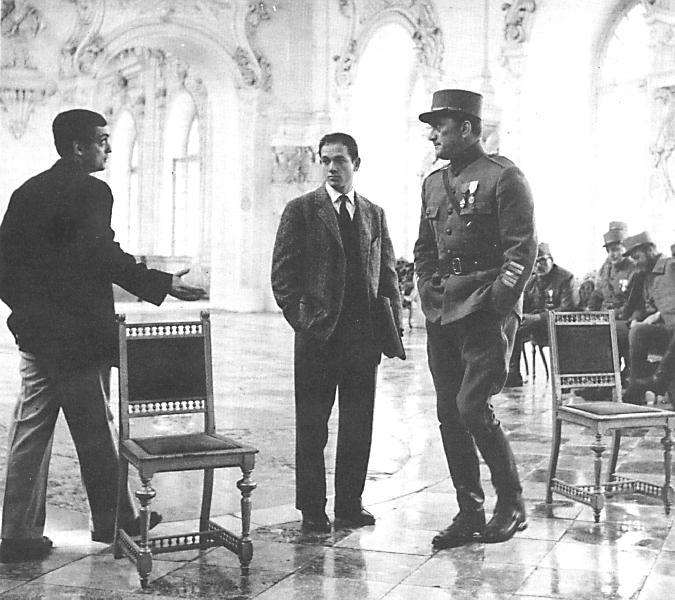

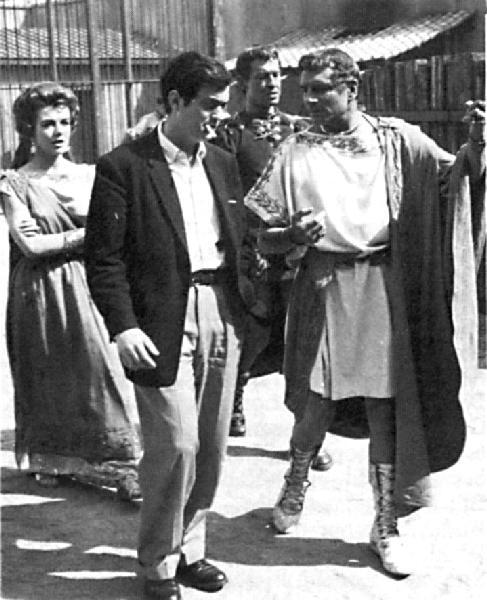



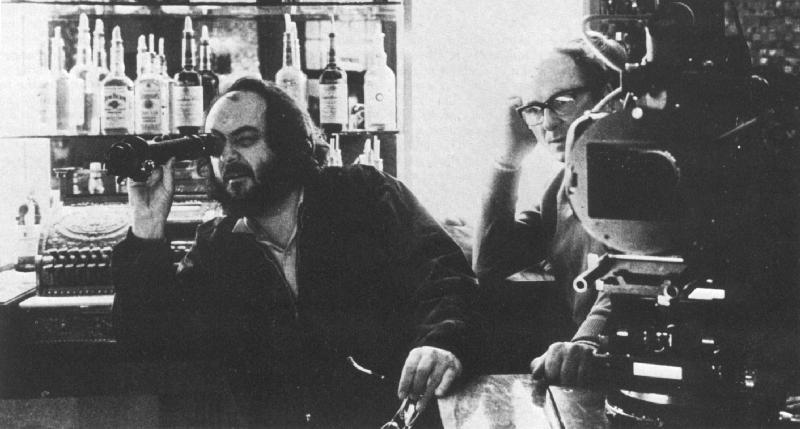
-still2_large.jpg)